Tag: Weekend Food

  • A South Jersey couple will open Freckled Jawn Brewing just in time for Oktoberfest

    A South Jersey couple will open Freckled Jawn Brewing just in time for Oktoberfest

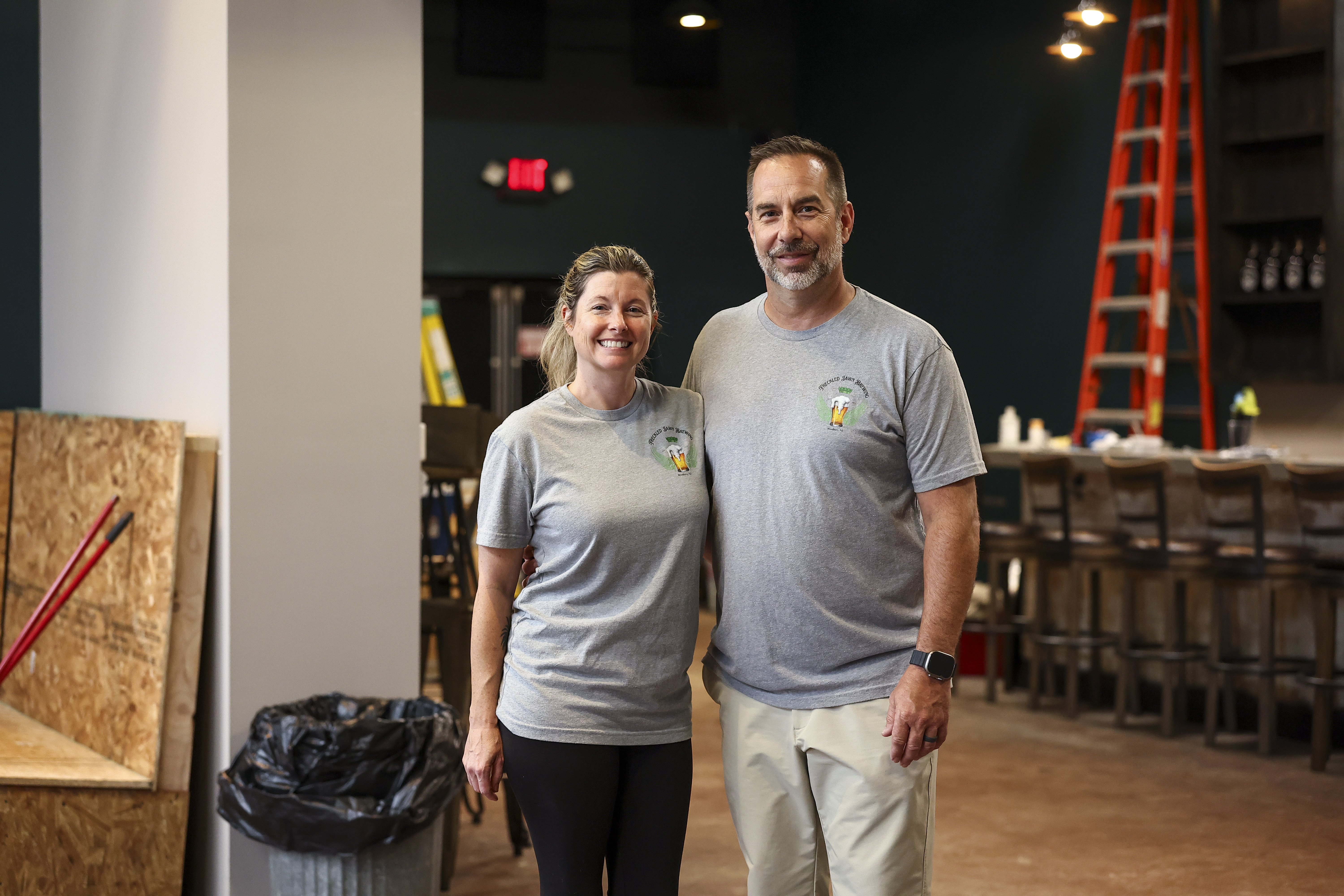
    Woodbury residents John Wagner and Colleen Gibson never planned to own a brewery.

    But when the husband-and-wife duo heard that their local drinking spot, Eight & Sand Beer Co. at 1003 N. Evergreen Ave., was up for sale last September, Wagner said they didn’t want to see a place so close to home shut down for good. They spoke with their neighbor, Woodbury’s former mayor Peg Hertrich, who connected them with the 10-year-old brewery’s owners.
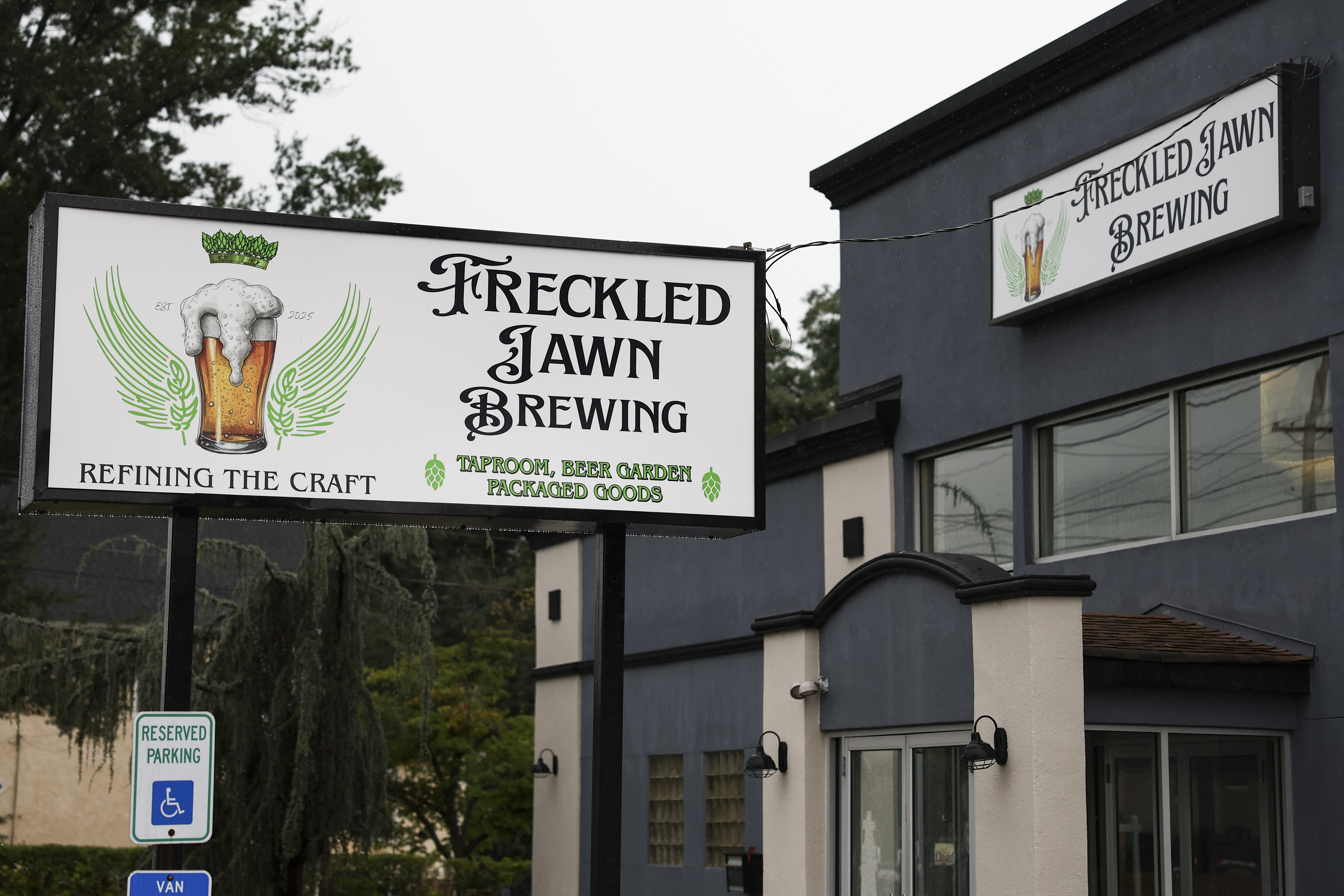
    The exterior of the new Freckled Jawn Brewing on Thursday, Aug. 27, 2026 in Woodbury, NJ.Monica Herndon / Staff Photographer

    “We never got an answer or a reason why not… so here we are,” Wagner, 53, said. “Fast forward almost a year later, and we’re getting ready to open.”

    The couple, together for 12 years, officially closed on the 4,300-square-foot brewery (that includes the brewhouse) in Gloucester County in early August, months after Eight & Sand closed. The $730,000 sale, Wagner said, included brewery equipment and a vacant lot behind the building, which will help the couple expand the property’s beer garden come spring.
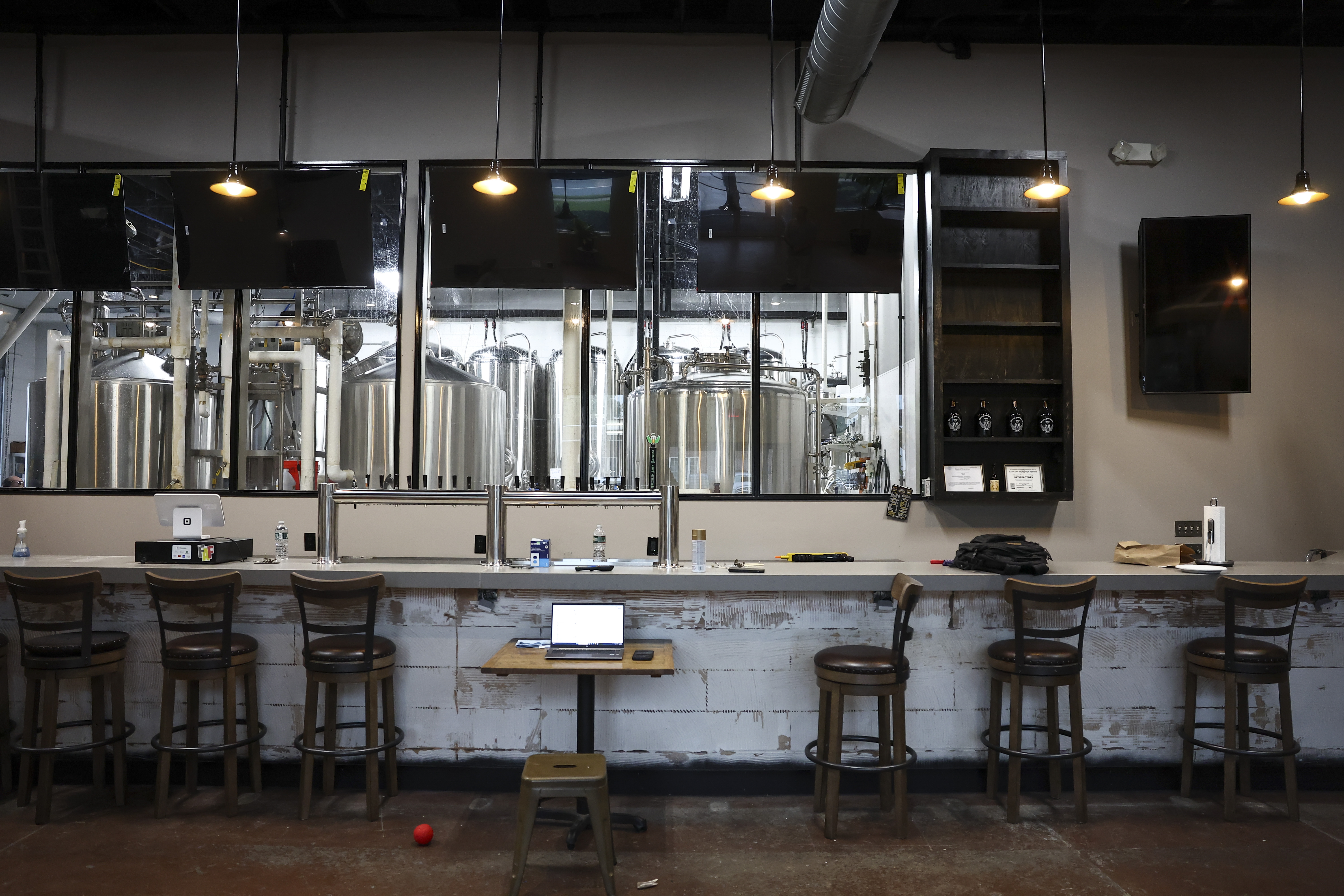
    The in-progress interior of Freckled Jawn Brewing.Monica Herndon / Staff Photographer

    Wagner and Gibson hope to open Freckled Jawn Brewing in the first week of October. An official date will come in the next couple of weeks, as they continue $40,000 of renovations and add new furniture to make the space feel less industrial and more inviting. Details will include leather and wood accents, an electric fireplace, dim lighting, and hopefully a touch of Philly sports.

    “I just want the community to have somewhere they can go that they’re excited and proud to have in the neighborhood,” Wagner said.

    The new brewery acquired Eight & Sand’s liquor license within 17 days of closing on the property, Wagner said, so Freckled Jawn has been clear to brew beer since Aug. 21.
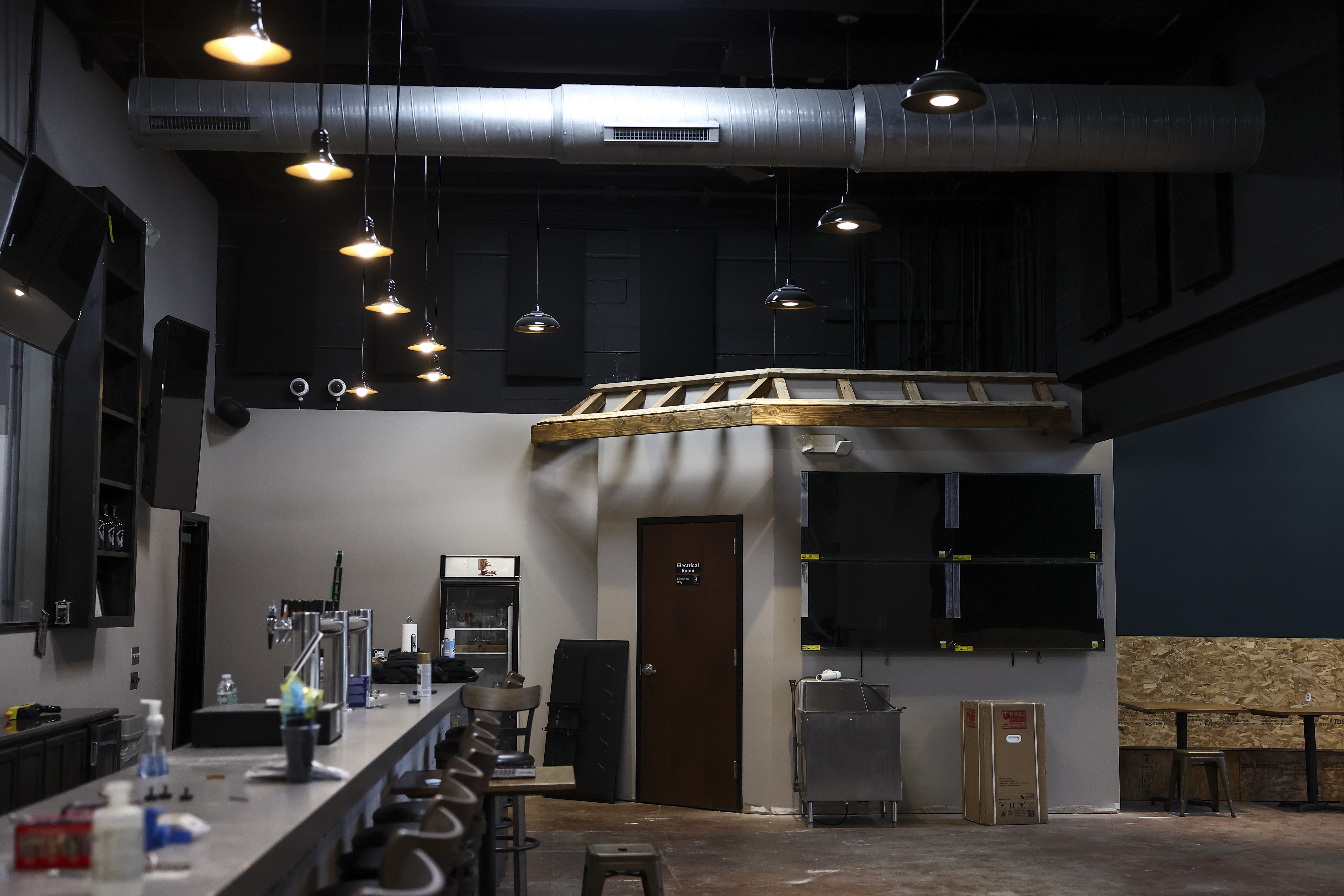
    The in-progress interior of Freckled Jawn Brewing on Aug. 27, 2026, in Woodbury, N.J.Monica Herndon / Staff Photographer

    Three years ago, before their recent venture, the couple installed a basement bar in their South Jersey home for friends and family. They like to host St. Patrick’s Day parties.

    They affectionately called the bar “Freckled Jawn Tavern,” Wagner’s 2 a.m. brainchild. The name was inspired by Gibson’s own freckles and the way she pronounces her husband’s name, John, as the multipurpose Philly term “Jawn,” a symptom of her Jersey accent. The new brewery kept it.
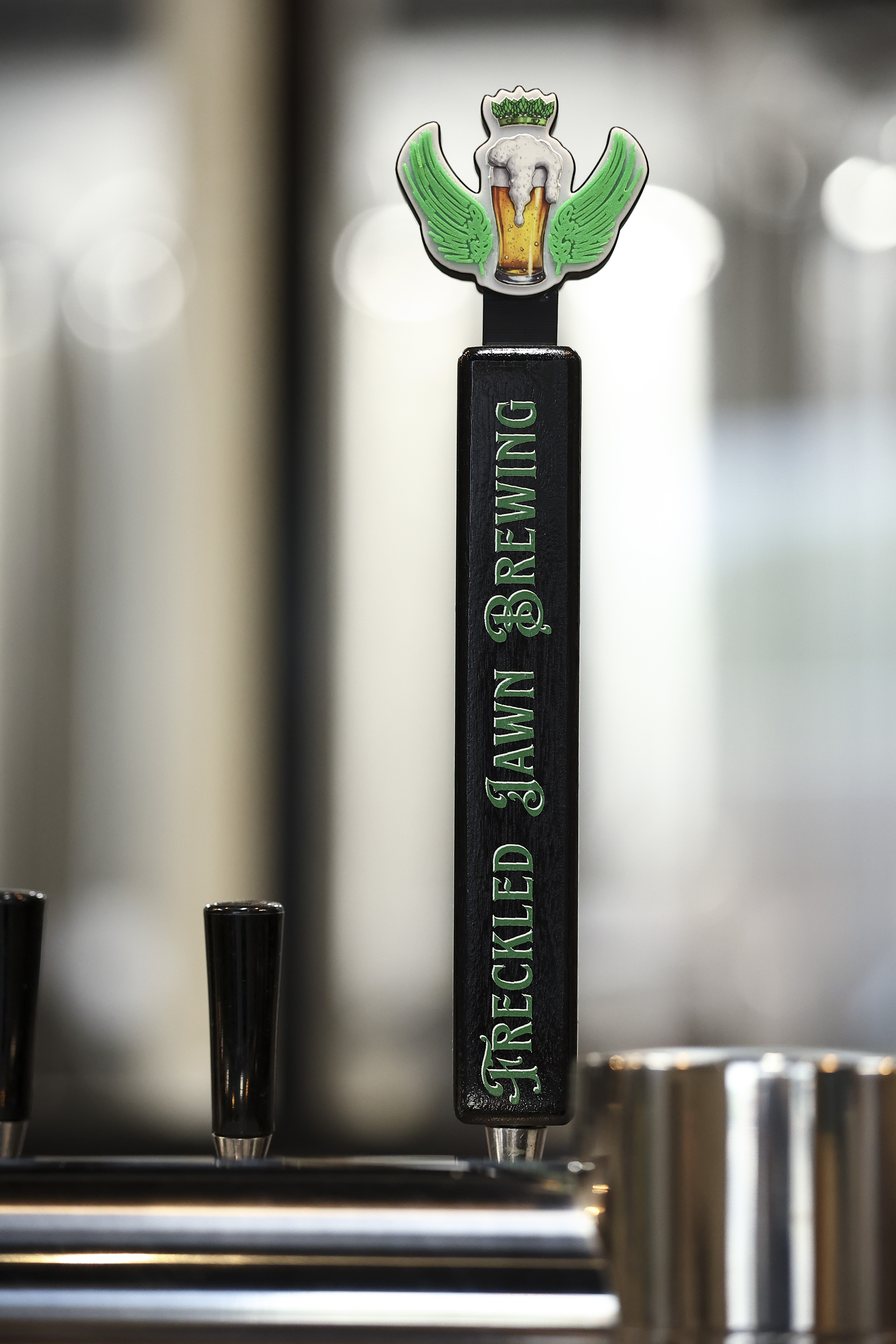
    A Freckled Jawn Brewing tap in the in-progress brewery.Monica Herndon / Staff Photographer

    “He calls me his ‘freckled jawn’ because I’m his anything and everything,” Gibson, 44, said.

    Plus, the couple has two freckled dogs, Neo and Trinity, adoptees named after The Matrix characters, who will be welcome in the brewery’s pet-friendly beer garden when it opens next year.
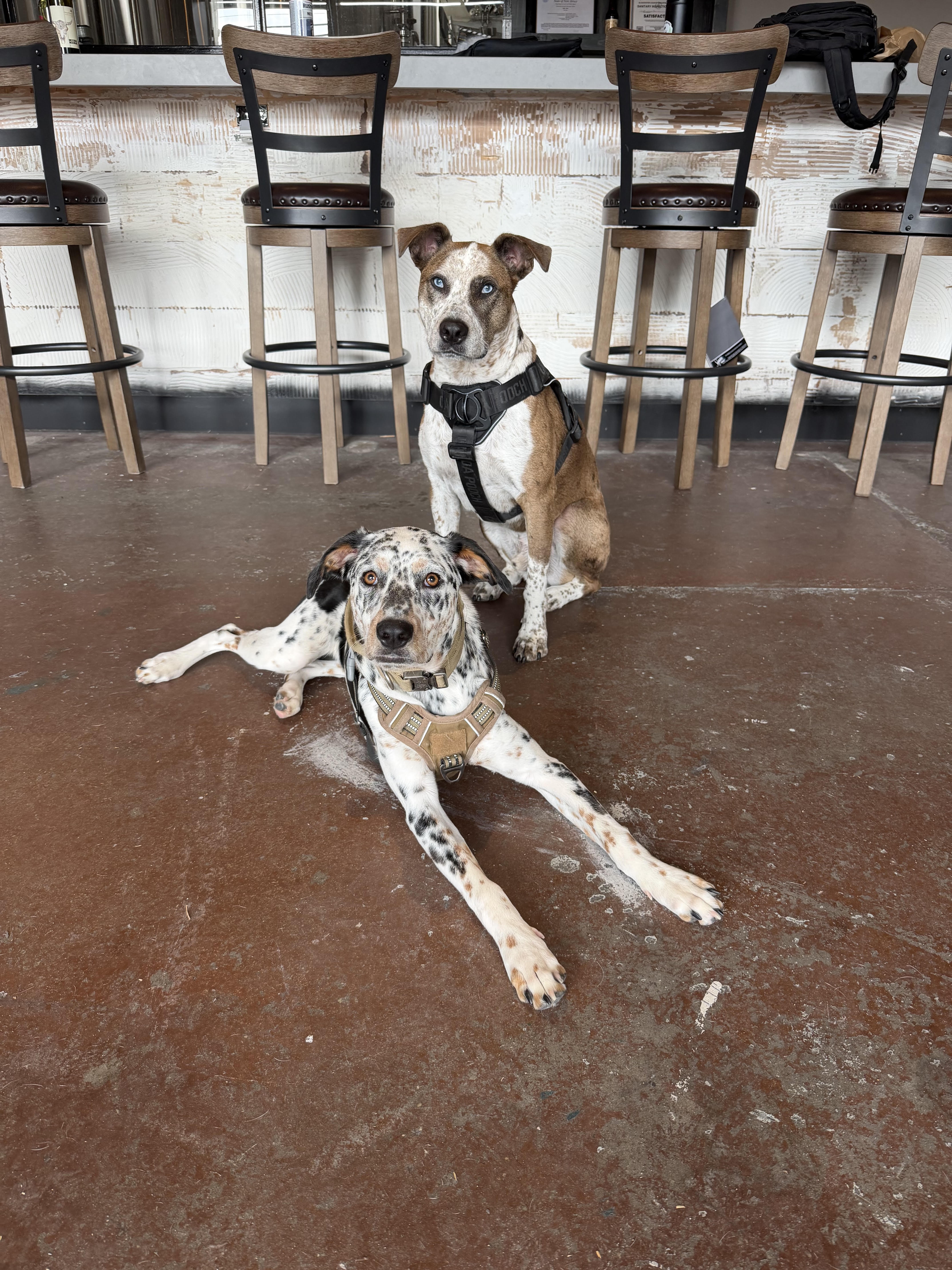
    Neo (top) and Trinity (bottom) are the unofficial mascots of Freckled Jawn Brewing in Woodbury, Gloucester County, set to open in October 2026.Colleen Gibson

    The brewery’s indoor tasting room has capacity for 77 people, while the expanded patio area will fit between 150 to 200 people, Wagner said.

    Wagner and Gibson plan to run the brewery while continuing their jobs as managers in supply chain distribution and in transportation, respectively, in the Philly region, Gibson said. They’ll manage a staff under 10 to start, which will include some of their children, and head brewer Matt Karg.

    The in-progress interior of Freckled Jawn Brewing.Monica Herndon / Staff Photographer

    Karg, 37, moved to Philadelphia with his partner in July to be closer to family, and the head brewer position happened to open at the perfect time. He started brewing when he got out of the U.S. Coast Guard and went to North Carolina’s Asheville-Buncombe Technical Community College to learn brewing, distillation, and fermentation.

    He previously brewed for Hickory Nut Gorge Brewery in Chimney Rock, North Carolina, before the spot was destroyed by Hurricane Helene in 2024, and then for Hi-Wire Brewing in Asheville. He said he’s eager to introduce people to Freckled Jawn’s Oktoberfest beer, made just in time for the fall opening.

    “The New Jersey brewing scene is a close-knit community, which we’ve learned and loved. But everyone knows everyone,” Wagner said. “They almost know every brewer, so it’s exciting that nobody knows this guy.”

    Ready for something new, Karg said his hope for the brewery is simple.

    “Good beers and a good environment to sit and hang out for awhile,” he said.

    The brewery started on an Oktoberfest lager, Wagner said, since it takes the longest to brew. Freckled Jawn will also serve a light lager, an IPA, a blonde ale, and a stout.

    “We’ll continue to expand,” Wagner said. “But we don’t want to wait too long to open.”

    Freckled Jawn Brewing’s hours will be 4 p.m. to 9 p.m., Monday through Thursday; noon to 10 p.m., Friday and Saturday; and noon to 7 p.m. on Sunday.

  • A new line of tailgate-themed canned cocktails will benefit the Eagles Autism Foundation

    A new line of tailgate-themed canned cocktails will benefit the Eagles Autism Foundation

    If you’re looking for some on-theme drinks to bring to an Eagles tailgate this season, Bird Gang Spirits has you covered.

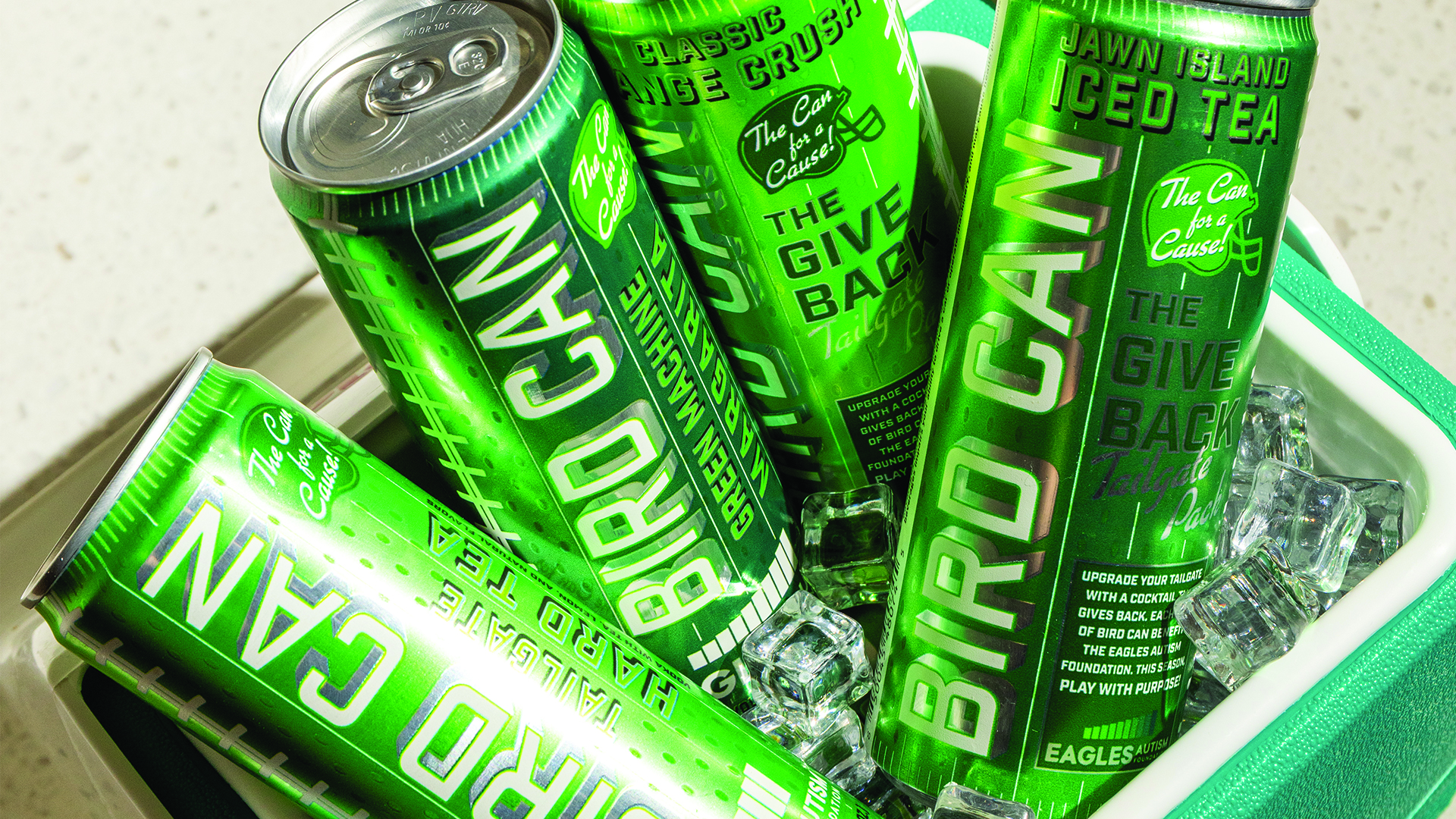
    In partnership with BOTLD, which works with distilleries nationwide, Bird Gang Spirits released a “tailgate pack” of canned cocktails. The eight-pack’s flavors are Tailgate Tea, Orange Crush, and Green Machine Margarita — which have an ABV of 7% — and Jawn Island Iced Tea, which boasts an ABV of 12%. The latest addition to the seltzer aisle isn’t just for a good time, however, said BOTLD president Andrew Auwerda.

    “We thought it would be kind of a fun, new twist to do good by doing some can cocktails, with the proceeds benefiting Eagles Autism Foundation.” he said. “ It’s supposed to be kitschy, fun, and perfect for the tailgate and in time for the Eagles’ season. It’s been great working with the Eagles Autism Foundation. They’re just a real pro organization and great cause.”

    Bird Gang Spirits released a line of canned cocktails. Part of the proceeds from the cocktails will benefit the Eagles Autism Foundation.BOTLD

    Since the Eagles Autism Foundation was created in 2019, the team has raised millions for research, accessibility resources, and community programs. A portion of the tailgate pack’s sales will go to the foundation, and Bird Gang Spirits itself is a collaboration with the Eagles.

    The team’s partnership with BOTLD began in 2023 alongside the return of the beloved kelly green uniforms. Since then, Bird Gang has released a line of liquors, from Bird Gang Spicy Tequila to “Bird Gang World Championship 2024 Irish Whiskey.”

    The tailgate pack is $24 and available online at BOTLD’s website; in person at grocers like Acme, Giant, and Weis; or brick-and-mortar BOTLD locations in King of Prussia and Rittenhouse. Bird Gang Spirits is taking advantage of the booming seltzer market that has emerged in the past few years, joining brands like Surfside that have become nationwide hits as well as Philly stadium favorites.

    “I mean, they’ve only been in the stores maybe a week, and it’s still rolling out to more stores, but we’re already seeing some reorders,” Auwerda said. “We’re really grateful for a great start from the retail partners.”

    As for his favorite flavor?

    “I think the margarita right now, for the time of the year. It’s the end of summer, but it’s still marg season.” he said. “The Jawn Island Iced Tea has a bit more alcohol, so I will save that for a game day.”

  • New Jersey permanently allows the sale and delivery of to-go alcoholic beverages

    New Jersey permanently allows the sale and delivery of to-go alcoholic beverages

    In New Jersey, “to-go” alcoholic beverages are officially here to stay.

    Gov. Mikie Sherrill on Friday signed legislation making permanent the COVID-era provisions that allowed bars, restaurants, and other permitted businesses to sell and deliver alcoholic beverages for off-premises consumption. Intended to be temporary, those allowances were previously set to expire Sept. 1.

    Moving forward, the legislation allows certain establishments to sell and deliver mixed cocktails in closed, sealed containers, and alcoholic beverages in their original containers, to be consumed away from their locations. Craft distillery licensees will also be able to sell and deliver their products under certain conditions.

    “New Jersey’s small businesses shouldn’t have to navigate outdated rules just to serve their customers and grow,” Sherrill said in a statement. “Cocktails to-go worked, customers liked it, and small businesses told us it was another way to bring in revenue. Today, we’re making it permanent.”

    The bipartisan legislation making those to-go alcohol changes permanent passed both New Jersey houses in late June.

    In addition to restaurants and bars, under the law, other permitted businesses with retail consumption licenses, such as hotels, may also sell alcoholic beverages for delivery and off-site consumption. Deliveries can be made by the licensed business itself, or a permitted third-part delivery company.

    New Jersey distilleries, meanwhile, can sell mixed drinks for on-site consumption when the beverages are made using alcohol manufactured on premises. Those businesses can also sell mixed drinks using their own distilled alcohol for off-site consumption, though the beverages must be sold in containers with a tamper-evident seal. And distilleries can also sell their own products accompanied by nonalcoholic beverages and food items that enable customers to make their own mixed drinks.

    “During the pandemic, this commonsense policy helped restaurants survive one of the toughest periods in their industry’s history,” said state Sen. Declan O’Scanlon, a Republican from Monmouth County. “I’m proud that the flexibility we gave these businesses will now be permanently available to them with the signing of this law.”

  • A New York City agave bar has opened in the former Martha space in Kensington

    A New York City agave bar has opened in the former Martha space in Kensington

    You can order 10 different margaritas, a tequila-spiked rendition of a Clover Club, and whole barbecued dorade for the table at East Kensington’s newest bar.

    Mixteca — an agave-focused coctelería from two James Beard Award-winning bartenders — opened at 2113 E. York St. in late August, breathing new life into the space formerly occupied by the acclaimed neighborhood bar Martha.

    This is Mixteca’s second location. Founders Euclides “Victor” Lopez and Jeff Bell worked together for 15 years at the iconic New York City speakeasy Please Don’t Tell (better known as PDT) before opening the first Mixteca in the West Village last summer. The bar is intended as a vibe-y ode to the tequilas and mezcals distilled in Puebla, the Mexican state from which Lopez hails.

    Mixteca — named after the artisan-rich region of central Mexico — is as much a tribute to Lopez’s heritage as it is an outgrowth of Lopez and Bell’s relationship. Bell worked his way up at PDT from Lopez’s barback to lead bartender and eventually owner, after buying the speakeasy and its brand from co-founder Brian Shebairo.

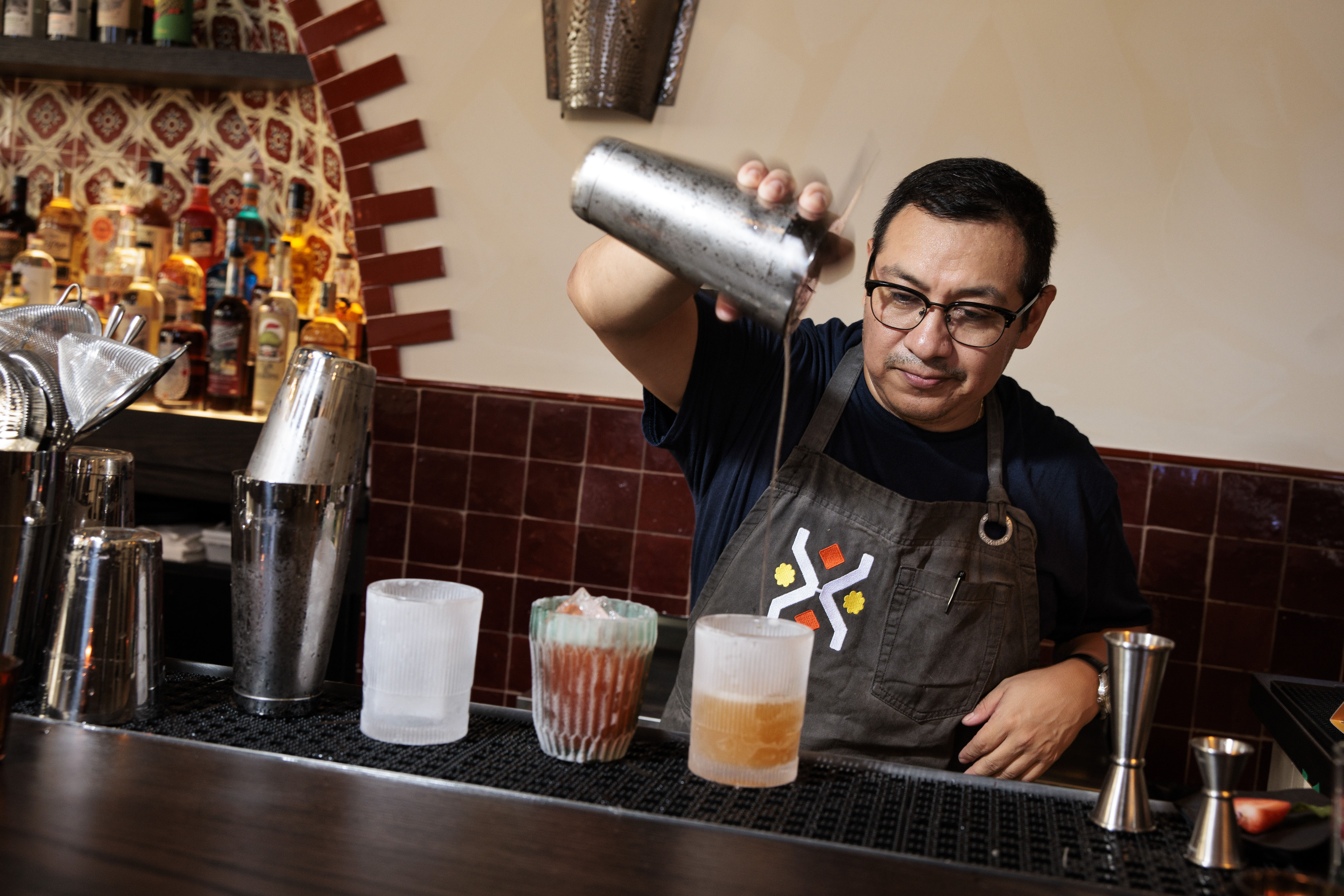
    Victor Lopez pours cocktails at Mixteca in East Kensington.Monica Herndon / Staff Photographer

    The duo were part of the team at PDT that won the inaugural James Beard Award for Outstanding Bar in 2012, and also helped bring the bar — located behind a payphone inside an East Village hot dog joint — to Hong Kong. All the while, Lopez held down consistent bartending shifts four nights a week.

    Lopez “is one of the best cocktail makers I’d ever worked with,” Bell said. “We’d play these games with him back in the day at PDT where we’d make him a drink, and he’d correctly guess the components.”

    In New York, Mixteca is a bar first, with an extensive drink list of inventive takes on classic cocktails prepared with Latin American flavors, like a tomatillo gin and tonic or a Negroni infused with palo santo, a wood used for spiritual cleansing across Latin America. In lieu of a full food menu, Lopez and Bell partnered with Los Angeles-based Tacos 1986 to serve a handful of tacos and quesadillas.

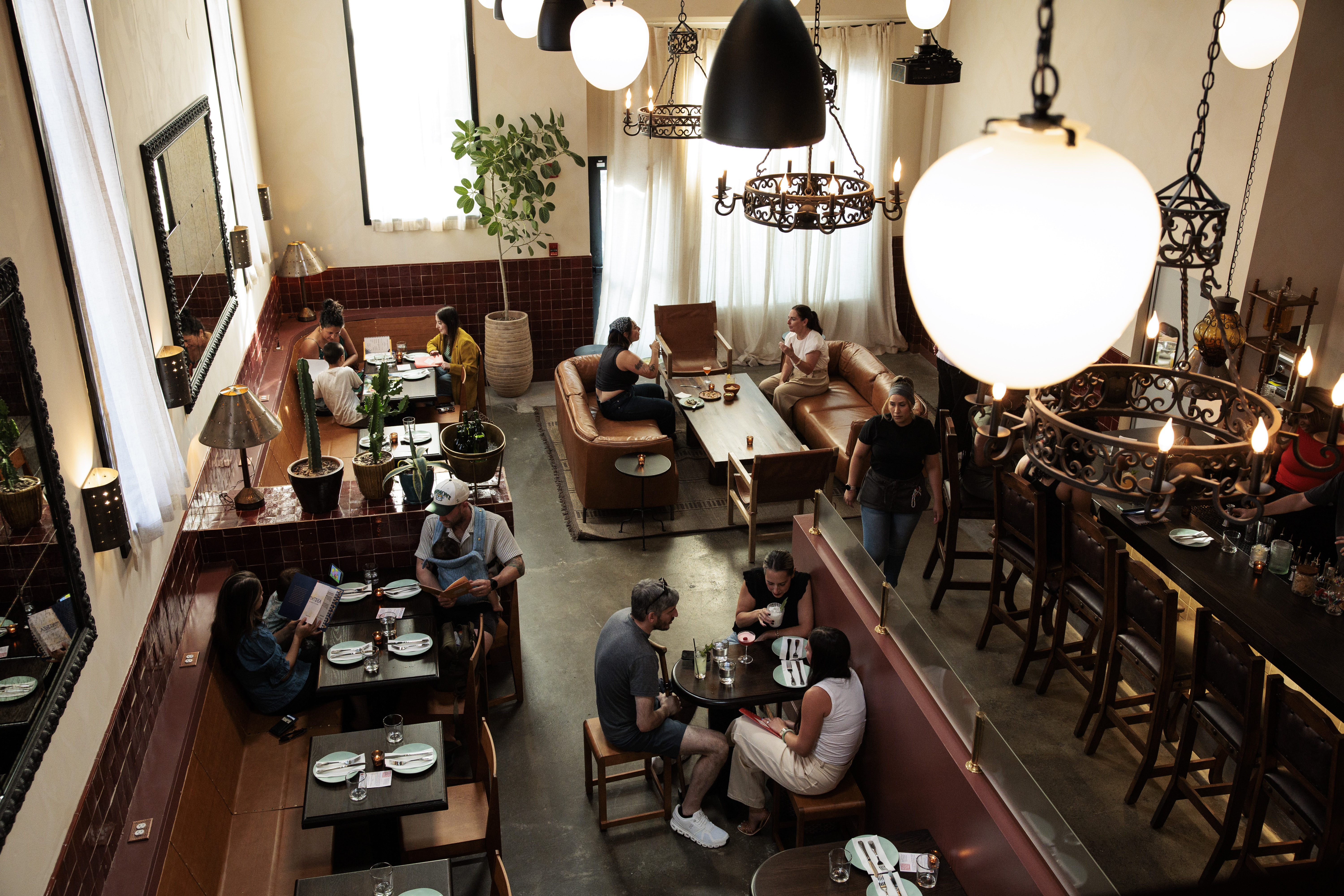
    The dining room at Mixteca on a friends and family night Aug. 26.Monica Herndon / Staff Photographer

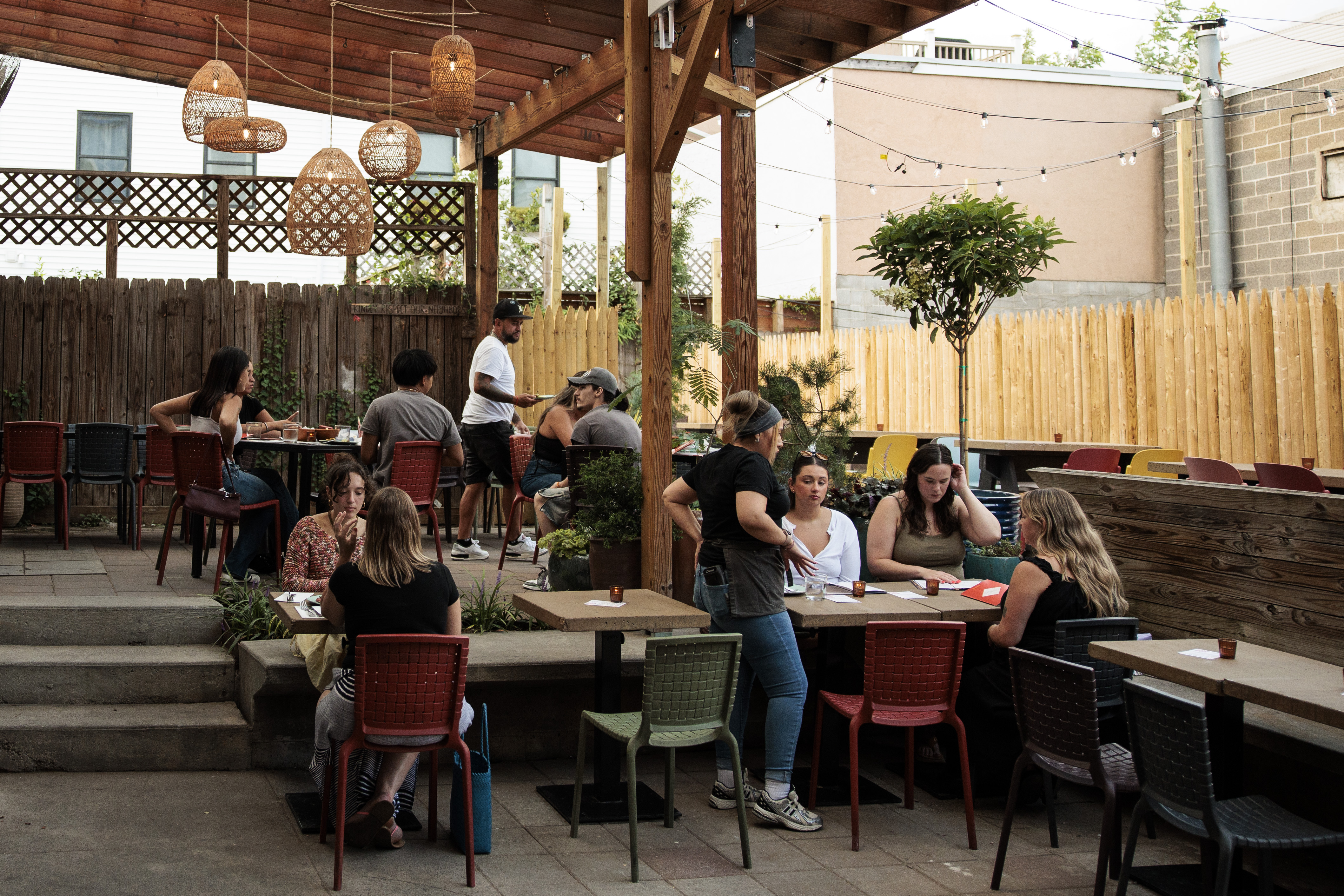
    Mixteca in Philly, meanwhile, is equal parts bar and restaurant, with a full-fledged food menu of Poblano-inspired share plates and nearly double the number of cocktails. The space seats 100 people across its airy, bench-lined main dining room, dimly lit mezzanine, and large patio outfitted with string lights and rainbow-colored chairs. The restaurant has an eye-catching centerpiece: a large arch over the center bar made of intricate ceramic Talavera tiles imported from Puebla. They almost create a halo over the shelves upon shelves of alcohol.

    Lopez and Bell said they have been enthralled with Philly since 2011, when they attended a gin symposium in the city and drank their way through Rittenhouse Square at Franklin Mortgage, the Ranstead Room, and David Suros’ agave-focused restaurant Tequilas. Neither was looking to open another bar until they toured the old Martha space after a deal with the New York City-based Filipino restaurant Pig & Khao fell through. (Pig & Khao and Mixteca are financially backed by the same investment firm, Apres Cru Hospitality.)

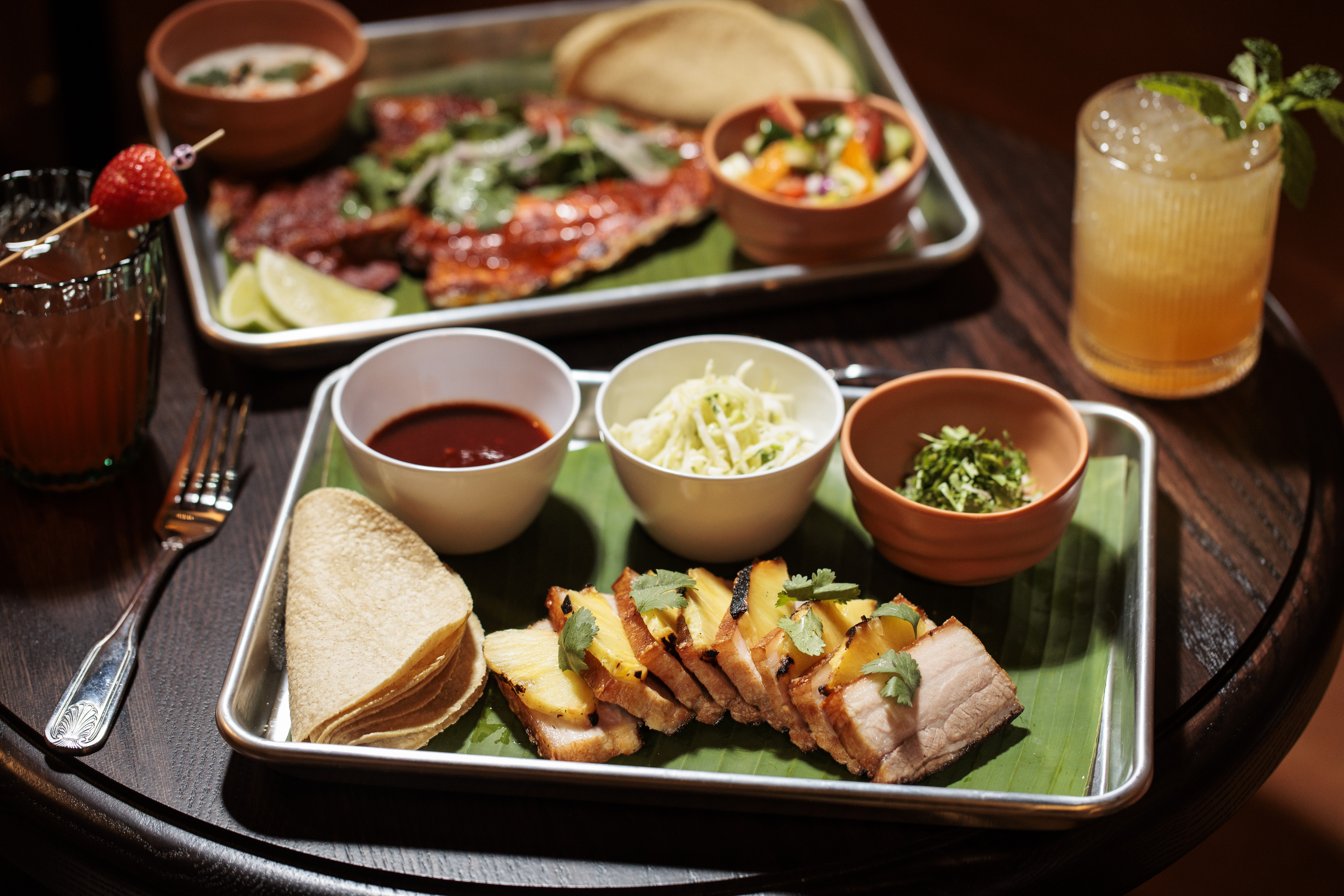
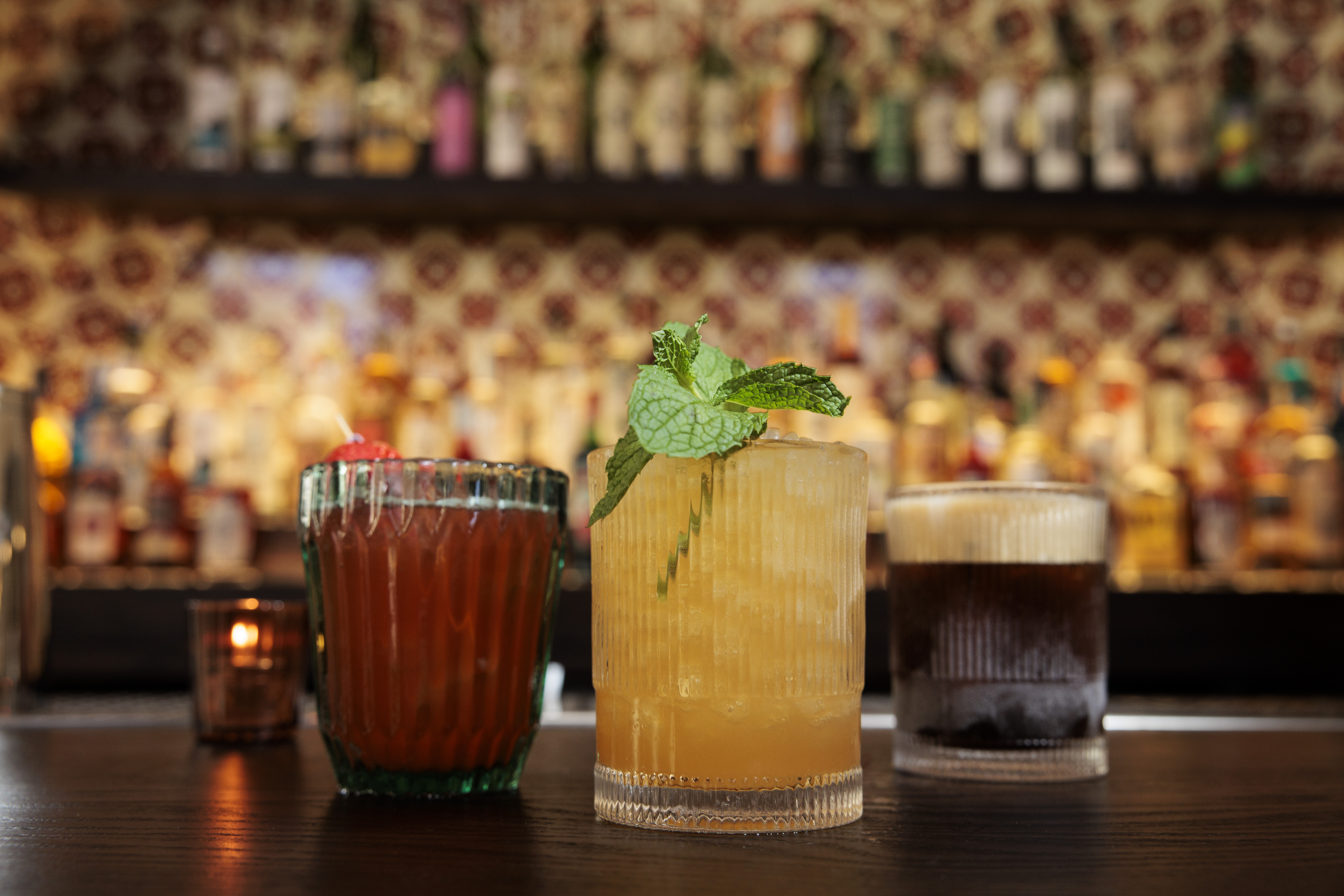
    The strawberry margarita, Fish House Punch, and carajillo cocktails at Mixteca.Monica Herndon / Staff Photographer

    “The high ceilings, the exterior, the energy of the neighborhood … it was perfect,” Bell said. “There’s a chaos to New York that can be exhausting, and I don’t see that in Philly.”

    Lopez needed even less convincing: “I told Jeff, ‘I’ll probably move to Philly because I love it.’”

    Classic cocktails with an agave twist

    Mixteca’s Philly menu uses the New York location’s as a starting point for an array of drinks that draw deep on mezcal and tequila.

    The restaurant has the same house margaritas on the menu — classic, made with Cointreau; and spicy, made with wasabi, cucumber, and hot honey — plus seven new flavored options, such as guava and blackberry, made with fruit juice.

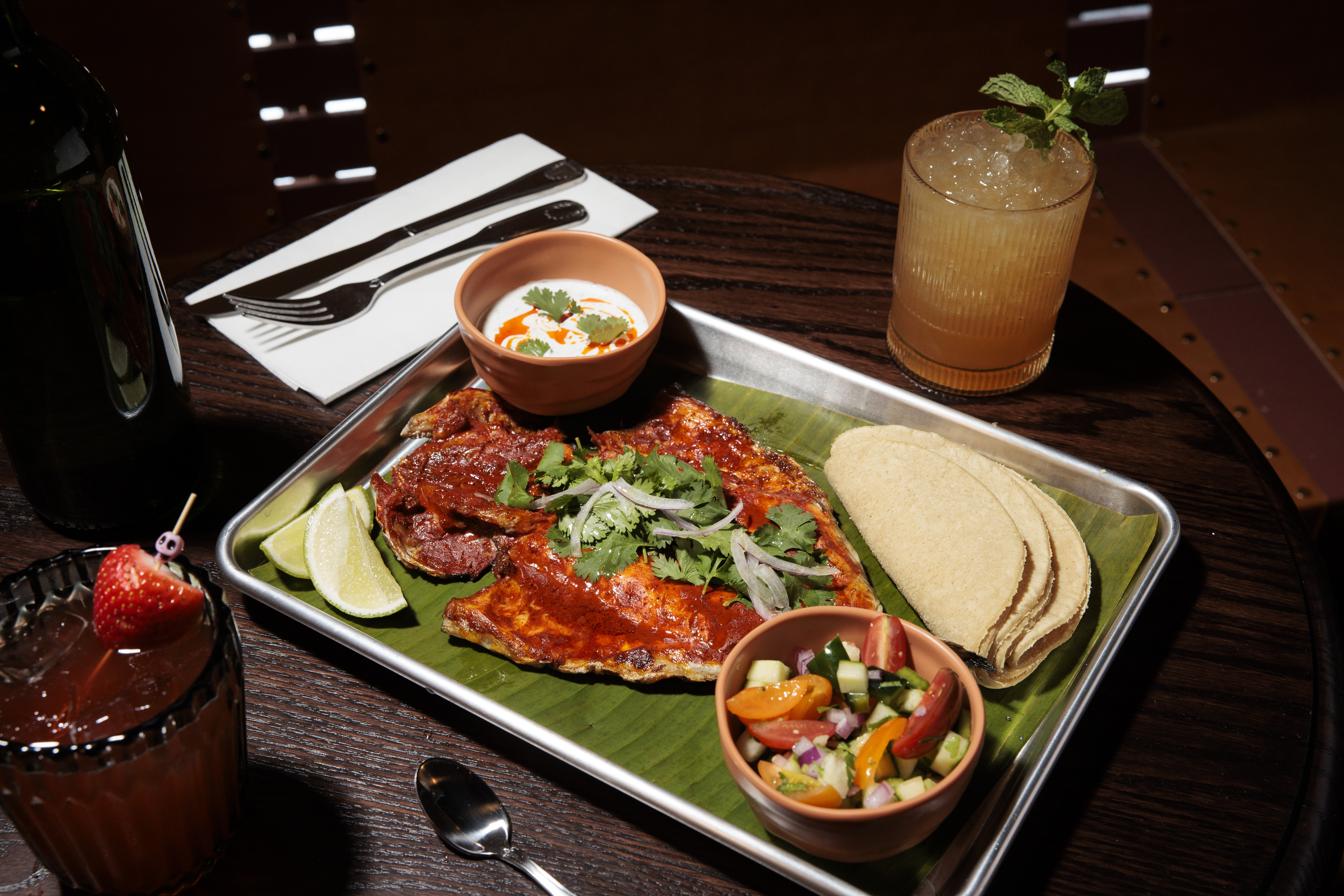
    The aorade asado at Mixteca. The Philly location is equal parts bar and restaurant, with a full-fledged food menu of Poblano-inspired share plates.Monica Herndon / Staff Photographer

    The Philly location’s 18 signature cocktails include classics like rye whiskey Manhattans and espresso martinis as well as agave-centric counterparts, like the aptly named Puebla York (made with reposado tequila, mezcal, Cynar amaro, and cassis) and a cold brew carajillo, the popular Mexican cocktail made with tequila and vanilla-forward Licor 43.

    Lopez also created versions of two timeless local cocktails: a mellower, peach-infused Fish House Punch that swaps brandy for reposado and Oaxacan rum, and a foamy raspberry Clover Club that uses white tequila instead of gin. Both go down easy.

    The patio at Mixteca on a friends and family night Aug. 26.Monica Herndon / Staff Photographer

    Though no executive chef heads up Mixteca’s kitchen in Philadelphia, the food menu got the stamp of approval from Lopez, who said the flavors were “the closest” to what he grew up eating as a kid in Mexico. Highlights include a bright hamachi and yellowtail ceviche; steak, mushroom, and chicken tacos served on made-to-order corn tortillas; and a whole dorade asado designed for sharing. Served with warm tortillas, white salsa, and a crisp tomato-cucumber salad, the fish sits at the center of a table like a prized catch of the day.

    Lopez and Bell aren’t looking to outshine the neighborhood’s already-busy bar scene. Mixteca is blocks away from the Madrid-inspired Bar ILU and industry favorite gastropub Meetinghouse. It’s also around the corner from East Kensington standbys Philadelphia Brewing Co. and Atlantis: the Lost Bar.

    “We’re showing up to a party that’s already happening. We’re not the hosts,” said Bell. “We want to ingratiate ourselves.”

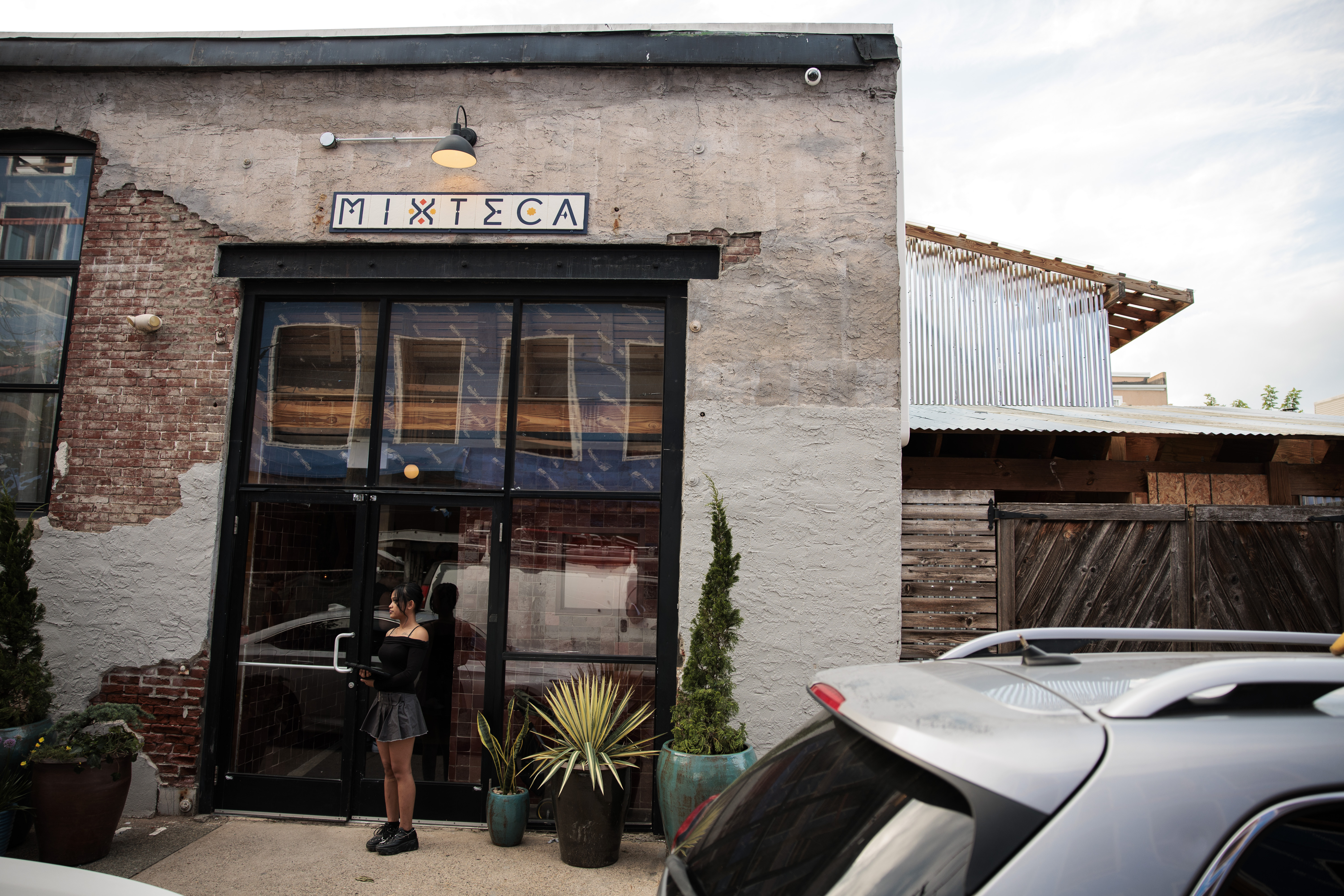
    The exterior of Mixteca, in the former Martha space in East Kensington. Monica Herndon / Staff Photographer

    Mixteca, 2113 E. York St., 215-714-3148, cocteleriamixteca.com. Hours: 4 p.m. to midnight Monday through Wednesday; 4 p.m. to 2 a.m. Thursday to Friday; noon to 2 a.m. Saturday; noon to 10 p.m. Sunday.
  • Center City bar Jose Pistola’s has closed after 19 years

    Center City bar Jose Pistola’s has closed after 19 years

    A distinctive stretch of 15th Street in Center City has lost both of its longtime bars within a year.

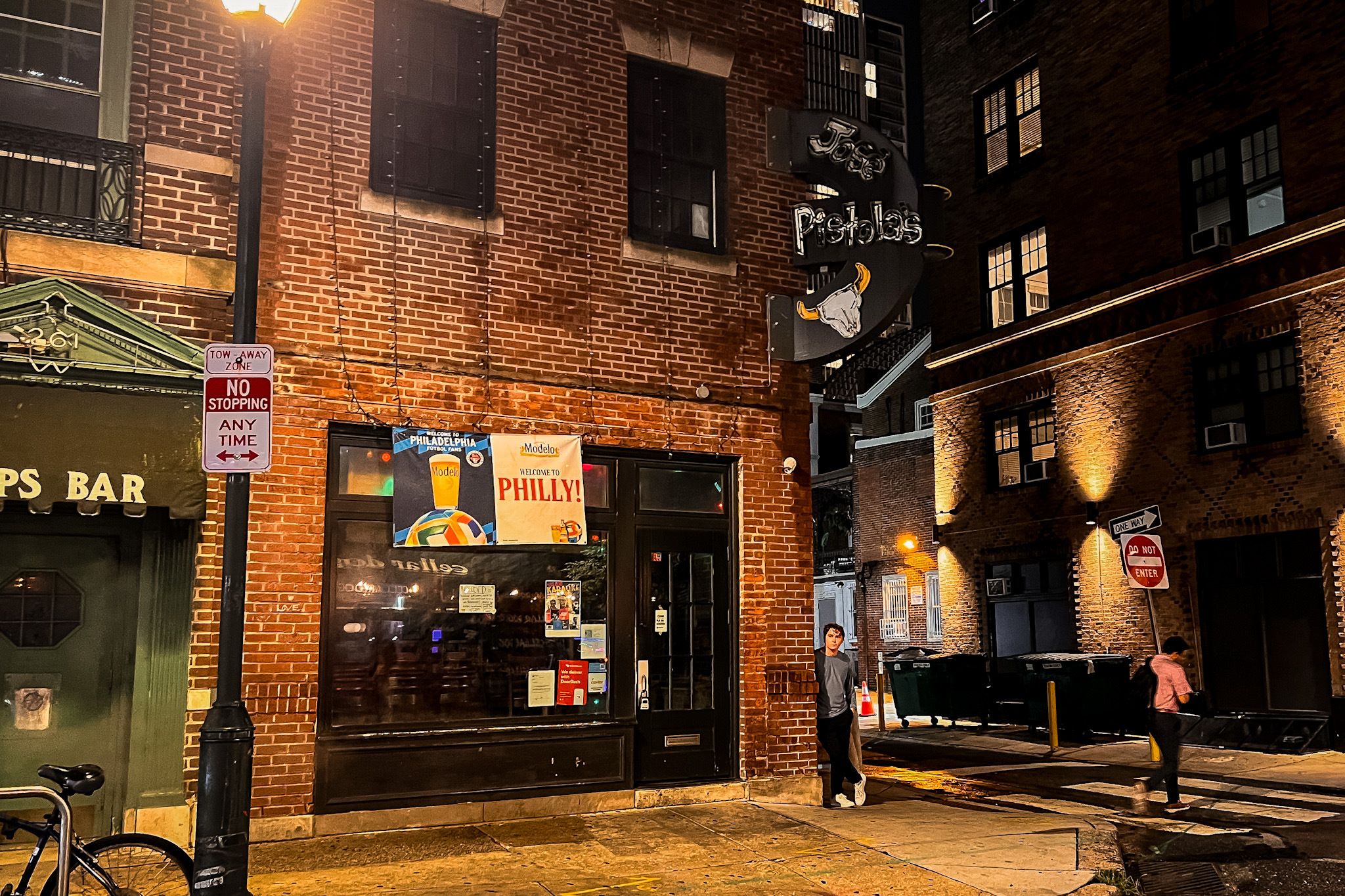
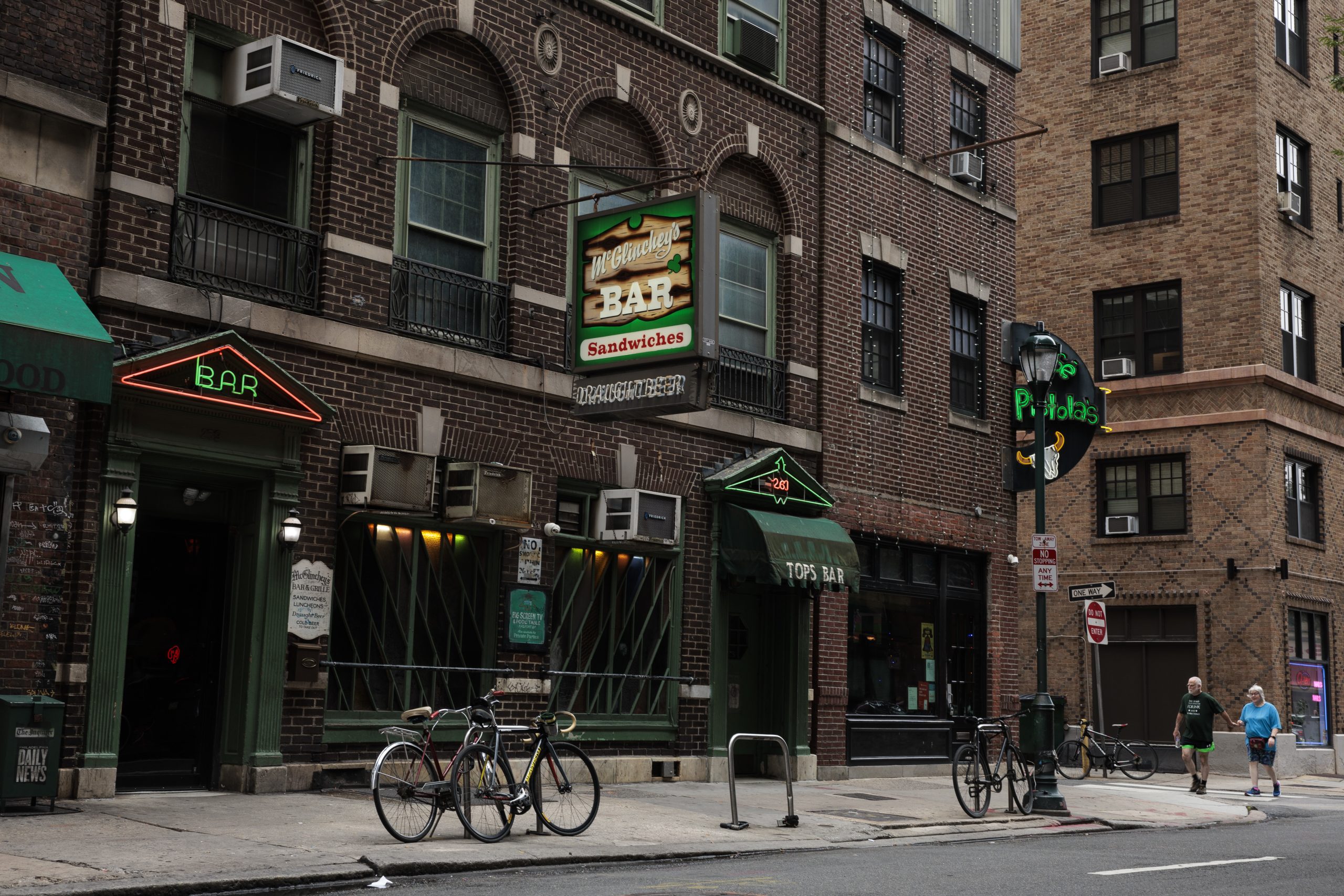
    Jose Pistola’s, the Mexican-inspired craft beer bar at 263 S. 15th St., has closed after 19 years, following last August’s closing of its next-door neighbor, McGlinchey’s.

    The closing of Jose Pistola’s came abruptly Tuesday amid a number of factors, including the Philadelphia Gas Works’ cutoff of its gas service. Although co-owner Joe Gunn said the business had made payments and was trying to resolve the issue, he said PGW would not restore service for three more days. . “That was the straw that broke the camel’s back,” Gunn said.

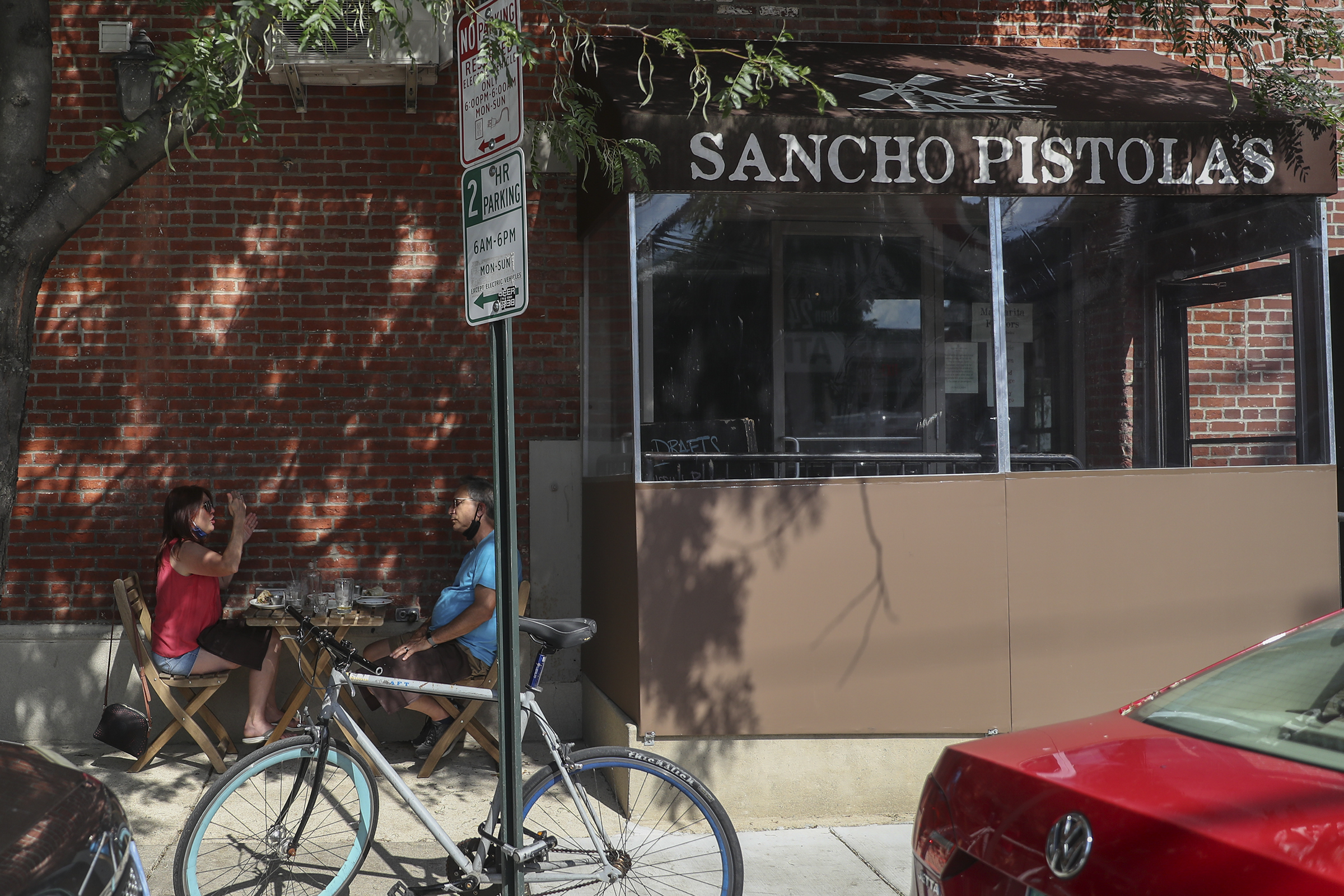
    Sancho Pistola’s in Fishtown, which opened in 2014, is not affected by the Center City closing.Heather Khalifa / Staff Photographer

    The closing does not affect Sancho Pistola’s on Girard Avenue in Fishtown, which opened in 2014, or Pistola’s Del Sur on East Passyunk Avenue in South Philadelphia, which opened in 2017. They are doing well, Gunn said. “They’re in no danger of going anywhere.”

    In 2009, court records show, the City of Philadelphia, which owns PGW, obtained a judgment of nearly $48,000 against Jose Pistola’s. According to a 2025 court docket entry, the judgment was never satisfied. A PGW spokesperson on Friday declined to comment, saying it does not share information about individual accounts.

    Gunn, saying that he did not want to blame PGW, said the interruption forced a decision that he and business partner Casey Parker had already been contemplating.

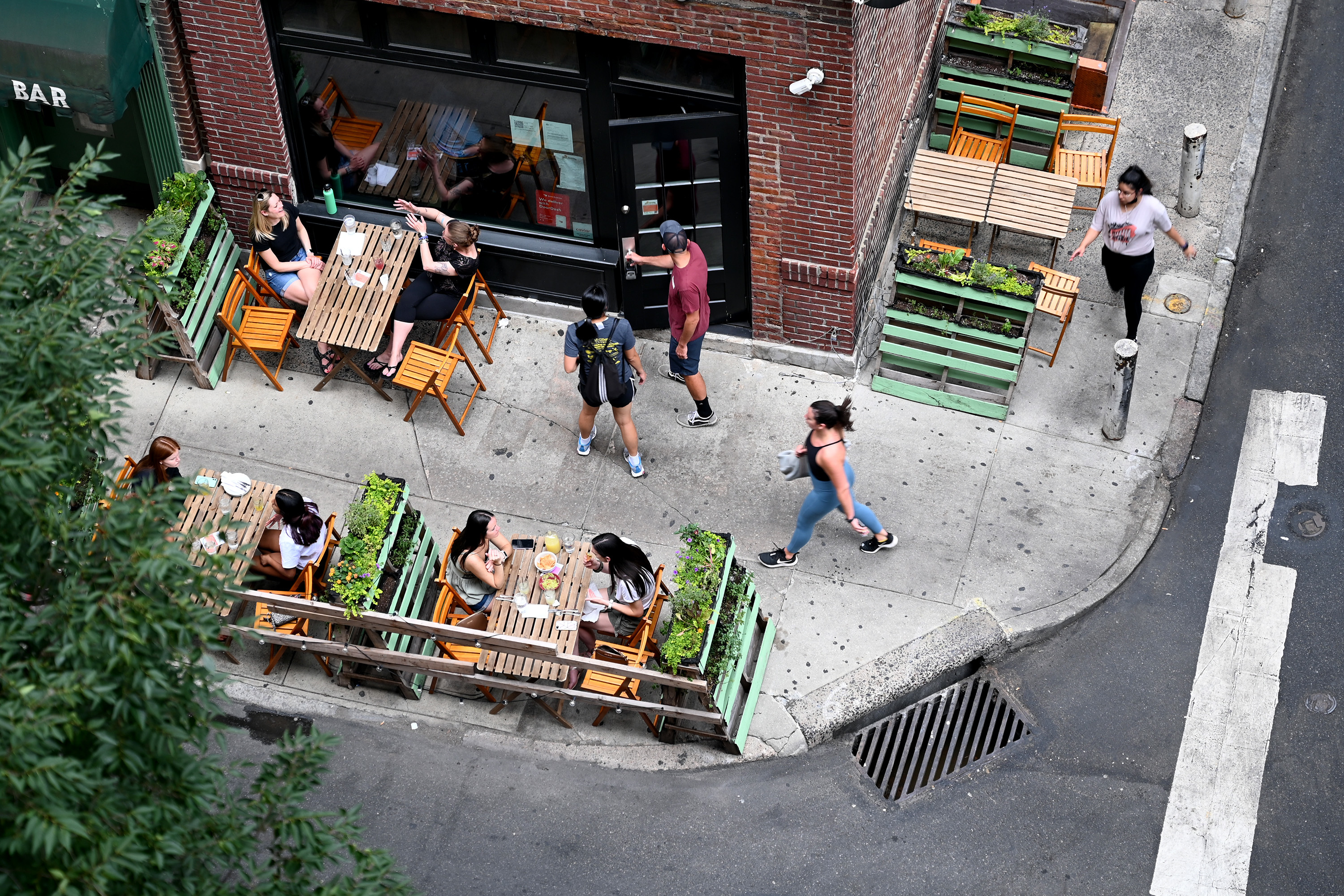
    A view of Jose Pistola’s pandemic-era outdoor seating at 15th and Manning Streets in 2021. Tom Gralish / Staff Photographer

    Gunn said they had about a year remaining on their lease and had been discussing a five-year renewal with their landlord. But with both Gunn and Parker now 51 and their children getting older, he said another long commitment seemed increasingly daunting. “It takes a lot of energy to play that game,” Gunn said.

    The numbers were difficult, too. As other bar and restaurant owners have lamented, higher food and operating costs had squeezed the business, while the late-night trade that once helped sustain bars like Pistola’s has diminished.

    “Frankly, [the bar] just never fully recovered from COVID,” Gunn said. “Coming out of COVID, the world was a different place — the price of goods, the cost of everything, and people don’t go out as much late. These younger generations are too smart to drink their life away.”

    “It’s always been tight, but everything changed,” Gunn said. “And then people just don’t drink as much.”

    About 25 people worked at Jose Pistola’s. Gunn said they had little warning because the owners themselves had not decided to close until the last minute. He said he and Parker are trying to place employees at their other restaurants or with friends in the industry.

    “We’ll absorb what we can, obviously, in the other two places,” Gunn said. “We have a lot of friends in the business, so we’re aggressively trying to help them.”

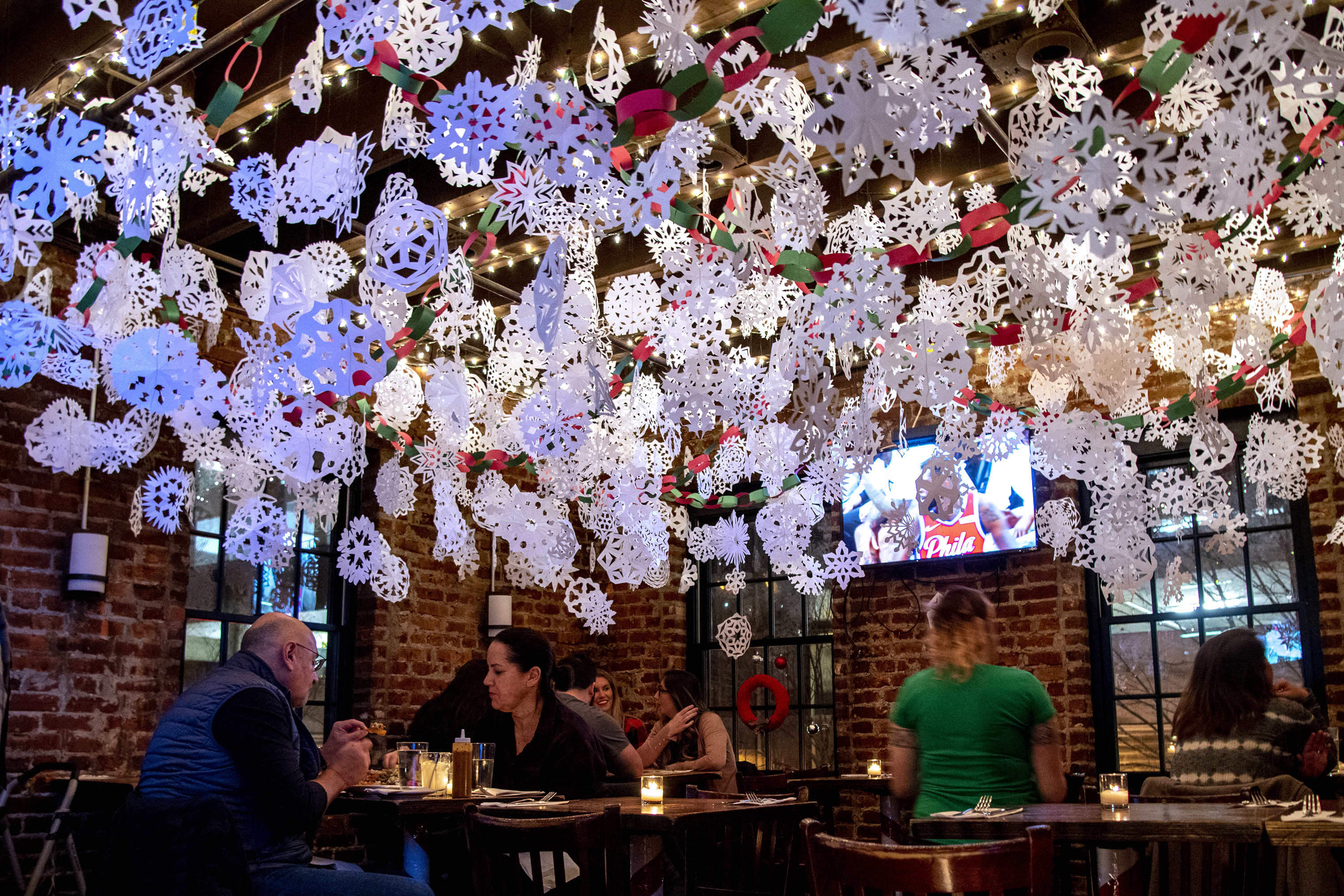
    Jose Pistola’s bar, as decorated in 2019 for its annual Jose Pistola’s Christmas Smackdown Bar Crawl.Tom Gralish / Staff Photographer

    Jose Pistola’s — its name a loosely licensed Spanish rendering of Gunn’s first and last names — opened Aug. 29, 2007, taking over the longtime Copa, Too! space. Gunn and Parker were both veterans of Fergie’s Pub; Gunn had worked there for about seven years before leaving to open Pistola’s, while Parker had moved on by then.

    The bar quickly established itself through its combination of craft beer, Mexican-inspired food, and an irreverent neighborhood-bar atmosphere. It became particularly associated with Philadelphia’s burgeoning craft beer movement and the early years of Philly Beer Week.

    Its food grew more ambitious after Puebla-born chef Adán Trinidad joined the operation and eventually became a partner. Trinidad, whose resumé included El Vez and Alma de Cuba, brought to the menu such dishes as tortilla soup, goat sopes, carnitas-filled steamed buns, and Brussels sprout tacos that caught the attention of Inquirer critic Craig LaBan.

    The partners later expanded the Pistola’s name to Fishtown and East Passyunk. Trinidad died after a fall in October 2021 at age 39.

    Adán Trinidad was chef-partner until his death in an accidental fall in 2021.Rachel Delsurdo / Courtesy of Jose Pistola's

    For most of Jose Pistola’s run, its next-door neighbor offered a study in contrasts.

    McGlinchey’s — now on the market — was a cash-only dive bar known for low prices, dim lighting, smoke in the air, and an eclectic clientele. It endured by barely changing, while Jose Pistola’s brought craft beer and more ambitious food to an equally unpretentious neighborhood-bar sensibility.

    The two businesses were nevertheless close.

    “We had a great relationship with them,” Gunn said. “We loved them because of how funny they were. They were just kind of cranky, and they put up with us.”

    McGlinchey’s, as seen in August 2025, was next door to Jose Pistola’s.Monica Herndon / Staff Photographer

    Gunn said the McGlinchey’s closure was part of a broader change he has watched on this stretch of 15th Street between Locust and Spruce Streets.

    “The whole corridor used to be more vibrant,” he said. “I think COVID wiped out a lot of those places. It changed everything for us.” The block is also home to Cellar Dog and Garage Rittenhouse.

    As recently as Thursday, Gunn said, he and Parker were “still fighting to figure out a way to [save] it. But it just, I think, ran out of steam.”

  • 7th Street Burger, an NYC-based chain, opens its first Philly location

    7th Street Burger, an NYC-based chain, opens its first Philly location

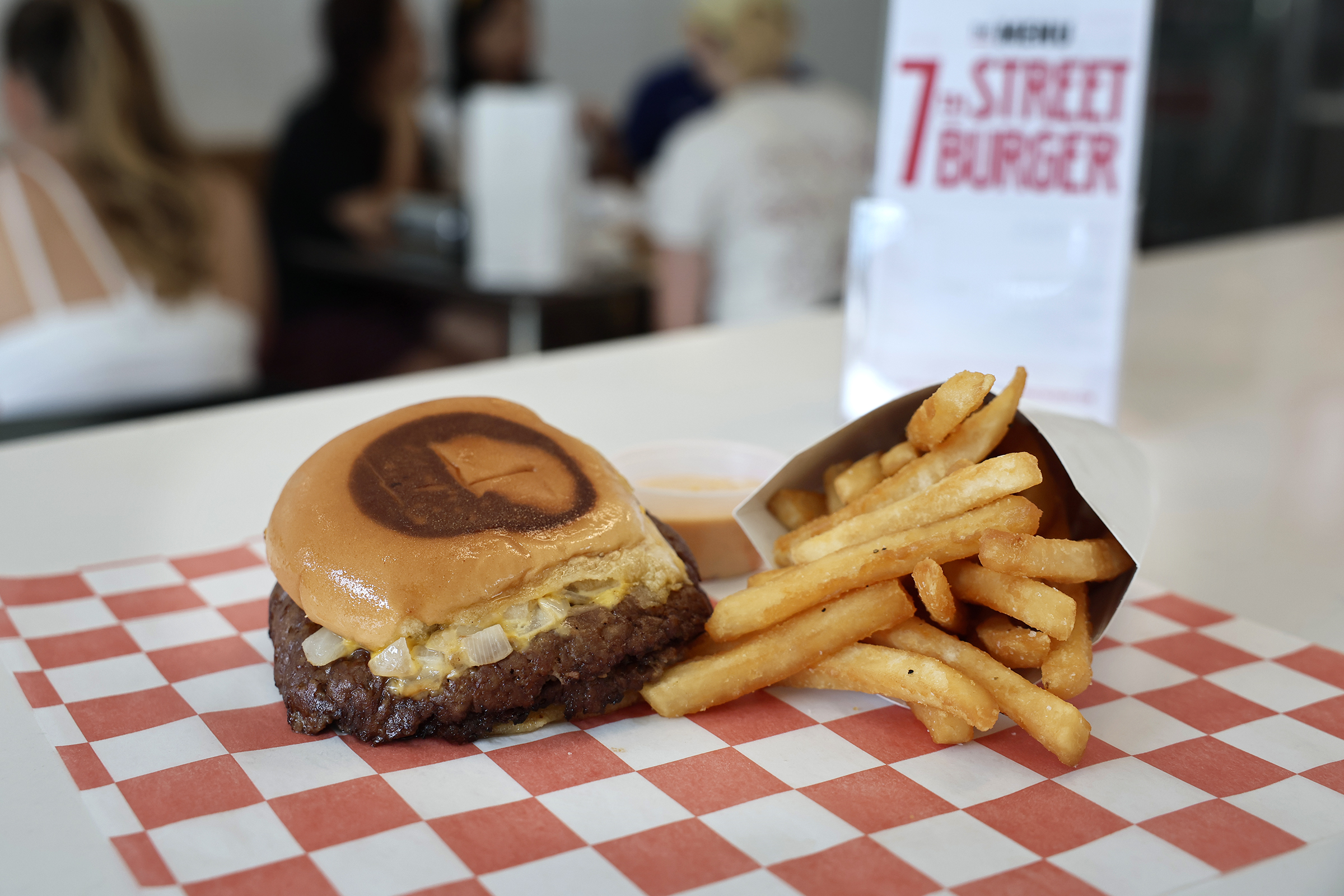
    You’d be forgiven if you walk into any 7th Street Burger and think that the burger chain has been around forever. Its spare, almost bare-bones menu of smash burgers and fries is more classic than innovative, but perhaps its austerity is part of what is fueling its growth.

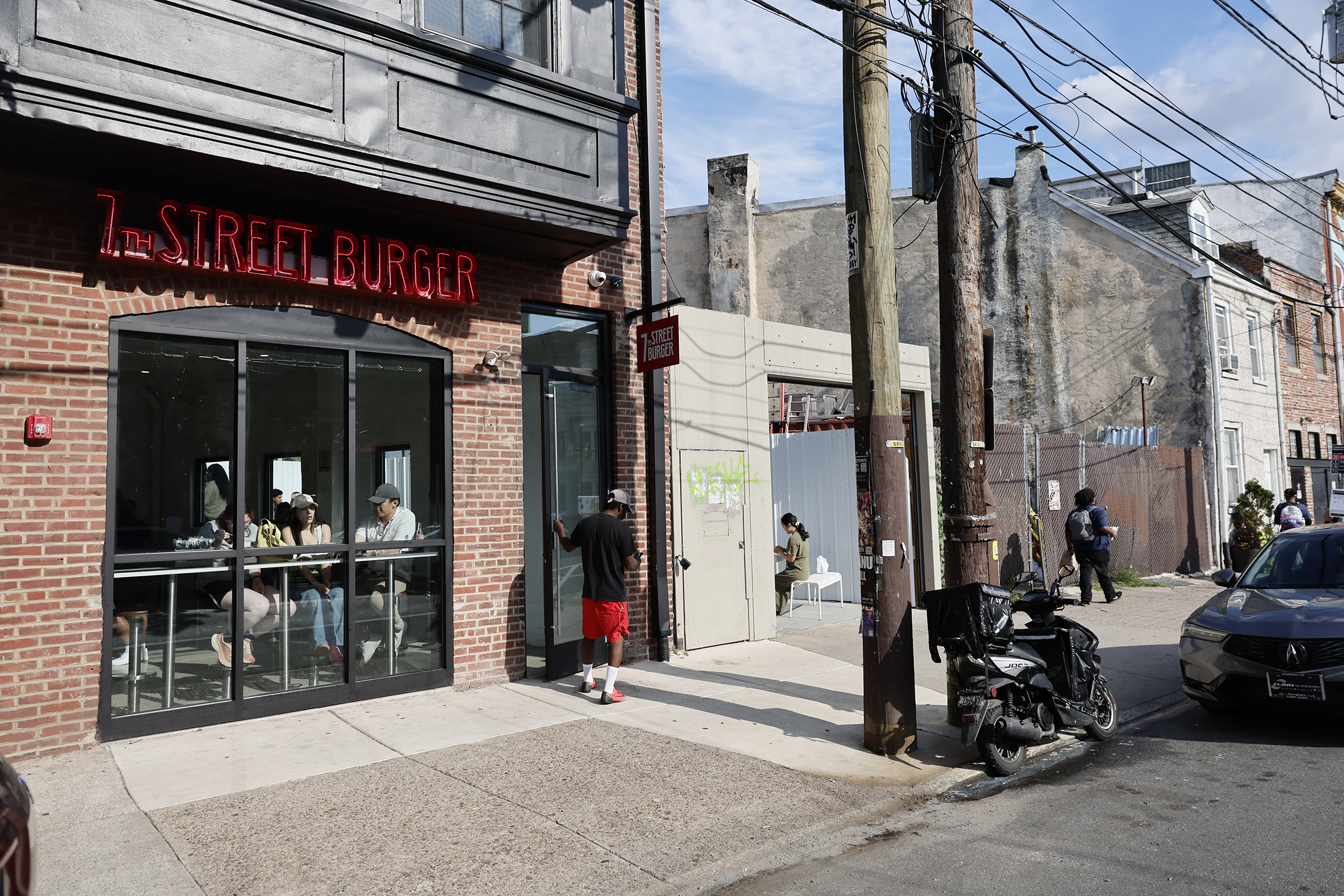
    The chain is growing at a breakneck pace. The New York-based chain opened its 35th location in Fishtown (1215 Frankford Ave.) earlier this week. It has three more Philly-area locations that are slated to open by the end of this year, in University City, Center City, and Conshohocken.

    On a Wednesday at 4 p.m., squarely between regular lunch and dinner hours, it was packed with people of seemingly every demographic, waiting in line for burgers.

    It was first opened on its namesake East 7th Street in New York’s East Village in May 2021 by entrepreneurs Kevin Rezvani and Paras Jain who “maxed out” their credit cards in order to do so. The burger joint took off. They quickly opened another location in Greenwich Village within a year. Venture capital firm Left Lane Capital invested in 7th Street Burger in 2023, and since then, the brand has been on an opening spree up and down the East Coast.

    Philly’s first location took nearly a year to open, from when the chain first took possession of the previously empty space in October.

    7th Street Burger at 1215 Frankford Ave.Elizabeth Robertson / Staff Photographer

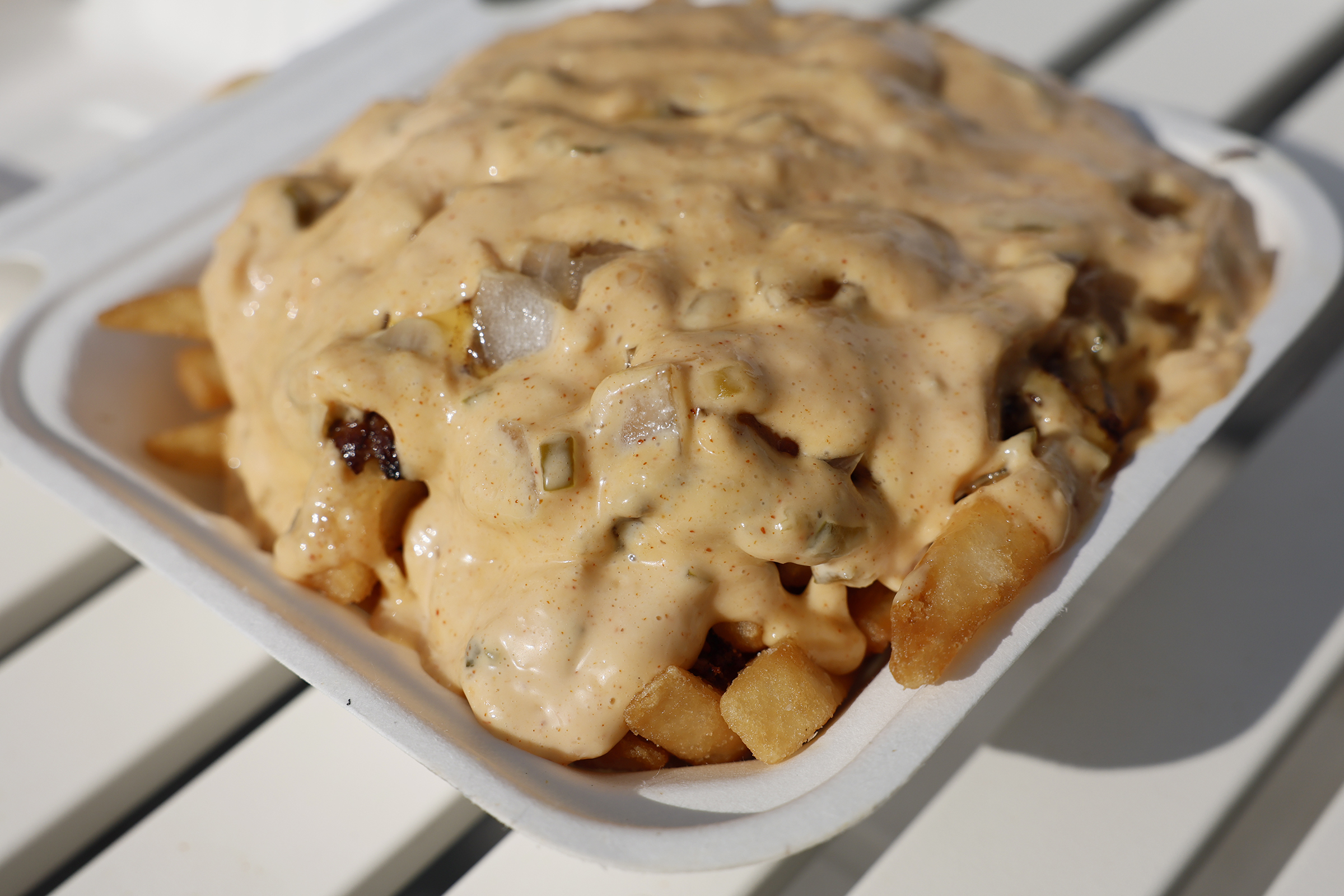
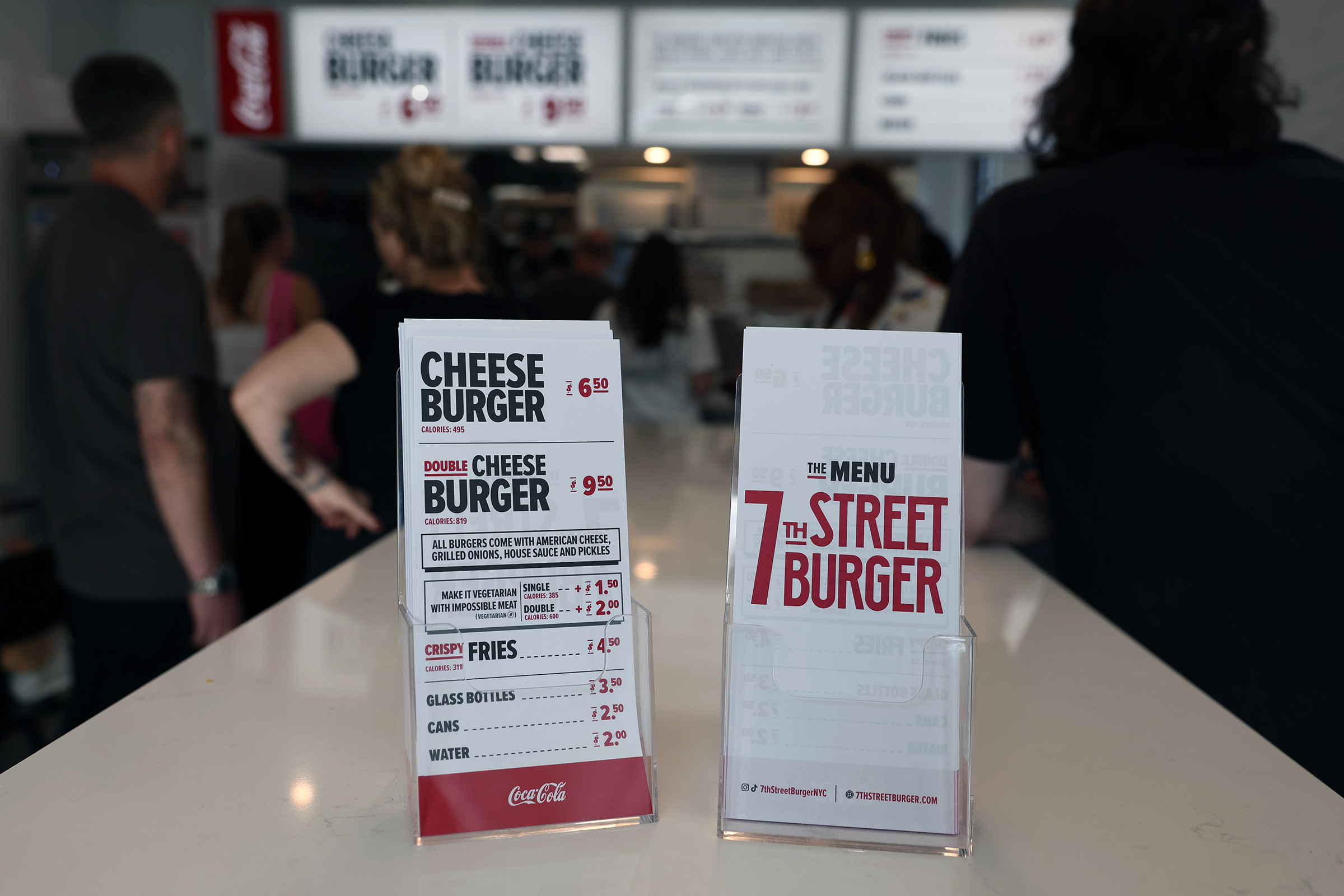
    All 7th Street Burger locations serve the same menu (at the same prices) consisting of a cheeseburger ($6.50), double cheeseburger ($9.50), and crispy fries ($4.50). Cheeseburgers and double cheeseburgers can be made vegetarian with Impossible Meat for an additional $1.50 and $2, respectively. Only Coca-Cola, Sprite, and water are available as beverages. All burgers are served on Martin’s potato rolls with American cheese, grilled onions, a mayonnaise-based house sauce that manager Frank Perez declined to give any other ingredients of, and pickles. There is a secret menu of Cajun fries and loaded fries that isn’t posted at any of their restaurants, but is rather written with a Sharpie on a takeout box at the register. Loaded fries are topped with the same ingredients as the burgers, with options to make them spicy (with a ghost pepper sauce and jalapeños).

    The loaded French fries at 7th Street Burger.Elizabeth Robertson / Staff Photographer
    The menu is limited and the same from location to location.Elizabeth Robertson / Staff Photographer

    Hours will likely change, as 7th Street Burger learns the Philly market’s demands and that of their locations’ surrounding neighborhoods. “For late night, we’ll probably extend Friday and Saturday to be closer to our New York shops,” said Perez. In New York, the locations are open until 3 a.m.

    Since opening, Philly’s 7th Street Burger has sold hundreds of burgers (Perez declined to state how many hundreds) but did note that they have sold far less Impossible Meat burgers here than in any other markets.

    7th Street Burger is at 1215 Frankford Ave. 877-428-2693, 7thstreetburger.com. Hours: 11 a.m. to midnight every day. Hours may change depending on demand.
  • To seed or not to seed? Philly’s old-school cheesesteak shops rethink their roll options.

    To seed or not to seed? Philly’s old-school cheesesteak shops rethink their roll options.

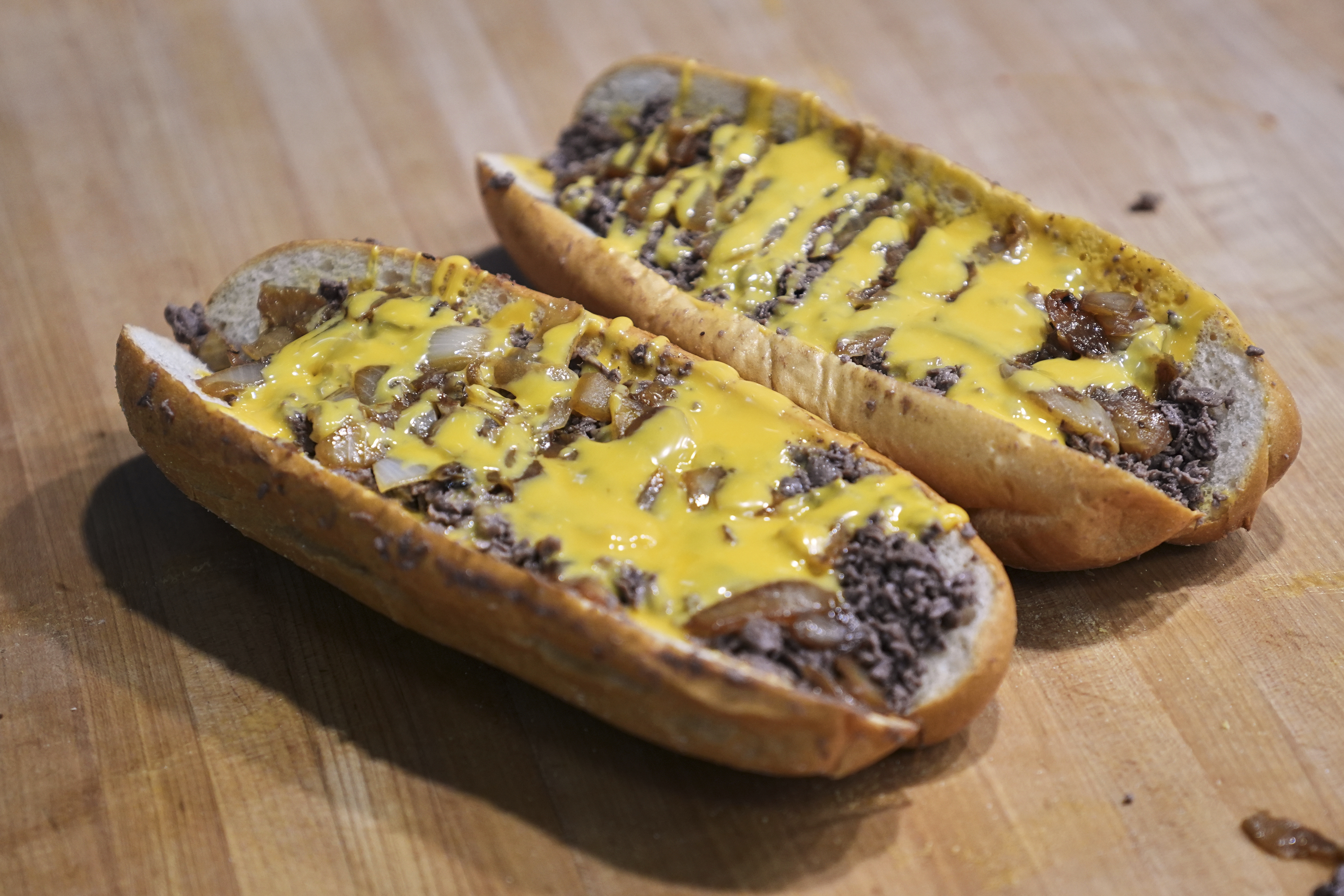
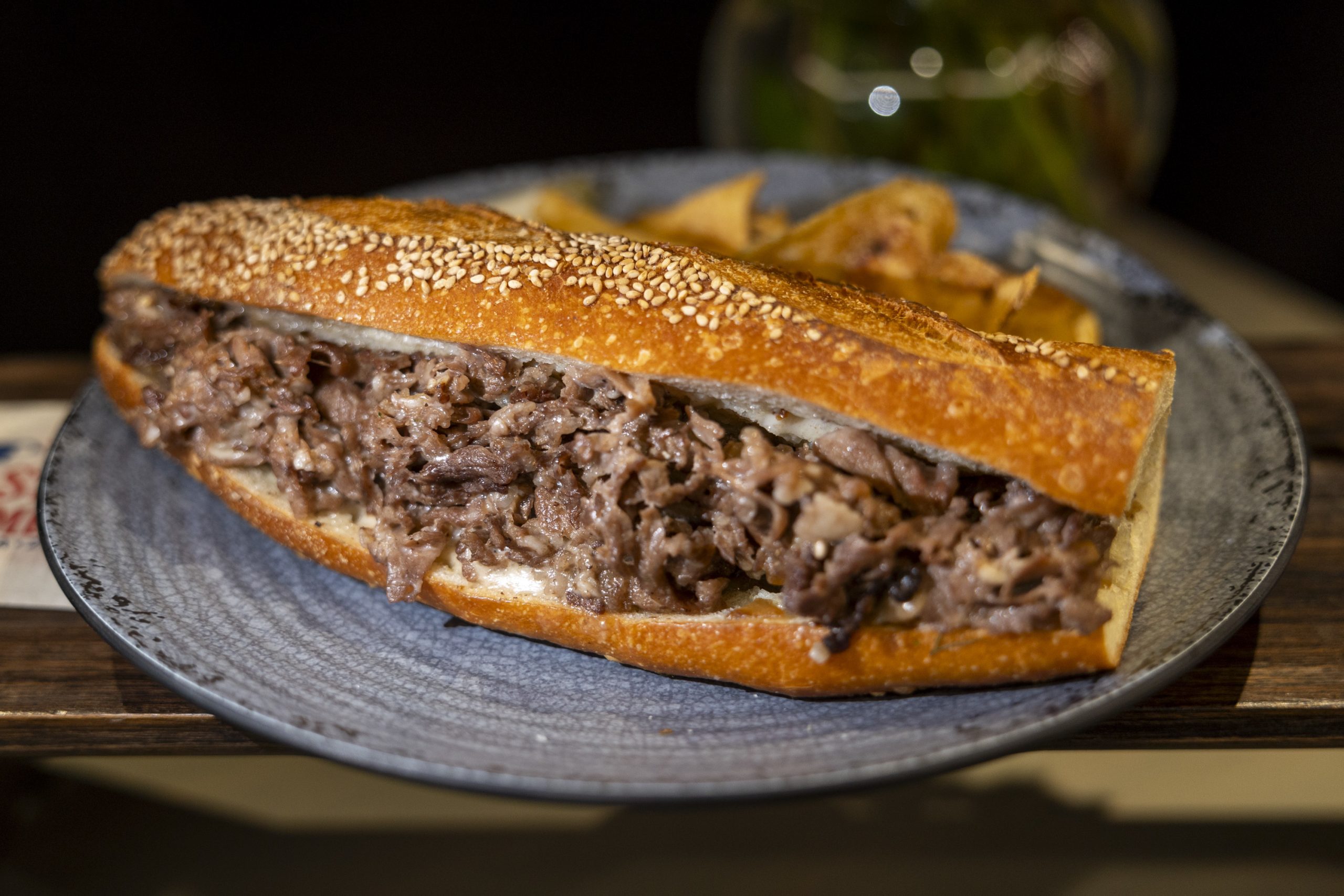
    Sesame-seeded rolls are in at Jim’s South Street — and out at Pat’s King of Steaks.

    The opposite moves by two of Philadelphia’s best-known old-school cheesesteak shops expose a divide increasingly shaped by social media. Tourists arrive expecting the crusty, seeded rolls they see online, while many longtime customers still prefer the plain rolls Philadelphia stands have served for generations.

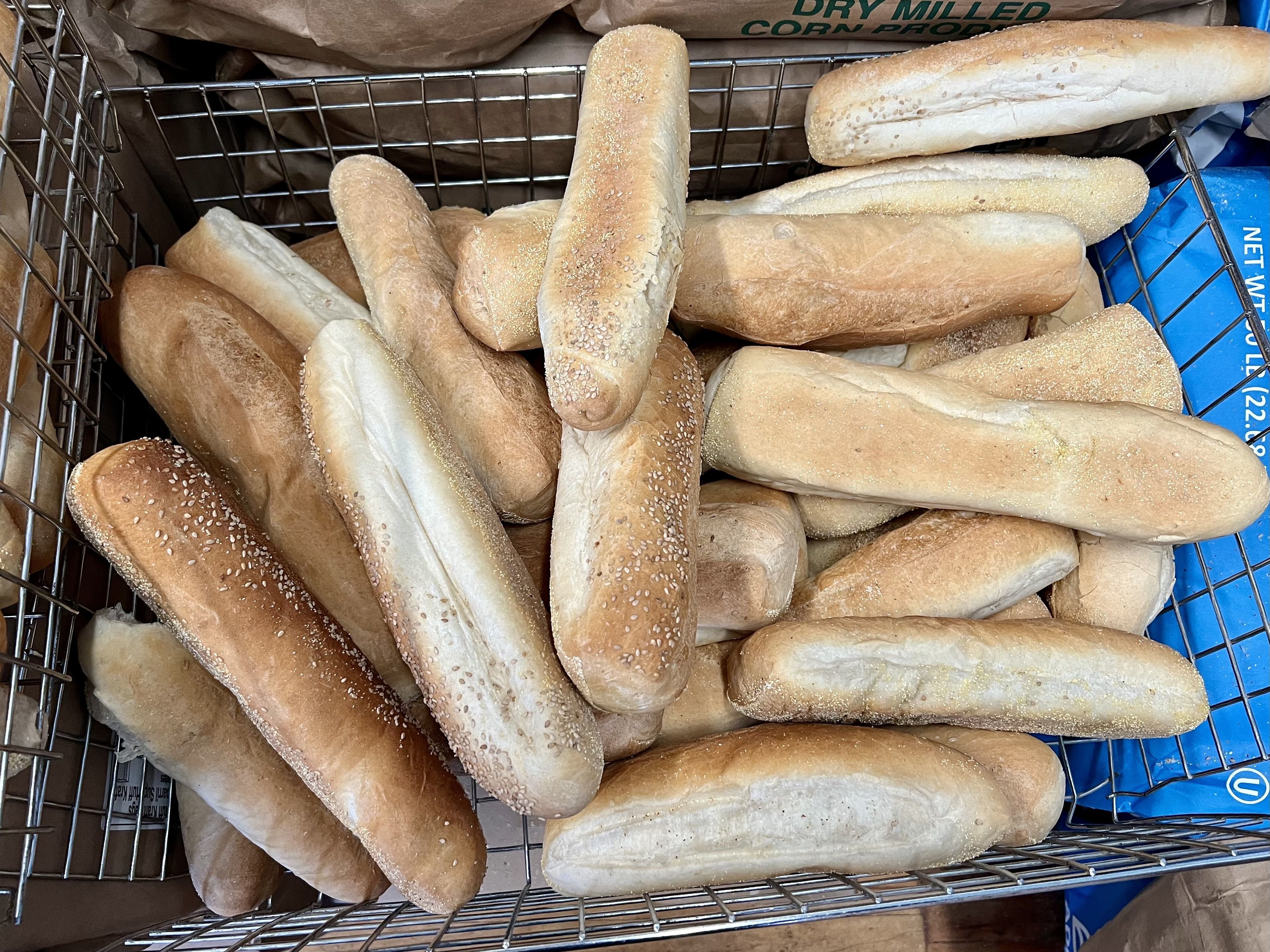
    The seeded roll is a staple of Sarcone’s Bakery.Michael Klein / Staff

    The seeded-roll question is part of the crowded field of never-settled cheesesteak disputes: Which cheese is correct? How finely should the beef be chopped? Should the onions be diced, sliced, or chopped?

    Tourists vs. locals

    Earlier this month, Jim’s began offering seeded rolls as an option for the first time since it opened in 1976. Pat’s, which made news in February when it began offering them after 96 years of plain rolls, abandoned the experiment after only a few weeks.

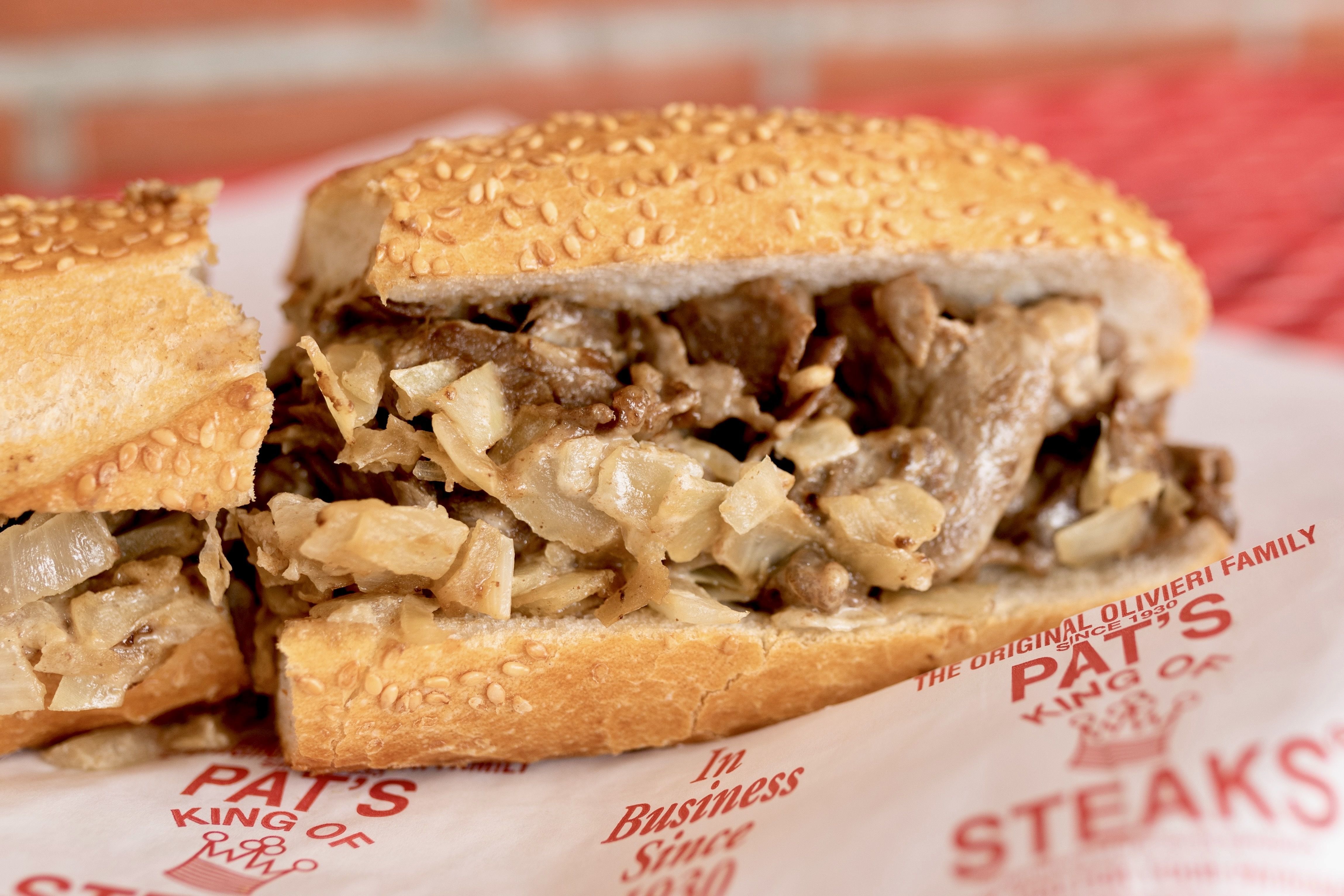
    Seeded rolls tend to be crustier, and the toasted sesame adds a faintly nutty flavor. Plain rolls are generally softer and milder, putting more emphasis on the beef and cheese.

    At Jim’s, owner Ken Silver said he added seeded rolls to his Liscio’s bread order to give customers a choice. “For the most part, it’s a tourist thing,” Silver said. “Our local base is almost all plain.”

    Silver said Jim’s made the change “for the same reason we added chicken and Cooper Sharp [cheese]. People expect it from what they see on social media.” Overall so far, he said, seeded is outselling unseeded, 6 to 1.

    At Pat’s, those expectations did not translate into sales.

    A cheesesteak on an unseeded roll at Jim’s South Street.Matt Rourke

    Owner Frank Olivieri began offering seeded rolls in February, shortly after the death of his father, Frank P. Olivieri, who had resisted changes. The younger Olivieri initially said the limited-time offering would likely be permanent.

    It lasted a month.

    “If I got in 400 [seeded rolls] a day, by the end of the day, I was throwing out 390 of them,” Olivieri said. “Not that I’m the barometer to judge everybody else by or what influencers think you should eat, [but] not everybody who comes to Pat’s Steaks wants the [seeded] rolls.”

    How the old guard rolls

    Pat’s recently switched its bread supplier from Aversa to Corropolese, and offers plain rolls only now.

    Geno’s Steaks, across Passyunk Avenue, also has been firmly seedless since Joey Vento opened the shop in 1966. “It’s never crossed my mind,” said Geno Vento, who took over after his father’s passing in 2011. “We have our customer base, and I don’t feel that we need to change the roll [baked by Liscio]. I feel like it’s more of a trend right now. And they might put [cheesesteaks] on rye bread next. You never know.”

    Geno’s concession to the new generation is Cooper Sharp, which the shop buys in sauce form and heats up — as an option.

    At the old-school Dalessandro’s in Roxborough, owner Steve Kotridis said he began offering seeded rolls a few years ago “when it became a fad,” though he estimated that only 3% of customers order them. Dalessandro’s uses a softer Amoroso roll for cheesesteaks and a sturdier, seeded Aversa for hoagies, both with and without seeds.

    For newer cheesesteak shops, however, the seeded roll has become all but de rigueur — a style that predates social media but has been amplified by it. Famously, Donkey’s Place in Camden has served its distinctive cheesesteaks on poppy-seeded round rolls for more than 80 years.

    Seeds of change

    The seeded-roll trend launched with the hoagie.

    Louis Sarcone Jr. at the century-old Sarcone’s Bakery credits Bobby Toner of the now-closed JR’s Deli with helping establish seeded bread as a hoagie standard in the 1980s, after Toner began buying Sarcone’s seeded loaves.

    Sarcone said Primo Hoagies, founded in South Philadelphia in 1992, spread the style widely as it expanded into a 120-unit chain. Sarcone supplied Primo for years before it started using parbaked rolls supplied by another bakery.

    By 2024, Sarcone said, 90% of the rolls he baked were seeded, up from 75% a decade earlier.

    John Bucci Jr. said John’s Roast Pork began serving cheesesteaks on seeded rolls in 1987, after its supplier, Vilotti, went out of business. Bucci’s father, who was terminally ill, left the choice of a new bakery to his son. “JR’s had started making their hoagies on seeded bread, so, I figured, why not try [it] on a cheesesteak?” Bucci said.

    John’s initially bought its seeded rolls from Carangi and later switched to Sarcone’s.

    Now a cheesesteak roll

    The seeded roll’s rise as a defining feature of the modern Philadelphia cheesesteak came later, accelerated by Angelo’s Pizzeria.

    Owner Danny DiGiampietro, whose wife is Louis Sarcone’s niece, used Sarcone’s seeded rolls when he opened the first Angelo’s in Haddonfield in 2013. After moving Angelo’s to Ninth and Fitzwater in 2019, DiGiampietro began baking his own bread.

    As Angelo’s fame grew, its crusty, sesame-seeded rolls — an image widely broadcast on social media and emulated by other shops — helped define the newer-generation cheesesteak.

    Del Rossi’s cheesesteak is served on a house-baked seeded roll.Tyger Williams / Staff Photographer

    At Del Rossi’s, owner Nish Patel said cheesesteak orders were roughly split between plain and seeded rolls when he took over in 2020. Since he began baking his own rolls in 2024, virtually all have gone out on seeded bread.

    “We barely get any requests for unseeded,” Patel said.

    The contrast with Pat’s could hardly be sharper. There, Olivieri said, almost nobody wanted the seeded option.

    Jim’s now finds itself somewhere in between — offering the roll that has come to signify a Philadelphia cheesesteak to many, while continuing to sell mostly plain rolls to its longtime clientele.

    “People expect it from what they see on social media,” Silver said.

  • South Jersey destination for Czech delicacies is moving to Haddonfield

    South Jersey destination for Czech delicacies is moving to Haddonfield

    Four Green Cats Cafe, which has brought authentic European flavors to Mount Laurel for the last seven years, is about to get a bigger home.

    Started as a farmers market stand in 2019, the Rancocas Woods café, whose owners have Czech Republic roots, has become a destination both for South Jersey locals and within the broader Czech diaspora.

    Now, with the building’s lease expiring at the end of the year and business that owner Nadia Vasa says has been more popular than ever, she’s soon planning to move her offerings of handmade Czech delicacies to a new, larger location in Haddonfield.

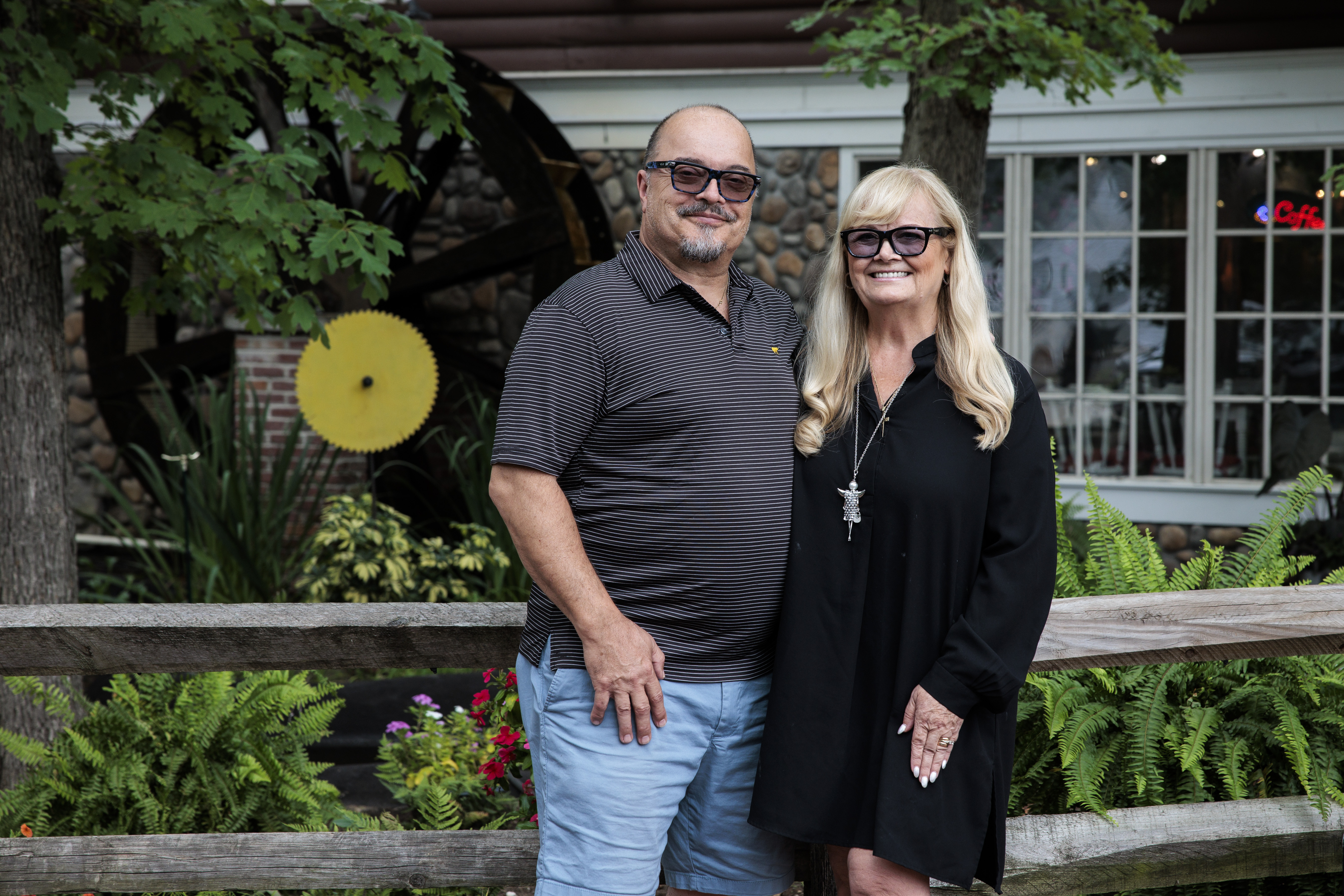
    Mila and Nadia Vasa posed for a portrait outside of Four Green Cats Cafe on Tuesday, Aug. 25, 2026, in Mount Laurel. Nadia is moving the cafe to a larger location in Camden County.Monica Herndon / Staff Photographer

    “To continue to provide the customers authentic food and entertainment, we need a bigger space,” Nadia Vasa said in Czech, translated by her husband and business partner, Mila Vasa.

    The new spot at 18 Tanner St., the former home of Sang Tong Thai, has both a larger kitchen and dining area to provide enough space to expand their menu and to continue to host musical performances, comedians, and other live events.

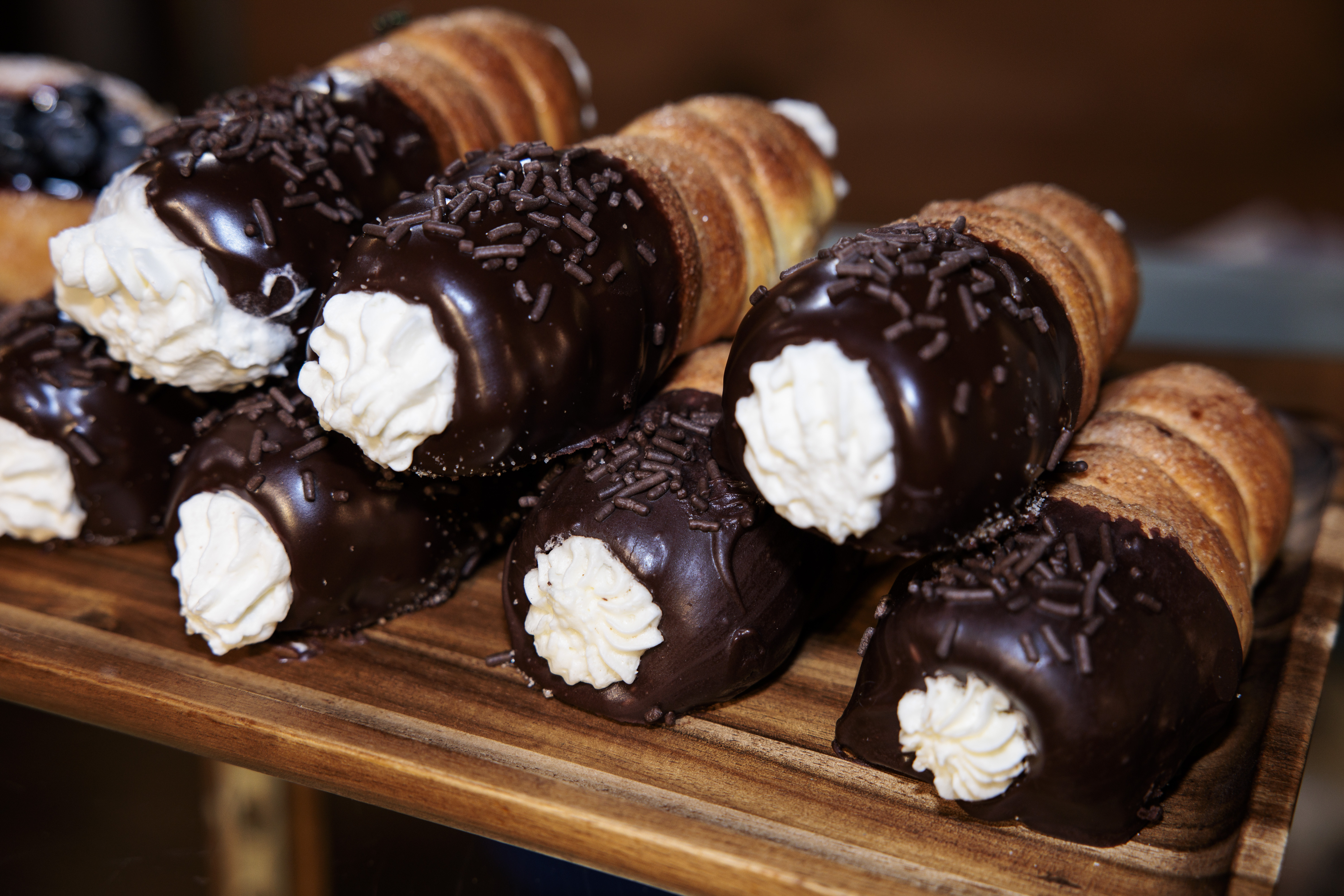
    The expanded menu will undoubtedly include the staples that Four Green Cats has become known for: Bohemian doughnuts, traditional kolaches, apple strudel, babka — all handmade with flour imported from Europe.

    Chimney cakes on display at Four Green Cats Cafe. Monica Herndon / Staff Photographer

    Soon to be equipped with a full-service kitchen, the Vasas hope to add new breakfast and lunch offerings in addition to Nadia’s traditional Sunday night dinners.

    Once complete, Nadia envisions the new location as embodying the character of classic European cafés of the past that could have been found on street corners from Vienna to Paris.

    The Vasas are aiming to open the new location sometime in September and will run both locations concurrently until their Rancocas Woods lease expires, they said.

    And while they never wanted to leave Mount Laurel, they hope that the community they’ve built over the years will make the move with them.

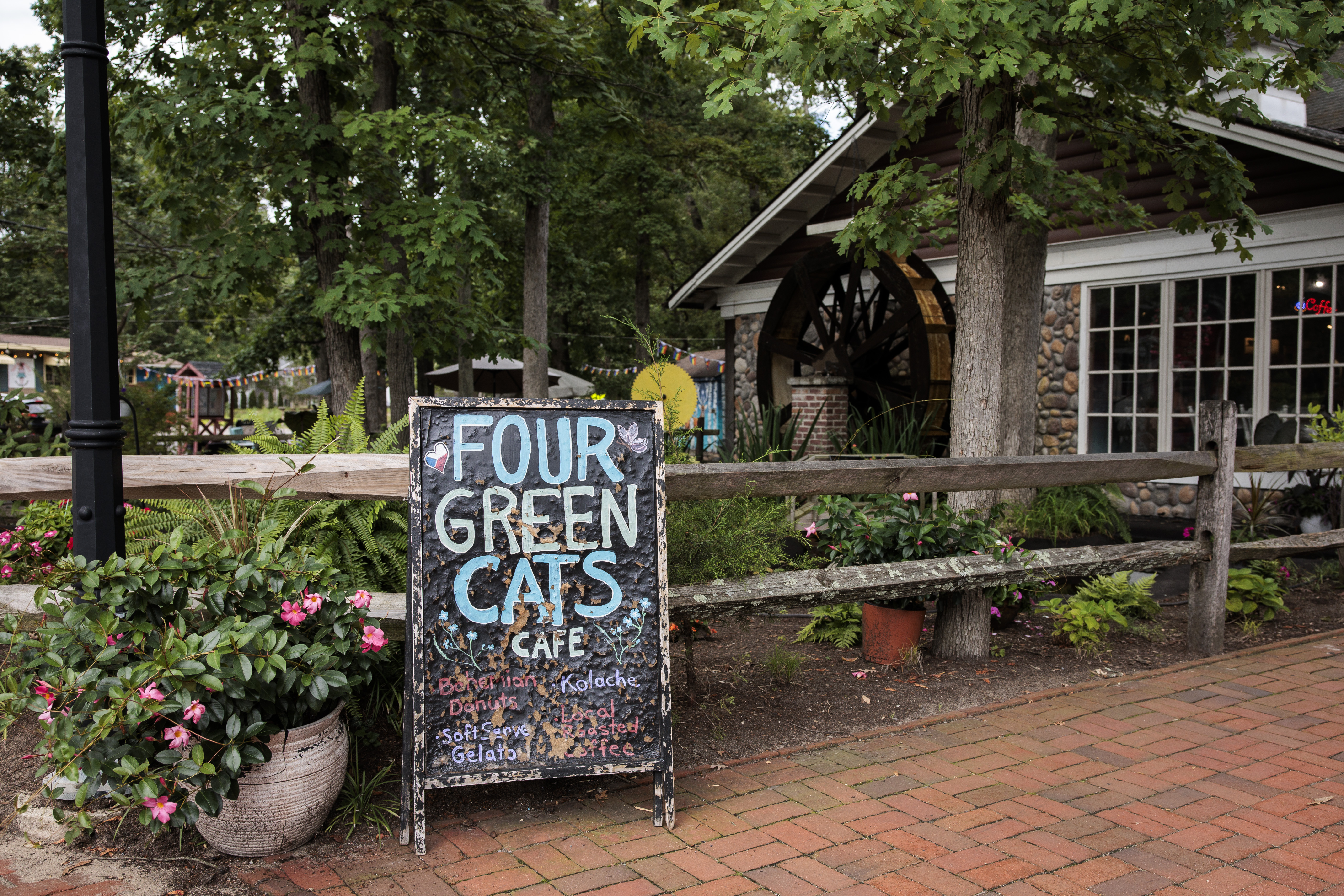
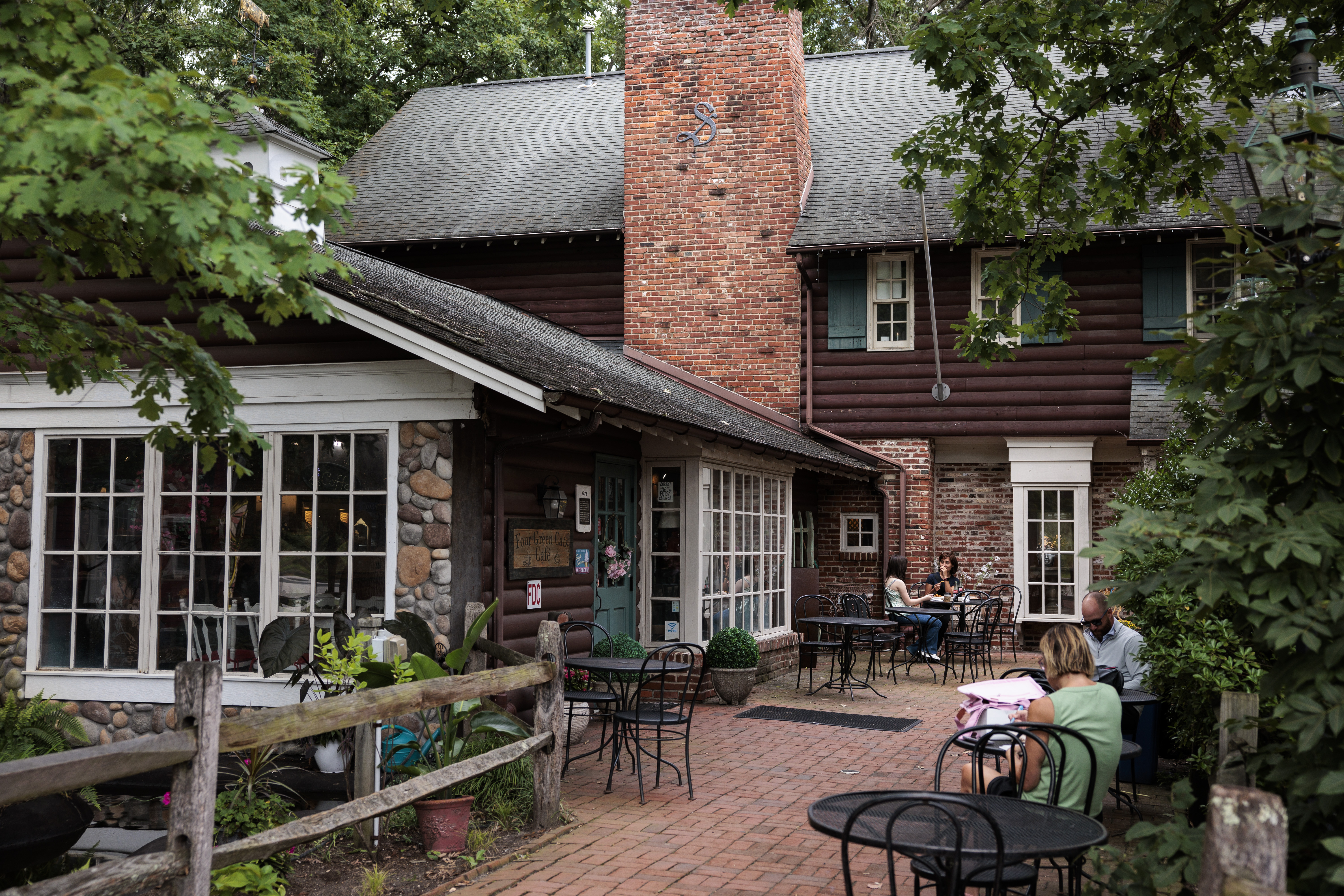
    The exterior of Four Green Cats Cafe on Tuesday, Aug. 25, 2026, in Rancocas Woods in Mount Laurel. Monica Herndon / Staff Photographer

    “We’re hoping some of our customers follow us,” Mila said, but he knows that they’ll inevitably lose some of their regulars, especially those who currently live close enough to walk to the café.

    More than just a coffee shop and bakery, Nadia sees Four Green Cats as a window into the world that raised her.

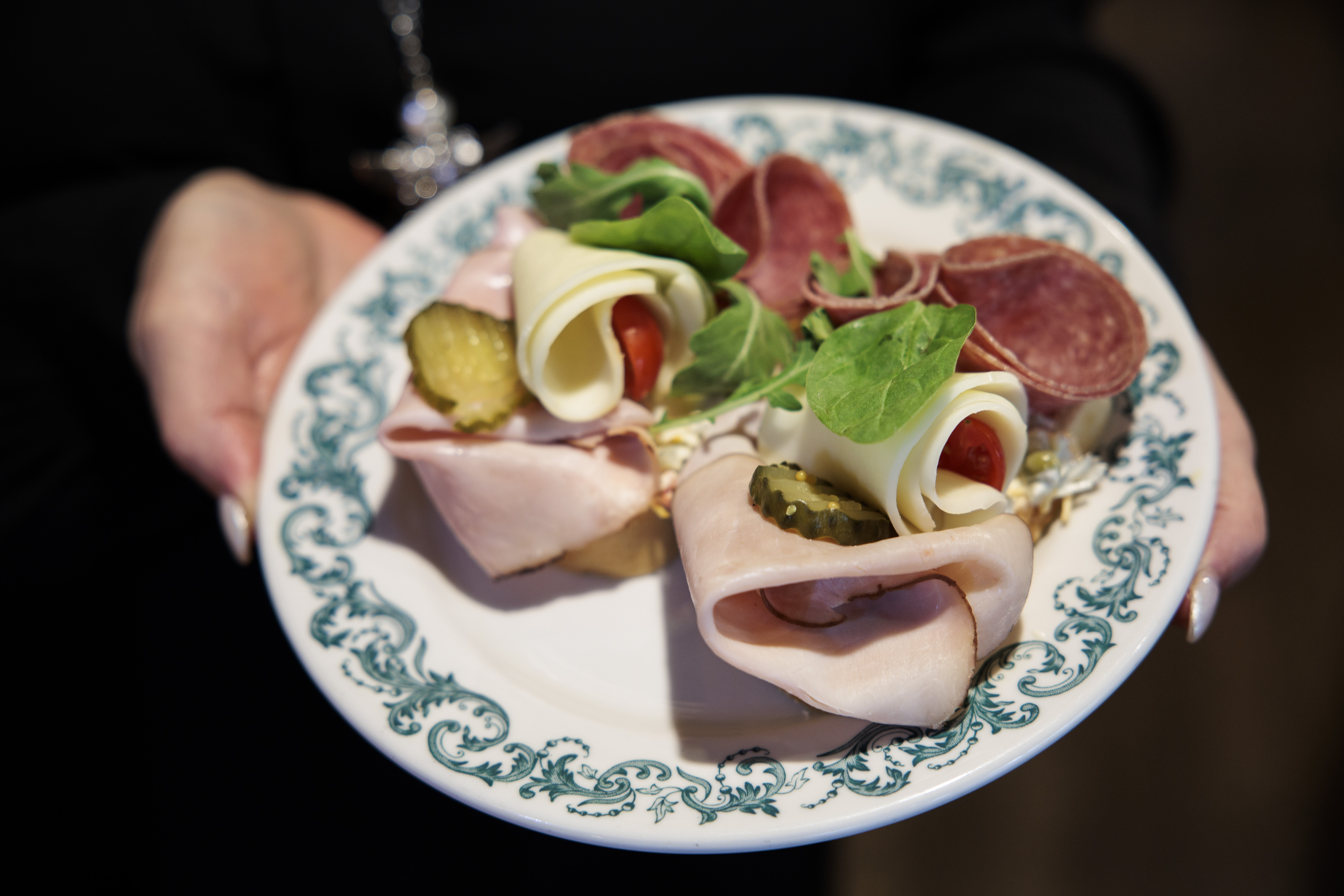
    Owner Nadia Vasa holds a plate of Czech sandwiches at Four Green Cats Cafe. Monica Herndon / Staff Photographer

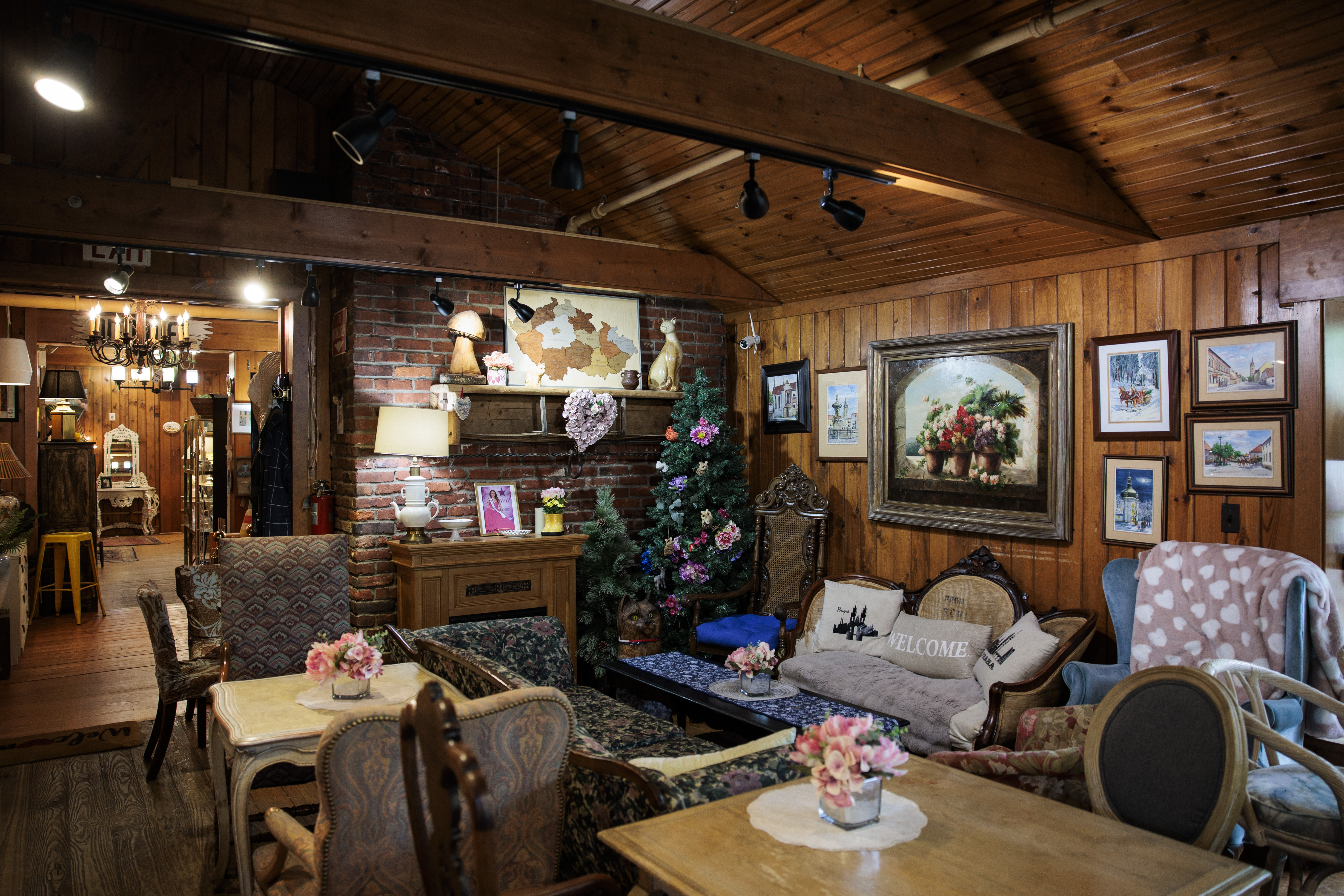
    She makes every decision thoughtfully and with cultural authenticity at the forefront, from using her great-grandmother’s recipes to decorating the walls with her grandfather’s art, she said.

    “It’s culture that no one gets here unless you fly home,” Mila said.

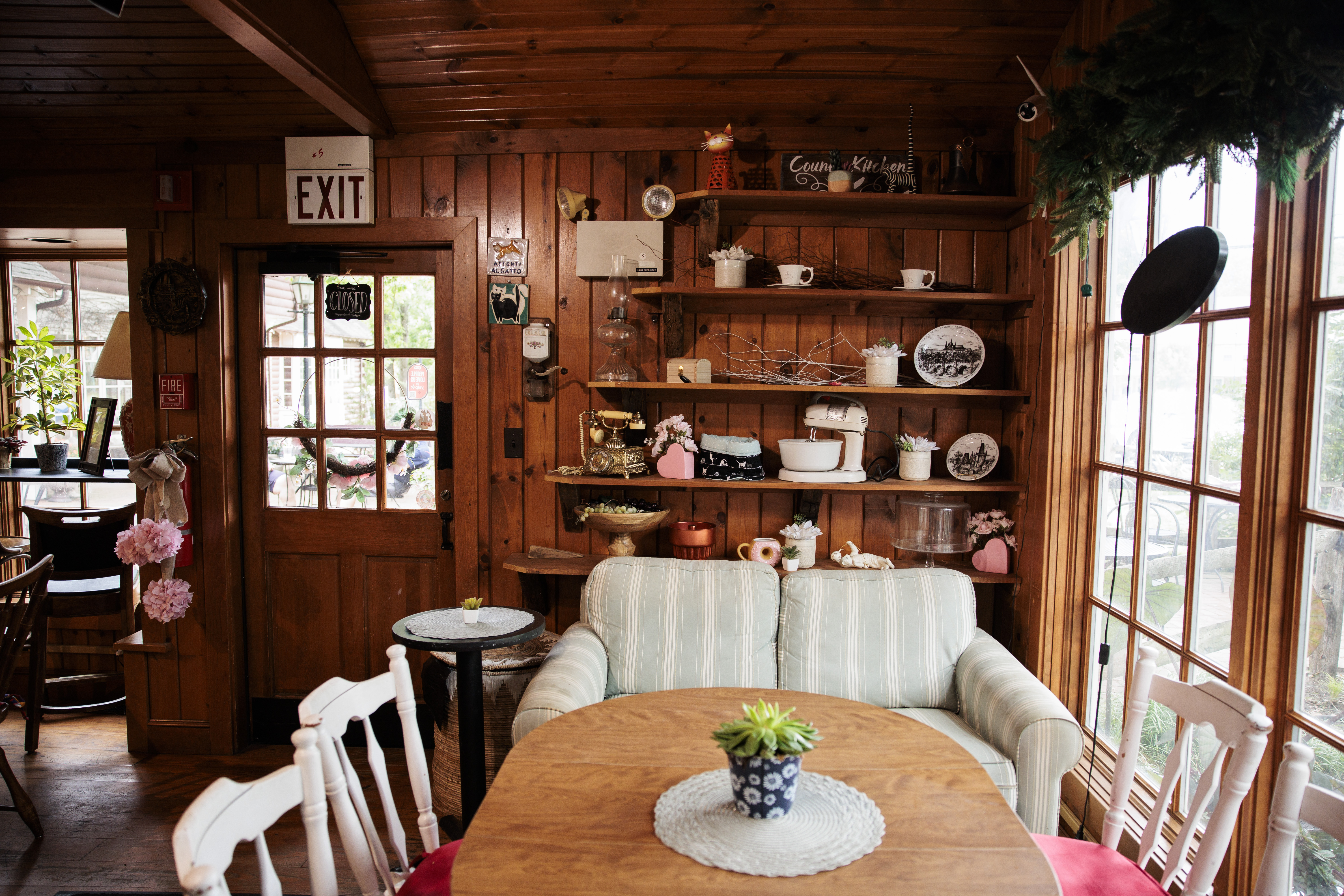
    The interior of Four Green Cats Cafe. Monica Herndon / Staff Photographer

    Customers have traveled from across the country to get a taste of their European roots without having to cross the Atlantic, Mila said.

    Over the years, the business has also developed a relationship with the Czech embassy in Washington, he said, which will routinely send traveling musicians and artists to Four Green Cats to experience a taste of the Czech Republic.

    The interior of Four Green Cats Cafe on Tuesday, Aug. 25, 2026 in Mount Laurel. Monica Herndon / Staff Photographer

    More than once, he said proudly, traveling Czechs have raved that Nadia’s food is better than what they have at home.

    “Now, she has the room to do what she wants to do,” Mila said.

  • Pinot grigio is wildly popular for a good reason. Here’s where the best ones come from.

    Pinot grigio is wildly popular for a good reason. Here’s where the best ones come from.

    Italian pinot grigio is one of the most popular imported wines in the U.S., but one result of that success has been a tarnished reputation that leads delicious examples like this one to be overlooked simply because they cost a few dollars more.

    As white wine grapes go, pinot grigio is an odd duck on many levels. It is a grape of French origin that is better known by an Italian name. Its fruit is used for white-winemaking but consists of grapes that look dusky purple on the vine. Indeed, it is technically not a true “grape variety” in its own right in botanical terms, but rather a paler-skinned mutation of a prized red grape variety: pinot noir.

    Pinot grigio was originally known as pinot gris and found its way from France to northern Italy by way of German-speaking regions in between. Known as grauer burgunder in Germany and Austria, it proved adept there at producing pleasant wines even when harvested before reaching full ripeness. Early harvests mitigate many of a grower’s risk factors, from bad weather to rot and disease, making brisk, lightweight pinot grigio a sensible crop in regions with short growing seasons and high humidity. These traits led to this grape’s widespread adoption in northeastern Italy, from the muggy plains surrounding Venice up into the alpine foothills of the Dolomites.

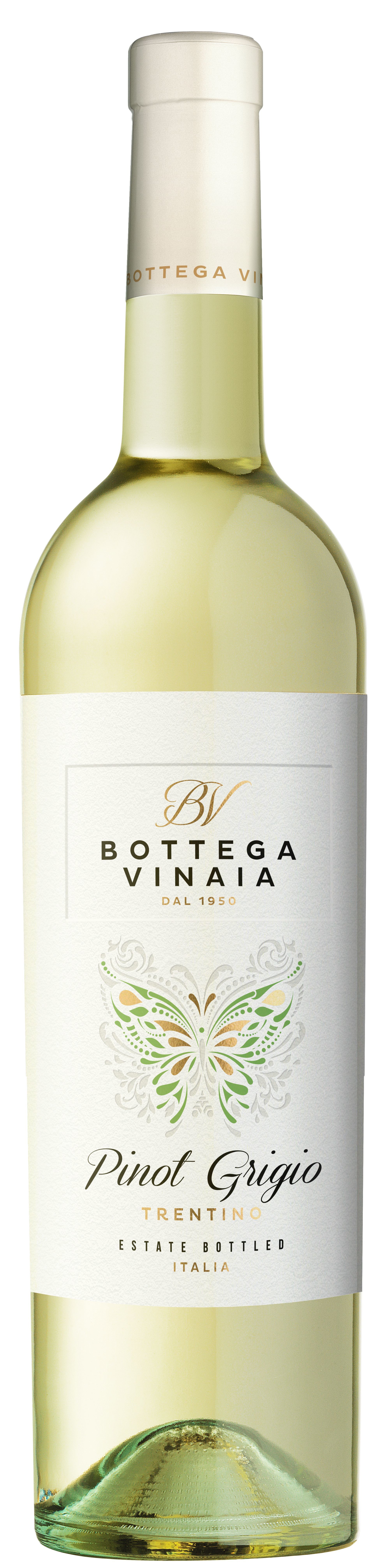
    The best quality is found in subregions like Trentino, Alto Adige, and Friuli, as with this lovely wine grown near the Austrian border. Where cheaper pinot grigios can taste watery and bland, this crisp, clean dry wine features flavors of fresh yellow pears and ripe kiwi that bring us back for a second glass. It’s hard to beat as a food partner, shining with everything from shrimp cocktail to roasted chicken to sweet corn on the cob.

    Bottega Vinaia Pinot GrigioCourtesy of Bottega Vinaia

    Bottega Vinaia pinot grigio

    Trentino, Italy; 12.5% ABV

    PLCB Item #4097

    On sale for $17.99 (regularly $19.99) through Aug. 31

    Also available at the Original Canal’s Discount Liquor Outlet in Glassboro, N.J. ($15.99, canalsofglassboro.com)

  • Main Line to get a buzzy new restaurant led by a Fork and Vernick alum

    Main Line to get a buzzy new restaurant led by a Fork and Vernick alum

    One of the year’s more closely watched Main Line restaurant projects now has a name, a chef, and a clearer identity.

    Old Friend, a contemporary American grill built around live-fire cooking, is targeting a late-fall opening in downtown Wayne with former Fork executive chef Sam Henzy leading the kitchen.

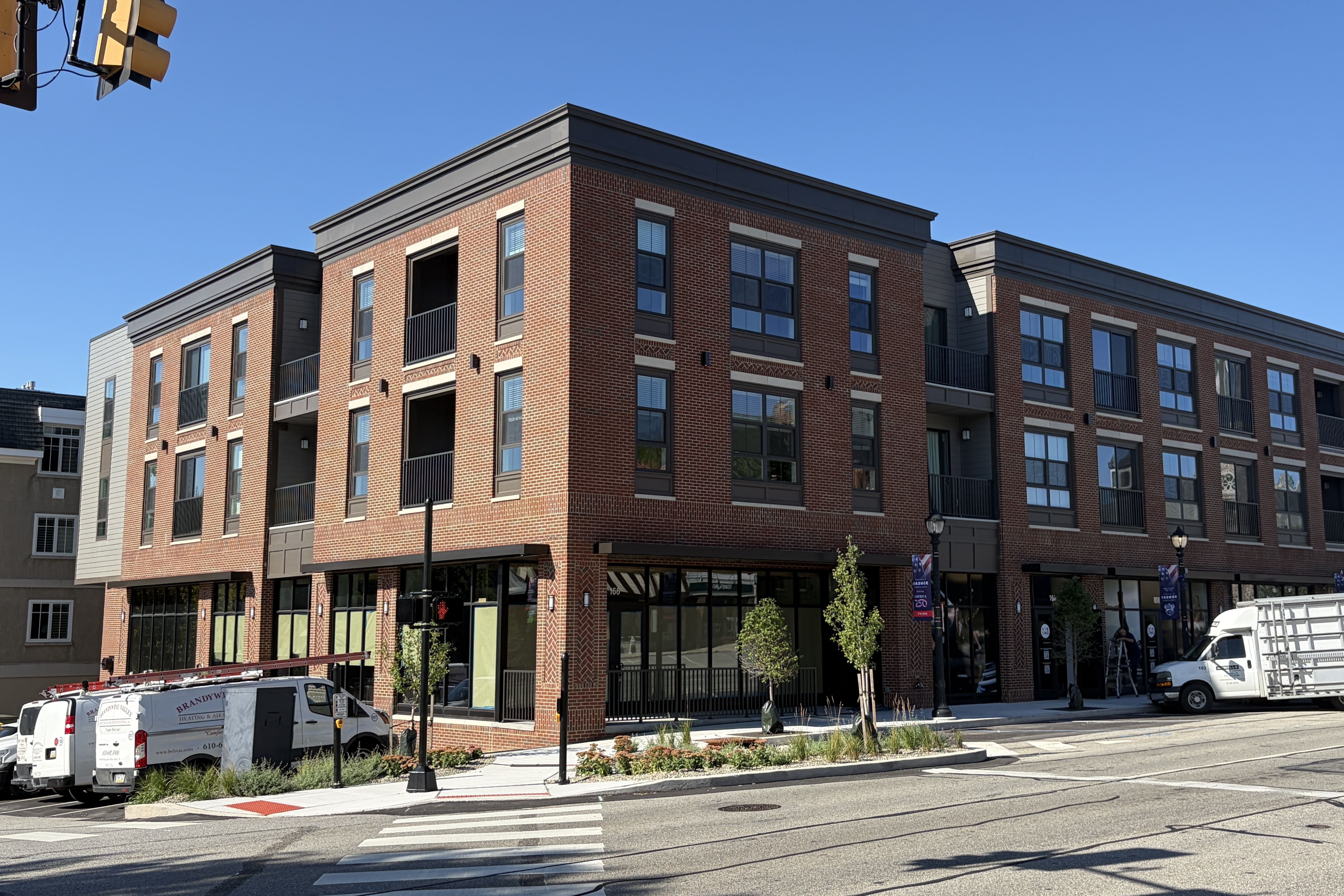
    The 86-seat restaurant — 78 in the dining room and eight at the bar — will be at 166 E. Lancaster Ave., in a newly constructed ground-floor retail space at Lancaster and Louella Avenues that is part of the Apartments at Wayne Station. It is amid Wayne’s restaurant row, across from Maison Lotus and Rosalie, and just a few blocks from At the Table, White Dog Cafe, and the North Wayne Avenue dining strip.

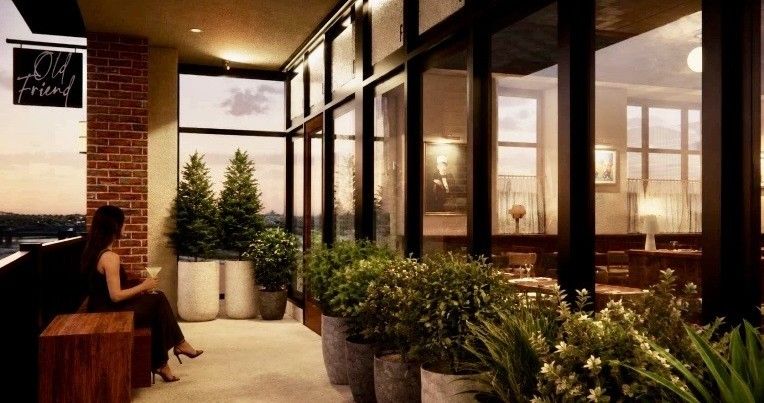
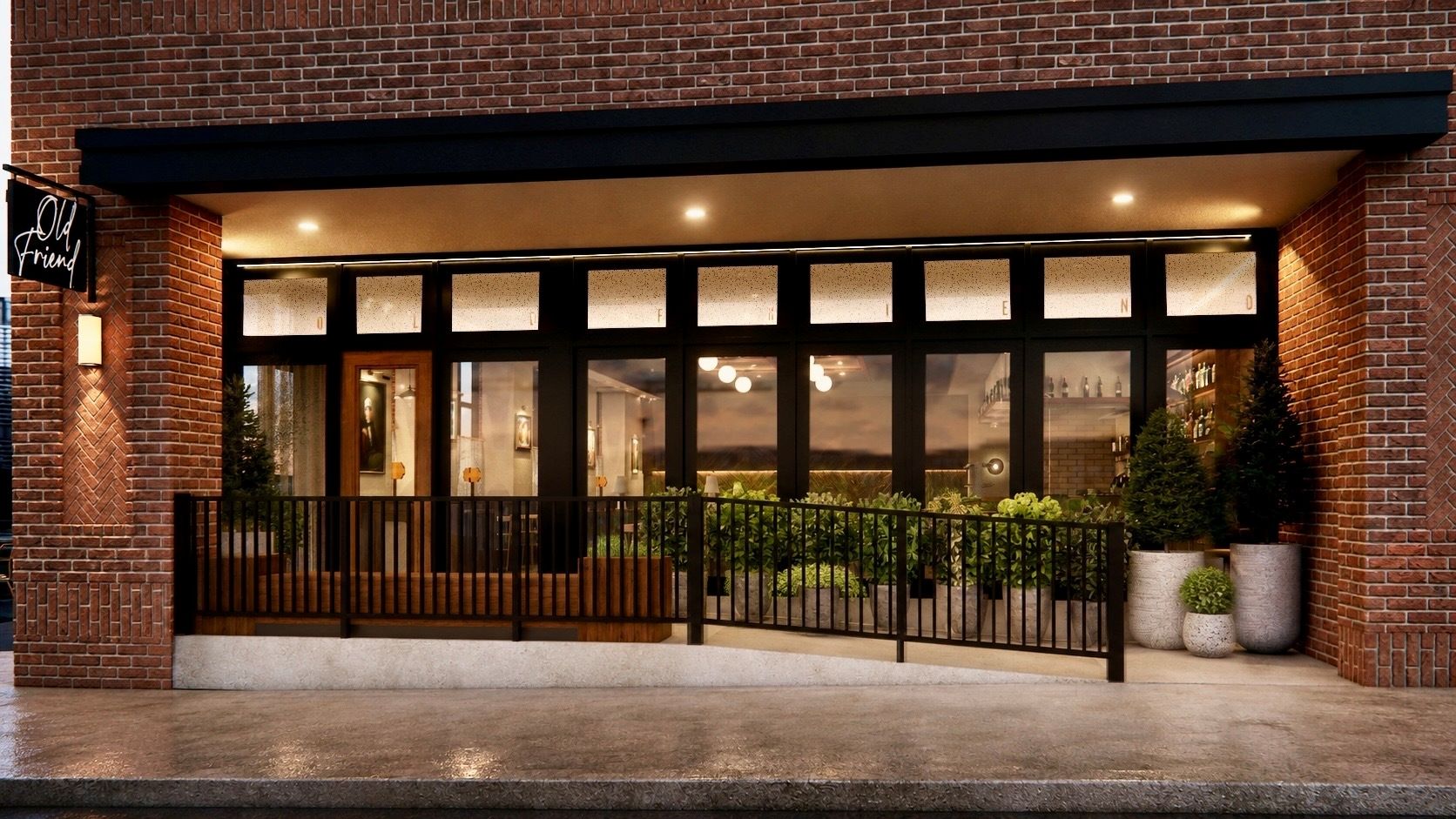
    Rendering of Old Friend, 166 E. Lancaster Ave., Wayne.Stokes Architecture & Design
    Architectural rendering of the facade of Old Friend, 166 E. Lancaster Ave., Wayne.Stokes Architecture & Design

    Old Friend is the creation of Larry Kagan and Chas McFeely, who met in 1984 at Welsh Valley Middle School and later attended Harriton High. McFeely, an advertising copywriter who lives in Alameda, Calif., has family ties to the Main Line and returns frequently.

    Kagan, who works in financial services and is a partner in the Campus sports complex in Downingtown, offered the first public outline of the project at a March Radnor Township Board of Commissioners hearing for its liquor-license transfer, describing an unnamed grill restaurant “that’s going to have the soul of a steakhouse.”

    Kagan told The Inquirer this week that the name “old friend” describes his relationship with McFeely: “It’s someone between friend and family — someone you can pick up at any time, you can be yourself.” The name, he said, also reflects the sort of relationship they hope to develop with customers.

    Kagan acknowledges that neither he nor McFeely is a restaurateur. They brought in Stove & Co. chef-owner Joe Monnich as a consultant to develop the concept and assemble the operating team. Monnich will remain in a leadership role while continuing at Stove & Co., whose holdings include Stove & Tap and Joey Chops.

    Sam Henzy in 2025, when he joined Fork as executive chef.Courtesy of Fork

    The connection to Henzy came through Monnich. The two met at Morimoto when Henzy was about 20 and, as he puts it, “green as grass.”

    “Joe was the first chef who pushed me really hard, but he did that great older-brother thing of pushing somebody while being there to answer questions,” Henzy said. “He really took me under his wing.”

    They remained friends as Henzy built his career. He did not know the name of the Wayne restaurant until he recently visited the space with Monnich and the owners.

    “When they told me it was going to be called Old Friend, it just made me smile,” Henzy said, “because that’s how I think of Joe.”

    Henzy, who grew up in Delaware, is best known locally for his two years as executive chef at Fork in Old City. His resumé also includes Middle Child Clubhouse, Vernick Food & Drink, Noma in Copenhagen, and Quince and Angler in San Francisco.

    Henzy’s experience with live-fire cooking began during a six-month internship at Noma. He remembers touring the cutting-edge restaurant and encountering a Josper charcoal grill set up in a makeshift shack out back.

    “In that moment, I was like, ‘Oh, I’m taking that station,’” Henzy said.

    He eventually did, spending the final three months of his internship on the Josper. Later, he sought out Vernick Food & Drink in part for its wood-burning oven. His most intensive live-fire experience came at Angler, where he was executive sous chef and the cooking line had no conventional stoves.

    “It’s just fires,” Henzy said. “It’s fires everywhere you look.”

    Old Friend will bring him back to that style of cooking. Its open kitchen will center on a charcoal-fired Josper combination grill and oven, which Kagan calls the restaurant’s “engine.”

    Designed by Stokes Architecture & Design, the restaurant will feature reclaimed mushroom wood, an oak bar, and an open, firebrick-lined hearth that will put the Josper in view of the dining room.

    Kagan calls Old Friend a contemporary American grill. The developing à la carte menu will move from small and medium plates to larger-format proteins intended for sharing. The wine list will be compact and closely matched to the food.

    Fish — including some dry-aged fish — as well as poultry and other proteins will be cooked on the Josper. Henzy gained experience dry-aging fish at Angler and wants to explore the technique further at Old Friend.

    “I think dry-aging fish is both an underused and a misunderstood technique,” he said.

    Old Friend also represents a move away from what became Henzy’s signature at Fork. Pasta may appear on the menu, but it will not be a focus. At Fork, he said, its popularity “took on a life of its own,” sometimes overshadowing the rest of the menu.

    “I’m really big on never resting on my laurels and taking on new challenges,” Henzy said.

    After years away froma live fire-fueled kitchen, Henzy said, “I’ve really been itching to get back into the flames.”