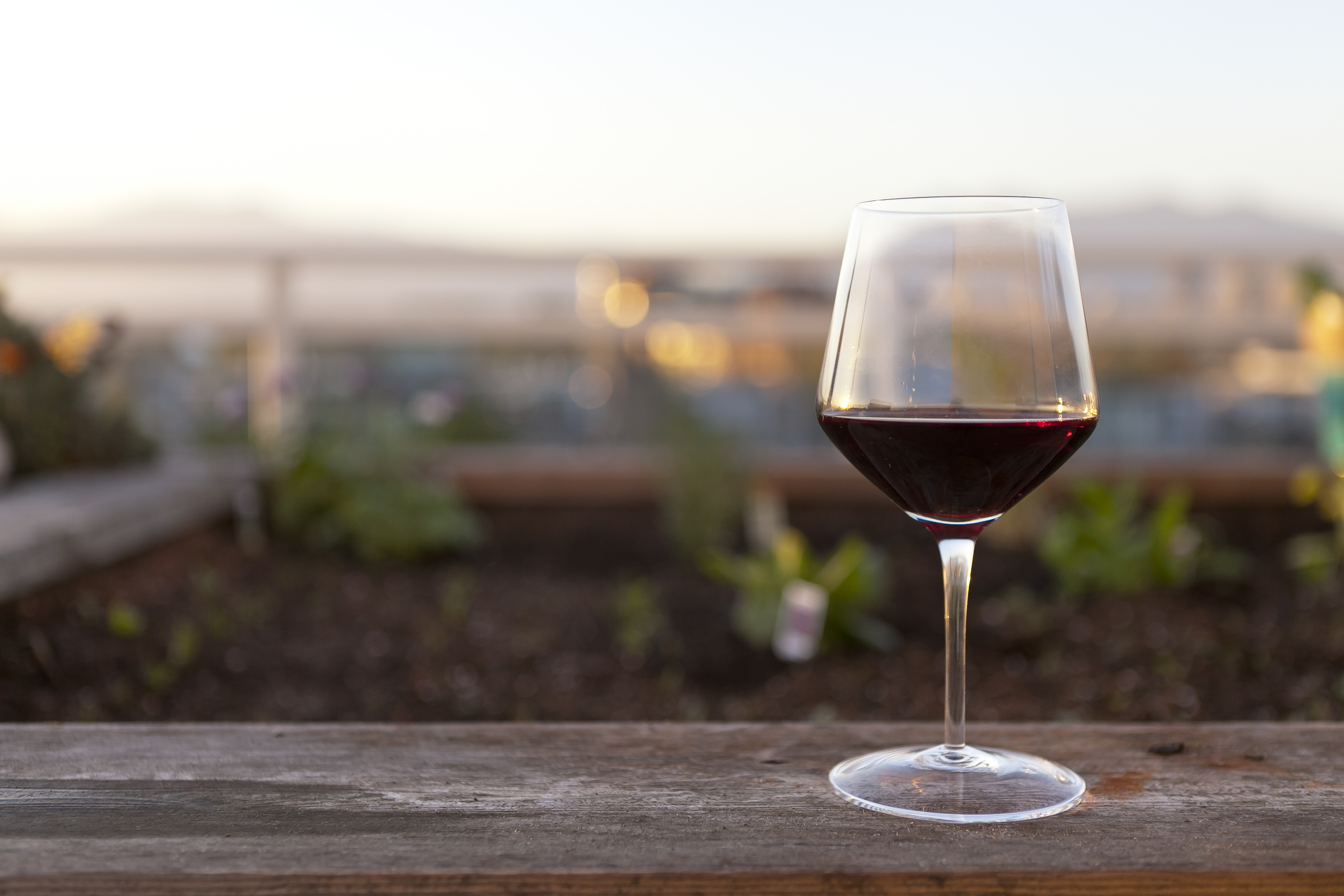
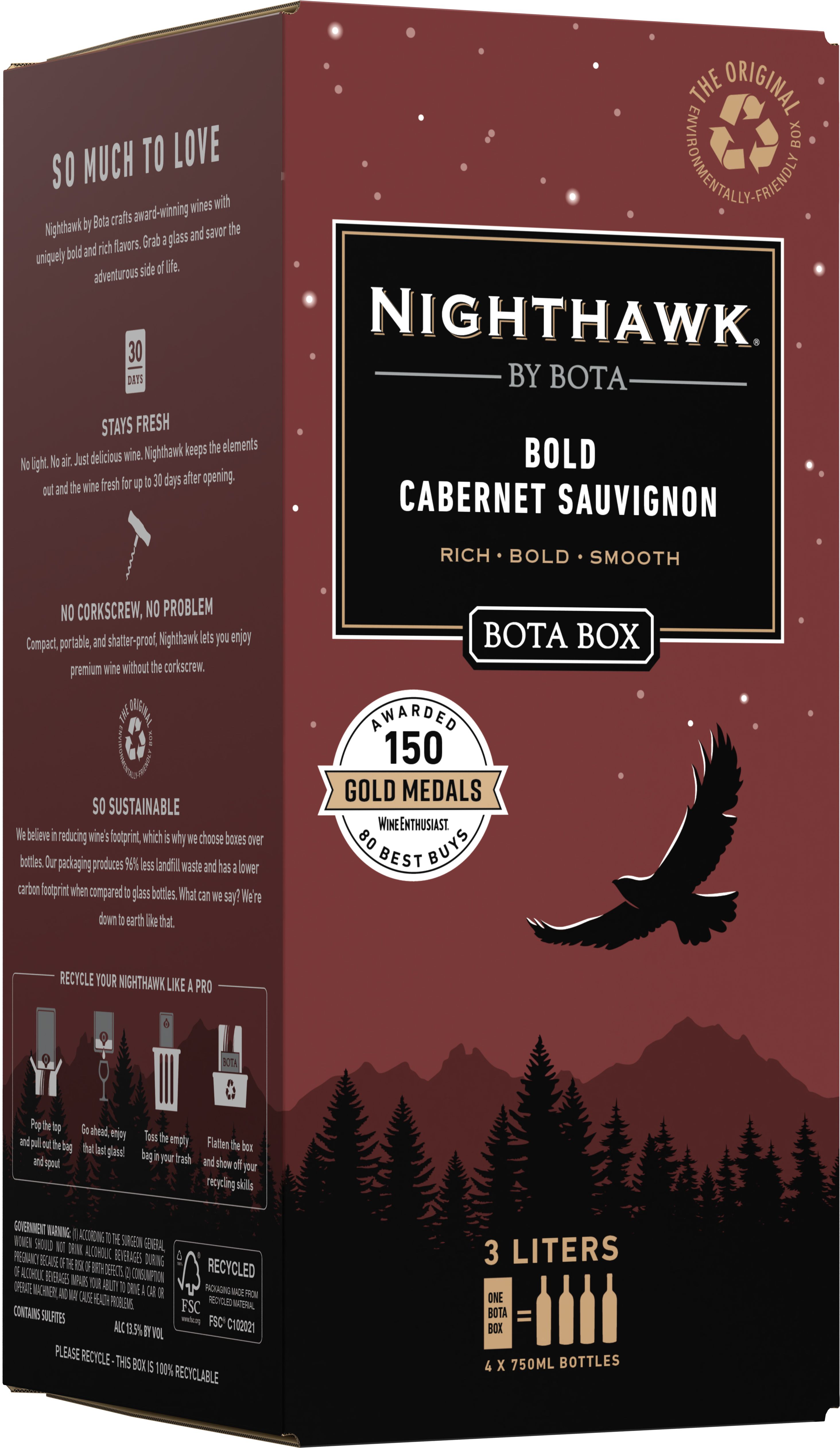
Bottled wine has its upsides, but sometimes it’s impractical. Heading into the holiday weekend, many people have plans to celebrate outdoors, at the beach, on boats, or poolside — where glass is prohibited or discouraged. And bottles can be too heavy and bulky for ease of use in campgrounds or for picnics in the park. This is where the advantages of a 3-liter bag-in-box wine shine, as with this vibrant California cabernet sauvignon.
The 3-liter size hits the sweet spot for bargain seekers, since the box contains the equivalent of four standard bottles of wine for the price of two. There’s no need to rush to polish all the liquid off once you’ve opened it thanks to the bag-and-tap system, which can keep the wine tasting fresh for up to 4 weeks. The same volume of wine in a box weighs a lot less and occupies far less space, making it easier to pack for adventures. Added benefits include lowering the wine’s shipping and storage costs and shrinking the carbon footprint, too.
Stylistically, this wine is dark in color and intense in taste without being too strong in alcohol to be enjoyable on a sunny day behind the grill. Its tannins are also soft enough for this red wine to taste good on ice if it gets hot out, and the concentration of its cherry and raspberry flavors also make an excellent base for sangria. Best of all, this style tastes fantastic with a juicy cheeseburger or grilled chicken.
Nighthawk by Bota “Bold” Cabernet SauvignonCourtesy of Bota Box Vineyards
Nighthawk by Bota “Bold” Cabernet Sauvignon
California
13.5% ABV
PLCB Item #2496
On sale for $22.99 through Oct. 4 (regularly $24.99)
No alternate retail locations within 50 miles of Philadelphia according to Wine-Searcher.com
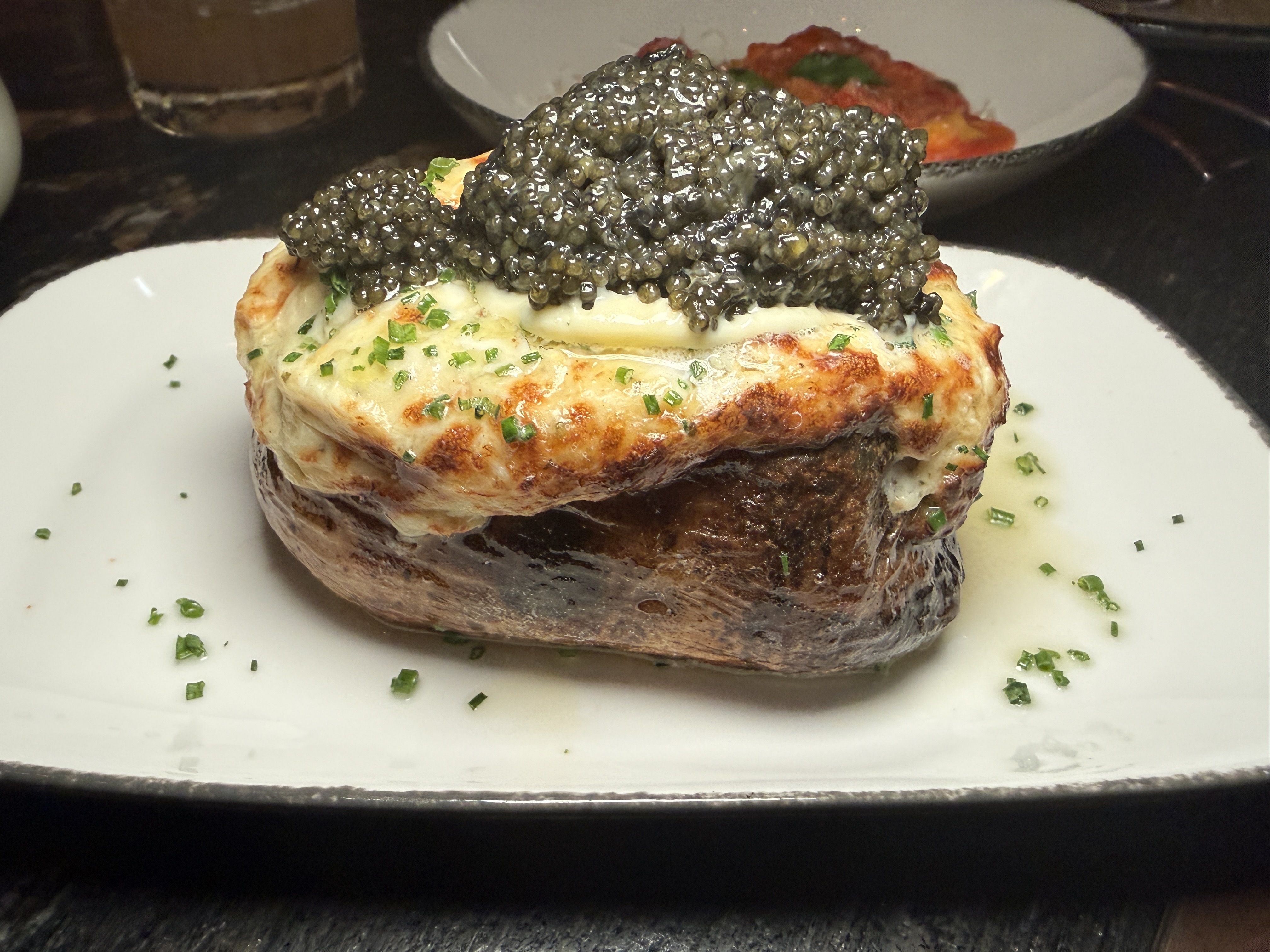
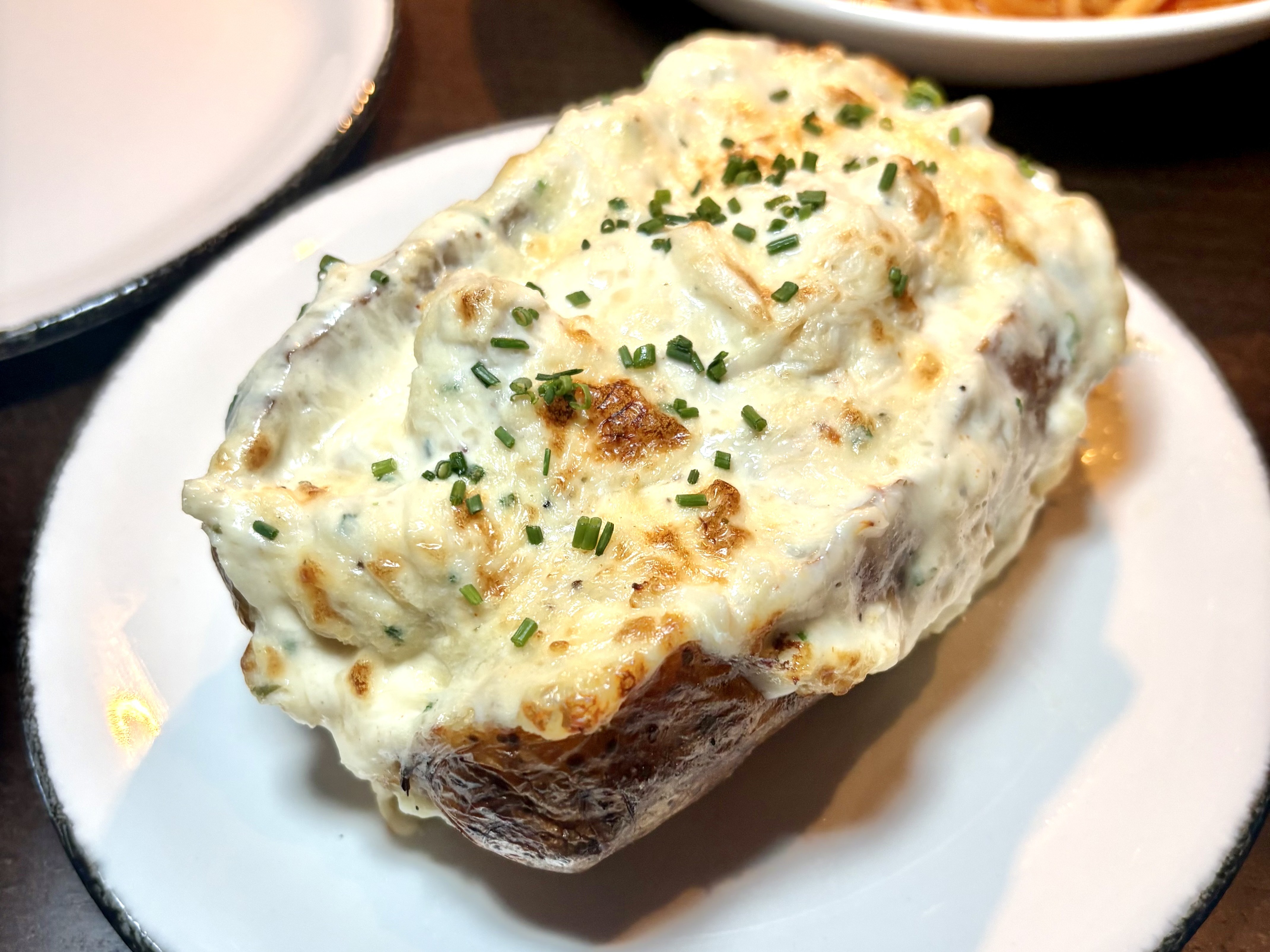
When the baked, crab au gratin-stuffed potato with a caviar “blackout” was placed in front of me at Mr. Edison’s bar, the man sitting next to me looked upon it with wonder. His eyes were transfixed upon the spud, which spewed crab cream — lightly broiled, like the top of a classic French onion soup — and lots of fish eggs from its potato casing. After he watched me take one bite and then another, he leaned over and asked, “Is that as good as everyone says?”
The $48 baked potato at Mr. Edison comes stuffed with crab imperial.Craig LaBan / Staff
Short answer: It is not. I wanted this absurdly expensive baked potato to be good. I love that baked potatoes, of all things, have been trending in the last year. And besides, my colleague, restaurant critic Craig LaBan, liked the non-caviar-topped version of it. It was one of the few bright points of his review of the splashy new restaurant in the Bellevue hotel: “The restaurant’s $48 baked potato, stuffed with nearly half a pound of sweet lump crab au gratin, was the most memorable thing I ate at Mr. Edison,” he wrote.
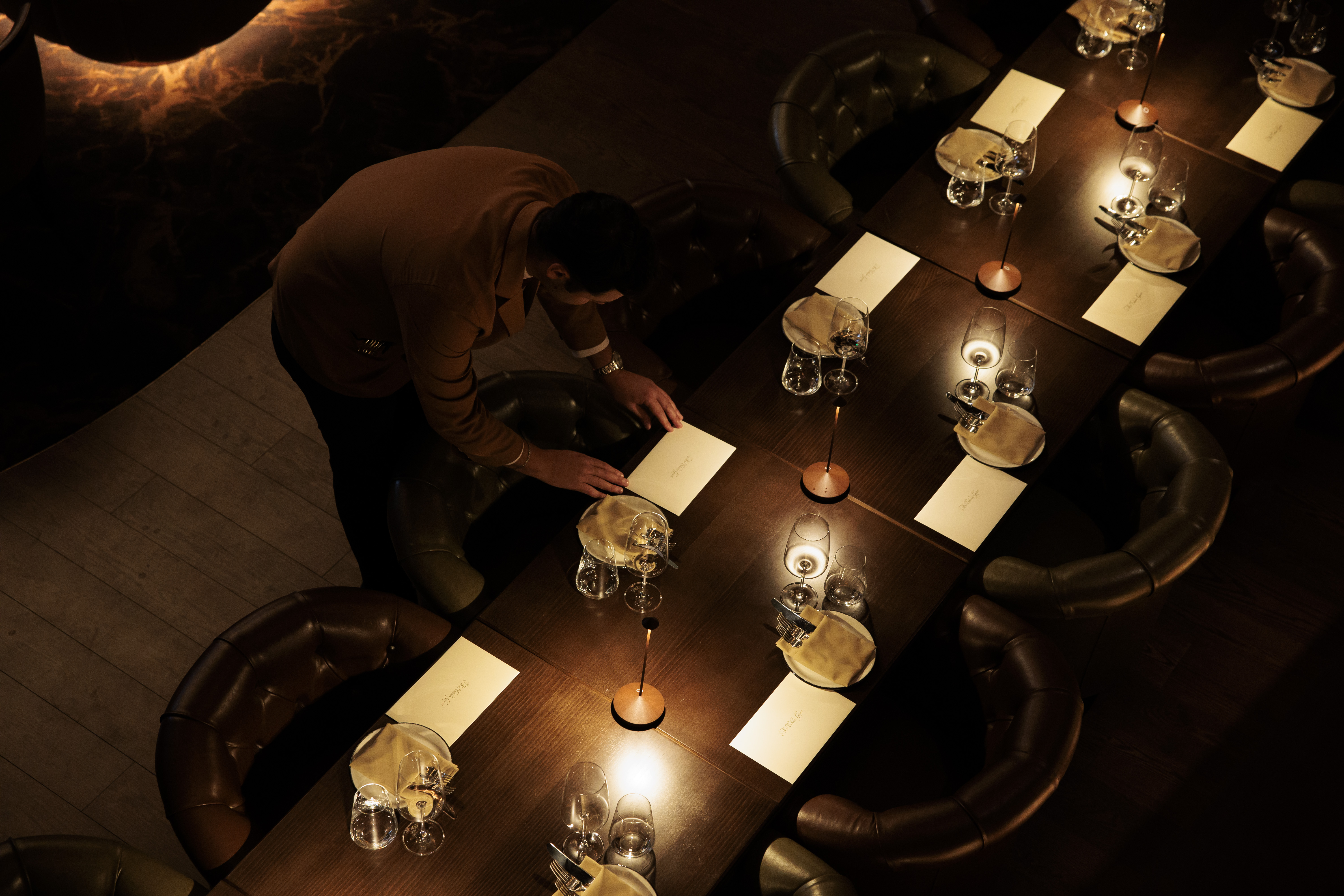
Thomas Angelina straightens the menus during service at Mr. Edison in the Bellevue Hotel on Tuesday, Aug. 18, 2026 in Philadelphia.Monica Herndon / Staff Photographer
The same restaurant can offer experiences that diverge widely, justas not all potatoes are created equal.
Alas, the baked potato I was served at Mr. Edison was all mush. “Well, a baked potato is usually all mush,” you might say. But think about a classic baked potato. There’s the crisp and chew of bacon bits; the gooeyness of melted cheese; bright, tangy, cold sour cream; a sharp pop of chives, all before you even get to the potato part. Precisely the kind of baked potato that’sall-you-can-eat for $15 on Wednesdays at Wine Dive, not even two blocks from Mr. Edison.
And if you’re eating a jacket potato from Mod Spuds in Graduate Hospital (five blocks away from Mr. Edison, with much better baked potatoes), you cantrust great attention was paid to making sure the potato skin is crispy.
The caviar-ladenbaked potato at Mr. Edison costs almost six times what a potato at Mod Spud’s costs. Is it six times better? It is not. There is always a chasm between cost and value. When it comes to the Mr. Edison’s baked potato, that chasm is very wide.
The ideas behind the dishes at Mr. Edison aren’t terrible. Cream belongs on a baked potato, and so there it is. People love crab. So there’s crab in that cream. And people love caviar, so put that on there, too. But somewhere along the way, it seems that the kitchen forgot to make the final result delicious in addition to expensive.
But we’re not really talking about an $88 potato here, are we?
We’re talking about that upcharge, the caviar that catapults a $48 baked potato (still wildly expensive) into the stuff of legend — or at least, the stuff that makes food writers like me write articles about it, including a $55 slice of pizza (it comes with caviar), a $59 pancake (it also comes with caviar, but thankfully, it’s delicious even without it), or a $140 cheesesteak (it comes with truffles, foie gras, and champagne).
My colleague Michael Klein, who wrote about that $55 slice of pizza from Marina’s Pizza, said that it felt like a stunt. Indeed, caviar is seemingly everywhere now. Give me all the high-quality caviar all the time. But caviar for caviar’s sake? It’s starting to feel like it’s going the way of truffle oil.
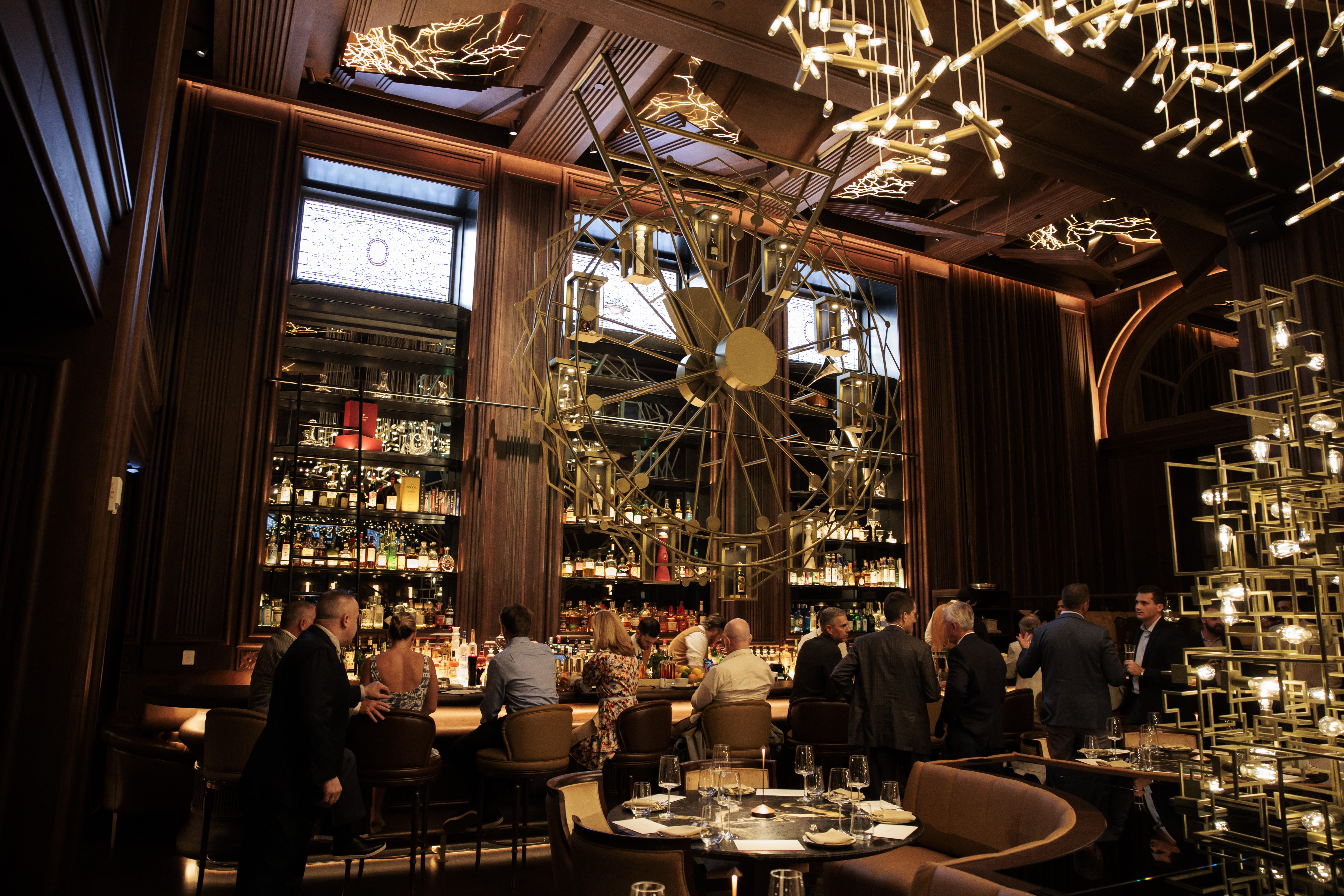
The bar at Mr. Edison in the Bellevue Hotel on Tuesday, Aug. 18, 2026 in Philadelphia.Monica Herndon / Staff Photographer
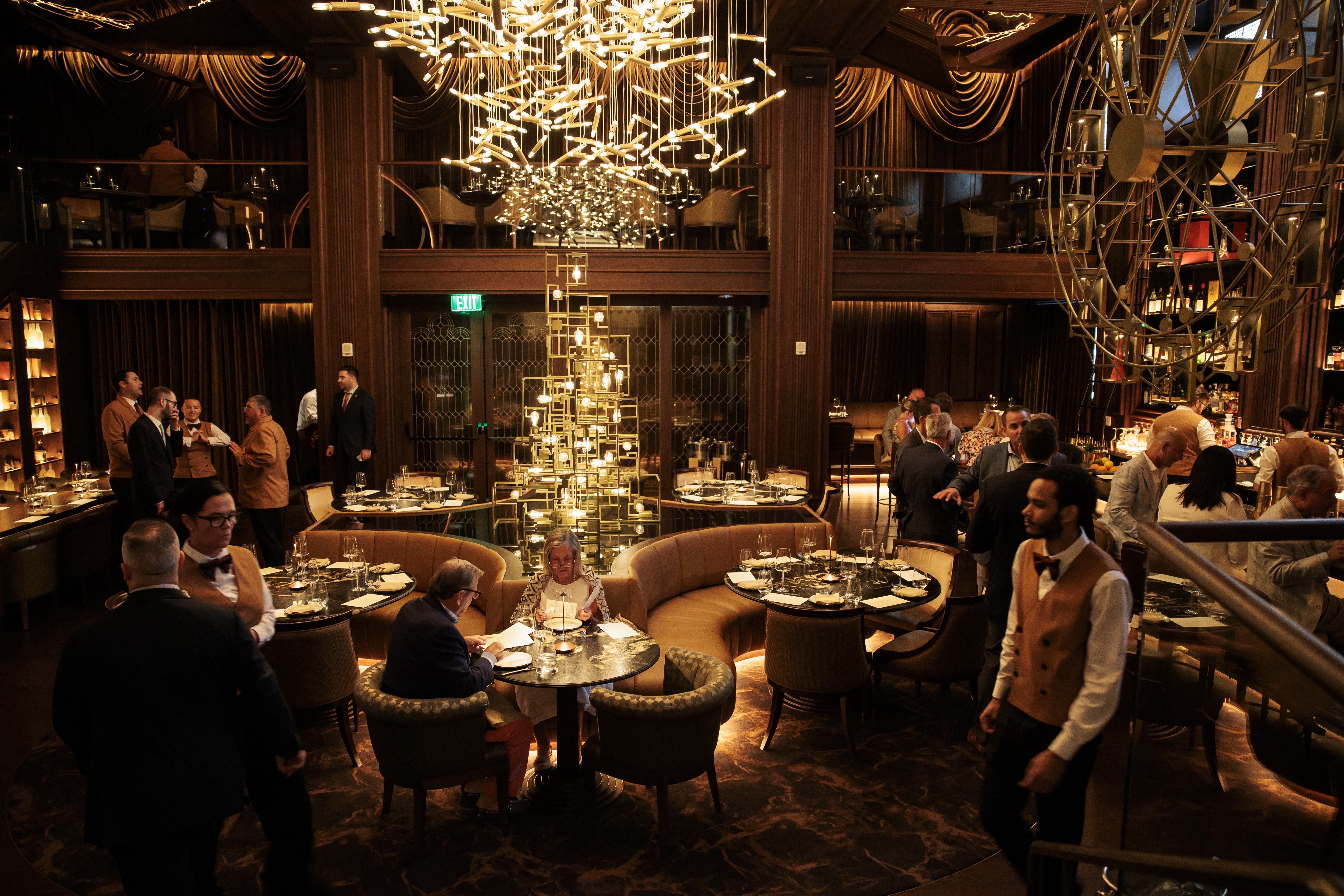
Beware: Caviar is great. Baked potatoes are great. But more caviar and/or money does not buy you a better baked potato. It does, however, buy you the privilege of eating a baked potato in the company of a live pianist, sitting under a Ferris wheel that houses equally astonishingly expensive bottles of liquor.
There are few Spanish bar snacks as satisfying — or so hotlydebated — as a properly made tortilla Española.
If you’re lingering in the hot southern cities of Andalusia, where the iconic potato-and-onion omelet is typically served room temperature or cold, the eggs are fully set.
“But from Madrid north to Basque Country, it’s traditionally made to order and served warm and custardy,” says Patrick Iselin, 50, the co-owner of BAR ilu, who spent half his childhood in Spain and now splits time between Philadelphia and the Madrid apartment once owned by his grandmother, Iluminada “Ilu” Prellezo Inchausti.
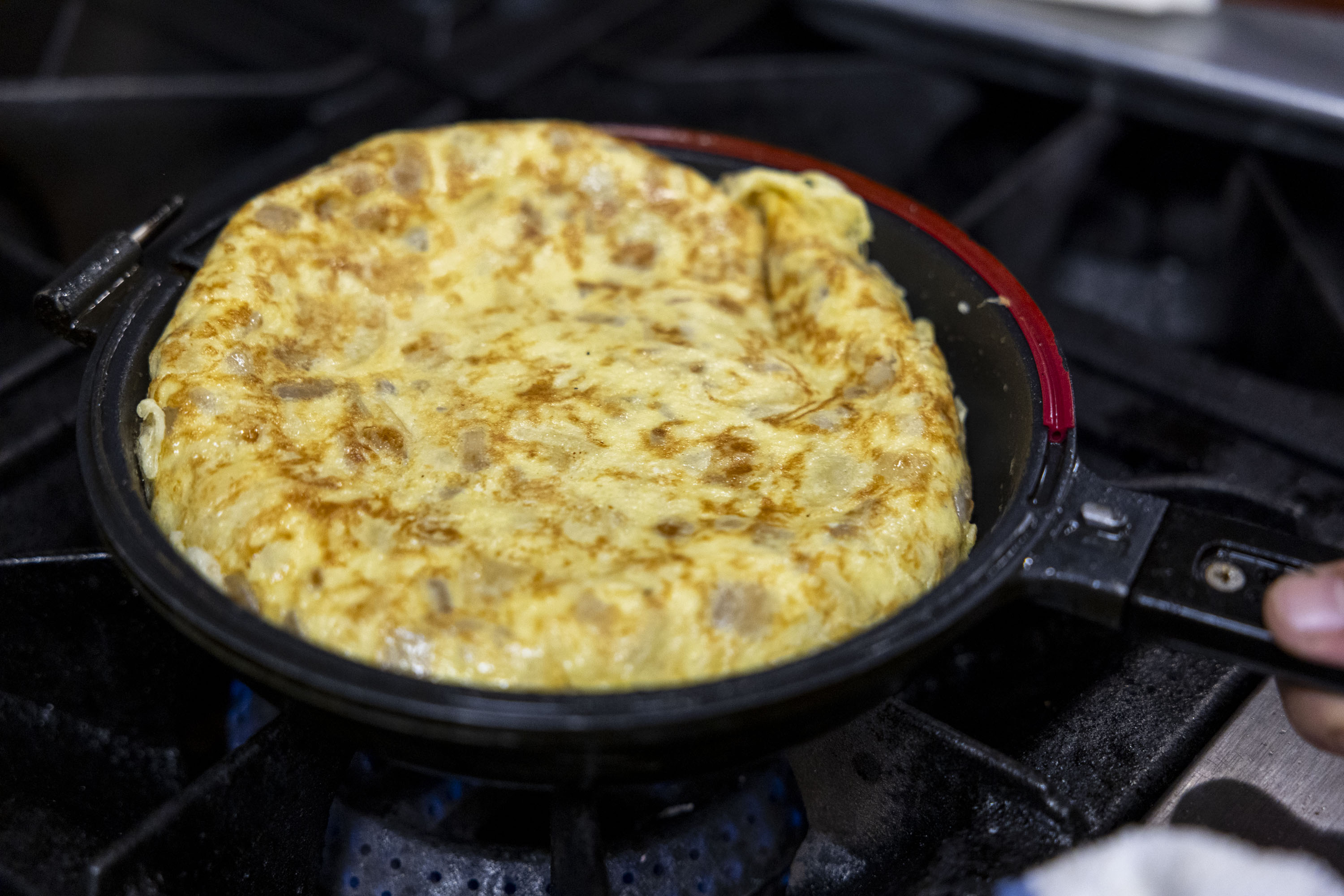
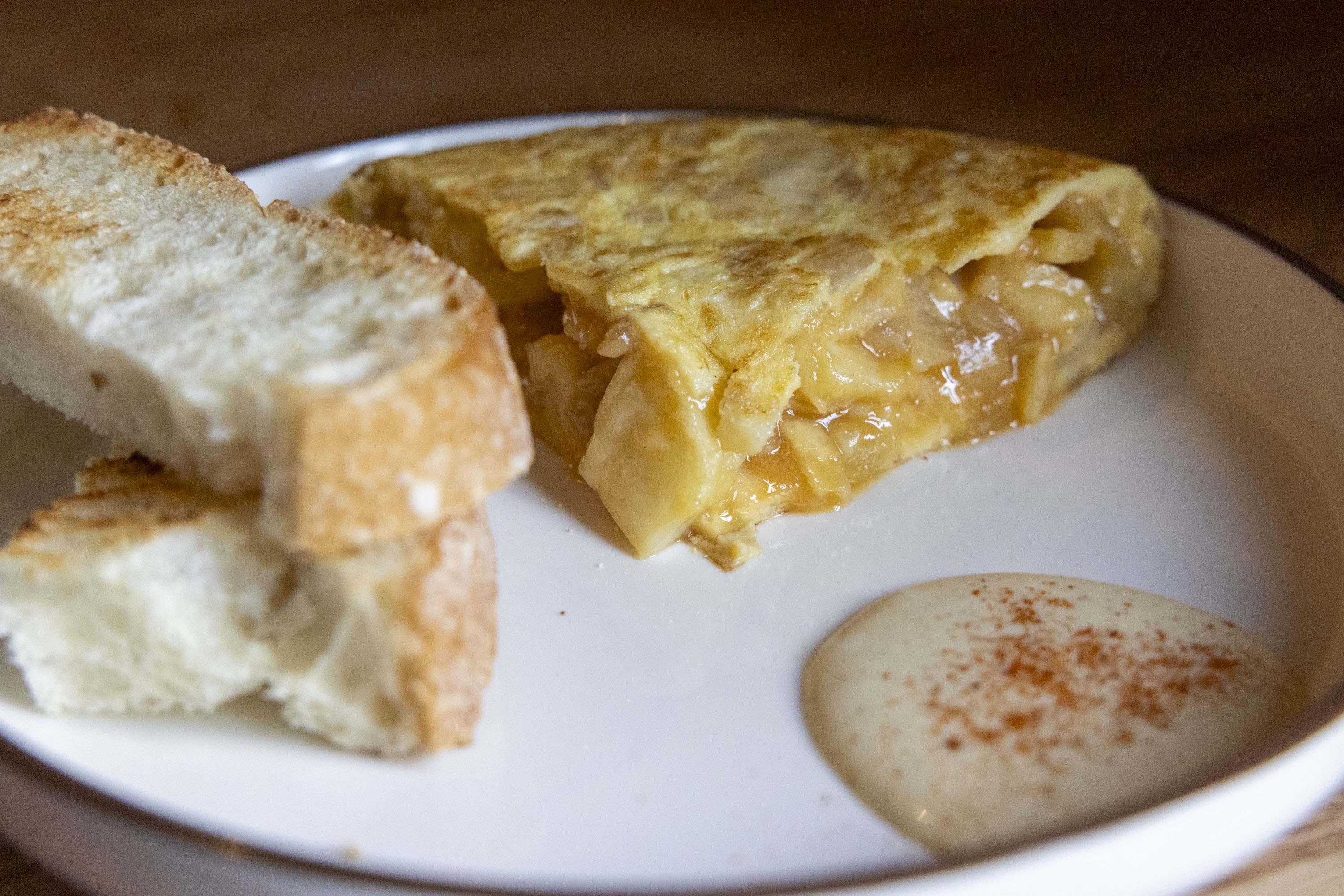
So it follows thatthe eponymousnew cornerbar at Dauphin and Martha Streets — which happen to share the 40th parallel north with Madrid — serves its tortilla Española with a loose and edgy Kensington flair: “runny af,” as noted on the menu. Served as a wedge, with olive oil-fried potato chunks and sweet onion laces bulging from its glossy middle, a warm forkful of this eggy wonder is as transporting as it gets.
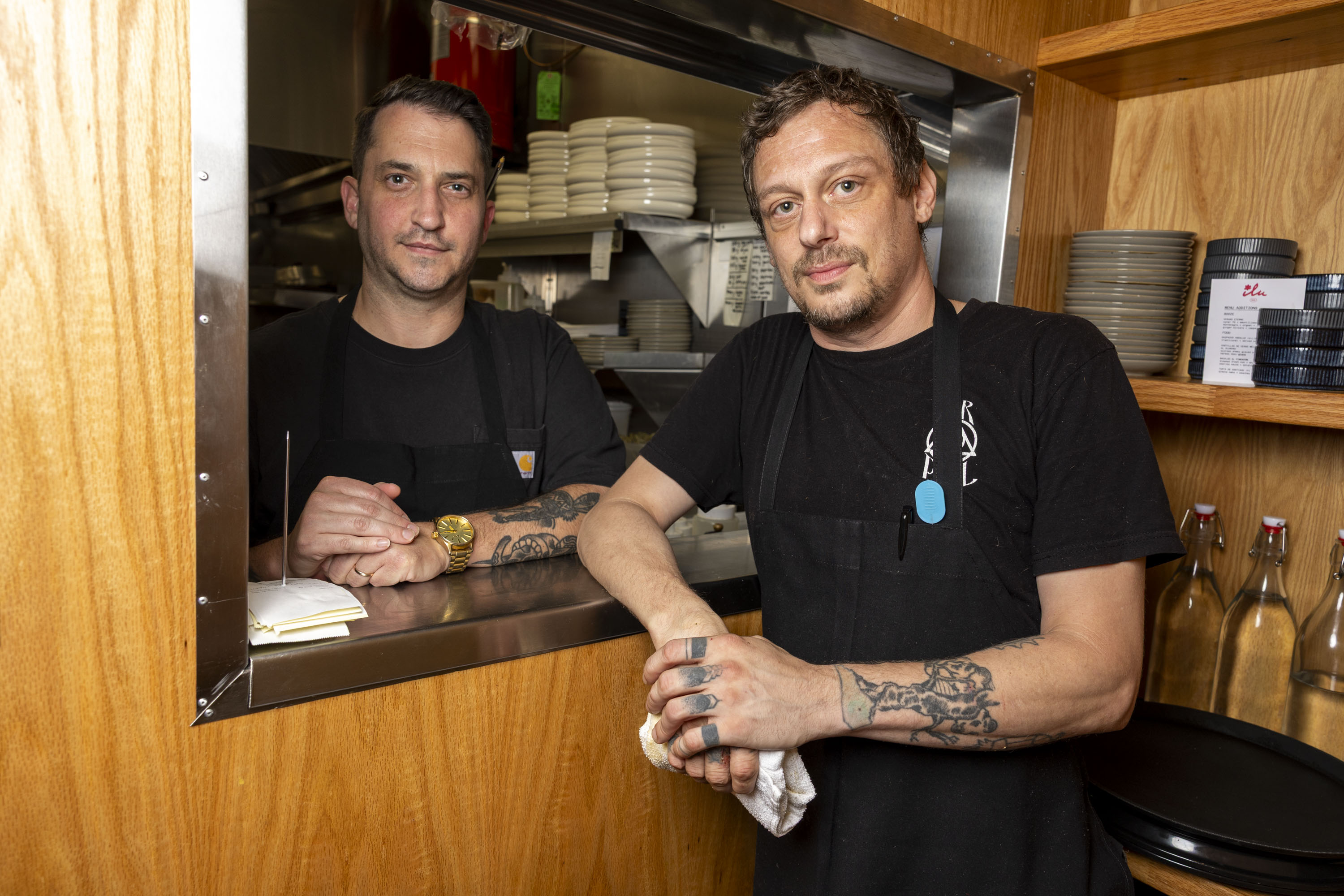
Andrew Butler, chef de cuisine at BAR ilu, making the tortilla Espanola.Tyger Williams / Staff PhotographerThe tortilla Espanola at BAR ilu.Tyger Williams / Staff Photographer
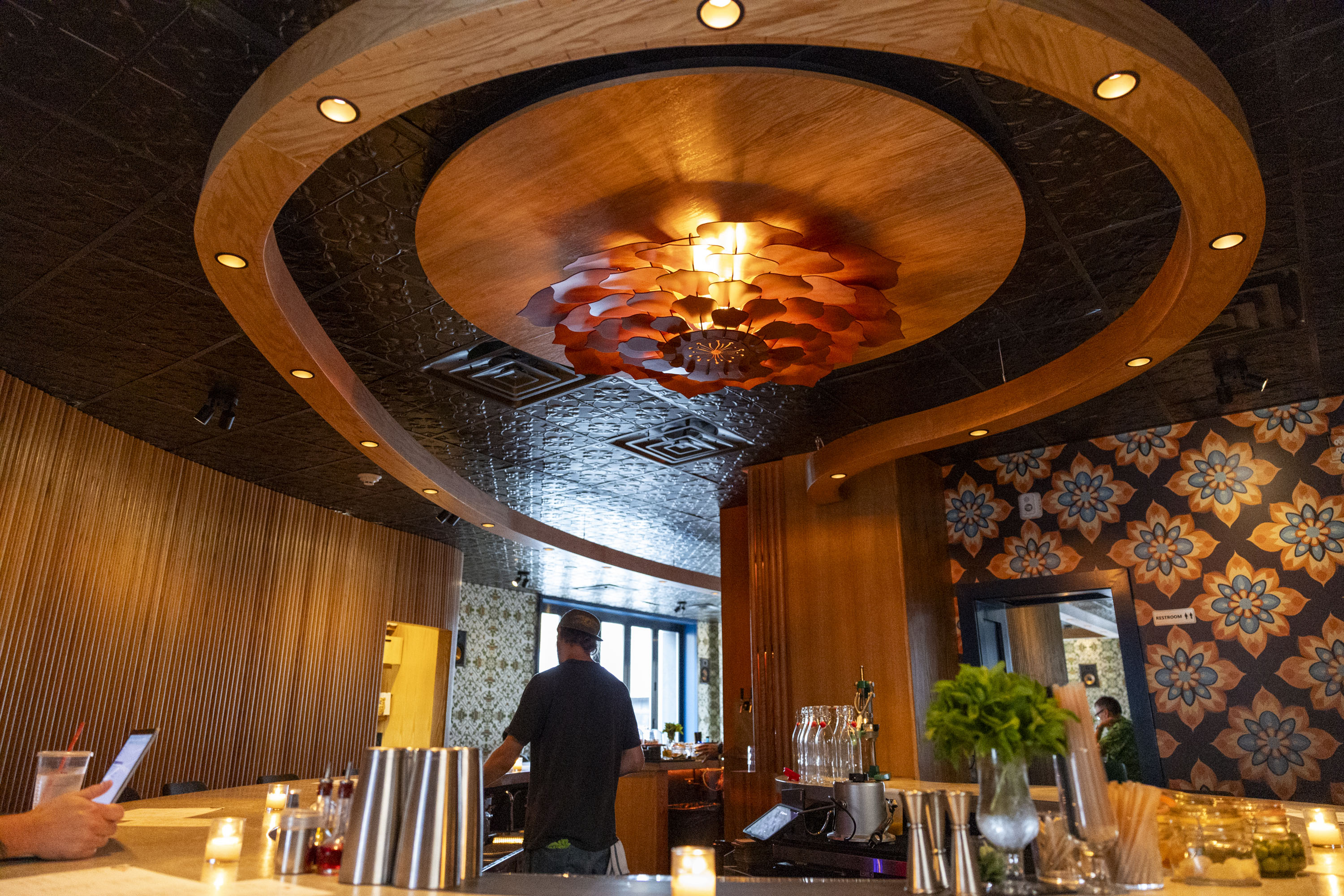
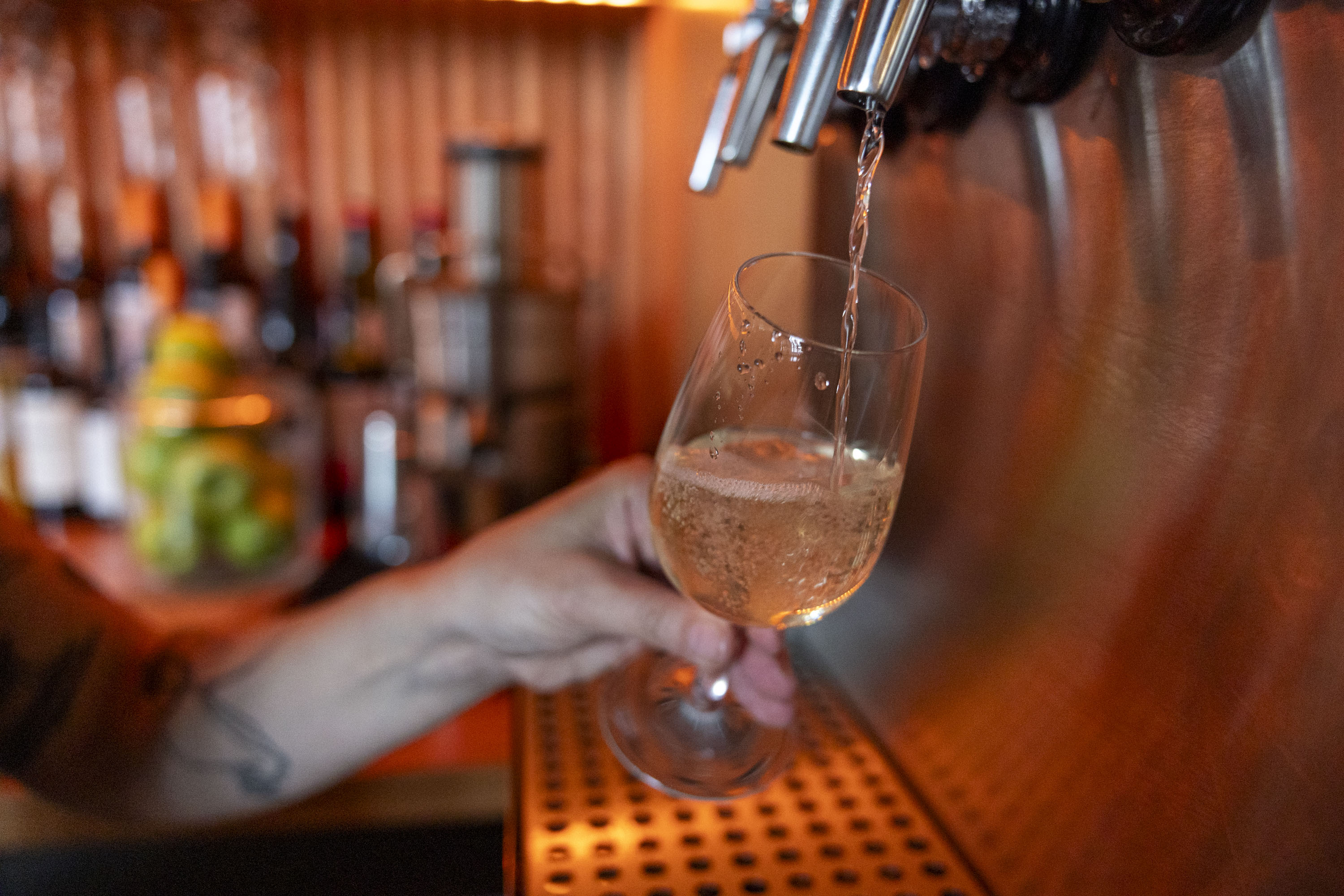
Wash it down with a bracingly crisp glass of La Gitana Manzanilla sherry on draft, plus a fistful of crunchy Marcona almonds, a forkful of tangy boquerones, and a crock of olives warmed with orange zest and herbs, and it’s hard to deny that BAR ilu is an appealing development for this rapidly changing corner of Kensington. It is perhaps also a little dissonant for those who know the neighborhood history. Thisstylish Euro concept, complete with its undulating circular bar and foam-topped glasses of vermouth, haslanded in a space previously occupied by the Old Philadelphia Bar, one of the last unreconstructed dive bars from what co-owner Scott Coudriet calls Kensington’s “pre-hip-storic” days.
Coudriet, who owns Fishtown’s Lloyd Whiskey Bar, is also partnered with Iselin at nearby Cormorant bar. Their other partners in ilu are Salvatore D’Amato and Jason Evenchik, whose Vintage Syndicate hospitality group operates Vintage, Starbolt, Time, Bar, three Garage locations, and the Goat Rittenhouse.
This veteran team is keenly aware of the sensitive dynamics of change at longstanding bars. That’s why Iselin was adamant about keeping prices reasonable for Kensington locals — no more than $14 a plate, and $16 for distinctive cocktails that would easily cost a few dollars more in Center City — while building this tribute to Spain in his adopted city.
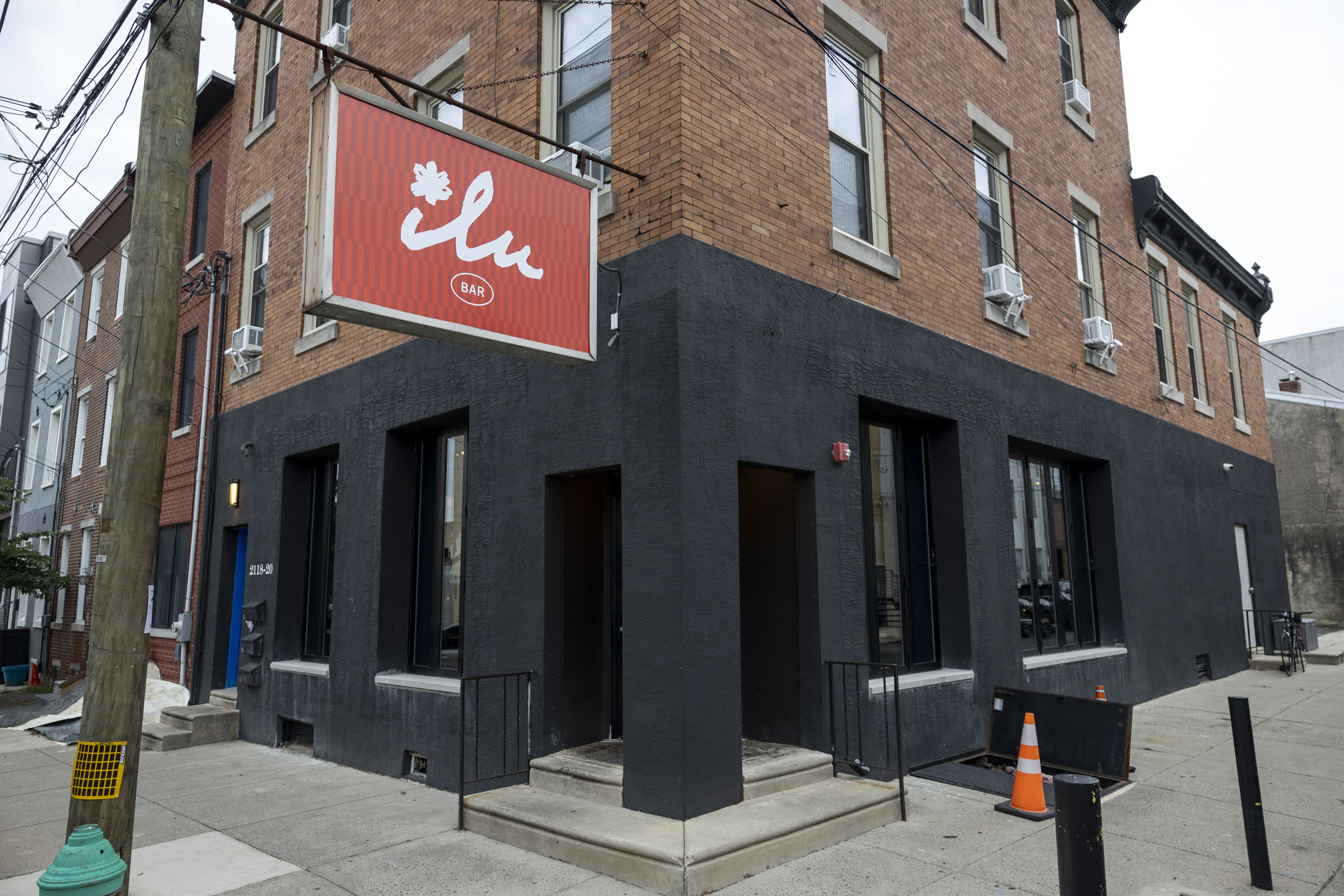
The outside of BAR ilu on Thursday, Aug. 20, 2026, in Philadelphia.Tyger Williams / Staff PhotographerThe back bar area at BAR ilu on Thursday, Aug. 20, 2026, in Philadelphia.Tyger Williams / Staff Photographer
Iselin wanted to craft this 40-seater with as few clichés as possible (no hanging hams, no toro horns, no sangria), but rather the feel of a modern tapas bar he might frequent in Madrid today. He had no idea he was also tapping into the latest evolutionary trend for the Philadelphia bar.
Twenty years ago, the smoky old taverns of yore were being replaced by the gastropub movement of the early aughts, where local craft beers flowed and house charcuterie and pickle programs anchored ambitious seasonal menus that gave a cool new vibe to the neighborhood restaurant. In some cases, they helped redefine the neighborhoods themselves.
Philly’s bar scene is now officially in its grazing phase, with curated drink menus centered around culinary cocktails, natural wines, and nonalcoholic drinks with food offerings often so limited that a hungry fellow like me might need to order three-quarters of the menu to make a meal. Supérette, the charming French wine bar beside East Passyunk’s Singing Fountain, captured this development perfectly in 2025. Owners Chloé Grigri and Vincent Stipo described these snack-centric bars as a “generational thing” for 30-somethings who want a stylish place to hang for in-between meals with friends without committing to an entire evening.
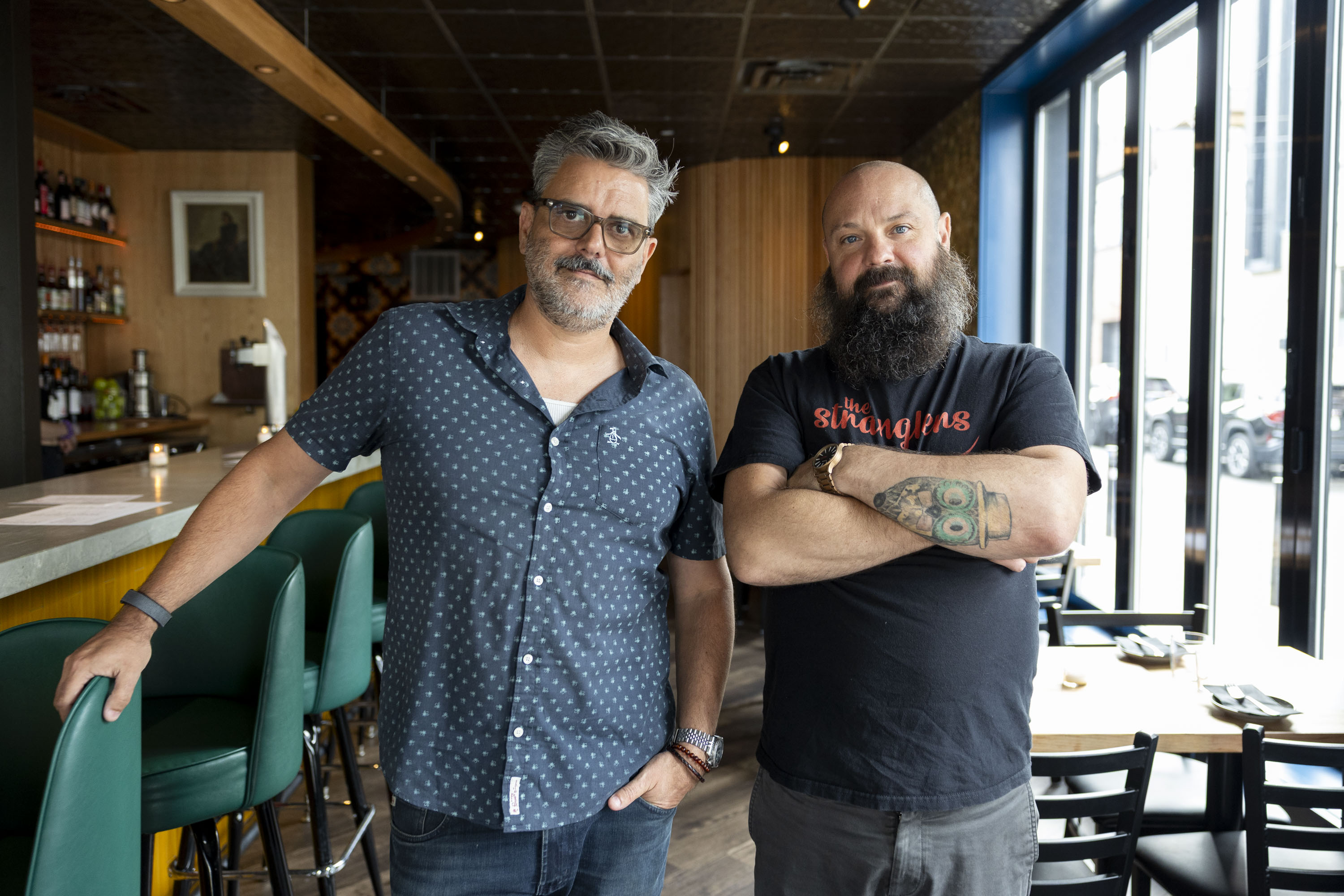
Co-owners Patrick Iselin and Scott Coudriet of BAR ilu, pose for a portrait together on Thursday, Aug. 20, 2026, in Philadelphia.Tyger Williams / Staff PhotographerThe La Gitana Manzanilla Sherry at BAR ilu on Thursday, Aug. 20, 2026, in Philadelphia.Tyger Williams / Staff Photographer
A similar approach is at work through a Japanese lens at Almanac, the cutting-edge Japanese cocktail bar (with Wagyu hot dogs and kombu-cured celery sticks) above the omakase room at Ogawa. The food menu at Chris Kearse’s new cocktail bar in Washington Square West, Known Associates, lists only a dozen items, counting the cool ranch freeze-dried peas. Same with the recently opened Lillian’s Bar in Point Breeze.As Chris Fetfatzes told me about Grace & Proper, the Portuguese-inspired bar with “tasca” nibbles he debuted in 2022, this template — a distinctive drink program bolstered by a small menu that can be produced with limited service and light kitchen investment (i.e. no hood) — makes perfect business sense in the post-COVID era.
Of course, the Spanish have been doing this for centuries with tapas, a light-bite evening repast that reflects their cultural preference for a larger meal earlier in the day. And yes, Amada has been serving tapas here for 20 years, but always alongsidea much broader menu with large plates and paellas.
Considering all the new small-plate projects that have come online recently, including Bar Cicci, Ellen Yin’s all-day aperitivo bar, Philadelphians may have finally embraced the concept on its own snacky terms.
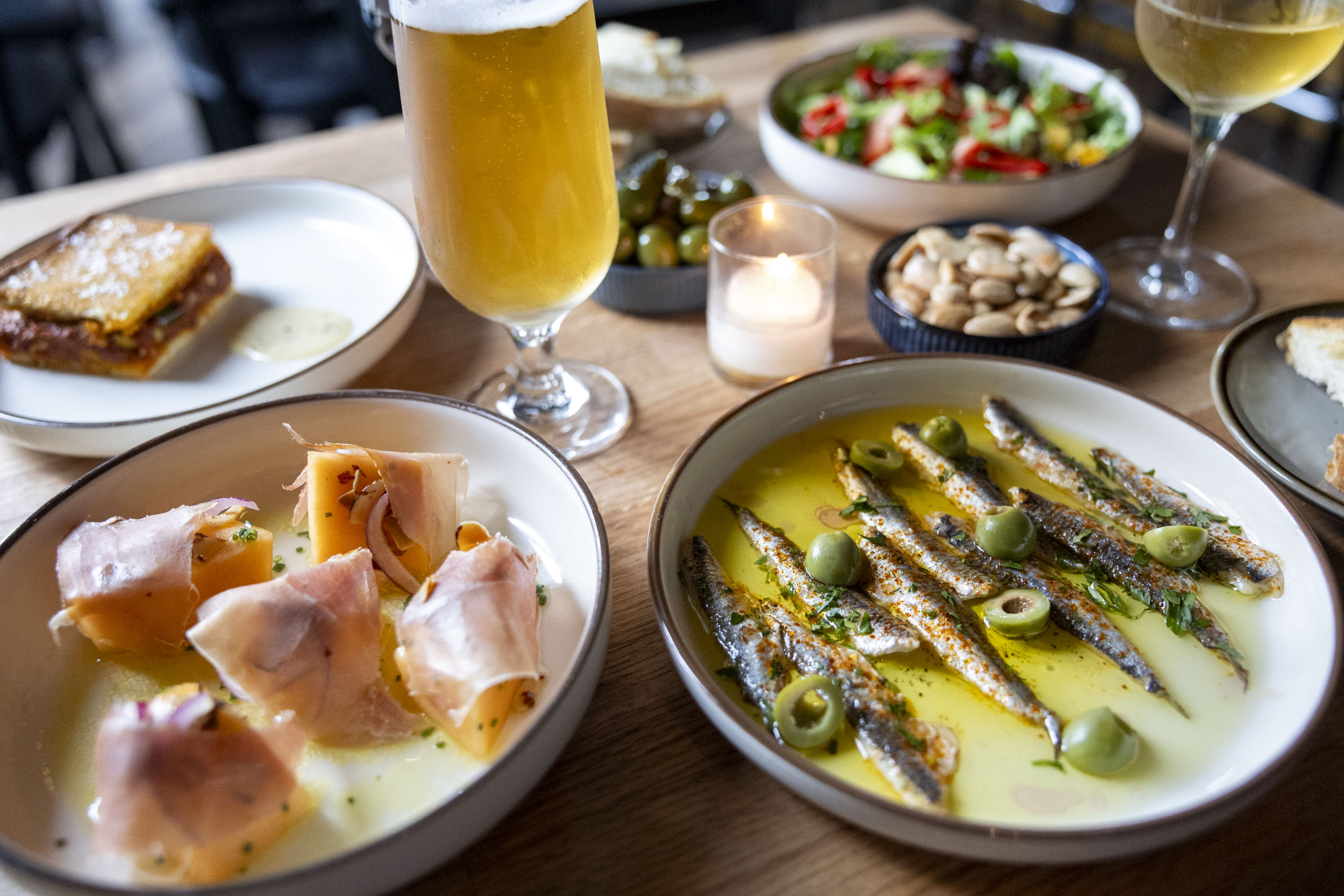
The front bar at BAR ilu, 2118 E. Dauphin St.Michael Klein / StaffThe various plates including The Boquerones, Melon with Ham, the Tuna Empanada, Tomato Salad, Almonds, and Olives at BAR ilu on Thursday, Aug. 20, 2026, in Philadelphia.Tyger Williams / Staff Photographer
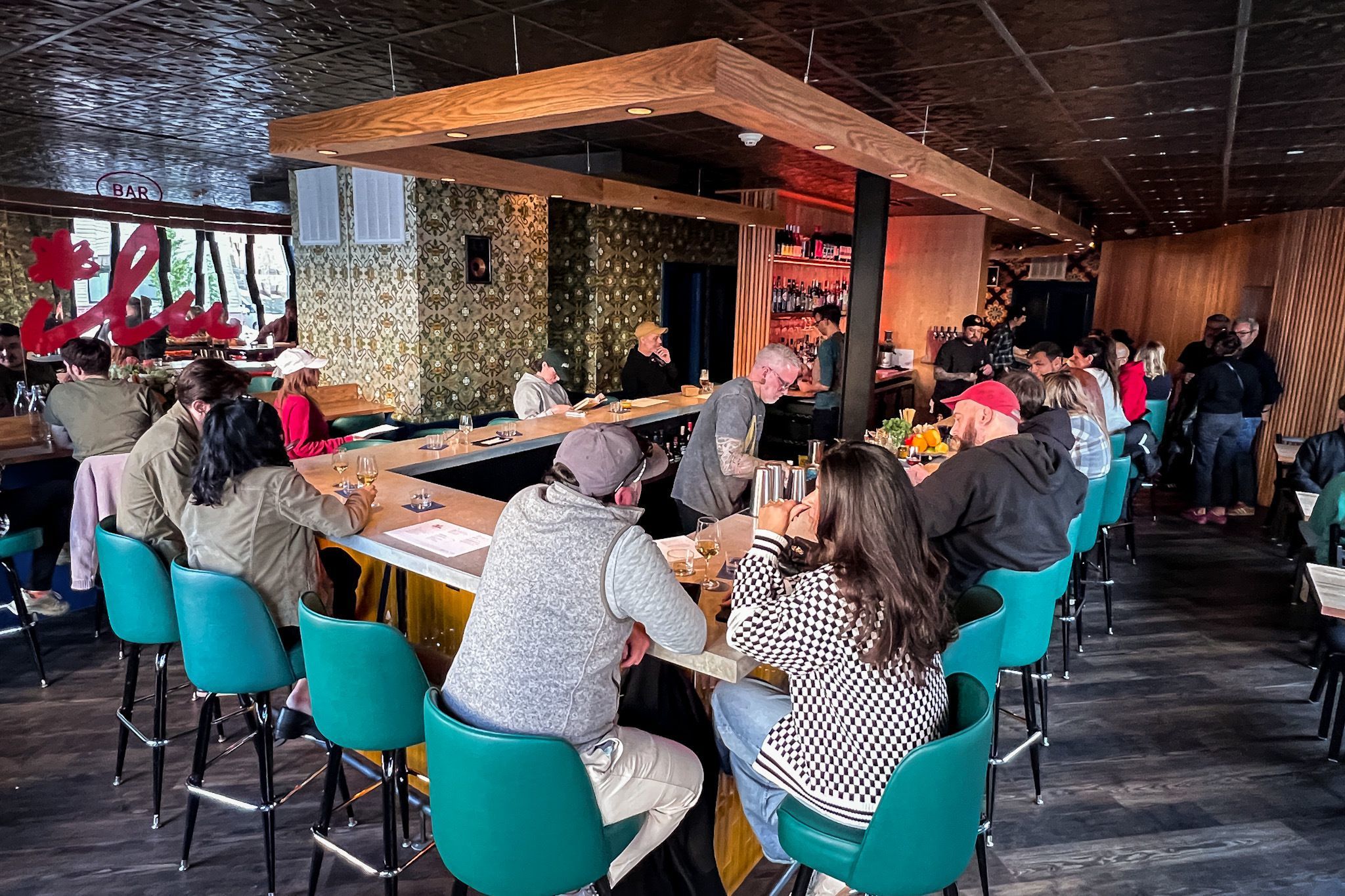
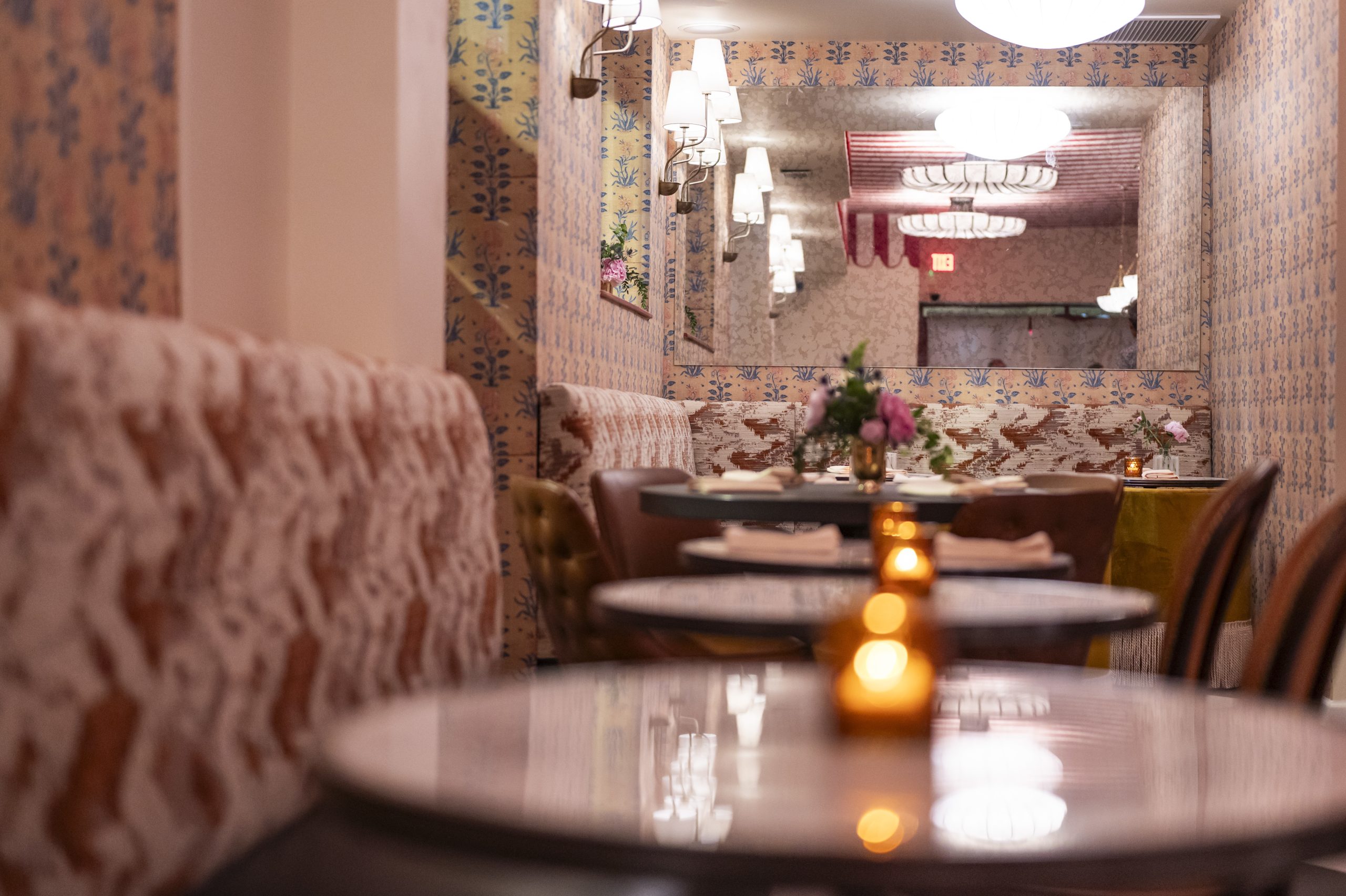
BAR ilu has a slightly more substantial food menu than most.And part of its appeal is the natural ease with which it blends a Kenzo vibe (seethe mismatched thrifter style of its floral-print wallpaper, black tin ceiling, and teal barstools) with an inventive drink program and classic Spanish plates lightly updated by chef Andrew Butler.
Fig leaf oil adds a shade of coconut-vanilla to a familiar pairing of juicy cantaloupe with shaved serrano ham. Smoked olive oil brings a whiff of earthiness to ripe summer tomatoes with cucumbers and piquillo peppers. A juicy burger topped with Manchego cheese, pickled red onions, and aioli firmly anchors the menu with one can’t-miss comfort option that even the least Spanish-inclined customer will embrace.
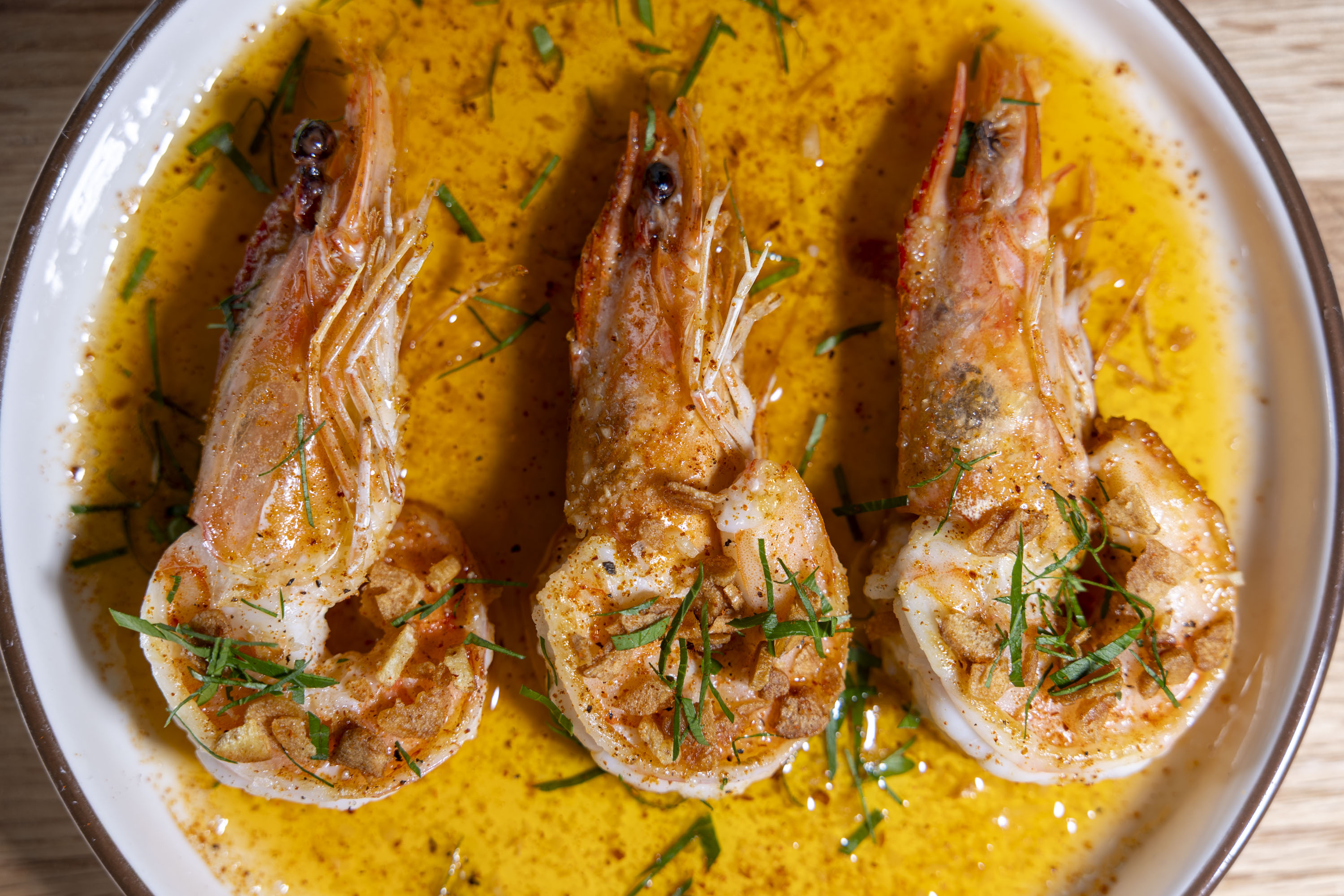
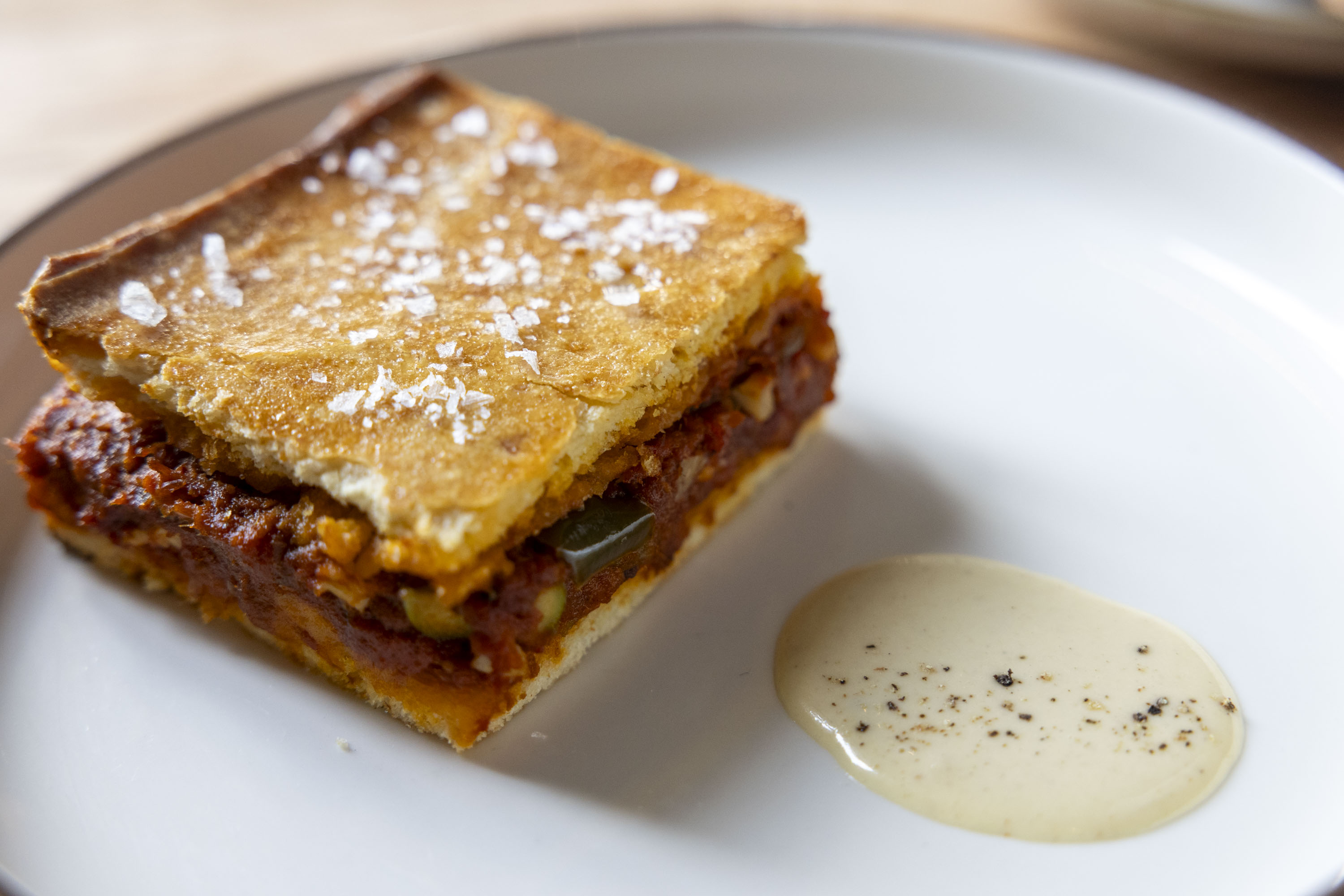
But the Spanish flavors, both on the plate and in the glasses, are what have me hooked. Aside from the tortilla, there’s a double-crusted Galician-style empanada stuffed with tuna and cooked-down tomate frito. Plump head-on gambas al ajillo take on a flicker of chili oilheat. Crisp spheres of perfectly fried croquetas harbor lusciously creamy béchamel centers flecked with serrano ham or, my favorite, salty flakes of bacalao.
A Tuna Empanada at BAR ilu on Thursday, Aug. 20, 2026, in Philadelphia.Tyger Williams / Staff PhotographerPat Szoke, culinary director, and Andrew Butler, chef de cuisine, at BAR ilu.Tyger Williams / Staff Photographer
There were a few misfires. The patatas bravas were pale and lacking crisp. The flattened confit artichoke heart was mushy. The seared mushrooms were oversalted. But these were minor complaints compared to winners like the crusty bocadillo sandwich overstuffed with paprika-fried baby squid drizzled with lemony aioli and more tomate frito. Along with some tiny olives stuffed with briny anchovy, every morsel seemed deliberately calibrated to stoke a thirst.
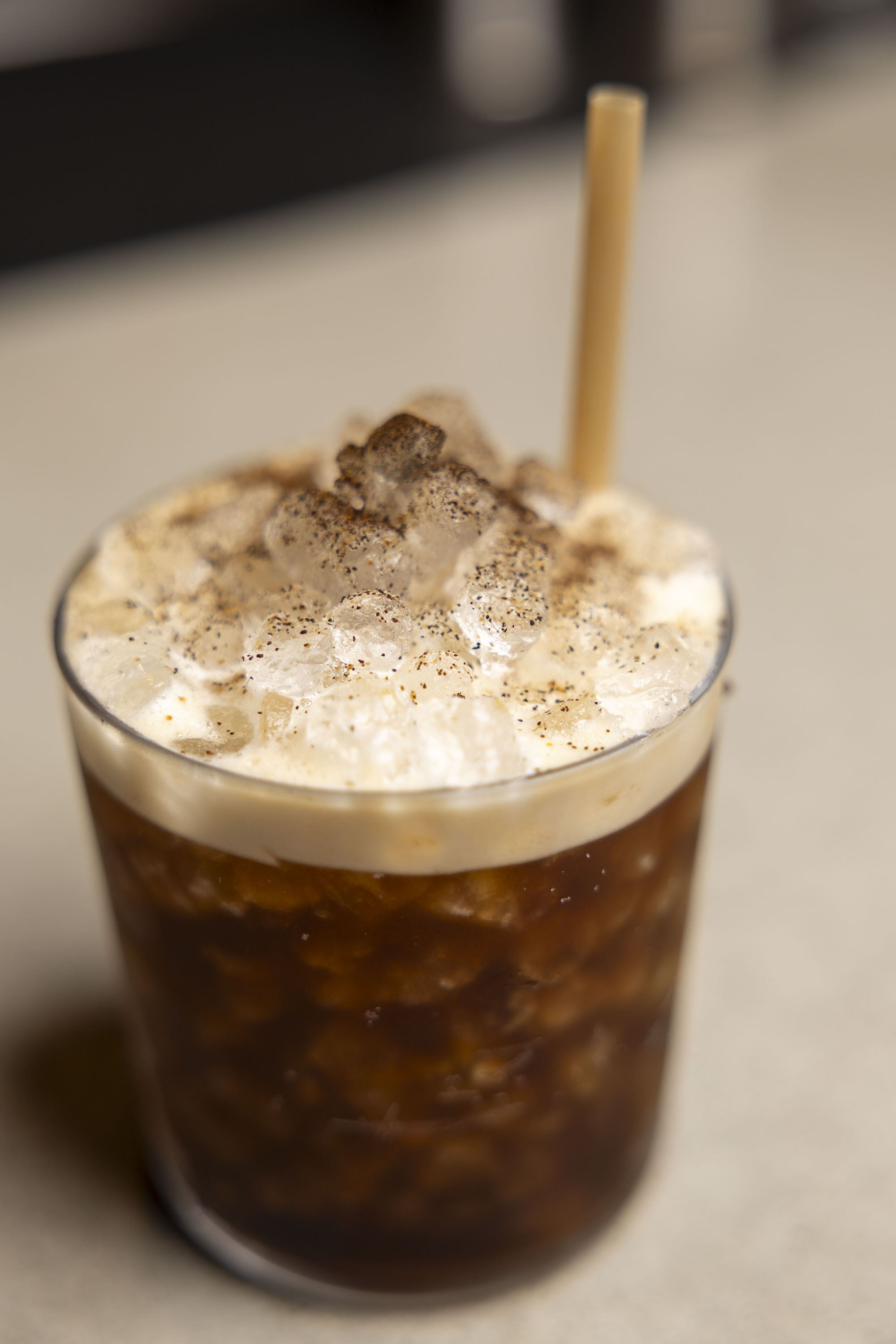
I especially enjoyed BAR ilu’screative approach to sherry and vermouth, both in cocktails and poured neat. A crisp Manzanilla, already one of my favorite predinner quaffs in summer, added a bracing dryness to Cynar amaro and gin for Remember the Alimony. Vanilla-scented Licor 43 from Spain pairs with chilled Cafe Bustelo for a carajillo whose pebble ice is dusted with coffee-orange powder, and is now one of my top five coffee cocktails in the city.
The Carajillo at BAR ilu on Thursday, Aug. 20, 2026, in Philadelphia.Tyger Williams / Staff Photographer
The Fire Drill is a refreshing tropical blast of passion fruit swirling in mezcal smoke, with an herbal whiff of Lo-Fi gentian amaro to counter the fruity sweetness. A whole Granny Smith apple is juiced to order forthe simpleBooze & Juice, paired with the spirit of your choice (make it mezcal).
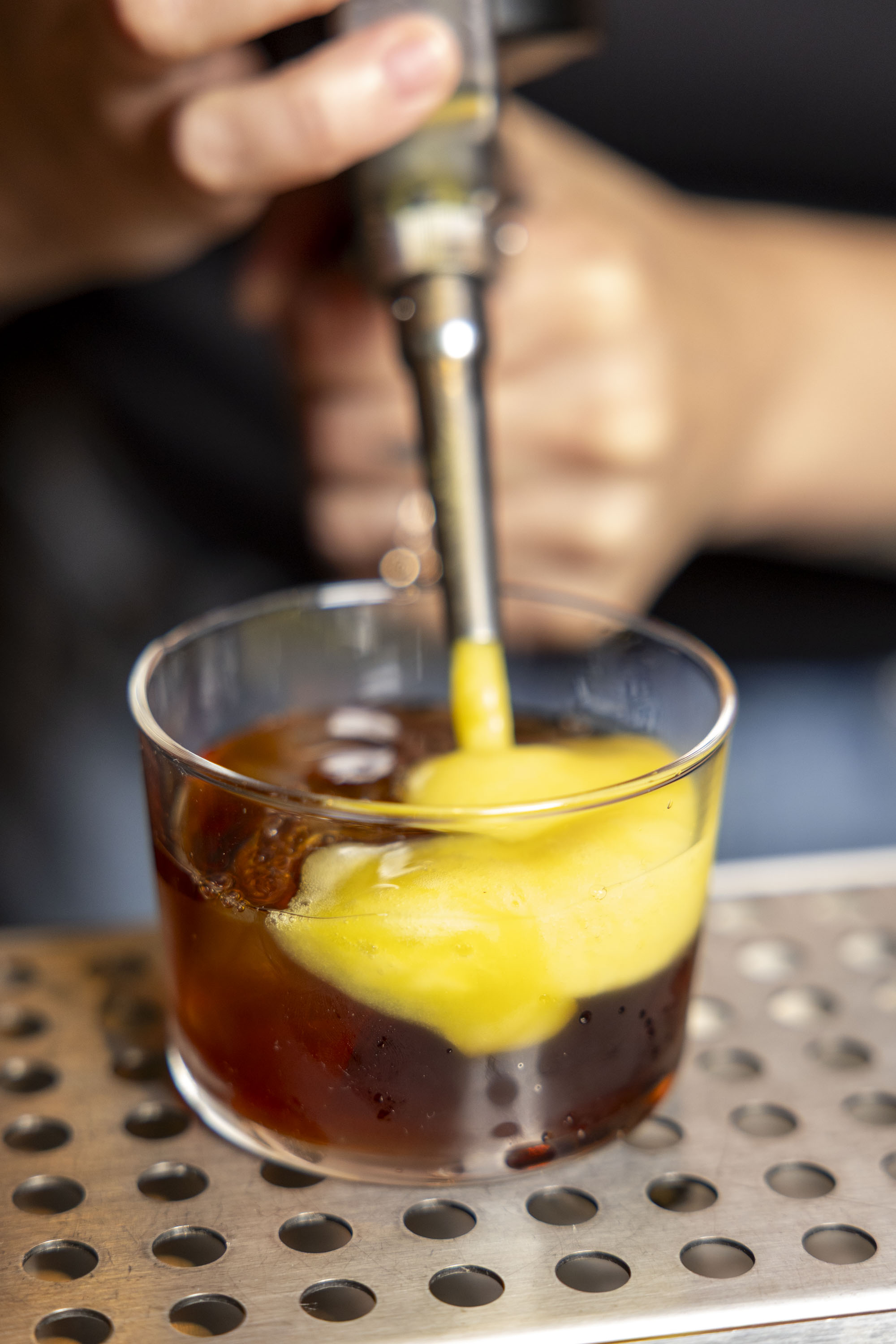
Meanwhile, unless you order a glass of dark, sweet-tangy Pedro Ximenez to cap your meal, try the Barquero vermut on draft and top it with orange foam, a combo that tastes like flat Coke dolloped with an orange-creamsicle cloud. There is actual dessert here, too: a perfectly fine almond cake with macerated peaches and cream. But that foamed vermouth was satisfyingly herbal, sweet, and mysterious — and one of the best things I drank all summer.
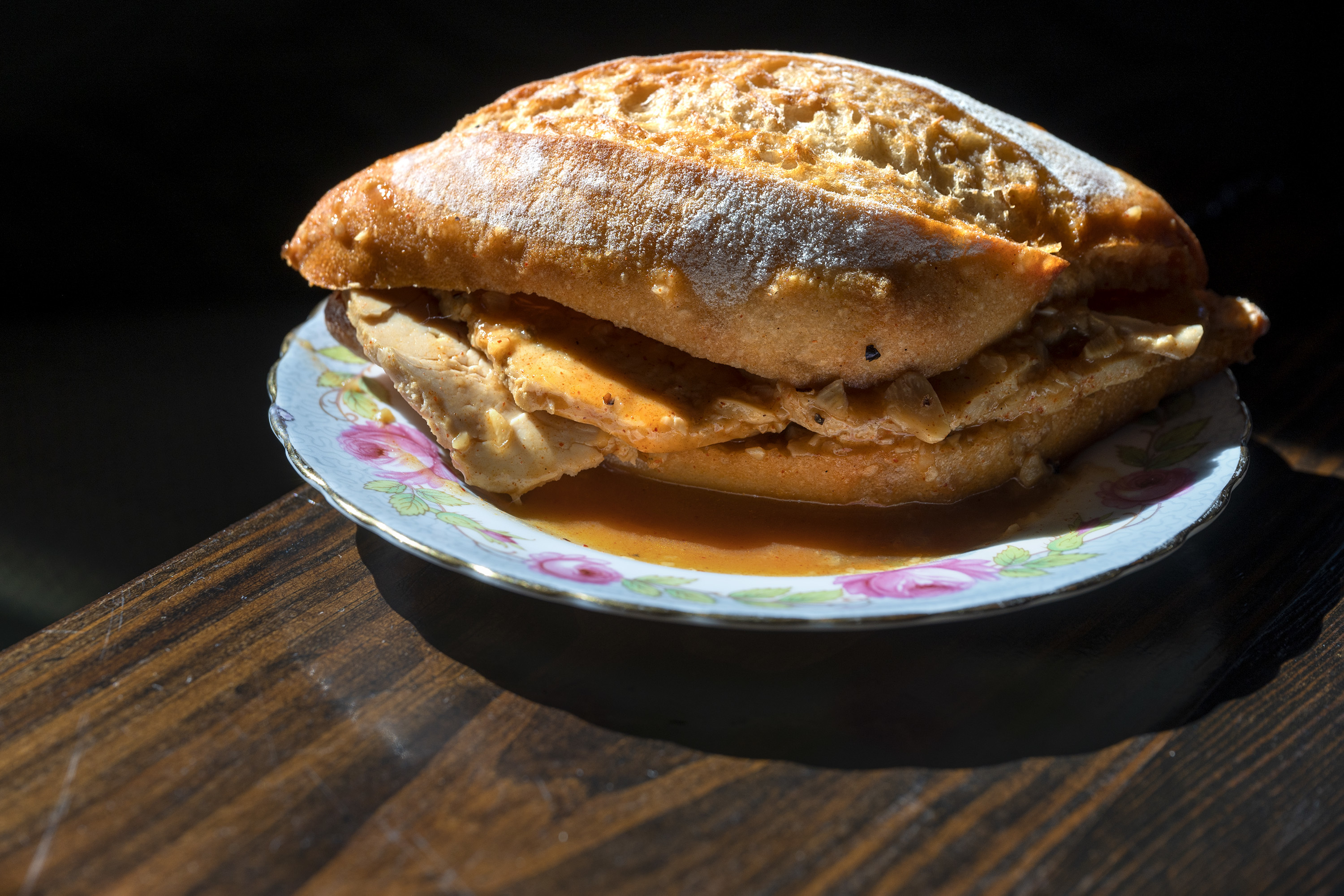
The Vermouth with Orange foam at BAR ilu on Thursday, Aug. 20, 2026, in Philadelphia.Tyger Williams / Staff PhotographerThe Bifana sandwich as served at Grace & Proper in Queen Village Wednesday, Mar. 8, 2023.Tom Gralish / Staff Photographer
Grace & Proper
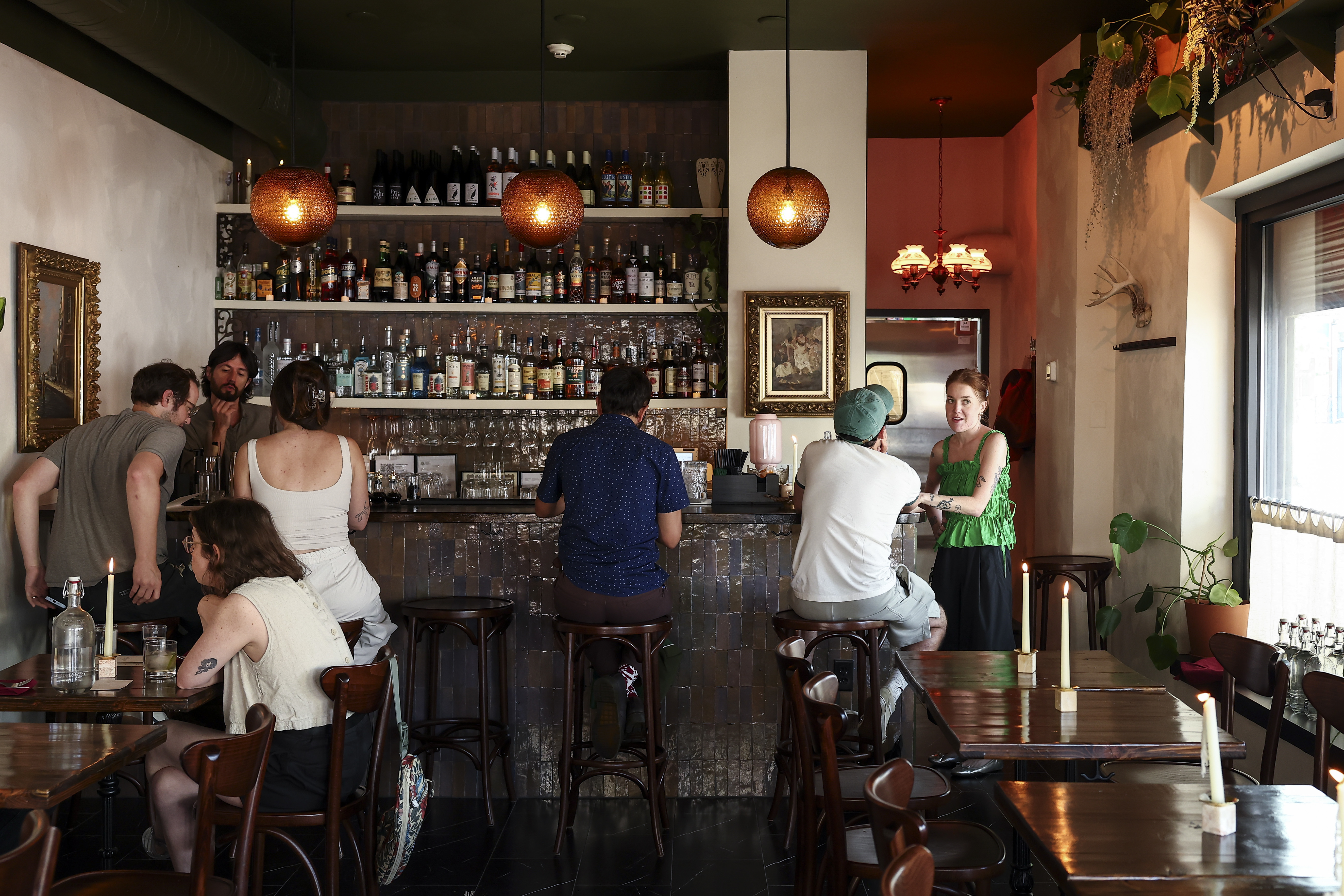
If BAR ilu represents a modern interpretation of tapas culture in Philly, the vintage vibes at Grace & Proper’s Italian Market space reflect a different take on Iberian bar culture, this one influenced by the Portuguese roots of co-owner Chris Fetfatzes’ family.
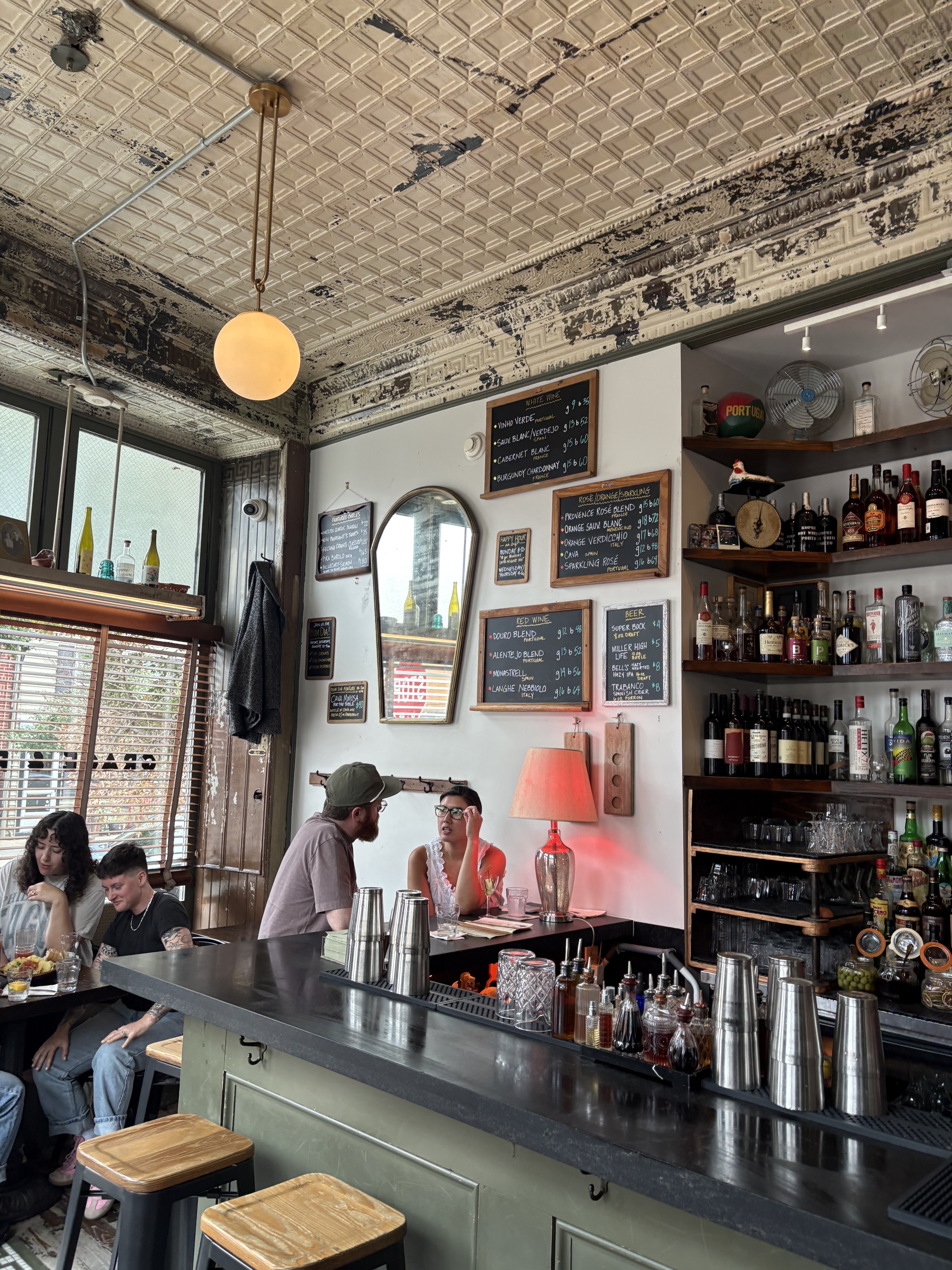
Fetfatzes, his wife, Heather Annechiarico, and their Happy Monday Hospitality partner Susan Freeman, who also own Wine Dive and Sonnys Cocktail Joint, leaned into the antique charm of the distressed tin ceiling, tiled floor, and exposed brick walls that wereuncovered during renovations of the old pharmacy (and Italian deli) that once occupied this corner space at Eighth and Carpenter. Fetfatzes was hoping to create the cocktail counterpart to Fountain Porter, the 14-year-old craft beer destination in East Passyunk known for its $7 burgers and pickles that, perhaps, helped mark the beginning of the minimalist-nibble bar.
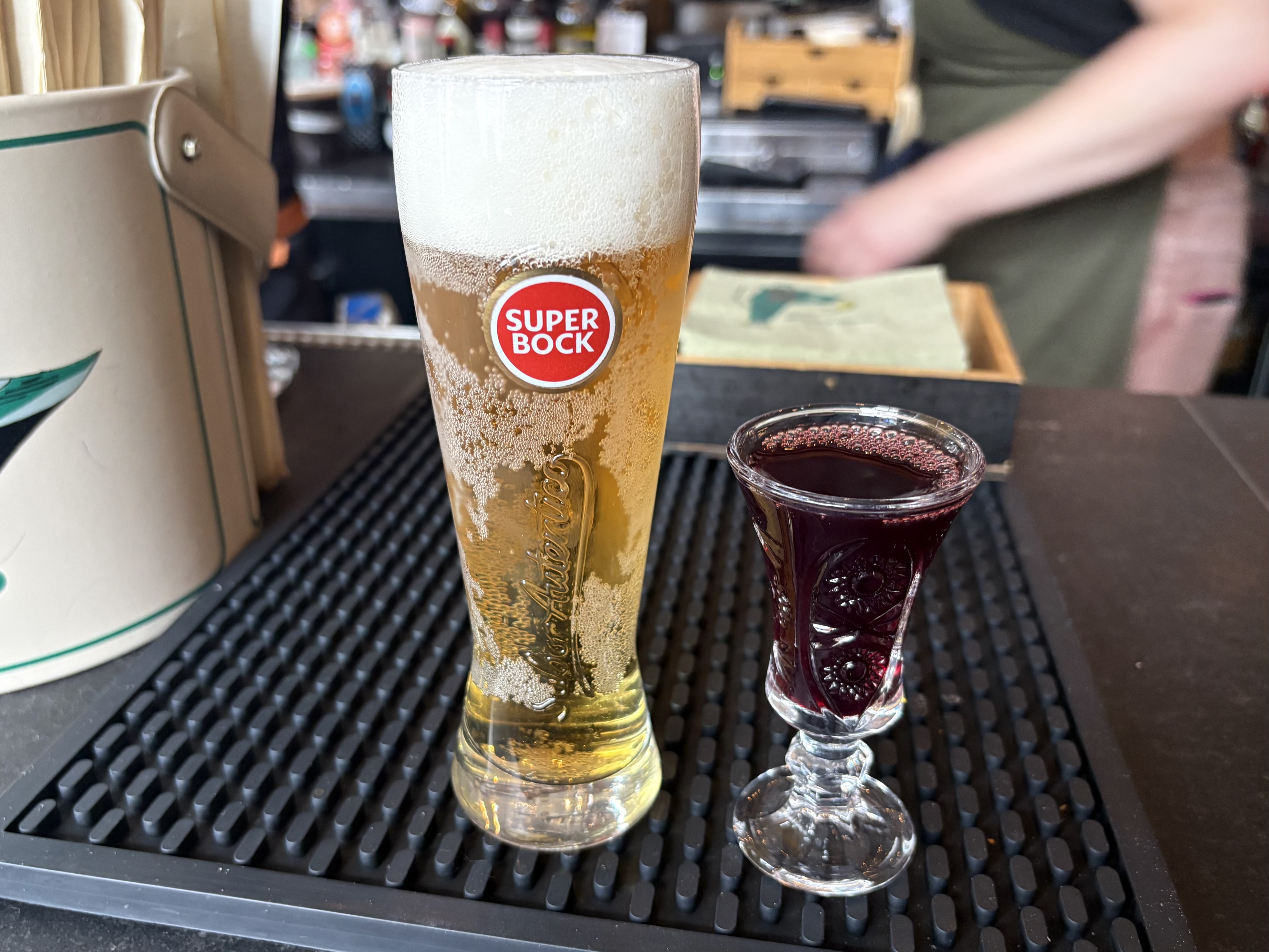
Given Grace & Proper’s compact space, with just 15 barstools and 26 table seats sidled into window banquettes (plus 30 more outside in fair weather), it’s amazing how its 200-bottle collection of amari, vermouths, ports, whiskeys, Madeiras, sherries, agave spirits, and indie Euro wines somehow fits into the tall shelves behind the bar. If you’re a fan of funky Asturian cider, there’s a proper porrón carafe to stream it directly into your mouth from an arm’s length away, ideally while watching Premier League or MLS soccer. Or try the Philly-Portugal Lisbon Wide hybrid, a draft of Super Bock Portuguese lager paired with a shot of ginjinha, a house-made cordial steeped from Morello sour cherries harvestedin Northeast Philadelphia.
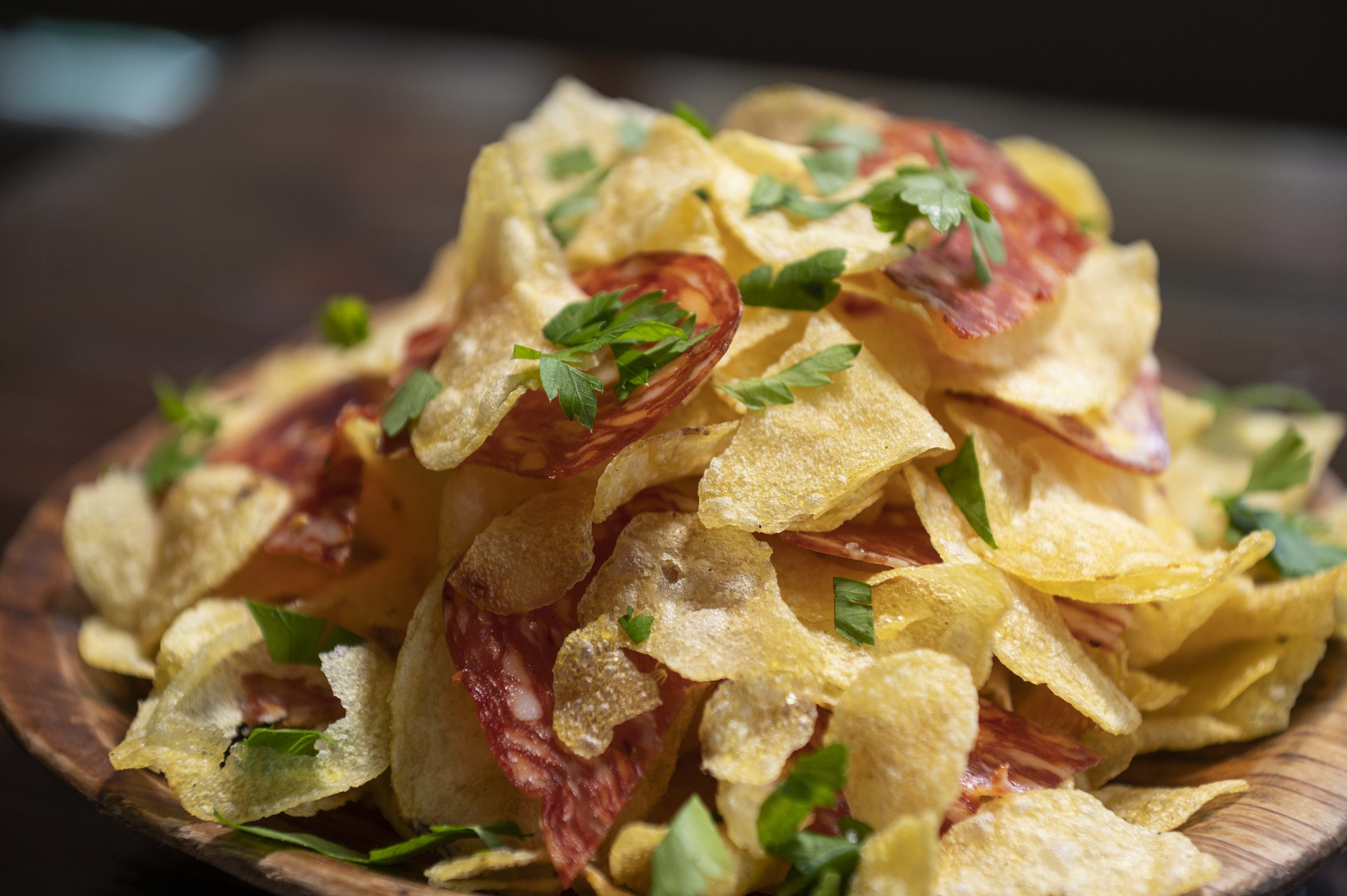
The Lisbon Wide is Grace & Proper’s Portuguese twist on a Citywide, pairing Super Bock beer with housemade Ginjinha sour cherry liqueur.Craig LaBan / StaffThe Meat & Chips at Grace and Proper on Thursday, Aug. 3, 2023.Allie Ippolito / Staff Photographer
Grace & Proper doesn’t post a food menu online, but it’s substantial enough to anchor your table for a couple hours of snacking, from an irresistible pile of truffled potato chips feathered with spicy Calabrese salami to soulful onion soup infused with port and lardo, a crock of white bean stew with kale and breadcrumbs, piri piri-spiked Buffalo chicken dip, and sweet-tart-smoky bacon-wrapped prunes with black garlic aioli.
I didn’t care for the overly firm meatballs and their unbalanced blackberry romesco or, for that matter, the presentation of cheeses as crumbled nuggets. But these are all quibbles. Because there is really a single essential reason to visit Grace & Proper: the bifana, a classic sandwich of wine-marinated roast pork on a molete roll from Teixeira’s Bakery in Newark that comes perched over a paprika-orange pool of zesty gravy. Equal parts lemony, garlicky, winey, and scented with bay, that roasted pork essence is so good, the gravy is also offered as a chaser to the Piggy Backshot (oloroso sherry and Armagnac).
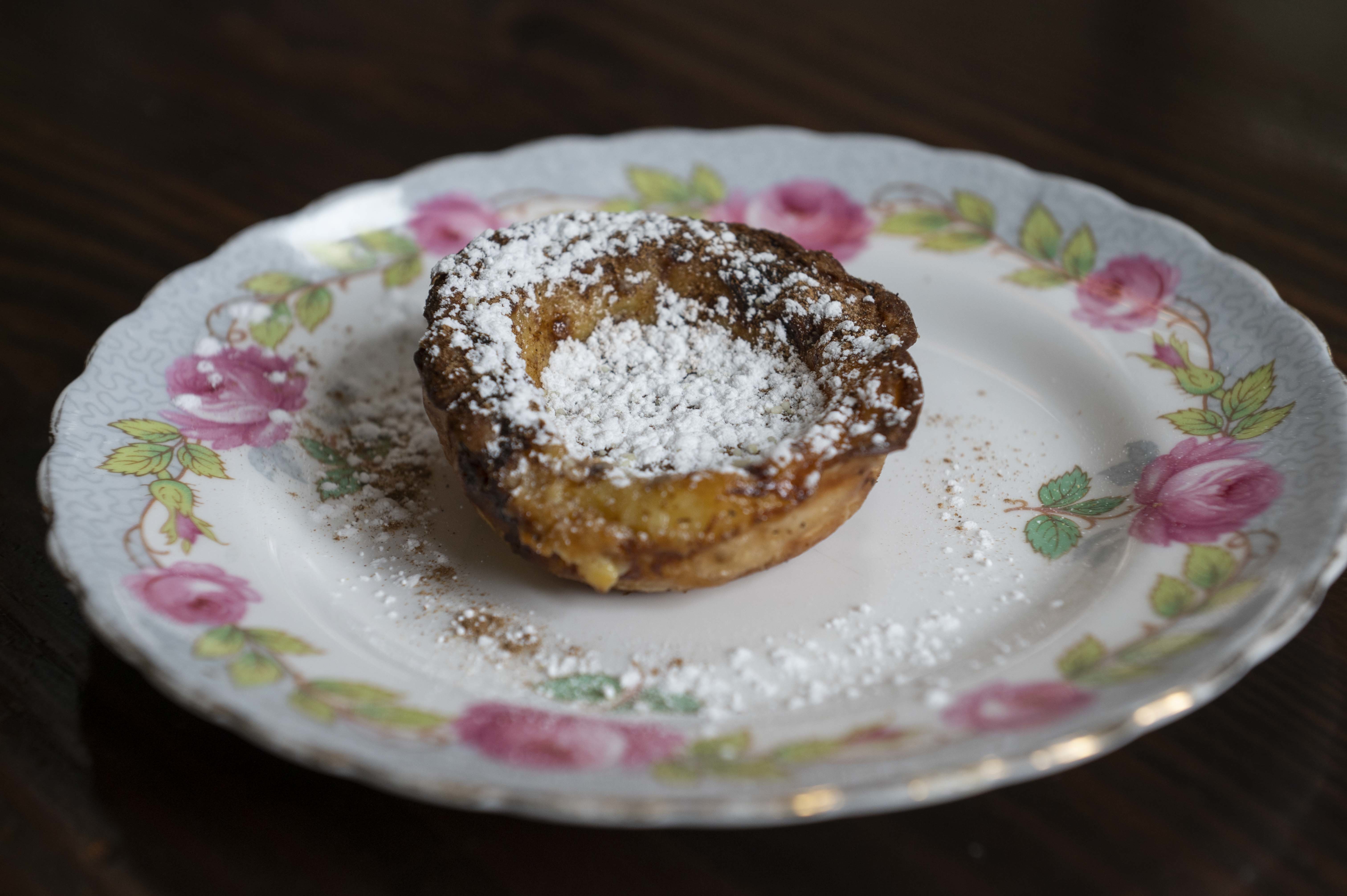
All you’ll need after that is a custardy sweet pastel de nata (also baked by Teixera’s, according to G&P’s recipe) and what might well be the best crema-topped shot of espresso at any bar in Philly. Grace & Proper is one of the precious few that actually adds fresh-pulled coffee to its espresso martinis, but I still prefer this coffee solo. I value the energy boost because, in these days of no-commitment sip-and-nibble bars, I’ve still got places to go.
The Pastéis de Nata at Grace and Proper on Thursday, Aug. 3, 2023.Allie Ippolito / Staff PhotographerVintage details of the former pharmacy and Italian deli have been preserved to add character to the bar at Grace & Proper.Craig LaBan / Staff
Menu available 4 to 11 p.m. Sunday, Tuesday through Thursday; 4 p.m. to midnight Friday and Saturday. Bar is open 4 p.m. to midnight Sunday, Tuesday, Wednesday; 4 p.m. to 1 a.m. Thursday through Saturday.
Plates, $4-$14.
Dining room is wheelchair accessible via a ramp off rear of building off Martha Street. Bathrooms are not accessible.
Not ideal for gluten-free diners, aside from some small snacks.
Menu highlights: croquetas (ham and bacalao); anchovy-stuffed olives; serrano ham and chips; tortilla Española; ham and melon; cheeseburger; gambas al ajillo.
Drinks: Cocktails built around sherry and vermouth are the most distinctive opening move, while straight fortified wines on draft, including La Gitana Manzanilla or Barquero vermut with orange foam, are also highlights. There are also 10 affordable Spanish wines by the glass.
Menu served 4 p.m. till midnight Monday, Wednesday, Thursday; noon to midnight Friday through Sunday. Bar is open till 1 a.m. on Friday and Saturday.
Plates, $7-$15.
Not wheelchair accessible.
About 40% of the menu is gluten-free or can be modified.
Menu highlights: bifana; bacon-wrapped plums; salami and truffled chips; Porto lardo onion soup; pasteis de nata.
Drinks: The vast 200-bottle collection is a sipper’s delight, from amari to fortified wines, extensive whiskies, and a surprising agave spirits collection. Don’t miss creative cocktails made with the company’s new house-distilled spirits, including a Chartreuse-inspired “Green Monk” or the ginjinha cordial, steeped from Northeast Philly sour cherries, served in the Lisbon Wide as a sidecar to a draft of Super Bock.
If you spent the summer out of town (or off the grid), you may have missed a busy few months on the restaurant scene. Philadelphia-area newcomers include a Milan-inspired aperitivo bar in Rittenhouse, Japanese barbecue on the Main Line, and two corner bars in Point Breeze.
Here are 12 noteworthy restaurants that opened in the last few months.
Academy Grill (424 S. Bethlehem Pike, Fort Washington): This white-tablecloth restaurant in the former Cantina Feliz near Germantown Academy serves house-made pastas, seafood, steaks, and contemporary American dishes in a polished, decidedly grown-up setting.
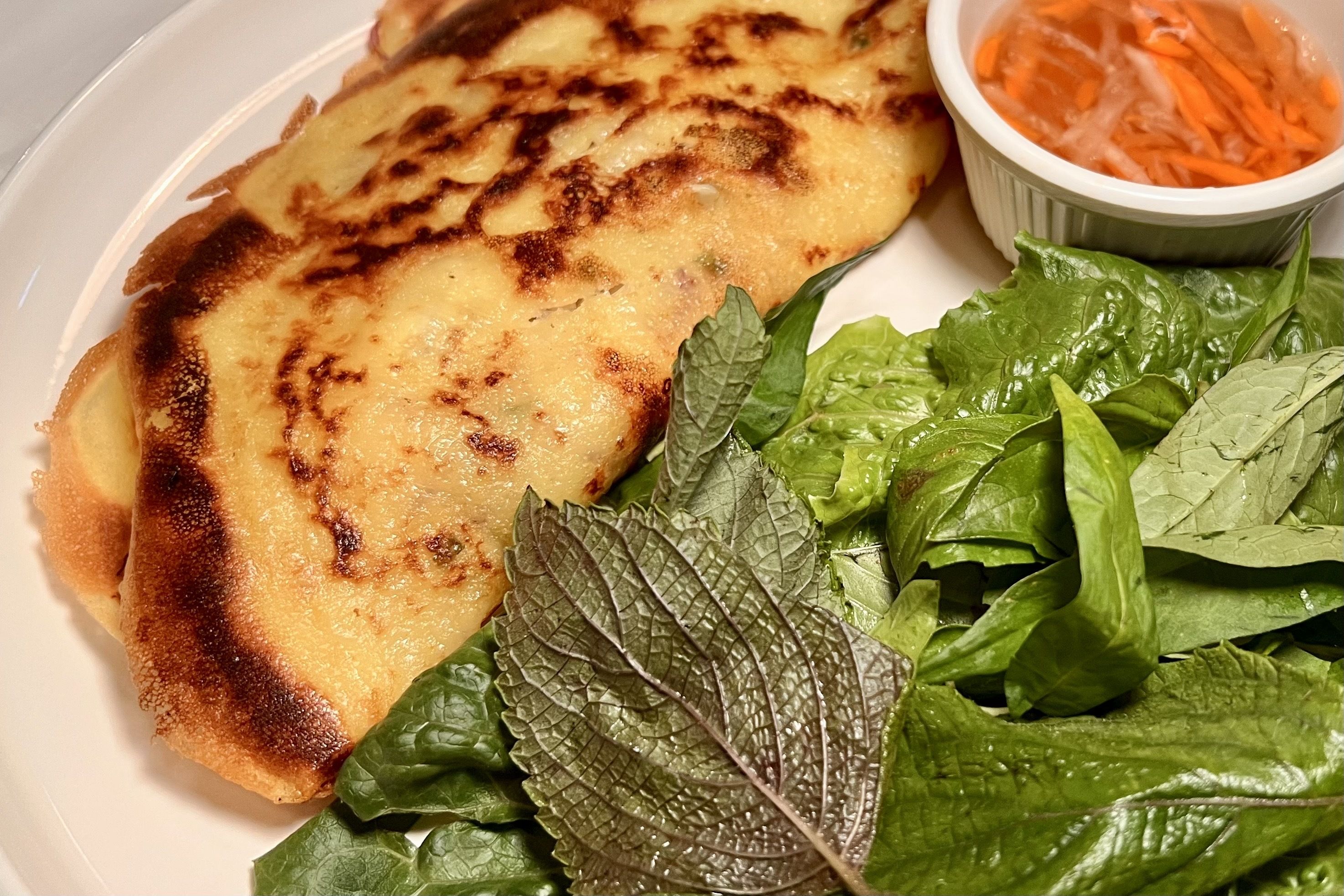
Bánh xèo at Anh Em, 1252 S. 21st St.Michael Klein / Staff
Anh Em (1252 S. 21st St.): Pho, bánh xèo, and 24 local beers meet at Anh Em, a Vietnamese bar-restaurant at 21st and Titan Streets in Point Breeze from Victor Nguyen and Anna Huynh. Nguyen draws on dishes the husband-and-wife team grew up eating, while the 20-seat bar gives the neighborhood spot an unusually deep commitment to locally brewed beer.
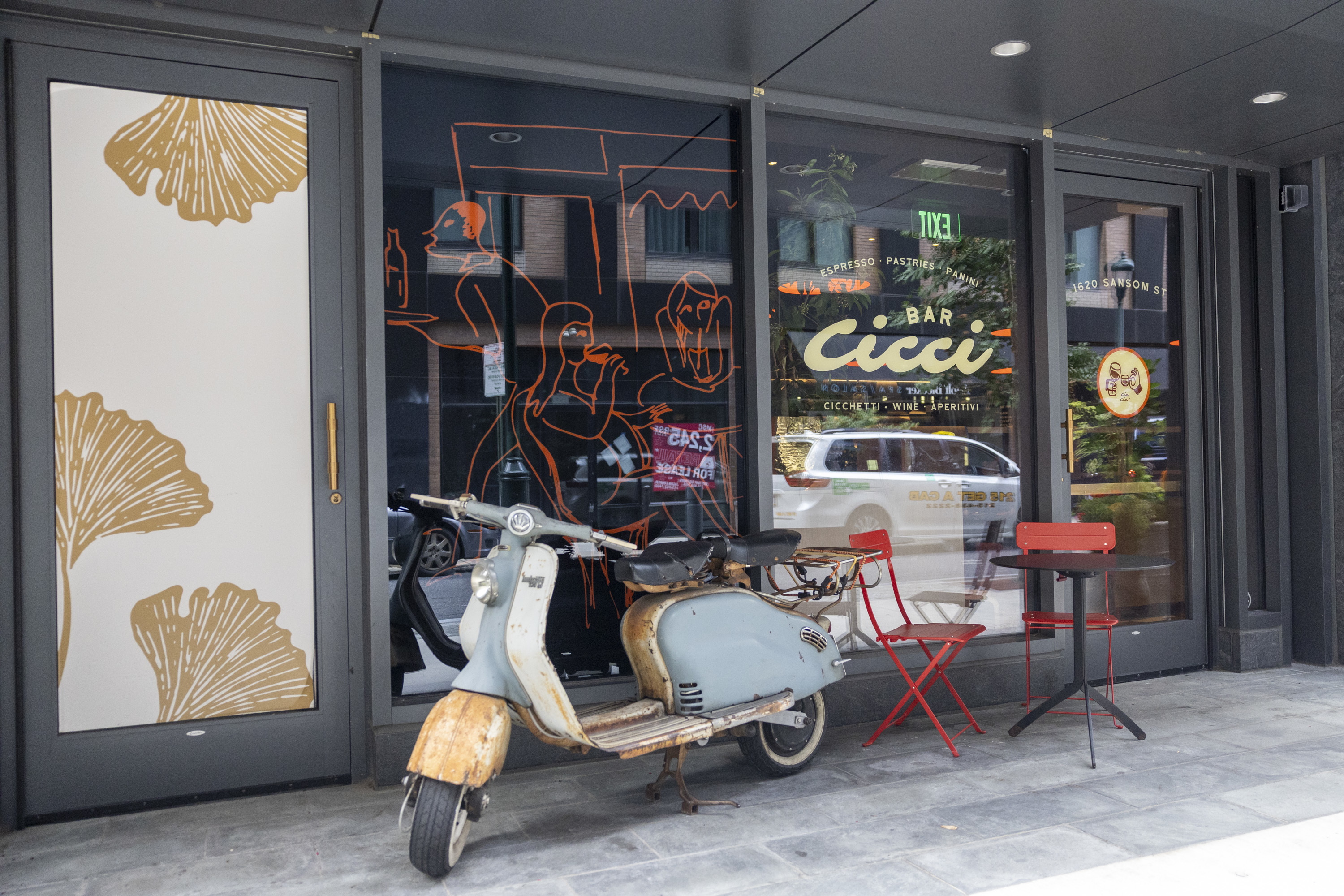
Bar Cicci (1620 Sansom St.): Ellen Yin’s 30-seat, Milan-inspired spot starts with espresso and Italian pastries, moves into sandwiches at lunch, then shifts to spritzes, wine, cicchetti, and small plates at night. The Rittenhouse newcomer is High Street Hospitality’s take on northern Italy’s all-day aperitivo culture.
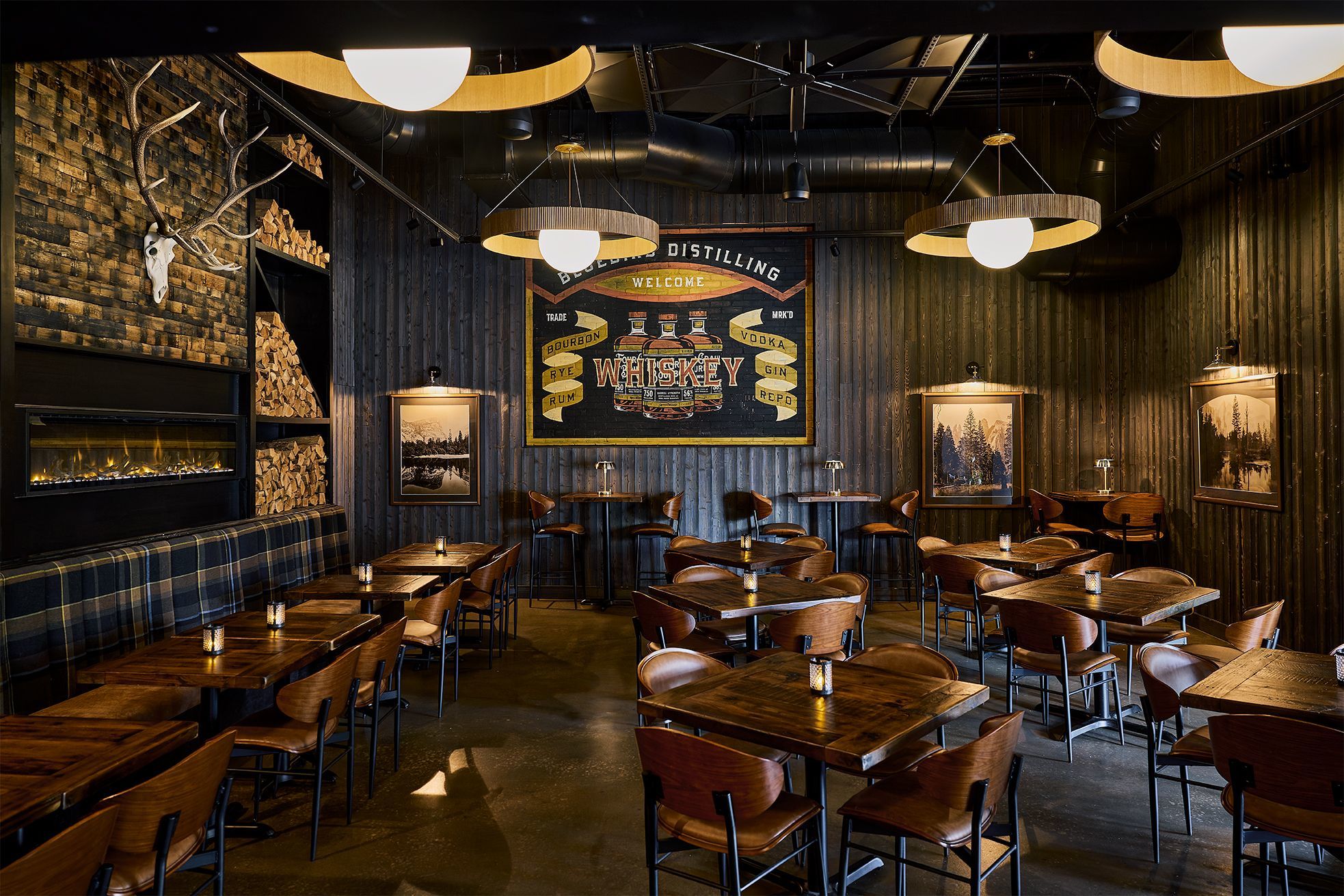
Bluebird Distilling in Phoenixville.Photos courtesy of Ed Newton
Bluebird Distilling & Dough House (100 Bridge St., Phoenixville): A $2.2 million investment turned Bluebird’s Bridge Street distillery into a full-fledged restaurant. Executive chef Devon Migeot, whose resumé includes Zahav and Laser Wolf, centers the expanded food program on naturally fermented neo-Neapolitan pizzas, house-baked breads, shareable plates, and, naturally, Bluebird cocktails.
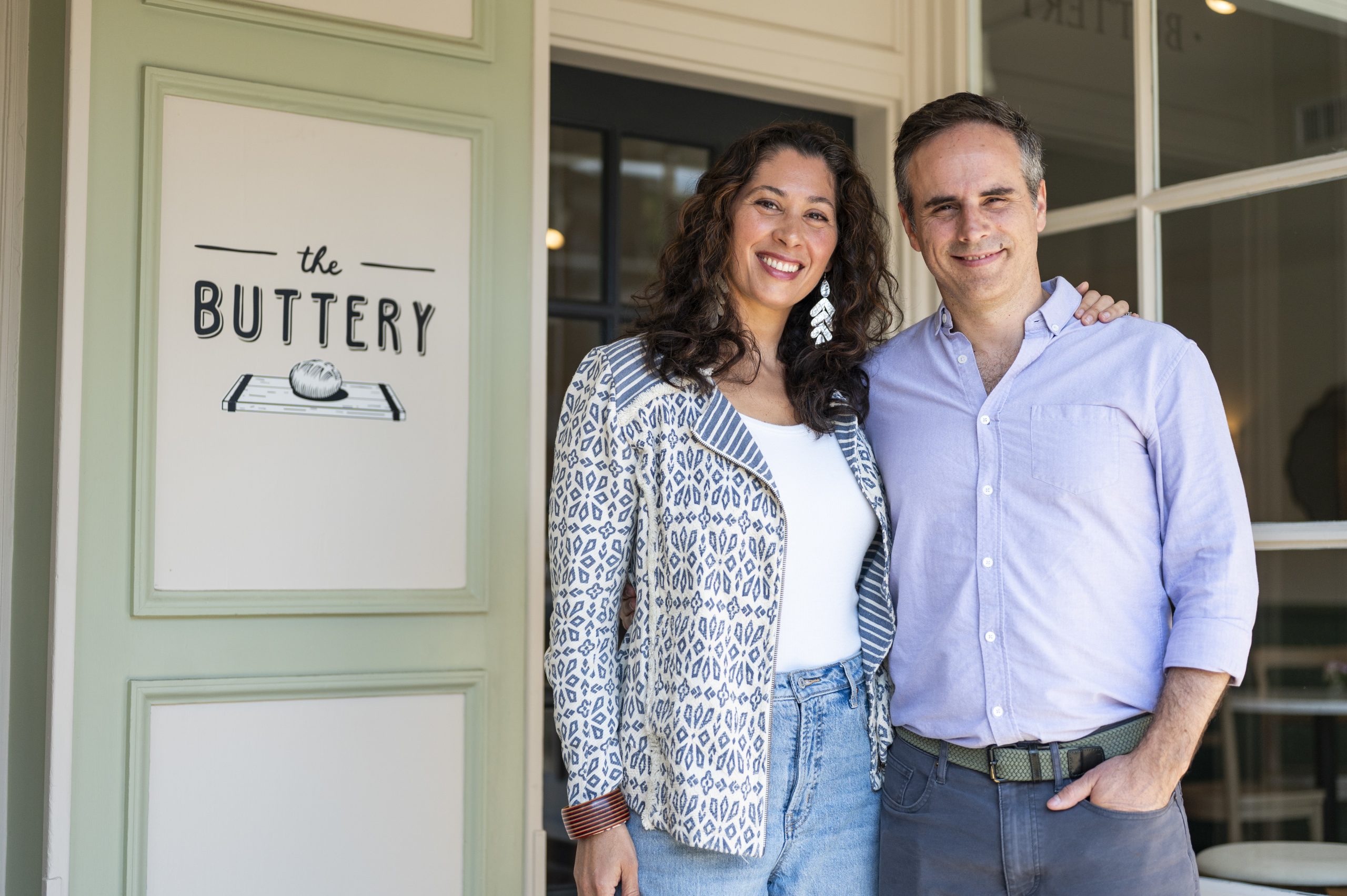
Silenia and John Rhoads, owners of the Buttery in Bryn Mawr.Allie Ippolito / For The Inquirer
The Buttery (836 W. Lancaster Ave., Bryn Mawr): John and Silenia Rhoads’ third location is an 82-seat bakery-cafe on Lancaster Avenue, where the Malvern-incepted operation’s sourdough breads and house-made pastries share the menu with breakfast dishes, sandwiches, and seasonal fare from its all-day scratch kitchen.
Known Associates at 10th and Spruce Streets.Allie Ippolito / For The Inquirer
Known Associates ( 941 Spruce St.): Chef Christopher Kearse’s Washington Square West cocktail bar does not treat the food as an afterthought. The former Varga Bar at 10th and Spruce is a 40-seat room where cocktails accompany a concise, European-influenced menu of a dozen savory dishes.
Lillian’s at 19th and Mifflin Streets.Monica Herndon / Staff Photographer
Lillian’s (1900 S. 19th St.): Even the chef isn’t permanent at Sam Ahern’s parlorlike cocktail bar/bistro at 19th and Mifflin Streets, whose kitchen rotates among guest chefs. The residency model gives each cook a temporary restaurant within the restaurant — and gives this Point Breeze newcomer an ever-changing menu.
Saif Manna works on a pavlova at Manna Bakery.Monica Herndon / Staff Photographer
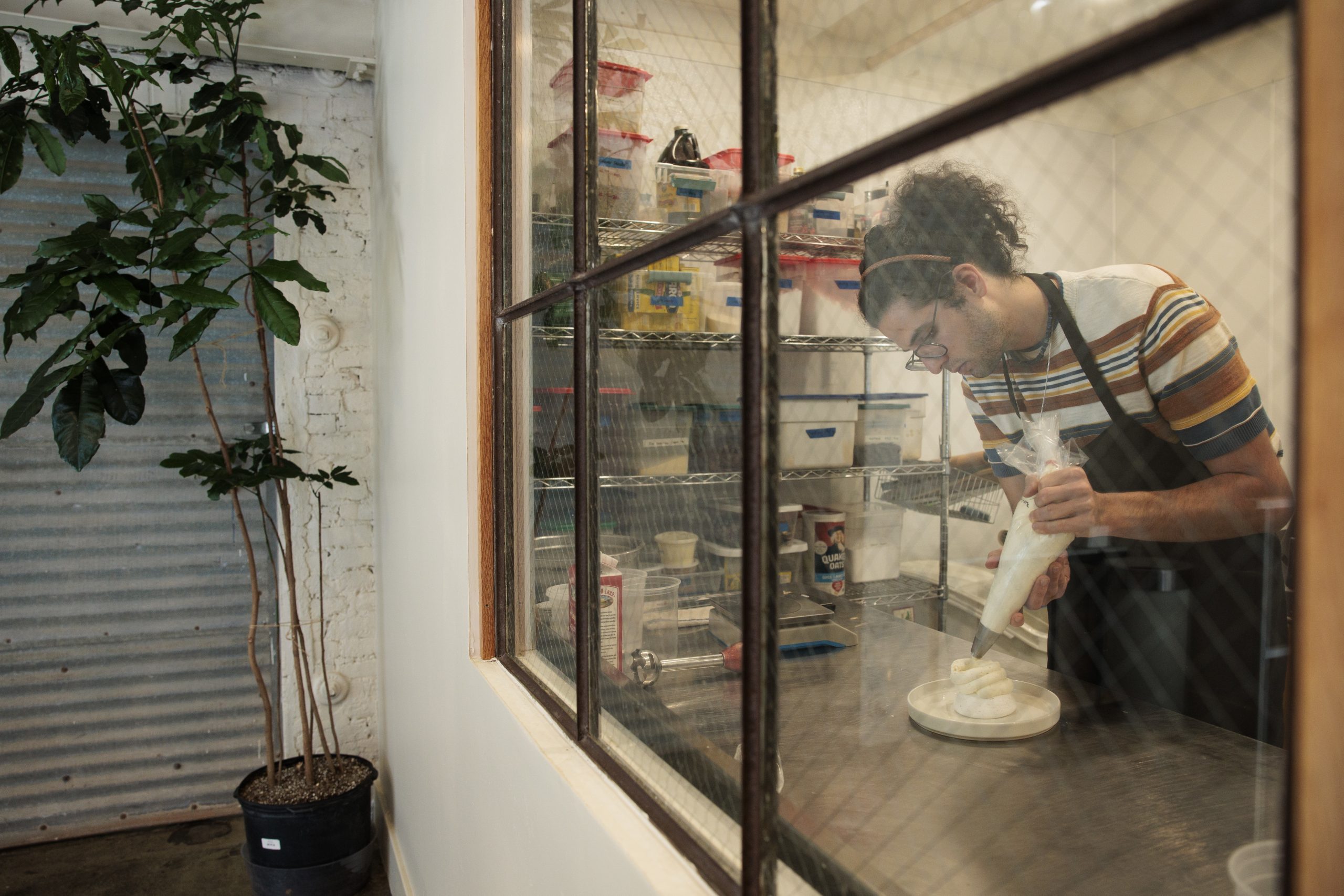
Manna Bakery (110 W. Berks St.): Five years and countless farmers market appearances later, Saif Manna’s Temple dorm room project has moved into the former Essen Bakery in Kensington. Manna draws on his Palestinian heritage for Levantine pastries and savory dishes in a comfy cafe setting.
Mr. Edison in the Bellevue Hotel.Monica Herndon / Staff Photographer
Mr. Edison (1400 Walnut St.): There’s a Ferris wheel carrying liquor behind the bar at Mr. Edison, which gives some idea of the production. Veteran restaurateur Jeffrey Chodorow’s Philadelphia debut is a theatrical Bellevue supper club where chef Matt Levin’s cooking shares a two-story room with live music, dramatic lighting, and plenty of visual spectacle.
Ogyu Japanese BBQ in Ardmore.Jose F. Moreno / Staff Photographer
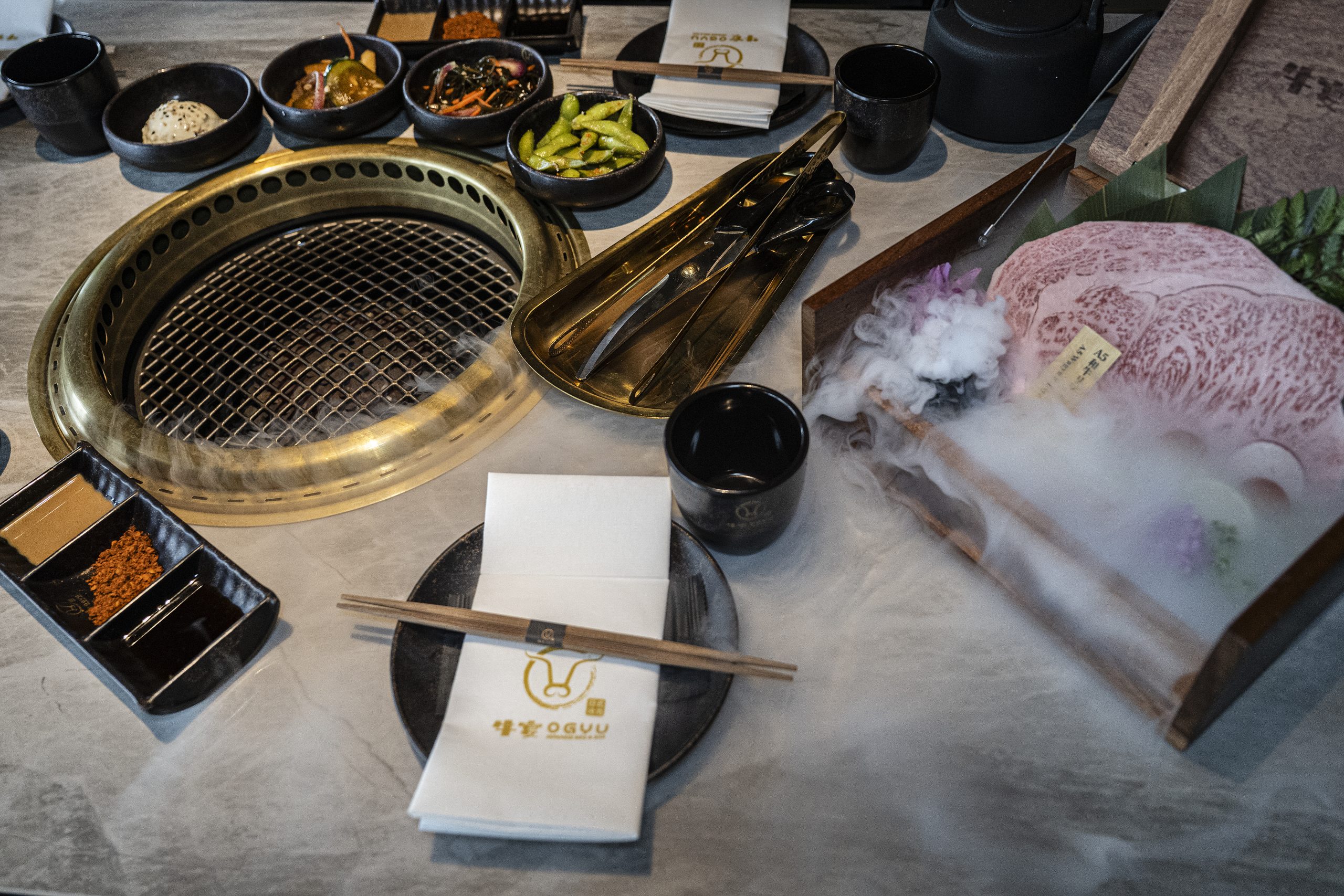
Ogyu Japanese BBQ (60 Greenfield Ave., Ardmore): Sam Li turned Ardmore’s former Iron Hill Brewery into a sprawling yakiniku restaurant built around the grill at each table. Diners cook wagyu and other meats themselves — or enlist a server — choosing among fixed-price packages and à la carte options in a dramatically remodeled space with private dining rooms and a full bar.
The latke, egg, and cheese sandwich at Schmaltz.Aidan T. Gallo / Staff Photographer
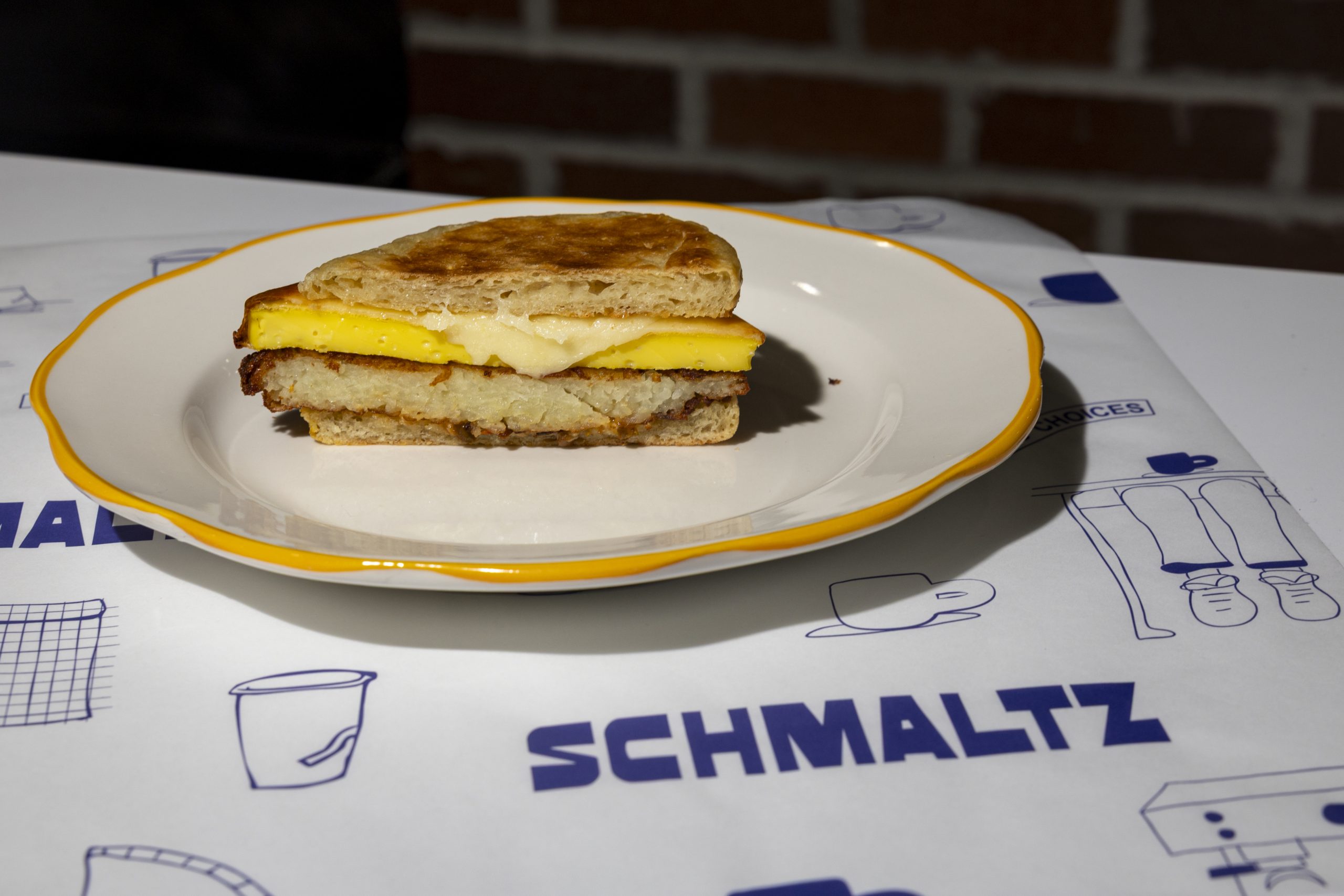
Schmaltz (1300 S. 18th St.): This Jewish-inspired breakfast-and-lunch cafe serves latkes, cheese blintzes, egg sandwiches — and no bagels. Jeremy Asch and Abby Armstrong opened the Point Breeze corner spot with chef Sam Chertock, whose deliberately compact menu includes latke, egg, and cheese sandwiches on house-baked English muffins.
Outdoor dining at Soufiane at the Morris.Elizabeth Robertson / Staff Photographer
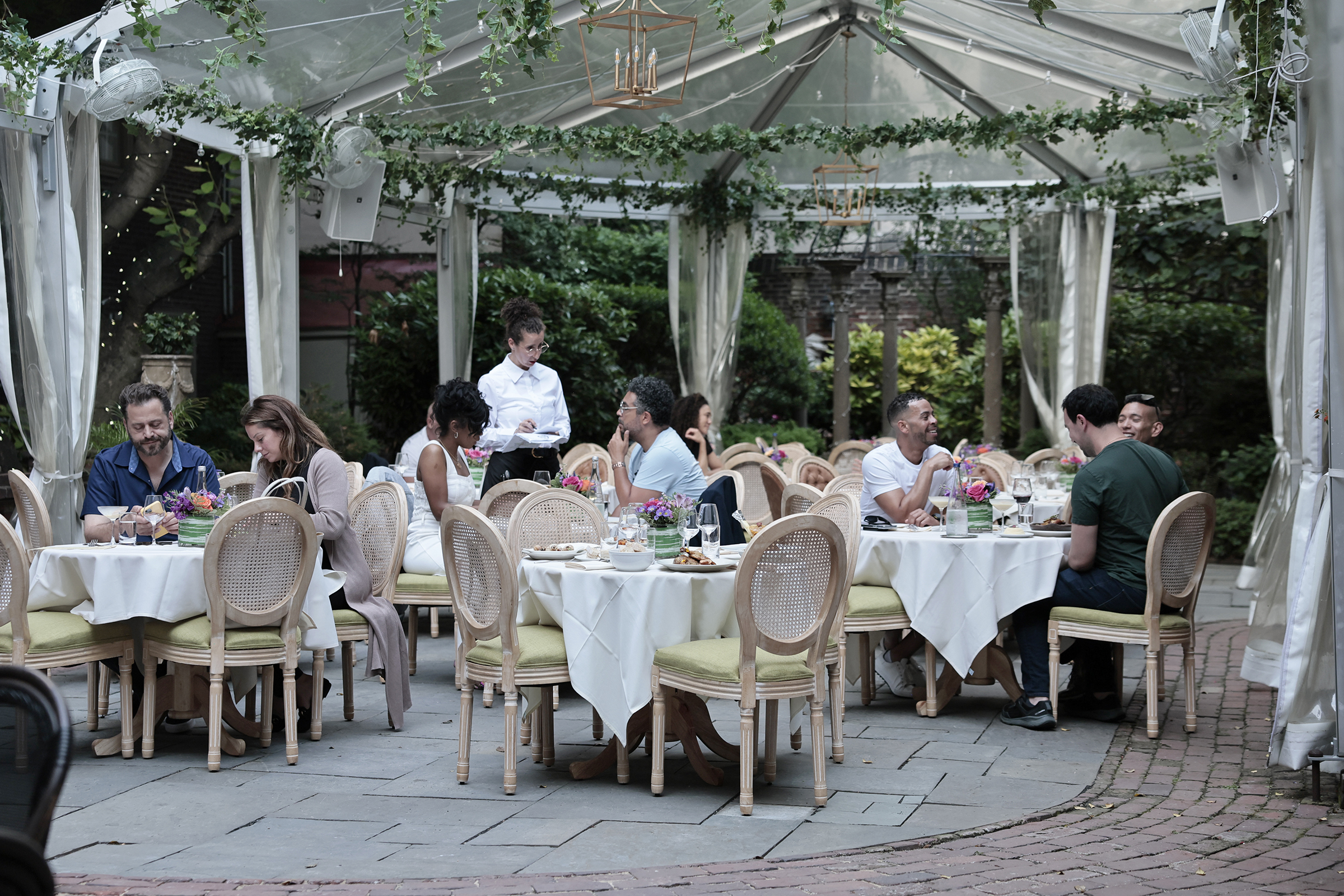
Soufiane at the Morris (225 S. Eighth St.): The 1787 Morris House provides a peaceful backdrop for Soufiane Boutliliss’ French-Moroccan cooking, served in a secluded stone courtyard shaded by magnolias and dogwoods in Washington Square West. This is the second restaurant from the Moroccan-raised Boutliliss and husband Christophe Mathon of Sofi Corner Cafe.
South Philly butcher shop Heavy Metal Sausage Co. indefinitely paused its after-hours Italian dinners last weekfollowing a failed health inspection that ordered the shop to removeall indoor seating. Co-owners Patrick Alfiero andMelissa Pellegrino say the resulting loss of revenuecould close the business.
An inspector with Philadelphia’s Department of Public Health ordered the shop to remove itseightseats and cease all food prep in the basement on Aug. 21. The inspection found Heavy Metal’s setup did not align with the restaurant’s plan review, a document detailing operating procedures that all restaurants must submit to the health department in order to receive a food license.
Among the three-hour inspection’s other findings: flies, mouse dropping, and unauthorized kitchen equipment, plus evidence that Heavy Metal was canning foods and dry-aging meat without an FDA-mandated food safety plan.
The most consequential violation on the report, however, is that “the food facility does not have a handwash sink conveniently located in the customer dining area” because “access to the toilet room is located through the kitchen.”
The location of Heavy Metal’s bathroom renders the space unsuitable for indoor dining, according to the health department. The recent determination — which came four years into Heavy Metal’s run as a hybrid butcher-restaurant — could cost Heavy Metal thousands of dollars in renovations and lost revenue, Pellegrino said.
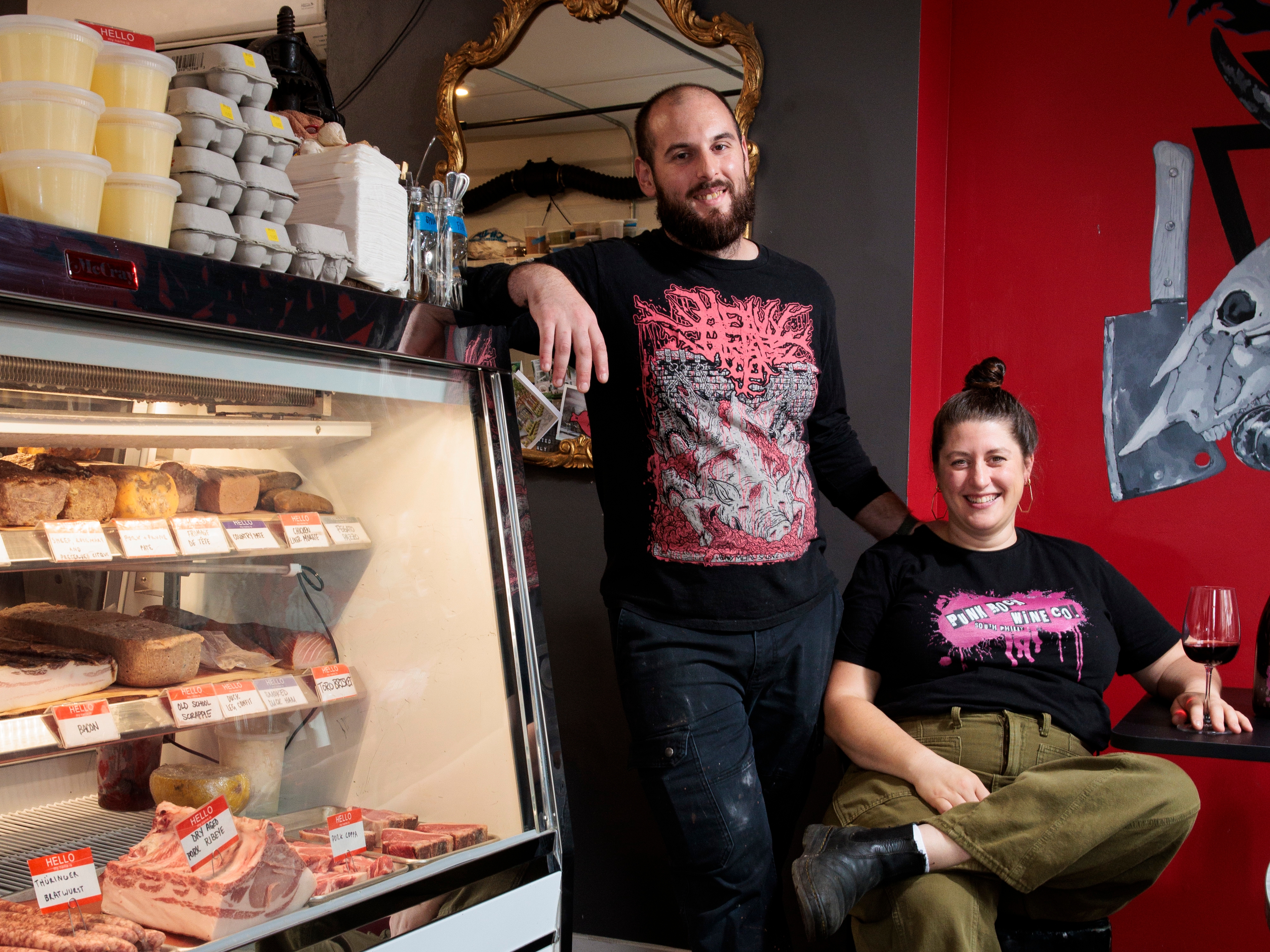
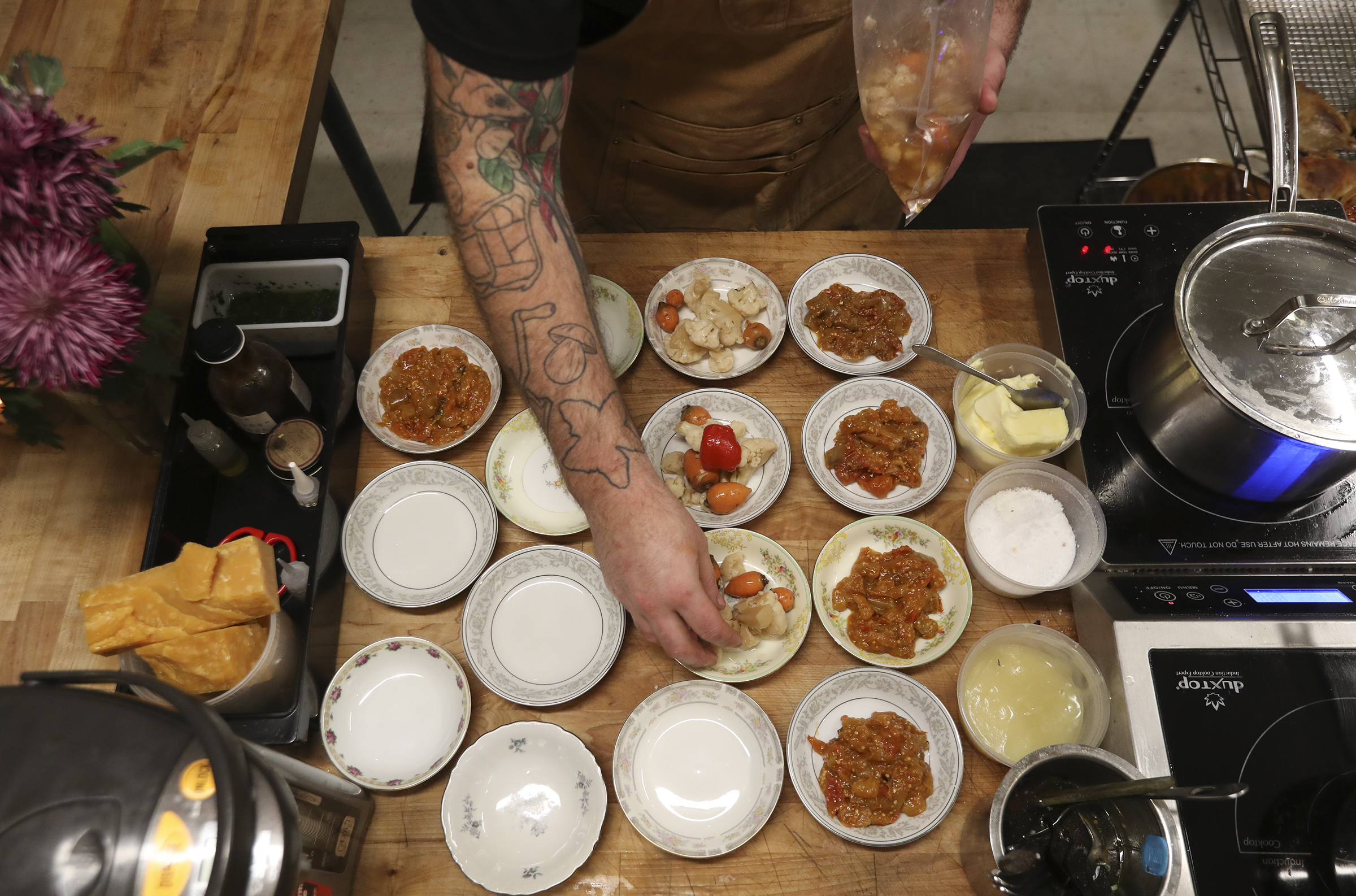
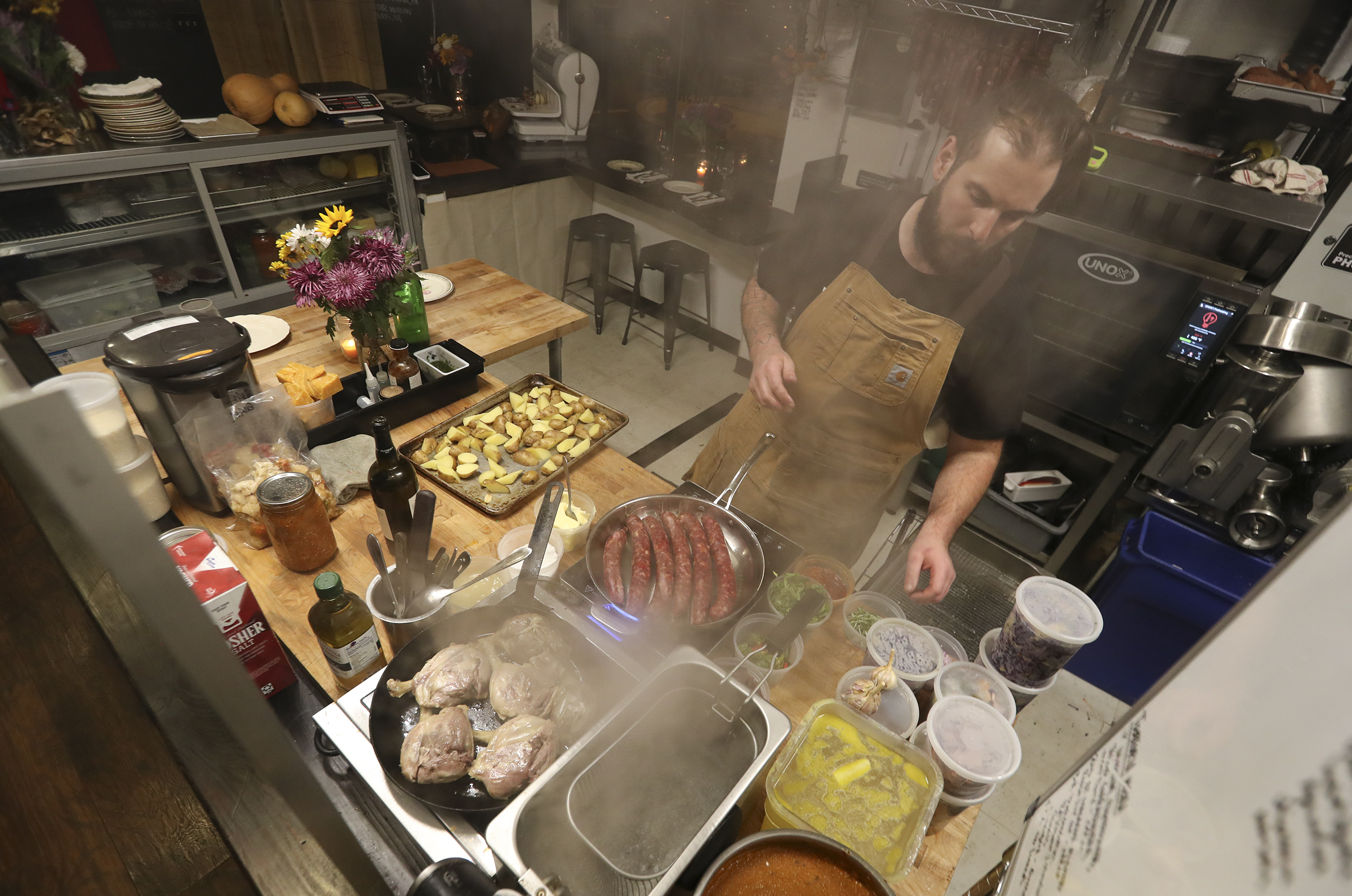
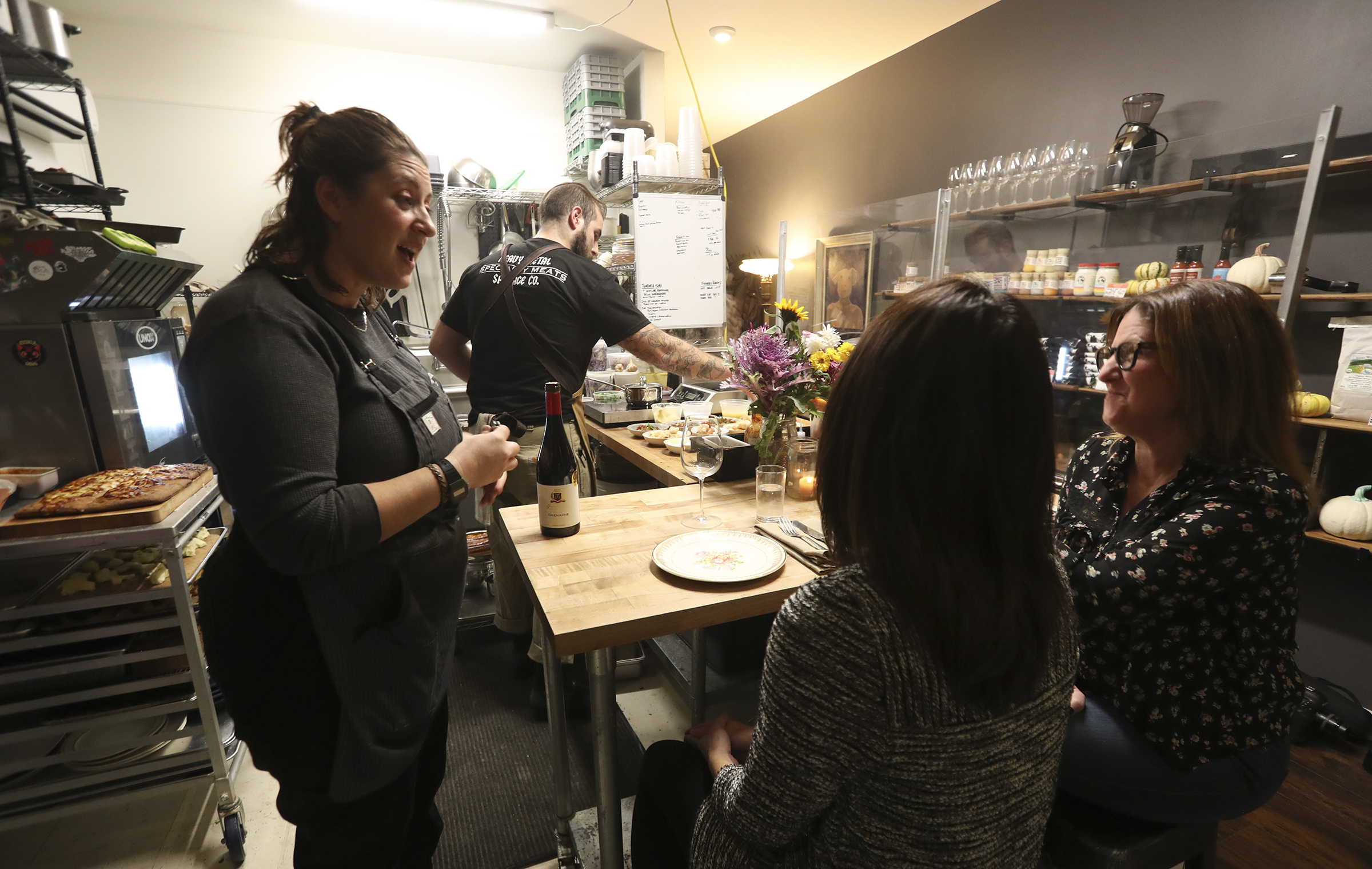
Alfiero and Pellegrino opened Heavy Metal Sausage Co. at 1527 W. Porter St.in 2022. By day, it’s a deli where Alfiero uses local ingredients and artisanal cured meats to create hearty, inventive sandwiches. By night Thursday through Sunday, the 500-square-foot space transforms into an intimate trattoria. Tables are pressed against deli cases and seats are tucked into empty corners, lending a vaguely illicit, punk-rock aura to what’s otherwise a traditional prix fixe meal.
The$98 dinners are also a moneymaker, accounting for well over half of Heavy Metal’s revenue, Pellegrino said. Without them, the duo have already had to lay off a cook and a server.
“When the [health inspector] asked if we could stop dinner, I told him we might not be here in six weeks to be reinspected,” Alfiero said. “I was just like, ‘How are we going to survive this?’”
Heavy Metal Sausage Co. chef/co-owner Patrick Alfiero prepares the antipasto course during the trattoria dinner on Nov. 17, 2022.Yong Kim / Staff Photographer
Same setup, new violation
Pellegrino and Alfiero told The Inquirer that they were blindsided by the findings in August’s health inspection. Heavy Metal has never hidden how it operates.
The couple started offering the after-hours dinners just six months after opening as a way to offset the costs of running a niche butcher shop, which has never been profitable.
A copy of the business’ plan review, reviewed by The Inquirer last week, shows that some form of indoor seating has been always accounted for. It also showsthat the deli’s bathroom is accessible to customers via a hallway that runs parallel to the kitchen.
The issue is brand-new despite Heavy Metal’s layout remaining static for months, according to a review of city records. The business has had an active food preparation and serving license since 2022. Heavy Metal has also passed all previous health inspections, including one in April 2026, whose report makes no mention of unauthorized seating, kitchen equipment, or food prep. It also doesn’t touch on sink or bathroom access.
Heavy Metal Sausage Co. chef/co-owner Patrick Alfiero preps food before a trattoria dinner on Nov. 17, 2022.Yong Kim / Staff Photographer
Health inspections are considered “snapshots in time” that may not necessarily be indicative of day-to-day operations, department spokesperson Jason Brooks said over email. During Heavy Metal Sausage’s prior inspections, inspectors only noted a basement storage space, “indicating that no food prep activities were taking place there — at that time,” Brooks wrote.
“In April, our inspector did not observe any seating for indoor dining. Inspectors are investigating what they can physically observe and document during the inspection,” he wrote. “During this most recent inspection, our inspector observed, in real time, food preparation in an unapproved space and unapproved indoor dining. For this, the food business was cited for violations of its approved plan.”
Pellegrino disputes the idea that Heavy Metal’s seating is a new development. “We were inspected four months ago, and we have done absolutely nothing different in those four months,” Pellegrino said. “Not a single thing has changed.”
The deli’s inspection comes amid other notablehealth department shutdowns.
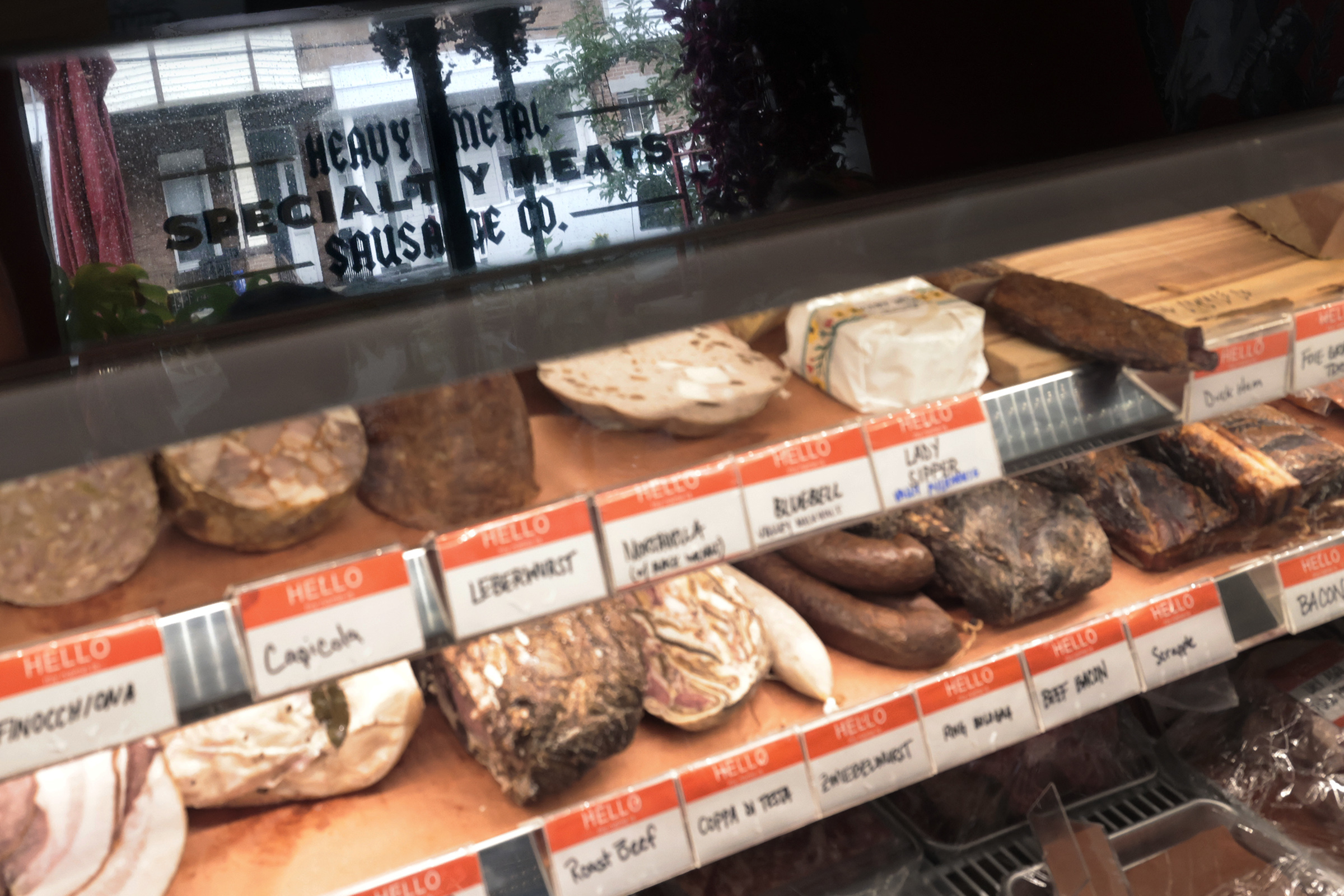
The front window is reflected in the top of the meat case inside of the Heavy Metal Sausage Co., 1527 W. Porter St. in Philadelphia, on Aug. 9, 2024.Elizabeth Robertson / Staff Photographer
Last week, Victory Brewing Co.’s three-level taproom on the Benjamin Franklin Parkway was ordered to temporarily cease operations after an inspector documented 26 health code violations that included live roaches, mice, and flies. And in mid-August, the health department failed Stargazy over “two unapproved countertop deep fryers without adequate mechanical ventilation,” a violation that has forced the East Passyunk Avenue restaurant to stop serving fish and chips.
How can Heavy Metal fix this?
Since Heavy Metal’s violations didn’t pose an imminent health hazard, the restaurant is allowed to remain open without indoor dining, Brooks confirmed.
The butcher and deli counters are still open during normal daytime hours (11 a.m. to 4 p.m. Thursday through Saturday, 11 a.m. to 3 p.m. Sunday) for takeout only. Pellegrino and Afiero said they’ve addressed most of the violations by creating the required food safety plans and limiting the basement to storage only.
The only hitch: What to do about the sink?
Heavy Metal Sausage Co. co-owner Melissa Pellegrino (left) greets diners Jeannette Armstrong (center) and Liz Rissover as chef/owner Patrick Alfiero prepares meals in the kitchen during the trattoria dinner on Nov. 17, 2022.Yong Kim / Staff Photographer
Heavy Metal must submit a new plan of review to the health department for approval. If the plan is approved and the restaurant passes reinspection, Brooks said, they will be allowed to restart indoor dining.
But to do so, Pellegrino said the health department recommended Heavy Metal install a customers-only sink at the front of the restaurant, a change that would require a separate, weeks-long permitting process and a contractor. When Pellegrino asked the health department if she could add curtains or room dividers to more clearly separate the bathroom hallway from the kitchen — which she considers a more cost-effective solution — she said they didn’t respond.
“All of these things take time and money,” Pellegrino said, “and we will have to make a calculus of what’s worth doing.”
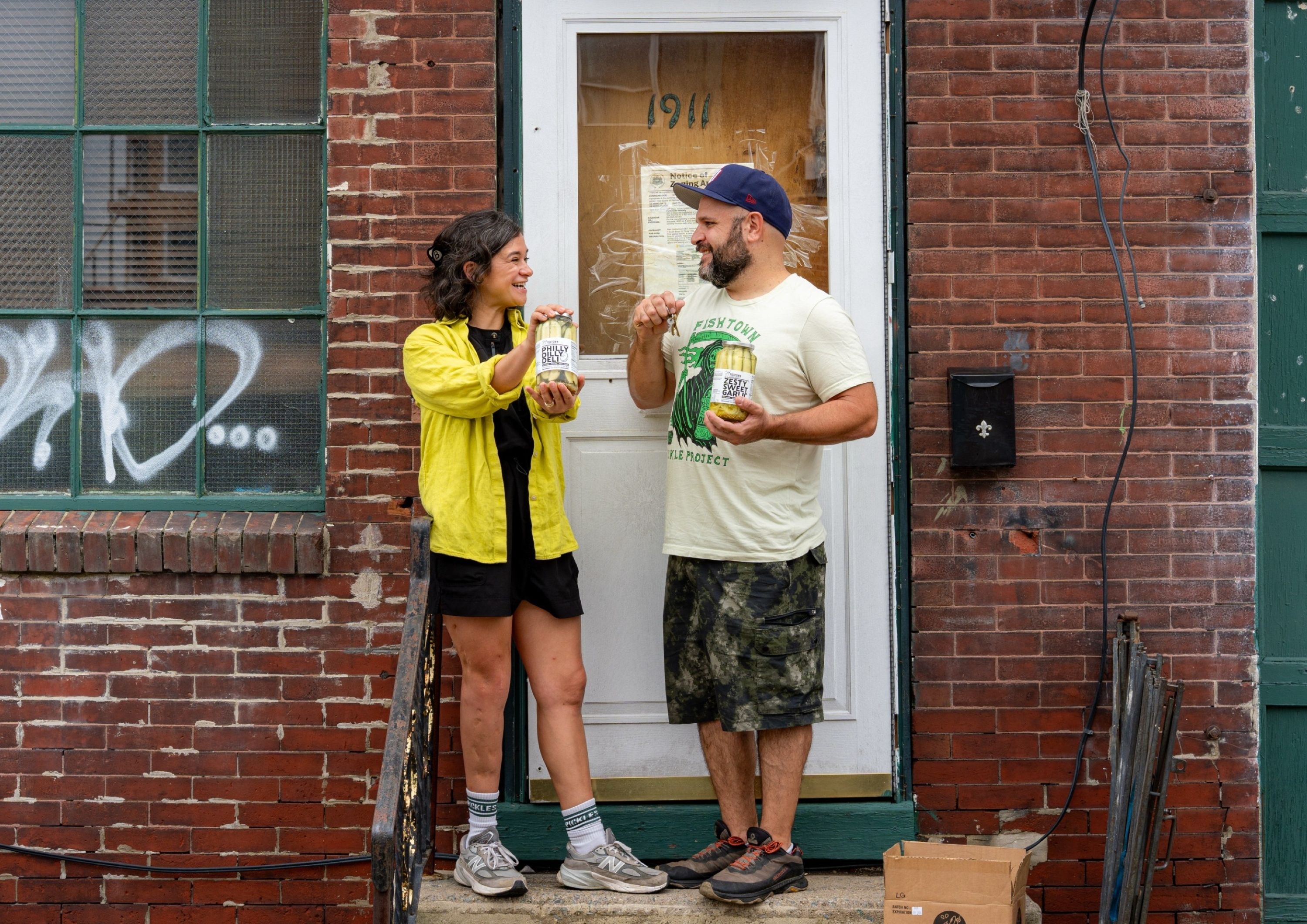
After eight years, several production spaces, and many tons of cucumbers, Fishtown Pickle Project is putting down permanent roots.
But it’s still not in Fishtown.
Last month, Niki Toscani and Mike Sicinski, the husband-and-wife team behind the pickle company, bought a 6,200-square-foot building at 1911-13 N. Second St., just north of Berks Street near Norris Square in Kensington. There, they plan to triple production and, for the first time, invite customers into their briny world.
The move from Globe Dye Works in Frankford will allow them to combine production with a storefront.
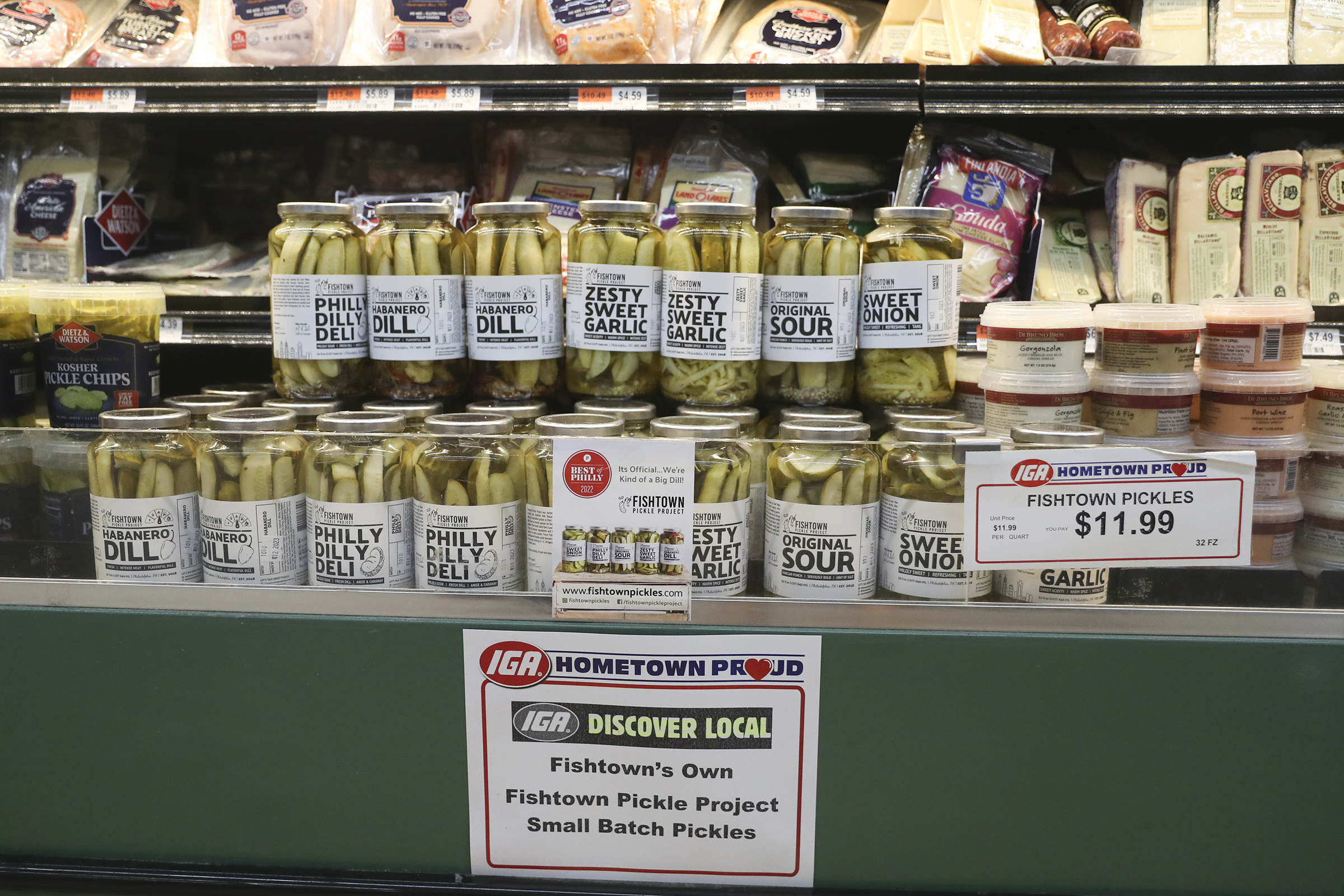
The Richmond Shops IGA grocery store at Fishtown Crossing was an early customer of Fishtown Pickle Project.Heather Khalifa / Staff Photographer
The centerpiece will be a 500-square-foot pickle tasting room, where customers can sample varieties, buy pickles by the pound or jar, shop for pickle-themed merchandise, and eventually take classes and production tours. They are aiming for a summer 2027 opening.
A pickle tasting room? Think brewery, only with cucumbers. Toscani said customers will be able to sample the goods while watching production. She calls the concept a “brinery.”
Most of the building will be devoted to manufacturing, storage, offices, and events. Fishtown Pickle Project now processes about 3,500 pounds of cucumbers a week, a figure Toscani expects to triple by the end of 2028.
The couple said they remained at Globe Dye Works because of its affordable rent and highway access, but eventually ran out of room. Their search for a larger property with manufacturing and retail space, plus a driveway and loading area, led them to Norris Square. Finding that combination in Fishtown was difficult, Toscani said, “especially for a bootstrapped small business.”
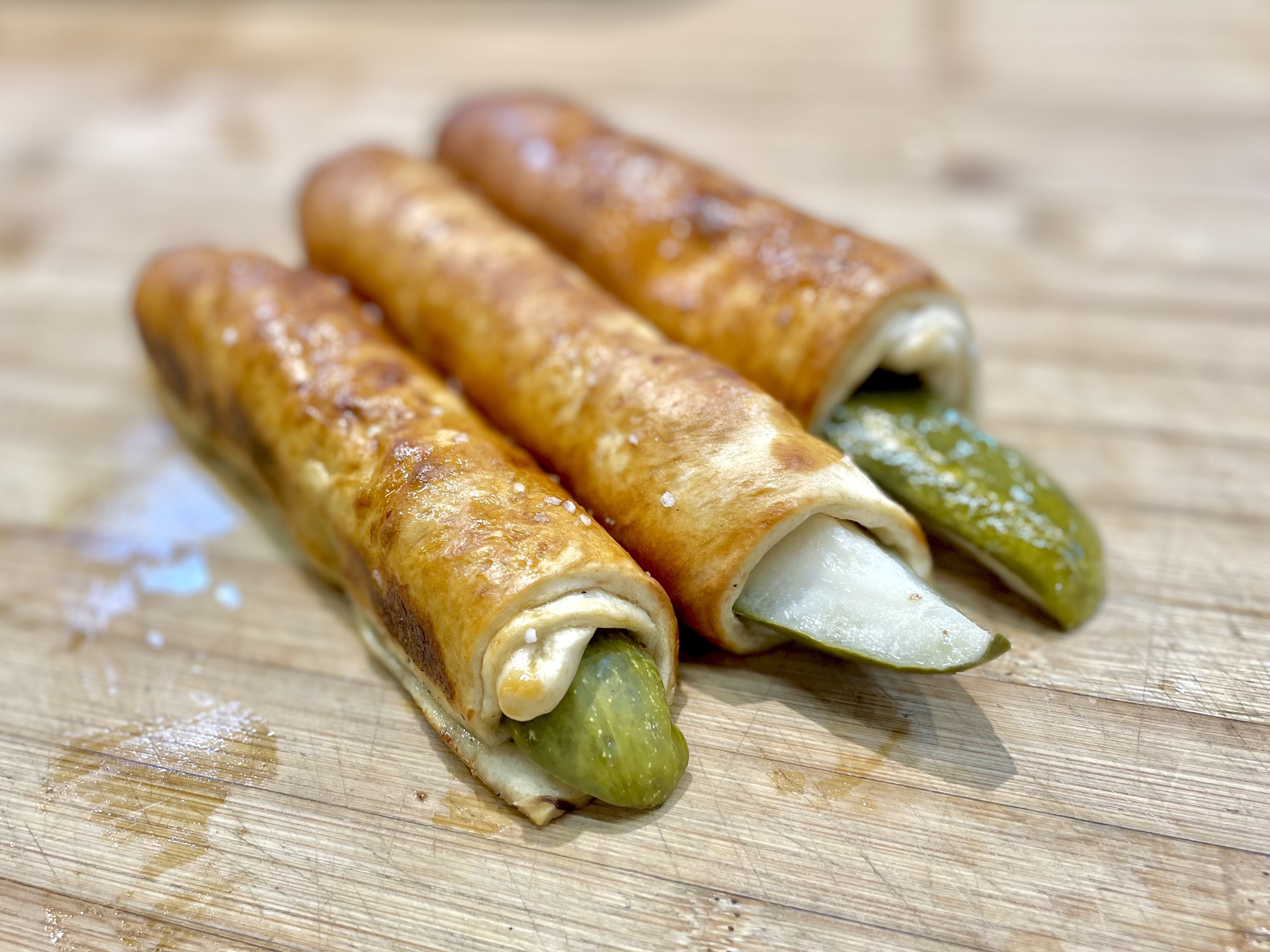
A 2025 collaboration between Fishtown Pickle Project and Miller’s Twist in Reading Terminal Market resulted in Philly Dilly spears wrapped in a soft, sweet pretzel dough.Craig LaBan / Staff
The Second Street property should also make deliveries easier. “When we’re getting trailers delivered with glass jars, it helps to have a garage and a street for them to deliver at without tons of traffic,” Sicinski said.
Wholesale growth is driving much of the expansion. Toscani said revenue from buckets of pickles sold to restaurants, delis, and retailers increased 200% from 2024 to 2025. Some customers use them to stock pickle bars.
The company sells through about 30 ShopRite stores, 11 Wegmans locations, and the Kimberton Whole Foods and McCaffrey’s Market chains. Toscani and Sicinski make their products and handle distribution themselves.
“It allows us to grow responsibly without taking on more business than we can handle,” Toscani said.
The company has the equivalent of about six full-time employees, which Toscani expects to double to about 12 by the end of 2028.
As for the Fishtown in the name, that goes back to the company’s beginnings in 2018. Toscani and Sicinski lived in the neighborhood, and some of their first customers were Fishtown retailers, including Bottle Bar East (now closed), IGA, and Riverwards.
The pickles themselves have always been made elsewhere. Sicinski, a chef who was then a food-service director for a New Jersey school district, first made them in his work kitchen. The couple — Toscani is a dietitian — also made pickles as wedding favors, helping turn the hobby into a business. Production later moved to Bridesburg Commissary (now Culinary Collective) and then to Globe Dye Works, where the company eventually moved into a larger space within the complex.
The passion project became a livelihood after Sicinski was furloughed at the start of the pandemic. The lineup now includes the flagship Philly Dilly Deli, Sweet Onion, and Habanero varieties, and limited releases such as Bloody Mary and Ginger Lemonade pickle chips.
The Norris Square project is their largest investment yet. They paid $550,000 for the building Aug. 6 and said they expect to spend about $700,000 on construction and outfitting. A $1.6 million Small Business Administration loan is helping finance the project, and they are seeking about $250,000 in grants for equipment and hiring. Toscani puts the overall investment at close to $2 million.
The couple have no outside equity investors.
Toscani sees no contradiction in taking the Fishtown name with them to Norris Square.
“We still consider the neighboring neighborhoods our neighbors,” she said. “Despite the fact that we’re not in Fishtown proper, we feel like the opportunity to have roots in Norris Square actually fits our mission quite a bit.”
Chinatown’s popular Asianfresh Food Market is bringing its fresh produce, seafood, and hard-to-find Asian imports to Cherry Hill.
The specialty market is preparing to open its second location at 2005 Route 70 East, less than two miles away from the newly renovated H Mart.
Like its two-story flagship on 10th Street between Race and Cherry Streets in Philadelphia, the new store will be stocked with specialty products and seasonal items imported from across Asia.
Asianfresh Food Market will be holding a grand opening for the new store on Sept. 12 at 11 a.m., said spokesperson Karen Louie. The details for the event are still being finalized, Louie said, but they are planning to have giveaways, contests, and more to celebrate the store’s opening.
Throughout the summer, the grocer has been posting periodic updates on social media showing stocked shelves and full seafood tanks as they prepare for visitors.
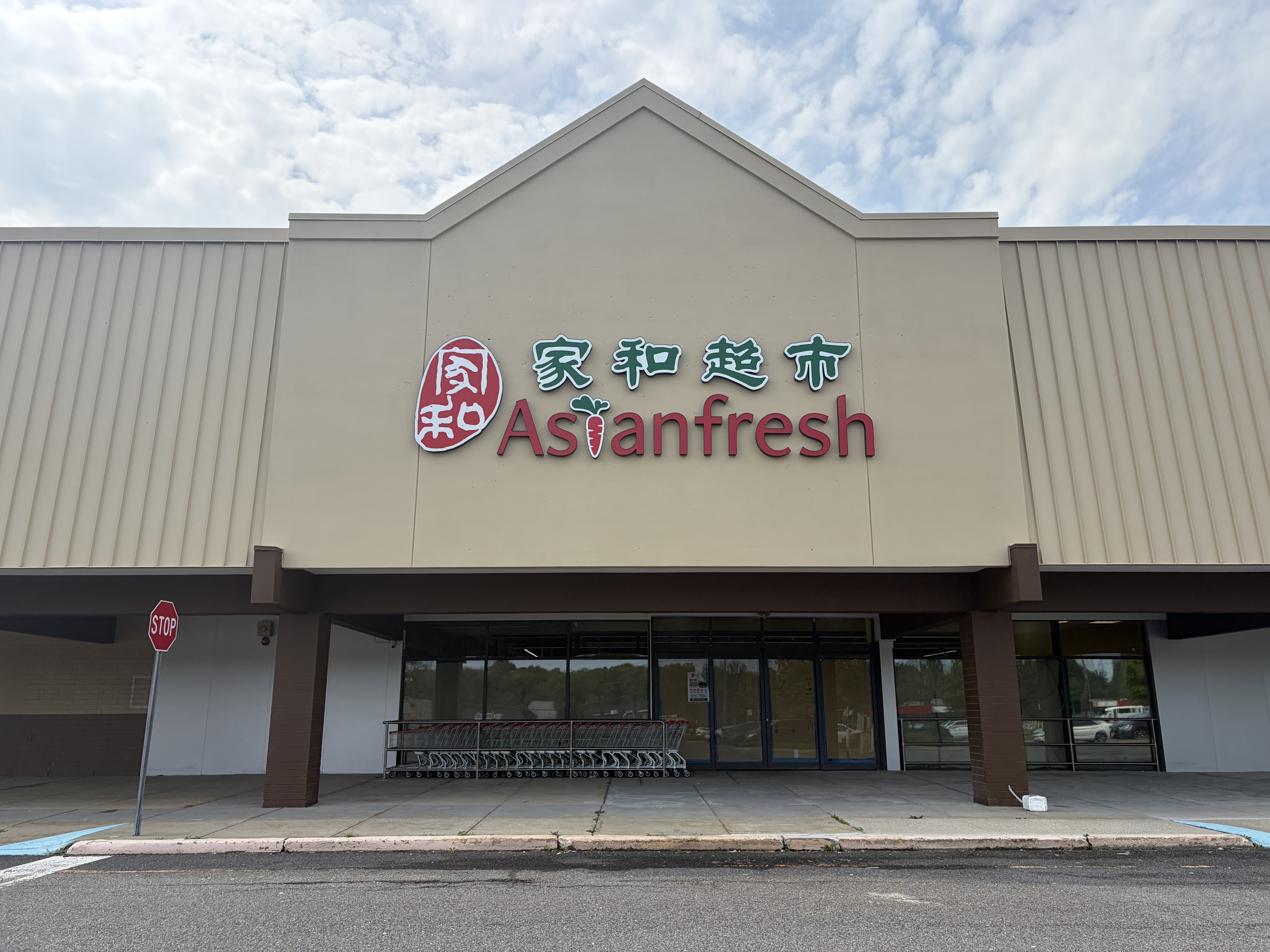
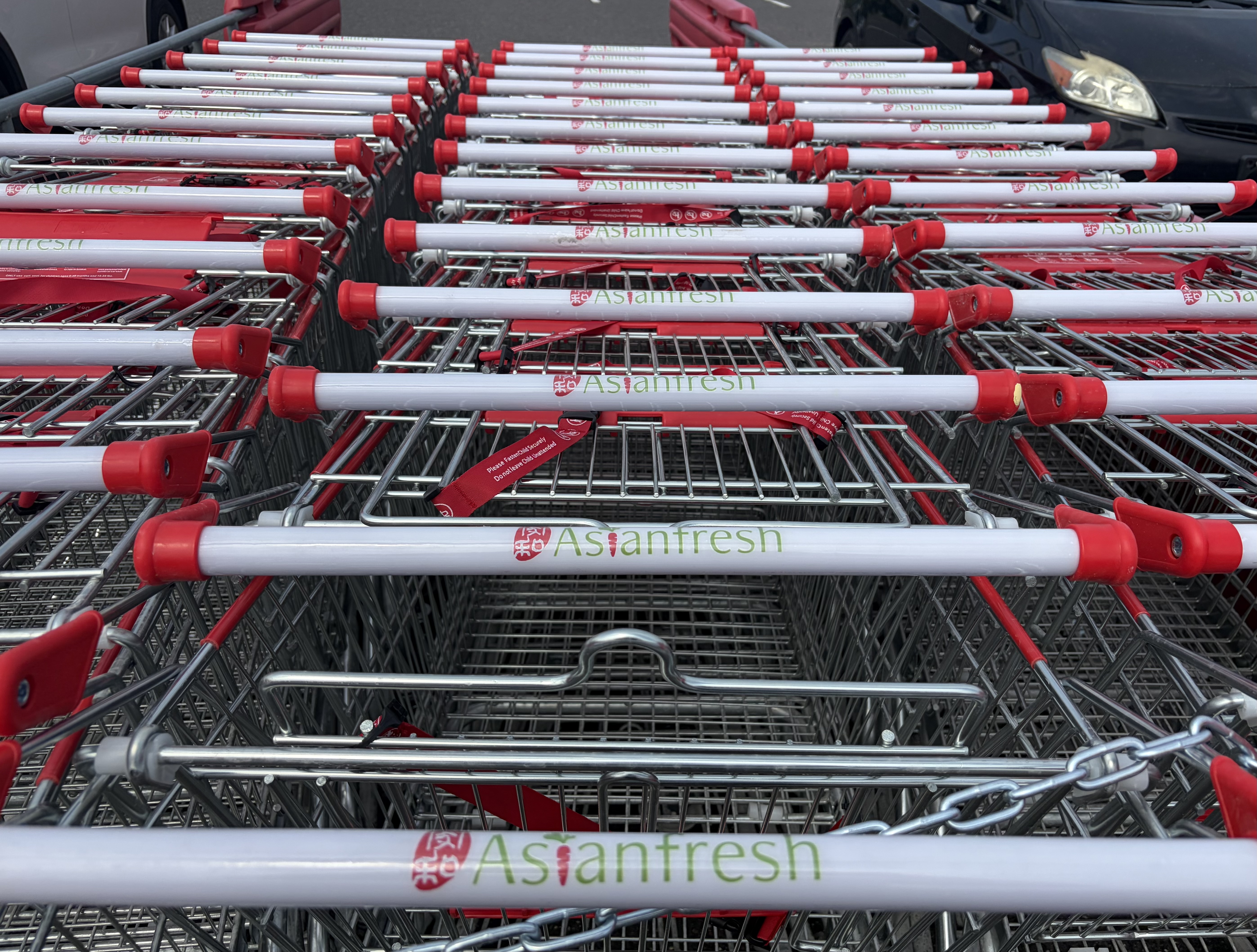
By late last week, the exterior Asianfresh sign was up on the building and rows of branded shopping carts were lined up and waiting for shoppers. A flier indicating that the store is hiring for all departments was taped to the front doors, the view inside blocked by brown construction paper.
Shopping carts are lined up outside of Asianfresh Food Market’s new location in Cherry Hill on Aug. 28, 2026.Lacey Latch
The efforts by both international grocery stores to enhance their offerings in South Jersey reflects the growing demand for these products in the area and nationwide.
The number of Asian residents in Cherry Hill Township grew by 32% between 2014 and 2024, according to U.S. Census Bureau data.
The openings also come at a time when Asian grocery staples like ghee, miso, chili oils, and more are becoming increasingly popular with non-Asian shoppers.
Sales from the “Asian/ethnic aisle” commonly found in American grocery stores jumped almost four times more than overall sales between April 2023 and April 2024, according to the New York Times, citing data from market research company Circana.
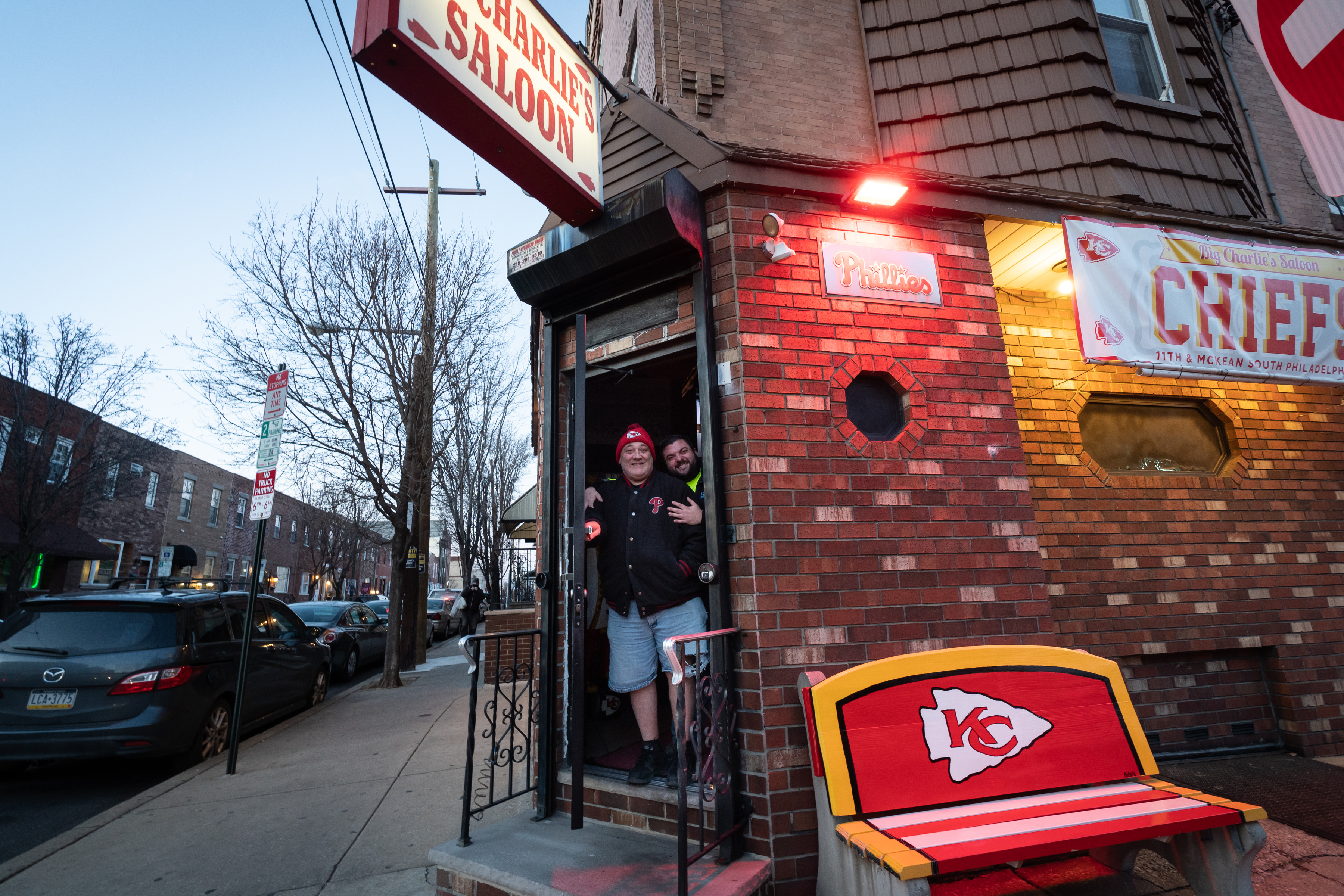
Big Charlie’s Saloon, the South Philadelphia corner bar known nationally for its unlikely devotion to the Kansas City Chiefs, is getting a new playbook.
DiTomo and Jacobsen say they plan to turn it into Sweets, a neighborhood bar. DiTomo said that he would remain at Meetinghouse and that his business partners there have no stake whatsoever in Sweets.
Sweets will have no Chiefs memorabilia — or sports theme of any kind, for that matter. DiTomo said they’re thinking low-key. “I’m not a big concept guy,” he said. “I’m going to stay true to what that neighborhood deserves out of a neighborhood bar, and that’s about it.” The partners started an Instagram account to float photos that inspire them.
DiTomo said he and Jacobsen are working through due diligence for the purchase of the building, which had been listed at $1.1 million and includes apartments upstairs. A liquor license transfer is also pending.
They are aiming for a winter opening, though that timing is tentative. “If we could capture the holiday season, that would be beyond fantastic,” DiTomo said. “But we’re both realists. We’ll see how it goes.”
Its allegiance dated to Super Bowl IV in January 1970, when Staico’s father, Charlie, bet on Kansas City to beat the Minnesota Vikings and promised his young son a bicycle if the Chiefs won. They did, Paul got the bike, and a lifelong allegiance began.
After taking over the bar following his father’s death in 1983, Staico bought a satellite dish in 1986 so he and friends could watch Chiefs games that rarely appeared on Philadelphia television. Over the decades, the bar became known as “Arrowhead East,” its wood-paneled rooms covered with signed helmets, pennants, bobbleheads, street signs, and other Chiefs memorabilia.
But Big Charlie’s was also a neighborhood bar, and that is the aspect of the property that DiTomo intends to preserve — rather than its sports identity. He and Jacobsen both live in South Philadelphia.
“I’ve always admired neighborhood bars,” he said. “I grew up in neighborhood bars, so I want it to be true to form — just the classics, done well.”
That philosophy will extend to the drinks. DiTomo said the bar will pour Meetinghouse beer, along with a straightforward selection of beer, wine, and cocktails built around classics.
Sweet’s food will be simple, he said, because of the tiny kitchen.
DiTomo, a Culinary Institute of America graduate who rose to prominence a decade ago in the Marc Vetri organization at Amis, was a chef consultant on M. Night Shyamalan’s series Servant on Apple TV+ when Meetinghouse opened in 2023.
DiTomo and Jacobsen have been friends for about five years. DiTomo said Jacobsen had long been interested in doing a project together, but nothing had clicked until the Big Charlie’s building became available. “This building spoke to him, so he jumped on it,” DiTomo said.
Stickball, Jacobsen’s shop, specializes in vintage clothing, art, and objects. GQ included it on its 2024 list of 30 notable vintage menswear stores in the United States.
DiTomo said the Sweets name came from a running list he has kept over the years. He associates the word with several of his uncles, who used it as a term of affection. “I always liked the feeling of it,” he said. “It sounds nice, and it’s timeless. It feels good for the neighborhood, too.”
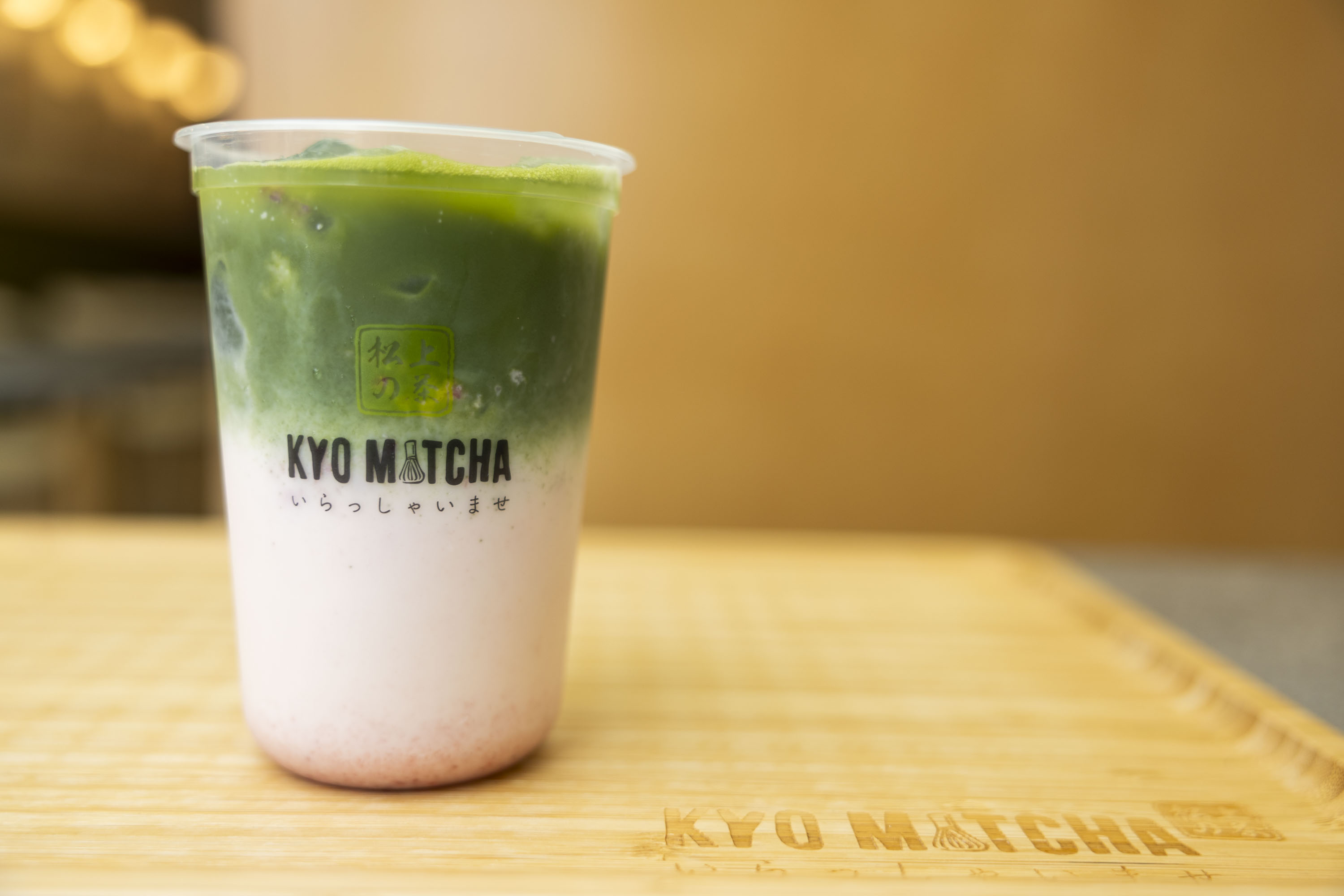
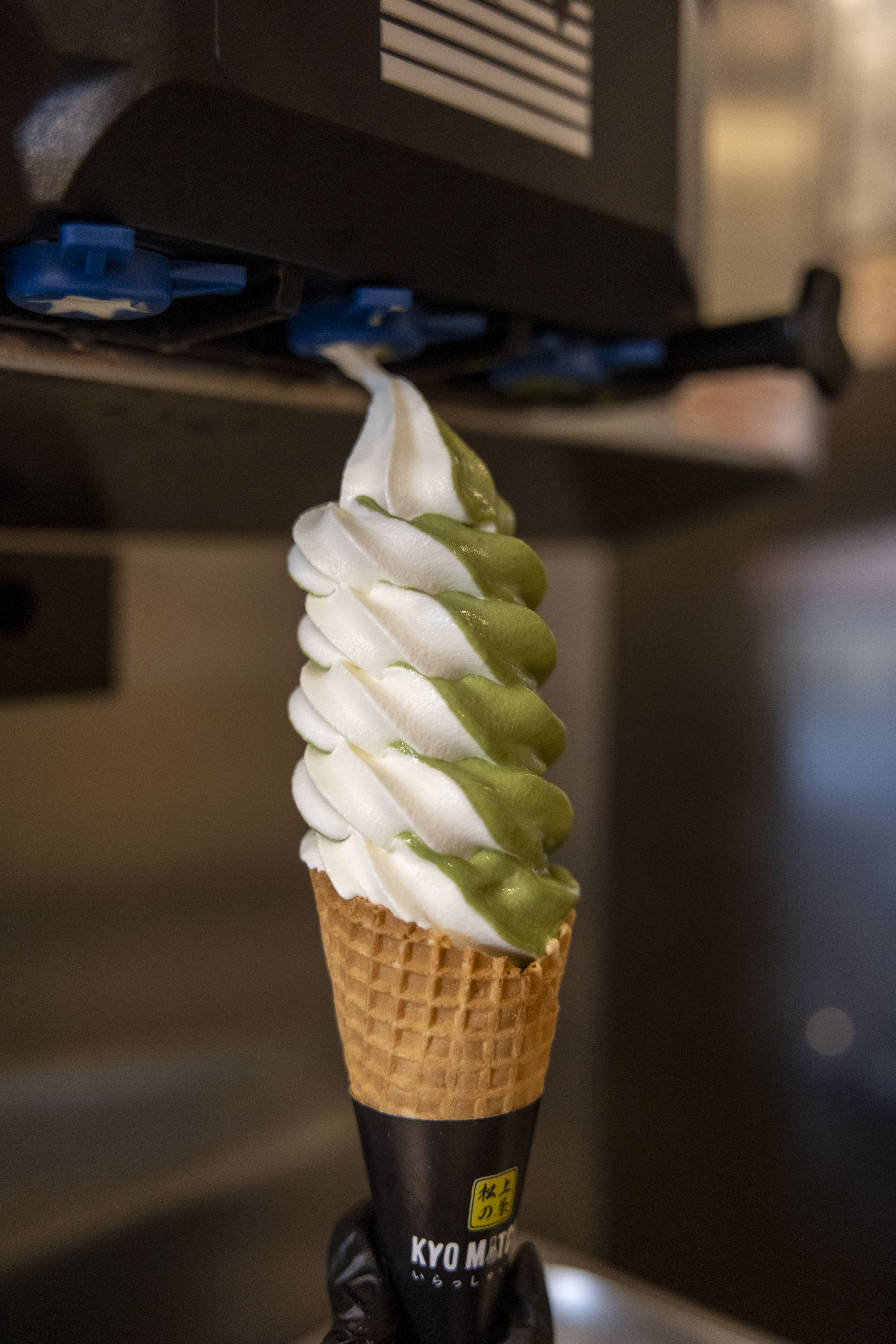
The lines are long. The branding is adorable. The drinks are bright green, as are the lacy swirls of matcha-seasoned soft serve. This is the formula for Kyo Matcha, which opened in August in Chinatown.
The same trappings can be found at both Matcha Panda Cafe, which opened in 2022, and Matcha Cafe Maiko, which opened in 2023 — years before high-end Japanese tea became so in-demand that suppliers couldn’t keep up. But there’s something a little curious about Kyo Matcha, a chain that is also known as Kyoto Matcha, with locations in Maryland, Pittsburgh, Virginia, and Massachusetts, as well as in Spain, Vietnam, and Turkey.
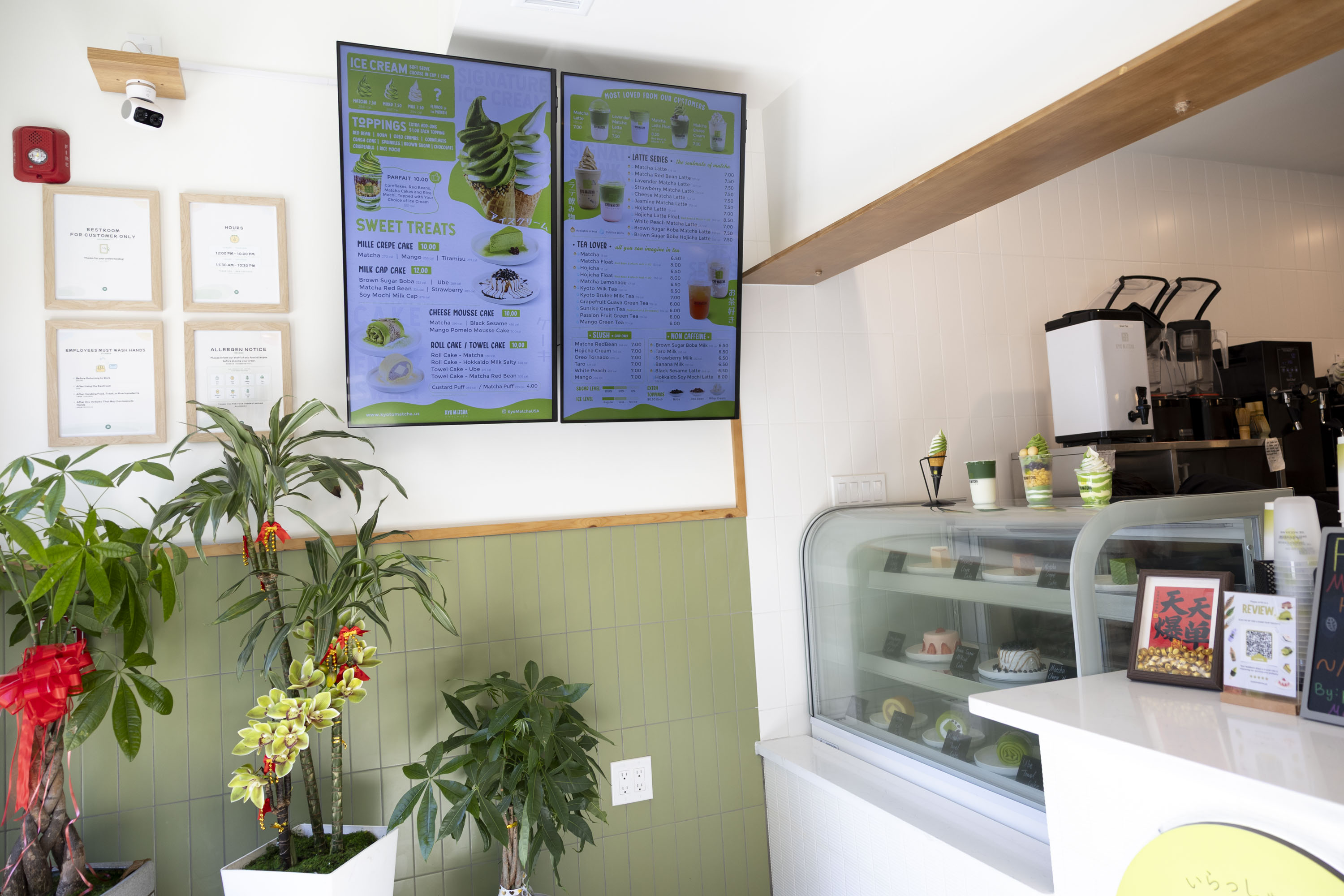
The inside of Kyo Matcha.Tyger Williams / Staff PhotographerA soft serve ice cream matcha mix at Kyo Matcha.Tyger Williams / Staff Photographer
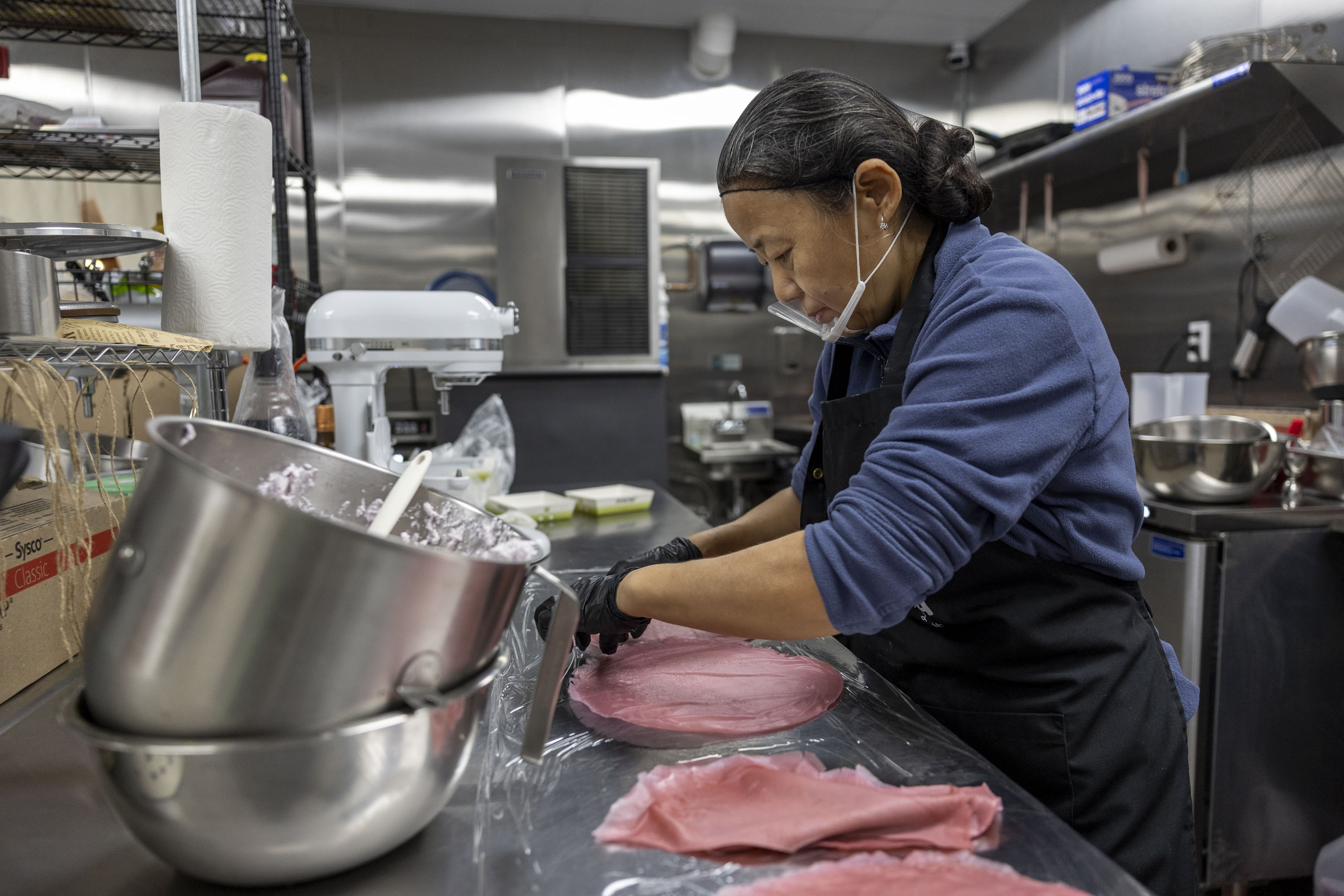
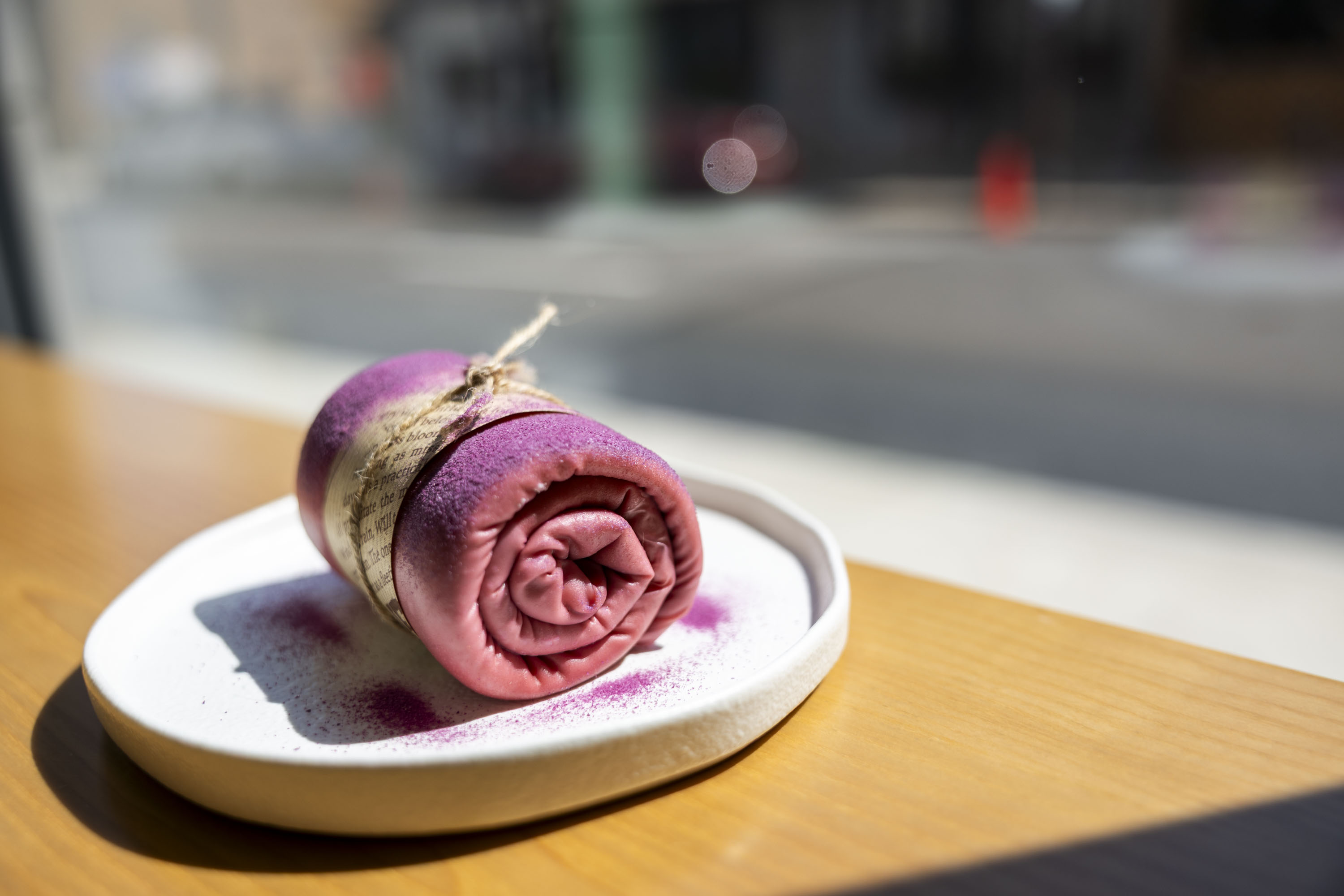
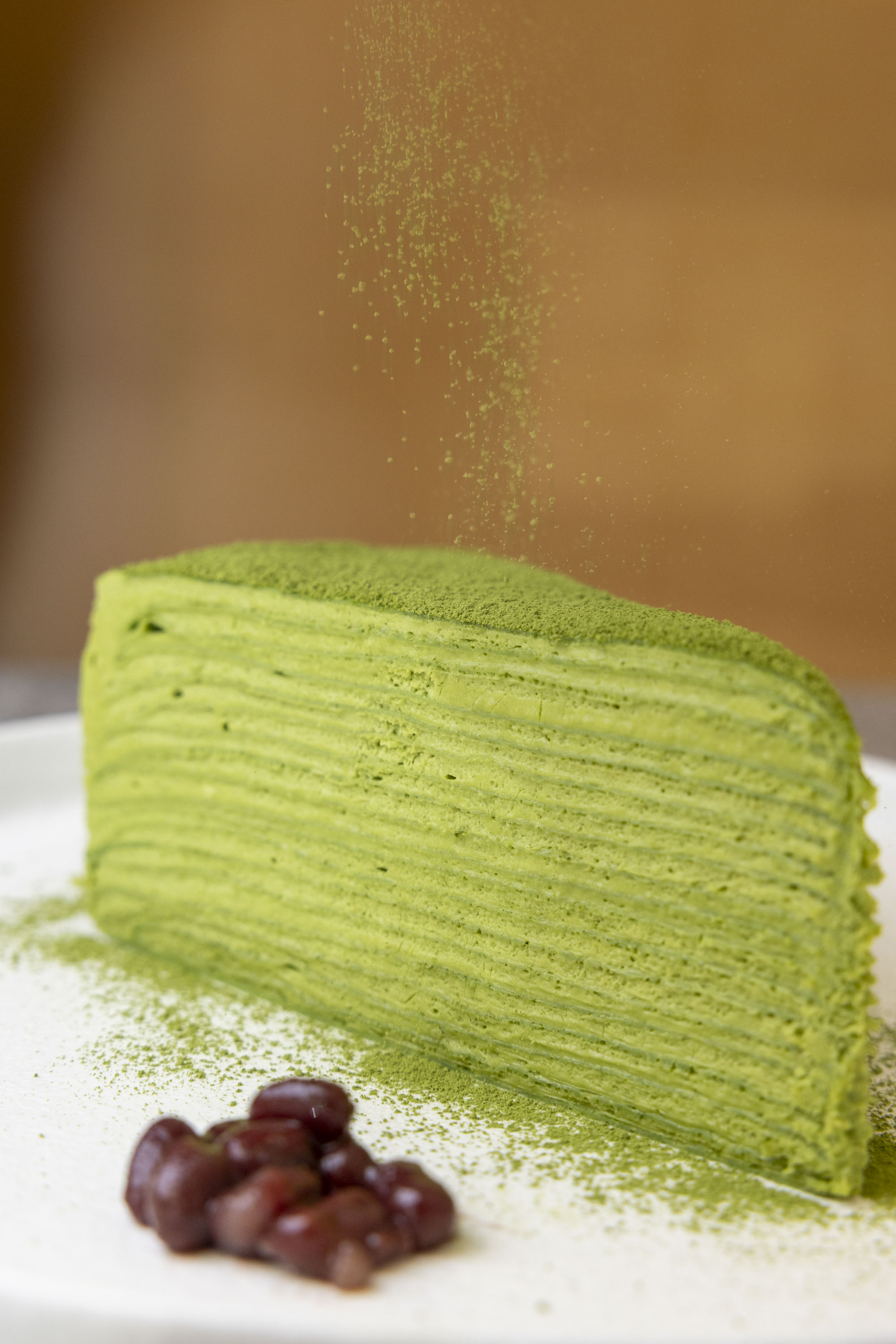
Indeed, the students who work the front of house are just as bubbly as the ones who serve similar ice creams and tea drinks at the other matcha-focused shops in Chinatown. But in the kitchen at Kyo Matcha, a small crew of older Chinese chefs who previously worked at dumpling stores or preparing food in retirement homes are painstakingly making matcha and ube crepes, then layering them into cakes or rolling them into desserts by hand.
The franchise is a project that brought two mainland Chinese couples into business together: Tom Kang, 34, and Danya Li, 30, who met studying hospitality at Temple University; and Alex An, 32, who also owns an international trading business, and Jing Xiong, 31, a UX lead designer.
Mrs. Jiao is making a fresh Ube Tower Cake at Kyo Matcha on Wednesday, Aug. 26, 2026, in Philadelphia.Tyger Williams / Staff PhotographerA Ube Tower Cake at Kyo Matcha on Wednesday, Aug. 26, 2026, in Philadelphia.Tyger Williams / Staff Photographer
Kang also owns and operates Stay at Luna, a collection of 10 apartment hotels mostly clustered around Chinatown. (There’s a Stay at Luna located above Kyo Matcha.)
Located on 11th Street between Race and Vine Streets, in the former Vietnam Palace space, Kyo Matcha is a little off Chinatown’s beaten path. “We felt that if we created a beautiful space and offered something a little different, it could become another reason for people to come to this part of Chinatown,” said Kang.
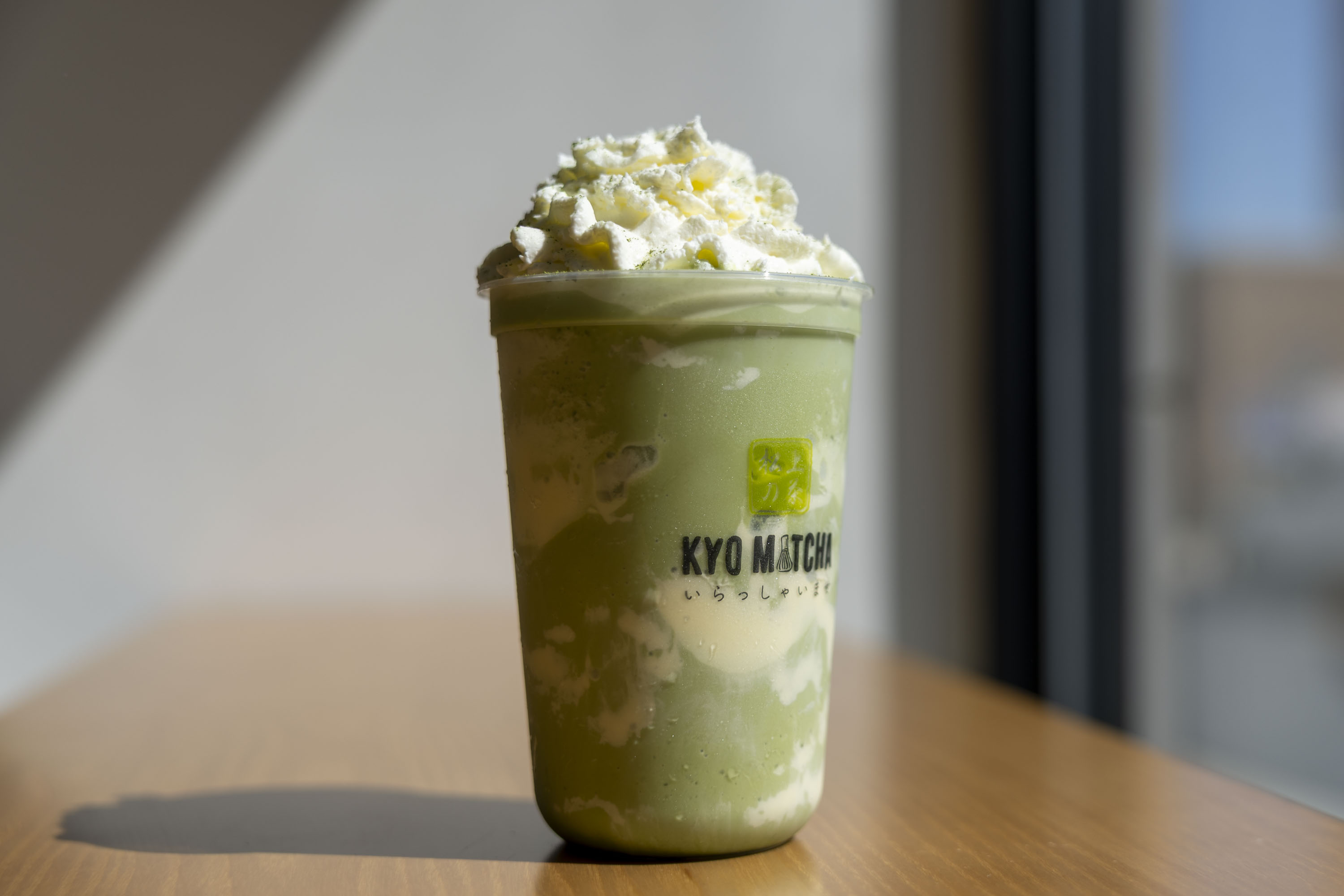
A Creme Brûlée Matcha at Kyo Matcha on Wednesday, Aug. 26, 2026, in Philadelphia.Tyger Williams / Staff Photographer
He became enamored with Kyo Matcha due to both its high-quality matcha powder and its menu, equally balanced between beverage and desserts.
And why did four young people choose to open a franchise instead of creating their own brand?
“Starting a brand from scratch is so hard,” said Li.
While menu items all have to be approved by Kyo Matcha’s corporate office, the business arrangement still leaves room for the owners to innovate as they develop desserts for Philly customers.
As at other beverage chains, you can specify your preferred level of sweetness when ordering a drink here. There’s only one option, a simple iced matcha, where you can try matcha unadulterated by milk or syrup, to appreciate its grassiness. All beverages are served cold.
A Matcha Crepe Cake at Kyo Matcha on Wednesday, Aug. 26, 2026, in Philadelphia.Tyger Williams / Staff Photographer
The matcha trend shows no sign of abating, though global shortages persist as the tea’s leaves take four to five years to mature. The obsession with the bright green Japanese tea has manifested in a slew of matcha-driven beverages and desserts in Philly’s Chinatown, where there’s also been a wave of beverage shop openings.
Kyo Matcha opened the same week as Arch Street’s branch of Heytea, a Chinese brand operating over 4,000 locations worldwide. They join over a dozen tea-focused shops in the neighborhood.
The inside of Kyo Matcha on Wednesday, Aug. 26, 2026, in Philadelphia.Tyger Williams / Staff Photographer
But there stillseems to be plenty of appetite for approachable matcha offerings. “Matcha is especially popular among younger customers, and we see a lot of students and younger professionals, but we’ve also seen families, tourists, Chinatown residents, and people who have never tried matcha,” said Kang.
Kyo Matcha, 222 N. 11th St., kyotomatcha.us. Hours: Noon to 10 p.m. Monday to Thursday, 11:30 a.m. to 10:30 p.m. Friday and Saturday
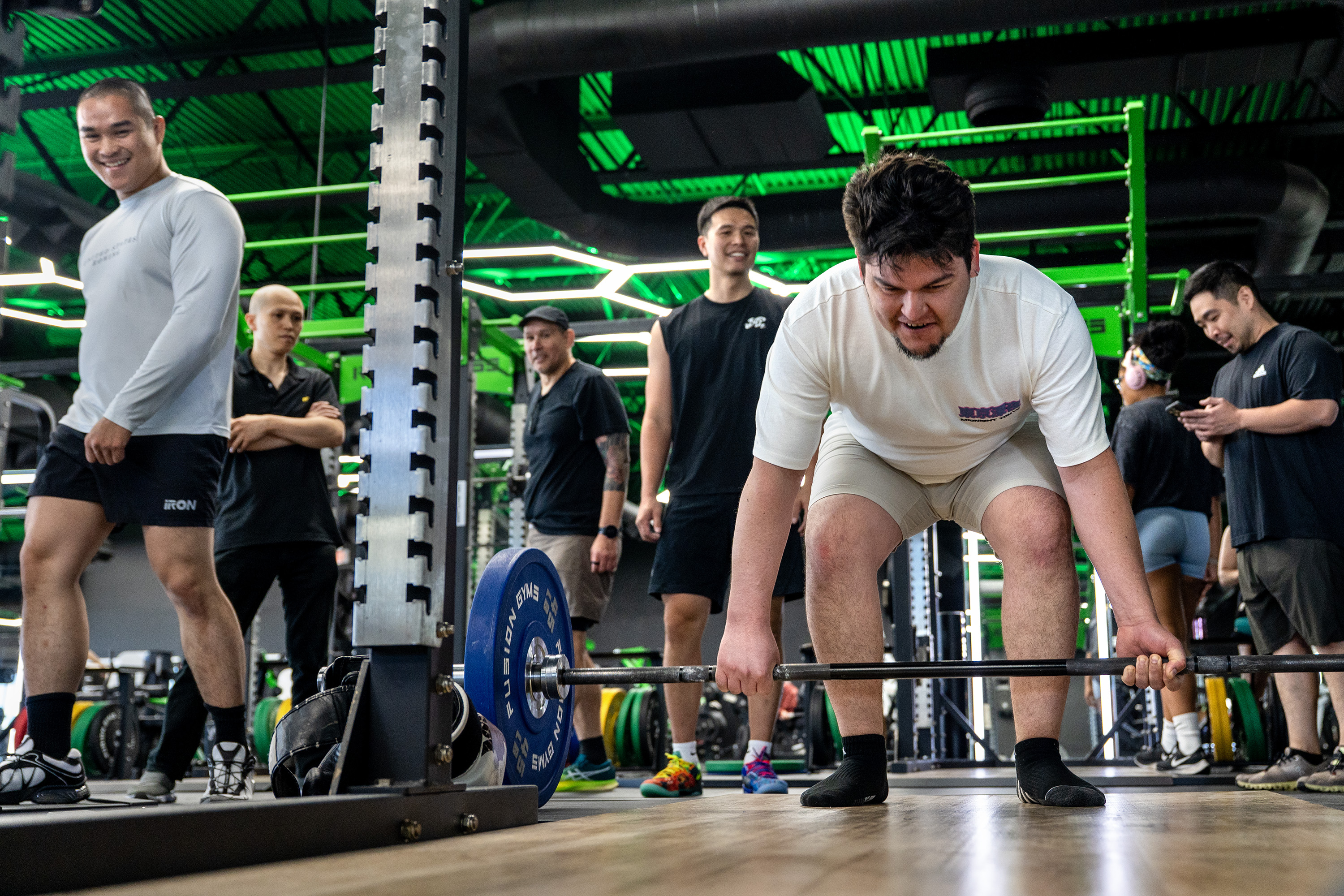
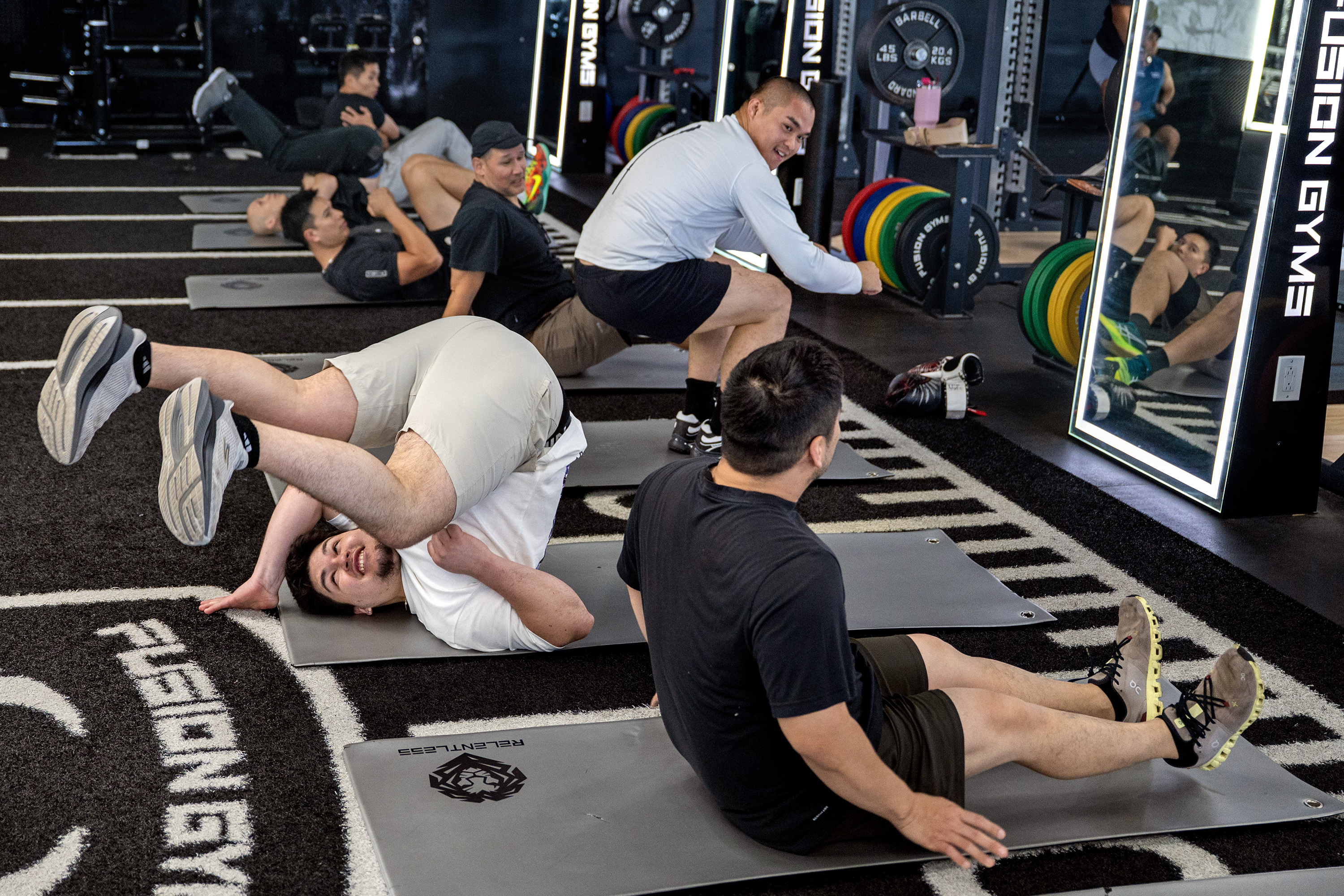
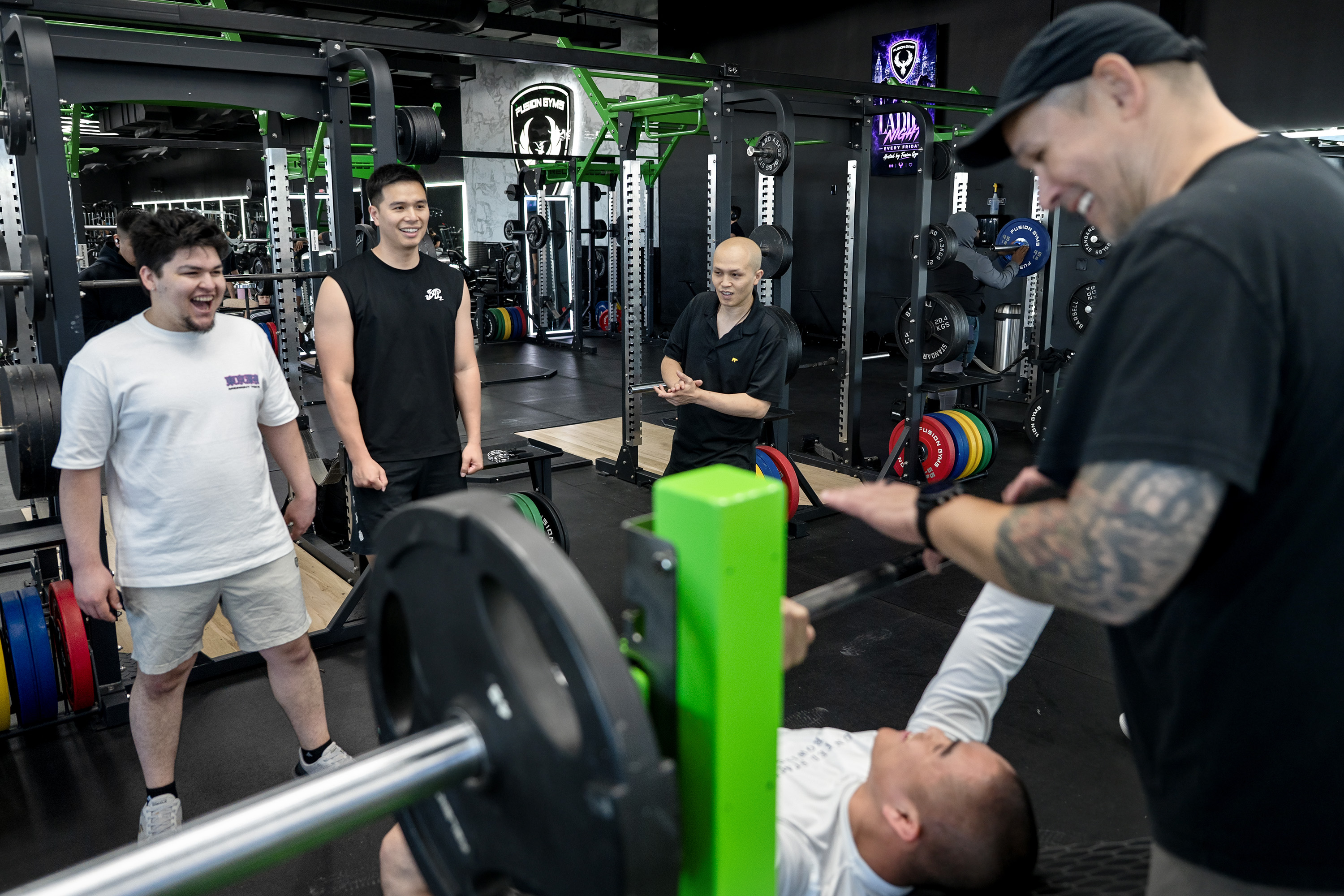
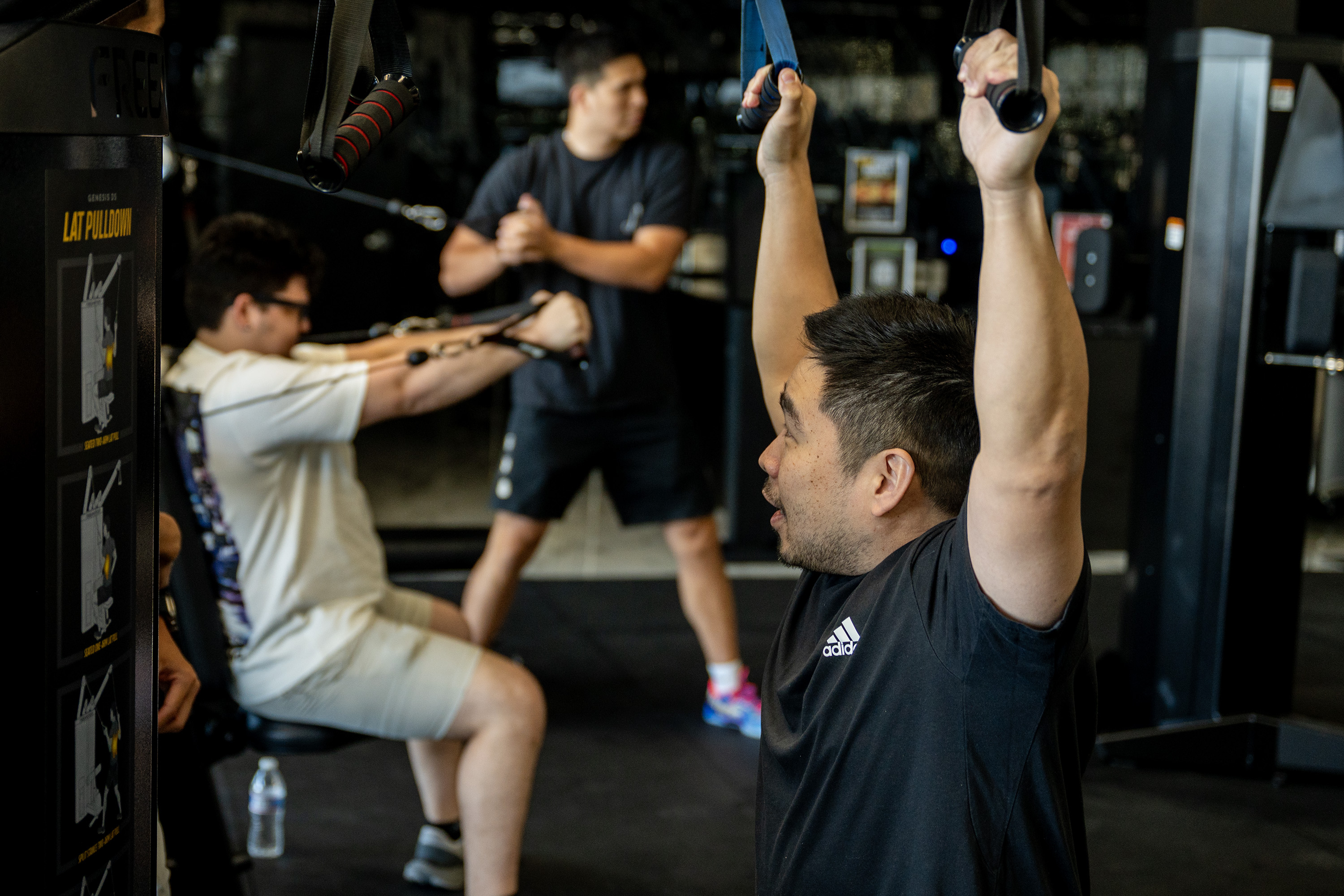
One of Fusion Gyms’ five locations is in a strip mall in deep South Philly, sandwiched between a children’s clothing shop and a wig store. In the neon-green glow of the gym’s bright lights, seven Philly sushi chefs stretched on rubber mats, preparing to lift weights set to be as heavy as a fully grown bluefin tuna.
The crew — usually just four or five chefs — meets regularly on weekday mornings, loosely led by Albert Zheng, 34, and Dan Santana, 40, who co-own and run Kiku Sushi in South Philadelphia. (Zheng also owns Javelin in Fairmount and is a partner in the upscale Old City omakase restaurant Ogawa.)
Zheng and Santana are there every weekday. The other chefs drop in weekly or monthly. They exercise to stay fit for their physically demanding jobs, but also just to hang out with each other.
On a recent Tuesday morning, a larger-than-normal group gathered, including chefs from Kiku, Ogawa, and Javelin, as well as Kichi Omakase and Yanaga Kappo Izakaya, which houses the omakase counter 637 Sushi Club.
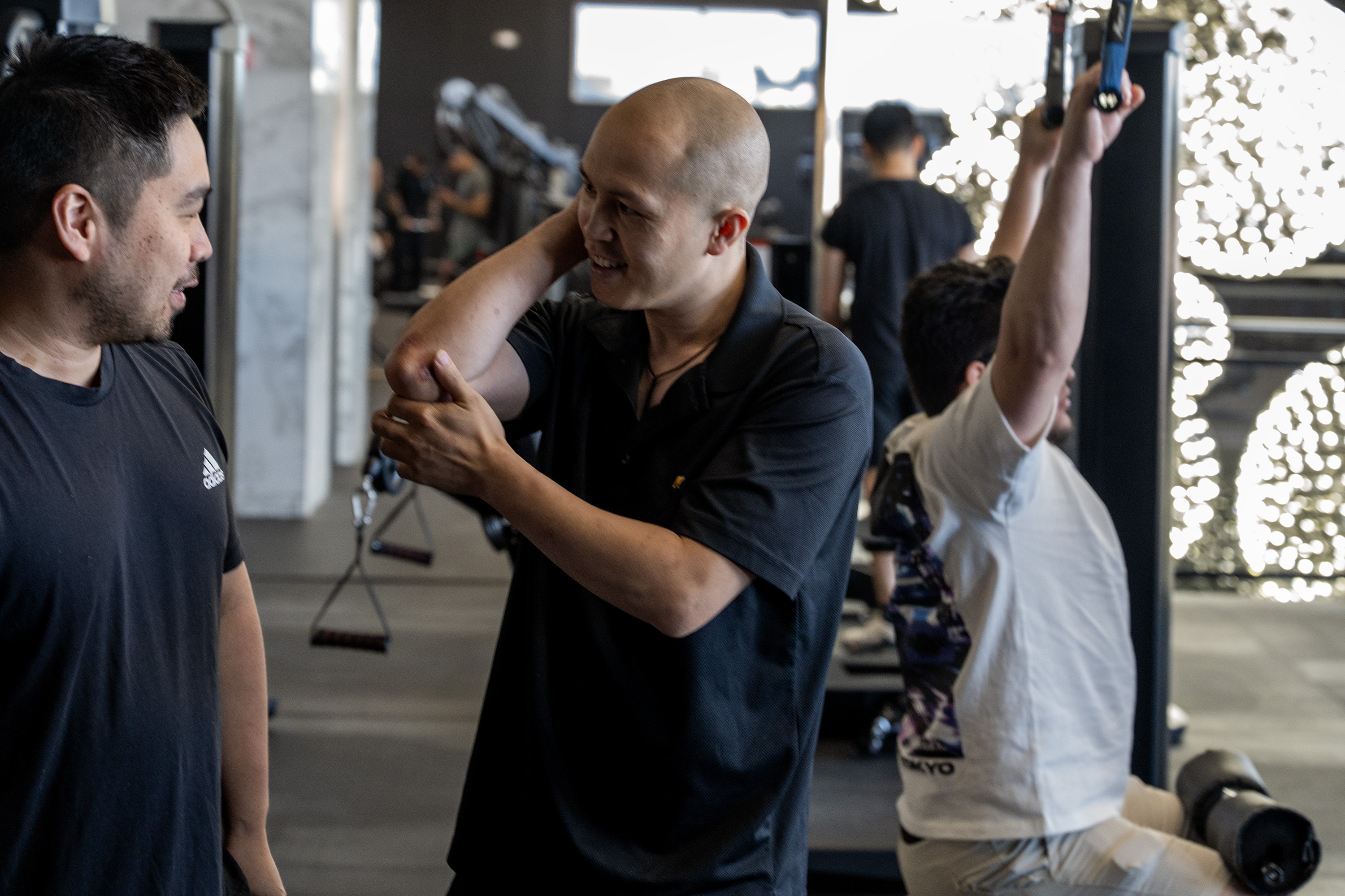
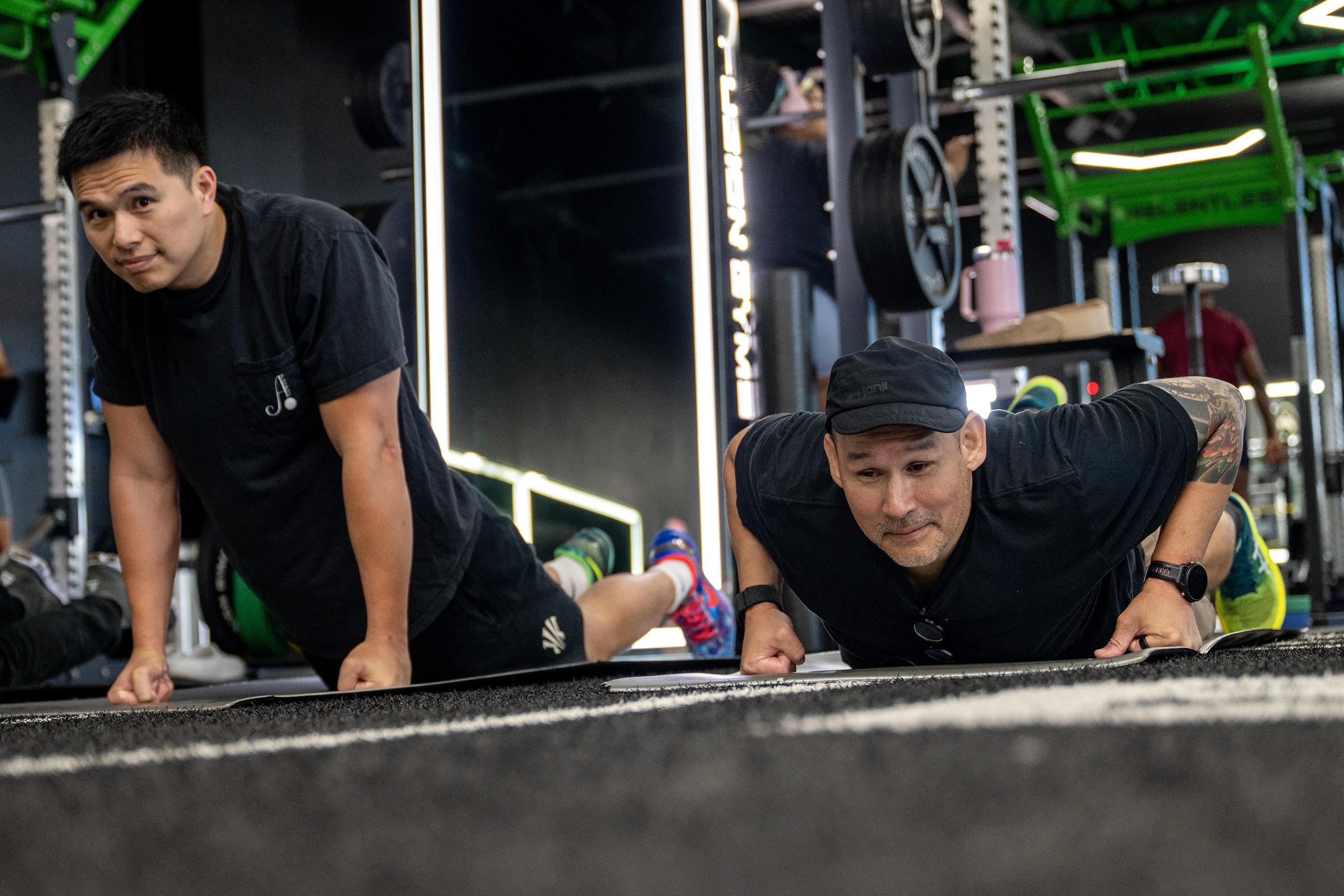
Sushi chefs work out at Fusion Gyms in South Philadelphia in August. They get together regularly, trading both exercise tips and fish intel. From front to back are Dan Santana; Carlos Wills, Joseph Nguyen, Kevin Yanaga, Albert Zhang, Cai Li, and Alex Jiang.Tom Gralish / Staff Photographer
They also count among their crew sushi chefs from Sagami and Nakama. “We’re less consistent in summer, when our kids are home from school,” Zheng said. “During the school year, we drop the kids off and meet at the gym right after.”
They work out for two, sometimes three hours at a stretch. “The third hour is usually our jaw workout,” joked Zheng. “And it takes longer when there are more people.”
As they wove through Fusion Gyms’ open-floor plan, they compared ingredient lists andtraded tips about good restaurants and where to get salmon for a better price. These are regular topics ofdiscussion, along with mise en place and sourcing.
Sushi chefs work out at Fusion Gyms in South Philadelphia in August. They get together regularly, trading both exercise tips and fish intel. Clockwise from left: Carlos Wills, Albert Zheng, Alex Jiang, Kevin Yanaga, and Joseph Nguyen (on bench).Tom Gralish / Staff Photographer
Kevin Yanaga, 55, and Joseph Nguyen, 27 — partners in 637 Sushi Club’s Oma Cafe, which pairs fish with coffee — coached the others through Muay Thai moves while trying to convince the other chefs to join them on a November trip to Vietnam for a three-day Oma Cafe pop-up. “I need help prepping,” said Yanaga.
Sushi chefs work out at Fusion Gyms in South Philadelphia. They get together regularly, trading both exercise tips and fish intel. From front to back are Dan Santana, Carlos Wills, and Albert Zheng.Tom Gralish / Staff Photographer
At one point, Carlos Wills, 26, who helms the omakase counter at Ogawa, pulled up a list of available ingredients sent by his buyer from Japan’s Toyosu Market, the world’s largest wholesale seafood market, and showed Yanaga the $500 tray of uni and $55 60-sheet packet of nori that he was considering ordering once he was done working out.
On this Tuesday, the chefs were also drinking some of the world’s most expensive coffee, brewed by Nguyen. “It’s Orange Geisha and it’s expensive because it’s so rare and it takes half a pound of beans for me to brew one bottle,” explained Nguyen, who also owns and operates the Coffee Connoisseur Club. The Instagram-based subscription club sources beans from Nguyen’s plots in Vietnam and small farmers in South America. “This is a $250 bottle of coffee,” Yanaga interjected.
“I’m getting kumquat, jasmine, and orange notes coming from it,” said Nguyen. “I like saba [mackerel] paired with this, as the fattiness of it pairs with the bright citrusy notes. Saba with a little bit of wasabi.”
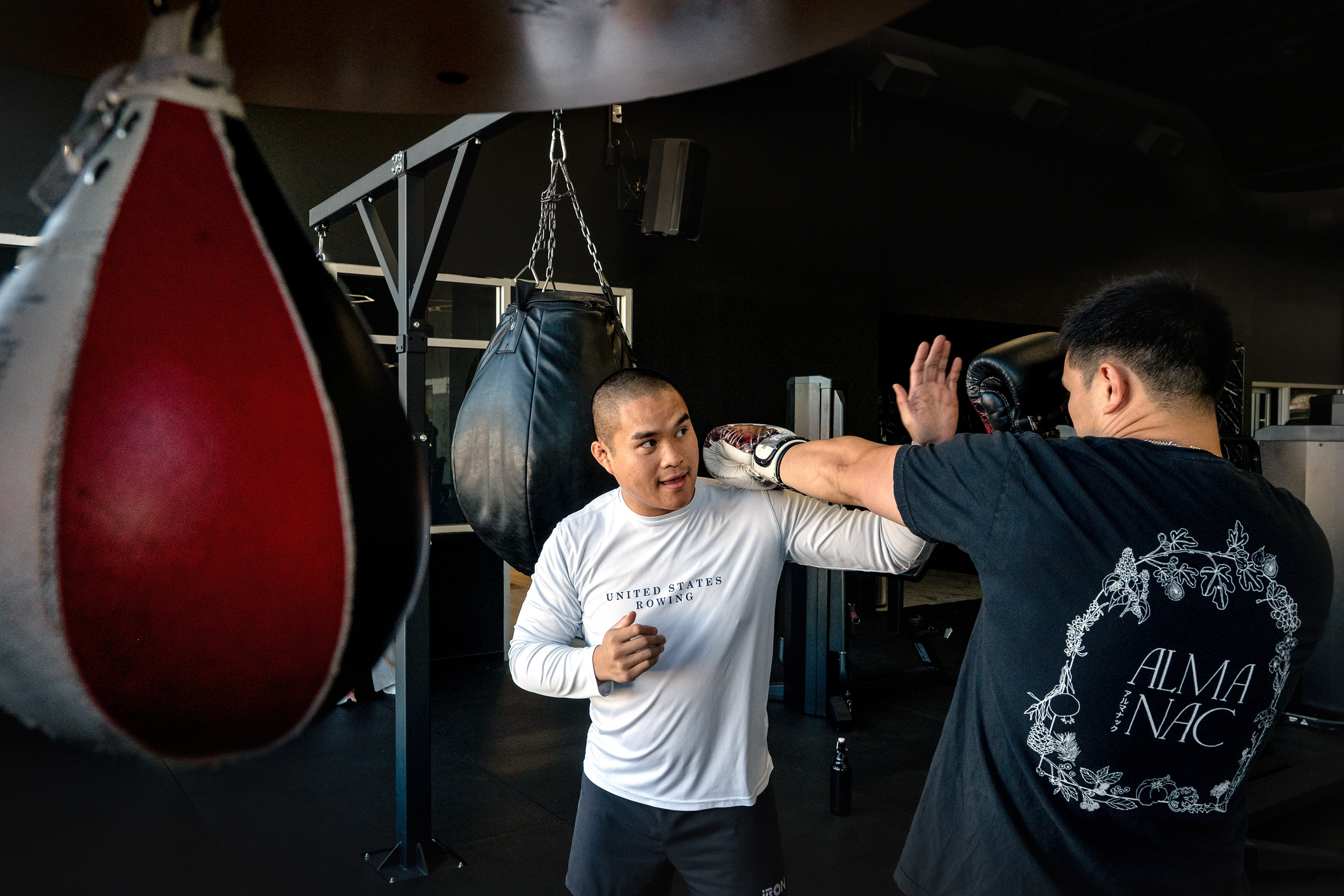
There was no saba in sight as Nguyen held a punching bag while Zheng jabbed, gently coaxing him on where to aim his punches. He did the same for Alex Jiang, 42, from Kichi Omakase. “We have a heavy jab over here!” he proclaimed.
Sushi chefs Joseph Nguyen (left) and Albert Zheng work on boxing at Fusion Gyms.Tom Gralish / Staff Photographer
When the crew moved on to bench-pressing, Wills said, “You can tell people this is how I prepare to lift a tuna.”
As Wills sat back on the weight bench and lifted the bar, he said, “This is a 60-pound tuna.”
The sushi chefs spot one another and cheer each other on: “One more! Half a tuna more! You’re very strong!”
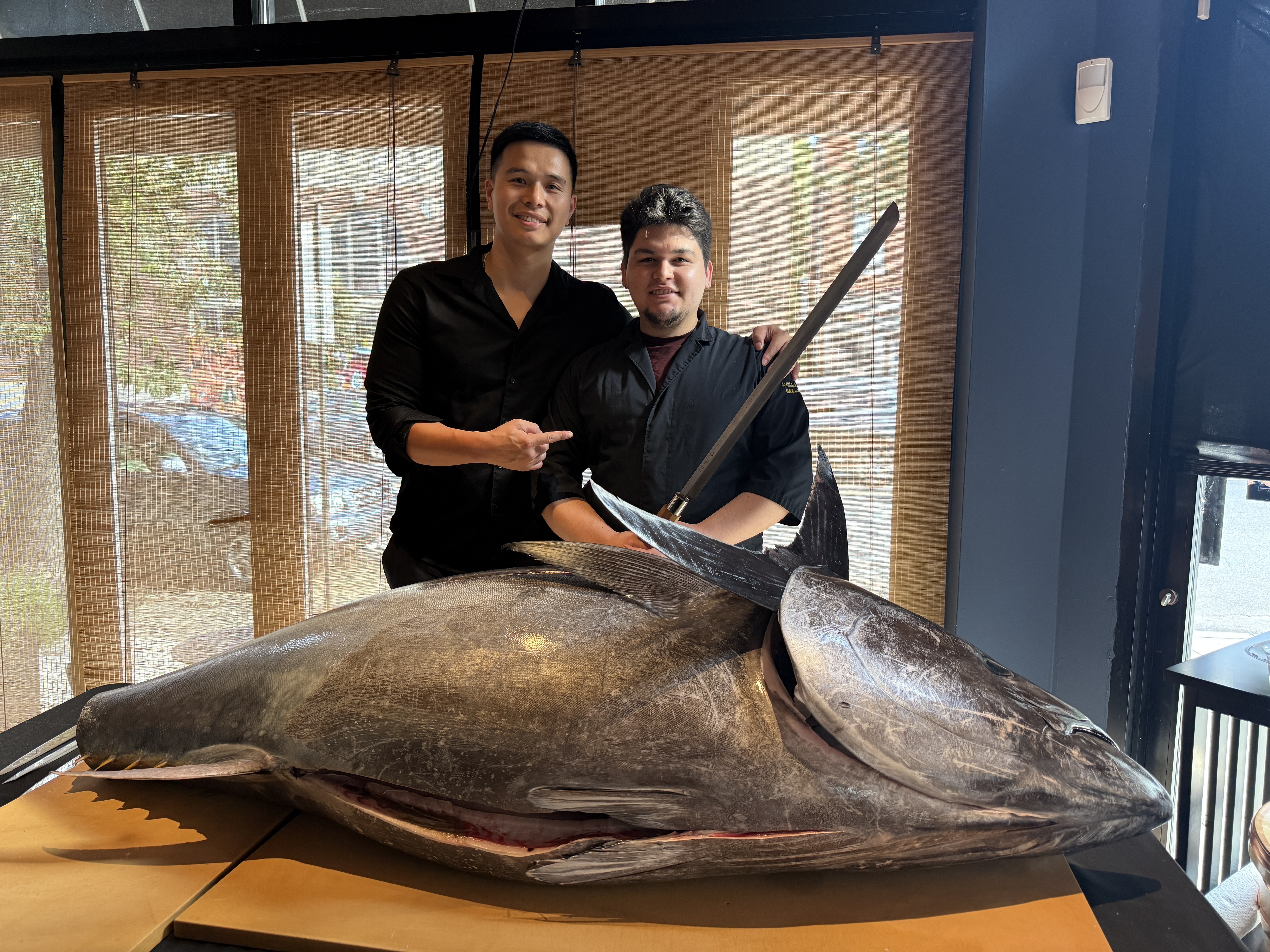
“I thought about bench-pressing the 281-pound tuna we brought into Javelin for the tuna breakdown last week,” said Zheng. “But it was so slippery.”
Sushi chefs like Albert Zheng and Carlos Wills say they work out to stay in shape for lifting fish like this 281-pound Spanish bluefin tuna at Javelin in Fairmount.Kiki Aranita / Staff /
“When we get a tuna like that, it takes eight of us to lift it,” said Yanaga.
“We got a Spanish bluefin last week,” said Wills. “It was $23 per pound, so just over $6,600. Pretty cheap. The Japanese ones are $31 per pound right now.”
“Who wants to do a whole tuna?” asked Zheng as he and Santana added more weights on to a bar for a round of dead lifts.
Nguyen steps up and dead lifts 315 pounds. “We’re hiring him for the next tuna breakdown,” said Wills.
Sushi chefs (from left) Dan Santana, Alex Jiang, and Carlos Wills work out at Fusion Gyms.Tom Gralish / Staff PhotographerSushi chefs Albert Zheng (left) and Kevin Yanaga work on planks at Fusion Gyms in South Philadelphia.Tom Gralish / Staff Photographer
In fact, the chefs do often join up for tuna cuttings, helping one another out even if they aren’t in business together.
But mostly, the crew keeps one another accountable at the gym, welcoming each other even if weeks or months pass between workouts.
Once the coffee was consumed and their muscles were spent, the chefs dashed off in different directions, to their respective sushi counters.