Tag: Weekend Food

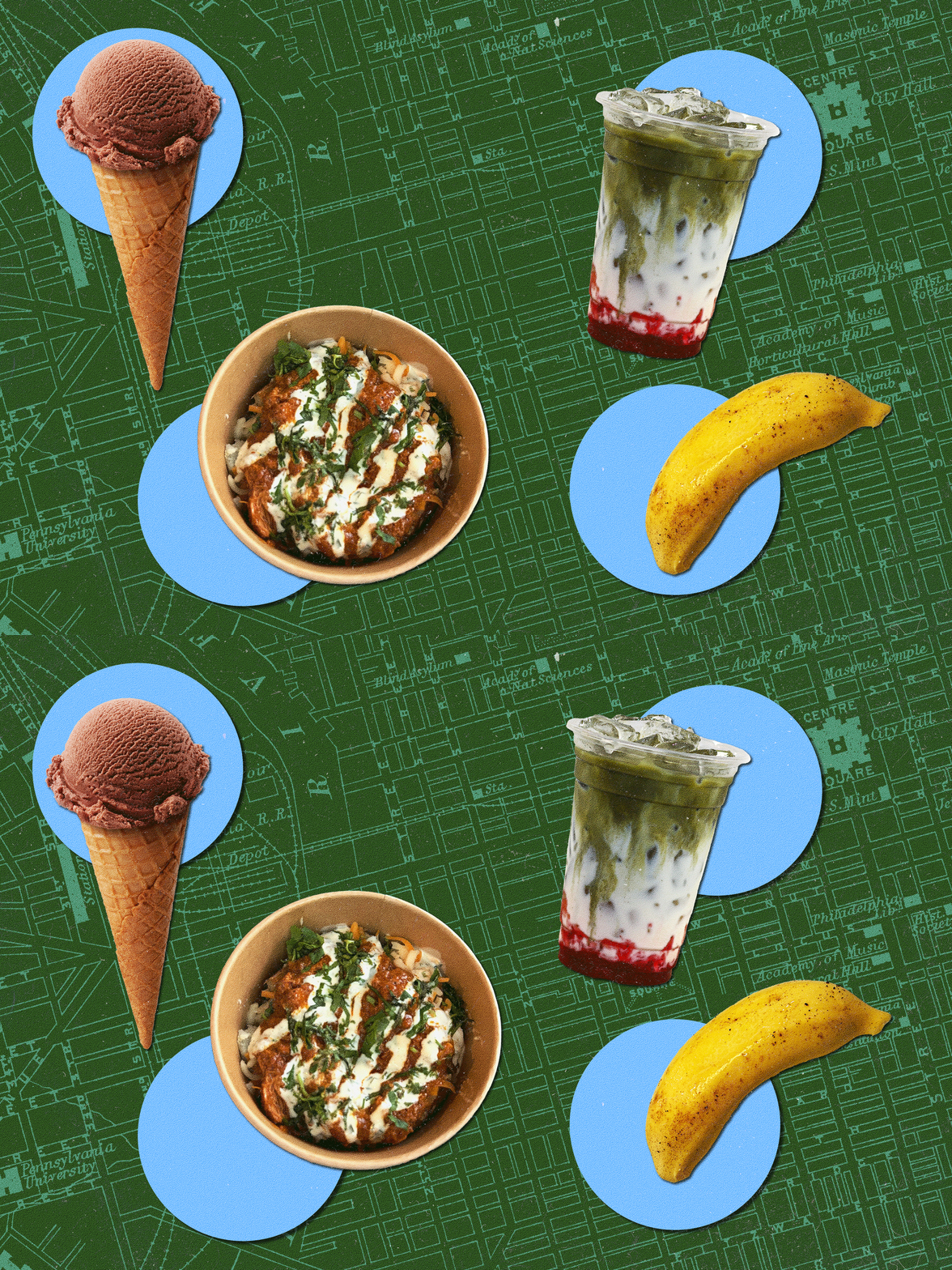
  • New openings fuel a little treat boom in Graduate Hospital

    New openings fuel a little treat boom in Graduate Hospital

    For years, Graduate Hospital — the Center City neighborhood roughly bounded by South Street and Washington Avenue, and Broad Street and the Schuylkill — has been sorely lacking in places to stop in for a snack, pastry, or ice cream cone.

    It didn’t seem to matter: Rittenhouse was so close that residents’ desires for little treats were generally met by walking a couple blocks north, where “little treats,” the culture of which has been surging worldwide, abound. On the 200 block of 20th Street alone, between Walnut and Spruce, you’ll find 1-900-Ice-Cream, which opened in 2022 and sees relentless lines down the block; All Aboard Candy, which opened last year and is one of two places you can buy adorable gummy candies; and Biederman’s, a seafood-centric “appetizing” shop that opened earlier this year.

    Now, Grad Hospital is seeing its own treat boom. In recent months, the neighborhood has seen an influx of treat sellers that shows no sign of stopping.

    The openings have been concentrated on South Street between 15th and 17th Streets, but other parts of the neighborhood are changing as well.

    Winners Ice Cream, Ange Branca’s jacket potato and creamsicle-driven operation Mod Spuds, Sandpiper Cafe (where you can get trendy matcha lattes), and Sweet Mousse (which sells even fancier beverages and mousse cakes) all opened within two blocks of one another on South Street between May and July this year. They are all Asian-owned — a notable aspect of little treat culture, as Asian flavors like matcha and ube have been extremely popular at little treat retailers. (Demand for both ingredients has been so high, both have seen global supply chain shortages.)

    The market for little treats, also known as treatonomics, is propelled by Gen Z but not at all restricted to that generation, as spending on “pick-me-ups” generally increases in recessions and in uncertain economic conditions, economists have found.
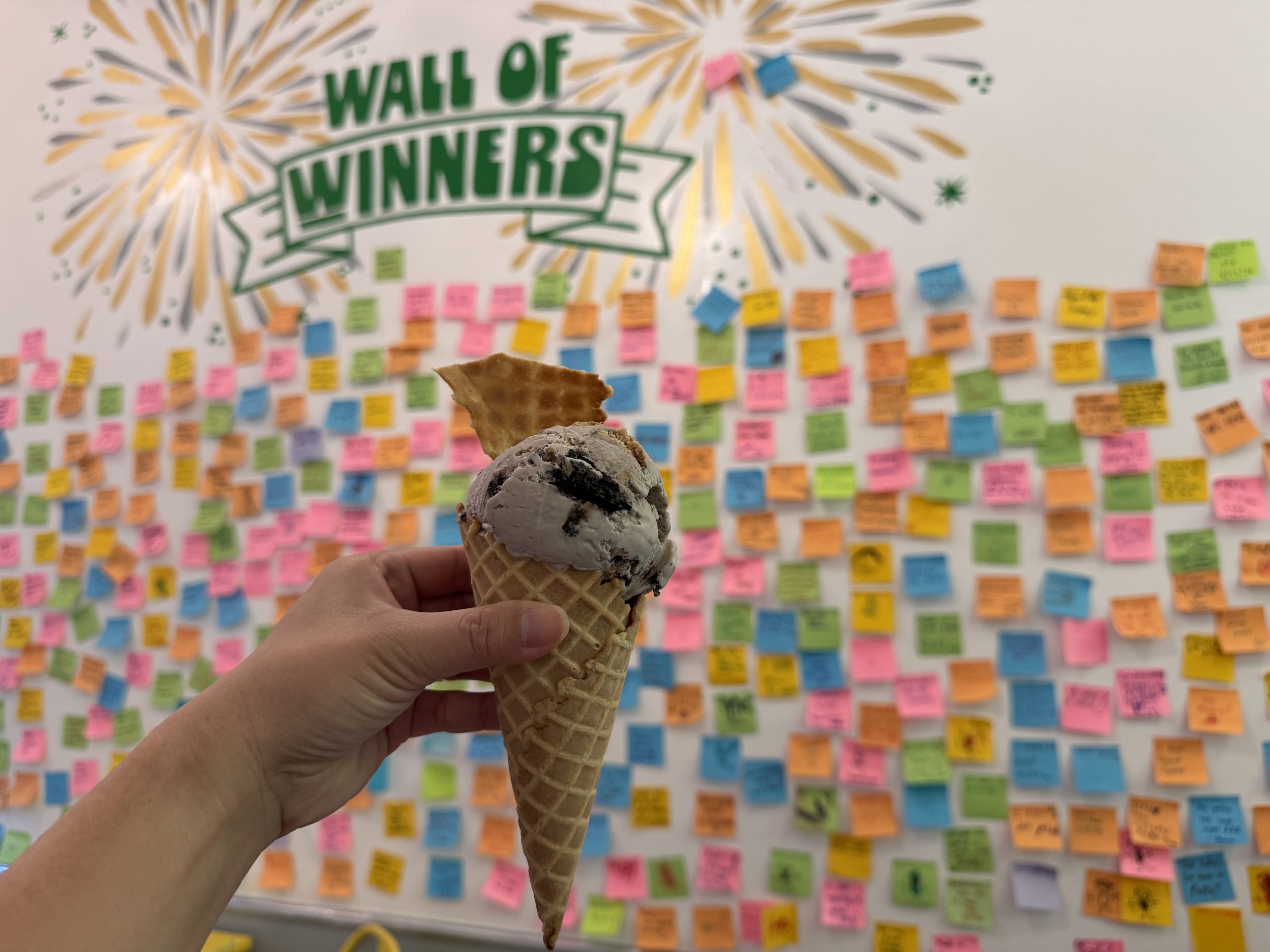
    Cookies and cream dream in a waffle cone at Winners Ice Cream in Graduate Hospital.Kiki Aranita

    The Grad Hospital boom is powered by nimble operators with no need for the ventilation systems required at most full-service restaurants. Thus, they are able to launch after footing comparatively light construction costs.

    “We’re two months in and it’s been awesome,” said Anh Nguyen, the owner of Winners. “Many are saying Grad Hospital needed an ice cream shop, so I’m happy we opened here.”

    Nguyen’s clientele consists mostly of neighborhood residents and families. He hopes to attract more customers from outside the area. “My aim is to win the block, then win the city. I love being the neighborhood ice cream parlor — somewhere for families to go celebrate and make memories.”

    Though Nguyen currently lives in Roxborough, he hopes to move. “I’ve fallen in love with Grad Hospital since being here and everyone I’ve met has been so welcoming and encouraging.”
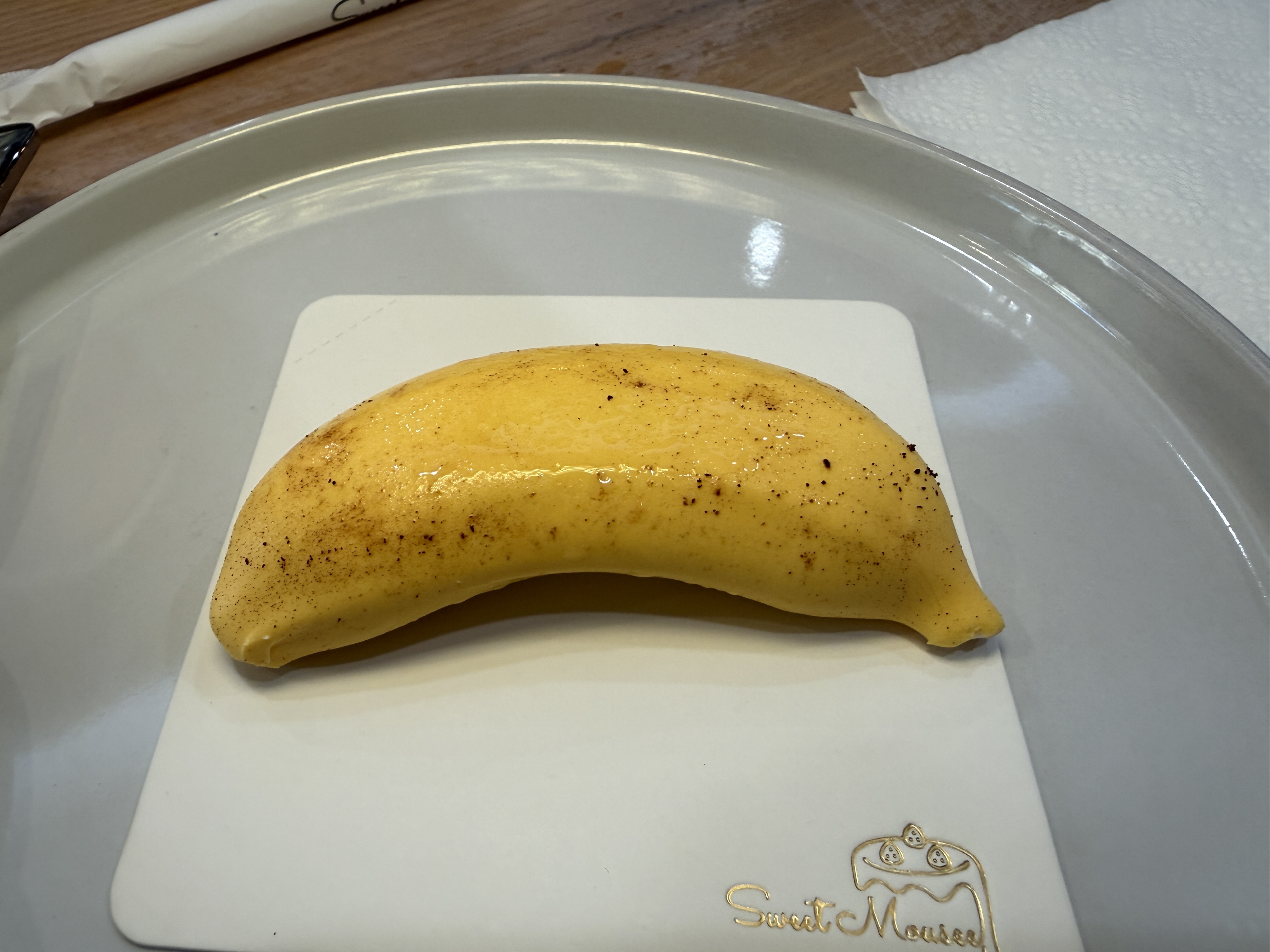
    The dark chocolate banana mousse cake from Sweet Mousse in Graduate Hospital.Kiki Aranita / Staff /

    Little treats are massively impacting a neighborhood that, until this year, was stalled in gentrification. Once primarily home to working-class Black residents, Grad Hospital fell into disrepair when the manufacturing industry declined in Philadelphia. The neighborhood gentrified rapidly between the late 1990s and early 2010s due to city tax abatements and proximity to University City and Center City. According to a study by Pew Charitable Trusts, Graduate Hospital experienced the most dramatic changes in racial composition in Philadelphia in the early aughts: “[Graduate Hospital’s] total Black population fell from 7,793 in 2000 to 3,450 in 2014. During the same period, the number of white residents more than tripled in the neighborhood.”

    The wave of redevelopment, new construction, and gentrification brought comparatively few small businesses and restaurants. Unlike South Philly and Fishtown, Grad Hospital has no established restaurant corridor.
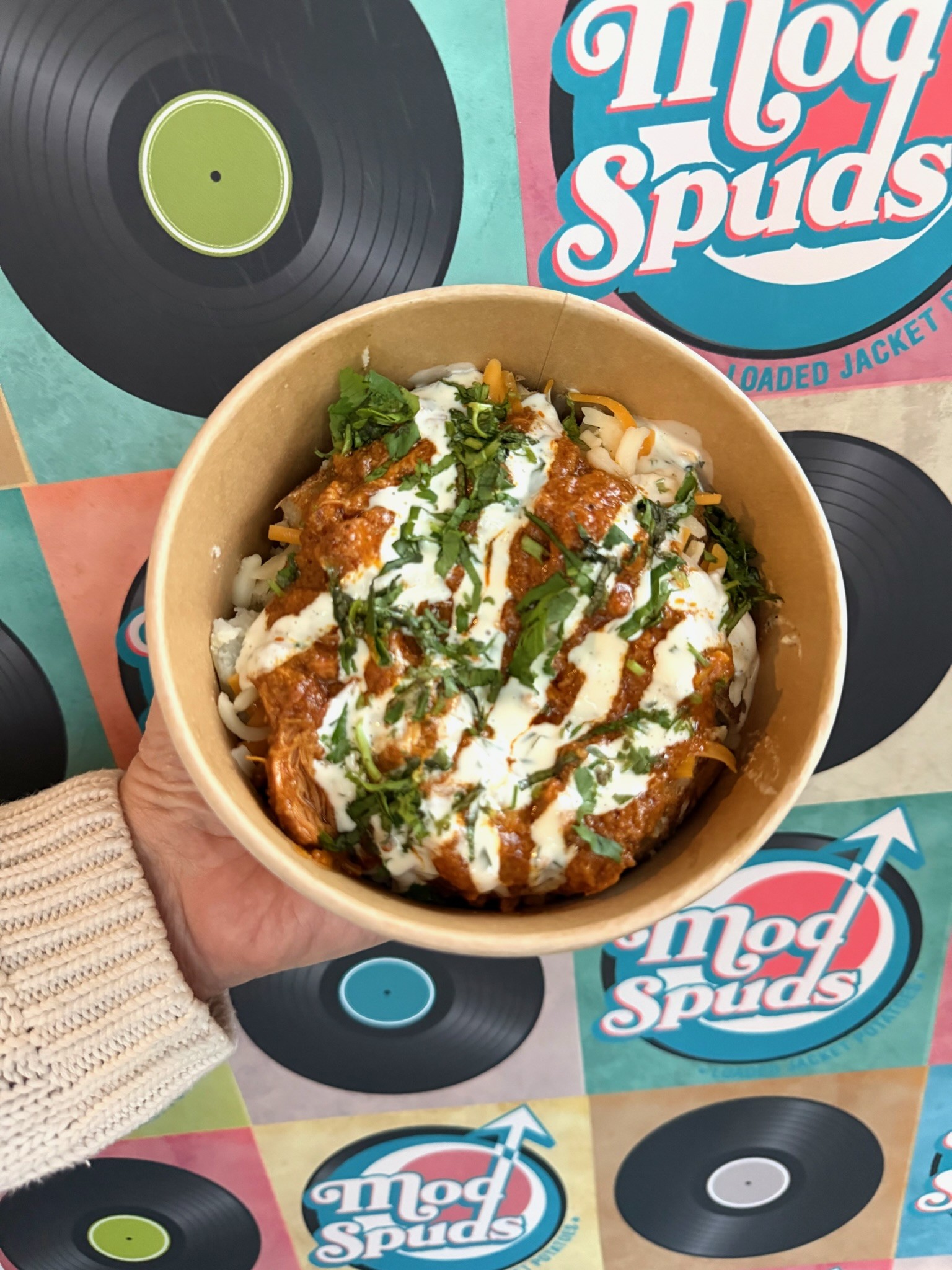
    A Malaysian spud from Mod Spuds.Courtesy of Mod Spuds

    “Mod Spuds [on the 1400 block of South Street] needed a place that is a fine balance between good traffic, neighborhood-y, and affordable,” said Branca, who said that the location was perfect despite (or even because of) being a “less desirable block.” Its limited kitchen space, which does not allow for an exhaust hood, kept her rent down. It was only after Mod Spuds opened that Branca realized she was right on Grad Hospital residents’ commute home from jobs in Center City.

    The neighborhood has also beckoned “empanada queen” Jezabel Careaga, who had left as a business owner, but not as a resident, in 2018. Technically, Careaga’s original Argentine bakery, Jezabel’s, was in Fitler Square, but now she is reopening it at 617 S. 24th St., right on the cusp of Grad Hospital. Careaga’s empanadas and alfajores helped define Philly’s little treat scene long before the culture acquired its tagline.

    “Graduate Hospital has changed so much since I first came to this neighborhood, but what is really special to me is seeing the generations grow up here,” said Careaga, who has lived in the neighborhood since 2010. “It feels like I’m creating a little piece of the memory I had with my grandmother, right here in my own neighborhood.”
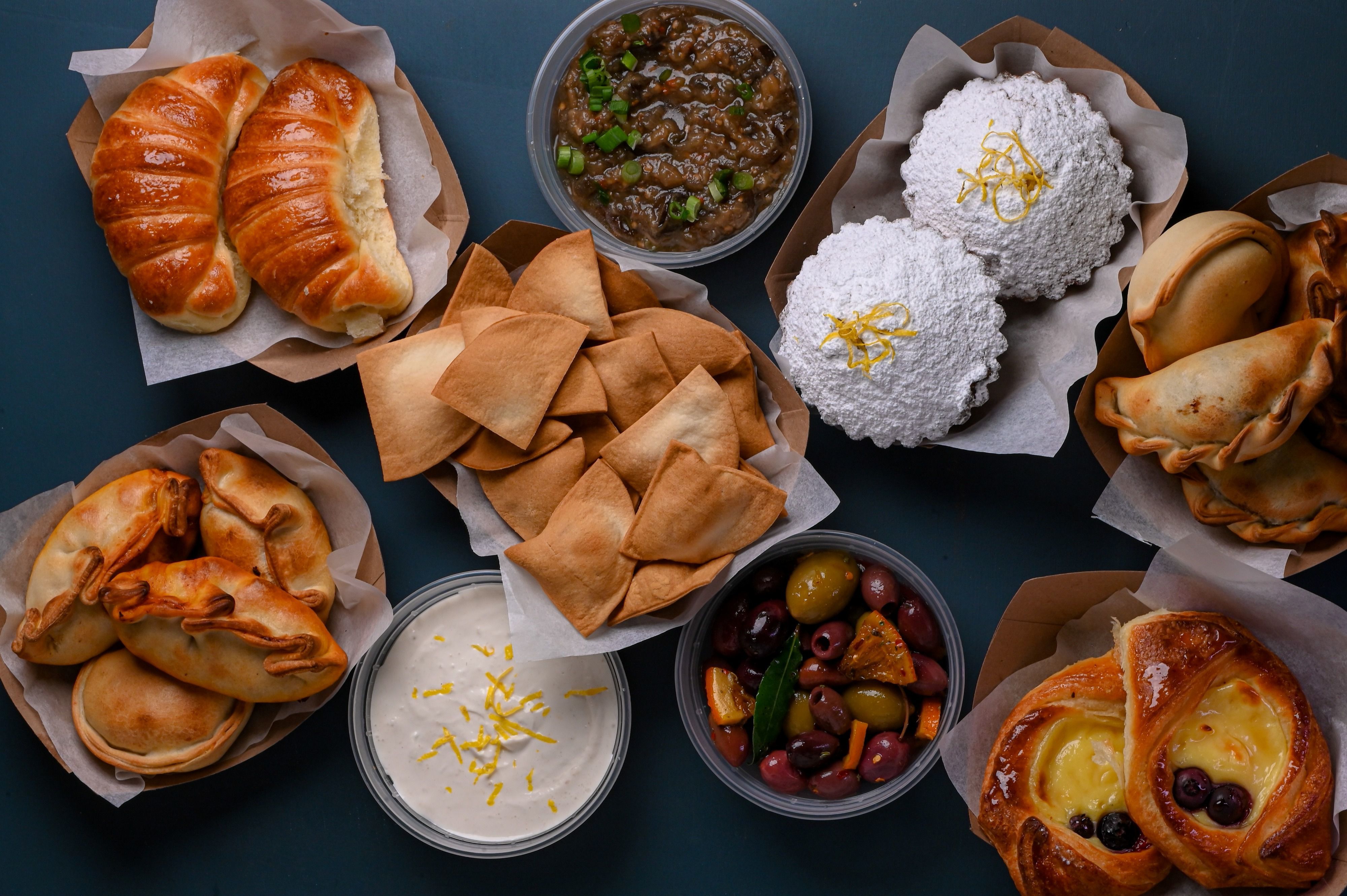
    Assorted dishes from Jezabel Careaga, including empanadas, medialunas, escabeche, ricotta cake, facturas, olive oil crackers and preserved lemon labneh.Lucas Careaga / Innprodev Agency

    The same children who would stop at her bakery after school are now grown up — some have even asked her for jobs. “And now I’m seeing them with children of their own, stopping by our bake sales with their little ones,” said Careaga. “It makes me so happy to think that the traditions we started years ago can continue with another generation.”
  • Here’s the key to pairing red wine with barbecue

    Here’s the key to pairing red wine with barbecue

    With only a few weeks of peak barbecue season left and Labor Day weekend around the corner, there’s no better time to stock up on wines like this one that are equipped to handle a rack of ribs.

    Red wines and red meats go together so well that it’s tempting to think that anything goes as long as the colors match. If you’re a fan of leaner, drier reds from places like Italy or France, it’s helpful to know that they will not taste their best with barbecue sauce. With only a handful of fruity exceptions like valpolicella or Beaujolais, those combos are almost guaranteed to clash due to the ultra-dryness of most European classic reds and the sticky sweetness of most barbecue sauces.

    Red wines from the Americas or the southern hemisphere are better equipped for barbecued ribs, chicken, or even BBQ-flavored chips because they taste so much riper and register as sweeter, even when their actual sugar content is almost as low.

    Bold red blends from California are a great choice for barbecues because, in addition to tasting less dry and more fruit-forward, they align nicely in other dimensions as well. Most are quite intense in their concentration of flavor and almost all feature prominent oak flavors that harmonize with the smoky taste of barbecue sauce.

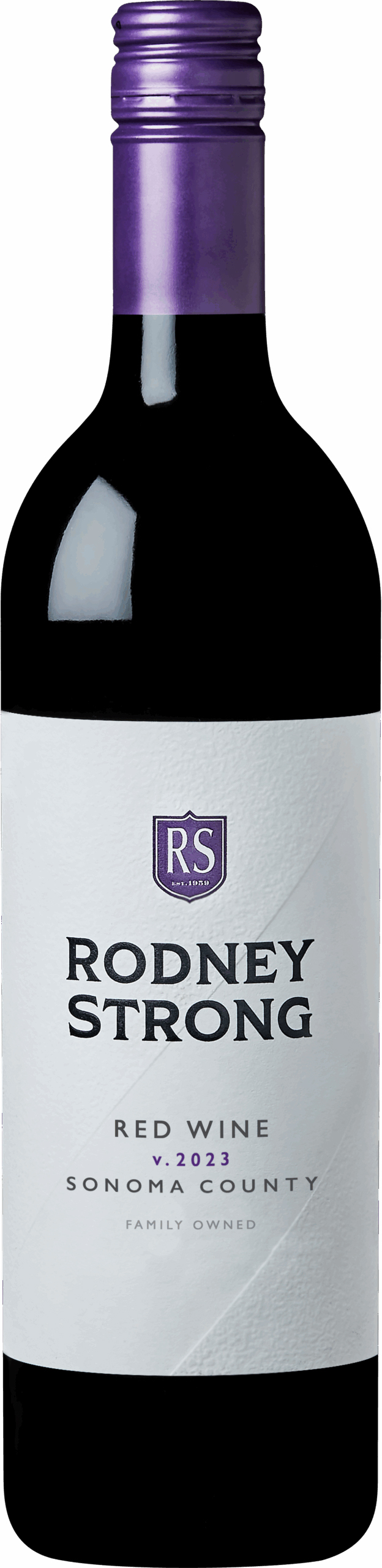
    Cheaper reds may acquire oaky flavor through the use of extracts or wood chips, but premium wines like this Sonoma red blend from Rodney Strong get their oak taste the old-fashioned way — by aging in newly toasted oak barrels. Here, grapes like merlot and cabernet sauvignon contribute a blackberry backbone while jammier malbec and zinfandel add a sweet black cherry component. The result is a robust blend that is juicy enough to handle ribs and all the other barbecue staples, but still dry enough for red wine lovers to sip on and enjoy by itself.

    Rodney Strong Red from Sonoma County.Rodney Strong

    Rodney Strong Red

    Sonoma County, California; 14.5% ABV

    PLCB Item #96511

    On sale for $18.99 through Aug. 31 (regularly $22.99)

    Also available at: Canal’s in Mt. Ephraim, N.J. ($15.49; mycanals.com), Hopewell Super Buy Rite in Pennington, N.J. ($15.49; buyrite.wine), Moorestown Super Buy Rite in Moorestown, N.J. ($15.99; moorestownbuyrite.com)

  • Small Idaho town absolutely not known for cheesesteaks will attempt to ‘unofficially’ beat Philly cheesesteak record

    Small Idaho town absolutely not known for cheesesteaks will attempt to ‘unofficially’ beat Philly cheesesteak record

    A restaurant group in Idaho is determined to reclaim what it insists was theirs to begin with: a world record involving cheesesteaks.

    On Sunday, Happy Day Restaurants — a company with a slate of eateries across the Gem State — is hosting an event where they’ll attempt to assemble the longest cheesesteak.

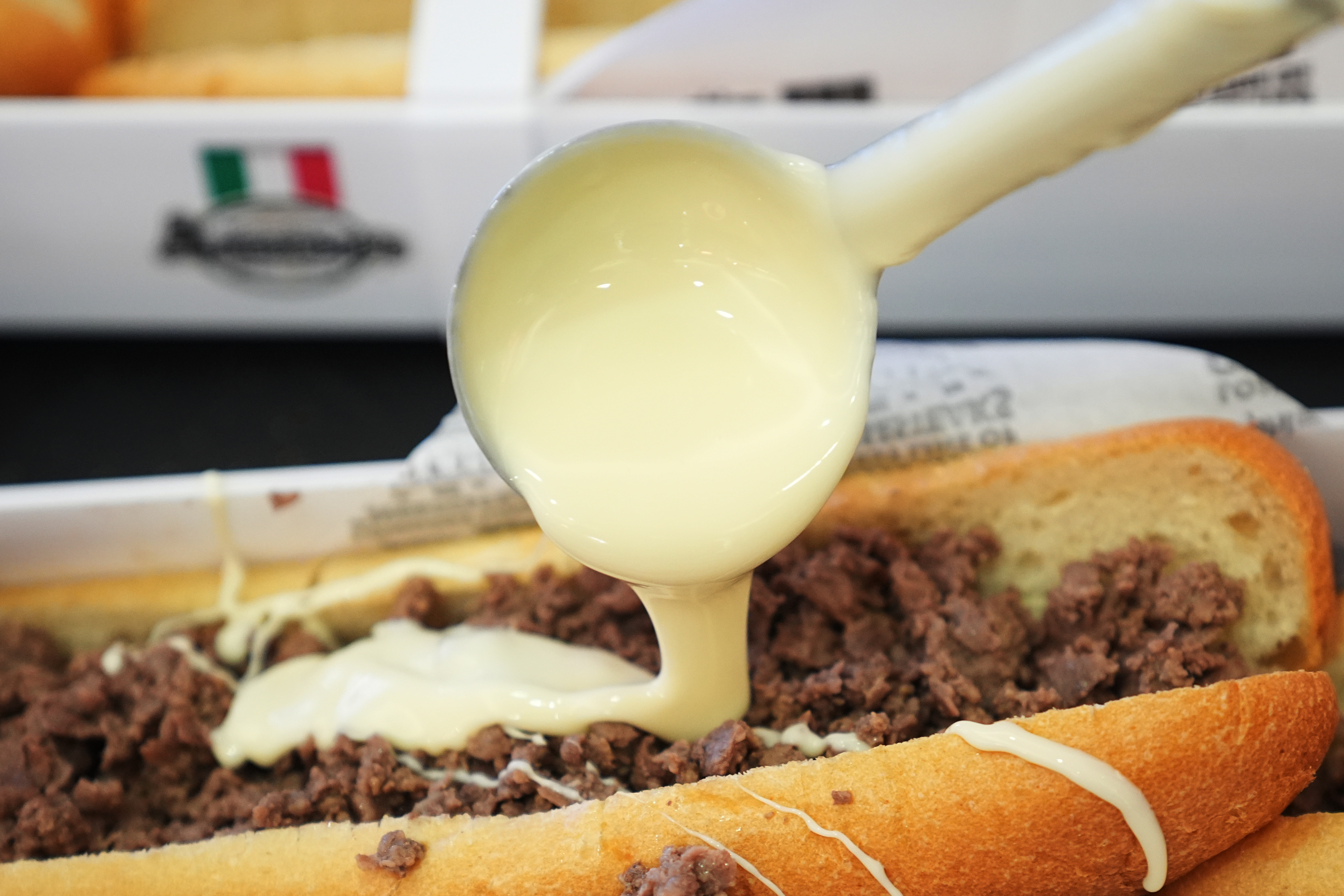
    It was only earlier this year that Philadelphia claimed that record with a massive event at Philadelphia International Airport, piling nearly 1,000 pounds of rib-eye atop Amoroso rolls as far as the eye could see.

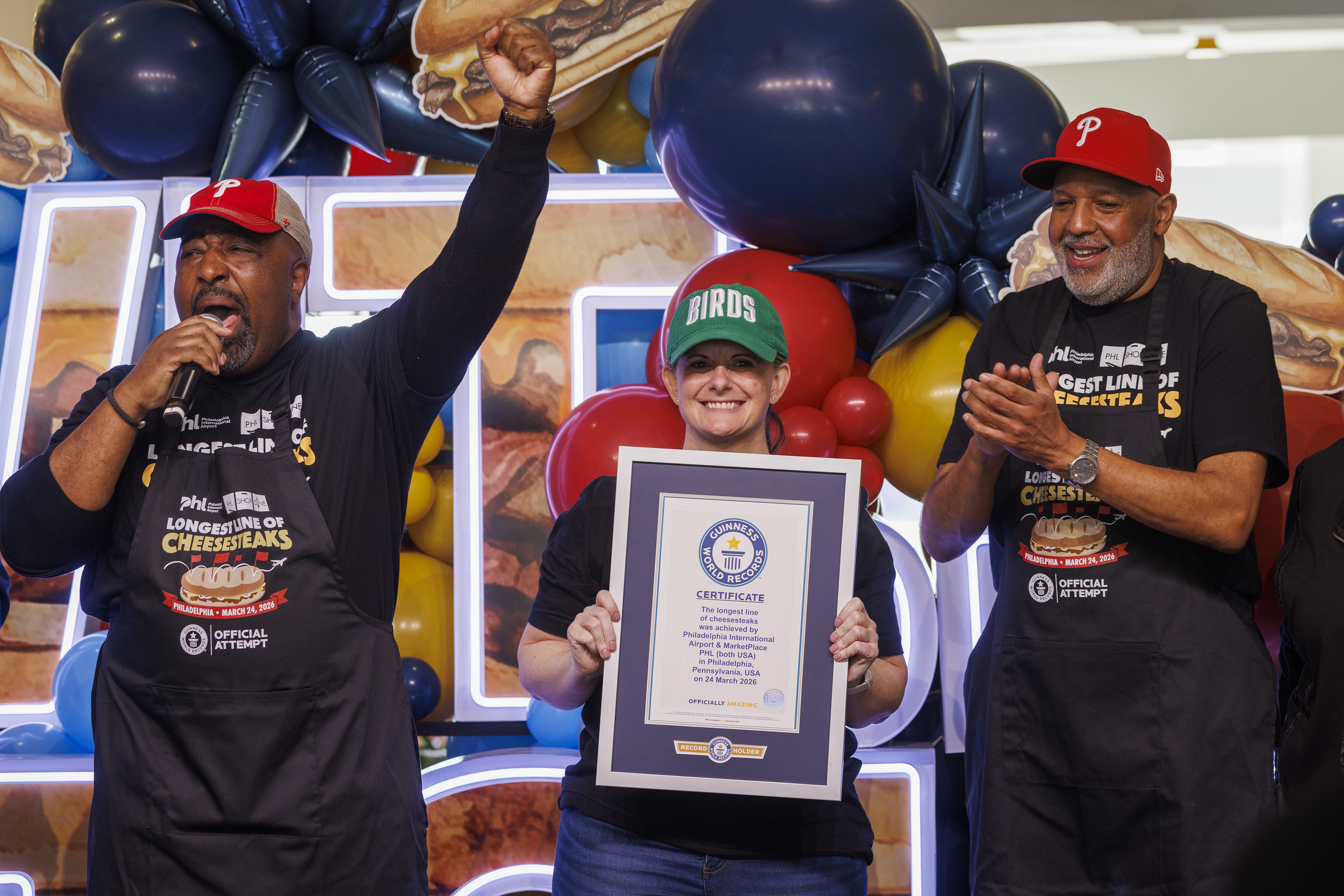
    Philly ended up setting an official Guinness World Record that fateful March day, with about 1,291 cheesesteaks stretching out about 1,271 feet. It’s worth noting that Philly’s cheesesteak line was the inaugural record for that category, according to a Guinness World Records adjudicator who spoke with The Inquirer.

    But, over the years, others have attempted unofficial cheesesteak records — including Idaho.

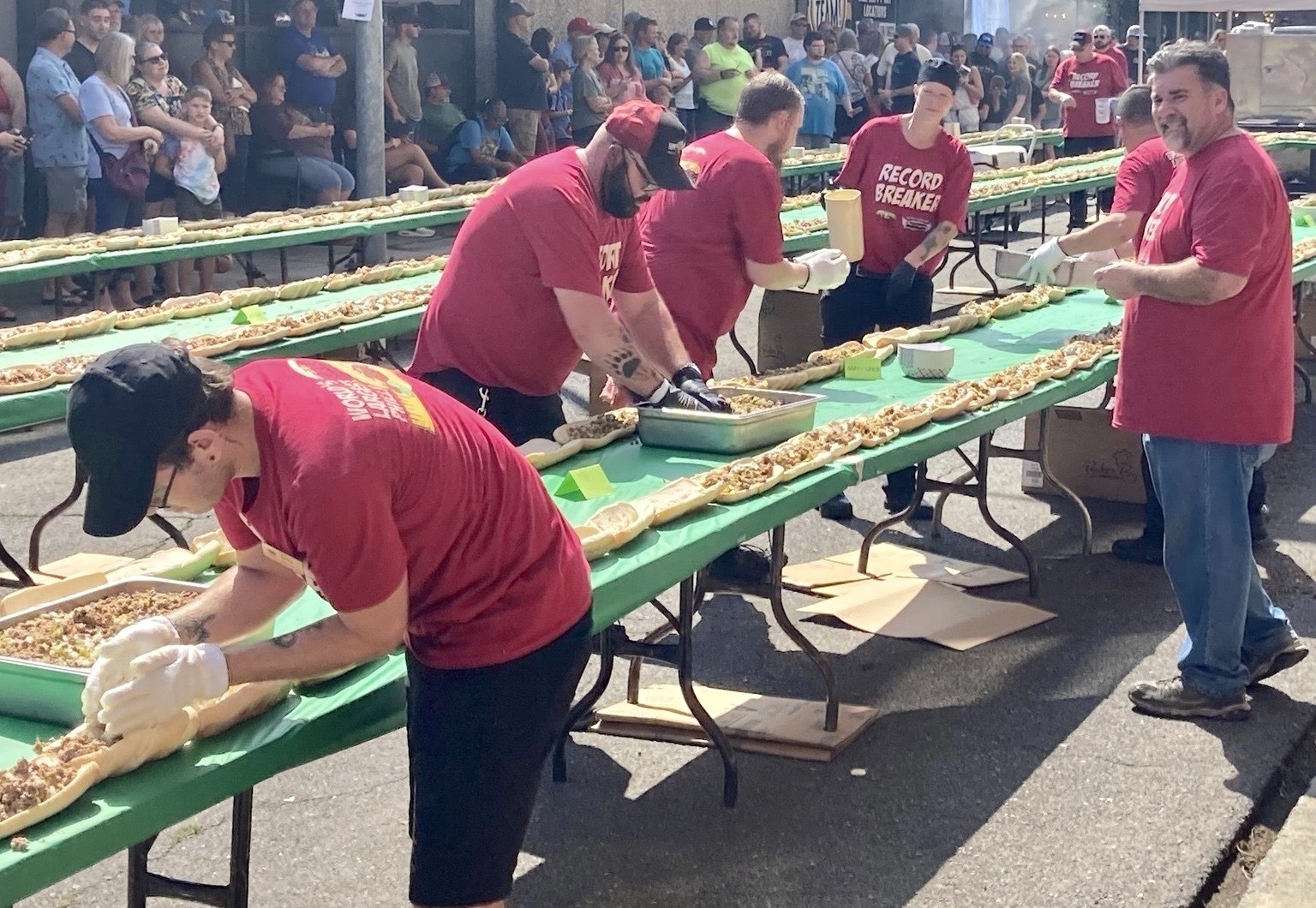
    Main Street Grill in Lewiston, Idaho, made a 700-foot cheesesteak on August 26, 2023. Until March, it held the unofficial world record for the longest cheesesteak.Frank Webster

    In 2023, the Main Street Grill in Lewiston, Idaho, (operated by Happy Day Restaurants) completed a 722-foot line of cheesesteaks as part of a fundraiser event for the regional Boys and Girls Club. Locals took bragging rights and observers (including The Inquirer) admitted at the time that the sandwich line appeared to be a record-holder. But it was all under “unofficial” terms.

    Now, let’s fast-forward to this week.

    The bad news: Lewiston, Idaho, is coming for Philly’s newly established “longest cheesesteak” world record. The good news: It’s still unofficial and the proceeds are going to charity — which is kind of hard to bash.

    According to a statement from Happy Day Restaurants, participants are aiming to break Philly’s record with an attempt of a 1,350-foot Philadelphia cheesesteak (notably, not called an Idaho or Lewiston cheesesteak).

    The event will again benefit the local Boys and Girls Club with $10 sandwich tickets. In 2023, the fundraiser raised more than $10,000 for the organization.

    This year’s attempt is also an effort to showcase local agriculture and food production infrastructure.

    All of the cheesesteak ingredients, from the beef and veggies (including — gasp — peppers!!!) to the rolls, are being sourced locally for Sunday’s installation.

    “It’s a demonstration of what our local food system can do,” the restaurant group said in a statement. “The hardest part of farming isn’t always growing the food. For small and medium-sized farms, one of the biggest challenges isn’t necessarily production. It’s finding someone who will reliably buy what they grow.”

    The Lewiston cheesesteak line will include:

    • 1,350 rolls with regenerative grain from Cottonwood, Idaho.
    • 720 pounds of beef processed at a local USDA butcher shop (a 50/50 blend of Idaho beef and supplemental supply, citing summer heat impacting processing capacity).
    • 275-plus pounds of onions and peppers grown regionally in Lewis-Clark Valley.
    • 64 gallons of “cheese sauce” (their words not ours).
    From left: Clarence LeJeune, Dana Krawchuk, marketing and guest experience manager for Marketplace PHL, and Mel Hannah, vice president and general manager of Marketplace PHL, with the award from Guinness World Records for a record-setting cheesesteak assembled at Philadelphia International Airport on Tuesday, March 24, 2026.Alejandro A. Alvarez / Staff Photographer

    Asked for comment on Lewiston’s attempt to break Philly’s record, PHL sends its regards.

    “As the first and current official Guinness World Record holder for ‘Longest Line of Cheesesteaks,’ MarketPlace PHL and the 18 restaurants serving cheesesteaks at Philadelphia International Airport send our very best wishes to Lewiston, Idaho,” Dana Krawchuk, MarketPlace PHL’s marketing manager who organized the airport’s spring record-breaker, said. “In partnership with all the Philly purveyors who supplied ingredients for 2026’s National Cheesesteak Day celebration honoring TSA workers at PHL and making Philly history … We just gotta ask the people of Lewiston, wit or witout?”

  • Some of Philly’s oldest restaurants are closing or changing hands. What’s going on?

    Some of Philly’s oldest restaurants are closing or changing hands. What’s going on?

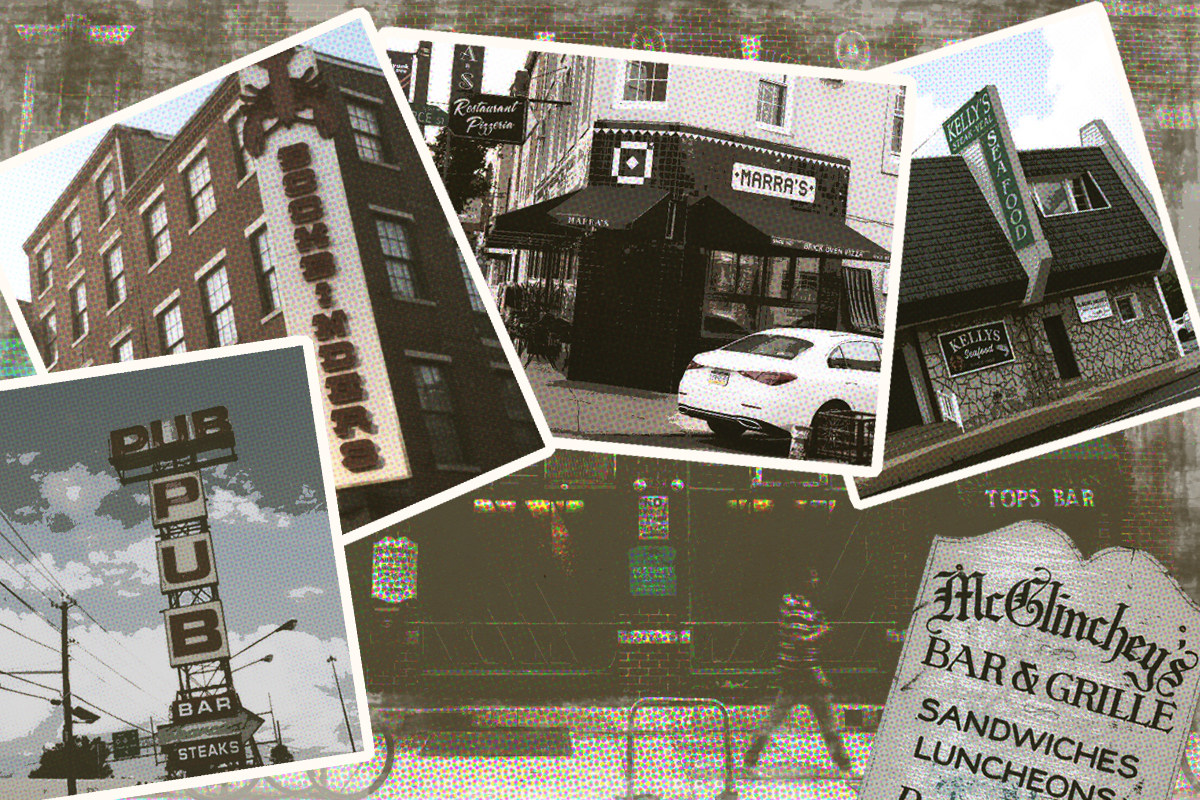
    An unusually visible collection of Philadelphia-area restaurant institutions is reaching a turning point at the same time — with some closing for good and others seeking buyers as a generation of longtime owners reaches retirement age.

    At Kelly’s Seafood, the end is definite. The Northeast Philadelphia restaurant will close this month as its owners retire, ending a run spanning three generations of the Kelly family. So will Steve Stein’s Famous Deli, whose history in the Northeast also reaches back nearly 70 years.

    Elsewhere, the outcomes are less certain.

    Cherry Street Tavern has been around for a century at 22nd and Arch Streets.Tyger Williams / Staff Photographer

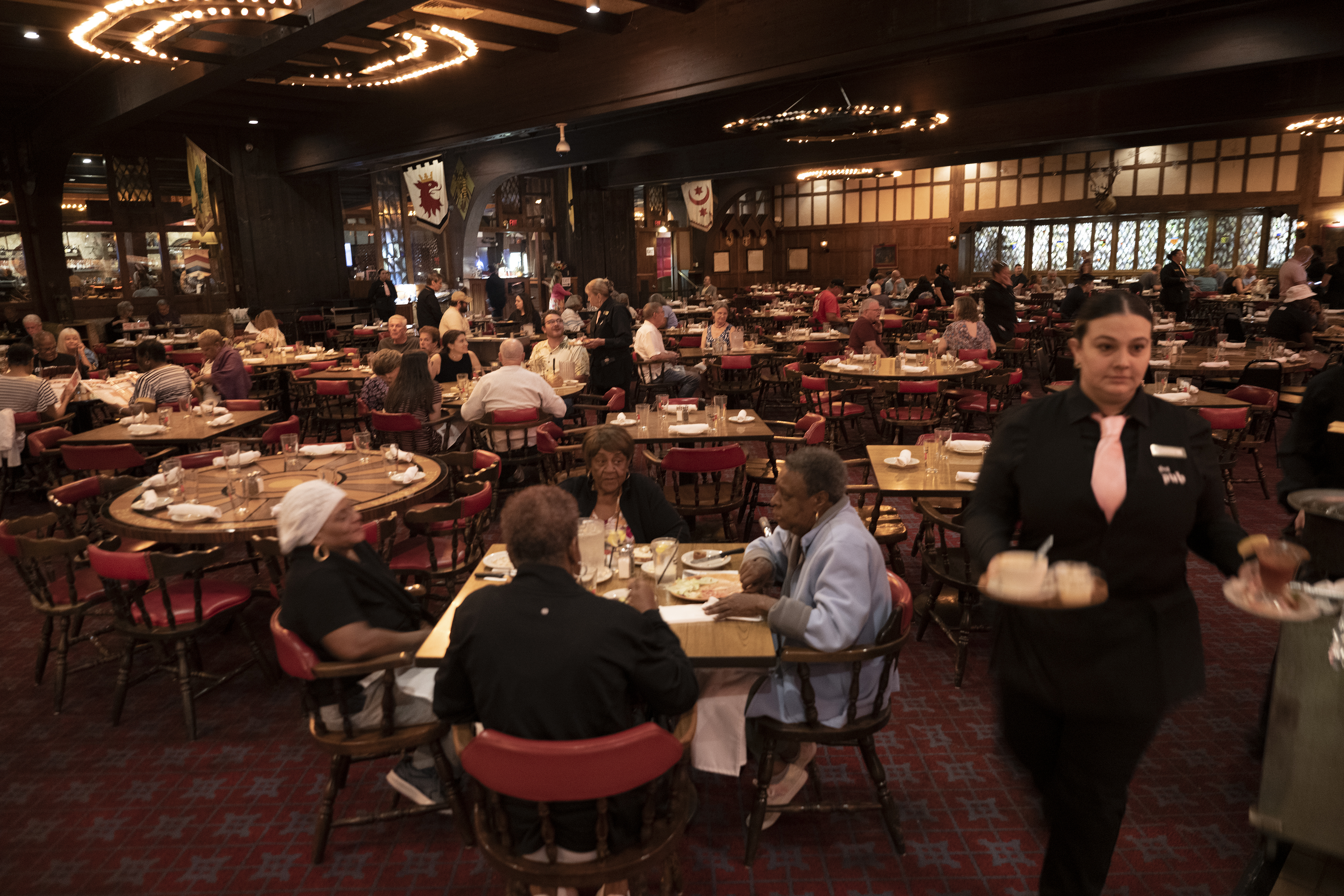
    The Pub, the sprawling Pennsauken steakhouse known for its open hearth, medieval decor, and thousand-plus seats, is on the market. The restaurant, which dates to 1951, is not closing: It is on its customary summer break and is scheduled to reopen Sept. 18.

    The owners of Cherry Street Tavern, the Logan Square bar that has operated for more than a century, are looking for a buyer after 50 years of stewardship by the Loughery family. The buildings that housed Mamma Maria’s, the East Passyunk Italian restaurant that opened in 1992, went up for sale this month. Aldar Bistro in Bala Cynwyd has been sold after 34 years and will give way to an Italian restaurant called Bruzi.

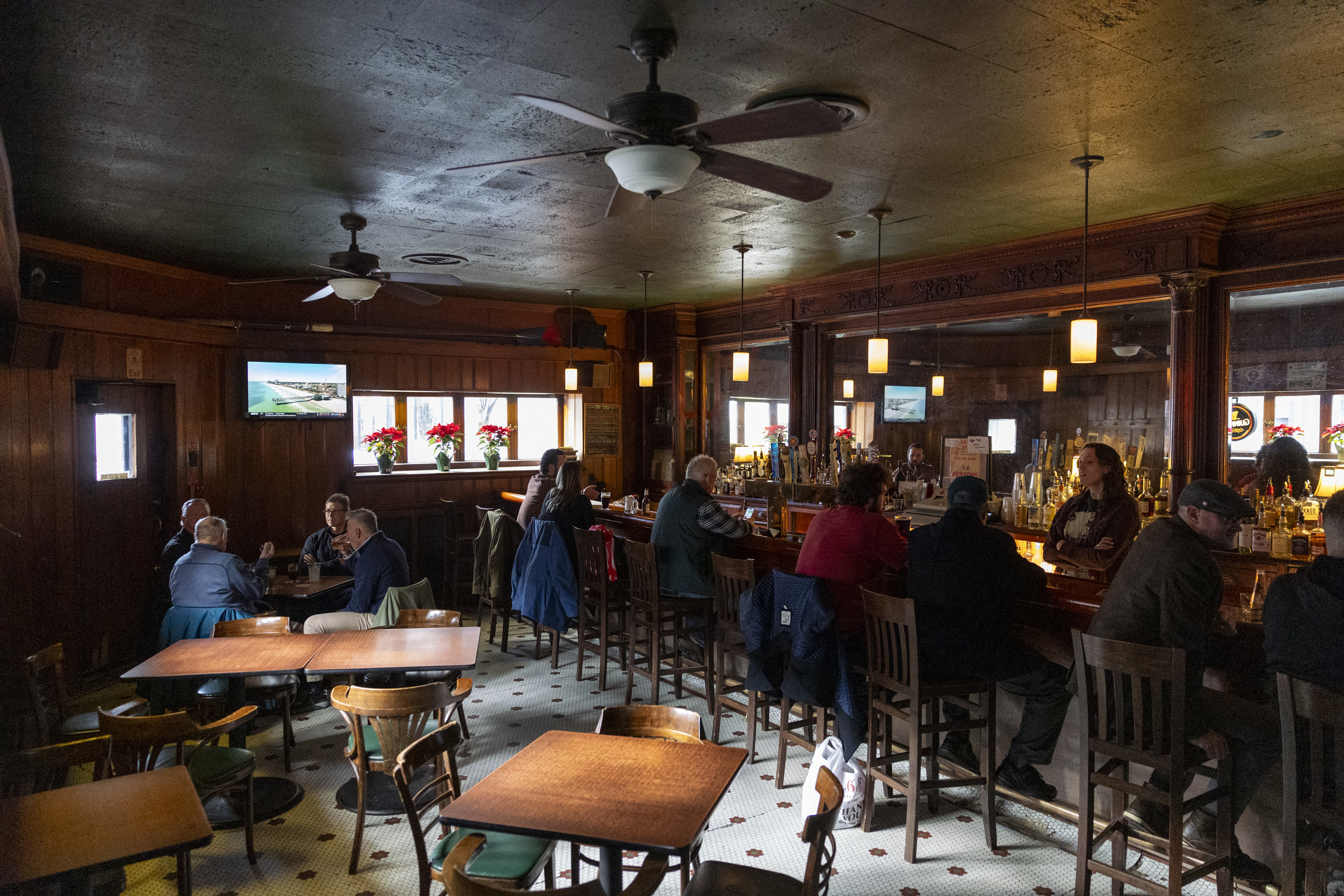
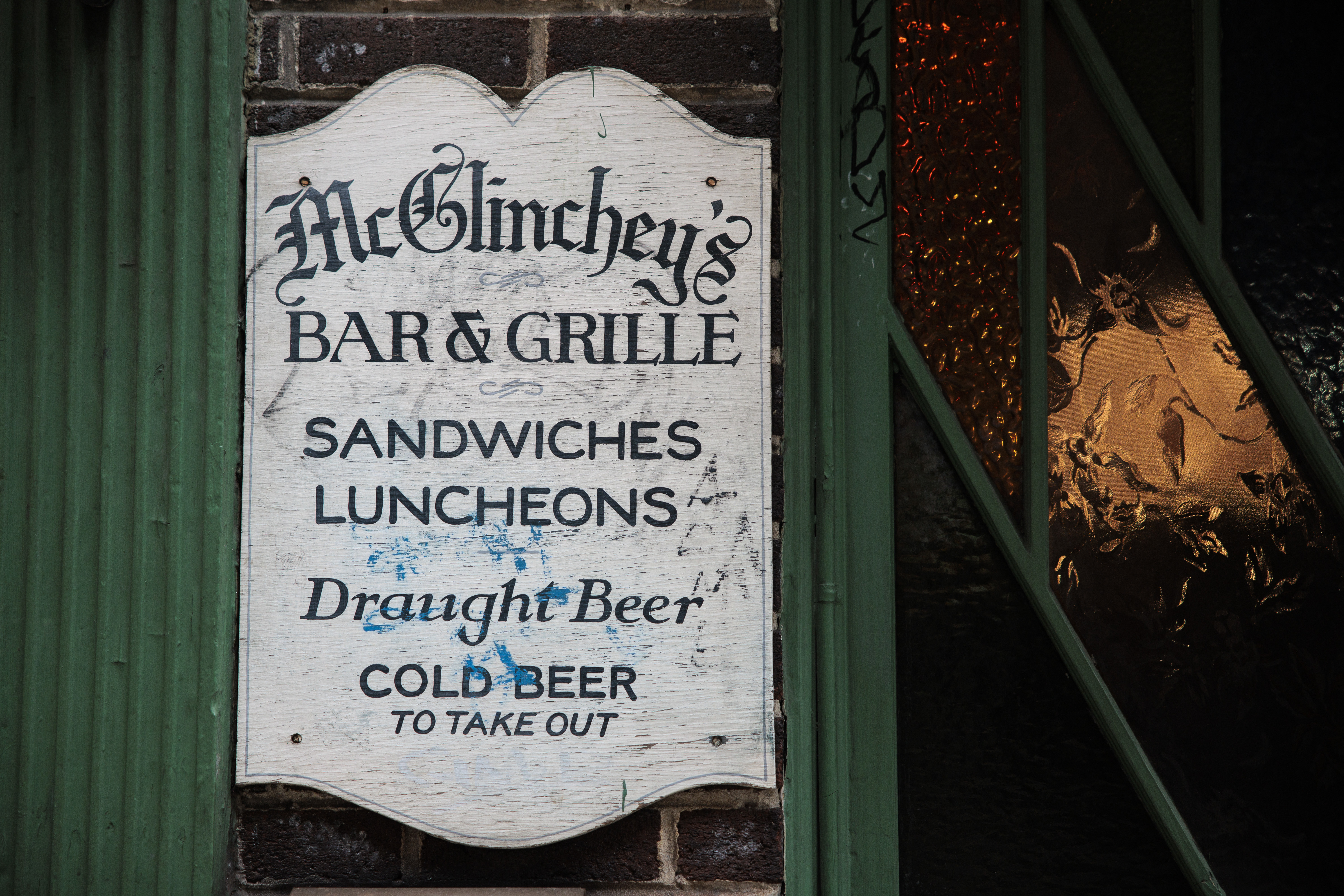
    McGlinchey’s, the Center City dive that closed last year after nearly 90 years, is back on the market after a prospective buyer walked away from a deal for the building.

    McGlinchey’s, at 259 S. 15th St., after its closing in August 2025.Monica Herndon / Staff Photographer

    And the nearly 40-year-old Jake’s & Cooper’s Wine Bar in Manayunk is being marketed for sale as owner Bruce Cooper looks toward retirement.

    Restaurants have always turned over, and the recent activity does not appear to reflect a restaurant market in retreat. The Inquirer counted 86 Philadelphia-area restaurant closings in 2025, while more than 100 new restaurants and bars were on the drawing board for 2026. What distinguishes many of the businesses now closing or being sold is their longevity: They survived for decades, weathering the pandemic and recent increases in food and labor costs, before their owners reached retirement.

    ‘The gray wave’

    People in the restaurant, liquor, and real estate businesses say the turnover is part of a broader generational transition among small businesses as longtime owners reach retirement without children interested in taking over.

    Jim Creed, handling Jake’s listing, calls it the “gray wave.”

    “You’ve got operators who have been in business 40 or 50 years, and they don’t have heirs who want to take over the business,” said Creed, a senior vice president with CBRE.

    His father, also Jim Creed, knows the issue from the other side. He opened Creed’s Seafood & Steaks in King of Prussia in 1982 and, at 78, has no immediate plans to sell. “I go to the restaurant every night,” he said. “It’s actually fun.” But when he does decide to close, he said, his children don’t want to take over.
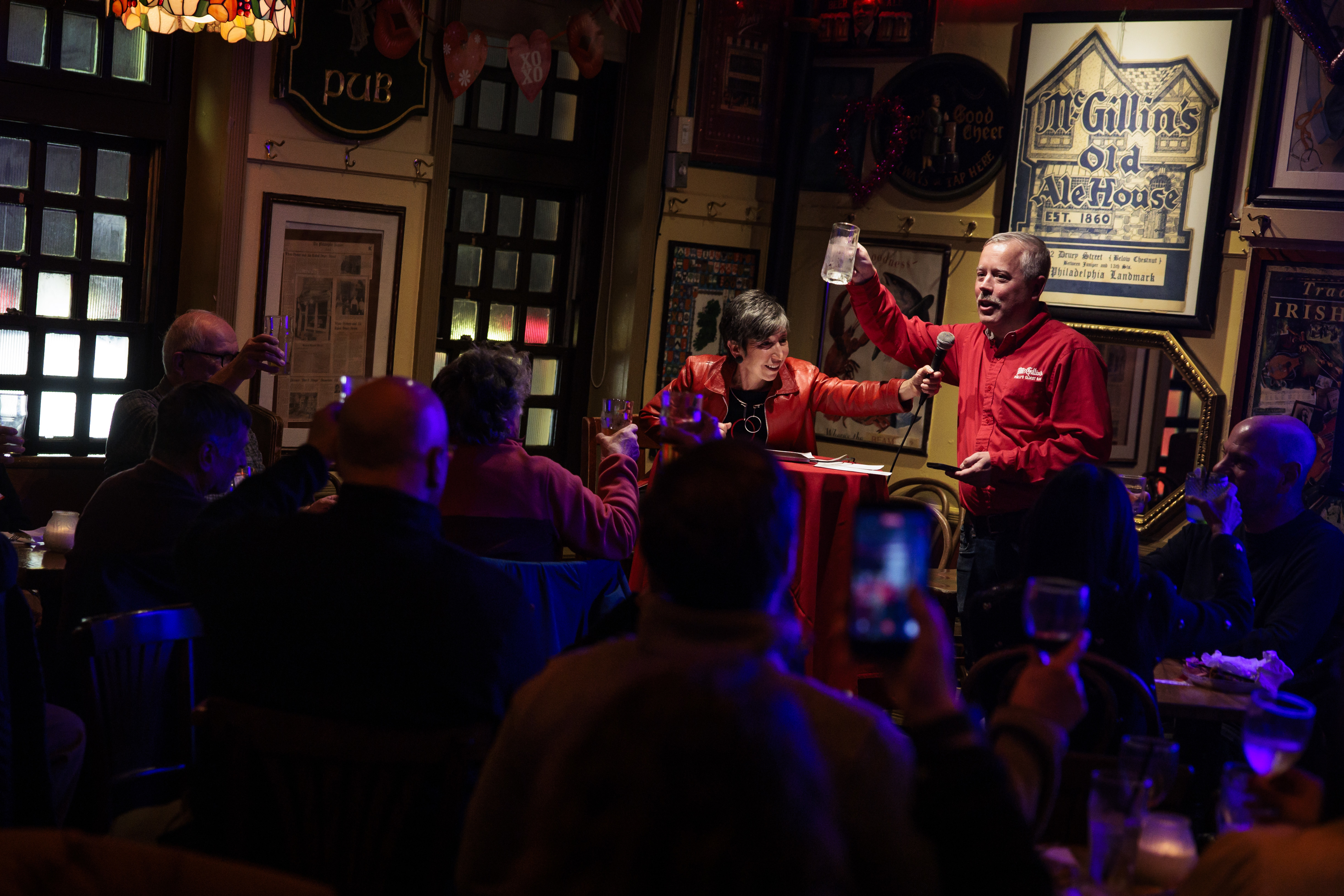
    For the counterexample, consider McGillin’s Olde Ale House in Center City. Open since 1860, it has survived through generations of owners; the Spaniak family has run it since 1958, with Chris Mullins Jr. now the third generation involved. There are no plans to sell. “It’s part of my DNA, part of our customers’ DNA, part of our staff’s DNA,” Mullins told The Inquirer this year.

    Irene Levy Baker and Chris Mullins Jr. lead a toast at McGillin’s on Tuesday, Feb. 3, 2026 in Philadelphia. Attendees gathered for a book talk on “Cheers to McGillin’s: Philly’s Oldest Tavern” on Tuesday.Monica Herndon / Staff Photographer

    Ed Taraskus has watched generations of restaurant and bar owners come and go over 50 years of practicing liquor licensing law. He could not say whether the current number of sales and closings constitutes a statistical trend, but said the succession problem is familiar.

    “The parents retire and the children don’t want to get into the business — because it’s a hard business,” he said.

    Taraskus said the hours can be punishing for small family operators. His clients also complain about finding employees willing to work nights and weekends. Drinking habits have changed, he said, and some businesses are still feeling the effects of the pandemic.

    Taraskus knows the succession question personally. His South Philadelphia family owned a small restaurant and tavern, but his father discouraged him from entering the business. When his parents retired in the 1960s, they sold.

    Real estate on the line

    Retirement can present a second question for operators who own their buildings: What, exactly, are they selling?

    A restaurant may have value as a going business, but decades of appreciation can make the underlying real estate a substantial part of an owner’s nest egg. Sometimes the economics favor a different restaurant — or an entirely different use.

    Douglas Green, a principal at commercial real estate brokerage MSC, said the value of restaurant real estate is closely tied to the sales a location can support and, consequently, the rent an operator can afford.

    “The more volume they do, the more rent they can pay,” Green said.

    That means a location can be worth more to another restaurateur if the existing operator is underperforming. And in some cases, Green said, a restaurant may no longer be the property’s most valuable use at all.

    “At some point, perhaps the building becomes obsolete,” Green said. “Perhaps the highest and best use of the real estate is no longer a restaurant.”
    Those possibilities are playing out among the region’s longtime establishments.

    The Pub restaurant near the former Airport Circle in Pennsauken in 2024.Jose F. Moreno / Staff Photographer

    At the Pub, the Gelman family is seeking a buyer for the restaurant and its roughly 6.3 acres on Kaighns Avenue near the former Airport Circle. The family has operated it since Marc Gelman bought it in 2000.

    “I don’t think there’s one thing in general why we’re selling, but it’s time for a new steward — if you will — of the business, or the property,” Marc’s son David Gelman said.
    At Cherry Street Tavern, at 22nd and Arch Streets, the Loughery family hopes to find a buyer who understands what generations of regulars value about the place.

    McGlinchey’s illustrates the other possibility. Its nearly 5,000-square-foot property at 259 S. 15th St. is listed for $2.45 million, including the liquor license, bars, and McGlinchey’s name, as either a turnkey bar and restaurant or a redevelopment opportunity.

    Decisions for buyers

    Creed said longevity itself can tell a prospective buyer something about a restaurant property.

    “Anytime you have operating longevity, that speaks to the real estate,” he said. “When you have a concept that has been in operation for 40 years, clearly the real estate has something to do with that, too.”

    The retirement of one operator does not necessarily mean the end of restaurant use.

    The former Mixto space is set to become the revival of South Philadelphia bar Toll Man Joe’s.Charles Fox / Staff Photographer

    Mixto closed July 12 after nearly 24 years at 1141 Pine St. Within weeks, restaurateur Lori Penrose bought the property and announced plans to revive her former South Philadelphia sports bar, Toll Man Joe’s, there.

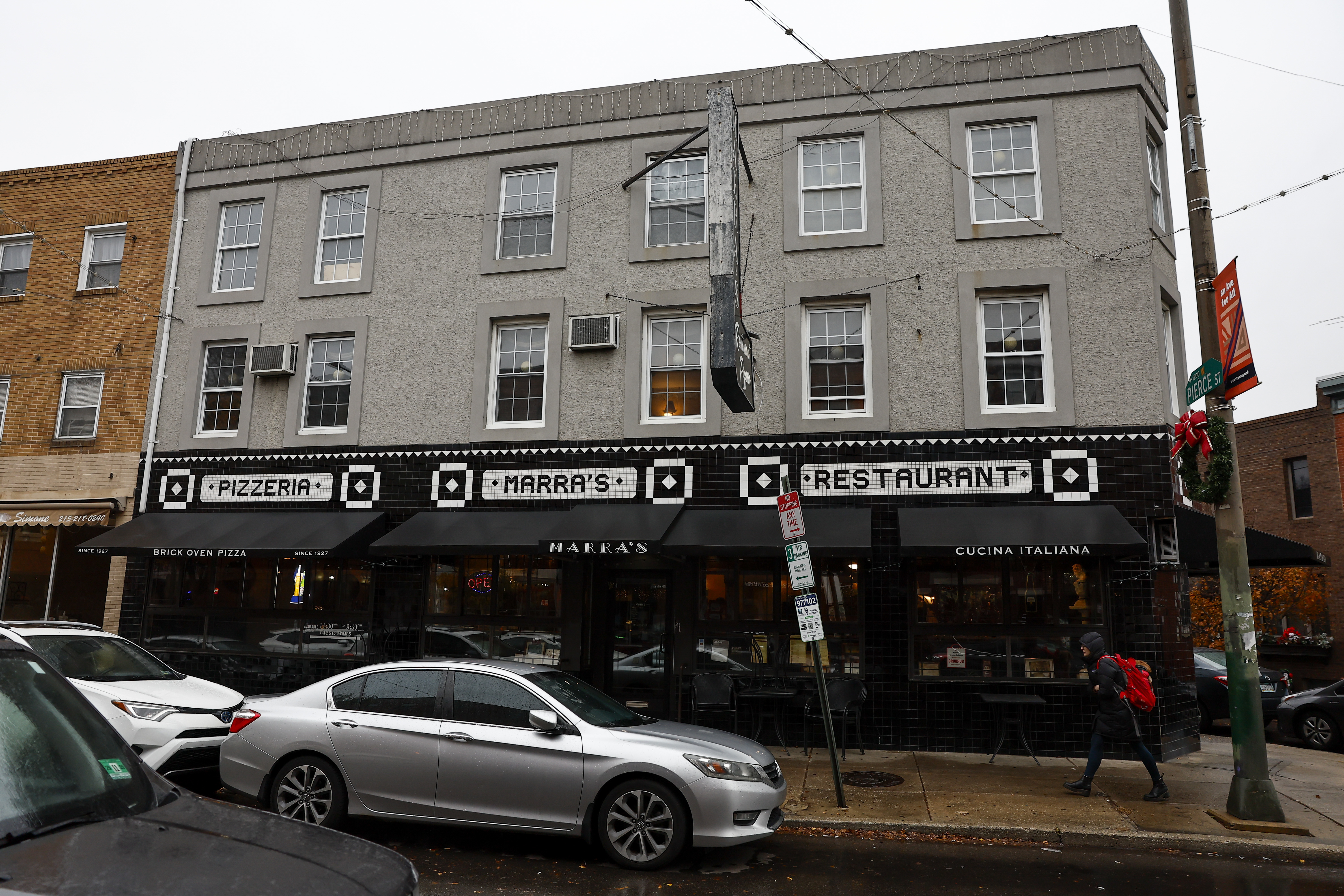
    Emei owner Dan Tsao has pursued that strategy on a larger scale. Over roughly a year, he acquired or leased four landmark restaurant properties: the former John Henry’s Pub in Ardmore, Marra’s on East Passyunk Avenue, the former Irish Pub in Rittenhouse, and the Old Original Bookbinder’s/Olde Bar property in Old City. All four are intended to remain in hospitality use.

    The exterior of Marra’s Restaurant on East Passyunk Avenue is due to become a branch of Dan Tsao’s burgeoning restaurant group. Monica Herndon / Staff Photographer

    “There are pros and cons to both,” Tsao said of taking over an existing restaurant rather than starting with a new space. “But with an existing restaurant space, especially a legacy restaurant, it already has a place in the neighborhood, and a place in the memories and hearts of generations of customers.”

    Such properties may also have much of the expensive infrastructure required to operate a restaurant.

    But for Tsao, the attraction isn’t purely economic.

    “I also like the idea of preserving some of that history,” he said, “while giving the space a new chapter.”

  • South Philly’s Tex-Mex mecca Taco Heart is expanding to Ardmore

    South Philly’s Tex-Mex mecca Taco Heart is expanding to Ardmore

    Taco Heart, South Philly’s hub for Texas-style breakfast tacos, is set to open in the Ardmore Farmers Market in October, bringing its fresh flour tortillas and Tex-Mex fare to the Main Line.

    Nano Wheedan, Taco Heart’s owner, said coming to Ardmore “seemed like the perfect next step for us” as the restaurant navigates its first expansion beyond South Philadelphia.

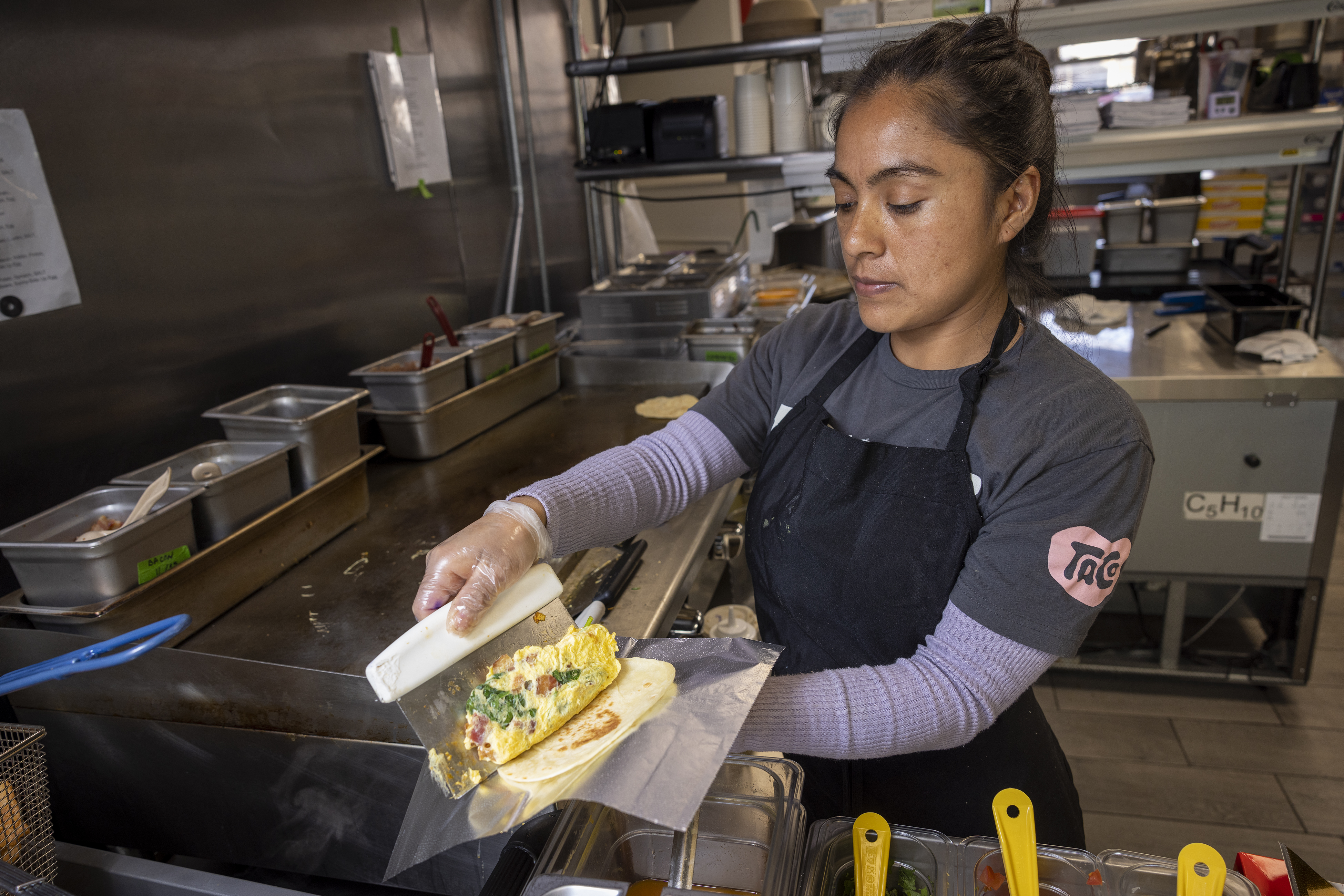
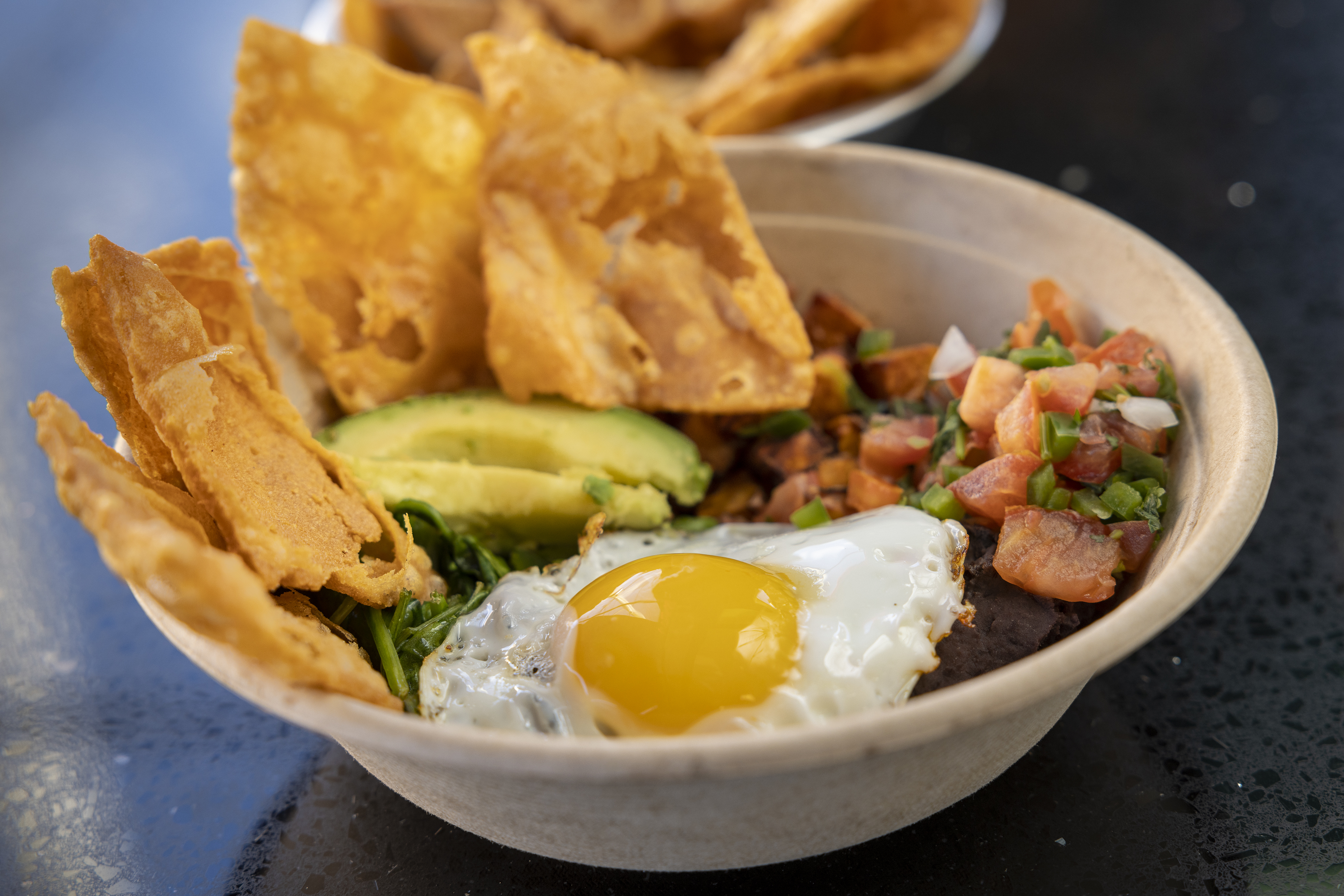
    Taco Heart’s menu is anchored by the tastes and textures familiar to anyone who’s stepped into a Texas-style taco restaurant before: egg, cheese, avocado, jalapeño, queso, refried beans, pico de gallo, steak, brisket. In addition to tacos, customers can order bowls served with house-made chips, quesadillas, sides of queso, desserts, and beverages, such as cucumber limeade and cold-pressed juice.

    Wheedan is a Philly native and Penn Charter grad who got schooled in breakfast taco culture during a 15-year stint living and working in Austin, Texas. There, he played music and was director of operations at Home Slice Pizza, where he befriended Philly bagel master Philip Korshak.

    Wheedan and his wife, Carinne, a Texas native, relocated to Philly during the pandemic. It was during the height of lockdowns that Wheedan set up a stand outside of his South Philly home, hawking breakfast tacos to neighbors. The ad hoc taco project later got the name Nano’s Tortillas, and Wheedan found a spot in the Bok Building, where he could cook and serve pickup orders. During this time, Wheedan also became an investor and business manager at Korshak’s namesake bagel joint, Korshak Bagels. (Korshak is now working on building Korshak Picnic Provisions, a corner shop built around hot dogs and house-made sourdough biscuits.)

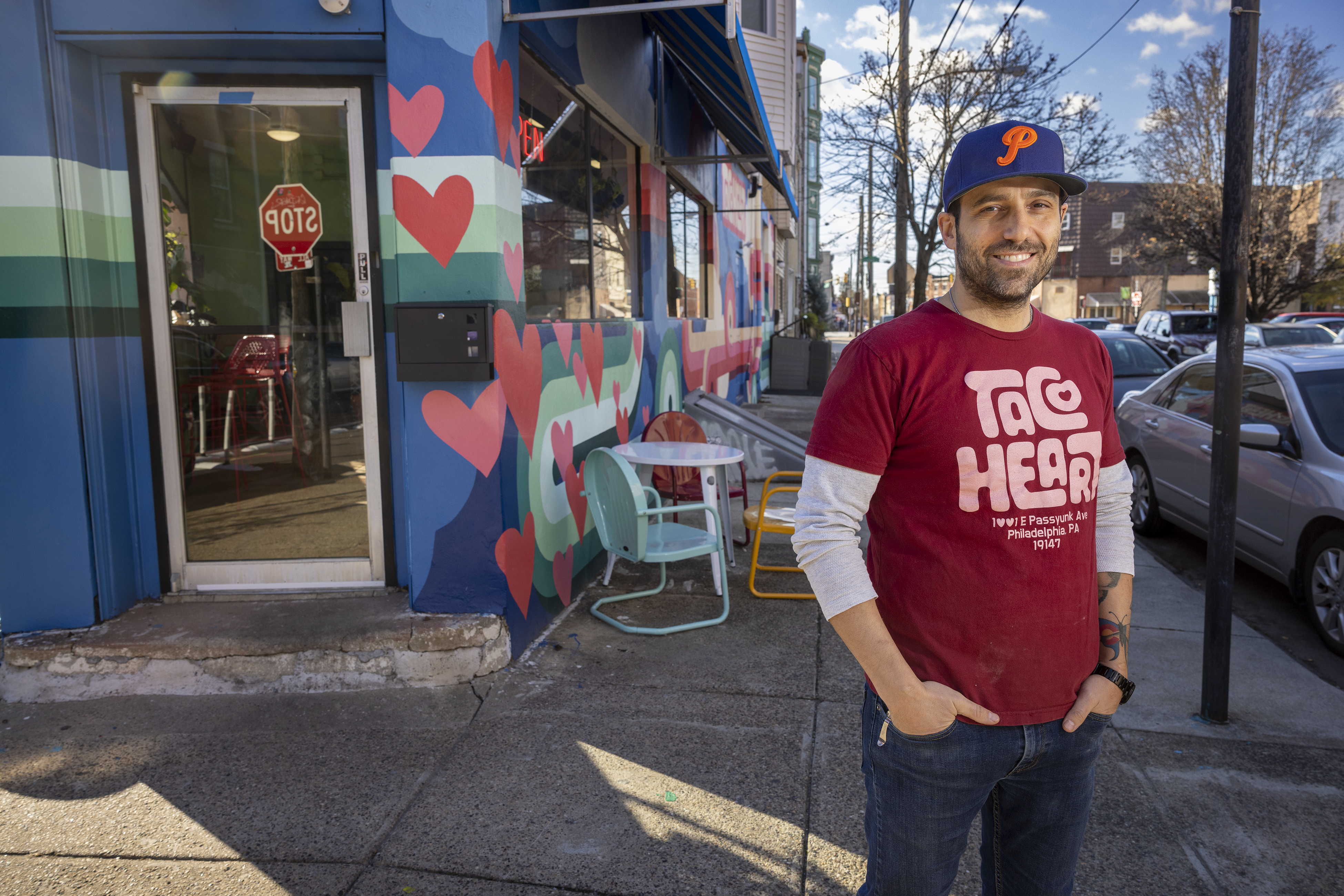
    In 2022, Taco Heart opened its doors in a polychromatic corner building on Seventh Street and Passyunk Avenue.

    Nano Wheedan, owner/chef Taco Heart, in 2022. Alejandro A. Alvarez / Staff Photographer

    For Wheedan, introducing Philadelphians to the Texas-style breakfast taco has been a tall task, but he’s been heartened by the reception, both from Philly locals and transplants from the Lone Star State, or “Tex-pats,” as he calls them.

    “There’s so many people with a connection to this food who have been missing it, and I am so grateful and moved when Texans tell me that they’ve finally found a piece of home at Taco Heart,” he said.

    It was in the last year that Wheedan felt Taco Heart finally “had its feet under itself,” and he began to think about what it would mean if he “took advantage of economies of scale” and opened a second location, using Taco Heart’s South Philly flagship as a prep kitchen at night. He was looking into opening his next location in the River Wards when the Ardmore Farmers Market approached him. The market offered a fully-functional kitchen setup, a solid base of foot traffic, and exciting culinary neighbors. He signed on.

    Taco Heart’s Morning Bowl. Alejandro A. Alvarez / Staff Photographer

    Large swaths of the market, located at Suburban Square, were left vacant earlier this year after Di Bruno Brothers shuttered multiple locations, including its outpost in Ardmore.

    Wheedan is planning to serve most of the same items in Ardmore as he does in South Philly. While some items like salsas, quesos, and refried beans may be prepared in South Philly and transported to Ardmore, Taco Heart’s signature flour tortillas will still be made fresh.

    Wheedan also hopes the expansion will allow Taco Heart to move into the world of catering: In Austin, getting breakfast tacos for the office is the equivalent of the East Coast bagel breakfast, he says.

    Taco Heart is set to open Oct. 5 at the Ardmore Farmers Market (120 Coulter Ave.).

    This suburban content is produced with support from the Leslie Miller and Richard Worley Foundation and The Lenfest Institute for Journalism. Editorial content is created independently of the project donors. Gifts to support The Inquirer’s high-impact journalism can be made at inquirer.com/donate. A list of Lenfest Institute donors can be found at lenfestinstitute.org/supporters.

  • Northeast Philadelphia is losing its last traditional Jewish deli

    Northeast Philadelphia is losing its last traditional Jewish deli

    Northeast Philadelphia’s last traditional Jewish delicatessen will close this weekend, ending a chapter in a food culture that for decades seemed inseparable from the area itself.

    Steve Stein’s Famous Deli, in Bustleton’s Grant Plaza, outlasted a food landscape once crowded with Jewish delis, bakeries, butchers, and other specialty shops. Its closing Sunday comes more than nine years after the finale of Jack’s Deli in Bell’s Corner, the Northeast’s penultimate deli. Like Stein’s, Jack’s combined a retail counter with a restaurant.

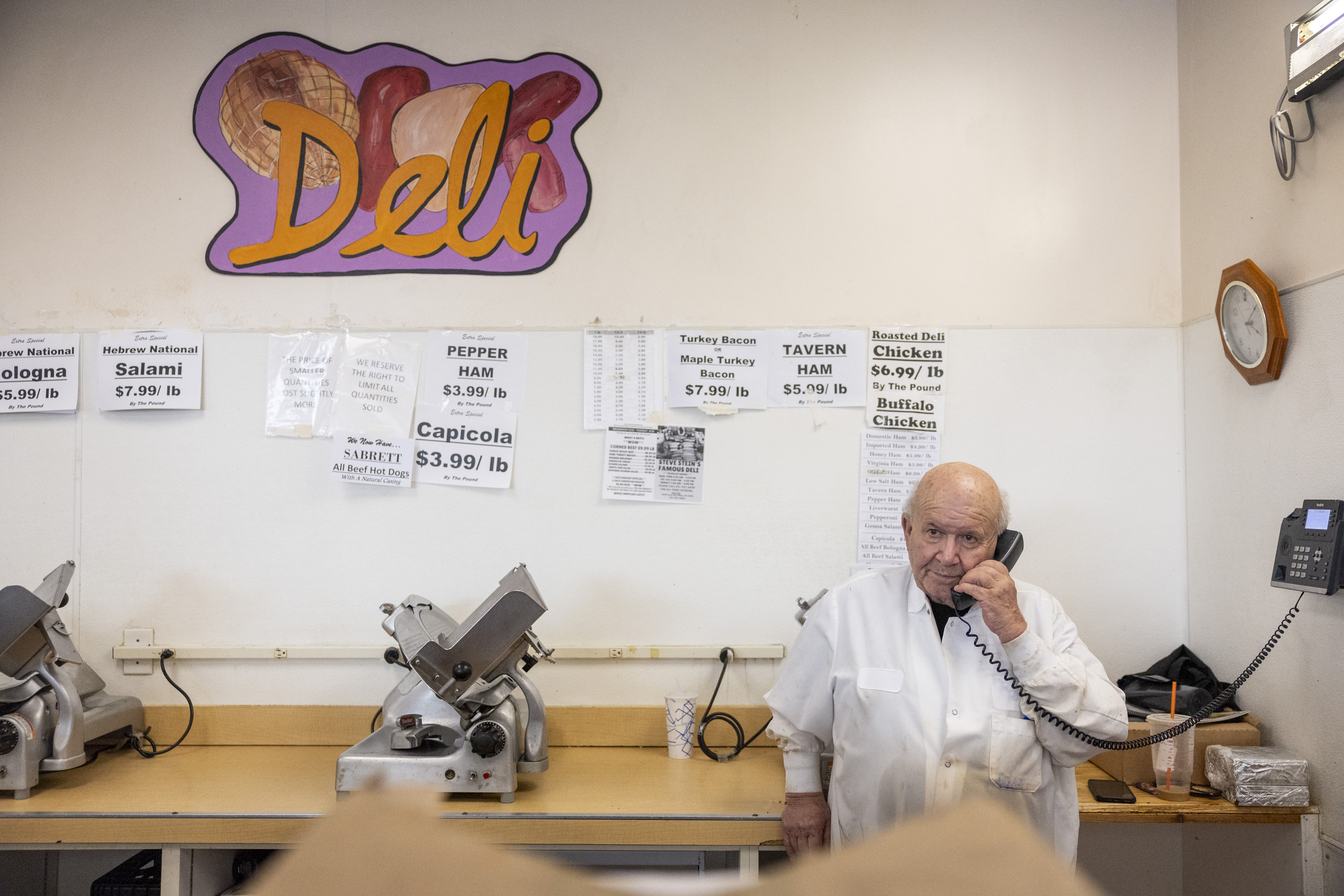
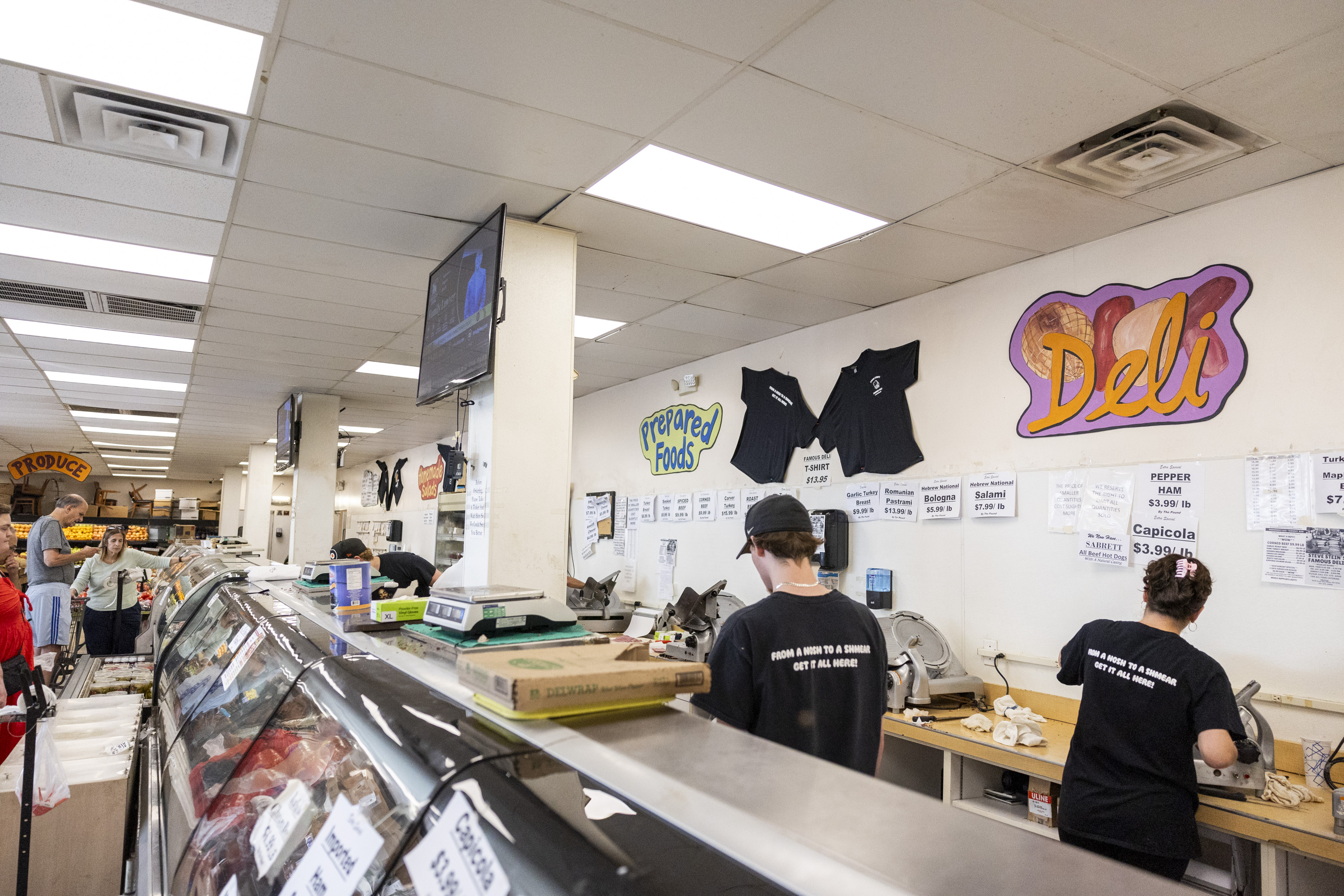
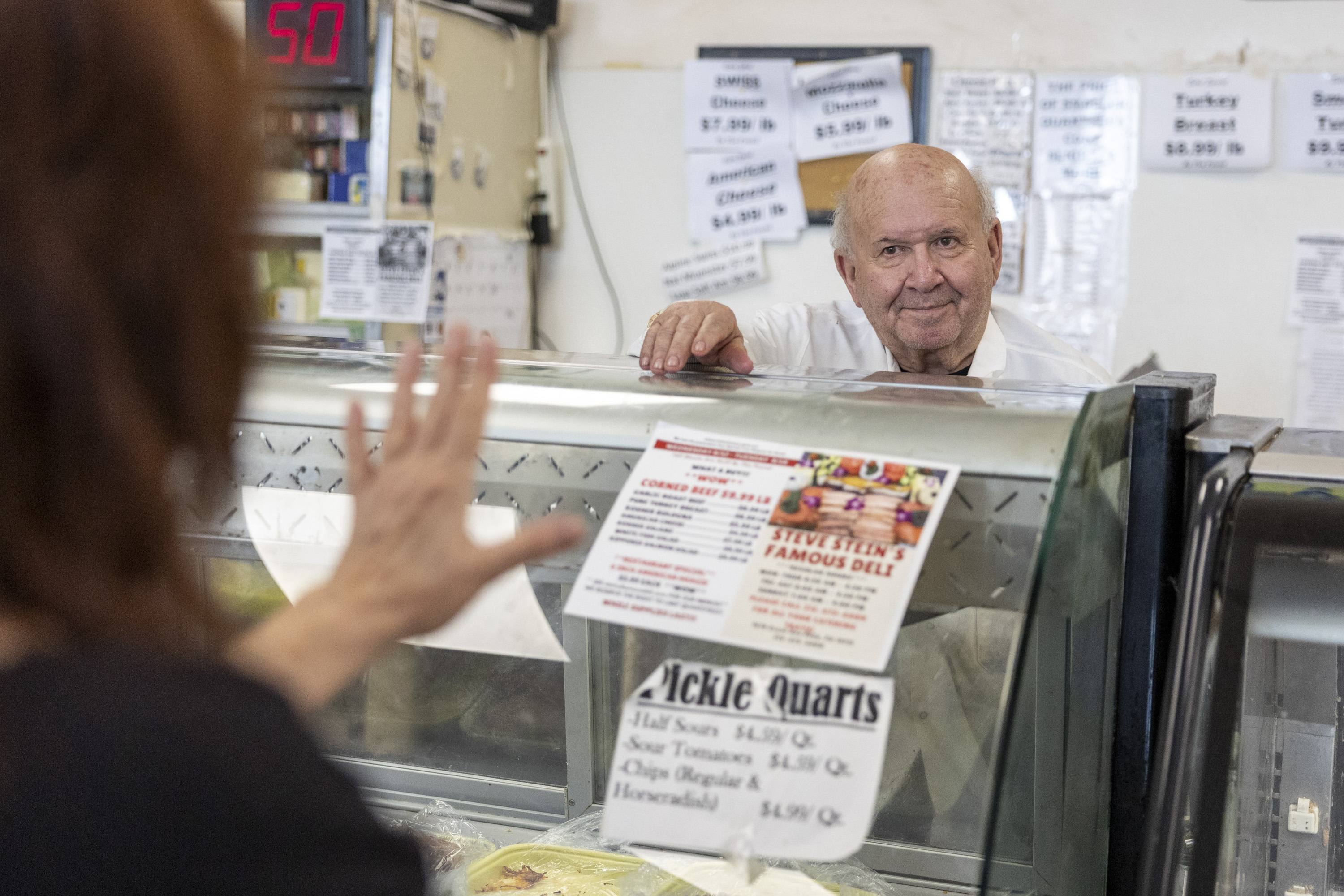
    The deli counter at Steve Stein’s Famous Deli on Aug. 14, 2026.Tyger Williams / Staff Photographer

    For Steve Stein, 83, the closing will end a family business whose roots stretch back to the late 1950s, when his family became involved with the Famous Deli location at 6826 Bustleton Ave. in Castor Gardens.

    Famous was part of an older Philadelphia deli dynasty. Beginning in the 1920s, the Auspitz brothers launched a string of delis around the city, including the flagship at Fourth and Bainbridge Streets in Queen Village, now owned by Al Gamble.

    Around 1960, Stein said, the Auspitzes sold the Bustleton Avenue Famous to Stein’s father, Mike, his brother Arnold, and his cousin Jack. The boys had run the produce concession there. Steve and Arnie, who died in 2010, later ran it side by side. Steve now runs the place with his son, Lee, now 57.

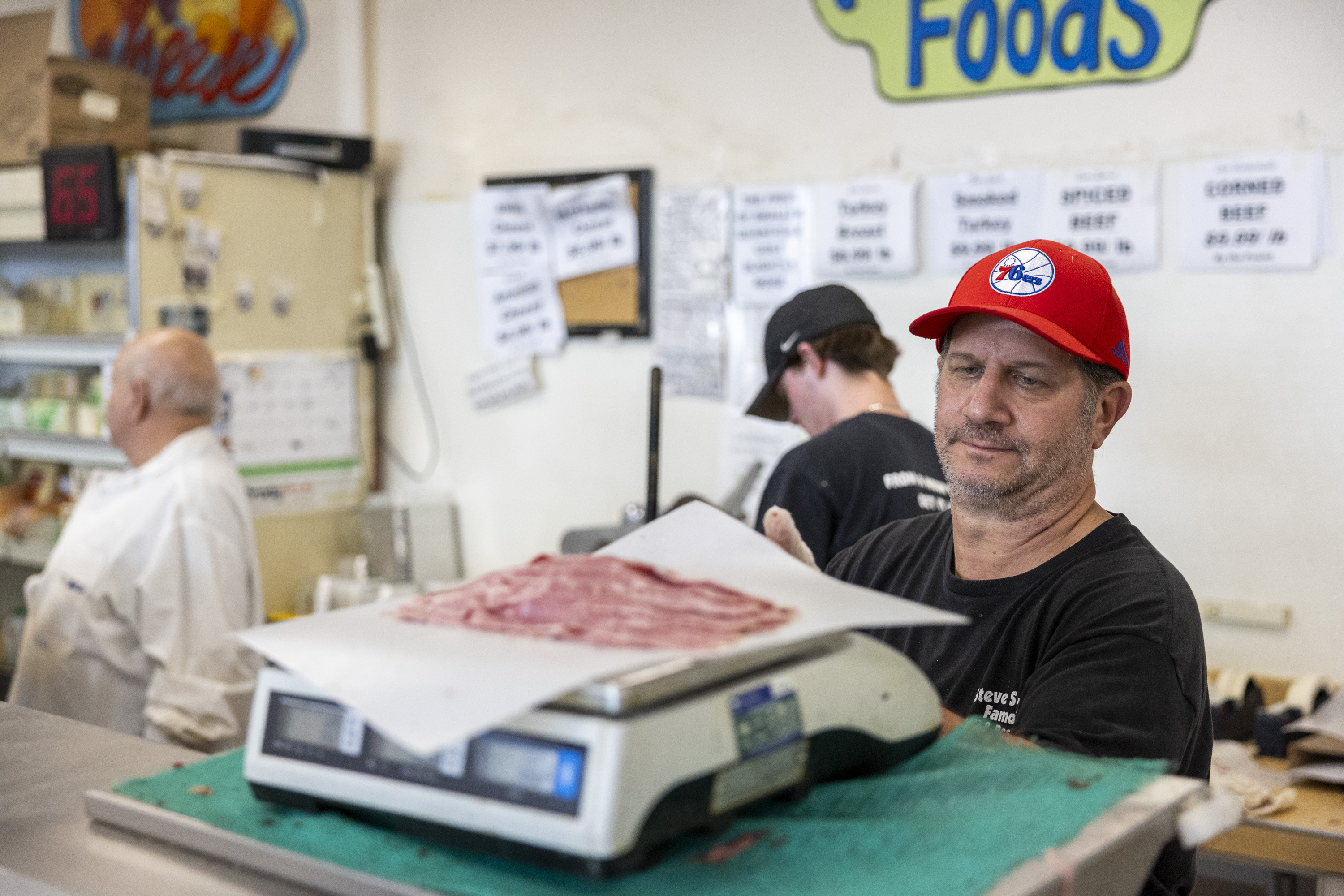
    Lee Stein weighs corned beef at his father’s deli on Aug. 14, 2026.Tyger Williams / Staff Photographer

    Since Stein announced the closing, customers have been stocking up on corned beef, smoked fish, rye bread, and other foods they fear they will not easily replace. Stein has cut prices as he tries to move inventory.

    “Nobody’s charging $9.99 a pound for house-cured corned beef,” Lee Stein said.

    On Friday, Tracey Lynn of Fox Chase ordered two pounds of corned beef while plucking garlic-perfumed sour tomatoes from a barrel, telling Stein that she planned to freeze some of the meat.

    Lynn said she and her husband have been customers since 1993. She is not sure where she will shop next. “I don’t want whitefish salad from BJ’s or from Costco,” she said.

    The closing is partly a retirement story. Stein said problems with his legs have made it increasingly difficult to work.

    But it is also about labor costs, food prices, succession, and a neighborhood whose demographics have changed dramatically over the life of the business.

    As Jewish families moved farther into the Northeast, Famous followed: first, in the mid-1970s, to Krewstown Road (where it had two locations) and, 14 years ago, to Grant Avenue. Stein, who later also had a short-lived store in Holland, Bucks County, sold the Bustleton Avenue store in the mid-1970s.

    In that sense, the history of Famous tracks the movement of Jewish Philadelphia itself.

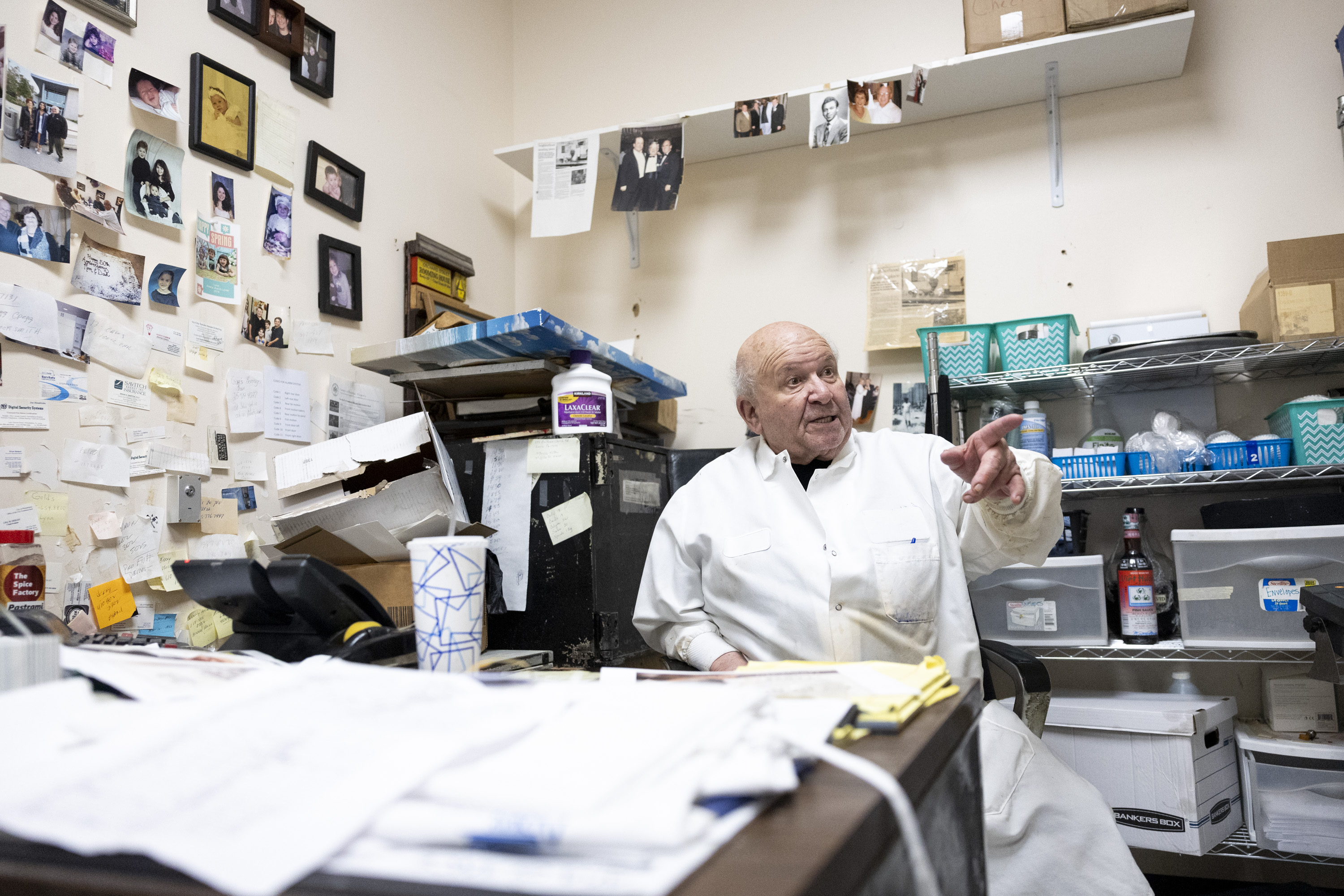
    Steve Stein, owner of Steve Stein’s Famous Deli, takes a break in his office.Tyger Williams / Staff Photographer

    A suburban diaspora

    After World War II, thousands of Jewish families left older Philadelphia neighborhoods such as Strawberry Mansion, Queen Village, and Wynnefield for Oxford Circle, Castor Gardens, Rhawnhurst, and Bustleton in the rapidly developing Northeast. Others moved to Lower Merion and Cherry Hill, which developed large Jewish communities and deli cultures of their own that remain.

    By 1970, demographer Ira Rosenwaike estimated, using Census data on Yiddish as a mother tongue, that more than 68,000 Jewish adults 25 and older lived in the Near and Far Northeast.

    That population supported an extraordinary density of Jewish food businesses: Abe’s Appetizers, Castor Deli, R&W, Stern’s, Paul’s, Four Lads, Dave’s, Casino, the Nasherei, four Barson-Overbrook locations.

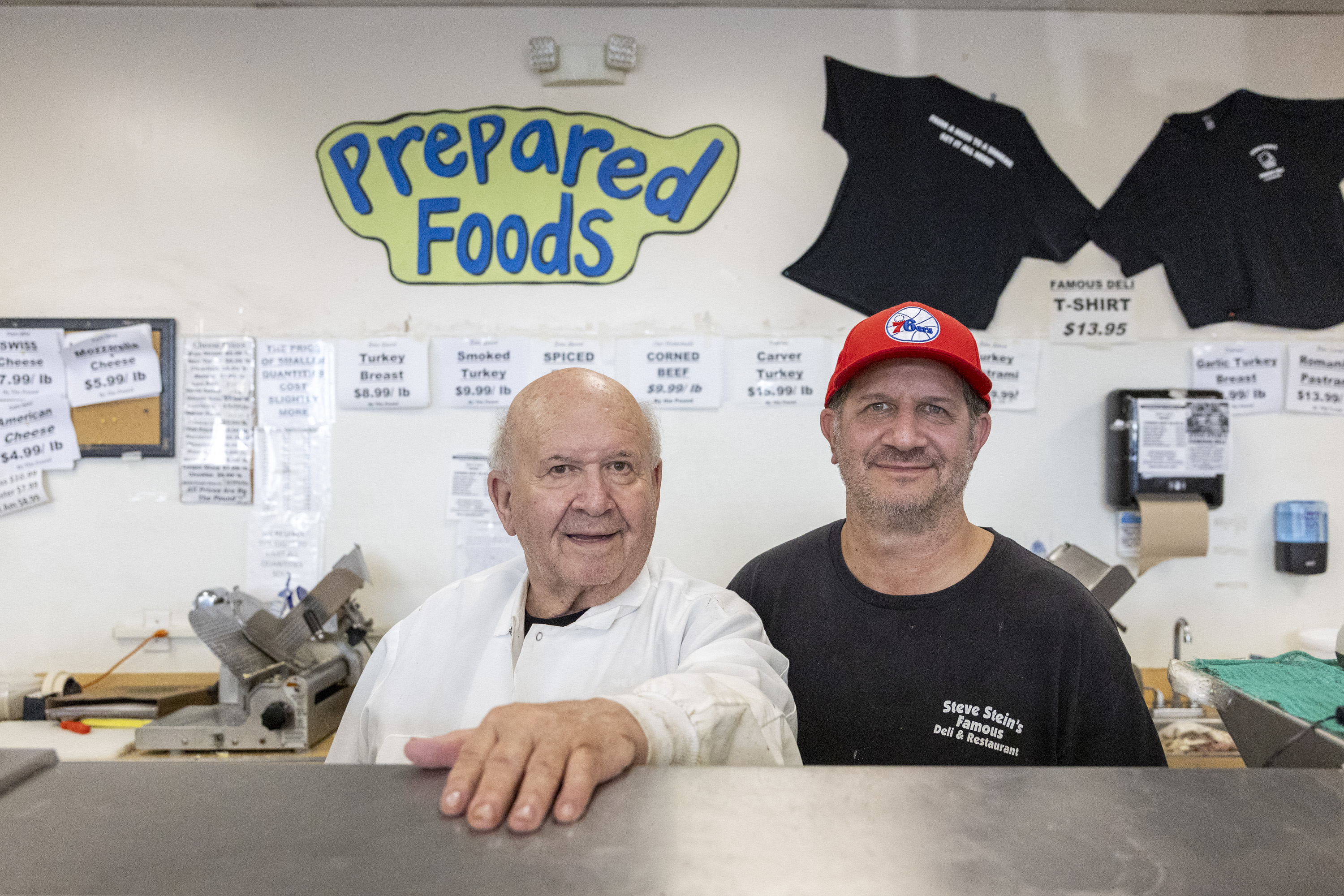
    Steve Stein (left), owner of Steve Stein’s Famous Deli, behind the counter with his son, Lee.Tyger Williams / Staff Photographer

    To Hasia Diner, a historian and New York University professor who specializes in American Jewish history, the significance of delis was precisely their ordinariness. They were not institutions created to preserve Jewish culture. They were where neighborhood life happened.

    “On the one hand, [delis] seem so everyday,” Diner said in an interview. “They’re not great synagogues where religion was expounded, or places where great ideas were pronounced. But they were places where life was lived.”

    Some were kosher and others were not. What mattered, Diner said, was that the deli offered a secular Jewish space, rooted as much in neighborhood and food as in religious observance.

    By the 1980s, however, those neighborhoods were changing. In a 1987 Inquirer article, Bruce Isakoff of Paul’s Deli, on Castor Avenue near Brighton Street, said his business was doing more lunchtime trade as Jews left the neighborhood and it became a more generic deli. By then, Four Lads, on Castor Avenue at Creston Street in Oxford Circle, had stopped carrying smoked fish and pastrami. Both are long gone.

    A ‘kind of shrine’

    Many Jewish households moved farther north and into Bucks and Montgomery Counties. A 1996-97 Jewish Federation study found that Philadelphia accounted for 41% of the region’s population living in Jewish households, down from 54% in 1984, while Bucks County’s share had nearly doubled.

    The studies used different definitions and geographic boundaries, but the direction was unmistakable: The dense Jewish population that once sustained neighborhood delis had dispersed.

    Steve Stein, owner of Steve Stein’s Famous Deli, taking a deli order on Aug. 14, 2026.Tyger Williams / Staff Photographer

    The movement itself was nothing new, Diner said. American Jewish communities repeatedly established themselves in neighborhoods and moved elsewhere. What changed was the role of the old neighborhood — and of the deli within it.

    “The deli was often the kind of shrine to which they went back,” she said.

    The old delis offered something beyond nostalgia. In their heyday, Diner said, they were overwhelmingly Jewish spaces where customers did not have to explain themselves or worry about how they appeared to outsiders.

    “These places were so rich with a kind of embeddedness, of comfort and security and, again, letting your hair down,” she said.

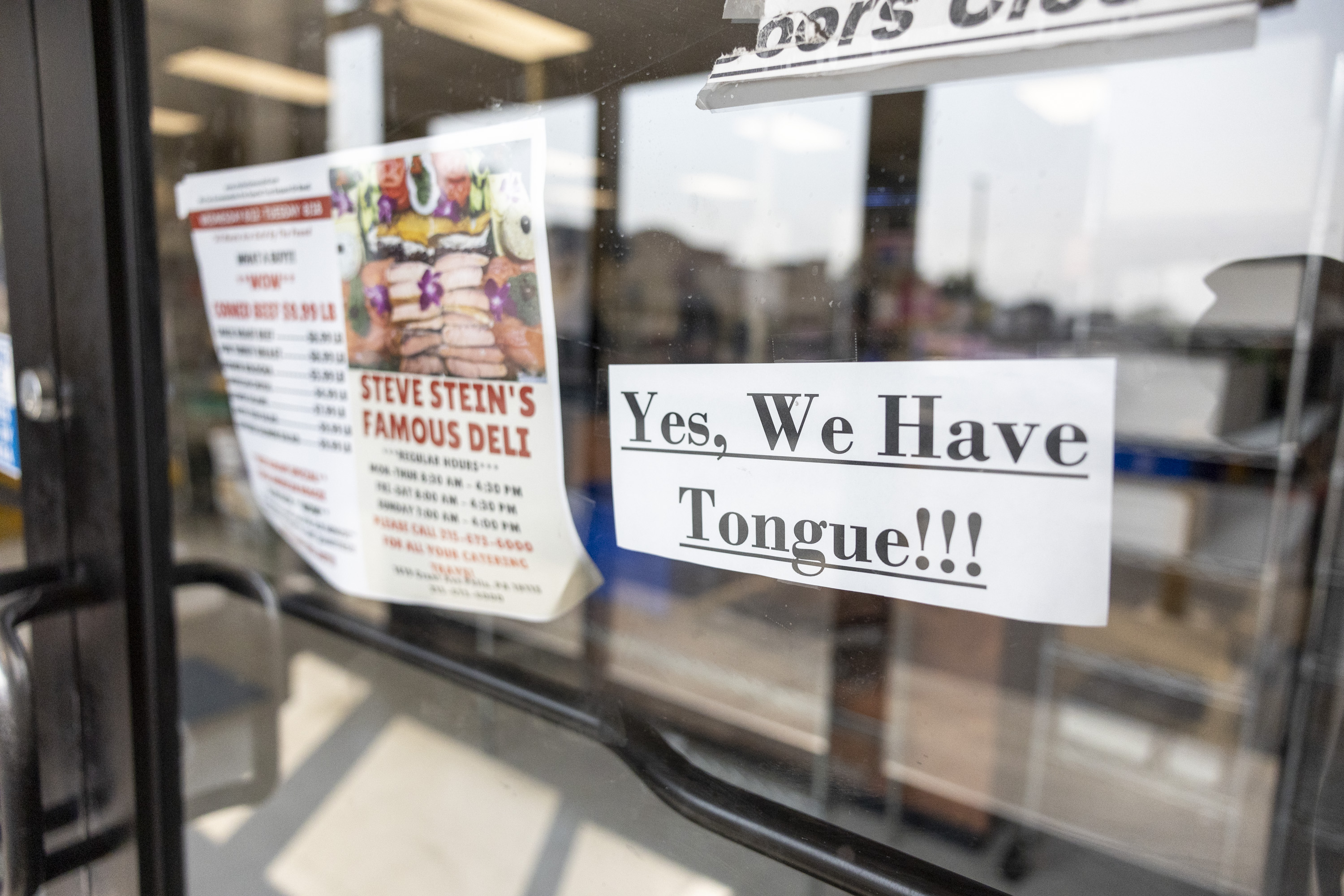
    A sign proclaiming, “Yes, We Have Tongue!!!” at the entrance at Steve Stein’s Famous Deli.Tyger Williams / Staff Photographer

    Population was only part of the story. Supermarkets increasingly stock foods that once sent customers to specialty counters: corned beef, pastrami, smoked fish, whitefish salad, herring, rye bread, bagels, pickles, and knishes. But not everything. Signs at Famous proclaim, “Yes, We Have Tongue!!!” Not many others do.

    More important, Diner said, is what cannot be sold at a supermarket: the deli as a secular gathering place, where being Jewish required neither religious observance nor agreement about politics. “A pastrami sandwich is a pastrami sandwich,” she said.

    Costly ingredients

    The traditional deli model itself is expensive and labor-intensive, built around extensive preparation and a sprawling inventory. Famous still cures its corned beef and makes its own turkey, pastrami, whitefish salad, and spice beef.

    Steve Stein’s Famous Deli is equal parts market, deli counter, and restaurant.Tyger Williams / Staff Photographer

    Steve Stein said finding employees has become increasingly difficult. Lee Stein said prospective workers have easier options, such as driving for Uber or making deliveries for Grubhub.

    The deli has about 35 employees, many part-time. Some are placed through SPIN, the Philadelphia nonprofit that supports people with intellectual, developmental, and autism spectrum disabilities.

    Survival has also required adapting to the customer base, increasingly non-Jewish. Lee said he remembers when Famous carried a single canned ham, hidden behind the counter. Though few Jewish delis are kosher, pork traditionally has been another matter.

    “Nobody was allowed to say the word ham,” he said.

    Today, their case holds about a dozen varieties.

    Rob Woloshin, 40, owner of Manny’s Deli Stop in Willow Grove, grew up going to Stein’s Famous with his father. His deli represents a leaner version of the old model: counter service, a few tables, online ordering, and delivery, with traditional deli sandwiches alongside chicken cutlets, wraps, and other contemporary offerings.

    Cashier Linda DiNenno, who has worked at Steve Stein’s Famous for about 13 years, checks out a customer.Tyger Williams / Staff Photographer

    “We’ve kind of modernized, I guess, as much as the Jewish deli can be modernized,” Woloshin said.

    Famous may yet have an afterlife. Lee Stein said he is talking with the landlord about a deal that could keep him in the space, under another name, in time for the Jewish High Holy Days, which begin Sept. 11. If not, he might offer catering from a synagogue kitchen.

    For longtime cashier Linda DiNenno, the closing is less about corned beef than the people around the counter. She said she will miss the family atmosphere among employees and customers who have been calling to say goodbye.

    “I’ve got customers calling on the phone, like, ‘Oh my God, I’m gonna miss you, Linda,’” she said.

  • At tiny Lau Kee, Chinatown’s most experienced duck chef delivers reliable excellence

    At tiny Lau Kee, Chinatown’s most experienced duck chef delivers reliable excellence

    Chinatown’s Wizard of Ducks did not come from poultry royalty. Chuien Liu was born to a long line of Fujianese fishermen on a rural island beside the East China Sea.

    “Going out every day to catch fish, shrimp, and crabs? That was a necessity,” says his son, Kenneth Liu, translating for his father. “But making duck was his passion, mostly because he liked to eat it.”

    In that respect, Chuien Liu scored big-time when he came to Philadelphia in the mid-1990s, following a wave of immigration from Fujian Province, on China’s southeastern coast, to the United States. He landed a spot beside the roasting oven at Chinatown’s iconic Sang Kee Peking Duck House, and he remained there as the master of ducks, soy sauce chicken, and crispy pig for 25 years.

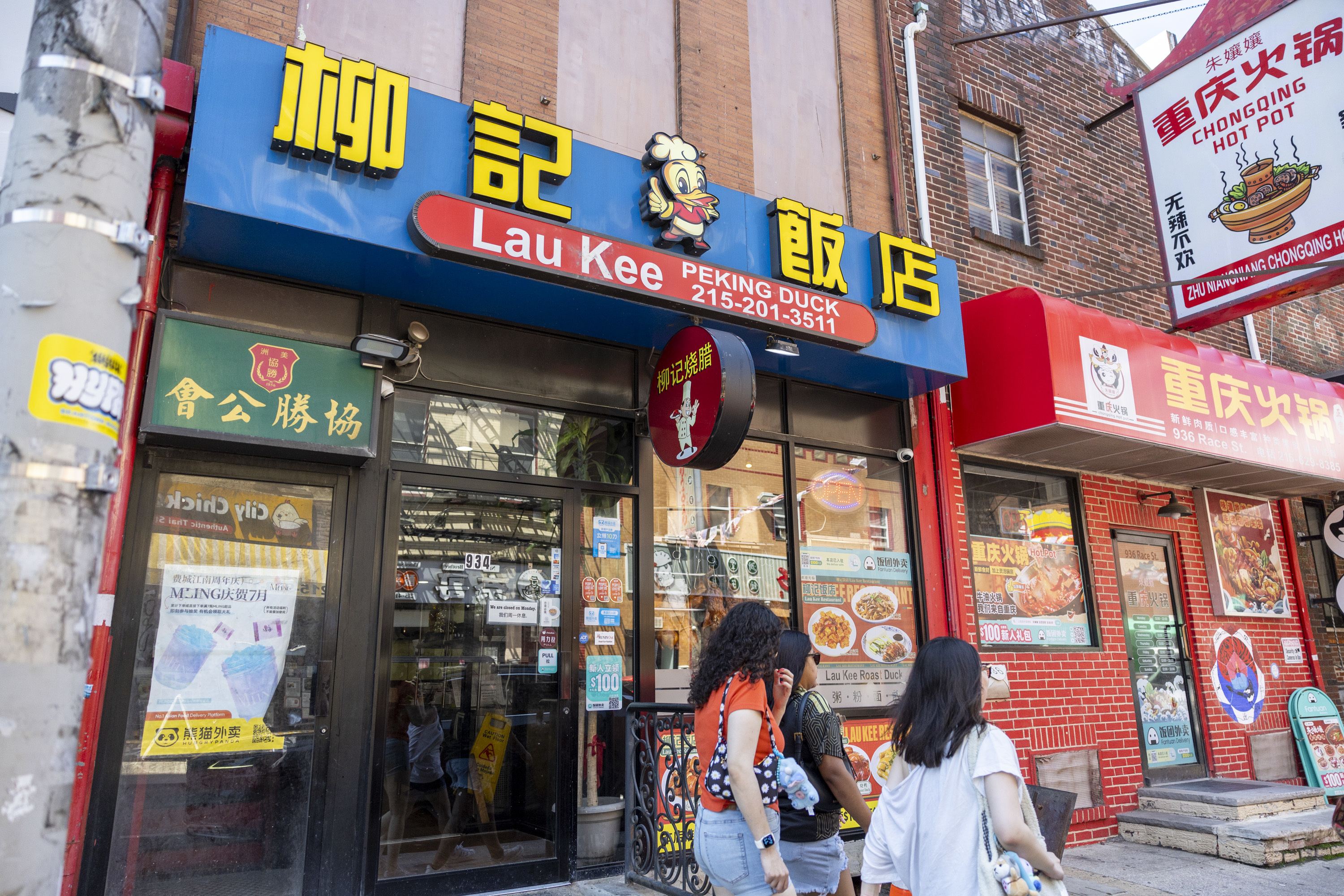
    And then we, the voracious duck eaters of Philadelphia, became the lucky ones. Liu and his family went independent in 2019 to claim their own little slice of Chinatown at Lau Kee, a cozy 20-seater with no decorations on the walls, but an absolute masterpiece display of Cantonese-style roasted meats hanging in the spotless front window.

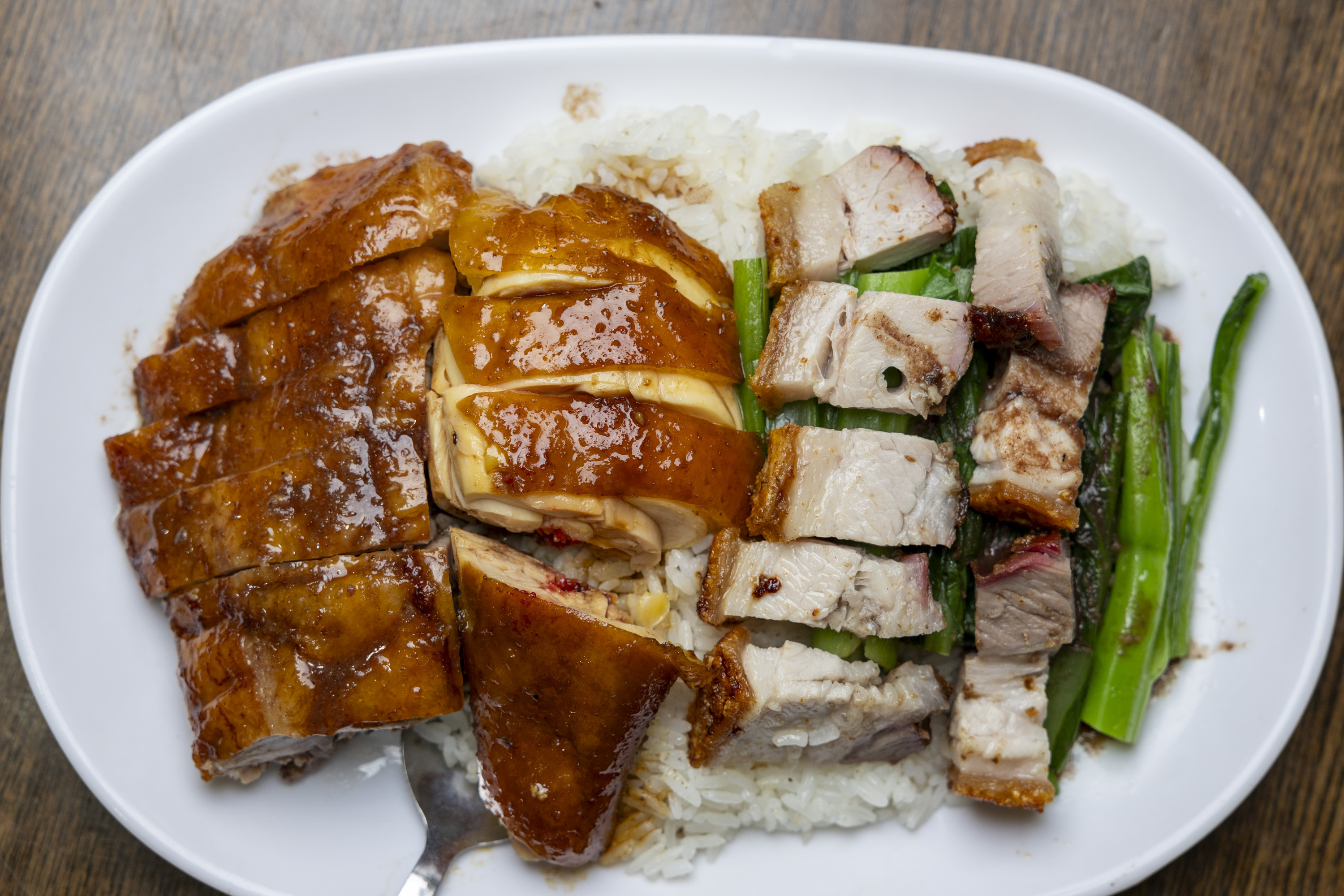
    Lacquered brown ducks dangle temptingly from hooks beside paper-wrapped bundles of whole chickens, pink-edged hunks of sweet char siu pork shoulder, and tawny sheets of pork belly, whose slow-rendered layers of pale meat, pearly fat, and cracker-crisp skin are simultaneously so moist, tender, and shatteringly crunchy, taking merely one bite is not an option.

    The three meat platter over rice at Lau Kee, in Philadelphia, Pa., on Friday, Aug. 7, 2026.Tyger Williams / Staff Photographer
    Outside street view of Lau Kee, in Philadelphia, Pa., on Friday, Aug. 7, 2026.Tyger Williams / Staff Photographer

    There are other, larger, better-known duck houses in Chinatown with long-established and devoted patrons, from Ting Wong to M Kee, takeout-only Siu Kee, and, of course, Liu’s alma mater, Sang Kee.

    But with more than 31 years of experience and nearly half a million birds beneath his cleaver, Liu, now 55, is currently Chinatown’s longest-tenured duck chef — and also my vote for Philly’s best. As one of the very few chef-owners in the neighborhood, there is also an exceptional consistency in his insistence on doing things right.

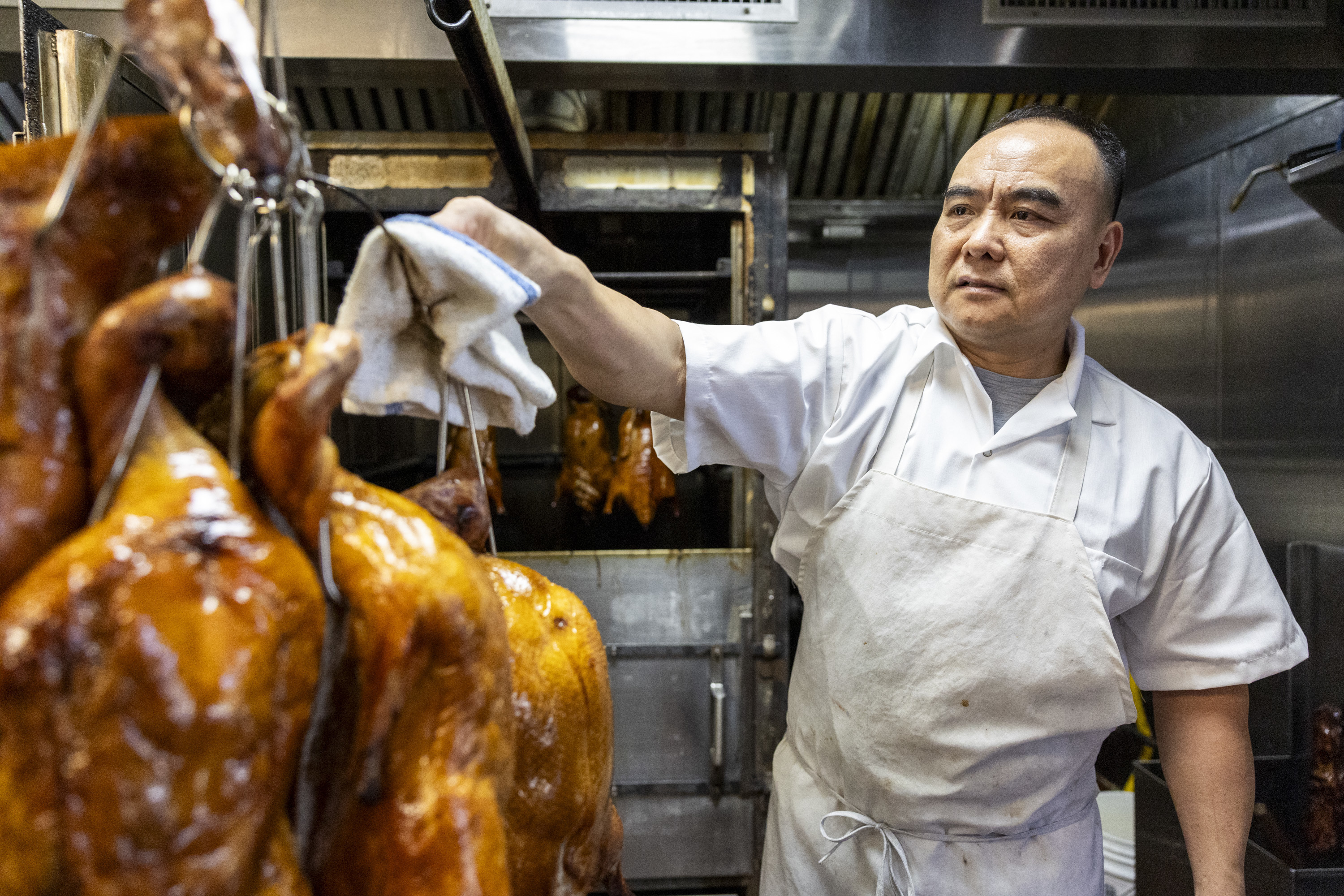
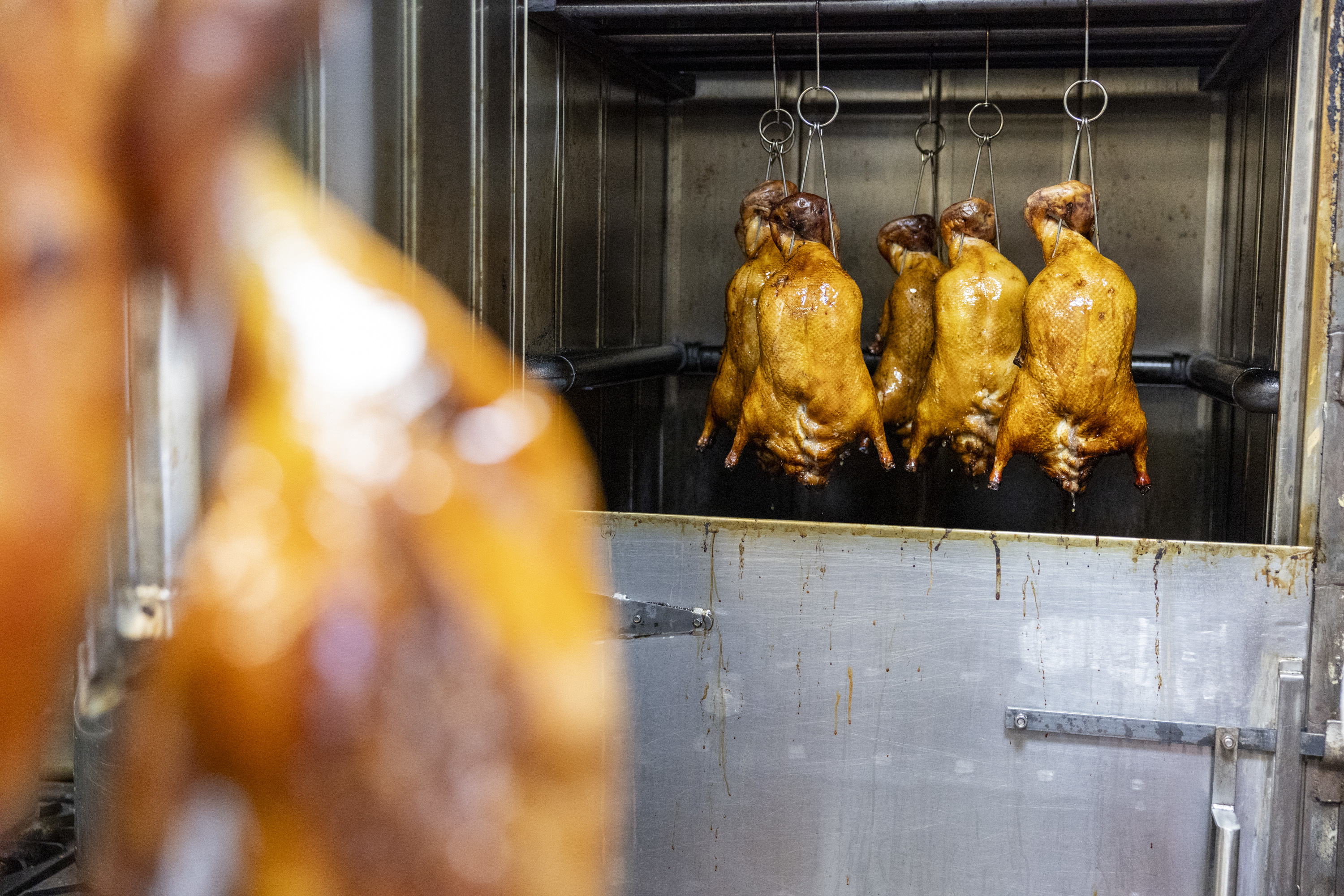
    Just preparing the ducks is a laborious, dayslong process, beginning with inflating them with air to separate the meat from the skin. A gingery marinade with chee hou sauce (a fermented bean paste that’s less sweet than hoisin) comes next, followed by a hot water bath to open the skin’s pores, then a dunk in a vinegar-sugar glaze that dries overnight. The following day, the ducks are hung in a vertical oven over an open flame to roast low and slow as juices collect below for a final basting. And that’s just for the Hong Kong-style roasted duck, which always comes chopped on the bone.

    Chuien Liu, Owner of Lau Kee, is taking out the cooked ducks from the oven in Philadelphia, Pa., on Friday, Aug. 7, 2026.Tyger Williams / Staff Photographer
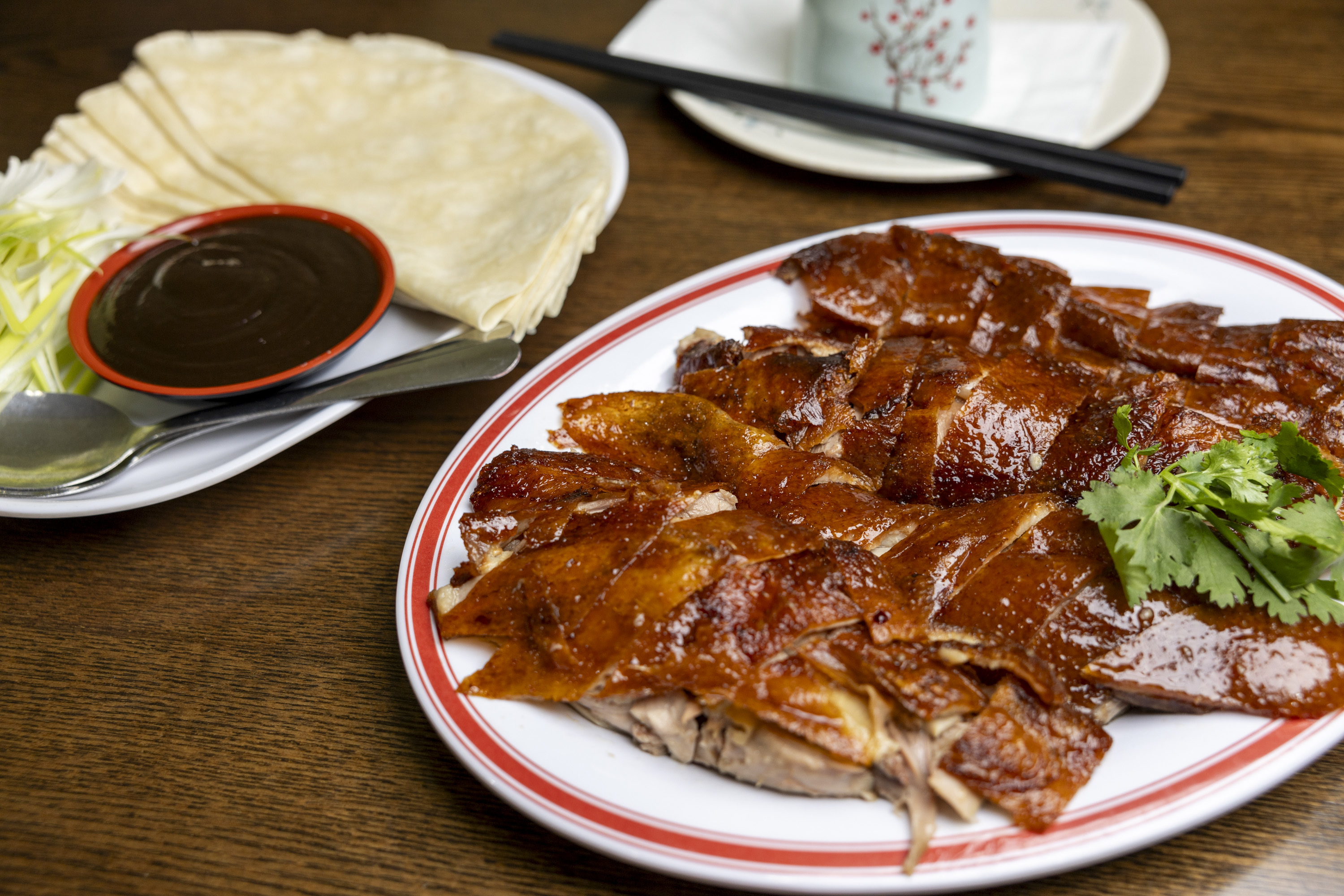
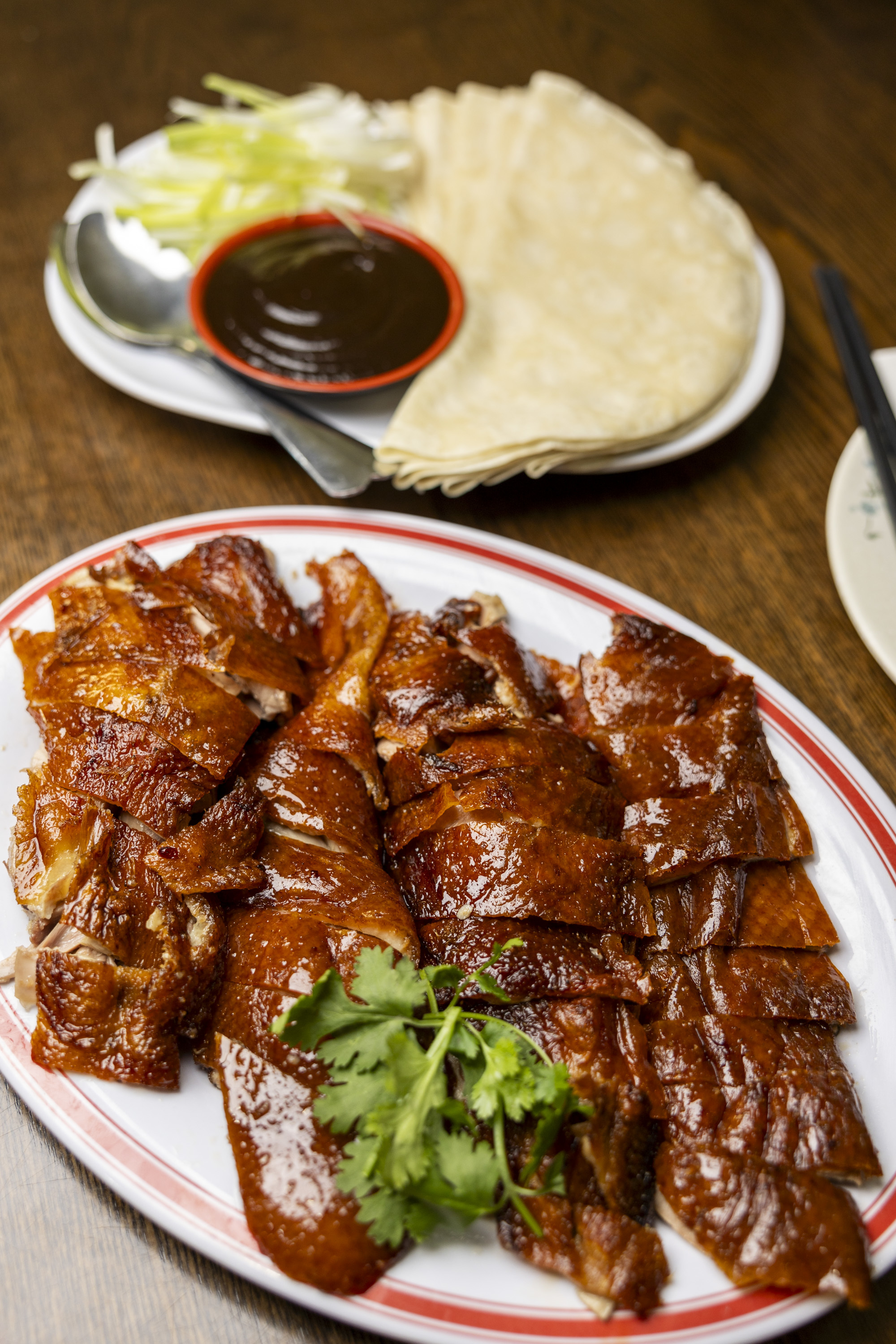
    A platter of Peking duck at Lau Kee, in Philadelphia, Pa., on Friday, Aug. 7, 2026.Tyger Williams / Staff Photographer

    The Peking-style duck is yet another process, involving a slightly sweeter marinade with a more pronounced five-spice savor plus a longer roast time to give that skin a delicate snap. At $30 for a half duck or $47 a whole bird, the sliced meat, served boneless alongside pancakes and scallions, is a delicious centerpiece for a sharing meal.

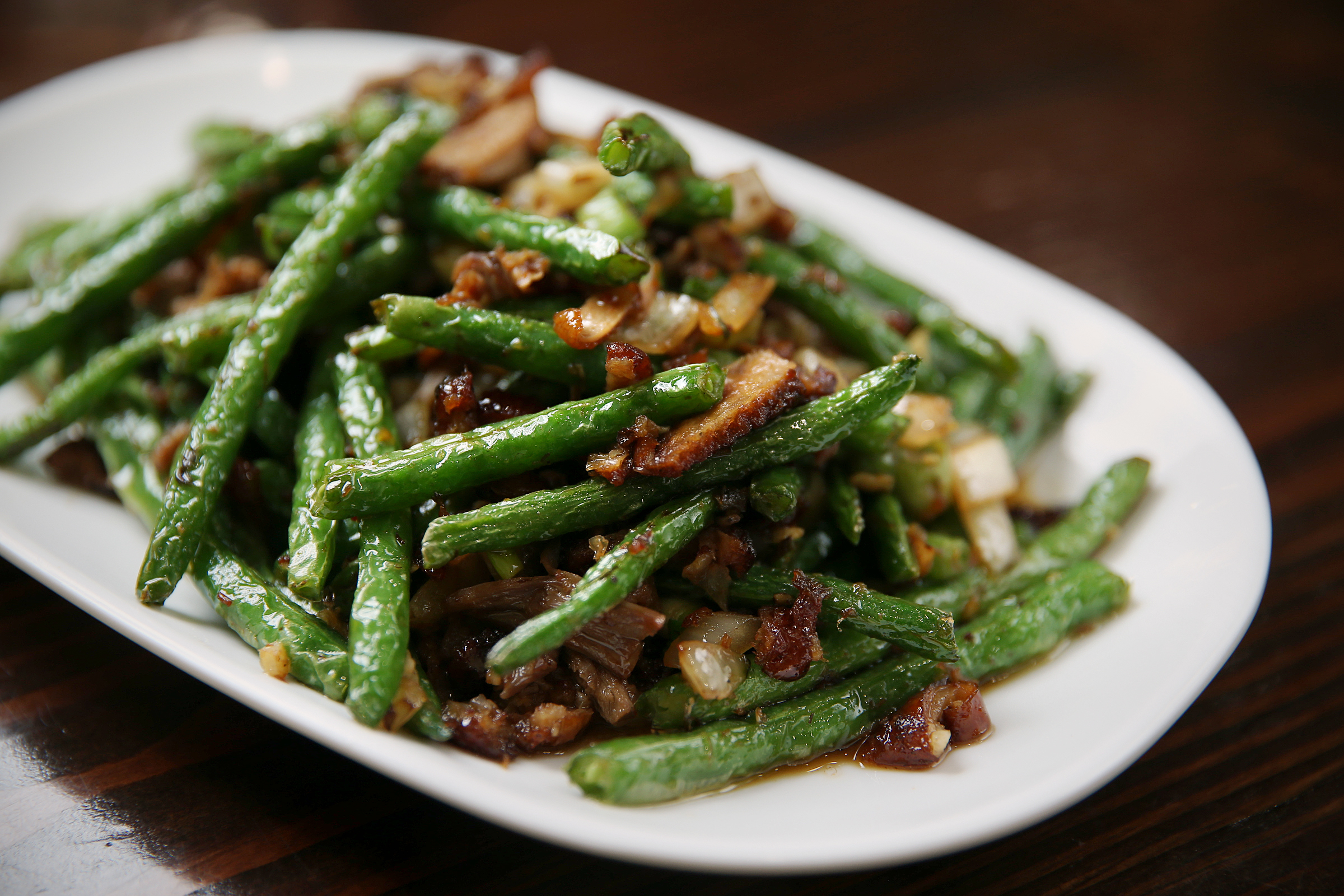
    If that’s too much of a commitment, Lau Kee makes appetizer-size duck rolls out of its copious duck trim — the perfect balance of tender meat, crunchy scallions, and dark hoisin — folded inside a soft pancake. A generous helping of shredded duck also stars in a stir-fry of snappy green beans tossed with ground pork and XO sauce. The earthiness of sliced duck and the roasted flavor of its skin also fully infuse the bowls of congee, whose rice porridge is regularly beaten to a snowy white mist and refreshed throughout the day so its texture remains airy and light. (“It’s almost fluffy,” opined my Inquirer colleague, Kiki Aranita, a noted congee scholar.)

    The shredded duck with string beans is pictured at Lau Kee in Philadelphia’s Chinatown on Thursday, April 1, 2021.TIM TAI / Staff Photographer
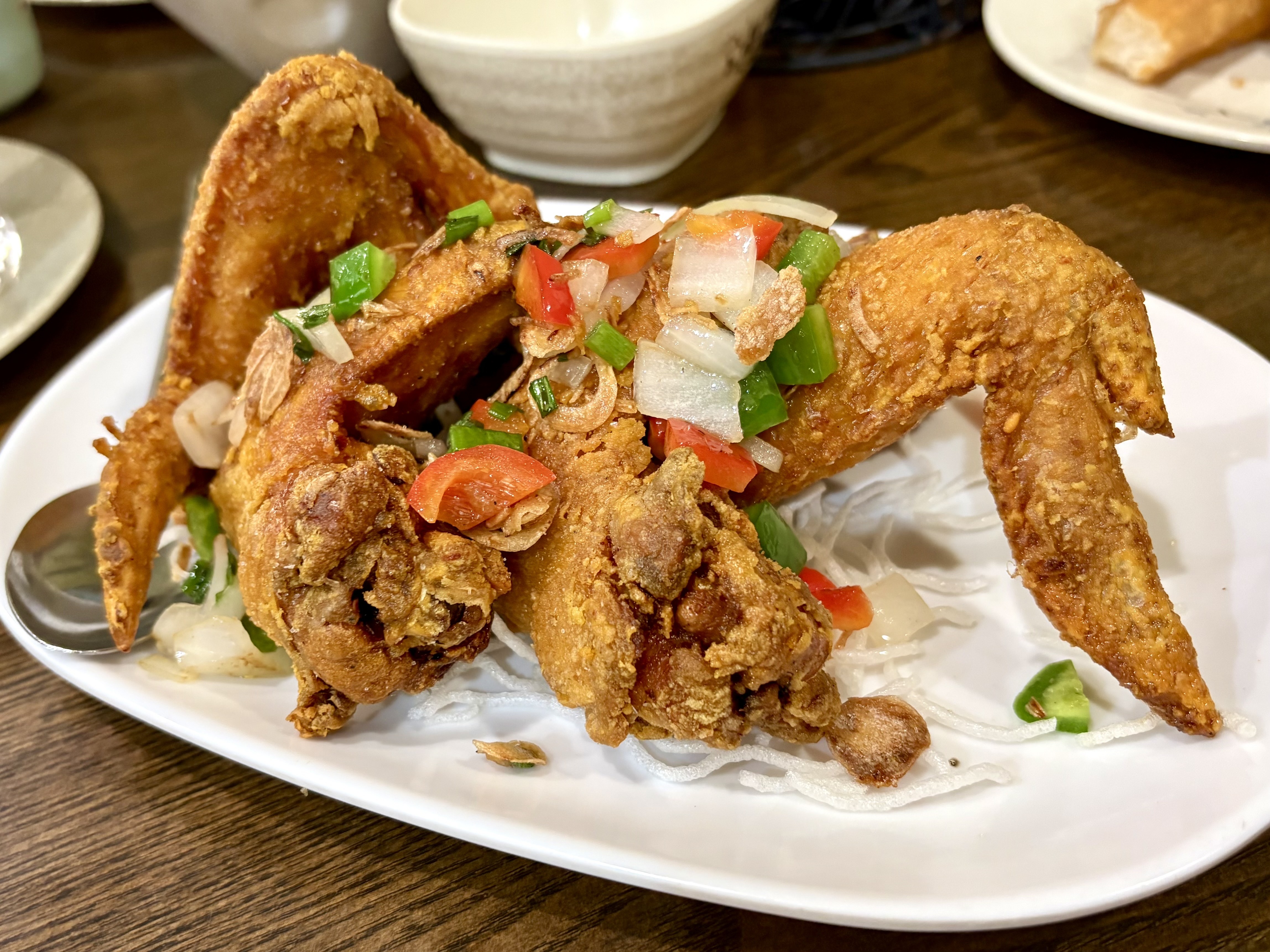
    The salt-baked chicken wings at Lau Kee are juicy, crisp and crackling with spice.Craig LaBan / Staff

    Other popular congee combinations contain thousand-year egg and pork, or sliced flounder mingled with ginger threads and scallion — options that are standard at a dozen other Cantonese kitchens across Chinatown.

    But it’s the subtle details of execution that make the difference in Lau Kee’s various soups, dumplings, stir-fries, and crispy delights. The battered crust on its salt-and-pepper shrimp in five-spice flavor might look heavy, but it’s as airy and crisp as tempura. Lau Kee’s juicy “salt-baked” chicken wings — which are actually perfectly fried — crackle with the spice of a crust infused with turmeric, cooking wine, and chili oil and easily rank among the city’s best.

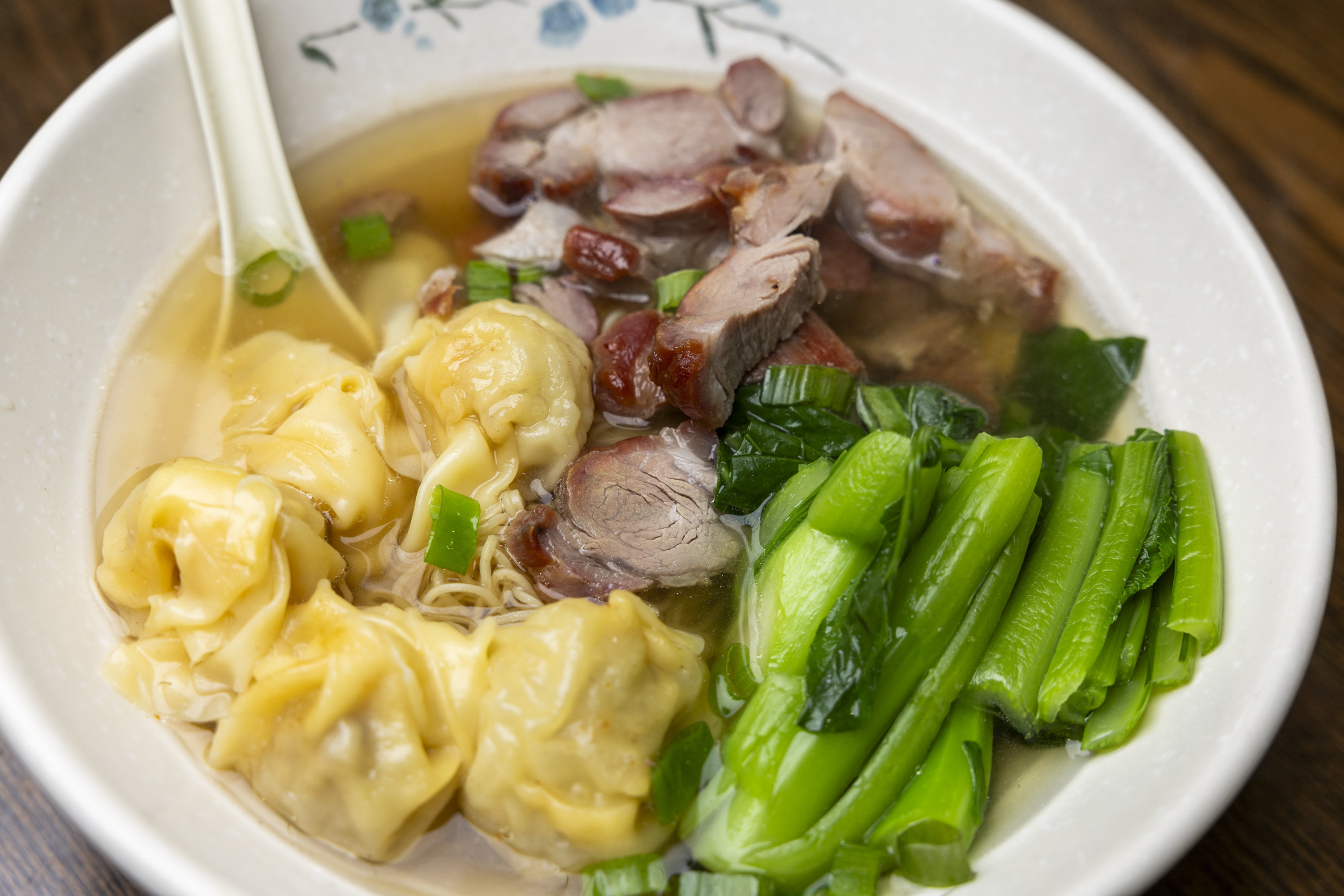
    The broth in Lau Kee’s wonton noodle soup is crystalline gold yet complex, drawing subtle smoky depth from a lightly charred salt fish that steeps for five hours with chicken bones. The poached yu choy greens that bolster the soup are snappy yet toothsome, and Lau Kee’s wontons, made by Liu’s wife, Fannie Qiu, are special. The addition of mushroom adds tenderness to a shrimp-and-pork stuffing that elsewhere can become overly bouncy. Top the soup with any of the meats, but char siu is my favorite, the star anise sweetness of the pork’s glaze adding even more layers to the brew.

    Wonton soup with greens and roast pork at Lau Kee.Tyger Williams / Staff Photographer

    Those wontons are also perfect splashed with the vibrant orange house chili oil, defined more by its fragrance of dried chilies than numbing Szechuan peppercorns.

    Lau Kee’s shrimp dumplings are memorable, reminiscent of Sang Kee’s but softer, thanks to the addition of bamboo, and more fragrant from a pinch of curry. The West Lake beef soup is also one of my favorites, its hearty pairing of ground beef and silky tofu batons bobbing in broth sparkling with white pepper, delicate egg drop ribbons, and crunchy cilantro greens.

    Lau Kee’s dry noodle dishes are solid, though less exciting. The minimalist scallion noodles, bright with shredded fresh ginger, is one of my two picks. The sesame oil-laced crispy noodle basket topped with morsels of flounder is another, notable for its delicacy and dual-textured noodles, both crunchy around the edges and soft in the middle from a velvety white gravy. Other noodle standbys were fine but forgettable: a serviceable Singapore noodles, and a beef chow fun that lacked the smoky singe of wok hei.

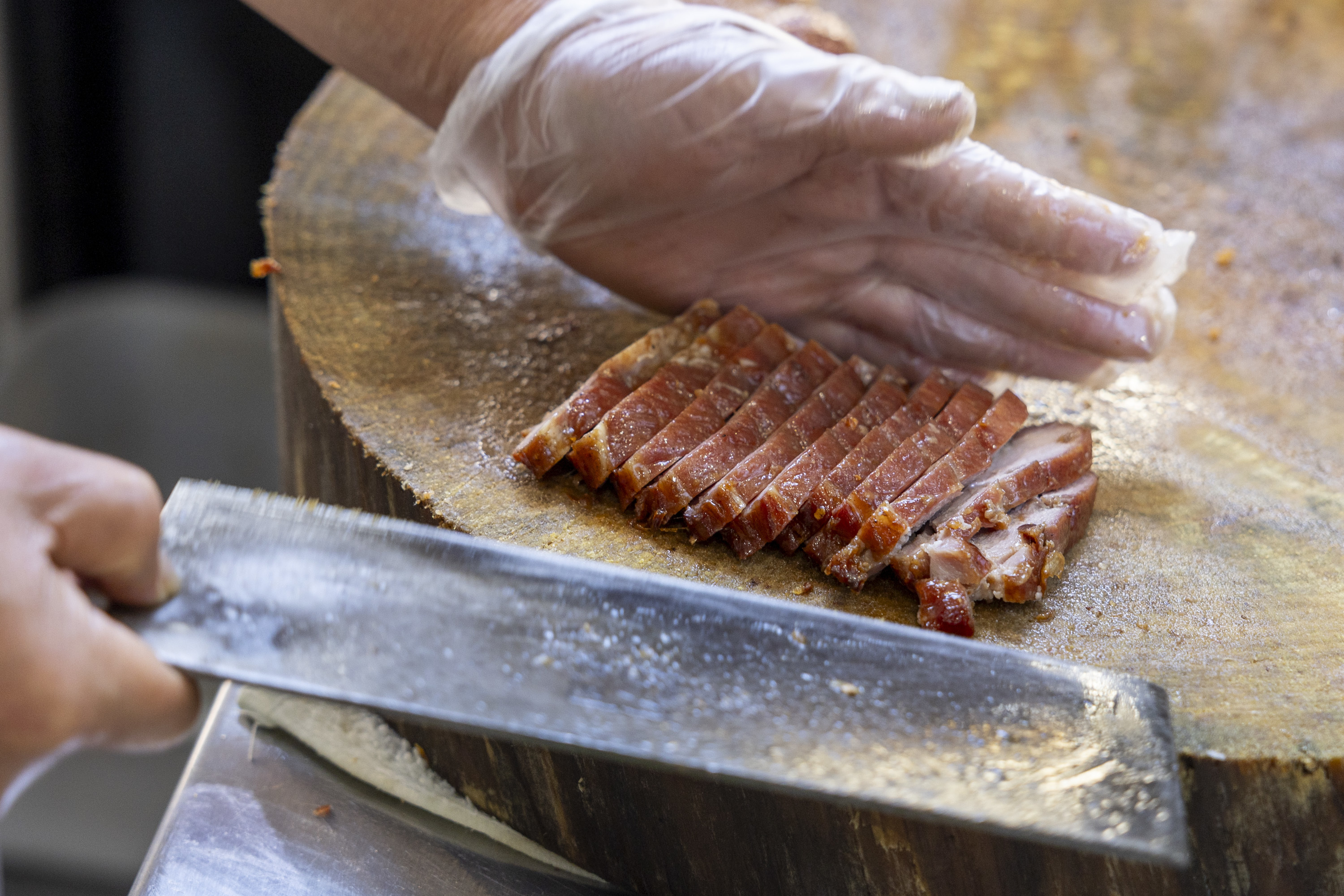
    Fresh cut char siu pork shoulder at Lau Kee, in Philadelphia, Pa., on Friday, Aug. 7, 2026.Tyger Williams / Staff Photographer
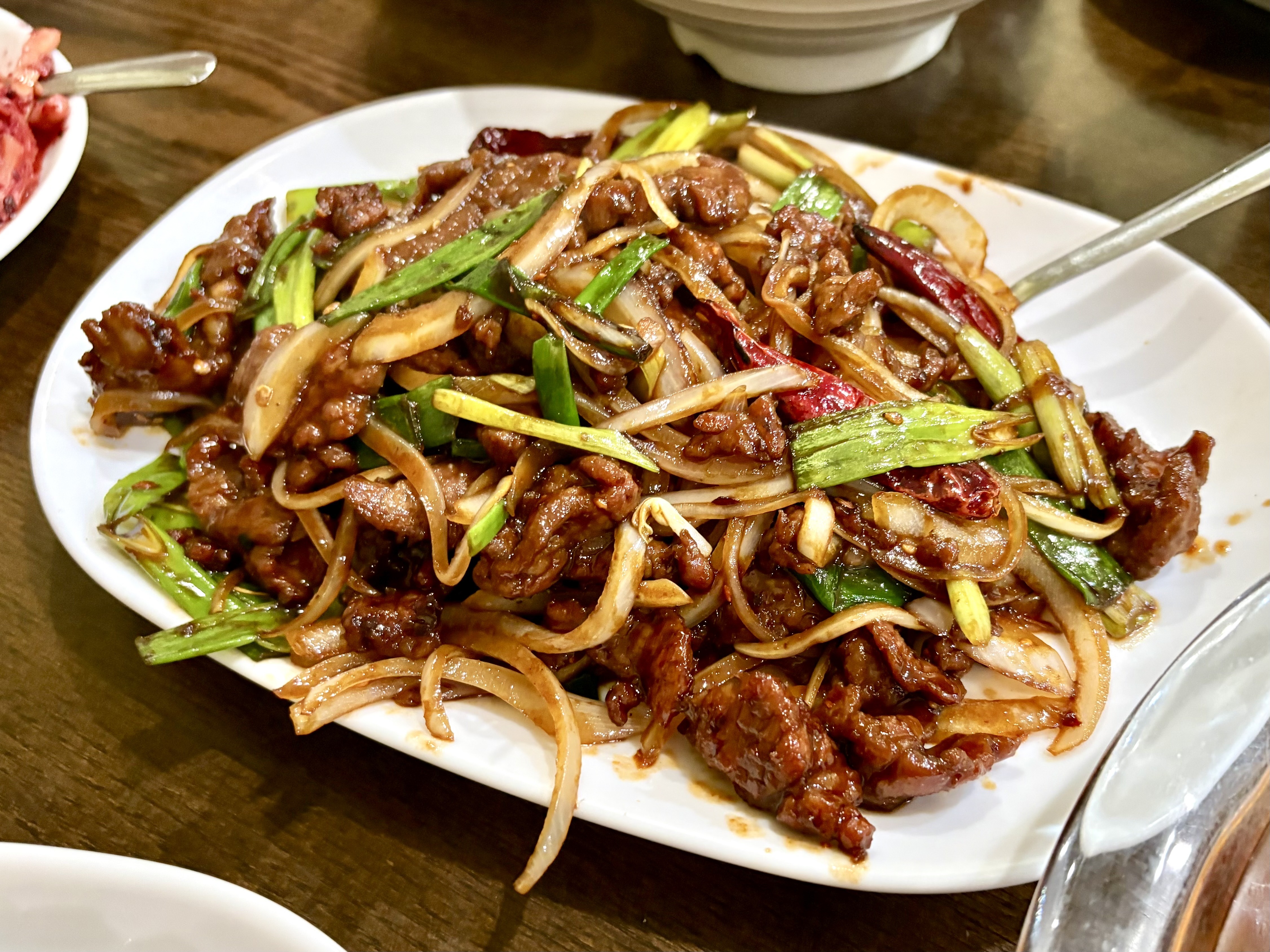
    The Mongolian beef from Lau Kee in Chinatown.Craig LaBan / Staff

    That whiff of caramelized char was absolutely present on the Mongolian beef, whose frizzled onion laces and dried chile heat added umami and sneaky spice to the sweet hoisin. It’s a specialty that traveled well by takeout, along with some good Americanized classics, including General Tso’s chicken, whose tender nuggets were glazed in a sweet sauce that also flickered with chili oil.

    As a small business that needs every order (beyond the 250 ducks Chuien Liu sells each week), Lau Kee caters to the demands of a broad audience, and, to my mind, does many familiar dishes better than most.

    But there’s an uncommon specialty on this vast menu that points to a niche of Fujianese specialties I wish Lau Kee would embrace more fully. Liu’s wife has mastered the Fujianese art of fermenting Qinghong, a wine made from sticky rice laced with red rice yeast.

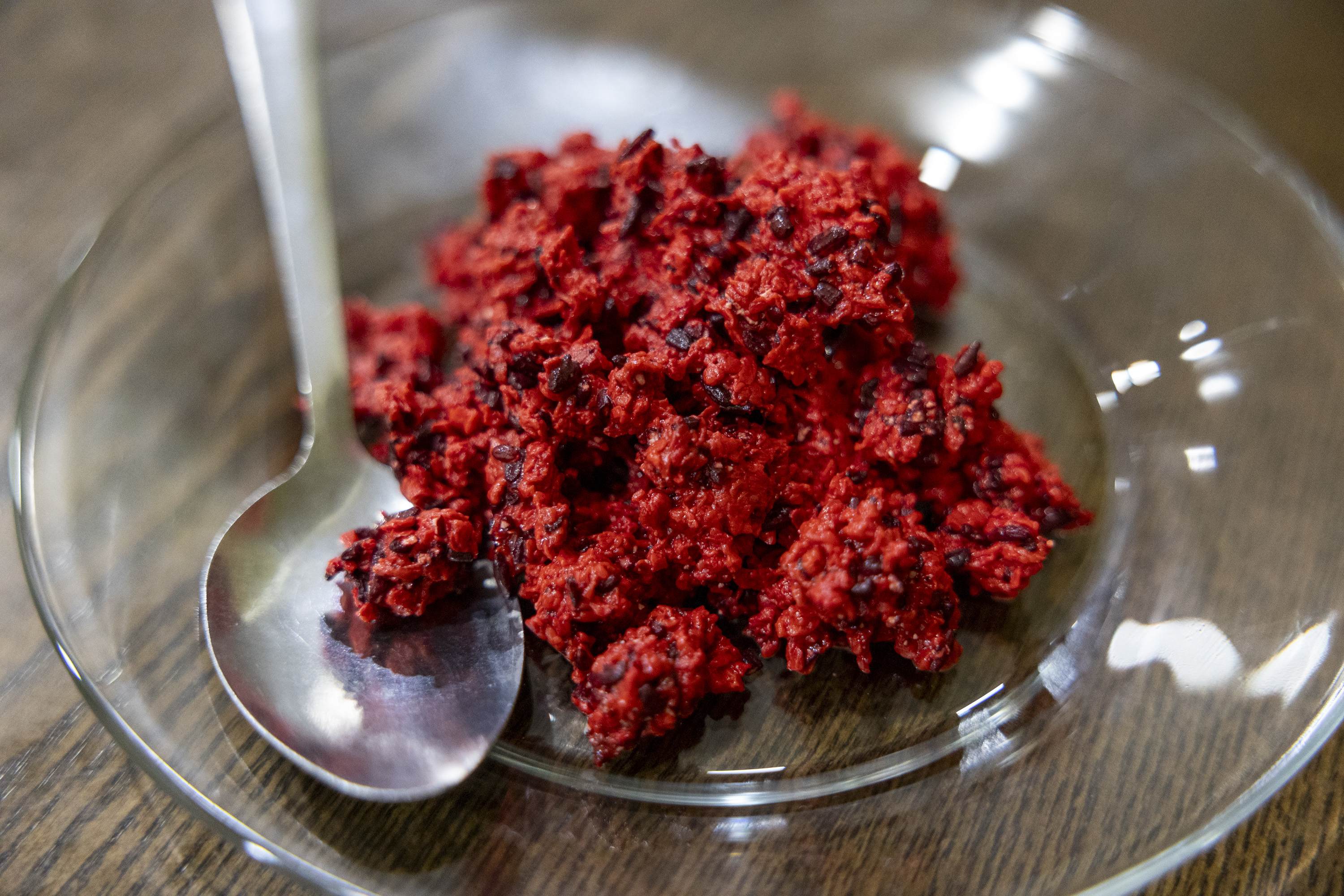
    The red vinasse before processing to turn it into sauce at Lau Kee, in Philadelphia, Pa., on Friday, Aug. 7, 2026.Tyger Williams / Staff Photographer

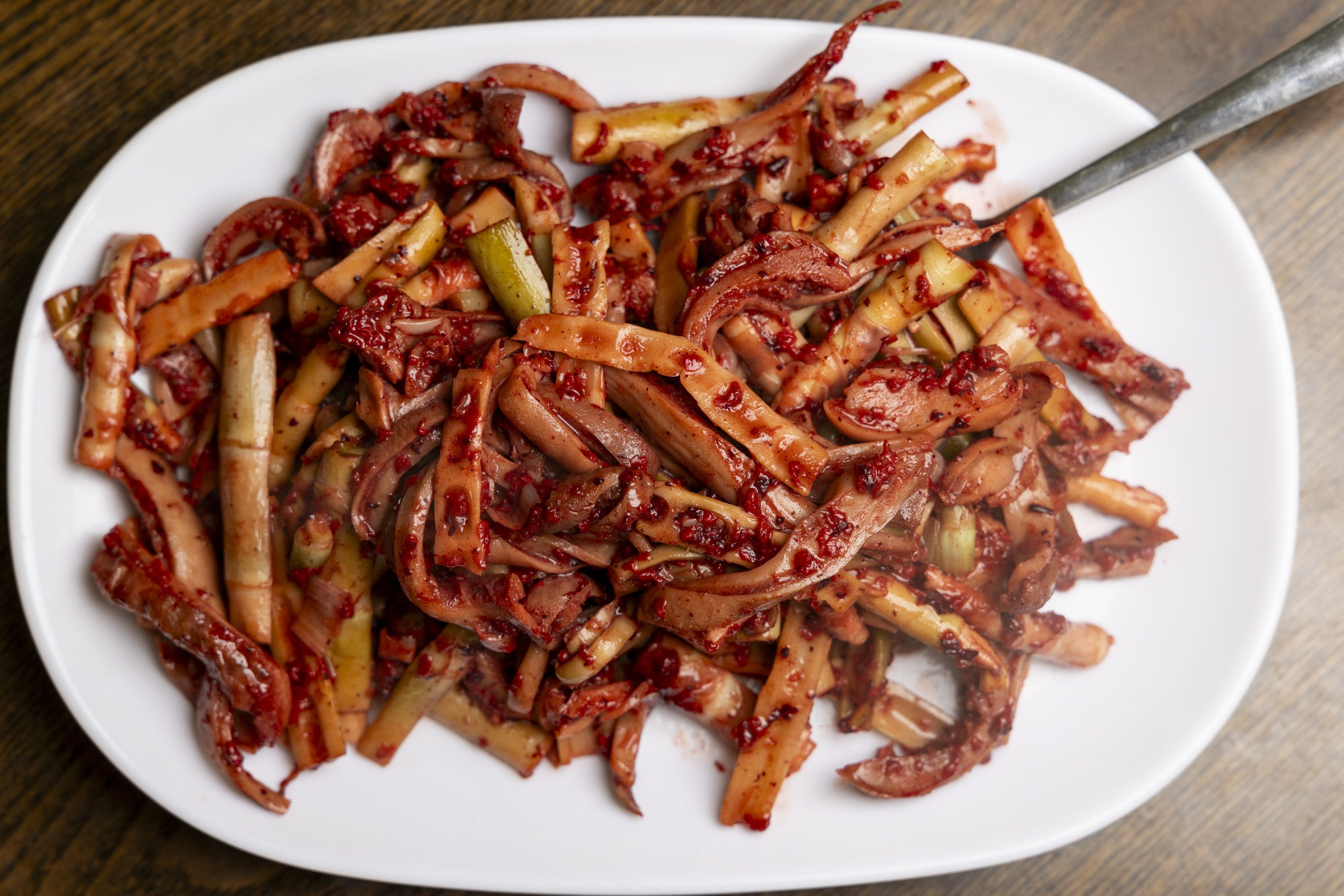
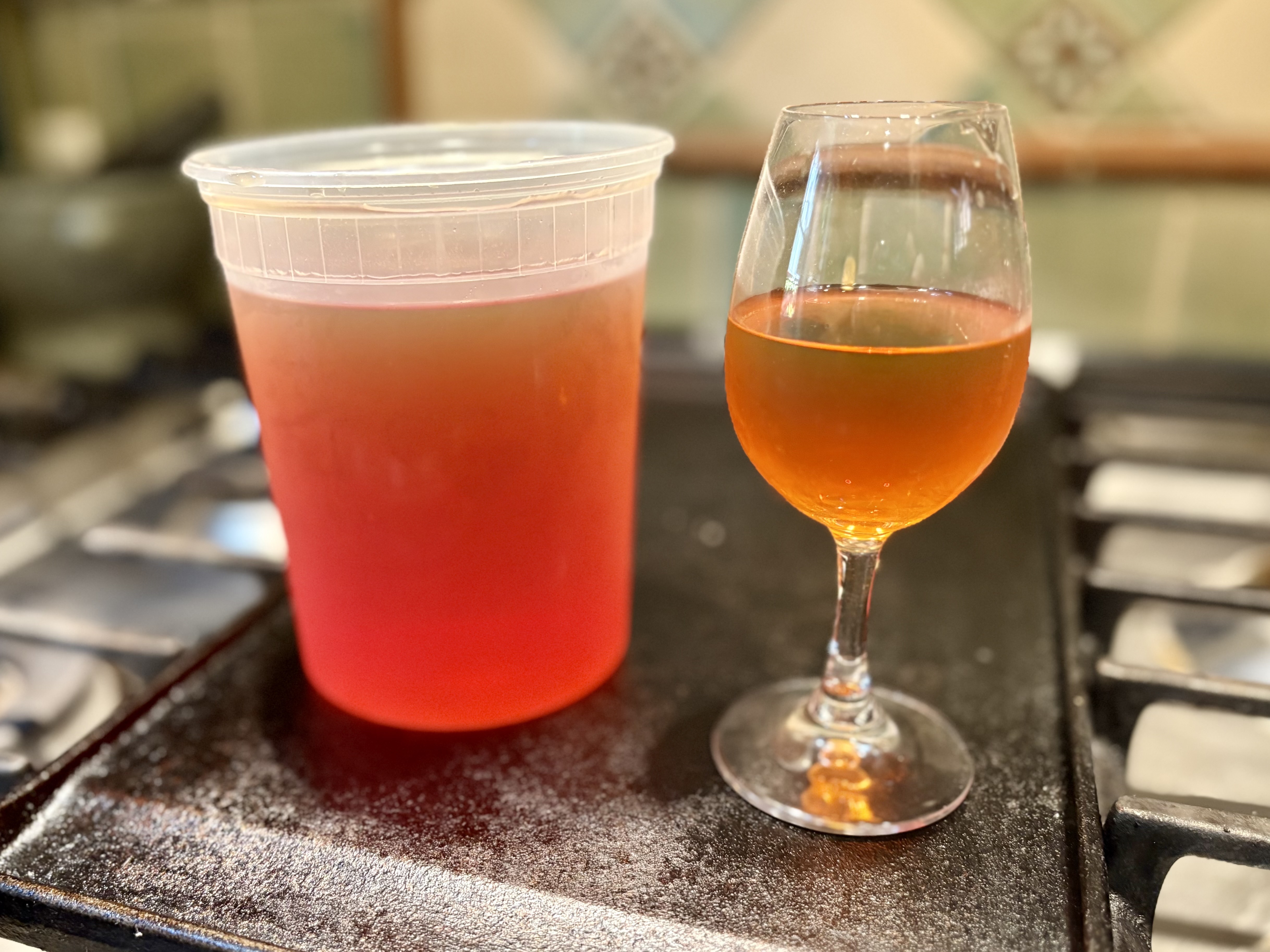
    As Kenneth Liu notes only half-jokingly, “My dad does not share his wine.” But the leftover lees, a crimson paste noted on the menu as “red vinasse,” is a valuable condiment that carries a fruity, fermented note and yeasty tang. It’s a transformative addition to Lau Kee’s stir-fry of chopped pig stomach with bamboo shoots. (The squeamish can order it instead with shredded pork meat.) There’s a toothy-yet-tender snap to the offal and an earthy undertone that harmonizes with the lightly boozy lees for a far more rewarding dish.

    The pig stomach with red vinasse at Lau Kee, in Philadelphia, Pa., on Friday, Aug. 7, 2026.Tyger Williams / Staff Photographer

    Considering the sizable community of Fujianese entrepreneurs who’ve moved to this region over the past two decades and opened everything from Americanized Chinese takeout windows to sushi restaurants and, yes, excellent Cantonese duck houses, there are precious few places showcasing traditional Fujianese food, an underrated regional cuisine. Since the closure of both Ming River Side Walk House and my other longtime 10th Street favorite, simply called “Chinese Restaurant” (aka Tai Jiang), I can no longer find delicate noodles in peanut sauce, fried taro cakes studded with pork, wok-fried baby oyster omelets, and Fujianese wonton soup with tiny dumplings no larger than a penny.

    Lau Kee doesn’t make them either, sadly, and even recently dropped another Fujianese specialty, drunken ribs, when Qiu’s brother retired from their kitchen. “[Fujianese cuisine] is not the fanciest food, and not everyone is willing to try,” says Kenneth Liu.

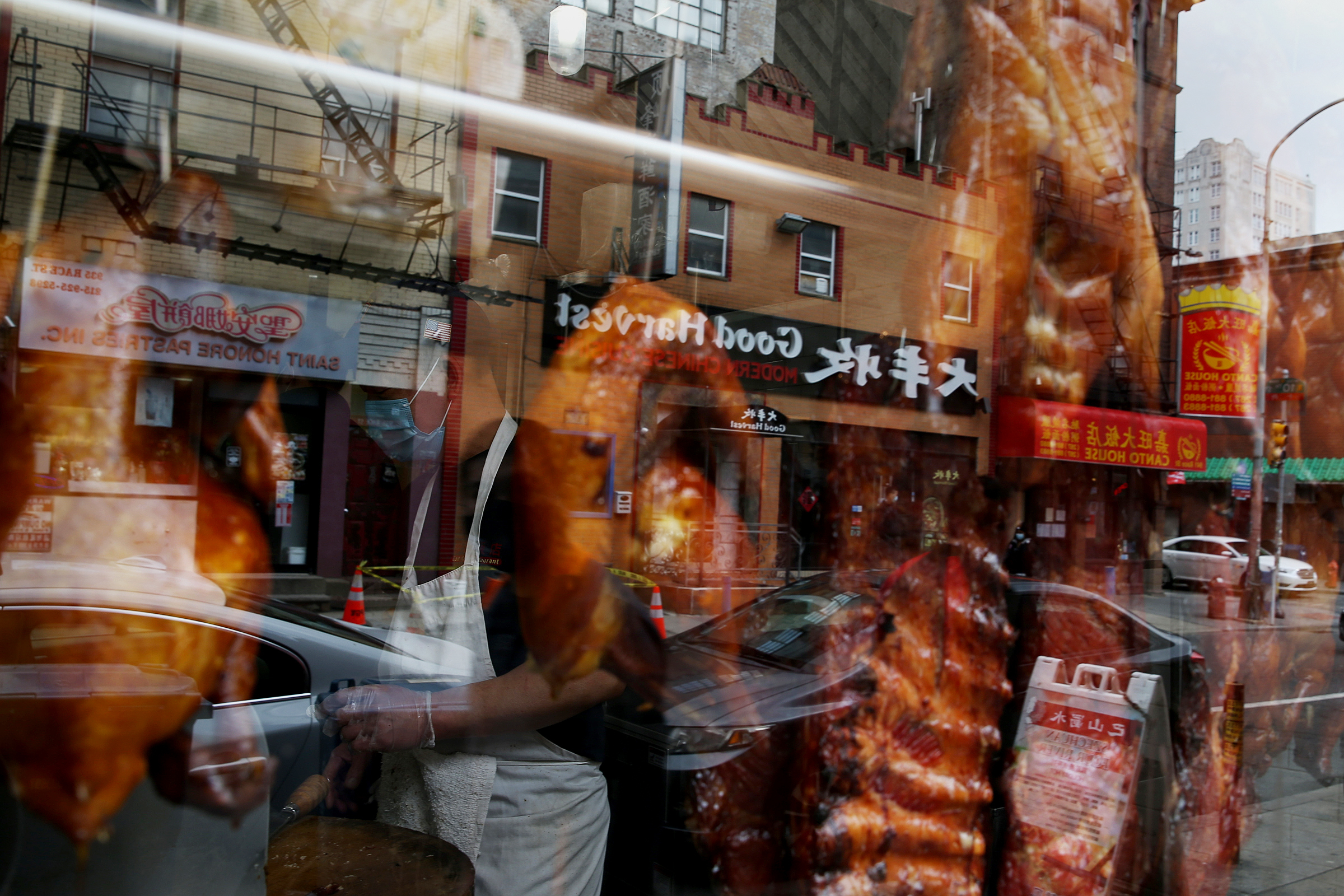
    Businesses are reflected in a window in front of roasted ducks at Lau Kee in Philadelphia’s Chinatown on Thursday, April 1, 2021.Tim Tai / Staff Photographer

    And yet, perhaps Philly’s diners would try if only they knew more of Lau Kee’s abilities to so beautifully represent their home region? My own enthusiasm was at least genuine enough to convince chef Liu to share a sample of his Qinghong wine stash.

    “Don’t drink it all at once — it’s strong!” he warned, showing me the small bowl from which he sips a chilled cup of Qinghong daily.

    I took a sniff. It was tart like crushed red berries. I took a taste: a fruity tang but also dry and pleasantly funky, not unlike a refreshing sherry. I took another sip, and one more. And I understood. No matter what Lau Kee’s menu says, or how many perfect ducks Chuien Liu roasts for his adopted hometown of Philadelphia, this descendant of Fujianese fishermen will never forget the taste of home.

    Qinghong, a Chinese wine made from fermented red rice, is made by Fannie Qiu for her husband, Chuien Liu, the chef-owner of Lau Kee in Chinatown, who used the leftover solids from the process to make Fujianese-style stir-fries.Craig LaBan / Staff

    Lau Kee

    934 Race St., 215-201-3511. Menu is posted on delivery apps.

    Open 9 a.m. to 8 p.m. Tuesday through Sunday for dine-in; until 9 p.m. for takeout.

    Wheelchair accessible via a small portable ramp.

    Not ideal for gluten-free diners. A small portion of the menu can be made gluten-free, but none of the roasted meats.

    BYOB

    Menu highlights: Roasted meats: Hong Kong-style roast duck, (boneless) Peking duck, char siu pork, crispy pig, soy sauce chicken; Peking duck rolls; sliced beef in scallion pancake roll; wonton noodle soup with roast pork; shrimp dumpling noodle soup; West Lake beef soup; congee with roast duck; ginger-scallion noodles; shredded duck with string beans and XO sauce; Mongolian beef; pig stomach with red vinasse; salt-baked chicken wings.

    The platter of Peking duck at Lau Kee, in Philadelphia, Pa., on Friday, Aug. 7, 2026.Tyger Williams / Staff Photographer
  • Wawa’s new Phanatic smoothie tastes like a ‘World Series win with a sprinkling of Mets tears’

    Wawa’s new Phanatic smoothie tastes like a ‘World Series win with a sprinkling of Mets tears’

    As Philly guys go, the Phanatic is one suave dude. His gyrating belly, chameleonlike tongue, and ability to burn our opponents without uttering a single word have charmed generations of Philadelphians.

    Now, this smoothie operator has a smoothie all his own and it tastes like the tears of our rivals — sweet, salty, and delicious.

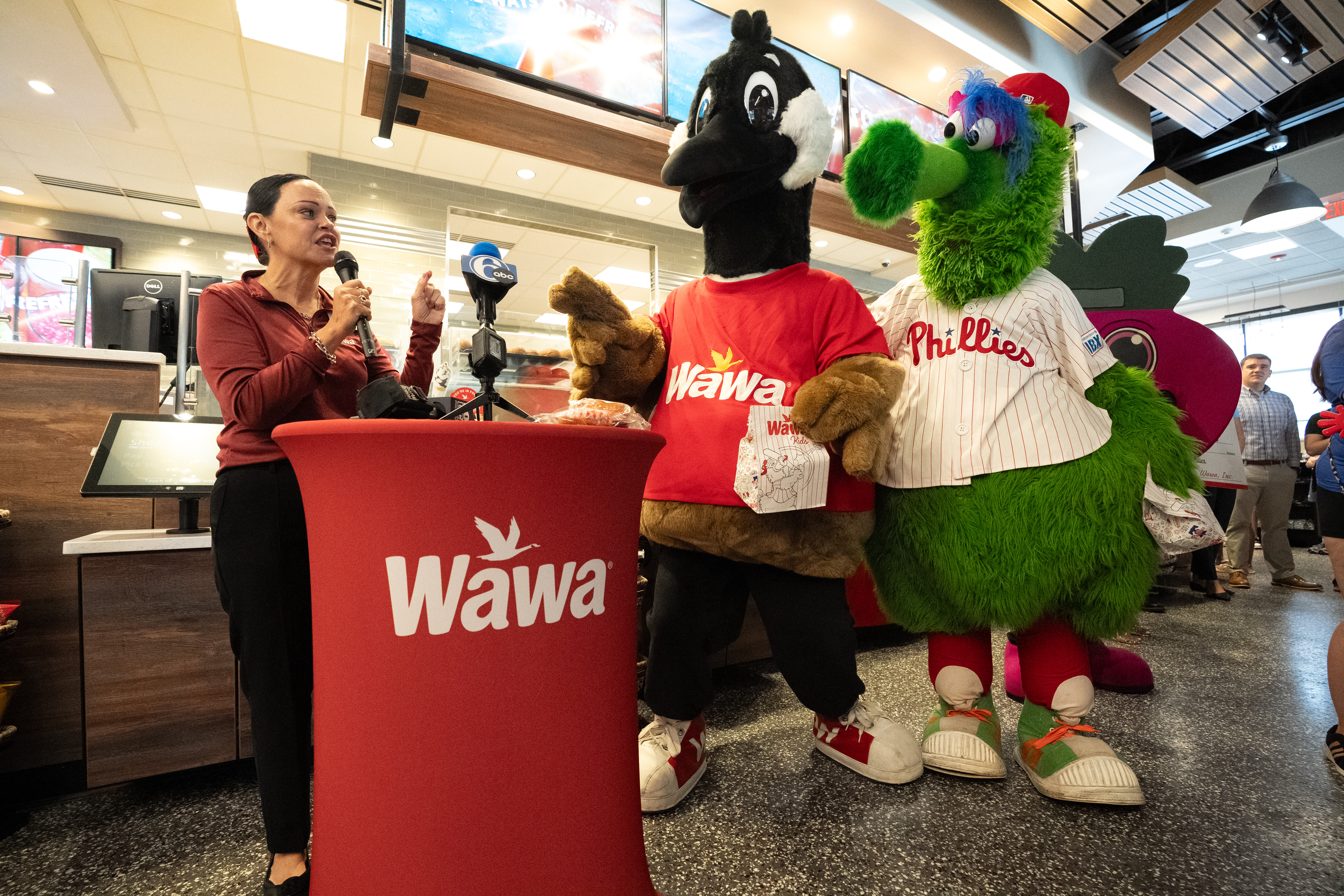
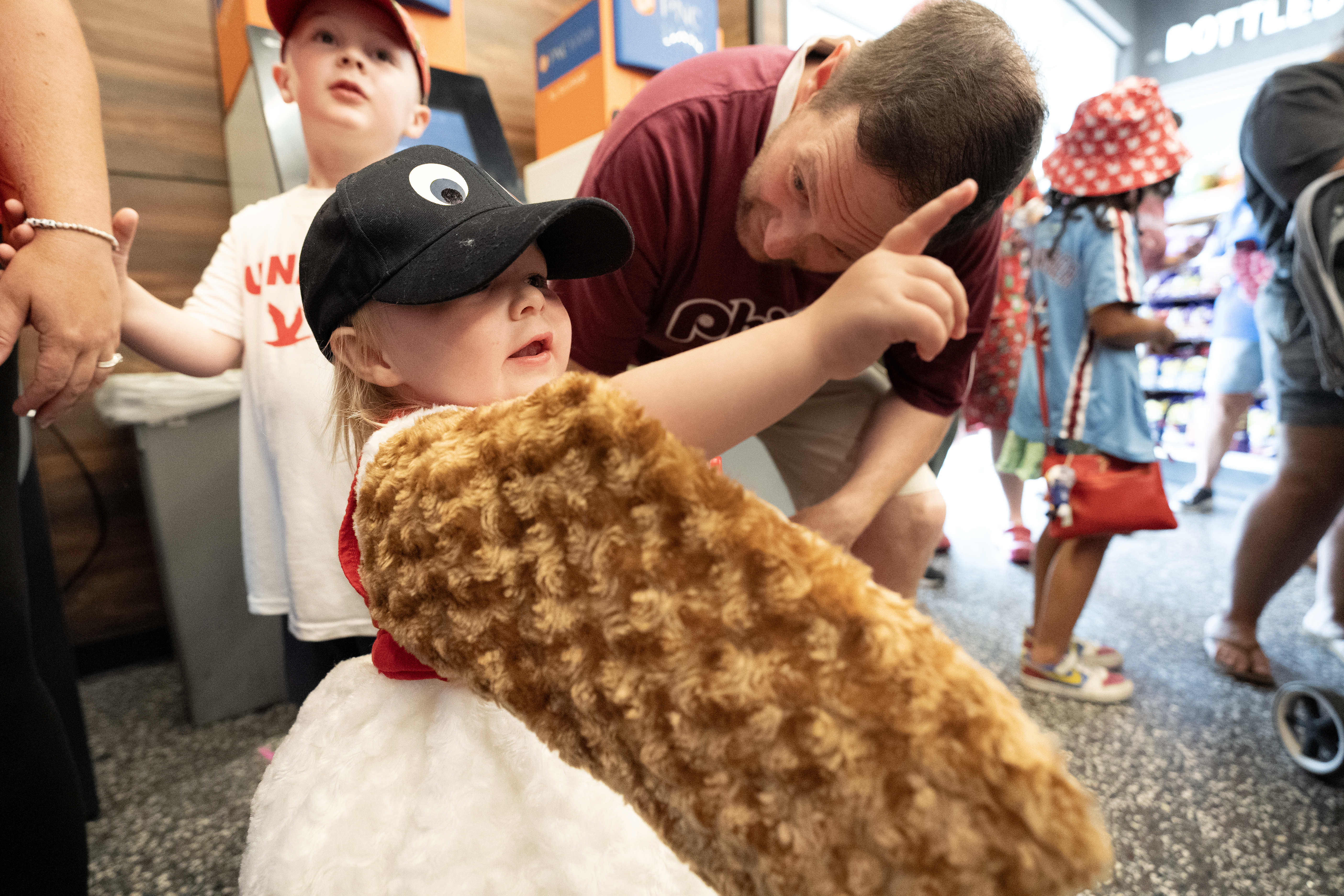
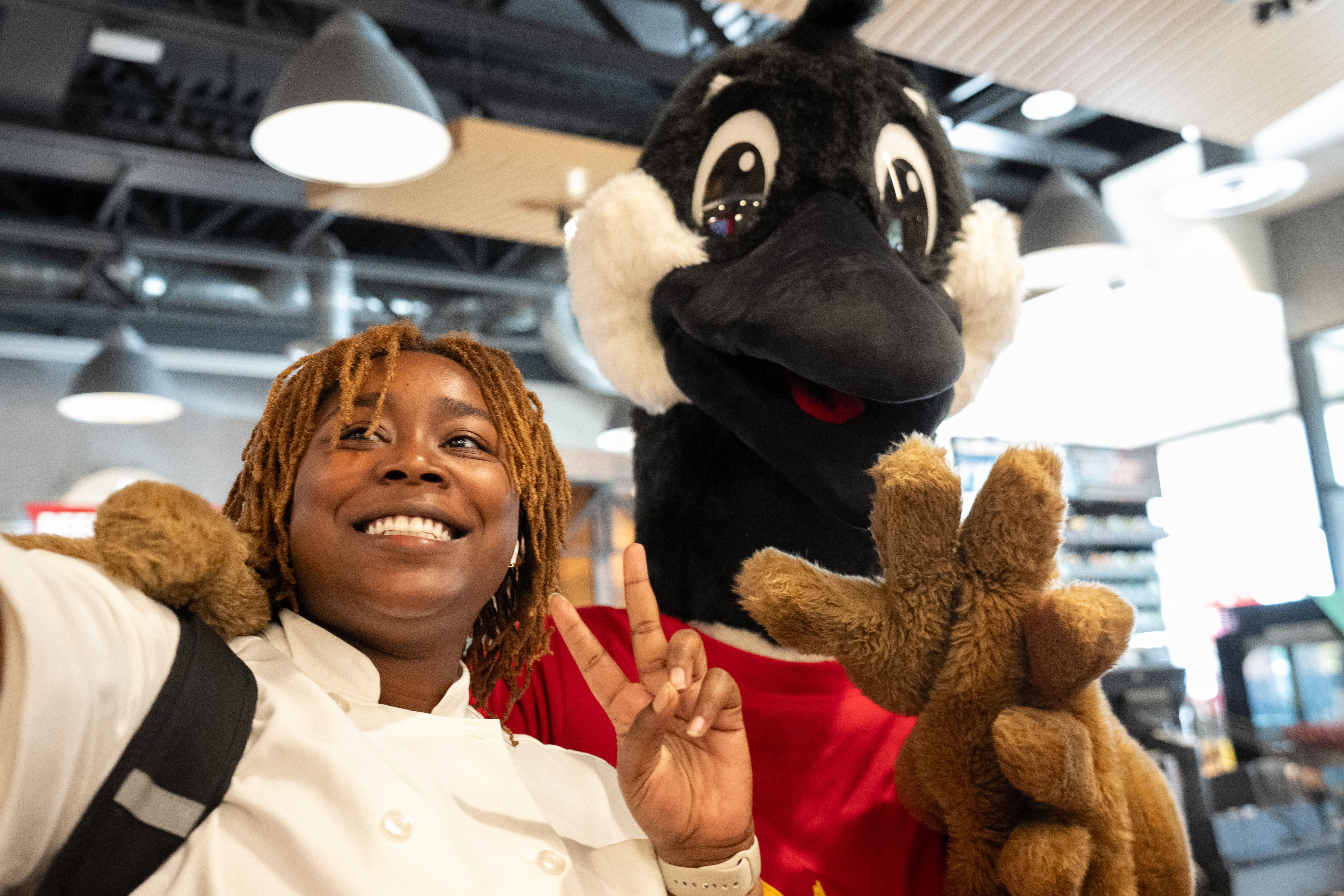
    Kim Rodriguez, Wawa manager, along with the Wawa mascot Wally Goose and the Phillie Phanatic in Philadelphia on Aug. 17, 2026.Jessica Griffin / Staff Photographer

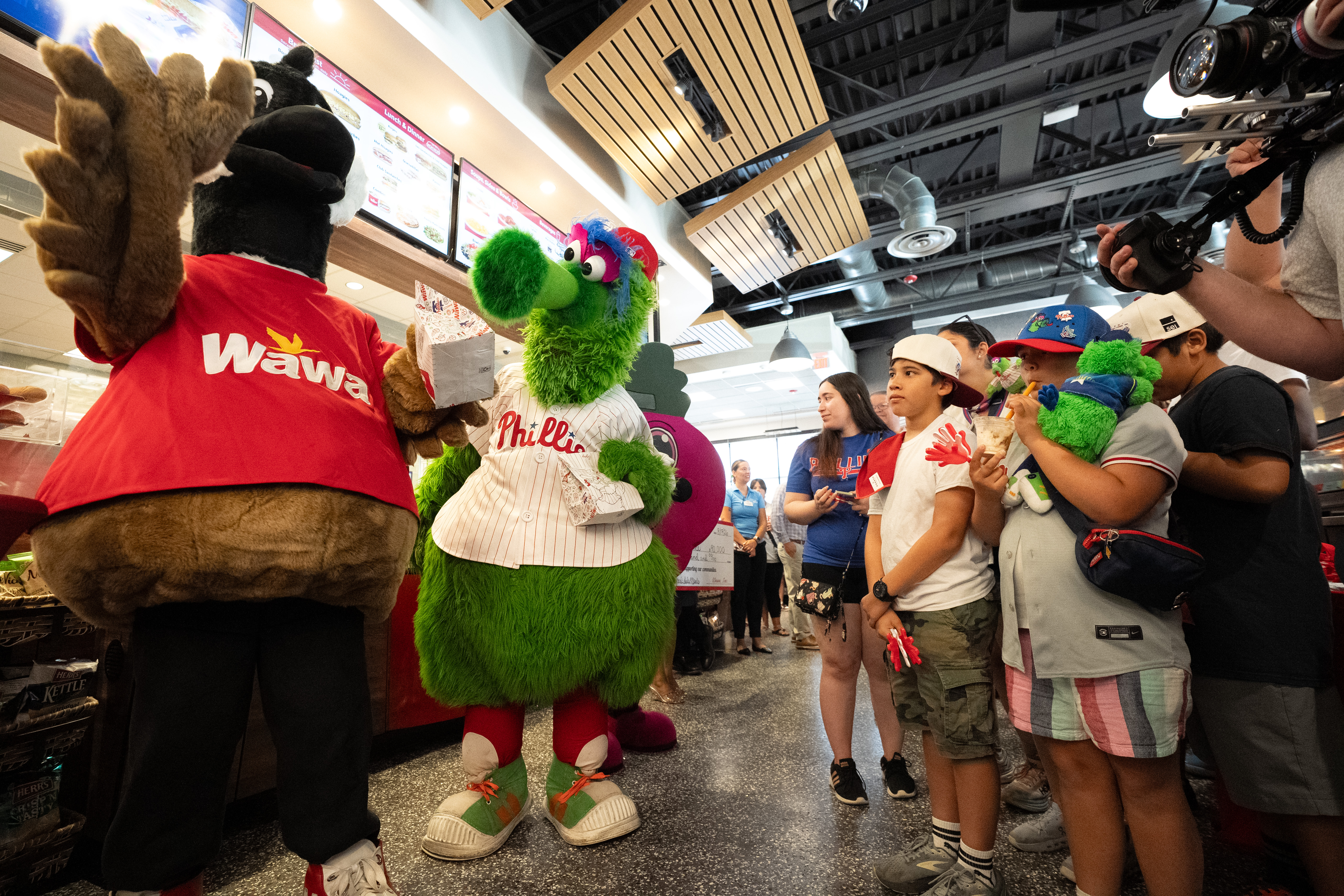
    Wawa debuted its new, limited-edition Phanatic Caramel Curveball Cream Smoothie during an event at the chain’s Penrose Avenue store Monday that was part news conference, part pep rally, and perfectly preposterous.

    Fans packed the store — for what, they weren’t exactly sure — they just knew it would be a chance to “hang with the Phillie Phanatic and Wally Goose,” according to Wawa’s Facebook page for the event.

    The two-birds-one-store offer was enough to bring out a flock of more than 75 people dressed in Phillies, Phanatic, and Wawa gear, including sisters Elizabeth and Jennifer Bertolet of Doylestown. They arrived 90 minutes before the event and decided that whatever was about to happen, it was “going to be awesome.”

    “Wally is going to be here and the Phanatic is going to be here. Why wouldn’t we be here?” Elizabeth Bertolet said.

    Maggie McNulty, who is dressed as Wally Goose, and her father, Glenn McNulty, attend an event at Wawa’s Penrose Avenue store celebrating the partnership between the Phillies and Wawa. Jessica Griffin / Staff Photographer

    Justin Tichy, chief operations officer for Wawa, announced during his remarks that the smoothie is part of a new partnership between Philly’s hometown baseball team and its hometown convenience store.

    Fans at Friday’s Phillies’ game against the St. Louis Cardinals will receive a Wawa Kyle Schwarber bobblehead, samples of the Phanatic smoothie, and a chance to see Wally Goose throw out the first ceremonial pitch.

    When asked how he’s feeling about taking the mound, Wally shuddered with nervous energy then practiced his pitching wing.

    She Willians, of Job Corps culinary, and the Wawa mascot Wally Goose at Wawa’s Penrose Avenue store Monday. Jessica Griffin / Staff Photographer

    Perhaps he’ll throw a curveball like Wawa did by not making its Phanatic smoothie green. A source said it’s because the Phanatic is unlikely to put anything green in his smoothie, which 100% tracks. You don’t get that bouncy belly by drinking kale.

    When asked what he thought about the new drink bearing his name, the Phanatic raised his arms overhead then circled his belly around in approval.

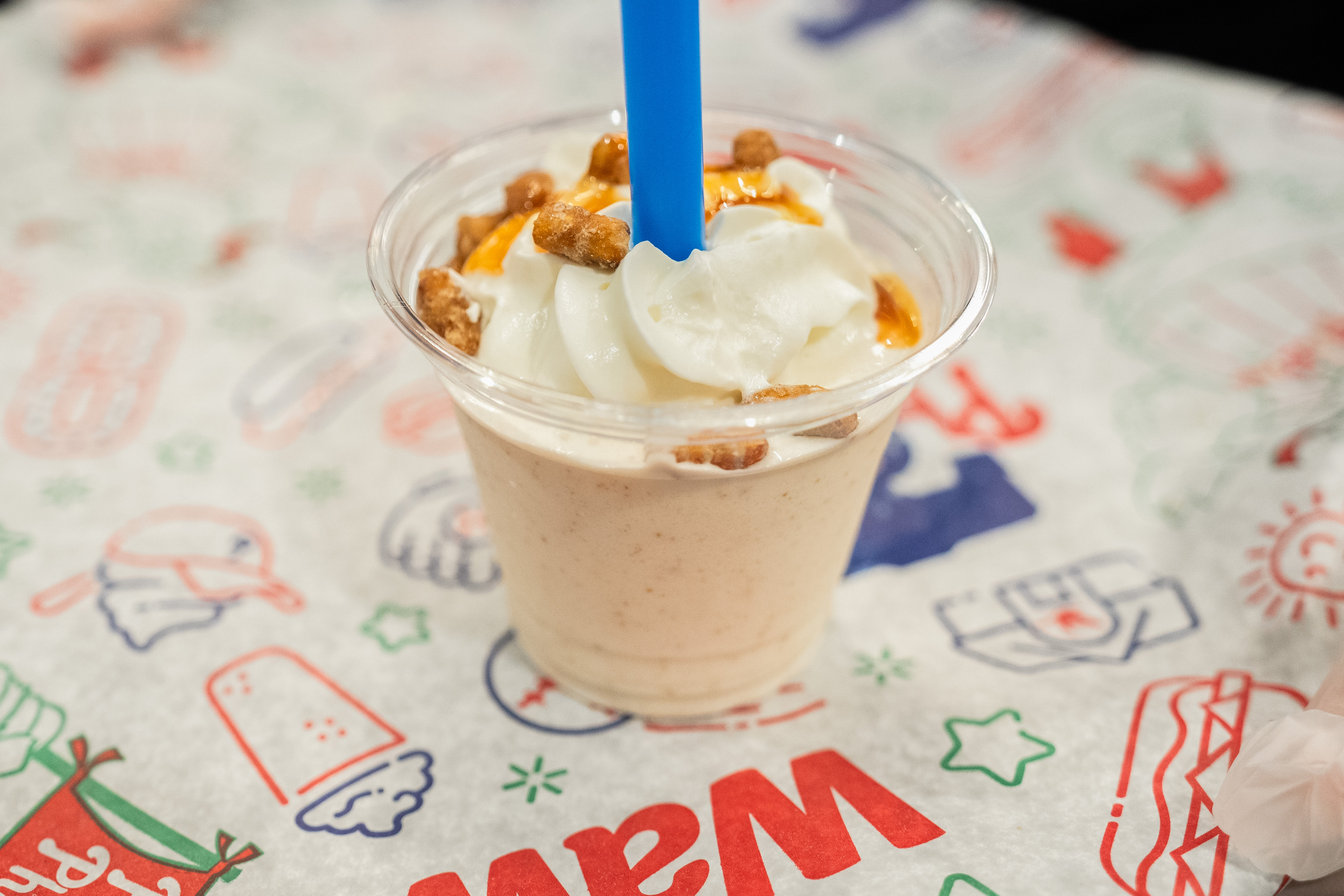
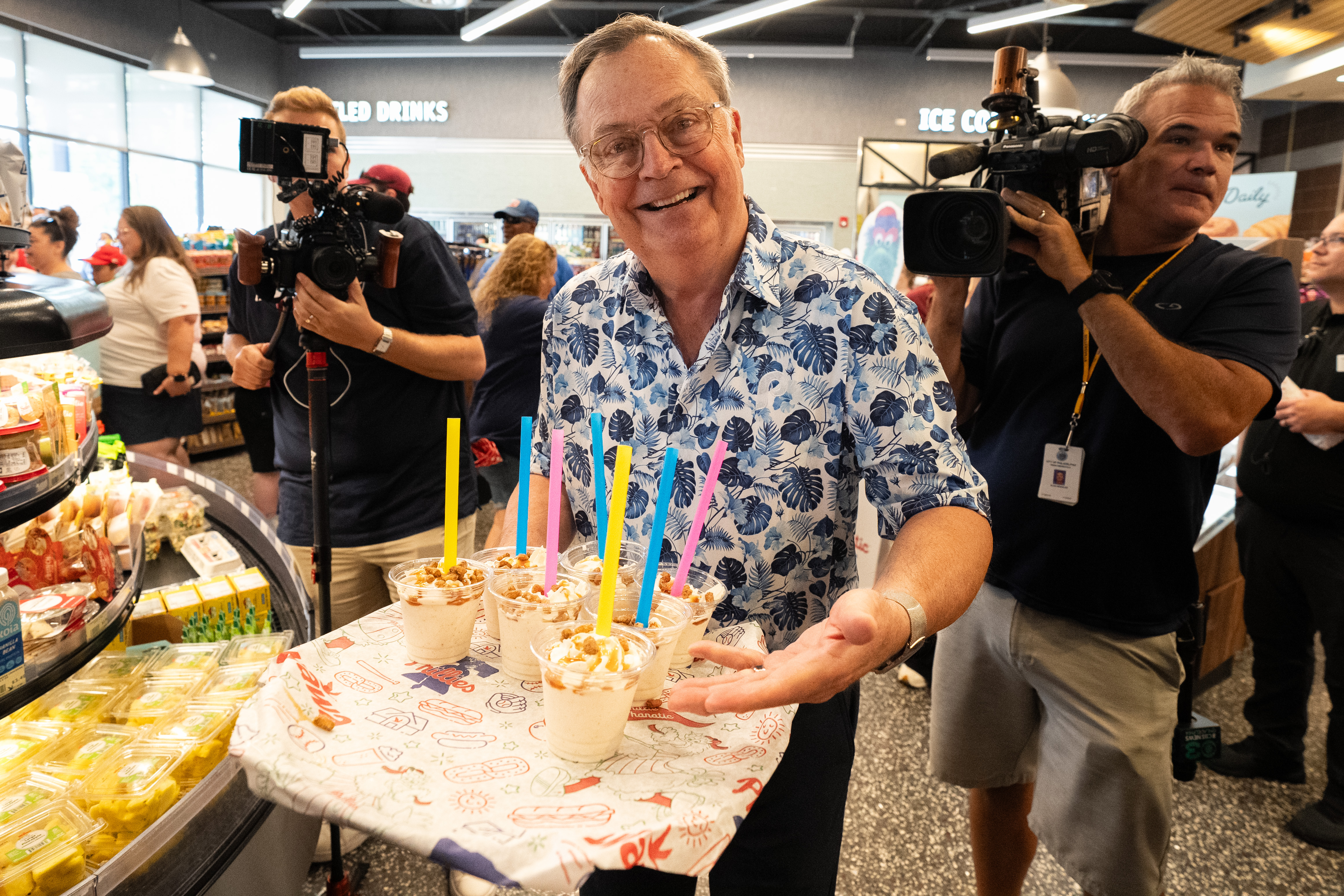
    The smoothie is made with vanilla ice cream, caramel sauce, whipped cream, salted caramel syrup, and sea salt pretzel pieces. It comes in a limited-edition cup featuring the Phanatic’s eyes and the tip of his snout and it only comes in one size — phanatically large — clocking in at 970 calories.

    The new Phanatic smoothie

    [image or embed]

    — Stephanie Farr (@farfarraway.bsky.social) August 17, 2026 at 1:39 PM

    Zack Sminkey of Woodstown, N.J., who wore a matching red shirt-and-shorts combo featuring repeating patterns of the Phanatic, brought his 7-year-old daughter Zoe to the event. Both approved of the new smoothie in the big green guy’s honor.

    “It’s really good. It’s very ballpark-tasting,” Sminkey said. “I almost feel like it tastes like Cracker Jacks. It’s delicious.”

    Jennifer Bertolet described it another way as she and her sister toasted their free samples of smoothie.

    “It tastes like World Series win with a sprinkling of Mets tears,” she said.

    Phillies ambassador Scott Palmer with a tray of new Wawa limited-edition Phanatic Caramel Curveball Cream Smoothies.Jessica Griffin / Staff Photographer

    When Wawa released a limited-edition Gritty Smoothie in the spring in honor of Philly’s prince of chaos, it was only a matter of time before the OG mascot king got one of his own, too.

    The partnership between Wawa and the Phillies solidified Wawa as the team’s official hoagie in June. Wawa hoagies now come wrapped in Phillies-themed paper, and the chain is selling red-and-white striped Phillies doughnuts and Phillies-themed kids meals, which come with stickers of the Phanatic and Wally Goose. A portion of the proceeds from the kids meals go to Philabundance.

    In turn, Wawa has an increased presence at Citizens Bank Park with new advertising and ballpark activations.

    Wally Goose and the Phillie Phanatic represent Wawa and the Phillies at a news conference on Monday about their recently-announced partnership. Jessica Griffin / Staff Photographer

    But the Phillies and Wawa were in a situationship long before they made things official this summer. Whenever the Phillies make the playoffs, Wawa brings back its Kyle Schwarber-themed Schwarberfest, a Hoagiefest spinoff featuring discounted hoagies. And in 2024, Bryce Harper was fined by MLB for showing his love for the chain by wearing custom-made Wawa cleats and a headband during a game.

    The Phillies and Wawa collaborations, including the Phanatic smoothie, will be available at stores in the region through Sept. 28.

    No word on if the offers will be extended in the event of a Red October.

    Today while interviewing a woman inside of a Wawa whose baby was dressed like Wally Goose, I was surprise-attacked from behind by the Phanatic, who put me inside of his shirt.

    That is a sentence only a Philly journalist could write – and believe and live through.

    [image or embed]

    — Stephanie Farr (@farfarraway.bsky.social) August 17, 2026 at 1:26 PM

  • Avalon will allow outdoor live music one hour later at Gully’s

    Avalon will allow outdoor live music one hour later at Gully’s

    Avalon has changed its tune.

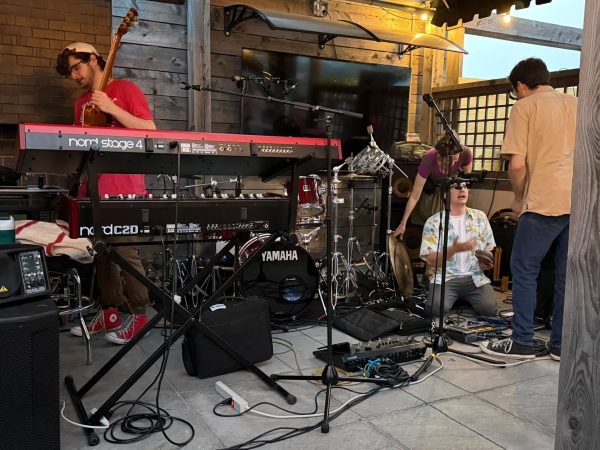
    Over objections from nearby residents, the affluent Cape May County shore town voted to soften liquor license restrictions for the popular new bar Gully’s, allowing one more hour of outdoor music, until 9 p.m.

    The vote followed an outcry from the town’s locals, old-timers, and music lovers after the band Three and One was told to stop playing at 8 p.m. July 17, two hours earlier than advertised, after complaints from neighbors and a visit from Avalon police.

    The 8 p.m. cutoff for outdoor music was a special condition included in the liquor licenses of Gully’s and other bars in town.

    But at its August council meeting last Wednesday, the council adopted new restrictions on Gully’s that gives the bar one more hour for outdoor live music.

    Gully’s had been appealing those conditions to the state’s Division of Alcohol Beverage Control before the resolution’s adoption.

    Councilman Jamie McDermott downplayed the consequences of extending the music one more hour, and said the noise was “part of living within the two blocks of the commercial business district.”

    “It’s a summer disruption,” he said. “We’re talking about eight Saturday nights that are going to go until nine o’clock.

    “For me, for a summer town, that’s not Sea Isle, that’s the seashore at its best,” he said.

    According to the resolution, Gully’s has retained a sound engineer to help with noise volume from its bands.

    “Each band will be given the sound engineer’s phone number so that the engineer can approve the band’s system before it is set up,” the resolution states.

    In addition, “bands will be warned that they will be cut off and not paid if they do not keep the volume reasonable.”

    The council noted that Gully’s space is mostly outdoors, unlike other bars in town with bigger indoor footprints for music, and that the borough itself has outdoor music until 9 p.m. at its public concerts.

    The extension to 9 p.m. was characterized as a temporary solution for the rest of the summer. The issue will be revisited before next summer.

    Gully’s has agreed to withdraw its appeal, for now, Nicole Curio, the municipal solicitor, told the council.

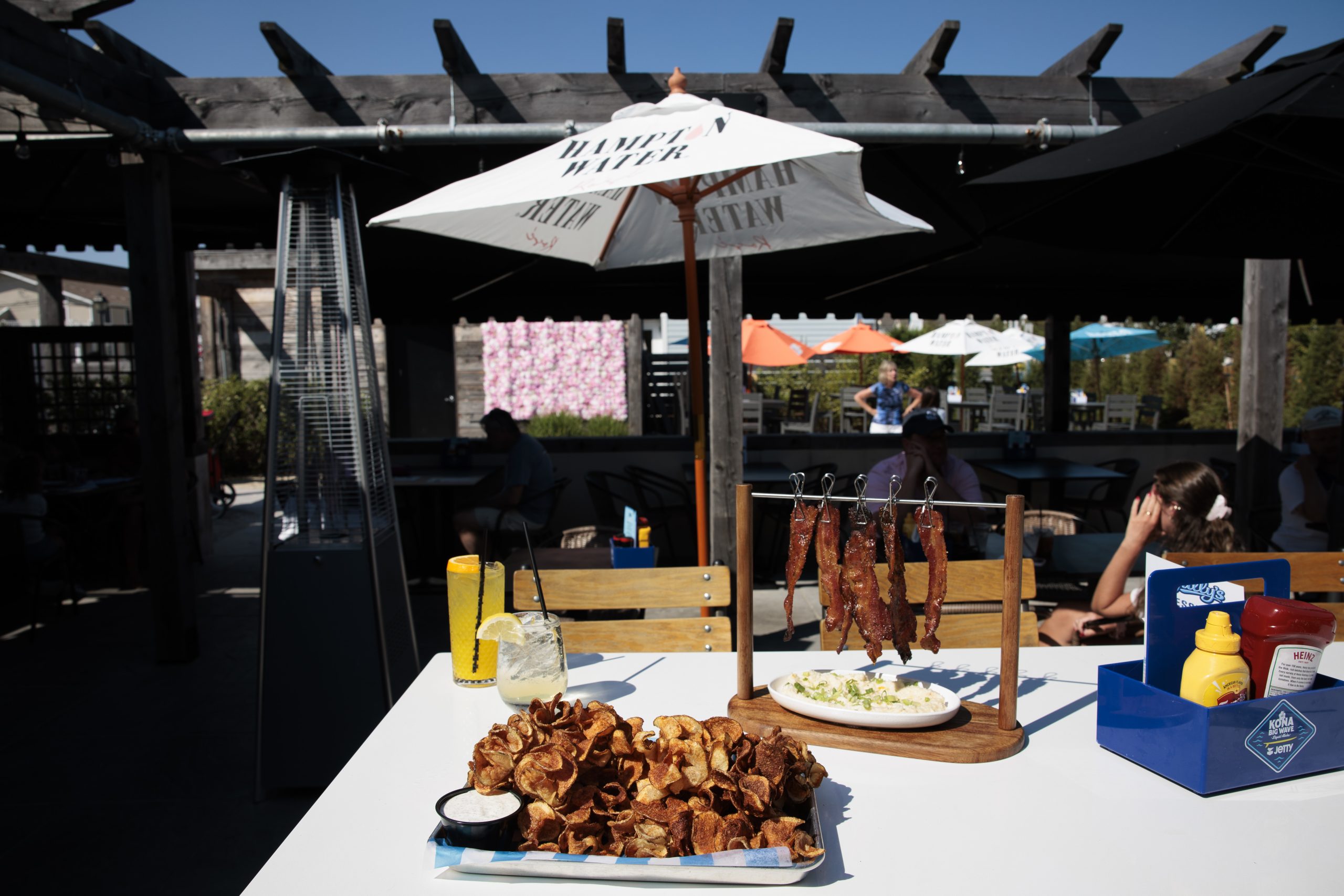
    The hanging candied bacon served over grits and Gully’s blooming potato at Gully’s on Wednesday, June 17, 2026, in Avalon, NJ.Monica Herndon / Staff Photographer

    The resolution requires Gully’s bands to have smaller sound systems, no 18-inch or larger bass speakers, and to monitor their volume. The restaurant announced the change on its Facebook page.

    The resolution also states that concerned neighbors will be given a number to text if they have issues with the volume.

    Gully’s has also agreed to reposition the stage so that bands are facing the building rather than the neighborhood, the resolution states.

    City Council President Greg “Chet” Johnson said at the meeting that the town needed to ensure that all the new people investing in summer homes had places to go once they arrived in Avalon.

    “The town has changed,” Johnson said, addressing residents who had objected to the new regulation. “It’s a more affluent community that’s coming here. You’ve had great appreciation in your property. This is going to continue to grow and boom. People that come down now, they’re not bringing their groceries. They want to go to restaurants. They want entertainment.”

    The popularity of Gully’s, in a space where a previous business had not flourished, showed that it was something the town as a whole supported, he said.

    Larry Hayes, a neighbor who lives about 500 yards away and has complained about the noise, said he was opposed to the new regulations. Others said Avalon was caving to Gully’s.

    Council Vice President Sam Wierman said it was unrealistic for neighbors near Avalon’s commercial district to want “everything shut off” at 8 p.m.

    “That’s the reality of living,” he said. “I don’t think 9 p.m. is unreasonable. It’s a middle ground.”

    Curio, the solicitor, noted that the resolution did not address other events at Gully’s, like its amplified Monday minnow races, which were also receiving attention from PETA, the animal rights group.

    Resident Jody Kyle, meanwhile, noted a noise issue she thought was worse than Gully’s: The noise from the nearby Wawa, which she said went on until midnight or 2 a.m. some nights.

    “It’s underaged kids who belong at home,” she told council.

  • Another fixture of East Passyunk’s Italian dining legacy is on the market

    Another fixture of East Passyunk’s Italian dining legacy is on the market

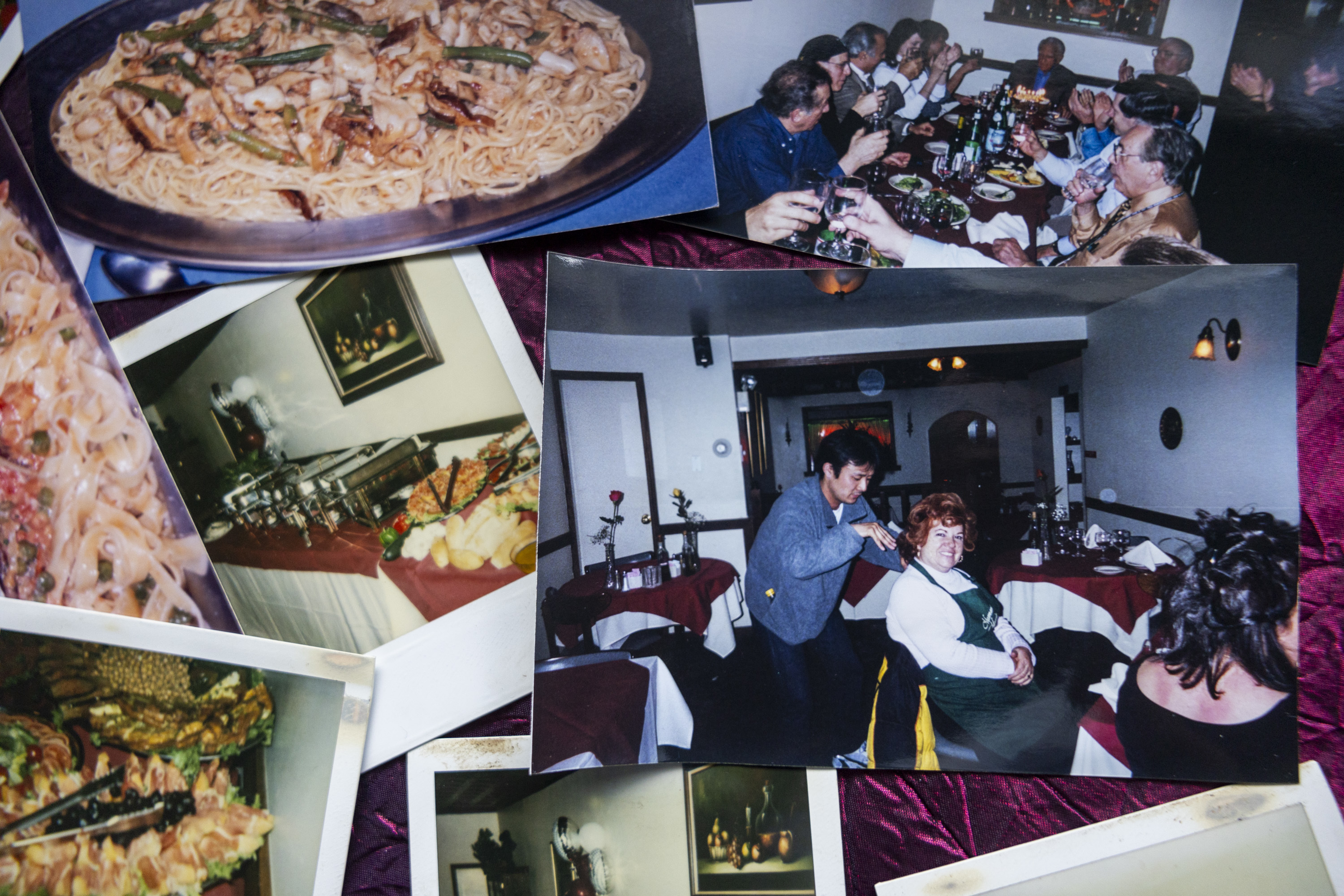
    The tables at Mamma Maria’s have not been pushed aside for dancing in years, but the disco ball still hangs overhead.

    Still there, too, are the kitchen where Santa Maria “Mamma Maria” Chiavatti turned out feather-light gnocchi, the dining room where waiters carried trays of flaming sambuca, and the upstairs studio where Chiavatti taped a TV cooking show whose first guest in 1999 was Mayor Ed Rendell.

    Santa Maria Chiavatti and family enjoyed a 28-year run at Mamma Maria’s.Tyger Williams / Staff Photographer

    Now the collection of buildings that housed the East Passyunk restaurant for nearly three decades is for sale, marking the end of one of the Avenue’s more colorful links to its ′90s/’00s Italian-restaurant resurgence.

    The former restaurant, closed for six years, is spread across three adjoining buildings on Passyunk Avenue and Jessup Street, all with apartments above. The asking price for 1637 E. Passyunk Ave., which houses one of the dining rooms, and 1632 S. Jessup St., which contains the kitchen, is $1.5 million. The building housing the other dining room, at 1639 E. Passyunk Ave., is offered for $2 million.

    “The kitchen is still set up,” said Albert Perry of Century 21 Advantage Gold, who has the listing with Dave Lombardo. “When we went to the property for the listing appointment, I was sent home with food.”

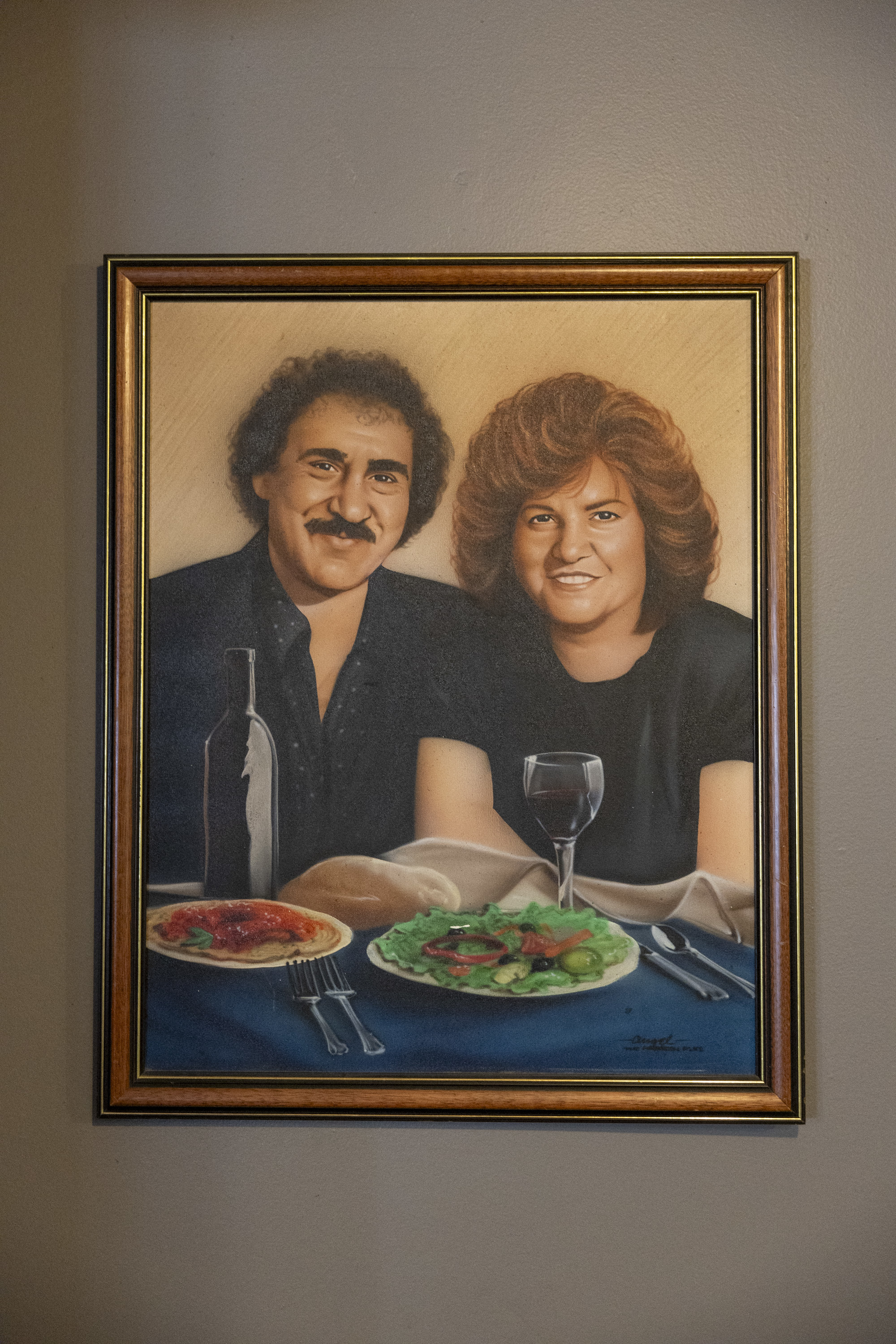
    A portrait of Claudio and “Mamma Maria” Chiavatti hangs in the shuttered restaurant.Tyger Williams / Staff Photographer

    Mamma Maria’s, which opened in 1992 and expanded into the adjoining property the following year, closed in 2020. But the Chiavattis said they couldn’t bring themselves to sell until now.

    “We want to give somebody the chance to have what we had, but with their vision,” said Maria’s daughter Paola Chiavatti. “Our era is ending, and a new era can begin.”

    A ‘vacation’ stop in Philadelphia

    The Chiavattis’ Philadelphia era began almost by accident.

    Maria and her husband, Claudio, came to the United States from Italy in 1992 for what their children believed was a vacation. The couple had already spent years in the restaurant business in Italy and Canada, and the family thought they had retired.

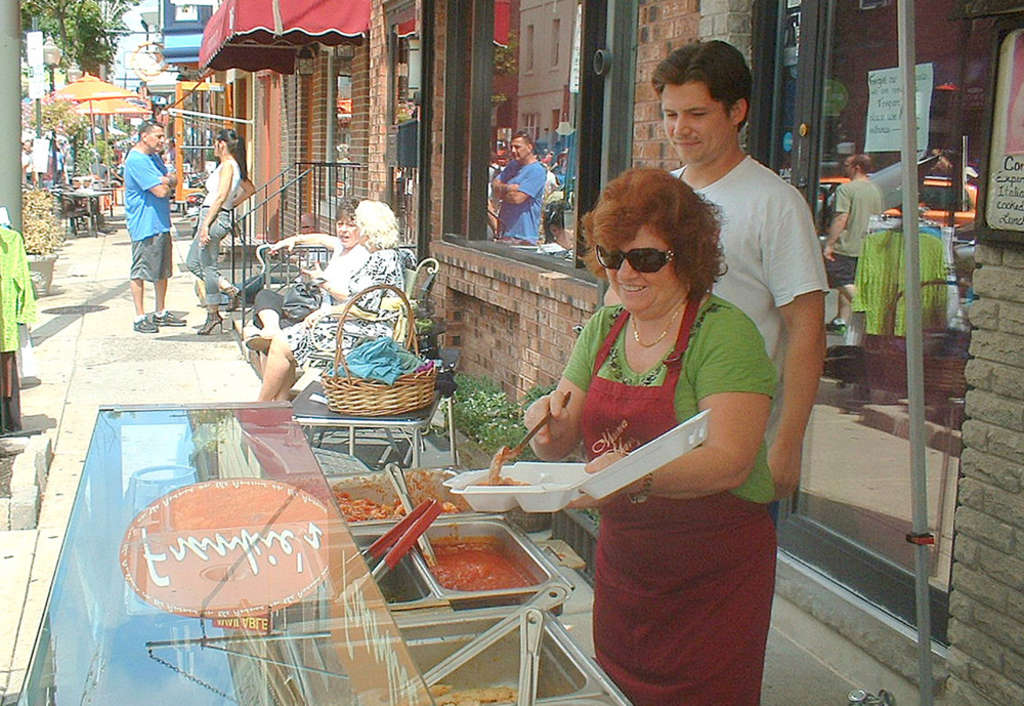
    Maria Chiavatti serving food outside of the East Passyunk Avenue restaurant in 2012. Glamorosi

    Then, while visiting relatives in Philadelphia, Claudio spotted a closed restaurant on East Passyunk Avenue and noticed the municipal parking lot across the street.

    “I said, ‘Yes, but it isn’t your parking lot,’” Maria recalled.

    Claudio’s answer was simple: “But it is there.”

    The couple rented the building and opened Mamma Maria’s. Three months later, Claudio questioned why they were paying rent when they could buy it.

    “That’s exactly what we did,” Maria said. “We bought it and made it beautiful.”

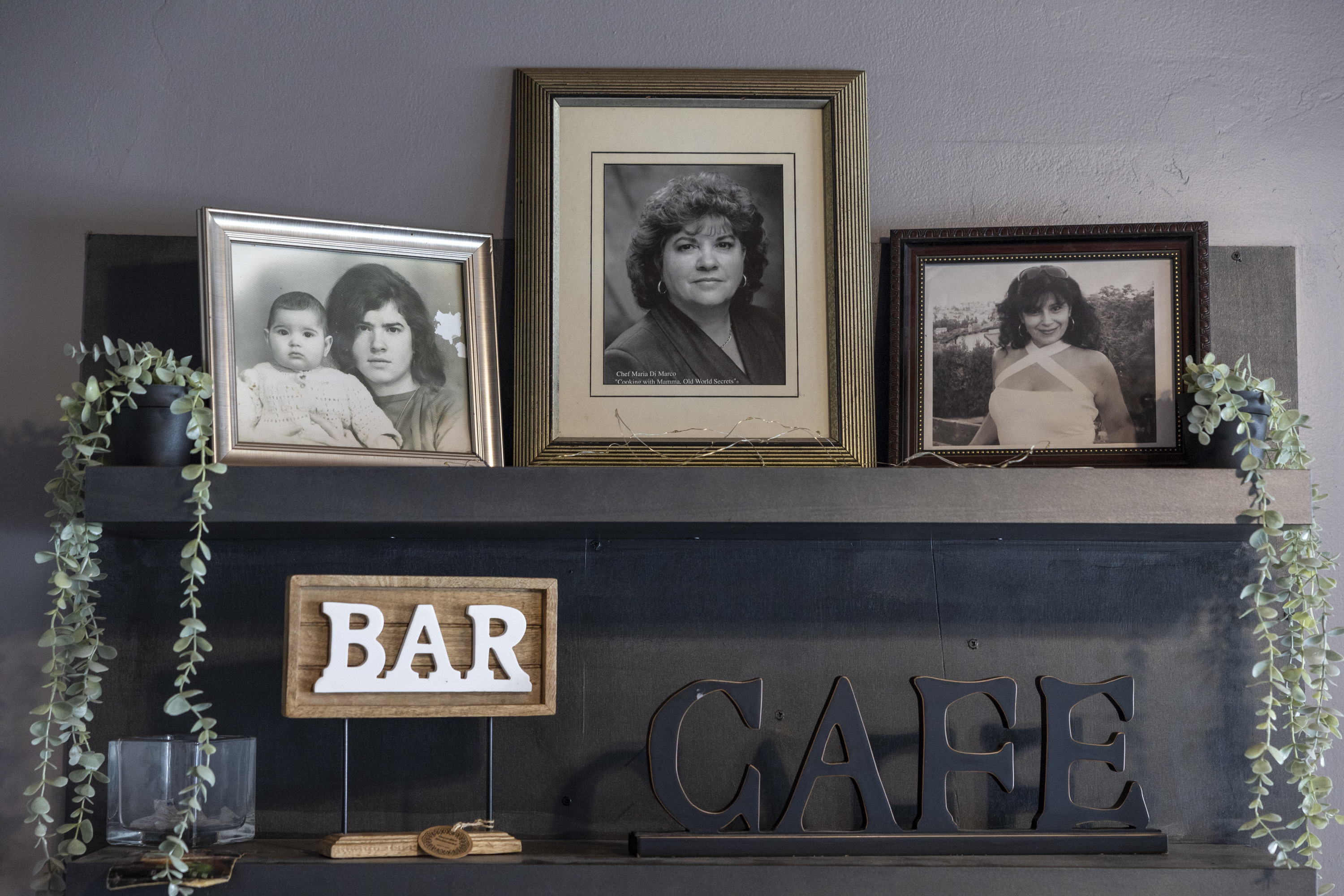
    Photos of Santa Maria Chiavatti and her daughter Paola on the mantel at Mamma Maria’s.Tyger Williams / Staff Photographer

    They built the menu around the food Maria knew from Abruzzo.

    Paola, meanwhile, was still in Italy, working as an interpreter and language teacher. Her sister, Myrna, and brother, Gianni, came to visit their parents. Before long, everyone in the immediate family was in Philadelphia, except Paola.

    That same year, her parents invited her over, ostensibly for a relative’s birthday party. Claudio picked her up at the airport and drove her to East Passyunk Avenue. She walked into the restaurant and saw a banner: “Welcome, Paola, to Mamma Maria’s.”

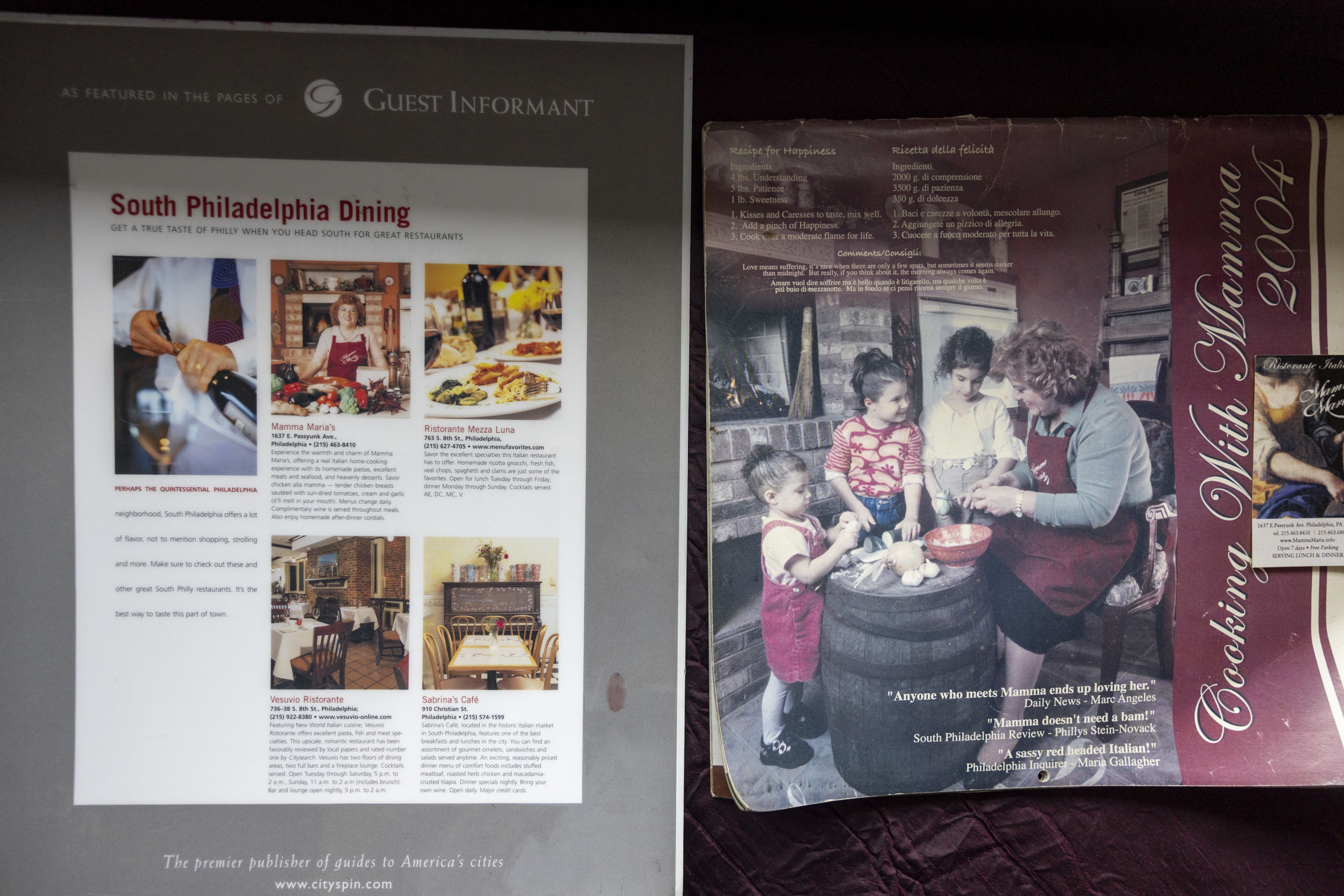
    Mamma Maria’s memorabilia in the restaurant.Tyger Williams / Staff Photographer

    Claudio told her that he and Maria had fallen in love with the neighborhood and the city. The restaurant, he said, would be something for their old age.

    Paola said she understood what was expected of her. Arrivederci, Italy.

    “Thirty-four years later, here I am,” she said.

    The rise of Mamma Maria’s

    Mamma Maria’s was a family operation in the most literal sense. Maria cooked. Claudio hosted, baked, prepped, and made sauces. Paola and Myrna worked the dining room.

    For much of its run, Mamma Maria’s was known for an enormous fixed-price meal: antipasto, soup, multiple pastas, meat and seafood entrees, salad, vegetables, potatoes, and a dessert cart loaded with cakes, cannoli, and other sweets.

    Wine was complimentary. So, at first, was flaming sambuca, served while an accordion player named Mario circulated among the tables.

    “You sat down and you felt like you were having Christmas dinner or New Year’s Eve dinner at your house,” said Lilla Amico-Carlomango, Maria’s oldest granddaughter, who worked at the restaurant with sisters Dalia and Chiara Amico. “The staff, the clients, everybody was so happy to be here that it created one big family.”

    Shortly after it opened, Inquirer food critic Elaine Tait described the cooking as “homey, not haute, cuisine, the likes of which you might find cooked by someone’s talented Italian mom.”

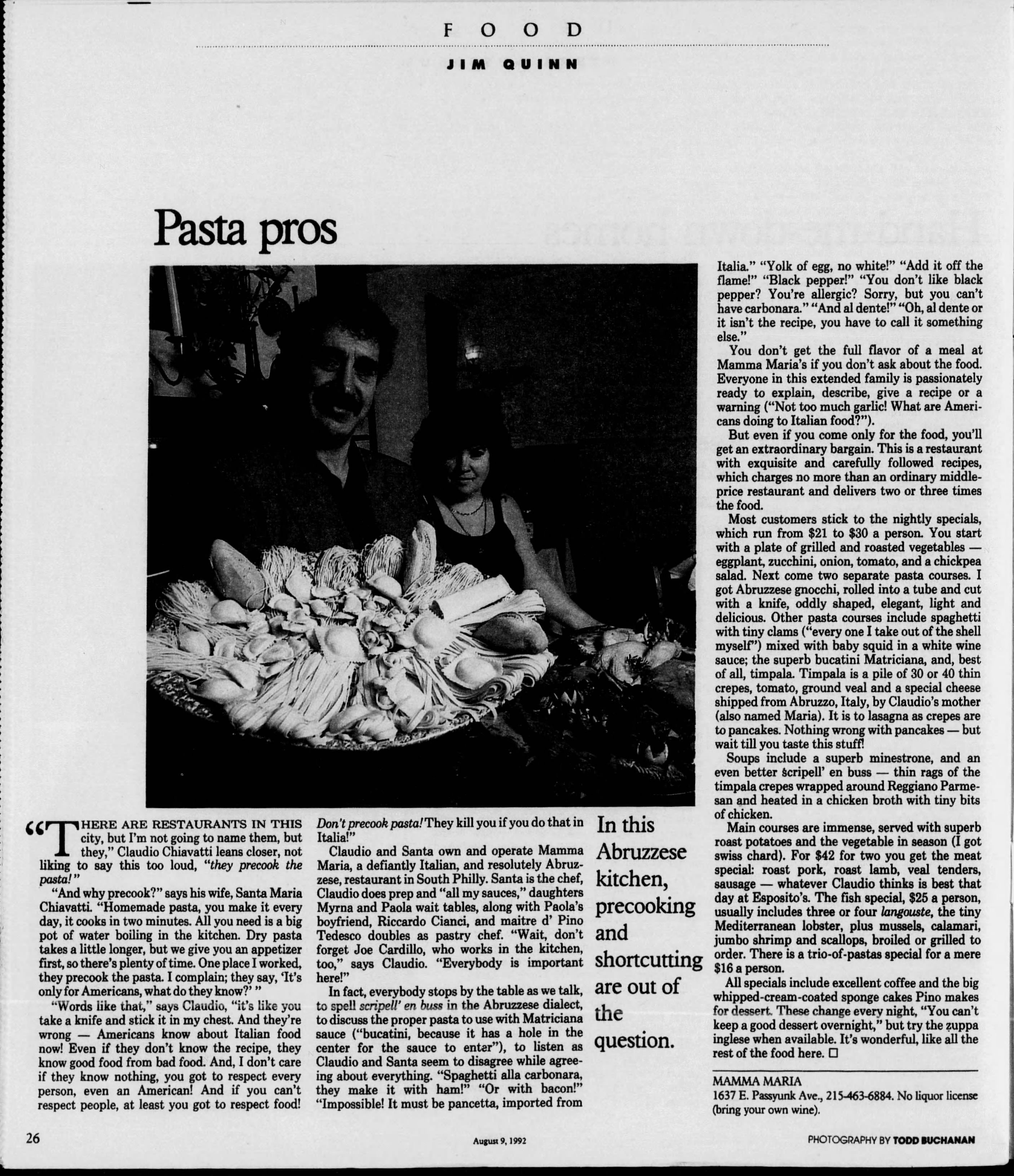
    The column by Jim Quinn in The Inquirer’s Sunday magazine on Aug. 9, 1992, that helped launch Mamma Maria’s.Newspapers.com

    Inquirer columnist Jim Quinn was similarly enthusiastic. Maria didn’t know Quinn from Adam when someone told her there was a man from the newspaper in the dining room. “I said, ‘So what?’” she recalled.

    After he returned three days in a row, she finally approached him.

    “Sir, you really love my place,” she told him.

    In 1997, an electrical fire forced the restaurant to close for eight months.

    “In the restaurant industry, eight months is murder,” Paola said.

    Mamma Maria’s reopened with a fundraiser for the Leukemia Society of America.

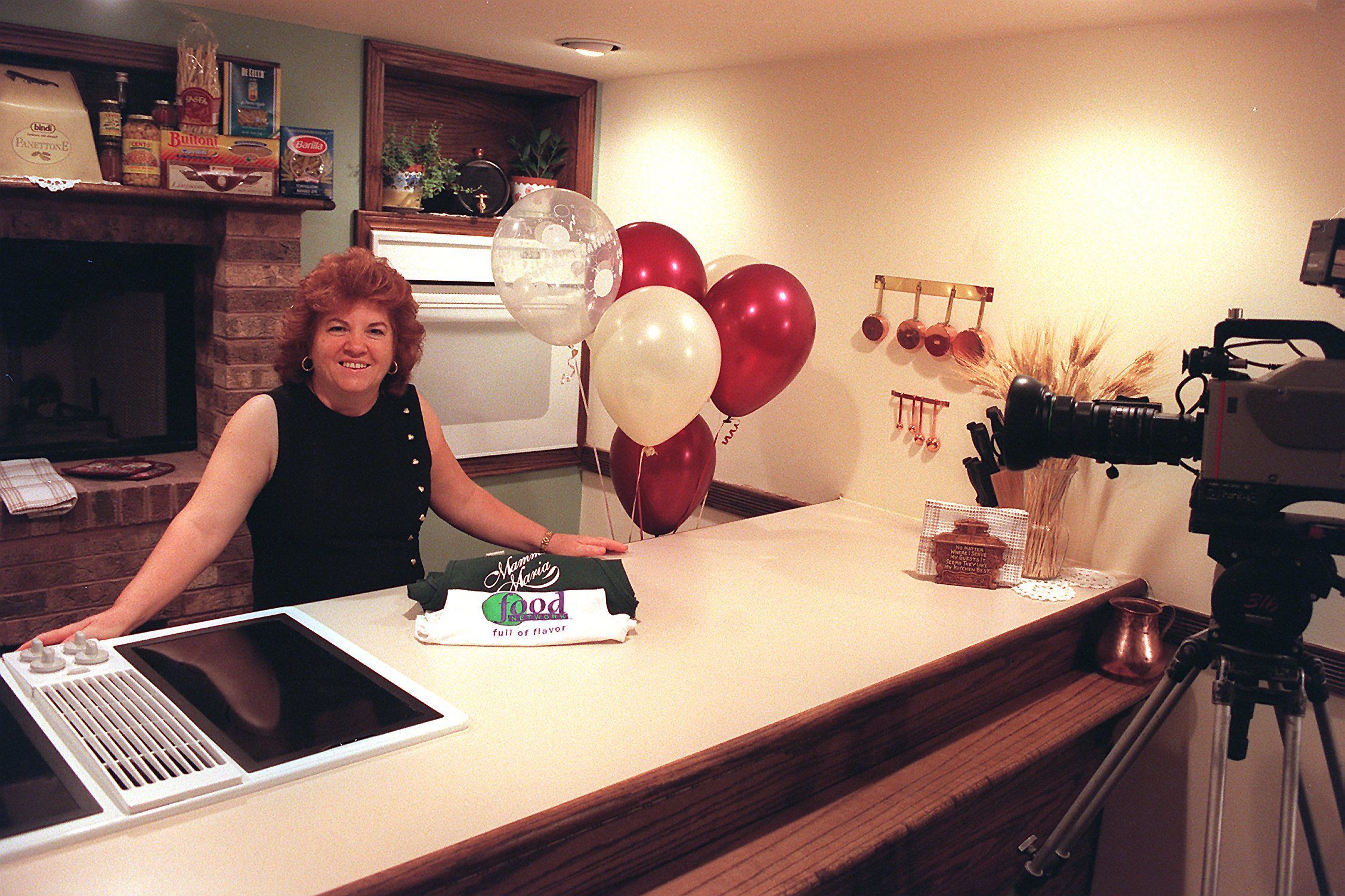
    Santa Maria Chiavatti in September 1999 on the set of her food show during its launch party. The show aired throughout the Philadelphia region. Michael S. Wirtz / Staff Photographer

    But one tradition did not return. The blaze was unrelated to the drinks, but Paola had lost her enthusiasm for open flames in the dining room, and the flaming sambuca was 86ed.

    Two years later, Mamma Maria’s expanded to television. In 1999, the family bought a weekly half-hour slot on the Food Network for a self-produced program, Cooking With Mamma, Old World Secrets.

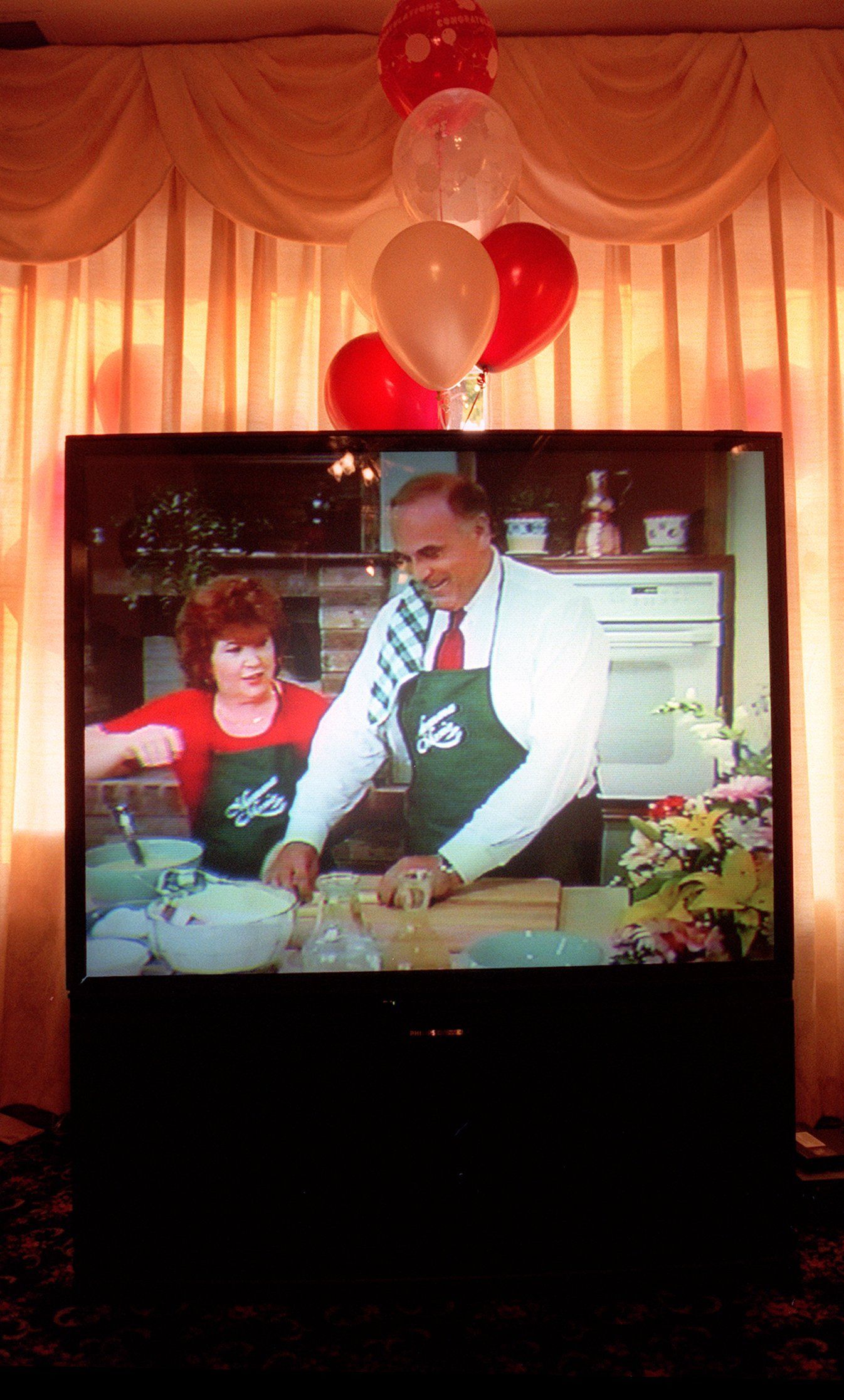
    The show was taped in a studio kitchen above the dining room, with Rendell as Maria’s first guest. Maria used her maiden name, Di Marco, because the family thought it would be easier for viewers to pronounce.

    A video of “Mamma Maria’s” cooking show, featuring Mayor Ed Rendell, was televised during the 1999 launch party at the restaurant.Michael S. Wirtz / Staff Photographer

    Back at the restaurant, the fixed-price format endured. Claudio’s death in 2005 hit the family hard, as did the recession in 2008. In 2010, after 18 years of belt-stretching meals, Mamma Maria’s began allowing à la carte dining Monday through Thursday.

    Life after the restaurant

    Then the pandemic arrived.

    Mamma Maria’s closed in 2020, along with the family’s food-truck operation. By the time restrictions had eased enough for the family to consider reopening, Maria’s health had become the priority.

    Paola faced a choice: return to the all-consuming work of running a restaurant or help care for her mother.

    “Restaurants, we’ve had many in our lives,” she said. “Mother, you only have one.”

    The family hosted private events in the meantime. Now 79 and feeling fine, Maria is preparing to sell the property and, with her family, take Mamma Maria’s into another form.

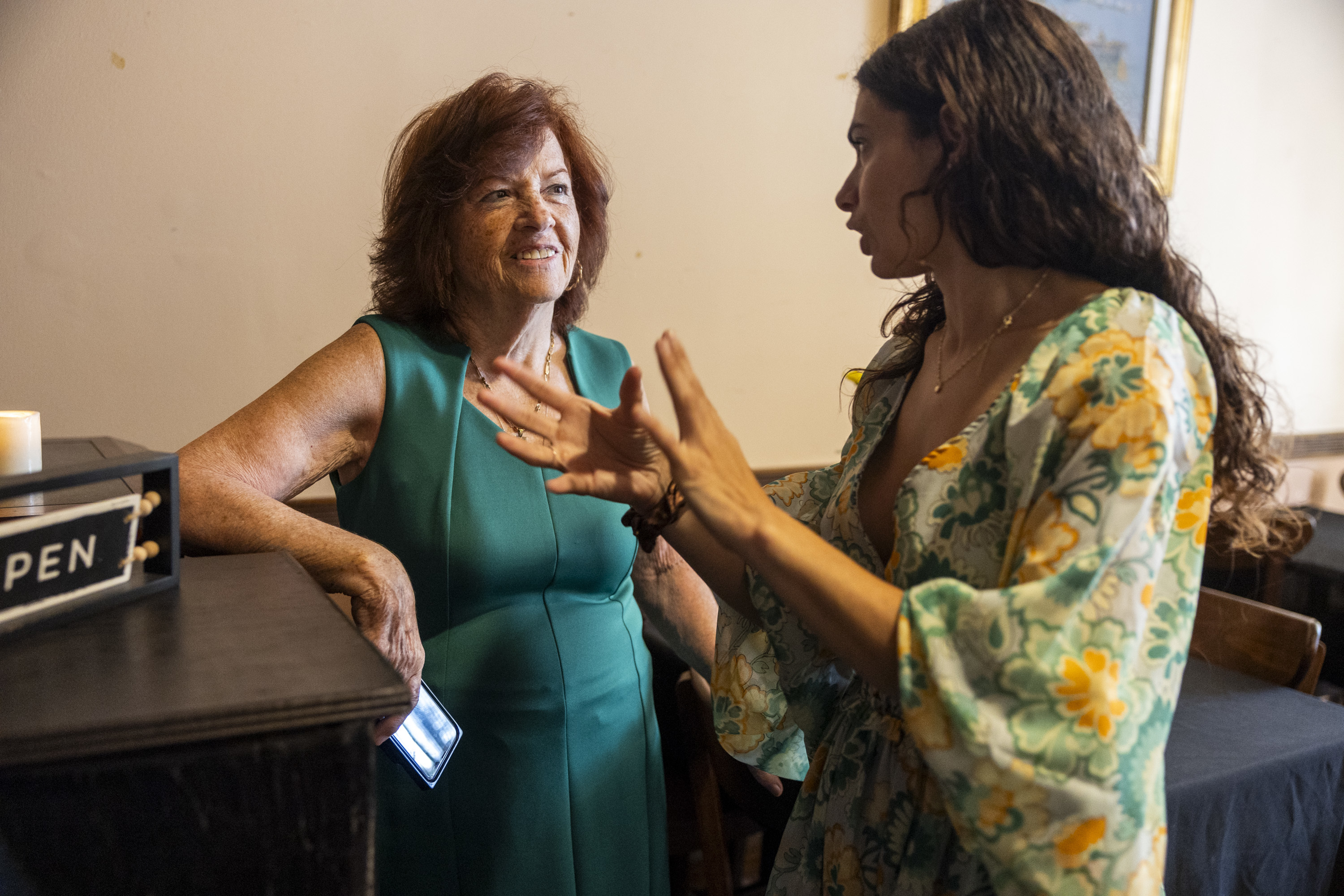
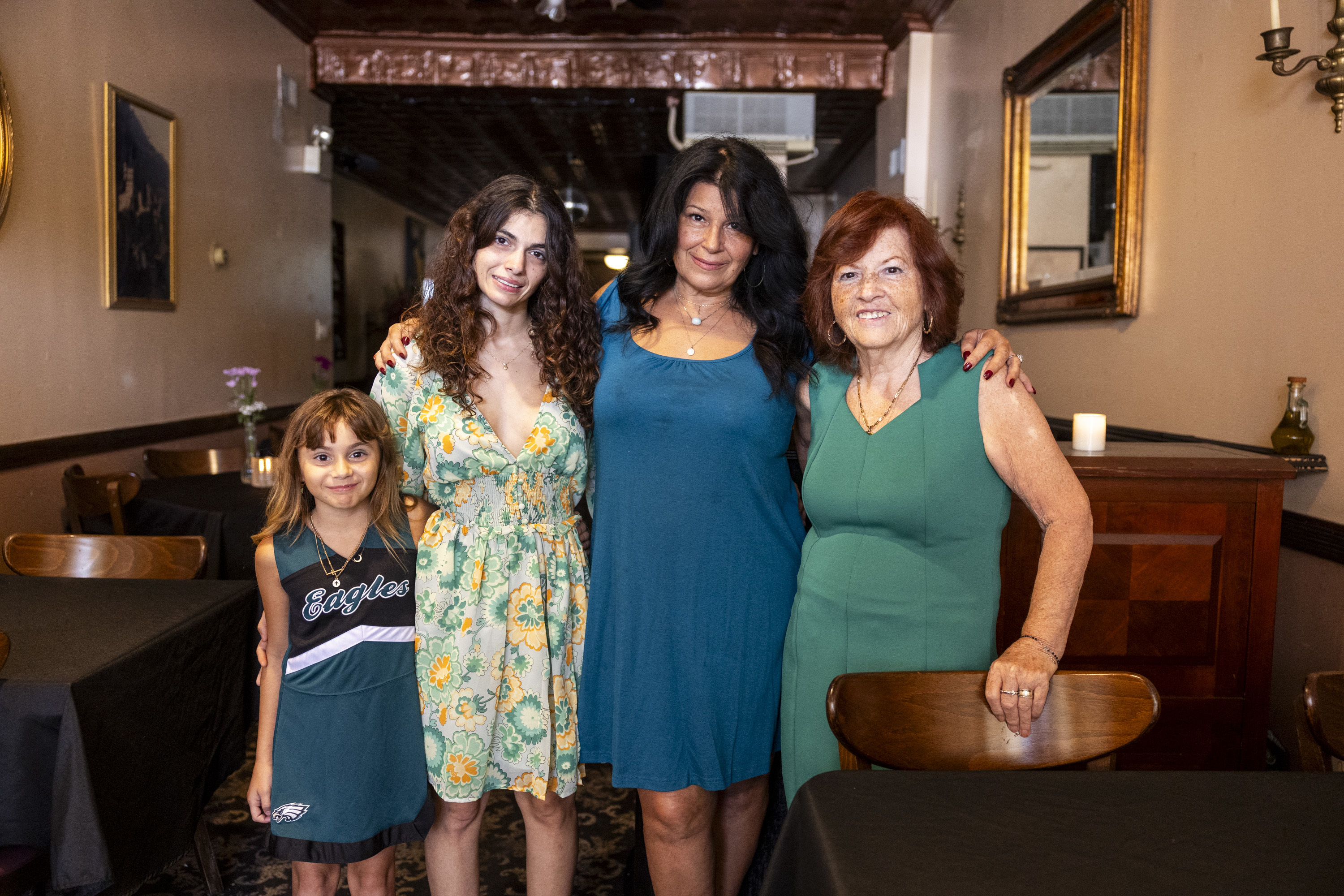
    Santa Maria Chiavatti (right) with three generations (from left): Great-granddaughter Paolina Carlomango, granddaughter Lilla Amico-Carlomango, and daughter Paola Chiavatti in the restaurant on Aug. 5, 2026.Tyger Williams / Staff Photographer

    She has boxes of handwritten recipes, including dishes passed through the family for generations. She is working on an Italian-language cookbook, while Paola and Lilla are helping to translate, organize, and photograph the recipes. They envision a series of cookbooks and possibly a line of pasta, sauces, and Maria’s homemade limoncello.

    That last item would be a particularly natural extension of Mamma Maria’s, Perry said.

    “When you went to Mamma Maria’s, you were drinking limoncello whether you intended to or not — and usually you wanted to.”

    For Maria, selling the buildings means giving up the restaurant, not the work that grew out of it.

    “Just because the restaurant is finished,” she said, “doesn’t mean I’m finished.”

    “Just because the restaurant is finished doesn’t mean I’m finished,” says Santa Maria “Mamma Maria” Chiavatti.Tyger Williams / Staff Photographer