In California, oaked chardonnay was once the norm, with its faint accents of butterscotch. Nowadays, the unoaked style has come into its own, and this seems likely to continue. Almost all of the world’s white wines are unoaked, and the current fashion favors refreshment over richness, so it’s no surprise that even chardonnay specialists known for an oakier style might want to broaden their portfolio.
Kendall-Jackson is not just known for its chardonnay — the brand has helped to define California chardonnay as an oaky white wine in the minds of Americans. Their “Vintner’s Reserve” bottling has been the top-selling chardonnay brand in the U.S. for over 30 years. That wine has always featured the bright apple-pear profile of the chardonnay grape itself, intensified and enriched with a layer of flavors derived from fermentation and aging in new oak barrels, adding a taste similar to butter pecan ice cream.
Applying new oak to a chardonnay wine results in the kinds of flavors you get when you add butter and sugar to fresh apples and bake them. So when chardonnay is labeled as “unoaked,” shoppers should not expect that caramelized quality. Instead, they will find a flavor profile that is lighter and more tangy — closer to that of fresh apples and pears than to baked fruit desserts — since no new toasted oak is involved.
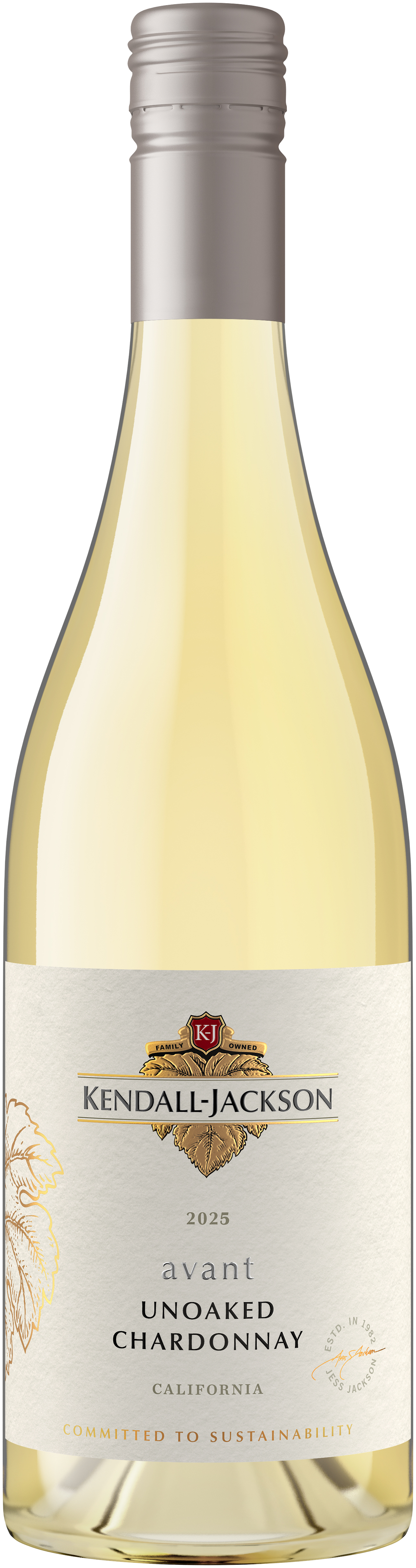
The grapes for Kendall-Jackson’s Avant chardonnay are sourced entirely from coastal counties of California, adding a bright lemony freshness and hints of pineapple to chardonnay’s apple-pear core that make it a great partner for seafood and poultry.
PLCB Item #3697 – on sale for $14.99 through Oct. 4 (regularly $17.99)
Also available at: Total Wine & More ($12.99, totalwine.com) in Wilmington and Claymont, Del.; Hopewell Super Buy Rite ($13.99, buyrite.wine) in Pennington, N.J.; WineWorks ($14.98, wineworksonline.com) in Marlton, N.J.
I’m not saying the world’s most coveted beef is an international marketing conspiracy to compel us all to pay more for steak. I have eaten genuine A5 Wagyu fresh off a grill in Tokyo, and the unique sensation of biting into that cube of quivering-hot meat laced with molten fat and feeling it dissolve into buttery richness is unforgettable. Japan’s famously pampered breed of cattle — whose expense results from an intense feeding regimen over a longer duration than conventional beef — can be very special. Especially in small quantities.
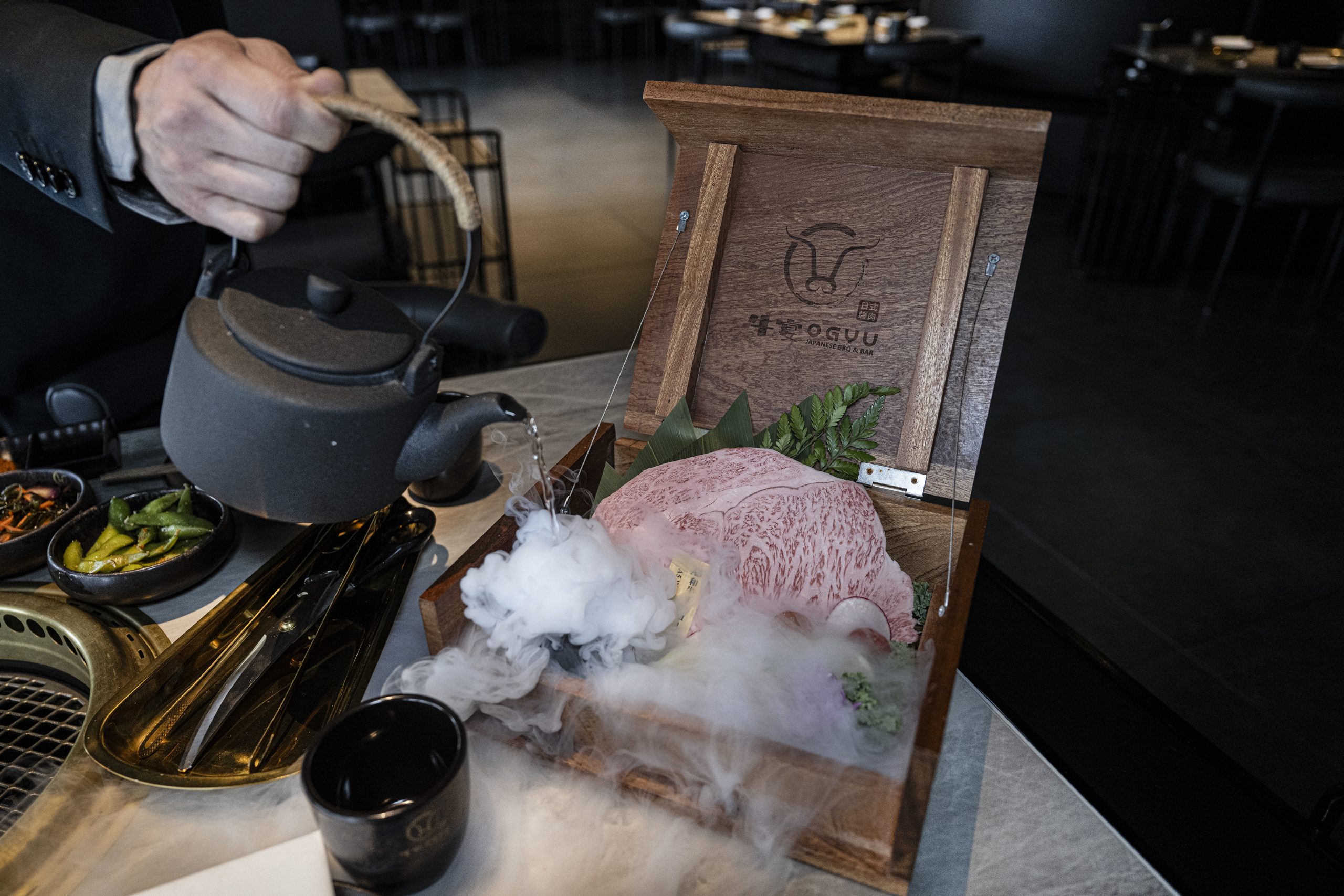
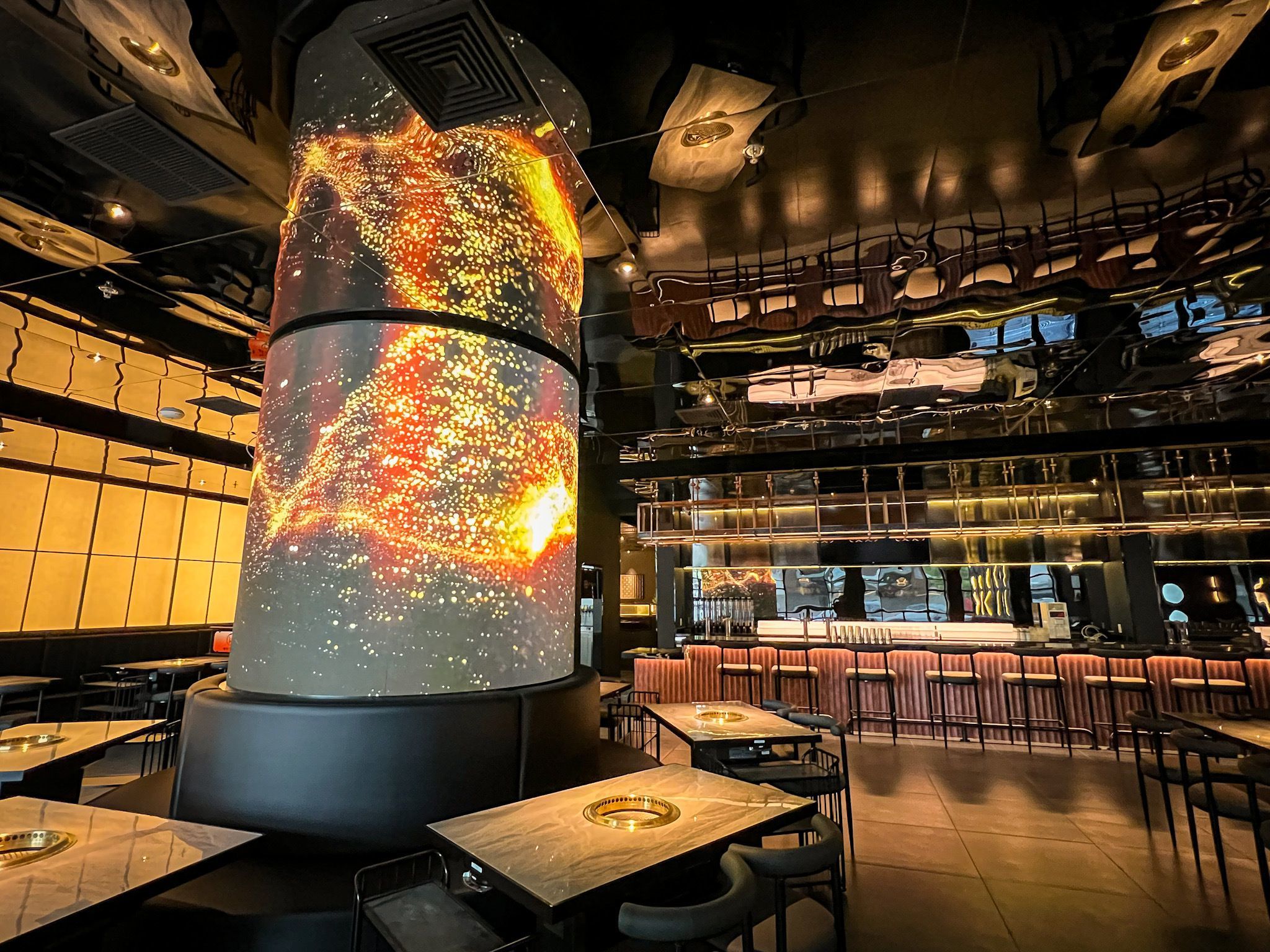
Back here on the front lines of all-you-can-eat wagyu feasting at Ogyu in Ardmore, however, I could not escape the feeling I was in for an experience long on flash — sizzling tabletop grills, swirling plumes of dry ice smoke, digital sparks flying across the room’s giant LED screens — and short on satisfying flavors.
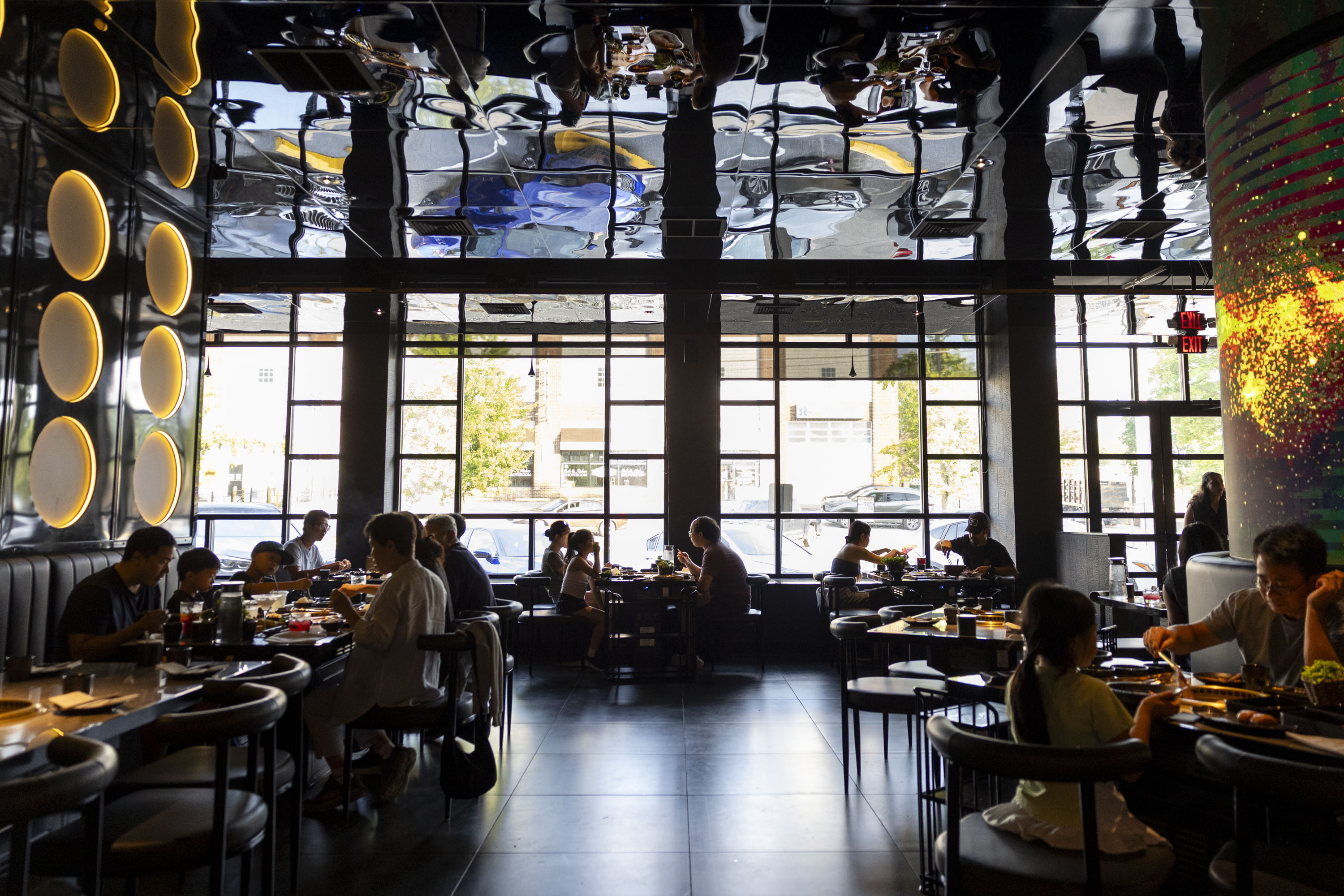
Guests dining in at Ogyu on Friday, Aug. 28, 2026, in Philadelphia.Tyger Williams / Staff Photographer
I was prepped for a 90-minute sprint of carnivorous endurance, limited only by my ability to navigate a DIY iPad menu, forced timing breaks, and the need for a maximalist ordering strategy for Ogyu’s tiered packages,ranging from $39 to $99 per person. Should my appetite stumble? A potential 20% “wasting fee” loomed. (Diners are potentially charged extra if they don’t eat what they order.)
I didn’t want to let our server James down after he successfully upsold us into one of the more expensive packages, whose overlapping lists of meat perks, which gradually increase in quality, reminded me of sussing through the various mysterious options available at a car wash. Sure, my car will be clean no matter which hot wax I select, just as I’ll be full no matter which all-you-can-eat menu I go for. But will I emerge with that ruddy Wagyu shine of beefy bliss?
Definitely not with the entry-level “Silver” ($39) or “Gold” ($59) options, which James wordlessly dispatched as unworthy by comically sticking out his tongue in disdain and slashing his throat with his fingers: “The ‘Diamond’ tier is our most amazing experience,” he counseled.
The Bluefin tartare at Ogyu on Friday, Aug. 28, 2026, in Philadelphia.Tyger Williams / Staff Photographer
We settled on the second-most extravagant option, the $79 “Platinum,” in which some genuine Japanese Wagyu is made available along with prime-grade beef and less-marbled American wagyu from the lower levels of the menu.
As a newcomer to the all-you-can-eat universe, I immediately fumbled the challenge of prioritizing our orders properly. Diners are limited to ordering a maximum of 10 items every 10 minutes, and we foolishly crowded our limited table space with mundane belly-fillers like wagyu dumplings (raggedy), hand rolls (mushy with too much panko filler), spring rolls (so greasy), and pencil-size wands of tempura-fried crustacean so thickly breaded they were unrecognizable as lobster tail. The truffled wagyu stir-fried rice was burnt.
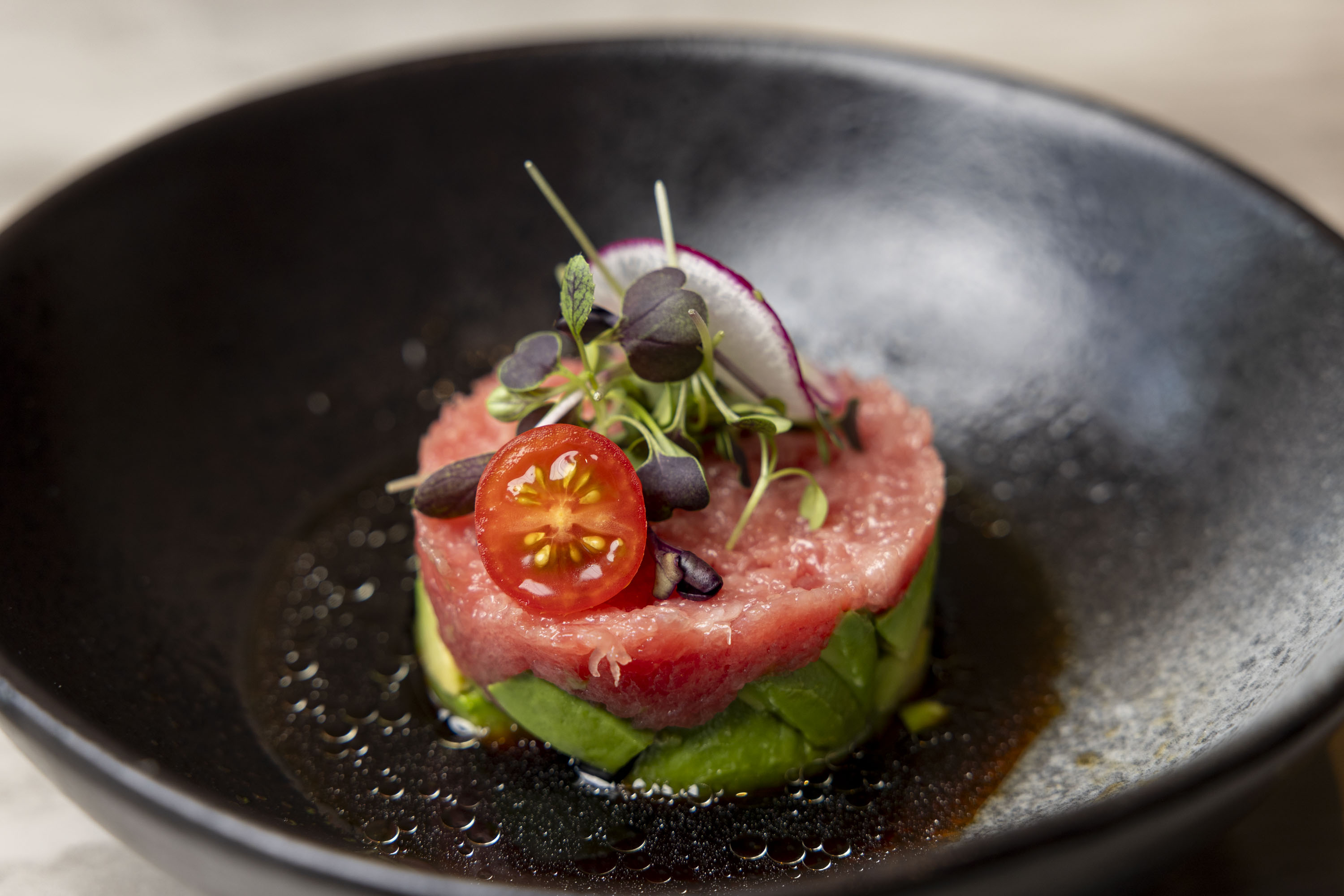
I did appreciate the slow-steeped richness of the bone marrow soup. We also enjoyed the thick-cut bluefin tuna sashimi, as well as a toro tartare with avocado and ponzu. (Ogyu’s owner, Sam Li, says several regulars come here to get their money’s worth exclusively in bottomless sashimi.)
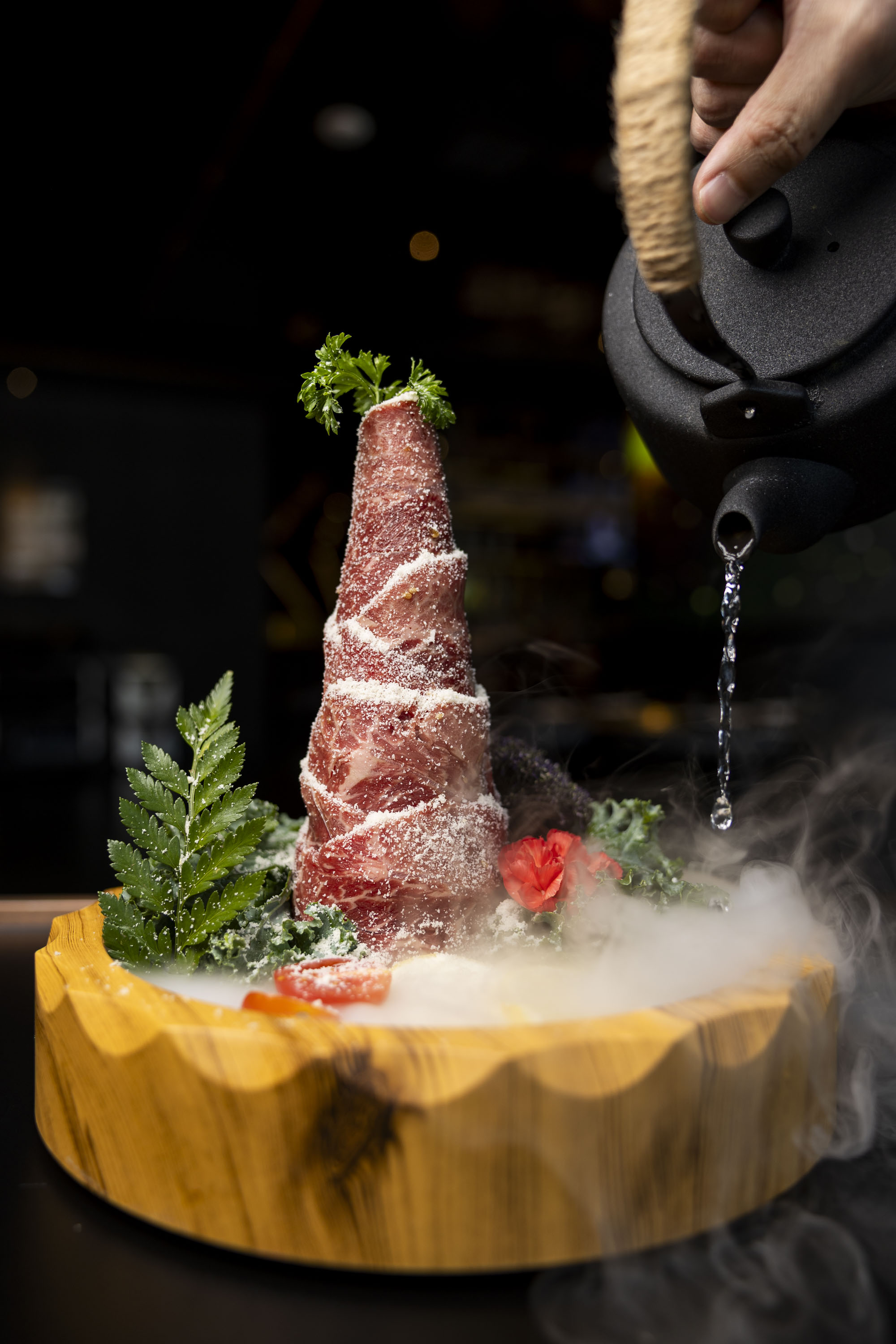
But we were here for the beef. James finally took pity on us, commandeered our iPad, scrolled down to multiple menu panels I’d missed, and began punching up orders for the maximum amount of the A5 Wagyu cuts allowed from Miyazaki Prefecture. I was impressed with the dramatic presentation of the fat-marbled Wagyu rib cap that arrived at our table in branded wooden boxes fuming with smoke — until a server tipped the box too far and the cold water that activated the dry ice smoke streamed right out onto my guest’s lap.
Ogyu Japanese BBQ restaurant is shown on Tuesday, July, 7, 2026 in Ardmore, Pa. The new restaurant by Sam Li offers a modern Japanese steakhouse experience with tabletop cooking, adding to Ardmore’s growing portfolio of restaurants.Jose F. Moreno / Staff Photographer
Ogyu (pronounced “Oh-Gee-You”) is a snazzy space. Li, a chef and sushi entrepreneur who also owns three Osushis (in Ardmore, Wayne, and Marlton) as well as Newtown Square’s Hiramasa, spent $3 million transforming the former Iron Hill into a 300-seat meat palace with sleek black fixtures, marble accents, and illuminated walls. The all-you-can-eat format, a national trend in luxury foods, has been a smart move for this three-month-old restaurant, which grills 1,000 pounds of beef each week, 75% of which is wagyu, roughly 20% of which is from Japan. (A la carte options are launching soon.)
But the overall details do not add up to theluxuryexperience the $120 check average should command, from the cruise ship-level tropical drink program to the tiny plastic plates our servers never bothered to clear between courses until I asked. (Nonetheless, our server preselected a 22% gratuity as the default tip on Ogyu’s mobile payment machine.)
Jason Kan, of Wynnnewood, Pa., and wife Megan Kan, are dining in for the first time at Ogyu on Friday, Aug. 28, 2026, in Philadelphia.Tyger Williams / Staff Photographer
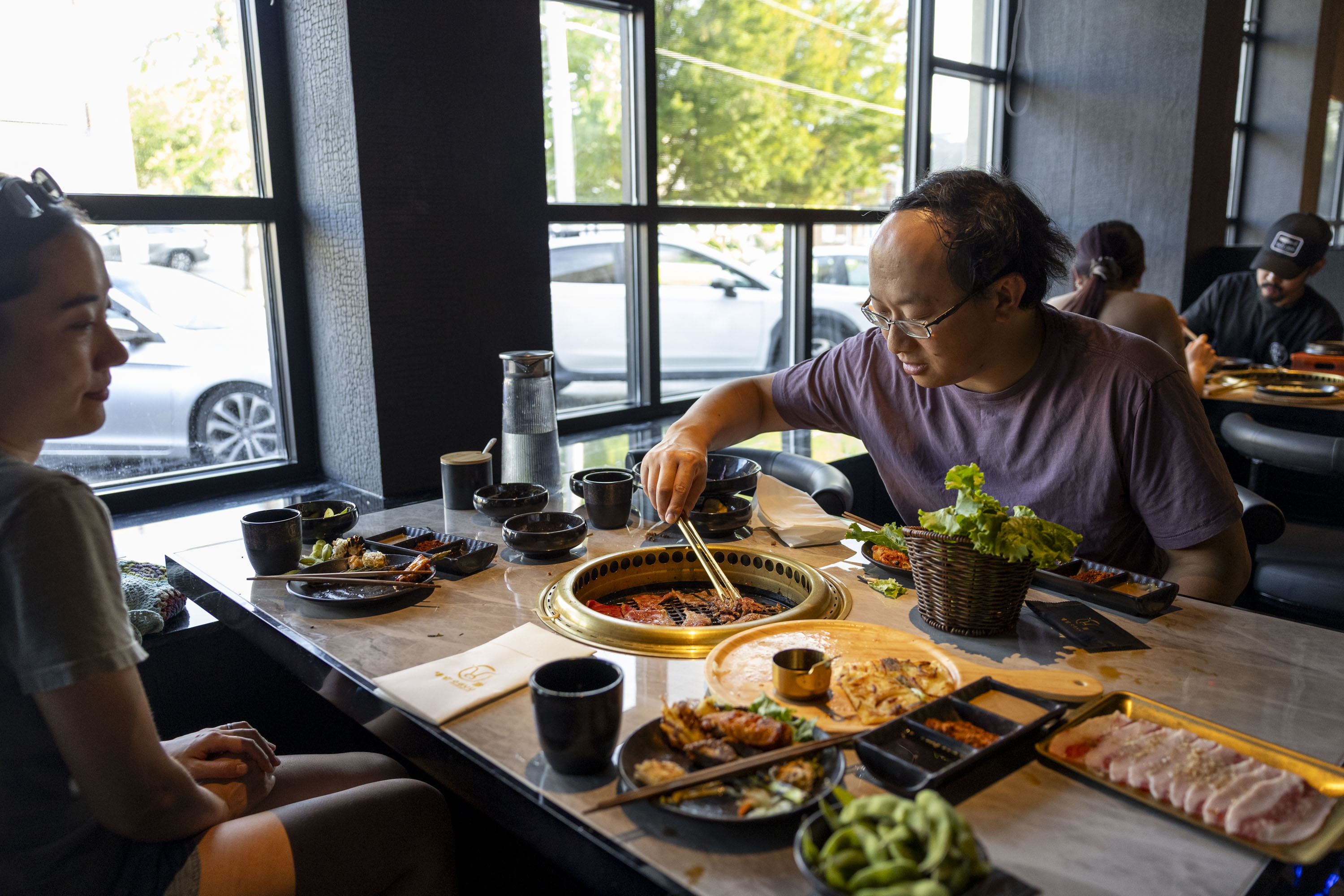
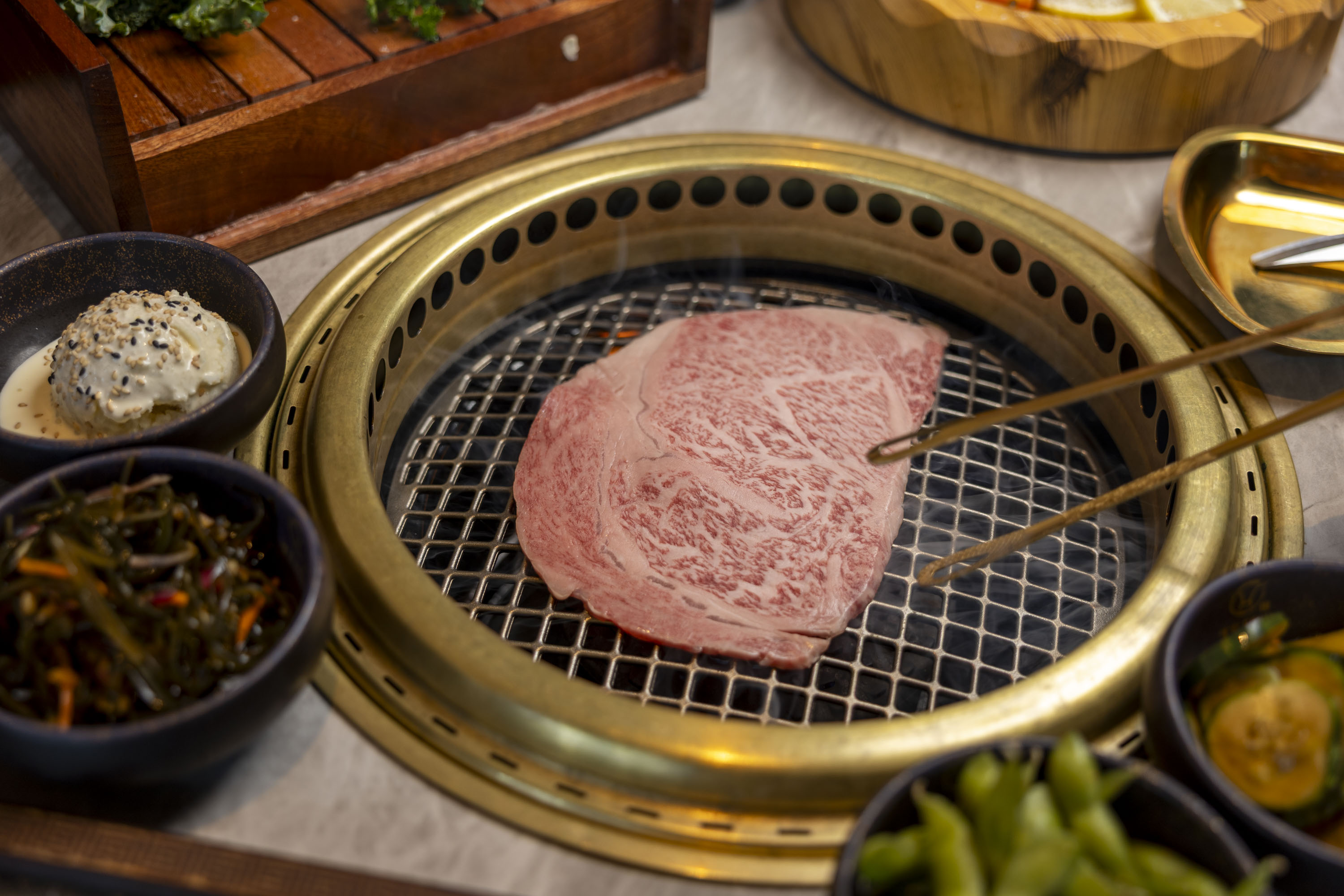
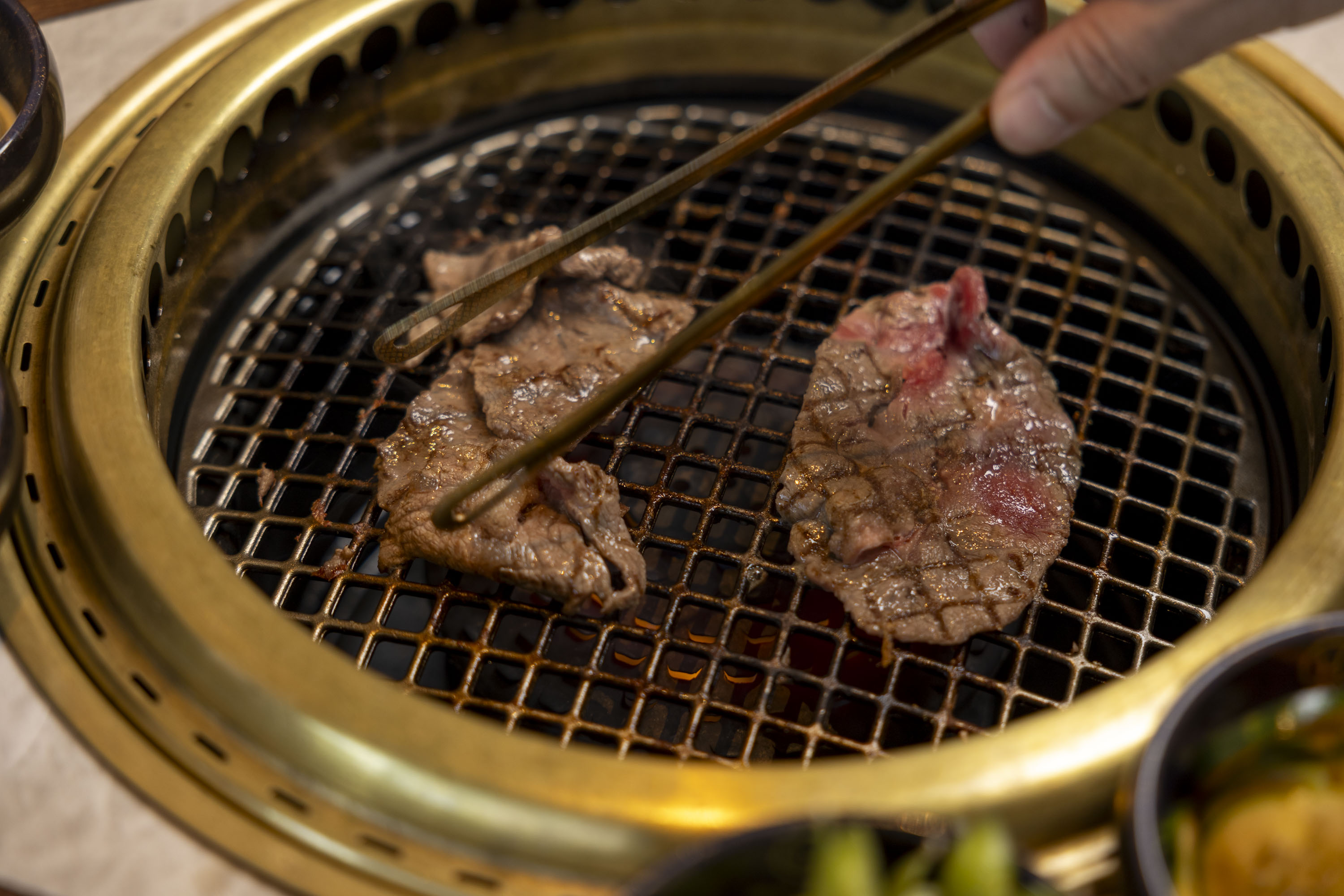
Habitués of all-you-can-eat may understand their task, target, and the rules of the game. Unlike flavorful, marinade-boosted Korean barbecue, this beef is presented relatively unseasoned, in the Japanese yakiniku tradition, to “focus on the quality of the meat itself,” says Li. I only wish someone had bothered to show us the temperature controls on the side of our tabletop grill, which wasn’t set nearly hot enough to properly sear the beef. The A5 Wagyu rib cap itself was legitimately tender and glossed with fatty richness. But served in less-than-prime circumstances, with customers in charge of their own grilling — usually overcooking the meat while simultaneously trying to socialize — it fell flat for me.
A $79 fee, or even $99, is technically a fair deal for a big meal spun around an ingredient that, at its highest quality, sells locally at Barclay Prime for $210 or more for a half-pound portion. But I don’t enjoy Japanese Wagyu in that kind of portion. It’s rich and tender to the point of being mushy. A little goes a long way. But the wider world’s growing appetite for wagyu as a prestige label synonymous with the good life (the global market is projected to grow from $29 to $49 billion between 2025 and 2034) leaves me skeptical.
The Wagyu Mt. at Ogyu on Friday, Aug. 28, 2026, in Philadelphia.Tyger Williams / Staff Photographer
Is wagyu really the lifestyle upgrade we need — not just for occasional splurges, but our everyday burgers and cheesesteaks, too? I don’t think so. It’s just the latest in a long line of token bites of privilege — truffles, caviar, uni — that lose their luster once the industrial food complex latches on for maximum profit, even as standard beef prices hit all-time highs. There is some excellent American wagyu available now, but there’s also enough fake wagyu on the market, let alone less-marbled hybrid versions raised in both America and Australia, to make one question all of it.
Personally, I’d rather sink my teeth into a thick, dry-aged porterhouse that delivers the beefy texture and complex savor of carefully handled meat, not just the fat that gives it richness. I’ll take a well-marinated Korean galbi with all the ssam and banchan fixings at Kim’s, a perfectly cured slice of brisket pastrami (hello, Radin’s deli!), or a grass-fed Brazilian cut roasted over live coals at Picanha over the soft pads of a fatty wagyu splurge.
The Miyazaki rib eye at Ogyu on Friday, Aug. 28, 2026, in Philadelphia.Tyger Williams / Staff Photographer
But the competitive nature in me chafed to learn from James, when I asked him after our meal, that my table of four’s consumption of 32 savory dishes was “below average” for Ogyu. Li later confirmed that his regulars typically order 50 to 60 dishes.
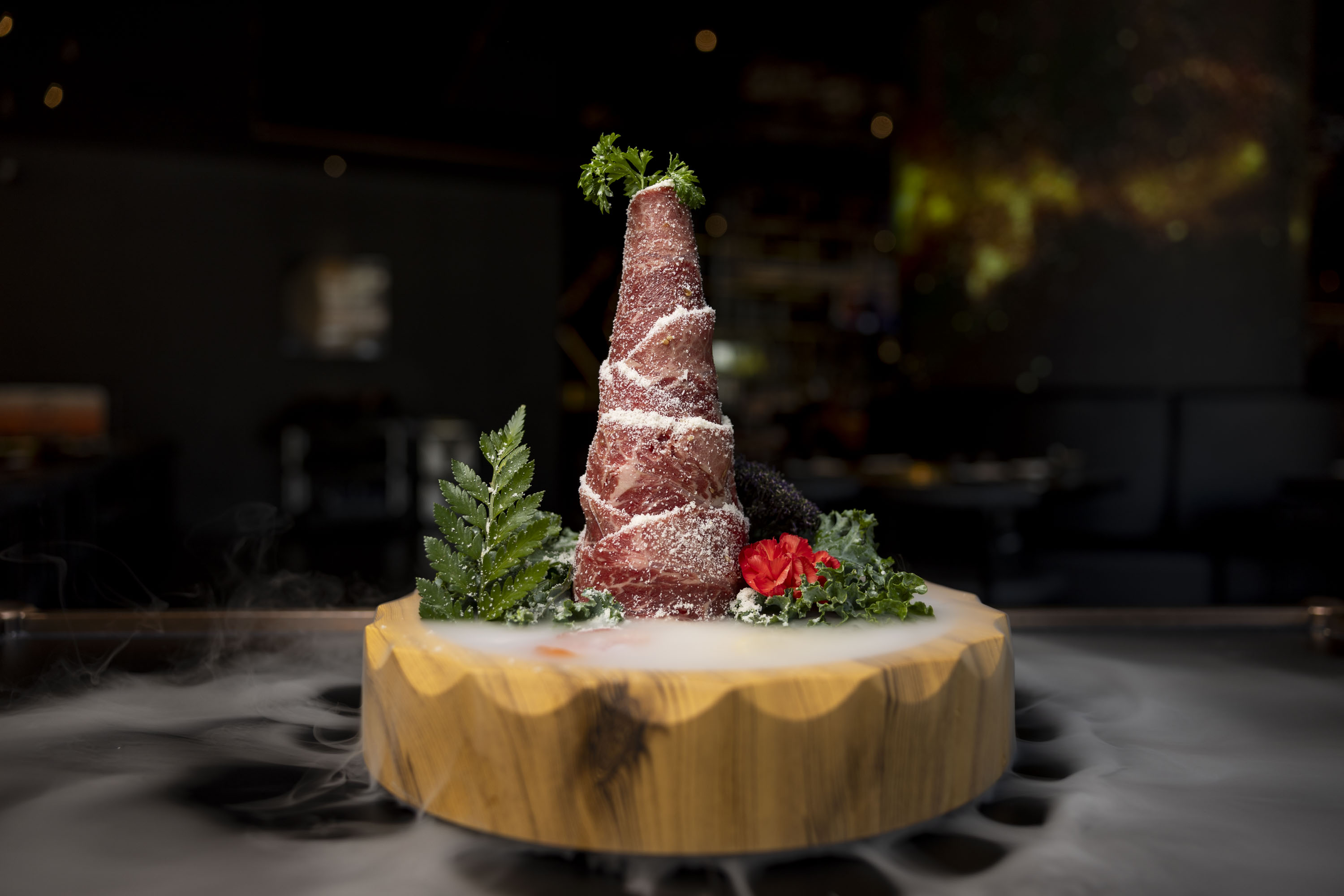
I became determined to run it back for another visit, this time at Diamond-level indulgence, with a disciplined game plan to start with beef and order, order, order at every 10-minute interval. We started at the peak, quite literally, with “Wagyu Mt. Fuji,” a pylon-shaped prong wrapped in American-raised wagyu blade steak whose snow-effect decoration of grated Parmesan had the unfortunate effect of sticking to the grill and causing the beef to shred into worthless flakes whenever we tried to pry it off. Our server whisked away the grill plate before we’d even eaten half.
The Wagyu Mt. Fuji dish at Ogyu in Ardmore, featuring American wagyu blade steak.Tyger Williams / Staff Photographer
I tried the black pepper-marinated eye-of-round to sample a non-Wagyu cut, but these prime-grade strips quickly roasted into unpleasantly twiny ropes that prompted my own impression of James’ pantomimed nixing. It would be almost all Wagyu from here on in as we cycled through multiple 3.3-ounce portions of truffled chuck rib, short rib, strip loin, and thin-cut tongue (too crunchy for my crowd). Piles of empty service trays cluttered our table as the staff arrived with waves of more meat. But few cuts really wowed me, except for the tender New Zealand lamb chops, which I highly recommend.
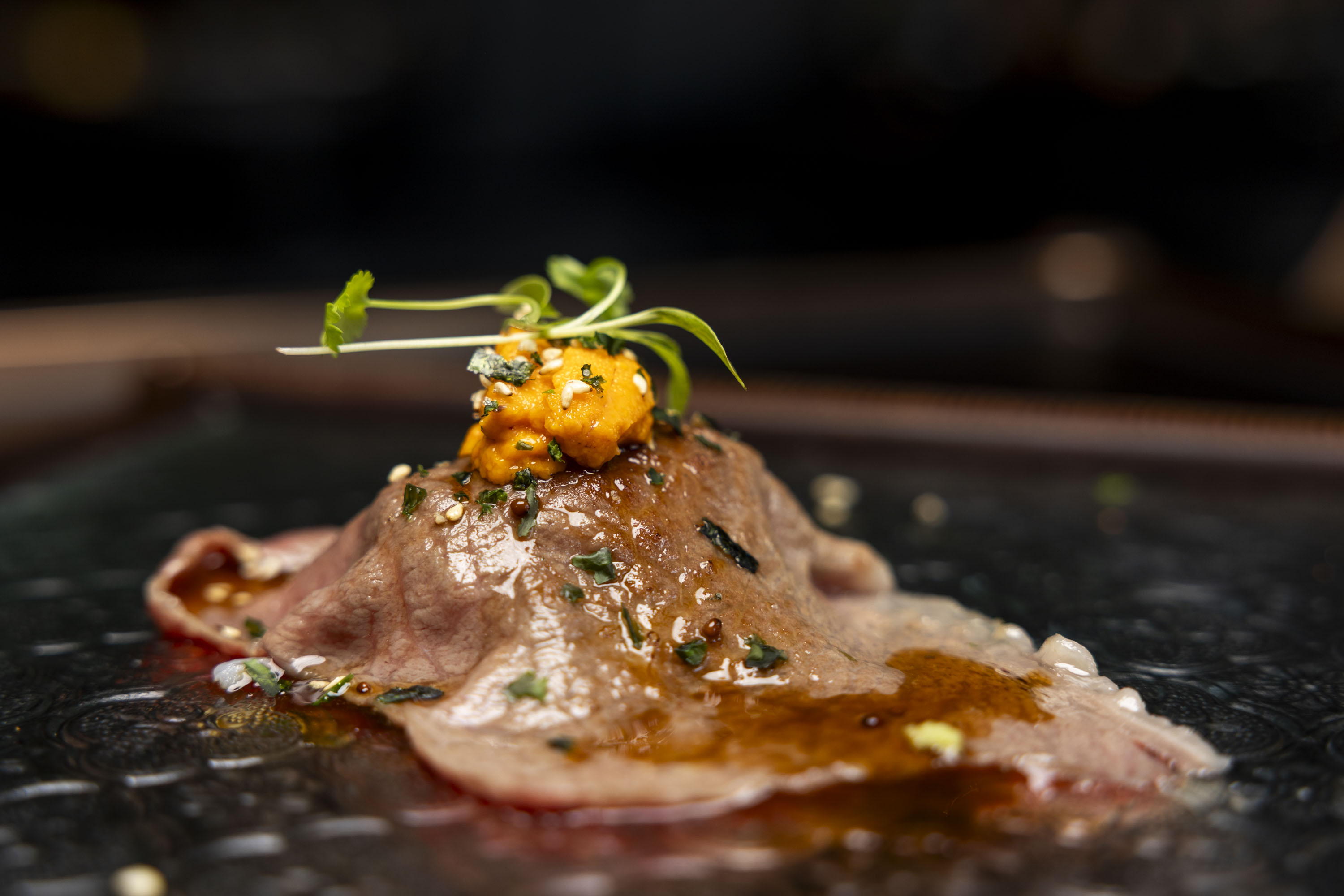
Among the best menu items was the “Meet Wagyu” nigiri, a sheer strip of beef draped over a nub of rice, topped with a nugget of your choice — uni, caviar, truffles, or foie gras — then briefly torched in the kitchen. It was a composed one-bite delight that highlighted Wagyu’s signature virtues. The one knockout cut that impressed on its own was the A5 rib eye from Miyazaki, a succulent pad of velvety soft beef that our server snipped into glistening morsels.
The Wagyu nigiri topped with uni at Ogyu on Friday, Aug. 28, 2026, in Philadelphia.Tyger Williams / Staff Photographer
After 3 pounds of grilled meat between us, I could have kept going. But my tallow-saturated guests could not. Despite my best efforts, we’d only managed a small bump over the previous visit: just 37 plates. We’d maxed out our quotient on the premium Japanese Wagyu, but as plate volume went, we were still way “below average.”
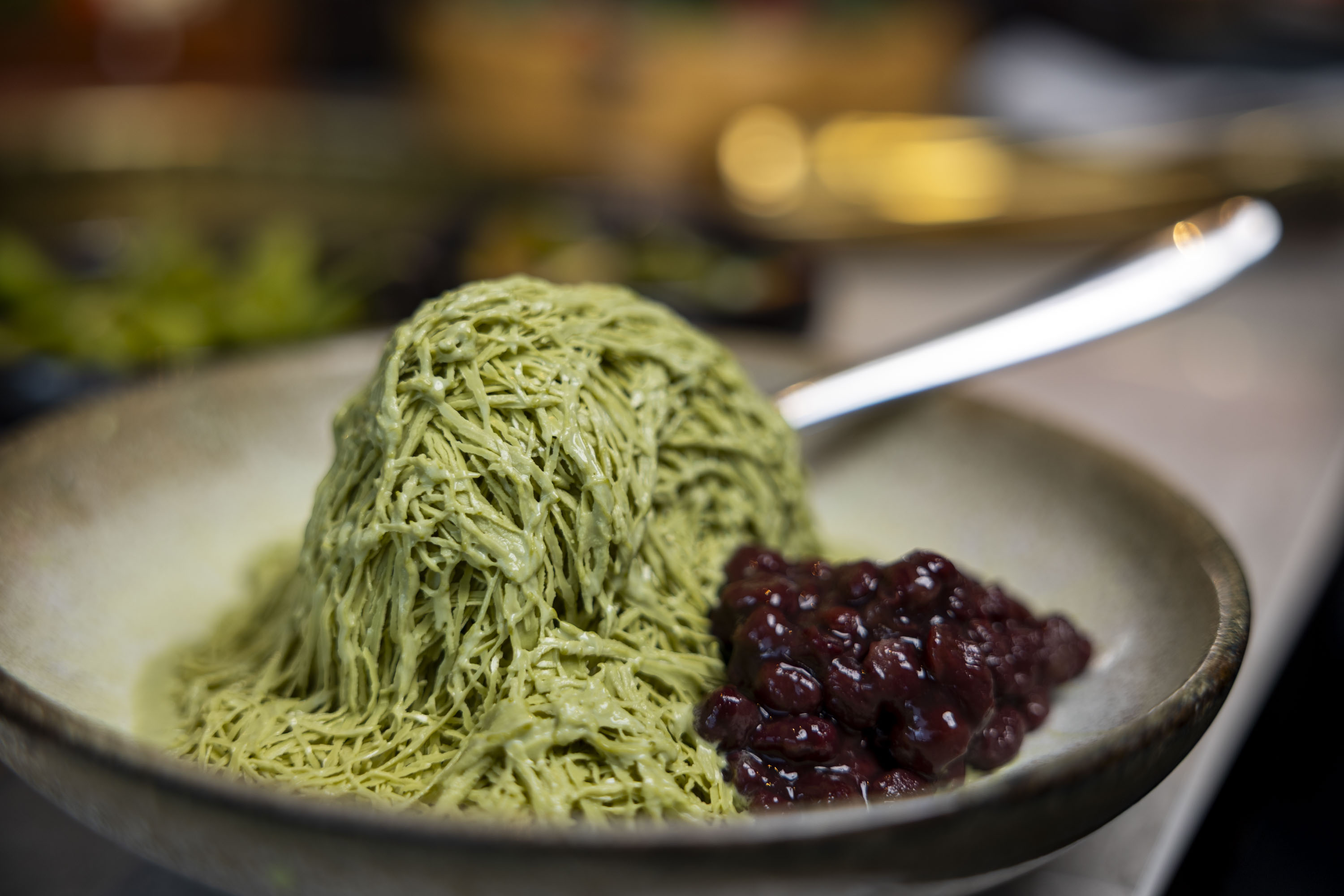
Once the dry-ice smoke settled, I needed a caffeine boost — only to find that Ogyu won’t even brew a simple pot of tea (lest you linger beyond your 90-minute welcome). At least there’s refreshing green tea-flavored ice cream extruded into strands of “matcha snow ice.” Li says they mix their own ice cream base and pair it with red beans to temper the sweetness. After a meal of such unbridled beefy excess, the final restrained note was perfect.
The matcha snow ice at Ogyu on Friday, Aug. 28, 2026, in Philadelphia.Tyger Williams / Staff Photographer
Lunch served 11:30 a.m. to 3 p.m. Monday through Friday; dinner 3 to 10 p.m. Monday through Thursday, until 11 p.m. Friday, and 11:30 a.m. to 11 p.m. Saturday and Sunday
All-you-can-eat packages through four tiers from $39 to $99.
Wheelchair accessible.
About 70% of the menu (including most meats) are gluten-free or can be modified.
Menu highlights: As much of the A5 Japanese Wagyu as your package allowed. Also, the Wagyu nigiri combos, the lamb chops, bone marrow soup, and matcha snow ice.
Drinks: The tropical cocktails are fine and on-theme but not memorable. There’s plenty of sake and Japanese whiskey for big spenders. Otherwise, stick with a draft of Sapporo or Dogfish Head 60 Minute IPA.
Lounge area at Ogyu Japanese BBQ, 60 Greenfield Ave., Ardmore, on May 21, 2026.Michael Klein / Staff
After more than a decade as a must-visit eatery for Mafia aficionados in South Jersey, Collingswood’s Kitchen Consigliere has run into some financial troubles.
“Like a lot of small businesses, we’ve gone through some very difficult financial periods,” Lutz said in a statement posted to social media Wednesday. “I made decisions along the way to keep our staff working, pay our vendors, keep the lights and gas on, and keep this restaurant operating.”
“We fell behind on certain obligations, including taxes owed to the State of New Jersey and I take full responsibility for that. We are addressing those obligations and have been working through a payment plan,” Lutz said, before emphasizing that the restaurant is operating as usual and all gift cards will be honored.
“The food, the recipes and the experience people have come to know and love are not changing one bit,” he said. “For me, this restaurant has always been more than the food. … It’s about the people who work here and the customers we love to serve — who have supported us over the number of years.”
Lutz first opened Kitchen Consigliere as an 11-table cafe in 2010, but it soon outgrew its original location on Powell Lane. Boosted by an online crowdfunding campaign, he was eventually able to expand to the restaurant’s current home at 700 Haddon Ave. in 2013.
Lutz’s culinary career began in earnest following a seven-year stint in prison on various charges related to organized crime.
When embarking on his second act, Lutz did not shy away from his criminal past — a consigliere is a trusted adviser or right-hand man to Mafia leadership, and the restaurant’s signage is styled to resemble the font used with The Godfather trilogy.
Now, Kitchen Consigliere Cafe LLC’s estimated assets total less than $50,000 while the company owes up to $500,000 to dozens of creditors, according to the bankruptcy filing.
The company’s largest outstanding debt, $117,663.73, is owed to S&M Provisions Inc., a West Philadelphia-based food and deli supply company.
Kitchen Consigliere is disputing the next two largest creditor claims listed in the filing: $102,000 owed to New Jersey’s taxation division and $58,503 owed to regional utility service provider PSE&G.
The next hearing in the case is a meeting of the creditors on Oct. 5 at 10:30 a.m., according to the court docket.
The culinary scene is constantly changing, and it’s James Hennessey’s job to “keep up with the Joneses.”
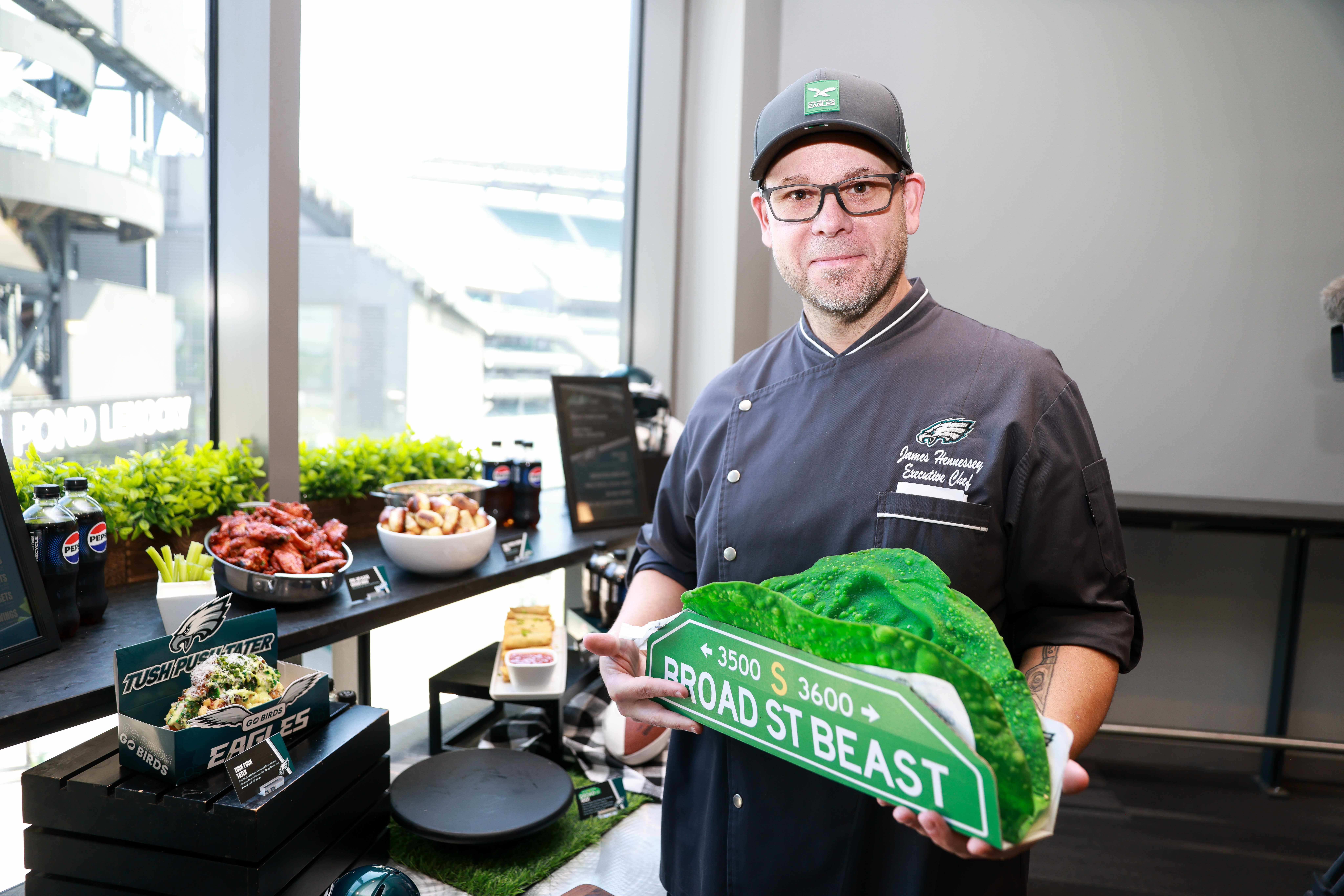
Hennessey has been the senior executive chef for Aramark at Lincoln Financial Field for the last 18 seasons. In his role, he oversees the game day culinary experience — creating in-house dishes and giving fans more “Instagrammable” food moments at Eagles games.
“We want to make sure that we’re not falling behind,” Hennessey said. “With the amount of quality food throughout the city and all across different stadiums, we wanted to make sure that we were implementing some new, creative, fun ideas that could get the fans interest, and engage them and make some Instagrammable moments.”
Hennessey works with a team of 20-25 people on new recipes. Through trial and error — and lots of taste testing — it could take up to three months to perfect a new menu item.
“A lot of innovation that comes into play is involved with talking to each other,” Hennessey said. “Seeing what other trends are going on around the country as well as also in our local area, the culinary scene, as well as other buildings in the area. We always try to push the limit and test each other. Who can go further and further and further but still not miss the mark?”
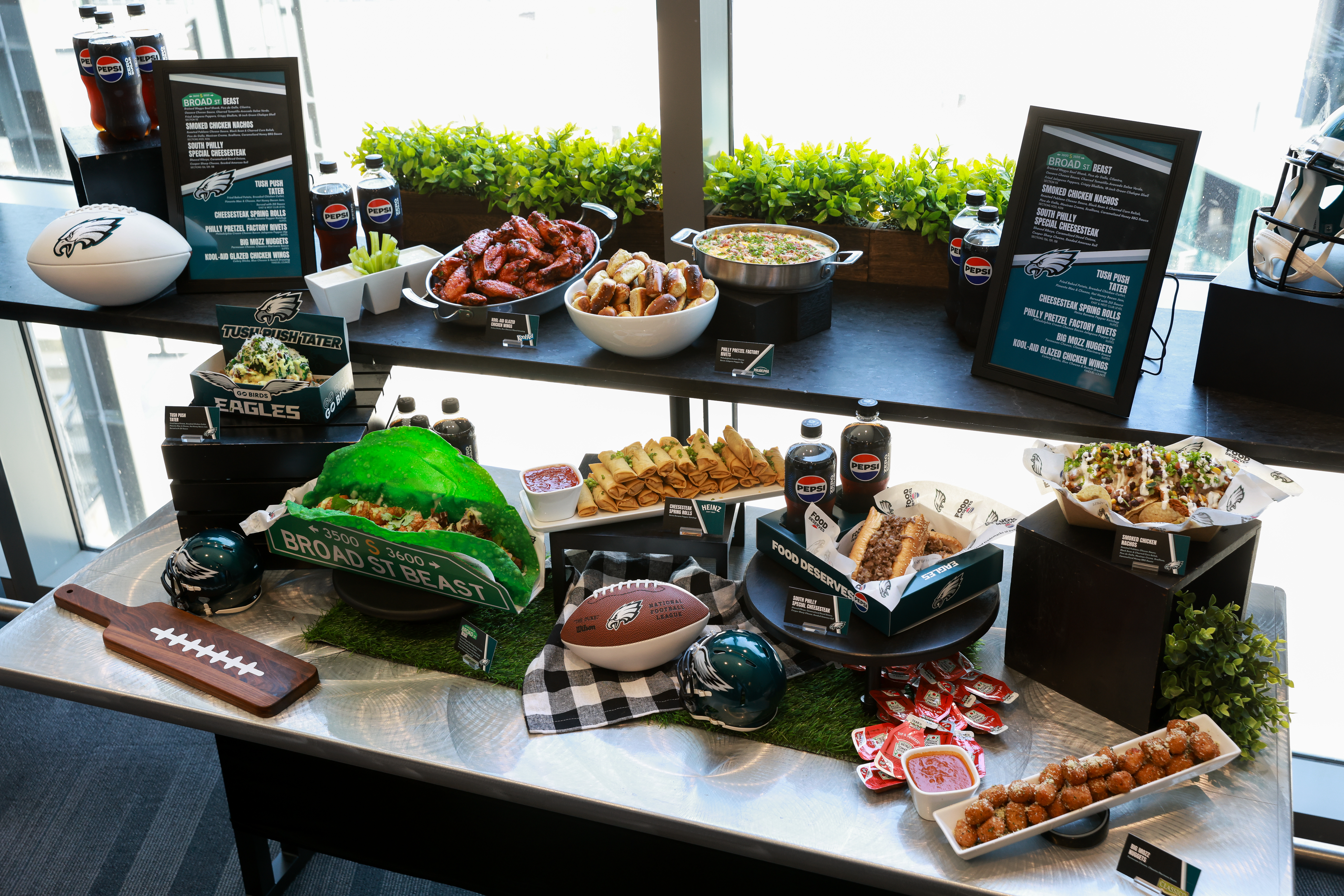
Ahead of the 2026-27 season, the chef revealed some of the venue’s latest items — and The Inquirer had the chance to try it. Here are all the new Philly bites at Lincoln Financial Field:
Broad Street Beast
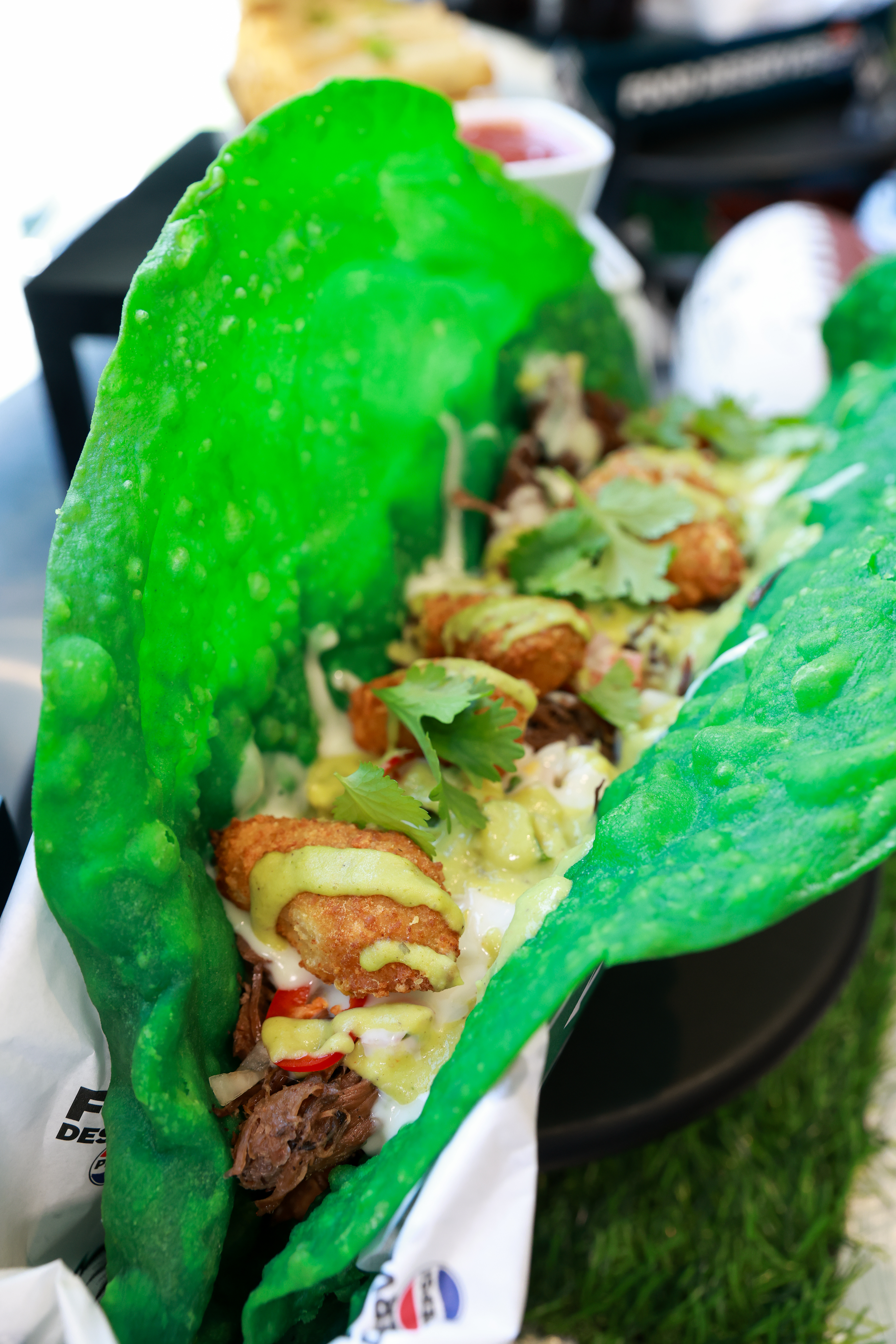
The “Broad Street Beast” features braised Wagyu beef shank, pico de gallo, cilantro, Oaxaca cheese sauce, salsa verde, jalapeño poppers, and crispy shallots wrapped in a 18-inch green chalupa shell.Isaiah Vazquez / For The Inquirer
One of the most eye-catching items on the menu is an 18-inch chalupa shell loaded with braised wagyu beef, known as the Broad Street Beast. Inside the green shell is fried jalapeño poppers, tomatillo avocado salsa, Oaxaca queso, crispy shallots, and cilantro.
The Broad Street Beast, Hennessey’s personal favorite item on the menu, took three months to perfect.
“From the development and conceptualizing everything and even the dough and how finicky it can be with regards to humidity in the kitchen and also with the deep fryer, a lot of those aspects, we put a lot of time and effort into,” Hennessey said.
The jalapeño popper definitely gives the beast a little kick, and it’ll be available in Section 113.
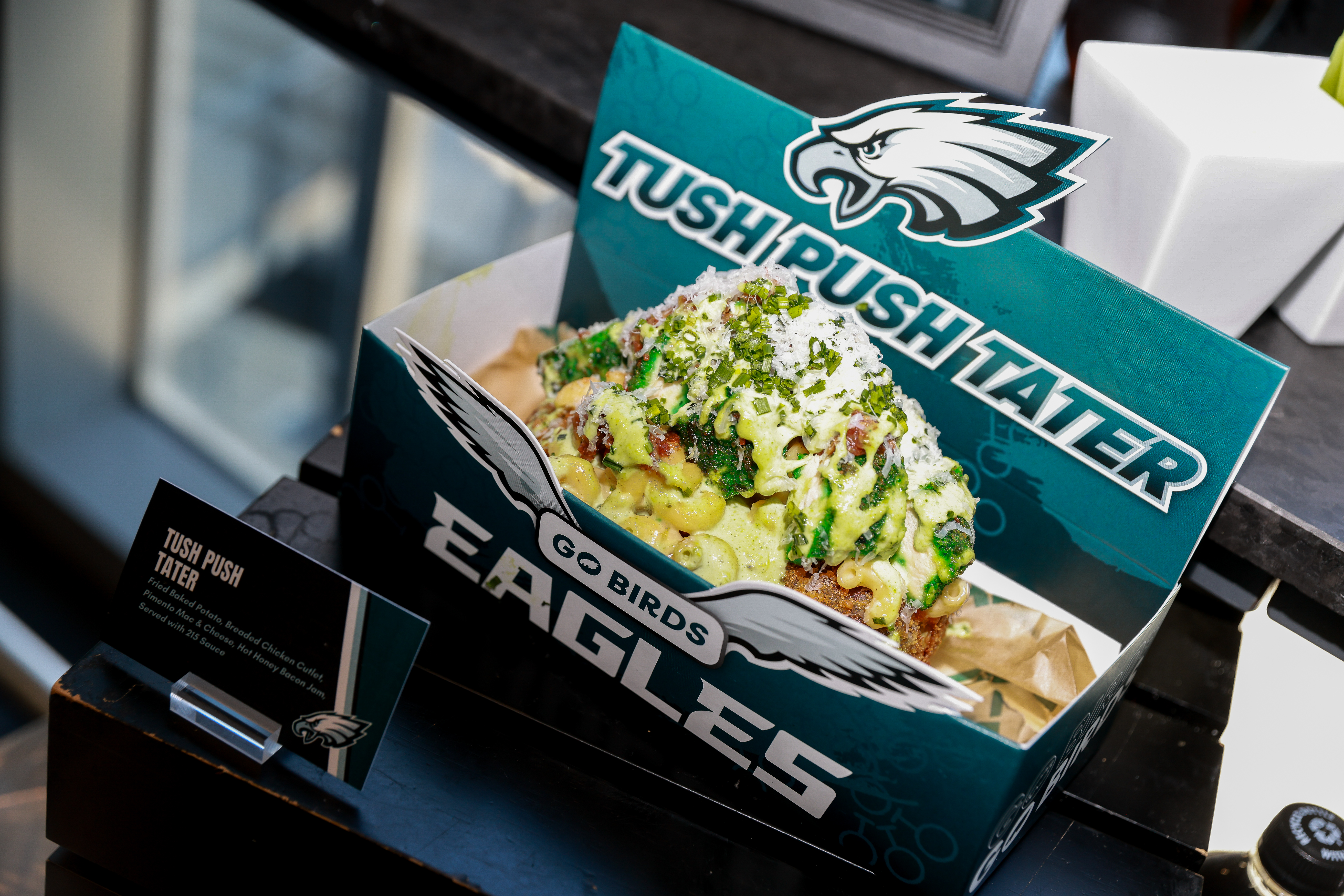
The “Tush Push Tater” includes a fried baked potato, breaded chicken cutlets with pimento mac & cheese, and hot honey bacon jam.Isaiah Vazquez / For The Inquirer
The Tush Push Tater is made for the ’gram — but be warned, the item certainly lives up to its name, featuring a deep-fried potato topped with a fried chicken cutlet, pimento mac and cheese, bacon hot honey jam, scallions, and 215 sauce, which includes craft ranch and roasted long hot peppers.
The item is available at the East and West markets on the club level.
South Philly Special cheesesteak
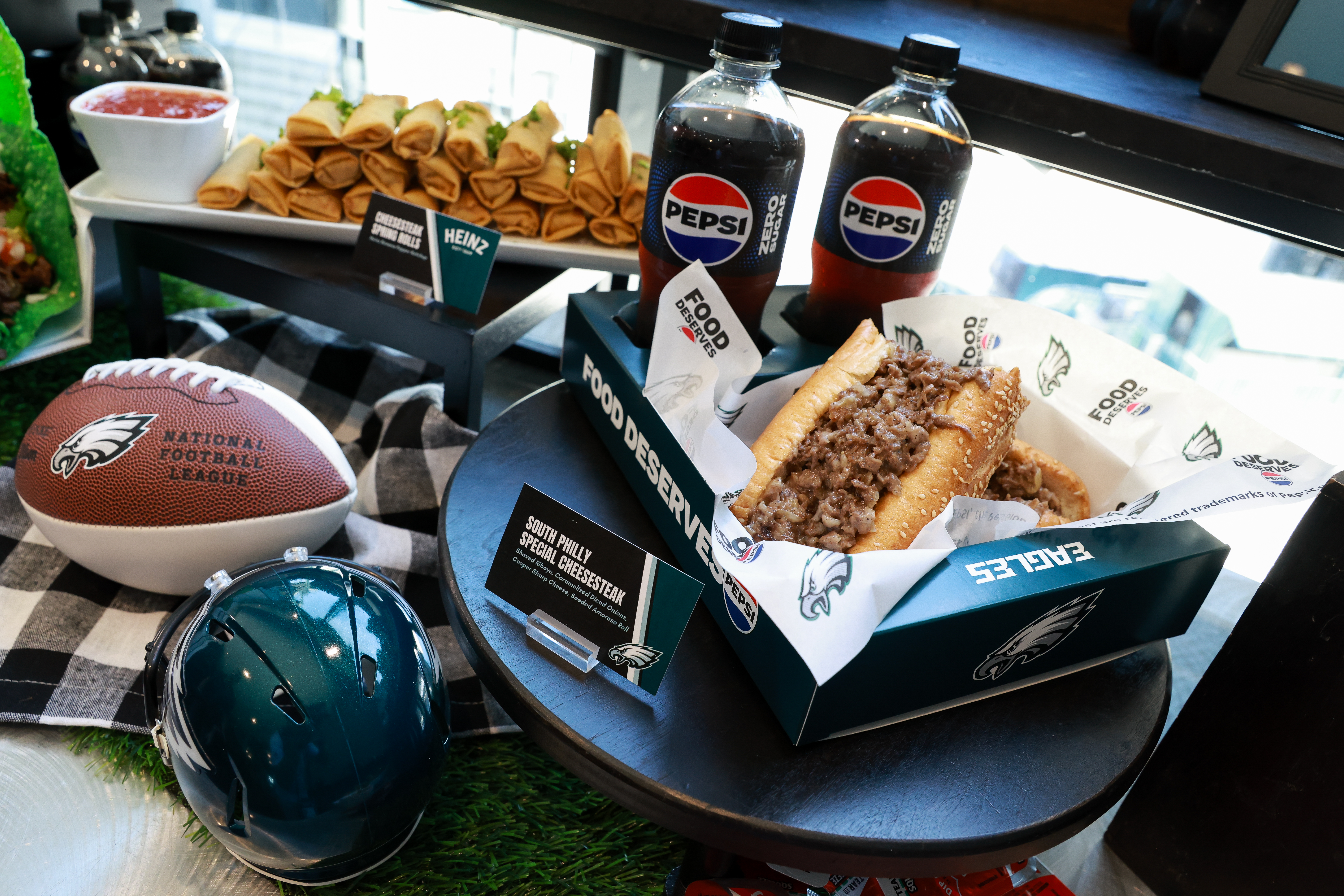
The South Philly Special Cheesesteak is shown alongside cheesesteak egg rolls on Wednesday.Isaiah Vazquez / For The Inquirer
A cheesesteak isn’t anything new at the Linc — but the recipe has been revamped with local flair. The cheesesteak features shaved rib eye, caramelized diced onions, shredded Cooper Sharp cheese, and an Amoroso seeded roll.
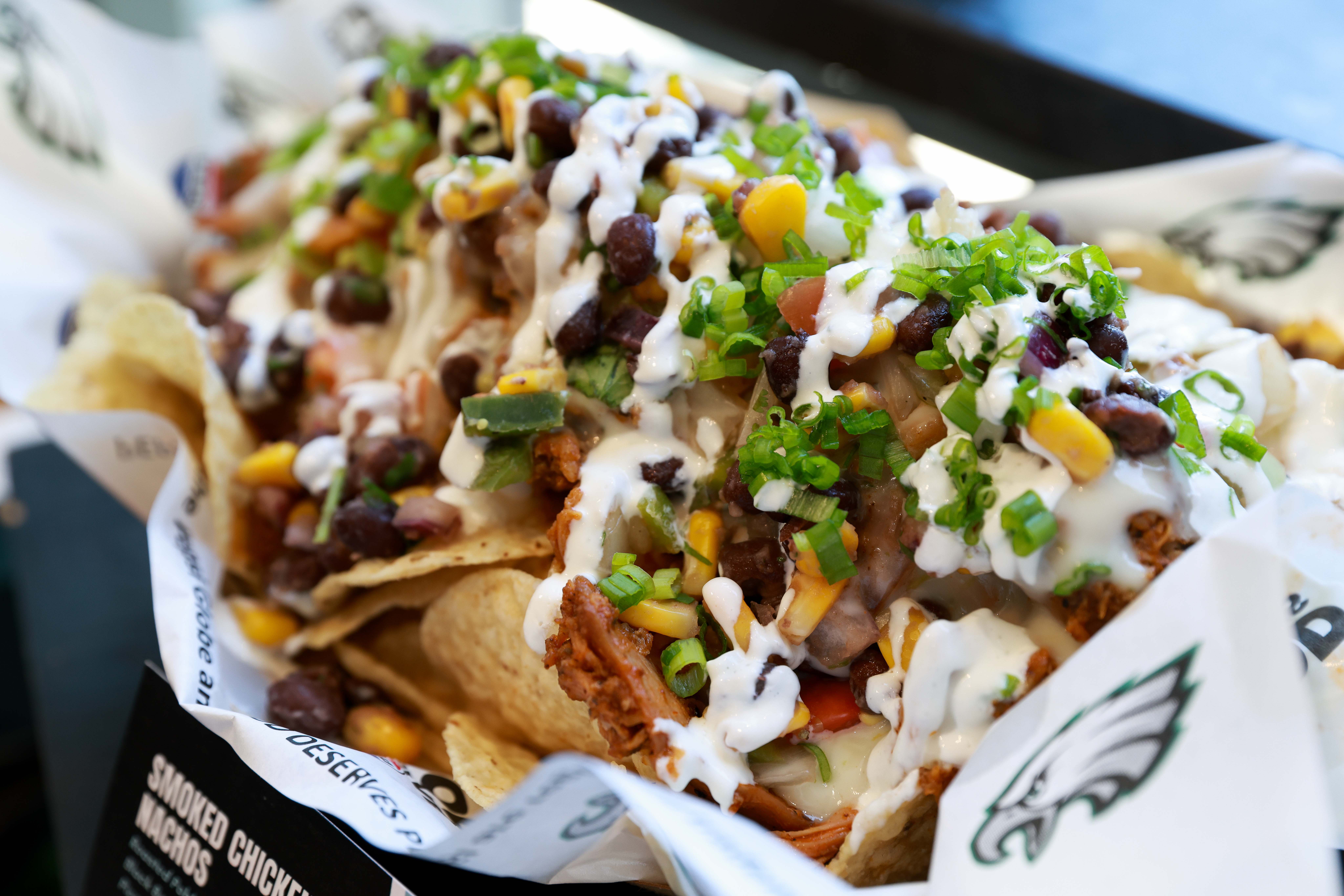
The smoked chicken nachos include roasted poblano cheese sauce, black bean and charred corn relish, pico de gallo, Mexican crema, scallions, and caramelized honey BBQ sauceIsaiah Vazquez / For The Inquirer
The Inquirer’s personal favorite was the smoked BBQ chicken nachos. The dish featured tortilla chips topped with smoked chicken tossed in caramelized honey BBQ sauce, roasted poblano queso, black beans, charred corn relish, mango pico, Mexican crema, and scallions.
The item is available in Sections 120 and 216.
Kool-Aid glazed wings
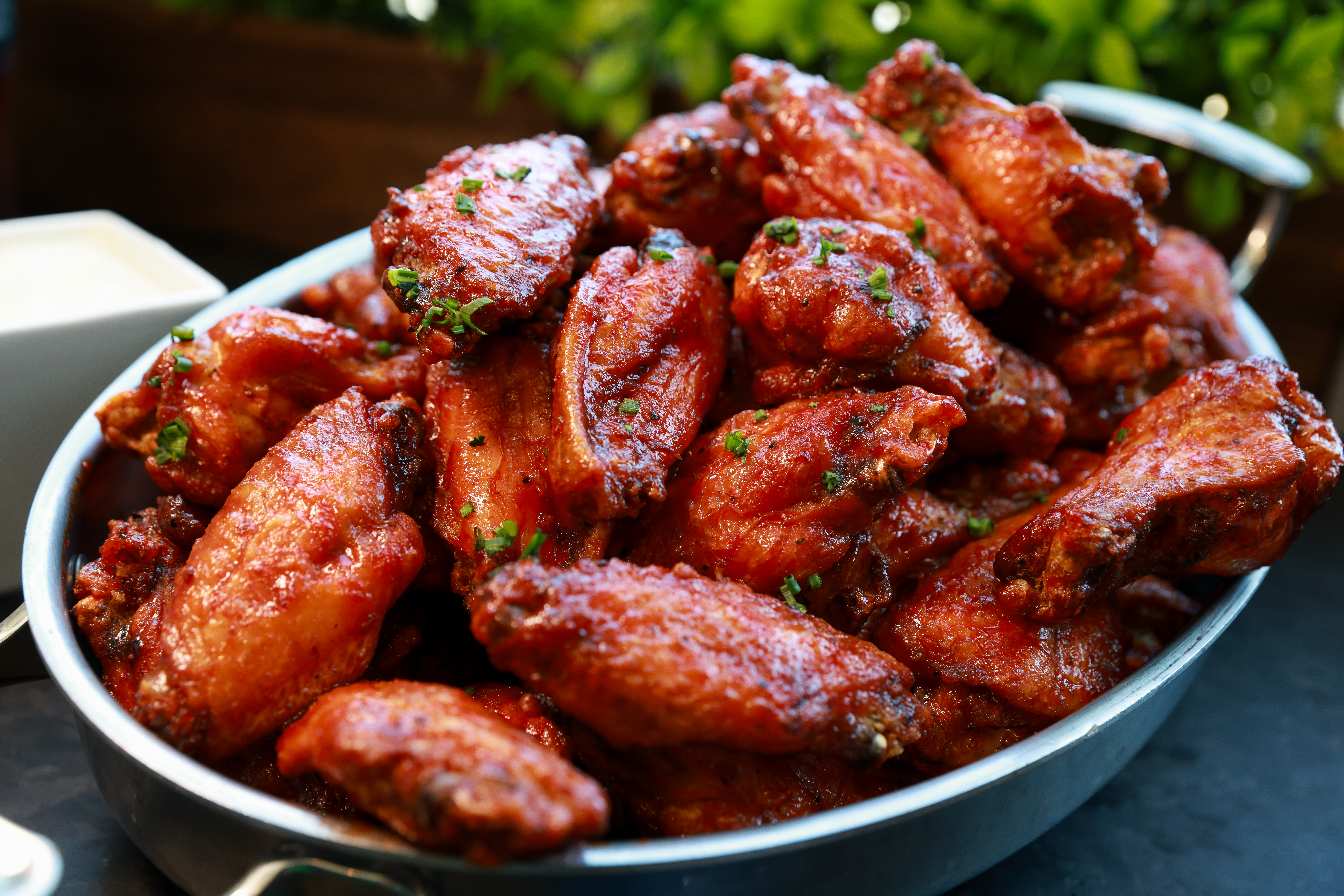
Kool-Aid chicken wings are brined before being fried and tossed in Heinz 57 sauce and a Kool-Aid sauce.Isaiah Vazquez / For The Inquirer
The Kool-Aid glazed chicken wings are in partnership with Kraft Heinz. They have been pickle-brined for four to six hours before being fried and mixed with a tropical punch Kool-Aid sauce and Heinz 57 sauce. They are served with a side of Heinz blue cheese and buttermilk ranch.
Small bites and dipping sauce
A full set of new food for Eagles game days at Lincoln Financial Field.Isaiah Vazquez / For The Inquirer
There also are plenty of new finger foods with dipping sauces — including the Philadelphia Pretzel Factory rivets, which are served with a bacon jalapeno popper dipping sauce; mozzarella nuggets paired with a side of marinara sauce; or the venue’s cheesesteak spring rolls, which are served with a banana pepper ketchup.
Bagel shops come in all stripes. There are sandwich shops and schmear shops, shops that will gladly toast your bagel, shops that will refuse to scoop it, and shops with service so curmudgeonly it comes across as endearing.
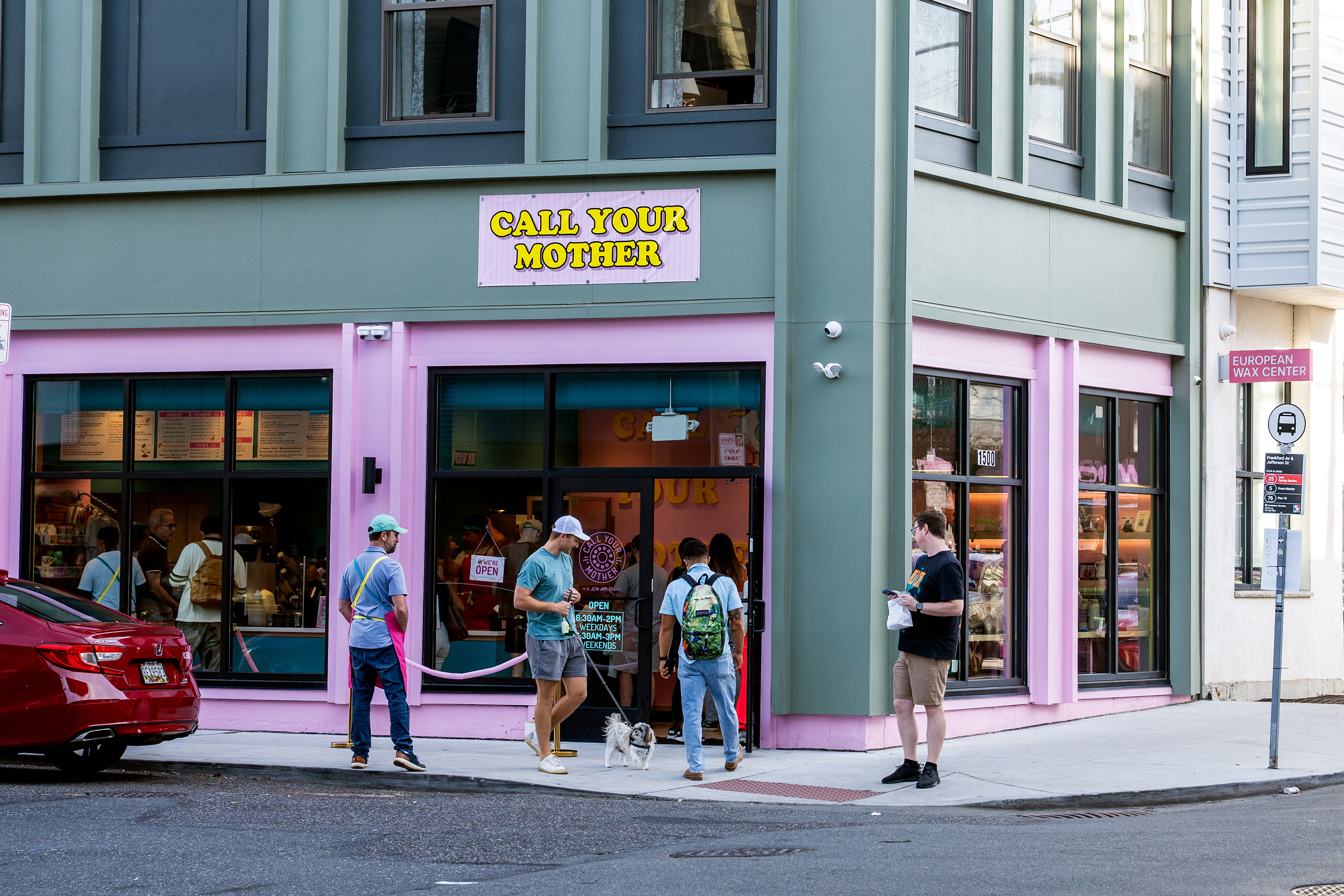
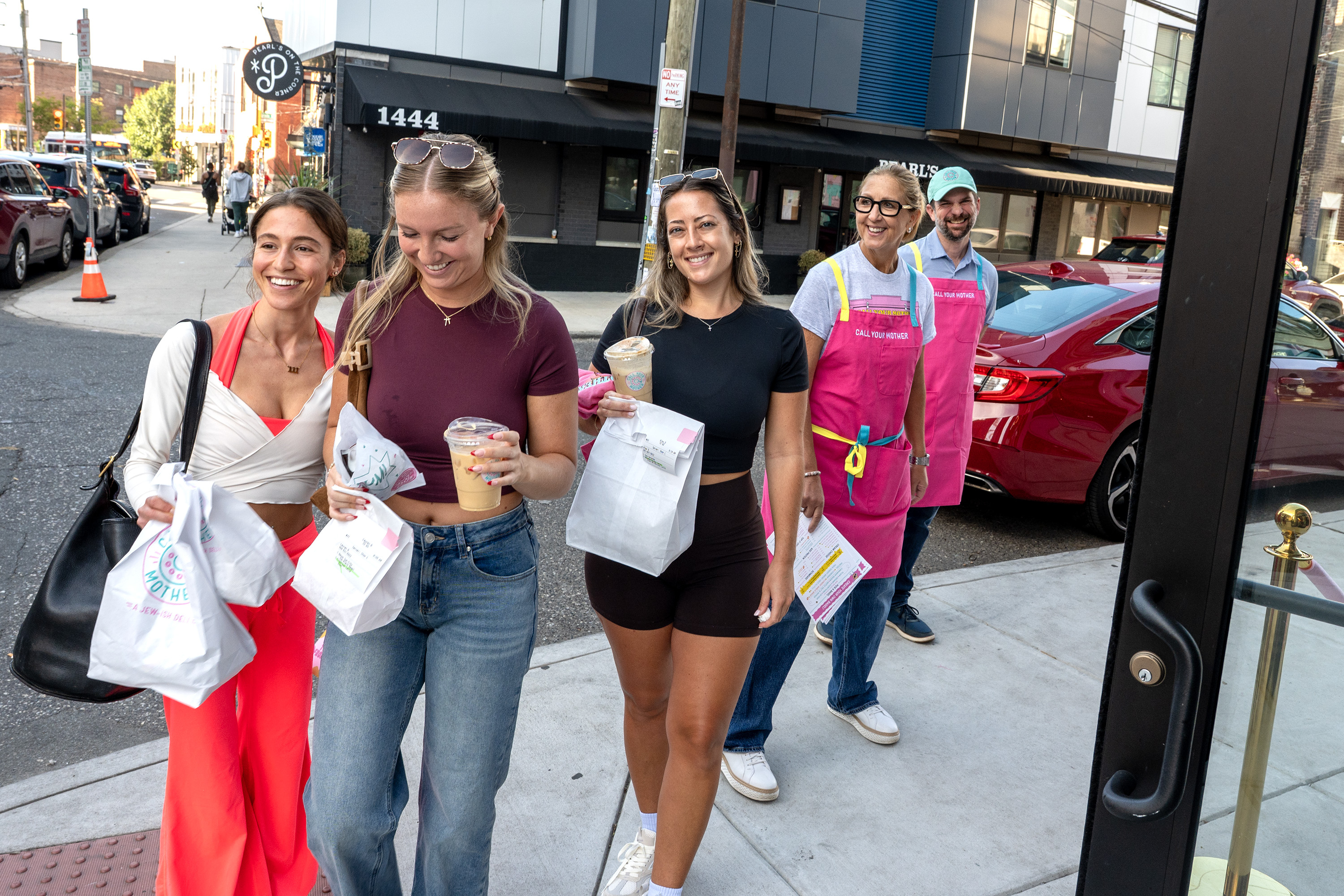
Call Your Mother, the latest bagel chain to hit Philly, isn’t trying to be any of those. Instead, it is America’s preppiest bagel shop, closer to a viral tween clothing store than a neighborhood deli.
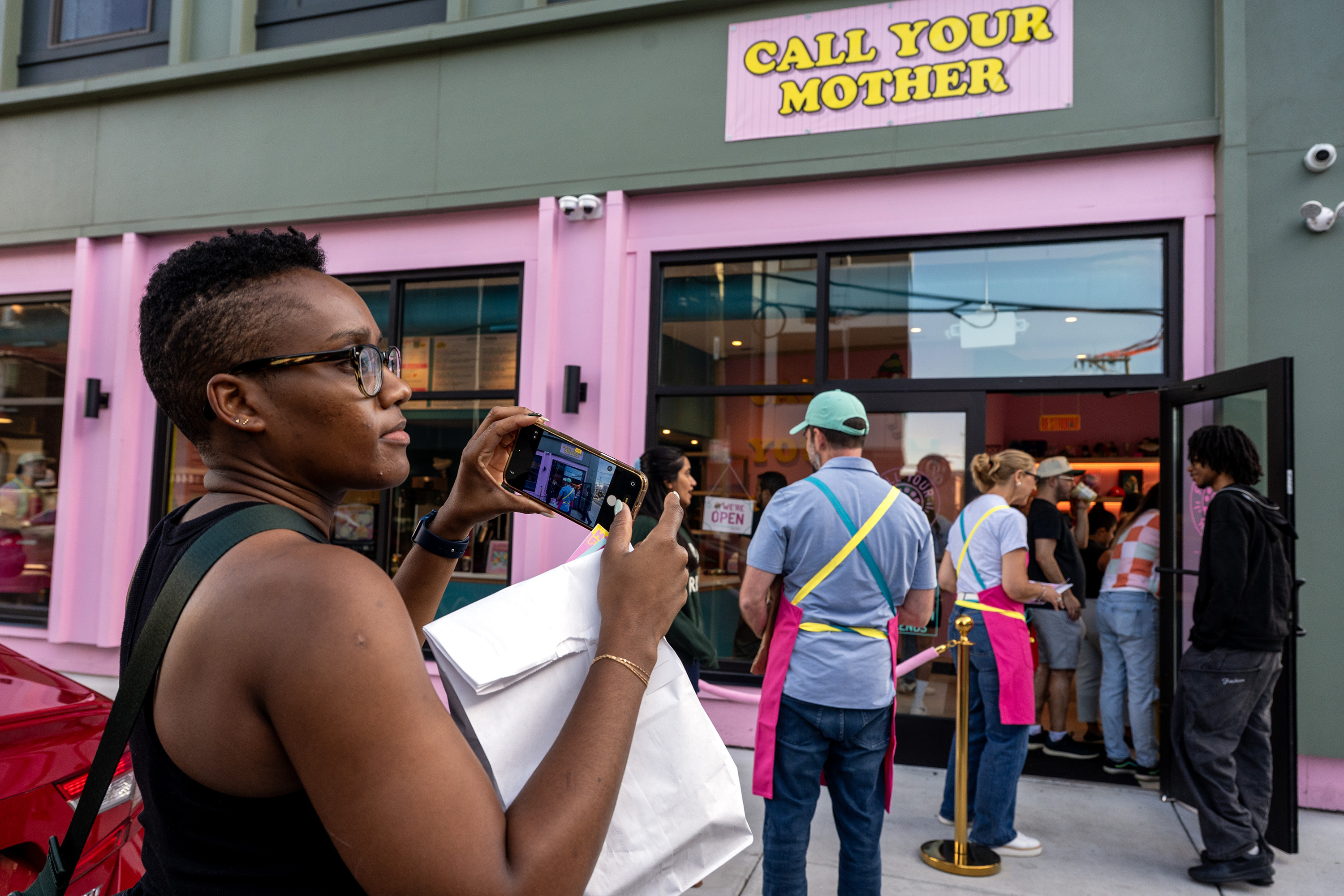
The shop’s newly opened Fishtown location looks like a boutique that just so happens to serve bagels, its bubblegum pink storefront sporting a mural of a cream cheese-and-lox bagel and a latte alongside a school of cartoon fish.
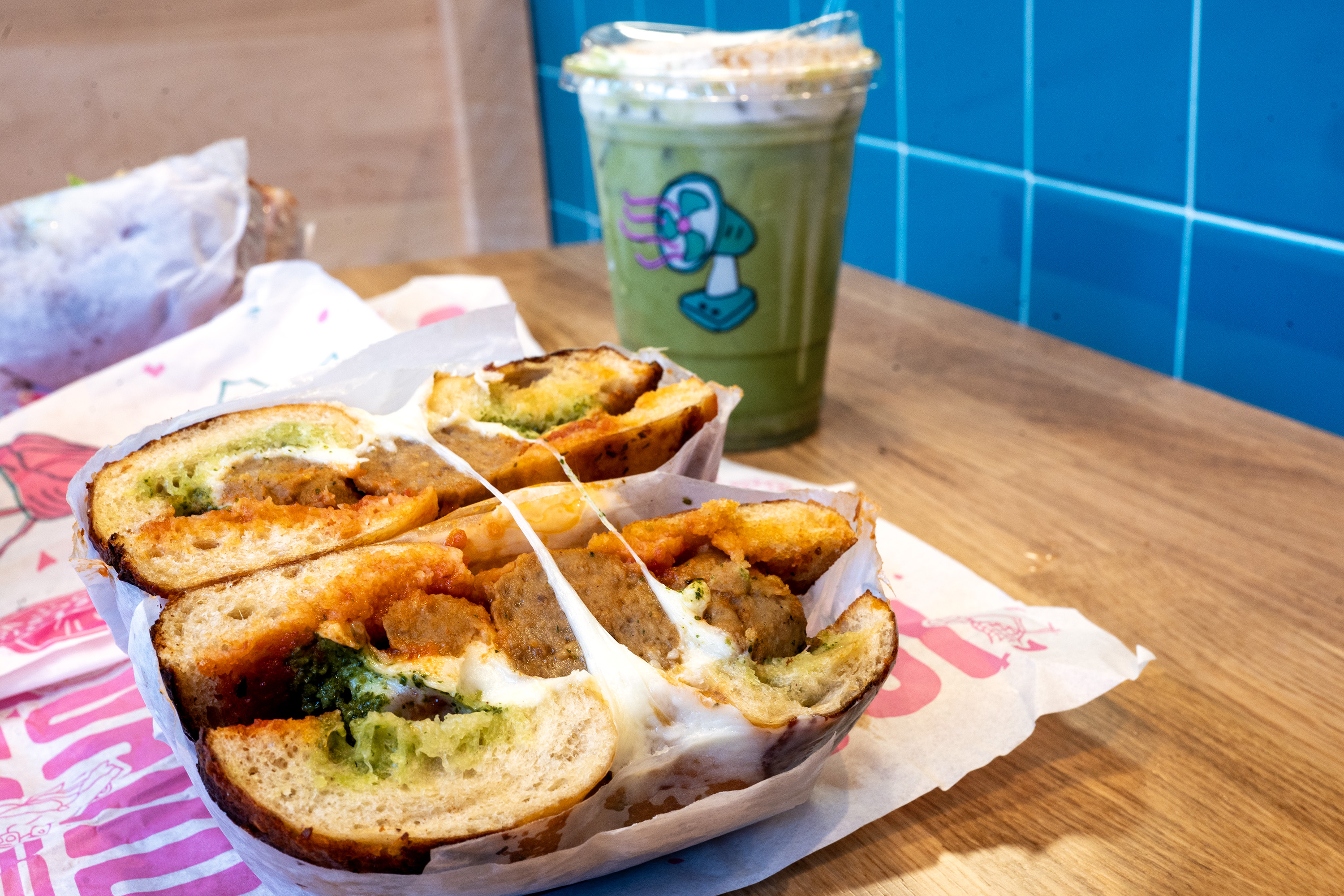
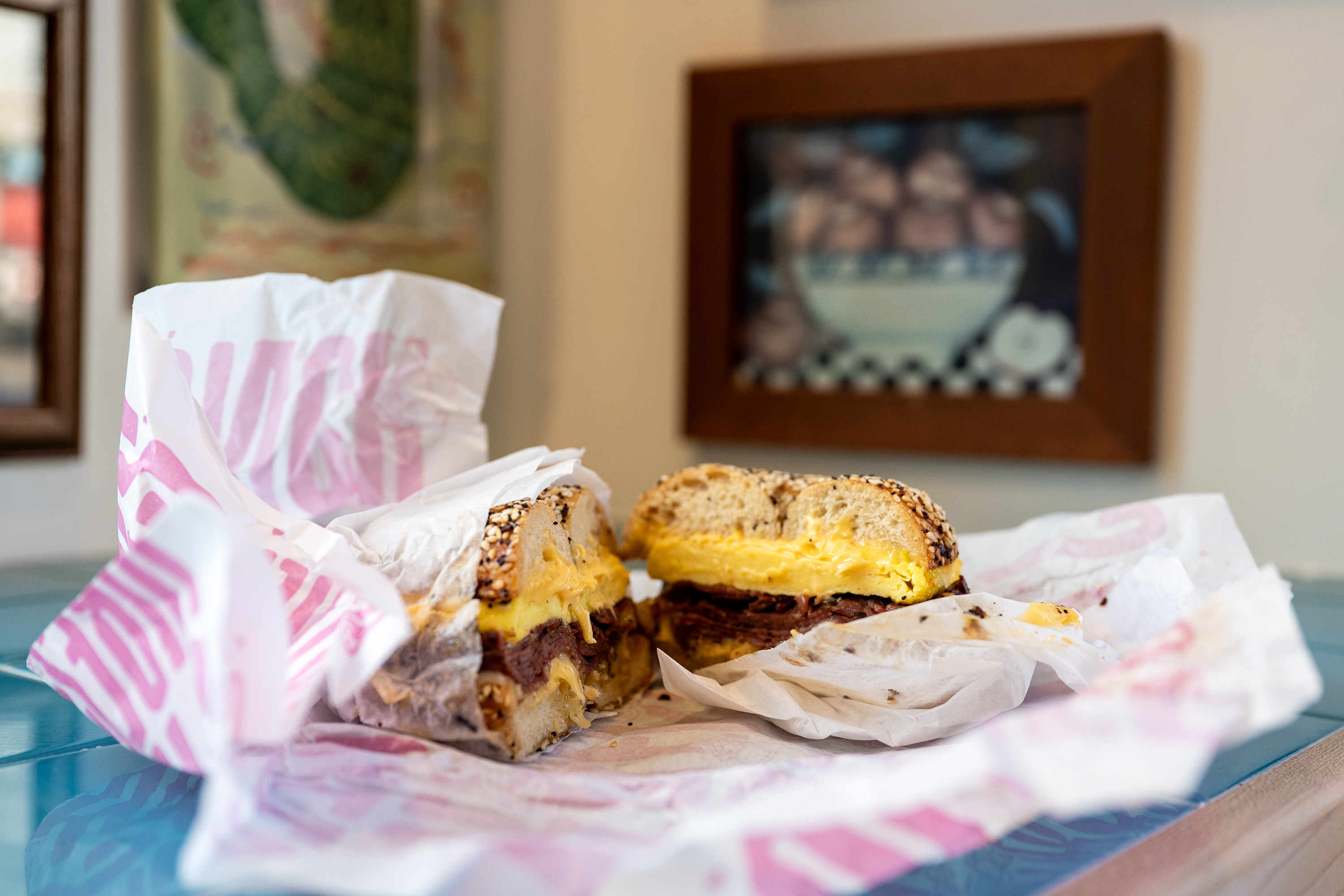
The meatball sub bagel and banana bread-matcha latte at Call Your Mother during its Fishtown soft opening on Tuesday, Sept. 8, 2026.Tom Gralish / Staff Photographer
Shortlisted as a candidate for Bon Appetit’s best new restaurants list in 2019, Call Your Mother is now synonymous with the private-equity bagel boom: The shop went from a handful of locations in D.C. to 28 across Maryland, Virginia, Colorado, Illinois, and Pennsylvania after the investment firm Invus, an early Cava investor, purchased a stake in the company at the start of 2025.
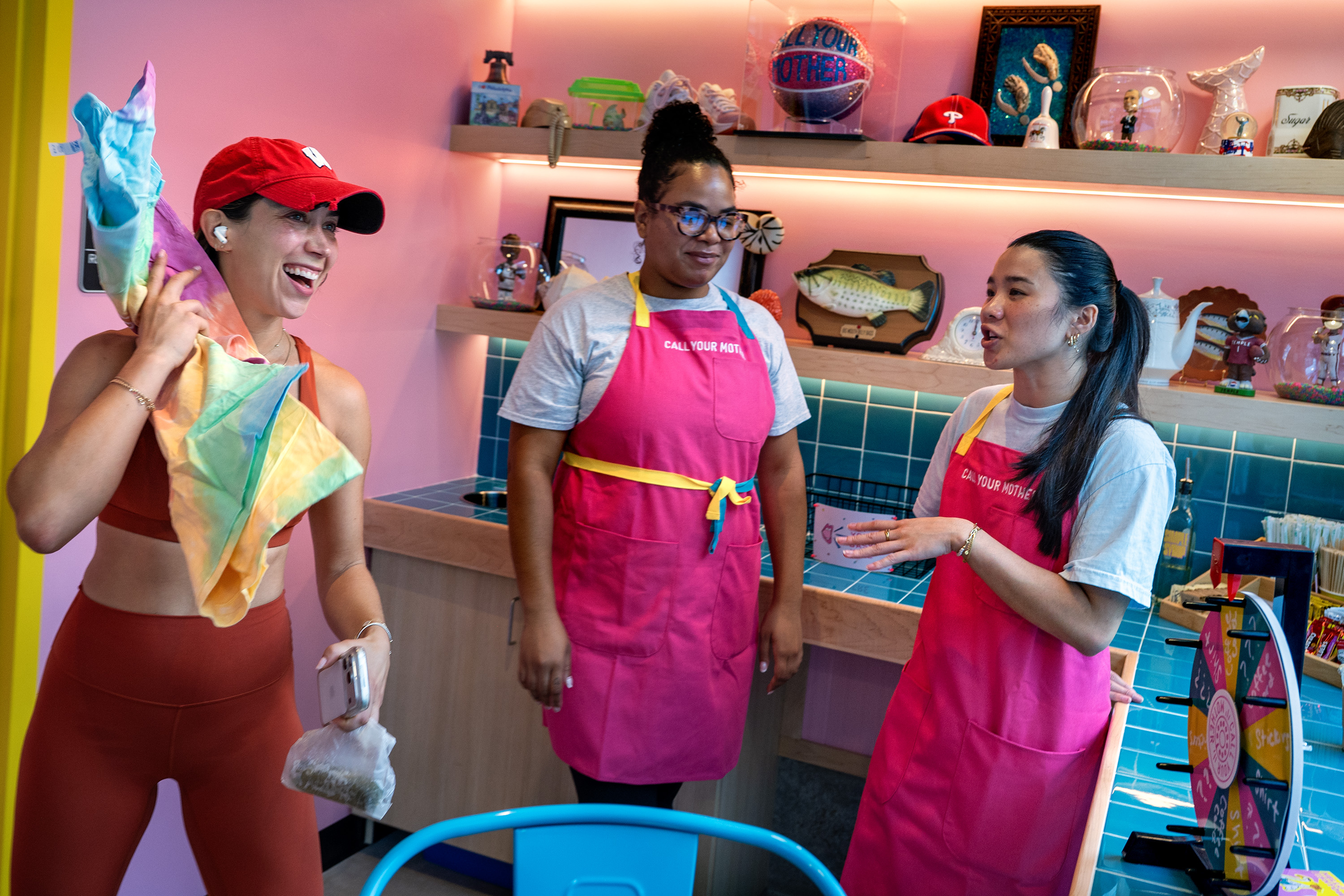
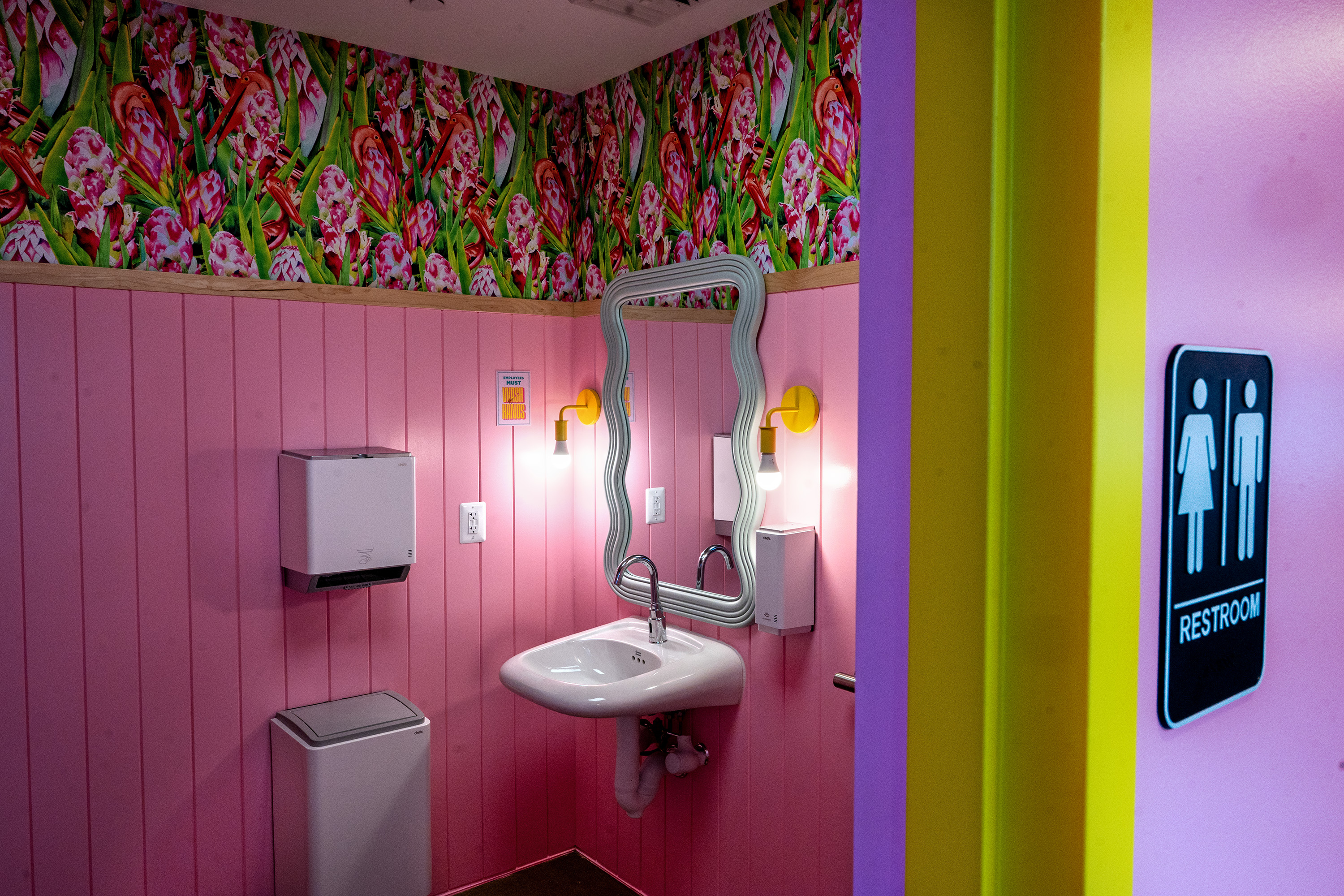
To be fair, Call Your Mother is making an effort to blend into Fishtown. The inside of its 1500 Frankford Ave. space doubles down on the whimsy with kitschy wares — Phillies bobbleheads, a tiny Liberty Bell, and a bedazzled basketball — procured from local thrift stores such as Thunderbird Salvage. A tasteful merch wall abuts the cash register, where customers can purchase pastel-colored dad hats and tees alongside jars of Fishtown Pickle Project and One Trick Pony, the peanut butter brand that Dana and Moreira also co-founded. (The bathroom, however, sticks out: it’s wrapped in a Lilly Pulitzer-style tropical wallpaper.).
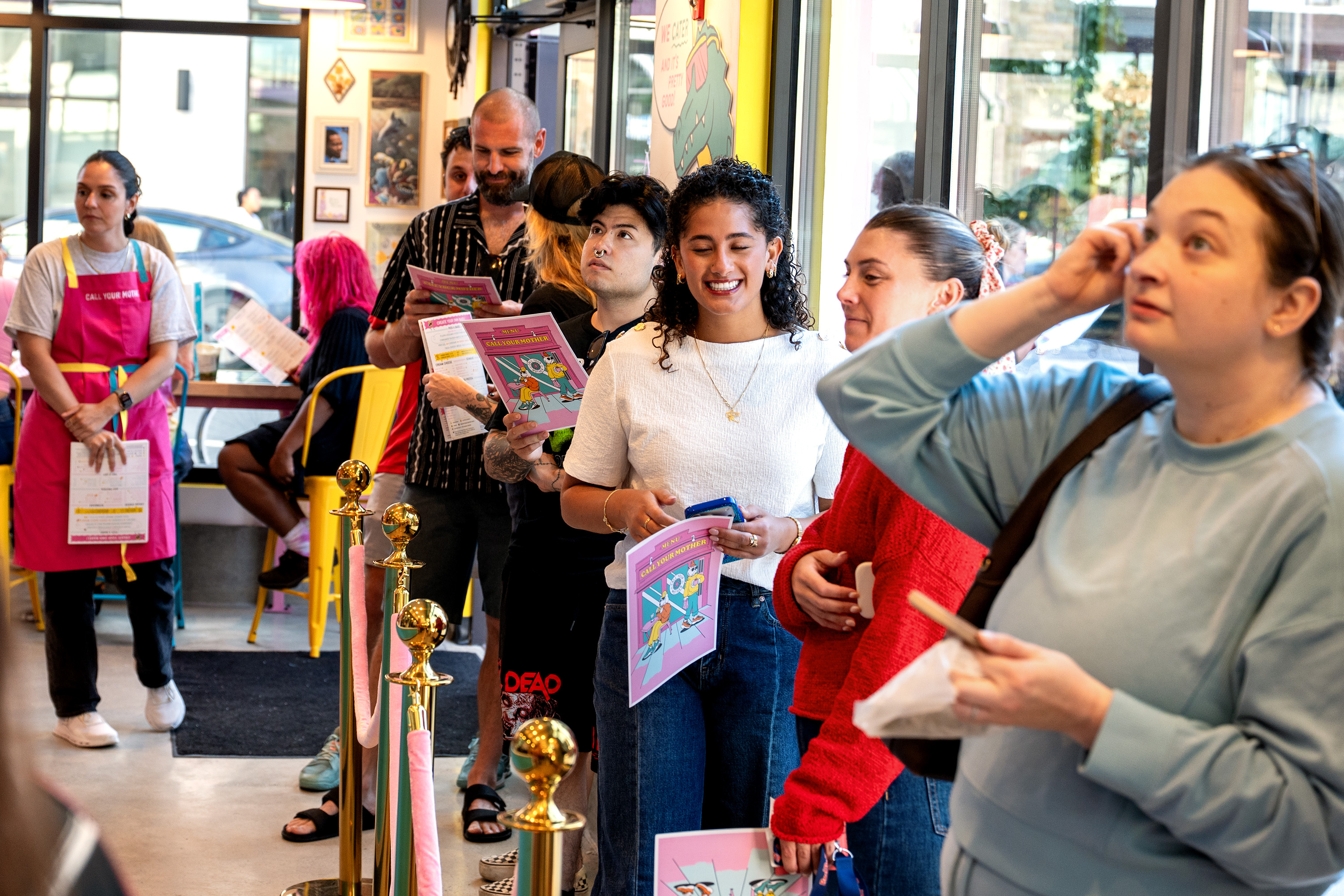
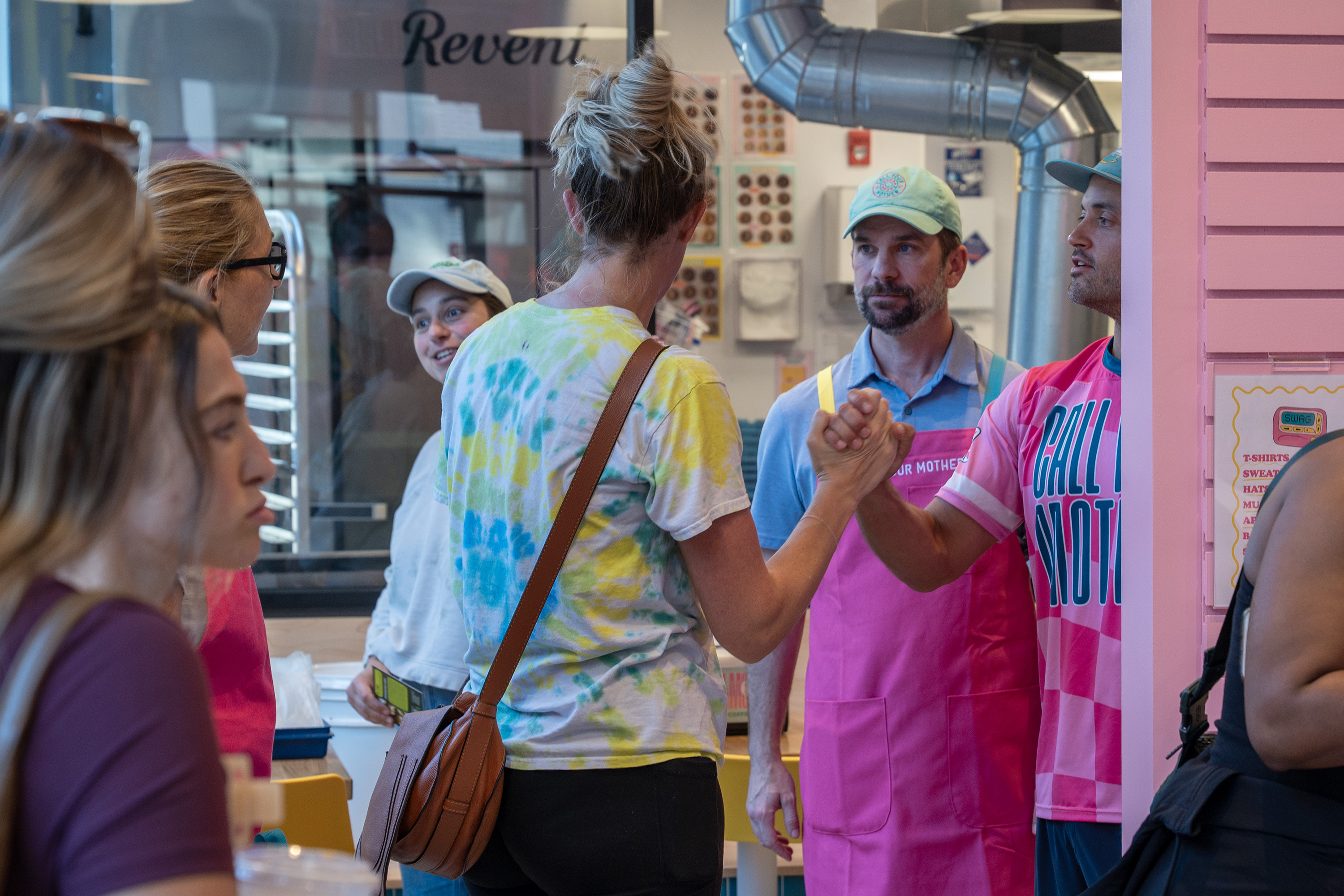
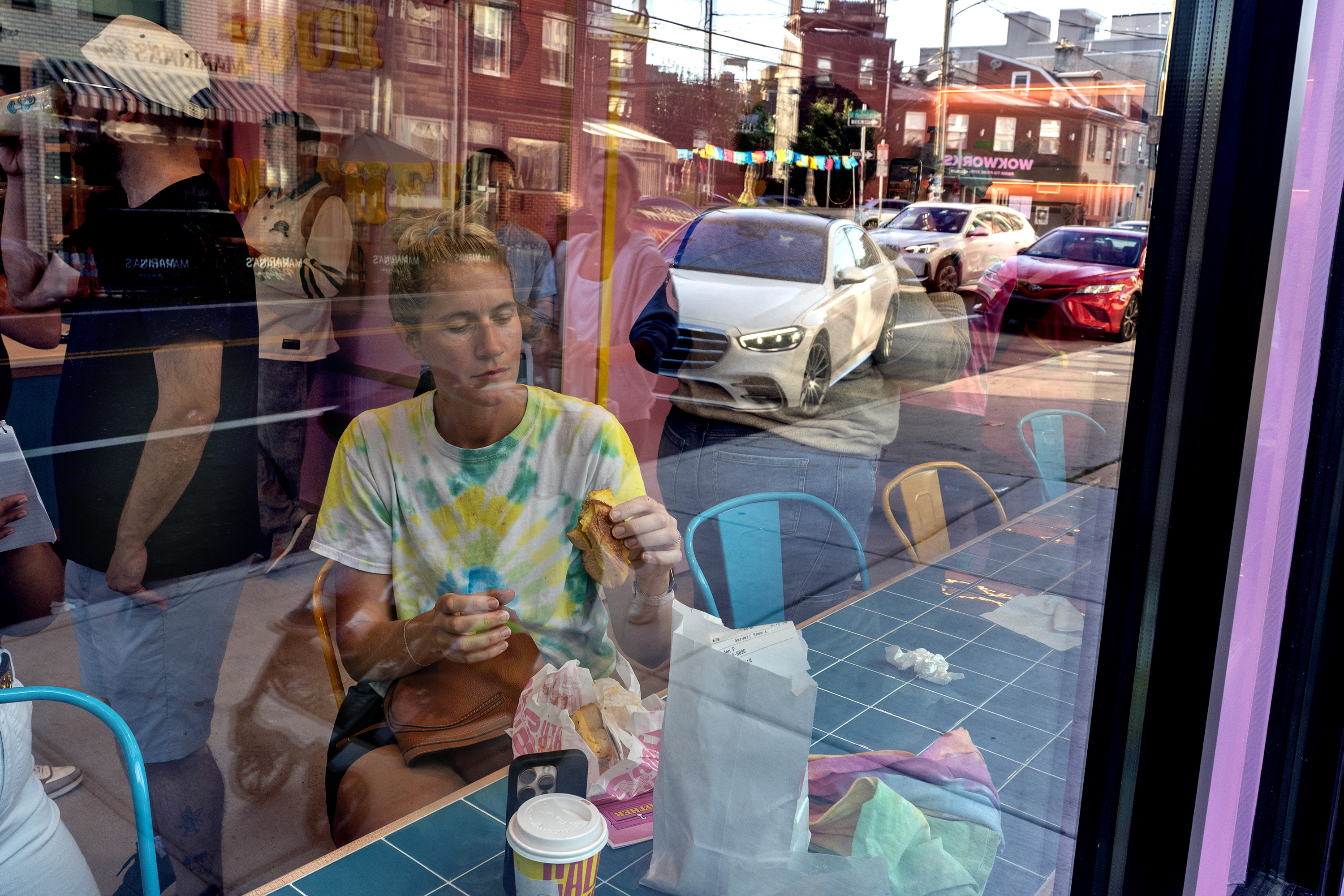
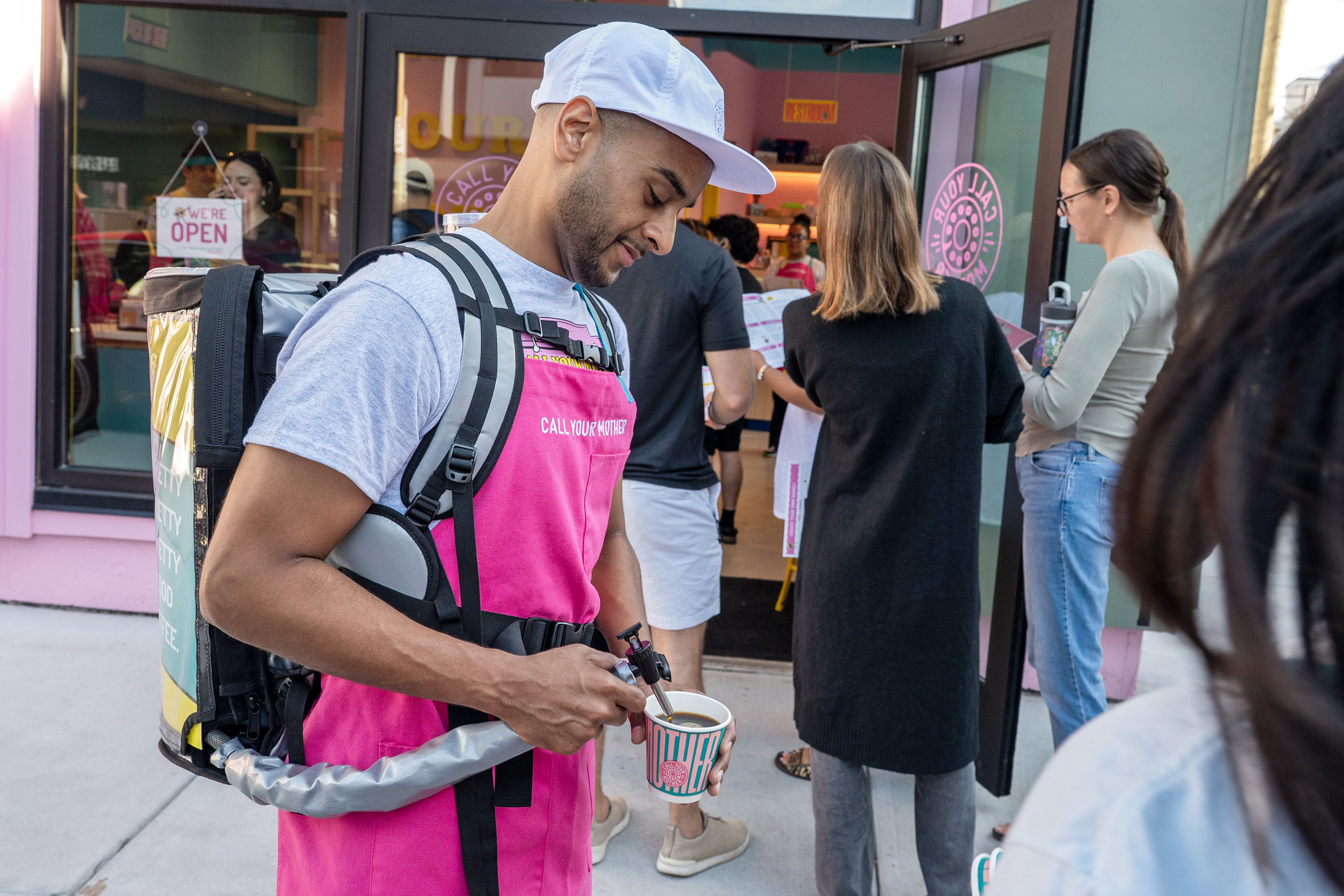
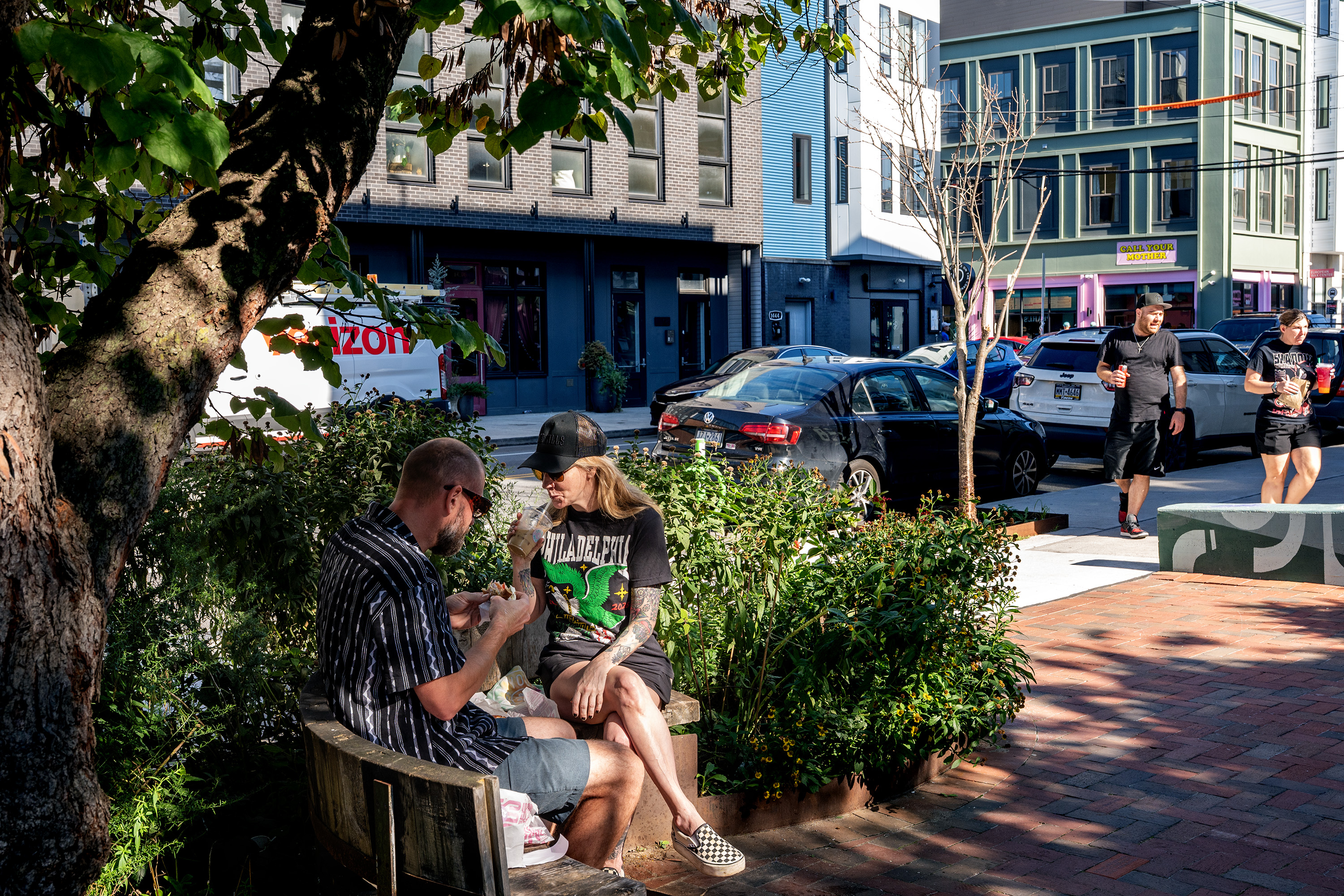
Customer Allison Mattiola wins a free T-shirt after spinning the wheel with Shay Wireman (center) and Annie Leder (right) on the Call Your Mother marketing team. Behind them is a display of kitschy thrift shop finds.Tom Gralish / Staff PhotographerThe line waiting to place their orders during the soft opening on Tuesday.Tom Gralish / Staff PhotographerFounder and co-owner Andrew Dana (right) greets customers with COO John Murray.Tom Gralish / Staff PhotographerFrankford Ave is reflected in the window as customer Jordan Price has her bagel, at the counter seating facing the street.Tom Gralish / Staff PhotographerWith a backpack insulated dispenser, corporate IT manager Osman Mohamed pours free coffee for customers waiting outside.Tom Gralish / Staff PhotographerVice president Kristine Denicourt (left) and COO John Murray (right) greet customers leaving with their bagel orders.Tom Gralish / Staff PhotographerThe all-gender restroom.Tom Gralish / Staff PhotographerCustomers Ethan Haymes and Carrie Bliss Brooke (right) eat their breakfast bagels from Call Your Mother (rear, right) in the park across the street during their Fishtown soft opening Tuesday, Sept. 8, 2026.Tom Gralish / Staff Photographer
Indoor seating is limited, split between a few two-tops and counter seating. That didn’t stop influencers from flooding the space during a soft opening. They were after the money shot: carefully pulling apart a steaming breakfast sandwich to create a dramatic cheese pull.
Neighbors were more skeptical.
“How many bagel and coffee places do we need in Fishtown?” said Gabriela Rivera, a decades-long resident who wandered in Tuesday morning during her morning walk.
It’s a fair question.
Call Your Mother’s first Philly location is smack in the middle of the city’s bagel renaissance. The shop is surrounded by outposts of Philly Style Bagels, Bagels & Co., and Kismet, three local chains. It’s also on a strip of Frankford Avenue that has seen an influx of corporate chains, from the controversial Starbucks across the street to New York City’s venture capital-backed 7th Street Burger, which opened four blocks south last month.
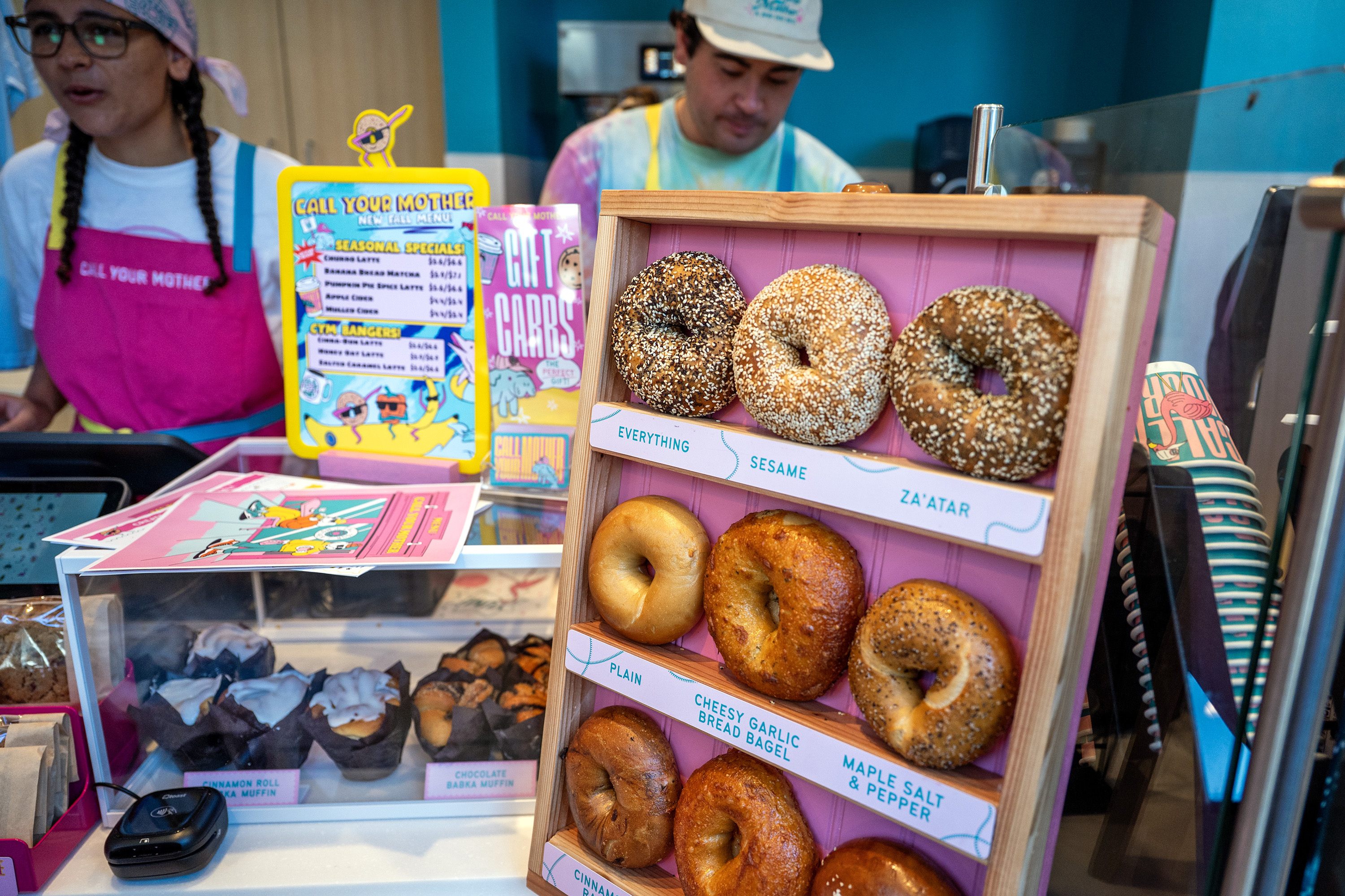
Call Your Mother offers nine bagel varieties, which can be ordered plain, with schmears, or as part of sandwiches.Tom Gralish / Staff Photographer
“For a long time, [Fishtown] was small businesses … the more big stuff that comes in, I worry the neighborhood is going to become less community-centered,” said Justin Berger, Rivera’s fiancé, who also lives in the area.
Both of them still ordered breakfast sandwiches. They were free, after all.
New York-style with a hint of Montreal
Call Your Mother’s bagels split the difference between New York-style — the classic fluffy-yet-crusty kind — and Montreal-style, which are smaller, sweeter, and denser.
Bagels are made on-site using a recipe developed by Moreira, an Argentinian-born chef who never ate a bagel until building Call Your Mother with her husband. The chain’s are still hand-rolled and kettle-boiled with a simple honey-sweetened dough.
The Sun City bagel at Call Your Mother during its Fishtown soft opening Tuesday, Sept. 8, 2026.Tom Gralish / Staff Photographer
Their bagels come in nine flavors, ranging from classic plain and everything and to cheesy garlic bread, maple sea salt and pepper, and salt-crusted pretzel. You can order them with a schmear, though most customers go for the sandwiches, which range from $9 to $15 in Philly.
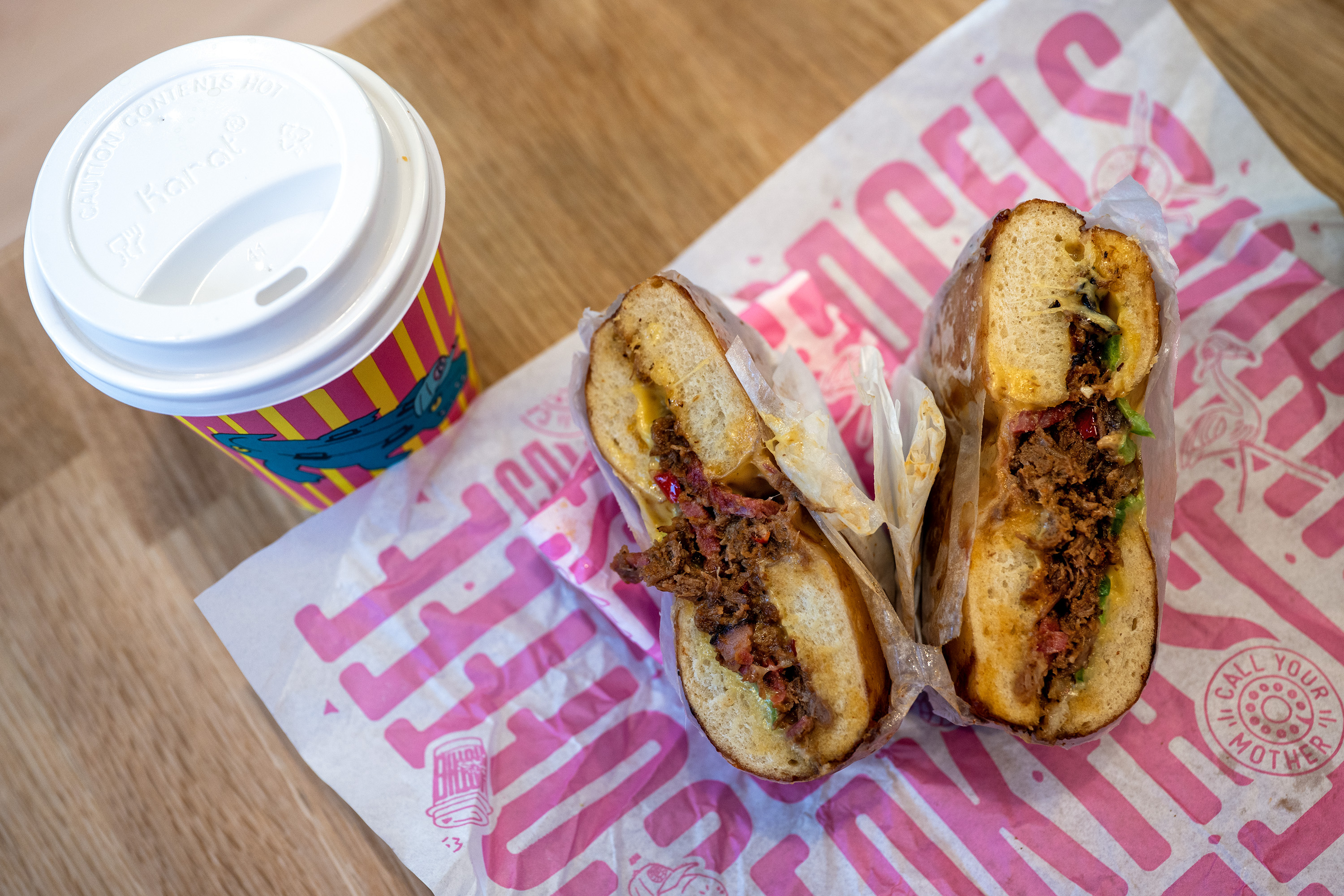
The chain’s menu includes 19 sandwiches, categorized indiscriminately as those with “breakfast-y vibes” and “lunch-y vibes.” (You can order both all day.) Some fuse Dana’s half-Jewish upbringing with Moreira’s Argentinean palate, like the Jetski, which features sofrito-seasoned brisket and pastrami. Others, like the Don Cesar — literally a grilled chicken Caesar salad on a bagel — are somewhat light, while some are downright decadent. Case in point, the fall special:meatballs, marinara, and mozzarella on a bagel.
Customer Shannelle Palmer takes a photo outside Call Your Mother as she leaves with her bagel order during its Fishtown soft opening Tuesday, Sept. 8, 2026.Tom Gralish / Staff Photographer
The Thunderbird (chicken sausage, eggs, American cheese, cheddar cheese, and spicy honey, recommended on a maple sea salt bagel) tastes “like a happy accident,” said Jordan Price, a local content creator who lives in Fishtown. “It reminds me of when all the stuff on a breakfast platter mixes together and gets syrupy.”
Berger, on the other hand, was sure he could taste a bit of the private equity.
“It tasted like it was made somewhere else and shipped here,” he said after biting into his lox and cream cheese on yuca bread, Call Your Mother’s gluten-free bagel alternative.
The Chai Latte and Jetski bagel at Call Your Mother during its Fishtown soft opening Tuesday, Sept. 8, 2026.Tom Gralish / Staff Photographer
Price doesn’t mind. The chains are already here, she said. At least this one has bagels she thinks her kids will like.
“There’s literally a Sweetgreen down the street. We are surrounded by so much private equity,” Price said. “If it was the first of that sort of thing in the neighborhood, I’d be more upset.”
Call Your Mother, 1500 Frankford Ave., 215-703-3254, callyourmotherdeli.com. Hours: 6:30 a.m. to 2 p.m. Monday through Friday; 6:30 a.m. to 3 p.m. Saturday to Sunday.
This fall’s restaurant openings reflect an industry hedging its bets: established operators expanding into the suburbs and repurposing familiar spaces, and newcomers pursuing narrowly drawn concepts built around omakase, caviar, Korean barbecue, cocktails, and live-fire cooking.
I count about five dozen restaurants in the region’s pipeline, with Italian concepts (no surprise), all-day service, and experience-driven dining recurring throughout the list. In addition to 60 restaurants opening between now and late December, two other restaurants are expanding: Lovat Square in Chestnut Hill is adding dinners and Palm Vintage across from City Hall is adding nighttime sushi service.
By comparison, last year’s fall roundup covered 53 restaurants. All of those opened except for three that are now a full year behind schedule: Adda in Fishtown is shooting for October, Ayat near Rittenhouse Square is aiming for November, and Brunch Bulls in Point Breeze is targeted for December. (Although this year has seen its share of closings, especially among longstanding restaurants, each of last fall’s restaurants is still open.)
Brand new and notable
Aogami (4343 Main St.): Underground sushi is coming to Manayunk as chef Tom LoMonte joins chef Moon Krapukthong to offer a 16-course omakase in a 20-seat BYOB setting beneath Krapukthong’s Yanako and neighboring Chabaa Thai Bistro, starting Sept. 25. LoMonte — a veteran of Zama, Izakaya by Yanaga, Pod, and Yanaga Kappo Izakaya — will lead the omakases at 6 p.m. Fridays and Saturdays; reserved sushi-bar seatings will run Wednesdays, Thursdays, and Sundays alongside hand rolls and à la carte service. LoMonte describes the atmosphere as energetic and less formal than typical omakase counters. Upstairs, Yanako will continue serving rolls, sushi platters, udon, tempura, and yakitori.
The Buttery (1099 Germantown Ave.): Malvern-based bakery and cafe the Buttery is preparing a Philadelphia location at Piazza Alta in Northern Liberties, near Scusi and Terra Grill. It recently opened a Bryn Mawr location and expanded its original Malvern operation into dinner service with Neapolitan pizza and shareable plates. An opening date has not yet been shared.
Nick & Nora’s Oyster Dive (560 Stokes Rd., Medford): Michael and Jeniphur Pasquarello (La Chinesca, Piccolina) are bringing a raw bar and American kitchen to a corner space with a large deck at Ironstone Village. The broader menu will include steak frites, burgers, fish, vegetables, and small plates, says Michael Pasquarello, who hopes to open in 60 to 90 days.
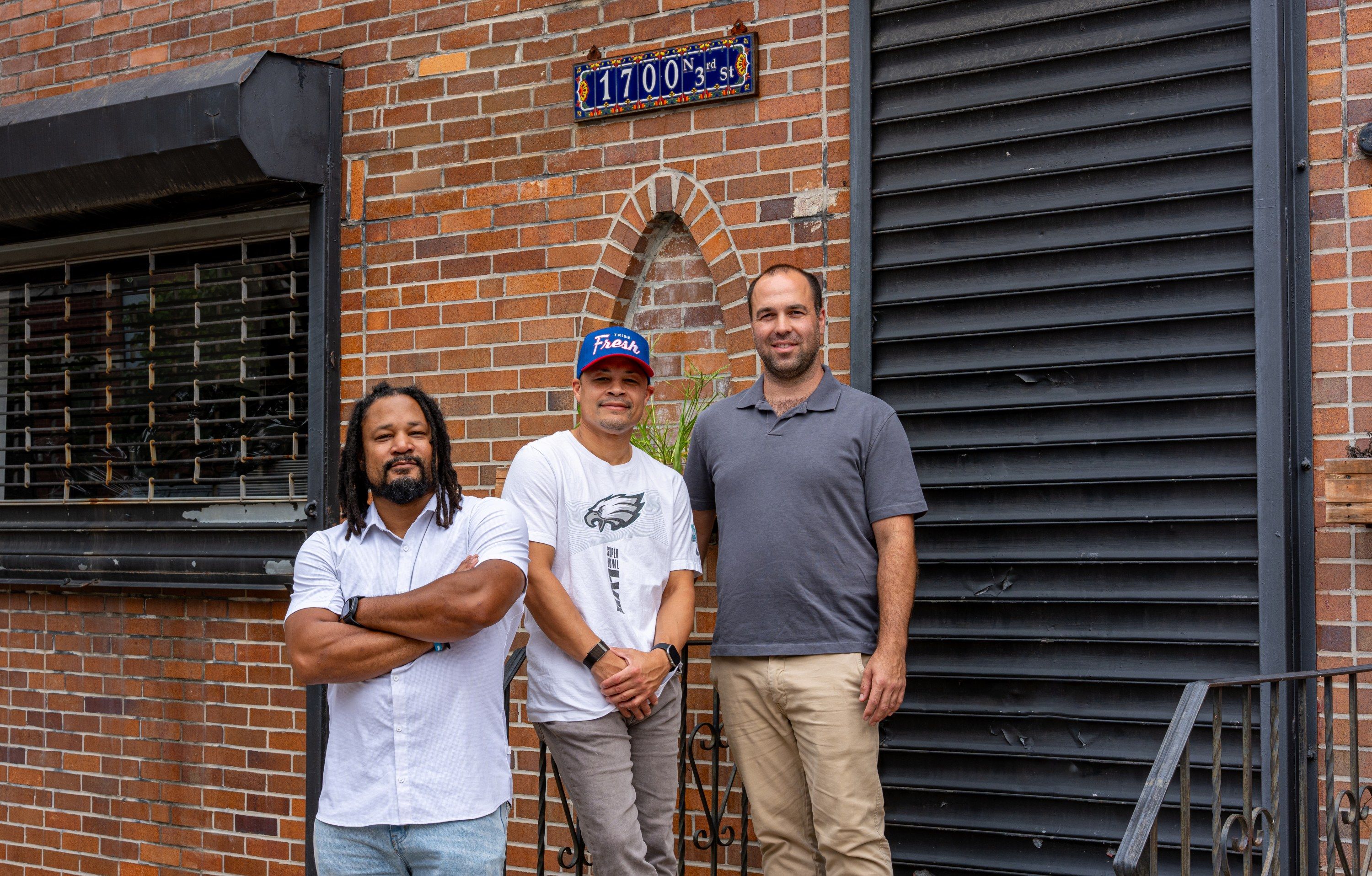
Chef Chaz Brown (left) is partnered with his brother Clifford Brown (center) and John Skeele in Rumblefish, 1700 N. Third St.Mike Prince
Rumblefish(1700 N. Third St.): Chef Chaz Brown is targeting November for this 900-square-foot, fast-casual Caribbean fish-fry restaurant at Third Street and Cecil B. Moore Avenue. Brown — a Trinidadian American chef whose resumé includes Nobu, Le Bec-Fin, Fatty Crab, and television’s Top Chef — will focus on invasive species such as lionfish, snakehead, green crab, and Chesapeake Bay blue catfish when available. (The catfish turned heads at the recent Oxtail Exchange at Forman Arts Initiative.) Brown uses gluten-free corn flour with Trinidadian spice blends and serves the fish on po’boy-style rolls baked by Angelo’s Bakery in Conshohocken. The mostly takeout operation will have counter seating, a 25-seat covered patio, slaws, fries, sea-moss drinks, and Solo Kola Champagne.
Pennsylvania suburbs
Alessandro’s Enoteca (915 W. Lancaster Ave., Bryn Mawr): Alex Fiorello’s third restaurant will bring a bar-focused Italian concept to the former Enoteca Tredici space in Bryn Mawr Village in mid-to-late October. Fiorello and culinary director Matt Arcomone, whose resumé includes Osteria, Vetri, and Palladino’s, are planning house-made pastas, wood-fired pizzas, live-fire cooking, and dry-aged meats. It’s intended to have a stronger evening and bar scene than Fiorello’s Wayne restaurants.
Bruzi (281 Montgomery Ave., Bala Cynwyd): Two couples with Calabrian roots plan to open this Southern Italian restaurant in the former Aldar Bistro in late fall. Expect house-made pastas and Calabrian dishes such as fusilli with slow-cooked meat sauce, baked lamb, and grilled tuna, plus cocktails and an opening list of about 100 Italian wines.
Capperini (137 S. Easton Rd., Glenside): Eastern Montco will get an upscale Italian-Mediterranean destination with a liquor license from Ilya Vorobey and partners including members of the team behind Capri in Queen Village. Vorobey is aiming for October or November.
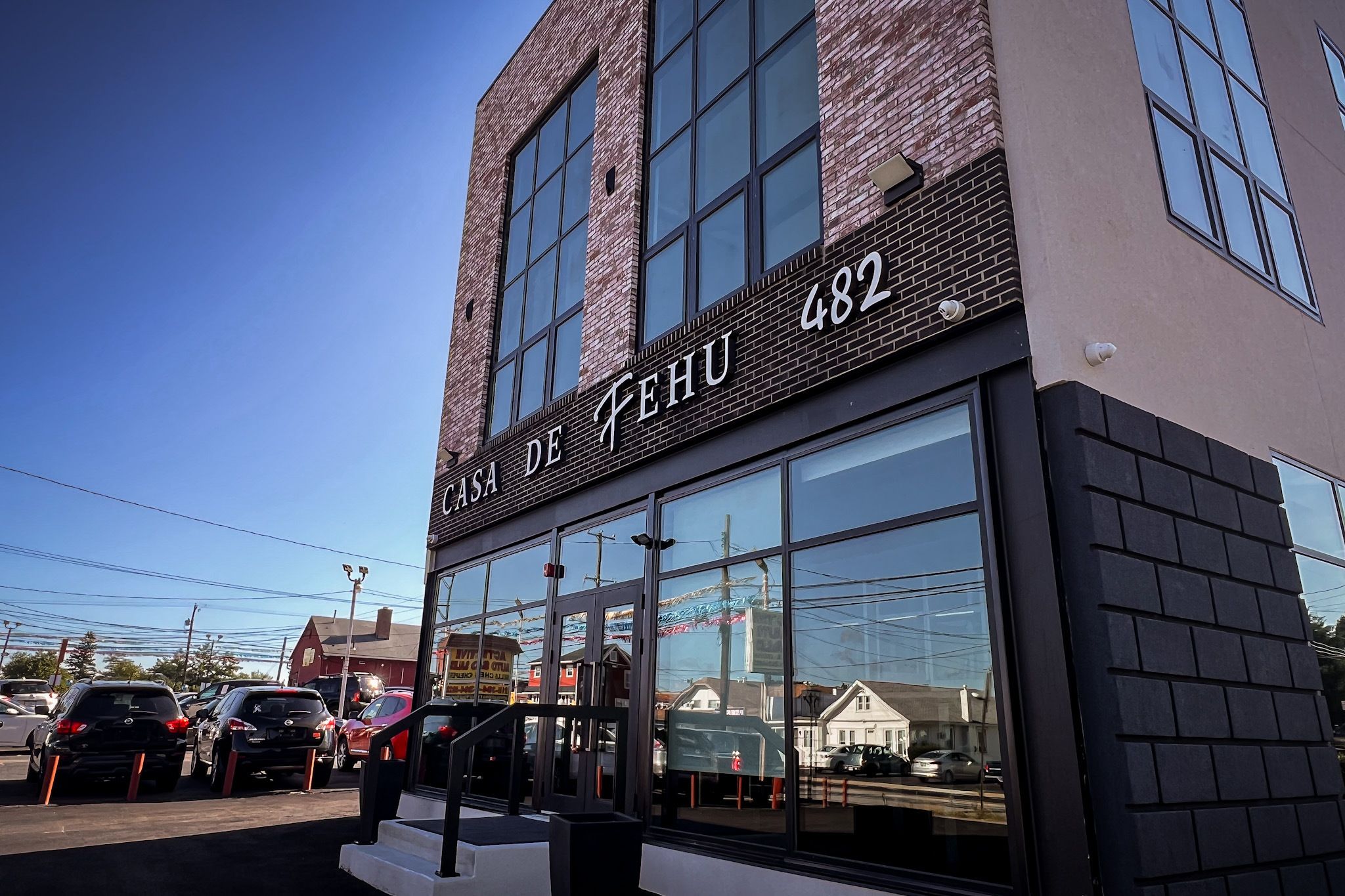
Casa de Fehu, 482 Jacksonville Rd., Hatboro.Michael Klein / Staff
Casa de Fehu (482 Jacksonville Rd., Hatboro): Hatboro couple Anthony Shalamov and Anastasia De Roy are developing this polished restaurant with European-inspired cooking and an upscale atmosphere, possibly with a tie-in to a local brewery that would allow alcoholic drinks. Shalamov is targeting an October soft opening.
Cecilia (266 E. Fourth St., Bridgeport): The team behind Blue Bell Inn and the Copper Crow is just about ready to open this contemporary American bar-restaurant in the extensively renovated former Taphouse 23. The roomy property includes a large patio and a wood-burning oven. The menu emphasizes familiar American dishes, positioning this as an all-purpose neighborhood destination.
Donatelli’s (1 Washington Ave., Newtown): Restaurateur Habib Troudi, who owns Panache and Ristorante Castelloin Blue Bell, is behind a top-to-bottom overhaul of the former Rocco’s at the Brick in downtown Newtown. He said he is hoping to open the Italian steakhouse in October.
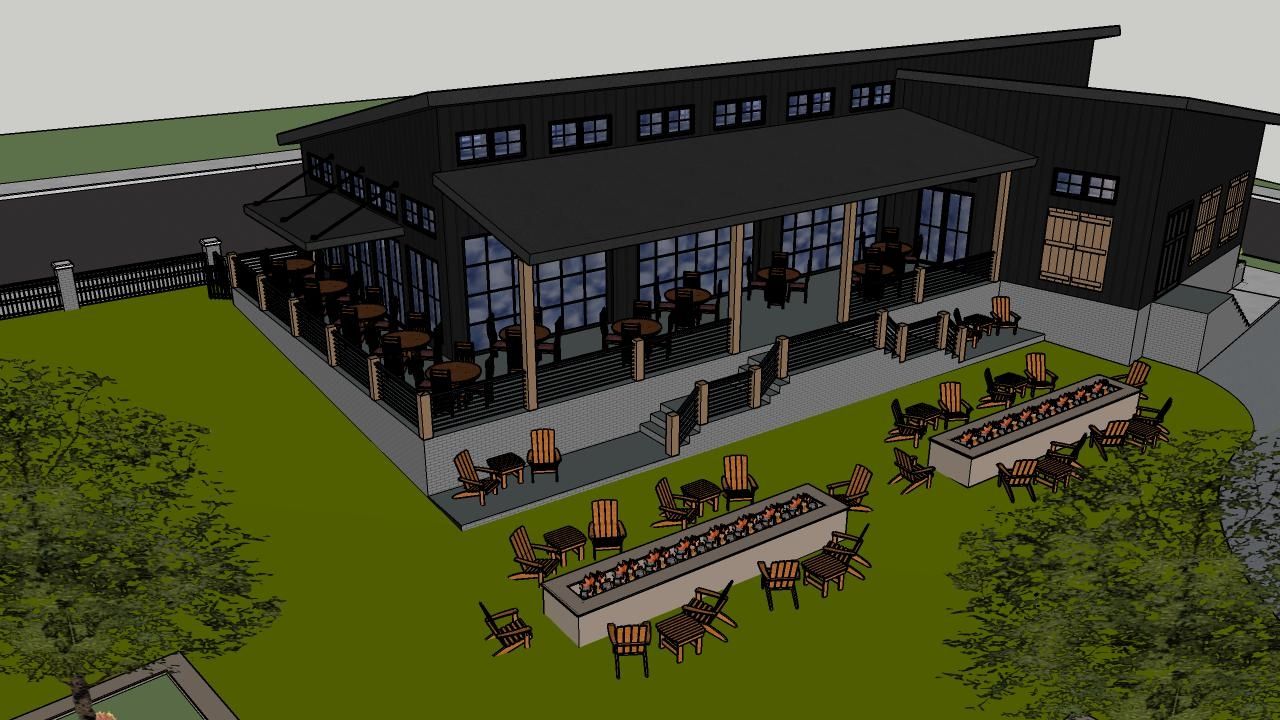
Rendering of the Garden by Pieri Winery, 127 E. Elm St., in Conshohocken.Courtesy of Christina Pieri
The Garden by Pieri Winery (127 E. Elm St., Conshohocken): Winery owner Christina Pieri and restaurateur Brian Pieri (StoneRose, Bar Lucca, Cerdo) are targeting a mid-October opening of their year-round indoor-outdoor restaurant beside the Schuylkill River Trail, an offshoot of Christina’s Coopersburg winery. A wood-fired kitchen will serve seasonal American food, including brick-oven pizzas, focaccia sandwiches, salads, steaks, and fish, at lunch and dinner Tuesday through Sunday. The property will include a covered patio, fire tables, a turf area, and pickleball and bocce courts.
The Hungry Hub (11 S. Orange St., Media): Media native Cassidy Moretti and her mother, Glenda, are taking over the former Rivalry Cafe with a family-run breakfast and lunch operation. The Hungry Hub also plans later hours and a late-night menu, broadening its role beyond that of a conventional daytime cafe. An Oct. 1 opening has been announced.
The Iron Oven (58 S. York Rd., Hatboro): Alex Nalbandian’s Southampton bar-restaurant — known for an expansive American menu, cocktails, craft beer, brunch, and dishes ranging from wings and burgers to flatbreads and entrees — is adding a second location in eastern Montco: the former Ross & Co. He’s aiming at November.
Lazy Dog(160 N. Gulph Rd., King of Prussia): The California-based bar, known for Rocky Mountain lodge imagery and a broad American menu, is targeting late 2026 at the King of Prussia Mall.
Luna (129 E. Butler Ave., Ambler): FineLine Hospitality, which recently opened Academy Grill in Fort Washington, is behind a stylish revamp of Dettera in downtown Ambler. Chef Marie Lavizzo-Mourey will base her menu on the 20-plus countries bordering the Mediterranean. The project is on track for fall.
Martini & Roz(523 W. Lancaster Ave., Wayne): Fearless Restaurants is turning Wayne’s former Bertucci’s into an ambitious, 300-seat Southern Italian restaurant named for founder Marty Grims’ parents, Martin and Roslyn. Menu will include crudo, oysters, steaks and chops, wood-fired pizzas, house-made pastas, and charcuterie. It will feature two open kitchens, a cheese cave, a tasting counter, and extensive outdoor seating.
Maru (2922 Conestoga Rd., Glenmoore): David Backhus and the team behind the former Oori restaurants are in the early days of a fast-casual Korean-inspired restaurant at their former Collective Coffee & Bakery. Think Korean fried chicken sandwiches, wings, and tenders, supplemented by mochi doughnuts and specialty Collective coffee.
Nudy’s Cafe (122 Park Ave., Willow Grove): Prolific suburban breakfast-and-lunch operator Ray Nudy hopes for late September for his latest diner, across from Marshalls in Willow Grove.
Old Friend (166 E. Lancaster Ave., Wayne): Childhood friends Larry Kagan and Chas McFeely are behind this contemporary American grill, with former Fork executive chef Sam Henzy leading the kitchen. The 86-seat restaurant will center on live-fire cooking in a Josper oven, with dry-aged fish, poultry, and larger proteins intended for sharing. Its compact wine list will be closely tied to the food. A late-fall opening is planned in the Apartments at Wayne Station.
Opus (201 Birch St., Kennett Square): Square Roots Collective will open this 125-seat New American restaurant Sept. 11 in the former temporary home of Hank’s Place, next to the Artelo hotel. Executive chef Matthew Anderson, formerly of Longwood Gardens and Winterthur, plans seasonal dishes, such as Kennett Square mushroom bisque, butternut squash agnolotti, herb gnocchi, and dayboat scallops. The two-story space includes a cocktail lounge, terraces, and work by local artists. Profits will support community projects and nonprofits.
Salt (840 W. Lancaster Ave., Devon): Rich Kim of North Wales’ acclaimed Salt predicts late December for his redevelopment of Devon’s former La Jonquille and Shiraz property into a second Korean barbecue concept, followed in 2027 by Yugo, a carousel sushi restaurant, upstairs.
The Still on State (18 W. State St., Doylestown): Only days open at the Doylestown Inn, this Irish pub-inspired bar/restaurant fills the former Hattery Stove & Still space; it’s paired with an on-site microdistillery called the Tilted Brim.
Taco Heart (120 Coulter Ave., Ardmore): Nano Wheedan is bringing his South Philadelphia breakfast-taco shop to the Ardmore Farmers Market, its first expansion beyond its East Passyunk-area home. Expect Austin-style flour tortillas and breakfast tacos built around eggs, potatoes, beans, bacon, brisket, and house salsas. Opening is set for Oct. 5.
Top Dog Cocktails (110 E. State St., Kennett Square, and 2012 Frankford Ave., Fishtown): Ken Smuckler’s cocktail company plans two vinyl listening rooms this fall inspired by Japanese jazz kissas. Kennett Square’s 750-square-foot space partners with local music venue Kennett Flash, while Fishtown’s 350-square-foot flagship — arguably the neighborhood’s smallest bar — will feature a 15-seat bar, two-turntable DJ station, and retail.
Tusk (50 N. Main St., Doylestown): Mike and Joy Grafenstine, owners of Roberts Block in Glenside and Bonnet Lane Family Restaurant in Abington, are taking over the former Water’s Edge wine bar, combining the martini-and-wine-bar airs of Roberts Block with approachable upscale American comfort food. Target is October.
Vintner’s Table (24 Cricket Ave., Ardmore): Andrea and Marco Folino, behind Kutztown’s Folino Estate Winery, are opening a third location of their Italian-inspired wine bar, salumeria, and lifestyle boutique in downtown Ardmore in October.
New Jersey suburbs
Akira 70 Omakase (249 Marlton Pike, Cherry Hill): Ming “Frank” Zheng is expanding his Japanese holdings — he owns Akira Sushi in Voorhees and Moorestown — with an omakase experience in a former fur salon.
Banjara Indian Bistro (687-689 Berlin-Cross Keys Rd., Sicklerville): Vaneet Chopra, whose family operates Cross Culture in Haddonfield and previously ran Banjara in Chestnut Hill, is bringing the Banjara name to Sicklerville; its dine-in starts Thursday.
Freckled Jawn Brewing(1003 N. Evergreen Ave., Woodbury): Woodbury residents John Wagner and Colleen Gibson are taking over the former Eight & Sand Beer Co., which closed in June after 10 years. Targeting the first week of October, the brewery will introduce new branding and a fresh lineup of approachable beers, emphasizing natural and locally sourced ingredients when possible.
Irishtown Steaks (155 S. Burlington St., Gloucester City): Donkey’s Placealumnus Dave Murphy is targeting Halloween for his steak shop, joining recent Gloucester City entries Lillo’s and Pudge’s Pub. Murphy will use rolls from Boaggio’s, which has a bakery in town.
Penny’s Bagels (212 Kings Highway East, Haddonfield): Chris Fetfatzes and the Happy Monday Hospitality Group (Wine Dive, Grace & Proper) are developing this long-delayed bagel shop in downtown Haddonfield, now with an October target.
Pizzeria Cusumano (872 Haddon Ave., Collingswood): Announced back in September 2021, this passion project from South Jersey’s Sal Cusumano is finally about to start offering his Roman-inspired squares and neo-New York rounds, but “I don’t want to box myself into a certain style.” Cusumano, a third-generation pizzaiolo, is planning a small shop with limited seating. This week, he said it will open in October for sure.
Philadelphia
Adda (1700 Frankford Ave.): New York’s Unapologetic Foods — behind Dhamaka, Semma, and the original Adda — is bringing its energetic Indian cooking to Fishtown, across from the 19125 post office. Expect regional dishes in an informal setting, continuing the restaurant group’s practice of pushing beyond familiar Indian American standards. Originally expected in fall 2025, the Philadelphia location is now targeting an October opening.
Ayat (2021 Sansom St.): Abdul Elenani’s New York-based Palestinian restaurant — first announced in spring 2024 — is looking at a November opening in the former Roxy Theater near Rittenhouse Square. Ayat is known for generous portions of mansaf, maklouba, mezze, grilled meats, and other homestyle Palestinian dishes.
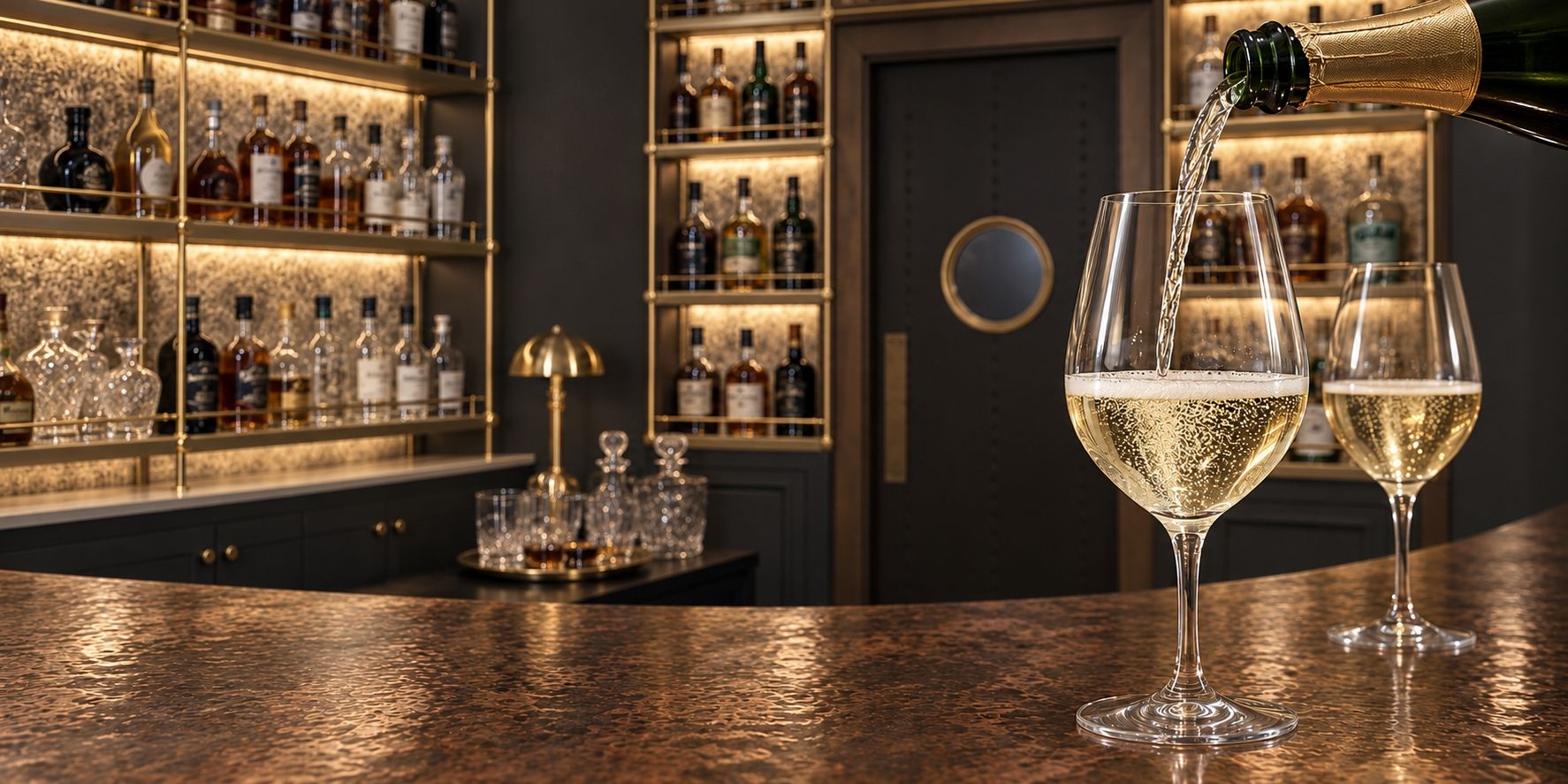
The bar at Bar Caviar, 256 S. 16th St.Kenneth Schutz
Bar Caviar (256 S. 16th St.): Opening in early October in the Dwight D Hotel in Rittenhouse, this bar will pair caviar and seafood with 50 varieties of Champagne and a full wine program in a setting that’s more neighborhood than hushed luxury lounge. Executive chef Greg Vassos’ contemporary American menu, informed by classical French technique and Japanese precision, will feature raw-bar selections, caviar-focused dishes, and seasonal small plates. The restaurant also will operate Parallel, a caviar program emphasizing careful sourcing and extended maturation. In 2027, Vassos plans to follow with Fall Line, a Mid-Atlantic-focused tasting-menu restaurant.
Brunch Bulls (1638 W. Passyunk Ave.): Brothers Derrick “Dee” Long and Jarrick “Jakk” Long are behind this all-day brunch/dinner/dessert restaurant in Point Breeze. They say they’ll be open by December.
Call Your Mother (262 S. 19th St., 1500 Frankford Ave., 12th and Sansom Streets): The lively, Washington-based “Jew-ish” bagel chain is making a three-location push into Philadelphia, starting this week with its Fishtown debut. Menu includes bagel sandwiches, schmears, latkes, coffee, and deli-inspired specials.
Carolyn’s Modern Vietnamese (2015 Walnut St.): This week, chef Carolyn Nguyen opens her deeply personal successor to Revolution Taco, which she co-owned in the space for a decade. Her menu brings together her family’s Vietnamese cooking, the seafood boils and Southern food of her Louisiana childhood, French culinary technique, and the freewheeling flavor combinations that defined her earlier ventures. The 33-seat restaurant serves dinner, and alcohol, in a spare, contemporary dining room.
Corte (1175 Ludlow St.):Corio partners Ryan Mulholland, chef David Feola, and James Smith are taking over the former Mulherin’s Pizzeria at East Market, between Iron Hill Brewery and Mi Vida. Feola will lead a menu built around house-made pastas plus proteins, vegetables, and small plates cooked in the large Mugnaini wood-burning oven. Mulholland will oversee daily operations and oversee an Old World-leaning wine list and cocktails inspired partly by forgotten recipes from century-old books. The dark-wood, earth-toned restaurant is targeting a fall opening.
DiDi (3748 Lancaster Ave.): DanDan owners Kevin and Catherina “Cat” Huang say they are “within a month or two” of opening their fast-casual pan-Asian concept at the Triad apartment building in Powelton Village. DiDi will join Kabobeesh, Karak Cha House, Shibam Coffee, Two Locals Brewing, and other businesses in the growing complex at 38th and Lancaster.
Divers Club (733 S. Fourth St.): Queen Village is in line to get a neighborhood wine bar from Susan Freeman, Chris Fetfatzes, and Heather Annechiarico (Grace & Proper, Wine Dive) in a former hair salon that sits on the same stretch as Famous 4th Street, Southwark, Ambra, and Fitz on 4th. Fetfatzes describes the mood as “dark, scrappy, and European — somewhere between a Paris backstreet wine bar and a graffitied Berlin hangout.”
Eggcetera Haus (625 S. Sixth St.): Husband-and-wife team Rey Tamaka and Vina Kencana soon will turn the former Redcrest Kitchen into an all-day bar-restaurant. Tamaka, previously the chef at an Old City brunch restaurant, plans breakfast, lunch, and dinner, moving from specialty coffee and morning dishes into pastas, steaks, cocktails, and comfort food at night. The couple expects daily service, giving the Queen Village-Bella Vista border another full-day neighborhood option.
Field Day (923 N. Second St.): James Beard Award-winning bartender and author Danny Childs and his wife, Katie, have a fall opening targeted for their casual regional cocktail bar in Northern Liberties, next to Cescaphe Ballroom. Childs’ drinks will use locally farmed, foraged, and fermented ingredients. Executive chef Melissa McGrath, known for her work at the idled Sweet Amalia Market & Kitchen, will offer Pennsylvania Dutch-inspired snacks, sandwiches, and tomato pies. Highballs, house-made sodas, boozy gelati, and walk-in seating will help keep the mood informal.
Habibi Supper Club (1515 E. Passyunk Ave.): Miled Finianos is giving his itinerant Lebanese dinner series a permanent home on East Passyunk — possibly by the end of year — serving late breakfast and lunch before he offers ticketed, multicourse suppers.
HYO (1222 Walnut St.): Nightlife veteran Justin Jordan plans an October opening for this Korean tabletop barbecue restaurant behind Hearsay, his indoor-outdoor sidewalk bar and listening lounge. Guests will enter HYO through a phone booth inside Hearsay. The restaurant is part of Jordan’s multilevel entertainment complex, which also includes Celine and the forthcoming Chancellor Room event space and karaoke lounge.
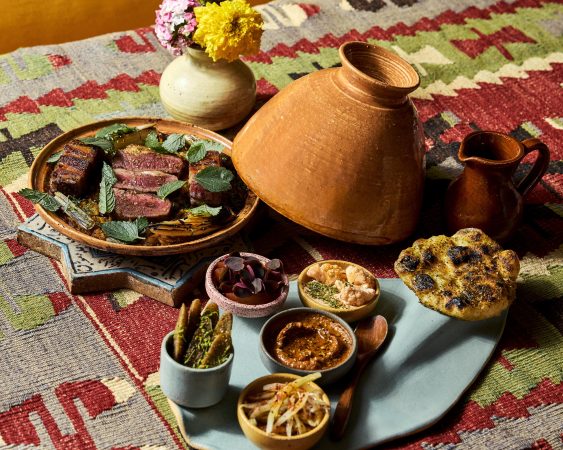
Jean (161 W. Girard Ave.): Emmett chef Evan Snyder and partner Julian van der Tak are going upstairs with a 15-seat tasting menu restaurant opening this fall. Snyder and chef de cuisine Antonio Pizzo will prepare a 12-course menu centered on a 7-foot wood-burning hearth, drawing on Algeria, Tunisia, coastal Morocco, and the southern Mediterranean for culinary influences. A tagine will roast throughout dinner before being served family-style.
Kato (1832 Frankford Ave.): Mei Meichef-owner Jay Ho is taking over the former Izakaya Fishtown space for a restaurant inspired by his Taiwanese father and the food Ho grew up eating. Influences from Korean, Thai, and Vietnamese cooking will broaden the menu. Ho, who hopes to open in late fall, plans to retain the front bar while replacing the rear sushi counter with additional seating that can double as a private dining area.
Lovat Square(184 E. Evergreen Ave.): Former Four Seasons sommelier Damien Graef and journalist Robyn Semien opened this Chestnut Hill wine shop and tasting room in February, offering small-production bottles, wines by the glass, and light fare. The couple, who also own Brooklyn’s Bibber & Bell wine shop, will debut a full dinner menu by the end of September.
Macaluso’s (3101 S. 13th St.): Realtor Joel Gruenke and restaurateur Mark D’Andrea, long-ago roommates at Valley Forge Military Academy, are looking at an early October opening of this white-tablecloth Italian restaurant at 13th Street and Packer Avenue, near the sports complex. D’Andrea’s family owns RoadHouse in Staten Island, N.Y. Gruenke says the moderately priced menu will stick to traditional Italian cooking and offer a full bar. Parking will be available across the street.
Mylar Bar (1636-38 S. Ninth St.): Hospitality veterans Liv Arterbridge and Gina Piccari are turning the former Dino’s Party Center into a festive neighborhood bar inspired by the building’s history. They promise something nostalgic, playful, and deliberately unserious. Drinks will include martinis, punches, classics, and draft beer. Chef Colin White, formerly of Sally and Emmett, will oversee shareable “party snacks,” larger plates, and desserts available late.
Nippy’s on South (1312 South St.): Nurse and first-time restaurateur Nikia Peterson has purchased the former Ms. Tootsie’s building for an ambitious restaurant and bar. Peterson plans a polished setting with seafood towers, steaks, Asian and Caribbean influences, a substantial happy hour, and weekend brunch. The project will revive a prominent South Street property that had remained closed since restaurateur KeVen Parker’s death in 2021.
O’Morrey’s (1720 Sansom St.): Chefs Biff Gottehrer and Kenjiro Omori are developing a cocktail bar on the former site of Genji, the Japanese restaurant created by Omori’s father. The name is a cheeky rendering of the Omori family name. Plans call for a comfortable neighborhood bar in the spirit of the Ripplewood, where both chefs work, with cocktails and a serious food component. Their second joint project, Tako Taco, is months away at the former Bing Bing Dim Sum in South Philadelphia.
Palm Vintage (1414 S. Penn Square): Houston Yang and Mike Beja, who opened this day-to-night cafe and cocktail bar across from City Hall in the Residences at the Ritz-Carlton, are close to expanding into a nighttime scene with cocktails, sushi, oysters, caviar, and light food in a lush, tropical-inspired room meant to offer an escape from Center City.
Panco (2300 S. Croskey St.): Chef Ryo Igarashi, whose background includes Tokio Global and Maru Global (noted for its takoyaki balls), is behind a corner shop in West Passyunk whose menu will focus on Japanese cutlets. He says it’s opening soon.
Philly Curio (2240 Frankford Ave.): Tattoo Arts Convention founder Troy Timpel is creating an intimate Kensington restaurant-bar around his private collection of curiosities (think tribal masks, skeletal displays, taxidermy, and glass-topped tables containing preserved animals). Inspired partly by Savannah’s Alligator Soul, Timpel has discussed a Cajun-Creole menu with small plates and unconventional proteins such as rattlesnake. Drinks are expected to include cocktails, wine, bottled beer, and limited drafts. Target is November.
Philly Po’Boy (102 W. Berks St.): Brothers Chris and Greg Lynch are bringing a taste of New Orleans to the storefront beneath the Berks station of the Market-Frankford Line. Chris spent years cooking in New Orleans, while Greg’s Philadelphia background includes Starr Restaurants and LMNO. Plans call for classic powdered-sugar-dusted beignets, gumbo, and a mix of classic and specialty po’boys like fried shrimp, oysters and roast beef “debris,” plus fries, Creole potato salad, and café au lait from coffee roasted by Applied Arts in New Orleans.
Santé Social(1546 E. Passyunk Ave.): Sommelier Daniel Solway is giving his roving dinner series a permanent home across from the Singing Fountain. The approximately 30-seat space will function less like a conventional restaurant than a flexible hospitality venue, hosting wine dinners, tastings, classes, collaborations, private events, and some walk-in service. Cocktails are being developed with Danny Childs of Slow Drinks and Field Day, while changing chefs and collaborators may shape the food programming.
Somedays Bakery (1601 Walnut St.): Hand-laminated croissants are the foundation of this Queens-rooted bakery, which deals in sandwiches, salads, soft serve, and coffee. It’s targeting the end of the month.
Thalassa (918 N. 28th St.): Matt Maltepes is looking at late October or early November for his Greek-inspired cafe in Fairmount that will serve baklava, croissants, and house-made ice cream in flavors that change weekly. Savory offerings will include small plates such as feta grilled cheese with honey, avocado toast, and bagels with cream cheese. The drinks menu will feature European-style coffee preparations, including frappes and Freddo espresso.
Looking ahead
Two major projects are now on the docket for January, as the owners don’t want to compete with the holiday-season madness:the Pelican Club, Stephen Starr’s flashy Greek-themed restaurant taking shape in the former Devon Seafood Grill on Rittenhouse Square, and the yet-to-be-named “punk French” restaurantthat chefs Justin Bogle and Arthur Cavaliere are creating at the former Winnie’s Manayunk.
The long-closed Mermaid Bar in Mount Airy will retain its name under the new ownership of pizzaiolo Dan Gutter and business partner Alex Carbonell of Circles & Squares and Pizza Plus. The project, announced earlier this year, is aiming at a summer 2027 rollout.
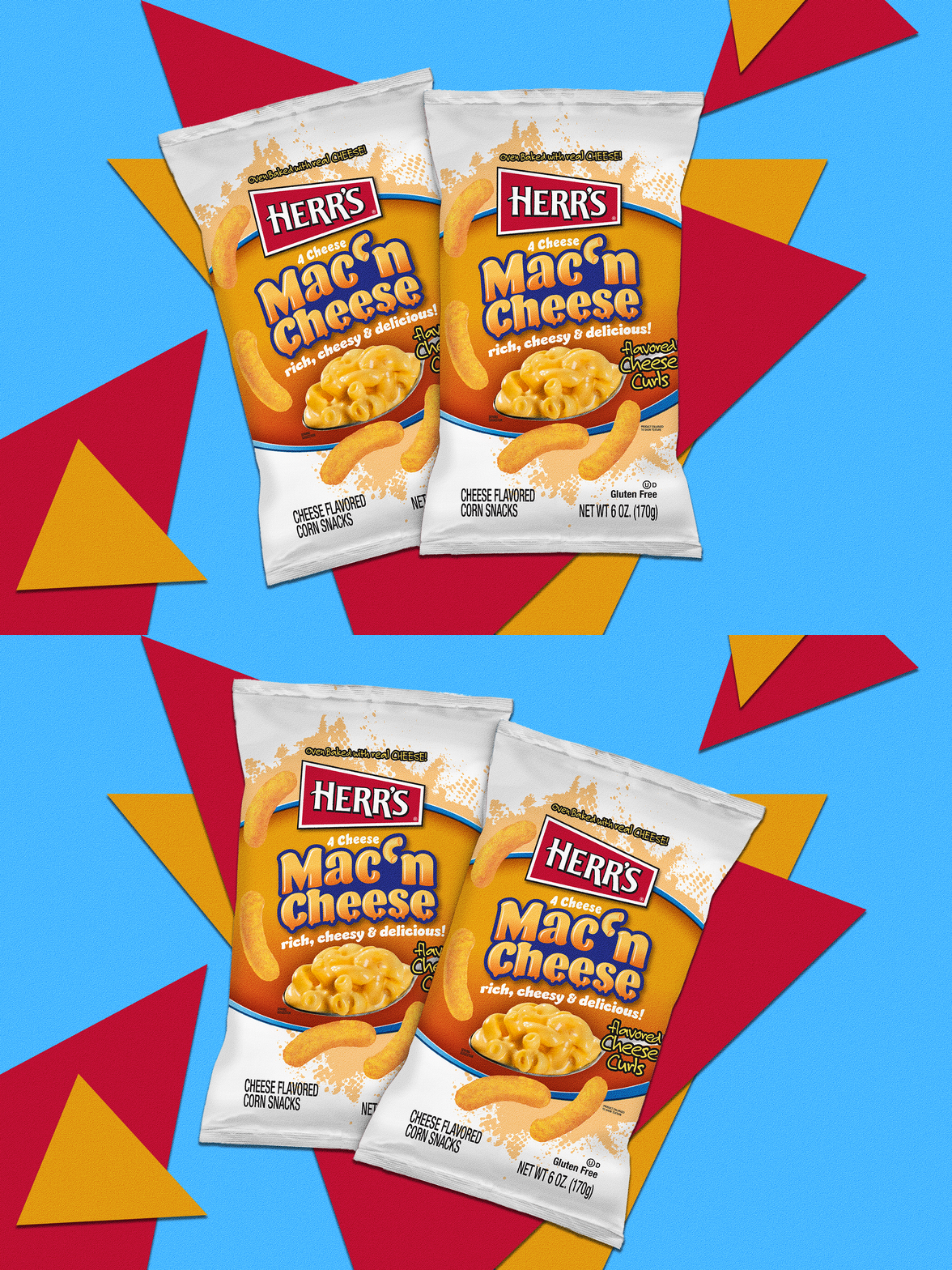
When the new Herr’s four cheese mac ‘n cheese curls first landed on my doorstep, I was skeptical. The last round of snacks Herr’s sent me found few fans in The Inquirer’s newsroom and left a range of Philly chefs scratching their heads. Would I be subjecting my colleagues once more to snacks that were more or less just fine?
The answer was no. Because I did not share. The package was sent to me right before Labor Day weekend, which gave me too many days alone with the cheese curls for there to be any left to bring to the office.
These snacks have achieved what no other puffed cheese curl (including those peddled by a famous cheetah) has. They are incredibly cheesy, with lingering umami, thanks to the MSG in the ingredient list. They taste exceptionally rich, with a delightful bit of funk from actual blue cheese, noted in the nutrition facts label, but not in the snack’s branding.
While mac ‘n cheese may not be the first inspiration that comes to mind, I get where Herr’s going. There’s a curious meltiness that comes from the curls’ blend of creamy and sharp cheeses: Parmesan, mozzarella, cheddar, and Romano.
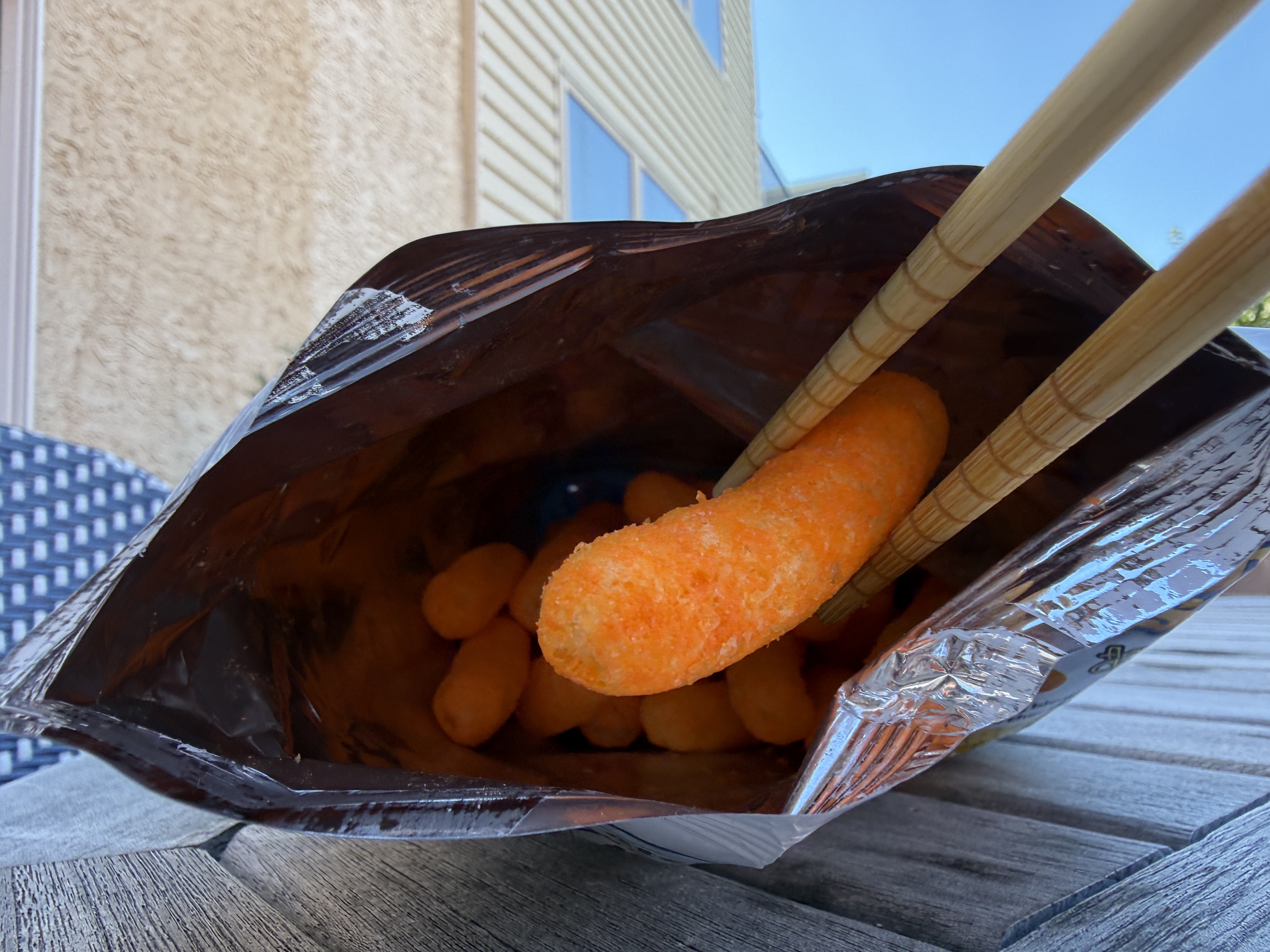
The new Herr’s mac ‘n cheese curls are long rather than curly. Consuming them with chopsticks will prevent your fingers from turning orange.Kiki Aranita / staff /
Texturally, they are similar to Cheetos puffs, but shape-wise, they are more elongated, with actually very little curl.
They launched last week and are a permanent addition to Herr’s lineup of snacks. Herr’s first debuted their original cheese curls in 1976 and has introduced a few other flavored cheese curls in the last 50 years, including Old Bay-seasoned cheese curls and Stubb’s Sticky Sweet Bar-B-Q cheese curls.
The curls come in a range of sizes, from a .875-ounce concession bag, to a family-size 7.5-ounces bag. You will want to buy more than one if you have anything like the same need for cheese that I do.
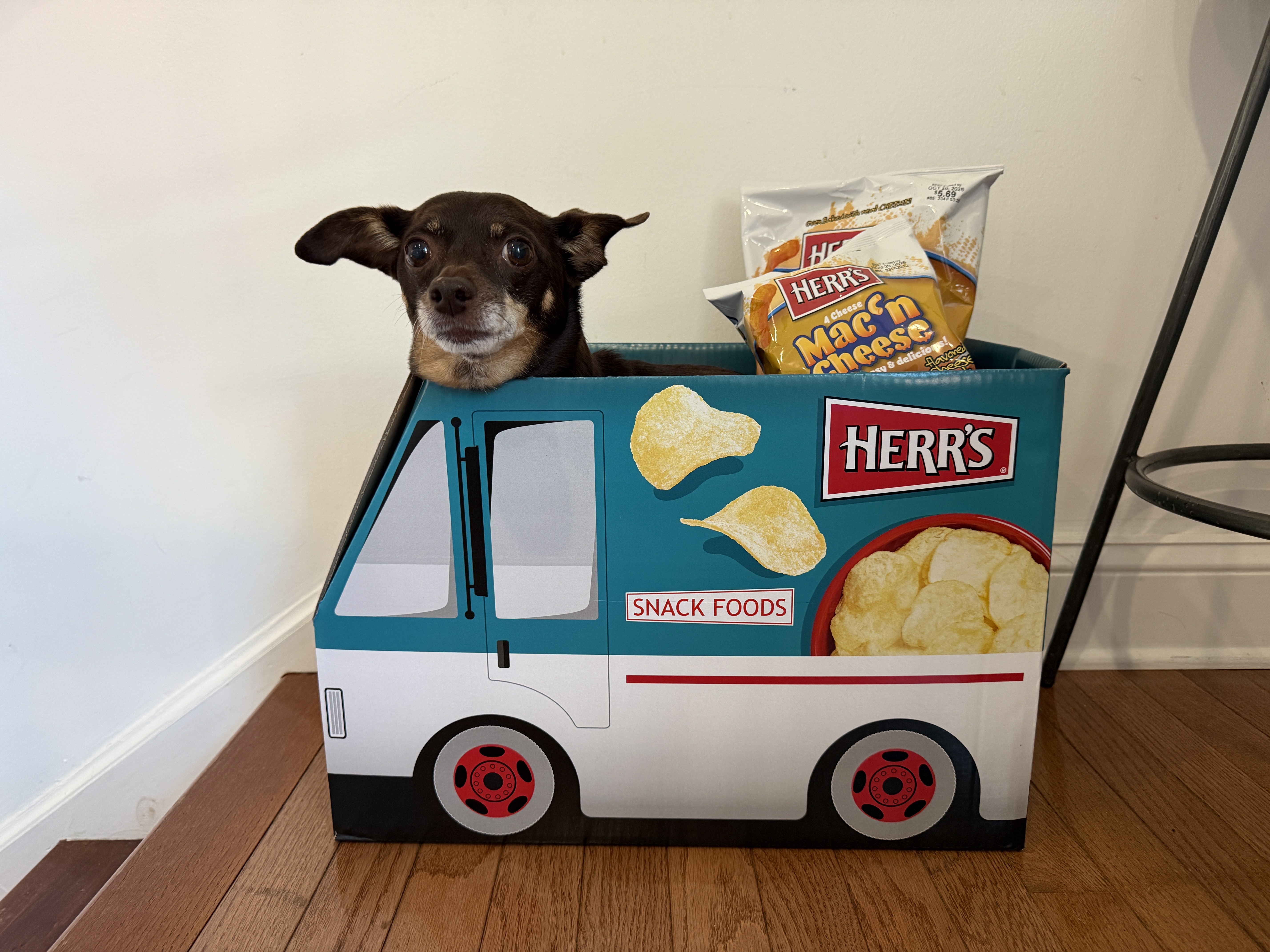
The delivery of Herr’s mac ‘n cheese curls.Kiki Aranita / staff /
I have already given myself a stomachache and possibly permanently stained my fingers orange. I regret nothing.
After 20 years of cooking other people’s food around the region, Carolyn Nguyen is finally telling her own story.
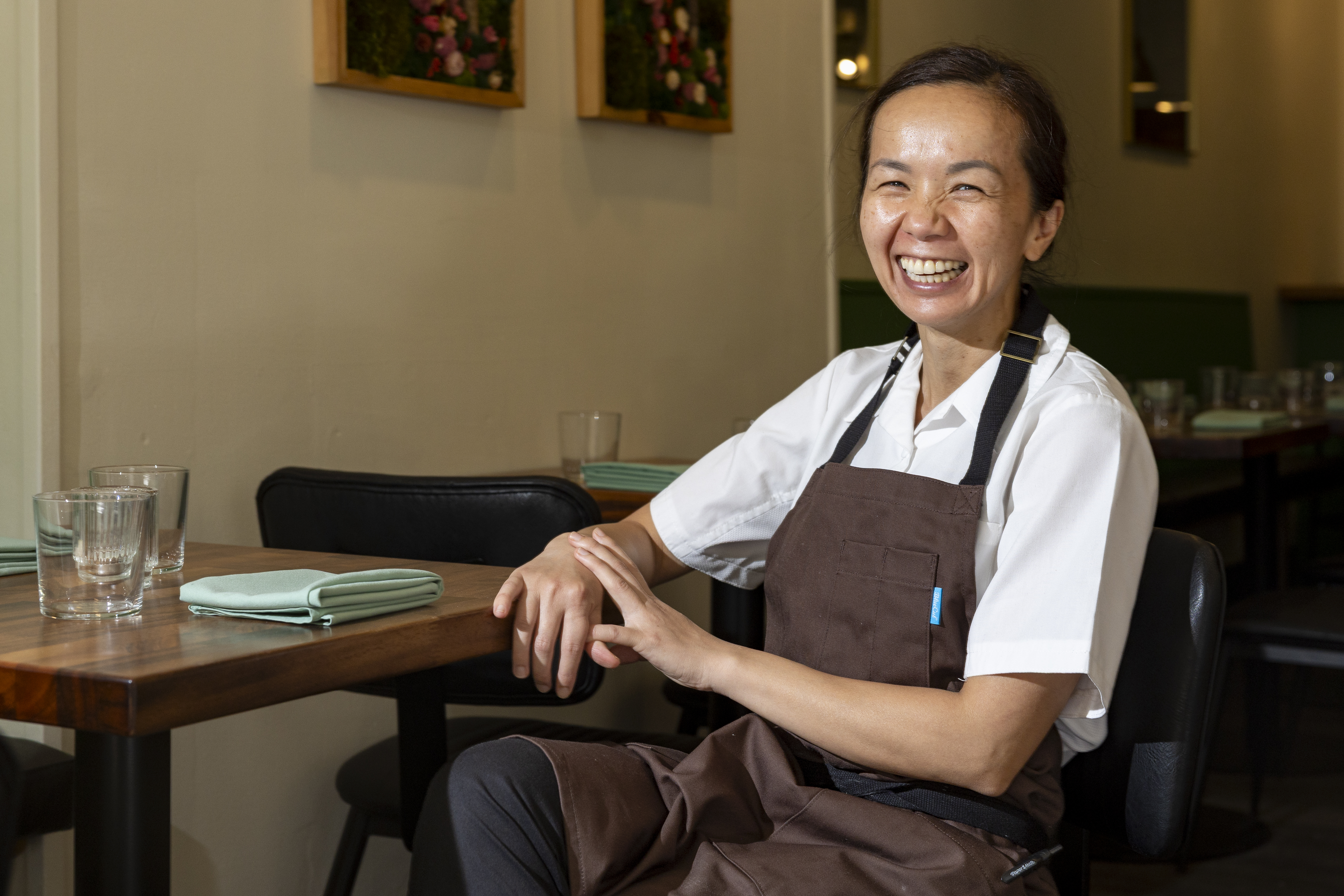
Carolyn’s Modern Vietnamese opens Wednesday at 2015 Walnut St. with a menu that draws from Nguyen’s personal history: the Vietnamese and Louisiana foods Nguyen grew up eating, the French techniques she learned in culinary school and restaurant kitchens, and the freewheeling combinations that defined her food trucks and Revolution Taco, the fast-casual restaurant she co-owned in the space for a decade.
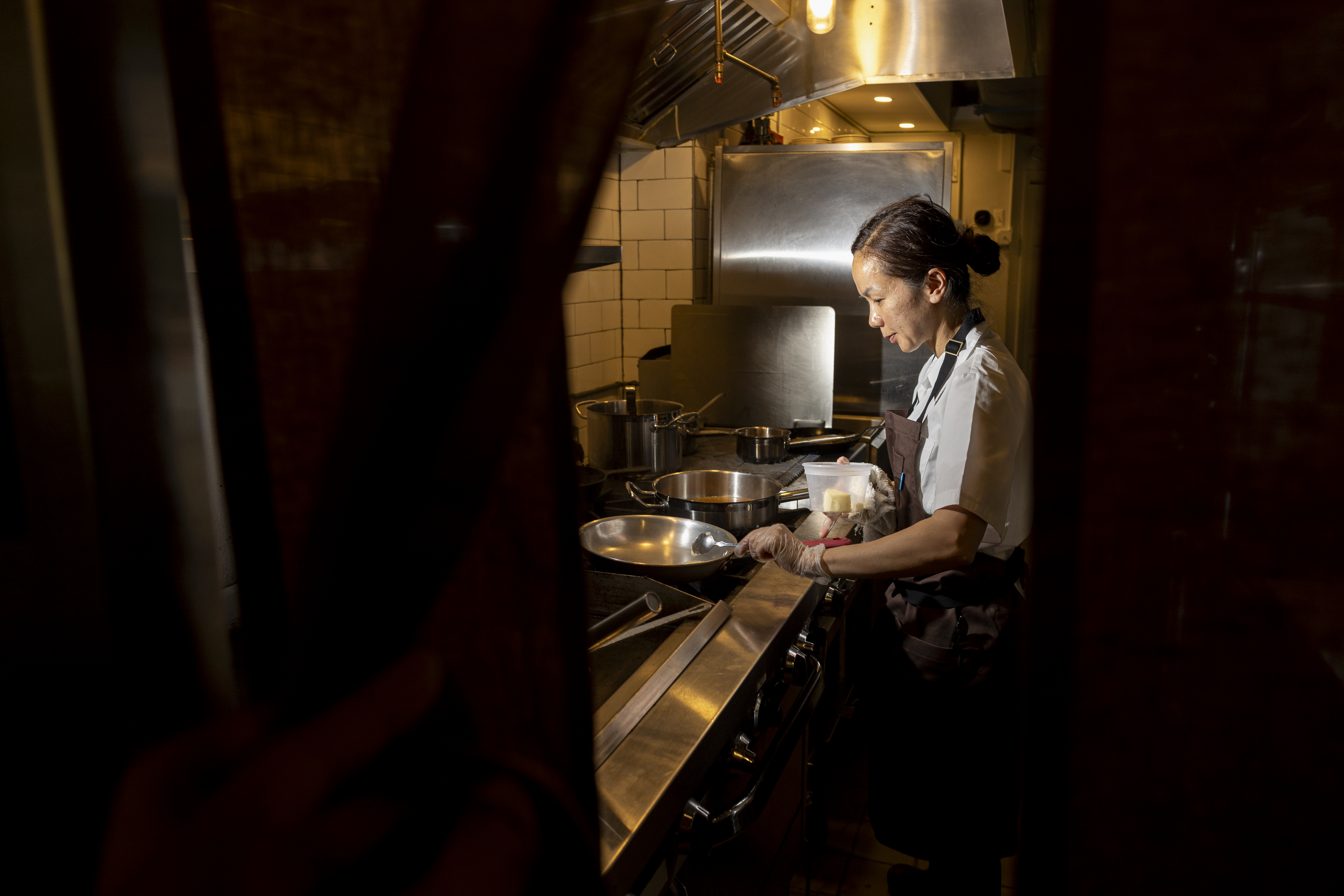
Chef Carolyn Nguyen adds butter to a pan while cooking curry duck potato gnocchi.Aidan T. Gallo / Staff Photographer
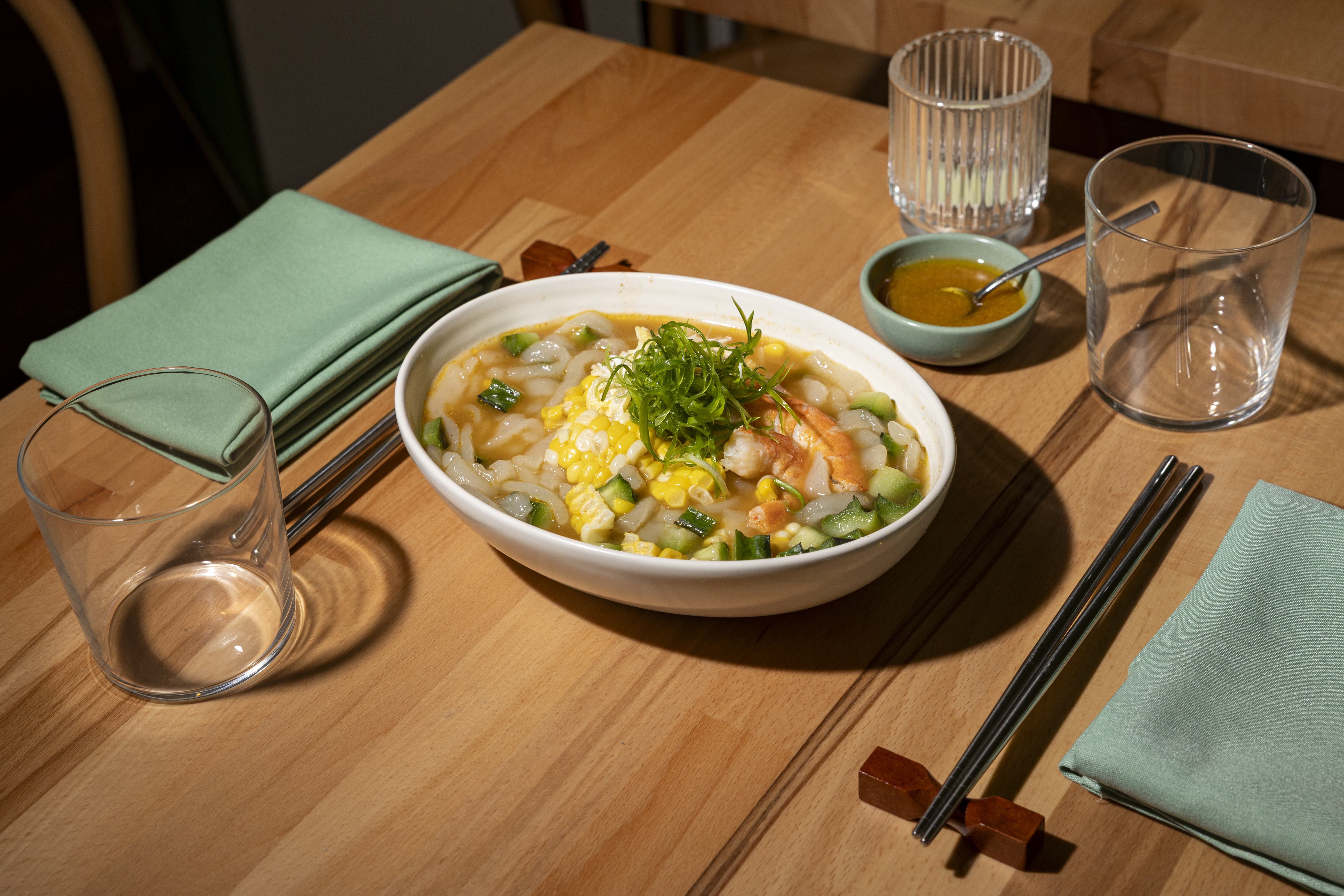
Bánh canh, a thick Vietnamese noodle soup, is presented as a seafood boil with poached shrimp, mussels, fried potatoes, and scallions. Thịt kho tàu, a Vietnamese braised pork dish, becomes slow-cooked grits topped with pork belly, a soft egg, and pickled vegetables. Hoi An chicken comes with ginger dirty rice, braised collards, and herb remoulade.
Other large plates include lemongrass smoked beef short rib with fish sauce-caramel jus, warm potato salad, and cabbage slaw; corn and crab congee with crispy shallots, and herbs; and a salt-and-pepper cornmeal-crusted whole fish with ginger sauce.
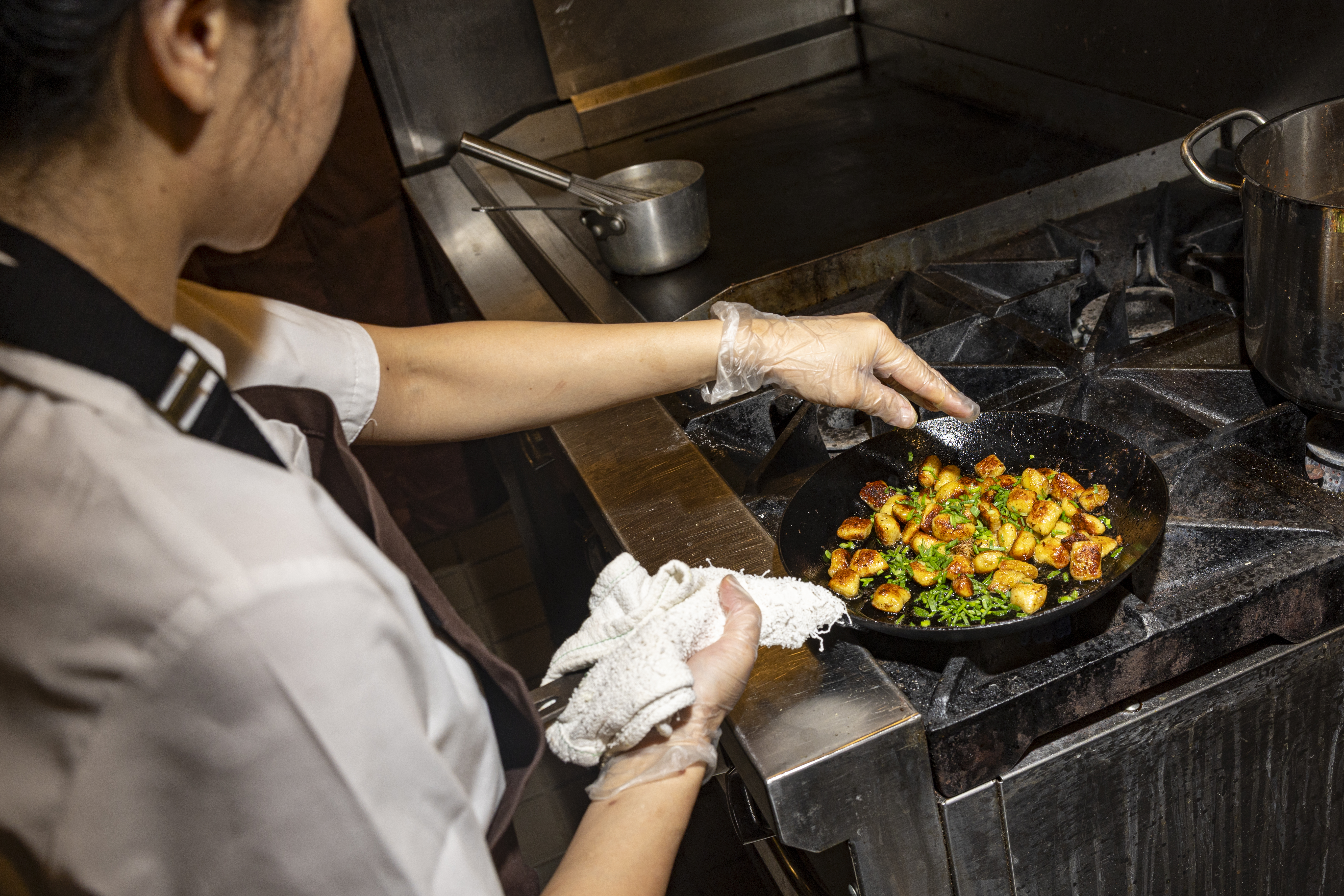
Carolyn Nguyen sprinkles Chinese chives onto her potato gnocchi.Aidan T. Gallo / Staff Photographer
Curry duck potato gnocchi with Thai basil pesto carries a memory from Nguyen’s time at Old City’s Fork, where she worked for chef Terence Feury. At midday, she said, they would stop and make gnocchi together.
The small plates ($12 to $22) include tofu hummus, mushroom and leek dumplings, polenta-daikon fries, dry aged beef in betal leaves, chicken liver mousse, and tasso-crab spring rolls.
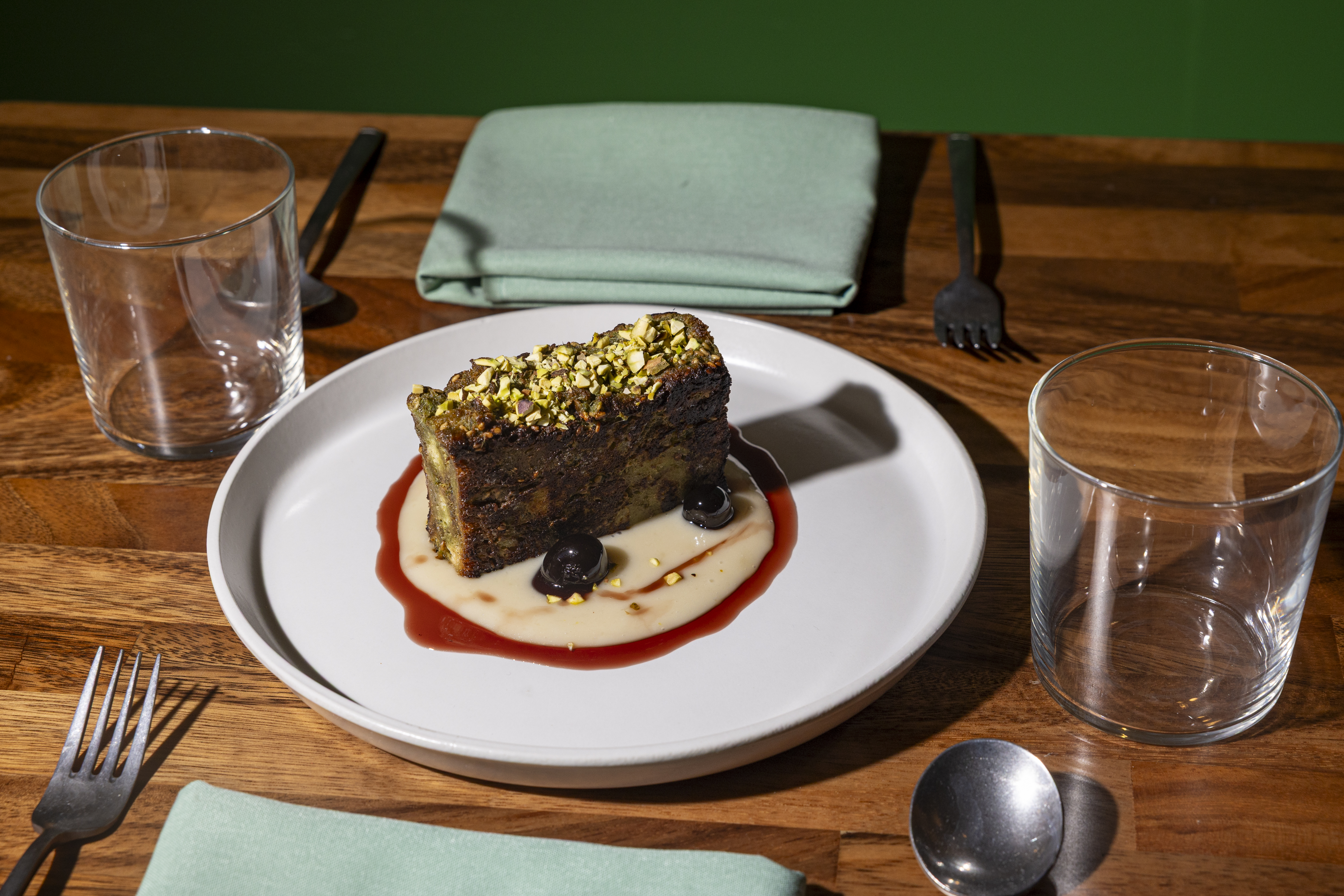
Pandan bread pudding dessert at Carolyn’s Modern Vietnamese.Aidan T. Gallo / Staff Photographer
Large plates are priced from $24 to $46, plus a market-price whole fish. Desserts include coconut rice pudding with bananas Foster sauce and pandan bread pudding with coconut sauce.
“It’s both coming home to the food that I grew up with and then the food that I’ve cooked and learned how to cook,” she said. “It’s food that I love.”
Nguyen was born and raised in Amelia, in Louisiana’s St. Mary Parish. Her parents, Paul and Mai Nguyen, were born in Vietnam but met in the United States. Her father arrived in the late 1960s and later helped Vietnamese refugees settling around New Orleans. He met Nguyen’s mother while driving her to appointments. The family moved to South Carolina when Carolyn was 16.
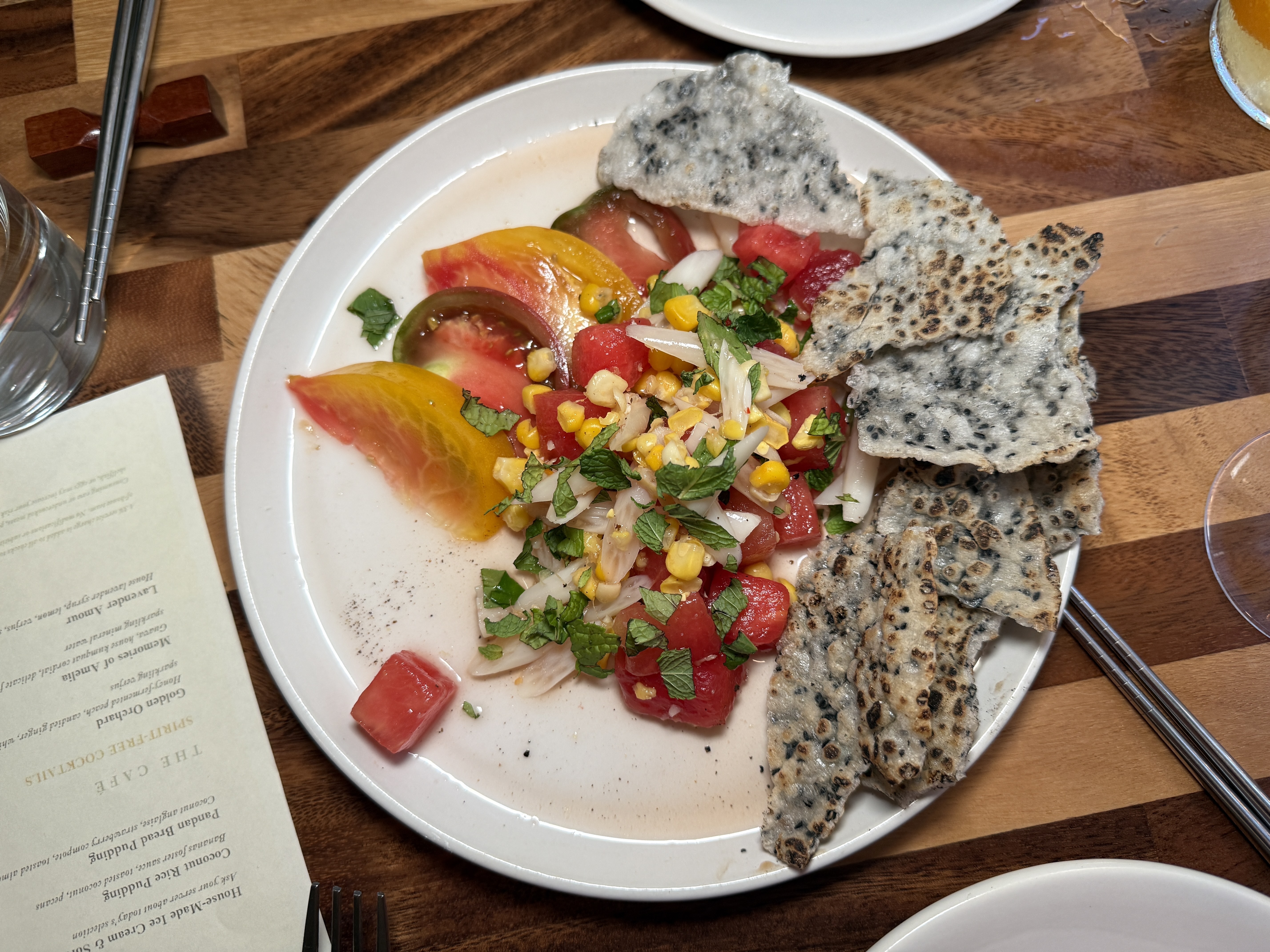
Lotus root salad with watermelon, corn, heirloom tomatoes, and Thai basil as served at a preview for Carolyn’s Modern Vietnamese.Kiki Aranita / Staff
“I always knew I wanted to pursue cooking,” she said. “Unfortunately, in South Carolina, there wasn’t really any fine-dining environment.” When her sister moved to Philadelphia to go to dental school around 2005, Nguyen moved north with her and enrolled in the culinary school at the Art Institute of Philadelphia. The goal was working in New York, “but I fell in love with Philadelphia because of the food environment,” she said.
Her first restaurant job was as a cook at Susanna Foo on Walnut Street. Besides Fork, she later worked at such restaurants as Nectar in Berwyn (also with Feury), Maia in Villanova, and Russet in Center City. At Peachtree & Ward catering, she met her initial business partner, Michael Sultan.
Chef Carolyn Nguyen in her dining room at Carolyn’s Modern Vietnamese.Aidan T. Gallo / Staff Photographer
In 2012, Nguyen and Sultan entered the food-truck business with Street Food Philly. Taco Mondo followed, and in January 2016, Nguyen, Sultan, and Alan Krawitz opened Revolution Taco, whose taco fillings included pork belly, duck, beef tongue, Korean fried chicken, smoked mushrooms, and curried cauliflower.
The other partners moved on, but Nguyen still owns the Revolution location at the Comcast Center’s concourse. Eight months ago, she closed the Walnut Street location but kept the lease, figuring that converting its counter-service format into a full-service experience would be “easy-peasy – maybe a month.”
Instead, the concept and design evolved as Nguyen worked through permitting and paperwork, much of which she handled herself. Carolyn’s has 28 seats at tables and along a banquette, plus five at a counter.
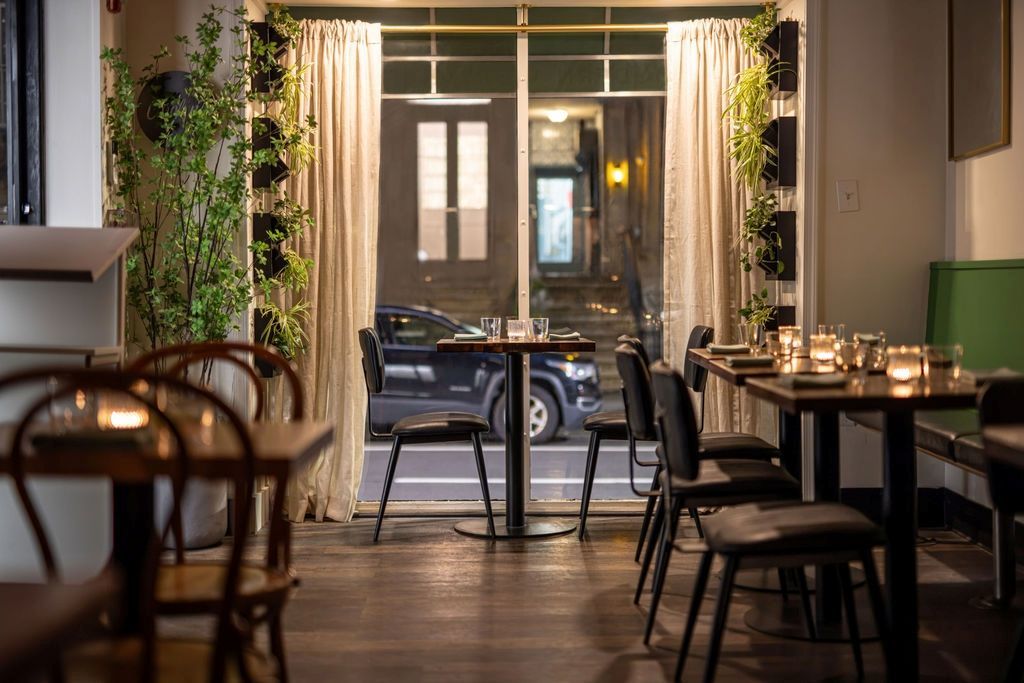
The dining room is spare and contemporary, with cream-colored walls, butcher-block-style tables, black upholstered chairs, and a deep-green banquette. An arched brass-framed mirror and two narrow pieces of preserved-moss botanical art soften the black track lighting.
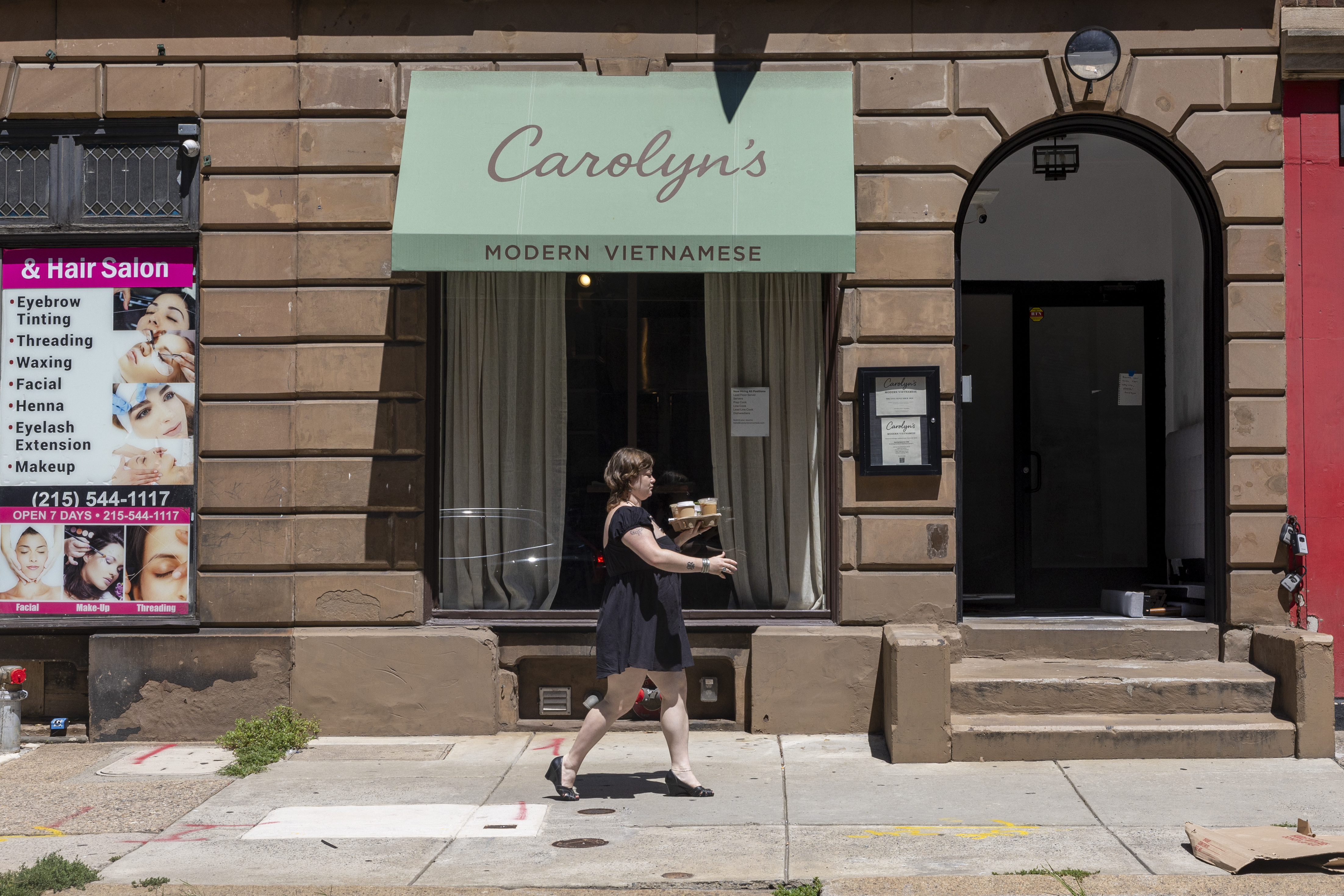
Carolyn’s Modern Vietnamese, 2015 Walnut St., replaces Revolution Taco.Gab Bonghi
Pale-green cloth napkins, metal chopsticks, and wooden rests carry the palette to the tables. The Louisiana connection extends to the soundtrack, with ragtime- and blues-inflected New Orleans jazz by early figures such as King Oliver and Buddy Bolden.
Nguyen wanted the room to feel relaxed and unhurried. Green “represents growth and new beginnings for me,” she said.
The bar will emphasize locally produced wines and spirits. Two cocktails are inspired by Nguyen’s parents: a tropical Mama Mai Tai for her mother and the Ông Xuyên (Mr. Xuyen) for her father, an avid gardener who grows dozens of plant varieties and keeps chickens at the family home.
Her father once returned from a shrimping trip with fish bones and used them to make fish sauce in a barrel. Nguyen plans to put a small amount of house-made fish sauce in his namesake cocktail for a savory undertone.
Carolyn’s Modern Vietnamese, 2015 Walnut St.Aidan T. Gallo / Staff Photographer
Carolyn’s will start with dinner Wednesday to Saturday. Nguyen eventually hopes to add Tuesday dinner and a more casual lunch or brunch, potentially with more traditional Vietnamese dishes.
You may not have noticed it, unless you’re a teenager, a college student from China, or a Chinatown resident, but a slow wave has been sweeping through the storefronts of Philly’s Chinatown. There have been many openings in the past year that tap into both global food trends and scarcities in our local food scene that are changing the fabric of Chinatown.
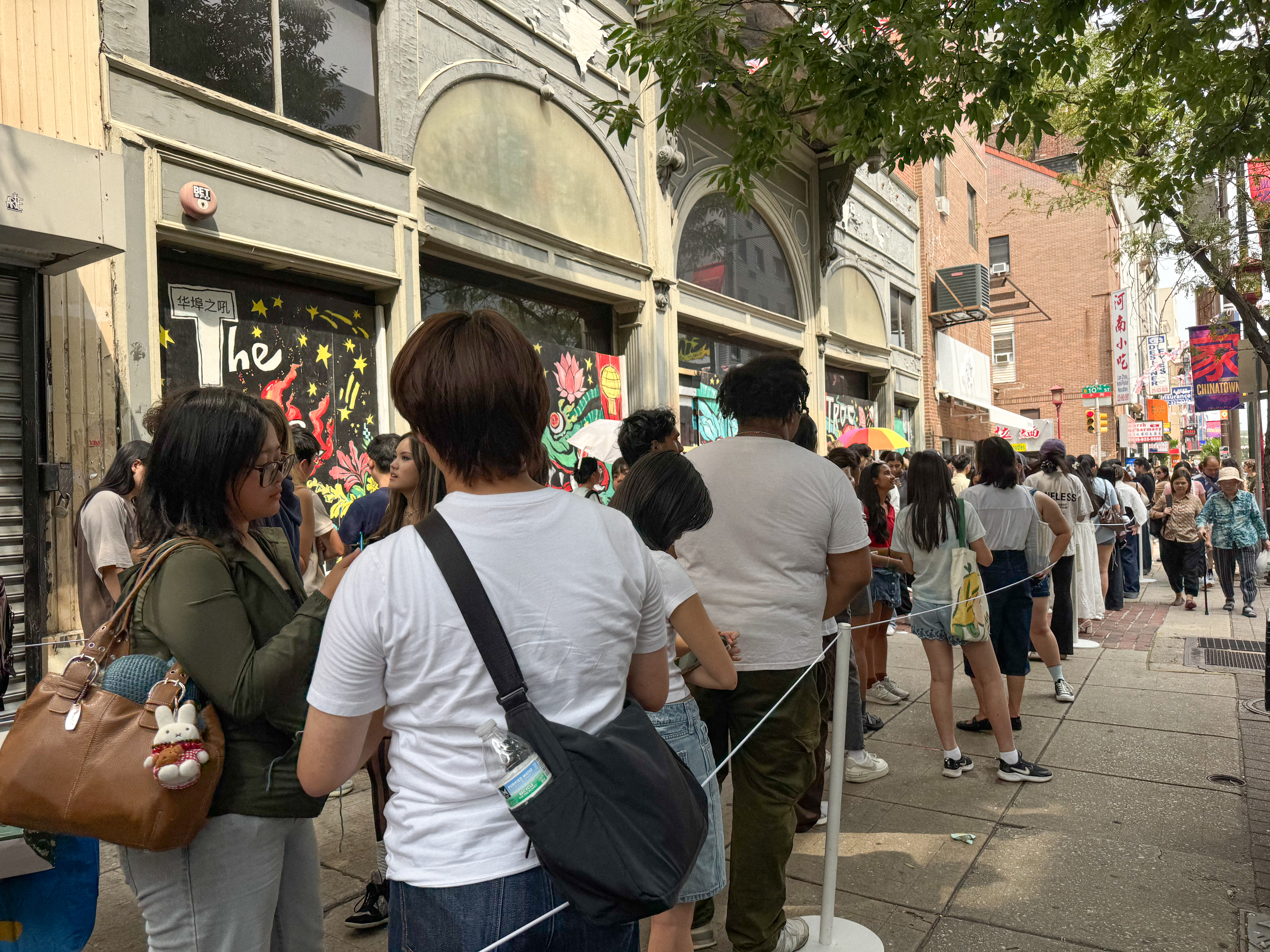
The splashiest opening has been at the corner of 10th and Arch Streets, adjacent to the Chinatown Friendship Arch, where heytea opened its first Philly store. They’ve had to assign bouncers to monitor the line that has snaked back and forth down the block. Heytea, which was founded in Guangdong in 2012 and is headquartered in Shenzhen, China, operates more than 4,000 stores worldwide.
It took 90 minutes to obtain one of its King Jasmine Guava tea beverages ($7.99) last month, during a thunderstorm that did not deter people from waiting in long lines to order. This is not unusual for the brand. According to heytea’s press representative, Yinnan Shen, when the chain opened its Upper West Side store in New York, a few weeks prior to Philly’s location opening, “more than 600 people were in line, stretching nearly three city blocks.”
Heytea thus comes with its own built-in tailgate, populated in recent weeks by the tea company’s super fans (many of them teenagers), curious onlookers, and those lured by buy-one-get-one-free opening bargains. It seems to have found a sizable market for what it calls “new-style” tea, most of which pairs brewed, chilled Chinese tea (like oolong), mixed with fresh fruit.
Opening day (and subsequent days) have drawn long lines outside of heytea in Philly’s Chinatown.heytea
Heytea is just one of a slew of new Chinese beverage chains hitting Philly. Other markets have been whipped into a frenzy by these exports. But this wave has been relatively slow to reach Philly. For years, shops selling boba, or bubble tea, many of them franchises originating in Taiwan, have been plugging along in a relatively stagnant scene. But boba is waning. Chinese coffee, brewed iced tea, and yogurt drinks — all served cold — are on the rise.
Taiwanese chain Vivi Bubble Tea (100 stores in 13 countries) opened in Philly’s Chinatown in 2015. The first Philly Chinatown Kung Fu Tea opened in 2016, and the first Mr. Wish franchise opened in 2017. And the first Teazzi Tea Shop, a few steps away from heytea on Arch Street, opened in 2023.
Chinatown is home to many other now-familiar outposts of relatively smaller tea-focused chains, like the Chinese Tsaocaa and the Taiwanese Gong Cha, Chi Cha San Chen, and Tiger Sugar. Each of these brands have between 80 and 300 stores worldwide. In contrast with heytea, these chains are minuscule.
Non-Asian cafes may have just discovered matcha and ube (Filipino purple yam) to the point where both are now constantly seeing global shortages, but these flavors are generally a footnote on the new beverage shops’ menus.
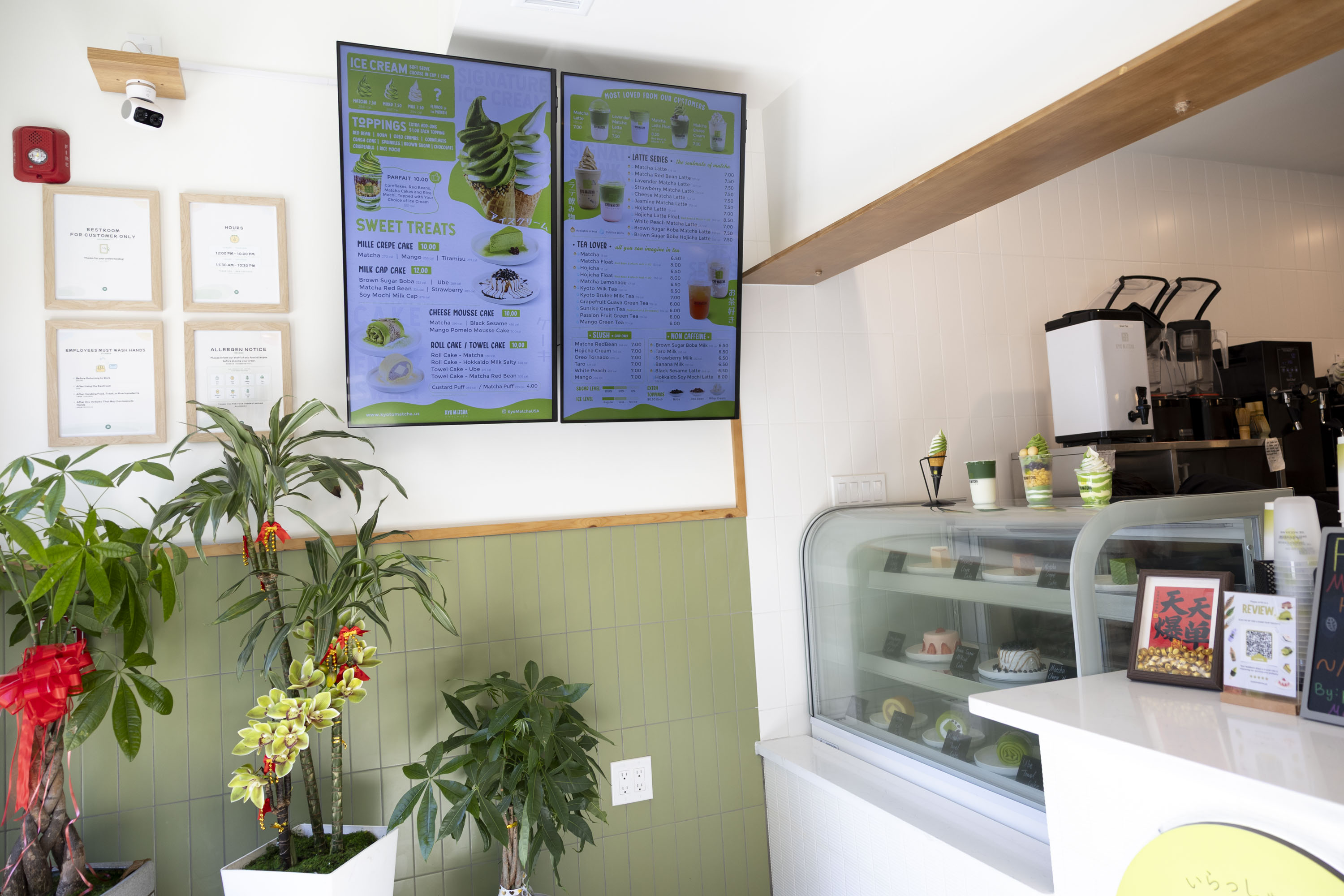
The inside of Kyo Matcha on Wednesday, Aug. 26, 2026, in Philadelphia.Tyger Williams / Staff Photographer
An exception to this is Kyo Matcha, which opened last month, also to dizzyingly long lines. At Kyo Matcha, matcha is, of course, the star, and ube plays second fiddle, appearing in both the shop’s desserts and beverages. It’s owned and operated by two young couples, originally from mainland China. When asked why they didn’t open their own, unique concept, one of the owners, Danya Li, said, “Starting a brand from scratch is so hard.”
People aren’t really opening independent, uniquely branded shops in Chinatown these days, with the exception of Super Bao & Cake Girl, which took over KC’s Pastries, and Hen Ji Hou Wei Xuan Cheung Fun, which serves gossamer rice paper rolls and hearty bowls of congee.
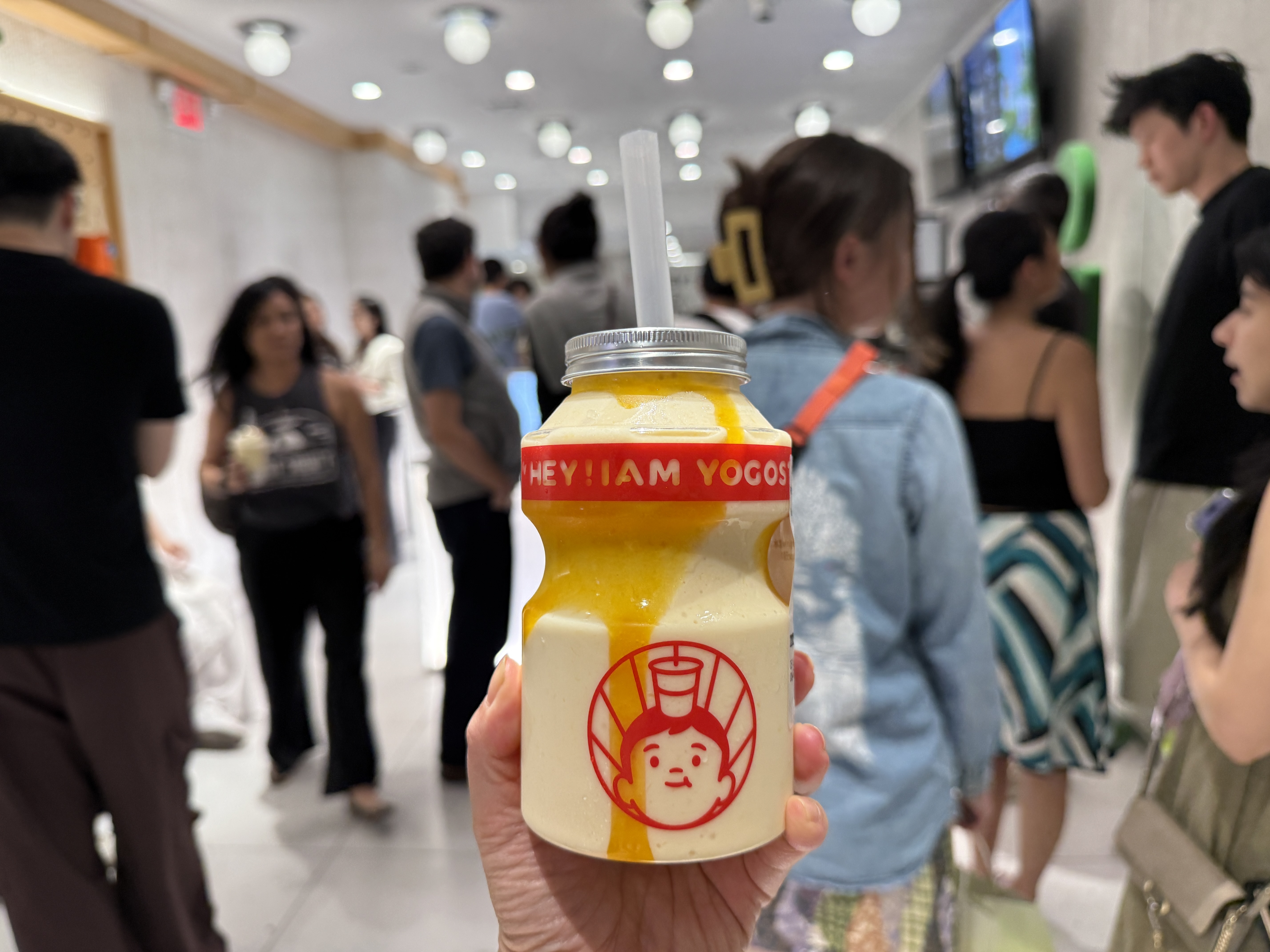
The Mango Yakult yogurt drink at Hey I Am Yogost, 124 N. 10th St.Kiki Aranita / Staff
And we’re probably going to see a lot more of them, especially as they spread through other Chinatowns in the tristate area.
Luckin Coffee, China’s largest coffee brand, debuted in Manhattan just over a year ago. It now has 25 locations in New York City alone and 36,310 stores worldwide. The brand is so huge that earlier this year, it acquired pioneering coffee roaster Blue Bottle. There isn’t a Luckin location in Philly yet, but it’s only a matter of time.
Luckin, along with fellow massive Chinese coffee chains Cotti (over 18,000 locations worldwide) and Mixue (almost 60,000 locations worldwide) have ingrained themselves into all of New York’s Chinatowns. All of them opened in New York in 2025. They are different in concept from quick service Taiwanese boba chains and cafes that promote lingering (like Starbucks). They prioritize scale, reaching as many people as possible.
Having chains move into Chinatown is a double-edged sword. It is invigorating a neighborhood barely saved from arena-related destruction and now teems with young people lining up for wholesome beverages.
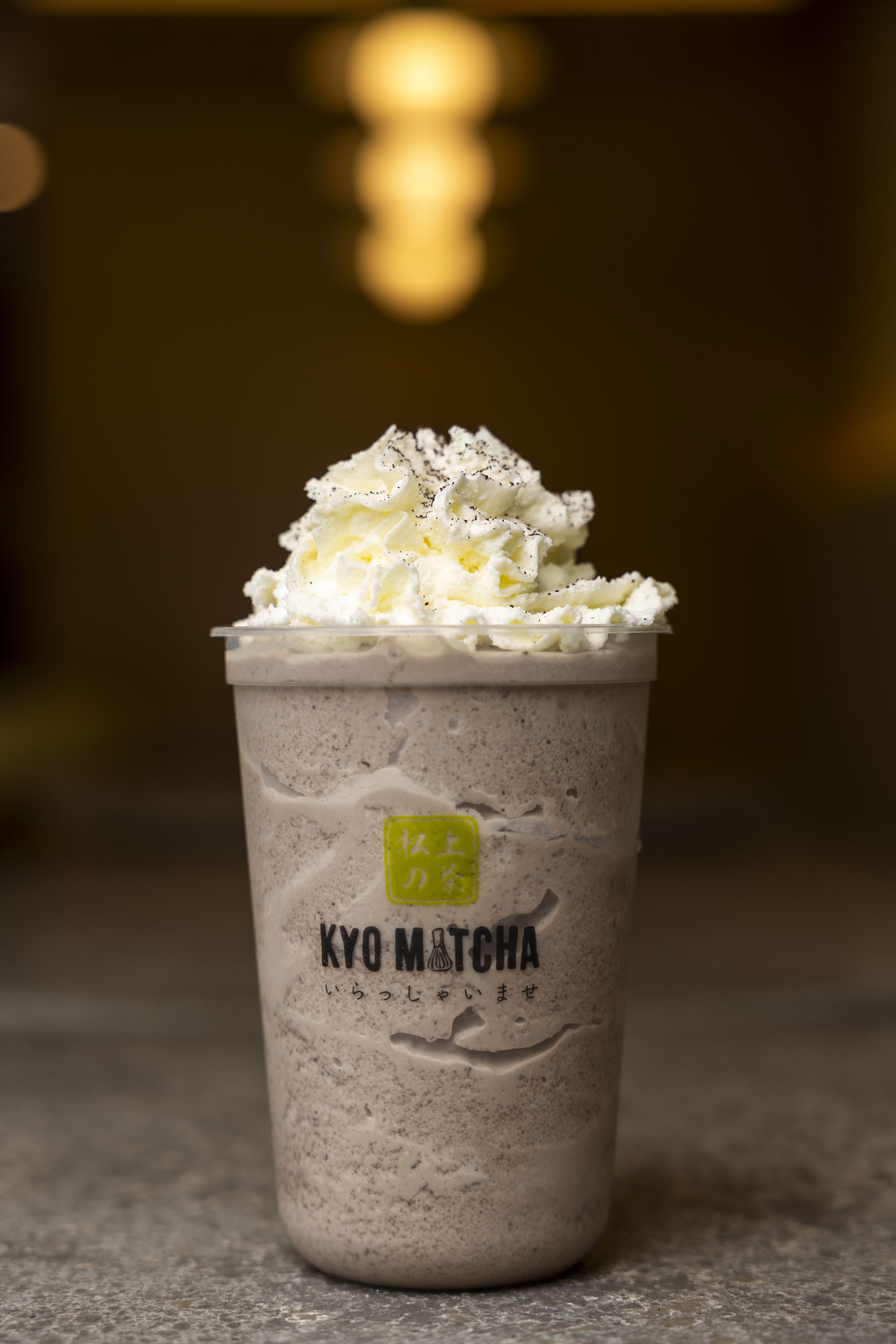
A Oreo Tornado at Kyo Matcha on Wednesday, Aug. 26, 2026, in Philadelphia.Tyger Williams / Staff Photographer
But in Manhattan, these chains have also been pricing out other businesses. It started years ago with boba chains — it has even been referred to as the “bobafication of Chinatown.” Boba chains were the first to supplant not only immigrant-owned restaurants, but housewares shops, pharmacies, salons, and other businesses.
Grace Young, an advocate for Chinatowns nationwide, asked on Instagram, “At this rate, will Chinatown become Bubble Tea Town?” In the last year, “Bubble Tea Town” has evolved into “Chinese coffee and tea town.”
Philly’s Chinatown has also experienced this form of gentrification; it has just, until now, been slower.
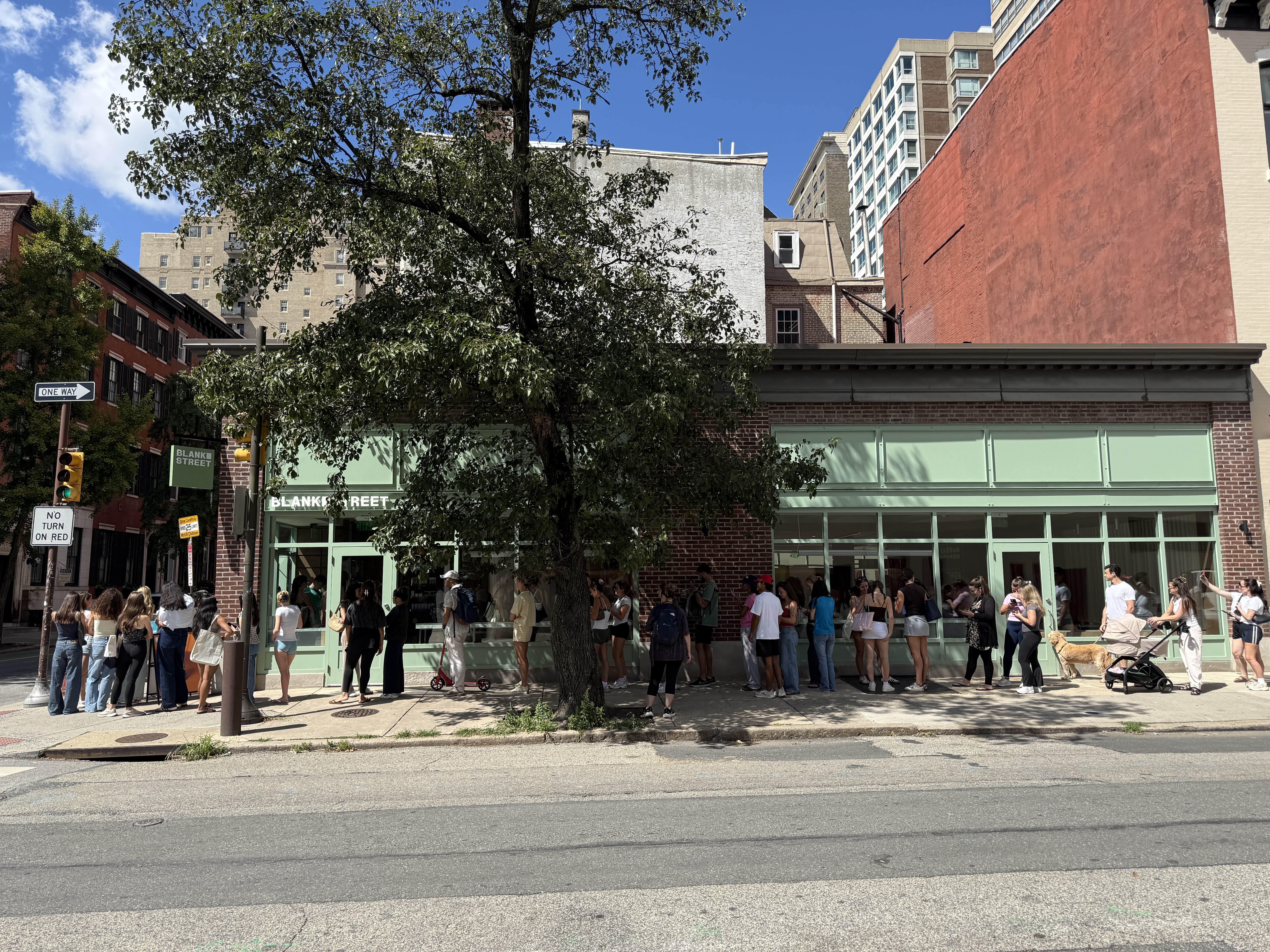
All over Philly, the cafe scene is going through seismic shifts, largely bolstered by chains. Rittenhouse’s location of Blank Street, the New York-based chain that sells coffee and matcha, opened Monday, to lines as long as heytea’s.
Blank Street’s first Philly location, at 1801 Spruce St., draws lines around the block on its opening day, Sept. 7, 2026.Kiki Aranita / Staff /
Haraz Coffee Shop is soon to open its third location in Philly, adding to the wave of Yemeni coffee shops sweeping through Philly.
We’re seeing more international outposts devoted to coffee in Philly neighborhoods, so that now Philadelphians have more options than ever, whether we’re looking for a Korean cafe or new wave Vietnamese coffee.
But no neighborhood other than Chinatown has been subject, at the hands of cafe chains, to such a condensed, rapid rate of change. Their influx means Chinatown will see fewer independent businesses and consume more from multinational conglomerates.
But it does make a younger generation, attuned to tea trends, happy. Like all forms of gentrification, it serves some communities while displacing other ones.
One of Philly’s most prominent fine-dining restaurants received a state grant to createan even higher-end establishment. The project promises to create 100 jobs and help cement Philly’s place as a culinary hot spot. It drew criticism over the use of tax dollars.
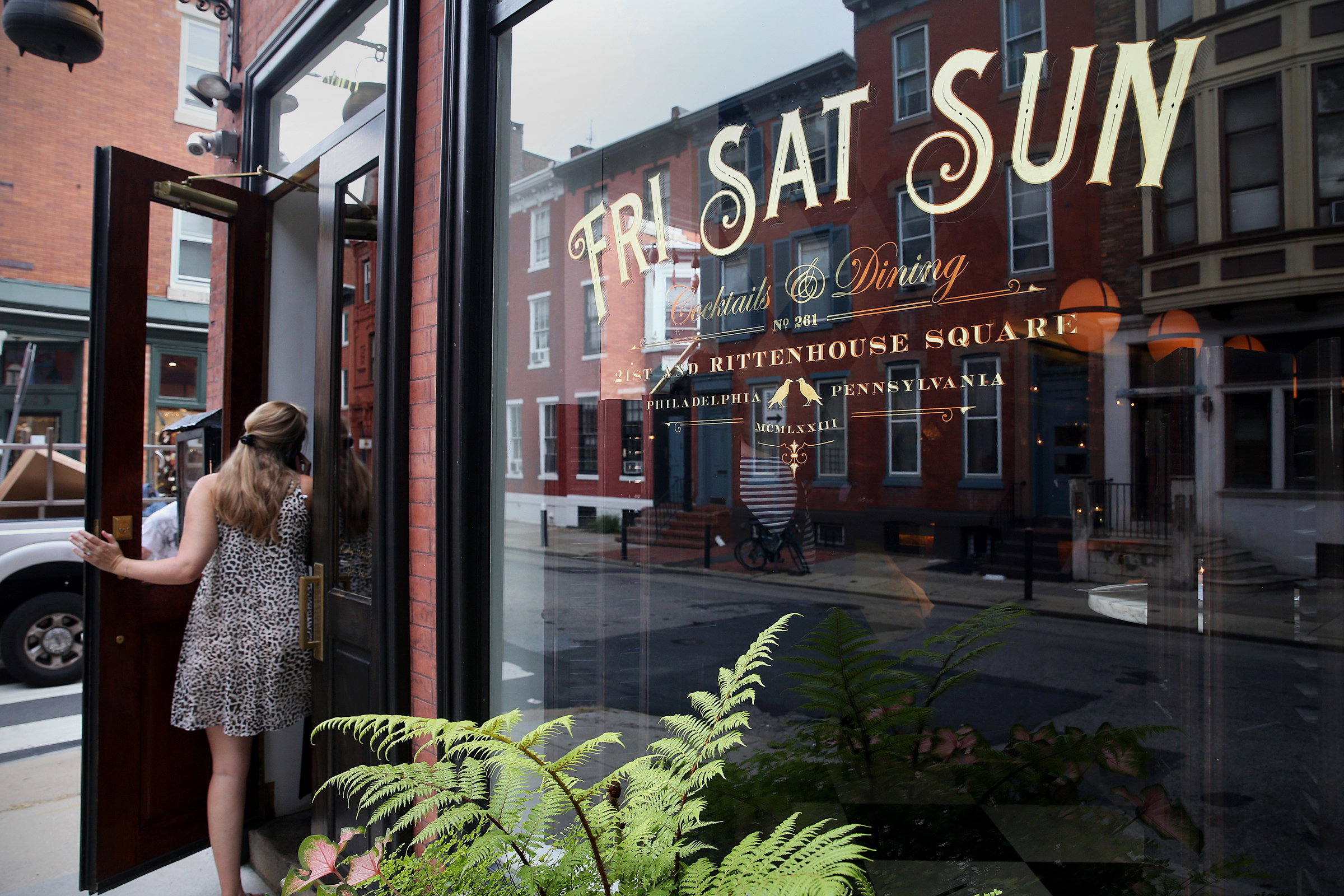
The Weekend Restaurant Group, which owns the acclaimed Rittenhouse Square restaurant Friday Saturday Sunday, was awarded $1.5 million from the state’s Redevelopment Assistance Capital Program in July to help finance the expansion of the Michelin-starred restaurant. The grant will cover only a fraction of the project’s multimillion-dollar budget.
The endeavor will be the “first minority-owned restaurant of its kind” in the United States, wrote Friday Saturday Sunday chef-owner Chad Williams, who is Black, in the restaurant group’s application.
The undertaking involves connecting Friday Saturday Sunday with a neighboring rowhouse that will eventually be transformed into a three-story dining destination withan 18-seat chef’s counter, private dining rooms, and a post-dinner sweets lounge.
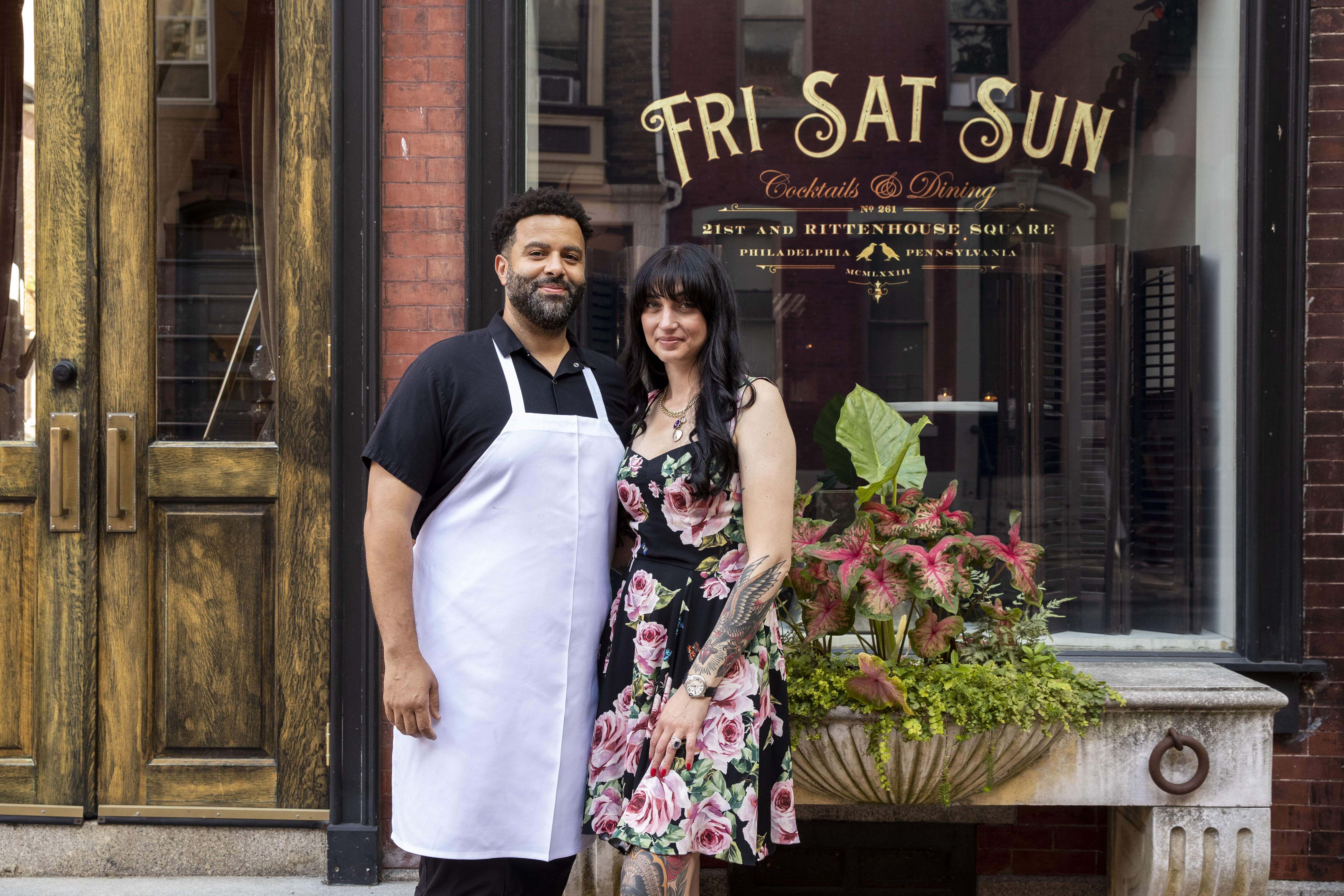
Williams runs Friday Saturday Sunday with his wife, Hanna. Together, they announced plans to grow their award-winning restaurant at 261 S. 21st St. last summer, after entering an agreement to buy the adjoiningproperty at 2048 Rittenhouse Square. Neighbors enthusiastically endorsed their ambitious plan, whichcame five months before the restaurant earned a Michelin star.
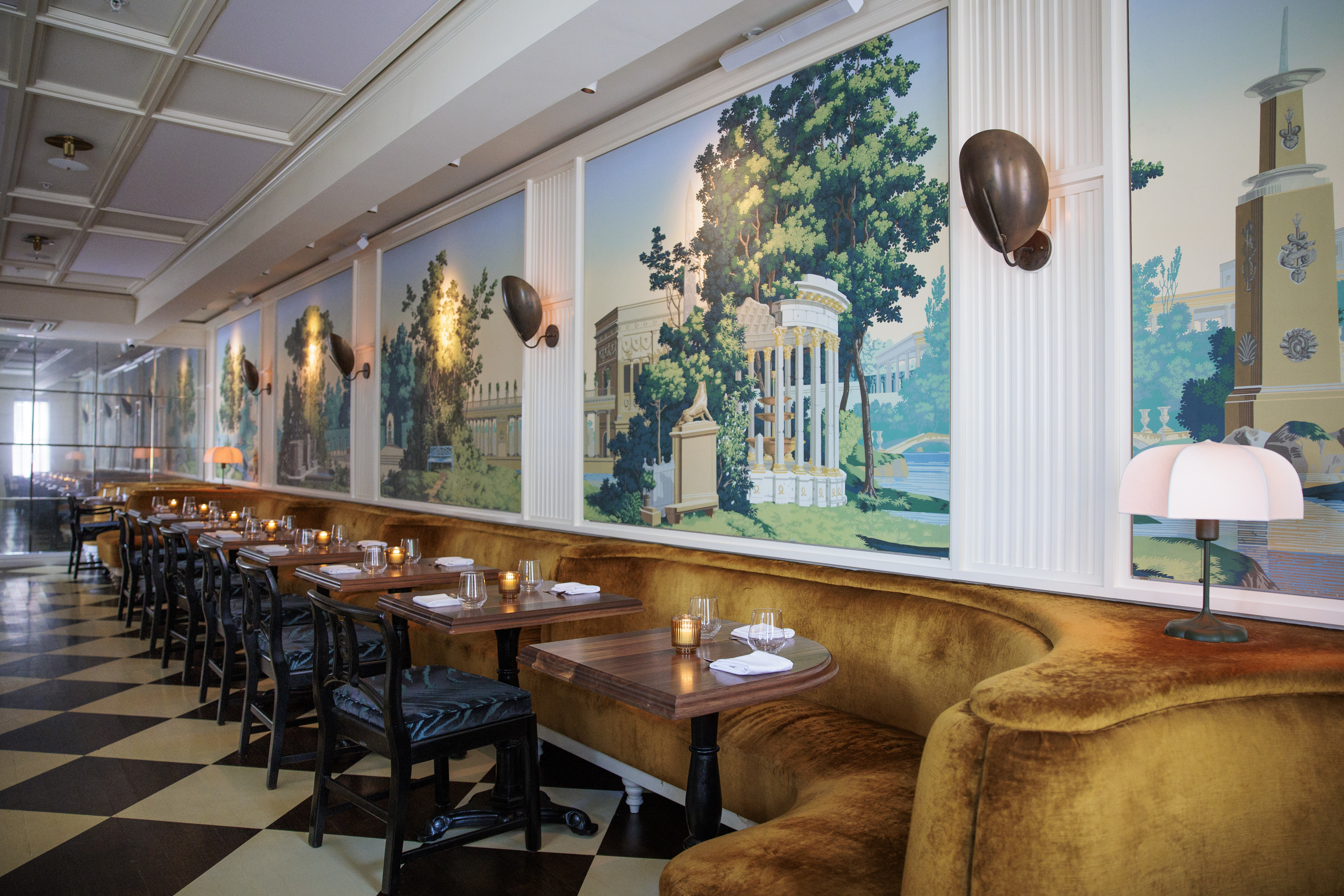
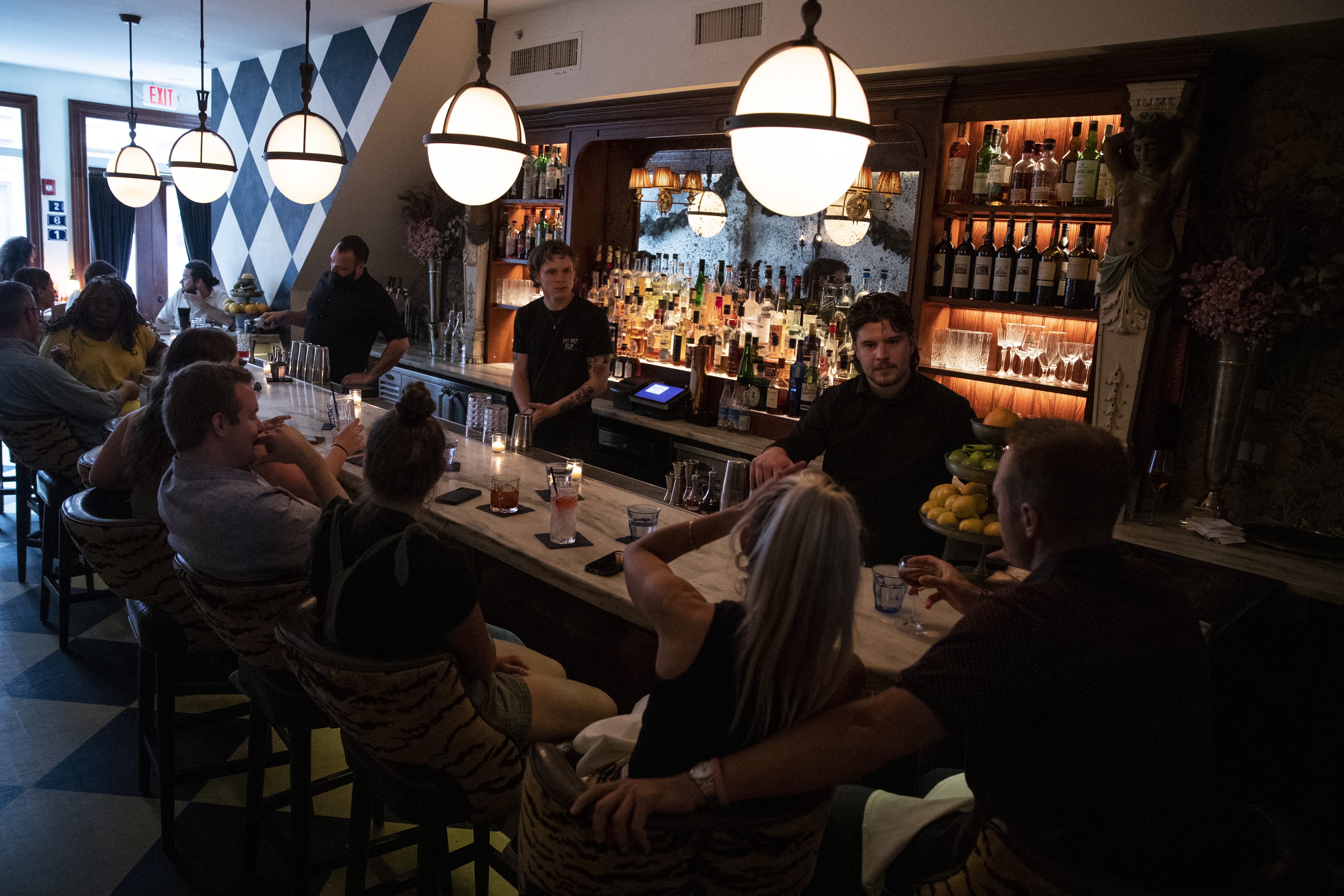
The interior of Friday Saturday Sunday’s upstairs dining room, which offers a $205-per-person tasting menu.Monica Herndon / Staff Photographer
In the state grant application,Williamswrote “the project will generate significant cultural impact [by] retaining and creating high-quality jobs, attracting visitors from the region and beyond, and raising Philadelphia’s profile.” Renovatingthe storied Philadelphia restaurant “demonstrates a long-term to commitment to the city, with the scale and ambition to be a generational anchor in its neighborhood.”
Yet when news of the grant spread on social media last month, it was met with critics who were angry that taxpayer dollars were funding a fine-dining restaurant.
“Luxe restaurant getting a grant to become more luxe? … WTF?” one person wrote under an Instagram post about the grant with over 100 comments, many of which were critical.
“Give it to the schools” instead, wrote another.
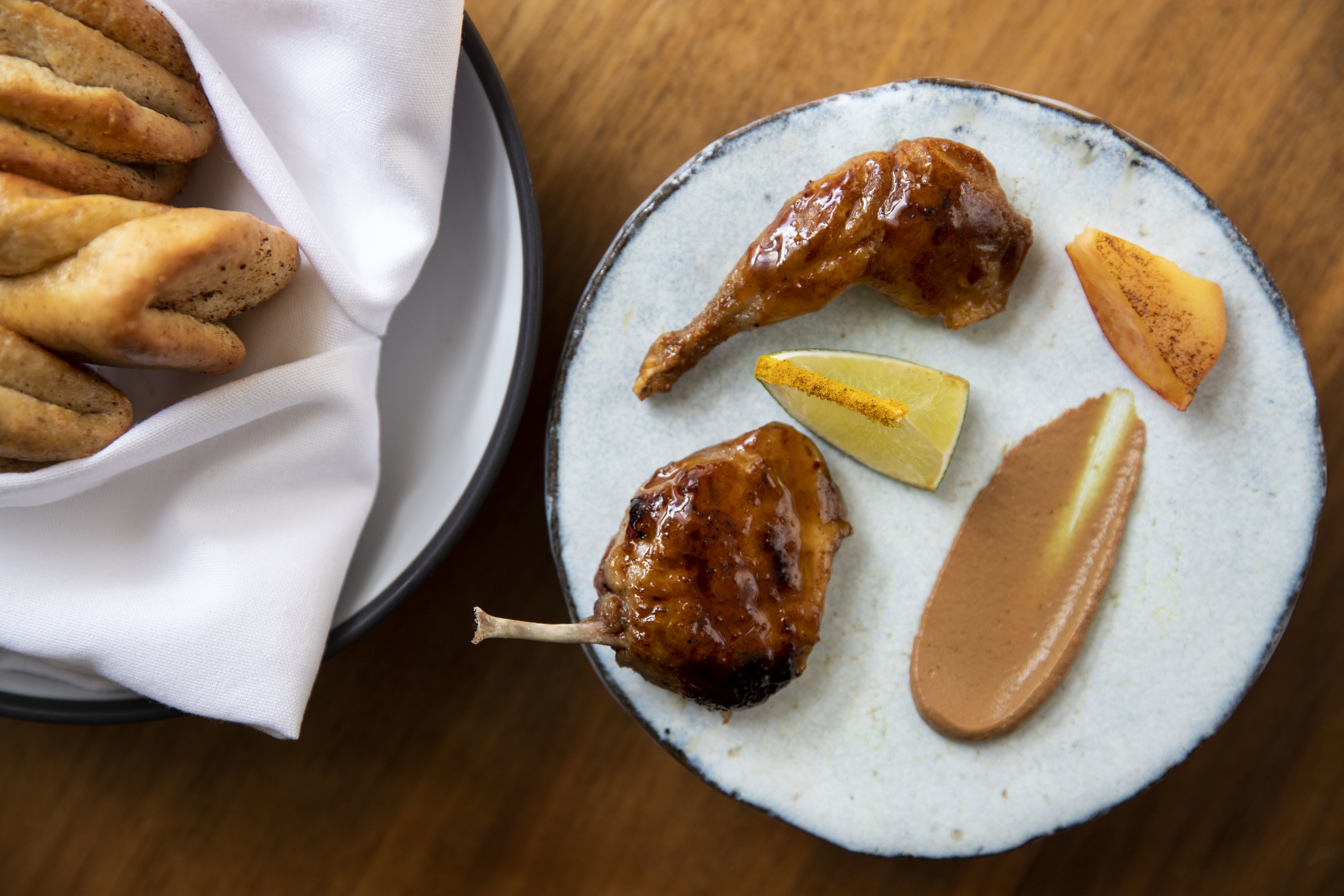
The grilled quail with coco bread at Friday Saturday Sunday, photographed in 2022.MONICA HERNDON / Staff Photographer
Williams says the grant money — which is from a fund for construction projects that would benefit the state culturally and economically — is a win for the city, not just Friday Saturday Sunday.
“I was born here. I left, learned all that I could, and came back. What we want to do is push the culture forward and, with that, hopefully [bring] economic benefits for everyone in the city,” Williams said.
“There’s going to be tax revenue and jobs that come back in a very real way.”
A much-debated grant program
Better known as RACP, theRedevelopment Assistance Capital Program defrays the cost of construction-ready projects across Pennsylvania that stand to generate substantial economic growth. The fund has stirred controversy in the past.
The program was launched in 1986 tosupport construction and real estate projects that intend to create jobs, boost tax revenue, orhave significant cultural and civic impact. Eligible projects must cost at least $1 million and secure at least half of their funding from other sources.
Chef Chad Williams and Hanna Williams at their restaurant Friday Saturday Sunday.Monica Herndon / Staff Photographer
Because grants are decided at the governor’s discretion, the program has previously been criticized for a lack of transparency and glad-handing.
RACP was overhauled in 2012 after an audit found that the Gov. Tom Corbett administration did not adequately disclose or document why projects were awarded grants. Similar accusations cropped up again in 2020, when critics alleged Gov. Tom Wolf and state legislators were misusing the program for political favors.
This July, Gov. Josh Shapiro’s administration allocated $445 million in RACP grants to 356 projects across the state. Recipients range from private real estate developments and public parks to affordable housing and renovations of schools, hospitals, and community centers. The program was particularly competitive in Philadelphia: 170 projects applied. More than half were rejected.
(function(){function e(){window.addEventListener(`message`,function(e){if(e.data[`datawrapper-height`]!==void 0){var t=document.querySelectorAll(`iframe`);for(var n in e.data[`datawrapper-height`])for(var r=0,i;i=t[r];r++)if(i.contentWindow===e.source){var a=e.data[`datawrapper-height`][n]+`px`;i.style.height=a}}})}e()})();
Friday Saturday Sunday’s expansion is projected to cost $7.5 million overall, according to the grant application. Once complete, Williams told The Inquirer, it will add 100 front- and back-of-house jobs to the Weekend Restaurant Group’s payroll. (The group currently has 40 employees, according to the application.)
Not all RACP hopefuls are awarded the full amount of funding they applied for. Friday Saturday Sunday’s expansionwas one of 12 Philly projects awarded the full amount requested.
(function(){function e(){window.addEventListener(`message`,function(e){if(e.data[`datawrapper-height`]!==void 0){var t=document.querySelectorAll(`iframe`);for(var n in e.data[`datawrapper-height`])for(var r=0,i;i=t[r];r++)if(i.contentWindow===e.source){var a=e.data[`datawrapper-height`][n]+`px`;i.style.height=a}}})}e()})();
A spokesperson for the Shapiro administration told The Inquirer over email that the Weekend Restaurant Group’s proposal “is fully consistent with the purpose and authorized uses of the RACP program and represents an appropriate use of RACP funds.”
The downstairs Lovers Bar at Friday Saturday Sunday is a two-time James Beard Award nominee.Monica Herndon / Staff Photographer
Receiving the RACP grant was a relief, said Williams, who said he is funding more than half of the $7.5 million project with loans.
Taking on the financial liability is “not a rosy story necessarily,” Williams said, “but it’s a risk we’re willing to take.”
Williams envisionsthe3,500-square-foot rowhouse at 2048 Rittenhouse Square as a chance to create an old-school fine-dining experience inspired by the likes of Le Bec-Fin and Vetri Cucina. Guests will start with welcome drinks on the ground floor before moving upstairs for an intimate meal at a chef’s counter helmed by Williams. Diners will finish the meal on the third floor in a designated dessert space, Williams said.
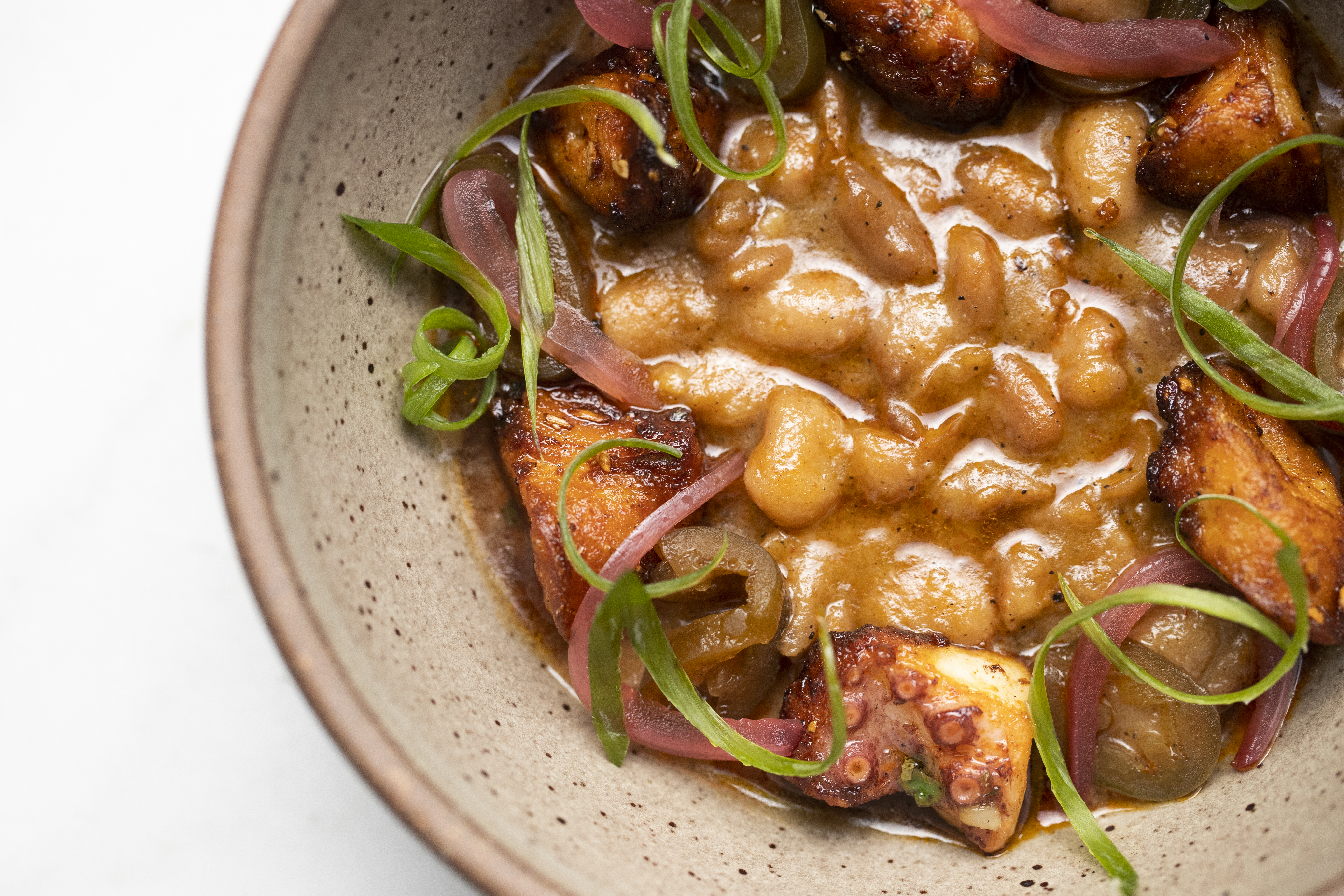
The octopus and beans from the bar menu at Friday Saturday Sunday, photographed in 2023.Monica Herndon / Staff Photographer
The concept will extend the Friday Saturday Sunday brand and render the original tasting menu into a “less formal” affair that is more in line with “what neighbors and regulars want,” Williams said. The connected properties will also enable Friday Saturday Sunday to serve large parties and potentially open seven days a week. The expanded hours will allow for more staff, Williams said
Williams said the project could break ground in October. He’s optimistic about a September 2027 opening.
He framed Friday Saturday Sunday’s expansion as a moonshot. “To be frank, for a Black chef to have this opportunity and do it is a big deal,” Williams said.
“Having a chance to practice our craft at this level is extremely rare.”
‘We need all the help we can get’
Williams decided to apply for RACP funds after exhausting more traditional financing routes.
“Without state support, the project would face a significant financing gap,” he wrote in the application, “as private funds alone cannot absorb both the acquisition and essential structural work.”
Despite his restaurant’s extremely successful track record, the chef found the process similar to the original financing of Friday Saturday Sunday — which required the Williamses to sell their home and submit paperwork to“14 different banks” before finding one that would take a chance on them.
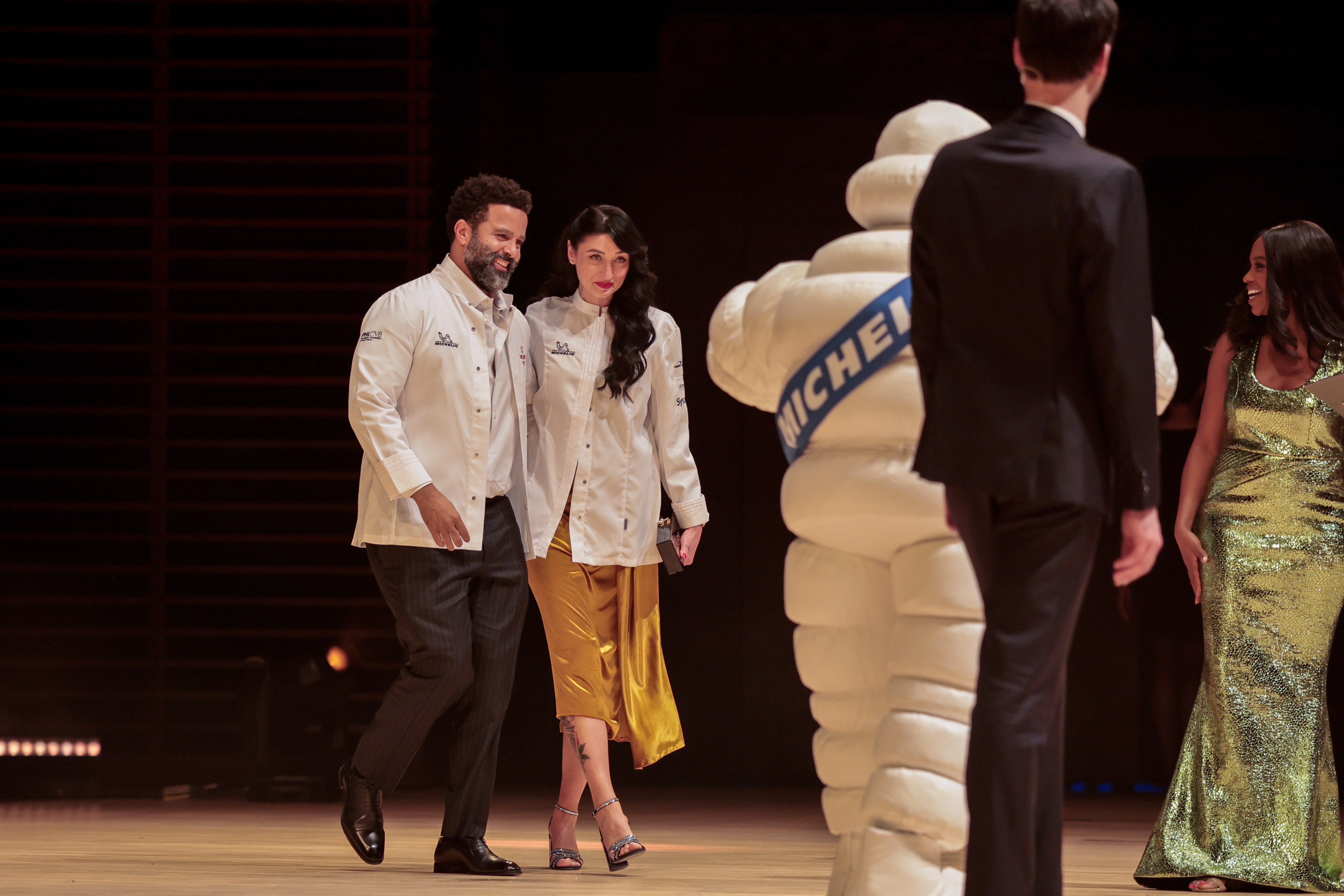
Friday Saturday Sunday, run by chef Chad Williams and his wife, Hanna, earns a Michelin star at the Kimmel Center on Nov. 18, 2025.Elizabeth Robertson / Staff Photographer
It’s a struggle many Black entrepreneurs know well: Several studies have found that Black-owned businesses are discouraged to apply, denied, and offered inferior loans at higher rates than white counterparts, even when appearing more creditworthy.
“We’ve put in our work here, had some success and won some things, but it did not make [financing] any easier,” said Williams. He was attracted to RACP because it was described to him as a “colorblind grant” by other BIPOC entrepreneurs who encouraged him to apply.