Tag: topic-link-auto

  • Samara Joy will join the Philadelphia Orchestra for January show

    Samara Joy will join the Philadelphia Orchestra for January show

    Samara Joy, the young, widely praised vocalist creating a stir in the jazz world, will join the Philadelphia Orchestra in a one-night-only appearance in January, the orchestra announced Thursday.

    Joy, who turned 27 Wednesday, has won six Grammy Awards since her debut album in 2021. She was raised in the Bronx, but her Philadelphia connections run deep. Her grandparents Ruth McLendon and Elder Goldwire McLendon were founders in the 1950s of Philadelphia gospel group the Savettes. Her father is Philadelphia-born bassist Antonio McLendon.

    Growing up, “we came to Philly like three times a year to visit my grandparents. Just to go to their house in West Philly and hang out all day,” Joy told The Inquirer’s Dan DeLuca.

    Samara Joy McLendon (her full name) attended the Fordham High School for the Arts and won best vocalist in a high school competition hosted by Jazz at Lincoln Center. She was a voice major at SUNY Purchase. After releasing her self-titled debut album as she was graduating college, Jazz Times named her Best New Artist in 2021.

    Critics have been effusive.

    “Joy’s staggering vocal command and the smoky timbre and dazzling range of her voice have earned frequent comparisons to classic jazz vocalists like Sarah Vaughan and Ella Fitzgerald, as well as another personal favorite, Carmen McRae,” DeLuca wrote in The Inquirer.

    The singer has spoken of the influence of Vaughan and Fitzgerald on her artistry.

    “This music is my foundation for sure,” she told GRAMMY.com in 2021. “When I want to learn a song and learn how to tell a story, they’re who I go to for perspective.”

    The set list for her Philadelphia concert is expected to include Hoagy Carmichael’s “Stardust,” Duke Ellington’s “Sunset and the Mockingbird,” Billy Strayhorn’s “Lush Life,” and “Left Alone” by Billie Holiday and Mal Waldron.

    Joy has performed at the Kimmel Center before, but the January show will mark her debut with the orchestra. Andrew Grams will conduct, and the instrumental forces will include Joy’s own band. A performance in May with the Chicago Symphony Orchestra featured standards and original material.

    Samara Joy appears with the Philadelphia Orchestra on Jan. 5 at 7 p.m. in Marian Anderson Hall, Broad and Spruce Sts. ensembleartsphilly.org, 215-893-1999.

  • A police officer shot a man during a traffic stop in Southwest Philly, police say

    A police officer shot a man during a traffic stop in Southwest Philly, police say

    A police officer shot a man after a traffic stop led to a “physical altercation” Thursday morning in Elmwood in Southwest Philadelphia, police said.

    Around 7:30 a.m. two Philadelphia Police Department officers stopped a white Chevy Malibu at the corner of Lindbergh Boulevard and Eastwick Avenue, police said.

    The traffic stop led to a “confrontation” between the man and two officers, Deputy Commissioner Frank Vanore told news reporters at the scene.

    “He became very erratic,” Vanore said. After officers asked him to exit the car, “a physical altercation very quickly ensued,” Vanore said.

    Both officers used Tasers on the man, Vanore said, but they didn’t stop him.

    “At some point during the fight, he made it back to his vehicle and he produced a firearm. That firearm, we now know, had an extended magazine, it was loaded,” Vanore said.

    At that point, one of the officers shot him, Vanore said.

    The man was taken to Penn Presbyterian Hospital; his condition has not yet been made public.

    Both officers had body cameras on and the vehicle camera captured the incident, Vanore said.

    The officer that fired his weapon is on administrative leave, Vanore said, in accordance with department policy.

    Police are investigating the incident.

    This is a developing story. Check back for details.

  • A hearing before the Voorhees zoning board on a controversial car wash proposal has been postponed to January

    A hearing before the Voorhees zoning board on a controversial car wash proposal has been postponed to January

    Eric Ascalon, a Cherry Hill open space and sustainable development advocate, is troubled by a San Diego developer’s plan to build a three-lane car wash at the Voorhees-Cherry Hill border at Evesham and White Horse Roads.

    “It’s a doozy of an intersection,” said Ascalon, who grew up in Cherry Hill and has lived there all of his adult life. Ascalon was a community leader in the successful quest to permanently preserve from development the Holly Ravine Farm, which is near the northwest corner of the intersection and now owned by Cherry Hill Township.

    “It’s not a well-thought-out plan,” Ascalon said of TNG Voorhees LLC’s request for a use variance for the residential part of the site that’s zoned rural residential by Voorhees.

    The application was scheduled to be heard Thursday evening by the Voorhees zoning board, but it has been postponed to Jan. 28 because not enough board members will be present.

    Ascalon, whose parents live in Voorhees, plans to testify before the board against the proposed exception to the zoning law.

    He said a car wash that would look more at home on Route 73 or the White Horse Pike shouldn’t go at the intersection where Cherry Hill preserved the Holly Ravine Farm and Saddlehill Winery sits on the southeast corner in Voorhees.

    Entrance/exit driveways would be installed on Evesham Road and White Horse Road, according to the developer’s plans. The intersection also is fed from Springdale Road on the Cherry Hill side.

    The former Shell station at 1607 Evesham Rd. is owned by the developer. TNG and three others purchased the property from Voorhees Shell in 2017 for $1,658,112, according to Camden County property records.

    The home at 1502 White Horse Rd. next to the Shell station would be demolished as part of the project. Although the developer’s zoning board application received by the township in August lists Ferriol C. Apistar and Crisanta B. Apistar as the owners, county property records show they sold the property in June to Granite Peak Property Investments LP of San Diego for $650,000.

    The car wash building would be constructed where the home is now, and parking would go on the corner where the gas station sits.

    Ascalon says it’s not surprising that the developer isn’t based in the area.

    “They’re not locals, because if they were they’d realize how absurd this is,” he said of building a car wash at the busy intersection.

    70and73.com is a hyperlocal news site focused on South Jersey, including the communities of Cherry Hill, Evesham, Mount Laurel, Voorhees, Medford, Medford Lakes, and Moorestown.

  • A familiar refrain from Hiruy Tirfe’s ‘MNF’ national anthem: ‘Philly fans will always be honest with you’

    A familiar refrain from Hiruy Tirfe’s ‘MNF’ national anthem: ‘Philly fans will always be honest with you’

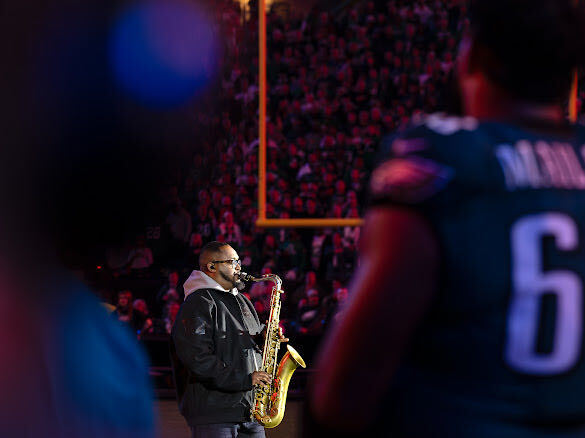
    Hiruy Tirfe had one job before Eagles-Cowboys Monday Night Football game: perform the national anthem in front of thousands of fans at Lincoln Financial Field and millions more watching on television.

    The Philadelphia-area saxophonist had one admission about his preparation.

    “I didn’t practice,” Tirfe told The Inquirer. “I hate to admit that, but, you know, I didn’t.”

    Tirfe’s jazz-influenced rendition of The Star-Spangled Banner quickly sparked national conversation. Some viewers criticized his unconventional interpretation, while others appreciated his creativity.

    But Tirfe, who was born in West Philadelphia to immigrant parents and raised in Upper Darby, isn’t particularly concerned with the criticism.

    “I did not look at any comments,” he said.

    Tirfe had performed the anthem at other events, although Monday marked his first performance for an NFL team. He knew the song well and understood its significance, but wanted to leave his own musical signature while respecting the melody.

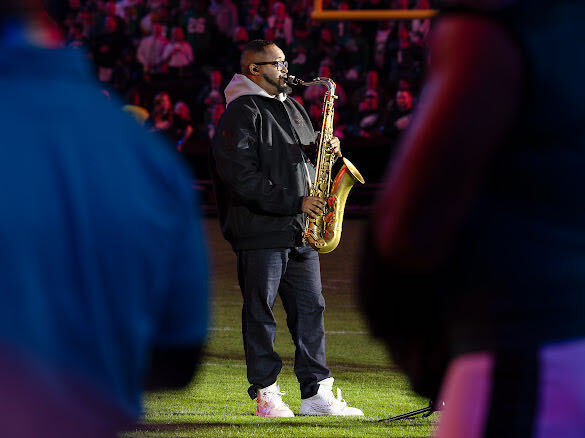
    Saxophone player Hiruy Tirfe has played the national anthem at other events, but “Monday Night Football” was his first performing it for an NFL game.Courtesy of Torri Green

    His goal was to communicate unity and energize Eagles fans before the rivalry game.

    The Eagles gave Tirfe a two-minute window for his performance, which had to accommodate the team’s pregame presentation and the flight of Lincoln, its live bald eagle.

    After a sound check, he spent roughly three hours at the stadium waiting for his moment.

    His primary concern when he stepped onto the field wasn’t forgetting a note. It was remembering to look up. He said he tends to look down while playing and wanted to take in the experience.

    “Eyes up. Eyes up,” Tirfe said he told himself.

    Saxophone player Hiruy Tirfe says he wanted to take in the moment playing the national anthem at the Eagles-Cowboys game.Courtesy of Torri Green

    From his perspective, the performance received an encouraging response inside the stadium. Tirfe said fans began applauding before he finished, then grew louder as he reached the final notes.

    “Philly fans will always be honest with you,” he said.

    He described Philadelphians as authentic, particularly when it comes to music and sports, and said the reaction reassured him.

    “I served my purpose,” Tirfe said.

    Online, the response was more divided.

    Tirfe learned about the attention through friends and fellow musicians who sent him news articles and social media posts. ESPN also shared the performance on its social media accounts.

    But he hasn’t sought out the criticism.

    “Not everybody, you can’t please everybody,” Tirfe said.

    He also disagreed with the notion that his arrangement strayed too far from the anthem. While jazz musicians frequently embellish familiar melodies, Tirfe believes preserving the original composition’s recognizable structure is essential.

    “I can strongly say that the core foundational sense of the melody was still there,” he said.

    To him, the debate comes down to musical preference.

    “Some people like extra seasoning, some people don’t like seasoning at all,” Tirfe said. “It’s all good.”

    For those unfamiliar with Tirfe, Monday offered an introduction to a musician whose career has been deeply rooted in Philadelphia.

    Tirfe grew up surrounded by the city’s jazz and hip-hop communities. He later attended the University of the Arts and developed relationships with musicians who established national careers.

    Among his peers were drummer Justin Faulkner, who has performed with the Branford Marsalis Quartet, and saxophonist Immanuel Wilkins.

    But Tirfe credits The Roots with inspiring him to pursue music professionally.

    “If it wasn’t for The Roots, I would not be in this game,” he said. “I would not be doing music as a career.”

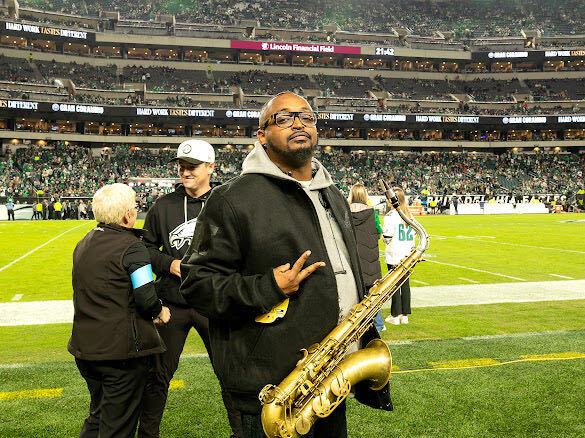
    Saxophone player Hiruy Tirfe greets fans at the Eagles’ “Monday Night Football” game vs. the Dallas Cowboys.Courtesy of Torri Green

    He recalled attending the group’s free Fourth of July concert on the Benjamin Franklin Parkway, where he watched The Roots perform alongside Earth, Wind & Fire.

    Years later, Tirfe would work alongside The Roots, Patti LaBelle, and other prominent musicians. Those collaborations taught him how to perform, navigate the music business, and become a bandleader.

    Monday’s performance also arrived at a significant moment in his career.

    Just three days earlier, on Oct. 23, Tirfe released his second album, The Threshold, the follow-up to his 2024 debut, 10,000 Hours.

    The timing, he insisted, was coincidental.

    One track, “Ben Franklin — Remix,” landed on a Madden NFL soundtrack, a connection Tirfe believes may have helped bring him to the Eagles’ attention.

    He hopes his performance encourages new listeners to discover his music.

    And despite the criticism, he stands by the performance, which he believes reflected the musical identity he brings to his albums and live shows.

    Years from now, he hopes viewers remember something beyond the unusual arrangement.

    “Honesty and sincerity and just love through the instrument,” Tirfe said.

  • The Nvidia mess should end the era of unregulated AI | Editorial

    The Nvidia mess should end the era of unregulated AI | Editorial

    Even among a legion of Big Tech sycophants, Jensen Huang had stood out for his capacity to flatter Donald Trump into giving him what he wanted. It turned out that Huang, the perpetually leather-swathed chief executive of Nvidia, was not impervious to such motivated means of persuasion himself — and he has paid a devastating price for it.

    Huang resigned Thursday as the head of the microchip giant, days after acknowledging an extramarital affair with a Singapore-based tech executive known as Alice Huang, who is believed to be a Chinese spy. The revelations about their relationship would have been awkward for anyone, but it was particularly so for the man who successfully lobbied the president to ease restrictions on exporting his company’s AI-enabling chips to the agent’s alleged handlers.

    Further complicating matters for Huang was a report by the New York Times late Wednesday that he had engaged in a second affair with a subordinate at the company.

    The scandal seems to have done what all the artificial intelligence industry’s warnings about its own destructive potential somehow did not. It triggered a sell-off of Nvidia stock, federal investigations and renewed questioning of the headlong, government-assisted rush to develop a dangerous, ill-understood technology regardless of the consequences.

    “I hope there’s no problem,” Trump said of Jensen Huang on Monday, but it seemed a little late for that. The problem is that the cofounder of the world’s most powerful and valuable AI company — and the closest adviser to the president on the technology — appears to have been hopelessly compromised by our chief adversary, China. As Stephen Witt, who wrote a book about Nvidia, told the New Yorker, “If the CEO is sleeping with spies, that’s generally regarded as bad.”

    In this image taken from video provided by TVBS, Alice Huang attends a dinner hosted by Jensen Huang, Nvidia’s CEO, at a restaurant in Taipei, Taiwan, in 2025.Uncredited

    Worse, the president appears to have known that for some time, even though he persists in assurances that Huang is “a very high-quality,” “amazing,” and “honorable guy” who will end up “in good shape.” Trump was warned of Huang’s relationship with a suspected Chinese intelligence asset last year and again in May, the Times reported, just before the executive joined the president on a trip to Beijing.

    And yet, Trump appears to have done nothing about it apart from enthusiastically facilitating the goals of a man who may have been in thrall to the Chinese Communist Party. Huang has somewhat paradoxically argued that the United States must maintain its chipmaking advantage over China by selling more chips to the country, which Trump helped him do by easing export controls established under President Joe Biden. The Commerce Department also reportedly abandoned an investigation into whether Alice Huang’s company smuggled chips into China after an Nvidia lawyer contacted the administration.

    Nvidia is among the major investors in an estimated $1.4 trillion initial public offering being prepared by the AI company Anthropic, which has warned potential investors that the technology poses “catastrophic or existential risks to humanity.” And yet, Trump has hewed to the laissez-faire approach to AI that Jensen Huang has pushed, concluding after meeting with him and other tech executives that the companies should “self-police.”

    Nvidia itself illustrates the folly of this notion. The company’s generally deferential board is populated by early investors and longtime associates of the cofounder, and — prior to Huang’s resignation — there was no succession plan or clear replacement. Nvidia’s chief financial officer, Colette Kress, will lead the company while the search for a permanent replacement commences.

    Perhaps the only good that can come of all this recklessness is the thorough debunking of the irresponsible idea that such a powerful technology should go unregulated. Changing the current policy, or lack thereof, will certainly be challenging as long as Trump remains in power. But the new Congress is full of members elected on promises to rein in data centers and other aspects of AI, and, in some cases, with a history of doing so.

    This mess shows they won’t arrive a moment too soon.

  • Bubbles make this riesling even better

    Bubbles make this riesling even better

    Sparkling wines have become so wildly popular that some winemakers are experimenting with new ways to add a tingle of carbonation and excitement to their still wines, too, as with this new “bubbled” spin on an iconic riesling from the Pacific Northwest.

    The fermentation process used to make all alcoholic beverages generates carbon dioxide as a natural byproduct, so carbonation isn’t foreign to wine. In standard winemaking, this carbonation is allowed to dissipate before bottling, but over the past 500 years, vintners have developed specialized methods for making wines that sparkle and fizz.

    The most influential innovation, pioneered in the Champagne region of northern France, was to add sugar to bottles of a still base wine, sparking a second fermentation in a closed vessel that could trap the resulting bubbles. To this day, almost all sparkling wines undergo a second fermentation. The most ambitious wines use the “Champagne method” (meaning the second fermentation occurs in the same bottle in which they’re later sold) or traditional-method large tanks, while more affordable options like prosecco from Italy induce the second fermentation in pressurized tanks.

    Force-carbonating a wine — a practice common in beer and cider — is not routine in the wine trade, but this is changing fast. The demand for bubbles at bargain prices is inspiring less traditional winemakers like this one to experiment with “bubbled” versions of their still wines.

    Here, a vibrant, racy, and lightly sweet riesling that has had a cult following for decades has been given a brilliant effervescent makeover with deliciously unfamiliar results. Twice-fermented riesling can make a compelling sparkling wine, but the process mutes the grape’s distinctive fragrance; by adding carbonation to a finished riesling instead, the wine’s green apple flavors and jasmine tea aromatics are amplified by zippy bubbles in a delightful and irreverent way. The only downside is that bubbled wines like these do go flat faster than other sparkling wines. But few will notice since the bottle will likely be finished well before then.

    Charles Smith “Kung Fu Girl” Bubbled RieslingCharles Smith

    Charles Smith “Kung Fu Girl” Bubbled Riesling

    Washington State

    12% ABV

    PLCB Item #100057055

    on sale for $14.99 through Nov. 29 (regularly $17.99)

    No alternate retail locations within 50 miles of Philadelphia according to Wine-Searcher.com

  • The Philly Boycott Ride: A Jewish and Palestinian movement navigates a moment of tension

    The Philly Boycott Ride: A Jewish and Palestinian movement navigates a moment of tension

    Samah Elhajibrahim is a Palestinian American scholar and peace activist. She is a member of the Prayers for Peace Alliance and holds a doctorate in political science from the University of Pennsylvania. Her work specializes in political theory, citizenship, gender, statehood, statelessness, and colonization, with regional expertise in the Middle East.

    What took place this weekend in Philadelphia? The answer depends on whom you ask. As a member of a Palestinian-Jewish partnership, Prayers for Peace Alliance (PFPA), that believes in mutual solidarity and centers our work on the liberation of the Palestinian people — on ending occupation, genocide, and ethnic cleansing — the answer is clear: division and distraction.

    Division within a movement that has worked for so long to cultivate trust and understanding. Distraction from the real and urgent issues. This week, six Palestinians were killed in Gaza by Israeli airstrikes, including two children and three women. In the West Bank, at least three Palestinians were killed in Jenin. Palestinians in Gaza were forced once again to evacuate flooded tents; 70,000 tents were flooded within the first 12 hours of a storm.

    Palestinians were being killed and displaced while the movement that is supposed to center Palestinian freedom was divided over its response to a bicycle boycott ride.

    Some wholeheartedly embraced the ride, some were cautious, and others believed it was ill-conceived and crossed a line. Some endorsed it, some denounced it, and some criticized it. We fell into the trap. Rather than centering Palestinians in Palestine, the movement was distracted and divided.

    This division is damaging. It drains energy from the urgent work, weakens the pressure we can bring to bear, and gives opponents openings to misrepresent us. It turns potential allies into bystanders and makes trust harder to rebuild.

    PFPA is clear: A boycott is a legitimate nonviolent campaign to pressure governments. If governments and the international community had fulfilled their responsibility — sanctioning Israel and holding it accountable for genocide, ethnic cleansing, and its prolonged occupation of Palestine — people would not have to assemble flotillas to break a siege or run boycott campaigns.

    The Boycott, Divestment and Sanctions (BDS) movement is strategic in nature. It does not boycott “every boycottable event,” instead opting to carefully select targets and how to intervene. This boycott ride, however, was not strategic. That is precisely why it produced division rather than clarity, and distraction rather than pressure.

    We can acknowledge that this particular boycott, as carried out, was a misstep. Its rhetoric and messaging were problematic, and that allowed misinformation and confusion to fill the space. A tactic that is easily misunderstood, and that divides the people it is meant to unite, is not a tactic we can afford to treat as if it were beyond question.

    Nonetheless, the outrage that this nonviolent boycott has generated — death threats, doxing, and people getting fired — is deeply disproportionate and troubling, especially when set against the absence of comparable urgency and moral clarity regarding the ongoing genocide in Gaza.

    Protesters and counterprotesters engaged with the police during the bike-ride boycott at Rittenhouse Square on Sunday, Nov. 8.Monica Herndon / Staff Photographer

    Some might argue that a local boycott is a local issue, while the genocide is a federal matter. This is not true.

    Philadelphia is a sister city to Tel Aviv, a relationship formalized by City Council resolution and celebrated as a partnership of “business alliances.” Philadelphia’s institutions and investors have poured tens of millions of dollars into Israel bonds — $45 million at a single Real Estate Power Lunch in 2025 alone. The Pennsylvania Treasury has invested millions more in Israel bonds, funding the very economy that sustains the occupation.

    This is not a distant, federal abstraction. This is Philadelphia money, Philadelphia institutions, and Philadelphia political will actively sustaining systems of oppression. The referendum to divest funds from Israel in Providence, R.I., shows that municipal boycotts can be a successful strategy. This success demonstrates the potential of grassroots pressure at the local level.

    At PFPA, we believe our energy should also be directed at global corporations located in Philadelphia, like Lockheed Martin, Boeing, and Day & Zimmermann, which are directly aiding and enabling the genocide in Gaza.

    This is not a call to silence legitimate debate about tactics. It is a call for discipline. We cannot afford to turn every disagreement into a rupture, or every tactic into a purity test. The movement must return to what matters: fighting oppression in Palestine, centering Palestinian voices, and targeting the institutions and corporations that make occupation, genocide, and displacement possible.

    So let us get back to work. Eyes on Palestine. Hands on the real targets. Hearts open to one another. And discipline in the struggle against oppression wherever it lives — in Palestine, in Philadelphia, and across the United States.

  • Temple women find ‘clarity in their roles’ with dominant Big 5 win over La Salle

    Temple women find ‘clarity in their roles’ with dominant Big 5 win over La Salle

    Temple entered Wednesday’s Big 5 women’s basketball matchup with La Salle looking to build on its offensive performance against Navy, when the Owls scored 97 points to earn their first victory of the season.

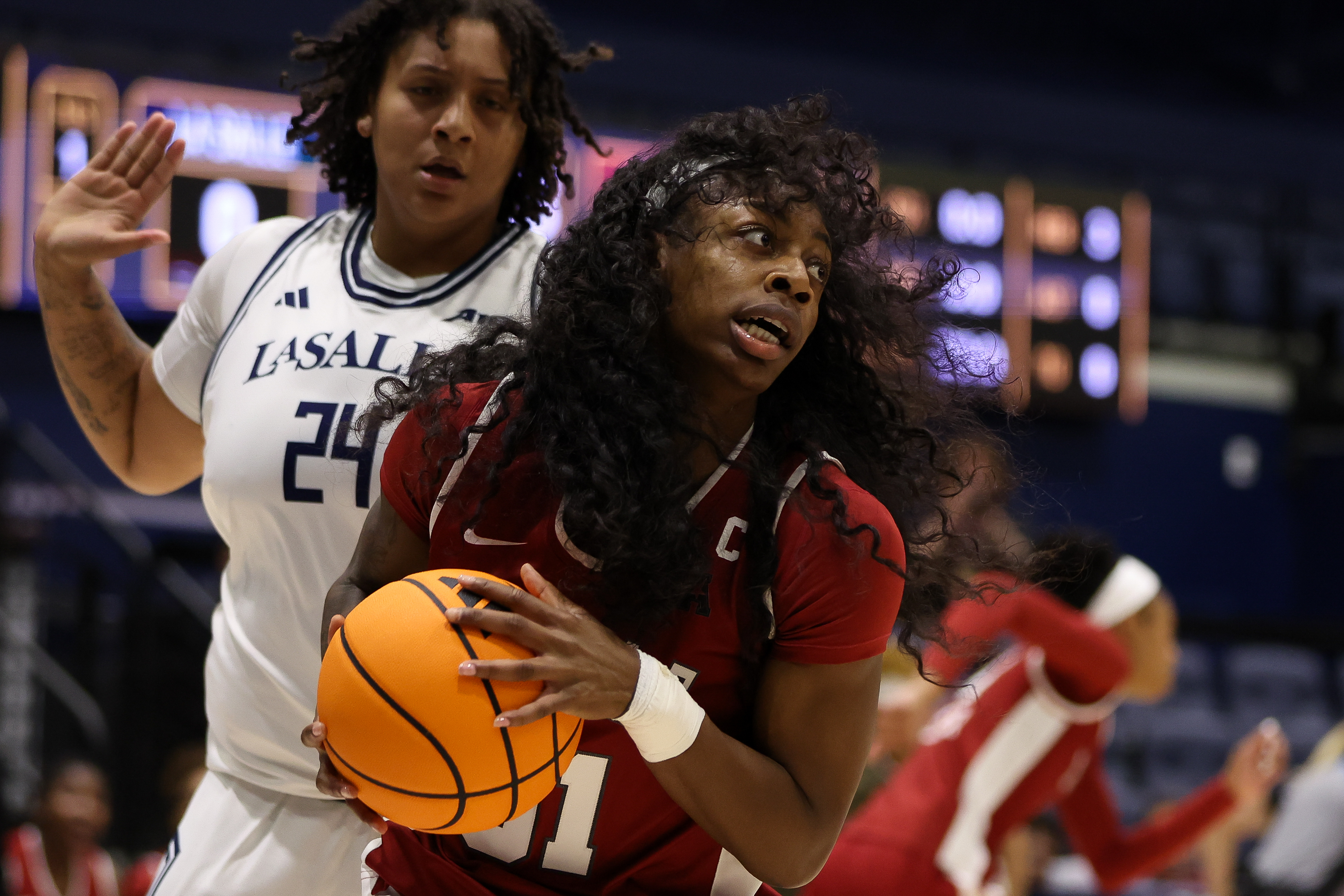
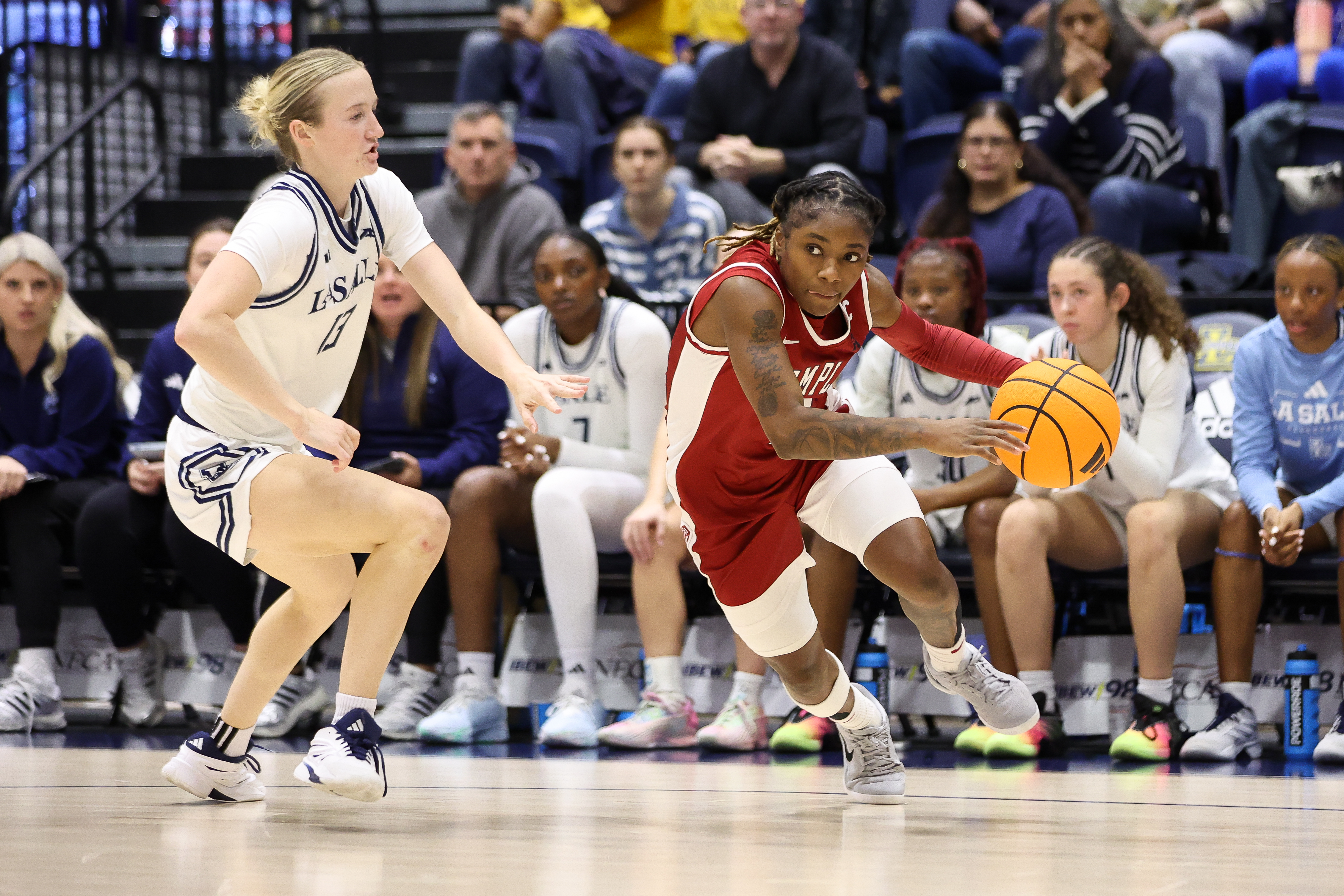
    The Owls continued that momentum at John E. Glaser Arena, thanks to their aggressive defense and rebounding to secure an 89-67 victory. Temple (2-1) forced 30 turnovers and controlled the glass over La Salle (1-2).

    For Temple coach Diane Richardson, her team’s performance also demonstrated the developing chemistry between the returning veterans and newcomers, who are adjusting to different responsibilities.

    “They are a really tight team,” Richardson said. “They play together. They have fun together, and they understand that for us to win, we got to do it together.”

    The Owls will return to action Tuesday at George Washington (6 p.m.).

    Embracing a different role

    Saniyah Craig established her presence early, grabbing six rebounds in the first quarter and helping Temple control the paint.

    The senior forward finished with 17 points and 10 rebounds, continuing the production that made her one of the American’s better rebounders last season.

    Craig averaged 7.9 rebounds and recorded five double-doubles in 2025-26. Despite her individual success, Temple finished 15-17.

    Saniyah Craig served mainly as a scorer last season. She’s looking to do more in 2026-27.Isaiah Vazquez / For The Inquirer

    With several newcomers joining the roster, Craig has focused on contributing beyond scoring and rebounding.

    “Last year, I was more of a scorer,” Craig said. “This season, I do all the dirty work. I do whatever they need me to do.”

    Her physicality helped Temple establish an advantage that La Salle struggled to overcome. Explorers coach Mountain MacGillivray said Temple’s offensive rebounding was one of its biggest strengths and his team couldn’t match it.

    Craig believes her experience carries greater responsibility this season as Temple continues to establish its identity.

    “I know I got a bigger role,” Craig said. “I got to do all the dirty work, as I said, and just be me.”

    Pressure creates opportunities

    Temple’s full-court pressure has become one of its most effective weapons.

    The Owls repeatedly disrupted the Explorers’ possessions, forcing rushed decisions and generating transition opportunities. Taliyah Logwood led the defensive effort with nine steals, while Temple recorded 21 as a team.

    The Explorers made several attempts to close the deficit, but struggled to maintain possession long enough to build sustained runs.

    Shayla Smith, who finished with 17 points and 14 rebounds, described the team’s defensive approach as a “spicy defense.”

    “We always talk about spicy defense as our defense,” Smith said. “It’s just up in them, making them speed up and turn it over, and that was working for us.”

    Shayla Smith described Temple’s defense as “spicy,” as its full-court pressure has become one of its most effective weapons.Isaiah Vazquez / For The Inquirer

    Richardson has emphasized defense as the foundation of Temple’s identity, especially with a roster capable of producing points through several players.

    “Defense has been a number one priority for us, because we know we can score, but we’ve got to stop our opponents,” Richardson said.

    A more balanced attack

    Kaylah Turner entered the season following an impressive individual campaign in which she led the American with 16.4 points per game and earned second-team all-conference honors.

    Against La Salle, Turner scored 10 points, but Temple’s offense didn’t depend on her carrying the scoring load.

    Four Owls reached double figures, with Smith, Craig, and Logwood providing production alongside Turner. The balanced attack reflected Richardson’s emphasis on players understanding their responsibilities.

    Kaylah Turner (7) finished with 10 points against La Salle on Wednesday.Isaiah Vazquez / For The Inquirer

    Richardson said she has stressed three principles throughout the offseason: culture, clarity, and confidence.

    For returning players, including Turner and Craig, that means adjusting their roles to accommodate newcomers while continuing to contribute their experience and leadership.

    “They have clarity in their roles where they’re going to do whatever is necessary for this team,” Richardson said.

    Temple has now scored 89 or more points in consecutive games. Richardson attributed that success to the team’s growing chemistry.

  • A Main Line lawyer is building a team to defend Trump from an expected ‘subpoena-palooza’

    A Main Line lawyer is building a team to defend Trump from an expected ‘subpoena-palooza’

    As Democrats in Washington prepare to launch a flurry of investigations into President Donald Trump and his allies once they assume control of Congress in January, one Philadelphia-area lawyer is gearing up for battle.

    Wally Zimolong, a Main Line attorney who has worked for Republican causes including the unsuccessful efforts to overturn the president’s loss in the 2020 election, said his firm is assembling a team of trial lawyers to defend Trump administration officials when Democrats take control of Congress in January.

    Incoming Democratic leaders have vowed to hold Trump and his cabinet accountable. Their sweeping wins in the midterm elections, they have said, give them a broad mandate to act not just on voters’ top-of-mind affordability issues but also on what they have described as the most corrupt administration in history.

    Warning of an unprecedented “subpoena-palooza,” Zimolong, a longtime Trump supporter, said the situation is all-hands-on-deck.

    “Anybody that had any interaction with the Trump administration is going to be a potential target,” he said. “That’s certainly how we’re treating it.”

    Less than 12 hours after the “blue tsunami” became apparent last week, Zimolong and his Wayne-based firm announced the plan they had been discussing for months: a Congressional Investigations and Lawfare Defense Task Force.

    The group’s intention is to defend Trump officials as well as private third parties associated with the White House. Those include businesses that have come under scrutiny for working with the government or donating to the president’s projects.

    The top Democrat on the House Natural Resources Committee, for instance, on Monday sent letters to nine federal agencies and 27 private companies to preserve records that may be relevant to congressional inquiries. The list included major corporations like Chevron, United Airlines, and TikTok, which Democrats have said may have received special treatment after donating to this year’s 250th anniversary events.

    “[T]o every agency official and corporate executive receiving these letters: save everything,” U.S. Rep. Jared Huffman, a California Democrat who is poised to become the committee’s chair in January, said in a statement. “The American people deserve to know what you did with their government and their money, and we intend to get them answers.”

    U.S. Rep. Robert Garcia, another California Democrat set to chair the powerful House Committee on Oversight and Government Reform, had a more succinct election night message: “Lawyer up.”

    Zimolong said he believed Garcia’s statement showcased an intention by Democrats not to engage in legitimate investigations that fulfill their legislative and oversight duties but to take an illegal and “prosecutorial” approach that the public does not want.

    He pointed to the failed attempt, initiated by an outgoing Republican and supported by House Democrats, this week to impeach Defense Secretary Pete Hegseth. Democrats promised to try again when they have a sizable majority in January, revisiting accusations that Hegseth violated the Constitution while waging the war in Iran, ignoring laws intended to limit civilian casualties, and more. Zimolong said the idea that Hegseth committed high crimes or misdemeanors by following the commander in chief’s orders was “ridiculous” and “political retribution, plain and simple.”

    “If Democrats want to spend their perceived legislative mandate on investigations and subpoenas rather than focusing on the wants and needs of the American people … then it’s going to be a short reign for Democrats,” Zimolong said. “In some ways, if that’s how they want to spend their time, I welcome it because it’s the quickest way for Republicans to regain control of Congress.”

    Zimolong has represented Republican clients in some high-profile Pennsylvania election cases.

    In 2020, he worked outside the Trump campaign to invalidate ballots cast in the Pennsylvania election as the president spread false claims that widespread fraud led to his loss. Four years later, he represented the Trump campaign as well as Republican Dave McCormick’s U.S. Senate campaign and the Republican National Committee in lawsuits around election administration — including a successful move in Bucks County to extend a deadline for voters to apply for, receive, and cast mail ballots in person.

    This year, he has represented Democratic Gov. Josh Shapiro’s Abington Township neighbors in a land dispute, as well as a Lehigh Valley congressional candidate who made a last-ditch effort to get on the ballot in a highly competitive race as a Green Party nominee but who Democrats believed was part of a disguised GOP effort to draw votes from the Democratic nominee, Bob Brooks, who went on to win the seat.

    Zimolong, in an interview with The Inquirer, said that he did not “coordinate with anybody” in the congressional race and that the Shapiro situation was not “a Republican thing.”

    “People think it’s sort of coordinated and we all get together and plan these things out,” he said. “That’s not the way the world works.”

    Zimolong said he and his colleagues began considering the task force in the spring when it looked like Republicans might lose control of Congress in the midterms. He said they spoke “to a wide range of stakeholders that may be affected by this,” though he declined to name any individuals or groups because of confidentiality concerns. The team of lawyers is still being built out, and he said he is confident that both outside counsel and those working in the Department of Justice are equipped to handle the coming investigations, whether he is part of the defense or not.

    “I’m not worried about anything. I don’t think it’s going to get very far,” he said.

    Still, he said, he expects a robust court battle that will “test the limits of executive privilege” — possibly unlike anything since Watergate, when President Richard Nixon unsuccessfully fought to keep White House recordings private. Zimolong said the Trump administration is “correctly” signaling that it will take “a very aggressive view on executive privilege” that protects its communications and those of cabinet officials.

    In a clear sign of the clash ahead, White House counsel William Scharf sent a letter to Garcia on Monday that claimed Democrats had issued “abusive and capricious threats,” and that their actions to issue “unlawful subpoenas … may warrant further investigation.” One of the comments the White House noted was from U.S. Rep. Analilia Mejia (D., N.J.), who wrote on social media, “We’re going to toss out subpoenas like Mardi Gras beads.”

    Garcia responded in a statement, saying the new Congress “will not be deterred by baseless threats from a weaponized DOJ or from the president’s lawyers.” The lawmaker has indicated he will pursue investigations into Trump’s family’s business dealings — which he has referred to as the “Trump Crime Family” — as well as the handling of the Jeffrey Epstein investigation files and immigration enforcement “abuses” by Immigration and Customs Enforcement and the Department of Homeland Security.

    Another investigation topic could be Trump’s personal settlement with the Department of Justice this year. The deal included a $1.8 billion anti-weaponization fund that Trump launched to compensate individuals whom the administration believed to be the victims of political prosecution, though both Democrats and Republicans raised deep concerns and it was blocked by the courts. Zimolong and his firm applauded its creation in May.

    Democrats have also raised alarms about Trump’s use of the Justice Department to investigate and indict his perceived political enemies, such as former FBI Director James Comey.

    Democrats are set to begin their investigations around the sixth anniversary of another Philadelphia-area attorney stepping into the spotlight to defend Trump. After the Jan. 6 attack on the Capitol, Trump selected former Montgomery County District Attorney Bruce L. Castor Jr. to lead his defense team during his impeachment trial in the U.S. Senate. Castor’s performance was panned by some of the president’s allies, though Trump was acquitted and made a historic comeback in 2024.

    After an additional boundary-pushing two years, Zimolong said Democrats are preparing to unfairly target Trump and nearly anyone in his orbit.

    “I like to say that if you look at the White House, you’re a potential target,” Zimolong said. “Obviously, that’s in jest. But, depending on which member you speak to or … which member statements you read, it’s not that far off.”


  • Is the United States facing a second Reconstruction era?

    Is the United States facing a second Reconstruction era?

    Peter Schmidt is a retired high school principal and history teacher.

    As election returns on the night of Nov. 3 made clear that voters were endorsing sweeping changes for the political future of our country, media pundits were offering a broad range of explanations of what was unfolding across the nation.

    The most obvious sources of voter unrest were spoken about at length: the reeling economy; deep dissatisfaction with the unending war with Iran; confrontational immigration policies that led to the deaths of American citizens in Minnesota, Maine, and Texas; opposition to data centers; and the Trump administration’s blind faith in the future of artificial intelligence.

    Regardless of how we interpret the results of the 2026 midterm elections, it is abundantly clear the United States is facing a crucial moment in its history. In fact, I would argue that the next two years will be as defining for America as any period of time since the conclusion of the Civil War in 1865.

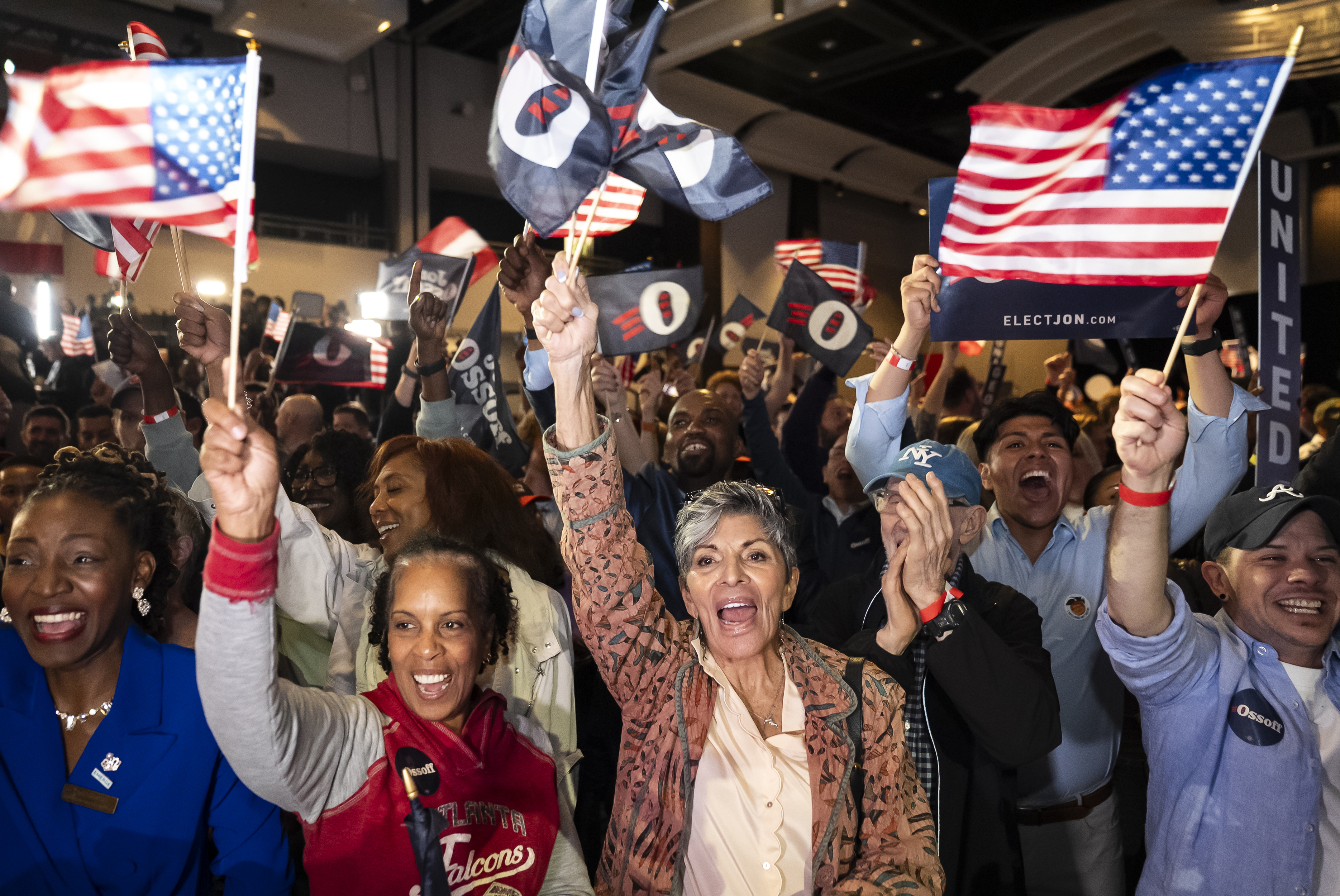
    Supporters of Sen. Jon Ossoff (D., Ga.) react as he is projected to win reelection on Nov. 3. The repudiation of President Donald Trump with an overwhelming victory of the Democrats has set the stage for major policy changes in Washington.NICOLE CRAINE

    At that time, the nation was facing not only the political uncertainties of how to reunite a country torn by four years of domestic warfare that claimed the lives of hundreds of thousands of soldiers and civilians, but also the loss of its president, who had been assassinated just a few days after Robert E. Lee’s historic surrender to Ulysses S. Grant at Appomattox in Virginia.

    Opportunity to rebuild

    Call it a second Reconstruction, if you will.

    Historians have argued over the successes and failures of Reconstruction-era policies and their enforcement, or lack thereof, since the late 19th century. It remains abundantly clear that the opportunity to rebuild a nation that practiced its principles of liberty and justice for all was left incomplete.

    Despite the passage of the 13th Amendment to the Constitution, which abolished slavery, there remained forced incarcerated labor, which remains in effect to this day. Despite the passage of the 14th Amendment, which granted citizenship to enslaved African Americans, the debate over the meaning of “birthright citizenship” continues. And while the 15th Amendment granted the right to vote to African Americans, we must not forget the battles over voting rights that dominated the news before the recent midterms.

    We need to pay close attention to our history and learn the lessons it has placed in front of us. Well-intended Reconstruction policies meant to restrain the forces of hate that sustained the brutality of slavery were not enforced. That hatred and brutality did not end with the conclusion of the Civil War. It continued with the rise of the Ku Klux Klan and other forms of white supremacy that led to the lynchings of African Americans and uninhibited racial violence in both the North and the South.

    To be sure, the past two years of the Trump administration can hardly be compared to the horrors of enslavement. And while the country is not as shattered as it was 160 years ago, the division and distrust and disillusionment today run deep. What is broken won’t be easily put back together.

    Benefit the majority

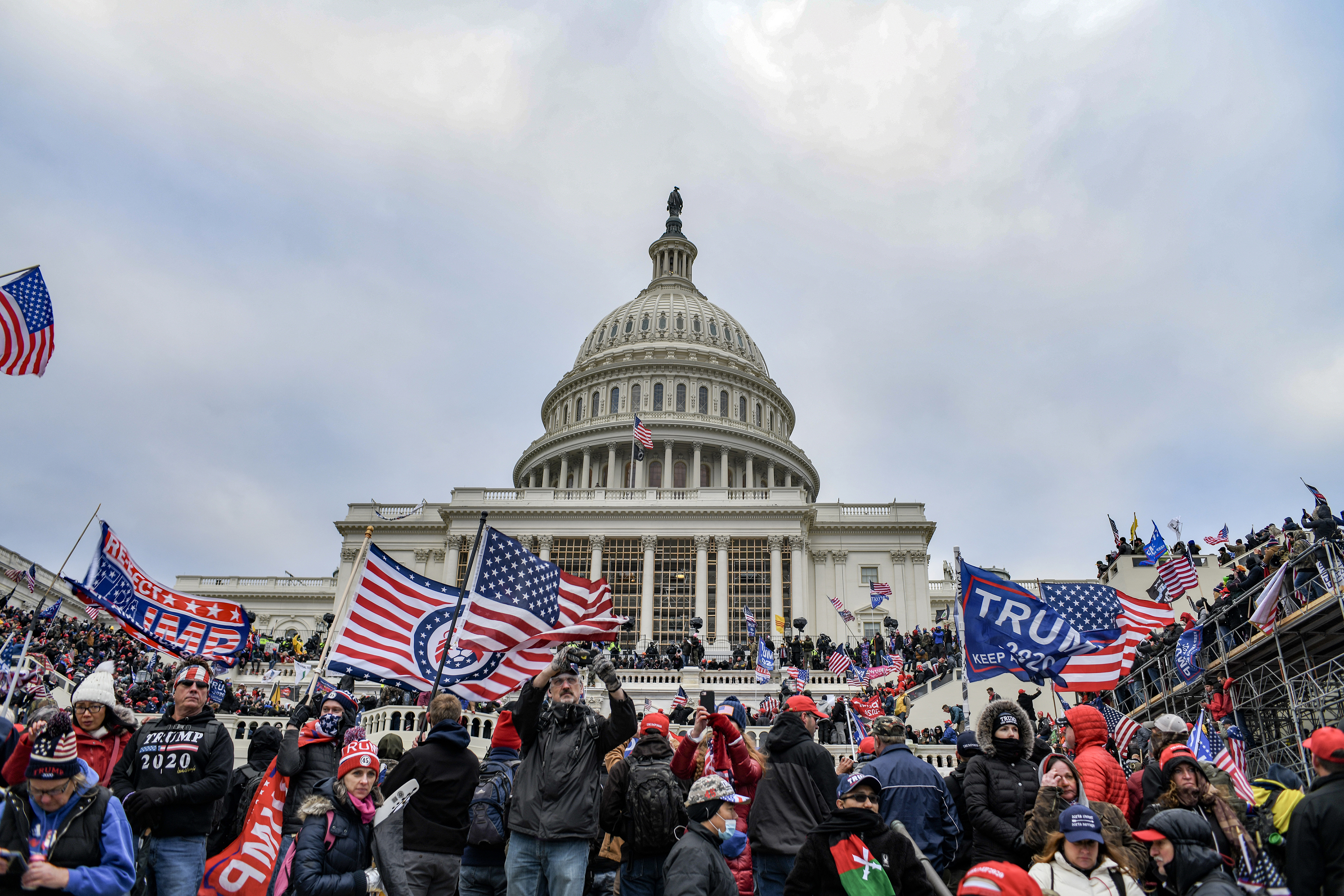
    We cannot forget the efforts by the Trump administration and its Republican allies in Congress to erase the reality of the Jan. 6, 2021, insurrection from history. That alone has created a seemingly unbridgeable chasm, but it should compel the incoming Congress to focus its attention on what will benefit the vast majority of Americans who are now in financial distress, including measures that end the senseless war with Iran, and legislation that will address the failures of immigration policies that have contributed to the deaths of honest and law-abiding Americans.

    The failure of Reconstruction to rebuild a country torn by war should lead our contemporary policymakers to understand that it won’t be enough to create legislation that will right the wrongs of the past several years. We must now work to repair our frayed democratic ideals. It will take political will and moral fortitude. And a resolute commitment to making the nation whole.

    As President Abraham Lincoln noted so clearly in his Second Annual Message to Congress in 1862:

    “We shall nobly save, or meanly lose, the last best hope of earth. Other means may succeed; this could not fail.”