Tag: topic-link-auto

  • In 2020, a hemorrhagic stroke robbed Joe Mihalich of his voice. La Salle has helped him find it again.

    In 2020, a hemorrhagic stroke robbed Joe Mihalich of his voice. La Salle has helped him find it again.

    Joe Mihalich loves coffee. Dunkin’, specifically. For years, it has been part of his morning routine: picking up a large decaf, hot, with cream, en route to a basketball arena.

    Employees at his home Dunkin’, in Mt. Airy, call him by name (“Mr. Joe”). One server, in Flourtown, gave him a black beanie hat with the company’s logo stitched in, as a modest token of appreciation.

    Mihalich would usually order ahead on the app, but sometimes, he’d go to the counter, and stick around for refills. He’d often do this before heading to the gym at Hofstra, where he once worked as a head coach.

    It was a simple task that gave him joy. Until it wasn’t.

    On Aug. 15, 2020, the former La Salle point guard was standing in his Long Island driveway, when he suffered a hemorrhagic stroke in his brain.

    He underwent an emergency craniectomy; a surgery in which part of the skull is removed to relieve pressure. He came home in a wheelchair, wearing a helmet, unable to say anything but “yes” or “no.”

    Mihalich was 64 years old and leading a Hofstra team that had won back-to-back CAA titles. He was on pace for 600 career wins, with likely a decade of basketball ahead. In an instant, that trajectory ceased. How can you coach if you can’t talk? If your right hand is no longer able to draw up plays?
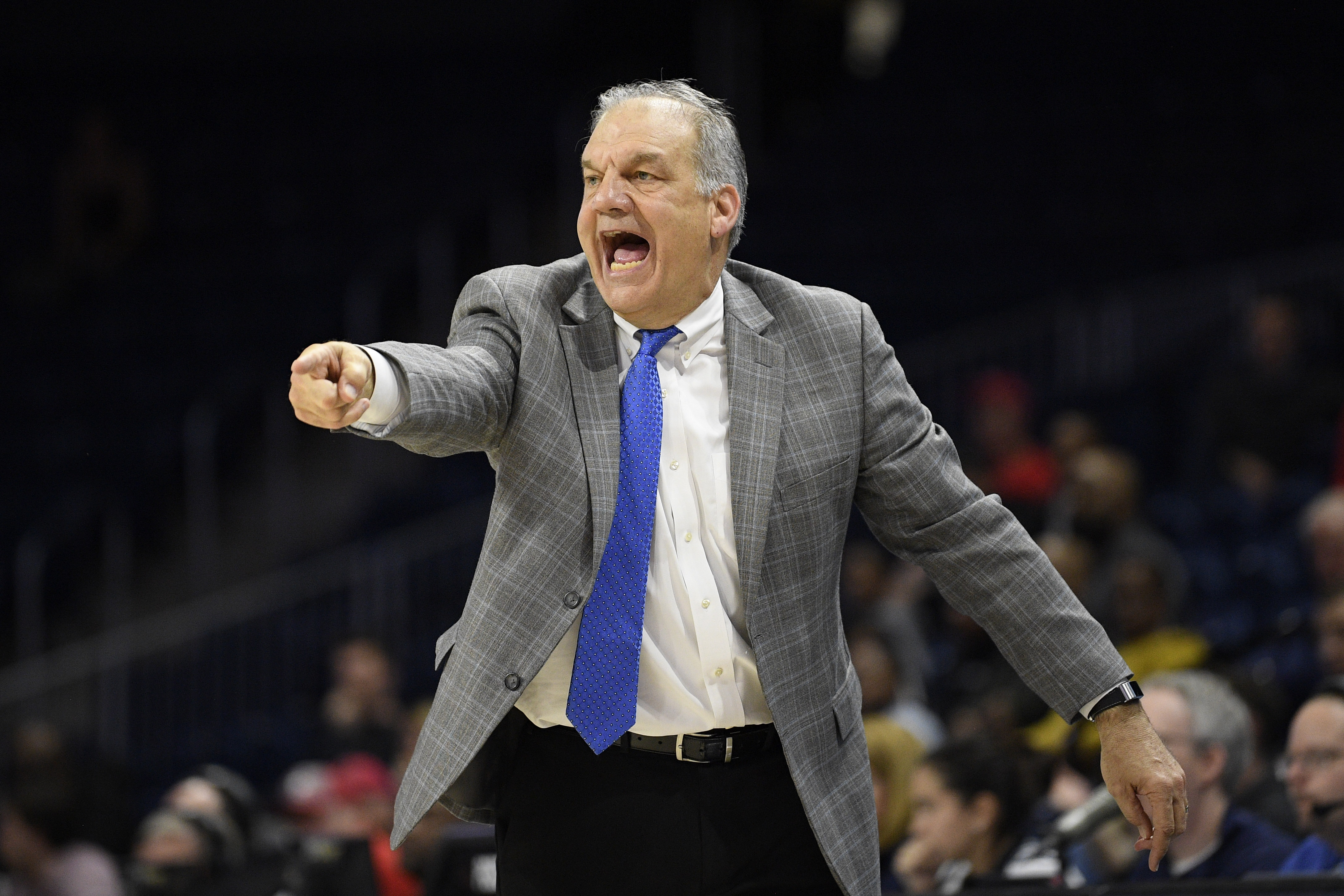
    Joe Mihalich was robbed of his voice while coaching at Hofstra… if only temporarily. Nick Wass

    Every routine, big and small, was disrupted. Instead of going to practice, Mihalich went to speech, physical, and occupational therapy. Those daily trips to Dunkin’ became infrequent; he couldn’t drive himself, or dictate what he wanted to drink.

    Compounding this was the fact that the stroke didn’t affect his cognition. Mihalich was as sharp as he was before. He could still draw up schemes in his mind. He still preferred zone defense over man, and a four-out, one-in offense over three-out, two-in.

    He just couldn’t say it. Doctors expressed skepticism that the coach would ever walk or talk at length again. The likelihood of him returning to even a modicum of independence was slim.

    But Mihalich decided to throw himself into the challenge, as if he were preparing for a big game. He started working with a speech language pathologist twice a week.

    He took his physical therapy seriously, so much so that he was able to go from a wheelchair to a walker, and from a walker to unassisted walking in just over a month.

    He gradually began to visit his old haunts. The coach can still remember the day he went back to Dunkin’. It was 2021, in the Garden City location on 7th Street.
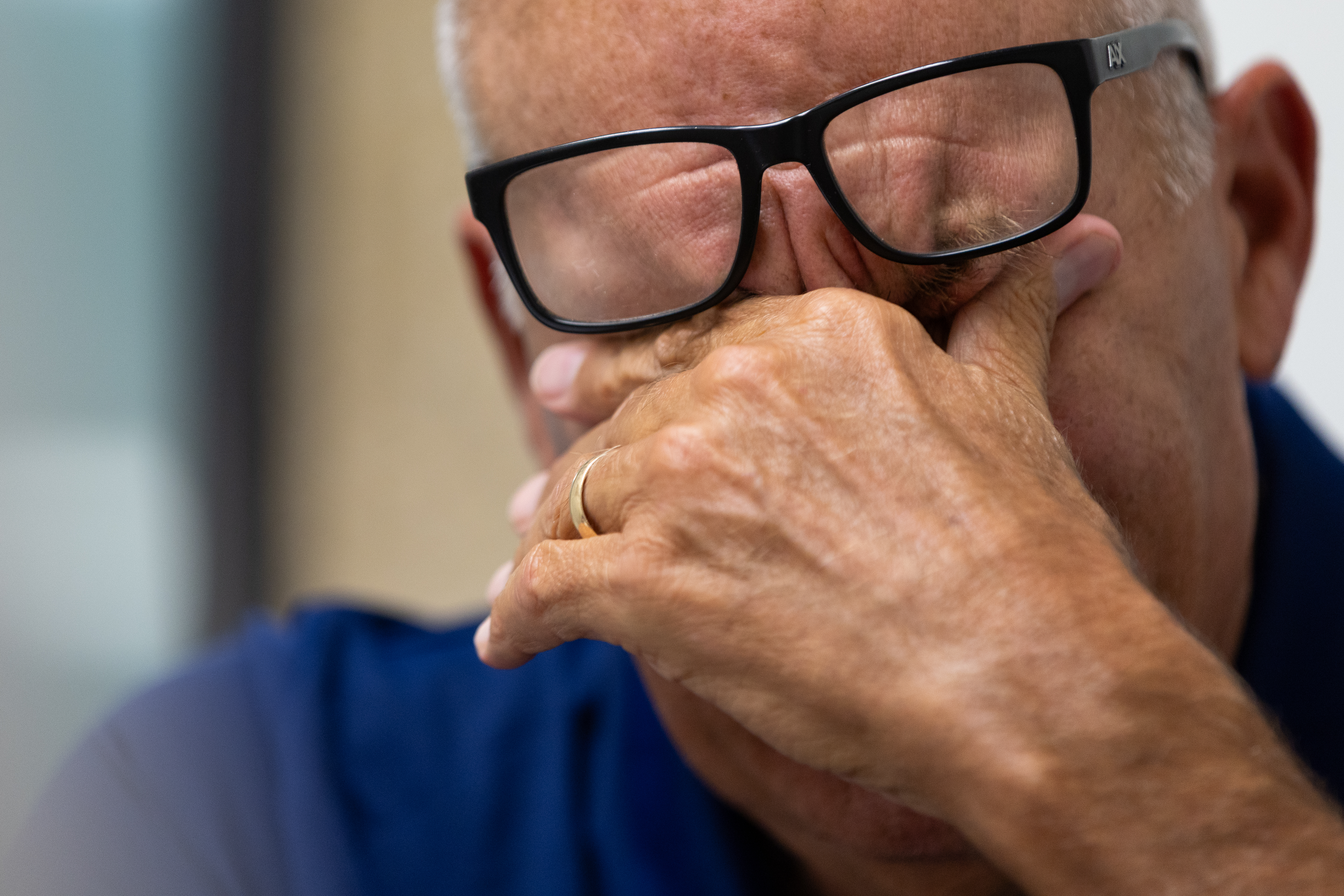
    Joe Mihalich cries as he recalls his wife and family’s support for his recovery, in a conversation with The Inquirer last month. Isaiah Vazquez / For The Inquirer

    Mihalich walked up to the counter with trepidation. What if the attendant couldn’t understand him? What if he was holding up a line? To prepare, he memorized five words that deep down, he knew by heart: “Large decaf, hot, with cream.”

    “I had to repeat it twice,” Mihalich said, “but it was OK.”

    In 2021, after taking a medical leave, he returned to Hofstra as a special adviser to the athletic director so the basketball program could transition to Mihalich’s assistant, ex-Sixer Speedy Claxton.

    In 2022, La Salle offered Fran Dunphy its head coaching job. He said he wouldn’t take it without Mihalich, a lifelong friend and former Explorers player with whom Dunphy had worked when both were assistant coaches in the 1980s.

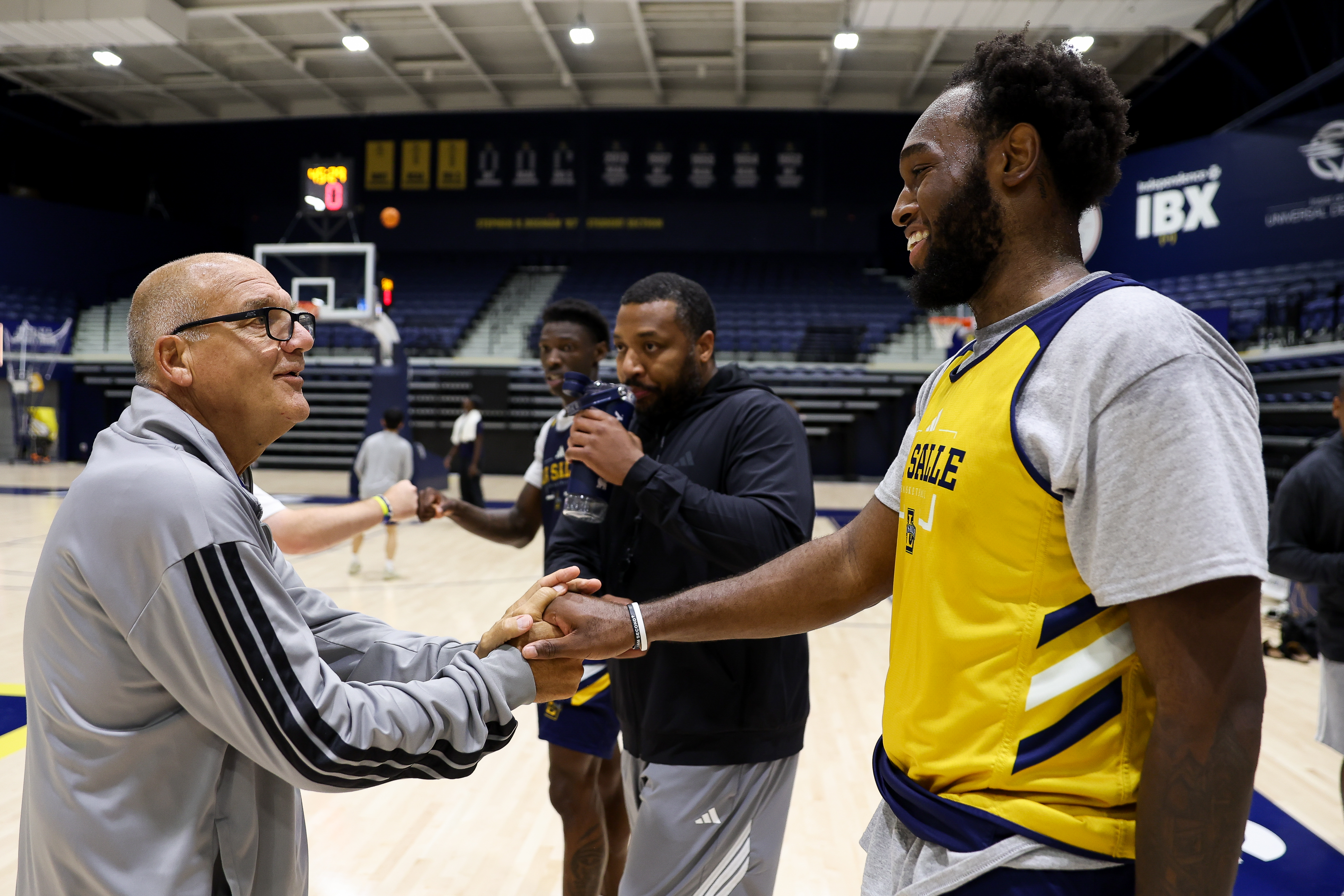
    Mihalich has been with the university since Dunphy brought him aboard. He’s at all of La Salle’s home games and practices, doesn’t skip a coaches’ meeting, and is always unafraid to share his thoughts.

    After his day is done, typically around 6 p.m., Mihalich heads to the school’s speech therapy clinic. Those who’ve worked with him say the progress he’s made is rare, given the severity of his brain injury.
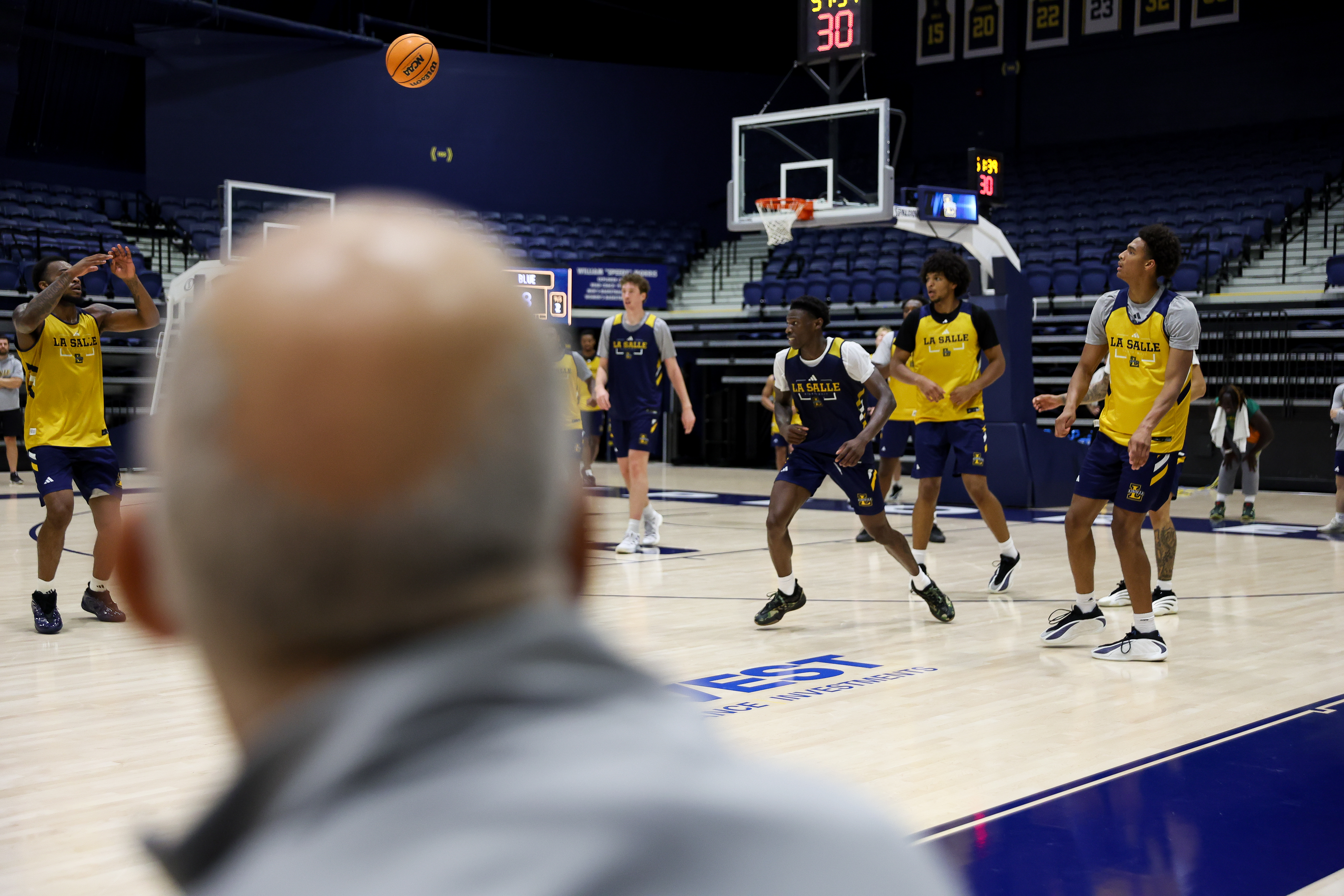
    Joe Mihalich looks on from the bench during a La Salle practice earlier this month. Isaiah Vazquez / For The Inquirer

    And he’s not finished yet.

    “It’s kind of like, ‘You can’t do this?’“ Mihalich said. ”Well, watch me. Watch me.”

    Born to be an Explorer

    Mihalich was introduced to 20th and Olney at 2 weeks old. His father had gotten a job as a philosophy professor, moving the family from Washington, D.C., to Philadelphia.

    They lived on Chew Street in Mt. Airy, a short drive from La Salle. As a child, Mihalich spent most of his time on campus. This remained true until he graduated from the university in 1978.

    Four of his six siblings were students at La Salle; so was Mary, who would become Joe’s wife, and worked as a water girl for the men’s basketball team.

    Before Mihalich joined that team, he followed it religiously. The La Salle College High School student regularly attended games at the Palestra. His favorite player was Dunphy, a fellow point guard who made smart decisions and played steady defense.

    Mihalich joined the Explorers in 1974 as a walk-on, receiving a basketball scholarship the following semester. After graduating, he took a coaching job at DeMatha Catholic High School in Maryland, where he served under future Hall of Famer Morgan Wootten.
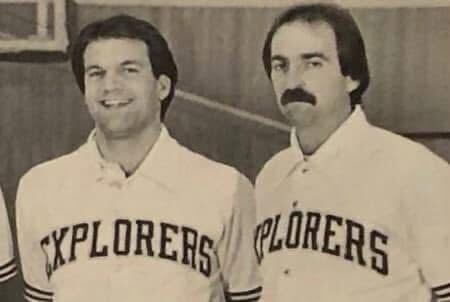
    Joe Mihalich (left) and Fran Dunphy were La Salle alums who bonded as members of the Explorers’ coaching staff.provided by La Salle University

    In 1981, Mihalich was hired as an assistant for Lefty Ervin at La Salle. Dunphy joined him in 1985, and both men stayed on when Speedy Morris became head coach in 1986.

    Together, the two young assistants worked 10- to 12-hour days out of the second floor of Hayman Hall, watching film and meeting with recruits.

    They embarked on long road trips to evaluate high school players in Pittsburgh, where the Five-Star Basketball Camp was held. This gave them ample time to get to know the Pennsylvania Turnpike and each other.

    Over those 300-plus mile drives, Dunphy and Mihalich mused about someday leading a Division I men’s basketball program.

    “I wonder what it’s like,” Dunphy said. “I wonder what kind of pressure the head coach is under, that we’re not seeing. We had great faith in both Lefty and Speedy, when we were together.

    “But also knowing that if we ever got that opportunity, we might do it our own way.”

    They eventually earned their chance, hundreds of miles apart. Dunphy was named head coach at Penn in 1989, and Mihalich was hired by Niagara University in 1998.
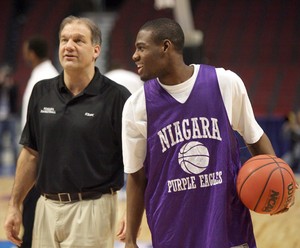
    Joe Mihalich (with guard Tyrone Lewis, a product of Truman High in Bucks County) imported an exciting brand of offense when he arrived at Niagara.

    The Mt. Airy native immersed himself in the community, going so far as to become a diehard Buffalo Bills fan. He developed a quick-paced, efficient offense, which frequently ranked among the top 75 in the country in offensive rating, according to KenPom.

    But even from Western New York, Mihalich never lost touch with his roots. He’d recruit primarily from where he was born (D.C.) and where he was raised (Philadelphia), often targeting kids who were overlooked by the Big 5.

    At Niagara, they flourished.

    “He would develop them like crazy, from their freshman year to their senior year,” Mihalich’s former assistant Colin Curtin said. “And they would look like totally different players.”

    Curtin, a former student manager for Morris at St. Joe’s Prep, has worked with Mihalich for 17 years. When the head coach left Niagara for Hofstra in 2013, he brought Curtin with him, as an assistant.

    Mihalich became the second-winningest coach in the school’s history with a record of 154-102. His greatest season there was his last.

    In 2020, Mihalich led Hofstra to its first NCAA Tournament berth since 2001. After winning the CAA title, he climbed high atop a ladder with a pair of scissors, making the final cut of the net.
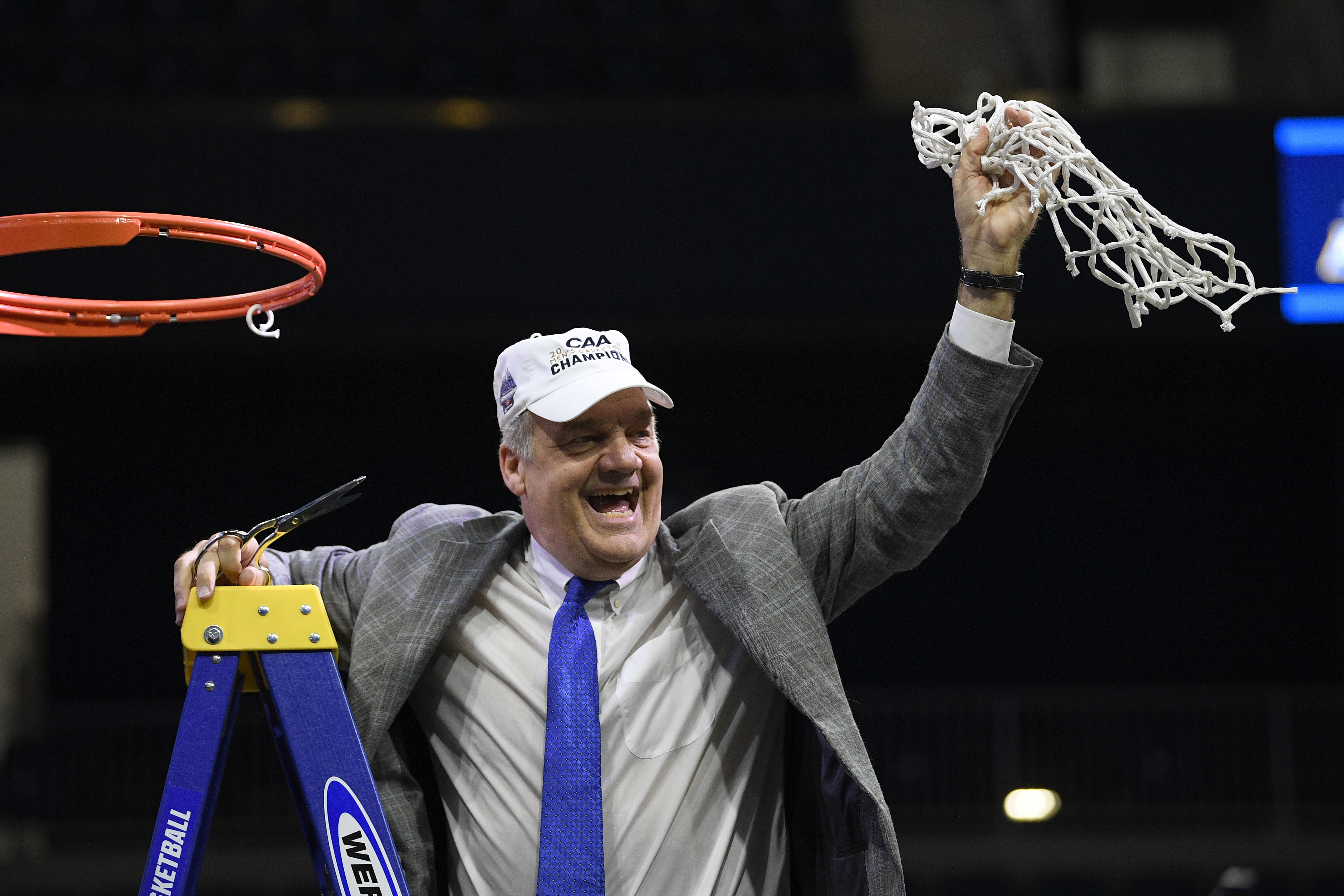
    Hofstra coach Joe Mihalich holds up the net after cutting it down following the team’s win over Northeastern in the 2020 CAA final. Days later, the world shut down because of the COVID-19 pandemic and the Pride would miss out on a chance to compete in the NCAA tournament. Nick Wass

    But Hofstra never got its moment. Two days later, the tournament was canceled due to the pandemic. Five months after that, Mihalich was at home when he got a call from Mary, who was traveling to Ocean City.

    He tried to speak but wasn’t able to. The line went dead. She called Curtin, who found the coach standing in his driveway.

    He asked if Mihalich was alright.

    “I said, ‘Shake your head, yes or no,’” Curtin recalled. “And he shook his head no.”

    An unexpected homecoming

    While his team embarked on remote summer workouts, Mihalich was placed on a medical leave. He connected with a local speech language pathologist, Alison Durkin, and began to meet with her in the fall.

    The coach had been diagnosed with both aphasia, a language disorder, and apraxia, a motor speech disorder. He also lost some mobility on his right side, which prevented him from writing with his right hand.
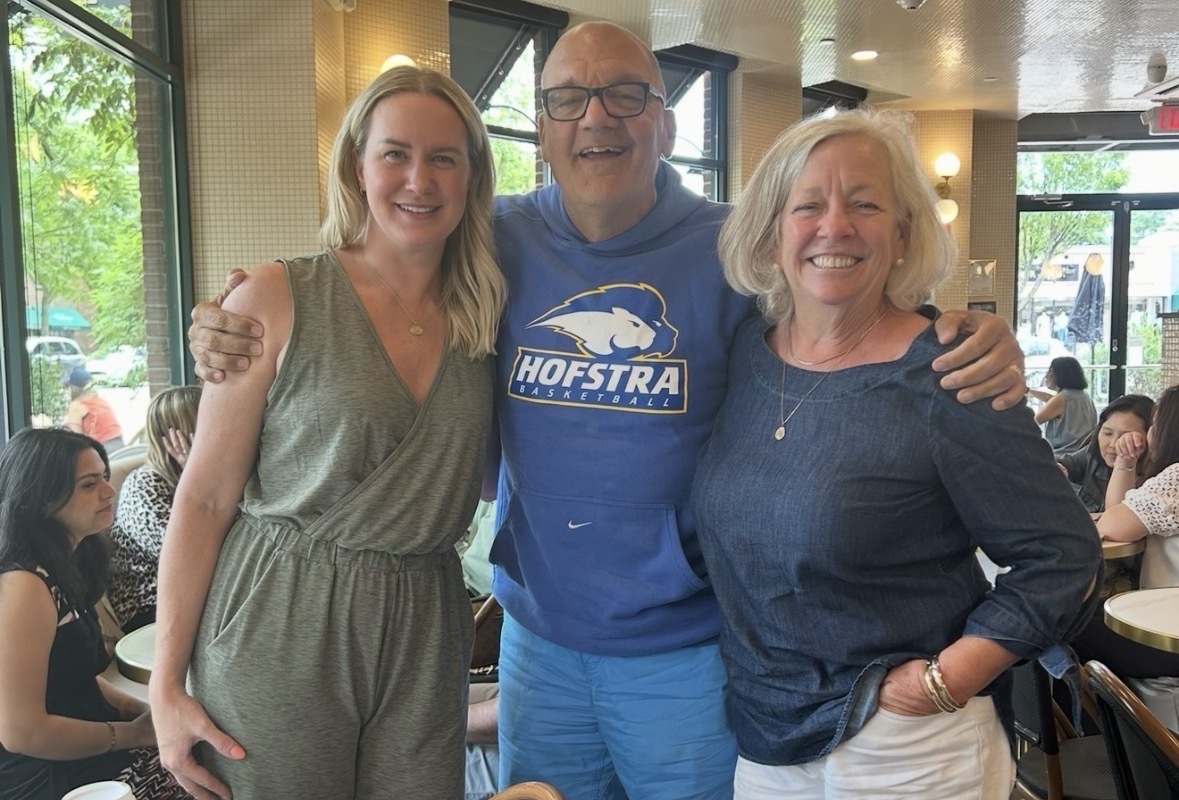
    Alison Durkin (left) with Joe Mihalich and his wife, Mary.Courtesy of Alison Durkin

    Mihalich had spent the last four decades amid a symphony of sneakers and basketballs and whistles. In environments that were exciting and fast-paced and energetic.

    Now, life was quiet and slow, in the most literal sense. He and Durkin started their sessions with simple, binary questions. Then, they’d count numbers, recite days of the week, and months of the year.

    When Mihalich did speak, he was encouraged to over-enunciate. Buffalo Bills became “Bu-fa-lo Bills.” Niagara Falls became “Ni-ag-a-ra Falls.”

    They had some initial discussions about a return to his previous role at Hofstra, but decided that was not an option.

    “Not only was the job itself linguistically demanding, because you’re producing language on a stage,” Durkin said. “You’re yelling at people. You have seconds to speak. I mean — very demanding.

    “And then on top of that, there’s really no reasonable accommodations that could be implemented to make that feasible. So it was definitely not an easy thing.”

    Mihalich wasn’t involved in the day-to-day in his AD advisory role, and didn’t interact with players and staff; a choice he’d made himself, to ensure he wouldn’t overstep.
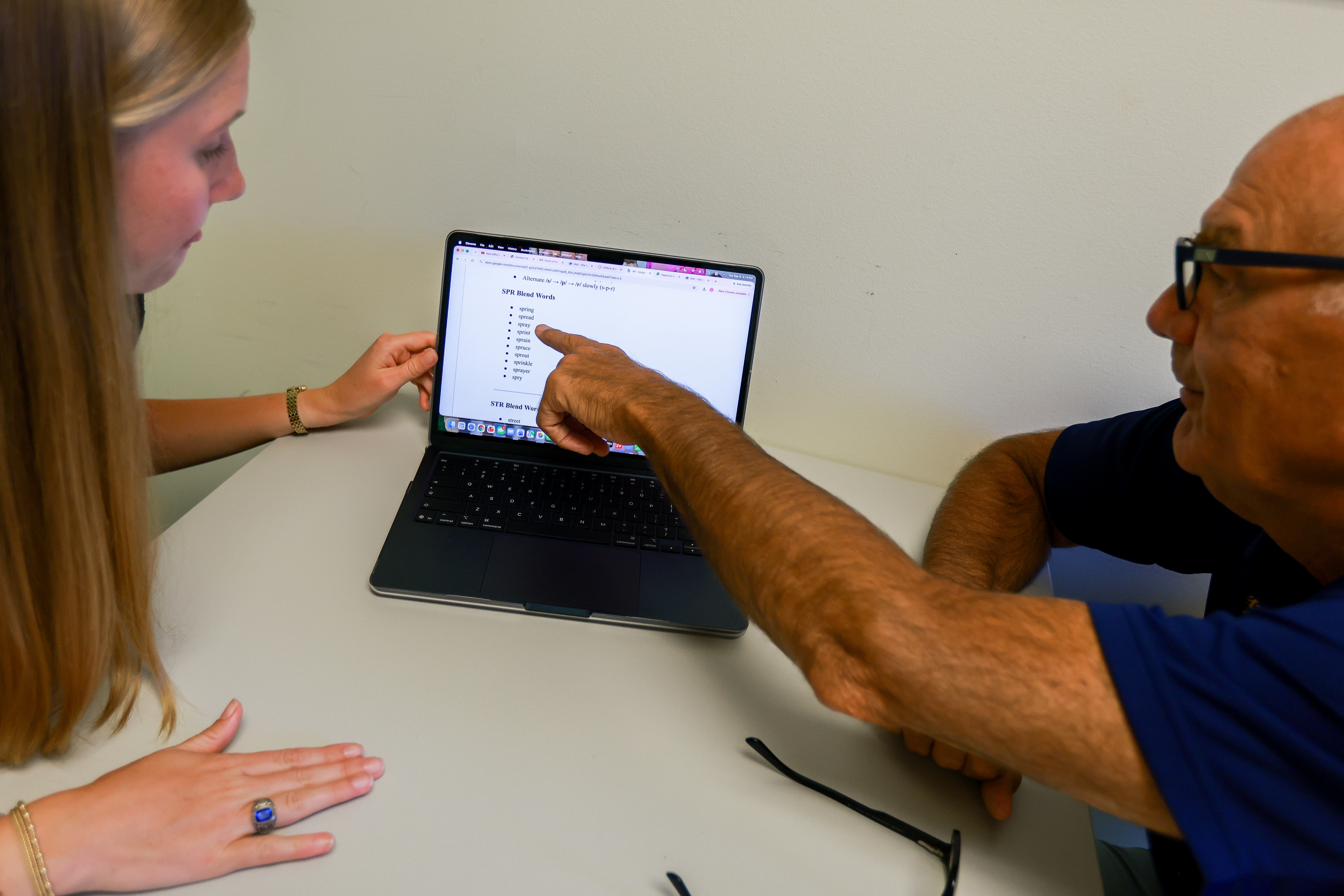
    Joe Mihalich goes through a speech therapy session with La Salle student and speech-language pathologist Ella Verello earlier this month. Isaiah Vazquez / For The Inquirer

    The coach described those years as “horrible.” He sorely missed the rhythms of his previous life. But he and Durkin kept working, unaware of whether he’d ever grace a court again.

    The speech language pathologist introduced basketball terminology to keep her pupil engaged. Instead of reciting “three-pointer” or “rebound,” Durkin would have Mihalich describe exactly what those activities were.

    “He knows what boxing out is,” she said, “but could he produce the language to explain it to someone who did not know? That’s a hard task.”

    The exercise inadvertently set him up for an opportunity to come. In April 2022, Dunphy called Mihalich to ask if he’d be his assistant at La Salle.

    Mihalich was limited in what he could say. But one word came through.

    “‘Wow,’” Dunphy recalled. “And he repeated it dozens of times.”

    Mihalich returned to campus that summer, with an iPad in hand, to jot down thoughts during practice. Dunphy’s staff quickly learned that they wouldn’t need to actually talk to communicate.
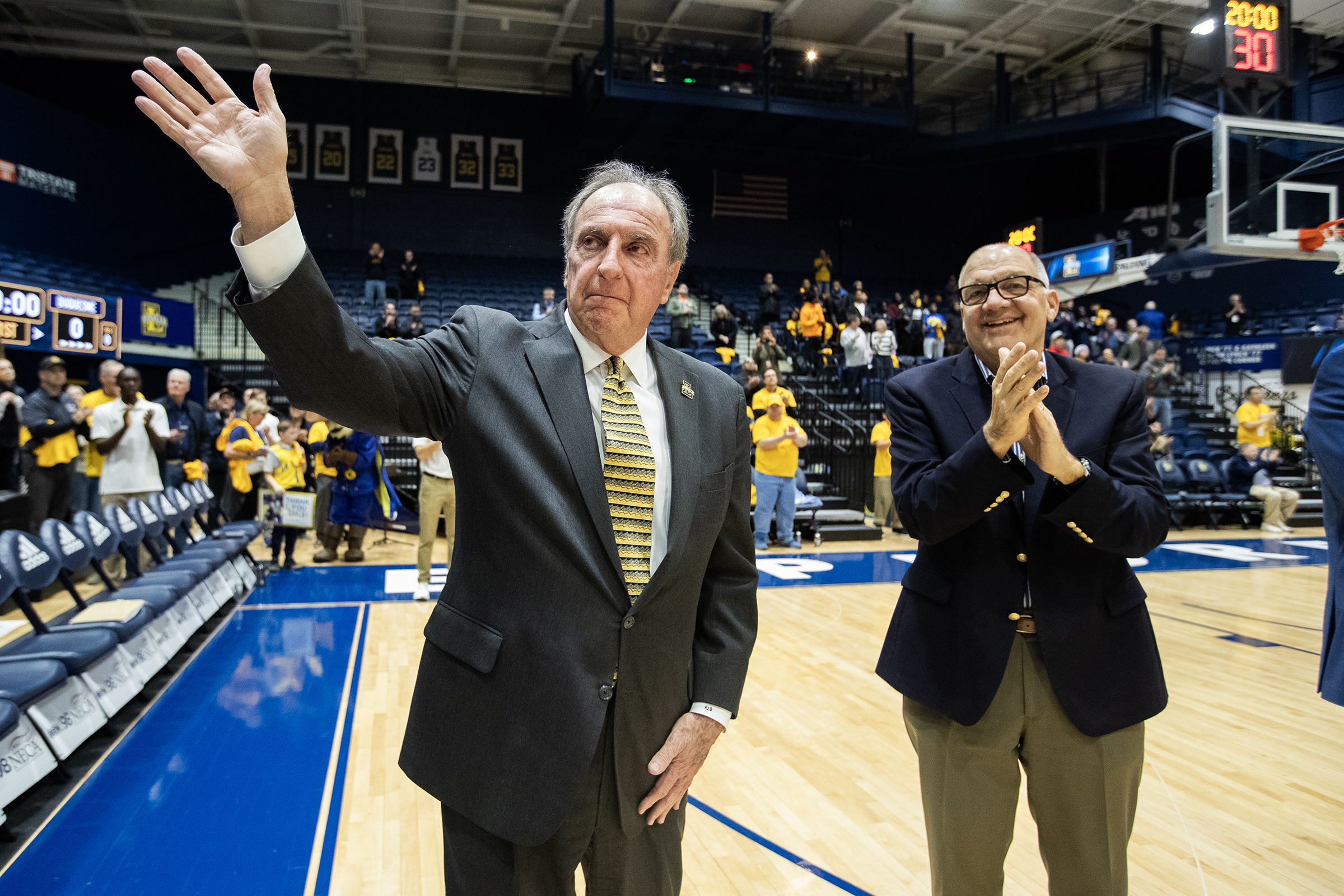
    Joe Mihalich (right) was by Fran Dunphy’s side when Dunphy coached his 1,000th game in 2025. Charles Fox / Staff Photographer

    One of the assistant coach’s first suggestions was to implement a continuity offense, with players starting in the same spots, and flowing to different set plays.

    Mihalich couldn’t vocalize this. So, he picked up a marker with his less dominant, left hand, and started scribbling on the white board in the men’s basketball office, using a language any coach could understand: Xs and Os, dotted and zigzagged lines.

    Then he directed his cohorts to the gym, to demonstrate.

    “And he goes, ‘Come on, upstairs! Upstairs!’” recalled former La Salle assistant coach Mike Doyle. “‘Alright, let me put my basketball shoes on.’”

    If there was one aspect of the sport Mihalich emphasized less, it was defense. His teams at Hofstra and Niagara were known to run and gun. The former head coach didn’t want players expending too much of their energy by guarding an opponent.

    Dunphy was much more defensive-minded. So, every now and then, Mihalich would yell “Zone!”

    “And then, as soon as we’d go zone, somebody would make a three-point shot, immediately,” Dunphy said, “and I’d say, ‘All right, that’s it. That’s enough.’”
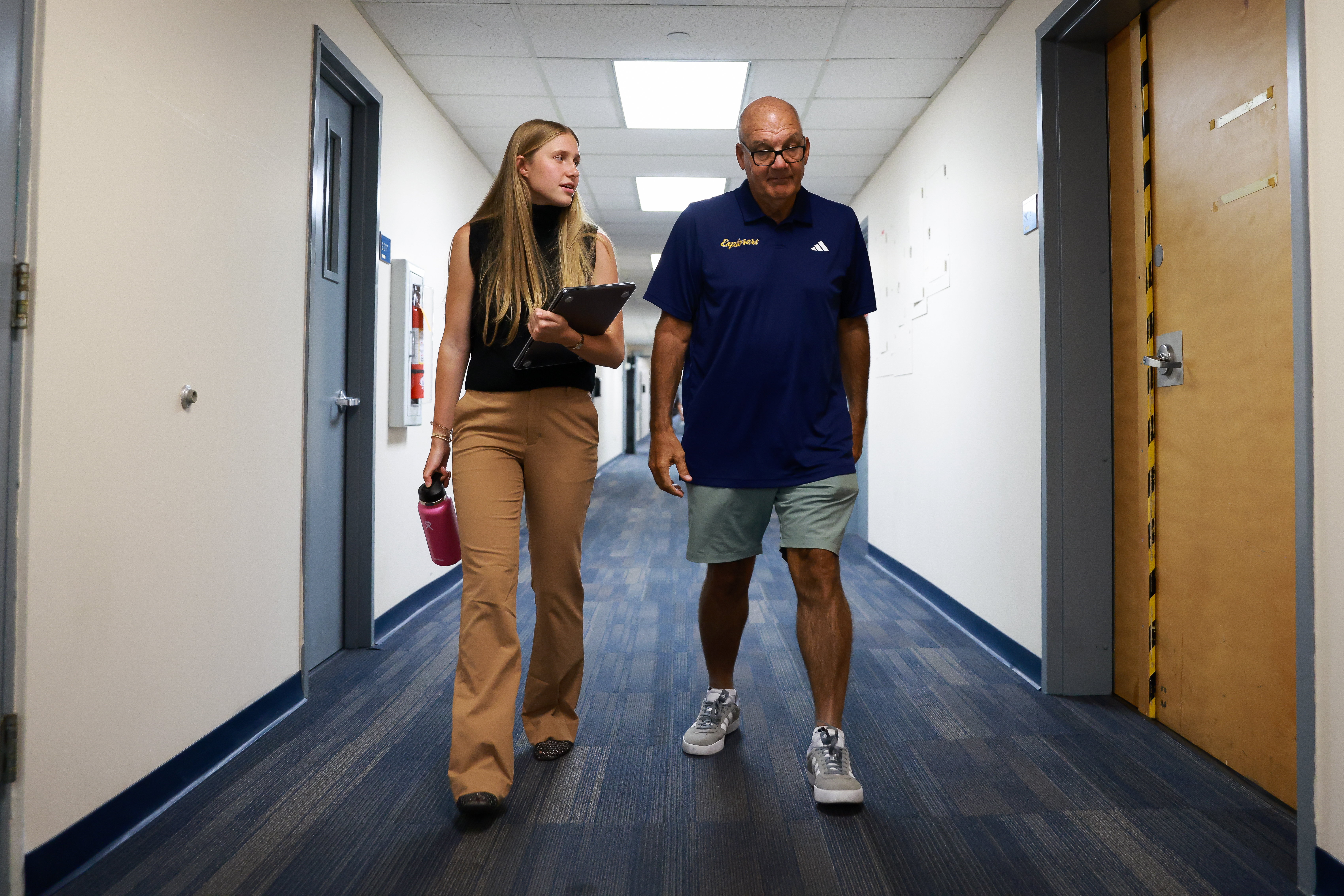
    Joe Mihalich’s work on his speech continued at La Salle, where speech-language pathologist Ella Verello (left) is among the team assisting the coach’s therapy. Isaiah Vazquez / For The Inquirer

    Not long after Mihalich joined the Explorers’ staff, Wendy Silverman, who ran Hofstra’s speech-language hearing clinic, reached out to La Salle on the coach’s behalf.

    Mihalich began to take weekly sessions with graduate students at La Salle’s clinic, while working with Durkin remotely, on Zoom. The strategies he learned — speaking slowly, over-enunciating — he’d then bring to the court.

    By the end of the 2022-23 season, staff and players could hear a marked difference.

    Christine Cahill, the school’s director of academic support for student-athletes, sat next to Mihalich during practice.

    “And I told him, it went from like 0 to 70%,” she said, “that first year.”

    ‘A reason to live’

    When Dunphy retired in February 2025, Mihalich was unsure of what he would do next. He initially told Curtin that he wanted to get out of coaching.

    But after Darris Nichols was hired at La Salle, his calculus changed. Mihalich had worked with Nichols’ brother, Shane, at Niagara and Hofstra. Curtin would be joining the Explorers’ staff, too.
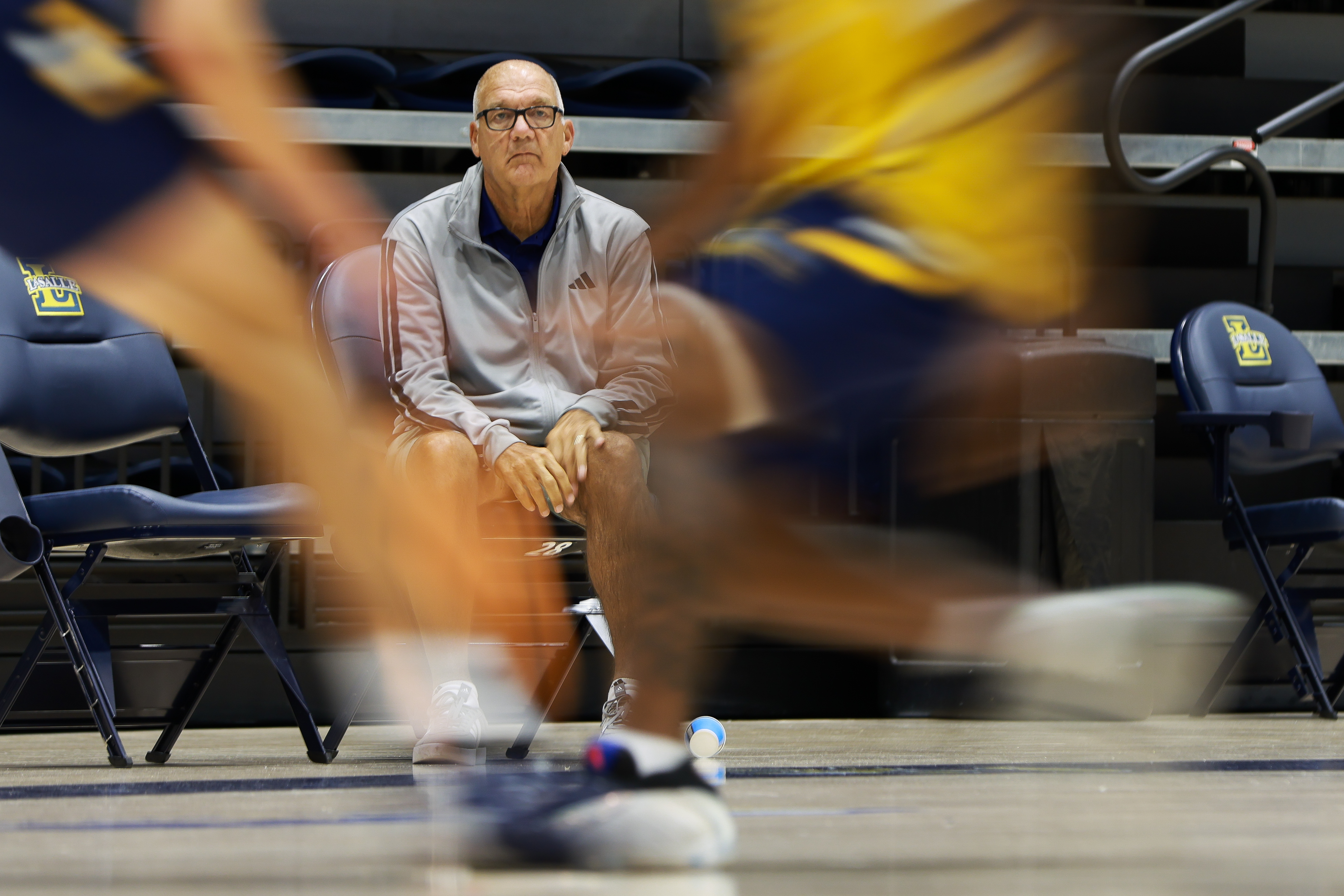
    Joe Mihalich had a connection to coach Darris Nichols and was kept on when Nichols was forming his La Salle staff in 2025. Isaiah Vazquez / For The Inquirer

    So, Mihalich decided to give it another go, and Nichols was more than receptive. He saw the former head coach not just as a connector between generations, but someone he could learn from.

    “Coming into a new program, he’s helped me navigate it,” Nichols said. “It’s great to have him around.”

    Mihalich became an active participant in scouting and recruiting meetings. Just as he had with Dunphy, he started recommending offensive strategies (and of course, more zone).

    His speech has progressed to the point where he can now work one-on-one with players. Last year, Mihalich developed a bond with junior guard Rob Dockery, who led La Salle in points, rebounds, and steals.

    Dockery’s weakness was his jump shot. His mechanics weren’t consistent, mainly because he wasn’t practicing it enough. Throughout the offseason, the former head coach would routinely text him, reminding the guard to get back in the gym.

    “Repeating that same shot, over and over again,” Dockery said. “That’s what he told me. Stick to the same shot.”

    Mihalich is still going to speech therapy every week, both at La Salle and with Durkin, and the sessions can be laborious. There are moments when he needs to repeat himself one, or two, or even three times to get his point across.

    “But I am here,” he said. And his life is starting to look like it once did. The former head coach wakes up every morning, and drives to the Mt. Airy Dunkin’, where he’s greeted as “Mr. Joe.”
    Joe Mihalich has reconnected with basketball and remained a presence at his alma mater for the past four years. Isaiah Vazquez / For The Inquirer

    He picks up his coffee — large decaf, hot, with cream — and brings it to the arena, leaving behind a trail of Styrofoam cups.

    And for two hours, he sits and watches from his chair, as basketball chaos unfolds around him. A lesser man might see a career cut tragically short. But Mihalich sees something entirely different.

    “A reason to live,” he said.
  • Penn helped test a promising mRNA cancer vaccine. Here’s what the trial means for the field.

    Penn helped test a promising mRNA cancer vaccine. Here’s what the trial means for the field.

    Denise Fitzsimmons knew that removing the fast-growing lump above her eyebrow in 2024 didn’t eliminate the possibility that her melanoma could return.

    But a clinical trial at Penn Medicine offered the 63-year-old grandmother from Birdsboro, Pa., hope of a more enduring remission. It tested a novel vaccine, based on Penn’s groundbreaking mRNA research, that trains the patient’s immune system to find and kill cancer cells.

    That technology has become the first mRNA cancer vaccine to succeed in a late-stage clinical trial, according to preliminary findings released last month by Merck and Moderna, the pharmaceutical giants developing it.

    The vaccine extended the time a patient survived without their cancer returning or spreading, according to the companies, which announced Monday that they will share the full trial results next month at the 2026 European Society for Medical Oncology meeting in Spain.

    The drugmakers merely said that the results were positive. Without knowing the exact numbers involved, or how long the benefit lasted, it’s still unknown if the results will prove clinically meaningful for patients. The companies also have not announced a commercial price tag for the therapy, called intismeran autogene, though similar immunotherapies can cost hundreds of thousands of dollars.

    The trial could mark a turning point for mRNA technology, which has proven useful against infectious diseases but hadn’t had the same success in cancer.

    Melanomas typically contain thousands of genetic mutations due to sun damage, making them an ideal target for the approach, which teaches the immune system to respond to unique markers on cancer cells.

    “It’s a very big step forward after many negative studies in the last few years,” said Ravi Amaravadi, the lead investigator of the Penn trial site, one of more than 100 around the globe.

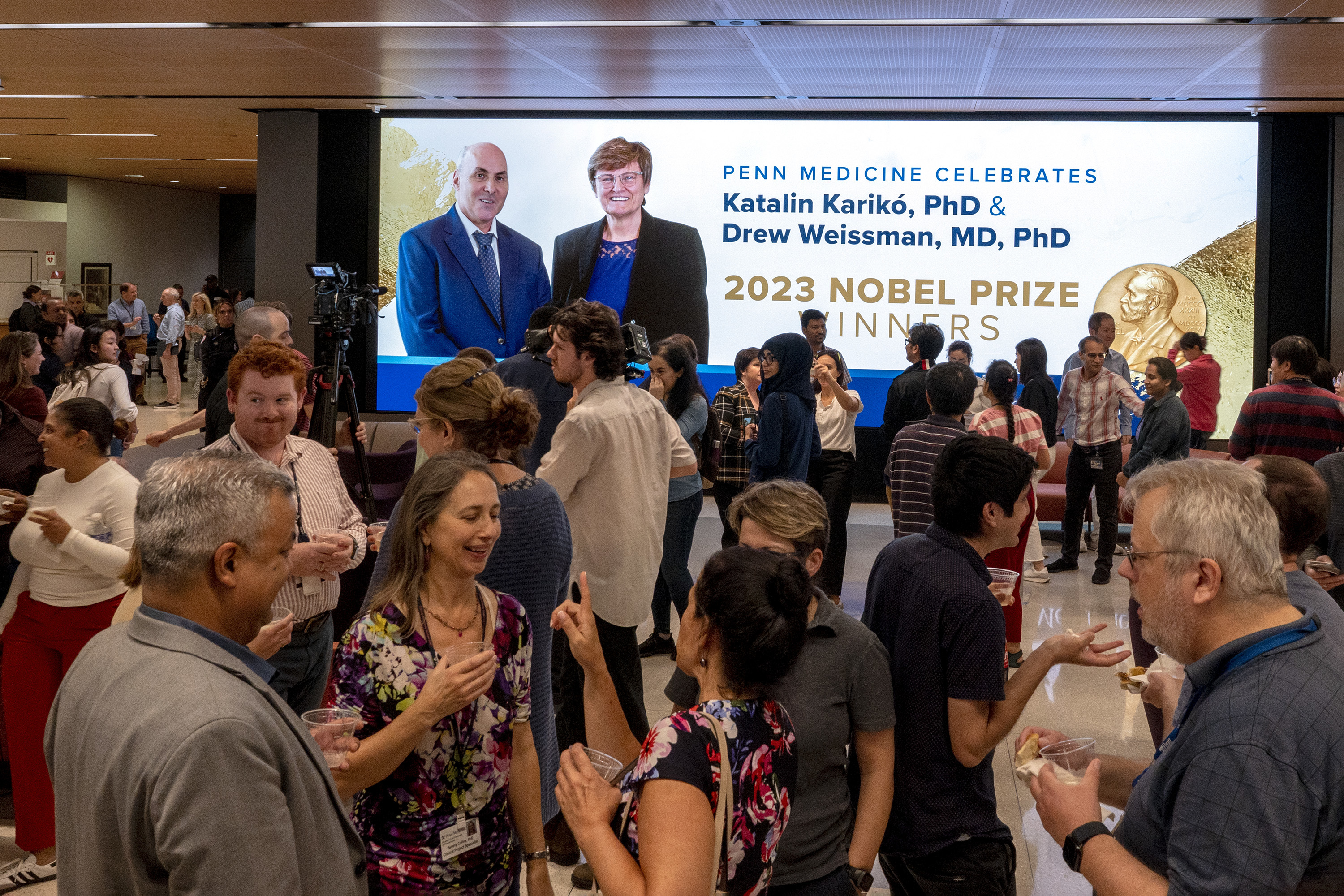
    mRNA vaccines gained widespread attention in 2020 when used to develop the first immunizations for COVID-19. These shots used the mRNA platform developed by Nobel Prize winners Katalin Karikó and Drew Weissman, a University of Pennsylvania professor. Since then, mRNA vaccines for RSV and the flu have gained approval.

    “This was kind of the wake-up call that RNA vaccines in cancer have an enormous future,” said Weissman, who was not involved in the trial and has no financial stake in Merck or Moderna.

    Katalin Karikó and Drew Weissman were named winners of the 2023 Nobel Prize in Physiology or Medicine. The messenger RNA pioneers worked years to unlock an understanding of how to modify mRNA to make it an effective therapeutic – enabling a platform used to rapidly develop lifesaving vaccines amid the global COVID-19 pandemic.Tom Gralish / Staff Photographer

    How the vaccine works

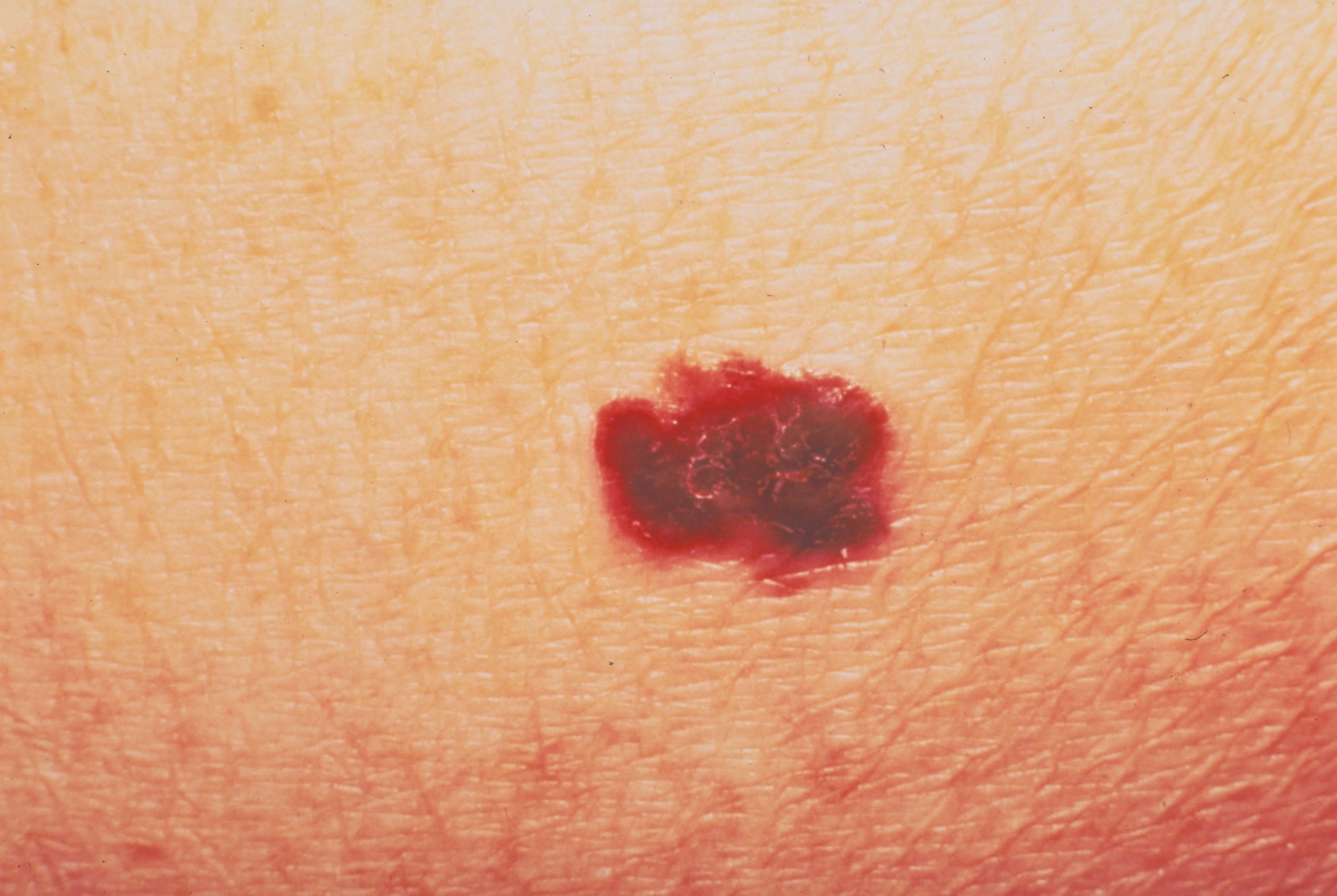
    Melanoma is a serious type of skin cancer that develops when melanocytes — the cells that give skin its color — grow out of control.

    This trial tested the vaccine in patients whose melanomas had already been removed through surgery. The goal was to destroy any remaining cancer cells and prevent the disease from returning or spreading to other parts of the body.

    “It’s the deadliest form of skin cancer because it can metastasize,” Amaravadi said.

    Detail of a person with a malignant melanoma, which is a malignant skin tumor that involves the skin cells that produce pigment. (American Cancer Society/Getty Images/TNS)Getty Images / MCT

    Penn’s site was one of the first trial locations to open in the United States.

    Scientists personalized the vaccine for each patient by analyzing their tumor samples for unique genetic mutations. That enabled them to design mRNA — a molecule that carries genetic instructions — that would encode bits of protein that look like the tumor.

    When the immune system encounters those proteins, it learns to recognize the cancer and attack it.

    It’s similar to vaccines for the flu or COVID-19, which train the body to identify and fight off specific viruses.

    If the immune system is trained in this way, it could produce a long-lasting memory against the cancer, Amaravadi said.

    “We are now able to train the immune system to look for the tumor, arguably for the first time, in the most effective way,” Amaravadi said, referring to the mRNA platform.

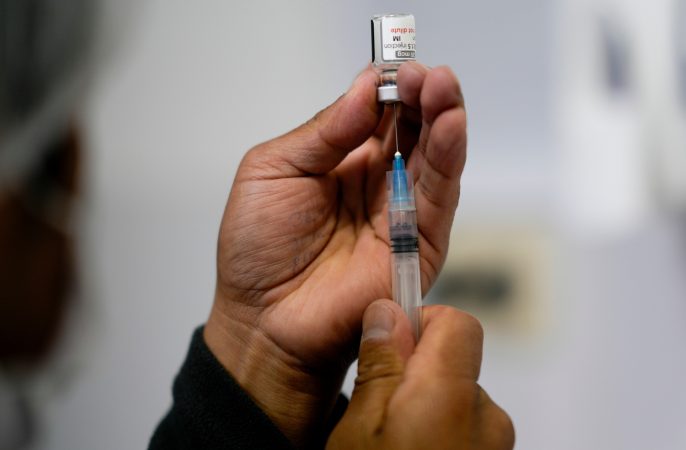
    That mRNA was loaded into a nanoparticle (which acted like a delivery truck hauling cargo) and injected into the arm as a shot.

    Two-thirds of the 1,137 participants were randomly chosen to receive the vaccine in combination with Keytruda, a standard-of-care immunotherapy, while the remaining third received Keytruda alone.

    The trial

    Ravi Amaravadi led the trial site at Penn.Courtesy of Penn Medicine

    Trial participants who received the vaccine had fewer metastases compared to patients who got the immunotherapy alone, Amaravadi said.

    However, the company has only announced that the results were positive. Without knowing the data, it is hard to say whether the results are also clinically meaningful, Amaravadi said.

    “We are hopeful we’re going to see the same absolute benefit when we see the data published,” he said.

    Amaravadi also wants to see whether there were any unexpected side effects that patients should consider before taking the therapy.

    Another data point of interest: How many patients agreed to receive the treatment but ultimately couldn’t receive it. In some cases, patients’ tumor samples were too small, didn’t contain enough usable genetic material, or were of too poor quality to actually make the treatment.

    If this were a consistent problem, the technology used to analyze tumors’ genetic makeup would need to improve.

    “It’s still a little bit of a bottleneck for some patients to get access to the treatment,” he said.

    Denise Fitzsimmons of Birdsboro, Pa., is one of the participants at Penn’s trial site.Courtesy of Denise Fitzsimmons

    Fitzsimmons, a grandmother living in the small Berks County town of Birdsboro, participated through Penn’s site. She doesn’t know whether she received the treatment or a placebo (that information is kept secret from both patients and researchers to avoid bias.)

    But she recalls feeling flulike symptoms the day after each shot — including body aches and sweats — making her speculate that she may have received the vaccine. COVID-19 mRNA shots often prompt similar reactions.

    Fitzsimmons has been cancer-free for the last two years.

    “My fifth granddaughter is on her way,” she said. “So I have a lot to live for.”

    The future of mRNA

    RNA offers a few key advantages as a treatment.

    Its effects are transient and controllable. The material lasts only a couple of days in the body before it degrades and disappears.

    It’s also relatively easy to make.

    “We made billions of doses of the COVID vaccine within a year. No other vaccine or therapeutic can be expanded that quickly,” Weissman said.

    He believes RNA vaccines could benefit people with genetic mutations that put them at higher risk of cancer, such as BRCA carriers.

    If people receive the vaccine before their tumors form, it could kill off any early cancer cells that arise.

    “That way you prevent the cancer from ever forming, instead of trying to treat it after it’s already there,” Weissman said.

    Conversely, he doesn’t think RNA vaccines would work well in someone whose advanced cancer cannot be removed. The immune system has a hard time killing large tumors, he explained.

    This trial tested the vaccine as a follow-up to surgery, targeting leftover tumor cells.

    Other ongoing trials are testing mRNA vaccines in pancreatic, breast, colon, lung, prostate, and other cancer types.

    Outside of cancer, clinical trials are testing mRNA vaccines for herpes viruses, malaria, tuberculosis, Zika, chikungunya, and norovirus. Scientists are also exploring whether mRNA technology could be used to treat allergic and autoimmune diseases.

    This work has continued to advance, even as Health and Human Services Secretary Robert F. Kennedy Jr. last year slashed $500 million designated for mRNA vaccine development.

    “The potential for RNA to treat many different diseases can’t be ignored,” Weissman said.

  • New poll shows RFK Jr. is unpopular among Pa. voters amid feud with Shapiro over measles

    New poll shows RFK Jr. is unpopular among Pa. voters amid feud with Shapiro over measles

    A large majority of likely Pennsylvania voters dislike Health and Human Services Secretary Robert F. Kennedy Jr., according to a poll conducted in the wake of his clash with Gov. Josh Shapiro over the state’s measles outbreak.

    The poll, released Thursday, found that 61% of respondents have an unfavorable view of Kennedy, while only 33% said they hold a favorable one of him.

    “He’s the one person in the poll that does worse than President [Donald] Trump,” said Don Levy, the director of the Siena Research Institute, which conducted the poll on behalf of The Inquirer and New York Times.

    Kennedy, who has a history of anti-vaccine activism, has been embroiled in a heated debate with Shapiro, the state’s popular governor, over measles-associated deaths in Pennsylvania.

    “The poll shows that people see RFK Jr. for what he is: the single worst person to be HHS secretary during a massive measles epidemic,” said Paul Offit, director of the Vaccine Education Center at Children’s Hospital of Philadelphia and a longtime critic of Kennedy.

    (function(){function e(){window.addEventListener(`message`,function(e){if(e.data[`datawrapper-height`]!==void 0){var t=document.querySelectorAll(`iframe`);for(var n in e.data[`datawrapper-height`])for(var r=0,i;i=t[r];r++)if(i.contentWindow===e.source){var a=e.data[`datawrapper-height`][n]+`px`;i.style.height=a}}})}e()})();

    State health officials have been responding to a measles outbreak of more than 800 cases, as of Wednesday, that included four deaths, two of them infants.

    Kennedy accused Shapiro of fabricating two of the deaths, although he later acknowledged one was caused by measles.

    The survey of likely voters was conducted between Sept. 15 and 21, a period that overlaps the war of words between the Democratic governor and Trump’s health secretary.

    “This serious situation continues to be made worse by RFK Jr. playing games with public health and safety,” Shapiro said on X last week. “It’s long past time for [Kennedy] to stop stoking vaccine skepticism and misinformation and compromising the serious mission of the nation’s public health agencies.”

    For his part, Kennedy, in a post on X last month, accused Shapiro of choosing “to politicize this outbreak instead of implementing a unified public health response.” He also contended in that post that he has promoted vaccination as the “most effective way to prevent measles infection.”

    But Kennedy has explicitly stated that vaccines cause autism, Offit noted, and late last year, Kennedy ordered the CDC to change its website to say its long established position that vaccines don’t cause autism is not an evidence-based claim.

    Kennedy has also said that the measles vaccine was never fully tested and that it wanes over time, both of which have been disputed by medical authorities with decades of evidence backing its safety and efficacy.

    Lesa Yeager, a 63-year-old independent voter from State College who participated in the survey, said she was concerned about the spread of measles in Central Pennsylvania, and she wished Kennedy would “encourage people to the get the vaccines.”

    She wasn’t familiar with his back-and-forth with the governor, but said her frustration with Kennedy is longstanding.

    “I have a kid with special needs, and [Kennedy] is going on about how the vaccines cause autism, and everybody knows that’s not true,” she said. “He has spread such misinformation, and he’s wackadoodle.”

    For weeks, the CDC did not publicly list Pennsylvania’s measles-associated deaths, reportedly at Kennedy’s order, a charge his agency denied. “It looks as though RFK is ignoring measles deaths here,” Offit said.

    On Wednesday, the CDC acknowledged that a measles-associated death had occurred in 2026, without saying where it happened. The CDC said the number is “subject to change.” Pennsylvania is the only state where a measles death has been widely reported.

    In a statement, Emily Hilliard, HHS press secretary, declined to address the poll, but said that the public’s trust in vaccines was eroded significantly during the pandemic, caused by “mismanagement, overreach, misinformation, and mandates.”

    “Attributing the measles resurgence to the Trump administration fundamentally misrepresents when and why the resurgence began,” Hilliard said, adding that Kennedy has “been clear that vaccination remains the most effective way to prevent measles.”

    Kennedy and Shapiro have repeatedly battled over vaccine policy during the Trump administration. Shapiro joined a lawsuit earlier this year over federal changes to the childhood vaccine schedule.

    Trump last month signed an executive order that said the MMR vaccine — a combination vaccine that protects against measles, mumps and rubella — “should be administered in three separate single-disease shots” during three separate doctor’s visits. Immunologists have disparaged the idea, saying there’s no medical reason to do so.

    Shapiro has said Pennsylvania won’t alter immunization guidelines in response to Trump’s order.

    (function(){function e(){window.addEventListener(`message`,function(e){if(e.data[`datawrapper-height`]!==void 0){var t=document.querySelectorAll(`iframe`);for(var n in e.data[`datawrapper-height`])for(var r=0,i;i=t[r];r++)if(i.contentWindow===e.source){var a=e.data[`datawrapper-height`][n]+`px`;i.style.height=a}}})}e()})();

    The poll found that 53% of likely voters trust Shapiro to do a better job on vaccine policy than his Republican opponent Stacy Garrity, a Trump-backed candidate who participated in Kennedy’s “Make American Healthy Again” event in Harrisburg earlier this year.

    Staff writers Michelle Baruchman and Gillian McGoldrick contributed to this article.

  • Matvei Michkov symbolizes the steps forward the Flyers can take in 2026-27

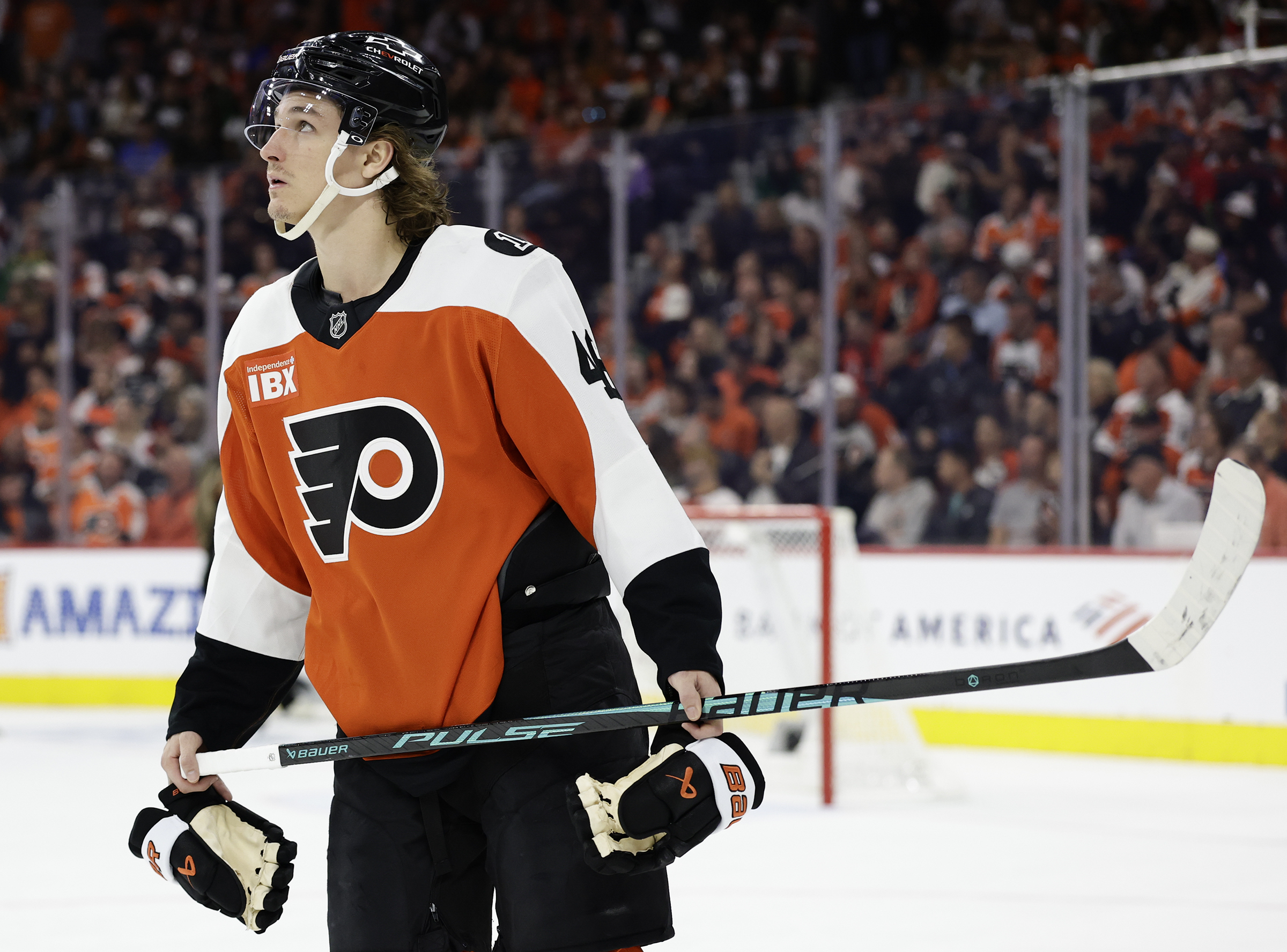
    Matvei Michkov symbolizes the steps forward the Flyers can take in 2026-27

    One day last spring, just after the Flyers had finished an off-day practice in Raleigh during the Eastern Conference semifinals against the Carolina Hurricanes, Matvei Michkov lingered in the locker room, the only player there.

    Two or three media members were hanging out, too, chatting with him about soccer, Michkov chatting back in splintered English. There was no tension. He was not sullen. If anything, he was effervescent: smiling, happy to engage. He did not in any way appear to be shattered by the hard but necessary treatment he had been receiving from head coach Rick Tocchet — limited ice time, often on the team’s third line — and would continue to receive. In just a few days, Tocchet would bench him for Game 4 of the Hurricanes’ series, the overtime loss that ended the Flyers’ season.

    Now here we are, on the precipice of a Flyers season unlike any in the franchise in at least a decade, and Michkov is a reason, maybe the primary reason, for the welcome-if-unfamiliar atmosphere around the team. After the progress that the Flyers made last season — qualifying for the playoffs and winning a series for the first time since 2020, reassuring their fans that the team was, in fact, improving — they’re back to being a team on the rise again. It probably goes too far to say that expectations are or should be high for them, but there is certainly cause for cautious optimism.

    Michkov is at the core of both that caution and those good feelings. His struggles, the fits and starts in his maturation, have been well documented. Considering how long it has been since the Flyers have drafted and developed a bona fide superstar, how often their fans and followers have been sold or were eager to buy bills of goods that turned out to be worthless, it was understandable that people might be concerned that Tocchet was hindering Michkov’s growth, if not stopping it altogether.

    The subsequent four months, and some perspective, should have tempered that worry. Michkov had acknowledged that he was out of shape throughout last season; over the offseason, he said, he improved his diet and lost 29 pounds. And for all the complaints that Tocchet should have just thrown Michkov on the ice more often to sink or skate, for all the tongue-holding that the head coach did and failed to do, in 81 games Michkov still scored 20 goals and put up 51 points, the third-most on the team. If that measure of production constitutes a disastrous season, then the Flyers will happily take their chances on a lighter, presumably faster, revitalized Michkov. He is 21. Nothing is settled or ruined for him.

    Flyers head coach Rick Tocchet and star Matvei Michkov didn’t always see eye to eye last season.Yong Kim / Staff Photographer

    That relative gamble (what, were they really going to give up on another highly drafted player and trade him after one suspect season?) is emblematic of the approach that the Flyers took all offseason. Yes, they shocked the NHL with their eye-popping offer sheet to Leo Carlsson, but if you focus on the moves that they made (not the one they couldn’t quite pull off), it’s easy to see that they’ve made similar bets up and down their roster.

    They re-signed Tyson Foerster to an eight-year, $56.8-million contract on the belief that an excellent two-way player who hasn’t scored more than 25 goals in a full season can be the kind of player who scores 40. They re-signed Trevor Zegras to a four-year, $36.5-million contract on the belief that he can tap even deeper into his well of skill and creativity. They re-signed Jamie Drysdale to a four-year, $26-million contract on the belief that he can be more than a solid No. 2 or No. 3 defenseman, more than just a coping mechanism for the departure of Cutter Gauthier.

    Those players and others like them — Michkov, Foerster, Zegras, Drysdale, Porter Martone — will chart the course of this Flyers season and the franchise’s future, in the near and the long term. What the Flyers are banking on, really, is a factor that so many who work in, cover, and follow sports often forget: that athletes can and do get better with time, that a player won’t remain the same from his second year to his third and his third to his fourth, that a lengthy period of regression or stagnancy — like Michkov’s — doesn’t mean that player won’t return to form or make a great leap. It might even have been a necessary wake-up call.

    Who makes that leap? Who shuffles just a few steps forward? Who seems stuck in place? The answers to those questions will define the ‘26-27 Flyers and will make them fascinating to watch. One player in particular.

  • Pope John Paul II grad Kevin Heywood overcame an ACL tear to become Wisconsin’s starting OT

    Pope John Paul II grad Kevin Heywood overcame an ACL tear to become Wisconsin’s starting OT

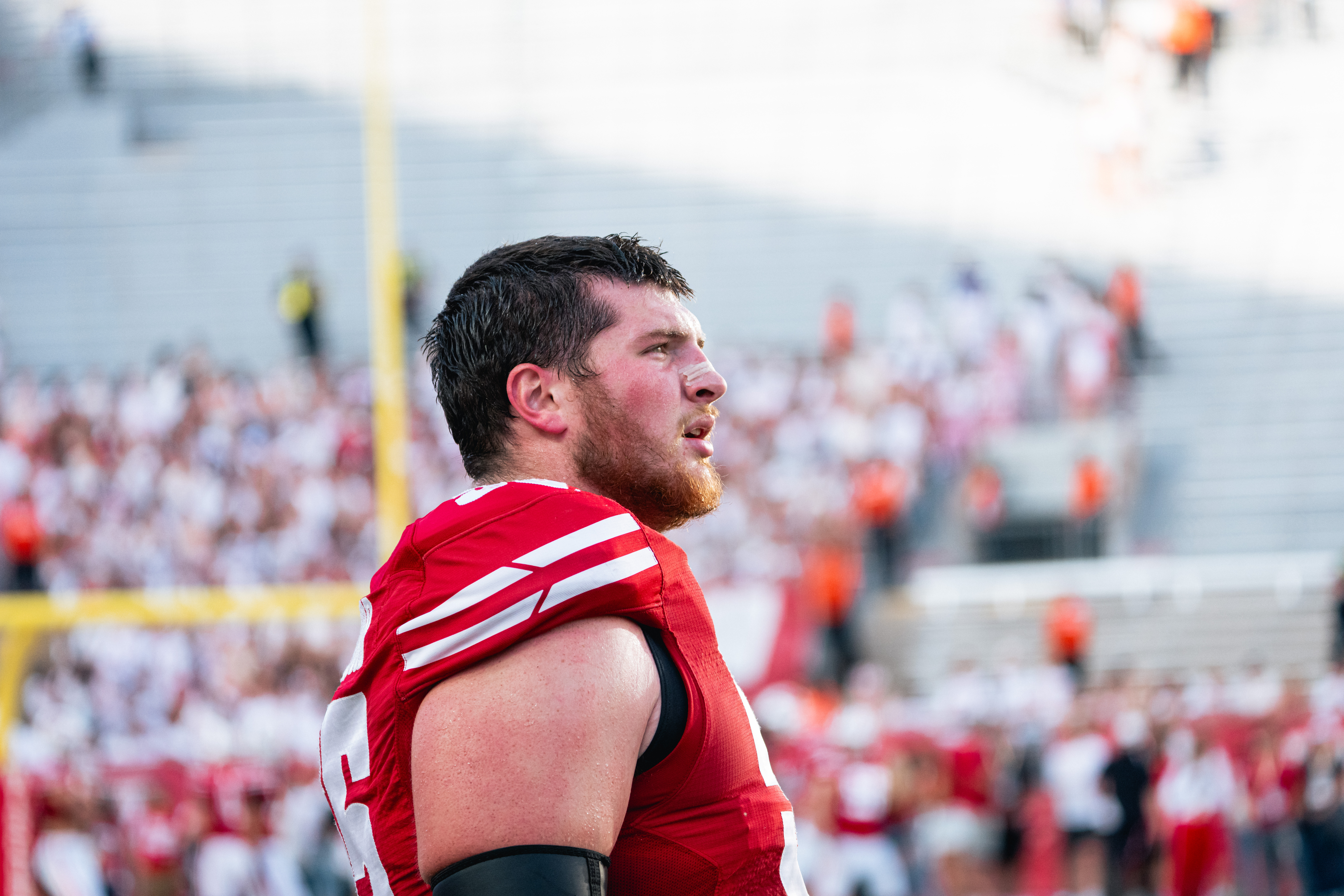
    MADISON, Wis. — Kevin Heywood ran onto the field, in a stadium filled with fans donning the blue and green of Notre Dame and the white and red of Wisconsin. For the second time in school history, the Wisconsin Badgers made the two-plus hour trip to face Notre Dame on Sept. 6 at Lambeau Field, home of the Green Bay Packers for the last 69 years.

    Nearly three weeks since the junior made his first collegiate start at right tackle for Wisconsin, the Pope John Paul II graduate, who stands at 6-foot-9, 320 pounds, looked beyond the Camp Randall Stadium stands after Tuesday’s practice with the vivid memory he’ll keep with him for a while.

    “It was crazy,” Heywood told The Inquirer, as he shook his head in disbelief of the experience. “It was really cool. Just running out, look up. It’s just like 50/50 [between the two fan bases] in the stands. … Wish [we] came out with the dub, but learned a lot from that game, [grew] from that game, and just got to keep rolling.”

    Rolling from Lambeau Field to now Beaver Stadium, in fact. Wisconsin (2-1) opens Big Ten play three hours west of his hometown Royersford, in a place he knows well. Penn State runs in the family.

    His older sister, Claire, graduated from Penn State in May, and Heywood had deeps ties with the program when James Franklin was still the head coach. Deion Barnes, the North Philly native who was the D-line coach at Penn State and now coaches at South Carolina, was Heywood’s former trainer and developed a close relationship with the lineman.

    But Heywood ultimately chose Wisconsin, and his journey will come full circle for Saturday’s game at Beaver Stadium (5 p.m., Peacock).

    “Just being a kid from Pa., going on a bunch of visits [at Penn State] in high school, it was cool,” Heywood said. “I think it’s a really cool atmosphere for us to play in and [it’ll] be a fun environment for sure.”

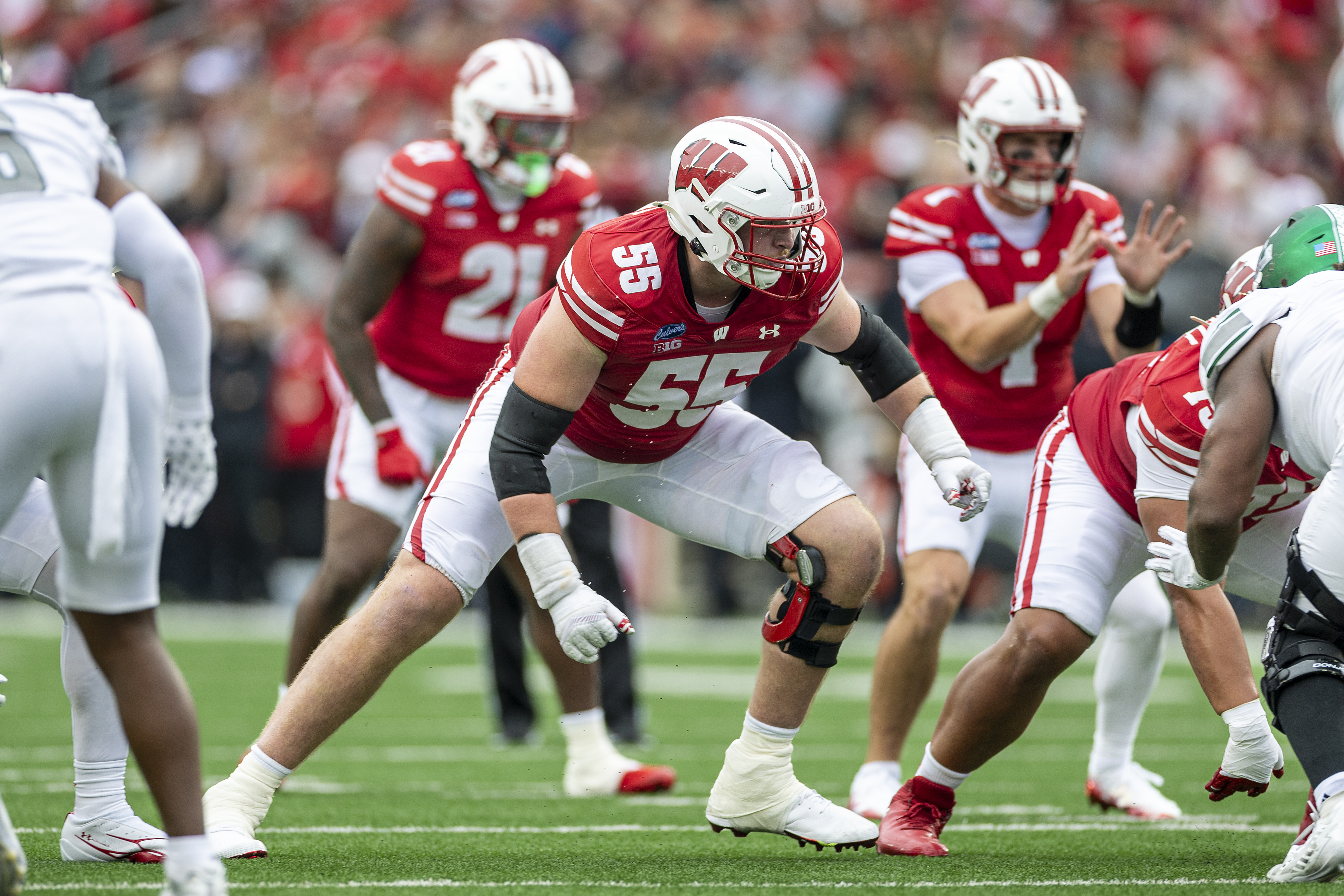
    Wisconsin offensive lineman Kevin Heywood blocks against Eastern Michigan on Sept. 19.Courtesy of Wisconsin Athletics

    Bouncing back from injuries

    Getting to this point wasn’t always as clear-cut. Heywood early enrolled at Wisconsin in 2024 and mostly played on special teams as a freshman.

    Last year, heading into his sophomore season as a projected starter at left tackle, Heywood tore the anterior cruciate ligament in his knee during spring practice, ending his 2025 season.

    Heywood returned this spring and once again went into this season as a projected starter, but the setbacks continued when he got injured on the second day of fall camp. His starting debut against Notre Dame seemed in doubt, but he was cleared to play a few days before the season opener.

    “I’m so proud of how he’s buckled down and fought through the adversity of all the injuries,” said his father Erik Dougherty. “He’s taking everything and [running] with it. We put a lot of stuff in front of him, had him with a lot of people to get him to where he’s at now, but he utilized all those people — and it’s just awesome.”

    Added Heywood: “I think the trainers and the strength staff made it very easy. If you’re motivated to come back, you got every tool, every resource to do to get healthy. And I feel better than I did before.”

    As he battled his ailments, Heywood also had to endure a coaching change at offensive line. Eric Mateos, who previously coached at Arkansas, was hired last winter to be the new Wisconsin offensive line coach.

    The Royersford native says Mateos has taught him to “never be satisfied” and appreciates how “hard he is on us.”

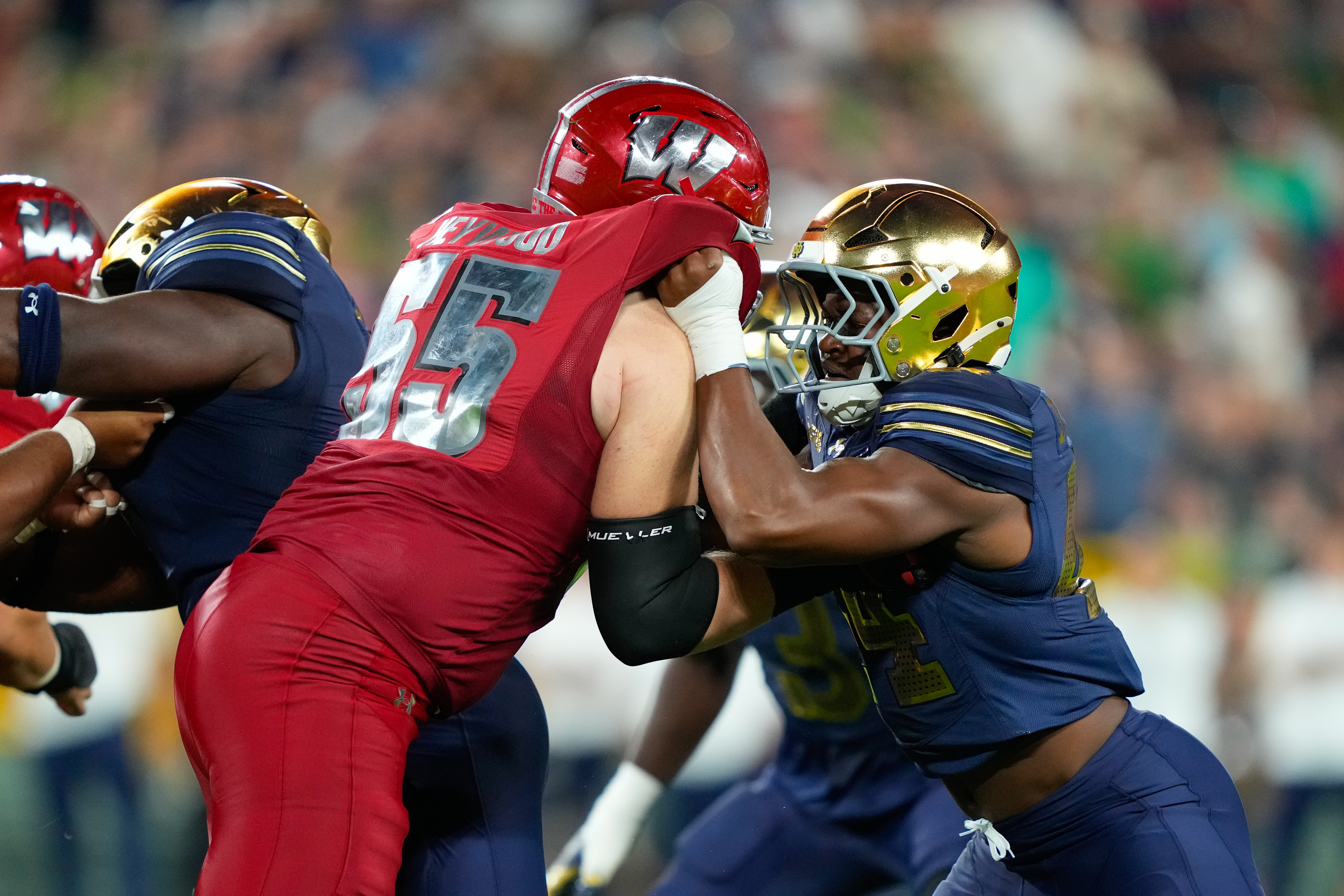
    Notre Dame defensive lineman Rodney Dunham (44) against Wisconsin offensive lineman Kevin Heywood (55) on Sept. 6.Kayla Wolf

    “He’s pushing everyone in a different way every day,” Heywood said. “There’s always time to clean up on a rep. It’s never going to be perfect. Even when you win a game, you still have to correct yourself and be better and be very hard on yourself.”

    Facing the wall

    Every time Heywood walks into the team meeting room, he sees the faces of the past Wisconsin All-American linemen. From Joe Thomas to Ryan Ramczyk to Tyler Biadasz, Heywood is reminded of the standard set before him to play on the offensive line.

    Thomas and former Rams tackle Rob Havenstein are among the former Badgers linemen who come through to visit, Heywood says.

    “Starting is the start of all of it, so I got that down,” Heywood said. “Just got to keep working on my fundamentals and techniques. I have that nastiness. I just need to clean up everything around it, and I’ll be right there with them.”

    Heywood learned from other professionals, too, this summer. Heywood and four offensive linemen attended the OL Masterminds summit, which Eagles right tackle Lane Johnson is the cofounder of. Wisconsin’s starting center, Austin Kawecki, grew up in Frisco, Texas, where the summit is held, and hosted Heywood and his teammates after the sessions.

    “I’d say the biggest thing I took away is just at the end of the day, it’s still a nasty game up front,” Heywood said, while noting he learned some techniques specifically from Johnson as a fellow right tackle. “You can be taught all the techniques in the world, but if you don’t have that edge to you, if you don’t have that nastiness, like, you’re never going to go where you want to go. And I think that’s the main thing I took from it.”

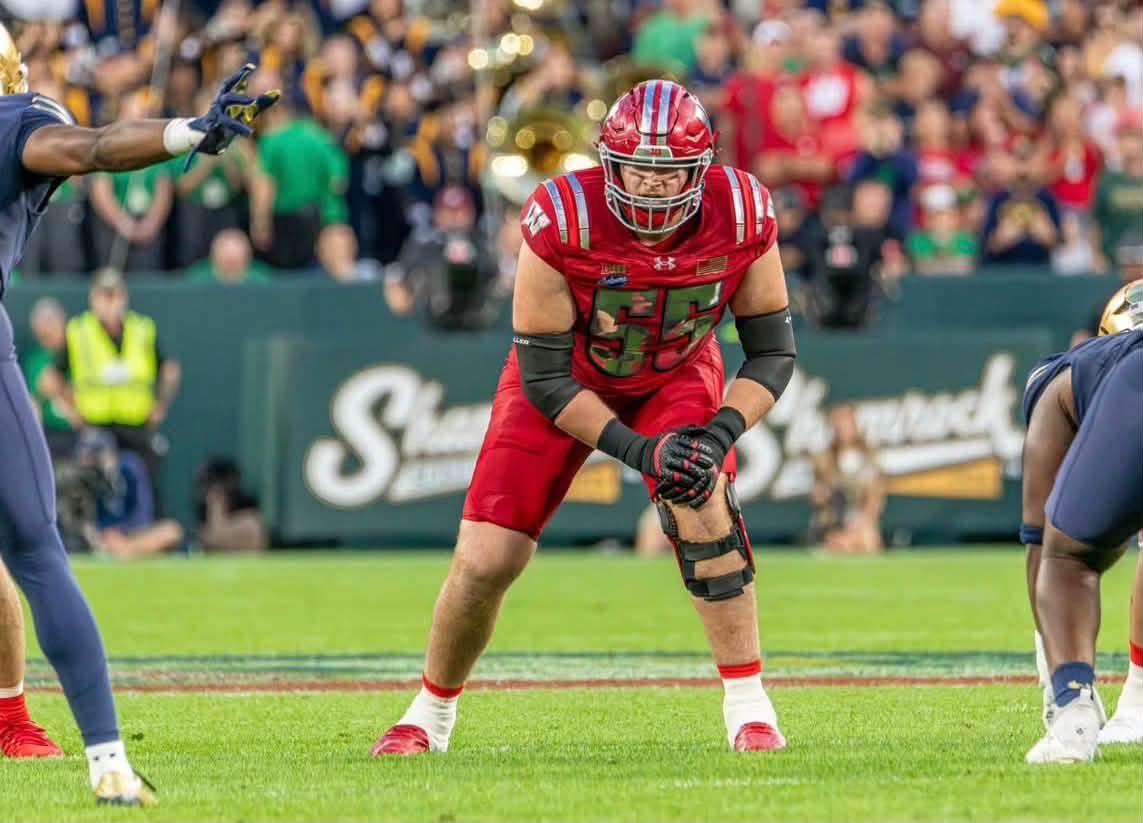
    Kevin Heywood played at Lambeau Field for his first career start.Courtesy of Wisconsin Athletics

    Doughtery and his wife, Amy, have attended every Wisconsin game so far this season, and will be in the stands on Saturday, along with Claire, and a few of Heywood’s friends from high school.

    It is “nerve-racking” watching Heywood play at this level, Doughtery admits, but seeing his son’s dream come to fruition has “filled our hearts.”

    “We just have to trust in everything that we instilled in him as a young kid, and he’s taken that and run with it,” Doughtery said. “It’s all him. We just sit back and watch how hard he’s worked and the things that he’s endured.

    “He’s got his mind right and he’s focused on what his goals are, and we’re just extremely proud of him.”

  • Can Anfernee Simons provide the Sixers with bench scoring punch? A Trail Blazers reporter weighs in.

    Can Anfernee Simons provide the Sixers with bench scoring punch? A Trail Blazers reporter weighs in.

    A wild 76ers offseason is nearing its end, after they stunningly signed LeBron James and traded for Jaylen Brown to vault into championship contender status. Media day is Monday, with training camp beginning Tuesday prior to an Oct. 20 opener at the defending champion New York Knicks.

    To help Sixers followers get acquainted with the newcomers on this revamped roster, The Inquirer reached out to reporters who covered those players on their previous teams.

    Next up is Rose Garden Report’s Sean Highkin, who covered Anfernee Simons’ tenure with the Portland Trail Blazers.

    Gina Mizell: Simons’ three-point shooting is obviously what initially sticks out about his skill set. How did he develop into such a dangerous, high-volume threat?

    SH: A combination of his own work ethic and some osmosis. In the same way that CJ McCollum picked up a lot of parts of Damian Lillard’s game from playing next to/behind him early on, and eventually developed into a reasonable facsimile of that type of player, that’s what a lot of Simons’ offensive development has been.

    GM: How big of an issue is his defense, especially when he could spend time playing alongside fellow small guards Tyrese Maxey and/or Labaron Philon Jr. with the Sixers?

    SH: The defense is definitely a liability, but the role and expectations are very different in Philly than they were here. In Portland, he was making big money and expecting to start and be the veteran on a young team and play over 30 minutes a game, so his deficiencies on that end were a lot more noticeable. He’s going to be a bench player making less than mid-level money in Philadelphia whose job is to come in and score, so the defense is something you can live with a little more.

    GM: Where did Simons’ game most progress during his Blazers stint? Were there any aspects that did not progress as much as you expected?

    SH: The bones of what his game became were there when he was drafted. The difference has been his confidence and efficiency as a scorer improving as he got bigger opportunities.

    LeBron James, center, and guard Anfernee Simons, right, are now both members of the Sixers. Troy Wayrynen, Troy Wayrynen-Ima
    GM: What did you observe from afar in how his game has translated since leaving Portland, particularly while fitting into that terrific Celtics regular season?

    SH: He’s the same player that he was in Portland, but his role in Boston (which will presumably be the same in Philly) is a lot closer to what he should be than what he was expected to be here. Is he a starting lead guard on a contending team? No. Is he a great bench scorer on a team with those expectations? Absolutely.

    GM: What’s he like as a teammate and locker-room personality?

    SH: He’s a really good guy, very low-maintenance. Not the most vocal leader, but someone everybody respects because they know the work he puts in, and he’s become much more comfortable being vocal as he’s gotten older. He’ll fit right in. On a team with so many voices that command so much attention like LeBron, Jaylen, Embiid and Maxey, he doesn’t have to do any of the “leader” stuff.

  • Horoscopes: Friday, Sept. 25, 2026

    Horoscopes: Friday, Sept. 25, 2026

    ARIES (March 21-April 19). The moneymaker is waiting at the intersection of what others need and what you love to do. You’ll spot it while helping someone for free and realizing you just solved a problem they have already paid other people to solve badly.

    TAURUS (April 20-May 20). You have something to share that should come across as good news to most, although there are those who will take it as very bad news, if only because it’s not happening to them.

    GEMINI (May 21-June 21). Emotions point today. When anger keeps returning, look for the line that got crossed. When jealousy sticks around, ask what you wish you had. Before making any changes, check whether irritation comes from a real problem or a rough day.

    CANCER (June 22-July 22). Perhaps the most important moment of any relationship is the very first one. Because choosing who to get involved with is choosing your future. You can’t tell where things will go with someone, but you can get a sense of how much fun you’ll have.

    LEO (July 23-Aug. 22). You could get by without much preparation. That’s what most people do. The drive to do more is not always about showing off; sometimes it’s good manners. Your prep is discreet, unshowy and very effective.

    VIRGO (Aug. 23-Sept. 22). You make ‘em laugh. You don’t bring jokes. You don’t do prat falls or wear a funny nose. You’ve never slipped on a banana peel in your life. You say the truth and say it fast. Suddenly everyone is connected.

    LIBRA (Sept. 23-Oct. 23). Maybe you don’t consider yourself to be oriented toward tradition, but you’re also not out to reinvent the wheel. You’ll notice there’s something worth stealing from the old ways, then you’ll modernize it.

    SCORPIO (Oct. 24-Nov. 21). For love to have a chance of blossoming into something lasting, it helps for people to feel safe enough to relax and show their actual selves. But relaxation isn’t a requirement. Today, there’s something interesting growing in a kind of nervy uncertainty.

    SAGITTARIUS (Nov. 22-Dec. 21). Though generally propelled by a strong sense of duty and loyalty, your own pleasurable interests will take precedence today. As Orson Welles said: “Ask not what you can do for your country. Ask what’s for lunch.”

    CAPRICORN (Dec. 22-Jan. 19). You’ll get busy front-loading the work. The thinking, research and setup take a lot more time than people think. The part people see will happen fast. Today’s organization makes tomorrow’s work go off without a hitch

    AQUARIUS (Jan. 20-Feb. 18). You keep stopping yourself from saying something because you know this person. They could get mad, take their business elsewhere, make it a whole thing, leave or even sue. That’s quite a risk. What could speaking up change for you?

    PISCES (Feb. 19-March 20). There’s a time to think critically and a time to just get in there and do it. Losing self-consciousness isn’t so easy for you now, which is why it will help to bring that utterly guileless friend along.

    TODAY’S BIRTHDAY (Sept. 25). There’s a satisfying reversal in this Year of the Second Look. What was overlooked, written off or underestimated will get a practically cinematic level of recognition. This could pertain to old dreams, pursuits, projects or past relationships. More highlights: Family peace. A dozen small deals that give you the buying power for bigger investments. You’ll follow an attraction through a labyrinth and prize. Pisces and Scorpio adore you. Your lucky numbers are: 10, 17, 9, 45 and 27.

  • Dear Abby | Self-centered grandmother alienates entire family

    Dear Abby | Self-centered grandmother alienates entire family

    DEAR ABBY: I have a mother-in-law of 30 years I distance myself from. I do this in order to maintain my sanity. She seems incapable of carrying on a normal conversation and responds to any comment or question by talking about herself, even though it usually has nothing to do with what was said. What bothers me most is when she’s around our adult children. She won’t ask them any questions, isn’t interested in how they are or what they are up to, and doesn’t say anything loving or kind. Instead, she drones on about other people in her life who have nothing to do with us. We constantly say we don’t know that person, but she continues talking about them. I have tried for many years to redirect conversations, to no avail. She has been this way for as long as I have known her. Do you think it’s possible to get through to a person like this, to make her understand how a normal conversation should go? Do you think it’s terrible for her grandchildren not to want to be around her? I don’t encourage them to spend much time with her because they end up feeling annoyed and disappointed. That, however, does not sit well with their father. Any thoughts would be appreciated.

    — FRUSTRATED DAUGHTER-IN-LAW

    DEAR FRUSTRATED: Your mother-in-law appears to be solely centered upon herself. If, after 30 years, you haven’t been able to get through to her that her lack of interest in her grandchildren has isolated her from them, you and your husband must recognize that she isn’t going to change. There is no quick fix for this. After three decades of this treatment, your children will never want to be in their grandmother’s presence any more than they are required to be, whether it sits well with their father or not.

    ** ** **

    DEAR ABBY: My sister and I have an OK relationship. When we were younger, we always fought, but that’s what siblings do. When my father died, I learned about it not from a phone call, but on social media. To say I was hurt and angry is an understatement. How can I get past this? I told my sister how hurt I was when it happened, but I can’t seem to move on. Now my mother is not doing well, and I’m afraid this will happen again since I have been named executor of her will and a trustee of any assets to be received by my older sister. What are your thoughts on how to get past this and potentially handle any future dealings?

    — YOUNG EXECUTOR

    DEAR YOUNG EXECUTOR: I’m sorry to learn your mother is unwell. Executorship is a big responsibility. As you navigate the next steps, try to set the tone with humility. Instead of dwelling on the past, fulfill your duties objectively and with diligence. If the estate is large and your sister is unhappy with the terms of the will, consult a probate lawyer to keep matters from getting personal.

  • Trevor Zegras becomes first victim of NHL’s emphasis on jersey tuck rule vs. Bruins

    Trevor Zegras becomes first victim of NHL’s emphasis on jersey tuck rule vs. Bruins

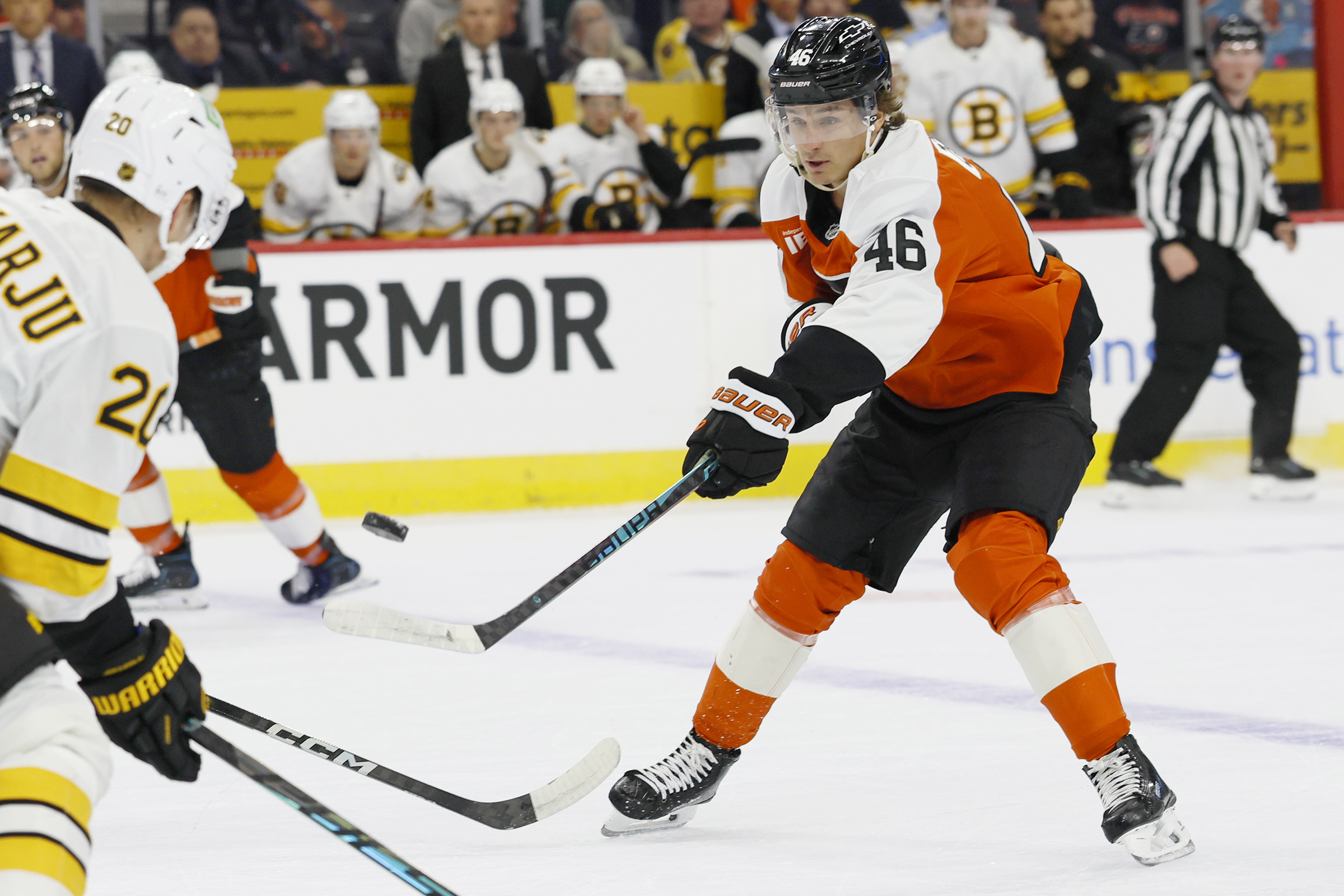
    The biggest storyline coming out of the Flyers’ 2-0 preseason win against the Boston Bruins on Thursday at Xfinity Mobile Arena should have been that the majority of the main roster got some action or Joseph Woll looked good again — reminder: last season the team’s first shutout came in the playoffs — or that Matvei Michkov’s skating looks like he is floating now.

    Instead, the Flyers went viral after Trevor Zegras got a minor penalty for delay of game due to his equipment in the second period. The issue? His jersey was tucked into his pants before the shift started.

    “I started the game with it tucked; that’s how I usually play,” Zegras said. “Must have just went back down the bench and came out and forgot.”

    Zegras likes to play with jersey tucked into his pants; he’s done that for years. It is reminiscent of Hall of Famer Wayne Gretzky, who famously tucked the corner of his jersey into his pants; former Flyers forward Jaromir Jagr, who tucked his whole jersey; and the NHL’s all-time leader in goals, Alex Ovechkin, who tucks in his jersey, exposing the back plate of his pants.

    But according to coach Rick Tocchet, the Flyers were told recently that the league would be cracking down on this exact equipment issue, specifically that players are not allowed to start the shift with their jerseys tucked.

    Trevor Zegras on the puck during Thursday’s preseason game.Elizabeth Robertson / Staff Photographer

    Although no language in the 2026-27 rule book states that jerseys must not be tucked into pants, Rule 9.5 states:

    “All protective equipment, except gloves, headgear, neck protection, and goalkeepers’ leg pads must be worn under the uniform. Should it be brought to the attention of the Referee that a player is wearing, for example, an elbow pad that is not covered by his jersey, he shall instruct the player to cover up the pad and a second violation by the same player would result in a minor penalty being assessed.

    “Whenever it is deemed by the Referee that a player is wearing any equipment that does not meet with League regulations, he shall instruct the player to change or remove the piece of equipment. If the player refuses he shall be assessed a minor penalty for delay of game and if he returns to the ice without making the change he shall be assessed a misconduct penalty. Should this happen a third time, the player shall be assessed a game misconduct penalty.”

    Zegras was warned in the first period, and he and teammate Travis Konency, who is an alternate captain, were seen speaking with referee Jon McIsaac at the end of the period about it.

    “TK came over and explained, ‘Hey, Trevor’s got a warning,’” Tocchet said.

    “Obviously he can’t do it anymore,” Tocchet continued, speaking on Zegras. “He’s got to put a tie-down because the regular season starts; we can’t have a penalty like that for a tucked-in jersey.”

    A tie-down, which is also called a fight strap, secures the jersey to the pants. It was initially created to stop players from removing jerseys during an altercation. “I actually had to put [Matvei Michkov’s] down. I made him put a tie-down on the bench. We’ll have tie-downs,” Tocchet said.

    It reminded many of the time former goalie Ivan Fedotov was spotted pulling players’ jerseys down as they came to the bench two seasons ago.

    The Flyers look to be still working out the kinks in more ways than one this preseason.

  • Federal authorities announced a bust of a guns and drugs ring operating in Philadelphia and Luzerne County

    Federal authorities announced a bust of a guns and drugs ring operating in Philadelphia and Luzerne County

    Federal authorities on Thursday announced charges in a drug-and-gun-trafficking ring operating in Philadelphia and Luzerne Counties, with one of the defendants identified as a Philadelphia man who received a commutation from former President Joe Biden for a prior prison sentence.

    Michael Rinaldi, 49, and Jason Lozada, 51, both of Philadelphia, were among eight people indicted by a grand jury, the U.S. Bureau of Alcohol, Tobacco, Firearms and Explosives Philadelphia Field Division said in a news release Thursday.

    Prosecutors allege that the eight people conspired to distribute methamphetamine from August 2025 through September 2026, and also distributed fentanyl in addition to trafficking guns.

    Philadelphia ATF and the United States Attorney’s Office in the Middle District of Pennsylvania, citing public records, noted that Rinaldi received an executive grant of clemency from Biden on Jan. 17, 2025, commuting the remaining sentence from a prior drug-trafficking conviction.

    In the days before Biden left office, he granted clemency to nearly 2,500 individuals for what was described as non-violent drug offenses, and Rinaldi was one of the recipients.

    Since taking office in January 2025, President Donald Trump has granted clemency to more than 1,700 people, including the roughly 1,500 people convicted for their involvement or who had charges pending for their alleged involvement in the Jan. 6, 2021, attack on the U.S. Capitol.