To bring Philadelphia’s Centennial Exposition back to life, Peter Boyer and Mark Campbell could have created a nostalgic musical impression delivered like a sepia-toned postcard lost in the mail for a century and a half.
And, in fact, they have.
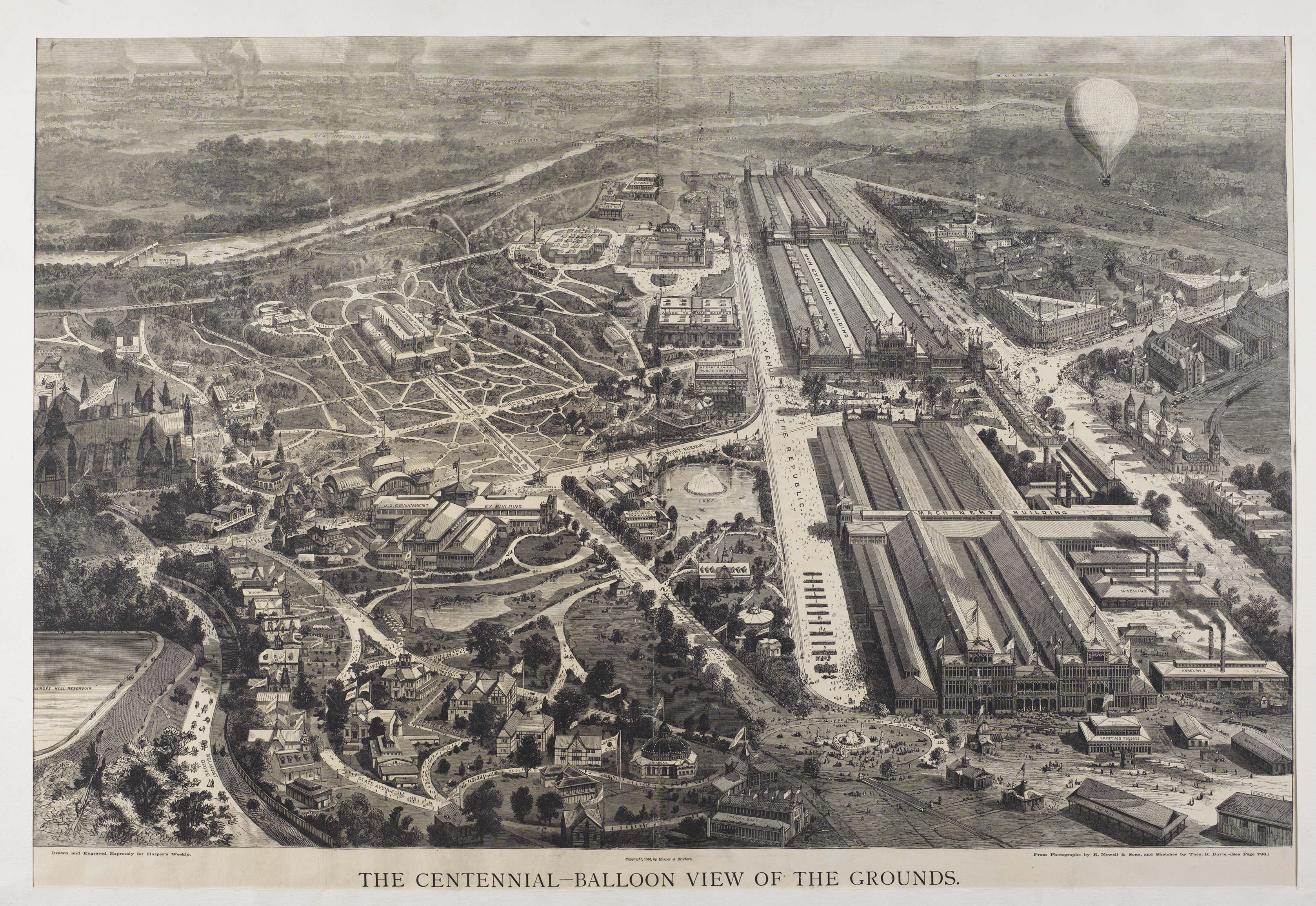
The oratorio will premiere Wednesday night at the Highmark Mann in Fairmount Park, the very site of the somewhat now-forgotten 1876 event that wowed roughly a fifth of the nation’s population with marvels of technology, agriculture, culture, and more.
But what the composer and librettist have created is something that is also more deeply personal than merely an account of a World’s Fair that introduced, among other things, an invention called the telephone and foods like Heinz ketchup and the banana.
The great U.S. Centennial Exposition is conjured in A Hundred Years On through five fictionalized characters and others who voice hope, a sense of ambition, progress, and prosperity but also uncertainty about the young country. With the Philadelphia Orchestra, the Crossing choir, vocal soloists, and conductor Anthony Parnther, the piece — commissioned by the Highmark Mann to celebrate its half century and the nation’s 250th — also humanizes the story of Americans who were denied a full voice in society.
In other words, although it celebrates the excitement of the Centennial Exposition, the piece in a sense collapses the span of time between then and now.
“It’s obvious, the relevance to our situation today,” said Boyer. “We’ve made some progress since the 1870s, and then in some ways we have made much less progress than we might have hoped.”
Map of the Centennial Exposition grounds and buildings, 1876.Courtesy of the Historical Society of Pennsylvania
“As I read about this World’s Fair, it was 10 years after the end of the Civil War, the country had just gone through a depression,” said Campbell. “This was a time when it was important for the U.S. to put its best foot forward, but it could not shake itself free from what had happened in recent history. And so there were some real dramatic possibilities there.”
Like Ignatius Thomas, a Black waiter at the exposition’s Restaurant of the South.
“Happy birthday, America,” the baritone sings, “but the speeches and the fireworks — they’re not meant for me.”
And a Polish immigrant named Marion Jozwiak, who sings in a mezzo soprano voice, says she came to America to “find a little hope” but found a “country divided, broken” — and yet still believes it’s a fair land.
“Yes, there are a few mean men who always find a way to speak the loudest and the longest. But after time, their voices die and they’re forgotten.”
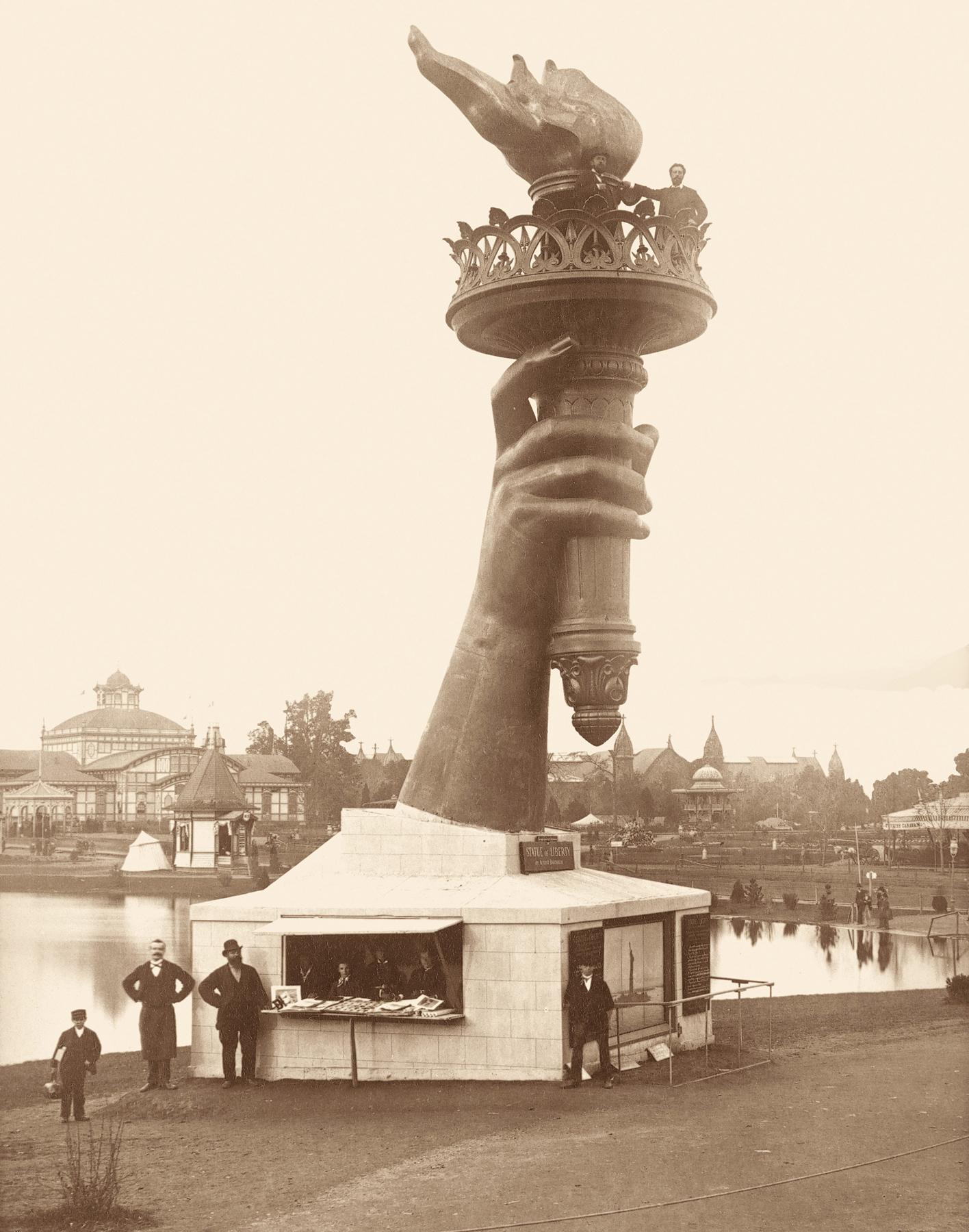
In the piece, Jozwiak is standing on the torch of the Statue of Liberty, which, with its raised arm, was displayed at the Centennial Exposition before the statue’s dedication a decade later in New York Harbor.
The Statue of Liberty’s torch at the Centennial Exhibition of 1876 in Philadelphia. As a way to raise funds to build a pedestal for Lady Liberty, visitors could, with a small donation, climb a staircase inside the statue and get a bird’s-eye view of the festivities.
“I think maybe it’s the most iconic image of this exhibition, it just says so much,” said Boyer. “It says ‘work in progress.’ We’re still a work in progress.”
That the progress is now in retrograde compelled Campbell to go back into the libretto and make changes a few months ago, long after it was finished.
“What we’re facing now — I’m sorry, I’m going to be very frank — with this terrible corrupt government we have, we are facing an autocracy — or, what is the word? Kakistocracy. So I wrote this in a very different place and I had to go back to the libretto and make it darker than it was when it was originally written. It was just sounding too positive to me.”
But if the piece acknowledges pain and exclusion, it doesn’t stinton idealism.
“The story certainly has humor in it, and joy and excitement about where America could be, where America could go, what America could be to the world, and I think that’s the soul of Peter’s music,” said Campbell.
In the way it deals with story, the new piece echoes Ellis Island: The Dream of America, Boyer’s work whose stirring, filmic musical language has generated about 350 performances since the piece’s premiere in 2002.
“I’m pretty clearly identifiable as an American-sounding composer, you know, which is an ambiguous term,” says Boyer, who cites Copland, Bernstein, and John Williams as influences generally.
Here in this new piece, “my love of Sondheim, my love of Bernstein, theatrically speaking, that sort of came through, because the libretto seemed to suggest it.”
Composer Peter BoyerBenjamin Ealovega
Boyer and Campbell collaborated virtually on the piece — Californian and New Yorker, respectively, they’ve yet to meet in person — and they made separate visits to the Free Library of Philadelphia to research the 1876 exposition. They also did the bulk of their work at different times to fit in with other projects. Boyer composed the music while simultaneously writing American Mosaic for the Semiquincentennial. That piece was premiered by the National Symphony Orchestra in February at the John F. Kennedy Center for the Performing Arts.
Both works use visuals. American Mosaic is a collaboration with photographer Joe Sohm, and A Hundred Years On uses projections of images from the exposition designed by video artist Rasean Davonté Johnson, costumes by Millie Hiibel, and stage direction by director Tazewell Thompson.
“They’re similar and yet different in some fundamental ways,” says Boyer of his two pieces, “again with where we are in our country and here we are celebrating this incredible milestone in our history while simultaneously dealing with such disheartening times. And so, what is our role as artists and composers?
“I think it’s an opportunity that this piece can bring some history and some uplift, and that’s not a bad thing.”
“A Hundred Years On” is performed Wednesday at 8 p.m. at the Highmark Mann, 5201 Parkside Ave., along with Julia Wolfe’s “Liberty Bell” and other works. With vocal soloists Mary Dunleavy, Meredith Lustig, Eve Gigliotti, David Portillo, and Malcolm J. Merriweather. Tickets are $18.76 or $50. highmarkmann.org.
In 2022, Smit Patel was a freshman at Thomas Jefferson University selling Indian Chipotle-style bowls in his apartment kitchen for students on campus. Now, the 22-year-old is whipping up viral dot cakes cups and Dubai chocolate lattes in his new cafe in Manayunk.
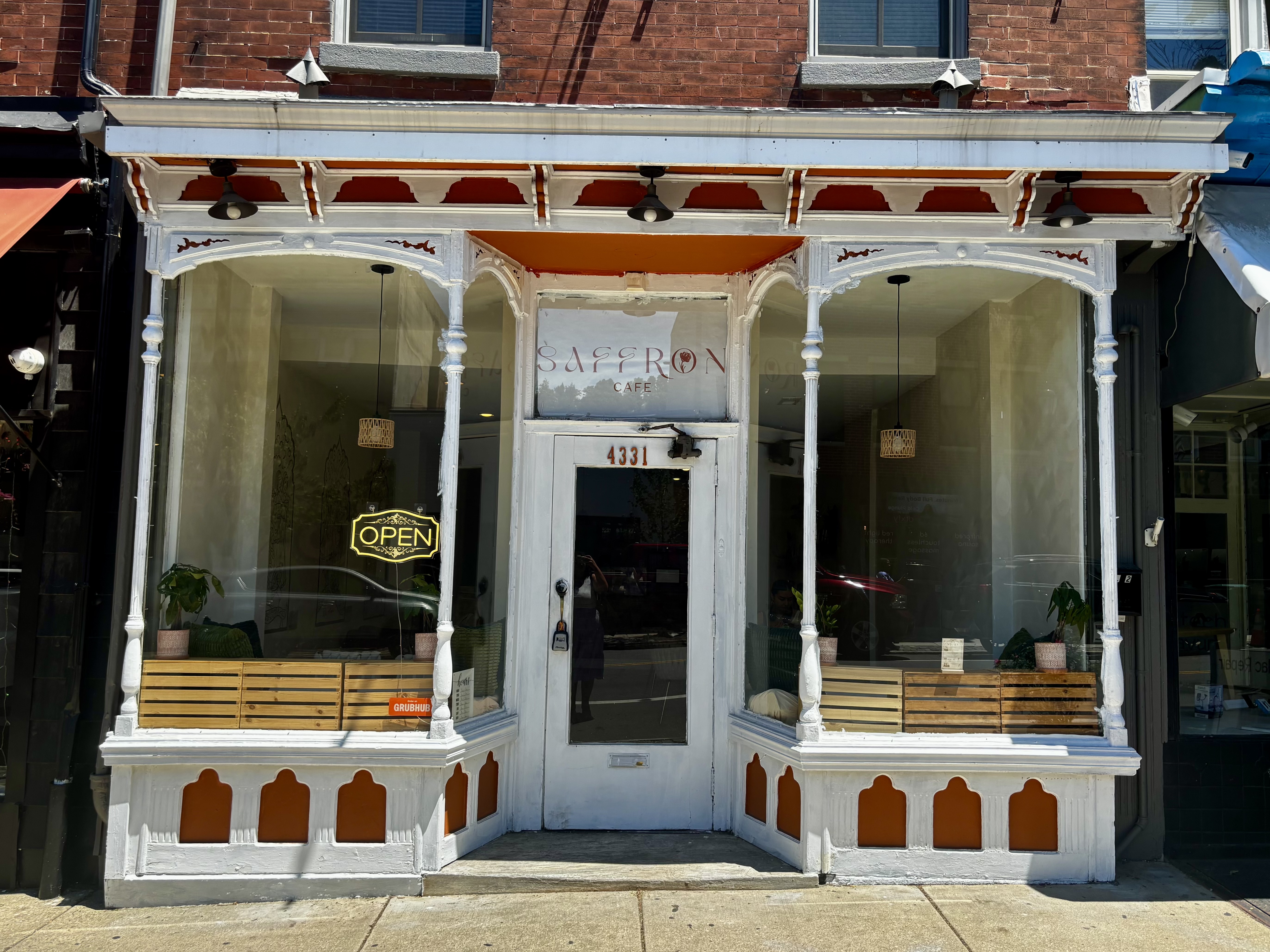
Patel, with his friend Ojas Patel (no relation), opened Saffron Cafe on 4331 Main Street in May.
Murals decorate Saffron Cafe in Manayunk.Hira Qureshi
The 1800-square-foot cafe is filled with marble tables, cushioned chairs, and faux leather couches for customers looking to settle in for hours. The beige, lime-washed walls feature three murals, featuring Hindu deities Krishna and Radha, painted by Patel’s friend.
“We wanted to bring our culture to the cafe,” Patel said. “Not only are we focused on the Indian aspect, but we’re also focusing on how to bring both American and Indian cultures together and become the bridge for both.”
By day, the windows bathe the space in sunlight. At night, downlights in the ceiling illuminate the coffee shop. The cafe is open until 8 p.m. for the summer and until midnight when schools are back in session, a rarity in a city where coffee shops often close before sunset.
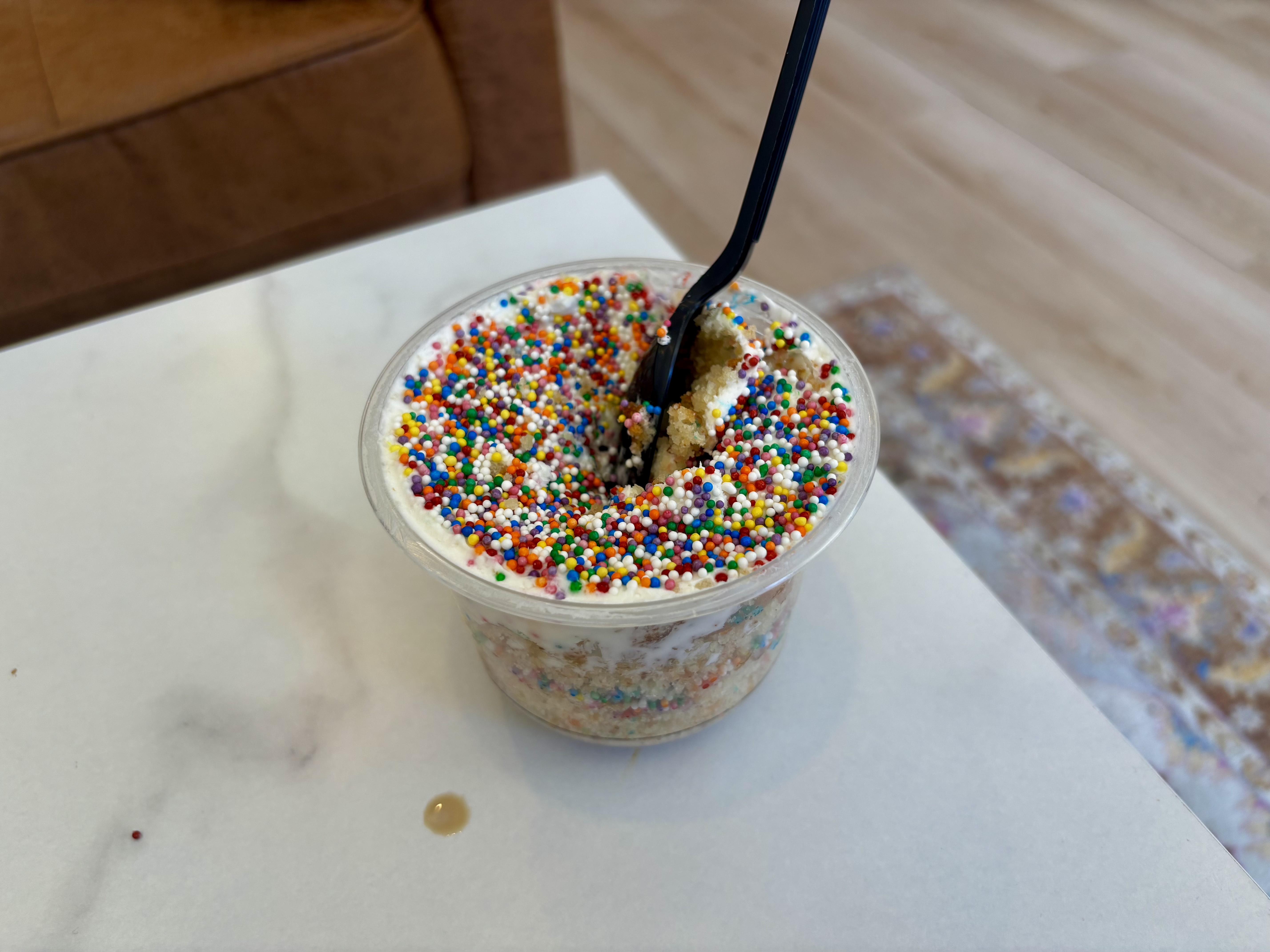
Find viral dot cakes at Saffron Cafe.Hira Qureshi
Housemade dot cakes — the viral cake in a cup concept made in layers, frosted, and topped with a colorful, spherical coating of nonpareils sprinkles — line the small display case on the checkout counter. There are Dubai chocolate and Biscoff cake cups and a variety of vegan eggless croissants (think Ferrero Rocher and strawberry cheesecake). The vegetarian, vegan-friendly menu also includes a sandwich featuring a spicy North Indian dish called maharaja paneer and a peas and potato spiced puff pastry. Customers can order from a variety of samosas stuffed with paneer tikka, potatoes and peas, and melted cheese and spicy jalapeños.
Paneer tikka sandwich at Saffron Cafe.Hira Qureshi
The cafe’s coffee menu offers masala chai and lassi, along with more familiar contemporary drinks like brown sugar shaken espressos, tiramisu lattes, and iced mango matchas. Patel also incorporated the viral dot trend to his drink menu with lattes and matchas topped with cream and finished with a colorful confetti crunch.
When he’s not running the cafe, Patel is a global lead for a financial institution based in New York — it’s how he came up with the cafe idea.
He visited Dubai last year for work and was inspired by the cafe culture there. He returned with ideas for an Indian American cafe and pitched the idea to his childhood friend Ojas in January. The two signed a lease in March, sorted permits and government regulations by April, and opened their doors in May with a soft opening featuring a 300-person Bollywood DJ event.
(The two owners plan to host the event on the 30th of each month, along with other events.)
Find Dubai chocolate cake cups at Saffron Cafe.Hira Qureshi
“Over here, people mainly go to cafes just to study or do some work and grab a cup of coffee,” said Patel. “In Dubai, people go to cafes more so as a form of connecting with other people, whether that’s strangers or the group of people they came with. And so, I thought Manayunk was a great spot to open a cafe with this concept of connecting people.”
And the Patels’ mission is reflected in the name of the cafe. When the two launched their idea, they wrote a letter to Hindu guru Mahant Swami Maharaj at BAPS Swaminarayan Sanstha temple in India (Patel attends the Downingtown temple, and Ojas attends the Delaware one)for blessings, guidance, and a name.
Saffron Cafe in Manayunk.Hira Qureshi
“He chose the name Saffron Cafe, and the reason for choosing the name is that saffron is orange [colored], which is similar to the color of fire in Hinduism,” Patel said. “When you come inside a cafe, we want you to burn your distractions and burn all the negativity and stuff. We want you to come into a new environment and connect with others. This cafe should uplift you.”
Many parents and guardians find that as soon as their child starts daycare, they seem to be sick constantly. Whether that is a runny nose, sore throat, or lingering cough, there always seems to be something. They may be sent home from daycare due to fussiness or fever, and just when it seems they have turned the corner, they develop a new cough and the cycle continues. It can seem like there might be something wrong with the child’s immune system.
The truth is, frequent illness in daycare is something to be expected – and may actually help a child build immunity. Children in daycare may experience eight to 12 illnesses per year. After all, kids who share toys and surfaces share viruses, too.
Runny noses that do not fully go away, lingering cough, or temporary appetite changes are to be expected in a child with a viral illness.
A runny nose is the way the body flushes out germs. Even after the infection improves, the lining of the nose may still be irritated, which is why you may still see this symptom after your child seems better.
Additionally, the airways remain sensitive after an illness, and that means coughs can linger for several weeks after a cold. When the body is fighting a virus, that focus can suppress appetite, though that should improve within three to five days of the onset of illness.
How daycare can build your child’s immune system
Exposure to common viruses helps the immune system learn and grow stronger over time. Early childhood illnesses can:
Help build protection against future infections;
Lead to fewer missed days of school later in childhood;
Support the development of a stronger immune system.
When should you check in with your doctor?
Usually normal: frequent colds, mild lingering coughs, reduced appetite during illness, short periods of fatigue;
Check in with your pediatrician if: your child is not growing well, infections are unusually severe, and symptoms linger for more than 4 weeks without any signs of improvement or change.
What is “supportive care”?
Often, the pediatrician will let you know that we treat these viral infections with supportive care, which simply means helping the body recover while the illness runs its course.
Supportive care includes:
Hydration: fluids help to prevent dehydration and keep the mucus thin, so it is easier for the body to clear;
Rest: Sleep supports the immune system as it fights the infection;
Hand hygiene: Washing hands helps prevent the spread of viruses to others.
The bottom line:
Frequent illness in children who use daycare can feel overwhelming, but it is a normal part of early childhood. Over time, children exposed to common viruses build stronger immunity and experience fewer infections than those who don’t encounter typical childhood ailments.
If you have any concerns, stay connected to your child’s pediatrician, as they can provide reassurance and guidance. Staying up to date with vaccines, including the flu shot, may not mean your child never gets sick, but vaccines are proven to reduce the severity of illnesses and prevent hospitalizations.
Renee Bruce is a second year pediatric resident and Hayley Goldner is a pediatrician in the adolescent medicine department at Nemours Children’s Hospital, Delaware.
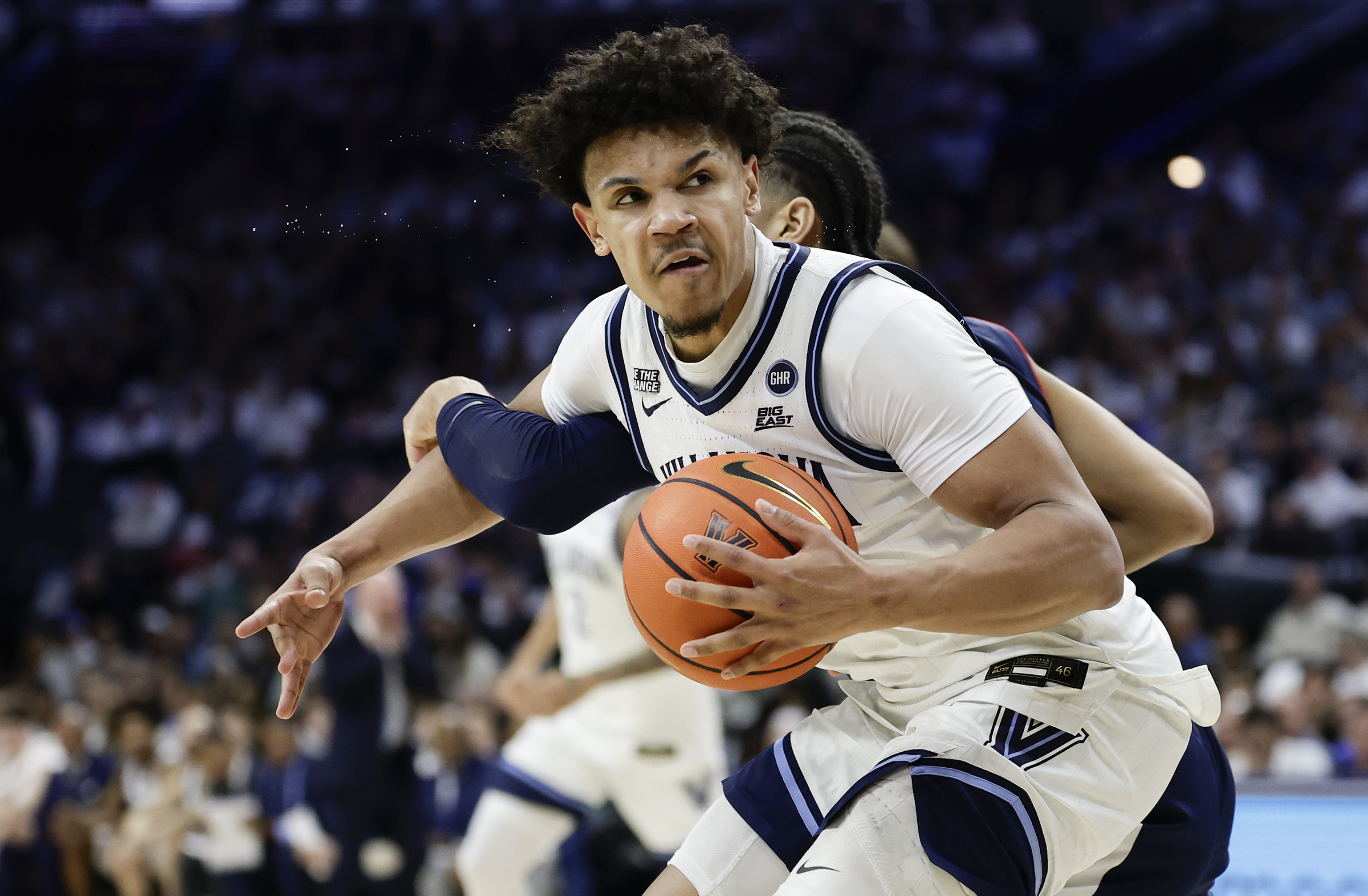
Late Saturday night, Villanova basketball stars of yesteryear took center stage when the New York Knicks won the NBA championship behind the MVP performance of Jalen Brunson and the significant contributions of Mikal Bridges and Josh Hart. Champions at Villanova turned New York basketball heroes.
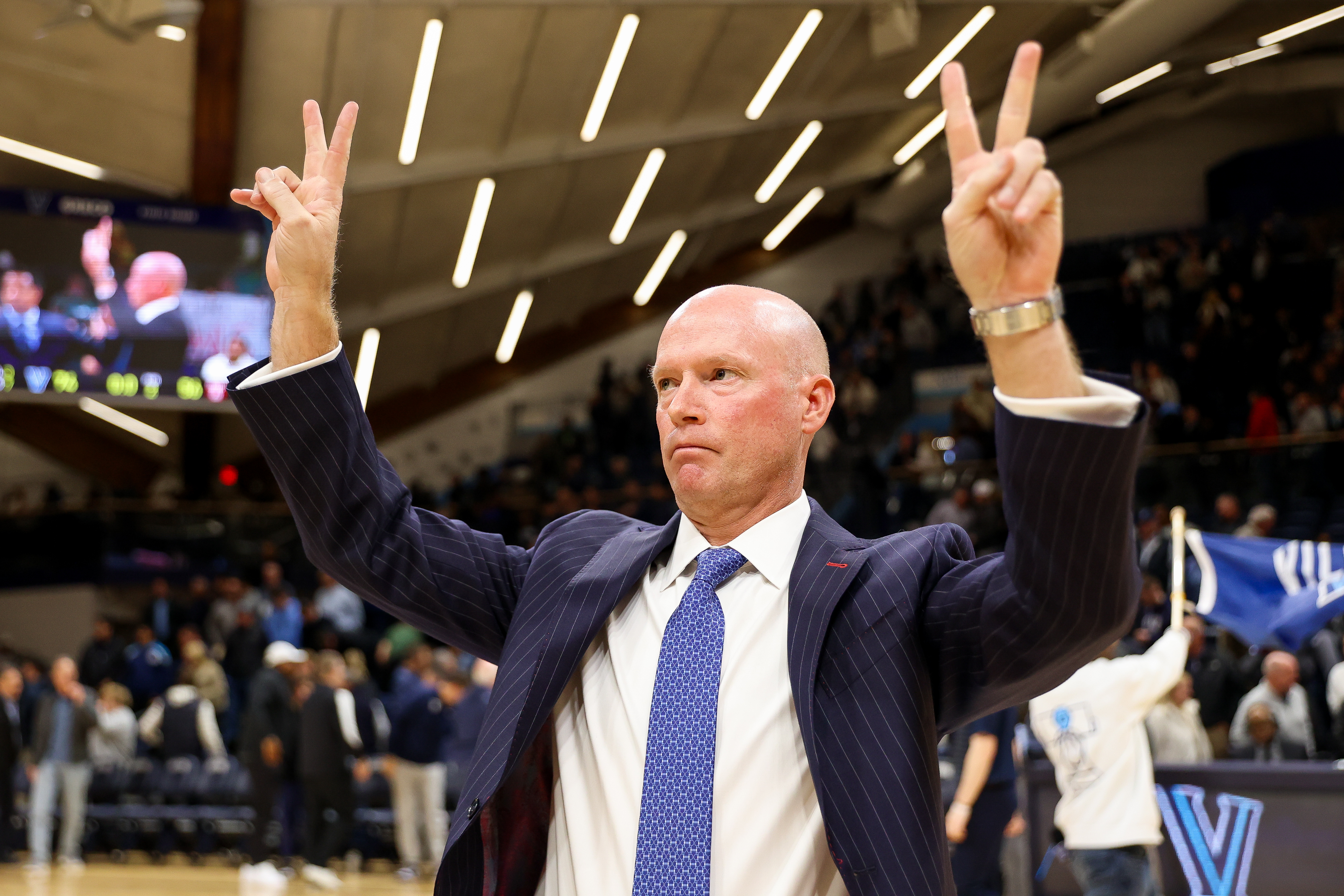
The trio of Wildcats won in college at a different time, both in the sport and at their school. Villanova is on its second coach in the post-Jay Wright era, and while Kevin Willard’s first season was a step in the right direction after three consecutive NCAA Tournament misses, losing in the first round as a No. 8 seed was not cause to cue a cacophony of alarm bells to let the world know Villanova was back.
But earlier in the day, hours before Brunson joined Michael Jordan as the only player in NBA history to score 45 points in a road clincher, a significant signing may have slightly altered the outlook for both the 2026-27 Wildcats and where the program stands in the New World of college basketball.
Luigi Suigo, a 7-foot-3 Italian center, withdrew his name from the NBA draft process and signed to play at Villanova, joining a roster rebuild that already had the Wildcats rated among the best transfer portal classes in college hoops.
There is at least some hyperbole happening here. It is June, after all. And if Suigo was truly the “Italian Wemby,” there would not have been any question about whether he would be taken in the first round of the draft. Suigo, 19, played professionally in Serbia this past season and entered the draft looking to go in the first round. There was no guarantee that would happen, though some experts and evaluators had Suigo going off the board in the mid-to-late-20s at next week’s draft.
Consider what signing Suigo means. There is the short-term outlook: Villanova is a near lock to be considered among the top 25 teams in the sport heading into next season. Then there is the long-term meaning: Suigo surely wasn’t cheap. Players going off the board at the end of the first round still make $3 million-plus per season. The Wildcats had already committed quite a few dollars to signing top-end transfers like Kwame Evans Jr. (Oregon) and Devin Royal (Ohio State). They likely had to buck up to give leading scorer Tyler Perkins his market value. Other players on the roster came at a cost.
That there was still plenty of money left in the bag to lure Suigo to the Main Line is a sign that Villanova plans to spend — and has access to — the financial resources required to compete with the top programs in the sport. It’s hard to view the signing in any other way.
Suigo’s signing completes a roster rebuild that was pretty drastic. The Wildcats finished their 2025-26 season with a first-round NCAA Tournament loss to Utah State. Eight players touched the floor. Only one of them, Perkins, will be back on next year’s roster (Matt Hodge, who is returning, missed that game after undergoing surgery to repair a torn ACL).
Two of the other seven — Duke Brennan and Devin Askew — are out of eligibility. The other five entered the portal.
Willard hit the portal cycle needing, well, everything.
How did he do? It’s hard to argue that the 2026-27 team isn’t better on paper than the roster assembled at this time last year. Suigo’s addition is a major factor in that.
Start with the categories where Villanova was most deficient last season. It was against bigger, physical, more experienced teams that the Wildcats struggled. They played Hodge at the power forward spot when he’s probably better served as a shooter on the wing. After Tafara Gapare left the program in December, the team lacked the requisite size and athleticism inside to rebound. Duke Brennan was a machine on the glass, but at times he struggled defensively. Not that UConn’s Tarris Reed Jr., or St. John’s big man Zuby Ejiofor are easy covers.
Oregon transfer Kwame Evans Jr. will have a big center standing next to him in Luigi Suigo.AJ Mast
The first two portal additions aimed to fill frontcourt needs. Hodge may not be at 100% when the season starts, and his long-term future is probably at the small forward spot. So Villanova signed Evans, a 6-foot-10 forward, and Royal, who is a physical player with a bulky 6-foot-6 frame. Both of them will be seniors.
Villanova couldn’t come to an agreement with point guard Acaden Lewis, so the Wildcats found a cheaper version of him. Elijah Crawford isn’t as flashy as Lewis, and isn’t anywhere close to him on the various lists of transfer portal players, but the Illinois-Chicago transfer, a rising junior who played sparingly as a freshman at BYU, thrives in ball screens and has similar analytical metrics as Lewis in terms of his assist and steal rates. Neither is a proficient three-point shooter. Lewis, who commanded a high salary in the portal and eventually landed at Miami, also struggled at times in Villanova’s biggest games.
Bryce Lindsay scored 25 points and made six three-pointers in Villanova’s NCAA Tournament loss, but he spent the majority of the Big East campaign mired in a shooting slump. He seemed possibly destined for a bench role if he came back. Instead of Lindsay providing shooting off the bench, Villanova will have Cornell’s Jake Fiegen, a 6-foot-4 shooting guard who scored 17.7 points per game and shot 41.4% from deep, and St. Bonaventure’s Buddy Simmons, a 5-foot-11 scoring guard who averaged 16.4 points and shot 42.4% from deep. Both of them will be seniors. They also have Adam Oumiddoch, a 6-foot-5 guard who is expected to contribute right away as a freshman.
The projected rotation as it stands is Crawford, Perkins, Royal, Evans, and Suigo starting with a bench consisting of — in no order — Hodge, Fiegen, Simmons, and Oumiddoch. That’s three seniors, a junior, and a freshman center with first-round size and talent starting, and a four-man bench unit with two seniors, a soon-to-be-22-year-old redshirt-sophomore (Hodge), and a freshman. There are also deeper reserves in senior Abdou Samb, a Towson transfer, returning redshirt-freshman Nico Onyekwere, and incoming freshman guard Carter Fisk.
Villanova guard Tyler Perkins is back with the Wildcats for 2026-27.Yong Kim / Staff Photographer
For context, Villanova started a freshman, a redshirt freshman, a redshirt sophomore, a junior, and a senior last year. The 2026-27 team is bigger, older, and seemingly more versatile. Consider the team that cut down the nets in March. Michigan had 7-foot-3 center Aday Mara and a frontcourt that included big bodies in Yaxel Lendeborg and Morez Johnson Jr. Suigo, Evans, and Royal might not be that trio, but from a physical presence, it’s not far off.
Suigo is still developing, but he’s a 7-foot-3 defensive anchor with some three-point shooting touch who should provide a big body for Willard to utilize in an offense that runs a high volume of ball screens.
The makeup of this rotation gives Willard plenty of options to deploy “small-ball” lineups with Evans at center. He had limited choices down the stretch last season due to injuries and program departures.
All of this is a relatively rose-colored-glasses analysis of where the roster stands, but the high turnover rate in the sport makes so much of the roster analysis this time of year speculative.
It’s meaningless rankings season. Portal players, portal classes, and so on. Last year’s portal class wasn’t ranked very high, yet Villanova won 24 games and earned a No. 8 seed.
Kevin Willard’s Wildcats should be in the top 25 to start the 2026-27 season.Monica Herndon / Staff Photographer
This year’s portal class is among the best. Analytics expert Evan Miya had the Wildcats at No. 8. Other outlets like ESPN, 247Sports, and On3 rate Villanova’s portal class among the top 25 in the sport. Suigo doesn’t factor into those ratings. He is technically an incoming freshman.
What does all of this mean in June? Nothing. No one gets a prize for winning the offseason. But it’s a start.
You could use the same four words to describe the Eagles offense in 2025 as you would Elmer Fudd.
Uses shotgun, rarely well.
So says the conventional wisdom, at least.
During the Eagles’ recently completed mandatory minicamp, there was a lot of talk about new offensive coordinator Sean Mannion’s affinity for operating from under center and the adjustment it might require for those closest to the ball (namely, the quarterback). The topic of conversation was certainly valid. Throughout the Jalen Hurts/Nick Sirianni Era, shotgun has been the Eagles’ baseline look, more so than all but a small handful of NFL teams. I’m just not sure that the change under Mannion will be as radical as people hope/expect.
What if I told you that Saquon Barkley has only had one fewer carry from under center than the Packers’ Josh Jacobs over the last two seasons, when Mannion was in Green Bay? Or that, in 2025, Hurts attempted more passes from under center than Joe Burrow and Patrick Mahomes, both of whom can make a case as the best in the game?
All of this talk about scheme comes from a good place. But I think the term itself tends to get misapplied when we talk about what makes good teams good and bad teams bad. The perception of “scheme” is that it is some static, word-of-God recipe book that each coach draws up like a wizard and then carries with him from stop to stop. In reality, I think it’s closer to a core set of principles and best practices that guide the concrete aspects of coaching: teaching and game-planning. The actual output of all of those things — the plays — will look a lot different from roster to roster and opponent to opponent.
Jalen Hurts attempted more passes from under center than Joe Burrow and Patrick Mahomes in 2025.Monica Herndon / Staff Photographer
“There’s things I believe in and there’s things that schematically I have a background in, but ultimately it’s going to be a blend and it’s constantly going to evolve,” Mannion said earlier this offseason. “It’s about maximizing things for the players. How do we make the Eagles the best team we can be, how we make the Eagles offense the best it can be and how do we put all of our players in a position to really, really succeed and maximize their strengths.”
Don’t get me wrong. There will be change. As I wrote last week, it will be real change, more so than at any point in Sirianni’s time as head coach.
Reality is, the NFL has become a shotgun league over the last decade. That’s true regardless of coach or quarterback. Last season, Matthew Stafford and Sam Darnold were the only two quarterbacks to line up under center on more than half their snaps. Both quarterbacks threw the ball out of shotgun roughly twice as much as they did under center.
The evidence hardly supports the idea that the Eagles’ heavy reliance on the shotgun in recent years is an ipso facto indictment of Hurts and/or the offensive scheme. At least, not if you accept as fact that Burrow and Mahomes are two of the best quarterbacks in the NFL. Mahomes attempted just 32 passes from under center in 2025, 12 fewer than Hurts’ 44.
The big difference between teams like the Seahawks/Rams and the Eagles was their preference for running from under center. The Rams ran out of shotgun just 64 times in 2025, for instance.
At the same time, the Eagles ran the ball from under center more than you might think. Two years ago, nearly half Barkley’s 2,005 rushing yards came from under center. His 6.1 yards-per-carry average was best in the NFL, and better than his 5.6 yards per carry out of shotgun.
Saquon Barkley is looking forward to running Sean Mannion’s system.Monica Herndon / Staff Photographer
Again, to be clear, we should expect to see a significant difference. One takeaway from the Eagles’ pre-camp workouts is that Mannion’s run game philosophy is closer to the Shanahan/McVay/Kubiak tree than Sirianni’s.
“It’s no secret what this system is about,” Barkley said earlier this offseason. “I look forward to doing that. It’ll probably be the most I’ve ever done it under center and outside zone and all that good stuff. It’s a challenge I’m looking forward to work on and getting better at and trying to be the best at it.”
As for the passing game, one suspects we’ll still see plenty of shotgun. Jordan Love attempted roughly 30% of his passes from under center in 2025 when Mannion was with the Packers. That’s more than three times as often as Hurts did.
We could be talking about an additional 5-7 passes per game from under center. That’s not nothing. But we’re probably not going to see something that looks completely foreign. As tight end Dallas Goedert said last week, “You can only do so much [different] on offense.”
BUFFALO, N.Y. — The 2026 NHL draft is quickly approaching, and things look a little different for the Flyers this year.
After making it to the second round of the Stanley Cup playoffs for the first time since 2020, the Orange and Black are picking at No. 21 in the first round and only have five picks across all seven rounds.
In Part 1 of The Inquirer’s two-part interview with Brent Flahr, who runs the team’s draft, the assistant general manager chats about the team’s approach heading into the draft, which will be held on June 26-27 back in Western New York.
This interview has been edited and condensed for clarity and was conducted on June 3.
Q: Several young players entered the lineup for the Flyers this season and impacted the game. Does how they performed change how you look at things for the draft?
A: A little bit. But where we’re picking, we know we can’t be that selective, especially early, we’re going to go with the best player. But we know where maybe our holes and our depth charts are going forward, or where we need to add more depth. At the same time, sometimes the draft doesn’t fall that way; you can’t go way off. The way we do our draft is we have layers and, obviously, we’ll target the best player, and if it’s all equal, then we’ll go by position. It’s kind of the way it always works.
Q: What do you consider missing in the depth chart then?
A: Well, we do have a number of centers coming now, which was kind of our [issue in] depth before, and we have some younger D on the team. But besides Spencer Gill and Ty Murchison and Hunter McDonald, Oliver Bonk, the next layer of younger defenseman we would probably use. We didn’t draft a goalie — we drafted two a couple of years ago, which takes the heat off — but probably go with adding a goalie, maybe. And then up front, we can always add depth.
Q: Does it change your approach when there’s only five draft picks?
A: Certainly doesn’t change it early. We’ll look at options, whether you’re trying to trade up or trade back, maybe adding a pick or changing things to get another higher pick, but just the way the draft was, we were aware. I think it’s a good draft at the top end; it’s not quite as deep as maybe some of the drafts previously. So when we were talking about giving away picks, we kind of targeted this year as the year that we’re going to be short a pick or two. But we still feel like, as the year has gone on, we have some guys targeted to the later rounds, which our guys [will] be happy with and excited about.
Q: When you see the success of players like Ty Murchison, Hunter McDonald, Alex Bump, who were late-round picks, does it give you confidence you can find someone there?
A: For sure, and that’s the challenge of the draft. Not everybody plays — we’re well aware of that — but you’re trying to draft players with multiple assets to give them a chance down the road. Some guys you think are slam-dunk players maybe don’t come through, for whatever reason. … And there’s some guys who are overachievers that really push themselves, like a Murchison, and Alex Bump from where we drafted him to now; a lot of that’s because of how hard he’s worked to get himself in that position. It’s a competitive business, and it’s not only getting there but staying there, too. But obviously the key for organizational success is hitting on some of those late-rounders, too.
Q: Do you look for that specific internal drive or confidence then?
A: You can watch them play, but, yeah, when you meet with them — and we’re not talking about 24-year-old kids, either — we interview kids here. You’ve got to understand some kids are in high school, so they’re less polished than the kid that’s already been in college for a year, or a kid that’s [played for] Hockey Canada and been in front of microphones and rooms full of people before. So, you got to take that into account, but you can tell players who have a presence, people that are leaders, just by sitting there, the presence they have. And some kids can grow into it, but some people just have that.
Selected by the Flyers in the second round at the 2025 draft, 6-foot-5 center Matthew Gard was one of six players over 6 feet the team selected.Alejandro A. Alvarez / Staff Photographer
Q: In past drafts, the Flyers seem to prioritize size, 200-foot play, and high compete. With who you have in the system, does it change your outlook?
A: A little bit. The one draft [in 2025] where we had a really big draft randomly, some of it was, obviously, a focus [that] we wanted to try to get bigger, but at the same time we had all those guys that were that big, and that was just kind of circumstance, too. So, there’s good small players in the game, and there’s certain things you have to have when you are a smaller player. For instance, our forward group, we have some top-end smaller players, and we also need some size to build around that. We’ve added a lot of size to the organization with the younger players, and you want to be as big and strong and fast as you can [but] there are some good players, and we’ll be cognizant of that.
Q: There are several smaller players in this draft, specifically defensemen under 6-feet like Tommy Bleyl and Xavier Villeneuve, who are puck-movers and high-offense players. With the power-play struggles, does it impact your thought process?
A: Yeah, obviously the power play is a problem. Realistically, the guys in this year’s draft, especially the guys you mentioned, are going to need quite a while to get there. So, hopefully, we have our power play addressed before these players arrive. But, no, for being a small player, a small defenseman, it’s getting harder and harder to play. I think you need an offensive dimension, or you’ve got to be special. … You watch the playoffs, size does matter, and it’s harder to get to the net. But it’s something we take into consideration, and this D class, especially at the top end, is pretty good — really good — especially top 10.
Q: So, you’re not necessarily looking for size still?
A: No, but I think in certain positions I think it’s certainly important. But if you’re undersized, you have to be dynamic.
Q: Picking at 21 is very different than where you’ve been in the last couple of years. Does it change things and make it harder to build your draft board with such uncertainty?
A: Yeah, still a little early, because we usually have a pretty good idea of the projection of where guys are going. There are always a few surprises, outliers, but yeah, we’ll build our list the same way. This year it’s obviously a little bit different, the number of players going ahead, but you’ve got to make sure your list is tight, and you can’t just assume players are gone because we will go off our list in the first round. And then maybe later in the draft you’ll go [for] guys you maybe have a stronger feel for or position or whatever, if it’s close. But, yeah, it’ll be interesting. Got a lot of work to do yet. We’ve had our meetings already, and obviously the combine kind of fills up some gray areas, testing and seeing the body type, personalities of these kids a little bit more. Yeah, we’ll tighten it up, certainly through the first couple rounds and beyond, and we’ll be ready to go at the end of the month.
Q: Is there usually a big shift after the NHL scouting combine in your list?
A: Well, we have some red-flag players. Or, maybe, players who, whether it’s body type, or our strength guys think they can get there, or we also have some maybe character flaws or something. So you just address it here, and sometimes you take players off, sometimes you move them up or down, and if there’s no issues, or whatever, you can move them up. But yeah, we still have some things to tighten up for sure.
The NHL held its annual scouting combine in Buffalo, N.Y., the week of June 1, where teams were able to interview 90 draft prospects. The Flyers interviewed approximately 50.Staff/
Q: How would you compare the value of having a 21st pick versus last year at sixth overall?
A: Well, it’s a big difference, but at the same time, happy where our team got to this year. We’ll do the best we can to find players who can have impacts down the road, but obviously you’re dealing with a different level of player. … So, it’s a little more challenging, a little more projection probably because some of these kids, where we’re looking at, aren’t as maybe as close to playing or a little more work or a couple more years away. But, same time, we’ll have the same concepts, and what we like in players.
Q: Is there any thought of moving up and seeing what you can get higher up in the draft?
A: For sure. We’ll be talking about those scenarios here going forward, whether it’s trading up at a certain level if players are gone, maybe trade back and add a pick, or move up the pick and give them a later pick. Whatever you got to do. But I know Danny [Brière’s] talking to teams here already about certain scenarios, and then once you get to the draft and see what players are available, you react. But usually before then, we talk to the teams, and you have an idea what it’s going to take to move up and whether it’s worthwhile, and vice versa, to move back and have things in place. It’s a little more challenging now [because] you’re not right on the draft floor anymore; you’ve got to do it by phone and just keep in contact with teams. So you create the relationships now and put a bug in the ear that maybe we’ll move, and calls take place after that.
Q: The Flyers have a history of taking players who played well at U18 Men’s World Championship or the Hlinka Gretzky Cup, like Jett Luchanko. How much do you actually factor that in?
A: I think what happens is the media says that’s part of the case. … There’s kids that we see all year — our scouts see them all the time — and there’s certain players that the media have no idea about as far as the quality, and sometimes they don’t get to see them live, and then when they see them at the U18s, they see these guys climbing the list. So it doesn’t matter to the teams; lists are the same. But, no, in certain cases, you see these players against their peers, so I think any time a player has a lot of success at the end of the year in a big tournament and wins a championship, or whatever, puts up a big number and performs well, it’s the last thing on our minds. And vice versa, a kid has a tough tournament, or doesn’t produce, or whatever, doesn’t mean they’re not a good player. You’ve got to be a little careful with that kind of stuff. It’s a recency [bias] effect, but at the same time, it is real. We’re all there to watch, and you want to see guys perform on a big stage, too. That’s a big part of playing in the NHL.
Q: Russia was not allowed to play internationally this year. How does that impact looking at those players?
A: Well, me personally, and a number of our staff, we have to do everything by video. [Gold Star agent] Dan Millstein has a camp down in Florida [before the draft], which we’ll attend and get to know players personally, but for some of the other players, we have to rely on Kenny [Hoodikoff], our Russian scout, and [director of European pro scouting] Reid Simpson is able to travel, so he sees a number of these guys live. But other than that, it’s video and interactions with Kenny and the player interviews, and doing the background that way. But it is a challenge, and there’s some risk there, too.
Q: What kind of involvement does Rick Tocchet have in the draft? Does he give you any directions?
A: Not much. His coaches come by and talk to our scouts … just what type of players they like. But no, he doesn’t get involved.
Q: It’s hard to gauge when a player will be NHL ready, and he may not be the coach when that time comes. Do you still look for players that would fit his structure or systems?
A: Hockey sense is a big factor for players that we try to get. But there are types of players that his staff [and Tocchet] are confident they can develop. He’s had a lot of different players play for him that have had success over time. So, the biggest thing for our coaches, they want competitive people; they’re competitive, and they’re smart, and they can adapt and adjust to the league. So they’re pretty easy to deal with. Obviously, we’ve had a lot of guys jump in the lineup here this year, and they’ve been great.
Haverford College students have publicly advocated for the school to consider removing U.S. Commerce Secretary and mega donor Howard Lutnick’s name from the library.
Behind the scenes, an older group has been pushing, too.
About a dozenvocalHaverford alumni have come out in strident disagreement with president Wendy Raymond’s decision in April not to take stepstoward considering the removal of Lutnick’s name.
Several in the group have called for Raymond’s resignation, while at least one said he had withheld his donation. Some were critical of Lutnick even before Department of Justice documents released earlier this year showed he had contact with sex offender Jeffrey Epstein as recently as 2018, long after Epstein pleaded guilty to obtaining a minor for prostitution and soliciting a prostitute.
Haverford College president Wendy Raymond has led the college for seven years and previously announced she would step down next June.Courtesy of Haverford College
But Raymond stood by and explained her decision during a Zoom call last week with former board members, and the current board chair said Lutnick himself feels that he is being targeted in a witch hunt, according to accounts of the meeting.
Among the concerned alumni is Norm Pearlstine, a 1963 graduate who served on Haverford’s board of managers from 1986 to 1989 and is a former editor of the Wall Street Journal, Forbes Magazine, the Los Angeles Times, and Time Inc. and former chief content officer at Bloomberg.
“I am appalled,” Pearlstine wrote to Raymond on May 3, days after she announced she would not initiate a committee to consider removing Lutnick’s name from the library. “You should resign immediately so Haverford‘s board can replace you with a leader who puts principle ahead of principal.”
Another alumnus wrote that he would not advise his grandchildren to attend Haverford.
“I cannot imagine that my granddaughters or grandsons would want to enter the Lutnick library or the Lutnick cafe or for that matter, any other building on campus with his name on it,” wrote Joseph Schulze, a 1963 graduate and retired Michigan school superintendent who grew up in the Philadelphia area.
Adi Ignatius, a 1981 graduate and journalist who is editor at large of the Harvard Business Review, said he donated to Haverford every year until 2025, when he withheld his money because of the Lutnick matter.
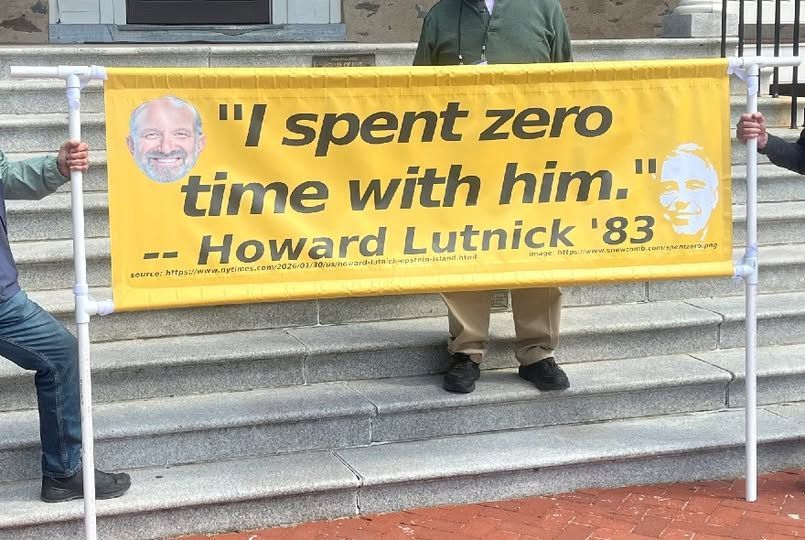
Haverford College alumni from 1971 hold a banner on campus about Howard Lutnick during alumni weekend.Courtesy of Chuck Durante
Haverford in a statement said many community members who oppose removing Lutnick’s name have also written to the college or told Raymond they are againstthe creation of a review committee that was requested through a student resolution this spring.
“President Raymond felt it was in the best interest of the college to reject the resolution because she did not believe this matter met the threshold necessary to constitute a committee given the college’s established standards and the information available to us at that moment,” the statement said.
But, the college said, “the matter is not closed.” Haverford is continuing to monitor “publicly available information” and “community sentiment” on the issue and Raymond or her successor could choose to initiate a committee, the college said.
Haverford not ready to make an ‘indictment’
Raymond, in the June 11 Zoom call with former board members, said she regarded creating a committee close to an “indictment” and did not think the threshold had been met, according to an email account of the meeting by Pearlstine obtained by The Inquirer. Some concerns about Lutnick are political, she said, and she is not willing to consider politics in her decision-making about a renaming committee, according to accounts of the meeting.
Students and alumni have pointed out that Lutnick had previously said he had not been in a room with Epstein, whom he found “disgusting,” since 2005, yet he testified to Congress earlier this year that he had visited Epstein’s private island with his family in 2012 and exchanged emails with him in 2018.
ButRaymond, who has led the college for seven years and previously announced she would step down next June, said in Tuesday’s meeting that she did notthink Lutnick’s lying about when he last had contact with Epstein was enough of a trigger.
Some alumni, supporting Raymond’s decision, have noted there is no evidence Lutnick participated in Epstein’s crimes or improprieties.
“I understand that students might feel strongly in support of wanting to change the name, but I don’t believe there’s a basis to do so,” said Robert Swift, a Philadelphia lawyer and former board member who was on the call Tuesday. “I have serious differences with Howard politically, but that’s not relevant either.”
Swift, 79, a 1968 Haverford graduate who served on the board for 12 years, said Lutnick, a former chair of the college’s board of managers, was generous and served the board well.
“His heart was in the right place,” Swift said.
Some were calling for Lutnick’s removal even before the Epstein connection because they did not like his politics, said one alumnus who asked not to be named because of the sensitivity of the matter.
“I don’t think it’s fair to remove someone’s name from a building simply because you don’t like their politics,” the alumnus said.
George Parker, a 1960 alumnus and a professor of finance at Stanford’s Graduate School of Business, said Haverford should rely on its Quaker roots, which requires governing by consensus.
“We do not have consensus,” Parker, a Quaker originally from the Philadelphia area, said of the Lutnick matter, “and where we do not have consensus, I do not think we should take action.”
Lutnick’s relationship with Haverford
Haverford has been in contact with Lutnick. Michael B. Kim, chair of Haverford’s board of managers and a private equity firm leader in Korea, said during the Zoom call that Lutnick communicated he is especially hurt that his alma mater is taking part in what he feels is a witch hunt, according to meeting accounts.
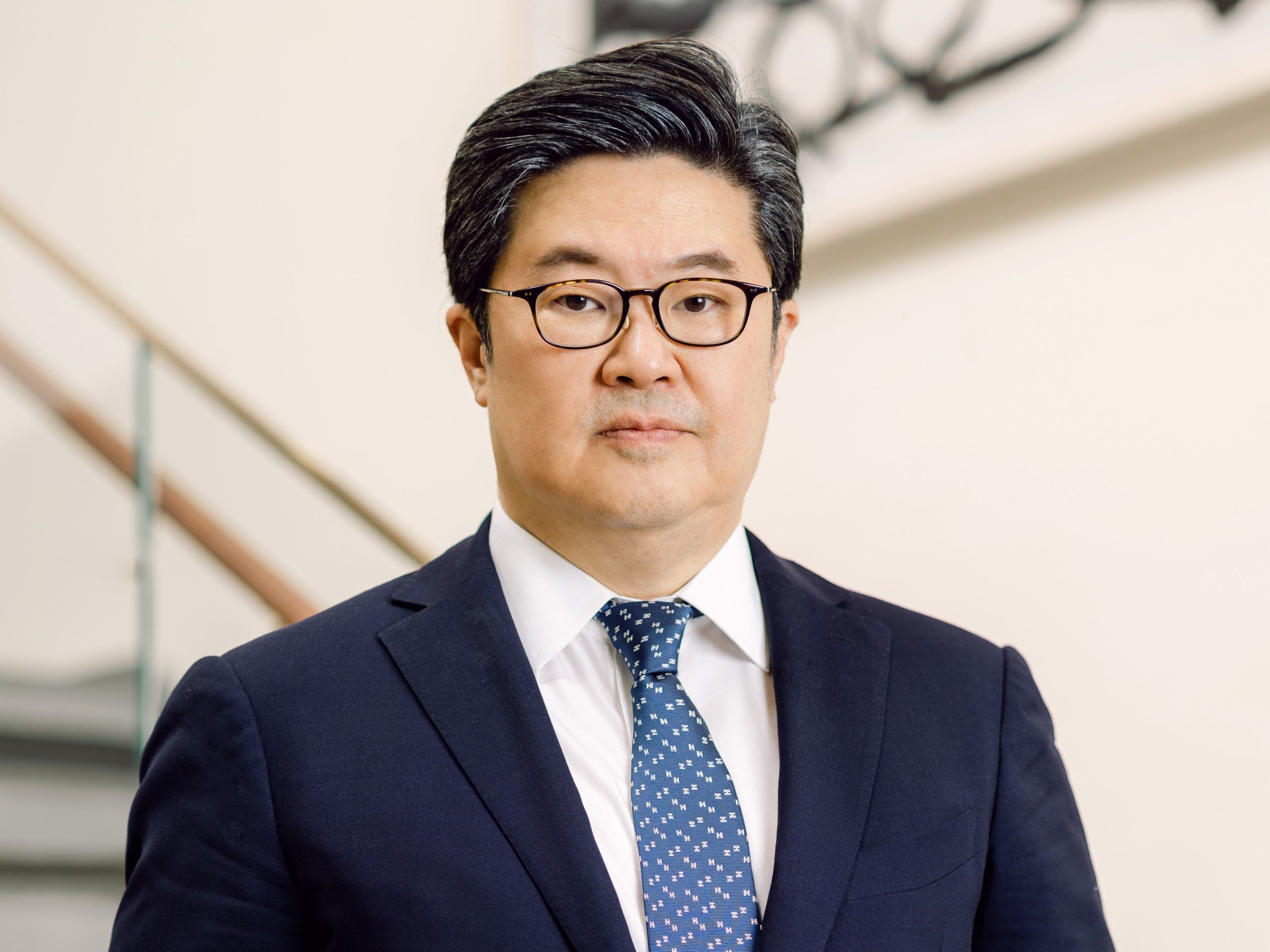
Michael B. Kim, chair of Haverford College’s board of managers.Courtesy of Haverford College
The board agrees with Raymond’s decision, he said.
Lutnick’s relationship with the highly selective, small liberal arts college on the Main Line goes back decades. He lost his mother to cancer when he was in high school and then his father one week into his freshman year. Haverford’s president at the time waived his costs and he graduated in 1983 with an economics degree.
Former chairman of financial firmCantor Fitzgerald, he served on Haverford’s board for 21 years, the last three as chair, until 2015. His name was put on the library after a then-record $25 million donation he and his wife made in 2014. Lutnick has given the school $65 million and is one of its biggest donors.
His Epstein ties gained scrutiny earlier this year. A Commerce Department spokesperson told the Associated Press that Lutnick had had “limited interactions” with Epstein, with his wife in attendance, and had not been accused of “wrongdoing.”
A request to the Commerce Department’s press office to speak with Lutnick got no response.
Under Haverford’s gift policy, the school can rename a building if “the continued use of the name may be deemed detrimental to the college, or if circumstances change regarding the reason for the naming.”
Schulze, the former school superintendent, said he thinks that threshold has been met and a full discussion is needed.
“Somebody else should take over if [Raymond’s] not ready to do that,” he said.
Rob Riordan, a 1964 graduate and Trenton native who lives in Cambridge, Mass., said he was upset Raymond did not honor a request from an overwhelming majority of students at a plenary meeting who requested a committee be formed
“To me, that felt like a violation,” said Riordan, 84, an educator who helped start charter schools in the San Diego area.
Several alumni pointed out that nearby Bryn Mawr and Swarthmore Colleges have removed names of controversial figures from buildings in recent years.
Pearlstine, who was on the Tuesday call, first wrote to Raymond and Kim in July 2025, urging that Lutnick’s name be removed. His concerns are not political, he said, but rather about behavior that conflicts with Haverford’s values.
“Howard Lutnick is a powerful Trump administration cabinet officer who proudly helps the most lawless President in our country’s history implement policies that trample upon human rights, due process, rule of law, and respect for the independence and integrity of institutions of higher learning,” he wrote.
It was not always that way. Ignatius, 67, who lives in Stonington, Conn., said he recalled interviewing Lutnick on stage at Haverford in 2015 and the good will in the audience toward him. Lutnick, who lost his brother andmany of his company’s employees in 9/11, talked about the aftermath and how the company helped care for victims.
“His trajectory since then has been similar to Rudy Giuliani’s,” Ignatius wrote to Raymond and Kim last August. “He has squandered the goodwill he built up after 9/11 and become a partisan troll, espousing values that are inconsistent with — and offensive to — the ideals that Haverford stands for.”
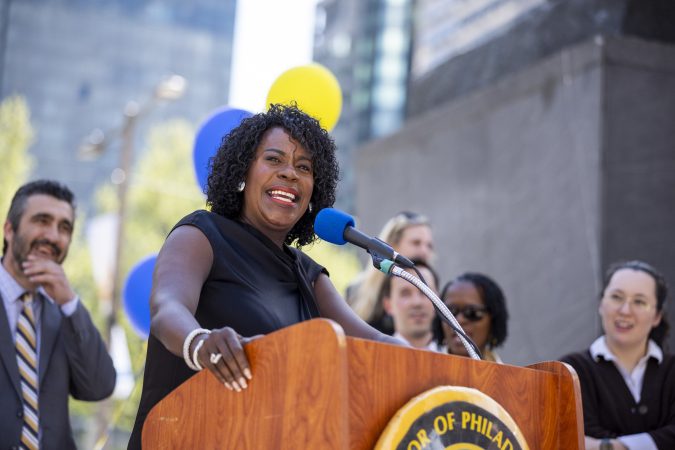
Through much of Mayor Cherelle L. Parker’s first two years in office, most political insiders in Philadelphia assumed she would cruise to reelection.
After all, no mayor in the last eight decades in the deep-blue city has lost a bid for a second term. And Parker is backed by the city’s long-powerful Democratic establishment, contributing to the foregone conclusion that their allied mayor would win again.
Even some of Parker’s staunchest critics on the left admitted privately that they were resigned to her serving eight years in office.
Then last month, conventional wisdom started to crack.
State Rep. Chris Rabb — a democratic socialist and an anti-establishment firebrand — won a tightly contested battle for an open seat in Congress, prevailing over Parker’s endorsed candidate and even carrying the 50th Ward in Northwest Philadelphia, where Parker is ward leader.
Now some of the activists who lead the city’s largest left-leaning organizations think that race showed that Philadelphians are ready to pick a progressive over the Democratic establishment. And they are looking at next year’s mayor’s race again, asking the question: Is Parker vulnerable?
“We would love to have a progressive challenger in this race,” said Sergio Cea, political director of the progressive group Reclaim Philadelphia. “The establishment was really defeated on all fronts this election cycle.”
In a little more than 10 months, Parker, a centrist Democrat and the city’s first female mayor, will be up for reelection. She has not officially announced a campaign — doing so would trigger strict fundraising rules and limits — but all signs indicate she intends to run again, including an already huge campaign war chest.
Any challenger to Parker would be considered a significant underdog. The mayor has the power of incumbency, and can point to progress on her 2023 campaign promises to make the city safer and cleaner, not the least of which is a historically low homicide rate. Thousands of residents are getting their trash picked up twice a week, and polls consistently show that more Philadelphians say they think that the city is heading in the right direction now than when Parker took office.
She even seemed to recover politically after one of her lowest moments: the eight-day municipal worker strike last year that left so much garbage piling up that it became colloquially known as “the trash strike.” Parker, through her signature unyielding negotiating style, muscled her way to an agreement with the union.
Today, she is supported by most of the city’s elected officials and powerful organized labor groups. Ryan N. Boyer, the head of a coalition of deep-pocketed building trades unions, said recently that any challenger to Parker would face “annihilation.”
“This is Philadelphia, there are always people who want to run for mayor. But mayoral elections are decided on whether people think their city is moving in the right direction,” said Aren Platt, executive director of People for Parker, the mayor’s political campaign arm. “Mayor Parker has been underestimated her entire career, and she has a habit of proving people wrong.”
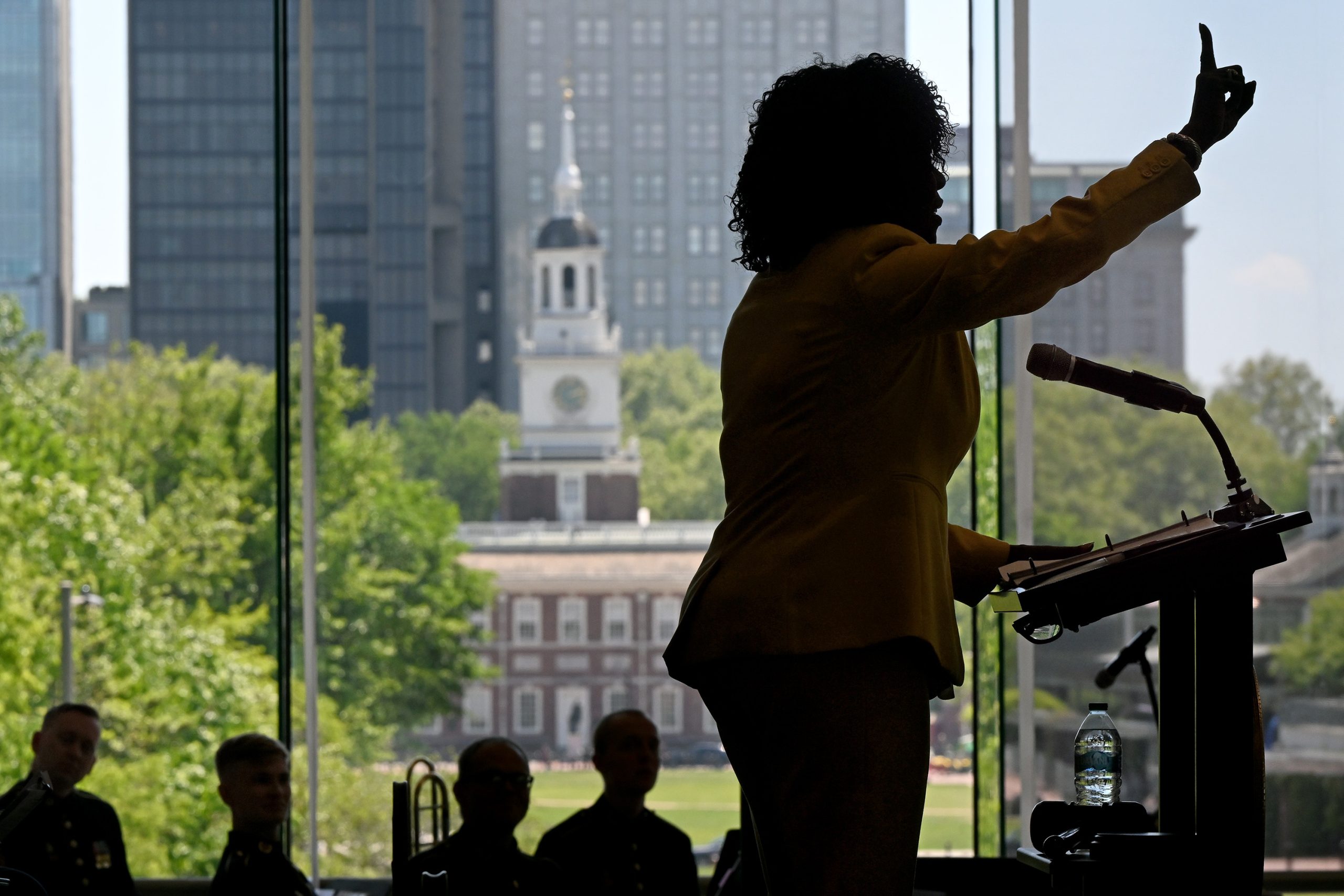
Mayor Cherelle L. Parker raises a finger with her call-and-response “One Philly, A United City” mantra ending her speech during a ceremonial meeting of the Pennsylvania Senate at the National Constitution Center across the mall from Independence Hall on May 5.Tom Gralish / Staff Photographer
However, some on the left see a coalescence of forces that could bolster their chances: national frustration with the Democratic establishment that has manifested in leftist wins, a widespread anti-incumbent sentiment, and liberal rage toward President Donald Trump, whom Parker has largely avoided maligning publicly.
“If you just have the right candidates that are able to speak to the dissatisfaction of Democratic voters in Philadelphia,” Cea said, “I do think [Parker] is in trouble.”
But the biggest question for Philadelphia progressives in the approaching mayoral race remains: Who could be their candidate?
The potential challengers
Jack Inacker, a Democratic strategist based in Philadelphia, said there are few, if any, challengers to Parker who could pull off a win in 2027.
“The progressive infrastructure now has built up in a way where, if you squint really hard, you can see a path to a progressive challenger,” Inacker said. “The problem is that [Parker] is one big mistake away from being beatable, but she’s not beatable yet. And people know that.”
Candidates have plenty of time to decide. Paperwork to get on the ballot likely would not be due until March.
Perhaps the most talked-about potential challenger so far isDistrict Attorney Larry Krasner, the city’s most prominent progressive. He has not ruled out a run for mayor, and he has recently publicly criticized Parker and some of her closest allies.
Last week, he invited media to walk along with him while he hand-delivered a letter to the mayor’s suite in City Hall to express dissatisfaction with his office’s budget. Parker called the move “stunting.”
Platt, in a thinly veiled shot at Krasner, said in a statement that “what we’ve seen recently is too many politicians focused on generating headlines rather than solving problems: manufacturing controversy, looking for someone else to blame, and confusing political theater with leadership.”
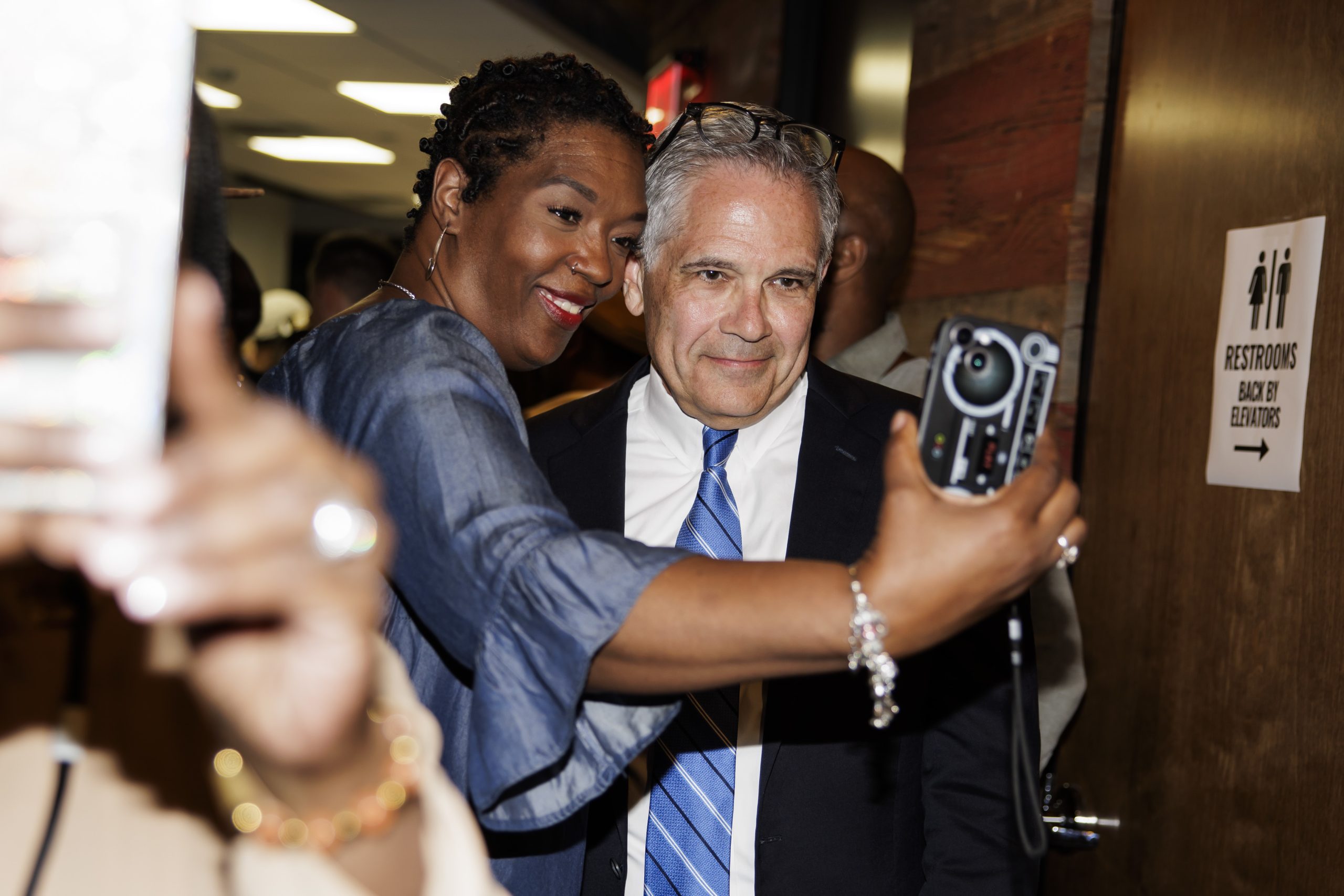
District Attorney Larry Krasner greets supporters during his election night party at the Pipeline Philly coworking space on May 20, 2025, in Philadelphia. Krasner defeated challenger Patrick Dugan both in the Democratic primary and in the general election.Monica Herndon / Staff Photographer
Krasner has won citywide election three times, twice winning reelection in landslide fashion. He is one of the nation’s most well-known progressive prosecutors and one of the city’s most polarizing figures. His base of support includes the city’s left, as well as a large swath of Black voters and elected officials.
But it was Parker’s political family — the vaunted Northwest Coalition of the some of the city’s most storied Black politicians — that was key to Krasner’s political ascent. Challenging Parker could be seen as a betrayal by some in the voter-rich northwest corner of the city, and his base there could fracture.
Krasner has also in the past struggled to keep up with his opponents in fundraising. Any challenger to Parker would likely need to bring in well over a million dollars, a sum of money that Krasner has never raised before.
Several other elected officials are seen as potential challengers to Parker, including several sitting members of City Council.
Councilmember Isaiah Thomas, who represents the city at-large, has long been rumored to have ambitions for higher office. He has been elected citywide twice, and recentlywas among the most vocal opponents of the Philadelphia School District’s controversial plan to close 17 schools.
And he has allies both on the left and in the city’s business community, the latter of which has been frustrated with a Parker administration policy shift that increased the tax burden on small businesses.
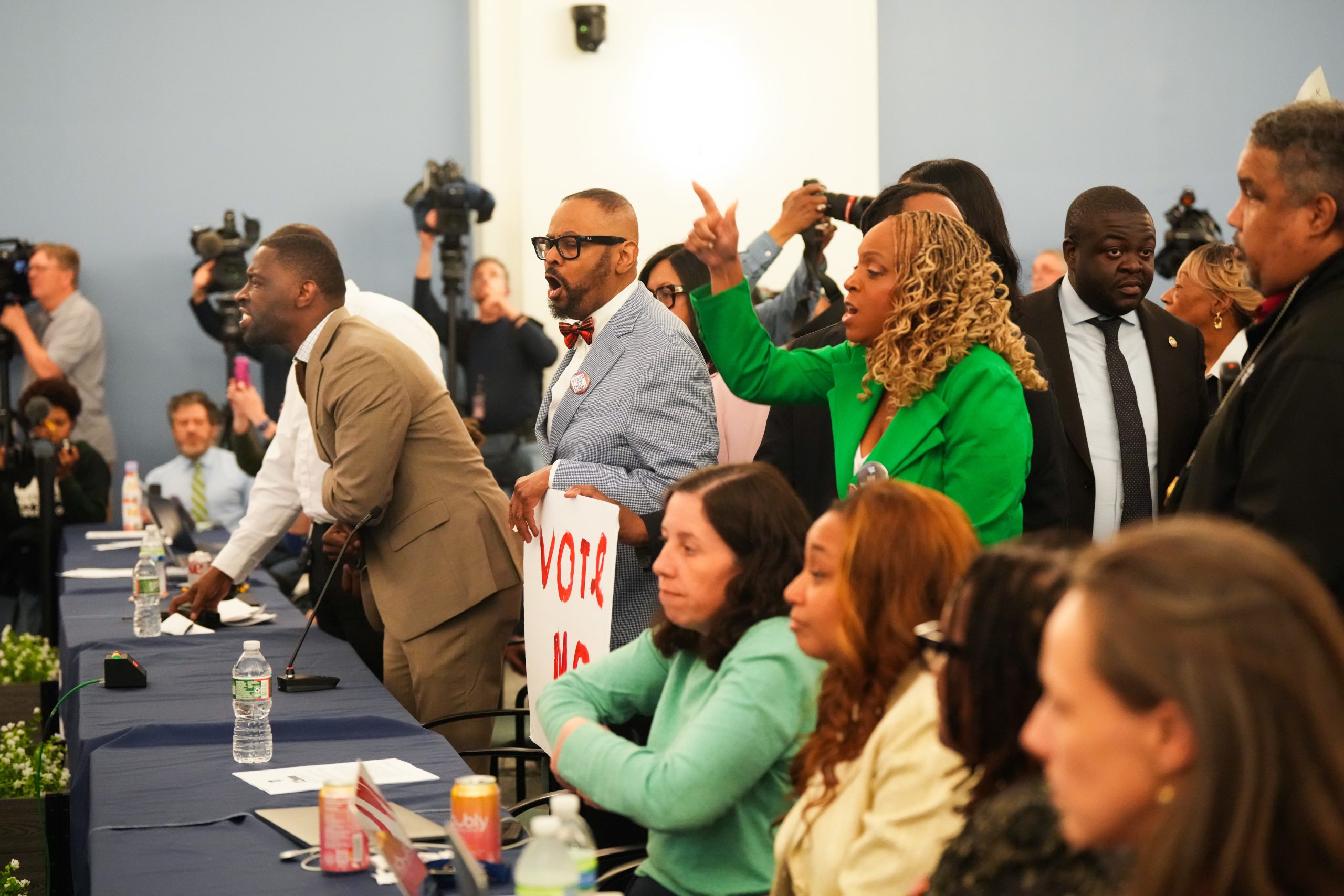
Councilmembers Isaiah Thomas (from left), Curtis Jones Jr., and Jamie Gauthier protest at an April school board meeting as the board prepared to vote on the facilities plan.Jessica Griffin / Staff Photographer
Thomas said last week that he is focused on his job in City Council.
“That job right now is hard enough, looking at the affordability crisis, the crisis around public education, and other issues that we’re facing,” he said.
There’s also two-term Councilmember Jamie Gauthier, who represents parts of West Philadelphia and has positioned herself as one of Council’s chief critics of the Parker administration. She said earlier this year that running for mayor “could be interesting one day,” but that she would not run if she did not see a clear path to victory.
She said in a statement that her focus is “finishing what we started on City Council, especially building affordable housing.”
Gauthier added: “But it’s clear Philadelphians are hungry for leaders who will put working families above big business.”
And there is Councilmember Kendra Brooks, the de facto leader of the city’s left-leaning coalition and a member of the progressive Working Families Party. Brooks, who represents the city at-large, has twice campaigned and won citywide.
A political adviser to Brooks said she is focused on her work in City Hall and running for reelection to Council, as well as “building Black progressive political power through the WFP.”
What do progressive gains mean for the 2027 mayor’s race?
Parker’s camp sees strength in her numbers.
In March, the mayor’s political arm commissioned a poll that found that 60% of respondents approve of the job Parker is doing as mayor, while 33% disapprove. Her approval rating was even higher among Black voters, older voters, and residents of Northwest Philadelphia — one of the highest-turnout areas of the city.
Mayor Cherelle L. Parker (right) hugs Rachel O’Neal, executive of the Friends Childcare Center, at the unveiling of a new playful learning hub at Sisters Cities Park on Thursday.Jessica Griffin / Staff Photographer
Cornell Belcher, one of the top Democratic pollsters in the nation, has conducted polling for Parker dating back to her mayoral campaign. He said that a key indicator of voter attitude toward an incumbent mayor is the number of residents who think the city is heading in the right direction.
The results this spring, he noted, were “dramatically different” from when Parker was first campaigning for the office. In April 2023, Belcher measured that 66% of Democratic primary voters in the city were dissatisfied with the direction of Philadelphia.
Today, he said, 62% are satisfied.
Still, other polls have shown potential warning signs for Parker.
In three polls that were conducted this spring in the 3rd Congressional District and obtained by The Inquirer, an average of 48% of Democratic primary voters said they had a favorable view of Parker and 41% had an unfavorable view. The polls, which measured voter attitudes in roughly half the city, were conducted by three different firms, and they were commissioned by different campaigns and organizations.
Approval and favorability ratings are not apples-to-apples. An approval rating is often considered a more reliable data point for an incumbent executive, because it measures attitudes about job performance, not reputation.
Belcher, who founded his polling firm 25 years ago and polled for former President Barack Obama, said he would not draw conclusions from polls of a congressional district that includes only half the city and was taken in a different election year. And he questioned other pollsters’ methodology in Philadelphia, a city that is tricky to survey.
“A city like Philadelphia, with all its different racial and ethnic groups, getting that right is hard,” Belcher said. “The more diverse an area is, the more work you have to put into getting it right.”
Chris Rabb greets supporters on election day. He is arriving to his polling place to vote, Grace Epiphany Episcopal Church, on May 19.Alejandro A. Alvarez / Staff Photographer
The results of last month’s congressional race energized progressives, in part because Rabb performed well in parts of the city that Parker carried when she won the crowded open Democratic mayoral primary in 2023. An Inquirer analysis found that more than a quarter of Rabb’s votes came from divisions that voted for Parker in 2023.
Rabb won his Democratic primary in a race that included three front-runners. But mayoral reelection battles in Philadelphia have historically been head-to-head, meaning the winner will look to reach 50% of the vote, a more challenging proposition for an ideological candidate.
“The mayor is organized, and her coalition across Philadelphia is strong,” Platt said. “They may not be active on Reddit, but they’re there, and they believe in what she’s doing because they can see the results in their neighborhoods.”
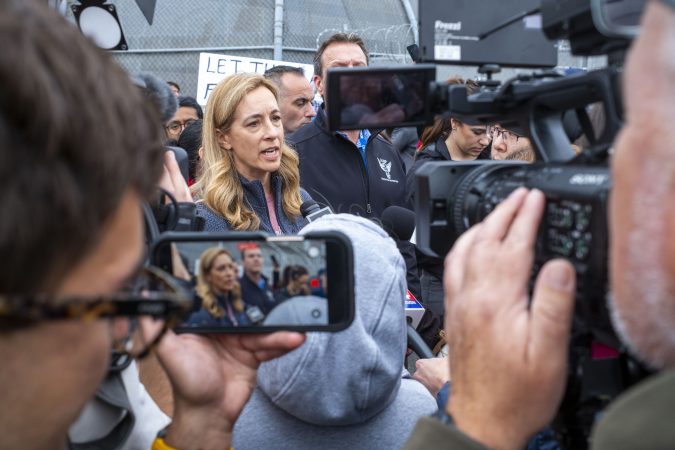
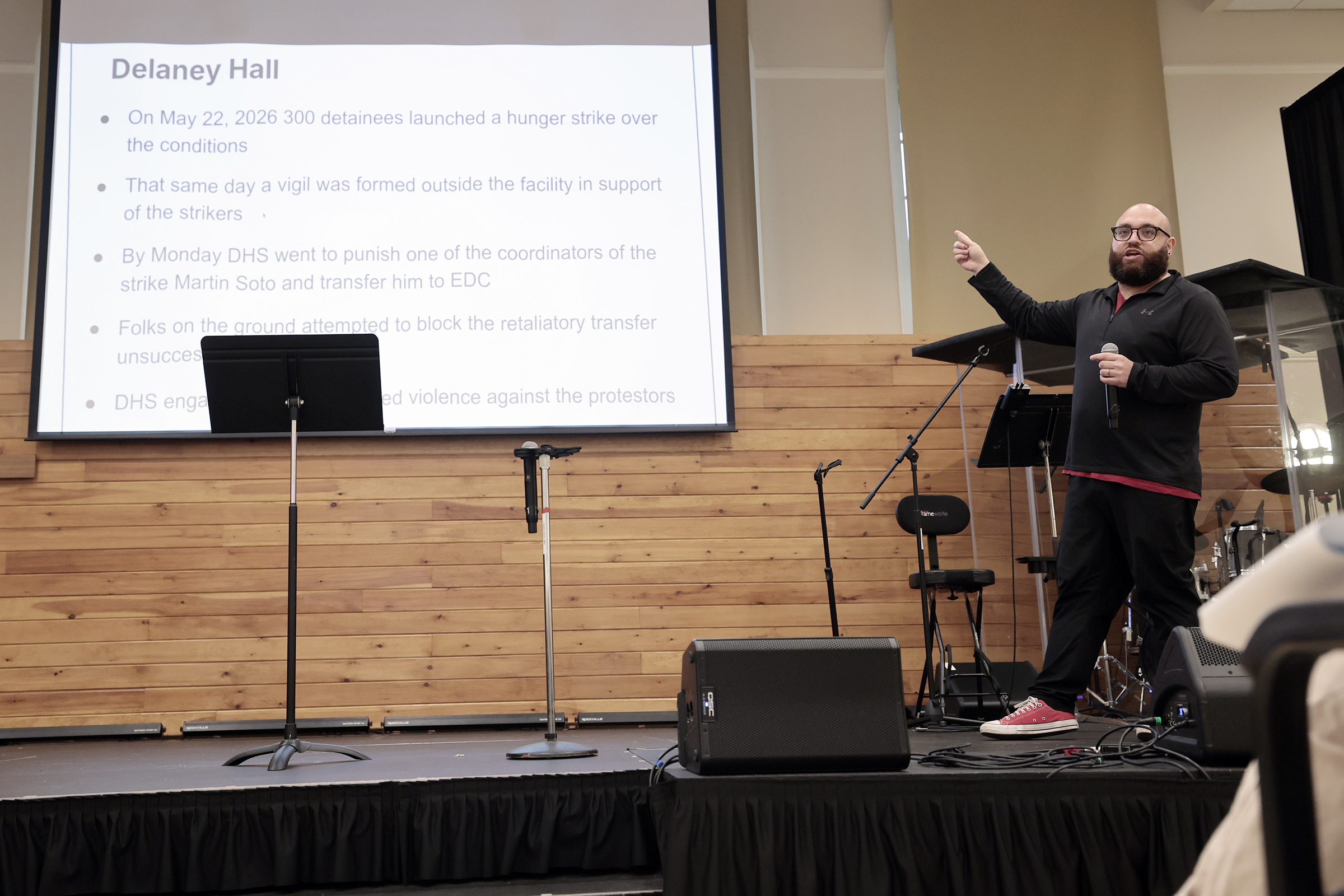
Josue Barreiro stood in front of a crowd of 200 people seated inside a church last week in Haddonfield. He was there to speak about his experience as one of 61 protesters arrested in one night outside Delaney Hall after Gov. Mikie Sherrill had sent over state police.
He told the crowd, gathered for a meeting of the South Jersey progressive group Cooper River Indivisible, that the governor made it seem like she was sending state troopers to protect demonstrators from federal immigration officers. Instead, he said, they brutalized protesters on horseback in riot gear. He showed a video of state police knocking him to the ground.
“All accounts say the state police were considerably more violent than the federal government was,” Barreiro, a Bridgeton resident and activist with Los Tequios, told receptive audience members who made sounds of disgust.
Josue Barreiro speaks about the protests outside Delaney Hall during the Cooper River Indivisible general meeting at the Haddonfield United Methodist Church on June 9.Elizabeth Robertson / Staff Photographer
Sherrill, a former member of Congresswhose double-digit victory last year was seen as a rebuke of President Donald Trump, has been in her most high-profile political bind yet as she juggles her opposition to the ICE detention center while facing widespread criticism for her handling of protests outside it.
The first-term governor campaigned as a fighter against Trump and Immigration and Customs Enforcement. She highlighted her experience as a Navy helicopter pilot and said she was trained “that in a crisis, you run toward the fight.” But to South Jersey progressives who worked hard to campaign for her, Sherrill’s decision to respond to tensions between protesters and ICE with a designated protest zone policed by state officers represented a betrayal. The governor called the decision “absolutely necessary to protect public safety and avoid escalation from ICE.” But the state police’s show of force, video of which replayed across national news and social media channels for days, “kind of resembled what ICE was doing in the first place,” said Newark Mayor Ras Baraka, one of Sherrill’s primary opponents, who was arrested outside the facility last year.
“This was not the kind and quality of leadership we were voting for, or hoping to see,” said Michele Messer, 52, a leader of Cooper River Indivisible, one of the groups that campaigned for Sherrill.
People sign up to volunteer after the Cooper River Indivisible general meeting at the Haddonfield United Methodist Church.Elizabeth Robertson / Staff Photographer
Sherrill said she was trying to “lower the temperature” to prevent Newark from becoming another Minneapolis when she announced her plans to send state troopers to Delaney Hall. She later disagreed with a comparison between state police and federal immigration officers in Minneapolis during a tense interview on WNYC’s Ask Governor Sherrill, noting that state police didn’t kill anyone.
“I don’t think they have the same concern for human life in many cases that I do, and that our police forces in New Jersey share,” she said.
Activists said she should have known that sending in police and corralling people into a free speech zone can escalate already fraught demonstrations.
“I mean, there’s precedent, there’s history. We’ve all read about how these things go, and yet that was the choice she made,” said Messer, a Haddon Township resident who has protested at Delaney Hall.
Patricia Campos-Medina, a former campaign adviser to Sherrill, said the governor’s handling of Delaney Hall — and how she manages “the fallout of her decisions” — has been an early test of her leadership.
“It’s her first real test [of] how she manages the duties of being the highest public safety officer of the state leading New Jersey, and then still protecting the immigrant community who lives here,” said Campos-Medina, an ally of the governor who works with the labor movement.
Sherrill has built her national profile on fighting the Trump administration, and those who have become the most frustrated with her share that mission. How she navigates this moment could determine whether she can keep that base focused on fighting the president, instead of her.
Mounted New Jersey State Police troopers move toward protesters outside the Delaney Hall detention center on May 29 during a protest against the transfer of detainees and federal immigration policies.AP Photo/Andres Kudacki
‘I’m not proud to have voted for her’
Sherrill has called for the closure of Delaney Hall and her administration announced multiple measures to support the fight against the detention center since the late May backlash against her began.
Activists from across the staterallied in Trenton on June 1 and delivered a letter to Sherrill calling on her to “honor our First Amendment rights, cease police brutality and to enable the closure of Delaney Hall.”
“As the grassroots who campaigned for you, we also expect ongoing communication with your administration to navigate this perilous time in New Jersey,” the letter continued, signed by about 40 organizations statewide, including Cooper River Indivisible and several other South Jersey groups.
The next day, New Jersey Attorney General Jennifer Davenport, Sherrill’s appointee, filed a lawsuit against GEO Group — the private company that runs Delaney Hall — to give the state health department full access to the facility over reports of “inhumane and unsanitary conditions.”
Two days later, Sherrill and the state legislature announced an infusion of $20 million to assist with immigration defense and launched a rapid legal defense effort amid concerns about due process.
Marie Henselder-Kimmel, 65, a Cherry Hill resident who leads the South Jersey group NJ Voters Want More Say, said the reports of bad conditions in the facility are not new, so she doesn’t understand why the administration did not take legal action months earlier.
“I foresee that we’re going to have to keep pressuring to get them to keep doing those more bold things,” she said.
Henselder-Kimmel said she feels “torn” about Sherrill’s decision to send state police because she agrees ICE would have escalated otherwise. But she said it seemed like Sherrill may have sent the police in without understanding what they were going to do.
Marie Henselder-Kimmel (left) and Michele Messer (right) talk with Vikki Toomer (back to camera) after the Cooper River Indivisible general meeting at the Haddonfield United Methodist Church.Elizabeth Robertson / Staff Photographer
Cristian Moreno-Rodriguez, who works as the executive director of El Pueblo Unido of Atlantic City, an organization that supports Latino immigrants, said Sherrill’s handling of the protests has fully broken the trust with his community.
Sherrill’s campaign made a particular effort to target Latino voters. She did particularly well in New Jersey’s largest Hispanic-majority cities, which moved an average of 18 points toward the Democrat after rightward shifts in 2024.
“We’re not going to forgive her for what she’s done,” said Moreno-Rodriguez, who worked for One Giant Leap, asuper PAC that supported Sherrill and raised about $9 million by the end of 2025.
Sherrill was not Moreno-Rodriguez’s first choice in the primary, but she was a better choice for his community than Republican Jack Ciattarelli, he said. Still, he said he was expecting better from the Democrat.
“I don’t regret voting for Mikie Sherrill because she was better than Jack Ciattarelli, but I’m not proud to have voted for her,” he said.
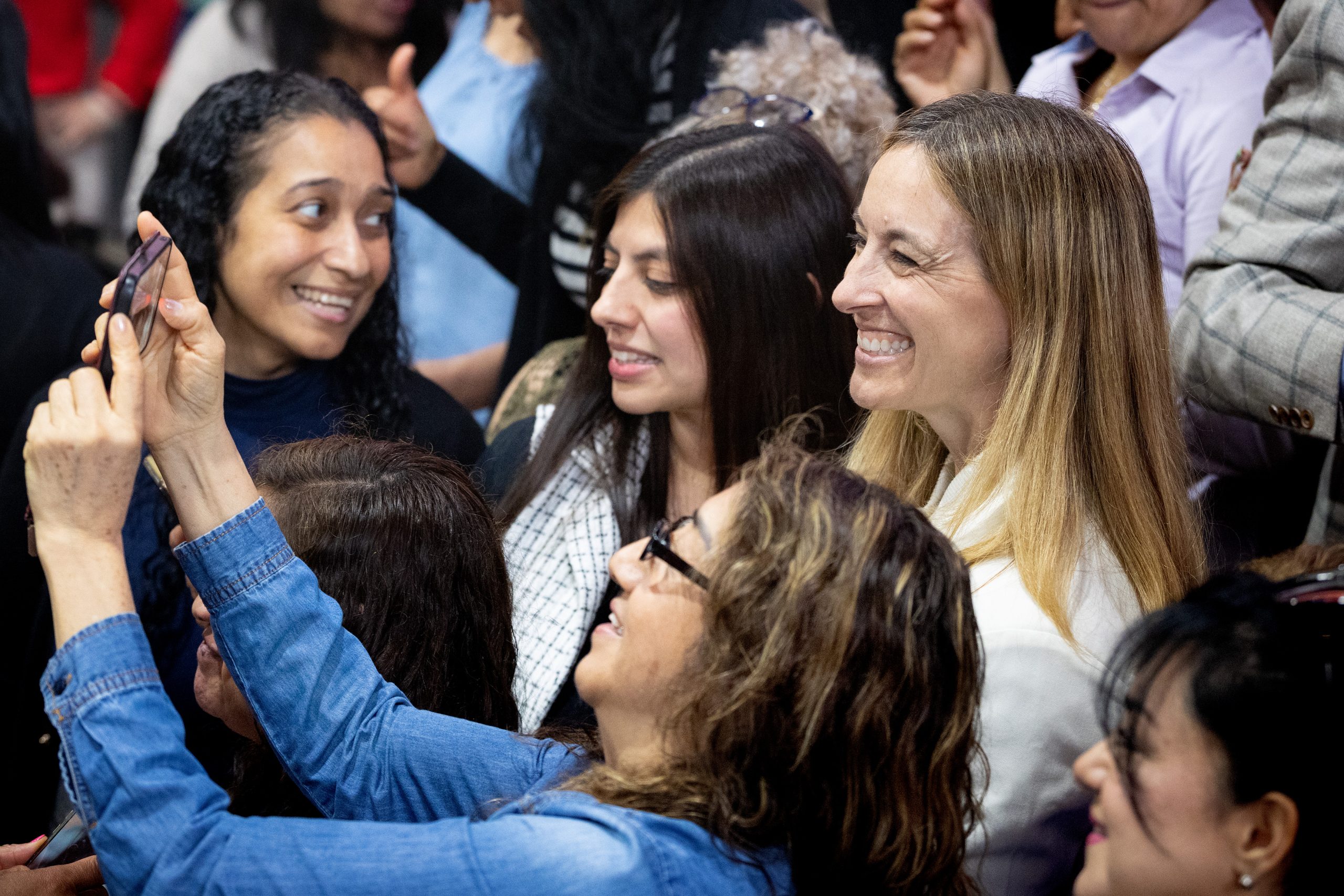
Gov. Mikie Sherrill poses for a selfie at a Latinos for Mikie event at the Rancho Mateo restaurant in Elizabeth, N.J., last May.Aristide Economopoulos
Activists have been demanding Sherrill meet with detainees, but she says she has not been allowed in except for one “closely controlled and limited tour” on June 8, in which she was not allowed to speak with those being held there.
Several members of Congress, who are authorized to conduct oversight visits, have visited the detention center, including Sen. Andy Kim, a South Jersey Democrat who made headlines for getting pepper-sprayed while trying to de-escalate tensions between federal immigration officers and protesters. Kim faced criticism from some activists for what they viewed as trying to negotiate with ICE, but others have praised him for being on the ground in a way they have not seen from Sherrill.
Sen. Andy Kim stands between federal agents and demonstrators in an attempt to prevent a clash outside the Delaney Hall migrant detention center in Newark on May 25.DAKOTA SANTIAGO
Sherrill and activists alike have said that the demonstrators have been largely peaceful. But U.S. Rep. Jeff Van Drew, a Cape May County Republican, accused the protests of being “more like anarchy” and called on Sherrill to bring state police back.
State Sen. Michael Testa, a Cumberland County Republican, praised Sherrill’s “decision to cooperate with federal authorities” and “restore order” by bringing state police in, and added fuel to the fire by thanking her for “supporting President Trump and the brave men and women of ICE.”
‘The buck stops with her’
Activists have expressed frustration that the narrative has strayed from the conditions inside Delaney Hall to the fight outside it — a point Sherrill has echoed.
But after state police clashed with protesters, Sherrill focused her criticism on what she described as “aggressive and dangerous” disruptors and defended the officers.
Her remarks further infuriated activists who accused her of echoing the state police’s narrative, which they say does not align with what they experienced on the ground or saw online.
When a radio caller confronted Sherrill on WNYC over state police brutalizing nonviolent protesters, the governor said “if there were incidents like that, the attorney general will be looking into that.”
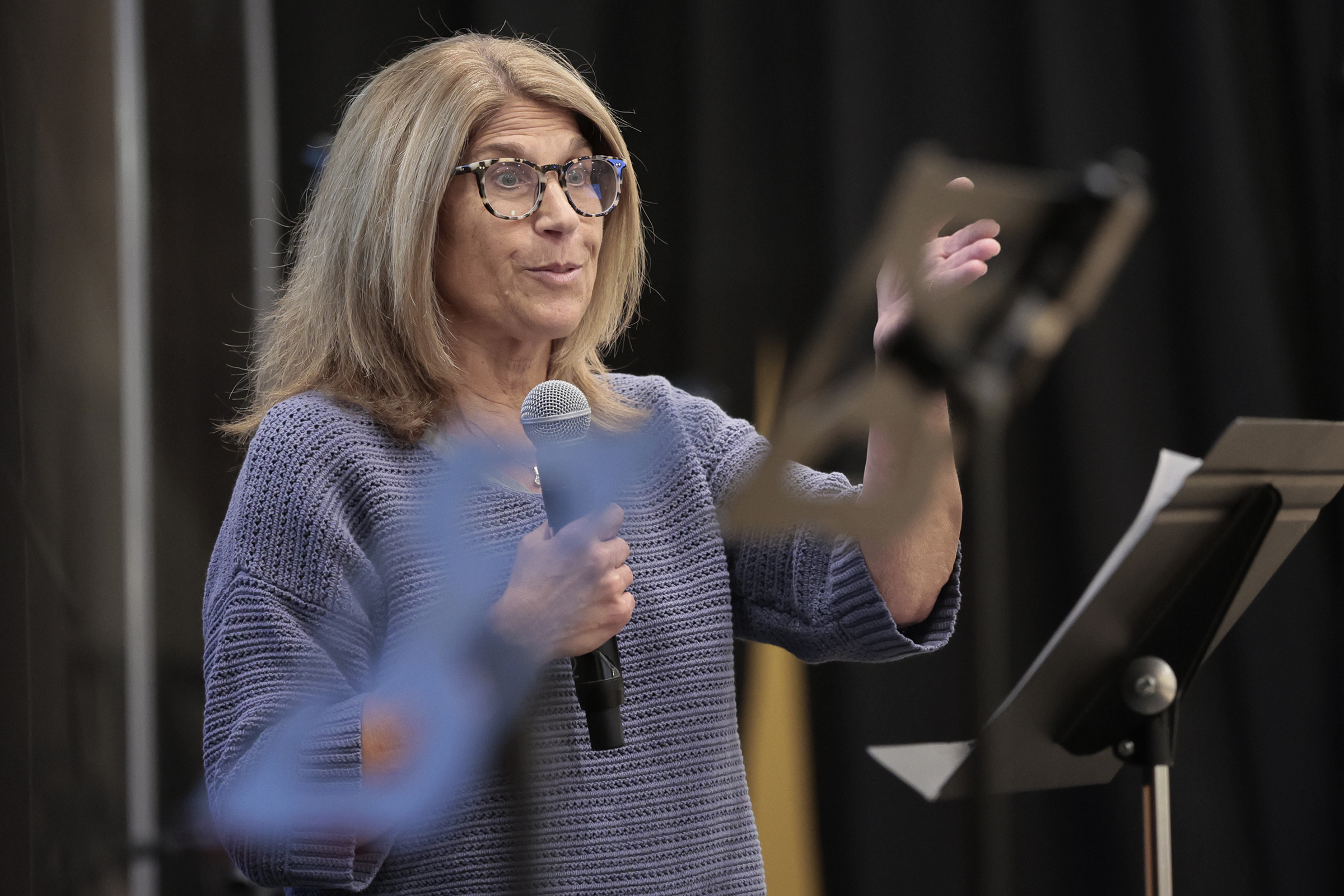
Vikki Toomer, a Cooper River Indivisible leader who has protested outside Delaney Hall, said that listening to Sherrill’s news conferences have given her “that same visceral reaction” she gets from listening to Trump.
Vikki Toomer speaks during the Cooper River Indivisible general meeting at the Haddonfield United Methodist Church.Elizabeth Robertson / Staff Photographer
“I don’t know if they were feeding her lies, or that’s the narrative she was trying to spin … all I know is what she was saying was not true, and she was not taking the time to listen,” Toomer said.
Toomer said she believes the governor knows her plan did not go well but also “has not come out publicly and said, ‘Oops, I made a mistake.’”
When asked on the radio whether she believes her administration has suffered a loss of trust, Sherrill said sending state police “was really not done focusing on politics, and I certainly hope not.”
“This was focused on making a really hard decision in a situation that nobody wanted,” she said.
Folks leave messages on a collage (left) during and after the Cooper River Indivisible general meeting at the Haddonfield United Methodist Church on June 9. The poster will be part of an exhibit at Perkins Center for the Arts.Elizabeth Robertson / Staff Photographer
Linda Greenwood, 74, a Voorhees resident who belongs to Cooper River Indivisible and campaigned for Sherrill, believes the governor has good intentions but does not think she has been unfairly blamed.
“She’s the governor,” Greenwood said. “The buck stops with her. She brought the state police in. She has to take responsibility for what happened there, and I think she will.”
Lawrence Garrity, 29, was the lead volunteer for long shifts at Sherrill’s Cumberland County campaign office between overnight shifts at Wawa last year. The Rowan student said he feels “salty” he worked so hard to elect her and it feels like she is not on their side.
“It doesn’t feel like she’s not on our side either. It’s like she’s sitting in the middle … people are genuinely in danger, and you’re trying to, like, half-ass fight it,” he said.
Garrity said he had to go to urgent care after state police unleashed tear gas and pepper balls on protesters.
“Somebody said they’re gonna make T-shirts that said ‘I voted for Mikie Sherrill and all I got was tear-gassed,’” he said.
Protecting the public is government’s most fundamental duty. But when new threats to safety emerge and evolve, that duty demands more than awareness — it demands action that keeps pace with reality.
Today’s children are growing up exposed to constant streams of content that can be disturbing, harmful, and frightening. It shapes how they see themselves and their peers in ways no previous generation has had to navigate. That is the reality we face — and it demands urgency and action.
Today’s children are growing up exposed to constant streams of content that can be disturbing, harmful and frightening, write Joanna McClinton and Dave Sunday.Seth Wenig
Last month, we served as panelists at an event in Montgomery County concerning the growing issue of AI-generated sexually explicit deepfakes in our schools. This discussion stressed the harmful, long-lasting impact that sexualized content can have on victims, but also what we should be doing to better protect our children and to prevent this new form of exploitation.
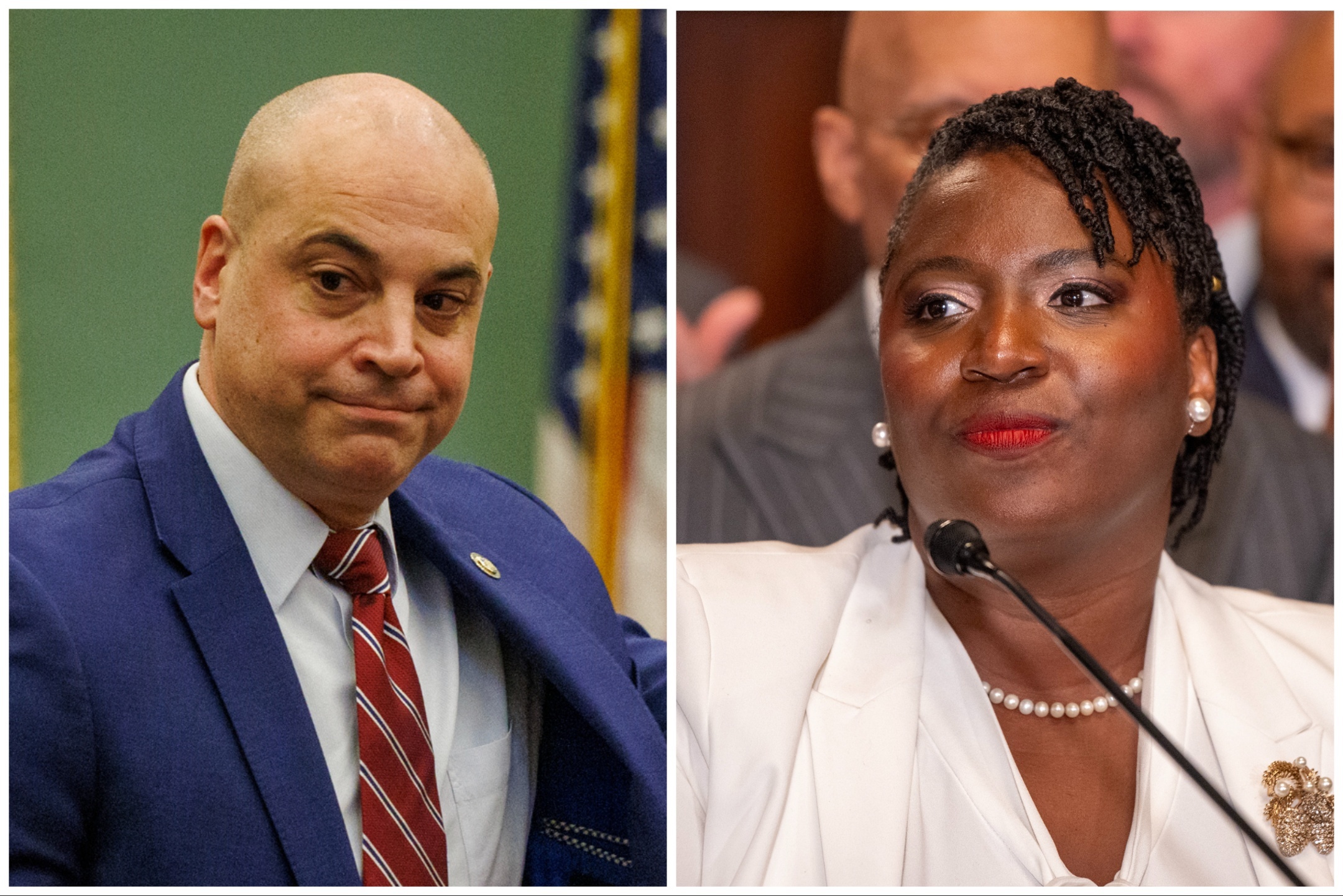
First, let’s level set. Explicit deepfakes are not a joke, or “kids being kids.” They are serious and illegal invasions of privacy that can leave a victim feeling traumatized, angry, alienated, depressed, embarrassed, shameful, and violated. They need to be taken seriously, and they need to stop.
To set the tone for the event, two courageous students shared their victim impact statements with the audience of parents, advocates, law enforcement officials, and others. Their testimony was simultaneously heart-wrenching and infuriating.
Heart-wrenching because of the cycle of trauma a teenager must endure after having their privacy violated by a classmate. Trauma that does not stop when the school bell rings at the end of the day, but follows our children home. Infuriating because of the ease with which a child can create hypersexualized content of another child.
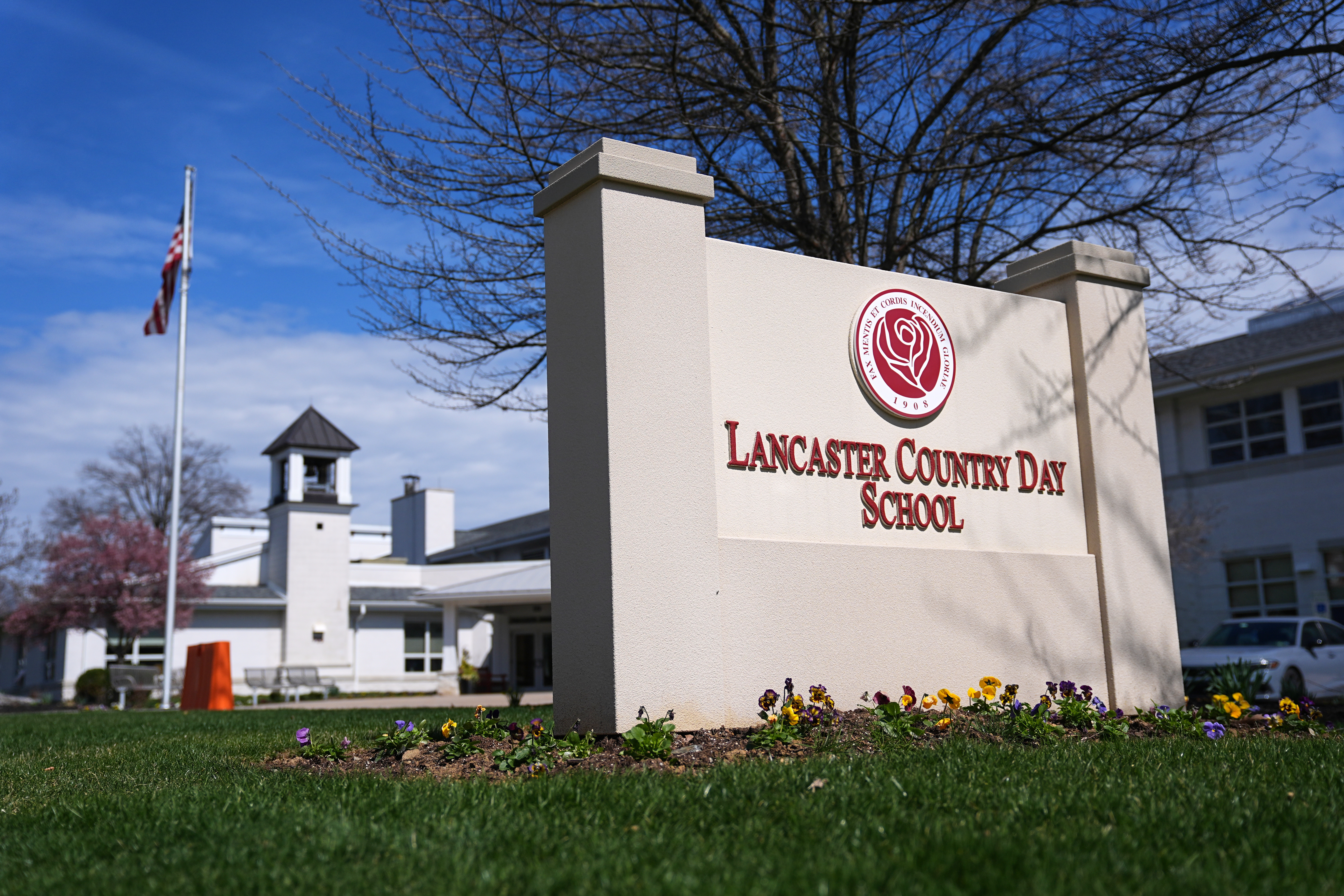
Earlier this year, two 16-year-old boys in Lancaster County used artificial intelligence to create hundreds of nude images of female classmates at Lancaster Country Day School.Matt Rourke
Deepfake sexualized images in schools is not an issue unique to Pennsylvania, with prominent cases emerging in states from California to Louisiana to Massachusetts, but it is one that the two of us — Joanna McClinton, as a lawmaker, and Dave Sunday, as the state’s chief law enforcement officer — are heavily invested in and are committed to defeating.
In Pennsylvania, we’ve implemented new laws to respond to the growing danger some apps are enabling in our schools and elsewhere.
In 2019, Pennsylvania was a leader in making sextortion — a crime where a perpetrator coerces a victim to comply with demands for sexual acts, images, or videos — a third-degree felony, punishable by up to seven years in prison, if the victim is under 18, or the perpetrator has shown a pattern of engaging in sexual extortion.
In 2024 and 2025, Pennsylvania enacted new laws making it a crime to harass someone by distributing a deepfake nude or sex act image of them without their consent (the offense is more serious if the victim is a minor), or to create a forged digital likeness, a computer-generated image, video, or audio recording of a person, with the intent to defraud or injure someone.
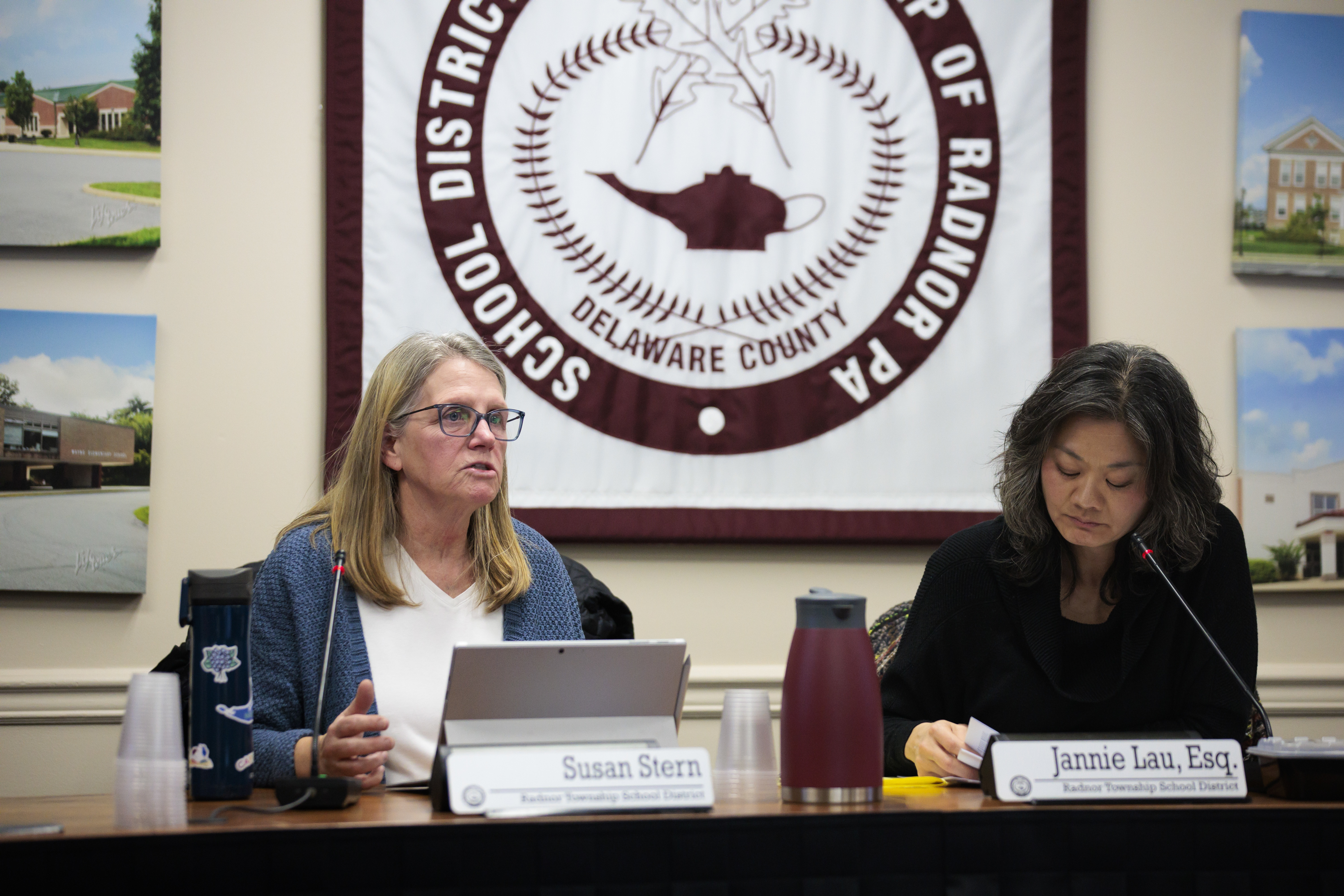
In April, the Radnor school board explicitly banned the use of artificial intelligence to create sexualized images of another person, after a student made deepfakes of female classmates.Monica Herndon / Staff Photographer
Finally, we learned from recent incidents in Lancaster and Delaware Counties that acting fast is critical to limiting the number of victims, stopping the circulation of deepfake child pornography, and maximizing law enforcement’s ability to investigate.
To speed up the process, an additional measure is pending in the state Senate to require mandated reporters, like teachers, school officials, and healthcare professionals, to report suspected child sexual abuse materials or AI child sexual abuse materials to ChildLine, which will immediately alert law enforcement.
A measure is pending in the state Senate to require mandated reporters, like teachers, school officials, and health care professionals to report suspected child sexual abuse materials or AI child sexual abuse materials to ChildLine, write Joanna McClinton and Dave Sunday.Andrey Rudakov
We are also having ongoing conversations directly with students about social media and artificial intelligence, and how these tools make them feel in their day-to-day lives. Those perspectives matter, and they should inform how we approach this issue moving forward.
We can be part of the solution through our offices and in Harrisburg, but it is just as important to hear directly from students in our hometowns and across the commonwealth.
We also recognize that social media is not going away. This is not about banning platforms or telling kids to shut down their accounts, but about ensuring they understand and are aware of the very real dangers that can exist within them, and equipping families and schools to navigate them safely.
While updating the law is an important step in keeping our kids safe, the real solution requires parents, educators, law enforcement, and even tech companies to act and to know what to do.
Students need to know and feel comfortable telling an adult that a sexualized image has been sent to them.
Parents and caregivers need to talk with their children to both understand what they are doing online and what apps they are using, and to reassure them that if they see something inappropriate, they should tell you or another trusted adult.
Schools need to take incidents seriously, alert law enforcement immediately, and, most importantly, support the victims.
Law enforcement needs to treat these cases seriously. They are crimes being perpetrated against children, and they are occurring in communities around the state. If your community hasn’t been impacted yet, it will soon.
Technology today is transformative, and it is evolving at a faster and faster pace. When we were growing up, we didn’t have these powerful tools to contend with. But now that they are here, they need to be used responsibly.
The stories from our brave students should be a call to action for each of us — from elected officials to law enforcement to parents and school leaders — to do everything we can to prevent the use of apps that allow children to create hypersexualized content of their classmates.
We can’t allow hypersexualized content to become mainstream; we need to hold people accountable, from the students generating the deepfakes to the app developers who make the sexualized content possible.
Joanna McClinton is the speaker of the Pennsylvania House of Representatives. Dave Sunday is Pennsylvania’s attorney general.