Sen. Andy Kim wants to get to the bottom of why President Donald Trump rejected New Jersey’s request for FEMA aid over a record-breaking snowstorm earlier this year.
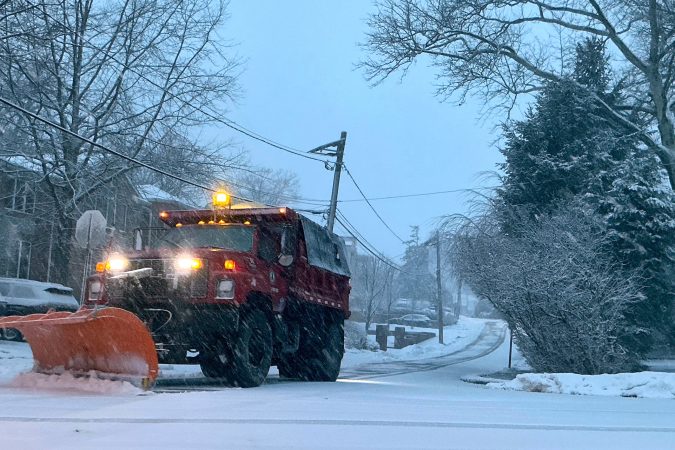
Winter Storm Hernando, a massive blizzard, hit New Jersey and other Northeastern states hard in February. New Jersey submitted an $84 million disaster request after tallying the damage in the weeks that followed.
The Federal Emergency Management Agency (FEMA) this month rejected New Jersey’s request as partof $227 million in disaster aid requests from four Democratic-led states that were denied, Politico reported Wednesday.
The decision came from Trump after regional FEMA offices and the National Oceanic and Atmospheric Administration (NOAA) determined that the states met the required thresholds to receive aid, according to the report, which cited a former FEMA official calling the move to override the agencies unconventional.
Kim said in an interview Thursday that Americans need “absolute assurance” that FEMA decisions won’t be based on “the whims of the president.”
”I think we should all just declaratively be able to say that partisan politics does not belong in disaster response … I would hope that every single public servant, from the White House to FEMA to the Capitol, believes that,” he said.
Sen. Andy Kim speaks with Naimah Rutling, executive chef at Cathedral Kitchen in Camden, N.J., during a visit this month. Tyger Williams / Staff Photographer
The South Jersey Democrat is the ranking member on the subcommittee that oversees FEMA, the federal agency responsible for doling out aid to communities hit by disaster.
The president must declare a disaster in order for states to access FEMA aid — and the same goes for individual assistance. Democrats have in recent weeks raised concerns that Trump has penalized blue states in these decisions.
A 16-page NOAA report indicated snowfall records in seven counties in the state, and a 12-page spreadsheet developed by FEMA and New Jersey documented the $84.4 million in costs, which were primarily for snow removal, Politico reported.
The National Weather Service reported blizzards in several counties, including in Southeast Burlington County and other parts of South Jersey. The blizzard caused disruptions to the region such as thousands going without power, school closures, and transit disruptions.
Sean Higgins, a spokesperson for New Jersey Gov. Mikie Sherrill, said the state’s request included costs incurred by the state’s municipalities and counties. He said Sherrill’s administration will appeal the denial.
“Without that aid, our local governments will be stuck with the costs of an unprecedented snowstorm that didn’t care about political boundaries … Governor Sherrill will continue to fight for every dime that New Jerseyans are owed, regardless of political party,” Higgins said in a statement.
FEMA’s cost threshold for public assistance for New Jersey is about $18 million, according to the New Jersey Office of Emergency Management, far below the assessed damage from the storm.
FEMAdid not respond to an inquiry about the rejection on Thursday, but Kim said the agencysaid it disagreed that New Jersey met the threshold.
White House spokesperson Abigail Jackson has told news outlets that Trump is ensuring FEMA aid is used “to supplement — not substitute” states’ “obligation to respond to and recover from disasters.”
The South Jersey senator said he has “concerns” that the rejection was political but he can’t say for sure.
“I understand that you know, the federal government’s not supposed to cover everything for everything, but … this was a situation of record snowfall in wide swaths of New Jersey and, frankly, across the country,” Kim said.
If the state’sappeal isn’t successful, Kim said he has “more tools in my toolbox to try to get my state the funding they deserve” but declined to share what those would be, saying it’s part of a “broader negotiation.”
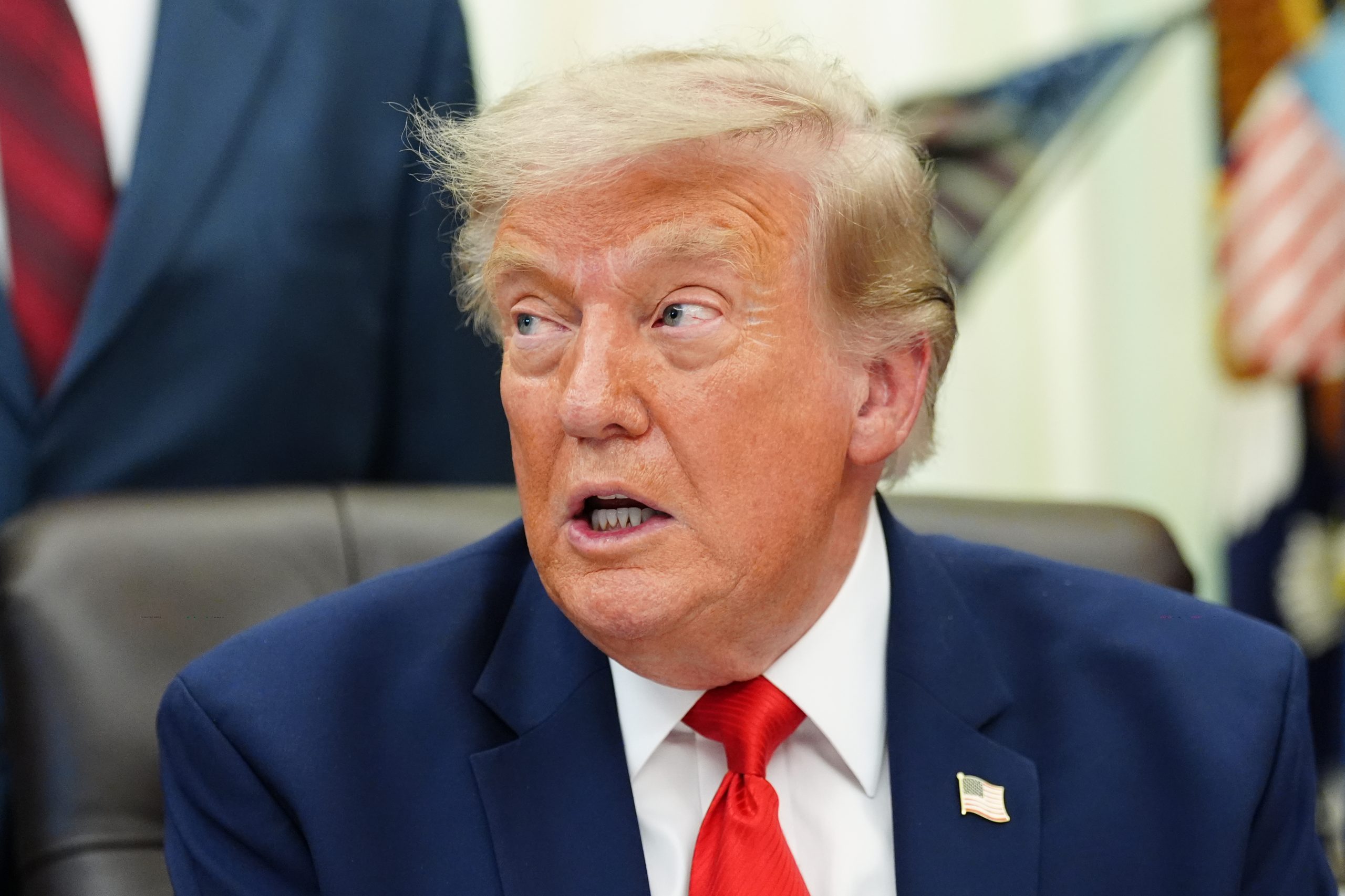
President Donald Trump speaks in the Oval Office of the White House Wednesday, July 29, 2026, in Washington. (AP Photo/Julia Demaree Nikhinson)Julia Demaree Nikhinson
The White House has maintained that Trump’s rejections have not been political. But Kim and other Democrats have cited a March Politico report that found Trump’s second administration rejected disaster aid for Democratic-run states at the highest rate in the 47 years that FEMA has existed.
The rejections underscore bigger questions of the future of FEMA. Trump previously called for the dismantling of FEMA before changing course, but his advisers have recommended an overhaul of the agency that would put more responsibility on states, NPR reported.
Trump has also caused concern among Democrats for withholding FEMA’s Homeland Security grants from states that do not comply with his administration’s requests for unredacted voter data, including New Jersey and Pennsylvania.
Joseph Walsh, a spokesperson for the New Jersey Office of Emergency Management, said New Jersey is still in the process of “collecting and validating” the assessed flood damage. Once that’s complete, the state will decide on whether to submit a request.
“Every single state is prone to some type of disaster, and so I just don’t want a situation where we’re pitting the states against each other … I hope we can all agree that we want to be there for each other in their time of need,” he said.
An Atlantic City lifeguard has been charged with attempting to pay for sex with who he believed to be an underage girl but who turned out to be an undercover detective, the Camden County Prosecutor’s Office said Thursday.
Stephen M. Pagnoni, of Egg Harbor Township, was arrested this week and was being held at the Camden County Correctional Facility pending a detention hearing, Camden County Prosecutor Grace C. MacAulay said.
Pagnoni, who has worked for the Atlantic City Beach Patrol for around 20 years, was suspended from his position, MacAulay said.
On Tuesday, Pagnoni allegedly began communicating online with a person he believed was a 15-year-old girl, but who was in fact a detective with the Camden County Prosecutor’s Office High Tech Crimes Unit, MacAulay said.
During the conversation, Pagnoni allegedly arranged to meet the supposed teen girl at a park in Cherry Hill for sex in exchange for money, MacAulay said.
After he arrived at the location, MacAulay said, Pagnoni was taken into custody by Cherry Hill police and members of the prosecutor’s office.
Pagnoni was charged with first-degree attempted manufacturing of child sexual abuse material, second-degree attempting to lure a child, second-degree attempted sexual assault of a minor, second-degree attempted prostitution with a minor, and related offenses.
In an emailed statement, the Atlantic City Department of Public Safety said it was aware of the criminal charges against Pagnoni.
“Based upon those charges, the lifeguard has been suspended from duty pending the outcome of the criminal investigation. The department will continue to monitor the investigation and will take any additional administrative action that may be appropriate as the matter proceeds,” the agency said.
Anyone with information that could be helpful to the investigation can contact Sgt. John Cochran of the Camden County Prosecutor’s Office High Tech Crimes Unit at 856-225-8826. Tips may also be sent to CAMDEN.TIPS.
A Haverford Township art gallery reopened Thursday after the FBI searched the business onWednesday.
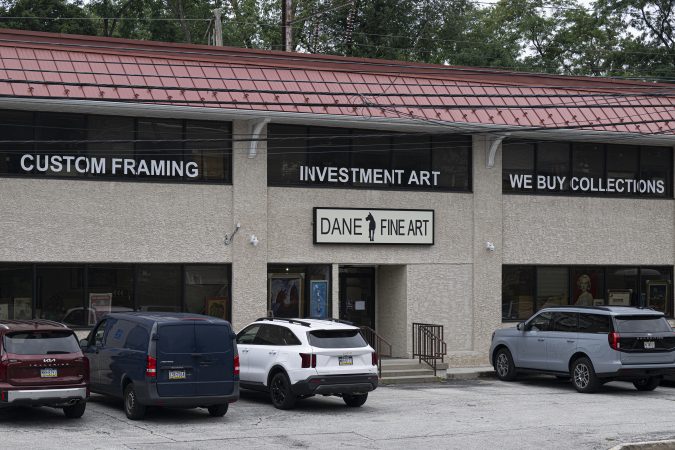
The FBI conducted “court-authorized law enforcement activity” on Wednesday morning at Dane Fine Art, a gallery at 2320 Haverford Rd., Sofia Kettler, a spokesperson for the FBI’s Philadelphia field office, confirmed Thursday.
Dane Fine Art is a “premier dealer of limited edition and unique works of art” that buys, sells, and auctions prints and original works from artists like Andy Warhol, Jean-Michel Basquiat, and Keith Haring, according to its website.
According to reports from Philadelphia Magazine, Dane Fine Art’s windows and doors were covered with brown paper on Wednesday morning as FBI agents entered and exited the building and handled art. Two agents said they were executing a search warrant, the magazine reported.
Kettler declined to share details about the operation.
Dane Fine Art was open for business on Thursday morning, and there were no visible signs that federal law enforcement had been there a day earlier. A gallery employee said the FBI left around 7 p.m. on Wednesday and had not returned. Another employee said that the gallery was represented by lawyers and that they had “no comment.” Both employees declined to identify themselves, with the second employee explaining they were not authorized to speak about the matter.
Dane Fine Art owns more than 95% of the pieces it sells or auctions, which differentiates it from many galleries that act as an intermediary between collectors and buyers,according to its website. The business has been open for more than 45 years, its website says.
The business is registered to a residential address associated with Nathan “Nicky” Isen, a prominent Philadelphia art dealer who pleaded guilty to money laundering in 2015.
The website of Isen’sgallery, I. Brewster & Co., now redirects users to Dane Fine Art.
A message left for a phone number affiliated with Isen was not immediately returned.
Staff writer Chris Palmer contributed to this article.
This suburban content is produced with support from the Leslie Miller and Richard Worley Foundation and The Lenfest Institute for Journalism. Editorial content is created independently of the project donors. Gifts to support The Inquirer’s high-impact journalism can be made at inquirer.com/donate. A list of Lenfest Institute donors can be found at lenfestinstitute.org/supporters.
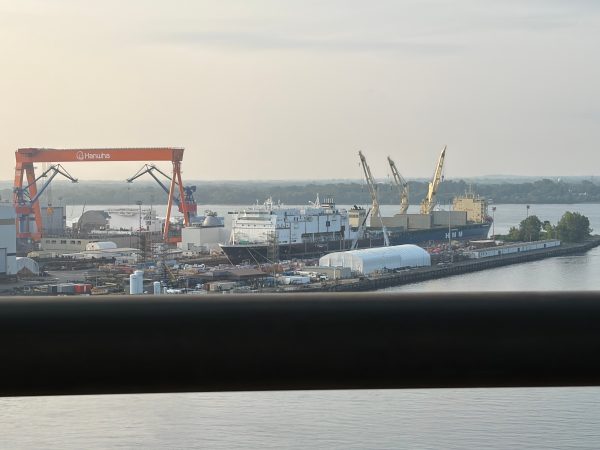
Longshoremen at Hanwha Philly Shipyard this week have been unloading fuel tanks and other imported equipment from the China-built cargo ship HMM Nabi. They are to be used in ships Hanwha has started building under a law requiring the use of U.S.-built ships on routes connecting U.S. ports.
Nabi, a bulk cargo carrier operated by Korea-based Hyundai Merchant Marine (HMM), arrived last weekend at its berth next to where the Schuylkill flows into the Delaware River.
“We’ve had 12 or 13 guys on that pier” each day, starting Monday, to unload the Nabi, said Boise Butler, president of International Longshoremen’s Association Local 1291, which handles cargoes moving through Philadelphia port terminals.
Nabi left the Chinese shipbuilding and ship-equipment manufacturing center of Nansha in April and has since called at other U.S. ports, including Dundalk, Md., before arriving in Philadelphia last weekend, according to shipping records.
“The HMM Nabi is at Hanwha Philly Shipyard to deliver materials and equipment that will be used in the construction of the second of three new Matson Aloha Class containerships currently under construction at the shipyard,” Hanwha spokesman Rob Loveless said.
Hanwha referred questions on the cargo to Matson Navigation Co., which is based in Honolulu. Matson officials had no immediate comment.Industry sources familiar with the shipment confirmed it includes parts made in China and in Korea.
Matson has said it plans to use the ships to connect West Coast ports with terminals on Hawaii and Guam and for its service connecting Los Angeles’ Long Beach port to China.
Shippers moving cargoes exclusively between U.S. ports are required to use ships assembled in the U.S. and crewed by U.S. merchant marine sailors under the federal Jones Act, designed to protect U.S. shipbuilders from cheaper competition.
The Jones Act, long a target of free-market advocates who oppose U.S. shipbuilding subsidies, was suspended by President Donald Trump in March, citing the need for flexibility following the start of the Iran war.
U.S. shipping advocates who support Jones Act protections and shipbuilding subsidies argue that Trump’s plan to rebuild U.S. shipping in competition with high-volume shipyards in China, Korea, and Japan requires Jones Act protections — at least until U.S. shipbuilding has grown much larger, cutting costs per ship.
Jones Act ships can use foreign engines, tanks and other components and foreign metal, so long as they are assembled in U.S. yards. Ships originating in foreign ports can call at multiple U.S. ports without violating the Jones Act.
Shipyard owner Hanwha Systems told investors Wednesday that it is still losing money at Philly Shipyard, but less lately as it steps up the pace of its shipbuilding.
Philly Shipyard lost around $15 million for the quarter, down from around $33 million in losses the previous quarter and $22 million a year ago. Sales rose to $160 million, up 40% for the quarter and more than 50% from a year earlier.
Container ships, like the ones it’s building for Matson, lose money, the company said. But Hanwha expects to profit next year from additional U.S. government contracts.
Hanwha representatives have been scouting the Delaware Valley, including the former BP refinery site in Paulsboro, for an additional shipyard site but have not yet closed a deal, according to industry sources.
Hanwha has also considered shipyards in the South and on the Gulf Coast if it can’t expand as much as it wants in the Philadelphia area.
I’m sure you’ve heard by now — and if you haven’t, shame on you, my friend.
The NBA Hall of Fame player has officially signed with the Philadelphia Sixers, which means I’m walking around with 23-times the Ohio pride than I typically carry. (That’s right, all of Ohio claims LBJ as their own).
No, but seriously. The city is due for a celebration with the King deciding to call Philly his sporting home. Now, it’s your time to decide how to spend your weekend.
Read below to see what’s happening in the region, and take your pick.
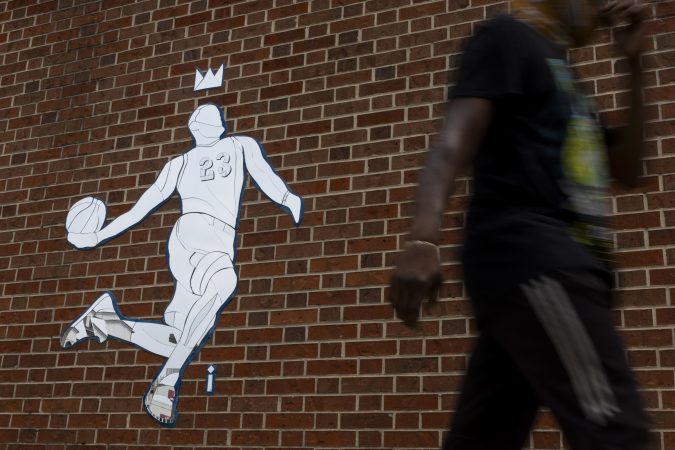
A Philly street artist installs a LeBron James mirror mosaic
Adam Hock, 28, of Center City, Pa., saw on Facebook about the LeBron James mosaic on 8th and Market Street in Philadelphia, Pa., on Tuesday, July 28, 2026.Tyger Williams / Staff Photographer
Street artist irregular, born Sean Hassett, rarely cries. But when LeBron James announced he was going to end his NBA career with the Sixers, he shed some tears — and then got to work, writes trending sports reporter Gabriela Carroll.
Within 48 hours, Hassett’s tribute in mirrors was up on the side of an old Burger King in Center City.
Hassett usually sells art at Rittenhouse Square on Saturdays, but he spent most of last Saturday afternoon walking around Center City to scout potential locations for the piece. He ultimately settled on a building at 8th and Market, and it’s now become a public art attraction.
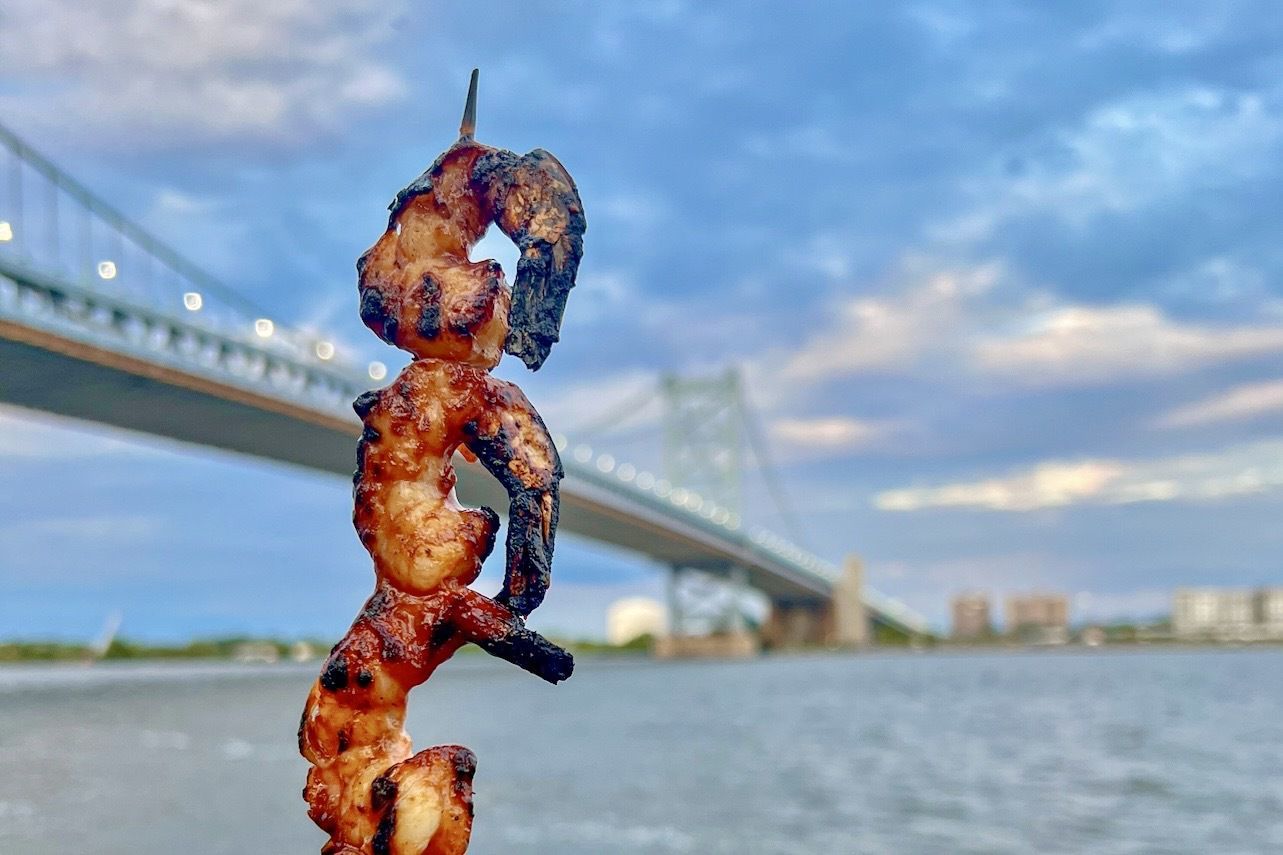
Pinchos by the river at La Placita on Cherry Street Pier by Dionicio Jimenez.Michael Klein / Staff
🎭 Last chance to swoon in romance theater: Grab your tickets before the final showing of The Notebook, based on the best-selling novel-turned-film. The musical runs through Sunday at the Academy of Music.
🏞️ Clark Park drama: Enjoy Shakespeare’s Hamlet under the evening sky. A free, open-air telling of the classic drama is happening at Clark Park through Sunday.
🐅 A 1920s mystery at the Zoo: Who doesn’t love a good old-fashioned Zoo Done It? Stop by the Philadelphia Zoo for a night of wonder and mystery. Guests will play detectives, tracking down clues in a wild scavenger hunt.
💃 A fiesta at Liberty Point: The third annual La Placita Fest returns with food, drinks, music, dance, and a live performance by artist Frankie Negrón.
📅 My calendar picks this week: Dirty Rocks Cocktail Clash at Fringe Bar, ACANA African Festival, and Freedom Now Festival. Here’s our full list for the week.
Saif Manna’s famed pastries have a home in Kensington
Assorted baked goods at the new brick and mortar location of Manna Bakery on Thursday, July 23, 2026 in Philadelphia.Monica Herndon / Staff Photographer
After building a following for his Levantine and Palestinian pastries at farmers markets, former Temple University student Saif Manna opened his first brick-and-mortar bakery in Kensington.
The bakery opened Thursday at 110 W. Berks St., the former home of Essen Bakery.
During the week, food and restaurant reporter Michael Klein writes that the bakery will feature many of Manna’s signatures — manakeesh, chicken sumac buns, fatayer, cardamom buns, and others. And the weekends will bring an even broader selection.
Fresh produce, like these peaches from AlÕs Produce, a local farm, on sale at the Sea Isle City Farmers Market, Tuesday, July 28, 2026.Vernon Ogrodnek / For The Inquirer
🍑 Keep your weekend peachy: Peddler’s Village celebrates another sweet and peachy treat. The Peach Festival will boast finger painting, lawn games, sand art, a petting zoo, and other family-friendly activities.
🚂 Take a train through Morris Arboretum: Make your way to this floral oasis, now offering discounted admission to celebrate the Garden Railway. There will be Thomas & Friends trains, the Whimsical Woods, a fairy garden, and other hands-on activities.
🍽️ Final Pop-Up at RTM: It’s your last chance to enjoy a Tommy Dinic’s roast pork and warm apple dumpling at Reading Terminal Market’s Pop-Up Plaza. Dine outside the market’s doors for the last time this season on Sunday.
🇺🇸 A world of wonder:The Workshop of the World Exhibition continues through Oct. 18 at the Philadelphia Museum of Art. The immersive exhibition features 250 objects — from ceramics to furniture and textiles — that tells the story of Philly’s centennial exhibition.
Staffer picks
FILE – Ella Langley performs during Amazon Music Country Heat at Country Radio Seminar in Nashville, Tenn., on Feb. 28, 2024. (Photo by Amy Harris/Invision/AP, File)Amy Harris
Here’s pop music critic Dan Deluca’s list of the best concerts this weekend.
🎹 Thursday: South African pianist, composer, and educator Nduduzo Makhathini kicks off the first of back-to-back shows at Solar Myth on Thursday.
🎤 Friday: Keyboardist and singer PJ Morton, who released his new album Saturday Night/Sunday Morning last month, is headlining at the Fillmore Philly Friday night.
🎸 Saturday: Morgan Wallen and Ella Langley, the two biggest country stars and best-selling artists in the country, will headline at Lincoln Financial Field this weekend. The final show is Saturday.
🎷 Sunday: After a Friday performance in Atlantic City, legendary Chicago bluesman Buddy Guy will stop by the Keswick Theatre in Glenside for his “Buddy Guy 90 tour.”
With LeBron James’arrival, NBA Championship hopes are now abound. Most Sixers fans know the last time the team captured a chip, but what year was the first?
A) 1962
B) 1976
C) 1967
D) 1969
Here’s the answer to last week’s question:North Philly’s Jill Scott says her favorite cheesesteak is at Ishkabibbles. How does she take it? Answer: Fried onions, marinara, mozzarella, mustard, and mayo.
That’s all for now, folks. Ride the high of this revamped Sixers roster and enjoy everything the weekend has to offer.
– Earl Hopkins
By submitting your written, visual, and/or audio contributions, you agree to The Inquirer’s Terms of Use, including the grant of rights in Section 10.
Temple University, which faces a budget deficit and challenging financial headwinds, received a record amount of donations in the last fiscal year, putting the institution ahead of its fundraising goals in the first full year under the leadership of a new president.
The North Philadelphia school received $214 million in donations in fiscal year 2026, more than 60% greater than theprior year’s annual fundraising total and well ahead of its goal of $160 million.
Included in that total and achieved during president John Fry’s tenure are major donations,including the single largest gift the school has received,$55 million from university trustee Christopher Barnett to rename the College of Public Health, and a substantial but undisclosed amount from Jane Creamer Sullivan to establish a new honors college, which will enroll students beginning in fall 2027.
They were among 38 donors who gave $1 million or more to the university, up from 24 the year before.
Fry in an interview credited a new fundraising chief, a strategic plan with clear fundraising goals, and the involvement of deans and other senior leaders in the fundraising process at Temple, which enrolls 33,000 students across its U.S. and international campuses.
“The difference from where we were in late ’24 to today is kind of night and day,“ Fry said. ”Our priorities as an institution are clearer. … We have a lot of engagement from our deans and senior leadership and trustees, and I think we’re developing a much more disciplined approach to donor relationships.”
The increased fundraising comes at a pivotal time for Temple, allowing it to invest in academics and student supports while also coping with a budget crunch. The university laid off about 40 employees earlier this month as part of an effort to close what now stands as a $25.5 million deficit in the 2026-27 budget.
Fry noted that the school cannot use donor funds to plug the deficit because they are restricted, but said the money allows the school to continue to invest.
“The philanthropy that we’re able to to garner right now allows us to address priorities that we wouldn’t be able to address otherwise,” Fry said.
The Barnett gift, for example, has helped create an “essential needs hub” to help support students who are struggling with financial and other needs.
Next for the university is the public launch of what is likely to be a $1.5 billion fundraising campaign kicking off in the next two years and concluding in 2034, when the school celebrates its 150th anniversary. Temple already has raised $340 million during the quiet phase of that campaign, including the $214 million raised in the last fiscal year.
Fry identified fundraising as an area for reform at Temple almost as soon as he arrived, saying that a school of Temple’s stature with more than 380,000 living alumni — more than half of whom live and work in the region — should be raising more than it was.
He said at the time there was no reason that Temple should not be in the same league as schools such as the University of Delaware, which had announced a gift in excess of $71 million. Pennsylvania State University, which has more than twice the enrollment of Temple, announced earlier this month that it had raised $662.7 million in 2025-26.
The university’s previous fundraising record was $133 million in fiscal year 2025, and prior to Fry’s arrival in November 2024, Temple raised about $95 million annually on average from 2014 to 2024, the school said.
Fry hired Al Checcio, who previously led fundraising at the University of Southern California and Fordham University, to assess the university’s fundraising operation. Checcio had previously assisted Fry with fundraising at Drexel when Fry led that university, and he had worked at Temple in the 1990s under the late president Peter Liacouras.
Impressed with Checcio’s assessment, Fry appointed him as interim fundraising leader in March 2025 and in September named him senior vice president for institutional advancement.
“I’ve always felt that the Temple alumni base was so untapped,” Checcio said. “They have a lot of pride in the institution, but maybe not as much pride in how the university has interacted with them.”
To bolster success, Checcio said, fundraising had to become a university-wide priority, with deans, healthcare leaders, and other university leaders all playing a role. It takes vision, leadership, and relationship-building, he said.
That is all happening, including visits by Fry to donors around the world, and donors are reacting positively, Checcio said in an interview.
“We’re communicating clearly what our vision for the university is, and we’re doing a lot of work tying institutional priorities into donor interests,“ he said. ”We’re very pleased with our early progress. We think it’s a real sign of things to come.”
He said the university has the potential to continue raising more than $200 million annually or even more.
“We think we have a really, really high ceiling,” he said.
Among other large gifts from alumni in 2025-26 were $5 million from Richard and Amy Oller to the law school and $3 million from investment adviser and author Joslyn G. Ewart to endow the dean’s post for the Center for the Performing and Cinematic Arts.
Fry said both gifts met several goals in the strategic plan.
The Oller gift “promotes student success because it has scholarships and fellowships and experiential learning opportunities embedded in it,” he said. “It also strengthens faculty excellence by supporting an endowed chair and monies for bringing distinguished scholars to campus.”
Five Camden County towns could owe some current and former property owners more than half a million dollars collectively as part of a proposed settlement in a class-action lawsuit involving vacant and abandoned properties.
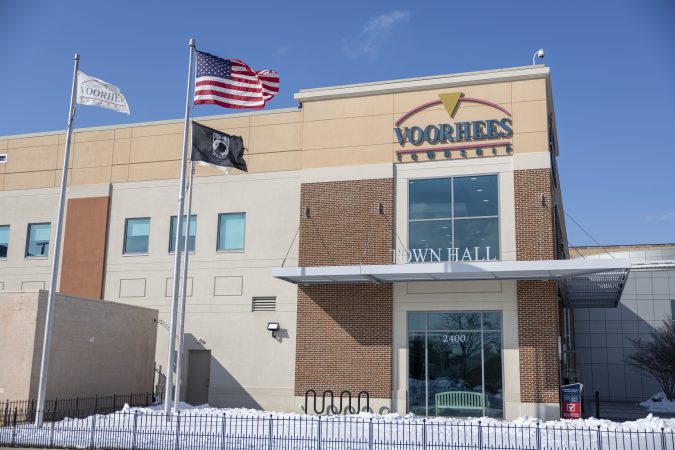
The case alleges that the vacant and abandoned property registration programs previously operated in Barrington, Bellmawr, Runnemede, Voorhees, and Gloucester Township violated New Jersey law. These programs were in place largely to prevent blight by funding the town’s upkeep of vacant properties, but the suit alleges that for a time, the towns were collecting fees unlawfully.
Many of the property owners who were forced to pay fees to these programs had never actually abandoned or vacated their homes, the suit alleges, and the towns unlawfully earned a revenue from these fees as a result.
The settlement proposes a fund of about $545,600. The amount contributed by each town varies based on the total amount collected through program fees, said Stephen DeNittis, an attorney representing plaintiffs in the case.
Here is how much each town will have to pay if the settlement is approved:
Gloucester Township: $280,000
Runnemede Borough: $111,300
Voorhees Township: $94,120.43
Bellmawr Borough: $33,932.50
Barrington Borough: $26,271.57
Because it is a class-action lawsuit, the proposed settlement still needs to be approved by a court, DeNittis said.
A hearing is scheduled for Aug. 14, and if preliminary approval is granted, notices will be sent out within 30 days informing other potential claimants of the case and providing instructions on how to file a claim if they paid into their town’s vacant property program between 2018 and 2022.
Claimants can file for a simple refund of $200, or they could receive 60% of the total amount they paid into the program if they can provide sufficient documentation and proof of payment, DeNittis said.
As part of the settlement, the towns do not admit any liability or wrongdoing.
Officials with both Voorhees Township and Runnemede Borough independently declined to comment on the case, saying they do not publicly discuss litigation. The other municipalities named in the lawsuit did not respond to a request for comment.
Assuming the court grants preliminary approval of the settlement in August, DeNittis said, a final approval hearing will likely be held later this fall.
More than 13,000 Philadelphia homeowners were receiving assistance on their property taxes from the city despite not being eligible, according to city officials who conducted a review of thousands of properties to identify people fraudulently receiving tax breaks.
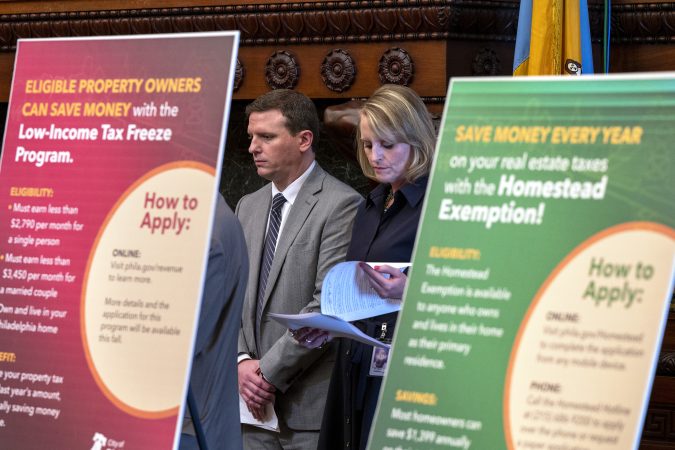
Those homeowners — most of whom received the popular homestead exemption that can save owners an average of $1,400 a year — have been kicked off the programs, officials said Wednesday. And they will be charged back taxes, in some cases dating back multiple years, resulting in $33.5 million in additional revenue for the city and the Philadelphia School District.
That is welcome news for the cash-strapped public school system, which is facing a $300 million structural deficit and is the only district in Pennsylvania that cannot legally raise taxes on its own.
Instead, the district receives 56% of property tax revenue, with the remainder going into the city’s coffers. The current property tax rate is 1.3998% of assessed value, which has not changed for nearly a decade.
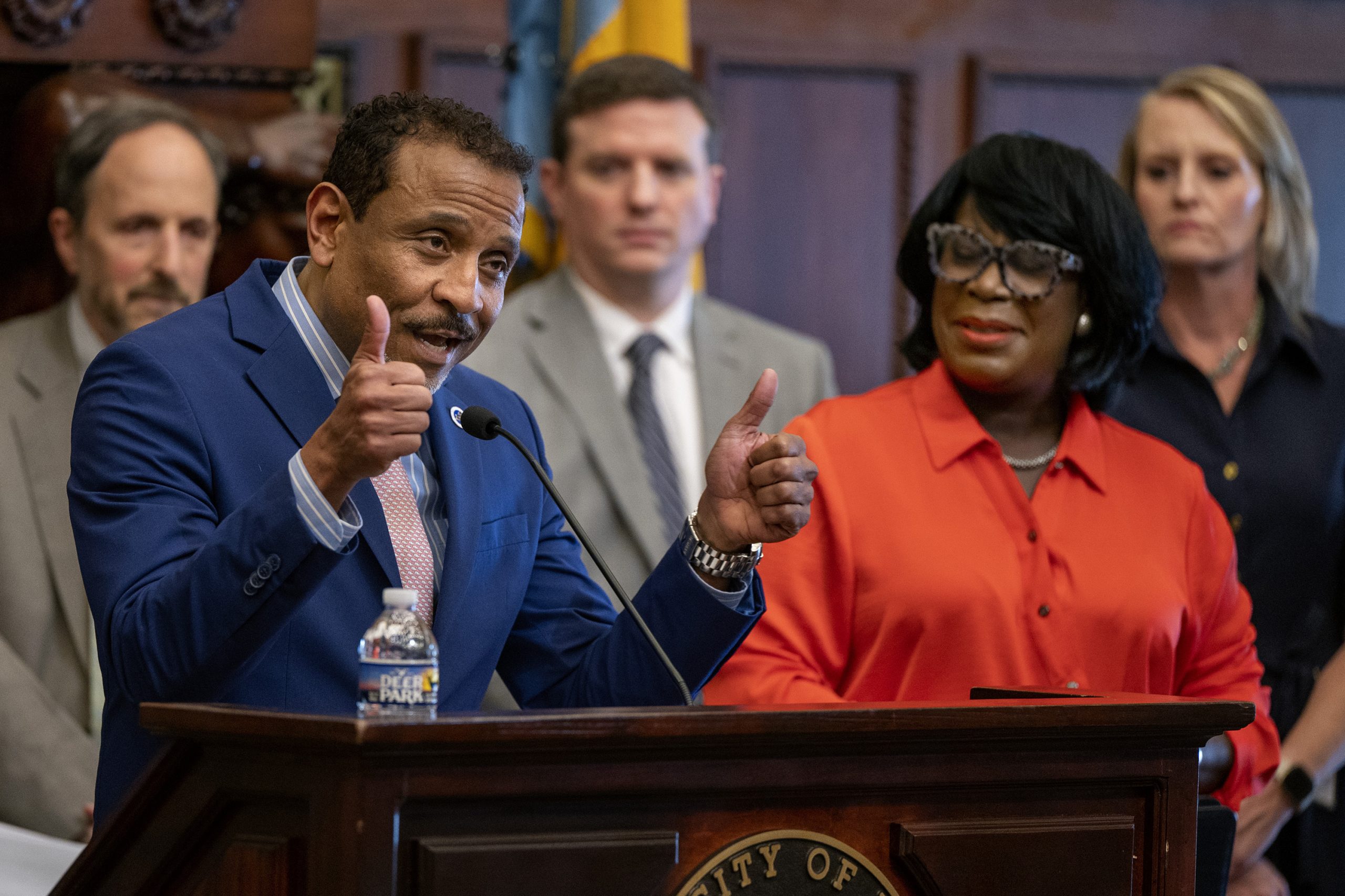
Philadelphia School Superintendent Tony Watlington joins Mayor Cherelle L. Parker and her finance team at City Hall on Monday Aug. 5, 2024, as they prepare to release the first citywide real estate reassessment in two years. Behind them, from left are: Finance Director Rob Dubow; James Aros, Jr., Chief Assessment Officer at the Office of Property Assessment; and Revenue Commissioner Kathleen McColgan.Tom Gralish / Staff Photographer
Philadelphia has a variety of property tax relief programs that are intended to help homeowners weather changes in valuations and avoid displacement. The most popular is the homestead exemption, which exempts the first $100,000 in home value from property taxes. Only homeowners who live in their house as their primary residence are eligible.
That means that, in some cases, homeowners are eligible to receive the exemption while they live in their homes, but no longer qualify if they move and rent out their space.
In 2024, Mayor Cherelle L. Parker’s administration launched a review to identify properties that might no longer meet the eligibility requirements. According to a news release, the Philadelphia Revenue Department reviewed about 22,000 tax accounts, or less than 10% of all the households enrolled in the homestead exemption.
Christian Crespo, a spokesperson for the department, said officials used a variety of data indicators to identify those properties that were up for review. For example, he said, some property owners were claiming homestead benefits at multiple properties.
As a result of the investigation, 13,355 homeowners were removed from a property tax assistance program. There are several other tax breaks for homeowners that are targeted toward low-income people and seniors, but most of those removed were improperly receiving the homestead exemption.
Homeowners were sent two notices and given 60 days to prove their eligibility before they were kicked off an assistance program. They may still appeal the decision.
“We want eligible homeowners to get the relief they deserve,” Revenue Commissioner Kathleen McColgan said in a statement. “These compliance projects help ensure that program participation is accurate, fair, and accessible to residents who truly qualify.”
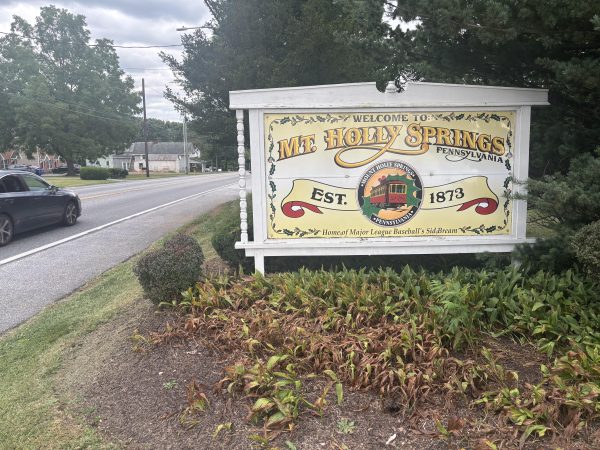
MOUNT HOLLY SPRINGS, Pa. — Still hailed for its trout fishing, this bucolic Central Pennsylvania borough in the shadow of South Mountain was a big draw for tourists at the turn of the 20th century who flocked here to cool off in its mineral-spring waters.
In 2026, this tiny municipality about 25 miles southwest of Harrisburg is developing a much less welcoming reputation. The new notoriety began with an agreement between borough police and U.S. Immigration and Customs Enforcement that has turned Mount Holly Springs into a kind of “speed trap” for unsuspecting immigrants — one with life-altering consequences.
What had been a simmering small-town controversy since the start of the year boiled over into an international incident on July 15 when a prominent Chinese dissident and U.S. asylum seeker named Wu Shaoping was pulled over by a borough officer who claimed Wu had blown through a stop sign. The Amazon delivery driver was then taken into custody by ICE agents who had been running an operation just down the road.
But the outcry over the arrest and detention of Wu — taken to ICE’s Moshannon Valley Processing Center and crammed into a room with 60 other detainees for 10 days before winning his release on bail — also exposed an even darker story.
In March, Mount Holly Springs became the only municipality in Cumberland County and one of a handful across Pennsylvania to execute a formal cooperation agreement with ICE under a controversial program known as 287(g). The program gives local cops expanded powers to arrest suspected undocumented immigrants, while offering training and financial incentives in return.
In just four months, the borough’s four police officers have pulled over and checked the status of dozens of motorists — mainly commercial truck drivers — and turned over 32 arrestees to ICE, the Mount Holly Springs Police Chief Tom Day told me on Wednesday.
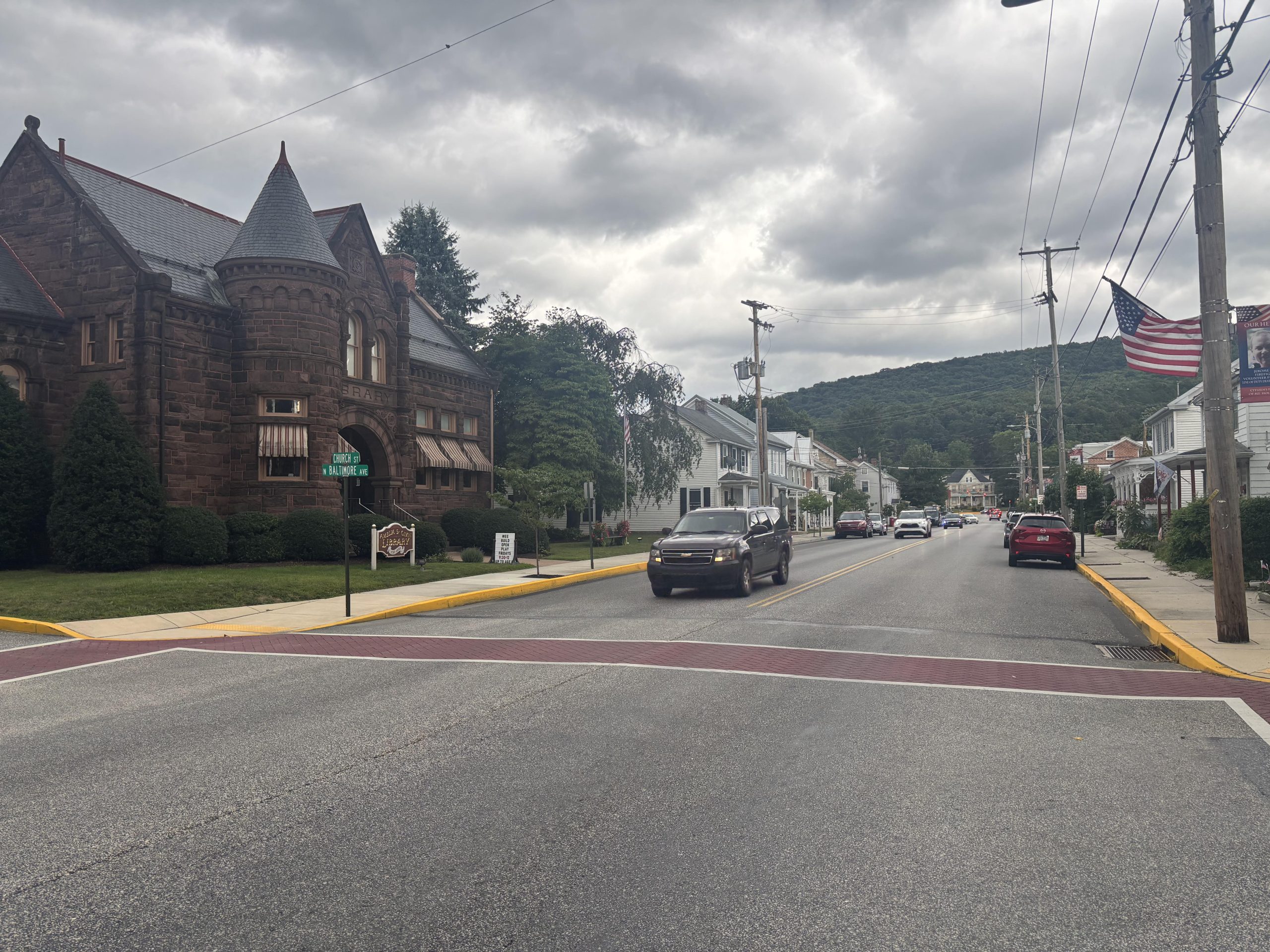
The main drag in Mount Holly Springs, a small borough in Cumberland County, Pa., on Wednesday. The community has seen controversy over local police cooperation with federal immigration authorities.Will Bunch
Day, a gruff ex-Marine in a Nittany Lions cap and blue jeans who doubles as borough manager, insisted to me that the traffic stops and ICE cooperation have nothing to do with racial profiling and everything to do with road safety in a borough with aging bridges and narrow streets.
“There’s no racial profiling of or ethnic profiling of drivers,” the police chief maintained. “We have no clue until we step up on the side of that truck who we’re even dealing with.” Day also said “it’s not that we don’t have a heart” — that he believes in the American dream and understands why refugees want to come here, but when immigrants show up without permission “actions have consequences, you know.”
Minutes later, I met with a gaggle of local residents and business owners who told a very different story — that the wave of immigrant arrests has created a climate of fear that permeates Mount Holly Springs. The growing uproar has riven their once-placid borough into a distrustful cauldron of angry Facebook comments, muttered asides, and occasional threats — a kind of modern civil war just 25 miles north of Gettysburg.
“What I’m hearing from my customers, our people are afraid,” saidRachel Bear, the co-owner of a popular local boutique. “Immigrants are afraid. It’s out there.” She said she’s decided to speak out against the borough’s relationship with ICE because some neighbors are intimidated. “I think they’re just scared.”
Andrew Dapkins, the owner of The “Bird Guy” Tours of local wildlife, told me he’s stopped bringing his excursions into Mount Holly Springs since the deal with ICE was signed. “If I was to bring someone of color, or they were not heterosexual male, I would feel like I was bringing them into a potential hostile environment,” he explained. “So I can’t do that.”
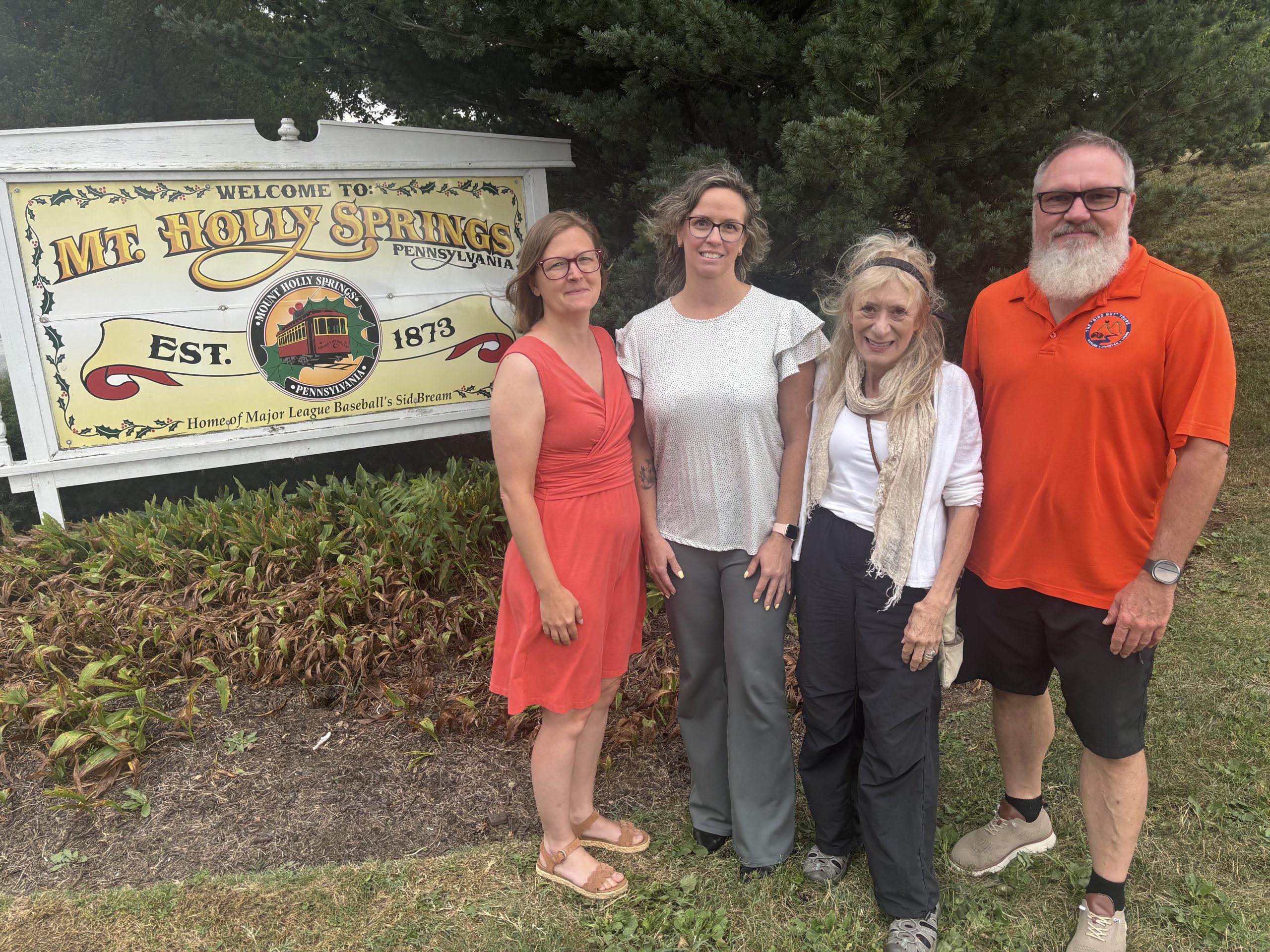
Some local residents who oppose Mount Holly Springs’ police federal immigration arrests include (left to right) Democratic legislative candidate Jessica St. Clair, precinct leader Mandy Taylor, borough council member Pamela Still, and business owner Andrew Dapkin.Will Bunch
What’s happened in Mount Holly Springs since the ICE program began this winter feels in many ways like a microcosm of Donald Trump’s America. It’s the rage, distrust, and paranoia that only metastasizes as the demagogue’s fiery campaign tirades get translated into harsh reality at a small-town stop sign.
But it’s also exactly the chaos that some immigration policy experts warned about when the Trump regime dramatically expanded the 287(g) program, named for a section of 1996 federal immigration law that grants broader immigration enforcement powers to trained state or local police.
Despite warnings about the potential for racial profiling and seeding distrust in immigrant communities, the number of 287(g) agreements has exploded from a few dozen when Trump first became president in 2017 to more than 2,000 today, with at least 88 on the books now across Pennsylvania.
Still, the immigration arrest total in tiny Mount Holly Springs, which covers just 1.4 square miles and has a population of fewer than 2,500 residents, seems staggering. As recently as February, there were only 67 monthly immigration arrests by local police across the entire state. But now this one borough is on a pace for nearly 100 arrests in just one year.
“This is an agenda that’s being driven by numbers for numbers’ sake,” Nayna Gupta, policy director at the American Immigration Council, told me Thursday. “There is an arrest quota that the White House is pushing, and they’re leaning on local police departments to do that work for them” — even as that work paralyzes local immigrants when they learn of increased traffic stops.
“Communities become afraid to go to the grocery store, to go to work every day, to use public transit, even,” Gupta said.
There have been festering recriminations in Mount Holly Springs since January, when residents first learned that Day — seen as a local power broker because of his dual role and his close allies on borough council — had signed the paperwork with ICE to become a 287(g) department. A handful of angry residents denounced the plan — revealed at the same time as two ICE-related killings in Minneapolis sparked national outrage. But the lone Democrat on the seven-member board, Pamela Still, failed to get a second on her push to rescind the deal.
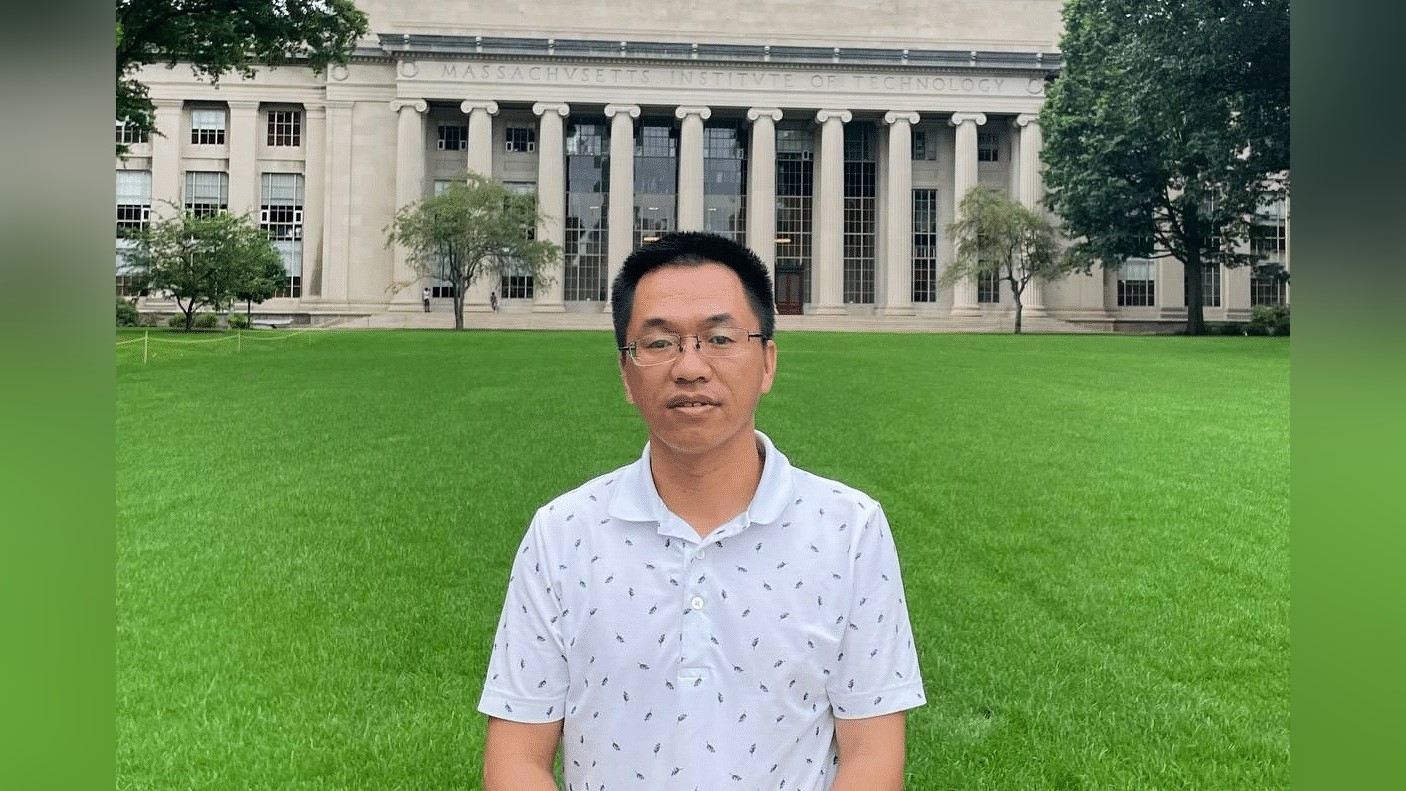
Human rights attorney Wu Shaoping, on the campus of the Massachusetts Institute of Technology in Cambridge, Mass., in an undated photo, was arrested on July 15 and taken into custody by U.S. Immigration and Customs Enforcement.Handout art
Trump received just over 62% of the vote in Mount Holly Springs in the 2024 election, although local residents said there are now growing numbers of Latinos and refugees from Nepal who’ve flocked to Central Pennsylvania living in the borough that census data had reported as more than 95% white.
There is clearly considerable local support — often voiced in angry Facebook comments about “illegals” — for Day and his department’s work with ICE. “You guys are doing the right thing; don’t listen to the childless cat ladies,” borough resident Derek Scheuren told a contentious council meeting in February, as reported by PennLive. He also called undocumented truck drivers “illegal invaders” and offered to buy a beer for any officer responsible for detaining one.
That would be nearly a half-dozen six-packs, based on Day’s updated tally. We don’t know if Scheuren has made good on that, but then there’s a lot that local officials and residents don’t know. There’s been little to no information about the multiple arrests since March, and while ICE is bringing the detainees about two hours north to Moshannon Valley, next to nothing is known about their fates.
Locals like council critic Still have also pressed for answers on the carrot of federal dollars that state and local supporters of these 287(g) programs cite as a key benefit. Day only volunteered to me that in addition to federal training of all four borough officers, he has so far put in for just $1,100 in reimbursement for officers’ time on 287(g) stops. But in an email he also sent to local leaders Wednesday, which was shared with me, Day further acknowledged that Mount Holly Springs has received some $130,000 for vehicles and equipment.
The July 15 arrest of Wu, which drew the attention of the New York Times, the Guardian, and other outlets, has so far brought more questions than answers about what’s really happening with immigration arrests in Mount Holly Springs.
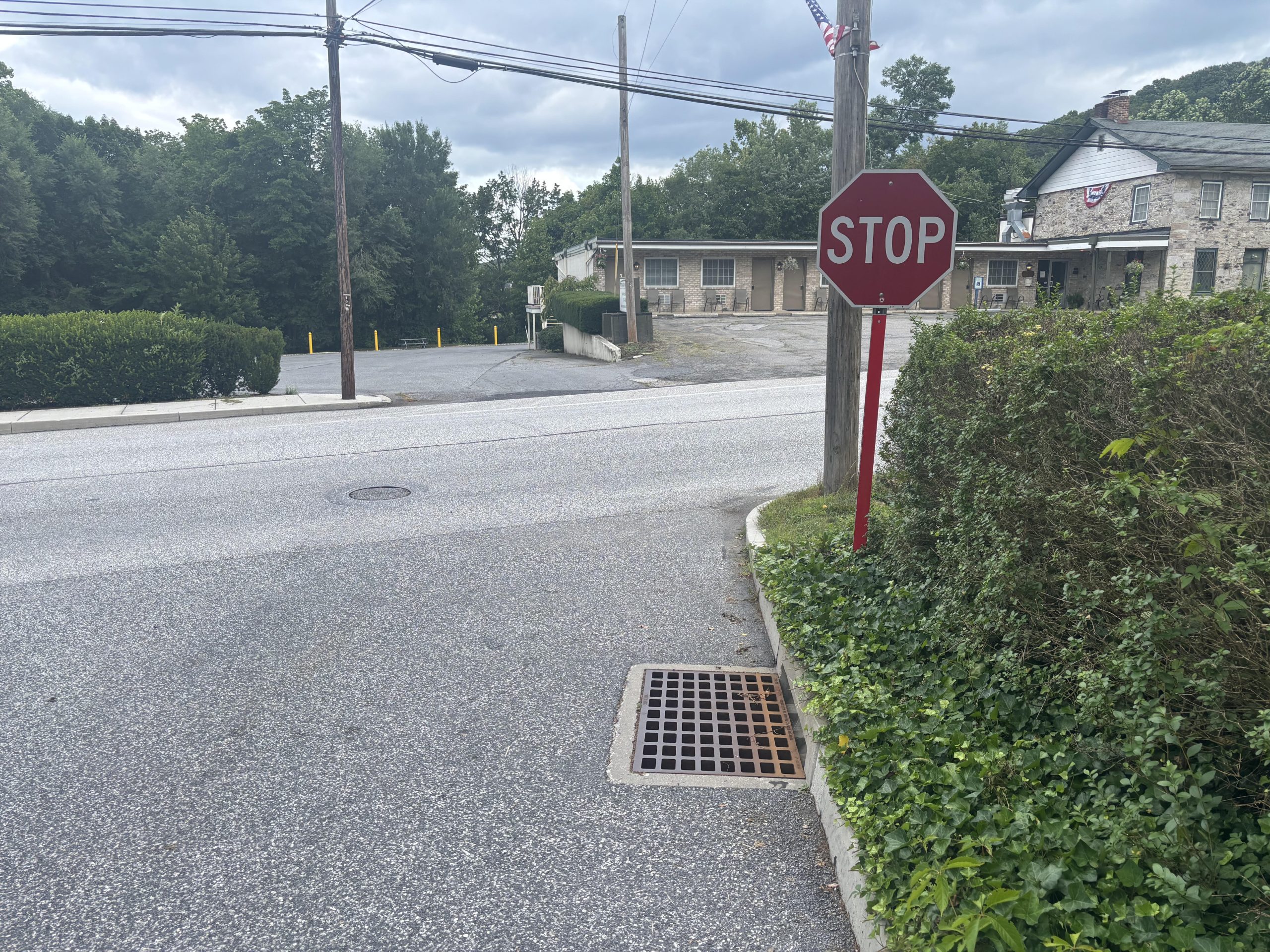
The stop sign at Hill Street and State Route 34 in Mount Holly Springs, Pa., where Chinese dissident and asylum seeker Wu Shaoping was stopped by a local police officer on July 15. Wu’s arrest sparked controversy over the borough’s relationship with federal immigration.Will Bunch
Day insists that Wu, making Amazon deliveries in his Toyota Camry, ran the stop sign at the bottom of steep Hill Street and nearly collided with his officer who happened to be patrolling the main drag, State Route34. The chief said Wu exacerbated the situation by refusing to roll down the window and instead calling his lawyer — causing a commotion that attracted attention from ICE agents who happened to be in Mount Holly Springs doing truck inspections almost right across the street.
Wu disputed that account to Lancaster Online, insisting that he did stop at the intersection, then rolled a bit forward because of its poor visibility. ICE later said Wu was sent to Moshannon Valley because he’s overstayed his 2020 tourist visa, even though he has an active asylum application and a work permit. He was released on bail after two members of Congress formally complained about his detention.
Still, Wu’s arrest — along with the high number of other detentions in Mount Holly Springs — has only fueled suspicion among the program’s critics that cops are racially profiling drivers. Day has repeatedly insisted in past comments and in the Wednesday interview that undocumented truck drivers who can’t read English and don’t follow signs about restricted streets and bridges are a danger to the community.
“I don’t want to sound mean over it, you know, or that I’m not sympathetic,” Day told me. “But they can’t be driving 18,000-pound vehicles and not understand our roadway signs.”
But local critics say cops working so closely with ICE isn’t making Mount Holly Springs safer — not when immigrants are afraid to shop, landscaping crews that largely employ Latinos have seemed to vanish, and a quaint rural town that seeks outside tourists for trout fishing or bird watching starts getting a bad reputation.
“A lot of times, it is this overweight thing — going over the bridge on the Pine Street extension or something is what they get pulled over for, and you know it’s like don’t ruin somebody’s life because their truck was packed or because their GPS didn’t tell them,” said longtime local resident Jen Dieter.
The arrest surge in Mount Holly Springs seems to confirm the fears of immigration experts who’ve found in earlier iterations of the program that immigrants were less likely to call 911 for emergencies or report other crimes. Critics also believe that cops will ignore their public-safety duties to focus instead on immigration arrests, especially as the carrot of federal dollars is dangled before small departments.
“There’s plenty of evidence and data to show that 287(g) agreements undermine trust in the communities where these agreements exist and are used extensively, because the community becomes less likely to report crimes, or to report instances of domestic violence, out of fear that doing so could translate to detention and deportation,” Gupta said.
Experts also say what’s happening in Mount Holly Springs may be the future of mass deportation under the Trump regime. While high-profile, publicity-seeking operations like the ones that targeted Minnesota or Chicago are out, ICE is increasingly relying on its 287(g) partners to make arrests without attracting as much public outcry. The wave of arrests in the Pennsylvania borough came as ICE is nationally reporting as many as 1,400 immigration arrests in a day, an all-time record.
Some longtime residents of Mount Holly Springs are worried that things will never be the same.
Bear, the shop owner, spoke about moving here 25 years ago and slowly building a community around her business. “This is a small community,” she said. “We all know each other. You know these people that we’re talking about, [that] I’ve done business with. You know, hopefully we’ll do it again. But who knows?”
“But more than it being about business, it’s about community. And I think this isn’t how I would treat my neighbors.”
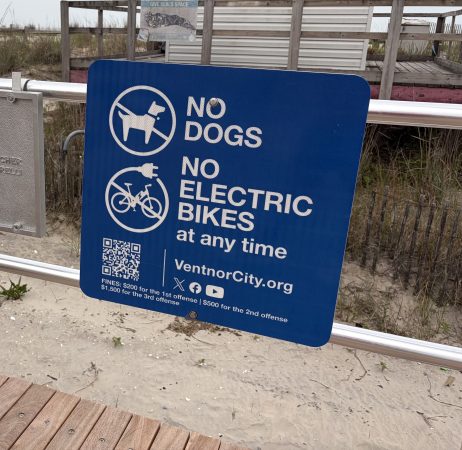
Pennsylvanian e-bikers headed to the Shore, get ready for your appointment with New Jersey’s Motor Vehicle Commission.
In a reversal, the state agency now says out-of-state residents should register their e-bikes in New Jersey in order to legally ride them in New Jersey.
But now the MVC says that because New Jersey is the only state that requires e-bikes to be registered, out-of-state e-bikers should follow New Jersey’s law.
Connolly says as of July 28, New Jersey had issued 9,410 e-bike registrations; of those, 182 were for out-of-state residents.
“MVC is now offering to register e-bikes for out-of-state residents so that they can lawfully ride their bikes in NJ,” Connolly said in a statement e-mailed to the Inquirer.
”Out-of-state visitors who are sixteen or older can also rent a low-speed e-bike from rental companies operating under a contract with a local government, which is an exception to the registration requirement under the e-bike law.”
Properly registered e-bikes will display a sticker issued by the MVC.
The law has caused confusion among riders, bike-shop owners, and law enforcement since its adoption in January. After a six-month grace period, the state went into enforcement mode July 19.
The law requires all riders to wear helmets, forbids riders under the age of 15, and requires insurance for higher-speed classified electric bikes. The classification for basic e-bikes is for pedal-assisted electric bicycles with a maximum speed of 20 mph.
Out-of-state riders without a driver’s license are not permitted to ride an e-bike in New Jersey, according to the Motor Vehicle Commission, which has been embroiled in a national controversy since it was revealed that thousands of non-U.S. citizens were automatically registered to vote while obtaining driver’s licenses in New Jersey.
For non-New Jersey e-bikers, the process for e-bike registration will be the same as for residents, but out-of-staters can use out-of-state proof of identification and register the e-bike with an out-of-state address.