Howie Roseman said Wednesday the pectoral strain that landed 29-year-old edge rusher Jonathan Greenard on the Physically Unable to Perform list isn’t a “long-term injury.”
But that doesn’t necessarily mean he’ll be able to participate in training camp.
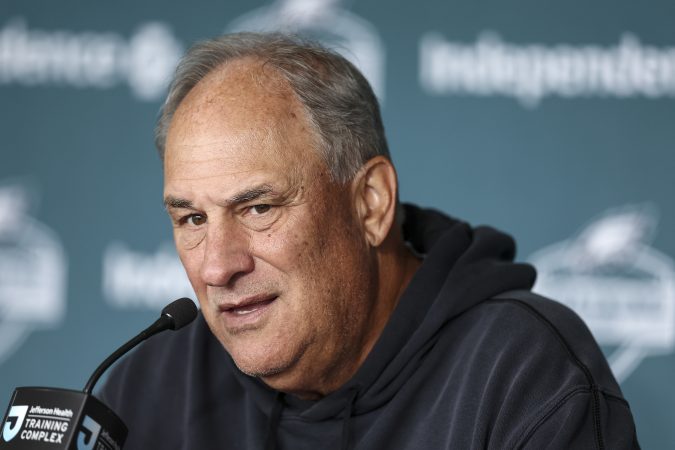
On Thursday morning, defensive coordinator Vic Fangio noted that it “remains to be seen” whether Greenard will return to the practice field before Week 1 against the Washington Commanders. Still, like Roseman, Fangio didn’t express too much concern over Greenard’s absence from practice.
“He’s a veteran player, so he knows the league, knows how to play,” Fangio said. “But we’re going to be asking him to do some different things that he hadn’t had to do in his career, and that’s really what he’s going to be missing with this time off. He’s going to miss a good bit of camp.”
Those different tasks include dropping into coverage. Greenard has taken 203 coverage snaps throughout his six-year career, according to Pro Football Focus, but he is new to Fangio’s scheme and the way he coaches the responsibilities at each position.
A timetable for Jonathan Greenard’s (52) return to football activity has not been set. Monica Herndon / Staff Photographer
Regardless, Fangio said he thinks Greenard is capable of dropping once he is back on the field.
“But he’s got to learn it,” Fangio added. “And the only way you learn it is to do it. He does a good job in the meetings. He’s paying attention. He’s focused, watching practice. But it’s not the same.“
The Eagles acquired Greenard this offseason from the Minnesota Vikings and signed him to a four-year extension, identifying their top edge rusher after Jaelan Phillips departed for the Carolina Panthers in free agency.
Greenard’s absence in camp will lead to opportunities for other players. Third-year edge rusher Jalyx Hunt had a strong start on Wednesday, winning a handful of reps against Jordan Mailata. Fangio said he thinks Hunt is “very capable” of having a big year after he led the team with 6½ sacks last season.
Fangio also lauded 27-year-old A.J. Epenesa, whom the Eagles signed in June. While he said it “remains to be seen” how Epenesa can help the depth of the group in the absence of Greenard, he made a strong impression on the first day of camp.
“For a guy that’s being asked to do a few things that he’s never done before, I thought he did a nice job [on Wednesday] with it,” Fangio said. “He was very encouraging.”
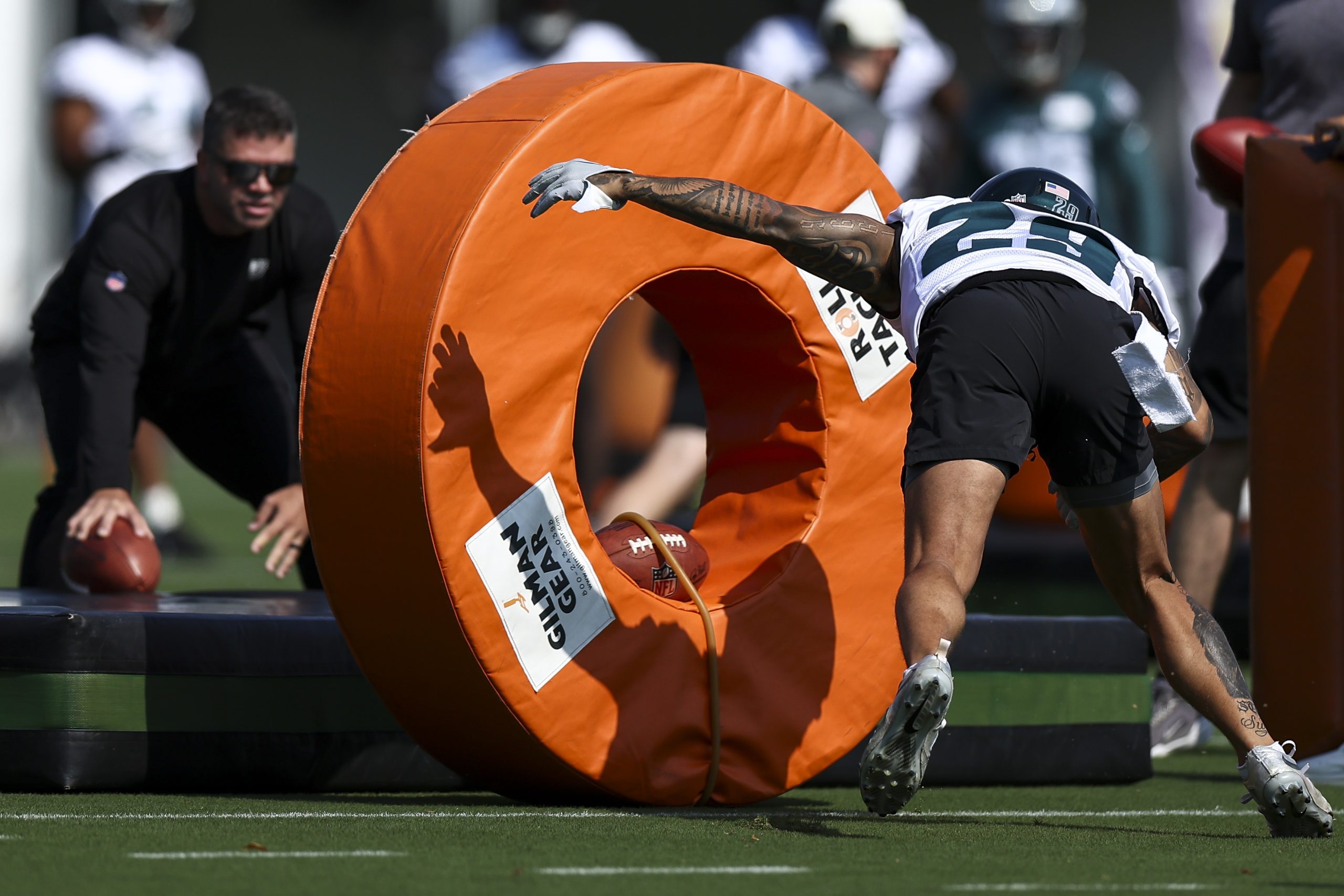
Eagles safety Marcus Epps (29) works out during training camp at the Jefferson Health Training Complex. A starting job is Epps’ to lose. Monica Herndon / Staff Photographer
Safety competition continues
Throughout the offseason program and during the first two days of training camp, 30-year-old Marcus Epps has been holding down the starting safety spot alongside Andrew Mukuba in nickel defense.
Cooper DeJean is still occupying the starting safety spot in base defense, then shifting to the slot in nickel. Despite the continuation of those trends from the offseason program to training camp, Fangio wasn’t ready to anoint Epps the starter in nickel on Thursday.
Carter, 27, has rotated in at safety with the starting defense over the last two days. While the competition remains open for that spot in nickel, Fangio seemed to stand firm on keeping DeJean at safety in base instead of outside cornerback, a role he occupied last year.
Unsurprisingly, Fangio is more inclined to keep Riq Woolen on the field for every down than he was Adoree’ Jackson, who came off in base in 2025.
“But things can change,” Fangio said. “If we lose guys or guys aren’t playing good.”
Zack Baun’s leadership was formalized when he was given green-dot responsibility. Monica Herndon / Staff Photographer
Baun to wear green dot
Zack Baun enters the 2026 season with a new responsibility. Well, a semi-new responsibility.
Fangio revealed that the 29-year-old inside linebacker will wear the green dot on his helmet as the primary signal-caller for the defense, a responsibility that was previously held by Nakobe Dean.
The job isn’t totally foreign to Baun. While Dean was sidelined for the first five games of 2025 and didn’t take a defensive snap in the sixth, Baun was tasked with relaying the play calls he received through the radio in his helmet.
Fangio expressed his confidence in Baun at mastering any challenge within the defense, not just his newest full-time responsibility.
“Whatever you ask Zack to do, if he’s not good at it right now, he’ll fight through to get good at it,” Fangio said.
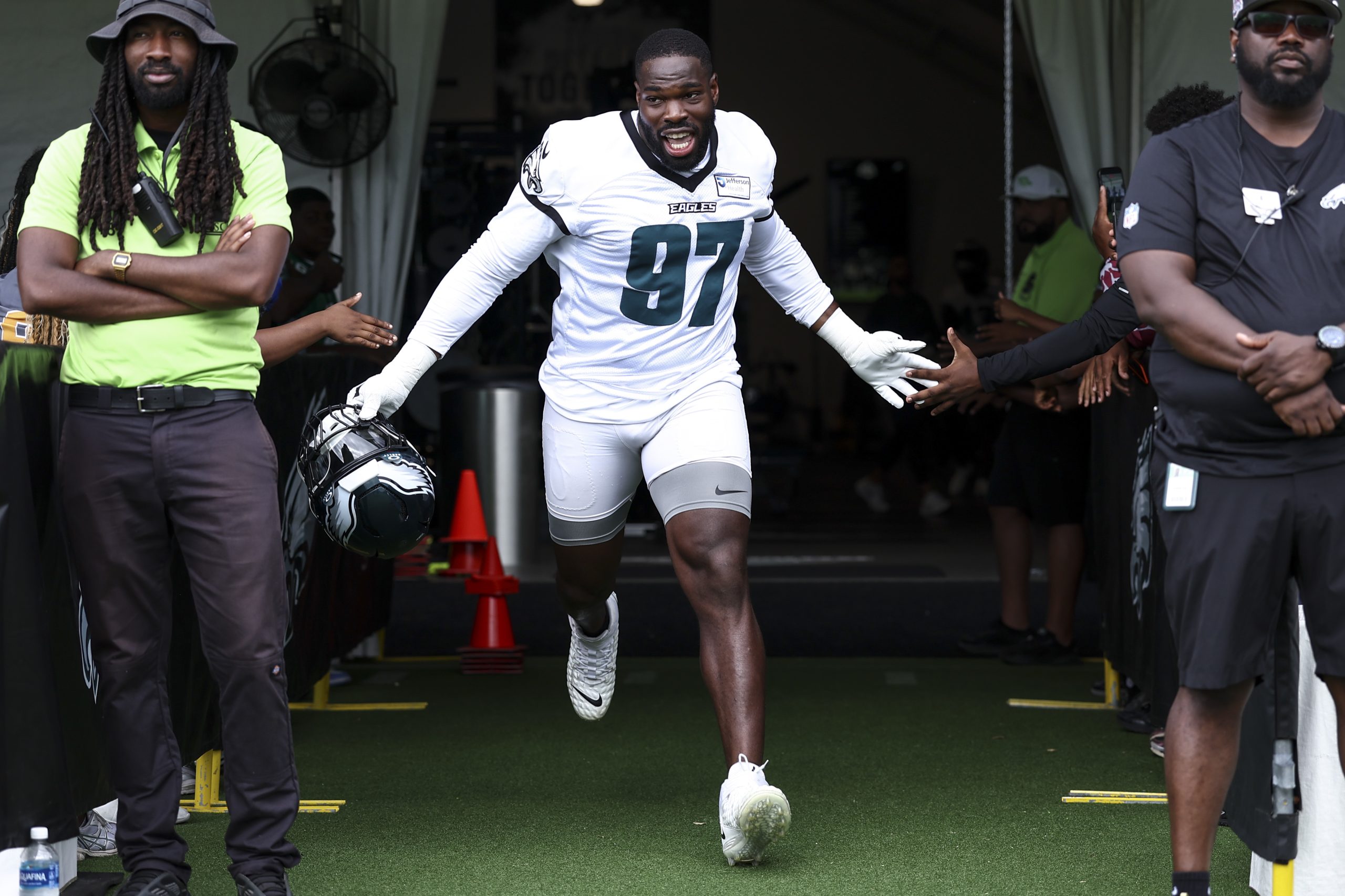
Moro Ojomo (97) is headed into a contract year.Monica Herndon / Staff Photographer
Money matters
Jalen Carter became the highest-paid defensive tackle in league history when he agreed to terms on a four-year, $152 million ($106 million guaranteed) extension on Tuesday.
Fangio reiterated Roseman’s remarks on Wednesday, when the general manager emphasized that he paid Carter based on his future performance, not on what he has accomplished in three seasons with the Eagles.
“Obviously, Howie’s confident that in this case, hopefully, he’ll pick his game up even more,” Fangio said.
Carter won’t be the only Eagles defensive tackle looking to elevate his game in 2026. Moro Ojomo, who turns 25 in August, is headed into a contract year. With extensions looming in the not-so-distant future for 2024 draft class members such as Quinyon Mitchell and Cooper DeJean, Fangio made his feelings about Ojomo’s future in Philadelphia clear.
“Howie needs to save some money for him, too,” Fangio said.
Ojomo had a breakout season in 2025, finishing second on the team with six sacks. But as the Eagles defense becomes more expensive, it is unclear if Roseman will prioritize keeping the 2023 seventh-round pick out of Texas beyond this season.
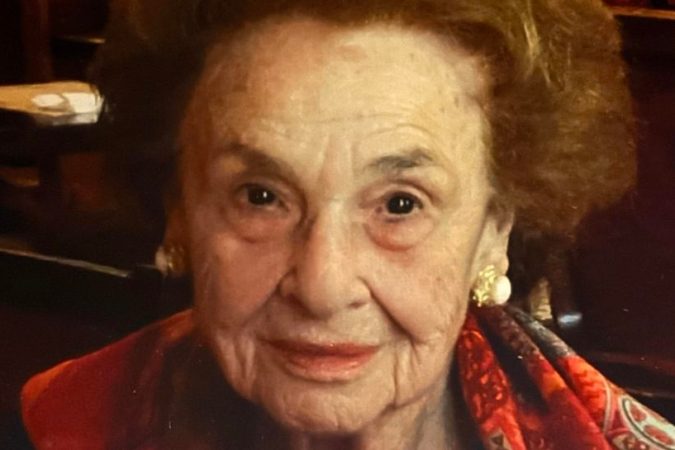
Neysa Adams, 104, of Philadelphia, 1971 chair of the local United Fund women’s committee, former president of the Rebecca Gratz Club, onetime vice president of the women’s council for the Federation of Jewish Agencies, former associate trustee at the University of Pennsylvania, scientist, high school teacher, investment adviser, and philanthropist, died Friday, June 26, of heart disease at the Hearth at Drexel.
Born and reared in Philadelphia, Mrs. Adams graduated from Olney High School and lived over the years in East Oak Lane, Germantown, and Elkins Park. She earned a degree in biochemistry with honors at Penn, did scientific research for a time, and taught English and history for two years at Philadelphia High School for Girls.
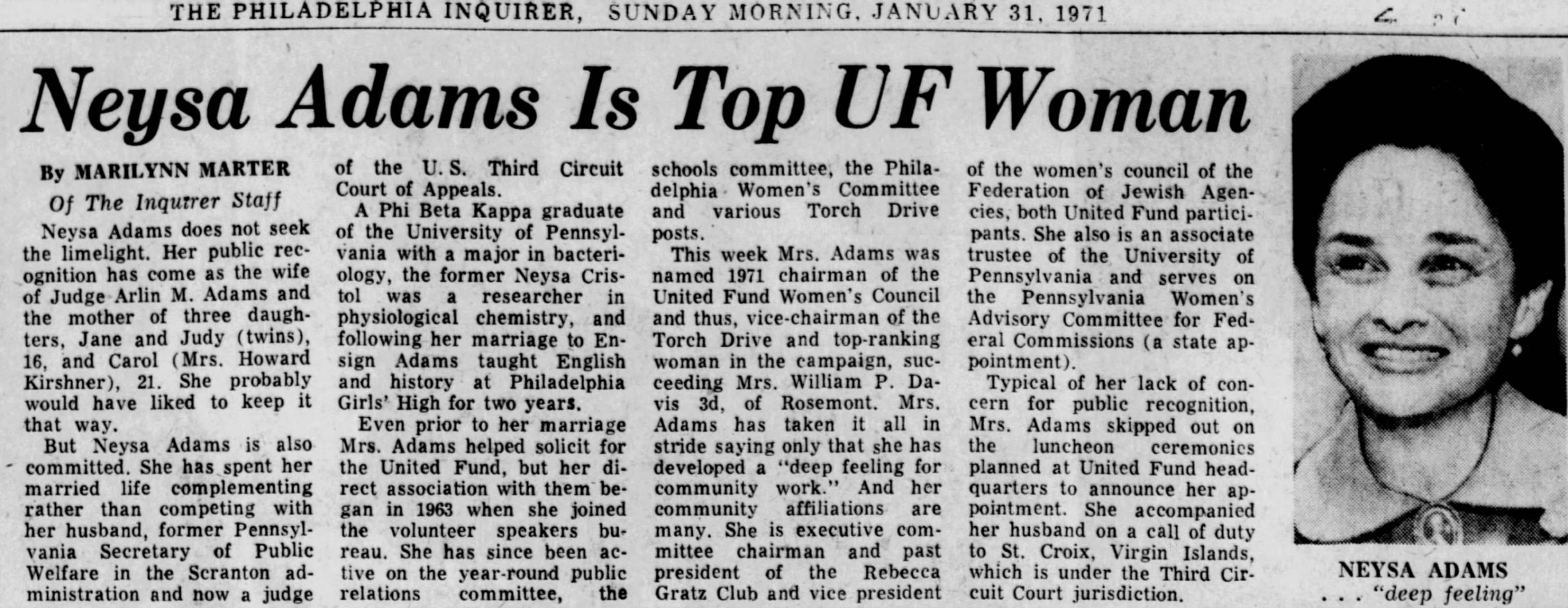
Smart, friendly, and energetic, she joined the Philadelphia United Fund volunteer speakers bureau in 1963, became active with the fund’s public relations committee, schools committee, and women’s committee, and organized many community fundraising campaigns. In 1971, she told The Inquirer she had a “deep feeling for community work.”
Mrs. Adams also served on the board at what is now Penn’s School of Social Policy and Practice and was active with the Emergency Aid of Pennsylvania Foundation, the National Conference on Social Welfare, and state and federal women’s advisory commissions. In 2003, then-Gov. Ed Rendell recognized her as a Distinguished Daughter of Pennsylvania for her “outstanding service and contributions to the Commonwealth of Pennsylvania.”
She also established Neysa Adams’ Library Fund at Reform Congregation Keneseth Israel in Elkins Park. Friends called Mrs. Adams “wonderful,” “outstanding,” and “one of life’s brightest lights” in tributes.
One friend said: “Neysa was one of the kind.”
This story about Mrs. Adams appeared in The Inquirer in 1971.Newspapers.com
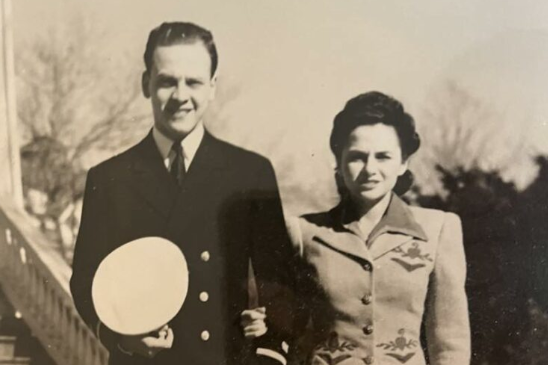
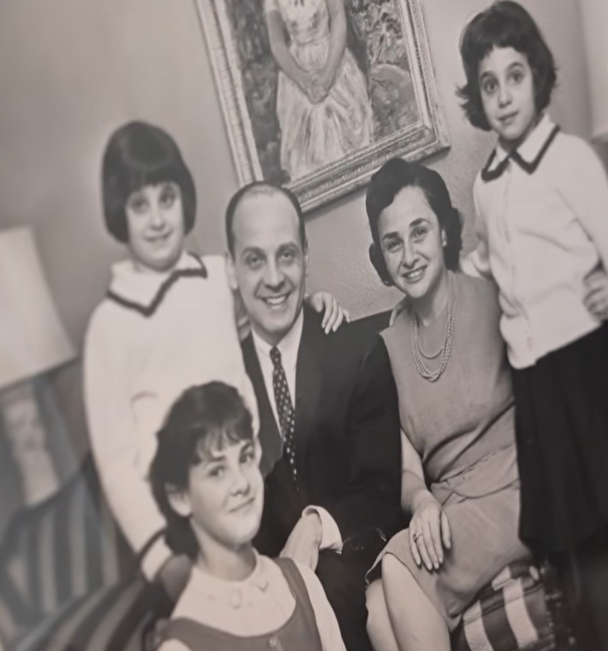
Neysa Norma Cristol was born Aug. 7, 1921. She met Arlin Adams in high school, and they married in 1942 while he was on leave from the Navy. They had daughters Carol, Judy, and Jane. Her daughter Jane died in 2017.
Mrs. Adams and her husband, a state secretary of public welfare and longtime federal judge, traveled the world, mostly through his work, and she met a queen, a pope, several U.S. presidents, and other international notables. “Her resilience, intellectual curiosity, and dedication to serving others stand as a testament to a life well lived,” friends at the Hearth at Drexel said in 2024.
She was active at Keneseth Israel, enjoyed cooking, and was an avid reader. She also worked as an investment adviser.
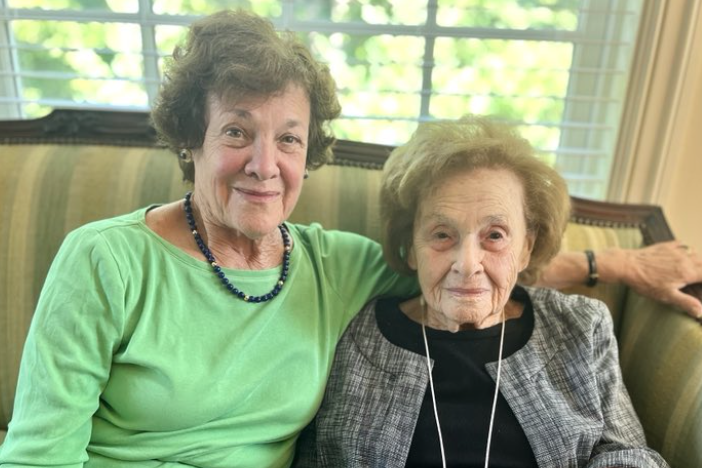
She was featured on 6abc TV last August on her 104th birthday and said: “Get those things that make you happy. Enjoy them while you can.”
Mrs.Adams and husband, Arlin, married in 1942 while he was on leave from the Navy.Courtesy of the family
Her daughter Carol said: “She was outgoing and had lots of friends. It seemed like she knew everyone in Philadelphia.”
In addition to her daughters, Mrs. Adams is survived by four grandchildren, one great-grandson, and other relatives. A sister and a brother died earlier.
Mrs. Adams (second from right) doted on her husband and three daughters. Courtesy of the family“It seemed like she knew everyone in Philadelphia,” said Mrs. Adams’ daughter Carol (left). Courtesy of the family
Disney has come out swinging in its defense of 6abc and seven other owned-and-operated ABC TV stations the Trump administration is threatening to take off the air.
In a new filing Thursday, Disney claims President Donald Trump is using the Federal Communications Commission to go after the local stations’ broadcast licenses in “retaliation” for comments made by ABC late-night host Jimmy Kimmel.
“There is no question why the commission is singling out these eight stations: Each is owned by ABC, and the administration has openly and repeatedly called for the revocation of ABC’s licenses, because it dislikes the content and viewpoints expressed on ABC network programs,” Disney wrote.
The FCC did not address Disney’s criticism, but in a statement a spokesperson said the agency “is going to hold broadcasters accountable to the full extent of the law.”
“The retaliation against ABC is a signal to every media company in the country: accommodate the administration’s view of what news coverage should look like or pay the price,” Disney wrote.
FCC chairman Brendan Carr also said the agency would include in its review the network’s decision not to air Trump’s prime-time address on election security earlier this month, in which the president repeated the baseless claim he won the 2020 election, despite losing to former President Joe Biden.
“I think that’s something that broadcasters should be carrying,” Carr said.
NBC also passed on carrying the speech live, while some local Fox affiliates picked up cable coverage from Fox News. CBS aired Trump’s address, but broadcast networks are not required to preempt their programming when the president addresses the nation.
Could the Trump administration really take 6abc off the air?
Rick Williams anchors 6abc’s 11 p.m. edition of “Action News.” 6ABC
The short answer is yes, but experts say it would be a messy, complicated battle that could take years, a process likely extending beyond the end of Trump’s second term in office.
6abc’s current broadcast license, renewed in 2023, runs through 2030. The FCC’s next step would be a referral for an official hearing, which could take place as early as next month.
So far, the FCC has not presented evidence 6abc or the other seven ABC stations owned by Disney have violated any public interest requirements.
“The FCC has spent the last 18 months searching for some pretext for revoking the Stations’ licenses,” Disney wrote. “The commission has found none, because the Stations easily meet the standard for license renewal — which under the law means that the Commission cannot revoke their licenses or order a hearing on their renewal applications.”
If the FCC does move to revoke all eight of ABC’s local broadcast licenses, the case would be decided by an administrative law judge, according to the FCC’s website. Even then, the decision would be subject to appeals to the full commission and federal courts.
6abc going dark would be ‘a significant loss to the Philadelphia region’
6abc’s “Action News” has been the city’s most-watched local news program for decades. Tom Gralish / Staff Photographer
Last month, 6abc called on viewers to weigh in on the early review of its broadcast license and support the station. That public comment period ended Wednesday, with over 152,000 people sounding off on the FCC’s move.
Responders overwhelmingly supported the station, according to an analysis of public comments posted to the FCC’s website, with 6abc widely praised for its local news coverage.
U.S. Rep. Brian Fitzpatrick (R., Pa.), who represents Bucks County, called on the FCC to give 6abc “full and fair consideration” on its early license renewal, calling the station “an important part of our region’s public safety, cohesion, and civic life.”
Among the organizations weighing in was the Philadelphia Zoo, which called 6abc a “steady, trusted presence in this community for decades.”
“The loss of 6ABC would be a significant loss to the Philadelphia region and to organizations like ours that rely on the station’s local news, weather, and community coverage to reach the public,” Jo-Elle Mogerman, the Philadelphia Zoo’s president and CEO, wrote in a letter to the FCC.
The Philadelphia Police Foundation called 6abc an “indispensable partner” and “vital contributor” to the quality of life across the city, praising the station’s support of police officers, first responders, and Philly children.
“The loss of 6ABC broadcasting would deeply impact the Philadelphia region, removing a trusted journalistic voice and a critical pillar of support that local nonprofits and public safety organizations rely upon,” the organization wrote.
Local residents were also overwhelmingly against removing 6abc from the air. Faith Paffett-Lugassy cited 6abc’s coverage of weather events and emergency information, pointing to Action News’ live coverage during severe thunderstorms that swept through the Philadelphia region earlier this month.
“ABC stayed on the news channel the entire time until a tornado watch was finally canceled,” Paffett-Lugassy wrote. “ABC is my favorite channel to watch, please don’t take it off the air.”
Bucks County resident Donald O’Keefe is not a cable TV subscriber, and said he relies on 6abc’s broadcast signal for local news and weather updates. According to O’Keefe, taking the station off the air “would directly compromise the public safety and awareness of Lower Makefield Township” and deprive residents of “critical safety warnings.”
Others, like David DeGrace, looked beyond Action News to all the other programming on ABC that would be unavailable if the FCC followed through on its threat.
“Don’t take away my Jeopardy!” DeGrace wrote. “This is ridiculous.”
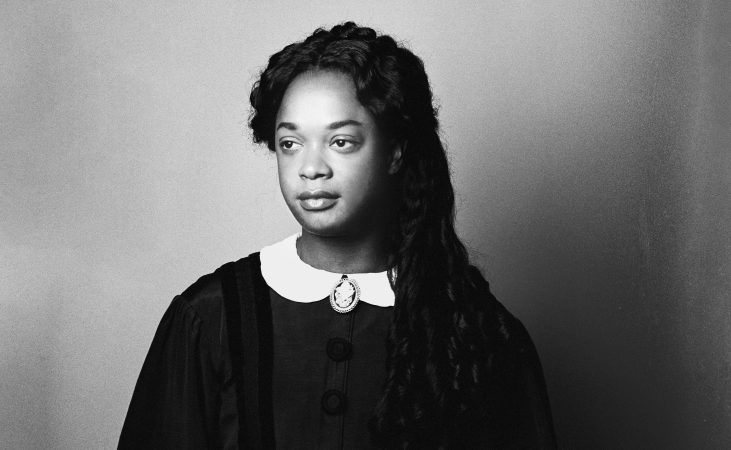
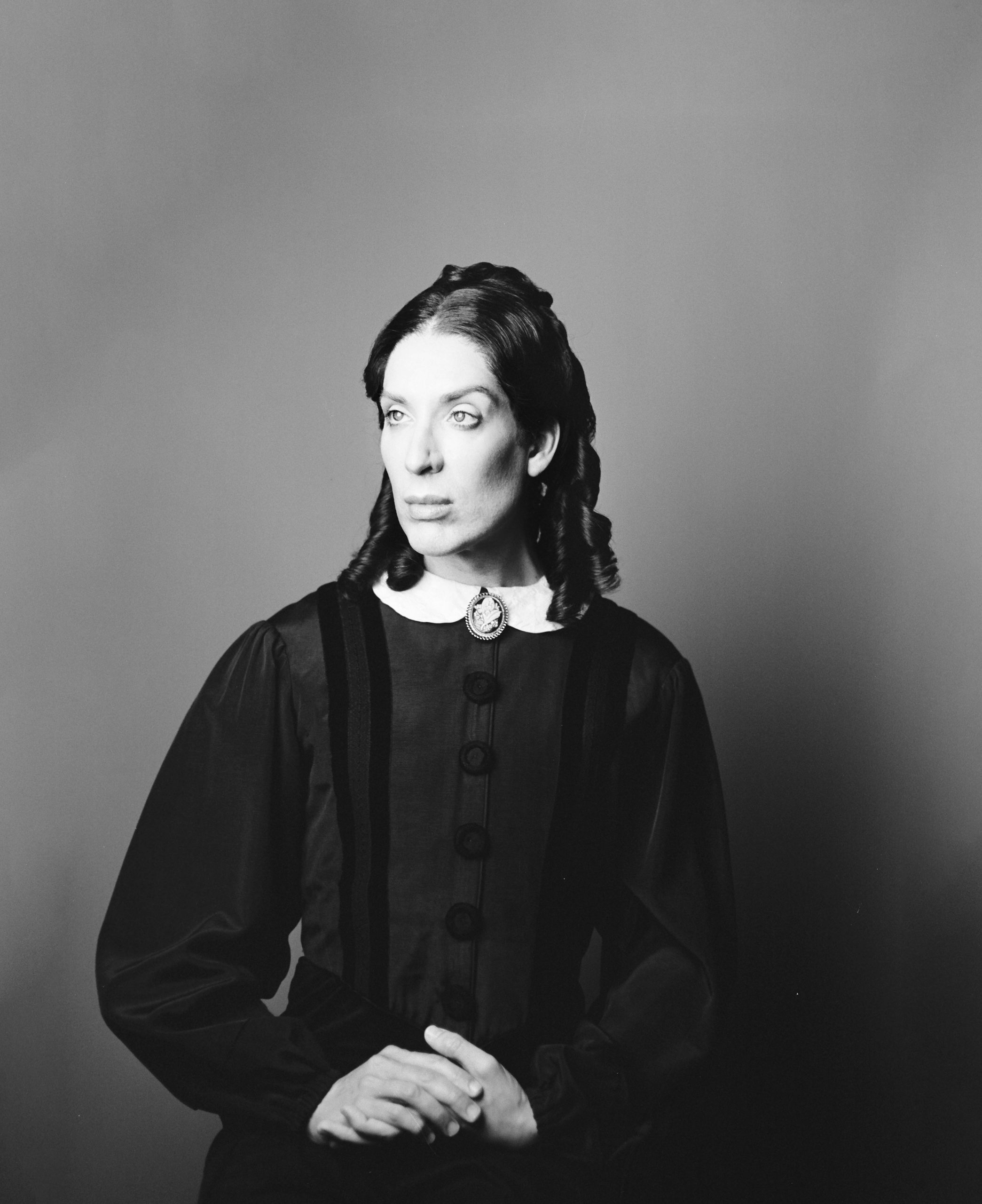
The riotous play Oh, Mary! has found two new leads for its first North American tour kicking off this fall: drag queen Alaska Thunderf— and Broadway darling J. Harrison Ghee. When the show lands in Philadelphia next March, Ghee will take the spotlight as the delightfully mad first lady Mary Todd Lincoln.
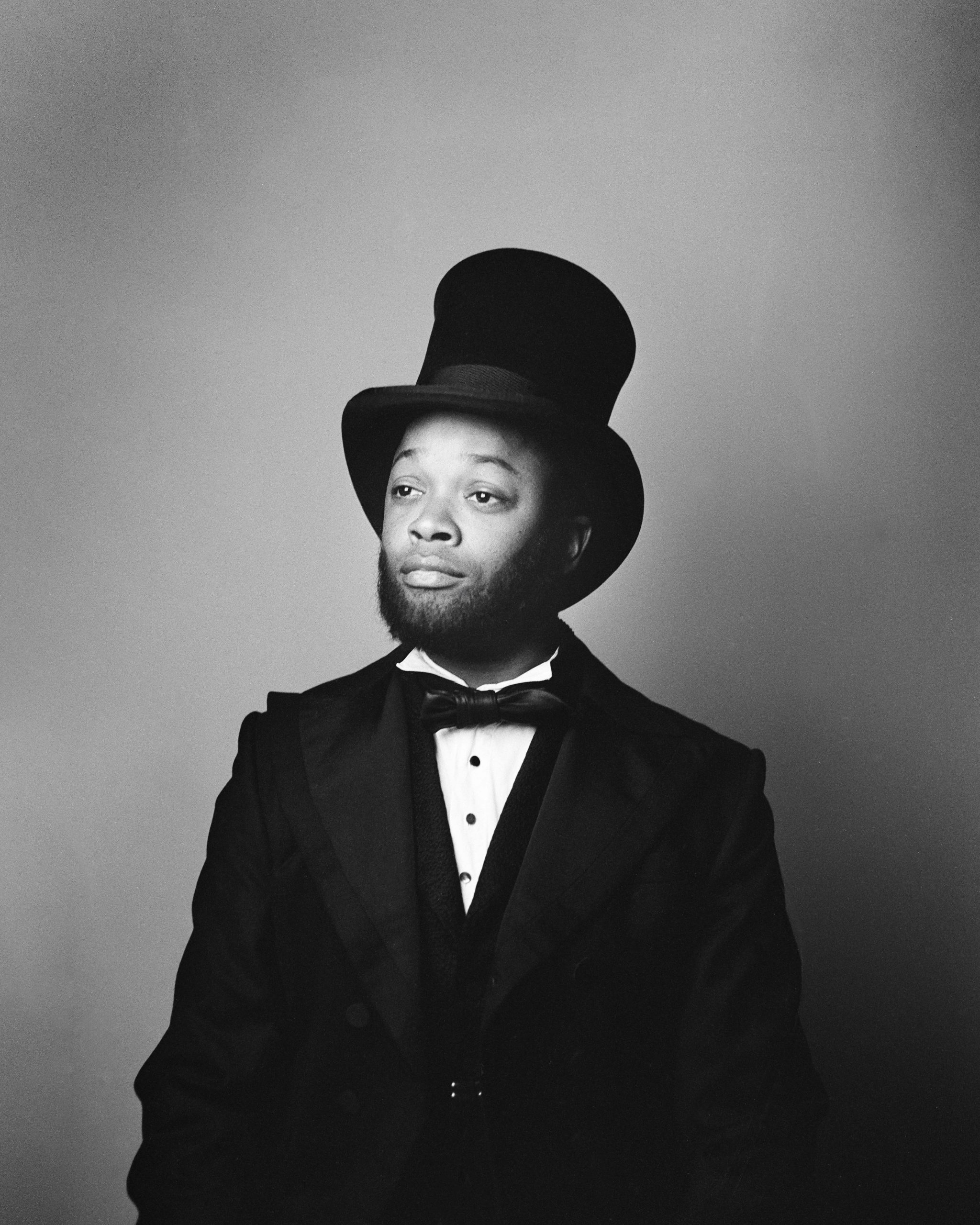
First, though, the titular role will go to Alaska, a winner of RuPaul’s Drag Race All Stars, who grew up in Erie, Pa., and graduated from the University of Pittsburgh. While she stars as Mary, Ghee — a longtime New Yorker originally from Fayetteville, N.C. — will play “Mary’s Husband,” aka President Abraham Lincoln, becoming the first actor to play both roles in the play.
J. Harrison Ghee will play “Mary’s Husband” opposite Alaska Thunderf-‘s Mary Todd Lincoln in the first part of the North American tour of “Oh, Mary!” before they take the titular role in Jan. 2027.Daniel Rampulla
The 2026-27 tour starts in Hartford, Conn., in September and runs through May, with stops including Washington, Boston, Los Angeles, and Detroit. Alaska will play Mary through Jan. 17 and Ghee will take over the lead role beginning Jan. 19 in Chicago. They will be the star during the show’s brief Philly run at the Miller Theater from March 9 to 14.
The camp comedy from actor/comedian Cole Escola follows a miserable, alcoholic Mary Lincoln just before her husband’s assassination in a satirical story that “finally examines the forgotten life and dreams of Mrs. Lincoln through the lens of an idiot.” Following Escola, several stars have put their own stamp on the role, including Tituss Burgess, Maya Rudolph, Jane Krakowski, and Jinkx Monsoon (another breakout star from the RuPaul’s Drag Race universe).
Drag queen Alaska Thunderf— will play Mary Todd Lincoln in the first part of the “Oh, Mary!” North American tour.Daniel Rampulla
The play was a massive hit when it landed on Broadway in 2024, becoming a Pulitzer Prize finalist and receiving five Tony Award nominations. Oh, Mary! won two in 2025, including best direction of a play and best performance by an actor in a leading role in a play for Escola — who made Tony Award history as the first nonbinary actor to win in that category.
So it’s fitting that Ghee — a nonbinary actor who also achieved a historic first at the 2023 Tony Awards when they won best leading actor in a musical for playing Daphne/Jerry in Some Like It Hot — will get a chance to play Mary, too.
The two actors haven’t yet talked in-depth about the roles, but earlier this year, they crossed paths when Ghee was waiting to hear back on their audition results. “We spoke briefly at the Tony [Awards] after-party at the Carlyle [Hotel], and they had kind of given me a hint,” said Ghee, who’s currently playing Hermes in Hadestown on Broadway.
“They were like, ‘I feel like I’m gonna see more of you coming up.’”
Ghee has seen Krakowski, Monsoon, and Hannah Solow play Mary so far and they can’t wait to take up the role. “I’ve seen a spectrum of Marys, and I’m excited to, as Billy Porter would say, ‘steal the good sh—,’ and also just bring myself to it and really have fun.”
They first auditioned for the role of “Mary’s Husband” but had eyes on the lead, too.
“It was very much a ‘yes, and’ [situation],” Ghee said. “A lot of my career has been based in duality. I am very that, and I love versatility. I don’t ever want to be pigeonholed … I want to show people the capacity — don’t let other people limit you.”
J. Harrison Ghee pictured as Mary Todd Lincoln. “Oh, Mary!” lands at Philadelphia’s Miller Theater from March 9 to 14, 2027.Daniel Rampulla
As for stopping in Philadelphia, Ghee said it’s one of the cities where they’re most eager to perform. They love visiting the city and enjoying the food culture.
“I love to take an Amtrak down to Philly because you still get city vibes, but it breathes a little easier,” they said. “So I’m even considering, like, is there a world where I live in Philly one day? I don’t know!”
Tickets are on sale now for “Oh, Mary!,” which runs March 9-14, 2027, at the Miller Theater, 250 S. Broad St., Philadelphia, 215-893-1999 or ensembleartsphilly.org.
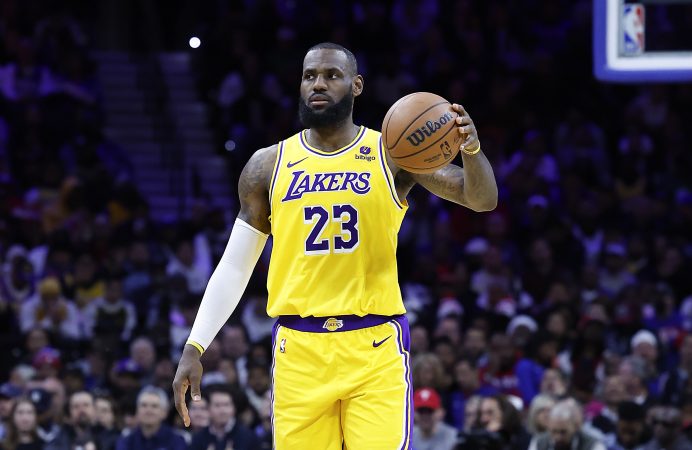
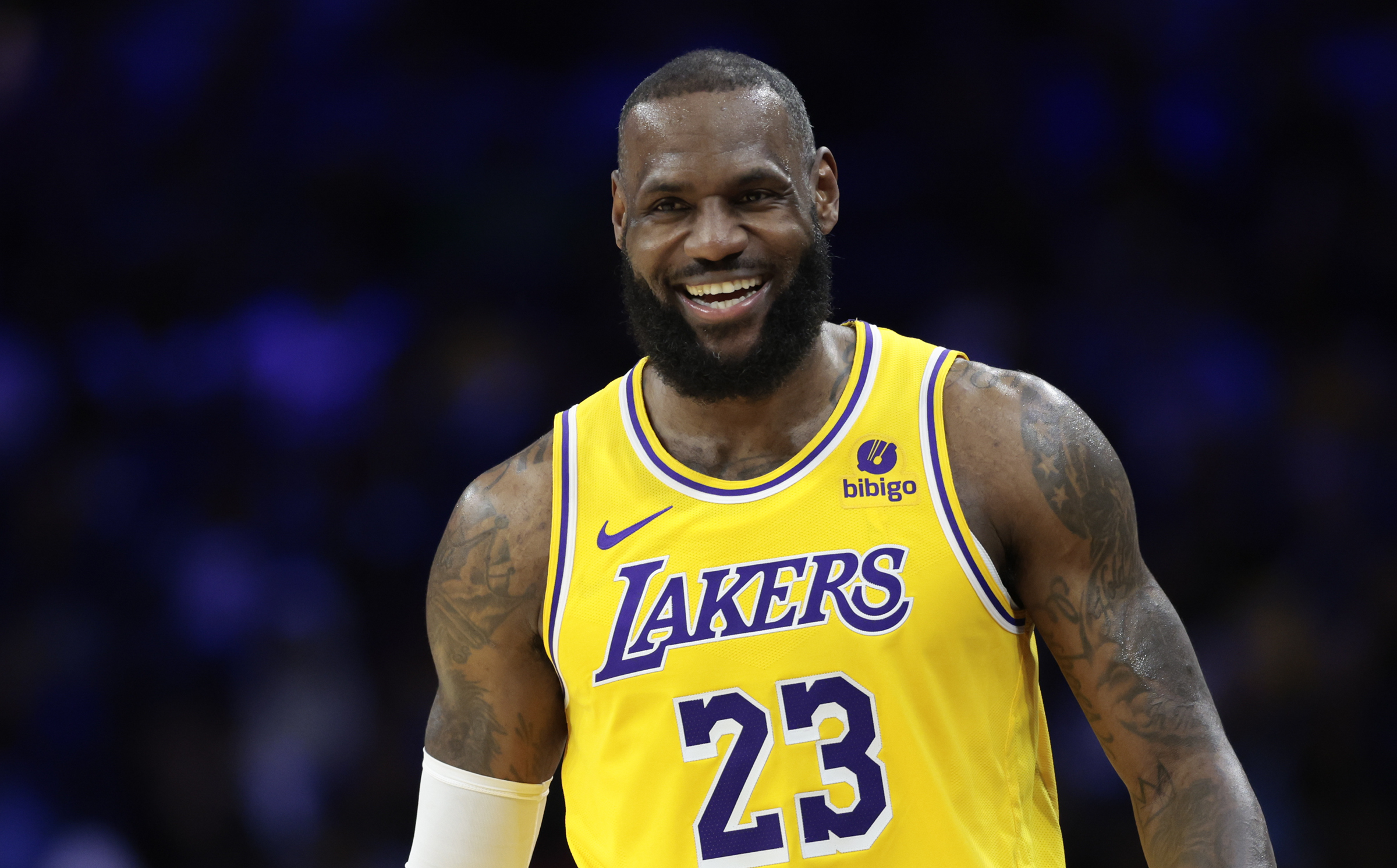
To witness the reaction to LeBron James’ decision to play in Philadelphia the next two seasons, you might have thought we’d beaten the Russians to the moon or ended the next world war. Folks drove down Broad Street honking their horns, heads hanging out of their cars. Total strangers standing on subway trains staring at their phones got the notification, looked up, and high-fived. Somewhere, lions lay down with lambs.
This, for a 41-year-old coming off the worst of his 23 seasons?
Yes. Yes. A thousand times, yes. But why?
Because Philadelphians won. They won the LeBron Sweepstakes.
The King chose Philly.
The King chose us.
James chose a franchise that hasn’t won an NBA title in 43 years, has only one title in almost 60 years, and hasn’t advanced past the second round of the playoffs in 25 years. He chose a city with three total championships since James was born in 1984; James himself has won four. He chose a city with a national reputation for abrasiveness, confrontation, and, above all, losing — a reputation resented by the residents of Philadelphia and its region.
Still: He chose us. He might occasionally commute to Philly from Manhattan, but he’s paying his taxes here.
If Joel Embiid and Tyrese Maxey and Jaylen Brown and VJ Edgecombe again fall short in the playoffs, LeBron still chose us. He could have joined Steph Curry in San Francisco, Giannis Antetokounmpo in Miami, James Harden in Cleveland.
But no. We won. And we acted like it.
Phil Martelli, revered basketball coach and lifelong Philadelphian, knows why.
“I’ve had this in my head forever. People think we’re bad losers. That’s not what we are,” Martelli said. “We are insufferable winners.”
Validation
I’ve been a Philadelphian for 31 of my 57 years. Martelli’s been a Philly guy for all 71 of his. I told him that, in my three decades, I’ve observed that Philly has an inferiority complex, a chip on its shoulder, and a healthy sense of pride.
“No doubt,” Martelli agreed. “No doubt.”
So, when good things happen, a dam always breaks. From climbing greased streetlights to eating horse manure (this really happened), Philly fans have earned a reputation of, well, overexpression when the rare championship finally lands at their feet.
It is that rarity, that desperation for validation, that generates euphoria when a big name decides that Philly is good enough for him.
That’s the key: The decision must belong to the player.
LeBron James validated Philadelphians when he picked us. Yong Kim / Staff Photographer
That’s why Reggie White doesn’t qualify. Eric Lindros, Julius Erving, Moses Malone, Roy Halladay, all trades or purchases.
Bryce Harper, however, already had won an MVP by the spring of 2019. The Yankees, Dodgers, Giants, and White Sox courted him. So did the Padres, until they signed Manny Machado, who, folks might not remember, was the Phillies’ first choice. But the fans always preferred Harp, and, ultimately, Harp preferred them. And he was only 26.
Similarly, by the 1978 offseason, Pete Rose had been a National League MVP, but he also was the MVP of one of his two World Series titles with Cincinnati. He was a stone-cold winner, and, even though he would be 37 in 1978, he was still the top free agent. The Phillies’ four-year, $3.24 million offer was the worst he received — others included more money, a lifetime $100,000 annual pension, oil and beer investments, and racehorse ownership — but Rose saw a winner in Philly, and Philly utterly rejoiced.
Compared with Harper and Rose, there was less excitement (and less competition) when Saquon Barkley signed with the Eagles in 2024. The Bengals, Texans, Ravens, and Bears contended but the Eagles won, and Barkley, a Lehigh Valley native, came home, to much rejoicing. That season Barkley produced record-setting numbers and pushed the Eagles to a Super Bowl win, so it’s tempting to recast his choice as being a bigger deal than it was. He’s still never going to have to buy his own beer in Philly.
Saquon was the centerpiece of a run to the Eagles’ second Lombardi Trophy. Rose pushed the 1980 Phillies to the first World Series win in franchise history. Harper won a second MVP, in 2021, and led the Phillies to the 2022 pennant.
They delivered on their promise.
This seldom is the case.
Unfulfilled promise?
Age, injury, and Ryan Howard made Jim Thome redundant in the mid-2000s. Cliff Lee rejected the Yankees and took less to return to the Phillies in 2011, but to no good end. Jake Arrieta was a big-time bust, Lance Parrish was a late-80’s disappointment, Al Horford was a bad fit with Embiid, and Nnamdi Asomugha was cooked by the time he became a “Dream Team” Eagle in 2011.
LeBron never will be classified among Philly’s worst signings, if only because his two-year, $8 million contract earns him 33% less than Anfernee Simons (for casuals, Simons is the new backup shooting guard). LeBron would be a magnificent value at $4 million a year if he was an assistant coach.
Still, there are expectations. After LeBron signed, the Sixers’ aggregate odds to win the NBA title jumped from tied for sixth-best, at 20-1, to third-best, at about 9-1.
“You know there’s people already staking out spots on Broad Street for the parade,” Martelli said.
When Rose, Harper, and Saquon signed, everybody got excited. Nobody staked out spots on Broad Street.
The LeBron-mania is palpable. Ticket and jersey sales have been inflated beyond sanity and availability, with no real end in sight. Don’t expect Knicks fans to take over Xfinity Mobile Arena this season.
There has been excitement surrounding arrivals before, but never anything like this. The only arrival that might cause a similar disruption would involve a biblical rapture.
Like that king, this King will be expected to raise his following from the dead.
When LeBron James signed with the 76ers, he wasn’t just bringing his talent to the roster, he was bringing a whole new fan base to Philadelphia as well.
As one of the most famous basketball players of all time, James’ fans run deep and wide. So if you’ve spent the past few years rooting for the Los Angeles Lakers after multiple stints as a Cleveland Cavaliers fan and experienced a couple championships while rooting for James on the Miami Heat, here’s what you need to know about being a Sixers fan:
Here come the Sixers
There’s a chance you’ll be hearing a lot of the Sixers victory song, “Here Come the Sixers” this season, so be prepared to know every word.
The tune was commissioned in 1975 by the then-general manager Pat Williams as a way to bring energy into the arena. Randy Childress, Terry Rocap, and Joe Sherwood, better known as the band Fresh Aire, created the song that’s still used today and encourages fans to “clap your hands” and “stomp your feet” for the Sixers.
In 1986, when Williams left the Sixers, the song became less used until the early 2000s, when WIP host Angelo Cataldi repopularized it on his show.
If you can remember the hand clapping, the feet stomping, and can count “one, two, three, four, five, Sixers,” you already know the basics of the song.
If you’ve ever watched an episode of The Pitt, Grey’s Anatomy, or any other medical drama and thought that some of the ailments seemed a little far-fetched, then you don’t know the Sixers.
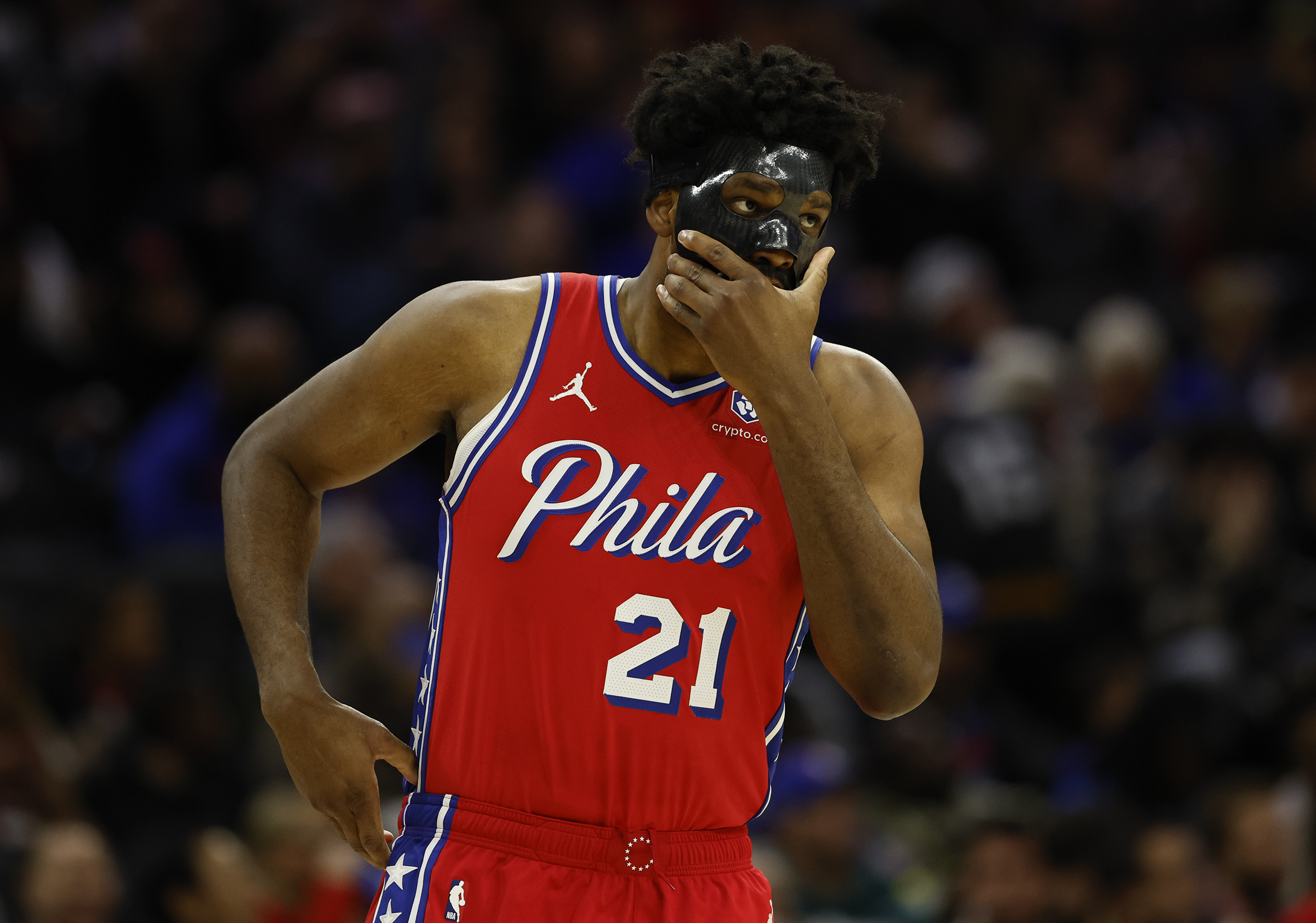
Shortly after Markelle Fultz returned after a monthslong shoulder injury, he collided with Joel Embiid during a game, breaking Embiid’s orbital bone in 2018. And it wouldn’t be the only time Embiid broke that facial bone. He did so again in 2022 after an elbow to the face in Game 6 of the first round of playoffs against the Toronto Raptors. He also dealt with Bell’s palsy, or facial paralysis, on the left side of his face during the 2024 playoff run. And these are just Embiid’s face-related injuries.
Sixers center Joel Embiid adjusts his mask during a game against the Charlotte Hornets in 2024.Yong Kim / Staff Photographer
But if those aren’t convincing enough, there also is the time in 2018 Zhaire Smith ate a chicken dish during his rookie season and suffered a severe allergic reaction because of sesame in the dish. Fortunately, Smith was OK.
With Ben Simmons’ fractured foot after rolling over his ankle in training camp as a rookie, or the time Kelly Oubre Jr. reportedly being hit by a car, the injury list goes on and on.
Yes, on a team with Constitutional-esque branding, the mascot is a dog. Franklin the dog to be exact.
But there’s still a founding father tie-in there. Franklin gets his name from none other than Ben Franklin, whose legacy lives on in the Constitution, electricity, and a giant dog with blue fur.
Franklin was introduced in 2015, marketed as a “fan’s best friend,” after the Sixers went four years without a mascot.
Before Franklin, there was Hip-Hop, the acrobatic rabbit known for slam dunks. Hip-Hop, who reigned as the primary mascot from 1998 to 2011, was brought back as a secondary mascot for the 2025-26 season.
The first Sixers mascot, however, was Big Shot, a fuzzy blue creature with red hair and big sunglasses, who came from the same creators as the Phillies’ mascot, the Phillie Phanatic. Big Shot was the Sixers’ mascot from 1982 to 1996.
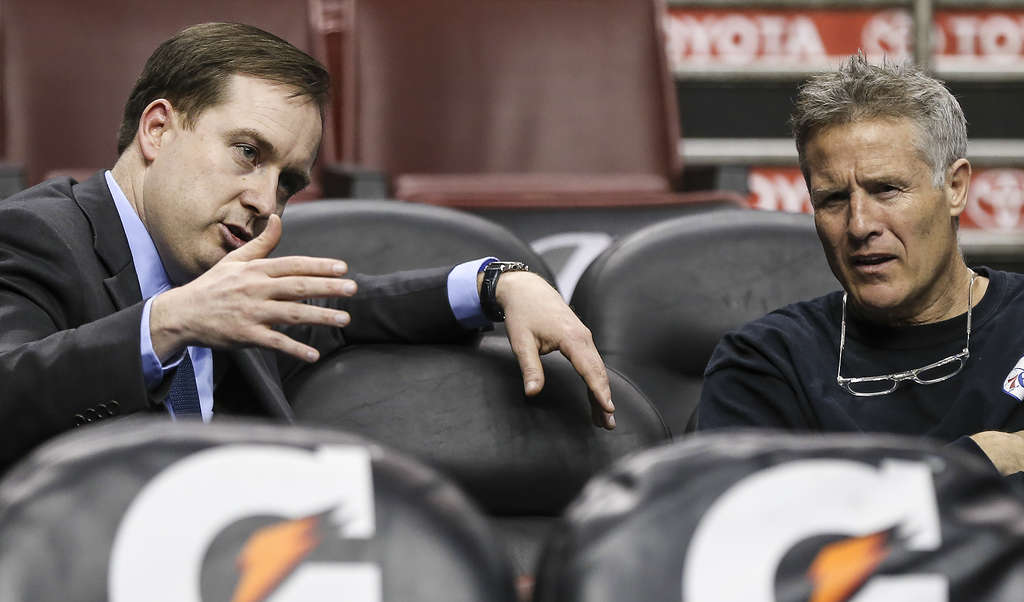
“Trust the Process” has become a slogan closely associated with the Sixers’ rebuild process, starting in 2013 under former general manager Sam Hinkie.
During the Hinkie years, “The Process” became synonymous with tanking for draft picks in an attempt to rebuild. Despite some big trades, like trading the team’s only All-Star at the time, Jrue Holiday to the New Orleans Pelicans for the sixth overall draft pick, some continued to trust.
Sixers GM Sam Hinkie (left) and coach Brett Brown oversaw the early Process years.Steven Falk
Others weren’t so sold, and the phrase became divisive among Sixers fans.
“The Process,” however, has since led to the Sixers acquiring Jaylen Brown and James during this offseason, with James even hinting during Fanatics Fest a few weeks before signing with Philly that he wanted to go somewhere that he could “trust the process.”
Love it or hate it, “The Process” is part of the Sixers lore.
Learn the language
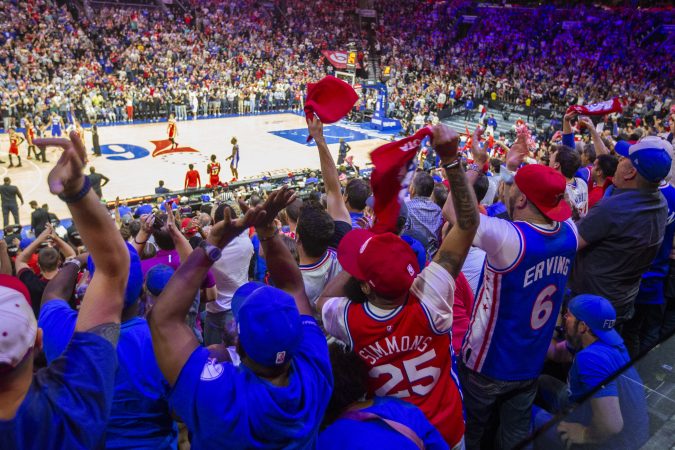
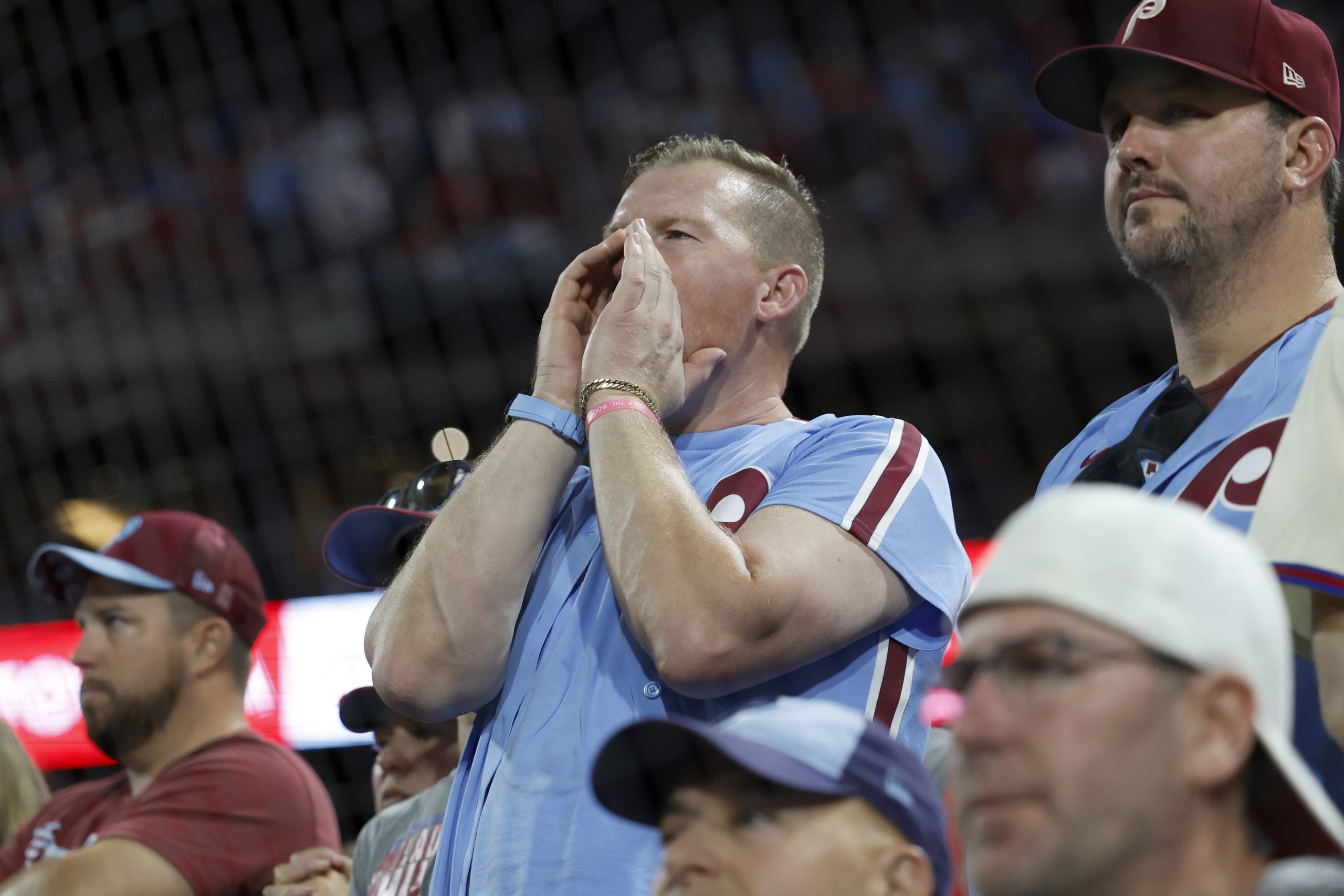
If you’re going to fit in at a Sixers game, or really any Philly sporting event, it’s important to know that it’s OK to boo. It’s even encouraged.
This doesn’t just apply to opposing teams or bad calls by the refs, it goes for the Sixers own players, too. If a player — or the team at large — isn’t performing well, Philly fans aren’t afraid to let them hear it.
When the Sixers are playing against the top talent from an opposing team, especially the Knicks or the Celtics, you better let them hear it as well.
A Phillies fan boos after the eighth inning against the Los Angeles Dodgers in Game 2 of the 2025 NLDS at Citizens Bank Park.Yong Kim / Staff Photographer
And while being a Sixers fan doesn’t automatically mean being a fan of other Philly teams, it’s best to learn the words to the Eagles chant as well. Those aren’t resolved for Lincoln Financial Field, and more often than not, they’ll ring out at any Philly event, sports-related or not.
It’s especially common after a loss by one of the other big four sports teams, so start studying.
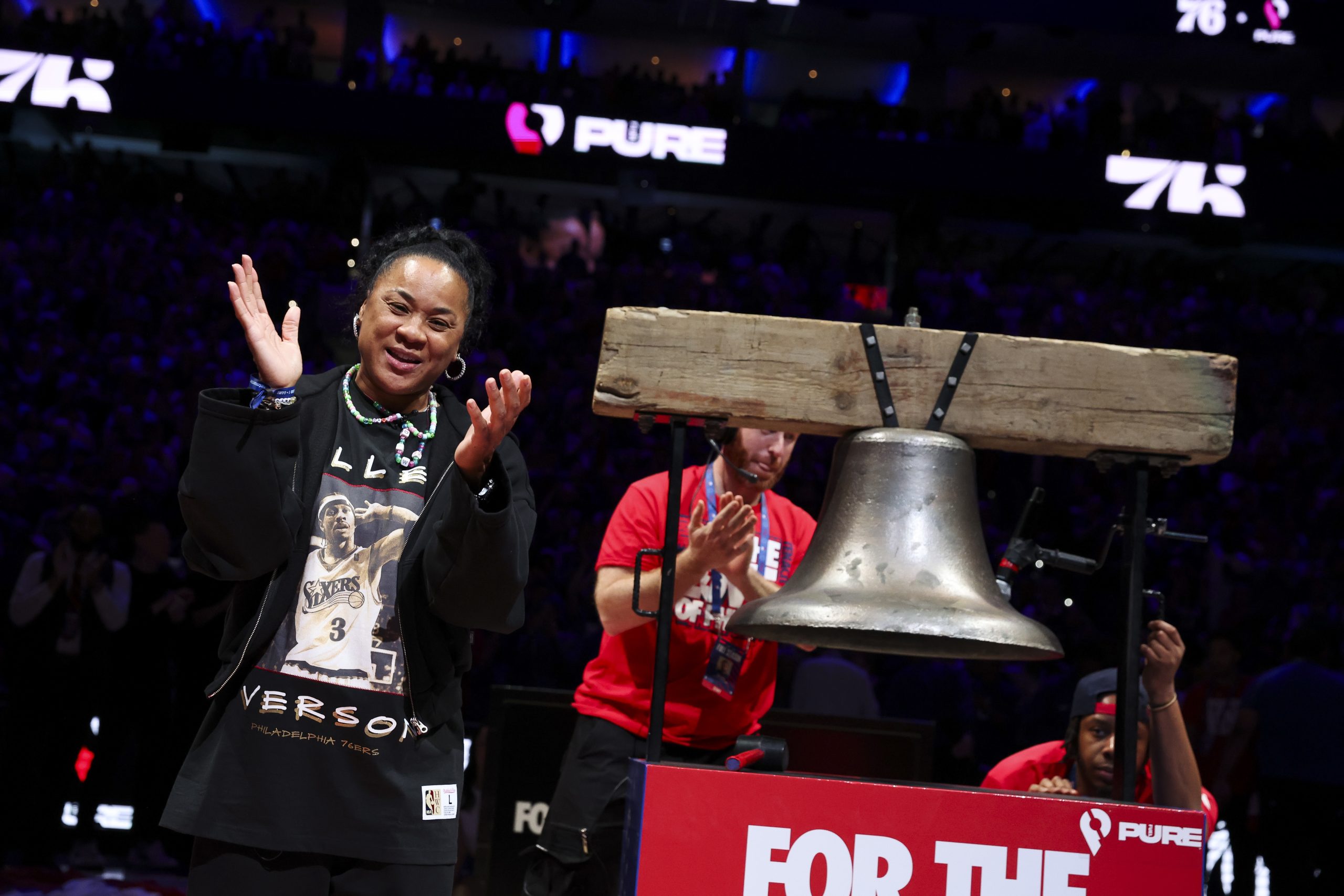
North Philly’s Dawn Staley rings the Sixers’ bell before Game 4 of a first-round playoff series against the New York Knicks in 2024.Monica Herndon / Staff Photographer
Fast facts
Those are some of the big things that make up the basic knowledge of a Sixers fan, but these are some other fun facts to keep in mind as well:
Sixers managing partner Josh Harris also owns the NFL’s Washington Commanders and the NHL’s New Jersey Devils.
The Sixers’ practice facility is in Camden.
A major series win in the playoffs, like an Eastern Conference championship, will be celebrated on Broad Street.
The Sixers Stixers is the official drumline of the Sixers and performs at games and events.
The Sixers share an arena with the Flyers, and a new arena is slated to open in 2030 that will accommodate the WNBA expansion team as well.
There is a pregame tradition for home games that includes local celebrities, athletes from other sports, and more ringing a Liberty Bell replica before games to fire up the arena.
Work has resumed on a 1.5 million-square-foot data center in East Whiteland after developers were told to stop early construction this month while the township reviewed its soil and health safety plans.
Township officials issued a permit that includes “many conditions related to soil monitoring and reporting, dust control, and protection of the remedy for the Superfund site,” they said in a statement Wednesday.
Development began again on Wednesday, said Lou Colagreco, an attorney representing the developers, Green Fig LLC and Sentinel Data Centers.
Earlier this month, township officials told the developer to stop work “until greater clarity is provided with respect to the ongoing review” of the soil and health and safety plans. The stoppage came amid increased scrutiny from residents, who have fears about the impact of the data center being built upon the former Cyprus Foote Mineral Co., which contaminated the land with chemicals such as lithium, arsenic, and hexavalent chromium.
On Wednesday, the township said in a statement posted online that it had issued a permit regarding erosion and sedimentation control.
“The Township and its inspectors will also be maintaining a regular presence at the site to oversee implementation of the permit conditions,” the township’s statement said.
The permit allows for “earth-moving activities.” The developers will still need to secure construction permits for things like pouring concrete for footings, or foundations. But they can move dirt and dig via these permits, East Whiteland Township Manager Steve Brown said.
The developers came back before the township this month, intending to change the design again, saying the revised proposal would use less water. It could also possibly scale down the overall footprint of the data center, from 1.5 million square feet to a total of 536,000 square feet.
The township’s three elected officials ultimately tabled the matter at their July 8 meeting, saying they needed more information. The board’s next scheduled meeting is Aug. 19.
“The only issue before the Supervisors is whether the data center will use air chilled coolers to conserve water or whether water chilled units will be utilized,” Colagreco said in an email. “In either event, Sentinel is proceeding with development.”
This suburban content is produced with support from the Leslie Miller and Richard Worley Foundation and The Lenfest Institute for Journalism. Editorial content is created independently of the project donors. Gifts to support The Inquirer’s high-impact journalism can be made at inquirer.com/donate. A list of Lenfest Institute donors can be found at lenfestinstitute.org/supporters.
Former Phillies catching prospect Logan O’Hoppe was traded by the Los Angeles Angels to the Texas Rangers on Wednesday along with reliever Chase Silseth for third base prospect Angel Arredondo.
The Angels acquired O’Hoppe, 26, from the Phillies in exchange for outfielder Brandon Marsh just before the 2022 trade deadline. At the time, O’Hoppe was the Phillies’ fifth-ranked organizational prospect. Marsh was named a starter in his first All-Star Game appearance earlier this month.
O’Hoppe had his best season with Los Angeles in 2024, when he hit 20 home runs and had a career-high 2.7 wins above replacement. He is batting .209 with a .565 OPS in 256 plate appearances this season.
Out of the 20 catchers with 250 plate appearances, O’Hoppe ranks 18th in on-base percentage, 19th in batting average, and tied for last in home runs. Texas plans to option him to triple A, according to the Dallas Morning News.
Silseth, 26, was an 11th-round pick by the Angels in 2021 and is having a breakout season. He led the Angels with 47 appearances and had a 2.72 ERA.
Arredondo is a 19-year-old third baseman who has spent all of 2026 with single-A Hickory. He is slashing .247/.372/.397 in 361 plate appearances. Arredondo wasn’t ranked among Texas’s top 30 prospects, per MLB.com, although pipeline rankings have not been updated since the start of the season.
This isn’t just a bad year for measles. It looks to be the start of a bad era. Confirmed measles cases just hit a 35-year high, and it’s only July. Together with last year, the number of cases has exceeded the combined total over the previous 25 years. The vast majority of cases stem from domestic outbreaks fueled by low rates of vaccination—and rates are declining.
For the first time in a quarter century, the U.S. no longer meets a main criterion for having eliminated measles as a public health threat. That status hinges on sporadic outbreaks fizzling out within a year. Utah’s outbreak has lasted for longer, since June 2025.
Nearly 400 people have been hospitalized with measles in the U.S. this year and last, three people have died, and at least three suffered brain swelling with lingering symptoms.
This month, the Centers for Disease Control and Prevention is set to finalize a comprehensive study of the nation’s measles situation, examining data from January 2025 through June 2026.
“I don’t think we could say with a straight face that there hasn’t been transmission over the past 12 months,” said a CDC scientist with knowledge of the agency’s measles report. (KFF Health News agreed not to name the researcher, who is concerned about retaliation.) The researcher said a national committee of measles specialists will review the CDC’s internal report, which then goes to the Pan American Health Organization, a group that evaluates the measles elimination status of countries throughout North, South, and Central America, and the Caribbean.
PAHO will make its decisions at an annual meeting this fall, but scientists say the writing is on the wall. “The assessment for elimination isn’t until November, but that is a scheduling issue, basically,” said Anne Schuchat, who led the CDC’s immunization and respiratory disease group from 2006 to 2015.
“It’s just so sad, because some people will get brutally ill,” she said of measles’ return. “This is a wake-up call.”
Pediatricians in Utah have been on the front lines as measles and other vaccine-preventable ailments have returned to the U.S. In interviews with KFF Health News, six doctors shared insights on this new era of vaccine hesitancy — and what could be done to turn the situation around.
The conversations have been edited for clarity.
On unvaccinated children hospitalized with measles complications
Emilie Morris, a hospital pediatrician in Salt Lake County and Utah County: When children come in, they’re often bent over. We call it tripoding, which is particular to upper respiratory infections and airway swelling. They have a rash — viruses cause rashes all the time — but in this context, the kid is hunched over, mouth open, drooling, crying, maybe not even producing tears, because they’re so dehydrated. Really labored breathing, kind of tugging in their belly, tugging between their ribs. Their eyes look kind of glazed over. It’s like they’re seeing through you.
Nathan Money, a hospital pediatrician in Salt Lake County and Utah County in Utah, says it’s “heartbreaking” to see children with measles struggling to breathe. (Amy Maxmen/KFF Health News) Amy Maxmen/KFF Health News
Nathan Money, a hospital pediatrician in Salt Lake County and Utah County: If the child has a fever or trouble breathing, and they’re unvaccinated, I have to be way more aggressive from a medical standpoint, because they are at higher risk of having life-threatening illnesses. I have to do more blood work, or lumbar punctures to rule out meningitis. I have to do things which are painful, and it’s traumatic for the families.
I tell them, “Because your child doesn’t have vaccines, I have to be more worried about conditions like sepsis or meningitis, so therefore I need to do more workup.” The last thing I want to do is miss something. These are parents who love their children. They always tell me, “Do what you need to do to make sure my child is safe.”
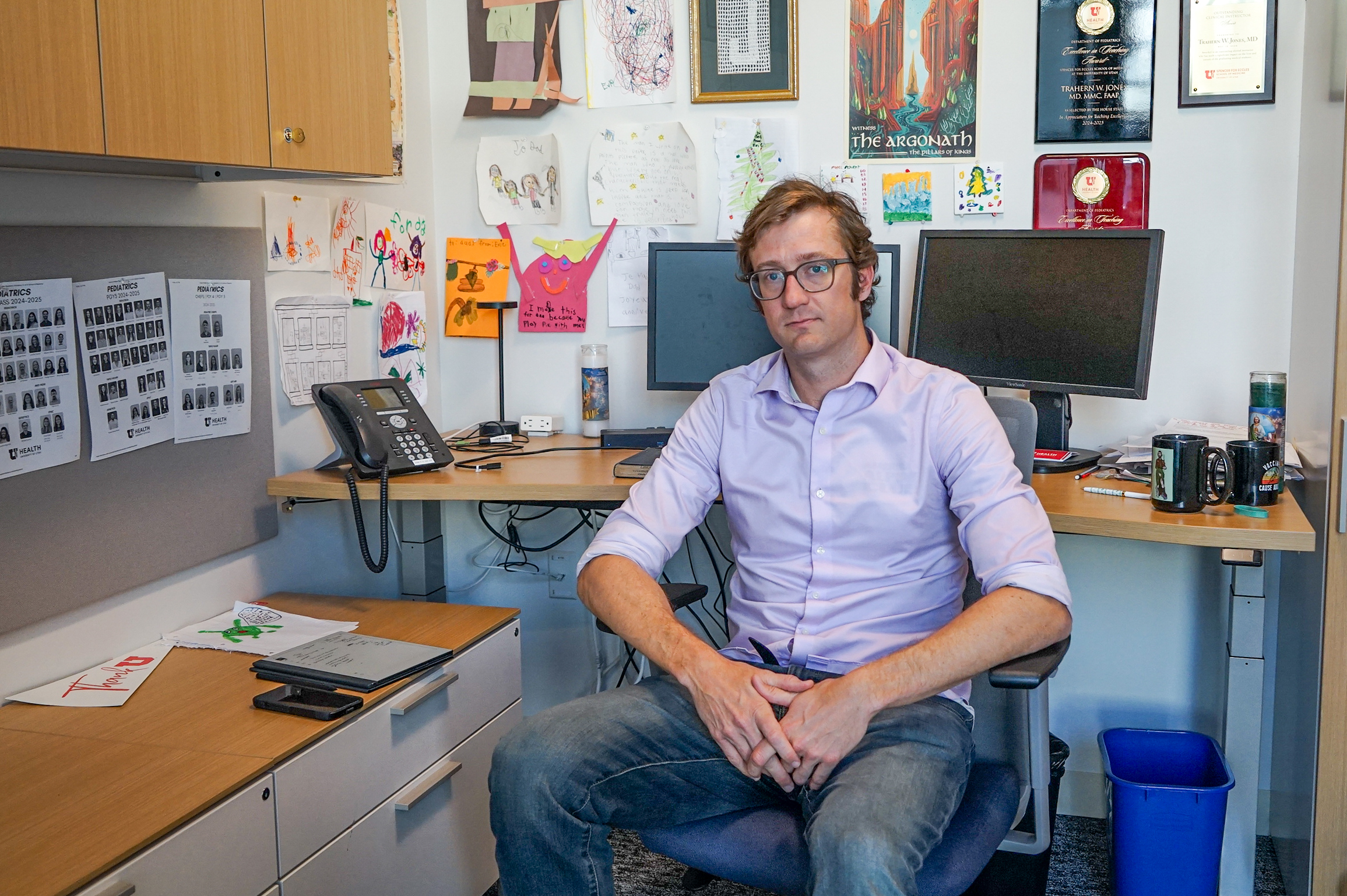
Trahern W. Jones, a pediatric infectious disease specialist based in Salt Lake County, Utah, says parents are often surprised by how severe measles can be. (Amy Maxmen/KFF
Health News)Amy Maxmen/KFF Health News
On treating unvaccinated children hospitalized for measles
Trahern W. Jones, a pediatric infectious disease specialist based in Salt Lake City: So I’m coming into a room and just hearing the most awful barking cough, just a cough and a high-pitch stridor as the child is trying to breathe. And he’s just coughing so hard it just makes you feel short of breath. He looks like he’s been beaten down for days, but he can’t rest, because the cough keeps him awake.
The parents tell me they’re not anti-vaccine, but in the past, somebody they know had a reaction to a vaccine — or something they thought was a reaction to a vaccine — and so they paused vaccines when the child was a baby. They were planning to catch up later.
In another case, the parent was stunned by how awful it was. I asked them what they knew about measles before their child was sick, and they said the only person who’d ever taught them anything about measles was their grandmother who had taken care of her kids with measles ages ago. That’s something I’ve heard from other parents. It’s such an awful illness. Even the best possible course is going to be one of the worst diseases most children ever go through.
There are multiple facets to it. Physically, the child has been beat down for multiple days by this virus. The parents don’t get to sleep, because they’re nursing their child. Then there’s the emotional component because the parent is regretting not getting the vaccine, not realizing how bad this was, and then feeling deeply ashamed, trying to reconcile with family members who are really upset at them for not getting their child vaccinated.
Morris: One child was from a family that was uninsured because they didn’t feel that they would need to use the medical system. They were faced with the high burden of cost of our healthcare system. The cost was playing into the parents’ decision on whether or not their child should receive necessary medical care. I said something like: “Please don’t go home. Your child needs oxygen. She has pneumonia. We will figure out a way to pay for this, because we acknowledge what we do is expensive.”
On top of that, the parent had several other children in the home who weren’t vaccinated. It was past the period where we could intervene with vaccines to try to prevent infection, so then our recommendation was to quarantine their children at home for 21 days: “Don’t interact with anybody else in your community. Don’t go to the grocery store, even with a mask. Please take this seriously.”
It takes time for parents to understand the level of concern I have, even when their child is physically ill in the hospital requiring ongoing care. It’s pretty indicative of the breakdown of trust between physicians and families. I say, “This is the gravity or severity of your child’s situation and how serious we need to be about protecting other people.”
It’s frustrating. How can I make people understand I have a very genuine concern for their child? And I know they share that concern, but maybe it’s not the same degree of concern, because they don’t understand the illness and how severe it can become.
Money: It’s heartbreaking to see these children struggling to survive when measles could have been easily prevented by a safe mechanism that is readily available and well studied. These are well-meaning parents who love their children, who have gotten bad information from federal leadership or from online sources. The saddest part to me is when I am caring for a child and the parent says, “I didn’t know that this could get so bad.”
Tim Duffy, a pediatrician in Salt Lake County, Utah, says many parents are concerned about incorrect claims about vaccines seen on social media. (Amy Maxmen/KFF Health
News)Amy Maxmen/KFF Health News
On conversations with parents who don’t vaccinate their children
Tim Duffy, a pediatrician in Salt Lake County: A lot of families aren’t aggressively anti-vax, but they’re hesitant. Younger parents who grew up in the digital age have done their research — “research” in quotation marks — for months. And they keep getting confirmation of their concerns on social media. They think they’re doing what’s best for their child.
I’ve told families: “You could do nothing I say as a pediatrician. You could sleep your child on their stomach. You could not put them in a car seat or, when they’re older, not use seat belts. You could do nothing I say, and for your individual child, they will probably be OK. But from my standpoint, where I’m taking care of thousands of kids, within a system that takes care of hundreds of thousands of kids, we will have bad outcomes. These children will show up at our facilities, and it’s so sad.”
Pediatrician in southern Utah whom KFF Health News agreed not to name, because of concerns about harassment after being targeted by anti-vaccine activists in the past: A lot of parents are concerned about autism. I’ve told them that I’d be very concerned if there was any evidence that what we’re doing is causing autism. But if vaccines were causing autism, we should see more cases of autism in vaccinated kids compared to unvaccinated kids, and we’re just not seeing that.
I’ve also had families who say they want to be natural, or that they’re concerned about what is in the shots. A frequently asked question is: “Did you vaccinate your children?” I say that knowing what I know, I’m confident giving this to my kids. They’re all vaccinated.
On the influence of politics on vaccine hesitancy
Jones: Vaccines have become a political football. That wasn’t true 20 years ago. But now it’s used to drive a wedge between groups of people, which is unfortunate. Vaccines are one of the main reasons why we don’t have to worry about losing our kids.
Southern Utah pediatrician: People don’t know who to believe. If politics comes up, I tell parents that my messaging on vaccines is not politically motivated. When parents ask about changes to the vaccine schedule, I’m transparent. [In January, the Department of Health and Human Services controversially recommended reducing the number of vaccines given to children. A few months later, a federal judge blocked those changes.]
I’ve said there was a process for the approval of immunizations through ACIP [the Advisory Committee on Immunization Practices], which is made up of scientists, public health experts, and doctors, and all those people were let go, and a new panel was selected. A couple of individuals changed the recommendation outside of the time-tested, evidence-based process for evaluating vaccines. That raises concerns for me as a doctor. I tell parents that the American Academy of Pediatrics, the American Academy of Family Physicians, and several other professional organizations have issued statements saying that these changes are not based on evidence.
Ellie Brownstein, a pediatrician in Salt Lake County and president-elect of the Utah chapter of the American Academy of Pediatrics: I avoid talking about politics, but what’s being said has added another layer to our work. One family asked me about changes to vaccine recommendations, so instead of just telling them what immunizations are due, I talk with them about why physicians and researchers have followed a different schedule for years, about the reasoning and the science behind it. I explain that I trust these experts over someone without a lot of experience.
Money: People are not vaccinated, because they’ve lost trust in the medical community. They’re placing trust elsewhere. Rebuilding trust is a complicated process, but it comes from consistent messaging at every level, from the pediatrician to local health departments to community leaders, city leadership, district leadership, religious leadership, educational leadership.
We need consistent messaging from state leadership, which has been pretty absent. I want to see commercials on TV about the safety of the MMR [measles, mumps, and rubella] vaccine and the dangers of the measles, sponsored by my state leadership. I’d like to see this on billboards and in schools, in public buildings and grocery stores. I want to go to a sports event and see messages about the measles and the MMR vaccine. Right now, people have to go out of their way to find information from reputable sources.
We also need policy changes to support vaccination. This train is going in the wrong direction, and it can feel like a helpless situation, because we’re just not seeing the public messaging and leadership that’s needed to turn this around.
Advice on talking with parents who don’t vaccinate their children
Jones: Approach them with as much compassion as you possibly can. Ask open-ended questions to learn about their experiences that led them to have these concerns. I think it’s really important to not come down on them, citing facts and figures and pointing to guidelines on why they need to get their kids vaccinated. But try to direct their attention to the fact that you’re a real person with your own real experiences and knowledge. I point out to families that I have my own kids, and I would never recommend something for your kids that I wouldn’t do for mine.
Southern Utah pediatrician: I’ve learned that if you come down hard, you’re going to lose people who need care. My number one goal now is to build bridges and maintain a relationship with families, because that’s what’s going to allow me to convince some of them.
I approach people differently depending on where they are. Parents who are very skeptical or anti-vax will say no when I tell them their child is due for immunizations. I’ll say: “Fine. You guys get to choose. You’re the parents. But I’m curious to know what your reasoning is.” Sometimes they’re just like, “It’s something I’ve decided.” They don’t want to have a conversation.
It’s a good day if I can have a conversation with someone who doesn’t want to vaccinate, even if I don’t convince them. I try to help them think through things rather than shoving anything down their throat. When they’re done talking, I’ll ask, “Can I share my perspectives on this?” Some will say yes enthusiastically, and others will say yes because they’re being polite.
A lot of parents aren’t sure what to do, and those are the people I focus most of my time on. I focus our conversation on their specific concerns, and I’m open about specific side effects that different immunizations can have. For example, I’ll tell them that some children get a fever after a vaccine, which is OK. The fever is not harmful, but it can make babies feel crummy as their body is building up antibodies against viruses and bacteria.
Brownstein: I don’t like the idea of excluding unvaccinated kids from my practice. I know some do that. But what that does is it ends any future discussion. I can’t keep talking with parents about vaccines if I kick them out of my practice, and if these parents find like-minded doctors, this situation will get worse.
On being on the front lines of measles’ comeback in the U.S.
Money: I wish that people could see what I see. Everyone else sees what people post on Instagram. Or they think, “Someone I know had measles when they were a kid and they were fine.” But as a hospital-based pediatrician, I see what happens when things go poorly. I see what happens when children with measles aren’t able to breathe on their own, and they’re in a hospital bed with a cannula in their nose, struggling to breathe, an IV in their arm because they can’t drink on their own. And the child is terrified, and the parents are scared that their child might die.
It’s heartbreaking as a pediatrician and as a father to know that the entire situation could have been easily prevented.
Duffy: Even though parents say vaccination is their choice, I still feel personally responsible if something bad happens that’s preventable, because I feel like I didn’t say the right thing, I didn’t ask the right questions. Maybe I let it drop because of the look on a parent’s face.
Morris: Every pediatrician I know cares so deeply about what they do. Sometimes people forget that we are human beings practicing this discipline, and we bring all our concerns for our community into this space. I’m trying to navigate a lot of complex human emotions, like how it feels to hold grief with a family when something bad happens that was preventable — which is the worst situation, because you think, “Could I have done something differently?”
Jones: I think we’ll see more diseases start coming back that we thought we had gotten rid of. I think it’s going to take dramatic changes to actually prevent those outcomes. I’m not necessarily seeing those changes being done by those in power.
I think of that quote from The Lord of the Rings. It’s something like, you don’t get to choose the time that you’re born into, but you get to choose what you’re going to do about it. And if there’s any comfort that I have, it’s in knowing that there are right decisions to make and that I’m going to make them, and I’m going to help others make them, too.
KFF Health News is a national newsroom that produces in-depth journalism about health issues and is one of the core operating programs at KFF — the independent source for health policy research, polling, and journalism.
This season, South Jersey figure skater Isabeau Levito is branching out for her programs.
Previously, her coach, Yulia Kuznetsova, would suggest the music and choreograph the programs for Levito, 19, who grew up in Mount Holly and lives in Mount Laurel.
For the 2026-27 season, Levito announced on social media that three choreographers had created her programs. Her short program will be to the song “Memória” by Rosalia, choreographed by Lori Nichol and Carolina Kostner. Levito went to Canada to learn that program.
Her free skate will be to the soundtrack from Pirates of the Caribbean, choreographed by Benoit Richaud.
Skaters used to keep programs strictly under wraps until their first competitions in late summer or early fall. Sometimes, their final costumes wouldn’t be ready yet and they would skate in older costumes or elevated practice clothes.
But now, program announcements are more like movie trailers, getting fans eager to see what’s coming. This has been especially true after the Olympics this past winter in Milan, Italy. Many skaters have retired — or in the case of pairs and ice dance, switched partners. Some talked about taking a year off. A small number of skaters, including Levito, toured in prominent shows such as Stars on Ice.
But it was a big transition season and a time when many people forget about winter sports.
Levito has said that she’s barely been home in months. Along with the tour and Canada, she returned to Italy to participate in Richaud’s Peak Ice Camp in Courmayeur.
She also may start the season without her final costumes. Despite releasing a video on Instagram that includes a thumbnail of her in a pirate costume, that is not what she will be wearing. In an interview on Peak Ice Camp’s YouTube page, she said she called costume designer Lisa McKinnon to discuss her new programs and that it would be a minute before they could move forward.
“Benoit proposed the idea of pants” for Pirates, Levito said, “and I was like, ‘No.’”
Levito released a portion of her free skate step sequence on Instagram, and her programs are the subject of much speculation on social media. She is known as an elegant, balletic skater with beautiful spins and a lot of personality.
Pirates of the Caribbean music is considered overdone. There is a long list of skaters who performed to Pirates, including 2008 U.S. champion Mirai Nagasu, Spain’s Javier Fernandez (a two-time World champion and 2018 Olympic bronze medalist), eight-time Polish champion Ekaterina Kurakova.
But certain pieces of music are used frequently in skating for a reason. In the case of Pirates, it is lively and fun. Richaud also is a popular choreographer for a reason, and there is room for him to have made Levito’s Pirates different and special.
Richaud, a French former ice dancer, is one of the hot choreographers of the moment. At February’s Olympics, he worked with 16 skaters from 13 countries and was frequently seen with them in the kiss and cry, wearing jackets from different countries. His skaters included American ice dancers Emilea Zingas and Vadym Kolesnik, French skater Adam Siao Him Fa, and Georgian skater Nika Egadze.
Nichol, who is Canadian, also has been a hot choreographer. She created many fan-favorite programs for Michelle Kwan and more recently two-time Olympic silver medalist Yuma Kagiyama. She works often with Kostner, the 2014 Olympic bronze medalist from Italy.
Levito has said that she wants to increase her difficulty and is eager to eventually land a triple axel and a quadruple jump, whether or not she does them in competition.