Tag: topic-link-auto

  • SEC, Big Ten add long-missing support to college sports bill and revive its chances in the Senate

    SEC, Big Ten add long-missing support to college sports bill and revive its chances in the Senate

    The Big Ten and Southeastern Conference agreed Friday night to support the Protect College Sports Act, a Senate bill that seeks to regulate college sports, ending a breakneck week of negotiations and pulling the bipartisan measure out of what looked like a certain death spiral.

    School presidents from both conferences voted to back the bill after receiving last-minute concessions over language regarding third-party name, image, and likeness deals and the so-called “associated entities” that often make those arrangements.

    More details need to be worked out, but the bill still has a chance to earn the 60 votes it needs to halt debate and head to an up-or-down vote before the Senate heads for summer break next Friday.

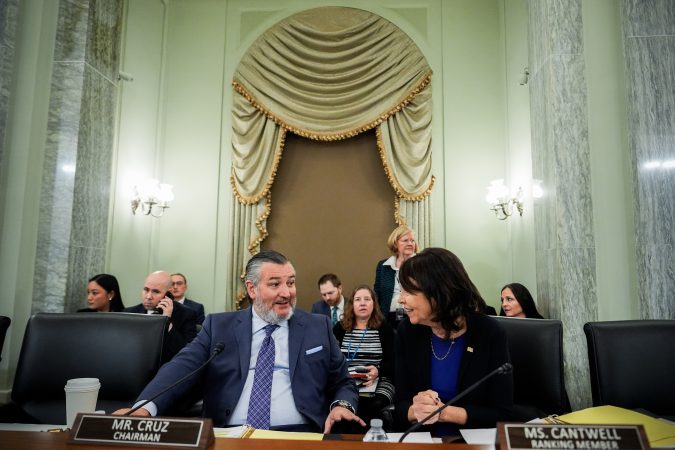
    The summer recess was increasingly looking like a hard deadline for the Protect College Sports Act, a bipartisan effort headed by Sens. Ted Cruz, R-Texas, and Maria Cantwell, D-Wash.

    After the conferences, which had balked at large sections of the bill, put out a short release announcing they supported the act “as currently drafted,” Cantwell went on social media and said: “Good. Now progress can be made in protecting women and Olympic athletes and moving the legislation closer to the President’s desk.”

    President Donald Trump, who also has been seeking fixes for an industry that now pays its players millions, got involved late Thursday, which helped push the parties back to the negotiating table.

    Cody Campbell, the Texas Tech regent who has played a big role in shaping this policy, called the SEC and Big Ten support “a major breakthrough that moves us closer to a Senate vote — and a better future” for college sports.

    Increased salary cap, new language entice holdouts

    The most groundbreaking part of the reworked deal is the $27.5 million that schools would be allotted to retain players, in addition to the existing $21.3 million cap.

    It could represent a major reworking of the House v. NCAA settlement, which governs paying players. The idea is that the extra money will take the place of payments from “associated entities” that were allowed beyond the $21.3 million cap. It was those payments that, many schools complained, obliterated any idea of a cap or controlled cost.

    The SEC and Big Ten sought stronger language in the bill to guarantee that any third-party deals are truly outside deals and not coming from the schools’ multimedia-rights partners, which currently broker the majority of those deals.

    Among the questions still unanswered are whether the new cap will comport with the House settlement, which had specific instructions about the hard cap (22% of a certain part of revenues, which equals $21.3 million this season), and what would happen to the College Sports Commission, the main NIL enforcement arm that spends the bulk of its time analyzing third-party NIL deals.

    Long road remains

    Even with Friday night’s victory, the bill has a long road ahead. Sen. Tommy Tuberville, R-Ala., has been a staunch opponent of the bill since the beginning. Before the latest compromise, Sen. Bill Cassidy, R-La., said that “as written today,” the act “creates chaos and eliminates opportunity for student-athletes.”

    Whether the SEC’s approval is enough to get those senators and others from SEC states on board is one issue. If the bill clears the Senate, it would still then need to pass the narrowly divided House, which flailed on another college bill called the SCORE Act, for more than a year.

    There’s also the matter of whether smaller conferences, long in favor of the bill, will remain so now that their bigger competition is being allowed to directly pay players up to $48.8 million.

    Other court rulings

    Almost everyone in college sports agrees that the status quo isn’t working.

    The news about the bill broke only hours after the NCAA lost a pair of key court cases involving its new rule that would give most Division I athletes five years to complete five seasons of eligibility.

    Using those losses as another chance to urge for passage of the bill, NCAA President Charlie Baker said “It is long past time leaders across college sports call for the immediate passage of the bipartisan Protect College Sports Act.”

    Two-time national champion hoops coach Dan Hurley of Connecticut used social media to outline the stakes in more colorful terms: “Somebody please come and fix College Sports. It’s a complete [expletive] show,” he said, using an emoji where the expletive would go.
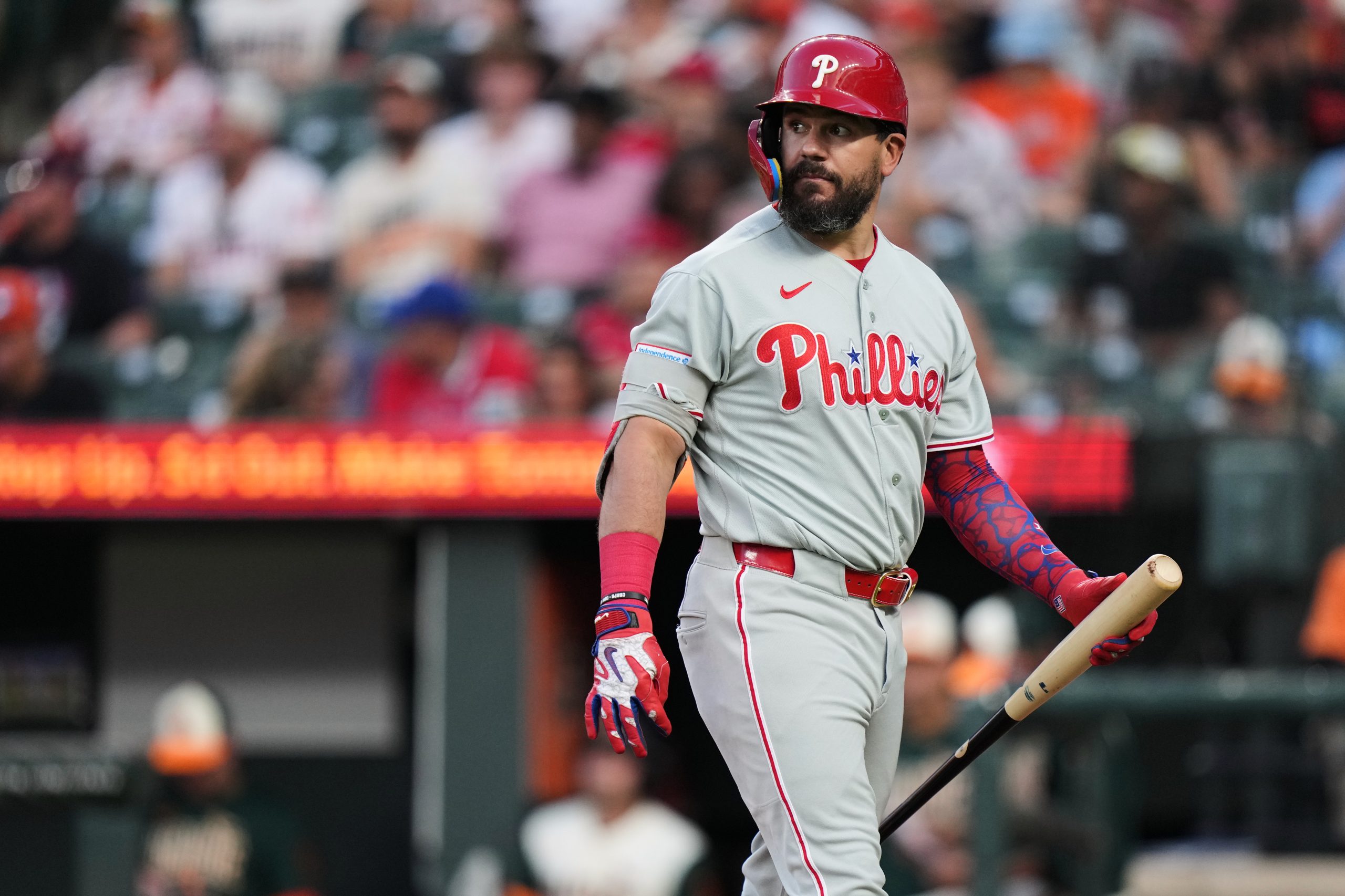
  • Orion Kerkering’s seventh-inning meltdown spoils Andrew Painter’s solid return as Phillies lose fourth straight

    Orion Kerkering’s seventh-inning meltdown spoils Andrew Painter’s solid return as Phillies lose fourth straight

    BALTIMORE — When the Phillies arrived here this week, they were met by more than a dozen club executives, analysts, and scouts.

    It was time for a summit.

    In case you hadn’t heard, the trade deadline is Monday — 6 p.m., to be exact. As the hours tick down, Dave Dombrowski is huddling with his lieutenants — owner John Middleton made the short trip, too — to come up with a plan to address multiple holes, with considerable focus on a right-handed bat and a starting pitcher.

    And then, Orion Kerkering reminded everyone Friday night that the Phillies need bullpen help, too — maybe more than anything else.

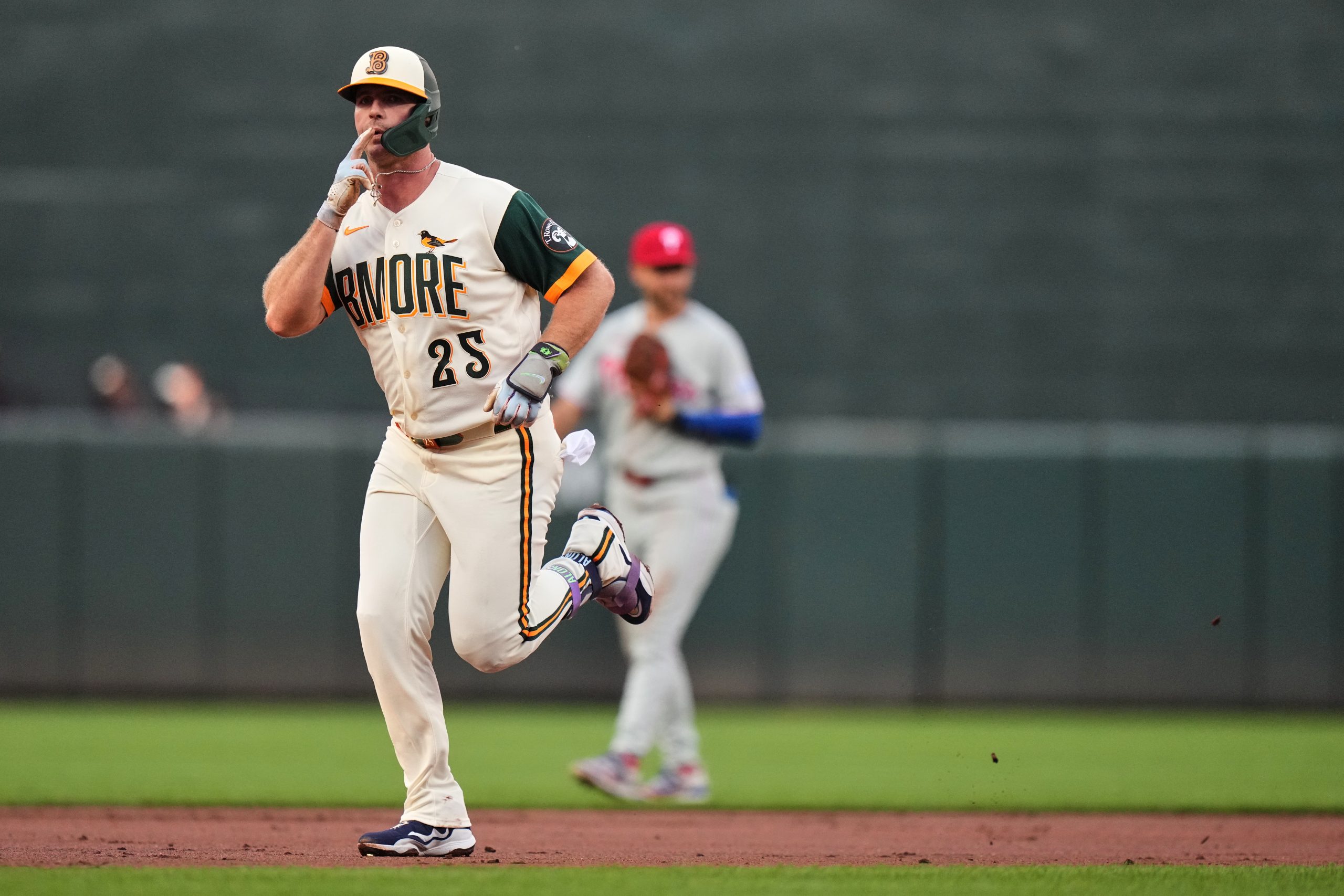
    Kerkering, the team’s most trustworthy setup reliever, melted like soft serve in the seventh inning. He gave up four runs and spoiled the return of Andrew Painter (remember him?) in a fall-from-ahead 6-4 loss to the Orioles, the Phillies’ fourth consecutive defeat and 10th in 13 games since the All-Star break.

    “It’s frustrating because can’t give this team a chance to win, almost, it feels like,” Kerkering said. “And it [ticks] me the [heck] off — a lot. I’ve just got to figure it out.”

    After climbing back from a 9-19 start and reaching a high-water mark of 11 games over .500 on July 20, the Phillies are 57-53. In a 13-day span, they went from two games behind the division-leading Braves to eight back.

    Suddenly, even their hold on a playoff spot is tenuous, down to 1½ games over the Padres and Marlins for the final National League wild card. And amid the free fall, Dombrowski put his arm around Bryce Harper after the game in a hallway outside the clubhouse for a chat in full view of players and staff.

    After allowing a first-inning homer to Orioles slugger Pete Alonso, Andrew Painter settled down and had a solid first outing back from triple A.Stephanie Scarbrough

    “It’s definitely not the brand of baseball that we want to be playing,” said J.T. Realmuto, whose solo homer in the sixth inning opened a 4-2 lead behind Painter. “We’ve got the guys in this room to win. We know that we just have to play better.”

    But the roster is springing leaks. Just as Realmuto and Trea Turner begin to give the Phillies more production from the right side of the plate and Painter provides six encouraging innings from the problematic fifth-starter spot, the bullpen is starting to look cooked.

    Take Kerkering, for instance. Pressed into even higher-leverage duty after Brad Keller was lost to Tommy John surgery, he has walked five of 25 batters over his last five appearances, including the Orioles’ Colton Cowser with one out after allowing a leadoff single.

    “The hits will come, but walks you can control,” Kerkering said. “It’s just one of those things that, it’s been a struggle this year, and yeah, it just [ticks] me off to keep walking guys.”

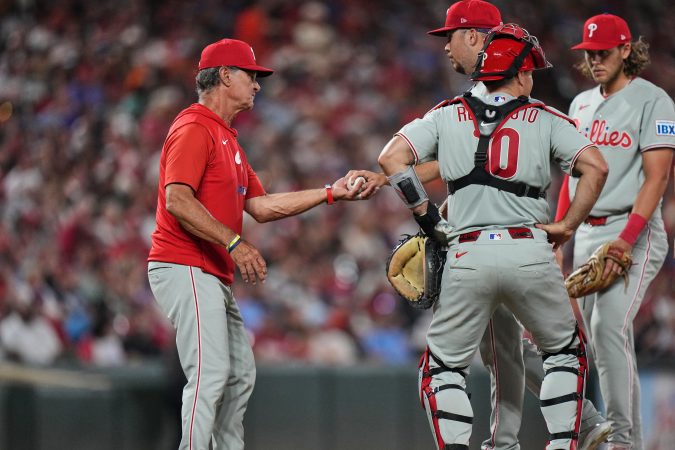
    But interim manager Don Mattingly stuck with Kerkering, and pinch-hitting Christian Encarnacion-Strand ripped a game-tying two-run double on a sweeper that wasn’t a bad pitch.

    Truth was, it wasn’t bad enough.

    “It was a ball, but we wanted that pitch pretty far off the plate,” Realmuto said. “He’s a guy that, he’ll chase quite a bit, so we were trying to expand pretty big. I thought it was a decent pitch, just not quite what we wanted.”

    Still, two batters later, Kerkering was one strike from keeping the game tied. Instead, he hit Pete Alonso with a fastball. Mattingly called on lefty reliever Tim Mayza, who gave up a two-run triple to Gunnar Henderson.

    “Kerky, we felt like was the perfect guy for the mixed [lefty-righty] pocket we were going to get there,” Mattingly said. “Even with the pinch-hitter, I thought it was the right guy. It didn’t work out.”

    Andrew Painter allowed two earned runs in six innings in his return to the Phillies rotation on Friday night in Baltimore.Stephanie Scarbrough

    In recent days, the Phillies have sent their scouts to watch starting pitchers, right-handed hitters, and relievers. And while the first two needs might be more essential to getting them into the playoffs, the latter is emerging as perhaps their biggest overall weakness.

    Especially if Painter can stabilize the rotation.

    The Phillies are 5-22 from the fifth-starter spot, including 12 losses in a row. But Painter, who found out roughly 24 hours before pitching that his next start would be back in the majors, overcame a two-run homer from Alonso in the first inning to get a lead to the bullpen.

    With a new grip on his changeup and better command of his fastball, Painter retired 10 batters in a row at one point. When he got Leody Taveras to ground into an inning-ending double play to end the sixth inning, he clapped his glove.

    “Andy was really good tonight,” Mattingly said.

    Good enough to dissuade the Phillies from trading for a starter? Probably not. Maybe they can address multiple needs by finding a starter who can move to the bullpen in the playoffs. (The Mets’ Clay Holmes or the Giants’ Robbie Ray spring to mind.)

    After all, the bullpen torpedoed the Phillies in the last three postseasons, since the 2023 NL Championship Series. In last year’s NL Division Series, the Phillies had 3-2 and 1-0 leads against the Dodgers in the seventh inning of Games 1 and 4, respectively. They lost both games.

    Surely, then, the bullpen must still be a concern.

    Kyle Schwarber reacts after striking out swinging during the third inning.Stephanie Scarbrough

    “For sure, yeah, we’re concerned,” Realmuto said. “But we believe we have the guys in this room to get it done. We’ve got guys that have gotten a lot of big outs for us in the last few years and with really good stuff.”

    Kerkering sounded like he expects that the Phillies will reinforce the bullpen.

    “Everyone knows it at the end of the day,” he said. “But I don’t think anyone thinks about it, like when you’re out there or getting ready for the day.”

    Said Mattingly: “[The bullpen] hasn’t been good lately. It’s really been pretty good up until this point. This too shall pass.”

    Maybe with a trade or two.

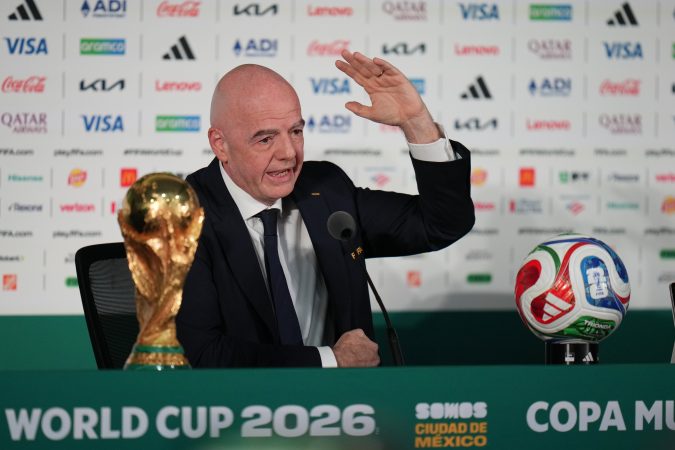
  • FIFA president Gianni Infantino abandons plans to sell World Cup profits to private equity

    FIFA president Gianni Infantino abandons plans to sell World Cup profits to private equity

    ZURICH — FIFA president Gianni Infantino is abandoning his divisive plan to sell World Cup profits to private equity after receiving pushback from all corners of the soccer world.

    Infantino’s decision came after his senior adviser who sat on a White House panel resigned and Asia’s soccer body joined Europe and North America in opposing it.

    “Having listened carefully to all the views, it has become clear that the project has created divisions of a nature that, regardless of the level of support, are no longer in the interest of the objective set out in the first place,” Infantino said in a statement on Friday. “Our purpose has always been — and will always be — to unite and improve. As a result, this proposal will not proceed.”

    Infantino had proposed creating a $20 billion company to run the World Cup with private investors including the Kushner family, but drew backlash that grew every day since Tuesday’s announcement.

    European soccer body UEFA’s 55-member nations agreed to boycott the World Cup and all other FIFA competitions over Infantino’s plan on Thursday. North America’s Concacaf and the Asian Football Confederation also said they opposed the plan.

    “Some things are simply too important to sell,” UEFA said in a statement. “The FIFA World Cup belongs to football. It always will. And so long as Europe has a voice, it will never be for sale.”

    Infantino’s senior adviser, Carlos Cordeiro, a former Goldman Sachs banker who represented the soccer body on the White House Task Force for the World Cup, resigned on Friday and urged other senior FIFA staff to speak out.

    “I cannot stand by while FIFA considers selling a stake in the World Cup,” Cordeiro said in a statement, just hours after FIFA insisted: “Nobody is selling football.”

    Hours later, FIFA chief operating officer Kevin Lamour issued a statement to the Associated Press, saying FIFA staff were deceived by Infantino’s lack of openness in planning the sale over recent months and that the project must not continue.

    “It is the project of one person,” Lamour, a longtime colleague of Infantino at FIFA and UEFA, wrote. “Not only must this project not go ahead … but the time has now come for football political leaders to ask themselves the right questions and make the right decisions.”

    Infantino proposed spinning off FIFA’s commercial businesses — including World Cups and Club World Cups for men and women — into a $20 billion subsidiary with 20% owned by private investors.

    The “anchor investor,” described by FIFA, is a New York-based investment firm created by Joshua Kushner, the younger brother of U.S. President Donald Trump’s son-in-law, Jared Kushner.

    The next FIFA competition is the women’s Under-20 World Cup, which starts Sept. 5 in Poland — which UEFA members said they would boycott.

    The misstep could prove costly for Infantino, particularly after the interventions by Lamour and Cordeiro.

    Reelected unopposed in 2019 and 2023, Infantino is allowed one more four-year term under FIFA statutes. The deadline for the next presidential contest is Nov. 18, exactly four months ahead of the vote in Rabat, Morocco, where FIFA has its African headquarters.

    Infantino’s job seemed secure, despite long-term unease with his style and previous attempts to force through unpopular projects, but could become more tenuous with the failed private equity proposal.

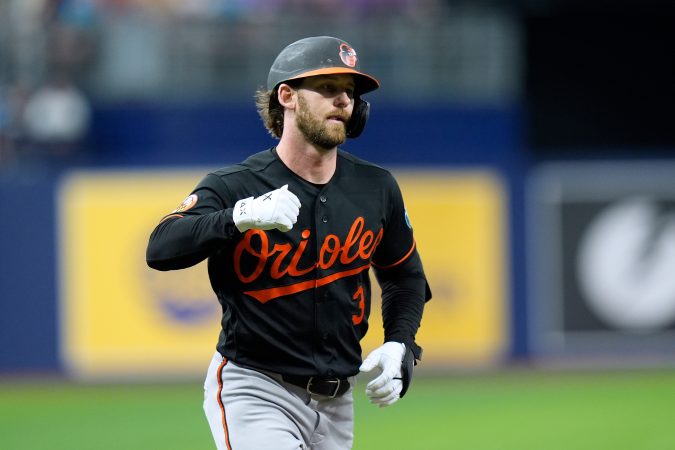
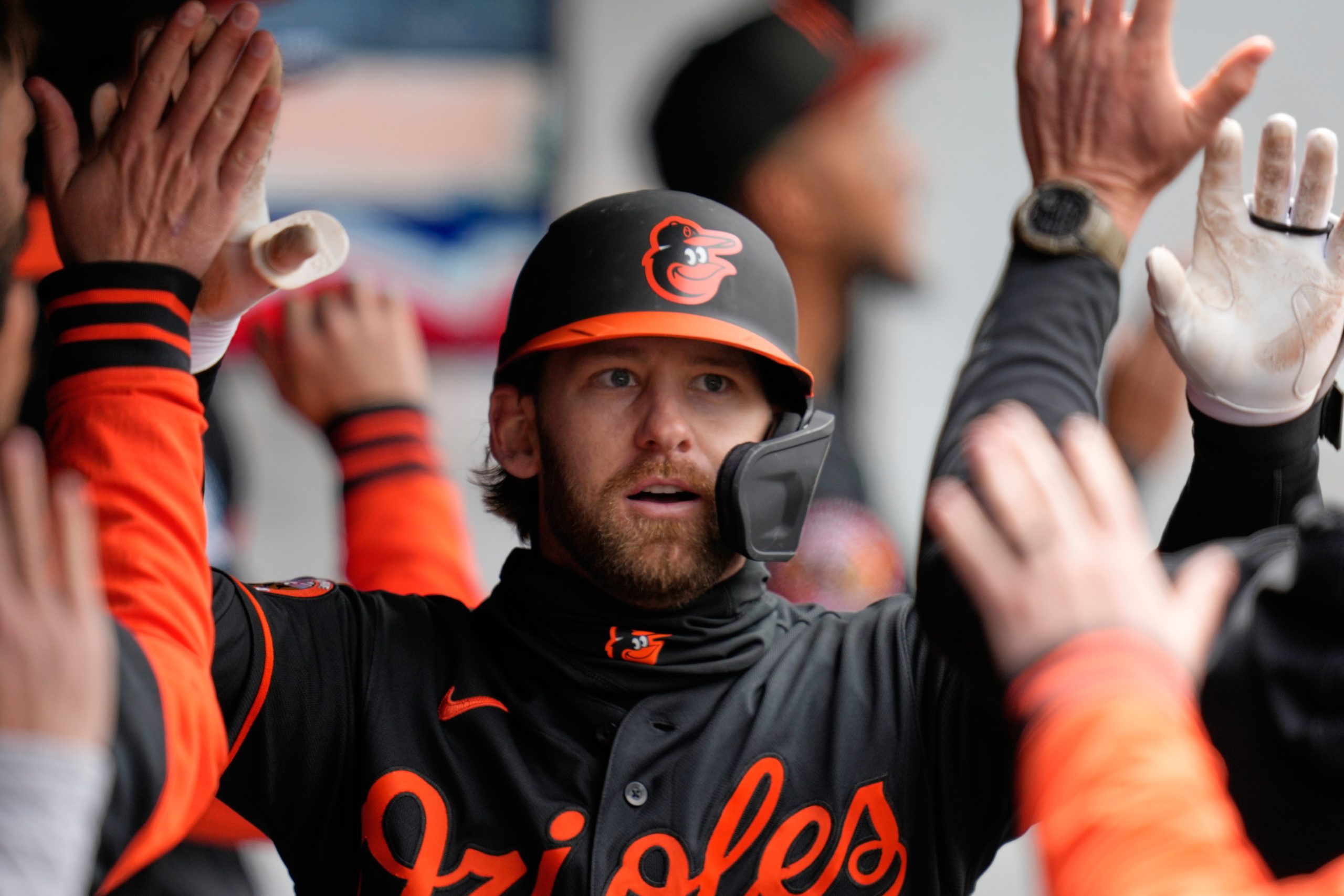
  • The Orioles’ Taylor Ward fits the Phillies’ needs. But will he be on the market at the MLB trade deadline?

    The Orioles’ Taylor Ward fits the Phillies’ needs. But will he be on the market at the MLB trade deadline?

    BALTIMORE — Outfielders who are productive from the right side of the plate and potentially available in this trade market are almost as rare as a Mickey Mantle rookie card.

    The Phillies are getting an up-close look at one of them.

    The Orioles’ Taylor Ward took a .383 on-base percentage into the final weekend before the trade deadline. He would be a fit for the Phillies, who were last in the majors with a .279 on-base mark and .639 OPS from their right-handed hitters.

    One obstacle: The Orioles are on the buyer-seller fence.

    “We’re not going to have a strong bias in either direction,” Orioles president of baseball operations Mike Elias said before Baltimore opened a three-game series against the Phillies. “We put ourselves in a position where we’re not declaring ourselves to be in one bucket or another in terms of buying or selling.”

    The Orioles entered the weekend with a 53-56 record and haven’t been over .500 since April 14 (9-8). But they were only 2½ games out of a wild-card spot in a mediocre, to put it kindly, American League.

    Elias said the Orioles are closing in on getting catchers Adley Rutschman and Samuel Basallo, third baseman Blaze Alexander, starter Chris Bassitt, and closer Ryan Helsley back from the injured list.

    And unlike National League bubble teams, who would have to contend in October with the superpower Dodgers and Brewers, the field is wide-open in the AL. Any team that makes the playoffs has a chance to make a deep run.

    The Orioles’ Taylor Ward would fit the Phillies’ trade deadline needs. But are the O’s going to be sellers?Sue Ogrocki

    In that case, the Orioles may hold on to Ward, sixth in the AL in on-base percentage. Then again, he’s a pending free agent. And the righty-hitting outfield market got even thinner last week with injuries to the Reds’ Spencer Steer and Giants’ Casey Schmitt.

    So, if the Orioles try to buy and sell simultaneously, maybe they can cash in Ward for a controllable asset.

    Either way, Elias says he will be “open-minded.”

    And he might not decide on anything until the weekend is over. After all, the deadline isn’t until 6 p.m. Monday.

    “We are watching game by game,” Elias said. “This has turned out to be kind of a razor-wire situation going into this deadline, 2½ out, three games below .500. I think both of those are really disappointing, not particularly what we hope to be.

    “But we still have a shot — a good shot — in the American League. I mean, we are going to be watching the results of tonight’s game, tomorrow’s game, but it’s pretty important at this point that we have an idea of what we’re doing. We do have a shot.

    “We do care about making the playoffs in 2026.”

    The Phillies are exploring other righty-hitting outfield options, including the Angels’ Jo Adell, the Royals’ Lane Thomas, and the Giants’ Heliot Ramos. Thomas, in particular, would be more of a platoon option.

    Ward undoubtedly would be at the head of the class, if the Orioles decide to move him.

    Rookie outfielder Gabriel Rincones Jr. returned to the Phillies’ lineup Friday after not starting the last two games in Miami.Yong Kim / Staff Photographer

    Rincones returns

    When the Phillies called up lefty-hitting outfielder Gabriel Rincones Jr. on June 12, they intended to start him against all right-handed pitchers.

    Until this week.

    Rincones, stuck in a 2-for-25 tailspin and batting .171 with a .500 OPS overall, wasn’t in the lineup Tuesday and Wednesday in Miami, even though the Phillies faced righty starters. He returned against Orioles righty Brandon Young.

    “I just think, if he’s not in there, then he shouldn’t be here,” Mattingly said. “Gave him a couple of days to kind of reset, work on stuff, and hopefully we get a better version.”

    Maybe it comes in the form of a trade, if the Phillies can upgrade Rincones’ spot in the outfield.

    “It’s that side of the arm [right-handers] that he’s here for,” Mattingly said. “We’ve got to continue to find out. If we find out that it’s not working, then we have to make a change.”

    Extra bases

    Kyle Schwarber returned to the lineup after sitting out back-to-back games with a gastrointestinal issue. “He’s feeling better,” Mattingly said. … The Phillies were pleased with Zack Wheeler‘s between-starts bullpen session. Wheeler, who is scheduled to start Sunday, exhibited diminished fastball velocity in his previous start in Miami. “It was never a health[-related] thing,” Mattingly said. … An error charged to Trea Turner last Friday night was changed to a hit, MLB announced. Turner still leads the majors with 18 errors. … Cristopher Sánchez (13-4, 2.73 ERA) is scheduled to start Saturday night against Orioles righty Shane Baz (4-9, 3.98).

  • A civil complaint has been filed to unseat a jailed Willingboro council member

    A civil complaint has been filed to unseat a jailed Willingboro council member

    Though he’s currently behind bars at the Federal Correctional Institution at Fort Dix, Willingboro Township council member Nathaniel Anderson has not resigned from his position on council.

    Now, prosecutors have filed a civil complaint in New Jersey Superior Court seeking to remove Anderson from office, the Burlington County Prosecutor’s Office announced Friday.

    The action asks the court to declare that Anderson, who previously served as Willingboro’s mayor, has forfeited his ability to serve on the council.

    Anderson was reelected to a four-year council term last November before being convicted by a federal jury in January of conspiracy to commit wire fraud affecting a financial institution, bank fraud, and two counts of making a false statement on a mortgage application.

    He was sentenced in June to one year and one day in prison and ordered along with his co-defendant to pay about $221,000 in restitution to the victims.

    While state-level convictions trigger immediate, automatic removal from office upon a guilty verdict, prosecutors must petition the state Superior Court to remove an elected official who refuses to resign following a qualifying federal conviction.

    A hearing on the order to show cause is scheduled for Sept. 11.

  • A Bucks County Quaker school’s abrupt closure has left families wondering where their money went

    A Bucks County Quaker school’s abrupt closure has left families wondering where their money went

    On June 1, Kent Groff wrote two $2,400 checks toward his grandchildren’s tuition this fall at United Friends School, a small Quaker early childhood and elementary school in Quakertown.

    The checks were cashed on June 4, Groff said. He was shocked when a little more than a month later, United Friends announced it would be closing — in five days.

    In a July 10 letter to families, the school’s board of trustees said it could not open for the fall school year because not enough students were enrolled.

    “Unfortunately, with slow enrollment activity in early summer and unexpected late attrition, it became clear that there was no sustainable path forward,” the board said in the letter, noting that the school had built a “conservative” budget on 80 students, but only 50 had committed to attend.

    The news stunned families, who said they were given no warning that the school, which had been open for 42 years, was on the brink of closure.

    “I was like, there’s no way this can be true. There has to be something that can be done,” said Kelly Kringe, Groff’s daughter, who had just picked her children up from a camp at United Friends when she got the email announcing the closure.

    Kringe, whose two children had attended United Friends last year and who also paid tuition for the coming fall, said there was “never any plea for help” from the school: “Nobody really knew anything.”

    The board — which did not list individual trustee names in the July 10 letter — said it was preparing answers to questions including “how prepaid tuition will be addressed during the wind-down process.”

    On Friday, the board said it had followed steps prescribed by the National Association of Independent Schools for closing. It directed families to contact a lawyer, Alex Moretsky, with “questions about tuition reimbursement, compensation or billing.”

    Kringe said she called Moretsky but got a message that he was out of the office. Moretsky did not immediately respond to a request for comment Friday.

    Before Friday, some families said they had not gotten any answers from the board to their questions.

    Groff, for instance, said he got no response to an email he sent the board that read in part: “I’m inquiring on how to get refunded for next year’s tuition that I already paid. … Thanks again for providing 42 years of excellence.”

    The board did not respond to a list of questions sent by The Inquirer. United Friends’ head of school, Daena Berdougo Remondelli, did not respond to a request for comment.

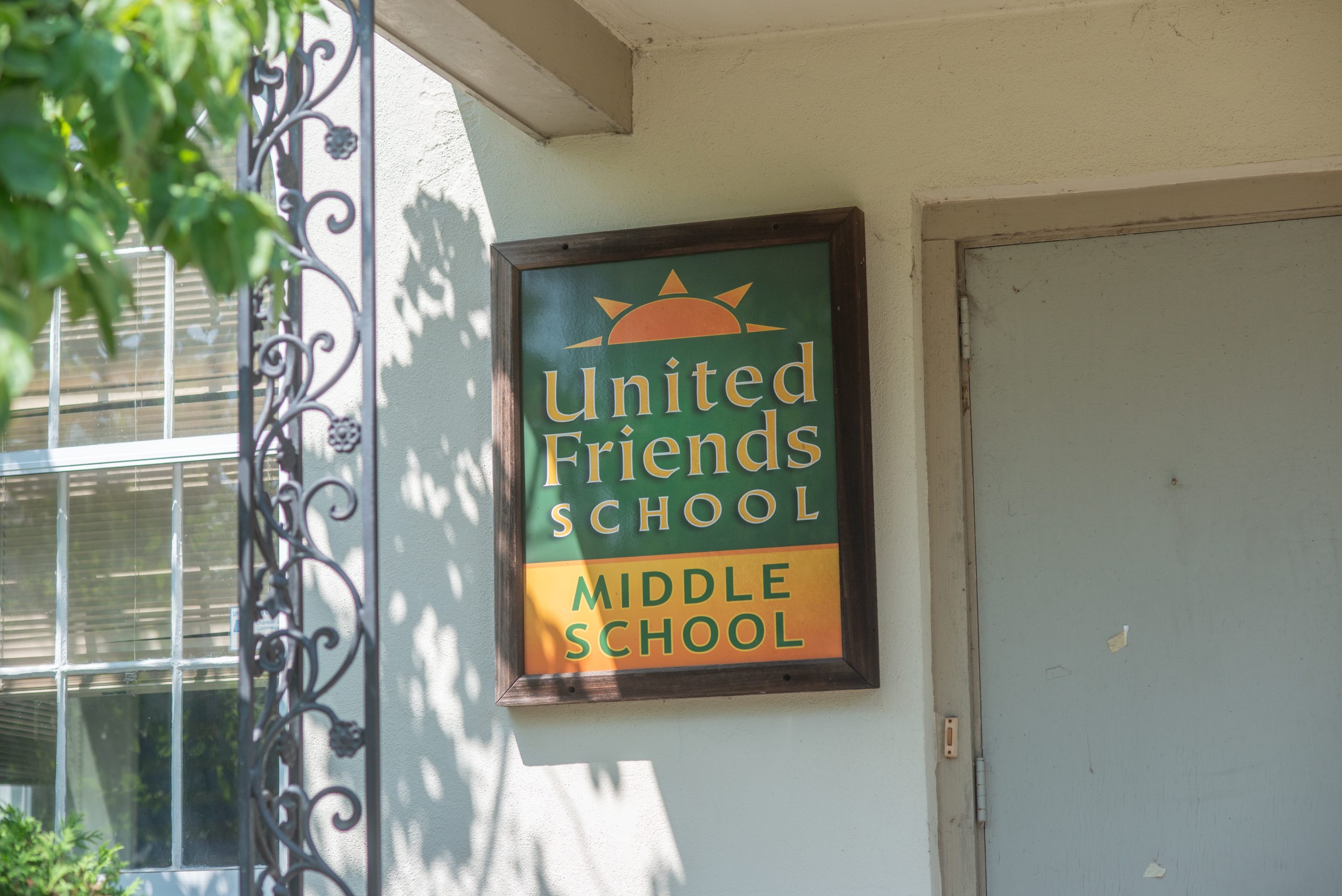
    A sign at United Friends School in Quakertown.William Thomas Cain / For The Inquirer

    The names of the school’s board members are not listed online. One board member, Bob Wirtschafter, said in a brief phone interview last Monday that he could not comment on what would happen with prepaid tuition.

    “We know we owe them,” Wirtschafter said, adding that “I can’t say anything.”

    Wirtschafter, who said he had been on the board for 32 years, said he had “seen all kinds of rumors” about the school’s closure, including that there was financial wrongdoing.

    “I can tell you, it was all about tuition,” Wirtschafter said. There were 60 students enrolled for the coming year in April, but by May, “we lost five families because of the economy,” he said. The school charged $20,000 a year in tuition.

    Wirtschafter said the school had been “struggling for years.” It closed its middle school and sold its building last year, he said, which “kept us alive for another year.”

    County records show United Friends sold several properties for $800,000 in May 2025 to AA Property Holdings LLC.

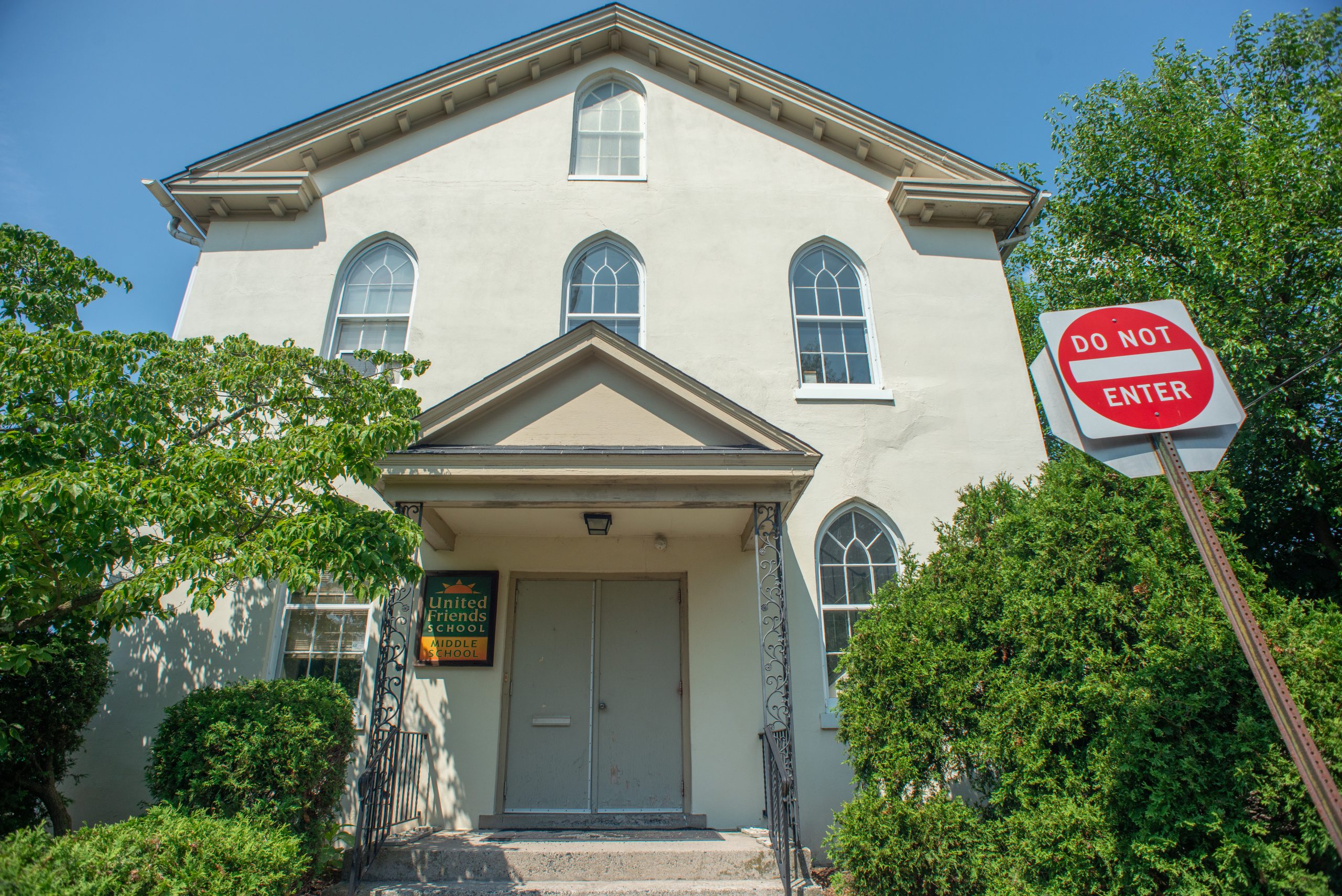
    One of the original school buildings at United Friends School in Quakertown.William Thomas Cain / For The Inquirer

    The LLC is registered to a Sellersville address owned by Mateen Afzal, whose family founded a manufacturing company in Bucks County and who is listed as director of the Afzal Family Foundation. A message sent through the foundation’s website was not returned this week.

    With the drop in enrollment headed into the fall, “we just couldn’t make it work,” Wirtschafter said. “We decided we had to close.”

    He said United Friends was not alone among small Quaker schools facing similar troubles, citing Cambridge Friends School in Massachusetts.

    Cambridge Friends announced in May that it would be closing after the end of the 2026-27 school year.

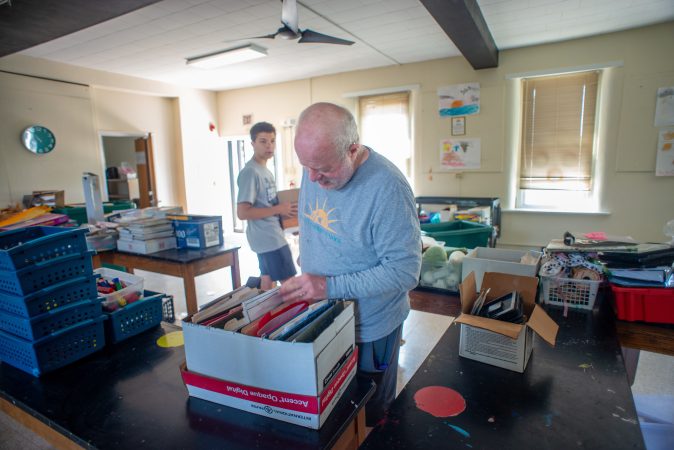
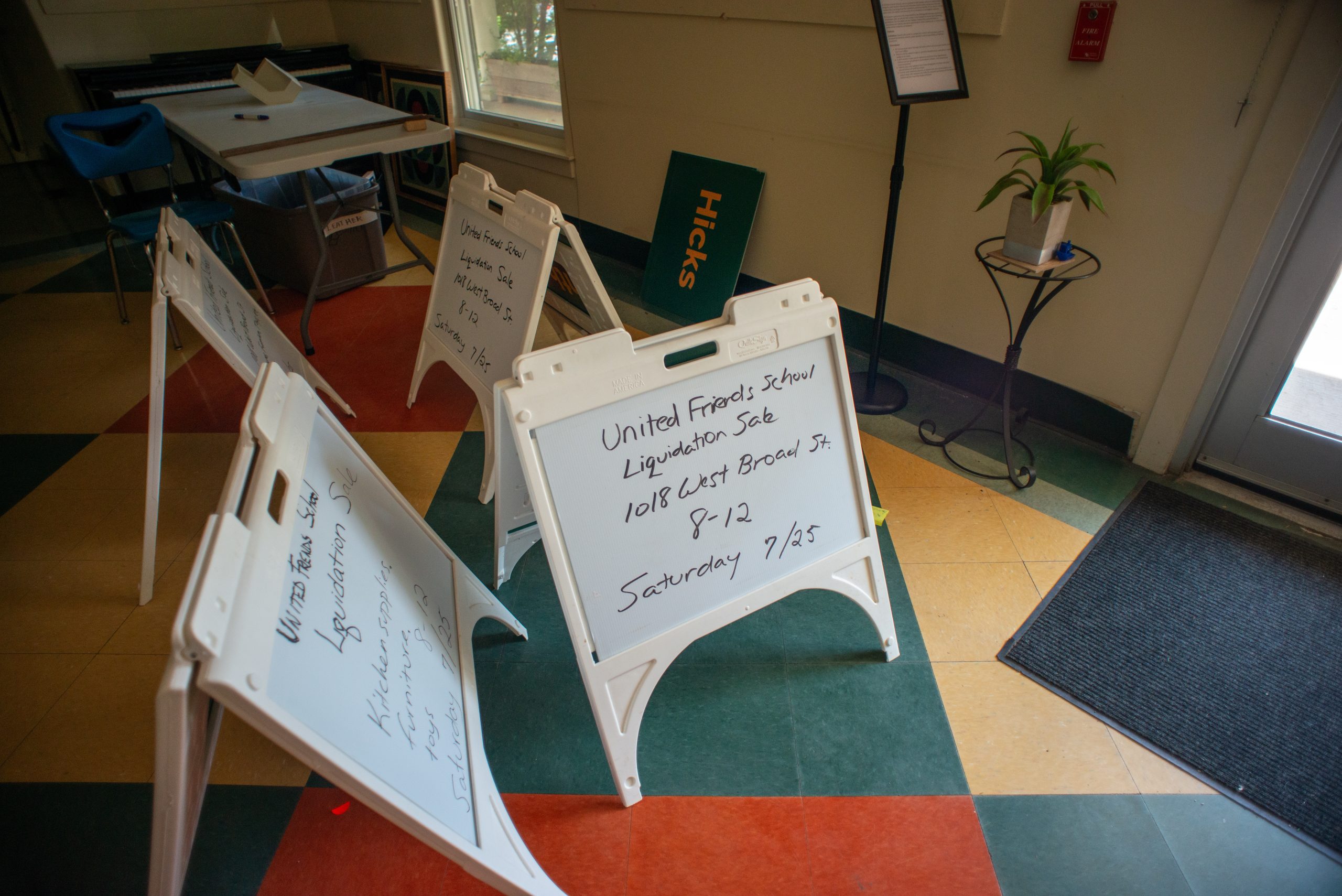
    A week after announcing its closure, United Friends sent another message to families, inviting them to a “voluntary two-day work effort” to clean out the school on July 24 and 25.

    “Community members who are unable to participate in person are welcome to support these efforts by making a voluntary contribution to help offset the costs associated with the cleanup,” the board said in the message.

    A sign announcing a “liquidation sale” at United Friends on July 25.William Thomas Cain / For The Inquirer

    “Can you imagine the sheer anger that hit the teachers and the parents? We just closed your school, we took all your money, can you help us clean up and donate more money?” Groff said.

    In his efforts to reclaim his tuition payments, Groff went to his bank and the bank where United Friends had deposited the checks, with no success. He said he also contacted the Quakertown police and the Bucks County District Attorney’s Office.

    Manuel Gamiz, a spokesperson for the district attorney’s office, said the county’s consumer protection division was taking complaints from families and “attempting to mediate these matters.” Anyone affected can call 215-348-6060 or, toll-free, 1-800-942-2669, Gamiz said.

    Groff went to small claims court, but a clerk told him it would be difficult to file a claim because “you won’t be able to serve their papers,” he said. “There’s nothing that exists,” given that the school already closed. Groff said he does not know if the board of trustees has an address.

    Groff, who has another daughter who attended United Friends, said the schools and teachers were “absolutely wonderful.”

    “That’s why this is just so devastating and shocking,” he said.

  • Philly tenants have reached a deal with their landlord over unsafe conditions and could get rent refunds

    Philly tenants have reached a deal with their landlord over unsafe conditions and could get rent refunds

    West Oak Lane tenants who sued one of Philadelphia’s biggest landlords over unsafe conditions will get rent forgiveness and refunds if their class-action settlement is approved.

    According to the settlement, which was preliminarily approved in Philadelphia’s Common Pleas Court this week, Philadelphia-based Odin Properties and affiliated companies have agreed to forgive an estimated total of $67,000 in unpaid rent and associated late fees, and to refund a total of $75,000 for roughly 70 tenants of the Bentley Manor apartment building.

    Philadelphia law prohibits landlords from collecting rent if they have a serious violation from the city’s Department of Licenses and Inspections that has been outstanding for at least 30 days from when they received notice.

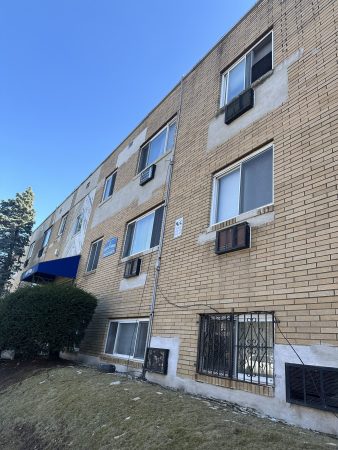
    In November 2024, the department declared the 71-unit Bentley Manor apartment building in West Oak Lane unsafe, saying property conditions presented an “immediate danger or hazard to health, safety, and welfare.” The agency cited loose and missing bricks on exterior walls and a leaning parapet.

    Tenants are entitled to rent relief and refunds for the time period of Dec. 14, 2024, through April 28, 2025, according to the settlement.

    The agreement provides for the largest known per-tenant award in a class-action lawsuit under Philadelphia’s rental license and certificate law, according to the Philadelphia-based nonprofit Public Interest Law Center and the Philadelphia-based Hausfeld law firm, which sued on behalf of Bentley Manor tenants in March 2025.

    “A settlement was possible because Odin took real steps — on its own — to comply with Philadelphia law,” Madison Gray, staff attorney at the Public Interest Law Center, said in a statement. “All landlords should follow suit.”

    Odin Properties’ affiliate companies own and manage roughly 2,000 housing units in Philadelphia.

    Soon after Bentley Manor tenants sued in March 2025, Odin Properties made necessary safety repairs at the building. Fernrock Apartments 2 LP, an affiliate of Odin Properties that owned Bentley Manor during the time period covered by the settlement, sold the apartment building for more than $6.2 million in December, according to city records.

    “Our residents are incredibly important to us and have been since our founding,” Philip Balderston, CEO of Odin Properties, said in a statement. “All of our properties are free and clear of City of Philadelphia violations and current on licensure, and we look forward to being positive catalysts for our communities long into the future.”

    Dawn Colbourne, one of three named plaintiffs in the class-action lawsuit against Odin Properties, moved into Bentley Manor in 2023.

    “We all deserve a safe place to live, no matter who we are,” Colbourne said in a statement. “This agreement is a step forward in making sure that happens, and I’m glad that we’re taking this step together.”

    The settlement agreement still needs final court approval. Between now and a court hearing scheduled for Oct. 26, the roughly 70 people who are eligible for rent relief — including two former tenants — will be notified about the preliminary settlement and given the opportunity to object to the agreement or ask to be excluded from it.

    Will Hanna, an associate at Hausfeld, said in a statement that the law firm is “proud of the settlement reached in this case and believe this will provide meaningful results for Philadelphians.”

  • The Sixers had a blockbuster offseason. How will that change life for their role players?

    The Sixers had a blockbuster offseason. How will that change life for their role players?

    The 76ers’ latest foray into NBA free agency started with a whimper, as was the case for much of the league at large. What was once a sudden rush of signings has become a slow trickle as star players sign mega-extensions rather than hit the open market.

    For the Sixers that meant June 30, when teams were allowed to negotiate with upcoming free agents, ended with Dean Wade as their big offseason addition. Then the floodgates opened, as Jaylen Brown was traded to Philly on July 1 and LeBron James, eventually, chose the Sixers on July 24 as the team to potentially close his storied career.

    Over the course of mere weeks, Wade went from a surefire starter on a team with playoff aspirations to a key reserve for a franchise with a title-or-bust reality. And he isn’t the only one whose role will shift after the Sixers executed one of the NBA’s flashiest offseasons.

    To this point, the focus has been squarely on the Sixers’ star-studded starting lineup of James, Brown, Tyrese Maxey, Joel Embiid, and VJ Edgecombe. But how has life changed for the Sixers’ new additions and returning role players since James’ signing? Let’s take a closer look.

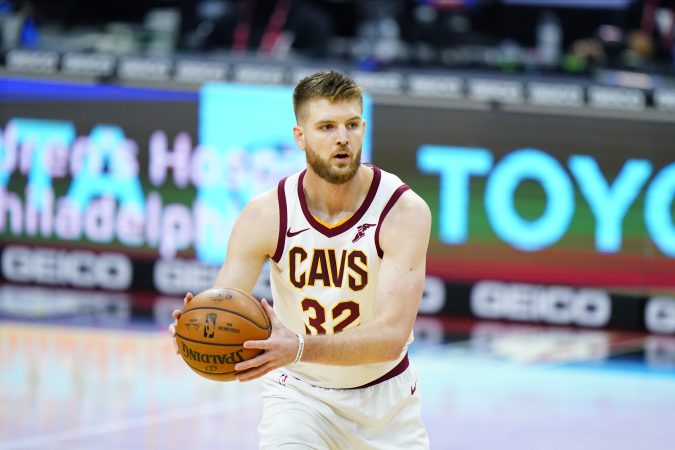
    Dean Wade: Wade will experience the biggest swing from James’ signing. A former Cavaliers forward with connections to president of basketball operations Mike Gansey, Wade signed a four-year, $39 million deal to serve as the Sixers’ starting power forward and defensive closer.

    While there is talk of James playing point guard, he will slide into that open power forward spot because of his size and experiencing defending all five positions. That will theoretically relegate Wade to the bench to start and end many games. But James is 41 years old, so he will need to pace himself in the quest for his fifth title. Embiid has also played only 96 games over the last three seasons, so there should be room for Wade to make an impact.

    Anfernee Simons: Simons started his career as a score-first complement to Damian Lillard, assuming the role of CJ McCollum in Portland and signing a big four-year, $100 million contract. Trades to Boston and Chicago and an injury entering free agency lowered Simons’ value, making him available on a two-year, $12.3 million deal with a player option, the equivalent of a prove-it deal for a former No. 1 option.

    In past seasons, the Sixers have desperately needed scoring punch off the bench. This year, they’ll be searching for more ways to stagger their stars, which could take some opportunities away from players like Simons.

    Labaron Philon Jr.: The Sixers’ lone draft pick this season, Philon Jr., was selected at No. 21 when the Sixers fan base was still worried about replacing the production of Jared McCain, who was sent to Oklahoma City in one of the most unpopular moves of Daryl Morey’s six-year tenure in Philly. Philon made good on that expectation to some extent, with the offensive spark plug flashing scoring and ballhandling ability at NBA Summer League that appears set to translate to real production in the 2026-27 season.

    Philon will now transition to a more developmental role on a team with title-or-bust expectations. Maxey and Edgecombe will start in the guard spots and Simons will be the first guard off the bench. But while Philon may have to wait to show what he can do, he will have the opportunity to learn from some of the best players in the league.

    Dominick Barlow: Fresh off a lost 2024-25 season, the Sixers were searching for ways to get better on the margins while paying max money to Maxey, Embiid, and Paul George. Enter Barlow, whose two-way deal was converted to a standard contract after he emerged as a key contributor at the power forward position. Barlow played in 71 games, including 59 starts, and averaged 7.7 points and 4.8 rebounds in 2025-26.

    He will move to a more traditional backup power forward position this season, with James, Wade, and Brown likely playing forward and crowding a position that was once a weakness. Barlow’s rebounding and ability to run the floor will still be an asset, but in much smaller doses.

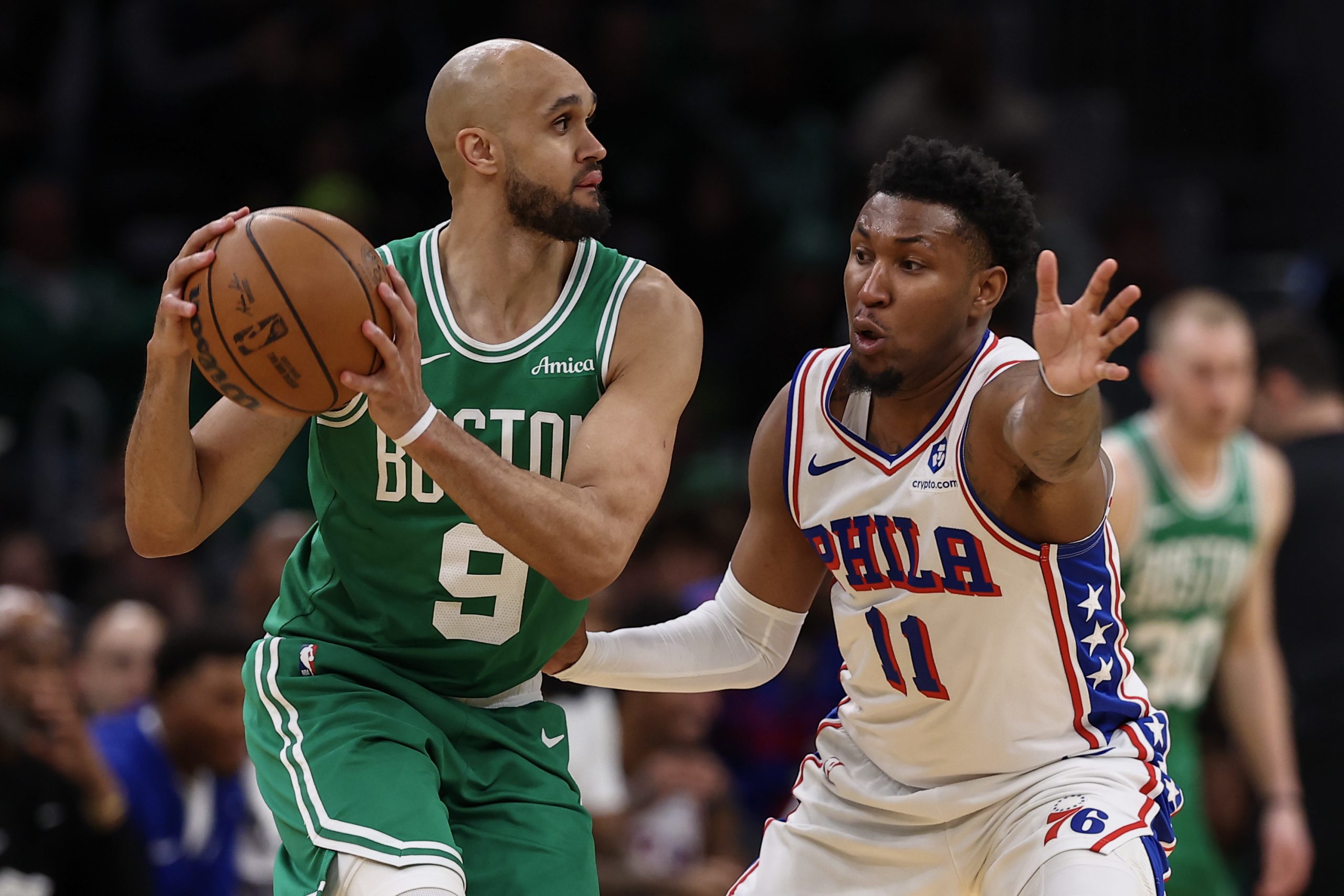
    Justin Edwards (right) played clutch defensive minutes in the Sixers’ playoff defeat of the Boston Celtics. Monica Herndon / Staff Photographer

    Justin Edwards: Edwards is another find for Philly, joining the team after going undrafted out of Kentucky in 2024. Edwards, a former star at Imhotep Charter and a Philly native, averaged 10.1 points and 3.4 rebounds as a rookie. While his numbers dropped, Edwards proved himself in his second season, taking on tough defensive assignments and key minutes in the Sixers’ first-round playoff win against the Boston Celtics.

    Ariel Hukporti: After playing a small role on the New York Knicks’ title team, Hukporti picked the Sixers this summer in search of more opportunity. Embiid’s health issues were well-documented, and so were the struggles of Adem Bona and former Sixer Andre Drummond. Hukporti, 24, will still get a shot to fill the position of backup center, though the Sixers might use fewer traditional lineups than they have in the past. Embiid has vowed that his health has improved and he hopes to play more than 38 games this year.

    Adem Bona: The Sixers’ returning backup center is in a similar position to Hukporti. He shared minutes with Drummond last season and showed flashes on defense. But Bona struggled on offense in his second NBA season, often struggling with decision-making and finishing at the rim. Bona, who can be retained on a club option next summer, enters a critical year in his young career.

  • Barbara Gillette Price, prolific painter, fine arts teacher, and former president of Moore College of Art and Design, has died at 87

    Barbara Gillette Price, prolific painter, fine arts teacher, and former president of Moore College of Art and Design, has died at 87

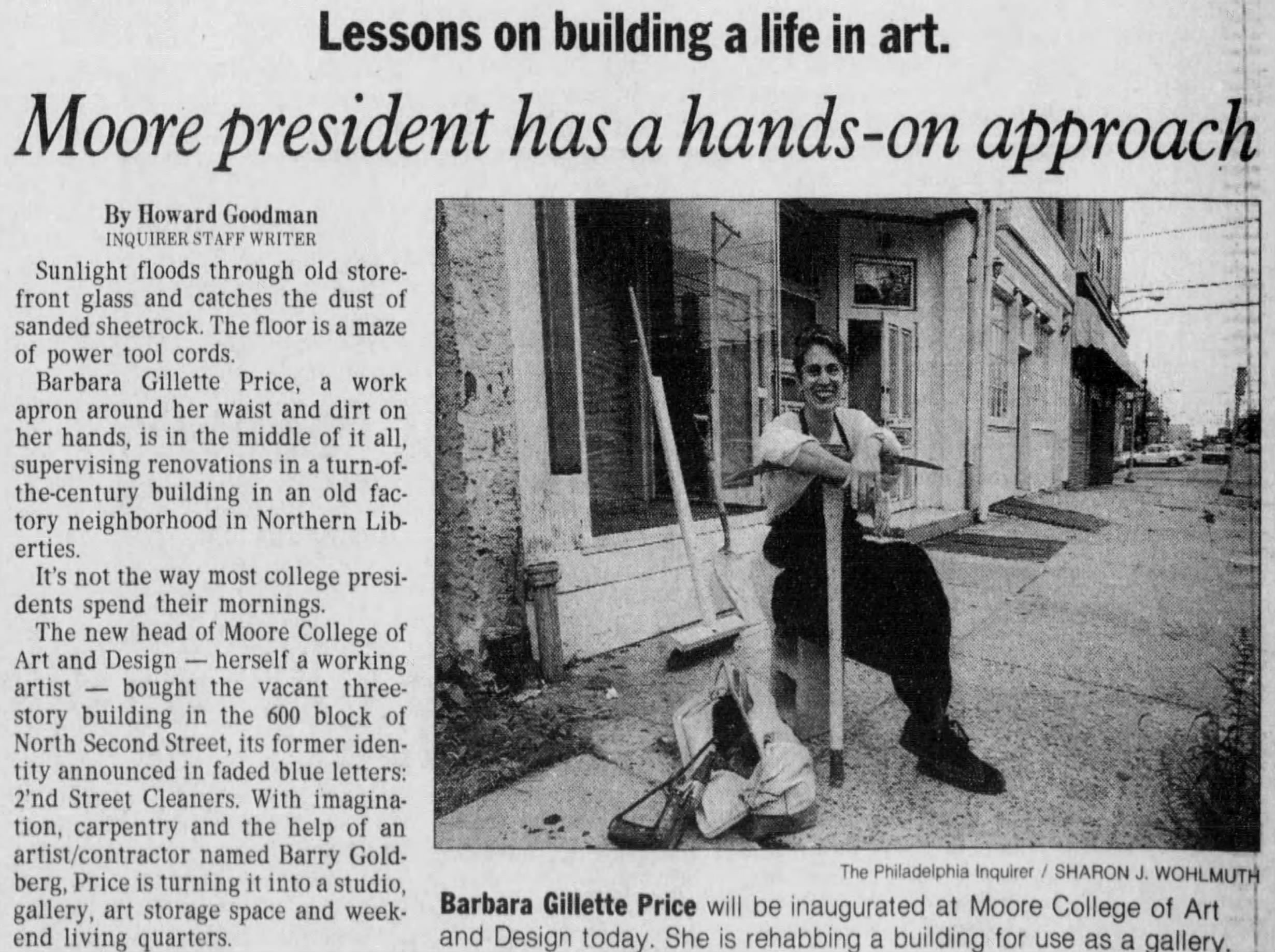
    Barbara Gillette Price, 87, formerly of Philadelphia, celebrated painter and designer, former president of Moore College of Art and Design, former dean of Cranbrook Academy of Art in Michigan, former vice president for academic affairs at the Maryland Institute College of Art in Baltimore, fine arts teacher, mentor, and role model, died Friday, April 24, of age-associated decline at a hospital in Granada, Spain.

    A lifelong artist and longtime educator, Ms. Gillette Price liked to skip her high school classes in the 1950s and wander around the galleries at the Philadelphia Museum of Art. In sixth grade, she told The Inquirer in 1994, her artistic talent drew attention from the teacher when her drawing of a female form was all too accurate.

    She took Saturday classes at Temple University’s Tyler School of Art and the Fleisher Art Memorial when she was young, and earned a scholarship to the old Philadelphia Museum School of Art. She married artist Melville Price in 1957, moved to Tuscaloosa, Ala., in 1958, and earned bachelor’s and master’s degrees in fine arts at the University of Alabama.

    She joined Cranbrook Academy of Art in 1978, the Maryland Institute College of Art in 1982, and Moore in 1994. At each stop, she renovated nearby old buildings into studios and galleries, expanded curriculum, and invigorated students with international and innovative programs.

    At Moore, she increased enrollment, established a career center, and personally refurbished her three-story studio on North Second Street into a gallery where students exhibited their work and handled logistics and publicity. She also forged working relationships with the Philadelphia School District and other art institutions, supervised an advertising campaign for female artists, and served as a role model for working artists in academia.

    “That’s why I think my presence at Moore is a good thing,” she told The Inquirer in 1994.

    In 1998, Rochelle Levy, then chair of Moore’s board of trustees, said: “Barbara has really been our ambassador out there. She has set an incredible role model for the students as a woman artist.”

    Ms. Gillette Price left Moore in 1998, moved to Spain in 2000, taught art to primary school students, and continued to create and show her work. “Her commitment to arts education helped shape generations of creative thinkers,” former colleagues at Moore said in a tribute. “Her legacy lives on through the institutions she helped strengthen, the students she inspired, and the vibrant body of artistic work she leaves behind.”

    Ms. Gillette Price was featured in The Inquirer when she joined Moore in 1994.Newspapers.com

    As an artist, Ms. Gillette Price was a colorist and inspired by what she called her “labyrinth of imagination.” She expressed herself often in themes and collages, and was adept at abstract and figurative works on canvas, paper, wood, silk, and other textiles.

    One critic said her work “is of an inherent elegance that emerges from excellent craftsmanship and an intelligent narrative.”

    She showed in dozens of solo and group exhibitions in Spain, Philadelphia, Maryland, Michigan, Washington, and elsewhere, and liked to work in the gallery as well as her studio. She painted about nature, light, woman’s perspectives, isolation and fear during the COVID-19 pandemic, and other topics.

    “I seek to make the ordinary extraordinary,” she said on her website, barbaragilletteprice.com. “I am inspired by images I accumulate as I travel and view the world about me. This takes the form of remembered landscapes, figurative compositions, and subtle political statements.”

    She was active in the Civil Rights Movement in Alabama in the 1960s, worked with the Woman’s Caucus for Art in Washington in the 1970s, and taught ceramics, painting, and drawing at the old Corcoran School of Art and Design in Washington and elsewhere. She belonged to the College Art Association and was on boards at the National Association of Schools of Art and Design, the Philadelphia Art Commission, and other organizations.

    She earned grants for her painting and wrote essays and white papers about art. In one paper, she said: “The arts are the humanizing element in the education of the citizens of the 21st century.”

    Barbara Amelia Gillette was born June 26, 1938, in Philadelphia. She and her family spent many summers in Atlantic City, and she graduated from Philadelphia High School for Girls.

    She took piano lessons, attended Saturday concerts at the Philadelphia Orchestra for years, and hung out with high school boyfriend Edward Cutler and others at jazz clubs and the Gilded Cage coffee shop.

    Melville Price died in 1970, and she reconnected with Edward Cutler. They married, had a daughter, Michelle, and lived in Washington. They divorced later, and he died earlier.

    “I consider my mother’s greatest achievement to be the way she showed up as a parent,” her daughter said. “Her artistic legacy can be found in her paintings, drawings, textiles, and exhibitions. Her personal legacy lives on in the people she inspired, mentored, encouraged, and welcomed into her life.”

    Ms. Gillette Price created in the galleries as well as her studio.Barbara Gillette Price

    In addition to her daughter, Ms. Gillette Price is survived by a son-in-law, Eric Maroldo, and other relatives. A sister died earlier.

    Services were held earlier.

    Donations in her name may be made to Alhama Street Animal Protection in Granada, Spain.

    Ms. Gillette Price (right) and her daughter, Michelle, were close. Courtesy of the family
  • A suspect was arrested in the fatal hit-and-run of a Temple University student on Kelly Drive

    A suspect was arrested in the fatal hit-and-run of a Temple University student on Kelly Drive

    A 48-year-old man suspected of being the hit-and-run driver who killed 20-year-old Temple University student Bryce Wolfe on Kelly Drive in June was arrested Thursday, the U.S. Marshals Service said.

    Derek Reid was taken into custody on the 7200 block of Briar Road in the city’s West Oak Lane section, authorities confirmed.

    The U.S. Marshals Service said Reid also was being sought by the Philadelphia Police Department’s Special Victims Unit on charges of rape and related offenses involving an underage boy in 2021.

    Wolfe, who had just completed his sophomore year at Temple University, was riding his red 2004 Triumph motorcycle on Kelly Drive the night of June 24 when he was struck by a white SUV making an illegal turn onto Reservoir Drive, near the Strawberry Mansion Bridge, Philadelphia police said.

    His body became lodged under the SUV and he was dragged for more than a mile, police said. He died at the hospital the next day.

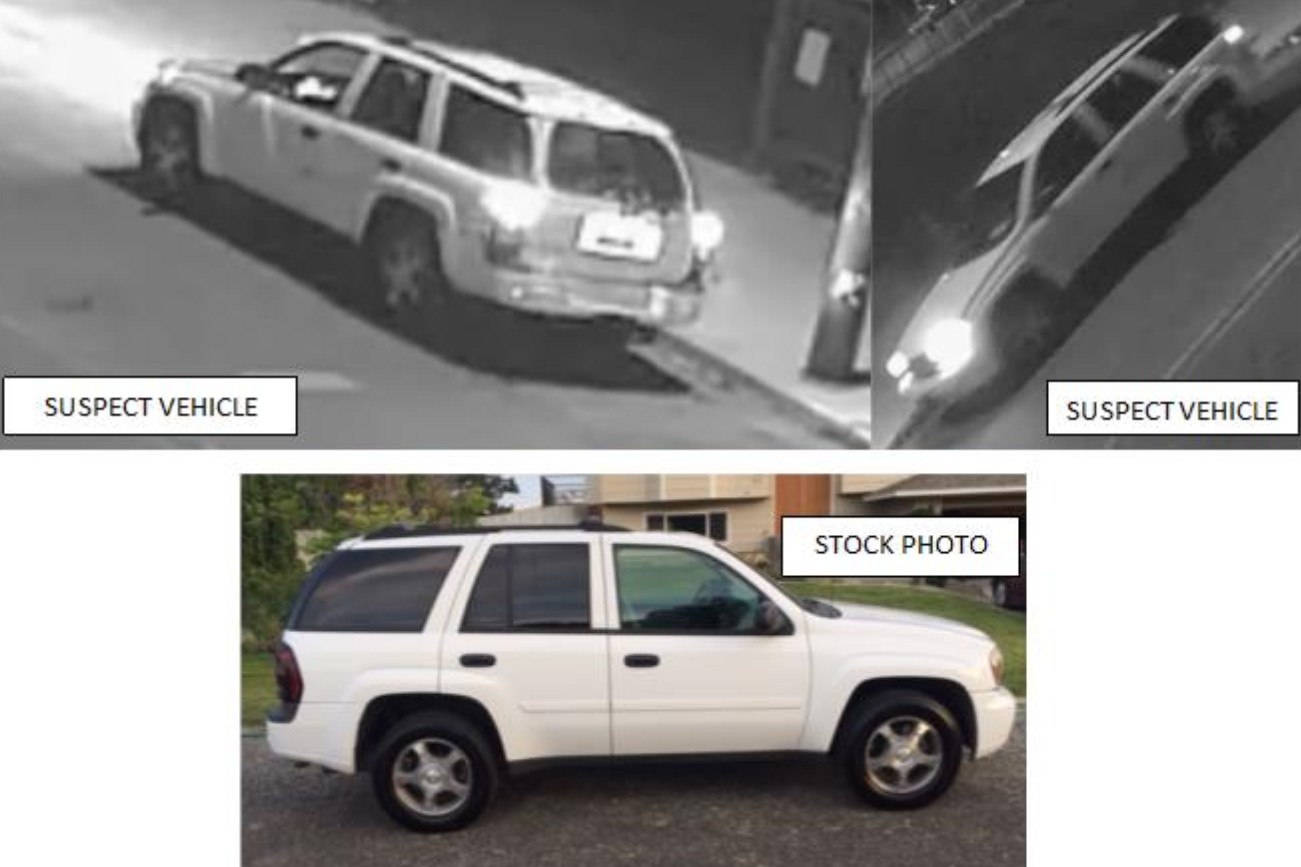
    Police later released surveillance images of the SUV suspected in Wolfe’s death. Investigators believe the SUV was a 2001-08 Chevrolet Trailblazer, possibly with damage on the driver’s side, with possible red paint transfer, a broken rear windshield, and a discolored passenger-side front wheel.

    The suspected vehicle was located earlier this month, police said.

    Police on July 7, 2026, released images of the suspected SUV, believed to be a white 2001-08 Chevrolet Trailblazer, that fatally struck 20-year-old Bryce Wolfe, a Temple University student, on June 24.Philadelphia Police Department

    Lori Wolfe, Bryce’s mother, said the Philadelphia police called earlier on Thursday to let her family know that the suspected driver was in custody.

    “We were happy they made an arrest,” she said. “I felt there would be an arrest because the accident investigation department of Philadelphia worked very hard to bring justice to Bryce.”

    She added: “Although none of this gives our son back to us, the person responsible should be charged with murder. He drug our son for a mile and left him to die in the street.”

    Philadelphia District Attorney Larry Krasner on Friday announced that Reid was charged with homicide by vehicle, accident involving death, involuntary murder, and recklessly endangering another person.

    Krasner confirmed that Reid was facing charges for a violent sexual assault against a minor, including rape, statutory sexual assault involving a victim between 8 and 11 years old, and related offenses.

    After Reid was apprehended by the U.S. Marshals Service, he allegedly admitted to being the driver of the SUV that fatally struck Bryce Wolfe, Krasner said.

    Reid was being held on $750,000 bail for the fatal hit-and-run, and $750,000 for the 2021 rape, Krasner said.

    “The devastation Defendant Derek Reid inflicted on these two families is horrific. No one deserves to have their son taken away in such a careless way. We will pursue these charges to the fullest extent of the law,” Krasner said in a statement.

    “This office also has zero tolerance for predators who brutalize the vulnerable, to include our children and young people. We are standing with these families during their journey of healing and we will do everything we can to seek and secure justice,” Krasner said.

    Bryce Wolfe, of Conyngham, a borough in Luzerne County, was an actuarial science major in the Fox School of Business and had just completed his sophomore year.

    A GoFundMe was established to help Bryce’s family.

    In an obituary written by his parents, Bryce was described as having lived his life “with a fearless spirit of adventure and a genuine love for the outdoors.”

    He “found joy in seeking new challenges and embraced every opportunity to experience the world to its fullest. Whether carving down snow-covered slopes while skiing, exploring miles of trails on his bicycle, or riding motorcycles through rugged dirt tracks and open roads, he felt most alive when he was in motion,” Lori Wolfe and Clarence Wolfe III wrote.

    Bryce had started a summer internship and acquired the Triumph to ride while he stayed in Philadelphia, his mother said in a recent interview.

    Said Lori Wolfe, “It was the first motorcycle he bought and insured all by himself.”