Tag: topic-link-auto

  • Cyclospora spreads through human waste – so how did it get on food?

    Cyclospora spreads through human waste – so how did it get on food?

    The nationwide cyclospora outbreak is very likely a result of sewage contamination in the food supply, according to scientific researchers and public health officials.

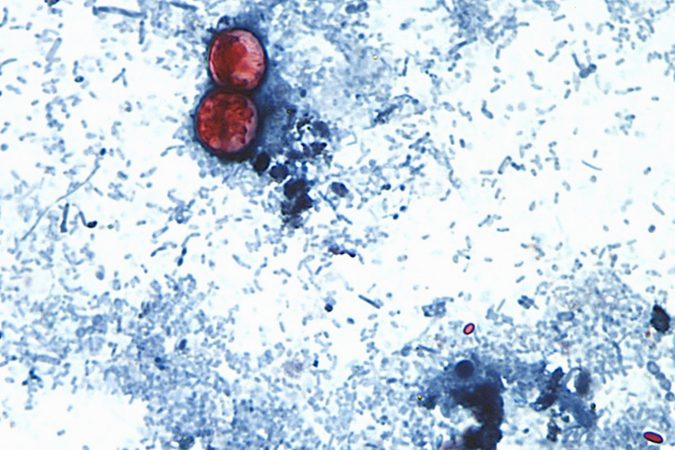
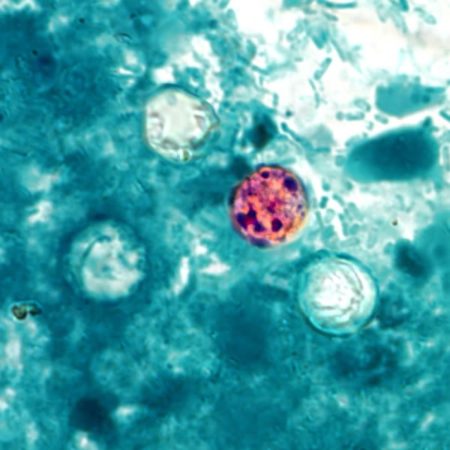
    The parasite’s spread can become a self-perpetuating cycle. Cyclospora is found only in humans, where it replicates in the intestinal tract, causing severe diarrhea. The organism reproduces by releasing oocysts, which are excreted in those human feces. In the U.S., feces usually end up in sewage systems.

    In many states, sewage water is treated — though not always in ways that remove or kill the oocysts — and then released into waterways and can be used to irrigate crops. The oocysts mature in the environment with warm temperatures in about a week. Then a human comes along and eats the irrigated food or drinks the water and gets sick, releasing more oocysts into sewage systems.

    I am a public health water microbiologist who collects sewage water and tests it for evidence of harmful pathogens, such as cyclospora. The first time I studied cyclospora was in the first outbreak ever documented in the U.S., a small, 45-case outbreak in Florida in 1995.

    The cause was initially suspected to be strawberries grown in California, but later it was determined it was more likely due to imported contaminated raspberries from Guatemala. That country’s raspberries were also associated with much larger outbreaks in 1996 and 1997. At the time, little was known about this single-celled protozoan pathogen.

    More than 30 years later, the largest outbreak ever recorded in the U.S. has sickened more than 22,000 people, and contributed to the deaths of two in Michigan, where I live and work. Using treated sewage to irrigate crops is common in many places, especially where groundwater and surface water are in short supply.

    What’s in wastewater

    There are two reasons researchers like me collect sewage and monitor what’s in it.

    The first is to evaluate levels of disease in a community. Measuring viruses such as SARS-CoV-2 in untreated sewage helped paint a picture of the spread of COVID-19 and the emergence of variants as the pandemic continued.

    The second reason is to determine whether and how sewage treatment removes, inactivates, or kills pathogens.

    It is not easy to measure cyclospora oocysts in sewage, contaminated water, or food. Even modern laboratory methods have trouble reliably detecting low levels of oocysts, which can still cause disease.

    Cyclospora oocysts have been found in sewage around the world. A range of studies across the world shows that they can be detected in up to 25% of sewage samples — but not all studies report how high or low the concentrations of the oocysts were. So it can be hard to say exactly how widespread it is.

    A person who is infected with cyclospora excretes somewhere between 100 and 10,000 oocysts per gram of feces for as long as 60 days. Based on what is known about other fecal pathogen excretions from patients, related to the concentrations of those pathogens in sewage, I estimate that there could be anywhere from 1 to 100 oocysts per liter in sewage.

    Our laboratory at Michigan State University is developing a method to more accurately detect this parasite even at lower levels in sewage. This type of wastewater surveillance may help determine when an outbreak is beginning to subside and where larger numbers of people are still affected. In addition, this information could allow sewage treatment plant managers to regularly monitor their discharges.

    What happens during sewage treatment?

    There isn’t clear data on how well standard sewage treatment processes reduce the numbers of cyclospora oocysts. But there is information on two other similar protozoa that also cause significant diarrhea in humans: Cryptosporidium produces an oocyst about half the size of cyclospora, and giardia produces a cyst that is similar in size to cyclospora.

    From 2001 to 2003, my laboratory studied the occurrence of those protozoa at six sewage treatment plants — one each in Arizona and California and four in Florida. All had been approved by their respective state regulators for nonpotable reuse, including irrigation of landscapes and, in some cases, crops.

    In that study, we found these protozoa in all the untreated sewage we tested, indicating there is some portion of the population that is infected and excreting their cysts or oocysts.

    The five treatment plants whose processes included disinfection with chlorine were able to get rid of a high percentage — but not all — of the protozoa in their discharged wastewater. Some cysts and oocysts remained intact, with the potential to cause disease, even in water that had gone through the entire treatment process, as it is known that wastewater chlorination does not kill these protozoa.

    From that data, it seems reasonable to assume that at least some small proportion of cyclospora oocysts also survive sewage treatment processes and are released back into the environment, where they can survive for months.

    What about reuse?

    Across the U.S., 200 billion gallons of treated sewage wastewater are used for irrigation of agricultural lands each year.

    Some of that wastewater undergoes additional filtration and disinfection for reuse before being spread directly on landscapes or crops. The volumes, however, are not readily known. And other treated sewage, which undergoes only standard secondary treatment, is discharged into rivers, streams, and reservoirs that could provide irrigation water.

    But few states regulate efforts to remove or monitor protozoa such as cyclospora in treated sewage. Filtration can remove protozoa but must be designed and operated correctly. Chlorination is not effective, but ultraviolet light does inactivate cryptosporidium and eimeria, a chicken protozoan highly related to and used as a surrogate in studies testing methods of killing cyclospora by the food safety industry.

    What is needed for better risk assessment and management?

    As floods and droughts occur routinely across the U.S. and around the world, sewage may overflow into bodies of water or be used directly on crops. That increases the risk that diseases, including protozoa such as cyclospora, which are transmitted through ingestion of fecal matter, may spread through food and water supplies.

    And because cyclospora oocysts mature in outdoor heat, it is possible that increasing temperatures, such as heat domes, could speed up their maturation, exposing more people to the infectious form of the parasite.

    Modern technology and techniques are capable of monitoring water quality, detecting harmful pathogens and eliminating them. Expanding monitoring of wastewater for protozoan diseases and other dangers can help prevent outbreaks and slow the spread of disease from sewage-contaminated water in the future.

    Joan Rose is a professor of water research and director of the Water Alliance at Michigan State University.

    Reprinted from The Conversation.

  • 🪕 Tune into Philly Folk Fest | Things to do

    🪕 Tune into Philly Folk Fest | Things to do

    This weekend is serving up some of the best of late summer in our beloved city.

    Settle into a laid-back evening at the Philadelphia Folk Festival, sample regional flavors at the Ice Cream Festival on Filbert, or embrace the brine with pickle-flavored cocktails at Pickle Palooza.

    And that’s only a taste of what’s in store this weekend.

    While I’m away at the 2026 National Association of Black Journalists Convention in Atlanta, you’ll attend some of the summer’s best music, food, and cultural festivals.

    Here are some of the best things you could be doing this week:

    — Earl Hopkins (@earlhopkins_, Email me at thingstodo@inquirer.com)

    If someone forwarded you this email, sign up for free here.

    Tune in to the return of the Philly Folk Festival

    Sam Gellerstein of Philly band Snacktime backstage at the Newport Folk Festival in 2025 with Glen Hansard.Danny Clinch

    The 63rd iteration of the Philadelphia Folk Festival returns this weekend at the Old Pool Farm.

    This year’s lineup kicks off with three Philly bands with roots in the rock and roll spirit: Ben Arnold & the 48 Hour Orchestra, Roberta Faceplant, and Lazy Villains will be the campers-only openers on Thursday night.

    On Friday, the Folk Fest will be an all-day event, with highlights that include bluesy guitarist Eddie 9V, bluegrass trio Damn Tall Buildings, country-folk duo Kieran Kane and Reyna Gellart, and more.

    Saturday standouts include festival regular Tom Rush, Celtic roots group Runa, Terrance Simien & the Zydeco Experience, and John Flynn, who will also serve as main stage emcee throughout the fest.

    To close out the fest, Sacred Steel with the Campbell Brothers will open in the morning. The Campbells will be on the Martin Stage later in the day, as well as York, Pa.-native Robbie Fulks and Gauthier. The final stage act is Kentucky mandolin and fiddler player Sam Bush.

    Check out the full lineup and purchase tickets here.

    The best things to do this week

    FILE – Charlie Woods hits onto the 17th green during the first round of stroke play of the U.S. Junior Amateur Golf Championship, in Bloomfield Township, Mich., July 22, 2024. (AP Photo/Carlos Osorio, File)Carlos Osorio

    ⛳ Big swings in Ardmore: The 126th United States Amateur Championship is back at Merion Golf Club for the first time since 2005. The weeklong event features top-end male amateur golfers, including locals such as Nicholas Gross, Hunter Stetson, and Hank Kancher. Grab your tickets to see the competition take its course.

    🎨 Celebrate Dominican arts and culture: Check out From Page To Screen at Esperanza Arts Center. The event is part of a three-part series that celebrates authors and filmmakers from the Dominican Republic. The evening will feature film screenings, artist conversations, local vendors, Merengue music, and dance lessons.

    🍨 A scoop of local sweets: The annual Ice Cream Festival on Filbert is back at Reading Terminal Market. Participating ice creameries include regional favorites such as Milk Jawn, The Franklin Fountain, Scoop DeVille, Siddiq’s Water Ice, and others.

    🥒 Relish in pickle heaven: Pull up to the Pickle Palooza at Neshaminy Creek Brewing. It’s kind of a big dill. (I couldn’t resist). Local vendors will be on-site selling pickles, and bartenders will be mixing dill-flavored cocktails.

    📅 My calendar picks this week: Deviled Eggs & Rosé, Festival of India, and Philadelphia Taco Festival. Here’s our full list for the week.

    Oddities & Curiosities Expo is coming to Montgomery County

    There’s no room for “normal” at the Oddities & Curiosities Expo.

    Starting Saturday, one of the world’s largest showcases of oddities is coming to Montgomery County.

    The touring expo will set up shop at the Greater Philadelphia Expo Center. There will be a selection of artists and vendors selling clothes, taxidermy, and other items that lean into the bizarre.

    There will also be sideshow performers outside of the venue throughout the two-day event.

    Grab your tickets and embrace all things weird.

    Summer fun this week and beyond

    🎷 Funk and jazz in North Philly: The Jazz on the Ave Music Fest, hosted by radio legends Patty Jackson, Dyana Williams, and Mina Say What, returns for an evening of soothing performances by headliners Vertical Current, Kyng Musik, and Jessie Renee.

    🥩 Luck up at Live! Casino: Restaurant Week returns to Live! Casino & Hotel through Aug. 20. Stop in for sizzling, seven-ounce steaks at The Prim Rib, Jet Tila’s pad thai at Luk Fu, and special dine-and-drink deals at the casino’s bars and lounges.

    🍿 Grab your popcorn: Free Street Movies, presented by Scribe Video Center, is back with a touring outdoor theater experience for movie lovers throughout Philadelphia. The 29th edition of the film series is offering free, family-friendly screenings through Aug. 30.

    🎨 The creatives behind Philly street art: Dig deep into the stories of legendary graffiti writers and street artists such as Darryl “Cornbread” McCray at Platform X in Suburban Station. The new art exhibit, “Evolution of the Revolution,” opens on Friday and runs through September.

    Staffer picks

    Foo Fighters play Lincoln Financial Field on Aug. 13.Courtesy of the Artist

    Here’s pop music critic Dan DeLuca’s list of the best concerts this weekend.

    Thursday: The Foo Fighters, smack in the middle of their yearlong “Take Cover” tour, is dropping into South Philly on Thursday. The Dave Grohl-led band will step onto Lincoln Financial Field with Queens of the Stone Age and Philadelphia’s own Mannequin Pussy.

    Friday: Jazz trio Trash Gadget, comprised of Philly pianist and bandleader Orrin Evans, bassist Matthew Parrish, and drummer Byron Landham, are celebrating their new album and 30 years of collaboration with two shows at Chris’ Jazz Cafe.

    Saturday: Louisville rapper Jack Harlow, who shifted from straight-up hip-hop to neo-soul on his latest album, Monica, will hit the Fillmore Philly stage on Saturday.

    Sunday: Miami’s own Flo Rida, who scored several party anthems in the late 2000s, is bringing the South Florida heat to Citizens Bank Park. He performs after the Phillies play the Miami Marlins.

    Check out Dan’s full concert list here.

    ❓Pop quiz

    The Philadelphia Folk Festival is one of the nation’s longest-running folk music festivals in the country. What year did it start?

    A) 1962

    B) 1964

    C) 1967

    D) 1961

    Here’s the answer to last week’s question: Before filmmaker Maori Karmael Holmes founded BlackStar Film Festival, what other festival did she help develop in Philly? Answer: Black Lily Film & Music Festival

    Ask Earl anything

    Many of you have questions about each week’s listings, and others about Philly’s arts, culture, and entertainment scene.

    I have you covered. Have a question? Email me for a chance to have it answered in an upcoming newsletter.

    That’s a wrap for this week’s edition of Things To Do. I may be signing out from Atlanta, but you know my heart and mind are forever home in Philly, baby. Enjoy the weekend ahead, and I’ll be back soon to hear about it. Peace!

    — Earl Hopkins

    By submitting your written, visual, and/or audio contributions, you agree to The Inquirer’s Terms of Use, including the grant of rights in Section 10.

    Heading to the Jersey Shore.GIPHY
  • Eagles fans are freaking out after the Eagles posted a video featuring a helmet they haven’t worn since 1973

    Eagles fans are freaking out after the Eagles posted a video featuring a helmet they haven’t worn since 1973

    It’s been a while since Eagles fans last saw white helmets paired with kelly green wings on the field in Philly. The last time came over 50 years ago, in 1973, but after the team posted a seemingly innocent video that featured the retro style, some fans are dreaming of a potential return.

    The video, posted Wednesday afternoon, featured Jalyx Hunt and new defensive back Riq Woolen blindly trying to match up different team helmets, but the comments were all focused on one thing: the white kelly green helmet that was curiously included in the lineup.

    Across platforms, fans speculated. “Give us the white Kelly jerseys!” someone commented on TikTok, and below the video shared on X, someone responded, “Just take my money now if y’all are dropping the white kelly green.”

    So it raises the question: Are the Eagles teasing a return of the vintage look?

    Well, it’s complicated.

    The team cannot just add another uniform or swap elements, like helmets, at random. The NFL imposes strict regulations. Per the league’s last update in 2024, teams are capped at four uniforms and three distinct helmet designs, and must give the league significant advance notice before using them. Of course, for the purposes of this game, the team needed a fourth helmet.

    The Eagles’ current uniform lineup includes the midnight green home jerseys, the white-and-midnight green away uniforms, the all-black set, and the throwback kelly greens. Both the standard home and away uniforms use the midnight green helmet, while the other two uniforms have their own matching helmets. The throwback kelly green alternate uniform, when announced in 2023, sent fans into a frenzy to get their hands on the Harold Carmichael-and Randall Cunningham-era favorites.

    Nostalgia is a powerful tool, and adding white kelly green uniforms and a matching helmet could be an opportunity to have fans lining up to get their hands on the vintage look.

    Quarterback Jalen Hurts is certainly on board. In a video shared in May announcing the 2026 schedule, Hurts said he “needs” the white kelly greens to make a comeback, prompting Saquon Barkley to remind him, “Well, you got the power to change that, Mr. Hurts.”

    Perhaps Hurts, and many fans, will get their wish. Hurts, after all, has a history of seeing those wishes come true. In 2021, he successfully pushed for the team to wear black pants with its white jerseys, so maybe the QB has some sway. But unless this is one of the best-kept secrets in Philly sports, it might take more than a year to see that come to fruition.

    Another possible path to seeing the retro design return is through the NFL and Nike “Rivalries” program, a community-inspired concept similar to MLB’s “City Connect” series. Over the next few seasons, the partnership plans to bring new uniforms to select teams during home games, alongside specialized merchandise — a possible opportunity for the Eagles to reintroduce the white kelly green look, but that wouldn’t happen until at least the 2027 season. This year’s teams are already locked in, with the eight teams in the NFC North and AFC South set to unveil their new uniforms on Aug. 25.

    Outside of Hurts in May and the match-the-helmet video on Wednesday, the Eagles have not so much as whispered the words “white kelly green” anywhere. And it doesn’t look like they plan to acknowledge the flood of comments speculating over the style the team wore for only for parts of five seasons (1969-73). But if Eagles fans are anything, it’s dedicated and persistent, even, perhaps especially, when it comes to how they look in the stadium.

  • A Philly man who said he killed his wife for disrespecting him is sentenced to state prison

    A Philly man who said he killed his wife for disrespecting him is sentenced to state prison

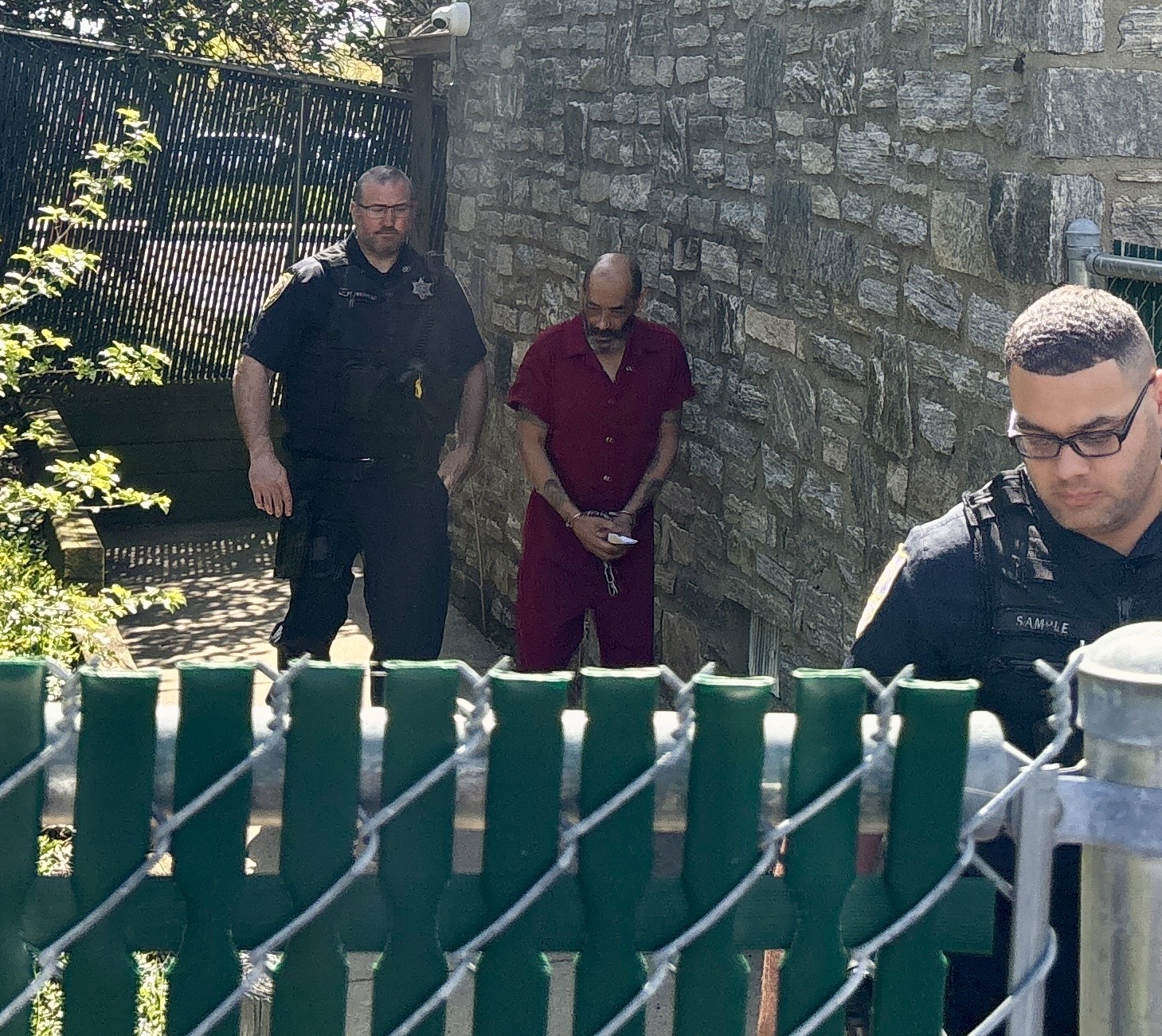
    A Holmesburg man who killed his wife after he said she disrespected him was sentenced to 25 to 50 years in state prison by a Montgomery County judge.

    Jose Luna, 59, pleaded guilty to third-degree murder late Wednesday before Judge Wendy Rothstein. The plea, negotiated with prosecutors, spared him from a trial scheduled to begin next month on first-degree murder and related charges.

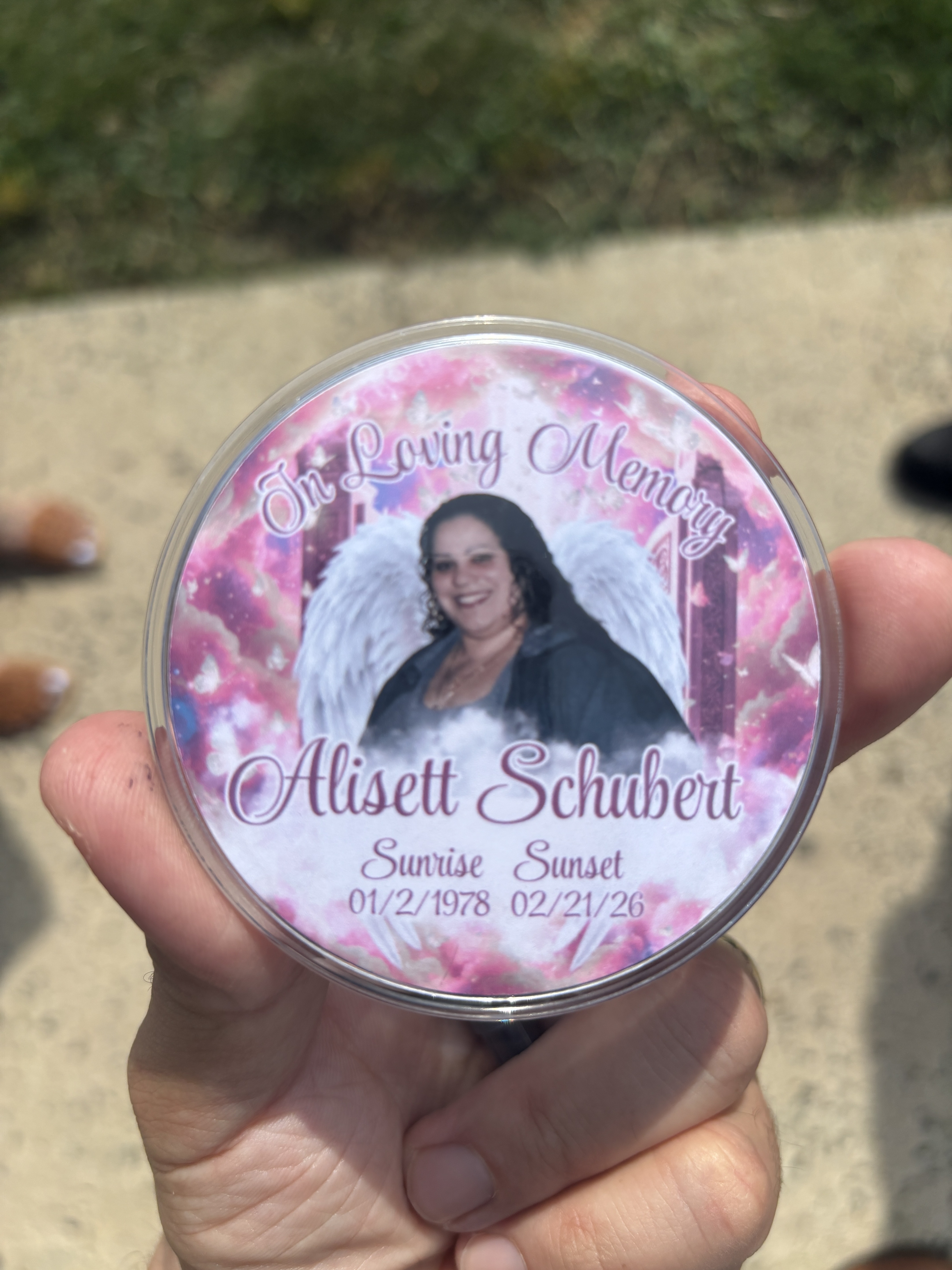
    Luna shot Alisett Schubert, his wife of seven years, five times on Feb. 21 as she drove them home from a family party in Rockledge, according to prosecutors. The murder weapon was Schubert’s .38-caliber revolver, which Luna had grabbed from his wife’s purse as they began to argue.

    Luna’s attorneys, Scott Frame and Joe Schultz, said he pleaded guilty to spare his wife’s family the pain of sitting through a trial.

    “This was his wife, he loved his wife, and he has to live with this rest of his life,” Schultz said. “He feels the weight of what he’s done.”

    The sentence handed down by Rothstein effectively puts Luna behind bars for the rest of his life, something Frame said Luna has acknowledged and accepted, remorseful for his actions on the day of the shooting.

    Jose Luna shot Alisett Schubert, his wife of seven years, five times in February, according to prosecutors.Vinny Vella / Staff

    In Schubert’s obituary, her family described her as “a spirited soul whose love for life was unparalleled.”

    “The circumstances surrounding her passing are a heartbreaking reminder of the fragility of life,” her family said. “Suddenly and tragically taken from us, Alisett’s absence leaves an unfillable void in the lives of those who knew her.”

    In a statement read in court, Brinda Millican, one of Schubert’s best friends, said her death “has left an emptiness that cannot be repaired.”

    “She should have been able to continue living her life and making new memories with the people who loved her,” Millican said. “Instead, her life was violently taken from her by the person who should never have been the one to cause her harm.”

    From the outset of the case, Luna admitted he killed Schubert, 48, prosecutors said.

    During an interview with detectives hours after the shooting, Luna said he slapped Schubert during a family party after she disrespected him, according to the affidavit of probable cause for his arrest. He told her, after hitting her, that he didn’t care if her family saw the dispute.

    The couple continued to argue on the drive home from Rockledge. During the dispute, Schubert stopped the car and told Luna to get out and walk home.

    Luna saw that his wife was holding her purse, and he knew her gun was inside it. The two began to fight over the bag, the affidavit said. Luna grabbed it, pulled out the gun, and shot his wife once.

    As Schubert turned to get out of the car, Luna shot her four more times, according to prosecutors. He then fled, pausing to throw away his hat and jewelry to avoid being recognized.

    Officers in Rockledge found Schubert on the ground, unresponsive. She was later pronounced dead at Jefferson Abington Hospital.

    Luna was arrested about a mile away from the crime scene, still holding the gun. He raised the revolver to his head, telling responding officers that he had lost everything, and pulled the trigger.

    The gun was empty.

  • N.J. towns, school districts owe millions to public worker health plans

    N.J. towns, school districts owe millions to public worker health plans

    Municipalities and school districts owed New Jersey’s public worker health programs nearly $50.5 million in arrearages earlier this year, months before experts recommended steep rate increases for health plans that insure hundreds of thousands of school and government workers.

    The debts owed by nearly 50 local units are part of the mix behind another year of steep premium increases for state-run health plans that have become increasingly unstable in recent years amid what actuaries have called a “death spiral.” Mounting costs drive some towns and school districts to leave the state-run plans for private plans, driving costs yet higher and leaving the state-run plans in distress.

    “The delinquent payments just put salt in the wound, and I recognize they are not alone driving the death spiral. Don’t get me wrong — I’m not suggesting they are. But if there’s death by a thousand papercuts, these are quite a few papercuts,” said Assemblyman Mike Inganamort (R-Morris).

    Thirty-five local governments owed the State Health Benefits Program $28.1 million in April, while 13 school districts owed $22.3 million to their state-run plan, according to a tally of April arrearages drafted by the Treasury and released by Inganamort.

    Though the arrearages are not the main drivers behind trends that could push premiums for current school workers up by as much as 34%, or 17.3% for local government workers, they contribute to rate growth by reducing the amount the state collects in premiums.

    “It all adds up,” said Dudley Burge, the AFL-CIO representative for local government workers on the State Health Benefits Commission, which sets rates and approves contracts for the government worker health plans. “A one or one-and-a-half percent decrease in premium helps, right?”

    It’s unclear how or whether individual local units’ debts have changed since April in most cases, but the overall level of outstanding balances has ticked up a bit since then. More recently, the plans were owed about $58 million, $43 million to the plan for local government workers and $13 million to the plan for school workers, according to the Treasury. Unlike the data provided to Inganamort, it’s unclear how the $58 million cited by the Treasury breaks out across individual towns and school districts.

    Debts are marked delinquent if a town or school district is at least 31 days late on its payments.

    The debts varied wildly by size and age. Paterson, which held the largest outstanding debt, owed the State Health Benefits Program $11.8 million in April, while Hope, a Warren County Township with fewer than 2,000 residents, owed just $4.04.

    Some of the debts are held by local units that left state-run plans years ago or that have dissolved entirely. While state officials said they continued to work with locals to secure payment, it is unclear when those funds would arrive or, in some cases, if they ever would.

    Darryl Isherwood, a spokesperson for the Treasury, said most disenrolled districts eventually pay off their balances. The department had not moved to forgive any debts owed to public worker health plans, Isherwood said.

    “Treasury continues to work with local employers to try to collect all outstanding amounts owed,” he said.

    The department had boosted outreach to governments in arrears, both to collect what’s owed and to help towns and school districts avoid expulsion, Isherwood said.

    In April, disenrolled districts’ debts were significant, accounting for about $26.9 million across school and local government plans.

    In general, those debts were concentrated in a handful of units: Newark (which owed $11.4 million), the Hudson County Schools of Technology ($11.6 million), and the Orange Board of Education ($2.4 million).

    Both Newark and the Orange school board left state plans in 2023. They last made payments on their debt that February and March, respectively. A spokesperson for Newark did not provide comment.

    The Hudson County Schools of Technology last made a payment on its debt last October. They separated from the public plan this February.

    Burdge said Paterson’s debt did not appear on a separate report drafted for health benefit commissioners in March, suggesting its arrearages are new. Diana Nunez, a spokesperson for the city, said its debt was related to the timing of state transitional aid and would soon be resolved for the rest of the year.

    “Because many of the city’s largest costs come before a significant portion of its revenue is received, the city must prioritize certain payments until those funds become available. If transitional aid were distributed evenly over the course of the year, the city would be current on all of its financial obligations at all times,” Nunez said.

    Inganamort said the state should get more aggressive in collecting health benefit debts, including by cutting or withholding state aid to districts that owe money to the state plans.

    “What I think we should consider is any public entity that has a delinquent payment to the state, that should be reflected in any aid that they do get from the state of New Jersey, whether it’s to the municipality or the school district,” he said. “I don’t believe we should continue to give aid to entities that owe the state money.”

    In some cases, debts may be unrecoverable because the unit that owes them has closed.

    That appears to be the case for the Wildwoods Joint Construction Office, which owes government workers’ plan $7,714.45 and, according to Civil Service records, ceased to exist in 2007.

    The School Employees’ Health Benefit Commission is due to vote on rate increases for next year on Aug. 19. The State Health Benefits Commission has tentatively set its rate renewal vote for Aug. 26.

  • Bristol Borough woman killed in early-morning domestic dispute, sources say

    Bristol Borough woman killed in early-morning domestic dispute, sources say

    Bristol Borough police and Bucks County detectives are investigating a homicide that took place early Thursday.

    Officers were called to a residence on Wood Street around 6:30 a.m. for what law enforcement sources described as a domestic incident.

    A woman inside was reported dead at the scene, and one person was in custody, said the sources, who spoke on the condition of anonymity to discuss an ongoing investigation.

    Police said there was no danger to the public.

  • Why chenin blanc is one of the most underrated wine grapes of all time

    Why chenin blanc is one of the most underrated wine grapes of all time

    Chenin blanc ranks among the most underrated wine grape of all time in terms of its quality potential. When grown and made with care, as with this California example, its wines can be spectacular. Combining the aromatic finesse of riesling with the tactile opulence of chardonnay, chenin blanc rivals the finest of white grapes.

    However, chenin blanc has struggled to shake off a bulk-wine reputation because its strengths are so easy to exploit in making cheaper wines, especially sweeter wines.

    Depending on decisions made by vintners, any green grape can make wine that is still or sparkling, sweet or dry, oaked or unoaked. Whether the wine is lightweight or heavyweight is determined by how ripe the fruit is at the moment of harvest. Most wine grapes perform better in one or two styles, and people come to know what to expect from them. Sauvignon blanc is almost always dry and unoaked, for instance, while riesling is more often made to be sweet. Chardonnay is usually dry but fuller-bodied and often oaked, and almost every other grape has a similar “classic” style.

    This is where chenin blanc has a truly perverse problem from a marketing perspective — it is simply too good at making too many styles to have carved out any single recognizable stylistic niche. This makes every bottle purchased a bit of a leap of faith for the buyer, who can’t be sure quite what they’re going to get. That’s why it is so helpful that Dry Creek Vineyard shares this wine’s technical data right up front, confirming that the wine is made in a style that is light in body, at only 12% alcohol, and quite dry. Most vintages contain less than half a percent of residual sugar, which is well below the threshold of perception for most drinkers.

    Where many California chenin blancs are barrel-fermented as if they were chardonnays, this wine’s back label confirms that it is unoaked. In the glass, the wine has strong green apple and golden apple flavors, accented with notes of mandarin orange and honeydew melon. It is brisk, clean, and dry and makes an excellent partner for sushi or heirloom tomatoes.

    Dry Creek Vineyard Dry Chenin BlancCourtesy of Dry Creek Vineyard

    Dry Creek Vineyard Dry Chenin Blanc

    Clarksburg, California; 12% ABV

    PLCB Item #86917

    On sale for $15.99 (regularly $17.99) through Aug. 30

    Also available at: Moorestown Super Buy Rite ($13.49) in Moorestown, N.J., moorestownbuyrite.com; Hopewell Super Buy Rite ($15.99) in Pennington, N.J., buyrite.wine; and WineWorks ($16.98) in Marlton, N.J., wineworksonline.com.

  • Archbishop Wood’s Caleb Lundy becomes Drexel basketball’s highest-ranked commitment

    Archbishop Wood’s Caleb Lundy becomes Drexel basketball’s highest-ranked commitment

    Caleb Lundy announced his verbal pledge to Drexel on social media Thursday.

    The Archbishop Wood guard and Warminster Township native is ranked as a four-star recruit and the fourth-best rising senior in Pennsylvania, according to 247Sports.

    Lundy chose Drexel over Temple, La Salle, and St. Joseph’s, among others.

    Lundy has the highest composite rating of any Drexel recruit in the 247Sports database, which dates back to 2000. His four-star ranking bests former players Mate Okros, T.J. Bickerstaff, and former NBA guard Damion Lee, all of whom were three-star recruits.

    Lundy, a 6-foot-4 guard, earned first-team all-Catholic League and second-team all-state honors as a junior at Wood. He was the Vikings’ leading scorer last season, averaging 17.1 points and 4.7 assists.

    Lundy and Marist signee Brady MacAdams led Wood to a 12-1 regular-season finish in the Catholic League and a semifinal appearance in the PCL tournament. The Vikings have not won a league championship since 2021.

    Lundy is the first player to commit to Zach Spiker’s 2027 recruiting class. The Dragons have also extended an offer to Imhotep Charter forward Zaahir Muhammad-Gray, a rising senior and four-star recruit who has yet to make his commitment.

    Lundy’s verbal pledge will not be official until he signs an aid agreement with the school. The early signing period for the class of 2027 begins on Nov. 11.

    Archbishop Wood’s Caleb Lundy (left) averaged 17.1 points and 4.7 assists last season.Isaiah Vazquez / For The Inquirer

    Lundy is the third player from Wood to commit to Drexel under Spiker, who is entering his 11th season as the Dragons head coach.

    Josh Reed was part of Spiker’s 2024 recruiting class, and former Wood guard Justin Moore spent two seasons in University City after joining the Dragons in 2022.

    Lundy comes from an athletic family. His father, Mikal Lundy, played running back at Kent State in 2000 and 2001. Caleb’s uncle, Wali Lundy, was a running back at Virginia. He spent one season with the Houston Texans after being selected in the sixth round of the 2006 NFL draft.

  • The Union’s new third jersey pays tribute to the rest of the city’s sports scene

    The Union’s new third jersey pays tribute to the rest of the city’s sports scene

    The Union’s new third jersey has been a rather poorly kept secret for a few weeks, but now it’s official.

    An off-white shirt with a lot of vibrant trim, it pays tribute to the entire Philadelphia professional sports landscape. The centerpiece is the word “PHILLY” in block letters, in front of a depiction of the Center City skyline; the neck and sleeve cuffs have stripes in Flyers orange, Phillies red, Sixers blue, and Eagles green.

    The Union’s snake logo sits where the crest usually goes on a jersey, and a lower corner of the shirt depicts that snake in front of a stylized Liberty Bell.

    Alejandro Bedoya modeling the Philadelphia Union’s new third jersey.Major League Soccer

    As with a lot of soccer apparel these days, it’s designed to be seen around town as much as at the stadium. And as with the Union’s 1776-themed main jersey for this year and next year — full of images of historic city landmarks — it might not be for everyone beyond the Philadelphia region.

    But it should appeal to fans around here, especially casual followers looking to buy some Union merchandise. If they don’t all know that the snake on the crest spot has been part of the team’s logo for years, they certainly will understand a jersey with “PHILLY” front and center.

    Union fans will also recognize the usual Bimbo Bakeries sponsorship logo, but this time it’s on the back side instead of the front. The necktag has a stylized version of the MLS logo from the league’s early years.

    This is the first time since 2014 that the Union have had a third jersey. Back then, they had one of the most famous items in club history: a black shirt with white and red trim that paid tribute to the Bethlehem Steel dynasty of a century ago.

    The Union’s Bethlehem Steel-inspired jerseys in the mid-2010s remain some of the most popular in team history.Drew Hallowell

    MLS went away from third jerseys for a while, but resumed in 2024 with a rotation of a select number of teams each year. This time is finally the Union’s turn. (The one exception to the rotation is Inter Miami, which has gotten a third kit each year since 2024 to profit from Lionel Messi.)

    The Union and Adidas, which makes all the jerseys leaguewide, also released a jacket in the same off-white color. It has the snake crest on the front and Philly logo on the back in the team’s traditional navy blue.

    Both items are now available at MLS’s official online store, MLSStore.com, adidas.com, and at the Subaru Park shop. Expect to pay around $160 for the authentic version, $100 for the replica version, and $80 for children’s sizes.

    The Union will wear the new jersey for the first time on Wednesday, when they host Messi’s Inter Miami in the highest-profile game of the regular season.

    Alejandro Bedoya modeling the Union’s new third jersey and the accompanying jacket.Major League Soccer
  • Philadelphia has seen nearly two dozen cyclosporiasis cases this year

    Philadelphia has seen nearly two dozen cyclosporiasis cases this year

    Federal officials this week assured Americans they can safely eat fresh produce, saying they’ve issued new safety guidelines for producers and pulled all lettuce associated with an outbreak of cyclosporiasis from the market.

    The intestinal parasite Cyclospora cayetanensis, which causes “explosive” diarrhea, had contaminated lettuce sold in 15 states, including Pennsylvania.

    Philadelphia health officials said Monday that the city has confirmed 22 cases of the gastrointestinal illness in 2026. Reported cases have been higher elsewhere in the state.

    Statewide, officials had recorded 214 confirmed cyclosporiasis cases as of Tuesday and an additional six probable cases. Pennsylvania confirmed 40 cases of cyclosporiasis in 2025 and 87 in 2024, officials said.

    Federal health officials have confirmed more than 13,000 cases across 47 states this spring and summer.

    The CDC has linked more than 6,000 cases of cyclosporiasis, 278 hospitalizations, and two deaths to iceberg lettuce sold by Taylor Farms. (Taylor Farms had also recalled jalapenos separately linked to a salmonella outbreak in 26 states. The jalapenos were not sold in Pennsylvania.)

    Pennsylvania has reported far fewer cyclosporiasis cases than states like Michigan and Ohio, where thousands have been sickened. Still, because confirmed cases have increased in Pennsylvania in recent weeks, it’s too soon to predict case counts for the year, said Akhil Vaidya, a distinguished professor in the Department of Microbiology and Immunology at Drexel University College of Medicine.

    “Generally, it is between May and August that you see Cyclospora. We don’t know how it will go for the rest of the year,” he said. “I hope we dodged a bullet.”

    Cyclospora was only discovered by scientists in the mid-1990s, and more research on the parasite remains needed, Vaidya said. Most research is conducted outside the U.S., where cyclosporiasis is more common, and the parasite cannot be grown in a lab, which often makes it difficult to track the source of foodborne outbreaks, he said.

    State and federal health officials must carefully monitor when and where illnesses emerge to understand why so many cases have been reported this year, Vaidya said.

    State health officials urged Pennsylvanians to take these steps to protect themselves from cyclosporiasis: washing their hands with soap and water before and after handling raw fruits and vegetables; rinsing produce under hot water, scrubbing firm produce like melons with a clean brush; cutting away damaged parts of produce; and refrigerating cut, peeled, or cooked fruits and vegetables as soon as possible.

    Cyclospora is not necessarily killed by rinsing alone, so the FDA advises cooking produce to 158 degrees to remove the parasite.