After nearly reaching the quarter pole of the season, it’s become evident that Sean Mannion’s Eagles offense is disjointed, unimaginative, and ultimately, ineffective.
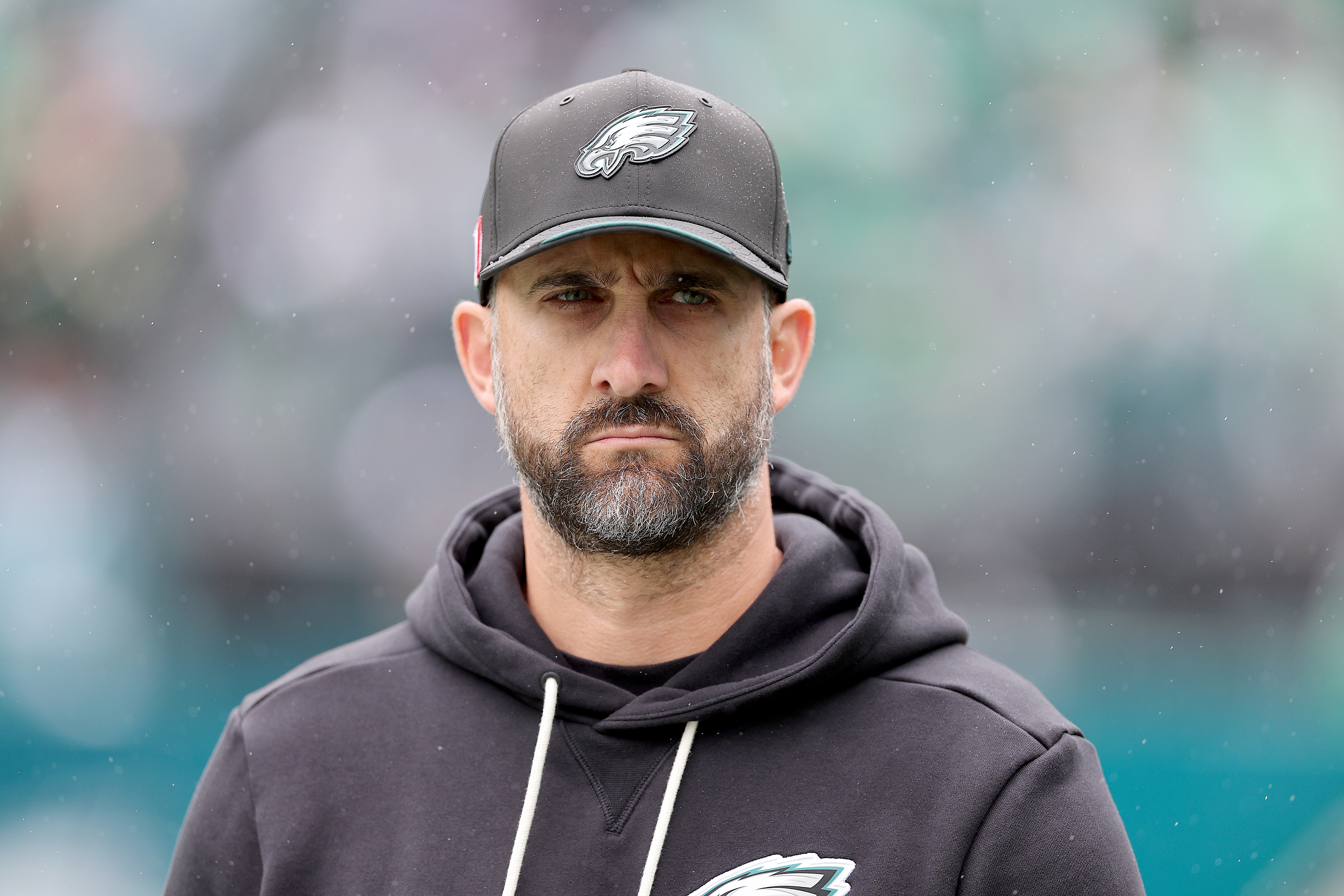
Or is it Nick Sirianni’s offense? Or Jalen Hurts’? Or does it even matter who is given ownership of a unit that failed to capitalize on an impressive defensive performance against the Los Angeles Rams?
Of course, everyone played a part in a 24-20 loss on Sunday. Vic Fangio’s defense could have gotten a stop on the Rams’ two late fourth-quarter touchdown drives. The Lane Johnson-less offensive line could have opened more holes and given Hurts more time. The wide receivers, running backs, and tight ends could have done something to convert just one third down.
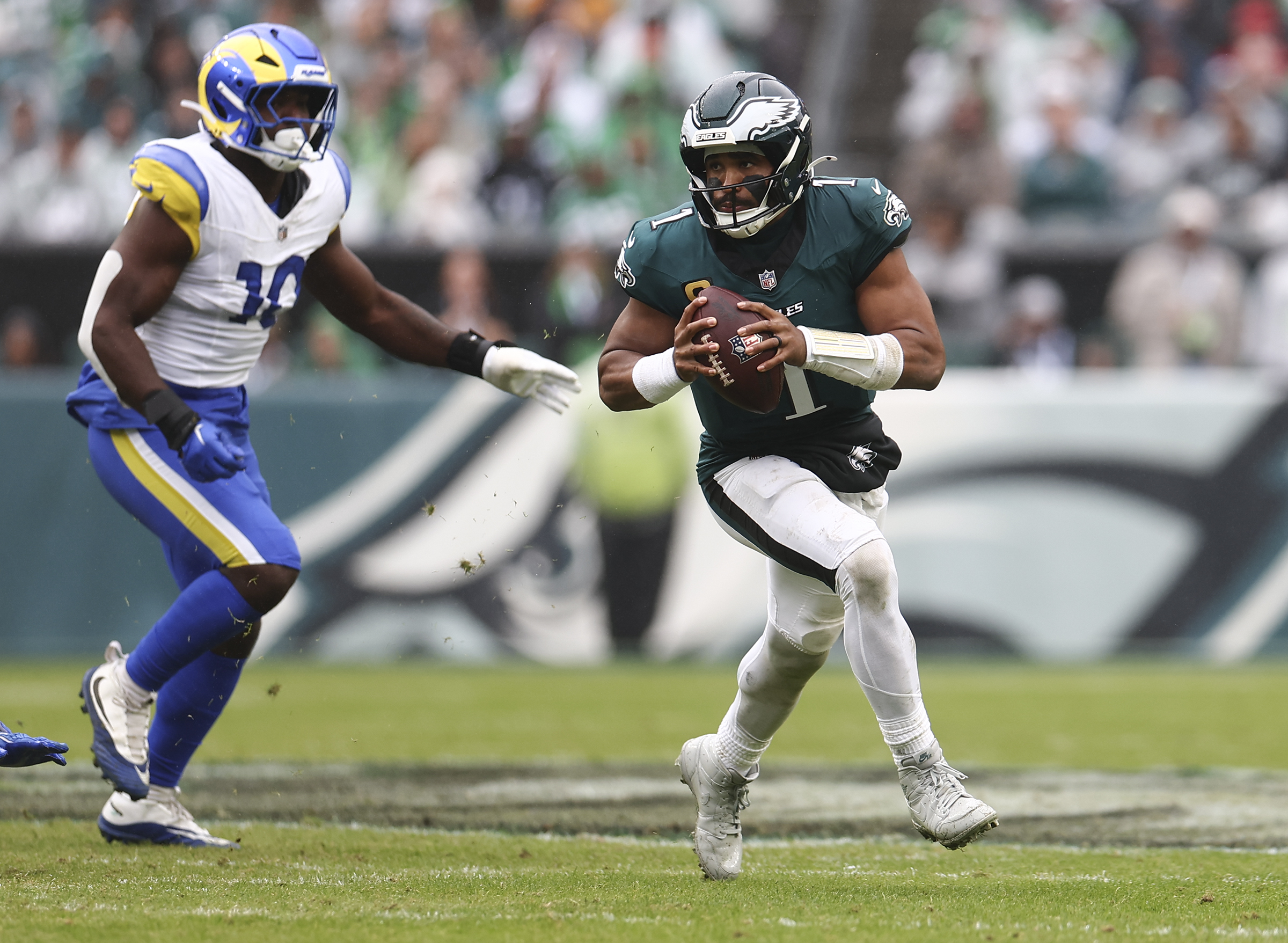
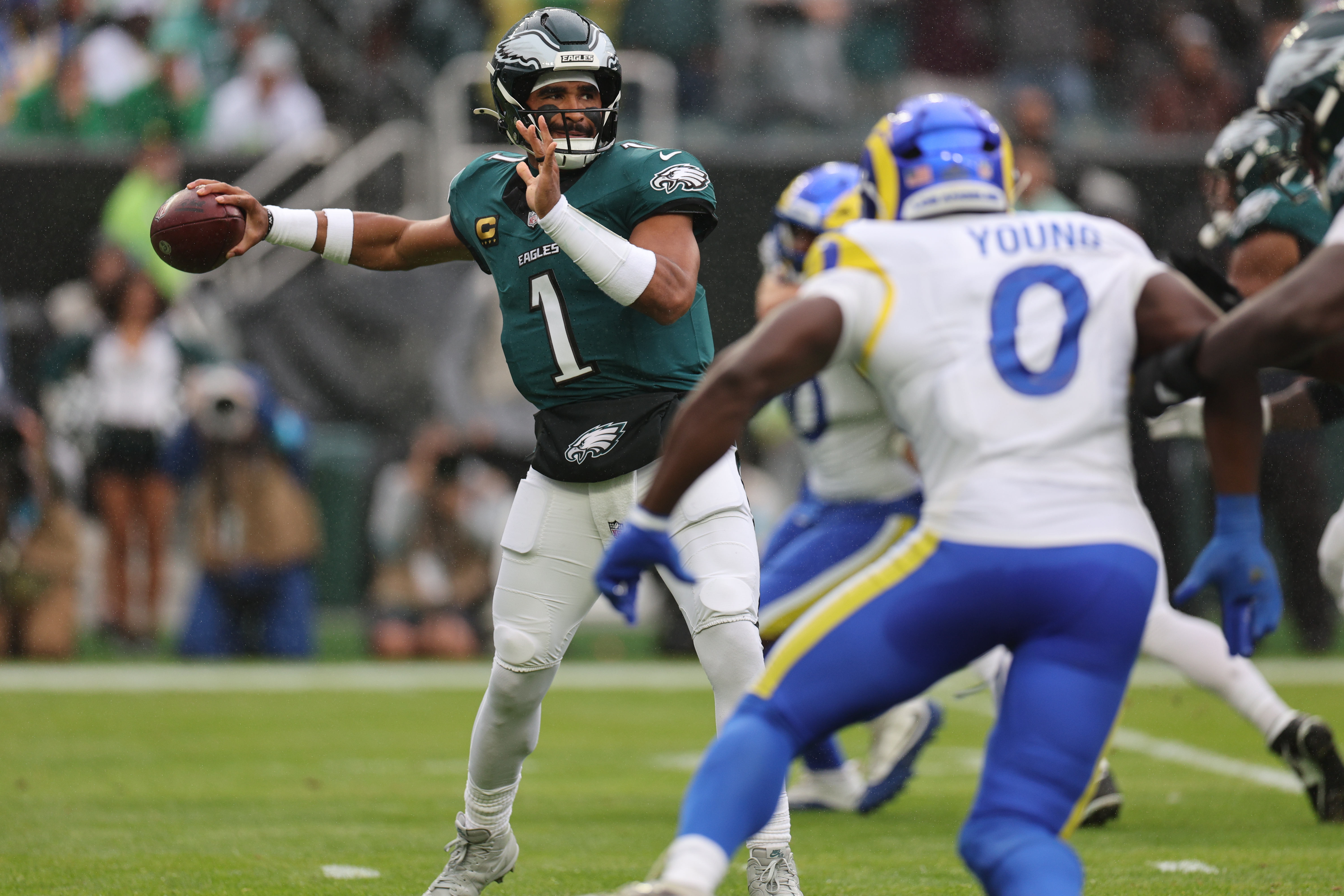
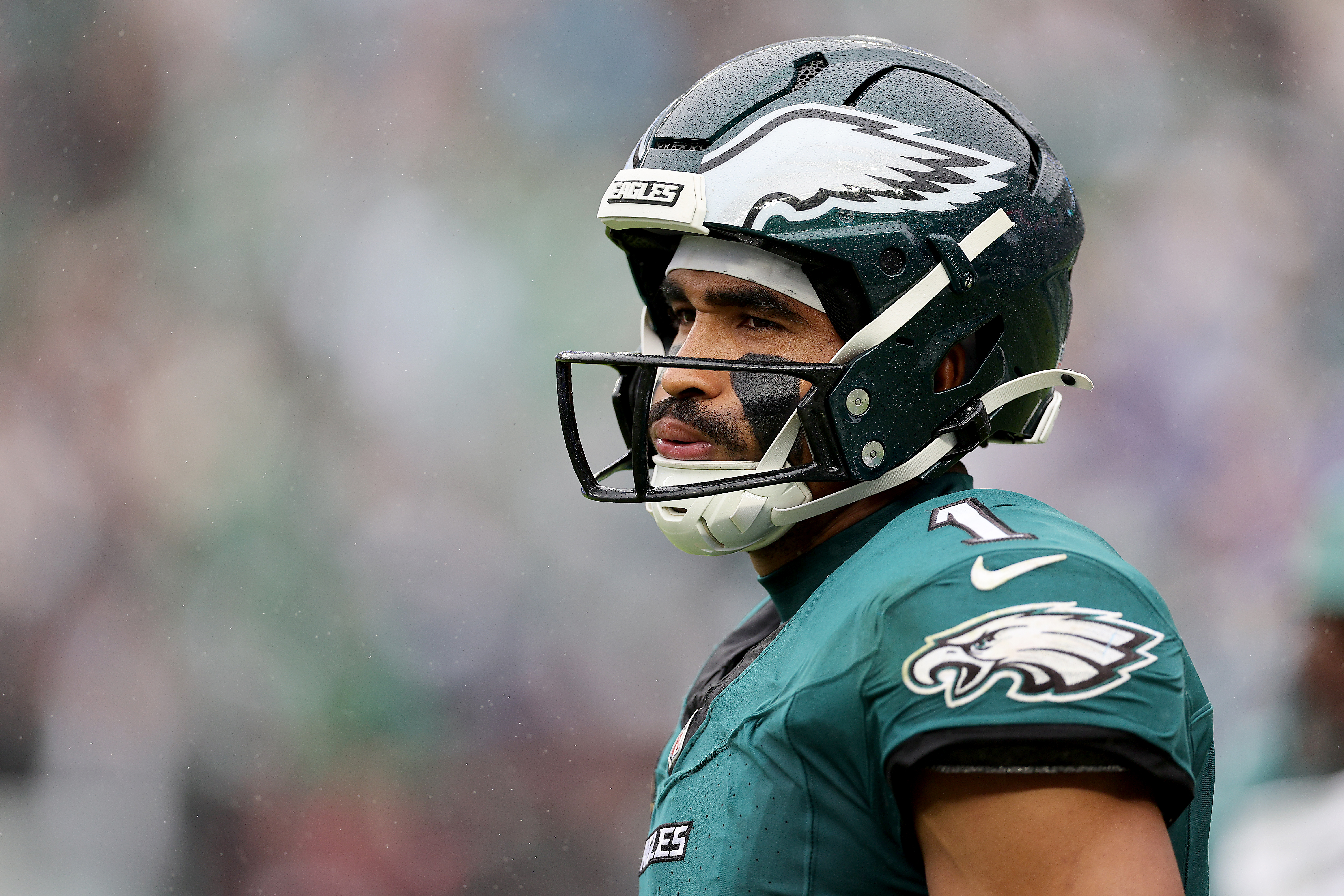
Jalen HurtsDavid Maialetti
But the offense has reached an inflection point after its regression in each of the first four games, and it’s on the figureheads at the top to decide where to go from here. Should Sirianni allow Mannion to fully implement the Kyle Shanahan scheme that was at the core of his hiring? Or should they just abandon the under-center heavy system that has been woefully unproductive thus far?
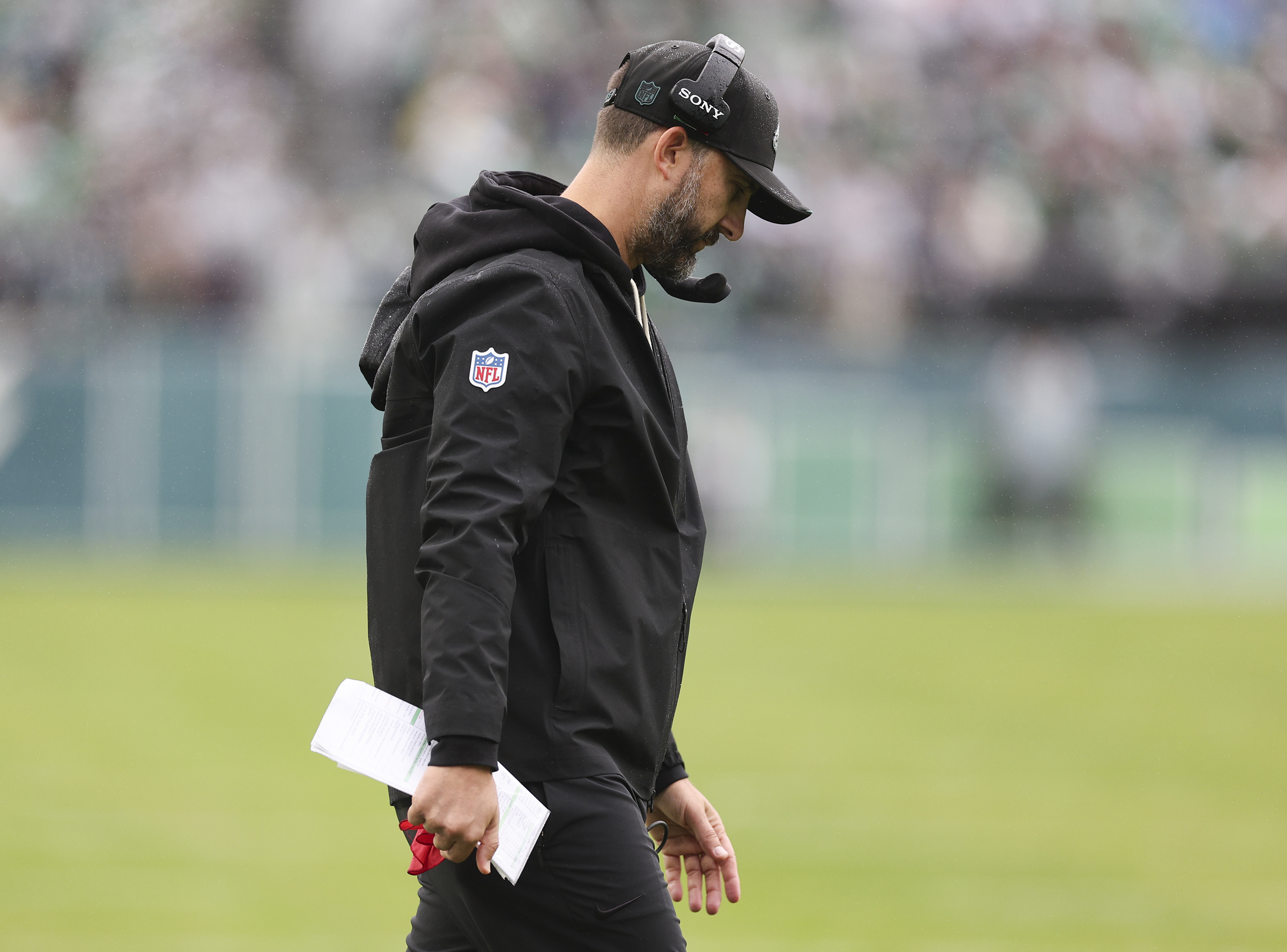
“I’ve got a ton of confidence in Sean and he’s going to wear a lot of this. There’s no doubt,” Sirianni said. “I’m going to wear a lot of this. Our offense is going to wear a lot of this. You win together, you lose together. I have no complaints on what happened there today.”
Sirianni was referencing Mannion’s play-calling. But the game planning is at the heart of the matter. The Eagles want a sophisticated offense that can marry the run with the pass off play-action, but they also want Hurts in the shotgun playing to his strengths.
The problem is they can’t function properly on run downs because defenses are stacking the box when Hurts is under center, and when they’re forced into obvious pass downs, the quarterback is getting blitzed to death. In essence, they haven’t been either thing.
There was always going to be some blending of the old with the new. But asking a 34-year-old first-time offensive coordinator to take on that responsibility when he had little experience in more than one scheme is starting to look like a tall task.
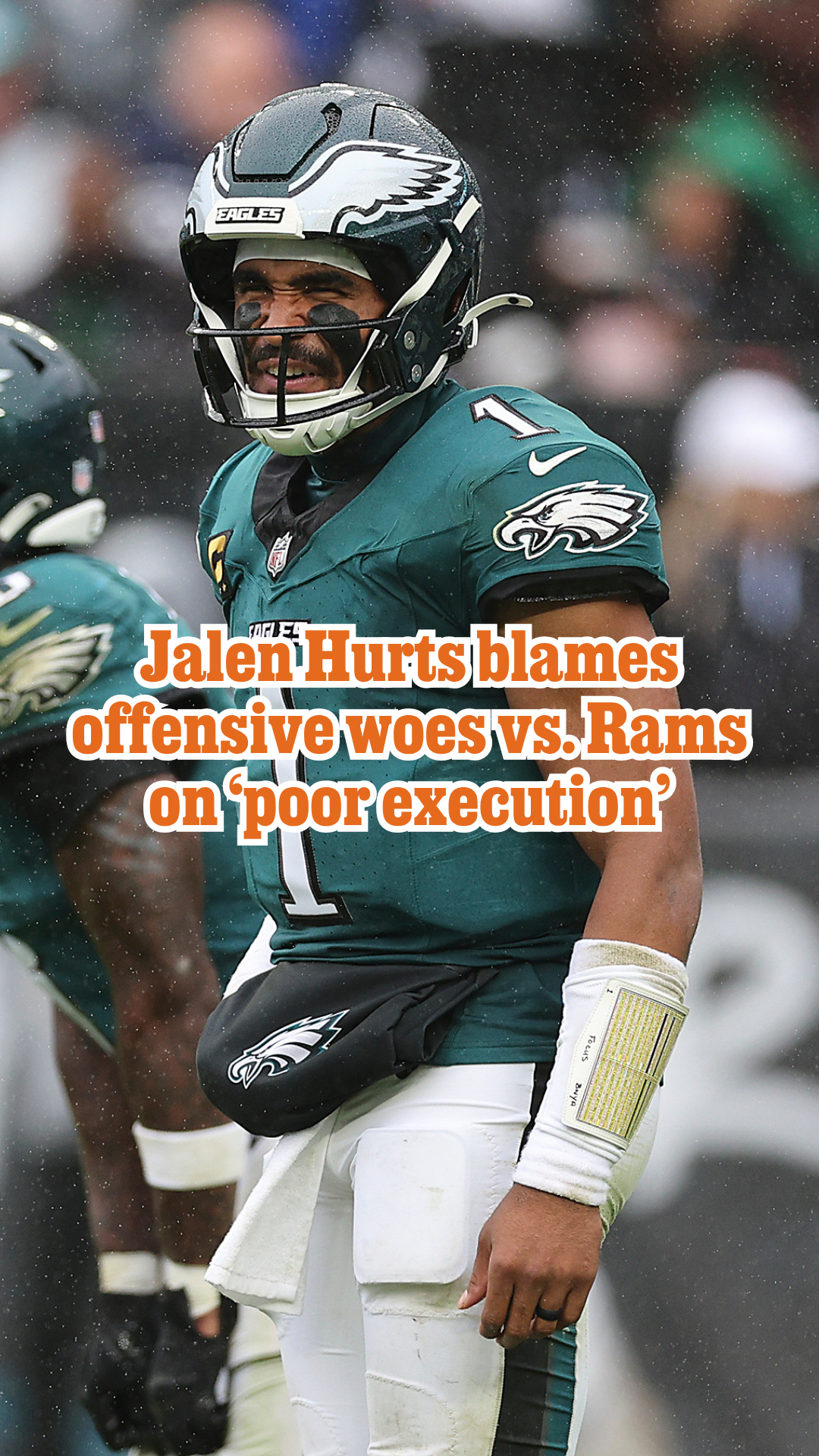
Hurts did not play well vs. the Rams. He fell short of standards last week in Chicago. But he carried the Eagles to victories in the first two weeks, and did so by executing some of the new intricacies that Mannion brought to Philly.
The Eagles can win with Hurts. It’s been shown over and over. But he can’t be at the center of it all, even if he plays the most important position. Two years ago after a 2-2 start, Sirianni pivoted to a run-based offense after it was clear that the quarterback couldn’t thrive in Kellen Moore’s scheme.
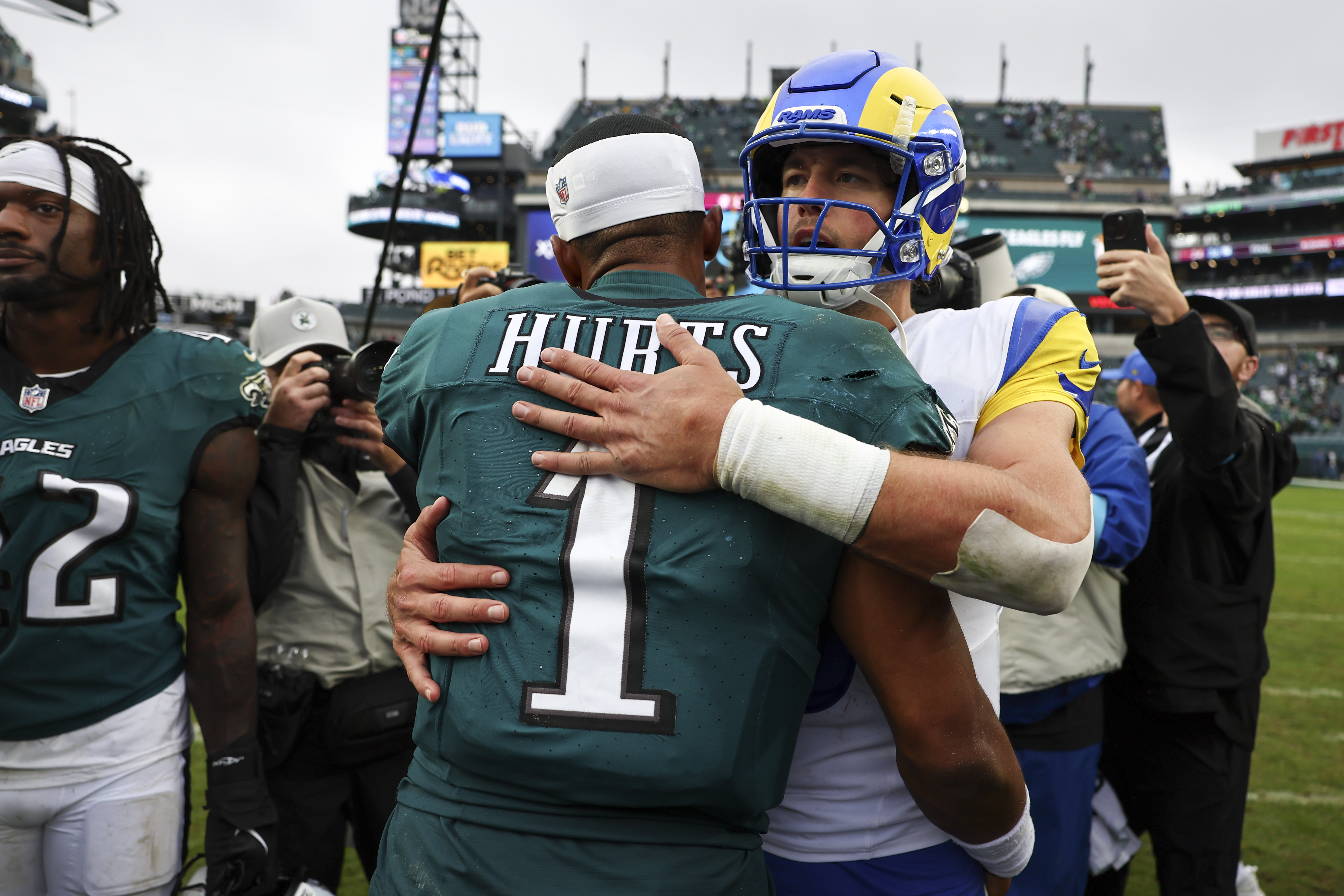
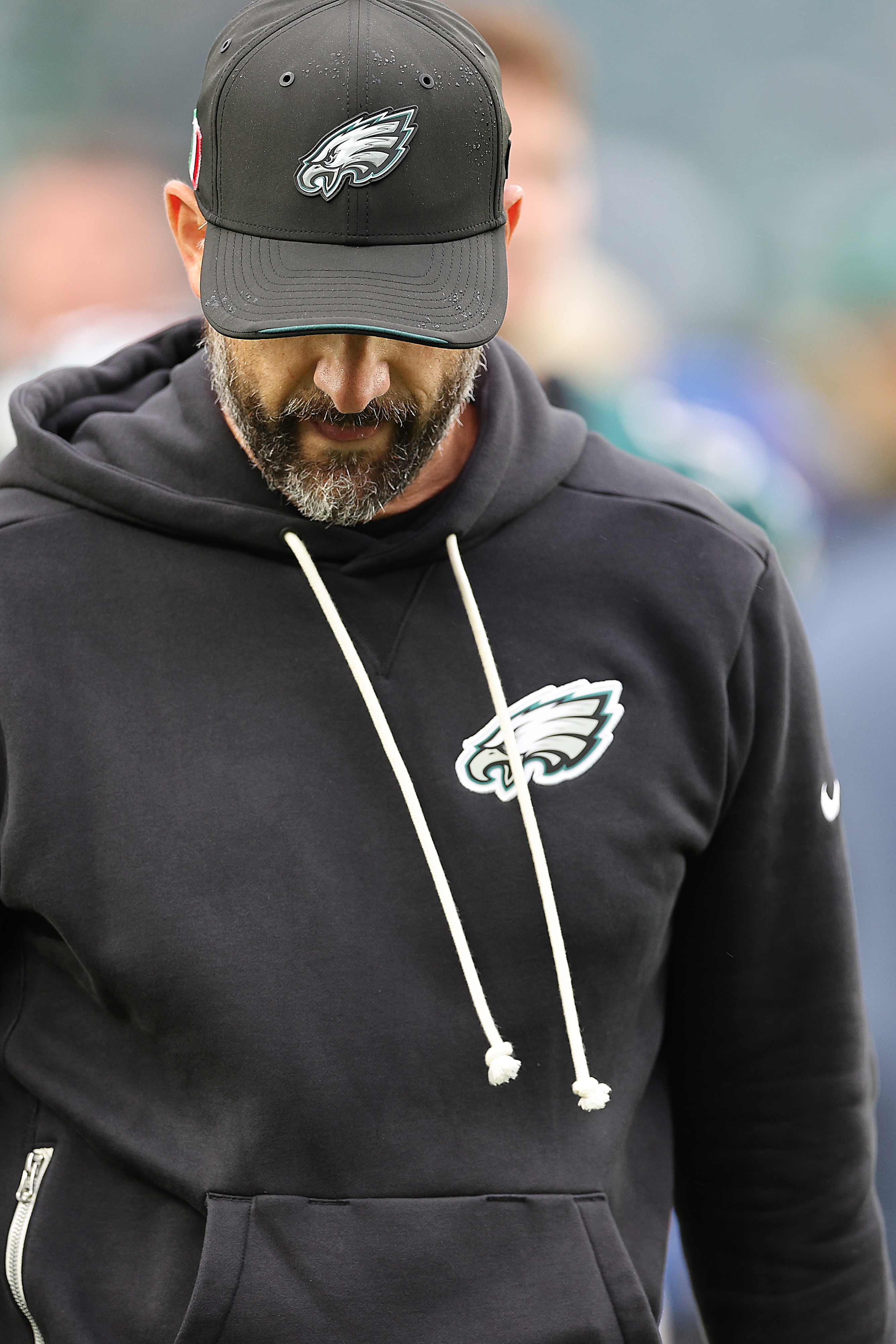
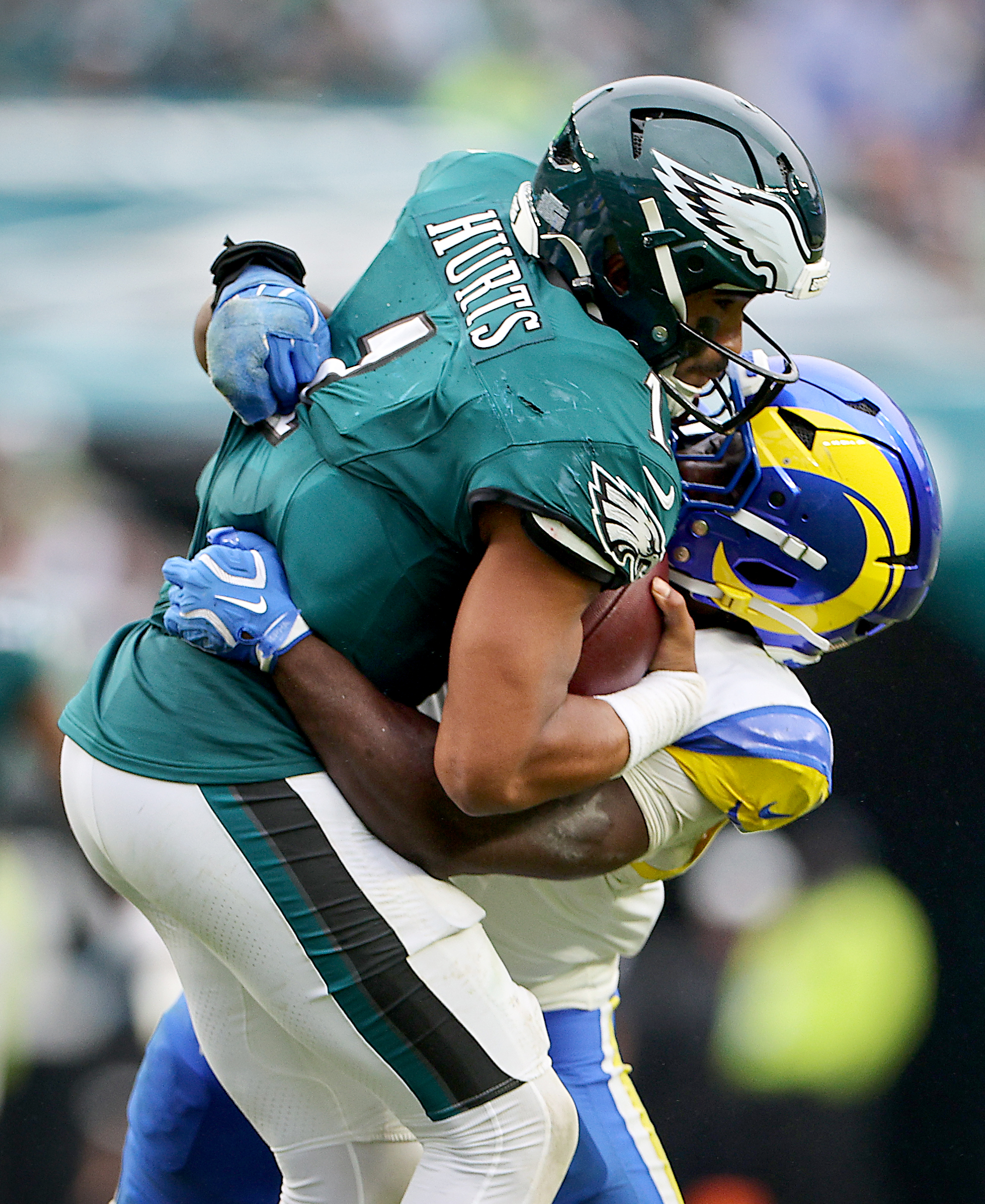
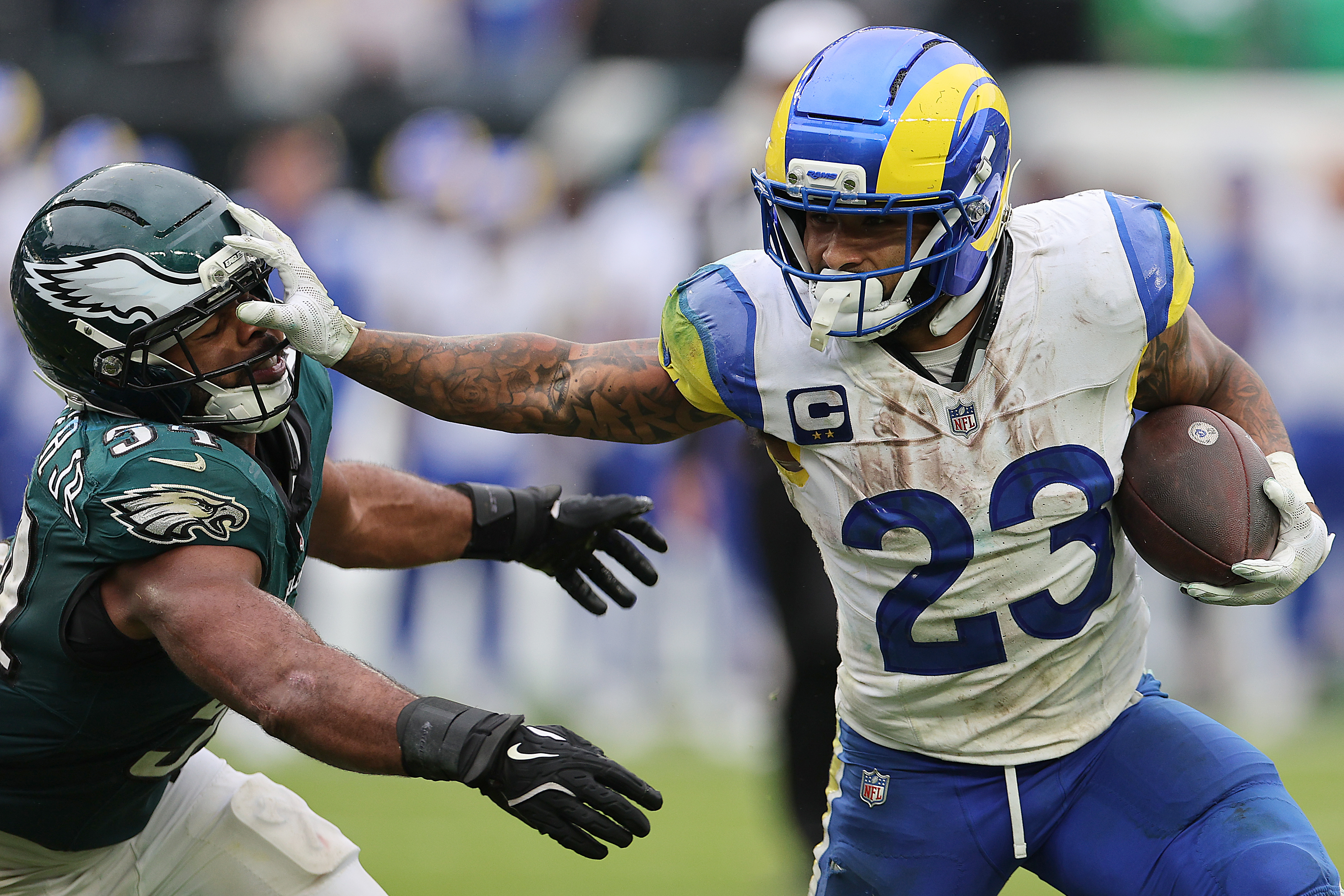
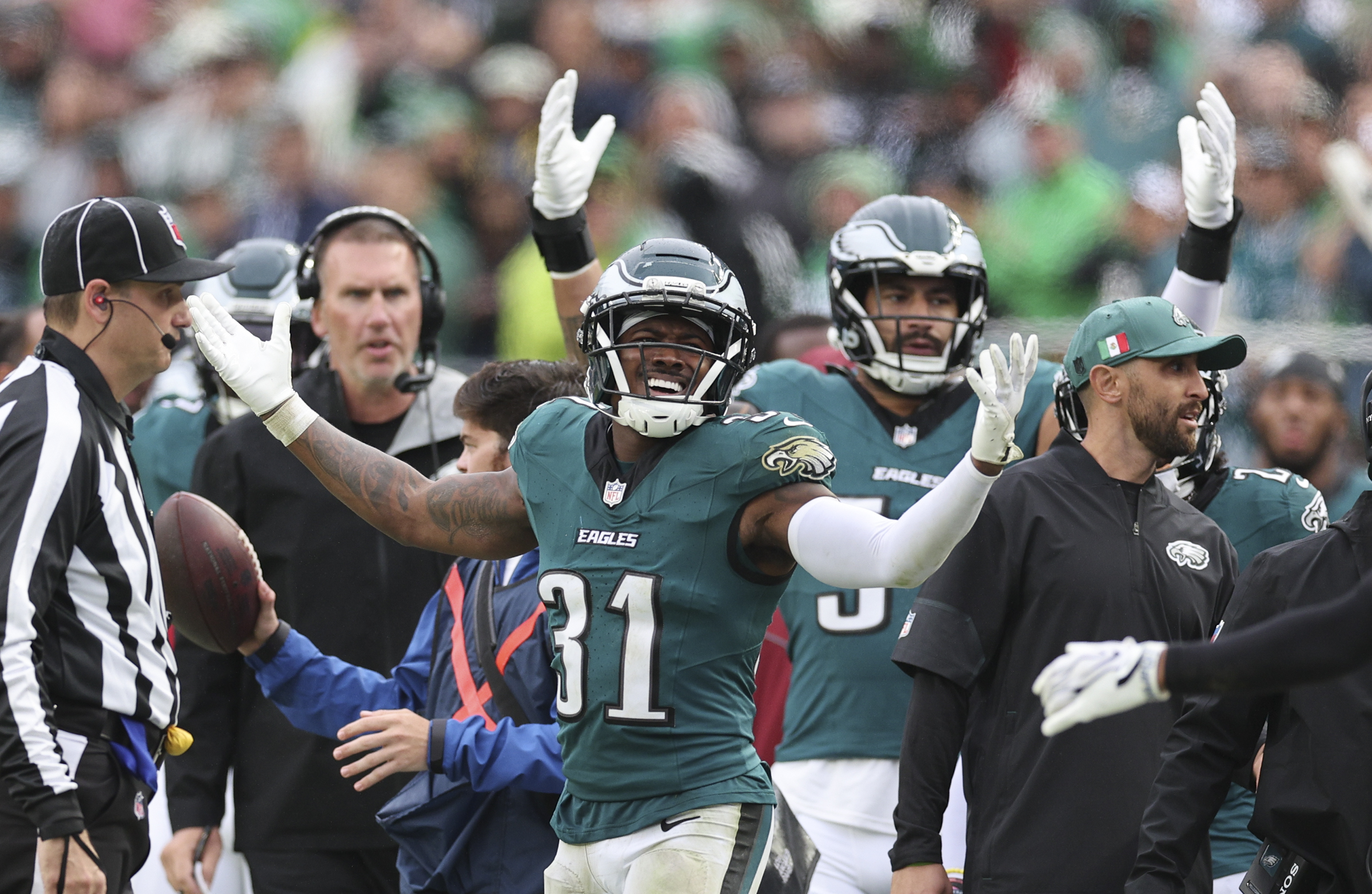
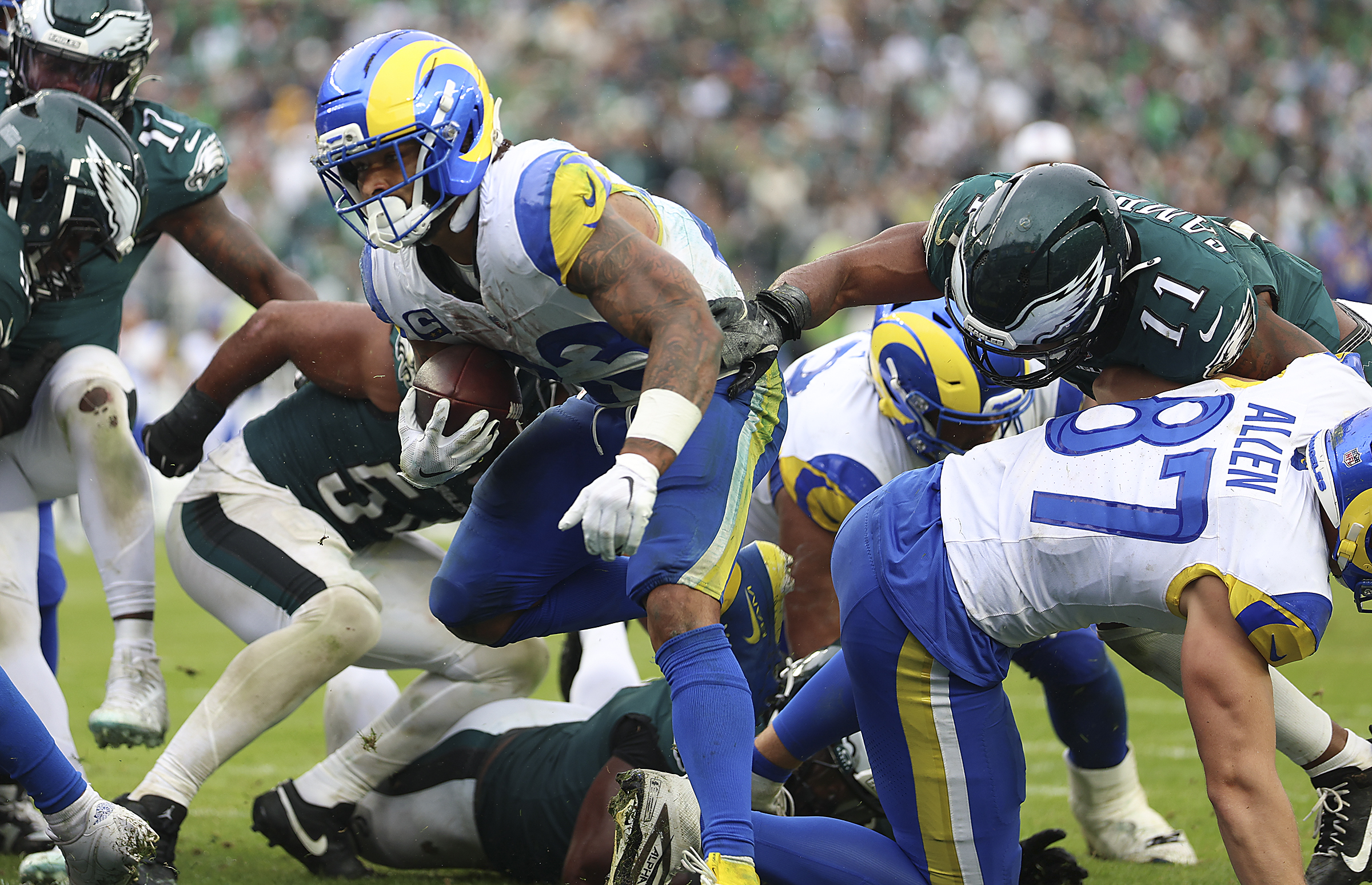
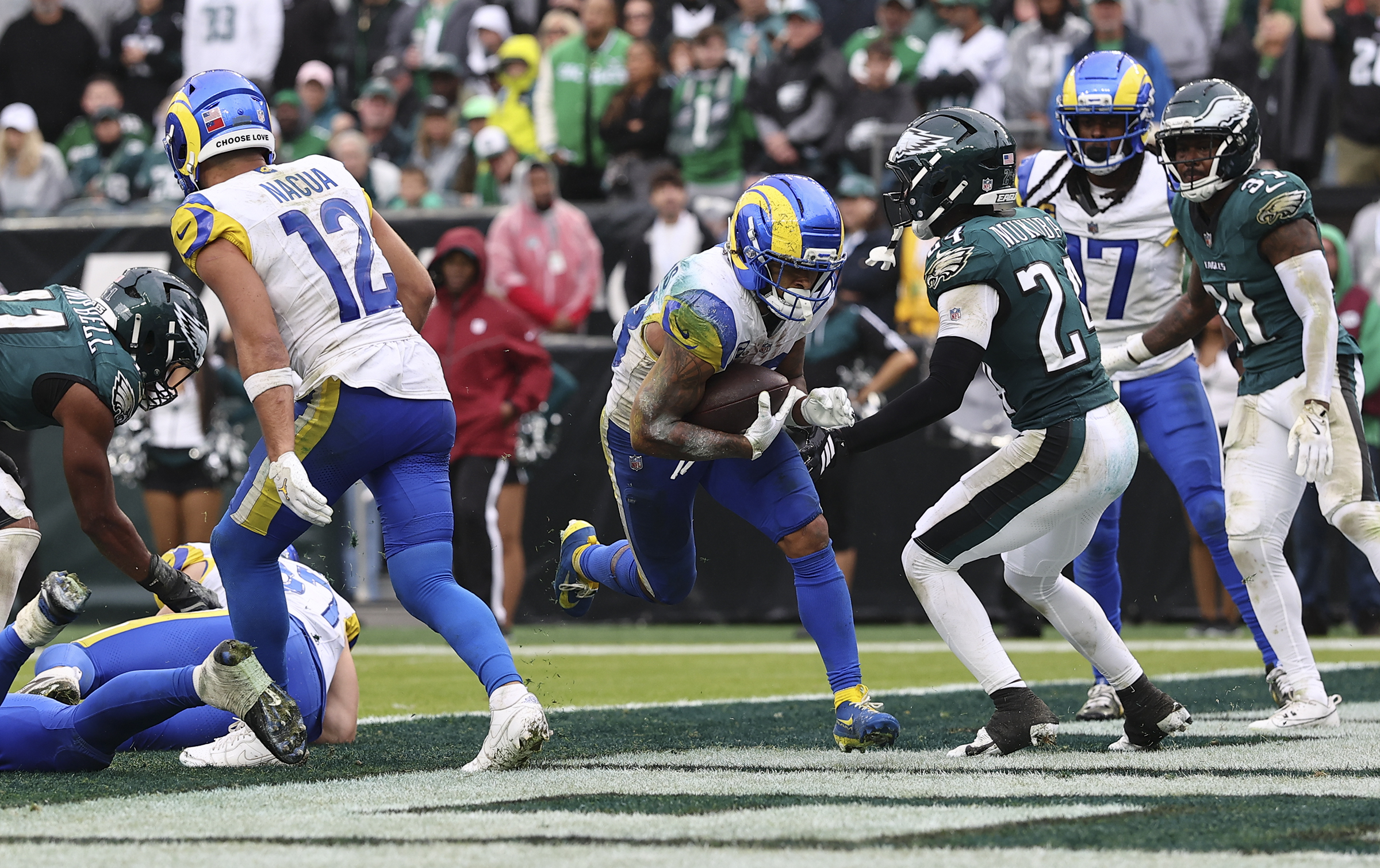
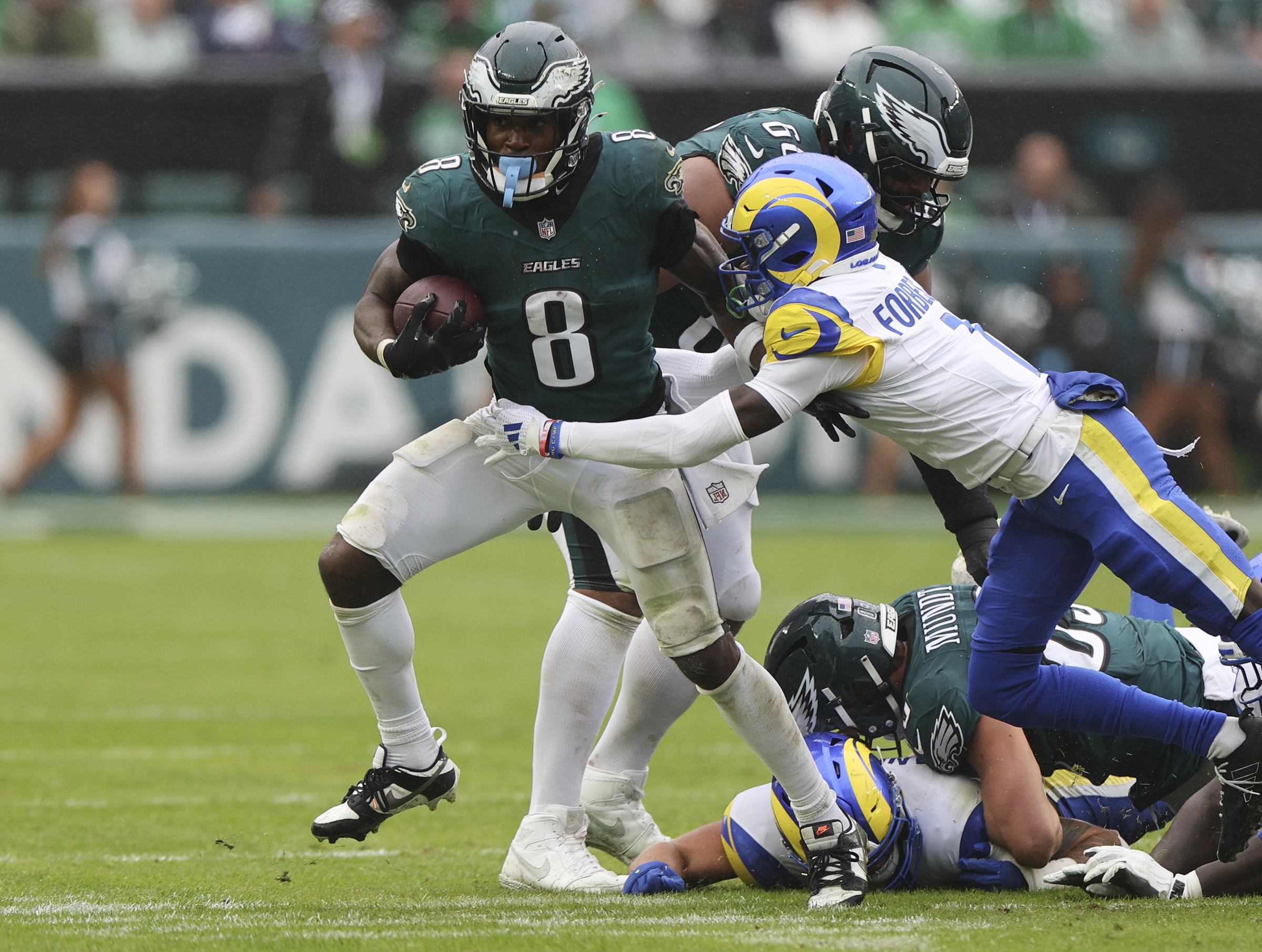
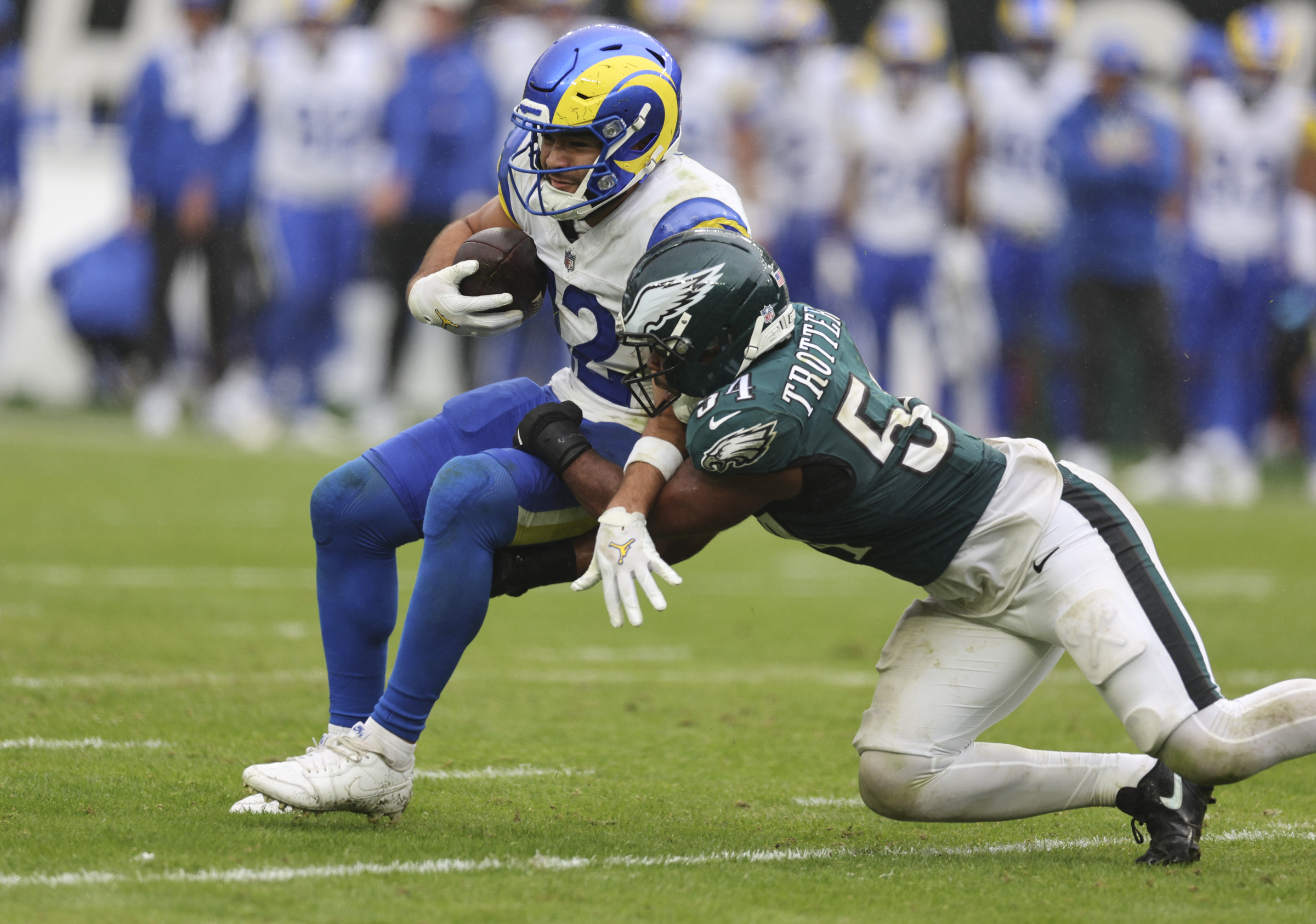
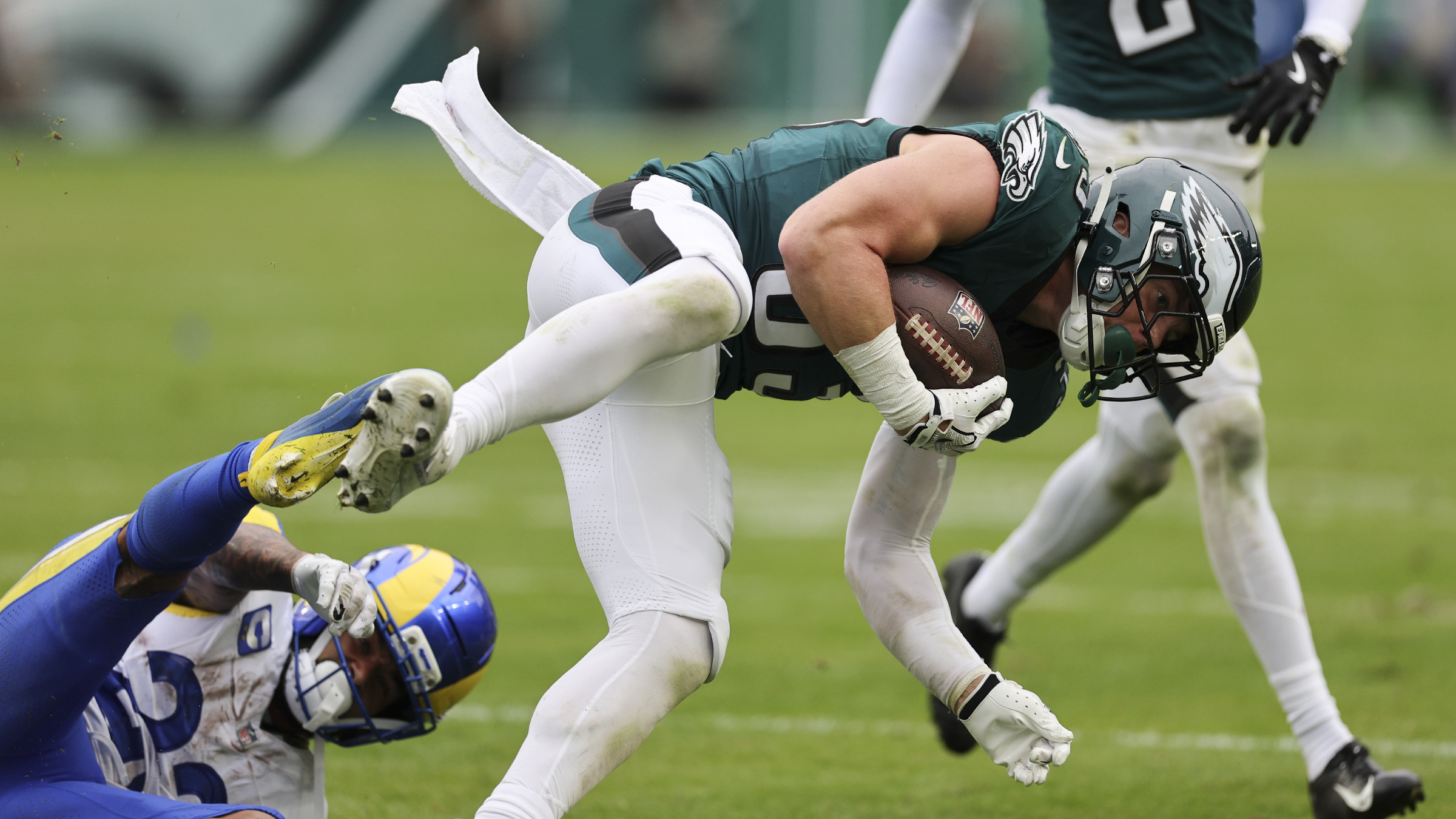
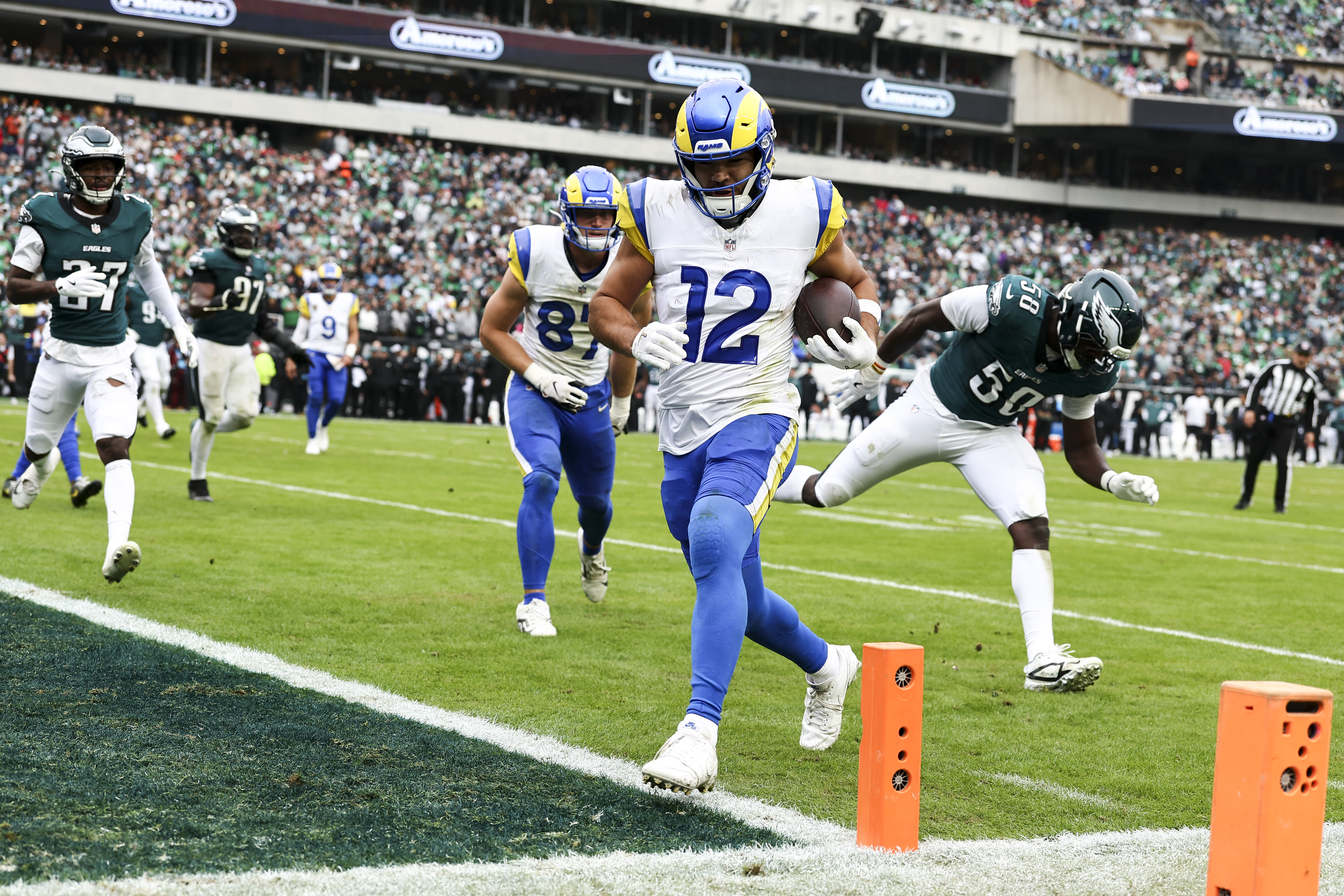
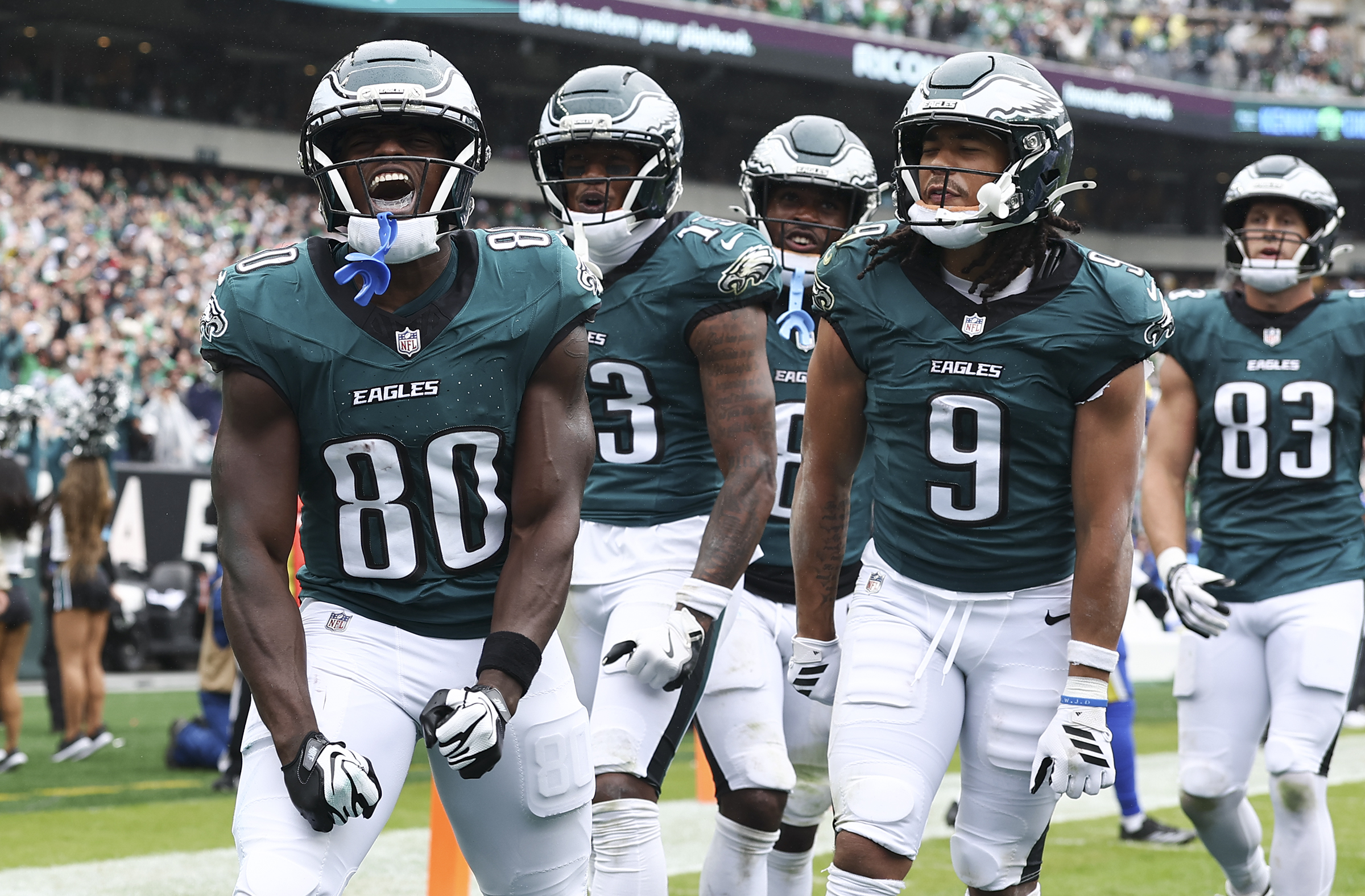
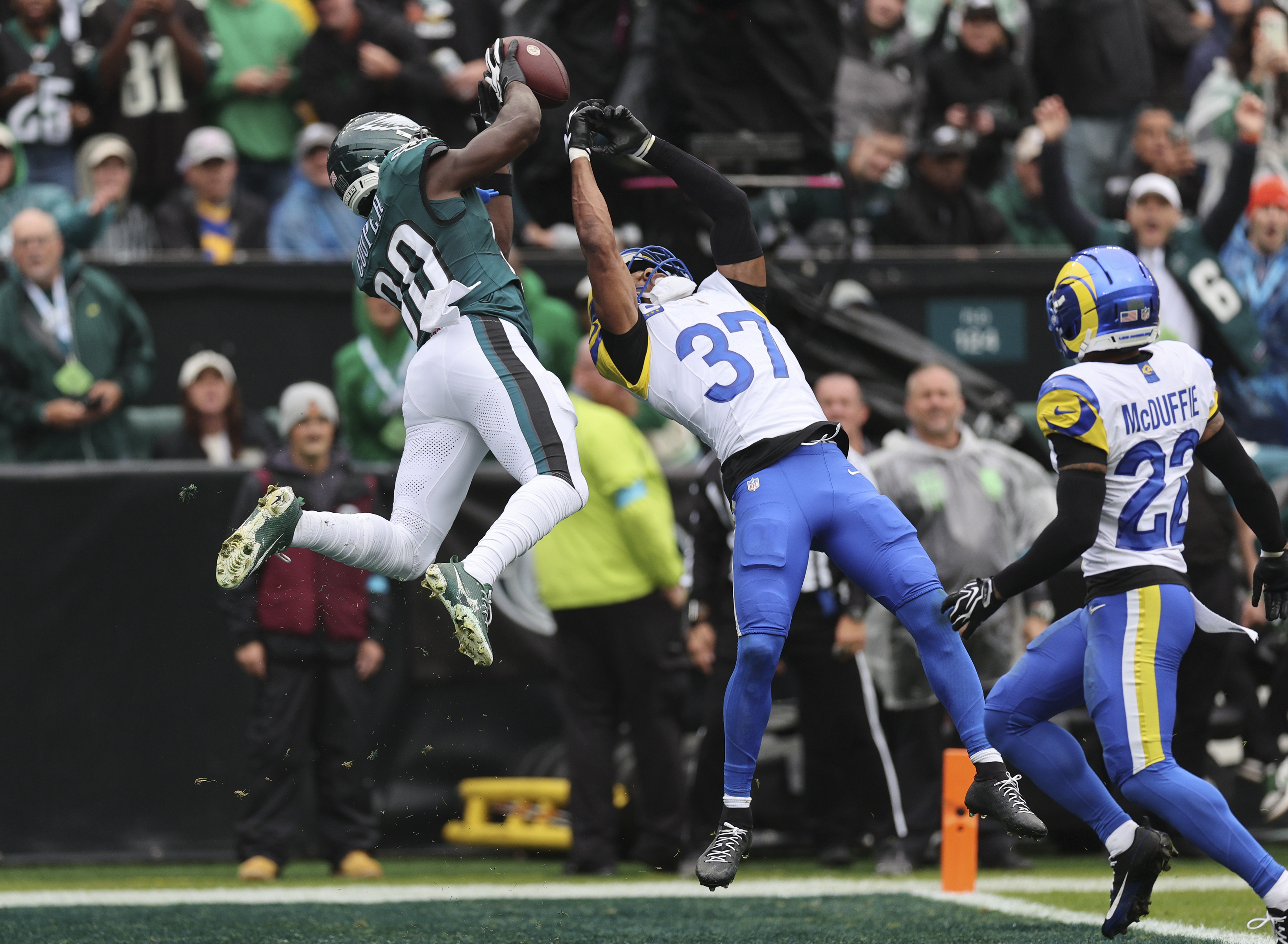
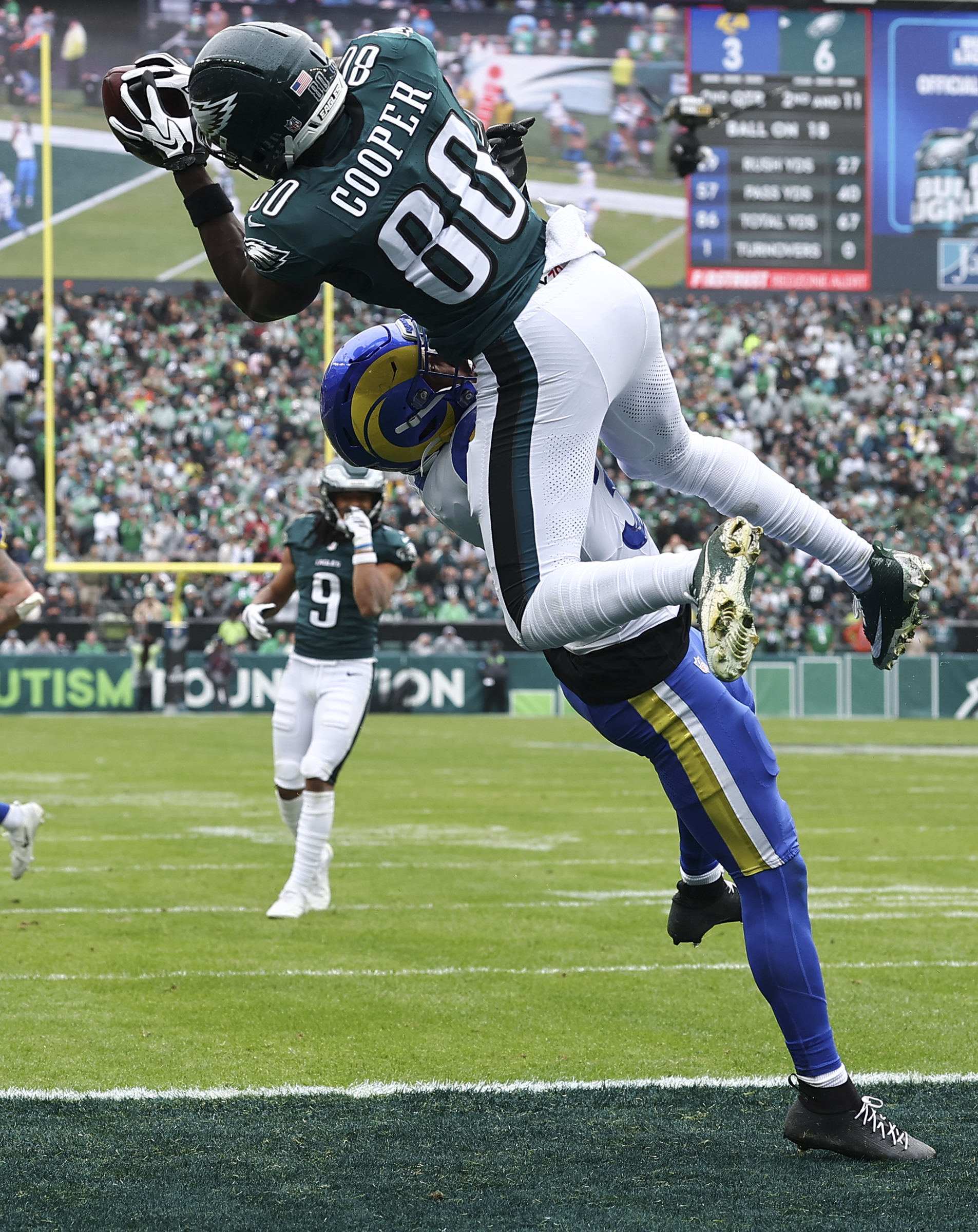
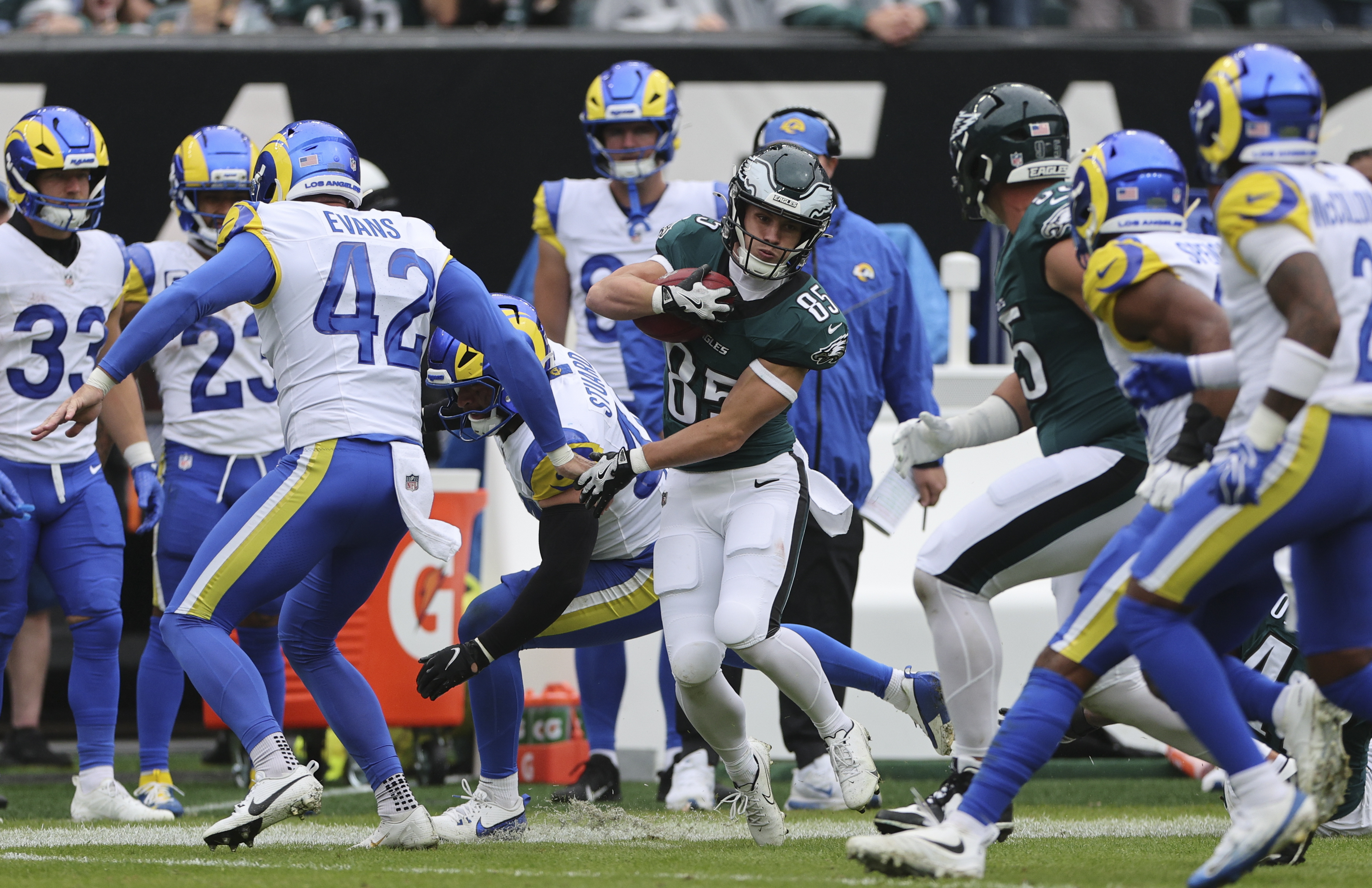
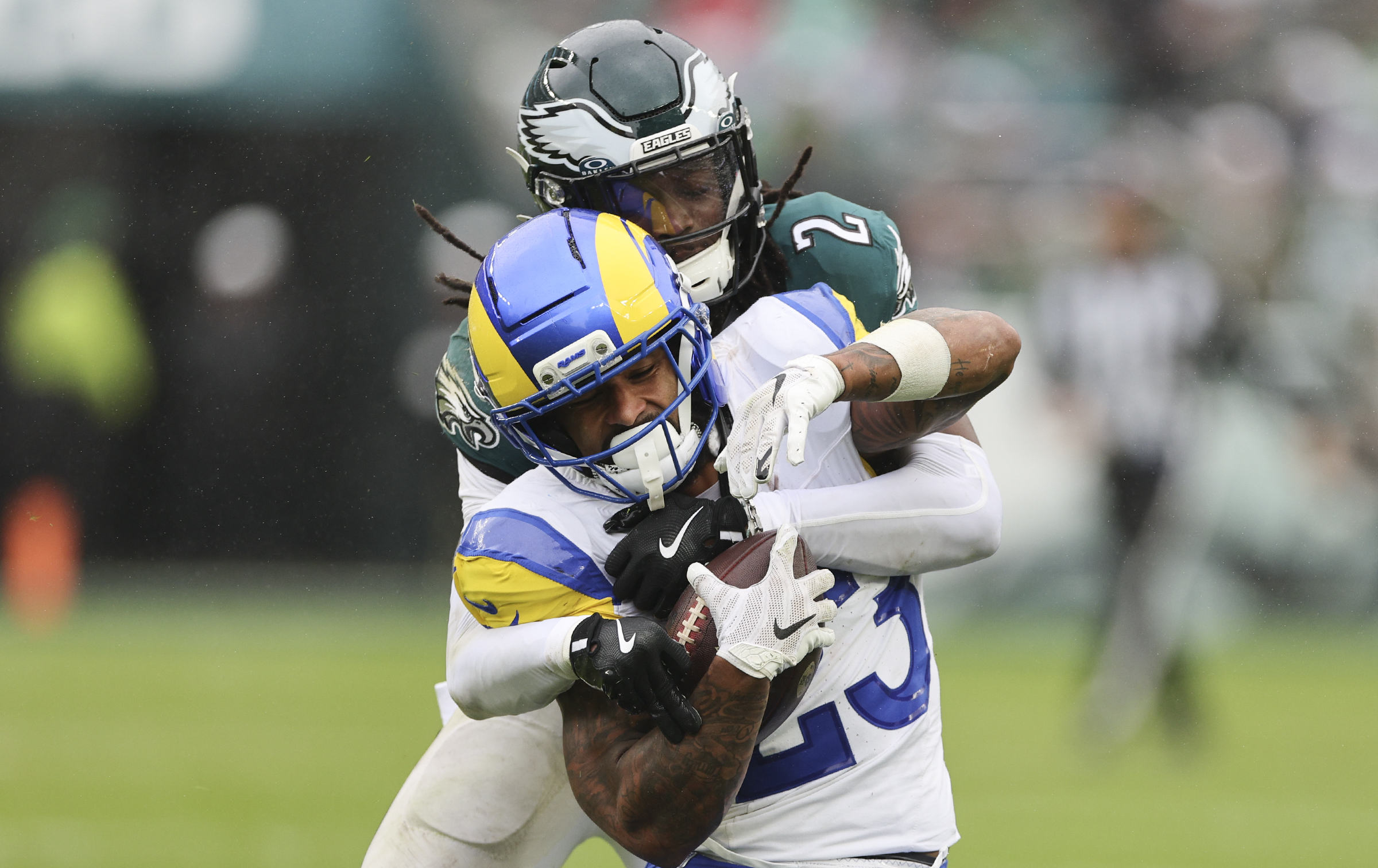
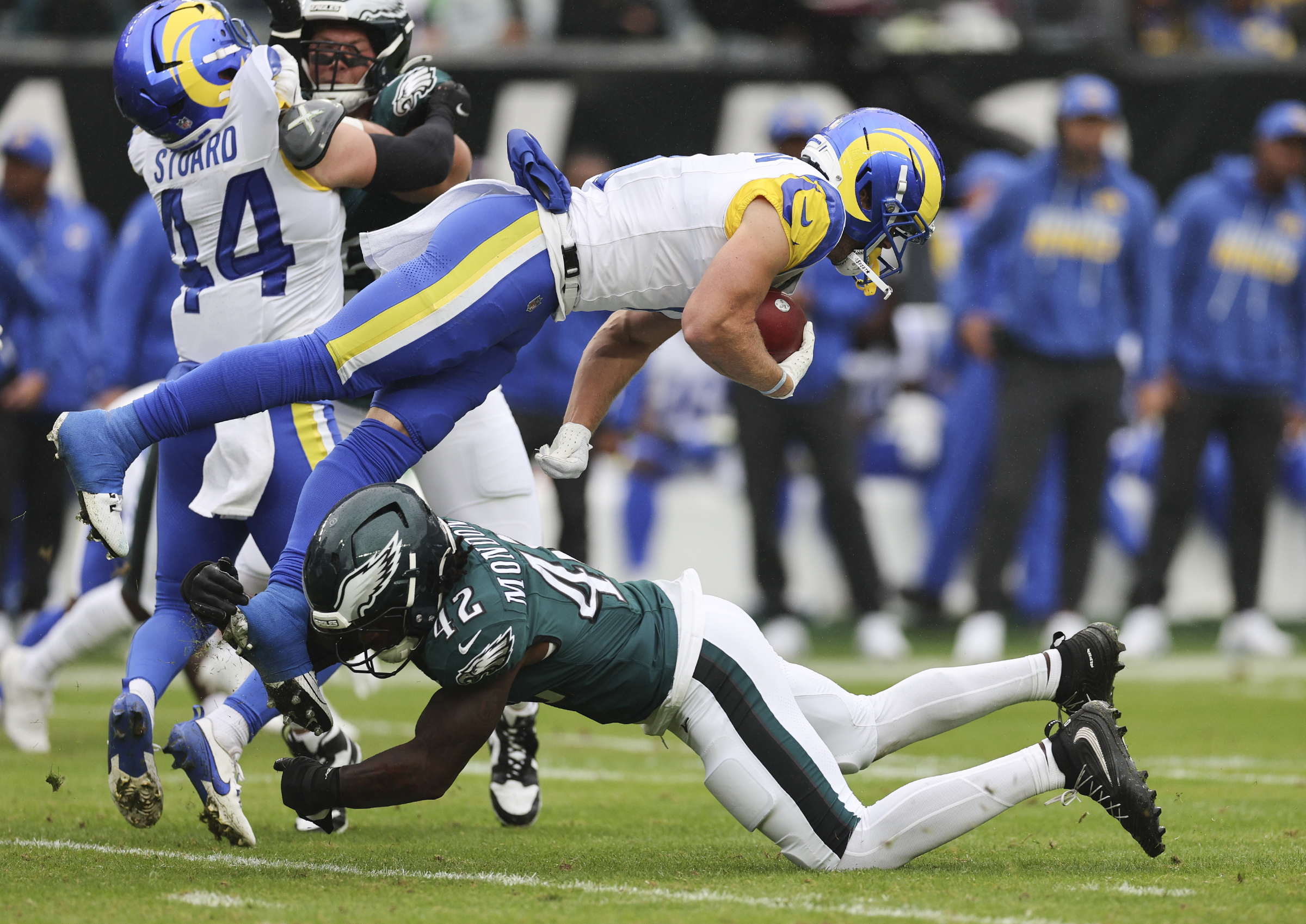
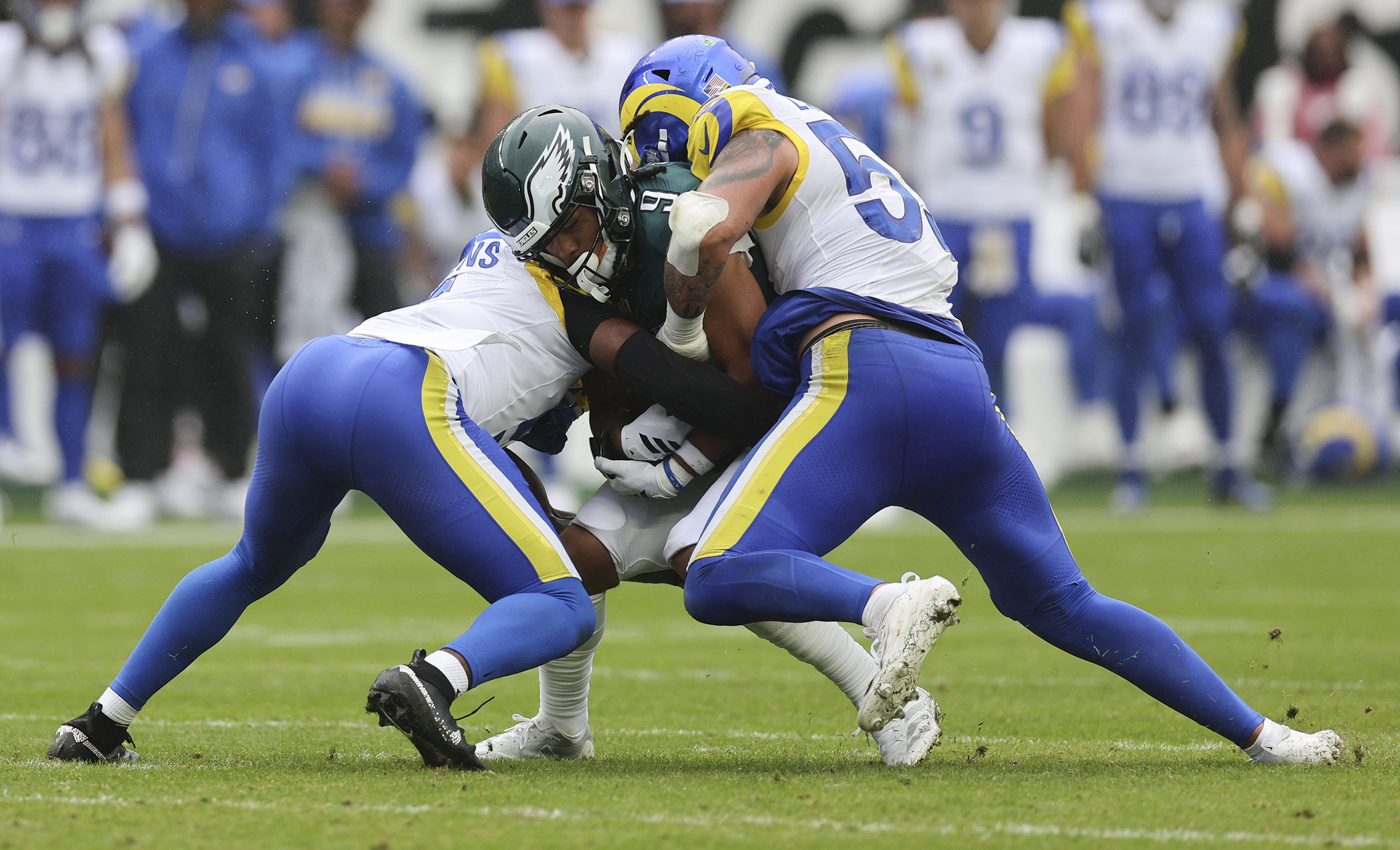
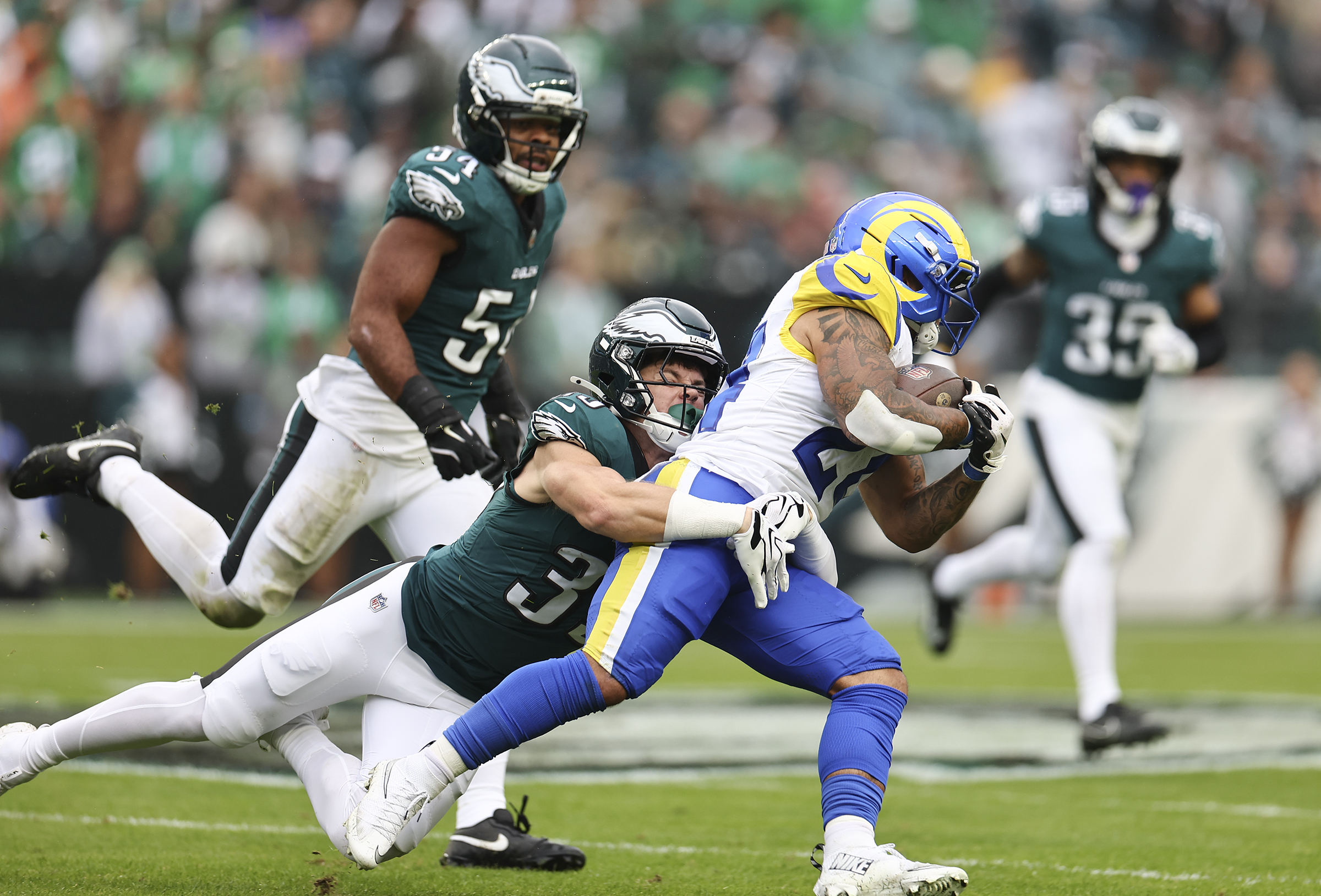
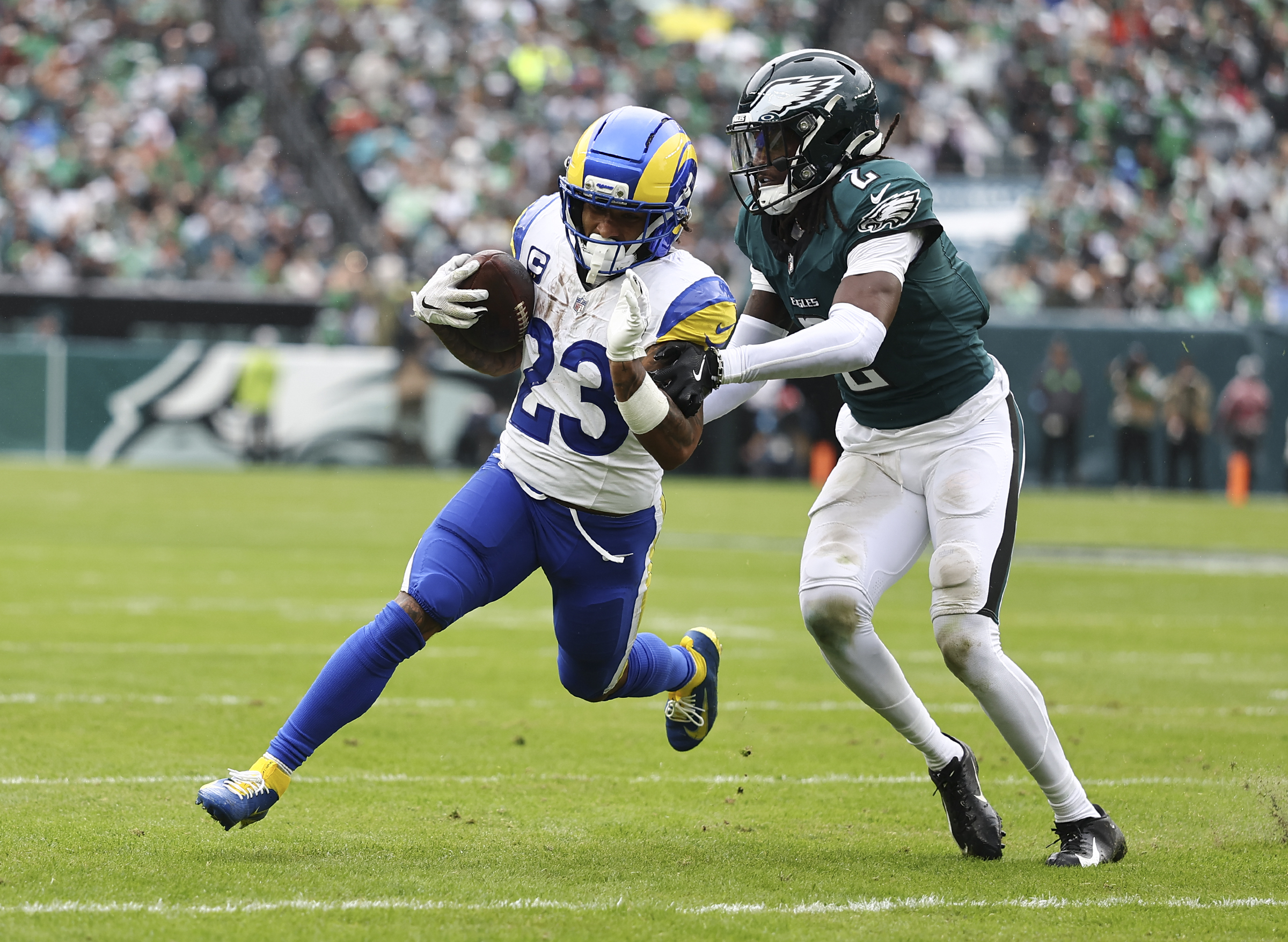
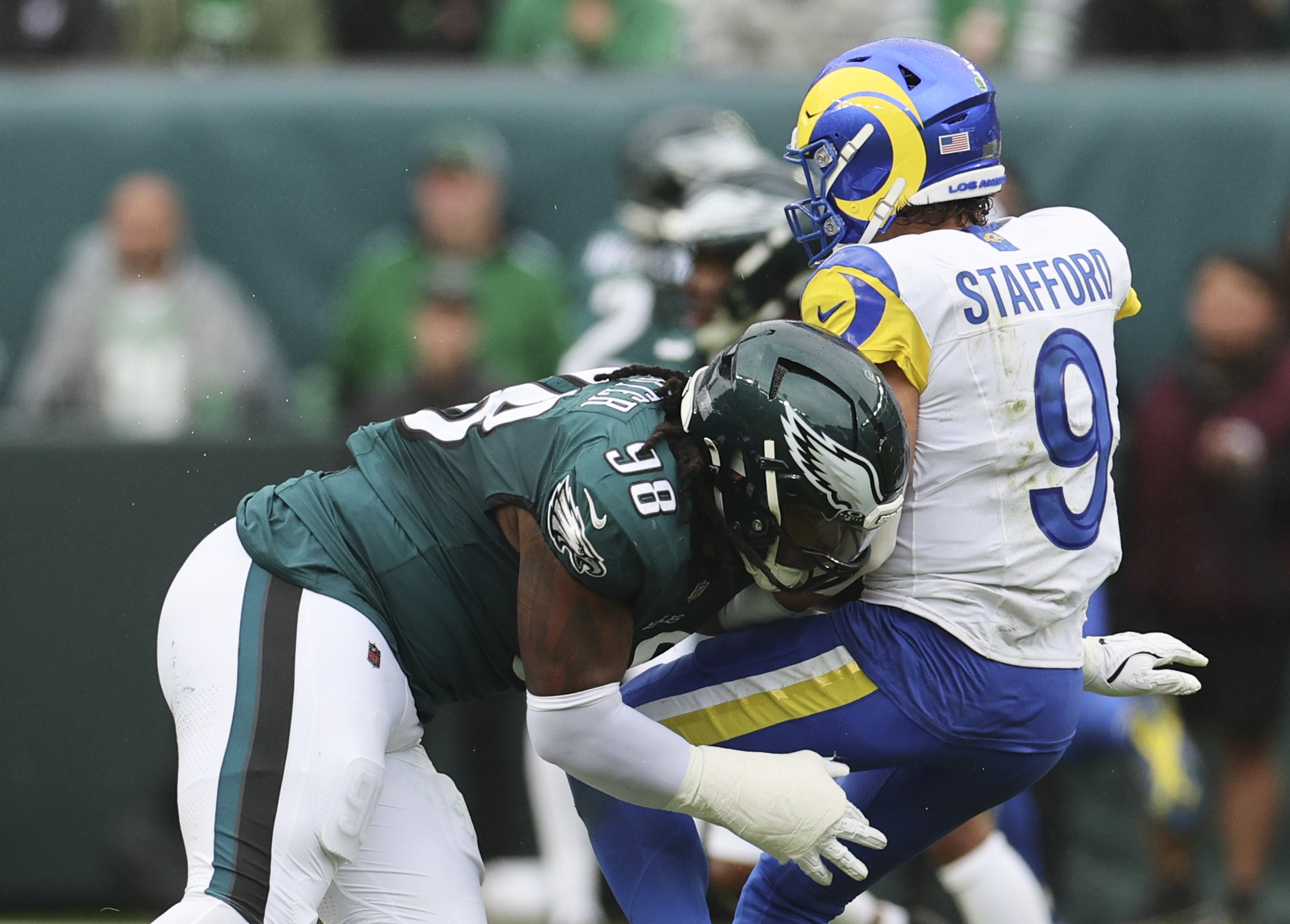
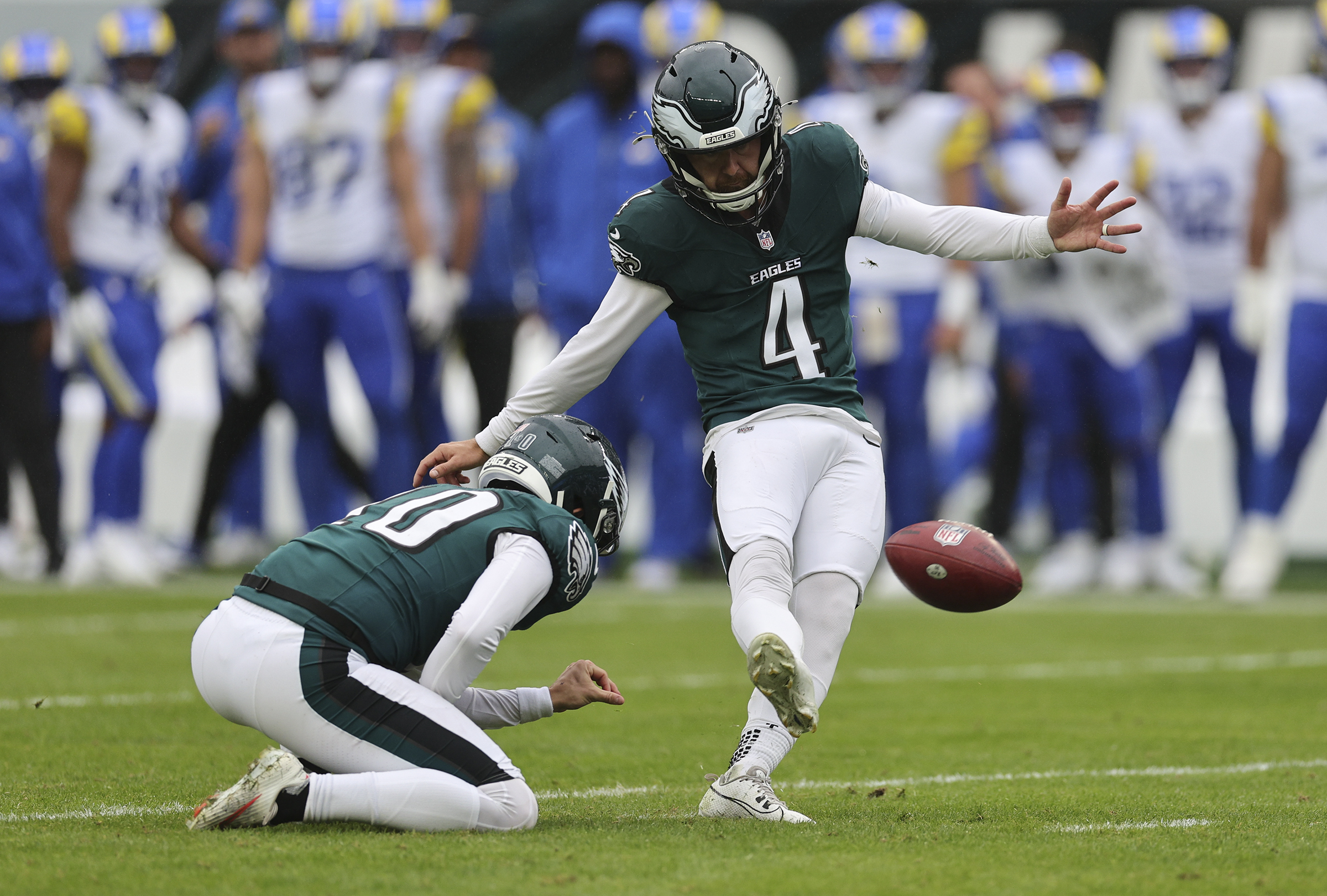
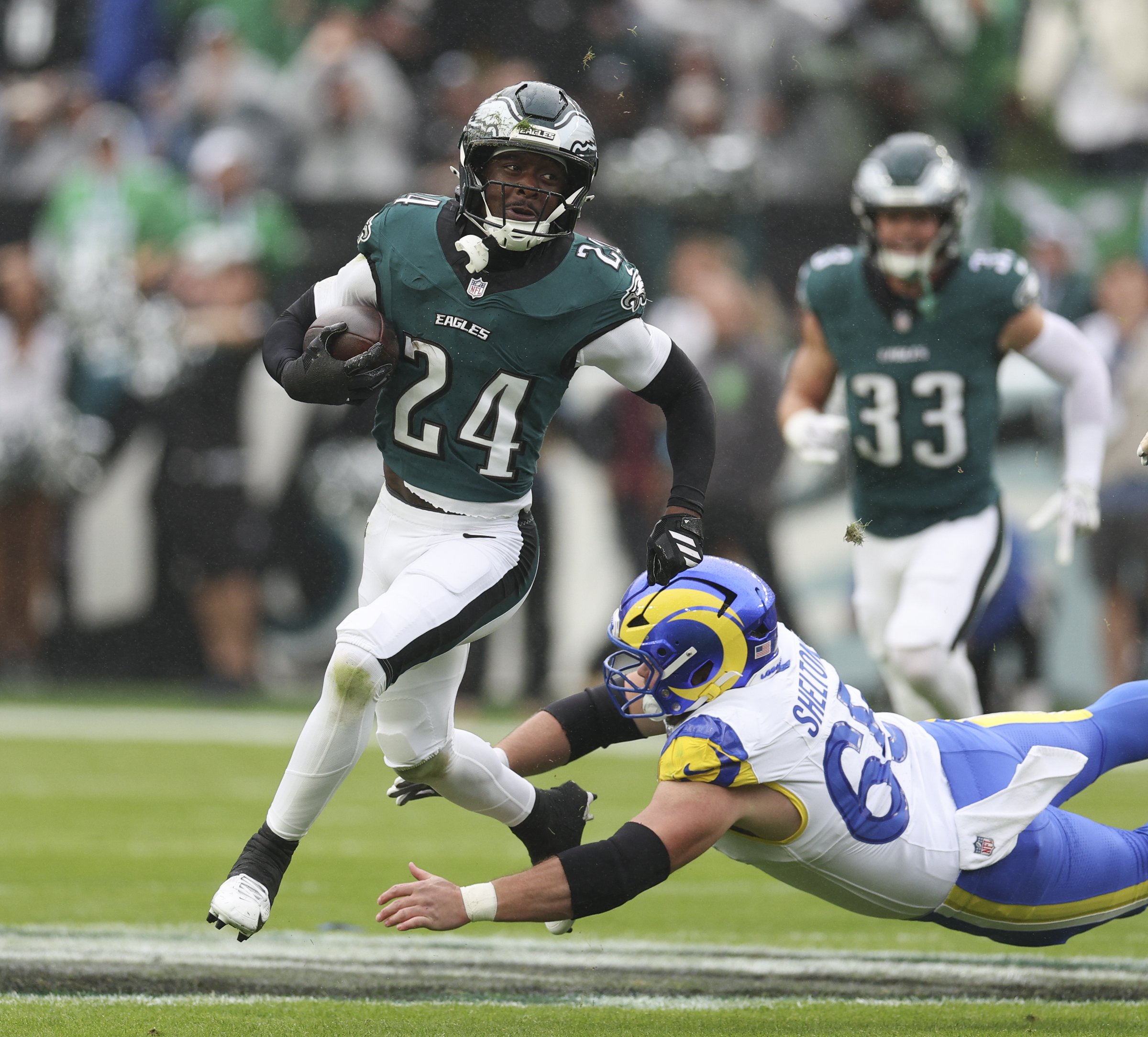
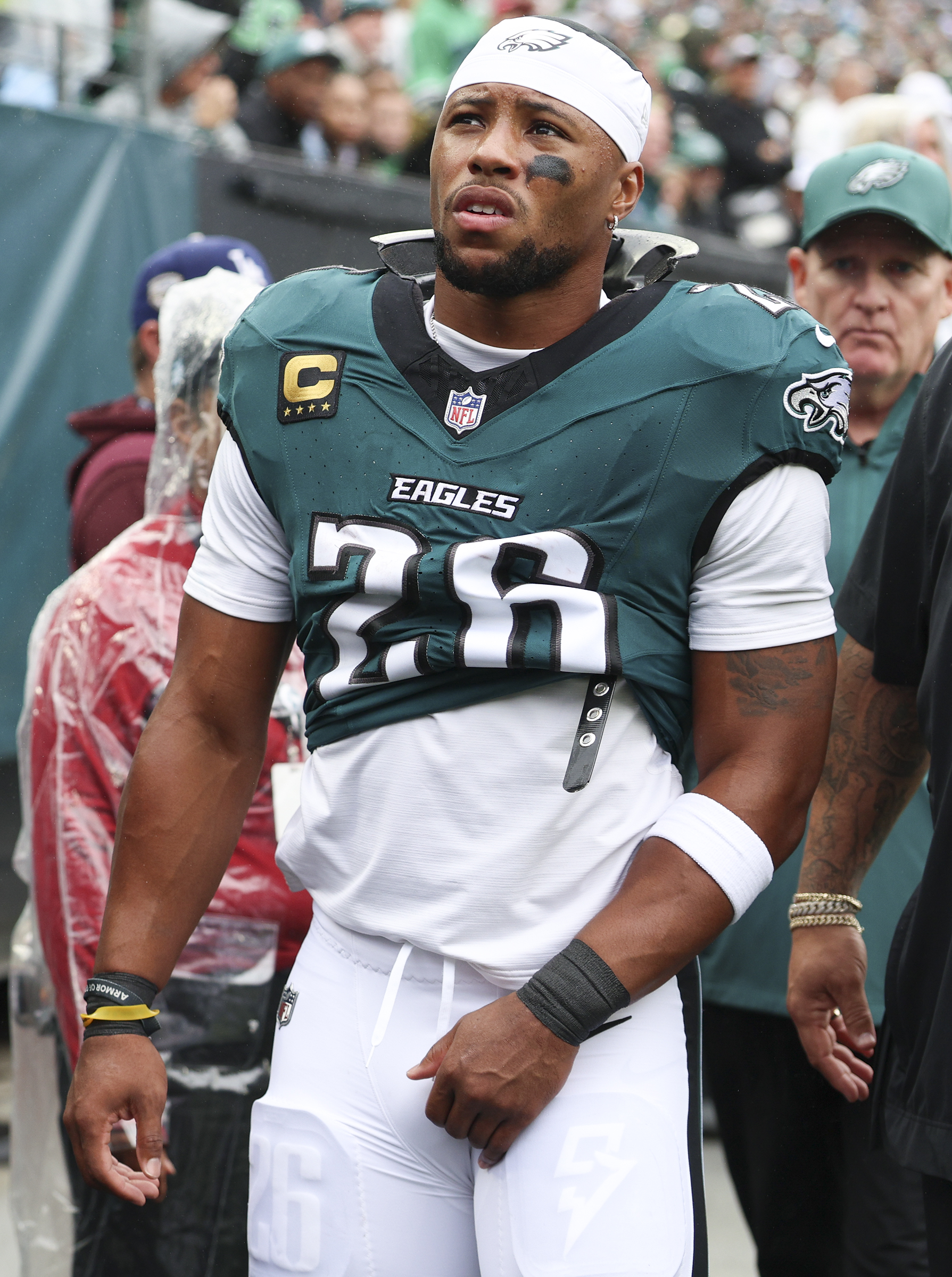
Eagles quarterback Jalen Hurts greets Rams quarterback Matthew Stafford after the Eagles lost to the Rams, 24-20.Monica Herndon / Staff PhotographerEagles head coach Nick Sirianni walks off the field after their loss to the Rams.David Maialetti / Staff PhotographerRams linebacker Byron Young (right) sacks Philadelphia Eagles quarterback Jalen Hurts on their final drive of the game.David Maialetti / Staff PhotographerRams running back Kyren Williams stiff-arms Eagles linebacker Jeremiah Trotter Jr. on his touchdown run late in the fourth quarter.David Maialetti / Staff PhotographerEagles defensive back Jonathan Jones reacts after getting called for personal foul penalty in the fourth quarter.David Maialetti / Staff PhotographerRams running back Kyren Williams scores a fourth quarter touchdown past Eagles linebacker Jihaad Campbell.David Maialetti / Staff Photographerrunning back Kyren Williams scores a fourth quarter touchdown against Eagles safety Andrew Mukuba.Monica Herndon / Staff PhotographerEagles running back Tank Bigsby runs with the football against Rams cornerback Emmanuel Forbes in the fourth quarter.David Maialetti / Staff PhotographerEagles quarterback Jalen Hurts runs with football past Rams linebacker Josaiah Stewart in the fourth quarter.Monica Herndon / Staff PhotographerEagles head coach Nick Sirianni looks down at the turf with his team on the goal line during the fourth quarter. The Eagles gave-up the football on downs.David Maialetti / Staff PhotographerEagles linebacker Jeremiah Trotter Jr., stops Rams wide receiver Puka Nacua in the third quarter.David Maialetti / Staff PhotographerEagles cornerback Cooper DeJean intercepts the football past Rams running back Kyren Williams during the second quarter.David Maialetti / Staff PhotographerEagles wide receiver Darius Cooper catches a second quarter touchdown against the Rams. The touchdown was Cooper’s second during the second quarter.David Maialetti / Staff PhotographerRams wide receiver Puka Nacua scores during the second quarter against the Eagles.Monica Herndon / Staff PhotographerEagles wide receiver Darius Cooper (left) celebrates his first, second quarter touchdown with his teammates.Monica Herndon / Staff PhotographerEagles wide receiver Darius Cooper catches his first second quarter touchdown against Rams safety Quentin Lake (center) and cornerback Trent McDuffie.David Maialetti / Staff PhotographerEagles wide receiver Darius Cooper catches his first second quarter touchdown against Rams safety Quentin Lake.Monica Herndon / Staff PhotographerEagles kick returner Britain Covey runs with he football in the second quarter.David Maialetti / Staff PhotographerEagles cornerback Riq Woolen stops Rams running back Kyren Williams in the second quarter.David Maialetti / Staff PhotographerRams Alex Bachman flies during a second quarter kick-off return against Eagles linebacker Smael Mondon Jr..David Maialetti / Staff PhotographerEagles wide receiver Makai Lemon catches the football against Rams safety Kam Curl (left) and linebacker Nate Landman in the second quarter.David Maialetti / Staff PhotographerEagles cornerback Cooper DeJean goes after Rams running back Blake Corum in the first quarter.Monica Herndon / Staff PhotographerRams running back Kyren Williams runs past Eagles cornerback Riq Woolen in the first quarter.Monica Herndon / Staff PhotographerEagles defensive tackle Jalen Carter goes after Rams quarterback Matthew Stafford in the first quarter.David Maialetti / Staff PhotographerEagles kicker Jake Elliott kicks a first quarter field goal with holder Braden Mann.David Maialetti / Staff PhotographerEagles safety Andrew Mukuba runs with the football during a first quarter interception against Rams center Coleman Shelton.David Maialetti / Staff PhotographerEagles running back Saquon Barkley walks off the field in the first quarter. Barkley got hurt against the Rams.David Maialetti / Staff PhotographerEagles running back Saquon Barkley leaves the field with members of the medical staff in the first quarter.David Maialetti / Staff PhotographerEagles running back Saquon Barkley kneels in pain during the first quarter.Monica Herndon / Staff PhotographerEagles running back Saquon Barkley runs with the football against the Rams during the first quarter.Monica Herndon / Staff PhotographerEagles quarterback Jalen Hurts throws the football during the first quarter.David Maialetti / Staff Photographer
The Eagles may need another shift, although it’s not like they haven’t tried to run the ball so far.
“We’re going to forge together,” Hurts said when reminded about the 2024 change that spearheaded a run to a championship. “We’re going to figure out a way.”
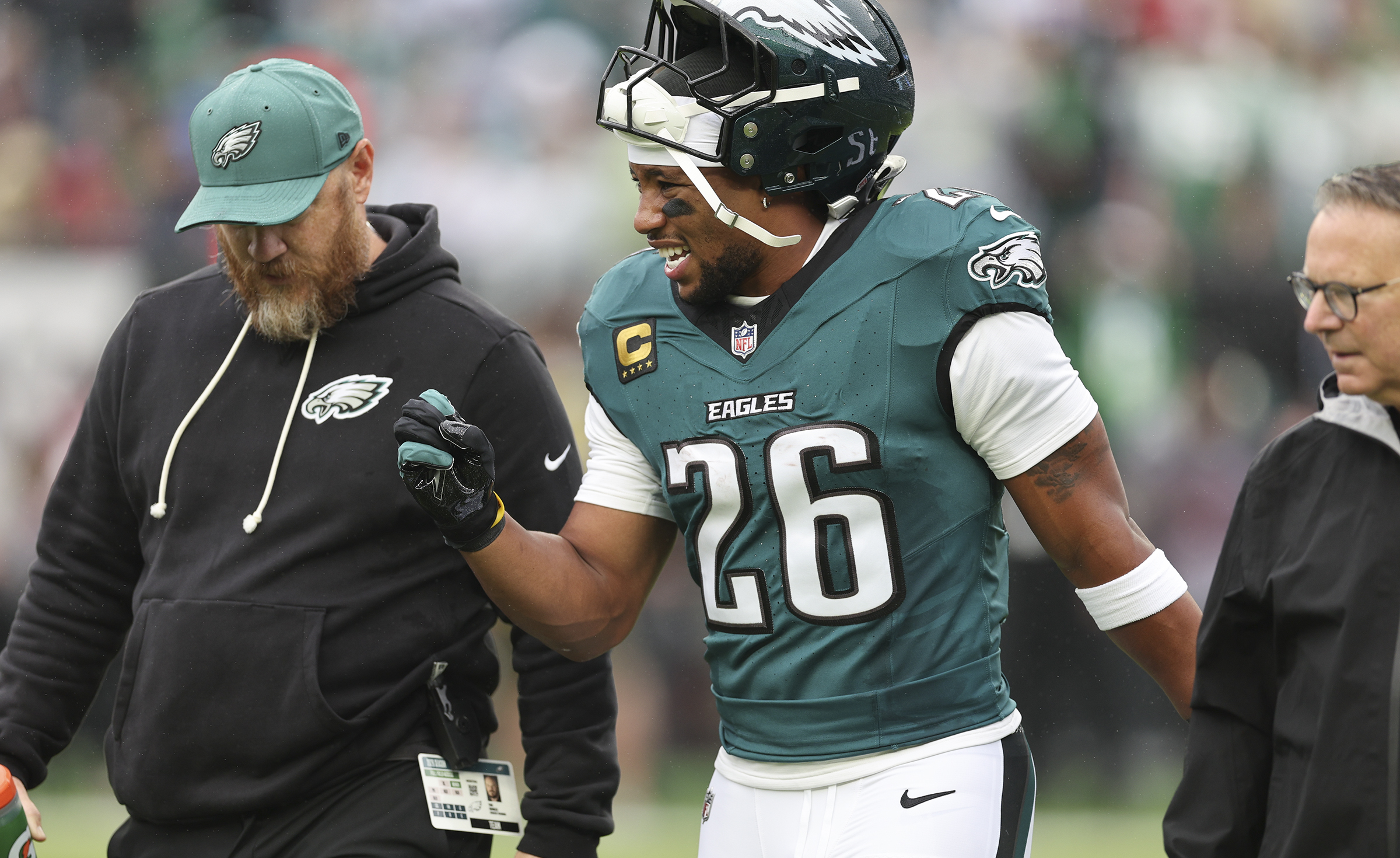
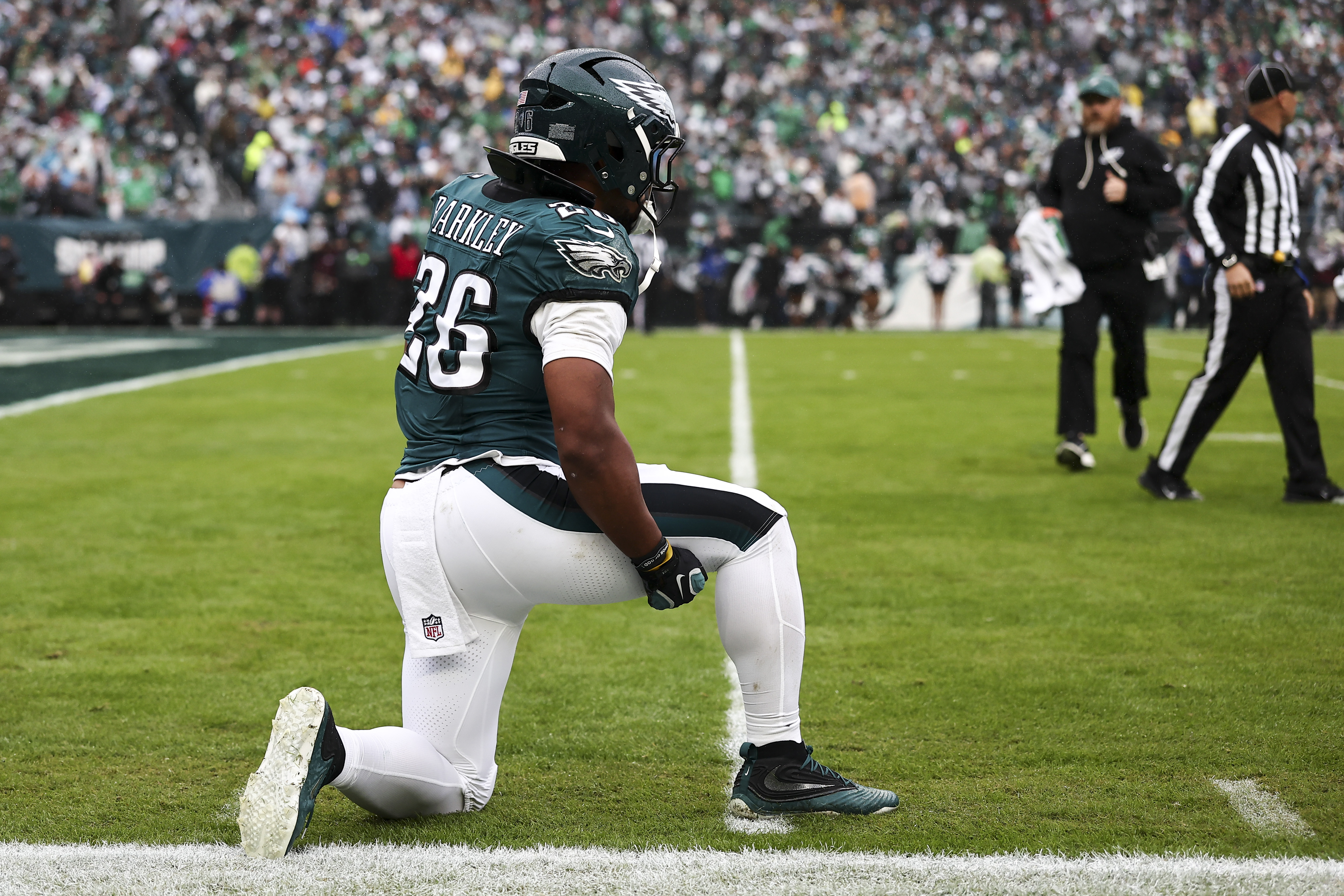
That team had Saquon Barkley and a dominant offensive line. But Barkley left in the first quarter after straining his hamstring Sunday, and the O-line was without right tackle Lane Johnson, who was a late scratch due to personal reasons.
Who knows how long either player will be out? The Eagles were also without receiver DeVonta Smith, tight end Dallas Goedert, and left guard Landon Dickerson. Backup tailback Tank Bigsby was knocked out late in the game.
The injuries and Johnson being out were unfortunate. The defense entered without linebacker Zack Baun and safety Marcus Epps (probably an upgrade), but it also lost cornerback Quinyon Mitchell (knee) and outside linebacker Jonathan Greenard (ankle).
After several seasons of being one of the healthiest teams in the NFL, the law of averages has seemingly caught up to the Eagles. The rest of the league isn’t crying for them. The Rams were down three starters on defense, including two future Hall of Famers in defensive linemen Myles Garrett and Aaron Donald.
The Eagles’ issues go deep, or they’ve been further exposed by the injuries, particularly on offense where they lack depth at receiver and tight end. The game got off to a fitting start when Hurts barked at reserve Elijah Moore — “Get off the [bleeping] ball! Come on!” — when the receiver didn’t start his pre-snap motion.
Video: Nick Sirianni explains his decision to go for 4th and 2 from the 2-yard line
It was one of many examples of the offense just not being in sync. Left guard Cam Jurgens had another rough outing. He’s playing a new position, but he caused a bungled exchange at the 2-yard line when he hit the ball as it was snapped to Hurts late in the game.
Tight end Johnny Mundt brought back a long Bigsby run with a holding penalty. Johnson’s replacement, Markel Bell, lined up in an illegal formation on third down. The Eagles were 0-for-12 on third down and have failed to convert their last 17 third downs stretching back to the first half of the Bears loss.
“I know when you’re 0-for-whatever we were today, everybody has a hand in that,” Sirianni said. “Our job is to figure out what happened and get better from it and not assign blame. That’s what we’ll be doing.”
The offense was able to turn two first-half interceptions of Matthew Stafford into 10 points. Receiver Darius Cooper had a couple of touchdown catches. And there was some ground success on a decent fourth-quarter drive. But the Eagles failed to punch it into the end zone and expand a 20-10 lead.
The Rams went 98 yards the other way and then scored again after yet another Eagles three-and-out. The second-half offense has been horrid. The Eagles have gone three-and-out on 12 of 15 possessions in the third quarter.
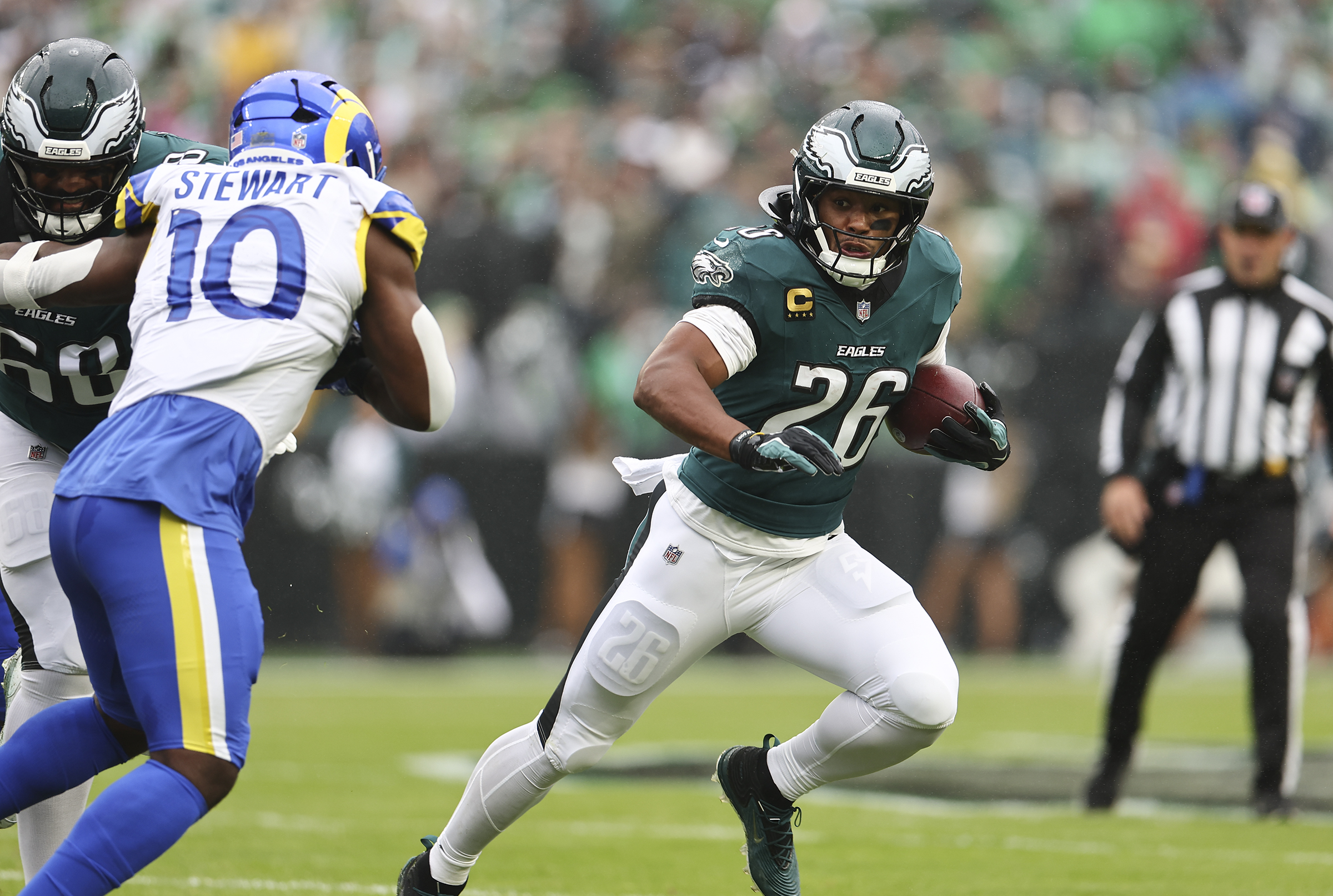
They’ve had some early success on outside zone runs the last two weeks — the play being the “DNA” of the Shanahan scheme, according to left tackle Jordan Mailata — but Mannion got away from the perimeter runs after Barkley left.
“I just know that this offense is built off outside zone,” Mailata said, “and in order to effectively execute this system and all these under-center play-actions, we got to get that run game going.”
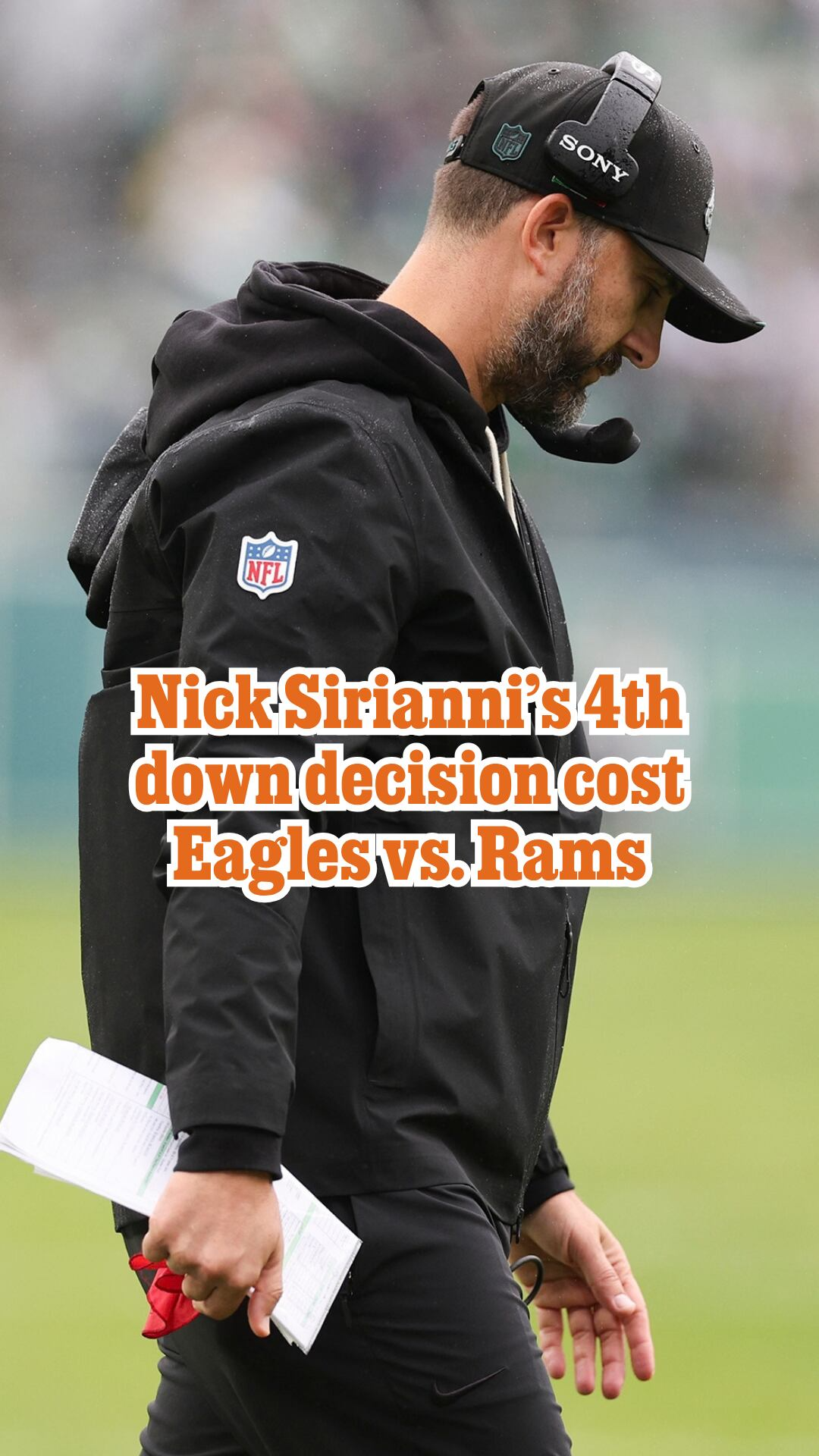
Video: Nick Sirianni’s 4th down decision cost Eagles vs. Rams
But a lot of the runs are still coming out of the shotgun and on inside-zone blocking. When there is a play-action dialed up, the results have often been disastrous. On one naked bootleg, receiver Makai Lemon ran into a defender and Hurts was forced to throw the ball into the dirt.
“I can’t say it’s our flow. We’re finding our flow,” Hurts said. “We’re finding our flow of things, and ultimately, it comes down to execution.”
The passing offense has been just as inadequate. When Hurts does connect with his receivers, there’s often little opportunity to pick up yards after the catch.
Handling the blitz has been the biggest problem. Defenses are often sending more than the Eagles can account for and the pre-snap calls aren’t helping to set protections. That’s on the scheme, but it’s also on the blockers and, ultimately, Hurts.
“I felt like we were five down almost every snap, run or pass,” Mailata said, “and so, we’re trying to pick up the five D-linemen and whatever extra is on whatever the protection call is.”
It’s been an issue that predates Mannion’s arrival. The Eagles previously found ways to offset some of Hurts’ deficiencies pre-snap. They took portions off his plate during the 2024 turnaround.
Jalen Hurts can’t be expected to put the offense on his back every week. David Maialetti / Staff Photographer
But they had a bye week to tinker with the offense two years ago. They had a veteran offensive coordinator in Moore and O-line coach in Jeff Stoutland to assist Sirianni in the alterations. They had a better, healthier roster.
“It’s a team game, and it takes all of us to go out there and do what we do and grow from it,” Hurts said. “I’ve said it all year to this point. It’s not about making any promises or anything.
“It’s just looking at this thing practically and saying, ‘Who are we?’”
The Eagles are a team in search of an offensive identity.
“We’ve still got a ways to go there,” Sirianni said, “and it’s obvious that we’re still trying to figure that out.”
For a moment, it felt like the tide was changing. That the Eagles were going to come away with a win on a rainy Sunday at Lincoln Financial Field — and break the week-long curse of Philly sports teams losing.
But then the Los Angeles Rams mustered 14 unanswered points in just over two minutes late in the fourth quarter to seal the Birds’ 24-20 loss.
Jalen Hurts and the offense were held scoreless in the second half. The defense was sound until the Rams marched 79 yards down the field and scored the go-ahead touchdown on a 7-yard Kyren Williams run.
Hurts threw for less than 100 yards and the defense faltered late under the weight of the team’s offensive struggles. Jeff McLane hands out his grades on the Eagles and their issues on both sides of the ball.
The Eagles were also plagued by injuries.
Entering Sunday’s game, Lane Johnson was a late scratch due to what the team called a personal issue. To make matters worse, they also lost Saquon Barkley, Quinyon Mitchell, Jonathan Greenard, and Tank Bigsby during the game. But Johnson’s late-breaking absence forced the Eagles to scramble. It’s unclear if he’ll be back for Week 5.
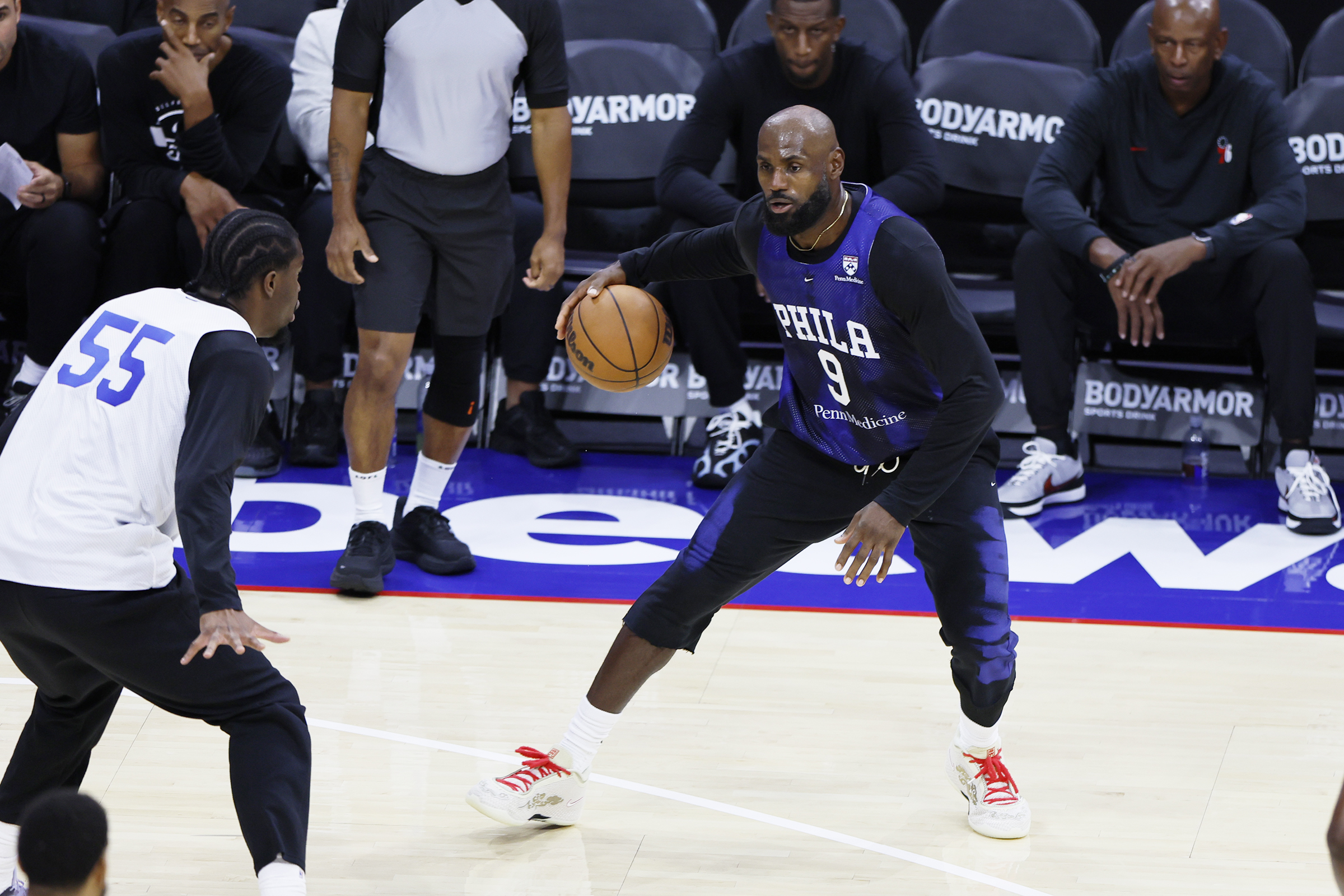
LeBron James during the Sixers’ Blue x White scrimmage on Saturday at Xfinity Mobile Arena.Elizabeth Robertson / Staff Photographer
The crowd inside Xfinity Mobile Arena erupted right before LeBron Jameswas introduced during the Blue x White scrimmage on Saturday, and the all-time great put on a show for his new city. As for James, he said, “I’m still getting more and more comfortable off the floor. … It’s been a great first week.”
However, even with a new star-studded team, Mike Gansey, the new president of basketball operations, said they will still be relying on Tyrese Maxey and Joel Embiid.
And Embiid seems to be in good health and spirits through the first week of camp. He also played a good portion of the Sixers scrimmage on Saturday.
The Sixers will begin preseason play tonight against the New York Knicks.
What we’re…
👀 Hearing: What Tom Brady said about the Eagles during Sunday’s Fox broadcast as he called the offense “really ugly.”
🙌 Praising: The Waterdogs won the 2026 Premier Lacrosse League championship. The team believes it will help in terms of developing fan engagement in Philly.
📖 Reading: Wet conditions didn’t stop spectators at the Jefferson Lehigh Valley Classic. For golfers, it was a different test.
Trea Turner (left) had a down season, Alex Cora could be the next Phillies manager, and Adrian Morejon could be a pricey option for a bullpen upgrade.Yong Kim and Associated Press
The Phillies have made the playoffs five years straight for only the second time in their 144-season history, but haven’t won a series since 2023. They’ve actually backslid one round every year since their unexpected run to the 2022 World Series.
Fixing the roster is up to Dave Dombrowski, who has one year left on his contract and is expected to get an extension. But the Phillies’ core of Bryce Harper, Kyle Schwarber, Trea Turner, Aaron Nola, J.T. Realmuto, and Zack Wheeler isn’t getting any younger.
There’s a lot of work to be done on a $322 million roster that only narrowly avoided a historic collapse, writes Scott Lauber.
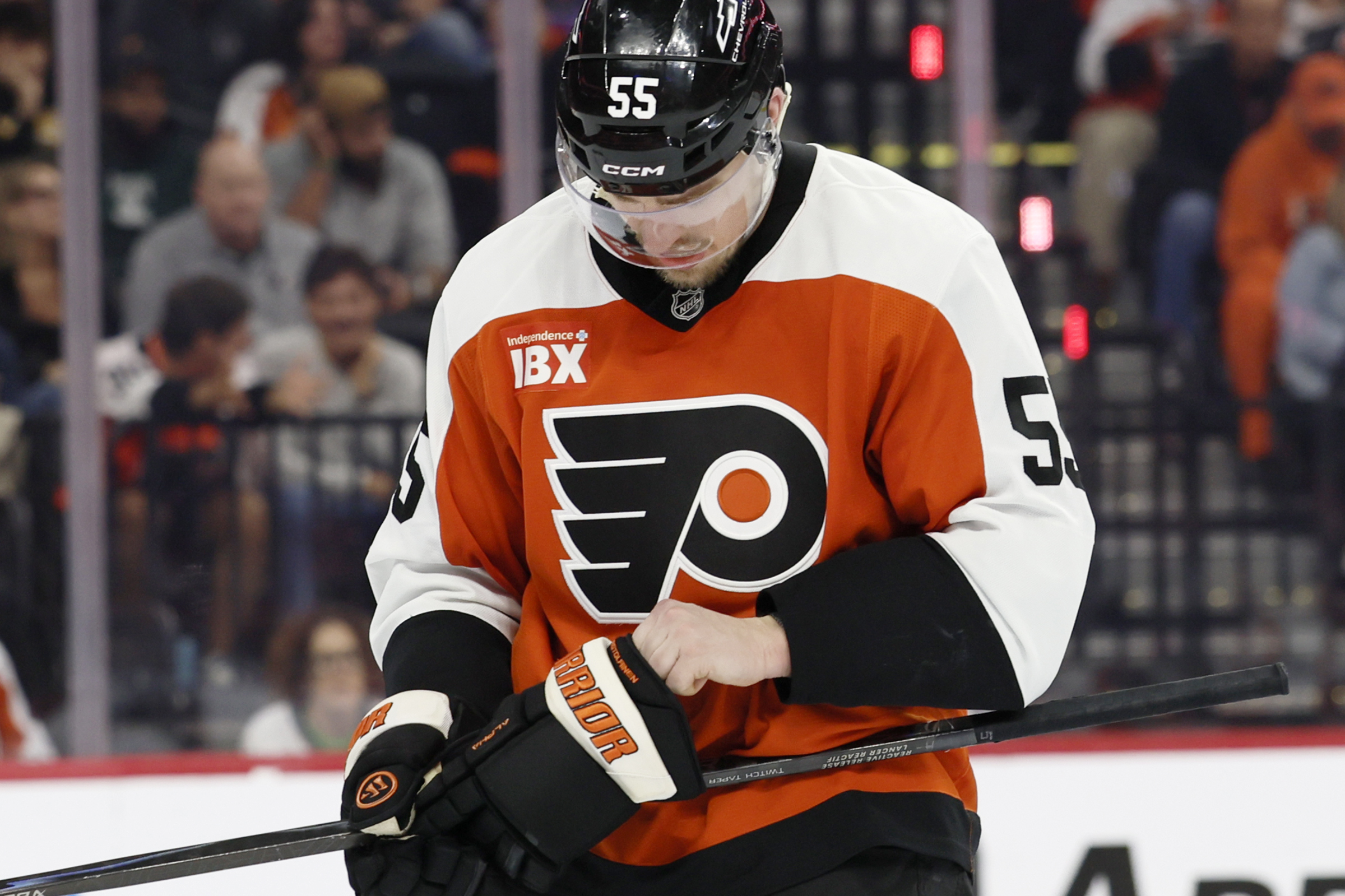
So Rick Tocchet decided it’s time for a change. He needs to get back to the basics. His team has been outshot 122-62 across the first three games, and they still haven’t been able to sync up. Their first extended road trip of the season could offer a chance to get on the same page.
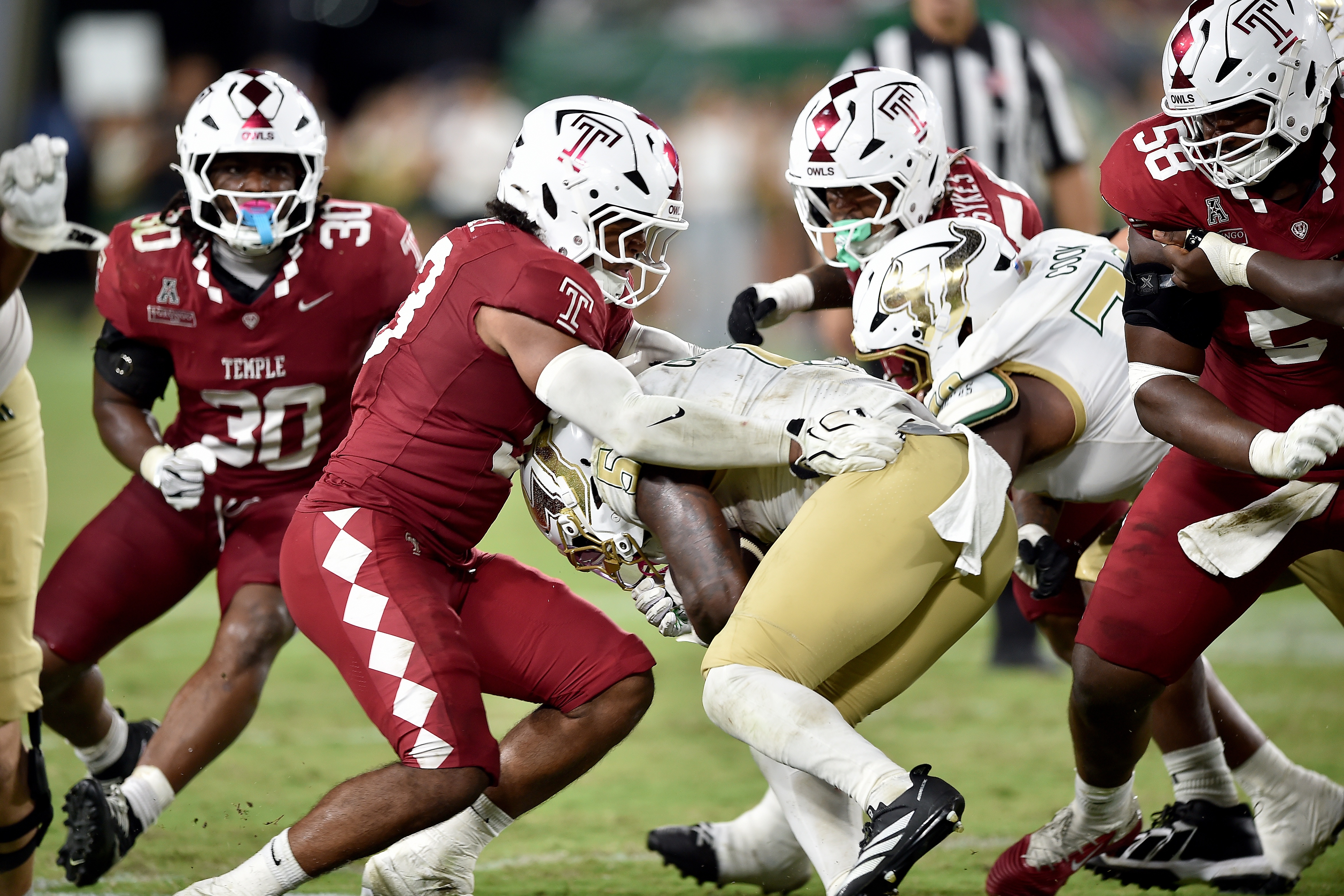
Temple’s defense played a major part in keeping the Owls in competition with South Florida after the offense got off to a slow start.Kelly Sheehan
For the past two weeks, Temple struggled to finish down the stretch. But on Saturday, against then-unbeaten South Florida, the Owls upset the Bulls, 17-13, on the road.
After trailing by three following a fumble by Ajani Sheppard near the goal line, the senior quarterback bounced back by running in for a touchdown. But Temple’s victory, which snapped a two-game losing skid, wouldn’t have been possible without the help from its defense.
However, Penn, Villanova, and Penn State didn’t have similar outcomes. Let’s start with Friday night at Northwestern, where the Wildcats played their first game in an $875 million stadium and ran all over the Nittany Lions in a 34-13 loss.
Villanova still hasn’t won a game at home this season after dropping a 38-35 game to Morgan State, while Penn opened Ivy League play against Dartmouth, but spoiled coach Rick Santos’ return to New Hampshire.
Eagles head coach Nick Sirianni went for it and failed on fourth down multiple times.David Maialetti / Staff Photographer
The Eagles led by 10 with 7½ minutes to play, at home, against a one-win team that lacked its two best defensive players. Then Nick Sirianni went for it on fourth-and-goal from the 2, called a pass play after running it down the Rams’ throats, gave away three points, and revived the Rams. Blame injuries if you like. That’s a loser’s excuse, writes columnist Marcus Hayes.
We compiled today’s newsletter using reporting from Olivia Reiner, Marcus Hayes, Ryan Novozinsky, Jeff McLane, Scott Lauber, Jeff Neiburg, Gina Mizell, Conor Smith, Mia Messina, Lauren Jones, Jackie Spiegel, Gabriela Carroll, Chris Hine, Mike Livingston, Dylan Johnson, Hannah Chang, and Lexie Linderman.
By submitting your written, visual, and/or audio contributions, you agree to The Inquirer’s Terms of Use, including the grant of rights in Section 10.
Thanks for getting your morning started with me. Have a wonderful Monday. Matt Mullin will be in your inbox tomorrow. — Bella
The pitches from Temple University came almost daily.
“You belong at Temple,” one email insisted. Another said, “Your future starts at Temple.”
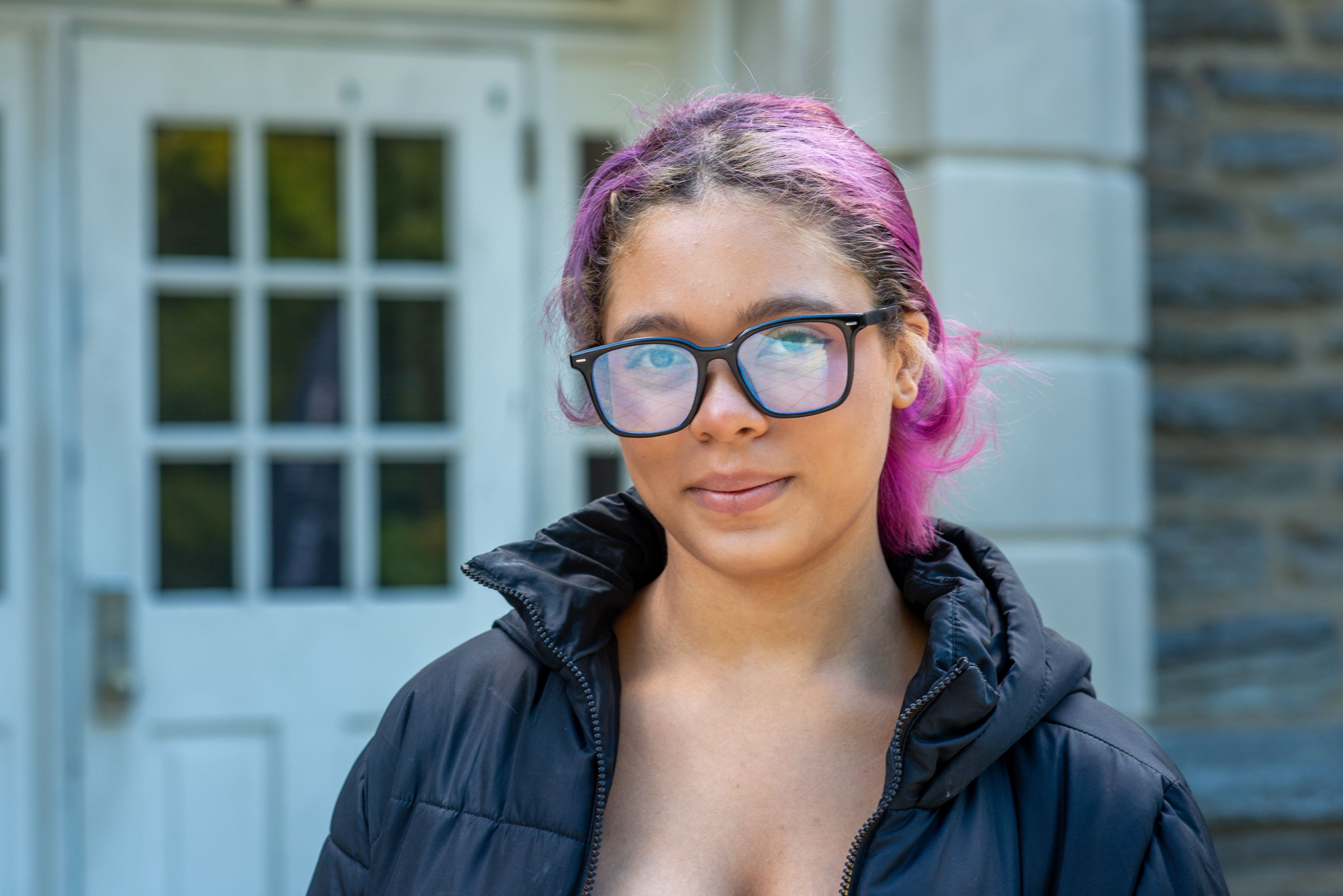
Day, who asked that her last name not be used to protect her privacy, sifted through the barrage of emails as a Middletown, Del., high school senior graduating in 2024. She was ultimately persuaded, and she enrolled that fall.
It represented another successful recruitment effort by Temple, whose leaders have sought to reverse years of declining enrollment that has hurt the finances of schools around Philadelphia and across the country. The strategy to target more people like Day — first-generation college students from lower-income families — worked, and by 2025, Temple had a record-breaking class of nearly 5,400 freshmen.
(function(){function e(){window.addEventListener(`message`,function(e){if(e.data[`datawrapper-height`]!==void 0){var t=document.querySelectorAll(`iframe`);for(var n in e.data[`datawrapper-height`])for(var r=0,i;i=t[r];r++)if(i.contentWindow===e.source){var a=e.data[`datawrapper-height`][n]+`px`;i.style.height=a}}})}e()})();
But a year later, more than 1,200 students from that class did not return for their sophomore year. The retention rate was 13 percentage points lower than it was nearly a decade ago, when the school routinely held on to about 90% of freshmen. And the five-percentage-point drop this fall was the biggest one-year decline in well over a decade, even during the pandemic.
For the first time since at least 2013, Temple’s 77% retention rate of first-year students fell below the most recently available national average at four-year public universities, which stood at 79.4% last fall, according to the National Student Clearinghouse.
(function(){function e(){window.addEventListener(`message`,function(e){if(e.data[`datawrapper-height`]!==void 0){var t=document.querySelectorAll(`iframe`);for(var n in e.data[`datawrapper-height`])for(var r=0,i;i=t[r];r++)if(i.contentWindow===e.source){var a=e.data[`datawrapper-height`][n]+`px`;i.style.height=a}}})}e()})();
Temple’s freshman enrollment spike has not just boosted tuition revenue, it has also created a path to a college degree for students, especially those from Philadelphia, who may have been denied such an opportunity in the past. But the school’s steep retention decline — a trend many area colleges are grappling with — has left some of those same students burdened with debt and questioning whether Temple could have done more to support their academic endeavors.
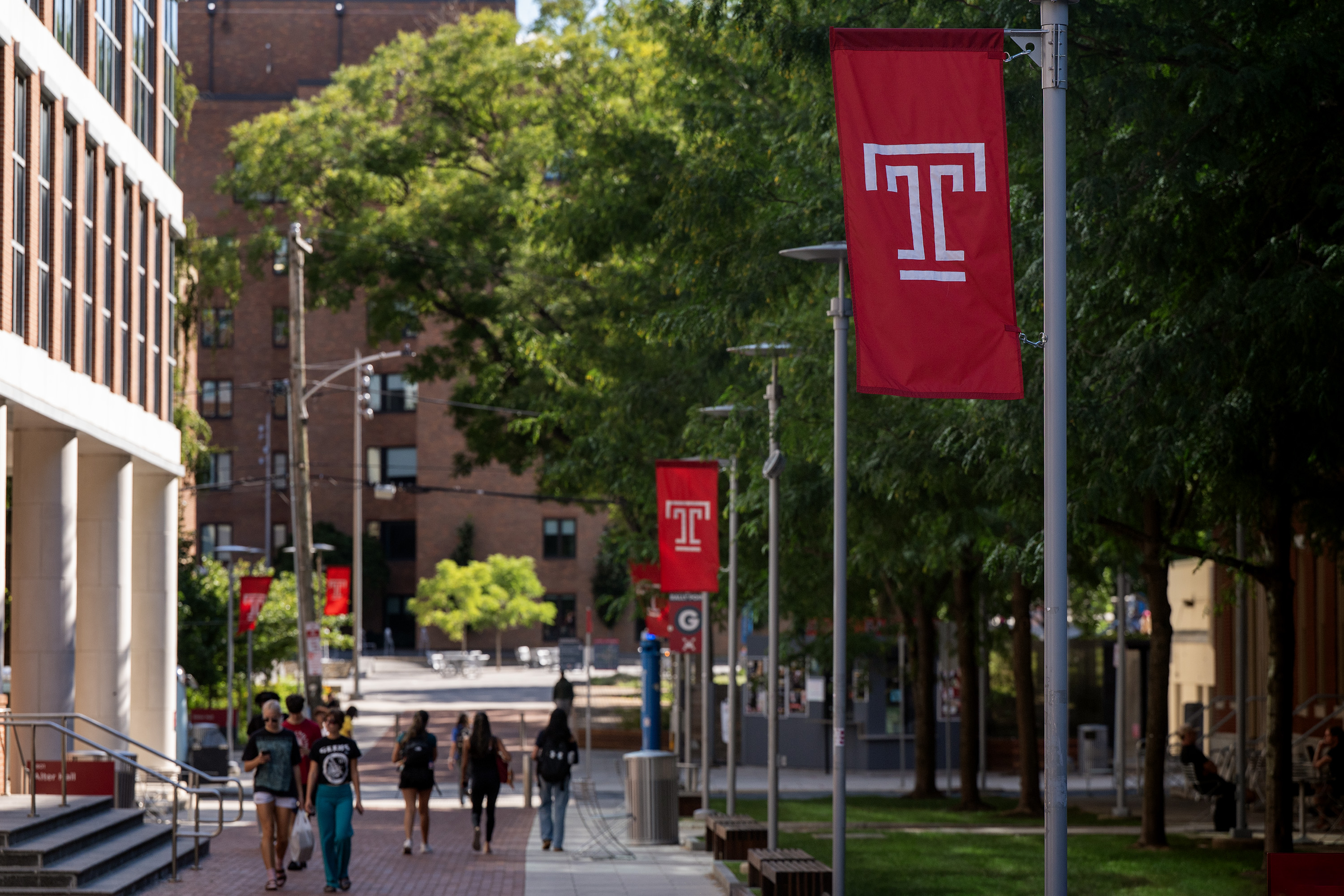
Students walk on Temple University’s campus in early September, shortly after the new semester began.Tom Gralish / Staff Photographer
Day, who had been excited to attend college in North Philadelphia, where she grew up before moving to Delaware, dropped out last December after just three semesters at Temple. She said she struggled with the workload and wound up on academic probation, with mounting debt and no family support, before becoming so frustrated that she decided to leave.
“Temple does have a lot of resources, and they do have a good community,” she said. “But they assign too much homework, too many things all at once from a lot of classes and just expect students to come in and be OK, even though some of them have jobs and families to take care of.”
About a dozen Temple professors and other current and former employees said in interviews that the school’s leadership neglected to establish resources to support students with greater needs as its former enrollment chief recruited more students who may not have been ready for college-level work. A decade ago, Temple accepted just over half of its applicants. Last fall, it admitted more than 83%.
Jay Lockenour, a history professor at Temple for 30 years, said while he supports giving more students educational opportunities, “admitting everybody isn’t necessarily the answer. Just taking their money and their financial aid, that feels kind of dishonest. It feels very dishonest.”
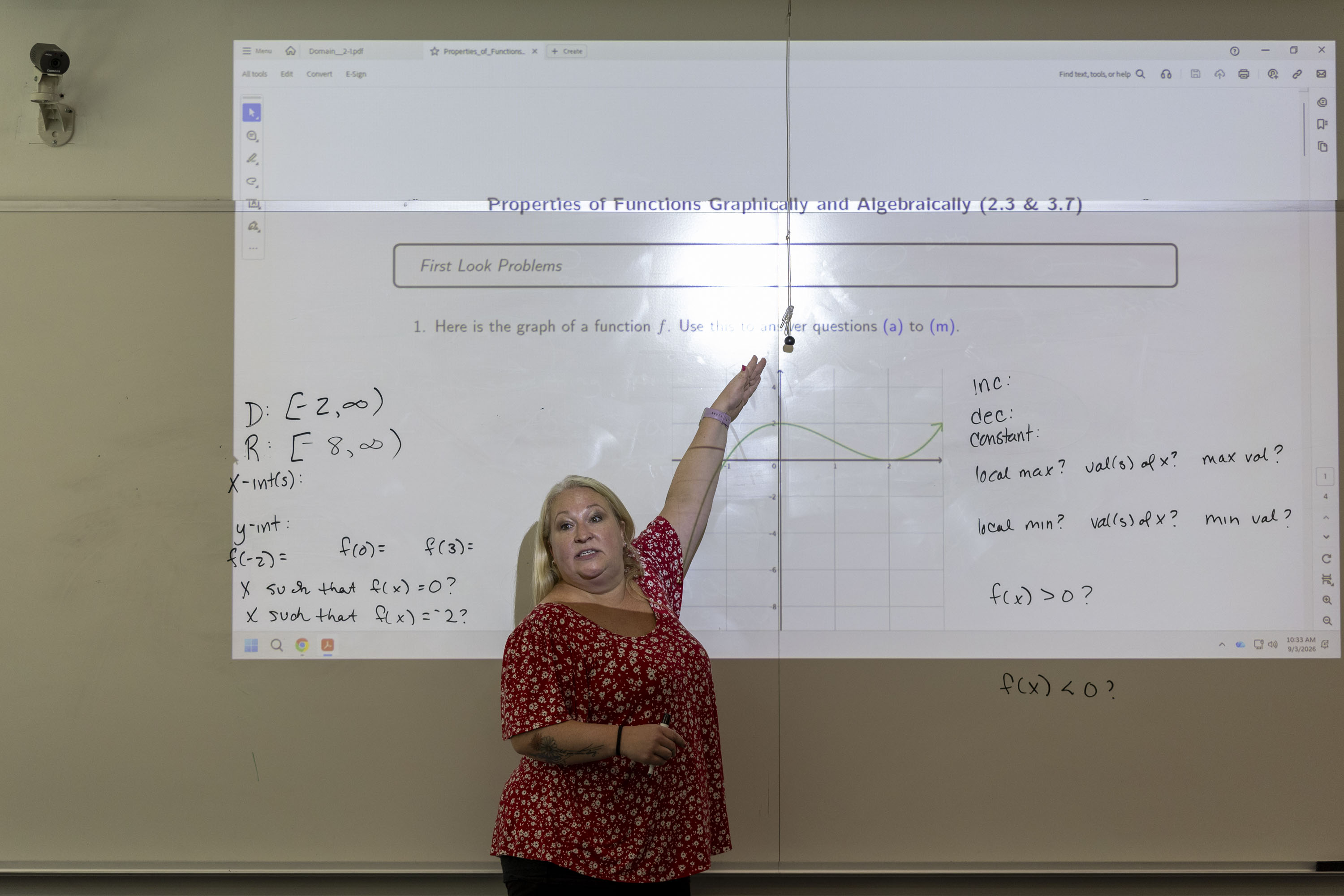
Jessica Babcock, associate professor at Temple University, teaches her class on Properties of Functions Graphically and Algebraically. Tyger Williams / Staff Photographer
Jessica Babcock, an associate professor of instruction who directs the developmental math program for students who need work on basic Algebra skills, said Temple made significant changes to its enrollment strategy “without full consideration of the impact” it would have.
“When you focus on access without also pairing it with equity, we run into a very big problem both for faculty, for students, and for all those at the institution,” she said.
In an August interview, Temple president John Fry acknowledged that the university had not adequately addressed some of the dynamics that cause students to drop out.
“What I found is that the institution was not prioritizing student success and retention in the way in which it should, nor was it set up organizationally to be successful in the first place,” said Fry, who became president in November 2024.
Temple shared data with The Inquirer that showed there was a 1.7 percentage point increase last academic year in students who withdrew from their classes, failed, or received a D grade.
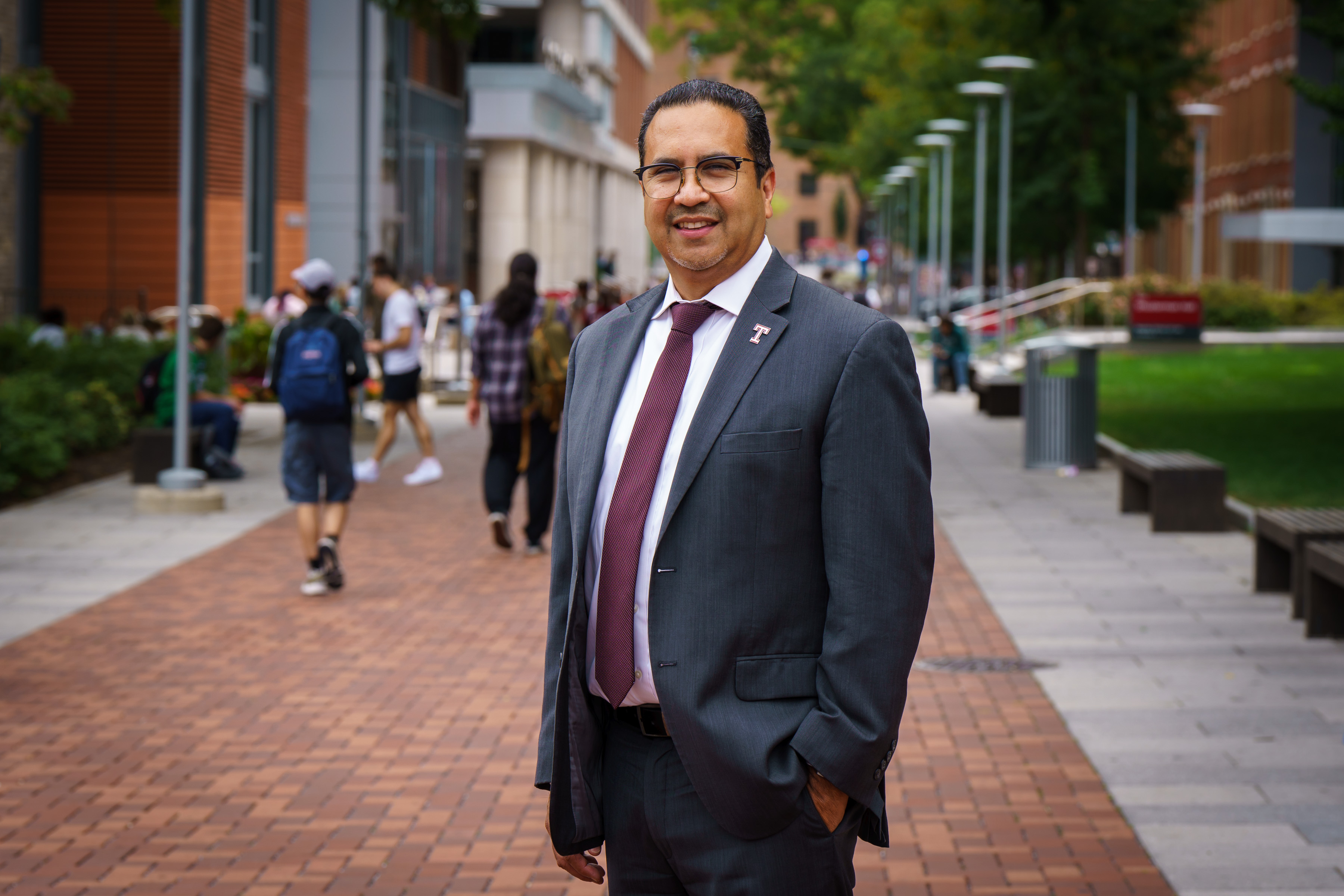
Temple president John Fry said: “I want a fresh look, because obviously our numbers are not going in the right direction, and that means we have to change. This is literally all hands on deck for this.”Jessica Griffin / Staff Photographer
Fry said he’s made student retention the priority for this academic year. A strategic plan, unveiled in January, sets student success as its cornerstone, and Temple has consulted with the National Institute for Student Success at Georgia State University, which has received international acclaim for its retention improvements. Georgia State uses data to target struggling students early and its advisers reach out to students within 24 hours if a problem is flagged, even if it’s a minor one. The university’s improved retention has brought it an additional $75 million to $80 million in revenue annually, according to executive director Timothy M. Renick.
(function(){function e(){window.addEventListener(`message`,function(e){if(e.data[`datawrapper-height`]!==void 0){var t=document.querySelectorAll(`iframe`);for(var n in e.data[`datawrapper-height`])for(var r=0,i;i=t[r];r++)if(i.contentWindow===e.source){var a=e.data[`datawrapper-height`][n]+`px`;i.style.height=a}}})}e()})();
NISS is scheduled to issue recommendations for Temple in a report due Monday. Fry said in the meantime, the university hired a new enrollment chief and a new provost. Temple also is targeting more grants to retain students, launched an effort to better address essential needs, like food and housing insecurity, and instituted a new policy that freshmen must live on campus beginning in fall 2027 to better connect students to campus resources.
“I want a fresh look, because obviously our numbers are not going in the right direction, and that means we have to change,” Fry said.“This is literally all hands on deck for this.”
Retaining students is a major challenge for many colleges nationally as they adjust their programming to properly support more first-generation, low-income students with increasing needs. Students are dropping out for myriad reasons, including lack of money that in some cases forces them to juggle studies and jobs. But they are also coming in less academically prepared, especially in math, in part because of lingering effects of the pandemic. And more students are struggling with mental health challenges, as rates of anxiety and depression among young people climb.
For Day, who said she has attention deficit hyperactivity disorder and complex Post-Traumatic Stress Disorder from homelessness and abuse she experienced in her childhood, the struggle continues.
She shares an apartment near the university with a roommate who also dropped out of Temple, unsure how she will pay a monthly $500 student loan bill while working as a catering server.
“I have a lot of debt,” she said. “I’ve been trying to look up ways to get around it, but there doesn’t seem to be any way around it. All these loans are on my back by myself.”
A decline in student performance
In January 2024, nine months after Jose Aviles became Temple’s vice provost for enrollment management, the university launched Temple Promise amid an enrollment decline that had slid by roughly a quarter since 2017. The program offered last dollar scholarship aid to make tuition and fees free for low-income families from Philadelphia, and it drew praise from Philadelphia Mayor Cherelle L. Parker, Gov. Josh Shapiro, and Philadelphia schools superintendent Tony B. Watlington Sr.
The university also set out to recruit more out-of-state, first-generation college students from lower-income families.
Both of these efforts to boost enrollment were a success. Between 2022 and 2025, Temple’s share of students from Philadelphia grew from about 15% to nearly 25%, and its overall population of first-generation students increased from 34% to 48%.
Fry said that when he arrived as Temple president in the fall of 2024, he liked what he saw with the enrollment improvement and told Aviles, “let’s keep going.” He said he encouraged Aviles to recruit even more first-generation students from low-income families who would qualify for federal Pell Grants, an initiative in line with Temple’s mission.
The work to recruit continued.
A Philadelphia public school guidance counselor recalled how a Temple team came in “waving money” to attract students who had planned to start at Community College of Philadelphia — and whom the counselor said would have been better served beginning their college careers there. Some of those students liked the pitch and ended up at Temple but later dropped out, the counselor, who did not want to be identified for fear of jeopardizing relationships with Temple, said.
Temple professors said in interviews that after the freshman enrollment spike, they saw a subsequent decline in performance, with more students over the next couple of years withdrawing from classes, failing, or getting D’s.
Lockenour, the history professor, said 24 students — 16% — either withdrew from or failed his general education class on War and Peace in spring 2026. That’s a higher percentage than in each of the last several years, he said.
Lori Shorr, an associate professor in the College of Education and Human Development, said she had lower grades in her undergraduate class last academic year than she has ever had.
“A lot aren’t attending or coming halfway through the class,” she said. “And when they are there, they aren’t really there. They seem disconnected.”
Babcock said the developmental math program scrambled in July 2025 to add enough capacity to help students brush up on basic skills. A decade ago, the developmental program served about 400 students. Last year, there were 1,200 students, she said.
And some students were clearly struggling in those classes, she said.
“It just feels crummy to stand in front of students who are looking at you after having been told they can get this degree in X number of years when you know that they don’t understand a word you’re saying,” Babcock said. “You feel guilty and you feel sad.”
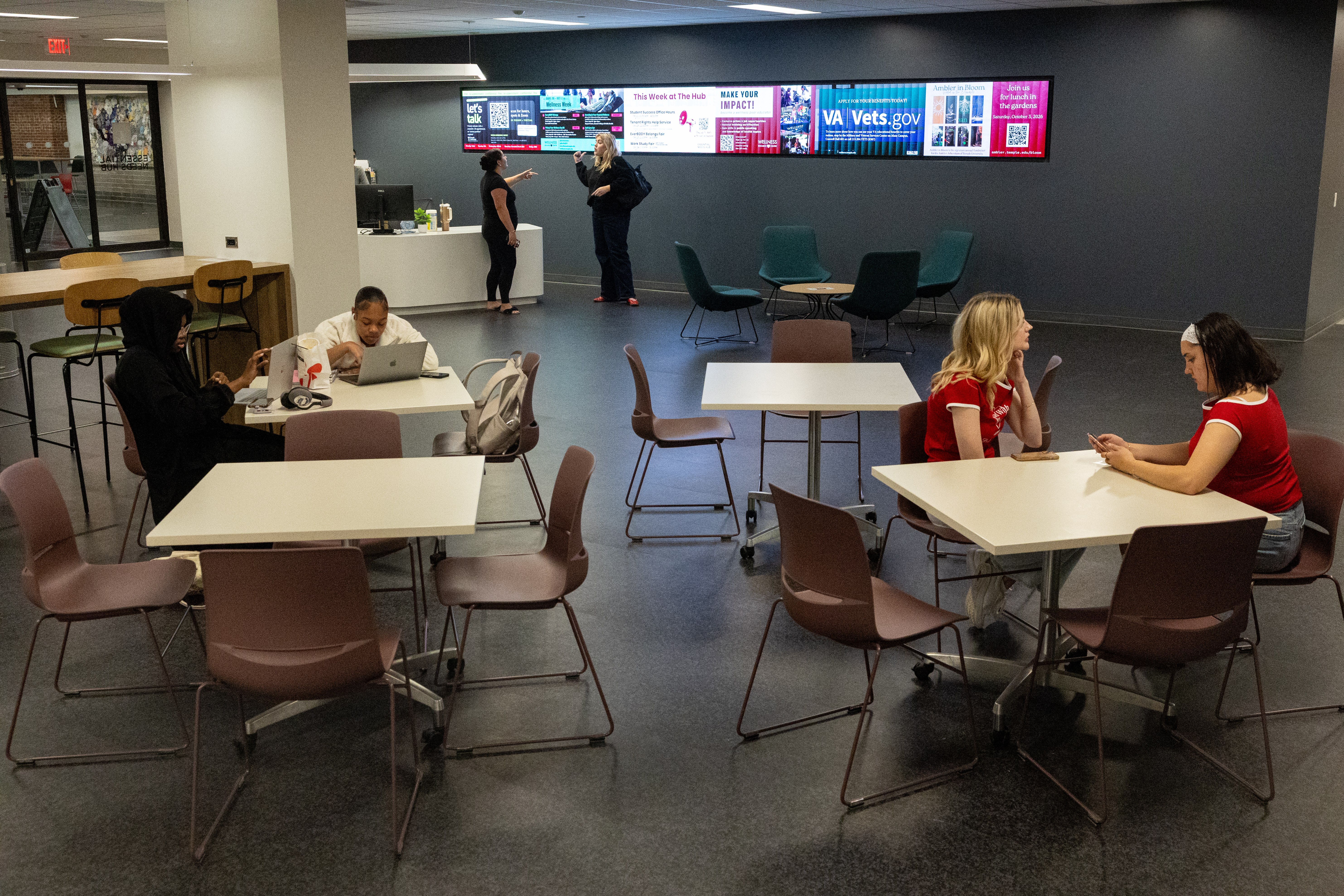
Temple opened an “essential needs hub” this fall inside the student center to help connect students to emergency financial aid, food, housing and other resources to help them stay in school. Aidan T. Gallo / Staff Photographer
Temple spokesperson Steve Orbanek said the school is taking steps to address the increase in D’s, F’s, and course withdrawals.
“We take that increase seriously and are examining the data more closely to understand where it occurred — including by course level, academic discipline, student population and whether students were in their first year or continuing their studies,” he said.
Orbanek acknowledged that a “small group” of students also received academic scholarships that required them to maintain a 3.0 GPA after four semesters, even though their high school GPAs were as low as 2.75. Those students were given support to bring up their GPAs, if needed, but the university is reviewing its approach to merit aid, criteria, and requirements for maintaining the award, he said.
‘Ethically dubious’
Aviles, who grew up in poverty in New Jersey and was a first-generation college student himself, left Temple in November 2025 to lead enrollment at Rutgers. He defended his tenure at Temple and said he was able to expand access, opportunity, and affordability for more students.
Jose Aviles led enrollment at Temple University for two and a half years, departing in December 2025 for a job at Rutgers University. Jessica Griffin / Staff Photographer
“Our strategy was always about focusing our work on identifying students that we believed had the ability to succeed at Temple,” he said. “We worked hard to provide pathways to talented students who otherwise might not have had opportunities, central to Temple’s mission.”
He also disputed the contention that Temple failed to add institutional support for the students it had recruited. He noted that while he was there, Temple hired an assistant vice president to specifically focus on student success, improved student enrollment services, invested in a new student success management technology platform, and established a retention grant initiative to help keep students enrolled.
Still, those measures failed to prevent a steep retention decline.
Steve Newman, an associate professor of English at Temple, said the financial projections from bringing in record large classes turned out to be “just a mirage.”
“It’s ethically dubious to accept students to a university in a way that it will be more likely that they will not be able to thrive,” Newman said. “It’s problematic in every respect, and it has been a source of real frustration and pain for faculty.”
Temple has increased its financial aid budget 75% since 2023, which Newman said is “a good thing if we are opening access to Temple to students who otherwise can’t afford it. But if you can’t retain them, everything falls apart.”
Steve Newman, an associate professor in the English Department at Temple University, speaks during a rally on campus in 2019. “It’s ethically dubious to accept students to a university in a way that it will be more likely that they will not be able to thrive,” he said. Heather Khalifa
Newman said he is confident that Fry and his new team are aware of the problems, working to address them and making efforts to include the faculty.
‘I was totally on my own’
Five former students told The Inquirer that Temple did not do enough to help them before they dropped out, and then neglected to try to bring them back. When the university did reach out, it was about paying a bill or to ask if they were returning to campus housing.
“I was totally on my own,” said Briana Duka, who said she left Temple in 2023 with no degree and more than $30,000 in debt. “During the semester, I had professors say, ‘Hey, what’s happening?’ but it stopped there. There was no follow-up.”
Duka, a first-generation college student from Allentown whose parents are immigrants, said she dropped out because financial concerns meant she needed to work to afford school, and that affected her grades. She said her GPA was 2.6 when she left.
Duka took a year off from school and then enrolled at CCP, where she said her grades are strong and her financial aid package means she’s not paying tuition.
Philadelphia resident Maya Lipscomb’s excitement at attending Temple in fall 2025 quickly turned to dread when she found she couldn’t afford to pay the bill, even though she received substantial federal and institutional financial aid. She quit after just one semester.
Maya Lipscomb, a student at Penn State Abington, dropped out of Temple last fall after one semester, enrolling at Community College of Philadelphia for the spring and now at Penn State Abington this fall. “Nothing about the advising situation is anything near personal,” she said. “It’s like you’re waiting in a queue and they talk to you for five seconds.”William Thomas Cain / For The Inquirer
Lipscomb said no one offered help during that first semester other than to ask when she would be paying her bill.
“Nothing about the advising situation is anything near personal,” she said. “It’s like you’re waiting in a queue and they talk to you for five seconds.”
Lipscomb enrolled at CCP for the 2026 spring semester and this fall, she entered Penn State Abington, which she said will cost her about $1,000 less than Temple. She is studying neuroscience.
“I don’t want to be discouraged from doing something I would love to do for the rest of my life,” she said.
Day, the student whose current roommate also dropped out, said she did well in high school, almost achieving a 4.0. She lived with her grandmother, who told her to get good grades so she could attend college.
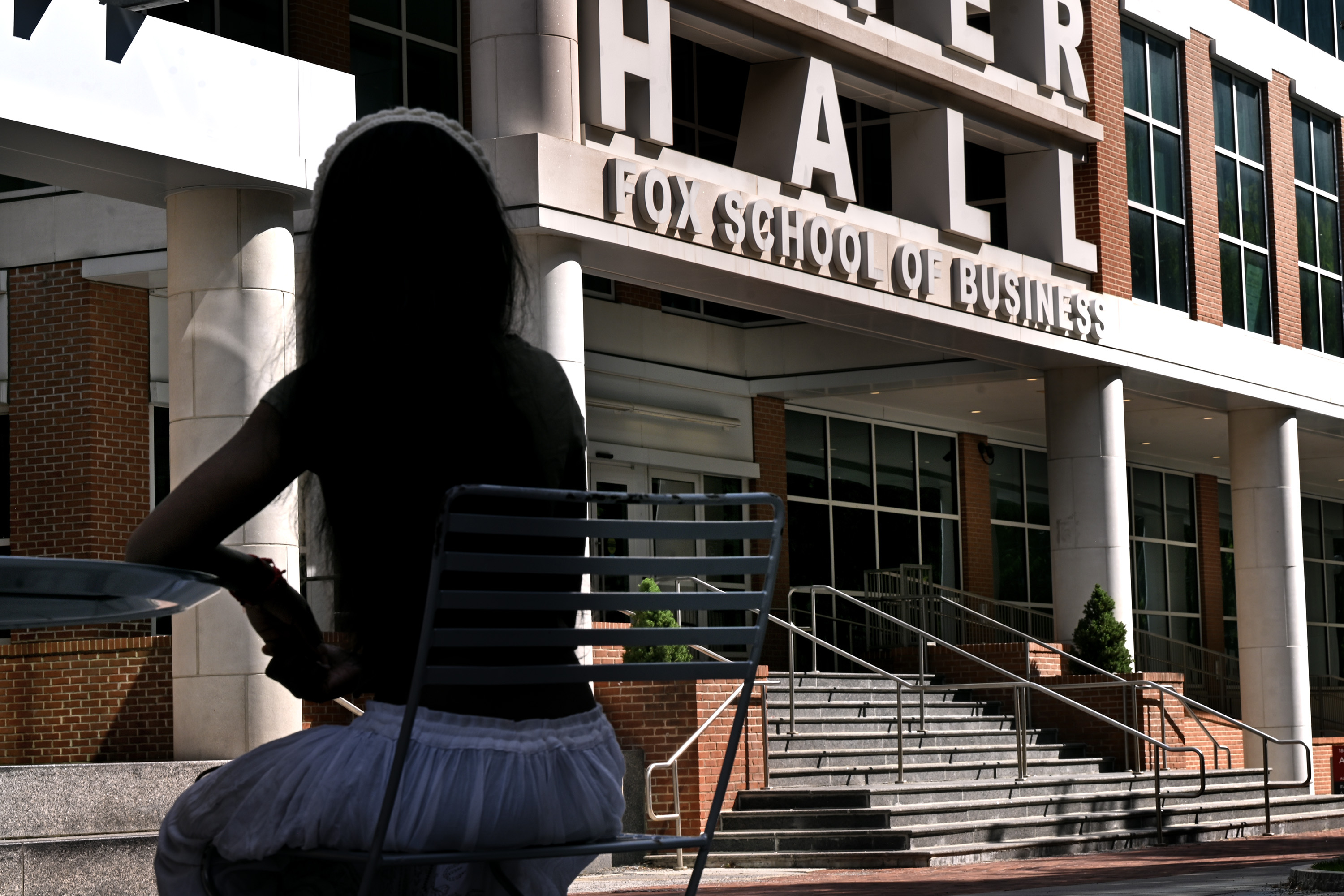
But she had to pay for her own education, she said. She worked at her catering job three days a week until 2 a.m. and struggled to keep up with her studies in Temple’s Fox School of Business.
Because of her disabilities, Temple provided her with accommodations, including extra time to take her exams in a testing center, but it wasn’t enough, she said
Jodi Bailey Accavallo, Temple’s vice president for student affairs, said Temple does reach out to students who quit and holds “non-returner” meetings to talk through the situation.
“To say that we don’t reach out is not true because I actually adjusted the questions last year to make sure that they were more inclusive of issues why students might not be returning and making sure we close the loop on how they would be responded to if they want outreach,” she said.
Retention woes hinder other local colleges
Other colleges across the region are facing similar challenges with both enrollment and retention.
And the challenge is likely to grow as the population of high school students shrinks, a so-called demographic cliff beginning this year.
At La Salle University, a private Catholic school in Philadelphia, about a third of the freshmen who enrolled in fall 2024 did not return a year later — a retention rate below the national average of 76.4% for private nonprofit four-year colleges, according to the National Student Clearinghouse.
Last October, Greg Nayor, La Salle’s senior vice president of university strategy, said La Salle’s retention rate had fallen seven percentage points — from 73% in 2024 — but was on track to do better this year after adding new programs, such as a central academic resource center in the library.
La Salle officials declined to be interviewed for this article and did not respond to questions about its retention rate for this fall or its current enrollment.
Other private local colleges grappling with retention declines include Ursinus, Chestnut Hill, and Eastern University. At Ursinus, a small liberal arts college in Collegeville, retention fell from 87% in 2024 to 77% last fall. Meanwhile, enrollment has declined nearly 10% since fall 2023, to1,347 this fall.
Katie O’Brien, Ursinus’ senior director and chief retention officer, said the college has improved its first-year advising “to identify students who may benefit from earlier support and by expanding opportunities for students to build meaningful connections with peers, faculty, and staff.” Those changes helped increase retention by 2.3 percentage points, to nearly 80% this fall, O’Brien said.
Chestnut Hill College, which had a 62% retention rate in 2024, increased to 74% in 2025. Preliminary data show the school will have a similar rate this fall, said Robert Bogdon, executive director of strategic marketing and communication. He said the lower retention rate was due to “unexpected financial gaps and commuter adjustments,” as well as lingering pandemic factors.
“We found that many incoming freshmen spent a major part of their high school years learning remotely,” he said. “As a result, they missed out on crucial, in-person academic milestones — like writing an initial research paper with citations or engaging in face-to-face classroom debates. These gaps made the transition to higher education much tougher.”
The school more quickly identifies students who need help, and every student is paired with a “student success adviser,” he said.
Eastern University had fallen to a 65% rate for first-time, full-time students in 2024, but increased to 68% last fall, said spokesperson Erin Wetten. The university is targeting more financial aid to students with high need and has hired a new employee to focus on the first-year experience, Wetten said.
A retention reckoning
Georgia State University’s retention reckoning came about 15 years ago.
The Atlanta school’s demographics shifted from being largely composed of white, working professionals to low-income students of color. Many of these new students were the first in their families to attend college and were fresh out of high school.
“Our graduation rates were really struggling,” said Renick, the Georgia State administrator. “Our retention rates were really struggling, as you’re seeing with some of the schools in Philadelphia.”
Timothy M. Renick, director of the National Institute for Student Success, led a student-retention turnaround at Georgia State, and now leads the NISS, which consults with universities across the country about how to better keep students and get them to graduation.Courtesy of the National Institute for Student Success
Georgia State used data to pinpoint where students were struggling and why they were failing to persist through to graduation. School officials also helped students with tasks that set them up for success before classes even started, such as getting required immunizations, finishing financial aid applications, or selecting a major.
They tracked every student, every day, for risk factors: Are they registering for the right classes? Are they engaged in the course? How often are they logging in to classroom platforms?
“We’re proactively reaching out to the student if we see a problem,” Renick said. “We’re not waiting halfway through the semester to tell a student, ‘You signed up for the wrong course.’ As soon as they register for the wrong course, we’re immediately reaching out to the student.”
Last school year alone, Georgia State had 106,000 instances where advisers reached out to the school’s 40,000 students proactively, according to Renick.
“It makes a huge difference for vulnerable students,” Renick said.
The school also gives “Panther Retention grants” — micro-grants for students who are close to graduation but who have run out of eligibility for their aid programs. The grants typically give students just enough money to finish an extra semester or two to earn a degree.
Those efforts have improved the school’s retention and graduation rates. Georgia State is now graduating 3,500 more undergraduates every year than it did before it made the changes, Renick said.
Sometimes, faculty are skeptical about such a labor-intensive advising model, Renick said. And while it doesn’t work for every student, he said NISS partner schools typically see graduation and retention rates at 2.5 times greater rates than the national average.
There is also a financial incentive behind adopting the program.
“We’re investing maybe $8 million to hold on to $80 million of additional revenues,” Renick said.
In Philadelphia, both Temple and Widener are working with NISS to achieve the kind of results Renick says is possible. Renick declined to discuss specifics about either university.
Fry said he is eager to get the report on Temple, which Renick is due to present to about 200 faculty, staff and administrators Monday. Fry said he expects the results will generate a campus-wide discussion on what comes next.
But he cautioned that improvements will take time.
“It’s a 10-year strategic plan for a reason,” he said. “It takes a long time to move these places in the right kind of direction.”
In late June, Chester County reported two cases of measles, as an outbreak in bordering Lancaster County crossed into the farmlands that blend into the suburban sprawl of Philadelphia’s collar communities.
Case numbers grew tenfold in July, and by late August, three dozen people had gotten sick up and down the county’s western border.
The latest numbers now show 83 measles cases in Chester County, more than most entire states have seen all year, making it a locus in Pennsylvania’s largest measles outbreak in more than three decades.
Chester is the first county in the Philadelphia region to grapple with wide circulation of a highly contagious virus that could spread like wildfire if it reaches other under-vaccinated communities, especially densely populated ones closer to the city.
As cases rise in Chester County, public health officials are ramping up educational outreach, scheduling pop-up clinics, and even bringing doses of the vaccine to people’s homes, all in an effort to contain known hot spots in the outbreak.
At Chester County’s schools, homecoming parades, and grocery stores, many families say they are aware of the outbreak, but are not deeply concerned. Those who are vaccinated worry more that their social and school lives may be disrupted, as they were during the COVID-19 pandemic, if the virus continues to spread.
Anne Nemeth, who lives in Paradise in Lancaster County, feels only a little worried, given that her two sons are vaccinated.
At a time of declining vaccination rates, she isn’t sure whether some of her closest neighbors, who the family regularly gets together with,are vaccinated.
They are Amish, and she has read that many of the people getting sick in her area were part of the Plain community. Two Amish infants in Lancaster County died in August after contracting measles in the state’s first deaths linked to the outbreak.
“I’m hoping they would tell us if they were sick,” she said. “It’s a lot of trust.”
Pennsylvania has reported five deaths associated with measles. A 20-year-old Amish woman who died lived just over the Chester border in Lancaster County. She wanted the vaccine after her parents and eight siblings got sick, but couldn’t get it because she was being treated for leukemia.
Close to 1,000 people statewide have been sickened by the virus, marking one of the most robust outbreaks the United States has seen in years. And experts say the cases that have been reported are likely an undercount, as many people do not seek medical care for their symptoms and some have been reluctant to speak with the health department.
“Public health is now in a race with the disease,” said Dale Weiser, the clinical services supervisor for Chester County’s health department. “It’s going to either burn through all the susceptible people, or we’re going to make fewer people susceptible through vaccination. That’s the only way it ends.”
(function(){function e(){window.addEventListener(`message`,function(e){if(e.data[`datawrapper-height`]!==void 0){var t=document.querySelectorAll(`iframe`);for(var n in e.data[`datawrapper-height`])for(var r=0,i;i=t[r];r++)if(i.contentWindow===e.source){var a=e.data[`datawrapper-height`][n]+`px`;i.style.height=a}}})}e()})();
Measles spreads in Chester County
Measles is so contagious that nine out of 10 unvaccinated individuals who come in contact with the disease will get sick.
That’s how a county like Chester, with one of the highest vaccination rates in the state, has also come to log the third-most cases in the outbreak.
Chester County’s kindergarten measles vaccination rate falls just below the 95% threshold that scientists say is necessary to keep the virus from spreading widely. Kindergarten vaccination offers a view into a community’s protection because the vaccines are required for school attendance.
But the county — like the rest of the Philadelphia region — is pockmarked with areas where vaccination has dropped well below the so-called herd immunity threshold, leaving families vulnerable to severe illness.
In eastern Chester County, for instance, five elementary schools in West Chester had kindergarten measles vaccination rates below 95% — one of the vulnerable areas in theregion identified by an Inquirer analysis of 2025-26 school-level data.
Farther east, Chester City in Delaware County, and neighborhoods in West and North Philadelphia have also similarly seen measles vaccination rates drop below so-called herd immunity.
In Chester County, the health department seeks to limit the virus from spreading from west to east across the county, where it would reach more densely populated communities, said Jeanne Franklin, Chester County’s health director.
“If it finds that pocket of unvaccinated individuals, it’s going to popcorn until it finds no one left,” Franklin said.
(function(){function e(){window.addEventListener(`message`,function(e){if(e.data[`datawrapper-height`]!==void 0){var t=document.querySelectorAll(`iframe`);for(var n in e.data[`datawrapper-height`])for(var r=0,i;i=t[r];r++)if(i.contentWindow===e.source){var a=e.data[`datawrapper-height`][n]+`px`;i.style.height=a}}})}e()})();
The health department began reaching out to hospitals and schools months before Chester County reported its first cases, because public health leaders knew it was likely only a matter of time before the virus spread from Lancaster County, Franklin said.
Hospitals were asked to develop a measles screening protocol, if they didn’t have it already, so that early symptoms, such as fever, cough, and runny nose, wouldn’t be dismissed as seasonal illnesses.
Schools were urged to start tracking vaccine status among staff. When a school identifies a measles case, the county requires any student or staff member who is unvaccinated or does not have proof of vaccination to stay home for 21 days, Franklin said. Since many adults don’t have their vaccination records handy, that could create a major staffing disruption.
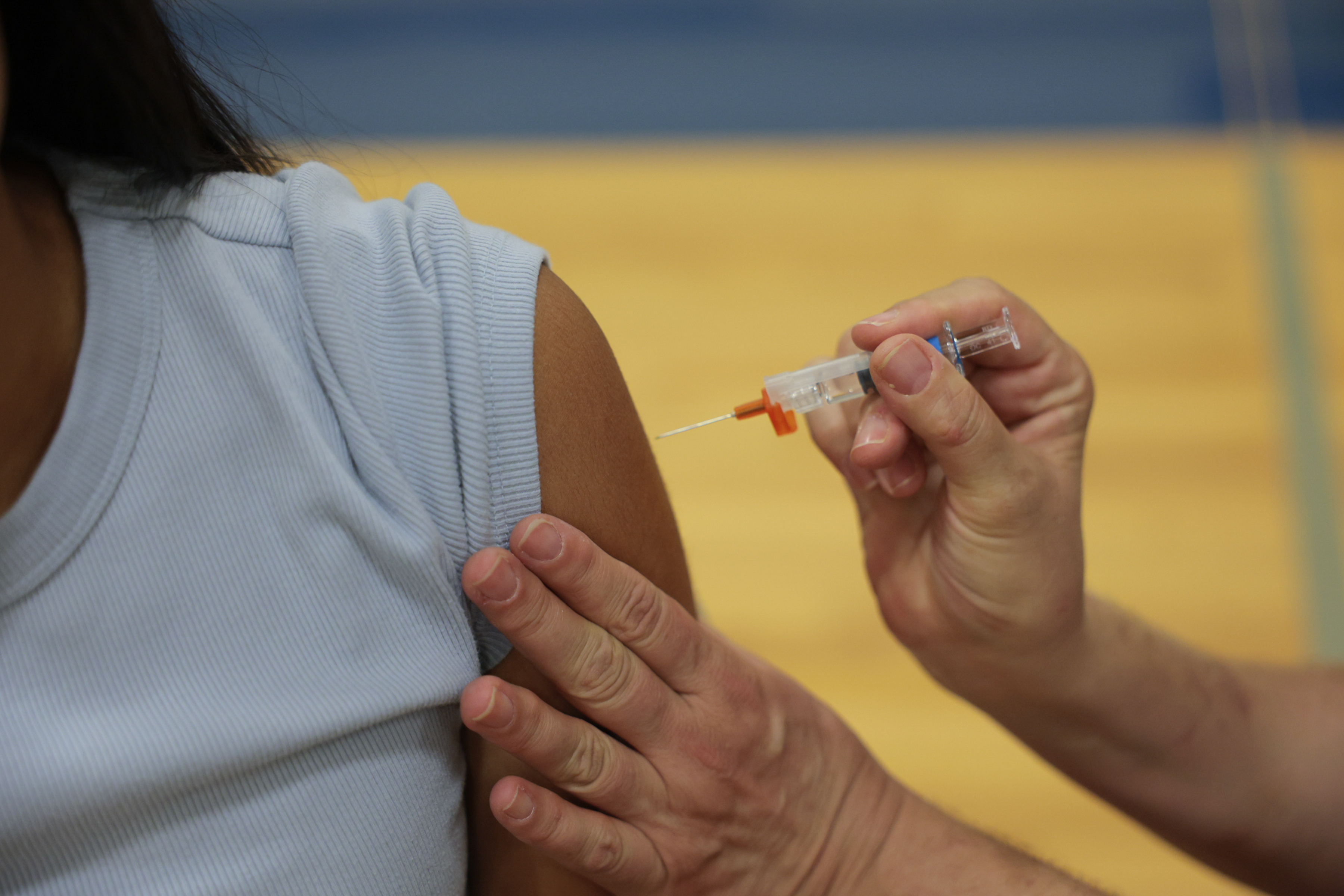
As case counts in Chester County grow, pop-up vaccine clinics have been scheduled across the county.
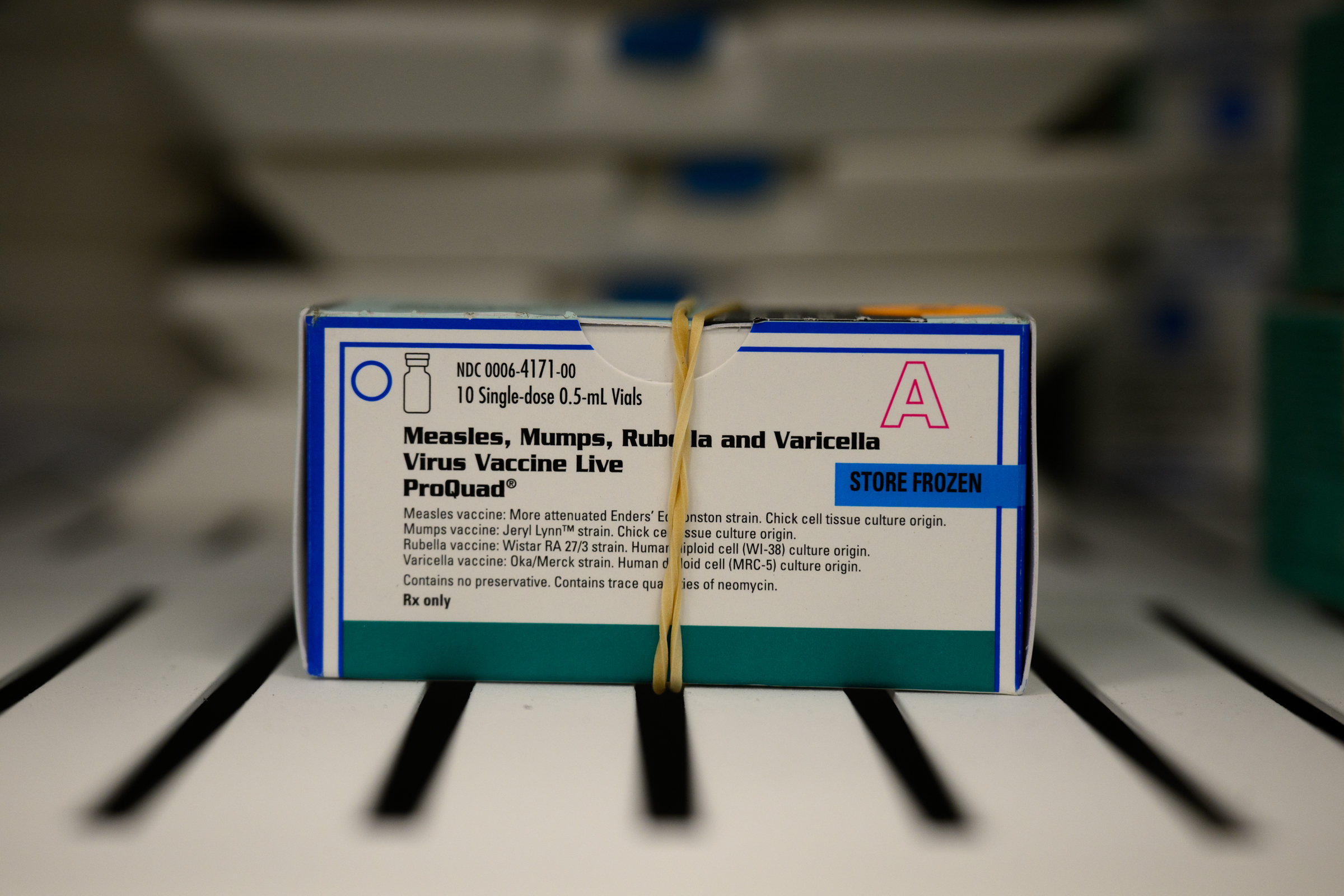
The health department has administered more than 500 doses of the measles, mumps, and rubella (MMR) vaccine so far this year, most of them since the outbreak began in April.
The health department’s nurses will bring doses of the vaccine to homes and farms of residents who don’t travel. Vaccines are also available at the county’s health clinics.
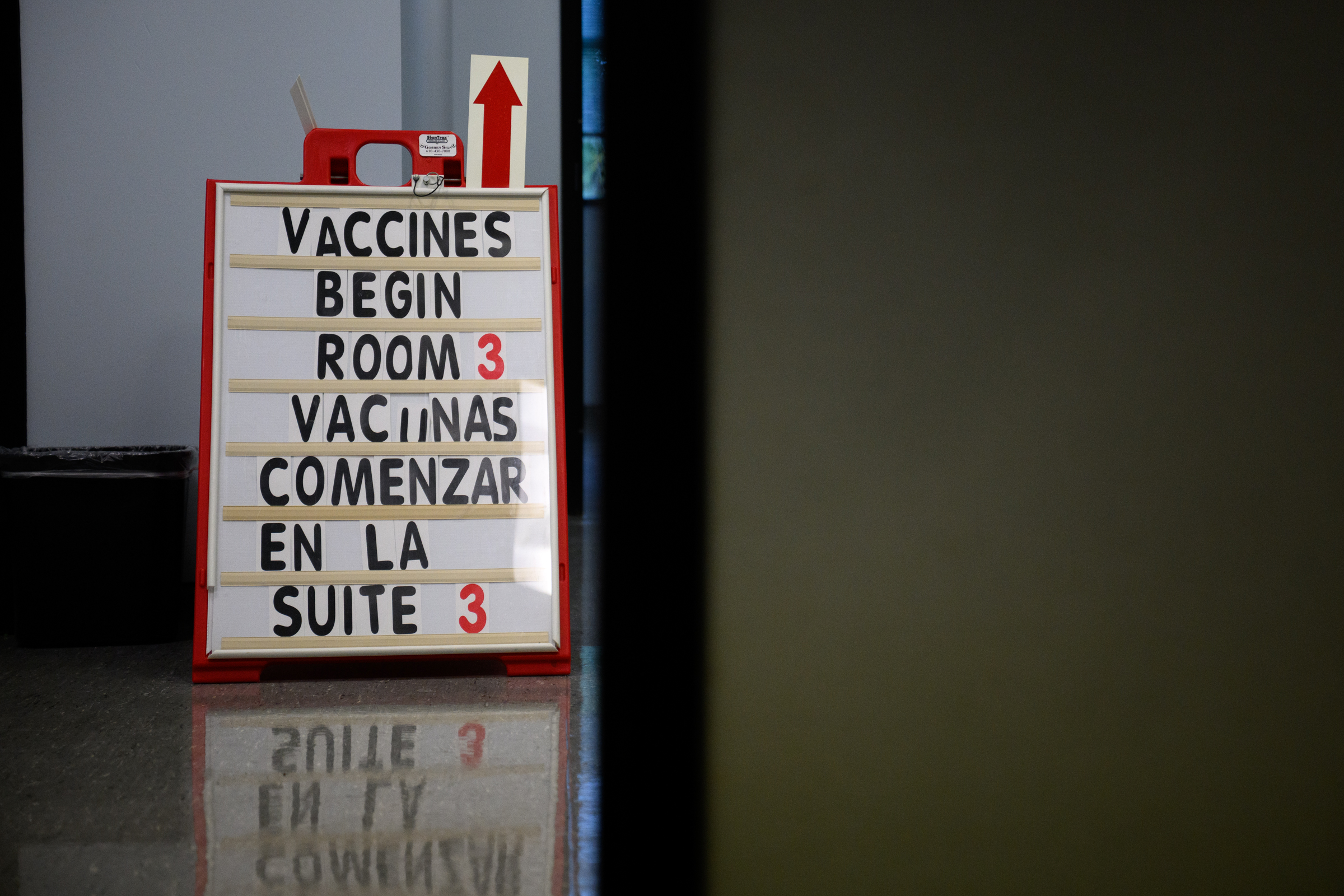
A sign for vaccinations directs visitors at the Chester County Health Department in West Chester.Kriston Jae Bethel / For the Inquirer
Debunking vaccine myths
Many of the parents lined up along Atglen’s Main Street last week for the local school district’s homecoming parade said they did not feel a reason to be deeply concerned about the outbreak because their families are vaccinated.
“I guess I have the same level of concern as I have for all sickness with kids in public schools,” said Sandi Wrigley, a Cochranville mother whose children, ages 9 and 11, are vaccinated. “If we take the time to worry about that, it’ll be an endless worry.”
Until recently, measles was considered eradicated in the United States, and despite declining vaccination rates, most families are still choosing to vaccinate their children.
Some were angry that measles is even a conversation.
Michael Lavender, from Parkesburg, said vaccinating his 12-year-old daughter was an “easy decision.”
“I really feel like there should be no reason to even talk about it,” he said.
On the other side of the county, families lined up inside the Great Valley Middle School gymnasium in Malvern for flu and COVID-19 vaccines.
Kevin Wrabley, of Malvern, doesn’t worry about his 11-year-old son contracting measles because he is vaccinated. But he does worry about other children and adults who aren’t able to get vaccinated.
“It’s discouraging, things we thought were safely behind us are coming back,” he said.
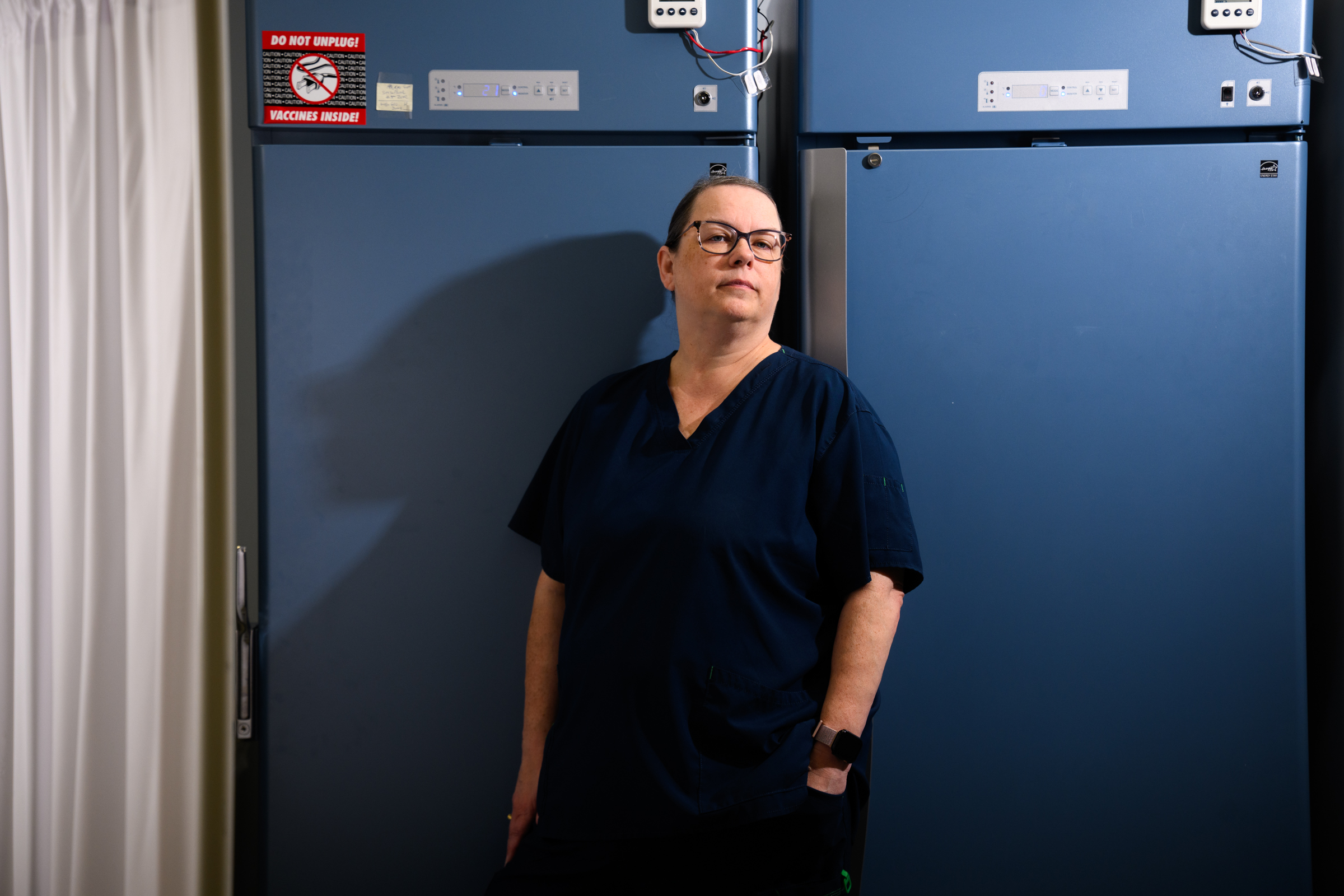
Dale Weiser, clinical services supervisor at the Chester County Health Department, stands in front of freezers storing vaccines at the department’s office in West Chester.Kriston Jae Bethel / For the Inquirer
In Chester County, public health educators have the task of trying to untangle the myriad reasons people are opting out of a vaccination. Many have little to do with science: Two doses of the measles vaccine provide 97% protection — better than most vaccines.
The MMR vaccine is among those long required to attend school in Pennsylvania and every other state. But families here have increasingly been deciding against vaccination for religious and philosophical reasons, as state law permits, often by simply printing and signing a form noting their objection.
Some fluctuations in kindergarten vaccination rates are typical from year to year, but the rise of anti-vaccine rhetoric in federal leadership and a growing distrust in public health authorities has exacerbated fears about vaccination.
On measles awareness flyers posted on social media and in public spaces, Chester County advertises its public health hotline, where people can call to talk to a nurse. Weiser and her colleagues work to dispel worries from callers over misinformation that the vaccine contains tracking chips, heavy metals, and can cause people to become sterile.
Some call back multiple times, with new questions. Weiser answers them all, without judgment and without pushing people to get vaccinated.
“We have a way to prevent this,” Weiser said. “There is no reason that any child, adolescent or adult in this country should be suffering with measles.”
Personalized measles outreach
Standard public health messaging — get vaccinated to protect yourself and your family — may not resonate in the area’s rural farming communities that overlap with Lancaster County.
The area has a large concentration of Amish and Mennonite families who are not necessarily opposed to vaccines, but have gone without most traditional medicine for generations.
Anabaptist religions emphasize self-sacrifice for the betterment of others, said Kevin Ressler, CEO of Alliance for Health Equity, a healthcare nonprofit in Chester County.
Instead of vaccinating, families may isolate themselves at the earliest signs of illness to keep anyone else from getting sick, said Ressler, who is Mennonite and has served as a pastor.
Outside New Holland, Gina King self-quarantined when she and her eight children got sick with measles in June. King was vaccinated, but she and her husband chose not to vaccinate the children.
Her 14-year-old son was briefly hospitalized for breathing difficulty, but he and his siblings all recovered. King, who spoke with The Inquirer in July, later drafted a tip sheet for other families in her Plain community based on their experience, such as stocking up on groceries to avoid going out in the community while contagious.
“If you made the choice to not vaccinate, you knew there was a risk of getting sick,” King wrote. “We should care about others enough to be willing to make some sacrifices to protect vulnerable people.”
Ressler thinks public health messaging may need to be more direct: You are hurting other people by not getting vaccinated.
Measles symptoms may not develop for days or even weeks after exposure, meaning many more people could be exposed before a family decides to quarantine.
Public health nurses say they have had the most success with face-to-face conversations, at people’s homes.
Nurses employed by Chester County and local nonprofit organizations often take doses of the MMR vaccine directly to people’s homes in rural parts of the region. Kriston Jae Bethel / For the Inquirer
Over the last 15 years, Union Community Care, a public health nonprofit in Lancaster County, has developed a route for its mobile clinic with stops at homes, farms, and churches through Lancaster and western Chester Counties.
The program’s nurse practitioner diagnoses earaches and eye infections, gives general physicals, and can administer vaccines.
The program, called Plain Healthy, depends on hard-earned trust that the nurse will come every 10 days for anyone who needs help. It has spread by word of mouth, adding several more stops in Chester County since the outbreak began, said Alisa Jones, CEO of Union Community Care.
“The most important thing is it is community led,” Jones said. “We are invited to these homes and farms. We do not invite ourselves.”
While it’s admirable that the William Penn Foundation has offered to pony up millions of dollars to — at least temporarily — keep the Academy of Natural Sciences museum open, I’m struck by the silence from other potential financial saviors, not the least of which are multimillionaire Sen. Dave McCormick (if he helped, he might actually get votes from Philadelphians!) and billionaire Jeff Yass, whom The Inquirer describes as the richest man in the state. Mr. Yass’ stated goal is to improve education for Pennsylvania’s children, albeit through the misguided idea of having taxpayer money go to families who could use the funds to send their children to private schools. A better way for him to enhance childhood education in the state would be to help keep the museum open by spending a tiny fraction of his fortune on that endeavor.
Scott Chelemer, Mount Laurel
. . .
Before dismissing the following solution to save the Academy of Natural Sciences as absurd, consider for a second that it just might work: Mayor Cherelle L. Parker (who’s not on Donald Trump’s enemy list, so far) should propose that Philadelphia (a city that never voted for Trump but one day could … wink wink) would be honored to bestow upon him the renaming of the oldest science museum in America as the Trump Academy of Natural Sciences. That this proposal came from the city as opposed to being initiated by him (and would be at taxpayers’ expense) could be an inducement. If that should fail, ask Bill Gates, Jeff Bezos, and/or Elon Musk for their money. Mayor Parker, are you listening? You would always be remembered as the savior of this great institution. Desperate times call for desperate measures.
Diane Soiferand L. David Wise, Haddon Township
Deceptive solidarity
Regarding your recent article on Hannah Gann — who falsely claimed to be Palestinian and Black — I remain baffled as to why she concealed being a “white woman of significant privilege and wealth.”
If she was truly searching for a way to support Palestinians — rather than reinventing her heritage — she needed to look no further than her own roots. As a former classmate noted, Gann once identified as a white Jewish woman. Had she opened the Book of Deuteronomy — found in both the Torah and the Bible — she would have discovered clear instructions for the wealthy: leave part of your harvest for the poor, tithe to the needy, cancel debts, and lend interest-free.
Surely, the people of Gaza and Palestine would have far preferred her simply giving her time, talent, and treasure without the “Palestinian Blackface.”
Rosamond Kay, Philadelphia
. . .
As I aged, I expected I would find the world more and more understandable, homey, and sensible. Instead, it appears to me more and more strange, eerie, and weird. A young woman tells people she is Black and Palestinian, and everyone jumps on this, after it turns out she was born white and Jewish. The pro-Palestinian groups she belongs to expel her, and there is some curious sense that she has done something violent, horrible, terribly wrong, and indefensible.
I don’t claim to understand why she chose this identity, or why any of these responses occurred, but why the fuss? Why do news organizations add to this young woman’s pains by publicly shaming her? What is it about us that seeks pleasure in someone else’s pain and shame? I remember having similar thoughts about the way a young Monica Lewinsky was exposed and mocked. At the time, I had a daughter about Lewinsky’s age. I can still feel my eyes warm over the treatment that young woman received, the public shaming. After practicing psychoanalytic therapies for some 50 years, I have no simple answer; it leaves me scratching my balding head and wondering: Why, dear God, why do we seem to revel in another’s distress and embarrassment? I have no answer. Just sadness — for her and for us.
Howard Covitz, psychoanalyst, Elkins Park
Warming concerns
Your recent article on spikes in pollution after Donald Trump halted global air-monitoring efforts thoroughly explains the rising temperatures across Philadelphia. With the future looking hotter, we have to prioritize solutions that reduce climate pollution and the rate of global warming.
The state Department of Environmental Protection recently committed to implementing new protections to reduce pollution from oil and gas operations. I urge them to make these protections as strong as possible to ensure a cooler future for Philadelphia.
Jason Kimelman, Philadelphia
Structural reform
The recent tragic death of Joey Shevenock at a group home run by Supportive Concepts highlights a systemic crisis that Pennsylvania can no longer ignore. Group homes are meant to be safe havens for our community’s most vulnerable citizens, yet severe underfunding and chronic understaffing continue to put lives at risk.
When large national companies buy smaller agencies, they often struggle to provide adequate services. They sometimes seem more concerned with profits than people.
Rather than allowing provisional licenses to become the norm, we need to see appropriate sanctions, including final revocation of licenses for repeat offenders for in-state and out-of-state providers, sooner rather than later.
When facilities lack the resources to recruit, train, and retain qualified caregivers, oversight suffers, and tragedies become inevitable. This is not just an administrative failure; it is a moral one.
Our city and state leaders must enforce stricter oversight, mandate transparent investigations, and drastically increase funding for community-based care. We owe it to the victim, their family, and every vulnerable resident still in the system to turn our outrage into immediate, structural reform.
Audrey Coccia, CEO and cofounder, Vision for Equality Somerton, acoccia@visionforequality.org
Tailgate limits
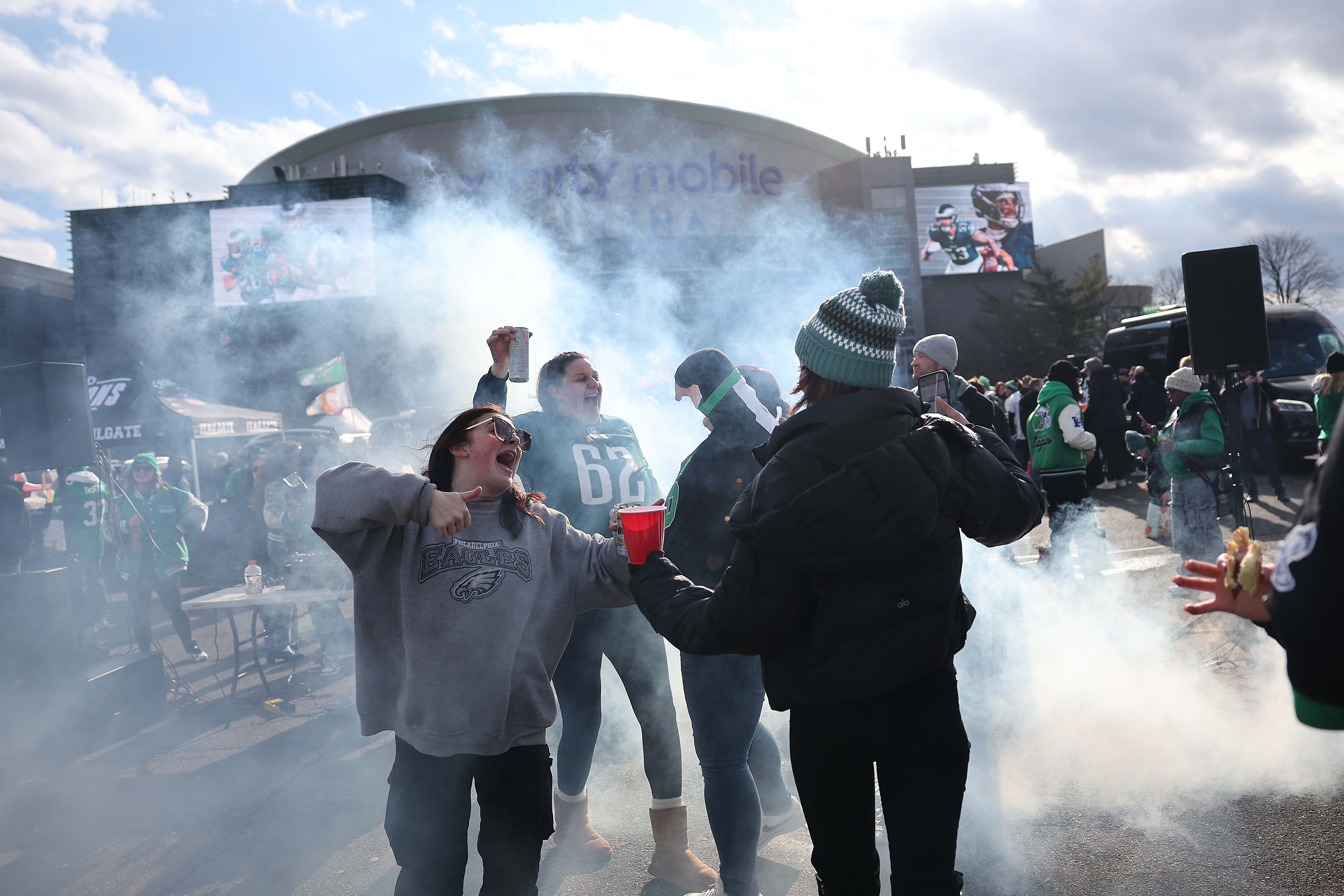
Thank goodness for some sanity being injected into the parking situation at Eagles games. I have been a season-ticket holder for 45 years. I have seen parking problems deteriorate over that time in large part due to the unchecked behavior of some tailgaters. Individuals seeking a parking space are usually left searching the aisles to find a spot. Tailgaters have spread themselves across more and more parking spaces and into the parking lanes. They rarely move out of the way of vehicles looking to park, let alone move their grills, games, coolers, heaters, tables, lawn chairs, and whatever from the parking spaces they take up. Their behavior has become more and more belligerent toward anyone attempting to even drive by looking for parking.
The recently announced changes are long overdue. Those with RVs, buses, and other oversized vehicles will still have a location to continue their traditions. Because of their inability to act in a civilized and sober manner, new rules had to be enacted. They brought these changes upon themselves. It will make the game-day experience more enjoyable for the overwhelming majority of those attending the games. After all, even people who aren’t tailgating have paid a considerable amount of money for parking and their ticket to the game. Parking lots are first supposed to be for those attending the game. If you don’t have a ticket to the game but wish to tailgate, round up your crew and park in a neighborhood close to one of your homes. Perhaps your neighbors will appreciate such a party and join you. If they don’t appreciate the opportunity, shift it to another neighborhood.
If folks showed more consideration for one another, rules such as the recently announced guidelines for parking wouldn’t be necessary.
Joe Kimsal, Levittown, eaglesjfk@msn.com
Join the conversation: Send letters to letters@inquirer.com. Limit length to 150 words and include home address and day and evening phone number. Letters run in The Inquirer six days a week on the editorial pages and online.
ARIES (March 21-April 19). Frank Lloyd Wright said, “An idea is salvation by imagination.” An idea can also just be fun and doesn’t have to save anyone to be useful in a given moment. Take the pressure off and dream a little.
TAURUS (April 20-May 20). Love doesn’t always have to be about duty. In fact, feeling like you’re always “on duty” around someone might be a sign that the distribution of work has become lopsided, which can feel unloving indeed.
GEMINI (May 21-June 21). You can avoid many problems by just listening a little harder or being slightly more curious about where other people are coming from. With only the slightest increase in awareness, you’ll avoid hours of needless extra work.
CANCER (June 22-July 22). When you’re having trouble motivating yourself, make the plans smaller. But to motivate others, make the plans much grander so as to stir people’s imaginations and lift hopes and spirits.
LEO (July 23-Aug. 22). A couple’s dance involves an amount of space between dancers that makes the moves possible and comfortable. Relationships are like this, too. There’s an amount of distance that tends to work best for the relationship, which you’ll find through trial and error.
VIRGO (Aug. 23-Sept. 22). People will say it can’t be done, but the joke is on them since you are already doing it. Even so, it might be better to keep this on the down-low until you’ve worked out how to present it in the most auspicious light.
LIBRA (Sept. 23-Oct. 23). It has always been OK for you to know your own strength and beauty, though you have often been discouraged from letting others know that you know. Your political savvy has you managing the moment without forgetting yourself in it.
SCORPIO (Oct. 24-Nov. 21). There is an overall sense that you want something to happen, even if you’re not sure what. Movement begets movement. Any small change will put the more significant change in motion.
SAGITTARIUS (Nov. 22-Dec. 21). Many people hesitate to help others when they haven’t yet assessed whether the person deserves relief. You find that conditional kind of help off-putting. You’ll offer relief in the moment of suffering, no further investigation necessary.
CAPRICORN (Dec. 22-Jan. 19). Your task list has reached an overwhelming length. Start passing it out to the competent people that you know. You might be surprised who has been wanting to help you and is just waiting for the moment you let them.
AQUARIUS (Jan. 20-Feb. 18). Don’t worry, there is no secret recipe, comprehensive guide or redeeming formula you somehow missed. There are only a thousand routes to the destination, yours being as valid as any.
PISCES (Feb. 19-March 20). You really are doing what you most want to do, even when you’re doing a tedious piece of work. In that work, you avoid the consequences that would surely come to pass if you were not to tend to your duties.
TODAY’S BIRTHDAY (Oct. 5). In your Year of the Key Guest, people invite you into rooms where important things are happening, and you’ll be a part of what’s decided or created there. You will drill down on a special interest, resulting in special bonds, rare experiences and a project that pays you well. More highlights: You’ll transform a place where you spend a lot of time. You’ll embark on adventures with a small group. The money and justice you’ve had coming find their way to you. Gemini and Cancer adore you. Your lucky numbers are: 4, 16, 8, 21 and 50.
DEAR ABBY: I’ve been in a relationship with a man for three years and living with him for the past two. He has two married daughters and seven grandkids. Before I entered his life, he had an open-door policy. He allowed them to visit whenever they wanted, and they still have keys to his house.
My partner and I are not on the same page regarding boundaries and privacy. While I understand the importance of children spending time with their parents, his daughters visit him two to three times a week. I work full time, and yesterday, after a long day at the office, I arrived home at 6 p.m. to find his youngest daughter and her three kids there with the house in disarray. They stayed for dinner and lingered afterward.
I was exhausted, so I went to bed around 8 p.m., but as I lay there, I couldn’t help thinking it might be time for me to move out or leave the relationship entirely. I’ve often felt like I don’t have a voice when it comes to living in his house and that my feelings don’t seem to matter. Am I wrong to feel this way?
— INVADED IN IOWA
DEAR INVADED: No, you are not. What your gentleman friend and his children haven’t taken into account is that he no longer lives alone, and an additional person needs to be considered. If, after working a full day, you don’t feel up to entertaining his children and grandchildren, you should at least have some warning about what you will be facing when you get home. That you weren’t consulted was inconsiderate.
If, after you have discussed this, he continues to do it without consulting you, you should absolutely get a place of your own. Continue to see him if that’s an option, but create some distance.
** ** **
DEAR ABBY: I’ve had a core group of friends for almost 20 years. Some have kids, but I do not. We all met doing theater. I considered many of them my closest friends. Last month, six of them, all of whom have kids the same age, founded a new theater company, which is cool, but I was not notified or consulted.
I’ve acted in and stage-managed many shows with all of them, as well as played music for their shows. They’re now producing a musical with my other best friend from out of state. Why am I being excluded? Am I crazy for feeling upset that I’m not being included? Is it because I don’t have kids and they do? Should I just move on and find new friends?
— THEATER GUY
DEAR THEATER GUY: You are not crazy for feeling left out. As to why they didn’t mention this venture to you, I’m not the person you should ask. Is this a youth-oriented theater company? If so, they may have assumed you would not want to participate. Now that you know about it, offer to help with the show. If they decline, that would be your moment to inquire about the reasons.
“Why am I getting Ken Paxton ads during the Eagles Rams game???” wrote one user on X. Many others posted similar questions, some with decidedly more profanity.
At least three ads supporting Paxton, the Republican candidate in the contentious U.S. Senate race in Texas, aired during the home matchup, which was broadcast locally on Fox29.
Much of the Eagles-Rams audience can’t vote in Texas. So why all the airtime?
“It’s probably aimed at reaching into the pocketbooks rather than the voting hearts of the people who are going to be watching,” said Michael Hagen, an associate professor in the political science department at Temple University.
Hagen said the motive for putting ads in front of people who may not be able to vote in a particular election is typically to solicit donations and raise funds.
With a month until the midterm elections, the Texas Senate has become a “much more competitive question mark” than expected, he said; polls show Paxton is trailing his Democratic opponent, James Talarico. While Democrats have not won a statewide election in Texas in decades, the hotly contested race, and others in battleground states, could also swing control of the U.S. Senate.
According to social media posts, at least one of the slots — of Paxton’s estranged wife urging voters to back the entire Republican ticket — appeared to run nationwide.
“Dawg I am in ROSSLYN, VIRGINIA,” one user said, posting a photo of the commercial on TV. (Also, on Sunday, the Dallas Cowboys played the Houston Texans.)
That ad was funded by a political action committee, which has invested more than $125 million into the race, according to the New York Times. Paxton’s campaign did not immediately respond to an email seeking comment Sunday evening.
Rest assured; Hagen said people shouldn’t expect many more ads from Texas.
“It really is unusual, but it’s an indication of just how much money is being put into the Senate race in Texas, in particular, and Senate races all over the country,” he said. “We’ll definitely see much more money being raised and spent — just not maybe in this particular way.”
Nick Sirianni did not have a firm answer when asked if he expected to have Lane Johnson back with the Eagles as they turn the page from their second consecutive loss and begin preparations for their Week 5 game in London vs. the Jacksonville Jaguars.
“We’ll see where we are,” Sirianni said.
The Eagles entered Sunday expecting Johnson to be in uniform for their 1 p.m. game vs. the Los Angeles Rams, but Johnson was a late scratch due to what the team called a personal issue. The team was instead forced to play with just seven offensive linemen in uniform, with third-round pick Markel Bell inserted as Johnson’s replacement at right tackle and no real backup.
Eagles quarterback Jalen Hurts greets Rams quarterback Matthew Stafford after the Eagles lost to the Rams, 24-20.Monica Herndon / Staff PhotographerEagles head coach Nick Sirianni walks off the field after their loss to the Rams.David Maialetti / Staff PhotographerRams linebacker Byron Young (right) sacks Philadelphia Eagles quarterback Jalen Hurts on their final drive of the game.David Maialetti / Staff PhotographerRams running back Kyren Williams stiff-arms Eagles linebacker Jeremiah Trotter Jr. on his touchdown run late in the fourth quarter.David Maialetti / Staff PhotographerEagles defensive back Jonathan Jones reacts after getting called for personal foul penalty in the fourth quarter.David Maialetti / Staff PhotographerRams running back Kyren Williams scores a fourth quarter touchdown past Eagles linebacker Jihaad Campbell.David Maialetti / Staff Photographerrunning back Kyren Williams scores a fourth quarter touchdown against Eagles safety Andrew Mukuba.Monica Herndon / Staff PhotographerEagles running back Tank Bigsby runs with the football against Rams cornerback Emmanuel Forbes in the fourth quarter.David Maialetti / Staff PhotographerEagles quarterback Jalen Hurts runs with football past Rams linebacker Josaiah Stewart in the fourth quarter.Monica Herndon / Staff PhotographerEagles head coach Nick Sirianni looks down at the turf with his team on the goal line during the fourth quarter. The Eagles gave-up the football on downs.David Maialetti / Staff PhotographerEagles linebacker Jeremiah Trotter Jr., stops Rams wide receiver Puka Nacua in the third quarter.David Maialetti / Staff PhotographerEagles cornerback Cooper DeJean intercepts the football past Rams running back Kyren Williams during the second quarter.David Maialetti / Staff PhotographerEagles wide receiver Darius Cooper catches a second quarter touchdown against the Rams. The touchdown was Cooper’s second during the second quarter.David Maialetti / Staff PhotographerRams wide receiver Puka Nacua scores during the second quarter against the Eagles.Monica Herndon / Staff PhotographerEagles wide receiver Darius Cooper (left) celebrates his first, second quarter touchdown with his teammates.Monica Herndon / Staff PhotographerEagles wide receiver Darius Cooper catches his first second quarter touchdown against Rams safety Quentin Lake (center) and cornerback Trent McDuffie.David Maialetti / Staff PhotographerEagles wide receiver Darius Cooper catches his first second quarter touchdown against Rams safety Quentin Lake.Monica Herndon / Staff PhotographerEagles kick returner Britain Covey runs with he football in the second quarter.David Maialetti / Staff PhotographerEagles cornerback Riq Woolen stops Rams running back Kyren Williams in the second quarter.David Maialetti / Staff PhotographerRams Alex Bachman flies during a second quarter kick-off return against Eagles linebacker Smael Mondon Jr..David Maialetti / Staff PhotographerEagles wide receiver Makai Lemon catches the football against Rams safety Kam Curl (left) and linebacker Nate Landman in the second quarter.David Maialetti / Staff PhotographerEagles cornerback Cooper DeJean goes after Rams running back Blake Corum in the first quarter.Monica Herndon / Staff PhotographerRams running back Kyren Williams runs past Eagles cornerback Riq Woolen in the first quarter.Monica Herndon / Staff PhotographerEagles defensive tackle Jalen Carter goes after Rams quarterback Matthew Stafford in the first quarter.David Maialetti / Staff PhotographerEagles kicker Jake Elliott kicks a first quarter field goal with holder Braden Mann.David Maialetti / Staff PhotographerEagles safety Andrew Mukuba runs with the football during a first quarter interception against Rams center Coleman Shelton.David Maialetti / Staff PhotographerEagles running back Saquon Barkley walks off the field in the first quarter. Barkley got hurt against the Rams.David Maialetti / Staff PhotographerEagles running back Saquon Barkley leaves the field with members of the medical staff in the first quarter.David Maialetti / Staff PhotographerEagles running back Saquon Barkley kneels in pain during the first quarter.Monica Herndon / Staff PhotographerEagles running back Saquon Barkley runs with the football against the Rams during the first quarter.Monica Herndon / Staff PhotographerEagles quarterback Jalen Hurts throws the football during the first quarter.David Maialetti / Staff Photographer
Sirianni did not explain the sequence of events Sunday morning that led to the late scramble.
It’s unclear if Sunday’s absence is related. Neither Sirianni nor left tackle Jordan Mailata elaborated on Johnson’s absence.
“I can’t speak on that,” Mailata said.
Said center/guard Cam Jurgens: “It’s football. It’s always the next man up. It’s tough because that’s one of our brothers. We miss him out there.”
The offense sputtered for a variety of reasons in the second half on Sunday, and Jalen Hurts was under duress when dropping back. The Rams, seeking to take advantage of an offensive line down two starters also including left guard Landon Dickerson, blitzed the Eagles on 60.6% of his dropbacks, according to Next Gen. Pro Football Focus had Hurts under pressure on 15 of his 34 dropbacks, and Bell was charged for a team-high five pressures, which included two of Hurts’ four sacks.
Markel Bell made his first career start in Lane Johnson’s place on Sunday and acquitted himself reasonably well. Jose F. Moreno / Staff Photographer
Mailata said he didn’t think Johnson’s absence had a major effect on the offense.
“I can only attest to the guys that were on the field,” he said. “I don’t like playing those sort of what-ifs, or could-have-done-this, should-have-done-this. We just simply couldn’t finish the drives.”
Bell was no longer in the locker room when the doors opened to reporters after the game.
“I would like to think as a leader on this offense, I have a lot of belief in the next man up,” Mailata said. “There’s a reason why we drafted Markel high up and … Sometimes the situation is he’s got to be that next man up and you find out on Sundays.”
Sirianni said he thought Bell “battled and went in there and played his butt off.”
Asked how he processed Johnson being out and getting the team ready to play Sunday, Hurts said: “Very unfortunate for his unavailability today. In the end, it was the next-man-up mentality. Kept the focus on the team, kept the focus on us trying to go out there and be at our best. We had an opportunity to do that.”
For one half, there was progress, but things fell apart late.
Lane Johnson has said 2026 will likely be his final season. Jose F. Moreno / Staff Photographer
It’s unclear if Johnson will be back with the team for Week 5. An extended absence would potentially force Howie Roseman to make a move. The Eagles also are without reserve tackle Fred Johnson, who has been dealing with a knee injury. They have two tackles on the practice squad in John Ojukwu and Kiran Amegadjie, one of which likely would have been elevated had the Eagles known Johnson wasn’t going to play on Sunday.
Johnson had been considering retirement before deciding to return to the Eagles for the 2026 season.
“As you get older, things change in your life,” he said in August. “Priorities. Your children get older, parents get older. It puts things in perspective. So it’s looking like, potentially, this is probably going to be my last year. I am getting to that point where priorities away from football are starting to merge.”