Tag: topic-link-auto

  • Philadelphia faces calls for a data center moratorium amid spreading AI fear and talk of a slowdown

    Philadelphia faces calls for a data center moratorium amid spreading AI fear and talk of a slowdown

    The battle over data centers and the artificial intelligence they power has officially reached Philadelphia City Hall.

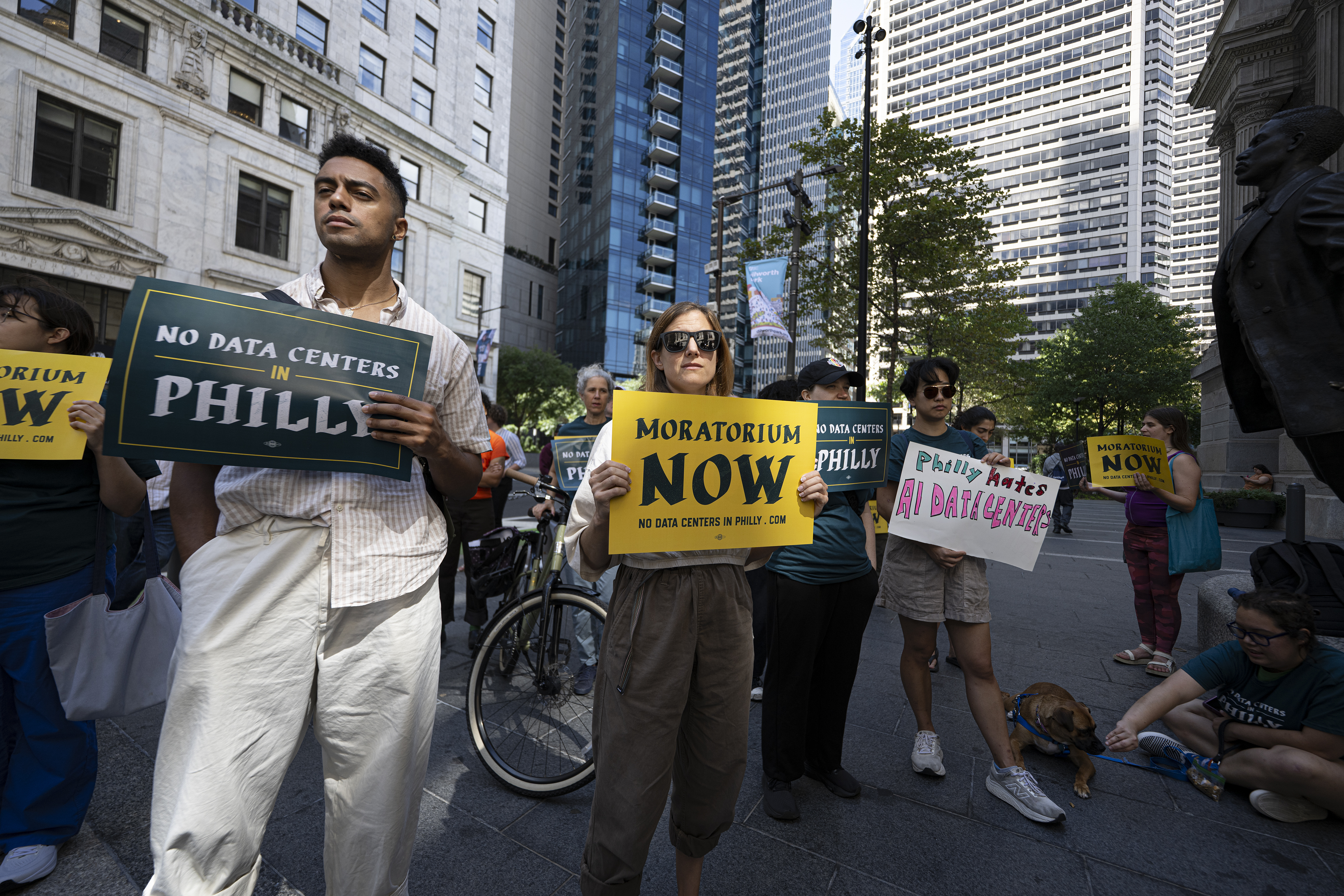
    A coalition of activist groups and environmental advocates gathered at City Hall Monday to call on local lawmakers to pass a moratorium on data center construction in the city, the opening salvo for the group’s public pressure campaign to oppose the projects that it says could hike energy rates and drive pollution.

    “There’s way too much at stake to let data centers expand without guardrails,” said Sonya Sanders, board president of Philly Thrive, an advocacy group for racial, economic, and environmental justice.

    The coordinated push could put Mayor Cherelle L. Parker and members of City Council in a politically tricky spot as they gear up to run for reelection in the spring. Data centers have proven deeply controversial and have drawn bipartisan backlash, but some unions that see job-creating potential support their construction.

    There is no specific data center proposal currently under consideration by City Council, and no member has said that they will introduce a moratorium bill. A spokesperson for Council President Kenyatta Johnson said that Council members and Parker’s administration are in “discussions on the future of data centers in the city.”.

    Any data center legislation would have to run through Parker, a centrist Democrat who has not staked a position on the issue. She is allied with the unions that represent construction workers and has generally been pro-development. However, she positioned herself as an opponent of Big Tech earlier this year when she advocated for new taxes on companies like Uber and Airbnb.

    Parker said in a statement Monday that she would sign an executive order this week to “formalize” a task force she convened over the summer to explore potential standards for data center development, and she vowed that the city would put “rigorous guardrails in place.” She did not specify a timeline.
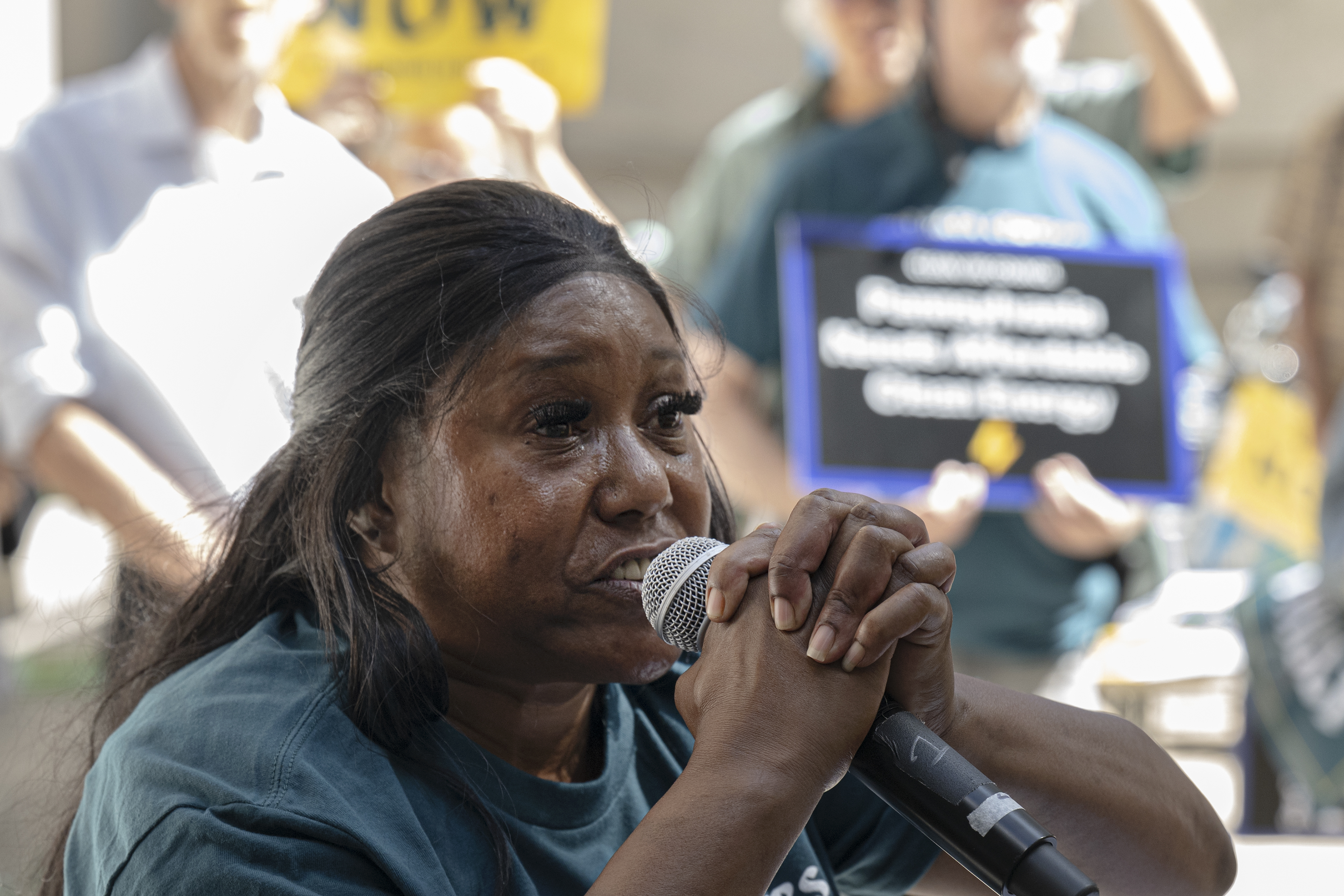
    Grays Ferry resident Sonya Sanders speaks during a rally at Philadelphia City Hall on Monday, calling on City Council to pass a citywide data center moratorium and kicking off the No Data Centers in Philly campaign.Jose F. Moreno / Staff Photographer

    The data center activists’ event in Philadelphia came as fear of AI’s rapid development and increasingly humanlike capabilities has spread substantially and as leaders of the nation’s largest AI developers over the weekend signaled support for a global slowdown.

    On Saturday, Anthropic chief executive Dario Amodei wrote that the technology is advancing more rapidly than leading companies can implement safeguards. Several of his top rivals, including Sam Altman of OpenAI and Elon Musk of SpaceX, endorsed his call for a slower pace of growth.

    Meanwhile, talks of regulation have gripped Washington, with lawmakers from both major parties drafting plans to rein in tech companies and add layers of oversight to AI development. Any proposal faces an uncertain future, as President Donald Trump has said the country should remove barriers to AI development and accelerate advancement in order to outpace China.

    On Monday morning, Trump posted on his Truth Social platform: “The only control or ‘guardrails’ that AI needs is a STRONG AND SMART (High IQ!) PRESIDENT, and the U.S.A. has that, in spades!”
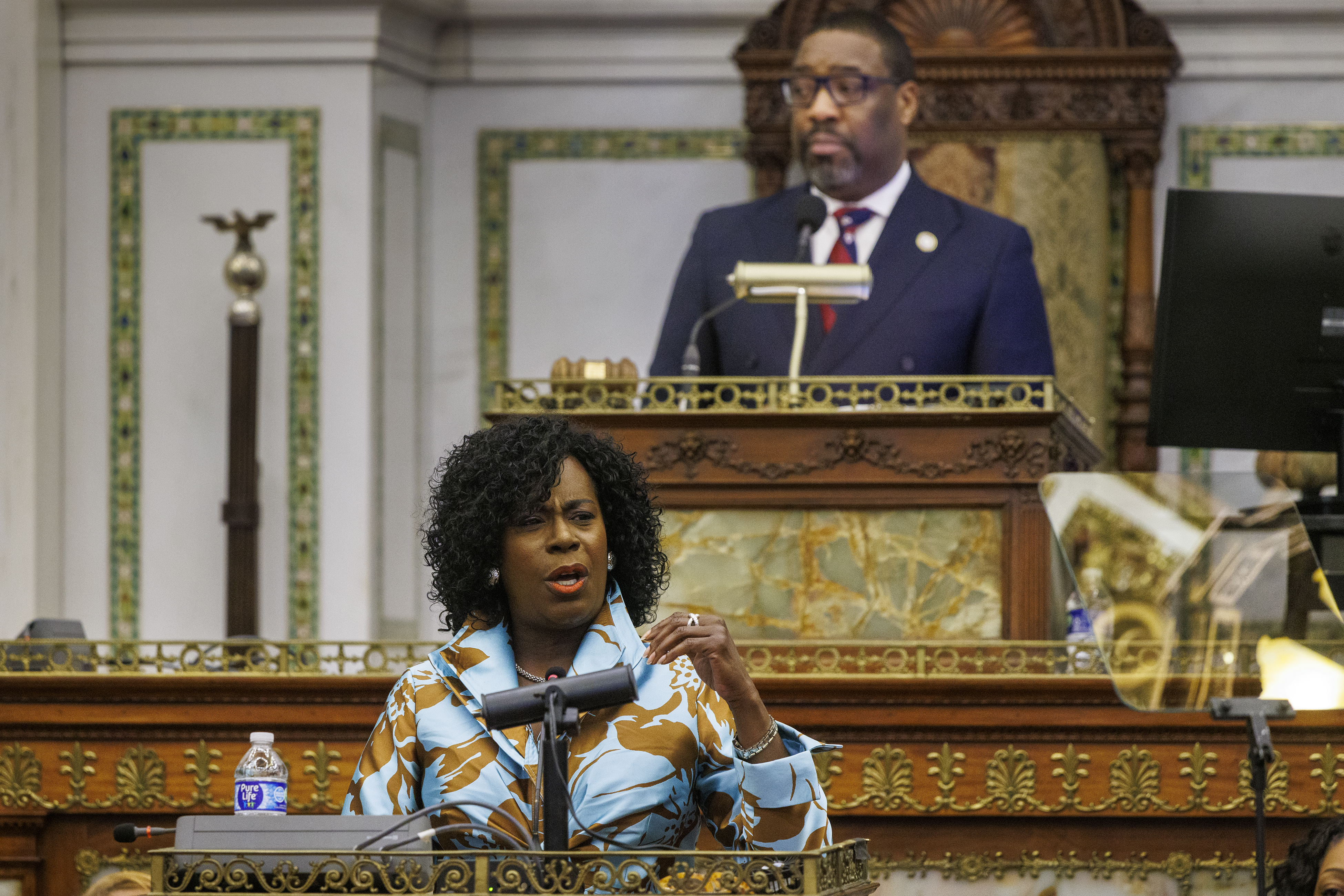
    Philadelphia Mayor Cherelle L. Parker start to make her budget presentation to City Council in Council Chambers on March 12. In the background is Council President Kenyatta Johnson.Alejandro A. Alvarez / Staff Photographer

    Inaction in Washington has left an opening for states and cities to regulate the construction of data centers, which produce the massive amount of computing power needed for artificial intelligence. They have become increasingly unpopular — a July poll found that 3 in 4 Pennsylvanians don’t want a data center in their backyard.

    Municipalities in Pennsylvania, including Philadelphia, now have more power than ever to slow or halt the development of data centers. Gov. Josh Shapiro, a Democrat who is considered a potential presidential contender and who had previously courted data center projects, last month signed an executive order requiring local approval for any project to receive a state permit.

    Philadelphia is already home to eight data centers that were constructed before the issue was widely controversial. The existing data centers are far smaller than the newer “hyperscale” projects that are meant to power AI and have faced opposition in communities across the country.

    In July, the city’s planning commission said there are only two locations in the city that could support an industrial-size data center: the former South Philly refinery site known as the Bellwether District and 2600 Grant Ave., a city-owned plot adjacent to the Northeast Philadelphia airport.

    Planning commission officials emphasized that they were not asked to consider a specific proposal to build a data center at either of those sites.

    People hold signs opposing data centers during a rally at Philadelphia City Hall on Monday, calling on City Council to pass a citywide data center moratorium and kicking off the No Data Centers in Philly campaign.Jose F. Moreno / Staff Photographer

    City Council has thus far not taken action on data centers, aside from passing a resolution authored by Councilmember Rue Landau earlier this year to hold hearings on the issue. A hearing has not yet been scheduled.

    Council, which is led by a supermajority of Democrats, will convene Thursday for the first meeting of the fall session. Members are unlikely to green-light a controversial data center project ahead of the primary election in May, when every Council seat will be on the ballot.

    But activists said Monday that city lawmakers must take proactive steps to ban data centers temporarily while they draft a regulatory framework and a system for considering public input on proposed projects.

    Shawmar Pitts, the managing co-director of Philly Thrive — which is rooted in the communities that surround the former South Philly oil refinery — said Council members are “on notice.”

    “Don’t put a moratorium in place, and your seat will be taken,” he warned.

    Senia Lopez, a Northeast Philly resident and an organizer with the advocacy group 215 People’s Alliance, said people in neighborhoods surrounding any future hyperscale data center would be saddled with higher utility costs and “increased threats to our health.”

    “City Council must chose whose interests it represents,” Lopez said. “It can side with Big Tech companies seeking to extract from our communities, or it can stand with the working people who have built and sustained them.”
  • Jefferson County coroner says a ‘probable’ case of measles led to a woman’s death

    Jefferson County coroner says a ‘probable’ case of measles led to a woman’s death

    Jefferson County’s coroner is updating a death certificate to note that a “probable” case of measles led to the death of a 40-year-old woman over the weekend.

    The woman’s death certificate initially had stated that she died of respiratory failure due to a “suspected” case of measles and other underlying conditions. She also had clinical signs of measles, including a rash and fever, coroner Greg Furlong said Monday.

    Furlong said he had paperwork confirming that the woman had been exposed to a person who had a positive lab test for measles and subsequently decided to change the death certificate.

    The woman’s death marks the third reported amid an ongoing measles outbreak in Pennsylvania that has sickened nearly 700 people. State officials announced last month two other measles-related deaths and say they’re investigating the death reported in Jefferson County.

    Here’s what to know about the case and the ongoing outbreak.

    (function(){function e(){window.addEventListener(`message`,function(e){if(e.data[`datawrapper-height`]!==void 0){var t=document.querySelectorAll(`iframe`);for(var n in e.data[`datawrapper-height`])for(var r=0,i;i=t[r];r++)if(i.contentWindow===e.source){var a=e.data[`datawrapper-height`][n]+`px`;i.style.height=a}}})}e()})();

    What are the details of the death in Jefferson County?

    Jefferson County’s coroner reported Sunday the death of a 40-year-old woman in the county.

    The woman, who died Saturday, was unvaccinated and had serious respiratory issues, requiring her to use supplemental oxygen 24 hours a day, Furlong said.

    Her death certificate initially listed her cause of death as “acute on chronic hypoxemic and hypercapnic respiratory failure” due to “suspected measles,” chronic obstructive pulmonary disease, and asthma, Furlong told The Inquirer, though he is updating the death certificate to read “probable measles.”

    The certificate also lists “supplemental oxygen dependence” as a “significant condition contributing to death but not resulting in the underlying cause.”

    The woman also had hypertension and high cholesterol, Furlong said.

    Furlong said the woman had declined a measles test while she was alive, but his office tested her for measles after her death and was waiting on results on Monday.

    Can respiratory issues put you at higher risk for death from measles?

    Yes, measles is especially risky for people with respiratory conditions, says Paul Offit, a physician and vaccine expert who heads the Children’s Hospital of Philadelphia’s Vaccine Education Center.

    “This person was particularly compromised, with chronic obstructive pulmonary disease and asthma,” he said on Sunday. “That’s a person who could well die from this virus.”

    Children under 5, people older than 20, pregnant women, and people with weakened immune systems are more likely to have complications from measles, according to the Centers for Disease Control and Prevention.

    In young children, complications from pneumonia, or infection of the lungs, are the most common cause of death from measles, the CDC says.

    How are state officials responding to the case?

    Officials at the state health department are aware of the coroner’s report and conducting a “thorough review” of the case, they said in a statement Monday.

    According to the health department’s measles outbreak website, Pennsylvania defines a “measles-associated death” as one that occurs within 30 days of symptom onset in a person with clinical evidence of infection and a positive laboratory test.

    The state also considers additional information on a case, including a person’s medical records and whether they were exposed to measles before their death.

    Deaths without lab evidence of infection, deaths of people who have fully recovered from measles before death, and deaths from unrelated causes, like a car crash, are not counted as measles-associated.

    How are federal officials responding to the case?

    Since last month, state and federal officials have clashed over whether two other deaths reported in Pennsylvania were tied to the state’s measles outbreak.

    In its latest update Friday, the CDC still had not listed two deaths reported by the state on its website highlighting data on ongoing measles outbreaks around the country.

    In announcing the two deaths, Democratic Gov. Josh Shapiro criticized President Donald Trump’s Health and Human Services secretary, Robert F. Kennedy Jr., for spreading misinformation about vaccine safety through his longtime anti-vaccine activism. Kennedy then accused the state of “fabricating” the deaths, although he later acknowledged one had been caused by measles.

    Lancaster County’s coroner has said he investigated one death caused by measles, in an infant with a severe genetic disorder, and another in an infant who contracted measles before birth and died shortly after.

    The coroner, an elected Republican, has said he does not believe measles caused that child’s death, but rather a lacerated spleen. Yet prominent physicians have noted measles can weaken a person’s spleen, putting it at risk of rupture.

    CDC director Erica Schwartz said in a statement Monday that state officials had not notified the agency about the death in Jefferson County.

    “Despite repeated offers of assistance, Pennsylvania has not requested a CDC Epi-Aid, which would deploy epidemiologists and provide on-the-ground measles outbreak support,” she said.

    Several other states, including Texas and South Carolina, requested such assistance when dealing with large outbreaks over the last year and a half, she said, adding that the CDC will respond with Epi-Aid support if the state officially requests it.

    State officials said in a statement Monday that the health department “maintains a strong working relationship” with CDC professional staff and meets regularly with them.

    “We will continue to evaluate any additional CDC support as this outbreak contributes,” the statement read.

    Earlier this month, they said the department meets regularly with CDC staff and has discussed the details of the two previously reported measles-associated deaths with them.

    They added that the CDC requested records about the cases that contained identifiable information, which the state did not share, a decision in line with past practices.

    State officials have maintained that privacy laws keep the department from releasing more information on the cases. Earlier this month, they said the CDC had not provided them with a case report form that would allow them to share de-identified information about the deaths with the agency.

    Can you get measles if you’ve been vaccinated?

    Nearly all of the 693 measles cases reported so far this year in Pennsylvania have been among people who were not fully vaccinated against the disease.

    But last week the state identified four people — three adults and a child — who were “appropriately vaccinated for their age” and still contracted measles. These “breakthrough cases” are rare, accounting for less than 1% of the cases reported in Pennsylvania, and typically result in milder symptoms and less risk of spreading the disease.

    People born before 1957, before the first measles vaccines became available, are generally considered protected against measles through natural immunity — because the disease was once prevalent in children.

    Between 1968 and 1989, most children in the United States received one dose of the MMR vaccine, which is about 93% effective against the virus.

    In 1989, measles cases among vaccinated schoolchildren prompted health officials to recommend children receive two doses of the vaccine, which together are 97% effective against the virus, a change that also prompted some older children to get a second shot.

    How do you get a measles vaccine and who is eligible?

    The measles, mumps, and rubella vaccine is available at many doctors’ offices, urgent care centers, pharmacies, federally funded health centers, local health departments, and health centers run by the state health department. The state has also hosted pop-up clinics in affected areas during the outbreak.

    People interested in getting a vaccine for themselves or their children should call ahead to providers to check availability, the state says.

    Typically, the MMR vaccine is given in two doses, one at around a year old, and one between 4 and 6 years old. Amid the measles outbreak, state health officials are now recommending that parents in affected areas vaccinate children early to protect them against the highly contagious disease, which can infect up to 90% of unvaccinated people exposed to it.

    Babies between six and 11 months who live in, or will travel to, affected areas, can get an early dose of the MMR vaccine, then a second dose at 12 to 15 months and a third at 4 to 6 years old, the state says.

    Children over a year old who haven’t received any MMR shots should get one dose now, and a second at least 28 days later. Children with one dose of the MMR vaccine should get a second dose now, provided it’s been 28 days since their first shot.

    Adults and teenagers who have never had measles or a measles vaccine should get two doses at least 28 days apart.

    Infants younger than six months cannot receive the vaccine. People with severely weakened immune systems, those with a history of severe allergic reactions to the MMR vaccine or a vaccine component, and pregnant women should talk to their doctors about their options, the state says.

  • South Jersey parents plead for state to require cameras inside group homes for people with disabilities

    South Jersey parents plead for state to require cameras inside group homes for people with disabilities

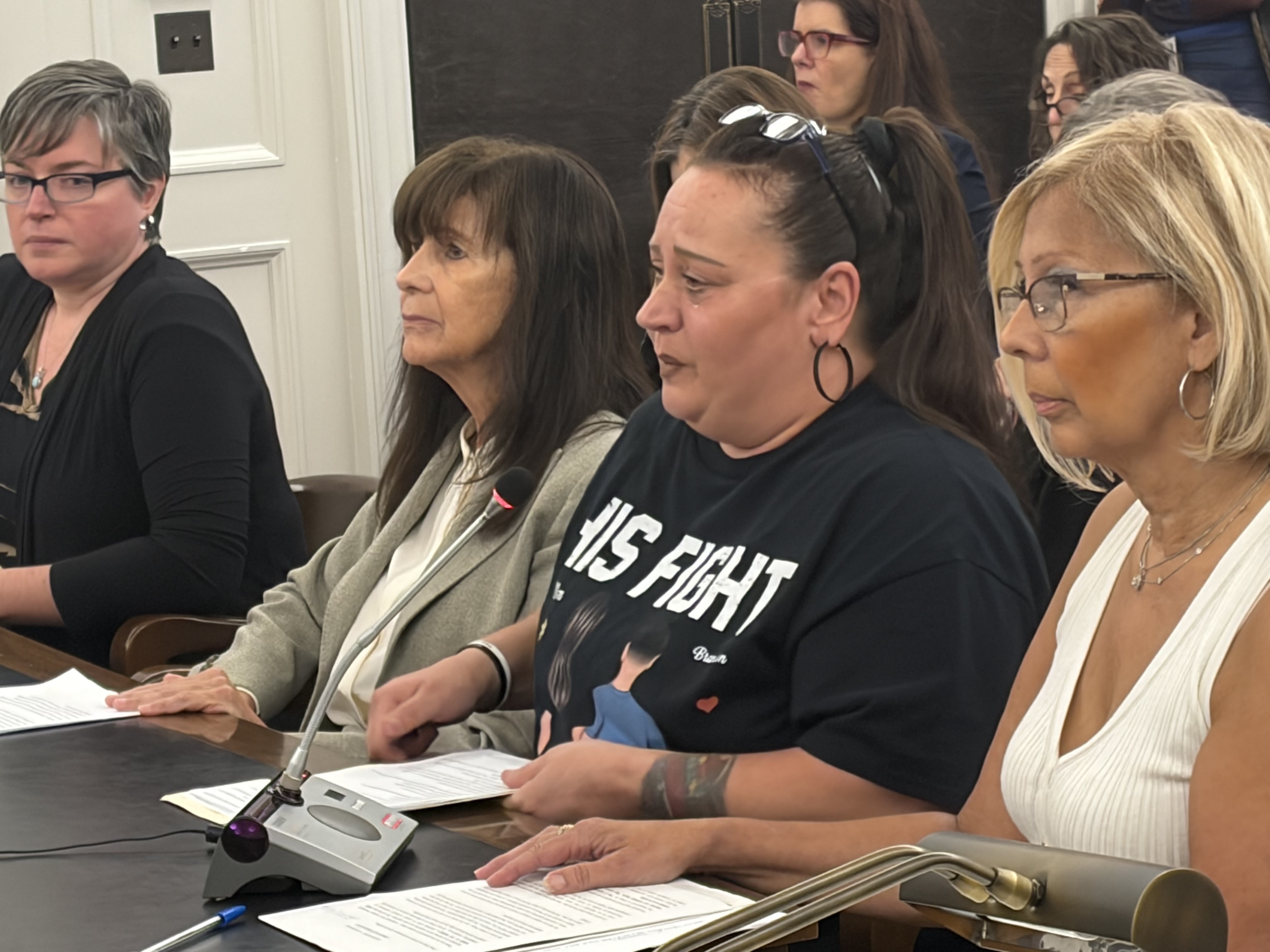
    TRENTON — Parents of people with developmental disabilities tearfully pleaded with New Jersey lawmakers on Monday to mandate the installation of cameras inside state-licensed group homes to protect their children from abuse and neglect, which they say have become almost a routine occurrence.

    A family’s frequent visits and vigilance are not enough to protect their adult children’s safety, said Priscilla Quesada of Egg Harbor Township, who testified that her son Brandon suffered broken bones and other injuries in group homes in Burlington and other South Jersey counties. He is now in a state-run facility.

    “I never imagined I would have to stand before lawmakers and ask for something as basic as cameras to protect my child,” Quesada said.

    “As his mother, I have had to fight for answers. I have had to look at medical records. I have had to ask questions about injuries and when they occurred,” Quesada said through tears. “And I keep asking myself one question: If there had been cameras, would we have known what happened to him? Maybe the abuse would have stopped sooner.”

    The fight over cameras in group homes has gone on for more than six years without a resolution. And it has been nine years since the bill’s namesake, Billy Cray, died in his group home bedroom in Somers Point.

    The Assembly Health Infrastructure Committee heard nearly three hours of testimony for and against installed cameras in group homes. Chairman Sterley Stanley (D., Middlesex) said he would schedule another hearing after working with group home lobbyists, disability advocates, and family groups to reach a compromise.

    “We are all committed,” Stanley said after the hearing. “Cameras in the homes would be a vital first step, but we also want to address the abuse that is happening.”

    Several representatives from the group home industry insisted the issue is more complicated than it appears. People with disabilities deserve privacy, a civil right protected under federal law, argued Cathy Chin, executive director for the Alliance for the Betterment of Citizens with Disabilities.

    “Common areas in private homes are neither public spaces open to the public nor institutional settings. They are homes, where a degree of individual and communal privacy is to be expected and protected in the same manner as any home or community,” Chin said.

    About 30% of group homes already use cameras, Chin said.

    “Individuals and their guardians consider this option before choosing a group home, which means they can make the choice freely, without pressure from their housemates or their guardians,” Chin said.

    Libby Vinson, CEO of the New Jersey Association for Community Providers, said the camera systems run from $20,000 to $25,000 — which would blow a “huge hole” in the providers’ budgets. She said it made more sense to spend taxpayer money to improve staff training and prevent harm.

    The legislation would require licensed group homes serving people with developmental disabilities to install cameras in living rooms, kitchens, and other common areas with the consent of all residents in the dwelling.

    The cameras would record video but not audio, according to the bill. The group home operators must retain recordings for at least 90 days and share the recording with a resident or guardian upon request. The state would inspect the homes to ensure the cameras are installed and working properly.

    The campaign for group home cameras emerged following the 2017 death of 33-year-old Billy Cray, whose body was found in his bedroom closet in his Somers Point group home. An autopsy said he died of natural causes, but his mother, Martha Cray, said she has never received satisfactory answers about his supervision and care.

    The demand for cameras intensified in the last year following media reports detailing abuse and neglect inside group homes and the lack of consequences for the operators and staff.

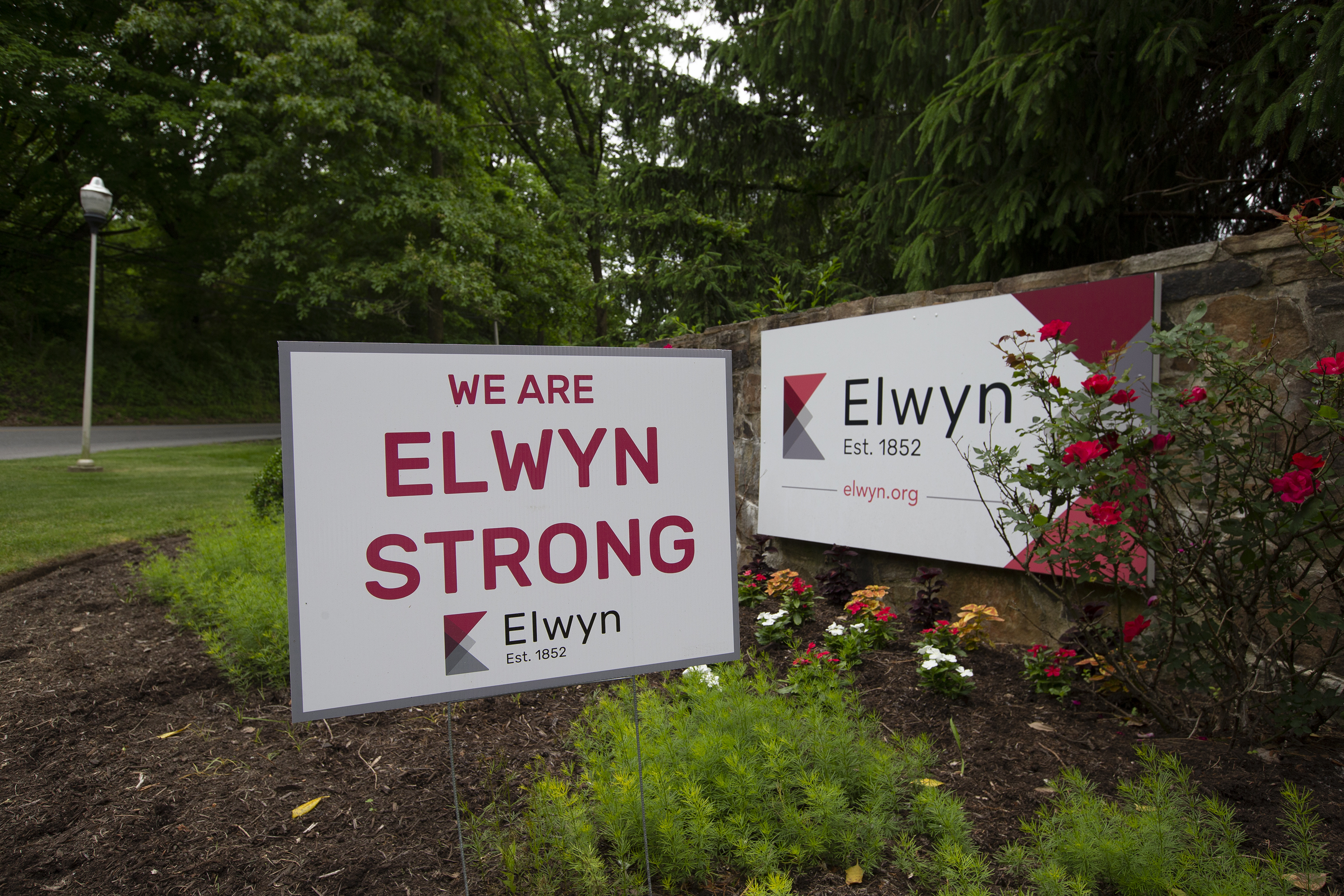
    Former Attorney General Matt Platkin last year charged Elwyn, a group home operator based in Media with facilities across multiple states, and an employee with neglect for allowing a resident who had fallen twice to remain on the floor for hours on two occasions in 2023 at a group home in Vineland.

    Elwyn, one of the nation’s oldest providers of services for intellectually and developmentally disabled individuals, is based in Media, Pa. CHARLES FOX / Staff Photographer

    Attorney General Jennifer Davenport, appointed in January by Gov. Mikie Sherrill, dropped the charges last month in exchange for Elwyn agreeing to be monitored by an outside firm.

    Pennsylvania law permits the installation of cameras in group home common areas with consent from all residents. The group home operator must hang signs alerting people cameras are in use.

    A new law took effect in New Jersey in July that for the first time gives the state department of human services authority to impose fines on abusive and neglectful group homes.

    Families have argued that the state seldom substantiates claims of abuse and neglect. The evidence provided by cameras could help both residents and employees, who may be unfairly accused of wrongdoing.

    Camden County resident Mary Jane Lovett said her son, Timothy, 36, endured 15 years of physical abuse — including some injuries requiring hospital care — at group homes in Pennsylvania. He recently moved to a state-licensed group home in Northfield, and she wants the comfort of knowing cameras are present.

    “Video speaks for itself. There’s no bias, no way to deny an incident that is captured on video,” Lovett said.

    “I never dreamed that I would be sitting in front of you, pleading with you to help keep my son safe in a group home funded by New Jersey taxpayer dollars, including my own.”

  • Nick Sirianni praises Landon Dickerson’s ‘extreme power’ and Makai Lemon for the ‘little things’ after uneven Week 1 performances

    Nick Sirianni praises Landon Dickerson’s ‘extreme power’ and Makai Lemon for the ‘little things’ after uneven Week 1 performances

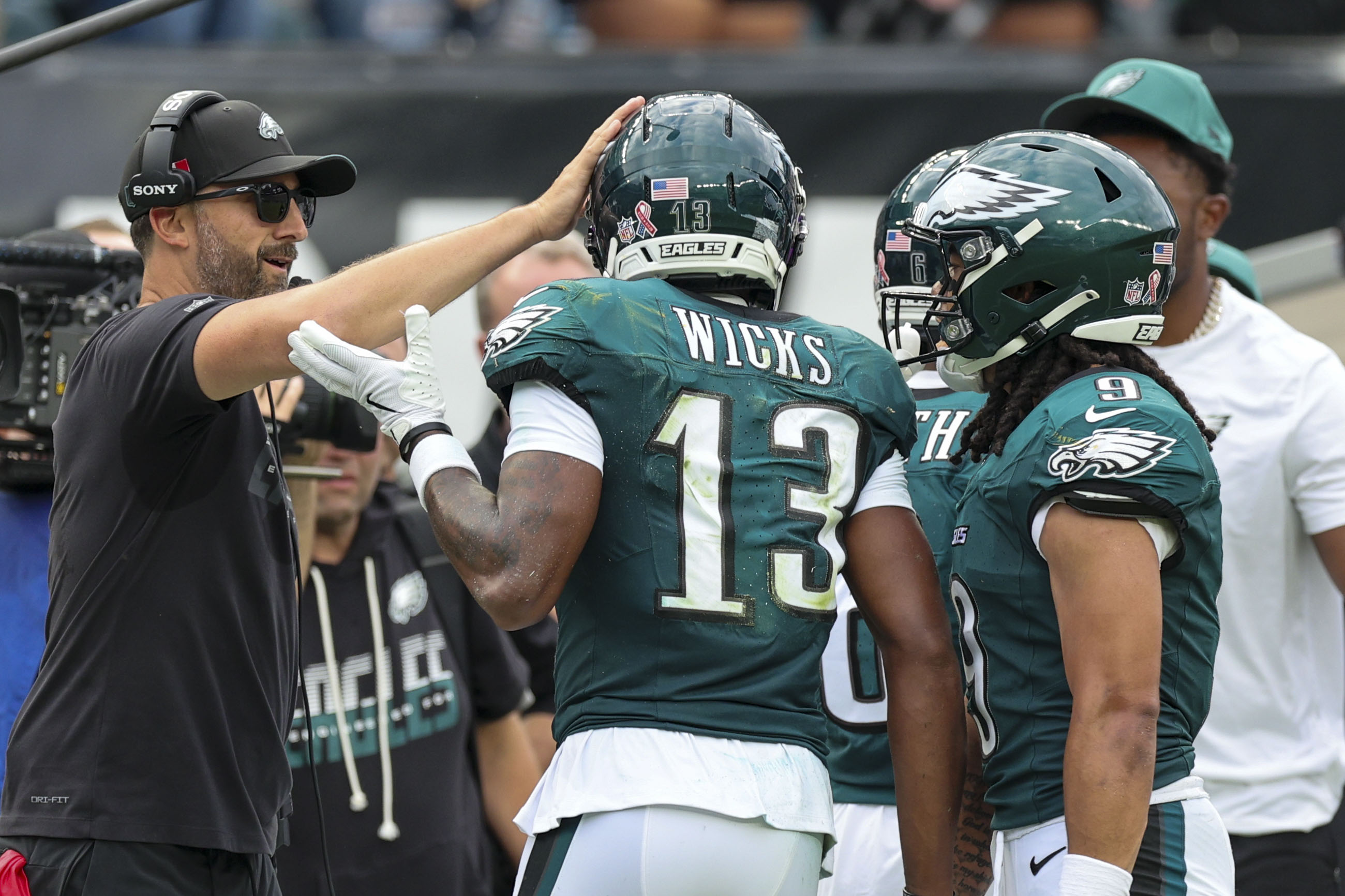
    There were plenty of positive takeaways from the Eagles’ Week 1 win vs. the Washington Commanders on Sunday.

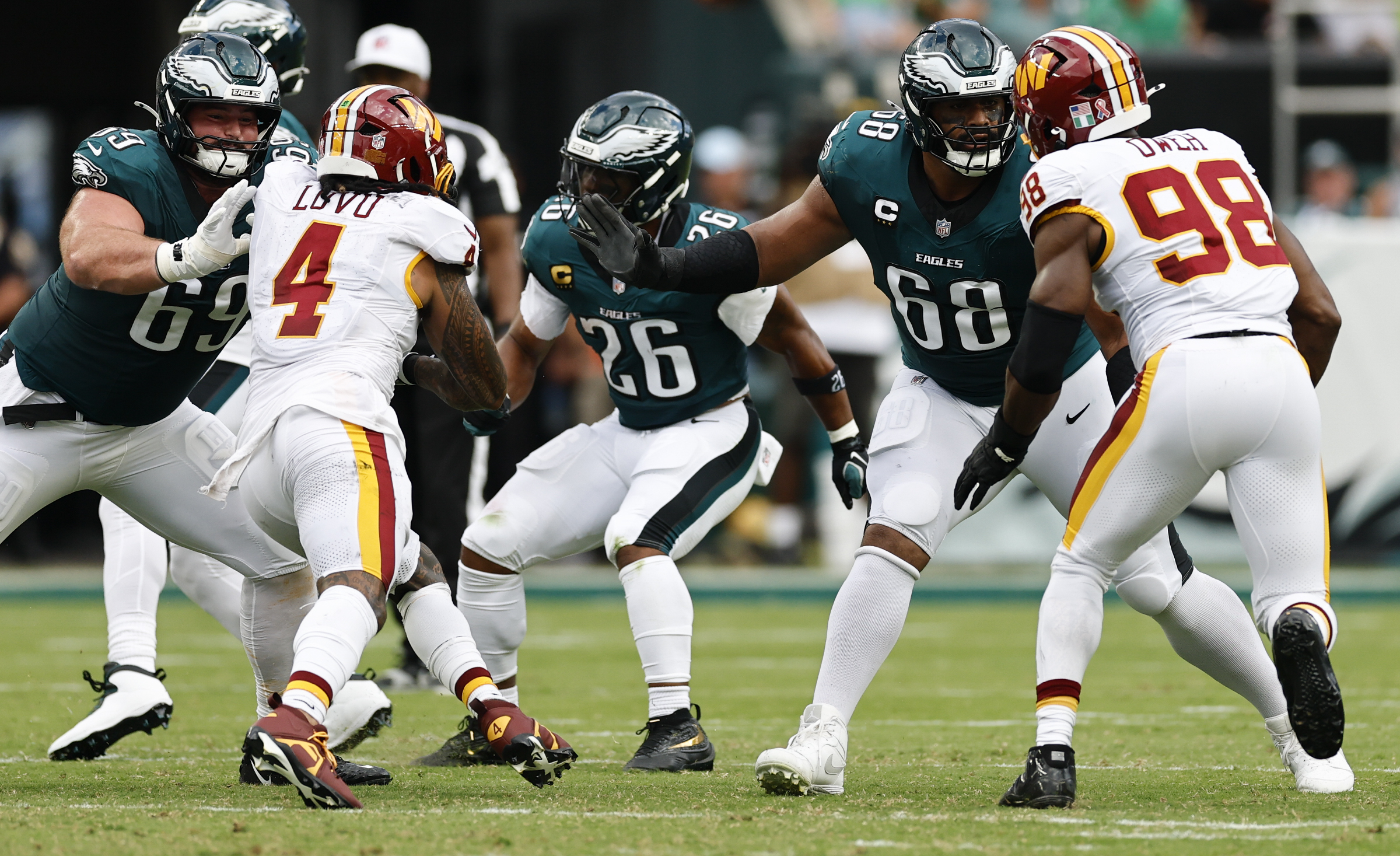
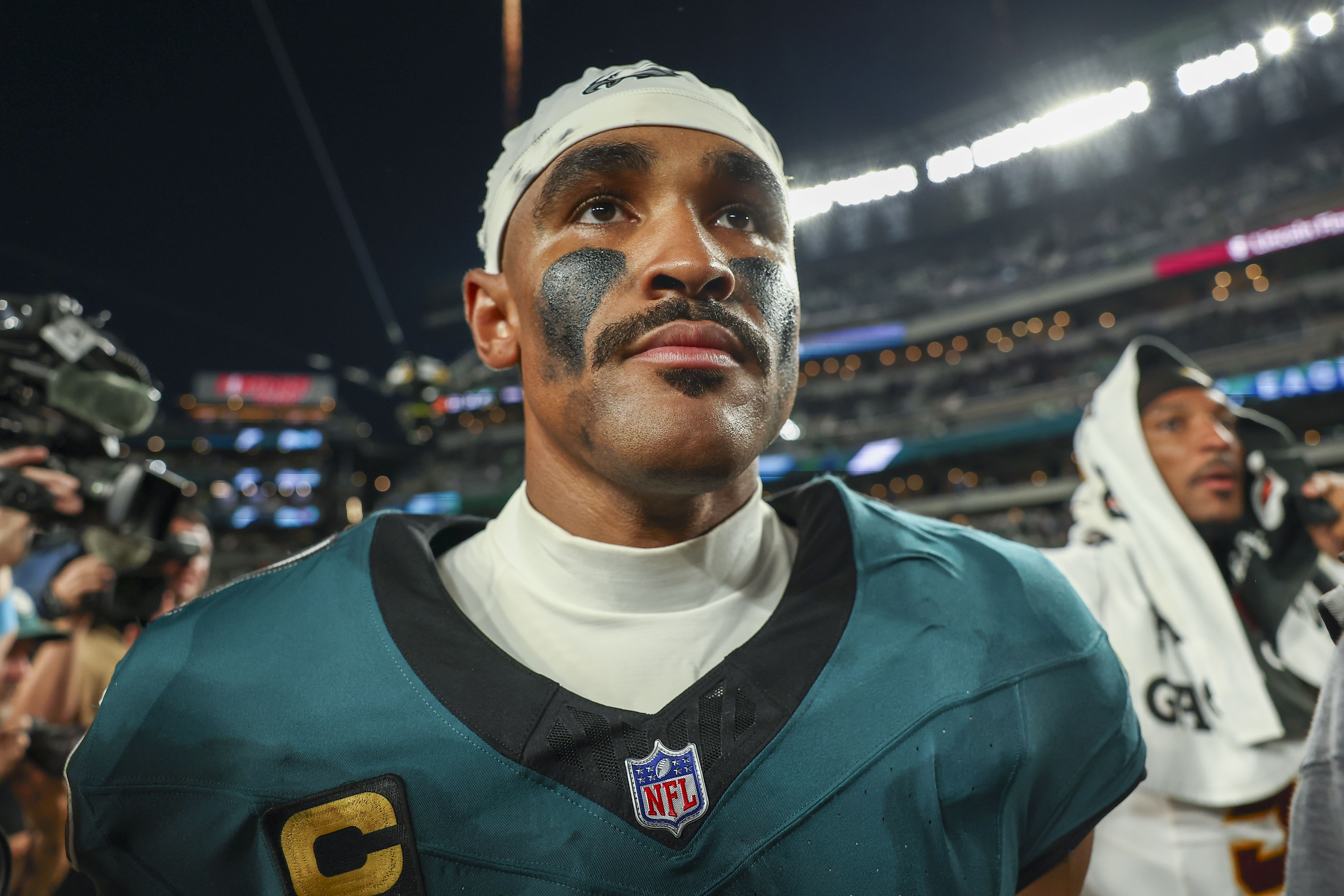
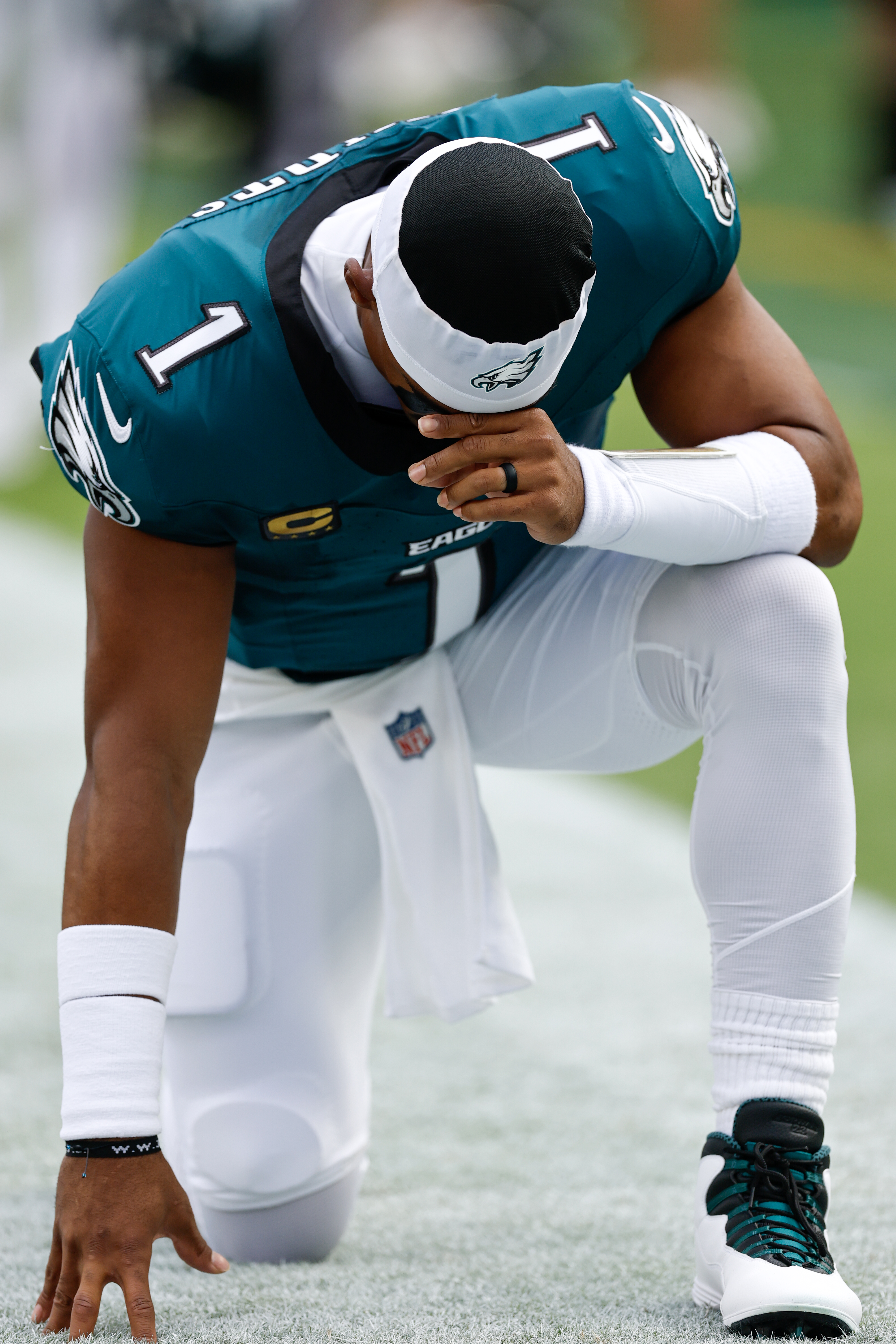
    The defense looked ready. Sean Mannion’s offense showed glimpses. Jalen Hurts threw three touchdowns and zero interceptions. The Eagles won the game.

    Alas, the negative storylines dominated headlines the next day.

    Case in point: The first question Nick Sirianni faced in his Monday press conference was about the “leaky” play from his interior offensive linemen, particularly from left guard Landon Dickerson, who allowed four pressures and one quarterback hit.

    Dickerson, once considered one of the top guards in the NFL, played through injuries last season. He was adamant all offseason that he was healthy, but it didn’t appear that way on Sunday.

    So, what gives?

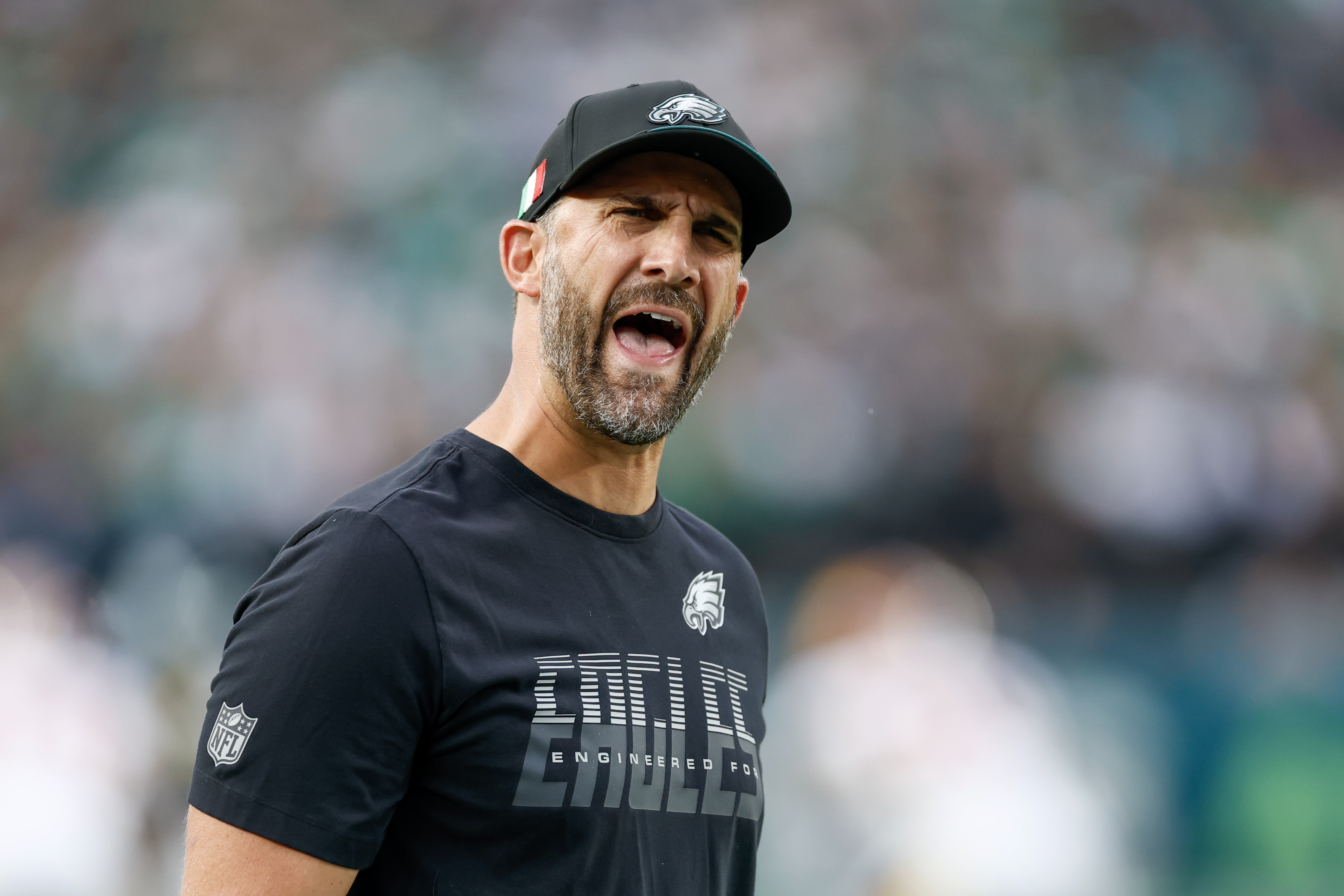
    “I think what you see with Landon is his extreme power,” Sirianni said of Dickerson, who was gone by the time reporters entered the postgame locker room Sunday night. “He’s a big man who is able to move guys off the spot.

    “If you go back and you look at — I think, OK, so he gives up some pressures. All right, but he also caved in that side on Saquon [Barkley’s] long run on that third down, and just did a really good job of pushing their defensive tackle and displacing him, which is a big job description for him.

    “He’s tough as heck,” Sirianni continued. “We’ve won a ton of games with Landon. And there’s a lot of good things that he can do, just like every player on our team from yesterday’s game and every coach, for that matter, there’s good moments, and there were moments that we got to fix, and that’s where we are.

    “I can’t tell you how much I think of Landon and the player that he is, and particularly that power and that size where he can move guys off the spot against their will.”

    Lemon’s shaky debut

    Let’s recap Makai Lemon’s summer: The first-round rookie receiver was injured for most of training camp and he recorded just 3 yards on three catches (plus a drop that led to an interception) in his lone preseason appearance.

    His Week 1 stat line was even uglier: He caught 3-of-4 targets for minus-5 yards.

    “There’s a lot of things that Makai did in that game that don’t reflect on the stat sheet,” Sirianni said. “We constantly talk about that: What are you doing to help this team win the game, particularly if you’re a skill guy?

    “That might not be able to be seen from the stat book or to the naked eye. What he’s always done a good job since he’s been here [is] blocking, doing the right things, being in the right spots. Obviously the ones that went to him yesterday didn’t equal out to a big yardage game, right? But he did little things to help us win the football game that sometimes are unseen.”

    Makai Lemon had a quiet NFL debut on Sunday.Yong Kim / Staff Photographer

    Sirianni went on to say that he still “trusts” Lemon, whom the Eagles took with the No. 20 pick in April’s draft. They traded up with the rival Dallas Cowboys in order to pick him and they’re confident his production will translate to the NFL.

    It certainly didn’t in his debut.

    Where was Hollywood?

    Wide receiver Hollywood Brown, who signed a one-year, $6.5 million contract with the Eagles this offseason, did not see the field once on Sunday.

    Sirianni said this will change moving forward. The Eagles coach knows that Brown can create space with his speed and playmaking skills and acknowledged that the wide receiver has been a decent fit in Mannion’s offense.

    Sirianni just couldn’t find those reps for him in Week 1.

    “So, with yesterday, we have our rotations that we’re doing, you know, Hollywood could obviously help us,” Sirianni said. “We obviously want to get him into the football game because his speed is real. It just didn’t work out that way yesterday.

    “There are games like that. There are games where you get shut out on catches. Unfortunately, there are games, they get shut out on reps. But we know that Hollywood can help us win football games, and his speed is real, and, quite frankly, just from my end, we want to get him into the football game, right?”

  • Dave McCormick and John Fetterman press Trump administration for answers on health funding cuts

    Dave McCormick and John Fetterman press Trump administration for answers on health funding cuts

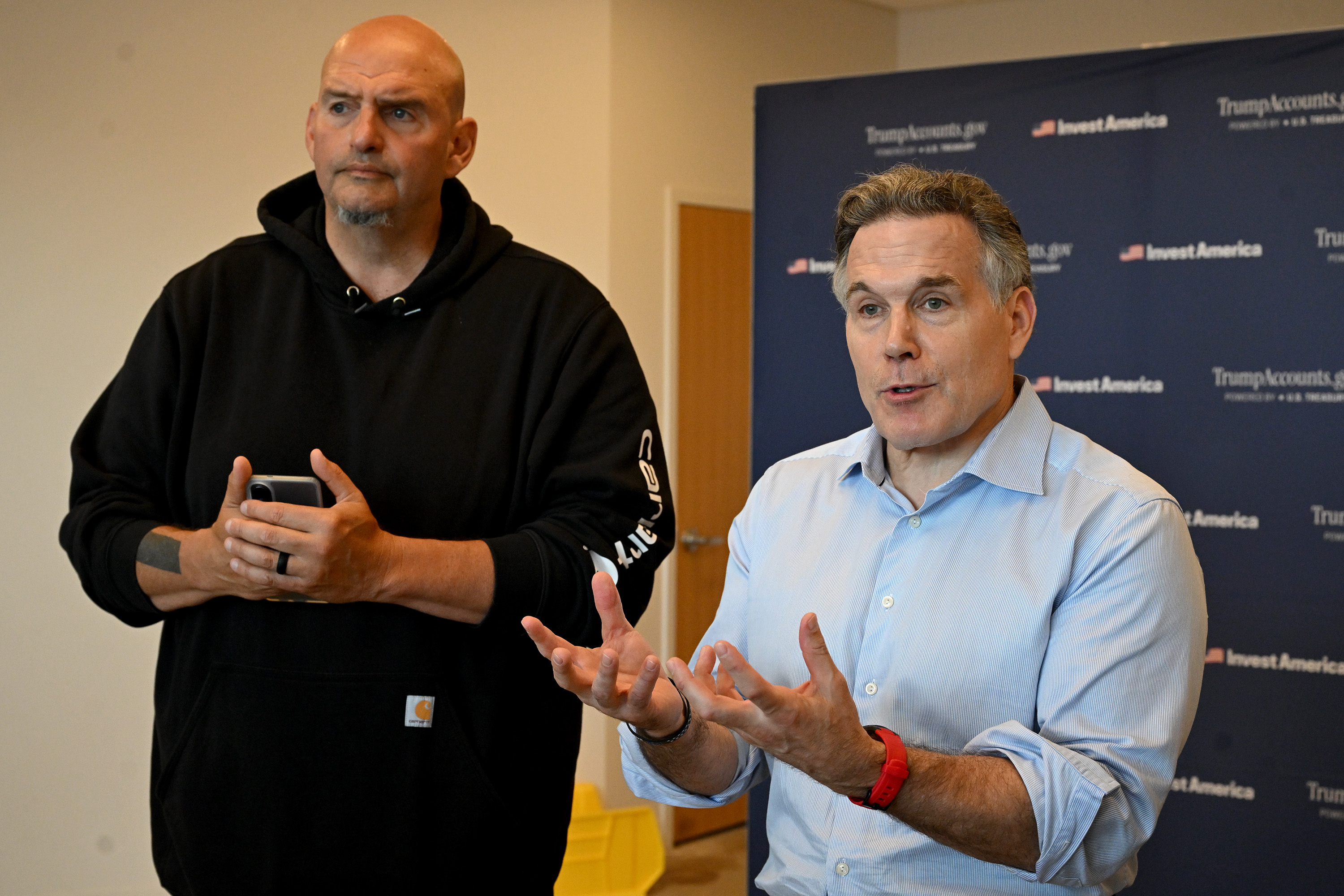
    Sens. Dave McCormick and John Fetterman are pushing the federal government to explain recent cuts to healthcare research funding in Pennsylvania, the bipartisan pair announced Monday.

    In an Aug. 25 letter to Department of Health and Human Services Secretary Robert F. Kennedy Jr., the Pennsylvania senators requested a briefing on the decisions and warned that abruptly ending long-term projects after substantial federal investment “risks wasting taxpayer resources while disrupting research, eliminating jobs, and delaying innovations to improve patient care.”

    The Agency for Healthcare Research and Quality stopped funding more than 100 grants nationwide in July, totaling hundreds of millions of dollars. These cancellations affected multiple programs at the University of Pennsylvania and Children’s Hospital of Philadelphia, disrupting studies into how healthcare systems can be organized and financed to improve health outcomes.

    That included projects on improving translation services for hospitalized patients and expanding access to hormone therapy for menopausal women.

    For McCormick, a Republican and close ally of President Donald Trump, the letter to Kennedy reflected a rare public break with the president. Though McCormick has largely supported Trump’s drastic changes to the federal government, he’s continually pushed back on cuts to National Institutes of Health grants and other research funding.

    The letter, which McCormick’s office publicized this week, is also the latest in a string of cross-aisle collaborations with Fetterman, a Democrat. It followed a similar request for information from Rep. Brendan Boyle, the top Democrat on the U.S. House Committee on the Budget.

    HHS did not immediately respond to a request for comment on the letter Monday. The department previously told The Inquirer that the AHRQ director determines “whether continuation funding is in the best interest of the federal government.”

    “To be clear, these grants were not terminated — they were not awarded continued funding,” an Aug. 5 HHS statement said. “The Trump administration remains committed to the responsible stewardship of taxpayer dollars.”

    The senators’ public push to support institutions like CHOP comes after the Wall Street Journal reported earlier this month that Fetterman privately dismissed CHOP leaders’ concerns when they were trying to set up a meeting with him last year.

    “I’m convinced they just want free trips to DC,” Fetterman wrote to a staffer after indicating he did not agree with their concerns about changes to vaccine policies and Medicaid spending under Trump, according to the report.

    Fetterman condemned the report as a “hit piece” and said the text exchange he had about CHOP was a “dumb joke.” Critics, including other Democrats who have repeatedly complained about Fetterman’s job performance, said it was further evidence that the senator was not doing his job.

    In their letter, the senators called on HHS to explain the criteria used to cancel the grants, how it plans to reallocate the funds that would have supported them, whether affected institutions can appeal the decisions, and what its long-term plan is for AHRQ.

    “Over time, this instability risks weakening our nation’s leadership in scientific research,” the letter stated.

  • Andrew Painter’s potential role on a Phillies playoff staff is uncertain. Painter says any role is OK with him.

    Andrew Painter’s potential role on a Phillies playoff staff is uncertain. Painter says any role is OK with him.

    ATLANTA — Andrew Painter’s rookie season has been about growth.

    It’s been about struggling, failing, learning from it, and improving. It’s been about starts like Sunday’s, where the 23-year-old didn’t have his best stuff or command but still found a way to hold the Braves to one run.

    But when the regular season ends after the next 12 games, the priority shifts to winning above everything. And Painter could see his role shift, too.

    In a best-of-three wild-card series, the Phillies would only need a maximum of three starters. In the best-of-five National League Division Series, clubs typically use a four-man rotation. If they get there, that will leave the Phillies with some decisions to make about how they will set up their starting pitching.

    While Jesús Luzardo missed his last start due to shoulder stiffness, both he and the Phillies have insisted that it was a mostly precautionary measure to ensure he’s healthy for the postseason. Barring any setbacks, it will likely be a tough decision between Luzardo, Zack Wheeler, and Cristopher Sánchez for the Phillies’ Game 1 starter.

    That leaves Aaron Nola, who has never thrown a pitch in relief in his 12-year career, and Painter.

    Could the rookie be an option for the postseason bullpen?

    Don Mattingly has not tipped his hand about Andrew Painter’s potential usage in the playoffs. Jayne Kamin-Oncea

    According to interim manager Don Mattingly, the club has not gotten that far yet. The current focus in the clubhouse and the front office is just making the postseason, as the wild-card race continues to heat up. Any potential playoff rotation is not something Mattingly or president of baseball operations Dave Dombrowski have raised.

    “It’s not something we’ve talked about at this point,” Mattingly said. “I think Dave’s a lot like me. He doesn’t really want to start talking about what-ifs, and we got to take care of business now. Don’t want to put the cart in front of the horse. So right now, we haven’t really had any kind of planning on what anything would look like at this point.”

    Still, Mattingly did not outright reject the suggestion that Painter could be an option for the playoff bullpen.

    “I think we have to look at all options, and try to put your best guys together,” he said.

    If the Phillies do ultimately determine that to be their best course of action, Painter said he will be fine with it.

    “I trust in what this organization wants, and whoever’s calling the shots, I’m bought in on whatever they want,” Painter said.

    He has never been a reliever at any point in his career. The only times Painter has ever come out of the bullpen were an April appearance where he missed the first two innings due to a migraine, and an outing in June where the Phillies tried using an opener for him.

    Andrew Painter said he sees the advantages of taking on a bullpen role in the postseason. Elizabeth Robertson / Staff Photographer

    In high school and the minor leagues, Painter has never been anything but a starter.

    Even so, he could see some potential advantages. It’s possible his stuff could play up even more if he’s not focused on giving the team length.

    “[I’d] be able to rear back a little bit and let it eat a little bit more,” Painter said. “I’m sure velo would tick up a little bit, and we’ll be able to just empty the tank.”

    The Phillies saw something similar firsthand last season, and it was instrumental in their downfall in the NLDS. The Dodgers converted rookie starter Roki Sasaki to a reliever for the postseason, and he recorded saves in Game 1 and 2 against the Phillies. In the decisive Game 4, Sasaki held off the Phillies from the eighth to the 10th inning, until Los Angeles walked off the game — and the series — on Orion Kerkering’s error in the 11th.

    Sasaki became the Dodgers’ postseason closer, and had a 0.84 ERA in 10⅔ playoff innings to help Los Angeles to its second consecutive World Series title.

    It was a stunning turnaround for a pitcher who had had an inconsistent rookie season before that. Sasaki was regarded as MLB’s top prospect when he left Japan to sign with the Dodgers before the 2025 season, but the transition wasn’t always smooth. He landed on the injured list in May with a shoulder impingement, and during an extended minor league rehab assignment saw a steep, and concerning, drop-off in velocity.

    The Dodgers worked with Sasaki to make small changes to his mechanics that September. By the time he was ready to return to the majors, the only place for him was in the bullpen. There, he became a weapon.

    Roki Sasaki’s playoff experience from a year ago could be a template for Andrew Painter and the Phillies. Matt Rourke

    Against the Phillies in the 2025 NLDS, his fastball topped out at 101 mph. He paired it with a lethal off-speed pitch with staggering vertical drop, sometimes called a splitter and sometimes called a forkball. And in the three times they saw him that series, forget scoring a run, the Phillies mustered only one baserunner.

    Sasaki and Painter are different pitchers, certainly, but it’s hard not to draw parallels between them. When this unfolded, Sasaki was 23, the same age Painter is currently. And Painter also had an inconsistent start to his rookie year after being billed as a probable fixture in the Phillies’ rotation.

    He was sent down to triple A in June, not due to injury, but to find a solution to his struggles. He came back with improved mechanics, a fastball that had life again, and a revamped change-up. His first-half ERA was 7.06, but it has been 3.58 since the All-Star break. And as he piles up encouraging starts, it’s clear Painter can be a real factor in the Phillies’ postseason plans.

    “I feel like he’s doing a great job of keeping his composure out there and finding a way to work through it, and that’s what it’s about,” said Kyle Schwarber. “And you can only praise him for that. He’s doing such a great job and at such a young age, and I think that we should all be really proud of that.”

    Last year, the Dodgers bullpen was their biggest question mark heading into the playoffs. Sasaki helped rescue a unit that had been hampered by injuries and underperformance.

    But the Phillies wouldn’t need Painter to be their closer. That role is covered by one of the top relief arms in the game in Jhoan Duran. But all year, the bridge between the Phillies’ starters to Duran has been rickety. In September, the bullpen has a 5.88 ERA, which is fifth-worst in baseball this month.

    Perhaps the rookie could be part of the solution.

    “If that’s something that’s going to help the team win,” Painter said, “I’m willing to do it.”

  • Philly’s top Tibetan restaurant was set to expand to Montco. Then its building caught fire.

    Philly’s top Tibetan restaurant was set to expand to Montco. Then its building caught fire.

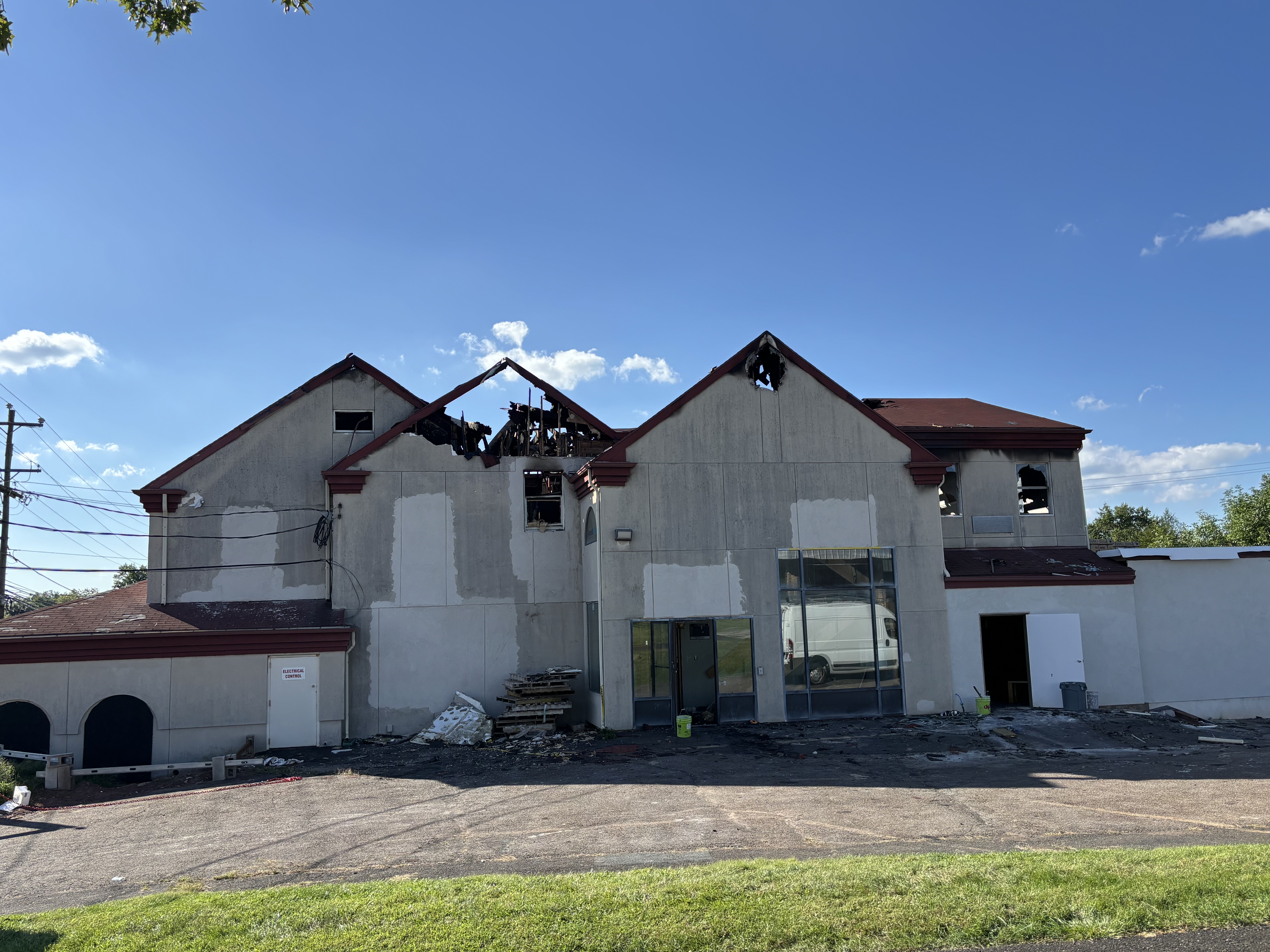
    The dining tables were already inside the East Norriton building where the owners of White Yak Restaurant planned a second location when a fire ripped through the roof earlier this month.

    Chef-owner Treley Parshingtsang’s husband, a contractor by trade, made the tables by hand. The couple was about six weeks from opening what would have been Montgomery County’s only Tibetan restaurant.

    “I have so many packages that my brother shipped all the way from Tibet for the decorations,” she said through tears.

    White Yak Restaurant’s Roxborough location has drawn a loyal following and critical acclaim for its spicy momo dumplings, hand-ripped noodles, and house-made sausage. It’s been a regular on The Inquirer’s 76 best restaurants in the region.

    Co-owners Tsering Parshingtsang (left) and Treley Parshingtsang spoon out Thenthuk soup with beef and hand-ripped noodles at White Yak, the Himalayan Tibetan restaurant in Roxborough Nov. 26, 2019.TOM GRALISH / Staff Photographer

    Opening the first restaurant, at 6118 Ridge Ave., took six and a half years of work, Parshingtsang said, and her family had been working on the East Norriton location for four. The couple bought the building in 2021, property records show.

    The fire broke out Sept. 5 at the 123 W. Germantown Pike building, White Yak Restaurant wrote on social media last week. Images show flames pouring from the roof of the 6,000-square-foot structure across from Friendly’s.

    Though insurance and fire inspectors have surveyed the damage, the cause of the fire is still unknown, Parshingtsang said in an interview. The electricity wasn’t turned on, and the doors were locked.

    The top floor of 123 W. Germantown Pike, razed by fire on Sept. 5, 2026.Tsering Parshingtsang

    Parshingtsang is hopeful they can save the basement and first floor, but she’s worried about the rain pouring in from the open roof.

    “That building is very special for us,” she said. “We have a lot of memories.”

    The news drew messages of support, including from Montgomery County Commissioner Neil Makhija.

    “[I] was so excited to welcome the White Yak Restaurant,” Makhija wrote on social media. “Their Roxborough restaurant is a favorite for our family.”

    It’s too early to tell when White Yak will be ready to resume expansion plans, Parshingtsang said, but her family wrote in a statement on the restaurant’s social media page that they’re determined to move forward: “The building may be gone, but our dream is not.”

    This suburban content is produced with support from the Leslie Miller and Richard Worley Foundation and The Lenfest Institute for Journalism. Editorial content is created independently of the project donors. Gifts to support The Inquirer’s high-impact journalism can be made at inquirer.com/donate. A list of Lenfest Institute donors can be found at lenfestinstitute.org/supporters.

  • Another 250th anniversary? This one, honoring the Constitution, comes in 11 years and Brendan Boyle wants to get ready.

    Another 250th anniversary? This one, honoring the Constitution, comes in 11 years and Brendan Boyle wants to get ready.

    Philly just finished celebrating America’s 250th anniversary with crackling fireworks, an early morning concert and a string of patriotic events throughout the summer.

    But now that the confetti has been swept away and the World Cup traffic has finally subsided, you may be thinking it’s a good time to get your head out of the 18th century.

    If only it were that easy.

    In a mere 11 years, Philadelphia will be the center of yet another semiquincentennial celebration: the 250th anniversary of the U.S. Constitution.

    And because you live in the city where they invented America, you’re in store for another round of historic commemorations.

    To drive home the point, Democratic U.S. Rep. Brendan Boyle of Philadelphia announced Monday at the National Constitution Center that he’ll be introducing legislation to create a federal commission to plan the celebration of the original 4,543-word document (7,591 words if you count all 27 amendments) in the year 2037.

    Vince Stango (left) interim president and CEO of the NCC and and U.S. Congressman Brendan F. Boyle.Tom Gralish / Staff Photographer

    The Constitution was drafted during the Constitutional Convention in Philadelphia in 1787, and signed at Independence Hall on Sept. 17, 1787. It was ratified on June 21, 1788.

    “It’s a special moment,” Boyle said. “We can’t waste any time to be fully prepared to meet that moment.”

    As though sensing that people here might have a historical hangover, Boyle added gleefully, “I never met a Philadelphian who’s partied out!”

    Vince Stango, interim president and CEO of the National Constitution Center, said it’s never too early to start planning the party.

    “This gives us the opportunity to carry forward the momentum of 2026,” he said. What comes between now and 2037, Stango said, is a “civic decade” of speaking about and getting more knowledgeable of the document that set up America’s national government, and that protects citizens’ rights.

    “Here in Philadelphia,” he said, reminding us of our local duties, “we have a special responsibility” to honor the Constitution, a made-in-Philly product that the world has long envied and admired.

    Boyle added that “so many of the freedoms protected by the Constitution are very much a live issue today.” He added that the start of planning for 2037 “very much coincides with the national conversation we are having over a whole host of constitutional rights.”

    Though Boyle wasn’t specific, the nation has been arguing over many of the 281 executive orders President Donald Trump has issued since returning to office last year, demonstrating a reliance on Article II of the Constitution.

    As an example, in June, the U.S. Supreme Court struck down Trump’s executive order to end birthright citizenship, guaranteed under the 14th Amendment to the Constitution.

    Boyle reminded listeners that he’s been very much involved with 250th-style celebrations.

    Two days before the July Fourth celebration this year, more than 30 members of the 119th Congress attended an event at Independence Hall marking the passage of the declaration. Boyle, whose district includes the site, had long endeavored to gather his colleagues for the occasion.

    “Anniversaries are not just about honoring the dead, but educating the living.” Boyle said.

    And keep in mind Stango’s parting words Monday: We will all be celebrating the 250th anniversary of the Bill of Rights here in Philadelphia in 2041.

    Don’t forget to reserve your spot to see the fireworks then.

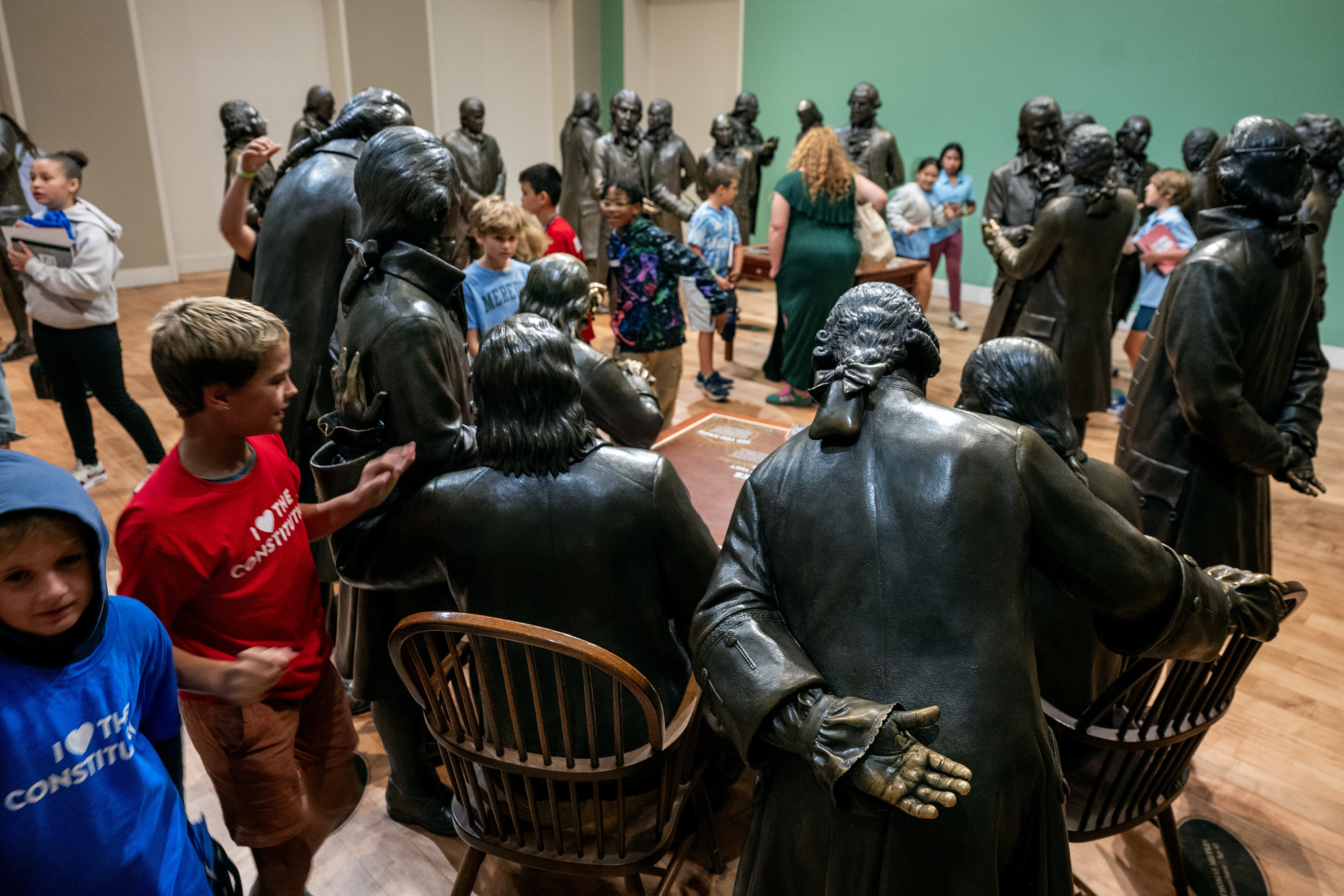
    Students from the William M. Meredith School in Queen Village mingle with 42 life-size, bronze statues of the framers of the U.S. Constitution at the National Constitution Center during a Sept. 17, 2025 visit, on the 238th anniversary of the document’s signing.Tom Gralish / Staff Photographer
  • Oliver Bonk’s goal is to make the Flyers’ opening roster. The defenseman is off to a good start.

    Oliver Bonk’s goal is to make the Flyers’ opening roster. The defenseman is off to a good start.

    For the first time, Oliver Bonk is entering training camp with a bit of NHL experience.

    He made his NHL debut in the Flyers’ final regular-season game of the year, scoring his first NHL goal against Montreal a night after the Flyers clinched a playoff berth. He spent the playoffs practicing with the big club and returned to the lineup for Game 4 against Carolina, in the game where the Flyers were eliminated from the postseason.

    That experience is a “confidence booster” heading into this year’s training camp, but it hasn’t changed the 21-year-old’s approach as he looks to make the opening night roster for the first time.

    “You can’t just come out saying, ‘Oh, I played one game in the NHL last year, I’m good. I can take this rookie camp off,’” said Bonk, whose hopes to make last year’s team were derailed by a preseason injury. “I think every game has been my best, and I’ve got to keep building on it.”

    Bonk joked that he attempted to improve “everything” this summer, but said he spent significant time working on his skating. Lehigh Valley Phantoms head coach John Snowden praised Bonk for his transition game and ability to jump into the play at the right time.

    With Rasmus Ristolainen still with the organization despite persistent trade rumors, there’s only one spot on the Flyers defense that doesn’t return an NHL regular from last year. Bonk, along with David Jiříček and newcomer lefty Simon Benoit, who was acquired in the Joseph Woll trade, will be among the biggest contenders.

    “Where he ends up is up to Bonker,” Snowden said. “I think he’s done everything to put himself in a great situation to fight for a spot on that team.”

    Phantoms coach John Snowden believes Oliver Bonk has taken a step in terms of his skating this offseason.Monica Herndon / Staff Photographer

    The NHL season is now 84 games, which means a shortened training camp for all players. Snowden said that at the start of rookie camp, he told the Flyers prospects to treat rookie camp like their training camp. There will be limited runway to make an impression in main camp and in the four preseason games.

    That’s why the Rookie Series games took on increased importance. Bonk assisted Denver Barkey on the first goal of the Flyers’ 4-1 win over the New York Rangers’ rookies on Sunday. He also was in the bumper spot on the power play.

    “In the rookie games, it’s that time to test yourself and see how far you can go, see how many plays you can make, see how well you can do,” Bonk said. “It’s kind of like the test before the big dance.”

    If Bonk doesn’t earn that third-pairing spot out of camp, which begins Thursday in Voorhees, he’s likely to return to Lehigh Valley to play every night. He’d likely be one of the first AHL call-ups in case of injury or a trade.

    “It’s just continuing to teach and find the moments that are going to help him be an everyday NHL player,” Snowden said. “He’s got the right mindset, he’s got the right attitude, and he works the right way to give himself a chance for that.”

    Breakaways

    Denver Barkey and Jett Luchanko were not on the ice for skate Monday. Snowden said it was “maintenance” and that both players will be back on the ice Tuesday for the final day of rookie camp. Luchanko played in both Rookie Series games, while Barkey only played Sunday.

  • Largest bond referendum in South Jersey school’s history will be in voters’ hands on Tuesday

    Largest bond referendum in South Jersey school’s history will be in voters’ hands on Tuesday

    Cinnaminson School District Superintendent Stephen Cappello has big plans for his South Jersey school system — if voters approve a $76 million bond referendum, the largest in the district’s history.

    It would allow the district to make desperately needed changes and improvements in all five of its schools. Voters head to the polls Tuesday to consider the proposal that would raise local property taxes.

    “This is a big one,” Cappello said in an interview. “This will be an important part of where we are moving forward.”

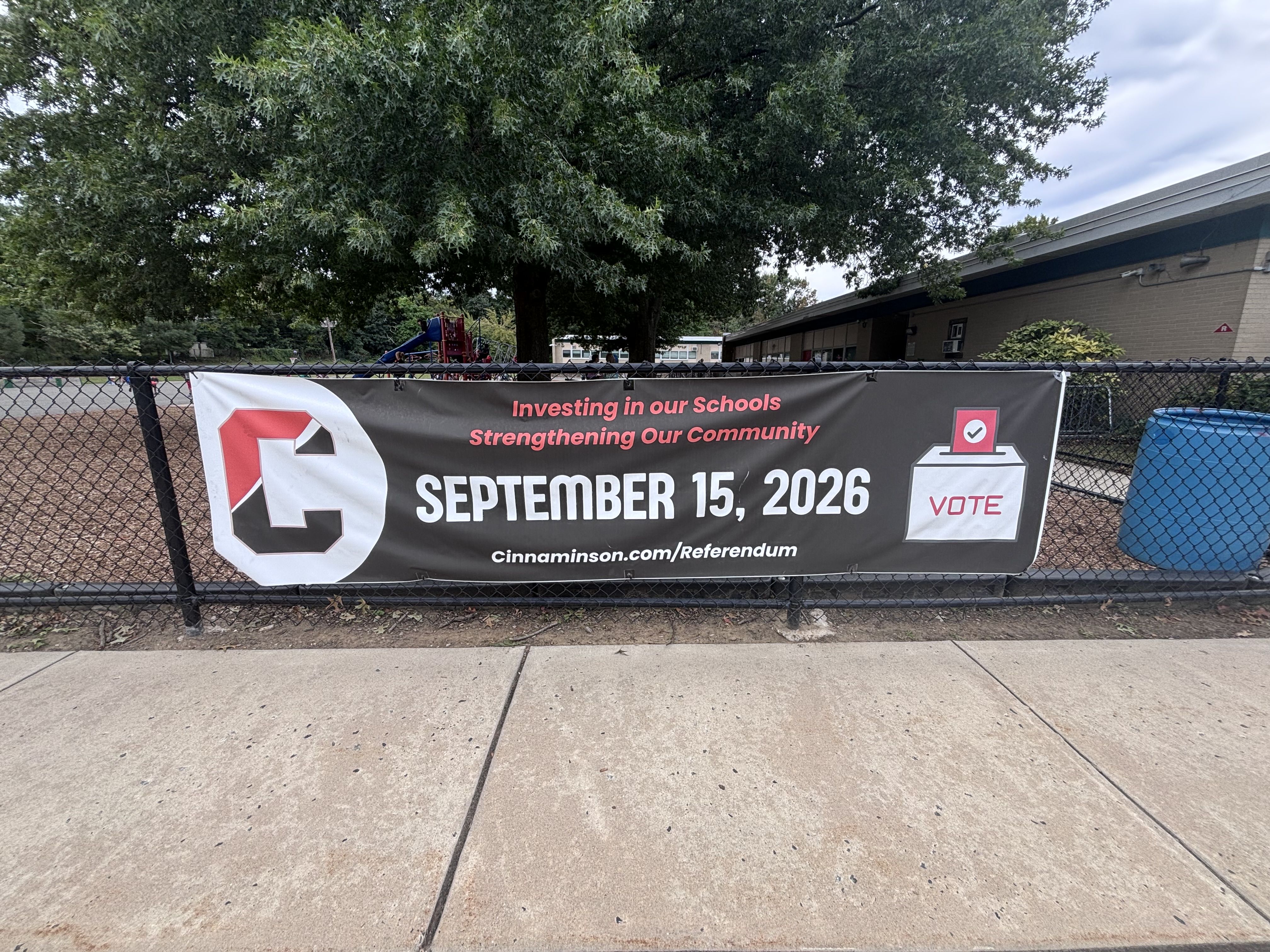
    Cinnaminson voters will decide on two school bond referendums totaling $76 million during a special election on Sept. 15.Melanie Burney

    If approved, it would help ease overcrowding at two elementary schools where some students attend classes in trailers, upgrade security systems, improve HVAC systems, and add new gyms and a high school stadium complex.

    Cinnaminson in Burlington County and Clementon School District in Camden County are the only districts in the tri-county region with bond referendums in Tuesday’s special election.

    Cappello acknowledged that referendum questions can be a tough sell especially amid tight economic conditions because they typically seek a property tax increase. Cinnaminson residents are still paying down a $40 million bond referendum in 2014 that added $238 annually to the average tax bill.

    The latest proposal, which includes two questions, would add about $560 annually on a home assessed at the township average of $236,538. The state would contribute $17.5 million.

    “No one takes those numbers lightly,” Cappello said. “We’re all sensitive about that.”

    Cappello said the Burlington County district has been struggling with crowding in light of a growth explosion in the township. The district has about 600 more students than it had a decade ago, he said.

    The district has spent millions to relocate students to six trailers the district calls “learning cottages.” It also leases space in a strip mall for administrative offices.

    “There’s instruction happening in hallways, which is not our favorite,” Cappello said.

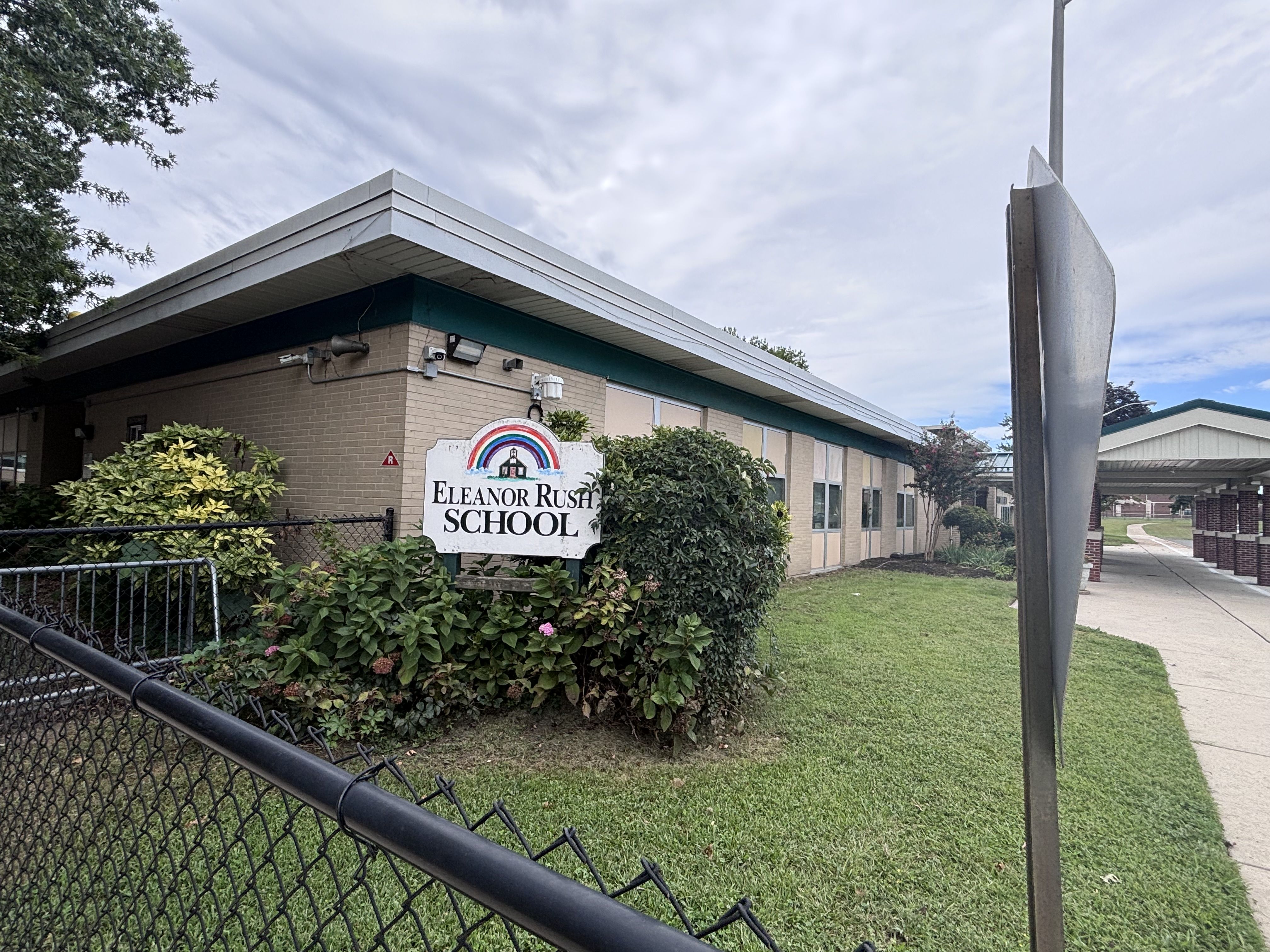
    The Eleanor Rush School would get eight new classrooms and other improvements if Cinnaminson voters approve a $76 million bond referendum on Tuesday.Melanie Burney

    The need is especially felt at Eleanor Rush Elementary where the all-purpose room is always bustling with activity. Because it is used for lunch, special classes including gym, music, STEM, and art cannot be held during the two-hour lunch period, presenting a scheduling challenge, Cappello said.

    Tom Angelone, a STEM teacher at Eleanor Rush and a father of three in the district, said the district desperately needs more space. His classroom is located in one of several trailers on the complex.

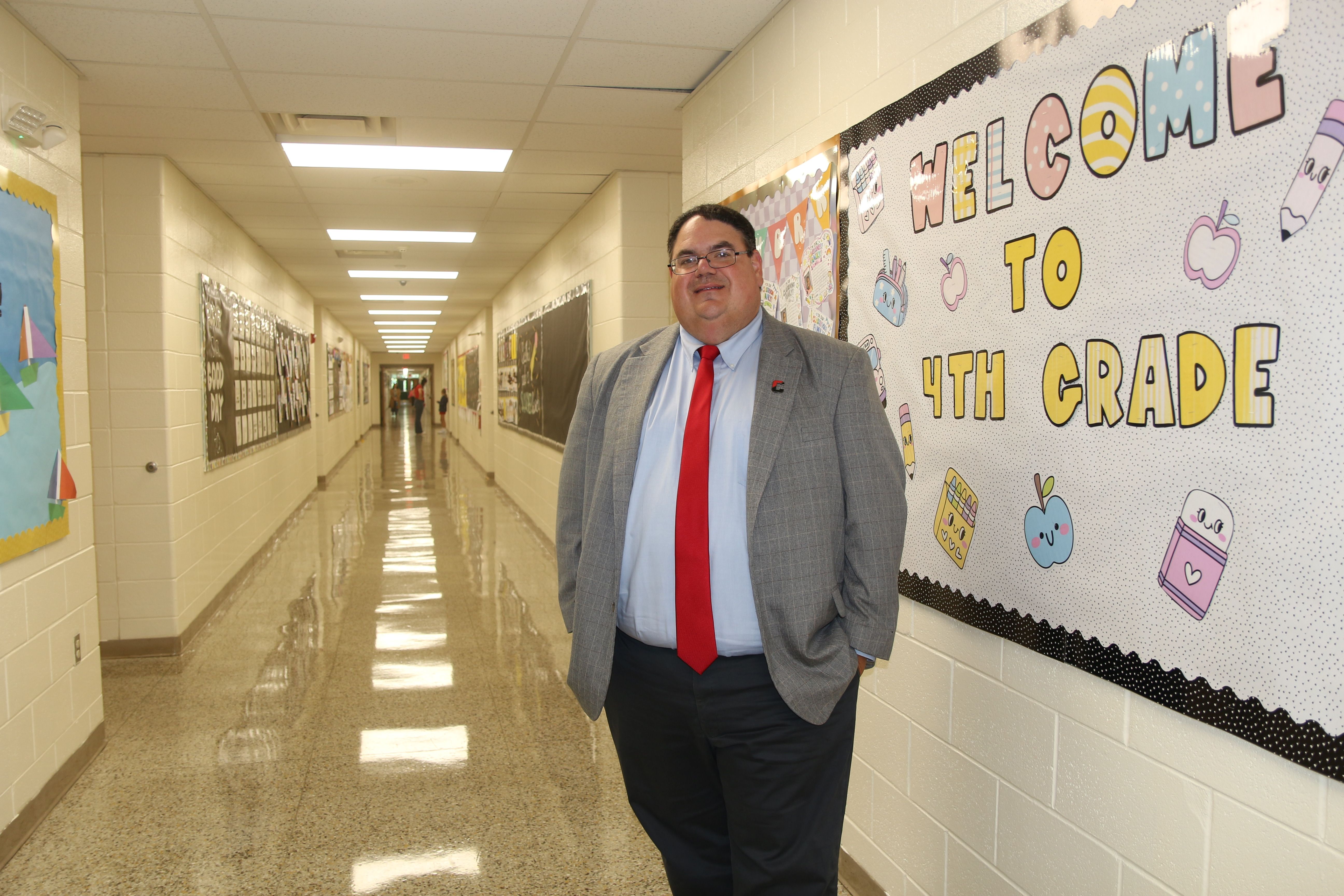
    Tom Angelone, a STEM teacher at Eleanor Rush Elementary.Melanie Burney

    “I think we need to support the future generation,” Angelone said. “I will be voting yes on both questions. It’s a cup of coffee a day.”

    Cinnaminson split its list of improvements into two bond questions. The first question includes a repaved parking lot at Memorial School, new fountains and renovated bathrooms at Eleanor Rush, six pre-K classrooms at New Albany School, a new esports arena and robotics classroom at the middle School, and a new roof and STEM lab at the high school.

    Voters must approve question 1 in order to adopt the second question. It would fund a new one-story pre-K addition with six classrooms and bathroom additions at Memorial, a new gym addition at Rush, and a new turf field and track and field replacements at Cinnaminson High.

    In Clementon, voters are deciding on a $13.5 million bond referendum to build a new early childhood center on a vacant lot. If approved, it would add about $243 annually to the tax bill for a home assessed at the borough average of $115,178.

    The new center would include eight classrooms, a multipurpose room, and a playground area, according to the district’s website. Pre-K enrollment is expected to nearly triple to about 135 students for the 2027-28 school year, the district said.

    An artist rendering of an Early Childhood Center proposed for the Clementon school district if voters approve a $13.5 million bond referendum in Tuesday’s special election.Clementon school disyrict

    By shifting its youngest learners, the district said it would use the vacated space for other grade levels and electives, and add a dedicated sensory room for special needs students. The pre-K classes were temporarily moved this year to a site in Lindenwold, the district said. Clementon enrolls 621 students in kindergarten through eighth grades.

    Statewide, voters in at least four other districts are considering 12 bond questions, according to the New Jersey School Boards Association. They allow districts to pay for projects that cannot readily be funded through their annual general operating budgets.

    Tuesday is one of five times during the year that school boards may ask voters to approve a bond issue or special question.

    The questions total more than $308 million with the state contributing about 40%, or roughly $122 million, if approved by local voters.