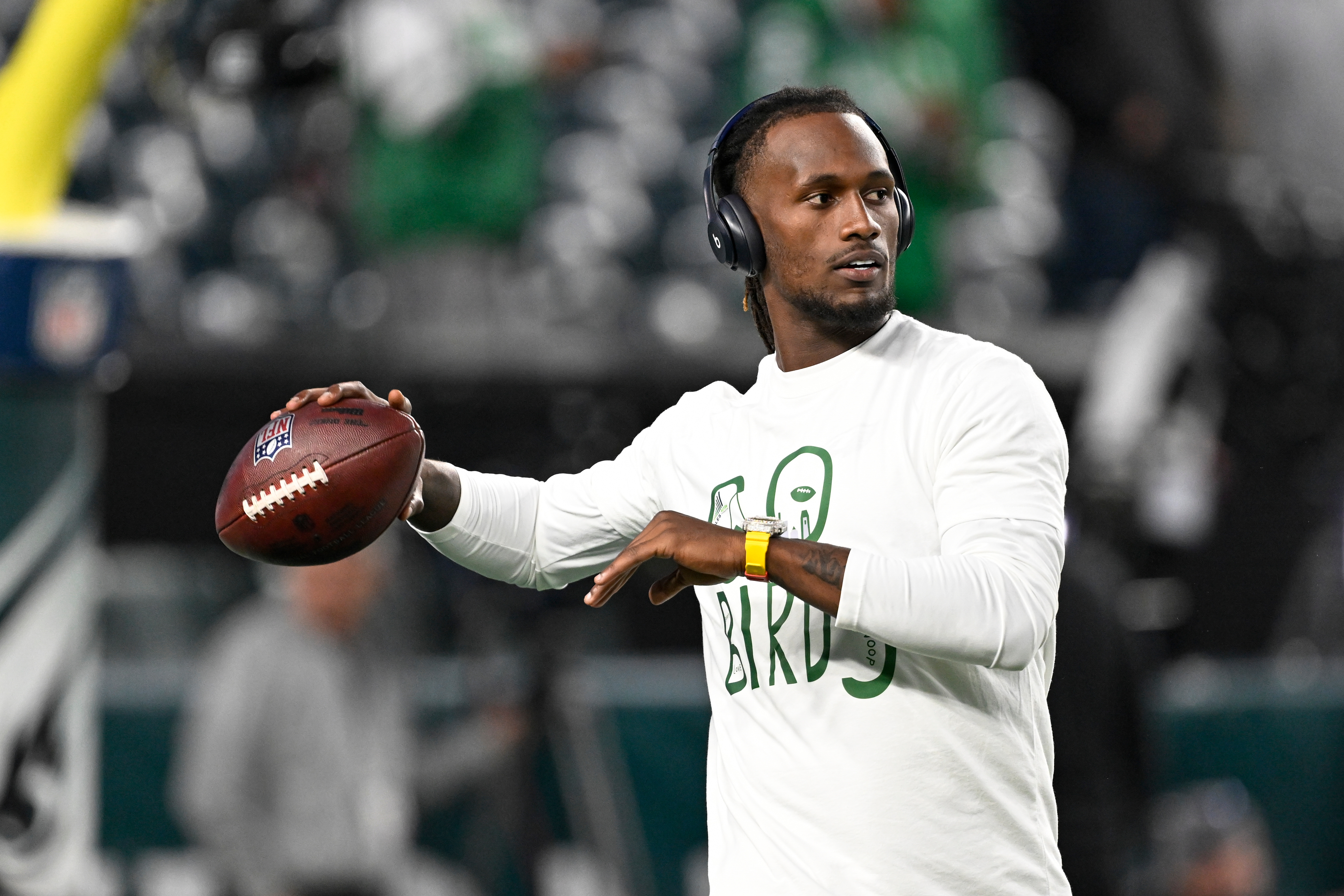
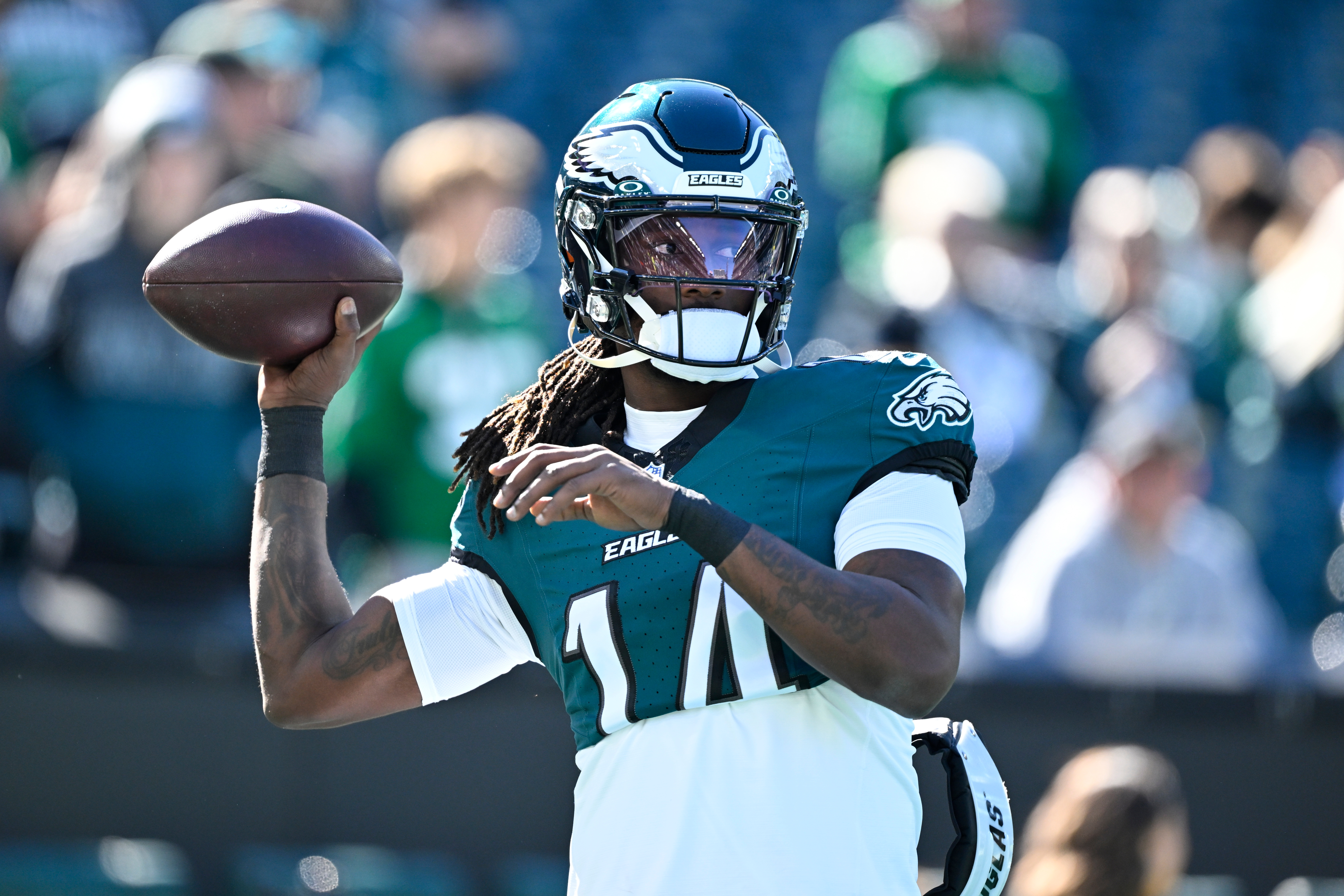
The Eagles are making a change at quarterback, turning to Joe Milton over Tanner McKee to start against the New York Giants on Sunday, a team source confirmed to The Inquirer on Wednesday.
ESPN first reported the news of Milton’s promotion and McKee’s benching.
Milton is set to make his first NFL start with a team he has been with for less than a month. The Eagles signed Milton off of the Dallas Cowboys’ practice squad on Oct. 16, after they had placed Jalen Hurts on injured reserve due to blood clots in his lungs.
Nick Sirianni spoke about Milton and his acclimation to the offense at his Wednesday news conference about two hours before the news broke.
“I think he’s worked really hard,” Sirianni said. “Him and [quarterbacks coach] Parks [Frazier] have spent a ton of time together getting him caught up to speed. I know the developmental periods, those always help, to be able to run our plays. But he works extremely hard. He is always in the building doing the extra things. I like his progression.”
Dallas Goedert said the Eagles found out that Milton would be the starter this week in a team meeting on Wednesday. The Eagles tight end added that they had hoped to keep it under wraps as a “competitive advantage” over the Giants, but the news got out anyway.
Milton, 26, has been heralded for his mobility and his strong arm. Goedert said he throws it hard, but it’s a “really catchable ball.”
“It’s kind of perfect for a pass catcher,” Goedert said. “The balls that are in the air for a long time, when you can think, those ones are the scary ones. The ones that get on you and you just have to catch it, those are the easy ones. So it seems like he’s been putting the ball in a good spot, and I’m excited to see what he does on Sunday.”
Goedert also said that he felt for McKee, who didn’t play “terrible” in his three starts, but he acknowledged the offense is looking for a spark. He also said Milton gives the Eagles a better chance to play a second play given his mobility.
“If he gets pressure, he can roll out and keep the play alive,” Goedert said.
Quarterback Joe Milton will be the next man up for an Eagles offense that has been hapless for most of this season.Terrance Williams
Conceding pressure has been an issue for the Eagles’ protection unit this season. The team ranks fourth in the league in quarterback pressure rate allowed at 42.6%, according to Next Gen Stats. They’ve particularly struggled with allowing free runners, leading the league with an 18.2% unblocked pressure rate through Nov. 1, per NFL analyst Ryan Paganetti.
Jordan Mailata was less concerned about the Eagles’ starting quarterback this week and more fixated on cleaning up the communication issues at the line of scrimmage in practice on Wednesday that have plagued them this season.
“Urgency,” Mailata said. “Giving as much time for Joe to get through the motions, switching backs, flipping backs, whatever it is, that was a big emphasis coming off this game was our urgency in the huddle, and we worked on that today.”
Philadelphia is Milton’s third NFL stop, as he began his career with the New England Patriots in 2024 as a sixth-round draft choice out of Tennessee, then joined the Cowboys via trade in April 2025. Milton started his college career at Michigan, where he was recruited and coached by Jim Harbaugh, brother of Giants head coach John Harbaugh.
Milton has played in five games during his NFL career, but he has not started. In those five games, Milton completed 37 passes on 53 attempts (69.8%) for 424 yards, two touchdowns, and two interceptions. He also had 15 carries for 66 yards and a touchdown.
His most extensive action came in 2024 during the Patriots’ Week 18 game against the Buffalo Bills. He helped them to a 23-16 win, going 22-for-29 for 241 yards and a touchdown. He added a touchdown and 16 rushing yards on 10 carries. Milton also had a fumble.
Milton will be the fourth player to appear at quarterback in a game for the Eagles this season. Hurts started the first five games of the year before Tanner McKee took over for him for the next three. Andy Dalton, who won the backup job out of training camp, attempted one pass in place of Hurts during the Eagles’ Week 3 loss to the Chicago Bears and was promptly picked off. Dalton was released a week and a half later.
Fifth-round rookie quarterback Cole Payton has also appeared for the Eagles as a member of the special teams.
Staff writer Jeff McLane contributed to this report.
U.S. Rep. Brendan Boyle (D., Philadelphia) said Wednesday he would not run for U.S. Sen. John Fetterman’s seat in 2028, opting instead to focus on serving as chair of one of the most powerful committees in Congress after Democrats’ dominant victories to regain control of the U.S. House.
Boyle, who will begin his seventh term in January, is set to take the reins of the House Budget Committee, the first Pennsylvanian to do so in nearly four decades.
His decision takes a potentially formidable candidate off the board as Fetterman’s seat becomes the highest-profile Pennsylvania election after this year’s midterms. The senator has not said whether he will seek a second six-year term, though he has alienated his former voter base and Democratic allies while being largely absent from the job.
Boyle said in a statement Wednesday that he had weighed both options and now believes he can be most effective in the House.
“For months, many of my supporters have urged me to consider running for U.S. Senate in 2028. I have always said that after the November 2026 election, I would make a decision based on one simple question: where can I have the biggest impact on public policy?” Boyle said. “After months of consulting many whom I respect, including current senators and past committee chairs, it is quite clear that I can have a much bigger impact on policy as Budget Committee Chairman rather than as a freshman member of the Senate.”
As the top Democrat on the committee while it was under Republican control for the last four years, Boyle would still have to be selected by his colleagues to serve as its chairman, though he is not expected to face opposition. Lawmakers and incoming members of Congress will return to Washington in the coming weeks to organize ahead of the next session in January.
Boyle will likely become the first Budget Committee chair from Pennsylvania since U.S. Rep. Bill Gray, another Philadelphia Democrat, led it from 1985 to 1989.
The group has critical sway over annual spending bills and economic issues — putting Boyle in charge at a time when voters have seemingly elected Democrats with a mandate to focus on affordability issues. Boyle has consistently focused on those topics, becoming one of his party’s “best messengers,” Hakeem Jeffries, the New York Democrat in line to be the country’s first Black speaker of the House, said last year.
Jeffries credited Boyle for pushing back against President Donald Trump’s One Big Beautiful Bill Act — which enacted tax cuts while trimming spending on Medicaid and food assistance — and the expiration of Affordable Care Act tax credits, which raised premiums for millions of Americans this year.
Boyle has also used his leadership position on the committee to take an early lead on Democrats’ messaging that tied the war in Iran to larger affordability issues as gas prices spiked. In September, a nonpartisan analysis he requested found the war was costing American taxpayers up to $3 billion per month. Voters on Tuesday repeatedly mentioned the war as a motivating factor when they rejected Republican candidates, and Democrats who won have promised to make ending the war a top priority moving forward.
“I look forward to utilizing my position as Budget Committee Chairman to finally get this nation’s fiscal health back on track, and bring more resources back home to our community,” Boyle said.
Boyle, 49, of Somerton, won an easy reelection Tuesday in a heavily Democratic district that stretches from Center City through Northeast Philadelphia.
When the new Congress starts, he will have served longer than all but two of Pennsylvania’s 17 federal lawmakers and be the dean of a much larger Democratic bloc. Four challengers to Republican incumbents — including U.S. Rep. Brian Fitzpatrick, the last Republican serving in the Philadelphia area — won in the massive blue wave, tipping the final ranks of the Keystone State delegation in the House to 11 Democrats and six Republicans.
Deluzio, who was elected to a third term in a district outside Pittsburgh, was the incumbent Democrat who campaigned the most aggressively to flip those seats, including fundraising and events for candidates like Bucks County Commissioner Bob Harvie, who beat Fitzpatrick. His additional fundraising and messaging have fueled expectations that he will run for Senate, a prospect he said he is considering.
Fetterman, meanwhile, said in September that his future would become more clear after the midterms. As of Wednesday afternoon, he had not yet commented on his party’s generational victories the day before, which likely eliminated the possibility of him being a regular, and powerful, swing vote for the next two years.
Just when it seemed all hope was lost, the American people on Election Day 2026 rejected the hatred, fear, and division sown by Donald Trump over the past decade. Empathy, compassion, and shared national identity triumphed over chaos, corruption, cruelty, and incompetence.
Somewhere, Abraham Lincoln is smiling.
Trump pleaded with Americans to pretend he was on the ballot. And they did, bigly.
Across the country — in red states and blue — voters backed Democrats, who took control of the House, Senate, and multiple governors’ mansions, including Pennsylvania. Gov. Josh Shapiro and Democrats now apparently command Harrisburg.
The midterm election was a massive and complete rebuke of Trump and all his anger, hate, greed, and costly policies.
Despite relentless efforts by the president and his enablers to alter the election outcome — through mid-decade gerrymandering, legal threats, voter suppression, money-for-vote offers, and baseless and exhausting claims of voter fraud — Americans peacefully waited in line, quietly mailed in their ballots, and carried out their civic duty.
Turnout was huge, underscoring the power of one person, one vote to make a difference.
Democrats won Senate races in deep-red states like Texas, South Carolina, Iowa, and Kansas, where they have not been competitive for decades. The romp is not over, as Senate races in Mississippi and Alaska remain up for grabs.
The results were historic, signaling Americans still appreciate the benefits of diversity over racism, misogyny, and hate. Abdul El-Sayed (D., Mich.) withstood vile attacks by Trump, JD Vance, and others to become the first Muslim elected to the U.S. Senate, while Chris Pappas of New Hampshire became the first openly gay man elected to the Senate.
Meanwhile, Gina Hinojosa will be the first Latina governor in Texas and first Democrat to win that office since 1990. In Georgia, Keisha Lance Bottoms beat billionaire Rick Jackson to become the first Black female governor in U.S. history. And Deb Haaland in New Mexico became the first Native American elected governor in the U.S.
Gina Hinojosa, the Democratic nominee for governor of Texas, and James Talarico, the Democratic candidate for U.S. Senate in Texas, at a campaign rally in San Antonio, Texas, Nov. 1.Tamir Kalifa
The Democratic candidates were outspent in nearly every race, yet they overcame relentless attack ads filled with lies, fear, racism, xenophobia, Islamophobia, and hate.
Trump tried to energize his base with rallies in red states filled with profanity, antisemitic tropes, baseless threats of jihadists and communists, and a strange obsession with men’s physiques. But the MAGA magic dust was not enough to distract from $6-a-gallon diesel.
In the end, a parade of Trump-backed sycophants, phonies, hacks, and incompetents were thrown out of office or rejected, including Ken Paxton in Texas, Vivek Ramaswamy in Ohio, Darline Graham in South Carolina, Susan Collins in Maine, and Scott Perry in Pennsylvania.
Many of the Republican losers backed Trump’s war, tariffs, and tax cuts for the rich that have resulted in higher prices, interest rates, and inflation. The GOP enablers shrugged as Trump enriched himself, his family, friends, and corporations while the president’s policies hurt farmers, senior citizens, minimum wage workers, and recent college graduates.
Democrats won by such wide margins in nearly every competitive race that Trump meekly said he would accept the results. Even for the man who cried election fraud almost daily and sicced the U.S. Department of Justice on election officials, the mandate from voters was too big to rig.
For one night at least, millions of voters beat billions of dollars. Billionaires, big corporations, and law firms that shamelessly cozied up to Trump endured a well-deserved shellacking. But the threat of oligarchs remains and must be confronted.
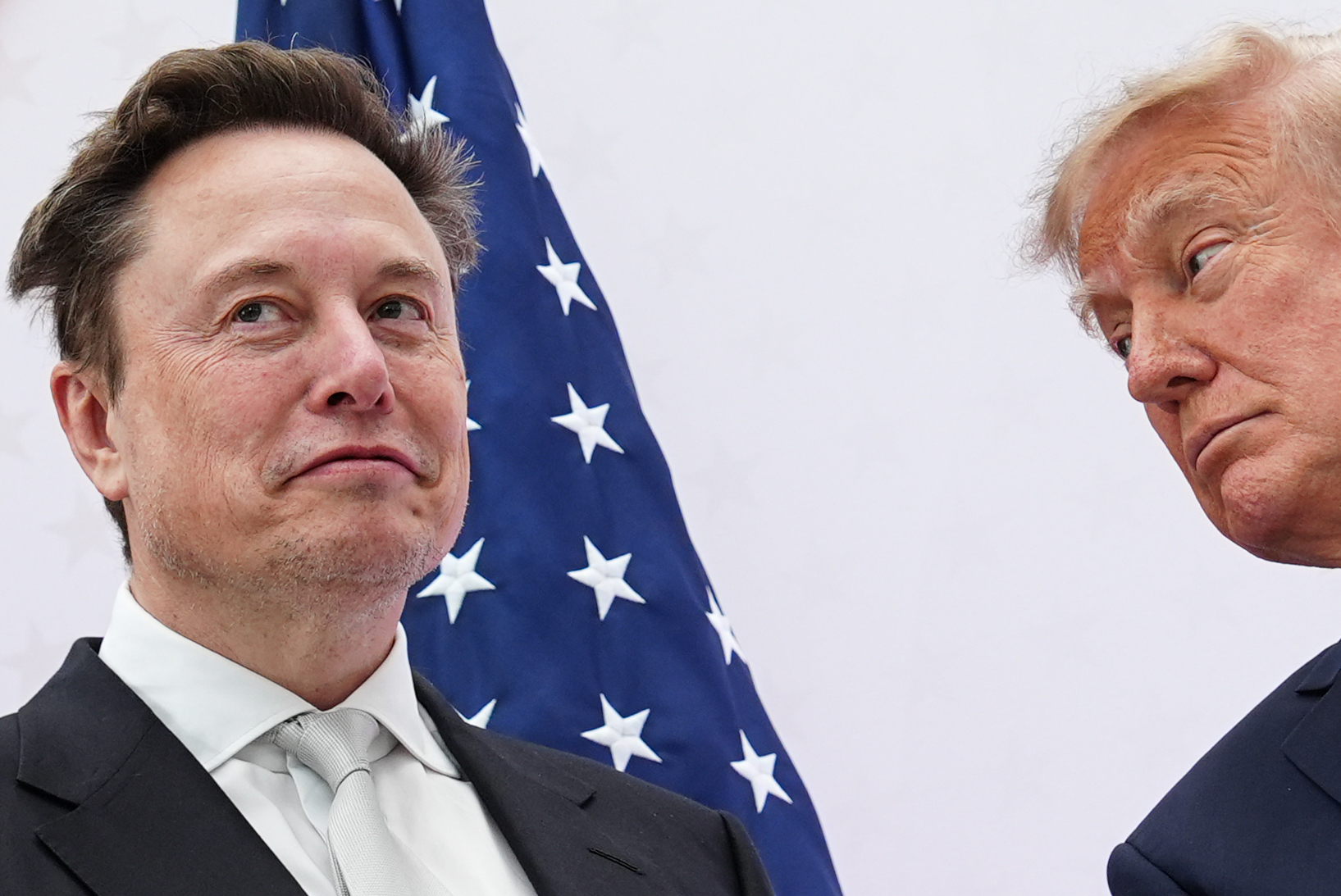
President Donald Trump, right, presents the National Medal of Science to Elon Musk at the U.S. Institute of Peace, in October.Julia Demaree Nikhinson
We the people trounced trillionaire Elon Musk, who poured nearly half a billion dollars of his highly government-aided fortune into backing losers in Texas and beyond. Musk remains a foreign and domestic policy danger, with the power to meddle in wars and elections while spreading his toxic hate and racist ideology on social media. Not to mention his destruction of government operations during his brief and failed tenure running the dubiously legal Department of Government Efficiency.
Democrats would be wise to use their newfound power to put a stop to the flood of money corrupting politics. Democrats must also focus on the needs of average voters and not special interests.
Voters have given Democrats a golden opportunity to remake the party, rebuild the country, and stop Trump’s madness and corruption.
Democrats must use their newfound power to work to lower prices, restore healthcare cuts, end the Iran war, regulate artificial intelligence, rein in data centers, release all of the Epstein files, tame the deficit, tax the ultra-rich, pass real immigration reform, invest in research, undo gerrymandering, back Ukraine, confront climate change, stop the deportation cruelty, and investigate Trump’s self-dealing.
The list is long, and the damage is great.
But the voters have spoken. They rejected the wannabe king and demanded the American Experiment continue.
Hopefully, this marks the beginning of the end for MAGA.
Trump, increasingly incoherent, remains a danger. But after a decade of dragging the country and the world through hell, he is officially a lame duck.
It took some longer to realize that Trump ain’t making America great.
Now it’s time for the better angels to get to work.
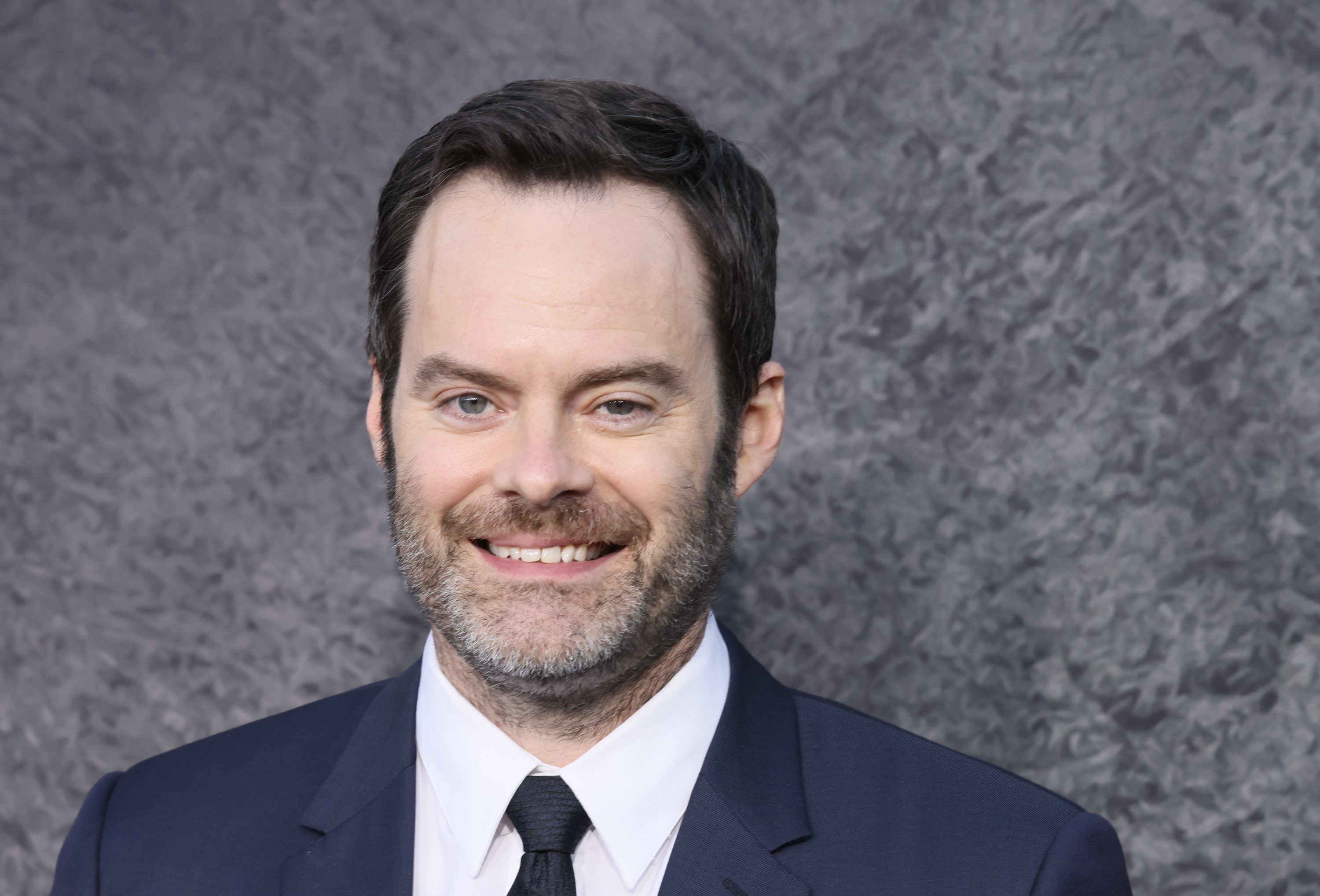
It’s a big season for celebrity cameos on Abbott Elementary, the Emmy-winning sitcom set in a West Philly public school. Comedian and former SNL star Bill Hader announced on Jimmy Kimmel Live! this week that he’s joining the wave of guest stars on Season 6, that already includes comedian Ali Wong, Nickelodeon star Miranda Cosgrove, and The Righteous Gemstones actor Edi Patterson.
After Hader broke the news, Kimmel joked that it was rare for Abbott Elementary creator and star Quinta Brunson to invite actors who aren’t from Philly to the show.
“I had to act like I was from Philly,” Hader quipped. “It was hard for me. I was like, ‘I love the Phillies. I think they’re great.’ Blood coming out of my ears.”
Hader and Brunson star in The Cat in the Hat, the new animated Dr. Seuss film releasing on Friday. He didn’t disclose further details about his cameo.
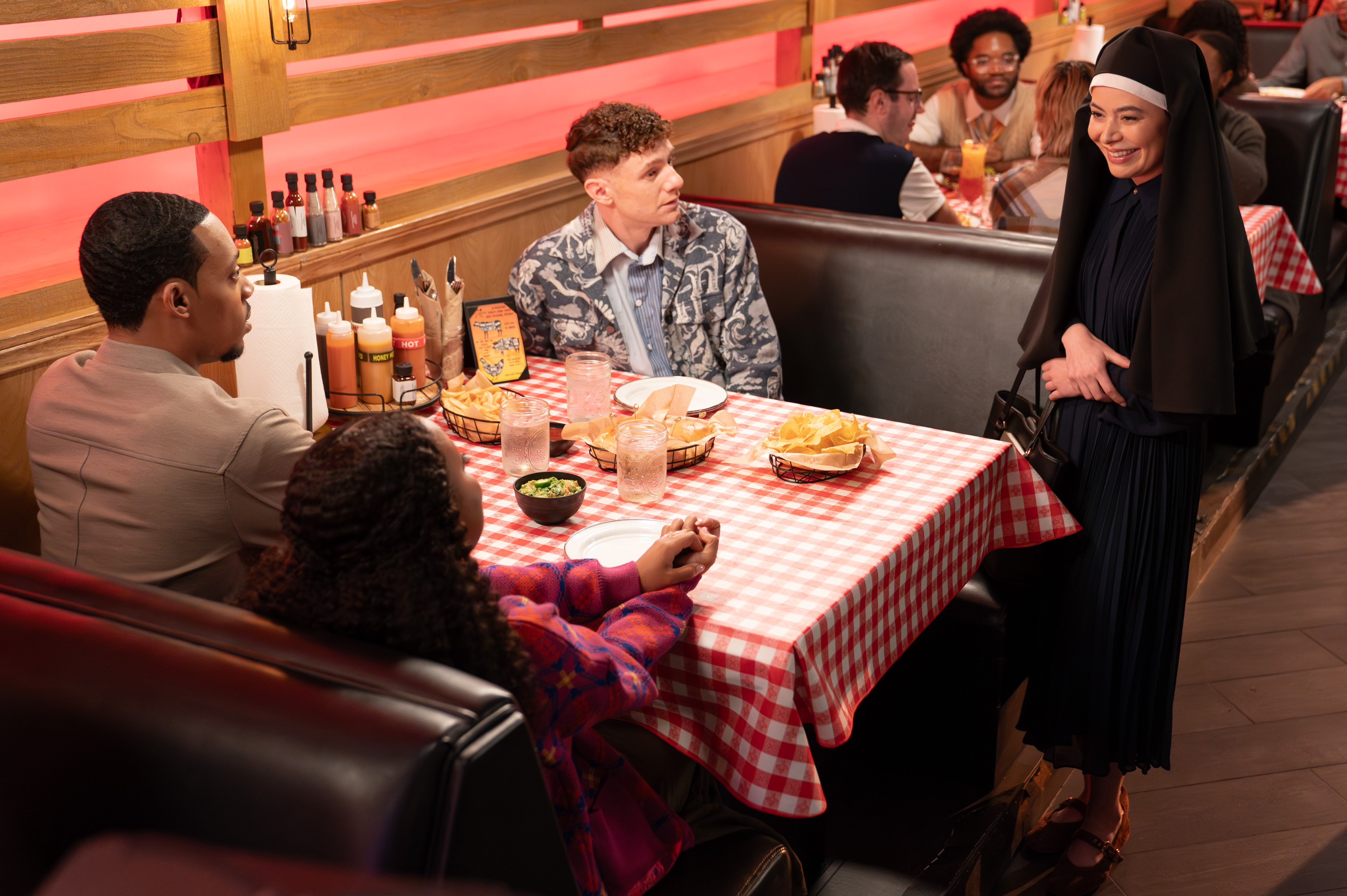
Miranda Cosgrove (right) appears in the “Tryouts” episode of “Abbott Elementary.”Disney/Gilles Mingasson
So far Wong, Cosgrove, and Patterson have already appeared on the show in a variety of hilarious roles. Cosgrove played a new substitute teacher who happened to be a Catholic sister. That shocked the Abbott crew, who invited her to drinks at a fictitious Philly restaurant called Bone Town, and she arrived wearing a habit. It was one of the funniest scenes of the season as all the cocktails had overtly sexual names and there were several jokes about how Cosgrove’s character had never been to Bone Town before. (She doesn’t last long at Abbott anyway: she eventually tells them she’s leaving for a Jesuit school because they’re less weird.)
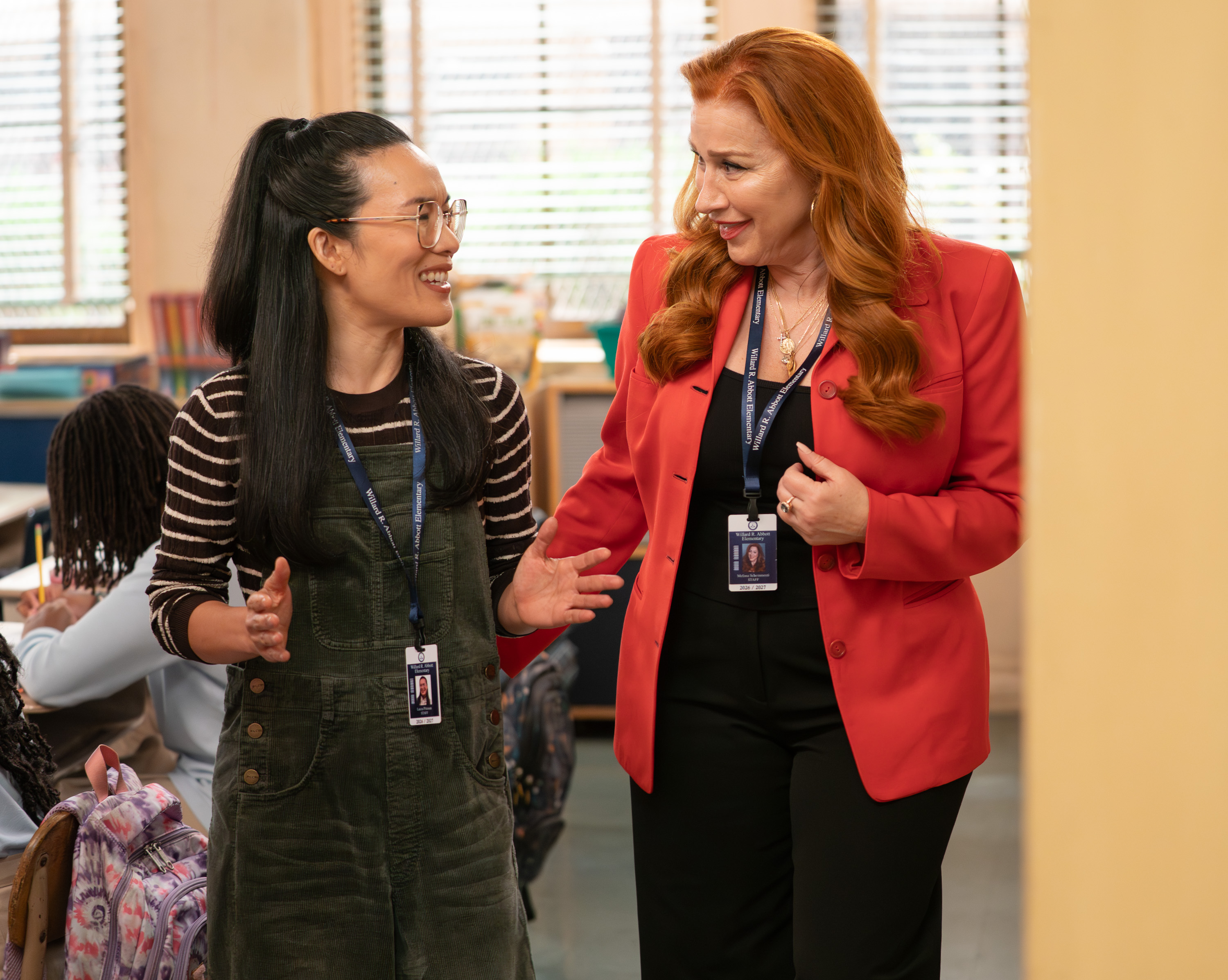
Ali Wong and Lisa Ann Walter in the “Tryouts” episode of “Abbott Elementary.”Disney/Gilles Mingasson
In the same episode, Wong played a no-nonsense special ed teacher who managed to check the school’s reigning divas, Barbara (Sheryl Lee Ralph) and Melissa (Lisa Ann Walter), who were made to attend her strict certification course. They started off as disruptive students ready to coast through class — Wong’s character has to literally separate the chatty friends — but wound up respecting their teacher through the process.
In the Halloween episode, Patterson appeared as a wacky jewelry seller. Gregory (Tyler James Williams) visited her Bensalem store to (spoiler alert) buy an engagement ring for Janine (Brunson) despite the shopseller’s lengthy and bizarre delays. Their interactions led Janine to suspect Gregory was either a cheater or a murder (he is neither) before Ava (Janelle James) accidentally lets the secret slip.
How will Hader fit into the mix? Abbott fans can’t wait to find out.
“This has been a structure the likes of which has never been seen anywhere,” Trump said, speaking into a microphone that sent loud feedback echoing around the cavernous space.
He talked at length about how the ballroom would be the ”safest place in Washington” upon completion, stretching five stories underground and featuring a cut of marble that he called “a vein that people have been after for 50 years.”
“We have large staircases coming from the kitchen. If I put the kitchen on top, you would lose three walls, because a kitchen takes about 30% of the space,” Trump said of his choice to make the ballroom’s kitchen subterranean.
“It’s going to be top of the line,” he added.
This is not what presidents normally talk about the day after an election
Presidents usually speak with reporters the day after the midterms. It’s normal for those whose party endured big losses to shoulder publicly at least part of the responsibility.
But not Trump.
He began the day with a schedule that showed only private meetings, then suggested he had decided at the last minute to invite the press to watch as the final steel beam — topped with a small evergreen tree symbolizing growth and luck — was hoisted into place on the ballroom roof.
Trump signed the beam with a marker during the ceremony, writing “Love!” followed by his name in supersize letters.
His appearance came after midterm voters said they thought the president was focused on the wrong issues. About two-thirds of voters said Trump does not have the right priorities, according to The AP Voter Poll, and the overwhelming majority of these voters supported Democratic House candidates.
The post-midterm ceremony might also reinforce voter concerns about whether Trump, 80, is up for the rigors of the presidency.
Biden dropped out of his reelection race in 2024 after a disastrous debate with Trump, who even today frequently mocks Biden’s mental and physical acuity.
Trump seeks to shift blame for the midterms
Trump eventually took questions at the ballroom site and attempted to duck responsibility for the broad Republican losses. He insisted he didn’t lead the party into an Election Day drubbing despite staging a flurry of rallies where he implored supporters to pretend that he was on the ballot.
“If I were on the ballot I would have won,” Trump insisted.
He said campaign rallies in mostly Republican states or conservative parts of more closely divided ones featured enthusiastic crowds “but we weren’t able to transfer love to the candidates.”
The beam-raising was not his first baffling political moment this week. On Monday, Trump gave his closing message of the midterm cycle in a long speech at the Lincoln Memorial Reflecting Pool, shining a spotlight at a pivotal time on a project marred by algae, leaks and delays.
“I heard it was a very good speech, got great reviews,” he said on Wednesday.
Ducking responsibility is common with Trump
An Associated Press analysis of the 39 Trump speeches and rallies that Trump staged between Sept. 1 and Election Day showed the president used phrasing suggesting he was on the ballot in 30 of them. In some addresses he returned to the subject more than once, though, meaning there were at least 40 instances where he appealed to voters to engage in that bit of make-believe.
But as the extent of his party’s defeat became apparent on election night, Trump was deflecting blame.
“I don’t like to consider it a defeat for me. I wasn’t on the ballot,” he told Fox News Channel. Voters, he said, just “didn’t like the candidates” on the ballot. The Voter Poll suggests Trump himself was a drag on GOP politicians and that in some races, candidates were seen as too supportive of the unpopular president.
After Republicans lost the House in the 2018 midterms during Trump’s first term, he blamed defeated members of his own party.
Utah Rep. Mia Love, who had tried to distance herself from him, “gave me no love, but then she lost. Too bad,” the president said, while also mocking other losing lawmakers for not embracing him — Florida’s Carlos Curbelo, Colorado’s Mike Coffman, Virginia’s Barbara Comstock, and Illinois’ Peter Roskam.
That’s in contrast to how Democrat Barack Obama described his party’s losses in 2010 as “a shellacking” or Republican George W. Bush described Democratic victories in the 2006 midterms as “a thumping.”
But Trump, known for defying all kinds of presidential norms, began laying the groundwork for avoiding blame this cycle well before balloting began.
He told Punchbowl News in August that voters were angry at Republicans “but they’re not angry at me.”
The president posted on his social media site last month that should Texas Republican Senate candidate Ken Paxton lose — and he did — “it will be because of WEAK and INEFFECTIVE Political Hacks like John Cornyn and Karl Rove.” That’s despite Trump’s risky endorsement of scandal-marred Paxton in the primary over incumbent Cornyn, who first got to the Senate in 2002 and was considered the safer bet. Rove is a political strategist who helped Bush win the White House.
Also losing Tuesday was Texas Gov. Greg Abbott, a longtime Trump ally.
Trump posted on social media that if Abbott “hadn’t become a RINO in the last six months of his Political Life, he wouldn’t have lost,” suggesting the governor had backed away from his staunchly conservative credentials and become “Republican in Name Only.”
Voters on Tuesday approved a measure expanding East Whiteland’s board of supervisors to include two more members, after a group of residents rallied to increase representation on the board due to their opposition to the data center project.
The board of supervisors — who are elected for six-year terms and oversee the budget, hear conditional use applications, and appoint staff and members to advisory committees — will grow from three members to five.
It was one of three questions that voters approved Tuesday in Chester County, where residents also consented to shrinking the Malvern Borough Council from seven to five and passed robust Home Rule Charter updates in Tredyffrin.
East Whiteland, with a population of roughly 15,000 people, has faced increased scrutiny in the last year after a 1.5 million-square-foot data center proposal, originally approved by the township’s three elected officials in 2024, resurfaced as its developers sought to expand the project.
That discontent ultimately underpinned the resident-led effort to add two more supervisors to East Whiteland’s board. Organizers who sought petition signatures said they felt adding additional supervisors would add a broader range of perspective, representation, and understanding to local government.
At the polls Tuesday night, residents weighed that argument as they cast their ballots.
Rajie Mangan, 55, cast his vote in favor of expanding the board.
“When they’re doing all these data centers and all that, I think that it becomes crucial having multiple points of view,” he said.
They faced some headwinds: Neither the Democratic Party nor the Republican Party endorsed the question, encouraging voters to strike the effort down. But the measure passed with 64% of the vote, with 62% of eligible voters casting a ballot in Tuesday’s election.
Madeline Marcotte, 60, knew having an expanded board would not stop the existing data center project.
“The group that’s pushing the referendum has promised qualified candidates, and I look forward to seeing who they put forward,” she said. “But I don’t want to see the corporate class taking over the supervisors.”
Without saying which way he voted, Richard Orlow, who served on the board for 10 years until the end of his term last December, said there were pros and cons to expansion.
“There’s just a lot of work. I might have liked a little more help. But we did fine; three is a good number because it’s easier to deliberate and get decisions made,” said Orlow, 68. “There’s less input, but in East Whiteland, you can always count on the public providing plenty of input.”
Scott Lambert, chairman of the East Whiteland supervisors, said Wednesday he respected the voters’ decision.
“My commitment to serving our community remains unchanged,” he said.
While East Whiteland’s board will grow, Malvern residents decided to go in the opposite direction, with nearly 60% of voters backing a measure to shrink the council. No council member will lose their seat as a result of the vote.
A group of residents there had petitioned to downsize, saying the larger board size ofseven made it difficult to get things done and placed more burden on borough staff. The organizers also had said it was difficult for either party to nominate qualified candidates for the borough with a population of around 3,500.
Tredyffrin voters, meanwhile, overwhelmingly approved with 70% of the vote a lengthy update to the township’s Home Rule Charter, which had last been altered in the 1970s.
This suburban content is produced with support from the Leslie Miller and Richard Worley Foundation and The Lenfest Institute for Journalism. Editorial content is created independently of the project donors. Gifts to support The Inquirer’s high-impact journalism can be made at inquirer.com/donate. A list of Lenfest Institute donors can be found at lenfestinstitute.org/supporters.
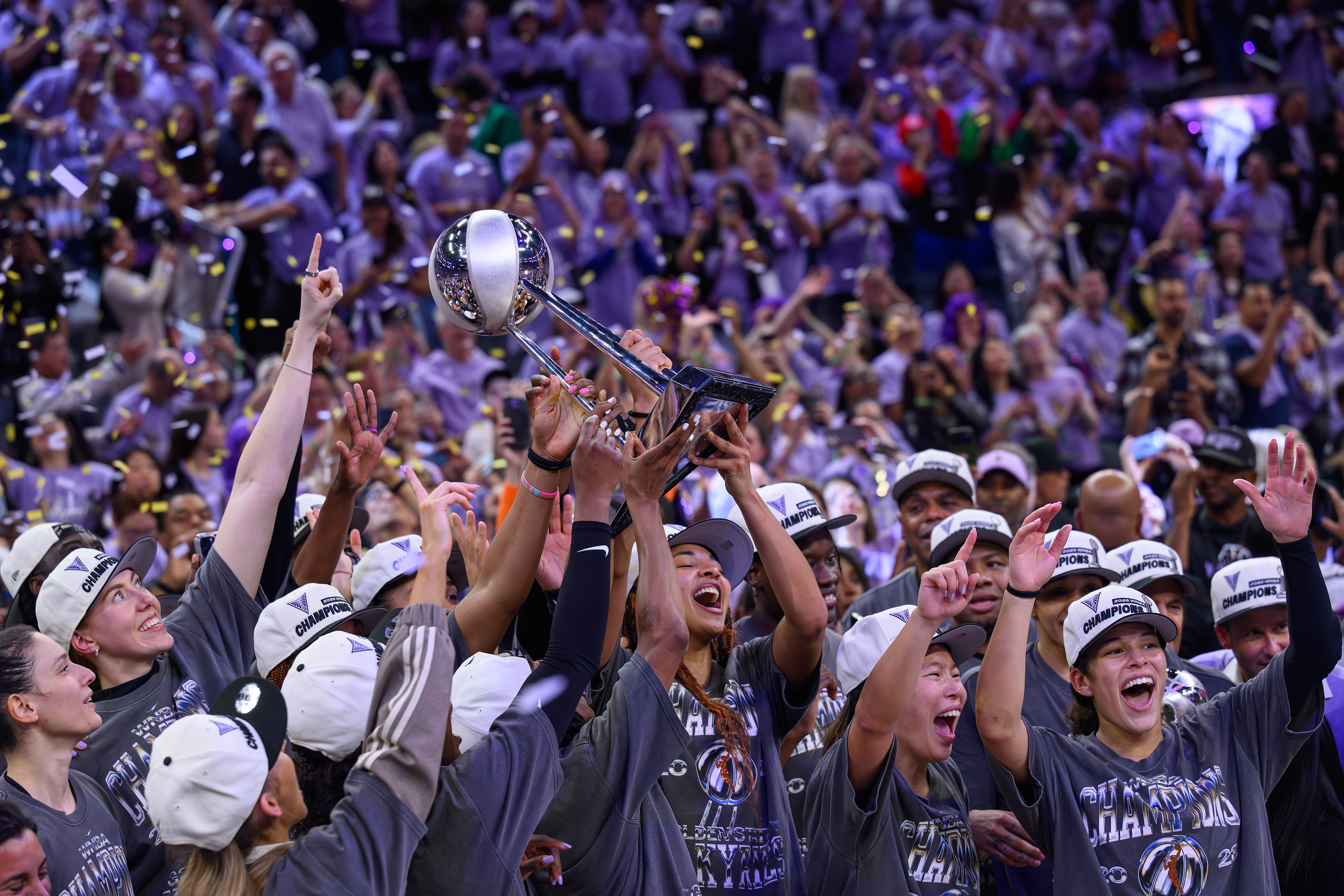
NEW YORK — The WNBA Finals was the most watched since 1999 with an average of 1.88 million people viewing the seven-game series that Golden State won over Atlanta in a decisive Game 7.
That game averaged 3.3 million viewers, making it the most watched WNBA postseason game ever. It was up 128% from last season’s clinching game between Las Vegas and Phoenix that the Aces won.
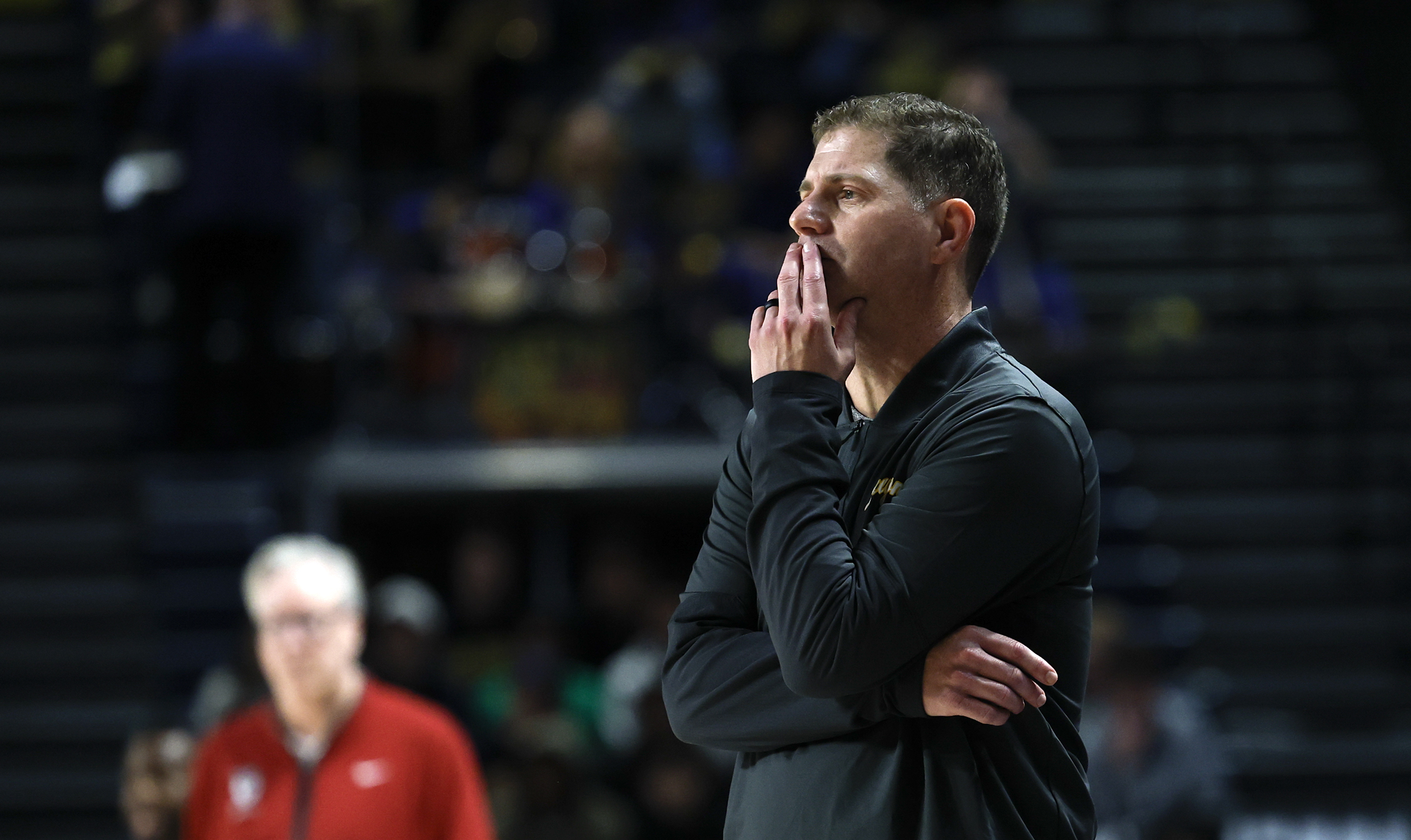
Drexel opened its men’s basketball season Tuesday night facing one of the toughest opponents on its nonconference schedule.
A trip to No. 9 Virginia offered an early opportunity to evaluate how coach Zach Spiker’s team would respond against nationally-ranked competition.
But the Dragons encountered a difficult defensive challenge.
Virginia’s full-court pressure forced 21 turnovers and converted those mistakes into 25 points in La Salle’s 89-60 loss at John Paul Jones Arena in Charlottesville, Va.
Drexel trailed by 24 points at halftime, but showed signs of improvement after the break, briefly cutting Virginia’s lead to 16 before the Cavaliers pulled away.
Exposing offensive struggles
Drexel’s biggest challenge emerged almost immediately.
Virginia forward Thijs De Ridder, the ACC preseason player of the year, scored 12 points in the opening two minutes, 20 seconds, helping the Cavaliers establish a 14-2 advantage. Eight minutes into the contest, Drexel trailed, 25-4.
The Dragons struggled to establish an offensive rhythm against Virginia’s aggressive full-court defense, which repeatedly created opportunities for the Cavaliers in transition.
Virginia finished with 18 steals, a John Paul Jones Arena record, and outscored Drexel, 29-7, in fast-break points. The Cavaliers also dominated inside, holding a 44-28 advantage in points in the paint.
“They didn’t do anything to surprise us,” Spiker said. “They just did it really well.”
Drexel shot 39.7% from the field and 32% from three-point range. Starting guard Josh Reed, one of the team’s returning players, finished with six points on 2-for-8 shooting.
The Dragons’ ability to handle sustained pressure will be an area to monitor as they move through their nonconference schedule.
Newcomers offer promise
Drexel received encouraging contributions from several players making their Dragons debuts.
Eight newcomers accounted for 42 of Drexel’s 60 points, including the team’s two leading scorers.
Freshman Latief Lorenzano-White, an Imhotep Charter graduate, made an immediate impression. The 6-foot-4 swingman started and finished with 11 points on 5-for-7 shooting in 21 minutes.
Senior guard LaDricus Pittman, who transferred from Division II LeMoyne-Owen College, also had 11 points with four assists and two steals off the bench. Pittman connected on 3 of 5 three-pointers.
The Dragons also received contributions from two international newcomers.
French freshman David Simonovic, a 6-11 forward, started and finished with six points and four rebounds in 27 minutes. Sophomore Panagiotis Pagonis, a transfer from New Orleans and a native of Athens, Greece, added five points in 28 minutes.
Graduate transfer Amaree Abram, who spent last season at Tennessee, contributed five points.
Second-half response
Drexel showed more resistance after halftime.
The Dragons opened the second half with a 7-2 run, capped by a Pittman three-pointer. Later, returning junior Dillon Tingler connected on consecutive threes to cut Virginia’s lead to 58-42 with 11 minutes, 49 seconds remaining.
Virginia coach Ryan Odom acknowledged that Drexel played more physically in the second half and that his team struggled to execute in the half court.
The Dragons also improved defensively, recording all four of their blocks after halftime and holding Virginia to 38 second-half points after allowing 51 in the opening period.
But the momentum didn’t last.
Virginia responded with a 22-3 run that eliminated any possibility of a comeback. De Ridder finished with a game-high 24 points and nine rebounds, while Sam Lewis added 20 points and four three-pointers.
Next
The Dragons will return to the Daskalakis Athletic Center for their home opener against Colgate at 2 p.m. Saturday.
Midterm election results made for a wave of firsts, elevating members of historically underrepresented groups into higher office, bringing new generations into the political fold, and turning over longtime strongholds.
From the country’s first Black female governor to the first Muslim U.S. senator, the first Gen Z woman in Congress, and a first Black speaker of the House poised to take over soon, a mix of mostly Democratic victories and some GOP wins are collectively pushing the envelope and expanding the electorate.
Here is an overview of some of the major breakthroughs:
Governor’s races
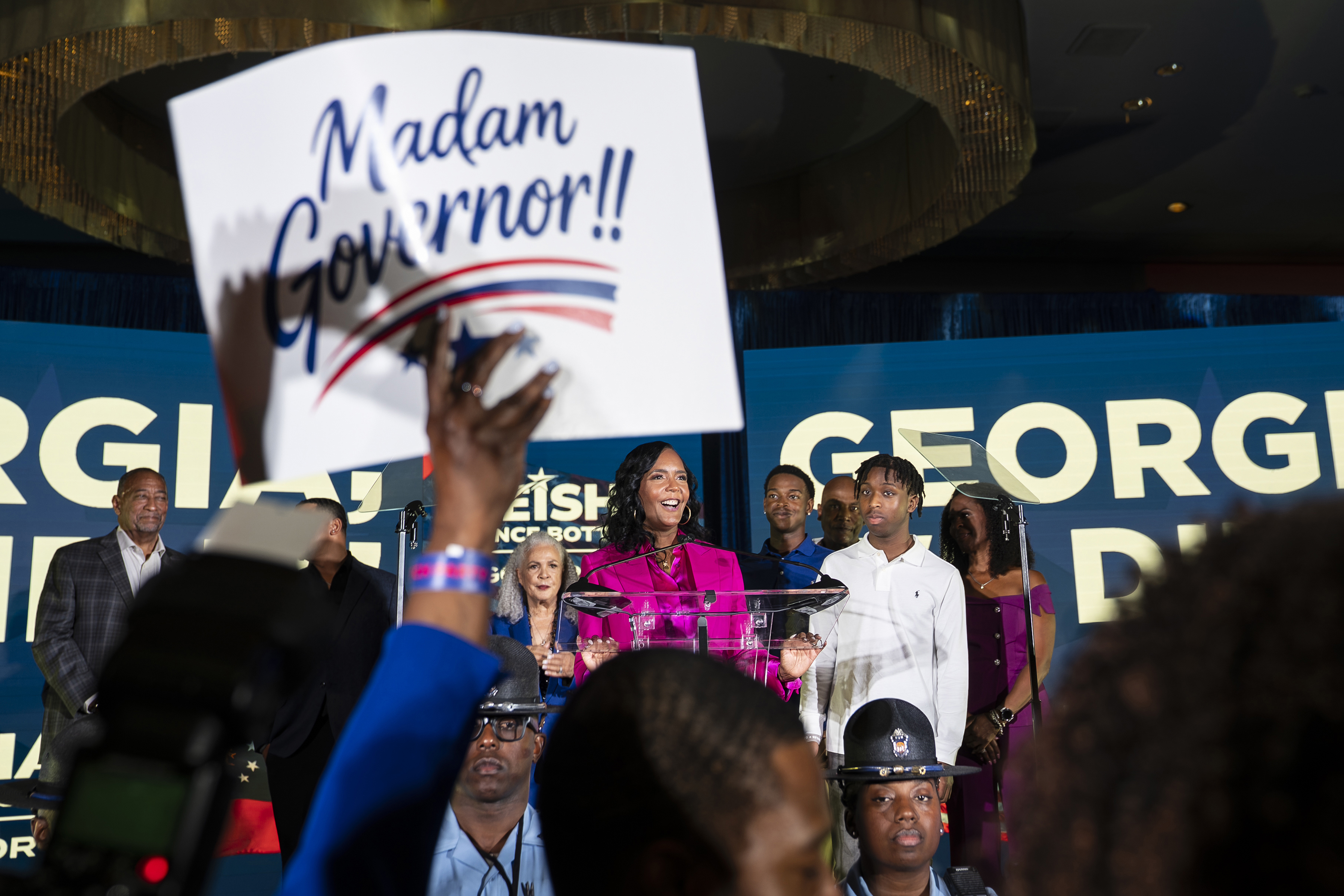
In Georgia, Keisha Lance Bottoms was elected the country’s first Black female governor. The Democrat and former Atlanta mayor beat a Republican billionaire in the governor’s race, overcoming scrutiny of her single term as mayor from 2018 to 2022. Bottoms is also the first Black person and woman to occupy Georgia’s top office.
The country will also see its first Native American governor, Democrat Deb Haaland, the former U.S. interior secretary, who won New Mexico’s gubernatorial race. She is a member of Laguna Pueblo.
California and Texas elected their first Latino and Latina governors, respectively, in Democrats Xavier Becerra and Gina Hinojosa. Florida and Wisconsin each elected their first Black governors with Republican Byron Donalds and Democrat David Crowley.
Ohio will see its first female governor in Amy Acton, the state’s first Democratic governor since 2011.
Big Senate firsts
The midterm elections brought another wave of firsts, including the country’s first Muslim senator, Abdul El-Sayed. El-Sayed won the highly contested Michigan race despite frequent attacks on his identity and religion by the Republican Party and President Donald Trump.
Chris Pappas, a New Hampshire representative, was elected to the U.S. Senate. That will make him the first openly gay man to serve in the chamber.
Peggy Flanagan, Minnesota’s lieutenant governor, became the first Native American woman to be elected to the U.S. Senate. She is Ojibwe and a member of the White Earth Nation.
The Democratic House and Senate flips mark the first time the party will hold the majority in both houses of Congress in 16 years. It also positions Rep. Hakeem Jeffries (D., N.Y.) to become the first Black speaker of the U.S. House of Representatives.
Generational advancements
Democratic socialist Melat Kiros of Colorado won her race, making her the first Gen Z woman elected to Congress. She was born in 1997 and is 29 years old. In 2023, Rep. Maxwell Frost (D., Fla.) became the first member of Gen Z to join Congress. Frost was also born in 1997.
Voters across the country, in a stunning display of dissatisfaction with President Donald Trump, threw their support behind Democrats in historic fashion on Tuesday, delivering the opposition party widespread control from Harrisburg to Washington after lifting Trump’s GOP to power just two years ago.
The party flipped at least seven seats in the U.S. Senate, including in states long seen as deep-red territory such as South Carolina and Kansas, securing a commanding majority that was unthinkable just a few months ago.
In Pennsylvania, Gov. Josh Shapiro did not just win reelection, as was telegraphed in polls. Unofficial returns showed that, as of Wednesday night, he was leading his GOP opponent by more than 20 percentage points, and he was ahead in 10 counties that Trump won in 2024.
And Democrats, for the first time in more than 30 years, won a trifecta in Harrisburg, meaning they will have control of the state House, the state Senate, and the governor’s mansion.
Even those smaller, local races broke Democrats’ way. In Bucks County’s closely watched 6th State Senate District, where issues like data centers and inflation drove the campaign, Democrat Eileen Hartnett Albillar, the county clerk of courts and a social worker by trade, toppled Republican State Sen. Frank Farry.
“Sometimes in this political life you’re the windshield, and sometimes you’re the bug,” said Christopher Nicholas, a veteran GOP strategist. “Pennsylvania voters have totally reversed what they did in 2024.”
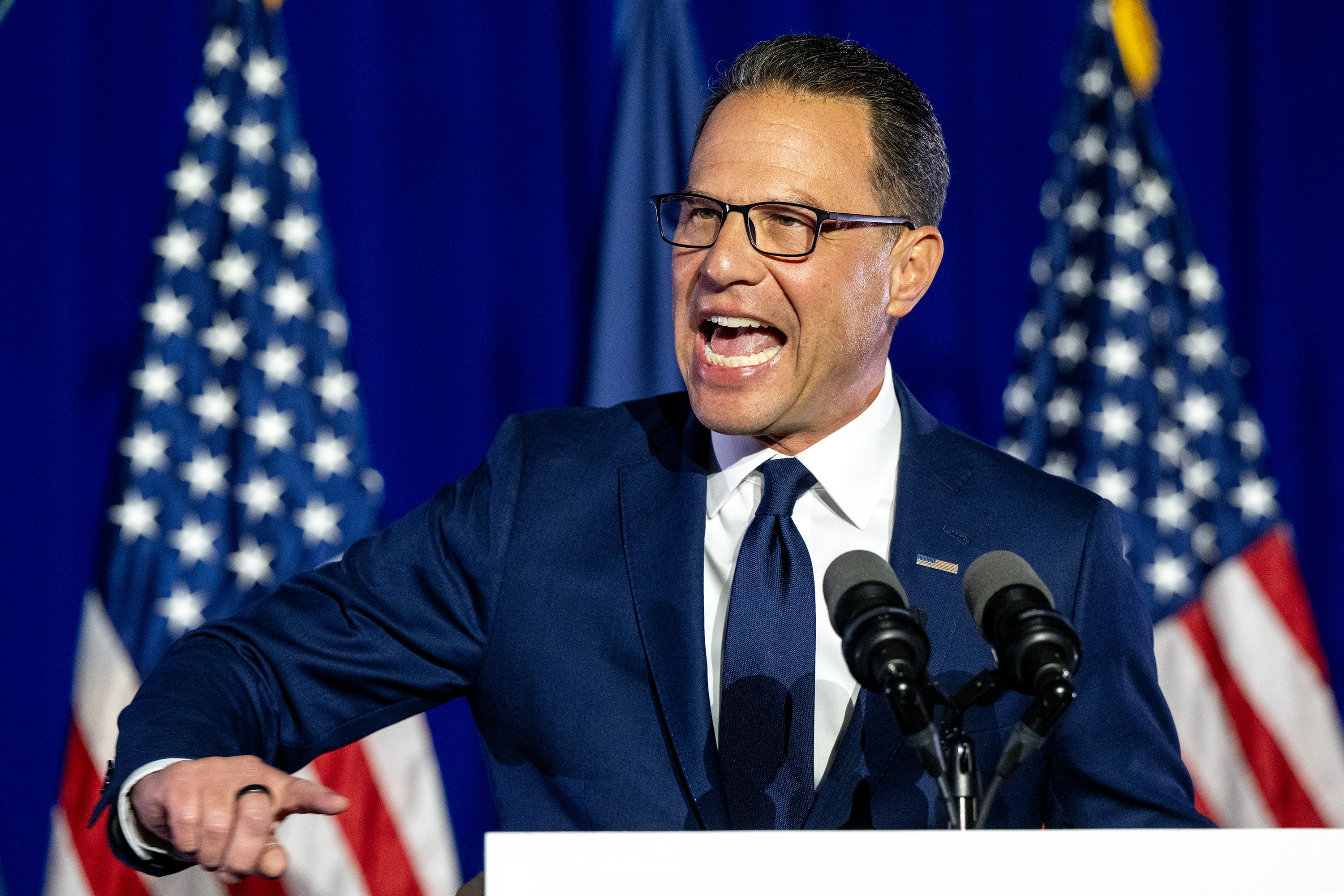
Gov. Josh Shapiro delivers his victory speech at his Election Night party in Camp Hill, Tuesday Nov. 3, 2026.Tom Gralish / Staff Photographer
Now, Democrats — looking toward a new political order once they are sworn into office in January — must find a way to govern amid deep fractures within their own party.
“We’re going to have a lot of serious conversations after today to see about what this big tent actually means,” State Rep. Chris Rabb, a democratic socialist who was elected to represent a large swath of Philadelphia in Congress, said Tuesday.
A clear rebuke of the president
Neil Makhija, a Montgomery County commissioner who stumped for Democrats across the state, compared the results to 2006, when the party won back power with George W. Bush in the White House as voters rejected an unpopular war.
“Back then, I remember feeling stunned that we were winning states we weren’t supposed to win,” Makhija said. “This kind of election expands people’s view of what’s possible.”
Democrats this week romped to victory in U.S. House races and were expected to best Republicans by about 13 percentage points nationally, according to the New York Times. That would be the most significant across-the-board congressional win by either party in at least 50 years.
“It was not only a normal wave election,” Van Drew said after conceding. “What I said all along was, ‘I’ll be fine as long as it isn’t Watergate.’ And it kind of is a Watergate, where it’s larger than life and just swept people along with it who weren’t necessarily doing anything wrong.”
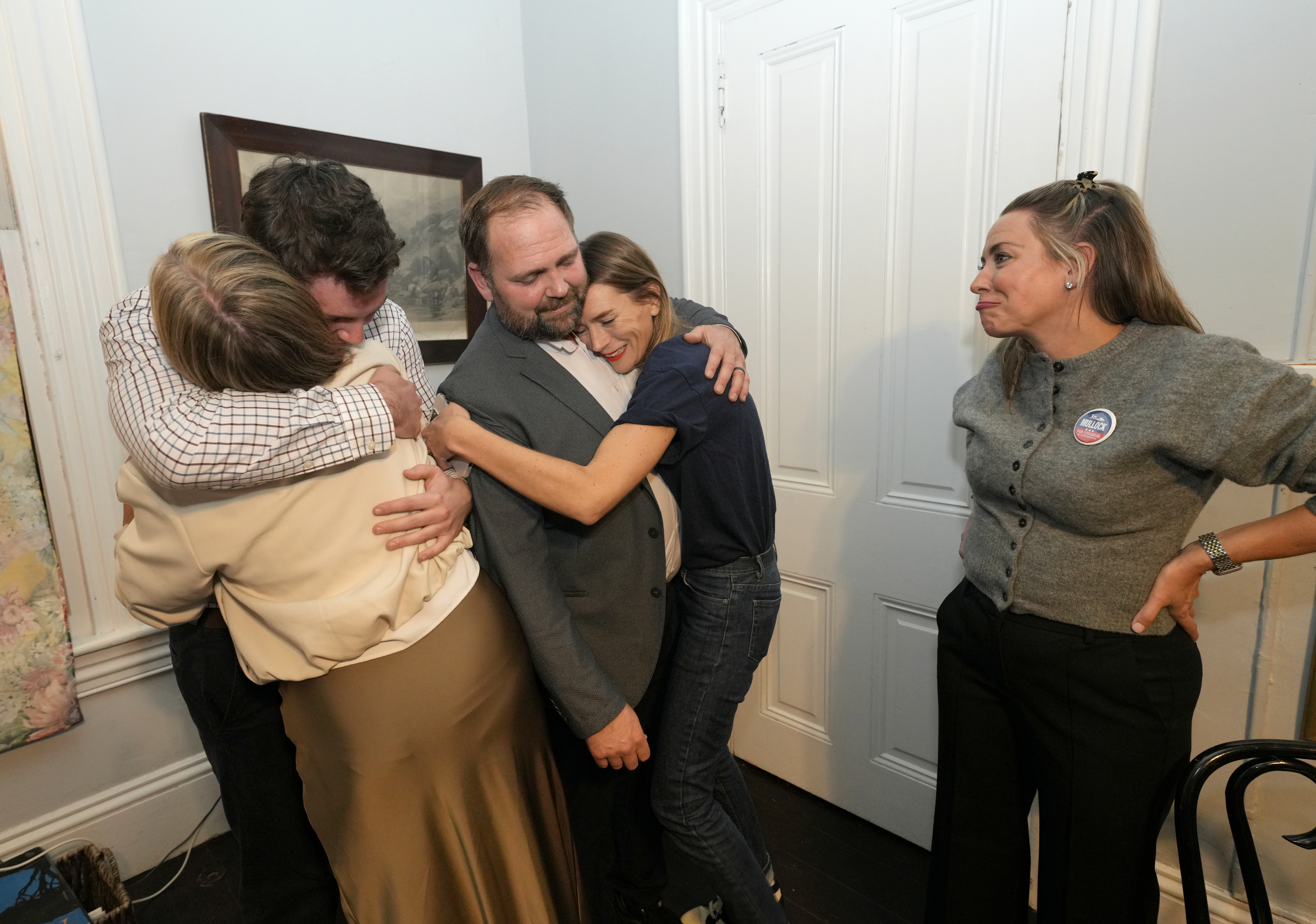
Democratic congressional candidate and Cape May Mayor Zack Mullock, celebrates with his team after receiving a call from Congressman Jeff Van Drew who conceded the race, Tuesday, Nov. 3, 2026.Tim Hawk / For The Inquirer
Strategists said the results showed that voters are fed up with the party in power, even those who just two years ago cast a ballot for the president.
Samuel Chen, a GOP strategist, said voters often feel a sense of regret in midterm elections if they don’t feel they are getting what they bargained for.
But amid rising inflation and the unpopular war in Iran, the dissatisfaction ran deeper. Even some Trump voters, Chen said, “felt a sense of betrayal.”
“They didn’t want forever wars, they didn’t want prices to go back up, and they did,” Chen said. “And the president is saying ‘the economy is not that bad, suck it up.’”
Members of both parties said the race between Fitzpatrick and Democrat Bob Harvie to represent Pennsylvania’s 1st District was a canary in the coal mine for Republicans. If he fell, it would mean many others would, too.
“We saw him as the hardest to beat,” Democratic strategist Anthony Campisi said.
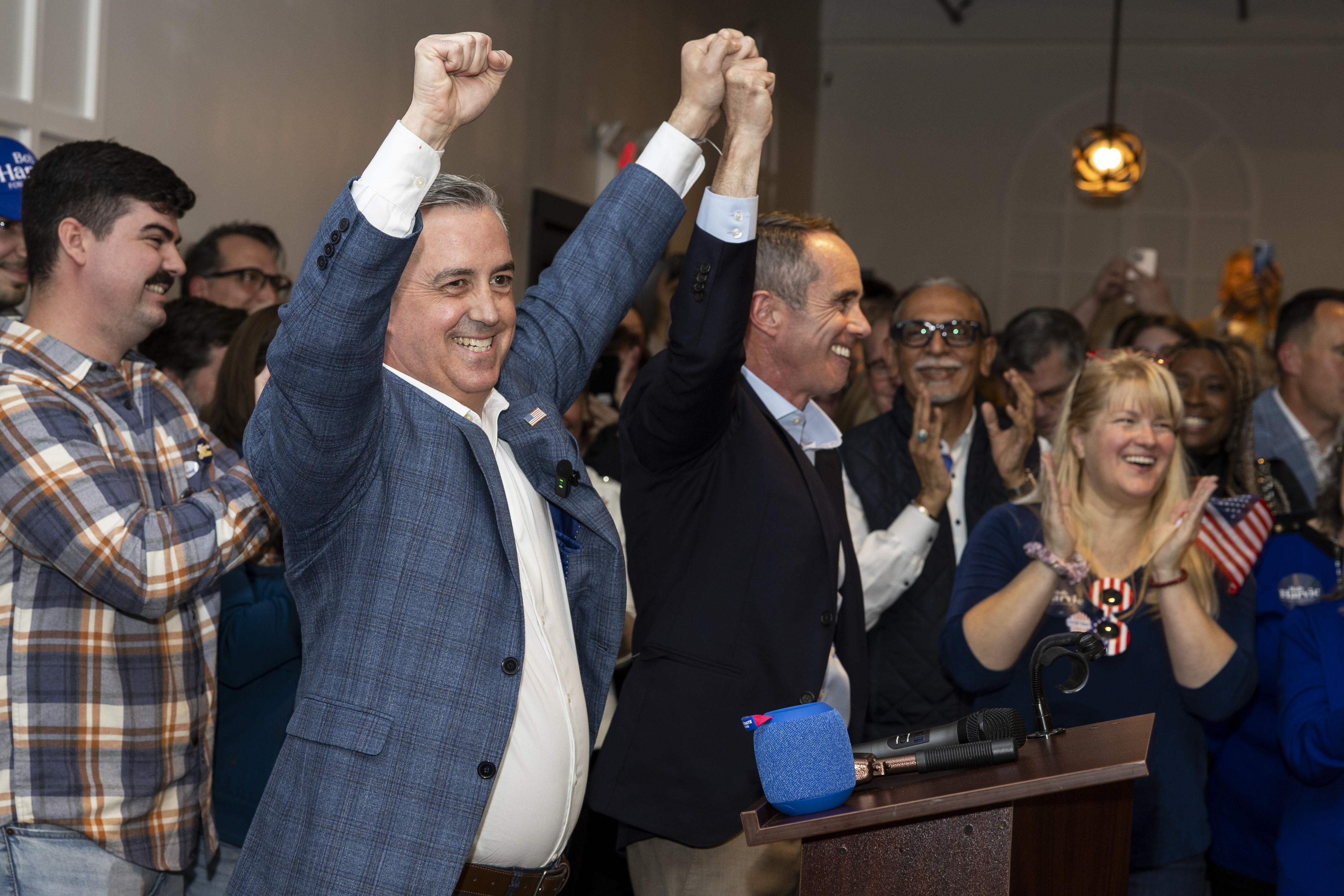
Pennsylvania First Congressional District Candidate Bob Harvie celebrates with State Sen. Steve Santarsiero at his election night party at Rafters on Tuesday, Nov. 3, 2026 in Newtown, Pa.Monica Herndon / Staff Photographer
But disaffection with the president appeared too much for even the most bipartisan member of Congress to overcome.
“When the president is talking about the reflecting pool instead of the cost of living the night before the election,” Campisi said, “it’s kind of like an allegory.”
A still-divided Democratic Party
The euphoria among Democrats on Wednesday in some ways masked the deep ideological fissures within the party.
Nowhere were those divides laid bare more than in Michigan, where Democrat Abdul El-Sayed, a progressive and a staunch critic of Israel, won a bitter race in the swing state against Republican Mike Rogers. That was despite a last-minute defection by U.S. Rep. Haley Stevens, whom El-Sayed beat in the Democratic primary and who announced this week that she would vote for Rogers, saying that El-Sayed had not adequately defended Israel and American Jews.
The conflict in the Middle East drove substantial tension between the progressive wing of the party and more establishment-aligned Democrats during the primary season. That includes in the race to represent Philadelphia’s 3rd Congressional District, and those disagreements over whether the United States should continue to arm Israel amid its military campaign in Gaza are not likely to disappear.
State Rep. Chris Rabb stops by at Kingsessing Recreation Center to talk with poll workers and voters on Election Day in Philadelphia, Pa., on Tuesday, Nov. 3, 2026.Tyger Williams / Staff Photographer
Rabb, a longtime state representative who has been critical of both the Republican Party and the Democratic establishment, endorsed El-Sayed and campaigned for him in Michigan. The longtime state representative from Northwest Philly, who was elected on Tuesday to become Philadelphia’s first democratic socialist in Congress, will now govern alongside Democrats — including from his own state — who have a wildly different worldview.
And in New Jersey, Cape May Mayor Zack Mullock, who beat Van Drew, said he won because he ran as a pragmatist willing to work across the aisle who could appeal to independents and Republicans.
“What you’re seeing on the national level, some of the socialist kind of things?” Mullock said. “If you look at Cape May, it’s not Leningrad.”
Michelle Leiby, of Langhorne, cheers as early Bucks County results are announced during Bob Harvie’s election night party at Rafters on Tuesday, Nov. 3, 2026 in Newtown, Pa.Monica Herndon / Staff Photographer
But Rabb said Tuesday that an El-Sayed win in purple Michigan amid other progressive gains would demonstrate not just that leftist candidates are winning in deep-blue districts, but that “there is a hue and cry for transformational change across the country.”
Those divides will also no doubt be present in Harrisburg, where far-left state representatives could grow frustrated with Democratic senators who have a history of centrist ideologies and bipartisan dealings.
Still, the party said it is unified in its day-one priorities for the Democratic trifecta: Shapiro has said he will sign legislation to raise the state minimum wage, which has been a Democratic priority for decades.
Rabb and others of his political ilk said they agree that would make a material difference for a large swath of Pennsylvanians, including those in Philadelphia, the poorest big city in the nation.
Makhija said that Democrats were delivered a mandate to focus on improving the cost of living for Americans, and that intraparty debate over the best ways to achieve that goal are healthy.
“We can have debates over whether this healthcare policy is going to be more effective vs. another,” he said. “But as long as we are having that debate and trying to do something that helps people, the voters will recognize that and appreciate that we are on their side.”
Staff writers Amy S. Rosenberg, Aliya Schneider, Fallon Roth, Sam Janesch, and Sean Collins Walsh contributed to this article.