Tag: no-latest

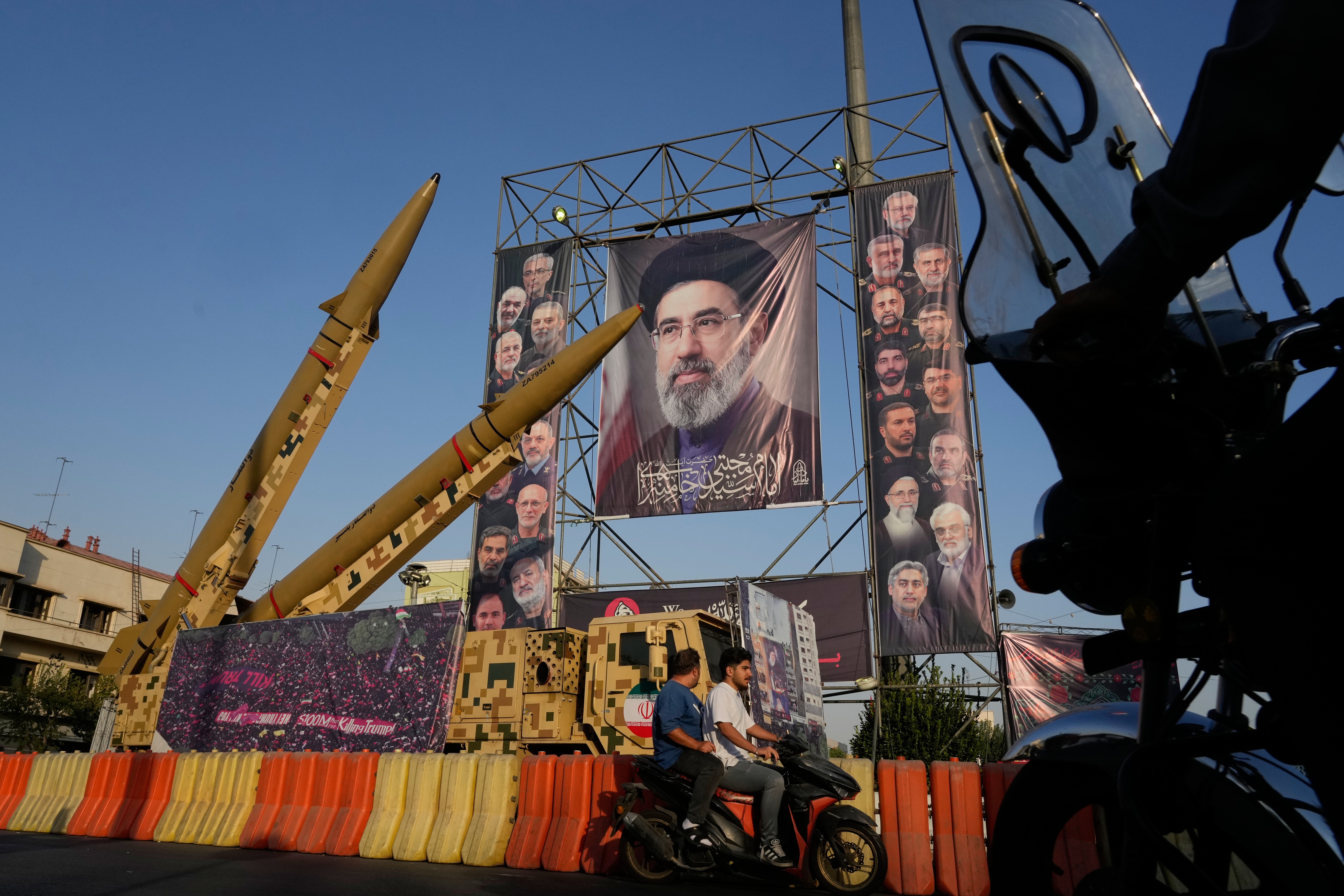
  • Iran indicates it’s received an official U.S. response to its latest offer on ending the war

    Iran indicates it’s received an official U.S. response to its latest offer on ending the war

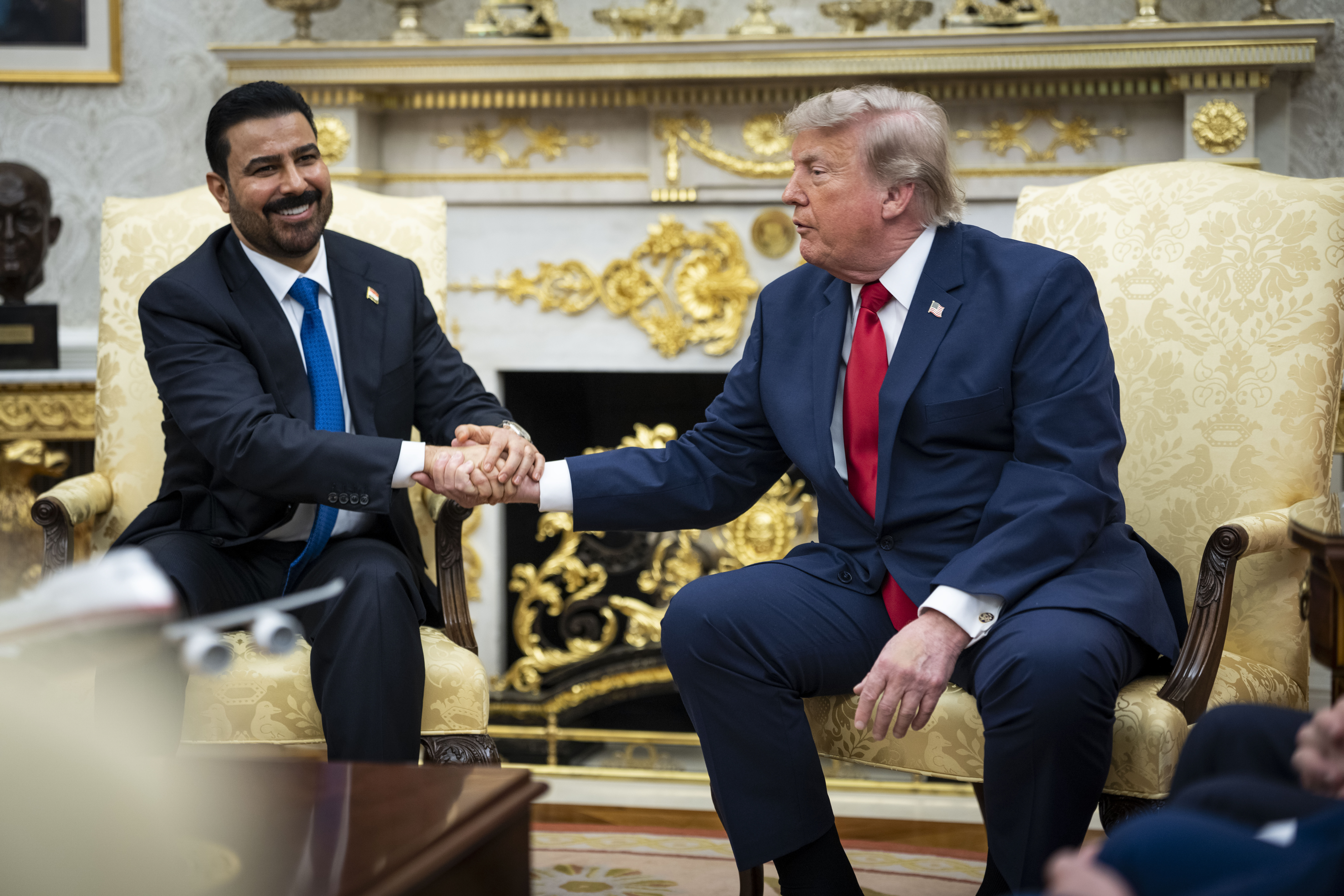
    Iranian officials indicated Wednesday they have received an official U.S. response to Tehran’s latest proposal to end the seven-month war, which U.S. President Donald Trump had publicly rejected just days earlier.

    The officials did not say what the response contained and whether it was a rejection.

    Iranian Foreign Minister Abbas Araghchi presented the U.S. response to President Masoud Pezeshkian at a Cabinet meeting, government spokesperson Fatemeh Mohajerani told the state-run IRNA news agency.

    “We will make every effort to bring the agreement to fruition and will firmly stand up for the rights of the Iranian people,” Pezeshkian said. “The agreement must now be based on a win-win strategy.”

    The Cabinet meeting followed Araghchi’s return to Iran after travelling to New York for last week’s U.N. General Assembly, where officials held indirect talks with U.S. officials and also met with Qatari and Pakistani mediators on the sidelines of the annual gathering of world leaders.

    Araghchi briefed the Cabinet on his trip to New York and the meetings he held there, including Iran’s conditions for reopening the Strait of Hormuz, which Mohajerani said had been conveyed through mediators.

    Araghchi last week said he floated the proposal to reopen the strait in a week if the U.S. agreed to lift its blockade of Iranian ports, release frozen Iranian assets and waive sanctions on Iranian oil sales, among other conditions.

    Trump swiftly rejected the proposal, saying Iran wanted to make a deal because it was “losing so badly” but that its offer “would not be acceptable.” Despite Trump’s public rebuffing, mediators continued working with Iran and the U.S. to try to broker a deal to end the fighting and open the strait, according to officials who were not authorized to comment publicly and spoke on condition of anonymity.

    Meanwhile, the U.S. Treasury Department unveiled new sanctions on Tuesday targeting people and companies around the globe that it accuses of being financial facilitators or enablers of Iran’s military supply chain.

    The latest action is part of the Trump administration’s “Operation Economic Outcast” campaign aimed at severing “critical financial lifelines” for the already heavily sanctioned Iranian government.

    Ten people and entities based in Iran, Hong Kong and Pakistan now face sanctions over accusations of procuring weapons and weapon components for Iran’s defense ministry as it fights its now seven-month war against the U.S.

    Iran’s economy is spiraling further

    Iran’s economy, under heavy strain before the war started, has been in a freefall since the conflict began in late February.

    The country’s currency fell to a new record low on Tuesday, with traders in Tehran exchanging more than 2.5 million rials to the U.S. dollar in a stark reflection of how the war in the Middle East has steadily eroded the Iranian economy.

    The latest decline came just 27 days after the rial hit its previous record low of 2.2 million to the dollar on Sept. 2. The currency has repeatedly reached new lows since the war began in February.

    Trump on Tuesday said that Iran is “failing very badly, very badly” and predicted anew that the war will be “over with very, very soon.”

    At the onset of the conflict, he predicted that the war would last just weeks. More recently, Trump said he expects it won’t end until after the Nov. 3 midterm elections in the U.S.

    Iranians face soaring prices for medicine amid U.S. blockade, sanctions

    Medication prices are soaring in Iran and some treatments have become hard to find, leaving patients and their families scrambling as a U.S. blockade and stepped-up sanctions squeeze the country’s pharmaceuticals industry.

    Some medicines have more than tripled in price, further straining Iranians’ finances seven months into the country’s war with the United States and Israel. Prices for food and other goods have skyrocketed even as unemployment has risen and the currency, which hit a record low this week, has lost half its value.

    The war has become an economic endurance test. Iran has tried to push world energy prices higher with attacks on the region’s oil shipping routes; the United States, in turn, has aimed to wreck Iran’s economy by blockading its ports since June and slapping it with increasingly tough sanctions.

    Iran executes 2 men on charges of violence during January protests

    Also on Wednesday, two men were executed in Iran over their role in violence during nationwide anti-government protests in January, the state-run IRNA news agency reported.

    Citing the country’s judiciary, IRNA said the men took part in unrest in the northeastern city of Mashhad that left four members of the security forces dead earlier this year. Their death sentences were upheld by Iran’s Supreme Court before being carried out Wednesday morning.

    The unrest began Dec. 28 amid anger over Iran’s collapsing currency and worsening economy and quickly spread across the country, with demonstrators increasingly calling for the overthrow of the Islamic Republic. Iranian authorities responded with a deadly crackdown.

    Rights groups say thousands were killed and tens of thousands arrested, while Iranian authorities have reported a substantially lower death toll.

  • Trump administration considers scaling back border project in Texas’ Big Bend National Park

    Trump administration considers scaling back border project in Texas’ Big Bend National Park

    WASHINGTON — The Trump administration is considering reducing the scope of a planned border project through Big Bend National Park in Texas, a contentious undertaking that has drawn bipartisan opposition over concerns it will irrevocably mar the remote, majestic area.

    The announcement on plans for the national park, made in two court filings late Tuesday, gave no details on what the government may do. In August, the Republican administration initiated a pause on construction-related activity in the park as it engaged in outreach efforts to opponents of the project. The pause ends Wednesday.

    Customs and Border Protection is “actively considering adjustments” to the work ”that would reduce its scope and avoid or minimize potential impacts, based on input received from the National Park Service and other stakeholders,” the government said in the court filing.

    The agency said it will make a final decision the first week in October and will take “several weeks” after that announcement before any “ground-disturbing work” starts.

    After intense opposition from environmentalists and local residents and business owners, CBP backed off plans this year to build a 30-foot-tall bollard wall through the park. But its intention to move forward with other measures such as a new road, lights, vehicle barriers and technology did not quell local resistance.

    After bulldozers were spotted in August clearing land in Big Bend, CBP Commissioner Rodney Scott announced a pause on all activity there and it was later expanded to the area upstream of the park. The agency has said it was only carrying out design and planning work, not full-scale construction activities.

    Opponents of the border project called on the administration Wednesday to continue the pause while coming up with a new plan.

    Bob Krumenaker, head of Keep Big Bend Wild and a former NPS superintendent at the park, said in a statement that the Border Patrol already works with the park service and local sheriffs to operate an “effective surveillance system” in Big Bend that includes ground sensors and patrols. The Coalition to Protect America’s National Parks said building in the park would be “mutilating an extraordinary landscape.”

    The project is part of a $46 billion plan by the administration to line the U.S.-Mexico border with steel bollard walls, vehicle barriers and surveillance technology to deter migrants and smugglers.

    The government has also paused work on a 61-mile piece of land stretching north of the national park along the Rio Grande River, most of which is owned by private landowners. In that area, the government plans to build a 30-foot-tall steel bollard wall designed to prevent people on foot from crossing, roads and various types of surveillance technology where appropriate, according to the court filing.

    CBP has started building the wall in a West Texas part of the broader Big Bend region, but has run into intense opposition there, including from landowners challenging the project in court.

    Also in the court filing Tuesday, the government suggested it was facing resistance in getting permission from landowners to survey and build on their property and would be referring some cases to the Department of Justice to pursue condemnation.

    The government also detailed efforts it had made to meet with people potentially affected by Big Bend projects and shared with them incidents of cartel-related violence that concerned the Border Patrol.

    The administration has been pushing forward with the border wall projects that have long been a key part of President Donald Trump’s vision for border security. The agency said it is building 12 miles of wall per week.

    But lining up against the work are private landowners, Native American tribes, environmental groups and others who question the necessity and cost of the project at a time when illegal immigration has fallen dramatically. Opponents also have accused the government of damaging Native American sites and sensitive ecology locations in its rush to finish construction.

  • A knife and a pledge: Brazil’s candidates court women with promises to combat violence

    A knife and a pledge: Brazil’s candidates court women with promises to combat violence

    RIO DE JANEIRO — Clutching an oversized knife onstage during a recent campaign stop, Brazilian presidential candidate Sen. Flávio Bolsonaro vowed to inflict chemical castration on “rapists and child abusers,” drawing thunderous applause.

    The tough-on-crime message comes as Bolsonaro seeks to appeal to women, who account for 53% of the electorate and played a decisive role in handing President Luiz Inácio Lula da Silva a narrow 2022 victory over Bolsonaro’s father, former President Jair Bolsonaro.

    “Women are starting to have a perception of their role in elections,” said Rachel Ripani, co-founder of the movement Levante Mulheres Vivas, or Rise Alive Women. “They’re seeing their vote as something that they don’t want to be manipulated.”

    Polls show Lula with a narrow lead over Sen. Bolsonaro in the Oct. 4 vote, but neither candidate is expected to win outright, making a runoff likely. Both have been courting swing voters, including women, with proposals to combat gender-based violence, a major campaign issue as violence against women reaches record levels and several high-profile cases draw attention.

    “We’re building a Brazil (…) free of femicide, where no woman, inside or outside the home, lives under the threat of violence,” Lula told heads of state at last week’s United Nations General Assembly in New York. “This is a cause that the entire world needs to embrace.”

    More than one in three women in Brazil was a victim of sexual or gender-based violence over the course of a year, the highest number since tracking began in 2017, according to a 2025 report by the think tank Brazilian Forum on Public Safety. In 2025, 1,571 women were victims of femicide, the highest annual total since Brazil defined the crime in law in 2015, the forum said. Femicide is defined as the killing of a woman in a domestic setting or out of contempt for women.

    Cases over the past year have drawn widespread public condemnation, including the alleged gang rape of a 17-year-old girl in Copacabana; the death of a woman after her ex-boyfriend ran her over, trapped her beneath his car and dragged her over concrete for one kilometer, and the alleged killing of a military police officer by her husband, a member of the same institution.

    Feminists are seeking guarantees

    Along with chemical castration, Sen. Bolsonaro proposes expanding spaces that provide shelter for victims of violence and the creation of an AI assistant that would allow victims to file reports, request a protective order, and receive guidance and support.

    Meanwhile, Lula pledged to expand protections introduced during his administration, particularly at the end of last year after a series of cases sparked demonstrations. Those measures include real-time monitoring of perpetrators of violence wearing electronic ankle bracelets.

    Both Lula and Sen. Bolsonaro have advocated for tougher penalties for those who commit the crimes of violence against women, measures that would require parliamentary approval.

    Aware of women’s electoral weight, activists are seeking to leverage that power to seek guarantees that such promises will not later be shelved.

    Feminist groups are asking that candidates sign a letter committing to tackling gender-based violence as a priority and voting for a bill that seeks to criminalize misogyny, conducting surveys to define priorities, spotlighting female candidacies on websites and putting forward a shared legislative agenda.

    Carmen Silva, a 61-year-old feminist who lives in the northeastern city of Recife, said this year her group Forum of Women of Pernambuco has two priorities: defending the limited right to abortion and a pledge to tackle the problem of gender-based violence through a multipronged approach including the introduction of education programs.

    “Of course it’s easier to get commitments during the electoral period, but when women candidates are elected, we will cash in on those demands,” she said. “It’s not only about guaranteeing that women aren’t assassinated, but about giving them the possibilities of living a dignified life.”

    Experts say part of the problem is a lack of funds to deploy protective measures and enact laws that already exist, an argument put forward by feminist candidates such as Luciana Boiteux, who is running for Rio’s state legislature.

    “We have enough laws. As lawmakers, we will be vigilant with regards to the execution of these public policies,” said Boiteux at a recent campaign event in front of Rio de Janeiro State University.

    Unequal representation by women

    As with efforts to combat violence against women, calls for increased political representation cross party lines.

    Despite Brazilian women’s electoral weight, only around 19% of lawmakers and senators are women. Brazil also has Latin America’s lowest level of female representation in politics, according to a study by Esfera Institute.

    “Women have a long history of social mobilization in Brazil, but lately it became clear to these movements that the state matters and that they need to dispute that power,” said Marlise Miriam de Matos Almeida, a political scientist at the Federal University of Minas Gerais.

    “Feminist movements have understood that it’s necessary to organize the female vote and mobilize forces to transform this quantitative power into something that allows more women to be elected,” she said.

    The assassination of local councilwoman Marielle Franco inspired some Black women to run for office, Matos Almeida said, but political violence and insufficient resources continue to hinder the participation of women in politics.

    The number of female candidates for Brazil’s lower house dropped by 24% in 2026 compared to 2022, according to the Chamber of Deputies.

    Ripani said her movement is willing to work across party lines as long as candidates and those elected declare support for their policies.

    “The priority for this election is voting for more women who fight for women,” she said. “We need to vote for people who understand our experience.”

  • Trump’s shift from ‘Housing First’ is causing upheaval for homelessness programs and many they serve

    Trump’s shift from ‘Housing First’ is causing upheaval for homelessness programs and many they serve

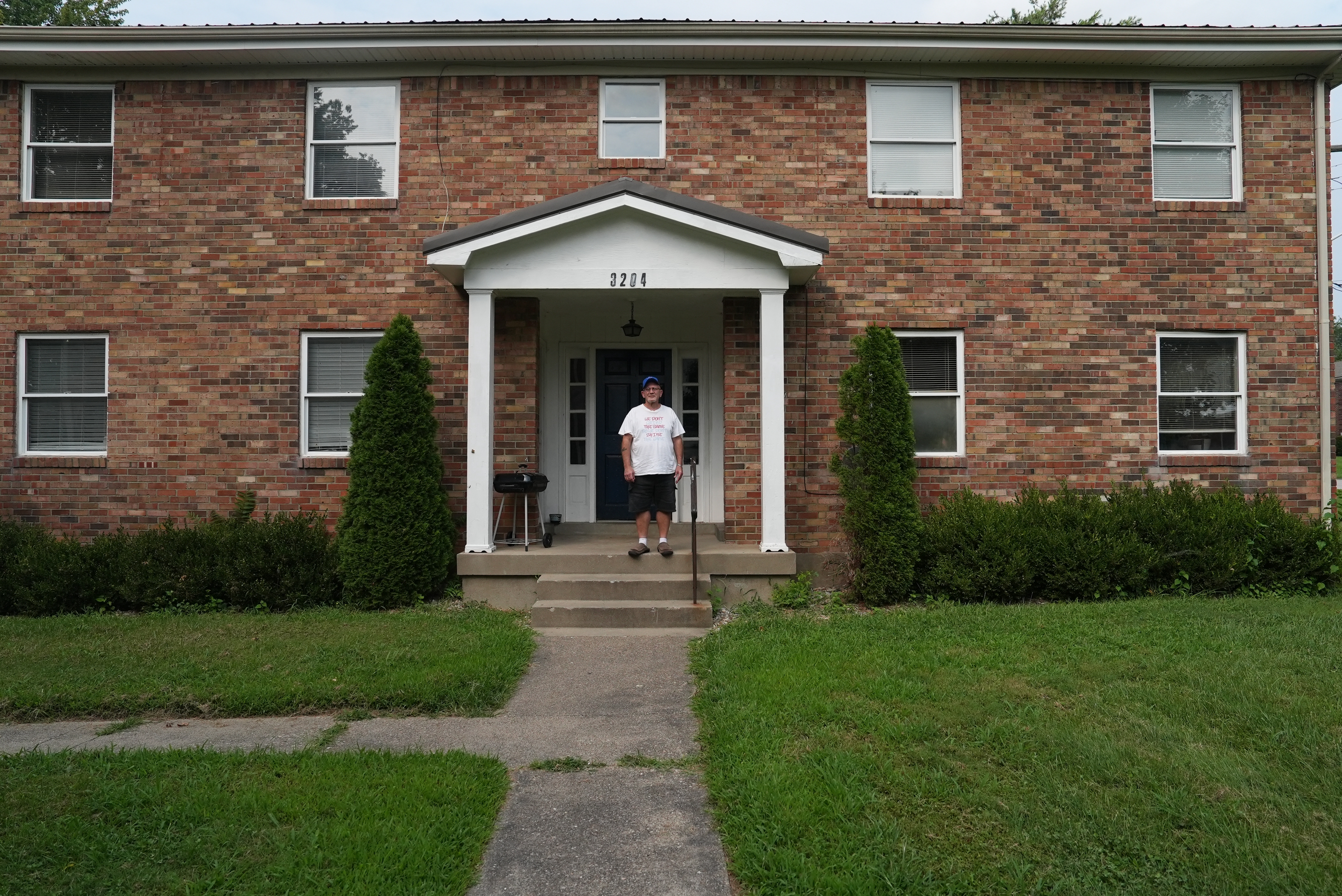
    LOUISVILLE, Ky. — Light streamed through stained-glass windows in a former church, illuminating long white tables where weary men gathered. Johnny Henderson was glad for the rest. The 71-year-old — who has one arm, heart disease, and vision problems — slept on the street the night before.

    Henderson is a regular at the St. John Center men’s day shelter. So are a great-grandfather in a wheelchair who has prostate cancer, a 54-year-old with four psychiatric disorders, and a 66-year-old with a walker who wears a hospital bracelet warning “fall risk.”

    All are potential candidates for permanent, government-subsidized apartments under a “Housing First” approach, a model rooted in the belief that people need a stable place to live before addressing other problems. But the approach that’s been central to federal government policy for more than a decade is disappearing under President Donald Trump’s administration. The upheaval, providers and advocates say, threatens the lives of some of the most vulnerable people in the nation.

    “Housing is healthcare,” said St. John executive director Ra’Shann Martin, whose organization provides housing and outreach in addition to the shelter. “The longer people stay unhoused, the more fragile they become.”

    Housing organizations across the U.S. that depend on federal funds are now reluctantly making changes to comply with new government policies that favor a “Treatment First” approach and short-term “transitional” housing — changes they fear will push people with extreme health risks back on the street or keep others, like Henderson, there.

    Planned housing projects have been scrapped in communities such as Corbin, Kentucky. Less housing is available for homeless people in places including Santa Cruz County, California. And in cities such as Louisville, nonprofits are looking at making some permanent housing temporary, including most of St. John’s 200 apartments.

    U.S. homelessness numbers have trended upward

    Across America, nearly 750,000 people were homeless last year, according to an estimate compiled by the U.S. Department of Housing and Urban Development. That number is down slightly from 2024 but up 31% from 2019.

    The portion considered chronically homeless — having a disability and long-term or repeated episodes of homelessness of at least a year — has also risen since 2019. It’s now about a quarter of the total.

    Overall, research shows, roughly half of homeless adults live with a disability, up to two-thirds have mental illness, and 2 in 5 have substance use disorder. Rates of disability, heart disease, and diabetes are two to three times higher than in the general population.

    In Louisville, outreach specialist Angel Sivado said such statistics are reflected in the people she serves, whose living conditions make it extremely difficult to care for themselves, get to doctors, or keep up with medications.

    On a recent day, she parked a St. John van near a fast-food restaurant and hiked into the woods to visit a couple living in a tent. Later, she and a colleague walked toward encampments surrounded by trees just off a highway, yelling “outreach” over the low roar of cars.

    One of their main jobs is to shepherd clients through the process for getting housing.

    “They’re not just homeless people; they’re people,” Sivado said. “They’re somebody’s son. They’re somebody’s mother. They’re someone’s daughter.”

    Occasionally, Sivado savors a victory. Before heading home, she stopped under a downtown overpass to see James Myers, 66, who is blind, has congestive heart failure, and is undergoing treatment for prostate cancer. She told him he should be in an apartment soon.

    “I’m tired. I mean, the streets will beat you down, and I think they put a few years on me,” he said, standing near his busted guitar. “I can’t wait to get off the street.”

    Others are not so lucky. Henderson, the St. John regular, survived a train accident that cost him an arm and led to a yearslong opioid addiction. Recently, he’s been dealing with heart disease, an eye problem, spinal surgery, and auditory hallucinations.

    “I’m going to die sleeping outdoors,” he said, choking up. “But I got nowhere to go.”

    The Trump administration favors ‘Treatment First’ and short-term housing

    Each person’s path to homelessness is unique. Determining the “best” solutions depends on the lens used to judge what’s best. The answer may be different if the goal is reducing overall homelessness, helping people into the job market, spending as little taxpayer money as possible, improving health outcomes — or just keeping people alive.

    The Housing First idea was pioneered by a New York nonprofit in the 1990s and has been at the heart of federal homelessness policy since 2013. Today, there are roughly 173,000 “permanent supportive housing” beds for chronically homeless people, and 235,000 for other populations, including veterans. These are long-term apartments paired with voluntary services. Tenants often must contribute 30% of their income, after certain expenses, to rent and utilities.

    Studies have consistently shown that Housing First programs keep people stably housed. Some research says they do so better than other models, including “Treatment First,” which favors mandatory services for addiction and serious mental illness. But findings on health outcomes have been mixed.

    Last year, Trump signed an executive order calling for an end to federal support for Housing First policies. His proposed budget for fiscal 2027 calls for eliminating the federal initiative that goes mostly to Housing First programs. The administration favors housing lasting up to two years, during which people would be required to get treatment.

    “Housing First has failed our most vulnerable and enabled addiction,” HUD said in an email. “HUD’s proposed reforms seek to address the root causes of homelessness and advance recovery, self-sufficiency, and competition that drives accountability.”

    Many opponents of Housing First policies don’t think services including addiction and mental health treatment should be optional.

    “That is the biggest difference between Housing First and not Housing First,” said Devon Kurtz, the director of public safety policy for the Cicero Institute. Kurtz is also concerned that permanent supportive housing was becoming a “one-size-fits-all approach,” including for populations better served by transitional housing.

    Service providers say short-term housing won’t work for some people

    Service providers acknowledge that transitional housing is a good option for some people, such as those getting on their feet after evictions. But they say most chronically homeless people can’t pull their lives together within two years and would likely wind up homeless again.

    “If you want to gradually work on reducing social services that are funded by the federal government, OK,” said Jennifer Clark, CEO and executive director of St. Vincent de Paul Louisville, which offers permanent and transitional housing. “But you cannot make a huge sweeping change and big cuts and take an ax to everything and think that there aren’t going to be consequences for some people who are really in need.”

    John Franklin, 58, said transitional housing wouldn’t work for him. He spent nearly 14 years on the streets dealing with severe alcoholism, and it took a long time to adjust to normal life. He now gets by on disability, as a throat cancer survivor with heart failure, and can’t imagine either having to fully pay for housing or surviving the streets.

    “I could not make it,” said Franklin, who shares a permanent supportive apartment in suburban Louisville with his orange tabby, Moe. “This is my safe haven.”

    Housing First provides homes and other help

    The welcome mat outside Phillip Sieveking’s permanent supportive apartment says “Home Sweet Home,” a sentiment precious to him after a couple of years on the streets.

    Sieveking lives at St. John’s Sheehan Landing, a complex with 80 furnished one-bedroom apartments plus a clinic space, food pantry, meeting rooms, and a community garden that he spends much of his free time tending.

    The former chef has diabetes but didn’t take care of it while homeless. Doctors had to amputate part of one leg. On a recent morning, he put on his prosthetic, grabbed his crutches, and slowly made his way to the garden to check on the roses, sunflowers and vegetables.

    He credits his caseworker with encouraging him to keep up with medical care and navigate systems for getting disability and food benefits. He also attends meetings at the complex, including one where residents discuss wellness and sobriety while working on art projects.

    “They have helped me, you know, go from being homeless to being a part of society,” said Sieveking, 47. “I feel blessed to be here.”

    In New Jersey, Tatiana Velez has been in permanent supportive housing since 2021, soon after connecting with the Camden Coalition, which serves people with complex health and social needs.

    After spending 18 years in prison for robbery, she had lived in abandoned buildings and struggled with opioids for a couple of years. Velez had never signed a lease or opened a bank account when, in her late 30s, she learned she was pregnant and decided she was ready to make changes.

    “I didn’t know what it was to have a roof over my head or pay the bills,” said Velez, who receives disability payments for psychological and educational disabilities.

    She now shares a first-floor suburban apartment with her daughter, 5, and a formerly homeless cat named Snowball. A preschool graduation certificate hangs on the wall.

    Policy changes rock communities

    After HUD tried to rework its homelessness grants to fit the administration’s favored policies, a consortium of local governments and advocates for homeless people sued. A federal judge agreed with them. But this month, an appeals court said the administration could move ahead.

    Meanwhile, Trump’s proposed budget calls for eliminating the $4 billion Continuum of Care program, which in 2024 awarded money to 6,500 projects. At that time, more than 60% went to permanent supportive housing, mostly to continue existing efforts. Just 1% went to transitional housing.

    Trump’s proposed changes have left homelessness organizations scrambling to figure out how to alter their housing strategies so they can keep getting federal money.

    “It’s like psychological warfare the last two years, trying to figure out how to navigate these changes that are looming right over us,” Martin, the St. John director, said.

    Dr. Robert Ratner, director of housing for health in Santa Cruz County, California, said losing permanent supportive housing funds would exacerbate problems caused by the winding down of another federal program: pandemic-era emergency housing vouchers. People set to lose those vouchers are being prioritized for available housing, meaning the county can’t help as many people who are homeless now.

    A similar dynamic is playing out at The Delores Project in Denver, which serves women and transgender and nonbinary people. Program leaders expect people already in the permanent housing on their campus will stay because they won’t have access to vouchers to move out into the community. That will mean fewer spots for new people.

    In Louisiana, the state housing agency applied to redirect federal money away from rental assistance and toward the establishment of a 200-bed shelter with strict mandates for participants. That effort was rejected by local coalitions in charge of the money, but local housing advocates worry it’s a harbinger of what’s to come.

    Some communities are seeing planned projects nixed. For 18 months, Volunteers of America Mid-States worked with Eastern Kentucky University and others on a permanent supportive housing project in Corbin that would have included childcare and access to college classes. “That project is now dead,” said CEO Jennifer Hancock.

    Many nonprofit leaders feel forced to shift toward transitional housing. In Louisville, St. Vincent de Paul and Family Health Centers-Phoenix Health Care for the Homeless are looking at converting some permanent supportive housing apartments into transitional units. St. John would only be left with Sheehan Landing after converting its 120 community apartments to transitional housing.

    The result for people like Henderson? More time on the streets as they grow older and sicker.

    “The lady in the housing office told me, she said, ‘Mr. Henderson, you got a stent in your heart. You got one eye and one arm. Something’s going to have to happen for you.’”

    But with “just a little life left,” he said, it may not happen soon enough.
  • As violence falls, crime isn’t paying as a Republican line of attack

    As violence falls, crime isn’t paying as a Republican line of attack

    A central line of attack in the waning weeks of the 2026 midterms comes straight out of the tried and true Republican playbook: Democrats are soft on crime.

    But as crime rates plummet across the country, it’s been a hard case to make. In Michigan and Georgia, North Carolina and Texas, Republicans have struggled to pull voters back to the violence and disorder that followed the onset of COVID-19.

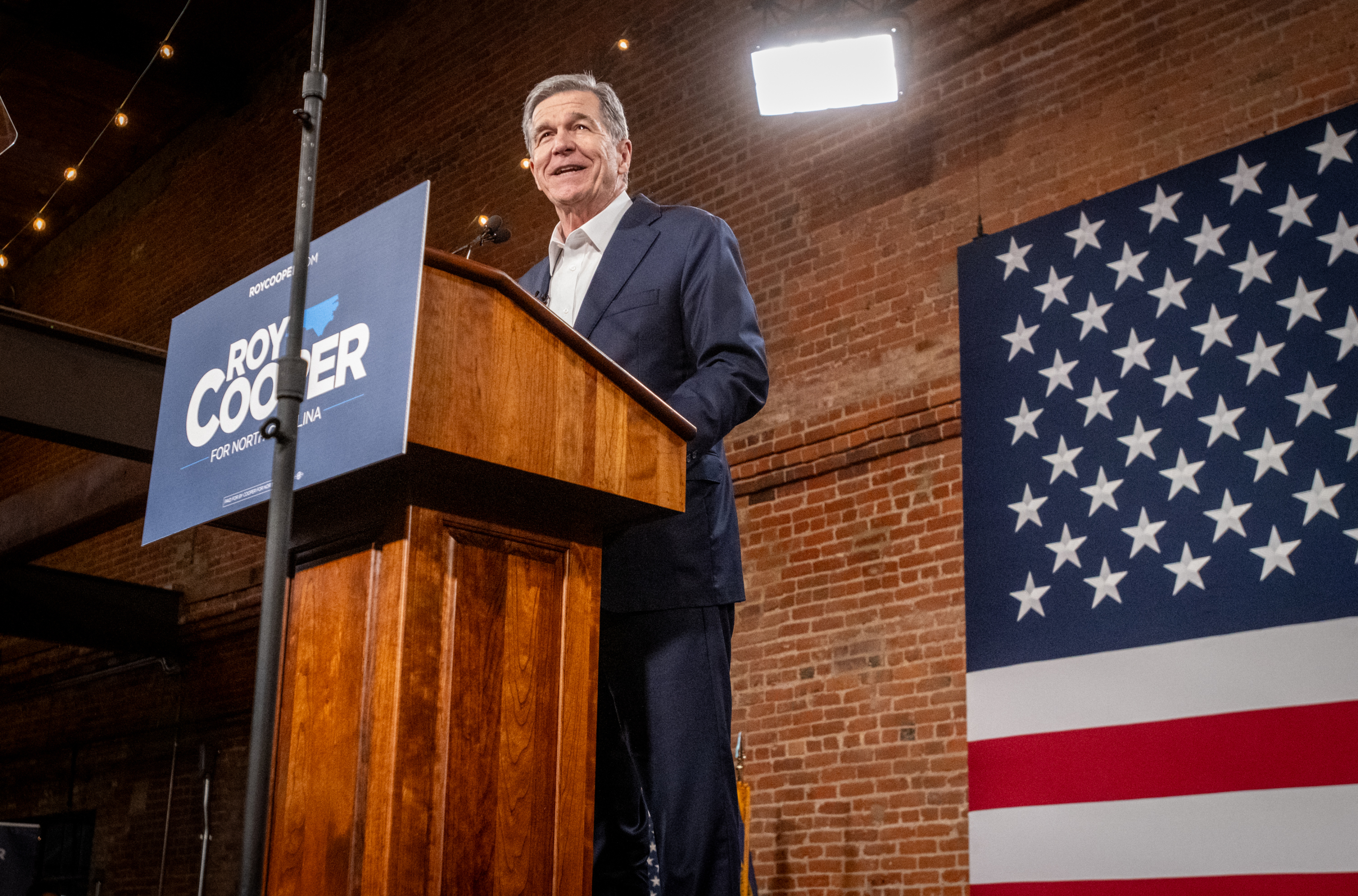
    Nowhere is that clearer than in the Senate race in North Carolina. One Republican ad there tried to blame Roy Cooper, the former governor running for Senate, for a murder that took place in the wrong Carolina, the one to the south. Another asserted that he had given the man who fatally stabbed a Ukrainian woman on a light rail train in Charlotte, N.C., last year an early release from prison; he did not.

    A third presented the story of a man whose son had been murdered, implying that Cooper’s policies were responsible. After it was released, the father, a Democrat, complained that he had been “swindled, hoodwinked” into making a political endorsement when he had been told the topic was gun violence.

    Republicans have soldiered on, spending $18.5 million in North Carolina on ads about lawlessness and murder. But polls show Cooper, a former governor and attorney general, consistently leading his Republican opponent, Michael Whatley.

    “It really does not seem to be having much traction at this point, and the folks who are long schooled and well versed in North Carolina politics have wondered why Michael Whatley didn’t take a different approach,” said Mitch Kokai, a senior political analyst at the John Locke Foundation, a free-market think tank based in Raleigh, N.C..

    For Republicans, that different approach is proving elusive. The chaos at the border — a reliable political target since 2018 — has calmed. State laws barring transgender students in athletics have taken some of the sting out of that issue as well. The war on Iran is unpopular. Voters say they are most concerned about the high costs of everyday necessities.

    And crime — usually a winning issue for Republicans, who are generally more trusted to keep law and order — is seeing a staggering drop. The downward trend that began during the Biden administration has only accelerated. One analysis found that the murder rate last year was the lowest it has been since 1900.

    “This is the first election really in my lifetime where I have felt that it’s not an issue,” said Holly Harris, a veteran Republican strategist who is now the executive vice president of advocacy at Arnold Ventures, a philanthropy with a focus on criminal justice. “I remember when I was at the Republican Party years ago, every ad that we wrote was focused on crime. And it’s just not hitting the same mark.”

    The good news on crime has posed a challenge for Republicans. How do you take credit for the peace while simultaneously blaming the other side for what President Donald Trump has called “American carnage?” At a recent campaign rally in Gastonia, N.C., Trump pivoted from blaming Cooper for the “blood-soaked killing fields” of North Carolina to hailing his own record within half an hour.

    “Last year, we achieved the largest drop in violent crime ever recorded,” he said.

    In The Charlotte Observer, Andrew Dunn, a conservative political commentator, wrote that the president’s description of the state as “one of the most violent and one of the worst in the whole nation” would backfire, even with those who agreed that Cooper had a poor record on crime.

    “Who is buying that description of North Carolina?” Dunn asked.

    Violent crime in North Carolina this year is down 22% compared with the same period in 2024, outpacing the national decline of 14%, according to data collected by the Crime Index. Property crime is down 18% compared with 2024, about the same rate as the national decline.

    Republicans have spent $105 million on ads about crime, more than a quarter of total spending, compared with $35.5 million spent by Democrats, according to an analysis of spending on federal races in the general election by AdImpact, a media tracking firm.

    In the previous two election cycles, attempts to tie all Democrats to far-left positions like defunding the police and abolishing prisons proved effective, in part because crime had spiked to alarming highs right after the pandemic and the police brutality protests in 2020.

    Such attacks were often met with an uncomfortable silence, and Republicans were able to connect crime to a border that appeared to be exceptionally porous. Candidates repeatedly raised examples of violence committed by immigrants without permanent legal status and rising rates of fentanyl overdoses.

    Those links have broken as drug overdoses drop, the border grows quiet, and even some Republican lawmakers say the president’s immigration crackdown has gone too far.

    In the current climate, soft-on-crime attacks risk looking out of tune with the electorate’s deeper concerns, “especially when voters feel that they’re getting robbed at the gas station every day,” said Jim Kessler, the executive director of Third Way, a centrist Democratic organization in Washington.

    Cooper, who was first elected to statewide office 26 years ago, as attorney general, has noted that many of Whatley’s accusations were found to be false and has defended his record. A campaign spokesperson said, “Roy spent his career putting rapists and violent criminals behind bars and signing tough-on-crime laws.”

    “Most people look at Cooper, they don’t see somebody that is soft on crime,” said Carter Wrenn, a veteran Republican political consultant.

    But for candidates without Cooper’s profile, strategists have counseled against trying to out-tough Republicans on crime. “If you’re going to be Republican lite, then people are going to pick Republicans,” said Celinda Lake, a longtime Democratic strategist.

    The Vera Institute, a nonprofit that works to reduce mass incarceration and has used focus groups to test messaging on criminal justice policies, has offered “serious about safety” as a rival slogan. The idea was initially met with some mockery — one social media post said it sounded like a college sex talk — but candidates have increasingly adopted safety as a buzzword, with a new set of talking points to go with it.

    James Talarico in Texas and Dr. Abdul El-Sayed in Michigan, both Democratic candidates for the Senate, talk about recruiting and training police officers and explicitly link public safety to increased spending on housing, education, mental health care, and drug treatment.

    El-Sayed, the former health director for Wayne County, Mich., has gone from praising the “defund the police” movement for wanting to devote more resources to fighting poverty, to offering “a vision for public safety that I think all of us can agree with.”

    “We want to know that we can get home safely,” he told CNN in June. “We don’t want to worry about being the victim of somebody’s violence, whether it’s from a neighbor or the state itself.”

    Harris, the veteran GOP strategist, said, “Democrats are adopting some of the Republican talking points, to be candid.” Both sides are retreating from more extreme positions, she said, creating an opportunity for lawmakers to return to more nuanced, evidence-based policies. She characterized tough-on-crime attacks as “outliers.”

    This week, El-Sayed’s Republican opponent, Mike Rogers, who has touted his experience as a former FBI agent, dropped his own crime attack ad. “It’s Abdul El-Sayed who would surrender our borders to the drug cartels,” a father whose son died as a result of opioid use says.

    But Democrats are also playing offense this year, with ammunition from the Jeffrey Epstein scandal. Republicans, they charge, are protecting child predators, and Trump’s pardons of drug traffickers, fraudsters, and the rioters of Jan. 6, 2021, have been grist for their own soft-on-crime attacks.

    In Nebraska a political action committee supporting Dan Osborn, an independent, unveiled an ad this week attacking the Republican incumbent, Sen. Pete Ricketts, for pardoning a man who had raped a woman three decades earlier.

    Talarico has accused his Republican opponent, Ken Paxton, Texas’ attorney general, of an “Epstein-style sweetheart deal” that initially would have allowed a child molester to spend just one day in jail. Paxton’s office has said that the deal, which required the man to surrender his law license for five years but did not require him to register as a sex offender, was reached because the victim was unwilling to testify.

    In North Carolina, skirmishes over “pedophile protectors” have proliferated, spurring lengthy examinations of the sex crime rap sheets of pastors, board presidents, and party operatives.

    In July, a Democratic PAC spent more than $2 million on ads about Harvey Lee West Jr., a child sex offender who did time in prison and then ascended the ranks of the state Republican Party, winning influence and committee appointments while Whatley was the chair.

    Whatley’s campaign spokesperson said that the candidate had never hired West for a paid position. But the ads accuse Whatley of “putting politics over safety.”

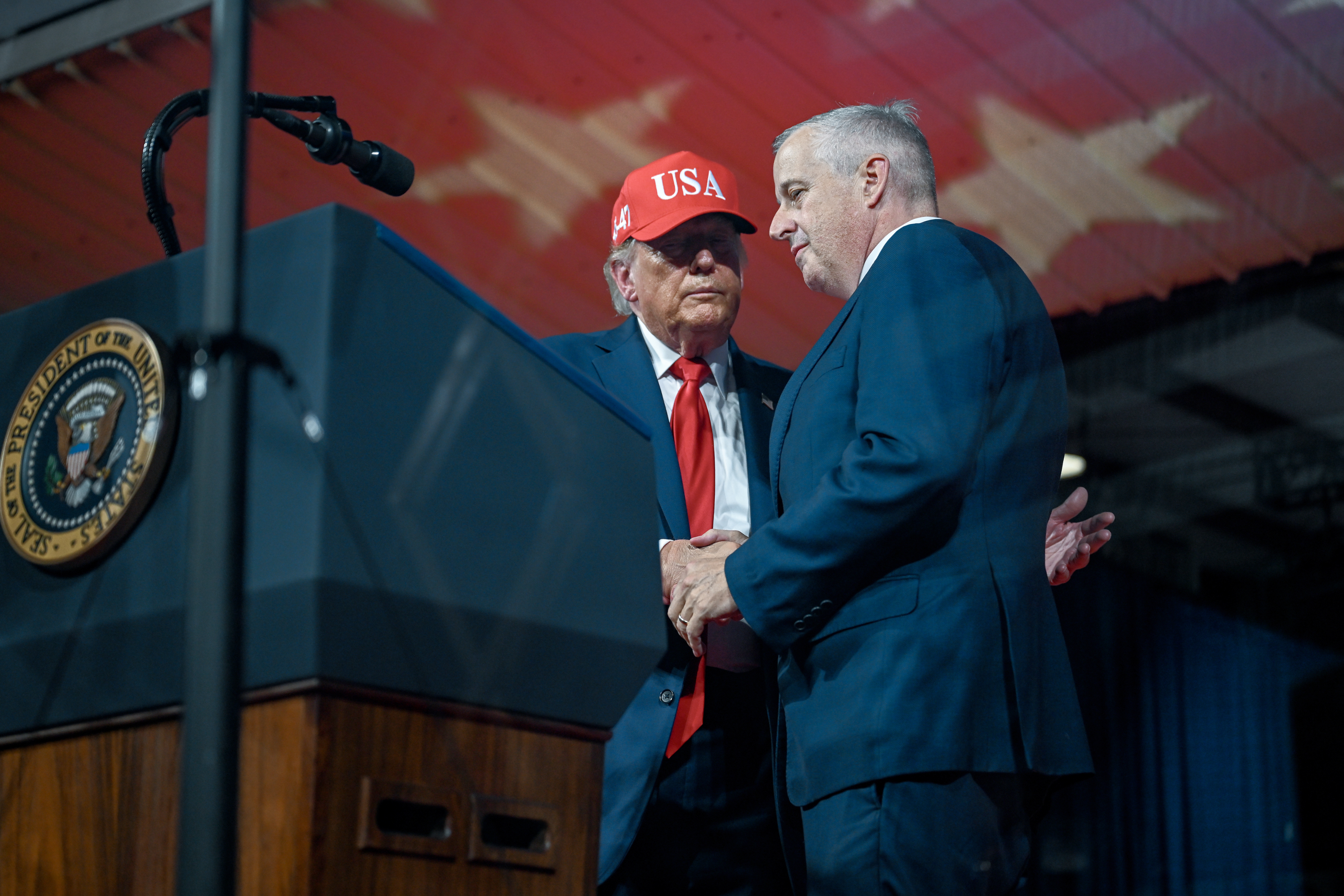
    FILE — Michael Whatley, Republican’s candidate for a U.S. Senate seat in North Carolina, joins President Donald Trump on stage during a campaign rally at the airport in Gastonia, N.C., Sept. 16, 2026. Across the country, and especially in the North Carolina Senate race, Republicans have charged opponents with being soft on crime, even as President Trump brags over plunging crime rates. (Kenny Holston/The New York Times)KENNY HOLSTON
  • Senate committee advances Nicole Saphier’s nomination for surgeon general

    Senate committee advances Nicole Saphier’s nomination for surgeon general

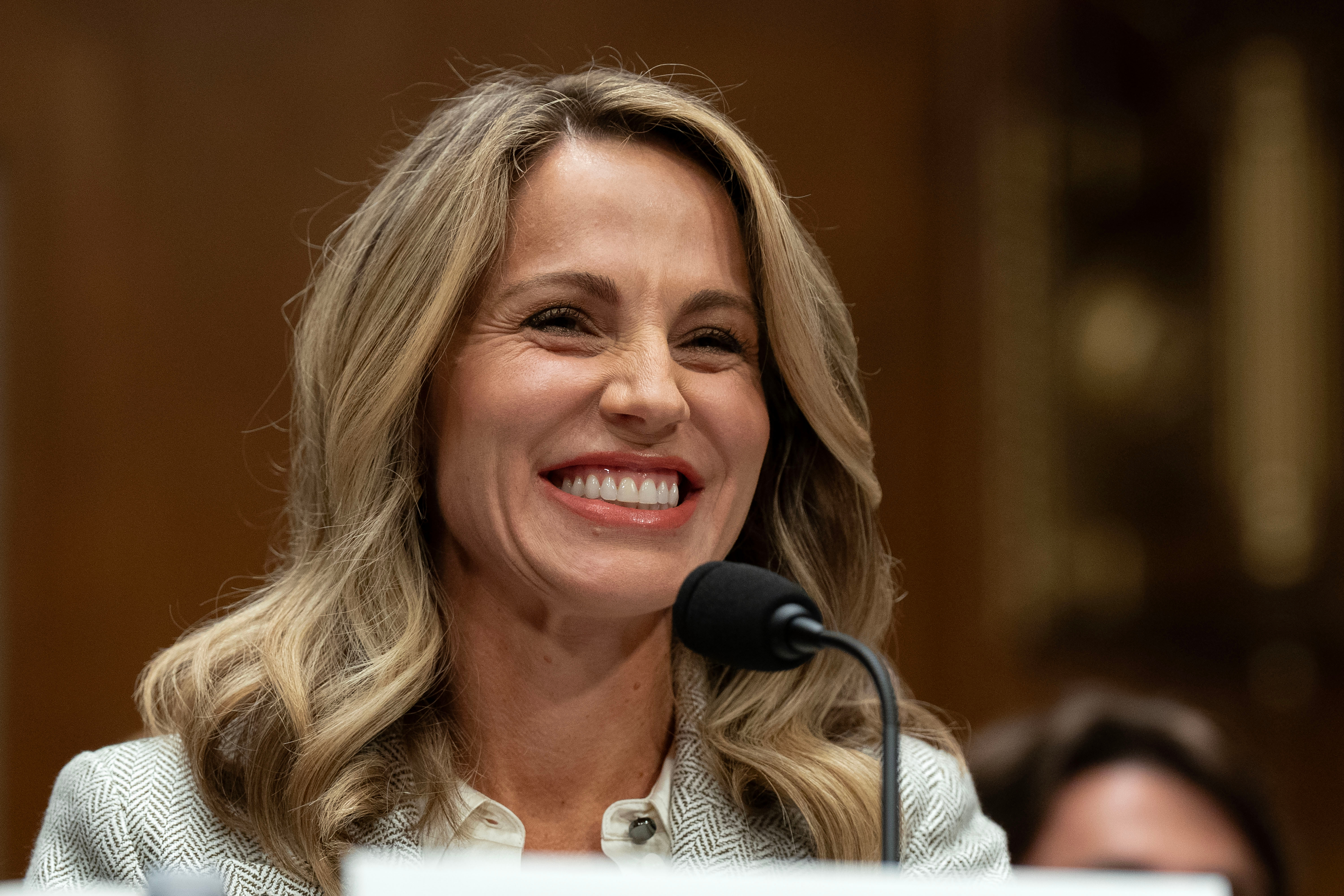
    WASHINGTON — Nicole Saphier, President Donald Trump‘s third nominee for surgeon general, moved a step closer to confirmation after a Senate committee voted to advance her nomination on Wednesday.

    Saphier, a radiologist and former Fox News Channel contributor, was advanced out of the Senate Committee on Health, Education, Labor and Pensions on a 12-to-11 vote to serve as surgeon general after she was grilled at her confirmation hearing earlier this month about her stance on childhood vaccines.

    She expressed support for vaccines and told lawmakers she didn’t believe they cause autism. The Trump administration has sought to revisit claims about a link between vaccines and autism, although widespread scientific consensus and decades of studies have firmly concluded there is none.

    Timothy Westlake, who was nominated to serve as assistant secretary for mental health and substance use at the Department of Health and Human Services was also advanced out of committee on the same en bloc vote.

    It was not immediately clear when the officials would face a full Senate vote for their confirmation but they are expected to be approved.

    During her confirmation hearing, Republican Sen. Bill Cassidy pressed Saphier to declare whether she believed there was a link between vaccines and autism. Saphier responded that she does “not believe childhood vaccines cause autism,” adding that “the MMR vaccine is our greatest tool for combating measles,” in response to a question by Cassidy over whether parents should give children that shot.

    MMR stands for measles, mumps and rubella, and the president recently called for the shots to be spaced out, against the guidance of medical groups.

    The surgeon general position carries limited policymaking power but serves as a loud megaphone as the nation’s top communicator to Americans on public health issues.

    Cassidy, who led the inquiry into Saphier’s views on vaccines, ultimately voted in support of her nomination.

    Sen. Bernie Sanders, the ranking member of the Senate HELP committee, said ahead of Saphier’s vote that he would vote down her nomination because in part Saphier “has questioned the need for the hepatitis B vaccine at birth, when the data science has been clear.”

    “We need a surgeon general who will tell the truth about vaccines, not someone who misleads the public,” Sanders said. At her confirmation hearing, Saphier said the universal birth dose of hepatitis B was safe and effective.

    Chris Klomp, who was nominated to serve as deputy secretary of the Department of Health and Human Services, was advanced out of the Senate Finance Committee last week on a 15 to 12 vote. He was questioned during the same hearing as Saphier about his duties associated with the role as the current chief counselor of the Department of Health and Human Services under the leadership of Health Secretary Robert F. Kennedy Jr. as well as about his vaccine stance.

    In protesting Klomp’s nomination at the Senate Finance Committee, Sen. Ron Wyden said Klomp “tried to create the impression that he will be the adult in the room on vaccines. Yet, as we sit here today, the vaccine chaos that we’ve come to expect from Robert Kennedy’s HHS continues.”

  • Court halts execution of Christa Gail Pike for a Tennessee murder she committed at age 18

    Court halts execution of Christa Gail Pike for a Tennessee murder she committed at age 18

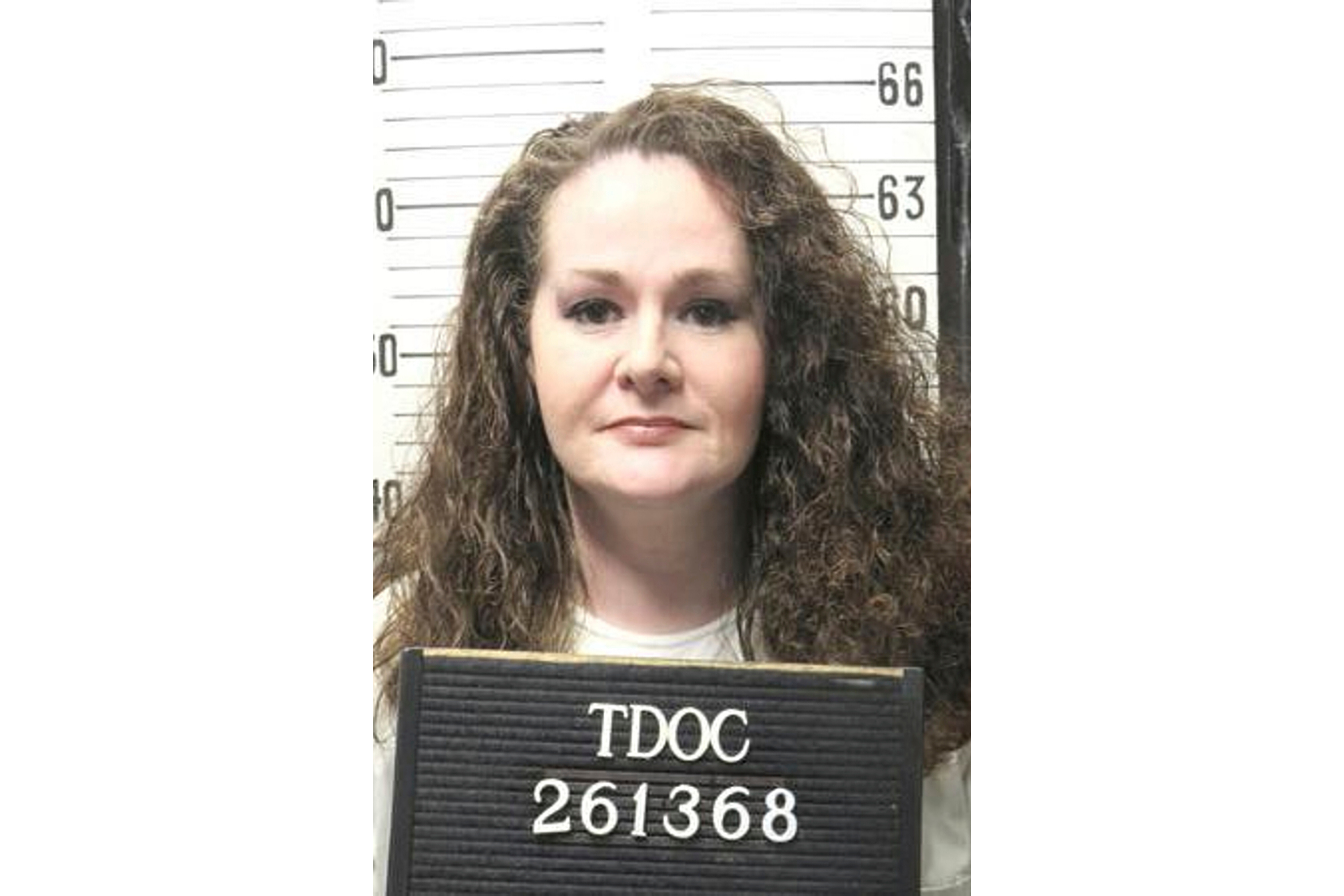
    NASHVILLE — The U.S. Supreme Court is allowing the execution of Christa Gail Pike to go forward in Tennessee, overturning a last-minute stay that was issued by an appeals court hours earlier Wednesday.

    Pike, 50, was scheduled to die by lethal injection in the morning, and witnesses had already gathered at the Riverbend Maximum Security Institution in Nashville when the 6th Circuit U.S. Court of Appeals voted 2-1 to issue a stay. That court said a delay was needed to consider whether Pike’s allegations of childhood sexual abuse were fully considered at her sentencing.

    The Supreme Court’s three liberal justices, Sonia Sotomayor, Elena Kagan, and Ketanji Brown Jackson, dissented from the ruling. Sotomayor called the court’s decision stunning, as it clears the way for the execution to happen “before her still-pending legal challenges to her conviction can be properly considered.”

    Pike, who was 18 at the time, and her boyfriend were convicted of the 1995 stabbing and beating of 19-year-old Colleen Slemmer, their classmate at a job training facility in Knoxville.

    The case garnered widespread attention back then in part because a pentagram that was carved on Slemmer’s body and other elements of the crime stoked fears of Satan worship during the “satanic panic” of the 1980s and 1990s.

    Decision stopping execution was swiftly appealed

    After the stay was issued, Tennessee’s attorney general immediately appealed to the Supreme Court. Witnesses and media remained at the prison while the high court considered the case.

    Despite the Supreme Court’s ruling, it was not immediately clear if the execution would happen Wednesday. The state’s execution order expires at midnight, according to Kelley Henry, a Nashville-based attorney experienced with Tennessee death penalty law. If time runs out, the state Supreme Court would need to set a new date.

    In its appeal to the U.S. Supreme Court, the attorney general’s office wrote that halting the execution at the last moment traumatized Slemmer’s family and rewarded “abusive delay tactics” by Pike’s attorneys.

    Pike does not deny committing the killing, but her supporters argue the state should consider her age at the time, her mental illness and her allegations of severe sexual abuse that included being raped from the time she was a toddler.

    “It is inconceivable that in the 21st century, the criminal justice system is poised to execute a survivor of rape and child sexual abuse whose jury never had the opportunity to consider those facts in weighing the defendant’s moral culpability,” her attorneys wrote in a filing.

    Pike’s case renewed debate on the death penalty for teens

    As the execution date drew near, Pike’s case renewed debate over the death penalty for young offenders.

    Assistant Federal Defender Stephen Ferrell said Pike’s death sentence is an outlier because other 18-year-olds in Tennessee have had such sentences vacated.

    After the killing, Pike was diagnosed with bipolar disorder and post-traumatic stress disorder. In her clemency petition, she said she only wanted to fight Slemmer but killed her in a frenzied attack when she couldn’t “put the brakes on.”

    “I was a mentally ill 18-year-old kid. It took me numerous years to even realize the gravity of what I’d done. Even more to accept how many lives I affected. I took the life of someone’s child, sister, friend. It sickens me now to think I had the ability to commit such a crime,” Pike said in a statement.

    Victim’s mother says she is waiting for death sentence

    Slemmer’s mother wants the lethal injection to go forward, saying she has waited decades to see Pike’s sentence carried out.

    “Every time I think about it, I think about Colleen feeling that pain and trying to get up and run,” May Martinez told The Associated Press in a telephone interview on Saturday.

    Martinez said a group helped raise money so she and her husband could travel from Florida to witness the execution. She didn’t respond to a message Wednesday after the execution was halted.

    Martinez said her daughter’s age also should matter in deciding Pike’s fate.

    “Not a day goes by, or a minute goes by that I do not think about Colleen. Holidays are the worst,” she said, noting that her daughter would have turned 51 earlier in September.

    The killing rocked the city of Knoxville. Prosecutors said Pike, fearing Slemmer was trying to steal her boyfriend, lured her to a wooded area on Jan. 12, 1995. Pike cut Slemmer with a box cutter and beat her with a large chunk of asphalt. Shipp, Pike’s boyfriend, has admitted that he was the one who carved a pentagram, a star-shaped symbol associated with Satan, into her body.

    Shipp was 17 when the crime happened and received a sentence of life in prison with the possibility of parole. Pike was the only one sentenced to death.

    Executions of women are rare in the U.S.

    Tennessee has not executed a woman for at least 200 years, according to Robin M. Maher, executive director of the Death Penalty Information Center. Older records can be spotty, though, so it is difficult to know precise details about the last woman who was put to death there.

    Since the Supreme Court reinstated the death penalty in 1976, 18 women have been put to death, representing about 1% of all executions, according to the center.

    Most recently, in 2023, Missouri executed Amber McLaughlin for a 2003 killing, in what is believed to be the first execution of a transgender woman in the U.S. In 2021 the federal government executed Lisa Montgomery, marking the first time in nearly seven decades that it put a female inmate to death.

    Pike would be the 30th person executed in the U.S. this year after Florida carried out an execution on Tuesday.

  • After two decades, U.S. forces leave Iraq to an uncertain future

    After two decades, U.S. forces leave Iraq to an uncertain future

    BAGHDAD — U.S. forces formally withdrew from Iraq on Wednesday, ending a two-decade military presence that stoked years of devastating bloodshed and leaves behind a battered nation struggling to unshackle itself from its two most powerful, and now warring, allies.

    After toppling Saddam Hussein in 2003, the brutal dictator who ruled Iraq for nearly 24 years, U.S. forces are making their second withdrawal from the country.

    The U.S. invasion and subsequent occupation, which ended in 2011, left a country reeling from sectarian bloodletting and militant insurgencies that cost nearly 4,500 U.S. lives and killed more than 115,000 Iraqis, according to the most modest counts.

    U.S. forces ultimately returned three years later — this time to lead the international coalition fighting the Islamic State group, the jihadi force that once seized swaths of Iraq and Syria and became notorious for its slaughter of Shiite Muslim Iraqis, public killings of hostages, and torture and enslavement of women from Iraq’s Yazidi minority.

    With the end of Operation Inherent Resolve — the U.S. military’s official name for the multinational campaign against the Islamic State — the last of the 2,500 U.S. forces stationed in Iraq this year are now gone.

    “The coalition successfully completed its organized withdrawal operation from Irbil,” Rear Adm. Liam M. Hulin, head of the joint task force for Operation Inherent Resolve, announced during a ceremony held by U.S. and Iraqi officials in Baghdad. Irbil, capital of Iraq’s semiautonomous Kurdistan region, hosted the last coalition base in Iraq.

    “I stand before you at this historic moment, when a nation reclaims its destiny,” Hulin said, in a speech given in Arabic.

    Promising that U.S. and Iraqi forces would forge new security partnerships, Hulin urged Iraq to remain vigilant, citing an Arabic proverb, “Gird yourself for the jackal with the belt of a lion.”

    Physical reminders of decades of war are being erased every day. The blast walls that once snaked through Baghdad have come down. Malls, restaurants, and construction sites are buzzing in a country determined to reclaim the rhythms of normal life stolen by years of car bombs.

    Iraqis’ hard-won gains look more precarious in a region convulsing from the turmoil of the U.S.-Israeli war on Iran. Iraq is struggling to navigate its critical relationships with Iran, its powerful neighbor, and with its most important ally, Washington, wary of letting the exit of U.S. troops in the country embolden Iran.

    The U.S. withdrawal agreement was struck between the Iraqi government and the Biden administration in 2024. That President Donald Trump’s administration followed through with the Sept. 30 deadline — despite the war with Iran — reflects broader U.S. determination to step back from the region.

    For years, there has been widespread American fatigue with so-called forever wars, as the conflicts in Iraq and in Afghanistan came to be known.

    Even as Iraq commemorates the U.S. withdrawal this week with a three-day “celebration of sovereignty,” the country is under huge pressure from the Trump administration to disarm Iran-backed Shiite Muslim militias, many of which are defying state efforts to bring them under control.

    The last U.S. forces leave a troubled American legacy. Iraq suffered huge numbers of civilian casualties and a cycle of sectarian violence between Iraq’s Shiite Muslim majority, empowered after years of repression by the Hussein government, and the Sunni minority, stripped of privileges it once held under his rule.

    U.S. forces also committed many abuses themselves — including the torture of Iraqi detainees at Abu Ghraib and the use of private defense contractors such as Blackwater, whose extrajudicial killings of civilians fueled deep resentments over American impunity.

    Despite these grievances, Iraqis have been watching the U.S. departure with a sense of trepidation.

    “My wife lost her eyesight from the shrapnel of an American bullet,” said Omar al-Husseini, a photographer from Mosul, the city at the heart of the Islamic State’s self-proclaimed caliphate. “My uncle was killed by ISIS, after being paralyzed by an American bullet,” he said, using an alternative name for the Islamic State. “But today, when we speak about the Americans’ departure, our happiness is mixed with fear.”

    Under the leadership of the novice prime minister, Ali al-Zaidi, Iraq faces the daunting task of reining in the vast array of militias.

    First established with Iranian support to fight the U.S. occupation, the militias killed hundreds of U.S. soldiers, and the sectarian bloodshed they helped foment killed tens of thousands of Iraqis. In 2014, when Iraqi Shiites mobilized to fight the Islamic State, the militias multiplied. In the years since, the thousands-strong militias have grown in power — not only through military might but also by forming political parties that deeply embed them in the state.

    Al-Zaidi has pledged to bring the militias under state control by mid-2027. But it is far from clear that he can deliver. The stakes are high: Through Iraq’s U.S.-based bank account for oil payments, Washington controls the physical shipment of dollars Iraq earns and has shown itself willing to use that power after temporarily halting the flow this year.

    Iran is determined to preserve the militias, which have proved to be valuable partners in launching strikes during the war, in sowing regional chaos and in inflicting drastic costs on the global economy.

    In a recent New York Times interview, al-Zaidi said, “Every Iraqi today wants his country to have complete sovereignty; they want power to be exclusively in the hands of the state,” and he pledged to end “the law of the jungle.”

    The unforeseen consequences of withdrawal

    Many Iraqis worry how their country will fare in this struggle.

    “We fear Iraq could be swallowed up,” said Ahmad al-Shammari, an employee at the Education Ministry in Fallujah, a city that came to symbolize the fragile victories of the first U.S. military presence in Iraq.

    Fallujah suffered the deadliest and most destructive battles to crush insurgents during the U.S. occupation, only to become the first city to be seized as Islamic State militants swept the country in 2014.

    When the U.S. forces returned to spearhead a multinational coalition to defeat the jihadi force, the struggle to rout the Islamic State reduced huge parts of Iraqi cities to rubble.

    It left an untold number of dead, displaced millions from Iraq’s Sunni minority and brought many more years of sectarian strife.

    The question for many ordinary Iraqis today is what unforeseen consequences this latest U.S. departure may have on their lives, whether that is a jihadi resurgence or the state’s imminent confrontation with Iran-backed militias.

    “I remember what happened after the withdrawal in 2011,” said Sarkawt Ahmad, 26, a shopkeeper in northwestern Sulaymaniyah, in the Kurdistan region of Iraq. “Imagine what these pro-Iranian groups will do to us in the absence of the international coalition.”

    Some regional security experts argue that it was the continued U.S. presence in Iraq that allowed Iran-backed militias to try to justify their existence and their arms.

    “We can’t just shape-shift these missions from one raison d’etre to another, which is what we’ve done for 25 years,” said Adam Weinstein, a longtime proponent of U.S. forces’ ending their mission in Iraq who is the deputy director of the Middle East Program at the Quincy Institute, a research group.

    At the ceremony marking the U.S. withdrawal Wednesday, al-Zaidi expressed Iraq’s thanks to the United States and to all other countries who supported the fight against the Islamic State for more than a decade.

    “The conclusion of the international coalition’s mission does not mean the end of our battle against terrorism,” he said. “It marks Iraq’s transition to a phase in which it assumes full responsibility for its security and stability.”

    Kurds are vulnerable under a new security order

    Though both countries have pledged to maintain robust collaboration, the United States and Iraq have still not finalized plans for their security relationship moving forward. In a statement, the Defense Department said it would continue to provide “targeted training and intelligence support” to Iraq.

    The last time U.S. forces left Iraq, the United States maintained one of its largest embassies in the world there. Today, the U.S. diplomatic presence is a small fraction of that, said Renad Mansour, an Iraq analyst at Chatham House, a research institute based in London.

    He said the shift reflected Washington’s desire to extricate itself from the Middle East: “In the bigger picture, this shows the U.S. is no longer what it used to be — but, also, its priorities are no longer what they used to be.”

    This situation has particularly unnerved Iraq’s semiautonomous Kurdistan region in the north, which saw how the Trump administration’s withdrawal of U.S. forces from Syria’s Kurdish-controlled northeast forced the region to come under central government control.

    Iraqi Kurds, who began establishing sovereignty in their region through U.S. air support in the 1990s, feel the most vulnerable under Iraq’s new security order. As one of the closest U.S. security partners in the region, Iraqi Kurdistan has come under repeated attacks by Iran and its allied Iraqi militias this year.

    Kurdish officials argue this reflects a serious problem for Iraqi security more broadly. “There is no air defense system neither in the Kurdistan region nor in Iraq as a whole,” said Kifah Mahmoud, an adviser to Masoud Barzani, the first president of Iraqi Kurdistan. “This creates a sense of anxiety and uncertainty.”

    Baghdad’s efforts to assert its sovereignty have been repeatedly undermined in recent months by multiple incidents showing its lack of control over its sky and borders.

    Most recently, Saudi Arabia accused Iraq of being the origin site of the strike that temporarily shut down its east-west pipeline, which provides 4% of global oil supplies. Iraqi officials suspect Iraqi militias facilitated an attack by Iranian operatives.

    At the same time, Iraqi militias point to the fact that Israel set up covert bases in the Iraqi desert during the war with Iran. And for years, Turkish forces have controlled territory in northern Iraq, though Iraqi and Turkish officials recently announced plans for a phased withdrawal.

    Such gaps in Iraqi sovereignty may become the biggest vulnerability in the government’s campaign to control the militias.

    Days before the formal end of the U.S. military presence, Abu Mujahid al-Assaf, a leader from Kataib Hezbollah, one of Iraq’s most powerful Iran-backed militias, issued an ominous warning to the government if it kept complying with new U.S. sanctions against Iran.

    “Let Mr. al-Zaidi and those standing behind him know: A government that does not work for the benefit of the people will be brought down through various means,” he wrote in a statement.

    The militias are trumpeting the official U.S. withdrawal day not as a success of the anti-Islamic State campaign, but of their own. They announced an afternoon celebration on the streets of Baghdad on Wednesday under the slogan: “We won’t keep you.” They called the withdrawal an “occasion made possible by the blessed blood of the martyrs and the patience of the fighters in the Iraqi Islamic Resistance.”

    Many Iraqis who reject the militias have painful memories of the U.S. presence in Iraq. Among them is Awatif al-Azawi, 57, who blames the United States for the death of her son, who she says was killed in the crossfire between militants and U.S. forces in their hometown, Fallujah.

    “I used to love the Americans because they delivered us from the oppression of Saddam Hussein,” she said. “We unfortunately later discovered that the U.S. military’s oppression and cruelty were worse than Saddam.”

    On the first night that U.S. forces no longer maintain a presence in Iraq, she said, “I will bake a cake at home, light candles and blow them out to celebrate.”

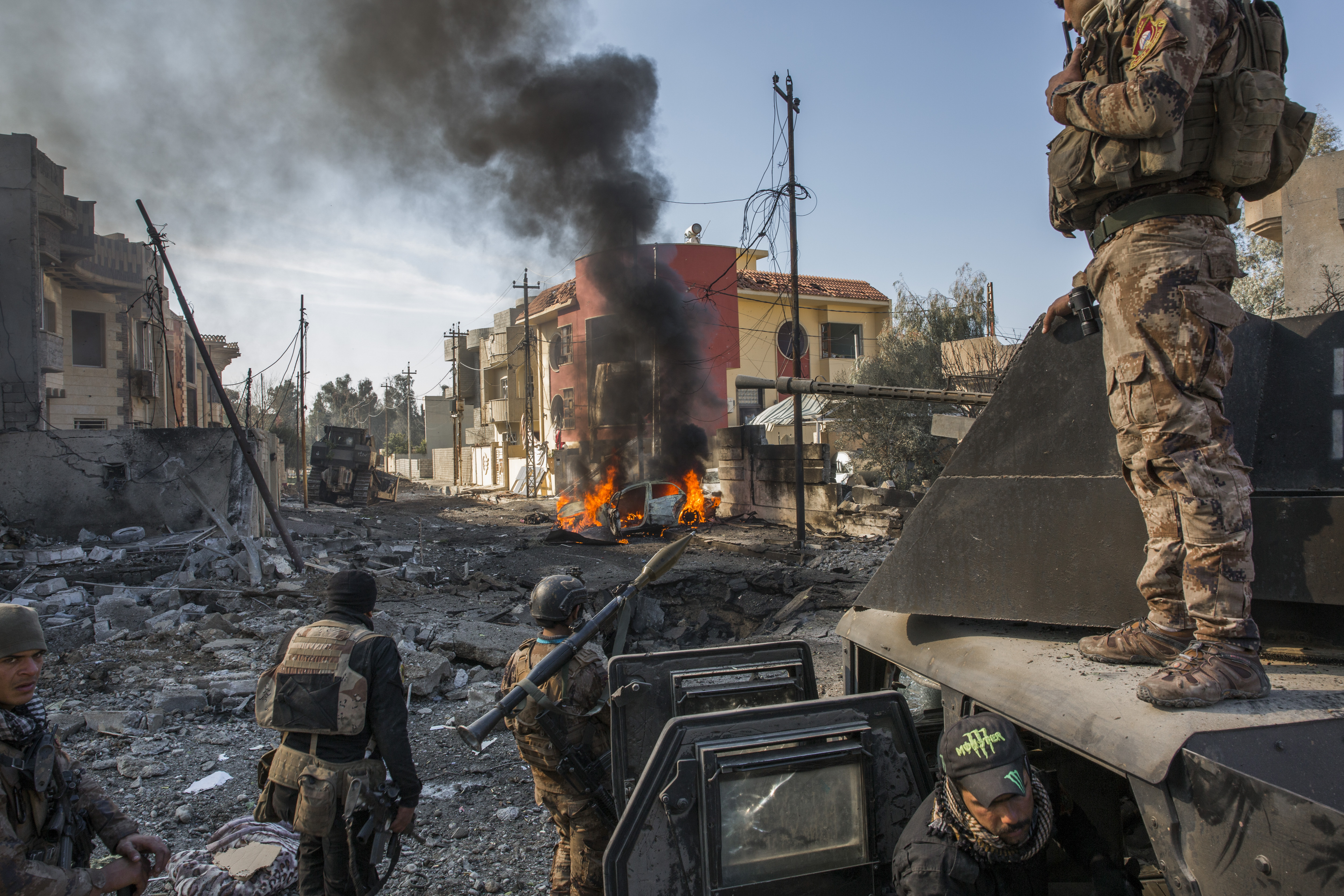
    FILE — Iraqi soldiers survey the aftermath of an Islamic State suicide bombing in Mosul, Iraq, Jan. 16, 2017. Some Iraqis are celebrating the end of an American military presence that unleashed waves of bloodshed. Others fear what happens next for their country, trapped between Washington and Tehran. (Ivor Prickett/The New York Times)Ivor Prickett
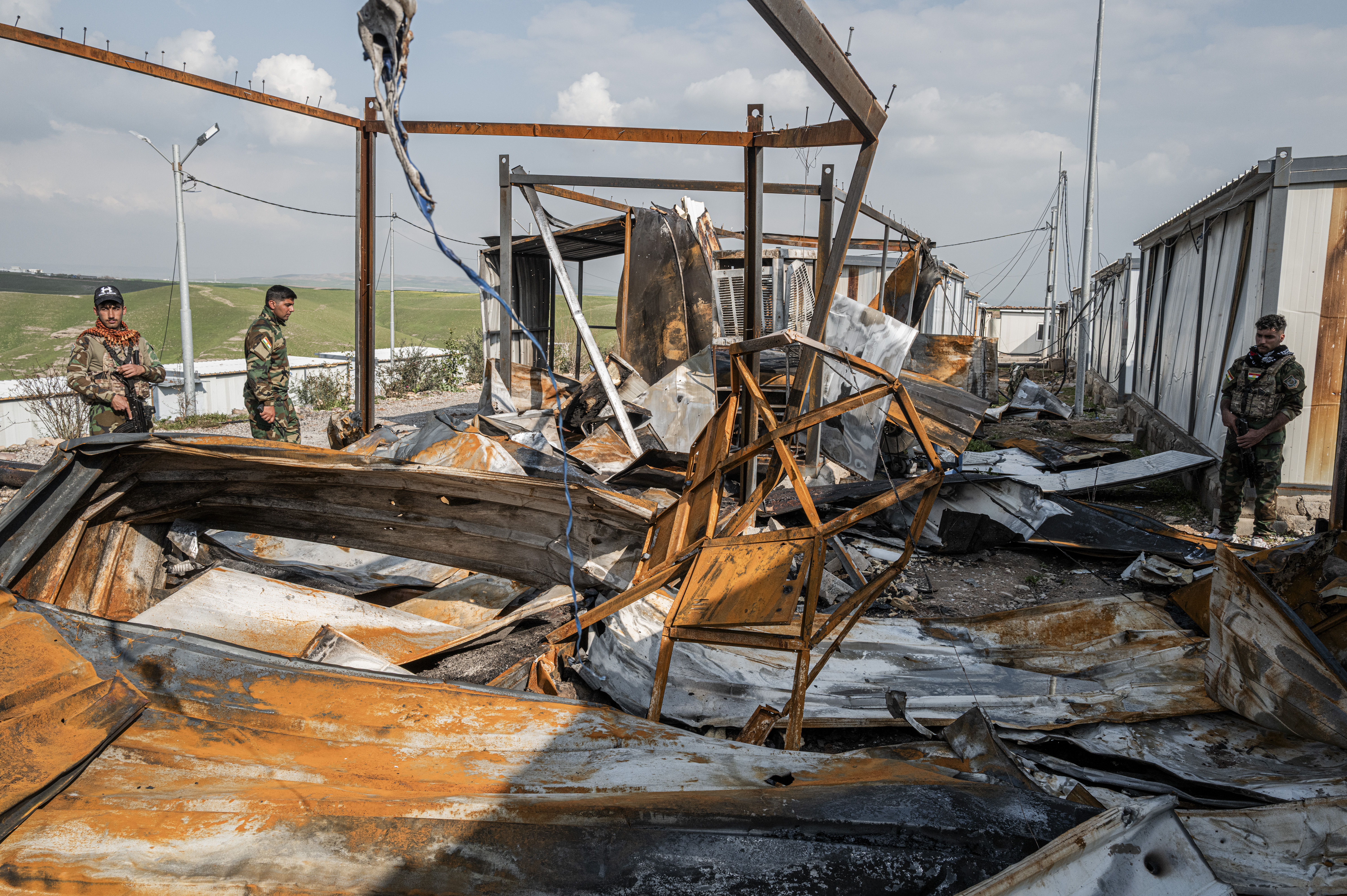
    FILE — Fighters from the Kurdistan Freedom Party walk among destroyed buildings following an Iranian drone attack at their base in Erbil, Iraq, March 17, 2026. Some Iraqis are celebrating the end of an American military presence that unleashed waves of bloodshed. Others fear what happens next for their country, trapped between Washington and Tehran. (Daniel Berehulak/The New York Times)Daniel Berehulak
  • Copilot stabs captain on flight to Israel before passengers storm cockpit and stabilize jetliner

    Copilot stabs captain on flight to Israel before passengers storm cockpit and stabilize jetliner

    TEL AVIV, Israel — A copilot stabbed a captain Wednesday on a flight to Israel before passengers burst into the cockpit and wrestled with the attacker as the plane descended sharply and passengers screamed, witnesses said. The jetliner was stabilized and made an emergency landing in Saudi Arabia.

    It was not clear what motivated the attack, which led Israel to scramble warplanes amid concerns about a possible hijacking. Israeli Prime Minister Benjamin Netanyahu said Saudi Arabia arrested the copilot, who was not identified.

    The shaken passengers from the FlyDubai flight from Dubai to Tel Aviv landed Wednesday evening in Israel on another flight, as onlookers cheered.

    “We’re going to die,” passenger Naama Bershadski recalled thinking as she closed her eyes and prayed for a good ending.

    Aviation experts were surprised that the plane did not crash after a descent so extreme that most of the rudder was ripped off the tail.

    A video shared by Netanyahu’s office showed passenger Yaniv Hayoun, who grappled with the attacker, wearing a bloodied shirt and hugging the prime minister, who told him: “I look at you and I see a lion. I see a great hero.”

    Responders knew they had seconds to act

    After a passenger saw one pilot stab the other and called out for help, Yaniv said, he and others pushed their way into the cockpit, where he saw the copilot apparently trying to destroy the controls, Israeli broadcaster Channel 12 reported.

    “The door apparently wasn’t locked, and we managed to open it somehow,” Hayoun told journalists. “What made it difficult for us was the (other) pilot himself. He had been stabbed and was on the other side of the door.”

    As people wrestled with the attacker, Yaniv said he grabbed the controls and pulled them the way he had seen on television. Then other crew members took over. FlyDubai said the aircraft was secured by on-duty crew “who diverted and landed the aircraft safely.”

    Another passenger in the scrum, Tzvika Manes, told Channel 12 it took many minutes to subdue the attacker.

    A third responder, dentist Shota Musayev, told journalists the passengers realized they had just seconds to take control of the plane before a “critical event.” They also feared another attacker might be on the plane, so “we spread a few more people inside the plane so that if something happened, we would be able to simply take control.”

    Musayev then attended to the wounded captain: “He was just praying the whole time and was in contact with me, and I was afraid we would really lose him.”

    Netanyahu identified the Indian captain as Smit Machchhar and noted his “extraordinary bravery.” The Indian Embassy in Saudi Arabia said Machchhar was in stable condition.

    “Despite being stabbed and seriously injured, he fought back, resisted, opened the cockpit door, and enabled passengers and crew to overpower the attacker — preventing a catastrophic mid-air disaster,” Netanyahu said on X. “He saved the lives of 174 people, including Israeli citizens and other nationals.”

    When the struggle was over, video footage on social media reviewed by The Associated Press showed two men on the plane’s floor, bloodied and wounded. The captain and first officer were injured, according to a statement by Prince Sultan bin Abdulaziz International Airport in Tabuk, where the plane landed at 9:45 a.m., an hour after making a distress call.

    Among the passengers who intervened were members of the Israeli security forces and air marshals, according to a person familiar with a probe by Saudi Arabia and regional partners. The person was not authorized to comment publicly and spoke on condition of anonymity.

    Netanyahu had warned in recent days of unspecified, heightened security threats. The country is a week away from the anniversary of the Hamas-led Oct. 7, 2023, attack on Israel, which has triggered a series of wars, and is weeks away from an election.

    Aviation experts marvel that the plane didn’t crash

    In the chaos about two and a half hours after leaving Dubai, the flight descended from 33,000 feet to 17,000 feet in about a minute, before making an erratic circle close to the Jordanian border and landing in Tabuk about an hour later, according to Flightradar24, which identified the aircraft as a Boeing 737 Max 8.

    “Suddenly the aircraft started to fall down, like, a massive turbulence, like a massive G-force, for 20 or 30 seconds,” passenger Almog Italie said.

    Former United Airlines pilot and aviation safety expert Steve Arroyo said he was surprised that the plane was able to land safely after most of the rudder was ripped off the tail during the extreme descent.

    “That was a serious descent and strong aerodynamic forces on that rudder for that to happen. I’m just amazed the aircraft didn’t come apart,” Arroyo said.

    Another aviation safety expert, Jeff Guzzetti, said that given the rate of descent, it may not have been possible for the plane to level out if it had fallen below 10,000 feet.

    “It is remarkable they were able to pull out of that dive. What saved them is there was enough altitude left for them to recover,” said Guzzetti, who used to investigate crashes for the National Transportation Safety Board and the Federal Aviation Administration in the U.S.

    Crew made a panicked mayday call while seeking a place to land

    A person who heard the flight’s communications with air traffic control described the plane being turned away by Saudi Arabia and Jordan before eventually landing in Tabuk, while passengers screamed in the background.

    The person said the pilot’s voice was trembling as he called “mayday” and said a hijacking was taking place and ambulances would be needed. But Saudi Arabia initially denied clearance to land and directed him to Jordan. The plane was told to wait for clearance from the Jordanian military and then turned away.

    The pilot then returned to Saudi Arabia and said he had to land in Tabuk. The air traffic control operators gave no reason for the earlier refusals. The person who heard the communications spoke on condition of anonymity because they were not authorized to speak to the media.

    Saudi Arabia and the United Arab Emirates had released little information as of late Wednesday. FlyDubai, the lower-cost sister carrier of Emirates airlines, said its flights to and from Israel would be suspended while an investigation takes place.

    Israeli Foreign Minister Gideon Saar said he spoke with his counterpart in the UAE and they agreed to work together “against extremist elements seeking to harm security and undermine stability in the region.” The general Civil Aviation Authority of the UAE said it was investigating a security incident. Saudi authorities said they had also launched an investigation.

    An official confirmed that Israel had scrambled warplanes, fearing a hijacking. The official spoke on condition of anonymity because the incident was under investigation.

    Israeli passengers have made emergency landings in Saudi Arabia before

    Israelis were targeted in a string of hijackings and airplane attacks by Palestinian militants in the 1960s and 1970s. Israel has not experienced a hijacking in decades but maintains some of the strictest airport security in the world, including on Israel-bound flights.

    The emergency landing in Saudi Arabia was not the first for a plane carrying Israelis home. The kingdom does not have formal diplomatic ties with Israel, but it ended its longstanding ban on Israeli flights overflying its territory in 2022.

    Since then, Saudi Arabia has coordinated emergency landings for Israeli passengers, including in 2023 when a plane experienced an electrical malfunction.

    The UAE has become a popular vacation destination for Israeli tourists since the countries normalized ties in 2020.

  • U.S. can deport the leader of Wisconsin’s largest mosque on national security grounds, judge rules

    U.S. can deport the leader of Wisconsin’s largest mosque on national security grounds, judge rules

    CHICAGO — The U.S. can deport the leader of Wisconsin’s largest mosque — an outspoken advocate of Palestinian rights — on the grounds that he is a threat to national security, an immigration judge ruled Wednesday.

    Salah Sarsour was detained in Milwaukee in March by U.S. Immigration and Customs Enforcement officers. A federal judge ordered Sarsour’s release in June, saying he raised a “substantial” claim that the Trump administration was targeting him for speaking out against Israel and advocating for Palestinian rights.

    Sarsour called the ruling “deeply disappointing,” but said he intends to appeal.

    “I will continue fighting to defend the right to free speech and to stay in the country I have called home for more than three decades,” Sarsour said in a statement.

    Government attorneys say Sarsour’s decades-old convictions in Israel make him a threat to national security and accuse him of lying on his green card application. Judge Jayme Salinardi, with the Chicago Immigration Court, found him removable on foreign-policy grounds but tossed out the government’s claim that Sarsour lied to immigration authorities.

    Sarsour says he fears for his life if he is deported to the West Bank

    Sarsour, who was born in the Israeli-occupied West Bank, was imprisoned in Israel in 1988 after confessing to throwing a Molotov cocktail and stones at Israeli military personnel. In 1995, he was convicted of attempting to possess weapons. Sarsour denies committing those crimes. His attorneys say he was tortured and coerced into confessing in both instances.

    Sarsour, the president of the Islamic Society of Milwaukee, does not have a criminal record in the U.S., where he has lived since 1993. His attorneys say the U.S. government has known about Sarsour’s convictions in Israel since he arrived.

    Deportation to the West Bank “means the end of my life,” Sarsour told The Associated Press on Tuesday.

    One of his attorneys, Patrick Taurel, told the AP that Sarsour’s earlier treatment by Israeli authorities is “probably a good indicator of what awaits him” if he is deported.

    At a status hearing Wednesday, Taurel pressed the judge to specify that Sarsour can only be deported to Israel or the Palestinian territories. Jordan, a country to which Sarsour has no connection, is listed as a possible destination on the order of removal.

    Sarsour was instructed by immigration officers to list Jordan as his home country on an immigration form because his preferred entry — “Palestine” — is not a fully independent, unified state. But he “has no right to reside in Jordan,” Taurel said.

    Salinardi declined, calling it an issue to be addressed on appeal.

    Attorney says Sarsour will fight deportation

    Taurel said Wednesday that Sarsour is being unfairly targeted.

    “If Salah can be deported for his speech in support of Palestinian rights, anyone can face the same fate,” he said.

    Secretary of State Marco Rubio issued a memo in June 2025 invoking a rarely used immigration provision saying Sarsour could be deported on the same grounds as Mahmoud Khalil and Mohsen Mahdawi, both advocates for Palestinian rights whom the Trump administration has tried to expel, according to court documents.

    Before the judge’s ruling, Taurel said Sarsour would need to demonstrate on appeal that he could be tortured again if he were deported.

    “It’s a very high bar, although I think we can meet it in this case, given what Salah has already experienced, and given the government of Israel’s treatment” of others like him, Taurel said.

    A notice of appeal is due within 30 days. Salinardi did not schedule a new hearing and announced he is retiring and that Judge Craig Defoe will oversee the case going forward.

    Sarsour says he was tortured and coerced into confessions

    Jawad Boulos, who represented Sarsour when he was convicted in Israel, testified in August that Sarsour was coerced into confessing and that he wasn’t convicted of any charge tying him to a terrorist organization. He said Sarsour was tortured by Shin Bet, Israel’s internal security agency.

    The Department of Homeland Security challenged Boulos about the torture allegations, questioning how he could know it was true.

    Sarsour’s current defense team has asked why U.S. authorities waited until this year to detain him. Taurel said the government has known about Sarsour’s imprisonment in Israel for decades and that he has not concealed that from immigration authorities.

    Experts on forced confessions and the treatment of Palestinian prisoners in Israeli prisons also testified in Sarsour’s defense. Israeli military courts have faced repeated scrutiny over allegations of limited due process and the high conviction rate of Palestinians. Israel rejects the claims.

    In June, U.S. District Judge James Patrick Hanlon ordered Sarsour released from ICE custody saying he could have a case arguing the U.S. government detained him in retaliation for protected speech. Further, Hanlon said, government attorneys had not explained why Sarsour was suddenly considered a threat after decades as a lawful permanent resident.

    The Trump administration has appealed Hanlon’s ruling.

    Sarsour, who has Type 2 diabetes, lost more than 30 pounds while detained by ICE, and his blood sugar levels were checked only once a month, putting him at risk of organ failure or death, his attorneys said.

    An investigation by KFF Health News and The Associated Press found that hundreds of detainees in at least 33 states have filed federal lawsuits with similar allegations of medical neglect.