Tag: no-latest

  • Trump slams Supreme Court for rejecting his push to restrict mail ballots

    Trump slams Supreme Court for rejecting his push to restrict mail ballots

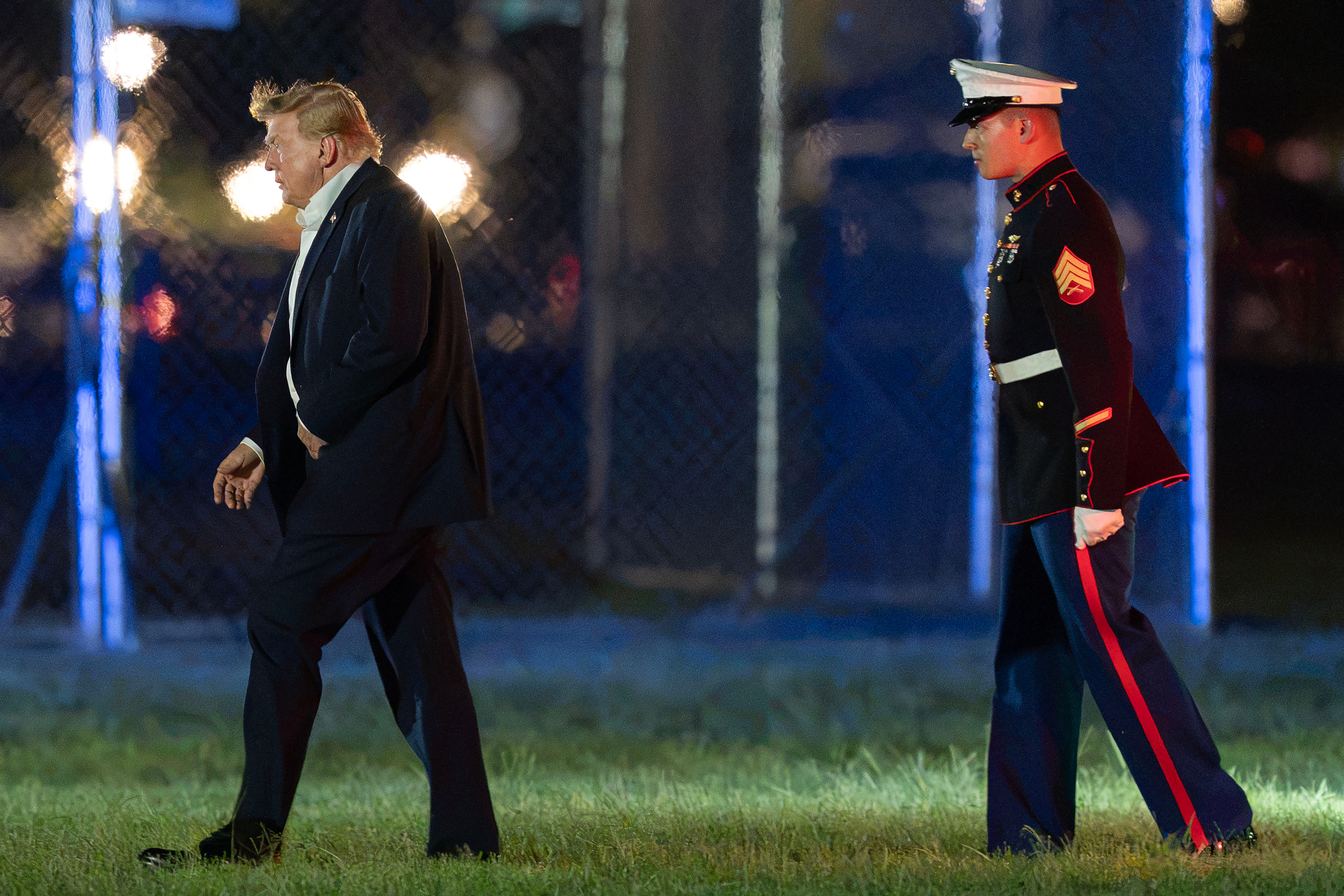
    WASHINGTON — President Donald Trump on Tuesday went after the Supreme Court after it rejected his push to restrict mail-in voting in this year’s midterms, saying justices who opposed him were “not the people I interviewed.”

    His social media missive was just the latest in a long history of Trump assailing justices, particularly those he had nominated, who ruled against him on his administration’s most prominent initiatives. The president has been publicly furious with the Supreme Court over its decisions against restricting birthright citizenship and his ability to issue tariffs unilaterally.

    On mail-in voting, the Trump administration had made a last-minute push to have the U.S. Postal Service play a central role in deciding who would be able to receive a ballot. But state election officials argued there was not enough time to make the changes for the Nov. 3 midterm elections — and said their systems were already secure and accurate.

    The court ruled late Monday in an emergency order that the restrictions would most likely lose in court, at least for this year’s election.

    “The Court’s inability and unwillingness to do the right thing for our Country will go down, in a very negative way, in the annals of History,” Trump wrote in a lengthy social media post Tuesday. “This Supreme Court is bullied and cajoled by the Radical Left into making decisions that have set America back at least a hundred years.”

    Justices Sam Alito and Clarence Thomas publicly dissented from the order, and Trump on Tuesday called them “legends both.” Trump has nominated three of the justices on the Supreme Court — Neil Gorsuch, Amy Coney Barrett and Brett Kavanaugh.

    “These are not the people I interviewed to serve on the United States Supreme Court, they are merely a shell of their original selves,” Trump said. He asserted that the court “is costing the United States Trillions of Dollars with shockingly bad rulings that are of such magnitude that it won’t be easily possible for our Country to recover or heal.”

    The president has a lengthy track record of attacking judges, often very personally, who issue decisions that go against his wishes, and Trump has long viewed his legal appointments as owing loyalty to the person who nominated them to the bench.

    So as Barrett, Kavanaugh and Gorsuch ruled against Trump at varying points over the years, the president has not hesitated to go after them publicly, while praising them if they sided with him in a case.

    Yet this court, led by Chief Justice John Roberts, has ruled in favor of Trump on several of his priorities, most notably the 2024 decision from the court’s conservative majority that said former presidents are presumptively entitled to immunity for all official acts. That paved the way for Trump to run for reelection without threat of a criminal trial that year.

    Trump has opposed mail voting and falsely blamed it for his 2020 election loss. A report by the Brookings Institution published in 2025 found that mail voting fraud occurred in only about four cases out of every 10 million mail ballots cast.

    Roughly a third of voters use mail ballots, and mail voting has already begun in some states. The decision allows states to continue sending out mail ballots under the same processes they’ve used for years.

    On Tuesday, Trump also complained that the decision took too long to issue.

    “It is not easy for me to write this criticism of the United States Supreme Court – it will likely cost me dearly for years to come – but I feel it my obligation and duty, as President, to do so for the America we love!” Trump said.
  • NATO jets shoot down drone over Lithuania and Russian ship fires flares at Danish helicopter

    NATO jets shoot down drone over Lithuania and Russian ship fires flares at Danish helicopter

    VILNIUS, Lithuania — NATO fighter jets shot down a drone that entered Lithuanian airspace overnight, officials said Tuesday, the day after the head of the alliance said strikes close to its territory would only increase its support for Ukraine in the war against Russia’s full-scale invasion.

    Military officials in Lithuania, a NATO member, said the incident marked the first time that a drone had been shot down in its airspace. Authorities didn’t comment on the drone’s origin or purpose, saying further investigation was needed, but two senior officials said the device was likely carrying explosives.

    Officials in other NATO countries, including Germany, Denmark, the United Kingdom, and Poland, have in recent weeks accused Russia of involvement in acts such as drone incursions, sabotage, arson, and surveillance of defense facilities and in plans to use a drone carrying explosives to attack an airport.

    Separately, Denmark said Tuesday that one of its air force helicopters was fired on with flares as it was carrying out surveillance of a Russian frigate in the Baltic Sea.

    Strikes close to NATO territory showed Russian President Vladimir Putin’s “desperation and also his desire to sow fear and terror,” NATO Secretary-General Mark Rutte said Monday. He spoke after a Russian drone struck a railway line near the Ukraine-Poland border on Sunday shortly after senior visiting officials passed through.

    Rutte pledged to bolster the 32-nation alliance’s own defenses along its long eastern border with Russia and with Belarus, a Russian ally.

    Ursula von der Leyen, head of the European Commission, said the incidents in Lithuania and Denmark were not isolated but “part of a broader pattern of Russian aggression and provocation against Europe, testing our readiness and our resolve.”

    “Russia will find our resolve only growing stronger,” she said.

    Drone found to be carrying explosives

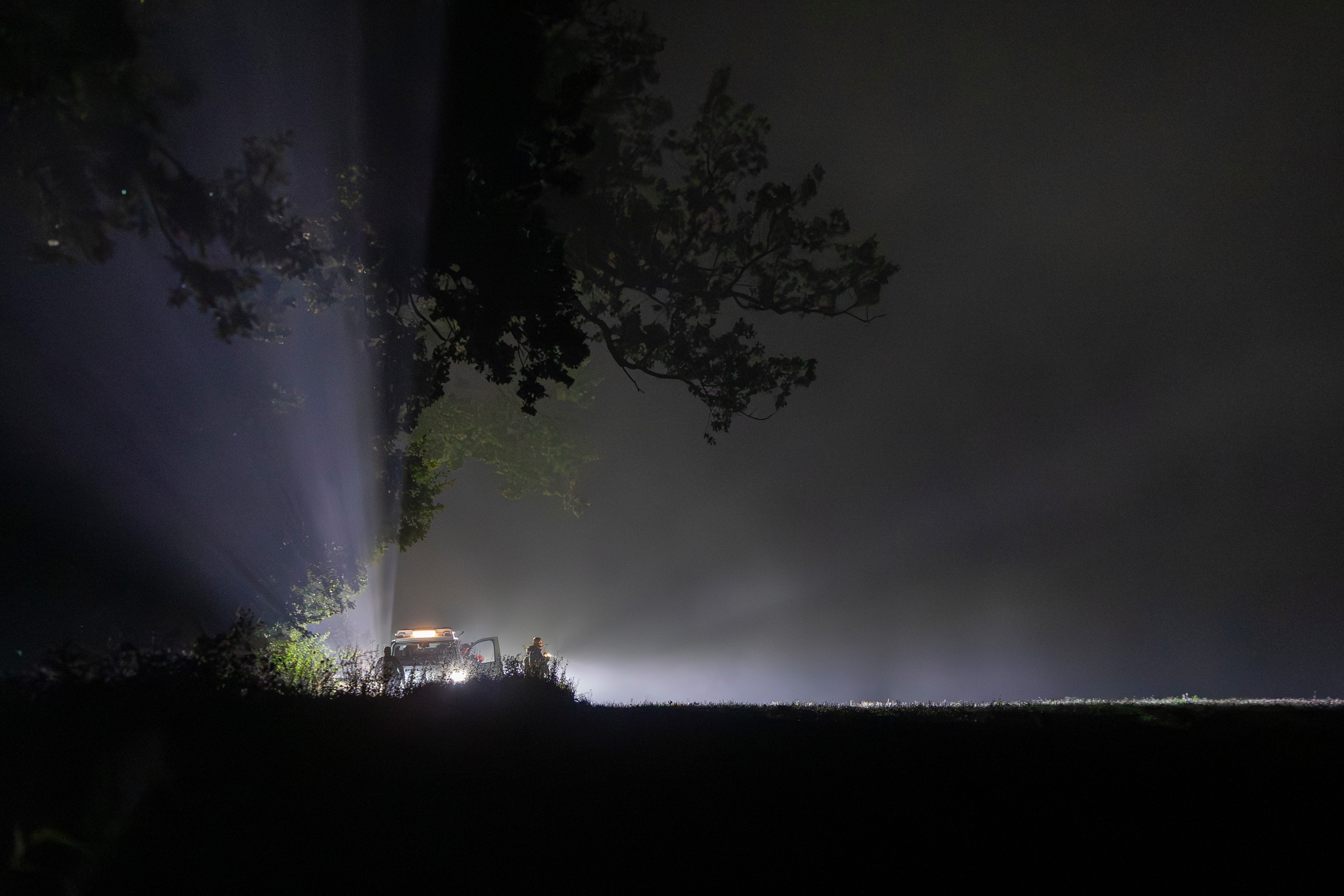
    The drone downed Tuesday in Lithuania fell near the village of Pratkūnai, about 60 miles west of the capital, Vilnius, and near the Kaunas Reservoir, Lithuania’s National Crisis Management Center said Tuesday.

    Vilmantas Vitkauskas, head of the crisis center, told Lithuanian public broadcaster LRT that the drone most likely entered from Belarus. It remained in Lithuanian airspace for about 30 minutes and flew along the outskirts of populated areas before being intercepted, he said.

    Writing on Facebook on Tuesday, Lithuanian Defense Minister Robertas Kaunas said an explosive device was detected on the drone and neutralized by bomb-disposal experts.

    Menacing drones have repeatedly loomed over the skies of Lithuania, which shares borders with Belarus and the Russian exclave of Kaliningrad.

    In May, residents of Vilnius were told to take shelter, and the president and prime minister were taken to safe locations during an alarm over drone activity near the border with Belarus.

    Stray Ukrainian drones have also previously crossed the border into Baltic airspace, including in May, when a NATO fighter jet shot down a Ukrainian drone over southern Estonia.

    Meanwhile, Denmark accused Russia of firing flares at one of its air force helicopters in connection with “routine photographic coverage” of a Russian frigate in waters off the port of Gedser in the Baltic Sea.

    “This is completely unacceptable,” the Danish Foreign Ministry wrote on X, saying that the Russian ambassador was summoned over the incident.

    Russia’s ambassador to Denmark, Vladimir Barbin, said it was “not the first time” that Danish air force helicopters “carried out dangerous maneuvers near Russian warships.”

    He said the Danish helicopter conducted “provocative actions against the Russian frigate.”

    The Kremlin declined to comment Tuesday, with presidential spokesperson Dmitry Peskov saying that he did not have details.

    Kyiv says it’s ‘ready to support de-escalation’

    In Ukraine, Russian drone strikes continued across the country following a social media post from U.S. President Donald Trump on Monday that Russia and Ukraine had agreed “not to hit” each other’s energy infrastructure.

    Trump didn’t offer details on the purported agreement. Previous efforts to broker even a partial ceasefire have repeatedly fallen apart within hours, with both sides accusing the other of violations.

    Ukrainian President Volodymyr Zelensky said late Monday that Kyiv was “ready to support de-escalation” if the United States could ensure “Russia is genuinely ready to stop this war.”

    But Zelensky said Tuesday in a statement that Moscow had continued to attack Ukraine’s energy sector, logistics, and critical infrastructure, and that Kyiv responded by striking an oil refinery in Syzran, a city in western Russia.

    “There is no alternative to ending this war. And all forms of pressure on Russia must create the right diplomatic conditions,” Zelensky said.

    The Kremlin said Tuesday that it considered Trump’s proposal for a ceasefire on energy infrastructure to be “a good idea.”

    However, it stressed that strikes on Russian oil refineries were not the root cause of global supply issues for gas or diesel.

    “The core problem lies in the export of petroleum products to global markets,” Peskov said. He said that countries instead needed to guarantee safe navigation for oil tankers and lift global sanctions on Russian oil.

    The Kremlin’s comments contradict those of Trump, who on Sunday called on Zelensky to halt strikes on Russian oil refineries and claimed that such attacks had caused a global shortage.

    “Mr. Zelensky has to do one thing. He has to stop knocking out diesel fuel in Russia,” Trump told reporters, following news on Friday that diesel prices in the U.S. had soared past an average of $6 a gallon.

    “We spoke to Mr. Zelensky about it. There are plenty of other targets. Don’t hit diesel fuel, because that’s hurting, that’s hurting the world,” he said.

    Ukraine’s State Emergency Service said Tuesday that Russian strikes on Kyiv had killed one person and wounded seven other people since the start of the day, with attacks carried out on the capital’s gas stations.

    Two more people were killed in separate Russian strikes in the Ukrainian cities of Sloviansk and Kramatorsk, the emergency service said.

    Elsewhere, Russian forces shot down 222 Ukrainian drones overnight, Russia’s Defense Ministry said Tuesday.

    A “massive” Ukrainian drone attack sparked several fires in the Russian city of Taganrog, regional Gov. Yuri Slyusar said. He said on Telegram that two apartment buildings and three private homes had been damaged, as well as an educational institution, agricultural warehouses, and a site belonging to Russian e-retailer Ozon.

    Zelenskyy said Tuesday that Kyiv’s forces had targeted a drone-production facility in the city.

    Ukrainian parliament votes to dismiss prosecutor general

    In other developments, Ukraine’s parliament voted to dismiss Ruslan Kravchenko from the post of prosecutor general Tuesday.

    Kravchenko submitted his resignation on Sept. 7 amid an investigation into corruption in his office, though no notice of suspicion was issued against him. Zelensky had suspended Kravchenko from the post the day before. Kravchenko had served as prosecutor general since June 21, 2025.

    Repeated corruption scandals have hurt Zelensky’s approval ratings.

  • Federal Reserve is expected to raise its benchmark rate, defying Trump’s demands

    Federal Reserve is expected to raise its benchmark rate, defying Trump’s demands

    WASHINGTON — The Federal Reserve is widely expected to lift its short-term interest rate Wednesday for the first time in three years to fight stubbornly high inflation, a move that would put the central bank at odds with President Donald Trump’s support for a cut.

    A quarter-point increase in the Fed’s rate, currently about 3.6%, isn’t guaranteed because Fed Chair Kevin Warsh doesn’t provide the signals about next moves that his predecessors did. Still, most analysts and economists expect a hike after a speech two weeks ago at the Fed’s annual conference in Jackson Hole, Wyoming, in which Warsh argued that the Fed had not yet achieved its goal of putting inflation in check.

    A rate increase would throw another sharp shift into a volatile period for the economy and financial markets. As recently as March, the Fed had forecast it would cut its rate once this year. But with the Iran war flaring up again and causing sharp increases in oil and gas prices, inflation is likely to remain higher than the Fed’s 2% target for even longer.

    “I don’t see any end to the war in Iran right now,” Kristin Forbes, an economist at MIT’s Sloan School, said. “Given what everyone has been through in the last few years of high inflation, consumers are more sensitive, companies are more sensitive, they raise prices faster … The risks are much more on more persistent inflation than it falling quickly.”

    Surging investment in AI data centers has also been accelerating inflation and contributing to higher longer-term interest rates, though now leading companies are discussing slowing the technology’s development.

    All eyes are on interest rates before the midterms

    The Fed’s potential rate hike comes just seven weeks before the midterm elections in which high prices and affordability have taken key roles. Trump has demanded that the Fed cut rates, a move that isn’t on the table, and on Sunday the president said, “the United States is so strong we should be paying the lowest interest rate in the world.”

    Trump repeatedly attacked Warsh’s predecessor, Jerome Powell, in harshly personal terms, upending decades of tradition in which presidents treated the Fed as independent.

    Kevin Hassett, Trump’s top economic adviser, said Sunday on CNN that Trump “100% respects the independence of Kevin Warsh.”

    Yet at the same time, Hassett suggested in a Fox News interview that the Fed shouldn’t hike so close to the midterms.

    “I’d be wary of a rate hike … I think if you want an independent Fed, then one thing the Fed does is it stays out of the way of elections,” Hassett said.

    Financial markets expect that Warsh and the central bank will brush off such warnings. Traders now see a 90% chance the Fed will hike Wednesday, according to futures prices. That figure jumped after Friday’s inflation report showed that prices remain stubbornly high and core inflation, which excludes volatile food and energy, picked up in August from the previous month.

    After that report, and Warsh’s tough talk on inflation late last month, most economists argue that Warsh will have to hike rates or risk undermining his credibility with financial markets. Longer-term interest rates, such as those on the 10-year and 30-year Treasury bonds, could spike if he doesn’t hike, as they did after a Fed meeting in late July when Warsh failed to convince markets he was willing to lift rates if needed.

    “At the end of the day the Chair’s repeated stern warnings on inflation intolerance risk institutional credibility absent some action to back it up,” Michael Feroli, an economist at JPMorgan Chase, wrote in a preview of the Fed’s meeting.

    A rate increase could raise other questions

    Some members of the Fed’s interest-rate setting committee still expect inflation, outside of food and energy, to fade over time and may not feel a rate hike is necessary.

    But Warsh has not made that argument. Instead, in his Jackson Hole remarks, he said recent inflation reports “do not tell me that underlying trends have improved,” adding that if such improvement wasn’t seen soon, “we have work to do.”

    Ironically, by boosting Fed credibility, a rate hike could hold down longer-term interest rates that consumers pay for things like mortgages and auto loans. Some of the recent spike in mortgage rates has likely reflected concerns among investors that the Fed wasn’t committed to fighting inflation. Investors typically demand higher yields to own bonds when inflation is elevated.

    Still, if the Fed does increase its rate Wednesday, then Warsh will face a new set of questions: How many hikes will the Fed implement? How effective will they be in reducing inflation when much of it stems from higher oil prices, something the Fed can’t control? What will they do if an AI slowdown threatens to slow the economy, which would typically get the central bank to cut rates?

    Matthew Luzzetti, chief U.S. economist at Deutsche Bank, said it is rare for the Fed to lift its key rate just once, which is likely to have little impact on the economy, and so multiple hikes are likely.

    But how the Fed characterizes possible rate increases on Wednesday could give clues to its next steps, he said. For example, if Warsh suggests the Fed is unwinding the three cuts it made in late 2025 — when it feared that unemployment was rising — that would suggest two more hikes would be needed.

    Alternatively, Warsh could portray a hike as an act of “risk management,” Luzzetti said, with the Fed expecting inflation to cool but hiking rates to essentially ensure it falls. That could point to possibly just two increases.

    Warsh has resisted providing such guidance so far. But Wall Street traders expect three hikes — in September, December, and March — according to futures prices.

  • AI companies buoyed the U.S. economy. What happens if they slow down?

    AI companies buoyed the U.S. economy. What happens if they slow down?

    U.S. investors face a novel question as warnings grow about the potential dangers of artificial intelligence: Is it bad for business and Americans’ stock wealth if AI leaders slow down the technology to avoid catastrophe?

    Prominent technology moguls including the CEOs of ChatGPT-maker OpenAI and its rival Anthropic have said such a slowdown is necessary to tame the risks of expensive or deadly threats such as cyberattacks from out-of-control AI.

    Technology stocks wilted Monday as investors focused on the ripple effects of any new AI controls. A self-imposed or government-ordered slowdown of AI development could douse enthusiasm for the expected initial public offerings of OpenAI and Anthropic and dent the AI boom that is boosting U.S. economic growth, corporate profits, and the stock portfolios of millions of Americans.

    Ed Mills, a Washington policy analyst with the financial firm Raymond James, said AI-related companies have soared in stock market value as though there’s little risk of regulatory speed bumps to the technology. He said he’s spent the past week encouraging investors to take seriously a potential surge of AI regulation.

    “The data center policy debate is going to seem quaint” compared to the coming showdown over AI regulation, Mills predicted. “Part of that process is going to cause investors to potentially re-evaluate the worth of these [AI] models and these companies.”

    It’s plausible that little changes with how AI companies operate, some policy and technology analysts say. But the worries reflected on Wall Street underscore how much the nearly four-year-old AI boom is built on faith over facts.

    The bull case for AI is that the trillions of dollars being spent to develop AI technologies and distribute them through data centers will reorder American life and unleash untold profits and economic growth. If AI development or corporate usage of AI slows, it could push the potential payday from the titanic AI bet even further into the future.

    President Donald Trump noted the potential economic costs of an AI slowdown in one of several Truth Social posts Monday in which he attacked AI leaders backing the concept.

    “When, in the History of Business, did anyone see the Leaders of an Industry call for Regulation that, if strongly implemented, will drive them into oblivion and bankruptcy?,” he wrote. “AI, and Data Centers, will be the Greatest Economic Development Engine in History ­­- Bigger than Oil, Gold, Diamonds, or even the Internet.”

    The Nasdaq stock index, considered a proxy for the investor enthusiasm for technology companies, fell Monday after a weekend of AI doomsday discussions. Multiple factors roiled markets, but analysts noted that prices of some companies heavily dependent on the AI boom, including computer chip maker Nvidia and Elon Musk’s rocket-and-AI company, SpaceX, dropped significantly.

    Asian shares fell slightly Tuesday, with South Korea’s Kospi index down nearly 1% as Samsung and SK Hynix extended declines.

    One of the biggest questions is what happens to planned initial public offerings by the two leading AI start-ups, Anthropic, which makes the Claude chatbot, and OpenAI. The companies have been collectively valued at close to $2 trillion by investors and are widely expected to jump significantly in worth when they list shares on public markets. (The Washington Post has a content partnership with OpenAI.)

    Dario Amodei, CEO of Anthropic, warned about AI’s potentially catastrophic downsides, but he is also hoping to sell investors on an optimistic vision of AI as his company prepares for an initial public offering.Markus Schreiber

    Dario Amodei, the Anthropic CEO who has long warned about AI’s potentially catastrophic downsides, now faces a contradiction partly of his own making.

    He is simultaneously warning publicly that technology from Anthropic and its peers could be dangerous to human life and economic prosperity — while also hoping to sell investors on an optimistic vision of a profitable, glorious AI future.

    It is “unprecedented” for a company preparing an IPO to offer a dueling narrative like that, said Nick Smith, a senior analyst at the research firm and IPO stock index Renaissance Capital.

    He and other financial experts said it’s not unusual for companies to be candid about navigating concerns and regulatory scrutiny of contentious products, including from pharmaceutical and gene-editing companies.

    But Smith said that it raises red flags for people buying a company’s stock when its top executive “notes issues that could cause real problems for the company, and more importantly calls for a slowdown in its technology’s development.”

    Anthropic’s IPO could come as early as this fall, according to reporting by Reuters. The company has said that the listing will “depend on market conditions and other factors.”

    Eddie Best, a partner at the law firm Willkie Farr & Gallagher who advises companies on IPOs, said he doubts that a potential industry slowdown or speculative fears of AI-caused extinction would derail Anthropic’s IPO.

    He did say, though, that he and other corporate lawyers have been playing a “nerdy game” about whether AI end times could appear in the “risk factors” section of Anthropic’s IPO pitch document for investors. These are usually boilerplate legalese about the large and small potential roadblocks to a company selling its stock to the public.

    Some technology companies already warn investors that AI could get them into hot water, though none appear to stray into the human extinction territory of Amodei’s weekend essay.

    Google’s annual financial report says that “some uses of AI will present ethical issues and may have broad effects on society.” Risk factors from Microsoft outline the possibility that people could get hooked on using AI as companions.

    Best said he couldn’t imagine lawyers crafting a doomsday scenario in the Anthropic IPO pitch document.

    “I don’t really see a risk factor that says our product could blow up the world,” Best said.

  • Trump’s effort to assert control over elections continues, despite court loss

    Trump’s effort to assert control over elections continues, despite court loss

    WASHINGTON — The Supreme Court dealt President Donald Trump a major blow Monday when it blocked his executive order to restrict mail ballots. But Trump’s battle to assert control over the election process is far from finished.

    The stymied attempt to have the U.S. Postal Service screen mail ballots was just one piece of a broader effort involving the full power of the federal government to take more control of state-run elections.

    Just days before the Supreme Court blocked Trump’s mail ballot order, the Justice Department sent threatening letters to at least 30 top election officials across the country, escalating a fight to gain access to private voter data and election records.

    Federal agents are scouring voter rolls managed by states for noncitizens, despite a lack of evidence of widespread fraud. Trump’s homeland security secretary recently pushed for an investigation into whether a commonly used voting machine can be trusted, casting doubt on digital voting systems.

    “This is far from over,” said Benjamin Hovland, who was ousted from the independent, bipartisan Election Assistance Commission by the Trump administration this year.

    Hovland acknowledged that the Supreme Court’s decision mitigated “real-world impact” on voters and election workers, particularly since voters in some states have already begun to mail in their ballots. But he said Trump’s actions were alarming.

    “What you’re seeing is using the apparatus of government, using federal agencies, using taxpayer dollars, to push that narrative that only undermines confidence in our democracy and ultimately hurts voters and election officials,” Hovland said.

    Trump argues that he is trying to secure the integrity of the vote, but his claims of widespread fraud in the election system have been investigated and debunked repeatedly, and critics say his actions needlessly sow doubt about the outcome of the vote.

    The White House did not immediately respond to requests for comment.

    There are stark differences between now and Trump’s first term, when his attempts to undermine the election results in 2020 ran into stiff pushback not only from the courts but also from his own government officials. In his second term, Trump has surrounded himself with loyalists willing to turn his obsession over the country’s election systems into a blitz of federal actions. He has also installed election deniers in key posts.

    The Supreme Court’s decision Monday did, however, add to a string of mounting losses for Trump, who said this year that he wanted to “take over” and nationalize elections. Even before the Supreme Court decision, two lower court judges ruled that Trump’s changes to mail-in balloting were most likely illegal and should not be imposed so close to the November elections.

    Trump administration lawyers had urged the Supreme Court to step in and clear the way for its plan to use the Postal Service to screen ballot envelopes after they are submitted by state elections officials. The new rules would require states to submit lists of voters approved to receive mail ballots. The Postal Service would then deliver mail ballots only to the voters on the lists.

    In addition to the loss Monday, Trump’s other attempts to pressure states over the election process have faced legal setbacks.

    The Justice Department has sued 30 states for unredacted voter lists, which include personal information such as driver’s license numbers and partial Social Security numbers.

    They have lost 23 of those cases. Decisions are pending in the rest.

    The federal actions, as well as the various court decisions, have caused alarm among local election officials and voters, according to election experts.

    This month, the chief election officials in seven Republican-controlled states filed a brief to the Supreme Court, arguing that with less than two months until Election Day, it was too close to the midterms to make any major changes to the election process.

    Some states including North Carolina, Delaware and Alabama had already mailed out their ballots, even before the Supreme Court issued a final decision.

    “Attempting to implement the rule now will almost certainly lead to mistakes, delays and confusion for both voters and election officials,” the brief stated.

    But it was not just the pending Postal Service rule that has caused confusion and upended coordination among local election officials and the federal government.

    The administration has also asked the Supreme Court to intervene to allow it to move forward with an effort to build citizenship lists by merging data from various agencies, including the Department of Homeland Security and the Social Security Administration. A lower court has so far blocked the use of that tool, which administration officials argue is needed to verify citizenship for voting, among other purposes.

    In July, Markwayne Mullin, the homeland security secretary, threatened election officials in a speech and said they could face prison time if they did not comply with the Trump administration’s efforts to change election policies. Officials in the Justice Department officials have also explored whether they could bring criminal charges against state or local election officials if the administration determined they had not sufficiently safeguarded their computer systems.

    The Federal Emergency Management Agency, which sits under the Homeland Security Department, is demanding that states change the way they conduct elections or risk losing tens of millions in federal terrorism-prevention funds.

    Kimball W. Brace, the president of Election Data Services, an organization that works with local governments on election preparedness, said he did not expect the Supreme Court decision to stop Trump’s broader effort to pursue his election grievances.

    “I don’t anticipate people on the Republican side not wanting to continue and push their side of the story as much as possible,” Brace said.

    Distrust of the election process among voters is growing as the November elections approach. A survey from The Associated Press and the NORC Center for Public Affairs Research and USAFacts showed that only 34% of U.S. adults trust government certifications of election results “a great deal” or “quite a bit,” down from 40% in 2024.

    Trump has also gutted the government’s election security infrastructure. Experts warn that his cuts to agencies tasked with coordinating election security with state governments could reduce visibility into foreign influence campaigns and cyberattacks.

    Brace said all the executive actions have fueled pressure on local election officials.

    “They don’t want to deal with this crazy pressure that various interests and various individuals have pushed on the election administration,” he said.

    This article originally appeared in The New York Times.

  • ‘Widow’s Bay’ breaks Emmys record with 14 wins, ‘Pitt’ wins best drama

    ‘Widow’s Bay’ breaks Emmys record with 14 wins, ‘Pitt’ wins best drama

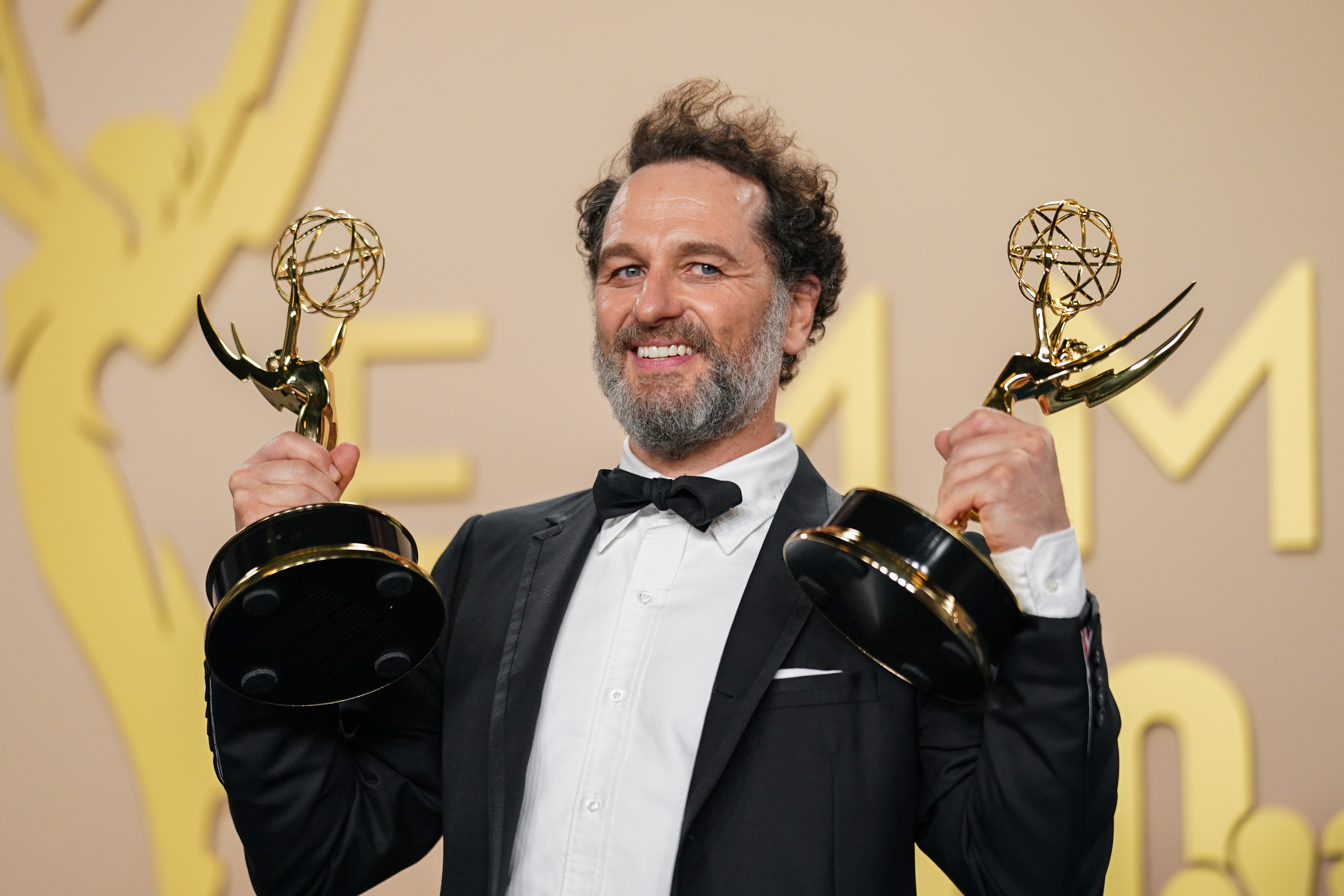
    LOS ANGELES — A “Widow’s Bay” wave slammed into the Emmy Awards on Monday night as the Apple TV show set a single-season record for a comedy with 14 wins, including best comedy series and best actor for star Matthew Rhys, who personally took home three trophies.

    “The celebrations will be long, varied, and I hope at times wild,” Rhys said backstage while holding two of his Emmys.

    “The Pitt” won best drama series for the second straight year, and star Noah Wyle repeated as best actor in a drama, but the HBO Max emergency room drama won no other Emmys and underperformed its expectations.

    Rhea Seehorn won best actress in a drama for “Pluribus,” and Jean Smart won her fifth best actress in a comedy award for the fifth and final season of “Hacks.” No actor had won an Emmy every year for a series that lasted more than three seasons until Smart did it Monday.

    Every other comedy award went to “Widow’s Bay,” which unequivocally owned the night and broke the comedy series record set last year by “The Studio” when it won 13.

    The ‘weird’ ‘Widow’s Bay’ sweeps across categories

    Along with best actor in a comedy, Rhys won best actor in a limited series for “The Beast in Me,” becoming the first man to win two leading actor categories in the same year, and he gets one of the best comedy series trophies as an executive producer for “Widow’s Bay.”

    The first-season series created by Katie Dippold leans hard into both comedy and horror as it tells the story of a New England island community, with Rhys as its mayor, reckoning with a centuries-old curse.

    “Thank you, Apple, for letting us take this crazy, creative swing,” Dippold said as she accepted the best comedy award. ”They truly just let us do this weird show.”

    Apple TV solidified its status as the owner of the Emmy comedy categories. Between “Widow’s Bay,” “The Studio” and “Ted Lasso,” it has won best comedy series four times in six seasons. The latter two shows were between seasons and not eligible this year.

    “Widow’s Bay” also won for directing for Hiro Murai and for writing for its creator Dippold, a first-time Emmy winner and first-time nominee who was previously best known for a decade-old viral tweet showing her awkwardly dressed as “The Babadook.”

    “When I was sitting there in that costume,” Dippold said backstage after the show, “I did not think that this moment would happen.”

    “Widow’s Bay” had won eight Emmys in a previous ceremony before sweeping all six of its categories Monday night. Stephen Root won best supporting actor in a comedy series and Kate O’Flynn won best supporting actress.

    ‘The Pitt’ and ‘Hacks’ fail to run up numbers

    “The Pitt” was the top drama nominee with 25 and “Hacks” was the top comedy nominee with 24, but neither made much of a splash when it came time to claim trophies.

    Smart’s was the only win for “Hacks” on Monday night.

    “What a ride this has been,” an emotional Smart said after getting a standing ovation.

    The 75-year-old has won eight Emmys overall in a career that was already more than respectable when she landed her defining role of Deborah Vance, a brash stand-up comic pushing back against age, obscurity and sexism in the HBO Max series.

    And best drama and best actor were the only wins for “The Pitt,” though it had won four at an earlier ceremony.

    Wyle won for playing Dr. Michael “Robby” Robinavitch, a role that brought him a major career revival after starring in “ER” in the 1990s.

    “This is all I’ve ever wanted to do, and this is the only club I’ve ever wanted to join,” Wyle said in his acceptance.

    Seehorn gets her first Emmy, Janney and Pelphrey beat ‘Pitt’ competition

    Seehorn won her first Emmy for playing the lone central character on Apple TV’s “Pluribus.”

    The 54-year-old had been nominated twice without winning for her breakthrough role on “Better Call Saul,” a show from “Breaking Bad” creator Vince Gilligan, who put Seehorn at the center of “Pluribus.” Gilligan won his fifth career Emmy for his writing on the show.

    Allison Janney won best supporting actress in a drama for “The Diplomat,” and Tom Pelphrey won supporting actor in a drama for “Task,” both beating several nominees from “The Pitt.”

    “DTF St. Louis” won best limited series. Stars David Harbour and Linda Cardellini both won for supporting acting at a previous ceremony on Sept. 6 as the Television Academy moved several categories off the main telecast to shorten the show. “DTF St. Louis” won seven Emmys overall.

    ‘Widow’s Bay’ gets rewarded for its elite cast

    “Widow’s Bay” brought a combination of younger, well-respected unknowns and widely known and beloved veterans to work on the show.

    It was the first Emmy for both O’Flynn and Root.

    O’Flynn, a 40-year-old British actor whose previous acclaim came mostly for her work in theater, plays Patricia Moyer, a city worker and social outcast dealing with a demonic darkness on “Widow’s Bay.”

    “This is the role of a lifetime,” O’Flynn said from the stage. “This is for all the Patricias out there.”

    Root, one of the most ubiquitous character actors of the last few decades, beat out Harrison Ford, who many thought would get his first major competitive Hollywood award for his role on “Shrinking.”

    “Thank you, sir, for all your many years of great, great, great acting,” Root said to Ford during his acceptance.

    Root, 74, is the oldest person to win the category.

    Sally Field, 79, became the oldest woman to win best actress in a limited or anthology series or TV movie for “Remarkably Bright Creatures.”

    Colbert wins after cancellation again

    “The Late Show with Stephen Colbert,” taken off the air by CBS, won best variety series. It’s one of six Emmys the show has won this year after the show was cancelled for what the network said was economic reasons while many believe it was his criticism of the Trump administration.

    “If you like the comedy tonight, my old writers wrote it,” Colbert said.

    Mariska Hargitay hosted the NBC telecast held at the traditional Emmys home of the Peacock Theater in Los Angeles.

    “NBC is celebrating its 100th year, and I have been on ‘Law & Order: SVU’ for all of them,” said Hargitay, a three-time Emmy winner who has starred in the show for 27 seasons, during her opening monologue.

    Hargitay closed the show — which came in at a relatively lean three hours with the shortened awards slate — with the famous “Law & Order” gavel sound.

    Michael J. Fox, a nominee for his work with Ford on “Shrinking,” received the Bob Hope Humanitarian Award.

    Tearful tributes to Parton, O’Hara and Reiner

    Field paid tribute to her “Steel Magnolias” co-star Dolly Parton, who died last month, in a tribute during the telecast that also included Reba McEntire.

    There were also emotional tributes to Catherine O’Hara, who died in March, and Rob Reiner, who was killed along with his wife, Michele Singer Reiner, in their home in December.

    Reiner, who won a posthumous Emmy at an earlier ceremony for best guest actor in a comedy series for his role on “The Bear,” was honored by his friend and “Bear” co-star Jamie Lee Curtis.

    “He was generous, kind and funny as hell, and a friend to all,” Curtis said. “And we all miss Rob and Michele and all those we lost this year.”

  • Letters to the Editor | Sept. 15, 2026

    Letters to the Editor | Sept. 15, 2026

    What law?

    If, in fact, as I have read, bribing individuals to vote in a particular way is illegal.

    If, in fact, we are to take Donald Trump’s offer of $5,000 to every adult in America if and when the Republican Party gains control of specified governing bodies, is this not, in fact, a bribe? A bribe by the man holding the most powerful office in America, the man sworn to uphold the Constitution of the United States, or are we just supposed to laugh this off as only another of Trump’s little affectations? Please do not tell me this is not a bribe; please do not tell me Trump is indemnified from prosecution.

    A bribe is a bribe; a law is a law. We are on the cusp of creating a society of millions of people who will sense that the Constitution and laws supporting it are only applicable to those who do not have the means to defend themselves.

    Wake up, America — we are in troubled times. Do we or do we not have laws? Or is it that what we do have is a government rife with self-serving wealthy individuals who would rather turn a blind eye?

    Philip A. Tegtmeier Sr., Honey Brook

    . . .

    There’s never been anything subtle about President Donald Trump. Now he’s promising a $5,000 check to every adult if the Republicans retain control of the House and the Senate. Let’s not pussyfoot around about Trump’s promised bonanza to the American people. It’s an outright attempt to bribe the people and “buy” our vote. Mr. President, it “ain’t gonna work.” We will not sell our vote to the highest bidder, especially to a man who is infamous for stiffing those he owes money to. No, Donald Trump, we’ll not sell our soul that readily — and besides, while it’s true that some men’s word is as good as gold, your word is not even worth the paper it’s printed on.

    Ken Derow, Swarthmore

    Losing accountability

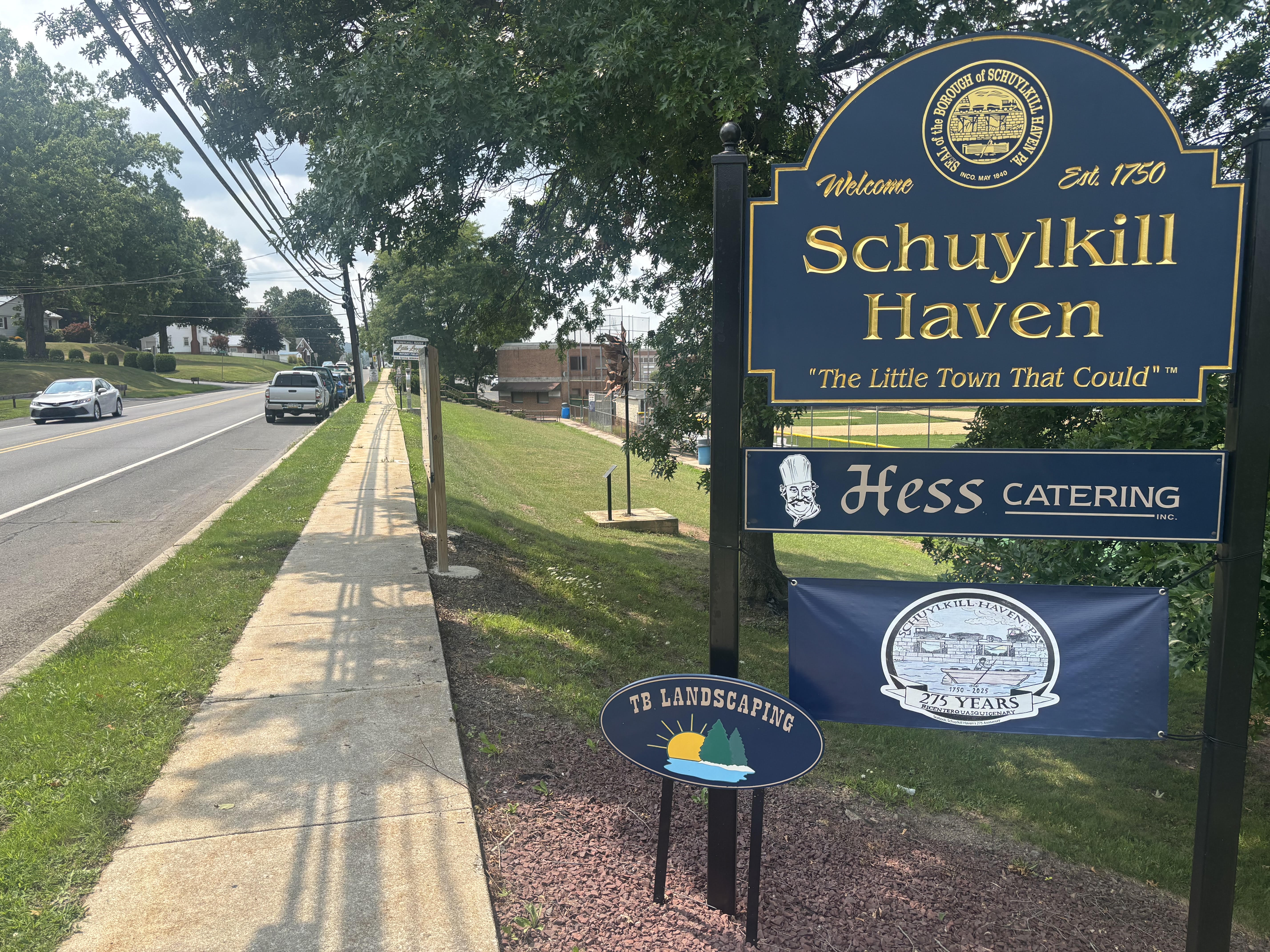
    After reading Will Bunch’s informative column about Schuylkill County, Pa., and how local police departments there are joining forces with U.S. Immigration and Customs Enforcement in order to get money, I found myself focusing not only on the payments themselves, but also on the fact that any information regarding these relationships asked of these departments requires Freedom of Information Act requests with the U.S. Department of Homeland Security. Now that might not seem terrible until you realize reporters and newspapers are how we, the citizens, find out what’s happening in our communities, and if the police will not be clear and the commissioners are withholding information, then we are being kept in the dark. That means people who are paid with our taxes and supposedly work for us are suddenly not accountable. I ask my fellow Pennsylvanians, “Are you OK with that?” Are you OK with what is happening across this state, having no say in it — and then being told you don’t have a right to know?

    Liese Sadler, Philadelphia

    Join the conversation: Send letters to letters@inquirer.com. Limit length to 150 words and include home address and day and evening phone number. Letters run in The Inquirer six days a week on the editorial pages and online.

  • Dear Abby | Drama queen disrupts gatherings without even being there

    Dear Abby | Drama queen disrupts gatherings without even being there

    DEAR ABBY: A good friend in our prayer circle, “Diane,” has a friend, “Suzy,” with whom several of us once socialized. We’ve all distanced ourselves because Suzy has anger and stability issues that have become increasingly frequent since her former spouse has begun dating again. Diane allows Suzy to verbalize all kinds of half-truths and act out with volatile behavior, which some of us feel is basically encouraging destructive mental health.

    While some of us suspect Diane enjoys the drama of recounting Suzy’s latest issue, others believe she thinks she’s “being there” for Suzy. Since so much of each meeting is now focusing on Diane’s description of Suzy’s latest tantrum, how can we encourage her to help Suzy get the counseling she needs to get past not only her divorce, but also the results of several years of negative behavior, and focus on the real reason we are gathering?

    — CARING FRIEND IN OHIO

    DEAR FRIEND: Has it occurred to you that instead of praying, which is what those meetings are supposed to be about, Diane has hijacked the purpose of the meeting with gossip when she describes in detail poor Suzy’s antics? What an invasion of Suzy’s privacy! Tell Diane that if she really wants to help her friend, she should encourage her to get professional help and, if she’s reluctant to do it, to pray (as will you all!) that Suzy summons up the courage.

    ** ** **

    DEAR ABBY: I live in a neighborhood that has no sidewalks, and I vacation in a busy coastal area that also has narrow roads. My dog and I walk at least once a day along these roads, and I’ve noticed that many pedestrians don’t know which side of the road to walk down.

    According to the Scouts, you should walk facing traffic. This makes sense because you can see vehicles coming toward you and can move out of the way if they do not or cannot move around you. These days, electric cars are so quiet that many walkers don’t hear them coming. Driving when you never know where walkers will be is dangerous, too. Please get the word out to walk or jog facing traffic, but not down the middle of the road. Thanks!

    — DOG WALKER IN IOWA

    DEAR WALKER: I have long thought that my column serves as a sort of extended “community billboard.” Your safety message is an important one. Thank you for taking the time to share it.

    ** ** **

    DEAR ABBY: We need advice on the polite thing to do when you observe something on the face of a person you are talking to. Should you: a) Motion with your finger on your face that an object has been observed; b) Tell the person discreetly; c) Say or do nothing? Does it make a difference if the person is a friend, spouse or casual acquaintance? In the case of a spouse or good friend, should the observer suggest removing it? Does the same thing apply if you notice a zipper undone, button unfastened, clothing untucked, a smudge, tear or wet spot?

    — DIFFERENT OPINIONS

    DEAR OPINIONS: I think the kind choice would be to inform the person of the problem discreetly, which would cause the least confusion and embarrassment. If appropriate, offer to help and see if it is welcome.

  • Horoscopes: Tuesday, Sept. 15, 2026

    Horoscopes: Tuesday, Sept. 15, 2026

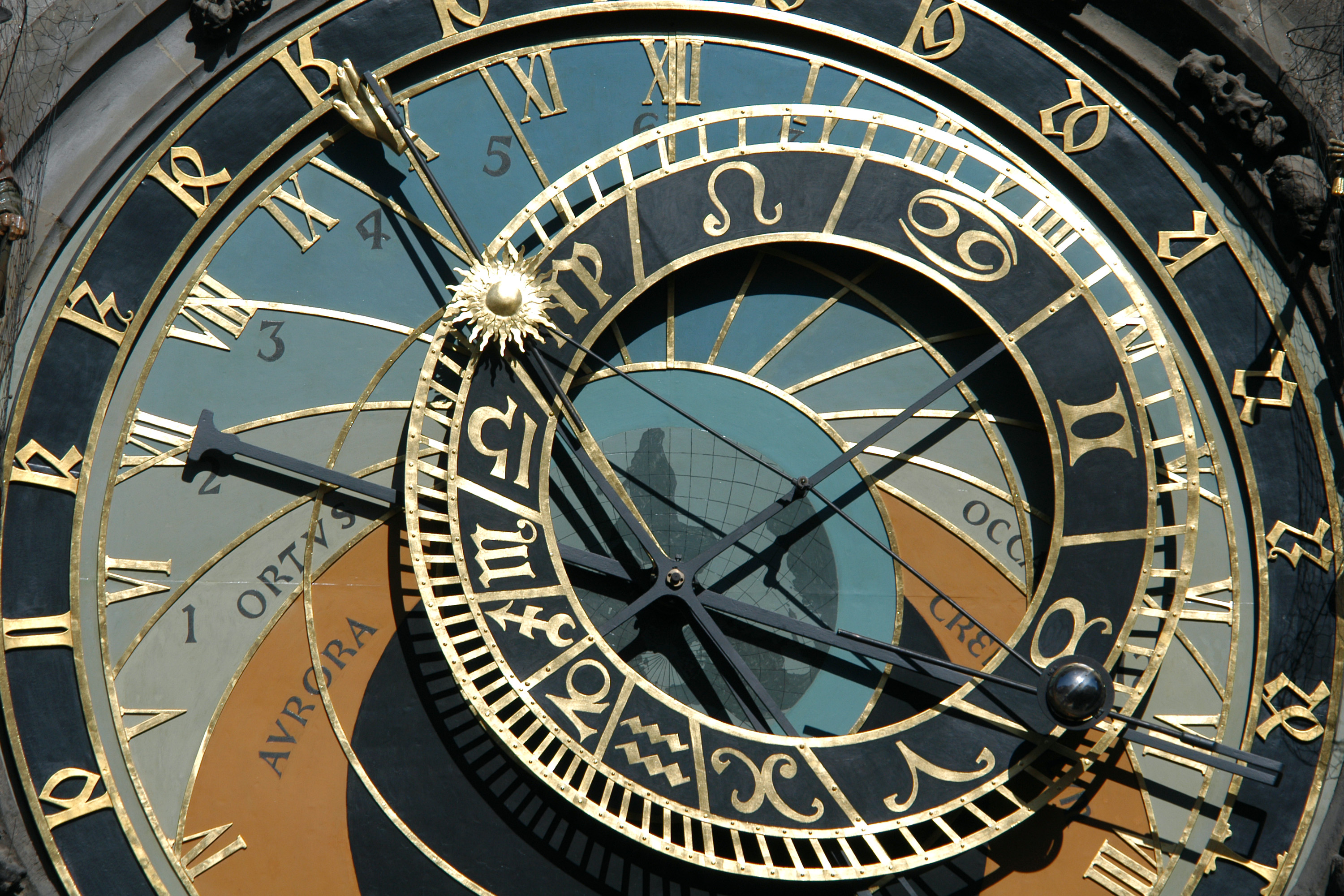
    ARIES (March 21-April 19). Algorithms rarely show you something that doesn’t intrigue you or make you want to pull out your wallet — there go your attention and money. Contrastingly, the analog living you do today will reward your attention instead of competing for it.

    TAURUS (April 20-May 20). Avoid spending any time at all noticing or lingering in the sorrow of unpossessed talents while your potentiality waits for attention, praise and the hours of work it will take to make the talents you possess in abundance absolutely gleam.

    GEMINI (May 21-June 21). You’ve spent enough time in your head lately, so it will be great to get a win you can feel in your body or see in the physical world, such as sore legs after a long walk, a point on the score board or a room you cleaned yourself.

    CANCER (June 22-July 22). You’re reminded how life is always rolling along and relationships along with it, shifting in ways perhaps undetectable over the course of days and weeks, yet each little change creates a different degree of depth, distance or temperature.

    LEO (July 23-Aug. 22). You’re so open to the muses, not just for yourself and your own work, but for those you’re sure to inspire along the way. You’re all contributing to something that’s bigger than the sum of its parts.

    VIRGO (Aug. 23-Sept. 22). Don’t be overly concerned with making everything easy for others today. Some need it, sure. But if you make yourself too useful to entitled types, you could be doing yourself a disservice, as they will never stop taking.

    LIBRA (Sept. 23-Oct. 23). Believe in your powers of consecration. You can imbue a subject with a sacred energy, which exists as much in you as it does in any. What’s sacred to you is sacred, period.

    SCORPIO (Oct. 24-Nov. 21). Maybe someone’s loyalty runs so deep they would be there for you whether you were nice to them or not, but the fact is that you’re unfailingly kind and never take them for granted, and they show up for you again today.

    SAGITTARIUS (Nov. 22-Dec. 21). There’s no need for postgame analysis because today’s cosmic gift is the clear, clean, obvious and undeniable move that all can see and comprehend immediately. This doesn’t happen every day. The whole game will progress.

    CAPRICORN (Dec. 22-Jan. 19). You may feel the strong need to surround yourself with things that reflect who you are because it’s extremely important now that you put your whole self into what you’re creating. It needs the values, taste and sensibility that’s all you.

    AQUARIUS (Jan. 20-Feb. 18). You’ll solve a long-standing problem with one elegant move. The answer may be so simple that you’ll laugh at the elaborate plans in the recycling bin. It’s a testament to your beautiful thought processes. Sometimes they take the scenic route.

    PISCES (Feb. 19-March 20). When is it appropriate and useful to say everything you want to say? Almost never. Even so, adults still manage to communicate with grace inside the realization that everyone is, to some degree, holding back.

    TODAY’S BIRTHDAY (Sept. 15). In your Year of the Gentle Rain, your wild heart is nourished by all that you need to thrive, and it seems to come straight from heaven in measures that are so easy to absorb. More highlights: Education is immediately applied to better relationships and lucrative work. Peace, pride and production as you build together with chosen family. Hot tickets and fun. Pisces and Aries adore you. Your lucky numbers are: 30, 10, 12, 9 and 15.

  • McConnell returns to the Senate for the first time since his June hospitalization

    McConnell returns to the Senate for the first time since his June hospitalization

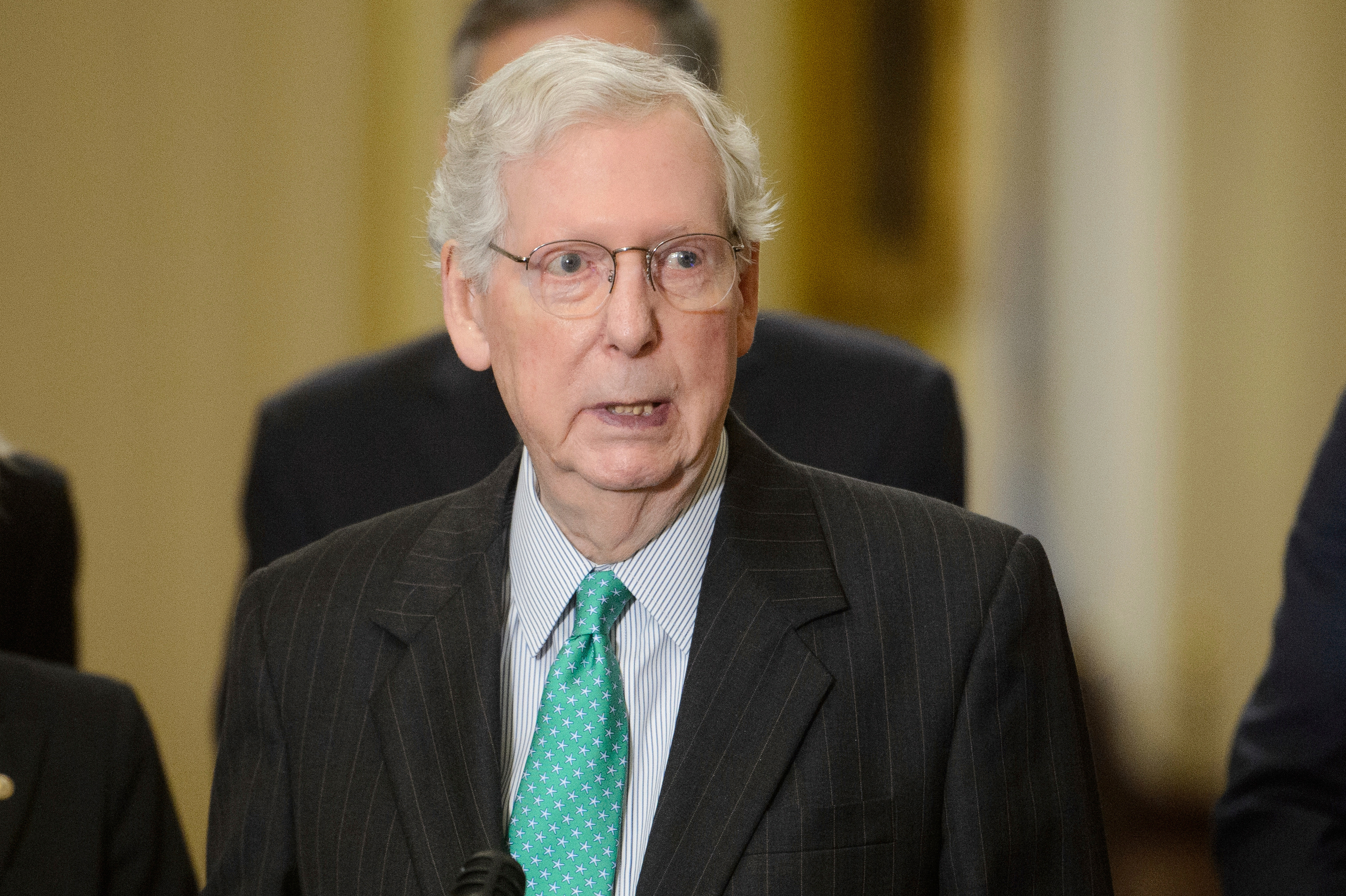
    WASHINGTON — Republican Sen. Mitch McConnell of Kentucky returned to the Senate on Monday for the first time since June 14, when he was hospitalized after a fall in his home.

    McConnell’s three-month absence from the Senate generated a flood of criticism and online speculation, as the Kentucky senator initially remained quiet for weeks about his condition. The 84-year-old senator eventually disclosed that he had been “briefly unconscious” due to the fall and had also been treated for mild pneumonia in the hospital.

    “My recovery has been a long and often frustrating process, and the lingering effects of childhood polio haven’t made it any easier,” McConnell said in a statement Monday. “I’m still not quite back to 100%, but I’ve assured Leader Thune that, as I continue with physical therapy on the advice of my doctors, I will do my best to be present for tough votes when our Conference needs me.”

    The concerns over McConnell’s absence highlighted increasing public concern about the age of lawmakers and their capacity to carry out their duties. Speculation about his condition grew so intense at one point that Kentucky’s Democratic Gov. Andy Beshear took the extraordinary step of issuing a public letter asking McConnell to update the public in a “transparent manner.”

    McConnell’s absence was also felt over the summer as Republicans were unable to advance a farm bill out of committee. His return could give GOP leaders a needed vote as they try to advance legislation on cryptocurrency regulation and college sports.

    McConnell, who holds the distinction of being the longest-serving Senate leader, is in his final months of his four decades in office. He is retiring at the end of January after one of the most consequential careers in modern politics.

    Republicans have nominated U.S. Rep. Andy Barr to replace him, while Democrats have nominated former state lawmaker Charles Booker. McConnell said he is determined to finish out his term.

    A history of health problems

    McConnell had polio in his early childhood and has long acknowledged difficulty as an adult in walking and climbing stairs.

    The physician’s office in Congress in the July statement said McConnell has “experienced several falls through the year” due to his “post-polio condition.” The office said his physical therapy was aimed at reducing the risk of him falling again.

    “A comprehensive evaluation by a multidisciplinary team determined that he had no fractures, cardiac abnormalities, stroke, tumor, or hemorrhage,” the physician’s office said.

    McConnell was first elected to the Senate in 1984 and was the Republican leader from 2007 until last year, serving as both majority and minority leader during that period. He has remained active as a rank-and-file senator, showing up for work when the chamber is in session, often using a wheelchair to get around.

    But the senator’s physical condition has visibly declined in recent years.

    He was hospitalized with a concussion in March 2023 and missed several weeks of work after falling in a Washington hotel. He twice froze up during news conferences after he returned, staring vacantly ahead before colleagues and staff. A year later, he fell and sprained his wrist while walking out of a GOP luncheon.