Tag: Montgomery County

  • John Alviti, retired senior curator at the Franklin Institute and former executive director at the Atwater Kent Museum, has died at 76

    John Alviti, retired senior curator at the Franklin Institute and former executive director at the Atwater Kent Museum, has died at 76

    John Alviti, 76, of Flourtown, Montgomery County, retired innovative senior curator at the Franklin Institute, former executive director at the Atwater Kent Museum, adjunct professor of urban studies, and “Mr. Philadelphia History” to family and friends, died Saturday, June 20, of complications from heart and kidney disease at Jefferson Abington Hospital.

    Born in Chicago and devoted to history and his South Side White Sox baseball team, Mr. Alviti came to Philadelphia in the 1970s to pursue a doctorate in history and urban studies at Temple University. He never got that doctorate.

    But he fell in love with Philadelphia’s history and architecture, got married, settled down in Flourtown, and, for 34 years, was one of the region’s most influential museum curators and historians. Affable, creative, and energetic, by all accounts, Mr. Alviti became a groundbreaking executive director at the now-closed Atwater Kent Museum in 1982 and celebrated curator at the Franklin Institute in 1994.

    Even after he retired in 2018, he was known around town as “Mr. Philadelphia History.”

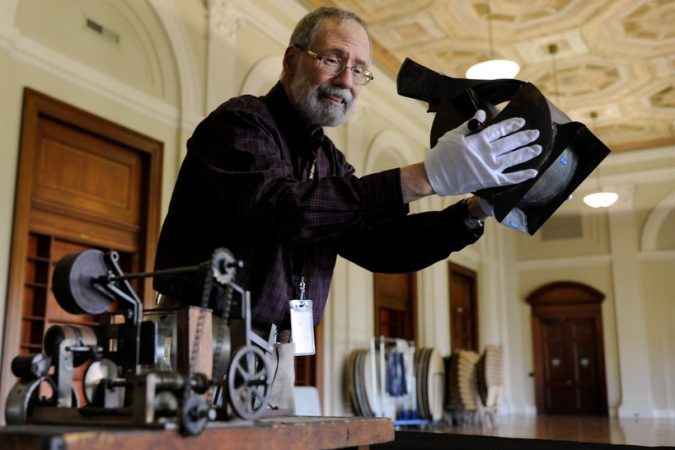
    Mr. Alviti displayed this 5-foot-long fragment of a lightning rod designed by Benjamin Franklin at the Franklin Institute in 2010. Michael S. Wirtz / Staff Photographer

    At the Atwater Kent, Mr. Alviti updated exhibits on William Penn, the history of Philadelphia, the old Enchanted Colonial Village display, and local cemeteries. He added maritime and archaeology galleries.

    At a gala to celebrate the museum in 1984, A. Atwater Kent Jr., son of the museum founder, said Mr. Alviti “has done a great job of creating interesting exhibits and improving the museum.”

    At the Franklin Institute, he reorganized its huge inventory, redecorated the galleries, digitalized many artifacts, and created popular exhibits regarding the Wright Brothers, Benjamin Franklin, antique machines, X-rays, and dozens of other scientific subjects.

    “He loved objects,” said his wife, Maryellen. “He loved the history of objects and telling their story.”
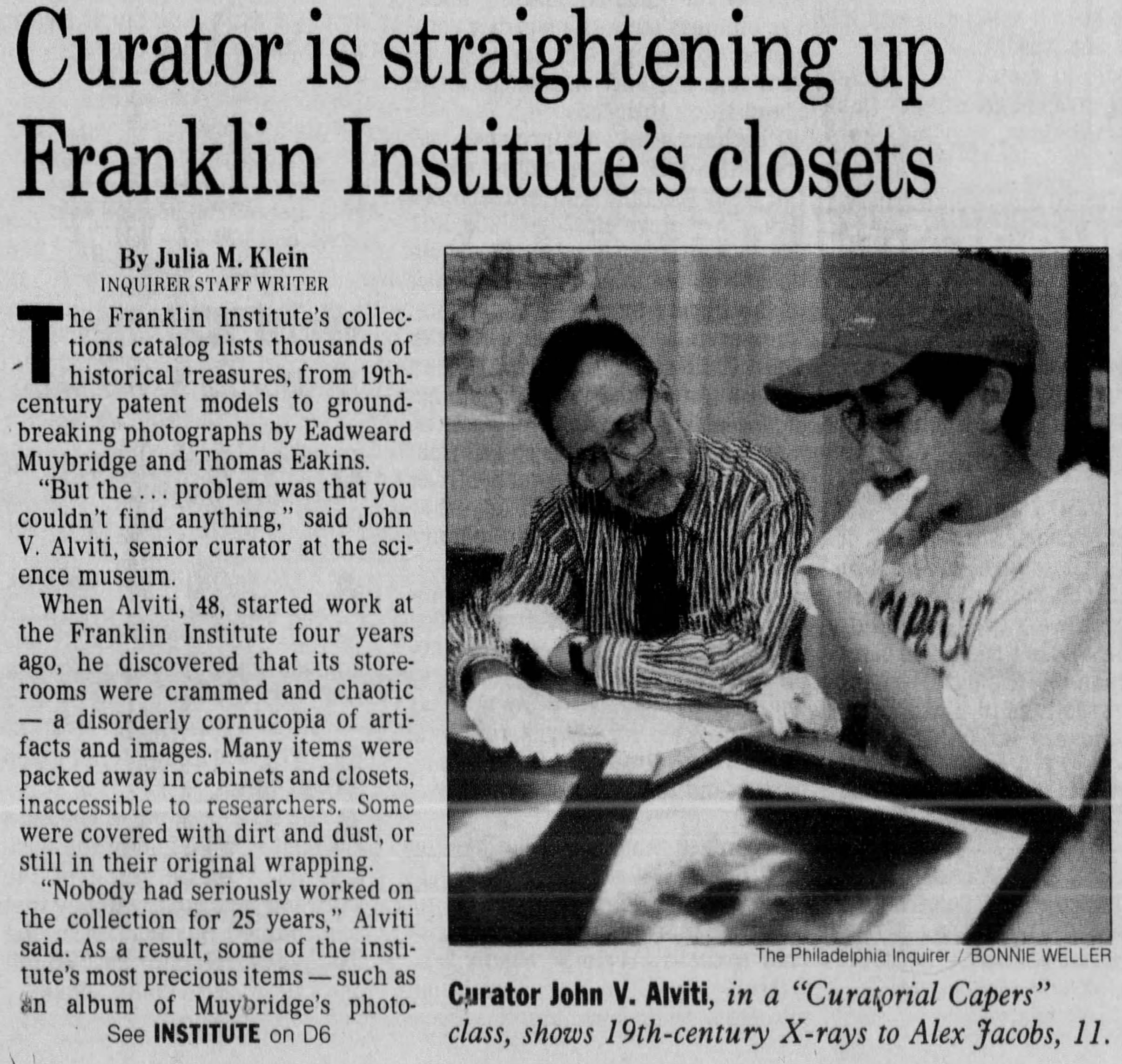
    This story and photo of Mr. Alviti (left) was published in The Inquirer in 1998.Newspapers.com

    In 1998, Mr. Alviti told The Inquirer: “Besides the curator of stuff, I’m also the curator of institutional memory. And institutional memory is more than just simply the facts about what happened in the past. It’s about the legacy of an institution … and how it informs our thinking and decision-making.”

    He was also adept at merging his collections with educational programs, and he helped organize the city’s National History Day competition for students, the Phil-A-Kid hands-on history workshop for fourth and fifth graders, the Peopling of Philadelphia research project, and the Curatorial Capers summer day camp program. Often, in a nod to the ever-present protective gloves he wore to handle the artifacts, he introduced himself as “Johnny Whitegloves.”

    “There are some curators who think I’m crazy,” he told The Inquirer. But a public presentation, he said, “really demonstrates the power of an object.”

    Mr. Alviti also led walking tours of the city for visiting colleagues from the Oral History Association, the Organization of American Historians, and other groups. He admired and worked closely with amateur historians, and led the successful effort in 1981 to save the historic Lit Bros. building complex on Market Street from demolition.
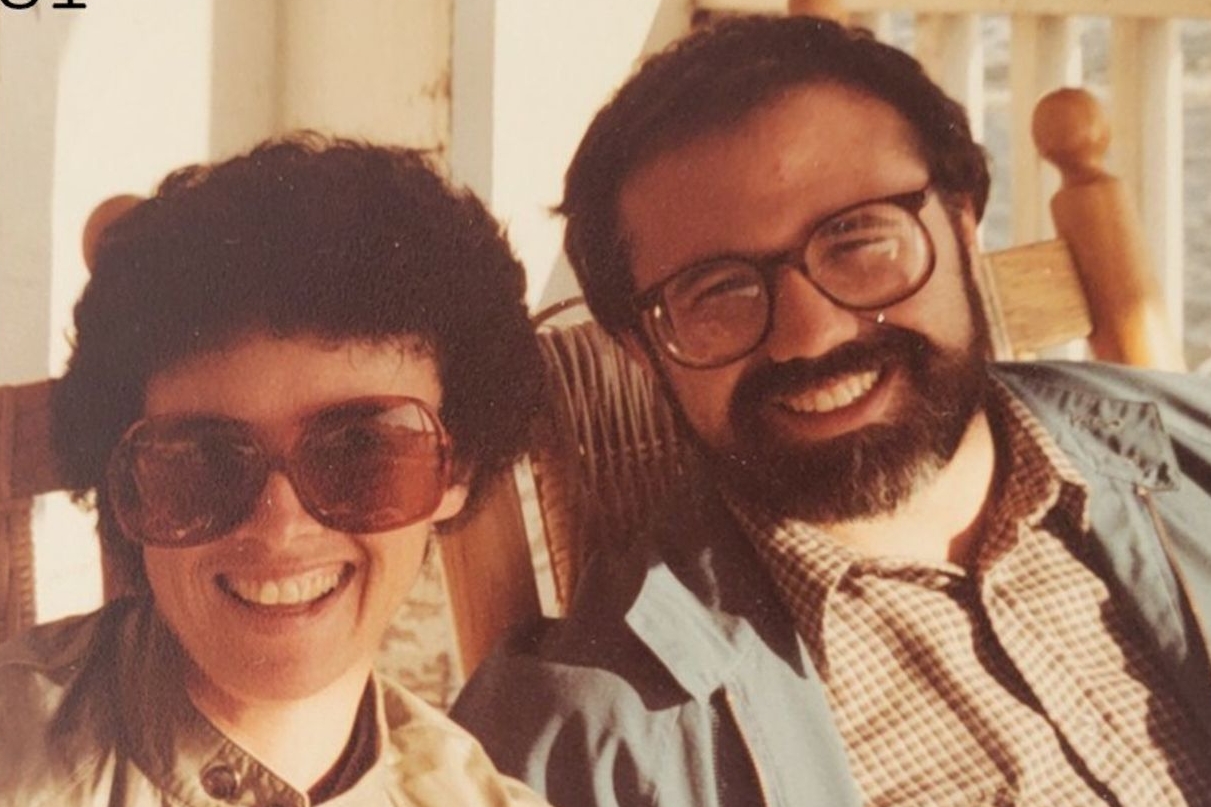
    Mr. Alviti and his wife, Maryellen, married in 1983.Courtesy of the family

    Between the Atwater Kent and the Franklin Institute, Mr. Alviti spent two years as director of the Historical Society of Washington, D.C. He was an expert on public transportation and taught urban studies, American history, and museum training at Temple and Stockton Universities, Rutgers University-Camden, and elsewhere.

    He was onetime curator of historic Fort Mifflin and president of what is now the Museum Council of Greater Philadelphia. He was on the advisory board of the old Philadelphia Alliance for Teaching Humanities in the Schools and active with the American Association of Museums and other groups.

    “He had a gift for making friends for life,” longtime friend Margaret Marsh said, “and he had a legendary generosity of spirit.” Longtime friend Howard Gillette said: “He never met a stranger.”

    John Vincent Alviti was born Sept. 22, 1949. A lifelong avid reader, he earned a bachelor’s degree in urban studies and history at Lewis University in Illinois in 1971 and a master’s degree in history at the University of Wisconsin-Milwaukee in 1975.
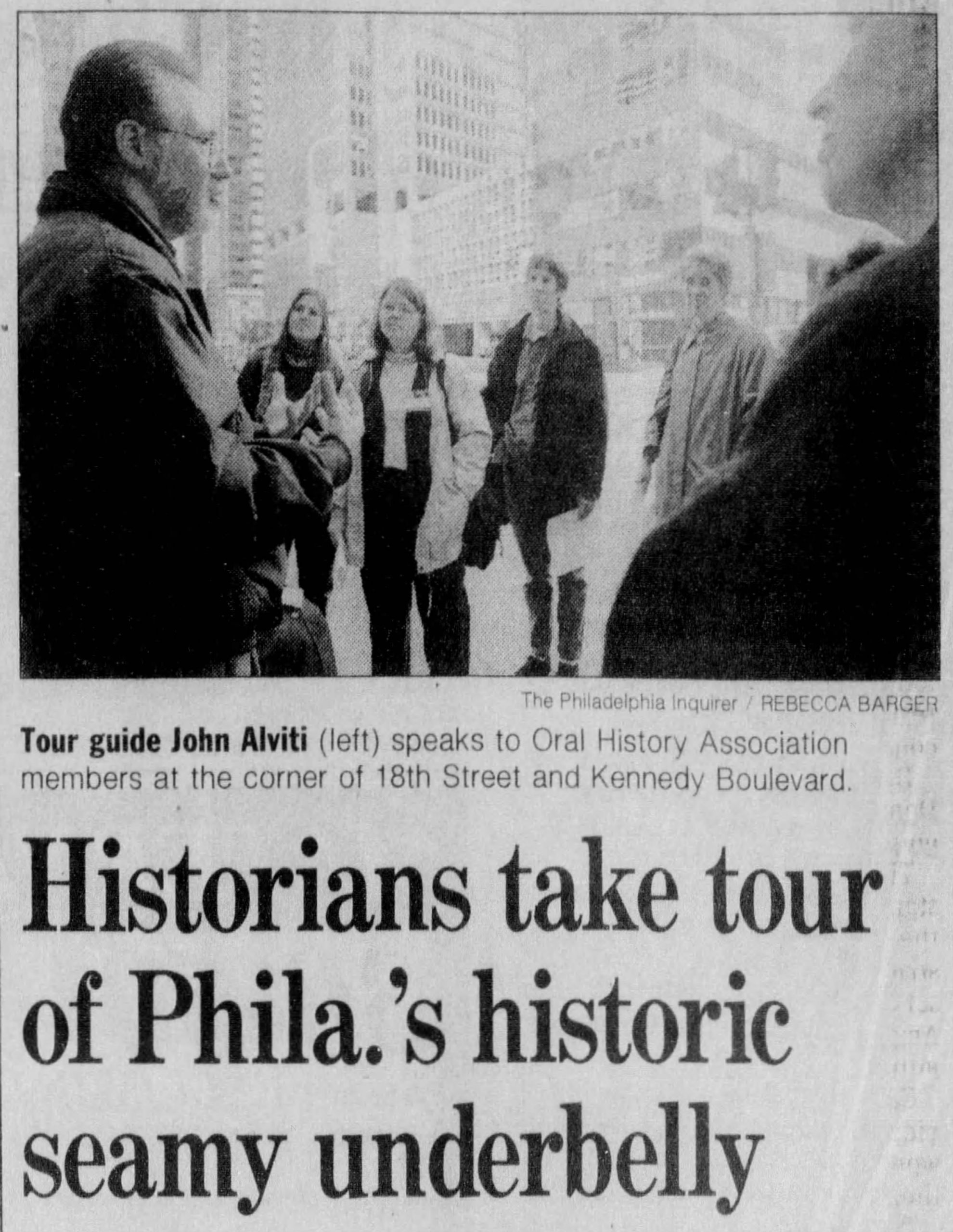
    The photo and a story about Mr. Alviti and his city walking tours appeared in The Inquirer in 1996.Newspapers.com

    He played piano and clarinet, and sang in choirs in high school and college. “He left Chicago when he was 25 or 26,” said his younger sister, Rosemarie Alviti Babic, “but never stopped loving the city.”

    He met Maryellen Coonahan when she took an urban studies class he was teaching at Temple, and they married in 1983 and lived in Philadelphia, Washington, and Flourtown. Together, they traveled the world and visited museums in London, Rome, Athens, Madrid, and elsewhere.

    Mr. Alviti enjoyed puzzles, games, and conversation. He lived with a heart condition for most of his life and was the lovable “Uncle Johnny” to his nieces and nephews. “He is missed beyond words,” said his niece Lindsay Hogan.

    He was fascinated by urban architecture and city life around the world, and he routinely bought food and drink for people without homes, picked up litter, and offered correct directions to those who looked lost.

    Mr. Alviti (right) enjoyed time with family and friends.Courtesy of the family

    “He was a curious fellow,” his wife said, “who loved to help people.”

    In addition to his wife, sister, and niece, Mr. Alviti is survived by a sister, Rita Jo Alviti Coyne, a brother, James, and other relatives.

    A celebration of his life was held earlier.

    Donations in his name may be made to Face to Face, 123 E. Price St., Philadelphia, Pa. 19144.
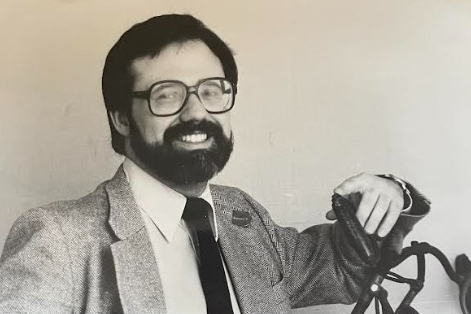
    His wife called Mr. Alviti “a curious fellow who loved to help people.”Courtesy of the family
  • Wu Shaoping escaped China’s repression, only to get busted by ICE in Pa.

    Wu Shaoping escaped China’s repression, only to get busted by ICE in Pa.

    Seven years ago, the walls were closing in on Wu Shaoping in his native China.

    Like a firefighter who rushes into a burning building, attorney Wu had watched China’s repressive Communist Party arrest scores of human rights lawyers under a crackdown that began in 2015, and responded by joining their dangerous cause, representing practitioners of Christianity or the Falun Gong sect.

    “It is simply a duty of my profession, part of my responsibility, to uphold the legal right of every person,” Wu said in a 2023 video urging his fellow Chinese to quit the Communist Party, or CCP. “It’s one of the things we should do as lawyers.”

    In late 2019, China’s totalitarian government began arresting human rights advocates who’d attended a secretive conference in the southern city of Xiamen and charging them with subversion of state power. Wu was at that confab, and — fearing he’d be next — he fled with his wife and young daughter to a place that had offered a safe haven to so many Chinese dissidents: the United States.

    Wu’s family traveled to New York on a tourist visa, and before that expired, the attorney applied for political asylum. As his case lagged in the clogged U.S. immigration courts, Wu built a life in his new country.

    In 2023, the family moved to a more affordable town just outside Lancaster and joined a local Chinese Christian church, while Wu’s daughter enrolled in Hempfield High School. Wu supported them by driving for Uber, delivering packages for Amazon, and trying his hand at construction work. But he also built up his connections with the diaspora of Chinese dissidents while using his newfound free speech to speak out against the CCP.

    It took just one traffic stop in Donald Trump’s America to turn everything upside down.

    On July 15, Wu was making Amazon deliveries in Cumberland County, Pa., when a local police officer pulled him over and later placed him in the custody of U.S. Immigration and Customs Enforcement. Despite having a work permit and an active application for asylum — which should have shielded him from deportation — Wu was quickly sent to ICE’s notorious Moshannon Valley Processing Center in Northwestern Pennsylvania, which has been criticized for squalid conditions.

    Wu’s arrest and detention have stunned and demoralized the close community of Chinese political refugees on U.S. soil, who for years have faced harassment here from agents and allies of Xi Jinping’s dictatorship. Now they find themselves fighting on a second front as the reality sets in that the U.S. government they saw as their protector is no longer a reliable ally.

    “The CCP is the ultimate source of fear, whereas the threat of being detained by ICE like this is more kind of imminent, immediate,” Zhou Fengsuo, who’d been jailed as a student leader of the 1989 Tiananmen Square uprising and gained asylum and U.S. citizenship after fleeing here in 1995, told me on Wednesday.

    But Wu’s arrest is also a powerful symbol of an inhumane mass deportation policy that has become a mindless and lawless machine of evil banality. It is sweeping up all kinds of refugees to fill its gulag detention quota, without any thought to why its victims have come to America or preserving the U.S. legacy as a safe place for the world’s stateless dissidents, which is getting permanently destroyed by this meat grinder.

    How can anyone possibly make sense of the twisted logic of the Trump regime, which in arresting Wu has targeted an outspoken critic of communism and the Chinese government — the same government the president has just accused (with no evidence) of attacking our elections.

    But locking up an asylum-seeking Chinese dissident is no less illogical than the Minnesota ICE raids against the Hmong people who came here after aiding the CIA in Laos in the 1960s and ‘70s, or the detention of Afghan nationals who worked with U.S. troops after 2001, or so many others who thought America offered them safety. Instead, there is terror — not just for the detained and their families, but for those who fear they could be next.

    “I came here not only for my freedom, but for the freedom of other Chinese people,” Wu said this week in a conference call from the Moshannon Valley lockup that was translated into English by a dissident friend and reported by Lancaster Online. He added that he shouldn’t have been arrested because “America is a country built on the rule of the law.”

    Well, it was supposed to be.

    Wu’s passion for fighting injustice has burned since he was a teenager and took a year off from his studies in 1997 to leave his rural home and earn some money by working in bustling Shanghai. The cramped, filthy back alleys where factory workers lived looked nothing like the thriving communist state he’d learned about in school. He started tracking down banned books, where he learned the truth of the 1989 Tiananmen Square massacre that the government had lied about when he was in third grade.

    “It was upside down,” Wu said, as translated in the 2023 video. “They lied to the world and praised themselves, making the butcher the sweetest person in the world.” He said his dissatisfaction with China’s regime only grew after he became an attorney and witnessed rampant bribery, or saw residents whose homes were getting demolished for new projects get beaten by police when they tried to complain.

    The turning point was a date that’s little known to most Americans but holds great significance in the Chinese dissident community: July 9, 2015. More than 300 human rights lawyers and activists were detained in a government crackdown that launched that day, while others lost their law license and have been subjected to harassment.

    That’s also when Wu stepped up his legal representation of clients targeted by the regime — especially those facing persecution for their religious beliefs in the officially atheist nation. That’s how he came to be one of roughly 20 pro-democracy activists who attended the private December 2019 meeting in Xiamen, and why he fled when two prominent attendees were arrested, and others felt they were in the crosshairs.

    Wu Shaoping (right), his wife Li Caoliu, and their daughter after their 2022 baptism in Texas. Handout art

    Wu’s life in America with his wife, Li Caoliu, and their daughter, now 17 and entering her senior year at the Lancaster County high school, has been divided between his quest for a normal family life and his tireless political activism. He helped found the Overseas Chinese Human Rights Lawyer Alliance — refugee attorneys who continue to advocate for the rule of law in their homeland.

    The family converted to Christianity in 2022, and joined the Chinese Bible Church of Lancaster after moving to Pennsylvania. The pastor there, the Rev. Daniel Luo, described his congregant Wu as a busy man who nonetheless would drop everything to drive cancer-stricken Chinese children from New York City airports to a hospital in Hershey.

    “He was so inspired by these persecuted Christians that he represented, and he felt a conviction to follow Christ,” said Wu’s close friend, the Rev. Bob Fu, the leader of the Christian diaspora group China Aid, who baptized the entire family during a 2022 retreat.

    Big changes were happening for Wu — except for his asylum case, which stalled as the surge at the southern border in the early 2020s slowed immigration courts to a crawl.

    The details of what happened when Wu was stopped by police earlier this month remain somewhat murky. Wu’s attorney in Montgomery County, John C. Visher, didn’t return calls or emails, but he’d previously told the New York Times that Wu was pulled over by police in Mount Holly Springs, Pa., while making his Amazon deliveries, and informed the officer of his work permit and his pending asylum application. But the officer called in ICE, whose agents detained Woo and eventually shipped him to Moshannon Valley.

    An ICE spokesperson claimed last weekend that Wu lacks legal status and had overstayed his visa by six years. Advocates find the arrest baffling and are hopeful the case can be resolved in Wu’s favor in a scheduled hearing before an immigration judge on Monday.

    His plight has gained support from two members of Congress — Republican Chris Smith of New Jersey and Democrat James McGovern of Massachusetts, who said in a letter to Homeland Security Secretary Markwayne Mullin and Secretary of State Marco Rubio that Wu “would face a severe risk of persecution — including detention and harsh punishment — if returned to China.”

    Fu said that on this week’s call from Moshannon Valley, his friend was grateful for the support, but “he’s very, very nervous, very concerned about the possible deportation.” His friends and allies agree that returning Wu to China would ensure the arrest he thought he’d avoided when seeking asylum in the United States.

    But he’s already been arrested, in a nation where the beacon of democracy has nearly died out.

    This man who has done absolutely nothing wrong is behind barbed wire walls in his adopted homeland, in a detention center where others have complained of rotten food and medical neglect. The irony is painful: Trump’s increasingly senseless human rights nightmare has totally lost the plot.

  • Who protects problem gamblers? Not the states cashing in on sports betting.

    Who protects problem gamblers? Not the states cashing in on sports betting.

    Terry Thompson’s spiral into gambling addiction offers a window into the human destruction Pennsylvania lawmakers unleashed when they legalized online betting.

    Before sports gambling was legal, the Montgomery County resident placed occasional bets through bookies. But in 2020, shortly after Harrisburg legalized sports betting, Thompson created an account with FanDuel Sportsbook to bet on the Eagles.

    He began placing numerous microbets through FanDuel and DraftKings, the two main gambling apps, and soon became addicted. Within five years, he wagered more than $22 million between the two companies, and lost more than $1.8 million.

    To feed his gambling addiction, Thompson sold his company and took out additional mortgages on his home. He hit rock bottom in February, gambling away his last dollar and planning to take his own life, according to a lawsuit filed in the Common Pleas Court of Philadelphia against FanDuel and DraftKings, and detailed by Inquirer investigative reporter David Gambacorta.

    Thompson’s story lines up with many others who get hooked on gambling. But it included a new wrinkle that adds to the insidious way gambling companies entice people to keep betting.

    In November 2024, Thompson received a personalized video message from Phillies superstar Bryce Harper.

    In the video, Harper references Thompson by name, mentions his young son, and thanks him for his support. Harper adds that he was reaching out on behalf of the VIP manager at FanDuel who wanted to make sure Thompson had an “extra special Thanksgiving.”

    In a personalized video that was sent to a problem gambler, Phillies slugger Bryce Harper said he was reaching out on behalf of an official at FanDuel.Obtained by The Inquirer

    A few days after Gambacorta’s story was published, Harper issued a statement claiming he was not aware of FanDuel’s involvement even though he mentions the company’s VIP manager by name.

    Harper said he joined the messaging site Cameo to engage with fans by providing paid video messages. Indeed, there is no evidence Harper was paid by FanDuel or aware of Thompson’s addiction.

    Strategic ignorance aside, it seems pathetic for a star athlete paid roughly $25 million a year to work a side hustle shilling videos to strangers. Talk about not elite.

    Clearly, everyone is finding a way to make money off gamblers, including state lawmakers, sports leagues, gambling apps, and former and current players.

    It’s all about the fans, right?

    More disturbing is how the apps entice gamblers.

    In Thompson’s case, FanDuel rewarded him with perks, including champagne, hotel stays, and Super Bowl tickets. His VIP manager texted him about the Eagles as well as personal exchanges about family and travel plans.

    FanDuel said its VIP managers do not work on commission. The company has a number of systems in place to help gamblers bet responsibly, including a dashboard so customers can track spending, real-time check-ins if players deviate from usual habits, and devices that let gamblers set limits on losses or time spent on the app, as well as cooldown periods or formal self-exclusions.

    That’s well and good, but gamblers find workarounds, and the VIP perks sure seemed designed to keep high rollers gambling. Expecting gamblers in the throes of addiction to police themselves is not a serious solution.

    One recovering gambling addict not involved in this case told me how FanDuel and DraftKings would send him numerous incentives a day to keep betting.

    Indeed, the gambling business model depends on a small percentage of gamblers making frequent bets. One study found 5% of sports gamblers generate 86% of the industry’s revenue.

    The ease of online gambling has turned everyone’s mobile phone into a casino. Nearly 40% of men and 20% of women gamble online daily, according to the American Psychiatric Association.

    Online betting has enabled companies to attract younger gamblers. Two-thirds of 18- to 22-year-old men surveyed by the NCAA had bet on sports. Many teens and adolescent children have become hooked on gambling, including some as young as 11.

    In a statement, FanDuel said it “is committed to fostering a culture of responsible gaming and protecting our customers” and that “employees are trained to recognize and flag signs of problem gambling.”

    Thompson’s experience, as alleged in his lawsuit, indicates otherwise.

    “There are millions of Terry Thompsons out there,” Harry Levant, a former Philadelphia attorney who is now the director of gambling policy for Public Health Advocacy Institute, told me.

    Levant, an addiction recovery coach, said he gets frequent calls from spouses, parents, and children seeking help for loved ones addicted to gambling. He said he has clients who gamble in the shower or before they get out of bed in the morning.

    Harry Levant, an addiction recovery coach, said he has clients who gamble in the shower or while they’re lying in bed in the morning.Courtesy Harry Levant

    Levant said the surge in online sports gambling has been fueled by a partnership between professional sports leagues and sports betting companies that provide a nonstop stream of in-game betting opportunities on everything from the next pitch to the next home run.

    Microbets — such as betting on the outcome of the next pitch or play — and same-game parlays — where gamblers make a single bet that requires multiple events to happen — keep bettors engaged throughout a game. When the game is over, there is always another game somewhere in the country or across the world.

    Levant said microbetting is designed to be addictive. “We are dealing with a fundamentally different form of gambling,” he told me. “It’s machine vs. humans, and no way can humans keep pace.”

    Levant has called on Congress to pass the Safe Bet Act, which would require operators to conduct “affordability checks” on customers before accepting wagers; prohibit microbetting and the use of AI to track individual gambling habits and offer individualized promotions; and prohibit sportsbooks from marketing during live sporting events.

    Even for us non-bettors, prohibiting sports gambling ads — the same way tobacco ads are not allowed — would be a welcome relief. The incessant ads from casinos and sportsbooks, as well as the in-game promotions, are beyond annoying.

    The problem is the sports leagues, the TV networks, and the gambling companies are essentially in business together. The state lawmakers who are sworn to protect the public enjoy campaign donations from the gambling lobby and hefty taxes for state coffers.

    But it is up to the 39 states and Washington, D.C., that have legalized sports betting to implement real safeguards to protect citizens from a system designed to keep people gambling. The states ignore the reality that all of their betting-related tax revenue comes from the pockets of gamblers.

    Last year, Americans bet more than $166 billion on sports — and billions more at casinos and state lotteries. Before the U.S. Supreme Court cleared the way in 2018 for states to legalize sports betting, sports betting amounted to $4.9 billion.

    Now, up to 30% of Pennsylvania adults engaged in some form of online gambling in the past year, researchers at Penn State University found.

    The Philadelphia-area market leads the country in online gambling. The rapid growth has resulted in a doubling of calls to a problem gambling hotline.

    Anthropologist Natasha Schull wrote a book years ago that explained how slot machines were designed to addict gamblers. The industry jargon was to get gamblers to “play to extinction.”

    Now, online gambling saves a trip to the casino, but the endgame remains the same.

  • Bala Cynwyd-based Pep Boys to be acquired by Mavis for $700 million

    Bala Cynwyd-based Pep Boys to be acquired by Mavis for $700 million

    Billionaire investor Carl Icahn’s company is selling Pep Boys, the Philadelphia-founded auto service chain, to private equity-backed Mavis Tire Express Services for $700 million in cash, the parties said Tuesday.

    Icahn’s publicly traded company, Icahn Enterprises LP, will keep owned real estate as well as Montgomery County-based Aamco Transmissions and Precision Tune Auto Care businesses.

    Founded more than a century ago by Navy veterans Emanuel Rosenfeld, Maurice L. Strauss, W. Graham “Jack” Jackson, and Moe Radavitz, Pep Boys started with a store at 63rd and Market Streets in Philadelphia’s Overbrook section. It now offers repair and maintenance services at more than 750 locations across the country.

    The founders became immortalized in the company’s branding, with a logo that included the cartoon faces of Manny, Moe, and Jack.

    “For more than 100 years, Pep Boys has earned the trust of drivers across the country by delivering quality service with honesty and care,” Pep Boys CEO Joe Auriemma said in a statement. “Mavis shares these values and, as part of the Mavis family, Pep Boys will have the scale, footprint, and operational and technological strength to continue building on its legacy as it enters a new chapter of growth.”

    A spokesperson for White Plains, N.Y.-based Mavis said Pep Boys “will continue operating under its iconic brand name.”

    The deal expands Mavis’ footprint to more than 4,400 service locations. David Sorbaro, co-chief executive officer of Mavis, said in a statement that Pep Boys “brings a loyal customer base, deep-rooted market presence across the United States, and a distribution network that will meaningfully enhance our supply chain nationwide.”

    The acquisition comes a decade after Icahn won Pep Boys in a bidding war with Japan-based tire giant Bridgestone for $1 billion. Around the same time, Icahn also bought the smaller Auto Plus chain, based in Kennesaw, Ga.

    That bet did not go as planned. Auto Plus filed for bankruptcy in 2023, with Icahn citing “lessened demand, supply chain disruptions, an inflationary environment, and the effects of COVID-19.”

    Under Icahn’s ownership, Pep Boys closed retail auto parts stores as it focused on repairs and tire sales.

    Icahn Enterprises’ auto segment reported a 3% decline in revenue in 2025 over the prior year, for a total of $1.4 billion, according to a securities filing. Icahn’s company cited “the strategic closure of underperforming locations.”

    Icahn Enterprises has also pointed to reduced consumer spending on auto repairs and maintenance.

    Around 2020 Icahn sold Pep Boys’ longtime headquarters on Allegheny Avenue in North Philly — which had been home to 500 employees — but leased back some space. Pep Boys no longer occupies the building, a spokesperson said.

    The company is now based in Bala Cynwyd. Pep Boys spokesperson Amanda Crisafulli declined to say how many jobs are based there. She also declined to say how many employees work for the company in total.

    Asked whether Mavis will keep the Bala Cynwyd office, a Mavis spokesperson said: “The integration of Mavis and Pep Boys will follow the closing of the transaction, which we expect to occur in the coming months, subject to customary closing conditions.”

    Editor’s Note: This story has been updated with additional information about Mavis’ plans for Pep Boys.

  • Shapiro visits Philly to debut $125 million investment in Pennsylvania’s life sciences industry

    Shapiro visits Philly to debut $125 million investment in Pennsylvania’s life sciences industry

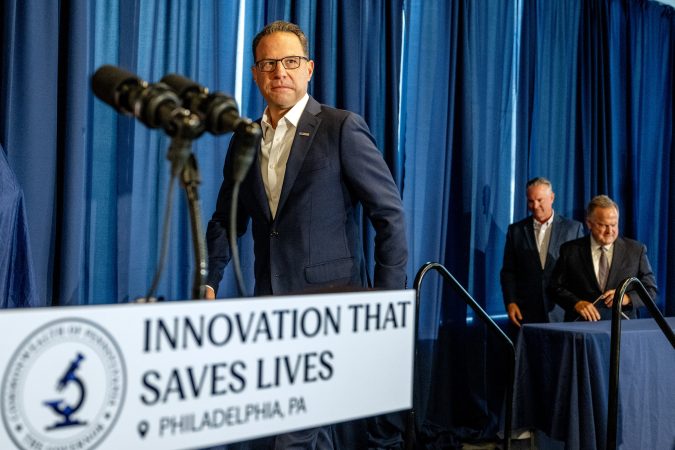
    Gov. Josh Shapiro visited a University City life sciences incubator on Tuesday to celebrate a new $125 million fund aimed at boosting Pennsylvania’s life sciences industry.

    The funding — approved in the $50.8 billion state budget deal reached earlier this month — will go toward developing new talent pipelines, help offset the cost of clinical trials, and expand access to venture-capital funding.

    While Philadelphia has historically trailed other metropolitan areas, like Boston and San Francisco, in attracting life sciences investments — including in the biotechnology and pharmaceutical fields — lawmakers and industry leaders said they hope the new funding will help close the gap. The money will be available for projects across the state.

    “I think you can feel the momentum building all across our commonwealth in the life sciences space,” said Shapiro, who was joined at the B+labs facility by industry leaders and Democratic state lawmakers. “After really not being on the field of competition in the life sciences space for years and years and years, Pennsylvania is not just competing again. Pennsylvania is winning.”

    The new funding comes as some of the nation’s largest life sciences companies have announced their plans to invest billions in Pennsylvania, an accomplishment touted by Shapiro’s administration.

    Johnson & Johnson announced this spring its plans to build a $1 billion cell therapy plant in Montgomery County. And pharmaceutical giant Lilly is expected to break ground on a $3.5 billion manufacturing facility in the Lehigh Valley, set to be fully operational in 2031.

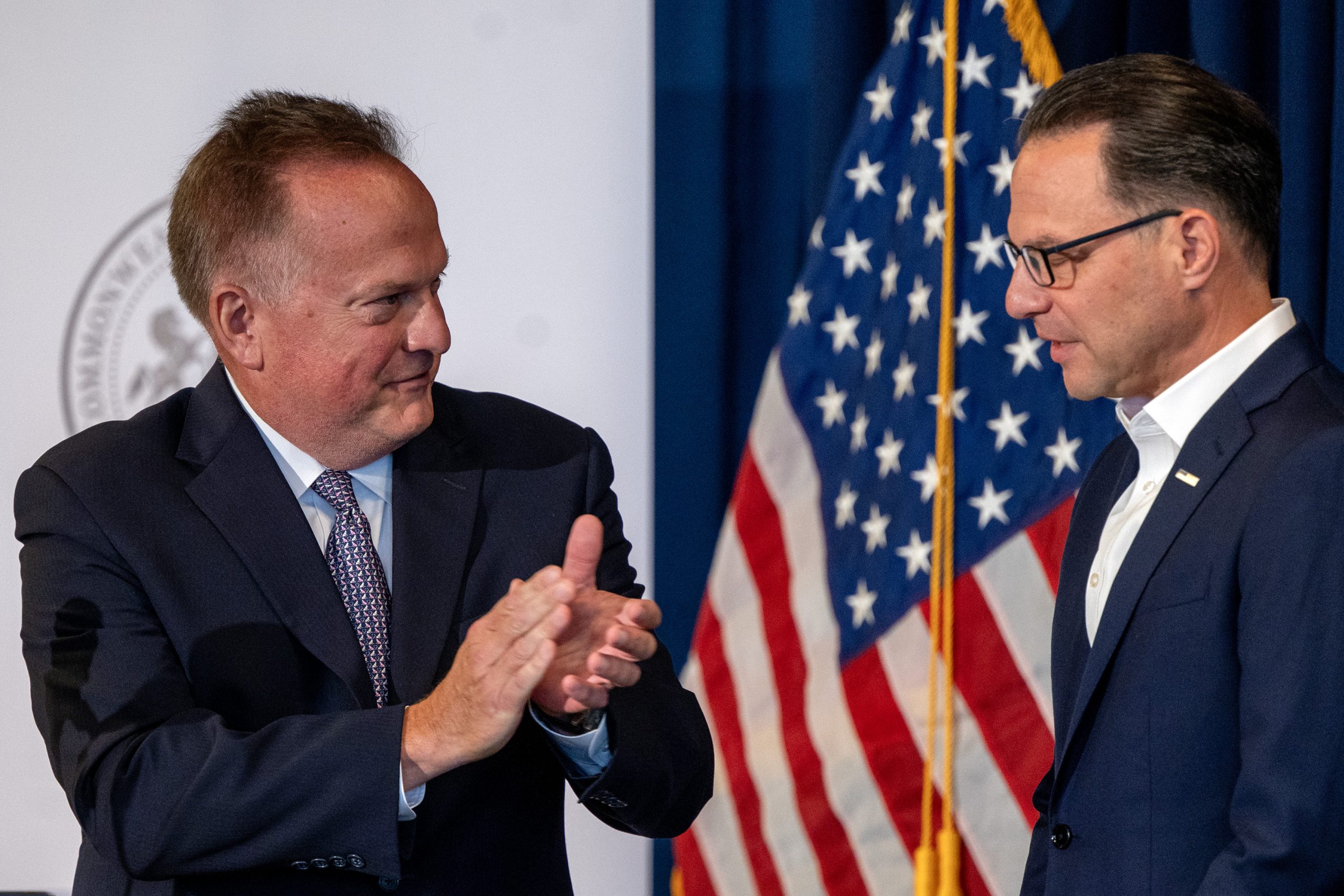
    Chris Molineaux (left) president & CEO of Life Sciences Pennsylvania introduces Gov. Josh Shapiro as he visits B+labs Tuesday, July 21, 2026 to tout a new $125 million program “to expand venture capital access” for Pennsylvania companies investing in life science innovations.Tom Gralish / Staff Photographer

    Shapiro on Tuesday noted Pennsylvania’s potential to be a national hub for the life sciences industry, given the state’s robust research universities, adding that more than 100,000 Pennsylvanians work in the sector.

    The $125 million investment is the state’s most significant in almost three decades and is a “true differentiator,” said Chris Molineaux, the CEO of Life Sciences Pennsylvania, a trade group. Last year, Shapiro called for Harrisburg to invest $30 million in life sciences funding, but the money was not allocated in the final state budget.

    Of the nearly 1,000 businesses in his organization, Molineaux said, more than 400 are small start-ups with fewer than 10 employees, and will benefit from the additional dollars. A vibrant start-up landscape in Pennsylvania, he added, means there is plenty of innovation, but also competition for limited funding.

    “Entrepreneurialism is alive and well in Pennsylvania,” Molineaux said. “But it’s also an extremely fragile community that needs the kind of public policy support, the nurturing, and the financial support.”

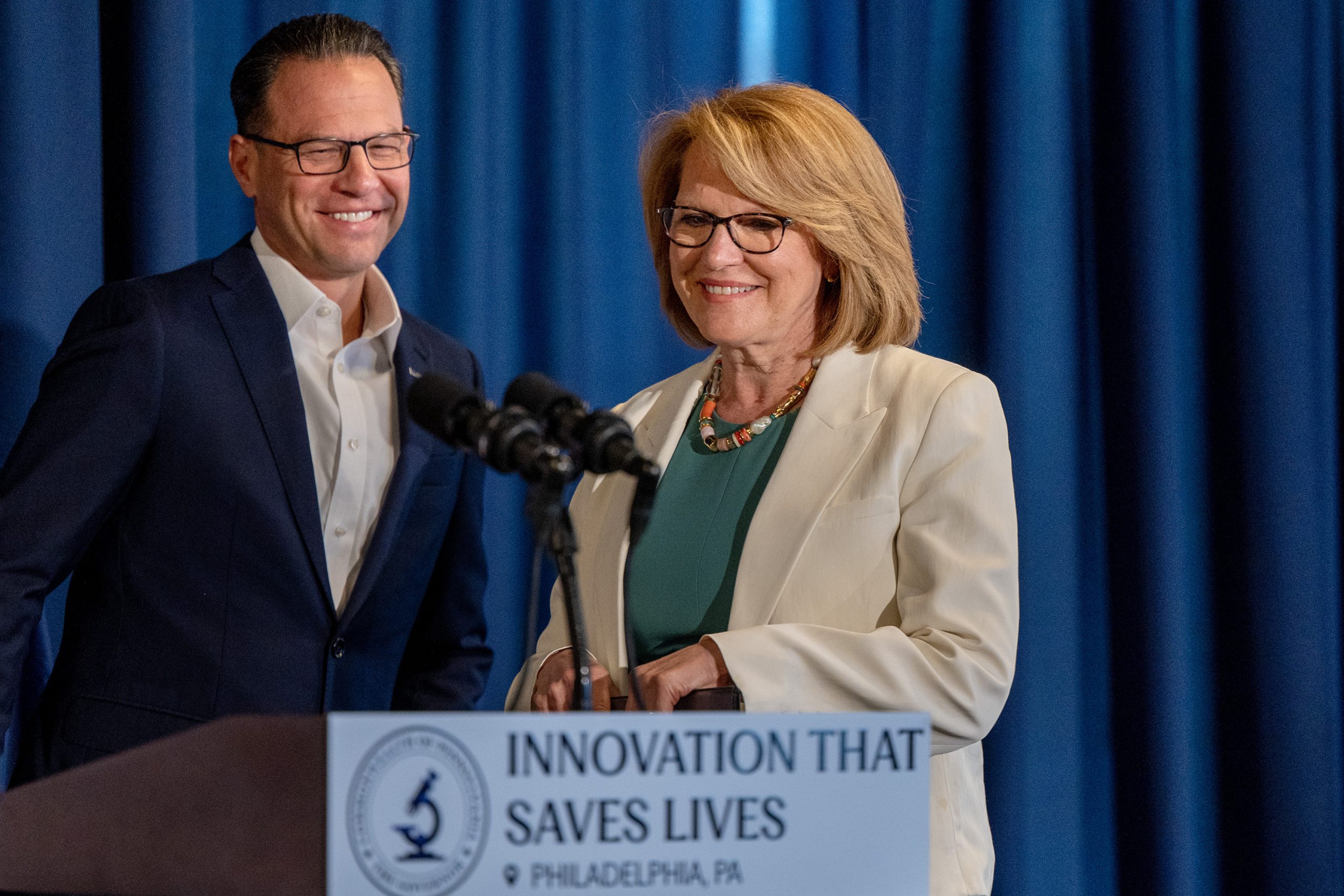
    Madeline Bell (right), CEO of Children’s Hospital of Philadelphia joins Gov. Josh Shapiro as he visits B+labs Tuesday, July 21, 2026 to tout a new $125 million program “to expand venture capital access” for Pennsylvania companies investing in life science innovations.Tom Gralish / Staff Photographer

    Children’s Hospital of Philadelphia CEO Madeline Bell told the crowd the story of a baby whose rare metabolic disorder was treated by the hospital’s doctors with a first-of-its-kind custom gene-editing therapy. That type of innovative treatment is made possible through outside funding and support from lawmakers, Bell said, stressing the importance of the state’s new investment.

    “It’s going to make our breakthroughs possible. It is going to get them from the bench to the bedside more quickly,” Bell said.

    The state will finance the program through the sale of insurance premium tax credits to insurance companies.

    Shapiro said the funding is expected to become available in a few weeks and will be disbursed through an application managed by the Pennsylvania Department of Community and Economic Development.

    The program is structured to prioritize projects that address needs specific to Pennsylvania, according to literature provided by the state, and will support projects developed by companies founded by people in historically underrepresented groups that have not always had access to funding.

    “Part of this funding will go to make sure that folks who historically did not get invested, get invested,” said Democratic State Sen. Vincent Hughes, who represents West Philadelphia. “That communities not too far away from here, blocks away from here, get the opportunity to allow their young people and their genius to be realized.”

    Tiny cupcakes offered at B+labs Tuesday, July 21, 2026 as Gov. Josh Shapiro visits to tout a new $125 million program “to expand venture capital access” for Pennsylvania companies investing in life science innovations.Tom Gralish / Staff Photographer

    The program — named Innovate in PA 2.0 — builds on the 2013 Innovate in PA initiative signed into law by then-Gov. Tom Corbett, which offered $100 million in seed funding to technology startups.

    “Innovators, we believe in you. This state believes in you,” Hughes said. “There is a group of people in this commonwealth of Pennsylvania who believe in you, will continue to invest in you, and want to make sure that your dreams of saving lives turn into reality.”

  • Fox Chase Farm volunteers disband after more than 30 years following conflict with Philly school district

    Fox Chase Farm volunteers disband after more than 30 years following conflict with Philly school district

    A volunteer group at Fox Chase Farm has dissolved after more than 30 years. The group says dwindling volunteers plus new fees and restrictions from the Philadelphia School District made their work at the city-owned farm too difficult to continue.

    “We finally folded,” said Karen Eble, former president of the group, Friends of Fox Chase Farm. “The farm is administered by the Philadelphia School District and they were, I guess, not very open to us being there.”

    Friends of Fox Chase Farm formed in 1990 to support the 112-acre property that straddles Philadelphia and Abington Township and is owned by the city.

    At its peak, the group drew over 400 local families, who grew thousands of pounds of produce for food banks annually and functioned as a parent-teacher association of sorts for a 4-H program, which some members’ children participated in. The group bought equipment, lent the program money, and attended farm shows with the kids.

    The Fox Chase 4-H allowed more than a dozen youth, including many who live in Philly, to raise animals on the city farm — rare for a program that typically attracts kids whose families own agricultural land.

    “We’d compete with the kids that grew up on farms,” said Jim Kates, a longtime leader of Friends of Fox Chase Farm.

    The farm’s 4-H was suspended in 2022 after the school district began charging fees for services it used to provide the program for free, such as housing the animals.

    4-H had long covered food and veterinary care for the animals and split feeding duties with the resident farmer, members said, but the school district used to board the animals for free.

    “It would’ve cost us $15,000 to have these kids keep their animals there,” Kates said.

    The district said at the time that the 4-H was not complying with new policies and procedures.

    “Fox Chase Farm is an educational facility operated by the School District of Philadelphia and is not in the business of boarding privately owned animals,” a spokesperson said this week.

    Officials did not directly respond to the volunteers’ assertion that they were made unwelcome by the school district, but the spokesperson said this week the farm saw 10,000 “community visitors” in the last year.

    The district spokesperson said there is an active 4-H program on the farm but did not immediately respond to questions about how much access the participants have to the livestock.

    The volunteers also held two fundraisers per year that raised thousands of dollars for the farm, group members said.

    The Philadelphia School District rents the farm for $1 from the city. The district is currently renegotiating that 30-year lease, said Mandy Fellouzis, who runs the district’s programs there.

    In recent years, the Friends group shrank as volunteers aged and the school district placed new restrictions on their activities, members said. By this past March, there were only a handful of active members, Kates said, and they decided to fold.

    One of the issues the school district raised about the group’s events, Kates said, was liability: A volunteer group at Pennypack Park disbanded in 2020 after being named in lawsuits that some considered frivolous.

    “We still had an insurance policy,” Kates said, but with the group dwindling anyway, “we decided it wasn’t worth it.”

    This suburban content is produced with support from the Leslie Miller and Richard Worley Foundation and The Lenfest Institute for Journalism. Editorial content is created independently of the project donors. Gifts to support The Inquirer’s high-impact journalism can be made at inquirer.com/donate. A list of Lenfest Institute donors can be found at lenfestinstitute.org/supporters.

  • Former Bucks County man who voted twice for President Donald Trump in 2020 sentenced to six months of house arrest

    Former Bucks County man who voted twice for President Donald Trump in 2020 sentenced to six months of house arrest

    A former Bucks County man who voted twice for President Donald Trump in the 2020 election was sentenced Wednesday to six months of house arrest and three years of probation.

    Matthew Laiss was found guilty by a jury earlier this year of casting two ballots in the 2020 election: first by mail in Pennsylvania, where he had once lived in Ottsville, and then again in person in Florida, where he was living at the time.

    Laiss, 32, said in court Wednesday that his actions were “stupid” and a mistake. And his lawyer said that Laiss never meant for both votes to actually count — that he had wrongfully assumed election officials would identify he had voted twice and only count one of his ballots.

    “In hindsight, it wasn’t good judgment,” Laiss said.

    Prosecutors, however, said they did not believe that, in part because they said Laiss misled FBI agents about his actions when he was confronted years later. And Assistant U.S. Attorney Mark Dubnoff said Laiss had shown a “striking” lack of remorse for what he did, repeatedly saying it was the result of his age or mental health at the time, as opposed to realizing he had committed a crime.

    “Mr. Laiss has not accepted ownership of what he did,” Dubnoff said.

    U.S. District Judge Joseph F. Leeson Jr. said Laiss’ crimes were serious and had affected “all citizens of this country.”

    But he declined to send Laiss to prison, noting that Laiss had already lost his job as an insurance salesman as a result of the case, and that he would have the felony conviction on his record for the rest of his life.

    The U.S. Attorney’s Office charged Laiss last year with crimes including voter fraud and voting more than once in a federal election.

    Prosecutors said records showed that Laiss had filled out and returned a mail-in Pennsylvania ballot in October 2020. And less than a week later, they said, he went to a polling place in Florida and voted again.

    Laiss later said in court documents that he voted twice for Trump. And as his case progressed toward trial, he sought to claim that his actions were covered by pardons Trump extended to people who tried to help him overturn the results of the 2020 election, which Joe Biden won.

    Leeson denied Laiss’ motion, and in March, Laiss, now a resident of Bethlehem, was found guilty by a federal jury in Allentown.

    Prosecutors announced Laiss’ case alongside the indictment of a Philadelphia woman, Miya Pack, who was separately charged with voting twice in the 2020 election. She pleaded guilty last month and is awaiting sentencing.

    Still, attorneys said cases involving people casting multiple ballots were relatively rare in eastern Pennsylvania. Laiss’ lawyer said the only other comparable case in the region that unfolded in recent years was that of Philip C. Pulley, a Philadelphia landlord who voted in the city, Montgomery County, and Florida in 2020 and 2022. He was also sentenced to probation.

    Trump has nonetheless made frequently questionable or false statements about the prevalence of voter fraud, particularly in instances where his opponents or Democrats have won. Election officials and experts generally agree that voter fraud has not historically occurred at widespread rates or in ways that could lead to incorrect outcomes.

  • Real estate ‘pit bull’ Marc Kaplin says Exton Square Mall pushback is an ‘anomaly’

    Real estate ‘pit bull’ Marc Kaplin says Exton Square Mall pushback is an ‘anomaly’

    Marc Kaplin takes “pit bull” as a compliment when it’s used to describe him. The longtime real estate lawyer who has championed property rights for developers in the region takes it to mean “aggressive, prepared, knowledgeable.”

    He’s using that tenacity right now in court, battling over whether his client’s plan to redevelop the recently shuttered Exton Square Mall into a mixed-use town center can go forward despite the town supervisors’ denial.

    For decades, Kaplin, 82, has been behind dozens of regional development projects, with clientele spanning the Delaware Valley, into the Lehigh Valley, the Poconos, Delaware, and New Jersey.

    Kaplin’s interest in real estate law kicked into high gear when his family moved to Blue Bell in 1978, near Wings Airways. It was still “a prairie” with little development, he recalls. The airway owners wanted to expand the runway, challenging the township’s ordinance. He was hired by a group of neighbors to oppose it.

    Marc Kaplin, a real estate powerhouse, talked to The Inquirer about the Exton mall redevelopment project and more.Courtesy of Marc Kaplin

    That led to his role as township solicitor for Whitpain Township in Montgomery County in the early 1980s. Eventually, he moved into development: First working for his landlord, Bud Hansen of Hansen Properties, which became one of the biggest developers in Montgomery and Chester Counties.

    When Toll Brothers started, Kaplin was there. He’s represented the home construction company for more than 40 years. Other clients, like retail developers Wolfson Group, have also spent decades alongside Kaplin.

    With the closure of the Exton mall, and his client’s proposed redevelopment plan still in the courts, Kaplin spoke with The Inquirer about the downfall of the indoor mall, the challenges of building more affordable housing, and the rise in AI data center development.

    This conversation has been edited for clarity and brevity.

    You’ve worked in the city and the suburbs. Where is it easier to get projects done?

    They’re both extremely difficult and getting more and more difficult for different reasons.

    Philadelphia, if you don’t have a by-right project, you’ve got to go to the neighborhoods, the RCOs [registered community organizations]. You got to spend a lot of time, and it’s more political and satisfying people, than it is complying with every small [thing].

    Not only do you have to make sure that all the I’s are dotted and T’s are crossed in the suburbs, you got to know what to look for.

    There’s often community pushback in development projects. What are you hearing now when communities oppose a project?

    Just seems like everybody is against almost everything for a variety of reasons. Everybody complains about traffic. That’s the biggest thing. It’s ‘We’re here, we live here, we don’t need any more stores. We don’t need any more of this or that.’ But a lot of times you get a mixed bag.

    Now the Exton mall, we got very good reception to the Exton mall. It’s only a small group of people who are against the redevelopment of the Exton mall.

    Does the pushback to Exton Square Mall feel representative of larger trends in the region?

    It’s an anomaly for a project like that. When you look at the malls that are in really bad shape, townships are reaching out and want them redeveloped. Montgomery Mall. Plymouth Meeting Mall. Some over in New Jersey. I’m working on the Berkshire Mall up in the Reading/Wyomissing area, and we’re getting tremendous cooperation.

    These malls are 1,500-pound gorillas. They killed tax base, millions and millions of dollars that were coming in before. … I can’t give you a logical reason why two supervisors in West Whiteland are putting up this fight. I’m waiting for a judge to make a decision.

    We’re pretty optimistic that we’ll be able to go ahead, but it ain’t over until it’s over.

    You’ve been quoted as saying ‘indoor malls don’t work,’ but we are seeing some success in King of Prussia and Cherry Hill. What do you think sets them apart from places like Exton mall?

    They are the super regional malls, and they do work, and Simon controls many, many of them. They work, but the Plymouth Meeting Mall doesn’t work, the Exton mall doesn’t work, the Willow Grove mall doesn’t work, and many, many more.

    There’s a whole long history of why that’s so. There were, in the ’60s and ’70s, department stores we no longer have: Wanamakers, Strawbridge’s, Snellenburg’s, and on and on. … And then you had J.C. Penney and Sears, and it was much easier way back then to get three large anchors. Then the Kmarts came along, and the Walmarts, the big boxes that didn’t have all of the infrastructure. The common operating expenses are much less, because you have all interior halls — heating, air-conditioning, and all that.

    Members of the Strawbridge family explore the old Food Hall on the first floor of the former Strawbridge & Clothier department store site on the north side of the 800 block of Market Street Dec. 17, 2019.Tom Gralish / Staff Photographer
    Why do you think Main Street at Exton, a mixed-use shopping center that opened in the 2000s, has been such a success?

    Because it’s run by the best operator around. That’s my client, Steve Wolfson. It’s had a[n] … anchor for now over 20 years.

    In Exton, there was about a 10-year period when there were two supervisors who were against everything. So you didn’t see a great deal more development, but the Main Street at Exton used the new urbanist approach 22, 23 years ago and made huge improvements to the roads. There are great roads there, and it was right in the path of development.

    Are there any cases or projects that have shaped Chester County as we know it today?

    Exton has always been called the crossroads of Chester County. You’ve also got the Hankin Group that has done all the development in Chester County. … You had very big companies come in — Vanguard — and you had good school systems and relatively decent roads. I think it’s just the continued outward development from Philadelphia.

    Many suburbs are facing affordable housing crises. How do you predict municipalities will overcome NIMBYism when it comes to those projects?

    It’s a very, very, very difficult problem. There are very few places in the entire country where it’s been solved. New Jersey has the most extensive program in the country to cause the development of affordable housing … that’s really the Mount Laurel doctrine, and where the townships are required not only to make affordable housing available, but also to make it happen.

    The market cannot create affordable housing without governmental help. Just can’t be done. It’s not enough land. Regulations are enormous, expensive.

    It’s a societal problem that can’t be solved just by municipalities and homebuilders and homebuyers.

    Do you think all of the proposed data centers will actually get built?

    I’m involved in a couple of data centers. … At first the communities were dead set against more warehouses, particularly up in the Lehigh Valley, and then when this particular community heard ‘data center,’ they were ecstatic — for a whole variety reasons: very little traffic, very few people in schools, high-paying jobs, and now there’s this national swell attacking data centers.

    The data centers we’re seeing now, in one fashion or another, are creating their own energy. So my own particular opinion is that it’s just blown up, overblown, over-exaggerated, and we’re going to need all this computing power as we move into the next technology age.

  • A new Pa. Turnpike ramp connects the Fort Washington exit to a 536-acre multiuse development

    A new Pa. Turnpike ramp connects the Fort Washington exit to a 536-acre multiuse development

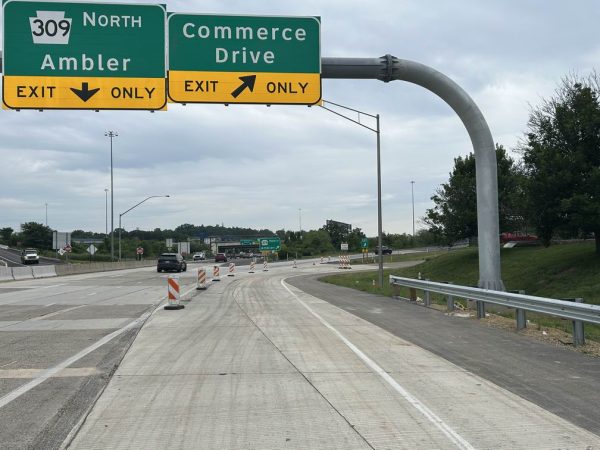
    The ribbon was snipped Tuesday, and the first car, a green Audi S5 convertible, rolled down the new “zip ramp” providing direct access from the Pennsylvania Turnpike’s Fort Washington interchange to a 536-acre office park redevelopment in Upper Dublin.

    “This is a milestone day for Upper Dublin,” said Kurt Ferguson, executive director of the township’s municipal authority, which for 10 years has managed the ongoing transformation of the underused office buildings of the former Fort Washington Industrial Park into the multiuse Greater Fort Washington District.

    The authority has invested about $45 million in infrastructure to support the revitalization project, about 70% from state and county transportation and development grants, Ferguson said. That includes the 2,100-foot ramp, designed and built for about $3 million.

    A Lifetime Fitness complex, new retail outlets, and TruMark Credit Union headquarters have been built in the district.

    Three former office properties have been converted to apartment buildings, with a fourth turned into a storage facility, Ferguson said. Upper Dublin moved the township library to Virginia Drive in the district, which includes a segment of the Cross County Trail operated by Montgomery County.

    The new ramp was made possible by the turnpike’s move to open-road tolling, in which motorists pay tolls by E-ZPass or by plate while passing under gantries. Toll booths are being torn down, leaving more room at interchanges for direct-connect projects like the zip ramp.

    “Open-road tolling enables us to be a better neighbor,” turnpike CEO Mark Compton said. “In terms of today’s transportation dollars, this project is not large money … [but] it opens up economic opportunity for this community.”

    The Pennsylvania Turnpike Commission is designing a roundabout off the Mahoning Valley Interchange (Exit 74) on the Northeast Extension and plans a park-and-ride lot there.

    It is also looking to develop truck parking at the Gateway interchange (Exit 2), near the Ohio state line in Western Pennsylvania, spokesperson Marissa Orbanek said.

  • Cheltenham, Gloucester Township schools under investigation as federal officials target sexual abuse by teachers

    Cheltenham, Gloucester Township schools under investigation as federal officials target sexual abuse by teachers

    The Cheltenham School District is being investigated by the U.S. Department of Education as federal officials target sexual misconduct by teachers that they say schools nationally have been too lax in addressing.

    Cheltenham is one of 20 public school districts under investigation by the DOE’s Office for Civil Rights based on responses the districts provided to a federal civil rights data collection survey in 2023-24, which “suggest that districts might not be addressing staff on student sexual misconduct appropriately,” the Education Department said in a statement Friday.

    The department did not specify which districts were under investigation, but Cheltenham informed community members of the probe Sunday.

    The Gloucester Township School District in Camden County is also under investigation, according to a list obtained by ProPublica. Officials in the district, which enrolls about 6,600 students, did not immediately respond to a request for comment Tuesday.

    The investigations were announced as part of a broader initiative by the Education Department “to protect students from adult sexual predators in schools,” with guidance sent to all school districts outlining federal legal requirements for responding to sexual harassment and abuse.

    In its statement Sunday, Cheltenham said it would cooperate fully with the Office for Civil Rights.

    “To be clear, the district is not aware of any instances where allegations of sexual assault or abuse by district employees have not been properly investigated and handled — for the 2023-2024 school year or any other year,” the district said in the statement.

    It was not clear what Cheltenham, a district of 4,100 students in Montgomery County, reported as part of the federal survey that triggered the investigation. The Education Department did not respond to questions Tuesday about the investigation.

    The department’s website indicates it collects data from school districts about offenses that occurred at schools, including documented incidents or allegations of sexual assaults by staff members, as well as the outcomes of sexual assault allegations — whether staff members were determined to be responsible, and whether they resigned, retired, or had duties reassigned before a final determination.

    Kevin Kaufman, a Cheltenham spokesperson, said the district was not aware of any assaults or alleged sexual assaults of students by district staff in the 2023-24 school year.

    In a “Dear Colleague” letter to school leaders Friday, U.S. Education Secretary Linda McMahon said there was a “a troubling and recurring pattern in schools across the nation of credible reports of sexual abuse and harassment by adults in positions of authority going uninvestigated, institutional cultures that protect employees over students, and administrative indifference that allows predatory conduct to fester.”

    The letter cited research from 2003 finding that close to 10% of eighth- to 11th-grade students had experienced sexual misconduct by an educator.

    It also pointed to a ProPublica report from May, finding that California had not revoked the professional licenses of at least 67 educators after school districts determined they had committed sexual misconduct.

    The letter told school leaders that the federal Elementary and Secondary Education Act conditions federal funding on rules that prohibit schools “from helping a school employee or contractor obtain a new position when there is knowledge or probable cause to believe that the individual engaged in sexual misconduct involving a student.”

    It also said Title IX requires schools “to respond appropriately and address claims of sexual harassment,” independently investigating claims even if it also reports them to law enforcement.

    “Institutions that fail to comply with federal law may face the loss of federal funding,” McMahon said in the letter. She said the department ”will fully enforce federal law and employ every resource at its disposal to protect children from sexual predators.”

    In its statement, the Education Department said the investigations into Cheltenham and other districts — which it did not name — “will determine if the districts have appropriate policies and procedures in place to ensure accurate data collection and reporting of these incidents occurs and if their handling of allegations of sexual harassment, including sexual assault by district employees, complies with federal law.”

    Cheltenham’s statement said the district has policies that prohibit sexual harassment and abuse “and outline the investigatory steps that the district will follow in the event that any such allegations are made.”

    Cheltenham and Gloucester Township are not the only local districts facing federal Office for Civil Rights probes. Earlier this year, the office announced that it was investigating the Great Valley School District for a policy allowing transgender girls to participate on girls’ sports teams.