Tag: Montgomery County

  • TMI owner says Pa. nuclear plant is on track to reopen next year

    TMI owner says Pa. nuclear plant is on track to reopen next year

    Constellation Energy crews have been laboring since 2024 to reopen Three Mile Island’s Unit 1 nuclear plant to meet spiking electricity demand. Planned data centers and other new demands have materialized since 2019, when the plant was shut because generating power there was too expensive to compete with cheap natural gas.

    Now Constellation has moved up its own deadlines and says it’s approaching its goal to load uranium next spring and add electricity to the grid later in 2027.

    That’s despite naysayers such as Neil Chatterjee, President Donald Trump’s former Federal Energy Regulatory Commission chair.

    “It will never work” because of TMI’s aging technology and the complex U.S. and Pennsylvania energy bureaucracies, Chatterjee wrote in January in The Hill, which neglected to note Chatterjee had become a solar-power lobbyist.

    In testimony submitted to regulators, environmental groups, including Eric Epstein’s TMI Alert, called the utility’s plans rushed and incomplete. Montgomery County-based PJM, which oversees power distribution for 13 states and the District of Columbia, warned it could be 2031 before the plant could connect to the power grid, Constellation chief executive Joe Dominguez told analysts and investors in March.

    But Dominguez minimized that warning. “Normally, they start off with a pretty long timeline and shorten that up,“ he told investors in a conference call May 11, adding that he would work with states to speed connections.

    Dominguez has moved up the original 2028 target date to next year, in part because of supporters like President Donald Trump and Pennsylvania Gov. Josh Shapiro, and because Microsoft has promised to buy as much power as the plant produces to run a growing array of data centers.

    So Constellation is paying an army of builders, lawyers, and plant operators to prepare the plant.

    Earlier this month, PJM agreed to speed up its process for connecting new power plants in states where regulators agree to approve sites faster.

    Here’s an update on what’s happening at TMI:

    At Constellation’s nuclear power plant on Three Mile Island near Middletown, Pa., in June 2025. Ted Shaffrey

    New equipment

    Constellation bought three building-sized replacement transformers from manufacturer Hyundai in South Korea, to be delivered later this month, after reinforcing the bridge to the island to bear their weight. Two will be installed “later this year,” one kept as a spare, said spokesperson Paul M. Adams.

    The company says crews are repairing the partly dismantled Bravo cooling tower and inspecting the reactor building and diesel motors on the site. They are restoring controls — originally analog systems made by manufacturers in Reading and other Pennsylvania cities.

    The company has scheduled enriched-uranium fuel assembly deliveries from its supplier Framatome in Richland, Wash., later this year, so fuel can be loaded into the reactor core next spring. The uranium is sourced from U.S. and foreign mines.

    The deal with Microsoft

    Microsoft has promised to buy power equal to the plant’s entire production at prices above today’s levels for 20 years.

    But that doesn’t mean the software and data-center giant is going to run wires to new, power-burning facilities in the neighborhood.

    The Microsoft deal supports Constellation’s regulatory and investor arguments in favor of reopening. It confirms this major data-center operator will need more power in years to come.

    Jobs for construction and plant workers

    Constellation says more than 3,000 construction workers will help bring the plant, which it now calls the Crane Clean Energy Center, into service.

    The company also has hired hundreds of permanent workers for the plant, named after the late Exelon Corp. CEO who spun off Constellation and championed nuclear power. More than 550 full-time employees are on site, including the current class of 80 operators being trained in federal Nuclear Regulatory Commission procedures.

    About 145 of those employees are “boomerang” staff who worked at Three Mile Island before its 2019 shutdown, according to Constellation.

    More than 400 hires live within 25 miles of the plant. They include about a dozen recent graduates of the Penn State Harrisburg campus nearby.
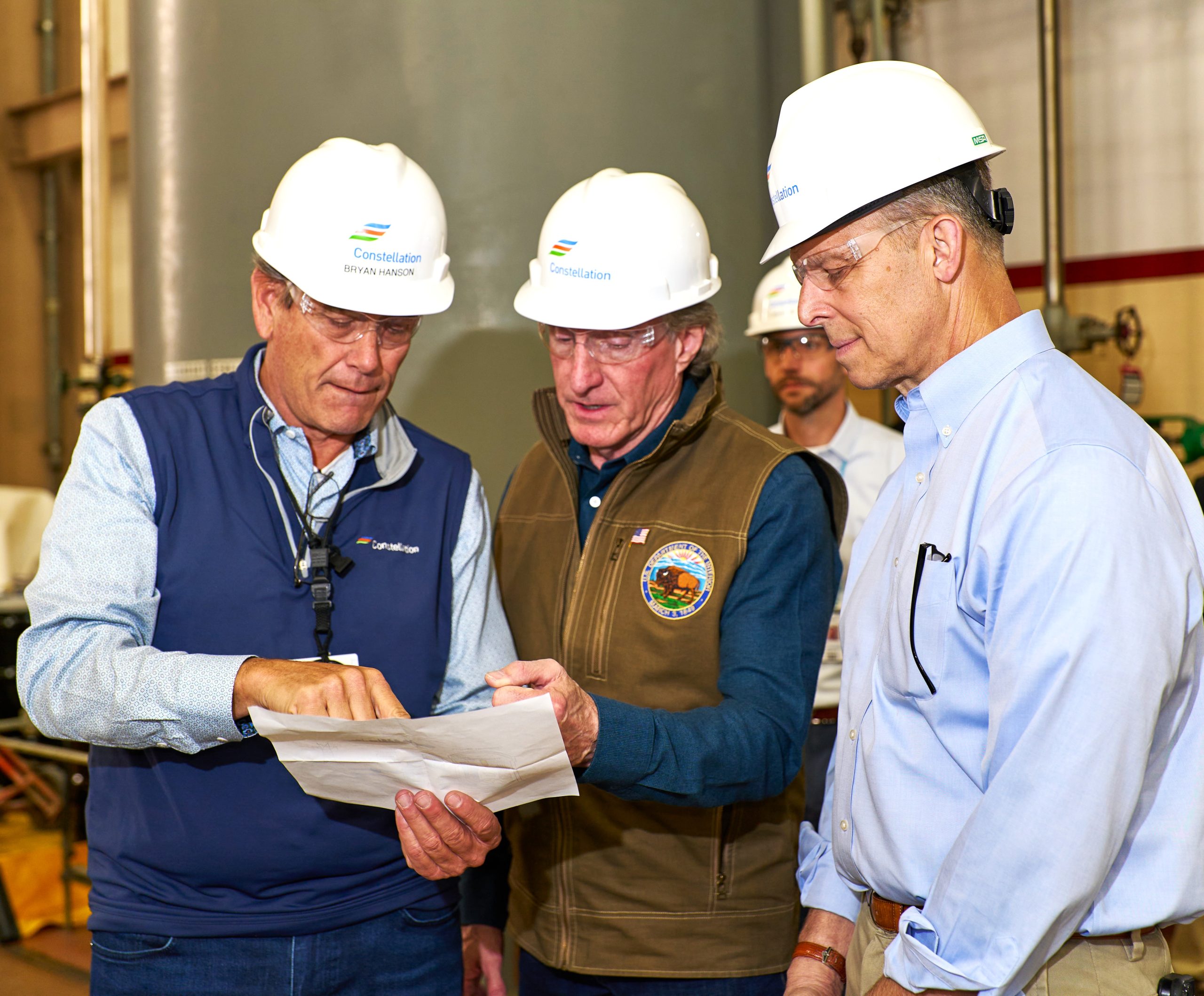
    U.S. Secretary of Energy Doug Burgum (center) with Constellation Energy staff on May 1 at the Three Mile Island nuclear power complex Unit 1, which Constellation Energy plans to reopen as the Crane Clean Energy Center uranium-powered electric plant in 2027.Constellation

    Financing for the advance work

    In November, the U.S. Department of Energy Loan Programs Office approved a $1 billion low-interest government loan to help Constellation reopen the Three Mile Island plant.

    Supporters of nuclear loan and subsidy programs say federal money ensures long-term operation at reasonable financing costs. Critics such as the Cato Institute, which generally opposes subsidies, say the government shouldn’t help pay for power that would otherwise be unprofitable.

    Supporters of the TMI reopening

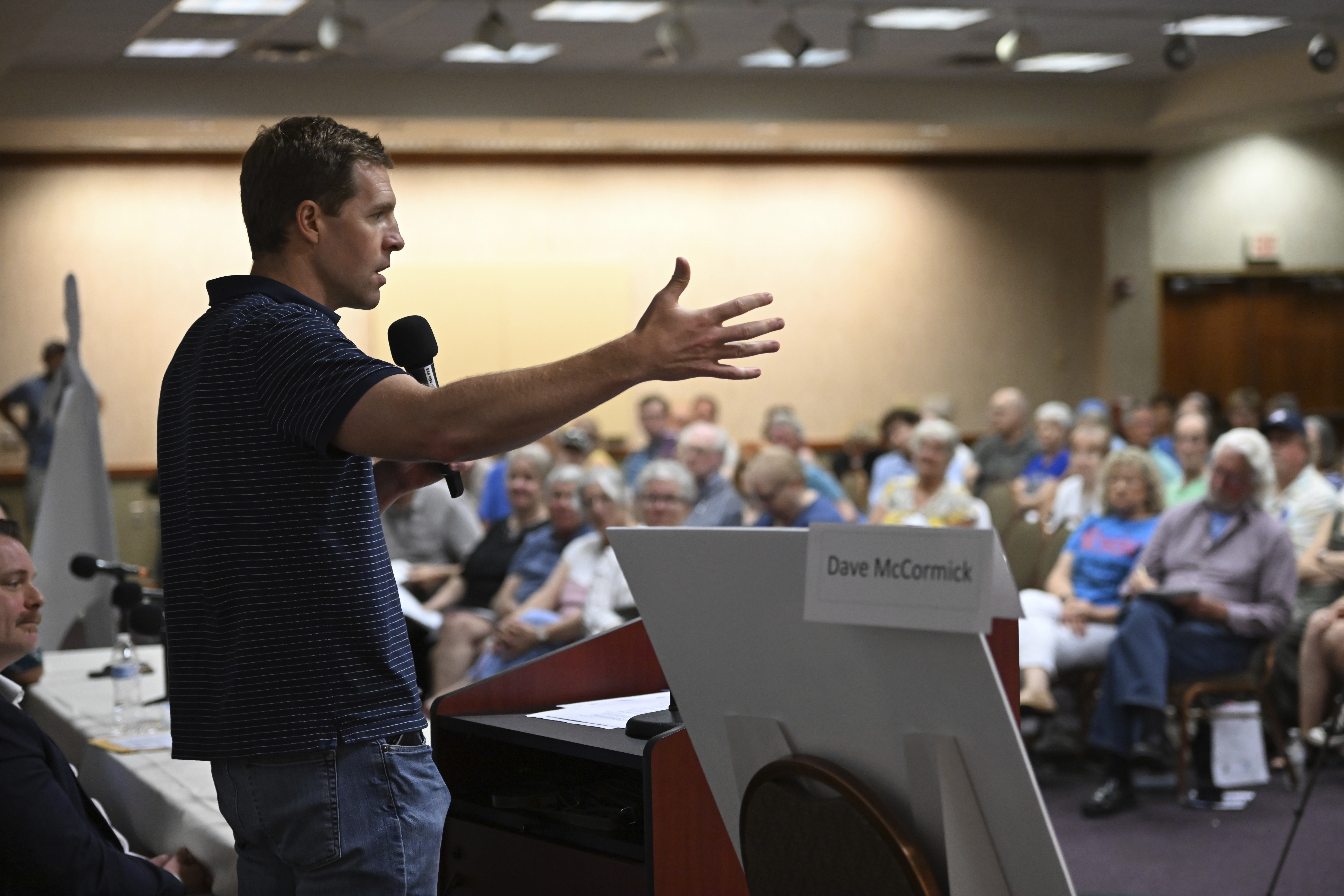
    Shapiro, U.S. Energy Secretary Chris Wright, U.S. Interior Secretary Doug Burgum, U.S. Sen. Dave McCormick (R., Pa.), U.S. Rep. Scott Perry (R., Pa.), state legislators, and local officials have toured the plant to tout job and energy creation.

    With permit applications pending before the NRC and other agencies, Constellation says it is “on track” to restart the plant next spring and deliver energy into the grid by summer or fall.

    U.S. Sen. Dave McCormick with Tori VanderMeersch, senior manager, operations support for the Crane Clean Energy Center, in the control room at Three Mile Island Unit 1 nuclear power plant in early 2026.Constellation Energy

    A workaround for PJM’s warning on connecting to the grid

    In early June, the Federal Energy Regulatory Commission agreed to an unusual switch: It will let Constellation transfer “Capacity Interconnection Rights” from its diesel- and natural gas-burning electric power plants at Eddystone, Delaware County, to Three Mile Island, to speed the process of bringing the nuclear plant back online.

    Constellation says it can do this without having to shut the Eddystone complex because the Trump administration gave the company special permission to keep Eddystone open, along with other fossil-fuel plants that were earlier scheduled for closing under a long-term program to reduce carbon-burning. It no longer needs the rights at Eddystone and can apply them at Three Mile Island.

    An agreement on using water from the Susquehanna River

    The Susquehanna River Basin Commission in early June approved Constellation’s plan for using river water at the restarted Three Mile Island nuclear plant.

    Constellation plans to pull 73 million gallons per day from the river to control temperatures at the plant. That’s about one-third of 1% of the river’s average flow; an equivalent volume of water will be released and won’t, on average, cause “significant adverse impact to the ecosystem and other users,” notes commission spokesperson Stacey Hanrahan.

    “Of course, we do not review a project based on average daily flow,” but on days the river is low, for example during a drought, she added. If the river gets too low for too long, Constellation could be ordered to stop using it.
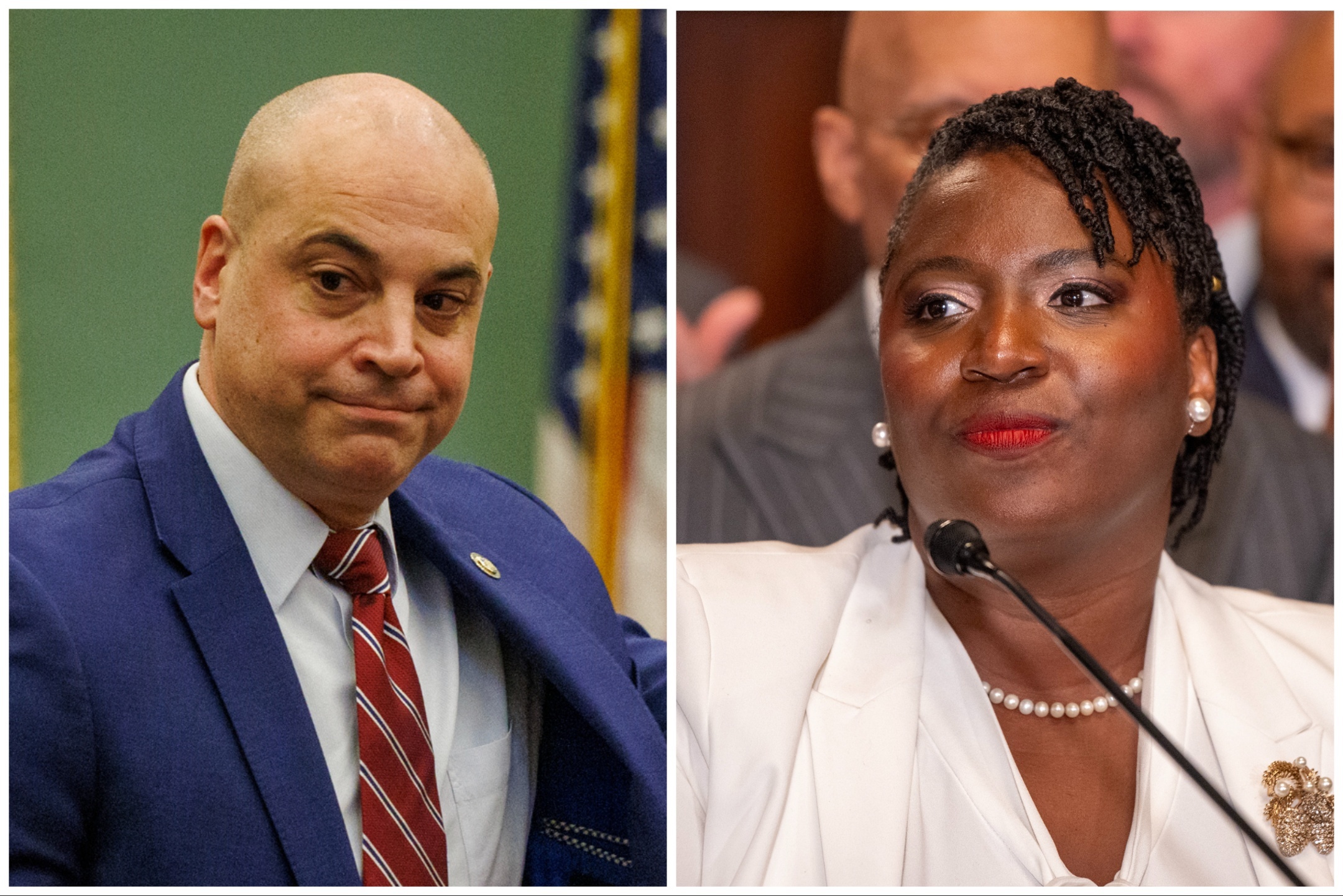

  • Joanna McClinton and Dave Sunday: Accountability is key to keeping our children safe

    Joanna McClinton and Dave Sunday: Accountability is key to keeping our children safe

    Protecting the public is government’s most fundamental duty. But when new threats to safety emerge and evolve, that duty demands more than awareness — it demands action that keeps pace with reality.

    Today’s children are growing up exposed to constant streams of content that can be disturbing, harmful, and frightening. It shapes how they see themselves and their peers in ways no previous generation has had to navigate. That is the reality we face — and it demands urgency and action.

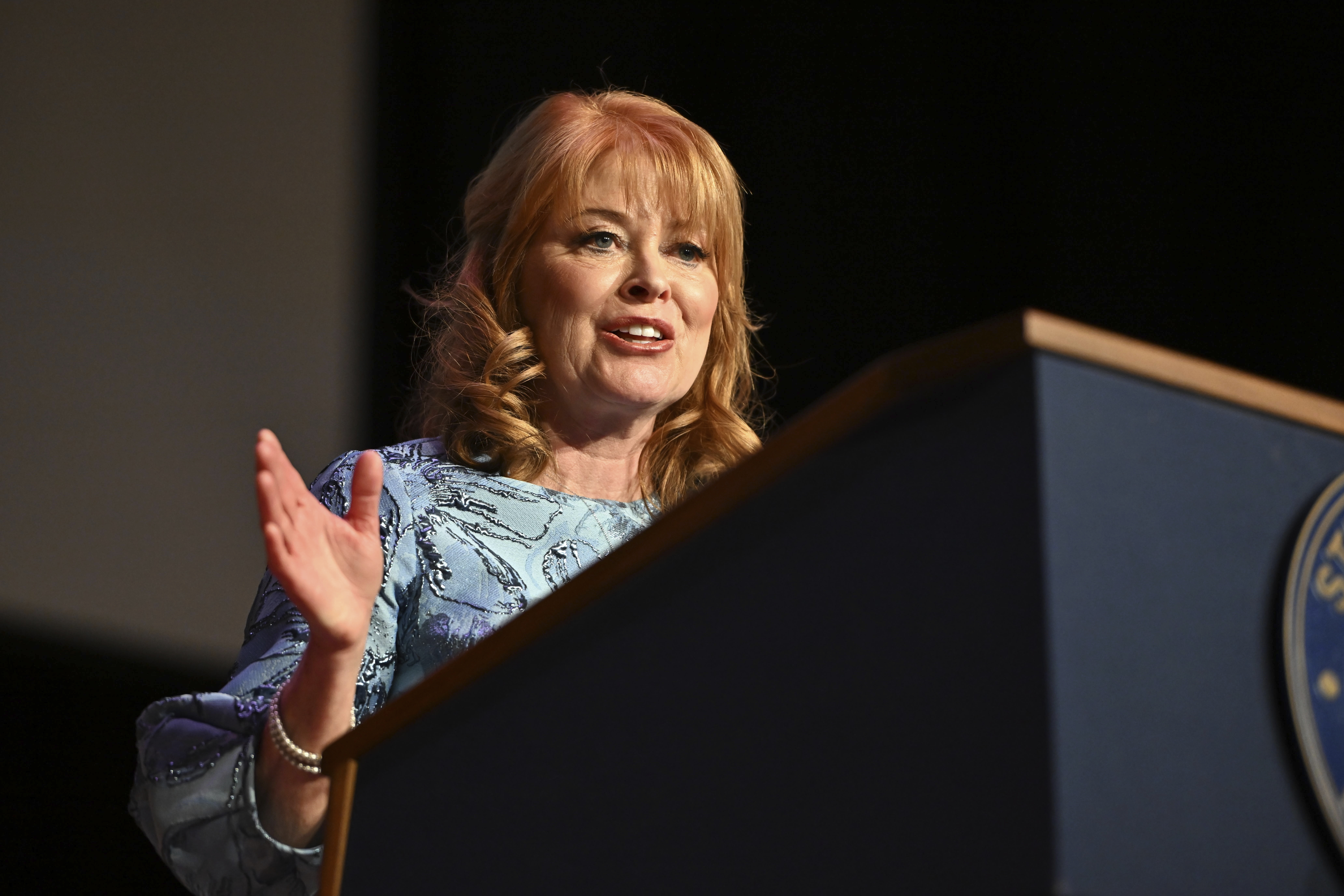
    Today’s children are growing up exposed to constant streams of content that can be disturbing, harmful and frightening, write Joanna McClinton and Dave Sunday.Seth Wenig

    Last month, we served as panelists at an event in Montgomery County concerning the growing issue of AI-generated sexually explicit deepfakes in our schools. This discussion stressed the harmful, long-lasting impact that sexualized content can have on victims, but also what we should be doing to better protect our children and to prevent this new form of exploitation.

    First, let’s level set. Explicit deepfakes are not a joke, or “kids being kids.” They are serious and illegal invasions of privacy that can leave a victim feeling traumatized, angry, alienated, depressed, embarrassed, shameful, and violated. They need to be taken seriously, and they need to stop.

    To set the tone for the event, two courageous students shared their victim impact statements with the audience of parents, advocates, law enforcement officials, and others. Their testimony was simultaneously heart-wrenching and infuriating.

    Heart-wrenching because of the cycle of trauma a teenager must endure after having their privacy violated by a classmate. Trauma that does not stop when the school bell rings at the end of the day, but follows our children home. Infuriating because of the ease with which a child can create hypersexualized content of another child.

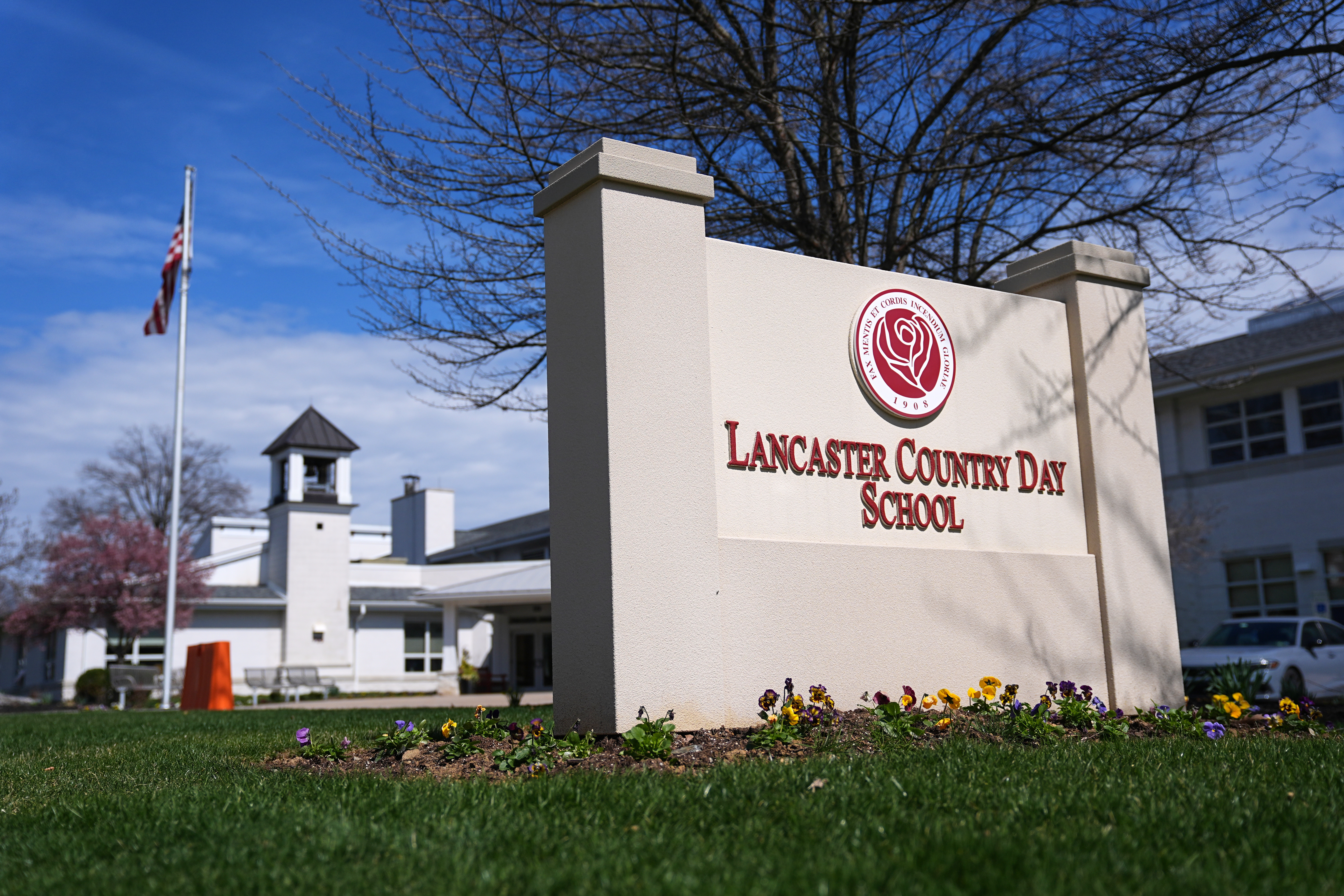
    Earlier this year, two 16-year-old boys in Lancaster County used artificial intelligence to create hundreds of nude images of female classmates at Lancaster Country Day School.Matt Rourke

    Deepfake sexualized images in schools is not an issue unique to Pennsylvania, with prominent cases emerging in states from California to Louisiana to Massachusetts, but it is one that the two of us — Joanna McClinton, as a lawmaker, and Dave Sunday, as the state’s chief law enforcement officer — are heavily invested in and are committed to defeating.

    In Pennsylvania, we’ve implemented new laws to respond to the growing danger some apps are enabling in our schools and elsewhere.

    In 2019, Pennsylvania was a leader in making sextortion — a crime where a perpetrator coerces a victim to comply with demands for sexual acts, images, or videos — a third-degree felony, punishable by up to seven years in prison, if the victim is under 18, or the perpetrator has shown a pattern of engaging in sexual extortion.

    In 2024 and 2025, Pennsylvania enacted new laws making it a crime to harass someone by distributing a deepfake nude or sex act image of them without their consent (the offense is more serious if the victim is a minor), or to create a forged digital likeness, a computer-generated image, video, or audio recording of a person, with the intent to defraud or injure someone.

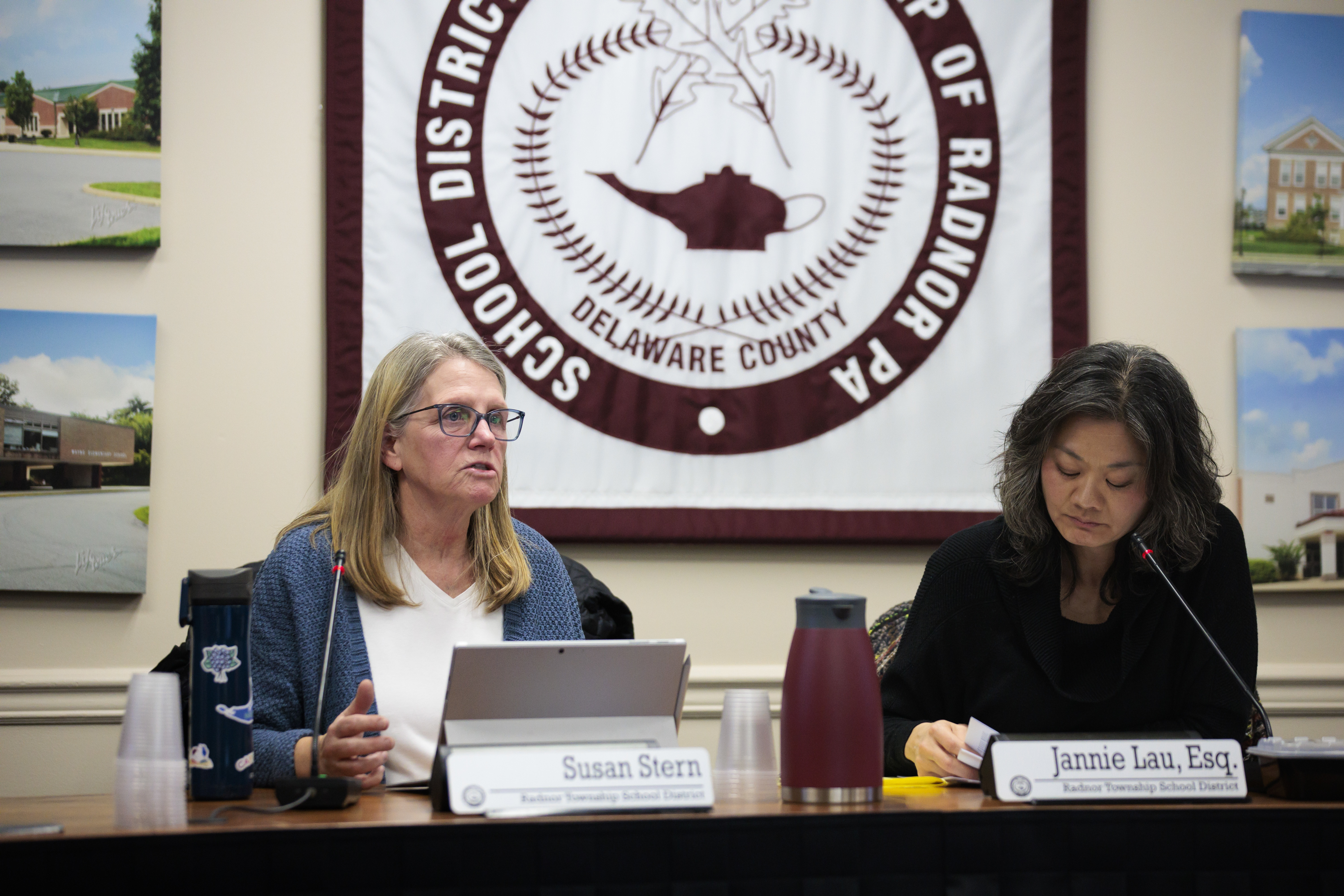
    In April, the Radnor school board explicitly banned the use of artificial intelligence to create sexualized images of another person, after a student made deepfakes of female classmates.Monica Herndon / Staff Photographer

    Finally, we learned from recent incidents in Lancaster and Delaware Counties that acting fast is critical to limiting the number of victims, stopping the circulation of deepfake child pornography, and maximizing law enforcement’s ability to investigate.

    To speed up the process, an additional measure is pending in the state Senate to require mandated reporters, like teachers, school officials, and healthcare professionals, to report suspected child sexual abuse materials or AI child sexual abuse materials to ChildLine, which will immediately alert law enforcement.

    A measure is pending in the state Senate to require mandated reporters, like teachers, school officials, and health care professionals to report suspected child sexual abuse materials or AI child sexual abuse materials to ChildLine, write Joanna McClinton and Dave Sunday.Andrey Rudakov

    We are also having ongoing conversations directly with students about social media and artificial intelligence, and how these tools make them feel in their day-to-day lives. Those perspectives matter, and they should inform how we approach this issue moving forward.

    We can be part of the solution through our offices and in Harrisburg, but it is just as important to hear directly from students in our hometowns and across the commonwealth.

    We also recognize that social media is not going away. This is not about banning platforms or telling kids to shut down their accounts, but about ensuring they understand and are aware of the very real dangers that can exist within them, and equipping families and schools to navigate them safely.

    While updating the law is an important step in keeping our kids safe, the real solution requires parents, educators, law enforcement, and even tech companies to act and to know what to do.

    Students need to know and feel comfortable telling an adult that a sexualized image has been sent to them.

    Parents and caregivers need to talk with their children to both understand what they are doing online and what apps they are using, and to reassure them that if they see something inappropriate, they should tell you or another trusted adult.

    Schools need to take incidents seriously, alert law enforcement immediately, and, most importantly, support the victims.

    Law enforcement needs to treat these cases seriously. They are crimes being perpetrated against children, and they are occurring in communities around the state. If your community hasn’t been impacted yet, it will soon.

    Technology today is transformative, and it is evolving at a faster and faster pace. When we were growing up, we didn’t have these powerful tools to contend with. But now that they are here, they need to be used responsibly.

    The stories from our brave students should be a call to action for each of us — from elected officials to law enforcement to parents and school leaders — to do everything we can to prevent the use of apps that allow children to create hypersexualized content of their classmates.

    We can’t allow hypersexualized content to become mainstream; we need to hold people accountable, from the students generating the deepfakes to the app developers who make the sexualized content possible.

    Joanna McClinton is the speaker of the Pennsylvania House of Representatives. Dave Sunday is Pennsylvania’s attorney general.

  • Pa. will pay for security upgrades to Gov. Josh Shapiro’s home but treasurer was right to initially deny $1 million payment for the bill, AG says

    Pa. will pay for security upgrades to Gov. Josh Shapiro’s home but treasurer was right to initially deny $1 million payment for the bill, AG says

    HARRISBURG — Pennsylvania Treasurer Stacy Garrity acted lawfully when she declined to pay more than $1 million in bills related to security upgrades made on Gov. Josh Shapiro’s personal home in Abington Township following an arson attack on his state mansion, the Pennsylvania Attorney General’s office announced Friday.

    In a memo detailing a settlement agreement between the state and the unpaid contractors who provided security upgrades to Shapiro’s private home, the attorney general’s office said that Pennsylvania would foot the $1 million bill “on a one-time basis,” noting the extraordinary circumstances and the threat on Shapiro’s life that led to the upgrades being requested.

    Current state law does not account for the increasingly dangerous position public officials face in today’s political climate, and the GOP-led state attorney general’s office encouraged the General Assembly to find a legislative solution for these issues going forward.

    However, Shapiro’s administration and Pennsylvania State Police failed to follow proper procurement processes and should have approached the legislature for approvals for the security upgrades, according to the memo authored by Executive Deputy Attorney General Eisenberg and Chief Deputy Attorney General Amy Elliott.

    “Going forward, we expect that such expenditures will result from specific legislative appropriation or new general laws,” they wrote in the memo. “We looked forward to working with the administration to accomplish these goals.”

    Shapiro’s personal home received more than $1 million in security updates, including a new security system and landscaping that Pennsylvania State Police determined was necessary after a man attempted to murder Shapiro by setting several firebombs inside the governor’s residence in Harrisburg while he and his family slept.

    Pennsylvania Gov. Josh Shapiro speaks during a news conference at the governor’s official residence about a suspected arson fire that forced him, his family and guests to flee in the middle of the night on the Jewish holiday of Passover, Sunday, April 13, 2025, in Harrisburg, Pa. (AP Photo/Marc Levy)Marc Levy

    Garrity, a Republican who is challenging Shapiro in November’s gubernatorial election, announced in April she could not pay the security upgrade bills, arguing that state law prohibits her from approving payment on work done on a privately owned property without legislative approval. The move was criticized by the incumbent Democratic governor’s office at the time, arguing it was a “shamefully political action.”

    In a statement Friday, a spokesperson for Shapiro said the governor appreciates the attorney general’s office acting “without political interference” to approve the settlement so the contractors can be paid.

    “As the Attorney General demonstrated, the safety of the governor and his family should never be weaponized for partisan gamesmanship, and our administration will continue to work with law enforcement and elected officials across the commonwealth to keep our leaders safe,” said Shapiro spokesperson Rosie Lapowsky.

    After Garrity declined to pay the bills, the state had two options to address the outstanding payments: a review and settlement by the attorney general’s office or legislative approval of the funds. Shapiro’s administration chose the review by the state AG’s office, which is led by Attorney General Dave Sunday, a Republican who supports Garrity’s bid for governor.

    Pennsylvania State Treasurer Stacy Garrity speaks to the audience after taking the oath of office for her second four-year term in the Forum Auditorium across the street from the Capitol, Jan. 21, 2025, in Harrisburg, Pa. (AP Photo/Marc Levy)Marc Levy

    The security upgrades on Shapiro’s personal home — plus $32 million in upgrades to the state-owned governor’s residence — were made under emergency contracts, which allow state agencies to quickly respond to emerging problems without waiting for legislative approval. However, Garrity argued — and the state attorney general’s office on Friday affirmed — that the emergency process does not allow the state to spend taxpayer funds on private property, such as Shapiro’s personal residence.

    “Current procurement law does not account for the increasing reality of threats to public officers and their families,” the AG’s office wrote in the settlement agreement. “Because the law does not allow for public funding of construction on private residences, the Treasurer had no legal option other than to deny payment.”

    In a statement Friday, Garrity said the settlement makes it clear “my sworn duty is to uphold the law, protect taxpayers, and only act with explicit legal authority.”

    Her office has not yet received a request to pay the contracts, she said. Once it does, she will “carefully review each one” and pay the outstanding bills.

    “Safety and security matter to everyone, but good intentions can never excuse ignoring the law,” Garrity added.

    Shapiro has faced scrutiny from some Republican lawmakers over his administration’s rapid and sweeping response following the arson, while Democratic lawmakers rallied around him to ensure his and his family’s safety. Republican legislators have said they believe Shapiro and his family should be safe, but should follow proper channels and regulations when spending taxpayer funds.

    A committee in the Republican-controlled state Senate in December took the unprecedented step to subpoena Shapiro over the security upgrades to his personal home, arguing that his administration had not been transparent in previous inquiries about how state taxpayer dollars were being used to upgrade security there.

    Shapiro’s personal property upgrades also resulted in a land dispute with one of his neighbors, who argued in federal court that Shapiro was violating their constitutional rights by using his power as governor to seize a portion of their property. Shapiro, in a separate suit filed in the Montgomery County Court of Common Pleas, argued that the disputed land had been his for years.

    Shapiro and his family split their time between the state-owned governor’s residence in Harrisburg and their Montgomery County home, where his two youngest children still attend school.

    This story was updated to note Sunday supports Garrity’s campaign for governor.

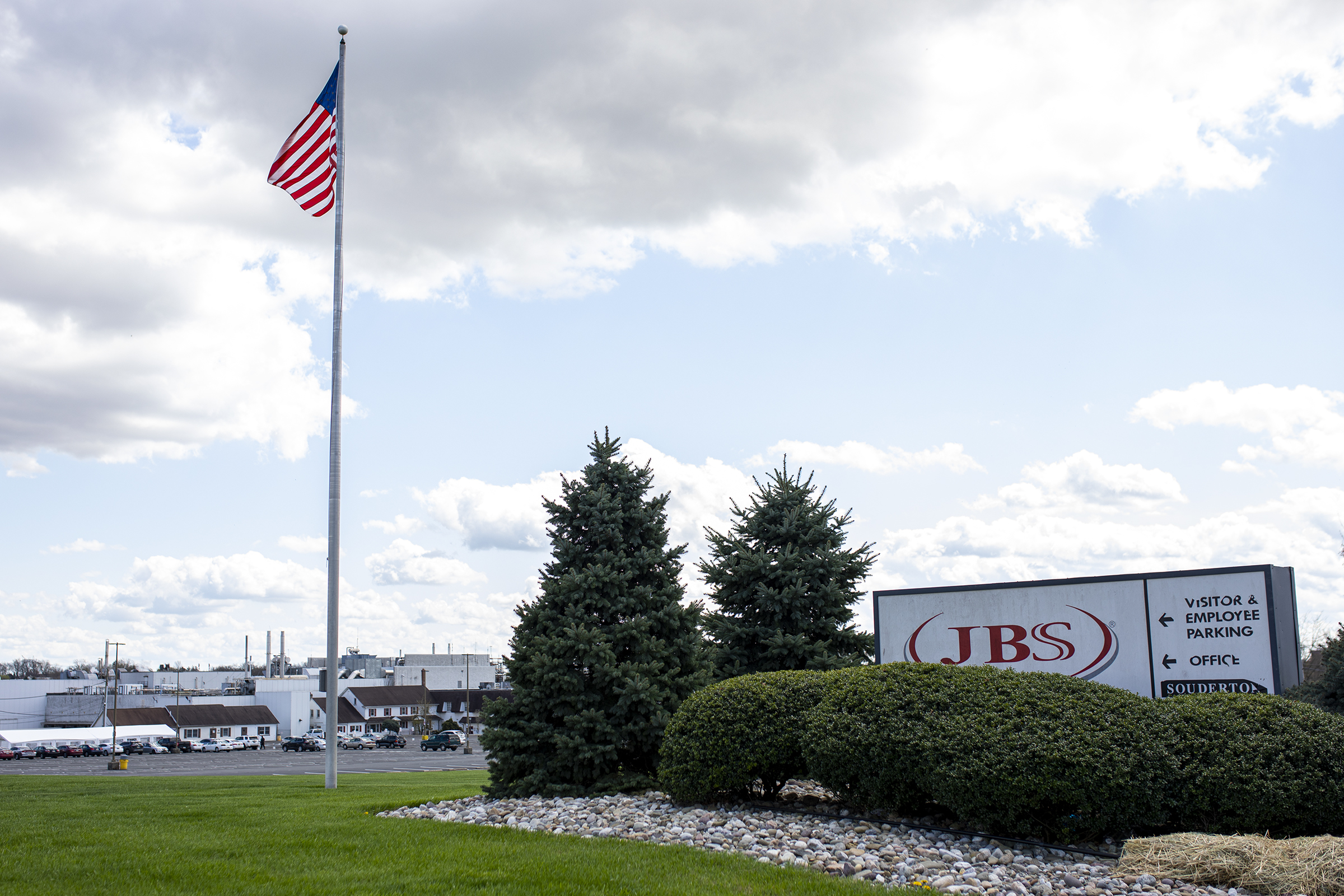
  • A Souderton beef processing plant, one of Montco’s biggest employers, is closing

    A Souderton beef processing plant, one of Montco’s biggest employers, is closing

    A global meat producer and one of Montgomery County’s top employers is closing a beef processing facility in Souderton that employs about 1,700.

    JBS said Friday that the plant will close by Aug. 14, citing the company’s larger strategy for “growth, modernization, and long-term competitiveness in the United States.” It also plans to close a site in Memphis.

    The planned closure impacts some 1,500 union workers who are represented by the United Food and Commercial Workers International Union (UFCW) Local 1776.

    “These decisions are never easy because they directly affect our team members and the communities where we operate,” Wesley Batista Filho, CEO of JBS USA, said in a statement Friday. “Our focus right now is on supporting them with transparency, respect, and access to new opportunities wherever possible.”

    Workers at the Souderton facility were among some 26,000 JBS employees who secured a new union contract last year with better wages and benefits including a more inclusive bereavement leave policy and the ability to accrue sick days.

    The contract also established a pension plan for workers. That’s a rarity in the industry in recent decades, according to the union, which called the agreement “a new standard” in the meatpacking industry.

    That contract is set to expire in August, when the company plans to close the facility, according to the union.

    The work being carried out at the Souderton site, which JBS has operated since 2008, will be distributed among the business’ other facilities, according to a company news release. In the past year, JBS has been expanding its operations in Texas, Georgia, and Iowa as it focuses on growing its prepared foods business.

    “JBS USA is investing heavily in the United States and in the future of food production,” Batista Filho said in a statement. “At the same time, we must ensure our operations are efficient, modern, and positioned to compete. By investing where we are growing and making difficult adjustments where needed, we are building a stronger and more resilient company.”

    The union is working to try to keep the Souderton site open.

    “We are not giving up on this plant, and we are not giving up on these workers,” Wendell Young IV, president of UFCW Local 1776, said in a statement Friday. “Our union will be working around the clock engaging with every elected official and government agency we can to explore all options to keep this facility open and these workers employed.”

  • House of the week: A three-bedroom on a cul-de-sac in Pottstown for $575,000

    House of the week: A three-bedroom on a cul-de-sac in Pottstown for $575,000

    For Tina and Waverly McAlister, preparing for a retirement living near the beach has been a meticulously planned process taking about a decade.

    About 17 years ago, the two Phoenixville natives thought they would buy a home there or in King of Prussia, but Pottstown was a better market for them. Waverly had been a supervisor with a precious metal manufacturing firm and Tina had been a revenue services specialist in a school intermediate unit.

    Kitchen
    Alcove Media

    So in 2009 they bought a three-bedroom, 2½-bathroom house in Pottstown on a cul-de-sac along busy U.S. Route 422. Waverly said they were attracted to the design and attention to detail.

    Then, eight years ago, they bought their eventual retirement home, on Fenwick Island, Del. Since then they have split time between two homes, gradually moving possessions to Delaware.

    DeckAlcove Media

    The 2,648-square-foot Pottstown house features a two-car garage that can also serve as a workshop. It has extensive cabinetry, a refrigerator, and mounted television.

    The house’s main level has a hardwood foyer and composite flooring in the kitchen, dining room, and family room. And the kitchen has an island, a subway tile backsplash and a sink mounted under the counter, giving a lower profile.

    There is also a powder room and laundry.

    The primary bedroom has a walk-in closet with custom organizers.Alcove Media

    The bedrooms are on the next level. The primary has a decorative accent wall and a walk-in closet with custom organizers, and a bathroom with tile flooring.

    The finished basement has a bar area with a wine and beverage refrigerator, pantry, a decorative tile ceiling, and an electric fireplace. Sliding doors lead to the patio and backyard.

    FireplaceAlcove Media

    The house is in the Pottsgrove School District, convenient to Philadelphia Premium Outlets and Costco.

    It is listed by Pam Butera of Keller Williams Blue Bell for $575,000.

  • What Chris Rabb’s win in Philly could mean for the 2028 Democratic battle to replace John Fetterman

    What Chris Rabb’s win in Philly could mean for the 2028 Democratic battle to replace John Fetterman

    The euphoria at Chris Rabb’s election night party last month hadn’t even started to wane before the democratic socialist and his supporters — dancing and hugging after capturing a rarely open Philadelphia seat in Congress — spoke of setting their sights even higher.

    Taking on the city’s Democratic establishment to defeat a pair of more centrist candidates in the heated 3rd Congressional District race was a momentous win on its own. But the reckoning, they promised, wouldn’t be confined to Philadelphia’s borders.

    “It’s going to change not just our city, but our entire commonwealth,” Rabb said in an interview amid the celebration at a Germantown banquet hall.

    It was a sentiment echoed that night by key figures in Rabb’s coalition — from the head of the Working Families Party to Pittsburgh’s U.S. Rep. Summer Lee, the only other democratic socialist representing a part of Pennsylvania.

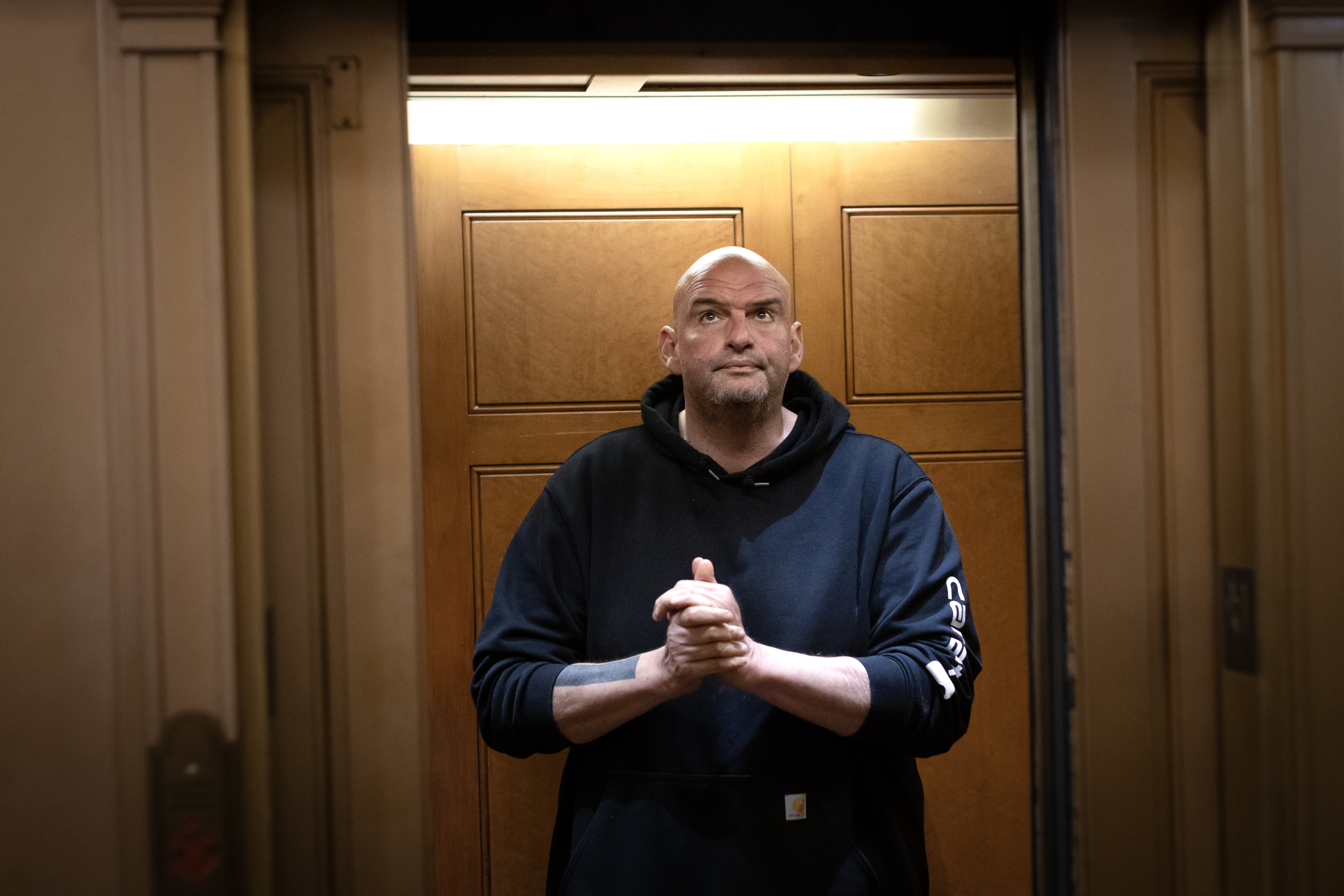
    With the 2026 Pennsylvania Democratic primary in the rearview mirror, that conversation has broadly and quickly turned to the next biggest prize in the state: the U.S. Senate seat held by Democrat John Fetterman.

    The senator has not said whether he will run for a second six-year term in 2028. But in an unusual situation for an high-profile elected official, a robust intraparty competition to replace him is expected to start either way in the next year as Fetterman increasingly sides with Republicans and as polls show that his support among Democratic voters has nose-dived.

    State Rep. Chris Rabb is hugged by his son, Issa Rabb, during his primary election night event at Victorian Banquet Hall on May 19.Elizabeth Robertson / Staff Photographer

    Some Democrats who watched Rabb emerge from a competitive race, notching one of the left’s biggest wins yet in Pennsylvania, see an opportunity — one that extends the energy and momentum to boost a well-organized, progressive, anti-establishment candidate in the Senate primary.

    Other strategists and activists say that’s a tall task, particularly in a swing state that rarely strays from electing more centrist politicians statewide.

    “Anytime you have success, it breeds enthusiasm, which translates into more volunteers, into more money — everything you need to run a campaign,” said Mike Mikus, a Pittsburgh-based Democratic strategist. “But every election cycle is different. Every campaign’s different. The quality of candidates are different. And anybody who says that any one race signifies a permanent change within a party is mistaken.”

    ‘A huge impact on the political landscape of Pennsylvania’

    In his campaign to succeed U.S. Rep. Dwight Evans, Rabb, a five-term state lawmaker, won 44% of the vote. He was up against State Sen. Sharif Street, who had the backing of the city Democratic apparatus, and physician Ala Stanford, a political newcomer endorsed by Evans.

    Rabb and others have said his success, in part, was the culmination of a decade of progressive organizing that began in the city after U.S. Sen. Bernie Sanders’ 2016 presidential campaign.

    That progressive infrastructure — the coming together of different groups to knock doors, make calls to voters, and unleash a significant independent advertising campaign in a way that rivaled the official Democratic Party organization — is likely the most important way that the left can use the experience of Rabb’s campaign to replicate its success elsewhere, strategists said.

    It’s a template that could have “a huge impact on the political landscape of Pennsylvania,” said Rotimi Adeoye, a Philadelphia-based Democratic strategist who worked in the office of former U.S. Sen. Bob Casey.

    In a district packed with Democratic voters, Rabb’s ability to turn out progressive voters should draw the attention of anyone looking to win the state’s Democratic Senate primary in 2028, Adeoye said.

    “If a Democrat running statewide can learn from some of these organizational groups to build a strong, relational and community-based organizing campaign in Philadelphia and the surrounding suburbs in Montgomery County, Bucks County — they’re going to have a really big chance of winning,” Adeoye said.

    In a sign that those efforts could coalesce around a Senate candidate, one of the groups that helped usher Rabb to victory remains the only major Democratic entity in the state to have publicly started laying the groundwork for a challenge to Fetterman.

    The Working Families Party, which backed Fetterman in the 2022 general election after originally endorsing State Rep. Malcolm Kenyatta in the primary, said in November it would organize an effort to oust him. A “Primary Fetterman” website launched in January is equipped with a “Fetterman sell-out tracker” — highlighting his votes for Trump’s cabinet nominees and opposition to war powers resolutions that would rein in his military strikes, for example — and instructions for donors on how to request a refund from his campaign.

    The website remains the extent of the group’s efforts so far to rally public support and back a new candidate, though its work is expected to pick up after this year’s midterm elections. For now, the party is looking forward to bringing new members who worked to elect Rabb into its fold.

    “Our goal is always to keep building on the work we do each cycle and the success we have each cycle,” said Nick Gavio, the Working Families Party’s Mid-Atlantic communications director.

    One PA, another statewide group in that progressive coalition, has not yet had internal discussions about the Senate race but it supports the Working Families Party’s position as a member of its steering committee, executive director Steve Paul said. He said more than 150 members of One PA mobilized for Rabb by talking to thousands of voters.

    Winning a high-profile congressional race only helps add to that organizational infrastructure, making them “sharper for the next thing,” Paul said.

    “I think it shifts what’s possible, politically — what people can envision,” he said.

    Potential progressive roadblocks

    Mikus said progressives have increasingly surpassed “more establishment Democrats” in their ability to run strong campaigns, including in his area of Western Pennsylvania where candidates like Lee have emerged in the last decade.

    Democratic primary voters are also more progressive than they were 10 years ago, he said. But campaigning on a far-left — or a far-right — platform doesn’t often equate to success on a statewide level in Pennsylvania, a swing state where successful candidates tend to walk a “fine line” that appeals to both swing voters and a message that excites their partisan base, Mikus said.

    “You’ve seen this time after time in presidential elections here in Pennsylvania,” Mikus said. “Hillary Clinton versus Bernie Sanders. Joe Biden versus Bernie Sanders. The vast majority of voters in Pennsylvania will go with the more mainstream Democrat.”

    J.J. Balaban, a Philadelphia-based Democratic strategist and ad maker, said the party runs the risk of “drawing too big of a conclusion” based on a single election — particularly one like Rabb’s where candidates only needed to appeal to Democrats.

    “Democrats really need to think hard about what it will take to win statewide in a purple state, which Pennsylvania clearly is,” Balaban said. “What it will take to win a general election in Pennsylvania is very, very different than what it will take to win in literally the most Democratic congressional district in the country.”

    After recent years of tough losses — including the ousting of Casey by now-U.S. Sen. Dave McCormick, a Republican — Democratic voters will likely have a “tremendous thirst for candidates who have a credible case to make that they can win the general election,” Balaban said.

    Fetterman, whose office did not comment for this story, has insisted that Pennsylvania’s purple state status means he should appeal to both sides of the aisle and not demonize the other side.

    He’s also lamented the direction he sees his party going with candidates like Rabb, particularly around a growing sentiment that Israel has gone too far in its war against Hamas. Fetterman acknowledged last year that his unwavering support of Israel could cost him his Senate seat.

    “Look at the people that are winning the primaries in our party right now, and look at their views on Israel,” Fetterman said at an American Jewish Committee conference in Washington this week.

    On stage with McCormick and the head of the Jewish advocacy organization, Fetterman painted Graham Platner, the expected Democratic nominee for a U.S. Senate seat in Maine, as a “Nazi sympathizer” and connected him to Rabb.

    “People also in our state, too. Rabb, he won, and he ran on being a very, very anti-Israel guy,” Fetterman said. “It’s actually a virtue [in the modern Democratic Party] … It’s heartbreaking for me. And if it isolates me, then so be it.”

    Who might run?

    Of the Democrats widely considered to be eyeing a campaign to replace Fetterman, the public jockeying has so far been limited to criticisms of the incumbent.

    U.S. Rep. Brendan Boyle, a moderate who represents the other half of Philadelphia next to Rabb’s soon-to-be seat, has repeatedly called Fetterman “Trump’s favorite Democrat.”

    Former U.S. Rep. Conor Lamb, a moderate who represented a suburban Pittsburgh district before Fetterman beat him in the 2022 Senate primary, has frequently lambasted him.

    Conor Lamb speaks to the crowd at a town hall-style event organized by progressive groups at Central Penn College on June 22, 2025, in Enola, Pa. Marc Levy

    And U.S. Rep. Chris Deluzio, who succeeded Lamb and leaned into progressive economic populism, has taken a less direct tack while noting the differences between himself and Fetterman over issues like Trump’s military interventions abroad. Deluzio has occasionally reposted others’ criticisms on social media — including one from Gavio, the Working Families Party spokesperson, last week that called Fetterman’s reversal on eliminating the filibuster “a new low” and “an indescribably massive backtrack from everything he ran on.”

    None of the three have ruled out running.

    Boyle is expected to weigh a Senate campaign vs. staying in the House to take a rare opportunity to lead the powerful budget committee if Democrats win the majority in November. Lamb, who’s remained highly active in Pennsylvania politics, said in an interview that he’s hoping to serve again and would run for office if he feels he “can be of service to the state.” Deluzio, who is also heavily involved in helping Democratic candidates across the state, said he’s focused on his reelection this year and that “we’ll see what 2028 holds.”

    “I am not at all interested in seeing us lose this Senate election, and I certainly have gotten a lot of encouragement to look at 2028,” Deluzio said.

    Progressives have also mentioned Lee, the Rabb ally who’s been a vocal member of the leftist wing on Capitol Hill while taking leadership roles in areas like securing the release of the Jeffrey Epstein files.

    U.S. Reps. Summer Lee and Chris Deluzio, both Pittsburgh-area Democrats, speak outside the Moshannon Valley Processing Center in Clearfield County on May 28 after getting a tour of the facility, the largest detention center for undocumented immigrants in the Northeast.Sam Janesch / Staff

    With potential candidates still several months away from making their decisions, it’s unclear who might try to take up the progressive mantle if Lee does not run, strategists say.

    The field could also grow considerably. Other potential candidates could jump in, including the three other current Pennsylvania Democrats in Congress or former lawmakers like Susan Wild, who lost a swing congressional district in the Lehigh Valley in 2024. Wild said she’s “not ruling out” a run but she’s more interested in thinking about good female candidates in general since no woman has ever won a Pennsylvania U.S. Senate seat.

    On the prospects of a battle between different factions of the party, Lamb said he believed Democrats had broadly learned a lesson — from Fetterman’s election in 2022, where he ran on being a reliable Democratic vote in the Senate — that was beyond ideological policy tests.

    “Fetterman taught Democrats in Pennsylvania that you have to have a character test. Anybody can run around the state promising you these further left solutions, and that they’re going to be a thumb in the eye of the establishment, and they’re going to channel all your anger and dissatisfaction. And then that person can turn on you on a dime,” Lamb said. “The fact is that we have to evaluate our candidates based on whether they have integrity and they’re going to keep their word and, honestly, whether they have the work ethic to be a senator day in, day out.”

  • Main Line Health, UnitedHealthcare contract dispute could leave 32,000 patients out of network later this month

    Main Line Health, UnitedHealthcare contract dispute could leave 32,000 patients out of network later this month

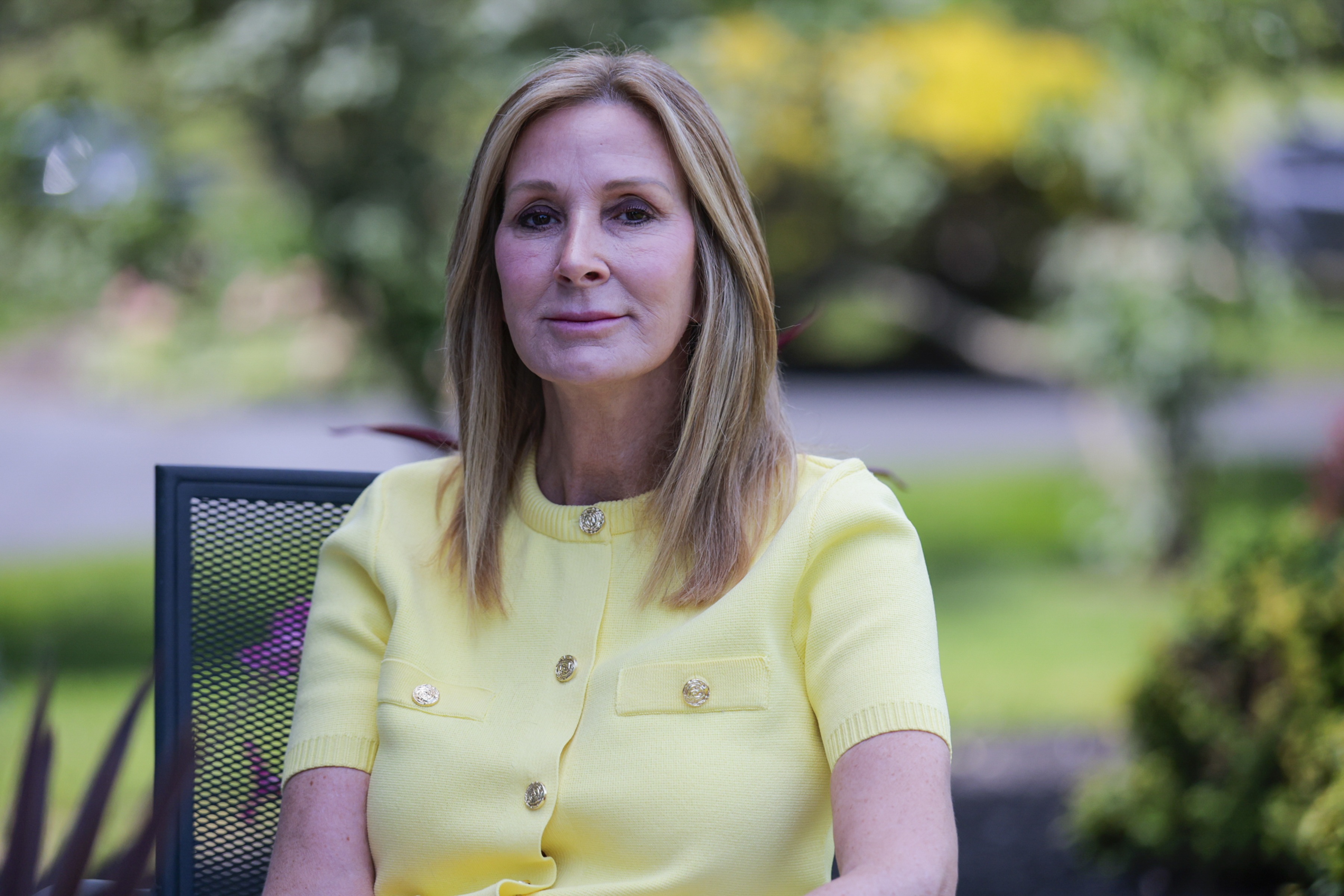
    Chris Feaster sees Main Line Health clinicians for mammograms, breast MRIs, and other preventive screenings required due to her high risk of breast cancer.

    The 61-year-old Montgomery County resident has been panicked in recent weeks after Main Line sent patients a letter warning that the nonprofit health system’s contract with her insurer, UnitedHealthcare, may end later this month.

    Main Line is a leading provider of care across Philadelphia’s western suburbs, where it has four hospitals. Feaster has relied on its facilities for care for 40 years.

    “They know me,” she said of her Main Line providers in an interview. “I have been getting monitored there since the time I was in my early 30s.”

    Feaster, who lives in Trooper, has already experienced a healthcare disruption caused by another insurance dispute. Two years ago, Axia Women’s Health and United failed to reach adeal. That forced Feaster to find a new gynecologist after 40 years.

    Chris Feaster is among thousands of Main Line Health patients worried about the prospect of Main Line Health going out of network with UnitedHealthcare at the end of this month.Steven M. Falk / For The Inquirer

    If no deal is reached by June 30, Feaster could be facing a repeat. She is among 32,000 affected Main Line patients who have United insurance through Medicare Advantage plans and commercial insurance from employers.

    It’s not unusual for health systems and insurers to go down to the wire when negotiating contracts, but Axia’s failure to reach a deal — and the decision by Jefferson Health’s Lehigh Valley Health Network to go out of network with United — has people on edge.

    Main Line Health said that United had been engaging more meaningfully in negotiations in recent weeks. “We are hopeful that momentum continues. We remain committed to reaching a resolution before June 30,” its statement said.

    For Main Line, which is far less profitable than it was before the pandemic, the dispute is not just about rate increases. The nonprofit health system also wants to reduce claim denials, prior authorization delays, and excessive audits.

    UnitedHealthcare focused on prices in a statement, and the impact high costs have on employers who pay for health benefits.

    “Main Line Health is seeking price hikes that would significantly increase costs for families and employers,” UnitedHealthcare said.

    United added that self-insured companies would absorb the biggest hit ”impacting the money they have to grow their business and compensate their employees.”

    Worries about maternity care

    Jessica Geida, a Newtown Square resident and an ob/gyn who is not currently practicing, is particularly worried about access to maternity care in Delaware County, given that Axia is already out of network with United.

    Main Line operates the only practice that delivers babies at Riddle Hospital for people with UnitedHealthcare (UHC), said Gaida, who has worked at Axia and Main Line. “If they drop UHC, there would be no access to care in the Delaware County,” she said.

    Maternity care has been under pressure in Delaware County since the maternity unit closed at Delaware County Memorial Hospital in early 2022, followed by the shutdown of Crozer-Chester Medical Center a year ago as part of the Prospect Medical Holdings bankruptcy.

    Mercy Fitzgerald Hospital in Darby closed its labor and delivery unit more than 20 years ago.

    If Main Line and United fail to reach a deal, UnitedHealthcare patients might have to go to Penn Medicine’s Chester County Hospital in West Chester, which is already busy.

    Patients who get into Penn’s ob/gyn practice at Penn Medicine Radnor deliver babies at the Hospital of the University of Pennsylvania in Philadelphia, according to that group’s web site.

    A disappointing call

    Feaster said a call from UnitedHealthcare Friday left her feeling very uncertain about her care.

    Feaster grew up in Wayne and kept seeing Main Line doctors when she moved to Trooper, which is north of King of Prussia.

    Feaster would have to specially request a continuation of care to keep seeing each of her Main Line doctors at in-network prices, the UnitedHealthcare representative told her.

    The temporary stopgap is designed to help people who have significant needs — including cancer patients in the middle of treatment — avoid gaps in care while they switch to doctors who accept their insurance.

    Feaster would have to fill out part of the form, and her doctors would have to complete another part. She’d also have to take the same steps for Main Line providers of her regular mammograms, breast MRIs, and DEXA bone density scans.

    UnitedHealthcare would then review each request to determine whether to approve.

    “I’m really worried,” she said.

  • How much snow, and when will it begin snowing in the Philadelphia region?

    How much snow, and when will it begin snowing in the Philadelphia region?

    Philadelphia is expected to see its most significant winter storm in years this weekend, with nearly a foot of snow and ice expected from a formidable low-pressure system sweeping across the eastern United States.

    Official National Weather Service forecasts say six to 18 inches of snow is possible across most of New Jersey and Pennsylvania, including Philadelphia as the storm pushes through the region Saturday night to early Monday morning. More than 21 states are expected to experience at least moderate impacts from the storm, the weather service said.

    Forecasters said that mixing with sleet and freezing rain could hold down overall snow totals across Philadelphia and South Jersey, but the storm is likely to hinder if not halt most travel on Sunday, regardless.

    The National Weather Service puts out forecasts for every few square miles of land in the United States four times a day through a system called the National Digital Forecast Database.

    The maps below display that data. Use it to find how much snow is expected anywhere in the eastern United States. It will show the most recent forecast for the next three days.

    A considerable amount of freezing rain and sleet may also fall during the storm, leading to icing concerns. The map below displays the forecast for ice accumulation, or accretion, over the next three days.