Tag: Lower Merion

  • Leaf blower complaints strain staff | Inquirer Lower Merion

    Leaf blower complaints strain staff | Inquirer Lower Merion

    Hi, Lower Merion!

    The township’s leaf blower ban is putting extra stress on workers, prompting a request for additional funding. Here’s what to know. Also this week, residents’ compost is helping feed a circular food system, a local surgery center is among the busiest of its kind in the region, plus, where to get inventive mooncakes ahead of Mid-Autumn Festival.

    — Lisa Dukart (lowermerion@inquirer.com)

    If someone forwarded you this email, sign up for free here.

    The township’s gas-powered leaf blower ban is putting extra strain on staff — and possibly budgets

    Since launching a phased gas-powered leaf blower ban in June, Lower Merion has received 437 violation complaints, putting “tremendous stress” on township staff who then have to investigate.

    That figure is more than five times the number of complaints the township received for all other standard property maintenance violations during the same time period and has prompted officials to ask for extra staffing funds. That includes making a part-time administrative clerk full-time next year and adding a seasonal code compliance officer.

    While nothing’s been decided yet, the changes could cost $83,000, but give flexibility should complaints later drop off.

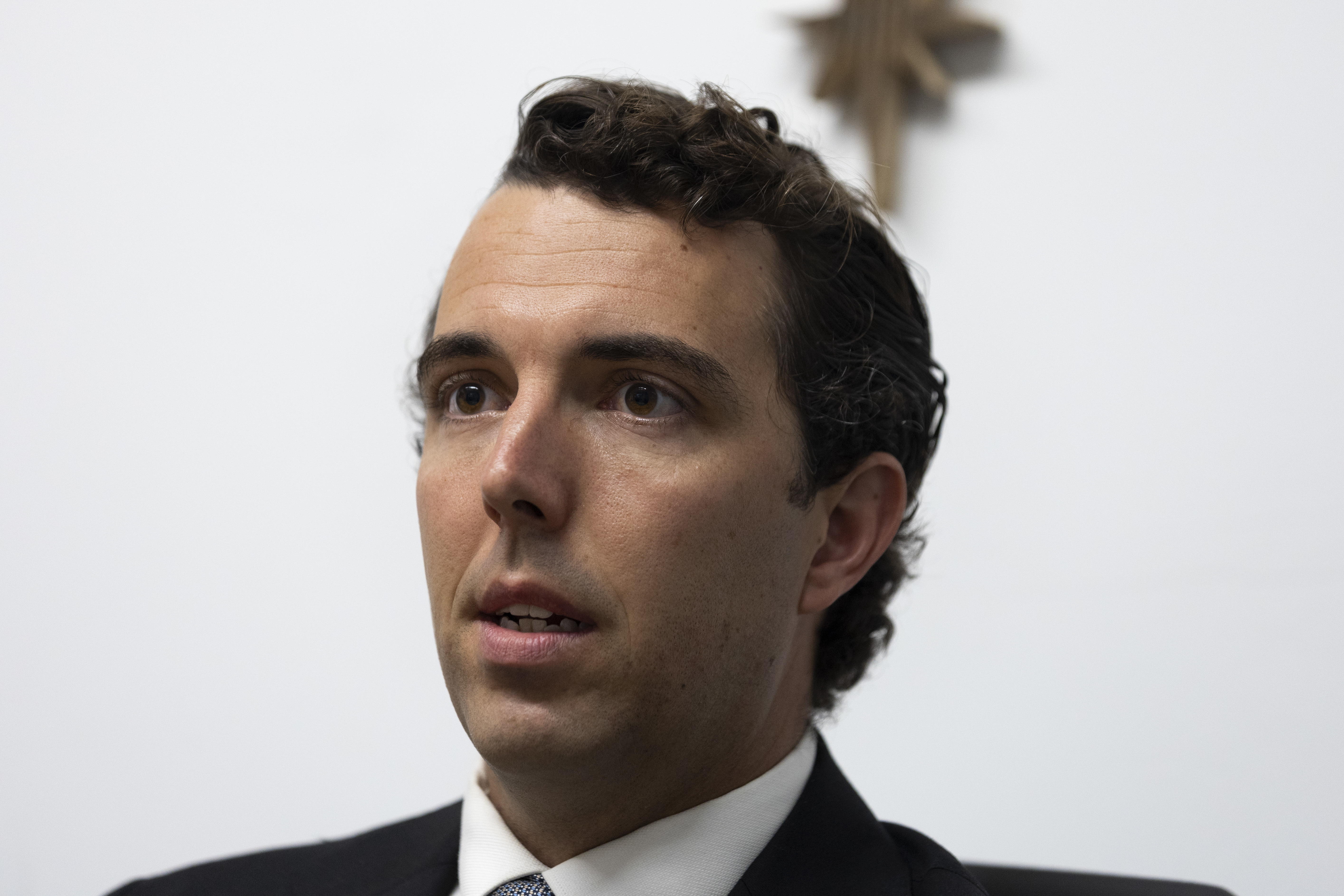
    The Inquirer’s Denali Sagner explains the proposed staffing changes.

    💡 Community news

    • Lower Merion residents are contributing to a circular food system through the township’s pilot compost program, launched last year in partnership with Wynnewood-based Mother Compost and Bennett Compost in Philadelphia, joining a number of local municipalities diverting food waste from landfills.
    • Main Line Surgery Center, Bala Cynwyd is one of the 20 busiest surgical centers in the region, conducting 8,468 surgical visits last year, according to data from the Pennsylvania Department of Health. It’s closely followed by Bryn Mawr Medical Specialist Endoscopy Associates. The Inquirer’s Harold Brubaker explains why surgery centers have seen a surge in popularity in recent years.
    • Four people were injured and two were hospitalized after a tree fell on several vehicles stopped in traffic on Belmont Avenue near the Old Belmont Avenue split in Bala Cynwyd Friday. One of the individuals suffered serious injuries and was listed in critical but stable condition as of Friday night, 6abc reports.
    • City Ave District has been awarded $400,000 from the state to improve sidewalks on the 200 block of Bala Avenue, as well as North Highland Avenue. Work is expected to get underway in the spring.
    • Lower Merion police are warning residents about locking their vehicles and not leaving valuables inside after several recent thefts and break-ins.
    • Narberth is conducting a pedestrian count via video survey through Monday related to the North Narberth Avenue bridge project.
    • The Montgomery County District Attorney’s Office is cracking down on 7-Hydroxymitragynine, more commonly known as 7-OH, and has issued notices to retailers to discontinue sales of concentrated 7-OH products. Sold over the counter at gas stations and smoke shops across the region, unregulated 7-OH kratom has led to addiction for some.

    🗺️ Other nearby news

    🏫 Schools briefing

    🍽️ On our plate

    The Mid-Autumn Festival mooncakes at A La Mousse. Monica Herndon / Staff Photographer
    • A La Mousse owner Anna Chen is working to improve mooncakes’ reputation by giving the intricate but otherwise unimpressive treats a twist, The Inquirer’s Kiki Aranita writes, including stuffing them with a range of fillings and flavors. Find her take on mooncakes at A La Mousse’s Narberth outpost ahead of the the Chinese Mid-Autumn Festival tomorrow.
    • Vintner’s Table is opening its Ardmore outpost on Monday. Located at 24 Cricket Ave., the Italian-inspired wine bar will also have a salumeria and lifestyle boutique.
    • Former Sixers icon Julius “Dr. J” Erving will be at the Fine Wine and Good Spirits on Greenfield Avenue in Ardmore Saturday at 2 p.m. to sign pre-purchased bottles of American Harvest Organic Vodka.

    🎳 Things to do

    🍿 Movie Night: Friends of Linwood Park and Lulu’s Casita will screen The Muppets outdoors. ⏰ Friday, Sept. 25, 6:30 p.m. 💵 Free 📍 Linwood Park

    🐑 The Farmstead Fair: Harriton House’s annual celebration includes tours, cooking demonstrations, a beer garden, vendors, games, and pumpkin decorating. ⏰ Saturday, Sept. 26, 10 a.m.-4 p.m. 💵 Pay as you go 📍 Harriton House

    🌻 Eco-Printing with Wildflowers Workshop: Summer may officially be over, but that doesn’t mean its remnants can’t still make beautiful art. ⏰ Sunday, Sept. 27, 10 a.m.-1 p.m. 💵 $85-$95 📍 Stoneleigh

    🩰 An Afternoon of English Country Dance: Dust off your Regency-era apparel and learn 18th- and 19th-century country social dances. Registration is required. ⏰ Sunday, Sept. 27, 2-4 p.m. 💵 Free 📍 Bala Cynwyd Library

    🧺 Family Picnic in the Park: Narberth Civic Association will have pizza and live music at this event, where neighbors are encouraged to pack a picnic, as well as a shareable dessert. ⏰ Sunday, Sept. 27, 4-6 p.m. 💵 Free 📍 Narberth Park

    🏡 On the market

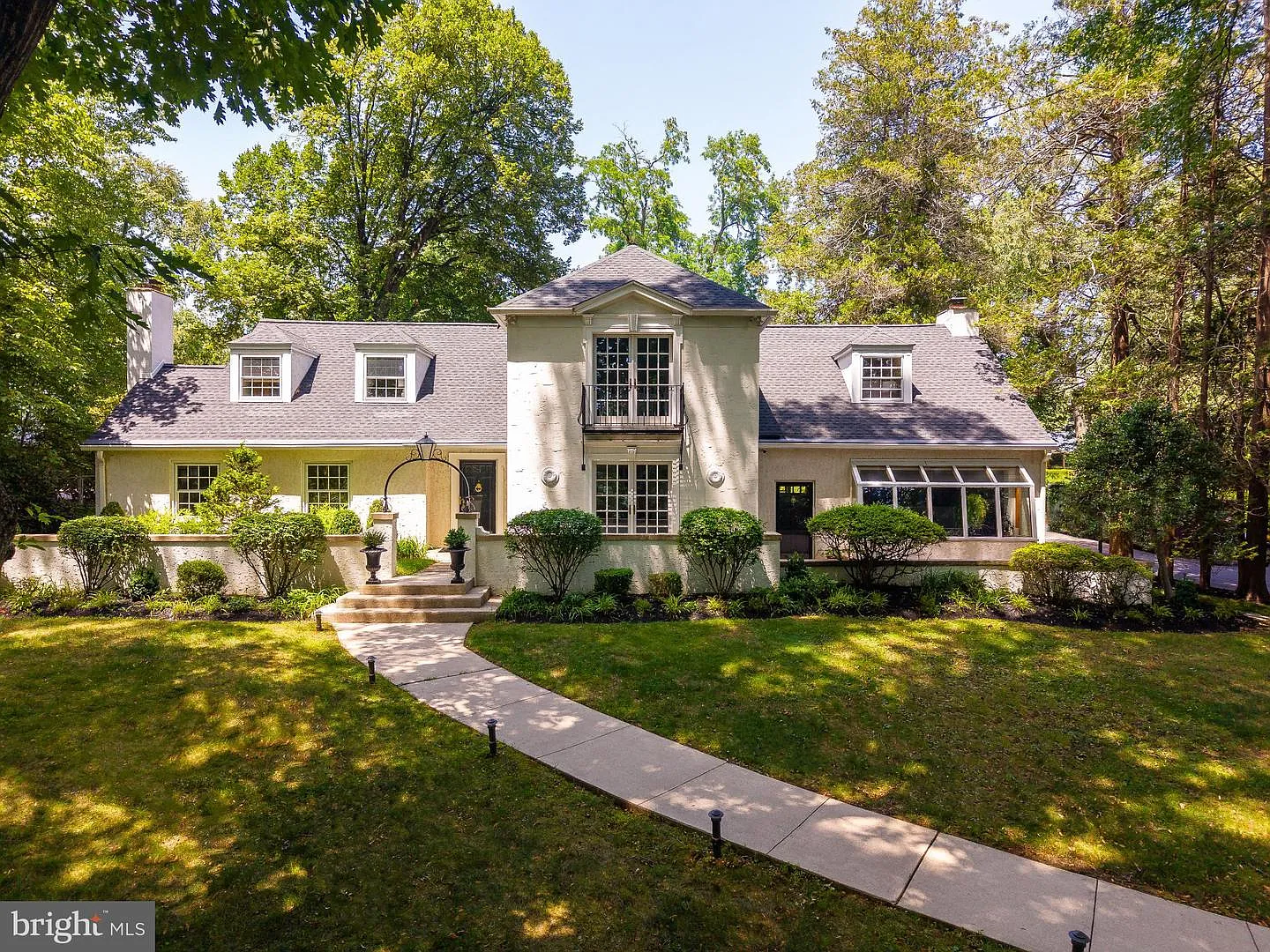
    A charming five-bedroom Bryn Mawr home
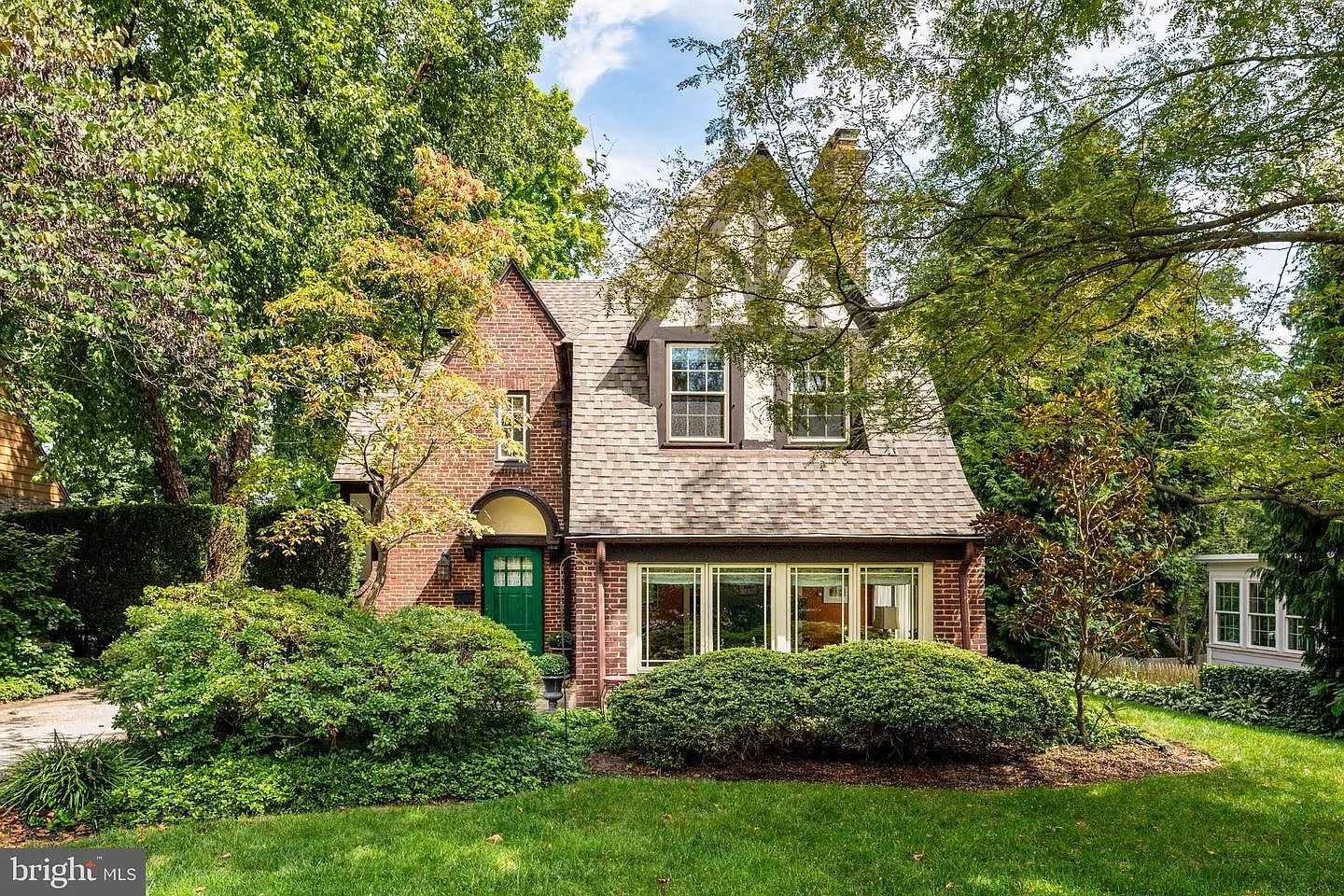
    This century-old brick Tudor Bryn Mawr home blends indoor and outdoor living thanks to plenty of windows, a sunroom, a screened-in porch, and a flagstone patio. The home has formal living and dining rooms, an updated eat-in kitchen, and five bedrooms across the second and third floors, including a primary suite with a double sink vanity. There are open houses today from 12:30 to 2 p.m., Saturday from 1 to 3 p.m., and Sunday noon to 2 p.m.

    See more photos of the home here.

    Price: $1.2M | Size: 3,369 SF | Acreage: 0.34

    📈 Lower Merion market report

    • Median listing price: $590,000 (down $67,500 from July) 📉
    • Median sold price: $764,500 (down $435,500 from July) 📉
    • Days on the market: 58 (up eight days from July) 📈

    This Lower Merion market report is published on a monthly basis. Above is data for August from realtor.com.

    🗞️ What other Lower Merion residents are reading this week:

    By submitting your written, visual, and/or audio contributions, you agree to The Inquirer’s Terms of Use, including the grant of rights in Section 10.

    This suburban content is produced with support from the Leslie Miller and Richard Worley Foundation and The Lenfest Institute for Journalism. Editorial content is created independently of the project donors. Gifts to support The Inquirer’s high-impact journalism can be made at inquirer.com/donate. A list of Lenfest Institute donors can be found at lenfestinstitute.org/supporters.
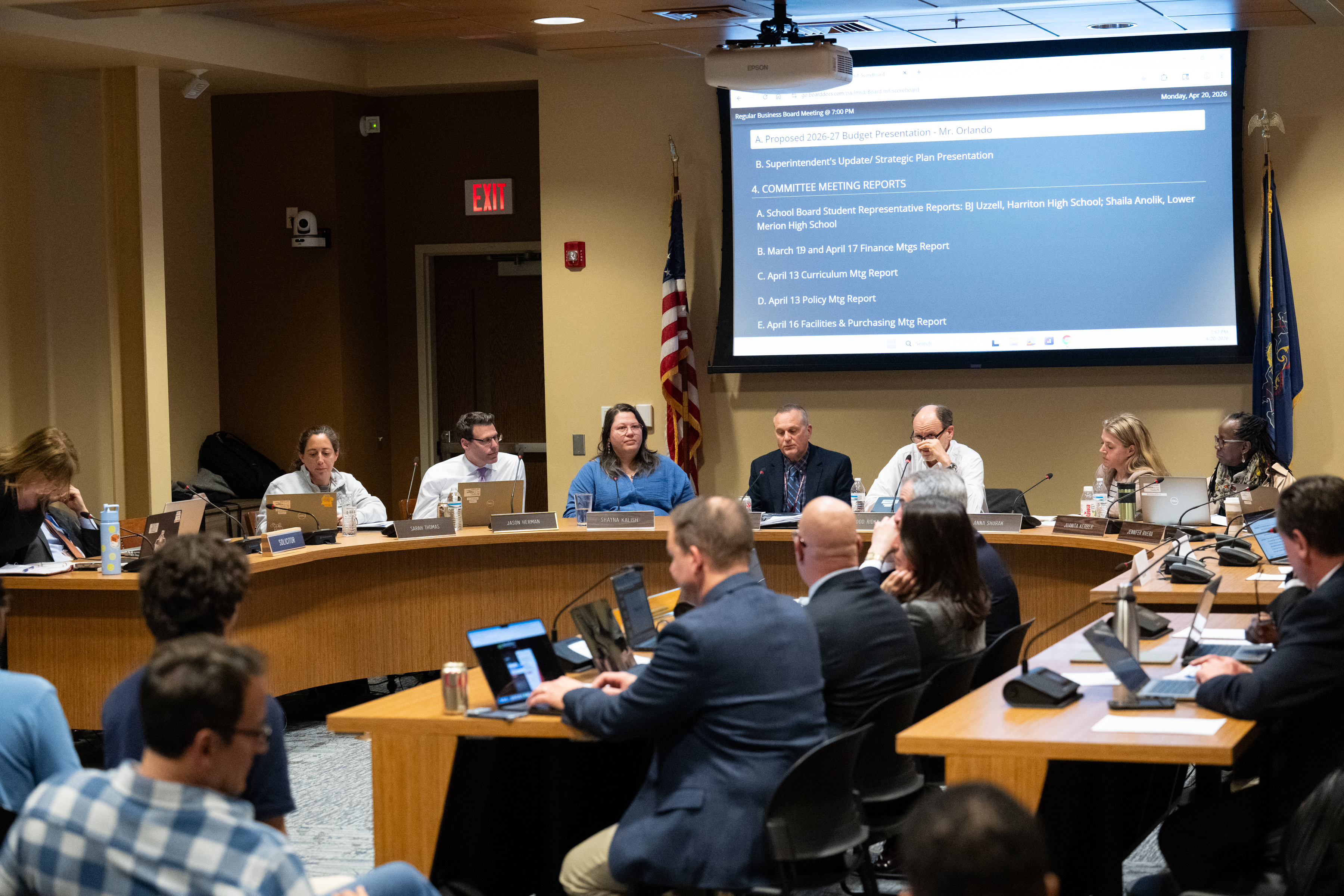

  • Lower Merion picks a new school board member after 17 people applied for the vacant seat

    Lower Merion picks a new school board member after 17 people applied for the vacant seat

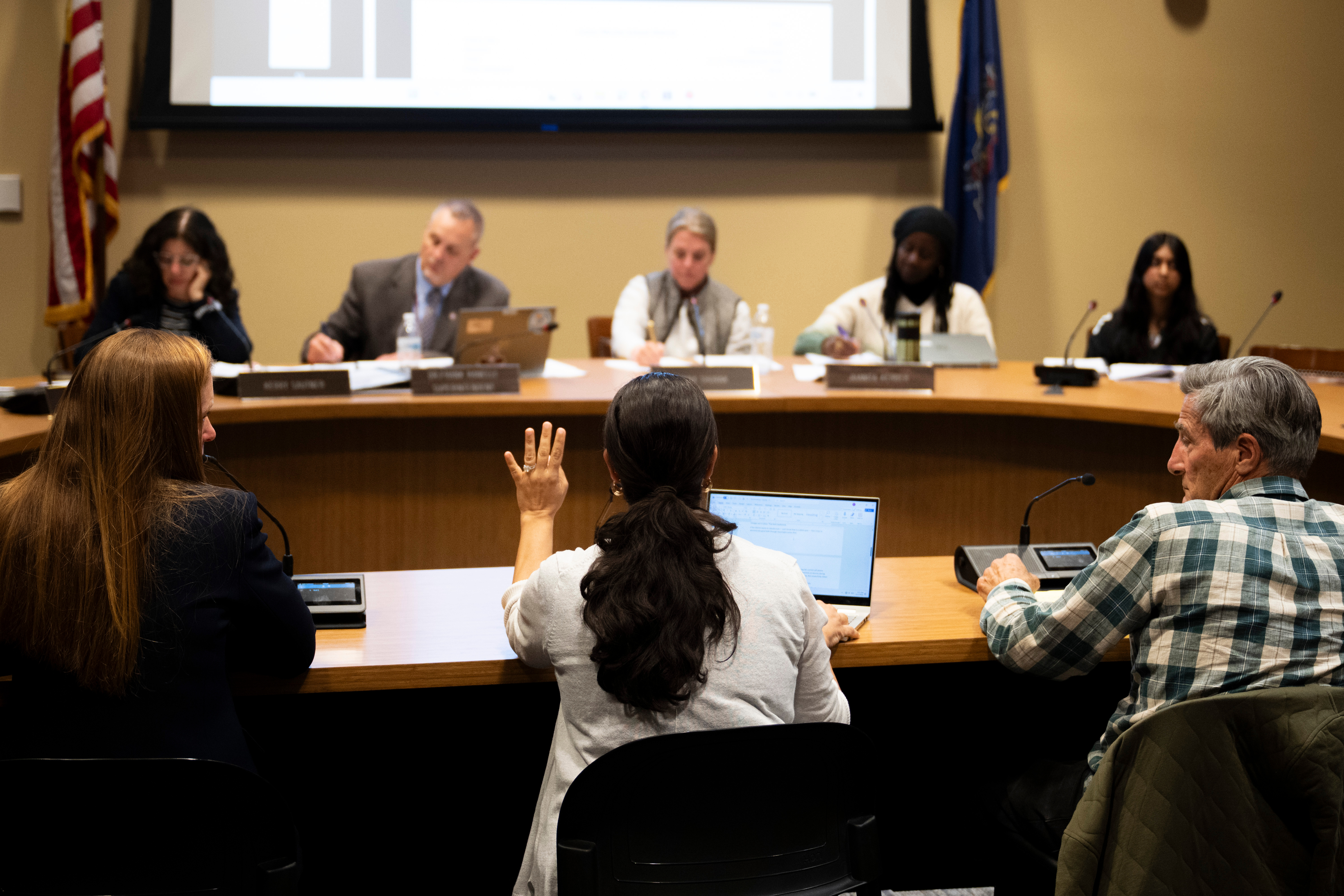
    The Lower Merion school board on Tuesday selected a Tredyffrin/Easttown teacher and former Narberth Borough Council member to fill a seat left vacant by a school board member who was arrested.

    The board picked Muna Elshakhs from a group of 17 applicants, after interviewing her and fellow applicant Andrea Gosfield during a special meeting Tuesday. The board had selected four candidates to be interviewed Tuesday, but two withdrew their names from consideration before the meeting.

    The board did not release their names, or the names of the other candidates who had applied to fill the seat. The position became vacant after Jen Rivera resigned after she was arrested last month on charges of stealing more than $50,000 from her employer.

    Some community members accused the board of a lack of transparency in appointing a new member to the term, which runs until December 2027.

    “Table this appointment, give the full list of applicants, and enter them into the public record,” Matthew Posey, who is among a group of parents challenging the district over its use of technology, said during public comment Tuesday, as he accused the board of “backroom deliberations.”

    District spokesperson Amy Buckman said before Tuesday’s meeting that the eight board members had “individually notified the board secretary of their top choices from among the applicants to be publicly interviewed.” The secretary tallied the selections, and “the applicants with the most selections” were scheduled to be interviewed, Buckman said.

    Those who were not selected included at least two people who ran for the Democratic-led board unsuccessfully in 2025: Rich Lester, who ran as a Democrat but was not endorsed by the local Democratic Party, and Deena Pack, who ran as a Republican.

    In an interview Tuesday, Lester said he was unsure how board members had made their selections for filling the vacant seat. He said he was told there was no scoring rubric used.

    “To have no sort of what we’re looking for is disappointing,” said Lester, who had proposed more accountability and financial analysis from the board.

    Pack, who addressed the school board during public comment Tuesday, said she was the only applicant who had received more than 7,000 votes, and had already been scrutinized by community members during the campaign process.

    “Should the board change its mind, I’m ready,” she said.

    When it was time for the board to nominate candidates, board president Kerry Sautner nominated Pack. But she did not vote for her.

    Sautner voted for Elshakhs, as did board vice president Todd Ridky and members Shayna Kalish and Sarah Thomas. Board members Anna Shurak, Juanita Rivera, and Jason Herman voted for Gosfield.

    Board member Abby Rubin, who has clashed with board leaders, including around the district’s technology policy, nominated and voted for Lester.

    That gave Elshakhs four votes, but five were needed for a majority. The board voted again with the same result.

    Elshakhs then withdrew her application, though some board members told her she did not have to do so, and solicitor Kenneth Roos told board members they could still vote for her.

    “There’s nothing wrong” with the board’s split, Sautner said, calling the debate “healthy tension.”

    “This is a good problem to have,” Ridky said, later adding, “I wish we had more seats to offer tonight.”

    Shurak said that Gosfield, a lawyer, had been involved in the district’s equity policy and had children in district schools that were not currently represented by other board members.

    Thomas credited Elshakhs’ perspective as a current teacher, though some board members questioned her ability to attend daytime committee meetings given her job. Sautner said the board could be flexible with scheduling.

    Shurak ultimately switched her vote to Elshakhs, saying she wanted to respect the majority of the board. Kalish accused Lerner of obstructing the process by continuing to vote for Lester; Lerner said she had a different opinion.

    After Elshakhs files a financial statement of interest, she will be sworn in and officially join the board, Roos said.

  • Lower Merion’s gas-powered leaf blower ban has led to 437 complaints and put ‘tremendous stress’ on staff, officials say

    Lower Merion’s gas-powered leaf blower ban has led to 437 complaints and put ‘tremendous stress’ on staff, officials say

    A gas-powered leaf blower ban in Lower Merion has put “tremendous stress” on township staff, as hundreds of complaints have piled up since its implementation this summer, officials said at a Sept. 9 meeting.

    Officials from Lower Merion’s department of building and planning told commissioners at a recent budget meeting that enforcement of the ban has strained resources as staff are pulled away from other work to address a growing collection of complaints. The department is asking to promote one part-time staff member to full-time and hire a seasonal code compliance officer to meet the increased demand.

    “There’s a significant amount of administrative time required to enforce the ordinance, and it’s just beyond our existing capabilities to do this,” Chris Leswing, Lower Merion’s director of building and planning, told commissioners.

    Leswing said investigating potential violations has pushed back other projects, requiring the department to pay increased overtime so staff can address their day-to-day responsibilities.

    Lower Merion received 437 complaints of leaf blower violations and issued 49 fines from June 1 to Sept. 9, according to Ernest Pendleton, assistant director of building and planning.

    In that same time frame, the department received 80 reports of all other standard property maintenance violations, including trash, debris, noise, lighting, high weeds, and grass issues.

    The proposed upgrade of the administrative clerk to full-time next year would add $48,000 to next year’s budget, and hiring a seasonal code compliance officer for 22 weeks of the year would add $35,000.

    Lower Merion commissioners passed the ban on gas-powered leaf blowers last fall, a move proponents said would help safeguard the environment and protect residents against harmful air and noise pollution.

    The ordinance phased out gas-powered leaf blowers on a seasonal basis, starting with a ban from June 1 to Oct. 1 this year, with an eventual all-out ban beginning in 2029.

    Enforcement is complaint-based. Residents are encouraged to report violations via Lower Merion’s LM Report-It app, email, or phone. Violators first receive a warning, then a $100 fine for a first offense, $250 for a second offense, and $600 for a third or subsequent offense.

    Enforcing the leaf blower ban presents a specific set of issues for staff, Pendleton said. Only around one-third of leaf blower complaints include enough evidence to be verified, meaning for the majority of infractions, a township staff member must conduct an independent investigation before deciding whether to fine a property owner. Investigations often include reviewing photos and videos and driving to the site of the violation. Complaints are doubly difficult to investigate as the department’s inspectors are often “scheduled out,” meaning no one is available to look into tips as they are being called in, according to Pendleton.

    “We don’t have any inspector sitting inside our building to run out to a site,” Pendleton said.

    Commissioners at the meeting said residents have reported feeling uncomfortable with the complaint-based system.

    “They’re feeling as though they’re being asked to report on one another in the absence of another type of system,” said Commissioner Chris McGuire, who said she is getting reports that “neighbors are quibbling because one has reported the other.”

    Pendleton said hiring a seasonal code compliance officer would help alleviate the fact that “neighbors aren’t liking to have to tell on neighbors,” though he noted that all of Lower Merion’s standard property maintenance complaints, with the exception of building codes, come in through resident reporting.

    “We don’t send anyone out to look for problems,” Pendleton said.

    Both commissioners and staff said they expect leaf blower complaints to drop in the coming years as residents and landscapers continue to transition to electric equipment. Pendleton said adding a seasonal officer would allow the township to have flexibility to shed the position should complaints drop off.

    Some commissioners seemed poised to fulfill the building and planning department’s staffing requests, but no formal votes were taken at the meeting.

    This suburban content is produced with support from the Leslie Miller and Richard Worley Foundation and The Lenfest Institute for Journalism. Editorial content is created independently of the project donors. Gifts to support The Inquirer’s high-impact journalism can be made at inquirer.com/donate. A list of Lenfest Institute donors can be found at lenfestinstitute.org/supporters.
  • Curbside compost is trending in the Philly suburbs. In Delco, many residents’ scraps are ending up at Linvilla.

    Curbside compost is trending in the Philly suburbs. In Delco, many residents’ scraps are ending up at Linvilla.

    Fifteen years ago, Chris Pieretti was just trying to get people to come around on compost.

    Now, the Upper Darby resident and compost aficionado spends his days traversing the region in his truck, collecting a potpourri of food scraps in green buckets, and turning eggshells, banana peels, and coffee grounds into a nutrient-rich, soil-like product.

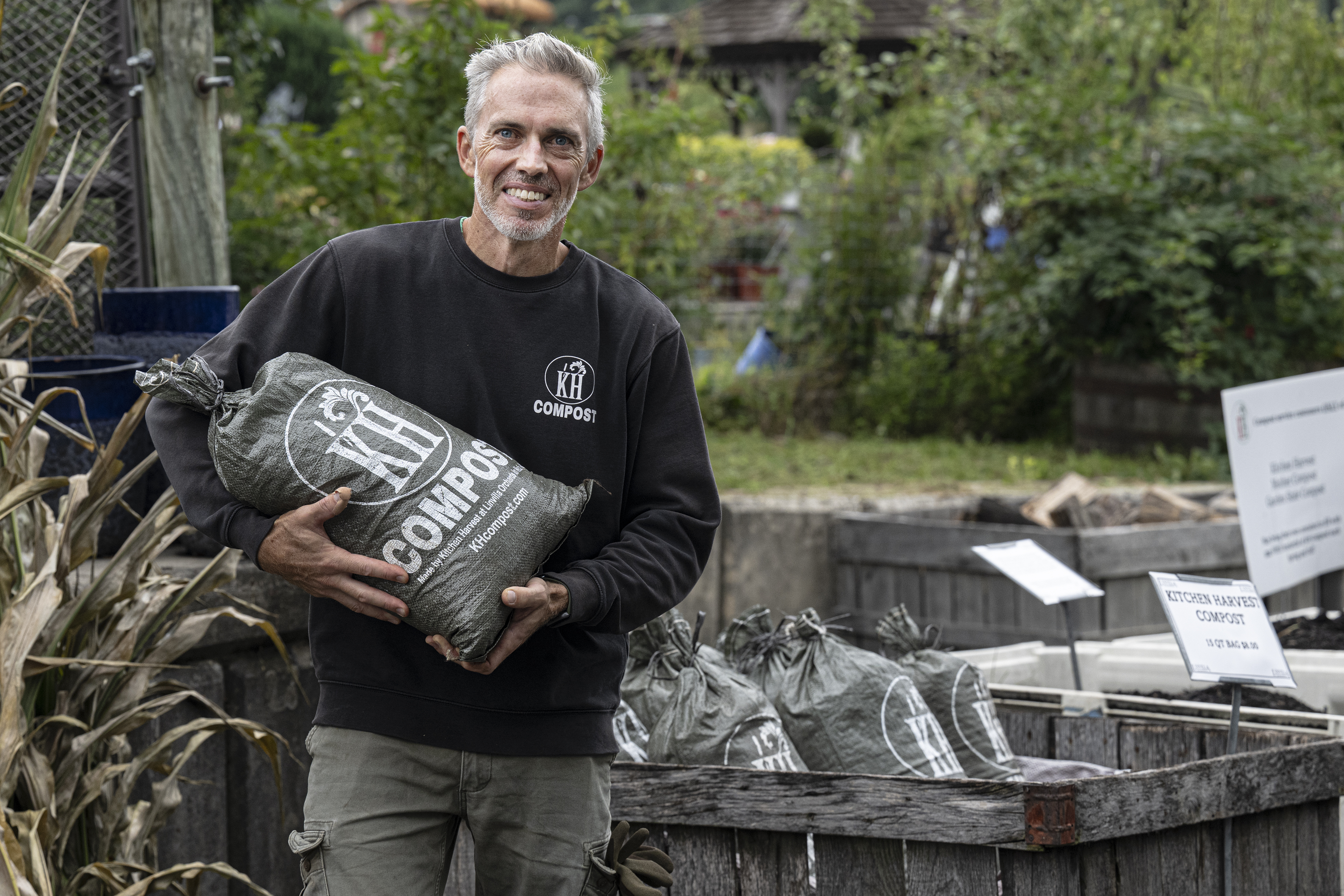
    Pieretti is behind Kitchen Harvest, which collects compostable materials and processes them on a five-acre site at Linvilla Orchards in Delaware County. Kitchen Harvest is, in Pieretti’s words, part of “a better, more sustainable future of a full-circle food system.”

    It is part of a growing network of providers and composters across the Philadelphia region who are working to reduce waste and improve food system circularity, where scraps of food once grown in the Earth can return to it, fertilizing soil for new crops.

    With Haverford Township debuting its municipal compost program this summer, joining Media and Swarthmore, among other municipalities, compost purveyors say the practice is breaking out of its crunchy origins and becoming a key part of the region’s waste management strategy.

    Chris Pieretti holds a compost bag at Kitchen Harvest in Delaware County. Pieretti is working with local homes and municipalities to compost food scraps and yard waste. Jose F. Moreno / Staff Photographer

    What is composting?

    Composting is the process of recycling organic materials like food scraps and yard waste, breaking them down into a brown, soil-like material called compost, and using that material in farms and gardens to enrich other plants and crops.

    The composting process happens on micro and macro scales — in small home gardens and at multi-acre sites like Kitchen Harvest’s.

    Compost advocates tout both its environmental and agricultural benefits. In the U.S., food is the single most common material sent to landfills, where it is responsible for 58% of methane emissions, a powerful greenhouse gas, according to the Environmental Protection Agency. Adding compost to soil increases its nutrient content, conserves water by helping retain moisture, and reduces reliance on chemical fertilizers, the EPA says.

    “Food is only wasted when we throw it in the trash. It’s our choice to dispose of it in that method, but we don’t have to,” said Gwenn Nolan, founder of Mother Compost, a company that collects compost material throughout the Philly suburbs and brings it to the Kitchen Harvest site at Linvilla.

    Going from ‘crunchy’ to ‘waste management strategy’

    Many compost enthusiasts have a similar story: What started as a backyard experiment grew, through trial and error, into a way of life and, for some, a career.

    Nolan, of Mother Compost, got her start asking 10 friends on the Main Line to try composting so she could test demand for a compost collection service. She bought a small truck, picking up the bins of food scraps early in the morning before heading to her job in financial services. After the pandemic, residential demand ballooned, and Nolan made Mother Compost her full-time job. Now, the company serves around 1,500 homes; schools including Bryn Mawr College and Villanova University; culinary institutions including Reading Terminal Market; and corporate offices.

    Nolan collects compost in her truck and carts it out to Pieretti, whom she calls “the master mixologist,” for processing.

    “It’s really exciting to see the commercial side and the institutional side coming online as well,” Nolan said. “It’s becoming more a piece of the waste management strategy than just this kind of crunchy, environmental practice that I think people thought about it before.”

    Kate Jacoby, who runs Center City vegan restaurant Vedge with her husband, Rich Landau, is one of Nolan’s loyal customers. Jacoby began composting in her small Philadelphia backyard during the pandemic, expanding her home compost operation when the couple moved to Chester County in 2021 and, eventually, bringing composting to the Vedge kitchen.

    “I get such a satisfaction knowing that it’s going to go into the soil and it’s not going to sit in a landfill,” Jacoby said.

    Foods scraps like banana peels, onion skins, and lemons are turned into compost. JESSICA GRIFFIN / Staff Photographer

    An expanding suburban compost network

    As compost accessibility grows, so, too, does the number of municipal governments offering compost services to residents.

    Media became the first municipality to sign on with Kitchen Harvest in 2021, embracing a borough-wide compost program with a catchy “Gotta Getta Bucket” promotional video.

    “The community at-large really supported the idea, and the participation was really high,” Pieretti said of Media.

    Many suburban programs have followed in the footsteps of Bennett Compost, which has been serving the city of Philadelphia since 2009.

    Lower Merion in 2025 debuted both a community drop-off and a curbside pickup pilot program through Mother Compost and Bennett Compost. Swarthmore Borough launched a curbside compost program through EZComposting in January.

    When Haverford Township launched its Kitchen Harvest partnership this summer, Pieretti felt like he had “won the compost championship.”

    In July, Haverford Township collected 162 tons of organic material, an increase of 111 tons from last July, according to township manager Dave Burman, who called the program “pretty successful.” The township also collected 141 fewer tons of trash this July than the year prior.

    Haverford Township’s program is optional, with no additional cost or registration process for residents.

    “We’ve tried to make it as easy as we could for people to participate, and so far, so good,” Burman said.

    Buckets of finished compost at the Kitchen Harvest site at Linvilla Orchards. Jose F. Moreno / Staff Photographer

    At its best, proponents say, compost creates a circular system. Much of Kitchen Harvest’s compost product is used by Linvilla Orchards to feed the crops, and composters can buy back bags of the finished product at a discounted rate.

    Sarah Linvill, team member at Linvilla, said the farm is grateful to work with Kitchen Harvest and to “be hosts for that kind of work.”

    Composting services are “just invaluable to the community,” Linvill said.

    Nolan called Linvilla “a tremendous resource for the region” when it comes to compost.

    Composters like Jacoby, of Vedge, say they now cannot imagine a world where they simply toss an apple core into the trash.

    “If you really, really dig down and want to get kind of philosophical about it,” Jacoby said, “when your soil is healthy and it’s full of nutrients, you’re going to have better-tasting food for yourself to consume.”

    This suburban content is produced with support from the Leslie Miller and Richard Worley Foundation and The Lenfest Institute for Journalism. Editorial content is created independently of the project donors. Gifts to support The Inquirer’s high-impact journalism can be made at inquirer.com/donate. A list of Lenfest Institute donors can be found at lenfestinstitute.org/supporters.

  • Creating a third space in Narberth | Inquirer Lower Merion

    Creating a third space in Narberth | Inquirer Lower Merion

    Hi, Lower Merion!

    A new general store, complete with a craft counter and floral bouquets, is coming to Narberth, with a goal of creating a third space for area residents. Here’s what to expect. Also this week, township police are looking to add a “first responder” drone, the school district is urging a judge to deny a parent-led lawsuit over device use, plus a Gladwyne resident and TikTok personality has been charged with assaulting his girlfriend.

    Have a question about town? Submit it to Curious Lower Merion and one of our reporters might track down the answer.

    If someone forwarded you this email, sign up for free here.

    A new general store looks to create a ‘third space’ in Narberth

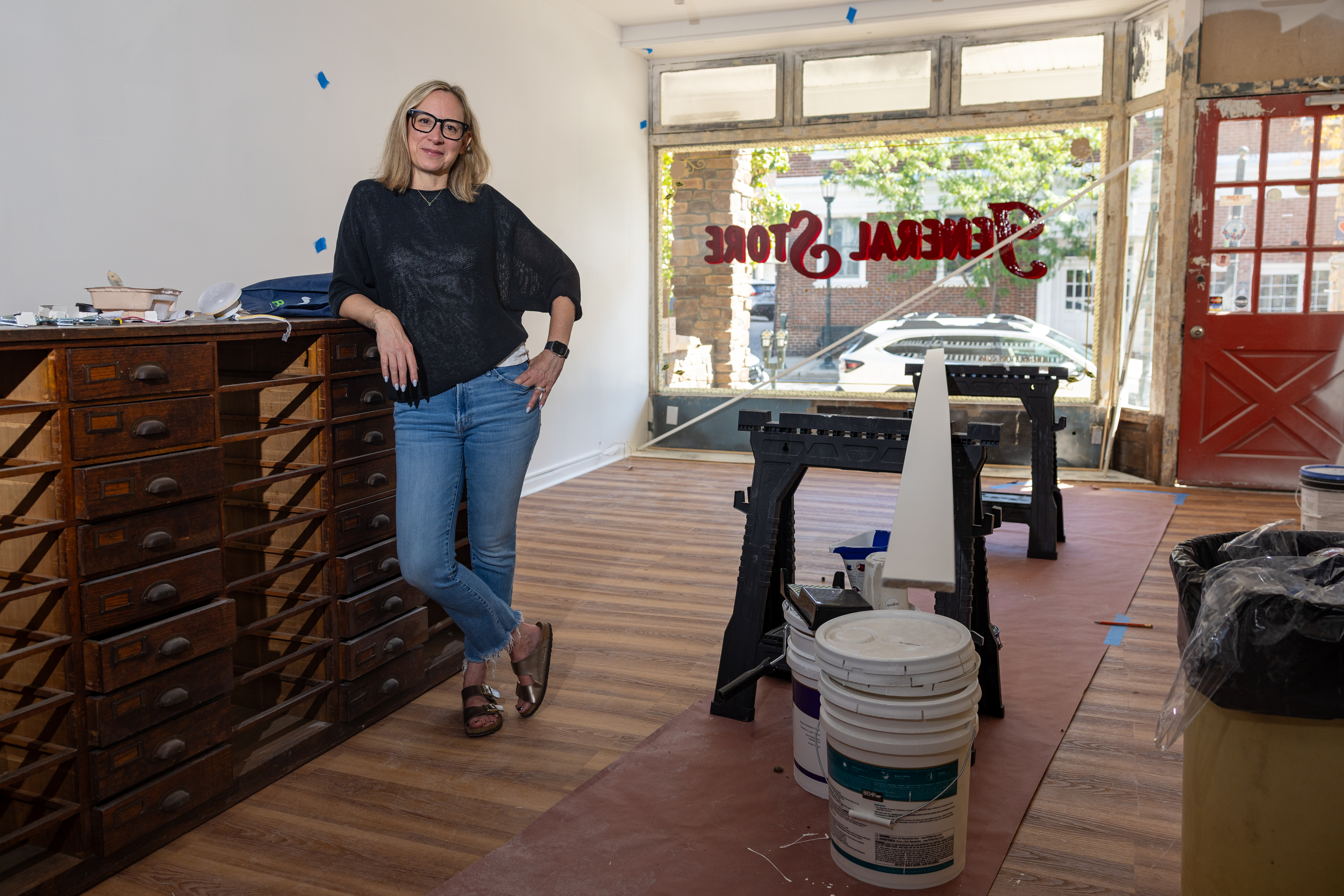
    Narberth is getting a new take on the old-school general store this fall when borough resident Jen Kurland debuts her new spot, Jeneral Store, in the former home of Danny’s Guitar Shop.

    The storefront will offer a mix of home goods, DIY floral bouquets, penny candy, and a craft counter in the vein of delis. There, shoppers will be able to order art supplies à la carte.

    Kurland hopes it will become something of a third space, with plans to offer craft nights and workshops down the line.

    The Inquirer’s Denali Sagner spoke with Kurland about her vision and what else visitors can expect.

    💡 Community News

    • Lower Merion police are seeking funding for a drone that could be automatically deployed for certain emergency calls, a tool they say could provide crime scene information before officers even respond. Commissioners expressed skepticism, particularly over privacy, at last week’s budget workshop. Here’s what the program could look like.
    • At the same 2027 budget workshop, township officials warned of financial headwinds that could mean possible real estate tax increases next year. Additional workshops will be held throughout the fall before a decision is made.
    • Gladwyne resident and personal injury lawyer Thomas Bosworth has been charged with simple assault and harassment after allegedly choking his girlfriend and throwing her to the ground during a dispute on the Cynwyd Heritage Trial in Bala Cynwyd. The 37-year-old is known as “Tommy the Lawyer” on TikTok, where he has hundreds of thousands of followers.
    • Men’s footwear company Sherman Brothers has officially opened its doors at 42 Greenfield Ave. in Ardmore, relocating from its longtime home in Center City.
    • The owner of Dane Fine Art has been named in a lawsuit for allegedly participating in a scheme to sell fraudulent artwork, including fake Andy Warhol paintings. The Haverford gallery was raided by the FBI earlier this summer. Owner Nathan “Nicky” Isen has denied the accusations.
    • Downtown Ardmore District will hold a ribbon cutting tomorrow to officially unveil the transformation of the alleyway wall along Past Present Future into a mural. It will also include a dedication to the shop’s owner, Sherry Tillman, as she winds down the beloved business.

    🏫 Schools Briefing

    • The school board voted unanimously on Monday to accept former board member Jennifer Rivera’s resignation, which she tendered last month after being charged with embezzling more than $50,000 from her employer, The Inquirer’s Denali Sagner reports.
    • After a group of parents filed a lawsuit against the district over opting their children out of school-assigned computers, the district has asked a federal judge to deny the request, accusing them of “fearmongering.”
    • The school district is closed Monday, which is Yom Kippur. There’s a special board meeting Tuesday from 5 to 8 p.m.

    🍽️ On our Plate

    • Two new eateries are coming to Bala Cynwyd on City Avenue in 2027. French-inspired chain Paris Baguette is slated to open a location in the spring, while all-you-can-eat revolving sushi concept Supra Sushi is planning to open sometime in the middle of next year.
    • Nanu’s Hot Chicken has reopened at 59 W. Lancaster Ave. in Ardmore after being forced to close at the end of July when a vehicle damaged the store.
    • Tired Hands Brewing Company in Ardmore has released a new Rose Panna Cotta milkshake IPA. The 7.2% ABV beer has notes of bubblegum, pink grapefruit, raspberry honey, and mango.

    🎳 Things to Do

    🎪 Bryn Mawr Day: Celebrate the community with local businesses, food, drinks, and a circus. ⏰ Saturday, Sept. 19, 9 a.m.-2 p.m. 💵 Pay as you go 📍 North Bryn Mawr Avenue parking lot

    🎨 Chalk Mob 2026: Watch as artists transform the plaza at Linwood Park or try your hand at it yourself. ⏰ Saturday, Sept. 19, 10 a.m.-noon 💵 Free 📍 Linwood Park

    🍿 Back to the Future: This month’s family movie night features the first installment of the Michael J. Fox film series. ⏰ Saturday, Sept. 19, 7:30 p.m. (rain date: Sept. 20) 💵 Free 📍 Narberth Park

    🏴‍☠️ Pirate Day Crafternoon: Pirates and their mateys can make themed crafts in honor of National Talk Like a Pirate Day (parrots and eye patches optional). ⏰ Wednesday, Sept. 23, 3-5 p.m. 💵 Free 📍 Gladwyne Library

    🍖 KB Foundation’s Fall Fundraiser: Chef Nick Elmi will dish up barbecue for this benefit, which also includes a silent auction, a DJ, candy and cigar bars, and an awards ceremony. ⏰ Thursday, Sept. 24, 7 p.m. 💵 $175 and $250 for individual tickets 📍 Pump House

    🏡 On the Market

    A four-bedroom Narberth home with a pool and a conservatory

    The home has a conservatory and courtyard-style entryway.A1RMedia | Courtesy of Arielle Roemer/ BHHS Fox & Roach at the Harper

    This mid-century Penn Valley home has undergone a number of updates, including a private wing addition for the primary suite. Located on the second floor, it has vaulted ceilings, dual vanities, a dressing room, walk-in closets, a laundry room, and a balcony. Other features of the four-bedroom home include a dining room, a kitchen with a butler’s pantry, an office, a parlor with an antique marble fireplace, and a conservatory. Outside, there’s a patio with a pergola and a pool. There are open houses today from 11 a.m. to 1 p.m. and Saturday from noon to 2 p.m.

    See more photos of the home here.

    Price: $1.595M | Size: 4,412 SF | Acreage: 0.96

    🗞️ What other Lower Merion residents are reading this week:

    By submitting your written, visual, and/or audio contributions, you agree to The Inquirer’s Terms of Use, including the grant of rights in Section 10.

    This suburban content is produced with support from the Leslie Miller and Richard Worley Foundation and The Lenfest Institute for Journalism. Editorial content is created independently of the project donors. Gifts to support The Inquirer’s high-impact journalism can be made at inquirer.com/donate. A list of Lenfest Institute donors can be found at lenfestinstitute.org/supporters.

  • Philly attorney and TikTok influencer ‘Tommy the Lawyer’ charged with assaulting his girlfriend

    Philly attorney and TikTok influencer ‘Tommy the Lawyer’ charged with assaulting his girlfriend

    A prominent Center City personal injury lawyer, known for his active TikTok account, choked his girlfriend and threw her to the ground during a dispute on a walking path in Lower Merion, according to police.

    Thomas Bosworth, 37, has been charged with simple assault and harassment in connection with the Sept. 3 incident. He was released on $15,000 unsecured bail.

    Bosworth, a resident of Gladwyne, did not respond to a request for comment. His attorney, Michael van der Veen, said in a statement that Bosworth “is presumed innocent, maintains his innocence and has full confidence in the courts.”

    Bosworth, known to his 327,000 followers on TikTok as “Tommy The Lawyer,” gained prominence in 2022, when he won a $19.7 million verdict in a medical malpractice case as a 33-year-old attorney at Kline & Specter.

    In the years since, he has opened his own law firm amid accusations from his former employer that he poached its clients and sanctions for his behavior from a federal judge.

    Meanwhile, he has expanded his social media following through videos that give advice on everyday goods from his vantage point as a personal injury lawyer and the context for high-profile lawsuits he litigates.

    On the day of the Lower Merion assault, four people told police they saw Bosworth attacking a woman on a section of the Cynwyd Heritage Trail behind Union Avenue in Bala Cynwyd, according to the affidavit of probable cause for his arrest. After choking the woman, the witnesses said, he threw her into bushes along the path, then walked away as she screamed.

    The witnesses also said the woman slapped Bosworth and threw rocks at him while on the ground next to the trail, according to the affidavit.

    Officers responding to the call found the woman with “redness on her cheeks and discoloration of the skin around her neck,” the document said. She told the officers she had fallen, and declined to speak with them further, as did Bosworth.

    Witnesses later told police they overheard the couple arguing about Bosworth’s alleged infidelity, and the dispute escalated when the woman mentioned a text thread from his secretary he had deleted.

    The assault took place in front of the couple’s newborn daughter, who was with them in a stroller, the affidavit said.

    A judge ruled that attorney Tom Bosworth could keep displaying two TikTok videos critical of Penn Medicine, including the one from which this image is taken, in which he alleges that the health system’s radiology department is understaffed.

    Bosworth’s arrest was not the first time in recent years that he has been the subject of scrutiny.

    His separation from Kline & Specter in 2022 led to an ugly court dispute between the prestigious firm’s partners and their former young associate.

    Tom Kline and Shanin Specter accused Bosworth of poaching clients, which he denied, and in return accused his former bosses of defamation. The parties reached a settlement in 2024 but have returned to court multiple times since, accusing each other of violating the agreement.

    Kline and Specter are not the only ones who took issue with Bosworth’s conduct in the courtroom or online.

    In 2023, Penn Medicine asked a Philadelphia judge to order Bosworth to stop posting on social media about a medical malpractice case he filed against the health system, saying he misrepresented facts and “poisoned” the potential jury pool. The judge sided with Bosworth.

    That same year, a federal judge sanctioned Bosworth for “misconduct” during four expert depositions in a product liability case, saying the lawyer was “rude, demeaning, and obnoxious” to a female defense attorney.

    And last week, the Pennsylvania Superior Court called Bosworth’s conduct in the courtroom “deplorable” even as it upheld the $19.7 million verdict he won while at Kline & Specter.

    Bosworth had been accused of repeatedly ignoring the instructions of a Philadelphia Common Pleas Court judge during a medical malpractice trial in an attempt to inflame the jury.

    On LinkedIn, less than two weeks after the alleged assault, Bosworth wrote about the decision to uphold the verdict without noting the admonishment.

    “The courtroom is one of the only places left in our democracy where the everyday person can hold to task wrongdoers, no matter how rich powerful,” he said.

    Bosworth is scheduled to appear for a preliminary hearing in the assault case Oct. 6.

  • Lower Merion asks court to deny parents’ ‘fearmongering’ request to opt out of computers

    Lower Merion asks court to deny parents’ ‘fearmongering’ request to opt out of computers

    The Lower Merion School District has urged a federal judge to deny a request from parents to opt their children out of school-assigned computers, accusing them of “fearmongering” about technology in schools and abusing the legal process to get their way.

    In a filing in U.S. District Court, lawyers for the district and school board said seven families who sued the district last month were trying to force the district to align with their preferred approach to instruction.

    “There is no constitutional right for a parent to choose which technology their child uses in a public school,” the district said in the Monday filing. It called the lawsuit “just the latest attempt by a small — but vocal — minority of the district community to pressure the duly-elected members of the board of school directors to kowtow to their peculiar views on technology in the classroom.”

    The affluent Montgomery County district has been a focal point of a national battle around technology use in schools. Since the spring, Lower Merion parents have been raising concerns about how much their kids are on screens — from worries about children gaming and accessing inappropriate content on their district-issued laptops to complaints about the quality of the educational software programs used by the district and fears that kids’ cognitive abilities are diminishing.

    The district revised its technology policy last month, specifying that students in kindergarten through second grades would no longer be assigned individual electronic devices. It also implemented guidelines for screen time by grade level and announced new tools for monitoring what kids are accessing on their laptops.

    But the new policy did not include a provision that had previously existed, which specified that district officials would work to accommodate students whose parents did not consent to being issued electronic devices. Parents organized under a Pencils Over Pixels group had pleaded with the board not to eliminate that provision, which was repealed in June.

    In their lawsuit filed last month — which one of the plaintiffs’ lawyers said he believed was the first of its kind — seven families accused the district of forcing a “digital free-for-all” on students, and violating their parental rights by requiring their children to use internet-connected computers to access their education without adequate safeguards.

    They also filed a motion for a preliminary injunction, asking a judge to order the district either to allow them to opt their kids out of personal devices or to pay for them to attend private schools. Three of the families who sued withdrew their kids from the district.

    In its response Monday, the district said parents had mischaracterized its former policy. Families were never permitted to opt out of technology entirely, the district said. While the policy had said officials would make their “best efforts” to work with students whose families declined personal devices, they were not guaranteed specific accommodations, the district said.

    The district accused parents of trying to force the school system to bend to their beliefs — and said the court would be setting a dangerous precedent if it sided with them.

    “This court should decline plaintiffs’ invitation to convert the American public school educational system into a private school, whereby each parent has the right to hand-select each and every aspect of their child’s education,” the district said.

    A debate around parents’ rights

    In asking Judge John M. Younge to deny the families’ request for a preliminary injunction that would allow them to decline an internet-connected computer, the district said families had not made their case on a number of grounds.

    Six of the seven families do not have standing to sue, the district said. It said four of the families did not have children enrolled in district schools at the time the new technology policy was adopted.

    Two families, meanwhile, only had children in elementary schools, where they “would not have been eligible to receive a district-issued electronic device under the one-to-one electronic device initiative because they are not in 5th grade or above,” the district said.

    While elementary school students in Lower Merion have had access to personal electronic devices, the district said that its one-to-one program was “never formally extended” to those grades. A district spokesperson did not immediately respond to a question Tuesday about how the iPads and Chromebooks previously assigned to elementary schoolers were not considered part of the one-to-one program.

    Families also have not shown the district is permanently harming them, the district said. Although several of the families are now sending kids to private school or homeschooling, those decisions do not constitute “irreparable harm” warranting a preliminary injunction, the district said. It noted that families could be compensated with monetary damages if the court ruled in their favor.

    The district also said the harms of using computers alleged by the families were “vague and speculative.” In their lawsuit, families had described risks to physical and mental health, citing manipulative practices by technology companies, the dangers of artificial intelligence chatbots, and warnings from the U.S. surgeon general and the FBI about youth social media use and groups targeting minors online.

    While the district has revised its policies and placed more restrictions on what kids can access, Andrew Liddell, a lawyer for the parents, said in a recent interview that the changes “aren’t even the bare minimum of what the district should have been doing in the 20 years they’ve been giving internet-connected computers to children.”

    Liddell, an Austin, Texas-based lawyer whose wife founded the EdTech Law Center, said he believed the lawsuit was the first that had been brought alleging school computers were violating parents’ constitutional rights. Lower Merion still is not adequately restricting screen time, he said, and is “putting more burden on parents” to monitor what kids are doing online.

    While Lower Merion is a wealthy suburb, and some of the suing parents are doctors who can afford private school, Liddell said, “you have a right to a public education.”

    The parents “just want our kids to be able to go back to school,” Liddell said.

    In its response Monday, the district said parents do not have the right to dictate what is taught in public schools.

    “At most, the district’s new technology policy (Board Policy 141) only incidentally interferes with a parent’s limited right to direct their child’s education,” the district said.

    It also said that granting the parents’ request would cause a “logistical and financial hardship for the district,” requiring it “to develop a non-technological curriculum for each of plaintiffs’ children.”

  • Schools around Philly are no longer giving laptops to kindergartners and scaling back on screen time. It’s a tech backlash.

    Schools around Philly are no longer giving laptops to kindergartners and scaling back on screen time. It’s a tech backlash.

    As her children start second and third grades in the Colonial School District, Elise LaChapelle expects they will spend no more than 20 to 30 minutes a day on their Chromebooks — limits the Montgomery County district has announced to parents.

    Colonial also no longer allows elementary school students to take their laptops home at night. “That seemed to be an acknowledgment on the district’s end that changes were needed,” LaChapelle said.

    Amid a spreading backlash to screens in classrooms, public school districts across the Philadelphia region are placing more limits on technology use — including by pulling back on one-to-one device programs once touted as critical for ensuring every student had access to technology.

    The Tredyffrin/Easttown School District has stopped assigning iPads to kindergartners, and students across the district’s elementary schools will no longer take their tablets home at the end of the day.

    In Methacton, the district has transitioned from individual devices to a shared model for kindergartners and first graders, with Chromebooks available for center-based activities, according to a district spokesperson.

    The Phoenixville Area School District has ended its one-to-one device program for kindergarten through third grade, while in Wallingford-Swarthmore, kindergartners through second graders will take fewer online assessments, and kids up to fifth grade are no longer able to search and browse YouTube.

    Parents who have been pushing schools to scale back on computer use are applauding the new restrictions as a step in the right direction of promoting teacher-led instruction and reducing screen-based distractions.

    But they also question how much will change in practice, because children will still have access to devices in many classrooms. Some parents who have been battling for less screen time want schools to go further to address what they see as excessive reliance on technology at older grade levels.

    In Lower Merion, which adopted a new technology policy last month that no longer assigns personal devices to kindergartners through second graders, seven parents are suing the district for rescinding their ability to opt out of computers entirely. The parents argue the district is violating their constitutional rights by requiring their kids to use internet-connected computers without adequate safeguards.

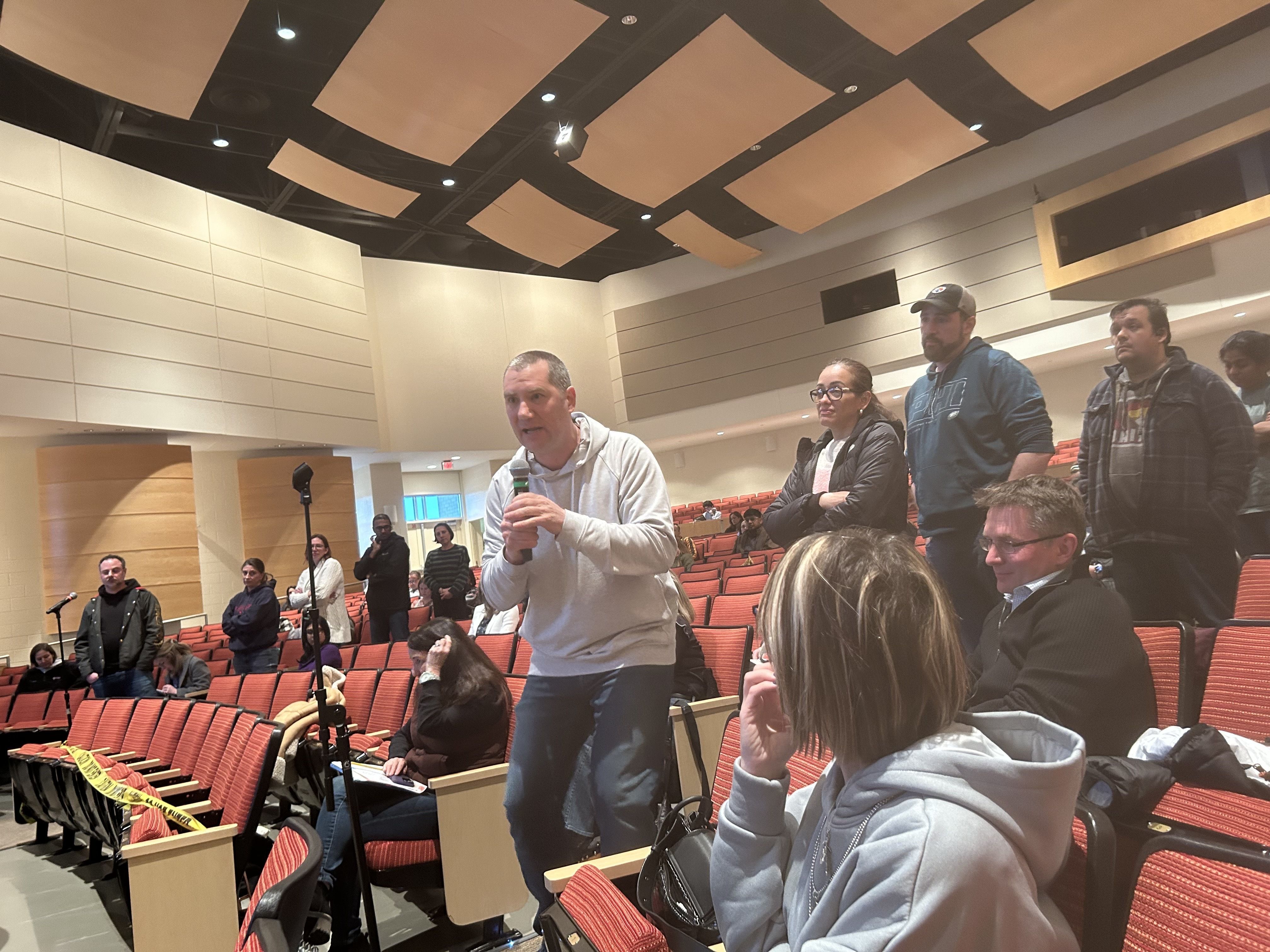
    Yair Lev, a parent who opposes Chromebook use in Lower Merion schools, speaks at a March 23 forum at Harriton High School about technology use in the school district.Maddie Hanna / staff

    For many districts, reducing computer usage in elementary schools “seemed like the low-hanging fruit,” said Alex Bird Becker, a Wallingford-Swarthmore parent active in PA Unplugged, a statewide group with about 5,000 supporters that advocates for limits on educational technology. But “when you get to middle school, the device culture has become really ingrained with curriculum. That’s where it gets harder to disentangle.”

    Wallingford-Swarthmore, a 3,700-student district, has been soliciting applications from parents to join a new Technology Advisory Council that will advise the district on further changes, including related to device use in grades six to 12. (In Lower Merion, parents have been pressing the district to create a technology review committee that includes parent representation.)

    “We know there’s even more we want to do in this area,” said Russell Johnston, Wallingford-Swarthmore’s superintendent.

    Johnston said the district was trying to ensure its use of technology was “focused” — posting online for parents to see which portions of the district’s elementary curriculum will incorporate technology, with lessons connected to Pennsylvania standards.

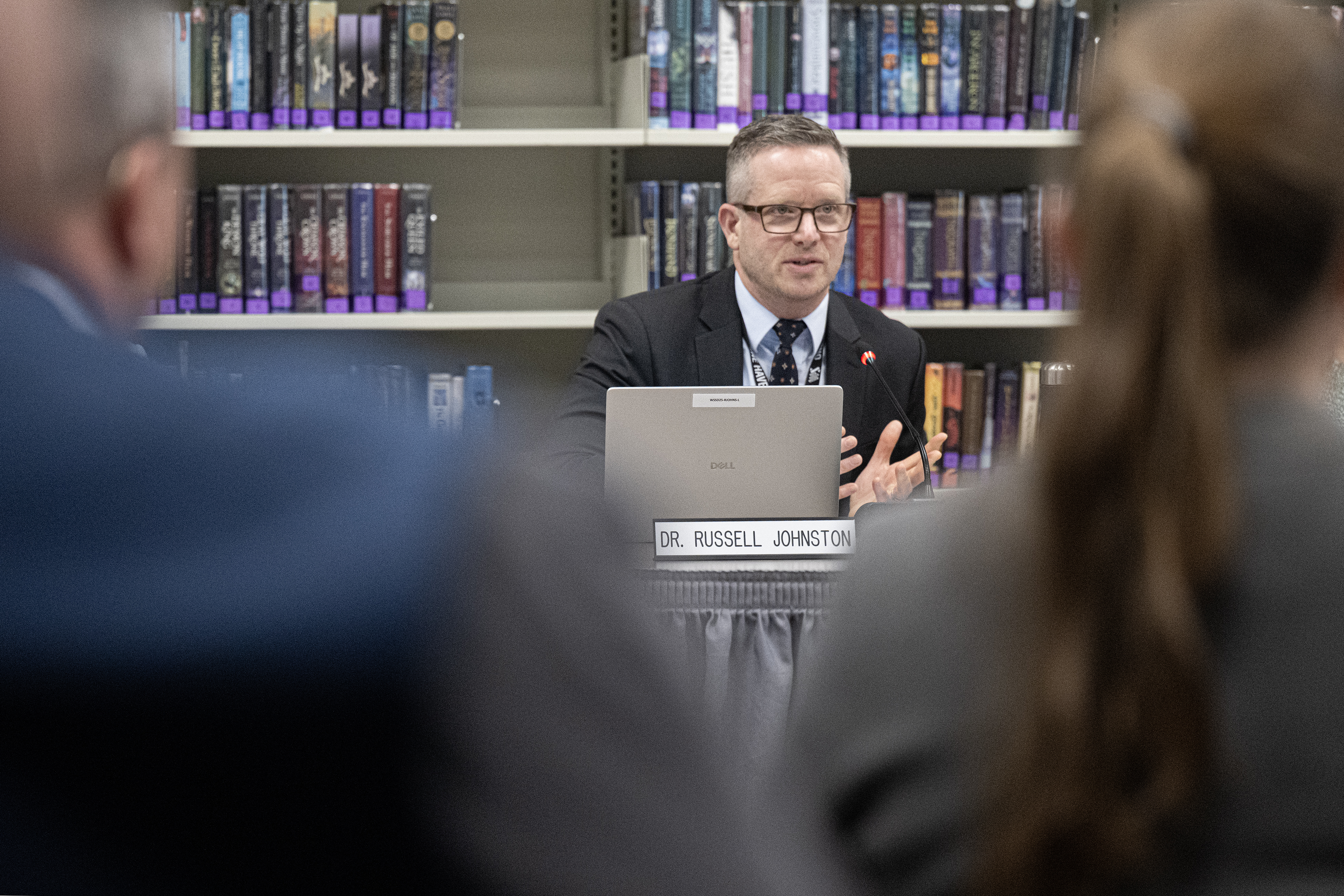
    Wallingford-Swarthmore School District Superintendent Russell Johnston speaks during a Feb. 24 school board meeting in Wallingford.

    Wallingford-Swarthmore is also reevaluating how laptops are used during “curriculum enrichment” time, Johnston said, when students are broken into small groups to receive extra help.

    In Phoenixville, which ended its one-to-one device program for kindergarten through third grade, “students will continue to have access to appropriate and approved educational technology for academic purposes only,” district spokesperson Nicole McClure said.

    Alair Southerton, a Phoenixville parent who has been pushing the district to make changes, said the school board had approved “strong language” around when devices should be used in classrooms.

    But “we’re still kind of crossing our fingers with the rollout,” Southerton said. She questioned whether teachers had clear guidance from administrators, and whether the district would consider educational technology apps that some parents object to as “gamified” as essential for learning.

    “We want to really fine-tune what needs to be done on a device on a screen,” said Southerton, who is a member of a new district Edtech Advisory Council.

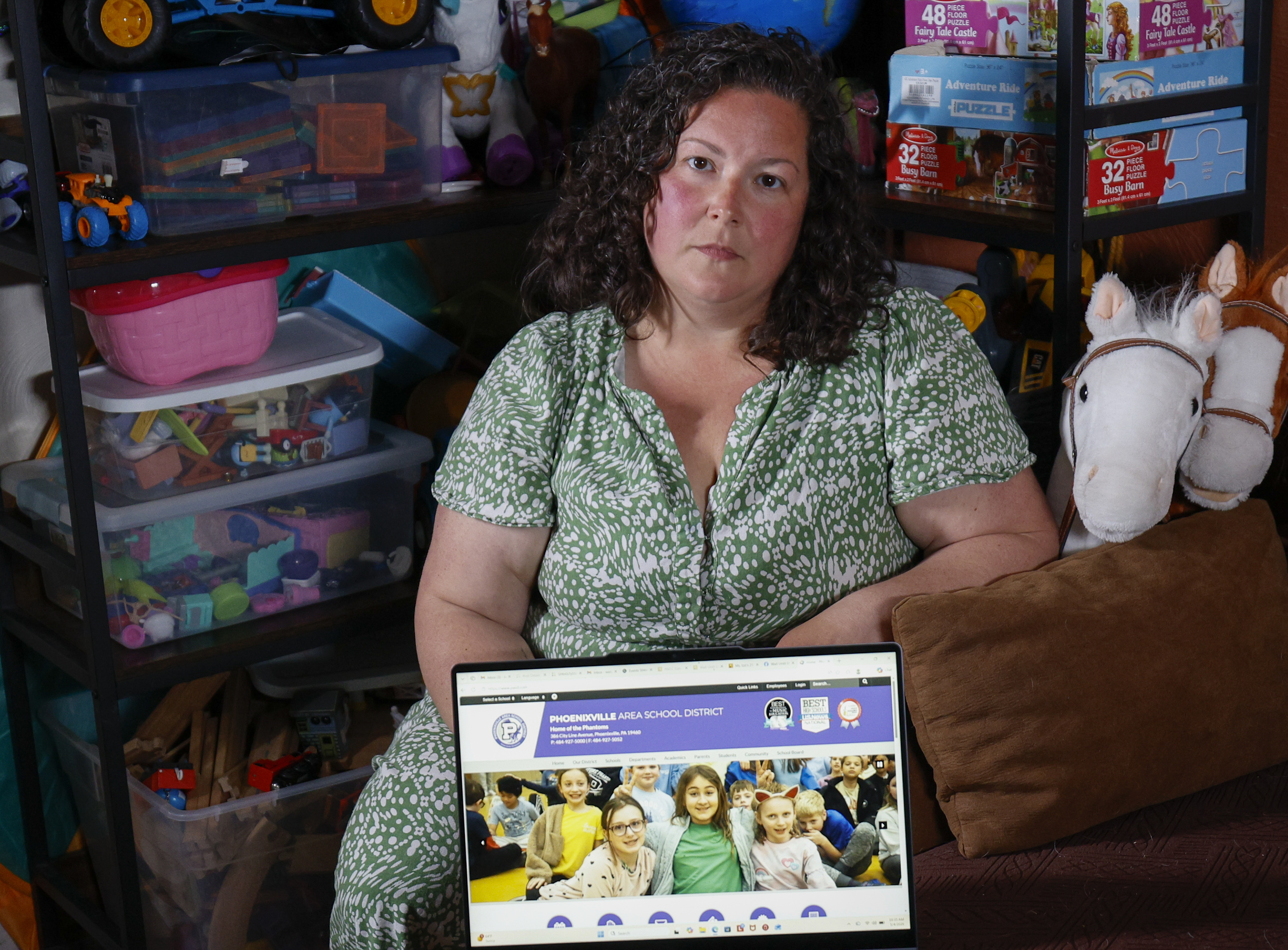
    Alair Southerton, pictured at her home in May with the Phoenixville Area School District website on her laptop. Southerton is leading a group of Phoenixville parents who are calling on their district to reduce screen time in school.Steven M. Falk / For The Inquirer

    While Phoenixville this fall adopted a new program, Qustodio, to let parents monitor their child’s device usage, Southerton said it has been less revealing than she hoped. The program reports which websites students accessed at 15-minute intervals throughout the school day but does not say how long they actually spent online, she said.

    In Colonial, LaChapelle is awaiting the district’s launch of a different program, Securly, that will also allow parents to monitor what their kids accessed.

    While the district has placed limits on screen time — 20 to 30 minutes in kindergarten through third grade, 40 to 50 minutes in grades four and five, and 2½ to three hours in grades six through 12 — “accountability and transparency are key,” LaChapelle said.

    Colonial spokesperson Jessica Lester said the district had “done more this year to try to communicate what our approach is” to technology.

    LaChapelle noted that in order to register her children for school, she had to consent to a list of more than 100 software programs used by the district; officials have since told her they plan to revise that, she said.

    LaChapelle hopes the district will continue to make changes. Taking an intentional approach to technology use could be a selling point for districts trying to show leadership, she said.

    “We’re doing and saying a lot of the right things,” she said. But “this isn’t a one-and-done conversation.”

  • Lower Merion police request funds for a ‘first responder’ drone as anxieties about surveillance spike nationwide

    Lower Merion police request funds for a ‘first responder’ drone as anxieties about surveillance spike nationwide

    Lower Merion’s police department has requested funds for a program that would automatically dispatch a drone to the scene of certain 911 calls.

    Andy Block, Lower Merion’s police superintendent, pitched commissioners on Axon’s Drone as First Responder program during a Wednesday budget workshop, describing the technology as a “force multiplier” for the police department that could provide officers with information before they arrive at a crime scene. The department requested $375,000 for a five-year investment in one drone.

    The proposal was met with skepticism from commissioners, many of whom expressed hesitancy about approving funding for the program without strict policies on the books, warning of “mission creep” and privacy violations as anxiety about surveillance technology balloons nationwide.

    What is the Drone as First Responder program?

    Under the program, a drone would be stationed at a dock in Lower Merion and would be automatically launched when 911 dispatchers receive reports of certain incidents, which are classified by codes. Specific codes would release the drone to the site of an incident, a process that would typically happen within 30 seconds of the call coming in, Block said. Once the drone launches, one remote operator, a police officer, would watch the live video feed and evaluate if and where resources should be sent.

    The automated drones differ from Lower Merion’s five existing drones, which require manual setup and launch by an officer once a dispatch is ordered, adding minutes of lag time, Block told commissioners at the budget workshop.

    First responder drones could help officials get ahead on burglaries, missing persons incidents, fires, and area searches, and could evaluate if police are needed at a scene without taking the time and resources to dispatch officers to every call, the police superintendent said.

    Axon, the drone manufacturer, currently provides Lower Merion’s records management system, body cameras, tasers, and in-car cameras. The township moved over to Axon’s systems in January 2025.

    Lower Merion’s police superintendent has said Axon’s automated drones would improve office response time. Alejandro A. Alvarez / Staff Photographer

    Block described recent incidences where first responder drones could have helped police officers respond more quickly and effectively, including a 2024 Meredith Road home invasion and a recent road rage incident on the Blue Route, which led to a suspect chase in Lower Merion.

    He touted the versatility of the drones, floating their potential use for other purposes, including traffic and code enforcement. The Montgomery County District Attorney’s office confirmed that Lower Merion is legally allowed to use drones for traffic enforcement.

    Bensalem launched a “drone as first responder” program earlier this year, which Block described as a model for Lower Merion, calling Bensalem’s program “very impressive.”

    Concerns over privacy

    The Drone as First Responder program was pioneered by the Chula Vista, Calif., police department, which in 2018 became the first municipal police department in the country to deploy the technology. Between 2018 and 2024, the department’s first responder drones made more than 20,000 flights.

    Since then, the technology has grown in popularity among police departments across the country, with municipalities from Washington to Kentucky signing on. A police department in Missouri said its Drone as First Responder program helped with 12 felony arrests in two months this summer.

    Police in Chula Vista have said the technology improved their response times and helped officers deescalate dangerous situations. Yet an investigation by WIRED found that the drones surveilled poorer residents far more frequently than wealthier residents, and were often dispatched for minor issues like vandalism and loud music, in addition to more serious incidents. All the while, residents who regularly encountered the drones reported “feeling constantly watched.” The Chula Vista Police Department has said its drones do not conduct random surveillance or search for suspicious activity.

    Lower Merion commissioners on Wednesday shared apprehension about the implications for residents’ privacy should automated drones begin traversing the township’s airspace.

    No official vote on the funding was taken at the budget workshop. Commissioners said they would need to see clearer policy guidelines before moving the drone into the budget.

    “Surveillance and privacy is a really big issue right now,” commissioner Maggie Harper Epstein said, adding that the program “would be a tough thing to communicate to the residents of the township.”

    Todd Sinai, the board’s president, warned that “there is a difference” between a police officer piloting a drone toward the site of a potential crime and a drone launching automatically “because someone just called something in, and it flies over the township to get to the site, recording along the way.”

    Many criticized the request to approve funding before putting policy guidelines on the books.

    “Until we see what that policy is, I would be very uncomfortable giving support to this,” commissioner Daniel Bernheim said.

    Block clarified that Lower Merion already has a drone policy in place but would need to update its code to specifically include the automated drones.

    A ‘no-brainer’ for law enforcement

    Not everyone shared concerns.

    Commissioner Charles Gregory called the drone program a “no-brainer” and said that the minutes saved with the automated devices could be the difference between life and death in extreme situations.

    Commissioner Louis Rossman said the program “is a great idea” and “just seems like the future.”

    Rossman referenced a series of residential burglaries in the township, saying the drone program may have been able to assist with apprehending offenders who have “eluded” law enforcement.

    This suburban content is produced with support from the Leslie Miller and Richard Worley Foundation and The Lenfest Institute for Journalism. Editorial content is created independently of the project donors. Gifts to support The Inquirer’s high-impact journalism can be made at inquirer.com/donate. A list of Lenfest Institute donors can be found at lenfestinstitute.org/supporters.
  • Inside Ardmore’s massive ‘meat palace’ | Inquirer Lower Merion

    Inside Ardmore’s massive ‘meat palace’ | Inquirer Lower Merion

    Hi, Lower Merion! 👋

    Can you have too much Wagyu? Inquirer food critic Craig LaBan contemplates whether that’s the case at the recently opened OGYU in Ardmore. Also this week, charges have been brought against a man who allegedly stole nearly $800,000 in jewelry from two township homes, a Bala Cynwyd native continues to imprint his vision on the Jersey Shore, plus the school board will consider an embattled member’s resignation.

    If someone forwarded you this email, sign up for free here.

    Does OGYU serve too much of a good thing?

    The Miyazaki ribeye at Ogyu.Tyger Williams / Staff Photographer

    When Inquirer food critic Craig LaBan paid a visit to recently opened Japanese restaurant OGYU in Ardmore — or as he calls it, “a 300-seat meat palace” — he was determined to try as much Wagyu as he could.

    But he soon found that in the case of the all-you-can-eat joint, there might just be too much of a good thing.

    While one cut of Wagyu rib cap, which arrived in a showy box billowing with smoke, was rich and tender, preparing it himself on a tabletop grill meant the finished product fell flat.

    Other dishes, however, impressed, including the New Zealand lamb chops, the “Meet Wagyu” nigiri, and the A5 ribeye.

    At the end of the day, does dining there add up to “a luxury experience the $120 check average should command?”

    Here’s LaBan’s verdict.

    💡 Community News

    • A 24-year-old Philadelphia man, Jabir Parker, was charged last week with several alleged burglaries, including two in Lower Merion, where police said he made off with nearly $800,000 in stolen jewelry.
    • Eustace Mita continues to put his fingerprints on the Jersey Shore by way of his Icona Resorts. The Bala Cynwyd native’s next project includes a $200 million proposed redevelopment of Wonderland Pier. The Inquirer’s Erin McCarthy looks at how he’s shaped the Shore and what’s still on the horizon.
    • Former Bryn Mawr resident Joan E. Lynaugh died this summer at the age of 90. Lynaugh was a pioneering primary care and nurse practitioner and an award-winning professor emerita of nursing at the University of Pennsylvania.
    • Filmmaker M. Night Shyamalan, who grew up in Penn Valley, has launched a new YouTube series. In the first episode, he takes viewers back to the era of one of his early films, Signs.
    • Bryn Mawr Hospital and Lankenau Medical Center, both owned by Main Line Health, earned high marks in the latest U.S. News Best Hospitals by Specialty ranking. Bryn Mawr was recognized in eight categories, including colon cancer and prostate cancer surgeries, while Lankenau scored top marks in 11 categories such as back surgery, and hip and knee replacement surgeries.
    • Spring Mill Road will be closed weekdays between Old Gulph and Conshohocken State Roads tomorrow through Tuesday from 9 a.m. to 4 p.m. for storm sewer replacement.
    • Expect work near the Narberth Avenue bridge over the next six to eight weeks, with overnight construction slated for Sundays through Thursdays from 9 p.m. to 5 a.m.

    🏫 Schools Briefing

    🍽️ On our Plate

    • Looking for a great rooftop spot to dine before summer comes to a close? Chef Nicholas Elmi’s Bala Cynwyd restaurant Lark is one of the best destinations in the region, according to The Infatuation.

    🎳 Things to Do

    🍂 Harvest How-To for Natural Holiday Decor: Learn how to gather, preserve, and use natural materials for decor. ⏰ Friday, Sept. 11, 10 a.m.-12:30 p.m. 💵 $25 for members, $30 for non-members 📍 Stoneleigh

    🎶 Narberth Music and Arts Festival: There will be live music, food, drinks, and a makers market. ⏰ Sunday, Sept. 13, noon-7 pm. 💵 Pay as you go 📍 Forrest and Haverford Avenues

    😱 Scream: Get in the spooky season spirit with a screening of the 1996 horror movie. ⏰ Monday, Sept. 14, 7 p.m. 💵 $11.75-$16.25 📍 Bryn Mawr Film Institute

    📖 One Book, One Lower Merion: The township-wide reading initiative features Harlan Coben’s new book, Plot Twist, and includes a Q&A with the author. ⏰ Tuesday, Sept. 15, 6 p.m. 💵 $40 📍 Welsh Valley Middle School

    🎷 Montco Jazz Fest: Now in its fifth year, the festival features performances at 20 venues throughout the county. ⏰ Tuesday, Sept. 15-Sunday, Sept. 20, times vary 📍 Locations vary

    🏡 On the Market

    An updated six-bedroom Bala Cynwyd Colonial

    The home has an eat-in kitchen with a fireplace that flows into a great room.Courtesy of Israela Friedman/Berkshire Hathaway Home Services Fox & Roach, Realtors

    This 1930 center hall Colonial has undergone a number of updates, blending past and present. The first floor features an open-concept kitchen, dining area, and great room with a fireplace, all near to a secondary prep kitchen. There’s also an office, a dining room, and a living room on the first floor. The home’s six bedrooms are spread across the upper levels, including the second-floor primary suite, with a steam shower and whirlpool tub. There’s an open house today from 5 to 6 p.m.

    See more photos of the home here.

    Price: $985,000 | Size: 3,803 SF | Acreage: 0.2

    🗞️ What other Lower Merion residents are reading this week:

    By submitting your written, visual, and/or audio contributions, you agree to The Inquirer’s Terms of Use, including the grant of rights in Section 10.

    This suburban content is produced with support from the Leslie Miller and Richard Worley Foundation and The Lenfest Institute for Journalism. Editorial content is created independently of the project donors. Gifts to support The Inquirer’s high-impact journalism can be made at inquirer.com/donate. A list of Lenfest Institute donors can be found at lenfestinstitute.org/supporters.