Tag: Lower Merion

  • The Buttery comes to Bryn Mawr | Inquirer Lower Merion

    The Buttery comes to Bryn Mawr | Inquirer Lower Merion

    Hi, Lower Merion! 👋

    Beloved Main Line bakery The Buttery has opened its newest outpost in Bryn Mawr. Take a peek at the owners’ plans and pastries. Also this week, a slate of commercial properties worth millions are for sale, Main Line Health patients who get insurance through UnitedHealthcare won’t see a disruption in care Tuesday, plus a strange breakthrough after a string of thefts.

    If someone forwarded you this email, sign up for free here.

    Now open on Lancaster Avenue
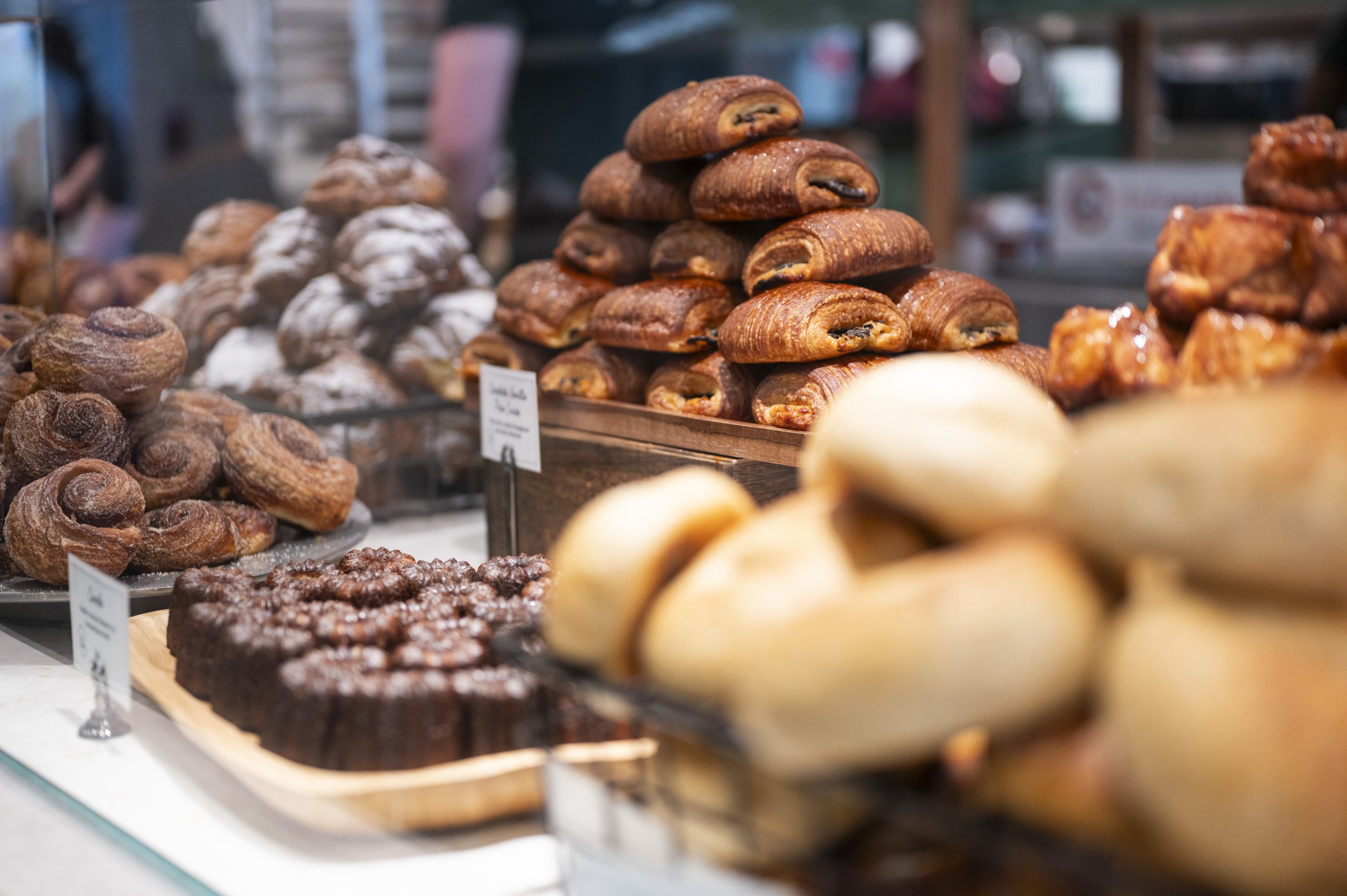
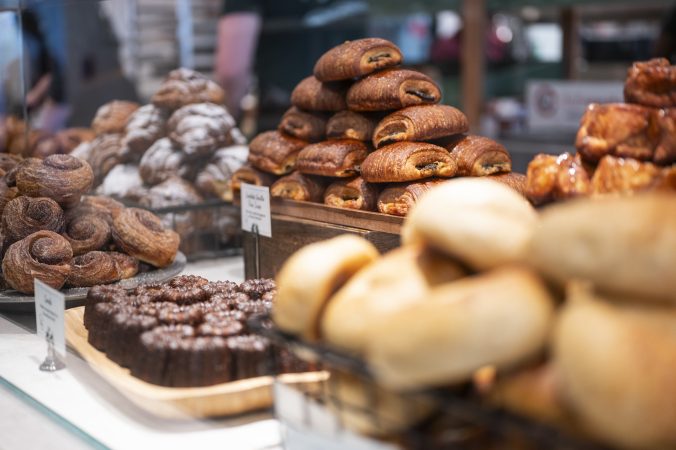
    The pastry case at The Buttery in Bryn Mawr.Allie Ippolito / For The Inquirer

    Sourdough, coffee, and locally sourced eats enthusiasts, this one’s for you. Popular Main Line bakery The Buttery has officially opened its third location at 836 W. Lancaster Ave. in Bryn Mawr.

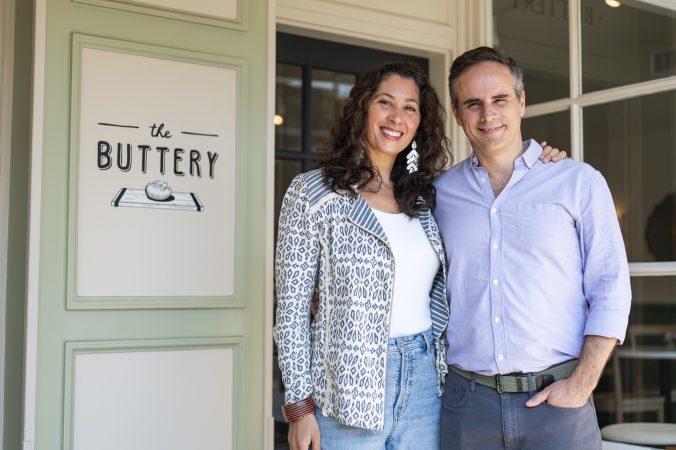
    The bakery-coffee shop and scratch kitchen mash-up is known for its sourdough breads, homemade pastries, and seasonal dishes. Paoli couple John and Silenia Rhoads opened the first Buttery location in Malvern back in 2015 before expanding into the Ardmore Farmers Market last fall.

    The Rhoadses credited the bakehouse they launched a year ago in Norristown with providing the space and resources they needed to grow the concept. Bryn Mawr felt like “a good center point on the Main Line,” John Rhoads said, with Silenia Rhoads adding she’s already noticed the “sense of community.”

    The 82-seat location offers full breakfast and lunch menus, including bagels, quiches, sandwiches, open-face tartines, salads, and Passenger coffee and tea beverages. Dinner service is anticipated to launch in the fall or winter, the Rhoadses said.

    The Inquirer’s Denali Sagner has all the details.

    đŸ„ Plus: Nearly 26,000 square feet of downtown Bryn Mawr is for sale, including the building that houses The Buttery.

    💡 Community News

    • Main Line Health and UnitedHealthcare reached an “agreement in principle” on a new contract, Main Line Health said Wednesday. Their current contract was set to expire Tuesday, potentially disrupting service for 32,000 people who rely on the health system’s doctors and have insurance through United. Main Line Health owns Bryn Mawr Hospital and Lankenau Medical Center.
    • Lower Merion’s board of commissioners last week passed an amendment to the township’s gas-powered leaf blower ban that specifies exemptions for walk-behind, stand-on, riding, and tow-behind leaf blowers and vacuums, The Inquirer’s Denali Sagner reports. The board also approved a pay raise for future commissioners from $4,000 to $6,000 annually. The raise will go into effect for commissioners who take officer after Jan. 3, 2028, and will not impact sitting commissioners, unless they are reelected.
    • Township police said they linked a hidden camera found along the 900 block of Stony Lane in Gladwyne to a theft ring connected to several Main Line burglaries. (6abc)
    • Montgomery County has selected six designs for the “I Voted” stickers it will give to voters in November’s election. The county put out a call to local artists earlier this year, receiving over 300 submissions. The final six were designed by county residents ranging from 8 to 42, including one Narberth resident.
    • The Party Place in Ardmore has closed, the Lancaster Avenue business announced this month.
    • A Gladwyne designer recently worked with an Ardmore family to transform the second floor of their older home. To bring it into the current century, Rupam Patheja of Ru and Co. Interior Design knocked down walls in the primary suite to create two walk-in closets, and added colorful wallpaper for flair. Philadelphia magazine took a peek inside.

    đŸ« Schools Briefing

    • Summer school kicks off on Monday and continues Monday through Thursday until Aug. 6.
    • Three Lower Merion School District students were honored as winners of the Art & Poetry of Freedom Contest, held as part of Montgomery County’s annual Juneteenth celebration. The K-2 poetry winner was Cora Fusi, a first-grader at Penn Valley Elementary School; the 6-8 poetry winner was Jaliyah Taylor, a seventh-grader at Welsh Valley Elementary School; and the 9-12 poetry winner was Ariel Dichamp, a ninth-grader at Harriton High School.

    đŸœïž On our Plate

    • Local healthy foods chain ANEU Kitchens will open its fifth location, a 650-square-foot cafe at the Ardmore Farmers Market in Suburban Square, this Monday. Starting at 8 a.m., the first 100 customers will receive free samples of the brand’s YEU snacks. ANEU also plans to add a 20,000-square-foot production kitchen, eatery, and wellness center in Tredyffrin Township.

    🎳 Things to Do

    🔼 Mystic of the Main Line’s Inception Day: The Ardmore shop is marking its one-year anniversary with readings and refreshments. ⏰ Saturday, June 27, 7-11 p.m. đŸ’” Pay-as-you-go 📍 Mystic of the Main Line

    đŸŽ¶ Bryn Mawr Twilight Concerts: Vermont-based singer, songwriter, and guitarist Mihali headlines this week’s show. ⏰ Sunday, June 28, 7 p.m. đŸ’” $25.88, free for kids 12 and under 📍 Bryn Mawr Gazebo

    đŸŽ” Music in the Park: Four Lean Hounds, a Grateful Dead tribute band, will perform at the next concert. ⏰ Wednesday, July 1, 7 p.m. đŸ’” Free 📍 Narberth Park gazebo

    🏡 On the Market

    A newly built three-bedroom Narberth home
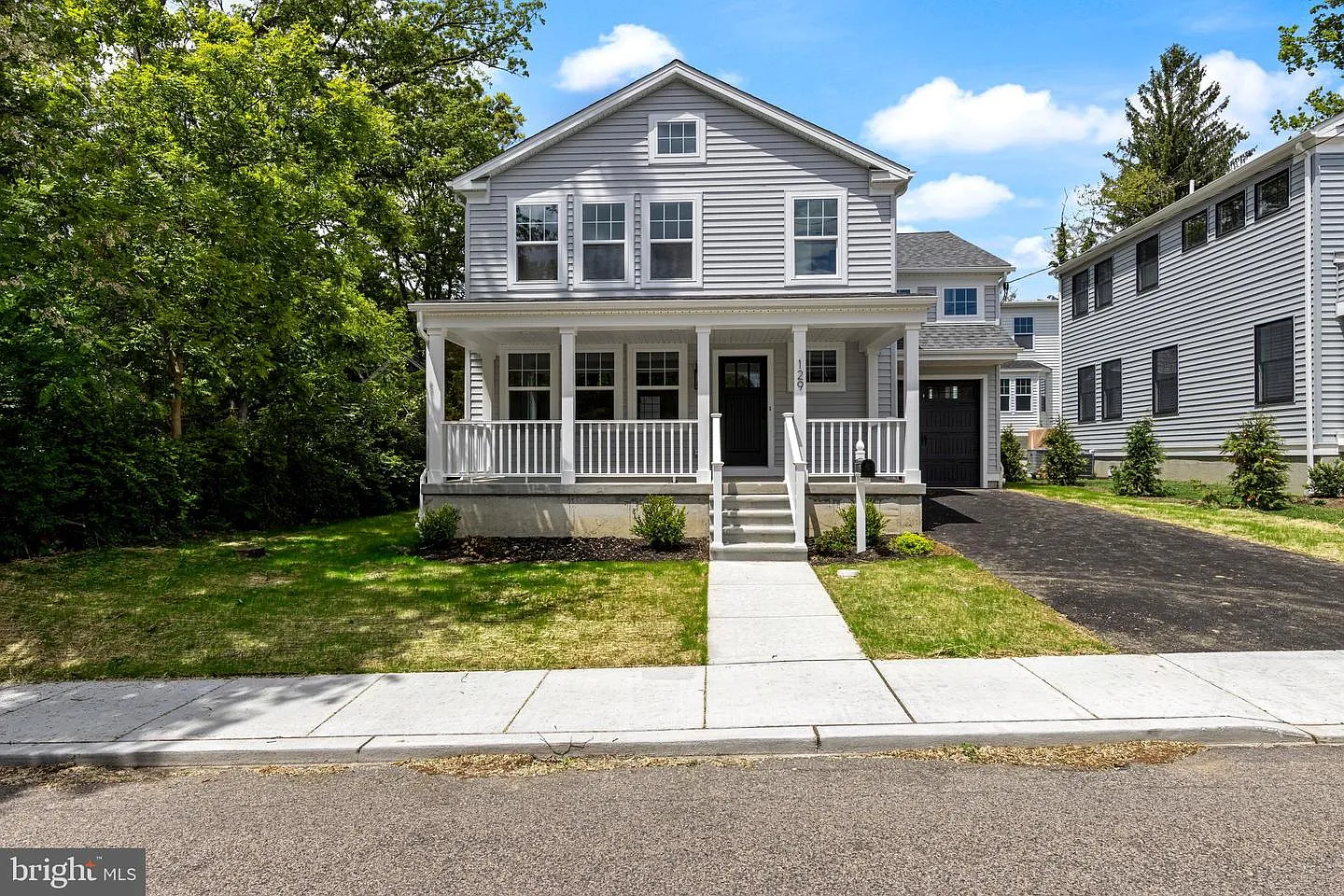
    The home has a dedicated driveway, a garage, and a covered front porch.Colin Burkhardt | Courtesy of Karen Strid/Compass

    This newly built Narberth home is situated in a five-home community and has its own private driveway. The home’s open-concept first floor has a living room and eat-in kitchen with two-tone cabinetry and an island. There are three bedrooms upstairs, including a primary suite with a walk-in closet and a double-sink vanity. The home also has a finished basement and a covered front porch.

    See more photos of the home here.

    Price: $1.25M | Size: 2,199 SF | Acreage: 0.07

    đŸ—žïž What other Lower Merion residents are reading this week:

    By submitting your written, visual, and/or audio contributions, you agree to The Inquirer’s Terms of Use, including the grant of rights in Section 10.

    This suburban content is produced with support from the Leslie Miller and Richard Worley Foundation and The Lenfest Institute for Journalism. Editorial content is created independently of the project donors. Gifts to support The Inquirer’s high-impact journalism can be made at inquirer.com/donate. A list of Lenfest Institute donors can be found at lenfestinstitute.org/supporters.
  • Nearly 26,000 square feet of downtown Bryn Mawr is for sale

    Nearly 26,000 square feet of downtown Bryn Mawr is for sale

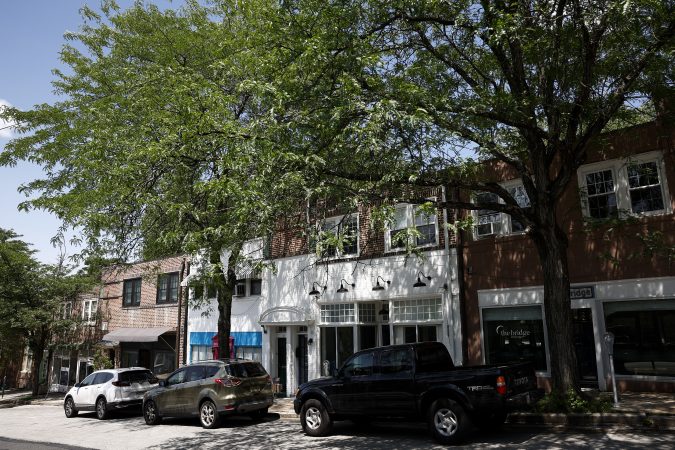
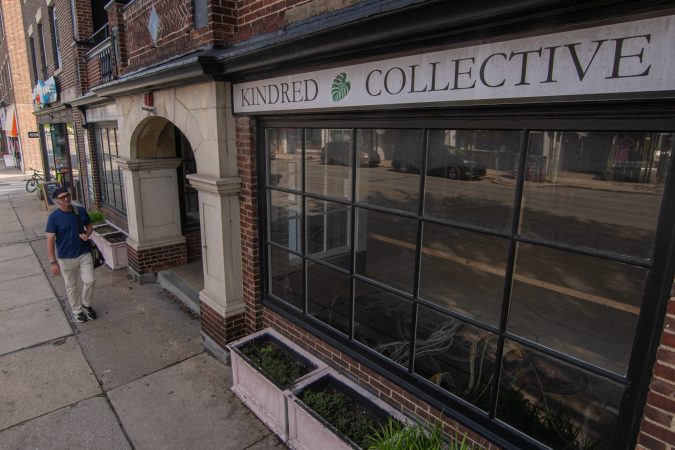
    Five buildings in downtown Bryn Mawr, including the storefronts of Carina Sorella, Jeni’s Splendid Ice Creams, and the Buttery Bryn Mawr, are up for sale.

    The Bryn Mawr Collection, a nearly 26,000-square-foot portfolio that includes residential, retail, medical, and office space, was recently listed by real estate firm CBRE. The properties are owned by Main Line-based real estate developer Tim Rubin and are located in the heart of Bryn Mawr at 834-40 W. Lancaster Ave. and 860-66 W. Lancaster Ave.

    CBRE’s Chris Munley said the properties could sell for around $12 million.

    Rubin is a Narberth native who has owned the properties for almost 20 years. With the sale, he is hoping to recycle capital and make a similar investment somewhere else, Munley said.

    The Bryn Mawr Collection is “extremely rare, irreplaceable ‘Main Street’ real estate, providing a once-in-a-lifetime opportunity to break into a high barrier to entry market,” according to the listing. The portfolio is a stone’s throw from the Bryn Mawr SEPTA station and down the road from Villanova University, making it well positioned in one of the region’s most “affluent, educated, and densely populated suburban communities,” the listing reads.

    The properties are currently home to TCO Fly Shop, the Buttery, Jeni’s Splendid Ice Creams, and Carina Sorella, as well as apartments and offices.

    Beloved tenants such as Carina Sorella and The Buttery, which opened last week, aren’t going anywhere, Munley said. The successful businesses are “one of the reasons this is attractive” for potential buyers, and they have long-term leases that would extend beyond the sale of the properties.

    The properties are in their second week on the market, and Munley said the level of interest has been “eye-opening.” In addition to local players looking to expand their portfolio on the Main Line, Munley said he has seen interest from investors that usually focus on larger markets like New York, San Francisco, and Los Angeles.

    This suburban content is produced with support from the Leslie Miller and Richard Worley Foundation and The Lenfest Institute for Journalism. Editorial content is created independently of the project donors. Gifts to support The Inquirer’s high-impact journalism can be made at inquirer.com/donate. A list of Lenfest Institute donors can be found at lenfestinstitute.org/supporters.

  • The Buttery’s newest outpost is officially open in Bryn Mawr

    The Buttery’s newest outpost is officially open in Bryn Mawr

    Popular Main Line bakery The Buttery officially opened its doors in Bryn Mawr last weekend, marking the third location in a growing collection of cafés owned by husband-and-wife duo John and Silenia Rhoads.

    Known for its sourdough breads, homemade pastries, and seasonal dishes, The Buttery describes itself as “part village bakery, part coffee shop, and part scratch kitchen.”

    The Rhoadses opened the first Buttery location in Malvern in 2015 and have since expanded into the Ardmore Farmers Market and now Bryn Mawr, at 836 W. Lancaster Ave. The Buttery previously had a satellite location at the Malvern train station, which closed in December.

    The bakery is beloved by Main Line residents and visitors (and even received the praises of Martha Stewart this spring).

    Vinny Petraglia, culinary operations director, drizzles olive oil on the avocado toast at The Buttery in Bryn Mawr.Allie Ippolito / For The Inquirer

    Joli Ridenour, The Buttery’s community manager, said customers have been asking the bakery to expand for years. When they opened in Ardmore in October, patrons were over the moon about not needing to drive to Malvern to get their beloved kouign-amann and sourdough.

    John Rhoads grew up in Devon, and he, Silenia, and their three teenagers now live in Paoli, so finding another outpost on the Main Line just felt right.

    Bryn Mawr felt like “a good center point on the Main Line,” John Rhoads said.

    “We’re so excited to be in this town. There’s such a hustle and bustle,” Silenia Rhoads said, adding that she’s already seen a “sense of community.”

    At the bakery’s soft opening on Wednesday, loaves of sourdough and baguettes peeked out from behind long glass cases stuff with butter croissants, lemon currant scones, and fresh bagels. Packaged cookies, branded T-shirts, and bags of homemade granola lined the walls, and customers stopped to chat with the Rhoadses.

    The 82-seat café is spacious, laid out with long communal tables, corner booths, and scattered two- and four-tops. The Buttery team wanted multiple kinds of seating options to allow for different dining experiences, from neighbors grabbing a quick coffee to families coming in for a long lunch.

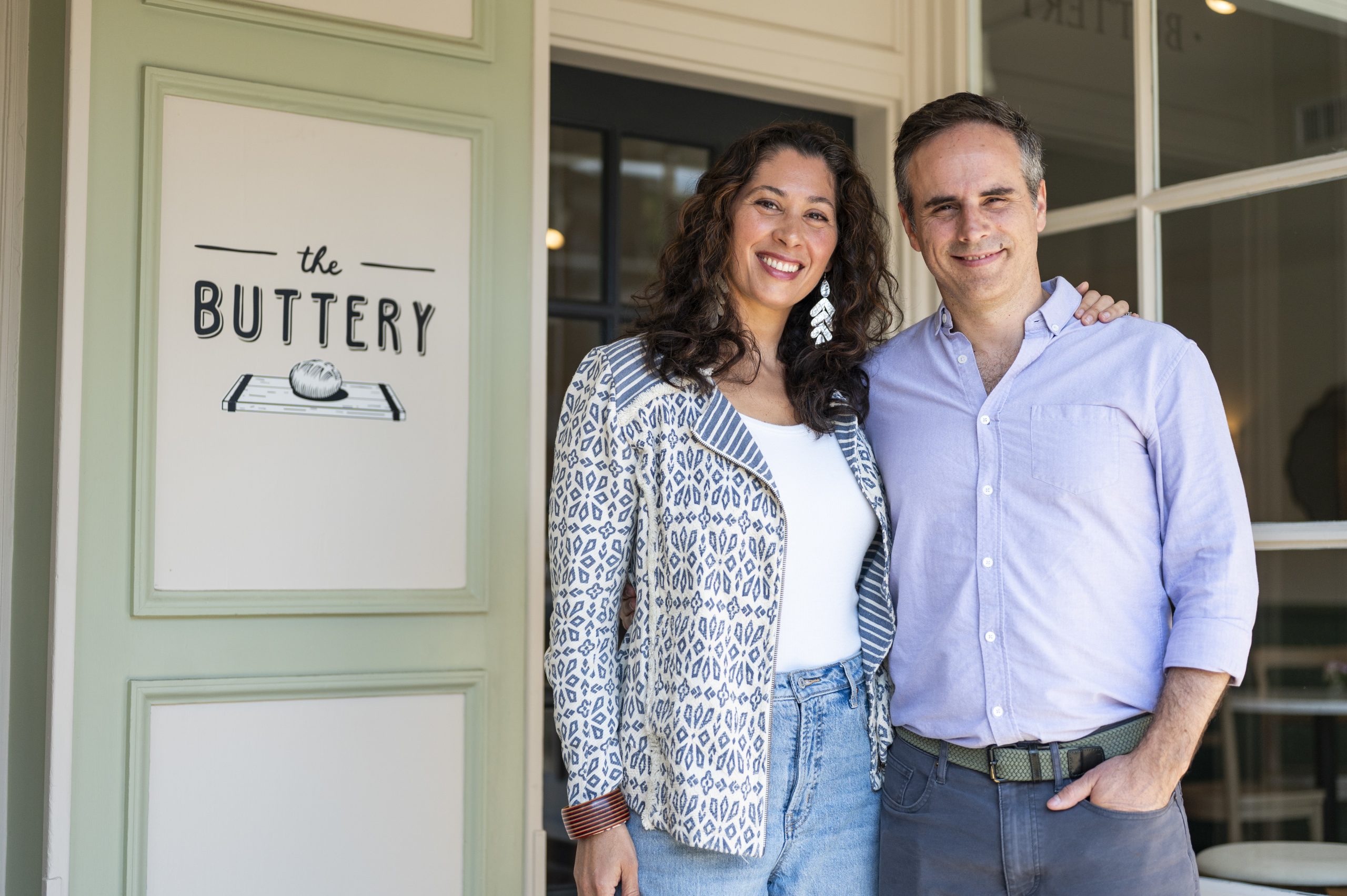
    Silenia (left) and John Rhoads, owners of The Buttery, at their new location in Bryn Mawr. Said Joli Ridenour, The Buttery’s community manager, “We want people to feel really at home and welcome and like they’re walking into an old friend’s house.”Allie Ippolito / For The Inquirer

    “We want people to feel really at home and welcome and like they’re walking into an old friend’s house,” Ridenour said.

    The Buttery’s Bryn Mawr location is serving its full breakfast and lunch menu, which includes bagels, quiches, sandwiches, open-face tartines, salads, and speciality Passenger coffee and tea drinks. The Rhoadses said they are hoping to expand to dinner service, as they have in Malvern, in the fall or winter.

    Ridenour said the bakery always tries to source locally, milling flour out of local grain and purchasing eggs from Highspire Hills Farm in Glenmoore. Almost everything is made in-house, including roasting their own meat for roast beef sandwiches.

    What to order? The Buttery’s staff says you can’t go wrong. The sablĂ© cookie, a buttery French shortbread cookie, is a signature dish. Silenia Rhoads recommends the seasonal panzanella salad, made with fresh smashed cucumber, asparagus, homemade croutons, and a potpourri of herbs. The breakfast sandwich, serviced with harissa aioli on an everything brioche bun, is also a fan favorite.

    Turkish eggs with homemade naan at The Buttery in Bryn Mawr.Allie Ippolito / For The Inquirer

    The Buttery has been able to expand in large part due to a bakehouse the Rhoadses opened in Norristown a year ago. With more space and a centralized food preparation location, the bakehouse has “enabled us to set our sights on more,” John Rhoads said.

    The couple said a Northern Liberties location will open later this year, and further growth is on the horizon for 2027.

    The Buttery will be open daily from 7 a.m. to 5 p.m., with kitchen service until 3 p.m.

    This suburban content is produced with support from the Leslie Miller and Richard Worley Foundation and The Lenfest Institute for Journalism. Editorial content is created independently of the project donors. Gifts to support The Inquirer’s high-impact journalism can be made at inquirer.com/donate. A list of Lenfest Institute donors can be found at lenfestinstitute.org/supporters.
  • How Haverford High’s national teacher of the year is coaching aspiring teachers, on topics from racism to connecting with students

    How Haverford High’s national teacher of the year is coaching aspiring teachers, on topics from racism to connecting with students

    As the newly appointed National Teacher of the Year, Haverford High School’s Leon Smith has been celebrated on television: from CBS Mornings and Good Morning America to the Kelly Clarkson Show.

    But as the lone Black teacher when he started teaching at Haverford 25 years ago, Smith got a different reception. He experienced racism, he told a group of young people interested in teaching, and if it weren’t for a Black vice principal that listened and supported him, he might not still be teaching today.

    “She would just be very honest with me, and be like, ‘First of all, you’re an excellent educator. … Keep being you. Somebody calls and says something crazy, I’m just hanging up,’” Smith told teaching fellows gathered in Germantown on Wednesday with Breakthrough of Greater Philadelphia, a nonprofit that trains aspiring teachers to lead enrichment programs for middle-school students.

    The event, sponsored by the Equitable Foundation, was just one of many for Smith during his yearlong stint as Teacher of the Year, a platform he was awarded in April by the Council of Chief State School Officers. In that role, he’s spending the year traveling the country to advocate for the teaching profession and growing its ranks.

    Smith, who teaches Advanced Placement U.S. History and Advanced Placement African American Studies at Haverford, spoke passionately to the fellows Wednesday about his motivation to be the teacher he didn’t have growing up, and the immense impact teachers can have on students’ lives — presenting the profession as a deeply rewarding opportunity to help kids recognize their talents.

    But he was also honest about the challenges. Fielding questions about his career from fellows gathered in an auditorium on the Germantown Friends School campus, Smith said he had struggled to find his way as a new teacher, staying up too late trying to perfect lessons.

    He described the sometimes lonely experience of being his predominantly white high school’s only Black teacher, and how he developed strategies to respond to racism, including learning when to walk away and when to speak out.

    He told fellows to find supportive colleagues and to be selective when they considered job offers.

    “Do your research. Make sure it’s a space that’s going to take care of you,” he said.

    Smith also described feeling self-conscious when he was younger about some of his lessons — worrying that students would say, “‘Oh, all he does is talk about Black history,’” Smith said. But he began hearing from students about how grateful they were to have learned about subjects that hadn’t been covered in other classes; an audit later identified African American studies as a class community members wanted to see added.

    ‘My why’

    His comments resonated with the teaching fellows, some of whom said they’re committed to careers in education.

    Dominique Sidae, a 23-year-old rising senior at Florida A&M University, is planning to become a special-education teacher. She said she was inspired by her appreciation for a teacher who helped her younger brothers, who have autism.

    Sidae said she is often the only Black person in teaching spaces. “It feels good to know this isn’t only happening to me,” she said. “You don’t really learn that in college.”

    Dominique Sidae, 23, a fellow with the Breakthrough of Greater Philadelphia, listens to a talk by Leon Smith last week.Jessica Griffin / Staff Photographer

    Miles Baldwin, an 18-year-old graduate of Harriton High School in Lower Merion, isn’t sure he wants to become a teacher. But he enjoyed working with students last summer in the Breakthrough program — “a lot of kids came in hating it, and left wanting more,” he said — and Smith’s pitch about being a mentor was compelling to him.

    “Honestly, yeah,” he said, when asked if hearing from Smith made him more interested in teaching.

    That’s part of the goal of Smith’s role as Teacher of the Year, as a dwindling pipeline has challenged recruitment efforts.

    Smith’s agenda this summer includes attending the National PTA Convention in Pittsburgh and giving a keynote speech at the Smithsonian’s National Education Summit. He also will be joining other state teachers of the year at Space Camp in Alabama and participating in professional development.

    But addressing the Breakthrough teaching fellows Wednesday “reminds me of my why,” Smith said in a brief interview. He said the fellows’ eagerness to ask questions “shows they want to be the best they can be,” and reflects qualities of good teachers: “You have to be curious, sometimes silent … often humbled,” Smith said.

    Leon Smith, a teacher at Haverford High School, was named National Teacher of the Year this spring.Jessica Griffin / Staff Photographer

    Teaching students to lead

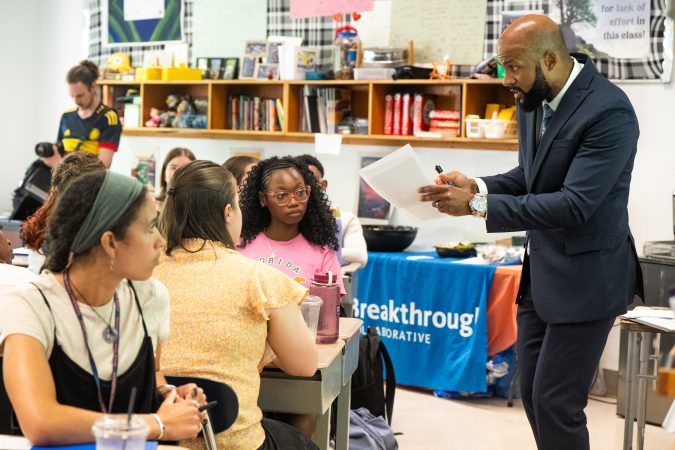
    In a model lesson after his talk, Smith put some of those skills on display. He started by gathering the 34 fellows in a circle, asking them each to share their name and a brief story about it; the group periodically broke into laughter at humorous anecdotes.

    Smith then outlined the objectives for his lesson about assessing the credibility of sources. He passed out copies of a photo, asking fellows to silently write and then discuss in small groups whether it provided strong evidence of the Fukushima power plant explosion.

    “I always tell my students, you want to be a leader,” Smith said, encouraging fellows to stand by their analyses, even if others disagreed. He then called on people, asking them to explain their thinking while challenging some of their points.

    Leon Smith talks to fellows at Breakthrough Collaborative last week.Jessica Griffin / Staff Photographer

    Matt Greenawalt, co-dean of faculty for the Breakthrough summer program and a teacher at Germantown Friends — which supports Breakthrough — was planning to breakdown Smith’s approach for the fellows after the lesson. He noted how Smith was walking through the room, engaging with the fellows as they talked, and Smith’s ability to affirm and redirect them when an answer wasn’t on point.

    Smith’s visit came on day three of a two-week orientation for the fellows, before they would begin teaching students during Breakthrough’s six-week free summer program.

    While access to academics is key for the program’s students, many of whom come from Germantown, “a big piece of it too is having role models,” Greenawalt said.

    Smith told fellows that when the students arrived, “they’re going to just admire you so much.”

    “You’re going to be able to see the light inside of them, and sometimes it just takes someone else to notice, right? … They’ll just kind of be doing their work, and then as you get to know them, you’ll notice certain characteristics and you’ll just pour into it.”

    What really helps make a connection with kids, Smith said, is “just you being yourself.”

    “You walking in there and walking in your own life, and bringing your passion and all the reasons why you wanted to become a teacher,” he said. “Your students are going to feel that.”

  • The housing density debate comes to Narberth | Inquirer Lower Merion

    The housing density debate comes to Narberth | Inquirer Lower Merion

    Hi, Lower Merion! 👋

    As Narberth weighs zoning changes to up housing density, residents are divided on the pros and cons. Here’s what to know. Also this week, we get to know the local dads and granddads gaining internet fame for their a cappella stylings, a Villanova estate gets preserved, plus the iconic local sip you can find nearby.

    Have a question about town? Submit it to Curious Lower Merion and one of our reporters might track down the answer.

    If someone forwarded you this email, sign up for free here.

    Narberth residents are divided on proposed housing density changes

    Narberth is in the middle of a debate over zoning that has raised questions over affordability, neighborhood character, and how far the small borough should go in trying to solve the country’s acute housing shortage. Monica Herndon / Staff Photographer

    As housing costs continue to outpace affordability, a debate has sparked in Narberth about what, if anything, the borough should do to help combat the crisis.

    Narberth has become increasingly expensive, recording the highest median housing sales price in Montgomery County in 2024.

    Last year, borough council asked its planning commission to study possible zoning changes to increase affordable housing, and the commission came back with several suggestions. While nothing has been decided, and likely won’t be for months, residents have decidedly mixed feelings.

    Some say increasing housing density and incentivizing developers to include affordable units would help ease the burden on those otherwise priced out. Others worry it’s a misguided effort that could exacerbate parking woes and reshape the community’s identity without really addressing the problem.

    The Inquirer’s Denali Sagner spoke with residents about both the positives and negatives.

    Meet the Main Line dads and granddads taking the internet by storm

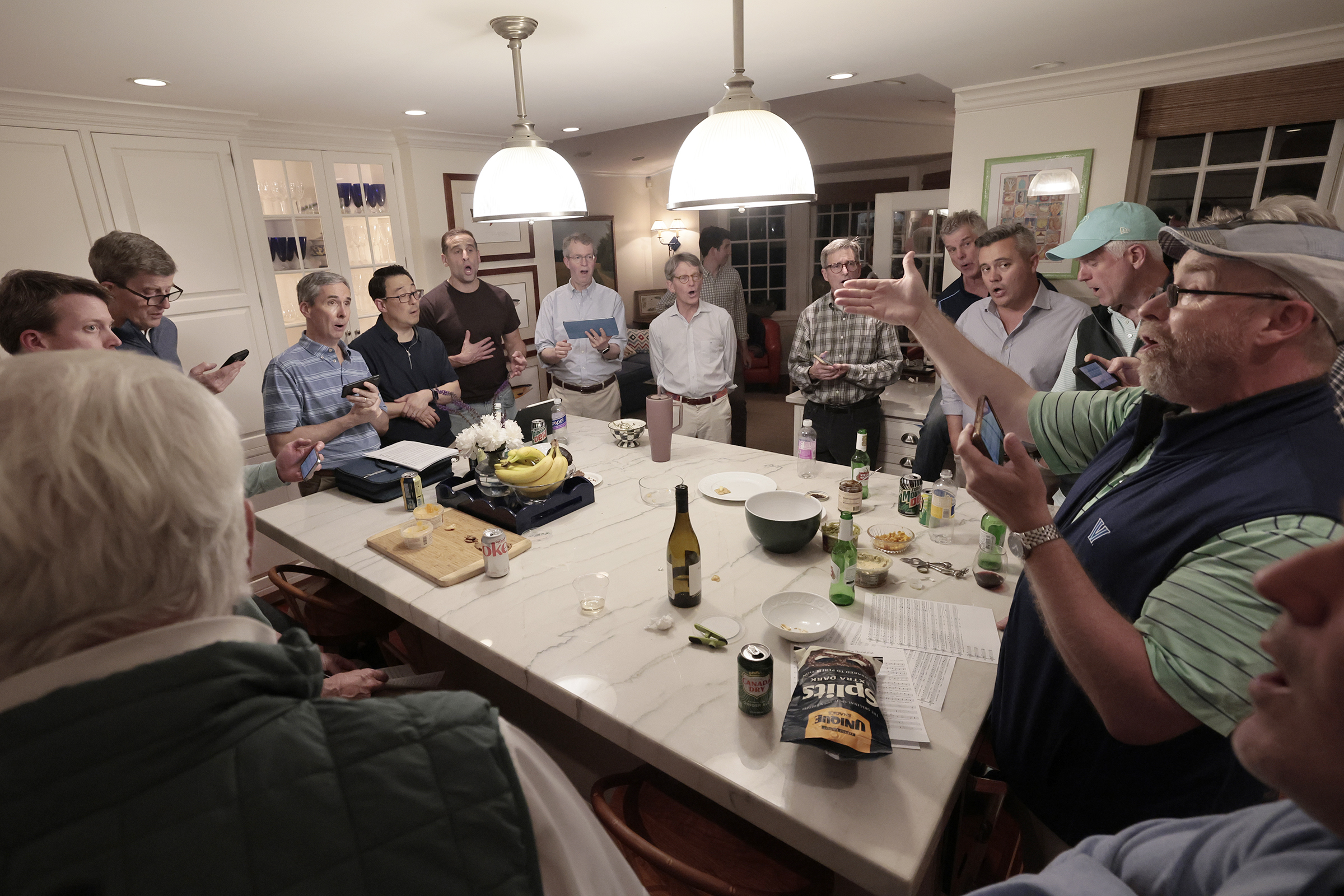
    The Tonics, a Philly-area a capella group made up largely of middle-aged men, rehearse in a member’s kitchen in Haverford on Thursday, May 28, 2026.Elizabeth Robertson / Staff Photographer

    A group of mostly middle-aged Main Line fathers and grandfathers are going viral for their harmonizing.

    Known as the Tonics, the a capella group has gained a global audience thanks to videos of their riffs circulating online. The group has even caught the attention of some big names, including Gigi Hadid and Michael Bublé.

    Most of the group’s 19 members hail from around the Main Line, including Bryn Mawr, Haverford, and Wayne.

    The Inquirer’s Dugan Arnett delves into their history and how they’ve charmed audiences worldwide.

    💡 Community News

    • Reminder for residents: There will be no trash or recycling pickup and the township offices will be closed tomorrow for Juneteenth. See how your pickup could be impacted here.
    • The township is hosting a capital improvement plan workshop Wednesday at 6 p.m. The meeting will also be streamed live and is accessible via Zoom.
    • The 13-acre Oakwell estate in Villanova is officially preserved after two nonprofits, Natural Lands and the Wyncote Foundation, purchased it in two parcels for a combined $13 million. Situated adjacent to Stoneleigh, the property will now be incorporated into the 42-acre public garden.
    • The average starter home in Villanova clocks in with a value of $1 million or more, according to new data from Zillow — about five times the national average. Villanova is the only community in the state to carry the distinction of having starter home pricing that high. The Inquirer’s Michaelle Bond explains the uptick.
    • The community is mourning the death of Bryn Mawr resident Bennett L. Aaron, who died earlier this month at the age of 92. Aaron was a longtime lawyer, honorary trustee of the Jewish Federation of Greater Philadelphia, and former president of the Federation of Jewish Agencies of Greater Philadelphia.
    • Gladwyne Fire Company is hosting a free car seat safety check event Tuesday from 9 a.m. to noon at the fire house. Advanced registration is required.

    đŸ« Schools Briefing

    • The district’s school board voted to repeal its existing technology policy earlier this week, to the frustration of parents who don’t want their kids on district-issued devices. The move could mean the district is no longer required to accommodate families who don’t sign electronic device use agreements as many are pushing to limit school-related screen time for their kids.

    đŸœïž On our Plate

    • Last week, The Inquirer dropped its list of the 76 most iconic dishes in the region and there’s a local tie among them. Ranking at No. 15 is La Colombe’s draft latte, a portable version of the “frothy, stylish cold coffee,” reporter Michael Klein says. You can get it in many area stores, as well as at La Colombe’s Bryn Mawr cafe.
    • After much anticipation, The Buttery is opening its newest outpost in Bryn Mawr this weekend. Located at 836 Lancaster Ave. in the former Kindred Collective space, The Buttery will host a grand opening Saturday complete with giveaways and a special pastry. The new location has seating for 82 people and will be open daily from 7 a.m. to 5 p.m.

    🎳 Things to Do

    đŸŽ¶ Bryn Mawr Twilight Concerts: There are two shows this weekend, starting with indie pop singer/songwriter Marielle Kraft and songwriter Kevin Walkman on Friday. On Saturday, Livingston Taylor, who wrote Top-40 hits for his brother James Taylor, takes the stage. ⏰ Friday, June 19, 7 p.m., and Saturday, June 20, 7 p.m. đŸ’” $25.88, free for kids 12 and under 📍 Bryn Mawr Gazebo

    🍩 Father’s Day Ice Cream Social: Celebrate dad at Harriton House’s annual event, which includes yard games, crafts, and, of course, ice cream. ⏰ Sunday, June 21, 1-4 p.m. đŸ’” $6.98-$12.16, free for dads 📍 Harriton House

    🍛 Coconut and Turmeric Chickpea Curry with Mrs. Mayuri: Learn to the make this dish and then sample it. Registration is required. ⏰ Wednesday, June 24, 5-6:30 p.m. đŸ’” Free 📍 Ardmore Library

    đŸŽ” Music in the Park: The next concert features country singer/songwriter Craig Bickhardt. ⏰ Wednesday, June 24, 7 p.m. đŸ’” Free 📍 Narberth Park gazebo

    🏡 On the Market

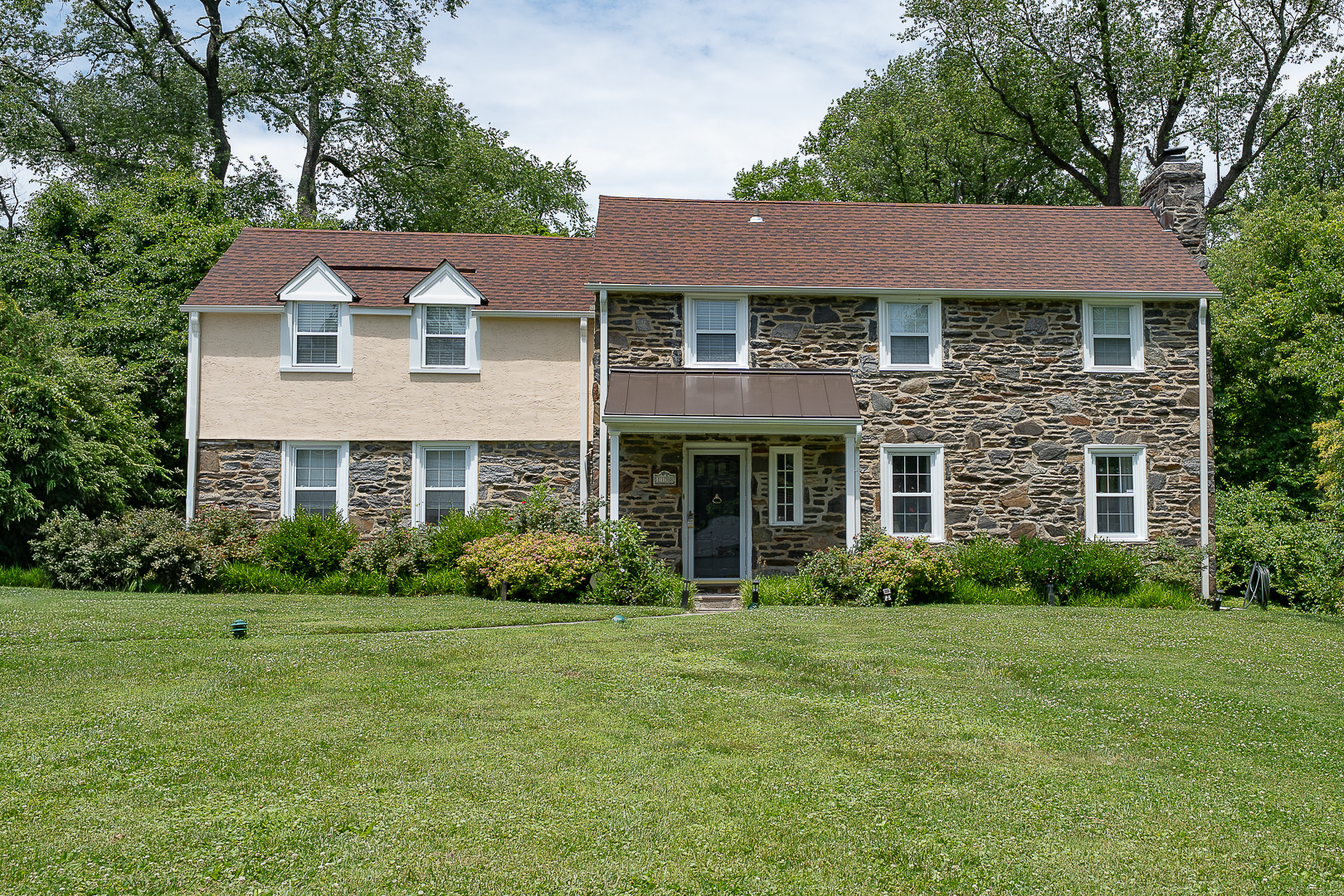
    A four-bedroom Penn Valley home with a basketball hoop

    The home spans just over 3,000 square feet.Dave Ocenas | Courtesy of Damon Michels/Keller Williams

    Built in 1948, this home gives a nod to the past thanks to its classic stone exterior, while the interior is contemporary. It has formal living and dining rooms, the latter with a cool chandelier, a den, a family room, a bonus room, and an eat-in kitchen. There are four bedrooms upstairs and additional living space in the finished basement. Outside, there’s a patio and a basketball hoop.

    See more photos of the home here.

    Price: $1.199M | Size: 3,074 SF | Acreage: 0.65

    đŸ—žïž What other Lower Merion residents are reading this week:

    By submitting your written, visual, and/or audio contributions, you agree to The Inquirer’s Terms of Use, including the grant of rights in Section 10.

    This suburban content is produced with support from the Leslie Miller and Richard Worley Foundation and The Lenfest Institute for Journalism. Editorial content is created independently of the project donors. Gifts to support The Inquirer’s high-impact journalism can be made at inquirer.com/donate. A list of Lenfest Institute donors can be found at lenfestinstitute.org/supporters.

  • In Narberth, a zoning fight raises questions over whether a small borough can help solve the housing crisis

    In Narberth, a zoning fight raises questions over whether a small borough can help solve the housing crisis

    Brenna Carswell has lived on the same street in Narberth for a decade.

    Carswell moved to Narberth, a small Montgomery County borough encircled by Lower Merion, in 2011 from Upper Darby with her younger daughter after a divorce. She knew early on that her daughter would need more support than the Upper Darby schools could provide, so she scraped together the cash for a rental in the Lower Merion School District.

    “It’s been a great place for my girls to grow up,” Carswell said of her Main Line community. “It’s given them a town that I didn’t have.”

    After four years and three rentals, Carswell, 44, a small-business owner, bought a home in the borough. In early 2020, she sold her house with the intention of buying another place in Narberth, but the pandemic hit and Carswell was furloughed. She ended up in a rental across the street, where she still lives. By the time Carswell was ready to buy again, houses around her had exploded in price.

    She and her family have outgrown their space, but in the current market, “there’s literally nowhere to go.”

    Narberth’s borough council last August directed its planning commission to study how it could use zoning to increase affordable housing and support the local economy. Officials say living in the borough has become increasingly expensive, as experiences like Carswell’s become more and more common.

    In February, the commission came back with a handful of recommendations in two zoning districts: the higher-density residential area that surrounds the Haverford Avenue downtown, and the commercial mixed-use corridor along Montgomery Avenue.

    Recommendations included allowing apartments, cottages, and rowhouses by-right, in the ring around the downtown core, and permitting extra floors for apartment buildings that include affordable units in both zoning districts. The commission suggested reducing minimum parking requirements, allowing ground-floor apartments on Montgomery Avenue, and letting developers build off-site parking lots for apartment complexes.

    Adam Krom, the planning commission’s chair, has said the changes would “provide flexibility” and incentivize developers to build both market-rate and affordable housing units in areas where similar developments already exist.

    But what began as a municipal land-use discussion has morphed into a monthslong debate in the borough over what, if anything, Narberth should do to fight America’s housing crisis. Proponents say changes would bring in much-needed tax revenue, create foot traffic for downtown businesses, and help preserve socioeconomic diversity. Others, however, feel that a small contingent on the borough council has charged ahead with proposals to increase density while ignoring growing concerns over traffic, neighborhood character, and the reality of supporting transit-oriented development with a transit system marred by uncertainty.

    Shops line North Narberth Avenue.Monica Herndon / Staff Photographer

    Rising costs, shrinking options

    In Narberth, and across the Philadelphia suburbs, the cost of housing is outpacing the ability of large segments of the population to afford it, said Scott France, executive director of the Montgomery County Planning Commission, which consults the borough on land-use issues.

    Narberth had the highest median housing sales price of any municipality in Montgomery County in 2024, at $751,000, a 70% increase from 2014.

    The average rent for a one-bedroom apartment in Narberth is $2,050 per month, according to Zillow rental data. As housing prices have risen, incomes have stayed largely stagnant. In 2024, 46% of renters and 19% of homeowners in Montgomery County were spending more than 30% of their income on housing, according to a Housing Blueprint recently published by the county.

    In Montgomery County, boroughs like Narberth were often the first point of entry for people looking to settle in the suburbs, France said, given their more urban-suburban feel and smaller lot sizes.

    Yet the factors that once made places like Narberth starter-home magnets have now made them increasingly inaccessible. As millennials have sought out premiums like walkability and transit access, the cost of both renting and homeownership in places like Narberth, Conshohocken, and Ambler has risen, France said.

    Montgomery County’s and Narberth’s housing woes are part of a well-documented housing shortage that has swept the United States, as a widening gulf between supply and demand has put homeownership further out of reach for many, especially for younger people.

    Some communities facing housing shortages have loosened zoning restrictions in order to court developers who are willing to build housing and, in certain cases, set aside affordable units in exchange for height and other bonuses. On the Main Line, luxury apartments have cropped up in large numbers, especially in areas where officials have used zoning to increase density.

    Fred Bush, president of Narberth’s borough council, said the county’s Housing Blueprint crystallizes why Narberth needs to ease its zoning regulations and incentivize development.

    “It’s very difficult for people who come in here — who are renting or who are looking to move in, young families — to find a place to stay,” Bush said.

    Narberth Borough Council President Fred Bush. Bush is part of a contingent of borough council members who see zoning changes as a key to increasing the availability of affordable housing in the borough.
    Monica Herndon / Staff Photographer

    ‘Is that what’s best for this area?’

    Narberth residents like Margot and Jason Deitz describe the push to rezone as confusing and misguided. The couple, both 40, have lived together in Narberth since 2020. Their house is near the Montgomery Avenue corridor, where changes are being considered.

    The Deitzes are among a large contingent who feel the proposals would complicate an already hairy parking situation, allow for buildings outside of Narberth’s quaint character, and tip the balance of the borough in favor of renter-occupied units. They feel the borough is putting the cart before the horse, trying to address national problems rather than the sidewalk repairs and parking shortages on their front steps.

    For Margot Deitz, the idea of building fewer parking spaces and asking residents to rely on SEPTA, a sometimes unreliable transit system, was confounding. Her questions to the borough council about parking went unanswered, she said. Both Margot and Jason Deitz wondered how, in a town with shuttered storefronts and parking problems, building new apartments became the council’s priority.

    Homeowner Michelle Karten, 52, went to a public meeting to ask questions about the proposals but felt the changes were a “foregone conclusion.”

    Karten said she hopes the borough can find a more “holistic” approach, rather than just allowing for the proliferation of luxury apartments. She believes the borough has already made a number of concessions to developers and does not need to offer density bonuses to get affordable housing.

    “Do we really need to go up that extra level? Is that what’s best for this area? And what other solutions could there be?” Karten said.

    Matt Patrick, 37, a homeowner in the borough since 2018, is “not against affordable units” but thinks the council is using the affordability crisis to push through incongruous density in spite of resident opposition.

    “It seems like more of a developer bonus than something aimed at conquering affordability,” Patrick said.

    Narberth’s SEPTA train station on the Paoli/Thorndale Line.Monica Herndon / Staff Photographer

    Luxury apartments’ “two truths problem”

    For others, the debates over parking requirements and maximum heights are a distraction from a looming reality: The national housing crisis has hit Narberth, and prices will only continue to rise without new inventory.

    Blessing Osazuwa, 28, thinks the changes are a “great idea.” Osazuwa grew up in Lower Merion and moved to Narberth three years ago. Her roommate’s family owns the house they live in, giving her a break on the rent that allows her to afford Narberth.

    “I love Narberth,” Osazuwa said. “I would love to stay, but there’s no way that I’ll be able to afford that on my own, and it’s a shame, because I feel like I contribute to the community.”

    Numerous residents said the conversation around zoning in Narberth has devolved into misconceptions and ad hominem attacks hurled from all sides, across public meeting forums and Facebook groups.

    Carswell said there is a misconception that Narberth and surrounding communities already have plenty of affordable apartments.

    Little exists in Carswell’s price range in or around Narberth. She has chased multiple “ghost” listings, reaching out to property managers only to find out listed units are occupied. She wants to stay in Narberth to provide consistency for her kids. When she explains her reality, she said, she is often told to just move somewhere else.

    Osazuwa said the refrain that those who cannot afford Narberth should simply move ignores a souring economic reality.

    “I tend to encounter that ‘pulling yourself up from the bootstraps’ mentality without regard to the times that we’re living in, without regard to inflation, without regard to the fact that jobs don’t pay as much,” she said.

    Advocates acknowledge that future development will likely rely on luxury rentals, many of which have popped up in neighboring communities like Ardmore and Bala Cynwyd and would be unaffordable to all but a wealthy set of renters. They believe, however, that any new housing units can help moderate the market, and even a few affordable units attached to the developments could provide housing for lower-income residents.

    “I agree that struggling families are not going to be moving into luxury apartments, but it just puts an overall downward pressure on rental prices for the rest of the market,” Bush said.

    Vincent Reina, a University of Pennsylvania professor and founder of the Housing Initiative at Penn, said there is “a two truths problem” when it comes to luxury apartments. High-end buildings do not fill the need for affordable housing. But, without new construction, existing prices can be pushed up even further as demand continues to outpace supply.

    “What you aren’t going to see is the natural market production of [low-cost] units because the price is too high,” he said. Without government incentives for affordable units, “the numbers just don’t pencil out.”

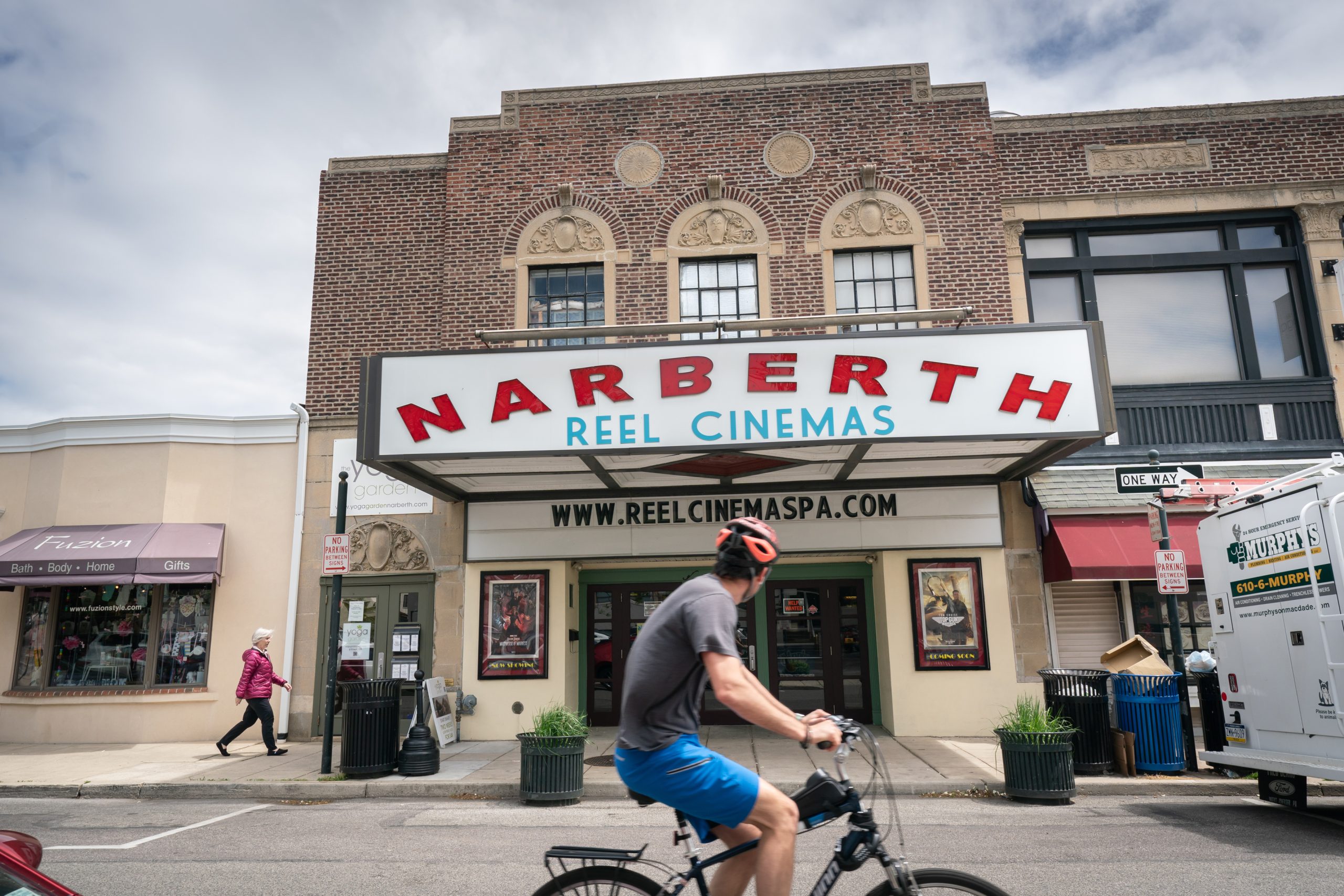
    Narberth Reel Cinemas. The borough is considering zoning changes that would increase density around its downtown core. JESSICA GRIFFIN / Staff Photographer

    Balancing ‘what should be complementary interests’

    The borough council has drafted comments to send back to the planning commission for consideration. The draft splits the difference on some issues, dropping the parking reduction and some height bonuses, but keeping other changes. It could be months before any changes are actually adopted.

    Council member Mike Salmanson said Narberth is trying to balance “complementary interests” in keeping the borough’s character while ensuring fiscal stability. Salmanson said the borough has maxed out how much it can charge in earned income tax. Because Pennsylvania does not require regular property reassessments, it is difficult for municipalities to collect the revenue they need without just raising tax rates.

    “Increased housing creates a broader tax base,” Salmanson said. “I see the advantages of that.”

    But he also called zoning changes that cater to current market conditions, and not the long-term success of the borough, “short-sighted.”

    Council member Cyndi Rickards believes the council has yet to meaningfully engage with incentivizing housing options beyond luxury apartments, such as reasonably priced ownership opportunities that would allow residents to build equity.

    “I really struggle to understand how those of us who own homes …
[see] luxury apartments as a tool for justice,” Rickards said.

    Carswell said she understands the concerns about zoning changes and was once opposed herself.

    “There is a deep fear, that I understand, that the good old days are slipping away,” Carswell said. “The good old days are gone. 
 The changes that happened to our economy on a national scale absolutely impacted Narberth.”

    This suburban content is produced with support from the Leslie Miller and Richard Worley Foundation and The Lenfest Institute for Journalism. Editorial content is created independently of the project donors. Gifts to support The Inquirer’s high-impact journalism can be made at inquirer.com/donate. A list of Lenfest Institute donors can be found at lenfestinstitute.org/supporters.
  • 13-acre Villanova estate to be preserved in $13M deal

    13-acre Villanova estate to be preserved in $13M deal

    The 13-acre Oakwell estate, which Lower Merion School District once hoped to turn into school athletic fields, has been preserved after being purchased by two nonprofits.

    The $13 million deal was authorized by the district in 2024 to sell the lush estate in Villanova that contains 700 trees, many of them old growth. The sale closed Friday.

    Under the arrangement, the conservation nonprofit Natural Lands purchased 10 acres of land for roughly $10 million, and the nonprofit Wyncote Foundation purchased three acres that contain the Oakwell mansion for about $3 million.

    John Bennett, a retired medical doctor who owned the estate before the district, said he was relieved.

    “Beneath those magnificent oak trees, some of which have stood for more than 200 years, rest my son’s ashes,” Bennett said. “Those trees were already old when America was young. They have survived wars, economic depressions, hurricanes, and generations of families who walked beneath their branches.“

    Bennett, who has moved from the area, said he feels “an overwhelming sense of gratitude.”

    (function() { var l = function() { new pym.Parent( ‘oakwell__graphic’, ‘https://media.inquirer.com/storage/inquirer/ai2html/oakwell/index.html’); }; if(typeof(pym) === ‘undefined’) { var h = document.getElementsByTagName(‘head’)[0], s = document.createElement(‘script’); s.type = ‘text/javascript’; s.src = ‘https://pym.nprapps.org/pym.v1.min.js’; s.onload = l; h.appendChild(s); } else { l(); } })();

    The district’s agreement to sell Oakwell to the nonprofits came after furious pushback by Bennett, neighbors, and even some students who banded together in protest.

    Besides trees, Oakwell contains a 20,000-square-foot brick Tudor Revival mansion replete with heavy wooden doors, a wainscoted library, and Mercer floor tile. The Wyncote Foundation plans to restore and preserve the mansion.

    The property also contains a pool house, a teahouse once watched over by a terra-cotta warrior, stone fencing, and a brick-walled garden complex all dating back at least 120 years. That will all be owned by Natural Lands.

    Frank Ranelli, superintendent of the Lower Merion School District, said in a statement that the sale “will enhance the quality of life for members of the Lower Merion community.”

    “It feels really like a dream come true,” said Oliver Bass, president and CEO of Natural Lands.

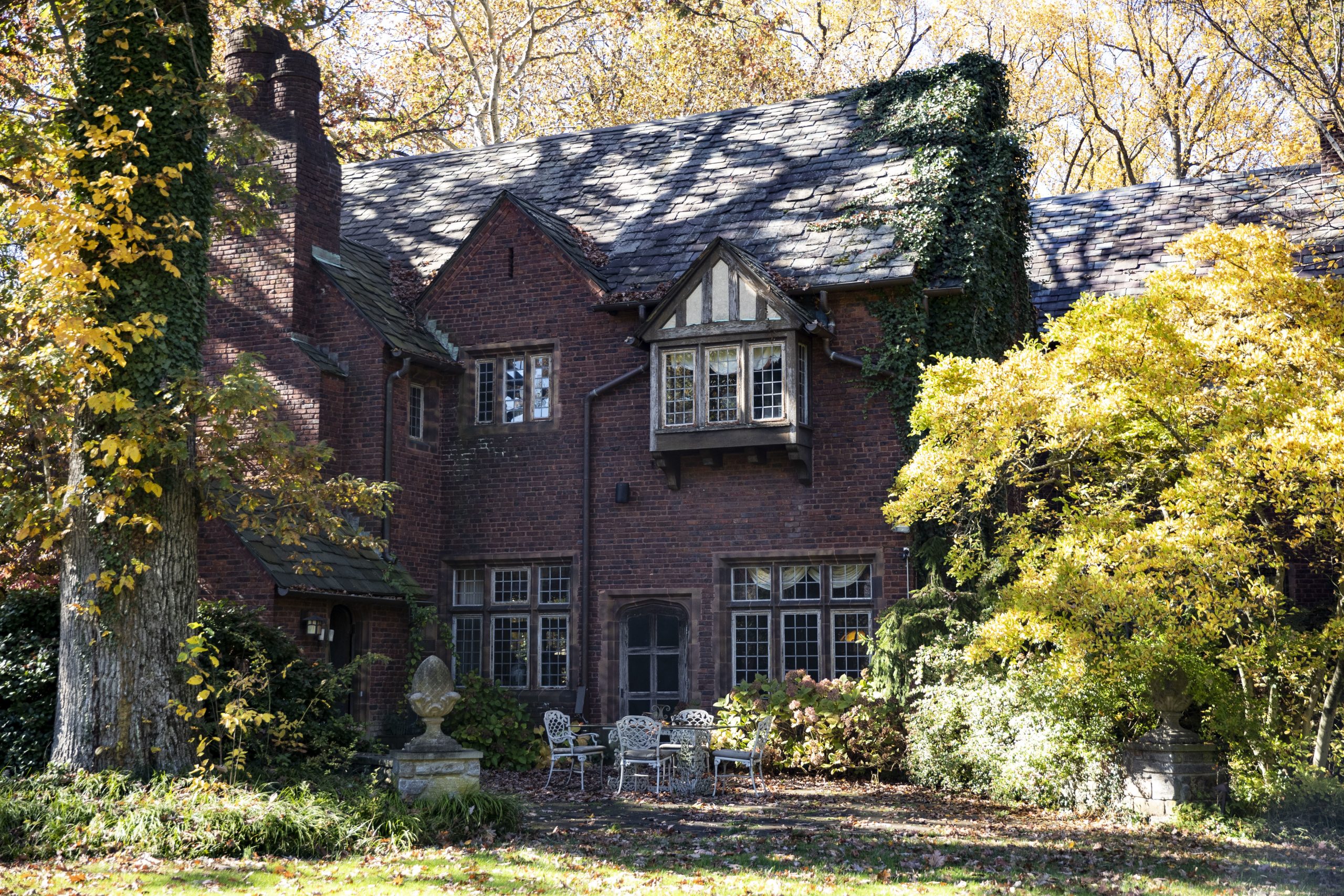
    A portion of the Oakwell mansion in Villanova in 2022.Monica Herndon / Staff Photographer

    Becoming part of Stoneleigh

    Bass noted it had taken years of planning to acquire the tract after the Lower Merion School District purchased Oakwell in 2018 from Bennett.

    The district purchased Oakwell under condemnation with the goal of transforming it into a large athletic complex for the then-new Black Rock Middle School. However, Bennett had originally wanted to sell it to Villanova University.

    The 10 acres that Natural Lands just purchased will become part of the organization’s neighboring 42-acre Stoneleigh public garden. Oakwell was once part of Stoneleigh but was subdivided in the late 1920s and early 1930s.

    Now, the properties will be reunited, Bass said.

    The interior of the Oakwell Estate in Villanova, Pa. Monica Herndon / Staff Photographer

    Bass said that Natural Lands never envisioned that the entire tract would be saved when discussions first started with the school district years ago. The deal was helped by money from the Wyncote Foundation, Bass noted, and the William Penn Foundation provided leadership support.

    Natural Lands has a master plan for the new parcel, but Bass said it could take years to complete work and integrate it fully with Stoneleigh. He said Natural Lands is working with an architect and a landscape architect and will likely have to raise additional money. When finished, the Oakwell tract will be open to the public.

    “It will become one holistic experience with Stoneleigh,” Bass said, “just larger and grander.”

    “The fact that we’ll be able to unite two properties separated by nearly a century is pretty remarkable,” Bass said.

  • The Lower Merion school board repealed its technology policy over outcry from parents who don’t want kids on laptops

    The Lower Merion school board voted Monday to repeal its existing technology policies, over outcry from parents who accused the board of stripping their right to opt their children out of district-issued laptops and iPads.

    During a contentious meeting — the board summoned security after interruptions from the crowd in the Lower Merion High School auditorium — parents demanded answers on why the district was denying families the ability to reject devices they said were threatening their kids’ education, and even their lives.

    “A parent’s right to opt out of one-to-one educational technology to do what is best for their children” is “life and death for their development and learning,” said parent Meredith Brisco-Bacik, a cardiologist who likened the district’s use of educational technology to giving kids a risky medical procedure without their parents’ consent.

    By repealing the existing policies, which contain language requiring administrators to accommodate students whose families do not sign electronic device use agreements, “you stand ready to remove the proverbial defibrillators from the room,” Brisco-Bacik said.

    Parents in Lower Merion have been battling the district since the spring over concerns about excessive screen time in school, saying the district is relying too heavily on educational technology programs and failing to stop kids from accessing distracting or inappropriate content.

    District officials have responded to the criticism by advancing a new technology policy that would end the assignment of personal devices to K-2 students and set guidelines for technology use by grade level.

    But officials say it is not possible for families to opt out of devices entirely, despite hundreds of parents signing a petition supporting the ability to do so.

    “That is not an option in Lower Merion School District, nor has it ever been an option in Lower Merion School District to opt out,” said Anna Shurak, the chair of the board’s policy committee.

    She said the policy repealed Monday — which dates to when the district adopted one-to-one devices in 2011 — has been misinterpreted by parents, and was related to families who did not sign agreements about taking electronic devices home.

    But parents said the district had failed to explain why technology was so integral to the curriculum that it was not possible to opt out of personal devices.

    “If there were direct payoffs or dirty money exchanging hands, it would make sense, but to think that our kids and teachers have been sold out for simple ideological capture by tech corporations 
 is incredibly depressing,” parent Eleanor Stanford said.

    Numerous parents expressed frustration, saying they felt the district had not listened to them.

    Brian Nealis, a parent of children finishing seventh and fourth grades in the district, said that when he tried to talk to his sons’ assistant principal about his concerns, “his response to me was, ‘The kids need to learn self-control.’ And my reaction was like, oh, should we just hand out nicotine packets in middle school? 
 That is the most asinine thing to hear from an educator.”

    The board voted 7-2 to repeal the current technology policies, with members Sarah Thomas and Abigail Lerner Rubin voting no.

    Rubin said she was uncomfortable with repealing existing policies before the district had adopted new ones, and asked fellow board members to “pause unless and until we can provide the evidence that people have asked for, that these devices are safe, effective, and legal.”

    Shurak said the board needed to repeal the existing policies to allow administrators and teachers to move forward with planning for adoption of the proposed replacement policies for the coming school year.

  • Developers of a Yass-backed Gladwyne development present a pared-back plan after hearing from residents

    Developers of a Yass-backed Gladwyne development present a pared-back plan after hearing from residents

    The team behind a major redevelopment of the heart of Gladwyne presented a pared-back plan to residents last week after considering extensive public feedback.

    Design firm Haldon House and local billionaires Jeff and Janine Yass earlier this year unveiled plans to reinvigorate Gladwyne with new buildings, renovated historic structures, public green space, and updated commercial options that would breathe new life into the Main Line community’s quaint downtown.

    The project has sparked buzz in the community, with some Gladwyne residents eager for their neighborhood to get a facelift, and others skeptical of the development’s impact on traffic, parking, and Gladwyne’s character.

    Five months after unveiling the project, Haldon House owners Andre Golsorkhi and Autumn Oser brought an updated approach to Gladwyne residents at a meeting of the Gladwyne Civic Association on May 18. The new proposal features fewer buildings, more open green space, and more subdued aesthetics than the original scheme.

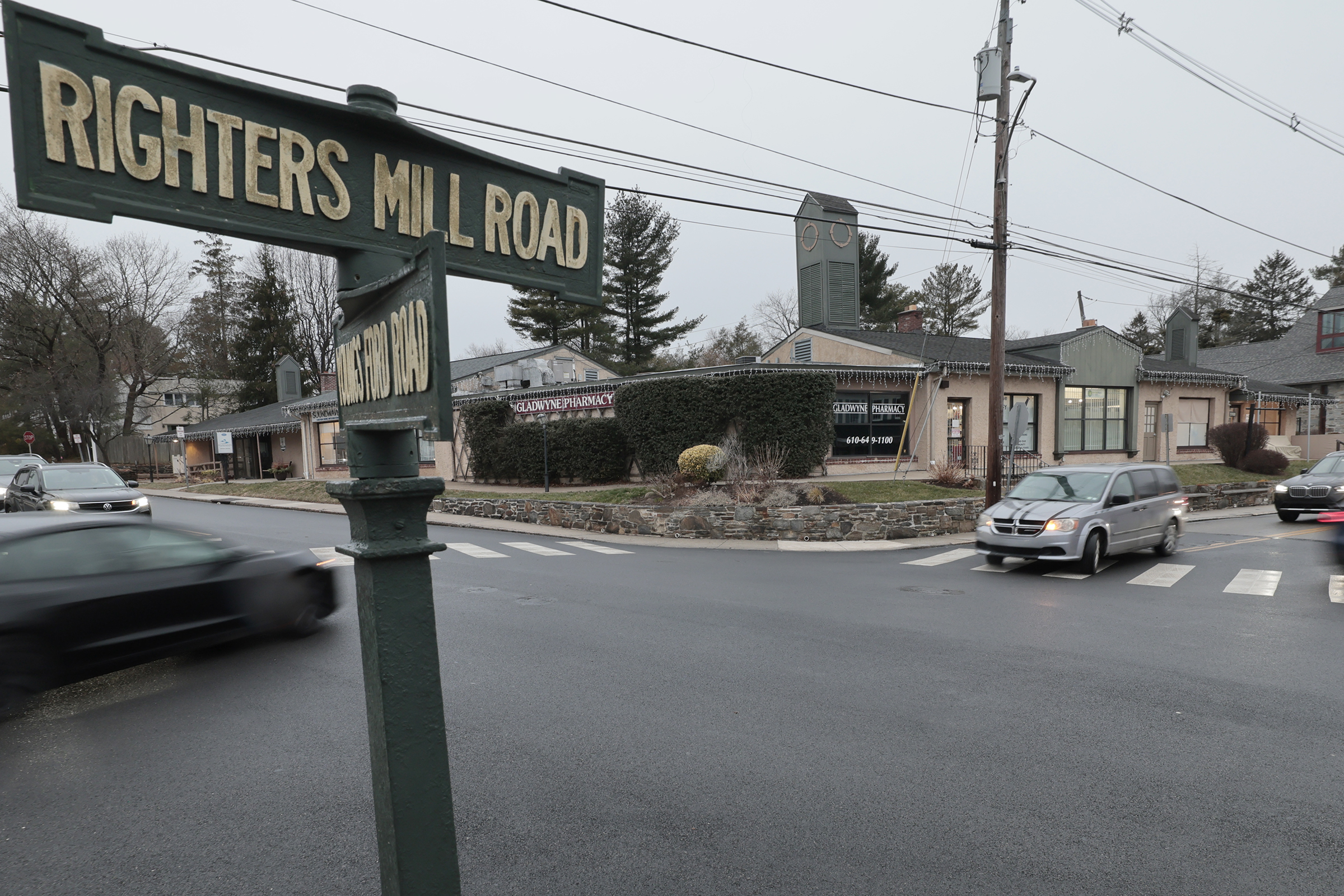
    The Village Shoppes, including the Gladwyne Pharmacy, at the intersection of Youngs Ford and Righters Mill Roads in Gladwyne. Under the proposal, the Shoppes would be razed and replaced with an updated, barn-style building.Elizabeth Robertson / Staff Photographer

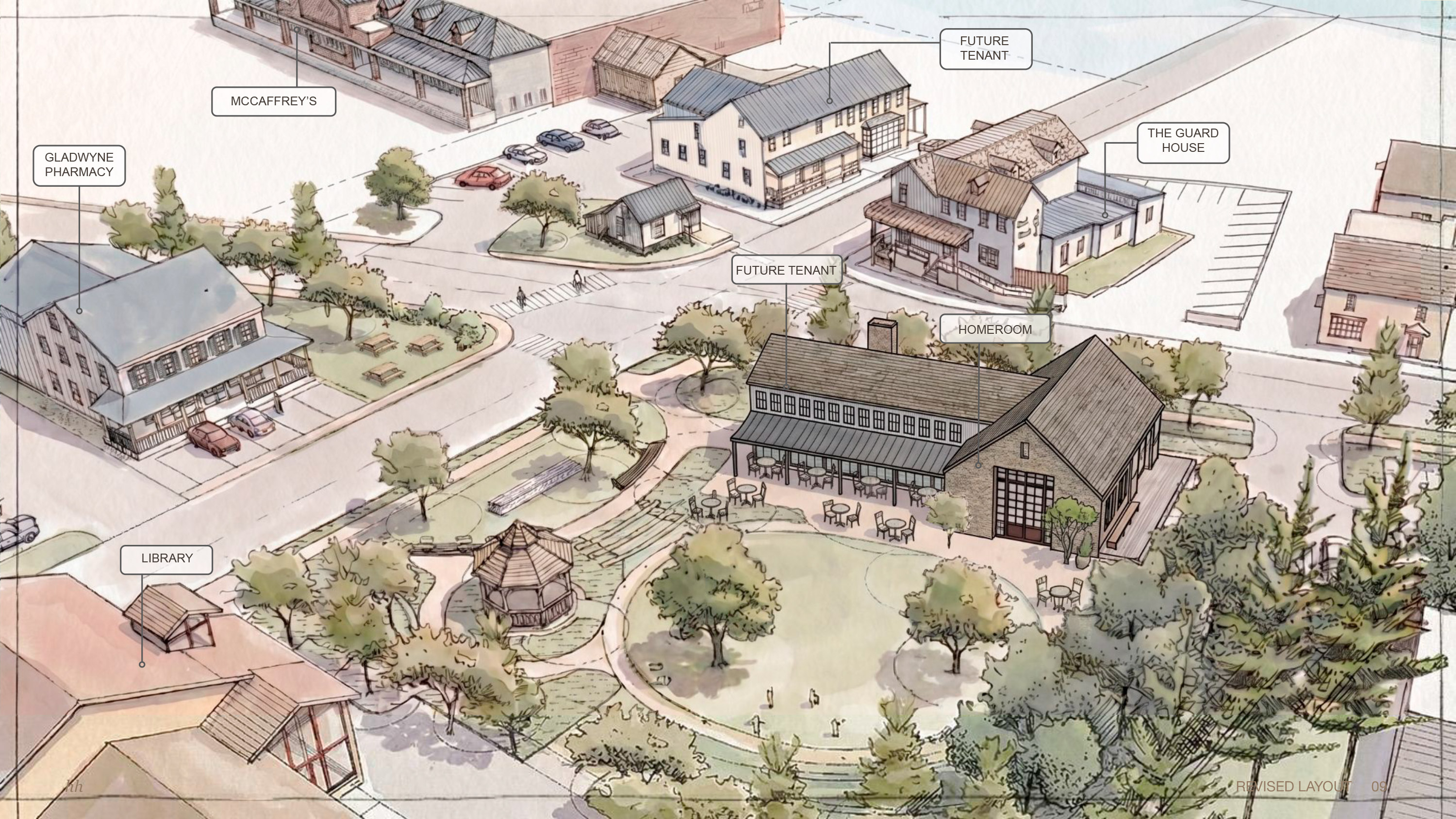
    Haldon House’s revised plans for Gladwyne center on five main renovations: moving and expanding the Gladwyne Pharmacy into the former Gladwyne Market building; bringing a restaurant into the former OMG Hair Salon building; constructing a new barn-style building for an expansion of local cafe Homeroom; building a public green space between Homeroom and the library; and razing a residential property on Youngs Ford Road to create a parking lot.

    The reconfigured plan has not officially been submitted to Lower Merion Township for approval. Greg Prichard, historic preservation planner for Lower Merion, said the township is expecting the Gladwyne project to involve meetings of multiple review boards with the board of commissioners’ approval as the final green light.

    Haldon House has not disclosed a cost for the project, but Golsorkhi has said that the developers “have a very good understanding of the scope and scale of the investment required” and are “fully committed to what is needed to see this through.” The developers have spent over $15 million acquiring the properties.

    Golsorkhi and Oser said survey responses, public comment, and informal feedback from the Lower Merion Historical Architectural Review Board (HARB) gathered over the last few months helped shape the amended plan, one that leans into Gladwyne’s existing businesses and keeps a “quirkiness” cherished by residents.

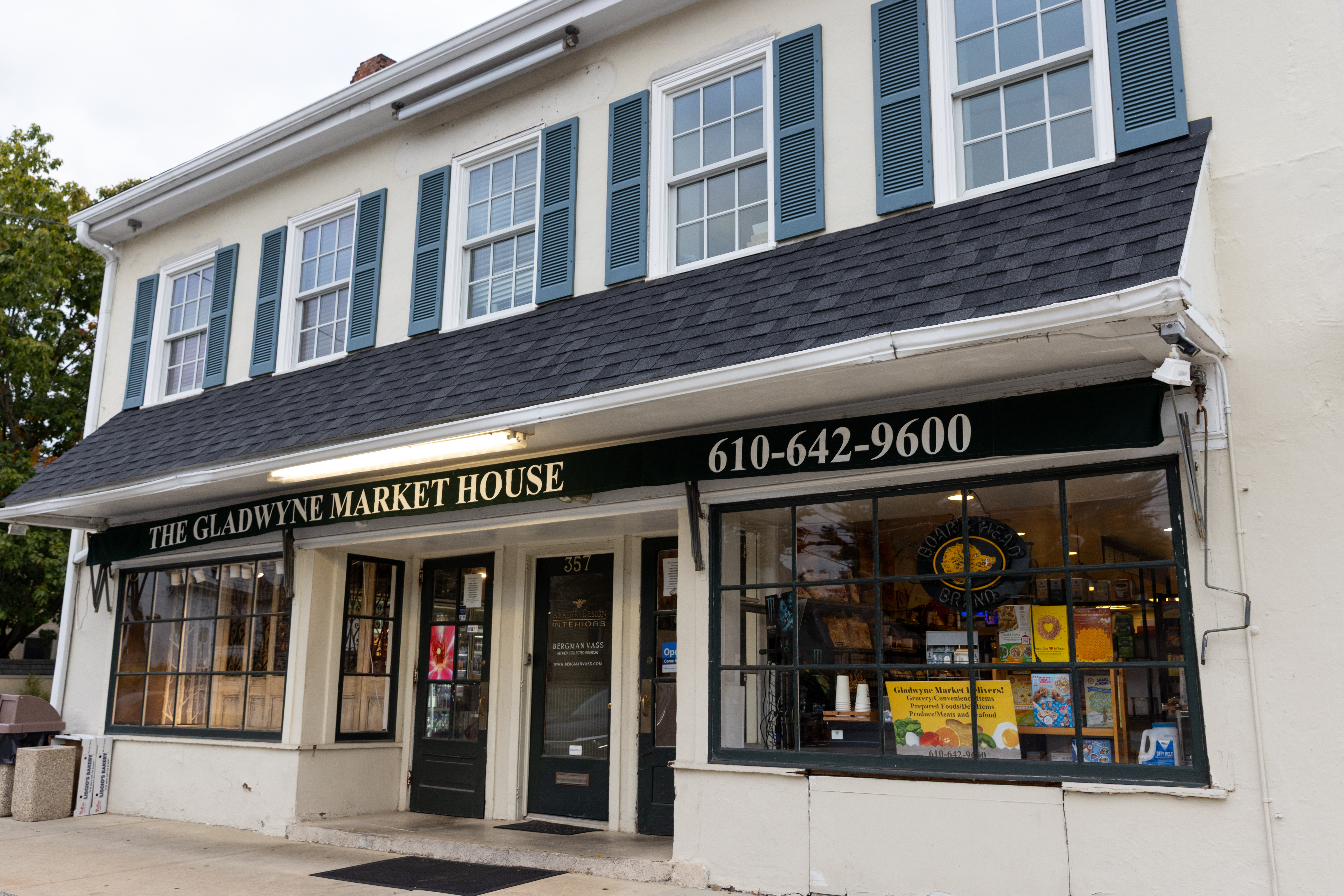
    Under the proposal, the Gladwyne Pharmacy would be moved into the former site of Gladwyne Market at 357 Righters Mill Rd. Gladwyne Market shuttered last fall after the building was purchased for $5 million.

    Oser said Haldon House wants to “celebrate the pharmacy” by expanding its inventory and designing a space that is “charming and nostalgic” with a wraparound porch and outdoor seating.

    The former Gladwyne Market, which shuttered last fall after developers purchased its building. The Gladwyne Pharmacy is set to move into the space under plans proposed by Haldon House.Jasmine Goldband / Staff

    Across the street, 358 Righters Mill Rd., the current home of the pharmacy and Homeroom, a local cafe, would be torn down and replaced with a new building. The building would house an expanded site for Homeroom and an upstairs office tenant (the upstairs would potentially be used as a conference space for Haldon House, the developers said at a HARB meeting, or as a flexible event space for community vendors). Homeroom would likely expand its menu, extending its hours into the early evening and growing its bakery apparatus.

    The building would combine stone facades with wood paneling and floor-to-ceiling windows, a design the developers say is “rooted in Main Line tradition” yet “contemporary.”

    Oser said Haldon House took to heart feedback that the first iteration of 358 Righters Mill Rd. was too polished for Gladwyne.

    “There was the specific request, like, ‘Please keep the quirk.’ Gladwyne is quirky, and it’s eclectic, and we like that,” she said at the civic association meeting. “
 That was awesome feedback, and it was a really good point.”

    Haldon House originally intended to bring a slate of new businesses to the village, but Oser and Golsorkhi realized they could fulfill the community’s needs by expanding the offerings at its existing businesses, rather than bringing in more retail tenants.

    The intersection of Youngs Ford and Righters Mill Roads in Gladwyne.Elizabeth Robertson / Staff Photographer

    358 Righters Mill Rd. would abut a community green space outfitted with a gazebo, native plants, and an amphitheater. The developers hope to use the green space as a hub for outdoor education, library events, and yoga classes, among other activities.

    The developers said they would establish a fund that draws on revenue from the properties to pay for park upkeep. Golsorkhi at a township meeting said that the tenants themselves would not be responsible for the park’s maintenance.

    The developers plan to bring a restaurant to 351 Righters Mill Rd., the former location of OMG Hair Salon. Currently, the only full-service restaurant in Gladwyne’s commercial core is the Union League’s members-only Guard House, which has been closed to the public for dining for nearly a decade.

    Oser outlined a vision for a “watering hole” that honors Gladwyne with historic photos and a “timeless” interior.

    The developers want a dining option that “only exists in Gladwyne” and do not plan to recruit a restaurant from Philadelphia, Oser said.

    A residential property at 946 Youngs Ford Rd. would be razed and turned into a parking lot. A retaining wall and tree barrier would be erected around the lot as a buffer for neighboring residents (one single-family home and a townhouse development border the proposed parking lot). The developers would need to secure a zoning change from the township to convert the property into parking.

    The proposal has brought tepid optimism — and a handful of concerns — to the small community.

    Some have praised the redevelopment, describing it as a much-needed facelift for a corridor with few amenities and deteriorating buildings. Others have warned of increased traffic and parking issues in an intersection that already deals with congestion.

    At Monday’s meeting, residents who border the proposed parking lot criticized what they described as a lack of communication from the developers and warned that the lot would disrupt the neighbors who surround it.

    “I think you’ve come a long way. This thing is going in the right direction,” Ed Lewis, a resident of a neighboring property, said during a recent HARB meeting.

    But Lewis warned, “You have to have the basics solved at the beginning: traffic, pedestrian access, and the green, existing trees and reinforced with new vegetation.”

    This suburban content is produced with support from the Leslie Miller and Richard Worley Foundation and The Lenfest Institute for Journalism. Editorial content is created independently of the project donors. Gifts to support The Inquirer’s high-impact journalism can be made at inquirer.com/donate. A list of Lenfest Institute donors can be found at lenfestinstitute.org/supporters.

  • Inside a whimsical Merion Station home | Inquirer Lower Merion

    Inside a whimsical Merion Station home | Inquirer Lower Merion

    Hi, Lower Merion! 👋

    Think your home is colorful? This Merion Station couple takes things up a notch or two. Also this week, shoppers remember longtime Ardmore staple Past Present Future ahead of its closure, a popular Villanova University bar under investigation says it’s being targeted, plus thousands of Main Line Health patients insured by UnitedHealthcare risk going out of network amid contract negotiations.

    If someone forwarded you this email, sign up for free here.

    Inside a couple’s colorful and whimsical Merion Station home

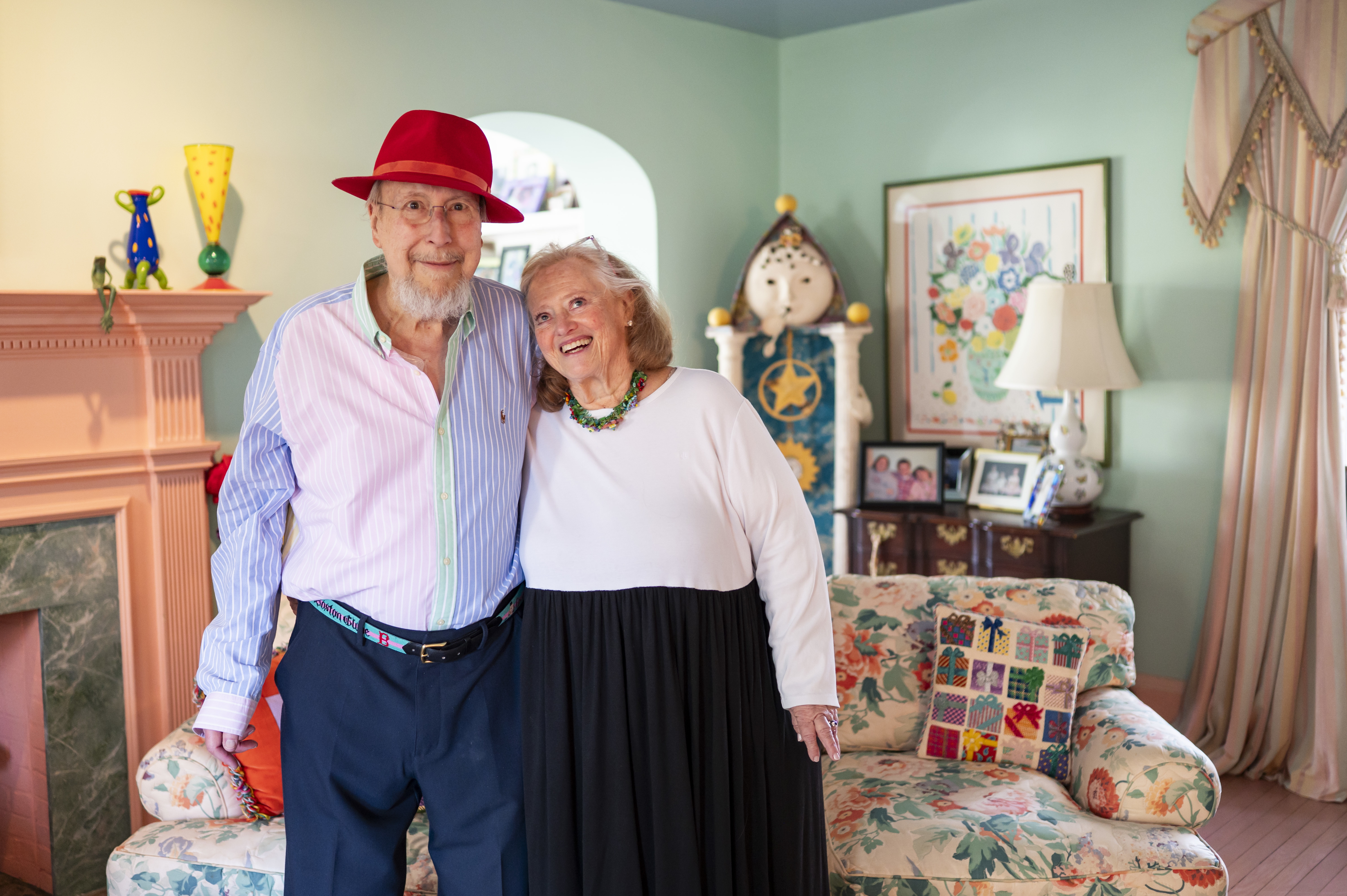
    Noel and Lindsay Carota at their home, where they have lived since 1990. Allie Ippolito / For The Inquirer

    When Lindsay and Noel Carota moved into their five-bedroom Georgian revival Merion Station home in 1990, they set about making it their own.

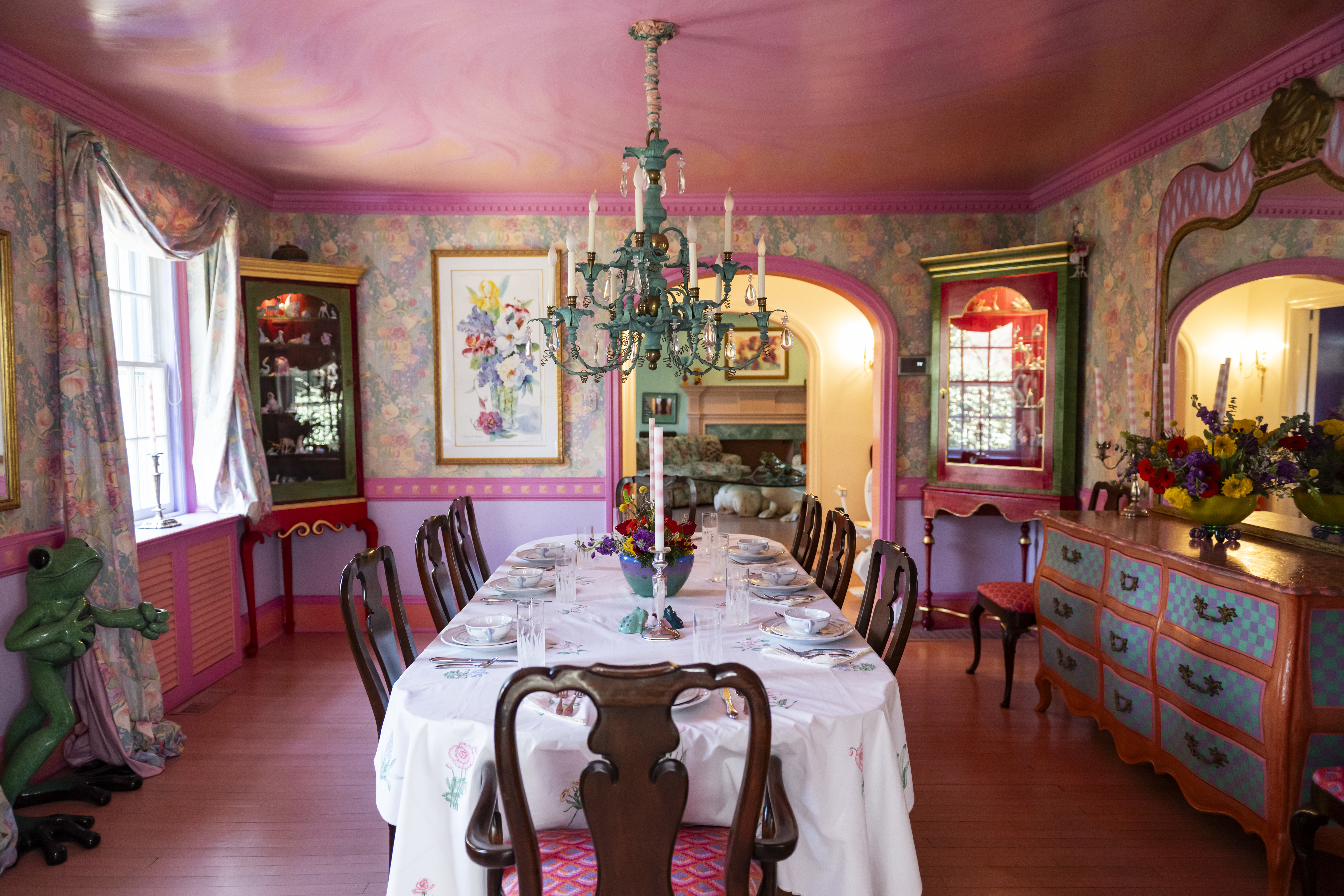
    Today, the house is a riot of colors and textures and full of whimsical touches that start at the entrance. There, visitors are greeted by a brass-frog knocker on a purple door. Inside, there are plenty more frogs — something Lindsay began collecting at 21.

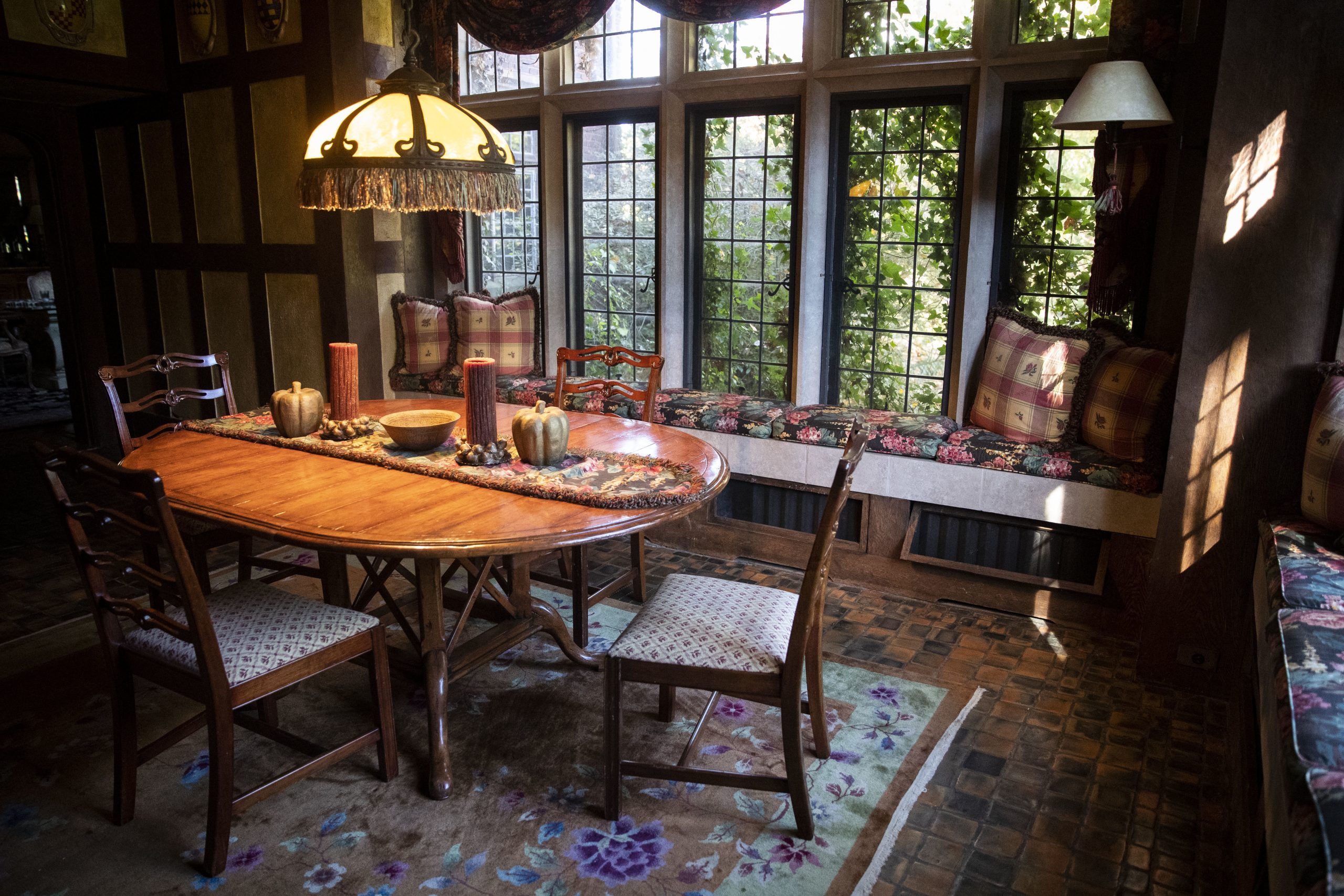
    Rooms are painted in watercolor hues of blues, pinks, greens, yellows, and purples, including the dining room, which has swirls of pink on its ceiling and floral fabric wallpaper with matching drapes.

    Take a peek at their one-of-a-kind decor.

    Remembering the past and looking to the future

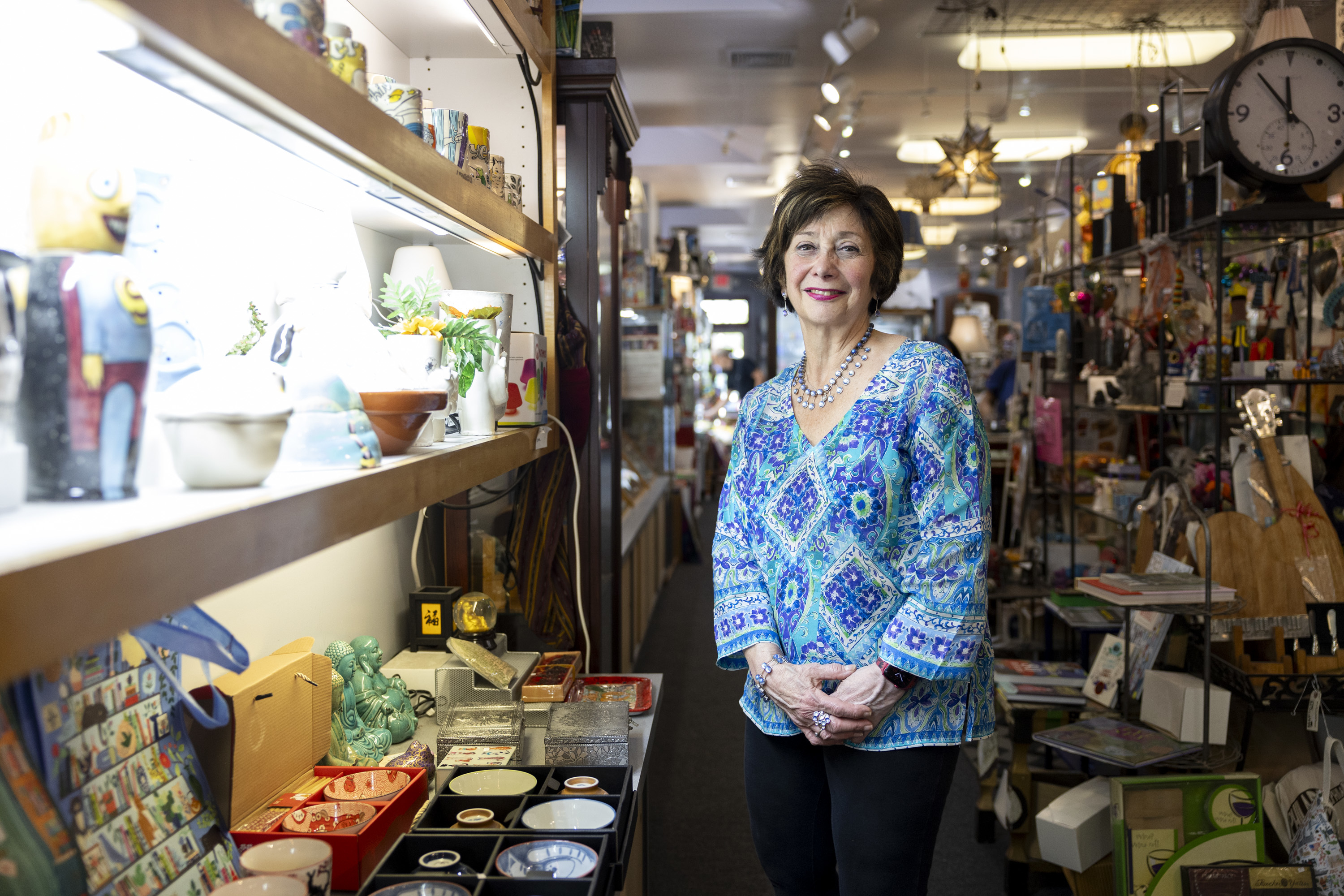
    Sherry Tillman has operated Past Present Future for 50 years. Tyger Williams / Staff Photographer

    After 50 years in business, the last 30 or so in Ardmore, Sherry Tillman is getting ready to retire and will soon close beloved shop Past Present Future.

    Located at 15 Lancaster Ave., the store became a popular spot to shop for an array of goods, from trinket boxes to figurines to tarot cards. While she hasn’t set an official closing date, Tillman has begun discounting her inventory as she winds down, with plans to later sell the building itself.

    The Inquirer’s Denali Sagner caught up with Tillman about how the shop evolved and how she helped spur the local art community.

    💡 Community News

    • Popular Villanova University student watering hole Kelly’s Taproom is being investigated by the Pennsylvania Bureau of Liquor Control Enforcement for alleged violations including noise, open containers, and disorderly conduct. But the owners say it’s the latest development in a decades-long battle with local officials and residents. The Inquirer’s Denali Sagner has the details.
    • Some 32,000 Main Line Health patients insured by UnitedHealthcare could face service interruptions and providers going out of network if the insurer and the health system, which owns Bryn Mawr Hospital and Lankenau Medical Center, don’t reach a deal by June 30. The two organizations are currently in negotiations.
    • The community is mourning the death of Wynnewood native and local public relations maven Nina G. Zucker, who died last week at the age of 69. A Lower Merion High School alum, Zucker was the founder and president of her eponymous firm, Nina Zucker Associates, where she worked on public relations and marketing campaigns for clients ranging from musicians, actors, artists, and athletes to governments and nonprofits.
    • The township is hosting a public meeting on Tuesday along with Amtrak about the railroad’s plans to upgrade the power systems on the Bryn Mawr to Paoli segment of its Harrisburg line. The meeting will take place from 6 to 8 p.m. at the township building. You can also attend virtually.
    • The latest edition of Inquirer series “How I Bought This House” takes us just over the township border to Wynnefield, where a 38-year-old accountant purchased a new-construction townhouse for $499,000. Heather Ong prioritized a move-in ready spot that was quiet and had outdoor space for her dog, Lilly, landing on a neighborhood that gave her “a bigger bang” for her buck.
    • A Wynnewood family got a surprise visit from the Phillie Phanatic and a makeover for their yard earlier this week when the team partnered with swing set company King Swings. The gift, which included a garden upgrade and a new doghouse, comes in the wake of the family losing their father to a rare disease. (6abc)

    đŸ« Schools Briefing

    • Lower Merion School District is considering a policy that would help reduce screen time for its youngest learners, including no longer assigning laptops and iPads to kindergartners, first graders, and second graders. There would also be changes to how technology is used for third- through sixth-grade students. The Inquirer’s Maddie Hanna lays out the details and explains why some parents still don’t think the policy goes far enough.
    • Lower Merion’s school board is slated to meet Monday to approve its final budget for the 2026-27 school year, which calls for a 3.5% property tax hike. There’s also a facilities and purchasing committee meeting this morning.
    • The class of 2026 graduated last week in ceremonies at Villanova University’s Finneran Pavilion. Lower Merion High School graduated 415 seniors and Harriton High School graduated 300 seniors.
    • Final exams begin today for high school students. There are a number of end-of-year events, including Cynwyd Elementary’s fourth grade “glow up” party this evening, Black Rock’s “Royal Jubilee” tomorrow, and eighth-grade promotion ceremonies on Monday and Tuesday. There are also fourth-grade promotion ceremonies on Tuesday and Wednesday. Wednesday is the last day of classes for this school year. See the district’s full calendar here.

    đŸœïž On our Plate

    🎳 Things to Do

    đŸŽ¶ Bryn Mawr Twilight Concerts: Folk and blues singer Tom Rush headlines this week’s show. ⏰ Friday, June 12, 7 p.m. đŸ’” $25.88, free for kids 12 and under 📍 Bryn Mawr Gazebo

    💃 The Rock and Roll Playhouse: The kid-friendly outfit will perform Taylor Swift tunes. ⏰ Saturday, June 13, 11:45 a.m. đŸ’” $20.44, free for kids under 1 📍 Ardmore Music Hall

    đŸŽ” Music in the Park: The summer concert series kicks off with a performance by local party band The Percolators. ⏰ Wednesday, June 17, 7 p.m. đŸ’” Free 📍 Narberth Park gazebo

    ☀ Summer Solstice: Ahead of the longest day of the year, celebrate the season with a wine garden, kids activities, food, music, and a bonfire. ⏰ Thursday, June 18, 6:30-9 p.m. đŸ’” $35 per family 📍 Riverbend Environmental Education Center

    🏡 On the Market

    A classic stone Colonial with a pool

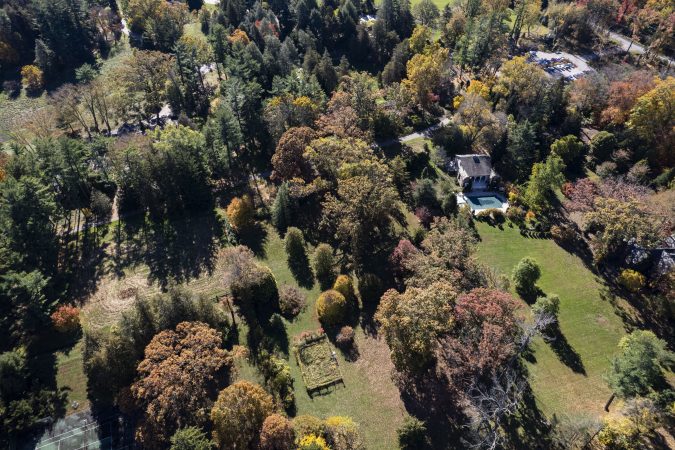
    An aerial view of the property, which has a pool and back garden.Patrick Steven Boyhan II/Alcove Media | Courtesy of Adam Ferst/Compass

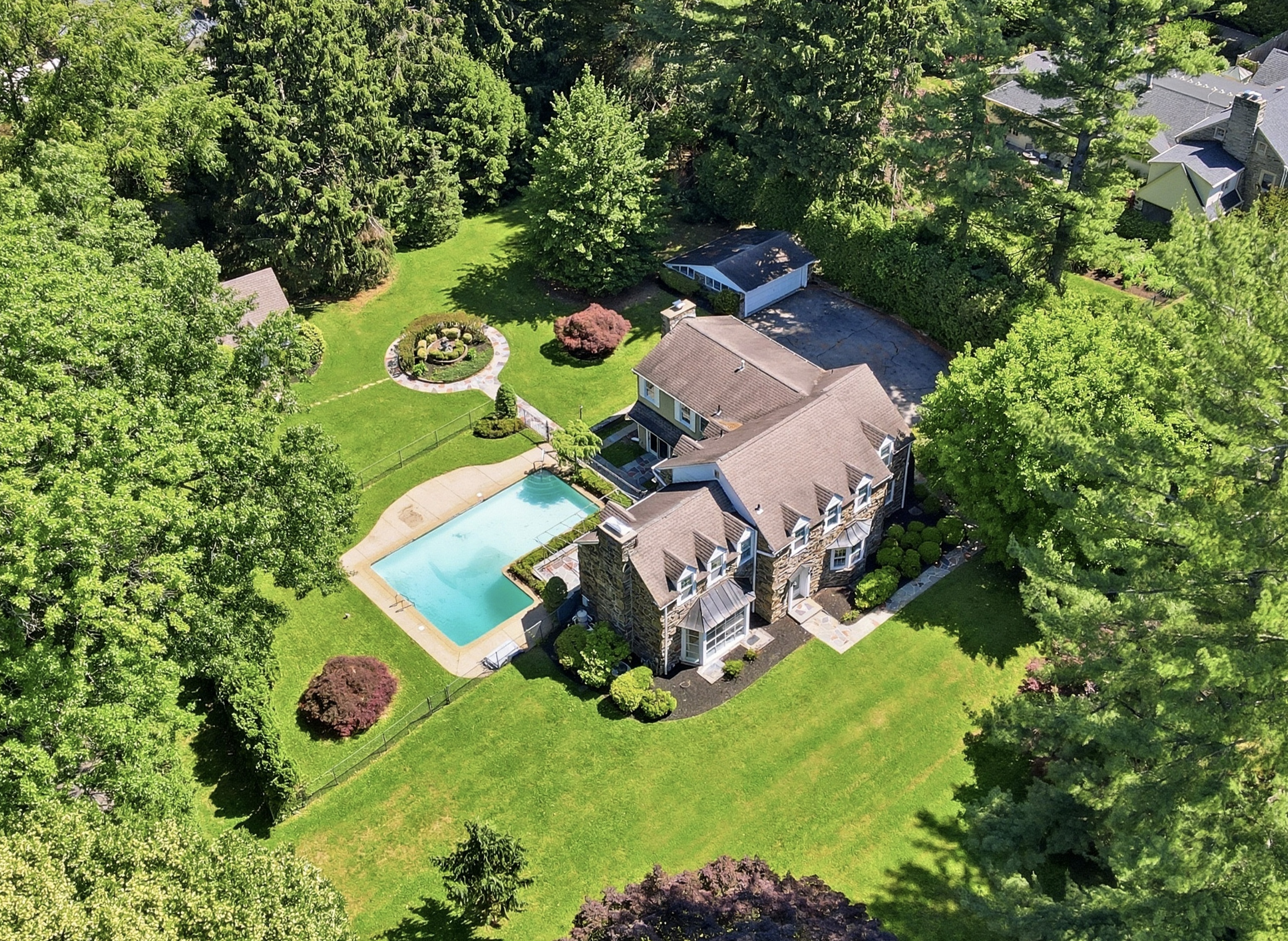
    Built in 1943, this Penn Valley home exudes Old World charm from its stone exterior to the intricate moldings inside. The Colonial has both living and family rooms, both with their own fireplaces, an updated kitchen, and five bedrooms, in addition to a rec room. It also features a patio that opens onto a pool and a circular garden that branches off to a shed. There’s an open house Saturday from 11 a.m. to 1:30 p.m.

    See more photos of the property here.

    Price: $1.455M | Size: 5,142 SF | Acreage: 1.05

    đŸ—žïž What other Lower Merion residents are reading this week:

    By submitting your written, visual, and/or audio contributions, you agree to The Inquirer’s Terms of Use, including the grant of rights in Section 10.

    This suburban content is produced with support from the Leslie Miller and Richard Worley Foundation and The Lenfest Institute for Journalism. Editorial content is created independently of the project donors. Gifts to support The Inquirer’s high-impact journalism can be made at inquirer.com/donate. A list of Lenfest Institute donors can be found at lenfestinstitute.org/supporters.