Tag: Lower Merion

  • Schools around Philly are no longer giving laptops to kindergartners and scaling back on screen time. It’s a tech backlash.

    Schools around Philly are no longer giving laptops to kindergartners and scaling back on screen time. It’s a tech backlash.

    As her children start second and third grades in the Colonial School District, Elise LaChapelle expects they will spend no more than 20 to 30 minutes a day on their Chromebooks — limits the Montgomery County district has announced to parents.

    Colonial also no longer allows elementary school students to take their laptops home at night. “That seemed to be an acknowledgment on the district’s end that changes were needed,” LaChapelle said.

    Amid a spreading backlash to screens in classrooms, public school districts across the Philadelphia region are placing more limits on technology use — including by pulling back on one-to-one device programs once touted as critical for ensuring every student had access to technology.

    The Tredyffrin/Easttown School District has stopped assigning iPads to kindergartners, and students across the district’s elementary schools will no longer take their tablets home at the end of the day.

    In Methacton, the district has transitioned from individual devices to a shared model for kindergartners and first graders, with Chromebooks available for center-based activities, according to a district spokesperson.

    The Phoenixville Area School District has ended its one-to-one device program for kindergarten through third grade, while in Wallingford-Swarthmore, kindergartners through second graders will take fewer online assessments, and kids up to fifth grade are no longer able to search and browse YouTube.

    Parents who have been pushing schools to scale back on computer use are applauding the new restrictions as a step in the right direction of promoting teacher-led instruction and reducing screen-based distractions.

    But they also question how much will change in practice, because children will still have access to devices in many classrooms. Some parents who have been battling for less screen time want schools to go further to address what they see as excessive reliance on technology at older grade levels.

    In Lower Merion, which adopted a new technology policy last month that no longer assigns personal devices to kindergartners through second graders, seven parents are suing the district for rescinding their ability to opt out of computers entirely. The parents argue the district is violating their constitutional rights by requiring their kids to use internet-connected computers without adequate safeguards.
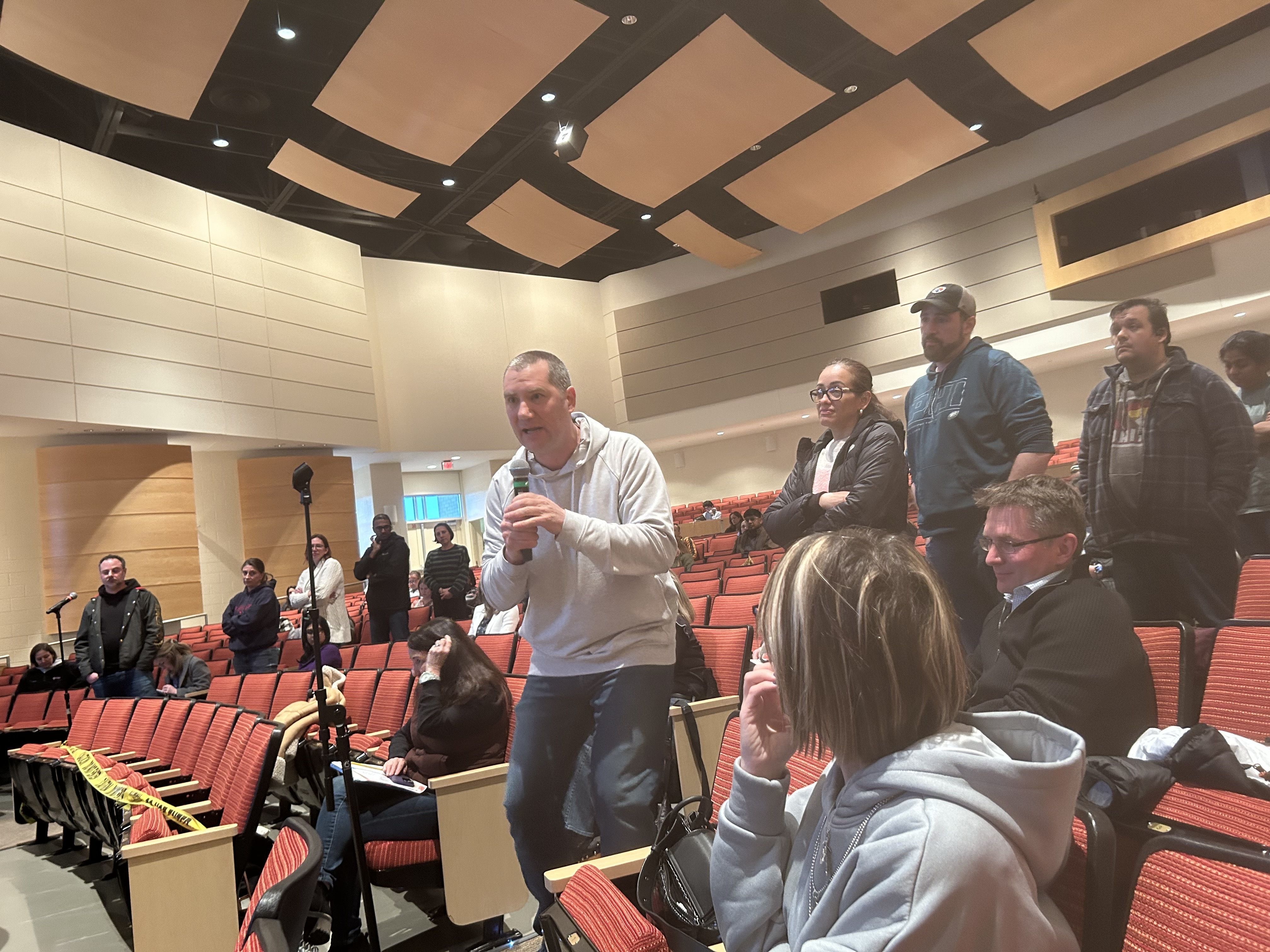
    Yair Lev, a parent who opposes Chromebook use in Lower Merion schools, speaks at a March 23 forum at Harriton High School about technology use in the school district.Maddie Hanna / staff

    For many districts, reducing computer usage in elementary schools “seemed like the low-hanging fruit,” said Alex Bird Becker, a Wallingford-Swarthmore parent active in PA Unplugged, a statewide group with about 5,000 supporters that advocates for limits on educational technology. But “when you get to middle school, the device culture has become really ingrained with curriculum. That’s where it gets harder to disentangle.”

    Wallingford-Swarthmore, a 3,700-student district, has been soliciting applications from parents to join a new Technology Advisory Council that will advise the district on further changes, including related to device use in grades six to 12. (In Lower Merion, parents have been pressing the district to create a technology review committee that includes parent representation.)

    “We know there’s even more we want to do in this area,” said Russell Johnston, Wallingford-Swarthmore’s superintendent.

    Johnston said the district was trying to ensure its use of technology was “focused” — posting online for parents to see which portions of the district’s elementary curriculum will incorporate technology, with lessons connected to Pennsylvania standards.

    Wallingford-Swarthmore School District Superintendent Russell Johnston speaks during a Feb. 24 school board meeting in Wallingford.Jose F. Moreno / Staff Photographer

    Wallingford-Swarthmore is also reevaluating how laptops are used during “curriculum enrichment” time, Johnston said, when students are broken into small groups to receive extra help.

    In Phoenixville, which ended its one-to-one device program for kindergarten through third grade, “students will continue to have access to appropriate and approved educational technology for academic purposes only,” district spokesperson Nicole McClure said.

    Alair Southerton, a Phoenixville parent who has been pushing the district to make changes, said the school board had approved “strong language” around when devices should be used in classrooms.

    But “we’re still kind of crossing our fingers with the rollout,” Southerton said. She questioned whether teachers had clear guidance from administrators, and whether the district would consider educational technology apps that some parents object to as “gamified” as essential for learning.

    “We want to really fine-tune what needs to be done on a device on a screen,” said Southerton, who is a member of a new district Edtech Advisory Council.

    Alair Southerton, pictured at her home in May with the Phoenixville Area School District website on her laptop. Southerton is leading a group of Phoenixville parents who are calling on their district to reduce screen time in school.Steven M. Falk / For The Inquirer

    While Phoenixville this fall adopted a new program, Qustodio, to let parents monitor their child’s device usage, Southerton said it has been less revealing than she hoped. The program reports which websites students accessed at 15-minute intervals throughout the school day but does not say how long they actually spent online, she said.

    In Colonial, LaChapelle is awaiting the district’s launch of a different program, Securly, that will also allow parents to monitor what their kids accessed.

    While the district has placed limits on screen time — 20 to 30 minutes in kindergarten through third grade, 40 to 50 minutes in grades four and five, and 2½ to three hours in grades six through 12 — “accountability and transparency are key,” LaChapelle said.

    Colonial spokesperson Jessica Lester said the district had “done more this year to try to communicate what our approach is” to technology.

    LaChapelle noted that in order to register her children for school, she had to consent to a list of more than 100 software programs used by the district; officials have since told her they plan to revise that, she said.

    LaChapelle hopes the district will continue to make changes. Taking an intentional approach to technology use could be a selling point for districts trying to show leadership, she said.

    “We’re doing and saying a lot of the right things,” she said. But “this isn’t a one-and-done conversation.”

  • Lower Merion police request funds for a ‘first responder’ drone as anxieties about surveillance spike nationwide

    Lower Merion police request funds for a ‘first responder’ drone as anxieties about surveillance spike nationwide

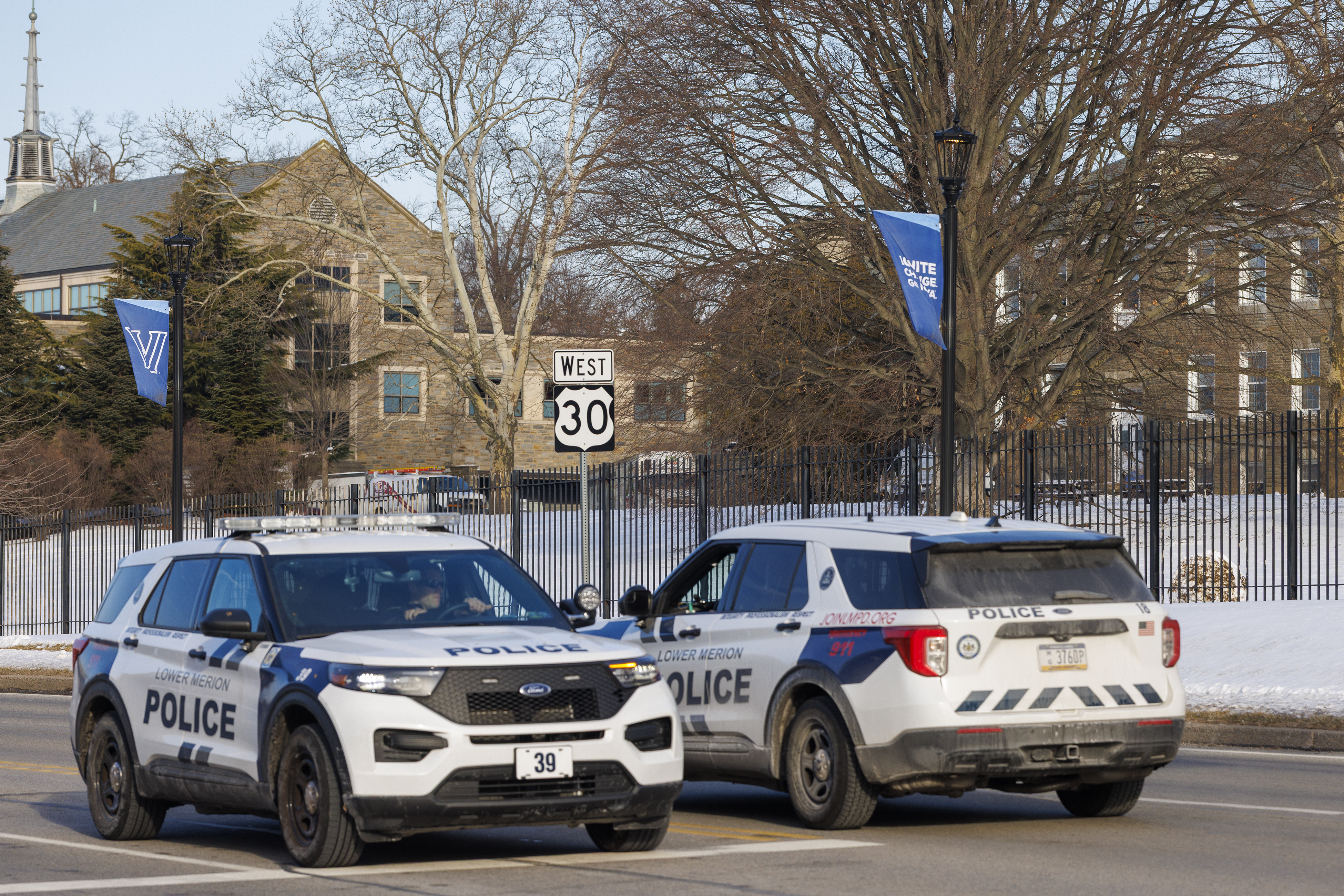
    Lower Merion’s police department has requested funds for a program that would automatically dispatch a drone to the scene of certain 911 calls.

    Andy Block, Lower Merion’s police superintendent, pitched commissioners on Axon’s Drone as First Responder program during a Wednesday budget workshop, describing the technology as a “force multiplier” for the police department that could provide officers with information before they arrive at a crime scene. The department requested $375,000 for a five-year investment in one drone.

    The proposal was met with skepticism from commissioners, many of whom expressed hesitancy about approving funding for the program without strict policies on the books, warning of “mission creep” and privacy violations as anxiety about surveillance technology balloons nationwide.

    What is the Drone as First Responder program?

    Under the program, a drone would be stationed at a dock in Lower Merion and would be automatically launched when 911 dispatchers receive reports of certain incidents, which are classified by codes. Specific codes would release the drone to the site of an incident, a process that would typically happen within 30 seconds of the call coming in, Block said. Once the drone launches, one remote operator, a police officer, would watch the live video feed and evaluate if and where resources should be sent.

    The automated drones differ from Lower Merion’s five existing drones, which require manual setup and launch by an officer once a dispatch is ordered, adding minutes of lag time, Block told commissioners at the budget workshop.

    First responder drones could help officials get ahead on burglaries, missing persons incidents, fires, and area searches, and could evaluate if police are needed at a scene without taking the time and resources to dispatch officers to every call, the police superintendent said.

    Axon, the drone manufacturer, currently provides Lower Merion’s records management system, body cameras, tasers, and in-car cameras. The township moved over to Axon’s systems in January 2025.

    Lower Merion’s police superintendent has said Axon’s automated drones would improve office response time. Alejandro A. Alvarez / Staff Photographer

    Block described recent incidences where first responder drones could have helped police officers respond more quickly and effectively, including a 2024 Meredith Road home invasion and a recent road rage incident on the Blue Route, which led to a suspect chase in Lower Merion.

    He touted the versatility of the drones, floating their potential use for other purposes, including traffic and code enforcement. The Montgomery County District Attorney’s office confirmed that Lower Merion is legally allowed to use drones for traffic enforcement.

    Bensalem launched a “drone as first responder” program earlier this year, which Block described as a model for Lower Merion, calling Bensalem’s program “very impressive.”

    Concerns over privacy

    The Drone as First Responder program was pioneered by the Chula Vista, Calif., police department, which in 2018 became the first municipal police department in the country to deploy the technology. Between 2018 and 2024, the department’s first responder drones made more than 20,000 flights.

    Since then, the technology has grown in popularity among police departments across the country, with municipalities from Washington to Kentucky signing on. A police department in Missouri said its Drone as First Responder program helped with 12 felony arrests in two months this summer.

    Police in Chula Vista have said the technology improved their response times and helped officers deescalate dangerous situations. Yet an investigation by WIRED found that the drones surveilled poorer residents far more frequently than wealthier residents, and were often dispatched for minor issues like vandalism and loud music, in addition to more serious incidents. All the while, residents who regularly encountered the drones reported “feeling constantly watched.” The Chula Vista Police Department has said its drones do not conduct random surveillance or search for suspicious activity.

    Lower Merion commissioners on Wednesday shared apprehension about the implications for residents’ privacy should automated drones begin traversing the township’s airspace.

    No official vote on the funding was taken at the budget workshop. Commissioners said they would need to see clearer policy guidelines before moving the drone into the budget.

    “Surveillance and privacy is a really big issue right now,” commissioner Maggie Harper Epstein said, adding that the program “would be a tough thing to communicate to the residents of the township.”

    Todd Sinai, the board’s president, warned that “there is a difference” between a police officer piloting a drone toward the site of a potential crime and a drone launching automatically “because someone just called something in, and it flies over the township to get to the site, recording along the way.”

    Many criticized the request to approve funding before putting policy guidelines on the books.

    “Until we see what that policy is, I would be very uncomfortable giving support to this,” commissioner Daniel Bernheim said.

    Block clarified that Lower Merion already has a drone policy in place but would need to update its code to specifically include the automated drones.

    A ‘no-brainer’ for law enforcement

    Not everyone shared concerns.

    Commissioner Charles Gregory called the drone program a “no-brainer” and said that the minutes saved with the automated devices could be the difference between life and death in extreme situations.

    Commissioner Louis Rossman said the program “is a great idea” and “just seems like the future.”

    Rossman referenced a series of residential burglaries in the township, saying the drone program may have been able to assist with apprehending offenders who have “eluded” law enforcement.

    This suburban content is produced with support from the Leslie Miller and Richard Worley Foundation and The Lenfest Institute for Journalism. Editorial content is created independently of the project donors. Gifts to support The Inquirer’s high-impact journalism can be made at inquirer.com/donate. A list of Lenfest Institute donors can be found at lenfestinstitute.org/supporters.

  • Inside Ardmore’s massive ‘meat palace’ | Inquirer Lower Merion

    Inside Ardmore’s massive ‘meat palace’ | Inquirer Lower Merion

    Hi, Lower Merion! 👋

    Can you have too much Wagyu? Inquirer food critic Craig LaBan contemplates whether that’s the case at the recently opened OGYU in Ardmore. Also this week, charges have been brought against a man who allegedly stole nearly $800,000 in jewelry from two township homes, a Bala Cynwyd native continues to imprint his vision on the Jersey Shore, plus the school board will consider an embattled member’s resignation.

    If someone forwarded you this email, sign up for free here.

    Does OGYU serve too much of a good thing?

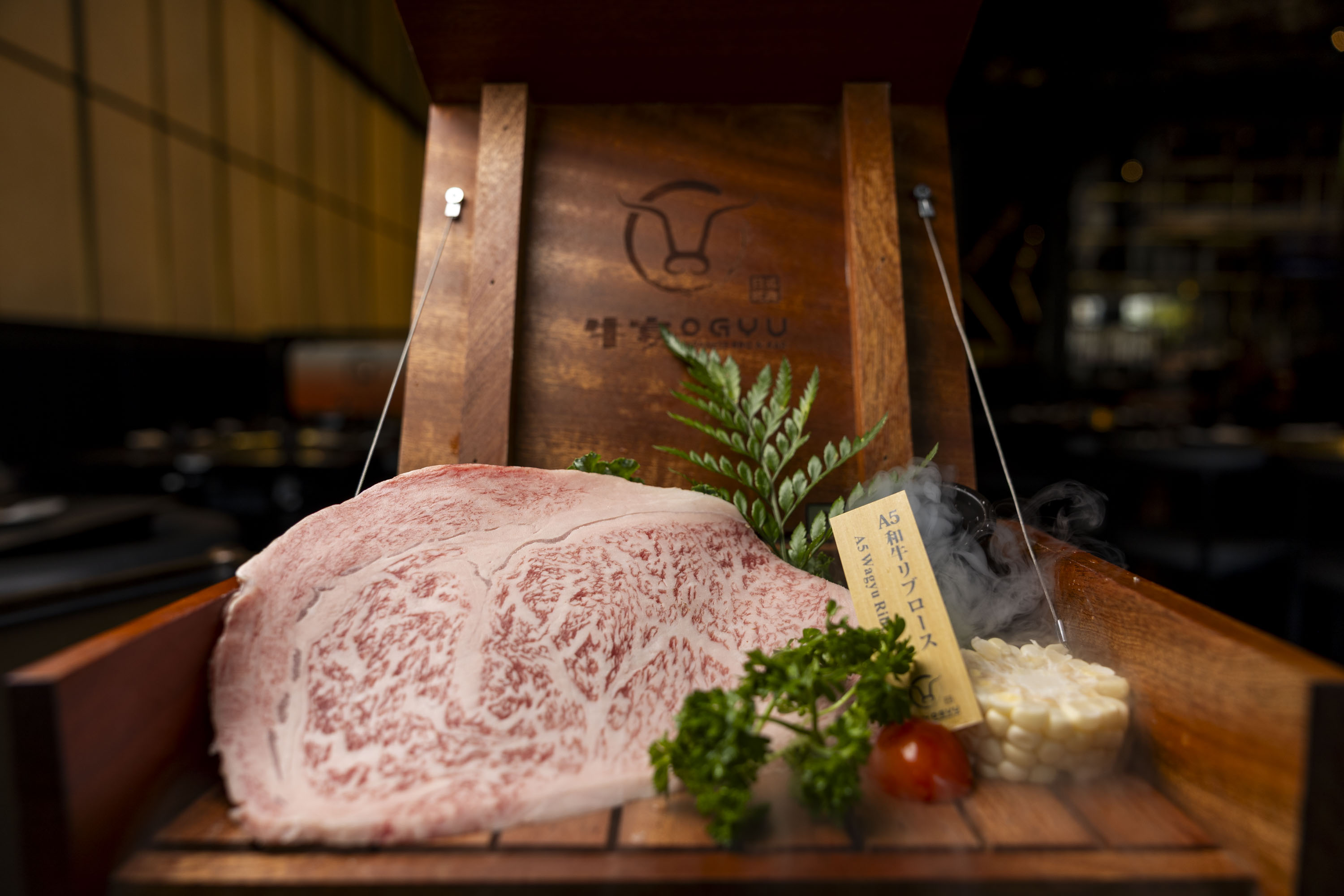
    The Miyazaki ribeye at Ogyu.Tyger Williams / Staff Photographer

    When Inquirer food critic Craig LaBan paid a visit to recently opened Japanese restaurant OGYU in Ardmore — or as he calls it, “a 300-seat meat palace” — he was determined to try as much Wagyu as he could.

    But he soon found that in the case of the all-you-can-eat joint, there might just be too much of a good thing.

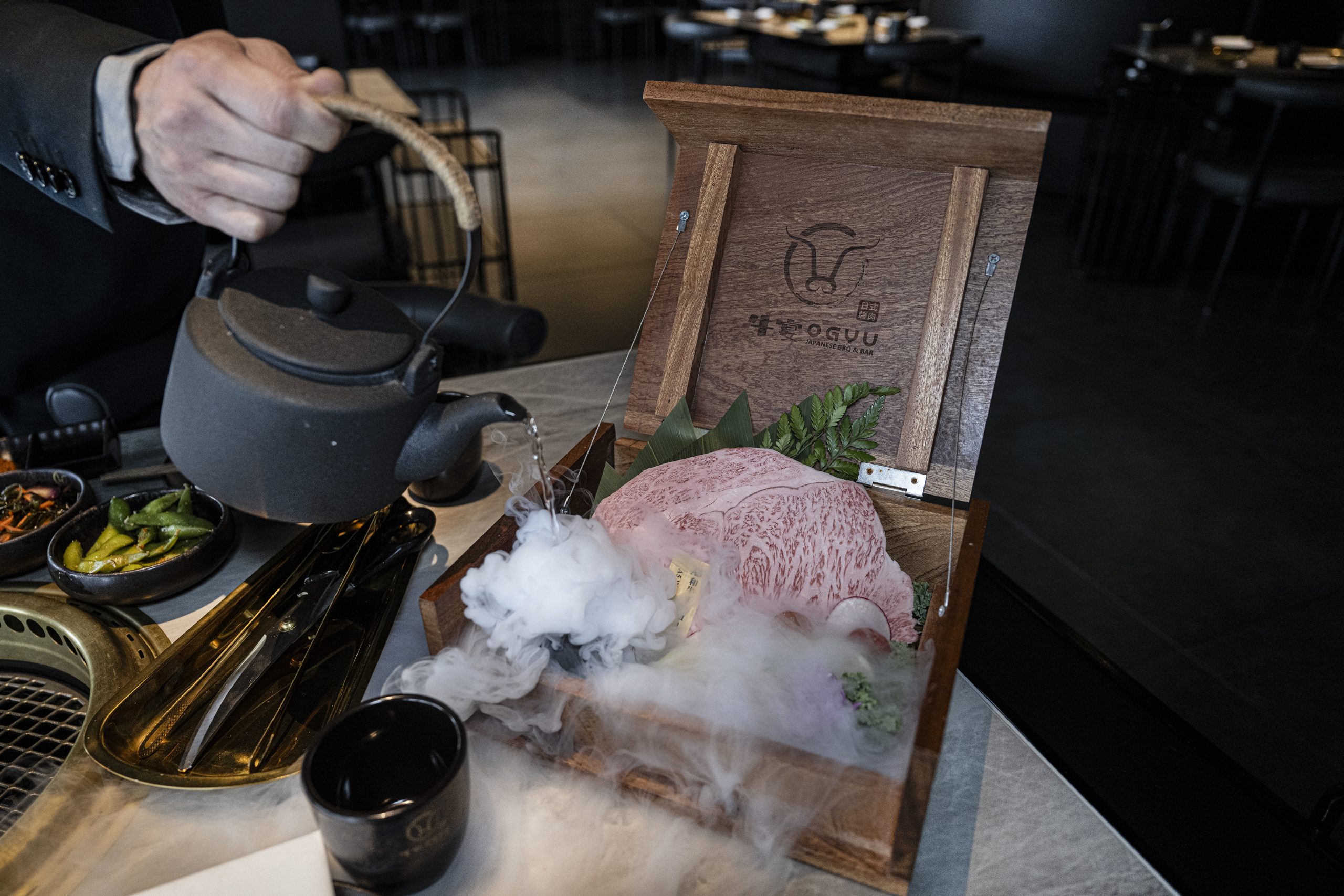
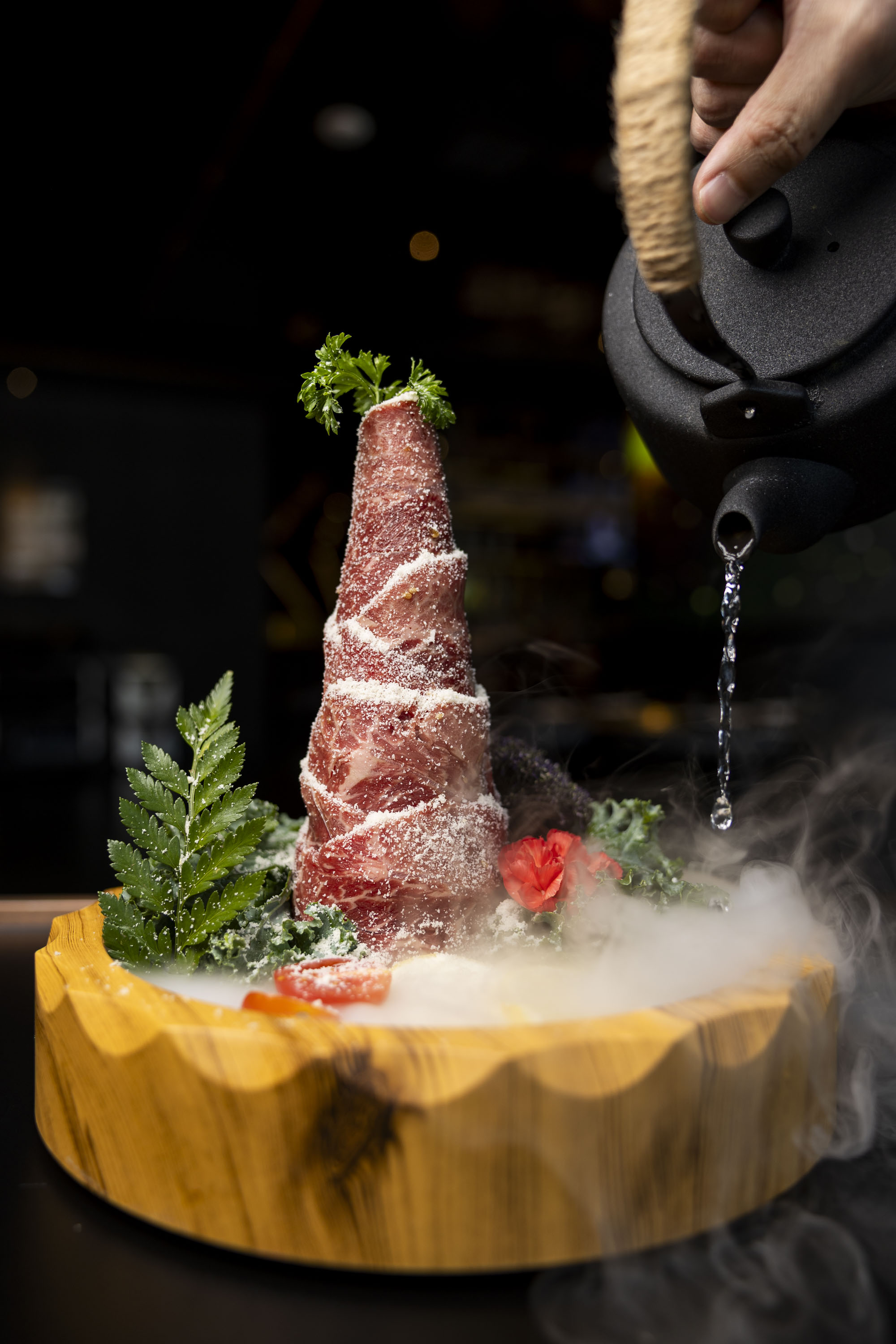
    While one cut of Wagyu rib cap, which arrived in a showy box billowing with smoke, was rich and tender, preparing it himself on a tabletop grill meant the finished product fell flat.

    Other dishes, however, impressed, including the New Zealand lamb chops, the “Meet Wagyu” nigiri, and the A5 ribeye.

    At the end of the day, does dining there add up to “a luxury experience the $120 check average should command?”

    Here’s LaBan’s verdict.

    💡 Community News

    • A 24-year-old Philadelphia man, Jabir Parker, was charged last week with several alleged burglaries, including two in Lower Merion, where police said he made off with nearly $800,000 in stolen jewelry.
    • Eustace Mita continues to put his fingerprints on the Jersey Shore by way of his Icona Resorts. The Bala Cynwyd native’s next project includes a $200 million proposed redevelopment of Wonderland Pier. The Inquirer’s Erin McCarthy looks at how he’s shaped the Shore and what’s still on the horizon.
    • Former Bryn Mawr resident Joan E. Lynaugh died this summer at the age of 90. Lynaugh was a pioneering primary care and nurse practitioner and an award-winning professor emerita of nursing at the University of Pennsylvania.
    • Filmmaker M. Night Shyamalan, who grew up in Penn Valley, has launched a new YouTube series. In the first episode, he takes viewers back to the era of one of his early films, Signs.
    • Bryn Mawr Hospital and Lankenau Medical Center, both owned by Main Line Health, earned high marks in the latest U.S. News Best Hospitals by Specialty ranking. Bryn Mawr was recognized in eight categories, including colon cancer and prostate cancer surgeries, while Lankenau scored top marks in 11 categories such as back surgery, and hip and knee replacement surgeries.
    • Spring Mill Road will be closed weekdays between Old Gulph and Conshohocken State Roads tomorrow through Tuesday from 9 a.m. to 4 p.m. for storm sewer replacement.
    • Expect work near the Narberth Avenue bridge over the next six to eight weeks, with overnight construction slated for Sundays through Thursdays from 9 p.m. to 5 a.m.

    🏫 Schools Briefing

    🍽️ On our Plate

    • Looking for a great rooftop spot to dine before summer comes to a close? Chef Nicholas Elmi’s Bala Cynwyd restaurant Lark is one of the best destinations in the region, according to The Infatuation.

    🎳 Things to Do

    🍂 Harvest How-To for Natural Holiday Decor: Learn how to gather, preserve, and use natural materials for decor. ⏰ Friday, Sept. 11, 10 a.m.-12:30 p.m. 💵 $25 for members, $30 for non-members 📍 Stoneleigh

    🎶 Narberth Music and Arts Festival: There will be live music, food, drinks, and a makers market. ⏰ Sunday, Sept. 13, noon-7 pm. 💵 Pay as you go 📍 Forrest and Haverford Avenues

    😱 Scream: Get in the spooky season spirit with a screening of the 1996 horror movie. ⏰ Monday, Sept. 14, 7 p.m. 💵 $11.75-$16.25 📍 Bryn Mawr Film Institute

    📖 One Book, One Lower Merion: The township-wide reading initiative features Harlan Coben’s new book, Plot Twist, and includes a Q&A with the author. ⏰ Tuesday, Sept. 15, 6 p.m. 💵 $40 📍 Welsh Valley Middle School

    🎷 Montco Jazz Fest: Now in its fifth year, the festival features performances at 20 venues throughout the county. ⏰ Tuesday, Sept. 15-Sunday, Sept. 20, times vary 📍 Locations vary

    🏡 On the Market

    An updated six-bedroom Bala Cynwyd Colonial

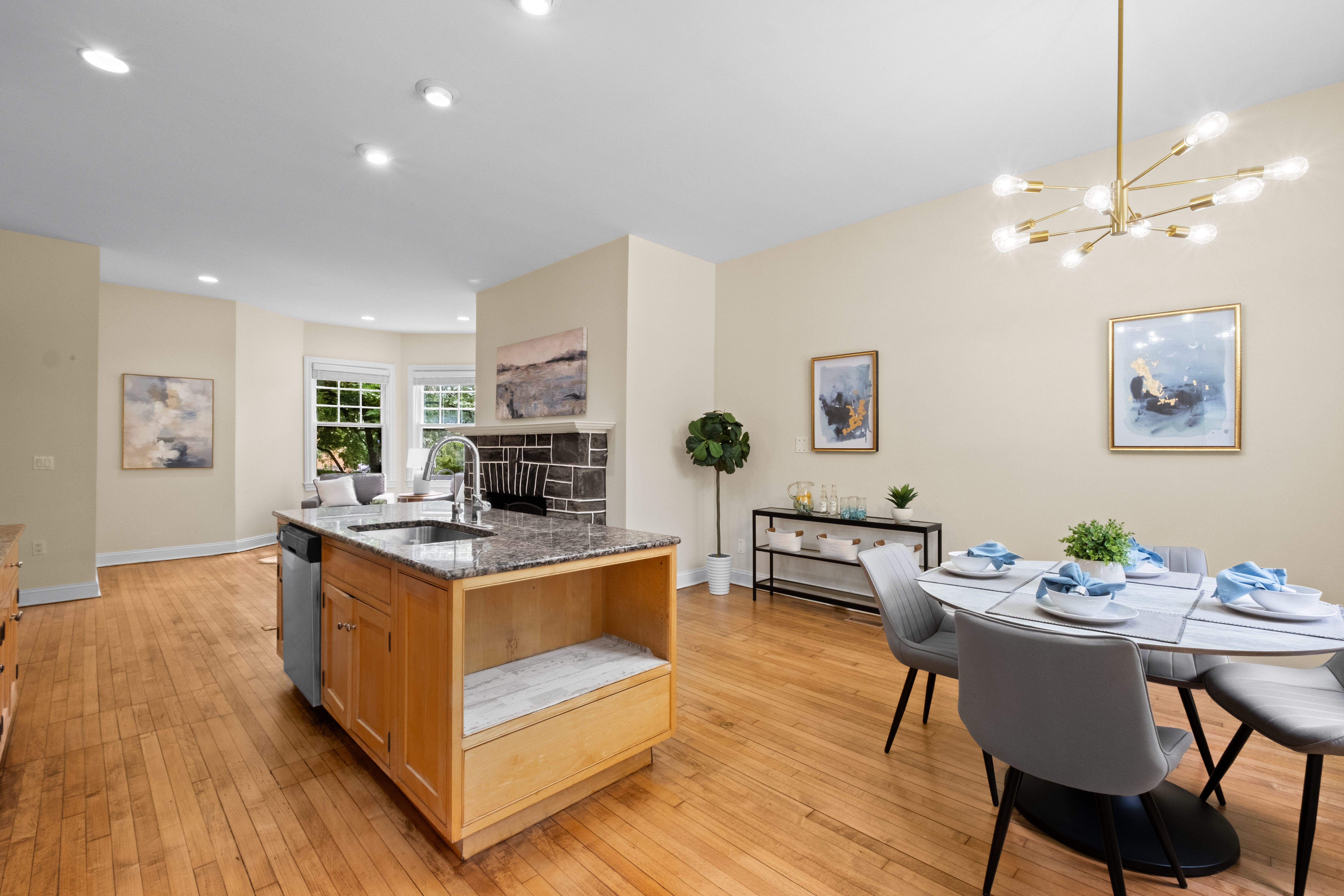
    The home has an eat-in kitchen with a fireplace that flows into a great room.Courtesy of Israela Friedman/Berkshire Hathaway Home Services Fox & Roach, Realtors

    This 1930 center hall Colonial has undergone a number of updates, blending past and present. The first floor features an open-concept kitchen, dining area, and great room with a fireplace, all near to a secondary prep kitchen. There’s also an office, a dining room, and a living room on the first floor. The home’s six bedrooms are spread across the upper levels, including the second-floor primary suite, with a steam shower and whirlpool tub. There’s an open house today from 5 to 6 p.m.

    See more photos of the home here.

    Price: $985,000 | Size: 3,803 SF | Acreage: 0.2

    🗞️ What other Lower Merion residents are reading this week:

    By submitting your written, visual, and/or audio contributions, you agree to The Inquirer’s Terms of Use, including the grant of rights in Section 10.

    This suburban content is produced with support from the Leslie Miller and Richard Worley Foundation and The Lenfest Institute for Journalism. Editorial content is created independently of the project donors. Gifts to support The Inquirer’s high-impact journalism can be made at inquirer.com/donate. A list of Lenfest Institute donors can be found at lenfestinstitute.org/supporters.

  • All-you-can-eat wagyu at Ardmore’s Ogyu proves there can be too much of a good thing

    All-you-can-eat wagyu at Ardmore’s Ogyu proves there can be too much of a good thing

    I’m not saying the world’s most coveted beef is an international marketing conspiracy to compel us all to pay more for steak. I have eaten genuine A5 Wagyu fresh off a grill in Tokyo, and the unique sensation of biting into that cube of quivering-hot meat laced with molten fat and feeling it dissolve into buttery richness is unforgettable. Japan’s famously pampered breed of cattle — whose expense results from an intense feeding regimen over a longer duration than conventional beef — can be very special. Especially in small quantities.

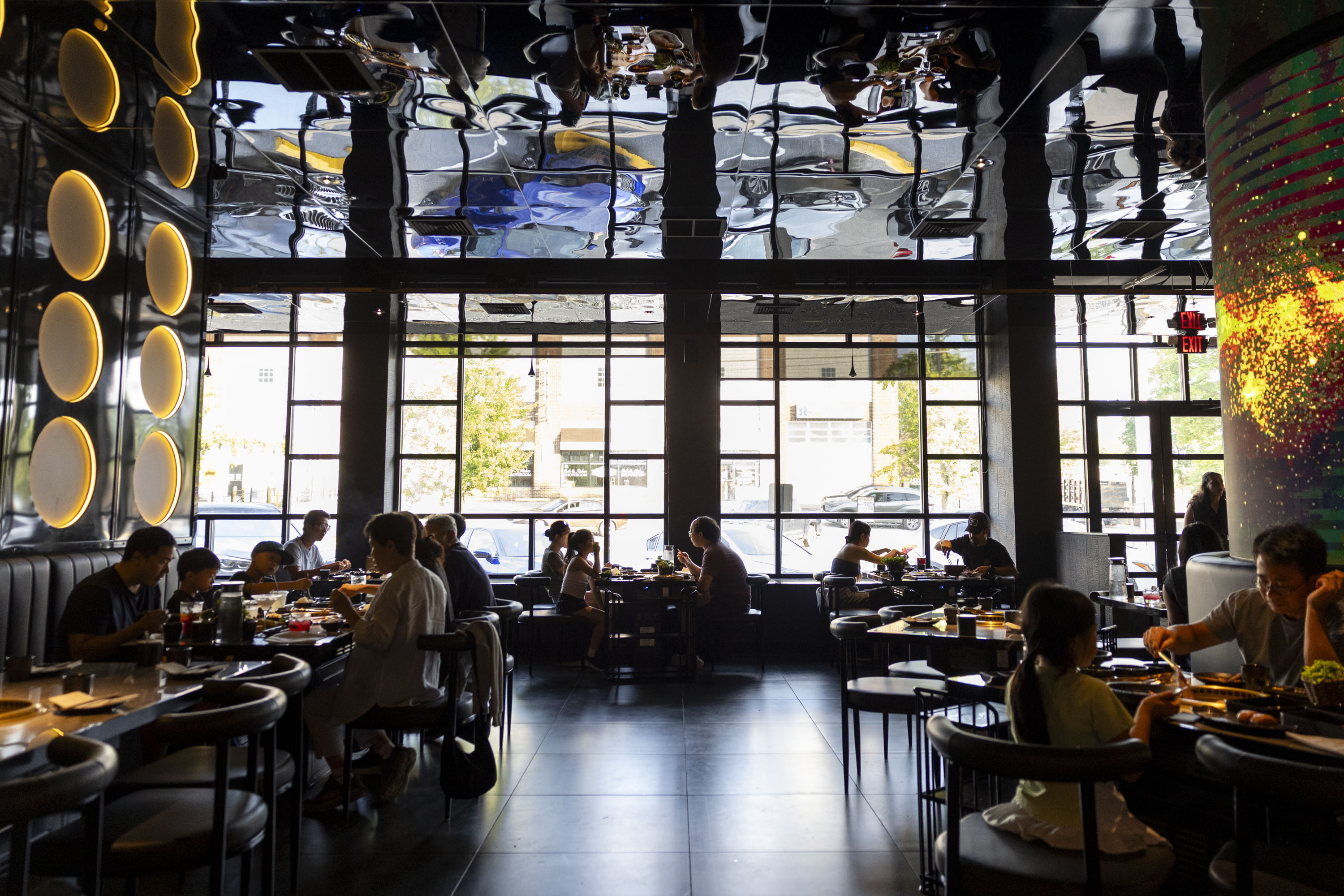
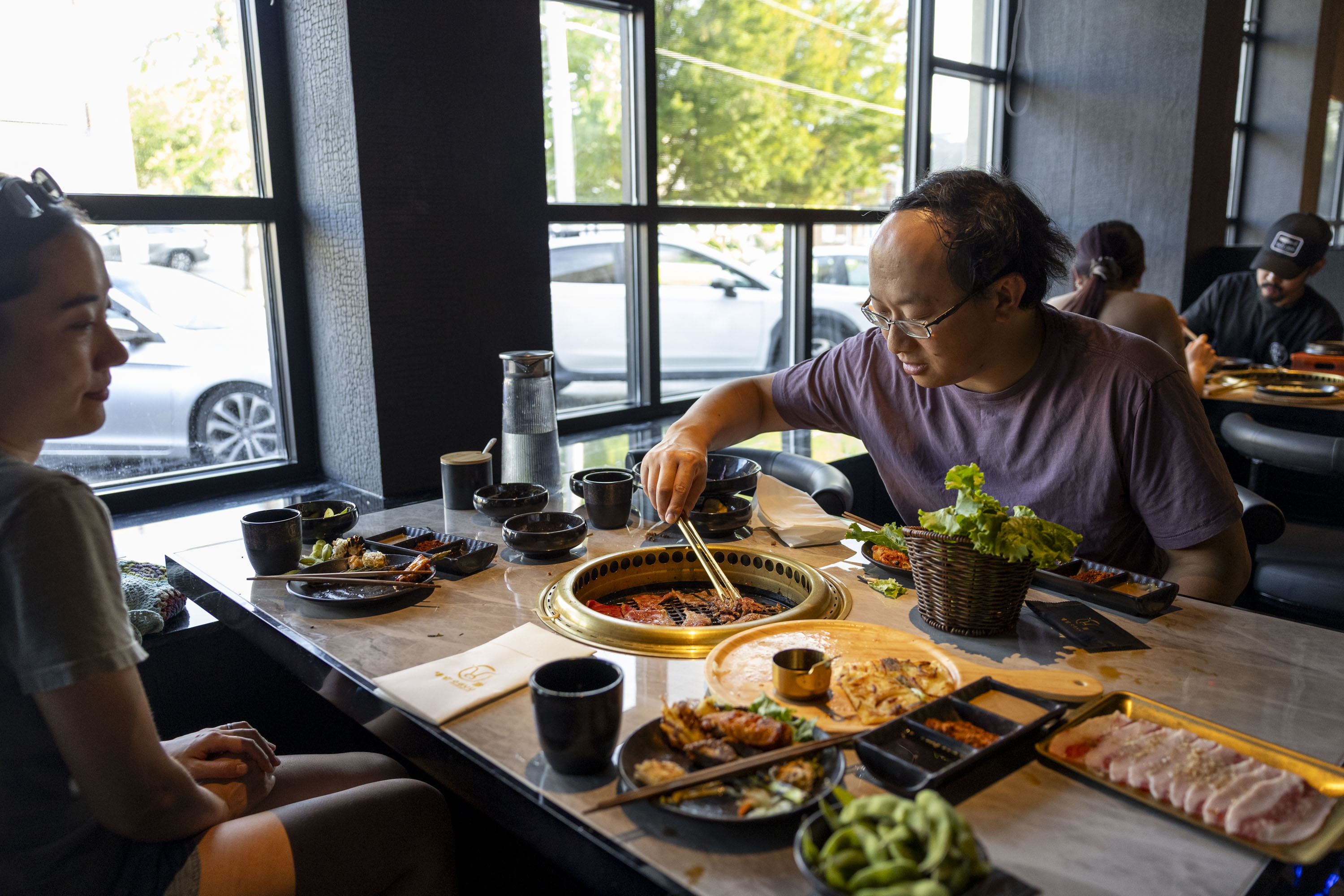
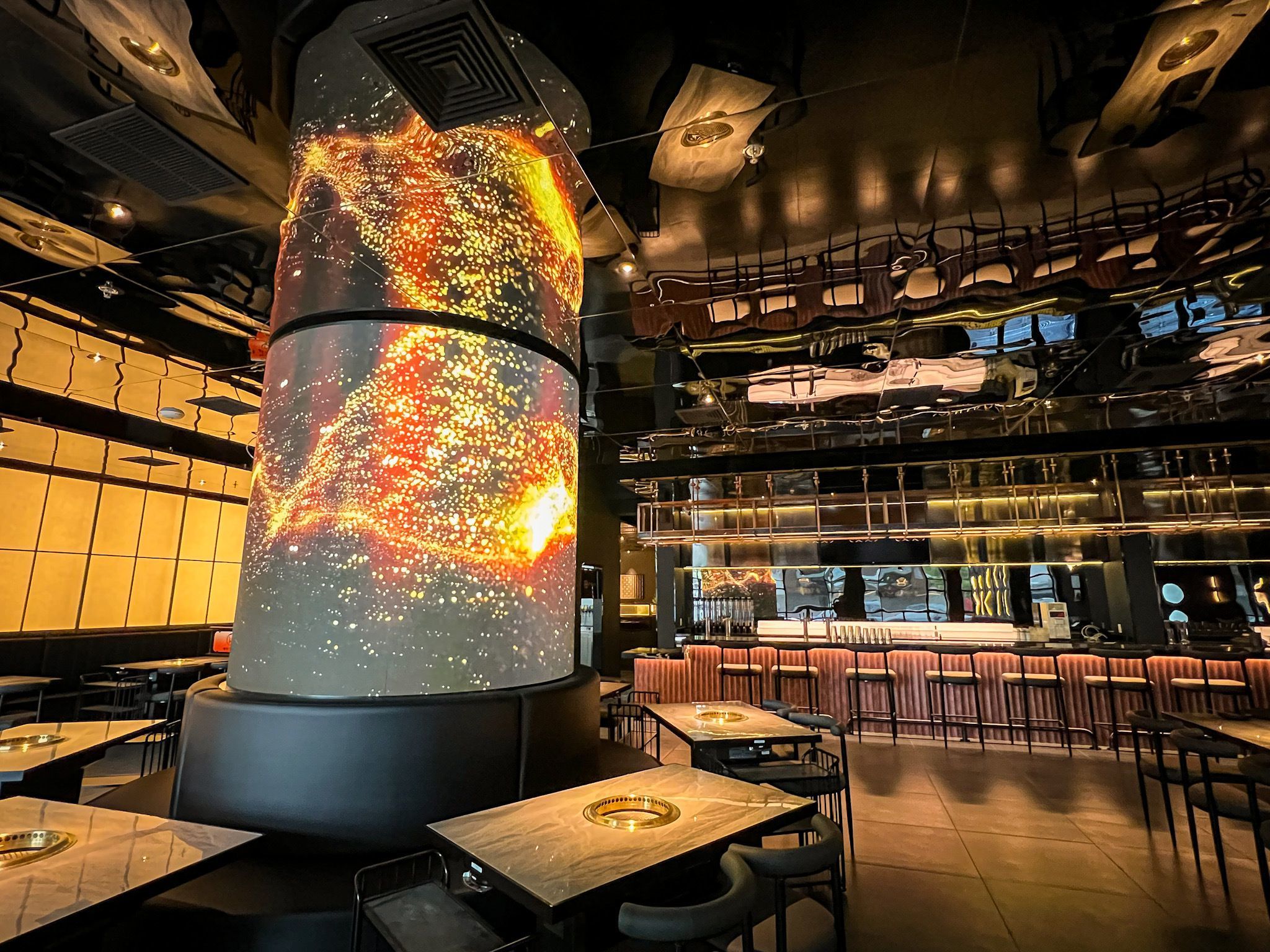
    Back here on the front lines of all-you-can-eat wagyu feasting at Ogyu in Ardmore, however, I could not escape the feeling I was in for an experience long on flash — sizzling tabletop grills, swirling plumes of dry ice smoke, digital sparks flying across the room’s giant LED screens — and short on satisfying flavors.

    Guests dining in at Ogyu on Friday, Aug. 28, 2026, in Philadelphia.Tyger Williams / Staff Photographer

    I was prepped for a 90-minute sprint of carnivorous endurance, limited only by my ability to navigate a DIY iPad menu, forced timing breaks, and the need for a maximalist ordering strategy for Ogyu’s tiered packages, ranging from $39 to $99 per person. Should my appetite stumble? A potential 20% “wasting fee” loomed. (Diners are potentially charged extra if they don’t eat what they order.)

    I didn’t want to let our server James down after he successfully upsold us into one of the more expensive packages, whose overlapping lists of meat perks, which gradually increase in quality, reminded me of sussing through the various mysterious options available at a car wash. Sure, my car will be clean no matter which hot wax I select, just as I’ll be full no matter which all-you-can-eat menu I go for. But will I emerge with that ruddy Wagyu shine of beefy bliss?

    Definitely not with the entry-level “Silver” ($39) or “Gold” ($59) options, which James wordlessly dispatched as unworthy by comically sticking out his tongue in disdain and slashing his throat with his fingers: “The ‘Diamond’ tier is our most amazing experience,” he counseled.

    The Bluefin tartare at Ogyu on Friday, Aug. 28, 2026, in Philadelphia.Tyger Williams / Staff Photographer

    We settled on the second-most extravagant option, the $79 “Platinum,” in which some genuine Japanese Wagyu is made available along with prime-grade beef and less-marbled American wagyu from the lower levels of the menu.

    As a newcomer to the all-you-can-eat universe, I immediately fumbled the challenge of prioritizing our orders properly. Diners are limited to ordering a maximum of 10 items every 10 minutes, and we foolishly crowded our limited table space with mundane belly-fillers like wagyu dumplings (raggedy), hand rolls (mushy with too much panko filler), spring rolls (so greasy), and pencil-size wands of tempura-fried crustacean so thickly breaded they were unrecognizable as lobster tail. The truffled wagyu stir-fried rice was burnt.

    I did appreciate the slow-steeped richness of the bone marrow soup. We also enjoyed the thick-cut bluefin tuna sashimi, as well as a toro tartare with avocado and ponzu. (Ogyu’s owner, Sam Li, says several regulars come here to get their money’s worth exclusively in bottomless sashimi.)

    But we were here for the beef. James finally took pity on us, commandeered our iPad, scrolled down to multiple menu panels I’d missed, and began punching up orders for the maximum amount of the A5 Wagyu cuts allowed from Miyazaki Prefecture. I was impressed with the dramatic presentation of the fat-marbled Wagyu rib cap that arrived at our table in branded wooden boxes fuming with smoke — until a server tipped the box too far and the cold water that activated the dry ice smoke streamed right out onto my guest’s lap.

    Ogyu Japanese BBQ restaurant is shown on Tuesday, July, 7, 2026 in Ardmore, Pa. The new restaurant by Sam Li offers a modern Japanese steakhouse experience with tabletop cooking, adding to Ardmore’s growing portfolio of restaurants.Jose F. Moreno / Staff Photographer

    Ogyu (pronounced “Oh-Gee-You”) is a snazzy space. Li, a chef and sushi entrepreneur who also owns three Osushis (in Ardmore, Wayne, and Marlton) as well as Newtown Square’s Hiramasa, spent $3 million transforming the former Iron Hill into a 300-seat meat palace with sleek black fixtures, marble accents, and illuminated walls. The all-you-can-eat format, a national trend in luxury foods, has been a smart move for this three-month-old restaurant, which grills 1,000 pounds of beef each week, 75% of which is wagyu, roughly 20% of which is from Japan. (A la carte options are launching soon.)

    But the overall details do not add up to the luxury experience the $120 check average should command, from the cruise ship-level tropical drink program to the tiny plastic plates our servers never bothered to clear between courses until I asked. (Nonetheless, our server preselected a 22% gratuity as the default tip on Ogyu’s mobile payment machine.)

    Jason Kan, of Wynnnewood, Pa., and wife Megan Kan, are dining in for the first time at Ogyu on Friday, Aug. 28, 2026, in Philadelphia.Tyger Williams / Staff Photographer

    Habitués of all-you-can-eat may understand their task, target, and the rules of the game. Unlike flavorful, marinade-boosted Korean barbecue, this beef is presented relatively unseasoned, in the Japanese yakiniku tradition, to “focus on the quality of the meat itself,” says Li. I only wish someone had bothered to show us the temperature controls on the side of our tabletop grill, which wasn’t set nearly hot enough to properly sear the beef. The A5 Wagyu rib cap itself was legitimately tender and glossed with fatty richness. But served in less-than-prime circumstances, with customers in charge of their own grilling — usually overcooking the meat while simultaneously trying to socialize — it fell flat for me.

    A $79 fee, or even $99, is technically a fair deal for a big meal spun around an ingredient that, at its highest quality, sells locally at Barclay Prime for $210 or more for a half-pound portion. But I don’t enjoy Japanese Wagyu in that kind of portion. It’s rich and tender to the point of being mushy. A little goes a long way. But the wider world’s growing appetite for wagyu as a prestige label synonymous with the good life (the global market is projected to grow from $29 to $49 billion between 2025 and 2034) leaves me skeptical.

    The Wagyu Mt. at Ogyu on Friday, Aug. 28, 2026, in Philadelphia.Tyger Williams / Staff Photographer

    Is wagyu really the lifestyle upgrade we need — not just for occasional splurges, but our everyday burgers and cheesesteaks, too? I don’t think so. It’s just the latest in a long line of token bites of privilege — truffles, caviar, uni — that lose their luster once the industrial food complex latches on for maximum profit, even as standard beef prices hit all-time highs. There is some excellent American wagyu available now, but there’s also enough fake wagyu on the market, let alone less-marbled hybrid versions raised in both America and Australia, to make one question all of it.

    Personally, I’d rather sink my teeth into a thick, dry-aged porterhouse that delivers the beefy texture and complex savor of carefully handled meat, not just the fat that gives it richness. I’ll take a well-marinated Korean galbi with all the ssam and banchan fixings at Kim’s, a perfectly cured slice of brisket pastrami (hello, Radin’s deli!), or a grass-fed Brazilian cut roasted over live coals at Picanha over the soft pads of a fatty wagyu splurge.

    The Miyazaki rib eye at Ogyu on Friday, Aug. 28, 2026, in Philadelphia.Tyger Williams / Staff Photographer

    But the competitive nature in me chafed to learn from James, when I asked him after our meal, that my table of four’s consumption of 32 savory dishes was “below average” for Ogyu. Li later confirmed that his regulars typically order 50 to 60 dishes.

    I became determined to run it back for another visit, this time at Diamond-level indulgence, with a disciplined game plan to start with beef and order, order, order at every 10-minute interval. We started at the peak, quite literally, with “Wagyu Mt. Fuji,” a pylon-shaped prong wrapped in American-raised wagyu blade steak whose snow-effect decoration of grated Parmesan had the unfortunate effect of sticking to the grill and causing the beef to shred into worthless flakes whenever we tried to pry it off. Our server whisked away the grill plate before we’d even eaten half.

    The Wagyu Mt. Fuji dish at Ogyu in Ardmore, featuring American wagyu blade steak.Tyger Williams / Staff Photographer

    I tried the black pepper-marinated eye-of-round to sample a non-Wagyu cut, but these prime-grade strips quickly roasted into unpleasantly twiny ropes that prompted my own impression of James’ pantomimed nixing. It would be almost all Wagyu from here on in as we cycled through multiple 3.3-ounce portions of truffled chuck rib, short rib, strip loin, and thin-cut tongue (too crunchy for my crowd). Piles of empty service trays cluttered our table as the staff arrived with waves of more meat. But few cuts really wowed me, except for the tender New Zealand lamb chops, which I highly recommend.

    Among the best menu items was the “Meet Wagyu” nigiri, a sheer strip of beef draped over a nub of rice, topped with a nugget of your choice — uni, caviar, truffles, or foie gras — then briefly torched in the kitchen. It was a composed one-bite delight that highlighted Wagyu’s signature virtues. The one knockout cut that impressed on its own was the A5 rib eye from Miyazaki, a succulent pad of velvety soft beef that our server snipped into glistening morsels.

    The Wagyu nigiri topped with uni at Ogyu on Friday, Aug. 28, 2026, in Philadelphia.Tyger Williams / Staff Photographer

    After 3 pounds of grilled meat between us, I could have kept going. But my tallow-saturated guests could not. Despite my best efforts, we’d only managed a small bump over the previous visit: just 37 plates. We’d maxed out our quotient on the premium Japanese Wagyu, but as plate volume went, we were still way “below average.”

    Once the dry-ice smoke settled, I needed a caffeine boost — only to find that Ogyu won’t even brew a simple pot of tea (lest you linger beyond your 90-minute welcome). At least there’s refreshing green tea-flavored ice cream extruded into strands of “matcha snow ice.” Li says they mix their own ice cream base and pair it with red beans to temper the sweetness. After a meal of such unbridled beefy excess, the final restrained note was perfect.

    The matcha snow ice at Ogyu on Friday, Aug. 28, 2026, in Philadelphia.Tyger Williams / Staff Photographer

    Ogyu Japanese BBQ & Bar

    60 Greenfield Ave., Ardmore; 484-412-8889; ogyubbq.com

    Lunch served 11:30 a.m. to 3 p.m. Monday through Friday; dinner 3 to 10 p.m. Monday through Thursday, until 11 p.m. Friday, and 11:30 a.m. to 11 p.m. Saturday and Sunday

    All-you-can-eat packages through four tiers from $39 to $99.

    Wheelchair accessible.

    About 70% of the menu (including most meats) are gluten-free or can be modified.

    Menu highlights: As much of the A5 Japanese Wagyu as your package allowed. Also, the Wagyu nigiri combos, the lamb chops, bone marrow soup, and matcha snow ice.

    Drinks: The tropical cocktails are fine and on-theme but not memorable. There’s plenty of sake and Japanese whiskey for big spenders. Otherwise, stick with a draft of Sapporo or Dogfish Head 60 Minute IPA.

    Lounge area at Ogyu Japanese BBQ, 60 Greenfield Ave., Ardmore, on May 21, 2026.Michael Klein / Staff
  • Inside a colorful Merion Station garden | Inquirer Lower Merion

    Inside a colorful Merion Station garden | Inquirer Lower Merion

    Hi, Lower Merion! 👋

    Summer may be winding down, but this Merion Station couple’s garden is still abuzz. We take a look inside their colorful oasis. Also this week, the school district is making plans to replace an embattled board member as it also grapples with a lawsuit brought against it by parents, plus a local resident explores communal living in her new book.

    We want your feedback! Tell us what you think of the newsletter by taking our survey or emailing us at lowermerion@inquirer.com.

    If someone forwarded you this email, sign up for free here.

    A couple’s Merion Station garden gets a dramatic transformation

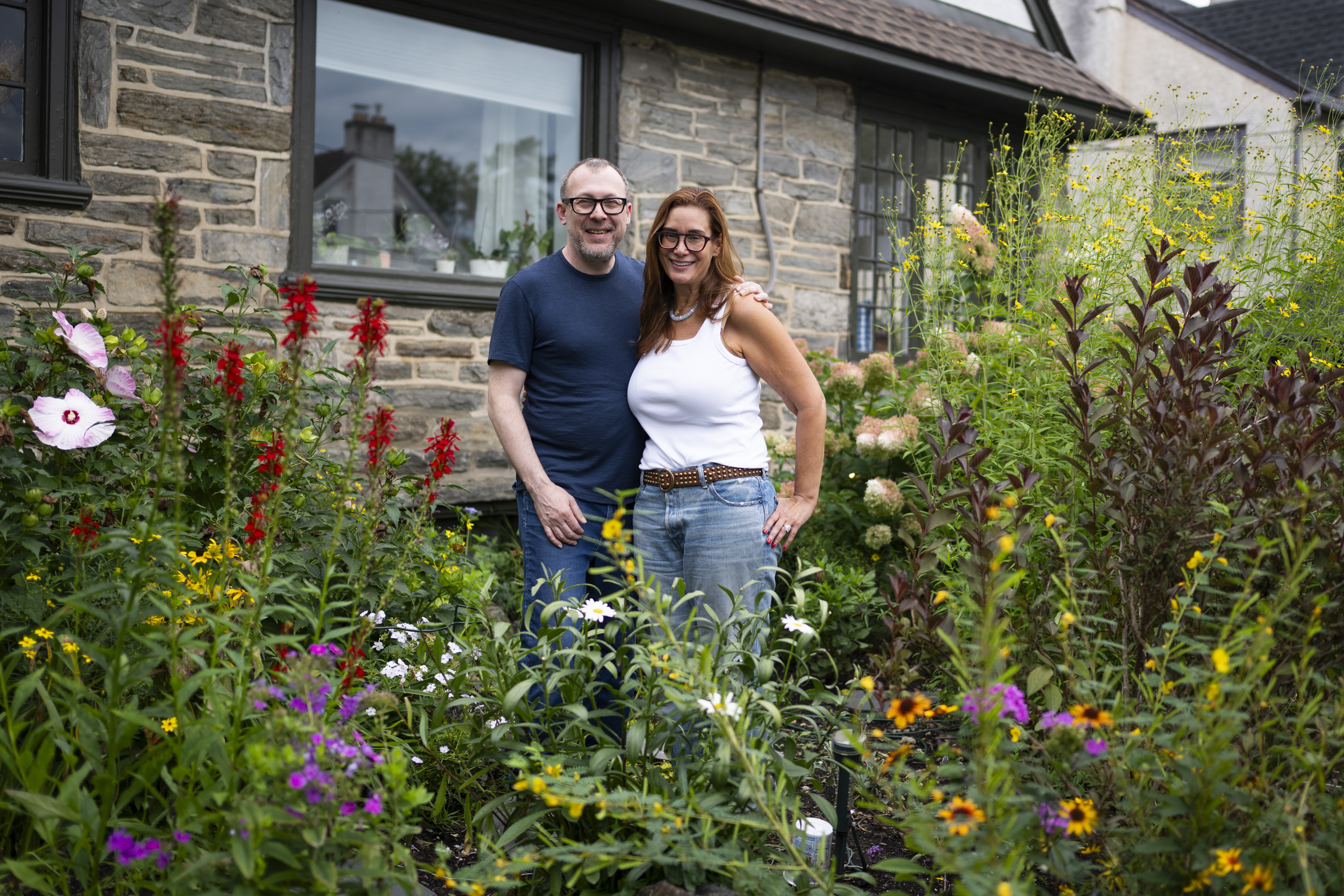
    Boots Levinson (left) and Laura White pose in the meadow at their home in Merion Station, Pennsylvania.Joe Lamberti / For The Inquirer

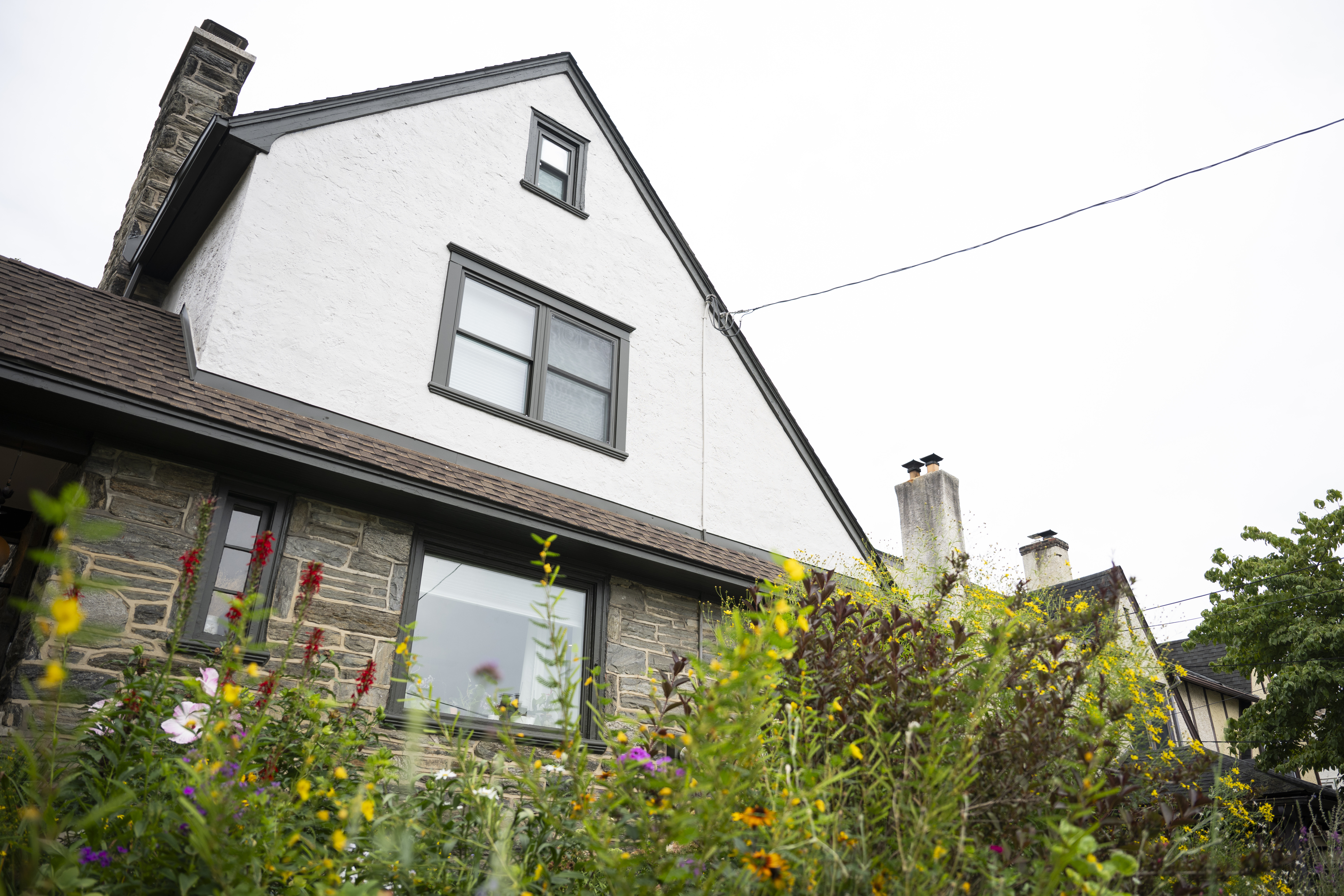
    When Boots Levinson and Laura White purchased their three-story Tudor in Merion Station in 2021, it lacked curb appeal. Now, five years later, it buzzes with pollinators and plenty of swaying blooms.

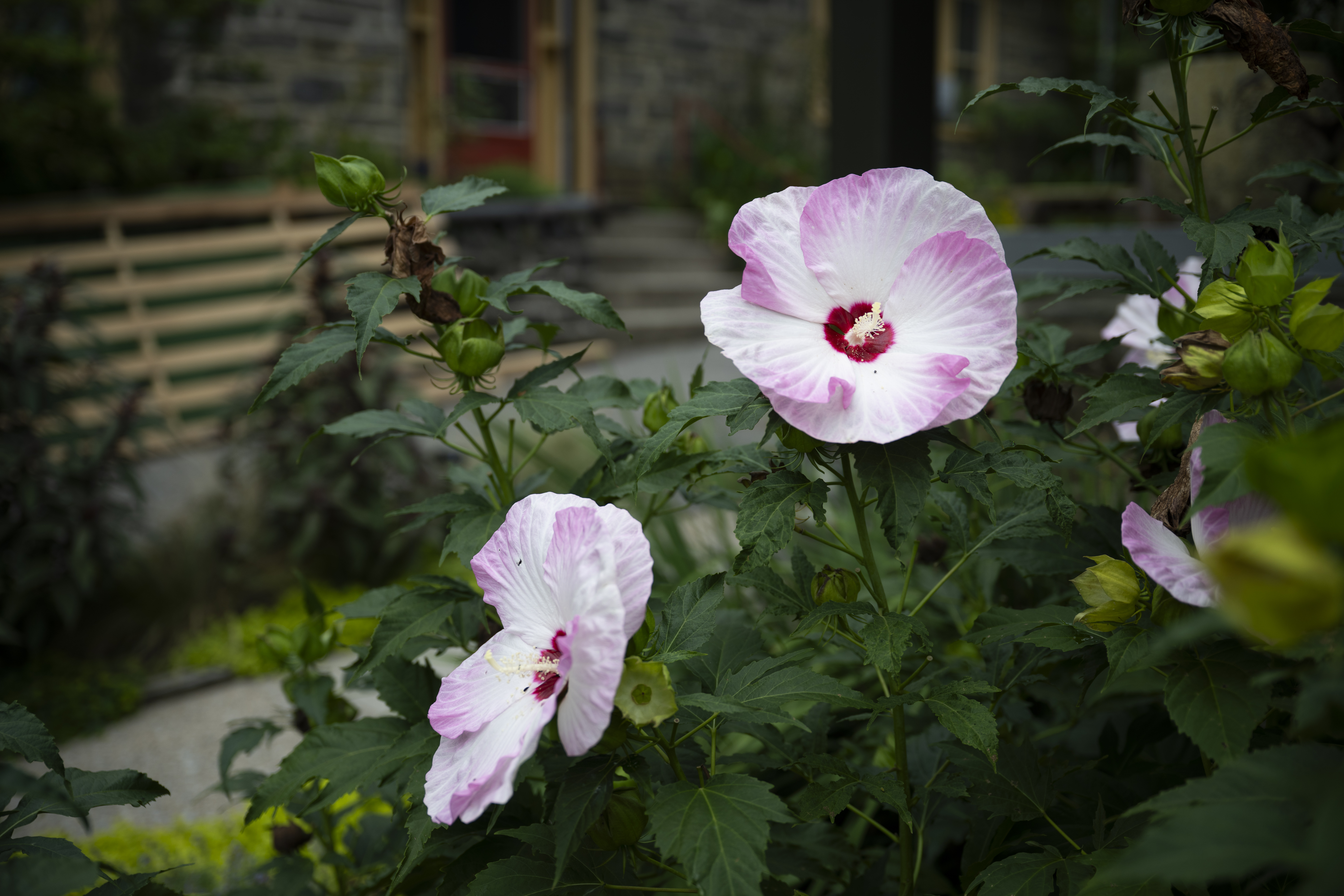
    Where once there was just a crab apple tree in the backyard and a simple flower bed in the front yard, there’s now a riot of colors thanks to hibiscuses, hydrangeas, creeping Jenny, and lavender.

    The couple has also added a kitchen garden, replete with Swiss chard, honeynut squash, and strawberries.

    While it’s a lot of work, it’s also “like having four extra rooms,” they said.

    Take a peek inside their garden haven.

    💡 Community News

    • Penn Valley resident Samantha Paige Rosen recently released a book that explores the different ways Americans are choosing to live, including communally. It was inspired in part by her own decision to move into her parents’ Bala Cynwyd home at the age of 29.
    • Ardmore resident and pedestrian safety activist Jane Murray, who runs the @Janewalksardmore Instagram account, is part of a growing trend of people eschewing cars in favor of their feet or public transit. Considering ditching your vehicle? Inquirer contributor Inga Saffron gives tips on where to start.
    • Speaking of public transportation, the SEPTA bus stop at the Lancaster and Greenfield Avenues intersection has been relocated to the west side, with a full sidewalk closure planned for next month.
    • Montgomery County has approved a new policy about so-called mail ballot curing, meaning residents who return election mail ballots with something missing or that are damaged will automatically be sent a replacement, along with instructions to properly fill it out.
    • Trash and recycling pickup will operate on an altered schedule for Labor Day.
    • Tomorrow is the last day to register for Tour de Montco, a 40-mile cycling journey through the county that’ll be led by Commissioner Neil Makhija.

    🏫 Schools Briefing

    🍽️ On our Plate

    🎳 Things to Do

    🎸 Damn the Torpedoes: Catch a tribute to Tom Petty and the Heartbreakers. ⏰ Friday, Sept. 4, 8 p.m. 💵 $26.91-$61.07 📍 Ardmore Music Hall

    🎶 Bryn Mawr Twilight Concerts: The penultimate show for the 2026 season features David Wilcox and Lucy Kaplansky. ⏰ Sunday, Sept. 6, 7 p.m. 💵 $25.88, free for kids 12 and under 📍 Bryn Mawr Gazebo

    🏡 On the Market

    A five-bedroom contemporary in Bala Cynwyd

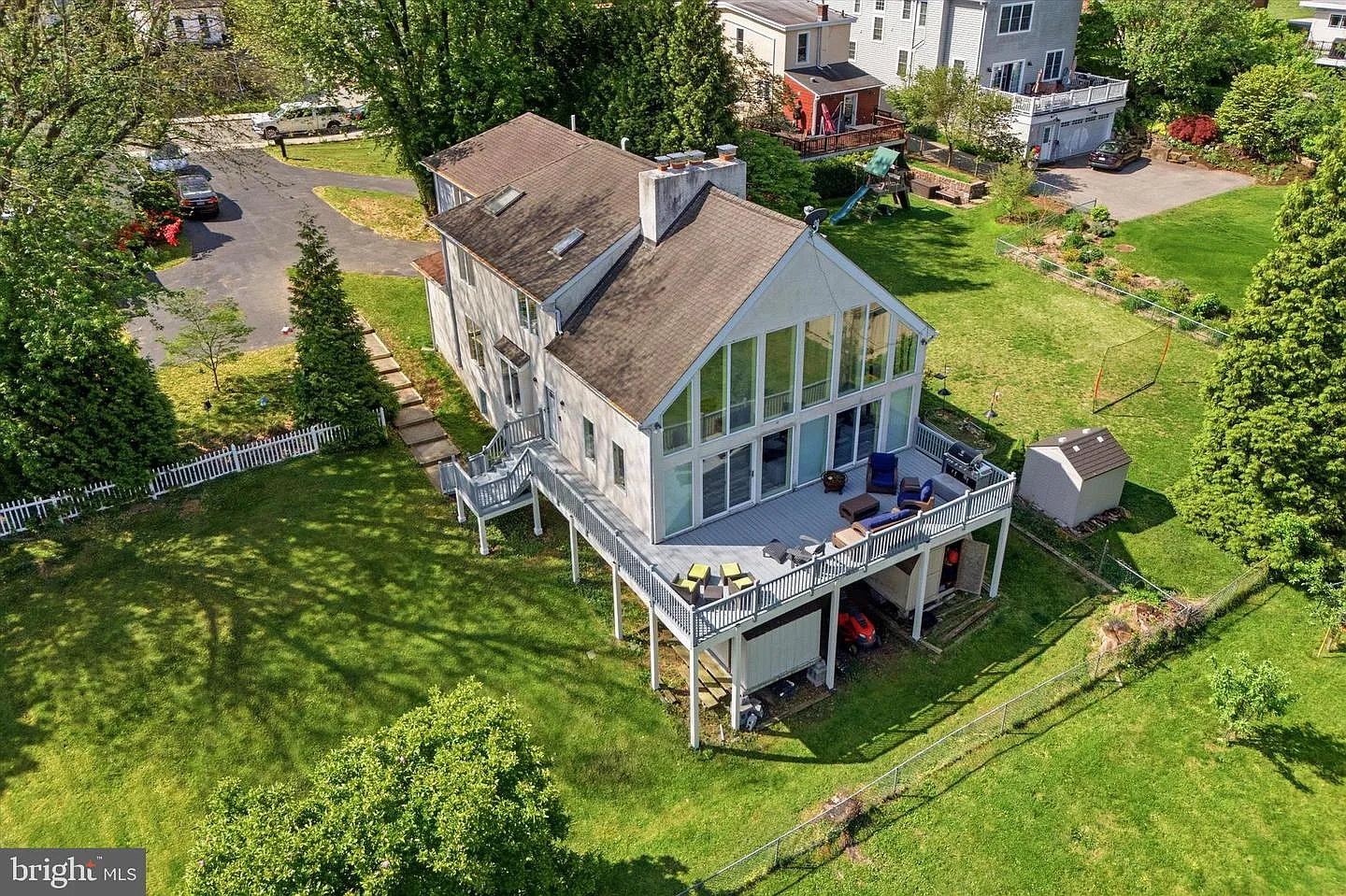
    The home has a wall of windows and a large deck.Courtesy of Beth Samberg/Real of Pennsylvania

    This contemporary five-bedroom Bala Cynwyd home has lots of outdoor living space thanks to a wraparound deck out back. It’s accessed through a family room with vaulted ceilings and a wall of windows. Opposite the windows, the family room is also anchored by a large concrete fireplace. Upstairs, the primary suite has a spacious bathroom and a walk-in closet, while a finished walk-out basement provides additional living space.

    See more photos of the home here.

    Price: $899,900 | Size: 4,218 SF | Acreage: 0.28

    🗞️ What other Lower Merion residents are reading this week:

    By submitting your written, visual, and/or audio contributions, you agree to The Inquirer’s Terms of Use, including the grant of rights in Section 10.

    This suburban content is produced with support from the Leslie Miller and Richard Worley Foundation and The Lenfest Institute for Journalism. Editorial content is created independently of the project donors. Gifts to support The Inquirer’s high-impact journalism can be made at inquirer.com/donate. A list of Lenfest Institute donors can be found at lenfestinstitute.org/supporters.

  • Their Merion Station yard didn’t have much life. Now it’s filled with flowers.

    Their Merion Station yard didn’t have much life. Now it’s filled with flowers.

    Platter-sized hibiscus, hydrangea, cardinal flowers, small yellow blooms called partridge peas, chartreuse creeping Jenny, daisies, and lavender fill the front yard of the Merion Station home.

    The plantings extend from the porch to the curb, where parked cars push against tall stems of deep pink celosia. “It’s a hostile environment. You hope for the best,” said Boots Levinson.

    Levinson and his wife, Laura White, own the three-story Tudor surrounded by colorful vegetation.

    “Laura’s the gardener,” Levinson said. “I’m the waterer and manual laborer.”

    White and Levinson’s home is surrounded by flowering gardens.Joe Lamberti / For The Inquirer
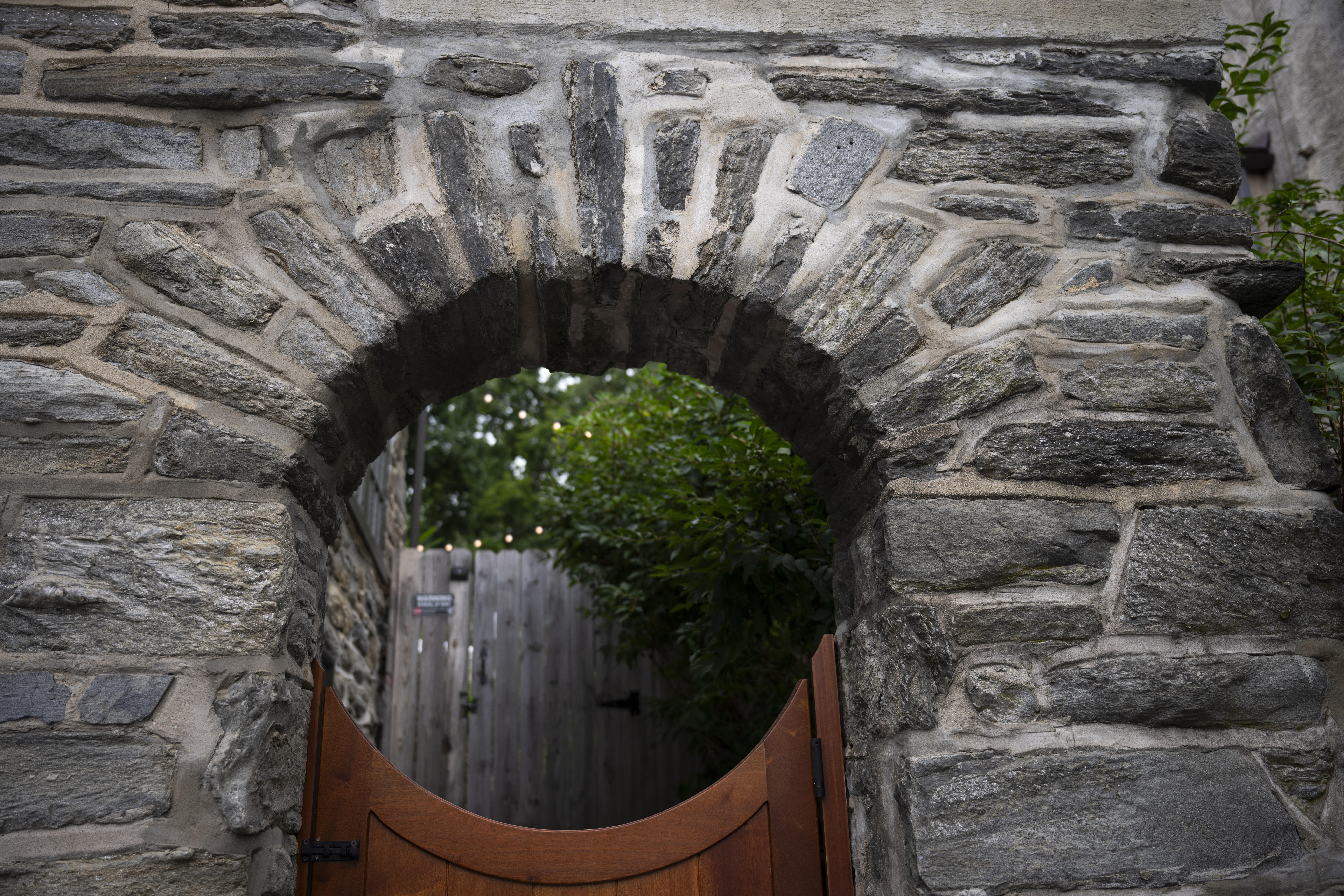
    The Tudor-style home has an arch that required repairs.Joe Lamberti / For The Inquirer

    The couple moved to the 3,000-square-foot property in 2021 from a one-bedroom condo in Center City. “We bought the first house we looked at,” White said, then conceded, “We had no idea what we were getting into.”

    The stucco-and-brick, four-bedroom, 2½-bath house had a new kitchen and bathroom. There was space to entertain and for corgis Archie and Ozzie to romp.

    Levinson and White met on Jdate, an online dating service for Jewish singles. They had in common a Midwest background. She grew up in Missouri, while he lived in Minnesota until moving to the Philadelphia area in the sixth grade. White came to Philadelphia for her medical training. The couple married in 2013.

    The house needed new air-conditioning and heating systems, and a basement leak exposed a drainage problem.

    Hibiscus flowers bloom in the front yard.Joe Lamberti / For The Inquirer
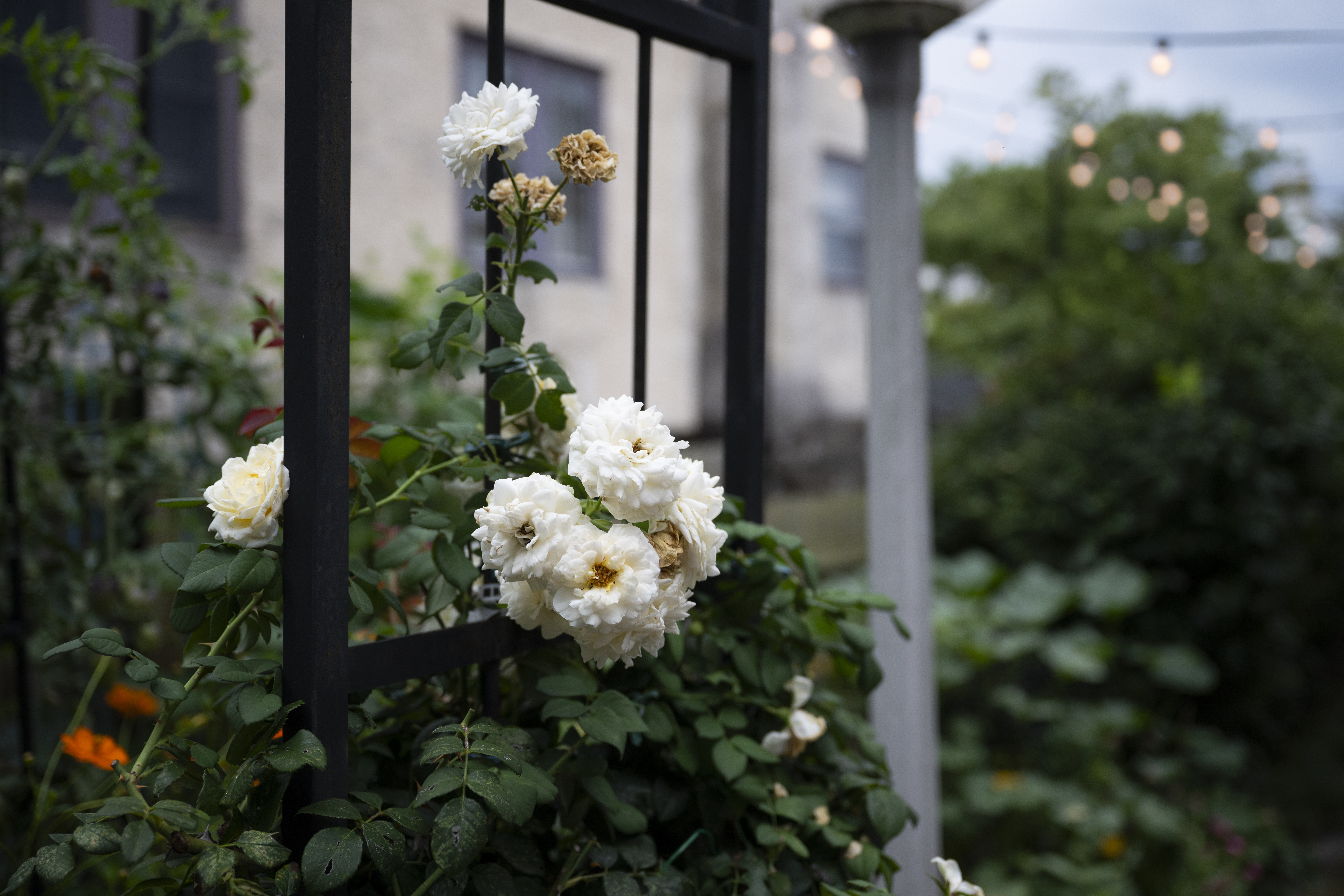
    White roses in the garden.Joe Lamberti / For The Inquirer

    Landscaping amounted to little more than a crab apple tree in the backyard, rocks and dirt, and a flower bed covering a parking space in front of the garage.

    White and Levinson hired mason Deen Vinci of Surrounded by Stone in Merion Station to repoint and repair the stone arch that leads to the backyard. Vinci also built the arch’s wood door and paved the front driveway. In the backyard he reset and repaired patio bricks.

    White furnished the patio with a wood table and chairs from Arhaus. The large umbrella from Wayfair is set in concrete so it won’t tumble over in a storm. Plants in the backyard include hydrangeas, zinnias, jasmine, dahlias, gardenia, a juniper and a pine tree.

    White, a psychiatrist, had no horticultural training. But she learned a bit from watching her father, Bruce, garden and is grateful to neighbors who share knowledge and plantings with her. Watching hummingbirds and bees flit about her flowers, she and her neighbors “have created a pollinator pathway.”

    A hummingbird enjoys cardinal flowers in White and Levinson’s garden.Joe Lamberti / For The Inquirer

    Neighbor Suzanne Kane, who tends a lush garden across the street, is a particularly helpful mentor, White said.

    Levinson, a Realtor, said his wife’s cultivating talents have been aided by her medical training. “She’s a scientist and is observant and nurturing.”

    White planted a kitchen garden on one side of the house with honeynut squash, Swiss chard, Thai and Shishito peppers, and varieties of plum tomatoes she will can. Cucumbers grow on a trellis. In late summer, Ozark strawberries are ripening. Alpine strawberries, which ripen in the front yard in late spring, are so sweet neighborhood children pilfer them.

    White stores garlic harvested from her garden in the basement.Joe Lamberti / For The Inquirer
    A squash growing in the garden.Joe Lamberti / For The Inquirer

    White has harvested garlic stored in trays in the basement where she starts seeds in the winter with hydroponic lamps. She likes to garden year-round. Soon she will move the Amaryllis plants from outside to the basement for eight weeks or so before placing them in a sunny spot indoors in time for them to bloom at Christmas.

    White grows straw flowers because they are easy to dry for year-round flower arrangements. And she chooses perennial plants that span the seasons, such as Muhly grass, which turns from green in the summer to fluffy pink in the fall. Amsonia grass has blue blossoms in the spring and turns from green to gold in the fall.

    White shops for plants at several locations, including Primex Garden Center in Glenside, Wynnewood Garden Center, and Lancaster Farmers Market.

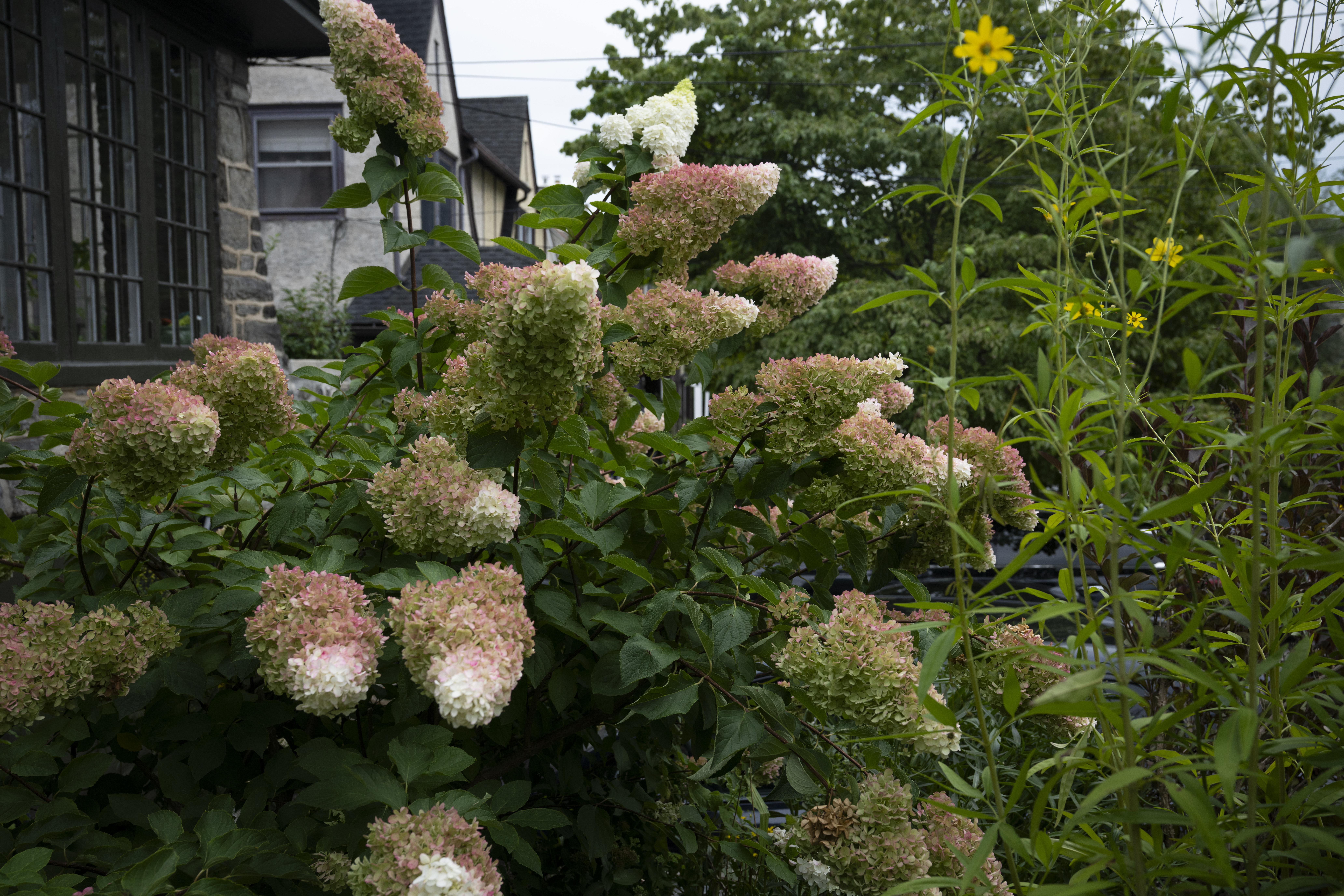
    A hydrangea in the front yard.Joe Lamberti / For The Inquirer
    A dahlia in bloom in the garden.Joe Lamberti / For The Inquirer

    Caring for the property is work.

    “Sometimes,” Levinson admitted, “I miss just paying a monthly condo fee.”

    Still, he said having gardens on all sides of his home is “like having four extra rooms.”

    Is your house a Haven? Nominate your home by email (and send some digital photographs) at properties@inquirer.com.

  • Harriton High School’s varsity football season is suspended amid concerns over player safety, ‘sustainability’

    Harriton High School’s varsity football season is suspended amid concerns over player safety, ‘sustainability’

    Harriton High School’s varsity football season has been suspended due to low participation, concerns over player safety, and questions about “the sustainability of maintaining a competitive program,” according to a letter sent to families on Monday.

    “We recognize that this is disappointing news for our student-athletes, families, coaches, and the entire football community. We understand the time, effort, commitment, and excitement that goes into preparing for a football season, and we do not make this decision lightly,” the letter, signed by principal Stu Warshawer and athletic director Shawn Albert, read.

    The suspension comes at the heels of a monthslong push by parents and players to merge Lower Merion and Harriton’s football programs due to dwindling rosters and growing safety concerns.

    The Lower Merion school board in May approved the formation of a cooperative between Lower Merion and Harriton’s football programs for the upcoming school year, however the cooperative is awaiting approval from the Pennsylvania Interscholastic Athletic Association (PIAA). Under PIAA rules, schools can merge athletic teams under specific conditions, including low participation numbers or “lack of success” in a sport.

    Michael Barber, chairman of PIAA District 1, which serves Bucks, Montgomery, Chester, and Delaware Counties, did not immediately respond to questions about the status of the proposed cooperative.

    School officials said in the letter that the cooperative has been requested through the PIAA and that exploring the merger “may help create the participation numbers and competitive structure necessary to build a safer and more sustainable football program for our students.”

    While Harriton’s varsity season will be suspended, the district is actively exploring maintaining a junior varsity season, according to the letter.

    The letter to families noted that “this decision is not a decision to end football in our district.”

    “The district remains committed to providing opportunities for football in the future and to identifying a sustainable path forward for our student-athletes and programs,” it stated.

    Harriton’s football team played its first regular season game on Aug. 28, losing to Pottstown 53-0. Harriton was scheduled to play Radnor, its first conference game of the season, on Sept. 3.

    This suburban content is produced with support from the Leslie Miller and Richard Worley Foundation and The Lenfest Institute for Journalism. Editorial content is created independently of the project donors. Gifts to support The Inquirer’s high-impact journalism can be made at inquirer.com/donate. A list of Lenfest Institute donors can be found at lenfestinstitute.org/supporters.

  • Lower Merion’s technology policy is an unconstitutional ‘digital free-for-all,’ parents say in lawsuit

    Lower Merion’s technology policy is an unconstitutional ‘digital free-for-all,’ parents say in lawsuit

    The Lower Merion School District violated the constitutional right of parents to choose what content their children are exposed to online by requiring students to use internet-connected computers without safeguards or controls, seven families with school-aged children say in a federal lawsuit.

    The Lower Merion school board in June repealed a technology policy that allowed parents to opt their children out of using district-issued laptops and iPads. In August, the board adopted a new technology policy that doesn’t have an opt-out option, despite continued outcry from parents.

    The parents, who are part of a grassroots group called “Pencils over Pixels” that objected to the policy change, say in the suit that their children “encounter pornography, violent images, and violent or disturbing video games through their school devices.”

    In addition to the exposure to inappropriate materials, the suit says that by having AI chatbots readily available, the district’s policy can “impede learning” and “encourage cheating.”

    While three of the seven families behind the lawsuit have children enrolled in Lower Merion School District schools, three have withdrawn their children from the district because of the policy. Another considered enrolling their children in Lower Merion schools, but decided not to because of the device-use requirement.

    The families are being represented by the EdTech Law Center and Anapol Weiss, a Philadelphia-based law firm involved in multiple lawsuits against social media companies.

    Lower Merion is aware of the lawsuit, district spokesperson Amy Buckman said in a statement.

    “The District denies the allegations and will respond further through the judicial process,” Buckman said.

    The lawsuit says “the environment in many classrooms in the District has become like a casino. Students sometimes sit and repeatedly hit keys or the spacebar while playing repetitive online games, creating a classroom environment that is loud, chaotic, and overstimulating.”

    The heated public process that resulted in the repeal of the policy was a facade, the suit says, accusing the board of making its decision behind closed doors months before the summer. According to the complaint, Lower Merion superintendent Frank Ranelli “instructed” principals to refuse to accommodate technology opt-outs despite the “plain language” of the now-repealed policy before its repeal.

    The fight over technology in Lower Merion has boiled over in recent months, as parents in favor of opting their children out of technology have found themselves increasingly at odds with the school board. Two parents were banned from school board meetings for “disruptive” behavior during meetings on the technology policy, a move legal experts said may infringe on the parents’ constitutional rights.

    Andrew Liddell, attorney with the EdTech Law Center, said in an interview that plaintiffs “allege profound violations of parents’ rights and disruptions of family life caused by the district’s policies.”

    “Here we have a school board, or at least seven members of the school board and a superintendent, who are determined to press forward with this policy that really does harm kids,” Liddell said.

    Under the policy, kindergarten, first, and second graders will no longer receive personal iPads and laptops, and in-class technology time for the youngest grades will be limited to “specific educational purposes.” Third and fourth graders will have “teacher-directed” access to devices within the classroom. Fifth and sixth graders will be issued individual devices, which will stay in the classroom unless parents want their kids to bring them home.

    Seventh and eighth grade students will be permitted to take their devices to and from school but will not be penalized for not doing computer-based homework. By high school, students will be assigned individual devices to carry with them throughout the day and take home.

    The complaint accuses the seven school board members who voted to repeal the opt-out policy of acting in “contravention of their proper role as public educators and leaders of the District” and “thwarting” the ability of parents to protect their children. It asks a federal judge to issue an injunction that preserves the old policy by accommodating parents who wish to decline or limit their child’s use of internet-connected devices.

    “A parent’s right to make decisions regarding their children’s care includes the right to make decisions to safeguard their health, safety, and privacy,” the lawsuit says.

    The lawsuit was filed as social media and technology companies are facing a reckoning over the impacts their products have on the well-being of children and youth. Meta, the parent company of Facebook and Instagram, agreed this week to pay states up to $17.1 billion as part of a settlement over claims its platforms harmed kids. Pennsylvania is expected to receive more than $500 million from the payout.

    Earlier this month, Montgomery County sued Meta, ByteDance, Snap, and Google on behalf of the county’s 148 schools and more than 180,000 minor students, accusing the tech giants of negligence and creating a public nuisance.

    This suburban content is produced with support from the Leslie Miller and Richard Worley Foundation and The Lenfest Institute for Journalism. Editorial content is created independently of the project donors. Gifts to support The Inquirer’s high-impact journalism can be made at inquirer.com/donate. A list of Lenfest Institute donors can be found at lenfestinstitute.org/supporters.

  • Lower Merion school board member charged with stealing over $50,000 from employer has resigned from the board

    Lower Merion school board member charged with stealing over $50,000 from employer has resigned from the board

    A Lower Merion school board member accused of embezzling more than $50,000 from her employer has resigned from the school board.

    Jennifer Rivera, who has served on the school board for eight months, tendered her resignation from the board effective Tuesday, Amy Buckman, spokesperson for the Lower Merion School District, confirmed in an email Wednesday.

    The board will vote on accepting the resignation at a special meeting Sept. 14.

    Rivera could not immediately be reached for comment.

    Rivera has been charged with theft, receiving stolen property, and related crimes in relation to funds she is accused of stealing from SMB Team, a Bala Cynwyd-based marketing agency that works with law firms.

    An affidavit of probable cause for Rivera’s arrest said she used more than $25,000 in company funds to pay for airline travel and family vacations. Rivera also allegedly used SMB funds to pay a coworker to film a friend’s son’s bar mitzvah. Rivera used the company credit card to fly the same coworker and his wife to another employee’s wedding, where he was hired to be a photographer, according to the affidavit.

    She was released on $25,000 unsecured bail and is scheduled to appear before a district judge for a preliminary hearing on Sept. 2.

    Rivera was elected to the Lower Merion Board of School Directors in November on a Democratic slate. She was the highest vote-getter of the eight candidates who ran for a spot on the board last fall.

    Rivera also sits on the board of directors of the Montgomery County Intermediate Unit, a Norristown-based educational service agency that supports local schools. Margaret Wright, Montgomery County Intermediate Unit board president, did not immediately respond to questions about whether Rivera was still serving on the board; however, Rivera’s name and photo were pulled from the intermediate unit’s website after a reporter’s inquiry.

    In an announcement Thursday, the Lower Merion School District encouraged “qualified candidates with a strong commitment to public education” to apply for the vacancy.

    Candidates must be 18 years or older, residents of Lower Merion or Narberth, and have lived in the school district for at least a year. They cannot be an employee of the district. Those interested in serving on the board are asked to submit application materials by Sept. 9. The school board will invite “highly qualified candidates” to participate in public interviews during a special meeting on Sept. 22.

    The selected board member will serve until Dec. 5, 2027. The remaining years of the term will be filled by the winning candidate of the November 2027 municipal election.

    This story has been updated with additional information on the process for filling a school board vacancy.

    This suburban content is produced with support from the Leslie Miller and Richard Worley Foundation and The Lenfest Institute for Journalism. Editorial content is created independently of the project donors. Gifts to support The Inquirer’s high-impact journalism can be made at inquirer.com/donate. A list of Lenfest Institute donors can be found at lenfestinstitute.org/supporters.

  • Vernick alum helming a new eatery | Inquirer Lower Merion

    Vernick alum helming a new eatery | Inquirer Lower Merion

    Hi, Lower Merion! 👋

    Two longtime friends are opening a live-fire cooking restaurant nearby this fall. Here’s what to know. Also this week, we look at how effective the red-light enforcement cameras have been so far, Kylie Kelce made a guest appearance on Ilona Maher’s new show, plus we peek inside a more-than-century-old Bryn Mawr home that’s for sale.

    If someone forwarded you this email, sign up for free here.

    Harriton alums team up to launch restaurant Old Friend in Wayne

    Old Friend will open a newly built mixed-use development in Wayne. Larry Kagan

    A pair of Harriton High School alums who first met in 1984 when they were students at Welsh Valley Middle School are teaming up to launch a new restaurant — complete with a nod to their longtime friendship.

    Larry Kagan and Chas McFeely plan to open Old Friend this fall in the ground floor of the newly built Apartments at Wayne Station on Lancaster Avenue. The menu will focus on contemporary American cuisine, complete with live-fire cooking. Their mix of dishes will include shareable larger-format proteins.

    It’s the first restaurant venture for the friends, who have tapped Fork and Vernick Food & Drink alum Sam Henzy — who also did a stint at Copenhagen’s famed Noma — to helm the kitchen, as well as Stove & Co. chef-owner Joe Monnich as a consultant.

    The Inquirer’s Michael Klein has the details.

    💡 Community News

    • It’s been just over a month since ticketing for the township’s automated red-light enforcement cameras went into effect, resulting in 663 citations.
    • A “soulful” century-old stone home in Bryn Mawr with four bedrooms and original hardwood floors recently hit the market with an asking price of just under $700,000. Take a look inside.
    • Narberth native Kylie Kelce joined former U.S. Olympian Ilona Maher last week on the first episode of the retired rugby player’s new YouTube fitness show, Power Hour with Ilona Maher. They talked about everything from dating failures to sexism in sports to the Kelce family and what motherhood looks like for her.
    • Lower Merion police arrested two people who were allegedly attempting to break into a home on the 2000 block of Old Gulph Road last week, according to 6abc. A third individual was also involved, police said.
    • The first phase of Narberth’s gas-powered leaf blower ban goes into effect Tuesday. Here’s everything you need to know.
    • Maivie, a chain known for its pressed floral workshops, has opened an Ardmore outpost at 74 Rittenhouse Place.
    • There will be overnight ramp closures from northbound I-476 to westbound I-76 and from westbound I-76 to southbound I-476 tomorrow at 10 p.m. until Saturday at 9 a.m.

    🏫 Schools Briefing

    🍽️ On our Plate

    • Bagels are having a moment — in Philadelphia and nationally — and Lower Merion is no exception. Two spots have opened outposts here recently: PopUp Bagels in Ardmore and Bart’s Bagels in Bala Cynwyd. But is the bagel boom really just a bagel bubble? The Inquirer’s Michael Klein explores.
    • While we knew what rating Barstool Sports founder Dave Portnoy gave Johnny’s Pizza on a recent visit for his “One Bite Pizza Review,” his full take has finally landed. The verdict on the Bryn Mawr (definitely not pronounced “Bawn Mire,” like he thought) joint’s pie? In a word: “Spectacular.” See the full segment here.

    🎳 Things to Do

    🎶 Bryn Mawr Twilight Concerts: Jonatha Brooke, who’s known for blending folk, melodic pop, and rock, headlines this week’s show, along with Nashville singer/songwriter Liz Longley. ⏰ Friday, Aug. 28, 7 p.m. 💵 $25.88, free for kids 12 and under 📍 Bryn Mawr Gazebo

    🔪 JCC Global Cooking Class: Learn to make a traditional Jewish Ukrainian dish during this class. ⏰ Tuesday, Sept. 1, 10-11:30 a.m. 💵 $10 📍 Kaiserman JCC

    🎥 Casablanca: See a screening of the 1942 Humphrey Bogart and Ingrid Bergman classic. ⏰ Tuesday, Sept. 1, 7:15 p.m. 💵 $11.75-$16.25 📍 Bryn Mawr Film Institute

    🏡 On the Market

    A charming six-bedroom Wynnewood Tudor

    The home was built in 1900.Dave Ocenas | Courtesy of Bruce Kirkpatrick/ BHHS Fox & Roach

    This Wynnewood Tudor has a classic center hall layout, complete with dining and living rooms off the entry, an eat-in kitchen, a butler’s pantry, and a family room. Its six bedrooms, including a primary suite, are spread across the second and third floors. Out back, there’s a patio and fenced yard, as well as a detached garage. There are open houses tomorrow from 4 to 6 p.m., Saturday from 11 a.m. to 1 p.m., and Sunday from 1 to 3 p.m.

    See more photos of the home here.

    Price: $975,000 | Size: 3,418 SF | Acreage: 0.26

    🗞️ What other Lower Merion residents are reading this week:

    By submitting your written, visual, and/or audio contributions, you agree to The Inquirer’s Terms of Use, including the grant of rights in Section 10.

    This suburban content is produced with support from the Leslie Miller and Richard Worley Foundation and The Lenfest Institute for Journalism. Editorial content is created independently of the project donors. Gifts to support The Inquirer’s high-impact journalism can be made at inquirer.com/donate. A list of Lenfest Institute donors can be found at lenfestinstitute.org/supporters.