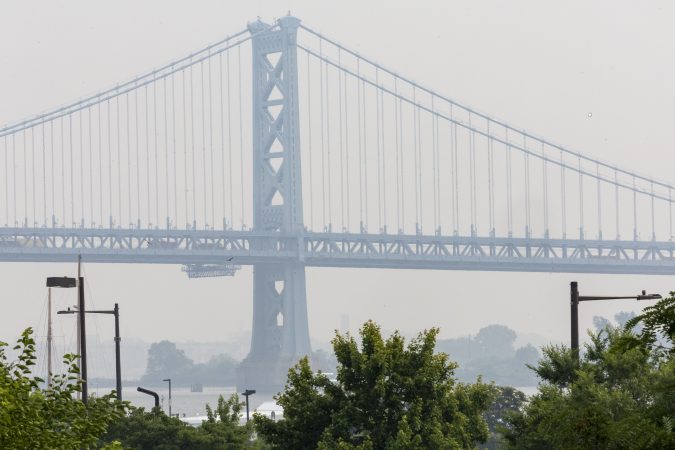
Tag: freestory

  • Wildfire smoke in Philly: Phillies game to start early; alert for ‘very unhealthy’ air quality for Friday; latest forecast

    Wildfire smoke in Philly: Phillies game to start early; alert for ‘very unhealthy’ air quality for Friday; latest forecast

    • What you should know
    • The Pennsylvania Department of Environmental Protection has declared a statewide code red air quality day due to Canadian wildfire smoke blowing into the Philadelphia region.
    • Air quality across Philadelphia reached unhealthy levels Thursday morning, according to five monitoring stations across the city.
    • The poor air quality prompted the start time for the Phillies-Mets game to be moved an hour earlier. A Phillies game was postponed in June 2023 due to air quality issues caused by wildfire smoke.
    • A heat advisory is also in effect in Philadelphia, where the heat index could reach 100 degrees. There’s also the potential for an isolated thunderstorm this evening between 4 p.m. and 11 p.m.

    // Timestamp 07/16/26 7:00pm

    Suffocating dome of smoke descends over Philly region
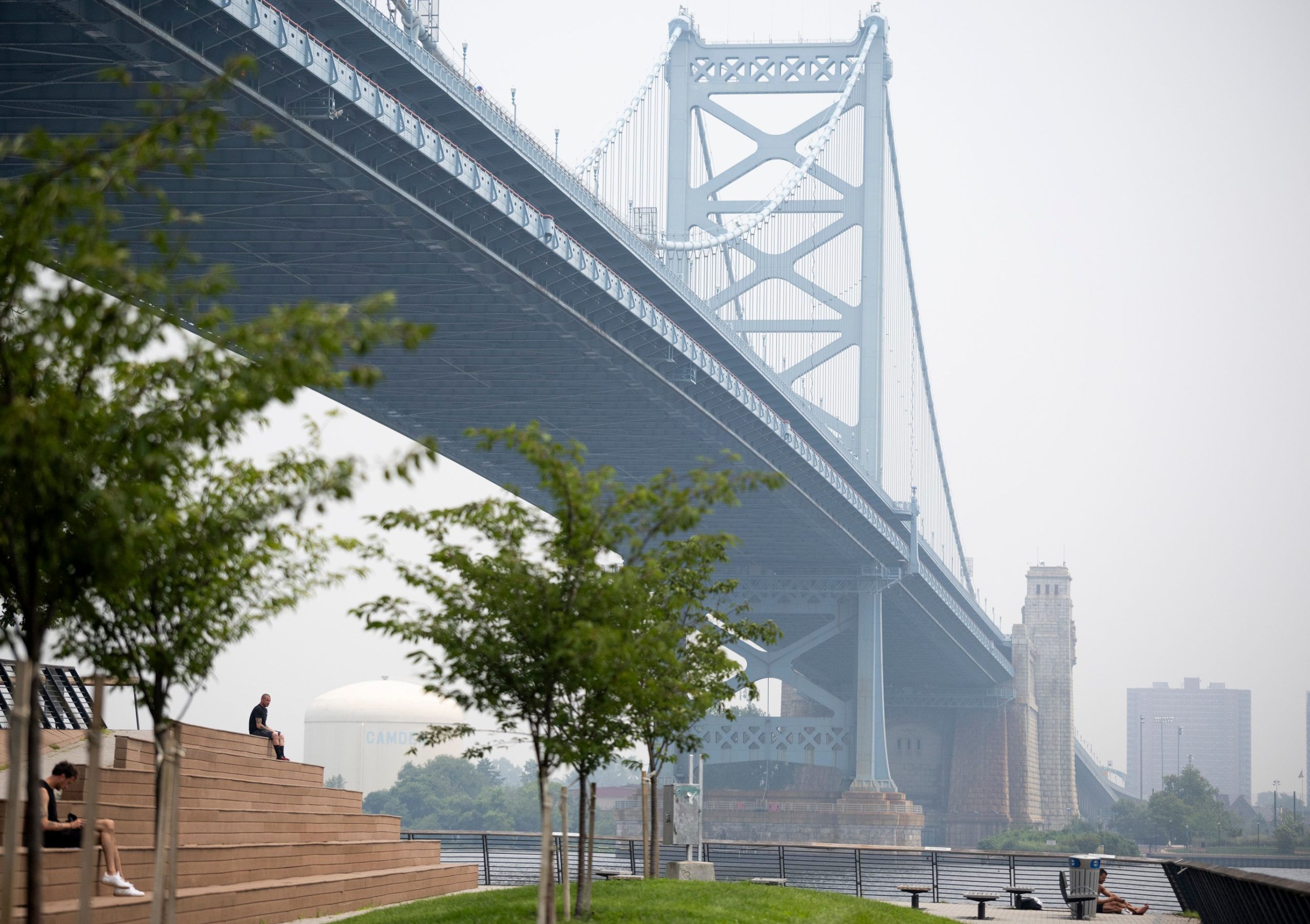
    John Burns Jr., of Grays Ferry Philadelphia, Pa., sitting out at Cherry Street Pier with the wildfire smoke from Canada in Philadelphia, Pa., on Thursday, July 16, 2026.Tyger Williams / Staff Photographer

    Philadelphia’s jinxed July, which had already featured a record-setting dome of heat and microburst storms that razed hundred of trees, now includes a smothering, suffocating smoke.

    The polluted campfire-like vapor from Canadian wildfires plummeted air quality Thursday, lowered visibility enough that flights were delayed at Philadelphia International Airport, and prompted cancellation of a concert at Cooper River Park in Camden County. The Phillies moved Thursday night’s game up one hour due to air quality concerns.

    The smoke, which was expected to blanket the region at least through Friday, originated from fires burning in Western Ontario, said Sarah Johnson, a meteorologist at the National Weather Service’s Mount Holly office.

    It was swept in by winds that mixed to keep it closer to the ground.

    “It’s just a factor of the winds at all levels kind of working together,” Johnson explained.

    It is difficult to pinpoint when the air quality might return to normal, she said. Those forecasts come from state environmental protection departments and are usually no more than 48 hours out.

    — Frank Kummer, Rob Tornoe, Stephen Stirling, Dana Munro


    // Timestamp 07/16/26 6:45pm

    What to know about the wildfire smoke in Philly and its health impacts
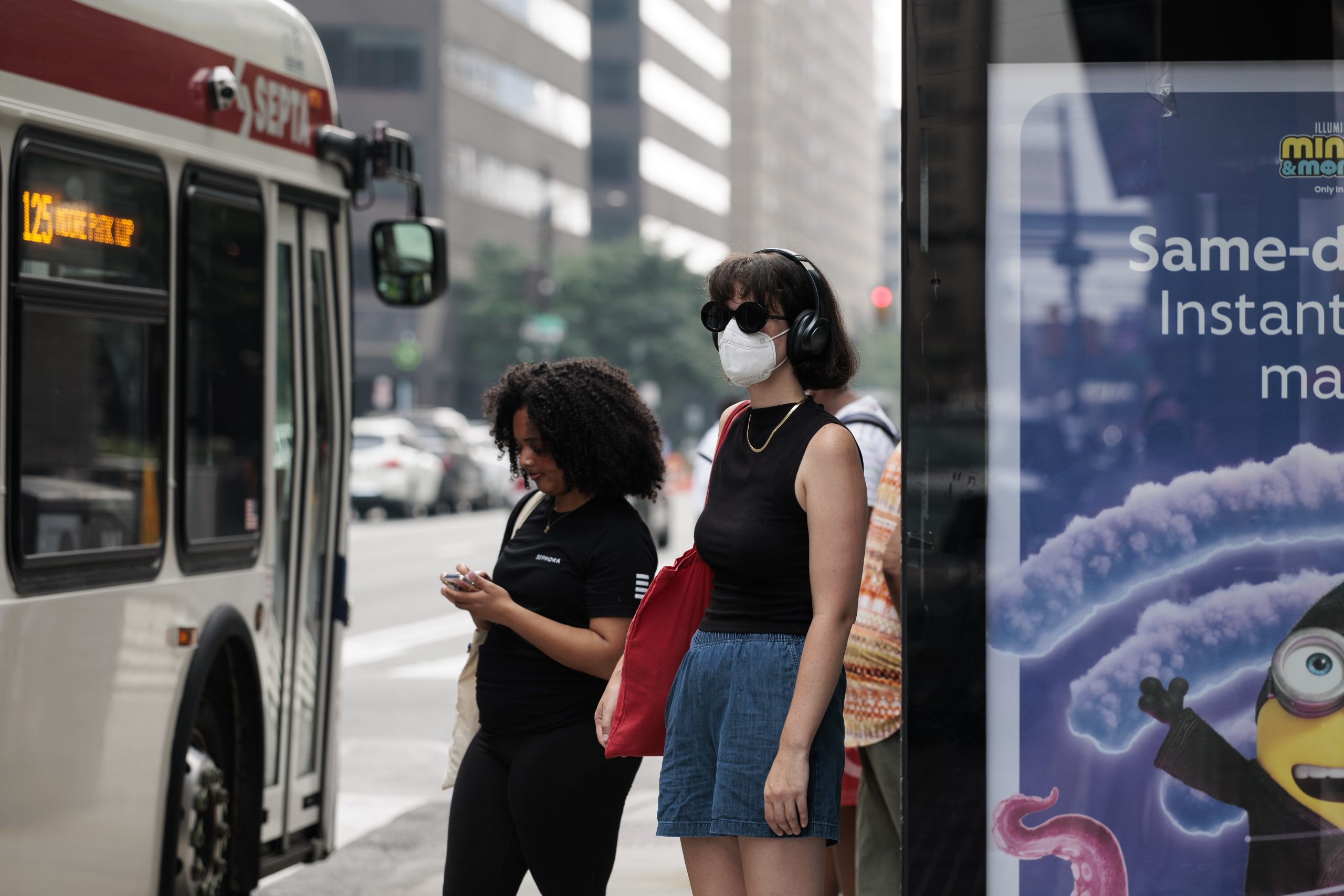
    Penn State graduate student Ray Boone waits for the bus with a face mask on because of the air quality, on Thursday, July 16, 2026 at 17th Street and JFK Boulevard in Philadelphia. The Pennsylvania Department of Environmental Protection has declared a statewide Code Red air quality day due to Canadian wildfire smoke blowing into the Philadelphia region.Monica Herndon / Staff Photographer

    As Canada grapples with hundreds of active wildfires, the rest of North America is feeling the impactsstruggles with air quality alerts.

    In Philadelphia and elsewhere, the air quality score is considered unhealthy, particularly for the most sensitive people.

    Whether you are planning on going out or staying home, here’s what three experts had to say about staying healthy and what precautions are needed:

    — Michelle Myers, Frank Kummer


    // Timestamp 07/16/26 5:14pm

    Pennsylvania DEP issues statewide code purple alert for Friday

    Air quality is expected to continue to deteriorate Friday, with the Pennsylvania Department of Environmental Protection issuing a code purple alert for the entire state as smoke from wildfires in Canada and Minnesota continue to blanket the area.

    A code purple alert indicates “very unhealthy” air quality conditions, which could effect the general population. It is the second-highest step on the U.S. Environmental Protection Agency’s color scale, with only maroon — which indicates a “hazardous” air quality — outranking it.

    Department officials advised all residents to limit their time and exertion levels outside. Sensitive groups — including children, elderly people, and people with respiratory illnesses — are advised to avoid outdoor activities altogether.

    Friday’s code purple alert is one step above Thursday’s code red.

    The state DEP advised that residents and businesses should avoid using gas-powered lawn and garden equipment, and not burn leaves or trash to help keep fine particulate pollution levels down amid the alert.

    — Nick Vadala


    // Timestamp 07/16/26 4:34pm

    Phillies game start time moved up due to air quality concerns

    The Phillies’ game against the New York Mets will begin an hour earlier than initially scheduled, due to air quality concerns.

    Now, the game will start at 6:10 p.m., the Phillies announced Thursday afternoon. Gate opening times, however, will stay the same, with third base and left-field entrances opening at 5:10 p.m., and all other gates opening a half hour later.

    Thursday’s game was initially scheduled to start at 7:10 p.m., and will kick off a three-game series against the Mets at Citizens Bank Park.

    In 2023, the Phillies postponed a game against the Detroit Tigers over air quality issues from Canadian wildfires.

    — Nick Vadala


    // Timestamp 07/16/26 4:24pm

    Air quality is ‘potentially pretty dangerous’ for sensitive groups

    Thursday’s smoky air is not just overshadowing Philadelphia’s summer sky; it’s also clouding your lungs.

    The city’s air quality score is in the red stage, according to the Philadelphia Department of Public Health. It is not as hazardous as the maroon level, but the air is still considered unhealthy — particularly for more sensitive populations.

    “It’s potentially pretty dangerous air quality to individuals who are fragile,” said Dr. Michele Columbo, the allergy and immunology chief at Main Line Health. “They can have difficulty breathing, dry cough, wheezing, tightness in the chest, and even feel light-headed because of high heat.”

    You might not consider yourself “fragile,” but Columbo said people 65 or older, folks with asthma or any kind of lung issues, individuals with cardiovascular disease, children, and pregnant women are the most affected by the current air conditions.

    While most of the city is continuing daily life as normal, Columbo cautions people in the sensitive category against staying outside for more than a couple of minutes at a time, and even encourages rescheduling outdoor activities.

    Children in particular are at risk because they breathe faster than adults. And pregnant people in the third trimester may already be experiencing difficulty breathing without the added contaminants to their lungs.

    Folks falling in this category should stay inside, where setting the air-conditioning to recirculation can help, Columbo said. For people who can’t avoid going outside, wear an N-95 mask, he added.

    Columbo also urged patients with chronic respiratory problems to make sure to carry and use their inhalers when outside.

    The health department hopes air quality will improve by the end of Friday, but the U.S. Interagency Wildland Fire Air Quality Response Program said good air quality won’t return until Saturday.

    — Michelle Myers


    // Timestamp 07/16/26 4:09pm

    Deadmau5 will still headline FIFA Fan Festival, organizers say

    A statewide code red air emergency and heat advisory is not stopping global EDM phenomenon Deadmau5 from headlining FIFA Fan Festival in Lemon Hill Thursday night.

    As air quality reaches unhealthy levels, according to five monitoring stations across the city, and the heat index could read 100 degrees, Fan Fest officials said the festivities and Deadmau5 performance would go on as scheduled.

    “We encourage the public to take proper precautions if attending Fan Fest today,” said Melissa Ferdinand of Philadelphia Soccer 2026, the host city committee that runs the festival.

    The festival opens from 5 p.m. to 9 p.m., with Deadmau5 taking the stage at 7 p.m. The Ghosts N Stuff producer posted to Instagram three hours ago that he was en route to Philly, and just so happened to bump into his contemporary and global DJ icon, Zedd, Thursday morning.

    The festival is free, but registration is required. Check for updates from Philadelphia Soccer 2026 on Instagram at @fwc26philly.


    // Timestamp 07/16/26 3:34pm

    Wildfire smoke not dampening some tourists’ time in Philly: ‘It’s much worse out west’

    Julie and Bill Guise, 66 and 72, respectively, basked in the somewhat cool breeze billowing from a giant fan inside the President’s House complex at around 1 p.m. hoping to get relief from the oppressive air. The Flagstaff, Ariz., residents, however, were unaware of what exactly was causing it.

    “We couldn’t figure out what it was,” Bill Guise said of the haze in the atmosphere.

    It wasn’t out of lack of familiarity with wildfire smoke. It was the opposite. Their region of the country is so often affected by this kind of smoke, and at much closer range, that this level of smokiness didn’t even register to them as wildfire-related.

    The couple was in town visiting their son, a jazz bassist and University of the Arts graduate. While the smoky air is uncomfortable for them, as is the general humidity that the desert-dwellers are unaccustomed to, they said it’s unlikely to change their plans for the day.

    “We have such limited time here and so many things to do,” Bill Guise said.

    The couple was meeting with their son later at Valley Green Inn for dinner and planning on seeing a play tomorrow morning at Penn’s Landing. They don’t plan on letting the haze get in the way.

    “It’s much worse out west,” Julie Guise added, likening the western smoke, when it’s extra bad, to sitting next to a campfire.

    For father-daughter duo David and Brayden DeMaria, this level of smoke is somewhat of a reprieve from what they were experiencing in Syracuse, N.Y., before they traveled down to Philly.

    “We left yesterday morning and it was, like, orange leaving the house,” Brayden DeMaria, 19, said standing outside Independence Hall around 1:30 p.m. “The color of the sky is completely different.”

    The two came to town for Wednesday’s Tame Impala concert (though they were mostly there for the opener, Djo) and will return home later today. They planned on packing the day with finishing their trip to Independence Hall, thrifting, and then hitting up Franklin Fountain for ice cream.

    “We’re having fun,” David DeMaria said.

    — Dana Munro


    // Timestamp 07/16/26 3:02pm

    Deteriorating air quality appears to be heading toward Philly

    Air quality is deteriorating rapidly in Central and Western Pennsylvania this afternoon as smoke from Canadian wildfires pours across the U.S. border, data from government air sensors show.

    Air sensors in Centre County recorded an air quality index of 345 at 1 p.m., or hazardous, the highest and most dangerous level tracked by the Environmental Protection Agency. Other sensors in Lycoming and Bradford Counties recorded AQIs above 200, or very unhealthy.

    Under these conditions, according to the EPA, the entire population is at risk for adverse health effects with prolonged exposure.

    The worst conditions appeared to be gradually drifting southeast across Pennsylvania Thursday afternoon. Forecasts show the thickest smoke reaching the Philadelphia region late Thursday into Friday morning.

    (function () {window.addEventListener(‘message’, function (e) { var message = e.data; var els = document.querySelectorAll(‘iframe[src*=”‘ + message.id + ‘”]’); els.forEach(function(el) { el.style.height = message.height + ‘px’; }); }, false); })();

    — Stephen Stirling


    // Timestamp 07/16/26 2:17pm

    Map: Updated timing of wildfire smoke in Philly


    // Timestamp 07/16/26 2:13pm

    Flights delayed into Philadelphia due to low visibility

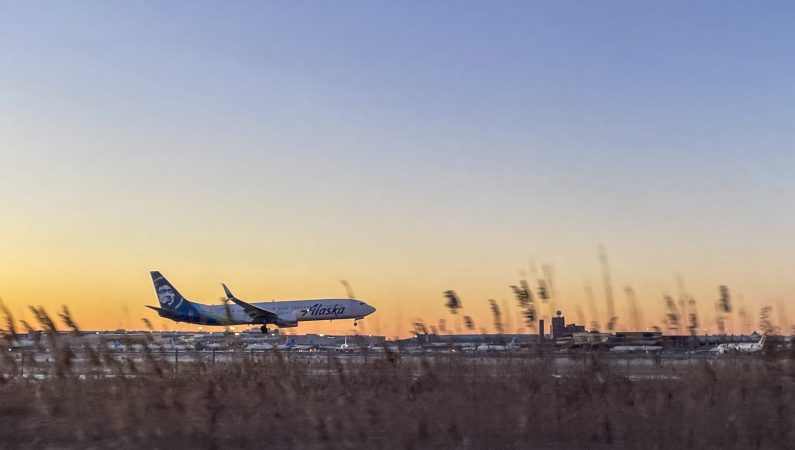
    The Federal Aviation Administration issued a ground delay on flights headed into Philadelphia International Airport Thursday due to low visibility caused by wildfire smoke.

    According to FlightAware, 148 flights have been delayed heading into PHL Thursday. Currently, the posted delay is 66 minutes and scheduled to remain in place until 11:59 pm.

    There are currently no delays on planes departing PHL.

    Travelers are encouraged to check with their airlines for the latest flight information, as the impact of Canadian wildfires is expected to linger across the Philadelphia region Friday.

    — Rob Tornoe


    // Timestamp 07/16/26 1:25pm

    Concert featuring Beach Boys co-founder canceled due to poor air quality

    The poor air quality across the Philadelphia region is beginning to impact events scheduled to take place outdoors.

    A concert featuring Al Jardine, co-founder of the Beach Boys, scheduled to take place at Cooper River Park in Pennsauken, N.J., at 8 p.m. on Thursday has been canceled, organizers announced.

    The show has been rescheduled for Tuesday, Aug. 4.

    There has yet to be any announcements regarding Thursday night’s Phillies game against the New York Mets at Citizens Bank Park, which is scheduled to begin at 7 p.m.

    — Rob Tornoe


    // Timestamp 07/16/26 12:51pm

    Temple doc says smoke-filled air has a ‘uniquely toxic profile’

    Eric Balaban, a pulmonary and critical care fellow at Temple University, was hesitant but still went running Thursday morning, even as smoke from Canadian wildfires smothered the region.

    “If I didn’t have an addiction to running, I would not have gone. And I would recommend other people not to run. Do as I say, not as I do,” he said with a laugh.

    But exposure to the smoke is a serious matter, Balaban said. He said that smoke that travels “carries a uniquely toxic profile that poses severe health risks to both healthy individuals and vulnerable populations.”

    Balaban said the smoke, which has traveled hundreds of miles, undergoes what’s known as “photochemical aging,” meaning it interacts with oxygen, heat, and sunlight to help generate high levels of ground-level ozone and highly irritating aerosols.

    That’s in addition to the ground-level ozone also produced by weather conditions such as on Thursday.

    Ground-level ozone is a pollutant that forms when nitrogen oxides and volatile organics emitted by vehicles, power plants, and industry react in sunlight, especially during hot days. It can cause airways to constrict, leading to shortness of breath, so it can especially affect those with asthma, emphysema, and chronic bronchitis.

    Balaban also explained that the fine particulate matter (PM2.5) within the smoke is small enough to cross from the lungs directly into the bloodstream, bringing a body-wide exposure that can increase the risk of heart attacks and strokes, in addition to causing acute chest tightness, shortness of breath, and dizziness in otherwise healthy people.

    Those risks are amplified for those with preexisting conditions like asthma or COPD, he said.

    He suggests people replace home air-conditioning filters to improve indoor air quality and, if they have existing conditions, to make sure they have extra respiratory medications and inhalers on hand.

    Balaban emphasized the world is undergoing an environmental crisis with climate change, and encouraged the public to address the “root cause” of it through civic action.

    “We have opportunities to mitigate and prevent these environmental catastrophes from happening, but it is something that we need to agree to do together,” he said.

    — Frank Kummer


    // Timestamp 07/16/26 11:57am

    Wildfire smoke, high heat bring ‘scary times’

    People try to beat the heat with a hand fan in limited shade in Center City.Yong Kim / Staff Photographer

    Ruth McDermott-Levy, a professor at Villanova University’s school of nursing, says that not only has air quality become a risk today for those already with health issues, but for everyone.

    “All of us are at risk today,” McDermott-Levy said. “Certainly there are groups of people at greater risk, from pregnant women, children, older people, and those with cardiac and respiratory illnesses. But we’re at an unhealthy level for everyone.”

    She has previously written an article about the impact of wildfire smoke on health. This newest round of wildfires from Canada, as well as the second heat dome to descend on the area in as many weeks, indicates climate change, she said.

    Wildfire smoke is particularly damaging, she said. Wildfires carry not only smoke from burning trees, but from buildings it sweeps up, and pollutants already in the air. That can include pollution coming into Philadelphia from Boston and New York, McDermott-Levy said.

    “Wildfire smoke is among the most toxic air pollution that we have,” she said.

    She said that pollution not only can penetrate the human bloodstream, but also settles on crops and livestock.

    She suggested that those with tickets to tonight’s Phillies game reconsider going, especially children whose lungs are still developing. A Phillies-Tigers game was postponed in 2023 because of Canadian wildfire smoke, but no announcements have been made regarding Thursday’s game.

    Meanwhile, high heat and sunlight combine with gases in the air to produce more ground-level ozone.

    “This is climate change and we are living it,” she said.

    — Frank Kummer


    // Timestamp 07/16/26 11:15am

    Philly health officials urge residents to limit outdoor activities
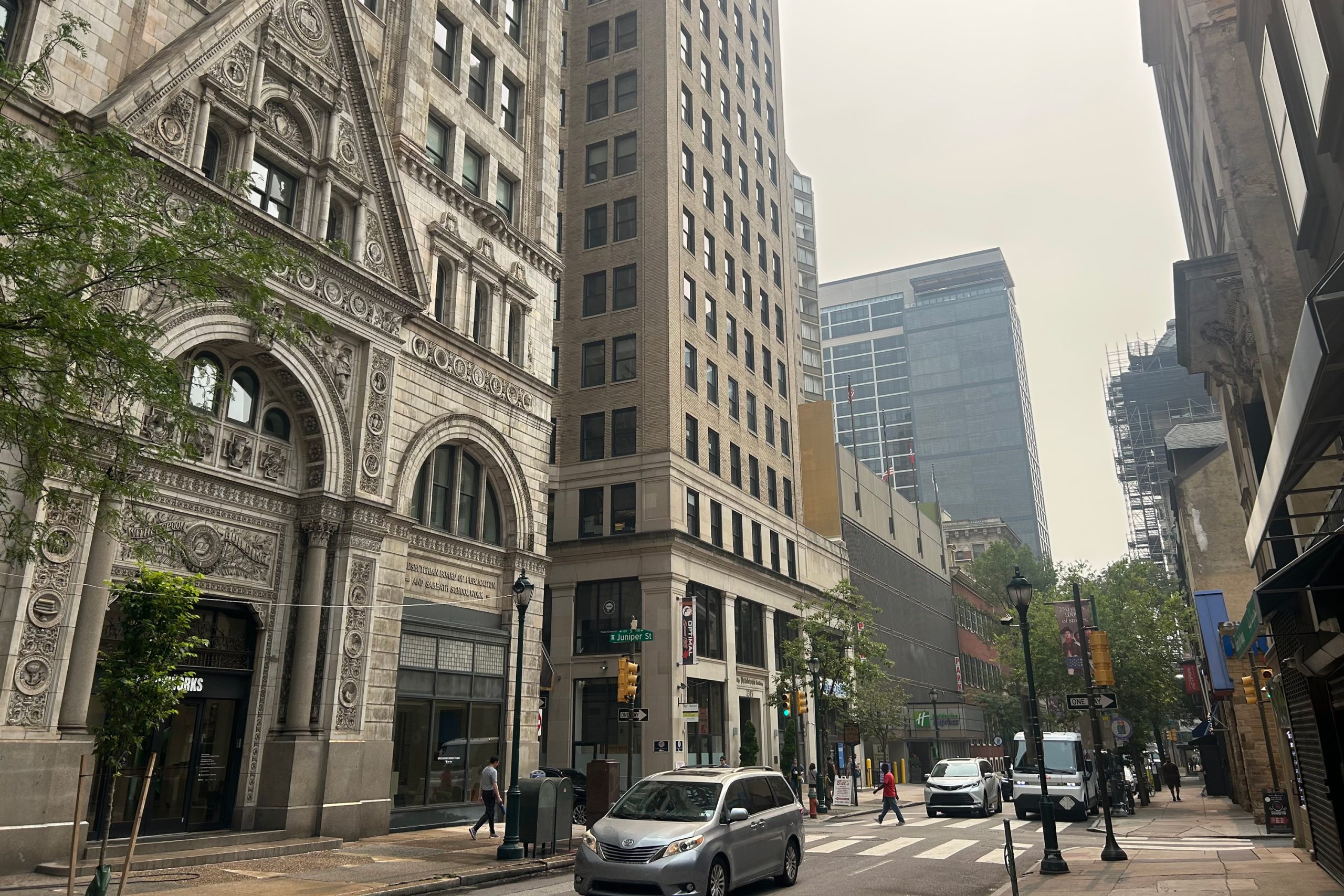
    Hazy conditions in Center City Philadelphia Thursday, caused by wildfires in Canada.Denali Sagner / staff

    With Philadelphia under a Code Red Air Quality Alert, city officials are urging residents to limit their time outdoors.

    “Today is not the day to start your marathon training plan,” Palak Raval-Nelson, commissioner of the city’s Department of Public Health, said in a statement.

    As of 11 a.m., Philadelphia’s Air Quality Index was 182, solidly in the middle of the “unhealthy” range, which means conditions are bad enough for members of the general public to experience health effects.

    Especially at risk are residents with heart or lung conditions, who should take “extra special care” outdoors Thursday, Raval-Nelson said. Children, older adults, pregnant women, and people with weakened immune systems are also at higher risk.

    People experiencing symptoms including trouble breathing, heart palpitations, nausea, or dizziness are encouraged to seek immediate medical attention.

    Despite the warning, city services will operate normally. Employees working outdoors are being encouraged to take frequent breaks and should consider wearing a mask, the city said.

    — Rob Tornoe


    // Timestamp 07/16/26 10:39am

    Most Philly Parks and Recreation activities will operate normally

    City pools will be open Thursday and won’t have restrictions based on air quality.Jessica Griffin / Staff Photographer

    The wildfire smoke will not disrupt most Philadelphia Parks and Recreation facilities or activities on Thursday, according to spokesperson Ra’Chelle Rodgers.

    The city’s pools and parks will not have restrictions based on air quality, she said. Summer camps may cancel some trips, outdoor sports or other activities on a case-by-case basis, but will otherwise remain open and move indoors.

    The department is following the city’s health guidance on air quality, and instructing leaders to monitor the situation and use their best judgment, Rodgers said.

    — Nate File


    // Timestamp 07/16/26 10:05am

    Poor air quality threatens the Phillies-Mets game in South Philly
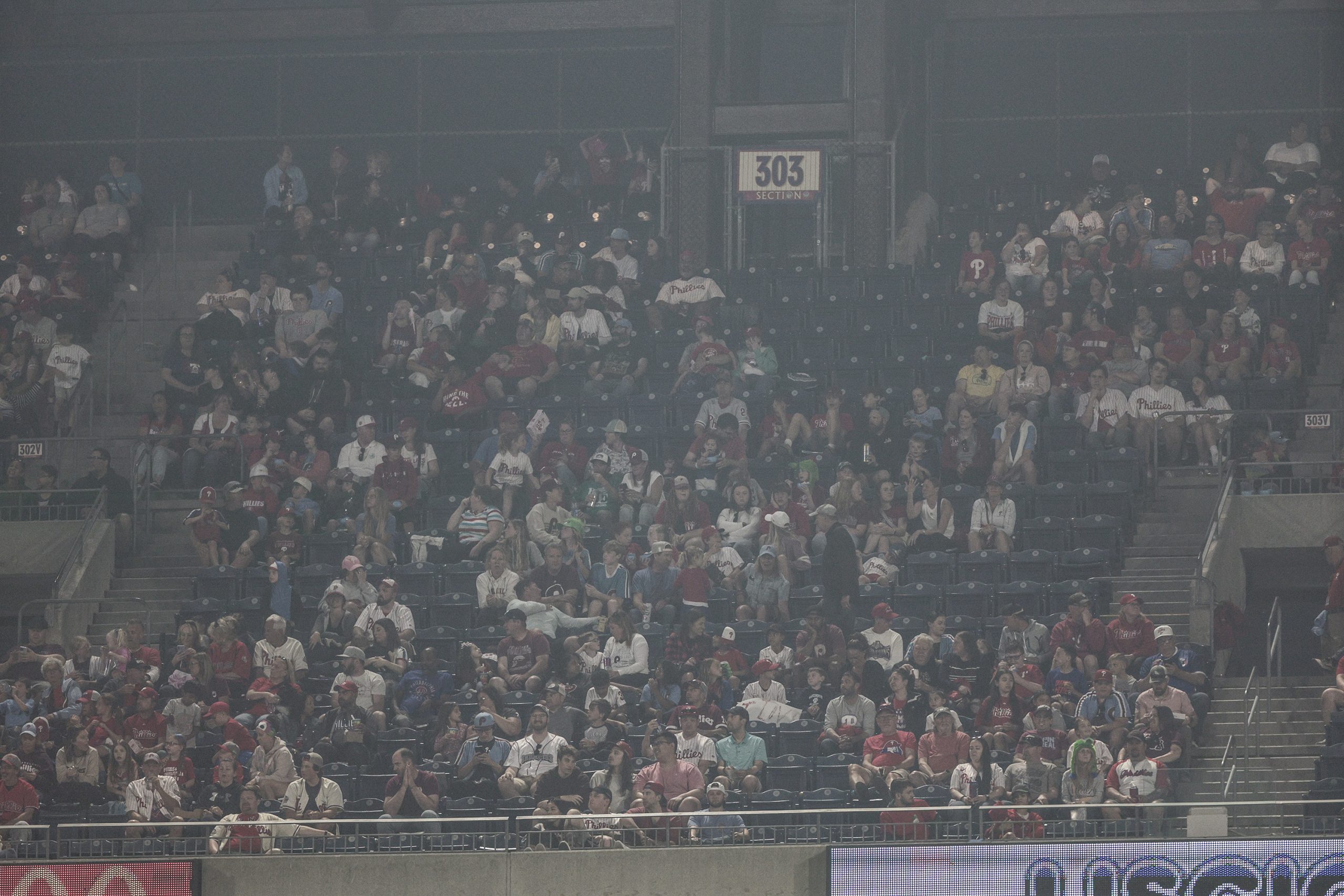
    The Phillies were forced to play in smoky conditions in June 2023, ultimately forcing the team to postpone a game.Steven M. Falk / Staff Photographer

    Wildfire smoke from Canada is creating air quality issues in Philadelphia, threatening to derail the Phillies’ return to the diamond.

    The Phillies are scheduled to kick off a three-game series against the New York Mets Thursday at Citizens Bank Park beginning at 7 p.m., but the game could be postponed if conditions in the city don’t improve.

    As of 9:30 a.m., Philadelphia’s Air Quality Index was 181, solidly in the middle of the “unhealthy” range, which means conditions are bad enough for members of the general public to experience health effects.

    Air quality levels are expected to fluctuate during the day, but issues are forecast to linger through tonight and potentially into Friday, according to Paul Fitzsimmons, lead meteorologist at the National Weather Service’s Mount Holly office.

    “I think this evening there still will be air quality issues the Philly area and surrounding areas” Fitzsimmons said. “It’s tough to say exactly how bad they will be.”

    The Phillies did not respond to a request for comment. The team isn’t scheduled to play Friday, so shifting the game back a day wouldn’t create much of a scheduling headache.

    It wouldn’t be the first time the Phillies were impacted by smoke. In June 2023, the team postponed a game against the Detroit Tigers due to air quality issues stemming from Canadian wildfires.

    The Phillies-Mets game is the only MLB matchup on the schedule Thursday, as the league restarts following the All-Star break. MLB games scheduled Friday in Toronto, Boston, and New York City, which are all experiencing air quality issues.

    The Washington Spirit defeated Gotham FC in National Women’s Soccer League action Wednesday night at Citi Field in New York City, and players said the smoky air had an impact.

    “Air quality was rough,” Trinity Rodman said after the game, according to The Athletic. “Not to make excuses at all, but I think on both sides we were all like, ‘another break, another break, another break.’”

    Air quality is expected to improved for Sunday’s men’s World Cup final between Spain and Argentina, which will be played at MetLife Stadium in East Rutherford, N.J.

    — Rob Tornoe


    // Timestamp 07/16/26 8:00am

    Smoke in Philly could linger into Friday afternoon
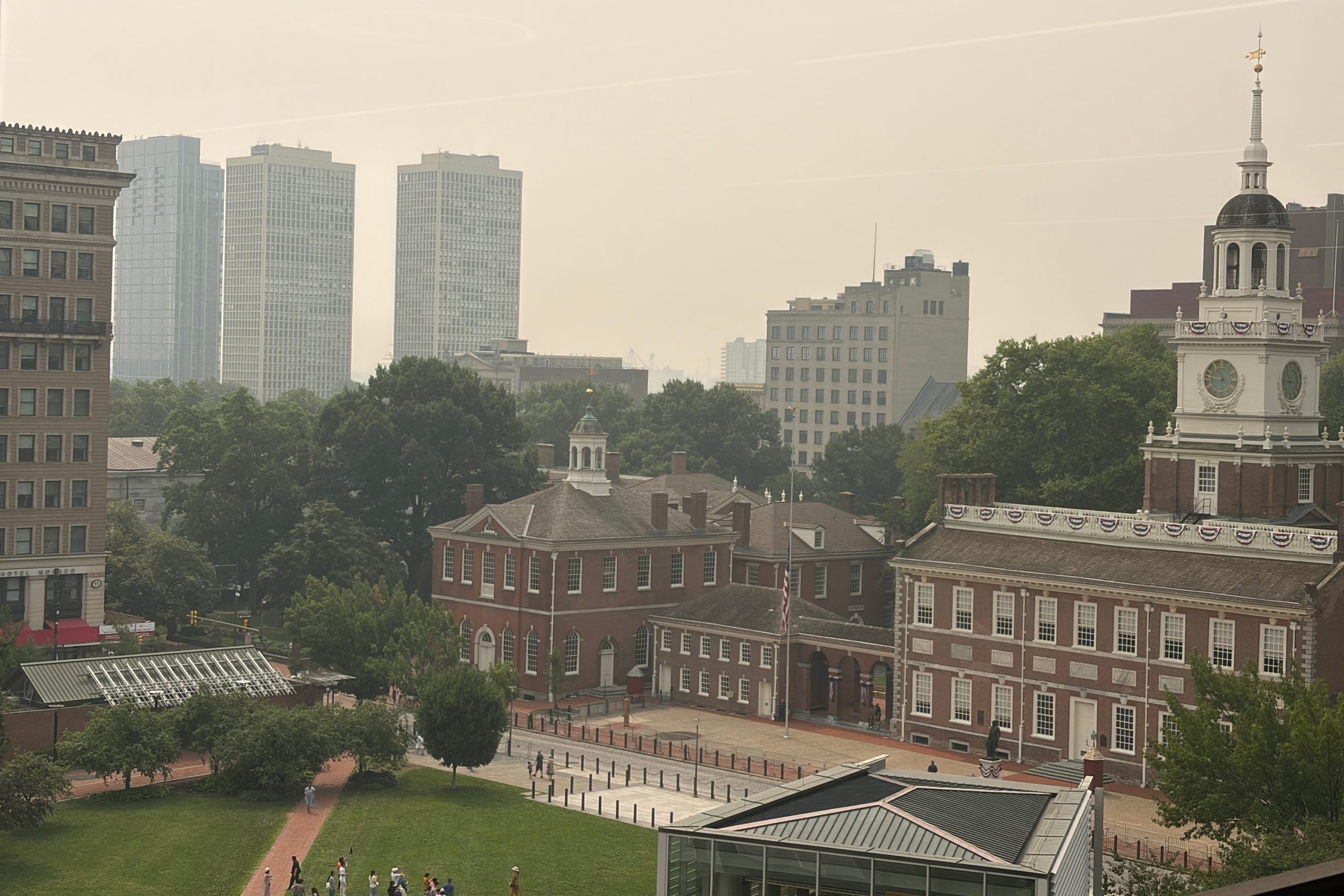
    Hazy skies at Independence Hall and across Center City Philadelphia Thursday.Michelle Myers / staff

    The smoke we’re experiencing in Philadelphia is from fires burning in western Ontario and the impact could be felt through at least Friday afternoon, said Sarah Johnson, a meteorologist at the National Weather Service’s Mount Holly office.

    The smoke had been lingering high in the atmosphere since Tuesday, but changing wind patterns caused it to mix closer to the ground by late Wednesday afternoon, she said.

    “It’s just a factor of the winds at all levels kind of working together,” Johnson explained.

    Visibility in the immediate Philadelphia area has dropped to between three to five miles. Visibility of beyond six miles is typical for a sunny, smoke-free day.

    Visibility worsens farther north, Johnson said. In the Poconos and Central New Jersey, for example, it has dropped to around one to two miles. Reading is at two miles.

    Johnson said that conditions are similar to, but not quite as severe yet, to June 2023 when smoke from Canadian wildfires were so bad they caused the Phillies to postpone a game against the Detroit Tigers.

    It’s difficult to pinpoint when the air quality might return to normal, she said. Those forecasts come from state environmental protection departments and are usually no more than 48 hours out.

    But she expects the haze to persist through Thursday and Friday, and that air quality could potentially deteriorate further overnight.

    “Getting the exact visibility is still pretty challenging when we’re talking about smoke, more than several hours out,” Johnson cautioned.

    — Frank Kummer


    // Timestamp 07/16/26 7:49am

    Air quality in Philly ‘unhealthy’ due to wildfire smoke

    You might want to skip that morning run or wait a few days to mow the lawn.

    Smoke from hundreds of Canadian wildfires has descended over the Philadelphia region, casting a haze, causing a campfire-like smell, and producing poor air quality.

    The Air Quality Index by the U.S. Environmental Protection Agency is in the unhealthy range for Center City, Northeast Philadelphia, Chester, Norristown, and Camden. The index ranges from 0 to 500. Unhealthy is from 151 to 200. Center City was the highest in the area at 184, as of 7:30 a.m.

    (function () {window.addEventListener(‘message’, function (e) { var message = e.data; var els = document.querySelectorAll(‘iframe[src*=”‘ + message.id + ‘”]’); els.forEach(function(el) { el.style.height = message.height + ‘px’; }); }, false); })();

    The index measures a range of pollutants, including really fine particulate matter, known as PM2.5; carbon monoxide; sulfur dioxide; and nitrogen dioxide.

    The National Weather Service has issued an air quality alert until midnight Thursday.

    And the Pennsylvania Department of Environmental Protection has issued a Code Red Air Quality Action Day for fine particulates. An Air Quality Action Day means that air quality within the region may approach or exceed unhealthy standards.

    Code red means that young children, elderly people, and those with respiratory problems, such as asthma, emphysema, and bronchitis, are especially vulnerable and should avoid outdoor activities. Everyone else should reduce prolonged or heavy exertion.

    In addition, the NWS has issued a heat advisory until 8 p.m. Thursday with the heat index to hover near 100.

    — Frank Kummer


    // Timestamp 07/16/26 7:26am

    Code red air quality alert has been issued for the Philly area
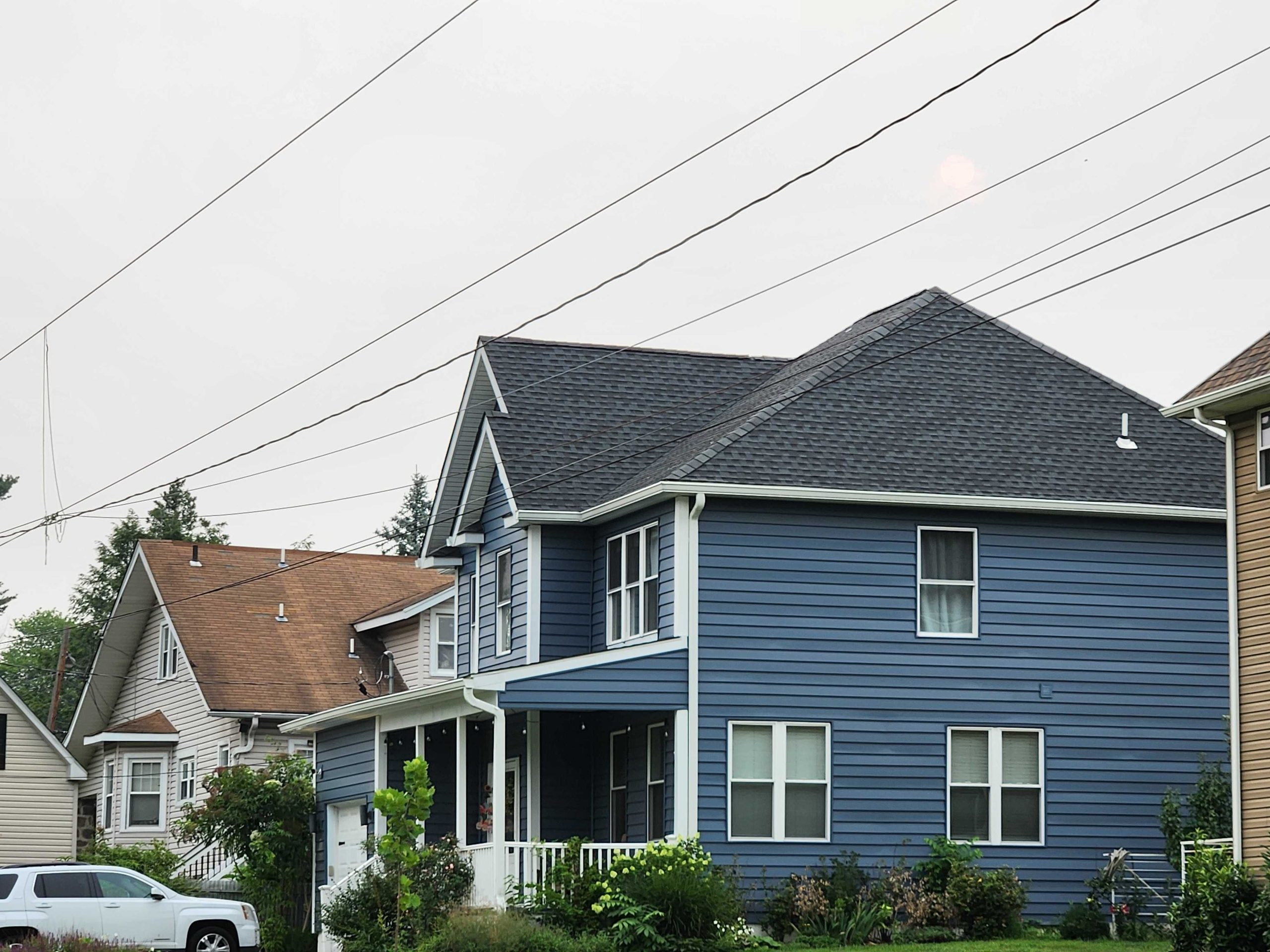
    The sun tries to peek through the clouds and wildfire smoke from Canada over houses in Ridley Park Thursday.Torin Sweeney / Staff

    Smoke from Canadian wildfires began enveloping the region Thursday, creating a haze, a faint smell of charcoal, and a potential danger for people with respiratory issues.

    The National Weather Service has issued a code red air quality day for Philadelphia and surrounding counties through midnight. That means air quality across the region is forecast to approach or exceed unhealthy standards.

    By daybreak, air quality was tumbling to unhealthy levels in Philadelphia and a broad swath of Pennsylvania and New Jersey, according to an Inquirer analysis of dozens of public sensors.

    Early Thursday morning, the amount of fine particulate matter in the air, measured by the Environmental Protection Agency in a metric called the Air Quality Index, or AQI, had risen sharply.

    Air with an AQI above 150 is considered unhealthy to breathe with prolonged exposure for most individuals, according to the EPA. In air quality alerts issued by the National Weather Service, forecasters recommended avoiding prolonged outdoor exposure, and particularly avoiding common activities like exercise.

    It was unclear when the smoke would dissipate across the region, but the National Weather Service said it could linger into Friday.

    — Stephen Stirling


    // Timestamp 07/16/26 7:27am

    This map shows air quality in the Northeastern U.S.

    (function () {window.addEventListener(‘message’, function (e) { var message = e.data; var els = document.querySelectorAll(‘iframe[src*=”‘ + message.id + ‘”]’); els.forEach(function(el) { el.style.height = message.height + ‘px’; }); }, false); })();


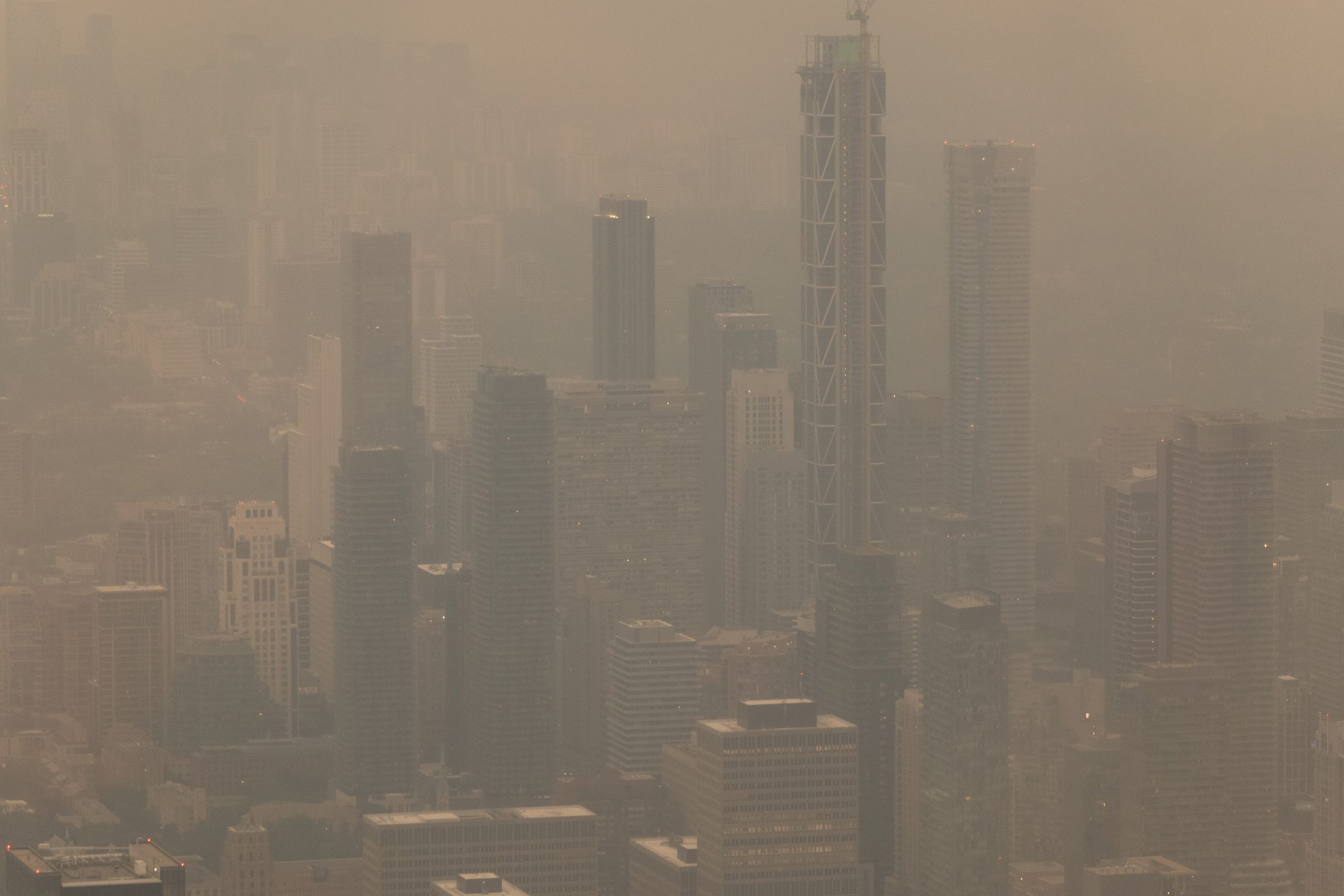
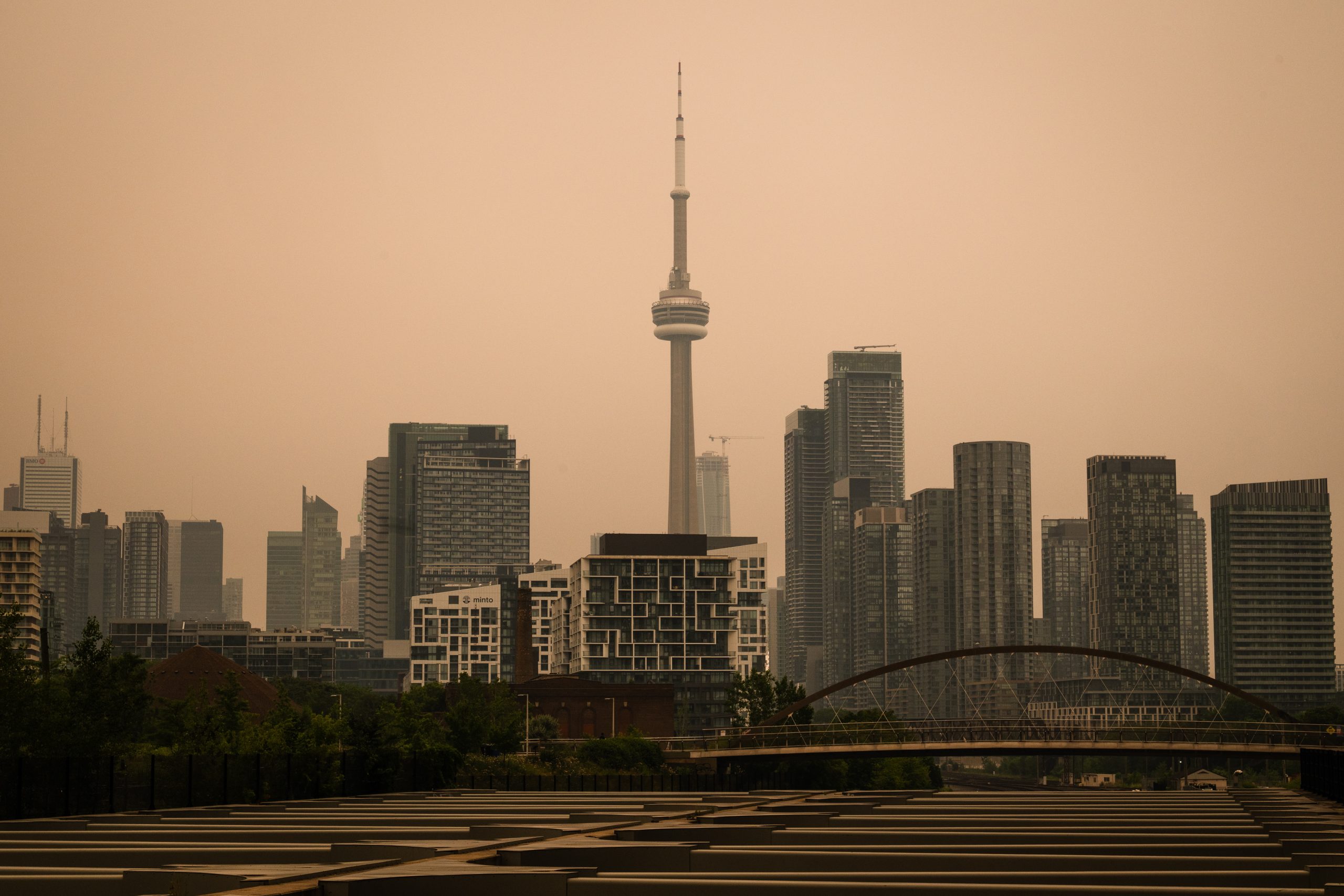
    Canadian wildfire photos: How things look elsewhere

    Julian McTaggart is playfully pushed into Vermont’s West River as smoke from Canadian wildfires creates an orange haze over the area.Kristopher Radder
    Wildfire smoke blankets downtown Toronto Wednesday after wildfires swept across Ontario.IAN WILLMS
    The CN Tower is pictured in Toronto as wildfire smoke fills the city.Laura Proctor

    // Timestamp 07/16/26 7:28am
  • Holiday weekend heat-deaths in N.J. labeled ‘mass casualty event’ by advocates

    Holiday weekend heat-deaths in N.J. labeled ‘mass casualty event’ by advocates

    Heat-related deaths in New Jersey appear to have shot up roughly five-fold over last summer following a holiday weekend with record-high temperatures, prompting advocates to urge the state to do more to protect vulnerable residents.

    New Jersey reported 29 heat-related deaths between July 2 — when state data show temperatures in New Jersey peaked at 108 degrees — and July 6, according to state health officials, up from six such fatalities last summer.

    Roughly a dozen of the deaths involved people who were unhoused or living in their cars, said Connie Mercer, CEO of the NJ Coalition to End Homelessness.

    “Really we had a mass casualty event,” Mercer said.

    Mercer and others want the state to expand its network of emergency cooling centers and take other steps to better protect those who are living or working outside from the impact of extreme temperatures.

    State health officials did not provide specifics on the recent heat-related deaths, which must still be confirmed by autopsies, but they said most occurred in north and central New Jersey and involved people of all ages, not just elderly residents. Some were found in homes without air conditioning, while others died on the street or in parked cars, they said.

    The heat also led emergency rooms to diagnose 132 people with heat-related illnesses on July 3, the highest single-day total in several years. Between July 2 and July 6, more than 350 people sought emergency care for heat issues, state data show.

    “This is not a typical summer heat wave and it’s really important that we all take it seriously because it can become life-threatening very quickly,” state health commissioner Raynard Washington said at a July 4 press conference on storm damage and heat impacts.

    New Jersey has reported heat-related fatalities in the single-digits for most years since 2000, when there were just two such deaths, according to health department data. Deaths peaked at 11 in 2002 and reached 10 in 2011 but fell to three in 2024.

    The recent high death toll underscores the need to do more to protect those who work outdoors, according to state Sen. Joe Cryan (D., Union), who has championed a bill to create a state program to reduce occupational heat stress.

    The bill, which has yet to get a hearing, calls for farms, amusement parks, and other outdoor job sites to provide water and shade breaks, and monitor workers for heat stress, among other things.

    “Twenty-nine heat-related deaths is a staggering figure for one of the wealthiest states in the nation,” Cryan told the New Jersey Monitor, adding that he is renewing his push for worker protections and believes Gov. Mikie Sherrill “should be leading the charge for it.”

    Sherrill’s office declined to comment but pointed to a broadcast interview the governor gave earlier this week about the impacts of the recent extreme weather, in which she said she was open to new ways to better serve the public during storms and heat waves. She said state agencies had sought to warn residents through social media and other channels and noted her office had worked closely with counties to establish cooling centers.

    The governor also announced a new heat-health website during a July 4 press conference and urged residents to look out for each other during the extreme temperatures.

    “Extreme heat is the number one weather-related killer in America, and this is the hottest stretch we’ve seen in over 14 years. And the heat is hitting all of us — not just seniors, not just people with underlying conditions. People of all ages,” Sherrill said.

    Advocates like Mercer said extreme temperature was only part of the problem. The recent deaths were preventable, she said, a result of systemic policy failure. New Jersey needs to do more to create affordable housing and support shelters, and to invest in emergency sites to keep people cool on dangerously hot days, she said.

    “Quality shelter in a variety of forms would make sure that not too many people died horrible deaths out in the sun,” she told the New Jersey Monitor.

    According to the most recent annual point-in-time count, more than 13,700 people in the state were considered homeless in 2025.

    Heat-related illnesses occur when the body can’t properly cool itself, according to the health department, and the higher the temperature, the greater the risk. Infants, older adults, and people with chronic health conditions like diabetes, cardiovascular issues and respiratory diseases are most in danger, it notes.

    Kelvin Boddy, director of healthy homes and communities with the Housing and Community Development Network of New Jersey, said the recent fatalities underscore the need for a statewide “code red” alert system for extreme heat, like the “code blue” warnings now in place for deep freezes.

    As it is, Boddy said a handful of urban centers have instituted comprehensive responses to heat events, with designated cooling centers and clear strategies to communicate these options to residents. A pilot program adopted last year and backed by $2.5 million in state funds calls for similar programs in the five counties with the highest homeless rates: Essex, Burlington, Hudson, Union, and Mercer.

    Work on the pilot is progressing slowly however, Boddy said, and the need for cooling services stretches statewide. “Clearly, as we saw with the recent statewide heatwave, this is needed outside the five counties,” he told the New Jersey Monitor.

    Mercer said the code red program, while well intentioned, is not enough to address the need. “It’s a joke,” she said.

    This story originally appeared on New Jersey Monitor.

  • N.J. funds schools to build pipeline of air traffic controllers amid ongoing shortage

    N.J. funds schools to build pipeline of air traffic controllers amid ongoing shortage

    New Jersey officials have given three public colleges $3.5 million in state funding to train aviation professionals, amid a national shortage of certified air traffic controllers that has led to mounting safety concerns and flight delays.

    The state Office of the Secretary of Higher Education announced Tuesday that Kean University and Atlantic Cape Community College got $1.5 million each, and Warren County Community College received $500,000 under a grant program intended to grow New Jersey’s pipeline of aerospace professionals.

    Those schools offer curricula aligned with the Federal Aviation Administration’s Air Traffic-Collegiate Training Initiative, which gets graduates to on-the-job training faster by allowing them to bypass some standard FAA Academy requirements.

    School administrators will use the money to expand aviation and aerospace programs.

    Kean plans to create a new FAA-aligned bachelor of science degree in aviation management, expand its drone minor into a drone operations major, house a Center for the Study of Unidentified Aerial Phenomena, create a similar center focused on drones at its Skylands campus, and partner with K-12 schools to develop a pre-college aviation and drone pipeline program, according to the Office of the Secretary of Higher Education.

    Atlantic Cape Community College plans to expand its FAA-aligned curriculum, add advanced simulation training, and expand teaching staff. Warren County Community College plans to develop an air traffic control certificate program and add an airport management and operations course.

    “By supporting institutions to build programs and enhance training opportunities that feed into FAA certification pathways, we are developing routes into well-paying, stable careers for residents who will serve New Jersey and the nation over the decades to come,” Acting Secretary of Higher Education Margo Chaly said in a statement.

    The funding came from former Gov. Phil Murphy’s final budget and was distributed last month.

    The Trump administration announced a plan last year to “supercharge” hiring to reduce a shortage of 3,000 air traffic controllers nationally. The move came after a deadly air crash in Washington, D.C., and chaos from coast to coast, including at Newark Liberty International Airport.

    The number of applicants spiked, but the shortage persists due to an increase in flights, high workforce attrition, difficult and lengthy training requirements, and the lingering impact of pandemic and government shutdowns, the U.S. Government Accountability Office found in January.

    This story originally appeared on New Jersey Monitor.

  • Temple Hospital asks public for help identifying patient

    Temple Hospital asks public for help identifying patient

    Editor’s note: The patient has been identified, Temple officials said Wednesday afternoon.

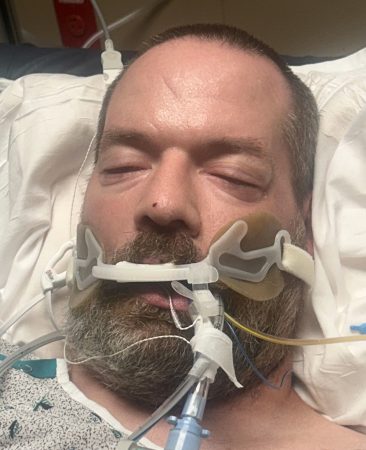
    Temple Health seeks help from the community identifying a patient at its main hospital in North Philadelphia.

    The health system on Wednesday released a photo of the patient, who appears to be in his 50s and was admitted to Temple University Hospital on June 8. It hopes to locate his friends and family.

    Anyone with information can call 215-707-2000.

  • How to stay cool without air conditioning in Philly

    How to stay cool without air conditioning in Philly

    Summer in Philly is always hot.

    There are lots of air conditioned spaces you can go to for relief. Organizations like the Pennsylvania Department of Health have always recommended going to air-conditioned spaces — like a mall or library — to protect yourself from heat-related problems.

    “With extreme heat, it is always important to remain cool, possibly in air-conditioned atmospheres,” state health department of health press secretary Maggi Mumma said in 2020.

    There are, however, some things you can do at home to keep a little cooler if you are AC-less this summer. Here is what you need to know:

    How to cool your body down

    Let’s start with the basics: One key way to fight heat-related discomfort is to drink lots of cool water, which can both keep you hydrated and help cool you down. Sugary or alcoholic beverages can cause you to lose more body fluids. Dr. Joseph Teel, an associate professor of family medicine and community health at Penn Medicine, says you should drink water frequently.

    How much? There is no one-size-fits-all answer. How much you need to drink can vary if you have health conditions such as congestive heart failure, Teel says, or be exacerbated by your environment, level of exercise, and overall health. One tip: Don’t wait until you are thirsty to drink, the state health department says.

    When someone suffers heat exhaustion on a sports field, Teel says an ice bath can help bring down their temperature. You can take the same approach. A cold bath or shower, he says, can help but is not a permanent solution because “you can’t stay in the shower all summer.”

    You can use cool compresses, Mumma says, to help cool down. Making one is simple: Just wet a washcloth or towel in cold water, and put it on your body. Where should you put it? Some of the most effective areas, Teel says, are around your neck and on your groin, and if you’re at home, you can try using them with minimal clothing on to hit a few areas at once.

    You can step up that technique by using fans to make it an “evaporative process,” Teel says. “If we have water on our skin and it evaporates, it takes with it some heat,” he says. Put on your cold compress and use a fan to blow air across your skin, which Teel says can “cool you down a little faster than just a cold cloth itself.”

    Beating the heat in Love Park fountain, during a hot summer day in Philadelphia.JOSE F. MORENO / Staff Photographer

    How to cool down your house

    Use fans wisely. Fans can be one of the best ways to keep cool — but there are right and wrong ways to use them. The city, for example, says you should never use a fan with your windows closed, which can create an “oven effect” by circulating hot air inside your home.

    Fans can be more effective when the heat of the day is over, and you can open your windows to allow the cool night air in, Teel says. One of the best ways to create airflow is to put a box fan in an open window at one end of your space blowing air in, and another fan in a window blowing air out at the other end.

    And if your home has ceiling fans, make sure the blades are rotating counterclockwise during hot weather. That way, the fan will push air down into your space to create a breeze. (Many ceiling fans have a directional switch on their motor that controls the direction in which they spin.)

    There are more ways to keep your home cool.

    Think about when you use your appliances. The Pennsylvania Utility Commission, for example, says that you should wait to use any appliances that generate heat — such as dryers, dishwashers, and ovens — until after 7 p.m. to avoid heating up your home unnecessarily. Turning off other nonessential appliances and lights is also a good idea.

    Keep your blinds closed during the day. The sun, Teel says, can heat up your home faster, like a greenhouse. The PUC recommends spending time in rooms that are not hit with direct sunlight during the day.

    City pools were closed in 2020, but will reopen for the 2021 summer.TOM GRALISH / Staff Photographer

    If you’re going to buy an AC

    Window air conditioners are much cheaper and more convenient to install than central air, and if you can afford one, it may be a good time. However, there are some things to consider when buying a window unit.

    As Consumer Reports points out, you will want to get an AC that is appropriately sized for the room you are trying to cool. If it’s too small, it will have trouble cooling the room; if it’s too big, it will cool the room quickly but leave too much moisture behind. A good rule of thumb is for the unit to have 20 BTUs (British Thermal Units) of cooling power for every square foot of space in the room.

    And if you need help with utility costs this summer, funding from the Low Income Home Energy Assistance Program is available for qualified residents, a city spokesperson says.

    Think about when you go out

    The health department recommends staying indoors as much as possible and limiting exercise during the hottest parts of the day, Mumma says. However, if you have to go out, stay in the shade as much as possible and wear sunscreen, a ventilated hat, and sunglasses.

    If you need to go shopping, Teel says, “look ahead in the week, and pick a cooler day. Avoid the time when you will be subjected to midday heat.”

    At home, Teel says, wear as little clothing as possible. When out and about, consider using light-colored, loose-fitting clothes made of breathable, light materials like cotton that let air to circulate around you.

  • Top court orders disclosures in N.J. cops’ use of facial recognition technology

    Top court orders disclosures in N.J. cops’ use of facial recognition technology

    As police increasingly rely on a controversial investigative tool called facial recognition technology to identify crime suspects, New Jersey’s top court gave defense attorneys a win Wednesday, ordering prosecutors to more fully explain how they used the technology in a Jersey City murder case.

    New Jersey Supreme Court Justice Douglas Fasciale, in a unanimous ruling, wrote that prosecutors were wrong to deny Tybear Miles’ discovery demand for details on which facial recognition software investigators relied on to arrest him in the June 2021 shooting death of Ahmad McPherson and how exactly they used it.

    The technology is controversial because misidentifications have resulted in at least eight wrongful arrests nationally, with research showing it most often fails at identifying people of color, women, children, and elderly people. It also has gone largely unregulated both in New Jersey and nationally, alarming civil rights advocates.

    Wednesday’s ruling builds upon a 2023 state appellate decision that required prosecutors to hand over 13 items related to the facial recognition software police used to charge Francisco Arteaga in a West New York armed robbery case.

    Fasciale rejected any “mechanical application” of the Arteaga decision to other cases involving facial recognition technology, saying judges must decide such challenges based on case specifics.

    Still, he said, fairness demands that defendants be able to scrutinize which tools police used to criminally charge them, both to challenge the tools’ reliability and to determine how police identified them as a suspect, examine whether the investigation was thorough, and demonstrate the possibility of another culprit.

    “Although we reject a rigid checklist for [facial recognition technology] discovery, we note that such basic information will, in most cases, constitute the minimum necessary to safeguard a defendant’s right to a fair trial,” Fasciale wrote.

    Attorney Dillon Reisman, who had argued before the court on behalf of the ACLU of New Jersey, called the decision “a really big win against the use of secret, opaque technology by law enforcement.”

    “It’s a really positive sign that our court takes really seriously that new technologies are subject to constitutional safeguards,” Reisman said.

    Tamar Lerer, deputy of the New Jersey Office of the Public Defender’s forensic science unit, had argued the case in court, too, and also applauded the ruling.

    “Facial recognition technology may be novel, but the ability of people accused of crimes to find out how and why they were investigated is not,” Lerer said.

    In Miles’ case, none of the crime’s eyewitnesses identified him as the shooter or even placed him at the scene, according to the ruling.

    Instead, police identified him as a suspect after showing a confidential informant footage from surveillance cameras of six Black men seen nearby. That informant, who was not at the scene and did not see the slaying, identified Miles on the footage by his nickname (“Fat Daddy”) and Instagram handle, according to the ruling. Miles’ sister and ex-girlfriend also identified him as one of the men caught on camera.

    Police then ran two facial recognition technology searches using Miles’ Instagram profile picture, according to the ruling. One search returned 10 possible matches and listed Miles as the eighth-likeliest match, while another search also produced 10 possible matches, the first five of which pictured Miles, the decision says.

    After defense attorneys demanded more details about the facial recognition technology investigators used, a trial judge ordered prosecutors to turn over the same 13 items the appellate panel in Arteaga’s case specified. Prosecutors appealed, a state appellate court denied their motion, and the Supreme Court agreed to consider the case.

    Fasciale upheld most of the lower court’s rulings, ordering prosecutors to hand over “basic information,” including the name and manufacturer of the software police used to search for suspects and its performance metrics, including error rates. He also directed prosecutors to provide “straightforward items” related to how investigators used the technology, including the original photograph police used as the “probe photograph,” edited copies of that probe photograph, and the photographs the technology identified as matches.

    He reversed one particular part of the lower court’s rulings, though, rejecting the defense’s request for proprietary information, including the software’s source code. Miles’ attorneys had not proved a need for that information, Fasciale said. But if they do as the case progresses, the court can reconsider that request then, he added.

    Lerer cheered that part of the ruling, too, saying it recognizes that “commercial concerns must yield to constitutional rights.”

    Reisman noted that New Jersey still has not regulated facial recognition technology more than four years since the attorney general’s office solicited public input as a first step toward shaping statewide policy on its use by law enforcement.

    Former Attorney General Gurbir Grewal in 2020 barred agencies from using one specific facial recognition technology app, Clearview AI, but little is known about how many of the state’s 500-some law enforcement agencies use the technology and how.

    Dan Prochilo, a spokesperson for Attorney General Jen Davenport, called facial recognition technology “a valuable tool for investigating and solving crimes.”

    “We welcome today’s Supreme Court ruling, which thoughtfully accounts for constitutional rights while confirming that defendants are not automatically entitled to unnecessarily burdensome, proprietary information that would short-circuit vital, well-conducted investigations and prosecutions that make New Jerseyans safer every day,” Prochilo said.

    In Miles’ case, officers used a facial recognition system that is part of a multiagency initiative to crack down on illegal drugs in New Jersey and New York. That effort, known as a high intensity drug trafficking area task force, involves officers from federal, state, county, and local agencies in New Jersey and New York.

    Those multiple jurisdictions and diffused investigations have made it tough for people arrested through the task force’s efforts to understand how they became criminal defendants, Reisman said.

    “We still don’t even really know what government agency is ultimately responsible for the facial recognition system,” he said. “We don’t know anything about it, and because of that, we can’t even hold it accountable.”

    This story originally appeared on New Jersey Monitor.

  • State watchdog finds crowded, dirty conditions at South Jersey prison

    State watchdog finds crowded, dirty conditions at South Jersey prison

    While state and federal lawmakers have blasted the Trump administration for deplorable conditions at Newark migrant jail Delaney Hall, New Jersey’s prisons watchdog has issued a new report detailing overcrowding, intolerable heat, and other deficiencies at Bayside State Prison in Cumberland County.

    Bayside, one of the state’s largest lockups, now houses almost 1,300 people, more than twice its capacity, according to the report released Tuesday by the state corrections ombudsperson’s office. The mixed-security prison, which opened in 1971 in Leesburg, was built to hold 504 people.

    “Turning single-occupancy rooms into double-occupancy rooms … leaves each incarcerated person with significantly less storage and personal space,” the report says.

    The crowding is compounded by the closure of Bayside’s dining hall, which is now used for storage, the report says. That closure forces prisoners to eat all three meals while perched on their beds or foot lockers in their cramped cells, which at 70 square feet are about the size of a parking space.

    Inspectors from the ombudsperson’s office also found old, thin mattresses; birds in the kitchen and housing units; and dirty showers, among other problems.

    The prison lacks air conditioning, so inspectors also encountered stifling heat during summer inspections, with temperatures reaching 94 degrees in cells and shared spaces and 116 degrees in the kitchen, according to the report.

    State health inspectors, who last inspected Bayside in November 2023, also dinged the prison for a “repeat deficiency” for the presence of insects or rodents, the report says.

    The ombudsperson’s office recommended that Department of Corrections officials allow people to eat meals outside their cells in a courtyard area or day rooms if they cannot reopen the dining hall, and to improve cleaning of kitchen equipment and showers, among other things.

    Officials have tried to improve some problems, such as replacing mattresses and exhaust fans and vents in shower areas, as well as putting up barriers to keep out birds, the report says.

    Reopening the dining hall, which has been closed since 1997, is “not logistically feasible” because of cost, staffing, and security concerns, the department said in a response to the report. They said they won’t move meals to common areas, also citing security reasons.

    This story originally appeared on New Jersey Monitor.

  • Advocates say Delaney Hall detainees have ended hunger strike

    Advocates say Delaney Hall detainees have ended hunger strike

    A hunger and labor strike by detained immigrants at Newark migrant jail Delaney Hall that drew national attention and sparked weeks of violent protests outside the detention center has effectively ended, immigration advocates said Monday.

    The detainees ended their strike because of the actions taken by the jail’s guards, and not because conditions behind bars have improved, the advocates said.

    “Because of the intimidation tactics, the disciplinary consequences for folks to be placed in segregation, [detainees] have now resorted to going back to job assignments and eating,” said Sally Pillay, an advocate with Eyes on ICE who has spent months outside of the migrant jail aiding families of detainees.

    A request for comment from the U.S. Department of Homeland Security was not immediately returned. Federal officials have said for weeks that detainees never engaged in a hunger or labor strike.

    More than 300 detainees inside the immigration detention center said they launched the strike May 22 to call attention to what they called inhumane conditions, including inedible food and poor treatment by guards. Delaney Hall soon became a national flashpoint, attracting members of Congress, state officials, and sustained crowds of protesters to Doremus Avenue in Newark on a near-daily basis.

    Amy Torres, the executive director of New Jersey Alliance for Immigrant Justice, speaks outside Delaney Hall on Tuesday, Dec. 23, 2025.Anne-Marie Caruso/New Jersey Monitor

    Amy Torres, executive director of the New Jersey Alliance for Immigrant Justice, said the tactics used to break the strike are nothing new. Some detainees were transferred out of the facility as a “means of punishing them for being part of that dissent,” she said.

    Torres said among those transferred was a 20-year-old man who crossed the border at 18. He was transferred in the last two days and his location remains unknown as of Monday, she said.

    “There are hundreds more that have disappeared,” Torres said. “There’s no way to account for where they are. Are they OK? What’s going on with them? It’s pure heartbreak.”

    Pillay said activist groups have tracked detainees to facilities in Louisiana, Texas, Pennsylvania, California, Arizona, and Colorado.

    “These transfers have had devastating consequences,” she said. “We know that these facilities are in remote locations where people do not have access to their lawyers, to their families, and their support networks.”

    She noted that detainees in the units most active in the strike were deliberately broken up, with people dispersed throughout the facility. Detainees have also raised new concerns inside the jail, like discolored drinking water and weeks without access to hot water, Pillay said.

    Family visitation, which was briefly suspended during the strike, was reinstated with sharp restrictions. Pillay said visitations have been cut to 30 minutes, are only offered twice a week in some units, and are limited to immediate family members on an approved list. She said Geo Group — the private company that runs the detention center — has not posted information about the new visitation schedule online, so families show up expecting the old schedule and are turned away.

    Detainees have also been blocked from speaking with members of Congress conducting oversight visits. Detainees must now sign a privacy waiver, provided only in English, before a member of Congress can speak with them, and forms must be submitted in advance of the visit, a process Pillay said is “to probably intimidate and use retaliatory tactics against the individuals who speak out.”

    On Father’s Day, Pillay said of the 80 family members who arrived to visit loved ones, more than 30 were turned away.

    “We saw heightened emotions, distraught families, and loved ones outside,” she said.

    Dozens showed up for a protest Sunday. Some tied neckties to the fence outside the jail in honor of the fathers who remain detained and some held up signs that read, “Free the dads.”

    One protester holding an upside-down American flag near the driveway of the prison was hit by a car entering the jail parking lot, video shows. Newark Public Safety Director Emanuel Miranda said the incident is under investigation.

    “Federal agents are brutal, abusive, and reckless with the public,” Torres said. “We can only imagine what they’re doing to people in detention behind closed doors.”

    This story originally appeared on New Jersey Monitor.

  • unCovering the Birds: Is Julian Lurie Cut Out to Run the Eagles?

    unCovering the Birds: Is Julian Lurie Cut Out to Run the Eagles?

    Jeffrey Lurie has owned the Philadelphia Eagles, which he purchased in 1994, longer than his son, Julian, has been alive. But in recent years, the younger Lurie, heir to the franchise and now 31, has assumed a more pervasive and influential role in the organization. While the Eagles have made no secret about Julian’s increased involvement with the team, specifics about his role have been scant.

    In recent months, The Philadelphia Inquirer’s Jeff McLane spoke to nearly two dozen sources on and off the record to gain a better understanding of not just who Julian Lurie is and what he does, but – most important of all – whether he’ll be ready to assume the reins as Eagles Chairman and CEO, whenever the time comes.

    Jeff shares the biggest takeaways from his reporting with Inquirer columnist Mike Sielski in this companion episode to Jeff’s feature article about the Eagles’ succession plan, linked here: https://www.inquirer.com/eagles/a/julian-lurie-influence-eagles-ownership-succession-plan-20260617.html

    unCovering the Birds is a production of The Philadelphia Inquirer and KYW Newsradio Original Podcasts. Following this episode, the podcast will be on hiatus until the start of training camp.

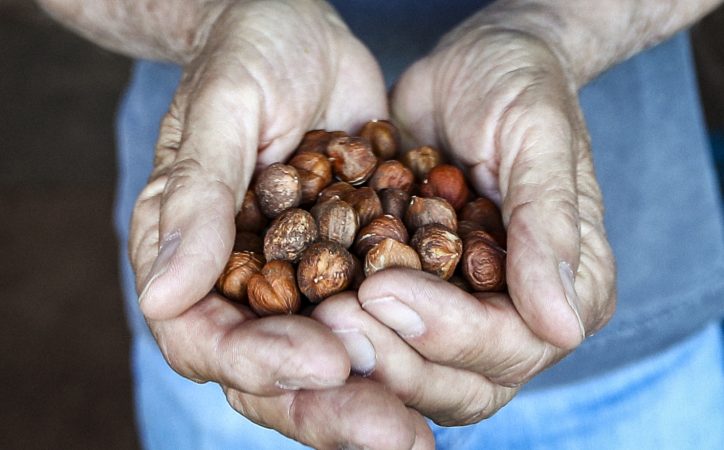
  • Farmers hope to make New Jersey the hazelnut capital of America

    Farmers hope to make New Jersey the hazelnut capital of America

    RINGOES — The first time Ozgur Tunceli planted hazelnut saplings on her Hunterdon County farm, deer came through and ate them to the ground.

    The next time, her goats did the same.

    “Imagine me sitting there and crying and regretting everything that I did,” she said. “I said, ‘I should sell this farm and just go back to my suburban life.’”

    Instead, she got an electric fence. Now, four years after she set out to become a hazelnut farmer, Tunceli has close to 1,000 trees planted on her hilly, sprawling property in Ringoes. She’s part of a small but widening group of pioneers who are working to make hazelnuts as much of a signature New Jersey crop as tomatoes, blueberries, corn, and cranberries.

    “We are really trying to build an entire industry here,” Tunceli said.

    The state wants to help, said Ed Wengryn, the state’s agriculture secretary.

    Officials are eyeing incentives to offset high startup costs and entice more farmers into growing the trees, Wengryn said.

    And Sen. Andrew Zwicker (D-Middlesex), whose district office is just up the road from a hazelnut farm in Hillsborough, is seeking $6.5 million in state funding to help growers buy equipment to sort, shell, and package nuts for sale and secure a processing site. He envisions hazelnuts at every Garden State farm stand and a New Jersey version of Nutella on supermarket shelves someday.

    “The potential for New Jersey to become a major player in hazelnut production is enormous,” Zwicker said. “I don’t think New Jersey peaches, blueberries, and tomatoes are going away, but I think if we get this right, we will be known worldwide as a hazelnut producer.”

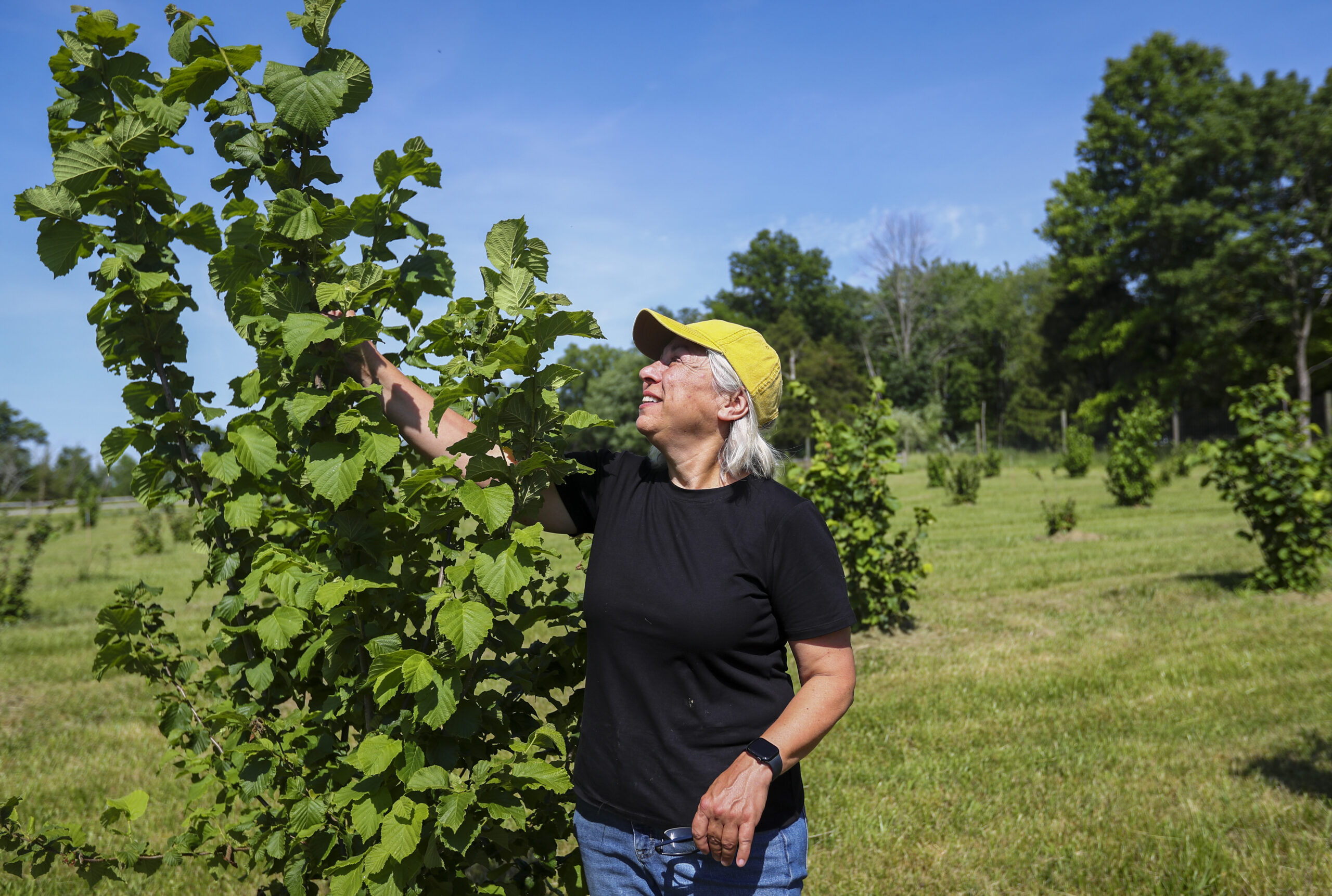
    Ozgur Tunceli shows one of the few of her hazelnut trees that is taller than she is on June 5, 2026, at Our Farm by the Creek, her hazelnut farm in Ringoes.Dana DiFilippo/New Jersey Monitor

    Some hazelnut history

    Turkey produces about 70% of the world’s hazelnuts, and until recently, Oregon’s Willamette Valley was the only place in the U.S. to grow the nutrient-rich, round nuts also known as filberts.

    The seeds for New Jersey’s fledgling filbert industry were first planted, literally, by Rutgers University.

    Tom Molnar was a Rutgers student about 30 years ago hunting for a Ph.D. topic when he decided to focus on hazelnuts, which are native to New Jersey but had been decimated by disease decades ago. Molnar’s mentor was the late C. Reed Funk, Rutgers’ famed turfgrass breeder whose work made the school millions in royalties and a global powerhouse in grass development. Funk saw better breeding as key to growing nuts in the Northeast, Molnar said.

    “We had land, we had funding, and he knew how to run a breeding program,” said Molnar, who’s now a professor of plant biology at Rutgers.

    Molnar rejected nut trees like walnut, pistachio, and pecan, not wanting to compete with big U.S. producers like California and Georgia. He picked hazelnuts because, besides being native to New Jersey, they need less water, are more compact, and produce faster than other nut trees, he said.

    He started by collecting hazelnut seeds from around the world and eventually planted tens of thousands of trees at Rutgers’ research farm in East Brunswick, observing and experimenting to create disease-resistant, higher-yield trees.

    By 2020, his research had progressed enough that he wanted to see how his trees would do around the Garden State. He partnered with several farmers to plant Rutgers-bred varieties whose names honor their Jersey roots: Raritan, Somerset, Monmouth, and Hunterdon. Those farms still serve as living laboratories, with new growers adding to their ranks since Rutgers licensed a Columbus nursery to sell their cultivars.

    “This has been a dream to grow hazelnuts in the eastern U.S. for 200 years,” Molnar said.

    Ed Clerico was one of the “early adopters,” as Molnar puts it.

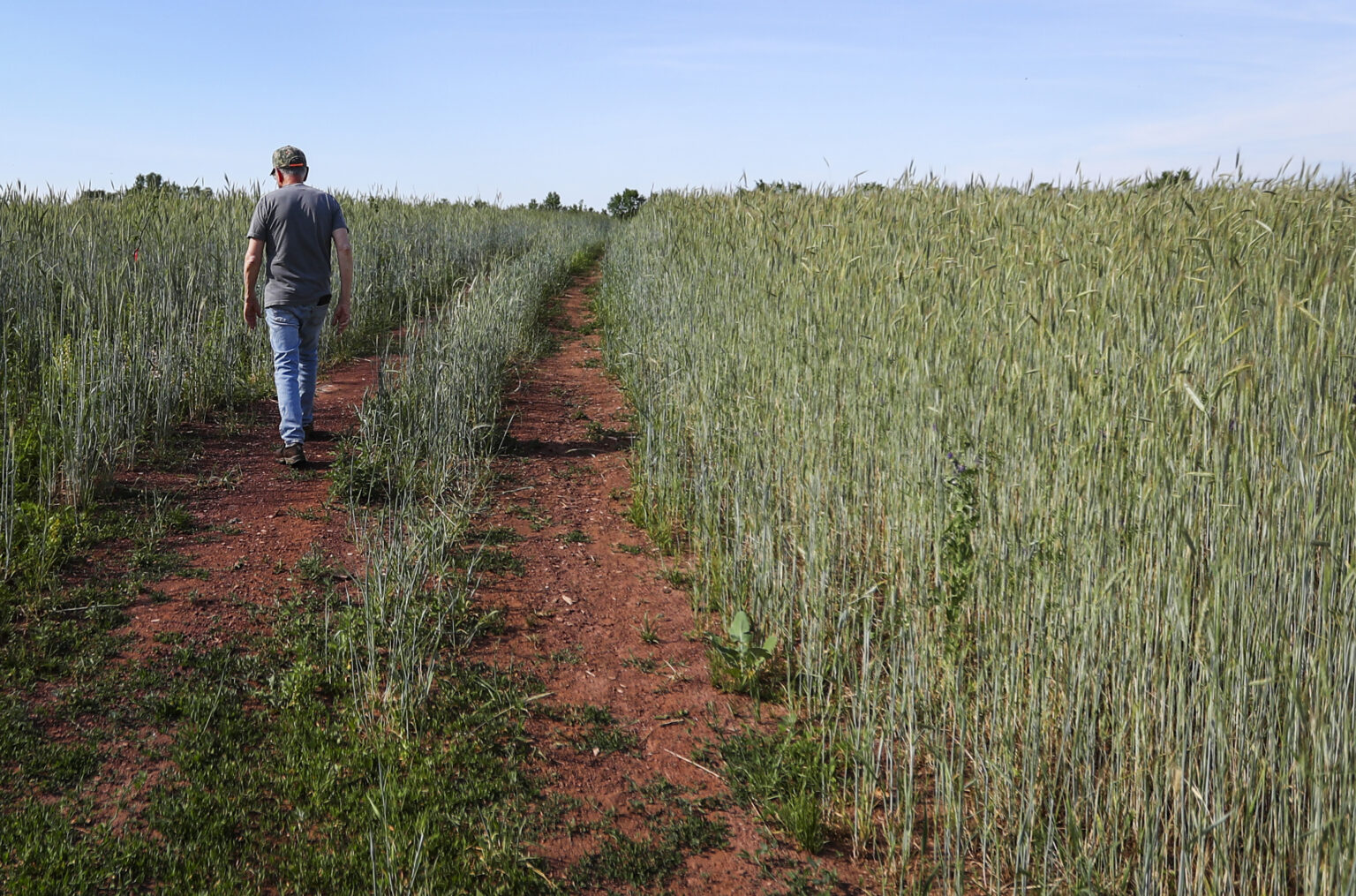
    Farmer Ed Clerico walks the fields of his farm in Hillsborough on June 6, 2026.Dana DiFilippo/New Jersey Monitor

    Clerico is a third-generation farmer whose family ran a dairy farm in Hillsborough (the one near Zwicker’s office), but who pivoted in retirement to perennial crops that don’t require annual tillage and planting.

    He also had a career in water resource management, an experience that has deepened his dedication to filbert farming.

    His 38-acre farm sits along Royce Brook, which feeds the Millstone and Raritan rivers, two waterways that flow through nearby Manville and Bound Brook and that sometimes catastrophically flood. He regards hazelnut trees, as well as thirstier breeds like the persimmons and pawpaws he’s planting in a floodplain beside the brook, as pulling double duty.

    “There’s just a lot of benefits to agroforestry. Growing trees sequester a lot of carbon, so there’s greenhouse gas benefits. And they help with water quality and flood mitigation,” Clerico said. “This could be one of the best stormwater management and water quality advancements. When you hear about stormwater management, people are very oriented towards man-made infrastructure, but we could be using the environment as infrastructure too.”

    Wengryn already is a convert, for the trees’ ecological benefits alone.

    “They create a shade canopy, reducing ambient air temperatures in and around the orchard area. When we get these intense storms that drop a quarter to a half inch of rain in 15 minutes, the leaf canopy breaks that up, so it actually falls more gently to the soil and we get less soil erosion from this kind of agriculture,” Wengryn said.

    Molnar ticks off a long list of other perks he hopes will persuade more farmers to plant Rutgers’ hazelnuts. They don’t require as many fungicides or insecticides, or as much pruning, as the peach, apple, and other fruit trees more commonly grown in New Jersey. They’re harvested by machine so don’t need as much labor as hand-picked crops. The trees are more climate-resistant and can live for over 50 years, making them both less susceptible to weather extremes that can destroy less-hardy crops and a good long-term investment. And hazelnuts aren’t as perishable as other crops; harvested unshelled nuts can be stored and stay fresh for over a year.

    “That means you could sell them throughout the winter into the spring,” Molnar said.

    But several hurdles have kept the industry small so far.

    The high land costs that can make farming a pricey profession in New Jersey have hindered hazelnut expansion, farmers agreed.

    The costs and logistics of processing are another barrier, Molnar added.

    With most filbert farming occurring on other continents, U.S. growers must look to Europe and beyond for the machinery to harvest, sort, and get the nuts to market. Tunceli, Clerico, and two other farmers formed an agroforestry cooperative to process, promote, and sell their nuts. The co-op recently bought some equipment, funded by a federal grant, that they’ll house at Tunceli’s 89-acre farm until they find funding to open a separate processing facility.

    Farmer Ed Clerico bought specialized equipment, including this mower, to harvest hazelnuts on his Hillsborough farm.Dana DiFilippo/New Jersey Monitor

    At the same time, it takes five years for young hazelnut trees to produce their first nuts and seven to eight years for them to come into significant production, Molnar said. That means farmers see little to no return on their investment for years.

    “Younger farmers don’t really have that much money to invest, while older farmers don’t have that much time,” Tunceli said.

    Tunceli, who’s 56 and has kept her job in the healthcare insurance industry, hopes her orchards will thrive enough for her to live wholly off her land, but she expects that could take another five years.

    Because hazelnuts have not been a U.S. crop outside of Oregon, some local farmers also see challenges in who to sell them to, fretting that a market might not exist here.

    Tuncheli is not one whit worried about that.

    She grew up in Turkey and immigrated here for college about 30 years ago. In Turkey, every bit of hazelnut trees gets used, she said. The kernels become nut butters, oils, flour, milk, candies, desserts, and other foods; the trees’ leaves can make herbal teas; their limbs can be used to weave baskets; and nutshells can be used for exfoliating scrubs, cosmetics, and even clean-burning fuels.

    “That part is really easy,” she grinned.

    Wengryn doesn’t see that as a problem either, noting a “global craze” for treats like Italian company Ferrero’s Nutella and Ferrero Rocher chocolate-hazelnut bonbons.

    “People love this product,” he said of hazelnuts. “There’s very little domestic production of it, and this is an opportunity to enter that market.”

    The future of filberts

    Zwicker has submitted two budget resolutions that, if approved, would provide $298,200 in state funding to the agroforestry cooperative to support hazelnut automation, cold storage, food safety compliance, and commercial-scale infrastructure and nearly $6.3 million for the cooperative to build a processing facility and establish grower incentives.

    Wengryn said he aims to work with the state Economic Development Authority to tailor more “business builder” funding to sustainable agriculture like hazelnut farming. He also thinks New Jersey could designate money collected under the Regional Greenhouse Gas Initiative, a multistate effort to reduce the power sector’s emissions that worsen climate change, for agroforestry.

    “This type of agriculture really complements that carbon sequestration and really does improve our air quality and our water quality,” he said.

    Whether or not New Jersey becomes a hub for hazelnuts, Rutgers’ cultivars now grow beyond the Garden State. Their trees are planted on about 300 acres across New Jersey, Pennsylvania, New York, and Ohio, Molnar said.

    His work has made him somewhat of a celebrity in agriculture, at least elsewhere, in places where hazelnuts are a major, prized crop.

    “In New Jersey, I’m an anonymous nobody, and like, nobody cares what I do,” he said with a laugh. “I guess agriculture isn’t really cool.”

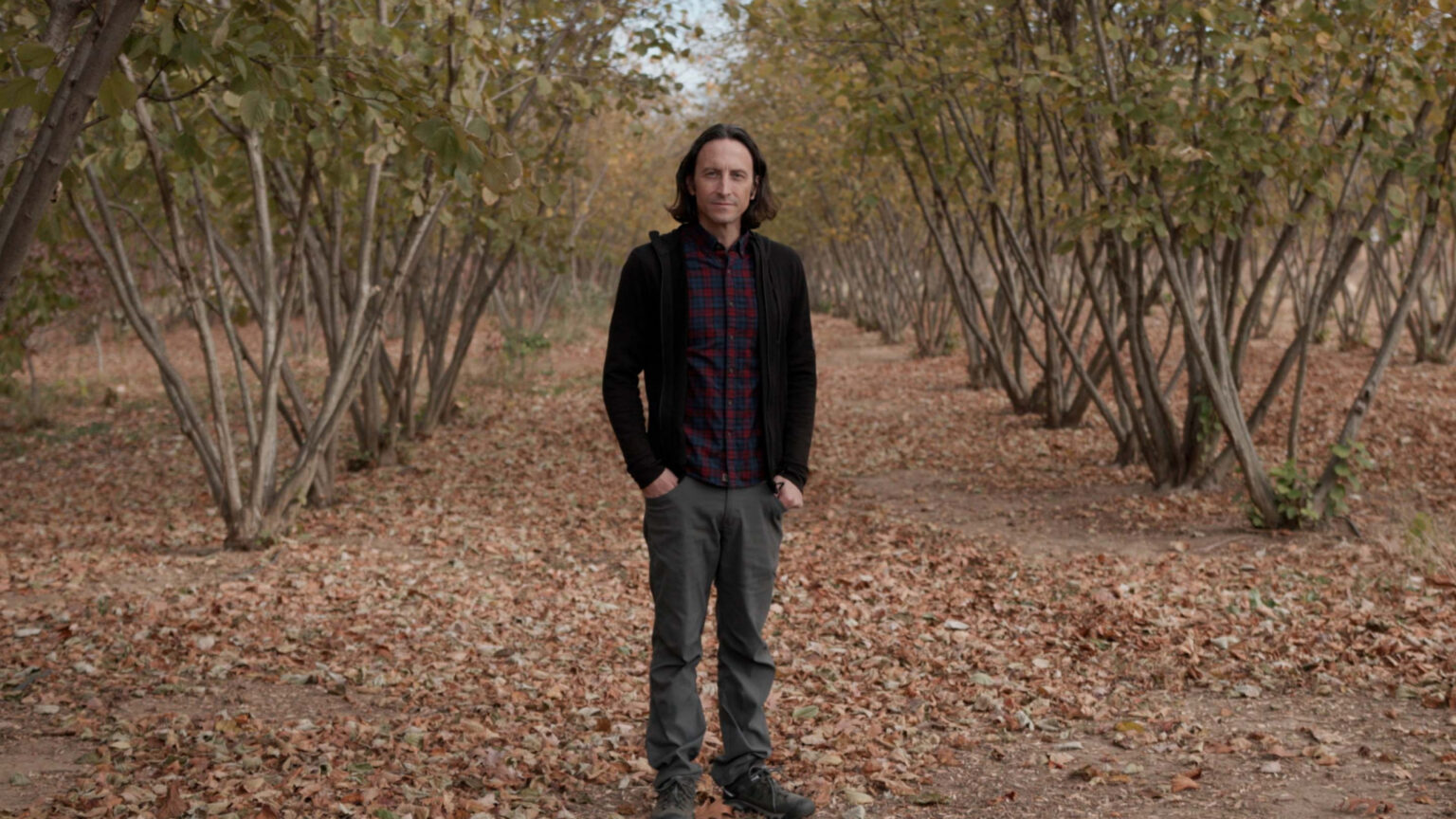
    Thomas Molnar stands in front of hazelnut trees cultivated by his team at Rutgers Horticultural Farm 3 in East Brunswick.Photo by Anthony Grippa, courtesy of Rutgers University

    But Clerico expects Molnar’s research, like the trees on his own Hillsborough farm, will outlive them both.

    “Rutgers’ work isn’t just leading-edge in terms of New Jersey. What they’ve done in their breeding programs to produce trees that have multiple gene resistance to diseases could benefit everywhere in the world,” Clerico said.

    Some state legislators clearly agree and aren’t waiting on the industry to scale up to brag about New Jersey’s role in the hazelnut tree’s return to the region’s soils.

    They want hazelnuts to be the official state nut.

    The Assembly passed the proposal Thursday, despite opposition from most of the chamber’s Republicans that drove some to voice their objections for the record.

    Assemblywoman Aura Dunn (R-Morris) said anointing hazelnuts the state nut was a few decades premature, Assemblyman Gregory Myhre (R-Ocean) said the American chestnut should get the honor, and Brian Bergen (R-Morris) blasted the the bill as a “moronic, awful, stupid, crazy, nutty piece of legislation.”

    “Why on earth do we need a state nut?” Bergen said, before imploring Assembly Speaker Craig Coughlin: “I just really wish that, Mr. Speaker, you would do a better job selecting the bills that come to the floor, because this is useless.”

    Bill sponsor Assemblyman Sterley Stanley (D-Middlesex), whose district includes Rutgers’ research farm, remained undeterred.

    In a sweeping statement on the Assembly floor with Molnar standing at his side, Stanley hailed hazelnuts as “the most promising engine for economic development offered to rural communities in decades.”

    “These trees represent a monumental achievement for our state, a true breakthrough in science that reinforces why we are known as the Garden State,” he said. “These hazelnuts are testament to the balanced spirit of innovation and resilience that lies at the heart of what it means to be a New Jerseyan.”

    This story originally appeared on New Jersey Monitor.