Tag: Children’s Hospital of Philadelphia

  • To boost literacy, pediatricians are prescribing books to children

    To boost literacy, pediatricians are prescribing books to children

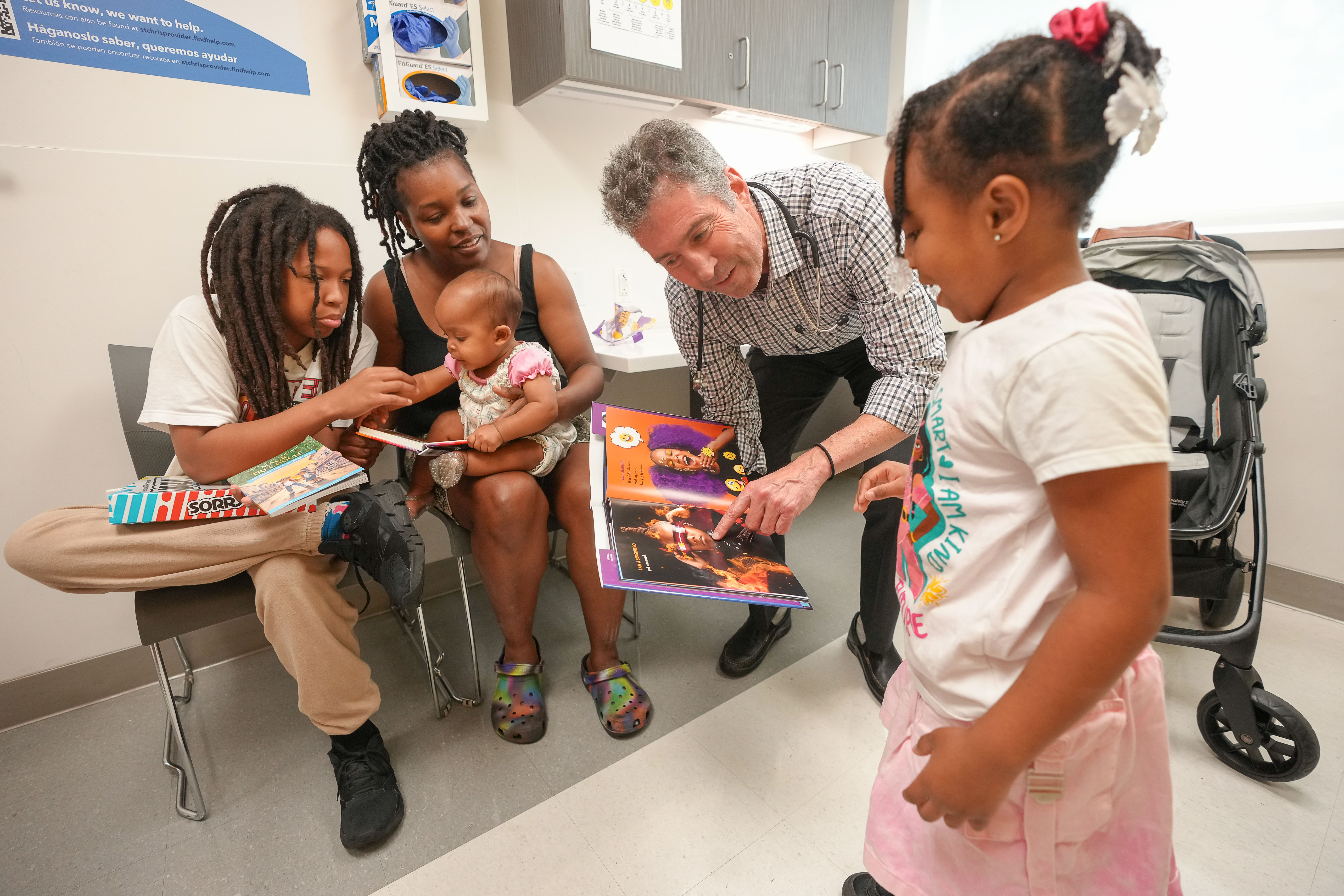
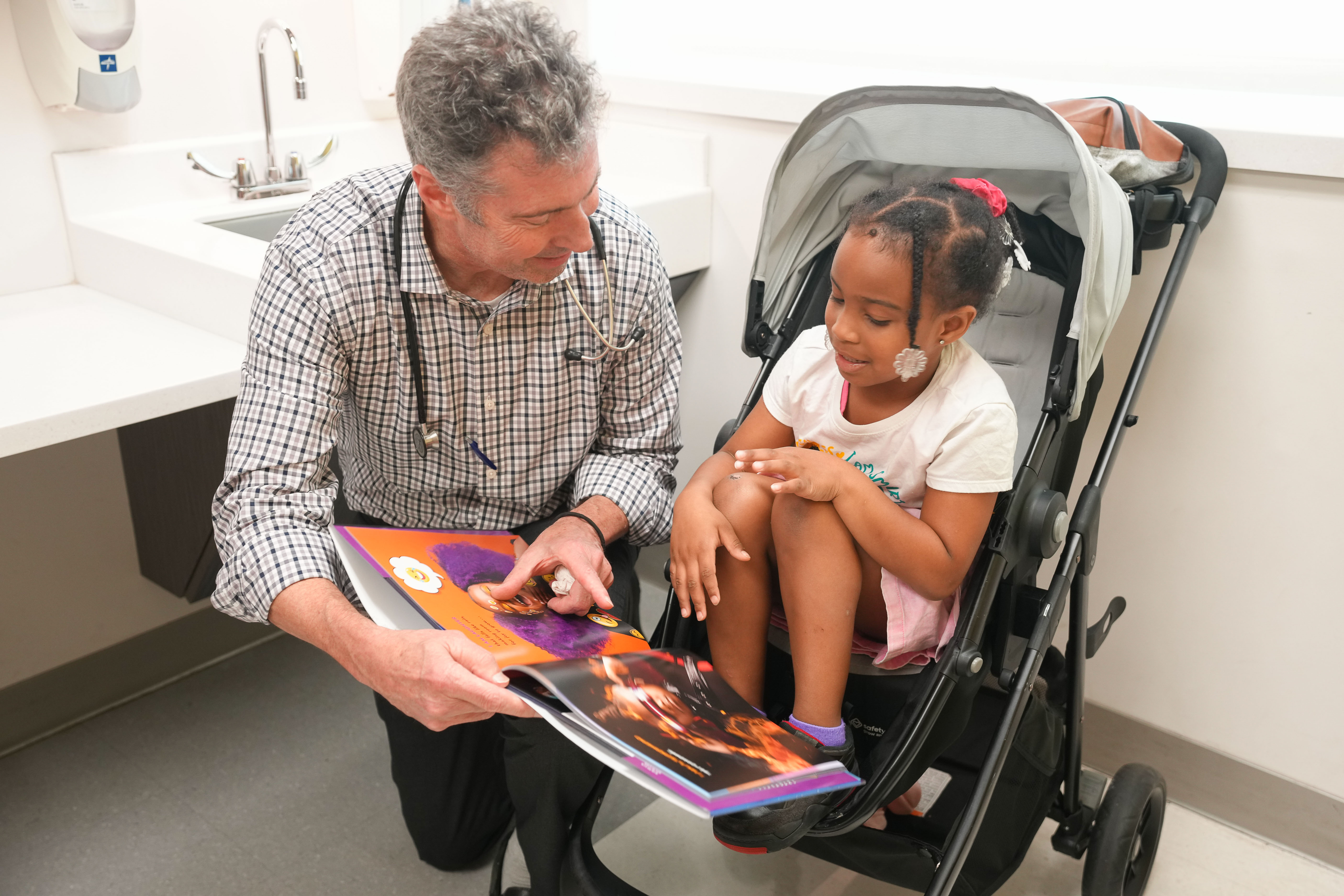
    Pediatrician Daniel Taylor opened a crisp hardcover book and began reading to a 5-year-old patient inside an exam room at the clinic at St. Christopher’s Hospital for Children.

    “I am laughter that falls like —,” Taylor read, pausing.

    “Rain!” the little girl finished, smiling.

    “That was amazing,” Taylor said to the girl’s mother, LaShonda Williams, 35, of East Mount Airy. “That’s nice phonetic awareness.”

    Williams’ daughter, Xylo, already grasped context and recognized some words. Both crucial skills for school readiness as she prepares for kindergarten this fall.

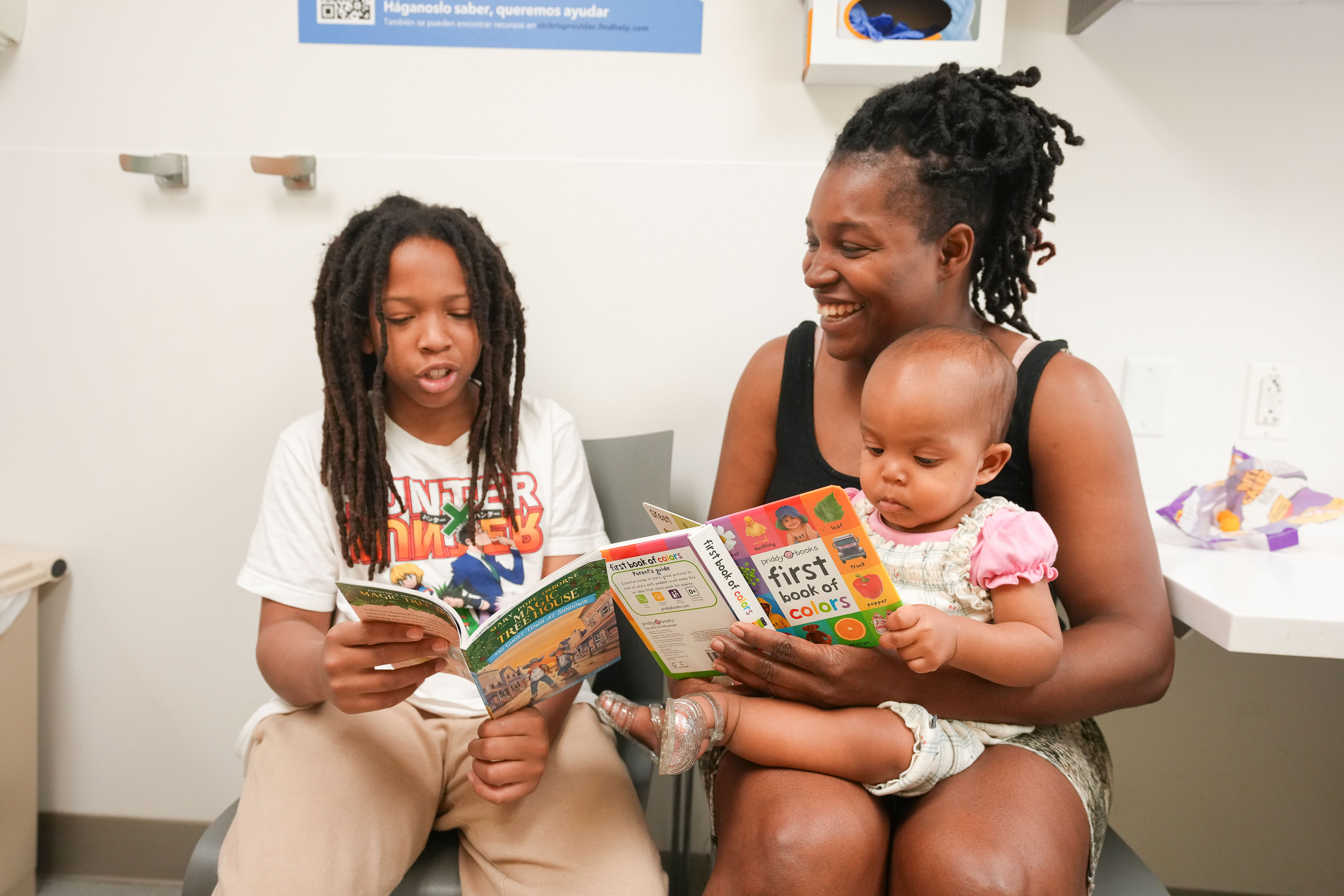
    Xylo and her two siblings — 12-year-old Isaac and 9-month-old Xymia — each got a new book suited for their ages during Wednesday’s checkup. Seated on her mother’s lap, Xymia pointed to a carrot in the First Book of Colors, demonstrating a skill infants ideally master by age 1.

    Taylor is one of a growing number of pediatricians who are using books to measure developmental milestones, bolster literacy, and connect with families.

    LaShonda Williams and her children, 12-year-old Isaac and 9-month-old Xymia, read together during a checkup at the Center for the Urban Child at St. Christopher’s Hospital for Children.Jessica Griffin / Staff Photographer

    The program, “Reach Out and Read,” a national nonprofit literacy group that started in Boston, is celebrating its 25th year at St. Christopher’s in North Philadelphia and its 30th anniversary at the Children’s Hospital of Philadelphia (CHOP) in West Philadelphia.

    Participating pediatricians model reading aloud for parents and prescribe reading to children during each well-visit from birth to age 5, although St. Christopher’s program extends into early teens. The children keep the books, building home libraries.

    “North Philadelphia is considered `a book desert,’ where there aren’t a lot of bookstores — i.e., none — and families don’t have a lot of children’s books in their homes,” Taylor said. “Just like food insecurity and trying to feed people food. Here we’re trying to feed people with words and books.”

    Caregivers often don’t have time or don’t feel safe traveling to their local library in city neighborhoods with high crime, Taylor said.

    Taylor helps run “Reach Out and Read” out of the hospital’s Center for the Urban Child, which he described as “an outpatient academic pediatric integrated practice” that sees about 48,000 children a year. There, families can access both medical treatment and social services.

    LaShonda Williams, 35, of East Mount Airy, with three of her four children during a checkup with pediatrician Daniel Taylor. Williams, a special education assistant teacher at Wissahickon Charter School, said she’s a big proponent of reading to her children.
    Jessica Griffin / Staff Photographer

    The burgeoning brain

    The Pennsylvania chapter of “Reach Out and Read” has grown from three clinics at CHOP in 1996 to 264 pediatric practices today, mostly in the Philadelphia region. Now, local organizers say they plan to expand the program statewide by an additional 100 sites within the next few years.

    Pediatrician Trude Haecker, one of the founders of CHOP’s “Reach Out and Read” program, said parents who get a book during a well-visit are two and a half times more likely to read to their child. The research also shows that reading is an important part of the brain development that occurs within the first three years of a child’s life, Haecker said.

    “The brain is burgeoning, so in the first three years of life, 80% of your brain is formed,” Haecker said in an interview last week. “There’s a million neurons a second being formed in that first year of life, which is incredible. So having that ability to engage with that child changes that child’s brain.”

    Reading to your child also helps offset adverse childhood experiences, like divorce or substance use, Haecker said.

    “We’re also really changing that child’s lifetime trajectory,” she added. “It’s really magical.”

    A recipe for school success

    An estimated 46% of children in the Philadelphia school district are not prepared with the skills they need to start kindergarten. Those children lag in vocabulary, language, reading, and listening skills, according to Taylor.

    One of the greatest predictors of whether a teen will graduate from high school is how well they read by third grade, which is directly tied to their speaking skills at age 3, Taylor said.

    “So we’re trying to get as many books in the home as possible so that a 3-year-old is saying three-word sentences and a lot of words,” he said.

    Taylor said St. Christopher’s raised more than $120,000 last year for new books through its annual basketball tournament fundraiser. The program has given out nearly 1 million books, written in English and about a dozen other languages, since 2001, he said.

    “This is one of the most joyous things we do,” Taylor said. “It’s not giving shots; it’s giving immunization against potential future literacy issues.”

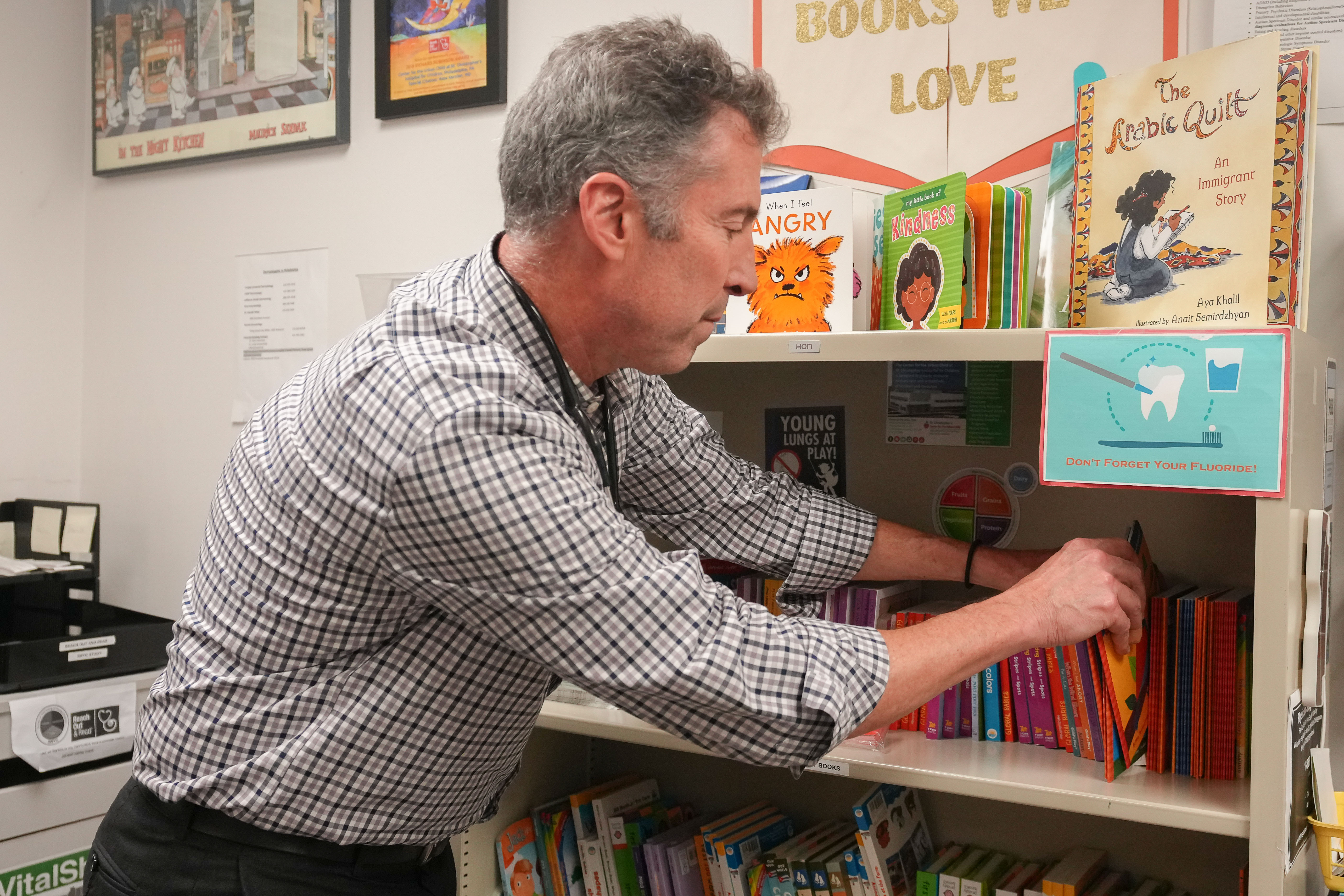
    Pediatrician Daniel Taylor, co-director of the “Reach Out and Read” program at St. Christopher’s Hospital, organizes the books he selects for his patients before entering an exam room. He has books in 12 different languages, including Urdu, Hmong, and Arabic. He also gives children culturally diverse books in which they can see themselves. More than 90% of his patients are Black or brown.Jessica Griffin / Staff Photographer
  • Funding was cut to life-saving medical research programs in Philly. Rep. Brendan Boyle demands to know why.

    Funding was cut to life-saving medical research programs in Philly. Rep. Brendan Boyle demands to know why.

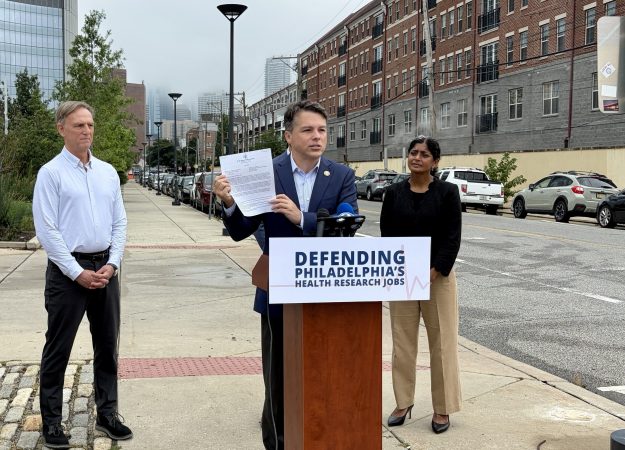
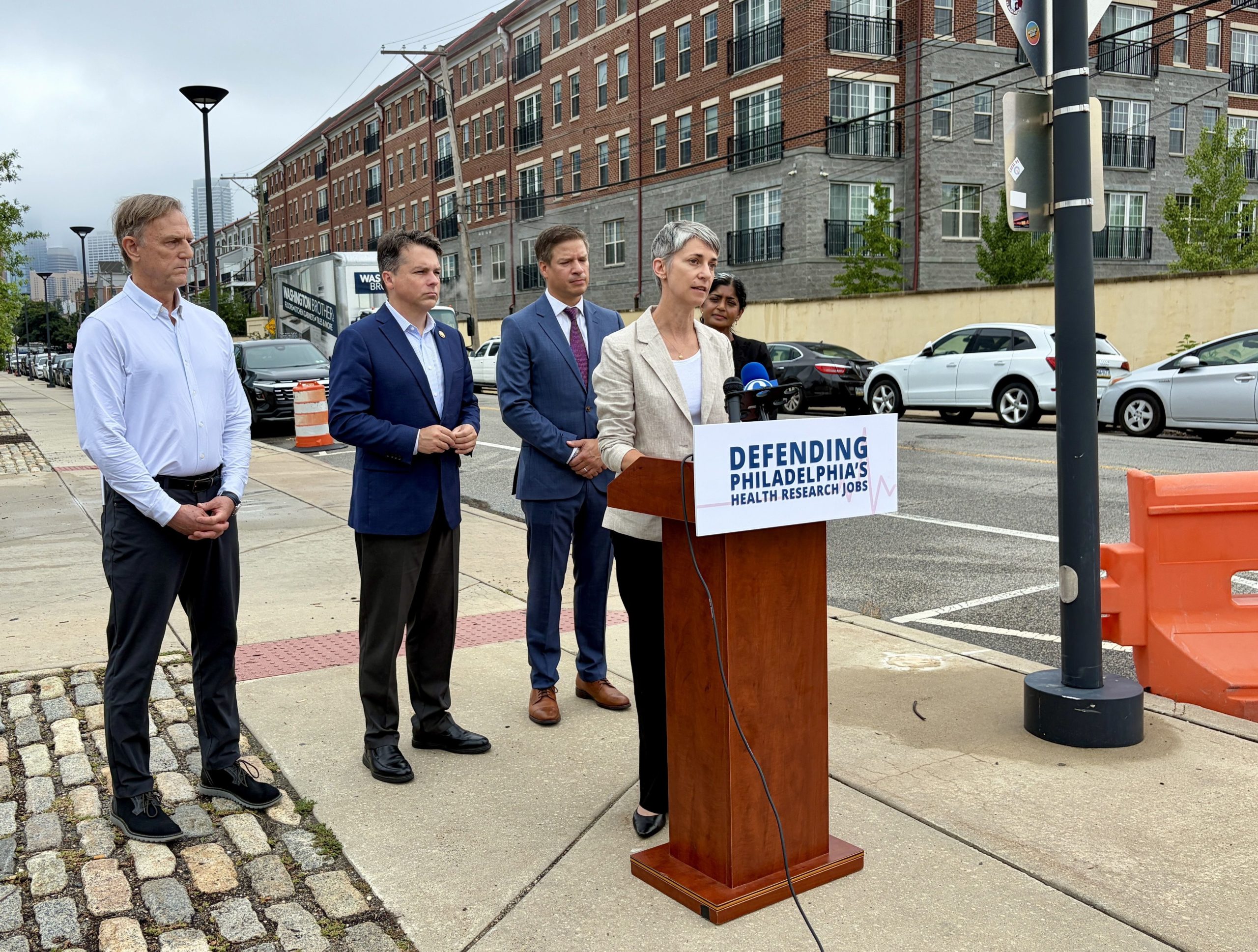
    Rep. Brendan Boyle sent a formal letter to the federal government on Wednesday, demanding an explanation for the recent cuts to health care research funding in Philadelphia.

    The Agency for Healthcare Research and Quality last month cut dozens of grants nationwide, totaling hundreds of millions of dollars. The cancellations affected multiple programs at the University of Pennsylvania and Children’s Hospital of Philadelphia, disrupting studies into how healthcare systems can be organized and financed to improve health outcomes.

    That included projects on improving translation services for hospitalized patients and expanding access to hormone therapy for menopausal women.

    “Their funding isn’t partisan, nor is it controversial,” Boyle said at a Wednesday press conference on Schuylkill Avenue where he was joined by affected researchers from Penn and CHOP. “It represents exactly what our federal government should be doing, creating jobs and saving lives by funding critical medical research.”

    As the top Democrat on the United States House Committee on the Budget, Boyle asked in his letter to AHRQ and the Office of Management and Budget whether the administration would commit to fully spending the funding that was congressionally appropriated for AHRQ.

    He requested a list of every grant that was cancelled and the justification given. His letter referenced a recent district court ruling in New Jersey v. OMB that found the government “cannot terminate grants based on their inability to effectuate program goals and agency priorities identified after the award was made.”

    The original cancellation notices sent to researchers in mid-July did not list specific reasons, stating only that continuing the grant was not “in the best interest of the Federal Government.”

    Boyle also asked whether AHRQ grants were cancelled based on the political identity of the grant recipient’s state, city, or congressional district.

    He said this information would help determine whether the grants were illegally cut and if Philadelphia was targeted for political reasons.

    “We are here to demand that the Trump administration immediately reverse these cuts and unfreeze the programs sitting in limbo,” Boyle said.

    In a statement on Wednesday, the Department of Health and Human Services said that the AHRQ director determines “whether continuation funding is in the best interest of the federal government.”

    “To be clear, these grants were not terminated – they were not awarded continued funding,” the HHS statement said. “The Trump Administration remains committed to the responsible stewardship of taxpayer dollars.”

    Local researchers speak out

    Rachel Werner, a professor of medicine at the University of Pennsylvania and former executive director of the Leonard Davis Institute of Health Economics, was among the researchers who spoke at the press conference.Kayla Yup / Staff

    CHOP pediatrician Christopher Forrest had to shut down his PEDSnet Scholars program in June after AHRQ cancelled the $5 million grant designated for it.

    For nearly a decade, the program had trained 44 early-career scholars on how to design studies that improve the safety and quality of healthcare for kids.

    One project focused on preventing strokes in children with sickle cell anemia, a rare blood disorder.

    Another project reduced antimicrobial resistance in the intensive care unit by improving providers’ ability to identify which children needed antibiotics.

    A third helped families adapt to a congenital heart disease diagnosis, reducing rates of post-traumatic stress disorder.

    “These are not just abstract academic accomplishments,” said Rachel Werner, a Penn professor who was also affected by grant cuts. “They are real improvements in the practice of medicine that have resulted in thousands of lives being saved.”

    Werner has helped lead the PORTAL program at Penn, an AHRQ-funded research training program that lost millions in funding last month.

    She said the grant cancellations would lead to fewer discoveries, an immediate loss of jobs, and a shrinking pipeline of future scientists.

    “For the sake of the health of all of us, it’s really imperative that that work continues,” Werner said.

  • Main Line psychiatrist stripped of her medical license

    Main Line psychiatrist stripped of her medical license

    A Main Line psychiatrist has lost her medical license after a state investigation found she had sex with a young patient for years, all while prescribing him a revolving mix of up to 12 medications, including highly addictive psychotropic drugs, without proper evaluations.

    Amy Mazza MacIntyre, a child, adolescent, and adult psychiatrist in Bryn Mawr, started treating a then-17-year-old cancer survivor in 2004 when he was a senior at Lower Merion High School.

    MacIntyre first had sex with him in February 2011, when he was 24 years old. She stopped billing him for treatment around the same time, though she continued to take patient notes for another 2½ years. She continued prescribing him powerful psychiatric drugs while having sex with him through mid-2017, according to an investigation by the Pennsylvania State Board of Medicine.

    The board revoked her medical license in May, finding she had engaged in sexual misconduct and inappropriate prescribing in violation of state medical licensing laws. She is appealing the disciplinary board’s decision, which followed lawsuits between MacIntyre and the patient, Justin Kopicki, in civil courts.

    The board’s investigation — based partly on emails, texts, and voicemail messages that MacIntyre sent Kopicki — revealed that she gave him a $5,000 saxophone and a Cartier watch, hired him to work in her office, proposed marriage to him, told him she miscarried his baby, sent him naked selfies, and took him on trips, including to Turks and Caicos and Walt Disney World.

    Kopicki, who is now 39, said in an interview that MacIntyre had “groomed” and manipulated him while prescribing “really large quantities” of stimulants and benzodiazepines, including “Xanax and Klonopin mixed together.”

    “If I refused to go away on a trip with her, or I refused to see her, or I wanted to break up with her, she would refuse to prescribe antianxiety medications until I saw her again,” Kopicki said.

    She also prescribed medications to his mother and father, although they were not her patients, the board found.

    The board’s revocation order refers to Kopicki by his initials, but he gave The Inquirer permission to use his name.

    MacIntyre, 52, did not return calls and emails from a reporter. Her lawyer, Gary Samms, said he advised her to decline comment.

    “Dr. MacIntyre is an excellent, caring and compassionate physician,” Samms wrote in an email last week. “The board decision is being appealed to the Commonwealth Court where we believe we will be victorious.”

    The board revoked her license on May 28 and ordered her to “immediately cease practicing medicine.”

    “By engaging in a sexual relationship with a patient while continuing to prescribe medications without appropriate evaluation or oversight, [MacIntyre] compromised the safeguards that protect patients from harm and undermined confidence in the medical profession,” the board wrote in its revocation order.

    A woman who answered the phone at MacIntyre’s Lancaster Avenue office late last week said she was still practicing but unavailable to speak with a reporter. MacIntyre did not reply to a voicemail message asking whether she was still treating patients. Samms did not reply to a follow-up email on the subject.

    Earlier this month, the state board rejected her emergency request to stay the revocation of her license pending her appeal. She plans to argue her case before a judge on Thursday, Commonwealth Court records show.

    ‘Shifting explanations’

    MacIntyre admitted to sexual misconduct and violating medical licensing laws on three other counts: immoral and unprofessional conduct involving a patient; failure to maintain complete medical records; and fraudulent, reckless, or negligent practice.

    During the disciplinary proceedings, MacIntyre had only disputed claims that she engaged in improper prescribing. However, she argued for lighter discipline, such as probation, on all counts.

    She testified at a state hearing last year that she had been fearful of Kopicki and felt “trapped.” She said the sex was not consensual, but coerced, and that she had feared for her safety and that of her family.

    She said she had repeatedly tried to get a protection-from-abuse court order against the patient but did not qualify for one. (Such proceedings are not public record).

    The board rejected her arguments, citing a lack of evidence to support her “claims of coercion,” “shifting explanations,” and inexcusable actions.

    MacIntyre also cited “personal stressors,” including “family losses, the birth of a child, and her mother’s decline due to early dementia,” the report states.

    While treating Kopicki, she introduced him to her young daughter and was married, state and court records show.

    After contact with Kopicki ended in 2017, she said, she went to therapy to address her “understanding of appropriate boundaries.”

    She also limited her interactions with patients to mostly medication management rather than therapy. And she had not violated any regulations for the last decade, she said, arguing for less severe discipline.

    Kopicki said he provided the state with “thousands of text messages,” dating back to 2011, showing she aggressively pursued him and used medication to control him.

    “She put it in writing so it was extremely difficult for her to be like, `It was him. He’s the aggressor,’” Kopicki said.

    Her lawyer, Samms, said he believed MacIntyre’s appeal of the board’s revocation order to the Commonwealth Court will prevail.

    “There are numerous issues and contested facts that support the doctor’s position,” Samms wrote in an email, declining to comment further due to the appeal.

    First treatment, then sex

    Diagnosed with leukemia at age 4, Kopicki received chemotherapy treatments at Children’s Hospital of Philadelphia until age 7, when the cancer went into remission. In high school, he became depressed and anxious. His mother thought his mental health problems stemmed from his cancer history and contacted CHOP, which referred the family to MacIntyre. Then 31, the psychiatrist was considered “relatable to a younger patient,” Kopicki said.

    The board’s order described how her initial therapeutic care morphed into inappropriate sexual contact:

    MacIntyre diagnosed Kopicki with anxiety and agoraphobia at his initial appointment in 2004. She thought he also might have obsessive-compulsive disorder. She started him on medication.

    In 2010, his treatment sessions with MacIntyre “became focused on [Kopicki’s] sexual activity.”

    In early 2011, Kopicki, then 24, expressed feelings for her in an email; the relationship seemed to be crossing professional lines. He was unsure if he should continue treatment with her.

    MacIntyre, then 37, wrote him back, saying she “was sorry if he felt it was best not to meet” and to “let her know if he wanted to be back in touch.”

    During a session a few days later, she told him she “wanted to climb on top on him” and did so, kissing him, the board’s order says.

    They had sex for the first time at his father’s house in early February 2011, and she continued to formally treat him through June 2013, writing patient notes in his medical record, according to the board’s investigation.

    She kept a log of medications she prescribed him through March 2014 and continued prescribing into 2017, the board found.

    When Kopicki tried to cut ties with MacIntyre, he said in the interview, she would change or increase his medications, saying his “mood is out of control.”

    “I trusted her,” he said. “When she was like, ‘You need X, Y, and Z medication,’ I put trust in her.”

    Kopicki said she became very involved with his family, attending dinners and events, including his mother’s wedding in California. She also prescribed medications to his parents.

    In spring 2017, MacIntyre showed up at Kopicki’s father’s house, yelling and demanding to speak with Kopicki. His father called 911, the board found.

    Kopicki cut off all communication with MacIntyre in July 2017.

    ‘Not acceptable’

    Kopicki said he first complained about MacIntyre to the state medical board in 2017, shortly before filing a medical malpractice lawsuit against her in Montgomery County Court.

    His lawyers advised him not to cooperate with the state while the case was in litigation. The state dropped his complaint, he said.

    MacIntyre settled the case with Kopicki in 2020 for an undisclosed amount.

    After the settlement, Kopicki said, he again complained to the board in 2021.

    Later that year, MacIntyre sued Kopicki in civil court for breaching a nondisclosure clause in their settlement agreement that prevented him from discussing her actions with authorities.

    In January, a judge ordered Kopicki to pay MacIntyre $25,000 for violating the agreement, court records show.

    Kopicki, who is now in law school in Oregon, said he intentionally violated the agreement “for the good of the public interest.”

    “This is not acceptable and she needs to be held accountable,” Kopicki said.
  • What is the ‘dose zero’? Here’s what you need to know about Pa.’s new recommendations for early measles vaccination

    What is the ‘dose zero’? Here’s what you need to know about Pa.’s new recommendations for early measles vaccination

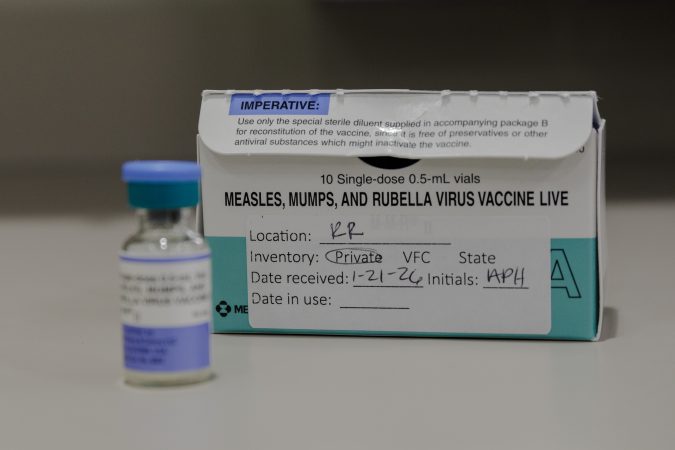
    As Pennsylvania grapples with a measles outbreak that has sickened 130 residents, state health officials are recommending some parents vaccinate young children early to provide extra protection against the highly contagious disease.

    Children as young as 6 months who live in or whose parents plan travel to affected counties should get a “dose zero” of the measles, mumps, and rubella shot, health officials said last month. Typically, children get their first measles shot at a year old.

    Measles infects up to 90% of unvaccinated people who are exposed to it, and complications can be particularly serious for young children.

    Here’s what you need to know about the “dose zero.”

    What is the dose zero?

    A “dose zero” MMR shot is an early vaccine given at 6 months old. Usually, a child receives the first MMR dose at 12 months old, then again between 4 and 6 years old.

    Babies receive some antibodies from their mothers that can interfere with vaccines that contain weakened versions of a live virus, including the MMR vaccine, said Katie Lockwood, a Children’s Hospital of Philadelphia pediatrician.

    Those antibodies mean that an MMR shot given before 12 months old can be slightly less effective at providing lasting immunity.

    But a “dose zero” can still provide babies with some protection that’s especially crucial in an outbreak.

    “What we see from that dose zero MMR is that you have some short-term protection that we believe will protect you during that period when you’re traveling to an outbreak area or internationally,” Lockwood said. (It’s long been recommended that parents opt for a dose zero if they’re planning to travel internationally with an infant.)

    “But it’s not generating the same long-term immune response that we see when we give the routine vaccine at age 12 months.”

    What happens after a dose zero?

    Babies still need a second dose of the MMR vaccine at 12 months old to provide lasting protection against measles, Lockwood said.

    Normally, kids then get their last MMR dose at around 4 to 6 years old. That dose is timed to protect children who may not have gotten vaccinated as babies — in school, they’re more at risk of contracting an infectious disease, Lockwood said.

    But in an outbreak, the state health department recommends that children get their second dose earlier as well — as soon as 28 days after their first dose.

    CHOP is now routinely recommending that children receive their final MMR dose at 15 months old. With 13 measles cases reported in Chester County since April, and 75 cases reported just to the west in Lancaster County, Philadelphia-area parents are close enough to the outbreak that many are opting in, she said.

    “It’s still the parents’ decision. But there’s not really a downside to giving it early,” Lockwood said. “Especially with all of these cases, a lot of parents are reporting that it makes them feel more comfortable, knowing that their child is fully protected.”

    How are area families reacting to the new recommendations?

    Lockwood, who practices in Flourtown, Montgomery County, said she’s fielded “really thoughtful” questions from parents as they decide whether to vaccinate early.

    “[They ask], ‘Why wasn’t this the standard the whole time?’” she said. “I always explain that it’s because measles wasn’t really around so we didn’t have to worry about it the way that we’re worrying about it now. Measles wasn’t a real threat to most children in their daily lives in the United States.”

    Lockwood said that some parents who had opted to delay or forego MMR vaccinations have changed their minds in light of the outbreak.

    “Chester County is really not very far away from most of my patients,” she said. “It does make it feel much more of a realistic threat to their child.”

    Lockwood also tries to reassure parents who are still hesitant about vaccination.

    “The MMR vaccine, because of some of the misinformation that has circulated around it for years, is one of the most studied vaccines,” she said. “For anyone who is worried about vaccine safety, this is really one with a wealth of safety data available. It’s been proven so many times to be safe and effective.”

    Where can Pennsylvanians get vaccinated against measles?

    MMR vaccines are generally available at doctors’ offices, urgent-care centers, federally funded health centers, and pharmacies. Philadelphia residents can get a free MMR vaccine at any city health center by calling 215-685-2933. Outside the city, county and municipal health departments and state health centers also offer the vaccine.

    It’s recommended that residents call ahead to clinics to check on availability.

  • Why Pennsylvanians should celebrate disability pride

    Why Pennsylvanians should celebrate disability pride

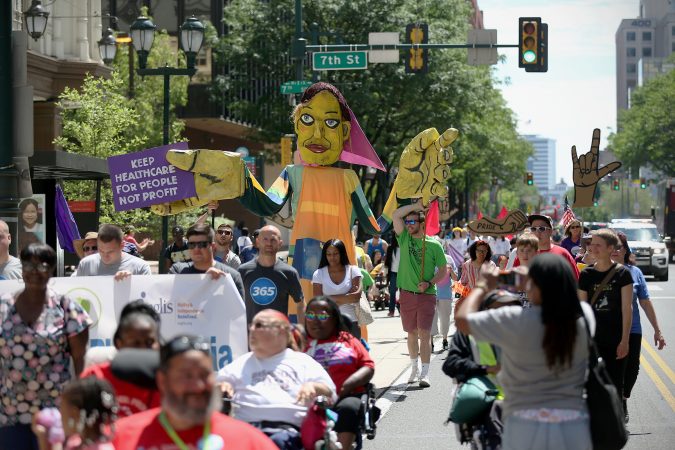
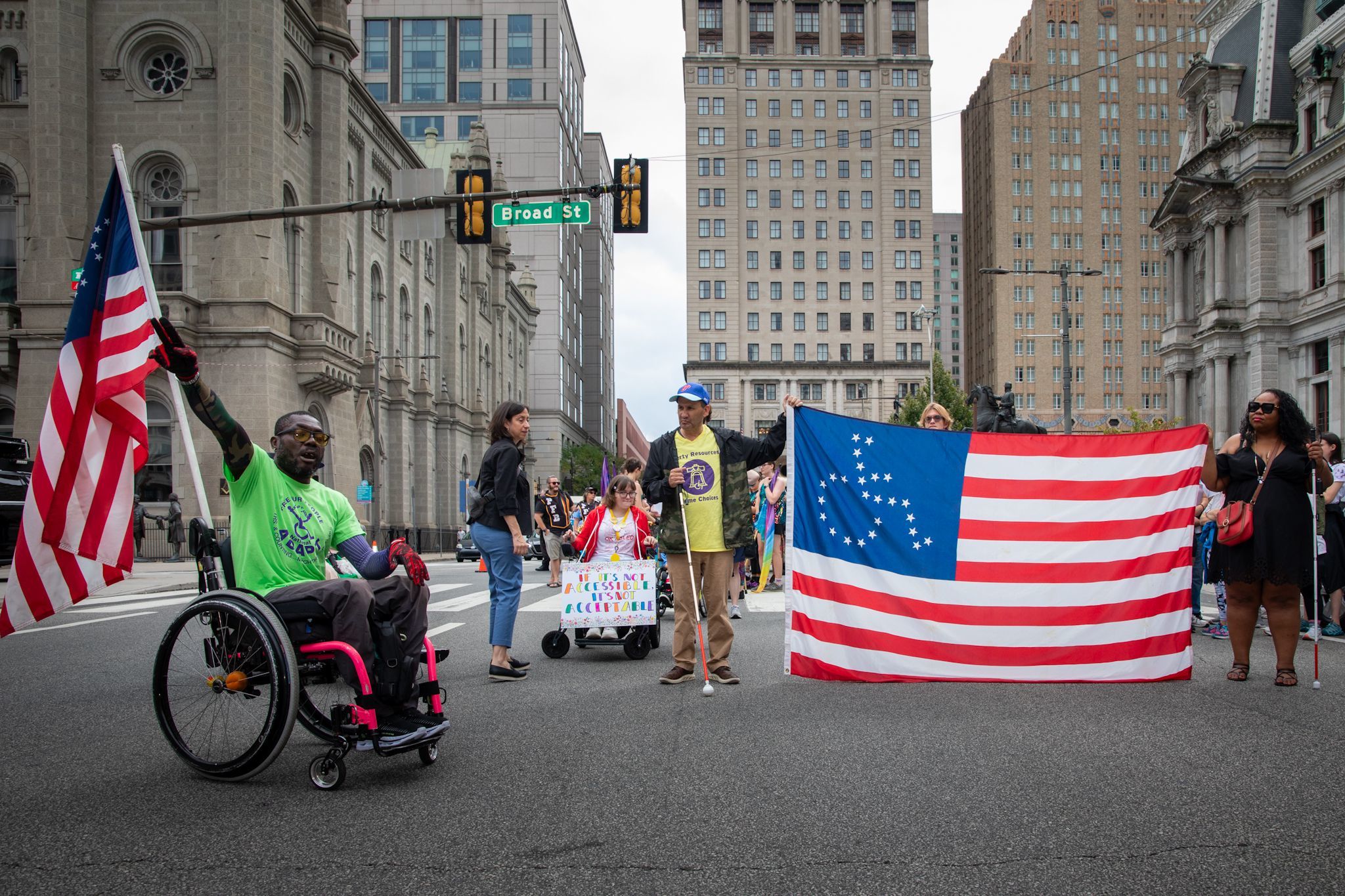
    A few Saturdays ago, I ventured down to the Ben Franklin Parkway to attend and volunteer at Disability Pride Philly. This parade and festival launches more than a month of celebrations: July marks Disability Pride Month, honoring the Americans with Disabilities Act’s passage on July 26, 1990.

    To some, “disability pride” sounds like an oxymoron, or a niche idea that may not touch them. As a person with multiple disabilities, I can tell you that disability pride matters more than you might think.

    Accessible education, technology, rehabilitation, and civil rights protections let me live fully integrated into my workplace, community, and family. I hold a master’s degree and a doctorate. I do research on overlooked and unexamined issues that affect pediatricians and their patients. I live the life I choose, in the home I choose, with the job, hobbies, and community that I choose. These may seem like obvious rights for anyone to have. They are not.

    Disability Pride Philly chose this year’s theme with precision: “We Belong Here and We’re Here to Stay.” This theme could not be more urgent or timely.

    For most of American history, society separated people with disabilities like me from their families, schools, workplaces, and communities and placed them in institutions. Institutionalization confines children and adults with disabilities to restricted residential settings, cut off from family and community.

    Institutions breed lack of oversight, abuse, insufficient care, and the systematic segregation of disabled people from society at large. Decades of evidence now show that people thrive when they receive support in their homes and communities.

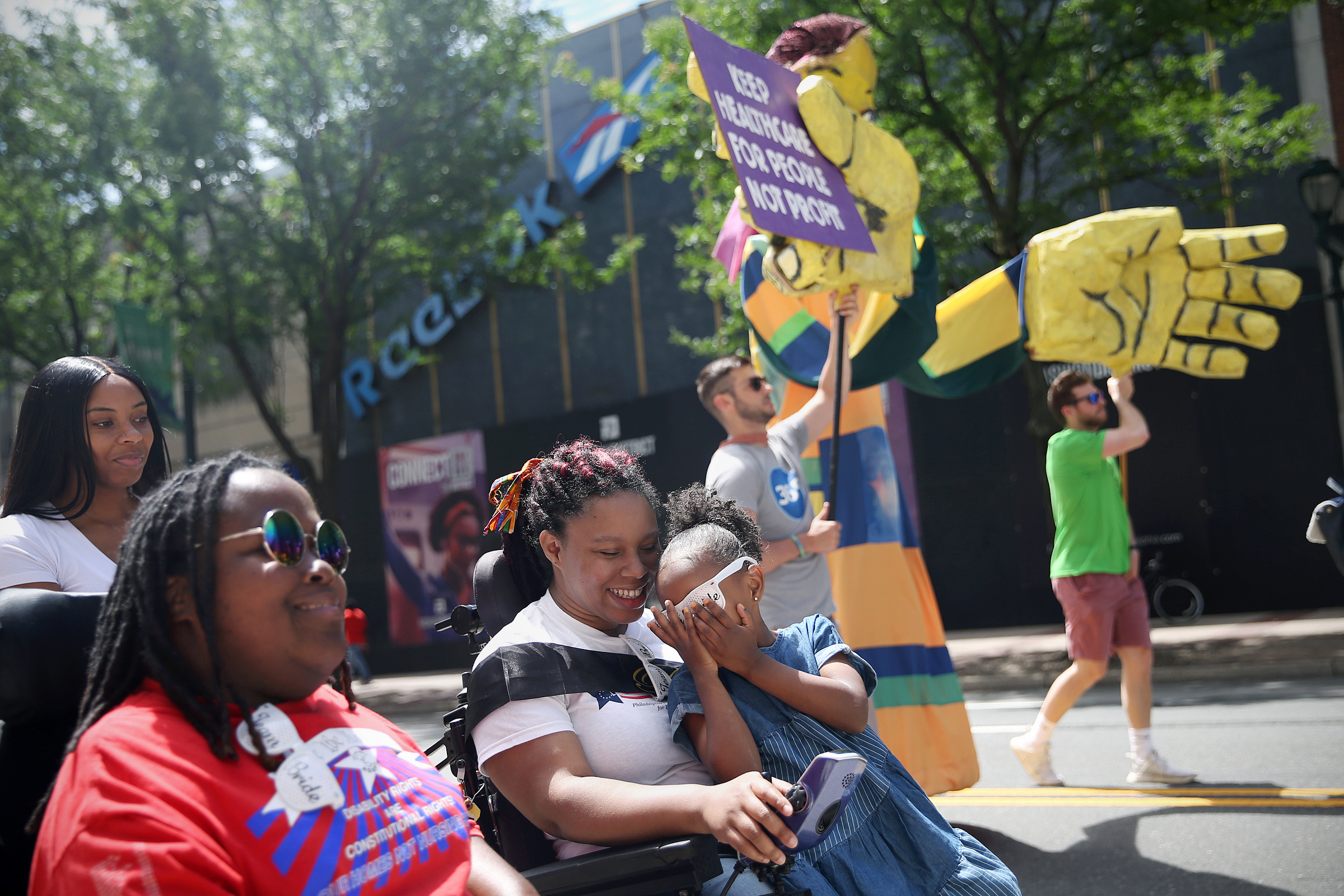
    Disability pride rests on one central argument: Whomever you are, regardless of your body, mind, or circumstances, all of us deserve dignity, choice, joy, and freedom. In this photo from 2024, Tony Guyatory Brooks leads the Disability Pride March.Jay Outhier

    Disability pride rests on one central argument: Whomever you are, regardless of your body, mind, or circumstances, all of us deserve dignity, choice, joy, and freedom. The disability rights movement spent generations fighting for laws to guarantee this. Those legal protections now face a coordinated challenge.

    On June 18, the U.S. Department of Justice’s Office of Legal Counsel released a memo that claims the U.S. Supreme Court’s landmark 1999 decision in Olmstead v. L.C. did not require states to provide services in community settings rather than institutions. That interpretation contradicts 27 years of court decisions, federal enforcement, and disability rights advocacy grounded in the principle that unnecessary segregation of disabled people violates federal law.

    The memo did not appear in a vacuum. Six states pursue active litigation in Texas v. Kennedy, a case that seeks to strip federal disability protections.

    Two days before the memo dropped, the U.S. Department of Education announced plans to shift key disability and civil rights offices — including the Office for Civil Rights — out of Education and into other agencies. For Pennsylvania, where young people with disabilities make up a substantial share of the student population, this transfer reaches beyond bureaucratic reshuffling. It will affect families, schools, and students across the commonwealth.

    A common assumption links these actions: home and community-based services cost too much, stretch too thin, or prove too difficult to sustain. When community supports seem unavailable, institutions get framed as the responsible alternative. But this scarcity did not arise on its own; it was manufactured.

    Pennsylvania itself shows a different way.

    Over decades, Pennsylvania moved steadily away from institutional settings and toward community integration.

    When leaders invest in home and community-based services, people thrive. Earlier this year, the Shapiro administration announced that Pennsylvania cut its emergency waiting list for intellectual disability and autism services by 31%, and reached the lowest direct support professional vacancy rate in more than a decade.

    The Pennsylvania Developmental Disabilities Council also supported innovative housing initiatives that help people with disabilities live in their communities rather than institutions. Several Pennsylvania counties expanded access to home and community-based supports, allowing more than 42,000 Pennsylvanians to receive services in their homes and communities; some counties eliminated their emergency waiting lists entirely.

    These successes happened because Pennsylvania chose to fund home and community-based services. They matter nationally because they expose a flaw at the heart of the federal argument. Researchers document what they call the “Olmstead effect”: states that invest in home and community-based services see fewer people confined to institutions or at risk of landing in one.

    Disability stands alone as the one minority group designation that anyone can join at any point in life, so this issue may eventually touch all of us. Aging, illness, and injury make disability part of the human experience. The policies behind community living, accessible education, and civil rights protections reach beyond abstract legal debates. They determine whether you, me, and the people we love can live independently, participate in our communities, and exercise meaningful choice over our own lives.

    Domonique Howell (center) and her daughter, Rylee, 5, take part in the annual Disability Pride Parade along Market Street in Center City in, 2019. TIM TAI / Staff Photographer

    This July, Disability Pride Month offers a concrete ask: learn about the disability rights movement and the policies that make community life possible. Speak up when these hard-won rights come under threat. And when policymakers claim that community inclusion costs too much or seems unrealistic, remember Pennsylvania’s example: When we invest, inclusion works.

    Hannah Anderson is a writer and researcher and the founder of Learning Design Collective LLC. She lives with multiple disabilities, including vision and hearing impairment.

  • Penn and CHOP researchers lost millions in federal funding for healthcare research last week, forcing programs to close

    Penn and CHOP researchers lost millions in federal funding for healthcare research last week, forcing programs to close

    Children’s Hospital of Philadelphia researcher Christopher Forrest has spent nearly a decade training early-career scholars on how to design studies that improve care for kids with congenital heart disease, stroke, and influenza.

    That work ended last month, when he had to shut down his PEDSnet Scholars program. The federal funding designated for it stopped coming last fall.

    Forrest received official notice last week that the Agency for Healthcare Research and Quality (AHRQ) had canceled his $5 million grant — originally intended to last through 2028. The letter gave no specific reason, stating only that continuing the grant was not “in the best interest of the Federal Government.”

    PEDSnet Scholars trained researchers to study how healthcare systems can be organized and financed to improve health outcomes. It was one of 16 such programs nationwide funded by AHRQ. Another program site, located at the University of Pennsylvania, received an identical cancellation notice last week from AHRQ.

    “These are not controversial topics,” Forrest said.

    Eighty-two affected grants totaling an estimated $211.6 million as of Tuesday had come to the attention of AcademyHealth, a nonprofit that supports health researchers and has been tracking AHRQ grant cancellations. Those include funding for research projects, career development, training programs, and centers.

    Some researchers received letters saying their work did not align with the agency or federal government’s priorities, followed by a list of the priorities, AcademyHealth president Aaron Carroll said.

    However, many of these projects appear to be directly aligned with priorities, he said.

    One involved a randomized trial of antibiotic stewardship — efforts to encourage careful and responsible use of antibiotics to avoid resistance — across 40 hospitals. Yet in the letter canceling it, antibiotic resistance was listed as a priority.

    “It can’t possibly be that all of these grants that are seeking to improve the quality, safety, and efficiency, and patient-centeredness of healthcare delivery are all incompatible with this or any other administration’s priorities,” said Scott Halpern, a Penn health services researcher whose funding was also canceled.

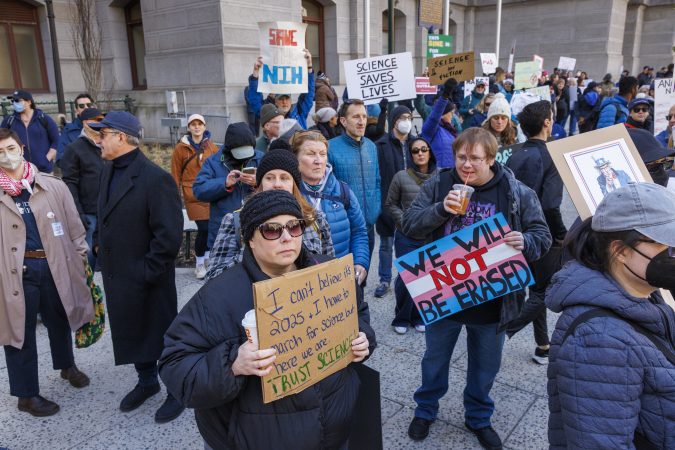
    Billions in scientific funding have been disrupted under President Donald Trump’s administration over the last year and a half, prompting lawsuits and court reversals in certain cases.

    The Department of Health and Human Services did not respond to requests for an exact count of the grants impacted, saying in a statement that the AHRQ director determines “whether continuation funding is in the best interest of the federal government.”

    “To be clear, these grants were not terminated — they were not awarded continued funding,” the HHS statement said.

    ‘Incredibly demoralizing’

    In late 2025, Halpern had planned to hire a new staff member for the Penn PORTAL program, one of the 16 AHRQ-funded training programs, separately funded from CHOP’s program.

    His team identified a candidate, but — unable to access funding from their $5 million grant since the fall — delayed extending an offer.

    The position was ultimately eliminated. They also rescinded offers to train new scholars in the program.

    Halpern received his official notice last week that his grant, set to continue into 2028, was canceled. He had only spent $1.5 million of it so far.

    Instead of having 10 trainees this month as planned, the Penn program has zero.

    “To not have the resources to support the people who will make a difference in the future is incredibly demoralizing,” Halpern said.

    He drew on philanthropic resources and a roughly $150,000 commitment from Penn Medicine to finish training his first cohort. However, the second cohort of scholars was stopped midway.

    As a result, projects on improving translation services for hospitalized patients and expanding access to hormone therapy for menopausal women were canceled.

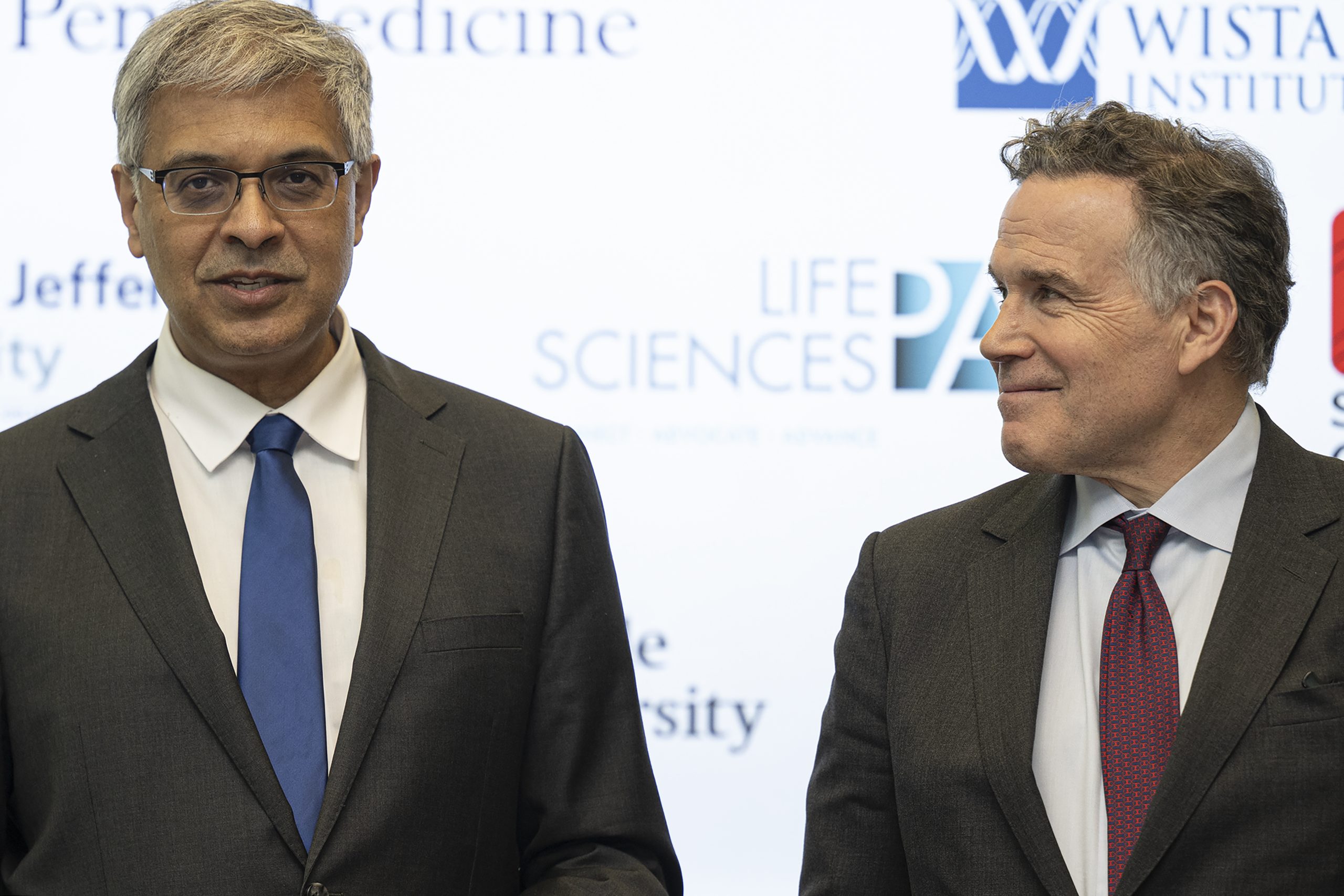
    Jay Bhattacharya (left), director of the National Institutes of Health, and Sen. David McCormick (R., Pa.) speak to the media in March, after touring University of Pennsylvania facilities to highlight NIH-funded research in Philadelphia.Jose F. Moreno / Staff Photographer

    Grant cancellations from AHRQ will have longstanding impacts on advancing healthcare in the United States, a Penn Medicine spokesperson said in a statement, declining to answer more specific questions.

    “Some research projects at Penn Medicine have felt those cuts at their core and impactful work now cannot progress as planned,” the statement said.

    CHOP did not respond to a request for comment.

    In limbo

    Penn researcher Jaya Aysola had not heard as of Tuesday whether her AHRQ grant is canceled, but she assumes the notice is coming.

    She had received a $3.8 million grant to serve as a coordinating center for the 16 training centers starting in 2024. The grant should have been renewed for its second year last November, but that didn’t happen.

    At first, she was told by the agency that it was delayed due to the government shutdown. Then she was told it was held up due to a lawsuit filed by the Society of General Internal Medicine, a physicians group, in August over AHRQ shutting down its grantmaking program.

    Since then, “it’s been radio silence,” she said.

    All but roughly $300,000 of her grant remains unused. Unable to access funds since last fall, she had relied on bridge funding from the university to support staff and research faculty.

    When that funding ended earlier this year, she had to find new jobs and projects for three of her full-time employees, as well as three part-time employees.

    “We already shut down most of the operations,” Aysola said.

    The work she has done since has largely been pro bono with her personal time and limited internal funding.

    Aysola convened a meeting this spring with the 16 AHRQ-funded training centers to discuss how other programs were bridging the gap in funding. Most had paused on accepting new trainees, and have prioritized finishing the current cohort’s work.

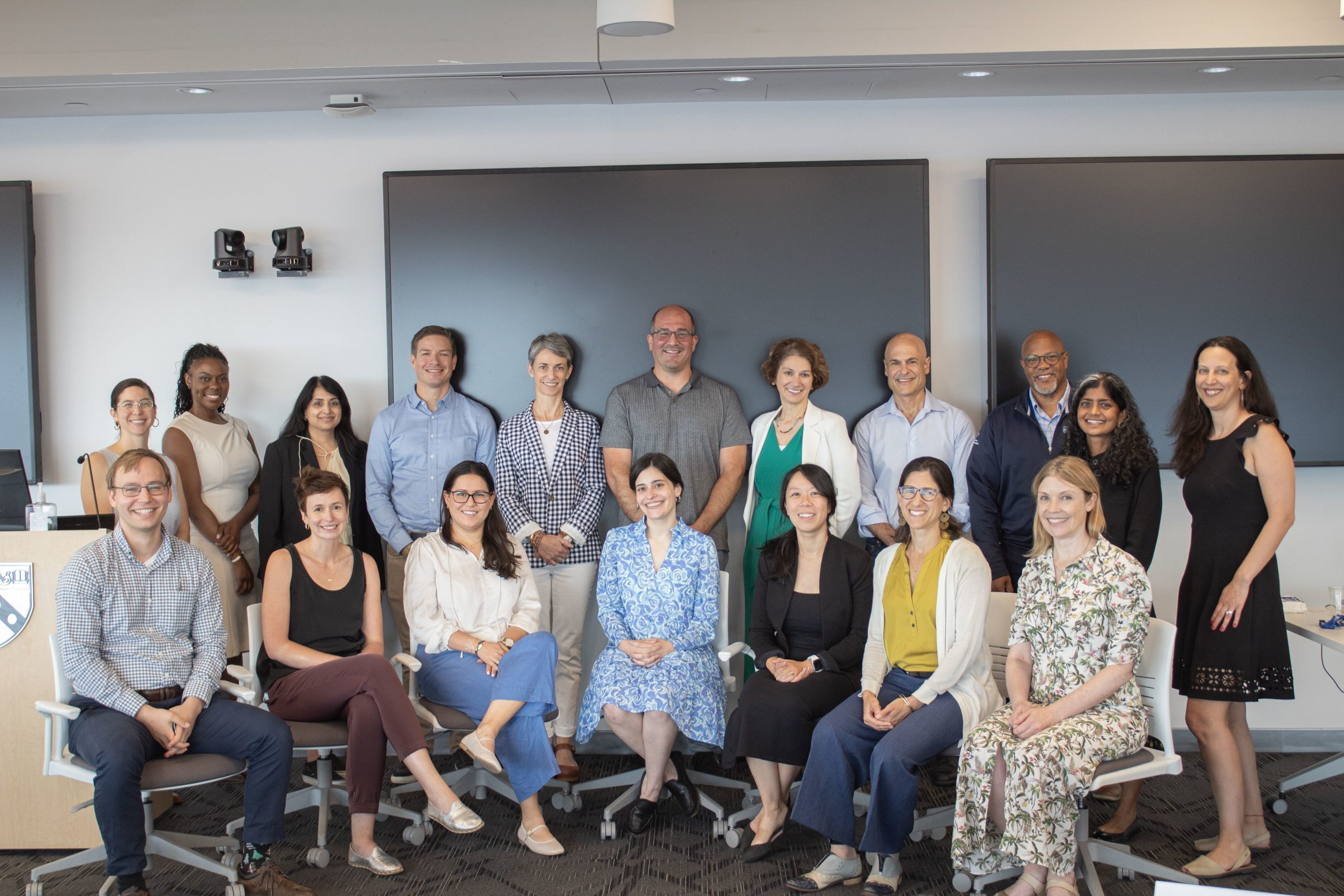
    A July 2025 group photo featuring scholars and faculty leaders in the Penn PORTAL program, which was affected by recent cuts to AHRQ grants.Courtesy of Scott Halpern

    At Halpern’s Penn PORTAL, the first cohort of scholars’ projects have already been implemented. Across the Penn health system, they “are yielding improvements in the patient experience of care,” Halpern said.

    None of the projects led by later cohorts, who would have been trained had the full five years of funding been maintained, are likely to see the light of day, he added.

    He hopes to bring awareness to what he considers an inappropriate cancellation of AHRQ funding. Many organizations are exploring options in terms of advocacy and potentially legal engagement, he added.

    CHOP’s Forrest estimates 30 faculty will never be trained due to PEDSnet Scholars losing its grant funding.

    “It’s very sad because it’s been so instrumental to my career, and I had hoped that it would be instrumental to the career of many of our junior faculty,” Forrest said.

  • Shapiro visits Philly to debut $125 million investment in Pennsylvania’s life sciences industry

    Shapiro visits Philly to debut $125 million investment in Pennsylvania’s life sciences industry

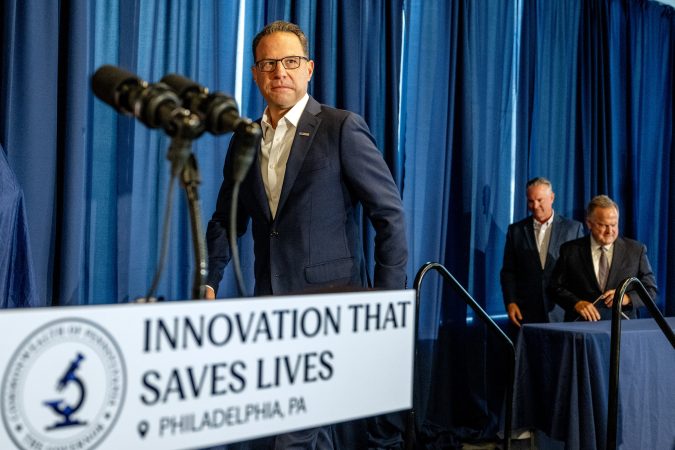
    Gov. Josh Shapiro visited a University City life sciences incubator on Tuesday to celebrate a new $125 million fund aimed at boosting Pennsylvania’s life sciences industry.

    The funding — approved in the $50.8 billion state budget deal reached earlier this month — will go toward developing new talent pipelines, help offset the cost of clinical trials, and expand access to venture-capital funding.

    While Philadelphia has historically trailed other metropolitan areas, like Boston and San Francisco, in attracting life sciences investments — including in the biotechnology and pharmaceutical fields — lawmakers and industry leaders said they hope the new funding will help close the gap. The money will be available for projects across the state.

    “I think you can feel the momentum building all across our commonwealth in the life sciences space,” said Shapiro, who was joined at the B+labs facility by industry leaders and Democratic state lawmakers. “After really not being on the field of competition in the life sciences space for years and years and years, Pennsylvania is not just competing again. Pennsylvania is winning.”

    The new funding comes as some of the nation’s largest life sciences companies have announced their plans to invest billions in Pennsylvania, an accomplishment touted by Shapiro’s administration.

    Johnson & Johnson announced this spring its plans to build a $1 billion cell therapy plant in Montgomery County. And pharmaceutical giant Lilly is expected to break ground on a $3.5 billion manufacturing facility in the Lehigh Valley, set to be fully operational in 2031.

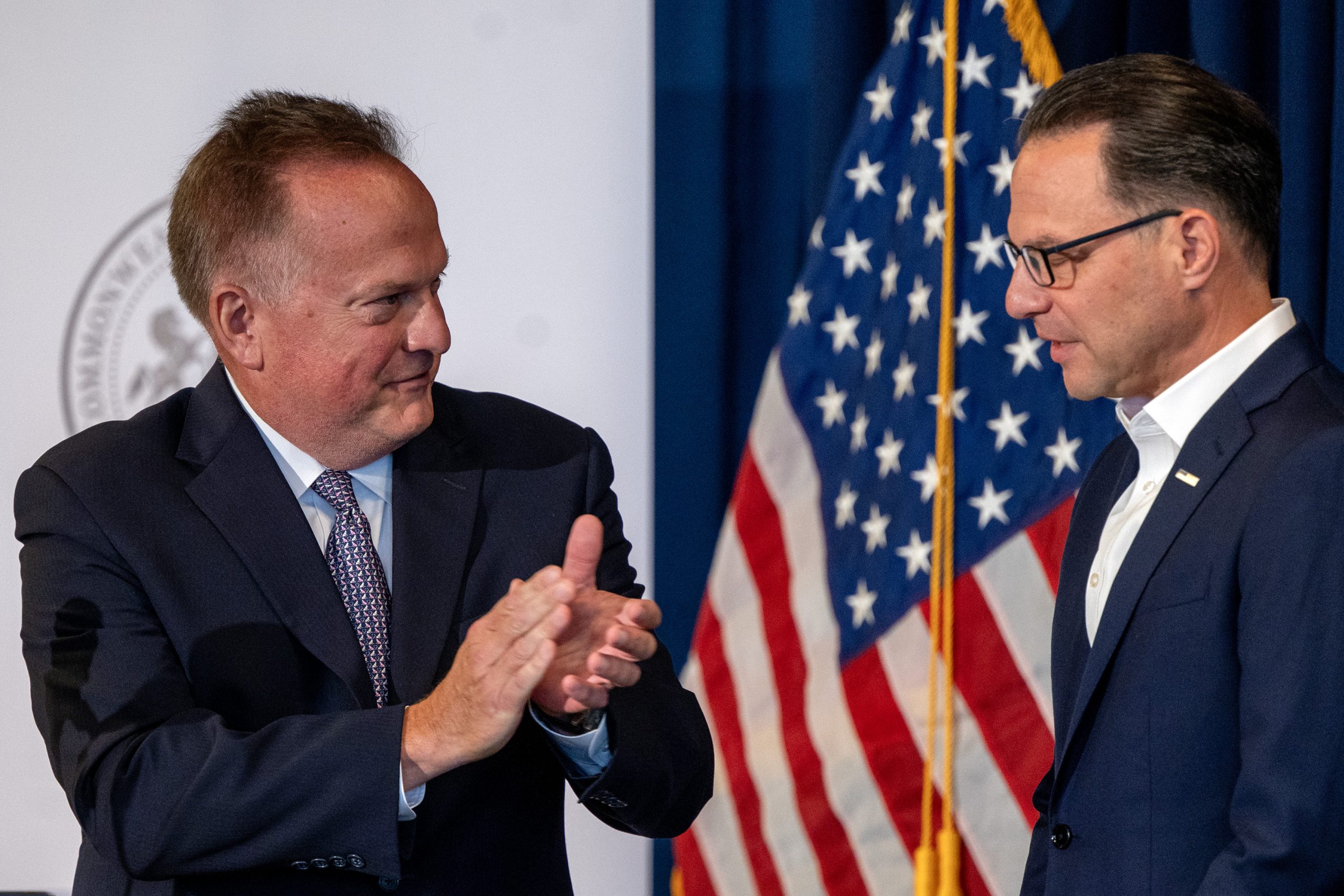
    Chris Molineaux (left) president & CEO of Life Sciences Pennsylvania introduces Gov. Josh Shapiro as he visits B+labs Tuesday, July 21, 2026 to tout a new $125 million program “to expand venture capital access” for Pennsylvania companies investing in life science innovations.Tom Gralish / Staff Photographer

    Shapiro on Tuesday noted Pennsylvania’s potential to be a national hub for the life sciences industry, given the state’s robust research universities, adding that more than 100,000 Pennsylvanians work in the sector.

    The $125 million investment is the state’s most significant in almost three decades and is a “true differentiator,” said Chris Molineaux, the CEO of Life Sciences Pennsylvania, a trade group. Last year, Shapiro called for Harrisburg to invest $30 million in life sciences funding, but the money was not allocated in the final state budget.

    Of the nearly 1,000 businesses in his organization, Molineaux said, more than 400 are small start-ups with fewer than 10 employees, and will benefit from the additional dollars. A vibrant start-up landscape in Pennsylvania, he added, means there is plenty of innovation, but also competition for limited funding.

    “Entrepreneurialism is alive and well in Pennsylvania,” Molineaux said. “But it’s also an extremely fragile community that needs the kind of public policy support, the nurturing, and the financial support.”

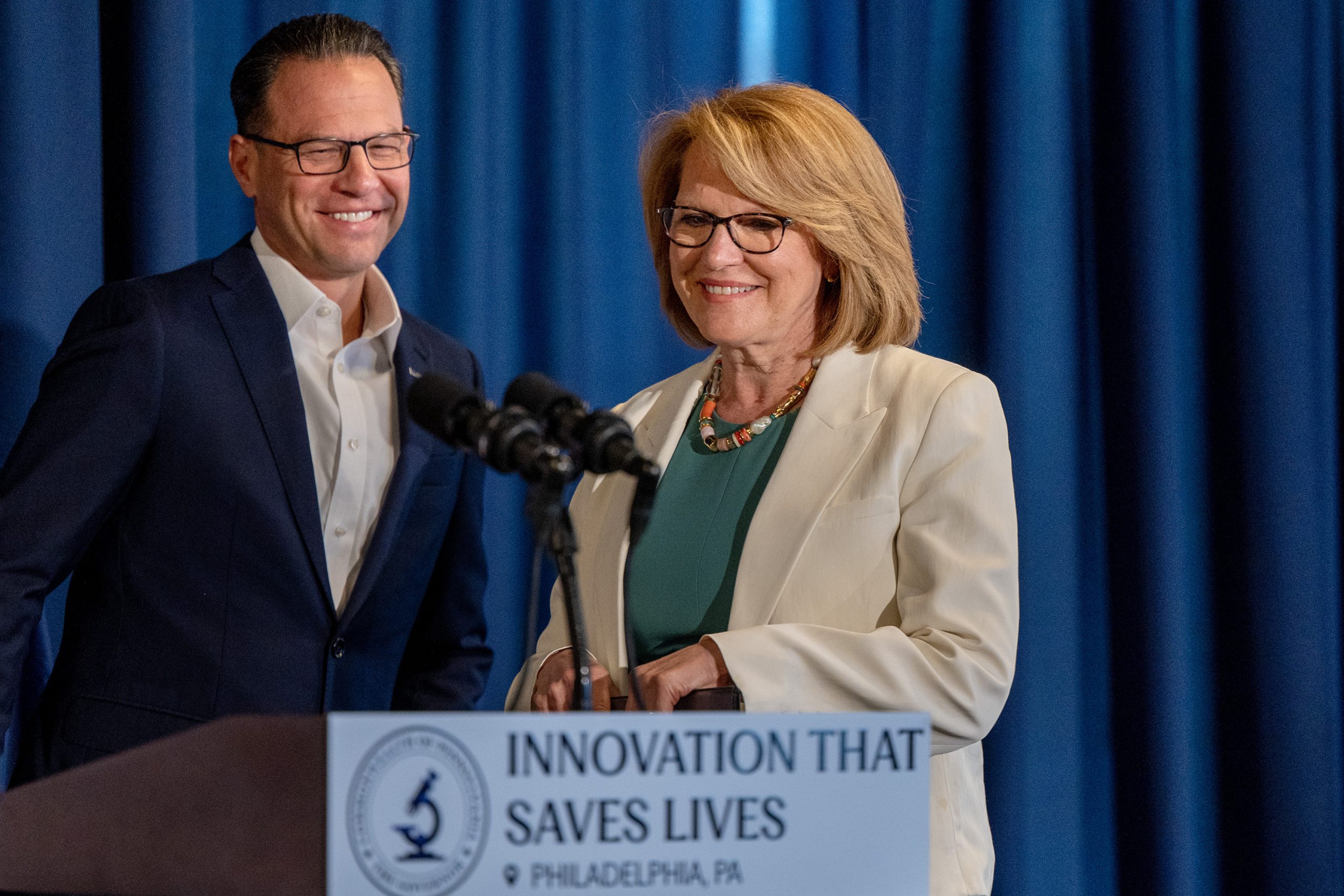
    Madeline Bell (right), CEO of Children’s Hospital of Philadelphia joins Gov. Josh Shapiro as he visits B+labs Tuesday, July 21, 2026 to tout a new $125 million program “to expand venture capital access” for Pennsylvania companies investing in life science innovations.Tom Gralish / Staff Photographer

    Children’s Hospital of Philadelphia CEO Madeline Bell told the crowd the story of a baby whose rare metabolic disorder was treated by the hospital’s doctors with a first-of-its-kind custom gene-editing therapy. That type of innovative treatment is made possible through outside funding and support from lawmakers, Bell said, stressing the importance of the state’s new investment.

    “It’s going to make our breakthroughs possible. It is going to get them from the bench to the bedside more quickly,” Bell said.

    The state will finance the program through the sale of insurance premium tax credits to insurance companies.

    Shapiro said the funding is expected to become available in a few weeks and will be disbursed through an application managed by the Pennsylvania Department of Community and Economic Development.

    The program is structured to prioritize projects that address needs specific to Pennsylvania, according to literature provided by the state, and will support projects developed by companies founded by people in historically underrepresented groups that have not always had access to funding.

    “Part of this funding will go to make sure that folks who historically did not get invested, get invested,” said Democratic State Sen. Vincent Hughes, who represents West Philadelphia. “That communities not too far away from here, blocks away from here, get the opportunity to allow their young people and their genius to be realized.”

    Tiny cupcakes offered at B+labs Tuesday, July 21, 2026 as Gov. Josh Shapiro visits to tout a new $125 million program “to expand venture capital access” for Pennsylvania companies investing in life science innovations.Tom Gralish / Staff Photographer

    The program — named Innovate in PA 2.0 — builds on the 2013 Innovate in PA initiative signed into law by then-Gov. Tom Corbett, which offered $100 million in seed funding to technology startups.

    “Innovators, we believe in you. This state believes in you,” Hughes said. “There is a group of people in this commonwealth of Pennsylvania who believe in you, will continue to invest in you, and want to make sure that your dreams of saving lives turn into reality.”

  • I’m a Philly neonatologist. Every time I discharge a baby from the NICU, I worry about the air they’ll breathe at home | Expert Opinion

    I’m a Philly neonatologist. Every time I discharge a baby from the NICU, I worry about the air they’ll breathe at home | Expert Opinion

    Discharge day in the neonatal intensive care unit, or NICU, should feel like a finish line. After weeks or months of monitors, alarms, oxygen, feeding tubes, blood tests, and waiting, a family can finally take their baby home.

    As a neonatologist, I know how much work it takes to get that baby there. Their lungs have grown stronger. Their feeding has improved. Their medications have been adjusted and readjusted. The car seat test has been passed.

    But every time we prepare to discharge a preterm infant, I find myself thinking about something that is not listed in the NICU discharge summary: What is the air like in the home and neighborhood where this child lives?

    That question has animated my clinical and research life. Before I was a neonatologist, I worked in a toxicology lab studying fine particulate matter, or PM2.5. These are tiny particles produced by sources such as vehicle exhaust, power plants, and industrial emissions. They are small enough to be inhaled deep into the lungs and may enter the bloodstream. In the lab, we studied how early-life exposure to polluted air could affect the developing heart and lungs.

    Years later, caring for preterm infants in Philadelphia, I am confronted by the same question. Not in a dish or an animal model, but in the lives of my patients — whose lungs are still developing when they leave the hospital — and their parents.

    Preterm infants face double exposure

    Before my patients are born, their pregnant parent is already breathing the air in the place they call home, whether that’s in Philadelphia, Delaware County, or beyond. When a pregnant parent breathes polluted air, it may increase the risk of preterm birth, making it more likely I’ll see that baby in the NICU.

    But delivery does not end the exposure. The same air pollution may still be there when the infant comes home. The difference is that now, alongside their parent, a preterm infant with developing lungs is breathing it too.

    That means some infants may face a double exposure: first before birth, then again after discharge.

    As seen from the Live! Casino parking garage, haze hangs over the Center City skyline on July 15. Smoke from the Canadian wildfires was creating unhealthy air quality.Elizabeth Robertson / Staff Photographer

    Small pollution differences can have big impacts

    In Philadelphia and other large cities, the distribution of dirty air — and therefore the likelihood of facing this double exposure — reflects how American cities have been built. Highways, industrial sites, and traffic corridors have long been concentrated near communities that have also been negatively affected by policy choices such as redlining and disinvestment. Black families and lower-income families are more likely to live in neighborhoods where the air is worse and to face higher rates of preterm birth.

    My own research has focused on infants with bronchopulmonary dysplasia, or BPD. This is a chronic lung disease that affects many babies born very prematurely. These infants often spend weeks or months receiving respiratory support in the NICU. Even after they leave, their lungs remain vulnerable.

    In one Philadelphia study of 378 preterm infants with BPD who were cared for in NICUs affiliated with the Children’s Hospital of Philadelphia, we used a state-of-the-art air pollution model to estimate PM2.5 exposure at each infant’s home address and examined the association of PM2.5 exposure with respiratory illness during the first year after discharge.

    What we found was striking because the pollution levels at home were low. In fact, the average exposure was below the long-standing federal annual standard. Yet among infants with the mildest and most common form, grade 1 BPD, each small increase in annual PM2.5 exposure was associated with substantially higher odds of the infant developing a respiratory illness severe enough to require emergency care.

    More recently, we followed this same cohort of children through early childhood. We found that higher PM2.5 exposure in the first year after discharge was associated with a higher risk of asthma by the age of 5, an age when many kids enter kindergarten. In other words, what a baby breathes in the months after going home may be associated with respiratory health years later.

    The American Lung Association’s 2026 State of the Air report again shows that poor air quality remains a real problem in the Philadelphia region. Those rankings may sound like background noise. Another annual report. Another set of grades. But for my patients, air quality is meaningful. It is part of the discharge plan, whether we name it or not.

    What families and policymakers can do

    So what do we do? It is tempting to propose individual solutions. Families can use indoor air purifiers. They can avoid outdoor activity on bad-air days. They can keep windows closed during wildfire smoke events.

    The Environmental Protection Agency strengthened the annual PM2.5 standard in 2024, lowering it from 12 to 9 micrograms per cubic meter. In practice, the standard establishes a nationwide, health-based benchmark for outdoor air quality and requires states to develop pollution-reduction plans for areas that fail to meet it. That change matters because a growing body of evidence suggests that breathing PM2.5 can harm health even at levels once considered acceptable.

    My patients are part of that evidence. Their lungs are telling us that small differences in PM2.5 exposure may matter and that exposure to PM2.5 levels once considered low may have substantial implications for health when infants breathe that air day after day over a long period of time.

    There are also local interventions worth taking seriously. Cities can reduce traffic-related emissions near homes, schools, and childcare centers. They can electrify municipal vehicle fleets. They can enforce industrial pollution limits. They can invest in high-quality housing. They can also expand tree canopy and green space, which can help capture airborne pollutants and reduce urban heat.

    When clinicians discharge a baby from the NICU, we are making a quiet bet that the world outside the hospital will help that child thrive. But decisions made far beyond the bedside shape the quality of the air all children breathe.

    Tim Nelin is an instructor of pediatrics at the University of Pennsylvania’s Perelman School of Medicine.

    Reprinted from The Conversation.

  • Why AI and TikTok could make the youth mental health crisis even worse | Expert Opinion

    Why AI and TikTok could make the youth mental health crisis even worse | Expert Opinion

    Imagine a 15-year-old scrolling through TikTok videos late at night and encountering a video titled: “Five signs you have ADHD that NO ONE talks about!” By morning, she’s watched 20 more. By the weekend, she’s certain she has ADHD — without ever having seen a professional.

    Social media and increasingly, AI chatbots have become go-to mental health resources for teens. I understand the appeal of a seemingly quick and convenient way to get answers. We’ve all been Googling symptoms and searching WebMD for years.

    But social media is now inundated with false information, and AI companions can amplify those mistruths. Teens who forget an assignment or daydream in class can become wrongly convinced that their common experiences point to a condition like ADHD. It’s critical that they learn to never take an online diagnosis at face value and to consult a professional.

    The adolescent mental health crisis

    Less than half of children and youth are receiving appropriate care for their mental health needs. That includes the 40% of high school students who report persistent sadness or hopelessness, an increase of roughly 10% from a decade ago. Nearly 20% of these youth have seriously considered suicide.

    Many teens without access to expert care will fill that void digitally: In one survey, roughly 29% of respondents reported self-diagnosing via social media; among Gen Z, that figure was significantly higher.

    AI is accelerating this trend. A Common Sense Media study found last year that 72% of teens had used AI companions at least once, and 52% did so regularly. In another nationally representative survey, about 20% of adolescents and young adults reported having used AI chatbots for mental health advice, an increase of nearly 50% in just one year. Notably, 63% never told anyone about it.

    Platforms like Replika and Character. AI allow teens to build highly customized AI “companions” that remember your history, adapt to your language, and are available at 2 a.m. when no one else is.

    The adolescent brain is very sensitive to social validation and identity cues — traits that social media platforms are engineered to exploit. A central question of adolescence is: Who am I? Diagnostic labels feel like answers.

    And the social media algorithm makes it all very convincing. Once a teen engages with one mental health video, the platform serves up more — not because the content is accurate, but because engagement drives engagement.

    Richard J. Chung is a physician and the senior medical director for Enterprise Adolescent Medicine at Children’s Hospital of Philadelphia.Courtesy of CHOP

    Why the content can’t be trusted

    A recent analysis of the top 100 TikTok videos tagged #teenmentalhealth found they collectively were viewed over 140 million times, yet only one video incorporated scientifically supported content.

    Most content creators are not licensed clinicians; they speak from lived experience and often with a financial interest in selling products and coaching services. They are rewarded for content that is emotionally compelling and shareable, not clinically careful.

    A video that says “here are five signs you’ve experienced trauma” can spread faster and wider than one explaining the differential diagnosis of mood symptoms.

    AI makes it personal and more dangerous

    A TikTok video is static, but a chatbot adapts to your phrasing, mirrors your concerns, and rarely pushes back. Because AI systems are optimized to keep you engaged, they default to agreement and validation, even when pushback is appropriate.

    In some cases, the consequences can be catastrophic. Published case reports and wrongful-death lawsuits have documented adolescents disclosing suicidal thoughts to AI chatbots that sometimes offer back information on suicide methods and discourage users from seeking human support.

    Chatbots cannot do what a trained clinician does: assess for risk, challenge harmful thinking, and ensure a young person stays connected to care.

    All of this also makes it harder for teens who need the most help to get it. I know of one patient who struggled silently with a debilitating anxiety disorder for months because all her friends said they had it as well. They weren’t getting treatment, so why should she?

    What you can do

    For parents: Engage before you judge. Download TikTok. Search #mentalhealth, #anxiety, #ADHD — understand what your child is actually watching.

    Teach a simple credential check: does this creator have LCSW, Ph.D., MD, or DO in their bio?

    Watch for red flags: brief checklists presented as clinical diagnoses, product marketing, sweeping generalizations, absolute claims, and a few too many exclamation points. The goal is not to ban the conversation. It’s to be part of it.

    For teens: Let social media be a starting point, not a conclusion. If content resonates, write it down and bring it to a counselor or a doctor. Your curiosity is valuable and deserves to be met with high-quality guidance and support.

    Start with your pediatrician — they can screen for mental health conditions and coordinate referrals without you navigating the system alone. And always remember, you can call or text 988 for crisis support.

    Lastly, we need your help! Pediatric Health Chat at CHOP wants to hear from you about what you’re seeing and hearing on the internet so that we can work together to improve the quality of information out there.

    Building the system teens deserve

    With real help too often out of reach, teens are turning to TikTok in search of answers.

    The response from parents, clinicians, and policymakers should not be limited to policing social media or AI. Investing in services, removing barriers to care, and creating policies shaped by youth, will help ensure real help is as readily available offline. We must build the system of care that teens actually need, IRL.

    The views expressed in this article are those of the authors and not necessarily those of CHOP. This information is not intended to provide medical advice, diagnosis, or treatment. Always consult a qualified healthcare professional regarding any health or medical concerns.

    Richard J. Chung is a physician and the senior medical director for Enterprise Adolescent Medicine at Children’s Hospital of Philadelphia.

  • CHOP will help build Abu Dhabi’s gene-editing expertise in new partnership

    CHOP will help build Abu Dhabi’s gene-editing expertise in new partnership

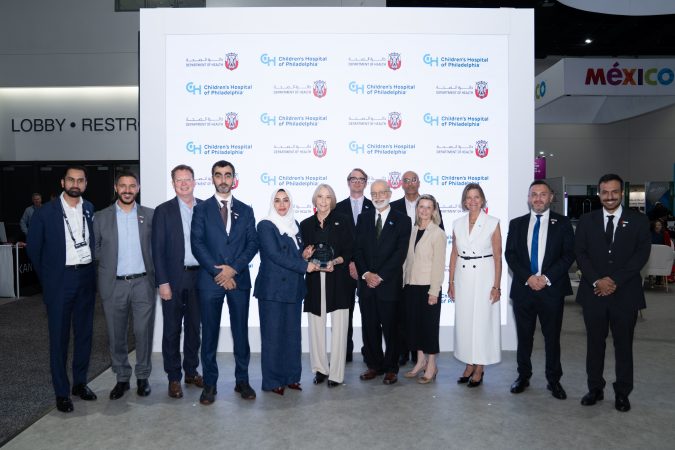
    CHOP is partnering with Abu Dhabi to train scientists from the United Arab Emirates’ capital in its pioneering gene-editing treatments.

    This marks CHOP’s first overseas partnership specific to gene-editing. The Philadelphia hospital has received global recognition for its work in the field, from a landmark therapy for inherited blindness approved in 2017 to last year’s first-of-its-kind personalized treatment for Philadelphia-area infant “Baby KJ.”

    Under a five-year agreement signed last month between Children’s Hospital and the Department of Health – Abu Dhabi, CHOP will train scientists from the UAE on all aspects of gene therapy development.

    The collaboration will focus on building local expertise in base-editing therapies for liver metabolic disorders, genetic clotting disorders, urea cycle disorders, and central nervous system conditions.

    This latest partnership builds on CHOP’s longstanding relationship with Abu Dhabi, which in recent years has included a partnership to advance research in pediatric oncology.

    Since founding its Global Health Center in 2007, CHOP has also collaborated with Brazil to build a CAR-T cell production center and with Botswana to advance clinical care and research.

    CHOP declined to comment on the finances of the new partnership.

    Five CHOP labs will host the UAE trainees, who will each spend 18 months to two years in West Philadelphia. Their training will span the bench to bedside — including learning how to design and manufacture the therapies, test their efficacy, and meet regulatory guidelines.

    The first cohort is expected to start in early 2027.

    “It’s hard to convey 25 years of knowledge in a few years of training,” Beverly Davidson, CHOP’s chief scientific strategy officer said. “But by bringing multiple individuals with different areas of focus together at the same time, we can help accelerate that.”

    She learned of UAE leaders’ interest in expanding their personalized medicine efforts at the Abu Dhabi Future Health Summit in April 2025. That discussion inspired her and CHOP scientist Lindsey George, who was also in attendance, to devise the training program.

    “Our ambition is to ensure these innovations are developed responsibly and become more accessible to patients in Abu Dhabi, the region and beyond,” Noura Khamis Al Ghaithi, undersecretary of the Department of Health – Abu Dhabi, said in a statement.

    Prioritizing key disorders

    Part of the agreement involves working with Abu Dhabi scientists to identify and prioritize key disorders, Davidson said.

    The Emirati Genome Program has sequenced nearly one million genomes — making it one of the world’s largest DNA databases — in hopes of capturing the genetic diversity of UAE citizens.

    The UAE has a relatively high frequency of genetic disorders and ranks sixth in the world for the prevalence of congenital anomalies.

    Starting in January 2025, the UAE now requires couples to undergo genetic screening prior to marriage.

    “Both the Department of Health and the Children’s Hospital of Philadelphia believe this to be a long-term commitment to providing improved healthcare for UAE citizens,” Davidson said.

    Editor’s note: This story has been updated with the correct title for Beverly Davidson, CHOP’s chief scientific strategy officer.