Tag: Children’s Hospital of Philadelphia

  • A 20-year-old Amish woman with leukemia got measles and died in Pa.’s largest outbreak in three decades

    A 20-year-old Amish woman with leukemia got measles and died in Pa.’s largest outbreak in three decades

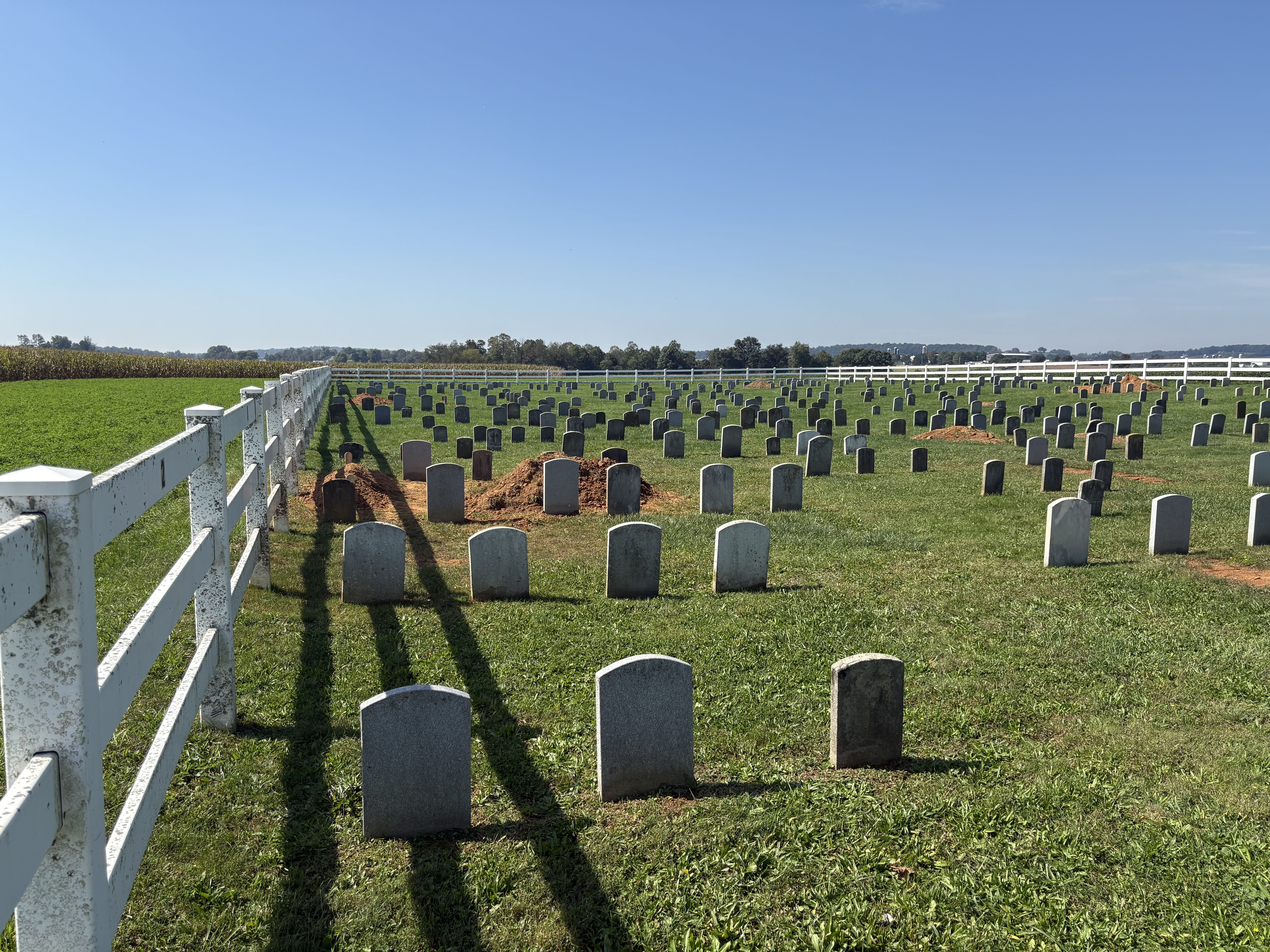
    The headstone had not yet been placed Thursday on the freshly dug grave where a 20-year-old Amish woman was buried this week amid the rolling clover fields and dairy farms at the edge of suburban Philadelphia.

    Newly wed, and receiving treatment for blood cancer, she was the last of nine siblings sickened when measles swept through her unvaccinated family’s home on a one-lane road in Lancaster County.

    At first, the home remedies that eased their symptoms seemed to help her, too: Soothing the fever with bath soaks. Calming the rash with coconut or olive oil. Cloistering in a dark room to ease light sensitivity.

    Then her fever spiked. She struggled to breathe and had to sleep sitting up in a recliner in the living room, her maternal grandmother recalled.

    Her family does not operate cars, in keeping with Amish beliefs, so they hired a driver to take her to the emergency department at Hershey Medical Center about an hour away. She died about two weeks later in the intensive care unit there, her grandmother said.

    Speaking on the porch of her stone farmhouse, the grandmother described the family’s experience with Pennsylvania’s largest measles outbreak in three decades, now the nation’s largest. At her request, The Inquirer withheld her name and that of her deceased granddaughter to protect the family’s privacy.

    She said her granddaughter ultimately developed double pneumonia and died after the family decided to discontinue use of a ventilator.

    The cancer made her especially vulnerable to a virus as contagious as measles, which will infect 9 in 10 unvaccinated people who are exposed.

    “Her immune system wasn’t built up,” the grandmother said. “She just couldn’t take it with the measles.”
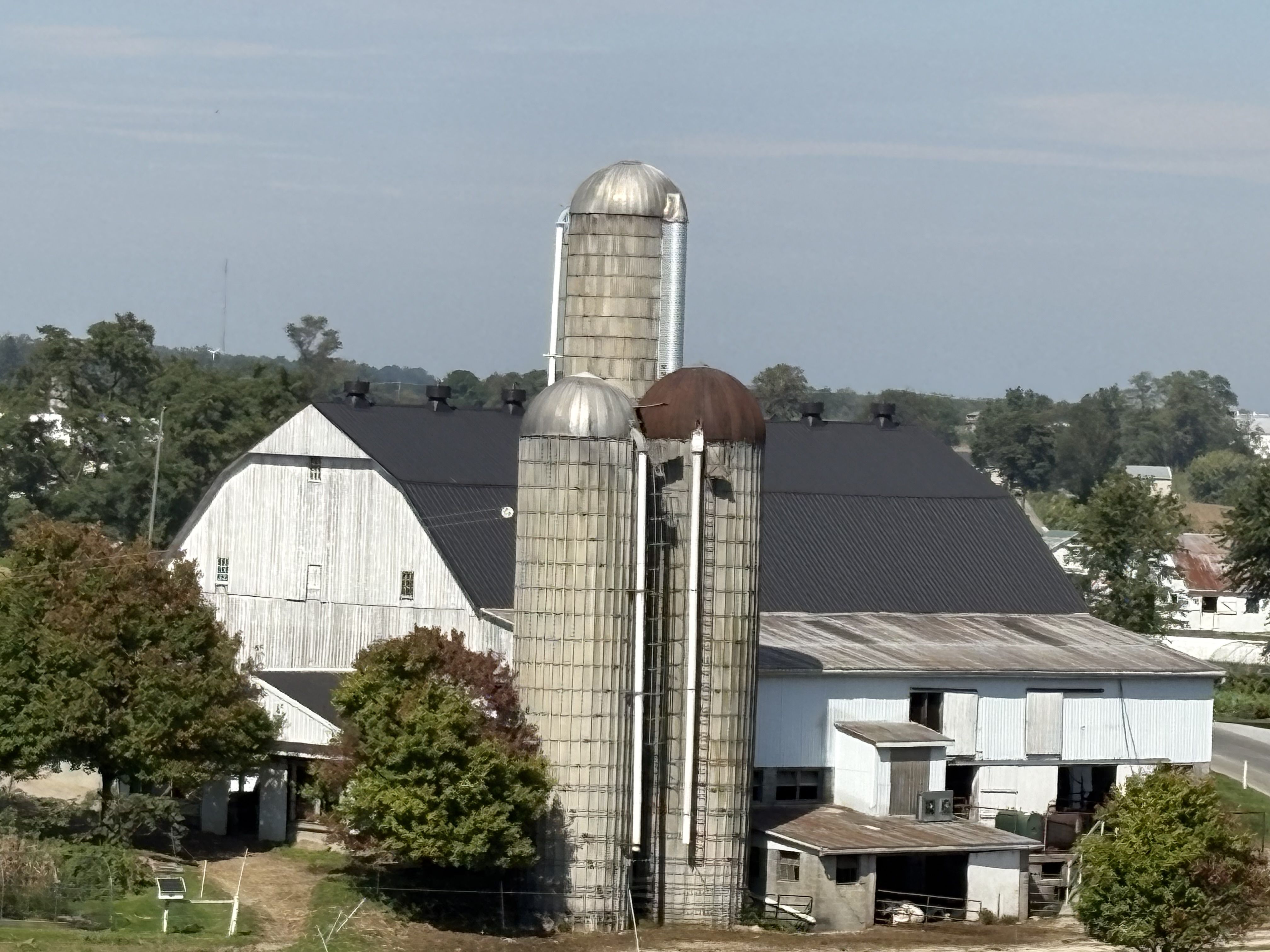
    The Lancaster County borough where a 20-year-old Amish young woman died from pneumonia caused by measles is dotted with diary farms and grain silos.Wendy Ruderman

    Pennsylvania reported on Wednesday its fifth measles-related death, revealing only that the latest fatality was an unvaccinated Lancaster County resident. Health officials did not provide further details, citing privacy laws.

    But it appears from the grandmother’s account, along with other records and news reports, that three of the five deaths occurred in adults with measles. Other reported deaths included an 18-year-old Amish woman from Mifflin County and a 40-year-old from Jefferson County with severe respiratory conditions. Two Amish infants in Lancaster County who had confirmed measles cases also died. All five cases involved people who were unvaccinated, either by choice or because they were too young to receive vaccines.

    The number of deaths in adults is striking, said Paul Offit, who heads the Vaccine Education Center at the Children’s Hospital of Philadelphia. Widespread childhood vaccinations had eradicated the disease in the United States, leaving mostly children too young to be vaccinated at high risk in recent decades. Now multiple generations of unvaccinated children are adults, exposing wider vulnerabilities across the state, Offit said.

    “We’re aging out a population that was never vaccinated,” he said.

    After learning the details of the 20-year-old’s death from The Inquirer, Offit explained that measles commonly leads to pneumonia.

    “The measles virus reproduces itself in the lungs and can cause severe and occasionally fatal infection,” he said.
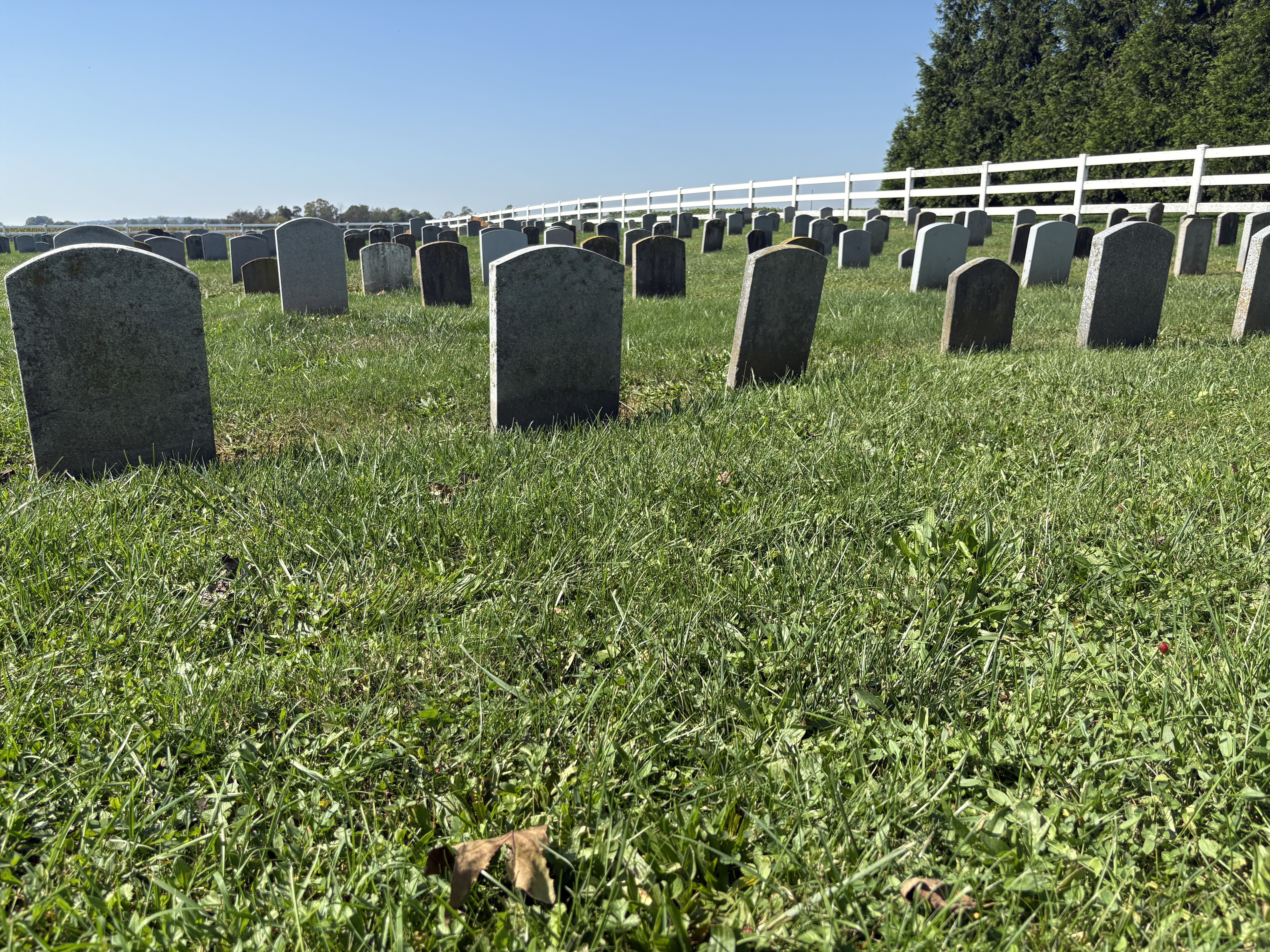
    The Amish cemetery where the 20-year-old woman is buried.Wendy Ruderman

    Too late to get vaccinated

    The young woman, the second oldest in a line of nine siblings, ages 6 to 22, feared getting measles in the outbreak in Lancaster County, her grandmother said.

    About two years ago, she was diagnosed with leukemia, a blood cancer, and began medical treatment with the help of an “English” neighbor — as Amish call outsiders — to drive her to her medical appointments.

    The treatment regimen of chemo and steroids further weakened her immune system. She knew she was at risk of more severe sickness from a viral infection like measles, which started spreading throughout her family in the late summer.

    Her eight siblings, her parents, and her new husband all got sick, the grandmother said.

    Along with home remedies, family members drank extra fluids to stay hydrated, the grandmother said.

    “They weren’t worried,” the grandmother said. “Measles just has to take its course.”

    Although no one in the household was vaccinated, they are not opposed to the vaccine based on Amish beliefs. They believe it’s an individual choice, she said, and many Amish people opt not to get vaccinated because they “don’t know what’s in it.”

    “We wouldn’t tell people not to get vaccinated,” the grandmother said. “It’s up to each person.”

    As illness spread in her household, her granddaughter grew more worried about getting the virus than about the vaccine that medical authorities have long considered safe and effective.

    She asked her doctor if she could get a measles vaccination. Her doctor said no. “She wasn’t allowed to get the shot because she was on chemo,” the grandmother said.

    The measles vaccine contains a live but weakened virus, and her granddaughter was already immunocompromised from the leukemia treatment.

    After getting measles, her granddaughter began to feel better in early September. She picked vegetables from the family’s garden to make soup using tomato juice as the broth. She canned jars for the coming cold months, her grandmother said.

    “She had good days,” the grandmother said.

    Then, in mid-September, she spiked a high fever, and her breathing became labored.

    “She could hardly breath. Her lungs were just in bad shape,” she said.

    The Amish typically only seek emergency hospital treatment until “sometimes we’re dying,” the grandmother said, recalling how her husband got chided by a doctor in 2018 for waiting too long to get the heart surgery he desperately needed.

    “We do what we can at home,” she said. “We have so many natural things we can do.”

    By Sept. 11, the family knew it was time to take her granddaughter for emergency care at Hershey Medical Center.

    At Hershey’s ER, doctors gave her a chest X-Ray, but sent her home before reading it, the grandmother said.

    “They wouldn’t do anything for her. They didn’t want her there,” she said. (A Hershey spokesperson did not reply to a request for comment on Friday.)

    A Hershey provider later called and left a voicemail message asking the family to bring her back. Although the family has a phone in their house, the grandmother said they rarely use it. With the ringer off, all calls go to voicemail, she said.

    A driver took them back to the hospital, where she was admitted on Sept. 14. An ultrasound showed fluid between the lining of her lungs and in her lungs. She was diagnosed with double pneumonia, her grandmother said.

    Hospital staff hooked her up to supplemental oxygen.

    “They had the oxygen up as far as they could and she still had to work to breathe,” the grandmother said.

    About a week later, they moved her to the intensive care unit, where they sedated her so they could put her on a ventilator while intubated.

    The hospital allowed two family members at a time to sit by her bed. Her granddaughter’s young husband and the girl’s mother sat vigil, the grandmother said.

    As she continued to deteriorate, life support was the only remaining option, and it carried the risk of neurological complications, including brain death.

    The family didn’t want that, the grandmother said. “They couldn’t do anything more,” she said.

    They turned off the oxygen and shut off the ventilator, Family members, including her new husband’s parents, gathered around her bed.

    She died with a breathing tube still in her mouth, the grandmother said.

    A happy first year of marriage

    More than 300 people came to the family’s home on Monday for the funeral service and viewing. She was buried in a cemetery near the family’s home, about a month before what would have been her first wedding anniversary.

    Despite being ill with leukemia, her granddaughter’s trademark “rosy pink cheeks” and “beautiful smile” beamed on her wedding day, her grandmother recalled.

    The November 2025 wedding, held at the family home, was a festive affair, with plates loaded up with chicken and vegetables, chicken and filling, pickled cabbage, and cooked celery.

    She feels sorry for her granddaughter’s husband, who declined to be interviewed. “They had a good year together,” she said.

    At the young woman’s home, two black dogs, with hay in their matted curly hair, greeted an Inquirer reporter on Thursday. Some of her family members were outside, unloading cornstalks from a horse-drawn wagon and feeding them into a John Deere harvesting machine.

    They stopped working and spoke to one another in Pennsylvania Dutch, a centuries-old German dialect, before fetching the young woman’s father, who declined to be interviewed.

    Staff writers Aubrey Whelan and Sarah Gantz contributed to this article.
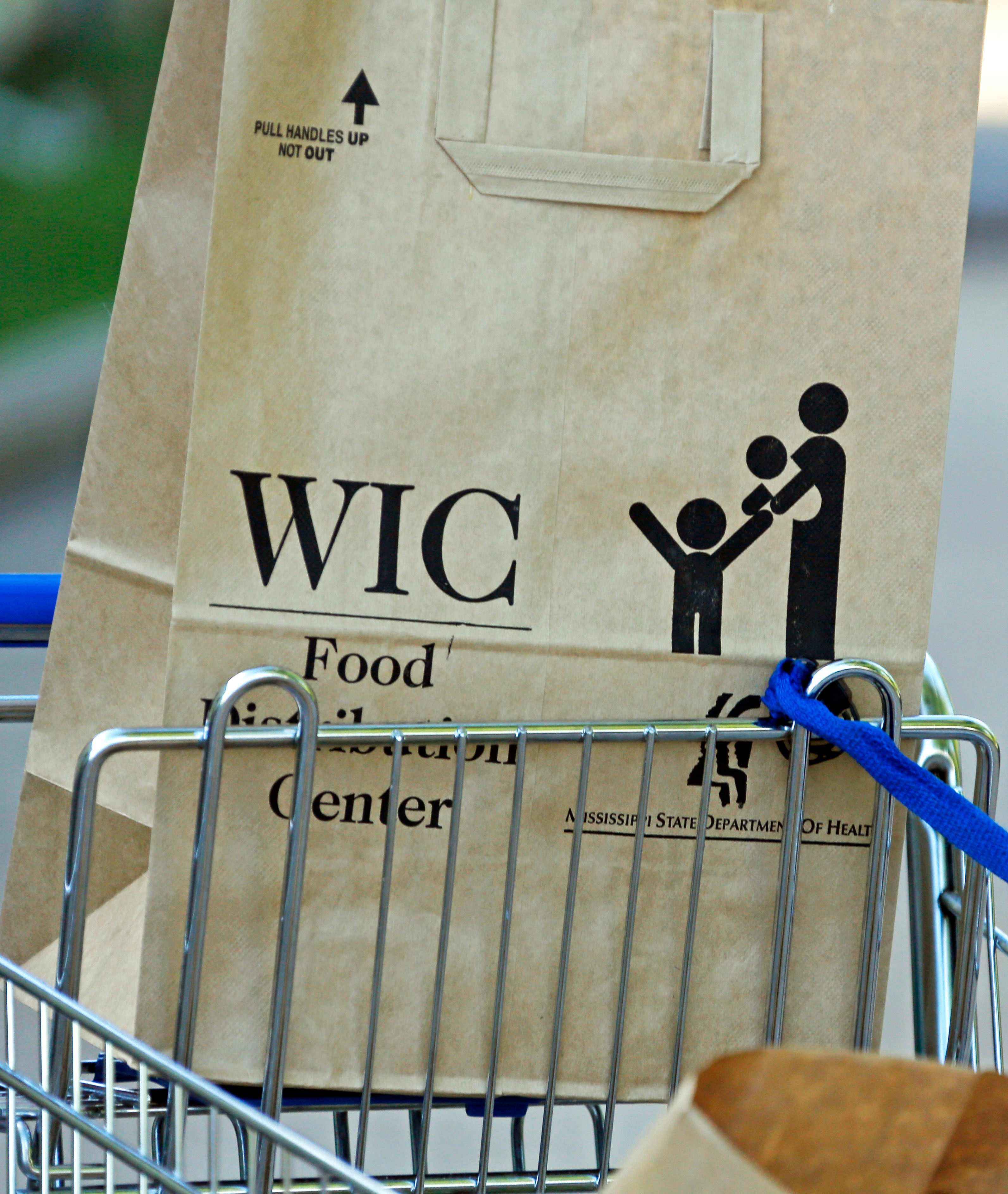
  • WIC is now fully funded through 2026, but another deadline looms | Expert Opinion

    WIC is now fully funded through 2026, but another deadline looms | Expert Opinion

    Last month, I saw a single mother in my medical clinic who had recently lost her SNAP food benefits. She was now struggling to afford enough food for her three children, including solid foods that her 9-month-old baby needed for growth and development. Stories like hers are becoming more common as federal SNAP cuts strain families at a time when food insecurity is higher than at the height of the COVID-19 pandemic.

    As a pediatrician in Philadelphia, I care for many infants and families who rely on the Women, Infants, and Children (WIC) program for nutritional support. I referred this patient to WIC, but I can’t prescribe her the necessary childcare, transportation, and time off work to visit her WIC office every few months, as required in Pennsylvania to receive benefits. These logistical barriers have long challenged Pennsylvania participants, as well as many of the nearly 12 million people nationwide who are eligible for WIC each year.

    For families already struggling to put food on the table, these are not minor inconveniences. They often determine if a family can access adequate nutrition at all. The good news is the pandemic showed us a path to overcome this.

    In 2020, the U.S. Department of Agriculture issued emergency waivers allowing WIC agencies to offer remote appointments and services. Nearly all state agencies reported that the changes made WIC more accessible. They provided a lifeline for WIC families when in-person visits were almost impossible.

    Studies in the years since have suggested that waiving in-person requirements can increase WIC participation. In addition, families who used phone counseling and online education were more likely to stay enrolled. Remote services have modernized and expanded a program long known to promote better diets and health for mothers and children. That is why WIC advocates and policy researchers alike are pushing to keep these services permanent.

    But the federal waivers will expire on Wednesday.

    Earlier this month, Congress passed a temporary funding bill that keeps the program funded through the end of the year. Unfortunately, funding alone is not enough. Without action to extend remote services, families across the country risk losing WIC access due to work obligations, childcare needs, or travel barriers.

    Congress should also support universal adoption of remote benefit loading. Pennsylvania is one of the few states that still does not allow participants to load their WIC benefits remotely, though it plans to introduce a digital WIC card in 2027. Research from the Children’s Hospital of Pennsylvania and the University of Pennsylvania in 2021 found a 14% improvement in WIC participation in states that allowed remote benefit transfer, compared to “offline” states.

    Both the Modern WIC Act in the House and the 21st Century WIC Act in the Senate would formalize these changes, but neither has a clear path to passage. Like the National WIC Association and many public health organizations, I urge our lawmakers to prioritize these bills before the end-of-month deadline. All states should also commit to modernizing their WIC systems to make benefits and services easier for families to access.

    In the last few years, WIC still hasn’t reached nearly half of those eligible. Traveling to appointments is consistently cited as a major barrier, especially for working parents, rural families far away from any WIC office, and those without reliable transportation.

    Congress and state agencies must act together soon to protect families’ access to WIC, one of our country’s most valuable investments in maternal and child health. At a time when high cost of living and federal benefit cuts further threaten food security, we should strive to make WIC easier to use. No family should lose out on critical nutrition support because getting to a WIC appointment is harder than it needs to be.

    William Zhuo-Ming Li is a pediatrician in his final year of residency training at the Children’s Hospital of Philadelphia. He is interested in neonatal health equity and infant nutrition advocacy.

  • These 32 Philadelphia middle school students just got their white coats, on a path to becoming doctors someday

    These 32 Philadelphia middle school students just got their white coats, on a path to becoming doctors someday

    When Martha Glasco was growing up in North Philadelphia, she said, her opportunities were limited.

    So when a teacher told Glasco — now an adult with a bright child of her own — about a new program that aimed to give promising Philadelphia kids six years of medical-school education with an eye toward careers in healthcare, Glasco was thrilled.

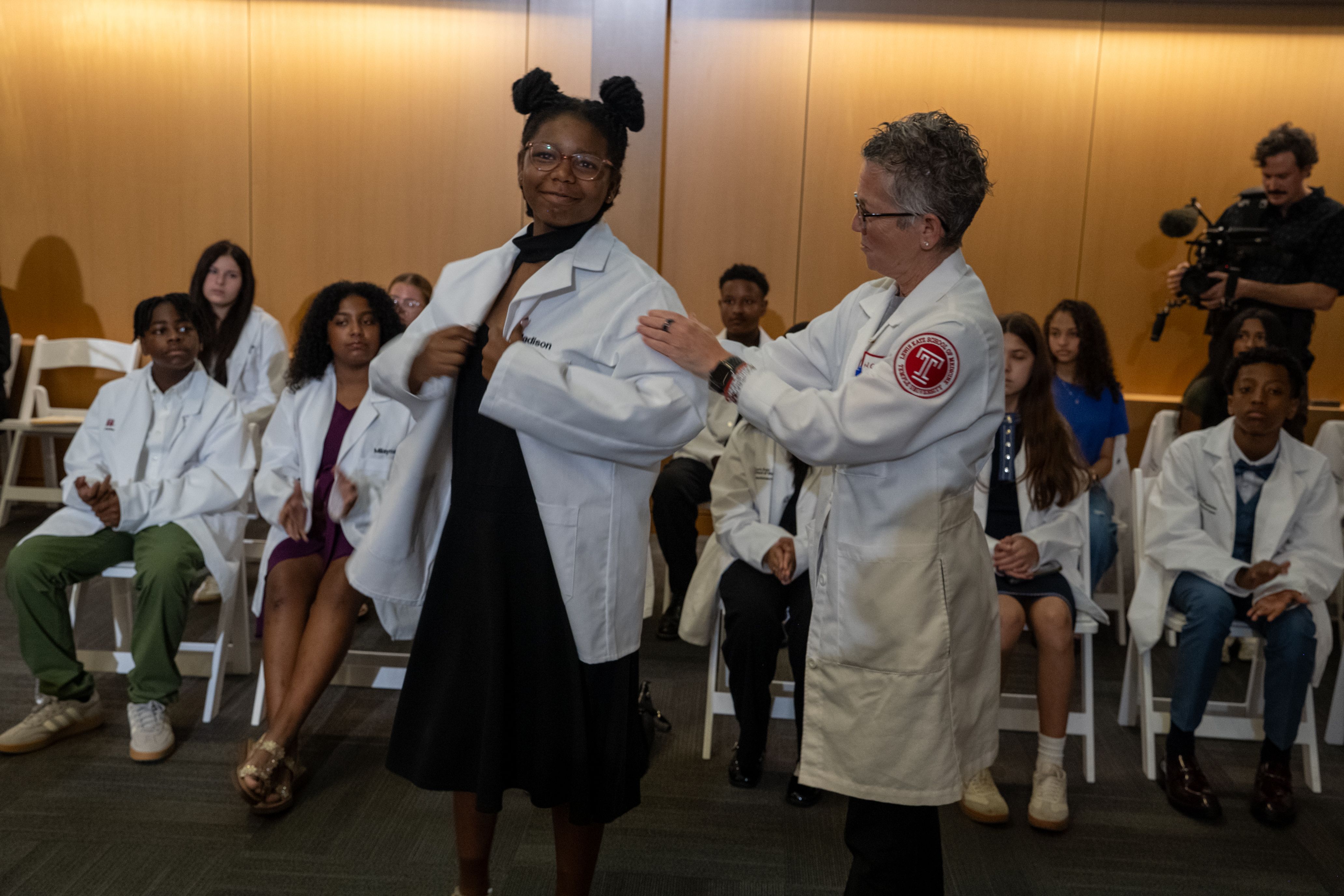
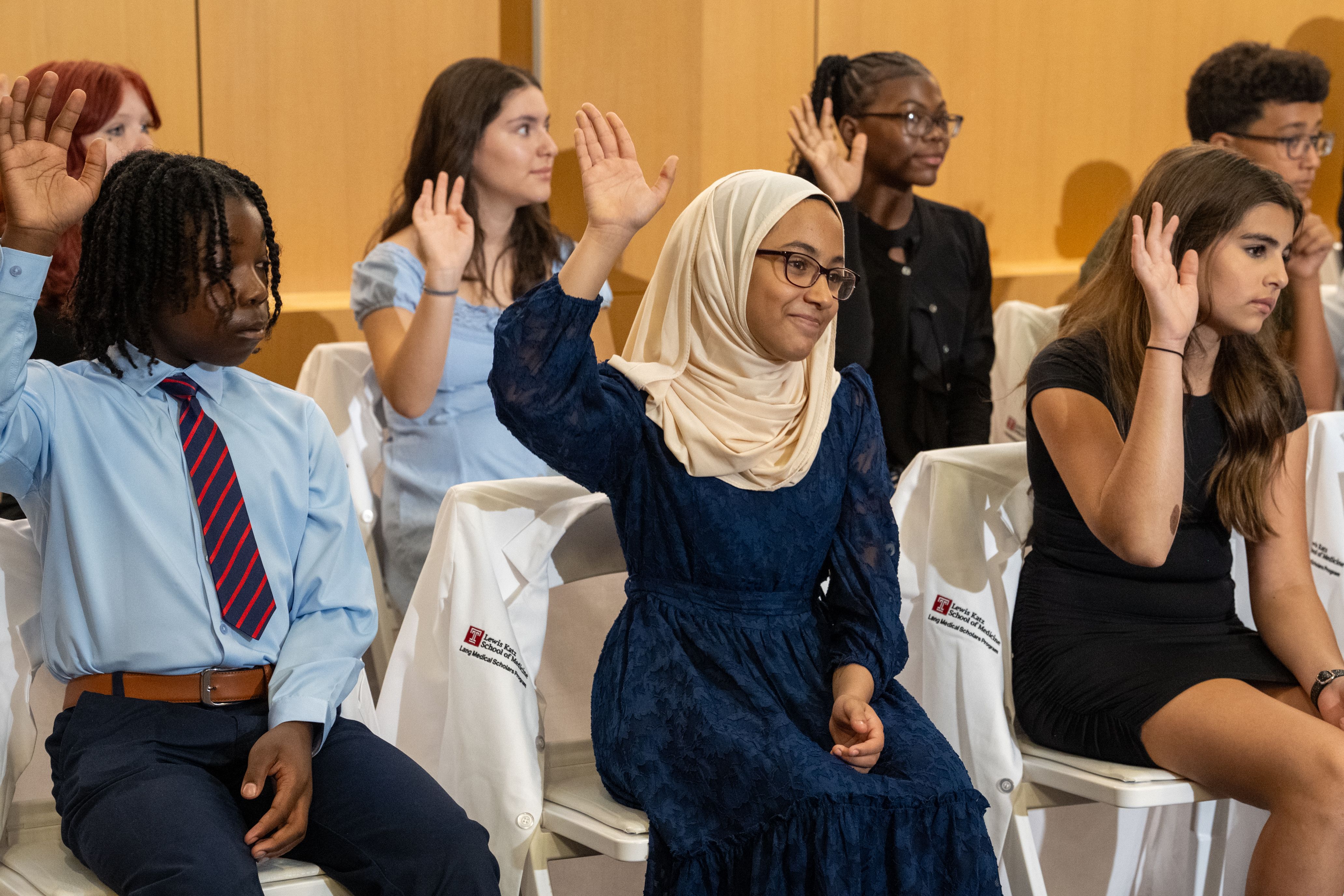
    This month, Glasco’s daughter Madison Miller slipped a white coat over her shoulders, one of 32 Philadelphia seventh graders chosen for the initial class of Temple University’s Lang Medical Scholars Program. The 12-year-old, a student at E.W. Rhodes Elementary at 22nd and Clearfield Streets, will spend weekends and summers learning about systems of the body, completing internships, and engaging in rigorous college prep.

    Seventh graders in Temple University Medical School’s Lang Scholars program prepare to get their white coats. The new program identifies promising students and gives them six years of pre-medical school education.Courtesy of Temple University

    “This is a big deal,” said Glasco, who dreams of buying Madison scrubs and a stethoscope, tangible evidence of her place in Lang Scholars and the doors it could open.

    “The passion around this, the mission is just — talent abounds and opportunity does not, right?” said Barbara Klock, the program director and its architect. Lang, she said, aims to change that for its students.

    A long-held vision

    Klock carried the idea of the Lang Scholars around for years, through a career as a Children’s Hospital of Philadelphia pediatrician and the Philadelphia School District’s chief medical officer.

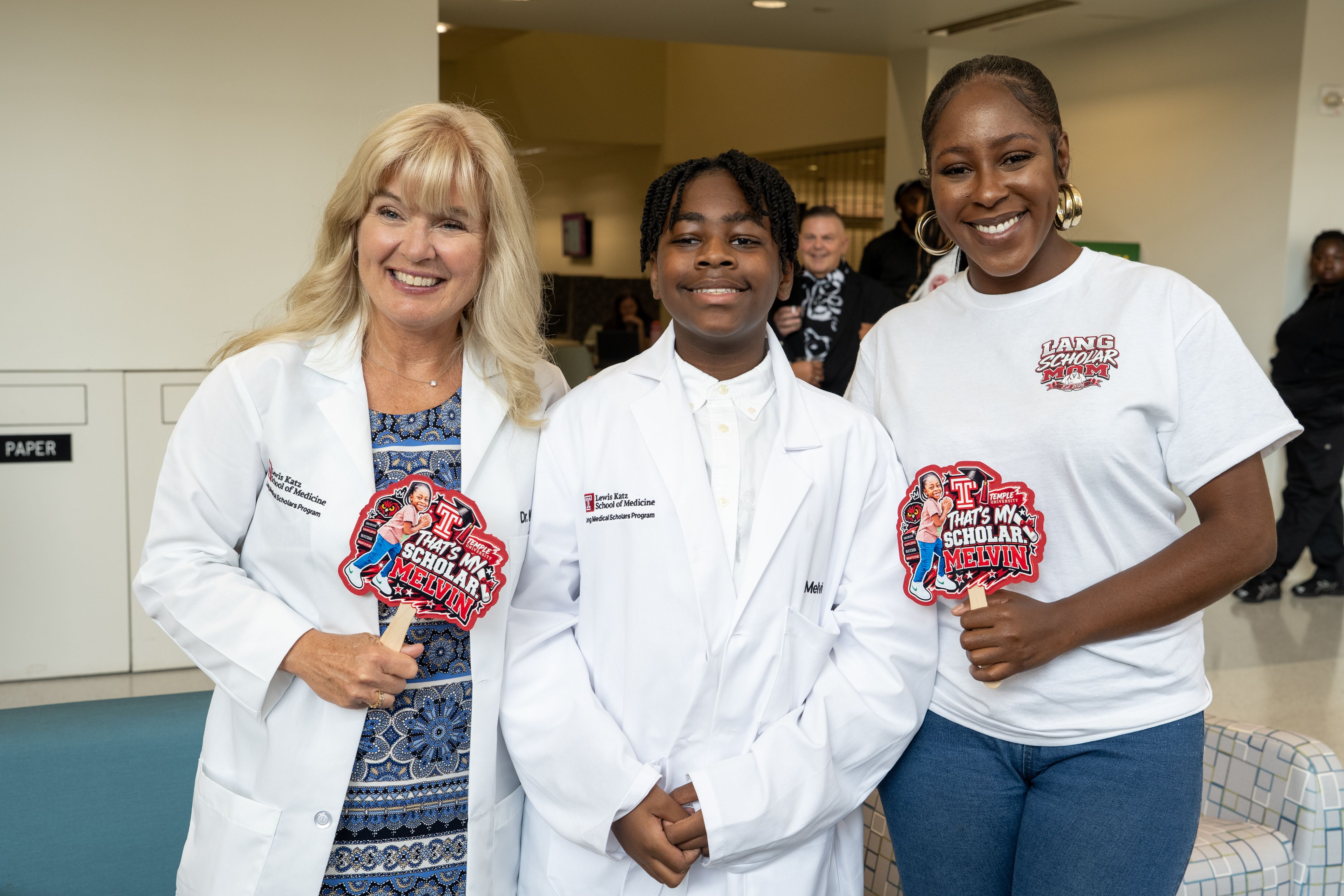
    Melvin Poulson IV, a student at Hope Partnership School, and his mother, Allison Agee, pose with Barbara Klock, director of the Lang Scholars program.Courtesy of Temple University

    Klock, who grew up in Philadelphia’s working-class Juniata Park section, was mentored by Eugene Lang at Swarthmore College. Lang, a businessperson and philanthropist, famously promised a class of Harlem sixth graders that he would pay for their college educations if they graduated from high school.

    Lang and Klock kept in touch after her Swarthmore graduation, and on one chance encounter at 30th Street Station in the 1990s, Lang mentioned to Klock that he was launching something he was really excited about.

    “He said, ‘I have this idea for a program, but the kids start really young.’ He was always, ‘If you’re going to do something, it’s got to be the best,’ and for him, the best would be going to medical school,” Klock said.

    That program, the Lang Youth Medical Program, has been thriving in New York for decades. Klock admired it from afar, and, sometimes, up close.

    “I would go on Saturdays and see the program with the dream of bringing it to Philadelphia,” she said.

    Klock decided it was time to go for her own version of that program in 2024. She reached out to Mitchell Morgan, chair of Temple’s board of trustees, via e-mail.

    “I said, ‘I have this program. I would love to bring it to Temple,’” Klock said. “I wanted to do this with Temple because of where Temple is located, Temple’s mission and vision, and they really do what they say they do.”

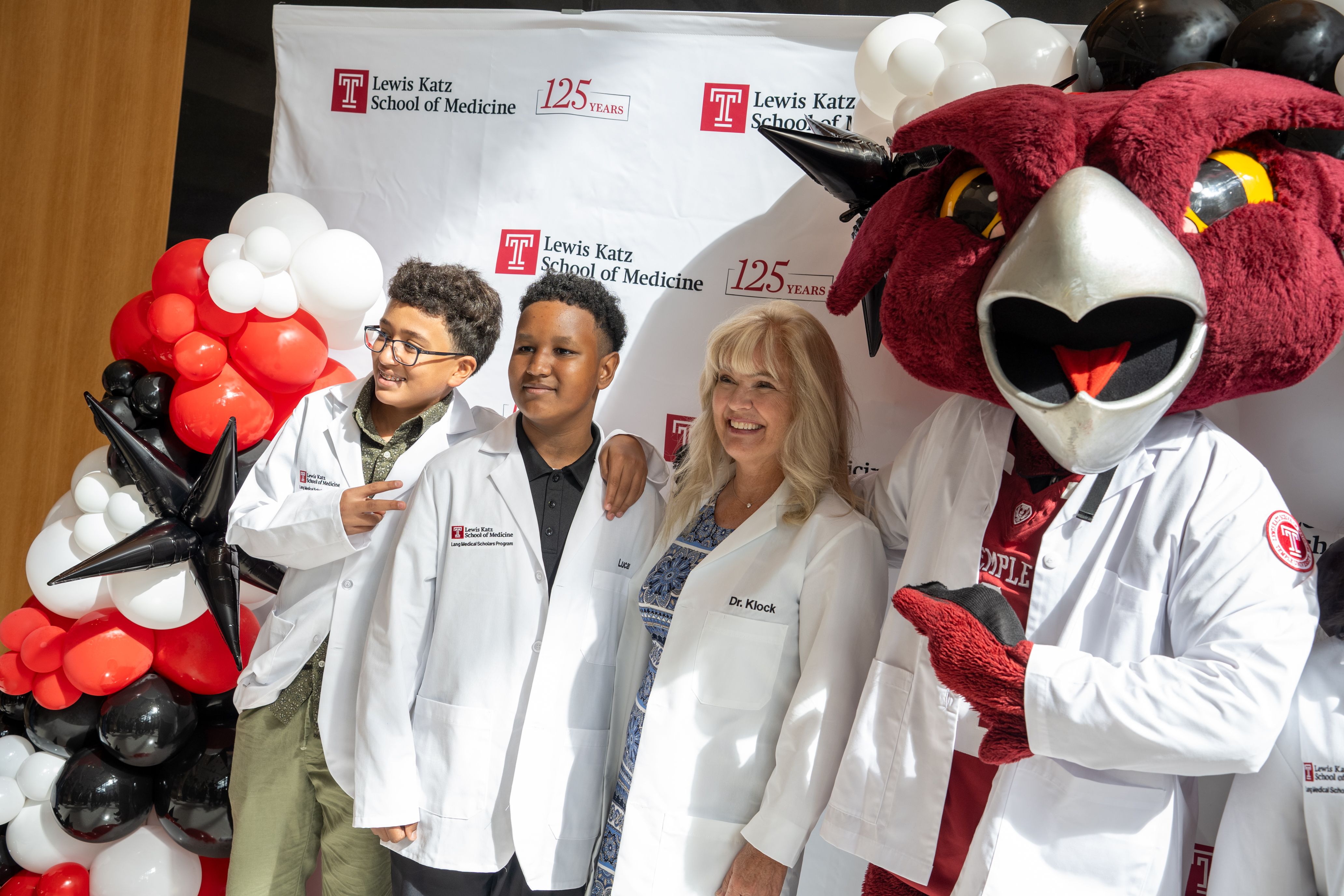
    Temple University Lang Scholars white coat ceremony.Courtesy of Temple University

    She expected she might hear from Morgan within three weeks. Instead, she had a response, and a connection to Lewis Katz School of Medicine dean Amy Goldberg, by the end of that day.

    In short order, the program was off and running, with Temple’s backing and philanthropic support, including some funding from Lang’s private foundation.

    Klock pounded the pavement in the 2025-26 school year, reaching out to every Philadelphia school she could connect with — district, charter, private — to ask: Can I come talk to your sixth graders about an idea? Thirty-five schools opened the door for Klock to make presentations.

    She didn’t ask counselors to recommend kids; she feared she would get only straight-A students and student council presidents. Those were fine, but she also wanted the bright-but-bored kids, the ones who were curious about science and life but maybe had hit a few bumps along the way.

    Klock hoped to bring in 20 Lang scholars for the inaugural class. Nearly 14 times that number applied, and those who made it to the interview round flat-out wowed her, Klock said. She ended up getting permission to build a class of 32 — 22 girls and 10 boys — and will grow a grade every year.

    The program’s aim is not to produce a class full of doctors. It is to produce a class full of curious and confident learners grounded in an academic medical setting. If some enter the medical field, Klock would be delighted, but that is not the main objective.

    “These are kids who are so eager to learn,” Klock said. “They want to be with other students who are eager to learn. They are incredibly curious. They ask, ‘why?’ and ‘what if?’ What I want to do is give them the chance to continue to ask, ‘why?’ and ‘what if?,’ no matter what.”

    ‘This is serious’

    Glasco was tipped off about the program by a teacher friend.

    Madison first expressed her desire to become a doctor at age 3. Her preschool teacher has a photo of Madison holding a sign stating her career goal.

    “She wants to be in the medical field, and I used to be in the medical field, so it’s actually perfect,” said Glasco, who used to work as an EMT and a medical assistant and is now a paraprofessional in a suburban school district.

    It’s not far from her North Philadelphia house to Temple’s medical school, Madison said, but walking into the Medical Education and Research Building on North Broad Street felt like a different world in some ways.

    Going to the interview was “very exciting,” Madison said, “but I was also very nervous. There were a lot of windows, and I could see everyone.”

    When she got the word that she was a Lang Scholar, Madison was thrilled.

    “My teacher was really excited, too, because he knew I was going to be in the medical field soon — kind of in medical school, like college,” Madison said. “My friends were really excited because they knew they were going to have a medical friend.”

    Madison and the other Lang Scholars received their professional white coats to kick off the program on Sept. 19. They will begin their studies Oct. 3. Klock will teach the biweekly courses on the human body, health equity, public health, and more.

    Over the years, the students will take trips, work at paid internships, sit in SAT prep courses, and receive help with college applications — all for free. They will dive into the health issues facing their communities, and have access to the same labs and facilities as Temple medical students.

    Glasco cannot wait to drop Madison off for her first day of class as a Lang Scholar.

    “I’m going to be on her really hard about this, because this is serious,” Glasco said. “I want her to get all the knowledge she can, and maintain it, so she can go further in whatever medical field she decides to do in the future.”

  • Sen. Dave McCormick calls for increased NIH funding, breaking with Trump in Washington Post piece

    Sen. Dave McCormick calls for increased NIH funding, breaking with Trump in Washington Post piece

    U.S. Sen. Dave McCormick called for doubling the National Institutes of Health budget and prioritizing “merit-based science” in a Washington Post opinion piece published Wednesday.

    The column emphasized the Pennsylvania Republican’s disagreement with decisions made under President Donald Trump’s administration over the last year and a half that have disrupted billions in scientific funding, prompting lawsuits and court reversals in certain cases.

    “I’m a Republican senator. America needs more science, not less,” read the headline on McCormick’s column.

    He opened with a reference to KJ Muldoon, a Philadelphia-area child whose life was saved by a personalized gene-editing therapy. NIH funding helped researchers at Children’s Hospital of Philadelphia and the University of Pennsylvania develop the treatment. This work represents how federal investment can drive breakthroughs in American medicine, McCormick noted.

    “Meanwhile, the U.S. is underinvesting in discovery,” he wrote, highlighting how the NIH budget has declined by more than 10% since 2003, adjusting for inflation.

    Though McCormick has largely supported Trump’s agenda, he has repeatedly pushed back on cuts to research funding.

    His office last week publicized a letter authored alongside Sen. John Fetterman (D., Pa.) in which the senators issued a bipartisan call for the federal government to explain recent cuts to healthcare research grants affecting Pennsylvania.

    CHOP and Penn are among the institutions that had to shut down programs after the Agency for Healthcare Research and Quality stopped funding more than 100 grants nationwide, totaling hundreds of millions of dollars, in July.

    In his commentary, McCormick cited examples of NIH funding “saving lives and lowering the cost of disease.” Although less than 1% of federal spending goes toward NIH research, he said, the investment delivers outsized returns.

    The nation’s leadership in scientific innovation could slip if federal funding continues to fall, he added.

    “Conservatives should recognize that basic research, like national security, is a public good that private capital rarely funds,” he wrote.

    At the same time, he echoed some of the Trump administration’s criticisms of research funding, which it says overemphasizes diversity, equity, and inclusion.

    The federal government has canceled nearly 1,400 grants midstream, many due to language referencing diversity, he said.

    In the Philadelphia area, research on LGBTQ+ health and health disparities — how social factors like race, income, and living conditions affect health — has been particularly targeted by cuts.

    “While some of these grants deserved to be canceled, some were legitimate research with buzzwords inserted to get approval from the Biden administration,” McCormick wrote.

    A federal judge had ruled that some of the cuts targeting diversity-related grants were unlawful and discriminatory, after researchers and institutions pushed back through lawsuits.

    McCormick said he has urged the government to let scientists revise their applications to continue their work, rather than wasting the investment in those canceled grants.

    He also called for the government to double the NIH’s $48 billion budget within five years, rather than cut it by nearly 40% as the Office of Management and Budget had proposed last year. The proposed cuts were rejected.

    “If we dare, KJ’s story can be the beginning of a new golden age of American science,” he concluded in the op-ed.

  • Look up 100 top-paid employees at nonprofit health systems in the Philadelphia region in 2024

    Look up 100 top-paid employees at nonprofit health systems in the Philadelphia region in 2024

    Pay and benefits typically account for more than half the total costs in hospital systems at a time when healthcare costs are rising sharply in the Philadelphia region and nationally.

    Local nonprofit health systems reported compensation ranging from $1.2 million to $3.7 million in 2024 for the 100 highest-paid employees listed in their most recent federal nonprofit tax returns. The ranking excludes system CEOs.

    Meanwhile, employers are expecting insurance increases approaching 10% for the coming year, according to several national surveys by benefits consultants. Experts cite increased use of healthcare services, widespread use of expensive specialty drugs, and rising hospital prices as key factors leading to overall rising benefit costs.

    Clinicians accounted for 60 spots in The Inquirer’s top 100 ranking, which is based on compensation reported in dozens of 990 tax forms from Philadelphia-area hospitals, affiliated physician groups, and other related entities.

    Highly specialized neurosurgeons accounted for the highest number of top-paid clinicians, followed by cardiac and cardiothoracic surgeons and orthopedic surgeons.

    Chief financial officers and chief operating officers were well represented in the management ranks.

    The region’s largest health system also claimed its highest-paid non-CEO, Jefferson Health president and physician Baligh R. Yehia. His $3.7 million in compensation also topped that of all but two CEOs, as disclosed in a previous Inquirer analysis.

    Thomas Jefferson University, which is Jefferson Health’s parent entity, had 30 executives and physicians in The Inquirer’s top 100. The Jefferson group includes four executives who left during or before 2024, but not salaries reported through the Lehigh Valley Health Network, which Jefferson acquired in August of that year.

    Children’s Hospital of Philadelphia had the second-largest number of employees in the top 100, with 18, including surgeons and numerous top executives, such as CFO, general counsel, and head of human resources.

    Virtua was third, with nine employees, mainly surgeons.

    Across the region, 176 nonprofit health system employees received at least $1 million in total compensation in 2024. That amounts to one in five employees in The Inquirer’s database of more than 800 people.

    IRS rules require nonprofits to report compensation for officers, highest-paid employees, and employees with a certain level of responsibility.

    (function(){function e(){window.addEventListener(`message`,function(e){if(e.data[`datawrapper-height`]!==void 0){var t=document.querySelectorAll(`iframe`);for(var n in e.data[`datawrapper-height`])for(var r=0,i;i=t[r];r++)if(i.contentWindow===e.source){var a=e.data[`datawrapper-height`][n]+`px`;i.style.height=a}}})}e()})();

  • There was a possible measles exposure at Philadelphia International Airport

    There was a possible measles exposure at Philadelphia International Airport

    Philadelphia health officials are warning travelers of a possible measles exposure at Philadelphia International Airport early this week.

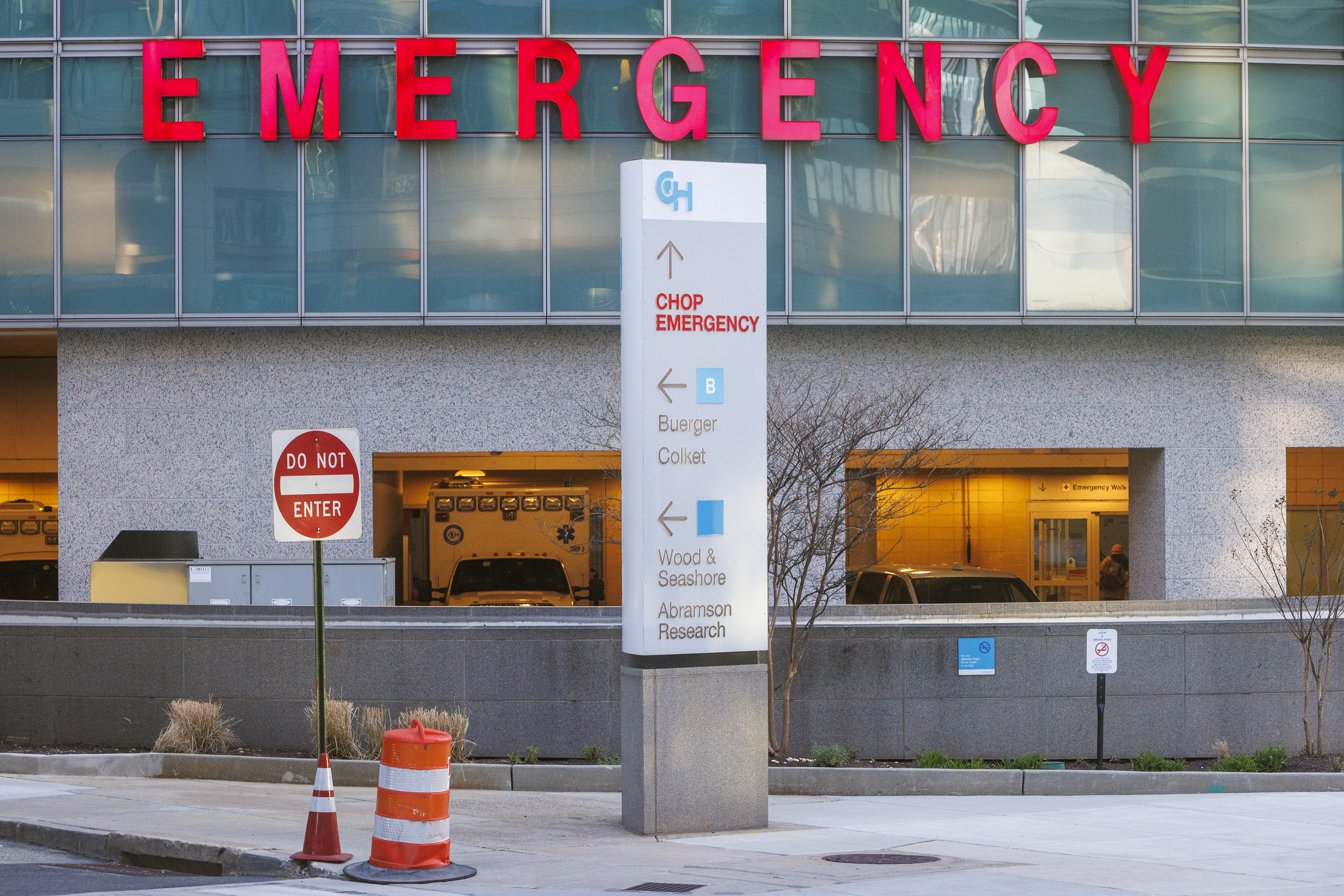
    The Philadelphia Department of Public Health is notifying travelers and others who may have been exposed. This incident is unrelated to the recent measles exposures at the Children’s Hospital of Philadelphia, the department said in a news release.

    The airport exposure occurred in Terminals B and F, and in areas connecting to Terminals C, D, and E, on Sunday, Sept. 13, from 7:25 p.m. to Monday, Sept. 14, at 12:05 a.m.

    A person with measles was traveling through Philadelphia and stayed in the airport, according to the health department. Officials are encouraging anyone who may have been exposed to check their vaccination status and monitor symptoms.

    “Anyone who is not immune, is unsure of their vaccination status, is an infant, is pregnant and not immune, or is immunocompromised should contact a healthcare provider as soon as possible,” the department said in the release on Saturday, adding that some people may still be eligible for treatment that can prevent the disease or reduce its severity.

    Officials are urging anyone experiencing symptoms to call ahead before visiting a healthcare facility and notify the provider about the exposure.

    “This week’s measles exposures are a reminder of how important it is for all of us to be up to date on our vaccinations,” city Health Commissioner Palak Raval-Nelson said in the statement. “Every Philadelphian who is fully vaccinated has little to fear from the situation at CHOP and the airport. Even more importantly, every one of those people is doing their part to help protect our most vulnerable from measles.”

    Raval-Nelson is encouraged residents to visit the city’s website, phila.gov/measles, to learn more about measles and the MMR vaccine.

    Pennsylvania’s measles outbreak, the largest in the nation this year, has sickened more than 760 people. The state has confirmed four measles-associated deaths, the most seen in the nation in more than three decades.

    The state’s outbreak is centered in Lancaster County, right outside of the Philadelphia region, and measles is actively spreading in suburban Chester County. The widening outbreak has affected more than half of Pennsylvania’s 67 counties.

    Two doses of the measles, mumps, and rubella vaccine have proven 97% effective at preventing the disease, the Centers for Disease Control and Prevention says.

    Nine in 10 unvaccinated people exposed to measles will acquire the disease.

    Typical measles symptoms include a high fever, a cough, runny nose, red, watery eyes, and a rash. Measles can cause severe complications, especially in young children, including pneumonia and brain swelling. While deaths are rare, about three in 1,000 children who contract measles will die.

    Measles, long considered eradicated in the United States, is resurging amid declining vaccination rates. Scientists say that about 95% of a community should be vaccinated to prevent spread.

    In the Philadelphia region, at least 40% of kindergartens were vulnerable to an outbreak as of last school year, up from 33% the prior year, according to an Inquirer analysis of school immunization data widely used to assess community protection levels.

  • CHOP’s measles exposure shows the growing danger of Pa.’s outbreak, experts say

    CHOP’s measles exposure shows the growing danger of Pa.’s outbreak, experts say

    The visitor arrived at a neonatal intensive care unit at the Children’s Hospital of Philadelphia in University City last Friday morning.

    Then they visited a family lounge. An atrium. A cafeteria.

    At each stop, the person, now known to be infected with measles, potentially exposed others to the highly contagious disease that is particularly risky for young children, city health officials announced this week.

    Hospitals have spent years preparing for such incidents, no longer a theoretical concern as Pennsylvania now deals with the nation’s largest measles outbreak this year, which has already sickened more than 760, experts in infectious disease prevention say.

    Nemours Children’s Hospital in Wilmington reported an exposure in its emergency room in February, although the state has seen only 23 cases of measles all year.

    And across the state in Allegheny County, the University of Pittsburgh Medical Center Children’s Hospital has reported several possible measles exposures this summer.

    Health officials did not specify how many babies and others were potentially exposed at CHOP in announcing the exposure late Thursday. Philadelphia health officials have issued only general details on the infected person’s visit, along with guidelines for anyone potentially exposed to the virus over the course of several hours on Sept. 11 at the hospital at 3401 Civic Center Blvd.

    The hospital is working with NICU families to ensure its patients are protected, Julia Sammons, vice president and associate chief medical officer of CHOP’s Office of Preparedness, Prevention and Response, wrote in an email.

    The hospital took “immediate action” after being notified of the exposure to identify babies who might have been exposed and offer preventive treatments to protect them from the virus, Sammons said. Exposed patients have also been placed in isolation and doctors are monitoring them for symptoms.

    The hospital is also working with staff and patients outside the NICU to ensure they understand the situation, Sammons said, and partnering with the state and city health departments “on contact tracing, timely testing, and safe quarantining practices for all the areas served by the CHOP enterprise.”

    Infectious disease experts say hospitals around the country have been monitoring an explosion of measles cases in the last several years.

    Pennsylvania as of Friday had seen 767 cases of measles in 2026, with 93 reported in the last week. One in five people with reported cases has been hospitalized.

    State officials have confirmed four measles-associated deaths in the last several weeks, the most seen in the nation in more than three decades, sparking a clash with federal officials over how to characterize the deaths.

    “Measles has been up and coming. It’s definitely on the radar of hospitals,” said Ericka Kalp, who directs Drexel University’s infection prevention and control academic programs. “Your risk has increased when you have multiple measles cases within your vicinity.”

    Every year, hospitals work on an infection control risk assessment, monitoring rising diseases around the country and internationally, and developing plans on how to treat sickened patients.

    That could include triaging patients with respiratory illnesses and isolating those with suspected cases in special rooms, said Kalp, who was not involved in the response at CHOP.

    Screening visitors to a hospital is tricky, she said.

    “We can ask visitors and the public not to visit if you’re sick, and visitors need to take it upon themselves to not go to the facility if they’ve been around a particular exposure,” she said.

    But some may not know they are ill: A person can be contagious for four days before measles’ telltale rash appears.

    Sammons said that CHOP screens visitors daily for signs or symptoms of illness at the hospital’s welcome desks, and signs remind visitors that no one with symptoms should be admitted to the NICU. She did not say whether the NICU visitor who exposed others on Friday was symptomatic.

    “We have been in constant communication with families in our NICU to discuss guidance to keep them safe,” she said. “As the measles outbreak continues to evolve, we continue to review and update our screening processes to reduce the risk of exposure to our patients and families.”

    The virus can linger in the air for up to two hours and infect nine in 10 unvaccinated people exposed to it.

    Pregnant women, babies under six months, and some immunocompromised people are among the groups who cannot be vaccinated. Their protection depends on nearly everyone else in a community being vaccinated to prevent the disease from spreading.

    But more parents have opted against vaccinating children for religious or philosophical reasons in recent years, The Inquirer has found, leaving hundreds of area schools and communities vulnerable to the spread of the virus.

    “When you see fewer people are becoming vaccinated and they have less immunity, it opens up a portal of spread,” Kalp said. “We’ve always trained for this type of thing.”

    Sammons said CHOP has stepped up public health education for families and is offering early MMR vaccines for eligible children amid the outbreak, as state health officials have recommended. The hospital is also improving its measles screening capabilities and “developing contingency plans for more widespread community transmission in our area,” she said.

    “The best way to control measles outbreaks remains vaccination with the measles, mumps, and rubella vaccine, which is safe and highly effective in preventing measles,” she said, noting the hospital’s long-running Vaccine Education Center, aimed at debunking misinformation about the safety of vaccines.

    (function(){function e(){window.addEventListener(`message`,function(e){if(e.data[`datawrapper-height`]!==void 0){var t=document.querySelectorAll(`iframe`);for(var n in e.data[`datawrapper-height`])for(var r=0,i;i=t[r];r++)if(i.contentWindow===e.source){var a=e.data[`datawrapper-height`][n]+`px`;i.style.height=a}}})}e()})();

    Treating those exposed

    CHOP is offering post-exposure treatments “in the form of antibodies” to infants who may have been exposed to the virus, Sammons said.

    Doctors can administer immunoglobulin, a treatment made from the plasma of adult donors, that helps boost a baby’s antibodies to infectious diseases like measles, said Sarah Long, a Drexel pediatrics professor and a physician specializing in infectious disease at the Bristol-Myers Squibb Children’s Hospital in New Brunswick, N.J.

    In an outbreak, she said, hospitals can consider limiting visitors to prevent exposures, especially for a virus like measles, which is particularly dangerous for young children and kills about 1 to 3 for every 1,000 infected.

    But responding to measles cases or exposures can require hospitals to expend extensive resources.

    “It’s an enormous number of meetings, manpower, education about IDing cases early, and sequestering as soon as a patient comes in with a fever,” she said. “It’s an enormous amount of money, gowning, gloving, and masks.”

    The latest rise in cases — and rising anti-vaccine sentiment — frustrates Long, who treated children during Pennsylvania’s last major measles outbreak in the early 1990s, which sickened 1,400 people and killed nine children.

    Now she’s worried again about vulnerable children. Nearly one-third of Pennsylvania’s cases this year have been reported in children under the age of 18, and two of the measles-associated deaths involved infants.

    “It makes me just angry, angry, angry. There are so many catastrophes in children’s healthcare that are not preventable,” she said. “To have catastrophes that are preventable is just unconscionable.”

  • Jefferson County coroner says a ‘probable’ case of measles led to a woman’s death

    Jefferson County coroner says a ‘probable’ case of measles led to a woman’s death

    Jefferson County’s coroner is updating a death certificate to note that a “probable” case of measles led to the death of a 40-year-old woman over the weekend.

    The woman’s death certificate initially had stated that she died of respiratory failure due to a “suspected” case of measles and other underlying conditions. She also had clinical signs of measles, including a rash and fever, coroner Greg Furlong said Monday.

    Furlong said he had paperwork confirming that the woman had been exposed to a person who had a positive lab test for measles and subsequently decided to change the death certificate.

    The woman’s death marks the third reported amid an ongoing measles outbreak in Pennsylvania that has sickened nearly 700 people. State officials announced last month two other measles-related deaths and say they’re investigating the death reported in Jefferson County.

    Here’s what to know about the case and the ongoing outbreak.

    (function(){function e(){window.addEventListener(`message`,function(e){if(e.data[`datawrapper-height`]!==void 0){var t=document.querySelectorAll(`iframe`);for(var n in e.data[`datawrapper-height`])for(var r=0,i;i=t[r];r++)if(i.contentWindow===e.source){var a=e.data[`datawrapper-height`][n]+`px`;i.style.height=a}}})}e()})();

    What are the details of the death in Jefferson County?

    Jefferson County’s coroner reported Sunday the death of a 40-year-old woman in the county.

    The woman, who died Saturday, was unvaccinated and had serious respiratory issues, requiring her to use supplemental oxygen 24 hours a day, Furlong said.

    Her death certificate initially listed her cause of death as “acute on chronic hypoxemic and hypercapnic respiratory failure” due to “suspected measles,” chronic obstructive pulmonary disease, and asthma, Furlong told The Inquirer, though he is updating the death certificate to read “probable measles.”

    The certificate also lists “supplemental oxygen dependence” as a “significant condition contributing to death but not resulting in the underlying cause.”

    The woman also had hypertension and high cholesterol, Furlong said.

    Furlong said the woman had declined a measles test while she was alive, but his office tested her for measles after her death and was waiting on results on Monday.

    Can respiratory issues put you at higher risk for death from measles?

    Yes, measles is especially risky for people with respiratory conditions, says Paul Offit, a physician and vaccine expert who heads the Children’s Hospital of Philadelphia’s Vaccine Education Center.

    “This person was particularly compromised, with chronic obstructive pulmonary disease and asthma,” he said on Sunday. “That’s a person who could well die from this virus.”

    Children under 5, people older than 20, pregnant women, and people with weakened immune systems are more likely to have complications from measles, according to the Centers for Disease Control and Prevention.

    In young children, complications from pneumonia, or infection of the lungs, are the most common cause of death from measles, the CDC says.

    How are state officials responding to the case?

    Officials at the state health department are aware of the coroner’s report and conducting a “thorough review” of the case, they said in a statement Monday.

    According to the health department’s measles outbreak website, Pennsylvania defines a “measles-associated death” as one that occurs within 30 days of symptom onset in a person with clinical evidence of infection and a positive laboratory test.

    The state also considers additional information on a case, including a person’s medical records and whether they were exposed to measles before their death.

    Deaths without lab evidence of infection, deaths of people who have fully recovered from measles before death, and deaths from unrelated causes, like a car crash, are not counted as measles-associated.

    How are federal officials responding to the case?

    Since last month, state and federal officials have clashed over whether two other deaths reported in Pennsylvania were tied to the state’s measles outbreak.

    In its latest update Friday, the CDC still had not listed two deaths reported by the state on its website highlighting data on ongoing measles outbreaks around the country.

    In announcing the two deaths, Democratic Gov. Josh Shapiro criticized President Donald Trump’s Health and Human Services secretary, Robert F. Kennedy Jr., for spreading misinformation about vaccine safety through his longtime anti-vaccine activism. Kennedy then accused the state of “fabricating” the deaths, although he later acknowledged one had been caused by measles.

    Lancaster County’s coroner has said he investigated one death caused by measles, in an infant with a severe genetic disorder, and another in an infant who contracted measles before birth and died shortly after.

    The coroner, an elected Republican, has said he does not believe measles caused that child’s death, but rather a lacerated spleen. Yet prominent physicians have noted measles can weaken a person’s spleen, putting it at risk of rupture.

    CDC director Erica Schwartz said in a statement Monday that state officials had not notified the agency about the death in Jefferson County.

    “Despite repeated offers of assistance, Pennsylvania has not requested a CDC Epi-Aid, which would deploy epidemiologists and provide on-the-ground measles outbreak support,” she said.

    Several other states, including Texas and South Carolina, requested such assistance when dealing with large outbreaks over the last year and a half, she said, adding that the CDC will respond with Epi-Aid support if the state officially requests it.

    State officials said in a statement Monday that the health department “maintains a strong working relationship” with CDC professional staff and meets regularly with them.

    “We will continue to evaluate any additional CDC support as this outbreak contributes,” the statement read.

    Earlier this month, they said the department meets regularly with CDC staff and has discussed the details of the two previously reported measles-associated deaths with them.

    They added that the CDC requested records about the cases that contained identifiable information, which the state did not share, a decision in line with past practices.

    State officials have maintained that privacy laws keep the department from releasing more information on the cases. Earlier this month, they said the CDC had not provided them with a case report form that would allow them to share de-identified information about the deaths with the agency.

    Can you get measles if you’ve been vaccinated?

    Nearly all of the 693 measles cases reported so far this year in Pennsylvania have been among people who were not fully vaccinated against the disease.

    But last week the state identified four people — three adults and a child — who were “appropriately vaccinated for their age” and still contracted measles. These “breakthrough cases” are rare, accounting for less than 1% of the cases reported in Pennsylvania, and typically result in milder symptoms and less risk of spreading the disease.

    People born before 1957, before the first measles vaccines became available, are generally considered protected against measles through natural immunity — because the disease was once prevalent in children.

    Between 1968 and 1989, most children in the United States received one dose of the MMR vaccine, which is about 93% effective against the virus.

    In 1989, measles cases among vaccinated schoolchildren prompted health officials to recommend children receive two doses of the vaccine, which together are 97% effective against the virus, a change that also prompted some older children to get a second shot.

    How do you get a measles vaccine and who is eligible?

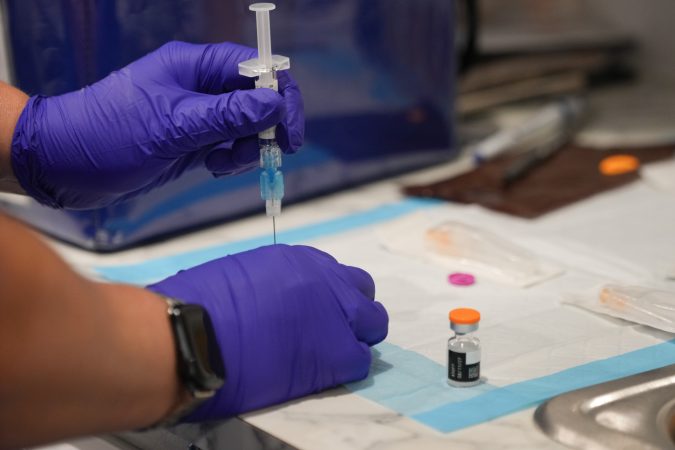
    The measles, mumps, and rubella vaccine is available at many doctors’ offices, urgent care centers, pharmacies, federally funded health centers, local health departments, and health centers run by the state health department. The state has also hosted pop-up clinics in affected areas during the outbreak.

    People interested in getting a vaccine for themselves or their children should call ahead to providers to check availability, the state says.

    Typically, the MMR vaccine is given in two doses, one at around a year old, and one between 4 and 6 years old. Amid the measles outbreak, state health officials are now recommending that parents in affected areas vaccinate children early to protect them against the highly contagious disease, which can infect up to 90% of unvaccinated people exposed to it.

    Babies between six and 11 months who live in, or will travel to, affected areas, can get an early dose of the MMR vaccine, then a second dose at 12 to 15 months and a third at 4 to 6 years old, the state says.

    Children over a year old who haven’t received any MMR shots should get one dose now, and a second at least 28 days later. Children with one dose of the MMR vaccine should get a second dose now, provided it’s been 28 days since their first shot.

    Adults and teenagers who have never had measles or a measles vaccine should get two doses at least 28 days apart.

    Infants younger than six months cannot receive the vaccine. People with severely weakened immune systems, those with a history of severe allergic reactions to the MMR vaccine or a vaccine component, and pregnant women should talk to their doctors about their options, the state says.

  • Penn Medicine gets $50 million gift from Stanley C. Middleman to support early-stage research

    Penn Medicine gets $50 million gift from Stanley C. Middleman to support early-stage research

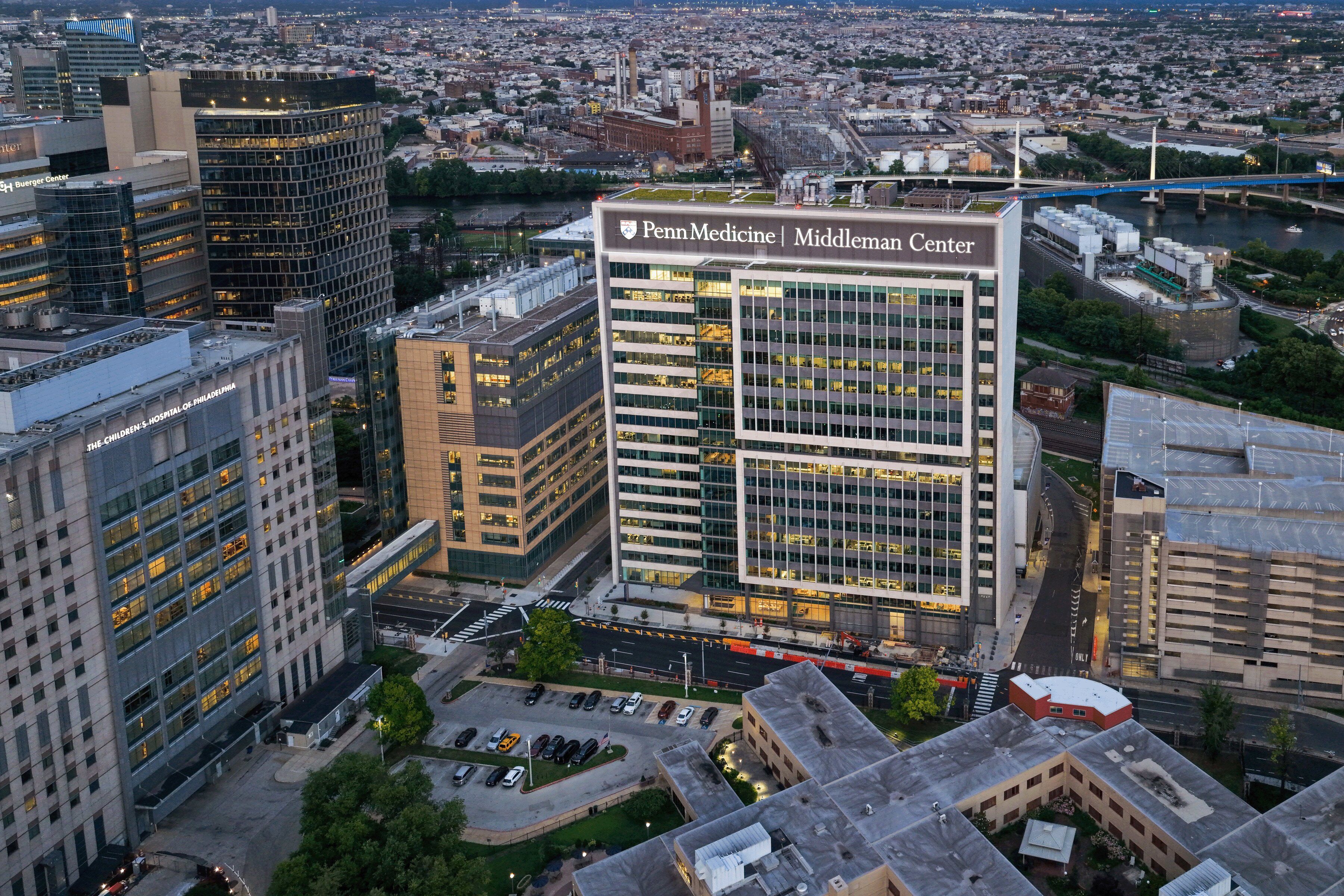
    Penn Medicine announced a $50 million gift from Stanley C. Middleman on Thursday to support early-stage research and will name a recently expanded building at 3600 Civic Center Blvd. in the businessman’s honor.

    Income from the fund will be used to accelerate work on therapies for cancer, autoimmune diseases, infectious diseases, and other serious conditions, with a goal of shortening the path from the laboratory to the market, Penn said.

    “I was born and raised in Philadelphia, and I’m proud to support Penn Medicine and the extraordinary work being done there to advance medicine and improve people’s lives,” Middleman said in a news release provided to The Inquirer in advance.

    The Middleman Center “will bring together the people and ideas” to support new approaches to treatment and scientific discovery, he added.

    The $50 million gift marks his first to Penn. He previously donated undisclosed amounts to his alma mater, Temple University, and to Children’s Hospital of Philadelphia, which named the main patient tower at its King of Prussia hospital for Middleman’s family.

    Middleman founded privately owned Freedom Mortgage Corp. in South Jersey in 1990 and grew it into one of the nation’s largest lenders before moving the company’s headquarters to Florida in the early 2020s.

    Middleman is among the owners of the Philadelphia Phillies.

    Boost for research at Penn

    The building being renamed for Middleman underwent a $376 million, 217,000-square-foot expansion that opened last year. It added seven floors, including as many as 37 labs. Penn originally opened the building in 2018 with eight floors and 250,000 square feet of office space, which has also been renovated.

    The new floors house the Colton Center for Autoimmunity at Penn and the High-Throughput Institute for Discovery, a specialized lab testing patient samples to help make diagnoses and guide treatments. The Middleman Center also includes a Biosafety Level 3 lab, which is specially equipped to handle infectious disease specimens.

    “Anchoring the western edge of Penn Medicine’s campus, the Middleman Center is uniquely positioned to bring together biomedical researchers, physicians, medical students, patients, and experts from engineering, business, and other areas of the University of Pennsylvania,” said university president J. Larry Jameson in the news release.

    “This creates an extraordinary environment for discovery — not just sparking ideas but seeing them all the way through to the moments where lives change for the better, as a result of discovery,” he said.

  • All the new restaurants for fall | Let’s Eat

    All the new restaurants for fall | Let’s Eat

    About 60 restaurants are opening in the next hundred days or so. Surely there’s something for you.

    Also in this edition:

    — Mike Klein

    If someone forwarded you this email, sign up for free here.

    Your guide to the new restaurants opening this fall

    Sixty restaurants are on the slate for this fall in Philadelphia and its suburbs on both sides of the river, with cuisines that span the map: Vietnamese, Lebanese, Greek, Caribbean, Cajun-Creole, Palestinian, Mediterranean, and contemporary American cooking, along with bagel shops, bakeries, breakfast concepts, wine bars, and cocktail rooms.

    🍴Opening today: Join us for a first look inside Carolyn’s Modern Vietnamese.

    A trattoria is ordered to shut down

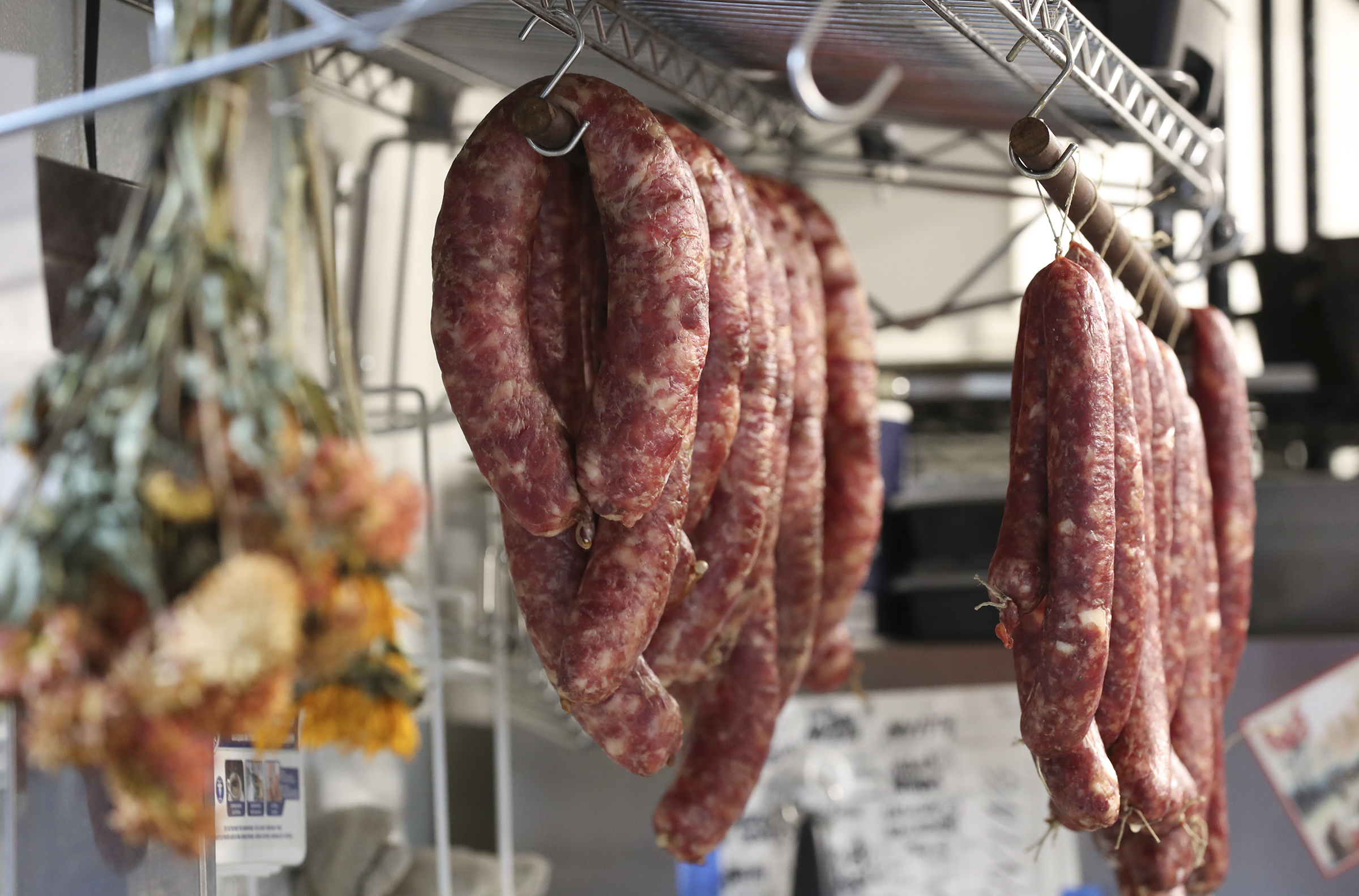
    Heavy Metal Sausage was ordered to stop serving dinner. Beatrice Forman says this may spell doom for the acclaimed South Philly butcher shop/restaurant.

    A state grant for a restaurant gets mixed reviews

    The Michelin-starred Friday Saturday Sunday secured a $1.5 million state grant to expand into the rowhouse next door. Beatrice unpacked the process — and the reaction.

    Move over, boba

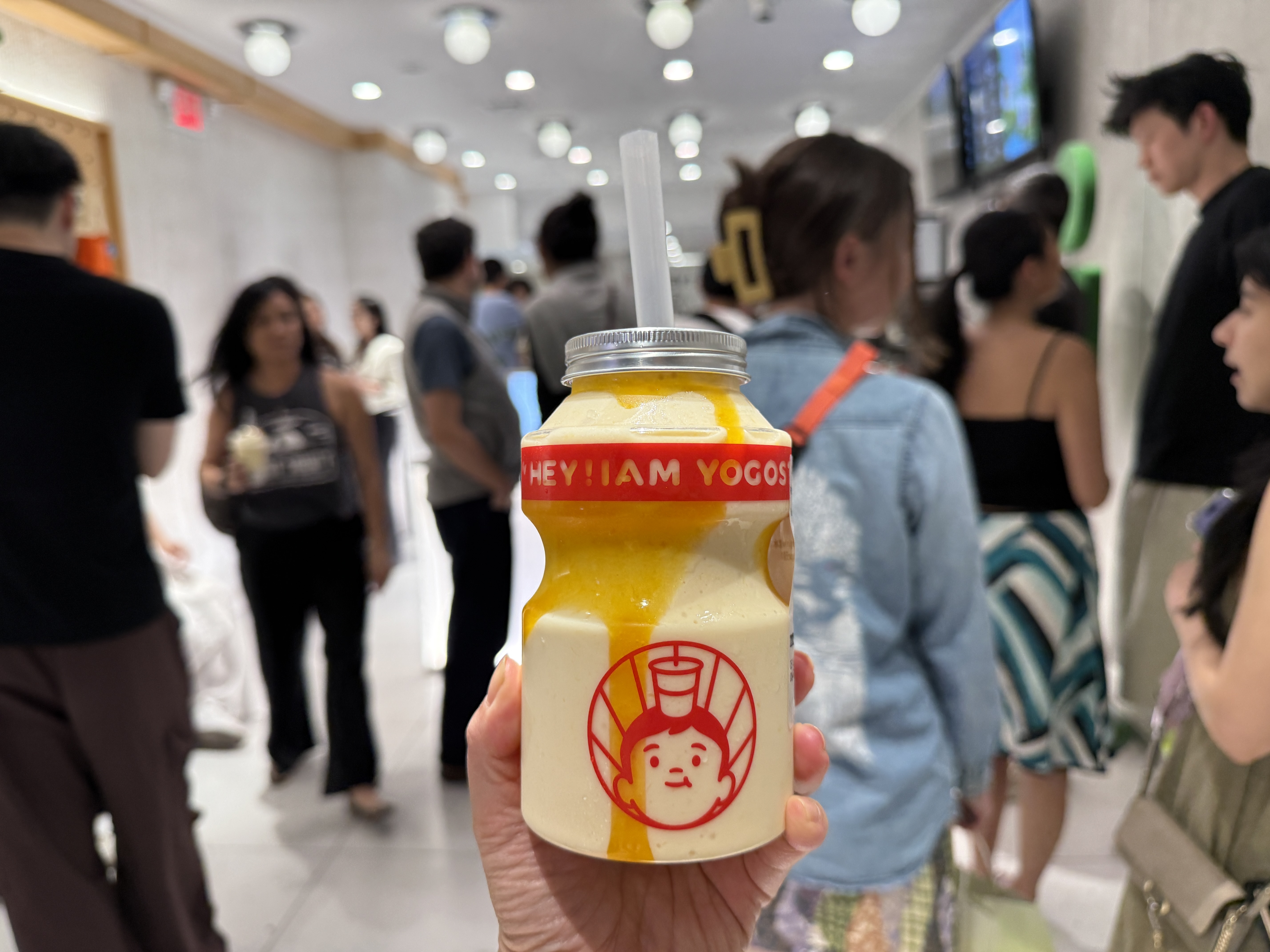
    When does a tea shop require security guards? When it’s heytea — just one of a slew of hyped Chinese beverage chains hitting Philly. Kiki Aranita reports on the hottest thing going in Chinatown.

    The best thing Craig ate last week

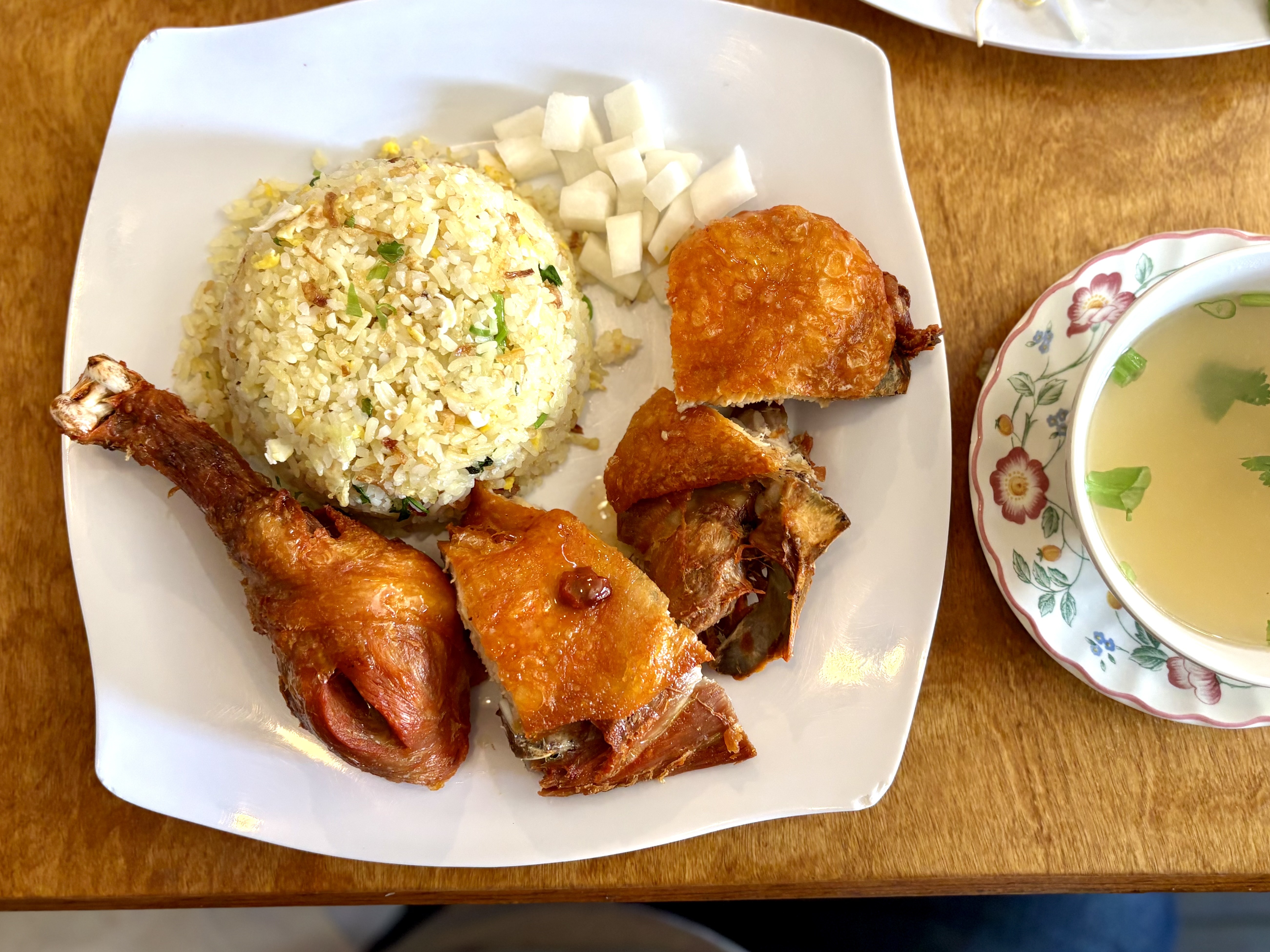
    There was a lot of crunching going on as critic Craig LaBan tucked into the Vietnamese fried chicken platter at South Philly’s Phở Duyên — which he dubs “my No. 1 food deal for $15 in Philadelphia right now.”

    Scoops

    Edd’s & Flo’s Artisan Bakery Cafe plans to close its Lancaster operation on Sept. 20 in advance of a relocation to Fishtown next year. Meghan Young and Sebastian Schuck are still working on a lease, so the location is under wraps. Edd’s & Flo’s, which started in their hometown as Wish You Well Bakery in 2021, found its niche in croissants, savory pastries, and weekend brunch. This move will be a Philly comeback for Young, a Restaurant School at Walnut Hill College graduate who worked at Darling’s Cheesecake Cafe, Green Line Cafe, Barbuzzo, Suraya, John & Kira’s Chocolates, and One Shot Coffee. Young and Schuck rebranded in 2024 with a name that’s both a nod to life’s ebbs and flows and a tribute to Young’s childhood cats, named for the musical duo Flo & Eddie. Stay tuned.

    You’ve seen the months of construction along Columbus Boulevard at Penn’s Landing for the park that will cap I-95 and link Old City to the Delaware River. The Delaware River Waterfront Corp. just applied for building permits for the Pavilion and Café (rendering above), which will be part of Penn’s Landing Park when it opens in 2029-2030 at Market Street. The project’s operator has not yet been identified.

    Restaurant report

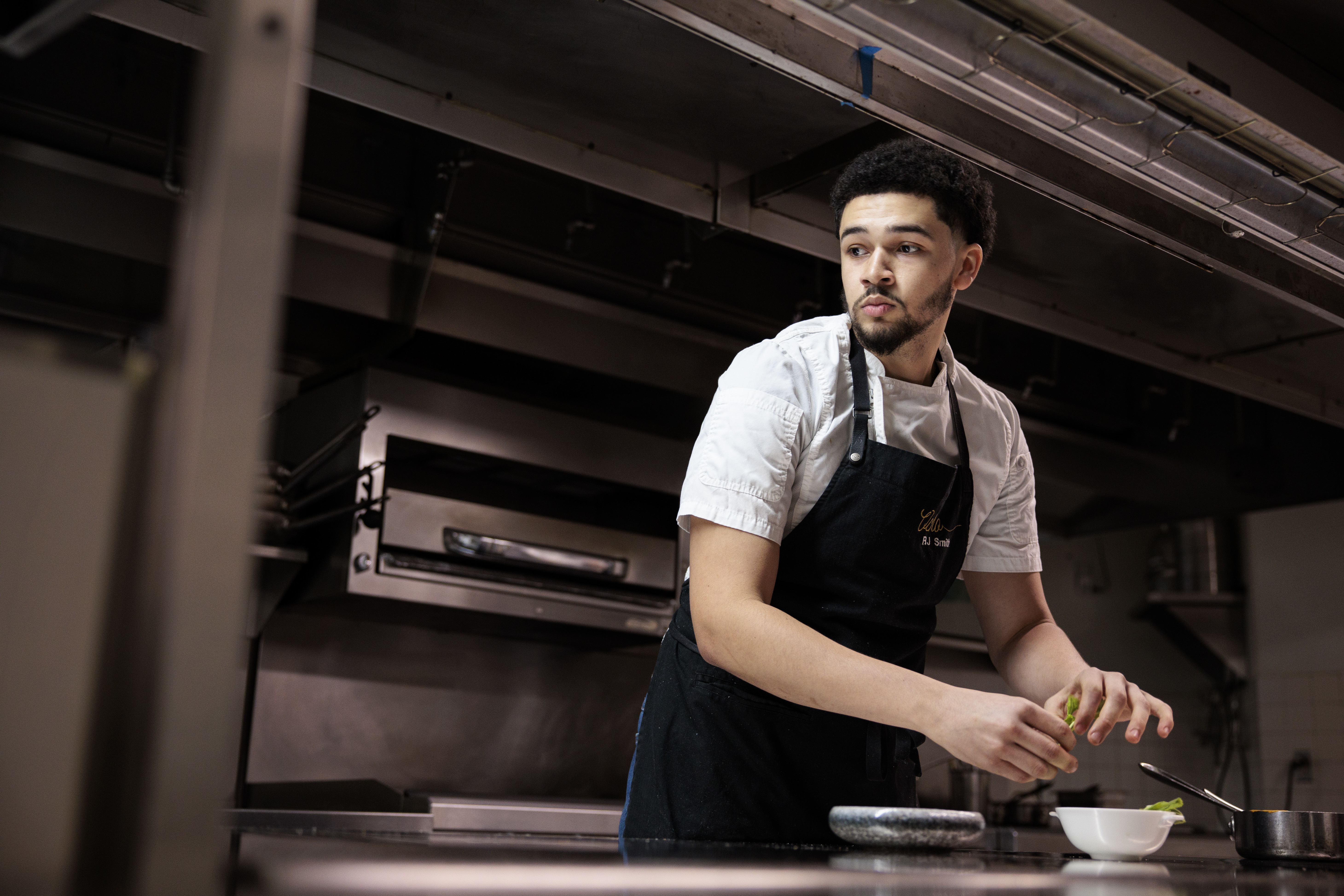
    While chef-owner Liz Grothe of Scampi in Queen Village travels in Italy, chef RJ Smith of Ocho Supper Club will take over the restaurant for a five-course Afro-Caribbean tasting menu Sept. 18-21. The $130 menu includes curried oxtail, madai aguachile, plantain coco bread with crab, berbere-spiced duck breast, and turmeric tart. An optional Pennsylvania wine pairing is $50. Seatings are at 5 and 8 p.m., and à la carte dishes will be available on the patio. Reservations are on Resy and OpenTable. Smith is still leading his residency at the Rittenhouse Hotel; the space, which was Scarpetta, will become a steakhouse called Ruxton by next summer.

    Old Original Nick’s Roast Beef sets up starting Thursday at Live! Casino & Hotel’s 10th Street Market, where it will follow South Philly Barbacoa’s residency. Besides roast beef, Nick’s will deal in roast turkey, roast pork, baked ham, broccoli rabe sandwiches, and long hot peppers. The pop-up will be open from 5 p.m. to midnight (or sellout) Thursday and Friday, noon to midnight Saturday, and noon to 9 p.m. Sunday, through the fall.

    Briefly noted

    The Big Dill will mark National Pickle Day with a nine-hour pickle festival Nov. 14 at Stateside Live! in South Philadelphia, closing its 2026 national tour there. More than 50 vendors will offer pickle-themed food and drinks, while 20 pickle brands serve unlimited samples of more than 100 varieties. Entertainment includes the World Pickle Eating Championship, brine-chugging, live music, DJs, games, and mechanical pickle rides. Organizers also hope to break a record by gathering more than 888 people dressed as pickles; the first 1,200 ticket buyers receive numbered costumes. The event runs from 1 to 9 p.m., with early entry at noon. Tickets go on sale Sept. 15 at bigdill.com/tour.

    Mish Mish is launching Daydreamers, a quarterly series that will turn the East Passyunk restaurant over to chefs, makers, and other hospitality pros for one-night interpretations of their dream concepts. The first installment, with seatings at 5:30 and 8 p.m. Sunday, features sous chef Koby Epstein serving a six-course, late-summer tasting menu paired with Pray Tell Wines. Seatings, at 5:30 and 8 p.m., are $120 plus tax, tip, and drinks.

    Kennett Square’s annual Mushroom Festival is set for Saturday and Sunday with foods and goods from 220-plus vendors, including Aimee Olexy’s Talula’s Table. Signature bite: The restaurant’s so-called “World Famous Riz-Mac,” which places mushroom risotto and mushroom mac and cheese side by side. Festival details are here.

    Les Dames d’Escoffier Philadelphia’s Heritage Dinner is 4-7 p.m. Sunday at Glen Foerd, 5001 Grant Ave. More than two dozen chefs will participate, serving Sweet Amalia oysters, chicken mole, seared salmon, Vietnamese vegetable curry, beef tenderloin, and desserts honoring The Cake Bible author Rose Levy Beranbaum. Also honored are Canal House’s Christopher Hirsheimer and Melissa Hamilton and caterer Michele Leff. Tickets start at $200; a $300 ticket includes preferred seating and Beranbaum’s new memoir. Proceeds fund scholarships for women entering culinary and hospitality fields.

    Bite for the Fight Food Festival returns for a seventh year from noon to 4 p.m. Sept. 19 at the Greater Philadelphia Expo Center in Oaks with tastings, cooking demos, and a silent auction benefiting the Fight On Makenna Foundation, which supports pediatric cancer patients and their families at Children’s Hospital of Philadelphia. Featured chefs are Brian Duffy, Ariane Duarte, Kenneth McDuffie, and David Schorn. Tickets start at $120.

    Top Chef winner Nick Elmi will prepare smoked ribs, whole chicken wings, pork shoulder, brisket, cornbread, baked beans, mac and cheese, apple crisp, and soft-serve for the KB Foundation’s fifth annual BBQ Experience, Sept. 24 at the Pump House in Bala Cynwyd. VIP service begins at 6 p.m. with lobster pies, fried chicken with caviar and white barbecue sauce, smoked foie gras mousse, and oyster fritters; general admission starts at 7:30 p.m. Tickets: $175, or $250 for VIP. Proceeds support youth-mentoring programs.

    Uchi in Rittenhouse will launch a fall collaboration series Sept. 24 with Kevin Yanaga of Yanaga Kappo Izakaya. He, Uchi head sushi chef Josephine Fry, and chef de cuisine Ford Sonnenberg will serve 10 courses starting at 6 and 8:30 p.m. Tickets: $175 at the sushi bar, $150 at tables, plus tax/tip; an optional sake pairing will be available. Additional dinners will follow in October and November.

    Staff and friends of the recently shuttered Jose Pistola’s have organized a GoFundMe campaign for support (separate from an earlier one created by management).

    ❓Pop quiz

    Name the $88 dish that Kiki Aranita checked out recently at a Philadelphia restaurant.

    A) a tasting of New York strip steaks from Urban Farmer

    B) the caviar-topped baked potato from Mr. Edison

    C) the lobster terrine at Jean-Georges

    D) 3 ounces of Japanese A5 beef from Del Frisco’s

    Find out if you know the answer.

    Ask Mike anything

    Is ReAnimator Coffee really opening in Manayunk? — Jennie O.

    ReAnimator, the Philly-bred coffee brand founded in 2010 by Mark Capriotti and Mark Corpus, has indeed committed to a Manayunk location at 4226 Main St., which was last an art gallery. Capriotti optimistically thinks opening is six months away. “We just opened in Mount Airy and it took us a year,” he said. “But we’re hoping we can learn from our experience.”

    📮 Have a question about food in Philly? Email your questions to me at mklein@inquirer.com for a chance to be featured in my newsletter.

    By submitting your written, visual, and/or audio contributions, you agree to The Inquirer’s Terms of Use, including the grant of rights in Section 10.