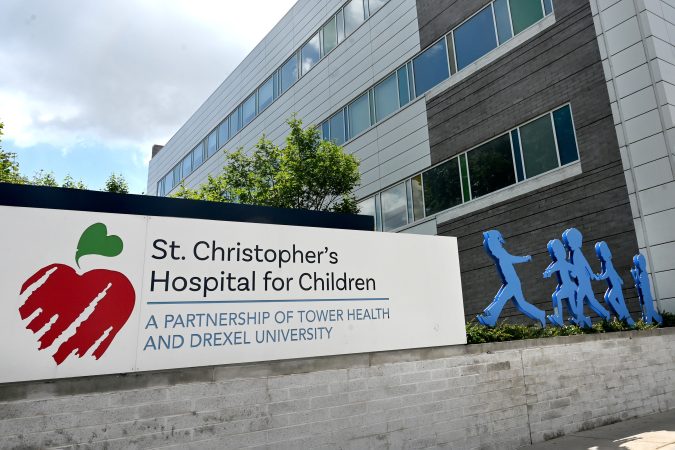
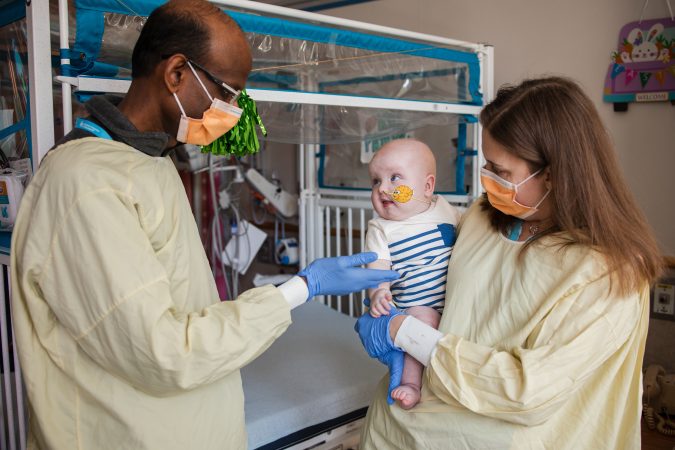
Threemajor Philadelphia-area health systems are exploring an alliance to support financially struggling St. Christopher’s Hospital for Children in North Philadelphia, its leaders announced Wednesday.
The proposed alliance would involve Nemours Children’s Health, Jefferson Health, and Temple Health, a St. Chris statement said.
St. Chris’ ownership would not change from the current 50-50 partnership between Drexel University and Tower Health.
Under the alliance, Wilmington-based Nemours would provide highly advanced, or tertiary, care. Nemours is Jefferson’s primary pediatric partner in the Philadelphia area.
The preliminary agreement announcement provided no timeline to form the alliance. It also did not mention specific financial support for the North Philadelphia institution, which has received millions from local health players following a 2019 bankruptcy and steep losses during the pandemic.
St. Chris’ board chair, P. Sue Perrotty, said the 150-year-old hospital will remain a “gateway” to care for families.
“Our goal is to preserve what makes St. Christopher’s so special while strengthening our operations, so our community-focused mission will endure,” she said.
“Whether care is delivered at St. Christopher’s or through our partners when clinically appropriate, our team will continue to coordinate every step of a patient’s journey, providing families with a seamless experience and a trusted guide throughout their child’s care.”
Beyond the critical health services St. Chris provides, the institution also plays a vital part in medical education for area medical schools, including those at Drexel, Thomas Jefferson University, Philadelphia College of Osteopathic Medicine, and Temple University.
Twice in the past four years, a coalition of Philadelphia nonprofits provided financial lifelines for St. Chris.
Children’s Hospital of Philadelphia, Jefferson, Temple, Philadelphia College of Osteopathic Medicine, Independence Health Group, and private donors provided $50 million over two years starting in 2022. Two years later, the same group, minus Independence, contributed another $30 million.
Jefferson and Temple were also part of a consortium that considered bidding for St. Chris in 2019 during its parent company’s bankruptcy. They backed out before the auction, which Drexel and Tower won with a $50 million bid.
Nemours spokesperson Shelley Meadowcroft said there was no financial support included in the agreement.
Nemours in recent years has lost affiliations with Main Line Health and ChristianaCare to CHOP. The alliance will strengthen “access to high-quality pediatric care in our region,” she wrote in an email.
“This collaboration also strengthens Delaware’s role in pediatric care by positioning Nemours Children’s Delaware-based clinical operations as a central hub for advanced specialty care, education, and innovation,” she added, “while supporting the long-term strength and mission of St. Christopher’s Children’s Hospital and the communities it serves.
In a statement, Temple University officials characterized the agreement as “non-binding letter of intent” to form an alliance “in support of St. Chris and its future.”
“The proposed alliance reflects a shared commitment to securing a future for St. Christopher’s while preserving the mission, clinical excellence and community role that have made the hospital a resource for children and families in Philadelphia and across the region,” officials said.
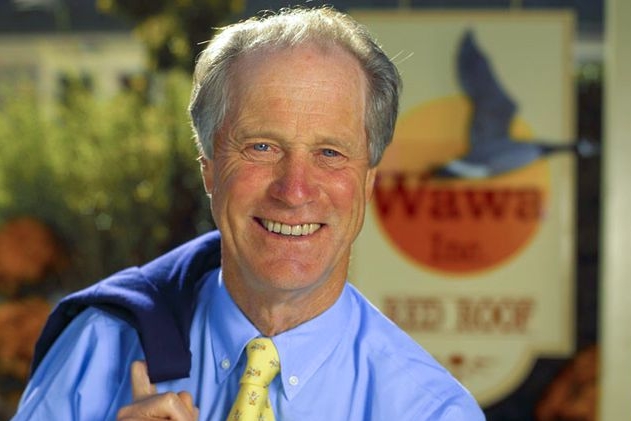
Richard D. Wood Jr., 88, of Wawa, Delaware County, chair emeritus and former chief executive officer and president of Wawa Inc., Convenience Store News Hall of Famer, lawyer, trustee, mentor, veteran, and philanthropist, died Friday, July 10, of age-associated decline at his home.
Born in Philadelphia, Mr. Wood earned a law degree at what is now the University of Pennsylvania’s Carey Law School in 1964 and joined his family’s nascent Wawa food market company in 1970 as its first general counsel. His great-grandfather founded the Wawa dairy in 1902, and his father’s cousin opened the first Wawa food market in 1964.
By 1977, Mr. Woodhad ascended to president of the company, and its innovations, including 24-7 hours of operation and custom-made hoagies, made it the region’s dominant convenience store. He became CEO in 1980 and chair in 1982, and was named chair emeritus in 2020.
In 2020, Inquirer business writer Joseph N. DiStefano said Mr. Wood “presided over the board during the period of Wawa’s rapid growth from a regional cokes-smokes-milk-and-hoagies chain to a convenience store and gas outlet with more than $12 billion in annual sales and 850 stores from New Jersey to Florida.”
For more than 40 years, Mr. Wood supervised Wawa’s multistate expansion, addition of gas pumps, expanded inventory, rigorous employee training, and popular employee stock ownership plan. During his tenure, the company grew to more than 36,000 associates and was one of the largest privately held companies in the country.
Through it all, Mr. Wood was affable and curious, friends and family said. He wanted to know everybody’s name and what they thought, and he enjoyed touring the stores and chatting up associates and customers, especially on Christmas Day. He told colleagues he wanted to “create an environment where each of us believes that we can make a difference.”
“Dick Wood was our true lead goose who was the guiding heart and soul of the company,” Chris Gheysens, Wawa’s chairman and CEO, said in a tribute. “He is the reason why Wawa is the company we are today and why we enjoy so much share of heart from our customers and dedication from our associates.”
Mr. Wood hired students and women to work in the stores, and offered flexible schedules to accommodate their availability. He oversaw Wawa’s $200 million of donations to community nonprofits and its college tuition reimbursement plan for associates.
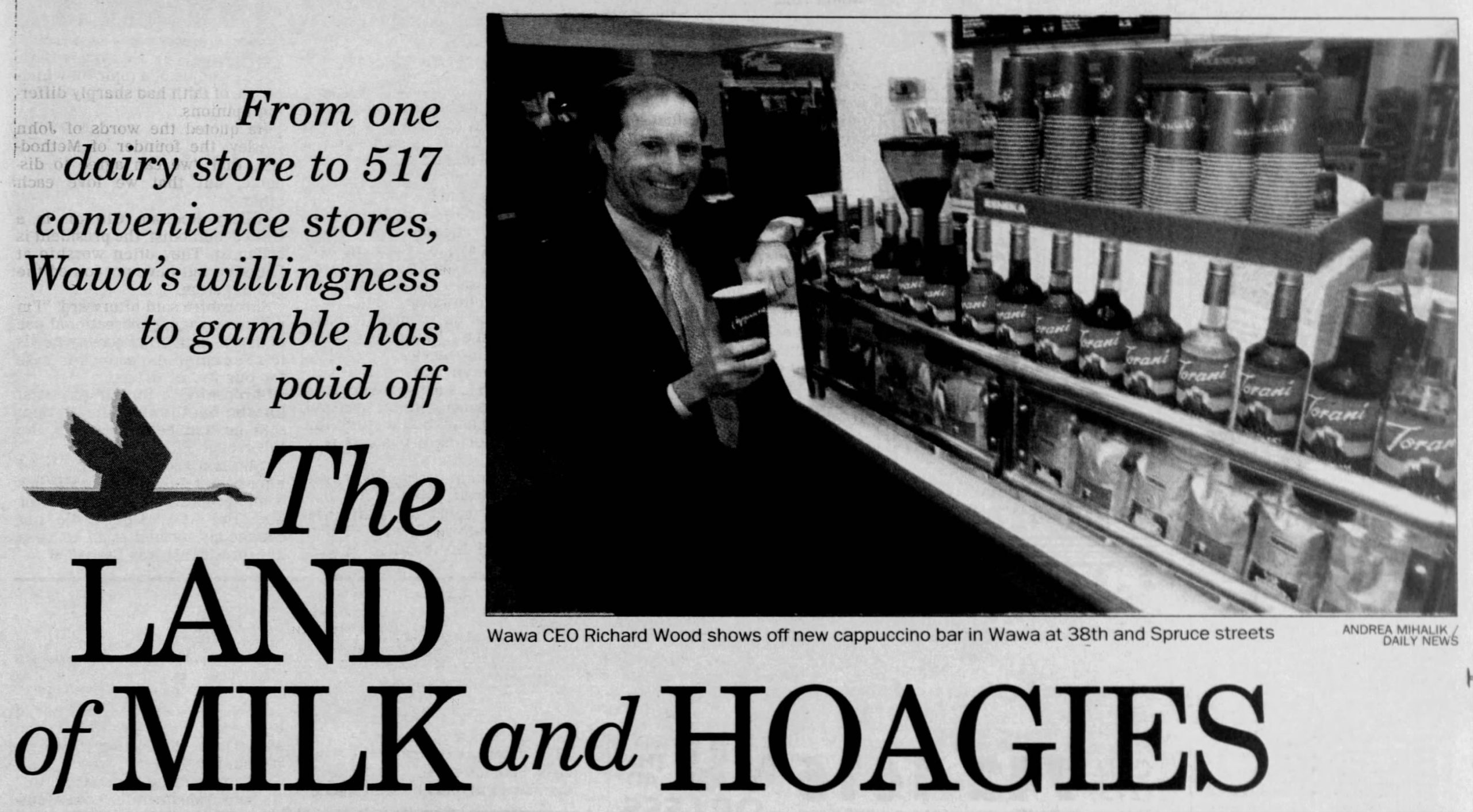
This photo of Mr. Wood and a story about Wawa appeared in the Daily News in 1994. Newspapers.com
In 2021, to mark his 50th anniversary at the company, Wawa established the Dick Wood College Scholarship Fund for associates. He told Inc. magazine in 2018: “Values and culture mean more in this company than being smart.”
Colleagues called him “humble, gracious, curious, and kind” and “a beloved treasure to the company” in tributes. His life-size bronze statue greets visitors at Wawa’s corporate headquarters.
“He made people feel important,” said Barbara Ennis, his longtime assistant, ”because to him, they were.”
Mr. Wood was onetime chair of the executive committee of the National Association of Convenience Stores and on boards at Children’s Hospital of Philadelphia, Riddle Memorial Hospital, Philadelphia National Bank, Bok Tower Gardens in Florida, and other organizations. He appeared oftenin The Inquirer and Daily News, spoke on panels and at conferences about corporate leadership, and was inducted into the Convenience Store News Hall of Fame in 1996.
Mr. Wood (left) worked closely with fellow CHOP trustee N. Scott Adzick.Children's Hospital of Philadelphia
He served on the Chester Heights Borough Council in the early 1980s and was named 1996 businessman of the year by the Great Valley Regional Chamber of Commerce. Before Wawa, Mr. Wood was a public defender in Philadelphia and a lawyer at Montgomery McCracken.
“People loved to follow him,” said his son, Richard D. Wood III. “He was larger than life,” said his daughter, Lisa Wright.
Sometimes, his family said, Mr. Wood walked the halls of the hospital, sharing Wawa coffee and conversation with patients and families. CHOP honored him at its 2019 Carousel Ball. Madeline Bell, CEO at CHOP, said: “I will truly miss his warmth, wisdom, and generous spirit.”
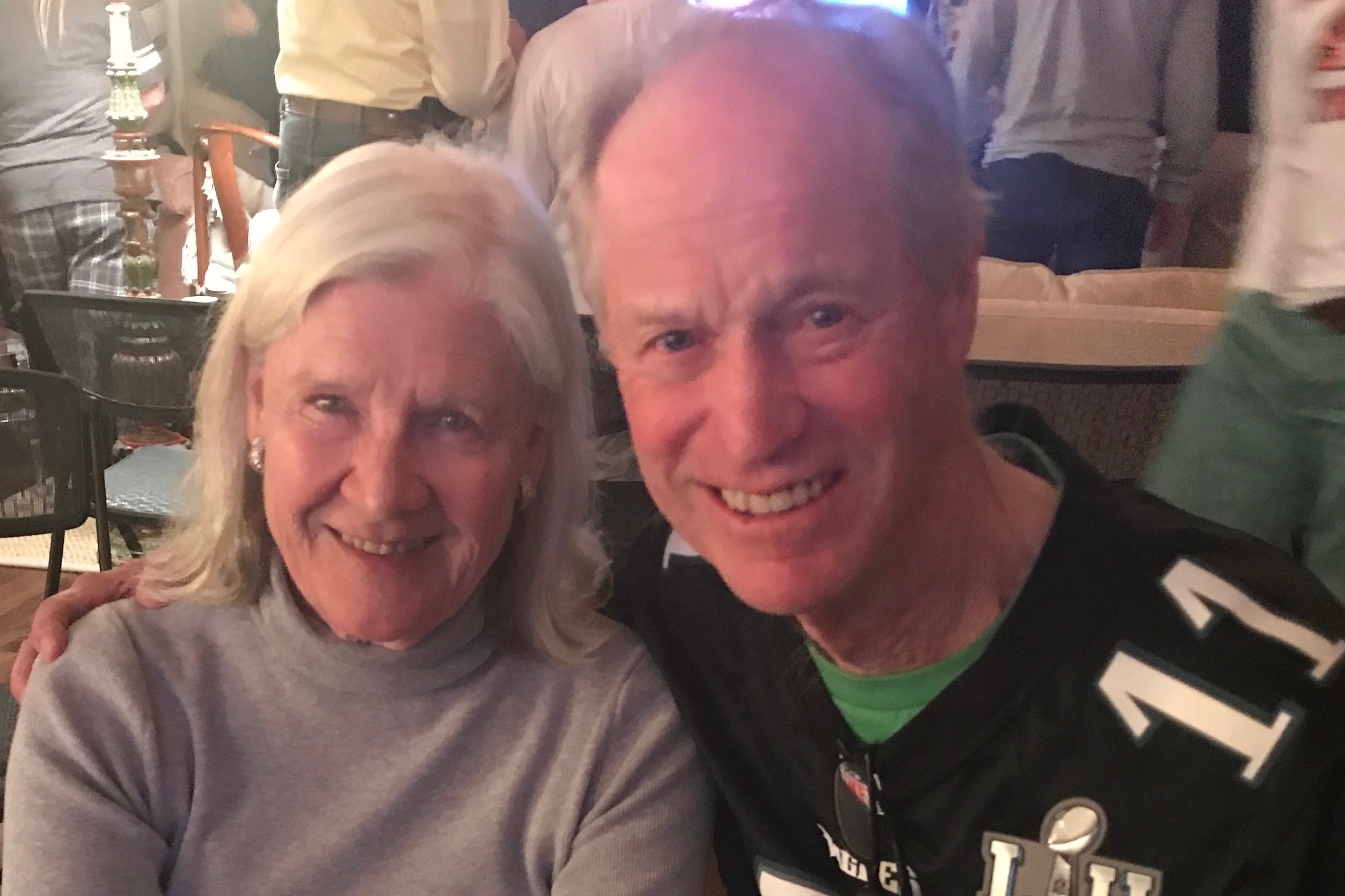
Mr. Wood and his wife, Jeanette, married in 1964.Courtesy of the family
Howard Stoeckel, former Wawa vice chair, CEO, and president, said in a tribute: “He had a special mix of heart, compassion, empathy, and humility that made him a true believer and practitioner of servant leadership.”
Richard Davis Wood Jr. was born March 4, 1938. He graduated from St. Paul’s School in Concord, N.H., earned a bachelor’s degree in business at the University of Virginia, and served for a year in the Marine Corps and later in the Marine Corps Reserve.
He met Jeannette Andrews when he was visiting New York with friends, and they married in 1964. They lived in Philadelphia and Wawa, and had a daughter, Lisa, and a son, Richard III. His wife died in 2025.
Mr. Wood was an avid golfer, and he belonged to the Gulph Mills and Pine Valley Golf Clubs, and the Mountain Lake Club in Florida. He played tennis and bridge, and was a longtime season ticket holder for the Eagles and Flyers.
Mr. Wood (right) enjoyed meeting and talking with Wawa associates and customers. Jonathan Wilson / Staff Photographer
He and his wife traveled, hosted family holiday parties, and spent memorable winters in Lake Wales, Fla. He drove his favorite Honda Accord for years and followed Virginia college football and basketball closely.
He championed conservation, education, and health. “He treated every single person the same,” his daughter said. His son said: “Humility defined him.”
The U.S. government has awarded Children’s Hospital of Philadelphia $39 million to develop a scalable platform for treating rare genetic, liver-related diseases in infants and children.
The federal Advanced Research Projects Agency for Health (ARPA-H) also announced this week another $4 million for local gene therapy pioneer Jim Wilson to design gene therapies using AI at his University of Pennsylvania spinout, GEMMABio.
The $43 million in funding earmarked for Philadelphia researchers comes through a new federal effort to advance gene therapies for rare diseases.
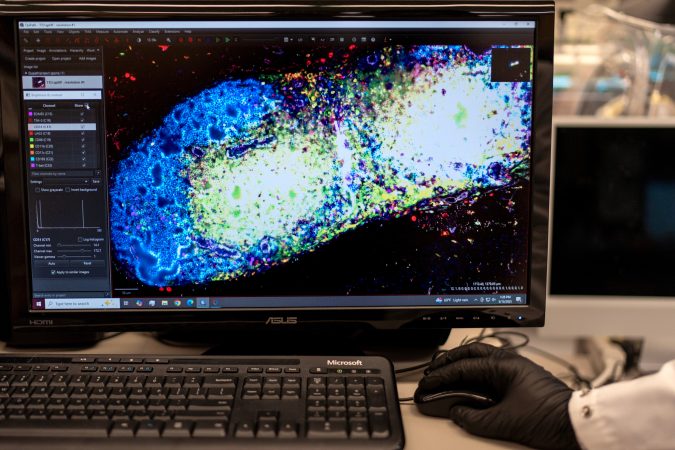
CHOP’s team includes the duo behind last year’s first-of-its-kind, personalized gene-editing treatment involving a Philadelphia-area infant, known as Baby KJ. CHOP’s Rebecca Ahrens-Nicklas and Penn Medicine’s Kiran Musunuru together created a custom drug to correct the genetic mutation driving Baby KJ’s rare metabolic disease — dramatically improving his liver function.
The funding will expand their work and bring in another CHOP researcher, Lindsey George, who develops gene therapies for bleeding disorders.
“We’re trying to move beyond just one diagnosis or one gene,” Ahrens-Nicklas said.
Philly-based scientists comprise two of seven research teams nationwide to receive funding through ARPA-H’s new $160 million effort.
Called THRIVE, the program aims to help the roughly one in 10 people — most being newborns, infants, and children — with chronic genetic diseases. Ninety-five percent of rare diseases have no approved treatments.
Leaders want to develop “precision genetic medicines through platforms that can test multiple treatments for multiple diseases in a single clinical trial,” ARPA-H director Alicia Jackson said in a Thursday news release.
The CHOP team will focus on building a scalable gene-editing platform that can be used to treat a variety of infants and children.
Their initial focus is on liver-related genetic diseases, ranging from urea cycle disorders to blood clotting diseases.
“Essentially it’s the same drug, whether or not you’re targeting a genetic variant that causes a rare metabolic disease or a genetic variant that causes a rare coagulation disorder,” Ahrens-Nicklas said.
Their five-year plan includes launching preclinical and clinical trials testing the safety and efficacy of their individualized treatments.
They will also pursue regulatory approvals, work with payors, and implement their therapies at community sites and remote hubs to expand access.
“We are the three musketeers that already text 25,000 times a day, and will continue to do so,” Ahrens-Nicklas said.
Wilson experimenting with AI
Wilson founded academia’s first gene therapy program back in 1993 as a professor at Penn.
He left in 2024 to spin out biotech start-ups dedicated to tackling rare diseases with genetic medicines.
“The question is, can we find ways to scale this bespoke personalized medicine strategy, so that it is affordable and cost-effective?” he said.
In partnership with a biotech called ProFluent, GEMMABio will use AI to design its base editors — the machinery that goes in and make edits to DNA.
The tool could be rapidly adapted to different patients and diseases, theoretically making the process more affordable, scalable, and efficient, Wilson said.
His $4 million award will fund preclinical studies of their technology.
GEMMABio’s initial focus is on two rare liver diseases “for which there is significant unmet need,” he said, including Maple Syrup Urine Disease and homozygous familial hypercholesterolemia (HoFH).
A 2-month-old Bucks County infant was struggling to swallow and could hardly hold his head up.
He was diagnosed last month with infant botulism, a rare, potentially deadly infection that affects the nervous system and can lead to paralysis.
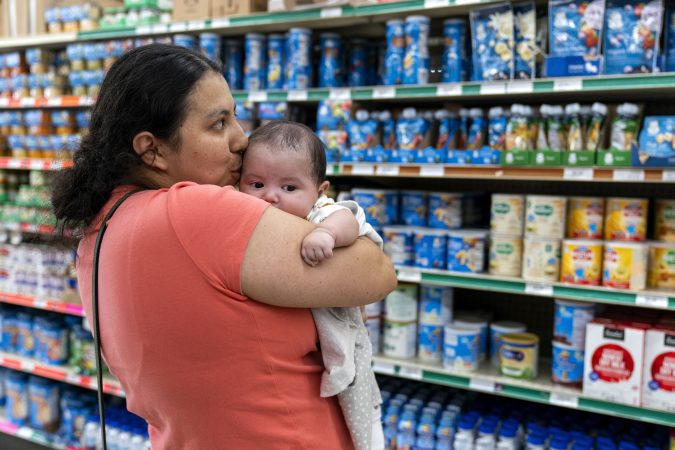
The family and their lawyer believe the baby, now recovering at home, ingested the bacteria that causes the infection from an infant formula subsequently recalled by its manufacturer, Nara Organics, over contamination concerns.
Federal legislation proposed this spring could protect babies by requiring formula manufacturers to test for more pathogens. The bill, HR 7867, is awaiting hearings in the House Committee on Energy and Commerce.
“I want responsible manufacturers, responsible industry partners, who say we know there is a risk of this and we’re going to be ahead of the game,” said U.S. Rep. Madeleine Dean, a Montgomery County Democrat and cosponsor of the bill.
When asked for comment on the proposed legislation, Nara Organics pointed to safety protocols posted on its website saying the company exceeds the U.S. Food and Drug Administration’s current requirements.
The New York-based company said it voluntarily recalled all of its infant formula on June 13 “in an abundance of caution,” after the FDA and the Centers for Disease Control and Prevention reported three cases of infant botulism in babies who had consumed Nara formula.
As of July 6, a fourth case had been confirmed, and FDA testing identified the botulism-causing bacterium C botulinum in some of the company’s formula, according to an update posted on the company’s website.
Nara Organics did not comment directly on the proposed regulations. When asked for its position on the legislation, the Infant Nutrition Council of America, which represents manufacturers, said its members “share the goal of ensuring families have access to safe, high-quality infant formula.”
“Infant formula is among the most highly regulated foods in the United States, and INCA supports science-based, risk-based improvements that strengthen infant formula safety,” the organization said in a statement.
The push to bolster regulations comes several years after federal regulators and lawmakers started looking more closely at infant formula safety in 2022, when a massive recall for a non-botulism bacterial contamination left shelves bare for months.
But two recent infant botulism outbreaks linked to formula show the inadequacy of the steps that companies are already taking, said Bill Marler, a Seattle-based food safety lawyer who is representing Erica and Micky Goldfin, the Yardley couple whose son developed botulism after being fed Nara Organics formula.
“We need to do more to protect these kids,” Marler said.
A dangerous infection
Infant botulism occurs when babies ingest C botulinum in foods or dust and dirt particles. The bacteria’s spores colonize in the large intestine and release a toxin that affects the nervous system.
Symptoms include changes in facial expressions, such as smiling less, slow feeding, constipation, and low energy. Untreated, the toxin can spread and cause paralysis, making it hard for babies to breathe and eat.
Infants are at greatest risk of illness because their digestive systems are still developing and less able to fight off infection.
The Goldfins’ baby, identified by the initials W.G. in court records,spent two nights in the intensive care unit at the Children’s Hospital of Philadelphia, where he was treated with BabyBIG, the botulism antitoxin that is manufactured by the California Department of Public Health. The medication’s antibodies bind to the toxin and neutralize it, improving symptoms within 48 hours.
On June 6, he returned home, where he is feeding well again, and regaining movement in his arms and legs. He is receiving weekly physical therapy for developmental delays in his gross and fine motor skills, according to the lawsuit.
Testing challenges
Federal regulators began looking more closely at infant formula in 2022, after Abbott Nutrition issued a massive recall over concerns of non-botulism bacterial infections.
Abbott temporarily shut down one of the largest formula manufacturing plants in the country while it investigated the cause of the contamination, leaving families scrambling to find the formulas they relied on for their infants and medically fragile children.
Pinpointing the exact source of contaminants can be challenging.
The bacteria that causes botulism, for instance, could have been present in the Nara Organics’ powdered milk formula, in dust that settled on the packages during transportation, in the water used to mix it, or on the hands of those preparing the food, said Molly Potter, a senior clinical dietitian with Nemours Children’s Health in Delaware.
According to its website, Nara Organics tests its formulas throughout the manufacturing process, first testing raw ingredients, then during production, and again with the final product.
The tests the company uses include so-called sulfite-reducing clostridia (SRC) enumeration, which a leading international food-safety group recommends for identifying spores of the bacteria that causes infant botulism.
Researchers from IEH Laboratories & Consulting Group, a Washington-based firm that specializes in laboratory testing and analysis for the food industry, worked with ByHeart to analyze its infant formulas that had been linked to at least 28 cases of infant botulism this year and last.
A bottle of milk prepared from infant formula.Giulia Marchi
Improving safety
Dean said she hopes the proposed legislation will open up more conversation about how best to improve infant formula safety.
The bill tasks the FDA with developing a list of pathogens that formula companies should test for, and working with manufacturers to begin any tests they aren’t already doing.
The FDA would also set a schedule for how often manufacturers need to test for the new list of pathogens.
Under the legislation, companies would be required to report contamination results within a day, and retain records of positive test results.
Dean is among more than two dozen lawmakers to sign on as cosponsors. Rep. Jefferson Van Drew, who represents South Jersey’s 2nd District, is one of two Republican cosponsors.
Potter, the Nemours dietitian, said she hopes increased testing will help families feel more at ease.
In the meantime, parents can reduce the risk to their children by only purchasing formula from reputable stores, checking expiration dates, and storing powdered formula canisters properly. Caregivers should make sure to mix formula in clean equipment, and wash their hands before preparing and feeding it to a baby.
In the sweltering Philadelphia summer of 1776, cobblers, printers, dockworkers, and farmers continued their daily labor amid political upheaval and outbreaks of disease, sustained by the belief that steady work undertaken together could shape a different future. That ordinary persistence would eventually give birth to a revolution.
In laboratories across the country today, that same ethic continues to stir. Researchers return each day to careful, steady work that rarely produces immediate answers but over time builds a foundation that changes what medicine can do.
In the 250 years since independence was declared in Philadelphia, the United States has also built global leadership in scientific discovery. That leadership, however, is not guaranteed, and today, we are at risk of losing it.
What’s at stake is best understood through the breakthroughs that sustained investment has already made possible.
The mRNA vaccines that helped end the COVID-19 crisis emerged from decades of federally supported research that, for years, appeared uncertain and commercially impractical.
Cancer immunotherapy, including CAR-T approaches, has demonstrated that the immune system can be redirected to attack disease in ways once thought impossible. CAR-T therapies were not the product of a single breakthrough moment, but of years spent understanding how immune cells recognize and respond to disease.
From humble beginnings in studies of bacterial defense systems to correcting genetic disorders in children, these approaches have their origins in federally funded basic science research.
However, even that investment is beginning to erode. Adjusted for inflation, National Institutes of Health funding today remains below its 2003 peak, and recent budgets have struggled to keep pace with the rising cost of doing science. As resources tighten, fewer promising ideas move forward, and the pipeline of discovery narrows.
For example, the remarkable GLP-1 class of drugs, such as Ozempic, expected to slash diabetes and obesity rates across the country, was derived, in part, from NIH-sponsored basic research on the venom of the Gila monster, a lizard native to the U.S.
Researchers, including those at the Colton Center for Autoimmunity, are now applying ideas similar to these breakthroughs to autoimmune conditions, opening the door to treatments that are more precise, more durable, and less reliant on broad immune suppression. These include CAR-T cells for autoimmunity, advances in treatment for multiple sclerosis, and new promising research on treatments for rare but devastating diseases like retinal vasculopathy with cerebral leukoencephalopathy.
This is the promise of precision medicine: not one-size-fits-all care, but interventions shaped by each patient’s biology.
None of this happened by accident.
Many of the breakthroughs now transforming medicine were built on years — often decades — of federally supported basic research, long before their practical application was clear. Nearly all of the drugs and therapies later brought forward by industry trace their origins back to federally supported basic research, undertaken long before their eventual medical or commercial value could be known.
This is how discovery works. The most important advances often begin as hard questions in laboratories, without a clear timeline or commercial payoff.
Scientific leadership may not always be seen as a measure of national strength, but it should be. The immune system sits at the center of many of the most pressing challenges in medicine, from cancer and infectious disease to chronic inflammation, autoimmunity, and even aging and neurodegenerative diseases. Advances in immunology are changing what medicine can do, moving us from managing disease to predicting it earlier, targeting it more precisely, and, in some cases, reprogramming the body to fight back on its own.
Federal support for research is also an economic engine: In fiscal year 2025, NIH funding generated $2.57 in economic activity for every $1 invested and supported more than 390,000 jobs nationwide.
Demonstrators hold signs in support of the NIH during a “Stand Up For Science” rally in Washington, D.C., on March 7.Tierney L. Cross
That progress is neither automatic nor inevitable.
If the United States pulls back from long-term investment in research, talent, and scientific institutions, innovation will slow, discovery and drug development will move overseas, and America risks losing its preeminent place as a scientific leader. Federal research support reflects a national decision that knowledge serving the public good is worth sustaining even when the payoff is distant.
Ordinary persistence means carrying on in the face of uncertainty and hardship, continuing the work even when progress is slow, and success is not assured. It is a tradition woven deeply into the country’s history: The belief that steady effort, sustained over time, can lead to lasting change.
As we mark the nation’s founding in the city where it began, we should also make a shared pledge for the next 250 years: to recommit to that fundamental ideal of sustaining the patient, collective work of discovery.
In Philadelphia, that tradition helped shape the nation’s founding. The next 250 years of American science will require the same ordinary persistence still practiced every day in laboratories, clinics, and classrooms across the country.
Jefferson’s Joseph G. Cacchione ranked as the highest-paid CEO at the Philadelphia region’s nonprofit health systems in 2024, with total compensation of $7 million, according to The Inquirer’s annual review of public tax forms.
Madeline Bell at Children’s Hospital of Philadelphia collected $5.5 million in 2024, giving her the number two spot.
Both also were top earners in The Inquirer’s 2023 compensation analysis. Jefferson is the largest system based here, both by revenue and number of hospitals, with 33 stretching from South Jersey to near Scranton. CHOP is among the nation’s top-ranked children’s hospitals.
Janice Nevin at ChristianaCare joined the ranks of the top five. She received$3.5 million, about the same payas the region’s fourth highest earner,Al Maghezehe at Capital Health, which has a network of outpatient clinics in Bucks County and two hospitals in Mercer County. Maghezehe’s compensation stands out because Capital had by far the lowest revenue among the systems with the 10 highest-paid CEOs.
A couple of CEOs who left their positions before 2024 continued collecting long-term compensation, as is common in the industry.
Most notably, Jefferson’s former CEO Stephen K. Klasko collected just over $1 million in 2024. Heretired at the end of 2021, but remained an adviser through June 2022. The 2024 payment brought his total through 2024 to $48.7 millionfor 8½ years as CEO.
Lori Herndon left AtlantiCare in June 2023. Her compensation the following year was $1.3 million.
Here’s a look at the numbers from The Inquirer’s review of the latest 990 tax returns of 20 nonprofit health systems, covering 11 health systems with operations concentrated in Southeastern Pennsylvania, seven in South Jersey, and two in northern Delaware:
(function(){function e(){window.addEventListener(`message`,function(e){if(e.data[`datawrapper-height`]!==void 0){var t=document.querySelectorAll(`iframe`);for(var n in e.data[`datawrapper-height`])for(var r=0,i;i=t[r];r++)if(i.contentWindow===e.source){var a=e.data[`datawrapper-height`][n]+`px`;i.style.height=a}}})}e()})();
On a small Lancaster County farm last month, five of the eight King siblings sprawled on the living room floor, sucking on ice pops and listening to calming music, trying not to scratch their itchy skin.
The next county over, in Hershey, children were lying in hospital beds as their immune systems battled an infection damaging their organs.
Pennsylvania is now seeing its worst measles outbreak in 30 years, centered around rural counties just west of the Philadelphia metro area. Lancaster County has emerged as a particular hot spot, with 51 of the 89 total measles cases reported this year in the state.
Anti-vaccination sentiment is prevalent in Lancaster County, where vaccination rates among kindergarteners are some of the lowest in the state. Known for its agricultural bounty and the Amish and Mennonite communities that dot its rural landscapes, Lancaster is also home to the state’s eighth-largest city with an economy heavily supported by tourism and entertainment.
In Lancaster, doctors say many are flocking to local clinics and pop-up vaccination events as cases rise. But others, like the King family, remain resolute in their decision not to vaccinate, instead preparing to ride out what they hope will be an inconvenient summer interruption that builds character and family bonding.
The family isolated in their home for weeks in June while all eight unvaccinated children, who range in age from a 1 to 15, recovered from measles. Their 14-year-old son experienced the most severe symptoms, and went to the emergency department when coughing and nausea rendered him unable to keep down water or medicine.
“Measles isn’t fun, seeing your kids sick isn’t fun,” said Gina King, 41, who lives outside New Holland. But, she added, “I know this is going to be added to the King family core memories.”
The 89 cases Pennsylvania has recorded so far this year exceed by more than five times the cases recorded in 2025. Doctors say the official tally may be an undercount, with many cases going unreported.
An Inquirer analysis found both the metropolis and state increasingly have become vulnerable to a major outbreak.In the 2024-2025 school year, kindergarten vaccination rates in 50 of Pennsylvania’s 67 counties were below the 95% vaccination rate scientists consider necessary to keep the virus from spreading. And even in counties with vaccination rates near so-called “herd immunity,” school-level vaccine data show that susceptible communities pockmark the region.
The majority of measles cases resolve in weeks with mild-to-moderate flulike symptoms, but the disease can take life-altering and even deadly turns, especially for young children.
Doctors and nurses who spoke to The Inquirer could not comment on the King family’s experience because they did not treat them.
But they cautioned that they have seen the harm measles can do to a child’s body: neurological damage, respiratory infections, and pneumonia, which can lead to death.
“Each one of those cases where a child suffers something really devastating — it only takes seeing one for it to really be something that hits home very hard,” said Evan Shirey, a pediatric infectious disease physician who has treated several children with measles at Penn State Health Golisano Children’s Hospital this year.
On the front lines of measles
As a medical student, Shirey never expected he would treat a measles case himself. By 2000, vaccination rates across the United States were so high that the disease was declared eliminated.
“I read the textbooks like they were history books,” Shirey said.
But as vaccination rates decreased, he and other providers began preparing in the last couple of years. He feared inevitably seeing cases like the several adults and children treated at Penn State hospitals this year.
He declined to share details on the cases, saying hospitalization numbers are low enough that doing so would risk compromising patients’ privacy.
Shirey said he’s also fielding “constant” phone calls from pediatricians all over the state as they prepare for — or deal with — emerging measles cases.
Intensive protection measures implemented at Penn State hospitals in Dauphin County, for example, include testing patients with respiratory symptoms, or who were potentially exposed to measles, and isolating them while they wait for test results.
The virus is so contagious, it can infect nine in 10 people who haven’t been vaccinated.
“Airborne diseases are a whole other world,” said Nancy Himmelberger, a critical care registered nurse at Golisano Children’s Hospital and the vice president of its nurses’ union, which is affiliated with SEIU.
Shirey tries to explain to parents why vaccination is the best defense against measles. “I do encounter a lot of parents who truly want the best for their child, and they’re afraid because of what they see on TV or social media.”
The Centers for Disease Control and Prevention recommends children receive two doses of the measles, mumps, rubella (MMR) vaccine at 1 year of age and before starting kindergarten, typically around age 5.
The vaccine is among those required for students to attend school, though Pennsylvania’s lax rules allow families to opt out for medical, religious, or philosophical reasons.
In response to rising cases, Pennsylvania earlier this year updated its guidelines to recommend babies be given their first dose as early as 6 months.
Once someone is infected with measles, Shirey stresses, no treatments are available that specifically target the virus.
Vitamin A may be given to children who have been hospitalized with severe measles symptoms, but it is not a cure and cannot prevent the disease. Excessive amounts of vitamin A can be dangerous.
“For measles, it is supportive care and trying to manage the complications that occur,” Shirey said.
Gina King and her daughters pick strawberries at their home in Lancaster County. Tyger Williams / Staff Photograp
Trying to change vaccine perspectives
When King and her husband, Shawn, began their family 15 years ago, they thought carefully about each vaccine recommended for their babies. They read package labels and looked up ingredients. For each shot, they considered whether they were more comfortable with the risk of side effects from the vaccine, or the risk of illness from skipping it.
When their pediatrician recommended a hepatitis shot before traveling to India, the Kings decided the risk of the disease was greater than any potential side effects.
But when it came to the measles, mumps, rubella (MMR) vaccine, they were uncomfortable that the rubella portion of the vaccine was developed using cells of an aborted fetus.
Vaccines themselves do not contain fetal material. And most major religions promote vaccination, even if they oppose abortion, reasoning that parents have a moral duty to protect their children and the health of the public.
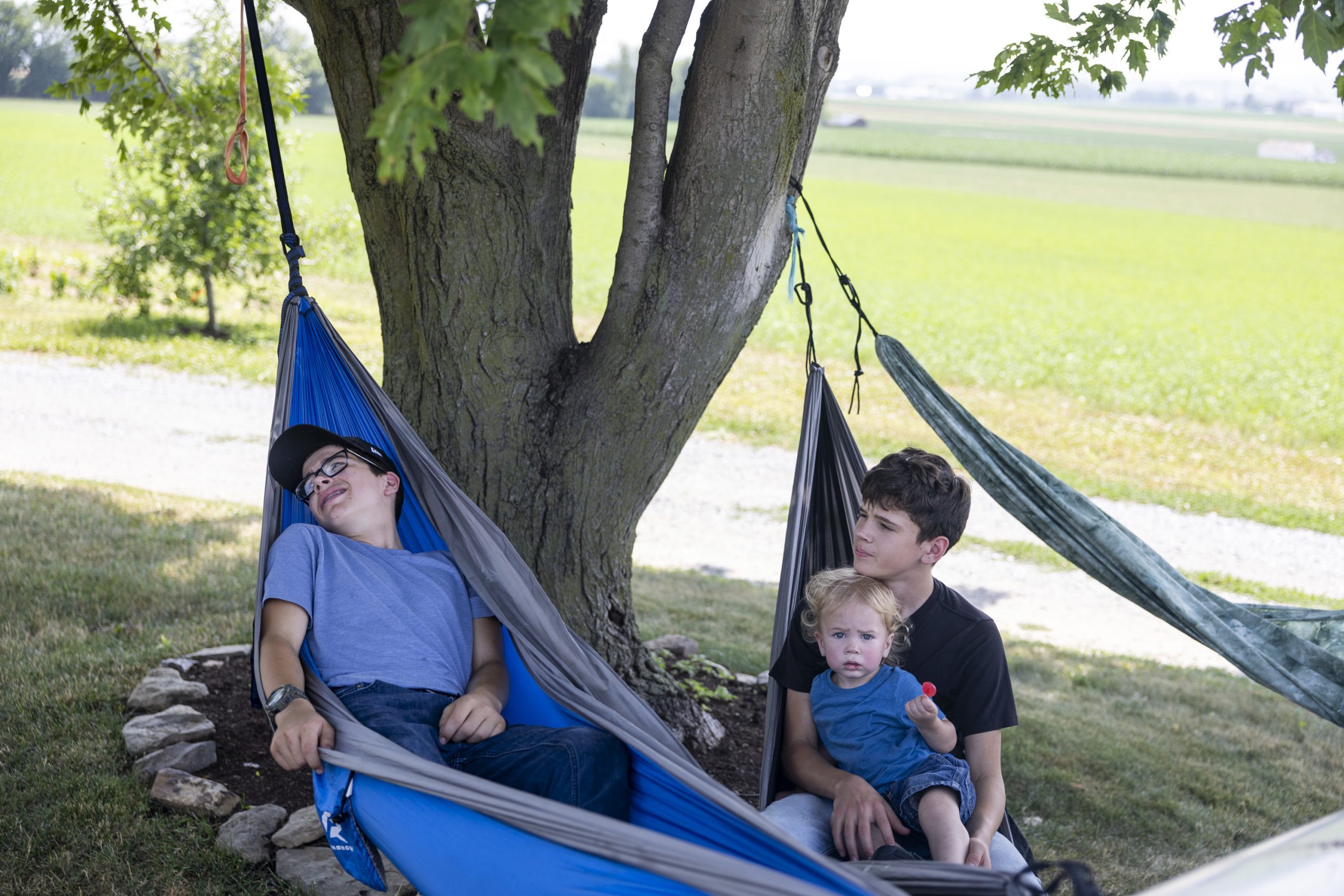
Gina and Shawn King’s sons relax in hammocks after being cooped up inside with measles for several days. Tyger Williams / Staff Photographer
Measles at home
The Kings weren’t aware their children had been exposed to measles, but knew cases were spreading locally. When their two oldest sons, aged 14 and 15, began showing symptoms, they locked down their home.
They appreciated how people can be contagious before and after they experience symptoms. They have relatives with cancer and Down syndrome, conditions that could put them at risk of severe illness if they contracted measles.
“If you made the choice to not vaccinate, you knew there was a risk of getting sick,” King wrote in a tip sheet she created to share with other families. “We should care about others enough to be willing to make some sacrifices to protect vulnerable people.”
Grandparents offered to help care for the children, but the Kings declined for fear of getting anyone else sick.
Instead, friends and family left treats for the kids on the front porch, picked up grocery orders, and checked in through video chat.
Days four, five, and six, were the thorniest, King said. She draped chilled washcloths over the foreheads of her usually independent teens, brought them tea, and read books to them.
She spent at least one night sitting beside the bed of her 14-year-old son, whose coughing and nausea were so bad he couldn’t eat or drink, and she worried he’d become dehydrated.
“I just wanted to be there and keep an eye on him,” she said.
A few days after the boys started feeling well enough to go outside, the five girls, who range in age from 4 to 12, were sick. The baby experiencedthe most mild symptoms among the siblings.
King, who is vaccinated, also got sick, though her husband, who is not vaccinated, has yet to develop symptoms. Vaccinated people, in rare instances, can contract measles, and infection is more likely in an outbreak.
After being inside all day, it became part of the family’s routine to tuck the kids into the back of their family ATV with blankets and more ice pops, and ride around their property to say goodnight to the sheep, cows, horses, and fruit trees.
(function() {
var l2 = function() {
new pym.Parent(‘HE_MEASLES6.html’,
‘https://media.inquirer.com/storage/inquirer/projects/innovation/arcgis_iframe/HE_MEASLES6.html’);
};
if (typeof(pym) === ‘undefined’) {
var h = document.getElementsByTagName(‘head’)[0],
s = document.createElement(‘script’);
s.type = ‘text/javascript’;
s.src = ‘https://pym.nprapps.org/pym.v1.min.js’;
s.onload = l2;
h.appendChild(s);
} else {
l2();
}
})();
Community support
Elsewhere in Lancaster, church communities and friend groups are encouraging people who are sick to stay home, as well asthose who are unvaccinated with a higher risk of severe illness.
Claudia Beiler, a Lancaster mother of five and a Christian wellness influencer,said she has dropped off vitamins, coffee, and dinner for friends and others in her community who were quarantining at home.
Beiler has posted frequently to her more than 110,000 Instagram followers about her decision not to vaccinate her children. She has also offered tips about how to weather measles cases at home.
Like the Kings, she says families who don’t vaccinate must avoid spreading the virus to vulnerable people.
“There’s a seriousness I’m proud of,” she said. “It feels like a lot of care and kindness.”
At Penn Medicine Lancaster General Hospital, physician JeffreyMartin is heartened when he hears that residents have decided to isolate themselves when diagnosed with the virus. He sees it as a measure of the community spirit inherent to Lancaster County.
But isolating once symptoms emerge isn’t enough to protect the community, since the virus can spread days before the first sneeze or cough. The disease’s signature rash typically does not appear for several days.
“‘I can accept the risk’ doesn’t play well with infectious disease,” he said. “Creating space for people to think about that on another level is really important.”
Amid the latest outbreak, Martin said, clinics run by the state health department and Penn Medicine have seen high attendance, with unvaccinated patients choosing to get the shot.
Martin and his colleagues don’t ask many questions about why: “We’re just thankful that people are showing up,” he said.
We all have a mental image of Benjamin Franklin, thanks to the $100 bill: balding, middle-aged, with tiny glasses and a stern look.
But what if he had a full head of hair poking out the sides of his tricorn? What if we saw Franklin singing and jamming on a guitar?
The Sound of America, a new musical showing at FringeArts this month, imagines Franklin as a young man: America’s very first rock star who finds fame after discovering electric rock and roll from the power of a lightning strike.
In the musical, he gains fame and fortune as a rock star. But stardom sweeps him up and pulls him away from the people and values that once defined him as a struggling musician, leaving him to question his true identity.
Leading the ensemble cast is a newly minted Temple musical theater graduate, Kohl Pilgrim. Last week, he stood with fellow actors Federica Andino-Vega and Jameson May, who play Franklin’s wife Deborah Read and best friend Hugh Meredith, respectively.
Pilgrim and cast play their instruments live, serving as both performers and a band.Aidan T. Gallo / Staff Photographer
Delivering their lines and singing at microphone stands, Nashville Bluebird Cafe-style, the three practiced blocking the scene where Franklin and Read first meet. After a flirty exchange, a naive and confused Franklin finds out Read is married to a man who has disappeared without evidence of his death.
“We tend to see [Founding Fathers] as these infallible perfect people who created the perfect society,” director and Temple professor Kyle Metzger said. “It’s exciting to see a young Founding Father making mistakes and being complex and messy. It’s important to remember these were people, too, who didn’t have all the answers and were trying their best.”
The choice of protagonist was a no-brainer for the musical’s cocreator and Emmy-award winning producer Randall Lane and longtime friend and singer-songwriter Todd Schwartz.
“Under Poor Richard, he was the lyricist for colonial America,” said Lane, referring to Franklin’s pseudonym under which he published a yearly almanac. “And then when he discovered the lightning rod, he literally became the first American who was world famous, and toured the world.”
Just like a young rock star.
Federica Andino-Vega (left), who plays Franklin’s wife Deborah Read, adjusts Gerson Malave’s wig during a dress rehearsal for “The Sound of America” on June 24.Aidan T. Gallo / Staff Photographer
Lane, who is also the editor in chief of Forbes magazine, lives in Saratoga Springs but feels deeply connected to Philadelphia through the years he went to Penn to study history and political science.
For him, Franklin “checked every box.”
“He was a teenage fugitive who ran away from home and every Friday he was hanging out [at] the Leather Apron Club,” the mutual-improvement society Franklin and his friends founded in 1727, said Lane.
Every week, they’d meet in taverns, “jamming out intellectual ideas,” said Lane. In the case of his musical, they create a garage band.
Franklin, after all, invented the glass harmonica.
The musical’s soundtrack includes 23 original songs cowritten by Lane and Schwartz, influenced by Queen, Nirvana, Bruce Springsteen, and the Beatles. Metzger describes the production as “80% rock concert, 20% musical.”
Kyle Metzger (center), the director for “The Sound of America,” directs the cast inside FringeArts for the forthcoming musical on June 24.Aidan T. Gallo / Staff Photographer
The cast will serve as narrators at the front of the stage, while a live band plays behind them. Floor seats will be available and swaying arms and singing along will be highly encouraged. It’s meant to feel like a concert and not just another historical “rock” musical (sorry, Hamilton).
“I’m always drawn to theater that’s untraditional or pushing into other mediums or incorporating other art forms,” Metzger said.
True to style, The Sound of America also doubles as a walking tourled by Pilgrim, still in character as Benjamin Franklin. After curtain call, audiences can participate in a tour of Franklin’s Old City house and grave, a short walk away from the FringeArts venue.
Needless to say, Pilgrim has had to really pack on the homework for this portion of the show.
“Most of my free time when I am not in rehearsal or with friends, I am home reading his autobiography,” he said. “I am reading anything I possibly can because there’s probably going to be a kid that’s like ‘What’s his favorite food? Did he like burgers?’ So I’m researching that, too.”
Barrymore award-winning director Kyle Metzger is also a professor in Temple’s Musical Theater program.Aidan T. Gallo / Staff Photographer
When asked about Franklin’s favorite drink, Pilgrim was certain it was wine. As for his hypothetical Jersey Shore vacation spot, Pilgrim named Cape May.
“I think he would like the houses,” he said.
“I want to pay homage to how honest, wise, and hard-working he was,” said the actor, who sought inspiration from iconic rock figures like David Lee Roth, Elvis Presley, and Sir Roger Daltrey, frontman of the Who.
Daltrey, in fact, makes a remote cameo in the musical, in support of Teen Cancer America, the nonprofit he founded along with Who bandmate Pete Townshend.
Lane and Schwartz’s royalties will be donated to the charity, which partners with Children’s Hospital of Philadelphia (CHOP). The production is also collaborating with Federal Donuts & Chicken for a specialty doughnut called “The Ben”; a portion of its sales will benefit the cause.
Kohl Pilgrim, the actor bringing Ben Franklin’s rock and roll persona to life, inside FringeArts.Aidan T. Gallo / Staff Photographer
“We want this to be a really big win to fight cancer, but we think that it’s also super true to the spirit of Benjamin Franklin,” Lane said. “He was a rock star in all the senses, but he was also somebody who really cared about where he lived, and we want to leave Philadelphia better than we found it.”
But as with any rock star, Franklin’s story would be nothing without his entourage.
In addition to wife Read and bestie Meredith, the ensemble cast includes British antagonist Lord Wedderburn, played by Kaedon Knight and Franklin’s illegitimate son William Temple Franklin (aka “WTF”), played by Gerson Malave.
Read is the only female character in the show, accompanying Franklin on his journey to stardom. Though she is often forgotten in history, her common-law marriage to Franklin saw her holding down the Franklin household and publishing company with a shotgun during the unrest of the Stamp Act.
“She was a baddie, the baddie on Market Street,” Andino-Vega said. “But [Franklin] got most of the spotlight just because she was very shy and a bit illiterate. I want to shine a light on those special ladies that have been forgotten, and bring them up a little more in a way where they can also be seen like Ben Franklin.”
The cast of “The Sound of America” are committed to delivering a rock concert, not just a musical.Aidan T. Gallo / Staff Photographer
The cast and crew, largely Philadelphia-based and/or raised, are deeply committed to reflecting the grit of the city through this unique portrayal, especially in light of the 250th anniversary of the nation.
“It’s almost like Ben was talking to us saying this year’s really important and this summer is important to Philadelphia,” Lane said. “It gives everybody that visits Philly a reminder that Philadelphia was the birthplace of democracy and it’s the soul of America.”
The Sound of America runs July 1-Aug. 1 at FringeArts, 140 N. Christopher Columbus Blvd. Tickets start at $60. soundofamericamusical.com, 215-413-1318, or hello@fringearts.com.
A previous version of the article misidentified the actors playing Hugh Meredith and Lord Wedderburn. Jameson May and Kaedon Knight play the characters respectively.
The Children’s Hospital of Philadelphia announced Tuesday that Joseph Mitchell will succeed Madeline Bell as CEO, when Bell retires Oct. 1 after a nearly 40-year career at the University City nonprofit.
Bell, 65, became CHOP’s CEO in July 2015 following eight years as chief operating officer. During Bell’s tenure as CEO, CHOP more than doubled its annual revenue to more than $5 billion, added a hospital in King of Prussia, and started building a $2.6 billion patient tower on its main campus.
Mitchell, 51, joined CHOP as president in April 2025 following a national search by CHOP’s board for Bell’s successor. In 2024, Bell had notified the board of her intention to retire, CHOP said.
Before coming to Philadelphia, Mitchell was an executive vice president at Boston Children’s Hospital and president of Franciscan Children’s, a specialty hospital that Boston Children’s acquired in 2023.
“The opportunity to lead an institution that is so iconic, impactful, and relevant, and has the opportunity to impact pediatrics and have an indelible imprint on kids and families was just irresistible,” Mitchell said in an interviewthis week. “It was an easy decision to move my family from Boston to Philadelphia.”
CHOP is financially strong as Mitchell assumes the top job, but like other health systems it will face financial pressure from Medicaid cuts starting next year. The nonprofit has also been under fire from the Trump administration for its program that serves transgender youth.
Mitchell trained as a urologist and worked at McKinsey & Co. as a consultant for 14 years before becoming CEO of Franciscan Children’s in 2021. He led a financial turnaround effort there and planned for a dramatic expansion of its campus in Boston’s Brighton neighborhood.
“Joe brings a fresh perspective, a patient-first approach, and a strong strategic mindset,” Greg Davis, CHOP’s board chair, said in a news release. “We are confident he will guide CHOP into its next chapter with continued excellence and impact.”
Bell’s tenure as CEO
Bell, who started at CHOP as a nurse, oversaw substantial growth of CHOP’s footprint in West Philadelphia and on the eastern side of the Schuylkill with two research towers on Schuylkill Avenue near the South Street Bridge. CHOP also expanded its specialty-care network in the suburbs.
CHOP became the pediatric partner for Main Line Health, Lehigh Valley Health Network, and ChristianaCare under Bell’s leadership. Such relationships with systems focused on adults help steer patients needing advanced specialties to CHOP. CHOP has long been Penn Medicine’s pediatric partner.
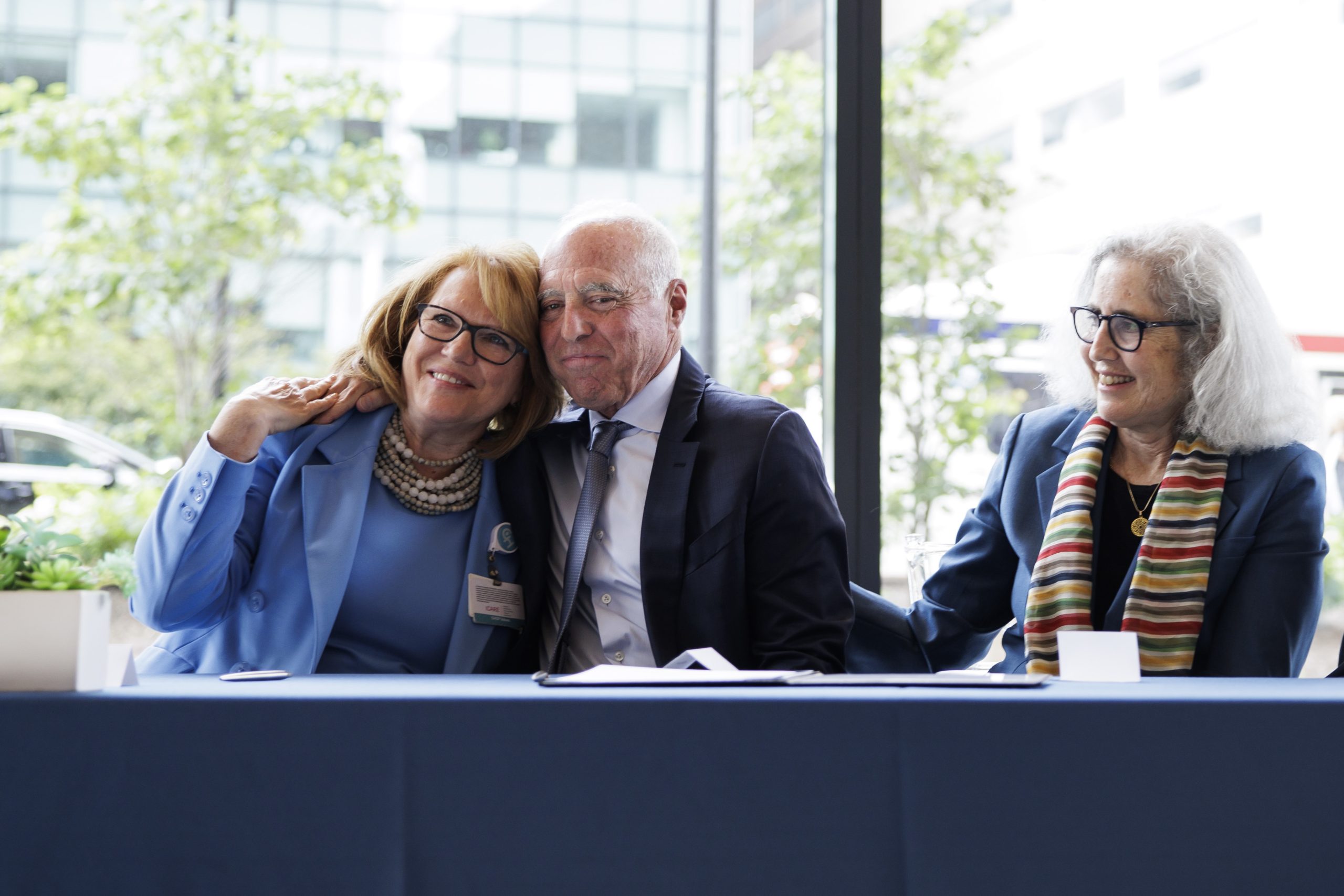
Madeline Bell sat next to Philadelphia Eagles owner Jeffrey Lurie last year during a ceremonial signing of documents for the Lurie family’s $50 million donation to create the Lurie Autism Institute at the University of Pennsylvania and CHOP.Monica Herndon / Staff Photographer
In a prerecorded statement for staff and others viewed by The Inquirer in advance of the transitional announcement, Bell highlighted medical breakthroughs in cell and gene therapy during the past decade, as well as an expansion of behavioral health services. The Lurie Autism Institute, a partnership between the University of Pennsylvania and CHOP, launched last year thanks to a $50 million gift from Philadelphia Eagles owner Jeffrey Lurie and his family.
Also last year, CHOP received its largest gift ever, $125 million from Comcast CEO Brian Roberts and his wife, Aileen. The new patient tower expected to open in 2028 will bear their name. In 2024, real estate investor Mitchell L. Morgan and his family donated $50 million toward the cost of one of the two research towers near the South Street Bridge.
After retiring, Bell plans to continue as honorary consul of Spain for the Philadelphia region, a position she started last July, and hopes to remain on the board of Comcast-NBCUniversal, she said. Also, she will continue to support CHOP philanthropically and will remain a resource for Mitchell.
CHOP is among the nation’s largest pediatric systems. It has 774 licensed hospital beds and employs 31,000 people. In the nine months that ended March 31, CHOP had 27,643 inpatient admissions and 1.3 million outpatient visits.
Joe Mitchell’s priorities
Since arriving in Philadelphia, Mitchell has immersed himself in getting to know CHOP, visiting primary care and specialty sites, as well as the hospitals, he said. The next step was broadening his responsibilities to the point where most of CHOP’s senior executives are now reporting to him.
He said it’s too soon for him to address specific strategic moves, but emphasized that his priority is expanding access to care for children and families.
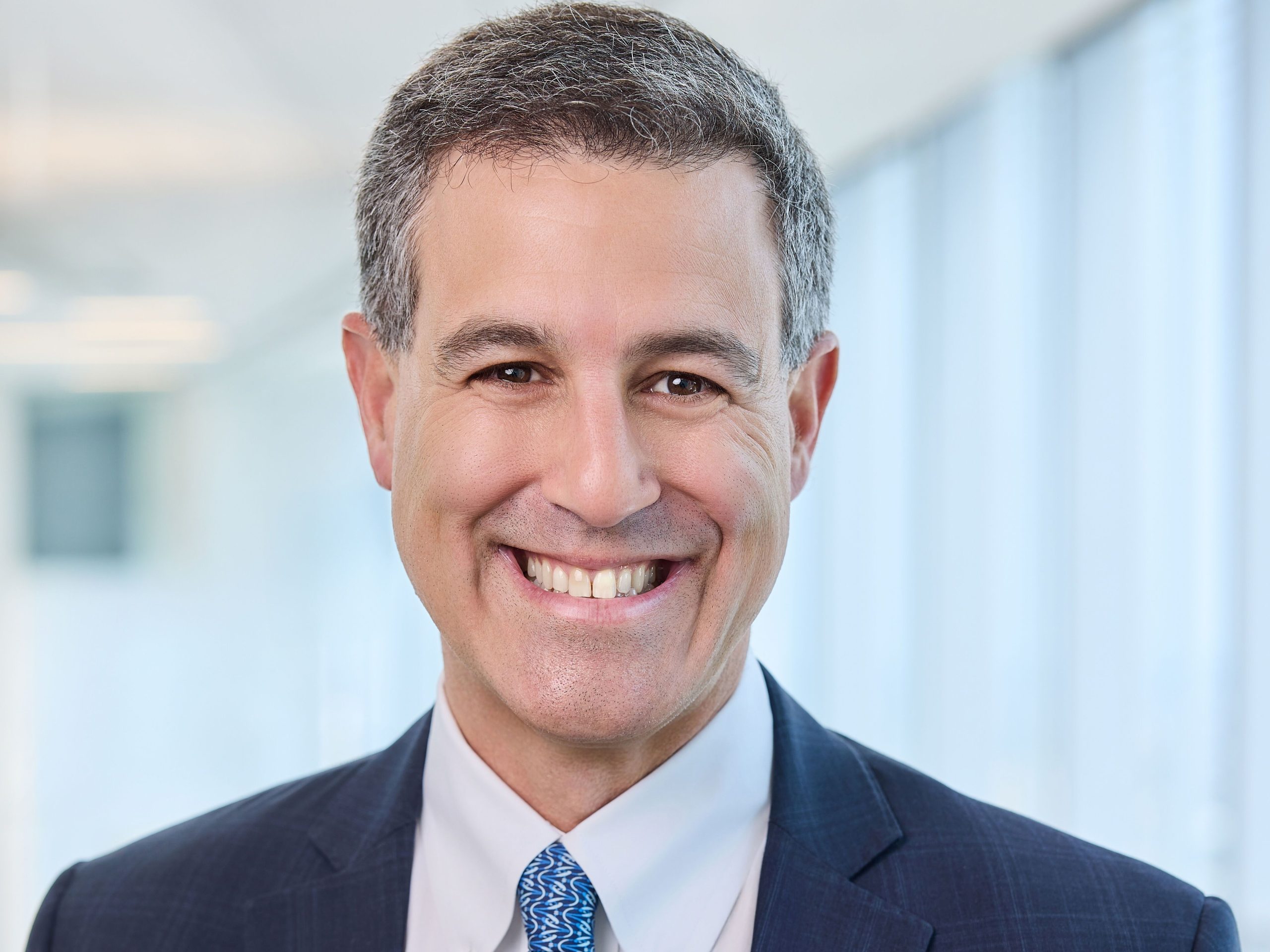
Joseph Mitchell will succeed Madeline Bell as CHOP’s CEO this fall.Children's Hospital of Philadelphia
That could get harder with Medicaid cuts looming next year. Nearly 50% of CHOP’s patients have the insurance for low-income families.
“We’re doing everything we can to preserve access for families, to advocate for funding and resources at the state and federal level,” said Mitchell, who grew up in St. Louis in a family “that was deep into healthcare.”
He moved to Boston for a residency at Brigham and Women’s Hospital. That’s where he met his wife, Vivian. They have two children, 17 and 14, and the entire family has fallen in love with Philadelphia, he said.
“CHOP has embraced me, but Philadelphia as a community has really embraced us,” he said.
Hours before Steve Jahn shot Megan Nieberle to death on a March evening this year, prosecutors said, he drove around Tredyffrin Township for hours with a gun in his hand.
In dashcam videos played in a Chester County courtroom Monday, Jahn is seen gripping a semiautomatic handgun in his Chevy Silverado truck, muttering to himself and glancing back and forth erratically as cars pass by.
Those utterances, prosecutors said, offer a view into the mindset of a man about to commit murder.
“Get out of the [expletive] way,” Jahn says an one point, one hand on the wheel, another on his firearm. “You don’t belong here.”
“Ya’ll [expletive] are dead,” the 44-year-old says in another clip.
Though it would be hours before Jahn, who police said was homeless, encountered Nieberle, a 53-year-old mother of three and a nurse at Children’s Hospital of Philadelphia, prosecutors used the videos from Jahn’s dashcam to bolster their contention that he had been prepared to harm someone that Saturday.
Jahn, a Berwyn native, was arrested a day after the March 7 shooting and charged with first- and third-degree murder, aggravated assault, and reckless endangerment.
The hearing marked the first time Jahn appeared in a case that shocked the Chester County community and kick-started a conversation about mental illness and firearms.
Some residents questioned why police did not act more forcefully to ensure that Jahn, who had been in a mental health crisis that day, was checked into a nearby psychiatric unit.
Jahn, wearing a red prison jumpsuit and sporting a beard, showed little emotion during the hearing, as Nieberle’s loved ones looked on, some in tears.
Assistant District Attorney Kathleen Wright said prosecutors had linked Jahn to the crime scene using GPS data from his vehicle, gunshot residue recovered from his hands and clothing, and remarks he made while in police custody.
Though the footage of Jahn was illuminating, Wright said, the shooting itself was not captured on the dashcam because Jahn had removed the device shortly before the shooting.
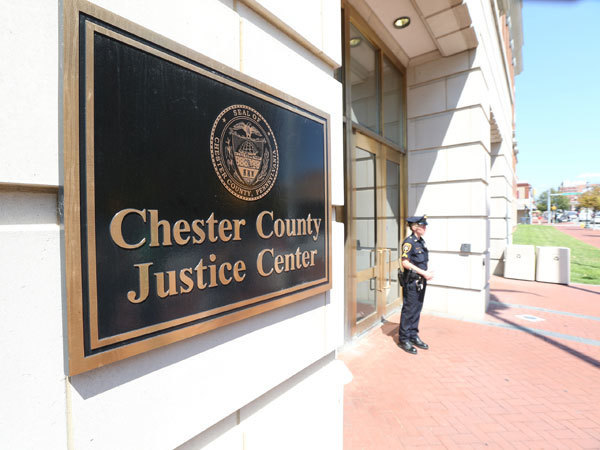
Wright called Tredyffrin police officers and county detectives to the stand to testify about the scene they had encountered near the intersection of Old State Road and Contention Lane, where Nieberle was found in the driver’s seat of her silver Acura SUV around 10:47 p.m. with a gunshot wound to the head.
She was bleeding heavily, the officers said, and was taken to a nearby hospital, where she died the next morning.
Chester County Det. Matthew Shumway of Chester County said data recovered from Jahn’s truck allowed investigators to identify him driving down the dimly lit residential street that night.
Approaching Nieberle’s vehicle, Jahn slowed his truck to 6 mph, Shumway testified. He fired once through her driver’s side window, the detective said, a shot captured on a neighbor’s doorbell camera.
Played in court, the short video showed Jahn’s headlights cut through the darkness and illuminate an approaching vehicle. Within seconds, a loud bang rang out.
Jahn’s attorney, Brian McCarthy, did not contest many of prosecutors’ assertions about how events unfolded that night, but he argued that first-degree murder was not appropriate because Jahn had not shown premeditation and intent to kill, conditions required to meet the threshold for that crime.
“What we did see does not establish murder in the first degree,” McCarthy said of the dashcam footage. The person in that video, he said, was a “troubled man looking back and forth, not a cold-blooded killer.”
Wright, the prosecutor, countered that Jahn’s actions were premeditated. She said Jahn had rolled down his window, aimed his weapon, and would have “had to have known” that there was someone inside an oncoming vehicle.
Of Nieberle, Wright said, Jahn “snuffed her life out and left her there to die.”
District Judge Patricia A. Zaffarano ruled that prosecutors had presented sufficient evidence for the case to proceed to trial on all charges.
Jahn will be formally arraigned on July 2. He remains in custody in the Chester County Correctional Facility after being denied bail in March.