Tag: Children’s Hospital of Philadelphia

  • Safe sleep tips for babies to avoid SIDS and other injuries

    Safe sleep tips for babies to avoid SIDS and other injuries

    I remember the four-month-old boy, unmoving in his hospital bed, who had suffered severe brain damage from a sleep accident. This four-month-old boy had slept on the couch with a parent. When morning came, he was lying between couch cushions and not breathing.

    Paramedics revived the baby and took him to a hospital. The baby survived, but his brain went so long without oxygen that he would likely never grow up to walk or talk. He was the first of too many babies that I have seen who sustained severe injuries, or have died, from suffocation or Sudden Infant Death Syndrome (SIDS).

    Parents visiting in pediatrician’s offices in the last 30 years have probably heard us talk about “safe sleep.” We see a lot of misinformation and confusion about sleep practices these days, with social media rife with images of sleeping babies in hazardous conditions. Serene captions misleadingly encourage improper positioning and unsafe environments.

    Many people who get their health information online are unaware of what “safe sleep” means.

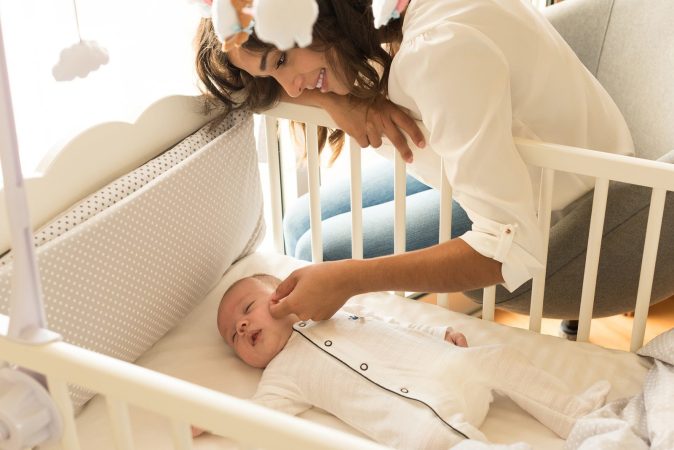
    The American Academy of Pediatrics (AAP) defines safe sleep as having babies sleep solo on their backs on a firm, flat mattress. Loose blankets, pillows, toys, or other soft objects should be kept out of the sleep space. In pediatric clinics, we call these recommendations the “ABCs” of safe sleep: Alone, on their Back, in a Crib.

    We know this advice saves lives. After the AAP recommended that babies be placed on their backs to sleep in 1992 rates of SIDS plummeted by over 50% in 10 years. Yet this progress has plateaued. SIDS remains the leading cause of death in children under 1.
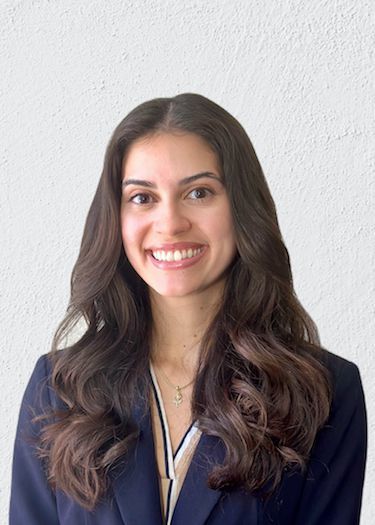
    Frances Avila-Soto is a physician in her second year of residency training at the Children’s Hospital of Philadelphia.Frances Avila-Soto

    As pediatricians, we still have work to do to prevent SIDS deaths. For starters, we must address persistent racial and ethnic disparities.

    Black and American Indian/Alaska Native infants throughout the 2010s were more than double or triple as likely to die of SIDS, compared with white infants. The reasons are complex. Low socio-economic status, unemployment, and housing instability are associated with higher risk for SIDS. These issues often stem from systemic racism.

    We can’t trace how many SIDS deaths result from online misinformation. That makes me all the more committed to talking about the importance of safe sleep practices.

    At my primary care clinic in South Philadelphia, I see patients from a wide range of cultural and ethnic backgrounds. I often hear questions about babies sleeping from families flooded with conflicting information from social media or their peers.

    Here are some common concerns, and what I share to educate families:

    “I’m worried that if they’re not next to me, I won’t notice if something is wrong.”

    Avoiding bedsharing doesn’t mean your baby can’t be near you. The AAP recommends sleeping in the same room as your baby for at least the first six months. This means you can keep an eye on them and comfort them easily, but they still have their own space where they can sleep safely.

    “Our babies have always slept in bed with us. It’s part of our culture.”

    It is true that cultures have different sleep practices. But the sleep environment can also be different in many countries — including bedding/mattresses, the house, environmental exposures, and other factors. Here in the U.S., we know from decades of research that following the ABCs is what’s safest for your baby. 

    “My baby will only sleep in my arms. They won’t sleep when I put them in the crib.”

    Babies are constantly learning new skills, such as rolling, eating, and babbling. They can learn to sleep on a new surface. It’s all about establishing a routine. You can still comfort and hold your baby until they fall asleep, then move them to their own sleep surface. If you must share a bed with your baby — or worry that you may fall asleep while your baby is in your bed — make sure to remove any pillows, sheets, blankets, or any objects that could cover your baby’s face.

    Your pediatrician is not judging you by asking how your baby is sleeping. We know how challenging sleep is with infants. We want your baby to be safe and to minimize harm from confusing or misleading advice.

    Discuss questions about safe sleep with your pediatrician. You can also visit CHOP’s Pediatric Health Chat for more information on safe sleep and children’s health.

    The views expressed in this article are those of the authors and not necessarily those of CHOP. This information is not intended to provide medical advice, diagnosis, or treatment. Always consult a qualified healthcare professional regarding any health or medical concerns.

    Frances Avila-Soto is a physician in her second year of residency training at the Children’s Hospital of Philadelphia, with a focus on leadership development in issues involving equity, advocacy, and policy.
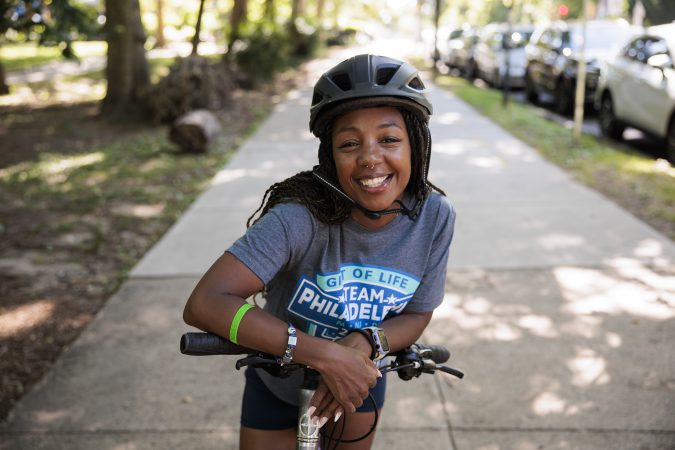
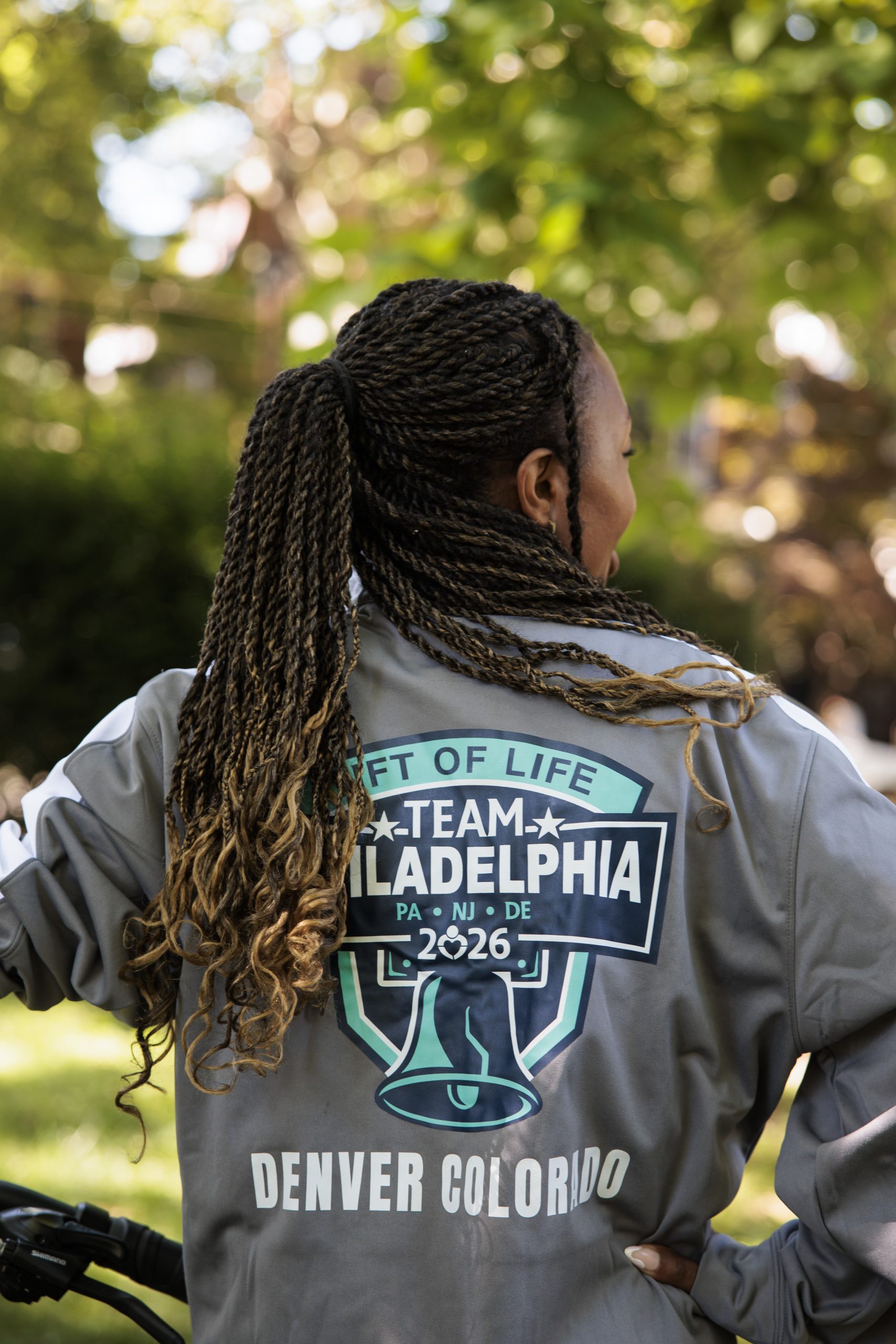
  • These athletes all received heart transplants. Now they’re representing Philadelphia at the Transplant Games of America.

    These athletes all received heart transplants. Now they’re representing Philadelphia at the Transplant Games of America.

    One Team Philly athlete underwent a heart transplant while experiencing homelessness at 14.

    Another is on his third organ transplant after a severe case of COVID-19.

    And a third received his new heart three weeks after his daughter was born.

    All are competing, from Thursday through this weekend, at the Transplant Games of America, an Olympic-style event for transplant recipients, living donors, and donor families. Held in Denver this year, the competition celebrates organ donation and showcases life after a transplant.

    The local nonprofit Gift of Life Donor Program organized Team Philly, whose 86 athletes hail from eastern Pennsylvania, South Jersey, and Delaware. They are competing thanks to transplants ranging from hearts and lungs to kidneys, livers, and other organs.

    The Inquirer spoke to three athletes about their journeys with heart transplantation and motivation to compete.

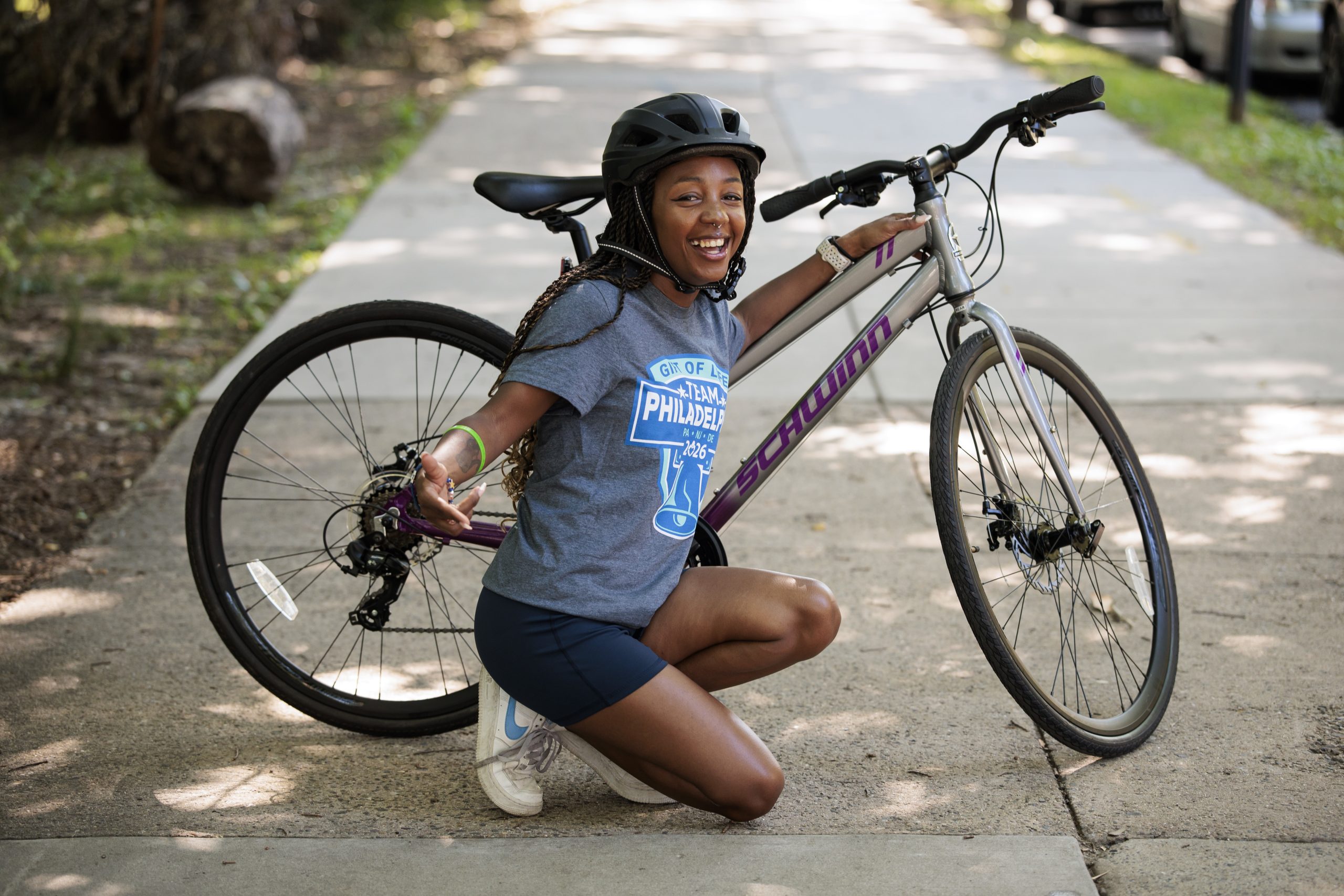
    Evett Hawks is competing in Denver this week as part of Team Philly.Monica Herndon / Staff Photographer

    Childhood as a two-time transplant recipient

    Evett Hawks stared at the mirror in awe.

    After months looking “white as a sheet,” the West Philadelphia native saw in the bathroom mirror a 14-year-old girl whose cheeks were rosy. Her skin was warm and she could feel her fingers.

    “I want to look like this forever,” she recalls thinking.

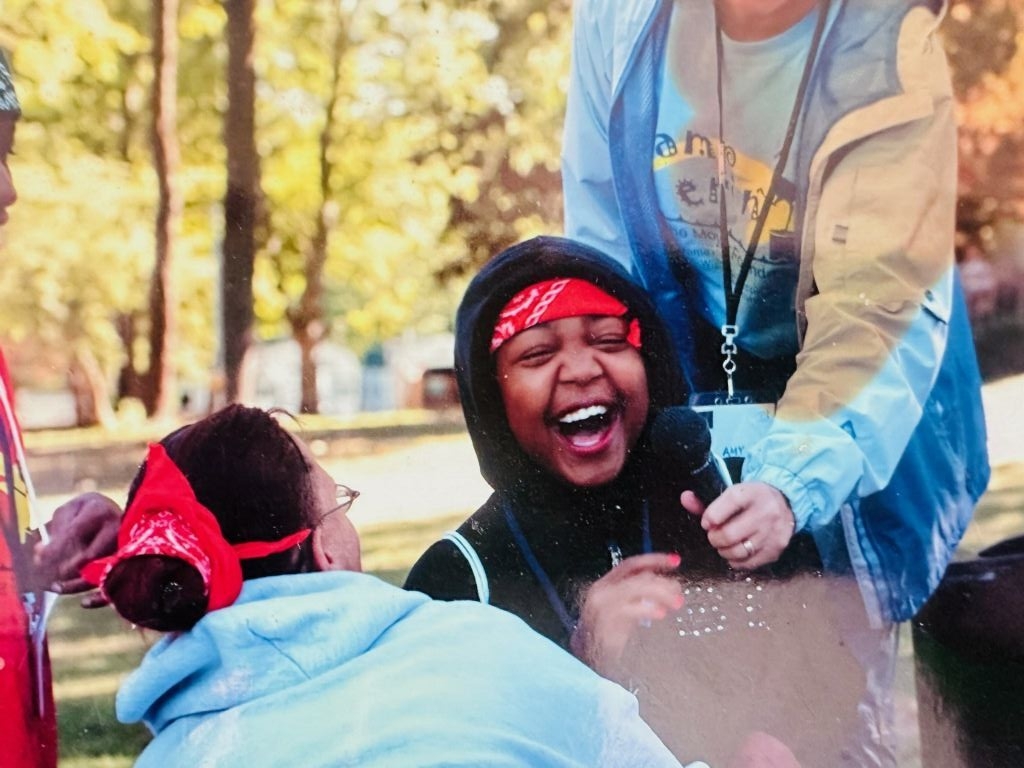
    A photo of Evett Hawks smiling after her second transplant at age 14.Courtesy of Gift of Life Donor Program

    Hawks, who was born with a hole in her heart, underwent her first transplant at age 3 after a cardiac arrest episode landed her on life support. The donor heart kept her healthy for a decade, until her body started shutting down again in 2006.

    Doctors diagnosed her with end-stage heart failure. At the time, she and her mother were living in a shelter without a permanent home.

    “Why me?” and “This isn’t fair” thoughts overwhelmed her, as she moved to Children’s Hospital of Philadelphia to wait for a new heart.

    She started to doubt her odds of finding a match as months passed. She watched other pediatric patients die before they could get their own transplants.

    “Oh, I’m going to die, too,” Hawks recalled thinking.

    After nearly a year at CHOP, doctors found her a heart.

    While recovering from her surgery, Hawks saw a little boy who was still on the transplant waiting list walking laps around the hospital floor.

    He abruptly stopped in front of her room and said, “I can’t do this anymore. It just is too hard.”

    His nurse took him back to his room.

    Hawks said to herself, if “he can’t do it, I’m going to do it.”

    Now, nearly two decades later, at 33, she is competing in her first Transplant Games in the cycling and singing events. She has trained by biking seven miles to and from her job as a registration specialist at Carvana.

    “The goal is just to do my best, and maybe come back with a medal,” she said.

    Evett Hawks will compete in the cycling and singing events at the Transplant Games of America.Monica Herndon / Staff Photographer

    Rebuilding his life after three transplants

    Leston Hall Sr.’s heart stopped in December 2022.

    Airlifted to Thomas Jefferson University Hospital in Center City, he learned from doctors that he could not leave the hospital without heart and kidney transplants. His organs had suffered major damage from an earlier COVID-19 infection.

    Hall, who lives in Bridgeton, N.J., had received his first kidney transplant in 2013 due to familial hypertension. At the time, he had an identified donor: his wife, Tonia.

    This time, he didn’t know how long he would have to wait for a match.

    Then in his 50s, he was so sick he required a scooter to get around. Mostly, he lay in bed.

    “I was barely holding on,” he said.

    Other patients would invite him out on walks, but he always declined. He finally agreed to go with them one day, thinking, “Maybe they’ll leave me alone.”

    They became an inseparable group of four that he now considers “family for life.” Their friendship helped him endure the difficult waiting period that lasted until June 2023, when doctors found him a new heart and kidney.

    After the surgeries, Hall struggled to adjust back to living at home. He hesitated to go down stairs for fear of not being able to get back up, and kept a chair by the stove whenever he cooked.

    Over time, he built his leg strength back up by using an elliptical machine.

    By early August, he was able to cook without the chair. He surprised his wife with a dinner of chicken breast, rice, broccoli, and green beans — the first full meal he had cooked since coming home.

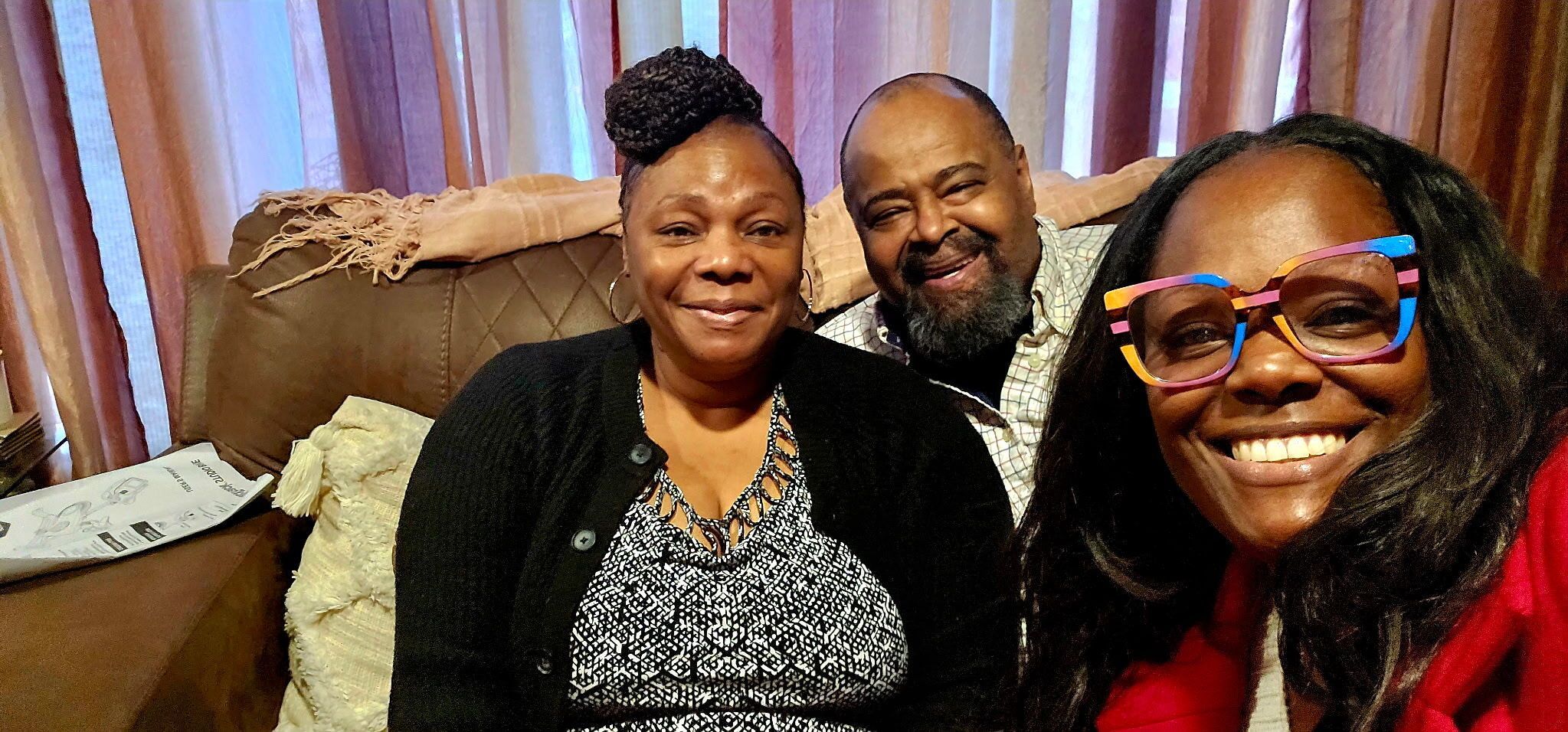
    Leston Hall Sr. pictured with his wife, Tonia, and daughter, Shales.Courtesy of Leston Hall Sr.

    Hall celebrated the three-year anniversary of getting his new heart and kidney last week.

    At his first Transplant Games this week, he is competing in pickleball, cornhole, basketball, and poker.

    Hall said he is grateful “just to be able to accept that challenge.”

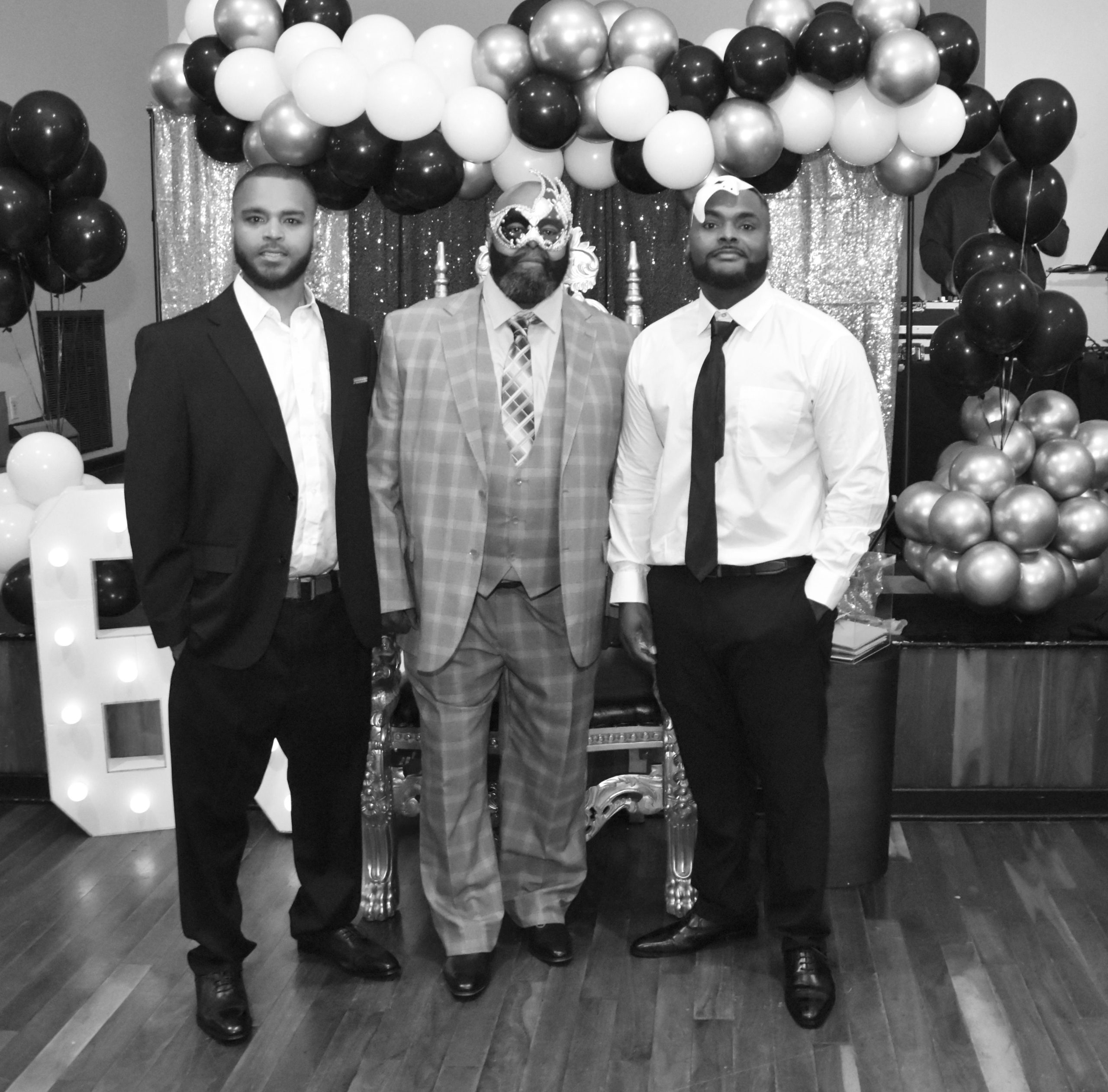
    Leston Hall Sr. celebrated his 60th birthday last October. He is pictured with his sons Lavon and Leston Hall Jr.Courtesy of Leston Hall Sr.

    Wanting to see his children grow up

    Todd French watched his daughter’s birth over FaceTime in October 2021 from his bed at the Hospital of the University of Pennsylvania.

    He had learned he needed a heart transplant earlier that month.

    “All I could think about was, ‘I would do whatever to get to watch them grow up,’” he said, referring to his son and newborn daughter.

    In October 2021, Todd French used FaceTime from his hospital bed at HUP to watch his wife give birth. His wife, Lauren, brought their newborn daughter to meet him before his transplant.Courtesy of Todd French

    The teacher from Milford, Del., had exhausted other treatment options for his cardiac sarcoidosis, an autoimmune disease where cells clump up in heart tissue and interfere with its functioning. For eight years, his heart would randomly beat out of control in episodes called “V-tach.”

    “It caused the electrical system in my heart to kind of go haywire,” French said.

    Doctors placed a defibrillator — a device that shocks the heart back into a normal rhythm — in his chest and conducted ablation procedures. However, the episodes recurred. Each time, the defibrillator would deliver a painful shock that felt like “a mule kick to the chest,” he said.

    After suffering 22 shocks in two hours in 2021, he was admitted to the hospital to wait for a transplant.

    On Nov. 11, 2021, three weeks after his daughter’s birth, French received a donor heart.

    With the help of a personal trainer and cardiac rehab, he rebuilt his lung capacity. Today, he teaches physical education at Milford High School.

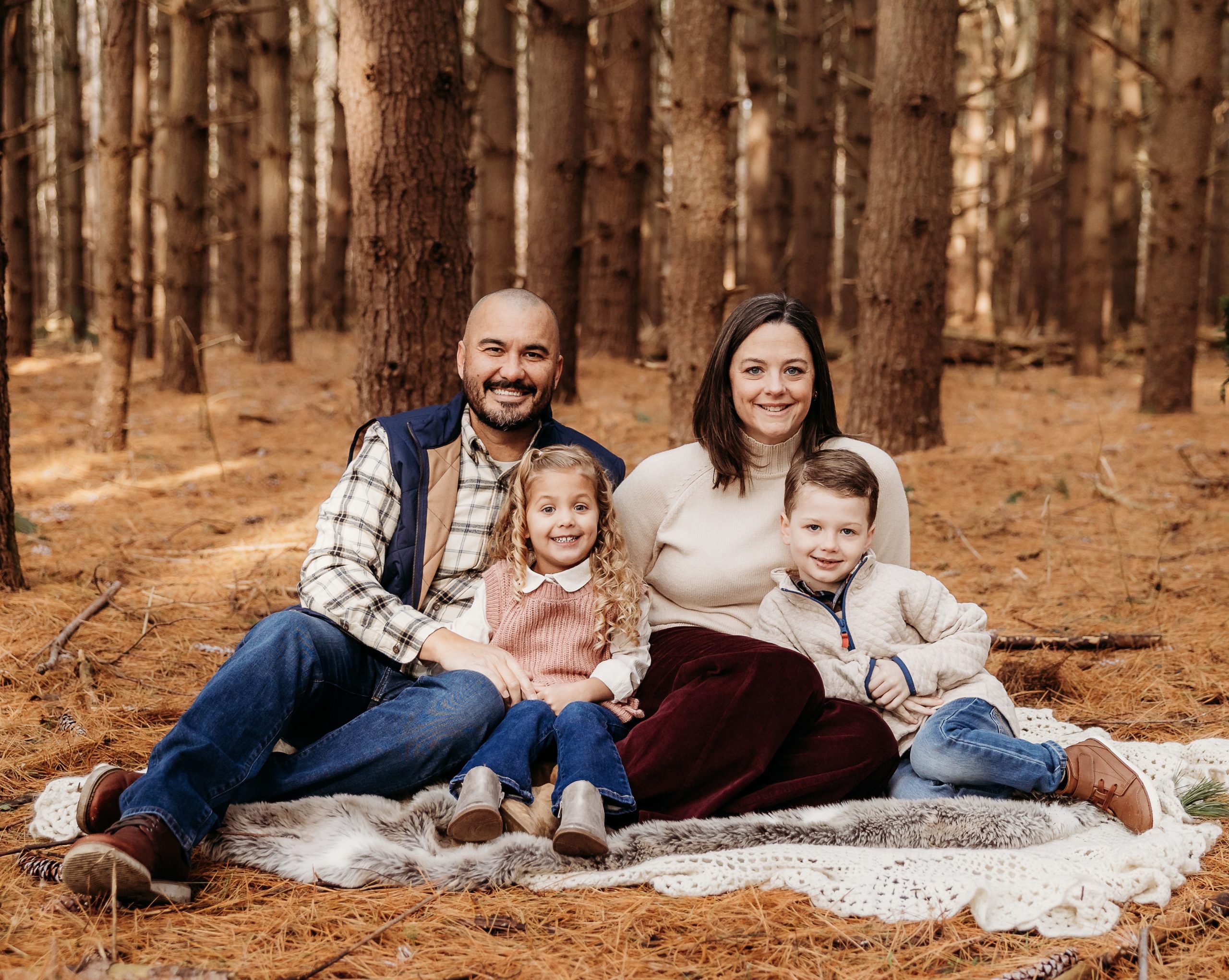
    A family photo taken in November 2025.Courtesy of Todd French

    Staying active and healthy is “a respect thing,” he said. “You want to honor the person that helped you and your family.”

    At his first Transplant Games in 2024, he won two gold medals in golfing events and a silver medal in Texas Hold ’em.

    He is hoping to win the golfing events again this year.

    “It gives an opportunity to shine a light on everything that a transplant does for people,” he said.

  • Roundup of third-quarter financial results for Philly-area nonprofit health systems

    Half of the nonprofit health systems in Southeastern Pennsylvania had operating losses in the first nine months of fiscal 2026, the systems’ latest reports to municipal bond investors showed.

    All had strong revenue growth, with the exceptions of Redeemer Health and Tower Health, the two smallest systems by revenue. The gains at Jefferson Health and Penn Medicine benefited from acquisitions in fiscal 2025.

    The reports are not perfectly comparable because of variations in accounting practices.

    For example, Jefferson, Main Line Health, and ChristianaCare changed their depreciation rates, which reduced their expenses relative to competitors. Jefferson includes investment income in its revenue, boosting its results.

    Here’s a summary in order of revenue, from the region’s largest to smallest systems:

    Jefferson Health had a $252.6 million operating loss, which it attributed to severe winter weather, restructuring costs related to layoffs, and shortfalls in insurance reimbursement. Total revenue was just shy of $13 billion, up from $11.6 billion last year, which included only eight months of results from Lehigh Valley Health Network.

    The University of Pennsylvania Health System’s operating income in the nine months ended March 31 rose to $238 million, up sharply from $163 million in the same period a year ago. Total revenue for the nine months increased nearly 15% to $10.1 billion from $8.8 billion last year. This year’s results include Doylestown Health, which Penn acquired in April 2025.

    Children’s Hospital of Philadelphia had a $271 million operating profit in the first nine months of fiscal 2026, up from $195.8 million the year before. Total revenue rose 9% to $4.1 billion from $3.7 billion, thanks to strong gains in payments for hospital patients and unspecified other operating revenue.

    ChristianaCare reported $76.4 million in operating income, up from $57.4 million the year before. Its revenue climbed to $2.64 billion from $2.5 billion. This year’s results include a new micro-hospital that opened last summer in Chester County and five former Crozer Health outpatient facilities in Delaware County.

    Temple University Health System had an operating loss of $9.9 million, recovering largely from a $50.5 million loss in the first half of fiscal 2026. In the same period a year ago, Temple had a $10.9 million operating loss. The health system’s revenue was $2.6 billion, up from $2.3 billion last year.

    Main Line Health reported a small operating profit of $214,000, following a winter quarter setback. The four-hospital nonprofit system recorded an $8.5 million loss in the three months that ended March 31. Severe winter weather reduced patient visits, and the health system increased its reserves for medical malpractice expenses.

    Tower Health swung to a small operating loss of $3.6 million. During the same period a year ago, Tower had a $4.2 million operating profit. Revenue increased 1.6% to $1.6 billion.

    Steep losses continued at Redeemer Health, which reported a $29 million operating loss, compared to a $33 million loss last year. Redeemer’s total revenue rose by less than 1%, to $332 million. Redeemer owns Holy Redeemer Hospital, a 239-bed facility in Abington Township, Montgomery County, not far from Jefferson Abington Hospital.