Tag: Chester County

  • With 89 new cases in a week, Pa. reports the nation’s third-largest measles outbreak

    With 89 new cases in a week, Pa. reports the nation’s third-largest measles outbreak

    Pennsylvania health officials confirmed 89 new measles cases in the state in the last seven days, an escalation of a rapidly growing measles outbreak now impacting more than two dozen counties.

    As of Thursday, Pennsylvania had reported the third-highest number of measles cases in the country for 2026, behind Utah and South Carolina, according to data from the Centers for Disease Control and Prevention.

    Delaware has reported 22 cases this year, the first time in a decade that the highly contagious disease has been diagnosed in state residents. New Jersey has confirmed just one case.

    In Pennsylvania, children made up about one-third of the 379 patients diagnosed with measles in two separate outbreaks so far this year, state officials say. None of the patients diagnosed with measles this year has been fully vaccinated.

    In all of 2025, the state reported just 16 measles cases.

    Lancaster County, with some of the lowest measles vaccination rates in the state, has been at the center of both Pennsylvania outbreaks this year. As of Friday, the county has tallied 181 cases.

    State officials warned earlier this week that the public may have been exposed to the disease on Aug. 4 and 5 at a soccer camp at Millersville University and on Aug. 12 at a Whole Foods in Lancaster.

    Chester County has the second-highest number of cases in the state, at 41; it is the only Philadelphia-area county to report cases in the current outbreak, which began in April.

    And cases are climbing in central Pennsylvania, with Centre County reporting 13 cases and neighboring Mifflin County reporting 25.

    State health officials said that 70 people, including 22 children, have been hospitalized with measles this year. That’s about 18% of the total cases reported.

    In August alone, state officials have confirmed nearly 200 new cases in Pennsylvania.

    The true number of cases is likely much higher, physicians and health officials in Lancaster and Chester Counties say.

    In Chester County, some residents have refused to cooperate with health workers looking to trace their contacts to understand how measles is spreading in the county, officials there have said.

    Local officials also worry about the spreading outbreak as many children return to school next week. Overall, about 93% of kindergarteners in Pennsylvania were vaccinated against measles, mumps, and rubella (MMR) in the 2025-26 school year.

    That’s just below the 95% “herd immunity” threshold, the level at which scientists say a given population must be immunized to prevent the spread of measles, which can infect nine in 10 unvaccinated people exposed to it.

    Analyses earlier this year by The Inquirer and the Pittsburgh Post-Gazette show pockets of vulnerability across the state, with hundreds of kindergarten classes reporting vaccination rates below herd immunity, putting students and communities at risk for an outbreak.

    Still, most Pennsylvania students are fully vaccinated and schools “benefit from robust community immunity that serves as a powerful barrier against the virus,” state health officials said in a statement.

    The state hosted medical briefings for nearly 1,000 school nurses over the summer to provide guidance on preventing measles as they prepare for the upcoming school year, officials said.

    Most measles cases resolve in weeks with mild-to-moderate flulike symptoms, but the disease is particularly risky for young children and can result in severe complications, including death.

    This year, Pennsylvania hospitals have treated adults with brain swelling and pneumonia, and children with dehydration or damaged organs from measles.

    State officials have stepped up vaccination campaigns in response to the outbreak, with health department staff dispensing more than 4,000 vaccinations in the state this year — and more than 1,800 in August alone.

    The department has held 85 pop-up clinics in affected counties since April and has scheduled “dozens” of additional clinics for the coming weeks and months.

    The state has also hosted briefings for healthcare providers on how to recognize and treat measles, and is recommending that doctors offer early vaccinations for children as young as six months old in affected areas.

  • A settlement could preserve more of Chester County’s sprawling Rock Hill Farm — but still allow for development

    A settlement could preserve more of Chester County’s sprawling Rock Hill Farm — but still allow for development

    A proposed settlement with the developer who is seeking to turn the rolling, open Rock Hill Farm into housing could significantly preserve more of the land than initially planned, if township officials decide to accept it.

    During a public meeting Thursday, Willistown Township officials laid out for residents a potential settlement between the township and Rock Hill Farm Acquisition LLC, the developer who purchased the sprawling 222-acre parcel, and an adjacent 24-acre property, in 2021. Supervisors did not vote on the plans Thursday night; a vote will be held at a future, undetermined meeting.

    A Chester County judge last month sided with the developer, overturning the township’s September 2024 denial of plans to build more than a dozen homes on the property. The township appealed the ruling earlier this month.

    But under a proposed settlement, the developer would radically scale down the plan that was before the court, preserving roughly 166 acres of the larger tract, or 75% of the land, under a conservation easement. The land would be subdivided into 18 lots, down from roughly 24, with all but one lot proposed for residential development. The one non-residential lot would be conserved as open space. The lots vary from about four acres to up to 26 acres.

    “This is a good ‘best-case scenario’ for us,” said Molly Perrin, chairperson of Willistown’s board of supervisors. “It could get a lot worse than this. Ongoing litigation would almost ensure that.”

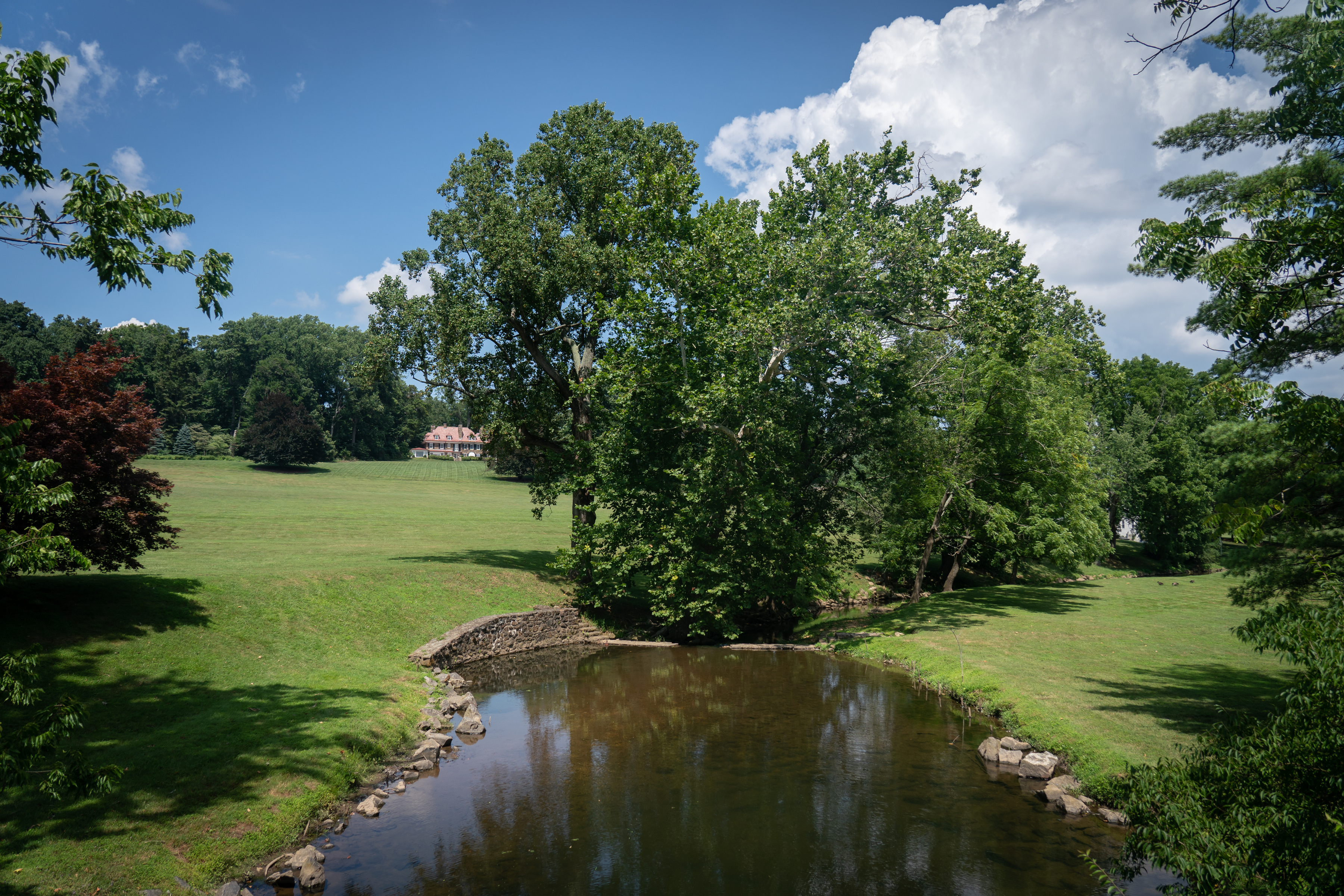
    A view of part of Rock Hill Farm, in Paoli, Tuesday, August 2, 2022. JESSICA GRIFFIN / Staff Photographer

    A conservation easement for the preserved land would be held by the Willistown Conservation Trust. The trust would maintain the protected woodland as private property, not public land.

    Separately, the developer has offered Willistown Conservation Trust the exclusive option to buy the adjacent 24-acre property, if the settlement agreement is approved by the township and court. The township would plan to buy it from the trust using designated open space funds, and preserve the property as open land. The board voted to approve the purchase in February, officials said.

    “We understand there are members of the community who feel very strongly that the entirety of the 222-acre parcel should be coJ. Brian O’Neillmpletely conserved with no future development,” Perrin said. “Municipalities cannot simply ban a property from being developed. It would be nice if we could, except that when that’s turned against us, we would all hate it.”

    The property, purchased by developer for $25.4 million, boasts rolling hills, meadows, woodlands and historically significant properties across its hundreds of acres.

    For years, it had been owned by a conservation-minded local family. When it sold to O’Neill, who originally planned to build up to 24 residential lots on the grounds with only roughly 52 acres of land preserved, it sparked a community battle.

    Rock Hill Farm in August 2022. JESSICA GRIFFIN / Staff Photographer

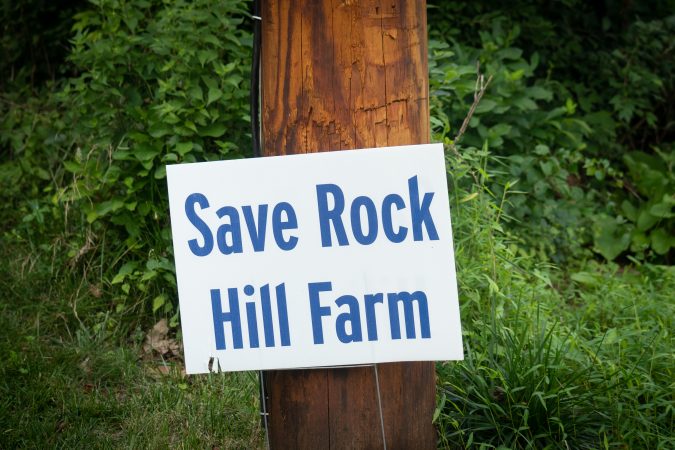
    Community members launched a “Save Rock Hill Farm” campaign in an effort to fend off the development, as other Chester County municipalities have successfully done when homebuilders have come knocking.

    At Thursday’s meeting, residents were relatively open to the proposed settlement.

    David Rawson, who lives in the township, thought it was a “far better plan than I thought anybody would be able to negotiate.”

    It’s the “best deal you’re going to get short of continuing to fight,” resident Joe Heenan told the board.

    “I’m not opposed to the fight,” he said, “but I think it’d be nice to have odds in the favor.”

    Others hoped more could still be done.

    Invoking President Franklin D. Roosevelt, Les Haggett, a leader of Save Rock Hill, noted, “Sometimes fear is the only thing we have to fear.”

    “I don’t think it’s the right time to settle,” he said. “My thought is, don’t be afraid. Don’t settle.”

    Supervisor Bill Shoemaker said the township was working to achieve the best possible plan. Though they feel their appeal is “based on good and solid reasons,” they thought that of their initial filing, too, he said.

    “The court is always a bit of a gamble,” he said. “So we have to consider very, very carefully what the best possible plan would be.”

    This suburban content is produced with support from the Leslie Miller and Richard Worley Foundation and The Lenfest Institute for Journalism. Editorial content is created independently of the project donors. Gifts to support The Inquirer’s high-impact journalism can be made at inquirer.com/donate. A list of Lenfest Institute donors can be found at lenfestinstitute.org/supporters.

  • A 27-acre compound with two homes and pools is for sale for $9 million in Chester County

    A 27-acre compound with two homes and pools is for sale for $9 million in Chester County

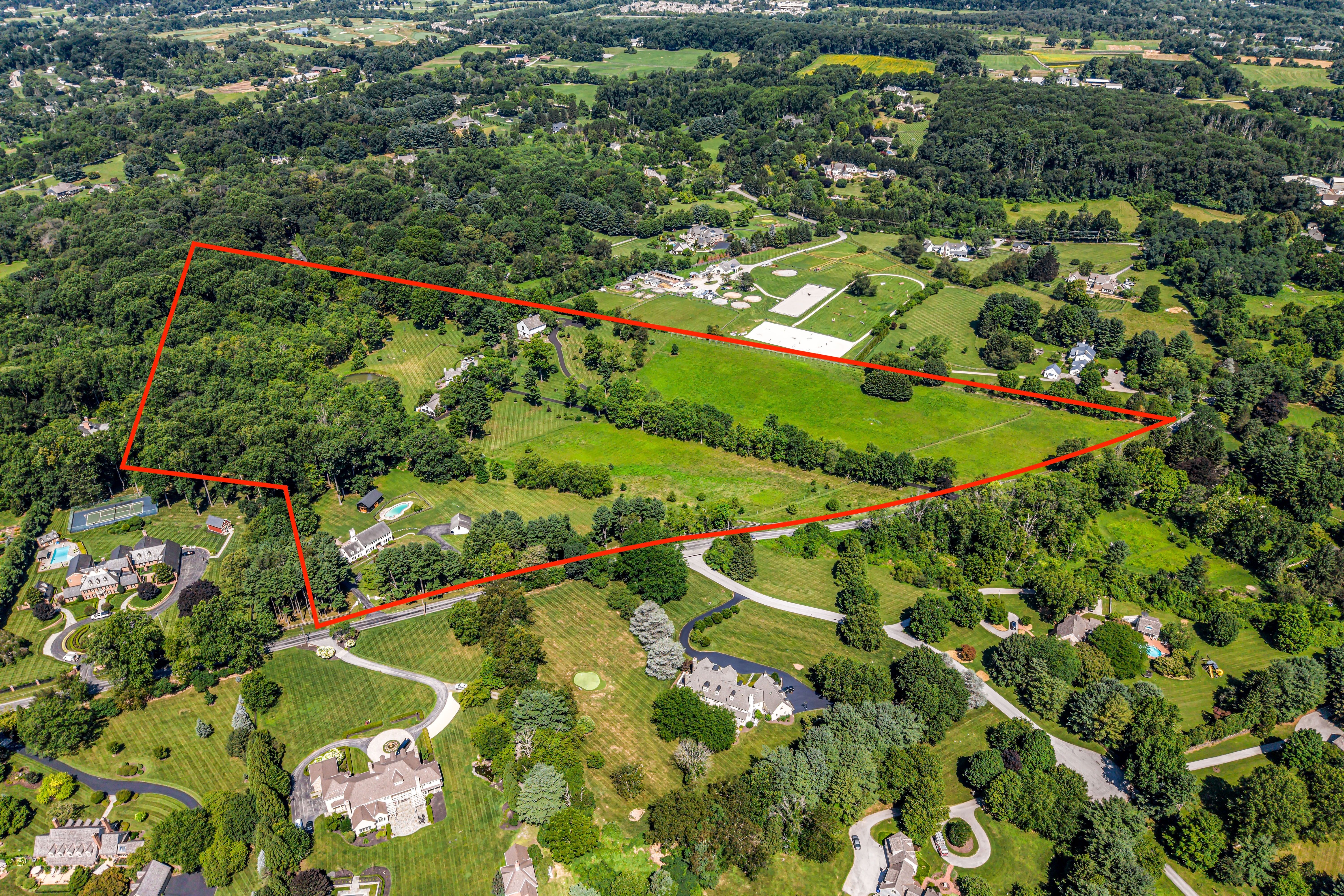
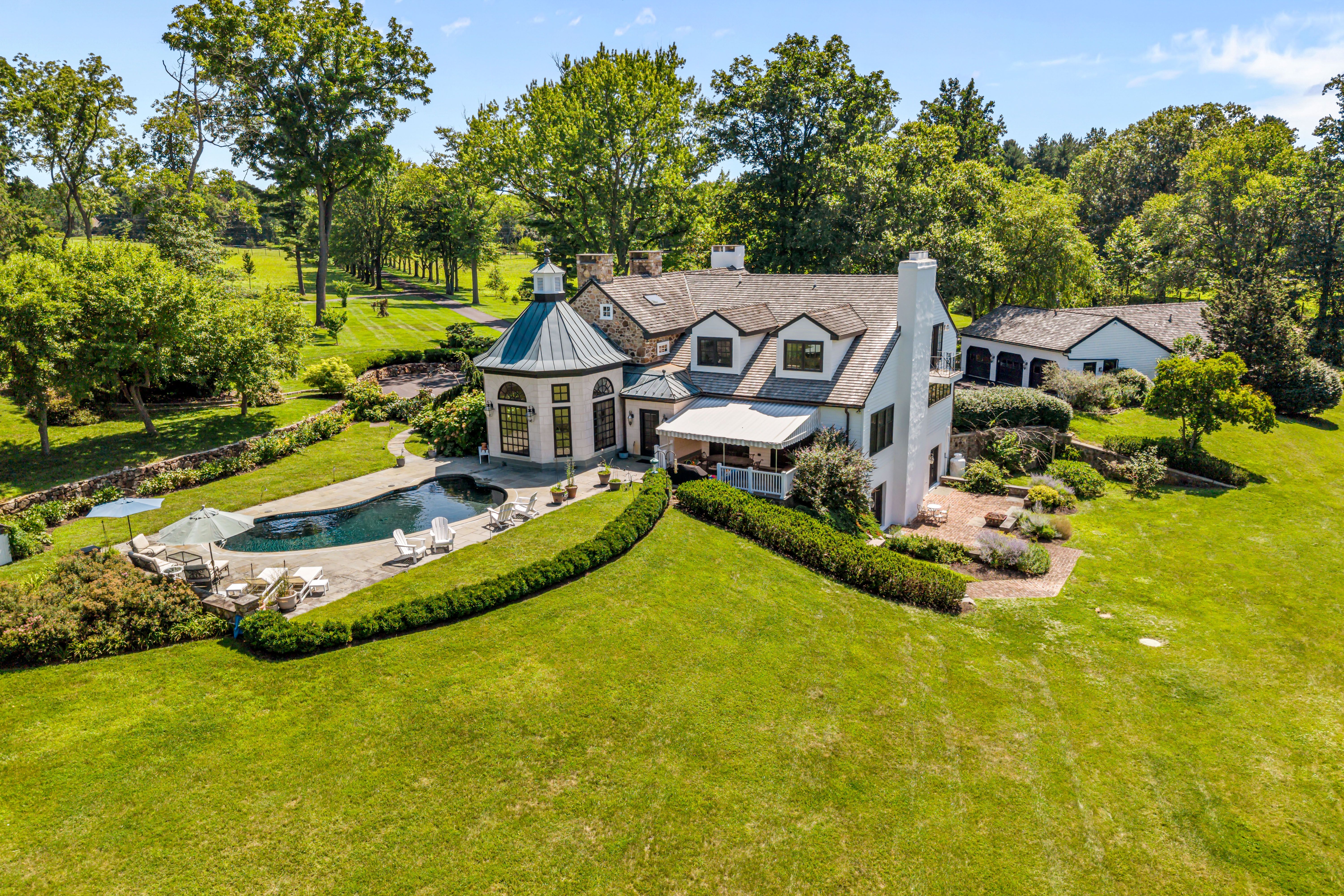
    Three properties that span 27 acres and include two homes, two pools, and a two-story barn are for sale for $8.95 million in Willistown Township, Chester County.

    The three parcels, situated among the area’s pastures and horse farms, together form the largest package of land currently for sale along the Main Line whose use is not restricted by a conservancy, according to listing agent Karen Strid of Compass Real Estate.

    “Each parcel is worth something, but together they’re worth so much more,” Strid said.

    That a buyer can do whatever they want on the land, including building more homes, “is what makes [the listing] so rare,” she said.

    “It’s such a special purchase for someone who really understands the area,” Strid said.

    The three combined parcels for sale at 416, 418, and 420 Dutton Mill Rd., spanning 27 acres in Willistown Township, are outlined in red.Billy Kyle

    Willistown Township, which neighbors Malvern Borough and includes the 19th-century village of Sugartown, is a desirable location for people who want land and a more rural feel and also access to mountains, beaches, and major cities, Strid said.

    These parcels are “appealing to the people who want privacy and can have whatever they want and don’t want to be in the middle of nowhere,” she said. “You’re really close to everything, but you feel like you’re in your own world.”

    The seller owns all three parcels, which together are called Sugartown Springs Farm. Strid said it would make a good family compound. Across the parcels, buildings and property features are “spread out in a really nice way,” she said.

    The parcels were privately listed for sale on the Compass and Redfin platforms the second week of August.

    Two homes and a two-story barn

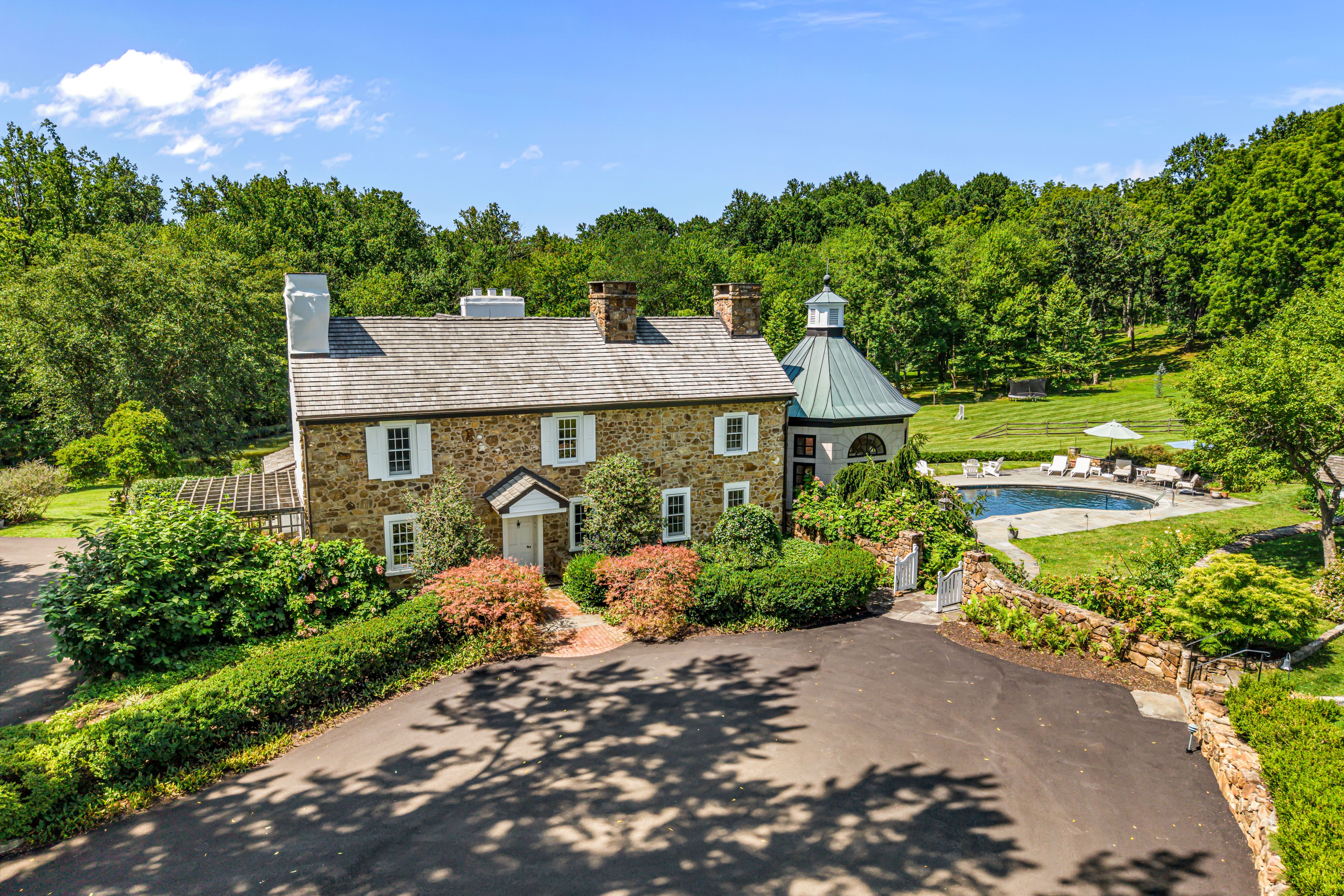
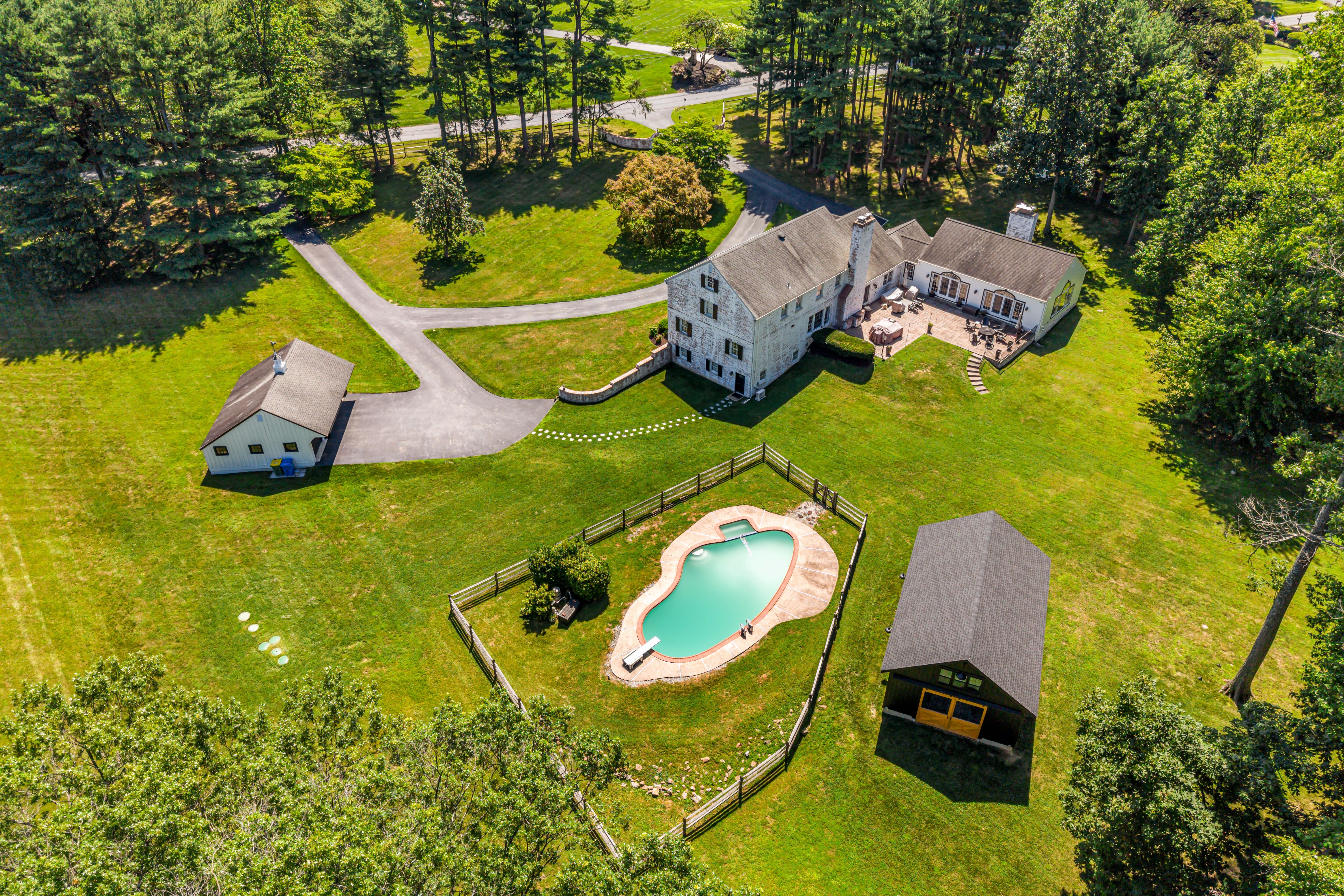
    At 418 Dutton Mill Rd., a stone main house dating to the mid-1700s offers four bedrooms, four full bathrooms, and one half bathroom. The primary en suite bedroom includes a fireplace, soaking tub, shower, and double vanities.

    The stone main house at 418 Dutton Mill Rd. has four bedrooms and a two-story solarium that serves as the dining room.Billy Kyle

    The 7,559-square-foot house features interior stone walls, exposed timber beams, hardwood floors, and more fireplaces throughout. The two-story solarium serves as the dining room and highlights views of the grounds. The home also has an elevator.

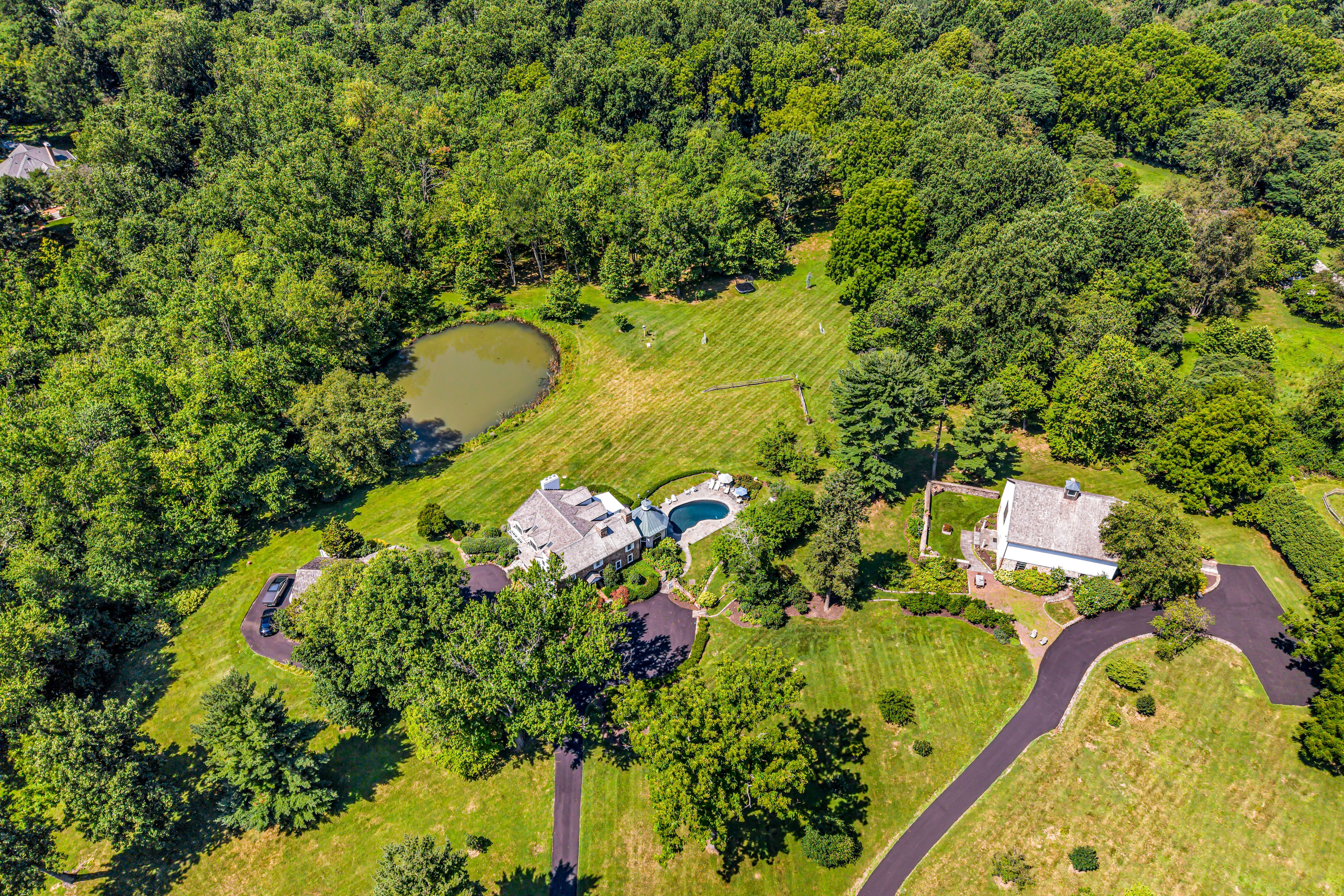
    The 10-acre property includes an in-ground pool and a spring-fed pond. A detached garage off the circular driveway can fit six vehicles and also includes a full bathroom and a second laundry room.

    The 10-acre property at 418 Dutton Mill Rd. includes an in-ground pool and a detached garage that can fit six vehicles.Billy Kyle

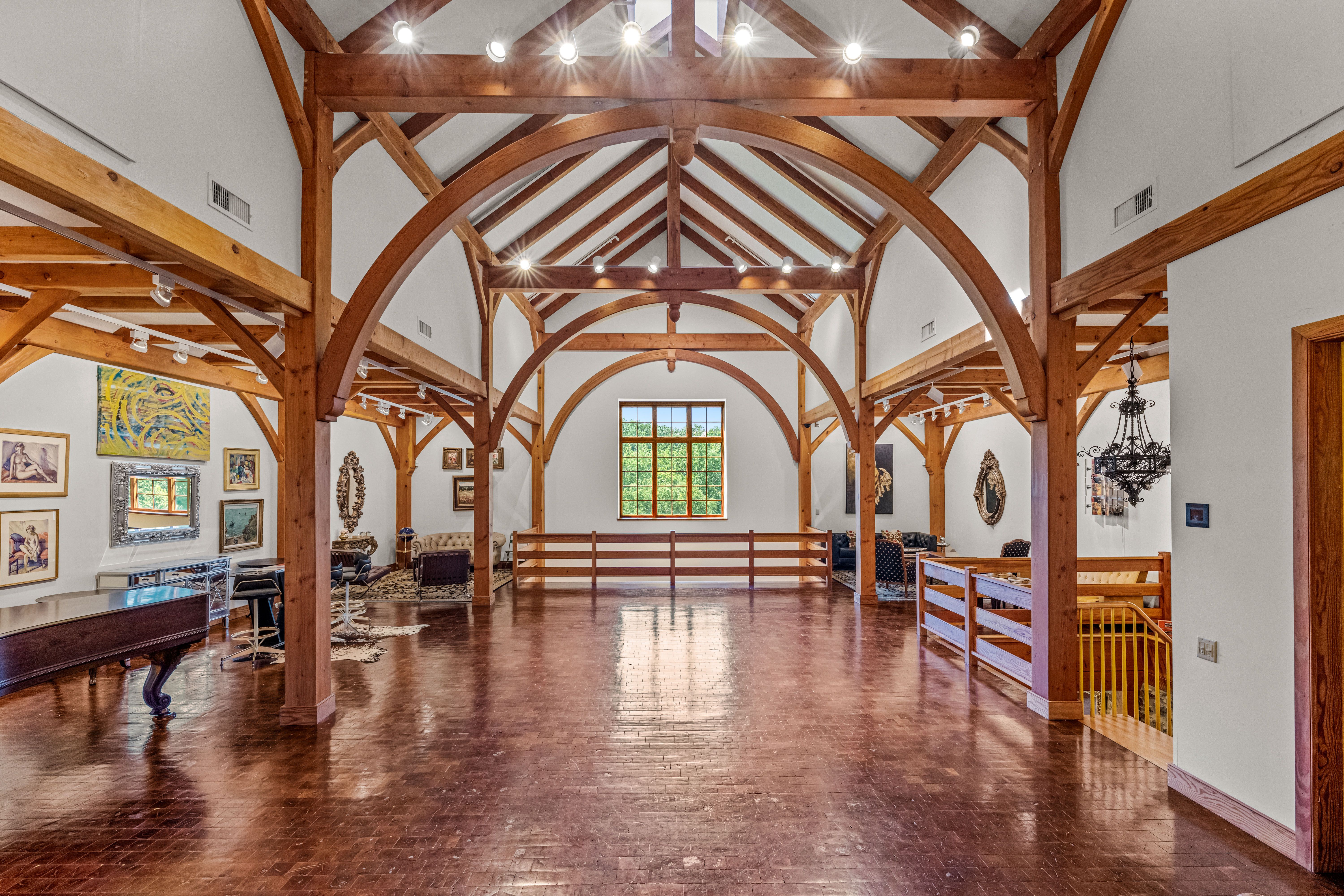
    To the right of the main house is a two-story timber-frame barn at 420 Dutton Mill Rd. The barn was once used as an art gallery for Andrew Wyeth’s paintings.

    The structure features a glass atrium, a room that could be a bedroom or office, 1½ bathrooms, a kitchenette, and multifunctional space. The upper level has beamed ceilings and gathering spaces.

    The upper level of the barn at 420 Dutton Mill Rd. can be used as a gathering space.Billy Kyle

    The property includes a stone-walled courtyard and spans 12.8 acres.

    These two parcels are listed for sale for a combined $5.975 million.

    A second home at 416 Dutton Mill Rd. is listed for sale for $2.975 million. The Colonial spans 6,032 square feet and was built in 1963.

    The home has six bedrooms, three full bathrooms, two half bathrooms, formal living and dining rooms, and a walkout finished basement. It features fireplaces and brick wall accents and has a finished attic.

    The 4.2-acre property includes a rear stone patio, a detached three-car garage, an in-ground pool, and a timber-frame barn built in 2024.

    The home for sale at 416 Dutton Mill Rd. in Willistown Township features an in-ground pool, a timber-frame barn, and a detached three-car garage.Billy Kyle

    This home is currently being rented for $9,000 per month under a lease that ends in early 2028.

    Strid said standing on Sugartown Springs Farm highlights why people value the lifestyle it represents.

    “It’s so serene and calm and beautiful,” she said.

  • Voters in a Chesco township will be asked whether to expand their board in November amid data center backlash 

    Voters in a Chesco township will be asked whether to expand their board in November amid data center backlash 

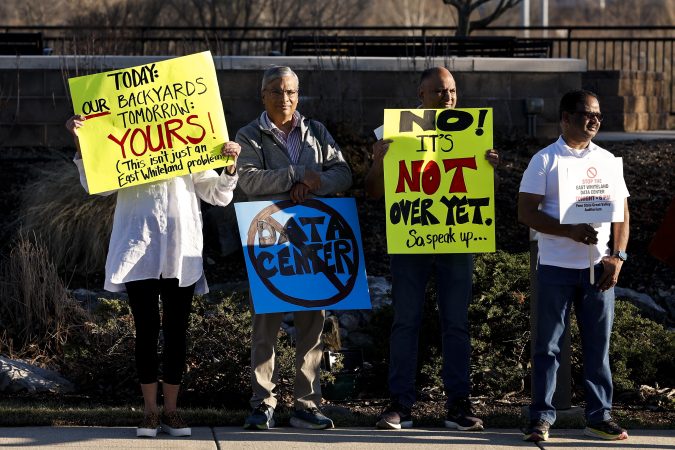
    East Whiteland voters will decide this November whether they should add more elected officials to represent them, after residents’ staunch opposition to a controversial 1.5 million square-foot data center project propelled them to petition for a larger board of supervisors.

    In a quick but forceful flurry, residents collected at least 500 signatures to get a question on the Nov. 3 general election ballot asking voters if they want two more elected officials. If the ballot issue is approved, it would bring the number from three to five members on the board of supervisors.

    The impetus for the question was the township’s handling of a proposed data center project, expected to be constructed at the former 79-acre Cyprus Foote Mineral Co. property, a Superfund site on the line between East and West Whiteland Townships.

    The project loomed large as township resident Jessica Larkin collected signatures for the referendum. She had to be “careful to clarify” that the question was not just on the data center, she said.

    “It’s connected, though, because this board and the overall township management is all connected to how these projects get pushed through and approved, and I think that the conversations, while it did start with the data center, did kind of just bring us to general approach in the future of the township,” she said.

    Board members are elected at-large and serve six year terms. They appoint township staff and members of the boards and commissions within the township, plus hear conditional use applications, levy taxes, and more.

    In a letter to fellow residents, Larkin wrote that “a township the size of East Whiteland would benefit from having five supervisors.”

    “A larger board has the potential to provide a broader range of perspectives, more balanced representation, and additional voices to help guide decisions affecting our growing community,” the letter continued.

    The township and supervisors board chairman did not immediately respond to a request for comment on the ballot question and its impetus.

    The data center project, which secured early approvals from township leadership in 2018 and 2024, stoked renewed ire from residents when its developers, Green Fig LLC and Sentinel Data Centers, requested to expand the project earlier this year. (The proposal has ultimately changed shape several times.)

    The community turned out in large numbers to oppose the data center’s expansion — and mere existence. They made lawn signs and posters, spoke for hours during public comment, protested outside meetings, and showed up in such large numbers that they even shut meetings down. Alongside other residents opposing projects in their communities, they traveled to Harrisburg to call on Gov. Josh Shapiro and lawmakers to institute a moratorium on data center construction.

    Earlier this week, amid increasing opposition among Pennsylvanians to the projects, Shapiro signed a sweeping executive order that requires local approval for projects to receive state permits, which could block many developments from moving forward.

    Larkin, 44, a resident of the township for more than a decade, lives about a mile away from the site of the planned data center. She started attending meetings on the proposal, she said, and it was “just eye-opening to see how the process worked, and to learn how these projects get approved.”

    “Ultimately, after attending several meetings and watching residents passionately oppose the project, it felt like we could use a little bit more representation,” she said.

    Along with a team of other residents, Larkin, in less than two weeks, collected enough signatures to meet the county’s early August deadline to put the referendum on the ballot.

    For local elected officials, data center projects have proved to be thorny. They hesitate to vote the projects down immediately. In the absence of state leadership earlier this year, a smattering of municipalities have, in recent months, charged township staff to pen ordinances to get ahead of any proposed projects so they have some level of control over where they go.

    In East Whiteland, construction of the data center remains fraught, with concerns of construction unfolding on a contaminated parcel prompting a temporary work stoppage and a pending request to make changes to the plans.

    Even if it has grown beyond just the data center, Larkin hopes residents see the need for more elected officials.

    “There’s close to 15,000 residents, and there’s so many talented people that spoke up at these meetings,” Larkin said. “And I just would love to see more representation and more involvement at this level and with this consideration in terms of developing our township.”

    This suburban content is produced with support from the Leslie Miller and Richard Worley Foundation and The Lenfest Institute for Journalism. Editorial content is created independently of the project donors. Gifts to support The Inquirer’s high-impact journalism can be made at inquirer.com/donate. A list of Lenfest Institute donors can be found at lenfestinstitute.org/supporters.

  • Fired historical commission strikes out on its own | Inquirer Chester County

    Fired historical commission strikes out on its own | Inquirer Chester County

    Hi, Chester County! 👋

    After being fired, all six members of Westtown Township’s historical commission are striking out on their own. Also this week, Oxford will disband its police department, future development at a contaminated Kennett Square site could be on the horizon, plus, what to know about the mysterious drone sightings over Wallace Township.

    If someone forwarded you this email, sign up for free here.

    Axed Westtown historical commission members form their own society

    All six former members of Westtown Township’s historical commission — who were fired last month amid disagreements with local officials over historic preservation — have formed their own independent society.

    Known as the Westtown-Brandywine Historical Society, the group’s mission is to protect local buildings and history, similar to what they did before. “I feel like we’ve continued without missing a beat,” one member said, adding she was crushed when they were dismissed.

    In just a few short weeks, the group has already planned several events, including historical tours of Oakbourne Mansion and Park and a discussion about the Darlington Inn. They believe the inn should be preserved, and their stance is why they think they were let go.

    The Inquirer’s Brooke Schultz explores how the group formed so quickly and what’s ahead for them.

    📍 Countywide News

    💡 Community News

    • Oxford’s borough council voted Monday to disband its police department and join the Southern Chester County Regional Police Department and Commission amid budgetary constraints. The change will go into effect next year. The borough will hold a town hall with the regional department’s police chief tomorrow.
    • Kennett Square’s council moved future development at the defunct National Vulcanized Fiber site one step closer to reality this week despite pushback, agreeing to advertise an ordinance that would allow for housing and businesses at the contaminated 22-acre former industrial property.
    • With limited housing inventory and a growing population, Kennett Square has decided to cap how many short-term rentals are allowed within the borough. Current units will be grandfathered in.
    • For the past month or so, the West Brandywine Police Department has been investigating drone sightings in Wallace Township, where one has been spotted repeatedly flying over homes and roads for several hours at night. Inquirer columnist and area resident Sabrina Vourvoulias offers her take.
    • West Chester’s 12-and-under East Side Little League team has punched its ticket to the Little League World Series, which gets underway today in Williamsport, Pennsylvania. The team, representing the Mid-Atlantic region, is slated to compete Friday.
    • Several Phillies players sported one-of-a-kind cleats for last week’s Field of Dreams game in Iowa, which were created by Downingtown company NXT LVL Customs.
    • Longtime Phoenixville borough manager E. Jean Krack is planning to retire this coming spring after 18 years in the role. Council is working on plans to hire his successor.
    • Willistown Township is hosting a meeting tomorrow at 7 p.m. at General Wayne Elementary School to discuss the potential settlement agreement for Rock Hill Farm. A judge recently overturned a township ruling denying the property could be developed into luxury homes.
    • East Vincent Township’s planning commission is slated to continue discussions tomorrow at 6:30 p.m. about AQ Dev, LLC’s conditional use application to build 53 single-family homes at 446 Stony Run Rd.
    • West Brandywine Township is holding a conditional use hearing Tuesday at 7 p.m. for Imaging Associates’ and Toll Brothers’ proposed age-restricted community at 500 Hibernia Rd.
    • Nordstrom Rack is opening tomorrow at Main Street at Exton.
    • Leaves and Lore, a new fantasy-focused independent bookstore at 118 N. High St. in West Chester, is opening its doors on Saturday.

    🍽️ On our Plate

    🎳 Things to Do

    🏒 Flyers Community Caravan: Gritty is heading to Exton as part of a multi-stop tour that also includes the team’s in-arena host and Flyers alums. ⏰ Wednesday, Aug. 19, 5:30-7:30 p.m. 💵 Free 📍 Miller Park, Exton

    🍻 Summer Pop-Up Biergarten: Locust Lane Craft Brewery and Turk’s Head Wines will be pouring drinks, while food trucks Philly Hots! and Cousins Maine Lobster will dish up food. ⏰ Thursday, Aug. 20, 5-8 p.m. 💵 $10 in advance, $15 at the door 📍 Historic Sugartown, Malvern

    🎸 Tell Me Lies: The Fleetwood Mac tribute group will perform some of the band’s most iconic hits. ⏰ Friday, Aug. 21 and Saturday, Aug. 22, 7:30 p.m. 💵 $51-$61 📍 Uptown! Knauer Performing Arts Center, West Chester

    📚 Philadelphia Book Crawl: Several Chesco bookshops — Forage Books in Kennett Square, Wellington Square Bookshop in Exton, and Reads & Company in Phoenixville — are participating in the region-wide event. ⏰ Saturday, Aug. 22, times vary 💵 Pay as you go 📍 Locations vary

    🏡 On the Market

    A serene West Chester estate with a pool and two-story wine cellar

    The home sits on six acres.Virtual Vista | Courtesy of Holly Gross Group

    Built in the 1800s, this stone West Chester estate — known as Fernbank Farm, and already under contract — features a number of original architectural details. Among its most unique is a former ice house that’s been converted into a two-story wine cellar that can hold 1,500 bottles and also has a tasting room. Other features in the six-bedroom home include a library and sunroom, in addition to outdoor living spaces such as covered wraparound porches, gardens, and a heated pool.

    See more photos of the property here.

    Price: $3.3M | Size: 5,397 SF | Acreage: 6

    📈 Chester County market report

    • Median listing price: $599,900 (down $17,100 from June) 📉
    • Median sold price: $610,000 (down $18,500 from June) 📉
    • Median days on the market: 34 (up six days from June) 📈

    This Chester County market report is published on a monthly basis. Above is data for July from realtor.com.

    🗞️ What other Chester County residents are reading this week:

    By submitting your written, visual, and/or audio contributions, you agree to The Inquirer’s Terms of Use, including the grant of rights in Section 10.

    This suburban content is produced with support from the Leslie Miller and Richard Worley Foundation and The Lenfest Institute for Journalism. Editorial content is created independently of the project donors. Gifts to support The Inquirer’s high-impact journalism can be made at inquirer.com/donate. A list of Lenfest Institute donors can be found at lenfestinstitute.org/supporters.

  • Kennett Square is capping Airbnbs and other short-term rentals to address housing availability

    Kennett Square is capping Airbnbs and other short-term rentals to address housing availability

    In an effort to “drastically” cut down on short-term rentals like Airbnbs, Kennett Square council passed an ordinance Monday capping the number of active units and restricting where they’re able to pop up.

    Council voted unanimously to update its ordinance, allowing for a maximum of 20 short-term rentals, and prohibiting single-family homes from turning into short-term rentals as their primary use.

    The decision comes after the borough has seen soaring population growth in recent years — an increase of 16% since 2020 — but as housing has become increasingly limited.

    Residents had decried several homes getting snapped up, only to be turned into full-time short-term rentals. The borough’s planning commission took up the issue again this year, after a first foray in 2025 didn’t go far enough, officials said previously.

    Under the new short-term rental ordinance, the existing units — roughly 22 — will be grandfathered in. But if people sell, move, or don’t maintain rental registration, that status is gone. Future rentals will only be allowed in accessory units — like garages, or guest houses — and the number of available units won’t be able to exceed 20. The property must be owner-occupied during the rental period. Pre-existing short-term rentals will lose their grandfathering status if they don’t maintain rental registration.

    “The net effect of this is to actually drastically reduce the potential number of short-term rentals,” council president Bob Norris said. “But it actually reduces the possibility and the probability of having more and more, especially in single-family homes, which we heard loud and clear was a major issue.”

    In Chester County, which saw some of the highest population growth in Pennsylvania between 2020 and 2024, the demand for housing is outpacing supply. Fewer single-family detached homes were built in 2024 than in the last several years, according to the county’s planning commission, and fewer new units were being constructed this decade compared with last.

    Meanwhile, cost is going up. In 2024, the median sales price hit $525,000 — the highest in the county’s history. That year, 331 homes sold for under $250,000, a decrease from 462 units in 2023, according to the commission. In 2025, 315 homes were sold in that range, making up just 5.3% of all sales.

    Kennett Square officials have viewed cutting down on the short-term rentals as one way to address housing availability.

    Kennett Square isn’t the only one to grapple with balancing meeting the needs of tourism with the desires of residents. West Chester similarly capped its short-term rentals at 20, and contained them to its town center. It sent cease-and-desist letters to those that weren’t in that radius, officials said previously. But in Phoenixville, short-term rentals have been meeting a need not otherwise addressed by the borough’s singular boutique hotel.

    This suburban content is produced with support from the Leslie Miller and Richard Worley Foundation and The Lenfest Institute for Journalism. Editorial content is created independently of the project donors. Gifts to support The Inquirer’s high-impact journalism can be made at inquirer.com/donate. A list of Lenfest Institute donors can be found at lenfestinstitute.org/supporters.

  • A Chester County borough will join a regional police force, dismantling its own over budgetary concerns

    A Chester County borough will join a regional police force, dismantling its own over budgetary concerns

    Oxford’s century-old police department will be disbanded, with the borough joining several other municipalities under the service of a regional law enforcement agency next year, the borough council decided during a meeting that grew contentious Monday.

    The council voted 5-2 to join the Southern Chester County Regional Police Department and Commission and approved a memorandum of understanding for the services, effective Jan. 1.

    The borough has struggled for years to keep its police force from cutting too deeply into the municipality’s budget. Though Oxford’s financial health has been stronger in recent years than had been forecast, maintaining the department without increasing taxes was becoming untenable, officials said previously.

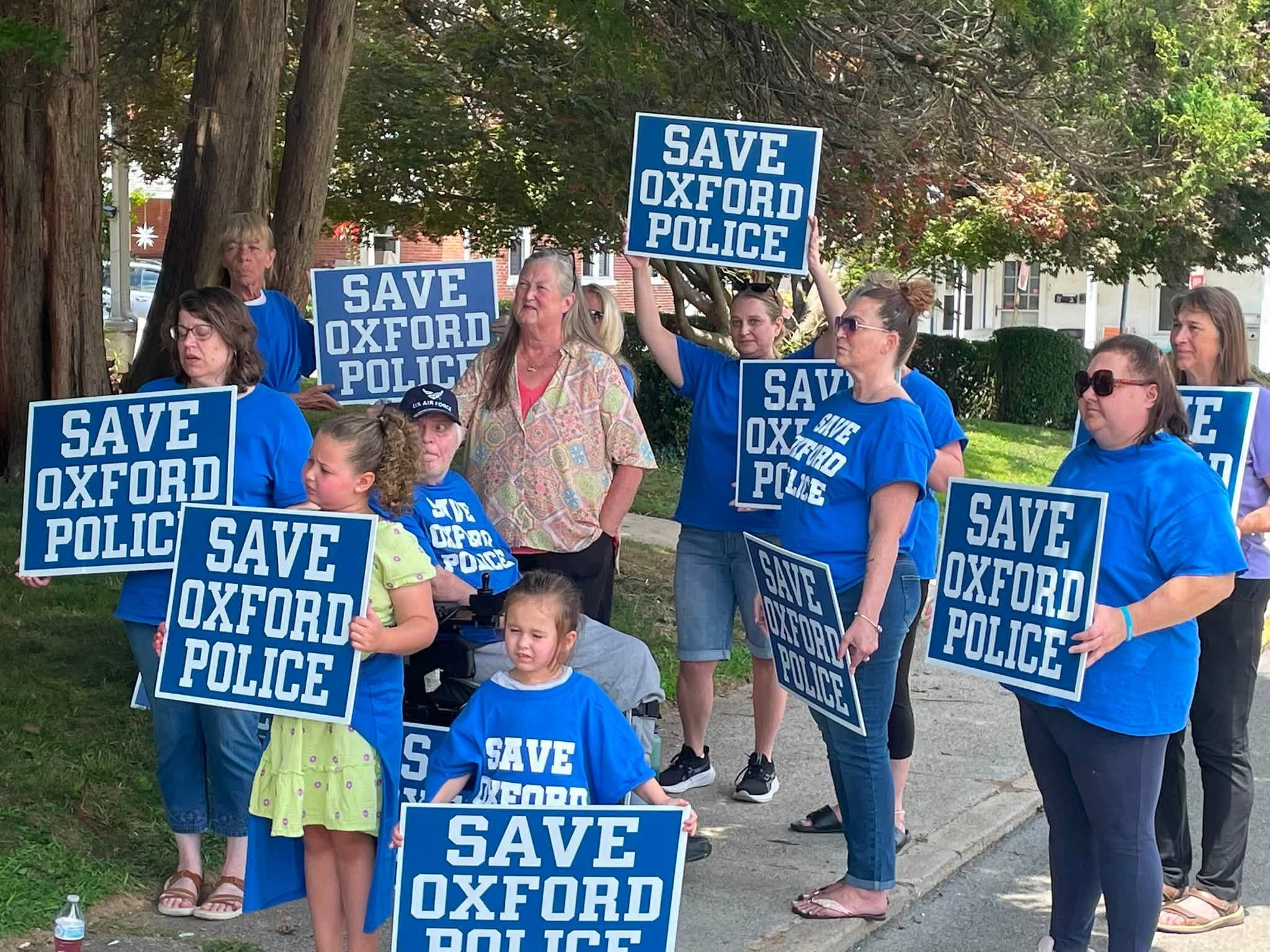
    But the choice to cut the department has stoked fears from residents, who have designed T-shirts and lawn signs, held protests, started petitions and social media pages, and turned up at meetings to oppose the effort.

    On Monday, residents called on the council to retain the department or delay the vote. The meeting grew contentious. As people shouted from the audience, the council requested that disrupters be escorted out several times through the 1½-hour meeting. As council members weighed their vote, attendees shouted for them to “resign now.”

    With the vote, Oxford will now join nearby municipalities New Garden, West Grove, and Avondale for service through the regional department.

    The regional department, formed in 2017, employs 21 full-time officers, who patrol and investigate, in addition to providing services like traffic safety, public outreach, and evidence management. The borough will have a seat at the table in the governance of the department.

    The memorandum stipulates that the department will add 12 new officers to serve Oxford, with a substation where officers will begin and end their shifts, according to borough officials. Two officers will be on patrol 24-7, as they currently are. Borough leaders hope to see the entirety of their 11-officer force accept positions in the regional department.

    Still, residents have worried over the loss of their homegrown force, with concerns about sluggish response times or increased crime due to the regionalization.

    Oxford police responded to about 4,400 calls for service, mostly for property and house checks, in 2023, according to the most recent data in a July analysis from Keystone Municipal Solutions.

    “What I pray to God does not happen is that I have to get a call because we didn’t have a local police department to protect our residents,” said resident Henry “Ted” Ruffenach, a funeral director. “I don’t want to get that call. If it does happen, this will be on every one of your resumes.”

    Bob McCarron, president of the Chester County Fraternal Order of Police, urged the council to consider whether giving up local control was worth regionalization.

    “It truly is a decision that, once you make it, you won’t be able to come back from,” he said.

    An attempt to table the decision — raised by council member Amanda Birdwell, who argued she had not talked to enough residents about their stance on regionalization — did not receive enough votes. She ultimately voted against regionalization, joined by council member Raul Juarez-Lara.

    “Even though people are being disrespectful and rude, we were still elected to represent them, and I feel like another reason I asked to table is because while I know we all want this to be over with, we can’t make a decision because we’re mad that people aren’t being nice to us,” she said. “That’s irresponsible.”

    But others felt it was the only sustainable way forward.

    “I truly believe that the only way to maintain policing in the Borough of Oxford … going forward, for my children, is regional,” council member Michael Brandt said. “We will not have a police force in less than several years at the rate things are going. I’m sorry none of you can listen to us and understand that.”

    The borough will hold a town hall with the regional department’s police chief, Joe Greenwalt, on Thursday.

    This suburban content is produced with support from the Leslie Miller and Richard Worley Foundation and The Lenfest Institute for Journalism. Editorial content is created independently of the project donors. Gifts to support The Inquirer’s high-impact journalism can be made at inquirer.com/donate. A list of Lenfest Institute donors can be found at lenfestinstitute.org/supporters.

  • The plan to turn a contaminated industrial site in Kennett Square into housing takes another step forward despite residents’ pushback

    The plan to turn a contaminated industrial site in Kennett Square into housing takes another step forward despite residents’ pushback

    Ambitions to turn a former industrial site in Kennett Square into a residential development inched closer to reality Monday — but residents still have concerns about the land’s safety after decades of contamination.

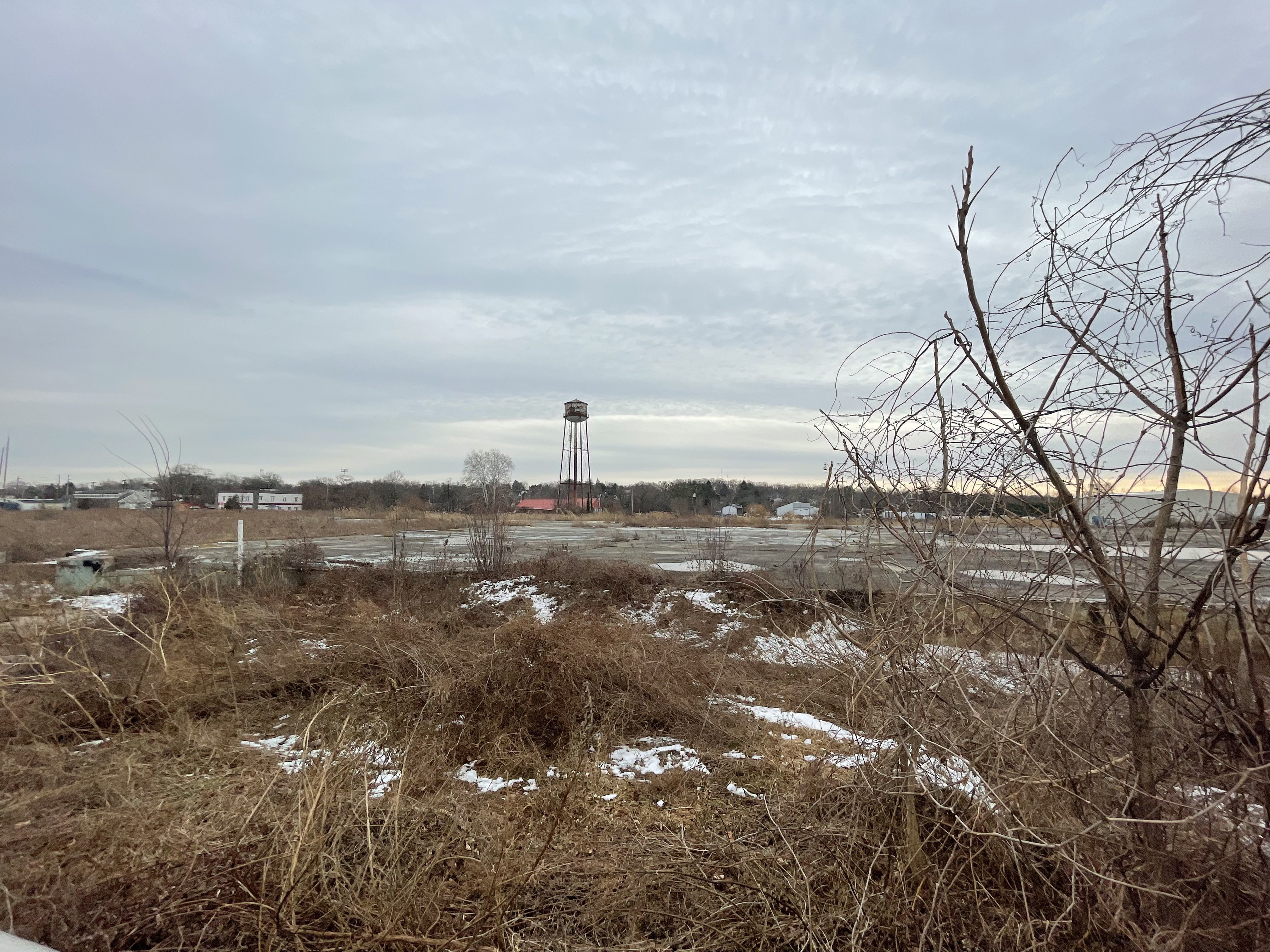
    Council voted 5-2 to advertise a change that would allow for housing and business development at the former National Vulcanized Fiber site, a long-vacant 22-acre industrial plant that ultimately contaminated the land with polychlorinated biphenyls (PCBs).

    Initial attempts to allow for redevelopment of the site stalled earlier this year, when a vote to advertise the amendment failed to garner enough support due to a vacancy and an absence on the council.

    But a revised ordinance received enough positive votes this week to be posted publicly ahead of a hearing on changing the zoning. It is an early step to possibly develop one of the last untouched pieces of Kennett Square into a mix of townhomes, apartments, and single-family attached dwellings. Under the ordinance, 15% of the units must qualify as affordable housing — with compliance restrictions, financial guarantees, and penalties if the developer does not comply — coming at a time when growth has soared in the borough but housing has become harder to come by.

    That vision, however, has been staunchly opposed by some residents, who argue that the site is unsafe for housing and have raised concerns repeatedly about contamination cleanup and whether construction could harm the health of the surrounding neighborhoods. Federal and state agencies still need to OK the cleanup before construction could begin.

    “It’s pretty clear repeatedly that the community … doesn’t want this big development to come in there,” resident Holly Peters said. “I guess what I don’t understand, and I would like an answer to, is why this continues to move forward. Like, what is the urgency to push this ordinance through? I mean, why don’t we just wait?”

    How did we get here?

    The site has been the subject of ongoing cleanup for roughly 40 years. NVF folded in 2007, and the property was acquired by developer Rockhopper LLC two years later, with the ambitions of turning it into housing. Officials have said that there had not been a great deal of other interest in redevelopment.

    In April, the borough planning commission had recommended an ordinance amendment that would have allowed for a mixture of affordable and market-rate residential development on the site. The ordinance set parameters around multifamily use, density standards, and affordable housing stock.

    In recent months, NVF has once more become a topic at council meetings, with the planning commission seeking guidance on how to move forward after the stalled recommendation.

    A straw poll in June showed that a majority of the board — which consists mostly of new members — favored redevelopment of the site as residential or mixed commercial use.

    In July, council members asked the planning commission to consider adding mixed-use development in the amended ordinance, which would allow retail, restaurants without drive-throughs, business offices, medical clinics, day spas and salons, and personal services.

    That got a tepid reception from Austin Coleman, a representative from the developer, in July, who told the council “we do feel strongly that it’s a residential site, and it’s a great opportunity to provide affordable housing, as well as attainable housing.”

    Ultimately, the planning commission included the commercial element in the revised ordinance. Allowing for such development does not mandate that it happen, however.

    Borough officials have seen this as an opportunity to add affordable housing stock for residents, in an increasingly expensive county and municipality. Kennett Square has seen an explosion of growth recently, with its population rising 16% in the last five years. But with it has come a squeeze, as people are getting increasingly priced out of what limited housing is available.

    What comes next?

    These are still early days. The borough will now advertise adding housing and business use alongside the industrial designation. It will then go to county leadership; after that review, it returns to the council for a public hearing. If the proposed ordinance is later approved, with the additional uses for the site, it would eventually open the door for the developer to submit an application to redevelop the parcel into housing. The process could take 18 to 36 months, officials have said.

    But before the developer could think of breaking ground, the cleanup efforts on the site must pass muster from the U.S. Environmental Protection Agency and the Pennsylvania Department of Environmental Protection.

    For decades, the site has undergone remediation and cleanup efforts, overseen by the EPA. The agency is currently accepting public comments until Aug. 28 on its intention to approve a final cleanup application for the site.

    Residents have long held concerns that the land is unsuitable for housing, and have worried that the cleanup has not gone far enough.

    “I think you’re signing a death certificate for people. Unless you get the EPA to come in and strongly suggest that the property’s OK to build on, nothing should be touched,” resident Mark Thompson said.

    Council member Michael Bertrando, who has said he would like to keep the site industrial, cast one of the dissenting votes, alongside council member Juan Tafolla.

    “Not one resident who got up at that microphone has said that they are for this project,” Bertrando said. “I mean, yes, this is an advertisement, but why are we doing this before we have any proof that the site is cleaned, it’s remediated, and the EPA hasn’t given us their report yet?”

    But for other council members, allowing for development of the long-languishing site would ensure it was actually cleaned up.

    “I’m not looking to build something that’s going to create more problems or have issues or people getting sick,” council member Amy Reigel said. “I do want that property to be developed because it’s dirty. Like if we don’t clean it up, if we don’t keep moving forward, it’s going to stay there because we don’t own the property.”

    This suburban content is produced with support from the Leslie Miller and Richard Worley Foundation and The Lenfest Institute for Journalism. Editorial content is created independently of the project donors. Gifts to support The Inquirer’s high-impact journalism can be made at inquirer.com/donate. A list of Lenfest Institute donors can be found at lenfestinstitute.org/supporters.

  • Hospital staff aren’t explaining medication side effects to one in three Philly patients, survey says

    Hospital staff aren’t explaining medication side effects to one in three Philly patients, survey says

    Philadelphia-area patients say they are often being left in the dark about side effects that could result from new medications given during hospitalizations, even though hospitals are required to explain the potential risks.

    One in three patients at Philadelphia-area hospitals claimed that staff did not consistently explain possible side effects of medication, according to a leading patient satisfaction survey conducted annually by the Centers for Medicare and Medicaid Services.

    To gauge the patient experience, the Hospital Consumer Assessment of Healthcare Providers and Systems (HCAHPS) survey asks questions about the hospital environment and how staff treated them during their stay. These quality indicators are less tangible than closely watched rates of infections or falls but still can offer meaningful insight into hospital culture and help administrators identify gaps in care.

    The regional hospitals where large portions of patients surveyed reported not being told about medication side effects included three operated by the Virtua health system in New Jersey. About 40% of patients at Our Lady of Lourdes, Mount Holly, and Willingboro said staff had “never” or only “sometimes” explained side effects.

    “These survey results reinforce that it is not enough for patients to receive clear information most of the time,” Jen Khelil, executive vice president and chief clinical officer at Virtua, said in a statement.

    (function(){function e(){window.addEventListener(`message`,function(e){if(e.data[`datawrapper-height`]!==void 0){var t=document.querySelectorAll(`iframe`);for(var n in e.data[`datawrapper-height`])for(var r=0,i;i=t[r];r++)if(i.contentWindow===e.source){var a=e.data[`datawrapper-height`][n]+`px`;i.style.height=a}}})}e()})();

    “Our goal is for every patient to feel fully informed about new medications, including their potential side effects, every time,” Khelil said.

    Medication safety

    The most recent HCAHPS report, released in June, includes responses from about 2.3 million patients across the country, including nearly 32,000 from Philadelphia-area hospitals, between July 2024 and June 2025.

    The survey covers topics such as noise levels, room cleanliness, staff friendliness, and whether they would overall recommend the hospital.

    Among the questions: Before giving you any new medicine, how often did hospital staff tell you what the medicine was for?

    Patients can answer “never,” “sometimes,” “usually,” or “always.” The survey results published by CMS combine “never” and “sometimes” answers.

    These multiple-choice answers are subjective. But generally speaking, doctors and nurses should strive to always explain side effects, said Jeffrey Millstein, an internist and regional medical director for Penn Primary Care who regularly writes about the doctor-patient relationship as an Inquirer contributor.

    Patients who do not fully understand potential side effects may disregard a dangerous complication as “normal.” Alternatively, a common, harmless side effect could be alarming to a patient who wasn’t educated about what to expect when taking a new medication, he said.

    “They need to know the real red flags, and to not discontinue their medicine for the wrong reason,” he said.

    In busy medical settings, staff may focus on other aspects of medication adherence, such as explaining what the medication does, instructions for when and how to take it, and whether it will negatively mix with a patient’s other medications. Side effects may be mentioned last, quickly, or by telling patients to refer to a manufacturer’s pamphlet with warnings.

    “That’s really useless,” Millstein said. “It doesn’t put anything in context.”

    Doctors and nurses should open a conversation about side effects by asking patients what they know about a drug, or what concerns they have, which can allow staff to dispel inaccurate information, he said.

    Philadelphia-area hospitals respond

    Across the Philadelphia region, three Penn Medicine hospitals scored the highest marks for explaining medication side effects.

    More than half of survey respondents who stayed at Chester County Hospital, Penn Presbyterian Medical Center, and Hospital of the University of Pennsylvania said staff “always” explained side effects. About a quarter of respondents said they had received such information “sometimes” or “never” during their stay at the Penn hospitals.

    (function(){function e(){window.addEventListener(`message`,function(e){if(e.data[`datawrapper-height`]!==void 0){var t=document.querySelectorAll(`iframe`);for(var n in e.data[`datawrapper-height`])for(var r=0,i;i=t[r];r++)if(i.contentWindow===e.source){var a=e.data[`datawrapper-height`][n]+`px`;i.style.height=a}}})}e()})();

    Lower Bucks Hospital and Roxborough Memorial Hospital — both owned by California-based Prime Healthcare Foundation — received the region’s lowest marks for explaining side effects.

    Forty-five percent of survey respondents said Lower Bucks staff had “never” or only “sometimes” explained side effects, while 34% said they had “always” received such information during their stay.

    Michelle Aliprantis, a spokesperson for Prime, said the 2024-2025 data in the CMS survey does not reflect more recent efforts at the hospitals to improve bedside medication education and postdischarge follow-up. The health system has also expanded pharmacy consultation to ensure patients understand medications.

    “We are always focused on continued improvement,” Aliprantis said in a statement.

    Virtua’s chief medical officer said the health system closely monitors results from the CMS survey, which includes responses from about 2,000 patients across the New Jersey hospital system.

    Administrators review feedback from a total of some 300,000 consumers a year from satisfaction surveys, Google ratings, and other ratings systems.

    Virtua has been working to improve consistency and patient communication.

    “We remain committed to listening, learning, and improving so that every patient receives clear, compassionate, and consistent communication,” she said.

    (function(){function e(){window.addEventListener(`message`,function(e){if(e.data[`datawrapper-height`]!==void 0){var t=document.querySelectorAll(`iframe`);for(var n in e.data[`datawrapper-height`])for(var r=0,i;i=t[r];r++)if(i.contentWindow===e.source){var a=e.data[`datawrapper-height`][n]+`px`;i.style.height=a}}})}e()})();

  • These nonprofits called the shuttered Exton mall home. Now, some are struggling to relocate.

    These nonprofits called the shuttered Exton mall home. Now, some are struggling to relocate.

    Cristina Hartley watched her teenage son go from refusing to say more than two lines on stage to taking on the lead role in two performances, thanks to the confidence he built through theater production nonprofit Arts and Athletics Club.

    Now, Hartley, who serves on the organization’s board, is worried about what the future holds for the all-ages theater group. The nonprofit, formally founded in 2019 after starting as a high school senior project, was based for roughly four years in the Exton Square Mall, and lost its space when the mall closed its doors in June. The group has struggled to find a new home and will be forced to take a hiatus until a new location is secured.

    “The arts are always the first program to be cut out of schools, and there’s always a lack of budget to have that in schools or to expand these programs in schools, and we want everybody to have access to anything art-related, whether that’s drawing or trying to sing or trying to perform,” said Hartley, who has been involved with the nonprofit for six years.

    “We know that there’s a space out there. There’s a landlord out there willing to work with a small nonprofit. We just haven’t found it yet,” she said.

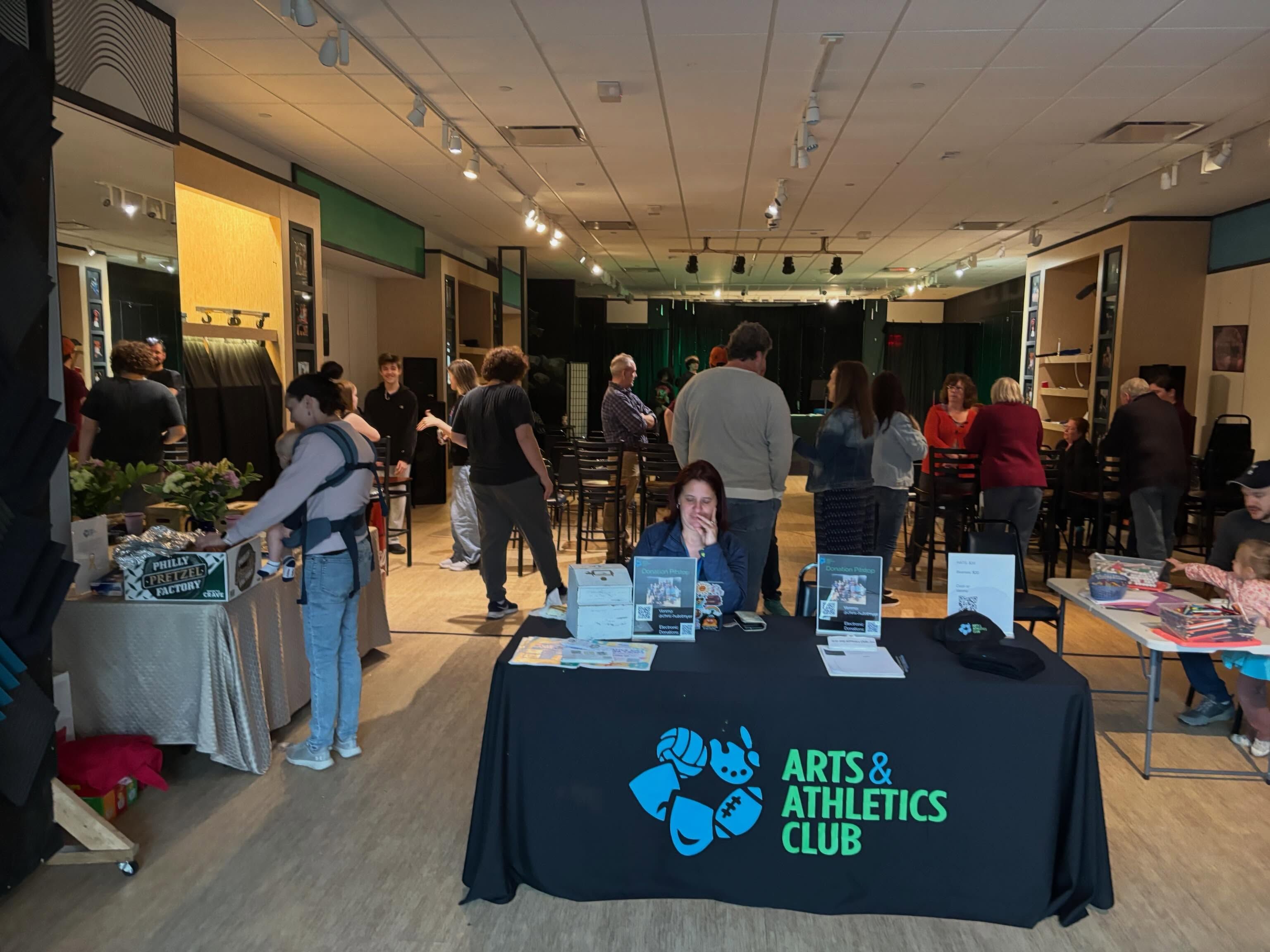
    The Arts and Athletics Club’s interior at the Exton mall. Finding a space for it to hold its productions and activities has been a challenge, leaders say.Photo courtesy of Arts and Athletics Club

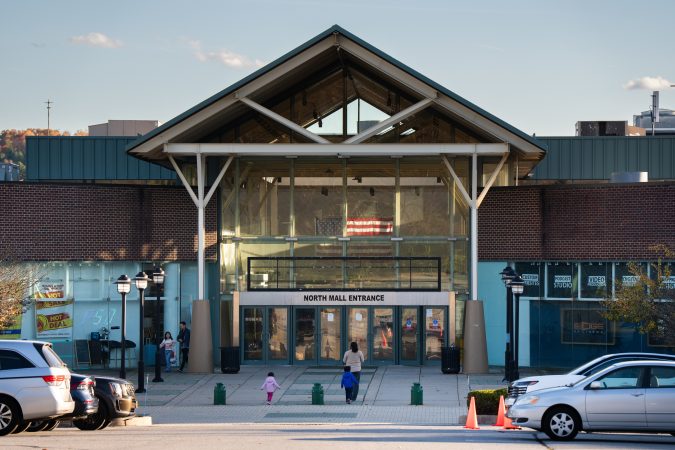
    The roughly 1 million-square-foot Exton Square Mall closed June 30 amid a legal dispute between the property’s owners and local officials over plans for redevelopment. That squabble is still in court.

    For years, the mall declined from traditional retail, with only a handful of stores left when it shuttered after five decades. It was Chester County’s only enclosed mall.

    But even as the mall’s staples dwindled, other organizations — nonprofits, a robotics club, a fencing center, and more — occupied the space, drawing what business leaders said was significant foot traffic.

    In June, those still left at the mall received notice that they would have to be out by the end of the month. For nonprofits like the Arts and Athletics Club without robust budgets to quickly relocate, the abrupt end put them in a bind.

    The Arts and Athletics Club was in the midst of two productions when its leaders learned they would have to vacate, said Chris Hutelmyer, executive director. They took June to move their things out, depositing belongings in people’s garages, and started the real estate hunt in July.

    The two performances, Oh Happy Day and Twisted Tales, went on, albeit under changed circumstances, with one held in a park. After holding a summer bash Saturday, the organization will be on hiatus until it finds a space, Hutelmyer said.

    The mall had been perfect for the group. An old Aéropostale served as its mini black box theater for four years. The former clothing store had no windows, which worked well for staging 10 productions each year, and it was accessible with ample parking. There were bathrooms, dressing rooms, and storage space. And it was a central location for its all-ages community, accessible from Malvern to Downingtown to Coatesville.

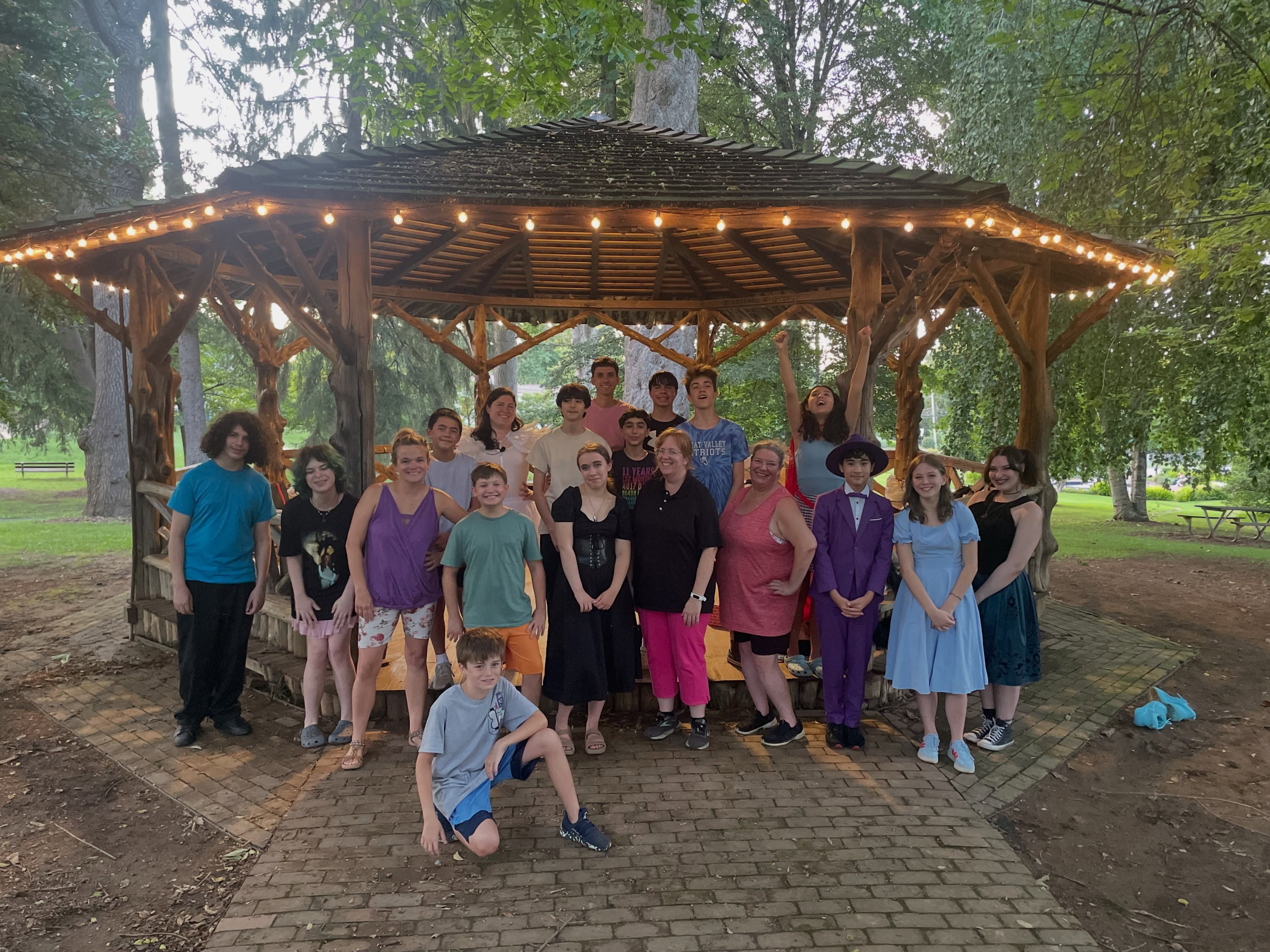
    The cast of “Twisted Tales” poses for a photo. Arts and Athletics Club, primarily a theater production nonprofit, has struggled to find a new facility since the Exton mall’s closure in June. Its last production was held in a park, and it hasn’t been able to run a show since.Photo courtesy of Arts and Athletics Club

    Trying to find a comparable space for the Arts and Athletics Club within East and West Whiteland Townships has proved difficult. But its leaders said they want to stay in the area, continuing to provide programming for participants from ages 7 to 70. The mall was the organization’s first permanent location, after performing in parks, libraries, and other community spaces.

    The theater group, which offers its programming for free or little cost, has a limited budget for renting or altering a space to fit its needs. Another challenge has been finding an available location that is the right size: about 1,800 to 3,000 square feet of open space.

    Group leaders have looked at retail locations, warehouses, and churches, and investigated partnering with community centers.

    “We’ve been striking out pretty much everywhere that we’ve been looking,” Hutelmyer said. “It’s just been hard to find a direct match for what we need.”

    It was a similar scramble for the Wardrobe, a nonprofit thrift store that accepts and sells secondhand clothing and also provides free clothes to those in need, after having to abruptly move out of the Exton mall.

    Racing to find a new space to avoid laying off any employees, executive director Sherri Cole enlisted a real estate agent, she said, but struggled to find something affordable that also hit the right marks.

    “Everything had to go out of the mall; it’s not like we could be like, ‘OK, we’ll go dark and we’ll move things when we find a new location,’” Cole said.

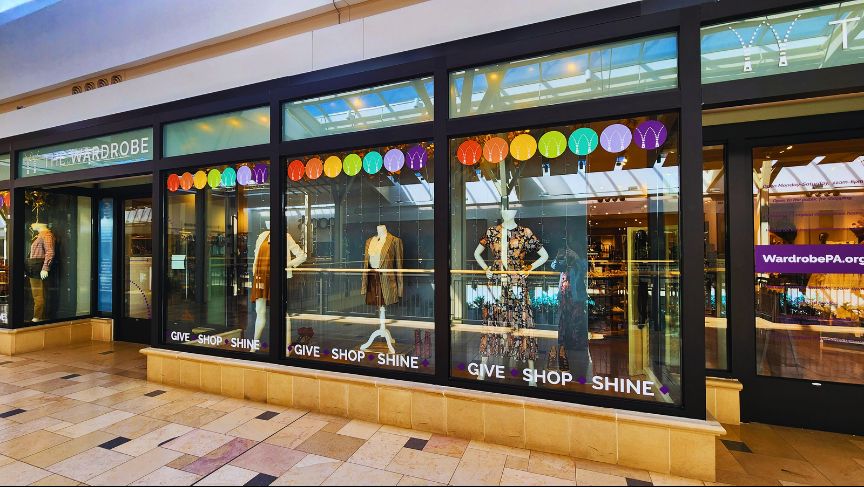
    The old exterior of the Wardrobe, a clothing store that accepts donations and gives clothes to those in need for free, in Exton mall. The business will open its new location in Malvern in the fall.Photo Courtesy of The Wardrobe

    By early July, the Wardrobe secured a pop-up location in the Plymouth Meeting Mall.

    And this month, the nonprofit found a new, permanent home in the Lincoln Court Shopping Center in Malvern, about a 10-minute drive from the old Exton location. Cole anticipates the store will open by October.

    The interior of The Wardrobe’s former Exton mall location. The nonprofit, which has called the mall home for the last few years, struggled to find a new location in Chester County after the mall shuttered in June.Photo Courtesy of The Wardrobe

    Still, for both the Wardrobe and the Arts and Activities Club, it was hard to lose the Exton mall.

    Out of the Wardrobe’s five locations in the Philadelphia region, the Exton mall location was its second-largest site for foot traffic and retail sales last year, Cole said.

    It proved that people would still show up to a “dead” or “dying” mall if there was something they needed, Cole said. And it was meeting a need.

    “There need to be spaces in the suburbs where everyone feels welcome, and often, the class divide in the suburbs is really stark,” she said. “It’s great that we’re able to find something that is still within the Exton, Malvern neighborhood where we can be providing these services, because even within the suburbs, poverty is really often overlooked.”

    For Hutelmyer, still searching for somewhere for the Arts and Athletics Club to land, it was sad to see a community space like the mall go.

    Housing a constellation of community organizations, the mall “wasn’t what people really expected it to be,” Hutelmyer said.

    “But as it transformed into the community space, at least while we were there, it was still serving a lot of good, and I think that not being there is a big loss for the community,” he said.

    This suburban content is produced with support from the Leslie Miller and Richard Worley Foundation and The Lenfest Institute for Journalism. Editorial content is created independently of the project donors. Gifts to support The Inquirer’s high-impact journalism can be made at inquirer.com/donate. A list of Lenfest Institute donors can be found at lenfestinstitute.org/supporters.