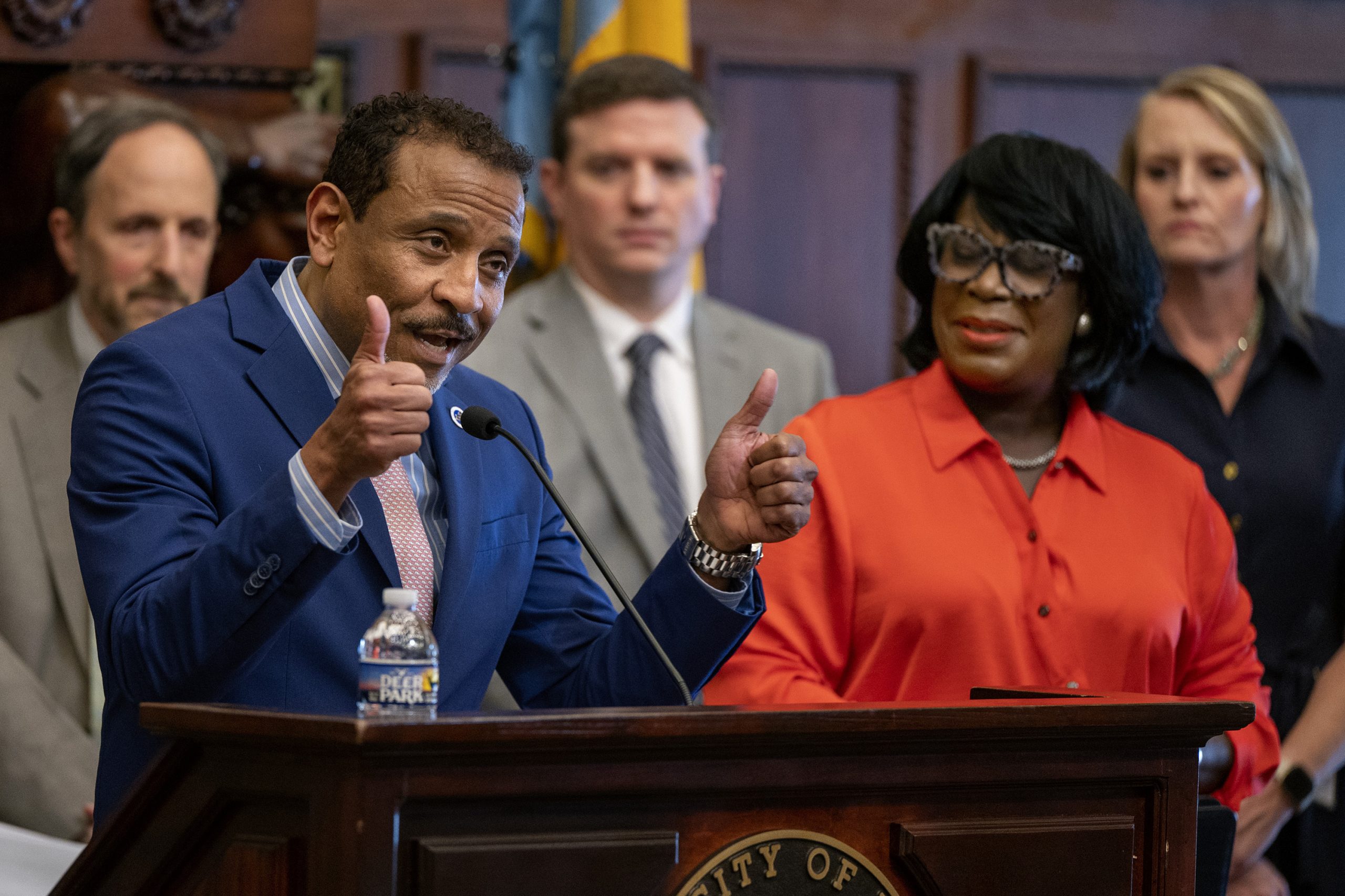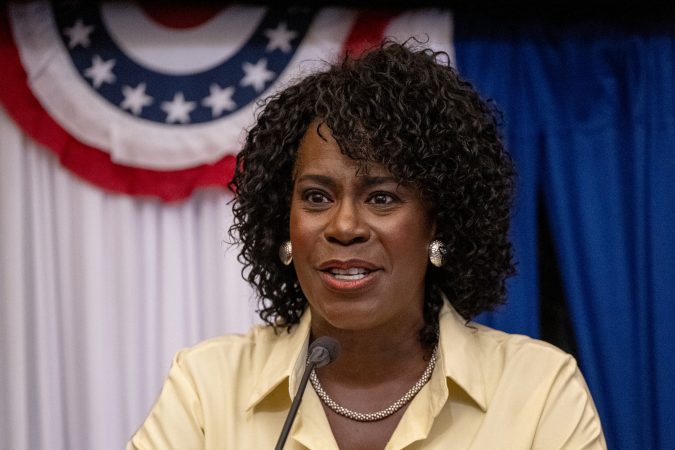
Tag: Cherelle L. Parker

  • A sweeping audit of the Philadelphia School District’s management and operations is coming, at City Council President Kenyatta Johnson’s request

    A sweeping audit of the Philadelphia School District’s management and operations is coming, at City Council President Kenyatta Johnson’s request

    The Philadelphia School District is about to face significant new scrutiny, with City Council President Kenyatta Johnson asking for a sweeping performance audit of the school system’s management and operations.

    City Controller Christy Brady has agreed to the request, which came via a letter in recent weeks signed by all 17 Council members, Johnson’s office told The Inquirer. The comprehensive review will go beyond the audit Brady’s office performs annually, delving into areas such as staffing and outside contractors.

    Council laid out no deadline for the audit but made clear it is expecting the results in time for next budget season, which will begin in the new year and ramp up in the spring.

    The district, one of the largest in the United States, has a $4.6 billion budget, which funds education for 113,000 students in 213 district schools and 65,000 in 81 charters. About $2 billion of that money comes directly from the city.

    “While the SDP is subject to regular financial statement audits that examine the accuracy of financial reporting and compliance with applicable accounting standards, this request seeks a performance audit focused on evaluating the efficiency, effectiveness, and management of financial and operational practices, including budgeting decisions, resource allocation, internal controls, and long-term fiscal planning,” Johnson said in a statement Thursday.

    The news comes during a period of heightened tensions between Council and the district, spurred by members’ frustration over the school board’s move to close 17 schools and a separate $300 million structural deficit that took Council by surprise.

    Last week, at a news conference where several members “begged” the district to come to the table to negotiate over school closings, Councilmember Curtis Jones Jr. said Council has “tools in our tool belt that we will use” if the board does not change its mind about some building closures.

    Jones has sponsored legislation to hold hearings on creating an independent financial authority, like the Pennsylvania Intergovernmental Cooperation Authority, to oversee the district’s finances.

    Council sources told The Inquirer that there is no indication that the district has conducted malfeasance, but that given the billions that flow to the district from city coffers, Philadelphia officials want a closer accounting of how the money is being spent.

    After the board voted to begin the closure process in April, multiple members of the public also called for increased financial scrutiny of the district.

    Reginald Streater, the school board president, said in a statement Thursday that the board and district will work with the controller’s office “to continue strengthening our financial processes and procedures.”

    Streater said the audit squares with the board’s approach to governance.

    “Good governance is not about assuming we have all the answers; it is about asking the right questions, using evidence to guide decisions and being willing to improve. We look forward to understanding the proposed scope of the audit and ensuring that the examination is constructive and focused on helping the district work well for students, families and educators,” Streater said.

    Superintendent Tony B. Watlington Sr. stressed the district’s academic strides, history of audits with no material weaknesses, and moves to solidify its credit rating.

    Frustration over a budget deficit and school closings

    Johnson, in his statement, said that the audit will reassure Council that “resources are being managed effectively and operations are functioning efficiently by the SDP,” and that he believes its findings will help inform priorities for next fiscal year’s budget.

    This year’s budget season was chaotic.

    After Mayor Cherelle L. Parker introduced her initial budget, Watlington ordered $225 million in cuts, including some school cuts, with 300-plus teachers, counselors, and climate staff slated to lose their positions.

    The problem, Watlington underscored in remarks in March, was “not because we’re not good stewards of the dollars, but because of historic underfunding.” (The district achieved its highest credit rating ever under Watlington, who has said he wants to be the superintendent to retire the system’s structural financial issues permanently.)

    Philadelphia’s school system cannot raise its own revenue but instead depends on the city and state to bankroll it, unlike every other district in Pennsylvania.

    City Hall seemed shocked at the news of the deficit and job cuts, despite the fact that Watlington had warned officials in 2025 that a budget gap was coming. The school district spent $300 million in reserves that year to avoid layoffs and program cuts as federal COVID-19 funds dried up.

    After Watlington said he would be forced to make the school cuts, Parker then upped her proposed 20-cent-per-trip rideshare tax to a $1-per-trip levy. That frustrated a Council already catching heat from city residents anguished over plans to close schools.
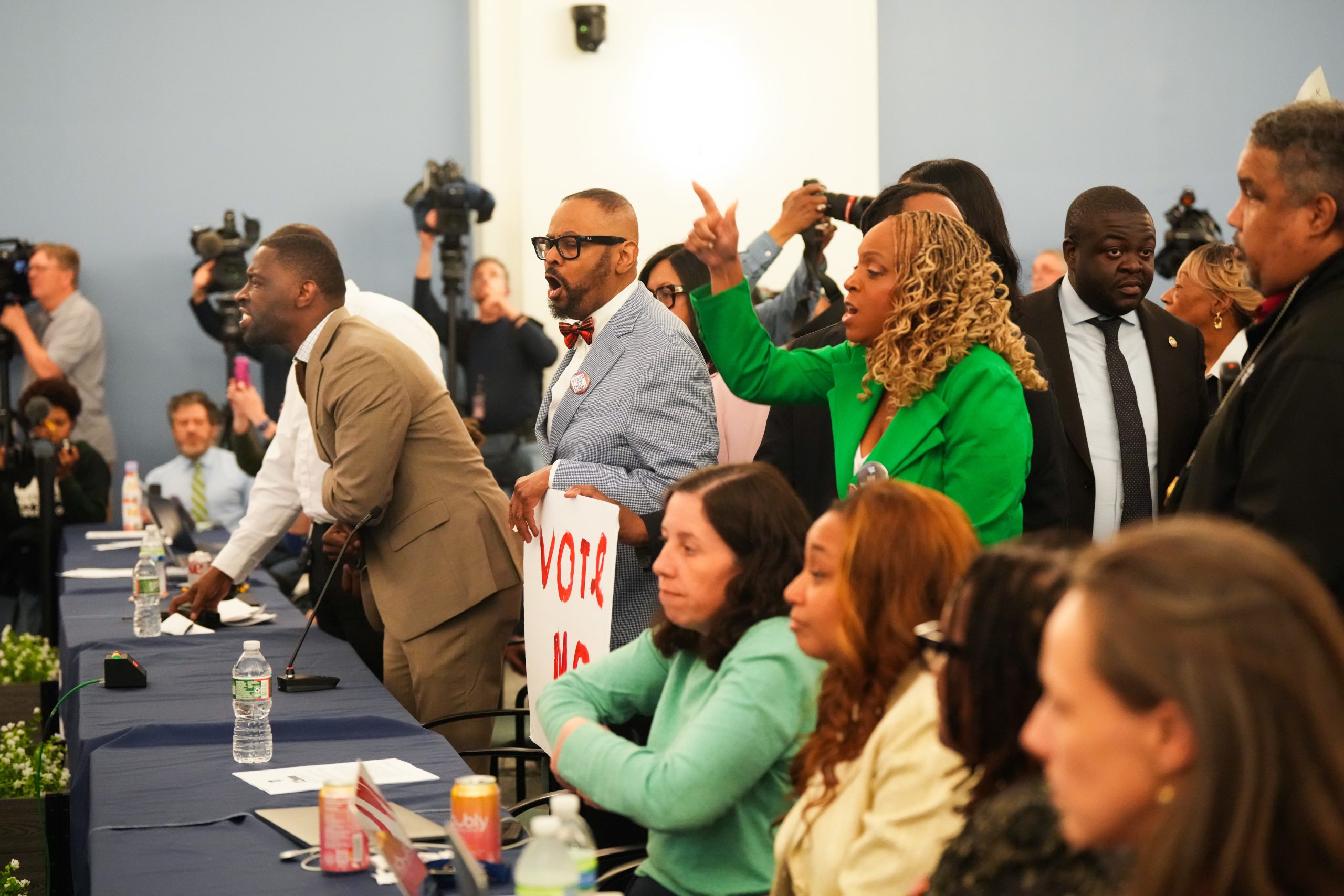
    (Left to Right) Councilmembers Isaiah Thomas, Curtis Jones Jr., and Jamie Gauthier protest at Thursday’s school board meeting as the board prepared to vote on the facilities plan.Jessica Griffin / Staff Photographer

    In April, several Council members took the dramatic step of repeatedly disrupting the school board’s vote in an attempt to get it to reconsider the closures of a handful of schools, including Lankenau and Robeson High Schools and Overbrook Elementary.

    The school board proceeded anyway — Council approves school board members, who are appointed by the mayor, and the city’s budget, but had no formal authority over the closures.

    The rideshare tax ultimately died.

    Eventually, Parker, Watlington, Council, and the school board worked out a deal to save the 300 jobs, with the city promising $216 million over five years from yet-unspecified sources.

    But it quickly became clear that some Council members remained frustrated with the school system and were looking for a way forward.

    Councilmember Isaiah Thomas has said he will not vote to reconfirm any school board member who voted for the closings; he and others have also said they believe it is time to rethink the school board’s governance structure.

    The city, as a primary funder of the district, needs a clearer picture of what is going on, they say.

    “Given the SDP’s current budget challenges, requests for additional public revenue, and recent proposals involving school closures and operational reductions, City Council believes a comprehensive performance and management review is warranted to ensure transparency, accountability, and informed public decision-making,” Johnson said in the statement. “The City of Philadelphia has a responsibility to ensure that all available revenues, expenditures, obligations, and funding strategies have been thoroughly reviewed before significant decisions affecting students, families, educators, neighborhoods, and public assets are implemented.”

    What will the special audit examine?

    City Controller Christy Brady (second from left, standing next to Mayor Cherelle L. Parker) is seen in this January file photo. Alejandro A. Alvarez / Staff Photographer

    Brady, in a statement, said the audit will “ensure resources are being managed effectively, operations are functioning efficiently and students are receiving the support they deserve. We’ve been encouraged by the SDP administration’s response to our previous audits and the steps it has taken to implement our recommendations. We expect this audit will continue that collaborative approach and continue to produce positive results for the benefit of students, educators and taxpayers.”

    Council has asked Brady to go deep, from probing into the current structural deficit and the projections used to get there to the status of Philadelphia Parking Authority revenues, both expected and received.

    Brady will also look at the district’s use of reserves and its administrative costs, and she will explore “the effectiveness and efficiency of administrative and operational expenditures, including central office functions, non-instructional spending and other costs not directly tied to classroom instruction.”

    She will look into how the district’s budgeting methods and long-term planning square with industry best practices, and examine contract management and consultant utilization to try to find areas “for improved accountability, transparency, and cost efficiency.”

    Brady is also charged with a deep dive into the financial effects of forthcoming school closings, and the potential ramifications of the closings on surrounding neighborhoods.
  • Philly City Council grilled Police Commissioner Kevin Bethel over officers’ Pride response as LGBTQ+ advocates demanded accountability

    Philly City Council grilled Police Commissioner Kevin Bethel over officers’ Pride response as LGBTQ+ advocates demanded accountability

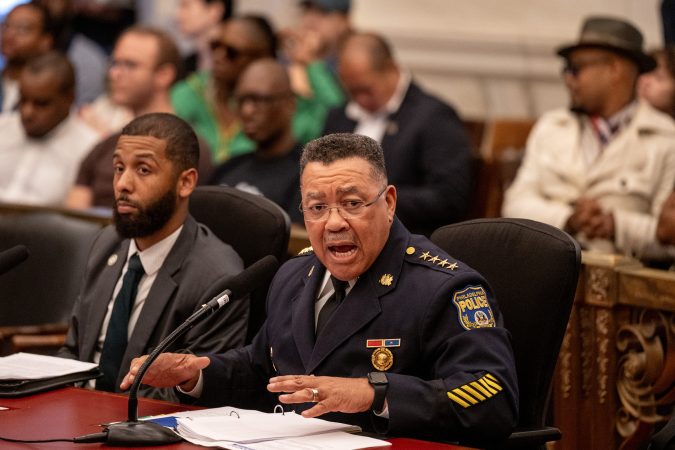
    Several members of Philadelphia City Council and a bevy of LGBTQ+ community leaders on Wednesday sharply criticized Police Commissioner Kevin Bethel, who testified about the department’s response to Pride festivities in the city’s Gayborhood in June and largely defended the force’s crowd-control tactics that had drawn outrage.

    Bethel acknowledged that June 7 was “not a perfect day” and vowed that the police department would implement more robust planning procedures ahead of next year’s celebrations.

    But he stopped short of apologizing for the police department’s response, saying chaotic scenes from the Pride events were part of officers’ attempts to disperse crowds from the Gayborhood, where thousands of people congregated instead of the city’s official festival on the Benjamin Franklin Parkway.

    Among them, Bethel said, were hundreds of teenagers, some of whom were seen on video fighting.

    “There’s a large group of young people who [had] descended into the neighborhood for what they think is something there,” Bethel said. “There is nothing for them there, other than to take over the street.”

    That comment did not sit well with Council members and dozens of LGBTQ+ community members who attended the hearing at City Hall.

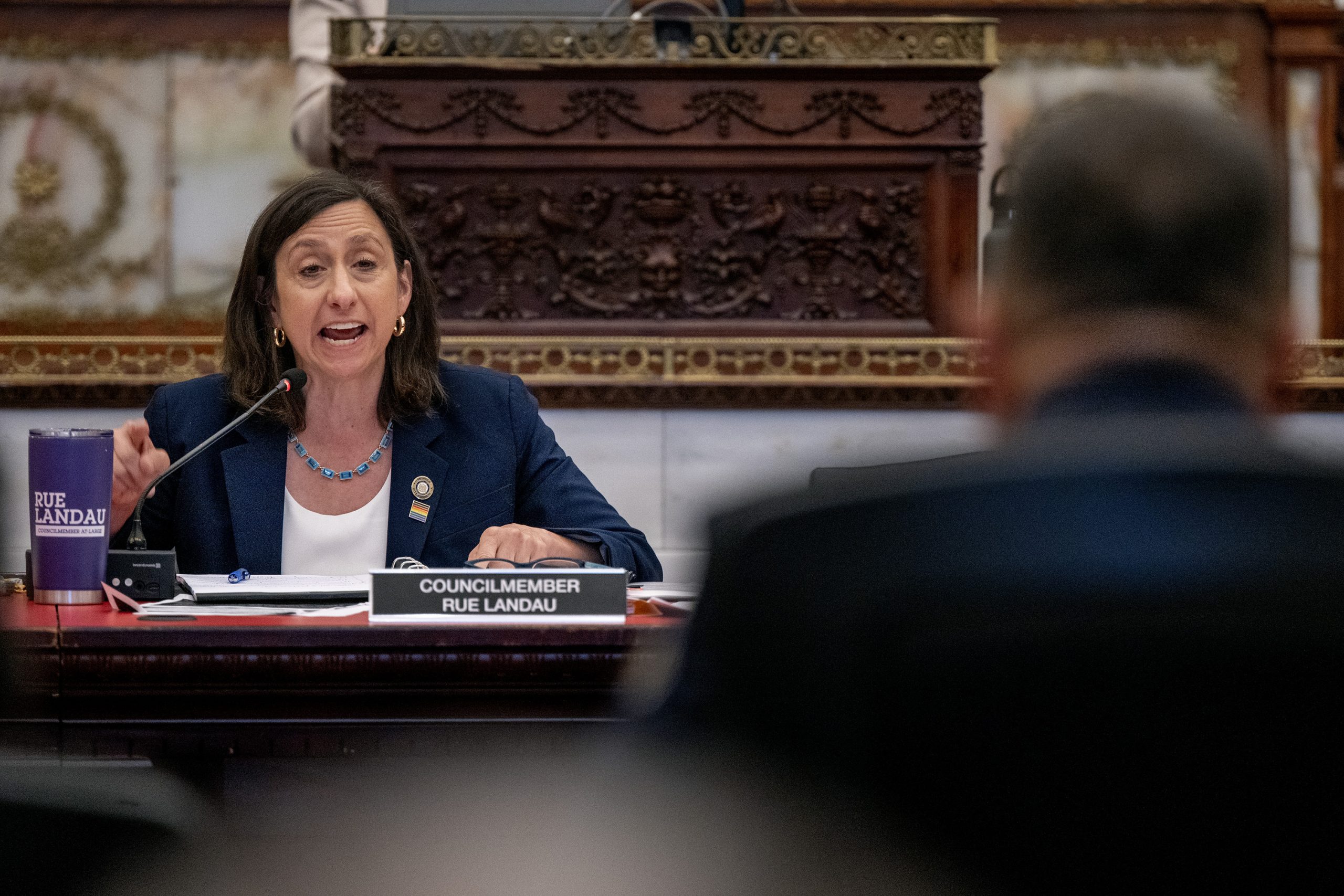
    “Your testimony today and what I’m hearing is both painful and perplexing,” said Councilmember Rue Landau, a Democrat who called for the hearing and is the first out LGBTQ+ person to serve on Council. “It is mind-boggling to think that you and your team would not know that people were going back to the Gayborhood.”

    Councilmember Isaiah Thomas, a Democrat, said he was “confused” why groups of teenagers fighting would have prompted an outsized police response throughout the Gayborhood that included crowds running amid police on horseback and motorcycles.

    “It doesn’t really feel like we’re having a conversation that can put us in a position of earning the trust of a lot of the people who feel like the trust has been lost,” he said.

    And C. Michael Robinson, a community advocate, added: “Only adult bullies scapegoat children, and that was a weak display of leadership.”

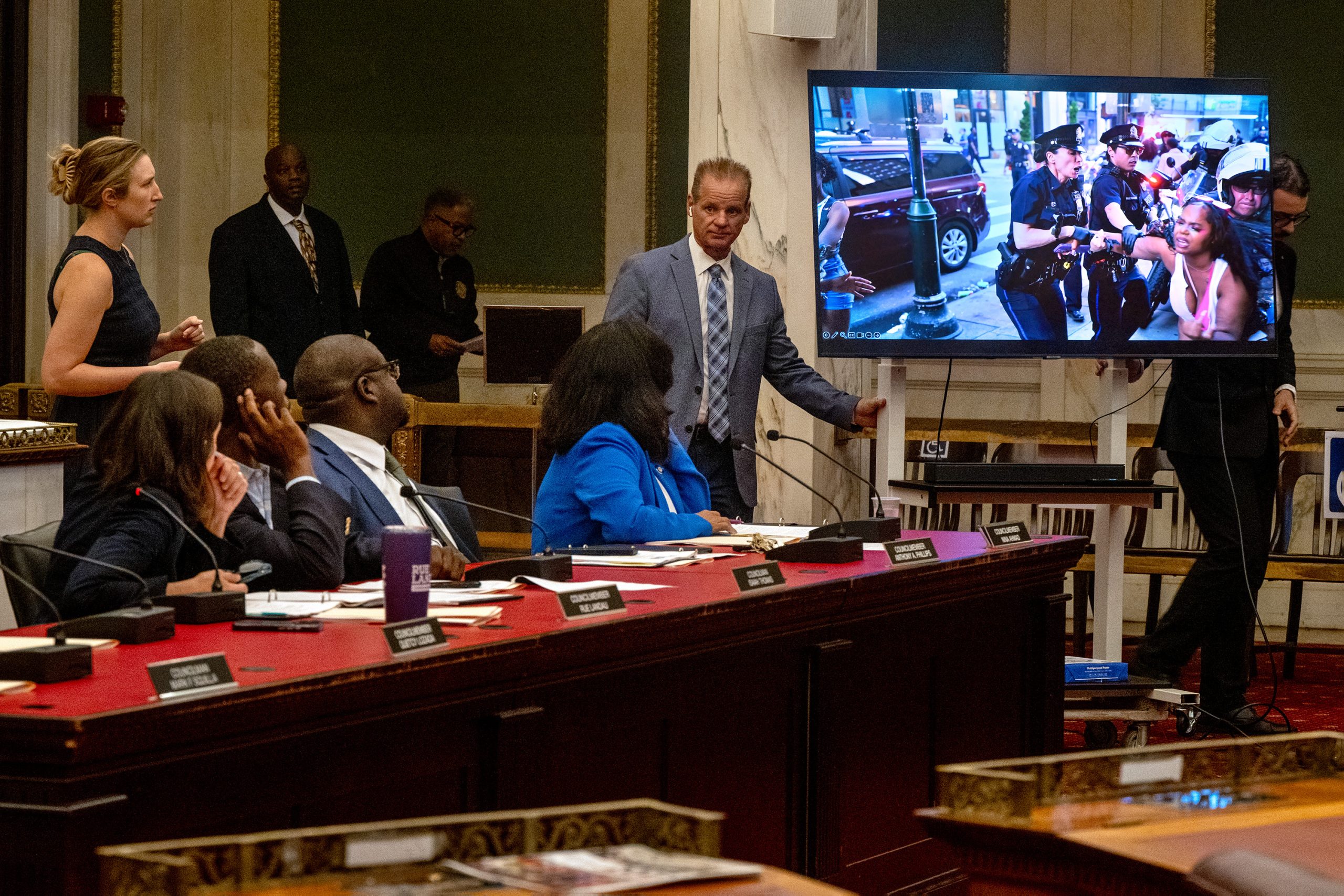
    Councilmember Rue Landau questions Police Commissioner Kevin Bethel (foreground) as Council’s Committee on Legislative Oversight holds a hearing Wednesday, Aug. 5, 2026 into the Philadelphia Police tactics used during Pride celebrations in June.Tom Gralish / Staff Photographer

    The hearing Wednesday before Council’s Committee on Legislative Oversight was the most tense questioning that Bethel, a veteran of the city’s police force, has faced since he was sworn in as commissioner in January 2024 at the beginning of Parker’s term. He has enjoyed a largely warm relationship with Council members, who have been supportive of his leadership amid a significant drop in violent crime.

    However, the police department faced intense scrutiny following June 7, the day of the Pride parade and celebration during which 15 people were arrested and videos of police corralling crowds in the Gayborhood drew widespread criticism. Videos posted to social media showed officers physically struggling with Pride attendees, as well as police on horseback and motorcycles dispersing people, and at times displaying batons and Tasers.

    Following the backlash, Landau called for Council’s Committee on Legislative Oversight to hear testimony from the department’s top brass, as well as members of Mayor Cherelle L. Parker’s administration and LGBTQ+ advocates.

    Pride attendees who testified Wednesday said police forcefully directed them through a maze of barricades in the Gayborhood. Several described being pushed and yelled at, and said that the most aggressive tactics were used on crowds of mostly Black people. One person said they heard an officer use a slur.

    Parker said in a statement Wednesday that the events described during the hearing “show us we can and must do better.”

    “We can and will learn from what occurred,” she said.

    Councilmember Rue Landau (seated, left) shows a collection of social media videos as City Council’s Committee on Legislative Oversight holds a hearing Wednesday, Aug. 5, 2026 into the Philadelphia Police tactics used during Pride celebrations in June.Tom Gralish / Staff Photographer

    This year marked the first time the city’s Pride festival was held on the Benjamin Franklin Parkway, where Bethel said police had been well-prepared to manage crowds. Thousands of people still congregated in the Gayborhood, where celebrations were held in previous years, creating dueling events that he said overwhelmed the department.

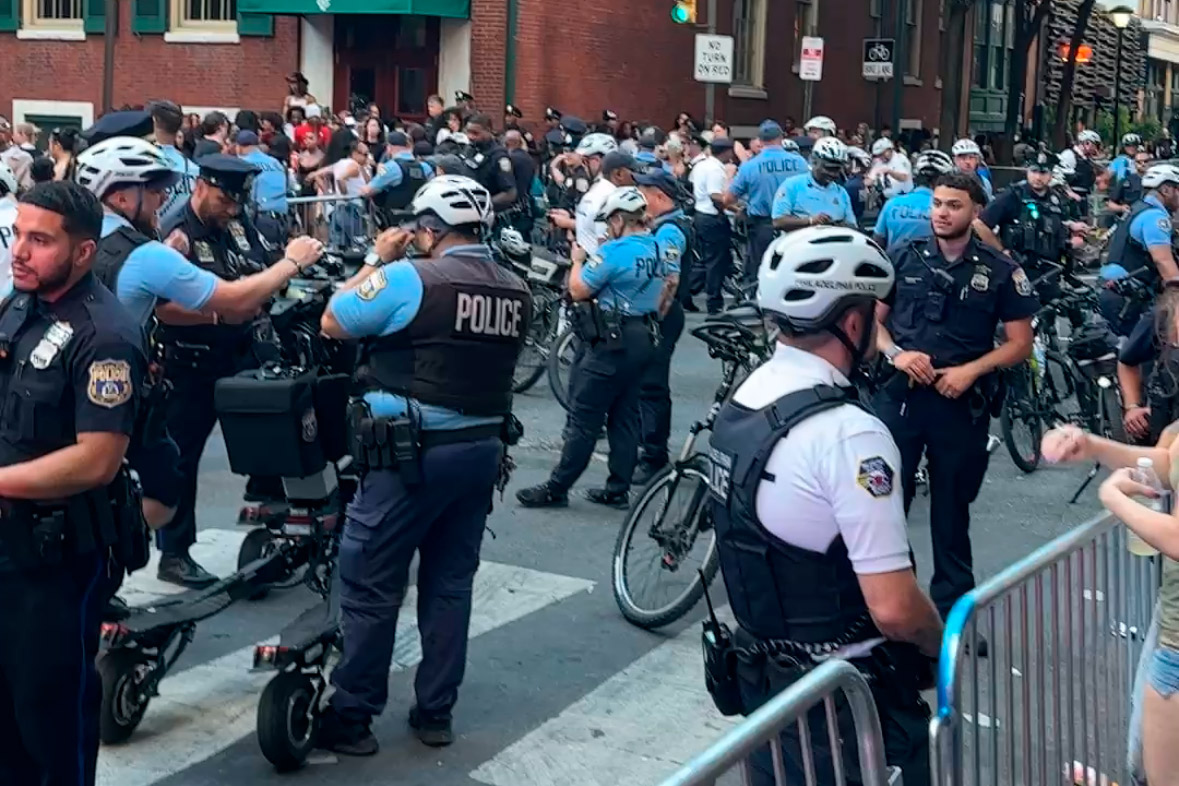
    Officers attempted to manage crowds in the Gayborhood for hours, Bethel said, and began working to disperse people by late afternoon. To do so, he said, officers used barricades, as well as officers mounted on horseback and motorcycles to motivate people to leave on their own.

    A large police presence at a Pride celebration in the Gayborhood on Sunday, June 8, 2026.Courtesy of Joshua Stokem

    Landau said she was horrified by the crowd-control tactics and asked Bethel if he supported the decision to have officers on motorcycles on the sidewalk, calling it “terrifying” and “dangerous.”

    He said the goal of moving the crowd was “appropriate at the time.”

    In what became a tense back-and-forth, Landau said that people attending Pride “did not believe that you were there to protect them.”

    “They were terrified, they were harassed, they were traumatized,” she said. “This was not about protection. You had 150 officers there, by your own testimony. That is a significant amount of officers.”

    Bethel responded: “Do you want police there at all?”

    Landau appeared taken aback.

    “My comment that there was 150 officers there should not turn into the end-sum game of ‘Do you not want anybody there?’” she said.

    The police commissioner did not specify how many officers in total are facing potential discipline stemming from Pride events on June 7, but he said “eight or nine″ are under investigation by the internal affairs division for wearing facial coverings, a violation of department policy.

    Bethel, who was formerly the department’s liaison to the LGBTQ+ community, vowed a more collaborative planning process next year.

    “Next year it will not be like that. It will be prepared,” Bethel said. “It is not my job to police that event. It is to keep it safe.”

    Several LGBTQ+ advocates and community members testified in favor of additional accountability measures.

    Jacen Bowman, the president of Philly Black Pride, called for an independent after-action review, a permanent LGBTQ+ public safety advisory council that is consulted during the planning of large events, and more consistent cultural competency training for officers.

    “Versions of these structures already exist,” Bowman said. “The question is whether or not the structure has the authority, independence, or enforcement power necessary to produce accountability. Oversight without authority is observation.”

  • The Frank Rizzo statue is repaired, and the search for a new location is underway

    The Frank Rizzo statue is repaired, and the search for a new location is underway

    In the case of Frank Rizzo, out of sight does not always mean out of mind.

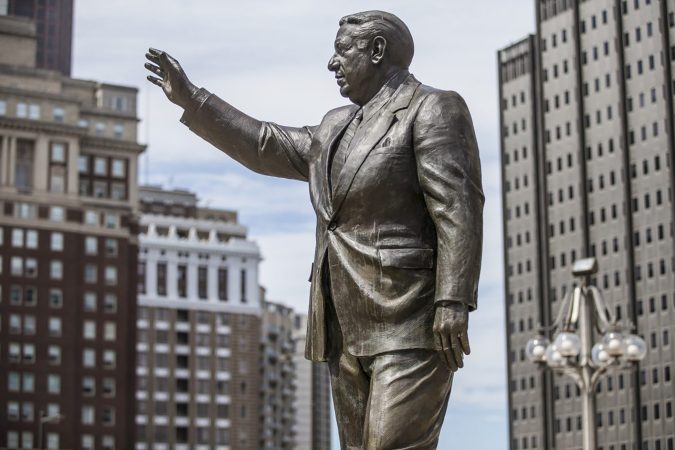
    The former mayor and police commissioner died 35 years ago. A 10-foot bronze statue reminded Philadelphians of his presence for decades, until civil rights protests in 2020 culminated in the monument’s removal from public display.

    It might have lost its prime spot outside the Municipal Services Building, across from City Hall. But, six years later, the statue remains a subject of interest, leaving reader JJ Cutuli to ask Curious Philly, The Inquirer’s forum for questions about the city: “Where is the Frank Rizzo statue, right now?”

    The short answer? Now that repairs have been made, the search for a new home is on. Here’s how we got here.

    » ASK US: Have something you’re wondering about the Philly region? Submit your Curious Philly question here.

    The last thing Cutuli heard on the Rizzo statue saga was that it was set to be returned to the Frank L. Rizzo Monument Committee, after a settlement was reached with the Philadelphia Art Commission last summer.

    “I am very much against the statue, against the man, against what it all represents,” Cutuli said. “But sweeping it under the rug or sending it to a scrap yard might take away the opportunity to deal with the issues that it represents.”

    Rizzo has long been a controversial figure. During the 1960s and 1970s, he was accused from different fronts in the city of having allowed police to function with little oversight, putting people of color in a vulnerable spot.

    Between 1970 and 1978, police shot civilians at a rate of one per week, according to an Inquirer investigation. That led critics to condemn Rizzo as a racist, and protesters even put a Ku Klux Klan hood on the statue’s head in 2016.

    “The statue is a deplorable monument to racism, bigotry, and police brutality for members of the Black community, the LGBTQ community, and many others. The treatment of these communities under Mr. Rizzo’s leadership was among the worst periods in Philadelphia’s history,” then-Mayor Jim Kenney said in a statement in 2020, when the city removed the statue overnight.

    For supporters, however, the South Philly native was a beacon of Italian American pride whose tough approach on crime could have been misunderstood.

    “He was a brute in some respects. But it wasn’t racist,” George Bochetto, an attorney for the Frank L. Rizzo Monument Committee, told The Inquirer in 2016. “It was law and order, it was crime, and I think he got a bad rap, frankly.”

    The agreement left the committee with an $80,000 payment from the city for damages caused to the statue during its removal.

    “They put it on the back of a flatbed truck and a piece of the base broke off so they had to replace that base,” Bochetto said. “There were also a lot of scratches and gouges on the body of the statue, which had to be repaired too.”

    The bronze Rizzo has been at a foundry undergoing “expensive five-figure repairs,” Bochetto said.

    Restorations are now done, according to the lawyer. The next frontier is finding a new home for the Rizzo statue.

    As part of the 2025 agreement, the statue should be displayed on private property, and in a way that makes it “not visible from the public right of way,” the agreement states.

    An exception can happen if the committee gets approval from Mayor Cherelle L. Parker or the managing director. Bochetto said that’s something the committee is working on. Bochetto did not describe locations being considered for the statue.

    The city did not reply to a request for information. So, the status of the monument’s home remains uncertain.

    Controversy aside, Bochetto said, it’s important to recognize that the statue is part of Philadelphia’s history.

    “People say that symbols like this from the past are a part of our history and that is true,” Cutuli said. “But as part of history perhaps these things do have a place in museums or perhaps they don’t, perhaps the story and the facts can exist without the statue.”

  • Inside the scramble to save Philadelphia’s only free sexual assault exam center

    Inside the scramble to save Philadelphia’s only free sexual assault exam center

    Philadelphia’s only free sexual assault exam center was so strapped for funding last spring that Drexel University, its former operator, started drafting a closure announcement.

    The school was facing financial strain of its own, and state funding to rape crisis nonprofits was tied up amid a prolonged budget impasse in Harrisburg. Emergency funding from the city was tangled in City Hall’s lengthy contracting process.

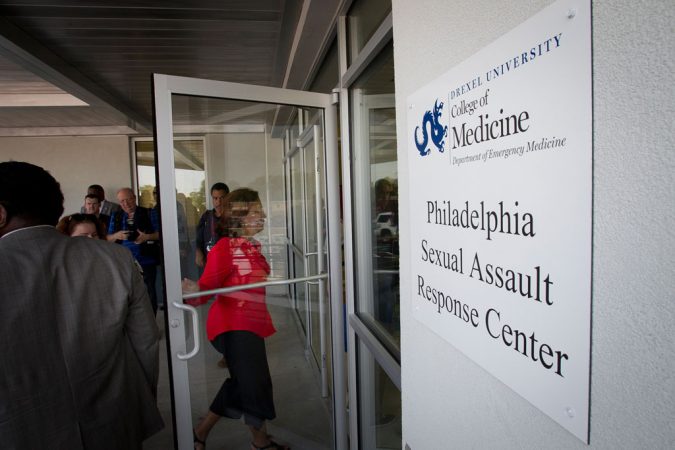
    At the time, there was no plan for who would run the Philadelphia Sexual Assault Response Center (PSARC), where roughly 300 rape survivors a year go for the sexual assault exams used to collect forensic evidence that are commonly known as “rape kits,” which often play a key role in prosecuting assaults.

    Fast-forward to this month, when Mayor Cherelle L. Parker’s administration announced the city’s public health department will assume all control of PSARC. Officials presented the news as the culmination of a careful, collaborative handoff, and one city staffer framed the transition in a news release as “seamless.”

    But hundreds of emails obtained by The Inquirer through a right-to-know request and a review of public records tell a far messier story. The emails show that for more than a year the fate of PSARC lurched from one near-miss to the next and that a failed bid process forced the city to take over the center’s operations when no one else would.

    Taken together, the records offer a granular view of how a critical piece of the city’s safety net for sexual assault survivors nearly broke. And they portray a chaotic process in which the city for months sought to transfer control of the center from Drexel to the nonprofit WOAR Philadelphia Center Against Sexual Violence, even as WOAR faced its own budgetary implosion.

    Over the course of the last year, the exam center never shut its doors to patients. But it came close on several occasions, a collapse that would have had ripple effects in hospital emergency rooms across the region that typically route sexual assault patients to the center.

    If PSARC suspended operations, hospitals would have to find specially trained staff — of which there are few — to perform the exams.

    “Philadelphia emergency rooms were not ready for that,” said Lila Slovak, director of the Philadelphia office of the Women’s Law Project, who spent months warning city officials that PSARC was in danger. “They did not know that [the center] was at risk of closing. It was not on anybody’s radar.”

    Crystal Yates-Gale, the city’s deputy managing director for health and human services, said in a statement that the final outcome — the city running the center — is ultimately what is best for sexual assault survivors.

    “We are proud to have secured the continuity of vital services for victims of crime in a dignified, victim-centered, culturally-competent atmosphere in Philadelphia,” she said.

    The exam room at the Philadelphia Sexual Assault Response Center, in Philadelphia, Pa., on Friday Dec. 6, 2024.Tyger Williams / Staff Photographer

    LaQuisha Anthony, WOAR’s executive director, said in a statement that the organization was hamstrung by last year’s monthslong state budget impasse that froze much of its funding.

    She said WOAR was transparent with the city about its financial position.

    “Like most Commonwealth-funded providers, we planned on the assumption that funding would resume,” Anthony said. “The impasse instead ran 135 days. By the time it ended, we had drawn down our reserves.”

    A lifeline center on a shoestring budget

    PSARC, located at 300 E. Hunting Park Ave. in North Philadelphia, has two full-time staff members and a network of about 15 contracted nurses trained to perform sexual assault forensic exams, provided free under Pennsylvania law. The procedures are intended to gather physical evidence, such as DNA left behind by an assailant, and to document injuries that may aid investigators in a future criminal investigation.

    Many hospitals lack the specialized staff required to perform sexual assault forensic exams, so they refer patients to PSARC or work with PSARC to have a trained nurse dispatched to the hospital.

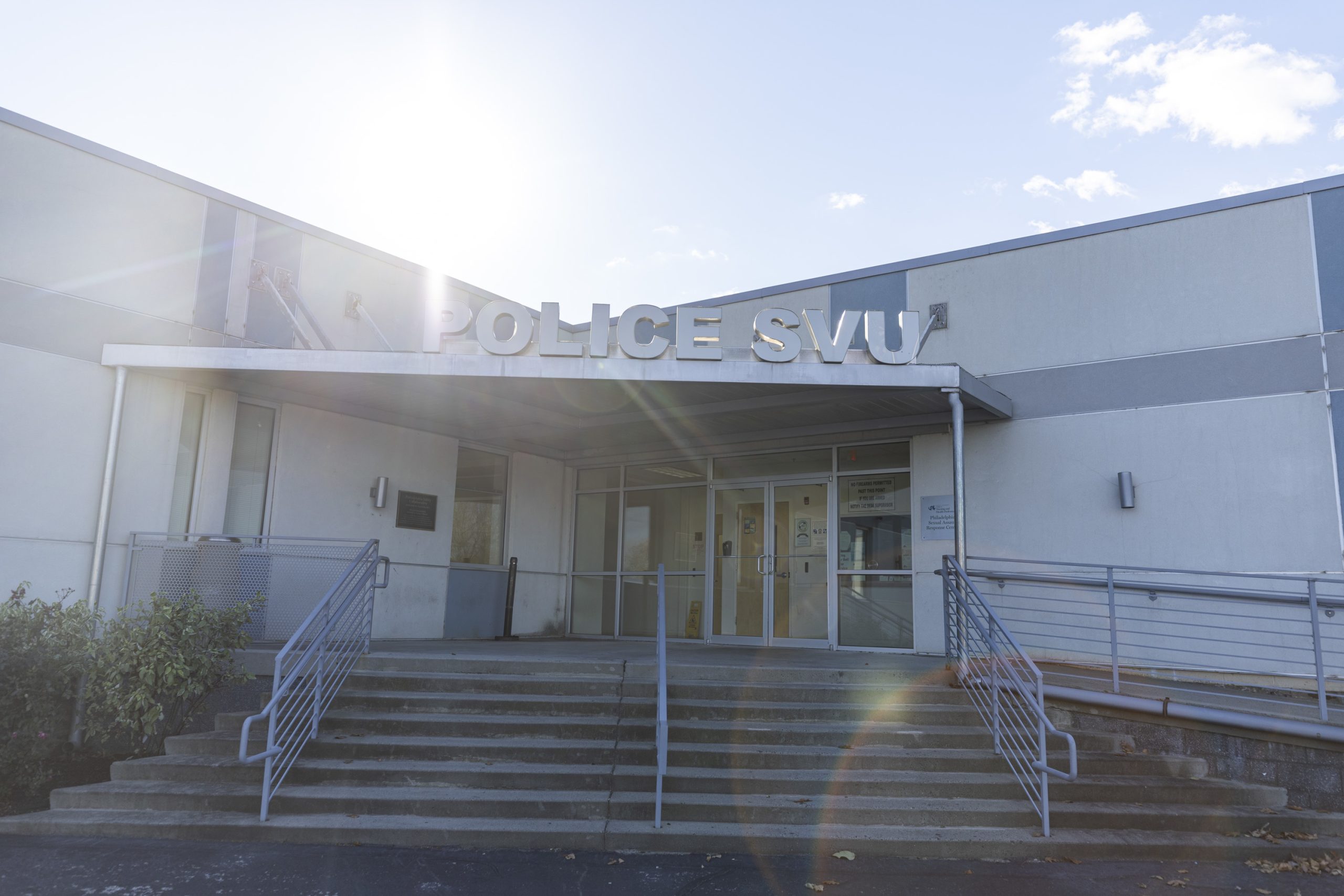
    The center is located next to the Philadelphia Police Special Victims Unit, but patients are not required to report the assault to law enforcement in order to have the free exam performed.

    The Police SVU where the Philadelphia Sexual Assault Response Center, in Philadelphia, Pa., on Friday Dec. 6, 2024.Tyger Williams / Staff Photographer

    Founded in 2011 and initially operated by the now-shuttered Hahnemann University Hospital, PSARC has been run since 2019 by Drexel University’s College of Nursing and Health Professions. For most of that time, the operation ran on a shoestring budget.

    Until last year, PSARC received no dedicated city funding. The state reimbursed Drexel about $1,000 for each patient treated, with Drexel absorbing substantial losses, according to records. The exam reimbursements can take months to flow from the state.

    Brian Keech, then Drexel’s senior vice president for government relations, shared a financial analysis with city officials last year that laid out an annual shortfall averaging more than $175,000.

    As Drexel cut staff and benefits across the university last year amid declining enrollment and a $63 million annual operating loss, its leaders told the Parker administration that the school could no longer manage PSARC on its own.

    In a series of emails last spring, Keech pressed the city for a funding commitment for the center and warned that, without one, the university would have to tell hospitals to stop referring patients for sexual assault exams.

    “We’ve begun to prepare the closure announcement,” Keech wrote in a May 20, 2025, email to Adam Geer, the city’s chief public safety director. “Obviously we’re hopeful we can avoid this scenario, but we do have to adequately prepare area hospitals that they will have to begin providing sexual assault services come July 1 if PSARC closes.”

    By early June, the city had found the money.

    The scramble to save PSARC

    Yates-Gale, the city’s deputy managing director, said in a June 2025 email to Drexel officials that the administration had identified $250,000 in emergency funding to keep the center running.

    The plan was for WOAR — the nonprofit formerly known as Women Organized Against Rape — to operate PSARC. The city would support its efforts by routing those funds to WOAR through an existing health department contract.

    Through the summer of 2025, the money was tangled in the city’s often lengthy contracting process.

    Meanwhile, WOAR was itself under severe financial strain amid the state budget impasse that left community organizations across Pennsylvania unfunded. WOAR’s leaders told city officials that they could not make payroll without the check from the city.

    PSARC was left in limbo. The handoff deadline from Drexel to WOAR was moved from Aug. 1 to Sept. 1, with Drexel agreeing to cover an extra month of payroll to bridge the gap. Then, on Aug. 28 — three days before the already delayed transfer — WOAR’s board chair, Joanne Strauss, wrote in an email to city officials that the organization “will not be acquiring” PSARC.

    She provided no reason other than saying the organization was “further evaluating the proposed transaction.”

    City officials were alarmed. Within an hour, the city’s victim advocate, Adara Combs, emailed Drexel officials to say she was “deeply troubled” by the sudden shift.

    Two weeks later, WOAR appeared ready to operate the center again. The group’s board of directors voted unanimously to approve the acquisition, and money from the city began flowing to WOAR to operate the rape exam center — more than $80,000 in total.

    Then the plan fell apart again.

    In early October, WOAR announced it would lay off staff and cut programs due to its funding crisis.

    Anthony, of WOAR, said in a statement the board’s approval of the acquisition of the sexual assault center came as the nonprofit thought the state budget impasse would come to an end and was “contingent on conditions related to funding and our ability to responsibly take control of PSARC.”

    “It became clear that those conditions were not resolved,” she said.

    Drexel continued to pay to operate the rape crisis center, and WOAR wired the university the city funding it had received. Drexel operated PSARC, with an additional $167,000 in help from the city, until June 30.

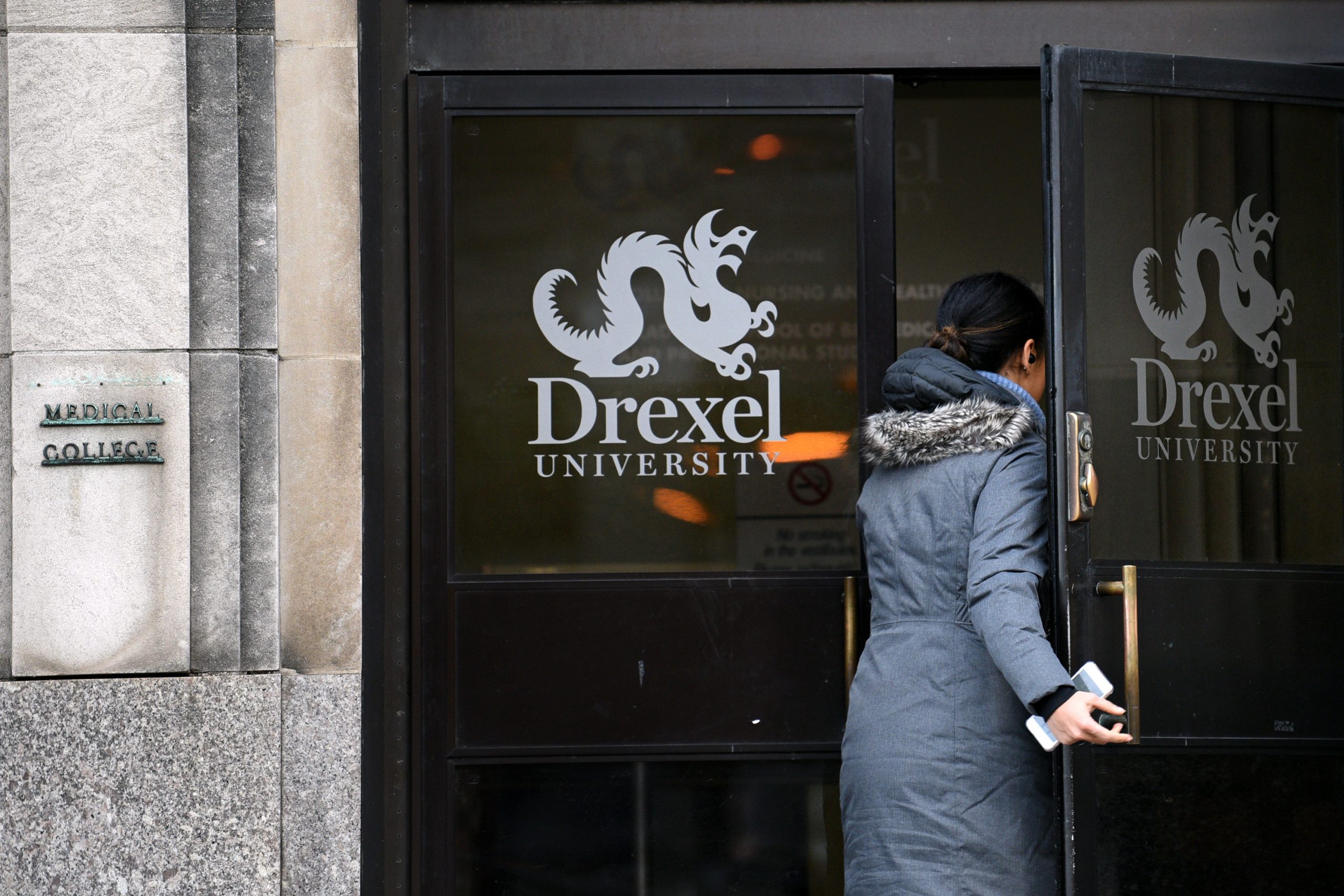
    The 15th Street entrance to Drexel University College of Nursing and Health Professions Feb. 19, 2020. The college has the largest bachelor program in the three-state region.TOM GRALISH / Staff Photographer

    The back-and-forth saga highlighted a central question: Why did the city seek to transfer a critical service to WOAR despite the nonprofit’s existing financial problems?

    Slovak, of the Women’s Law Project, said it made sense that WOAR stepped up to take over the center’s operations, given its mission to treat and prevent sexual violence. It is common in other cities for rape crisis centers to manage forensic exam facilities.

    But overseeing hundreds of sexual assault exams each year, she said, would have been a major expansion of WOAR’s scope because it “is about more than just providing emotional support or accompaniment for survivors.”

    Yates-Gale said WOAR was a natural choice to assume operations of the center. The group had an existing contract with the city and its mission aligned with that of PSARC.

    “Drexel agreed to continue operations until another suitable alternative organization could be identified,” she said, “and the entirety of the funds for the program were transferred back to them.”

    Britt Faulstick, a Drexel University spokesperson, said the school “worked closely with city leadership to ensure a smooth transition.”

    Another failed effort to find an operator

    The city’s $250,000 in emergency funding bought PSARC time. But the same question remained: Who would run it long-term, and where would they find the money?

    This spring, Parker’s budget proposal, which was approved by City Council in June, included $300,000 for the center. The city put the operation out for bid, seeking an outside organization like another hospital or nonprofit to run it.

    City officials met on April 13 with potential operators, including representatives from area hospitals that depend on the center, such as Temple University, the University of Pennsylvania, and Jefferson Einstein Philadelphia. Several expressed concerns about PSARC’s finances.

    According to a public recording of the meeting, multiple attendees suggested that $300,000 a year in city funding would not be enough to cover PSARC’s operations and salaries for medical staff who must be available 24-7.

    The exam room and desk space when patients are in at the Philadelphia Sexual Assault Response Center, in Philadelphia, Pa., on Friday Dec. 6, 2024.Tyger Williams / Staff Photographer

    “This has never been something that’s been profitable, so it’s always needed another source of funds to keep it stable,” one hospital representative said. “It’s the money, right, to keep it open and to be able to run this as a service for the city and keep it maintained so you’re not back in this ‘we don’t have it’ in six months.”

    Combs, the city’s victim advocate, told potential bidders that they were welcome to “reimagine” how PSARC operates and propose new funding streams.

    But hospital representatives remained skeptical and pressed the city to find a different solution, citing a moral urgency.

    “It would be a tremendous tragedy if we lost the resources of PSARC in the city,” said a representative from Jefferson Einstein Philadelphia Hospital.

    “I think we all agree,” said Azucena Ugarte, director of the Philadelphia Office of Domestic Violence Strategies. “That’s why we’re doing this.”

    But following the meeting, no one bid.

    The city takes over

    With no outside bid to operate Philadelphia’s only free rape exam center, the options in front of city officials were either to let it close or to take control themselves.

    The city chose the latter. Parker administration officials framed it as a lasting solution.

    Faulstick, of Drexel, said the school will continue to train nurses in sexual assault examination to help ensure the care is available. He said PSARC is “positioned for continued growth and long-term sustainability.”

    Others have questions about the stabilization plan.

    City Councilmember Nina Ahmad, who represents the city at-large and held a hearing earlier this year about PSARC funding, said that the $300,000 annual allocation to the center is likely inadequate and that she will push for more dollars in future city budgets.

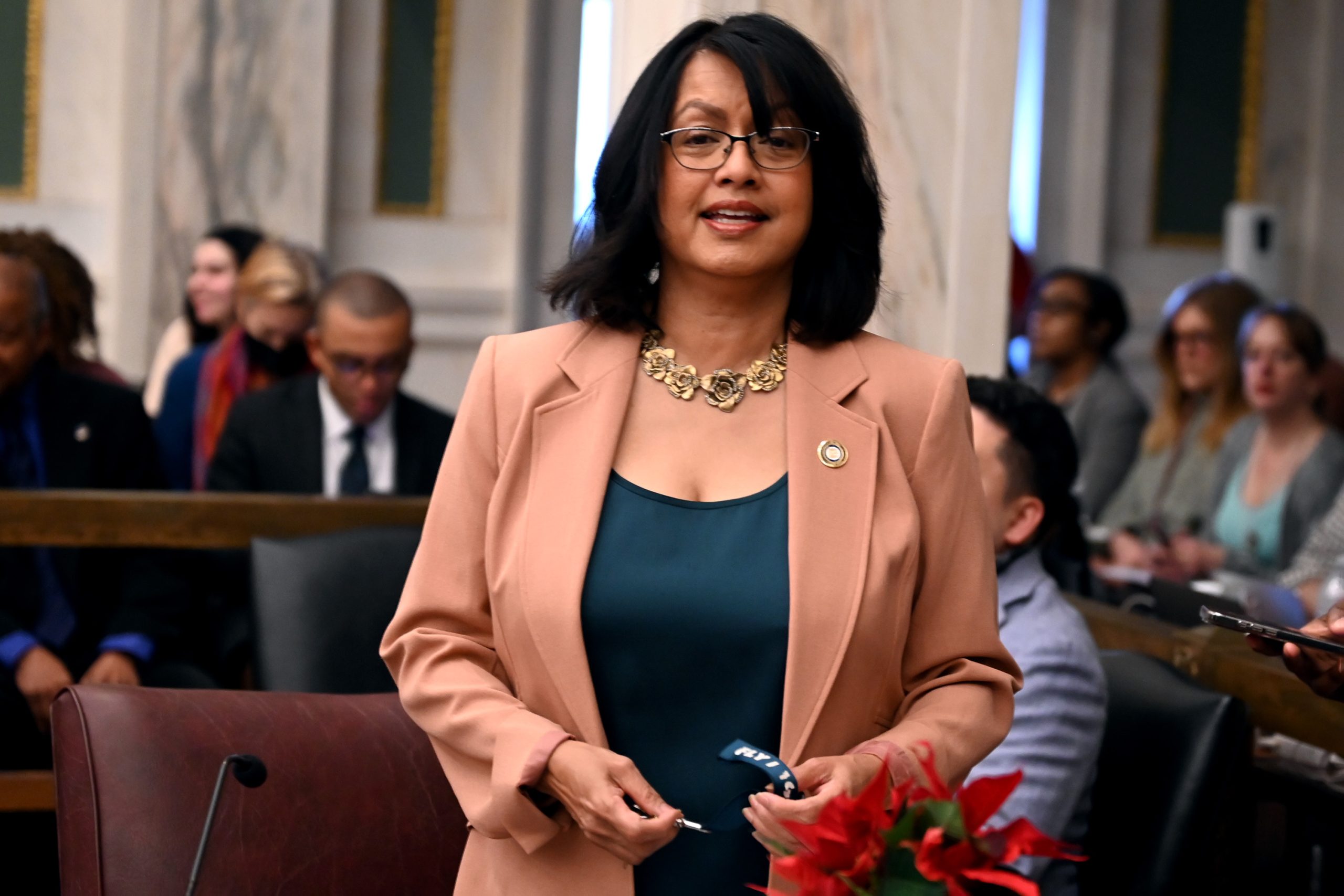
    Councilmember Nina Ahmad in chambers as City Council meets Dec. 11, 2025.Tom Gralish / Staff Photographer

    Ahmad also said she expected more buy-in from hospitals, noting they would have been saddled with the responsibility of providing sexual assault exams if PSARC had shuttered.

    “I am not surprised,” she said in an interview, “but I’m still disgusted that we have not come together on this. … This is evidence being collected, [and] this is how we prevent future rapes.”

    Slovak said ensuring PSARC’s financial survival will take more than a change in management. It will require cooperation, including from hospitals, the city, and the state, to work together “so that survivors aren’t sacrificed in the budget gamesmanship.”

    Still, she said, the city “can really be this positive, central, coordinating force.”

    “And I do feel confident at this point,” Slovak added, that the center “is going to move in a good direction from here.”

  • 13,000 Philly homeowners have been kicked off tax break programs that they weren’t eligible for

    13,000 Philly homeowners have been kicked off tax break programs that they weren’t eligible for

    More than 13,000 Philadelphia homeowners were receiving assistance on their property taxes from the city despite not being eligible, according to city officials who conducted a review of thousands of properties to identify people fraudulently receiving tax breaks.

    Those homeowners — most of whom received the popular homestead exemption that can save owners an average of $1,400 a year — have been kicked off the programs, officials said Wednesday. And they will be charged back taxes, in some cases dating back multiple years, resulting in $33.5 million in additional revenue for the city and the Philadelphia School District.

    That is welcome news for the cash-strapped public school system, which is facing a $300 million structural deficit and is the only district in Pennsylvania that cannot legally raise taxes on its own.

    Instead, the district receives 56% of property tax revenue, with the remainder going into the city’s coffers. The current property tax rate is 1.3998% of assessed value, which has not changed for nearly a decade.

    Last month, the city released new property assessments that resulted in a 3% median increase in valuations from the 2025 tax year, the last time there was a mass reassessment.

    Philadelphia School Superintendent Tony Watlington joins Mayor Cherelle L. Parker and her finance team at City Hall on Monday Aug. 5, 2024, as they prepare to release the first citywide real estate reassessment in two years. Behind them, from left are: Finance Director Rob Dubow; James Aros, Jr., Chief Assessment Officer at the Office of Property Assessment; and Revenue Commissioner Kathleen McColgan.Tom Gralish / Staff Photographer

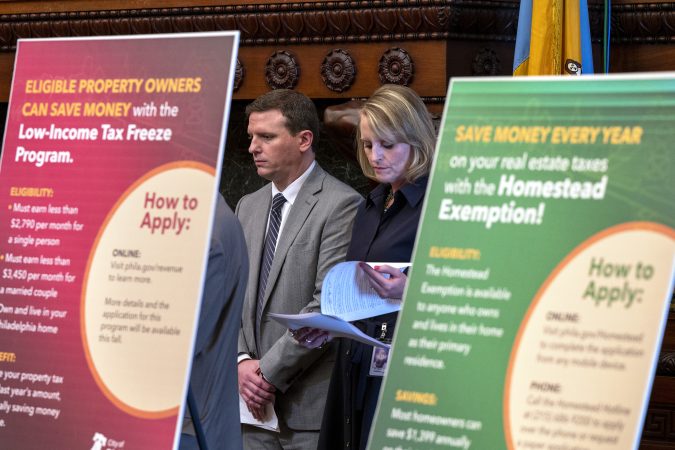
    Philadelphia has a variety of property tax relief programs that are intended to help homeowners weather changes in valuations and avoid displacement. The most popular is the homestead exemption, which exempts the first $100,000 in home value from property taxes. Only homeowners who live in their house as their primary residence are eligible.

    That means that, in some cases, homeowners are eligible to receive the exemption while they live in their homes, but no longer qualify if they move and rent out their space.

    In 2024, Mayor Cherelle L. Parker’s administration launched a review to identify properties that might no longer meet the eligibility requirements. According to a news release, the Philadelphia Revenue Department reviewed about 22,000 tax accounts, or less than 10% of all the households enrolled in the homestead exemption.

    Christian Crespo, a spokesperson for the department, said officials used a variety of data indicators to identify those properties that were up for review. For example, he said, some property owners were claiming homestead benefits at multiple properties.

    As a result of the investigation, 13,355 homeowners were removed from a property tax assistance program. There are several other tax breaks for homeowners that are targeted toward low-income people and seniors, but most of those removed were improperly receiving the homestead exemption.

    Homeowners were sent two notices and given 60 days to prove their eligibility before they were kicked off an assistance program. They may still appeal the decision.

    “We want eligible homeowners to get the relief they deserve,” Revenue Commissioner Kathleen McColgan said in a statement. “These compliance projects help ensure that program participation is accurate, fair, and accessible to residents who truly qualify.”

  • The Women’s Lacrosse League is preparing to make history in the Philly area. To Mayor Parker, ‘it’s about opening doors.’

    The Women’s Lacrosse League is preparing to make history in the Philly area. To Mayor Parker, ‘it’s about opening doors.’

    The summer of unforgettable sports moments in Philadelphia is far from over, and Mayor Cherelle L. Parker was excited Wednesday for the next event coming to town.

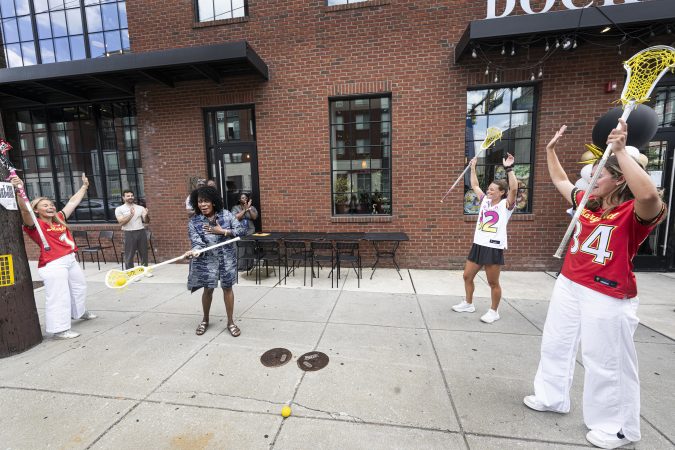
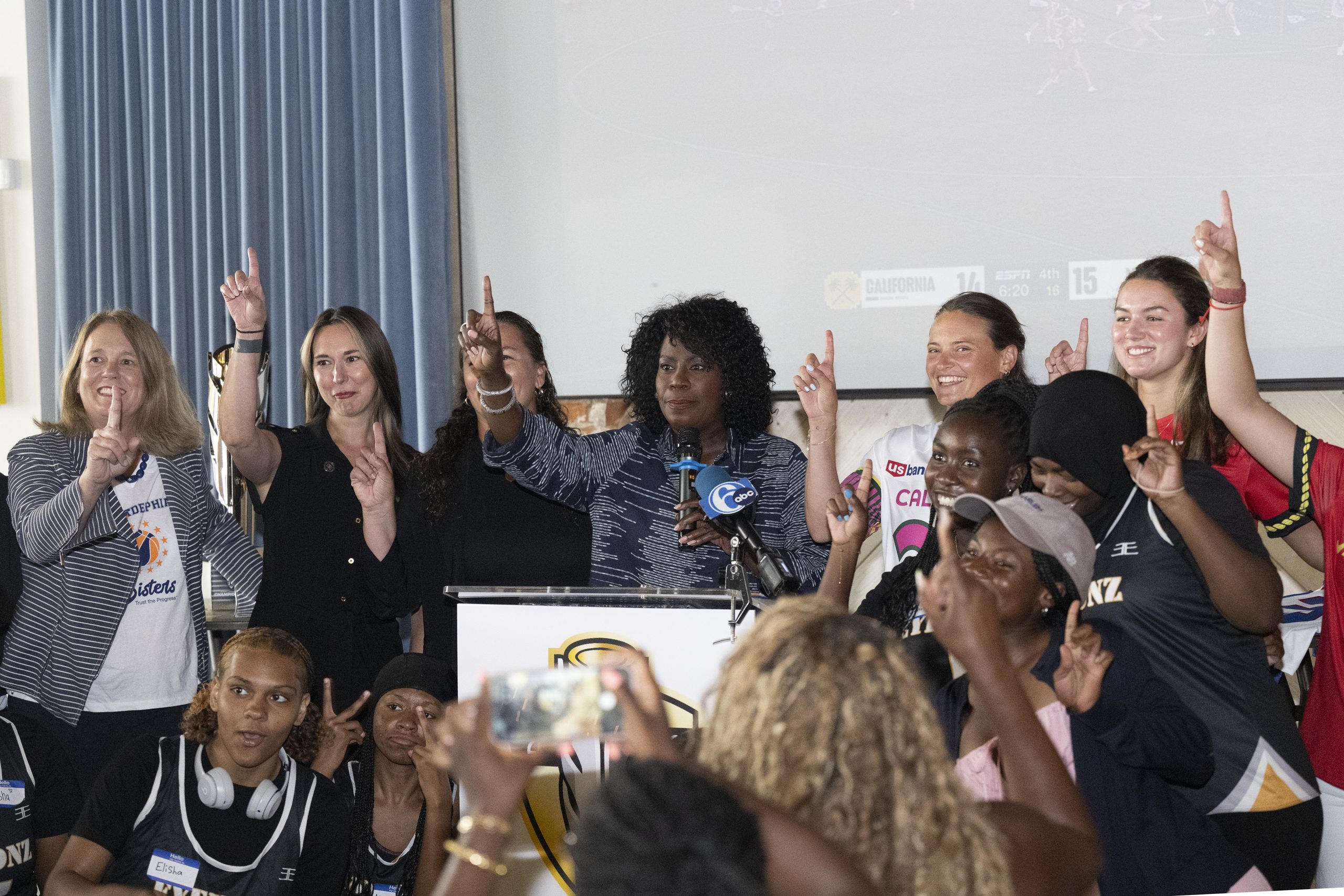
    Parker and local youth lacrosse players gathered at Dock Street South to celebrate the inaugural Women’s Lacrosse League championship, which is Aug. 15 (5 p.m., ESPN) at the Union’s Subaru Park in Chester.

    “For a long time, women’s sports were treated as an afterthought, a smaller version of the real thing,” said Rachael DeCecco, a USA Lacrosse Hall of Famer and Broomall native who’s the senior vice president of the PLL and WLL.

    “Every young girl who’s going to watch this league will understand, without ever having to be told, that this is a real path, a real career, a real sport worth playing at the highest level. And there is no better place to host this historic first-ever WLL championship than right here in Philadelphia.”

    Mayor Cherelle L. Parker (center) speaks at an event celebrating the inaugural Women’s Lacrosse League championship coming to the Philly area.Jose F. Moreno / Staff Photographer

    The Philly area is a hotbed for women’s lacrosse. Of the WLL’s four teams — the Maryland Charm, California Palms, New York Charging, and Boston Guard — 18 players and two coaches have ties to the region.

    Three of those players — California Palms defender Katie Detwiler (Devon, Archbishop Carroll) and the Maryland Charm’s McKenzie Blake (Haddonfield) and Abby Bosco (Penn) attended Wednesday’s event. Also in attendance was Tina Sloan Green, the former Temple women’s lacrosse coach who has been breaking barriers in field hockey and lacrosse since the 1970s.

    Now 82, Green said the formation of the WLL, which is in its second season, is her legacy.

    “I can’t even believe it,” Green said. “I grew up here and was the only Black female playing the sport. So this means so much to me because I know that my grandchildren, and their children, will get opportunities.”

    Parker also discussed wanting to create more opportunities in women’s sports. Discussions about hosting the WLL championship, as well as bringing a WNBA team to Philadelphia — which will happen in 2030 — have been on her radar since her days as a City Council member from 2015 to 2022.

    “We’re proving every year that our interests are in building and growing professional women’s sports in the city of Philadelphia. We’re doing it in a tangible way. We’re at the table,” Parker told the crowd. “This championship, to me, is about more than competition. It’s about opening doors. And in a city like Philadelphia, I can’t begin to talk about the importance of Black and brown young women being able to know that this sport, too, is for them.”

    At the end of her speech, Parker invited the youth lacrosse players in attendance to join her in reciting her signature chant, “one Philly, a united city; one America, a united nation,” before leading an “E-A-G-L-E-S” chant and laughing with the players about spelling it correctly this time.

    One of the young players in the crowd was Shiyann Werts, a lacrosse player and rising junior at Germantown Academy. Werts fell in love with the sport in sixth grade after being introduced to it at the Thomas K. Finletter School, where the Harlem Lacrosse program provides year-round academic and athletic support.

    Since then, she has seen the sport’s popularity grow.

    “It makes me really kind of emotional,” Werts said. “I’ve been seeing all the news on lacrosse, and it’s getting the recognition that I think it deserves. I’m really excited to see what the WLL will bring to that.”

    Werts hopes to play college lacrosse, and the opportunity to play professionally after graduation is becoming a realistic pathway for female athletes who previously had few options to continue competing after their NCAA careers ended.

    “I think it’s just super crazy growing up in the area,” Detwiler said. “When we were growing up, we didn’t have any of this. We played in college, and then it was on to the real world. So I think it’s really good for them to see what could be possible someday. It’s awesome to see.”

    The WLL and the city are working together to ensure the championship reaches all parts of the community. The league is donating 2,500 tickets to nonprofit organizations, youth programs, and community groups.

    Youth lacrosse players listen as Mayor Cherelle L. Parker speaks during a news conference on Wednesday.Jose F. Moreno / Staff Photographer

    Ashley Walkowiak, executive director of the Governor’s Advisory Commission on Women, echoed the hopes of the room that the championship is only the beginning of the impact women’s professional sports can have on Philadelphia.

    “Seeing the first WLL championship hosted right here in Pennsylvania is a powerful reminder of what’s possible when we invest in expanding opportunities,” Walkowiak said. “Philadelphia has long been a place where history is made, and this championship continues that legacy. But it is more than a game. It’s a celebration of talent, leadership, and the growing momentum around women’s athletics.”

  • Mayor Parker’s former DEI chief sues the city for discrimination in tell-all lawsuit

    Mayor Parker’s former DEI chief sues the city for discrimination in tell-all lawsuit

    Philadelphia’s former chief diversity, equity, and inclusion officer has said before that Mayor Cherelle L. Parker and top administration officials scapegoated her after she reported sexual harassment in City Hall and then fired her “unjustly.”

    But in an explosive new lawsuit filed in federal court in Philadelphia this week, that officer, Brandee Anderson, claimed her termination was part of a coordinated effort to “suppress” or rebrand diversity work and came as a top Parker administration official made derisive comments about other DEI leaders.

    She claimed Parker — a centrist Democrat who is Black and the city’s first female mayor — said in 2025 that she “did not care about Ms. Anderson’s ‘DEI ideology,’ only minority business.”

    And she alleged in the lawsuit that the mayor threatened to remove any administration official who expressed dissenting views, telling a gathering of senior officials that no one “has a right to have an opinion about where we are going.”

    The suit, filed Monday in U.S. District Court for the Eastern District of Pennsylvania, seeks unspecified damages and payment of lost wages as a result of her firing. Parker is named as a defendant, as are Deputy Mayor Vanessa Garrett Harley, Inspector General Alexander DeSantis, and communications director Joe Grace. Anderson claimed DeSantis and Grace defamed and retaliated against her in statements to the media after her firing.

    Anderson served as Parker’s chief DEI officer beginning in 2024, advising the mayor and administration on matters such as workforce diversity, community engagement, equitable budgeting, and minority business opportunities. She also oversaw offices that serve LGBTQ+ residents and people with disabilities.

    She was fired in 2025 after Tyrell Brown, then the director of the Philadelphia Office of LGBTQ+ Affairs, reported to Anderson that they had received a “semi-nude” photo from a senior administration official. Anderson says in the lawsuit that she was fired days after elevating the matter to Garrett Harley and human resources officials.

    The city declined to comment on the lawsuit and generally does not answer questions about pending litigation.

    The lawsuit was the second filed against the city by a former DEI official during Parker’s tenure. Leslie Marant, the Philadelphia Police Department’s first DEI chief, who was fired in the first days of Parker’s administration, said in a federal lawsuit filed in October that she was a victim of the systemic discrimination that she was tasked with addressing. That litigation is ongoing.

    It was also the second time this month that a former Parker administration official accused senior administration members of fostering a toxic work environment.

    Shania Bennett, the former director of the Philadelphia Office of Youth Engagement, last week posted on social media that working for the city was “the worst experience of [her] life” and that she had quit her job after “unprofessional harassment.”

    Bennett could not be reached for comment.

    ‘Stand down’ on DEI matters

    Anderson, an attorney who founded a firm that creates anti-racist trainings, was hired in October 2024 to lead the city’s DEI efforts. In the lawsuit, she alleges that Parker officials undermined her authority from the outset.

    She claimed Parker forbade her from contacting members of City Council with whom she had existing relationships. And she said Garrett Harley, one of Parker’s most senior officials, told her and other DEI leaders to “stand down” if they expressed dissenting views, saying “if you can’t align with the mayor’s strategy, DEI may not be the job for you.”

    Deputy Mayor Vanessa Garrett Harley speaks during a news conference in Philadelphia, Pa., in June 2024.Tyger Williams / Staff Photographer

    Anderson also claimed Garrett Harley made discriminatory comments about a transgender official, Celena Morrison-McLean, former director of the Philadelphia Office of LGBTQ+ Affairs, who reported to Anderson. Garrett Harley, the lawsuit alleges, instructed Anderson to “document Celena [Morrison-McLean] out,” or create a paper trail leading to her dismissal.

    According to the lawsuit, the deputy mayor also mocked Morrison-McLean during a meeting with several other officials, saying she used a “deep male tone” to intimidate staff.

    Morrison-McLean left her post in November 2024, roughly eight months after she was pulled over by a Pennsylvania State Police trooper in a traffic stop that went viral and resulted in her and her husband’s arrest.

    She is now a consultant, according to her LinkedIn profile. She could not be reached for comment.

    Celena Morrison-McLean reads a statement with Darius McLean (rear) Thursday, Mar. 7, 2024. The married LGBTQ leaders were arrested during a contentious traffic stop over the weekend.Tom Gralish / Staff Photographer

    Anderson said in the lawsuit that Garrett Harley also made comments to her in early 2025 that she saw as fostering a hostile work environment. She claims she disclosed to Garrett Harley that she was the victim of rape and asked for time off to attend a hearing in the criminal case against her alleged assailant.

    “Ms. Garrett-Harley responded,” the lawsuit says, “by questioning how one woman could rape another.”

    In a separate instance, Garrett Harley also instructed Anderson to delete emails documenting dangers to children in the city’s care, according to the lawsuit. The lawsuit did not elaborate on the content of the emails.

    Harassment report and press fallout

    Brown was appointed in March 2025 to succeed Morrison-McLean as the city’s director of LGBTQ+ affairs. In July 2025, Brown reported to Anderson that Christopher Dailey, then a deputy chief of staff in the mayor’s office, had sent them a sexual image on a cruising app.

    At the time, Anderson said Brown told her they did not feel harassed by the photo, partly because it was not clear whether Dailey knew to whom he had sent the image, which included Dailey’s face. Brown’s profile was anonymous, Anderson said, but the app used geolocation, meaning that users would have known they were contacting someone in or near City Hall.

    Anderson elevated Brown’s report to human resources roughly a week later, the complaint says, leading DeSantis, the city’s inspector general, to launch an investigation.

    By July 22, Anderson was fired. DeSantis has said Anderson never possessed the photo, but allowed Brown to display it while another employee besides Anderson, their supervisor, was in the room. That decision, DeSantis said, constituted a violation of the city’s sexual harassment policy.

    Mayor Cherelle Parker, right, hugs Tyrell Brown, left, the new Director of LGBTQ+ Affairs, during a press conference to announce new appointments, at City Hall, in Philadelphia, March 21, 2025.Jessica Griffin / Staff Photographer

    Brown was fired the same week as Anderson. Parker tasked Garrett Harley with handling the office’s work through March, when the administration named a replacement.

    Anderson’s lawsuit claims racial discrimination, noting that Dailey, who is white, was not fired, but was instead moved to a new role in a different office. Brown and Anderson are both Black.

    Brown could not be reached for comment.

    Additionally, Anderson claimed that Parker, DeSantis, and Grace each made “false and defamatory” statements in the media after she was fired.

    She cited a July 2025 Inquirer article in which Grace said Anderson’s allegations about the reason for her termination included “outright misstatements of fact.”

    The lawsuit also mentioned an interview with iHeart Radio’s WDAS 105.3 FM that DeSantis participated in last year about the firings, during which he said that Anderson had “mishandled the photograph” and “did something wrong.”

    Anderson, in the lawsuit, said those statements were false.

  • Philadelphia’s top lawyer is resigning from the Parker administration

    Philadelphia’s top lawyer is resigning from the Parker administration

    Renee Garcia, the top lawyer in Mayor Cherelle L. Parker’s administration, is resigning from her job as city solicitor to work in the private sector, the mayor announced Tuesday.

    The reason for Garcia’s departure was not clear Tuesday, and she was not present at a news conference announcing the staff change.

    Garcia, who served in the Parker administration since the mayor took office in 2024, has recently led the city’s strategy in several high-profile matters, including a protracted legal battle with President Donald Trump’s administration over slavery exhibits at the President’s House Site at Independence National Historical Park.

    In some ways, Garcia carried out Parker’s approach to the Trump administration, which has largely been cautious and conflict-averse. At Garcia’s urging, the mayor did not sign legislation supported by City Council that bans federal immigration enforcement officers from wearing masks in the city. But the legislation took effect without Parker’s signature, and the federal government last month sued the city over the provision.

    Garcia will be replaced at the top of the city’s law department by Monique Galloway, who most recently worked as an assistant U.S. attorney in Philadelphia. Galloway’s resume also includes stints as counsel at the federal General Services Administration and the Federal Transit Authority.

    Parker said Galloway’s experience working in the federal government was a key reason for her selection as the next city solicitor.

    “These are challenging times for cities and states as we all have to interact with the federal government,” Parker said. “On any given day, we can never be sure if we’re going to face a legal filing, a summons, or a subpoena out of Washington on a range of different issues.”

    She added that Garcia’s law department has been “Philadelphia’s frontline defense on many of these issues.”

    Galloway said she was “moved by this moment.”

    “Integrity, sound judgment, excellence, and a key focus on public service are who I am,” she said. “And they are the anchor through everything that I do.”

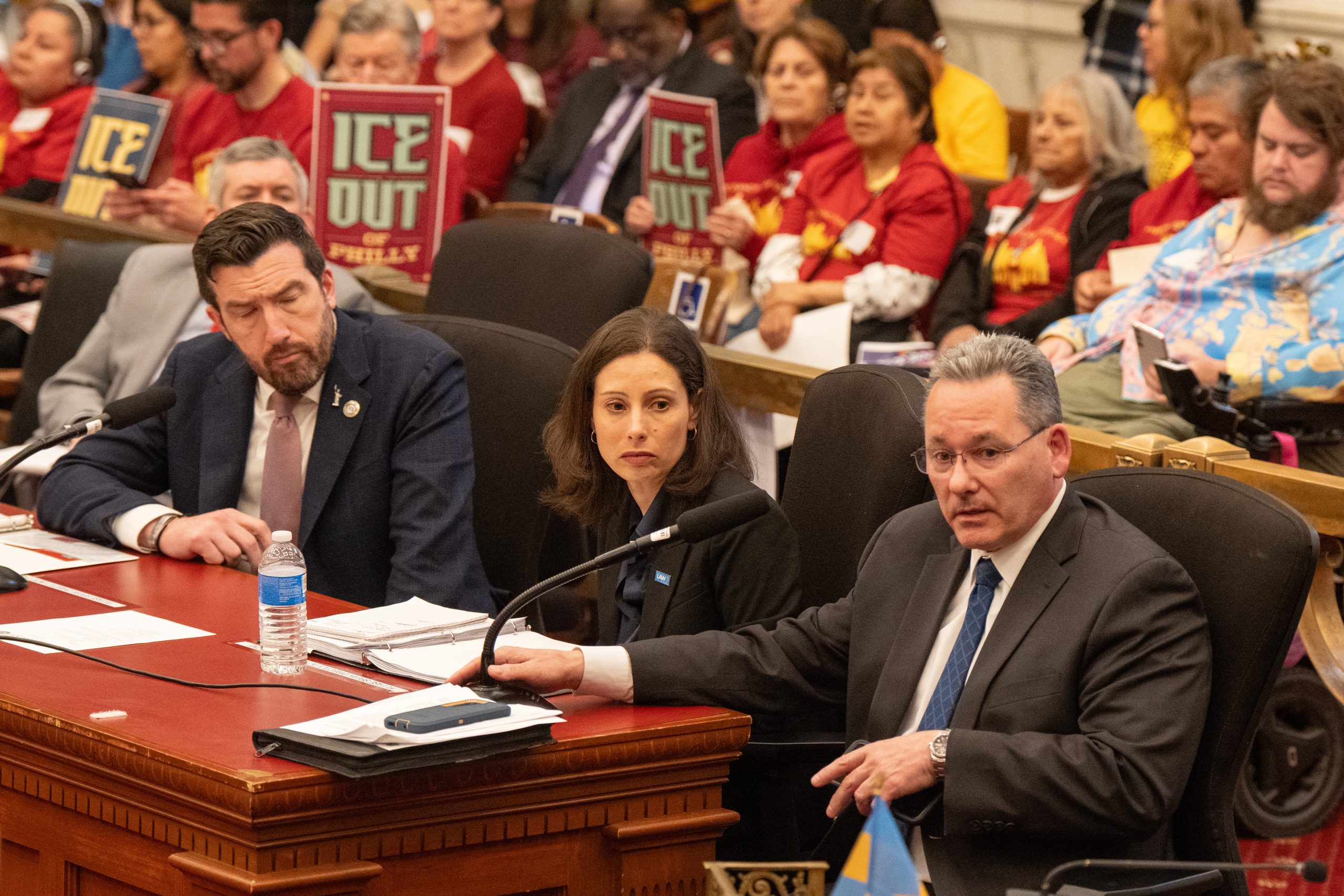
    (left to right) Charlie Ellison, Director of the Office of Immigrant Affairs, Renee Garcia, City Solicitor, Francis Healy, Deputy Police Commissioner, at the City Council hearing about ICE Out legislation, in Philadelphia City Council, Monday, April 13, 2026.Jessica Griffin / Staff Photographer

    Garcia’s departure was the second major leadership change Parker announced Tuesday. Managing Director Adam K. Thiel, who oversees much of the city’s day-to-day operations, is also resigning to take a job in the private sector. He will be replaced by Carlton Williams, a longtime city official who most recently led the Philadelphia Office of Clean and Green Initiatives.

    Taken together, the changes represent a significant shift in the top rungs of Philadelphia’s government. The managing director is in charge of implementing much of the mayor’s agenda, and the city solicitor is responsible for a host of matters, including overseeing litigation and advising both the mayor and City Council on legislation and policy.

    Parker also on Tuesday formalized her appointment of Ralph DiPietro, a deputy commissioner in the Philadelphia Department of Licenses and Inspections. The administration announced last month that DiPietro would replace Basil L. Merenda as commissioner.

    The mayor said Tuesday that she is “excited to welcome this next generation of leadership.”

  • Philadelphia Managing Director Adam Thiel resigns from Parker administration

    Philadelphia Managing Director Adam Thiel resigns from Parker administration

    Philadelphia Managing Director Adam K. Thiel, a top mayoral appointee who supervises many of the government’s day-to-day operations, is resigning from his job in Mayor Cherelle L. Parker’s administration, the mayor announced Tuesday.

    Parker said Thiel is leaving his city role to “reenter the private sector” after serving as managing director for about 2½ years.

    Thiel will be replaced by Carlton Williams, a longtime city official who currently leads the Philadelphia Office of Clean and Green Initiatives. Williams, 57, will assume oversight of a 550-person staff and a vast portfolio of city operations, including health agencies, homeless services, the streets department, parks and libraries, prisons, and the fire department.

    Parker praised Williams’ work implementing new initiatives such as twice-weekly trash collection, and she called him “the individual with all of the attributes the position requires.”

    “Whenever we’ve had a crisis of any kind in this city, he has been on my speed dial,” she said.

    The transition, Parker said, will take place over the next “four to six weeks.” It was not immediately clear who will lead the Philadelphia Office of Clean and Green Initiatives.

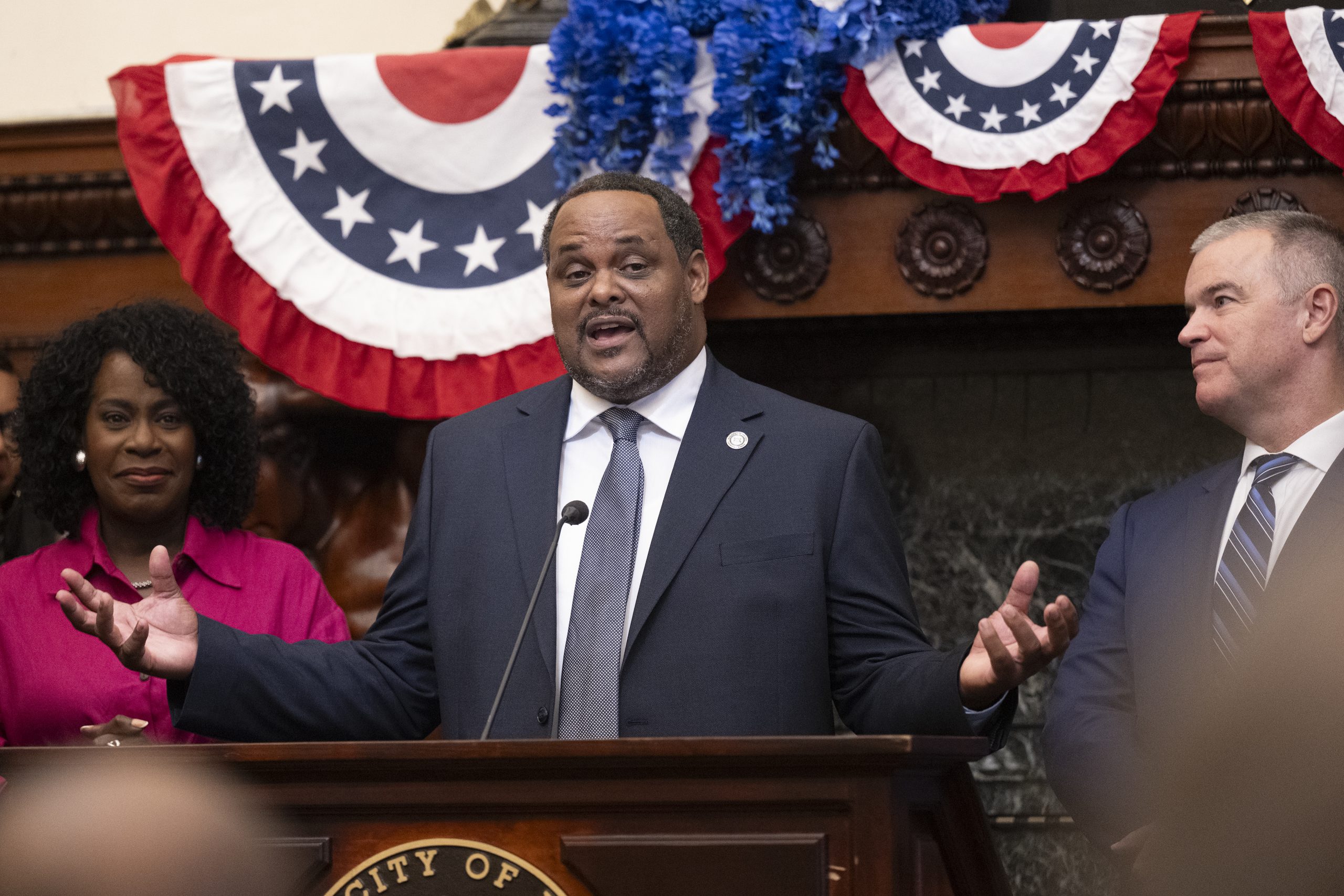
    New Philadelphia Managing Director, Carlton Williams speaks at the podium after being announced by Philadelphia Mayor Cherelle L. Parker, left, during a news conference at City Hall in Philadelphia on Tuesday, July 28, 2026.Jose F. Moreno / Staff Photographer

    Thiel, 54, has been the city’s managing director since Parker took office in January 2024. Prior to being appointed to the role, Thiel spent eight years as the city’s fire commissioner under former Mayor Jim Kenney.

    In the early days of Parker’s tenure, Thiel emerged as a key crisis manager, often flanking the mayor when she responded to emergencies. He was the face of the administration’s strategy in Kensington, where Parker campaigned on ending the sprawling open-air drug market that has persisted in the neighborhood for decades.

    His office also played a critical role in preparing for an array of major events that the city hosted this summer, including FIFA World Cup games and events related to the 250th anniversary of the nation’s founding.

    Details of Thiel’s new job were not immediately clear. He is a major in the Army Reserve, and he has worked as a consultant and an adjunct professor, in addition to his role as managing director. His city salary is $310,000, and last year, he made more than half a million dollars in additional income through his other jobs, according to his financial disclosure.

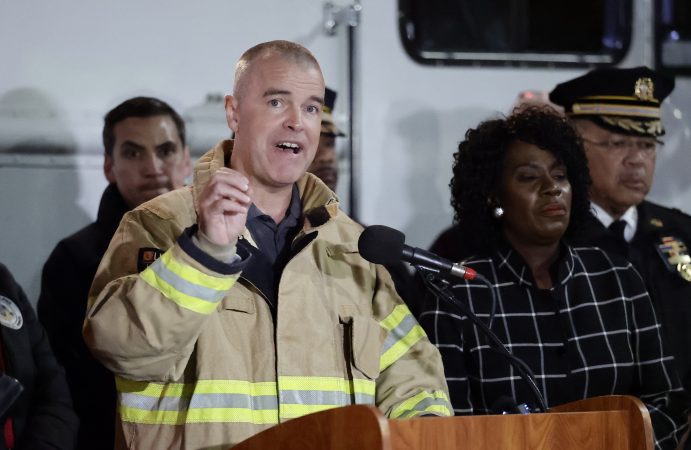
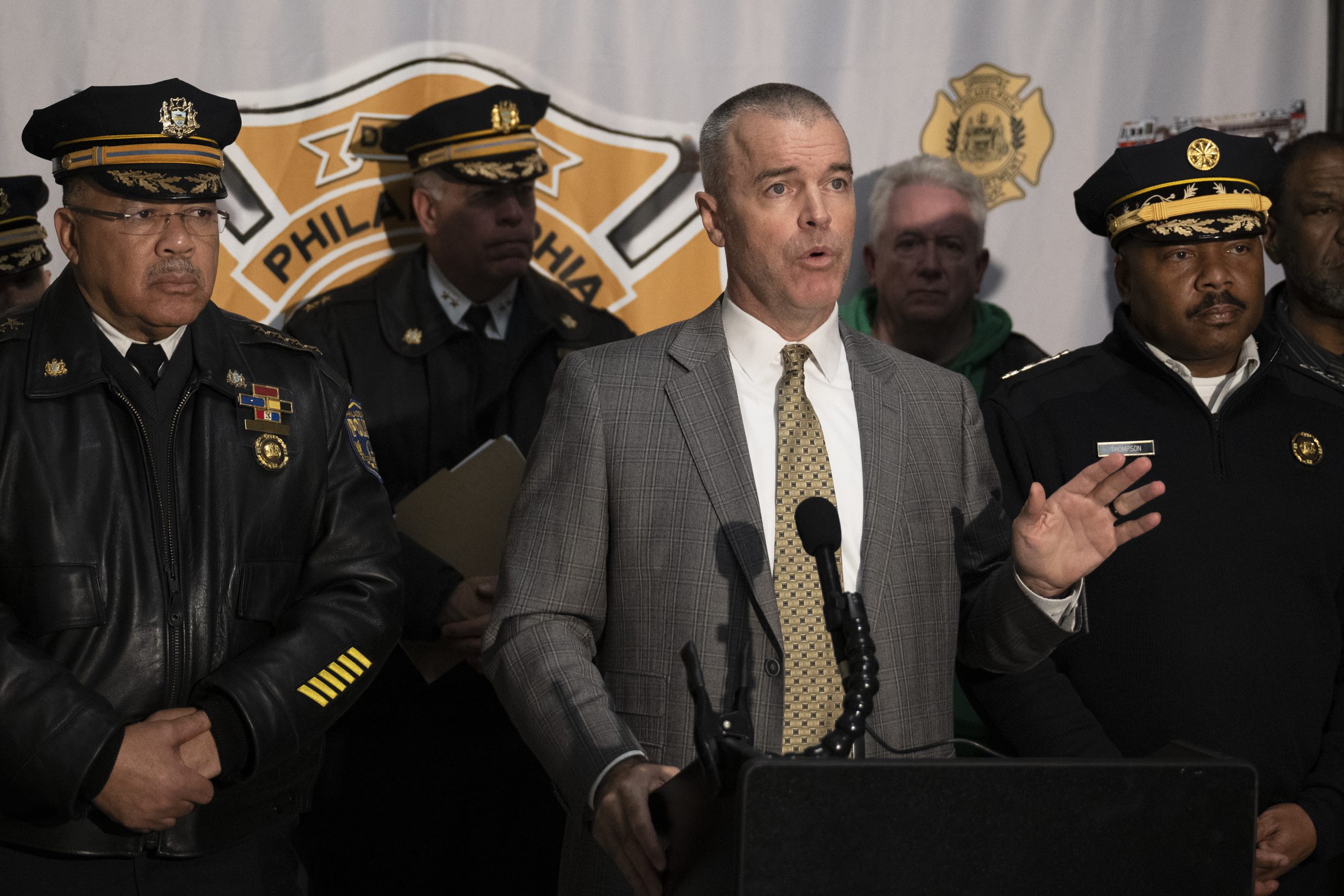
    Managing Director Adam Thiel, center, gives an update on the Northeast Philly plane crash, during a press conference on Tuesday Feb 4, 2025 at the Fire Administration Building in Philadelphia, Pa.Jose F. Moreno / Staff Photographer

    Since Thiel joined the Reserve in August 2024, he has been one of the administration’s least visible senior officials and was frequently on leave. He did not oversee the response to a January snowstorm that was the city’s worst in five years — despite emergency services falling under his purview — and parts of the Kensington strategy are now led by other offices.

    The Inquirer reported in February that Thiel was absent for a total of about five months last year. Of that, six weeks were for military leave — the maximum the city covers for employees — and an additional 13 weeks were for general paid leave, according to city records obtained by The Inquirer. A spokesperson for Thiel said he used most of that time off for military service.

    Thiel refused to discuss his role in the Army Reserve with The Inquirer. A spokesperson for the Army said Thiel is a major assigned to a civil affairs unit based in Staten Island, N.Y. Last year, the Army Reserve paid Thiel about $32,600, according to his financial disclosure paperwork.

    In addition to his jobs with the city and the Army, Thiel has worked on the side as a consultant. Last year, he earned $390,000 as president of Pantheon Global Strategies, an opaque company with little in the way of an online footprint. Thiel has in the past refused to discuss the business in detail.

    He also earned $120,000 last year from FACETS Consulting LLP, an Arizona-based firm that is publicly advertised as a fire safety consultancy. Thiel is a founding partner.

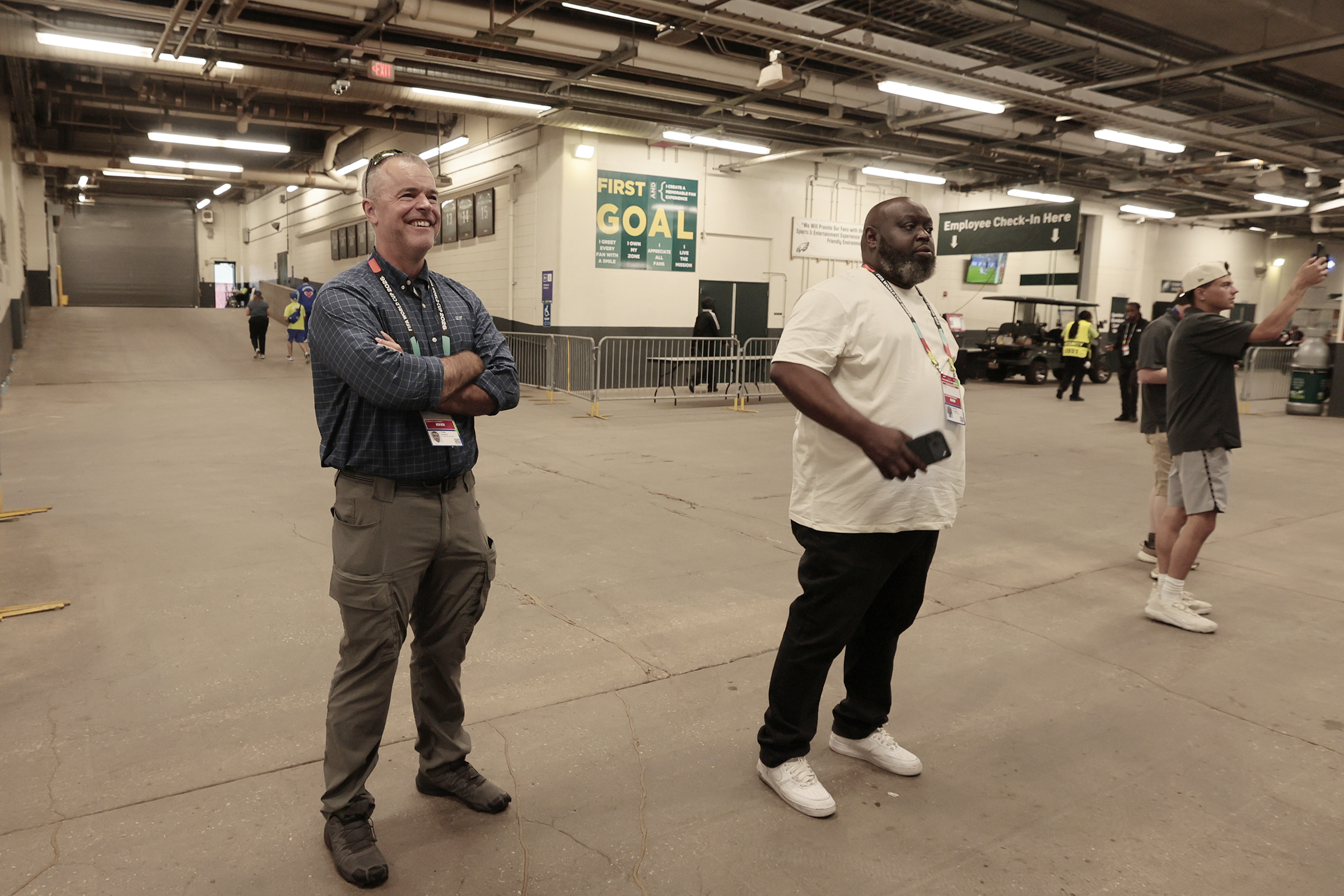
    Philly city managing director Adam Thiel in the bowels of the stadium during the France vs. Iraq 2026 FIFA World Cup Group 1 soccer match at Philadelphia Stadium on Monday, June 22, 2026.Elizabeth Robertson / Staff Photographer

    Thiel has said his consulting work takes fewer than 10 hours per week and did not interfere with his responsibilities as Philadelphia’s managing director. When The Inquirer first reported on Thiel’s consulting work in 2024, he would not disclose his clients but said he followed the city’s ethics guidelines related to conflicts of interest.

    Before coming to Philadelphia in 2016, Thiel worked in a variety of firefighting, disaster response, and emergency preparedness roles around the country, including as Virginia’s deputy secretary of public safety and homeland security.

    He is the third top official to leave Parker’s administration since she took office in January 2024. Former chief deputy mayors Aren Platt and Sinceré Harris, the architects of Parker’s mayoral campaign, each left their posts for jobs in politics outside government.

    In some administrations, the managing director has been the mayor’s clear No. 2, while other mayors have preferred for power to be concentrated among deputy mayors or other staffers in their office.

    Under Parker, chief of staff Tiffany W. Thurman is seen as the mayor’s top adviser and the central figure in her administration. Parker has called Thurman her “chief air traffic controller.”

    She has also placed the execution of much of her agenda on Williams’ shoulders. Earlier this year, he oversaw the city’s response to a major snowstorm, despite that work in the past falling squarely in the managing director’s scope.

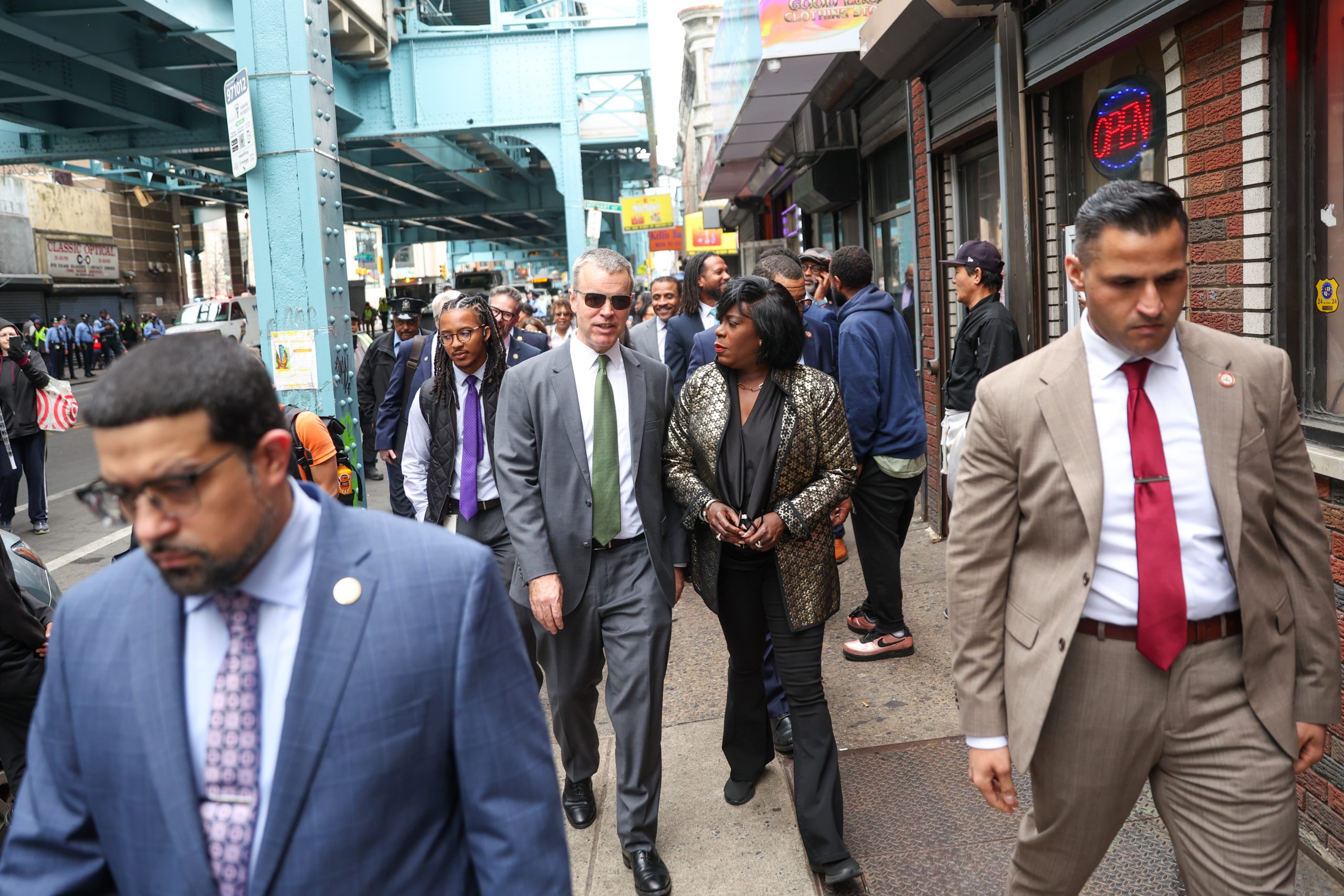
    Mayor Cherelle L. Parker walks along Kensington Avenue with Adam Thiel, managing director of city, on Thursday, April 11, 2024. Mayor Parker took the El to attend an event in the Kensington neighborhood in Philadelphia.Heather Khalifa / Staff Photographer

    Still, Thiel oversaw a large team, and the leaders of more than 30 city agencies and offices reported to him.

    One of his major initiatives was coordinating the administration’s efforts to improve quality of life in Kensington. Thiel’s office worked to expand homeless shelter and recovery bed space throughout the city, and he led the development of the Riverview Wellness Village, a city-run recovery house in Northeast Philadelphia that dramatically grew the city’s capacity to house people with substance use disorder.

    Initially, Thiel absorbed scrutiny from community groups and, at times, members of City Council. Lawmakers grilled Thiel on the efforts in Kensington, and they occasionally criticized what they saw as a lack of details coming from the Parker administration about the plan.

    Despite those early hiccups, more than 200 people live at Riverview, which has been open to residents in recovery for more than a year.

    “I’m grateful for what you did,” Parker told Thiel on Tuesday. “And I’m grateful that you had thick skin.”

    And while the drug market in Kensington persists, there have been other markers of success in the neighborhood, including a plummeting shooting rate and a reduction in the number of people living on the street.

    Williams recently toured parts of Kensington alongside Parker and other administration officials to get a sense of the challenges ahead. He said Tuesday that his goal is to be accessible to all residents and to look at the delivery of city services “through the eyes of everyday residents.”

    “You just don’t take these jobs because of the glamour,” he said. “You take the job because you believe that you can make a change.”

    Staff writer Sean Collins Walsh contributed to this article.

  • Philly’s city budget is balanced, but structural deficit and federal funding concerns loom, board warns

    Philly’s city budget is balanced, but structural deficit and federal funding concerns loom, board warns

    A state board that oversees the City of Philadelphia’s finances signed off on Mayor Cherelle L. Parker’s five-year financial plan on Tuesday, despite a structural deficit and significant uncertainty about future federal funding.

    The Pennsylvania Intergovernmental Cooperation Authority, which was established in the early 1990s to monitor the city’s finances amid a severe fiscal crisis, must every year approve the five-year budget plan agreed to by the mayor and passed by City Council. The board voted 5-0 to green-light the plan.

    In June, Parker and Council agreed to a $7.1 billion budget for the fiscal year that began on July 1, as well as a five-year financial plan in which the city is projected to spend more than it generates in four of those years. This fiscal year, the city is projected to spend about $550 million more than it brings in.

    As has been common in recent years, the city’s budget relies on reserves and an existing surplus to avoid a significant deficit. The city is projecting that this year it will have a $364.6 million fund balance, which is the amount of money left over in the city’s general fund after liabilities are accounted for. That balance is set to decline in each of the next five years.

    Parker administration Finance Director Rob Dubow said the city is on track to unlock hundreds of millions of dollars in additional revenue once its pension fund is fully funded, a major milestone that is projected to take place in fiscal year 2033.

    Also on Tuesday, Alan C. Kessler was unanimously elected to serve as chair of the PICA board after Kevin Vaughn, who has chaired the board for a decade, announced he would not seek reelection to the position. He intends to remain a board member, he said.

    Kessler, who has also served on the board for about a decade, is a commercial litigation attorney. He is a prominent fundraiser in the Democratic Party and has long been active in local and national politics.

    As for the city’s financial position, board members on Tuesday also discussed potential risks that are largely outside the Parker administration’s control, such as the funding issues that both SEPTA and the Philadelphia School District have faced in recent years. The transit authority has warned of the possibility of debilitating service cuts, and the public school system is borrowing hundreds of millions of dollars just to pay its bills.

    Parker had earlier this year proposed implementing a tax on rideshare services to generate about $50 million a year for the district, but Council members rejected her plan.

    Administration officials identified existing funding for the district to stave off planned staff cuts. Dubow said Tuesday that cuts were made in each year of the five-year plan to make up for that money, but that the hope is to reach an alternative, recurring revenue generation plan before the cuts would take effect.

    The biggest uncertainty for Philadelphia’s finances, the board said, is the federal government and potential policy shifts affecting funding under President Donald Trump. PICA officials warned in a report that while the city has so far sustained only limited losses as a result of slashed grants under the Trump administration, the city “will not be able to absorb federal funding reductions at a greater scale without significant service reductions.”

    The city received more than $2.2 billion in aid from the federal government in fiscal year 2024, the most recent data available. More than half that money was for healthcare and other social safety net programs for poor and disabled residents.

    The president has repeatedly threatened to cut off federal funding to cities like Philadelphia that are led primarily by Democrats and have relatively permissive local immigration policies. However, those efforts have been tied up in litigation.

    A more pressing concern for the city, PICA officials wrote, could be the changes made last year to the enrollment criteria for social programs like Medicaid and the Supplemental Nutrition Assistance Program (SNAP).

    Philadelphia is one of the poorest big cities in the nation, and hundreds of thousands of residents rely on government assistance. The Pennsylvania Department of Human Services has estimated that changes to Medicaid instituted under the Trump administration will leave more than 73,000 Philadelphians without coverage by next year.

    And, the PICA report warned: Changes to federal programs can have ripple effects.

    “The fiscal crisis that precipitated the creation of PICA in the 1990s,” officials wrote, “was in part due to dramatic reductions in federal programs for vulnerable individuals that the City tried to manage but was incapable of replacing.”