Tag: Cherelle L. Parker

  • The Women’s Lacrosse League is preparing to make history in the Philly area. To Mayor Parker, ‘it’s about opening doors.’

    The Women’s Lacrosse League is preparing to make history in the Philly area. To Mayor Parker, ‘it’s about opening doors.’

    The summer of unforgettable sports moments in Philadelphia is far from over, and Mayor Cherelle L. Parker was excited Wednesday for the next event coming to town.

    Parker and local youth lacrosse players gathered at Dock Street South to celebrate the inaugural Women’s Lacrosse League championship, which is Aug. 15 (5 p.m., ESPN) at the Union’s Subaru Park in Chester.

    “For a long time, women’s sports were treated as an afterthought, a smaller version of the real thing,” said Rachael DeCecco, a USA Lacrosse Hall of Famer and Broomall native who’s the senior vice president of the PLL and WLL.

    “Every young girl who’s going to watch this league will understand, without ever having to be told, that this is a real path, a real career, a real sport worth playing at the highest level. And there is no better place to host this historic first-ever WLL championship than right here in Philadelphia.”
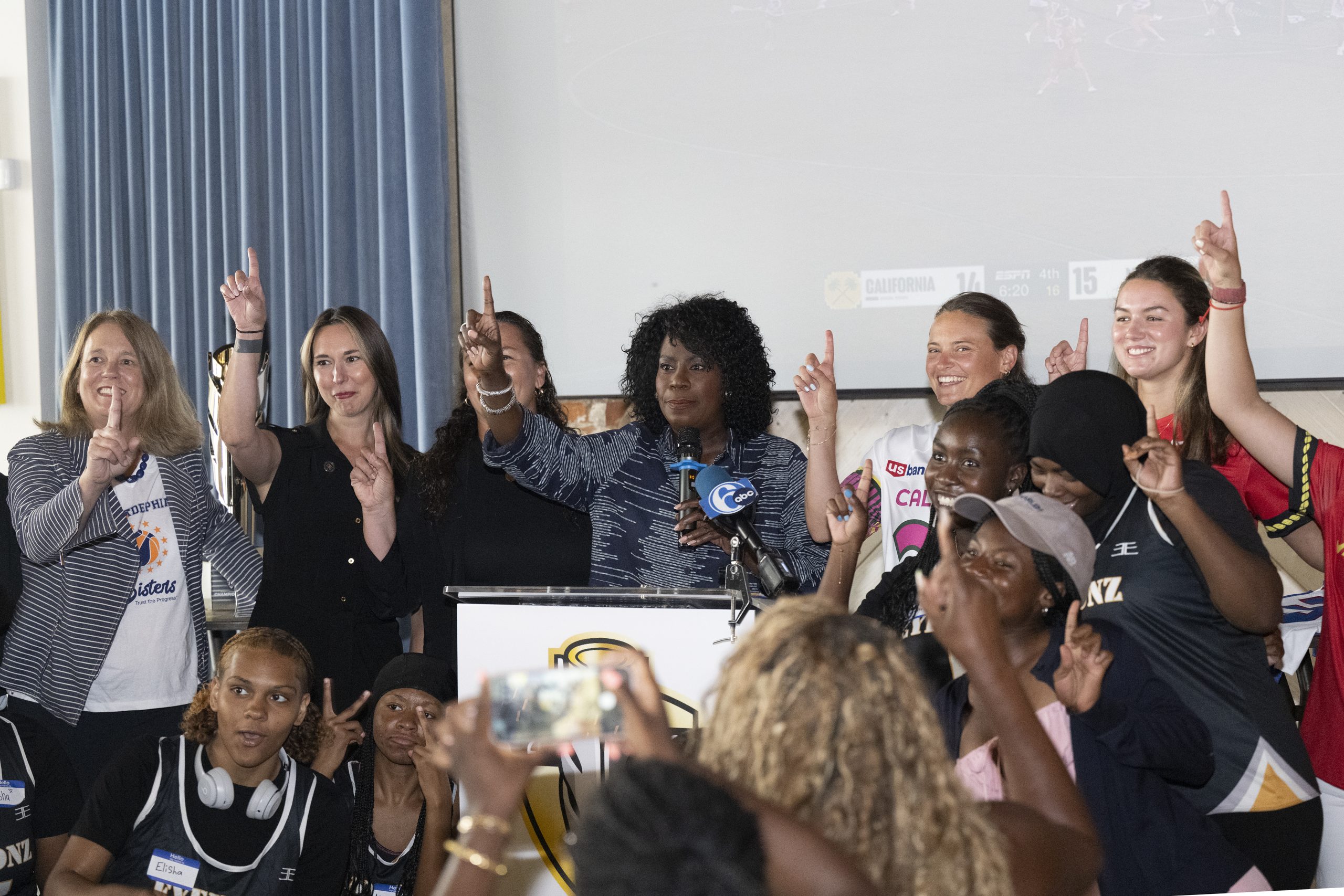
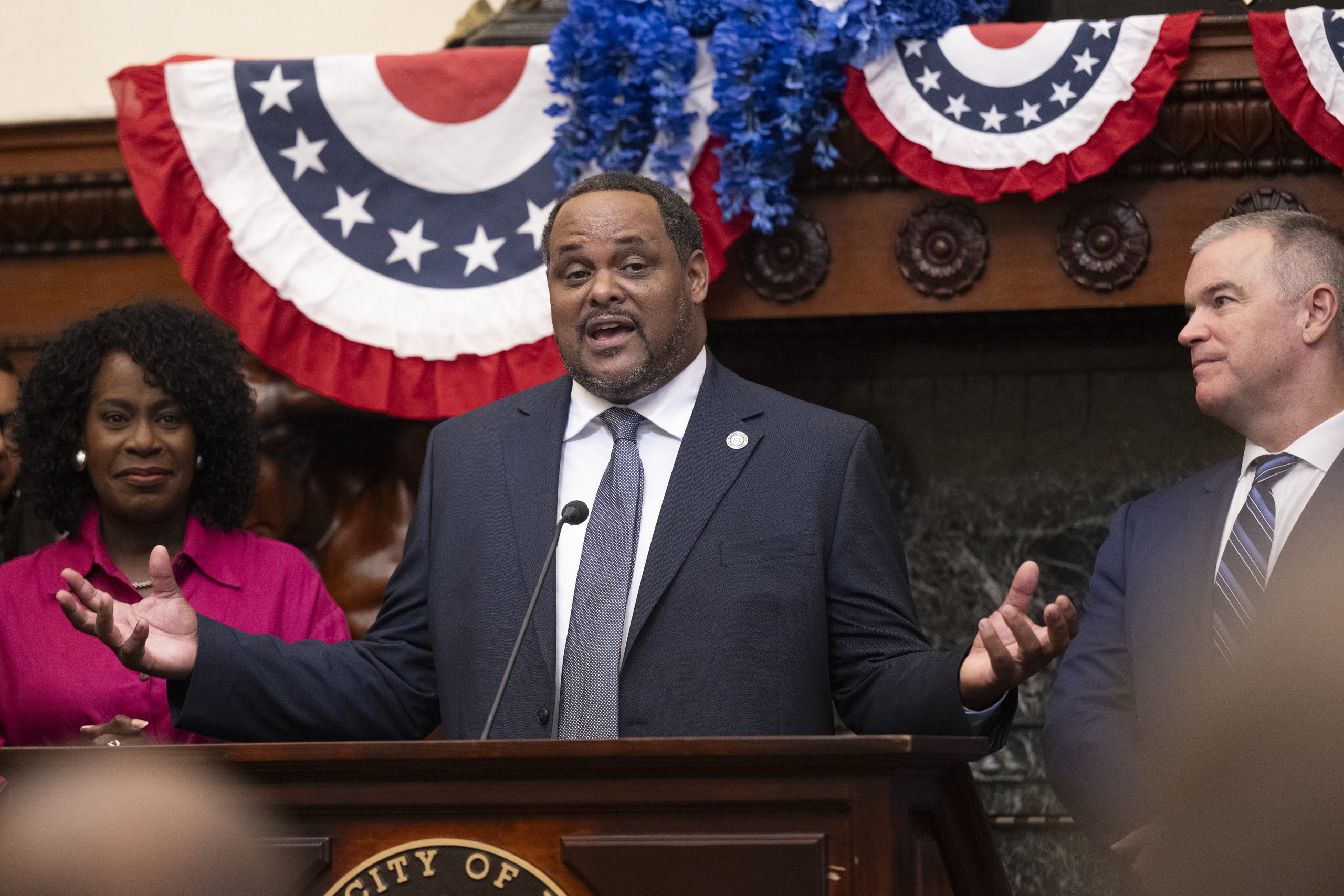
    Mayor Cherelle L. Parker (center) speaks at an event celebrating the inaugural Women’s Lacrosse League championship coming to the Philly area.Jose F. Moreno / Staff Photographer

    The Philly area is a hotbed for women’s lacrosse. Of the WLL’s four teams — the Maryland Charm, California Palms, New York Charging, and Boston Guard — 18 players and two coaches have ties to the region.

    Three of those players — California Palms defender Katie Detwiler (Devon, Archbishop Carroll) and the Maryland Charm’s McKenzie Blake (Haddonfield) and Abby Bosco (Penn) attended Wednesday’s event. Also in attendance was Tina Sloan Green, the former Temple women’s lacrosse coach who has been breaking barriers in field hockey and lacrosse since the 1970s.

    Now 82, Green said the formation of the WLL, which is in its second season, is her legacy.

    “I can’t even believe it,” Green said. “I grew up here and was the only Black female playing the sport. So this means so much to me because I know that my grandchildren, and their children, will get opportunities.”

    Parker also discussed wanting to create more opportunities in women’s sports. Discussions about hosting the WLL championship, as well as bringing a WNBA team to Philadelphia — which will happen in 2030 — have been on her radar since her days as a City Council member from 2015 to 2022.

    “We’re proving every year that our interests are in building and growing professional women’s sports in the city of Philadelphia. We’re doing it in a tangible way. We’re at the table,” Parker told the crowd. “This championship, to me, is about more than competition. It’s about opening doors. And in a city like Philadelphia, I can’t begin to talk about the importance of Black and brown young women being able to know that this sport, too, is for them.”

    At the end of her speech, Parker invited the youth lacrosse players in attendance to join her in reciting her signature chant, “one Philly, a united city; one America, a united nation,” before leading an “E-A-G-L-E-S” chant and laughing with the players about spelling it correctly this time.

    One of the young players in the crowd was Shiyann Werts, a lacrosse player and rising junior at Germantown Academy. Werts fell in love with the sport in sixth grade after being introduced to it at the Thomas K. Finletter School, where the Harlem Lacrosse program provides year-round academic and athletic support.

    Since then, she has seen the sport’s popularity grow.

    “It makes me really kind of emotional,” Werts said. “I’ve been seeing all the news on lacrosse, and it’s getting the recognition that I think it deserves. I’m really excited to see what the WLL will bring to that.”

    Werts hopes to play college lacrosse, and the opportunity to play professionally after graduation is becoming a realistic pathway for female athletes who previously had few options to continue competing after their NCAA careers ended.

    “I think it’s just super crazy growing up in the area,” Detwiler said. “When we were growing up, we didn’t have any of this. We played in college, and then it was on to the real world. So I think it’s really good for them to see what could be possible someday. It’s awesome to see.”

    The WLL and the city are working together to ensure the championship reaches all parts of the community. The league is donating 2,500 tickets to nonprofit organizations, youth programs, and community groups.

    Youth lacrosse players listen as Mayor Cherelle L. Parker speaks during a news conference on Wednesday.Jose F. Moreno / Staff Photographer

    Ashley Walkowiak, executive director of the Governor’s Advisory Commission on Women, echoed the hopes of the room that the championship is only the beginning of the impact women’s professional sports can have on Philadelphia.

    “Seeing the first WLL championship hosted right here in Pennsylvania is a powerful reminder of what’s possible when we invest in expanding opportunities,” Walkowiak said. “Philadelphia has long been a place where history is made, and this championship continues that legacy. But it is more than a game. It’s a celebration of talent, leadership, and the growing momentum around women’s athletics.”
  • Mayor Parker’s former DEI chief sues the city for discrimination in tell-all lawsuit

    Philadelphia’s former chief diversity, equity, and inclusion officer has said before that Mayor Cherelle L. Parker and top administration officials scapegoated her after she reported sexual harassment in City Hall and then fired her “unjustly.”

    But in an explosive new lawsuit filed in federal court in Philadelphia this week, that officer, Brandee Anderson, claimed her termination was part of a coordinated effort to “suppress” or rebrand diversity work and came as a top Parker administration official made derisive comments about other DEI leaders.

    She claimed Parker — a centrist Democrat who is Black and the city’s first female mayor — said in 2025 that she “did not care about Ms. Anderson’s ‘DEI ideology,’ only minority business.”

    And she alleged in the lawsuit that the mayor threatened to remove any administration official who expressed dissenting views, telling a gathering of senior officials that no one “has a right to have an opinion about where we are going.”

    The suit, filed Monday in U.S. District Court for the Eastern District of Pennsylvania, seeks unspecified damages and payment of lost wages as a result of her firing. Parker is named as a defendant, as are Deputy Mayor Vanessa Garrett Harley, Inspector General Alexander DeSantis, and communications director Joe Grace. Anderson claimed DeSantis and Grace defamed and retaliated against her in statements to the media after her firing.

    Anderson served as Parker’s chief DEI officer beginning in 2024, advising the mayor and administration on matters such as workforce diversity, community engagement, equitable budgeting, and minority business opportunities. She also oversaw offices that serve LGBTQ+ residents and people with disabilities.

    She was fired in 2025 after Tyrell Brown, then the director of the Philadelphia Office of LGBTQ+ Affairs, reported to Anderson that they had received a “semi-nude” photo from a senior administration official. Anderson says in the lawsuit that she was fired days after elevating the matter to Garrett Harley and human resources officials.

    The city declined to comment on the lawsuit and generally does not answer questions about pending litigation.

    The lawsuit was the second filed against the city by a former DEI official during Parker’s tenure. Leslie Marant, the Philadelphia Police Department’s first DEI chief, who was fired in the first days of Parker’s administration, said in a federal lawsuit filed in October that she was a victim of the systemic discrimination that she was tasked with addressing. That litigation is ongoing.

    It was also the second time this month that a former Parker administration official accused senior administration members of fostering a toxic work environment.

    Shania Bennett, the former director of the Philadelphia Office of Youth Engagement, last week posted on social media that working for the city was “the worst experience of [her] life” and that she had quit her job after “unprofessional harassment.”

    Bennett could not be reached for comment.

    ‘Stand down’ on DEI matters

    Anderson, an attorney who founded a firm that creates anti-racist trainings, was hired in October 2024 to lead the city’s DEI efforts. In the lawsuit, she alleges that Parker officials undermined her authority from the outset.

    She claimed Parker forbade her from contacting members of City Council with whom she had existing relationships. And she said Garrett Harley, one of Parker’s most senior officials, told her and other DEI leaders to “stand down” if they expressed dissenting views, saying “if you can’t align with the mayor’s strategy, DEI may not be the job for you.”

    Deputy Mayor Vanessa Garrett Harley speaks during a news conference in Philadelphia, Pa., in June 2024.Tyger Williams / Staff Photographer

    Anderson also claimed Garrett Harley made discriminatory comments about a transgender official, Celena Morrison-McLean, former director of the Philadelphia Office of LGBTQ+ Affairs, who reported to Anderson. Garrett Harley, the lawsuit alleges, instructed Anderson to “document Celena [Morrison-McLean] out,” or create a paper trail leading to her dismissal.

    According to the lawsuit, the deputy mayor also mocked Morrison-McLean during a meeting with several other officials, saying she used a “deep male tone” to intimidate staff.

    Morrison-McLean left her post in November 2024, roughly eight months after she was pulled over by a Pennsylvania State Police trooper in a traffic stop that went viral and resulted in her and her husband’s arrest.

    She is now a consultant, according to her LinkedIn profile. She could not be reached for comment.

    Celena Morrison-McLean reads a statement with Darius McLean (rear) Thursday, Mar. 7, 2024. The married LGBTQ leaders were arrested during a contentious traffic stop over the weekend.Tom Gralish / Staff Photographer

    Anderson said in the lawsuit that Garrett Harley also made comments to her in early 2025 that she saw as fostering a hostile work environment. She claims she disclosed to Garrett Harley that she was the victim of rape and asked for time off to attend a hearing in the criminal case against her alleged assailant.

    “Ms. Garrett-Harley responded,” the lawsuit says, “by questioning how one woman could rape another.”

    In a separate instance, Garrett Harley also instructed Anderson to delete emails documenting dangers to children in the city’s care, according to the lawsuit. The lawsuit did not elaborate on the content of the emails.

    Harassment report and press fallout

    Brown was appointed in March 2025 to succeed Morrison-McLean as the city’s director of LGBTQ+ affairs. In July 2025, Brown reported to Anderson that Christopher Dailey, then a deputy chief of staff in the mayor’s office, had sent them a sexual image on a cruising app.

    At the time, Anderson said Brown told her they did not feel harassed by the photo, partly because it was not clear whether Dailey knew to whom he had sent the image, which included Dailey’s face. Brown’s profile was anonymous, Anderson said, but the app used geolocation, meaning that users would have known they were contacting someone in or near City Hall.

    Anderson elevated Brown’s report to human resources roughly a week later, the complaint says, leading DeSantis, the city’s inspector general, to launch an investigation.

    By July 22, Anderson was fired. DeSantis has said Anderson never possessed the photo, but allowed Brown to display it while another employee besides Anderson, their supervisor, was in the room. That decision, DeSantis said, constituted a violation of the city’s sexual harassment policy.

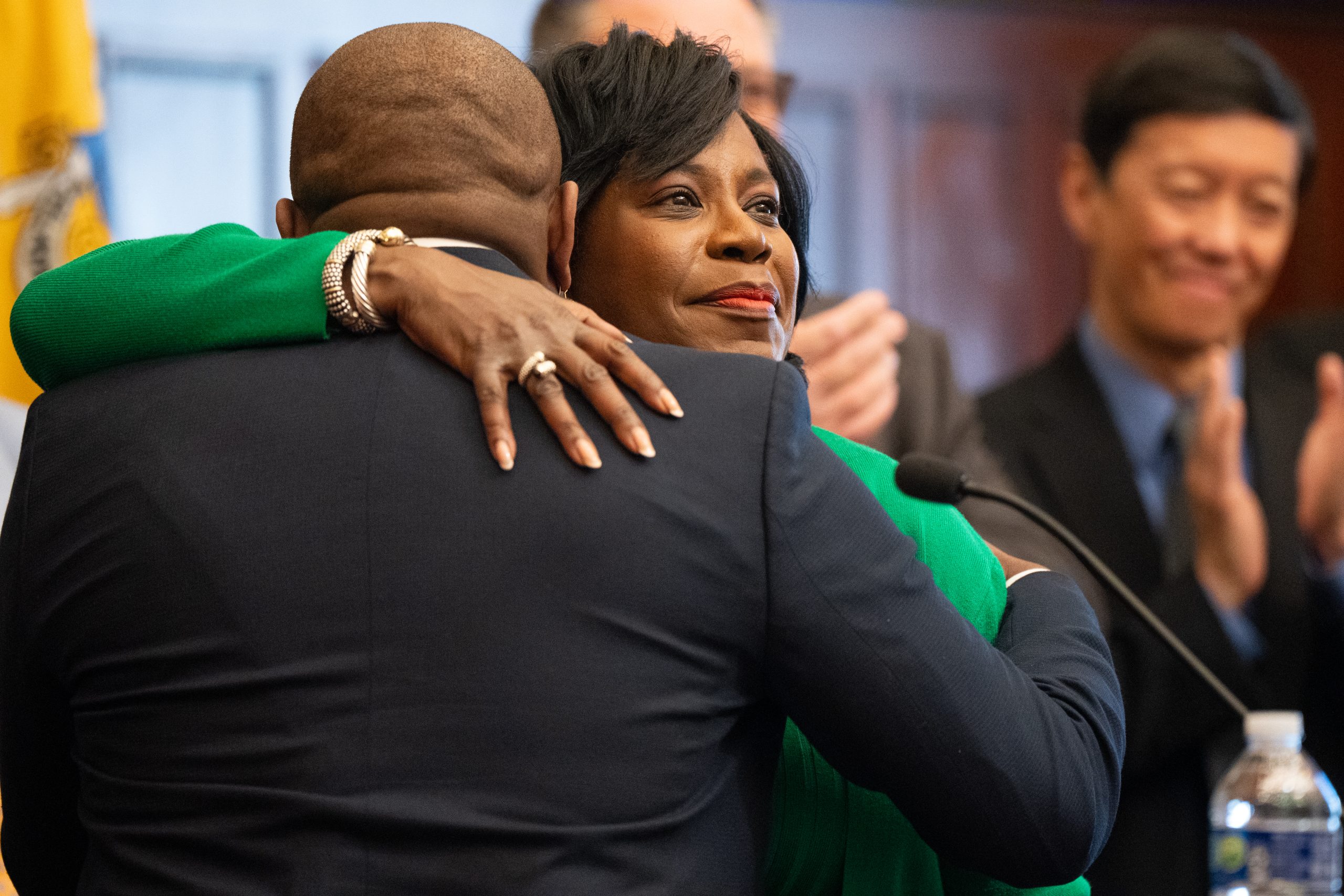
    Mayor Cherelle Parker, right, hugs Tyrell Brown, left, the new Director of LGBTQ+ Affairs, during a press conference to announce new appointments, at City Hall, in Philadelphia, March 21, 2025.Jessica Griffin / Staff Photographer

    Brown was fired the same week as Anderson. Parker tasked Garrett Harley with handling the office’s work through March, when the administration named a replacement.

    Anderson’s lawsuit claims racial discrimination, noting that Dailey, who is white, was not fired, but was instead moved to a new role in a different office. Brown and Anderson are both Black.

    Brown could not be reached for comment.

    Additionally, Anderson claimed that Parker, DeSantis, and Grace each made “false and defamatory” statements in the media after she was fired.

    She cited a July 2025 Inquirer article in which Grace said Anderson’s allegations about the reason for her termination included “outright misstatements of fact.”

    The lawsuit also mentioned an interview with iHeart Radio’s WDAS 105.3 FM that DeSantis participated in last year about the firings, during which he said that Anderson had “mishandled the photograph” and “did something wrong.”

    Anderson, in the lawsuit, said those statements were false.

  • Philadelphia’s top lawyer is resigning from the Parker administration

    Philadelphia’s top lawyer is resigning from the Parker administration

    Renee Garcia, the top lawyer in Mayor Cherelle L. Parker’s administration, is resigning from her job as city solicitor to work in the private sector, the mayor announced Tuesday.

    The reason for Garcia’s departure was not clear Tuesday, and she was not present at a news conference announcing the staff change.

    Garcia, who served in the Parker administration since the mayor took office in 2024, has recently led the city’s strategy in several high-profile matters, including a protracted legal battle with President Donald Trump’s administration over slavery exhibits at the President’s House Site at Independence National Historical Park.

    In some ways, Garcia carried out Parker’s approach to the Trump administration, which has largely been cautious and conflict-averse. At Garcia’s urging, the mayor did not sign legislation supported by City Council that bans federal immigration enforcement officers from wearing masks in the city. But the legislation took effect without Parker’s signature, and the federal government last month sued the city over the provision.

    Garcia will be replaced at the top of the city’s law department by Monique Galloway, who most recently worked as an assistant U.S. attorney in Philadelphia. Galloway’s resume also includes stints as counsel at the federal General Services Administration and the Federal Transit Authority.

    Parker said Galloway’s experience working in the federal government was a key reason for her selection as the next city solicitor.

    “These are challenging times for cities and states as we all have to interact with the federal government,” Parker said. “On any given day, we can never be sure if we’re going to face a legal filing, a summons, or a subpoena out of Washington on a range of different issues.”

    She added that Garcia’s law department has been “Philadelphia’s frontline defense on many of these issues.”

    Galloway said she was “moved by this moment.”

    “Integrity, sound judgment, excellence, and a key focus on public service are who I am,” she said. “And they are the anchor through everything that I do.”

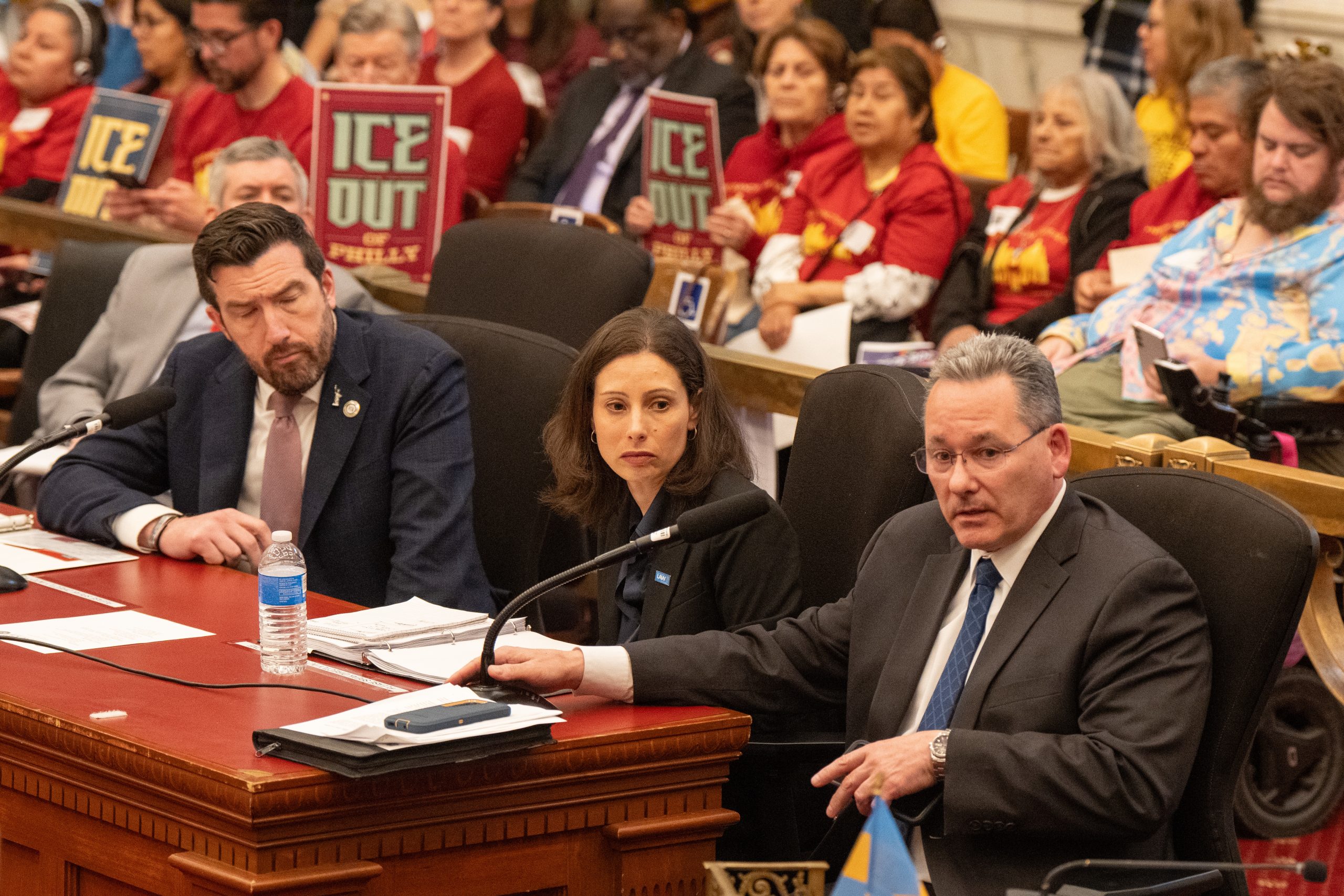
    (left to right) Charlie Ellison, Director of the Office of Immigrant Affairs, Renee Garcia, City Solicitor, Francis Healy, Deputy Police Commissioner, at the City Council hearing about ICE Out legislation, in Philadelphia City Council, Monday, April 13, 2026.Jessica Griffin / Staff Photographer

    Garcia’s departure was the second major leadership change Parker announced Tuesday. Managing Director Adam K. Thiel, who oversees much of the city’s day-to-day operations, is also resigning to take a job in the private sector. He will be replaced by Carlton Williams, a longtime city official who most recently led the Philadelphia Office of Clean and Green Initiatives.

    Taken together, the changes represent a significant shift in the top rungs of Philadelphia’s government. The managing director is in charge of implementing much of the mayor’s agenda, and the city solicitor is responsible for a host of matters, including overseeing litigation and advising both the mayor and City Council on legislation and policy.

    Parker also on Tuesday formalized her appointment of Ralph DiPietro, a deputy commissioner in the Philadelphia Department of Licenses and Inspections. The administration announced last month that DiPietro would replace Basil L. Merenda as commissioner.

    The mayor said Tuesday that she is “excited to welcome this next generation of leadership.”

  • Philadelphia Managing Director Adam Thiel resigns from Parker administration

    Philadelphia Managing Director Adam Thiel resigns from Parker administration

    Philadelphia Managing Director Adam K. Thiel, a top mayoral appointee who supervises many of the government’s day-to-day operations, is resigning from his job in Mayor Cherelle L. Parker’s administration, the mayor announced Tuesday.

    Parker said Thiel is leaving his city role to “reenter the private sector” after serving as managing director for about 2½ years.

    Thiel will be replaced by Carlton Williams, a longtime city official who currently leads the Philadelphia Office of Clean and Green Initiatives. Williams, 57, will assume oversight of a 550-person staff and a vast portfolio of city operations, including health agencies, homeless services, the streets department, parks and libraries, prisons, and the fire department.

    Parker praised Williams’ work implementing new initiatives such as twice-weekly trash collection, and she called him “the individual with all of the attributes the position requires.”

    “Whenever we’ve had a crisis of any kind in this city, he has been on my speed dial,” she said.

    The transition, Parker said, will take place over the next “four to six weeks.” It was not immediately clear who will lead the Philadelphia Office of Clean and Green Initiatives.

    New Philadelphia Managing Director, Carlton Williams speaks at the podium after being announced by Philadelphia Mayor Cherelle L. Parker, left, during a news conference at City Hall in Philadelphia on Tuesday, July 28, 2026.Jose F. Moreno / Staff Photographer

    Thiel, 54, has been the city’s managing director since Parker took office in January 2024. Prior to being appointed to the role, Thiel spent eight years as the city’s fire commissioner under former Mayor Jim Kenney.

    In the early days of Parker’s tenure, Thiel emerged as a key crisis manager, often flanking the mayor when she responded to emergencies. He was the face of the administration’s strategy in Kensington, where Parker campaigned on ending the sprawling open-air drug market that has persisted in the neighborhood for decades.

    His office also played a critical role in preparing for an array of major events that the city hosted this summer, including FIFA World Cup games and events related to the 250th anniversary of the nation’s founding.

    Details of Thiel’s new job were not immediately clear. He is a major in the Army Reserve, and he has worked as a consultant and an adjunct professor, in addition to his role as managing director. His city salary is $310,000, and last year, he made more than half a million dollars in additional income through his other jobs, according to his financial disclosure.

    Managing Director Adam Thiel, center, gives an update on the Northeast Philly plane crash, during a press conference on Tuesday Feb 4, 2025 at the Fire Administration Building in Philadelphia, Pa.Jose F. Moreno / Staff Photographer

    Since Thiel joined the Reserve in August 2024, he has been one of the administration’s least visible senior officials and was frequently on leave. He did not oversee the response to a January snowstorm that was the city’s worst in five years — despite emergency services falling under his purview — and parts of the Kensington strategy are now led by other offices.

    The Inquirer reported in February that Thiel was absent for a total of about five months last year. Of that, six weeks were for military leave — the maximum the city covers for employees — and an additional 13 weeks were for general paid leave, according to city records obtained by The Inquirer. A spokesperson for Thiel said he used most of that time off for military service.

    Thiel refused to discuss his role in the Army Reserve with The Inquirer. A spokesperson for the Army said Thiel is a major assigned to a civil affairs unit based in Staten Island, N.Y. Last year, the Army Reserve paid Thiel about $32,600, according to his financial disclosure paperwork.

    In addition to his jobs with the city and the Army, Thiel has worked on the side as a consultant. Last year, he earned $390,000 as president of Pantheon Global Strategies, an opaque company with little in the way of an online footprint. Thiel has in the past refused to discuss the business in detail.

    He also earned $120,000 last year from FACETS Consulting LLP, an Arizona-based firm that is publicly advertised as a fire safety consultancy. Thiel is a founding partner.

    Philly city managing director Adam Thiel in the bowels of the stadium during the France vs. Iraq 2026 FIFA World Cup Group 1 soccer match at Philadelphia Stadium on Monday, June 22, 2026.Elizabeth Robertson / Staff Photographer

    Thiel has said his consulting work takes fewer than 10 hours per week and did not interfere with his responsibilities as Philadelphia’s managing director. When The Inquirer first reported on Thiel’s consulting work in 2024, he would not disclose his clients but said he followed the city’s ethics guidelines related to conflicts of interest.

    Before coming to Philadelphia in 2016, Thiel worked in a variety of firefighting, disaster response, and emergency preparedness roles around the country, including as Virginia’s deputy secretary of public safety and homeland security.

    He is the third top official to leave Parker’s administration since she took office in January 2024. Former chief deputy mayors Aren Platt and Sinceré Harris, the architects of Parker’s mayoral campaign, each left their posts for jobs in politics outside government.

    In some administrations, the managing director has been the mayor’s clear No. 2, while other mayors have preferred for power to be concentrated among deputy mayors or other staffers in their office.

    Under Parker, chief of staff Tiffany W. Thurman is seen as the mayor’s top adviser and the central figure in her administration. Parker has called Thurman her “chief air traffic controller.”

    She has also placed the execution of much of her agenda on Williams’ shoulders. Earlier this year, he oversaw the city’s response to a major snowstorm, despite that work in the past falling squarely in the managing director’s scope.

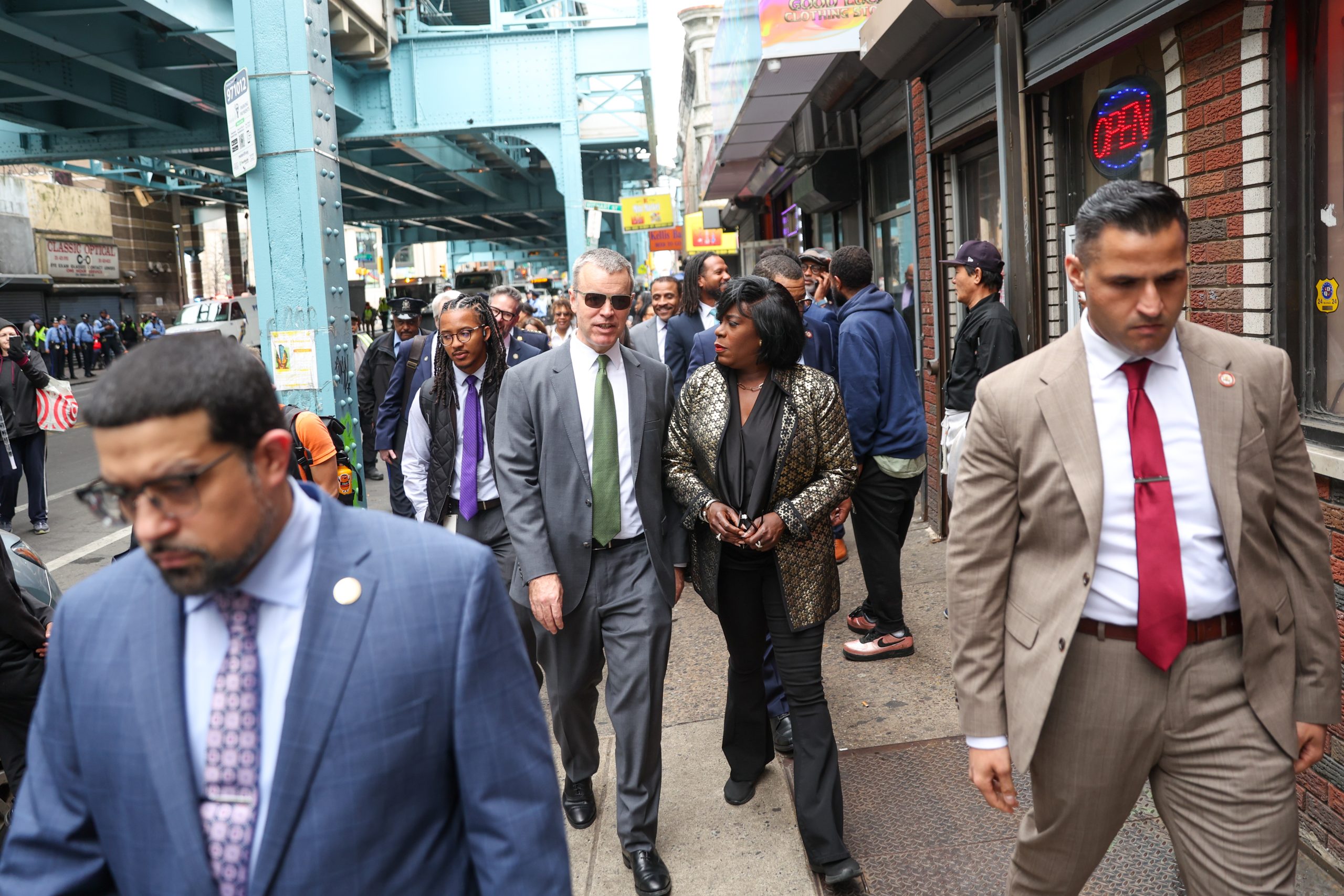
    Mayor Cherelle L. Parker walks along Kensington Avenue with Adam Thiel, managing director of city, on Thursday, April 11, 2024. Mayor Parker took the El to attend an event in the Kensington neighborhood in Philadelphia.Heather Khalifa / Staff Photographer

    Still, Thiel oversaw a large team, and the leaders of more than 30 city agencies and offices reported to him.

    One of his major initiatives was coordinating the administration’s efforts to improve quality of life in Kensington. Thiel’s office worked to expand homeless shelter and recovery bed space throughout the city, and he led the development of the Riverview Wellness Village, a city-run recovery house in Northeast Philadelphia that dramatically grew the city’s capacity to house people with substance use disorder.

    Initially, Thiel absorbed scrutiny from community groups and, at times, members of City Council. Lawmakers grilled Thiel on the efforts in Kensington, and they occasionally criticized what they saw as a lack of details coming from the Parker administration about the plan.

    Despite those early hiccups, more than 200 people live at Riverview, which has been open to residents in recovery for more than a year.

    “I’m grateful for what you did,” Parker told Thiel on Tuesday. “And I’m grateful that you had thick skin.”

    And while the drug market in Kensington persists, there have been other markers of success in the neighborhood, including a plummeting shooting rate and a reduction in the number of people living on the street.

    Williams recently toured parts of Kensington alongside Parker and other administration officials to get a sense of the challenges ahead. He said Tuesday that his goal is to be accessible to all residents and to look at the delivery of city services “through the eyes of everyday residents.”

    “You just don’t take these jobs because of the glamour,” he said. “You take the job because you believe that you can make a change.”

    Staff writer Sean Collins Walsh contributed to this article.

  • Philly’s city budget is balanced, but structural deficit and federal funding concerns loom, board warns

    Philly’s city budget is balanced, but structural deficit and federal funding concerns loom, board warns

    A state board that oversees the City of Philadelphia’s finances signed off on Mayor Cherelle L. Parker’s five-year financial plan on Tuesday, despite a structural deficit and significant uncertainty about future federal funding.

    The Pennsylvania Intergovernmental Cooperation Authority, which was established in the early 1990s to monitor the city’s finances amid a severe fiscal crisis, must every year approve the five-year budget plan agreed to by the mayor and passed by City Council. The board voted 5-0 to green-light the plan.

    In June, Parker and Council agreed to a $7.1 billion budget for the fiscal year that began on July 1, as well as a five-year financial plan in which the city is projected to spend more than it generates in four of those years. This fiscal year, the city is projected to spend about $550 million more than it brings in.

    As has been common in recent years, the city’s budget relies on reserves and an existing surplus to avoid a significant deficit. The city is projecting that this year it will have a $364.6 million fund balance, which is the amount of money left over in the city’s general fund after liabilities are accounted for. That balance is set to decline in each of the next five years.

    Parker administration Finance Director Rob Dubow said the city is on track to unlock hundreds of millions of dollars in additional revenue once its pension fund is fully funded, a major milestone that is projected to take place in fiscal year 2033.

    Also on Tuesday, Alan C. Kessler was unanimously elected to serve as chair of the PICA board after Kevin Vaughn, who has chaired the board for a decade, announced he would not seek reelection to the position. He intends to remain a board member, he said.

    Kessler, who has also served on the board for about a decade, is a commercial litigation attorney. He is a prominent fundraiser in the Democratic Party and has long been active in local and national politics.

    As for the city’s financial position, board members on Tuesday also discussed potential risks that are largely outside the Parker administration’s control, such as the funding issues that both SEPTA and the Philadelphia School District have faced in recent years. The transit authority has warned of the possibility of debilitating service cuts, and the public school system is borrowing hundreds of millions of dollars just to pay its bills.

    Parker had earlier this year proposed implementing a tax on rideshare services to generate about $50 million a year for the district, but Council members rejected her plan.

    Administration officials identified existing funding for the district to stave off planned staff cuts. Dubow said Tuesday that cuts were made in each year of the five-year plan to make up for that money, but that the hope is to reach an alternative, recurring revenue generation plan before the cuts would take effect.

    The biggest uncertainty for Philadelphia’s finances, the board said, is the federal government and potential policy shifts affecting funding under President Donald Trump. PICA officials warned in a report that while the city has so far sustained only limited losses as a result of slashed grants under the Trump administration, the city “will not be able to absorb federal funding reductions at a greater scale without significant service reductions.”

    The city received more than $2.2 billion in aid from the federal government in fiscal year 2024, the most recent data available. More than half that money was for healthcare and other social safety net programs for poor and disabled residents.

    The president has repeatedly threatened to cut off federal funding to cities like Philadelphia that are led primarily by Democrats and have relatively permissive local immigration policies. However, those efforts have been tied up in litigation.

    A more pressing concern for the city, PICA officials wrote, could be the changes made last year to the enrollment criteria for social programs like Medicaid and the Supplemental Nutrition Assistance Program (SNAP).

    Philadelphia is one of the poorest big cities in the nation, and hundreds of thousands of residents rely on government assistance. The Pennsylvania Department of Human Services has estimated that changes to Medicaid instituted under the Trump administration will leave more than 73,000 Philadelphians without coverage by next year.

    And, the PICA report warned: Changes to federal programs can have ripple effects.

    “The fiscal crisis that precipitated the creation of PICA in the 1990s,” officials wrote, “was in part due to dramatic reductions in federal programs for vulnerable individuals that the City tried to manage but was incapable of replacing.”

  • Mayor Parker moves to renew Philadelphia’s contract with controversial Chester incinerator

    Mayor Parker moves to renew Philadelphia’s contract with controversial Chester incinerator

    Philadelphia last week took a step toward renewing its contract with a controversial Chester trash incinerator after a high-profile bill to ban the city from doing so failed to garner enough support in City Council.

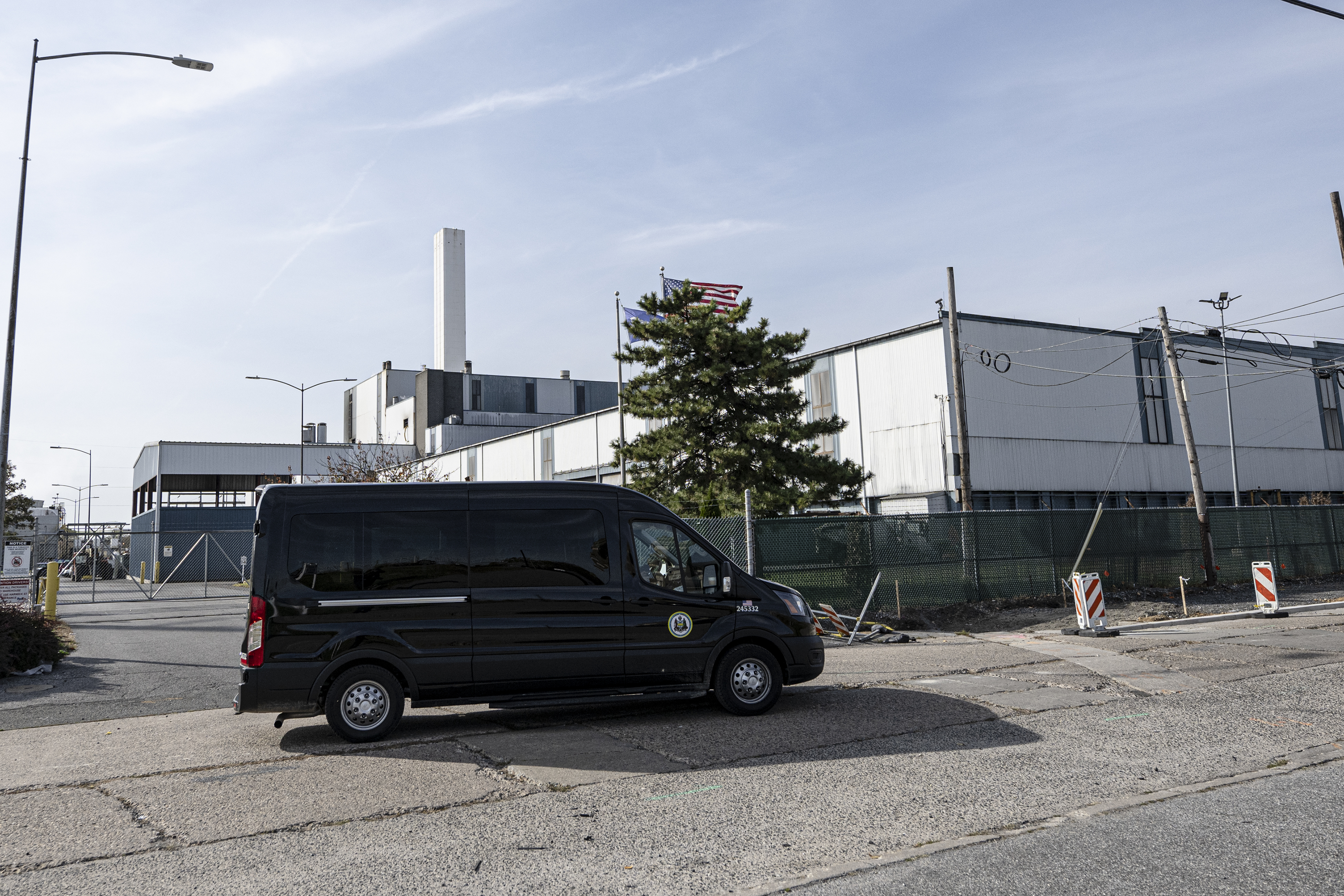
    Mayor Cherelle L. Parker’s administration issued a notice on Friday that it intends to enter into a new four-year contract for waste processing and disposal with Reworld, which operates a waste-to-energy facility in Chester. The city sends about a third of its garbage to the incinerator, the Delaware Valley Resource Recovery Facility.

    Carlton Williams, who leads Parker’s Office of Clean and Green Initiatives, said in a statement that the city’s contracting process resulted in a deal that is “financially sound, environmentally safe, and includes the best option for the city to explore alternative methods for disposal.”

    But advocates, local officials in Chester, and some City Council members have accused the company of severe pollution and environmental racism, saying it releases toxic chemicals into the air that cause adverse health effects in the majority-Black city that’s about 15 miles south of Philadelphia.

    The amount of money the city intends to pay Reworld was not immediately clear on Monday. Parker administration officials issued a notice that they intend to renew the city’s existing contract with the company, but did not publish the contract itself.

    Reworld was one of three companies selected to process and dispose of the city’s waste. The other two, Republic Services and Waste Management, operate landfills.

    Council will need to approve legislation to greenlight the new contract with Reworld. The next scheduled meeting is in September.

    It’s unclear what fate the bill might meet in Council. Last year, Councilmember Jamie Gauthier, a Democrat who represents parts of West Philadelphia, introduced the Stop Trashing Our Air act, which would have banned the city from entering into contracts with companies that burn trash or recyclables.

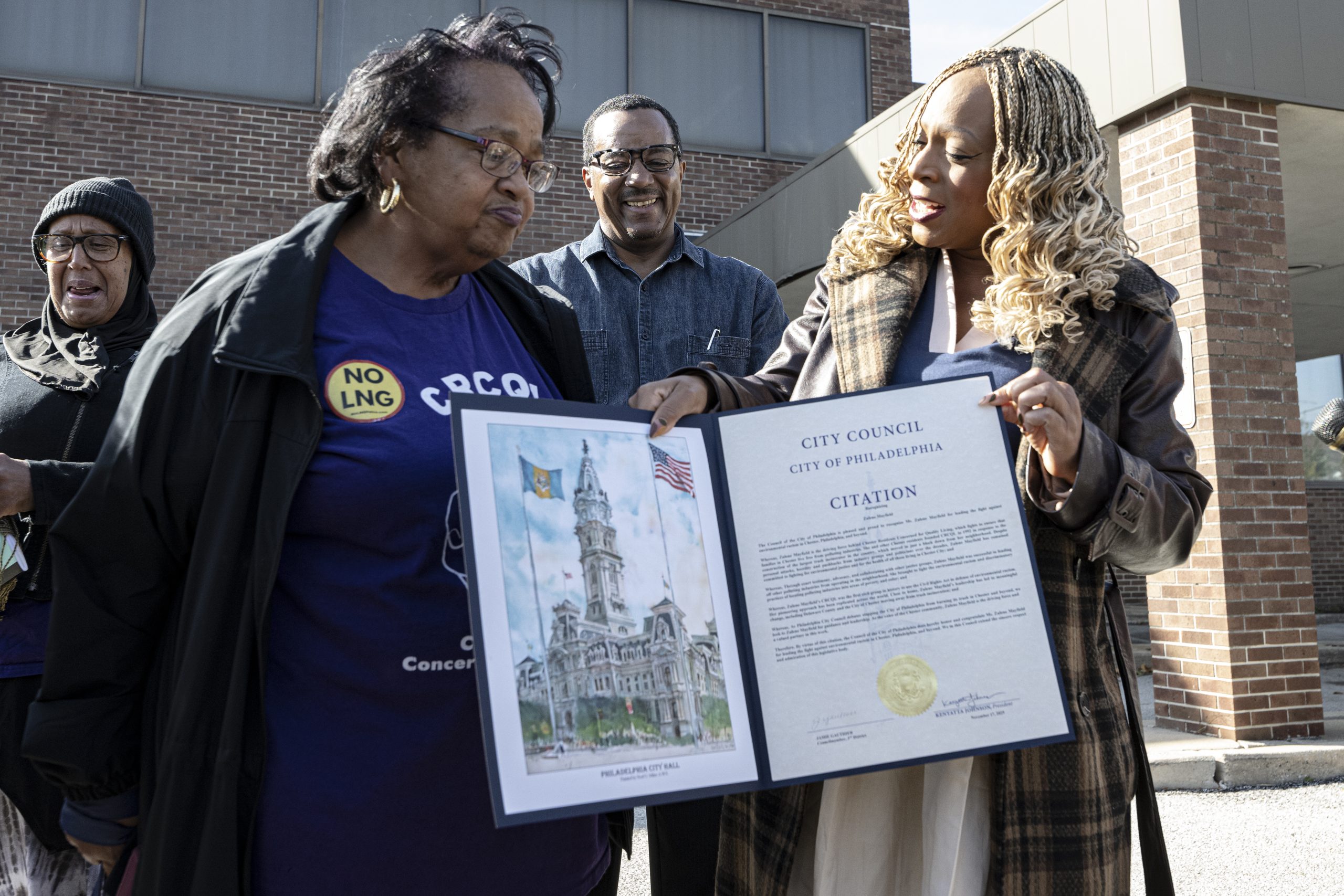
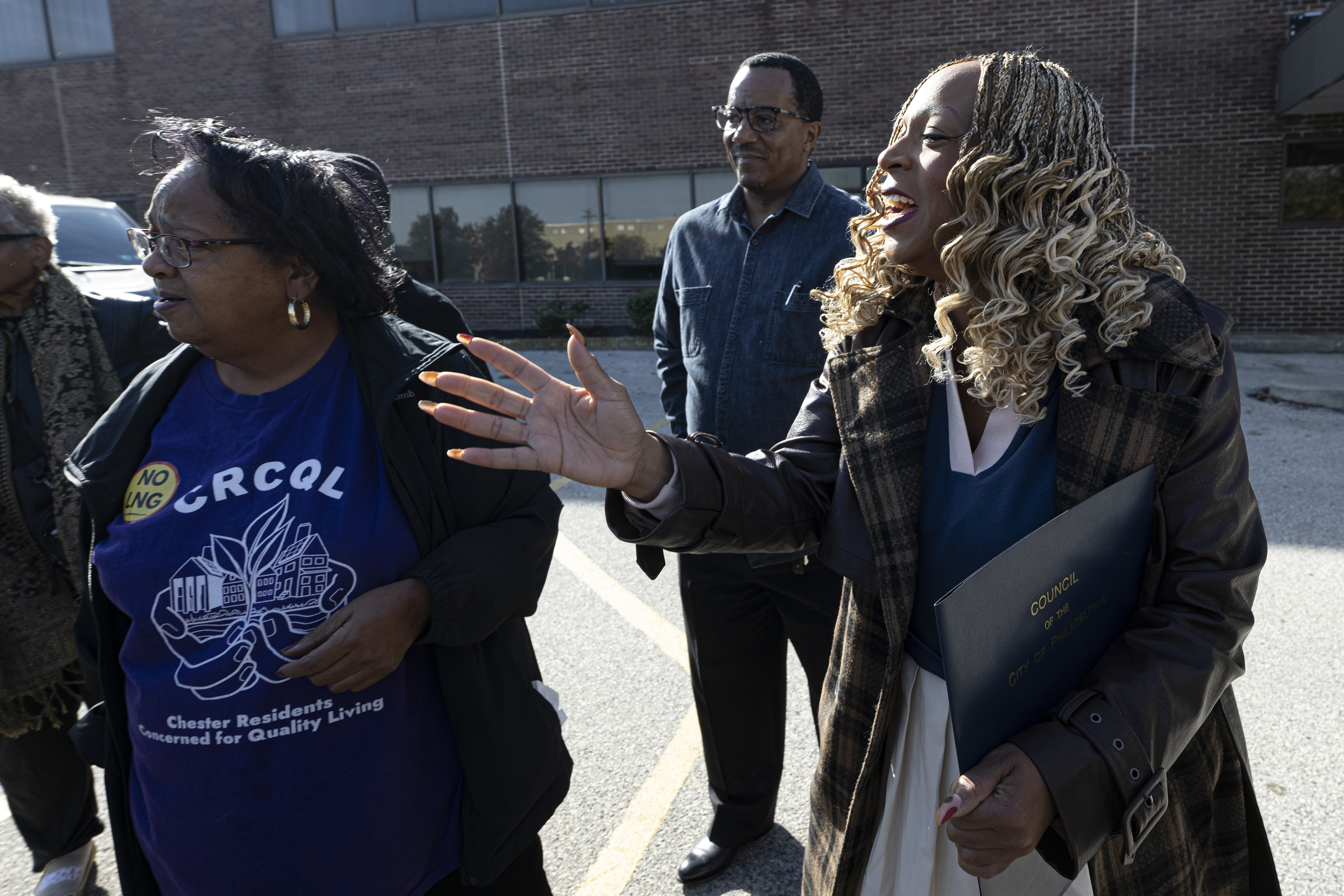
    Chester resident Zulene Mayfield (left), Philadelphia Councilmember Jamie Gauthier (right), and Chester Mayor Stefan Roots meet to discuss Gauthier’s “Stop Trashing Our Air Act,” which would ban the city from incinerating waste, during a visit with lawmakers and staff in Chester on Nov. 7, 2025.Jose F. Moreno / Staff Photographer

    But she never called the bill up for a vote, and ultimately put it on hold after it failed to garner support from a majority of the 17-member body.

    Gauthier said in a statement Monday that dirty air causes asthma and cancer, and that Parker’s administration is “condemning Philly and Chester to at least four more years of toxic air and ash.”

    “This is a choice. A choice that breaks Mayor Parker’s own campaign promise,” Gauthier said. “A choice that disproportionately harms Black and brown communities. A choice that makes every Philadelphian and Chester resident sicker.”

    The incinerator became something of a flashpoint when Parker ran for mayor in 2023. During a debate, one of her rivals, businessman Jeff Brown, made comments dismissive of complaints about the environmental impact of burning trash in Chester.

    Parker, who ran on a platform of making the city “safer, cleaner, and greener” seized on it and told Brown: “That response is the same way you treat the Black and brown community.”

    But Parker’s administration opposed Gauthier’s legislation, saying it would hamstring the city from being able to choose the best value waste disposal contractor through its typical competitive bidding process.

    That process, city officials said in a news release Friday, included considerations of cost, as well as impacts on transportation in the region and the environment. The administration hired two independent firms to conduct environmental impact analyses.

    The city previously held a seven-year contract with Reworld, which expired in June. Parker’s administration extended it for six months, ahead of selecting the company for a four-year renewal with the potential for three additional one-year extensions.

  • Philly sends a third of its trash to a Chester incinerator. Council members took a ‘Toxic Tour’ to get a closer look.

    Philly sends a third of its trash to a Chester incinerator. Council members took a ‘Toxic Tour’ to get a closer look.

    CHESTER — Like a Ben Franklin impersonator waving at Independence Hall and the Liberty Bell, tour guide B. Preston Lyles directed the tour group’s attention to various landmarks as they passed by.

    But instead of highlighting monuments that made locals swell with pride, Lyles was pointing to sites he said made the people of Chester get sick and die younger: power plants, an oil refinery, a sewage sludge-burning facility, and — most relevantly for Friday’s group — the Reworld trash incinerator, the destination for about a third of the rubbish collected by Philadelphia’s city government.

    “Chester City is known as one of the nation’s worst cases of environmental racism,” Lyles, an organizer for Delco Environmental Justice, told the group, referring to the concentration of polluting industries in Black and brown communities. “It is not just because the city holds the nation’s largest waste incinerator, but due to an extreme concentration of toxic industries in and adjacent to such a small city.”

    Philadelphia City Councilmember Jamie Gauthier, who is hoping to end the city’s relationship with the Reworld incinerator, on Friday attended the Energy Justice Network’s “Toxic Tour” in and around Chester to highlight the facility’s impact on Philly’s southern neighbors.

    Philadelphia Councilmember Jamie Gauthier tours Chester to discuss her “Stop Trashing Our Air Act,” which would ban the city from incinerating waste, during a visit with lawmakers and staff in Chester, Pa., on Friday, Nov. 7, 2025.Jose F. Moreno / Staff Photographer

    “From a justice and fairness perspective, it just seems so wrong to me and so obvious,” said Gauthier, who was joined on the tour by Councilmember Kendra Brooks and staffers for other lawmakers. “Seeing the incinerator on the waterfront and all of these other dirty uses and the abandoned homes, that made me want to do this more, because it’s wrong. It’s wrong that people should be loaded down with all these toxic uses.”

    Reworld in 2024 burned more than 355,000 tons of trash collected by the city. Its contract with Philadelphia ends in June 2026.

    Gauthier has introduced a bill, the Stop Trashing Our Air Act, that would prohibit the city from incinerating trash, and Council’s Committee on the Environment, which she chairs, will likely hold a hearing on it this fall.

    Reworld spokesperson Linda Ribakusky said the company is a “leading sustainable waste solutions provider.” The Chester facility, she said, offers “a more sustainable alternative to landfilling by converting waste into renewable energy and recovering valuable metals that would otherwise be lost.”

    “The Reworld Delaware Valley facility helps reduce greenhouse gases by avoiding landfill methane and generates enough clean electricity to power more than 50,000 local homes each year,” Ribakusky said in a statement. “We are proud to be an active part of the Chester community. Working alongside local schools, nonprofits, neighbors, and community organizations, we support initiatives that create real impact.”

    ‘Now is the time’

    The Philadelphia Sanitation Department collects and disposes of about half of the city’s waste, said Michael Ewall, founder of the Philly-based Energy Justice Network. The other half is handled by private haulers hired by businesses and owners of larger residential properties.

    Under its contract, Reworld takes one-third of the municipally collected trash to the Chester incinerator, which the company says produces about 87 megawatts of electricity, enough to power 52,000 homes, while burning the waste. WM, which operates a major landfill in Bucks County’s Falls Township, takes the other two-thirds.

    When the most recent contracts were signed in 2019, the city agreed to pay roughly $65 per ton of trash to both Reworld, which was then known as Covanta, and WM, formerly Waste Management.

    Gauthier said she has had constructive conversations with Mayor Cherelle L. Parker’s administration about eliminating incineration from the city’s waste management operations, and is hopeful the city will include environmental justice concerns in its request for proposals for the new contracts.

    Parker’s office did not respond to a request for comment.

    The Chester incinerator provided a flashpoint in the 2023 mayoral election, which Parker won. During a debate, a moderator asked candidate Jeff Brown about the incinerator, prompting Brown to say, in part, “The trash has to go somewhere.”

    In a debate performance that was key to her rise and Brown’s downfall in the race, Parker was among the candidates who pounced on the soon-to-be-infamous comment.

    “That response is the same way you treat the Black and brown community,” said Parker, who ran on a campaign to turn Philly into America’s “safest, cleanest, greenest” big city.

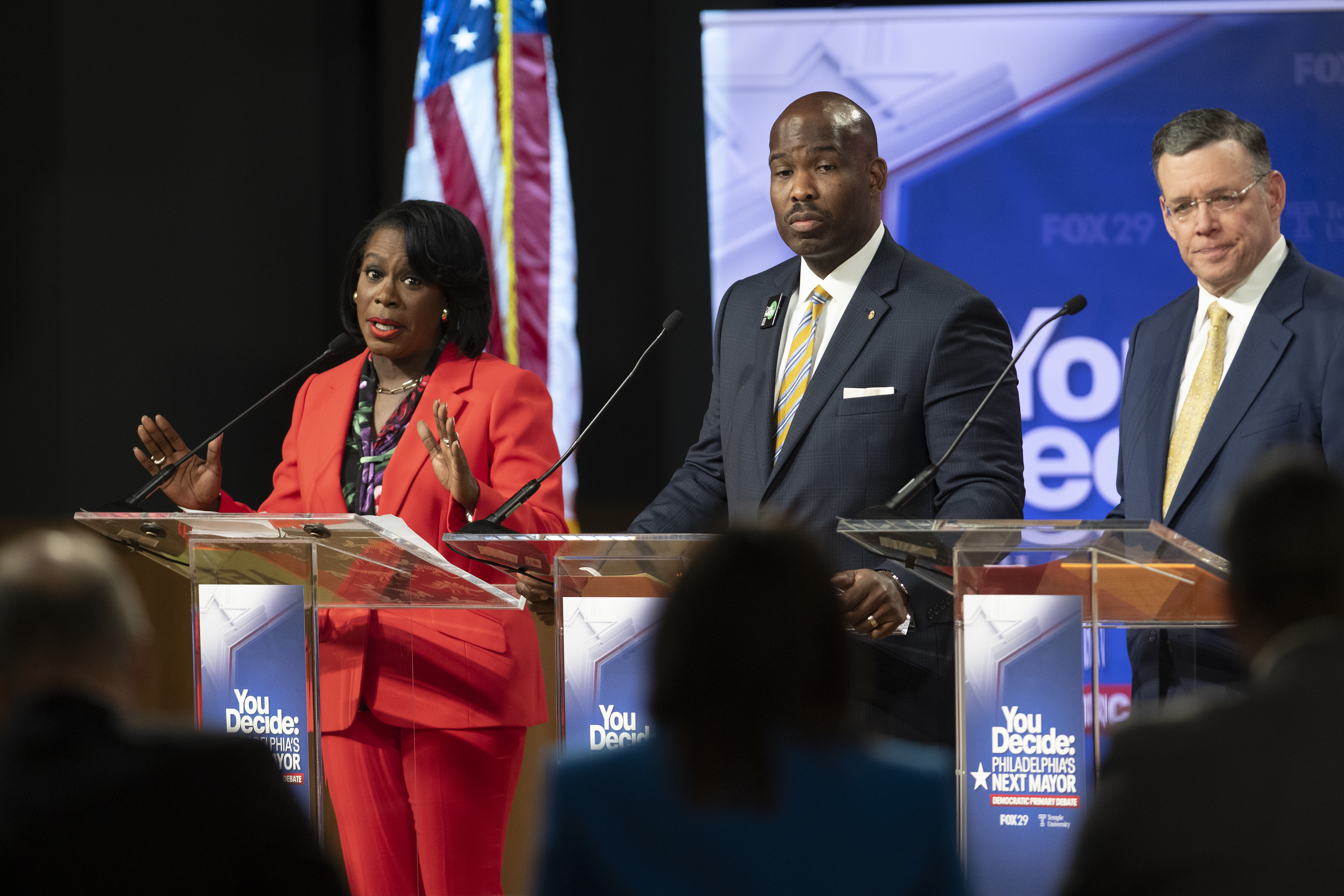
    Top candidates for the Philadelphia mayor seat former City Council Member Cherelle Parker, left, Former City Council Member Derek Green, and businessman Jeff Brown, during a televised debate at the Temple performing arts center in Philadelphia, Pa. Tuesday, April 11, 2023.Jose F. Moreno / Staff Photographer

    During the debate, however, Parker was not asked directly if she would commit to ending the city’s contract with Reworld.

    “I was enthused to hear our mayor speak about this on the campaign trail,” Gauthier said. “I hope we all want to do the right thing. Now is the time to show that.”

    Environmental advocates contend that neither landfills nor incinerators are good for the environment and urge municipalities to focus on reducing waste in the first place. For instance, Ewall, who developed a policy platform called the Zero Waste Hierarchy, pointed out that thousands of communities now charge residents for each bag of trash just as utilities charge for each gallon of water or kilowatt of electricity.

    But for the “residuals” that do need to be collected, advocates have generally coalesced around the conclusion that incineration is more harmful than landfilling, Ewall said.

    Delaware County, which adopted a Zero Waste Plan in September, commissioned a 2021 study that found incineration was the costliest of its waste-disposal options, from both a health perspective and a financial one.

    The county determined that each ton of trash burned at the incinerator produced $234 to $337 in health and environmental costs. The impact from landfilling, meanwhile, was $144 per ton.

    ‘Reverse the environmental tragedy’

    Founded by William Penn, Chester is the oldest city in Pennsylvania. But over the last century, it has become a hub for some of the region’s least-wanted uses, including polluting manufacturers, fossil fuel facilities, a state prison, and, since the early 1990s, the incinerator. About 69% of Chester’s 33,000 residents are Black, and 31% live below the federal poverty line.

    “We hope that Philadelphia is listening in a strong way … as we attempt to reverse the environmental tragedy that has occurred here in the last 3½ decades due to the incineration of trash,” Chester Mayor Stefan Roots said Friday. “It’s an old technology, and it’s time for it to go. Especially in a community like Chester that’s looking to develop, it’s one of our biggest impediments.”

    Chester resident Zulene Mayfield, left, Philadelphia Councilmember Jamie Gauthier, right, and Chester Mayor Stefan Roots meet to discuss Gauthier’s “Stop Trashing Our Air Act,” which would ban the city from incinerating waste, during a visit with lawmakers and staff in Chester, Pa., on Friday, Nov. 7, 2025.Jose F. Moreno / Staff Photographer

    About 31% of the trash the incinerator burned in 2024 comes from Philly, with Delaware County accounting for 28% and New York City 26%.

    During the tour, Lyles explained how environmental racism can occur even if decision-makers are not consciously prejudiced against certain communities, because wealthier areas often organize to prevent polluting industries in their backyards.

    “In the late 1990s, there were about 60 proposals for new gas-fired power plants in PA. Only 16 of them were built,” he said. “Most of them faced a stiff opposition from community groups in suburban and rural areas, but those on either side of Chester went in with no organized opposition.”

    The final stop on the tour was a row of boarded-up and dilapidated homes along a railroad used for industrial purposes near the edge of the incinerator property. The homes started emptying out in the early 2000s, Ewall said, and the last was abandoned a few years ago.

    He recalled meeting one of the last residents to leave.

    “She had six grandchildren. She lived with her granddaughter, around 14, and one of the times I met her, had an oxygen tank that she would carry around with her just to be able to breathe,” Ewall said. “They just kind of disappeared one day, and I saw a boarded house.”