Blog

  • 🍕 It’s finally happening | Inquirer South Jersey

    🍕 It’s finally happening | Inquirer South Jersey

    Good morning, South Jersey.

    More than four years after buying a Collingswood storefront intended for his dream pizzeria, a third-generation pizza-maker is ready to open its doors.

    And the Phillies’ Bryce Harper and former Sixer Robert Covington are selling their multimillion-dollar homes.

    Plus, a man from Burlington City died after Monday’s triple shooting, and more news of the day.

    — Taylor Allen (southjersey@inquirer.com)

    If someone forwarded you this email, sign up for free here.

    Collingswood’s newest pizzeria
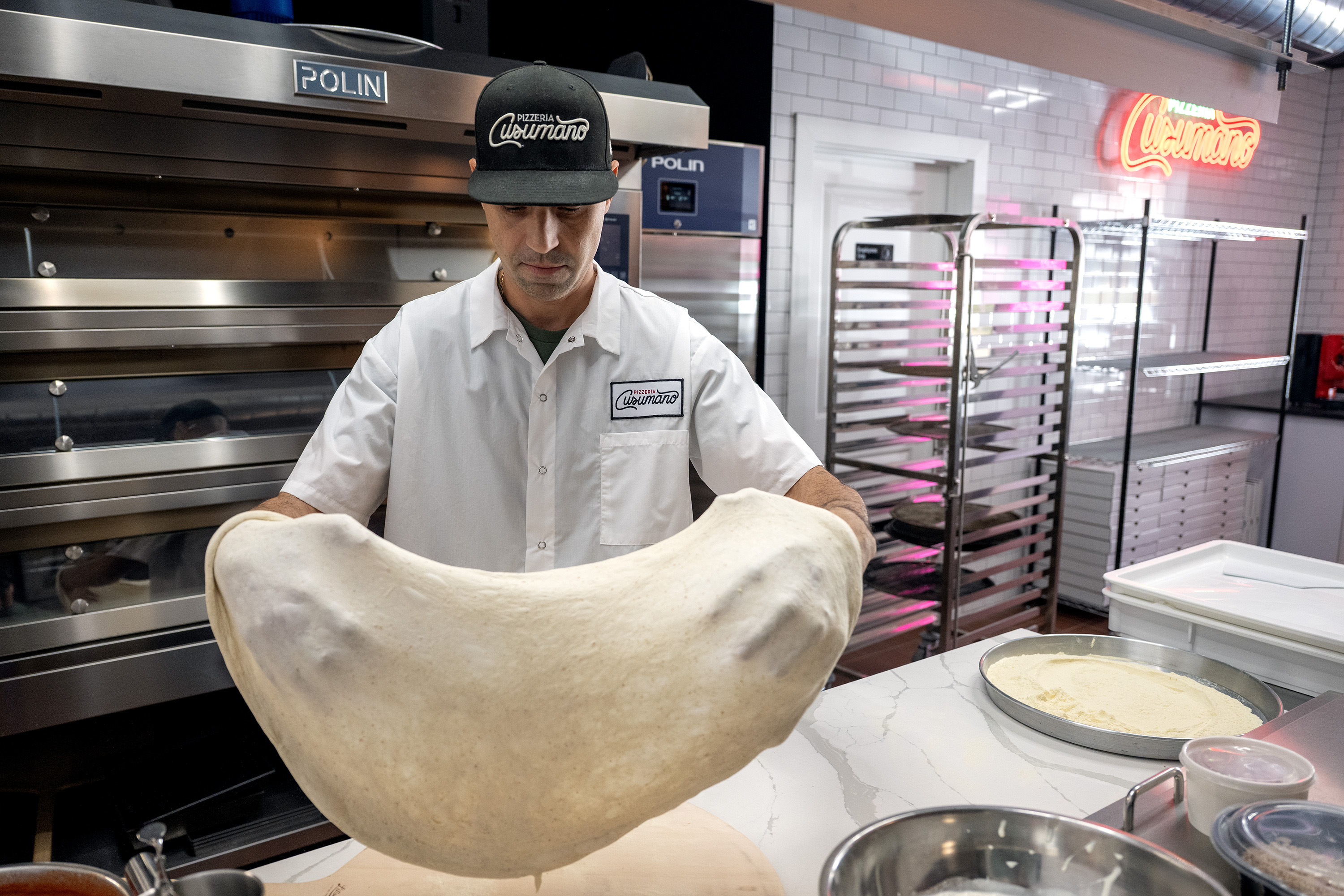
    Sal Cusumano is ready to introduce Pizzeria Cusumano at 872 Haddon Ave. in Collingswood to the world.

    On Saturday, customers will be able to taste the result of his constant pursuit of perfection. It has required persistent experimentation and multiple trips to Brooklyn for classes, and to watch other makers like him.

    “It’s time to really bite the bullet and let my OCD not get in the way,” he said.

    The dedication runs in the family. His grandfather started making pizza in Brooklyn before opening Ricardo’s Pizza in Willingboro in 1971. His father and uncle then opened Brothers Pizza in Paulsboro in 1979 before the multiple Angelo’s shops.

    The Inquirer’s Michael Klein has the story leading up to the debut that has been nearly a decade in the making.

    For sale: The homes of Bryce Harper and Robert Covington

    Bryce Harper is selling his $4.5 million farmhouse in Haddonfield, while Robert Covington is listing his Cherry Hill home for $2.9 million.

    The perks of Harper’s 6,200-square-foot home include five bedrooms, a finished basement, a gated backyard with a patio, and two massive walk-in closets with its primary suite. It’s also near downtown.

    Over in Cherry Hill, the listing agent called Covington’s home “Ritz-Carlton-inspired.” It has a chef’s kitchen complete with heated floors, a grand foyer, a sauna, a saltwater pool, and more luxury features.

    Reporter Erin McCarthy has more on the high-end listings.

    What to know today

    • A 23-year-old man from Burlington City has died after he was shot along with two teenagers Monday night. The teens are recovering, and the investigation was ongoing as of Tuesday.
    • According to 42 Freeway, Cooper Norcross University Hospital is looking to expand its hospital campus in Camden with its proposal to build a 10-story tower.
    • The Community FoodBank of New Jersey is accustomed to giving out plenty of turkeys to families for Thanksgiving. But because of rising turkey prices, the organization is purchasing half compared to last year and buying chicken roasters instead, NBC10 reports.
    • Many cranberry farms in the Pine Barrens are working to protect their harvest, but face challenges as the climate warms, WHYY reports.
    • For those who don’t have a REAL ID yet, New Jersey is encouraging residents to get one as holiday travel season approaches. The average wait time for an appointment has dropped from 73 days to three.

    🧠 Trivia time

    John and Vince Giovannitti are brothers and mayors of nearby towns.

    Which ones?

    A) Collingswood and Haddonfield

    B) Paulsboro and Gibbstown

    C) Pitman and Glassboro

    D) Voorhees and Lawnside

    Think you know? Check your answer.

    What we’re …

    🚘 Appreciating: The views while driving along the Pine Barrens Scenic Byway.

    🚢 Learning: How the SS United States will turn into the world’s biggest artificial reef.

    🏒 Hoping for: More wins for the Flyers.

    🧩 Unscramble the anagram

    Hint: 🏝️ On the Delaware River

    BULLION STRANDING

    Email us if you know the answer. We’ll select a reader at random to shout out here. Cheers to Judy Pidgeon, who solved last Wednesday’s anagram: Big Rusty. The art installation in Hainesport is made of recycled trash.

    🏡 On the market

    A home with ample space for entertaining in Marlton
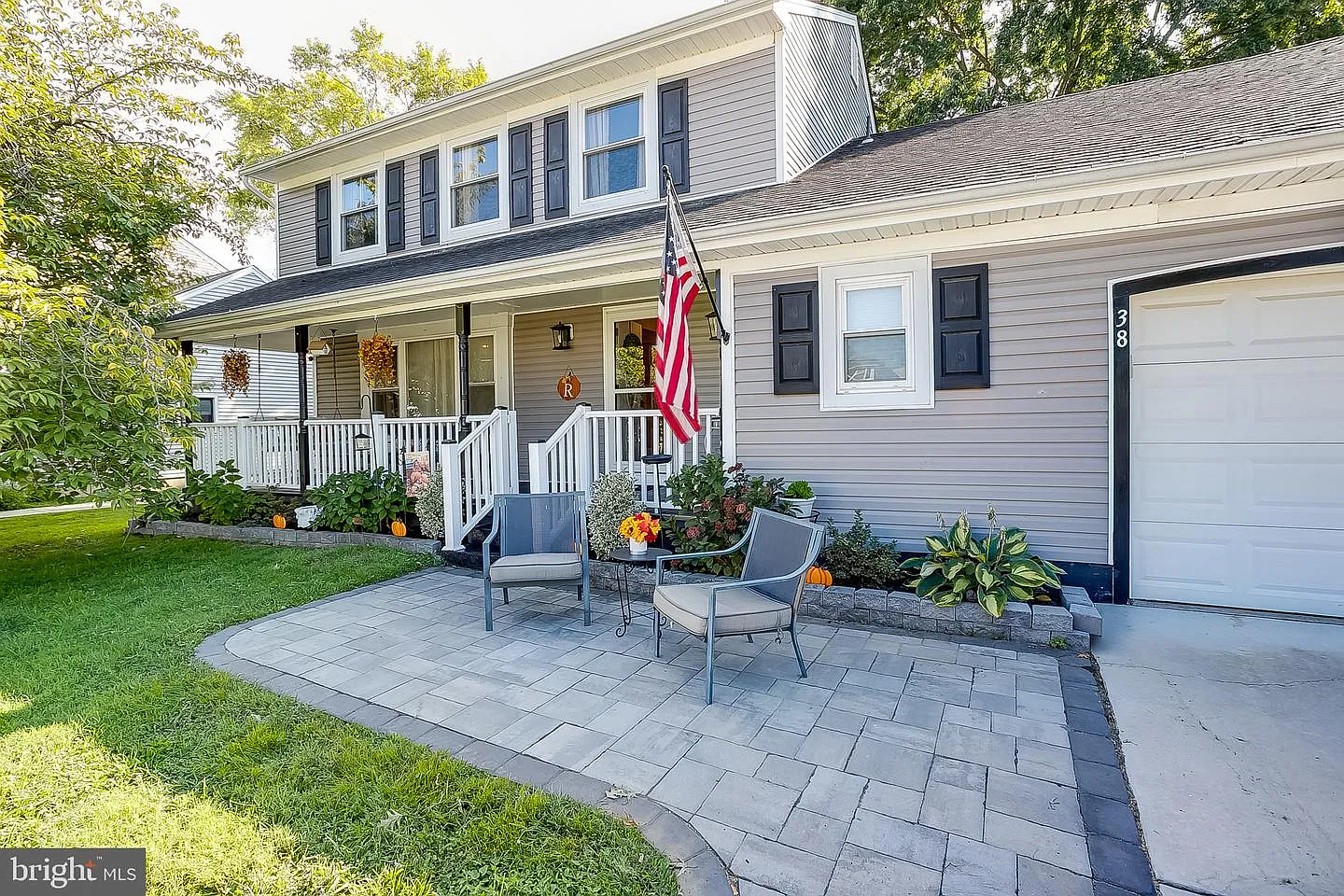
    The three-bedroom home encourages hosting with a covered porch, a paved patio area in the front, a finished basement complete with a built-in bar, and a large backyard with a multilevel deck.

    Other highlights include beamed ceilings, recessed lighting, an exposed brick wall, and granite countertops in the kitchen.

    See more photos of the property here.

    Price: $539,999 | Size: 1,926 SF | Acreage: 0.25

    And that’s been your morning news roundup. I’m off for a couple of days, so my colleague Laura Smythe will have you covered for the rest of the week. ☀️

    By submitting your written, visual, and/or audio contributions, you agree to The Inquirer’s Terms of Use, including the grant of rights in Section 10.
  • IBX payment cuts are creating pain for small physical therapy practices in Southeastern Pa.

    IBX payment cuts are creating pain for small physical therapy practices in Southeastern Pa.

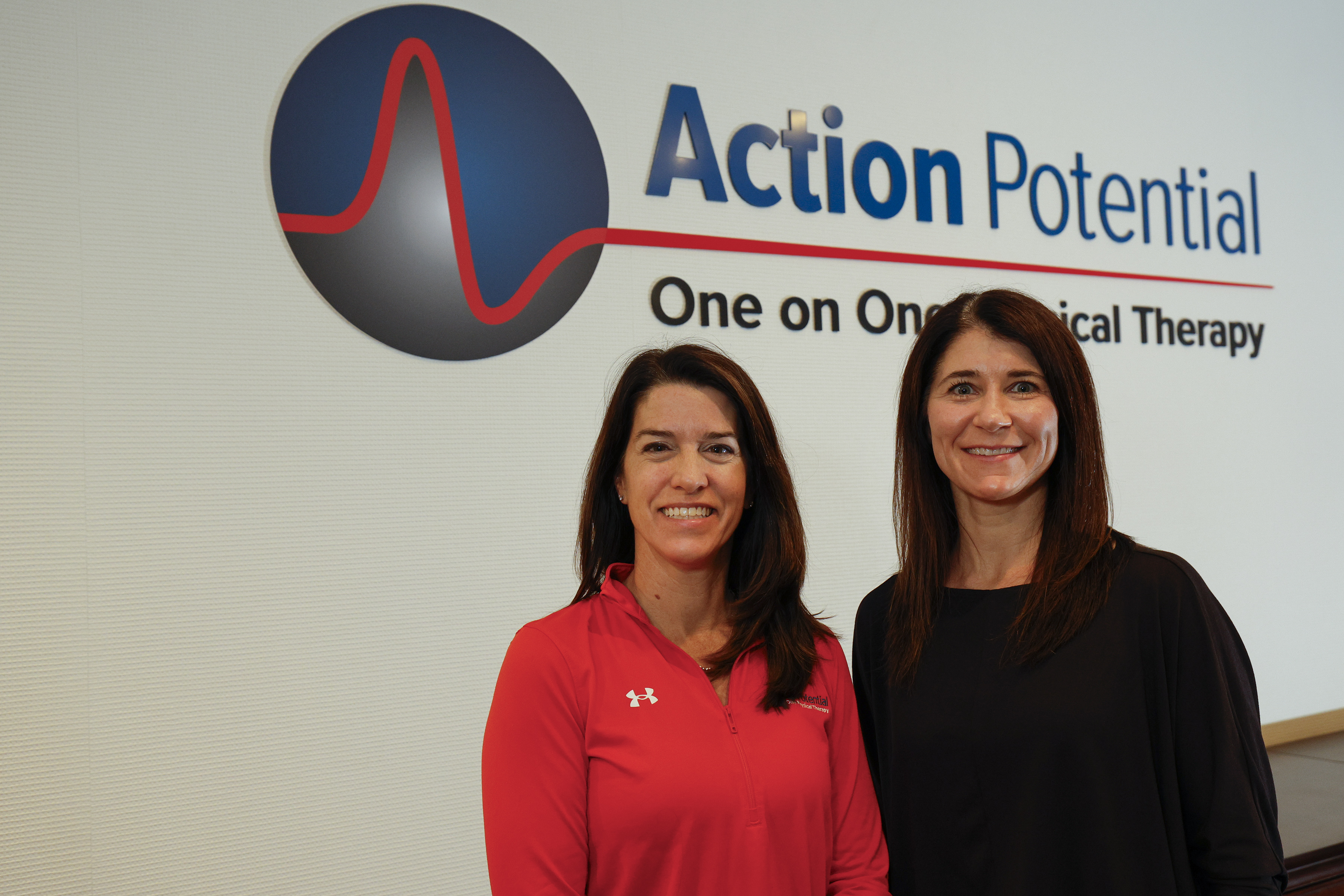
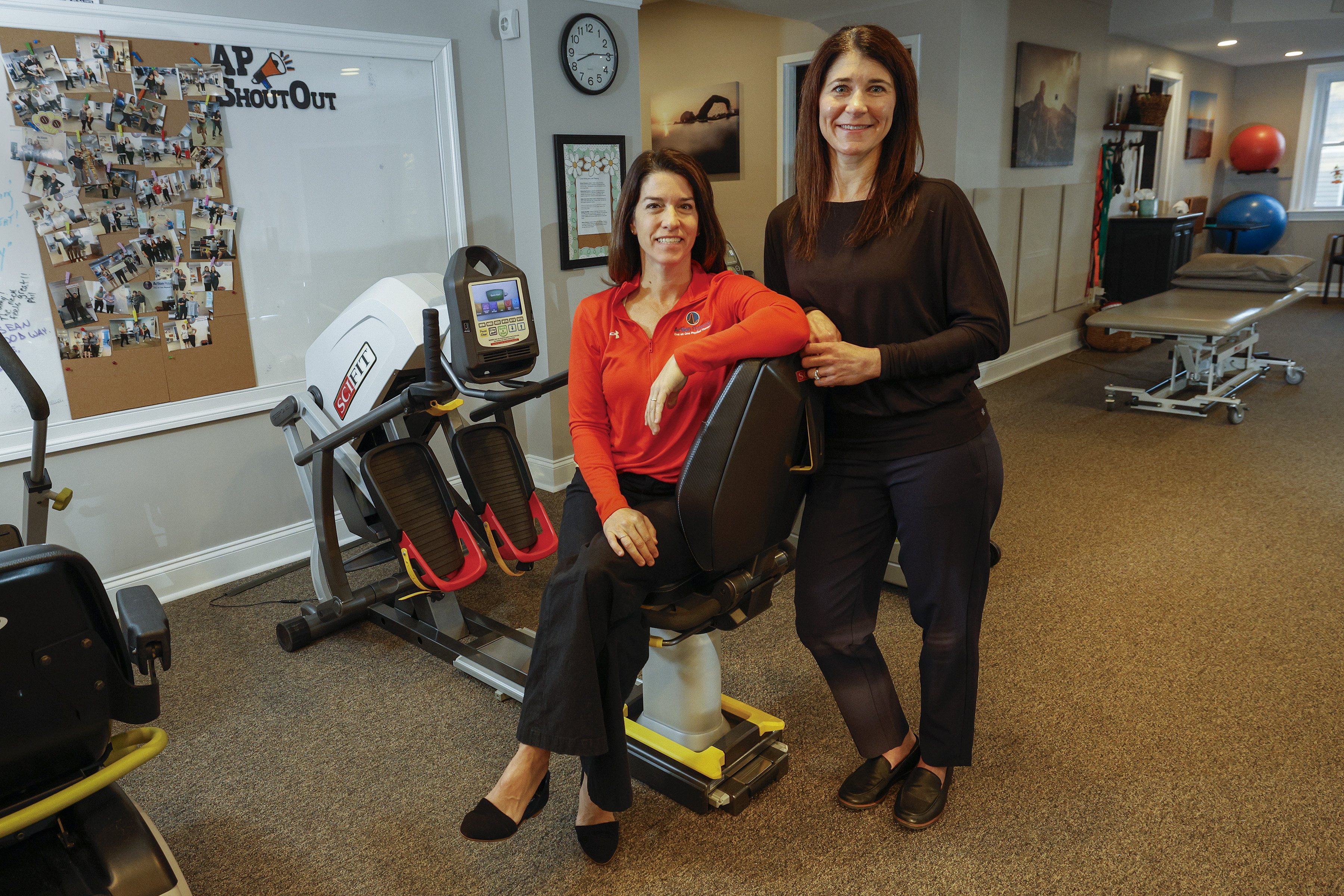
    Physical therapists Katherine Dixon and Kristen Wilson have spent five years seeking higher rates from Independence Blue Cross for their four clinics in Southeastern Pennsylvania.

    They’ve gotten nowhere, they say. They believe their business, Action Potential LLC, is too small to sway the Philadelphia region’s largest insurer. Independence accounts for 20% of Action Potential’s business.

    Last December brought more frustration. Independence changed how it pays for sessions, effectively cutting the average reimbursement for 40 minutes of physical therapy by 17%, co-owner Kristen Wilson said. That’s significantly less than Action Potential’s rate through the government-funded Medicare program.

    “We’re taking a loss every single Independence Blue Cross patient,” she said. That leaves Action Potential weighing whether to leave the Independence network. (Wilson declined to share actual rates for fear of violating Action Potential’s agreement with the insurer.)

    Action Potential and other small physical therapy practices say they are suffering financially because Independence and other insurers don’t negotiate rates with the thousands of independent physicians and other clinicians in their networks. Instead, they use standard fee schedules to streamline benefits administration.

    The approach leaves small practices with little clout, and is among the forces leading many to join bigger companies. Nationally, the number of private-equity deals in physical therapy surged to 175 in 2023 from four in 2010, according to a study published last year.

    “You wonder why consolidation is happening,” Wilson said. “It’s almost impossible to run a business.”

    Local independent physical therapists are pushing for better reimbursement as Independence also faces demands from major health systems for substantially higher rates and pressure from employers to slow healthcare spending growth.

    Independence says its follows industry standards and pays physical therapy providers competitive rates that don’t vary based on the size of the organization, unless additional services are included. Providers can contact the company through a special portal or by phone if they’d like special consideration, the company says.

    Insurance contracts for small providers

    Contracts with hospital systems command attention from insurers because they have emergency departments and provide care not available elsewhere. They also employ hundreds or thousands of physicians needed for insurers to have adequate networks for the people they cover.

    Kristen Wilson (left) and Katherine Dixon are owners of Action Potential in Glen Mills.Steven M. Falk / For The Inquirer

    By contrast, when a small physical therapy center or physician office opens and wants to accept patients from Blue Cross or another insurers, it first must gain acceptance into the insurer’s network. That’s not guaranteed. Sometimes insurers say they already have enough providers.

    If the practice is approved as an in-network provider and its clinicians credentialed, it is given a “boilerplate contract” and a schedule of fees. That’s always been a take-it-or-leave-it proposition, according to three owners or managers of physical therapy companies who talked with The Inquirer in recent weeks.

    Independence says it attempts to pay competitive rates. Those reimbursement rates go up or down along with Medicare rates and as demand changes, said Richard Snyder, Independence’s chief operating officer.

    Fees for doctors, physical therapists, and other clinicians don’t vary for the same service based on the size of the company they work for, Snyder said. They might be different if “you’re giving some other services along with it, or there’s a bundling of services,” he said.

    Growing communication gap

    When Kinetic Physical Therapy started two decades ago, Kinetic had a representative at Independence to contact about billing issues, said chief operating officer Cyndi Hill James. “We had a name, and I could call that person any time and ask questions,” she said.

    The practice has grown to 10 locations in Philadelphia’s western suburbs and employs 23 physical therapists.

    Over the years, the relationship between Independence and Kinetic dwindled. It now has no specific contact to call or email. “We have no one to talk to, to say, let us explain why we should be able to renegotiate,” Hill James said.

    Snyder said Independence is willing to talk to providers about issues, acknowledging delays credentialing providers. By next month, Independence should be back to an efficient turnaround of 30 days, he said.

    In September, Action Potential led a group bid for Independence’s attention. Wilson organized six local physical therapy practices, including Kinetic, to send a joint letter to Independence asking for a meeting within 30 days to discuss their problems.

    Wilson received a written response dated Nov. 3 that reinforced the company’s policy decisions, though the insurer did agree to have a virtual meeting with the practices on Nov. 18, she said. The CEO of the American Physical Therapy Association, Justin Moore, is scheduled to participate, Wilson said.

    The financial impact of IBX’s policy change

    Independence’s change in the way it pays for physical therapy was among a series of policy changes in the past year affecting many healthcare organizations, as the insurer seeks to reduce costs for its employer customers.

    For hospitals, it no longer pays for readmissions within 30 days of discharge under certain conditions and is pushing to move surgeries that don’t require an overnight hospital stay into lower-cost surgery centers.

    Jefferson Health has sued Independence over those and other changes.

    Under the policy change dealing a financial blow to physical therapy, Independence only pays full price for one type of treatment during a physical therapy session. Sessions typically include three or four activities that last 10 to 15 minutes each. Examples are therapeutic exercise, neuromuscular reeducation, and gait training.

    As of last Dec. 1, Independence only pays the full price for one of the activities, and 75% for the others. For example, if a therapy center bills three activities at $30 each, it would be paid $75. That’s $15, or 17%, less than the full price of $90.

    Snyder said Independence is a relatively late adopter among its competitors of what is called multiple procedure payment reduction for physical therapy. Some costs for each part of a therapy session are shared and should not be reimbursed more than once, Snyder said.

    The change cost Elite Therapy Solutions $10 or $12 for every Independence session, said Patrick Kinzeler, an owner and director of administration at Elite, which has 10 Philadelphia-area locations and more in South Carolina and Louisiana.

    “Our reimbursement keeps getting squeezed,” he said.

    Meanwhile, rent, supplies, electricity costs increase 8% to 10% a year. Plus, Elite and other practices have seen even steeper increases in healthcare costs for their own employees.

    Elite works hard to be efficient, “but we’re not making any headway,” Kinzeler said.

  • Workers have been striking for two months at a Montco plant that makes HVAC components. Here’s why.

    Workers have been striking for two months at a Montco plant that makes HVAC components. Here’s why.

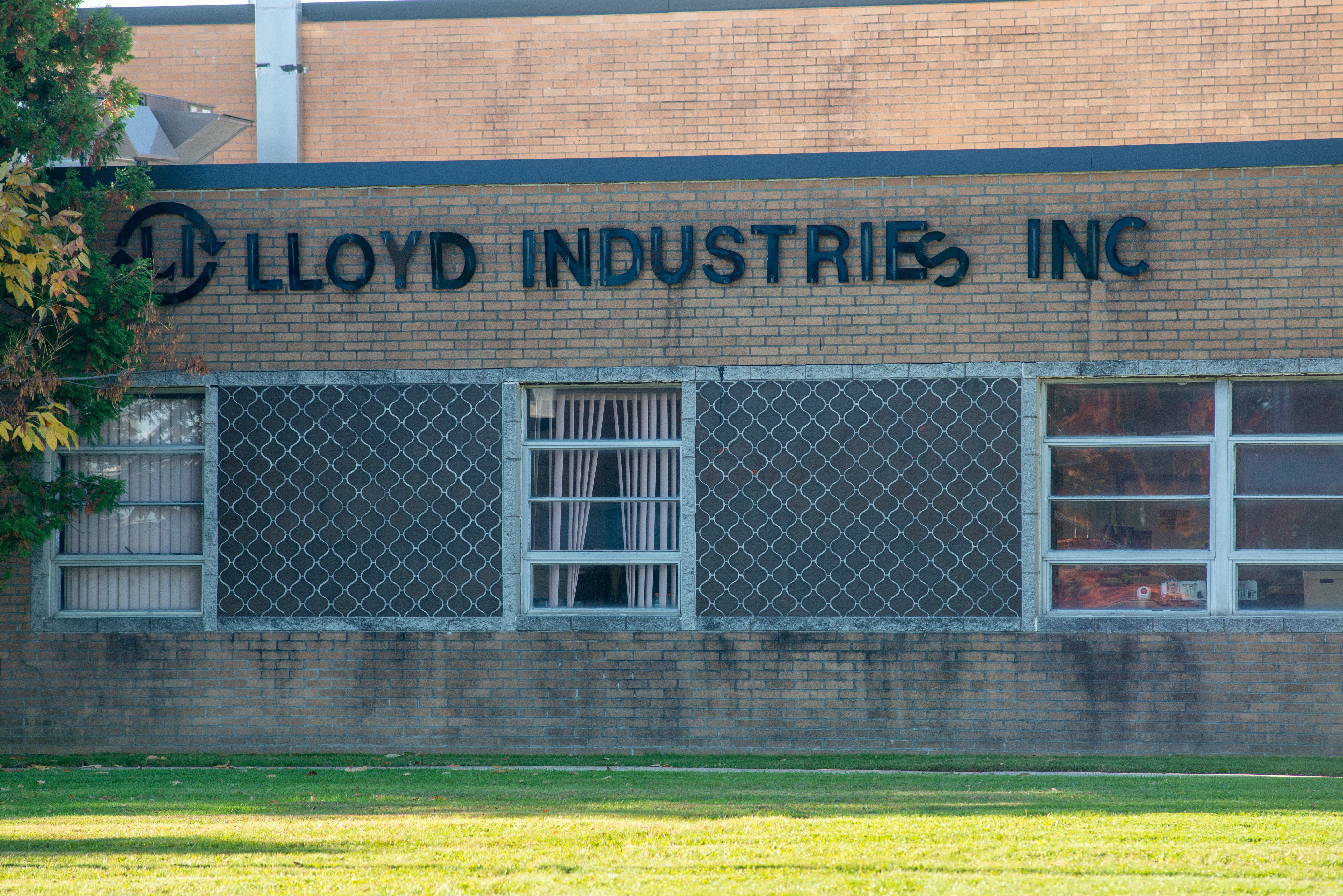
    Workers employed at Lloyd Industries in Montgomeryville typically spend their days making components for HVAC systems, handling sheet metal, stainless steel, and fiberglass.

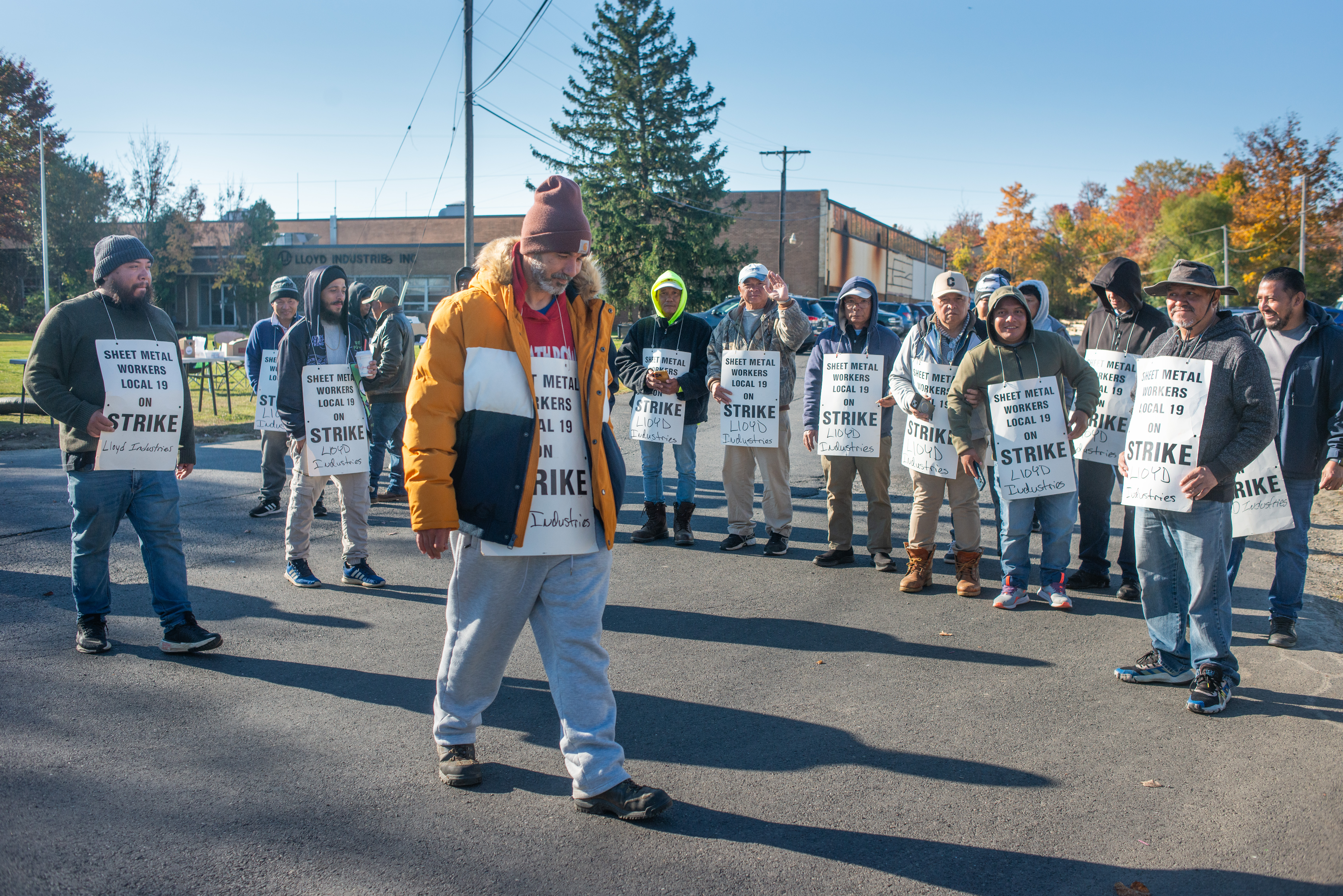
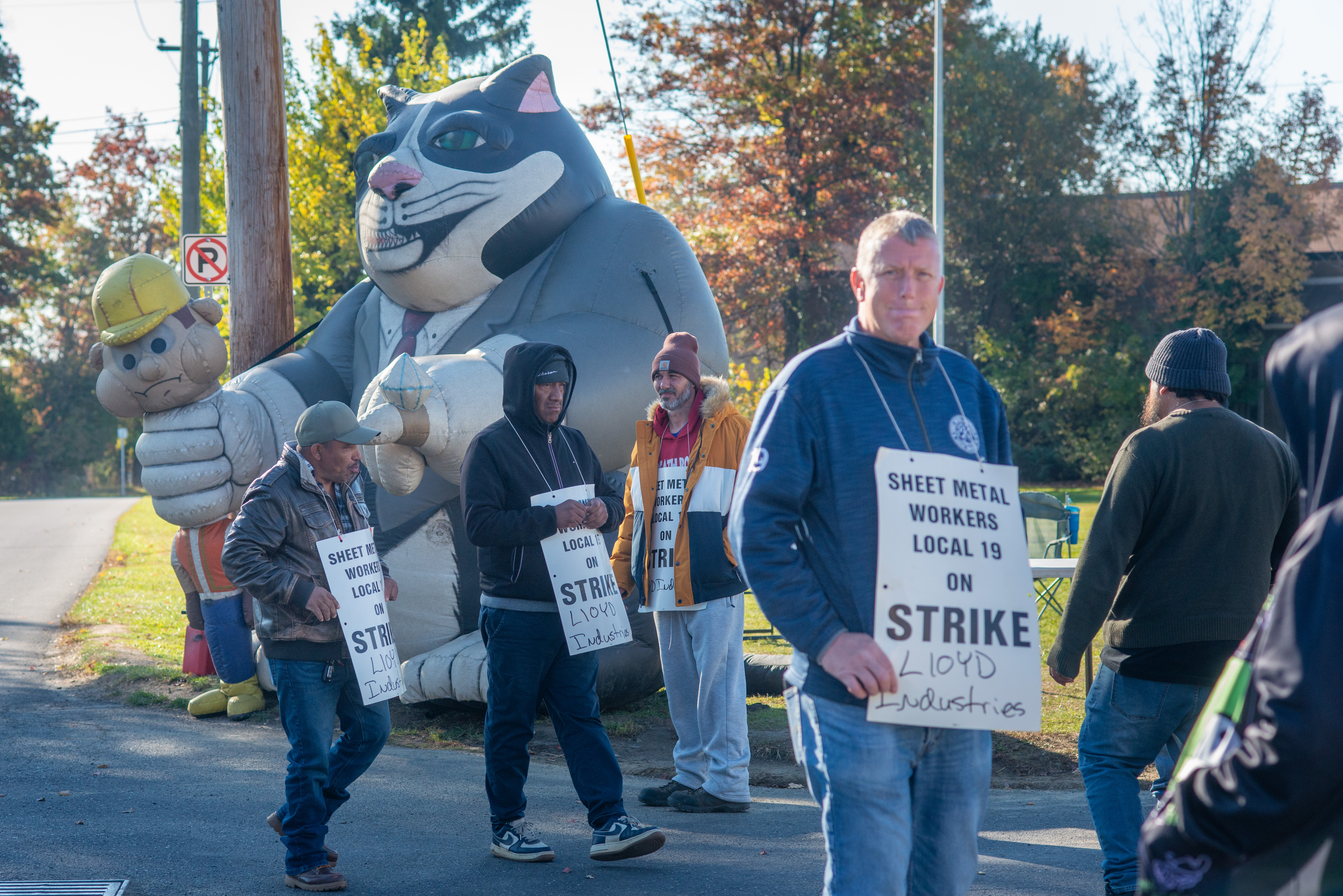
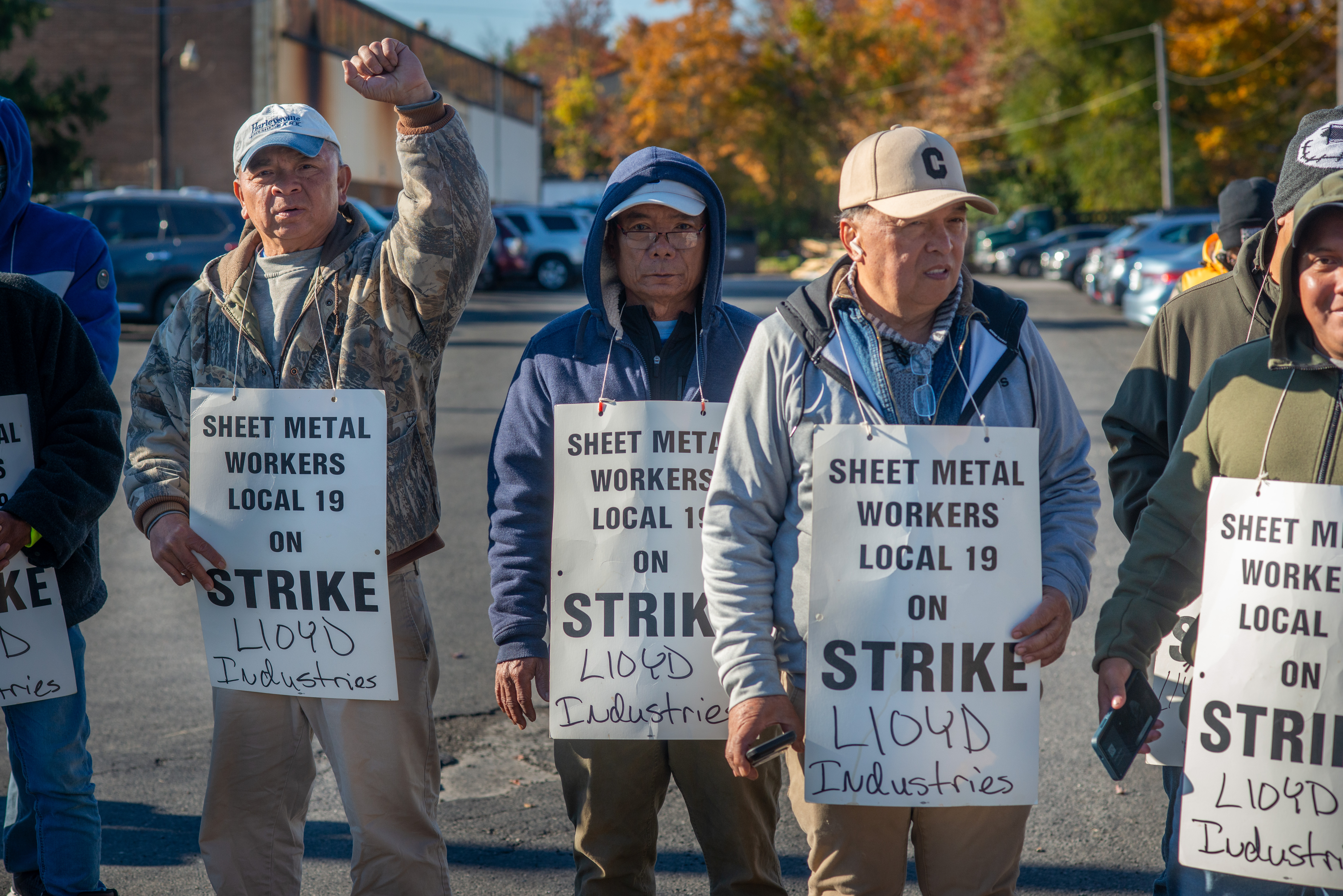
    But for the past two months, instead of building fire dampers that block smoke or fire from spreading, 22 of them have found themselves on a picket line. On a recent day in late October, workers stood outside the plant wearing posters indicating they’re on strike.

    Shop steward Ricky Boyer is among the 22, who have been showing up at 8 a.m. for the picket line, where the union is providing bagels, coffee, doughnuts, and lunch. He and his colleagues are seeking improvements to wages, healthcare, and working conditions after their most recent three-year union contract expired Sept. 1 and negotiations with the company broke down.

    Since the strike started, another 25 colleagues have opted to go back to work, lured by higher wages than they typically make, according to the union that represents them, Sheet Metal Workers Local 19. In total, the union represents 47 workers at the site.

    Boyer has opted to stay on strike because, he says, “I know you don’t cross the picket line.”

    “The reason we’re out there is for our benefit,” said Boyer, who has been with the company for roughly 16 years. “It makes no sense to cross the picket line.”

    Workers on strike are being financially supported by the union. Every week, workers “get more money from us than they’re getting inside [the company],” said Bryon Blum, business representative for Sheet Metal Workers Local 19.

    A representative for Lloyd Industries did not respond to a request for comment.

    Lloyd Industries has offered workers more money than they typically make to return to work and leave the strike, according to the union. William Thomas Cain / For The Inquirer

    Many workers have gone on strike in the Philadelphia area in recent years with short work stoppages. Peco workers went out for three days in July before reaching a deal with the company. Unionized hotel workers have gone on multiday strikes since they started bargaining for new contracts in 2025, and in 2024, Aramark workers went on strike for four days at all three South Philly stadiums.

    At Lloyd Industries, workers are on their 11th week of picketing.

    As the strike has dragged on, and despite the pay from the union, Blum says workers want to return to work.

    “They tell me every day they want to go back to work, but they realize the importance of standing out here and sticking up for their rights,” he said.

    What do workers want?

    Following three days of negotiations in August, Lloyd Industries owner, William “Billy” Lloyd, made a final proposal and walked away from bargaining, according to the union.

    Since then, Blum has been unsuccessful in getting the company back to the negotiating table. The union has filed several unfair labor practice charges against the company with the National Labor Relations Board, including for failing to bargain in good faith, said Blum.

    “We would be inside right now working and sitting down with a contract if the guys didn’t cross the line,” he said.

    Lloyd Industries offered a 50-cent increase to workers’ hourly wage in its one-year contract proposal, the union has said. Union workers there make on average $23.85 an hour, and many depend on overtime. William Thomas Cain / For The Inquirer

    Workers make on average $23.85 an hour, and many depend on overtime, he says. A worker in Montgomery County, where the company is located, needs to make $26.97 an hour to cover their basic needs, according to a calculator developed at the Massachusetts Institute of Technology. If that single adult has a child to support, that hourly rate rises to $50.74 to be considered a living wage.

    In their most recent contract, workers saw hourly wage increases of $1.50 in the first year and $1.25 in the following two years. This year, amid bargaining, the company offered workers a one-year contract with a 50-cent per hour increase, says Blum.

    Shop steward Boyer says workers aren’t “asking for a lot,” but the 50-cent offer just “wasn’t even talkable,” pointing to high gas prices and the rising cost of groceries.

    “We just want a fair contract,” Boyer said. “We want to be able to work, take care [of, and] provide for our families.”

    Employees have medical insurance paid in part through their employer but want a better plan. Some forgo the insurance because they can’t afford it, Blum said.

    They also want better working conditions, said Blum, who adds that the area they work in is “filthy” and that “nobody cleans in there.” Fiberglass, used for insulation, is floating around, he said.

    “The workers want the machines to be cleaner, the air to be cleaner. They want management to stop turning off the exhaust fans,” he said.

    Lloyd Industries was cited or inspected several times between 2000 and 2014 by the Occupational Safety and Health Administration (OSHA), The Inquirer has reported. The company was ordered to pay $1,047,399 in 2019, after firing two workers in 2014 and 2015 who cooperated with OSHA investigators. The company also faced allegations that it was racially discriminating against a worker who was laid off in 2015, and ultimately won his case.

    Local 19 has represented the workers for over 30 years, Blum said.

    “They’re just working men that want to see a better way of life,” he said. “The union’s here to give them that. We’ve been trying to give them that for years now.”

  • Crowds celebrated the end of a war and what would become Veterans Day on this week in Philly history

    Crowds celebrated the end of a war and what would become Veterans Day on this week in Philly history

    There was victory in Philadelphia.

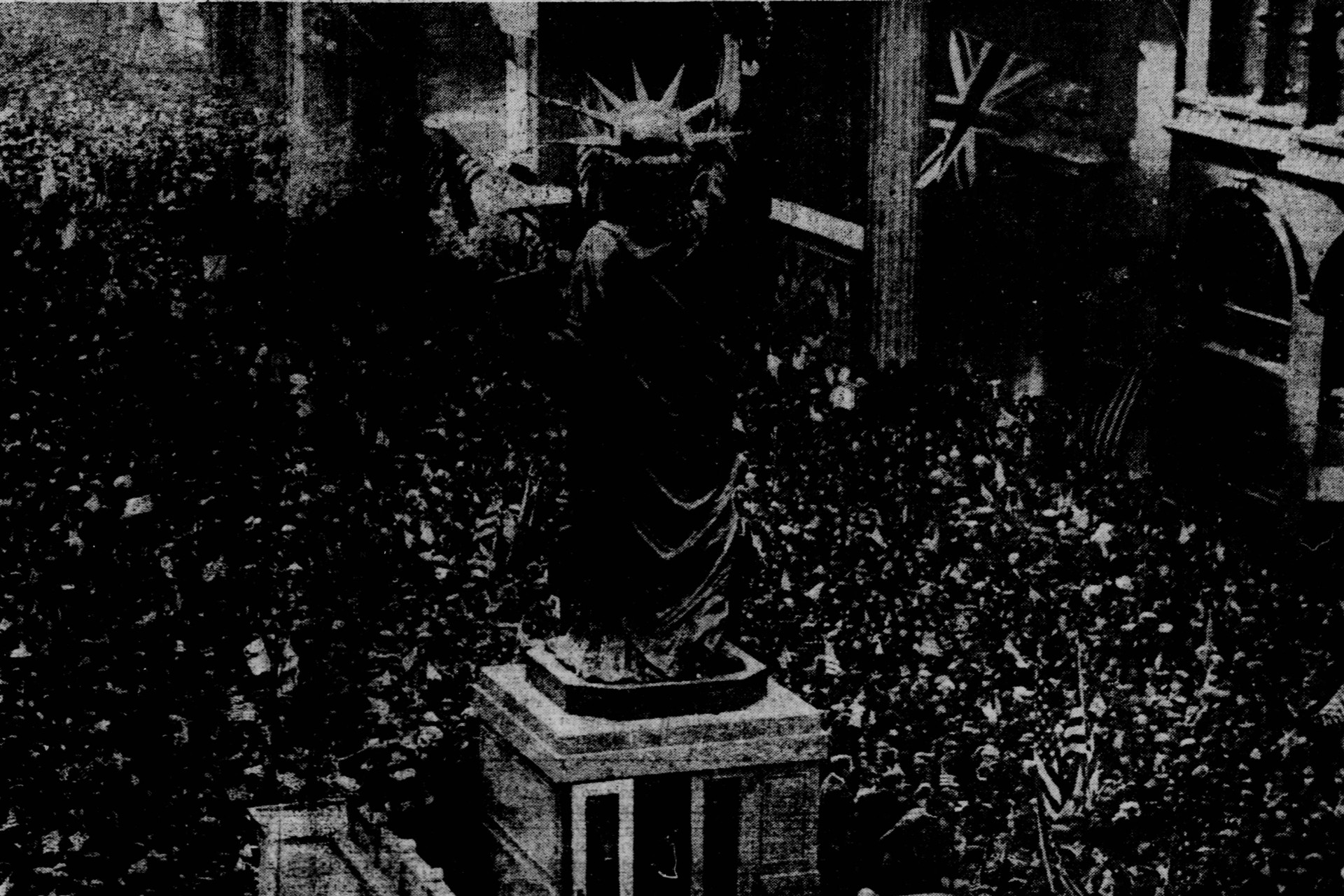
    Thousands made a beeline for Broad Street and South Penn Square to vent their cheers.

    They rallied around the city’s 29-foot replica of the Statue of Liberty in commemoration of the end of a worldwide conflict.

    The celebration surpassed any event in the city’s history up until that point, The Inquirer reported.

    Early-morning whistles, the paper wrote, carried the news of victory to sleepers.

    Business stopped while men, women, and children rejoiced with pomp and circumstance later seen for Super Bowl parades and papal visits.

    It was Nov. 11, 1918, the day the world’s mightiest military powers signed the armistice that ended World War I.

    From 3 a.m., when news of the deal hit the city, through midnight, the city “marched and sang and lifted up its souls and rejoiced,” The Inquirer reported.

    “A solid seething mass of humanity stacked shoulder to shoulder as far as you could see was jammed in the streets,” recalled attendee Morris G. Condon III, whose account was included in the 2016 Library Company of Philadelphia exhibition “Together We Win: The Philadelphia Homefront during the First World War.”

    “I can still hear my father swearing, pulling my mother through the crowds, and she, near tears, pulling me,” Condon said. “It seemed everyone in the city was jammed into the City Hall area in all directions.”

    People all over the country rejoiced in unison.

    Philadelphia’s monster celebration followed the devastating Liberty Loans Parade, a war-bond promotion that had brought 200,000 people into the city earlier that fall and helped spread the deadly influenza pandemic. The outbreak would go on to kill more than 20,000 Philadelphians.

    “Philadelphians came together publicly to show support for the war effort,” according to the Library Company. “From attending war bond rallies to participating in patriotic sing-a-longs to watching parades, Philadelphia residents honored those who were serving and encouraged the city to do whatever it could to help win the war.”

    And the celebration, which would become known as Armistice Day, would not end in 1918.

    On June 1, 1954, President Dwight D. Eisenhower signed legislation that made Nov. 11 a national holiday.

    Henceforth known as Veterans Day.

  • 🚢 Sinking an icon | Morning Newsletter

    🚢 Sinking an icon | Morning Newsletter

    Howdy, Philly. It should be a chilly, clear Veterans Day, our last sunny one before the rains return.

    Today, we’re starting with the story of a massive transformation: The SS United States is about to take a dive to become the world’s largest artificial reef.

    Then, we’ll hear about a strike in Montgomery County that’s stretched past two months after negotiations broke down.

    Plus, Bryce Harper’s South Jersey pad is for sale, and more news of the day.

    — Laura Benshoff (morningnewsletter@inquirer.com)

    If someone forwarded you this email, sign up for free here.

    Under the sea

    A combination funeral/christening will take place off the coast of Florida today.

    The SS United States, once the world’s fastest ocean liner before spending decades rusting in Philadelphia, will descend to her final resting place under the waves.

    Okaloosa County purchased the hulking structure to make it the world’s largest artificial reef, a new coastal attraction for tourists and divers.

    Here’s some of what’s already happened to make that possible:

    1,800: The distance, in nautical miles, the liner was towed from Philly to Mobile, Ala.

    128: The number of fuel tanks that had to be emptied and cleaned, part of a rigorous process to remove toxic elements that could negatively impact Florida’s aquatic ecosystem.

    65 feet: The height of the ship’s funnels, which were removed and, along with some other components, will be preserved in an SS United States museum.

    Read on for how the ship will be sunk and the types of aquatic life it could attract.

    Plus: Reporter Ximena Conde is in Florida to cover the sinking. We’ll have a live blog up later today at inquirer.com.

    A protracted strike

    Eleven weeks ago, workers at Lloyd Industries, an HVAC manufacturing facility in Montgomery County, went on strike.

    Now, about half are still picketing as the company has failed to return to the bargaining table since August after offering employees a 50-cent-an-hour raise.

    One shop steward pointed to high gas prices and the rising cost of groceries as he said the 50-cent offer just “wasn’t even talkable.”

    A representative for Lloyd Industries did not respond to a request for comment. The workers are represented by Sheet Metal Workers Local 19.

    The union has filed several unfair labor practice charges against the company with the National Labor Relations Board, including for failing to bargain in good faith.

    The Inquirer’s Ariana Perez-Castells reports on how this strike stacks up against other recent walkouts.

    What you should know today

    Quote of the day

    Philly has launched a pothole repair initiative, called the Road Warriors Pothole Squad.

    The Inquirer’s Nate File reports the goal is to tackle newly reported ruts within two days.

    🧠 Trivia time

    A recent guerrilla art show on an empty lot in South Philly went by this quirky name:

    A) Imitation Crab

    B) Rave Coffin

    C) Boob Garden

    D) Strange Delights

    Think you know? Check your answer.

    What we’re …

    🗓️ Remembering. On this day in 1918, huge crowds thronged City Hall to celebrate the armistice that ended World War I, writes Tommy Rowan for his regular This Week in History series.

    🦅 Considering. The Eagles didn’t have a fire sale, writes the Inquirer’s Jeff Neiburg, but they did maximize value with their trade moves.

    🥢 Sorting out. Three Chinese restaurants with similar-to-identical English names have bred confusion in online reviews. Food writer Michael Klein reports that the restaurants themselves are distinct.

    🐈 Mourning. A Garfield-like orange cat named Tormund, who went viral for standing up like a little person, has passed away. Long live Tormund.

    🧩 Unscramble the anagram

    Hint: University of Pennsylvania professor emerita who went viral for blocking a food delivery robot’s path in Center City.

    CONMAN RIVALRY

    Email us if you know the answer. We’ll select a reader at random to shout out here.

    Cheers to Maryann Bastian, who correctly guessed Tuesday’s answer: Villanova Spires. A video of the student a cappella group singing a birthday medley recently went viral on TikTok, garnering more than 9 million views.

    Photo of the day

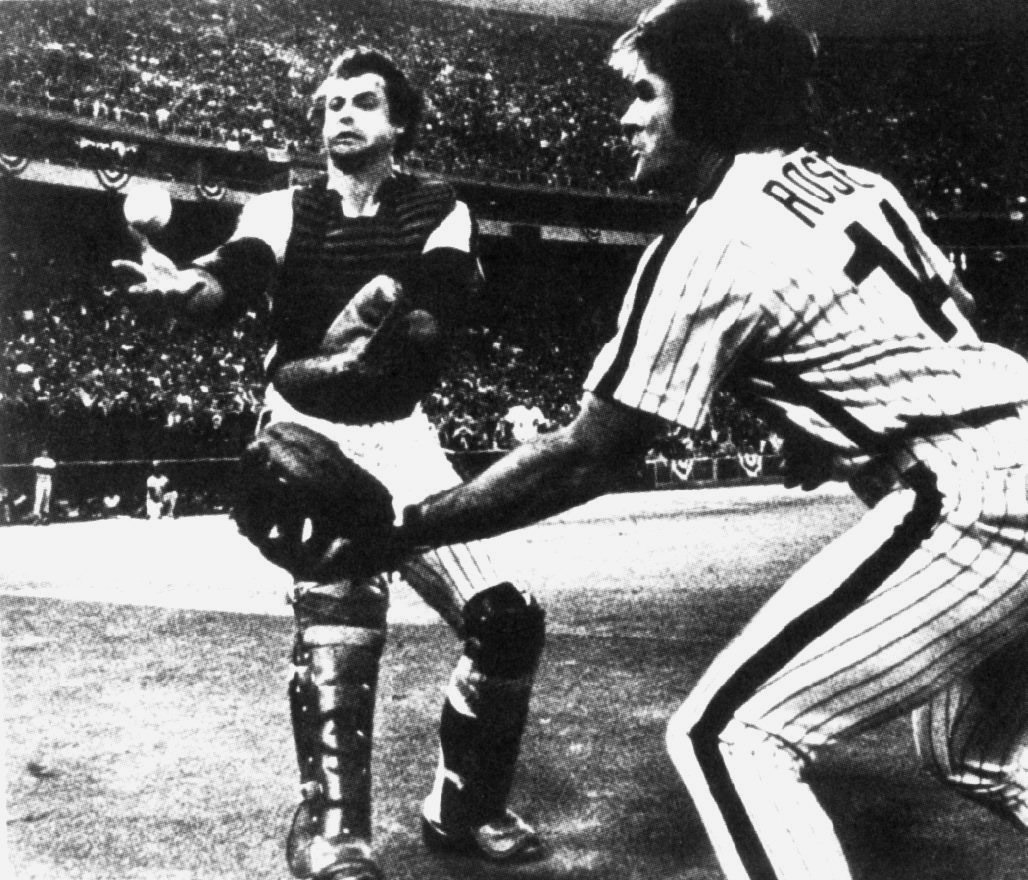
    Oct. 21, 1980, at Veterans Stadium. The Phillies were leading 4-1 in the ninth inning, but the Kansas City Royals had loaded the bases. Royals batter Frank White hit a foul pop. Phillies catcher Bob Boone got under it; the ball bounced out of his mitt, but Pete Rose caught it in front of the Phillies’ dugout for the second out. Then Tug McGraw struck out Willie Wilson to end the game and give the Phillies their first World Series championship.Norman Y. Lono / Staff Photographer

    What a relatable expression. Phillies catcher Bob Boone died this week at the age of 78.

    👋 I’ll be taking a scheduled day off so Ellen Dunkel is steering the ship tomorrow. See you all again on Friday.

    🧑‍🧑‍🧒 P.S. The Inquirer is looking for relationships to feature in its “Life Partners” series about unexpected intimacies across the region. Tell us a little about your creative co-parenting arrangements, rekindled relationships after divorce, or dating across fault lines at lifepartners@inquirer.com, and reporter Zoe Greenberg might reach out.

    By submitting your written, visual, and/or audio contributions, you agree to The Inquirer’s Terms of Use, including the grant of rights in Section 10.
  • Honoring African American WWII veterans is essential, no matter how Pete Hegseth sees it

    Honoring African American WWII veterans is essential, no matter how Pete Hegseth sees it

    Secretary of War Pete Hegseth has waged an unrelenting campaign against any efforts related to diversity, equity and inclusion (DEI). As he sees it, DEI is the malady in the military, and he is determined to cure it. Hegseth, for example, has banished images depicting the military’s multiracial history, denied promotions to African Americans and women to the rank of one-star general and instituted new grooming standards that disproportionately affect Black soldiers. He insists that these new policies are necessary to reinstate “colorblind, gender-neutral, merit-based” criteria to ensure that all troops are combat ready, even stating that “drill sergeants can put their hands on recruits.”

    Given Hegseth’s posture, we probably won’t see any tribute to Black soldiers this Veterans Day. Yet, recalling the way that they often confronted racism — in addition to the challenges that face all soldiers — illuminates what true patriotism and commitment to American values looks like. It demonstrates that such values are just as important to ensuring a ready fighting force as the aggressive physical attributes that Hegseth so prizes.

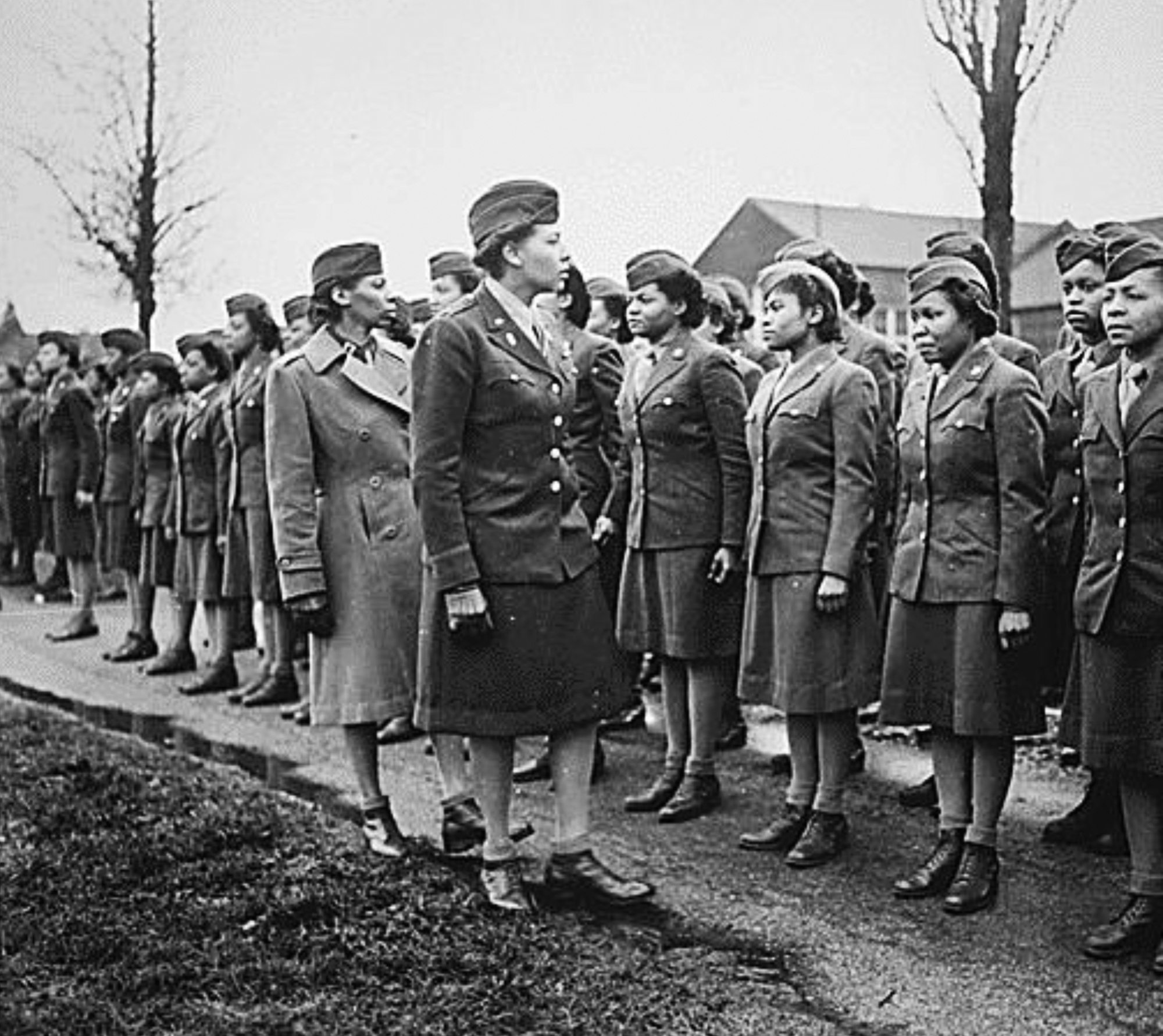
    During World War II, Black men and women trained at segregated military bases, mostly in the Deep South. African American soldiers had to combat racist stereotypes, exercising tremendous discipline to be prompt, dressed in pressed uniforms with groomed hair and ready for service. Few were permitted to serve in combat units.

    But even when they managed to satisfy the racist demands of their superiors, Black soldiers encountered violent bus segregation near their bases. Whether traveling on furlough or running errands, Black military members faced armed bus drivers in Alabama, Georgia, Florida, South Carolina and Virginia. These drivers detained Black military personnel by enforcing racial segregation with pistols, belts and blackjacks. Even though buses were part of the Office of Defense Transportation, the military exerted minimal effort to protect their uniformed soldiers from the wanton abuses of bus drivers. Black military members then, and perhaps alarmingly now, were not viewed as vital members of the war effort.

    On each violent bus ride, Black members of the military absorbed this frightening reality. One of the first to do so was Norma L. Green. A light-skinned second lieutenant Army nurse, she was stationed at the Tuskegee Medical Center in Alabama. In September 1942, she was ordered to Liberia as part of the first medical unit sent abroad. To prepare for her deployment, Green took a shopping trip to the neighboring city of Montgomery, likely to purchase hair straightening products to comply with military grooming. After she finished her shopping, she boarded a bus back to Tuskegee. The bus driver allowed her to enter, but upon realizing she was Black, ejected her.

    She protested, stating that she had to be present for her shift that afternoon. The police arrived. Five officers beat her, breaking her ribs and nose and punching her in the face until she lost consciousness. They deposited her in a jail cell, where they stole money from her purse and cradled her fingers around a flask of whiskey. Their actions perpetuated a false narrative about Black women and criminality, framing her as a drunken delinquent, not a military nurse.

    Fellow nurses at Tuskegee learned about Green’s assault and drove to the jail to pick her up. As they cared for their colleague, they wrote a pointed letter to Attorney General Francis Biddle.

    “We want a statement of justice,” the nurses stated, “if we are Americans. Anyone of us may be beat up by these very same people who are supposed to protect us—namely, the police and bus drivers, who carry guns. In fact, right thru in here, any Negro woman, other Negro army nurses, may be attacked and pummeled unless the government we are trying to support gives us the protection a woman deserves as a birthright.”

    The Department of Justice investigated Green’s assault, but she never received an apology. Neither the bus driver nor the police were punished. The narration of white men always trumped the testimony of African Americans, even service members.

    Four months after Green’s assault, William Hastie, a Harvard-trained lawyer, resigned as Negro Advisor in the War Department, disgusted at the abuse of Black military personnel and disillusioned that patriotic service members could never be promoted.

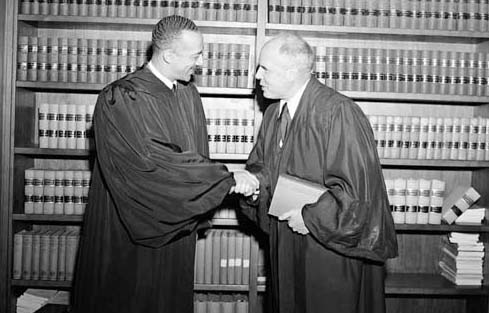
    William H .Hastie being sworn in, Dec. 1, 1949, in Philadelphia, Pa., as the first black judge of a U.S. Circuit Court of Appeals, is congratulated by Judge John Biggs., Jr. of the Third Circuit Court. (AP Photo)AP

    Conditions for Black soldiers continued to deteriorate. White bus drivers murdered several Black soldiers on buses, including Edward Green in Louisiana and Booker T. Spicely in North Carolina.

    Morale reached a low in October 1944. In Warrensville, S.C., an elderly Black woman with a small child boarded a bus teeming with soldiers. She was seated next to a white man who was drunk. In a tense exchange over seating, the white bus driver punched her in the face and shoved her off the bus.

    The assault would have been worse, but several white soldiers on the bus intervened and restrained the driver. Eleven Black male soldiers on the bus supported the white soldiers.

    The next morning, all eleven Black male soldiers were charged with disorderly conduct and sentenced to a fine of $25 or 30 days on a chain gang. Only three were able to pay the fine, so the next morning, eight Black soldiers were put on another bus headed for Aiken, S.C.

    These eight soldiers spent a month laboring on a chain gang. One of them had served overseas, was wounded on the battlefield and received a Purple Heart. None of their service and sacrifice abroad seemed to matter back home. Since these abuses did not occur on a military base, the Army honored the testimony of the violent white bus driver over that of the Black servicemen.

    One of those soldiers was Audrey Robinson, Jr., a student at Cornell University and a future judge in Washington, D.C. Following his discharge, he penned an anonymous letter to the New Republic, entitled “Negroes in the Army.”

    Made By History sponsors. FOR USE ON MADE BY HISTORY STORIES ONLY.Inquirer Staff

    Writing to readers across the nation, Robinson described the visceral humiliations of removing his military uniform to slip on the “filthy black and white striped clothes of [a] convict and have an iron riveted to my right ankle.” He called the episode “one long nightmare” and stated that it was “one that I did not believe could happen in This Great Democracy.” He diagnosed racism in the South as a “cancer” on the nation. In 1944, Robinson lamented the ugly racism that tarnished his loyal service to the nation, and 80 years later, Secretary Hegseth insists that DEI has now stained the military.

    The willingness of the nurses at Tuskegee and Judge Robinson to fight back against the violent bigotry they faced near their bases exemplified true patriotism. They were all eager for combat and service. Yet, they understood that fighting for American values abroad was useless when those values were trampled upon at home.

    On this Veteran’s Day, the lessons from these soldiers and nurses who fought the war on the bus typify their sacrifice to the sacred cause of American democracy. The War Department needs a history lesson about real heroism.

    Mary-Elizabeth B. Murphy is professor of History at Eastern Michigan University. She is the author of Policing Passengers: Black Women and the Fight Against Bus Violence, which will be published with the University of North Carolina Press on Nov. 17.

    Made by History takes readers beyond the headlines with articles written and edited by professional historians. Opinions expressed do not necessarily reflect the views of The Inquirer.

  • A tale of two Mei Meis — and an EMei — stirs a restaurant-name dispute in Philadelphia

    A tale of two Mei Meis — and an EMei — stirs a restaurant-name dispute in Philadelphia

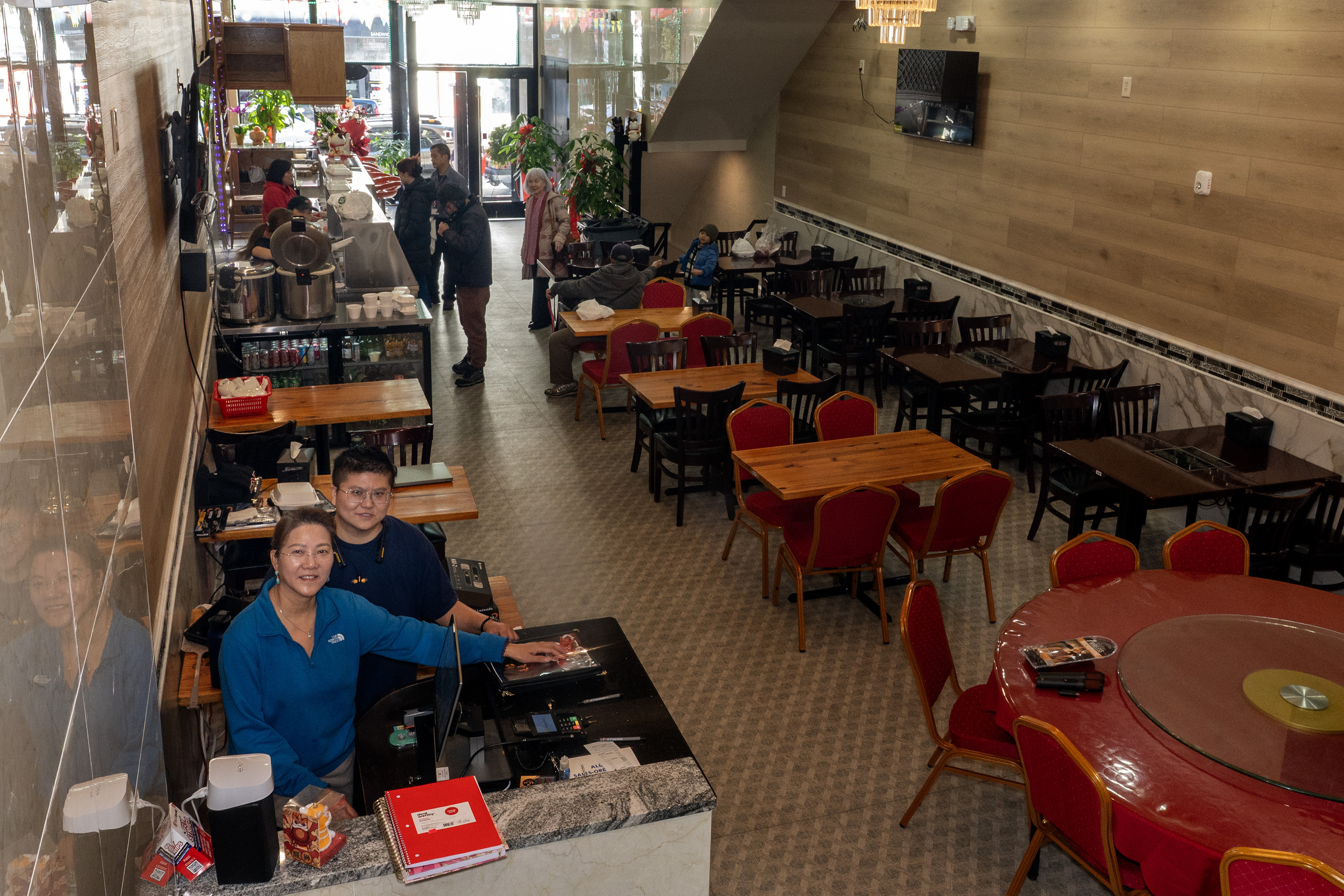
    For three years, Tony Ren worked to turn a former traditional Chinese-medicine pharmacy in Chinatown into an enormous restaurant, with three floors of dining, banquet, and private karaoke rooms.

    He named it Mei Mei, after his wife.

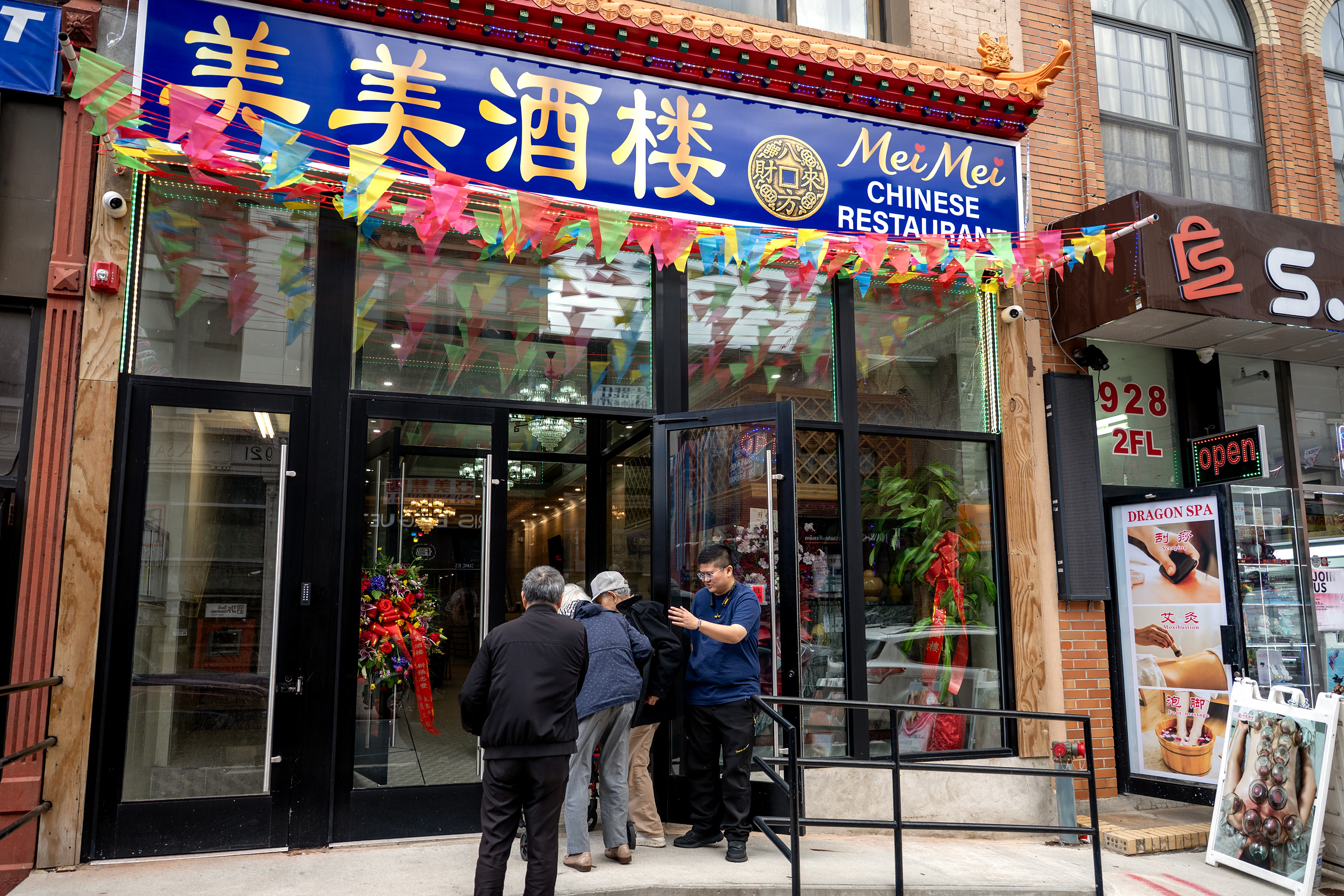
    He never got to see it open. Ren, a construction company owner who suffered a debilitating stroke in August 2024, died June 14. His wife, Mei, and their son, Atom, finally opened Mei Mei at 926 Arch St. last week.

    Without realizing it, they walked into a restaurant-name dispute.

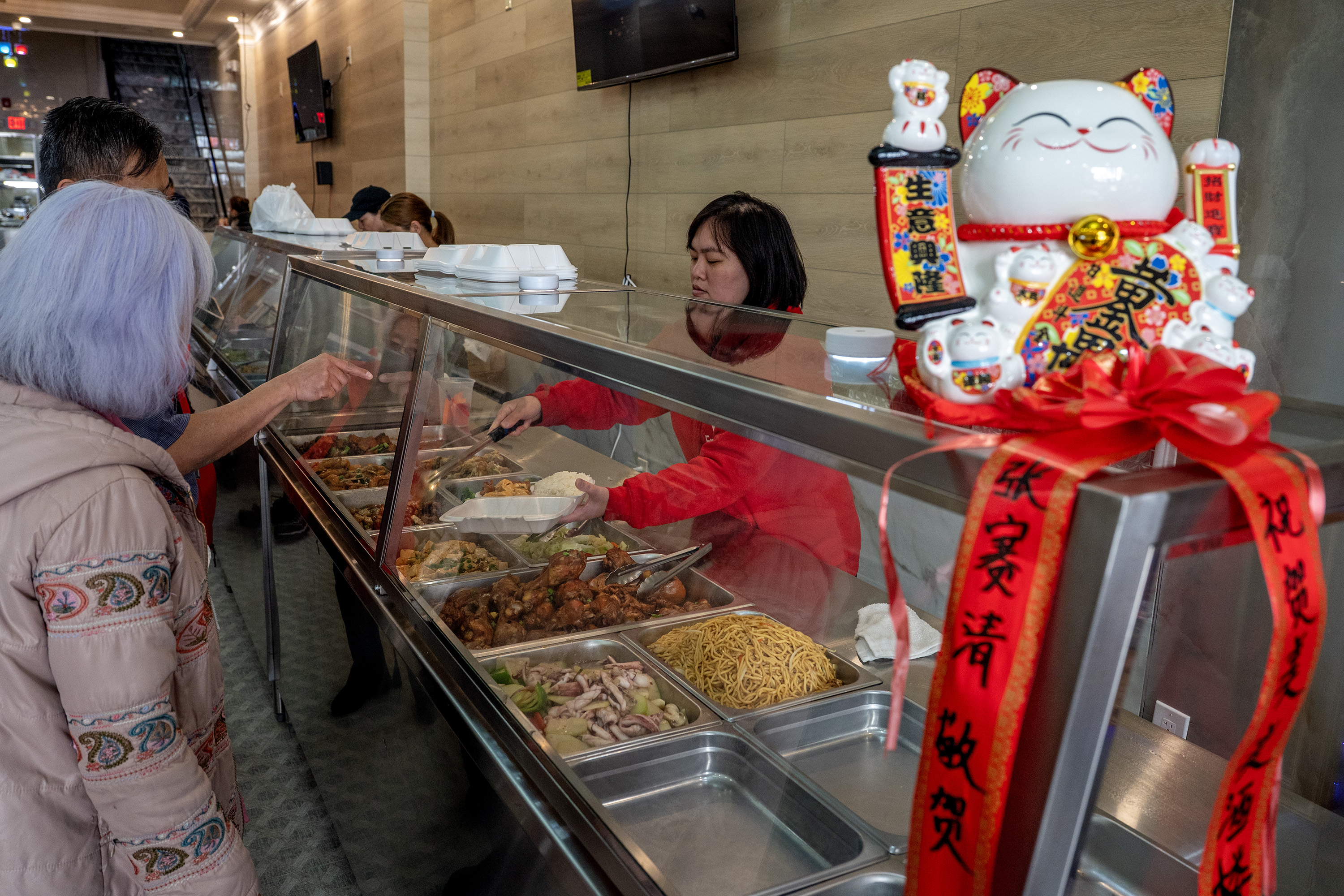
    Customers line up for the $8.50 lunchtime buffet at Mei Mei, 926 Arch St. Tom Gralish / Staff Photographer

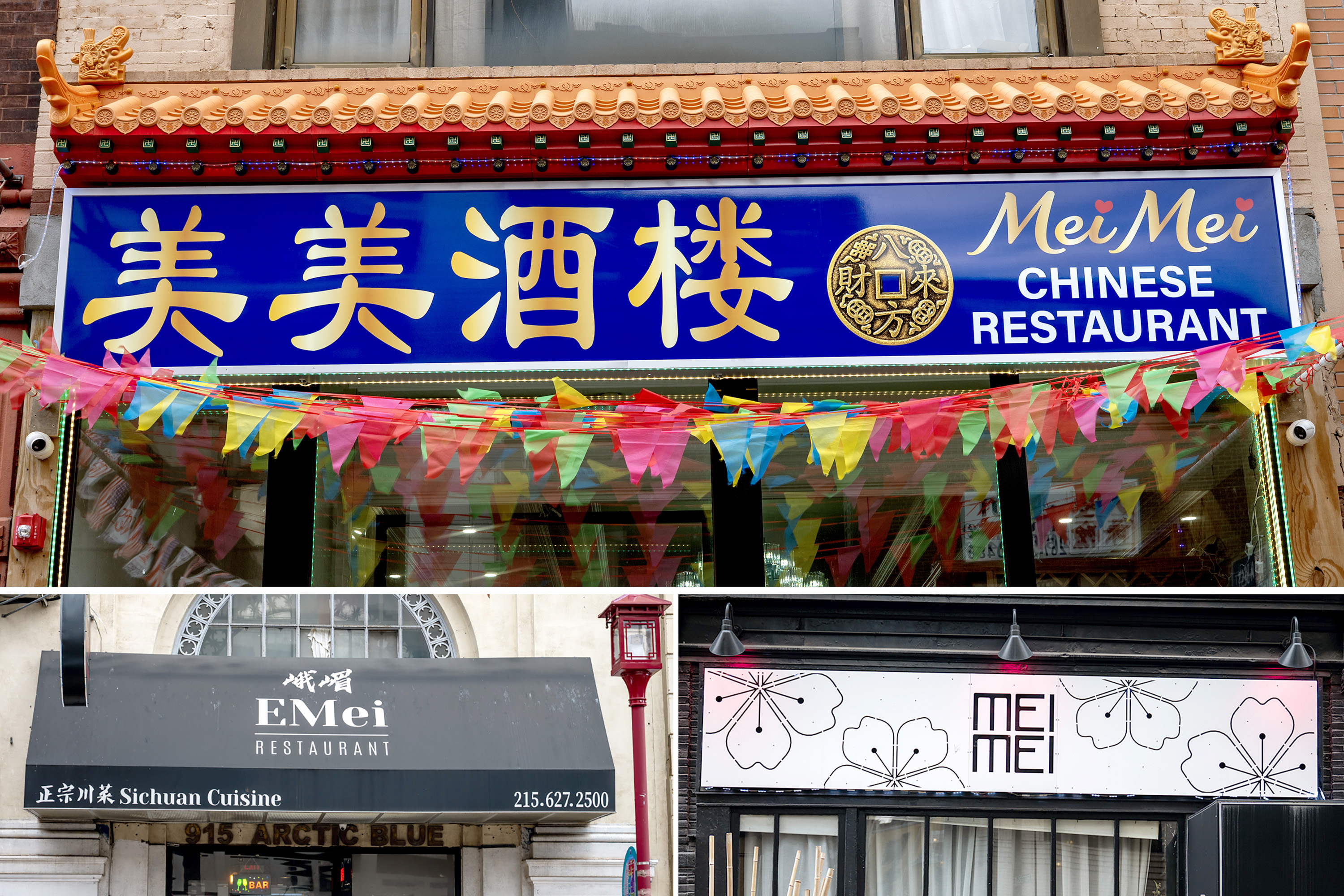
    Philadelphia now has two Mei Meis in Center City. To complicate matters, a third restaurant with a similar name, the popular EMei, is directly across the street from the newcomer.

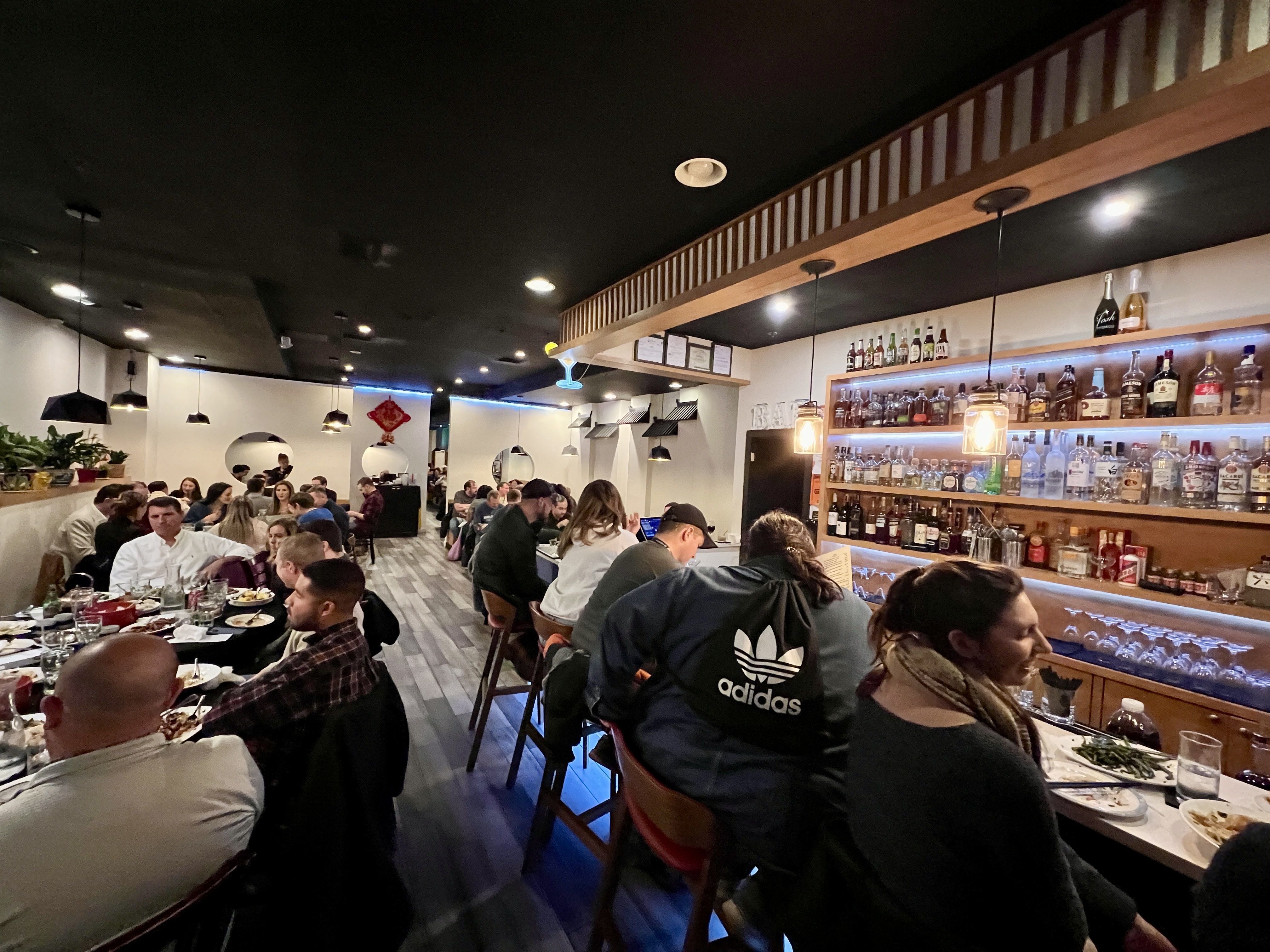
    EMei owner Dan Tsao said he has seen confusion with the Old City Mei Mei, especially in online reviews. “When Mei Mei was closed after a flood [in February 2025], we got a few phone calls from their customers trying to book parties,” Tsao said. “Since their profile was not active for several months, EMei would pop up directly on the top when someone searched for Mei Mei.”

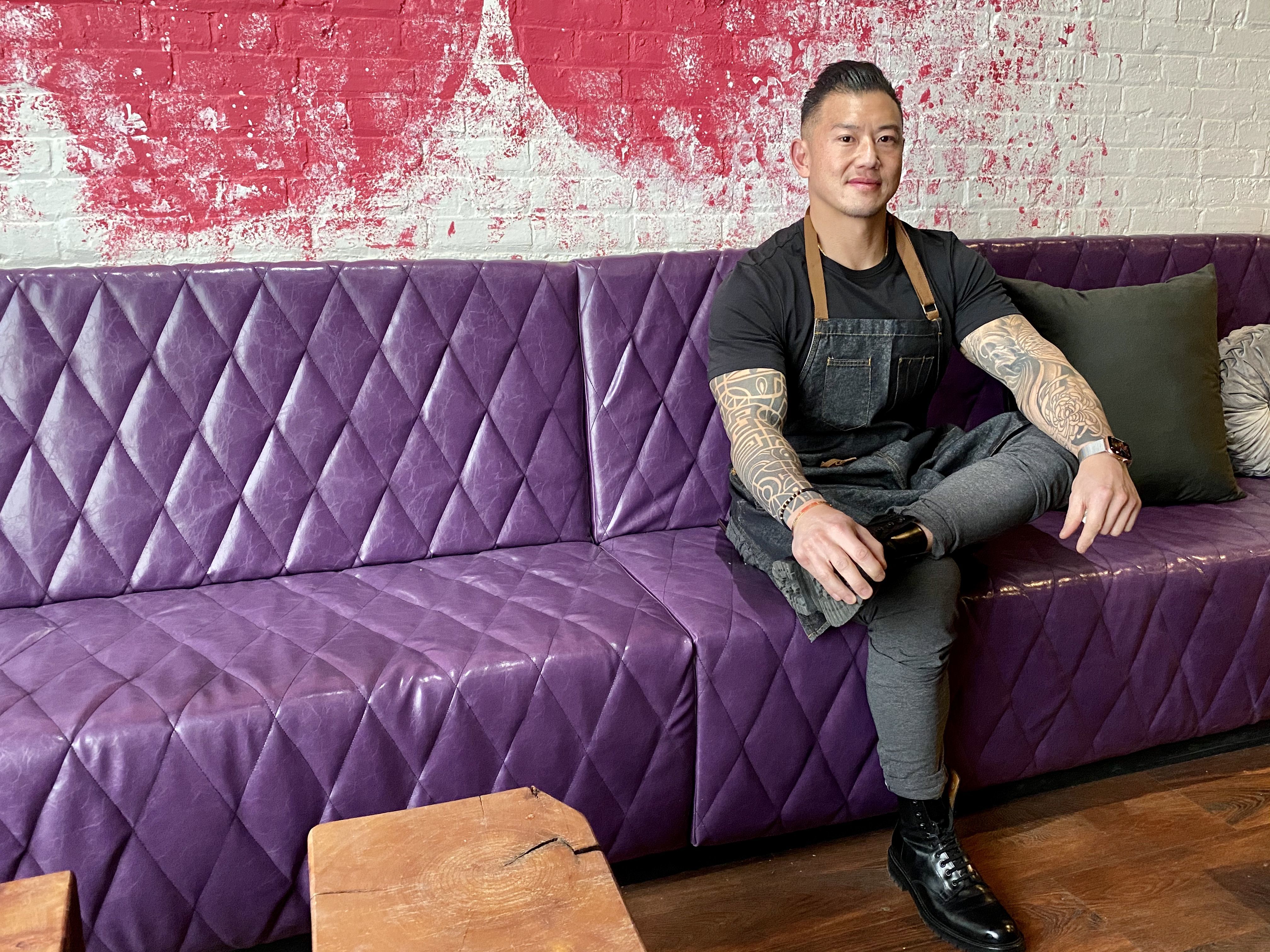
    The first Mei Mei, a stylish modern Asian restaurant and lounge at 33 S. Second St. in Old City, opened in March 2020 under Jay Ho. EMei — which opened at 915 Arch St. in 2011 and appeared in The Inquirer’s 2024 edition of The 76 — specializes in Sichuan cooking.

    Mei Ren and her son Atom at Mei Mei, 926 Arch St.Tom Gralish / Staff Photographer

    The similarities haven’t escaped Google Maps. Search for Mei Mei, and the Chinatown restaurant appears as “Mei Mei Restaurant.” Last week, Google added “Philadelphia” to the Old City restaurant’s name.

    For the owners of the two Mei Meis, the names are more than branding.

    “Mei Mei isn’t just a name to us, it’s our family’s legacy, dedicated to my own sisters,” Ho said of his Old City restaurant.

    Ho has contacted the Rens through an intermediary and hopes to meet them in person. He is not seeking immediate legal action.

    Jay Ho, owner of Mei Mei restaurant in Old City, shortly before its opening in 2020.Michael Klein / Staff

    “We truly want every new restaurant in Philadelphia to succeed,” Ho said. “Yet we owe it to our family, our team, and our guests to make sure no one is ever confused about whose table they’re sitting down at and that they’re getting the Mei Mei experience in Philadelphia. I very much want to come to a friendly resolution.”

    Tsao noticed the new restaurant’s sign going up across Arch Street before its opening.

    “We’ve had customers confuse EMei with Mei Mei in Old City [with online reviews], so naturally, I was concerned about another Mei Mei opening directly across the street,” he said.

    EMei at 915 Arch St. during a dinner rush in November 2025.Courtesy of EMei

    “I’ve known the Ren family for years, so I called Atom directly to share my concerns,” Tsao said. “Personally, I would have avoided choosing a name so similar to an existing restaurant, but I recognize they may have the legal right to use it.”

    Tsao said Atom Ren told him the restaurant’s signage and other materials were already finished, making a change difficult.

    Ren, who operates the Chinatown restaurant with his mother, said they did not know about the Old City Mei Mei before opening and were unconcerned about the similarities.

    His mother’s given name is Mei-qing, and she has gone by the nickname Yi-mei, also rendered as Mei, for more than 60 years.

    Degrees of difference

    Atom Ren pointed out that the three restaurants’ names, despite their similar English spellings, have distinct meanings in Chinese. His family’s Mei Mei uses characters associated with beauty. Ho’s uses characters meaning younger sister. EMei refers to Mount Emei, a mountain in China’s Sichuan province. The names also are pronounced differently in Chinese.

    (function() { var l = function() { new pym.Parent( ‘mei-mei__graphic’, ‘https://media.inquirer.com/storage/inquirer/ai2html/mei-mei/index.html’); }; if(typeof(pym) === ‘undefined’) { var h = document.getElementsByTagName(‘head’)[0], s = document.createElement(‘script’); s.type = ‘text/javascript’; s.src = ‘https://pym.nprapps.org/pym.v1.min.js’; s.onload = l; h.appendChild(s); } else { l(); } })();

    “They merely share similar Romanized spellings,” Ren said in an email. “In English, it is very common to have brands or names with similar spellings.”

    The restaurants themselves could hardly be more different.

    Mei Ren serves diners during the lunchtime buffet at Mei Mei, 926 Arch St.Tom Gralish / Staff Photographer

    Ho’s Mei Mei is a high-energy dinner destination with contemporary Asian cooking, cocktails, dramatic lighting, and a basement lounge.

    The new Chinatown Mei Mei is a sprawling, 300-seat operation whose ground-floor dining room serves a budget-friendly $8.50 lunch buffet combo of four dishes and soup. Selections include braised pork belly, mapo tofu, Chinese broccoli, and salt-and-pepper shrimp.

    Dinner emphasizes Cantonese dishes. Upstairs are banquet rooms; downstairs are karaoke rooms. The extensive renovation included transforming former apartments into restaurant space and installing an elaborate chandelier imported from China.

    The Rens are also partners in Grand Palace, the block-long restaurant and catering hall at Sixth Street and Washington Avenue in South Philadelphia.

    Atom Ren (right) holds the door for diners entering Mei Mei, which is decked out for its opening.Tom Gralish / Staff Photographer

    “The culinary concepts and target demographics of these three restaurants are completely different,” Ren said. “We do not overlap or directly compete with the other two. Diners come for a specific taste and experience, not just a phonetic name.”

    Familiar territory

    Chinatown has been through this before — and the Rens have a connection to one of its more tangled restaurant-name disputes.

    Mei and Atom Ren were among the partners in the original Dim Sum Garden, which opened on 11th Street near Arch in 2008. After restaurateur Shizhou Da and her daughter, Sally Song, opened another Dim Sum Garden at 1020 Race St. in 2013, a legal fight erupted over the name. The 11th Street restaurant eventually became Tom’s Dim Sum. The Rens are no longer involved.

    The Tom’s name figured in another legal dispute in 2019, when competing restaurants called Tom’s Dim Sum Media and Tom’s Dim Sum Mania operated within feet of each other in Media.

    Other Philadelphia restaurant-name disputes have involved Middle Child and Garage/Garage Sale Vintage. At other times, similar names have coexisted without litigation, such as the myriad restaurants with “Fiore” in their names.

    For now, the owners of the two Mei Meis remain at odds, though the public disagreement could not be more civil.

    Shortly after Mei Mei’s grand opening, Tsao walked across the street and bought a $500 gift card from the Rens. “I understand their position, respect the challenges of opening a new business, and wish them all the best,” Tsao said.

  • Massive housing development denied | Inquirer Chester County

    Massive housing development denied | Inquirer Chester County

    Hi, Chester County!

    After supervisors denied a zoning amendment and a nearly 500-home proposal in Uwchlan Township, some residents worry what could become of the 237-acre property. Here’s why. Also this week, SALT Performing Arts is looking to raise funds to buy its home, we look at the region’s busiest surgery centers, plus we meet the local chef fueling Mark Ruffalo while he’s in town to film Task.

    — Lisa Dukart (chestercounty@inquirer.com)

    P.S. The Inquirer is looking for submissions to its “Life Partners” series about unexpected intimacies across the region. Tell us about your creative co-parenting arrangements, rekindled relationships after divorce, or dating across fault lines at lifepartners@inquirer.com, and one of our reporters might reach out.

    If someone forwarded you this email, sign up for free here.

    What will happen to Uwchlan Township’s 237-acre Lionville Station Road property?

    An outline of the community proposal.Courtesy of Rockwell Development Group

    Uwchlan Township supervisors voted unanimously last week to deny a proposal to build a 492-home, age-restricted community on a sprawling property along Lionville Station Road.

    The decision was a surprise to the developers and some community members, who worked with Rockwell Development on a design that included nature trails, a swimming center, a Monarch butterfly way station, and over 100 acres of open space.

    Some residents now worry that the 237-acre site, where supervisors also denied a zoning amendment to allow residential development, could become warehouses or even a data center, something they’ve staunchly fought.

    The Inquirer’s Brooke Schultz explores the divide.

    📍 Countywide news

    • Several Chester County surgical centers are among the 20 busiest in the region, according to an Inquirer analysis of data from the Pennsylvania Department of Health. Topping the list in the county is Main Line Endoscopy Center Malvern, followed by West Chester Endoscopy Center, both of which logged over 10,000 surgical visits last year. The Inquirer’s Harold Brubaker explains why surgery centers have seen a surge in popularity in recent years.
    • Pennsylvania surpassed 1,500 measles cases this week, 94 of which are in Chester County as of Monday. International health leaders from the Pan American Health Organization are expected to decide this week if the U.S. will keep its long-held, and largely symbolic, measles elimination status.
    • Still have unwanted yard signs from last week’s midterms? Nearly a dozen sites countywide will accept them for recycling through Sunday.
    • Roadwork will cause delays and detours in a number of municipalities this week. Here’s where.

    💡 Community news

    • In case you missed it last week, voters chose to expand East Whiteland Township’s board of supervisors, shrink Malvern’s borough council, and update Tredyffrin’s Home Rule Charter. Here are the details.
    • Following West Pikeland Township officials’ decision last week to put its existing municipal building up for bid, community members have launched a $2 million fundraising campaign that could allow SALT Performing Arts to buy the building it has long called home — if they can do so before the township sells it to someone else. President Lauren McComas hopes to add a black box theater, a proper box office, and a sizable costume department.
    • The local woman behind private chef service Prepped by Carly is putting her skills to work to feed Mark Ruffalo. The Hollywood A-lister has been in the region for the past few months to film the second season of HBO series Task, which is set locally and was created by Berwyn native Brad Ingelsby. Carly Foglia began the business from her West Chester University dorm room and still operates near campus. Here’s a glimpse at what she’s been cooking up for Ruffalo.
    • A 43-year-old Paoli man, Kelong Han, pleaded guilty last week to tax fraud. Prosecutors accused Han of creating two fake businesses and claiming that his family earned wages from them, avoiding taxes on over $1 million in income in 2020 and 2022. He was also accused of fraudulently applying for $220,000 in Paycheck Protection Program loans. Han has been ordered to pay over $1.7 million in restitution and faces a $500,000 fine and up to six years in prison.
    • The owner of the parcel at 500 E. Reeceville Rd. has lodged a challenge against East Brandywine Township and is seeking a zoning amendment to allow data centers in the property’s residential zoning district. The township will host a public hearing tomorrow at 6 p.m. at Brandywine Wallace Elementary School to discuss the matter.
    • Paoli Memorial Grounds will seek Malvern borough council’s approval on Tuesday to build a museum and heritage center at 404 Monument Ave. near the Paoli Battlefield.
    • East Vincent Township will continue discussions on Monday about AQ Dev, LLC’s proposal to develop the Ruth Farm property into 53 single-family homes. You can also attend on Zoom.
    • Pocopson Township Manager Neil D. Vaughn is resigning, effective Dec. 4, to take the same role in Middletown Township, Delaware County. The board of supervisors hired a firm to recruit and search for his replacement.
    • BODYBAR Pilates is opening a 14-reformer studio at 232 Eagleview Blvd. in Exton on Monday.
    • The Colonial Theatre has a new chamber music series thanks to the Phoenix Chamber, created by Phoenixville resident and pianist Nhi Huynh. The group is hosting its second show next week (more on that below).

    🏫 Schools briefing

    • Downingtown STEM Academy has been named a Pennsylvania Blue Ribbon School, ranking among the top 15% of schools statewide for “whole school improvement while showing progress for all student groups.” It is the only school in the county to earn the distinction this year.
    • Several local marching bands performed in the US Bands Championships at MetLife Stadium in New Jersey over the weekend. Downingtown East and West each placed third in their respective groups, Unionville High School finished fifth in its group, and Avon Grove High School finished seventh in its group.
    • Following its New Jersey performance, Downingtown West’s marching band is heading to Indianapolis, where it will compete in the Bands of America Grand National Championships. The band will begin its bid on Friday at 8:45 a.m. You can watch a live stream here.

    🍽️ On our plate

    • Hungreez, a new “exotic snack” store stocking global treats, opened Friday at 3 S. Third St. in Oxford.
    • Drive-thru coffee chain 7 Brew is opening an outpost at 829 Paoli Pike in West Chester on Monday.
    • Brewing Love, a Greek-inspired coffee shop, has opened at 145 W. Gay St. in West Chester. It serves freddos, Greece’s popular iced coffee drink, as well as iced matcha and other specialty sips, plus a selection of pastries.

    🎳 Things to do

    🍂 Autumn Harvest Centerpiece: This workshop will show you how to use fresh and dried flowers and foliage to create a unique centerpiece for your table. ⏰ Saturday, Nov. 14, 1-3 p.m. 💵 $55.20 for members, $65.87 for non-members 📍 Jenkins Arboretum & Gardens, Devon

    🍸 Hush: An Immersive Speakeasy Experience: Hear Parlour Noir tunes and sip cocktails at this 1920s-inspired event. ⏰ Saturday, Nov. 14, 8 p.m. 💵 $35 📍 Colonial Theatre, Phoenixville

    🎻 Concert II: The new Phoenix Chamber will perform works by Kurt Weill, Jerome Kern, Alma Mahler, Anton Webern, Lori Laitman, and Ludwig van Beethoven. ⏰ Tuesday, Nov. 17, 7-8:30 p.m. 💵 $30 general admission, $10 for kids ages 3 to 10 📍 Colonial Theatre, Phoenixville

    🏡 On the market

    A four-bedroom West Chester home with ample living space

    This four-bedroom East Goshen home in Clocktower Woods borders open space, which can be viewed throughout the home, including the back patio. It has formal living and dining rooms, an updated eat-in kitchen with granite countertops and high-end appliances, a family room with a fireplace, and a study with vaulted ceilings. The first floor also has a butler’s pantry that connects the kitchen and dining room. The primary suite has two walk-in closets, a large bathroom, and a Juliet balcony.

    See more photos of the home here.

    Price: $1.685M | Size: 4,029 SF | Acreage: 0.64

    🗞️ What other Chester County residents are reading this week:

    By submitting your written, visual, and/or audio contributions, you agree to The Inquirer’s Terms of Use, including the grant of rights in Section 10.
    This suburban content is produced with support from the Leslie Miller and Richard Worley Foundation and The Lenfest Institute for Journalism. Editorial content is created independently of the project donors. Gifts to support The Inquirer’s high-impact journalism can be made at inquirer.com/donate. A list of Lenfest Institute donors can be found at lenfestinstitute.org/supporters.

  • Your stroke risk is 72% higher during these 3 hours of the day

    Your stroke risk is 72% higher during these 3 hours of the day

    The morning rush often feels like nothing short of a crisis. For our hearts and brains, it’s also the riskiest time of day.

    A meta-analysis of almost 12,000 adult stroke patients found that people were 72% more likely to have a stroke between 6 and 9 a.m. compared with the remaining 21 hours of the day. Every type of stroke studied saw a morning spike — whether caused by clots, bleeding, or even “ministrokes” called transient ischemic attacks.

    Heart attacks follow a similar pattern. A separate analysis found that they are 40% more likely to happen between 6 a.m. and noon than the rest of the day.

    That’s probably because, in many ways, mornings create a perfect biological storm.

    In the early hours, melatonin begins to fall and cortisol climbs — peaking shortly after awakening. While you sleep, blood pressure tends to dip by around 10 to 20% of your daytime baseline, then starts to rise just before you wake up. Once you get up and start moving, blood pressure surges. That elevation in blood pressure raises the risk of heart attacks and strokes.

    But in terms of strokes, the issue is not simply blood pressure. It turns out your blood itself changes in the morning too.

    In 2011, researchers from Boston found that our circadian rhythm drives platelets — small cell fragments that form blood clots — to become more likely to clump together in the early morning. And a subsequent study found that a blood protein that prevents clots from dissolving also peaks in the morning hours.

    Circadian biology affects far more than our energy. It governs the behavior of many of our bodies’ cells, molecules, and even which genes are expressed. And it helps explain why the morning can be a vulnerable time for stroke.

    The stroke symptoms people may miss

    Strokes are medical emergencies that occur when a part of the brain doesn’t receive enough blood — often caused by a blood clot suddenly blocking a vessel or a vessel bursting. When this happens, brain cells begin dying within minutes, and people can experience abrupt symptoms such as slurred speech, a drooping face, or weakness on one side of their bodies.

    Those are the stroke symptoms many people are familiar with. But in one study, about 1 in 7 stroke patients had none of those symptoms.

    Instead, many people having strokes experienced sudden trouble keeping balance or loss of vision. These symptoms are more common when blood vessels in the back of the brain become blocked. A helpful way to remember the stroke warning signs from the American Stroke Association is B.E.F.A.S.T.:

    • Balance
    • Eye (vision) changes
    • Face drooping
    • Arm weakness
    • Speech difficulty
    • Time to call 911

    Recognizing these symptoms as an emergency — and not brushing them off as “having slept funny” is crucial. Call 911 and don’t wait and “see if it gets better on its own.” Strokes are a leading cause of death in the United States. But the sooner a stroke is treated, the more likely you are to recover with little or no disability.

    What ER doctors will ask you

    If ER doctors think you had a stroke, the first step is usually a head scan to help determine the location, extent, and type. Based on these findings and your medical history, doctors will consider different medication or procedures.

    Not long ago, doctors generally wouldn’t perform a procedure to mechanically remove a clot from the brain if it had been more than six hours after symptoms started. They also wouldn’t give a medication, known as tPA (tissue plasminogen activator), to help break up the clot if it had been more than four and a half hours after symptoms started.

    So for someone who seemed fine at bedtime, but woke up, say, eight hours later, unable to move their leg, that often meant missing out on these therapies.

    But in 2018, multiple major randomized controlled trials found such clear and compelling evidence in favor of extending the window for mechanical removal beyond the six-hour limit that the trials were stopped early. So while tPA is generally still not given past the four and a half hour window, today, for some patients, clots can be removed up to 24 hours after the stroke started.

    That’s why emergency room doctors will want to know — either from you or a family member — when you were “last seen well.”

    After a stroke caused by clot, many patients go home on medications to help prevent another one, typically including a baby aspirin or another blood thinner, along with treatment for blood pressure and cholesterol.

    What I want my patients to know

    High blood pressure is one of the most important and treatable risk factors for stroke. It would seem logical that taking blood pressure medication at night instead of the morning might help your body cope with the dawn surge. However, two independent trials — one in the United Kingdom and one in Canada — found that taking blood pressure medications at bedtime didn’t lead to a difference in heart attacks, strokes, or deaths.

    In fact, in the Canadian trial, people assigned to bedtime dosing were less likely to take their pills compared to the group taking them during the day. For people whose blood pressure medication caused them to urinate more often, taking pills before bed meant disrupting their sleep.

    So ultimately, the best time to take your blood pressure medication is the time you’ll take it consistently (and, of course, always check with your physician before making changes). I also advise people to regularly check their blood pressure readings at home — including in the morning before you take your medication. This gives you a more accurate picture than the once-in-a-blue-moon reading you’ll do when you’re stressed and frazzled in the doctor’s office.

  • Walnut Street lot gutted by 2020 fire will have apartment development after all

    Walnut Street lot gutted by 2020 fire will have apartment development after all

    What a difference three months can make.

    Brooklyn-based Gridmark Group has dramatically changed its plans for 1706-10 Walnut St., which is currently a beer garden. It previously hosted three historical buildings that were razed after a fire during the unrest in 2020.

    In August, the developer revealed plans for a two-story, 33,000-square-foot retail building on the site, which is in Philadelphia’s most popular shopping corridor.

    Now Gridmark has resubmitted plans to the Historical Commission that retain the retail base but have seven stories of residential above it with 88 apartments.

    “There is a desire for something like this,” said Ari Weber, who owns Gridmark. “This area is different from everywhere else in the city.”

    Weber said that as apartment construction has slowed down in recent years, there will be more appetite for new multifamily housing when this project is finished in late 2028. He expects less competition for high-end renters.

    “There’s definitely been a slowdown, and we’re excited that we’re going to be one of those that’s putting up residential units out in Philadelphia,” he said. “We ran the numbers. We did the work, and seven stories works perfectly.”

    The project will largely be composed of 66 one-bedroom units, averaging about 600 square feet, with 12 studio apartments and 10 two-bedrooms. Many units will have balconies.

    The building proposal is designed by Philadelphia-based JKRP Architects, which has been working with Weber for years.

    A new rendering of Gridmark’s project, which shows off the apartments’ balconies.JKRP Architects

    The Philadelphia Business Journal first reported the change of plan.

    Weber said he received a lot of feedback on the two-story, purely retail version of the plan released in August.

    “They call it the number-one block in Philadelphia,” Weber said. “So people, I think, felt like, hey, where’s the residential part?”

    Weber said Gridmark’s project would have “a luxury feel to it.” But he said it should not be compared to top of the market Rittenhouse Square projects like Pearl Properties’ Harper Square, which is under construction, or the Southern Land Co.’s Laurel tower.

    “It’s not a tall high-rise, but it’s super unique,” Weber said. “It should add something special to the main block of Philly.”

    The retail portion of the project will be only on the ground floor, potentially split between two tenants, he said. The second floor, which would have been additional retail under the previous plan, will be devoted to tenant amenities like a gym and coworking space.

    The project will have to be reviewed again by the Historical Commission.

    Preservationists have questioned why materials from the razed buildings have not been included in the plans. Gridmark says that when it purchased the properties, they bought only the vacant land. None of the historic materials were included.