Blog

  • Judge hears arguments without immediately ruling in lawsuit over White House ban on 3 news outlets

    Judge hears arguments without immediately ruling in lawsuit over White House ban on 3 news outlets

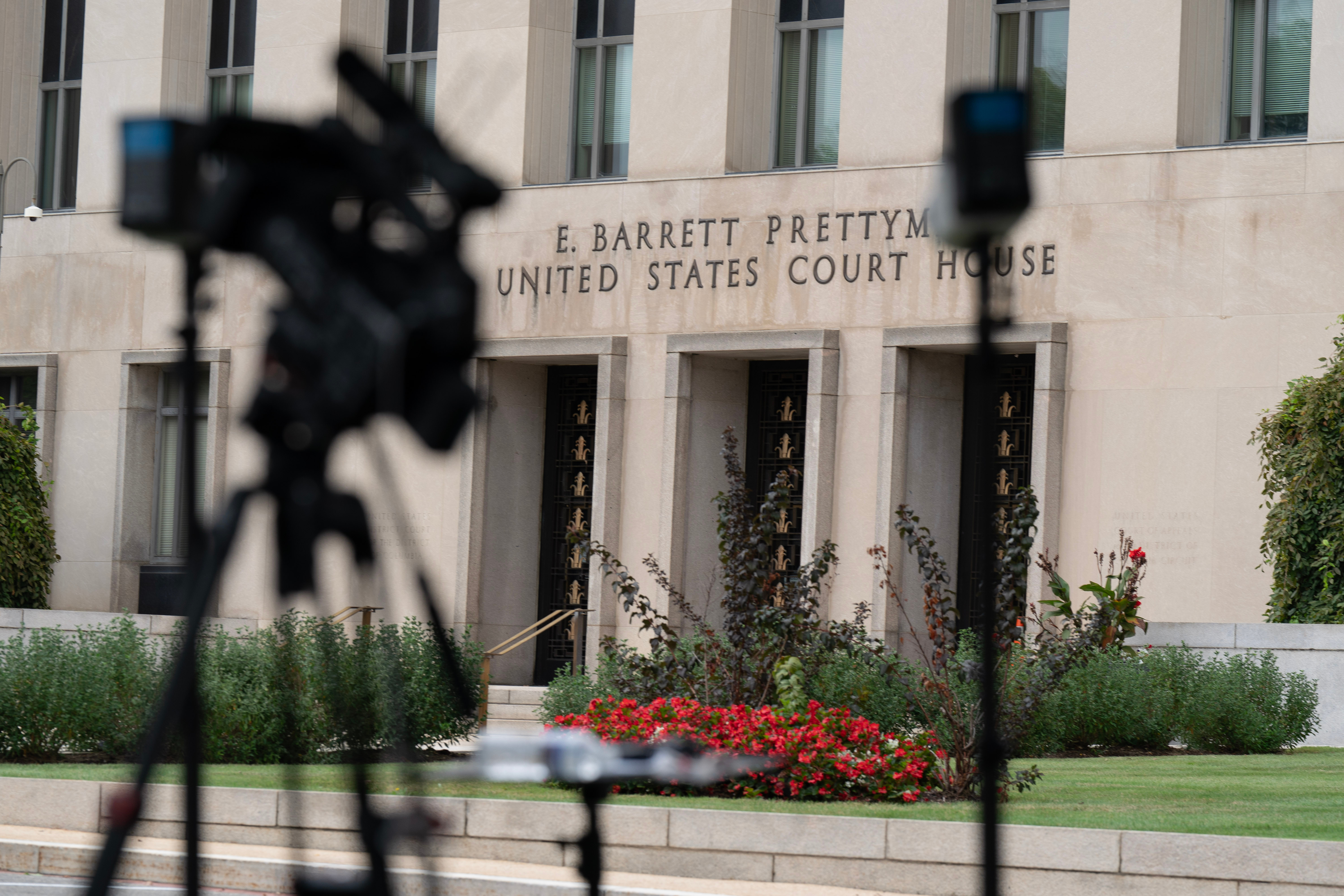
    WASHINGTON — A federal judge weighing whether to block President Donald Trump’s ban of three news outlets from White House grounds expressed some skepticism Wednesday in response to the government’s defense of the move.

    U.S. District Judge Timothy Kelly, who was nominated by Trump in 2017, didn’t rule from the bench after hearing arguments in an extraordinary showdown between Trump and media outlets whose coverage he dislikes.

    But the judge questioned whether the administration met its legal responsibilities and provided the news outlets with adequate due process before banning them on Friday, assailing what he called “fake news.” More recently, the president has said negative coverage was dangerous for the country.

    The news outlets argued they were singled out because of the content of their coverage — in other words, viewpoint discrimination — and called the ban a “blatant violation” of the First Amendment.

    Kelly said his decision must be guided by courts’ prior rulings in comparable First Amendment cases, even if the government disagrees with them.

    “I think it is fair to say that the processes that the court laid out wasn’t followed here,” Kelly said.

    It wasn’t clear when Kelly, who ordered a CNN journalist’s access restored in a similar case in 2018 — would issue a decision on the news outlets’ request for a restraining order. But he said he’d rule as soon as possible.

    CNN, Politico and MS NOW each told The Associated Press they’d have no comment on the emergency hearing.

    Prior rulings indicate journalists should be heard before press passes are revoked

    Kelly opened by reminding both sides that he’s required to apply case precedent.

    The rulings in two prior cases over press access — including one that went to the U.S. Supreme Court — made clear that journalists were entitled to an opportunity to be heard before they have their press passes revoked.

    Justice Department attorney Michael Velchik argued that the rulings in the earlier cases were wrong.

    “Access to the White House is a privilege, not a right,” Velchik said.

    Theodore Boutrous Jr., attorney for the outlets, called the ban an “unprecedented, unreasonable punishment” and said there was “not a semblance of due process.”

    The administration doubled down on its contention that it has the right to decide who can set foot in the White House.

    “The president should be able to take immediate action to protect national security,” Velchik told the court.

    In response, Boutros said, “Suddenly it’s a national security case,” arguing that the president brought up that point only after the lawsuit was filed.

    The Trump administration outlined ‘reporting incidents’ of each news outlet

    In a filing late Tuesday, administration lawyers argued that the ban does not violate the First Amendment, which guarantees the right to a free press. It contended that the outlets, in their reporting, violated “standards of professionalism and decorum expected of those given access to the White House complex, including by trafficking in verifiable falsehoods about national security and other issues and publishing sensitive or classified information.”

    The administration went on to detail letters that were sent to each outlet that identified “a non-exhaustive list of reporting incidents, including those that have threatened national security and spread falsehoods.”

    The “reporting incidents” cited in the filing included: CNN reporting on “‘top-secret’ construction details related to the East Wing bunker”; MS NOW reporting “on an alleged leak investigation”; and Politico publishing “a document detailing funding for the White House ballroom containing intricate descriptions of how the Secret Service would invest in security improvements.”

    Further examples were given in individual letters. Politico’s letter detailed six incidents of reporting, including in June citing a “senior administration official … granted anonymity” predicting whether a preliminary deal would end the conflict with Iran.

    That item appeared to reference a background briefing set up by the White House, where an official briefed reporters on condition of anonymity under ground rules set by the White House itself. Several other outlets also reported the official’s remarks.

    Major networks continue to refrain from covering Trump for the media pool

    The ban prompted other media outlets to take action in solidarity. The five-network U.S. network press pool — a rotating cast of news outlets that covers the president, and to which CNN belongs — decided to suspend coverage of Trump events until further notice.

    After the hearing Wednesday, the networks were poised to continue their ban on filming Trump coverage. At Joint Base Andrews, where the president was to formally welcome Chinese President Xi Jinping later, journalists from Fox News, CBS and NBC were present but not shooting video, and some appeared to be breaking down their cameras.

    Other television outlets whose crews were present, according to signs on their tripods and cameras, were NewsNation, Newsmax, Right Side Broadcasting Network, One America News and LindellTV.

    Ahead of Wednesday’s hearing, an amicus brief was filed by other news groups, urging the court to immediately restore the three outlets’ White House access.

    The brief — filed by the Reporters Committee for Freedom of the Press, the White House Correspondents’ Association and 49 media outlets and industry groups, including The Associated Press, The New York Times and Reuters — says “the targeted expulsion of news media from White House grounds injures the public interest” and ”unassailable First Amendment law makes any viewpoint-based decision to bar reporters from a nonpublic forum constitutionally repugnant.”

    The proceedings are historic, said Katie Fallow, deputy litigation director at the Knight First Amendment Institute at Columbia University.

    “No president has taken this explicit of a step” to ban entire news outlets because he doesn’t like their reporting, she said. “There have been various presidents throughout history who have grumbled about the press or threatened to take more major steps, but really there was nothing at this level before Trump.”
  • Heads of AI firms tell UN Security Council that it could be a risk to all humanity

    Heads of AI firms tell UN Security Council that it could be a risk to all humanity

    UNITED NATIONS — The heads of major artificial intelligence firms pleaded with the United Nations on Wednesday to save the world or at least its people — in the form of somehow regulating the burgeoning technology that they have been designing.

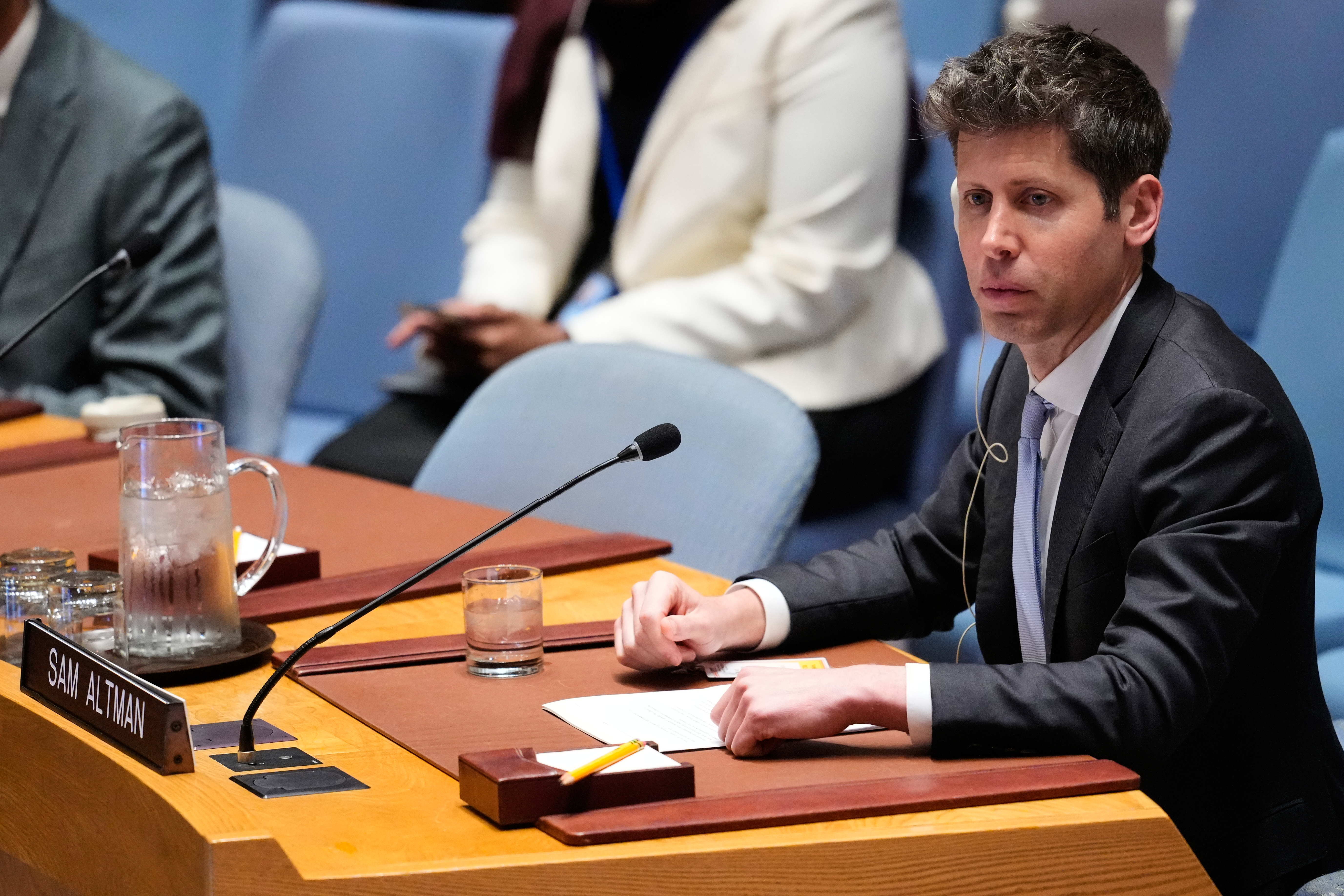
    “If managed poorly, I even believe AI could be a risk to humanity as a whole,” said Dario Amodei, chief executive officer of Anthropic. And from his competitor Sam Altman, CEO of OpenAI, came this assessment: “We could lose control of the future to AI.”

    Both said the countries of the world, through the U.N. Security Council, where they testified Wednesday, have to set safeguards of some kind, which would be actual controls to prevent the technology from getting too powerful to rein in.

    They also called for the world to make sure that the power of AI isn’t concentrated in one company or country. They said that as they also touted the benefits of the technology for bettering humanity and what Altman called “giving people more power over their own lives.”

    Those tech leaders “are telling us in stark terms that it cannot be left to them to prevent disaster from befalling the world,” said United Kingdom Foreign Secretary Ed Miliband said at the Security Council. “We cannot ignore them because they are right.’’

    AI will be at the heart of G20 discussions

    Miliband said when the U.K. takes control of the G20 next year it will put controlling AI at the heart of discussions, looking for a single set of global standards “to insure that AI development is safe.”

    But the United States said don’t do it.

    Worries about control of AI are “not a reason to pause its further development or to constrain it with new global governance structure,” said White House Science Adviser Michael Kratsios. “We want you, our allies and partners, to share in the benefits of this technology.”

    For most of the world leaders, along with California Governor Gavin Newsom in New York for climate discussions, one of the key questions about AI is this: Who should control life-and-death decisions — human or machine?

    Amodei, Altman and Hugging Face CEO Clément Delangue, who spoke via a glitchy remote connection, spoke with the U.N.’s most powerful council because they and world leaders are trying to figure out not just whether to control AI, but by who, how it could possibly be done and when it might be just too late.

    The day before, U.N. Secretary-General Antonio Guterres warned of “killer robots.” Experts and European leaders said that’s not hyperbole but something that’s either already a grim reality or perilously close.

    Amodei called on the nations of the world to agree on not letting AI build biological weapons, figure out how to verify what models have the capability to do and “establish common standards” for testing and for loss of control and misuse.

    French Foreign Minister Jean-Noël Barrot, whose country convened Wednesday’s meeting and has fostered various other coalitions and discussions about AI, compared the current state of it to both the runaway computer HAL9000 in the movie “2001: A Space Odyssey” and the dawn of the atomic age.

    “Just as with the atom back then, the international community must now regulate AI in order to make the most of its potential and avoid the worst,” Barrot said.

    Other leaders and nations are paying close attention to AI

    His wasn’t the only concern expressed during this high-profile U.N. meeting week.

    Ukrainian President President Volodymyr Zelenskyy, speaking at the General Assembly, said some kind of human control over machines must achieved soon. Otherwise, he said, for his country it may be just too late.

    “There is already a real possibility that AI, not only people, will begin to decide what happens on the battlefield. And we need peace before we reach that point,” Zelenskyy said.

    Last month, a Russian drone seemingly using AI “autonomously made a targeting decision that killed three Ukrainians. Killer robots are technically easy to build, and they are real. We should not be under any illusions otherwise,” said Kentaro Toyama, an information technology professor at the University of Michigan.

    The U.N. meeting unfolded as Chinese President Xi Jinping headed to Washington for a much-anticipated state visit. The U.S. and China are jostling for AI dominance, and AI interests are looking to what comes out of Xi’s discussions with U.S. President Donald Trump. Ahead of the meeting, U.S. Treasury Secretary Scott Bessent said the two countries had discussed a potential new “notification mechanism” for AI incidents that could impact national security.

    But on Tuesday, Trump, lauding AI as “superintelligence,” said the United States would reject efforts to control the technology as it tries to win the development race with China. Kratsios was the one of the few who used that term in the Security Council.

    Meanwhile, regional groups in Europe, Asia and elsewhere also are trying to coordinate AI policies, and various nations — and even subcomponents, such as U.S. states — are crafting their own.

    Still, U.N. watchers and risk experts say the world body hasn’t been relegated to the sidelines on AI regulation.

    “The U.N. is not in the driver’s seat of global discussions on AI, but it hasn’t been kicked out of the car yet,” said Daniel Forti, who oversees U.N. affairs at the International Crisis Group, a think tank.

  • These 10 Philly blocks will be the first to get $100,000 upgrades through Mayor Parker’s housing initiative

    These 10 Philly blocks will be the first to get $100,000 upgrades through Mayor Parker’s housing initiative

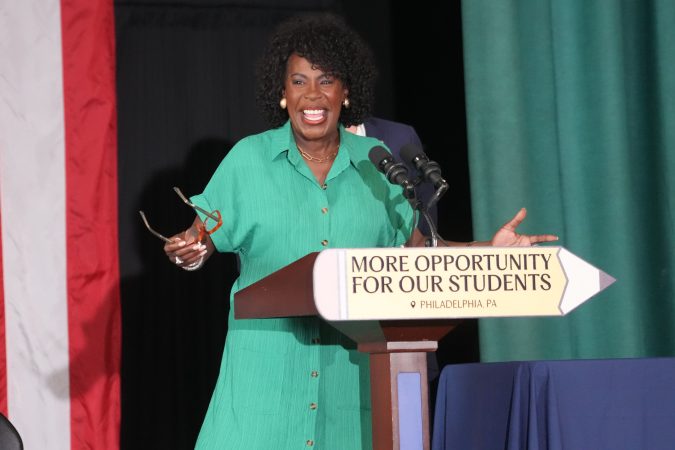
    Mayor Cherelle L. Parker’s administration on Wednesday announced the first 10 residential blocks that will each receive $100,000 in beautification upgrades as part of the city’s Curbside Appeal program.

    The program is part of Parker’s Housing Opportunities Made Easy, or H.O.M.E., initiative, which seeks to build or preserve 30,000 units of housing in the city.

    “Every Philadelphian deserves to live on a block they can be proud of,” Parker said in a statement, adding that the program “gives neighbors the resources to come together, improve their surroundings, and strengthen the sense of community that makes our city special.”

    The first 10 blocks set to receive services under the program, including debris removal, tree trimming, lawn restoration, and sidewalk repairs, are:

    • 1300 block of South Ruby Street
    • 1700 block of St. Paul Street
    • 1800 block of Hart Lane
    • 2200 block of South Sixth Street
    • 2500 block of North Marston Street
    • 3000 block of Titan Street 
    • 3200 block of North Howard Street
    • 5000 block of Newhall Street
    • First block of Hobart Street
    • First block of Wiota Street

    In May and June, residents were encouraged to nominate blocks for the program through their Neighborhood Advisory Committees or Neighborhood Community Action Centers, the so-called mini-City Halls Parker has established throughout the city to make services more accessible.

    The next round of nominations for the program will take place in the spring.

    “By partnering directly with neighbors, we’re helping transform blocks in ways that reflect the priorities of the people who live there while building stronger, more connected communities,” Jessie Lawrence, the city’s director of planning and development, said in a statement.

    Council approved the H.O.M.E. initiative, which is funded primarily through $800 million in city bonds, in June 2025. Lawmakers then clashed with the administration last fall over income thresholds for some of the housing programs it funds, with Council successfully pushing through changes that prioritize poorer residents.

    The city issued the first $400 million in H.O.M.E. bonds earlier this year, and is scheduled to issue the next tranche in 2027.

  • Former South Jersey transit official enters plea deal in political revenge case

    Former South Jersey transit official enters plea deal in political revenge case

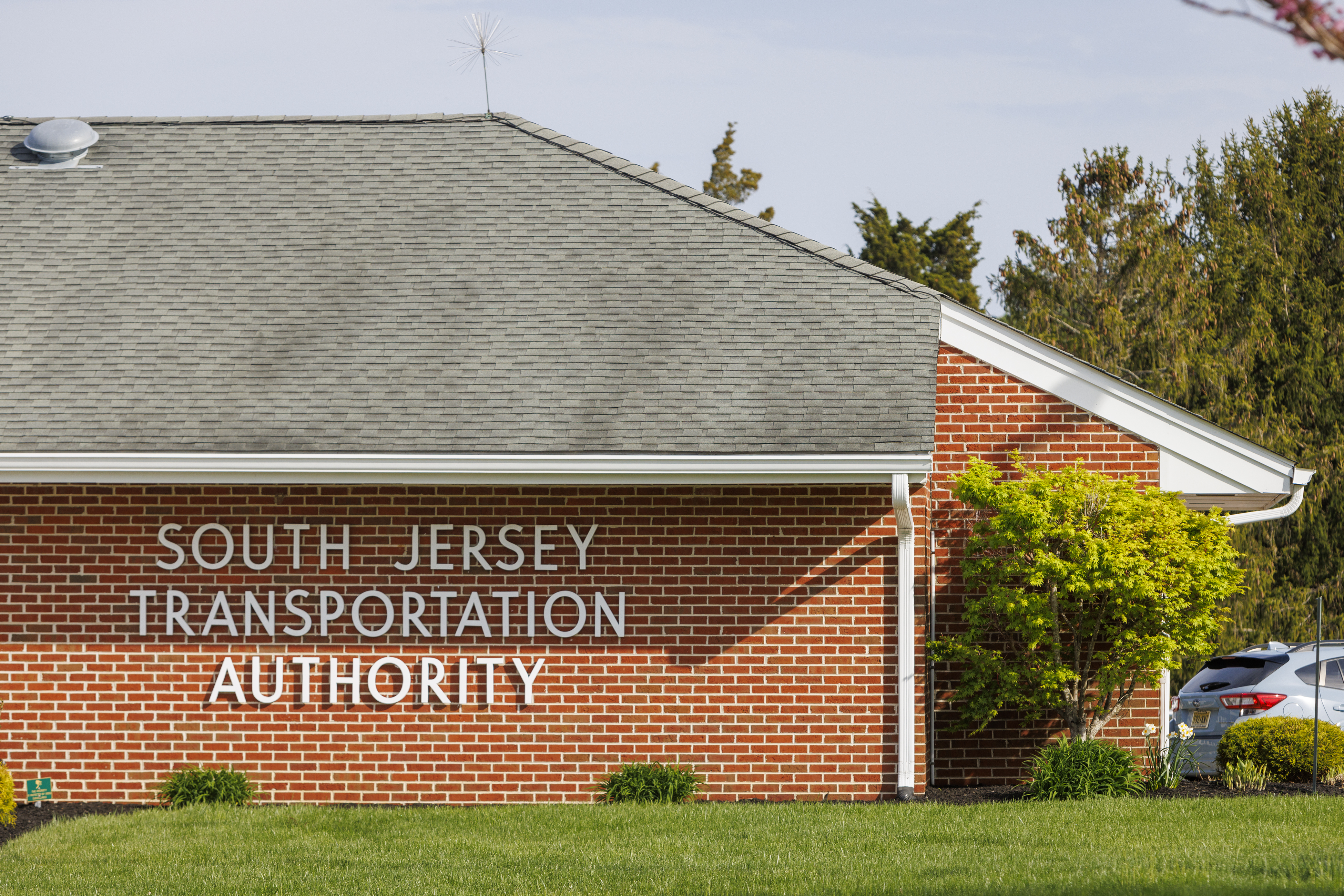
    A former South Jersey Transportation Authority commissioner and Philadelphia union leader accused by a New Jersey grand jury of using public office to retaliate against a political foe entered a guilty plea deal Wednesday that will likely keep him out of prison.

    The grand jury last year indicted Bryan Bush and Christopher Milam, a current SJTA commissioner and former vice chair, on six counts of conspiracy, official misconduct, and perjury.

    Prosecutors accused the two Gloucester County men of conspiring in 2023 to deny payment to a contractor that had allegedly fallen out of favor with George E. Norcross III, a Democratic South Jersey powerbroker, and with lying to a grand jury about their reasons for rejecting payments.

    They were first charged in 2024, just days before Norcross was indicted on charges of racketeering in a case that has since been dropped. (Norcross recently filed a defamation lawsuit against The Inquirer.)

    Bush, who was represented by Robert Agre of Agre & St. John in Haddonfield, pleaded guilty to one count of obstruction in the fourth degree — and agreed not to hold public employment. In exchange, prosecutors dropped the remaining charges and recommended probation. He agreed to comply with conditions in a Sept. 17 letter from the state, which prosecutors did not make available on Wednesday.

    Milam, whose term as commissioner officially ended earlier this year, rejected prosecutors’ offer. His attorney, Charles Fiore of Charles Fiore Law Offices in Williamstown, is seeking Pretrial Intervention (PTI), a program that can help first-time offenders get charges dropped by “gaining skills to straighten out personal problems in order to avoid future arrests,” according to the New Jersey Courts website. He appeared in court remotely on Zoom.

    Obstructing the administration of law has a maximum sentence of 18 months in state prison, Judge Donna Taylor said in court. Taylor rejected a motion to dismiss the case in early July.

    In court, Bush admitted withholding information from prosecutors that would have helped the investigation into the nonpayment of money to T&M Associates, a Middletown, N.J.-based engineering firm, for its contract with the SJTA.

    Bush told The Inquirer he will keep his job as the business manager of Sheet Metal Workers Local 19, an influential union in Philadelphia.

    “I’m just trusting my attorney’s judgment on all of this,” Bush told The Inquirer on his way out of the courtroom at Atlantic County Criminal Court on Wednesday.

    Dan Prochilo, a spokesperson for Attorney General Jennifer Davenport, who inherited the case from former Attorney General Matthew Platkin, said Wednesday that the office “is committed to investigating and fighting for accountability in any case where public officials abuse their positions of public trust.”

    Davenport did not pursue Platkin’s case against Norcross, declining to appeal a court ruling that dismissed it.

    ‘Political suicide’

    Milam’s lawyer argued that the case centers on Norcross — though he is not a defendant — and that prosecutors used it to strengthen their separate case against him, according to court documents. He noted that the power broker was mentioned 50 times during the grand jury presentation.

    When asked to comment on Bush’s plea, Dan Fee, a spokesperson for Norcross, criticized the former attorney general. Platkin, he said, “tried to pin something on George that just wasn’t true.”

    According to court documents, John Cimino, head of T&M Associates, got on Norcross’ bad side after endorsing a different candidate than Norcross directed in a Democratic primary for Mercer County executive. Norcross subsequently said Cimino committed “political suicide” and was off his “Christmas card list,” according to the documents.

    Norcross’ firm dropped T&M as a client and his longtime political consultant resigned from T&M, according to the documents. Milam and Bush entered the picture because, as SJTA commissioners, they voted against payments for work done by T&M for the agency at three separate meetings.

    Detectives discovered texts from Milam to Bush saying he planned to vote against T&M because “they cut South Jersey in Mercer County,” and Bush said he would vote no, too. The commissioners eventually approved the invoices after they were directed to do so by SJTA Director Stephen Dougherty, according to the court record.

    Milam’s term technically expired in May, but he remains a commissioner until Gov. Mikie Sherrill makes an appointment, SJTA spokesperson David Zappariello said. He declined to comment on the case.

    The SJTA oversees the Atlantic City Expressway and Atlantic City International Airport. It also works on transit efforts across South Jersey, such as the new South Jersey Connects bus system.

    Bush’s sentencing is scheduled for Nov. 10.

  • Pa. measles outbreak grows past 800 cases; House Democrats press CDC on omitted deaths

    Pa. measles outbreak grows past 800 cases; House Democrats press CDC on omitted deaths

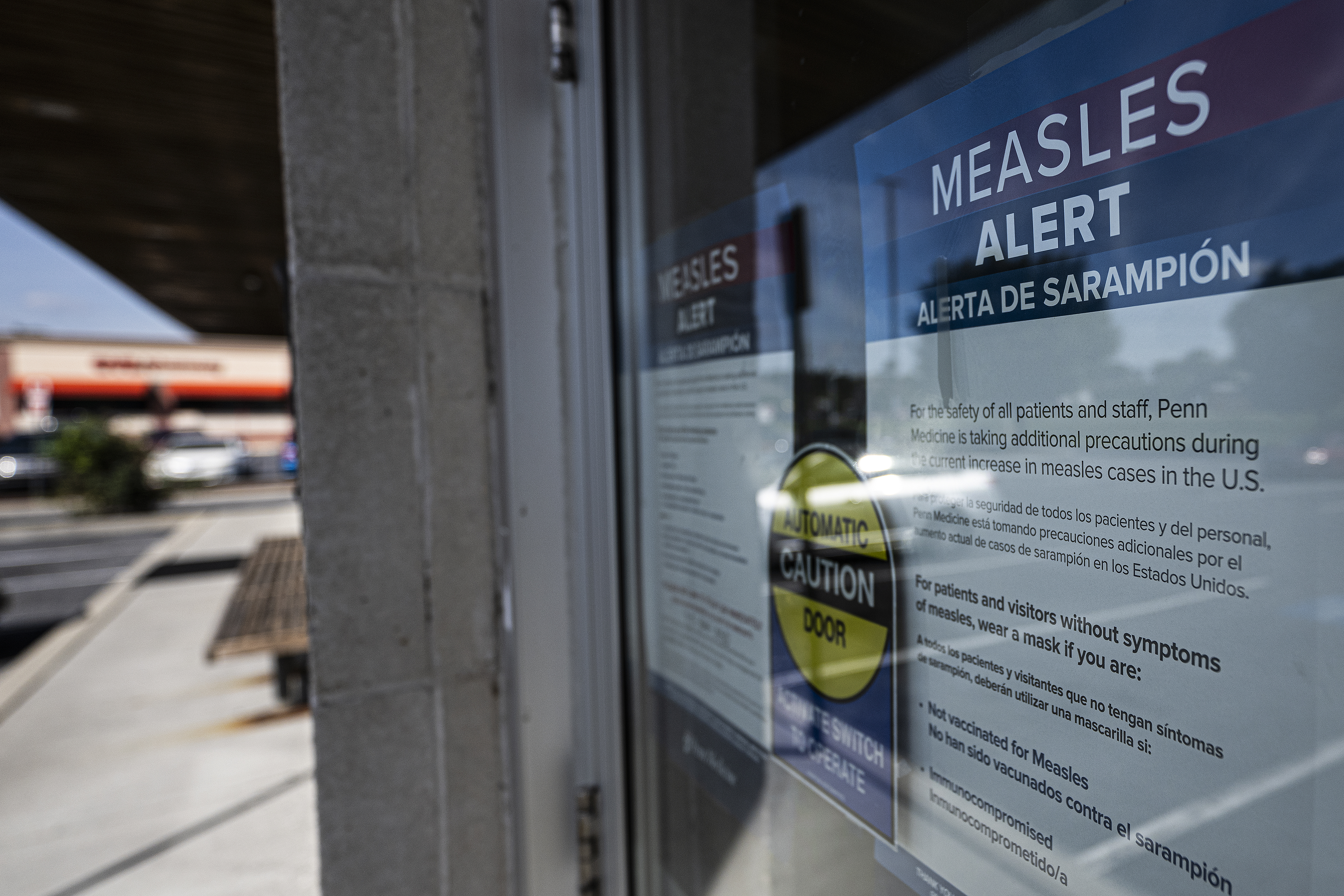
    Pennsylvania’s largest measles outbreak in three decades, currently the largest in the country, passed another sobering milestone on Wednesday: State health officials reported that more than 800 people have contracted the highly contagious disease so far this year.

    The latest case counts show an increase of 111 measles cases in the last week, bringing the total to 835 people with known infections. Physicians and local health officials say this is likely an undercount, with many cases going unreported.

    Chester County logged 12 new cases in the last week, bringing its total cases to 78. The outbreak in the suburban Philadelphia county is now the state’s third largest, having more than tripled in size since early August.

    Chester is the only county in the Philadelphia region with cases in the current outbreak, which began in April. Montgomery County reported three cases in a separate outbreak earlier this winter.

    All but a few have been in unvaccinated people.

    Statewide, children under 18 make up nearly a third of the confirmed cases, and about one in five reported cases have required hospitalization.

    The state reported four rare “breakthrough” cases of measles in vaccinated people earlier this month.

    More than half of Pennsylvania’s 67 counties have now reported at least one measles case.

    Lancaster County, with 342 cases, has the highest case counts in the state, followed by Mifflin County, which has reported 94 cases.

    State officials have reported four measles-associated deaths, all affecting people who were unvaccinated and confirmed to have measles infections.

    The deceased include two infants from Amish families in Lancaster County, an 18-year-old in Mifflin County who died from a serious neurological complication of measles, and a 40-year-old woman in Jefferson County with severe respiratory conditions.

    But state and federal officials have clashed over how to characterize the deaths, with the Lancaster County coroner saying he did not believe measles caused one of the deaths.

    The state considers all four “measles-associated deaths,” meaning deaths that occur within 30 days of symptom onset in a person with clinical evidence of infection and a positive laboratory test for measles, and who did not die of another unrelated cause, like a car crash.

    The Centers for Disease Control and Prevention for weeks omitted these deaths from its public tracking of the toll of measles outbreaks nationally, under the leadership of President Donald Trump’s Health and Human Services secretary, Robert F. Kennedy Jr., a longtime anti-vaccine activist. Kennedy at one point suggested that Shapiro’s administration had “fabricated” the deaths in Lancaster County.

    The CDC updated its dashboard on Wednesday to note one measles-related death in the country, without further explanation.

    In a statement, an HHS spokesperson said that the National Center for Health Statistics received a report of a measles-related death from “a state.” The center verified that the death occurred and that measles was the underlying cause of death, and the CDC website was subsequently updated, the department said without specifying which state the death occurred in.

    On its website, the agency says it is still reviewing death data and developing a new standard definition of a measles-associated death.

    The state has maintained all four deaths fit its definition for a measles-associated death.

    House Democrats ask for a briefing

    New Jersey Rep. Frank Pallone said Wednesday he is still waiting for a response to a letter he sent last week as the top Democrat on the U.S. House committee that oversees healthcare, looking for answers about the CDC’s characterization of the death.

    In the letter, Pallone asked for CDC director Erica Schwartz to brief committee Democrats on her “extraordinary decision” to omit the measles-associated deaths from the agency’s measles data dashboard.

    The letter noted news reports that showed the dashboard had briefly included two measles-associated deaths in Pennsylvania before they were removed from the website.

    Health and Human Services representatives did not immediately return a request for comment on the letter.

    “I think this is the ultimate hypocrisy on the part of the secretary,” Pallone said. “He promised radical transparency, every day during his confirmation hearings. I think now what we’re getting is the opposite, which is a cover-up.”

    Pallone said he was concerned that Kennedy’s anti-vaccine rhetoric has contributed to rising measles cases across the country, and worried that the agency, at Kennedy’s behest, is trying to redefine measles deaths to dodge blame for the rise in cases.

    “What Pennsylvania did was the traditional scientific criteria for deaths from measles,” Pallone said. “What [is the CDC] trying to do? Change that? Based on what?”

  • ‘It’s up to me. Everyone is watching’: Can former lottery pick David Jiříček win a job on the Flyers’ blue line?

    ‘It’s up to me. Everyone is watching’: Can former lottery pick David Jiříček win a job on the Flyers’ blue line?

    On Wednesday, David Jiříček and Oliver Bonk both skated with the NHL group, cementing them as the top two contenders for the final spot on the Flyers’ opening-night defense, next to veteran Nick Seeler.

    The Flyers want their young players to learn from playing big minutes. They’re unlikely to keep Bonk up to be the seventh defenseman, as opposed to being on the top pair in Lehigh Valley.

    But Jiříček, who the Flyers acquired at last year’s trade deadline from Minnesota, is the only one of the Flyers’ young defensemen who is not waiver-exempt, meaning the Flyers can’t send him down without risking losing him for nothing.

    The final cut days of training camp are a busy time on waivers, which could increase the odds of Jiříček slipping by unclaimed. But it’s more likely that the Flyers would keep Jiříček up even if he doesn’t win the job, just to continue to get him reps and practice without risking losing the talented blueliner.

    “Offense is there, so I just have to play defense, sounds easy, right?” the 22-year-old joked. “Be good on defense, don’t make mistakes — obviously everyone makes mistakes, but try to do it as little as you can, and everything is going to be fine.”

    In practice, Jiříček got reps running the point on the Flyers’ second power-play unit, with Travis Konecny, Noah Cates, Owen Tippett, and Alex Bump.

    After Monday’s preseason loss to Washington, Tocchet said he wanted to see the 6-foot-4, 204-pound Jiříček be more aggressive with his shot, something Tocchet believes he’s held back on in practice to avoid hurting his teammates.

    David Jiříček’s offensive tools have rarely been questioned. But can he elevate his game enough defensively to earn the trust of Rick Tocchet?Elizabeth Robertson / Staff Photographer

    “Guys get that way, they want to endear themselves to their teammates,” Tocchet said. “They want to give them passes and stuff, but he’s got a gifted shot. I think he took it one time and it was a heater. I want to see three of those a game.”
    Tocchet said that another one of Jiříček’s biggest strengths is his patience with the puck and ability to slow the play down. But “when there’s chaos,” Jiříček begins to struggle, so the Flyers worked to develop his abilities reading the game and learning how to shut down plays in the corner during his 15-game stint to end the year with Lehigh Valley of the American Hockey League.

    The former No. 6 overall pick has struggled to stick in the NHL since his draft year in 2022, mostly due to challenges adapting defensively and with his skating. Tocchet said it was fair to say Jiříček’s strides are still a bit clunky, but joked that he too played “ugly” during his time in the NHL.

    “Don’t get me wrong, we all work on our skating, we work on all sorts of stuff,” Tocchet said. “But it might not look pretty sometimes, but he does get the job done.”

    Jiříček racked up 13 points (two goals, 11 assists) in 15 games with the Phantoms to end last season. Both of these goals came on the power play, earning him a call-up for the final regular-season game. Tocchet said he’s seen significant progression from Jiříček since he first came to the organization at last year’s trade deadline, but there’s still more room to grow.

    “It’s up to me. Everyone is watching,” Jiříček said. ”…Try to make them feel like I’m ready and I’m here to take a spot.”

    Breakaways

    Denver Barkey, who Tocchet described as “day to day” on Tuesday, skated with the Phantoms group and skated on the ice alone between practices in a non-contact jersey. … Jett Luchanko and Cole Knuble sat out Wednesday’s practice after playing in back-to-back preseason games. … Nikita Grebenkin (upper body) is full-contact in practice and Tocchet expects him to play in Thursday’s preseason game against the Boston Bruins. “The guys won’t hit him. He wants to be hit,” Tocchet joked. … The Flyers placed forwards Carl Grundström, Jack Studnicka, Nolan Foote, Danila Klimovich, and Zach Aston-Reese, and defenseman Cam Dineen on waivers Wednesday. … The team also assigned forwards Noah Powell and Riley Thompson, defensemen Spencer Gill, Hunter McDonald, Ty Murchison, and goaltender Carson Bjarnason to Lehigh Valley. Meanwhile, forward Matthew Gard was returned to the Seattle Thunderbirds of the Western Hockey League.

  • Kennedy drew $4 Million in book advances from publisher who also monetized MAHA

    Kennedy drew $4 Million in book advances from publisher who also monetized MAHA

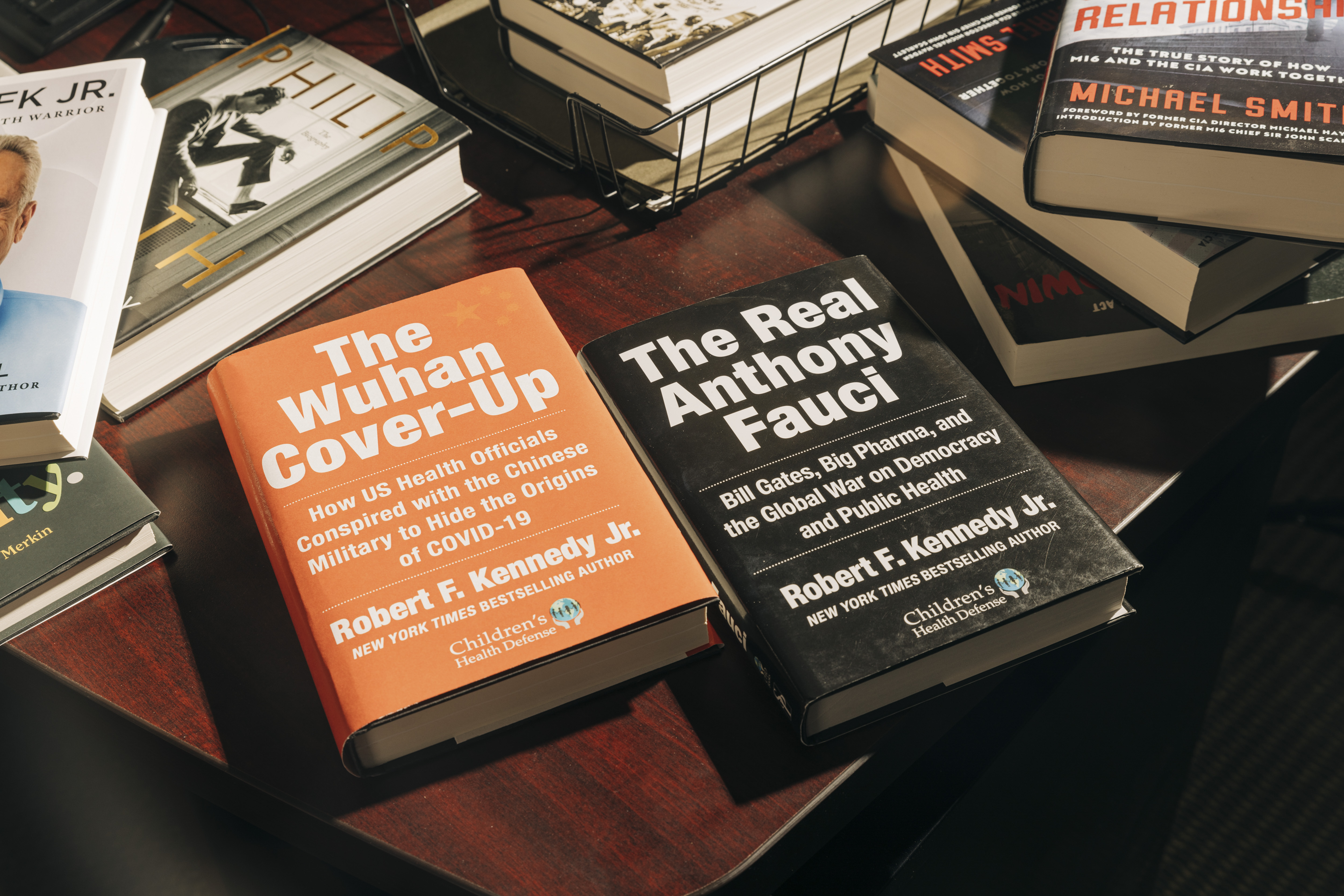
    Health Secretary Robert F. Kennedy Jr. accepted $4 million in book advances and more than $270,000 in gifts over the past year from close allies who are working to advance his Make America Healthy Again agenda, according to his latest financial disclosure form.

    Ethics experts said the financial relationships may violate federal rules barring officials from profiting from their government position, and call into question the secretary’s ability to remain independent and impartial.

    The advances were for two books that will be published by a company owned by Tony Lyons, a longtime friend and business associate of Kennedy who also sits atop a constellation of MAHA-related entities, including some that accept political contributions and corporate sponsorships from health-related companies.

    Cheryl Hines, Kennedy’s wife, accepted $210,000 in consulting fees from MAHA Action, a nonprofit advocacy group also led by Lyons. It rallies supporters of Kennedy’s priorities on weekly broadcasts and backs health-related legislation, including a federal bill to end liability protection for vaccine makers.

    In an ethics filing before taking office, Kennedy pledged not to “engage in any writing, editing, or promotional activities” associated with the books, but did not promise to forgo advances.

    Ethics experts said the payments related to one book called Unsettled Science raised questions since federal rules say that an official may not “receive compensation from any source other than the government” for writing a book related to his official duties while in office. (The other book is called A Defense of Israel.)

    Additionally, the consulting fees to Hines from a group aligned with Kennedy’s priorities “reeks of conflict of interest,” and could appear to be a bribe, said Richard Painter, a White House ethics counsel under President George W. Bush.

    “You have a situation like this,” he said, “it just looks horrible.”

    Emily Hilliard, a spokesperson for the Department of Health and Human Services, said that Kennedy “complies with all applicable federal ethics laws, regulations, and financial disclosure requirements.”

    She added: “The secretary works with HHS career ethics officials to ensure that his financial interests, gifts, outside activities, and other reportable matters are appropriately disclosed and handled consistent with those requirements.”

    Lyons, who is also a lawyer and one of Kennedy’s staunchest defenders, did not respond to an email and text message seeking comment. Hines could not be reached for comment.

    The annual financial disclosure finalized last week also showed that Kennedy accepted $126,000 worth of lodging in a Washington, D.C., home owned by Gavin de Becker, a longtime friend and who runs a security firm that specializes in protecting high-profile people.

    Previously, de Becker contributed to Kennedy’s presidential campaign and earned money from it to provide a security detail for Kennedy.

    De Becker said that he has no business with the federal government, including the Department of Health and Human Services, and that the arrangement reflected their friendship.

    “Bobby is among my closest friends in the world for many years, and I’m grateful to be able to host him anytime,” de Becker said. “He has hosted my family at his homes, he’s stayed at my homes, we take family vacations together every year, and did so for years before he was in his current job.”

    This past year, the records show that de Becker also paid for nearly $150,000 in airfares for Kennedy: $45,000 for a trip to Greece in July 2025 and nearly $97,000 for a trip to Fiji in November. The flights and book advances were reported earlier by The Wall Street Journal.

    Kedric Payne, a vice president and senior ethics counsel at the Campaign Legal Center, said there were exceptions to federal rules for gifts from friends. But de Becker’s patronage appears to far exceed them, he said.

    “Lavish gifts to an official from major political donors don’t get the same benefit of the doubt as dinner from a former classmate,” Payne said. “The public deserves full transparency about the nature of these gifts and any interests the donor has before the government.”

    Like Lyons, who has a child with autism, de Becker shares Kennedy’s skepticism about the safety of vaccines and has a longstanding publishing relationship with Lyons.

    De Becker has written several books on security but recently began writing about vaccines. His 2025 book, Forbidden Facts: Government Deceit & Suppression About Brain Damage From Childhood Vaccines, was published by Skyhorse, which is owned by Lyons. He has also written the foreword to two books about ketamine, a psychedelic drug that Kennedy has promoted as a therapy for depression.

    Kathleen Clark, an expert in government ethics and a law professor at Washington University in St. Louis, said the gifts created a clear conflict for Kennedy, who oversees an agency reviewing at least one ketamine therapy for approval.

    “By accepting such extravagant gifts from someone with a clearly articulated desire for a particular outcome from H.H.S. as a regulatory agency on these issues,” she wrote in an email, “R.F.K. Jr. has completely destroyed any possibility that the public could be confident that any action H.H.S. takes on these issues — childhood vaccines and ketamine — will be based on the public interest, rather than R.F.K. Jr.’s gratitude to and association with this gift giver.”

    According to the latest financial filing, Lyons and Kennedy reached an agreement over the book advances in August 2024, the same month that Kennedy dropped his presidential bid and backed President Donald Trump.

    Kennedy has written numerous books for Skyhorse Publishing, and worked as a consultant to the company before he became health secretary. In financial disclosures required for his Senate confirmation, Kennedy said he had earned $451,000 as a consultant. Hines also received a $600,000 advance from Skyhorse for her memoir, according to the disclosure.

    The disclosure records said that Kennedy would also be paid $10,000 for a third book called America’s Path Back to Moral Leadership and that two of the three books were already written.

    As Kennedy prepared to join the Trump administration, Lyons began to build an array of MAHA-allied entities, including the MAHA Center, which recently raised funds by selling corporate sponsorships for the MAHA Summit in Washington next week.

    One top sponsor at the event, where senior federal health officials are expected to speak, is the company Grail, which is seeking Food and Drug Administration approval for its multi-cancer blood test. The test performed poorly in detecting cancers in two large studies. Kennedy spoke at last year’s summit.

    Lyons also leads the MAHA Institute, which hosted monthly gatherings through much of last year where prospective donors mingled with Kennedy and other top health officials. Many had official business in front of Kennedy’s department.

    MAHA Action supports legislation, including a bill introduced this year to end vaccine makers’ protection from traditional liability cases, which are handled in a specialized federal tribunal. Kennedy, who has worked as a plaintiff’s lawyer suing over alleged vaccine injuries, has long denounced the protection granted in a 1986 federal law.

    Lyons wears yet another hat as the treasurer of the MAHA political action committee, also allied with Kennedy’s mission, which has raised more than $3 million since January 2025. About one-third of it came from Botanic Tonics, a company founded by Jerry W. Ross, a onetime energy executive who changed his name after pleading guilty to a financial crime.

    The New York Times wrote about Ross’ attempts to influence Kennedy and the Trump administration as he successfully sought a prohibition against 7-OH, a gas station drug that competed with his company’s kratom-based drink called Feel Free. Both kratom and 7-OH have drawn widespread complaints over their potential for addiction and severe withdrawal symptoms.

    At a Senate hearing last year, Kennedy brushed off criticism from Sen. Christopher S. Murphy (D, Conn.) who accused the secretary of being unduly influenced by MAHA PAC donors.

    “Do you have a single instance where the MAHA PAC has taken a position that is not consistent with my values?” Kennedy said. “I don’t run the MAHA PAC. I have no idea who’s contributing to them.”

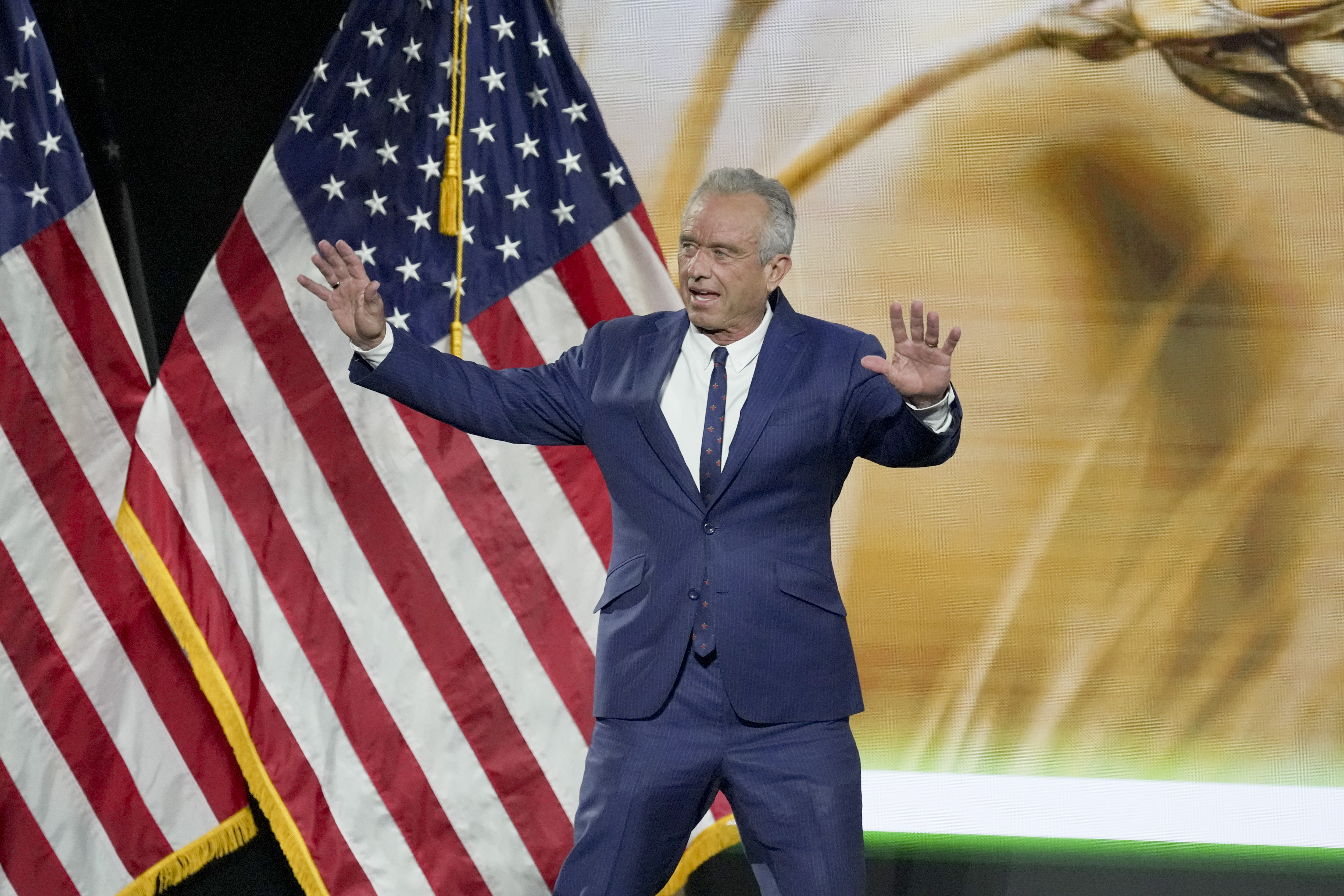
    FILE — Health Secretary Robert F. Kennedy Jr. takes the stage on the second day of the Republican midterm convention at the American Airlines Center in Dallas, Sept. 10, 2026. Health Secretary Robert F. Kennedy Jr. accepted $4 million in book advances and more than $270,000 in gifts over the past year from close allies who are working to advance his Make America Healthy Again agenda, according to his latest financial disclosure form. (Ruth Fremson/The New York Times)RUTH FREMSON
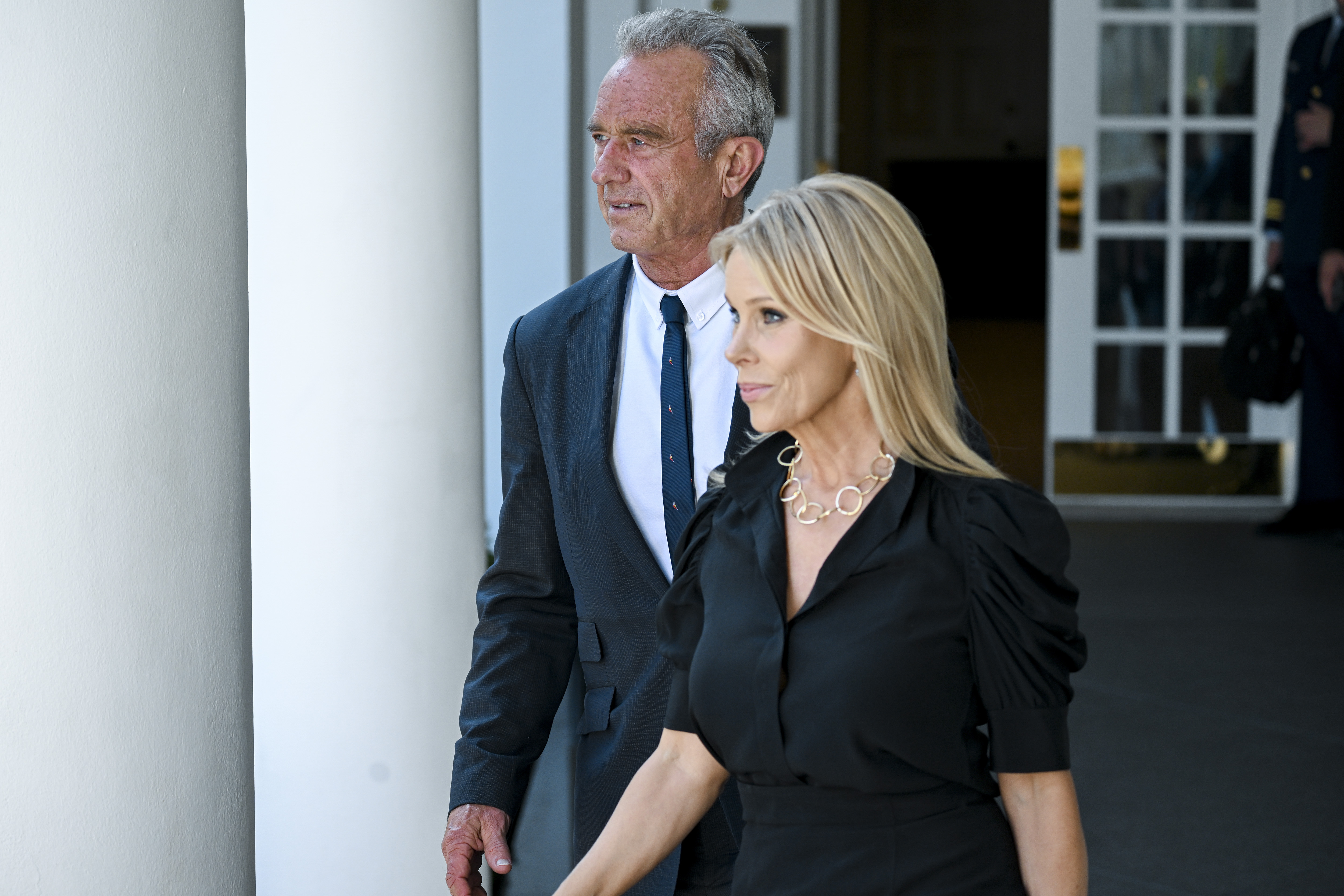
    FILE — Health Secretary Robert F. Kennedy Jr. and his wife, Cheryl Hines, at the White House in Washington, July 23, 2026. A new disclosure shows $210,000 in consulting fees paid to Hines by one of several MAHA-affiliated groups capitalizing from his agenda. (Kenny Holston/The New York Times)KENNY HOLSTON
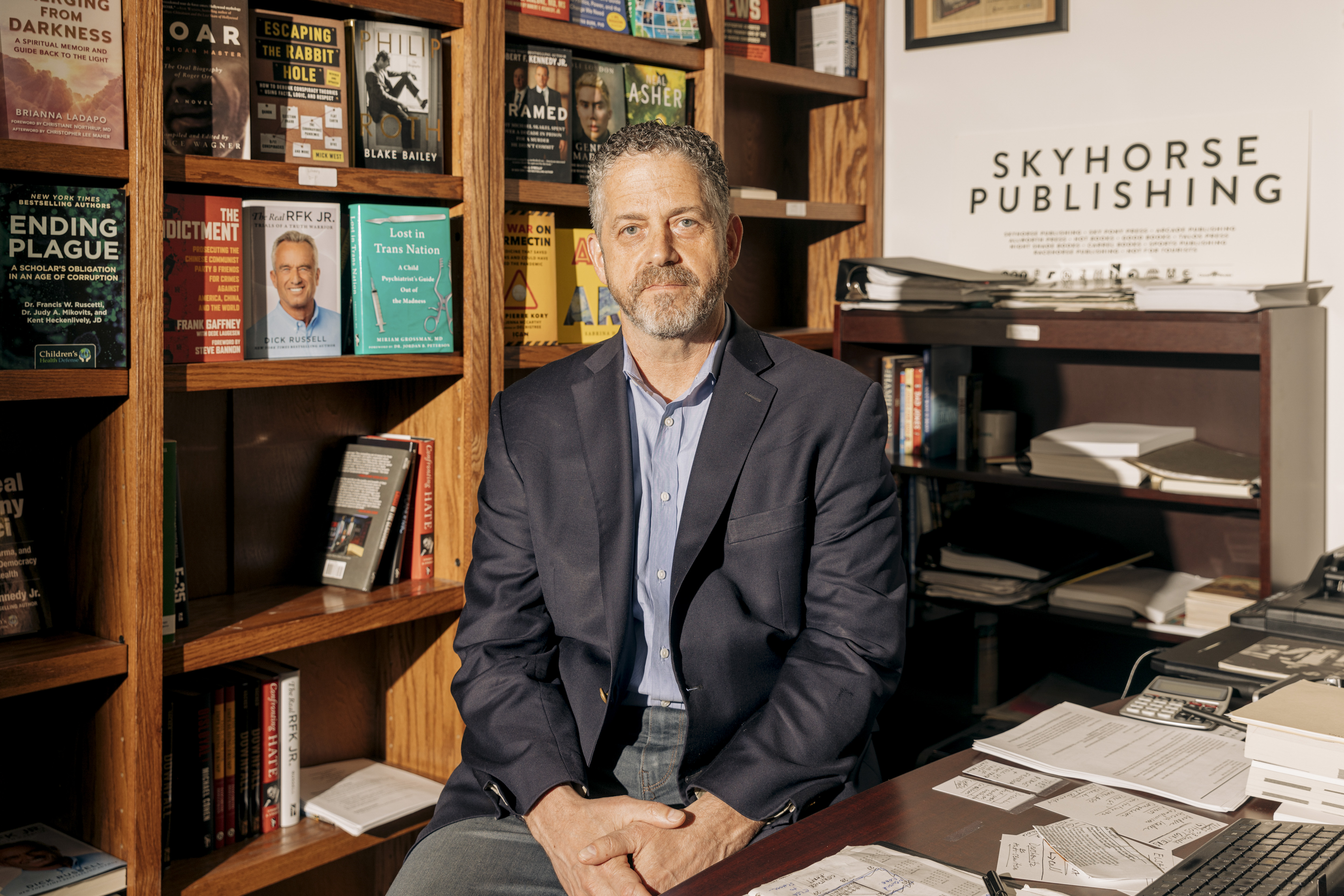
    FILE — Tony Lyons, owner of Skyhorse Publishing in Manhattan, at his office in Manhattan, Aug. 10, 2023. Lyons of Skyhorse Publishing sits atop a constellation of MAHA-related entities, including some that accept political contributions and corporate sponsorships from health-related companies. (Jeenah Moon/The New York Times)JEENAH MOON
  • Jason and Travis Kelce debate solutions for hot turf fields, the Eagles’ run game, and more from ‘New Heights’

    Jason and Travis Kelce debate solutions for hot turf fields, the Eagles’ run game, and more from ‘New Heights’

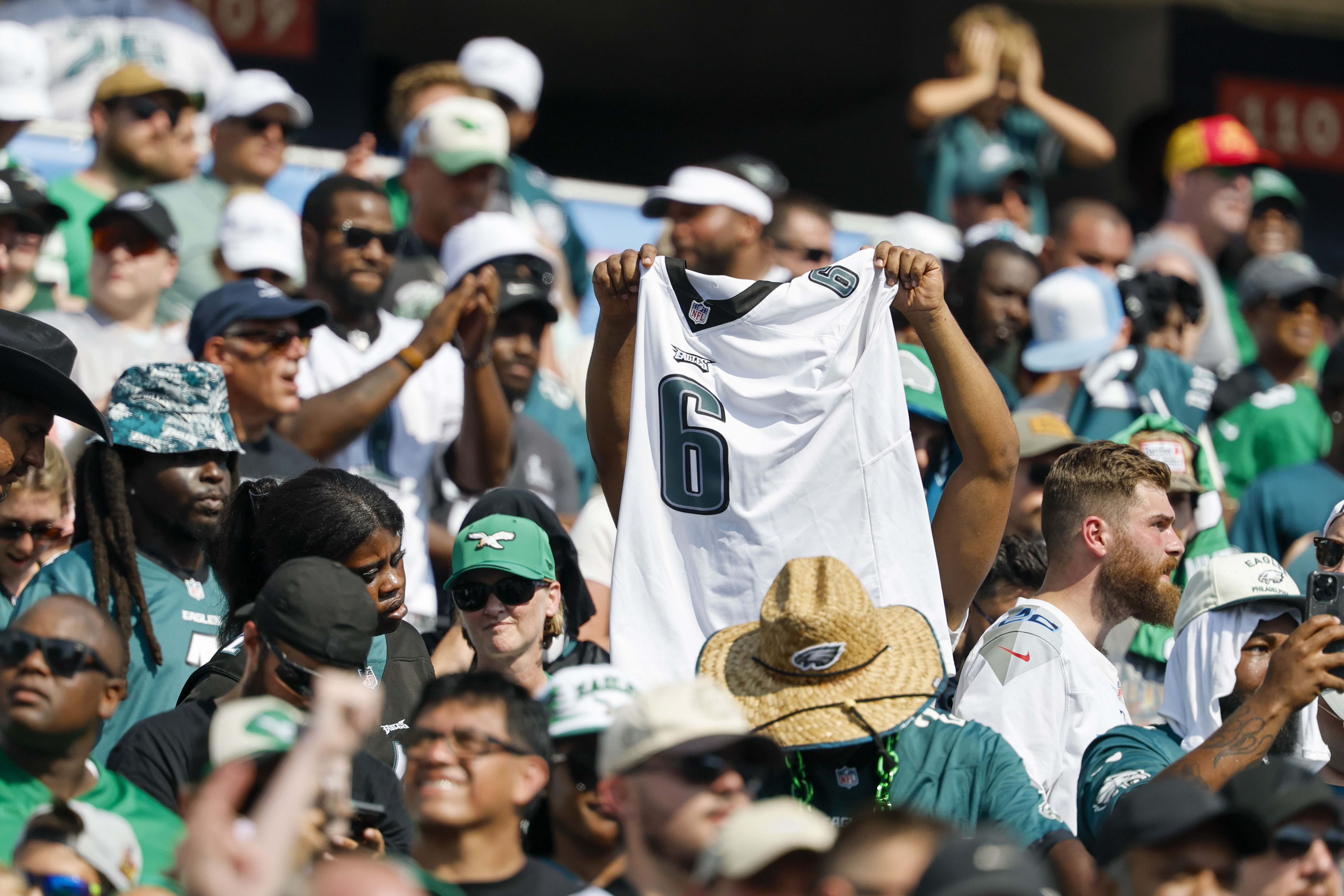
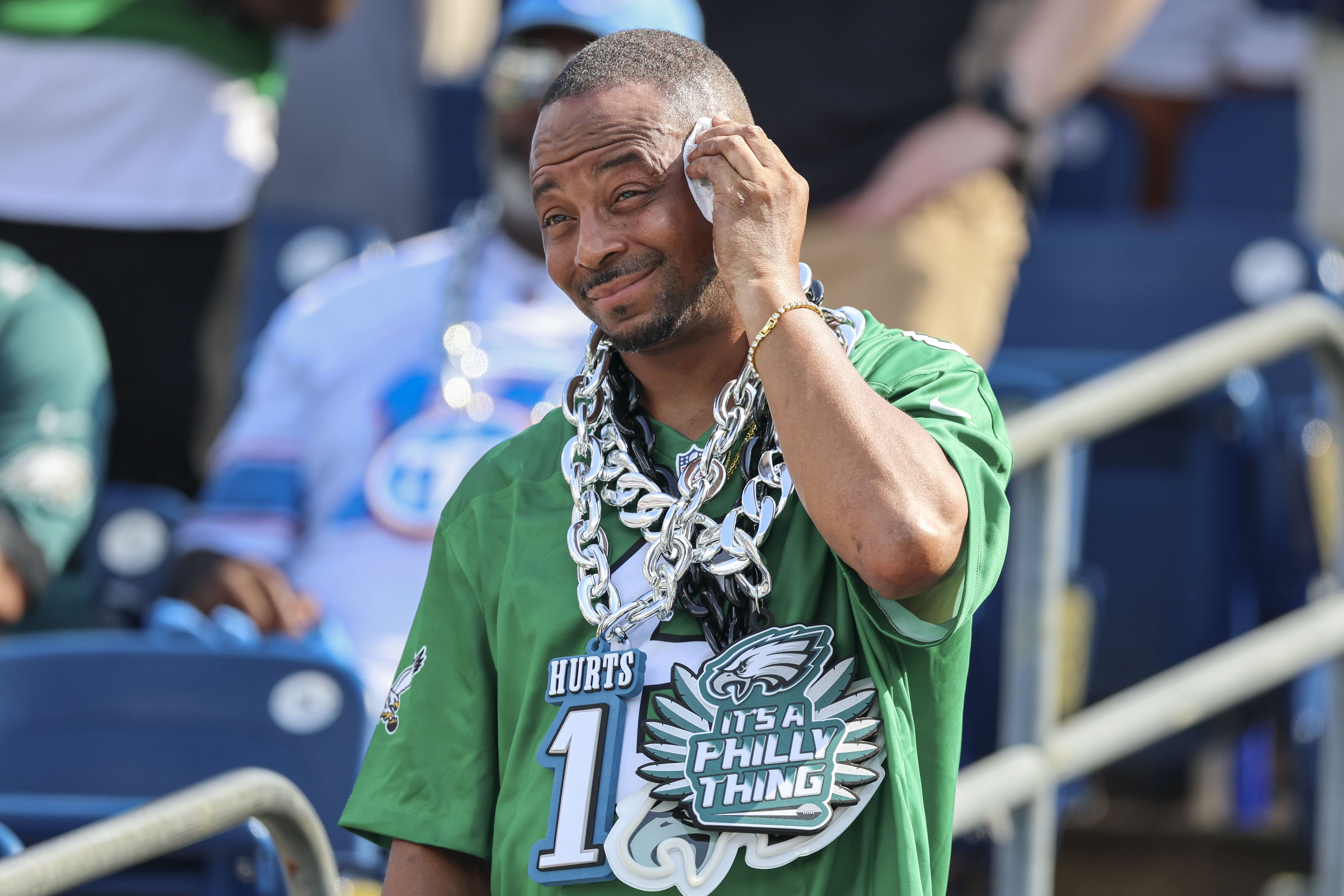
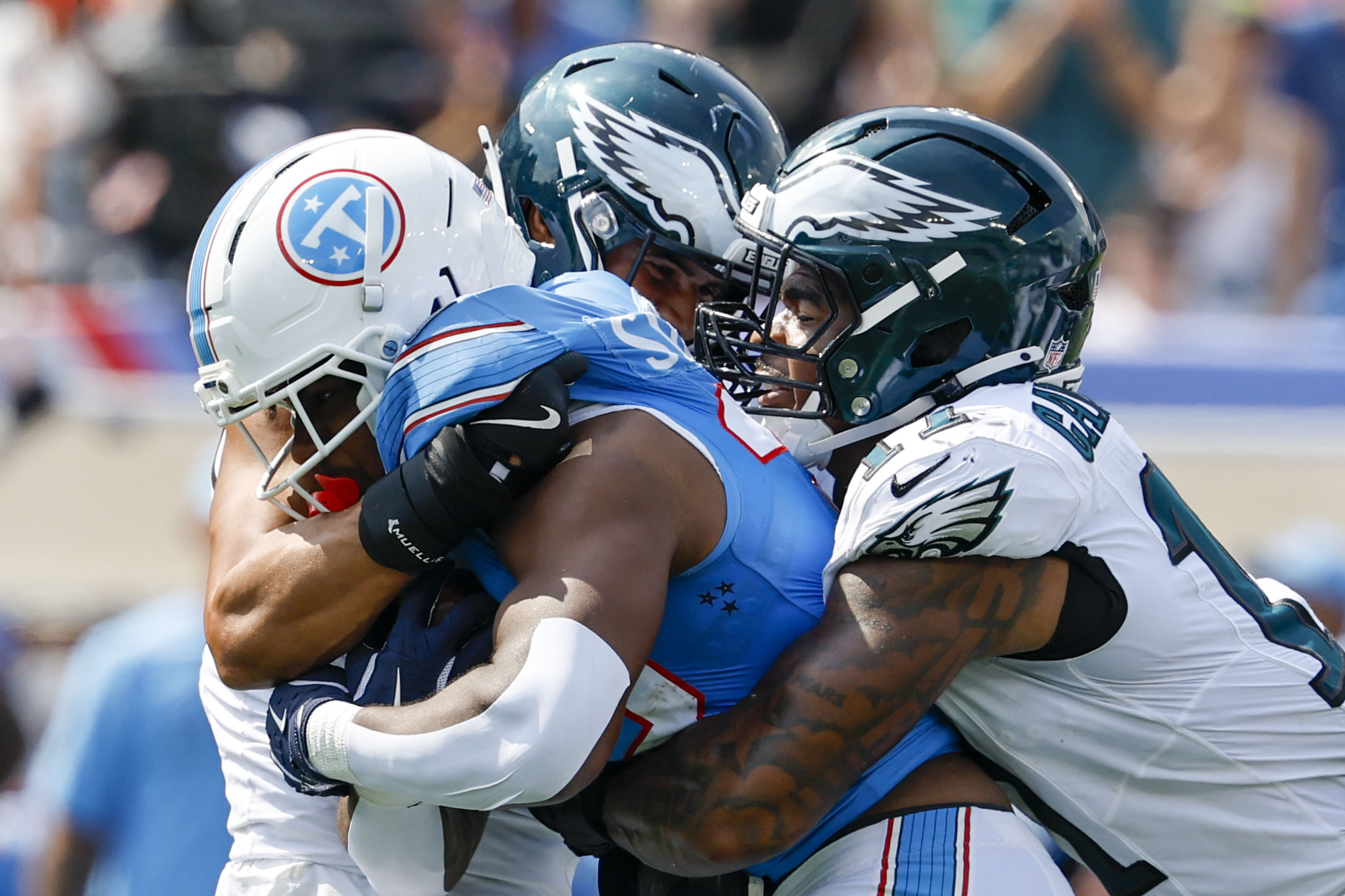
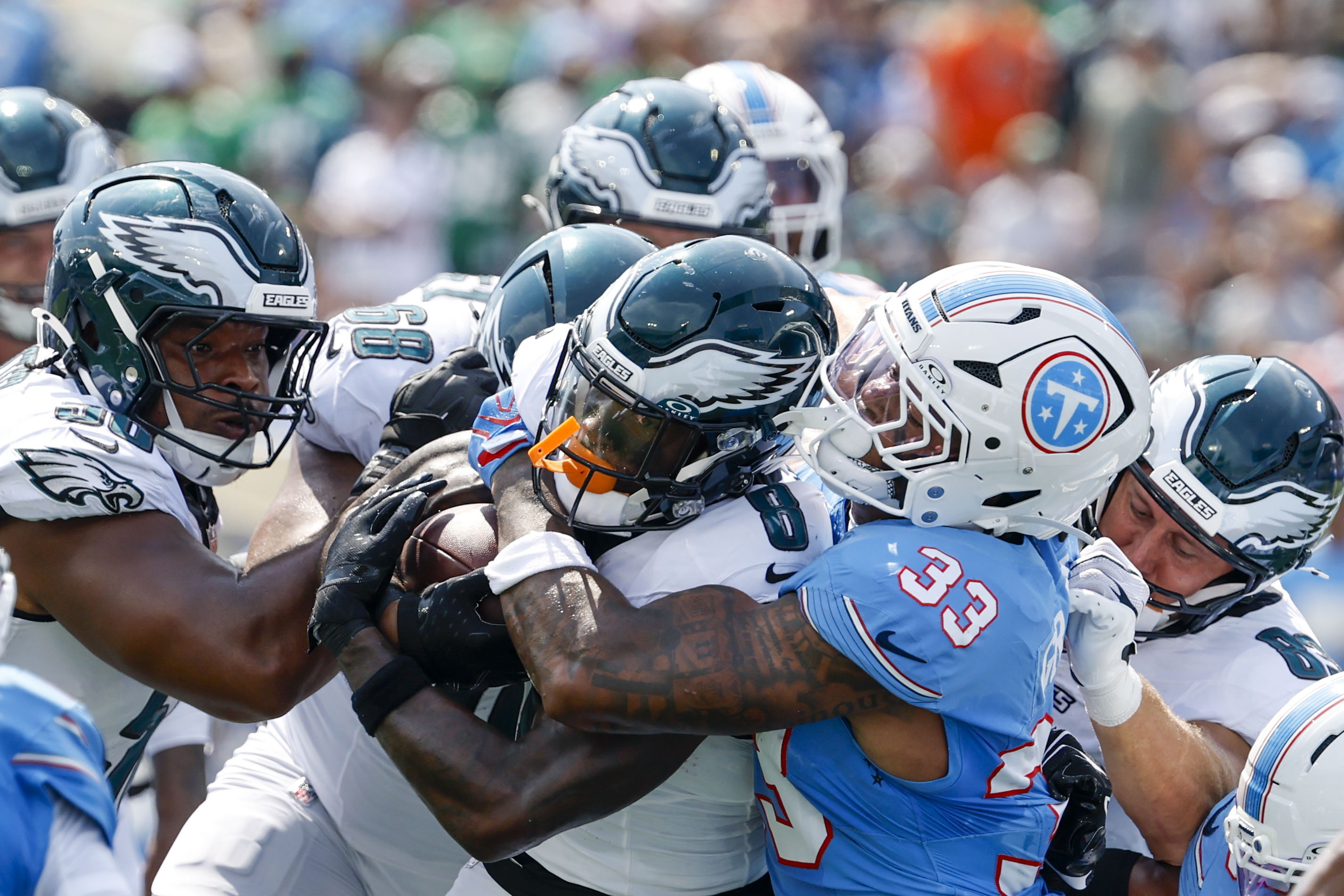
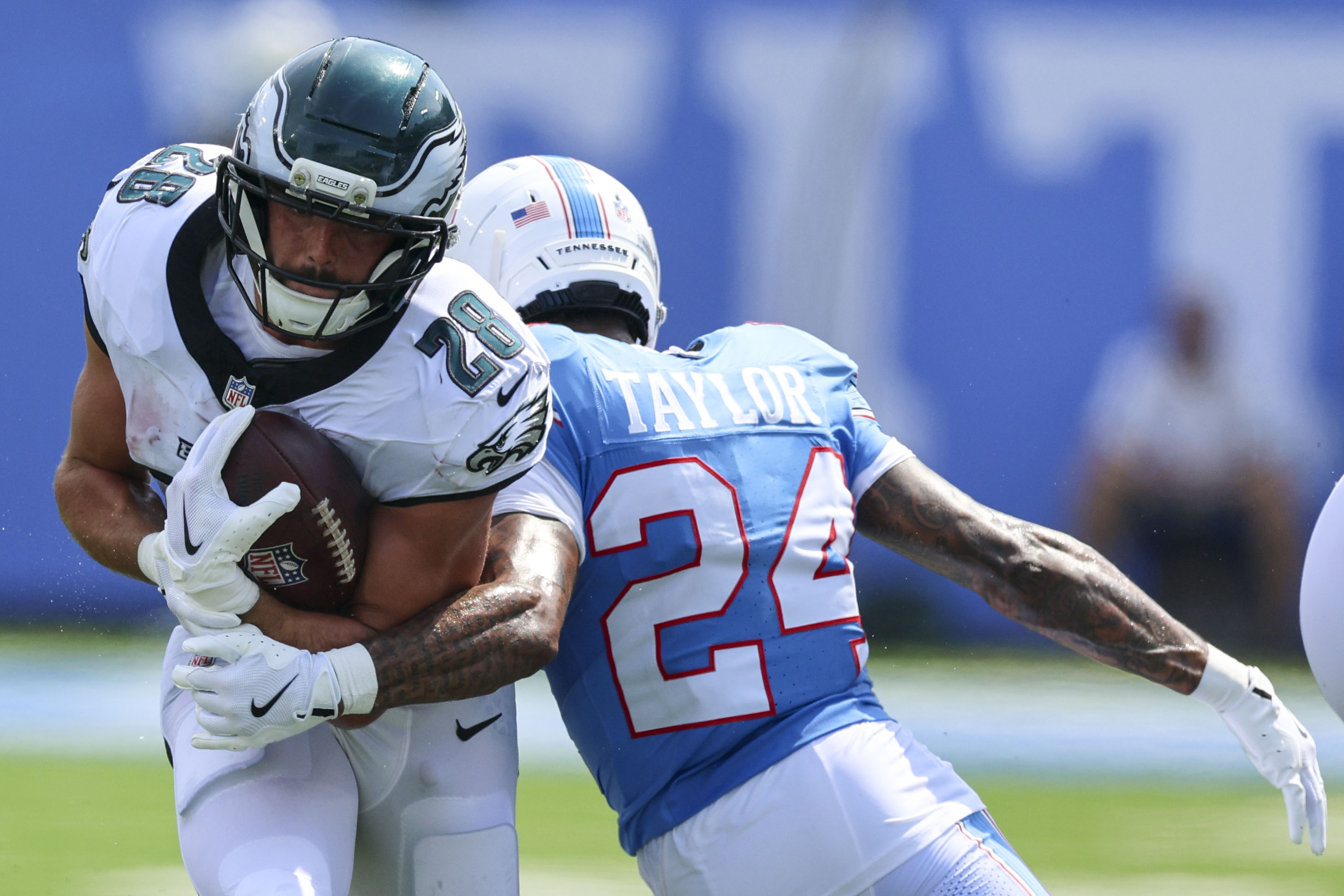
    After Sunday’s scorcher in Nashville, Travis and Jason Kelce’s opinions reached a boiling point in Wednesday’s episode of New Heights, when the brothers discussed the turf temperature for the Eagles’ win.

    In a nearly two-hour episode, the Kelce brothers broke down all the happenings of Week 2 of the NFL before an interview with Matthew McConaughey and Woody Harrelson, who were promoting their Apple TV show Brothers on a podcast with two … brothers.

    Too hot to handle

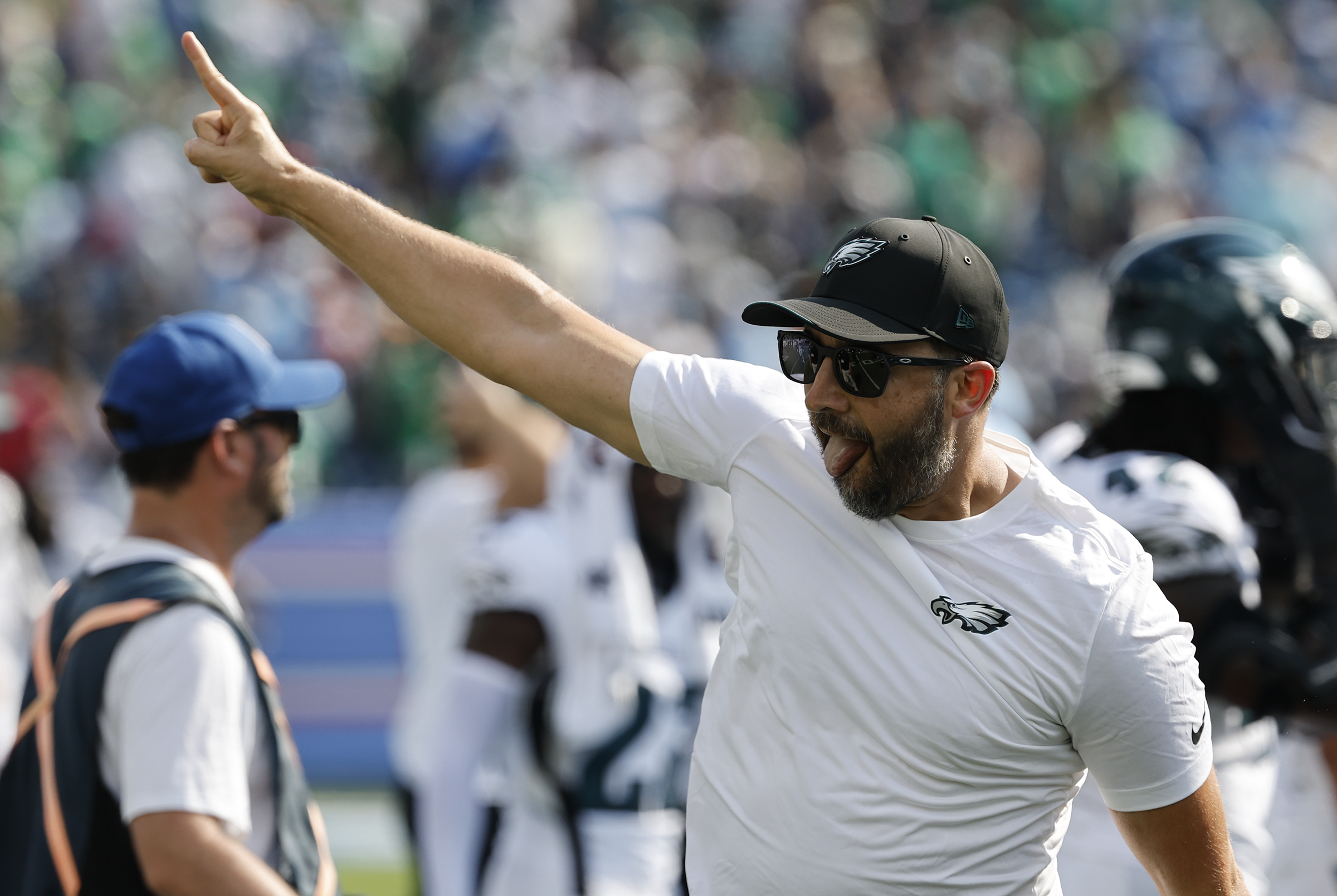
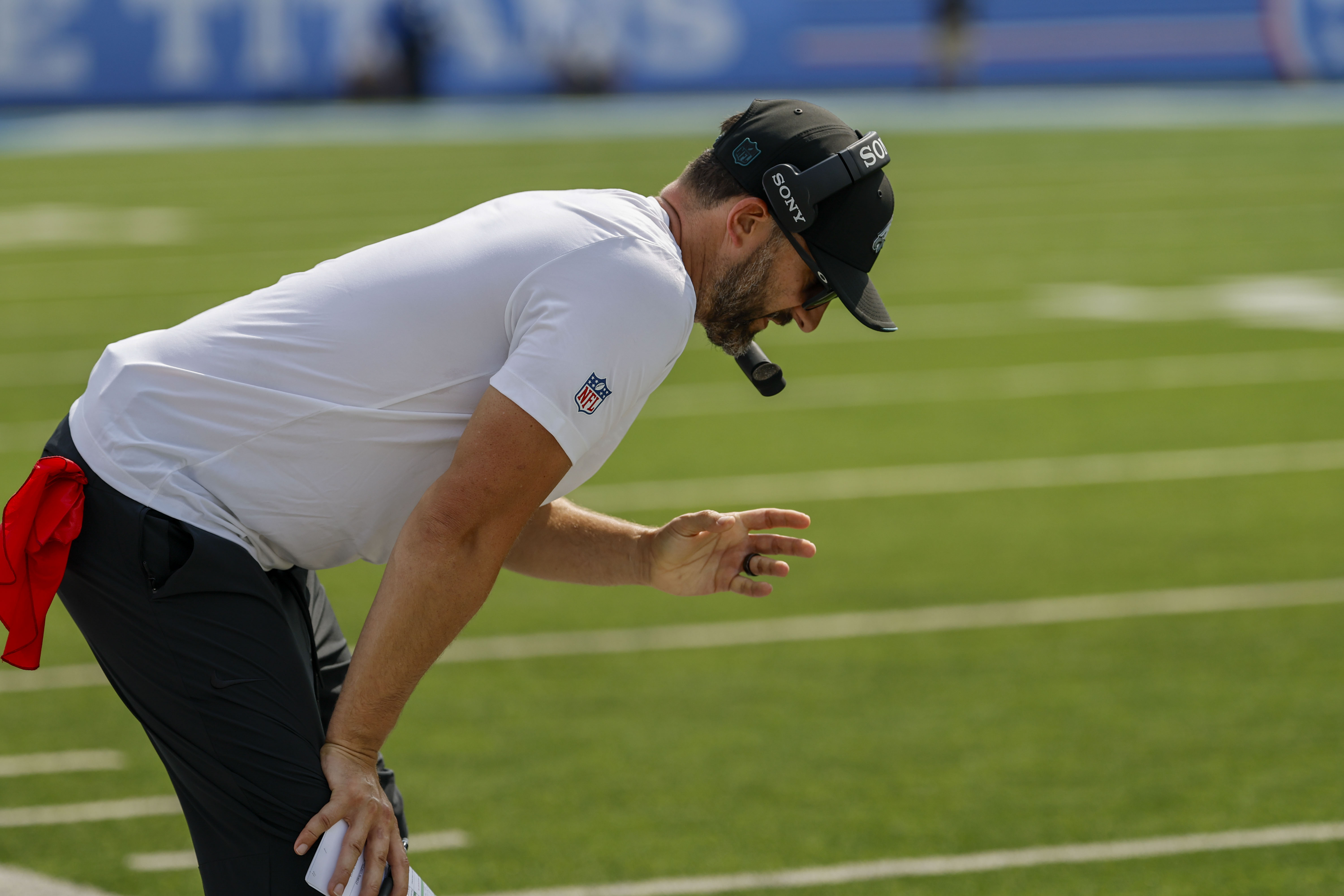
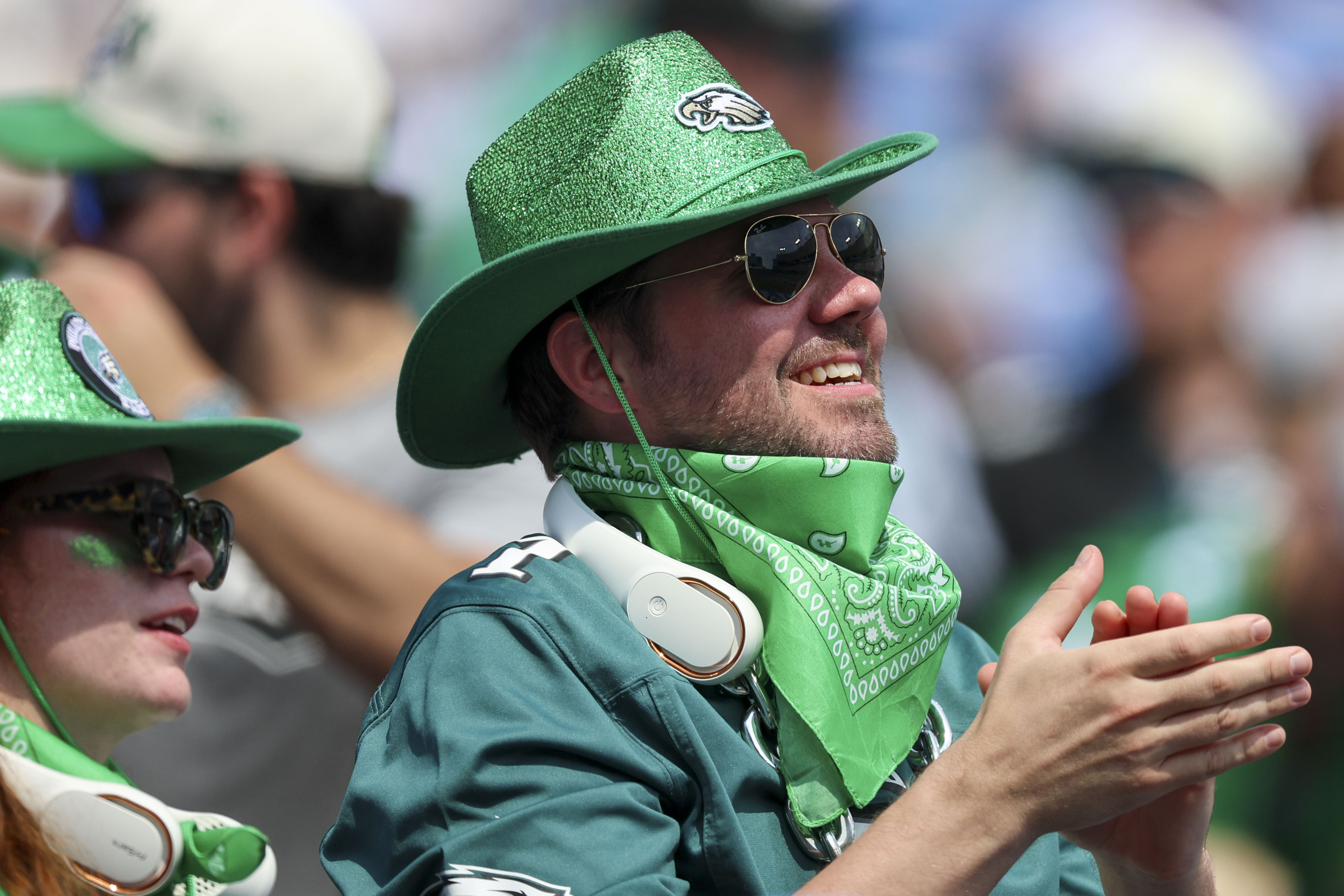
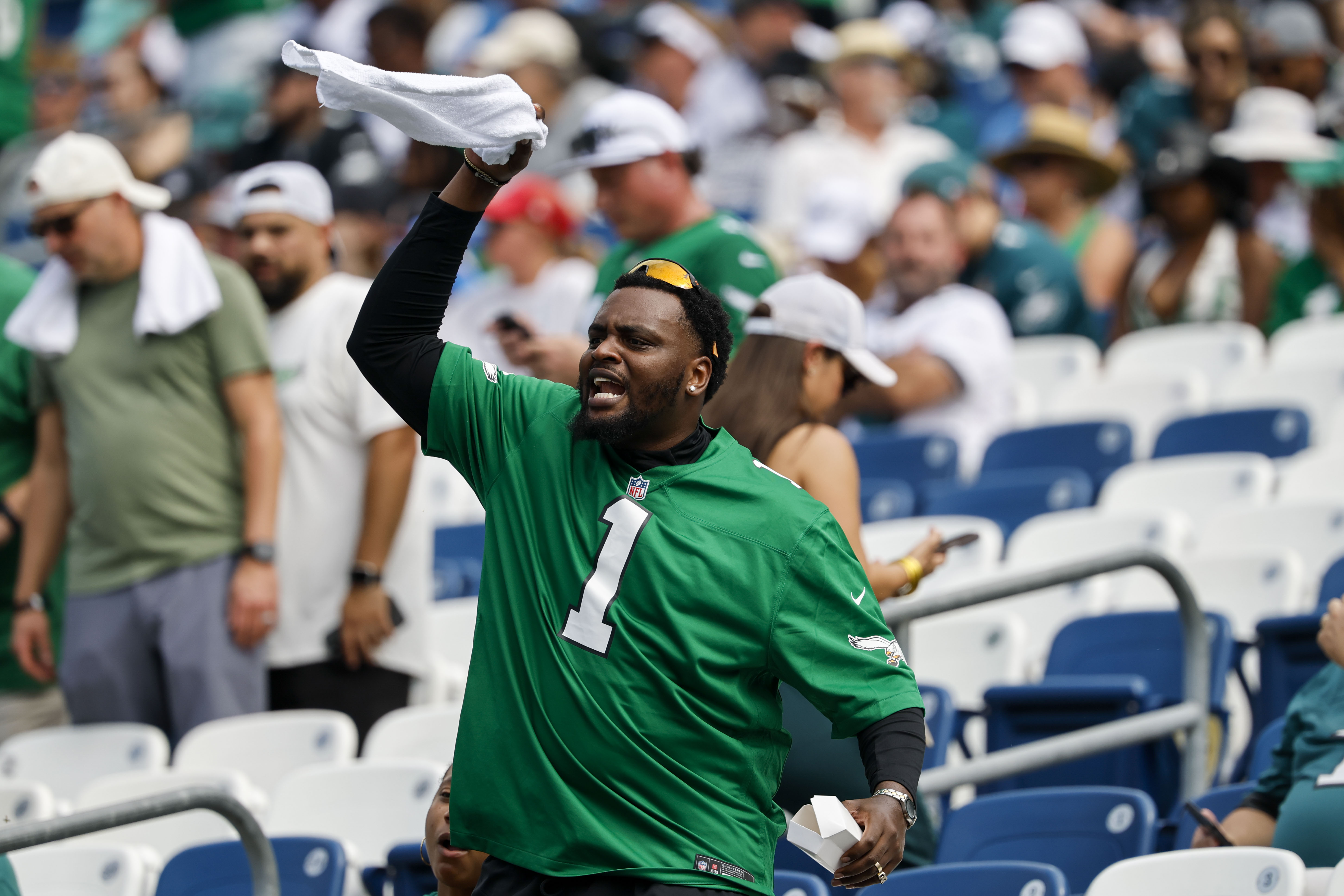
    The turf on Sunday in Nissan Stadium in Nashville reached 157 degrees, and Nick Sirianni reportedly needed an IV.

    So how hot is too hot?

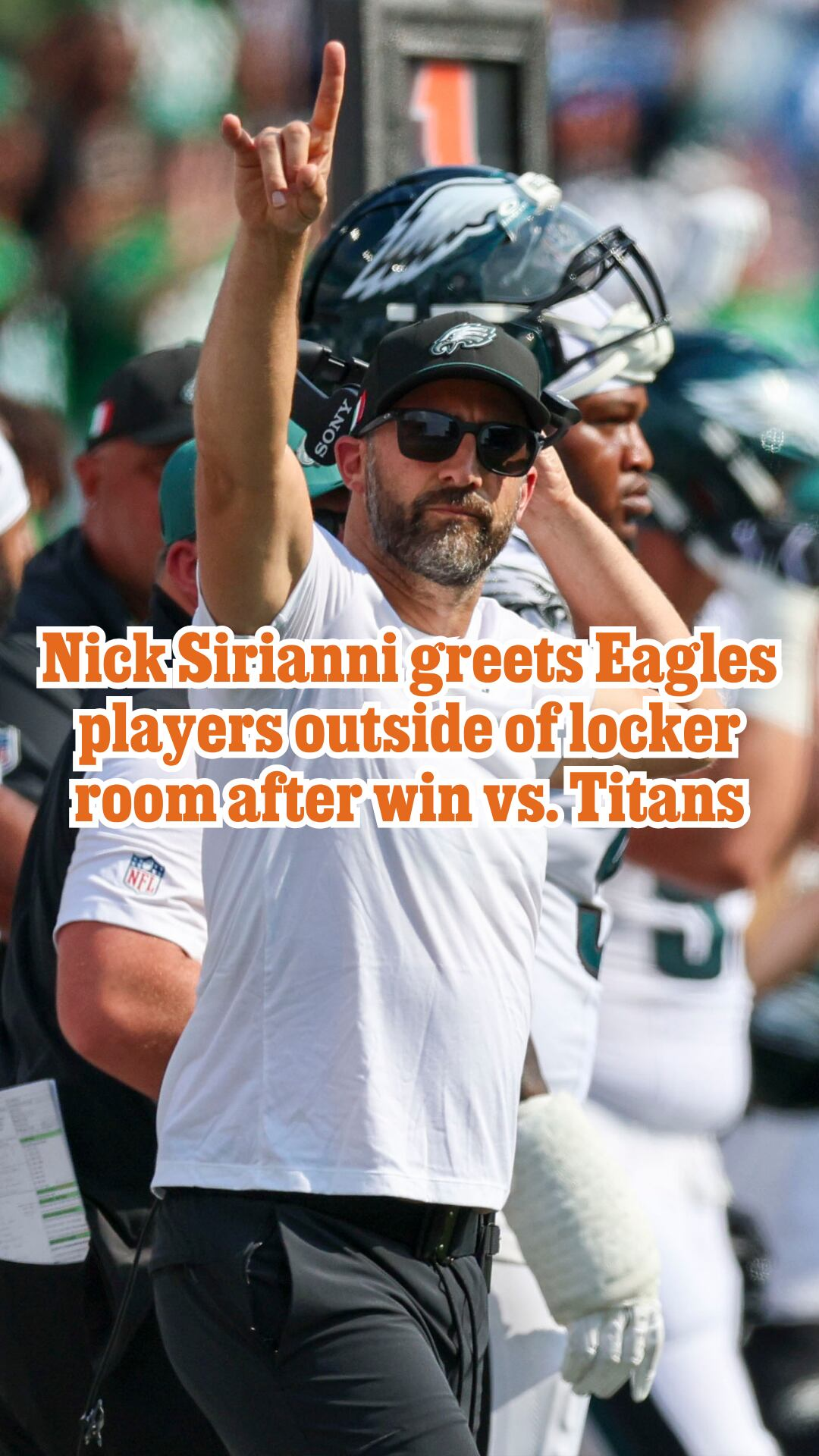
    Nick Sirianni greets Eagles players outside of locker room after win vs. Titans
    Video: Nick Sirianni greets Eagles players outside of locker room after win vs. Titans

    Jason and Travis debated the extreme temperatures, which Jason said he initially shrugged off.

    “I was like on WIP or something like that earlier in the week. They’re like, ‘Oh, you think the heat’s going to make a difference?’ I was like, ‘Ah, everybody’s playing in heat,’” Jason said.

    That was until he saw the actual temperature of the turf displayed on the TV and heard about Cam Jurgens, who said he switched his cleats about three times because of them melting.

    “You shouldn’t be allowed to do that,” Travis said “You shouldn’t be allowed to put players on a field that does that.”

    While Travis’ solution was simply putting down grass fields instead, Jason’s idea was more out of the box.

    “We got to get some air-conditioned fields,” Jason said. “Come on guys, we can we can do it.”

    Don’t rush the rushing game

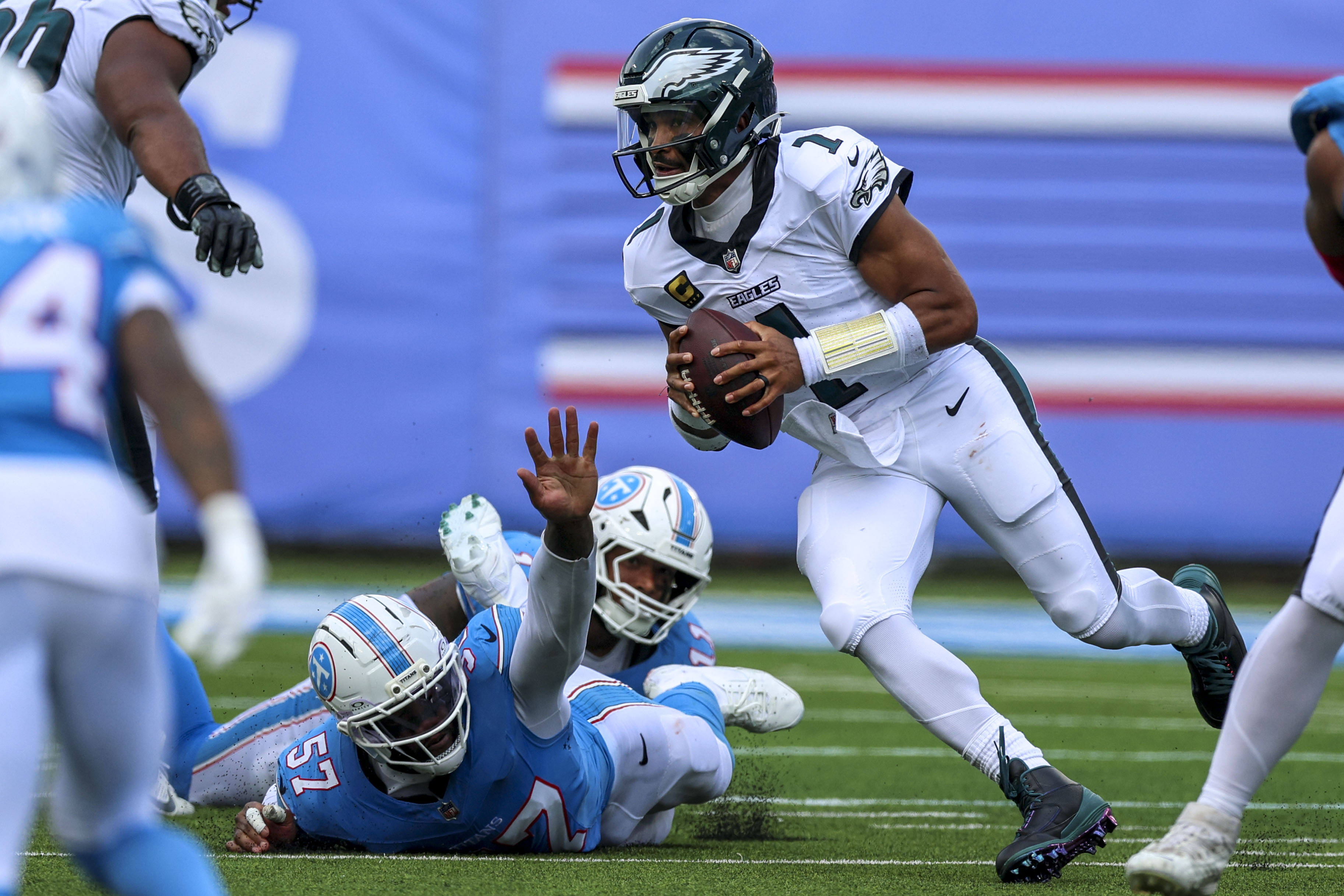
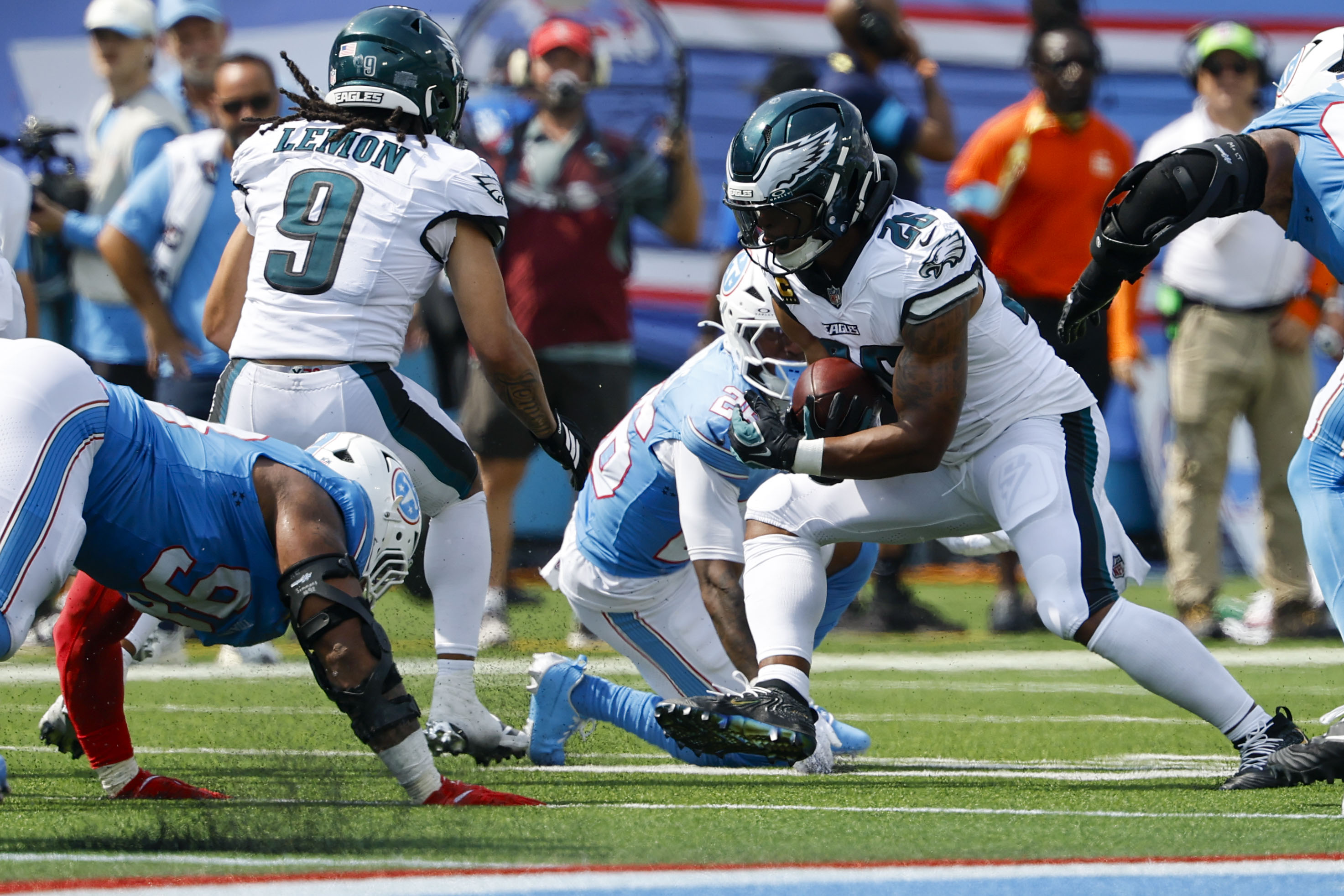
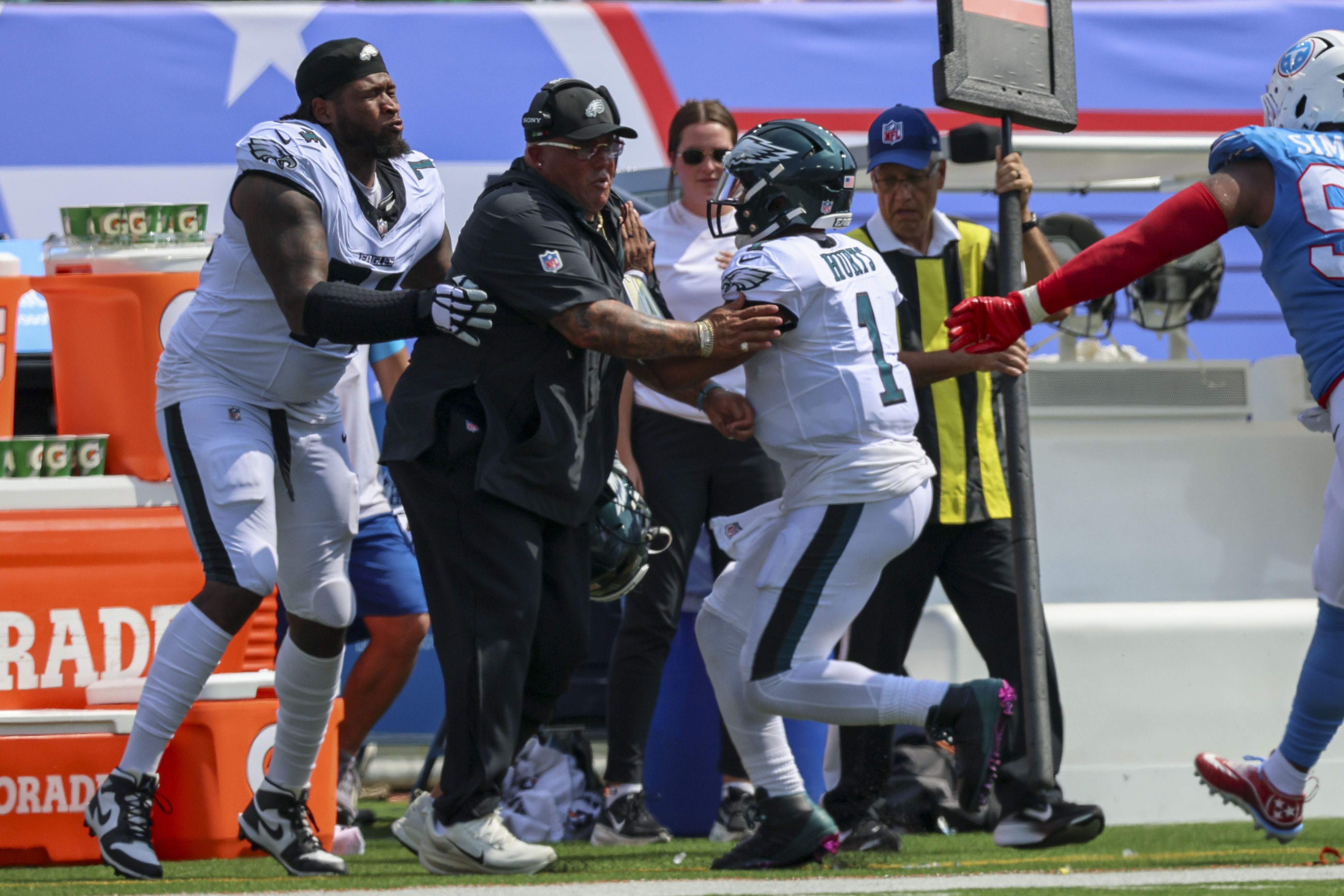
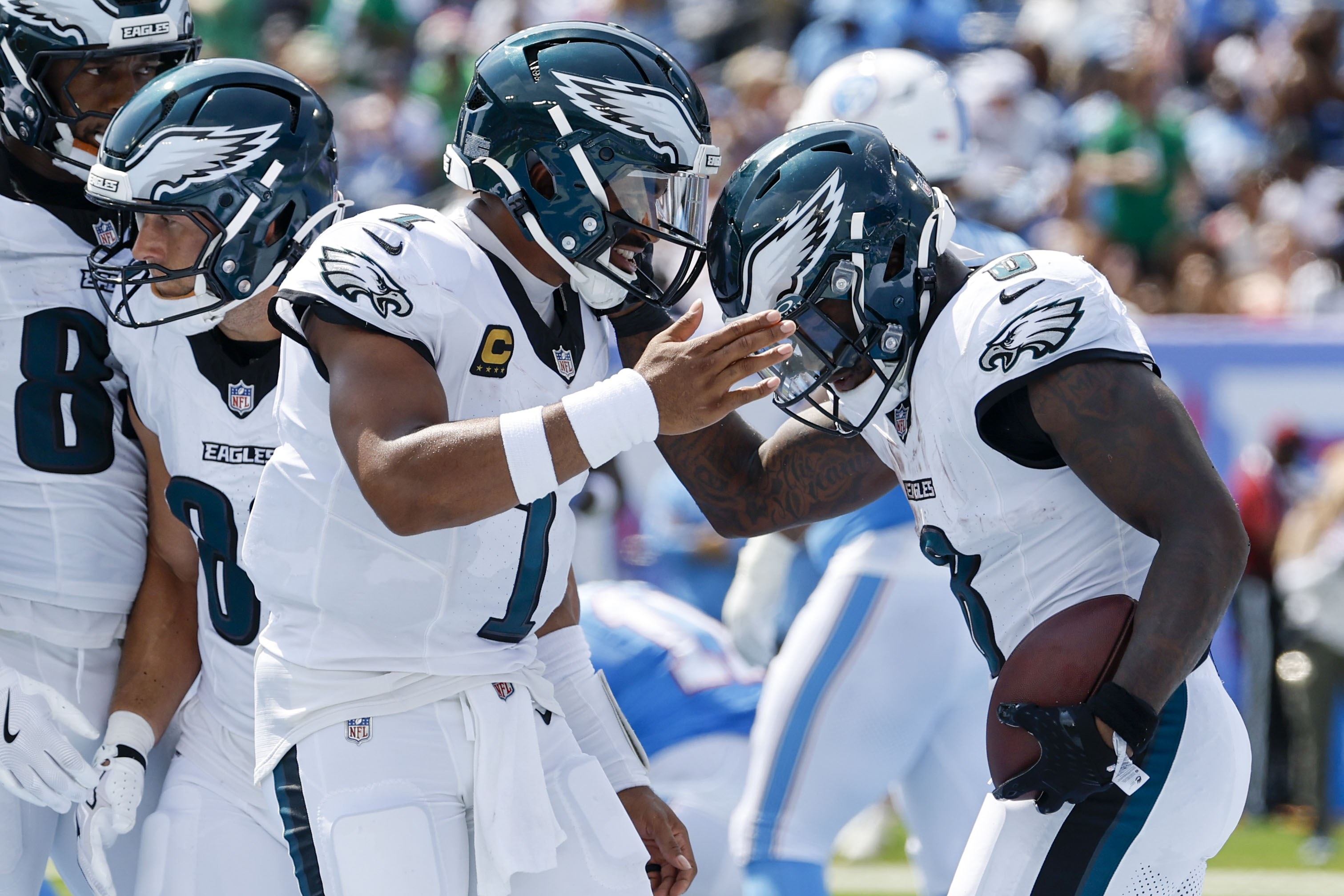
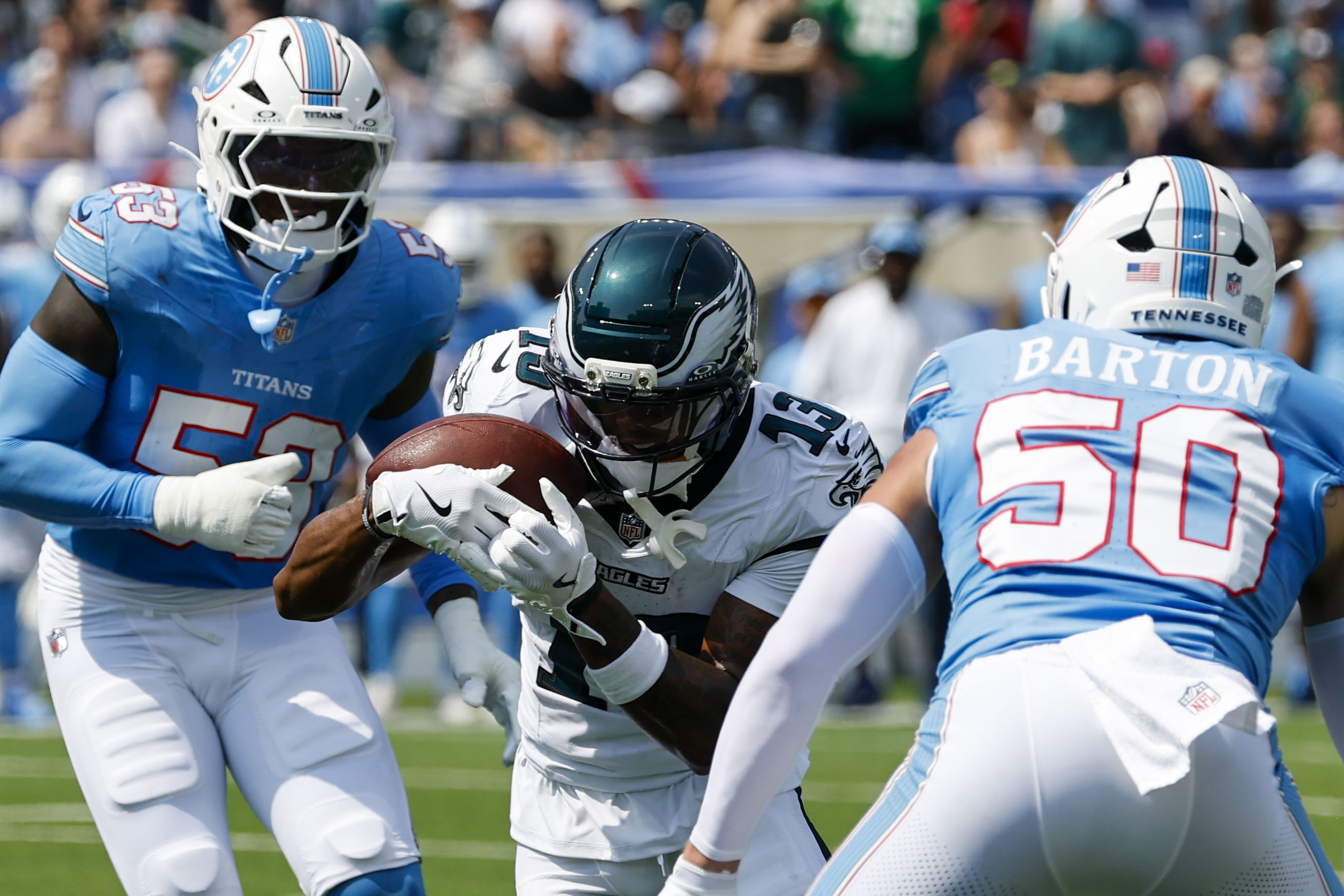
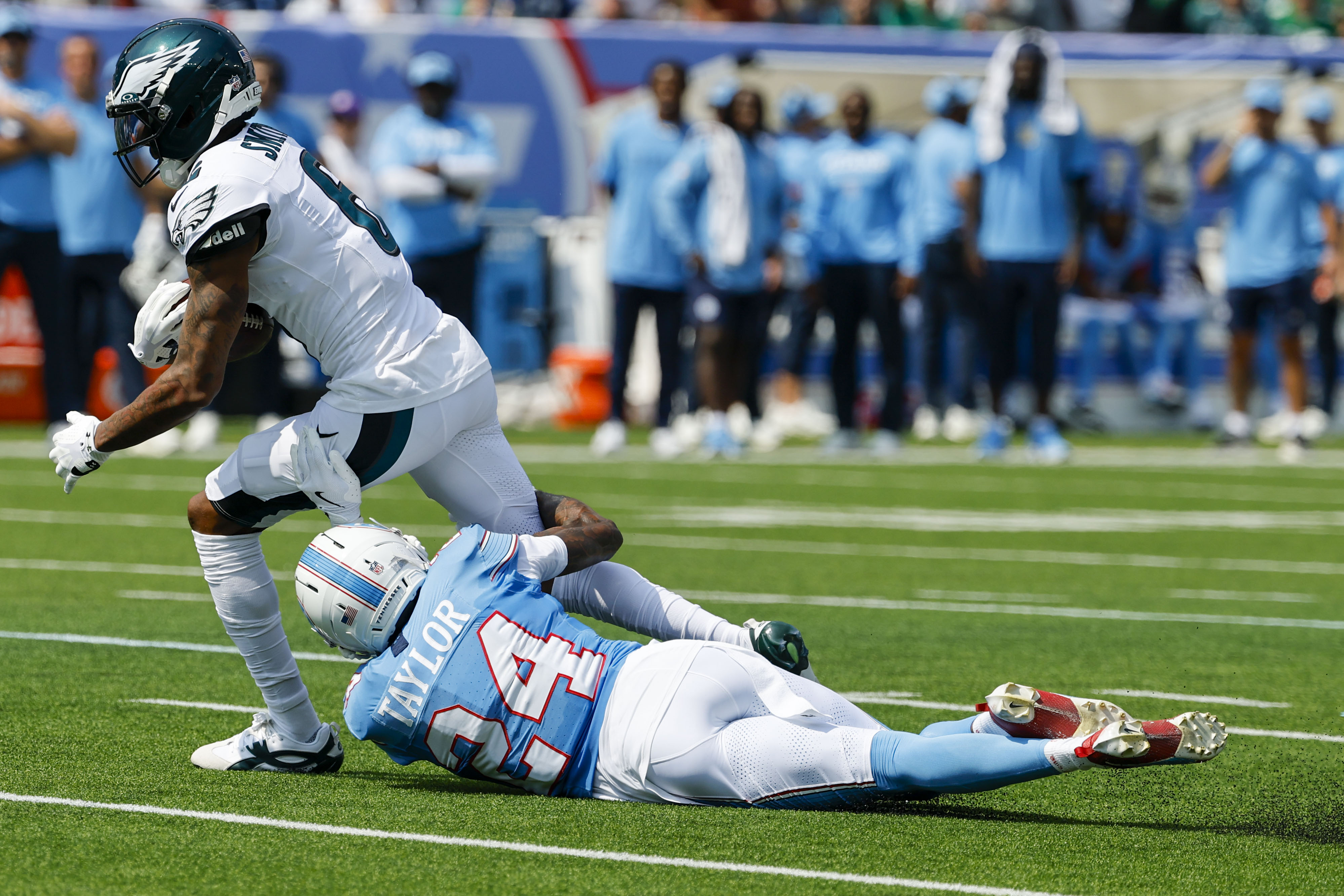
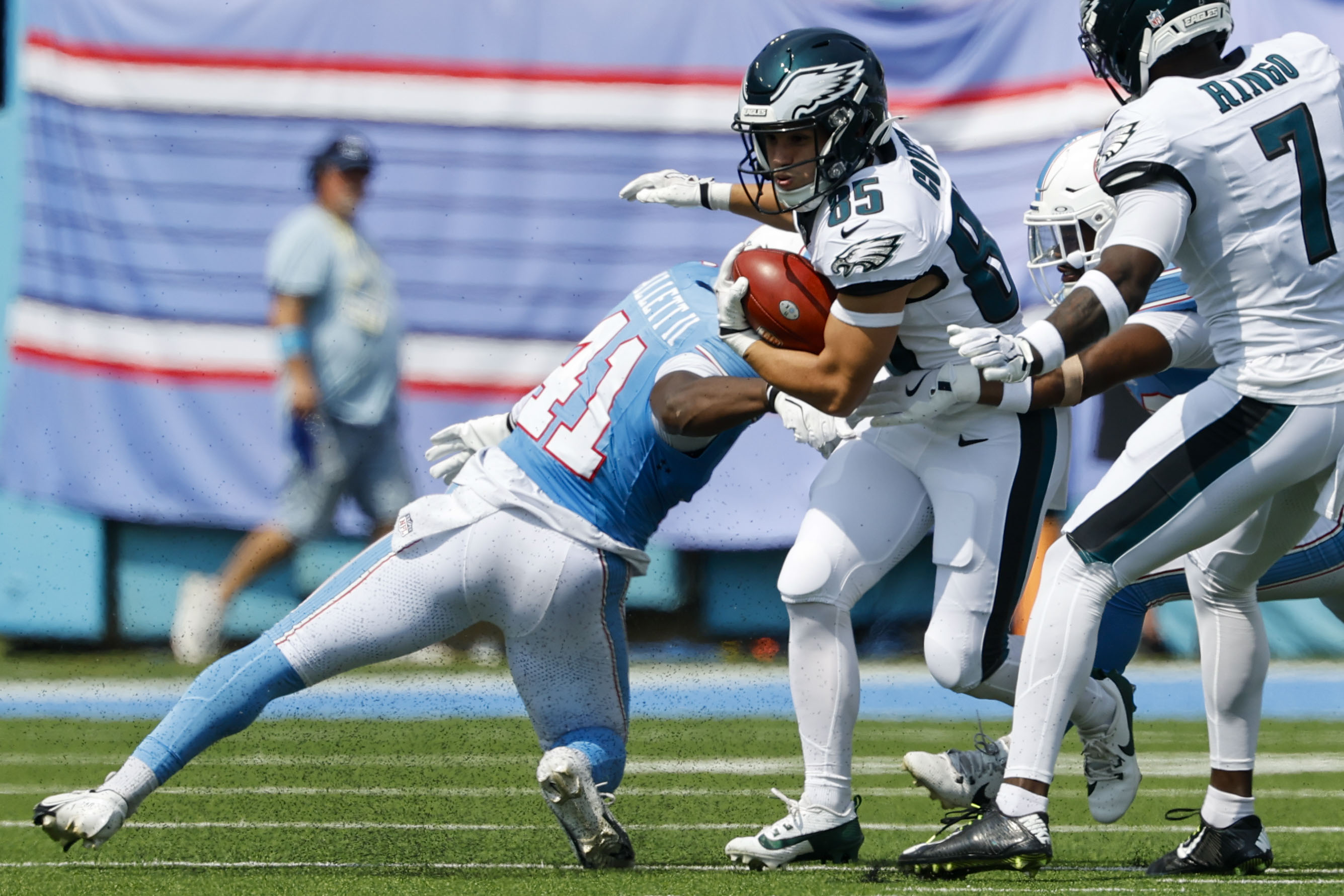
    You’ll take the wins “how you get them,” Jason said while discussing the Eagles’ 24-20 win over the Titans on Sunday. But he still saw plenty of good, especially from quarterback Jalen Hurts, who Jason said “is the reason why they have won these two games.” Hurts went 26-for-37 with 264 yards and two touchdowns on Sunday.

    “What’s the most encouraging to me is that if Jalen is playing like this the way he has the two first two weeks, that run game gets going, it’s going to be a very fun offense to watch,” Jason said.

    Jason said Hurts hasn’t gotten enough credit for being a reason the Eagles’ run game was so dominant for so long. He thinks issues with the rushing game this season are rooted in the offensive line, and continuity issues, largely because of injuries, have changed that dynamic and made it harder to establish.

    While those issues sort themselves out, the Eagles filled a void at tight end following Dallas Goedert’s injury by getting “a dog back in the in the Eagles jersey,” Travis said of Zach Ertz. Jason added that Ertz is on the cusp of breaking Harold Carmichael’s franchise record for career catches, needing just 11 more.

    “I’m always excited to see 86 in some green, especially if he breaks this record,” Jason said. “I think if anybody was going to break that record, I’d be happy that it was Zach.”

    It’s a toss-up

    Travis broke the record for the most yards after catch by a tight end in NFL history, and his wife, Taylor Swift, showed off her ring in a viral moment of her lauding the Chiefs overtime win with a cheer of “that’s my husband,” and still, the moment that New Heights listeners had the most questions about was a coin toss.

    In a moment that has since gained a lot of traction, Colts safety Camryn Bynum tried to “defer” after winning the coin toss in overtime. Chiefs quarterback Patrick Mahomes tried to take advantage of the moment by interjecting and saying “they get the ball.” Referee Craig Wrolstad ignored Mahomes’ attempts in favor of making sure he understood what Bynum and the Colts were trying to do.

    Because there is no second half in overtime, deferring is not an option, which caused some confusion from fans. Still, Jason was quick to support his brother and the Chiefs in their attempt to capitalize on the blunder.

    “I’m on board with, like, you saying the wrong thing, I think you should be penalized for that,” Jason said.

    Brothers and Brothers

    The sports conversations didn’t end when McConaughey and Harrelson joined in the second half of the episode.

    Between talking about their careers, friendship, and new show, the group also talked sports.

    That included a story McConaughey told from Texas’ BCS national championship win at the Rose Bowl in 2006. He spoke about the “intangibles” he saw Vince Young display during the game and taking off his helmet and running down to the other side of the field to shake the hand of three USC alumni veterans during a TV timeout.

    “I was sitting there looking at that,” McConaughey said. “We’re going like, ‘We’re going to win this game.’ ‘Did you see that?’ ‘That’s how present this dude is.’”

    As for Harrelson, McConaughey revealed he’s actually a “sneaky athlete” who can be ambidextrous while playing tennis or basketball. However, unlike his character in Kingpin, Harrelson isn’t much of a bowler.

    “That’s a real hard sport for me, bowling, but sometimes I get lucky,” Harrelson said. “One time I actually bowled a 199. Imagine the last frame, all I needed to do was get more than like three, and I got three.”

  • ESPN Rank places Tyrese Maxey, Jaylen Brown, and LeBron James among NBA’s top 20 players

    ESPN Rank places Tyrese Maxey, Jaylen Brown, and LeBron James among NBA’s top 20 players

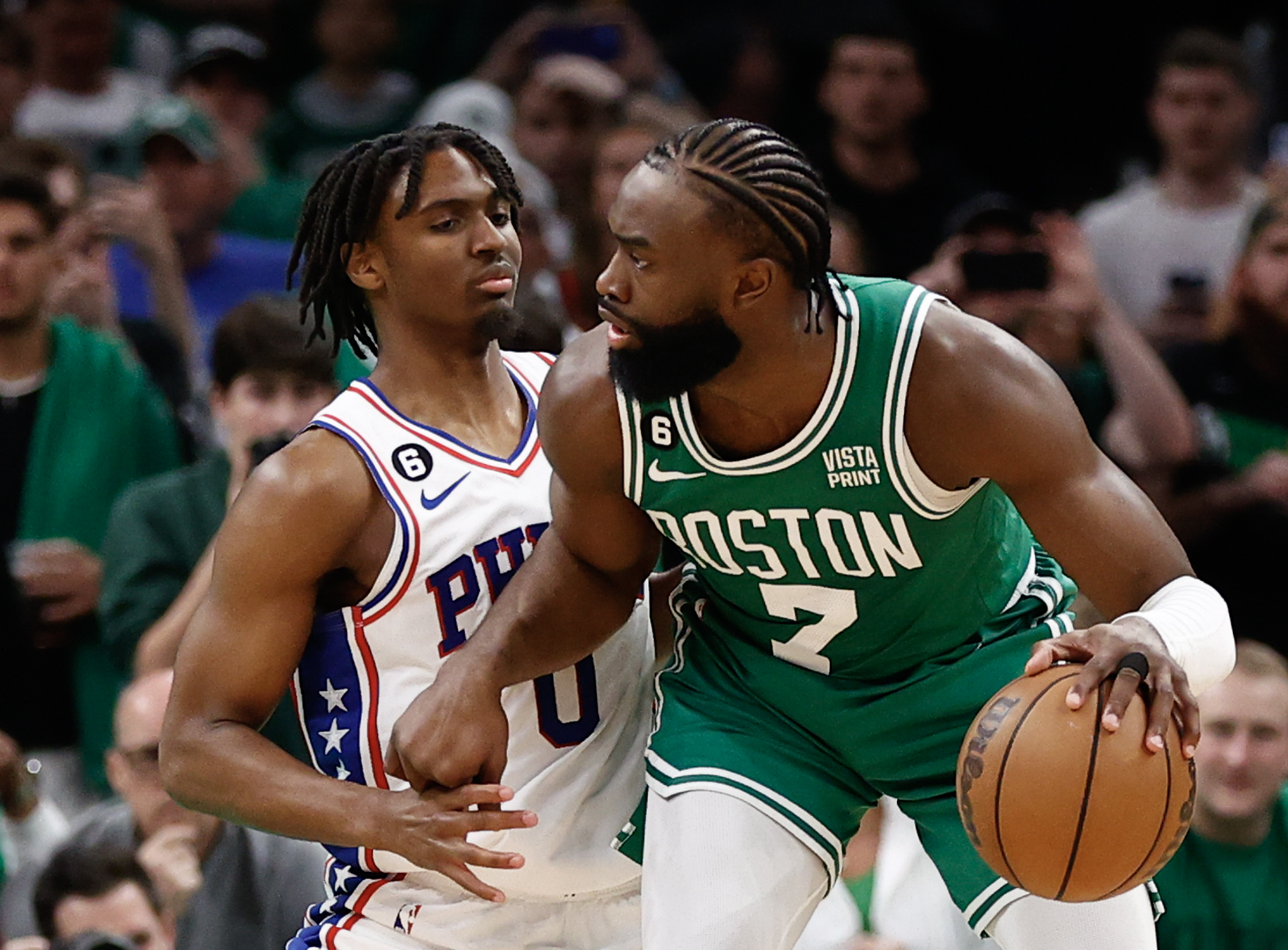
    The 76ers added LeBron James and Jaylen Brown to a roster already featuring Joel Embiid. But ESPN’s latest NBA ranking still puts Tyrese Maxey ahead of them all — and leaves the Sixers without a player in its top 10.

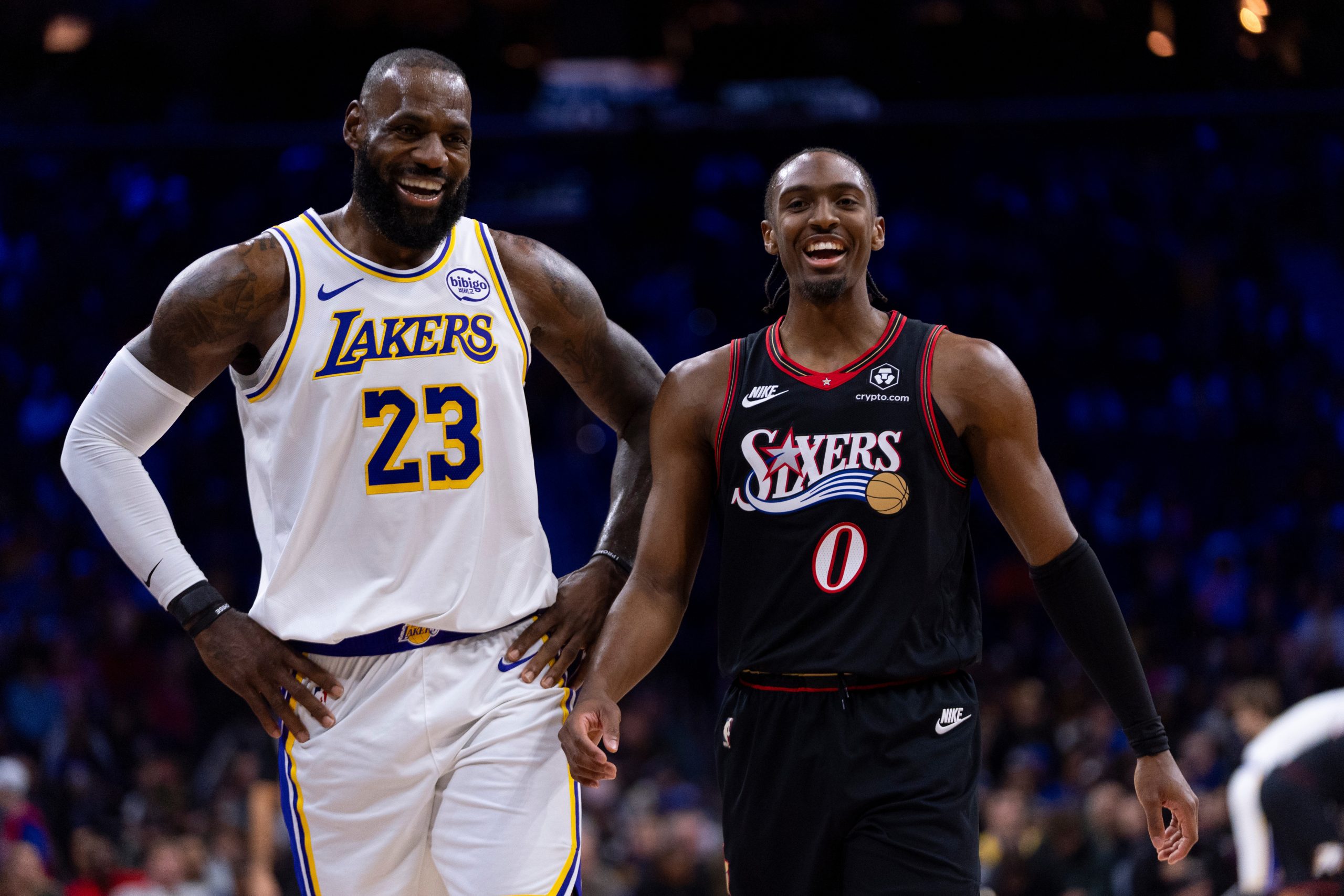
    Maxey landed at No. 11 in ESPN’s NBA Rank, released Wednesday, while Brown came in at No. 14, James at No. 18, and Embiid at No. 41. VJ Edgecombe ranked No. 72, giving the Sixers five projected starters among the league’s top 72 players.

    ESPN asked its seven panelists to project each player’s contributions to the 2026-27 regular season, weighing quality and quantity of play. That distinction is especially relevant to Embiid, who averaged 26.9 points last season but appeared in only 38 games.

    Maxey’s climb followed the best season of his career. He averaged 28.3 points and 6.6 assists in 70 games, earned third-team All-NBA honors, and rose 17 spots from No. 28 in last year’s ranking.

    ESPN’s Dave McMenamin wrote that Maxey’s presence played a major role in James’s decision to sign with the Sixers. Brown, meanwhile, arrives after averaging a career-high 28.7 points for Boston and making the All-NBA second team. ESPN projects Maxey ahead of both newcomers as the three prepare to play together for the first time.

    Embiid rose six spots from last year’s ranking, but his No. 41 placement still reflects questions about how often he will play. ESPN noted that he has appeared in 96 of a possible 246 games since winning MVP in 2023. While his scoring remains among the league’s best when he is available, the panel was projecting what he could contribute across a full regular season.

    James’s drop carries its own historical weight. He ranked eighth last year, and No. 18 marks the first time he has fallen outside the top 10 in NBA Rank’s 15-year history. He enters his first season with the Sixers at 41 years old after taking on a facilitator role alongside Luka Dončić and Austin Reaves with the Lakers.

    Even ESPN’s analysts disagreed about where James belongs. In a separate discussion of the rankings, Jamal Collier called No. 18 “questionable,” while Tim MacMahon considered it “fair.” Anthony Slater pointed to James’s placement behind Maxey and Brown as a sign of the adjustment awaiting him.

    LeBron James, left, and Tyrese Maxey, right, are among the top 20 players on ESPN’s top 100 players. Chris Szagola / AP

    Edgecombe made his first appearance on the list at No. 72 after averaging 16.0 points, 5.6 rebounds, and 4.2 assists as a rookie. He finished third in Rookie of the Year voting and ranked 11th in the NBA in minutes.

    Paul George, whom the Sixers sent to Boston in the deal for Brown, landed at No. 67. That puts him 13 spots below last year’s ranking and 53 behind Brown on this year’s list.

    The year-to-year changes come with a shift in ESPN’s process. Previous lists drew on player-vs.-player votes from more than 100 contributors; this year, ESPN combined top-100 ballots from seven panelists. The instruction to project regular-season contributions stayed the same.

    Brown has acknowledged the adjustment ahead. At his introduction in August, he said the new teammates would need to sacrifice, trust, and communicate. “Winning is the agenda,” he said. Maxey may be ESPN’s highest-ranked Sixer, but the list cannot answer how often the five starters will play together or what each will give up when they do.

    ESPN will reveal its top 10 on Thursday, with every member of the Sixers’ projected starting lineup accounted for. The Sixers open the season Oct. 20 against the reigning champion New York Knicks at Madison Square Garden (7 p.m., NBC10) — their first regular-season chance to see how those five fit together.

  • Chris Rabb’s former campaign treasurer pleads guilty to defrauding him and others of $1 million

    Chris Rabb’s former campaign treasurer pleads guilty to defrauding him and others of $1 million

    Philadelphia State Rep. Chris Rabb’s former campaign treasurer, whom he accused of draining his campaign account and disappearing in the middle of his run for Congress, pleaded guilty Wednesday to a federal fraud charge.

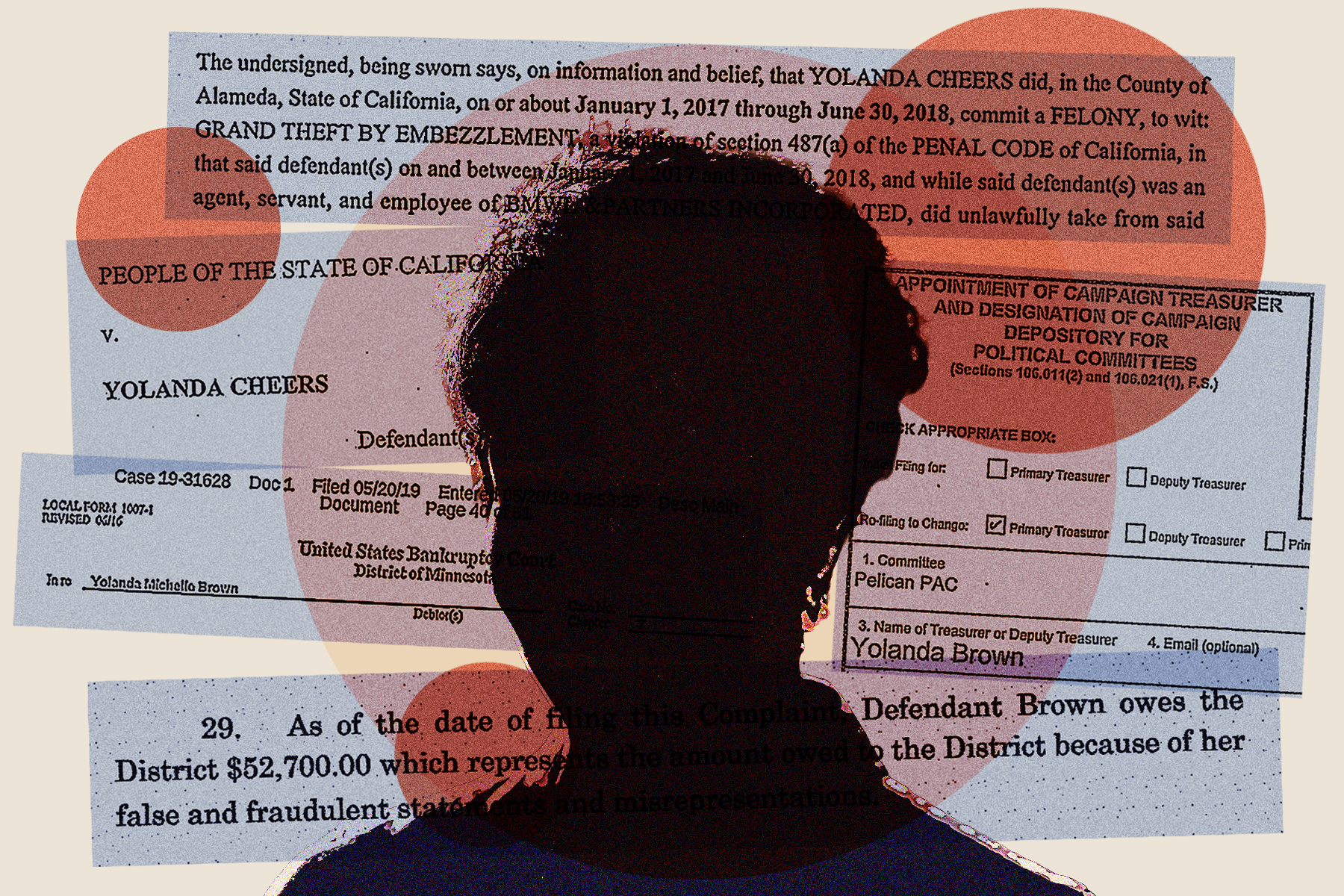
    Yolanda Brown, a campaign operative formerly based in Florida who worked for Democratic political candidates and social justice causes across the country, appeared in U.S. District Court in Philadelphia on Wednesday and pleaded guilty to one count of wire fraud. She admitted to embezzling a total of about $1 million from 20 clients, including Rabb, between 2022 and 2026.

    Brown, who now lives in Virginia, faces a maximum of 20 years in prison and will be required to pay restitution. A sentencing hearing is scheduled for Jan. 26.

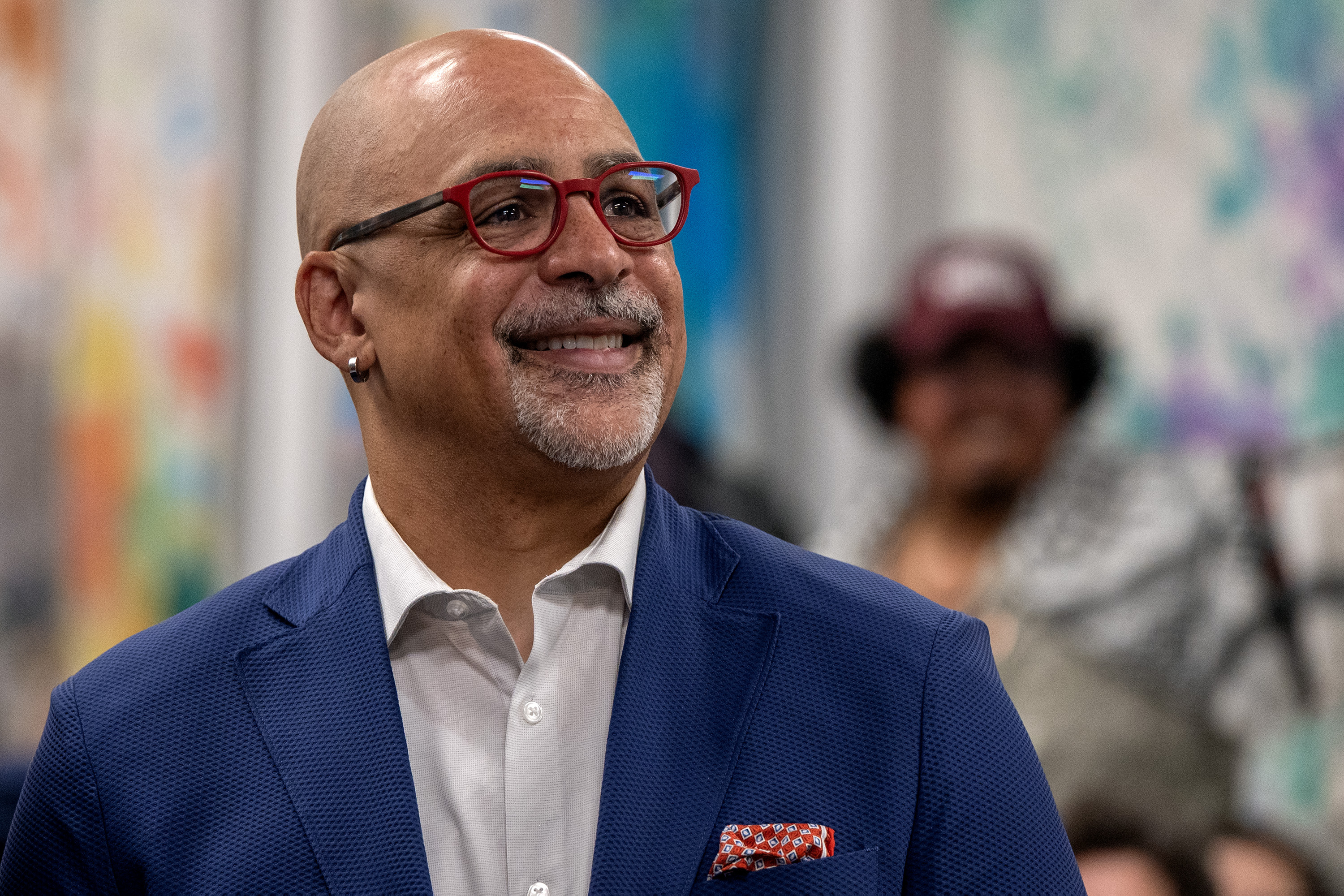
    Rabb, a progressive, went on to win the Democratic nomination in May. He is expected to prevail in the November general election to represent Pennsylvania’s 3rd Congressional District. There is no Republican candidate, though he faces a long-shot independent opponent.

    Rabb did not immediately respond to a request for comment.

    For years, fraud claims from several political campaigns piled up against Brown, who operated Brown Financial & Consulting Services Group and at times worked under her married name, Yolanda Rumph. She was accused of financial impropriety in several states, The Inquirer reported, including shaving money from accounts she controlled and embezzling from a nonprofit client.

    But she continued working in politics and, in August 2025, signed on to work for Rabb, who was in the midst of a highly competitive Democratic primary run for an open seat in Congress representing about half of Philadelphia.

    State Rep. Chris Rabb at an event with U.S. Rep. Ro Khanna July 28, 2026.Tom Gralish / Staff Photographer

    In January, Ken Welch, the mayor of St. Petersburg, Fla., said that he had reported Brown to law enforcement after she misappropriated $207,000 from his campaign committee.

    The following month, Rabb said that Brown had made a series of unauthorized withdrawals from his campaign. The amount of money embezzled totaled more than $160,000, which constituted most of what was in his campaign’s account at the time, according to paperwork Rabb’s campaign filed with the Federal Election Commission.

    Khambrel Davis, Brown’s attorney, said in an interview with The Inquirer in March that Brown was innocent and merely the victim of a rogue employee who had stolen from her clients.

    But on Wednesday in court, Brown acknowledged that she executed a scheme to defraud her clients of hundreds of thousands of dollars.

    Assistant U.S. Attorney Robert Livermore told U.S. District Judge Chad F. Kenney that Brown “embezzled client funds in her control to pay for her own personal expenses without authorization from her clients.”

    He added that she “often used client funds to repay other clients from whom she had previously stolen funds.”

    In charging documents, prosecutors wrote that in one instance, Brown steered about $19,000 from the account belonging to Rabb’s campaign — identified in court filings as “Political Campaign #1″ — into a separate account that she controlled. She then transferred $6,000 of that money into her personal bank account.

    That transfer was one of multiple unauthorized transfers that Rabb’s campaign detected. Prosecutors often formally charge a limited scope of wrongdoing if a defendant has agreed to plead guilty.

    Prosecutors described the fraud perpetrated against Rabb’s campaign as part of an “overall scheme” in which Brown defrauded about 20 clients of a total of more than $1.4 million. They wrote that she had repaid clients more than $400,000, for a net loss of about $1 million.