Blog

  • Officer wounded in fatal West Philly shooting released from hospital, as questions about the incident remain

    Officer wounded in fatal West Philly shooting released from hospital, as questions about the incident remain

    One of three Philadelphia police officers wounded in an exchange of gunfire that left a retired firefighter dead in West Philadelphia late Saturday was released from the hospital Monday, as authorities continued to investigate the shooting.

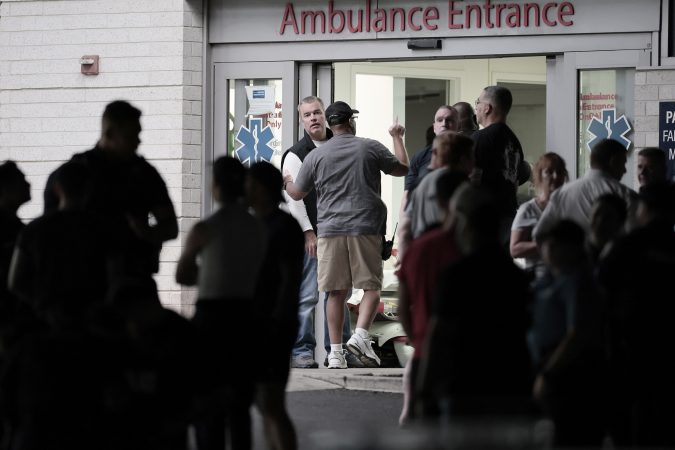
    The officer, whom police did not identify, left Penn Presbyterian Medical Center shortly after 1 p.m. Monday, 6abc reported. Dozens of uniformed officers lined the emergency department entrance and saluted as their colleague was pushed outside in a wheelchair and helped into a silver SUV. The crowd erupted in applause as the vehicle pulled away.

    His release came nearly two days after authorities say Eric Franks, 57, opened fire on officers who were investigating an unrelated report of a vehicle struck by gunfire near 54th and Arlington Streets in Wynnefield around 10:30 p.m.

    As the investigation entered its second day, both law enforcement officials and Franks’ family struggled to understand what could have led him to shoot at police. The police department declined to provide additional details about the confrontation, but a source familiar with the case said footage from the officers’ body worn cameras offered little explanation for such a reaction.

    According to the source, who spoke on the condition of anonymity to discuss an ongoing investigation, as officers investigated the vehicle that had been struck by bullets, Franks approached and began complaining about crime and policing in the area.

    He appeared frustrated, the source said, that officers had not yet cordoned off the area around the vehicle with crime scene tape, and became increasingly agitated as officers repeatedly asked him to step back so they could do their jobs.

    Video obtained by The Inquirer appears to show Franks yelling at officers, then pushing one, before stepping back and pulling a gun from his waistband.

    Franks then fired multiple shots at the officers, according to the video and police accounts, and four officers returned fire. Three officers — including a sergeant — were struck by gunfire. Franks was shot in the chest and leg and later died at Thomas Jefferson University Hospital.

    Police said Franks had a license to carry a firearm. Commissioner Kevin Bethel said investigators are trying to determine why Franks confronted the officers.

    District Attorney Larry Krasner said at a news conference Monday that his office is investigating. He said representatives of his office had spoken with Franks’ family, and had visited the scene and begun reviewing evidence, including video footage that captured the events leading up to the fatal encounter.

    Krasner declined to provide additional details, describing the investigation as “very active” and saying he could not divulge further information in order to “preserve the integrity of the investigation.”

    The district attorney said his “thoughts are with all the people who have been affected and harmed,” but added that his office — like Franks’ family and members of the community — has questions about what transpired.

    He joined Mayor Cherelle L. Parker in a promise to “make sure officers receive the support they need as they heal and process the trauma connected to the shooting.” At the same time, he said, “We also stand in solidarity with all Philadelphians who want to make sure we get the truth, and that we apply the law appropriately.”

    He encouraged anyone with information about the shooting — including police officers — to contact his office and speak with investigators.

    Franks’ wife, Michele, described her husband as a longtime Wynnefield resident, business owner, and former Marine who spent nearly two decades with the Philadelphia Fire Department before retiring last year.

    “He cared very much about community, and about Wynnefield,” she said.

    The retired firefighter was also a community activist, an attorney representing Franks’ family said, adding that Franks had met with City Councilmember Curtis Jones Jr. about an uptick in drug-related crimes in the neighborhood.

    In a letter posted Sunday on Facebook that did not mention Franks by name, Jones wrote that he was “deeply saddened and heartbroken” by the shooting, and called for a continued commitment to “building a safer, and more peaceful Wynnefield for all.”
  • Singer Oliver Tree is said to have died in collision of helicopters in Brazil

    Two helicopters collided Sunday in Rio de Janeiro, killing all six people on board, authorities in Brazil said.

    Among those believed to have died in the collision is American musician Oliver Tree, whose name was on the flight manifest, according to the Associated Press as well as a police official with knowledge of the matter who spoke on the condition of anonymity because the investigation is still open.

    In a statement, the Military Fire Department of the State of Rio de Janeiro said it responded to a call around 9 a.m. Sunday for a collision involving two aircraft in the southwest zone of Rio.

    According to the agency, the helicopters collided in midair and crashed into the parking lot of a car dealership where electric vehicles were parked, setting off a fire involving at least 20 cars.

    The agency did not identify the victims of the crash, and it was not immediately clear what caused the collision.

    Tree, 32, had performed in Argentina this month as part of his world tour, the AP reported.

    On Saturday, Tree posted a video to his Instagram account in which he appeared to be playing soccer in Brazil.

    Tree, a musician from Santa Cruz, Calif., was recognized for his distinctive bowl cut and retro fashion along with his contributions to electronic music.

    He is best known for his songs “Life Goes On,” “Miss You,” and “Alien Boy.” He has more than 11 million monthly listeners on Spotify.

    Representatives for Tree did not immediately respond to requests for comment.

    This article originally appeared in the New York Times.

  • Iran and U.S. reach an initial deal to end the war and open the Strait of Hormuz but challenges remain

    DUBAI, United Arab Emirates — The United States and Iran reached an initial agreement Monday that would extend their shaky ceasefire and lead to the reopening of the Strait of Hormuz, but significant challenges remain to ending the war, including whether Israel will continue its offensive in Lebanon.

    Details of the deal have not been made public. The U.S. said it was signed electronically on Sunday but that it will not be implemented until a formal signing. Pakistani Prime Minister Shehbaz Sharif, a key mediator, said that will happen Friday in Geneva. Even if the strait — a crucial waterway for the world’s oil and natural gas — fully opens then, it will likely take months for the global energy crisis sparked by its closure to ease.

    Israel joined the U.S. in launching the war on Feb. 28, but it is not party to the deal. The Israeli defense minister said Monday that the country would not withdraw from land seized in Lebanon, where Israel is fighting the Iranian-backed Hezbollah militant group.

    A spokesperson in Prime Minister Benjamin Netanyahu’s office said Israel will continue to defend itself against any threat to its security. That alone could scuttle the deal, since Iran has insisted any agreement to end the war include an end to the fighting in Lebanon.

    The agreement also faces other major challenges. It gives just 60 days to decide what to do about Iran’s stockpile of highly enriched uranium and its nuclear program — which the U.S. and Israel worry could be used to build an atomic weapon, despite Tehran’s insistence that the program is peaceful. It took years for Iran and world powers to negotiate a 2015 agreement to rein in Tehran’s nuclear program.

    President Donald Trump unilaterally withdrew the U.S. from that accord in his first term, setting the stage for the tensions that culminated in the current war, which has killed thousands across the Middle East, including the top leaders of Iran’s theocracy, and raised the prices of fuel, food, and other basic goods far beyond the region.

    The Strait of Hormuz won’t open until the deal is signed

    Early in the war, Iranian attacks on ships brought traffic in the Strait of Hormuz — through which a fifth of the world’s oil and natural gas passed before the conflict — to a near standstill. Trump implemented a blockade in response.

    Iran’s deputy foreign minister, Kazem Gharibabadi, said Iran would not start implementing the agreement until after the signing ceremony. The U.S. military said the blockade will remain in place “pending execution” of the deal.

    “Do not attempt to cross until explicit direction is given,” it said Monday in an advisory to merchant ships.

    Trump, who faced pressure to end the war ahead of congressional midterm elections in November, said that “a lot of great things are going to happen in the Middle East right now.”

    “Very importantly, the oil is plummeting down, and the stock market is shooting up like a rocket today,” he said Monday at the G7 summit in France.

    While the agreement provides for the “immediate” opening of the strait and lifting of the blockade, the process will take time because there are mines in the strait, and ships are unwilling to risk traversing it, according to a senior U.S. official who spoke to reporters on condition of anonymity to discuss outlines of the agreement.

    Details remain scant but expected soon

    A second senior U.S. official told reporters that details of the agreement would be released within the next two days.

    The memorandum of understanding includes the possibility of releasing Iran’s frozen funds, easing sanctions, and creating a $300 billion fund to rebuild Iran — all of which would be tied to Iran meeting benchmarks, the official said.

    The officials said technical talks would begin on Friday after the signing ceremony and that Vice President JD Vance would lead negotiations for the U.S.

    Israel says it won’t withdraw from Lebanon

    The success of the deal rests at least partially on what happens between Israel and Hezbollah in Lebanon. Israel’s bombing of Beirut’s southern suburbs on Sunday nearly derailed the negotiations, and a previous attack led Iran to fire on Israel and Israel to fire back.

    Defense Minister Israel Katz said Israel plans to stay “indefinitely” in land it holds in Lebanon, Syria, and the Gaza Strip. He also threatened that if Iran attacks Israel over its strikes in Lebanon, Israel will strike Iran with “great force.”

    Asked where Israel stands on the deal, David Mencer, a spokesperson in Netanyahu’s office, told the Associated Press that Israel and the U.S. remain fully aligned on preventing Iran from obtaining nuclear weapons. But he added that Israel will not tolerate attacks from Hezbollah on its territory.

    Israel and the U.S. began the war apparently in lockstep, but the war has created deep fractures in that close relationship, with Trump eager to end a conflict that is deeply unpopular with the American public and Netanyahu intent on destroying Hezbollah. Trump appears to have grown increasingly frustrated with the Israeli leader, even occasionally publicly insulting him, including telling the New York Times on Sunday that he was a “very difficult guy.”

    Many Lebanese travel to check on homes

    In a sign of the deal’s fragility, the Lebanese army called on residents not to rush to return to border villages, saying they should follow military instructions because of the danger of “Israeli violations and aggression.”

    Many Lebanese who had fled following Israeli evacuation orders and intense fighting were heading south, however, to check on their homes. Celine Fayad, driving south, said she will test how far she could go. Her village, Aitaroun, is along the border with Israel. It was among the first to be occupied and lies in ruins.

    “We were expecting to return,” she said. “Thanks to Iran.”

    Ali Haidar was among the first to return to Nabatiyeh, the southern city at the heart of the latest Israeli military operations, where many central buildings have been reduced to dust.

    “This used to be our home, our childhood home where we have all of our memories. This is where we grew up. Now it’s gone,” Haidar said. “We will return to rubble and sand. It’s better than being displaced.”

    Hezbollah, meanwhile, credited Iran with a “major achievement” in reaching the agreement, which it said could lead to “the full liberation of our land, the return of our prisoners to their homeland and families,” and reconstruction of war-devastated areas.

    Along with praising the deal, the militant group said it was committed to resisting Israel “until full withdrawal is achieved.”

    World leaders welcome the deal

    Despite the uncertainties, world leaders from Europe to China welcomed the agreement. French President Emmanuel Macron, who is hosting Trump and other world leaders at a Group of Seven summit this week, said France and other Western partners are “ready to take action very quickly” to help restore normal shipping traffic in the strait once the U.S. and Iran agree to such a mission.

    Others have expressed caution that the deal remains tentative. Luxembourg’s foreign minister, Xavier Bettel, noted: “It’s a long time till Friday.”

  • Lawmakers fight to stop the Trump administration’s dismantling of a $386M ocean observatory project

    SEATTLE — A group of Democratic senators and one Republican, as well as two Democratic House committees, sent letters Monday to the National Science Foundation asking it to reverse course on its plan to dismantle a sprawling ocean monitoring network, with House lawmakers going further and accusing the agency of acting illegally.

    The Ocean Observatories Initiative is a network of more than 900 ocean sensors built at a cost of $386 million. Over the last decade it has tracked ocean circulation, marine ecosystems, climate change, and extreme weather, producing data freely available to the public and informing more than 500 scientific publications. The project was slated to run another 15 to 20 years.

    The National Science Foundation had directed the removal of most of the system’s instruments from waters off Oregon, Washington, Alaska, North Carolina, and Greenland by 2027 — a decision scientists said came with no warning and no scientific review. The independent federal agency, which was established by Congress, described the move not as a cancellation but as a “descoping” aligned with a strategy to prioritize “evolving scientific priorities and emerging technologies.” The Trump administration’s proposed 2026 budget had included a 55% cut to the agency.

    “Supreme stupidity”

    “It just seems like this is supreme stupidity and a violation of the fundamental distribution of powers in our Constitution,” Democratic Sen. Jeff Merkley of Oregon told the Associated Press. “This program is authorized, it’s funded, and for the administration to shut it down without direction from Congress violates that vision in which the people’s representatives decide what’s done and funded, and the executive branch executes that vision.”

    Merkley and Republican Sen. Lisa Murkowski of Alaska co-led the letter, which was also signed by Democratic Sens. Edward Markey and Elizabeth Warren of Massachusetts, Tammy Baldwin of Wisconsin, Patty Murray and Maria Cantwell of Washington, Sheldon Whitehouse of Rhode Island, Chris Van Hollen of Maryland, and Ron Wyden of Oregon. It urged the National Science Foundation, or NSF, to halt the dismantling of the Ocean Observatories Initiative and conduct a thorough review, including consultation with the marine science community, before any further action is taken.

    “Eliminating most of this complex ocean monitoring system threatens the safety of our coastal communities while undermining our nation’s ability to monitor coastal environments, marine currents, and extreme weather events,” the senators wrote.

    In a sharper rebuke, Democrats from the House Science, Space, and Technology Committee and the House Natural Resources Committee sent a joint letter demanding the agency “cease this expensive, destructive, and — crucially — illegal action at once.” The letter was led by Reps. Zoe Lofgren and Jared Huffman of California, the top Democrats on their respective committees, and was signed by 23 Democratic members from each panel.

    In a June 3 statement, the NSF said its decision drew in part on a 2025 National Academies report on the future of ocean science. “NSF remains committed to ocean science and will continue working with the scientific community on high-priority research objectives,” it wrote.

    Cuts seen as sign of broader retreat

    The ocean observatory cuts are part of a broader retreat from environmental and climate-related science under President Donald Trump’s Republican administration, which has moved to scale back research programs, reduce staffing at agencies including the National Oceanic and Atmospheric Administration and the Environmental Protection Agency, and ease emissions regulations.

    Federal appropriations law requires the NSF to notify the House and Senate Appropriations Committees at least 30 days in advance of any planned decommissioning of agency-owned facilities or assets valued at more than $2.5 million. The House letter said no such notification had been transmitted.

    Merkley said he learned of the dismantling through news reports.

    “It was like the alarm bells just went off,” he said. “None of us knew about this, and there didn’t appear to have been any consultation or any scientific commission or stakeholders that were leading to this.”

    Merkley said his office is still confirming whether formal notification was given, but he added: “If there was no notification, this would appear to be illegal.”

    He and Murkowski planned to file legislation Monday that would prohibit the NSF from spending federal funds to decommission instruments until a thorough review has been completed.

    Pulling buoy off Oregon coast

    Scientists are scheduled to begin pulling the first buoy off the Oregon coast on Tuesday.

    In their letter, the senators cited the approaching El Niño — a periodic Pacific warming that disrupts weather patterns and supercharges marine heat waves — as evidence the cuts are particularly ill timed.

    “The loss of this deep-water observation system would threaten our ability to prepare for and monitor future El Niño events,” they wrote, warning coastal communities, fishermen, and emergency responders would be left without crucial information.

    “Instead of paying for the valuable insights that can be gleaned from the 10-years-and-counting continuous monitoring, taxpayers are now paying for research vessels to span the ocean dredging up hundreds of pieces of instrumentation. This is pathetic,” the House letter states. “In a time of strained resources, the NSF is wasting time and money to destroy its own scientific infrastructure.”

  • Final teen charged in Quakertown ICE protest resolves her case, ending monthslong legal battle

    Final teen charged in Quakertown ICE protest resolves her case, ending monthslong legal battle

    Bucks County prosecutors on Monday said they had resolved the case of the last teenager arrested during an anti-ICE protest in Quakertown that turned violent.

    The 16-year-old girl was scheduled to stand trial Monday on misdemeanor charges of resisting arrest and disorderly conduct, as well as a summary offense of obstructing traffic, according to her lawyer. Instead, prosecutors said, she agreed to enter into a diversion program in exchange for the dismissal and expungement of the charges.

    The girl’s lawyer, Ed Angelo, said the agreement includes 20 hours of community service, among other things, to be completed over a 90-day period. “She is a wonderful young lady who, I think, exercised great courage,” both during the protest and throughout her criminal case, he said.

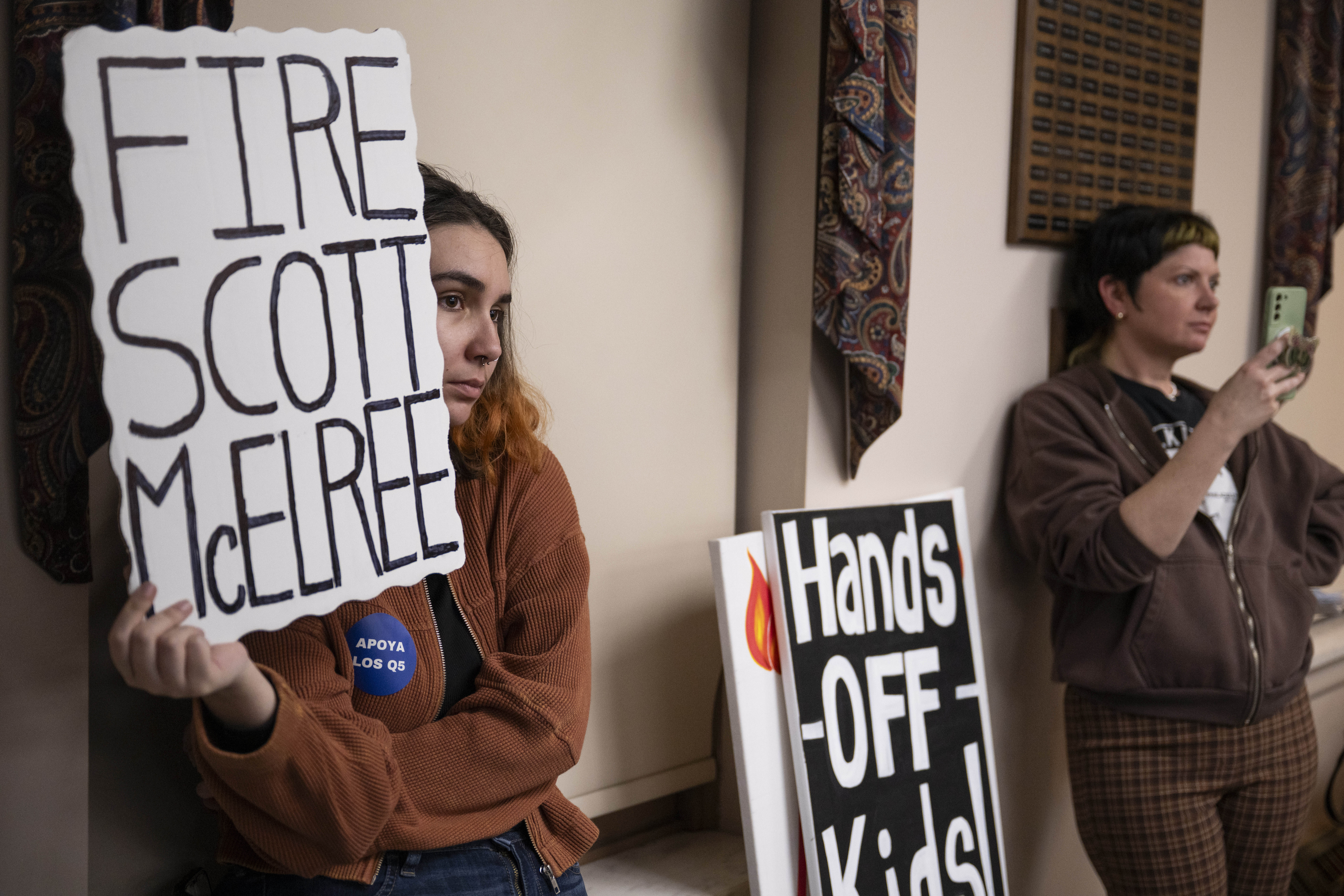
    The agreement closes the last outstanding case among five Quakertown Community High School students arrested after a February demonstration against ICE escalated into a physical confrontation with the borough’s police chief and manager, Scott McElree.

    The teens’ arrests sparked months of public debate over the melee, which was captured on camera by onlookers whose videos circulated widely online. One video showed McElree, who was dressed in plain clothes, grappling with a boy on the sidewalk. Another captured 72-year-old McElree placing a girl in a chokehold.

    Following the confrontation, Bucks County officials said McElree had sought medical care for injuries that included fractured ribs. He also took worker’s compensation leave for several weeks before returning to work in May. And a panel of area police chiefs later cleared McElree of wrongdoing following a review of the case.

    The teens were each initially charged with aggravated assault as well as misdemeanor offenses. But on Monday, the Bucks County District Attorney’s Office said in a statement that after reviewing evidence in the case — including “video footage obtained after the initial filing of the charges” — prosecutors had dismissed the aggravated assault charges because they “were unsupported by the evidence as a whole.”

    Over the last few months, prosecutors have struck diversion-program deals with the other teens that are “designed to meet the needs of each juvenile,” according to their statement.

    The 16-year-old girl, who was 15 at the time of her arrest, had been the only teen whose case remained unresolved.

    “She should never have been charged,” Angelo, her lawyer, said.

    Angelo had previously sought to have the case dismissed outright, arguing that the allegations relied heavily on secondhand accounts and that his client had done nothing wrong.

    The district attorney’s office also said Monday that it continues to investigate the conduct of Quakertown police during the protest.

    That investigation began a day after the demonstration, when prosecutors were tasked with independently reviewing the department’s response. In its statement, the office said county detectives had spent the last four months gathering evidence, including video footage submitted by members of the public.

    Now that all five of the teens’ cases have been resolved, prosecutors said investigators are working with defense lawyers to secure voluntary interviews with the teenagers so they can provide their accounts of what occurred.

    The office did not provide a timeline for completing the investigation but said it intends to move “expeditiously” toward its conclusion.

  • ‘He makes it about himself,’ Philly Dem says after Trump announces plans to transform July 4 fireworks in D.C. into rally

    The Philadelphia Democrat whose district includes Independence Hall accused President Donald Trump of trying to transform the 250th anniversary into a celebration of himself rather than the country.

    Trump announced on Truth Social Monday that a Trump rally will now take place in Washington on July 4, absorbing the long-planned 250th anniversary fireworks celebration at the Lincoln Memorial, the Washington Post reported.

    The move has prompted criticism, including from U.S. Rep. Brendan Boyle, whose district was the site where the Declaration of Independence was debated and signed.

    “Our nation’s 250th anniversary should be an opportunity to bring us together as Americans,” Boyle wrote in a statement. “Any previous president — from either party — would make this event about our nation. But not Trump. He makes it about himself. Because he only cares about himself.”

    Boyle is one of several Democratic lawmakers to criticize Trump’s expanding role in the celebrations.

    “We are going to host the most spectacular TRUMP RALLY of them all, a ‘TRIBUTE TO AMERICA,’ Trump wrote on Truth Social, his social media platform. “This HUGE Celebration will honor our Country’s People, Spirit, Strength, Resolve, and Triumphs.”

    Trump said in the post that the event will include air shows, patriotic music — from Trump’s own playlist — a fireworks show, and a keynote speech from him.

    “To conclude the program, and commemorate this Historic Occasion, I will be launching, what will be, the LARGEST FIREWORKS SHOW IN HISTORY,” Trump wrote.

    The rally is just the latest in a string of controversial choices by Trump ahead of the 250th. The president announced the rally a day after he hosted a controversial Freedom 250 UFC event at the White House for his 80th birthday.

    Sen. Andy Kim (D., N.J.) criticized the decision to hold the UFC event at the White House, noting on X that Trump holds shares in the company and that UFC CEO Dana White donated $1 million to a pro-Trump super PAC.

    “This isn’t a celebration of America 250,” Kim posted on Sunday. “This is corruption on full display on the White House lawn.”

    The event drew further controversy when fighter Josh Hokit made offensive comments about former first lady Michelle Obama in his postfight interview.

    The Trump administration says the events are a way to inspire and excite Americans, the Washington Post reported.

    “Fight for freedom,” the Department of Homeland Security, headed by former MMA fighter Markwayne Mullin, posted on Facebook. “Fight for our way of life. Fight for America.”

  • An Ecuadorian influencer seriously regrets putting his team’s jersey on the Rocky statue

    An Ecuadorian influencer seriously regrets putting his team’s jersey on the Rocky statue

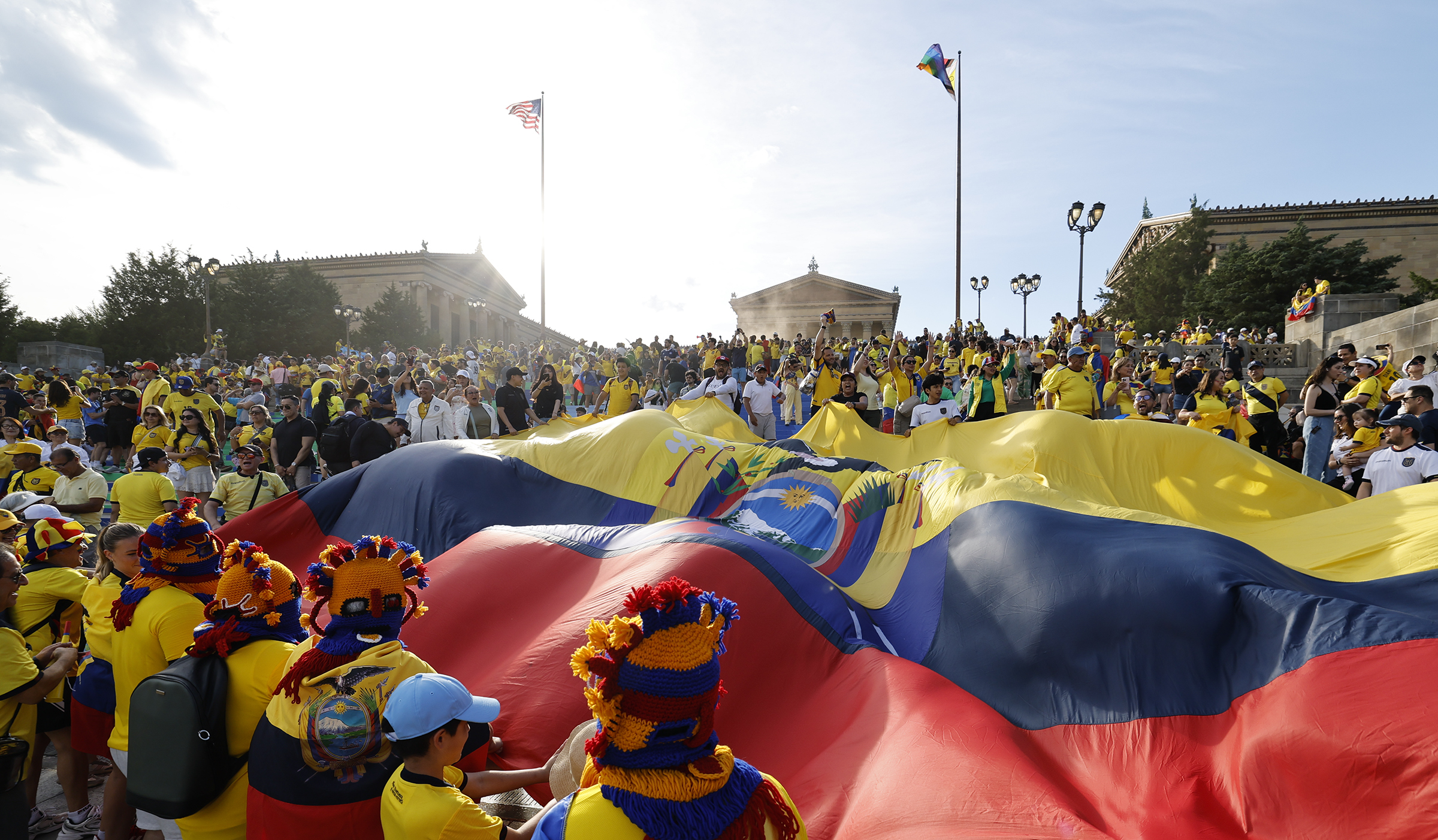
    When Ecuadorian soccer content creator Leandro de Vera, aka DonFutbol, tied his country’s flag around the neck of the Rocky statue at the top of the Philadelphia Museum of Art’s steps, he was unaware of the butterfly effect he had set in motion.

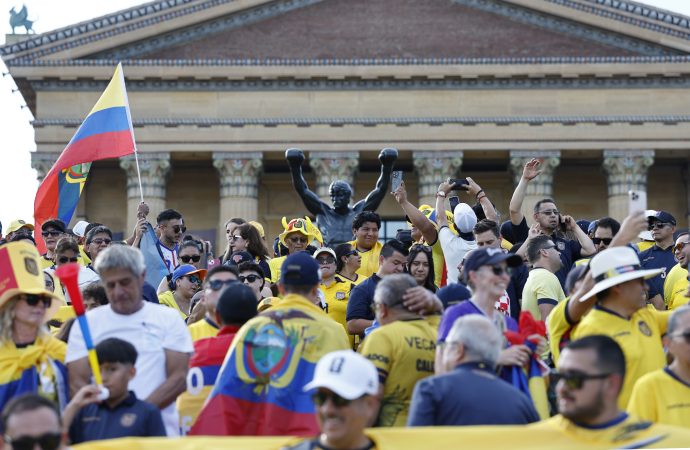
    De Vera inadvertently triggered the “Rocky statue curse” — a jinx that comes into effect when a team’s fans dress the boxer in an opposing team’s gear — at an Ecuadorian fan celebration at the Art Museum on Saturday.

    Earlier that day, two Ecuadorian journalists from Guayaquil’s Radio Diblu had warned fans not to put flags or jerseys on the statue.

    “The people of Philadelphia say doing that doesn’t bring good luck and can make a team lose,” reporter Carlos Morales said Saturday, standing by the Rocky statue at the base of the Art Museum.

    “The recommendation is to take a picture, put your flag next to it, but don’t put anything on him,” reporter Nico Rivera added.

    In the past, multiple NFL fan bases have dressed the statue in their team’s colors prior to a matchup with the Eagles. Most went on to see their team lose. Most notably, Vikings fans wrapped a purple towel around Rocky’s waist before being blown out 38-7 in the 2017 NFC Championship. The Patriots, 49ers, and Commanders have fallen to the same jinx.

    Ecuador was no exception. On Sunday, to kick off World Cup play in Philadelphia, Ecuador was defeated by Ivory Coast, 1-0, at Lincoln Financial Field, renamed Philadelphia Stadium for the World Cup. Ivory Coast’s single goal came in the 90th minute. Meanwhile, Ecuador could not catch a break. The team hit the post three times — becoming just the fourth team in World Cup history to do so and go on to lose.

    Perhaps it was the emotion, naivete, or the fact that de Vera was standing on the Rocky statue at the top of the steps, rather than the bottom. But his excitement was apparent when he climbed the statue, screaming: “Friends, we are here in Philadelphia, Pennsylvania. Rocky is from Ecuador — Rocky Zambrano,” he proclaimed in Spanish, baptizing the Philly icon with a common Ecuadorian last name.

    Ecuadorian soccer fans attend a flag waving event at the Philadelphia Museum of Art steps along the Benjamin Franklin Parkway, ahead of their first round World Cup match against the Ivory Coast, on Saturday, June 13, 2026.Yong Kim / Staff Photographer

    Ecuadorian Instagram commenters reacted in horror, letting the content creator know of the bad omen he had cast upon their team.

    “Friends, it’s amazing how much I’ve been insulted for putting the flag on Rocky,” said de Vera in Spanish in a video posted to social media. “I look at my direct messages, and they’re dragging my mamita [mother] through the mud.”

    After Ecuador lost, the hate worsened. One fan even approached de Vera to take a photograph with him just to caption it: “with the most insulted person in Ecuador.”

    “It’s been tough since the game ended,” de Vera told The Inquirer in Spanish.

    De Vera’s own superstitiousness has made the entire situation harder to deal with. He commonly wears different-colored socks to send his team good luck, and it hurt him personally not to have known about the curse ahead of time. If he had, he would have never touched the statue.

    “I was just excited, and there was so much going on I didn’t even realize people were screaming ‘no’ to me until much later,” he said.

    De Vera meant no disrespect to his team or to Rocky, he said. He just wanted to bring both Philly and Ecuadorian cultures together, hence giving the fictional boxer a temporary Ecuadorian last name.

    “I saw the first movie, but by the time he was done climbing the stairs, I was so out of breath I couldn’t watch the other movies,” de Vera said jokingly. “Let’s wait until the World Cup ends and I will watch the rest. I owe it to the city.”

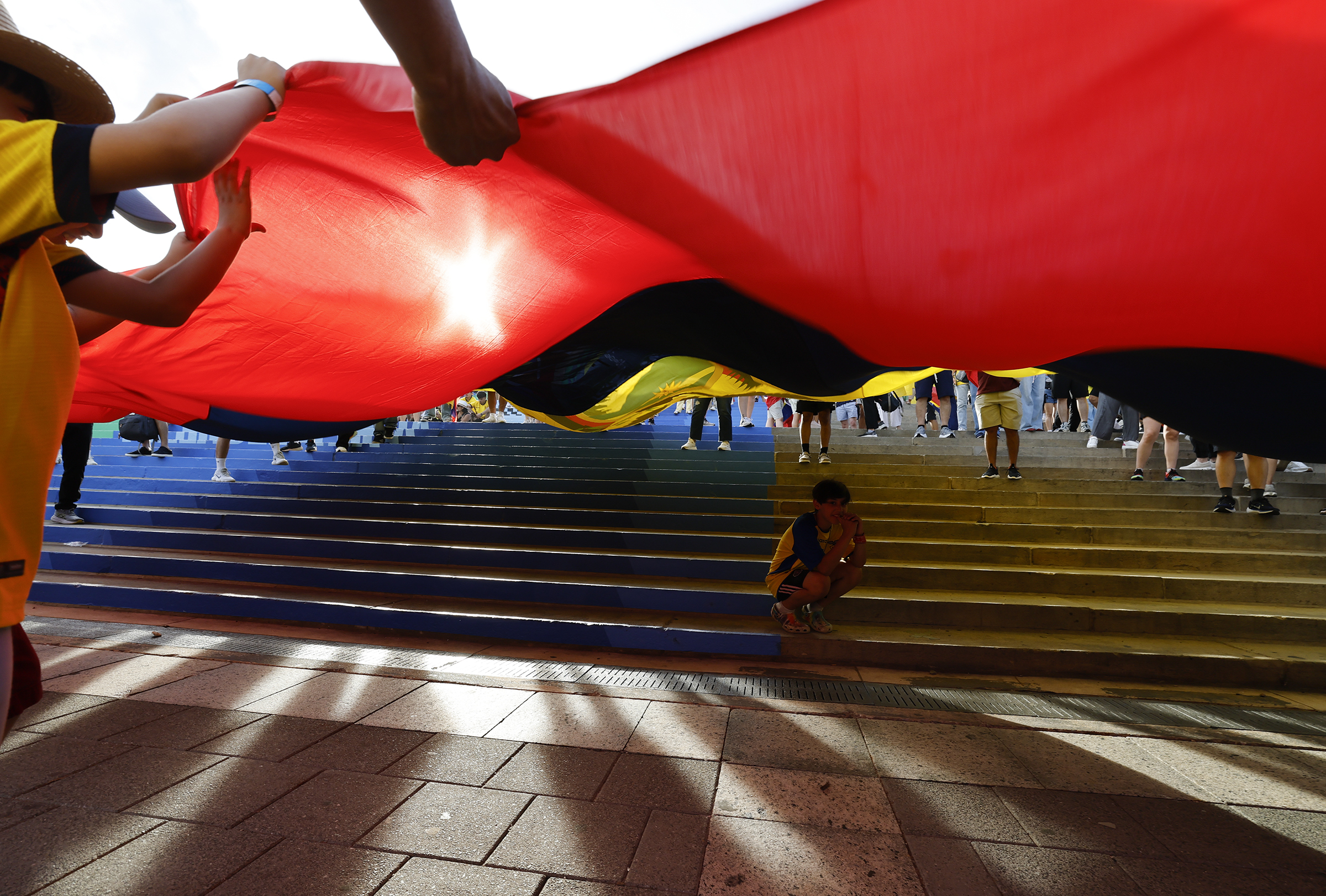
    A young Ecuadorian soccer fan sits under the Ecuadorian flag during a flag waving event at the Philadelphia Museum of Art steps along the Benjamin Franklin Parkway, ahead of Ecuador’s first round World Cup match against the Ivory Coast on Saturday, June 13, 2026.Yong Kim / Staff Photographer

    ‘I think I messed up’

    De Vera wasn’t alone in taking the blame.

    Colombian social media star Beta Mejía, who is dating Ecuadorian influencer Alejandra Jaramillo, was also in the hot seat after videos of him doing the same went viral. As he wrapped the flag around the statue’s shoulders, shouts of “No” from Ecuadorian fans familiar with the curse rained down the museum steps.

    “Parse, I think I messed up,” Mejía said in Spanish on a video Sunday before the match. “God, it’s me again, your favorite soldier; I didn’t know, I really didn’t know.”

    Mejía blamed his actions on an act of kindness, saying he was trying to help a fan who had passed him the flag. After the backlash, he looked to reverse the bad luck. On video, Mejía lit four candles, praying for God to bless the Ecuadorian players with his blood.

    “Fear nothing,” Mejía said, ending his video quoting Ecuadorian player Niño Moi (Moisés Caicedo) and rooting for the team to win.

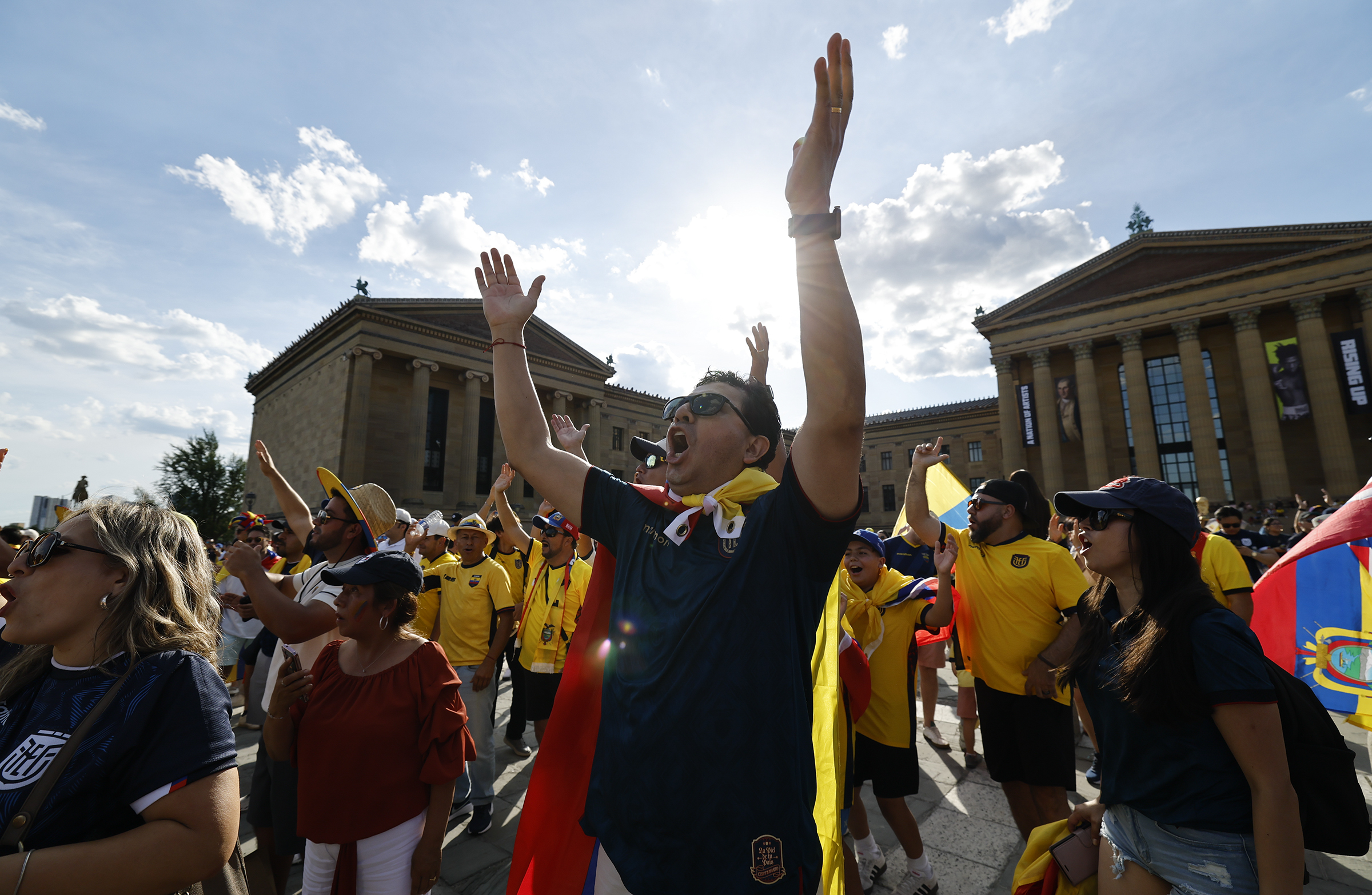
    Ecuadorian soccer fan Freddy Baquelo cheers during a flag waving event at the Philadelphia Museum of Art steps along the Benjamin Franklin Parkway, ahead of their first round World Cup match against the Ivory Coast on Saturday, June 13, 2026.Yong Kim / Staff Photographer

    Along with de Vera and Mejía, another fan dressed Rocky, attaching a custom Rocky jersey to the statue. He explained his rationale on an Instagram post:

    “This is my good luck charm,” Gigio Benavides Peralta wrote. “Traveling for more than 26 hours, more than 5000km from Loja Ecuador to fulfill my promise to put the T-shirt on Rocky. For if I did that, Ecuador would win the World Cup… Let’s go Ecuador.. thanks to @maconsport and my Aunt Odi who helped me make the shirt.”

    Despite the supposed Rocky curse, many Ecuadorians on social media seemed to think the bad omen did not come from the shirt or flags, but rather from having the president at the match.

    Ecuadorian President Daniel Noboa left the small South American country on June 11 for a four-day U.S. diplomatic trip meant to build bilateral relationships with the United States. He was captured at the game by FIFA cameras, shocking many Ecuadorians.

    In a post-match video posted by Ecuador TV, Noboa was recorded leaving the stadium with his cabinet and a band of security guards.

    Ecuadorian fans are heard in the background booing him, surrounding his convoy, calling him “salado” (an Ecuadorian word for someone with or who brings bad luck), and shouting that he “came for a vacation.”

    Philadelphians react — and also blame Hard Rock Cafe ‘takeover’

    Meanwhile, Philadelphia fans are having a bit of fun with the whole ordeal.

    “Attention all teams visiting Philly, if you put your jersey on the Rocky Statue the ghost of Adrian will direct all of your shots towards a goalpost,” one wrote on X. “She and Paulie haunt the Linc, it’s a thing.”

    As one fan pointed out on social media, Ecuador may have been jinxed by its fans flocking to the Market Street Hard Rock Cafe — just as Commanders fans did before their team’s 55-23 loss to the Eagles in the 2025 NFC Championship.

    A Commanders fan known as Tailgate Ted proudly proclaimed that his fan base had taken over the chain outpost prior to the 2025 conference championship game. At the time, the video received mass ridicule from the Philadelphia faithful, including Phillies second baseman Bryson Stott, as the restaurant has little cultural significance to the city.

    “Oh no the Philly Hard Rock has fallen. Maybe next they will take over Applebees,” one Eagles fan wrote at the time.

    On Saturday, Ecuador will face Curaçao in Kansas City before playing Germany in New York on June 25. De Valera is hoping to enact the Rocky curse again — this time for his benefit.

    “We are not out of the World Cup; Argentina once lost [their first match] and still won the World Cup,” de Valera said. “But now that I know, I am going to buy a Germany flag for Rocky ahead of the game.”

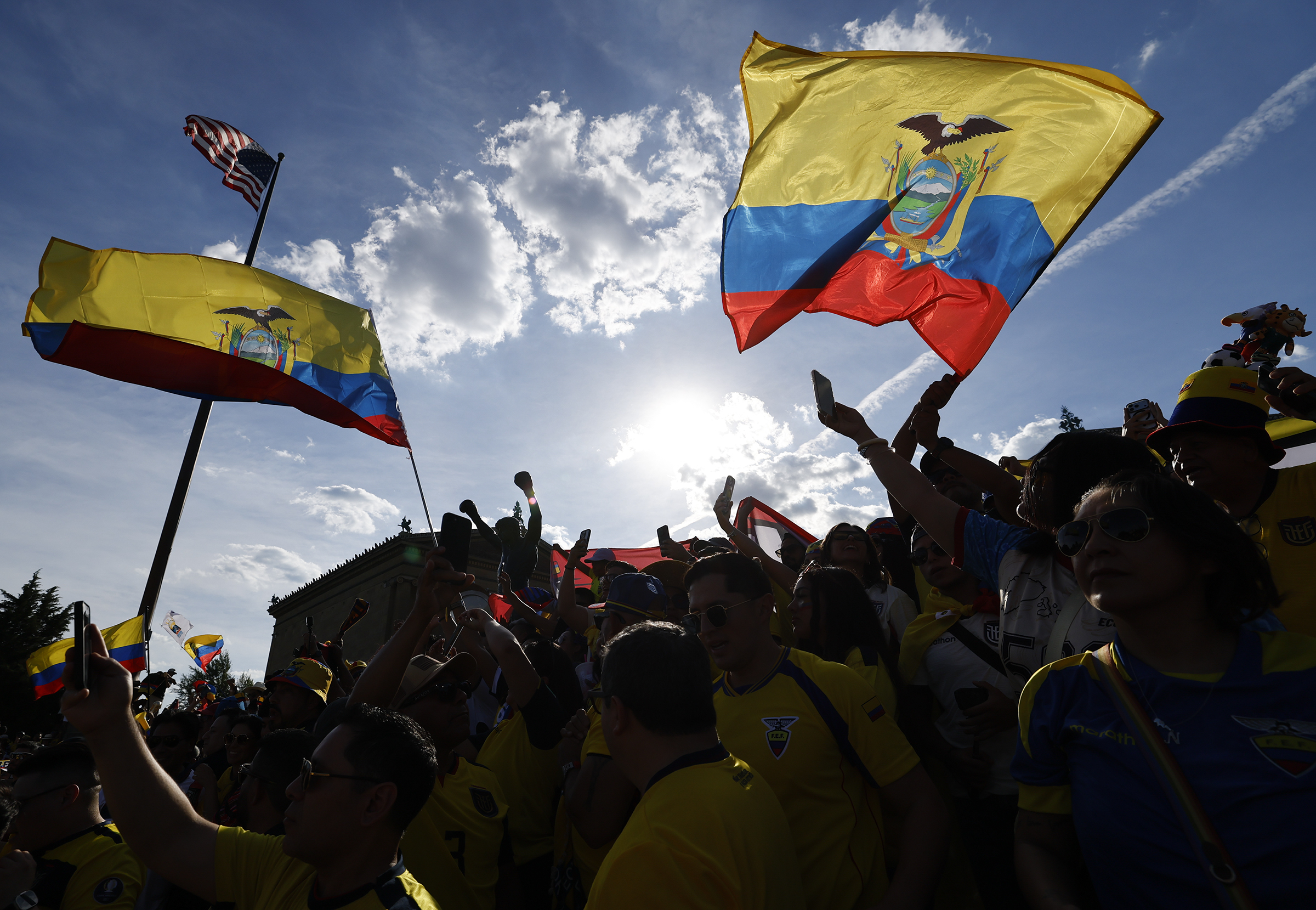
    Ecuadorian soccer fans wave their flags ahead of their first round World Cup match against the Ivory Coast during a flag waving event at the Philadelphia Museum of Art steps along the Benjamin Franklin Parkway on Saturday, June 13, 2026.Yong Kim / Staff Photographer
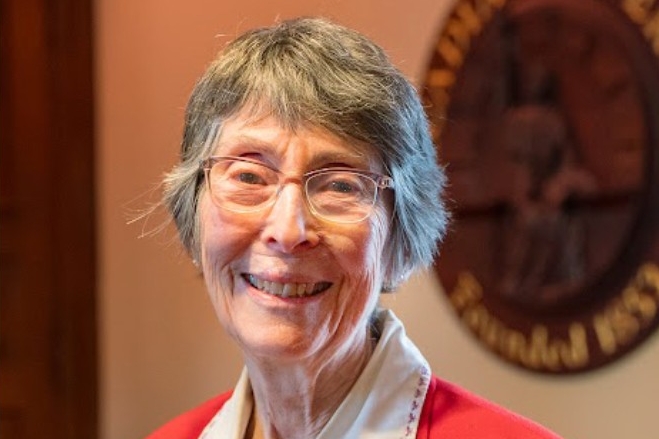
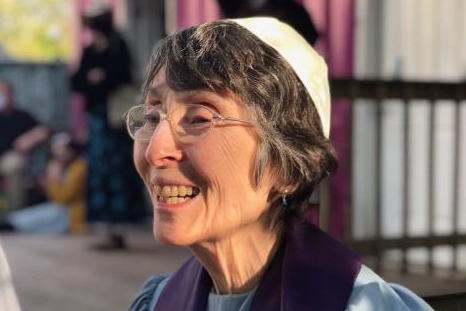
  • Phyllis Taylor, pioneering hospice nurse, celebrated prison chaplain, and renowned world peace activist, has died at 84

    Phyllis Taylor, pioneering hospice nurse, celebrated prison chaplain, and renowned world peace activist, has died at 84

    As a young nurse in Philadelphia, Phyllis Taylor met dying people desperate for hospice care. So she did it.

    She met people in prison desperate for a healthcare advocate and an empathetic chaplain. So she did that, too.

    In 1963, she met Sarah Baker and her family as they struggled to live as the first Black family in Folcroft, Delaware County. The Bakers were desperate for fearless allies to help fend off months of racism and violence. She also did that.

    For nearly her whole life, Phyllis Taylor championed peace, justice, and human rights, and helped people who were desperate. She got arrested for civil disobedience, cofounded and directed several nonprofit social service programs, and, with her husband, Richard, helped establish Witness for Peace in Nicaragua, and the Movement for a New Society in Philadelphia.

    She fed the hungry at St. Vincent de Paul Church, befriended immigrants and refugees with the New Sanctuary Movement, and comforted children and families at St. Christopher’s Hospital for Children. “Her entire life was about giving,” her son Dan said. “She refused to be someone who watched injustice and did nothing.”

    On Thursday, June 4, Phyllis Taylor died of endometrial cancer at KeystoneCare Hospice in Wyndmoor. She was 84.

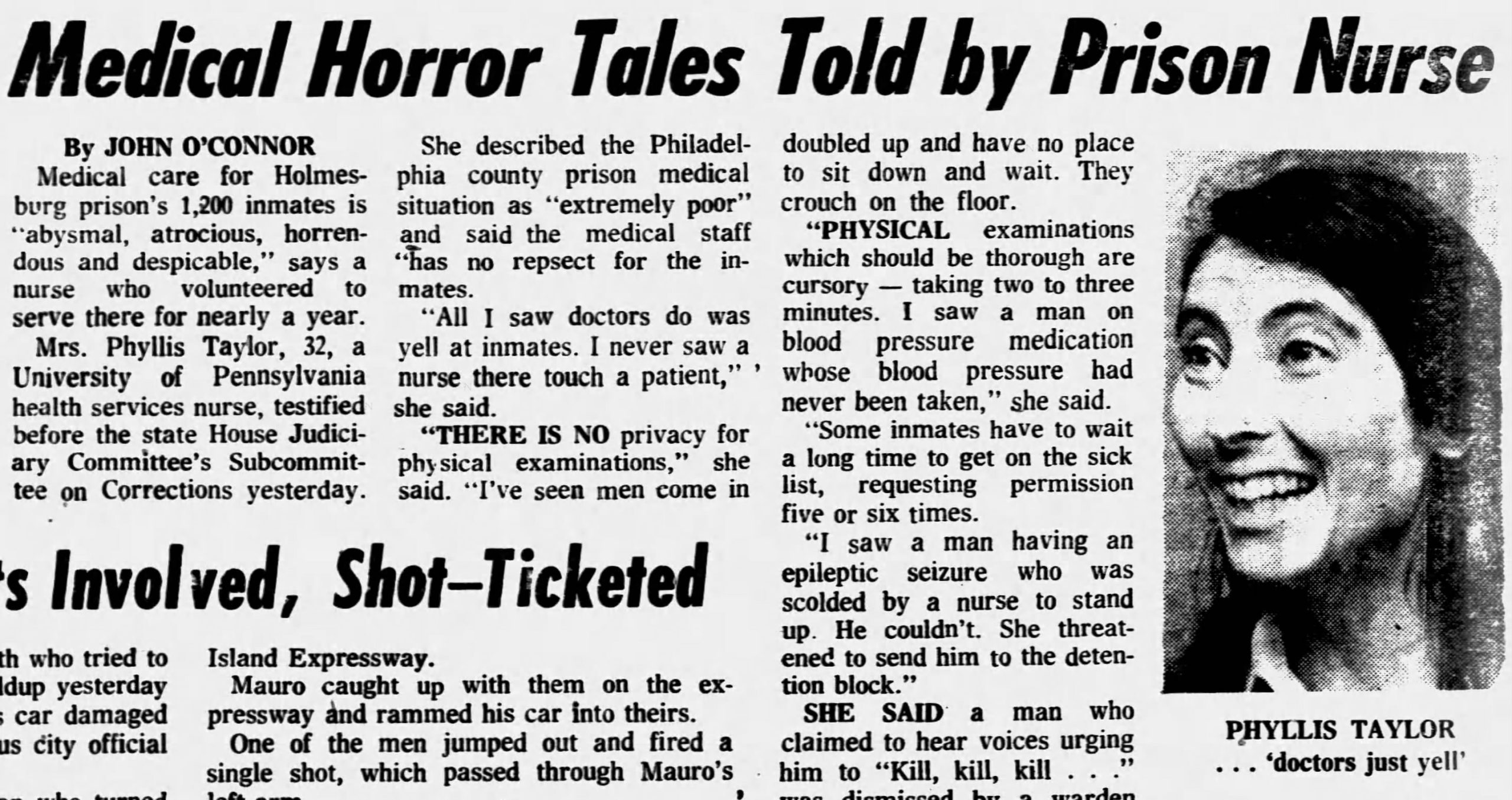
    The Daily News published this story about Mrs. Taylor in 1973.Newspapers.com

    “I really love what I do,” Mrs. Taylor told the Pennsylvania Prison Society in 2025. “I get the satisfaction of being able to journey with somebody, to let them know that they are not abandoned and alone.”

    Born in Brooklyn, N.Y., Mrs. Taylor earned a bachelor’s degree at what is now Arcadia University in 1963. After nursing school, she became a volunteer nurse and then a consultant for the University of Pennsylvania health services at Holmesburg Prison and elsewhere.

    She became senior counselor of hospice service for the new Death and Dying Program at Albert Einstein Medical Center’s Northern Division in 1978, and taught classes about death and grief, counseled parents whose babies had died, and comforted patients with terminal illnesses.

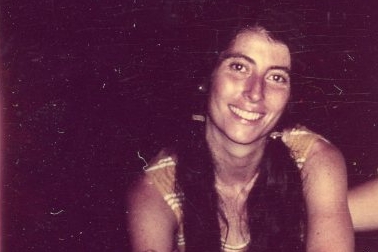
    Mrs. Taylor graduated from what was then known as Beaver College in 1963. It is Arcadia University now. Courtesy of the family

    She was featured in a 1980 story in the Sunday Inquirer called “The Gift of a Good Death” and said that her own health scares motivated her to embrace nursing. The horrors of the Holocaust, she said, compelled her to human rights activism, and the deaths of a friend, her brother, and her father moved her to hospice work.

    “It makes me happy to give someone the gift of a good death,” she told The Inquirer.

    Mrs. Taylor was also an enterostomal therapy nurse, head of the AIDS committee at the Philadelphia College of Osteopathic Medicine medical center, and director of education at the old Hospice of Delaware Valley. She wrote research articles for journals and letters to the editor, appeared on local TV and radio shows, and lectured often at conferences and seminars about death, grief, and medical and financial ethics. She never retired.

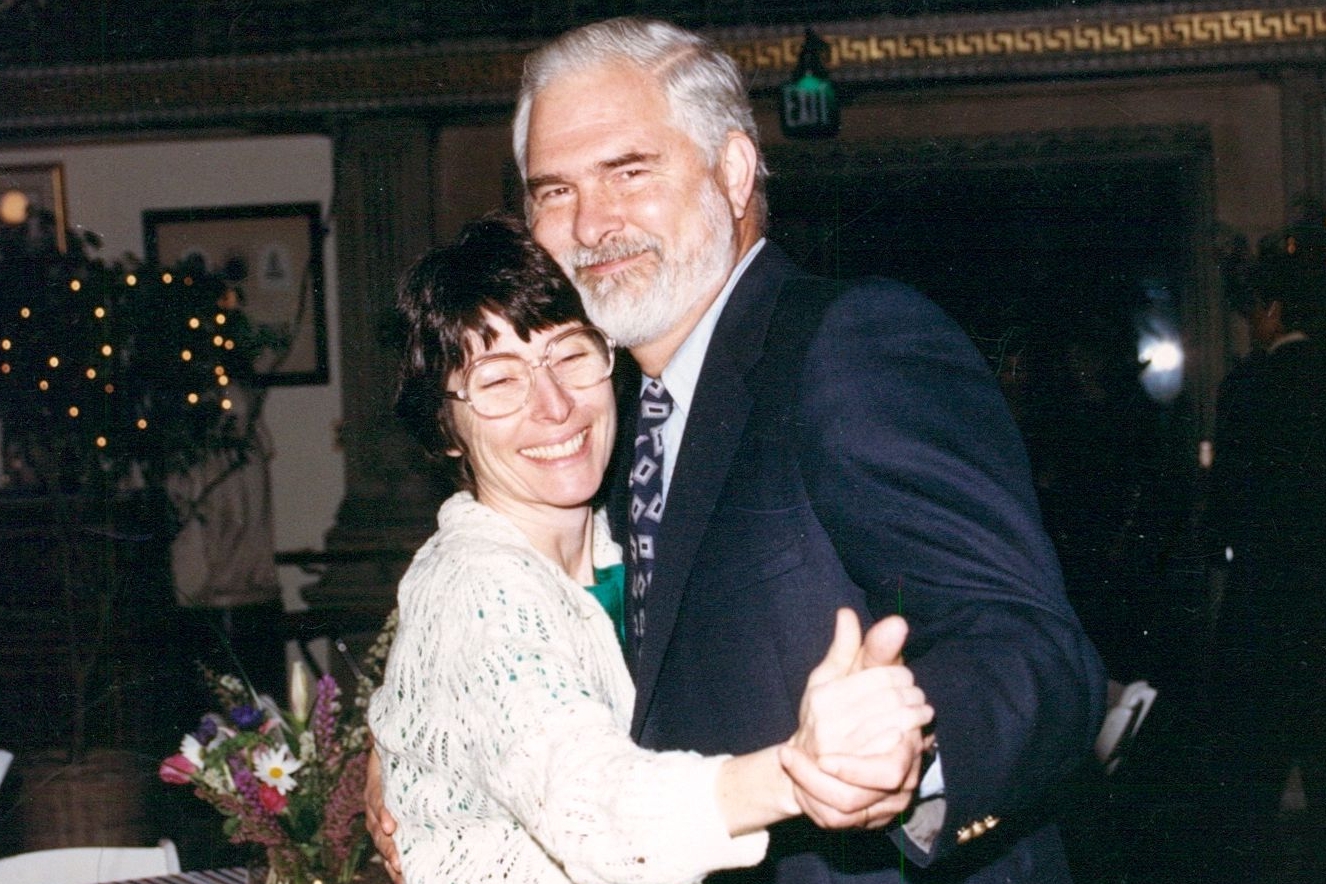
    Mrs. Taylor and her husband, Richard, traveled the world together fighting for peace, justice, and human rights. Courtesy of the family

    She went on Freedom Rides to integrate buses in the South and moved in temporarily with the Bakers as they sought to integrate Folcroft in the 1960s. In the 1970s, she demonstrated against the Vietnam War and America’s involvement in Iran and elsewhere.

    In the 1980s, she taught civil disobedience classes and protested violence at the border between Nicaragua and Honduras. In the 1990s and beyond, she volunteered to protect Muslims and Arabs from reprisals after the Sept. 11 attacks, traveled the world to decry pollution and unfair housing practices, and volunteered with Amnesty International and Planned Parenthood.

    She earned credentials as a chaplain and volunteered for decades with the Pennsylvania Prison Society to counsel and advocate for crime victims and prisoner rights. She was featured in the 2016 documentary Blockade, named the Prison Society’s Volunteer of the Year in 2022, and honored at Arcadia’s 2025 Women Who Lead Forum.

    As a chaplain, Mrs. Taylor officiated at weddings and funerals, and advocated for prison reform.Courtesy of the family

    “She felt a deep unwavering need to dedicate all her waking time to marginalized populations,” her son said. “Someone called her a merging of Ruth Bader Ginsburg and Mother Teresa.”

    Phyllis Claire Brody was born Aug. 10, 1941. She grew up Jewish in Lawrence, N.Y., and joined a Quaker meeting after she moved to Philadelphia.

    She met fellow peace activist Richard Taylor at a civil rights event in 1962, and they married in 1963 and lived in Germantown, Mount Airy, and West Philadelphia. They reared their son, Dan, and daughter, Deborah, and welcomed Blessing Mtshali and other children and families into their home for extended stays. Her husband died in 2024.

    Mrs. Taylor and her husband liked to hike and canoe. She lived with lupus and mailed handmade birthday cards to family and friends year after year.

    “What a life well lived,” her son said.

    In addition to her children, Mrs. Taylor is survived by her sisters, Margaret Noonan and Audrey Randolph, many grandchildren and great-grandchildren, and other relatives. A brother died earlier.

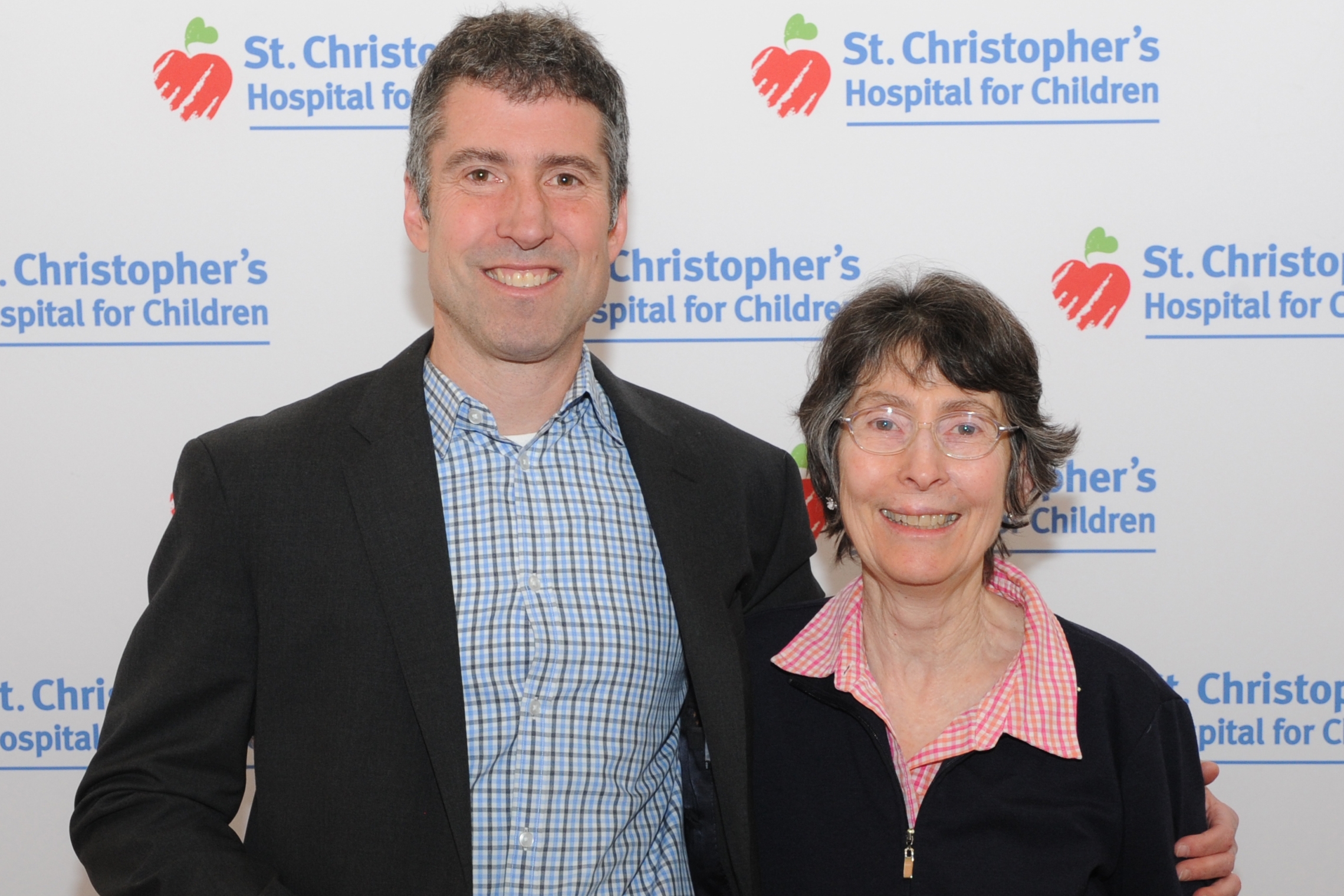
    Mrs. Taylor stands with her son Dan in 2017.Handout

    A celebration of her life is to be held at 2 p.m. Sunday, Sept. 20, at Germantown Monthly Meeting, 47 W. Coulter St., Philadelphia, Pa. 19144.

    Donations in her name may be made to the New Sanctuary Movement of Philadelphia, Box 46242, Philadelphia, Pa. 19160; and Face to Face, 123 E. Price St., Philadelphia, Pa. 19144.

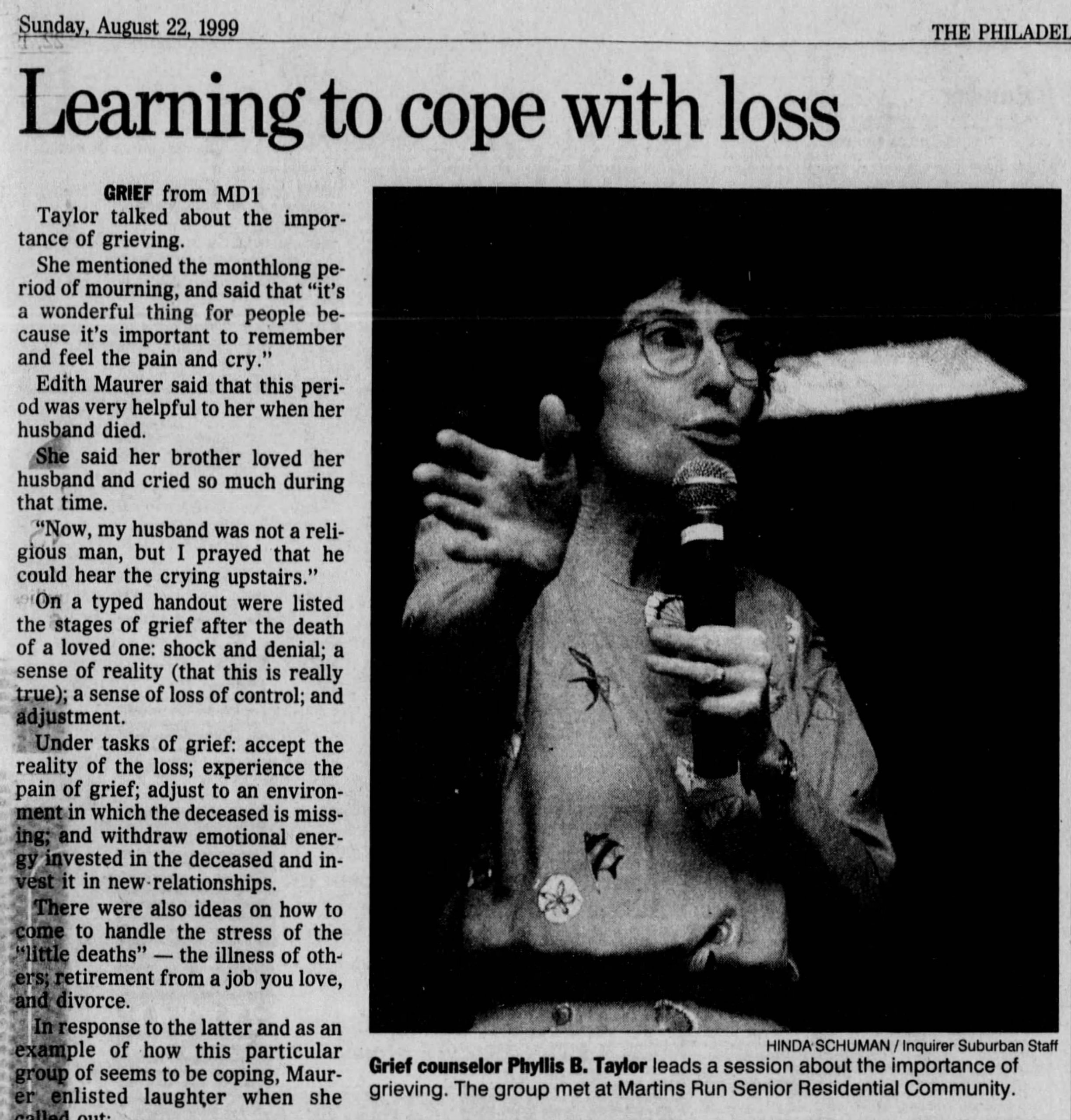
    Mrs. Taylor was featured in The Inquirer in 1999.Newspapers.com
  • Trump arrives at G7 summit looking for momentum after announcing a deal to end the Iran war

    EVIAN-LES-BAINS, France — President Donald Trump started his visit to the G7 summit of leading industrialized nations on Monday by declaring his agreement aimed at ending the U.S. war with Iran is a potential breakthrough for global security and a chance for the U.S. to finally turn the page in its relationship with longtime adversary Iran.

    The Republican U.S. president sought to make clear that he arrived in Evian-les-Bains with the wind at his back for talks with G7 leaders, including some who have been sharply critical of his management of the 15-week-old conflict, which has led to a surge in global energy prices — though he did not immediately seem willing to lay out the details of what was in the emerging deal.

    Some of those details are still to be negotiated in talks over the next 60 days, though Trump said the memorandum of understanding would likely be released after it’s signed on Friday.

    “I think a lot of great things are going to happen in the Middle East right now, and very importantly the oil (price) is plummeting down and the stock market is shooting up like a rocket today,” Trump said at a meeting with the summit’s host, French President Emmanuel Macron, before they joined a working dinner with other leaders.

    “The Iran deal that we made is going to bring a lot of success to the world,” he said.

    Deal could change G7 dynamic

    Trump has had friction with Macron, British Prime Minister Keir Starmer, German Chancellor Friedrich Merz, and Italian Prime Minister Giorgia Meloni over failing to consult them before the decision to go to war. But sealing an agreement before jetting off to the summit might change the dynamic of the three-day gathering.

    Macron at the start of Monday’s meeting congratulated Trump for finding a way to an agreement.

    “It’s a very important matter for peace of the whole world,” Macron said.

    Trump has pushed back on the four European leaders — members of the NATO military alliance — for their lack of support for the U.S. in the conflict.

    He’s expected to discuss with leaders the demining of the Strait of Hormuz. Britain and France have expressed interest in assisting with the demining once the conflict is paused. Fear of potential mines is among the reasons tanker traffic has come to a halt during the war, and quickly clearing them will be crucial to regaining the confidence of commercial vessels.

    Macron on Monday said France was ready to move within days to deploy assets, including mine-clearing vessels, to the region to help.

    Senior U.S. officials told reporters that while the agreement provides for the immediate opening of the strait and lifting of the U.S. naval blockade, it will take weeks for traffic to return to previous levels.

    Macron invited the leaders of three nations that aren’t part of the G7 — Egypt, Qatar, and the United Arab Emirates — to take part in a session on the Middle East on Tuesday, when Iran is expected to be a central focus.

    Trump faces questions about financial incentives for Tehran

    Trump had fiercely criticized President Barack Obama for the 2015 nuclear agreement, which Trump argued failed to stop Tehran from advancing toward a weapon and funneled billions of dollars into the Islamic Republic’s coffers.

    In 2018, Trump exited the deal, known as the Joint Comprehensive Plan of Action. Britain, China, France, Germany, Russia, and the European Union were also signatories to the pact.

    Trump in an interview on Sunday with the New York Times pushed back on comparisons to the Obama-era nuclear deal. “We negotiated from strength,” Trump said. “He was basically paying them off.”

    But Trump hasn’t explained how his agreement will address some key issues about Iran’s nuclear program, including who will be in charge of verifying that Iran is complying with the agreement and who will destroy or remove 972 pounds of highly enriched uranium believed to be buried under nuclear sites that were badly damaged by U.S. strikes last summer.

    The memorandum of understanding includes the possibility of releasing Iran’s frozen funds, sanctions relief, and a $300 billion fund to help rebuild Iran — all of which would be tied to Tehran meeting certain benchmarks aimed at assuaging White House concerns, senior U.S. officials told reporters on Monday.

    Some Democrats and hawkish critics say Trump has failed to explain how the financial relief in his agreement will differ from what Obama did in the 2015 nuclear deal.

    “For all his critique of JCPOA, we had international observers, we actually had an alliance there that included the Europeans, and Russia and China were all signatories,” Sen. Mark Warner, the top Democrat on the Senate Intelligence Committee, told CBS’ Face the Nation on Sunday.

    Republican Sen. Lindsey Graham, a close ally of Trump and an Iran hawk, expressed skepticism, saying that Congress will need to review and vote on any nuclear deal with Iran, and said he expects Vice President JD Vance — “the architect of the deal” — to present it.

    “I am somewhat concerned that Iran’s view of the agreement seems different than what the American negotiating team is claiming,” Graham said on social media.

    Trade irritants and the war in Ukraine are also a focus

    Leaders are expected to discuss a range of economic and trade issues. Trump told the New York Post he’s warned Macron the U.S. will “have no choice” but to slap 100% tariffs on French wines unless ​Paris eliminates its digital tax on American tech companies, renewing a long-running threat from him that dates to his first administration.

    Wines and ​spirits exported to the U.S. from the European Union currently face ​a 15% ⁠tariff.

    In an interview with broadcaster TF1, Macron said Monday that it’s not “for the United States to decide what European or French law should be.”

    Macron also invited Ukrainian President Volodymyr Zelensky for a working session with G7 leaders on Tuesday to discuss the Russia-Ukraine war.

    At the moment, Zelensky is not scheduled to hold one-on-one talks with Trump while they’re both in France, but Trump on Sunday held separate phone calls with Zelensky and Russian President Vladimir Putin.

    Russian presidential aide Yuri Ushakov told reporters that Trump emphasized the need to end hostilities with Ukraine and stated his readiness to influence European allies and Kyiv toward that goal, including at the G7.

    Zelensky had offered to meet Putin with Trump and European leaders at the G7 gathering, but the Kremlin didn’t reply, a Ukrainian official familiar with the matter told the Associated Press. The official was not authorized to speak publicly about the matter and spoke on the condition of anonymity.

    Putin is wanted by the International Criminal Court for alleged war crimes, and France would be obliged as an ICC member to arrest him. The United States and Russia both oppose the court.

    Trump suggested that, after an Iran deal, he’ll now have greater bandwidth to focus on the Russia-Ukraine war.

    “Now that this is finished, we’re going to be focusing on that,” he said, referring to diplomatic efforts to stop the fighting that followed Moscow’s full-scale invasion of its neighbor in February 2022.

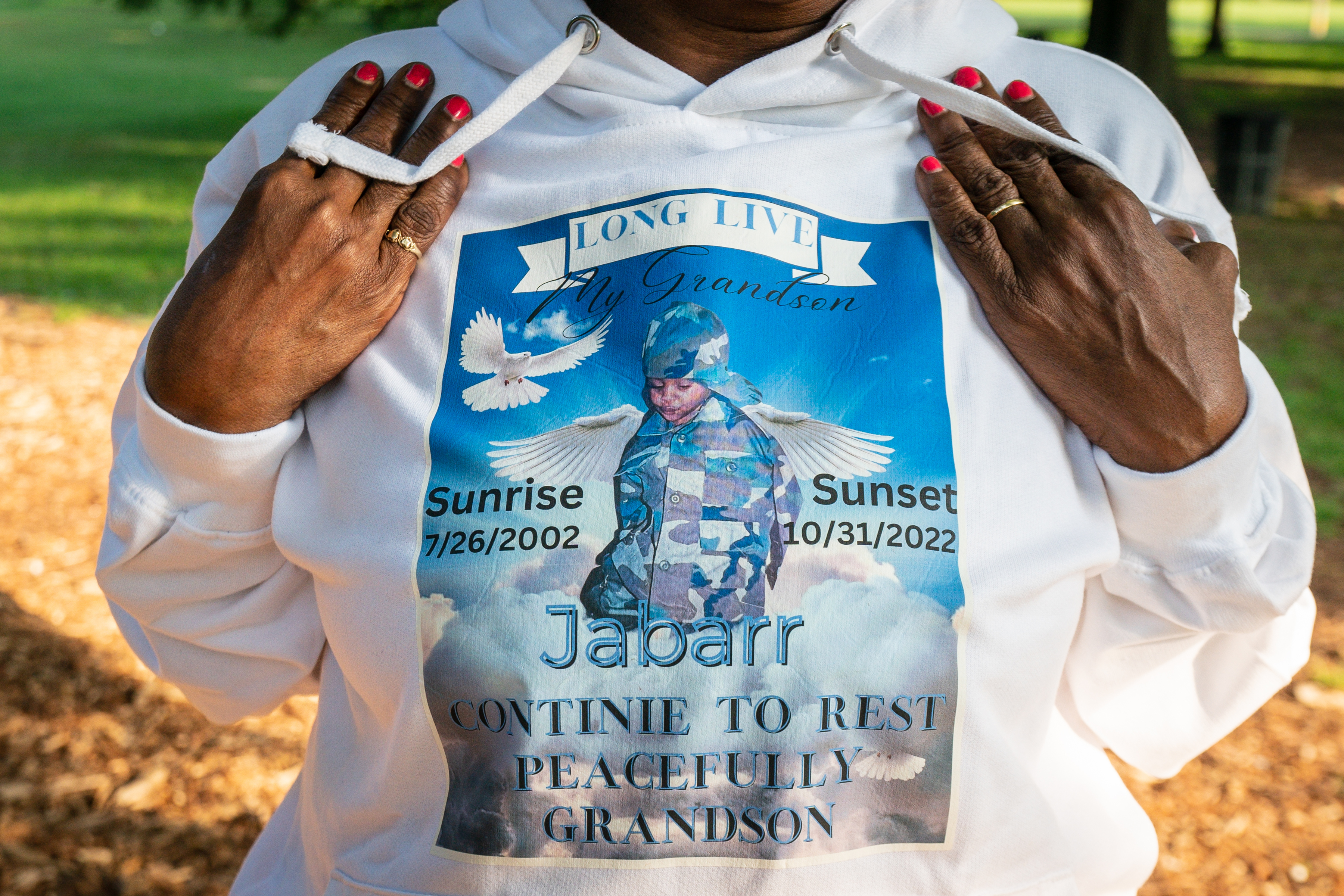
  • Her nephew was killed on Halloween in 2022. A teen shooter’s guilty plea brought some answers — but not enough.

    Her nephew was killed on Halloween in 2022. A teen shooter’s guilty plea brought some answers — but not enough.

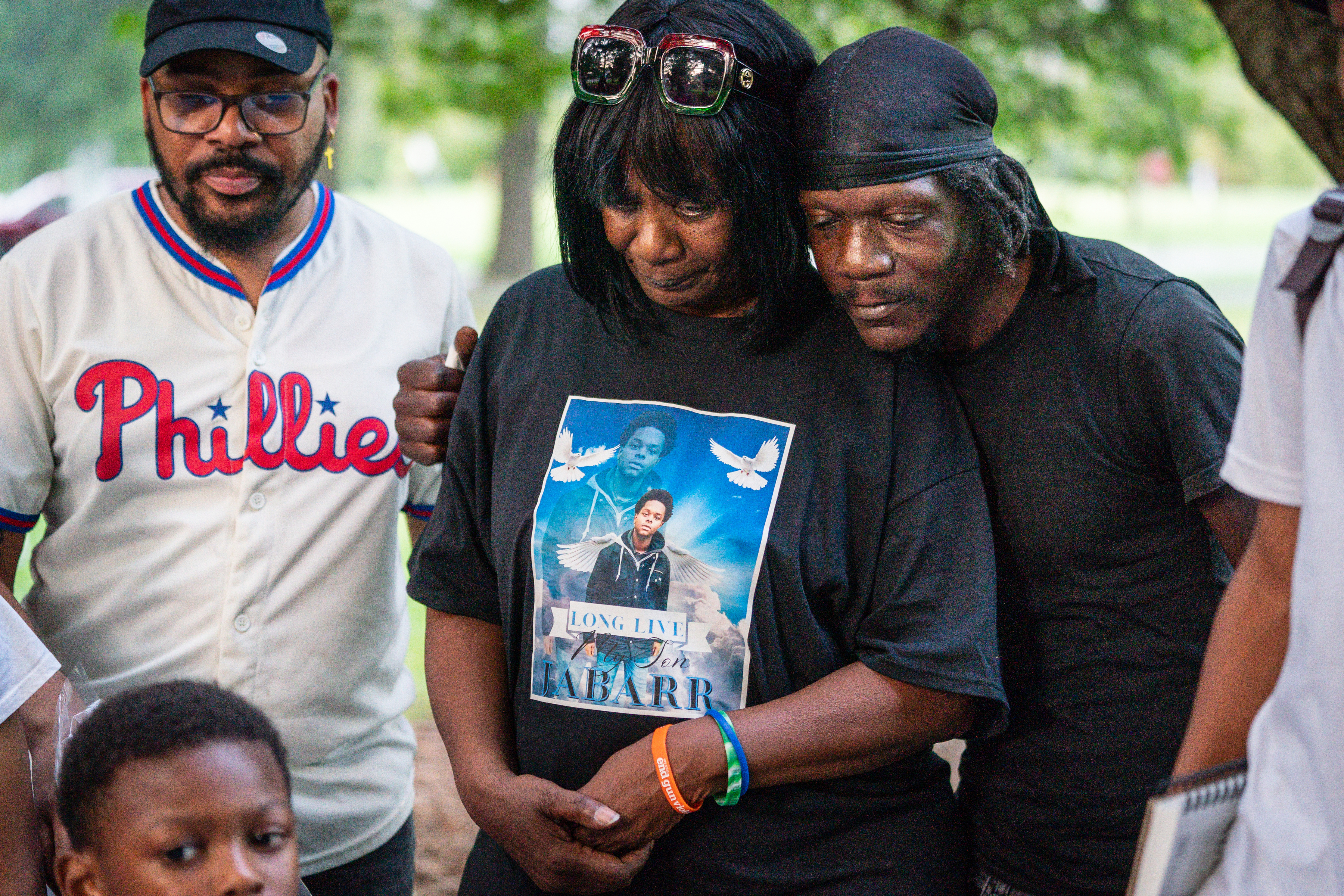
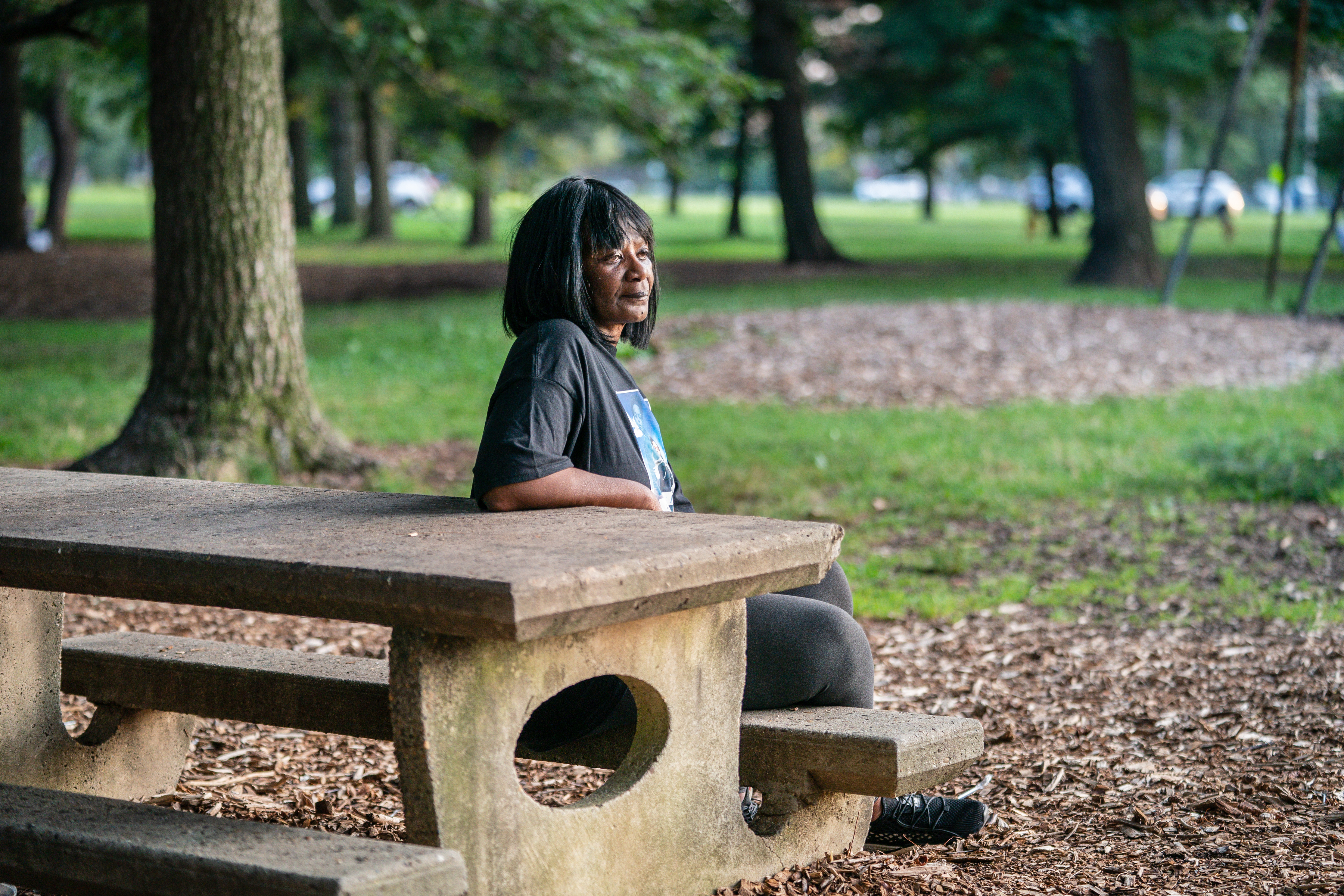
    Tanya Clark’s knees bounced as she sat in the courtroom, her eyes darting toward the doors. For nearly four years, she’d waited for this moment — for the person who killed the nephew she’d raised like a son to admit to what he’d done.

    But as Aaron Coles, 21, took a seat next to his lawyer and prepared to plead guilty to killing Jabarr Richards, 20, in Southwest Philadelphia in 2022, Clark had to leave the room.

    How, she said she thought, could this be the person that ruined my life?

    “I went in with anger and hatred,” she said. “And then you see this child.”

    Coles on Monday pleaded guilty to third-degree murder, conspiracy, and gun crimes, admitting that when he was 17, he and two others shot Richards nine times at 53rd Street and Greenway Avenue on Halloween night.

    Tanya Clark (center) gathers with family to celebrate and mourn on what would have been Jabarr Richards’ 21st birthday in July 2023. Jessica Griffin / Staff Photographer

    For nearly 18 months, Richards’ killing — one of more than 500 homicides in 2022 amid an unprecedented spike in violence — went unsolved. Clark and her family agonized over the possibility of becoming one of the hundreds of families in the city who might never get to face their loved one’s killer in court.

    But Assistant District Attorney Anthony Voci said Homicide Detective Joseph Cremen had persistently worked the case, amassing evidence that ultimately showed Coles was involved.

    Voci said Coles’ cousin had been killed several months earlier, and that his crew from the Bartram Village projects blamed young men from 53rd and Greenway. The lawyer said there’s no evidence to suggest that Richards was involved with that earlier homicide, and believes he was targeted simply because he was from the area.

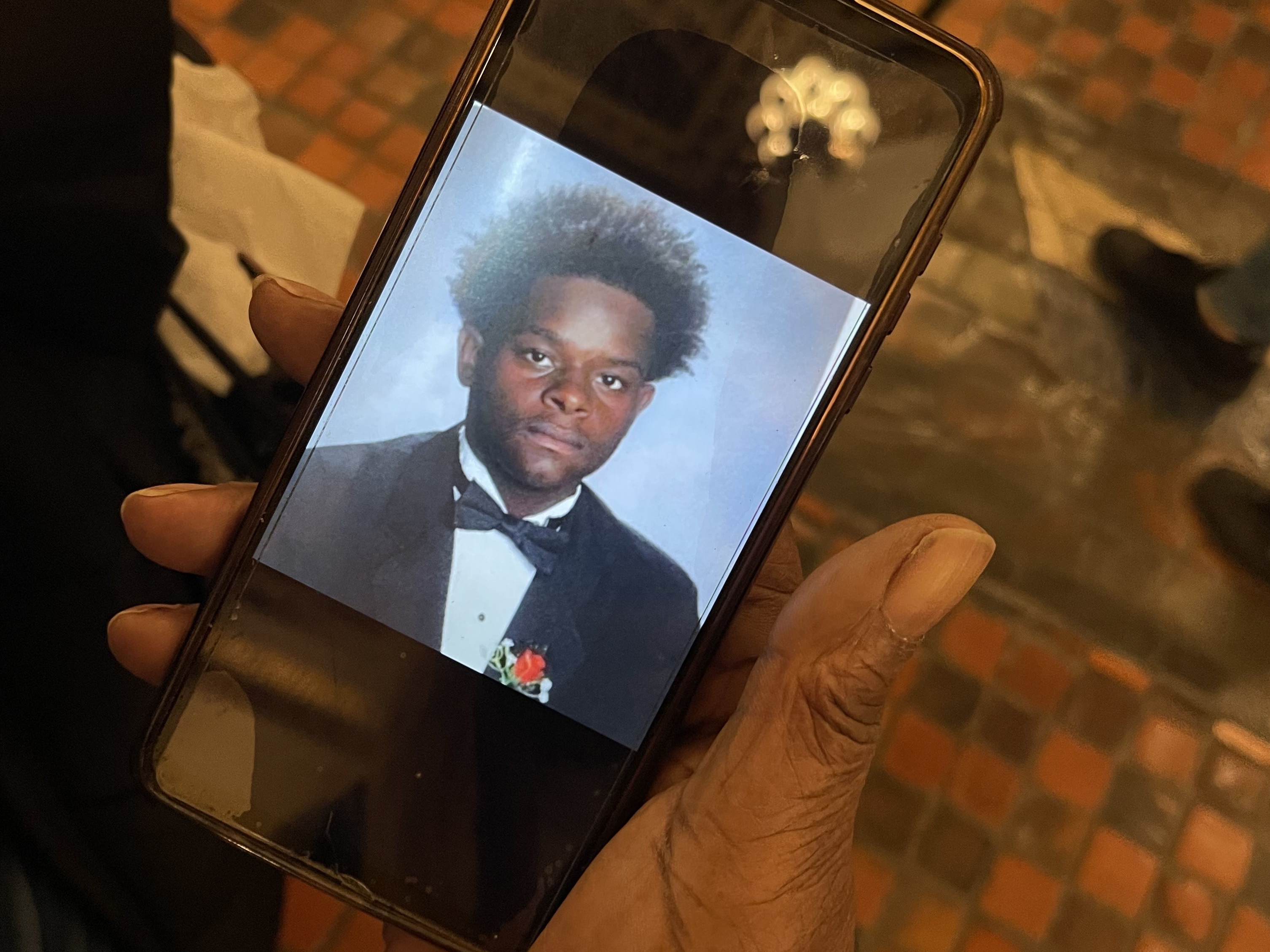
    Tanya Clark holds a photo of her nephew Jabarr Richards, who was fatally shot in Southwest Philadelphia in October. He was 20 years old, and she had raised him like a son.Ellie Rushing

    At the time of the shooting, he said, Coles was wearing a GPS ankle monitor for an earlier illegal gun possession arrest, and had placed aluminum foil around the monitor to try to obscure his location.

    But even through the foil, Voci said, the monitor communicates with cellphone towers, which showed Coles near 53rd and Greenway at the time of the shooting. Coles’ Instagram messages also referenced the shooting, he said, and included a photo of a firearm that appeared to resemble one of the Smith and Wesson guns used to kill Richards.

    Coles was arrested and charged in June 2024.

    In the courtroom on Monday, Coles’ mother bounced her knee anxiously and wiped away tears as her son repeated that he was guilty.

    He’s scheduled to be sentenced in August.

    In the hallway, Clark, alongside her daughter and Richards’ older brother, David, tried to find some comfort in the fact that they wouldn’t have to sit through a lengthy trial.

    “One step over the hill, toward healing,” Clark said.

    Tanya Clark raised her nephew Jabarr Richards as if he was her son. Jessica Griffin / Staff Photographer

    She thanked Cremen, the detective, who told her he was still working to identify the two other gunmen.

    Clark nodded and believed him.

    Back at her West Philadelphia home that afternoon, Clark sat with the morning’s hearing still running through her mind. She just kept thinking about Coles.

    “This boy was lost and caught up in a world that was too fast for him,” she said. “What hurt so bad that you had to take my child? Why my child?”

    Her child — the goofy one who’d survived his own painful childhood with absent parents, who played basketball and pestered his older siblings but would have done anything for them.

    Her voice cracked and faded as she repeated: “I just wanna know. I just wanna know. I just wanna know.”