Blog

  • From bike lanes to historic districts, Philadelphians hash it out in court | Shackamaxon

    With City Hall taking their summer break and Harrisburg finally passing a budget, this week’s edition of Shackamaxon looks at what’s going on in the courts.
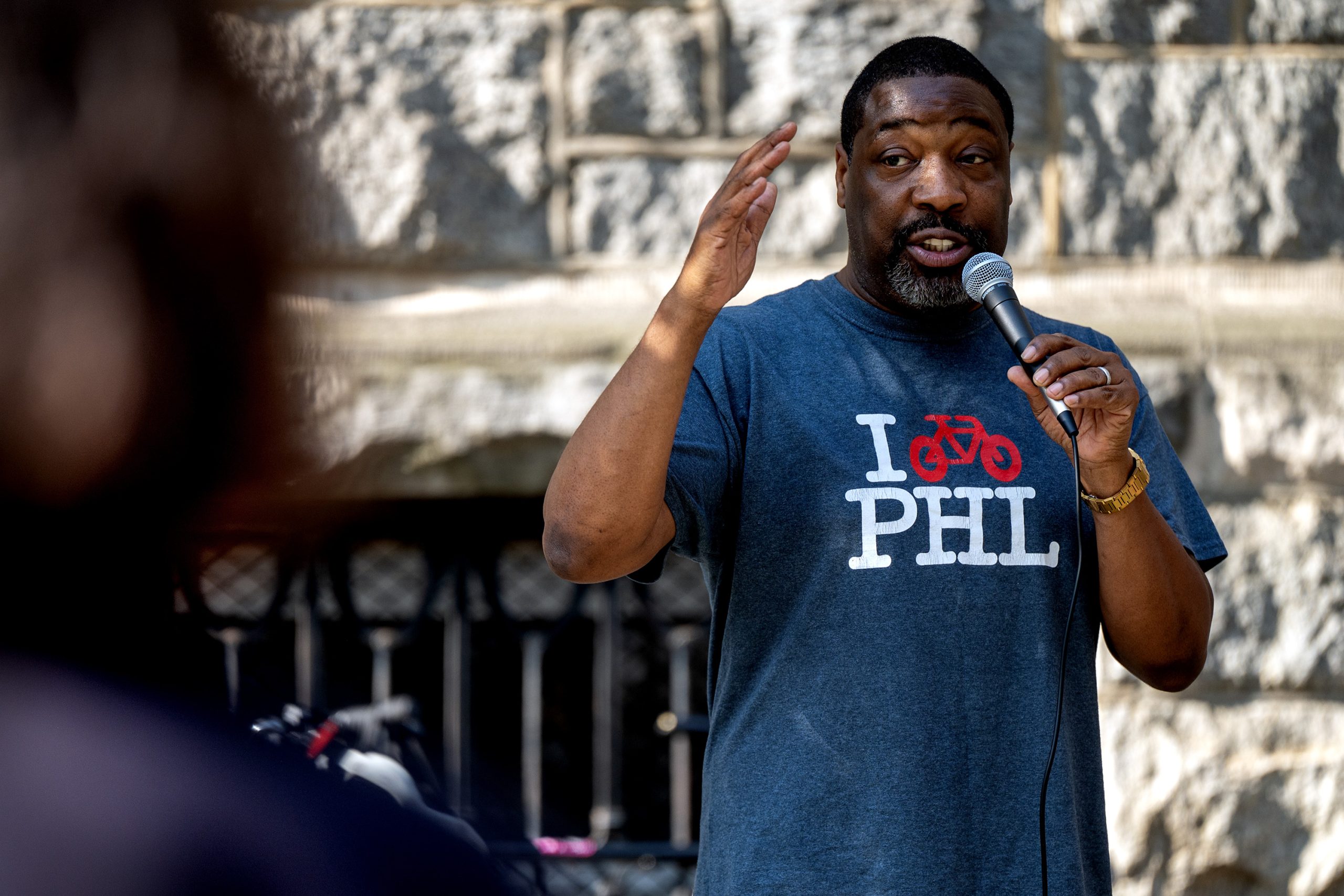
    City Council President Kenyatta Johnson speaks as friends, family, and Philly Bike Action members gather at a memorial for Barbara Friedes at 18th and Spruce streets on Sunday.Tom Gralish / Staff Photographer

    Street fight

    It has been two years since Barbara Friedes, 30, a physician specializing in children’s cancer, was killed riding her bicycle in Rittenhouse Square. The man who struck her, Michael Vahey, was driving at 50 mph, twice the speed limit, and his blood alcohol level was measured at .16, double the limit for intoxication.

    According to a prosecutor, Vahey, 69, could have easily chosen to walk home from the bar that night. Instead, he was impaired when he impatiently veered into the bike lane. Vahey was convicted last year and is now serving a six- to 20-year sentence.

    But the story did not end with Vahey’s imprisonment. For once, city officials took decisive action.

    City Council, led by Council President Kenyatta Johnson, passed the “no stopping in the bike lane bill.” Mayor Cherelle L. Parker pledged to add protection to the route, which could have prevented the kind of reckless maneuver that led to Friedes’ death. Yet, two years later, nothing has happened.

    The blame for the holdup, however, does not lie with City Hall. In fact, Johnson made an appearance at a vigil for Friedes hosted by her loved ones and Philly Bike Action this week.

    Instead, it has been the courts that have stymied the proposal. After a group called Friends of Pine and Spruce sued to stop the plan, a Common Pleas Court judge issued an injunction requiring the city to pass legislation codifying the administration’s right to install loading zones. City Council passed the legislation, only for another Common Pleas Court judge to decline to lift the injunction while the case proceeds.

    Frankly, things should never have gotten this far. Issuing loading zones is the exact kind of decision the Streets Department exists for, and having City Council pass a law for every loading zone in the city is a fool’s errand.

    It is certainly understandable that some neighbors would prefer to keep the status quo. The right venue to advocate for this position, however, is not the courts, but City Council. If the Court of Common Pleas fails to return control of city streets to city officials, the ruling must be appealed to the Commonwealth Court. Streets belong to everyone, not just the people who live alongside them.

    If residents want to stop bike lanes, they can do what cyclists have done. They can form advocacy groups, lobby elected officials, build a coalition, and pass legislation.
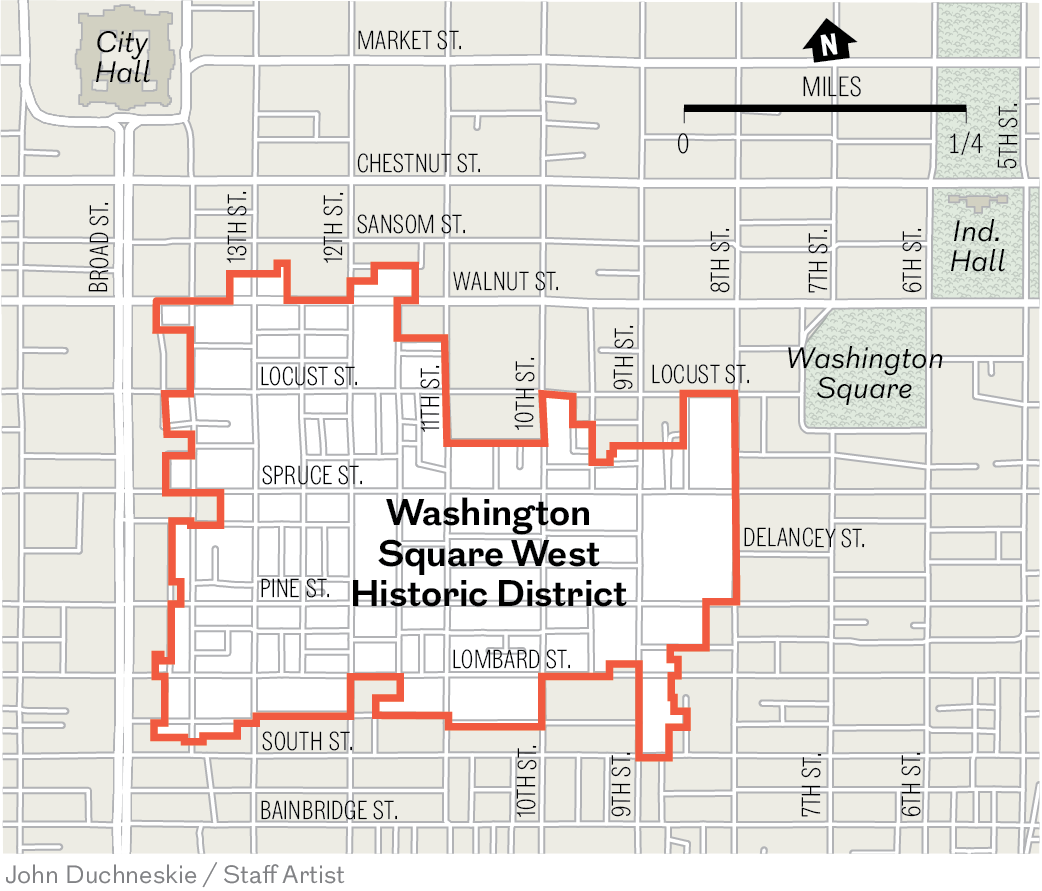
    Map of the Washington Square West Historic District. Some property owners are working to eliminate or curtail the district.John Duchneskie / Staff

    Historic challenge

    For some Center City residents, the Spruce and Pine saga contains a bitter irony. While some of their neighbors are suing to stop the city from designing public streets, they are suing to maintain the right to design their own homes.

    No one questions that the Washington Square West Historic District contains some of the city’s best architecture and links the present day to the city’s past. What’s been contentious throughout this process is how broad and restrictive the plan has been. While most districts cover a relatively small area, and typically pay homage to a specific era, style, or even architect, this district covers nearly all of Philadelphia’s history, from colonial times to the postwar era. More than 1,400 properties are listed as contributing, many of them fairly unremarkable.

    As a result, property owners like Jonathan Hessney have been working to eliminate or curtail the district. Most submissions to the Philadelphia Historical Commission were in opposition to the plan, with many citing both the personal financial burden and the fact that many of the most significant properties already have individual protections.

    Hessney also pointed out that Emily Cooperman, who is a member of the commission, helped draft the proposal. To some, this made the whole process feel like a foregone conclusion.

    Hessney and his neighbors sued. They won an early victory when Common Pleas Court Judge Christopher Hall overturned the designation. This was appealed by the city, keeping the district in place pending an appeal. The Preservation Alliance has filed its own brief in support of the district.

    Of course, the city could make everything easier by declining to pursue this suit further.
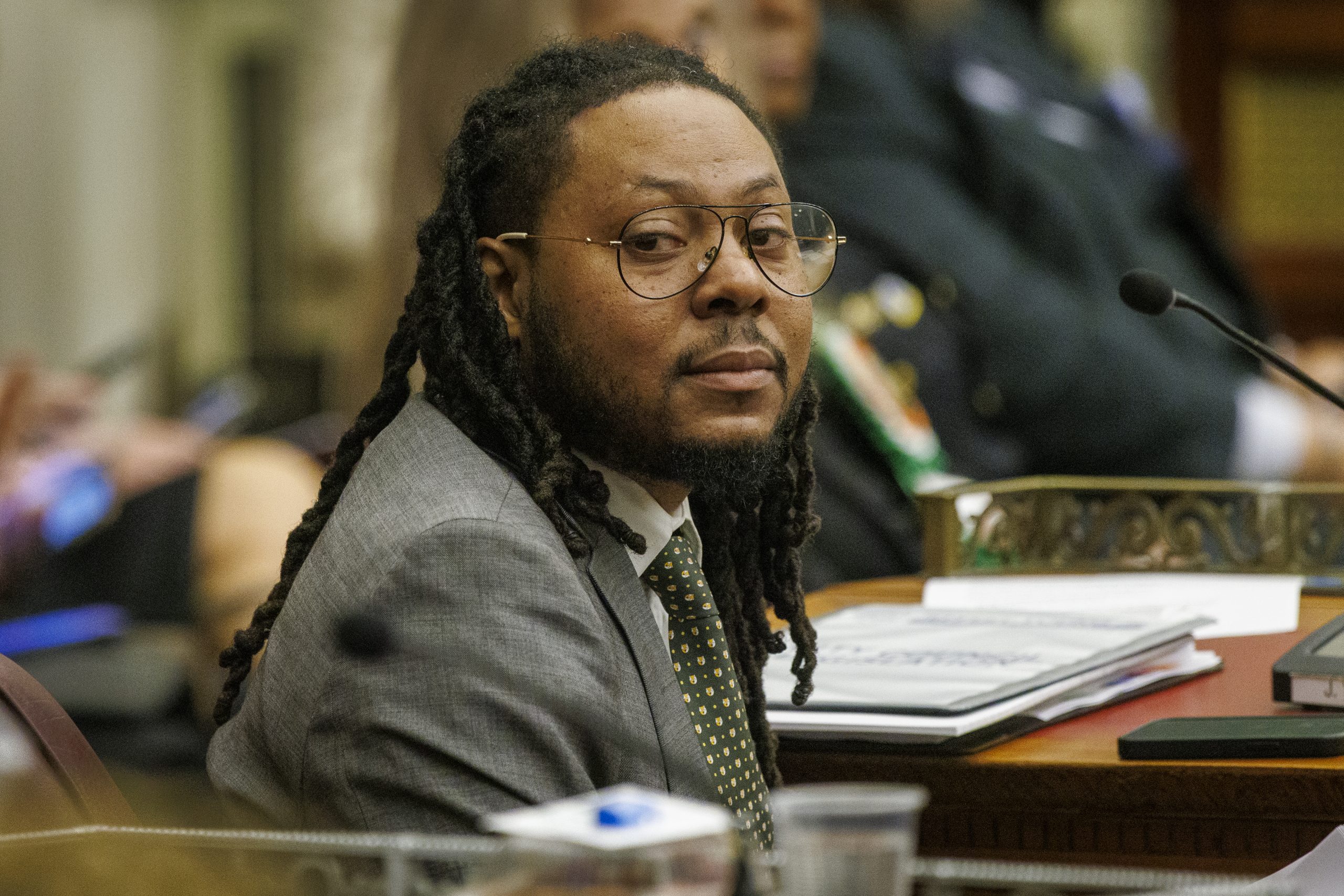
    Councilmember Jeffery “Jay” Young Jr. listens during the mayors budget address at City Hall in March.Alejandro A. Alvarez / Staff Photographer

    Senseless prerogative

    In another legal case concerning City Hall, the Commonwealth Court has ruled against Councilmember Jeffery “Jay” Young’s efforts to block a series of housing projects in North Philadelphia. Going forward, Young and his colleagues will have to secure the mayor’s signature before granting themselves standing to oppose zoning decisions.

    Young is one of Council’s most prolific users of what’s known as councilmanic prerogative, a tradition that gives district Council members final say on transportation and land-use decisions within their districts. While Council often defends this tradition as a way to ensure communities have a say, Young’s tactics usually attract the ire of his constituents, rather than representing their input.

    I talked to Ruth Birchett, a lifelong resident of North Philadelphia. Birchett has worked with both of Young’s immediate predecessors, supporting them at times and holding them accountable when needed. As the founder of Heritage Community Development Corp., she’s helped build affordable housing and fought against Temple’s efforts to build a football stadium. She told me that the way Young does business is very different. He does not seek input from her or other community leaders. He goes it alone.

    In particular, Birchett is upset over Young’s decision to block an affordable senior housing proposal. She took him to task in person. This situation is similar to Young’s opposition to renovations at the Cecil B. Moore Library branch. He came in at the very last minute to scuttle a shovel-ready project that had taken years of work to put together, and which had already secured funding.

    Birchett told me that the development was a “no-brainer.” Many seniors, herself included, live in homes that are much larger than their current needs. Philadelphia has a shortage of affordable senior housing. If seniors like Birchett can move into new housing in their own neighborhoods, this also helps younger residents access the city’s stock of sizable homes. That’s the housing circle of life.

    Instead of continuing to waste city resources by reauthorizing the appeal, Young should just let the project move forward.
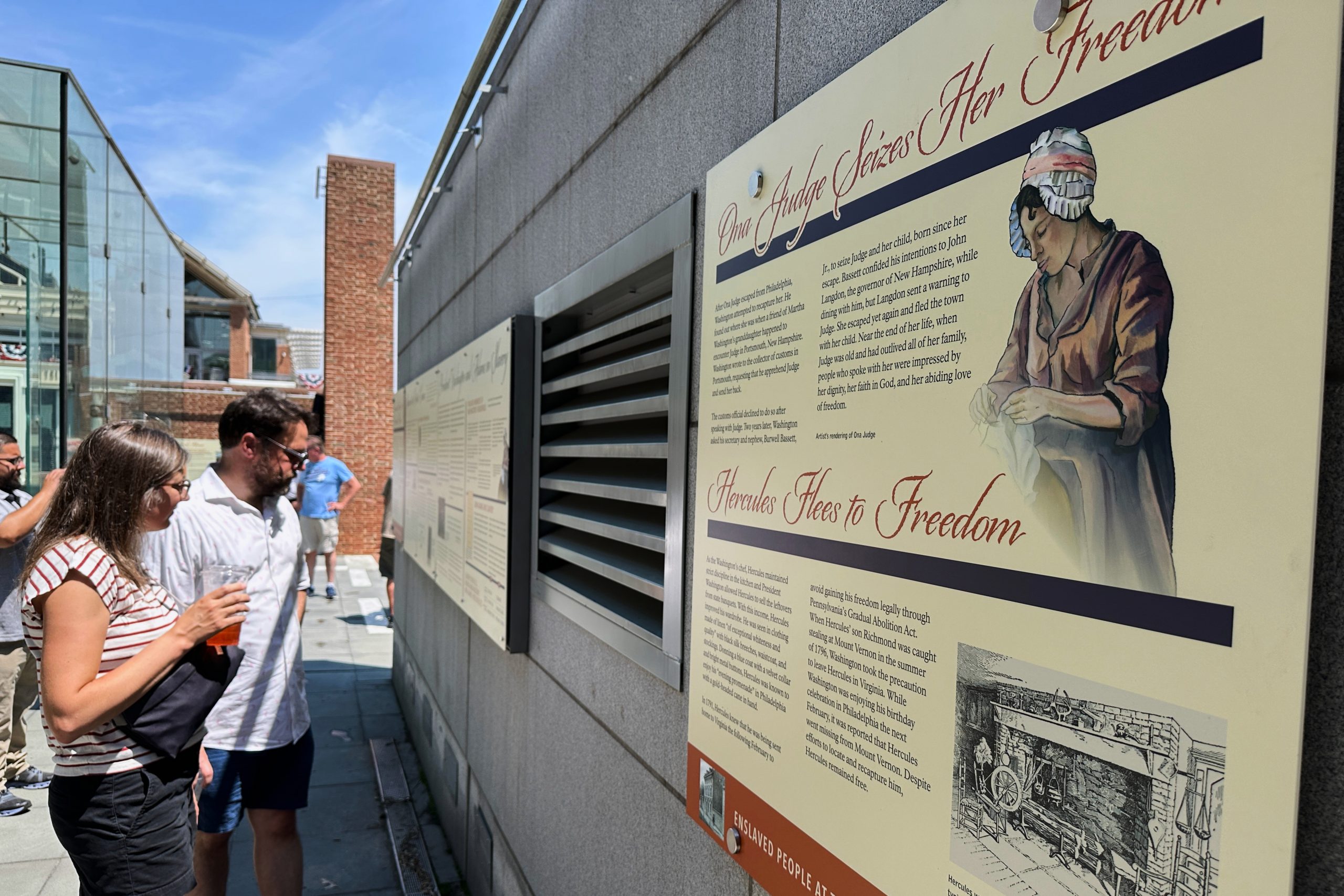
    Visitors view the recently reinstalled educational panels about slavery at the site of President George Washington’s home in Philadelphia.Tassanee Vejpongsa

    Washington whitewash

    For now, it seems the Trump administration has won the battle for the President’s House at Independence National Historical Park. After initial victories for the city, federal courts have affirmed the White House’s right to remove panels that were first installed roughly 20 years ago and replace them with new versions that advocates say minimize George Washington’s participation in America’s original sin of slavery. Mayor Parker has vowed to restore the originals.

    While some Founding Fathers, like Philadelphia’s Benjamin Franklin, realized the hypocrisy of calling for liberty while enslaving human beings, Washington showed he had no similar qualms. While living in Philadelphia, he acted with intent to evade Pennsylvania law, which stated that any enslaved person brought into the commonwealth would be emancipated after six months of continuous residence.

    The former panels ensured the stories of all Americans are heard, including those who were not given the rights of liberty during their own time. They also serve as a reminder that even the greatest heroes are still human.

    Washington deserves immense credit for helping secure America’s independence, and his decision to forgo the crown many assumed he’d take when he left office peacefully after two presidential terms — a precedent all but one of his successors (so far) has held to. He also deserves to be known as a man who failed to live up to the ideals he fought for.

  • Third-generation owner ushers in a new era for Philly’s Ba Le Bakery

    Third-generation owner ushers in a new era for Philly’s Ba Le Bakery

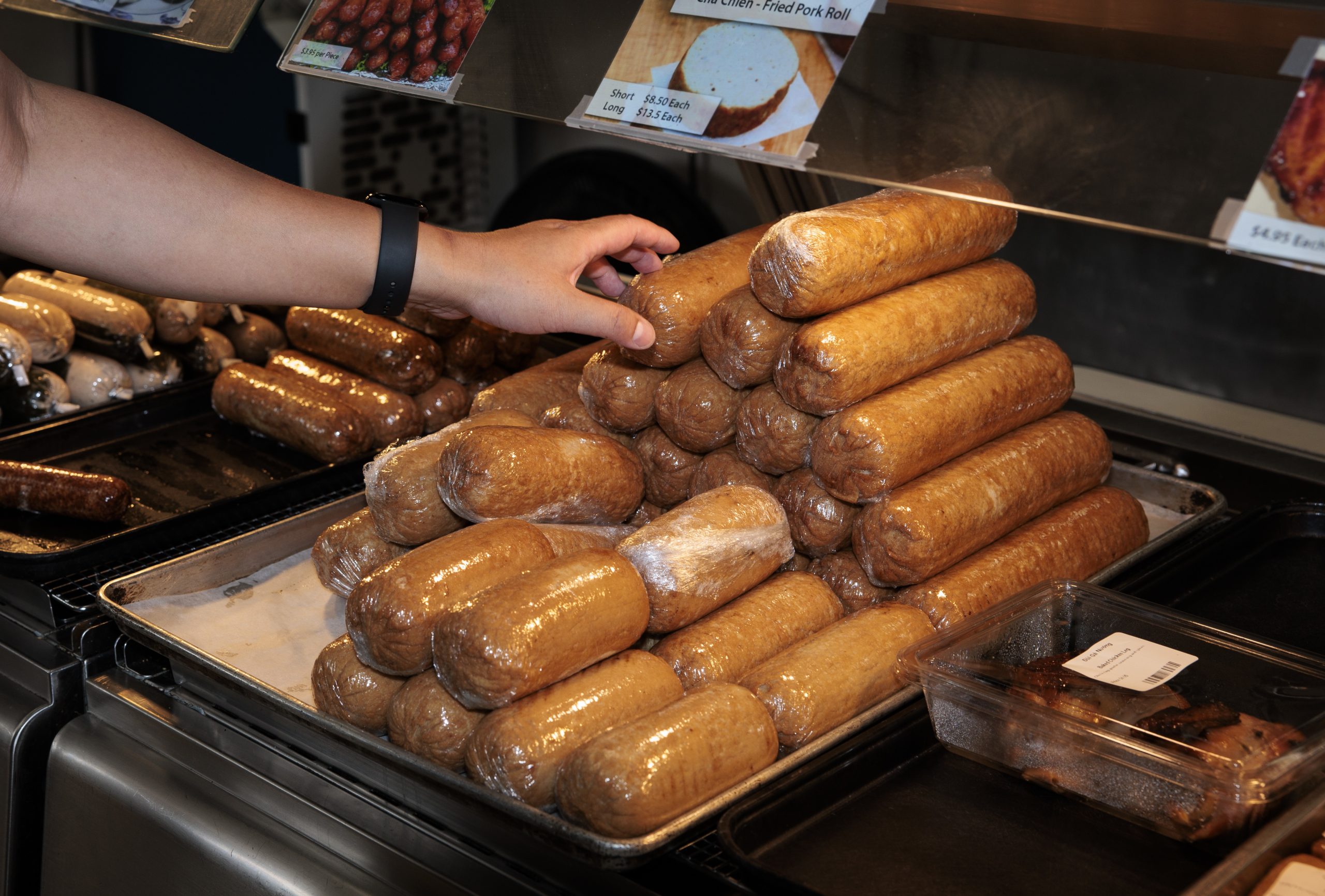
    For decades, Washington Avenue’s Ba Le Bakery has been practically synonymous with bánh mì in Philadelphia, and not only for the beautifully composed Vietnamese sandwiches sold on-site. Ba Le has set the standard for bánh mìs elsewhere. The bakery supplies rolls, crisp with fluffy interiors, to dozens of wholesale customers as far away as upstate New York, and is also our area’s primary producer of Vietnamese bologna, which comes in many variations, from fried pork with pepper to steamed pork wrapped in banana leaves.

    But this Philadelphia institution has siblings all over the United States, all operating independently of each other. There are Ba Les in Hawai’i, Illinois, Virginia, Maryland, and California. Each bakes its own bread and has the same core menu of bánh mìs, summer rolls, house-made pates, and girthy tubes of Vietnamese bologna and fried pork rolls. They all share the same origin story and founder, Le Vo, who went by the nickname “Ba Le.”

    Lemongrass chicken and bbq pork bánh mìs at Ba Le Bakery on Thursday, July 16, 2026, in Philadelphia.Monica Herndon / Staff Photographer

    Growing up in southern Vietnam, Le was the third of several siblings (“ba” means “three”). He launched the business that would become Ba Le as a Saigon sandwich cart in the 1950s, selling his bánh mìs prototypes. He grew the business to several carts before departing the country with his family in 1972 for San Jose, California, where he started the first stateside Ba Le in 1982. Le helped three of his daughters open Ba Le locations in different American cities over the next couple decades.

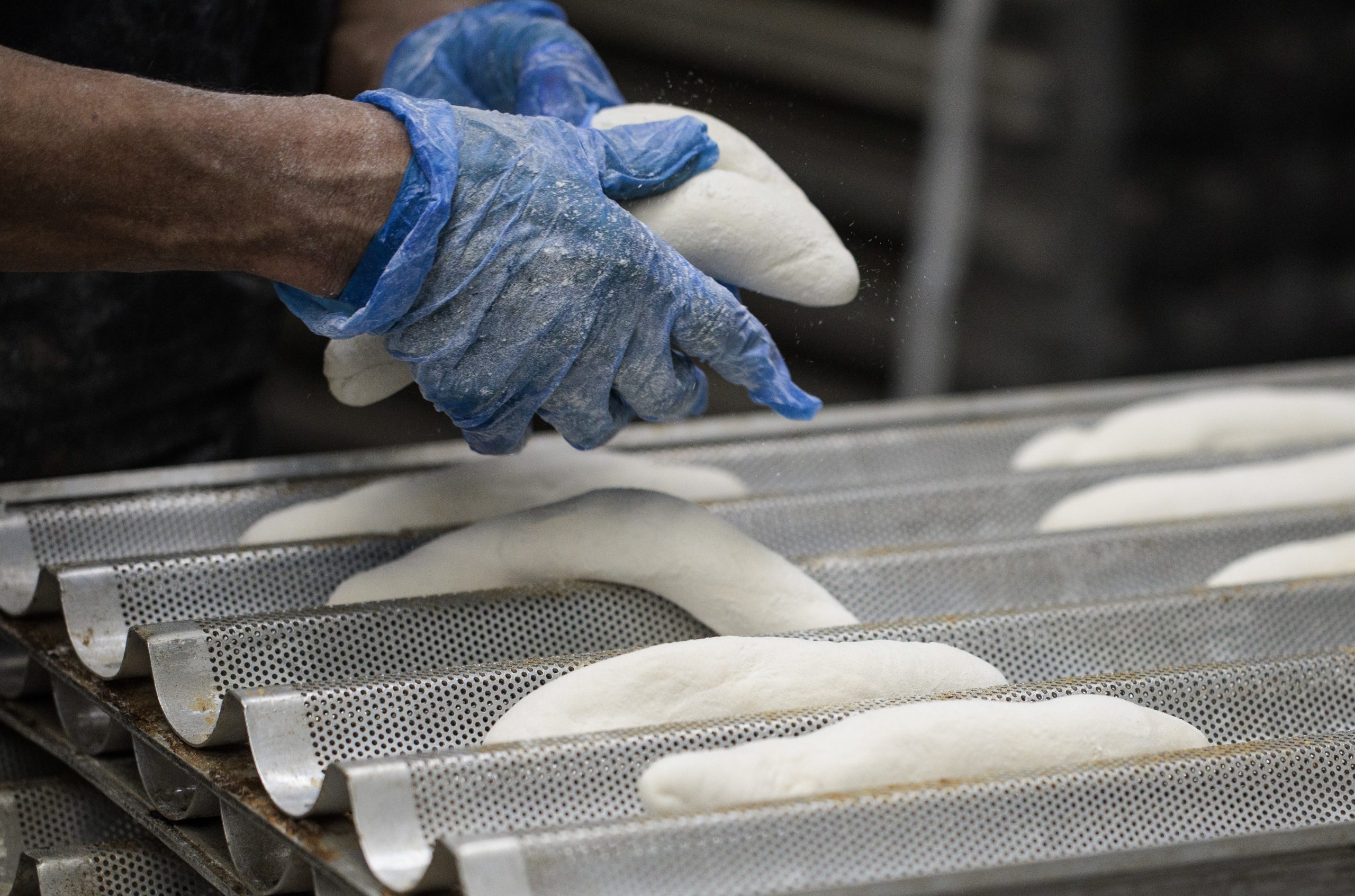
    Workers shape rolls at Ba Le Bakery on Thursday, July 16, 2026, in Philadelphia.Monica Herndon / Staff Photographer

    There are just a few regional differences among Ba Le menus across the country, a reflection of their geographic locations. The shrimp chips at the Ba Le in Falls Church, Virginia, are BBQ-flavored. In Alhambra, California, Ba Le Sandwich Shop sells smoothies and yogurt along with head cheese and vermicelli. The 20 or so Ba Le outposts in Hawai’i serve Spam, locally caught fish like opakapaka, and saimin, the islands’ beloved noodle soup.

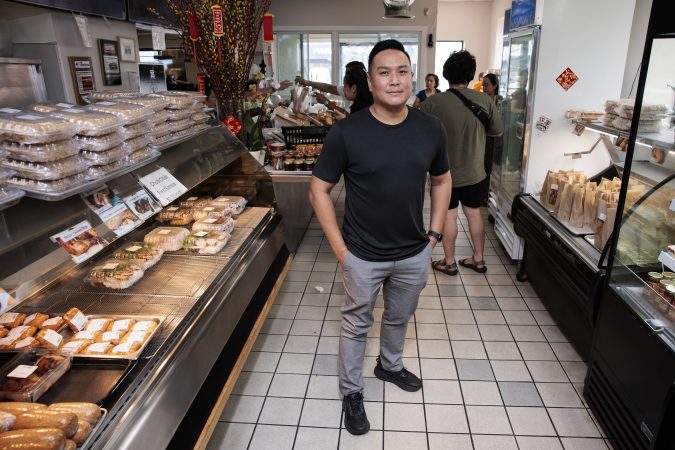
    In Philadelphia, where Le and daughter Thi Nguyen opened Ba Le in 1998, grandson Victor Nguyen, 40, has just unleashed a veritable library of Vietnamese pantry items not found in any other branch of the family business. It’s not the only change the third-generation owner has made.

    The new line of Sieu Xot sauces at Ba Le Bakery on Thursday, July 16, 2026, in Philadelphia.Monica Herndon / Staff Photographer

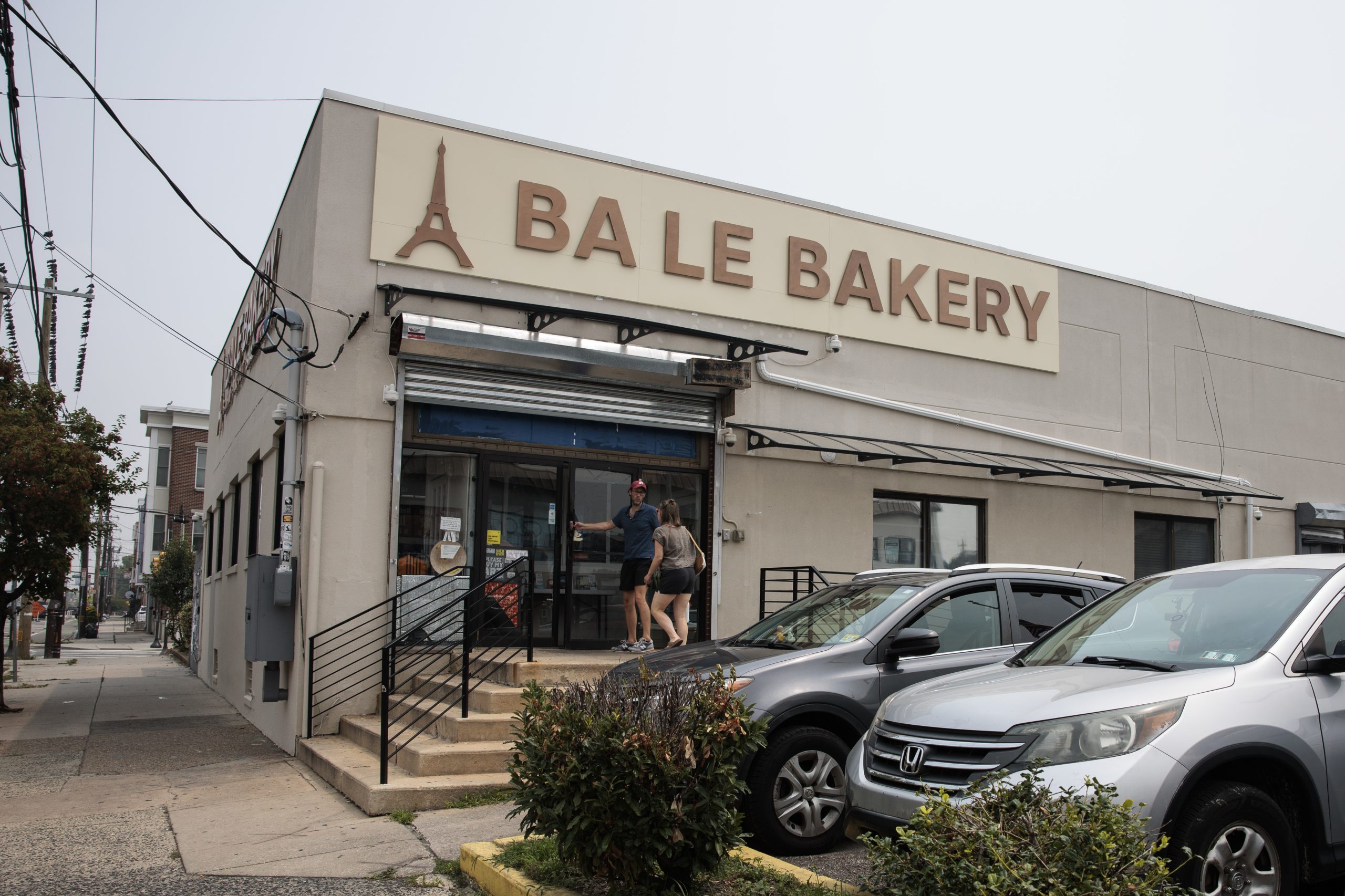
    Victor Nguyen officially took the reins of Washington Avenue’s Ba Le in 2024. Perhaps you’ve seen the storefront’s brand-new caramel-colored signage — sporting an Eiffel Tower logo, as all Ba Le bakeries do — which can now be spotted from many blocks away. Or maybe you’ve noticed that, after years of resisting an online presence beyond a Facebook profile, Ba Le Bakery has a website. You might even be surprised to find a slew of new, hip matcha-based drinks joining the traditional Vietnamese coffees on the beverage menu, as well as gourmet snacks and “shoppy shop” products you’d expect at Biederman’s or Rittenhouse’s Cork.

    The exterior of Ba Le Bakery on Thursday, July 16, 2026, in Philadelphia.Monica Herndon / Staff Photographer

    Today’s Ba Le Bakery stocks truffle- and brie-flavored potato chips imported from France and upmarket tinned fish alongside takeout containers of house-made bánh cuốn (rice rolls stuffed with pork). The selection appeals to a post-pandemic pantry-obsessed demographic, but it still has a firm hold on its old customer base. Before the lunch rush, you’ll still see Cantonese-speaking ladies clutching designer handbags stocking up on Vietnamese lunch platters that feature Chinese-style barbecue pork.

    Summer rolls on display at Ba Le Bakery on Thursday, July 16, 2026, in Philadelphia.Monica Herndon / Staff Photographer
    From left: Pork ribs, rice crepes with pork bologna, and a vegetarian stir fry at Ba Le Bakery on Thursday, July 16, 2026, in Philadelphia.Monica Herndon / Staff Photographer

    Nguyen trained for more than half his life to take over Ba Le. From the age of 17, “I have filled every single position in the bakery, from serving customers, all areas of the kitchen, facility maintenance, and office management,” he said. His first job was making and wrapping many different types of bolognas (fried, steamed, mixed with sea snails on the weekend, and more), which he did for five years.

    He has big plans to continue to pull Ba Le into the future, renovating the 6,000-square-foot store in stages over the next four years; moving some operations off-site, to another family-owned space on Columbus Boulevard; and expanding the bakery’s online business, which is currently run out of Ba Le’s former restaurant in the back of the building.

    Pork bologna on display at Ba Le Bakery on Thursday, July 16, 2026, in Philadelphia.Monica Herndon / Staff Photographer

    In a great departure from the family tradition of naming everything after its patriarch, Nguyen named his new line of sauces Sieu Xot (pronounced “see-yoo sot”), which means “super sauce.” The 20-sauce line includes sweet and savory dressings for salads, marinades for chicken, spicy garlic and chili-spiked fish sauces, zesty kaffir lime leaf-speckled sauces, and some funky fermented sauces that Nguyen’s Vietnamese customers have long had to make for themselves. “Making some of our traditional sauces can stink up your house,” Nguyen said with a laugh. “I think people are relieved to not make them at home now.”

    “This has always been a dream of my mom’s,” he said. “Creating this sauce line makes introducing Vietnamese flavors into households more accessible and easy.” Nguyen also hopes that the sauces will encourage home cooks to experiment.

    The sauce line might be Nguyen’s mother’s dream, but the execution is all Nguyen’s, from the flavors to the branding, which evokes art deco Saigon (with zero Eiffel Towers), created by Tyler School of Art and Architecture student Zoe Nguyen (no relation). While many of the sauces are based on traditional Vietnamese recipes, about a third of the line is Nguyen’s own invention — his signature is kumquat-cilantro dipping sauce. Taken as a whole, the new line is part of Nguyen’s agenda to put his own stamp on the family legacy.

    The new line of Sieu Xot sauces at Ba Le Bakery on Thursday, July 16, 2026 in Philadelphia.Monica Herndon / Staff Photographer

    “All of my efforts, whether it’s within our store or through our online channels, is to usher in my own perspective of Vietnamese food,” he said.

  • Earthquakes shatter lives—and reveal existing fault lines

    Earthquakes shatter lives—and reveal existing fault lines

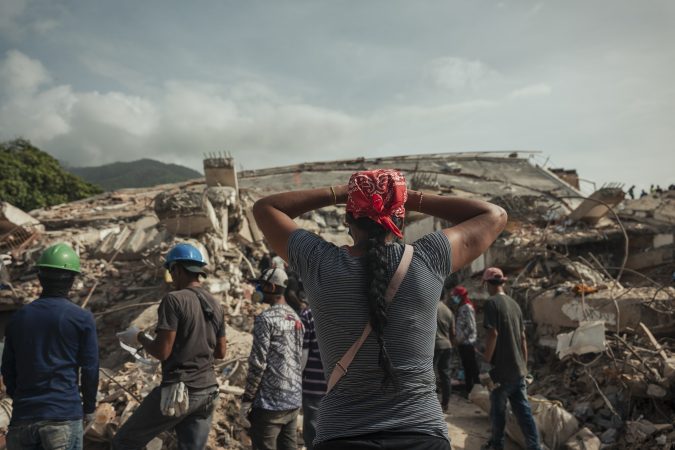
    Apocalyptic images continue to emerge from Venezuela after the earthquakes of June 24: residents pulling relatives from collapsed homes, bodies piling up outside morgues, apartment buildings reduced to rubble and families in parks building makeshift shelters from nylon sheets and scrap metal.

    Yet Venezuela was embattled even before the earthquakes. The collapse of oil revenues, combined with crippling U.S. sanctions, has pushed the economy into a prolonged crisis, eroding wages and savings. Eight million people have fled since 2017. Political instability deepened in January when the United States abducted President Nicolás Maduro and installed Delcy Rodríguez as acting president.

    The earthquakes have accentuated that fragility. Yet in Latin America, earthquakes have long been more than natural disasters. They have repeatedly served as moments that unearth existing crises, intensify social fissures and spark political mobilization. That pattern stretches back to the birth of the Venezuelan republic itself, in the rubble of Caracas two centuries ago.

    On March 26, 1812, Venezuelans converged on Caracas’s Plaza Mayor on Holy Thursday. The city streets were filled with religious processions when, suddenly, violent tremors brought the festivities to a halt. Residents scattered as government buildings, churches and homes collapsed around them.

    When the dust settled, the city lay in ruins. Thousands perished under falling rubble and debris, and an estimated three-quarters of Caracas’s wealth was destroyed in an instant. Devastation also radiated across rural regions and the Atlantic coast. “Mérida no longer exists,” mourned survivor Francisco de Yepes in the aftermath.

    The tremors struck at a tumultuous moment in Venezuelan history. The War for Independence was raging and, just two years earlier, revolutionaries had deposed the Spanish colonial government in Caracas. The new republic declared independence from Spain shortly thereafter but remained deeply divided. The quake exacerbated these social fissures and exposed the fragility of the fledgling state.

    Capitalizing on the crisis, many royalists framed the destruction as divine punishment for the rebellion against the Spanish Crown. Prominent patriots such as Simón Bolívar countered by casting the convulsions as a call to realize, rather than reject, the revolutionary project. “If Nature is against us,” he proclaimed, “we shall fight nature and make it obey.” He would ultimately help bring this promise to fruition by 1821.

    Bolívar became the first but not the last leader in modern Latin America to find possibility in tragedy. A century later, in 1944, another earthquake leveled San Juan, Argentina. Over the previous years, successive governments had failed to address deep inequality in the rural region, where wealthy elites owned sprawling estates while landless workers languished in flimsy dwellings.

    Just months before the earthquake, a military coup overthrew a civilian administration, denouncing the “corruption” and “inhumanity” of the ruling regime. The devastation of San Juan appeared to confirm these claims by the armed forces, as tens of thousands of the province’s poorest residents lost their lives in the rubble.

    In response, leading political and religious figures attempted to politicize the moment. President Pedro Pablo Ramírez described the disaster as divine punishment for “past errors” under liberal rule. Argentina’s archbishop agreed, describing San Juan as a “sacrifice” for the nation’s sins, a province “purified by pain.”

    Juan Perón, a then-obscure military leader, responded more shrewdly. Rather than portray the wreckage as the wrath of the Almighty, he argued that it revealed the poverty plaguing Argentina.

    As Secretary of Labor and Welfare, Perón launched an unprecedented relief effort, delivering food, water, medical aid and housing to survivors, and praised compatriots for “march[ing] to San Juan to clear the rubble…even those who have little to offer.” The campaign expanded his political base and helped propel him to the presidency. As historian Mark Healey has argued, Peronism was inaugurated in the rubble of San Juan.

    If Argentina’s catastrophe thrust Perón into high office, the remains of Managua in 1972 ushered in Anastasio Somoza’s downfall. For nearly 40 years, the Somoza family had ruled Nicaragua through repression, relying on the National Guard and U.S. military aid to crush popular opposition. This alliance had produced an uneasy standoff by the early 1970s. Leftist insurgents could not seize power, yet the capitalist prosperity promised by Somoza and Washington never materialized.

    A powerful earthquake shattered this political paralysis in December 1972. Managuans witnessed working-class barrios flattened, as fires consumed churches and municipal buildings. Overnight, over 250,000 people became homeless.

    Instead of providing aid, the vaunted National Guard engaged in widespread looting across Managua, prompting the United States to deploy Marines to prop up Somoza. Reports emerged that the dictator himself diverted blood plasma provided by international aid groups to sell on the black market for personal gain.

    Opposition leaders branded the Somoza clan as “mosquitos” sucking the literal blood of the pueblo in their moment of desperation. Even allies of the president, including members of the Conservative Party and younger business leaders, accused him of playing politics with tragedy. By the mid-1970s, the United States began conditioning military and economic aid to Somoza, laying the groundwork for the dynasty’s eventual ouster by the Sandinistas.

    Four years after Managua, neighboring Guatemala faced a similar reckoning. There too, an earthquake struck a society marked by deep inequality and state neglect. As the population boomed, families increasingly crammed into tiny plots in the countryside or ramshackle shelters in the city, lacking access to clean water, food and health care. Successive right-wing governments ignored these needs, instead diverting funding to repression and counterinsurgency.

    On February 4, 1976 a massive earthquake transformed chronic crises into calamity. In just 39 seconds, the shaking destroyed over 250,000 houses and claimed the lives of 22,000 Guatemalans. More than a million people, disproportionately Mayas from rural regions, were left unhoused.

    The government’s inept response compounded an already widespread sense of abandonment. President Kjell Eugenio Laugerud García placed the military in charge of reconstruction, aiming to expand the institution’s reach into civilian life. He then proclaimed that rebuilding was ultimately “the responsibility of all Guatemalans,” declaring that his administration would “not tolerate bums or social parasites.”

    Guatemalans responded to the president’s directive in ways he never anticipated. In Guatemala City, newly displaced residents commandeered private and public property to rebuild their shelters. Doctors and nurses staged unprecedented nationwide strikes in damaged hospitals, calling for more resources. These actions broadened the popular front against military rule over the following years.

    Unlike in Nicaragua, that pressure did not culminate in a revolutionary victory. Instead, the armed forces used the organizational capacity they built amid the chaos of the quake to initiate a brutal counterinsurgency. This calamitous campaign culminated in a genocide against Ixil Maya communities by 1982.

    Made By History sponsors. FOR USE ON MADE BY HISTORY STORIES ONLY.Inquirer Staff

    Guatemala’s outcome differed from those of Caracas, San Juan, and Managua. Yet the broader historical pattern remains clear. Earthquakes do more than level cities. They shake loose the social and political foundations of societies. In their wake, ruins become a reckoning, inviting citizens to question what came before and compelling authorities to demonstrate their ability to respond.

    Venezuela’s earthquakes are likewise becoming a test of political legitimacy. The convulsions transformed a nation already reeling from U.S. intervention, hyperinflation, mass outmigration and state repression into one engulfed by catastrophe. In response, some are racing to repair the old order. On June 28, President Rodríguez militarized La Guaira, a devastated coastal state, even as her government struggled to establish a coordinating committee for relief efforts, leaving survivors to fend for themselves.

    At the same time, many Venezuelans are using the rubble to advance an alternative vision of state power, grounded in care rather than coercion. On June 30, one resident from La Guaira confronted Venezuelan troops sent by Rodríguez. “What did you bring your weapons for?” the man shouted, “you should’ve brought a shovel, and a pickaxe…that uniform is to defend the homeland.” “This is the country,” he stressed, gesturing to the rubble, “it needs you, not a weapon.” An admonition, made by history.

    What Venezuela emerges from this catastrophe remains to be seen. As Antonio Gramsci once observed, “the old is dying and the new cannot yet be born.” One thing is clear, however. The tremors, like so many others in Latin American history, have created an opening for a new order to emerge.

    Ilan Palacios Avineri is a historian of Central America, specializing in the politics of catastrophe and recovery in Cold War Guatemala.

    Made by History takes readers beyond the headlines with articles written and edited by professional historians. Opinions expressed do not necessarily reflect the views of The Inquirer.

  • Philadelphia’s Weitzman Jewish Museum has a new immersive family experience: ‘Colors of Creation’

    Philadelphia’s Weitzman Jewish Museum has a new immersive family experience: ‘Colors of Creation’

    It’s an interactive, color-soaked journey through creation that transforms at the whims of visitors.

    “Colors of Creation,” the centerpiece exhibit of a large new family gallery at the Weitzman National Museum of American Jewish History, opened July 21. The panoramic experience inspired by the story of creation combines concert-style lighting, interactive projections, and original music to present a form-shifting world of sound, light, and imagery.

    “‘Colors of Creation’ is The Weitzman like you’ve never seen us before,” said Dan Tadmor, President and CEO of The Weitzman. “We started with a story that we all know to create this visually stunning — and most importantly, fun — space for families and visitors of all ages. It’s also a glimpse of where The Weitzman is headed: a museum where stories come alive.”

    Attendees view panoramic projections during the Colors of Creation show at a preview event at the Weitzman National Museum of American Jewish History in Philadelphia on Tuesday, July 21, 2026.Erin Blewett / For The Inquirer

    Designed to be inclusive of all faith traditions and scientific understandings of creation, “Colors of Creation” invites children on a multisensory journey through the origins of the world, Tadmor said.

    Stepping inside the 30-minute explosion of color feels like entering the elusive Hall of Mirrors of an amusement park. Then color and sound blossoms all around, with light transforming into new images of life at a visitor’s every move.

    “It’s an immersive space,” said Tadmor, on a recent afternoon, standing amid the changing colors and shifting images of an expanding universe. “And as more things are introduced into the world, more colors are introduced.”

    The 7,000-square-foot gallery — including a hands-on play space for children featuring peg walls, magnetic puzzles, and light tables — is the second of three major openings at the Weitzman in 2006. “First Salute” — the museum’s landmark 250th exhibit exploring a forgotten story about Jews who helped win the Revolutionary War — opened in April.

    In October, the museum plans to open a new exhibition dedicated to modern antisemitism. The renewal of the 100,000-square-foot museum, which opened its new building on Independence Mall in 2010, comes as it recently unveiled a $100 million fundraising campaign. With half the money already raised, those funds will go to revamping exhibitions, renovations, and an endowment.

    Asher Kirschner interacts with projected imagery during the Colors of Creation show at a preview event at the Weitzman National Museum of American Jewish History in Philadelphia on Tuesday, July 21, 2026.Erin Blewett / For The Inquirer

    As visitors move through “Colors of Creation,” more colors explode onto one the exhibition’s screens, an expanding universe of life followed by a vast sky of shooting stars and far away galaxies.

    ”It’s a chance to be mindful of the beauty and value of what we’ve been given,” said Tadmor, worlds of color forming all around. “We’ve got this gift — let’s appreciate it and take care of it.”

  • Bankrupt weed company lays off 86 people at Vineland grow sites

    Bankrupt weed company lays off 86 people at Vineland grow sites

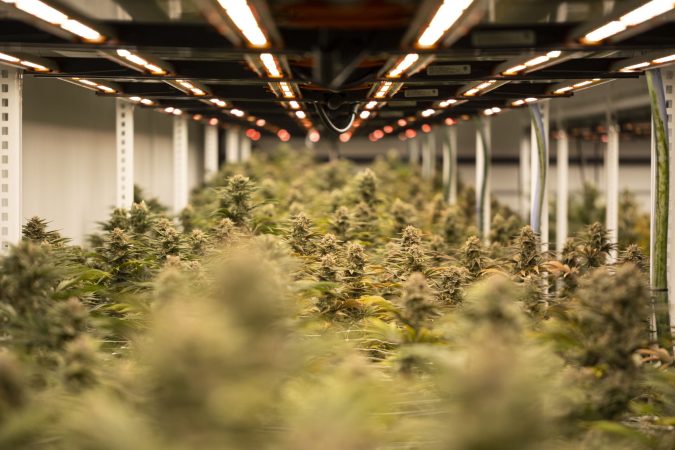
    Two cannabis grow sites in South Jersey will close their doors in October, laying off 86 staff members as multistate operator the Cannabist Company files for Chapter 15 bankruptcy.

    The cultivation facilities — located at 17 W. Park Ave. and 1560 N. West Blvd. in Vineland — will close on Oct. 11, laying off nearly all of the Cannabist’s cultivation and manufacturing employees in New Jersey according to a Worker Adjustment and Retraining Notification, or WARN, filing with the state.

    In its bankruptcy filings, the company stated that due to “regulatory, industry, and financial challenges,” it was facing a severe liquidity crisis and “unable to meet its financial obligations as they become due.” The Cannabist Company did not respond to a request for comment.

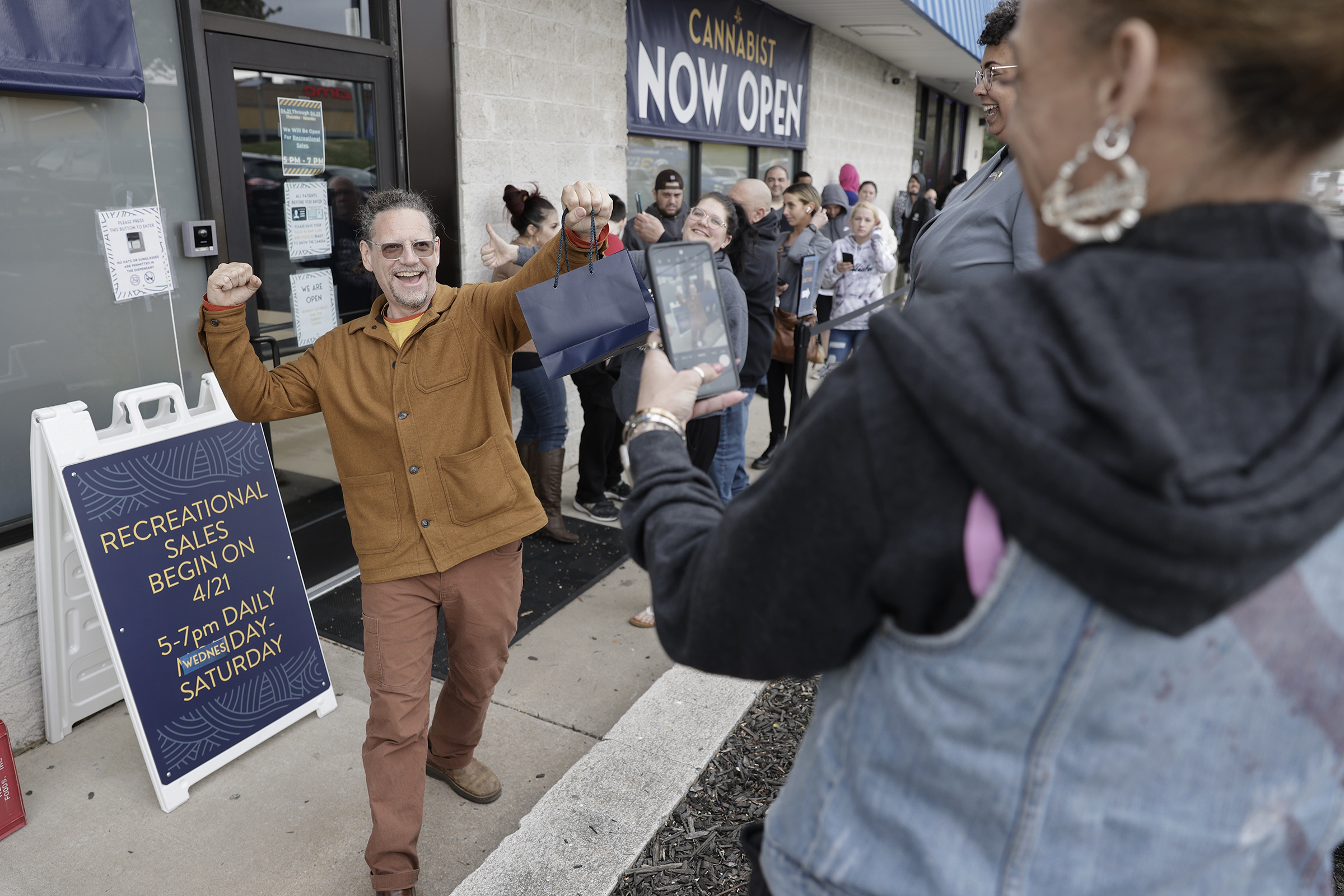
    Frank Burkhauser of Woodbury handed his phone to Cannabist employee Jennifer DeWalt so he could have a photo to remember this day that he made a legal marijuana purchase at Cannabist in Deptford on April 21, 2022. Burkhauser said he has been working for the legalization of marijuana since the early ’90s.ELIZABETH ROBERTSON / Staff Photographer

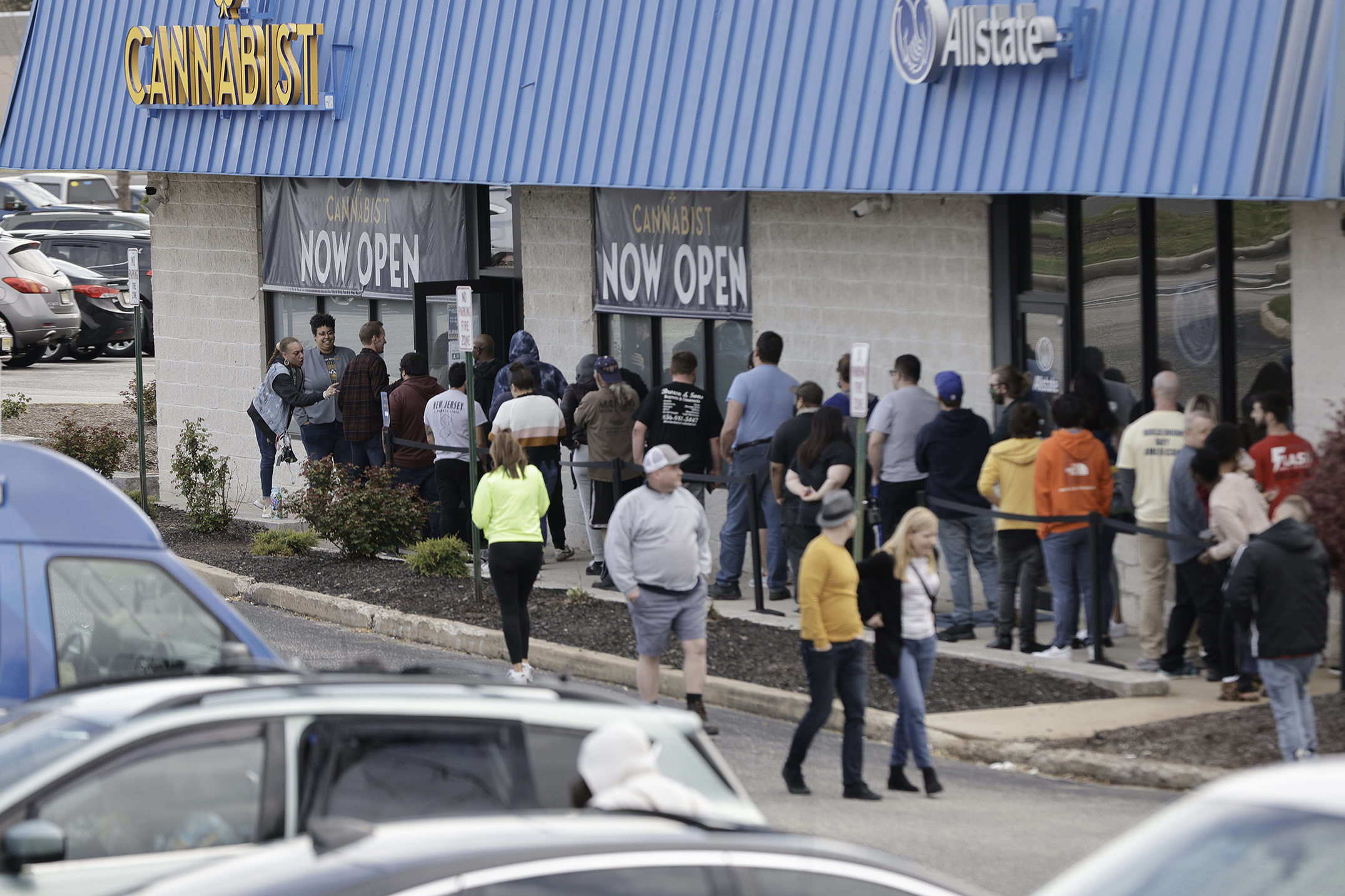
    The Cannabist’s New Jersey dispensaries were among some of the first adult-use locations to open in 2022. It operated one of the closest recreational weed dispensaries to the Philadelphia border. On the first day of Jersey’s recreational weed sales, it attracted consumers from all over, with a line wrapping around the building to the front door.
    The New York-based weed company operates 40 dispensaries and 14 cultivation and manufacturing facilities across 10 markets, including in New Jersey and Delaware. Those sites are being closed or sold off to new buyers. Last week, The Cannabist announced layoffs at one of its Denver grow sites, laying off 50 people in September, according to Colorado WARN notices.

    Customers line up just after 5:30 pm to make legal marijuana purchases at Cannabist in Deptford on April 21, 2022.ELIZABETH ROBERTSON / Staff Photographer

    Following the news of the two Vineland grow site closures, The Cannabist announced it would be selling the rest of its New Jersey operation, including the three retail stores in Deptford, Vineland, and Mays Landing, to Vireo Growth Inc for $35 million. The sale will also include some of the Cannabist’s operations in Colorado, Illinois, Massachusetts, and West Virginia markets.

    The Cannabist Co., which got its start as Colombia Care, began in Massachusetts in 2012 and soon expanded to 10 states. As of February, the company employed more than 1,200 people, including 101 manufacturing and 43 retail workers in New Jersey.

    Frank Burkhauser of Woodbury displays the legal marijuana purchase that he just made at Cannabist in Deptford on its opening day in 2022. ELIZABETH ROBERTSON / Staff Photographer

    In March, Cannabist filed for Chapter 15 bankruptcy due to owing lenders and the IRS more than $270 million. In addition to closing many operations across the country, Cannabist sold its Virginia business to Parma for $130 million, Delaware to Arboretum DE PermitCo for $16.5 million, and its Ohio dealings to Holistic for $47 million.

    Since the Cannabist Company is also filing for bankruptcy in Canada, this case is poised to be the first time a U.S. Bankruptcy Court recognizes a foreign insolvency proceeding related to a marijuana business, despite cannabis remaining federally illegal.

  • Amid a summer in the spotlight, Phillies prospect Gage Wood’s goal remains the same

    Amid a summer in the spotlight, Phillies prospect Gage Wood’s goal remains the same

    Gage Wood has been in the spotlight since his days at Arkansas, when he tossed a no-hitter in the 2025 men’s College World Series. This summer, the spotlight is on the often-difficult journey to the big leagues.

    Wood was one of six prospects featured in MLB and NBC Sports’ Road to the Show. The docuseries follows Wood (double-A Reading Fightin’ Phils), Braden Montgomery (who recently was called up by the Chicago White Sox), the Milwaukee Brewers’ Jesús Made (double-A Biloxi Shuckers), and Colorado Rockies’ Ethan Holliday (single-A Fresno Grizzlies), alongside collegiate stars Roch Cholowsky (UCLA) and Justin Lebron (Alabama), who’ve since been drafted by the White Sox and Cincinnati Reds, respectively, as they pursue major league careers.

    Wood, who was a first-round pick (26th overall) by the Phillies last year, has a 3.51 ERA and 1.08 WHIP in 17 starts across two levels and is the organization’s top pitching prospect and 50th in baseball, according to MLB Pipeline. And after starting for the National League in the All-Star Futures Game, he’s ready to be back at Citizens Bank Park.

    “Obviously, I want to go back to the Bank as fast as I can,” Wood said. “I just keep working every day and try to get there as fast as possible.”

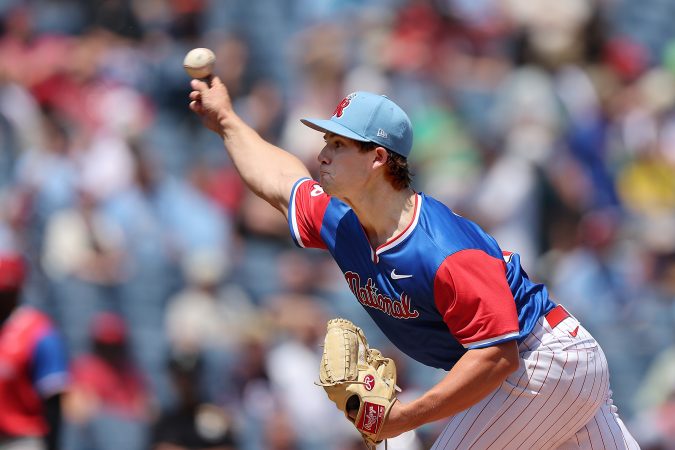
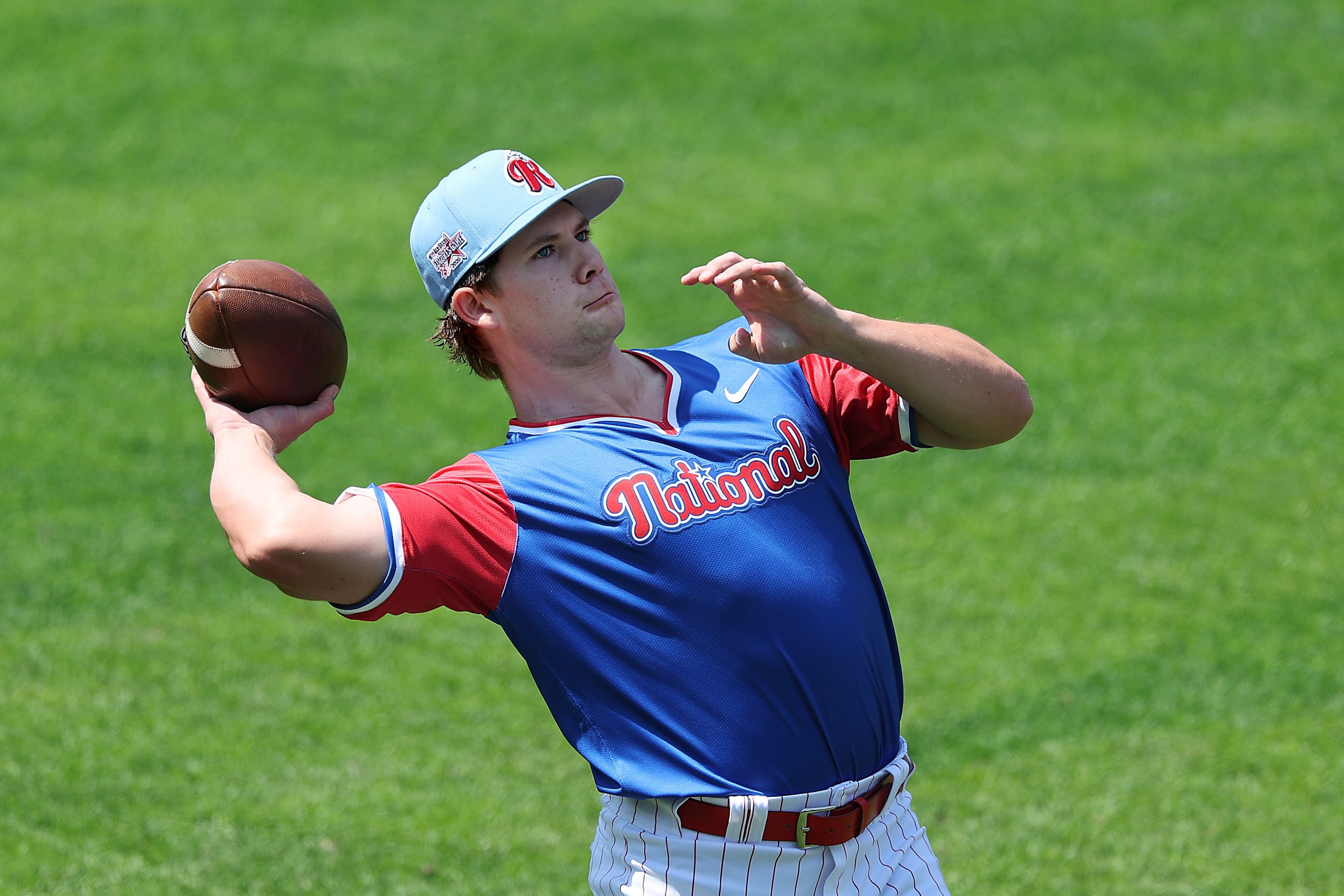
    Gage Wood was promoted to double-A Reading in May.David Maialetti / Staff Photographer

    Road to the Show debuted July 1 on Peacock, following NBC and MLB’s partnership earlier this year. The series is a first step in MLB’s content expansion into the minor leagues, aimed at bolstering fan connection to players, said Casey Brett, senior vice president of business development and minor league business operations at MLB.
    “Exposure was priority one for MiLB,” Brett said. “We asked, ‘How do we tell these stories more effectively?’ This docuseries was, frankly, one effort in a whole string of efforts to help us focus on and achieve that goal.”

    The series aims to highlight the players’ personal stories. Episode 2 introduces the players’ parents and details their journeys from T-ball to the big leagues.

    “Gage just became a great featured player as part of this, both because of his story and his truly unique competitive drive,” Brett said. “There are some really interesting stories to tell about that journey before they make their major league debut.”

    Unlike other pro sports, baseball can have a long and grueling path to the majors. Wood began his professional career with the Clearwater Threshers, the Phillies’ single-A affiliate, in September 2025 before being promoted to double A in May.

    In the show, Wood mentions his surprise at skipping the “middle step” of the Jersey Shore BlueClaws, the Phillies’ high-A affiliate.

    “You want to move as much as you can, as quick as you can,” Wood said in an interview featured in the series. “I want to keep growing and competing against the best, so it feels good, but the ultimate goal is to get called up to the show, so I don’t really think about anything else other than when that call happens.”

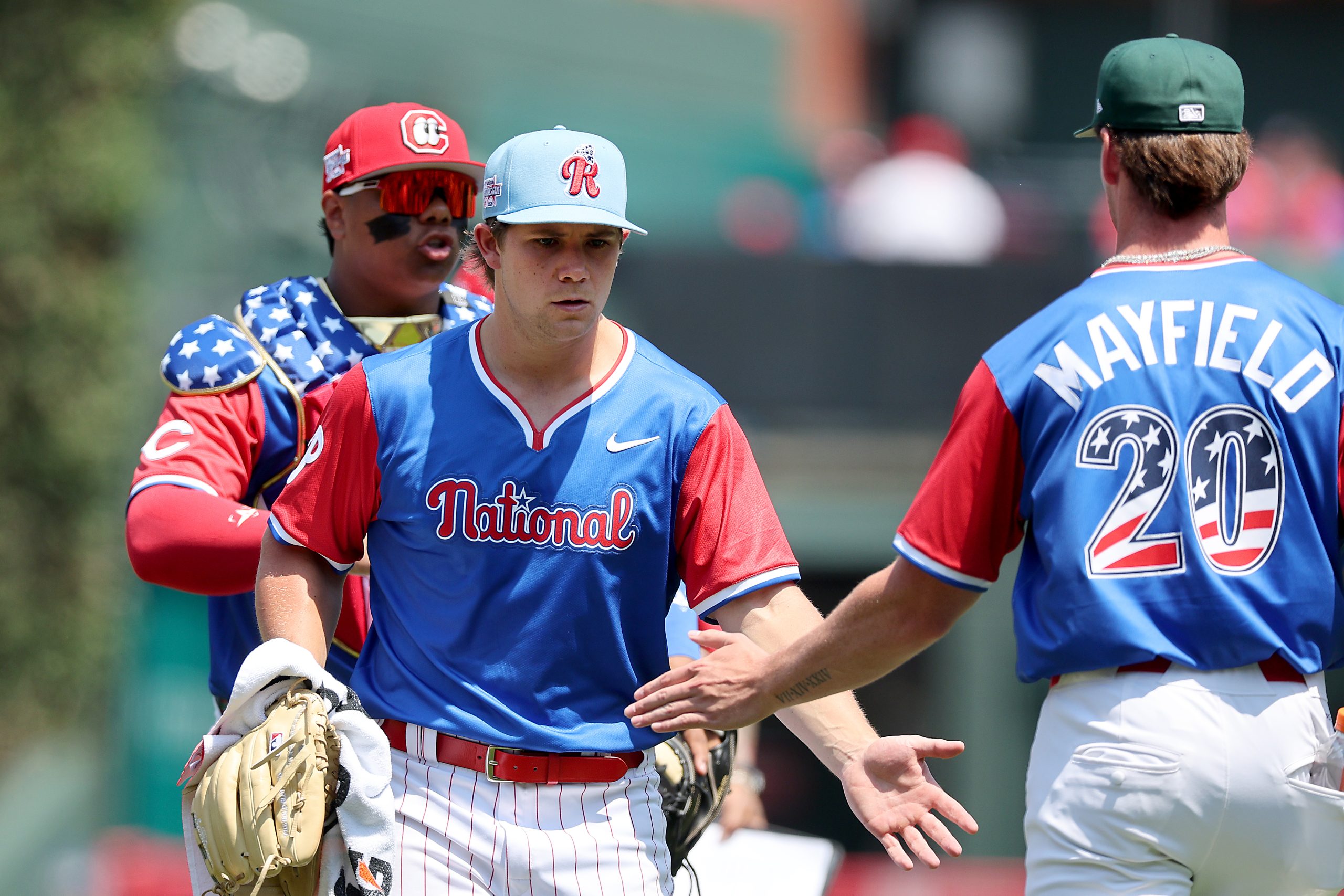
    Gage Wood (center) was the NL starter for the All-Star Futures Game.David Maialetti / Staff Photographer

    Wood and Made played in the All-Star Futures Game on July 12. Though Wood gave up a hit and a run in the first inning, he still had plenty of fans in South Philly as he headed to the mound.

    The game had its highest viewership ever, according to Brett, giving MLB added motivation to keep fans invested in the players beyond All-Star weekend. MLB timed the debut of the miniseries to coincide with the All-Star festivities in hopes of drawing viewers in.

    “I think everybody is in consensus that we’re going to be doing more of this. It’s great for that level of brand recognition,” Brett said. “This is the first iteration, and because of the support of NBC and the success we’ve seen to date with the program, it’s certainly something we’re considering for the future. We’d love to keep this going for years to come.”

  • Anticipation vs. expectation | Sports Daily Newsletter

    Anticipation vs. expectation | Sports Daily Newsletter

    It’s almost that time, Philly. NFL training camp is here.

    Starting on Tuesday, the Eagles will report to Jefferson Health Training Complex, with several looming questions awaiting them: How will the offense look under Sean Mannion? Will they be able to replace the production of A.J. Brown? What can we expect the defense to look like after the departure of key players?

    Those won’t be answered right away and might not be revealed until Week 1 or even Week 2 of the season. However, there’s still much anticipation heading into training camp — this is the Birds we’re talking about.

    There’s also a level of expectation for a team that took a step back in 2025, following an early playoff exit. Nick Sirianni is aware of this. But football is all about adaptation.

    Switching to the team on the other side of Pattison Ave., it looks like the Phillies should follow a similar mindset after losing two of three to the Dodgers. Throughout those three games, they couldn’t escape baserunning blunders, defensive miscues, and a bullpen implosion.

    Change is needed. If that doesn’t happen, there’s a question to raise of whether this team will make the postseason. Perhaps the trade deadline will help address their biggest needs?

    — Isabella DiAmore, @phillysport, sports.daily@inquirer.com.

    If someone forwarded you this email, sign up for free here.

    Welcome to the majors

    Alex McFarlane made his MLB debut against the Dodgers on Wednesday night.Elizabeth Robertson / Staff Photographer

    As Alex McFarlane warmed up for his major league debut on Wednesday, the 25-year-old didn’t realize where the Dodgers were in their order.

    “It turned out to be that lefty,” as in four-time MVP Shohei Ohtani. Any left-handed batter would be a challenging first at-bat for the rookie righty, but the two-way Dodgers superstar, with a .940 OPS against right-handers, was a different beast.

    What we’re…

    ⚾ Cherishing: The friendship of two longtime baseball coaches who spent decades in the Catholic League.

    👕 Learning: St. Joseph’s became the first college in Pennsylvania to publicly announce a jersey patch sponsor for the upcoming year.

    👏 Applauding: North Philly’s Kahleah Copper is heading to the WNBA All-Star Game as a replacement selection.

    🤔 Wondering: Why Jaylen Brown was spotted in the Dominican Republic playing baseball?

    Seventh-round success?

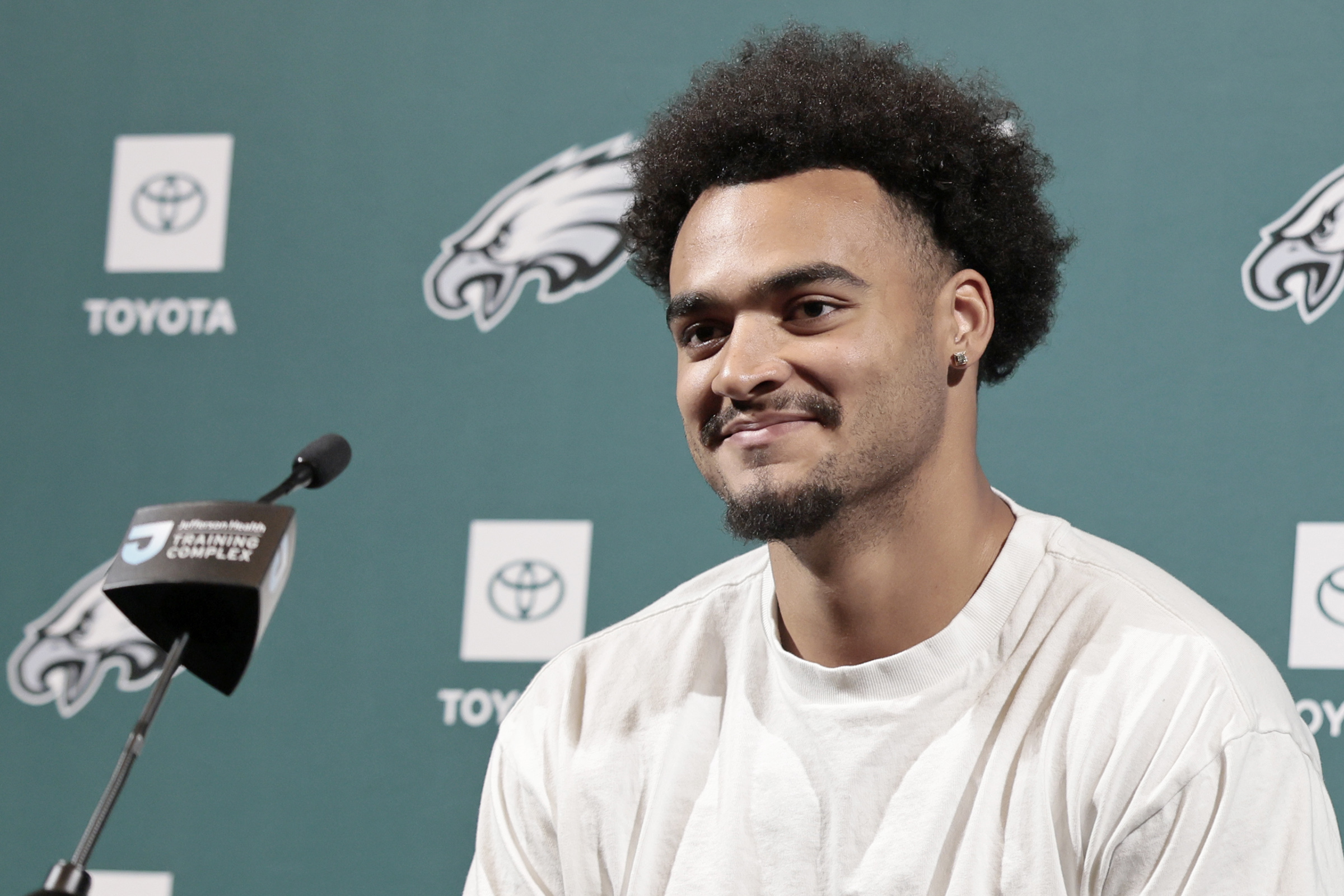
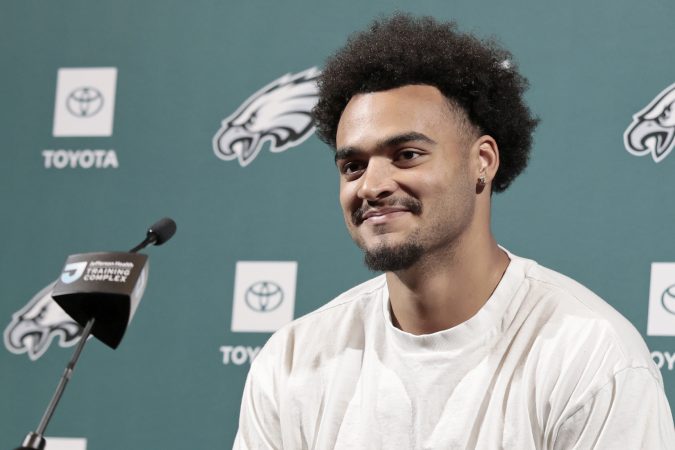
    Eagles 2026 NFL draft pick Keyshawn James-Newby speaks during a news conference in April. Elizabeth Robertson / Staff Photographer

    Keyshawn James-Newby was a 2026 seventh-round pick who is considered undersized for an edge rusher at 6-foot-1 and 240 pounds. However, he makes up for it with speed and bend.

    His path to making the roster is a difficult one considering the state of the depth chart ahead of him. But he’s doing all he can to make a lasting impression and become the NFL’s next seventh-round success story.

    Stole the show

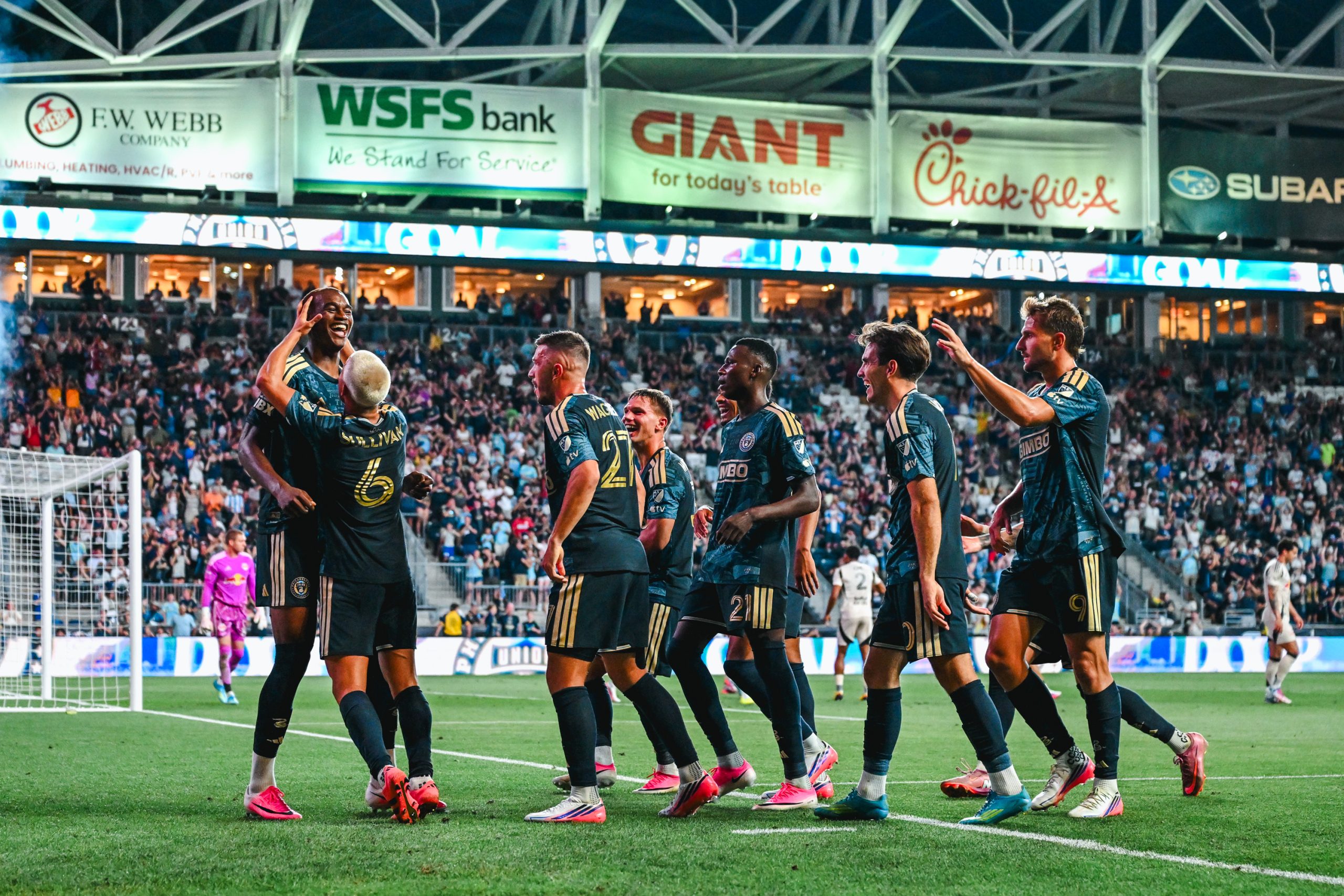
    Neil Pierre (left) celebrates with teammates after scoring a goal in the Union’s 3-1 win over Red Bull New York on Wednesday.Philadelphia Union

    Neil Pierre, the Union’s prized centerback prospect, played 34 minutes as a second-half substitute in the club’s 3-1 win over Red Bull New York on Wednesday night, and showed he’s ready for the big leagues.

    It was only his second game with the first team, but he looked like a pro. So what’s next for Pierre and the Union? Well, besides welcoming Seattle to Subaru Park on Saturday (7:30 p.m., Apple TV), Inquirer writer Jonathan Tannenwald takes a look.

    Beyond the faceoff

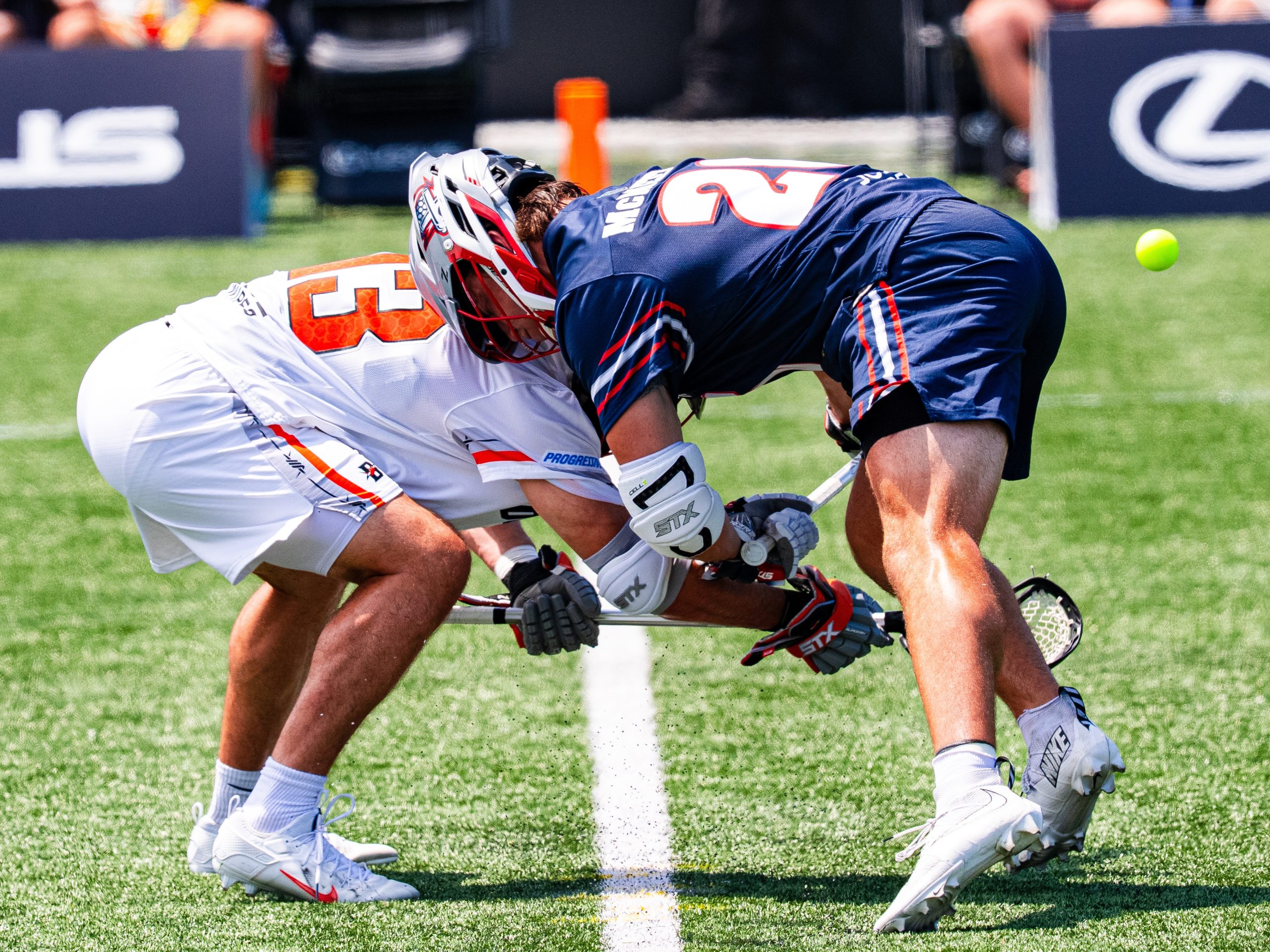
    Andrew McMeekin ranks third in the Premier Lacrosse League in faceoff percentage.Premier Lacrosse League

    Delco’s Andrew McMeekin is a faceoff man who recently won a national championship with Princeton. After going undrafted in the Premier Lacrosse League, McMeekin has been making a name for himself with the Boston Cannons.

    He ranks third in the league in faceoff percentage and scored his first professional goal on July 11. The Episcopal Academy graduate says his success comes from being a student of the game first and faceoff specialist second.

    Mike Sielski’s take…

    The Flyers’ schedule came out last week, and I did not scan it immediately for games against the Penguins and Rangers and Capitals. My eyes fell on two dates: Saturday, Oct. 24, and Sunday, Jan. 3. A pair of matchups against the Flyers’ newest and most hated rivals: the … Anaheim Ducks?

    What you’re saying about Jalen Hurts

    We asked: Do you think Jalen Hurts is a Top 10 NFL quarterback? Among your responses:

    Hurts is a solid quarterback with solid, if not flashy, skills in all categories. The Eagles are built to be consistent, and he has led with a consistent presence despite a total lack of consistency at the offensive coordinator position. He fits perfectly with a solid running game around him. — Dale O.

    Yes, I do. Tough times last season, but the guy was again playing with a new coach and system, with a disgruntled me-me-me receiver and an aging and much-injured offensive line that was no longer able to spring Saquon loose multiple times per game to take the pressure off of him. One ranking had him way, way down the list and another had him as a tier two QB along with Mahones and others. Last season, the coaches grossly underused DeVonta Smith, one of the surest targets in the NFL. Jalen has performed admirably in two Super Bowls and can do it again. — Everett S.

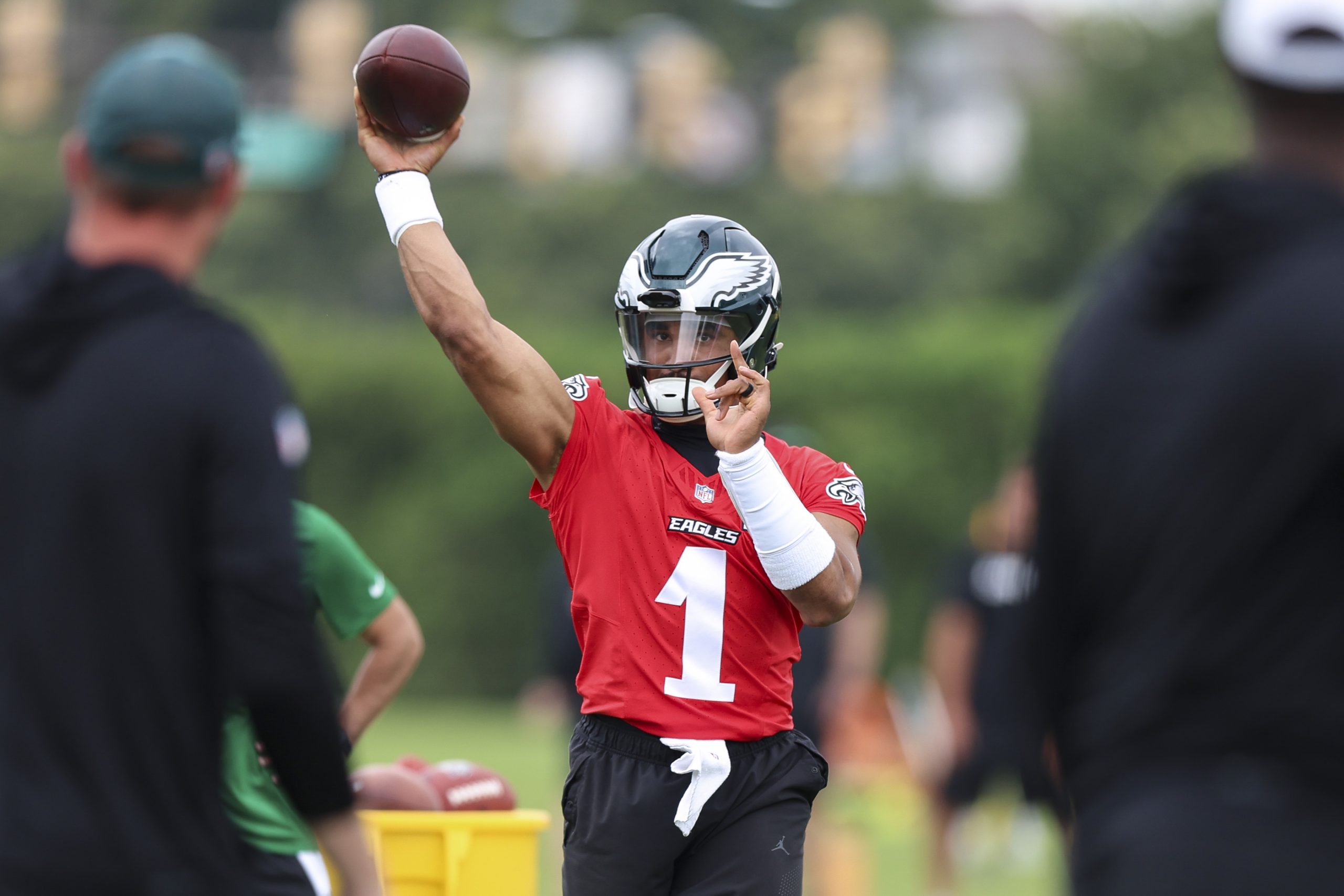
    Jalen Hurts works out during mandatory mini-camp at the Jefferson Health Training Complex on June 10.Monica Herndon / Staff Photographer

    Jalen Hurts is a top 10 quarterback. The others mentioned have either not been to the Super Bowl or haven’t finished high in the playoffs. While I agree that all teams need to have an array of talent, Jalen Hurts has the right attitude and doesn’t let the media or fans get in his head. Plus, he has talent! Trust me, he will use this slight to kick ass in the 2026-27 season. Go Birds! — Joanne H.

    No. Despite winning a Super Bowl MVP, that award could have easily been given to the defense! Jalen doesn’t have a history of leading the team from behind in the 4th quarter. He has been reluctant to throw down the middle, settling for low-risk slants. Clearly not in the Joe Burrow, Josh Allen, Patrick Mahomes, Matt Stafford conversation. — Bob C.

    Please. Dak Prescott? Over the hill. Caleb Williams? Promise but no proof. Same with Drake Maye. I really wish I knew why Jalen does not get the respect he deserves. The proof is in his record. Whoever drew up this list is way off the mark. — Cathy J.

    We compiled today’s newsletter using reporting from Mike Sielski, Jonathan Tannenwald, Olivia Reiner, Jeff Neiburg, Lauren Jones, Lochlahn March, David Murphy, Conor Smith, Mia Messina, and Maria McIlwain.

    By submitting your written, visual, and/or audio contributions, you agree to The Inquirer’s Terms of Use, including the grant of rights in Section 10.

    Thanks for closing out the week with me. Have a wonderful weekend. I’ll be back in your inbox on Monday. — Bella

  • Eagles newcomers ‘26: Can edge rusher Keyshawn James-Newby become the NFL’s next seventh-round success story?

    Eagles newcomers ‘26: Can edge rusher Keyshawn James-Newby become the NFL’s next seventh-round success story?

    With Eagles training camp drawing closer, The Inquirer took a look at the more than three dozen new faces who are expected to report along with the rest of the team on July 28.

    Player: Keyshawn James-Newby

    Position: Edge rusher

    Age: 24 (on Aug. 8)

    Previous experience: James-Newby was in the high school class of 2020 and was able to stay in college last year thanks to both an NAIA eligibility waiver and the extra COVID-19 eligibility year provided to athletes. He took advantage of it, following coach Jason Eck from Idaho to New Mexico, where he led the Mountain West Conference in sacks (9) during his lone season of FBS football. Before New Mexico, James-Newby tallied 15½ sacks in two seasons at Idaho. He played his first two college seasons at Montana Tech.

    The 2026 seventh-round pick is undersized for an edge rusher at 6-foot-1 and 240 pounds, but he makes up for it with speed and bend.

    “Power and length get the best of him, but not as often as I expected,” NFL analyst Lance Zierlein wrote in his pre-draft evaluation of James-Newby. “He flashes good get-off, smart angles and efficient cornering that keeps him tight to the pocket as a rusher. James-Newby’s rush lacks diversity, but a dangerous stab move is waiting to be unlocked. His high motor and disruptive ability should make him a solid sub-package edge rusher.”

    Path to a roster spot: Getting drafted won’t secure James-Newby a spot on the 53-man roster. The Eagles have cut a late-round pick in each of the last two seasons, and James-Newby’s path to making the roster is a difficult one considering the state of the depth chart ahead of him.

    The Eagles have Jonathan Greenard, Jalyx Hunt, Nolan Smith, and probably Arnold Ebiketie marked as locks for the roster. James-Newby’s chances will depend on how he performs in camp and preseason games and whether the Eagles think they have room for five or six edge rushers. They kept five on the initial 53-man roster last year, but had six in each of the previous two seasons.

    The signing of A.J. Epenesa at the end of the offseason program added to the competition at the bottom of the depth chart. Epenesa managed just 2½ sacks last season with the Bills but had six in each of the previous three seasons. The Eagles also have Jose Ramirez and Joshua Weru in camp.

    Fun fact: The Eagles have drafted six players out of New Mexico in their history, but James-Newby is the first since quarterback Ben Monroe in 1967. Former Eagles receiver Hank Baskett went to New Mexico, but he was undrafted.

    Quotable: What was life like growing up in Idaho and Montana?

    “You know, you ride horses to school,” James-Newby quipped when asked during Eagles rookie camp in April. “I’m just kidding. … Same thing you do in a city, but just not as occupied. A little bit peaceful. You can go hike up a mountain whenever you want to. It was just nice.”

  • The Big Picture: Phillies and Union return from break, and the best Philly sports photos of the week

    The Big Picture: Phillies and Union return from break, and the best Philly sports photos of the week

    Each Friday, Inquirer photo editors pick the best sports images from the last seven days. And this week, the Philly sports landscape began its return to normal, after the World Cup and MLB All-Star Game swept through town earlier this month. That means the Phillies and Union returned to action — the latter after six weeks off — and both did so in home matchups against teams from New York, with much different results.

    The Phillies’ post-All-Star break struggles continued as they followed their series loss to the Mets by dropping two of three to the Los Angeles Dodgers. Meanwhile, the last-place Union won for the first time since April 11, beating Red Bull New York in Chester on Wednesday. Here’s a look back:

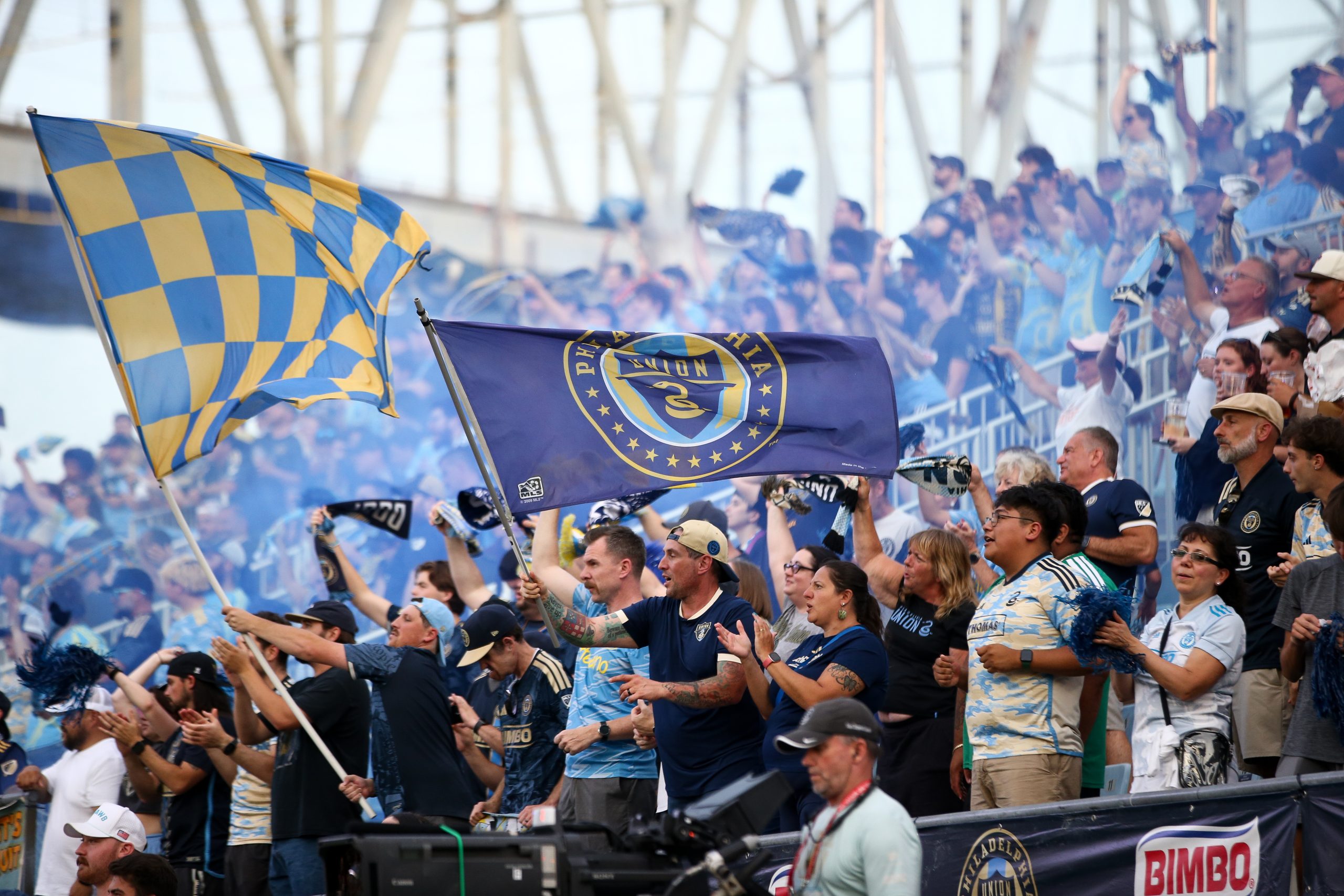
    Philly fans cheer after the Union score the first goal against the Red Bull New York on Wednesday night. The Union won, 3-1, to pick up the team’s first victory since April.Isaiah Vazquez / For The Inquirer
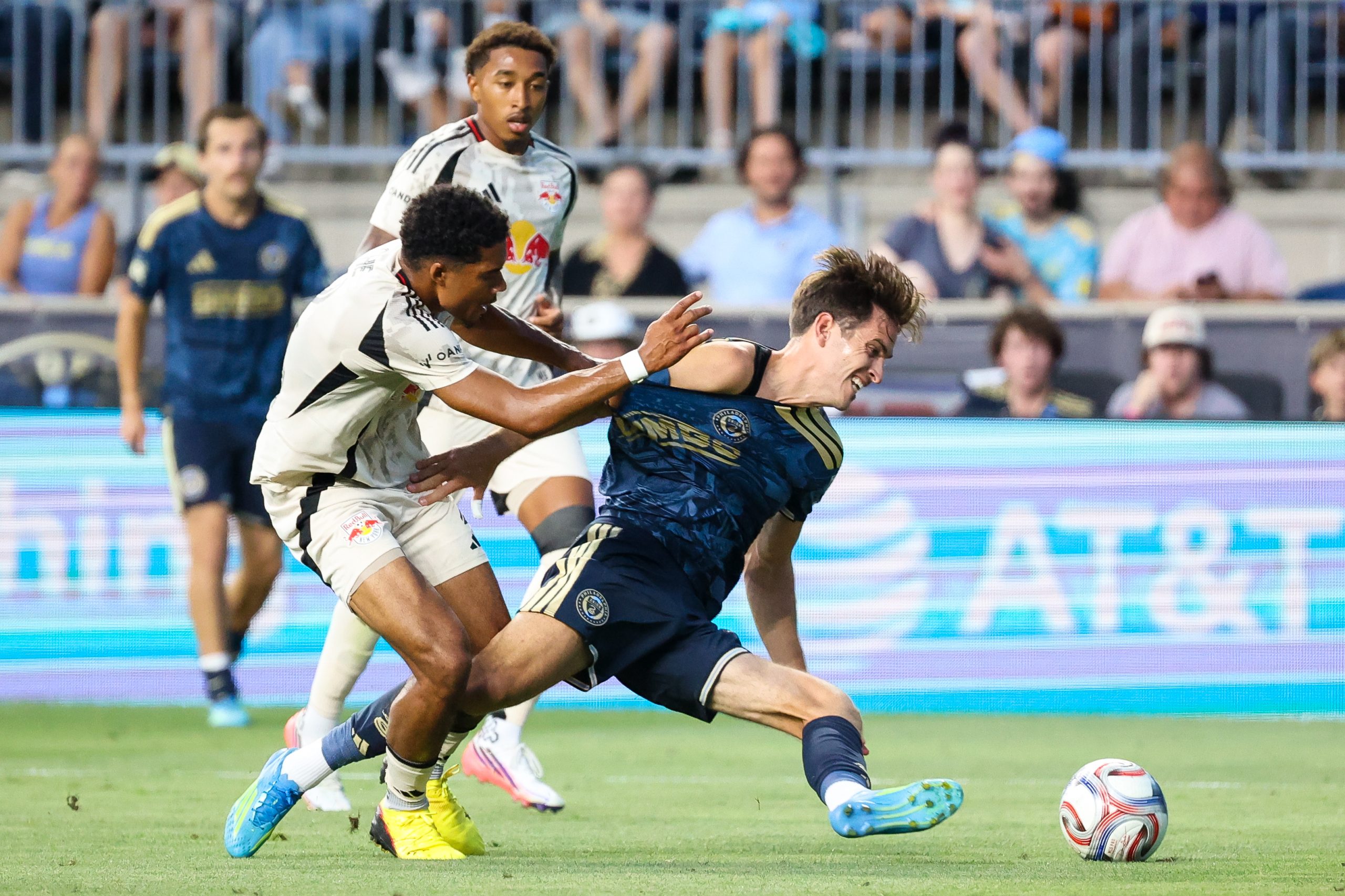
    Red Bull New York defender Justin Che (front left) pulls down Philadelphia Union forward Milan Iloski (right) during the first half.Isaiah Vazquez / For The Inquirer
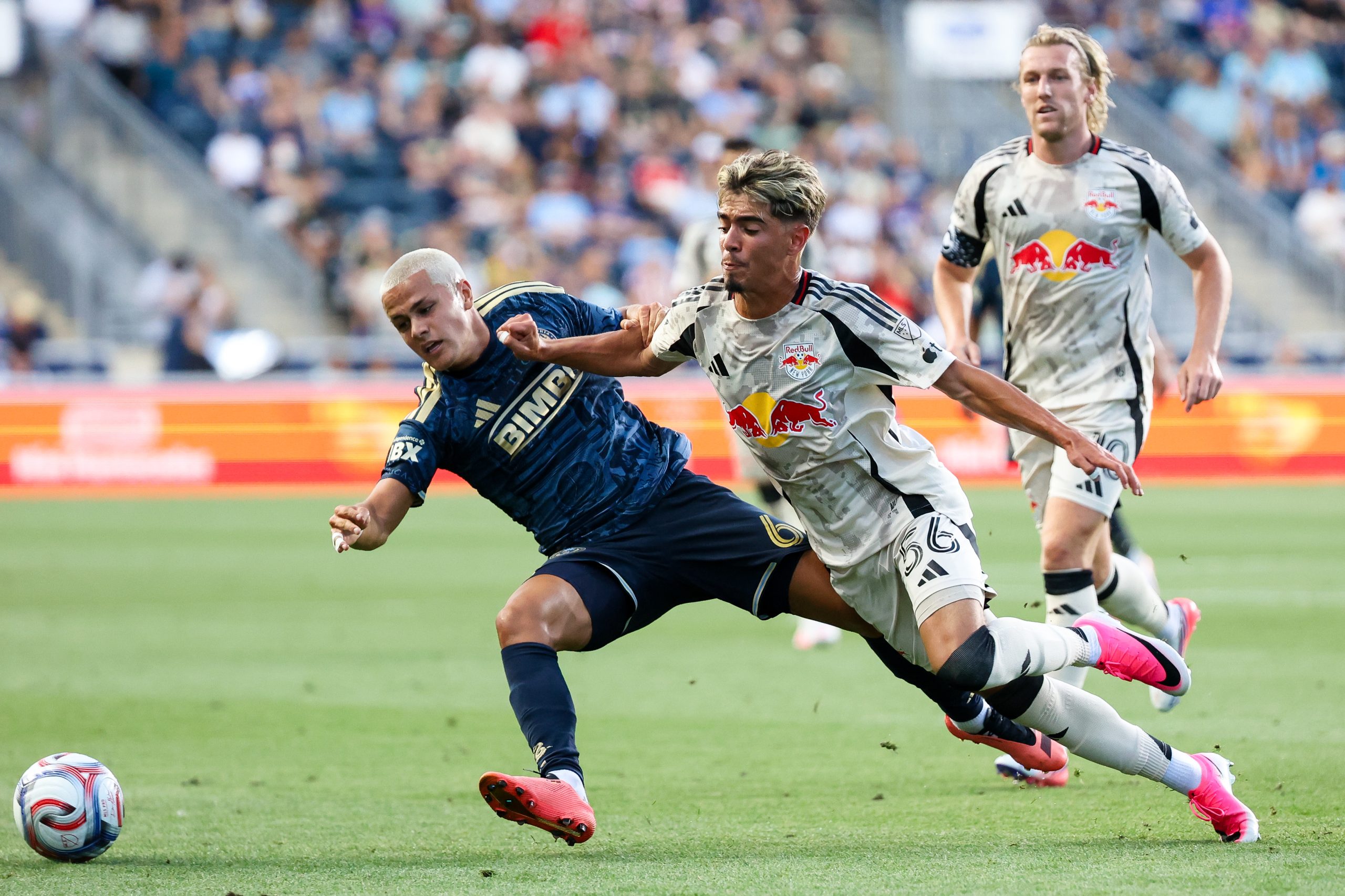
    Union midfielder Cavan Sullivan (left) battles for possession against Red Bull New York defender Matthew Dos Santos (right) during the first half.Isaiah Vazquez / For The Inquirer
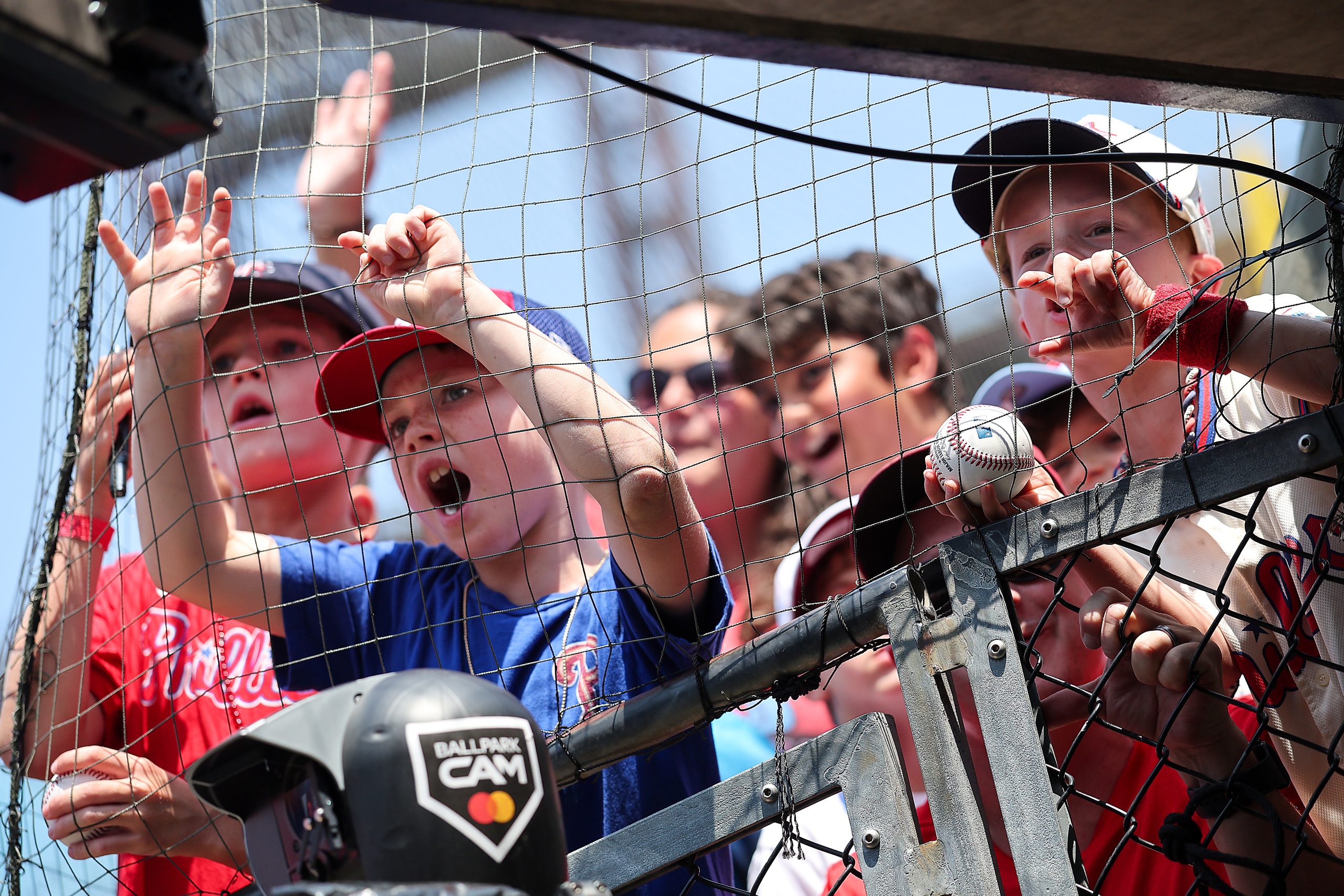
    Phillies fans try to get the attention of the players in the dugout before the team’s game against the New York Mets on Sunday at Citizens Bank Park.David Maialetti / Staff Photographer
    Phillies starter Zack Wheeler throws a pitch in the first inning of Tuesday’s 2-1 loss to the Los Angeles Dodgers.Elizabeth Robertson / Staff Photographer
    Phillies third baseman Alec Bohm went 0-for-4 in Monday’s 10-7 win over the Dodgers.Yong Kim / Staff Photographer
    Bohm had a better day at the plate on Wednesday with a pair of his, including a two-run home run, and three RBIs. However, the Phillies still lost, 9-5.Elizabeth Robertson / Staff Photographer
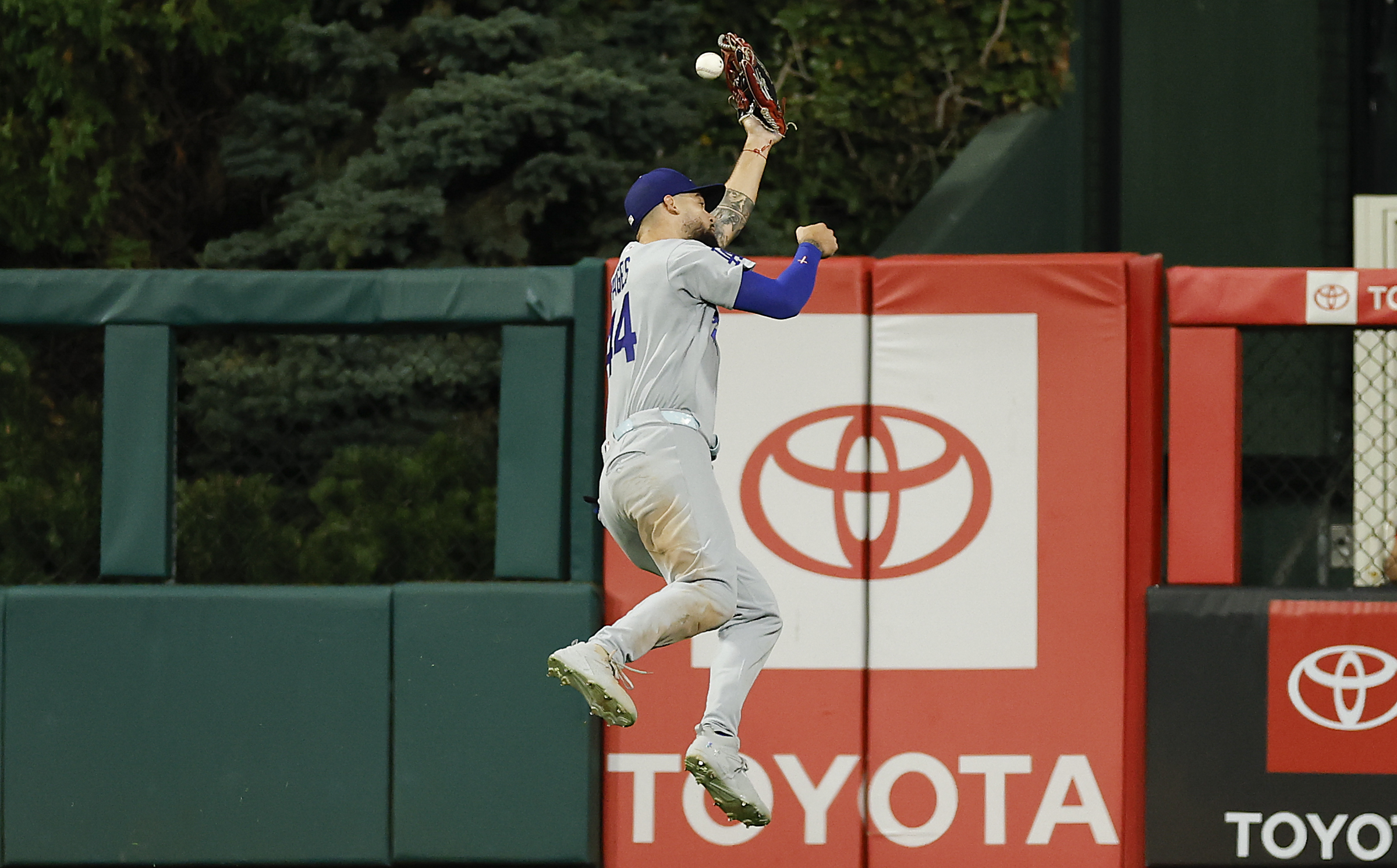
    Dodgers center fielder Andy Pages can’t handle a fly ball from Bryson Stott in Monday’s win over Los Angeles. Stott wound up with a double on the play.Yong Kim / Staff Photographer
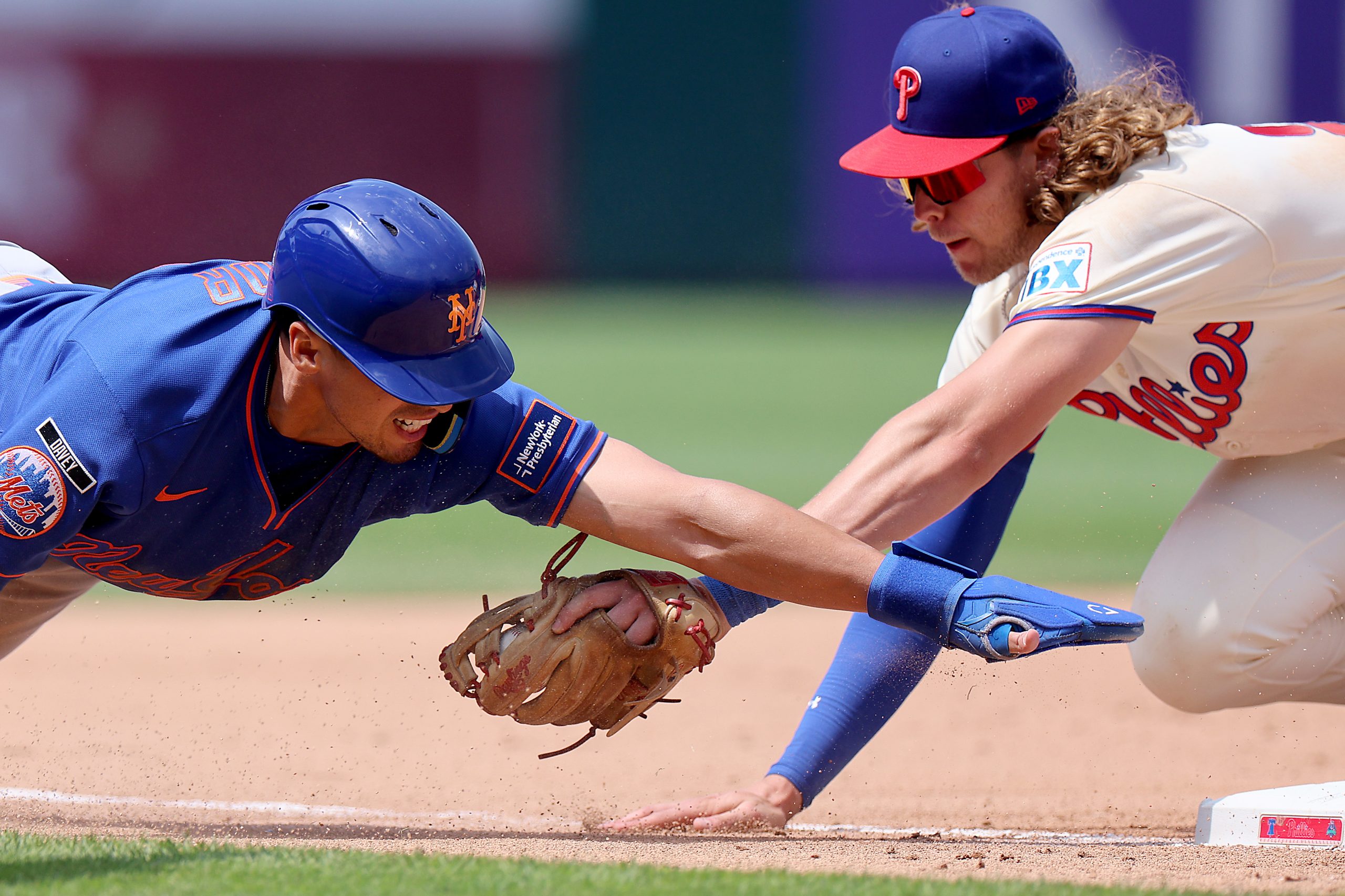
    Bohm (right) tags out New York Mets center fielder Tyrone Taylor (left) as he tries to steal third base in the fifth on Sunday.David Maialetti / Staff Photographer
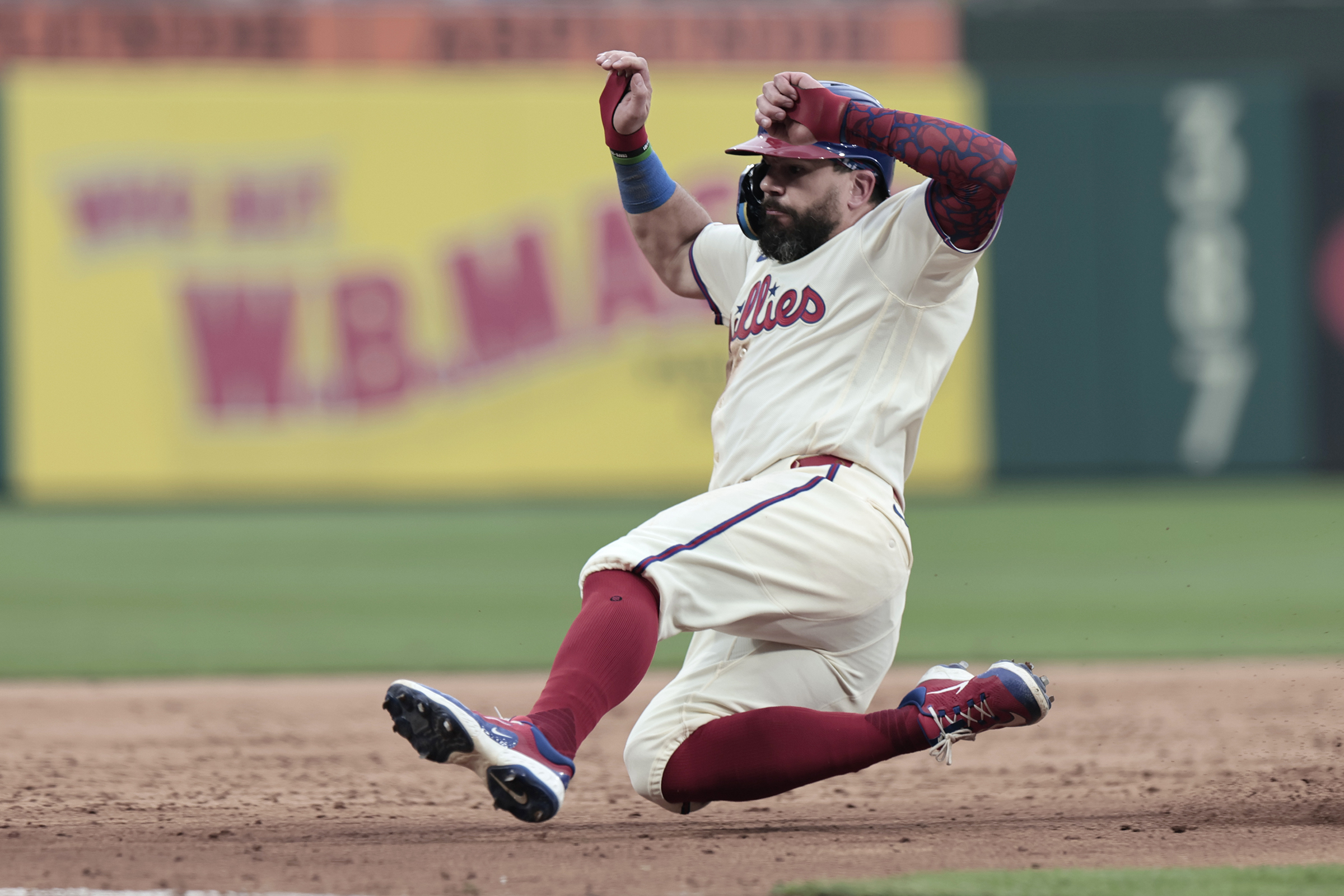
    Kyle Schwarber slides into third base in the sixth inning of the Phillies’ lone win over the Mets last weekend. He also hit a two-run homer in the game.Elizabeth Robertson / Staff Photographer
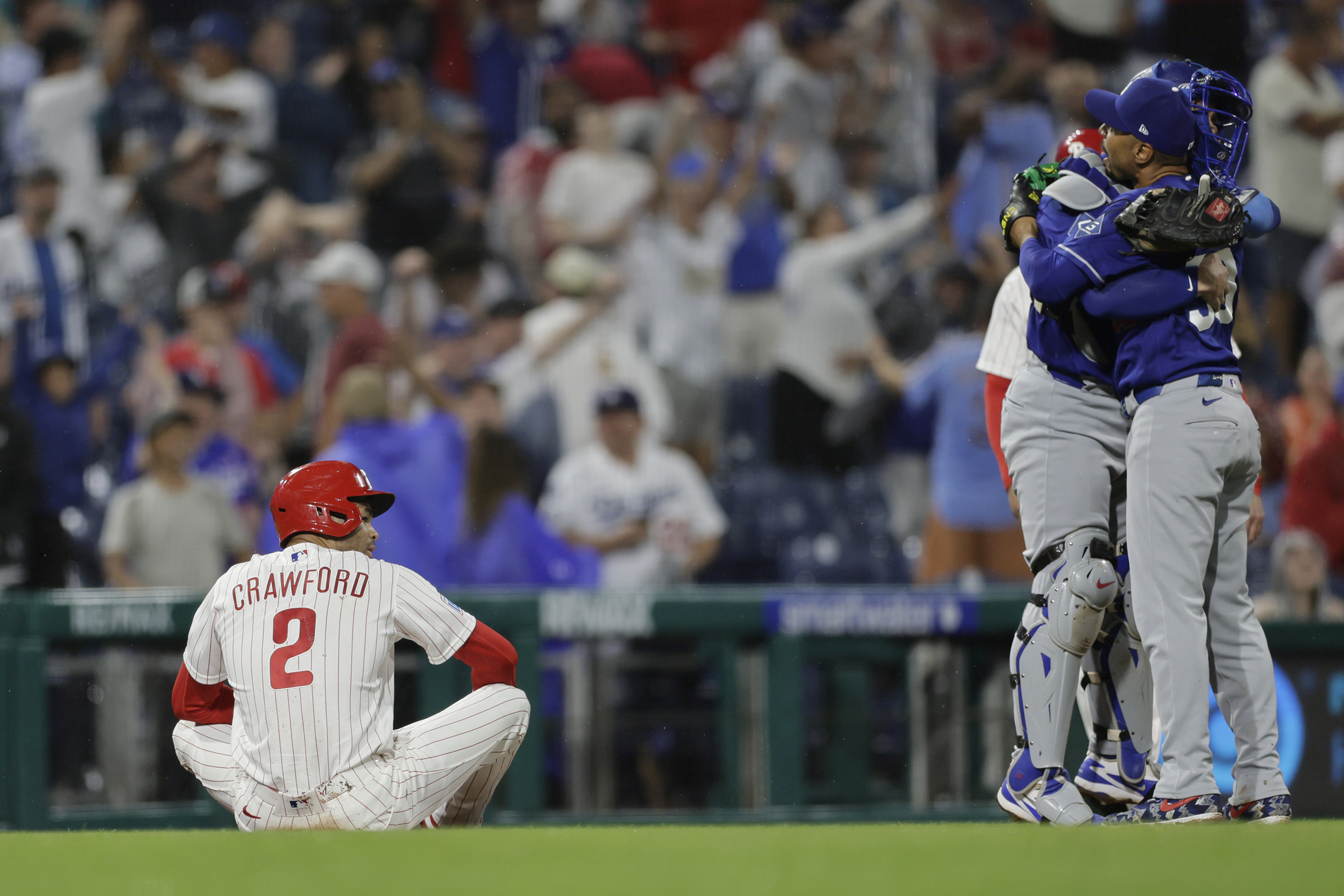
    Justin Crawford sits on the dirt near third base as Dodgers catcher Dalton Rushing and Mookie Betts hug. Los Angeles turned a fielder’s choice double play to end the game and secure a 2-1 win.Elizabeth Robertson / Staff Photographer
    Professional pool trick shot player Steve Markle sets up a shot inside his Levittown home.Aidan T. Gallo / Staff Photographer
    Rowers paddle along the Schuylkill River on Tuesday during an early morning practice near Kelly Drive.Jose F. Moreno / Staff Photographer
  • It’s clear what the Phillies need at the trade deadline. Do they have the prospect capital to get it?

    It’s clear what the Phillies need at the trade deadline. Do they have the prospect capital to get it?

    Even at rock bottom — a 9-19 record, last place, the manager collecting a pink slip — Phillies officials figured they might still wind up buying at the trade deadline.

    But would they have the prospect capital for a big deal?

    “Well, there’s no doubt that we do,” Dave Dombrowski said back on April 28. “Yes.”

    Not everyone shares that opinion.

    With the deadline looming — set a calendar reminder for Aug. 3 at 6 p.m. — the Phillies are in playoff position and believed to be targeting late-inning relief, a right-handed bat, and a No. 4 or 5 starter. Or maybe, as one rival scout theorized this week, Dombrowski will attempt a bigger swing for higher-end starting pitching given the lack of available impact bats.

    In any case, the Phillies’ farm system is ranked 29th out of 30 teams, according to Baseball America’s recently released midseason assessment. But don’t take the word of one publication. FanGraphs pegs them with the No. 24 system; MLB Pipeline’s preseason ranking put them at No. 20.

    Many scouts are similarly unimpressed. One evaluator from a National League team, granted anonymity in exchange for candor, called the Phillies’ system “pretty barren,” while conceding they have a few “lottery ticket types” in the low minors.

    As another NL scout put it, “Their system’s thin at the upper levels.” While some teams “have guys who could come to the big leagues and probably perform at a high level, the Phillies don’t really have that at triple A at all.”

    Indeed, in trying to turn up right-handed hitting within the organization, the Phillies cycled through Otto Kemp (2-for-25, 10 strikeouts), Félix Reyes (6-for-38, nine strikeouts), switch-hitting Steward Berroa (1-for-7, four strikeouts), and now, veteran Bryan De La Cruz, who homered Wednesday night. They traded two minor leaguers last month for platoon outfielder Derek Hill.

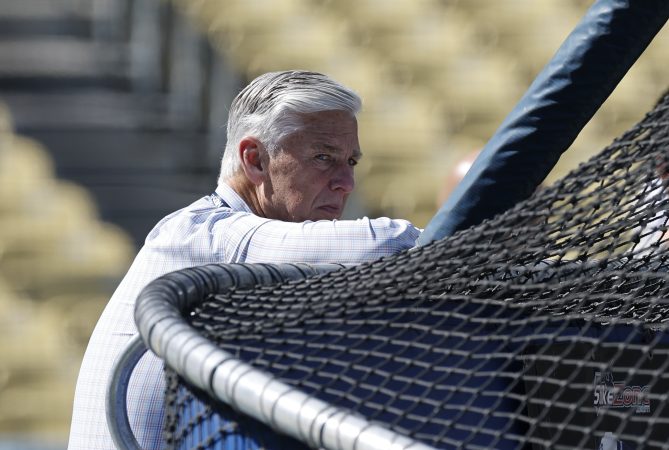
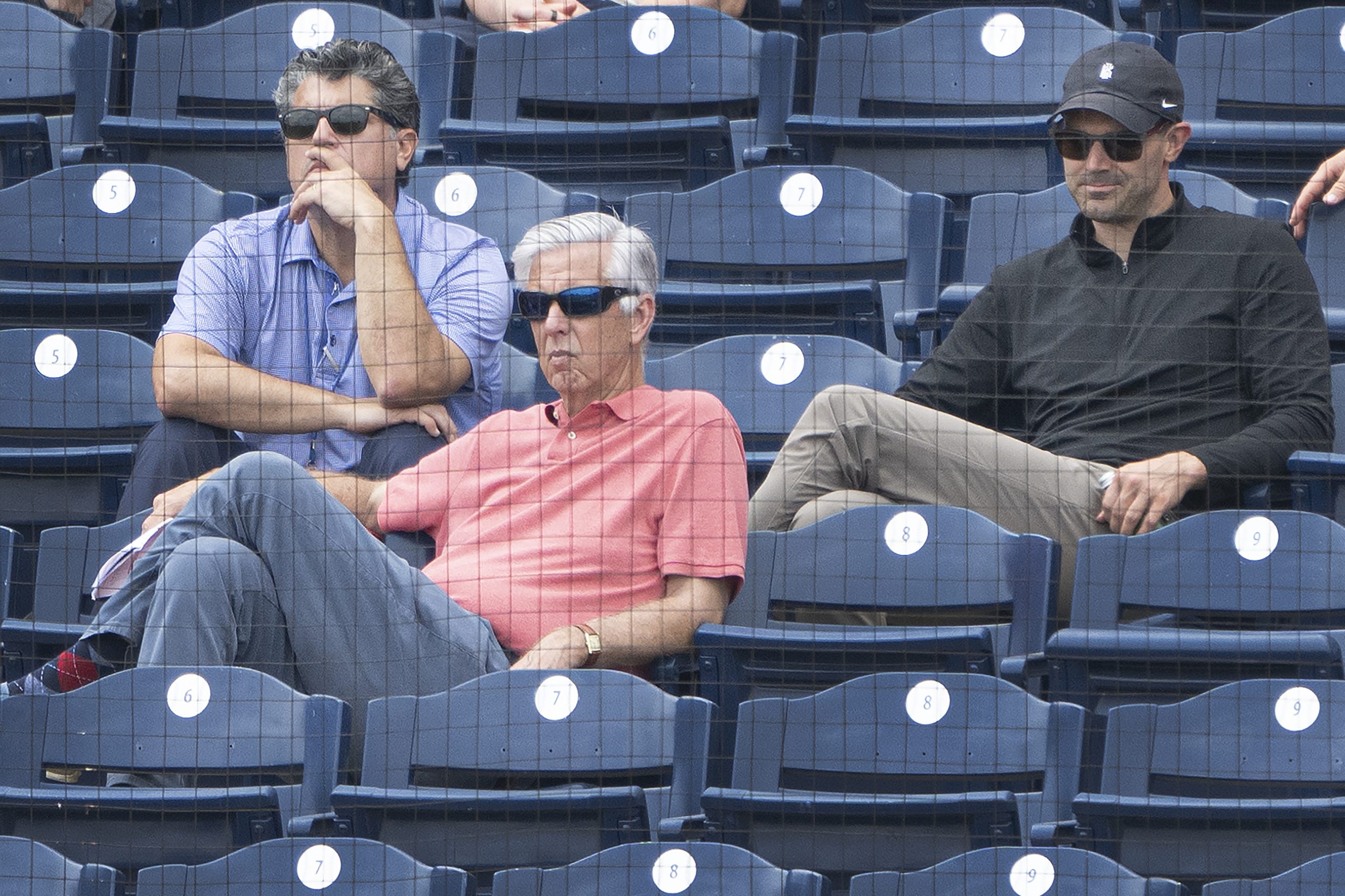
    Phillies president of baseball operations Dave Dombrowski (center) and general manager Preston Mattingly (right) push back against criticisms of the club’s farm system.Jose F. Moreno / Staff Photographer

    On the pitching side, untouchable (in past trade talks, at least) Andrew Painter lugged a 7.06 ERA back to triple A in June. The best in-house replacement: Alan Rangel, a 28-year-old righty who got released in the minors by the Angels two years ago and posted a 5.40 ERA before returning to Lehigh Valley this week.

    Dombrowski and general manager Preston Mattingly push back against criticisms of the farm system. Never mind, Mattingly says, that the Phillies have only two prospects (injured infielder Aidan Miller and righty Gage Wood) who are regarded among the top 100 in the sport.

    “A lot of times, you mention top-100 lists, that’s not necessarily what teams internally talk about and the players they ask about,” Mattingly said recently on The Inquirer’s Phillies Extra podcast. “They’re going with a lot of the information, the data that we have internally. And we feel really good where our system’s at.”

    Sure, but the Brewers and Dodgers feel the same about theirs, No. 1 and No. 3, respectively, in Baseball America’s rankings. The Braves and Cubs are closer to the middle of the pack, at No. 14 and No. 16, but still ahead of the Phillies.

    It’s shaping up as an extreme seller’s market, with 22 teams entering the weekend in playoff position or within 4½ games of a wild-card spot. Some will waive a white flag before Aug. 3; others will hold firm. Regardless, the demand for players will outweigh supply.

    “To me, it’s always about who can impact my team more rather than what’s my biggest need,” former major league general manager Jim Bowden said this week on Phillies Extra. “A starter probably helps the Phillies win the division more over a 162-game schedule. But to win in October, perhaps it’s the reliever or the right-handed bat that would be more important.”

    Relative to most of his counterparts, Dombrowski is willing to move prospects, though he has clung to Miller and especially Painter, whom he wouldn’t discuss at the deadline two years ago for Garrett Crochet. He probably will have to change that stance now for a starter who would pitch in the postseason — and certainly for Tigers ace Tarik Skubal, the marquee name on the market if Detroit makes him available.

    Even so, it’s fair to wonder if there’s enough in the Phillies’ minor-league stable to make meaningful additions to any area of the major league roster.

    “What’s fascinating about [Dombrowski’s] long, successful Hall of Fame career, which is what it’s been, is that he has made a lot of trades without having good farm systems,” Bowden said. “He did it in Detroit, he did it in Florida, he did it in Montreal.”

    It seems Dombrowski will have to pull another card from his sleeve this year.

    Phillies infield prospect Aidan Miller has not played since the end of last season because of a lower back condition.Jose F. Moreno / Staff Photographer

    Missing Miller

    As a nonroster invitee to spring training, Miller’s locker was in the high-rent district of the clubhouse, wedged between Bryce Harper and J.T. Realmuto.

    It wasn’t a coincidence.

    The Phillies hoped to bring Miller to the majors this year, especially after he batted .356 with six homers and 22 steals over the final two months last season. Instead, the 22-year-old former first-round pick hasn’t played at all because of a lower back condition involving a degenerating disc and joint swelling.

    Miller had a spinal procedure June 5, at which time the Phillies outlined “the goal to return to game activity in six to eight weeks.” Seven weeks later, updates are infrequent.

    ”He’s progressing,” farm director Luke Murton texted Thursday. “Back to playing catch. Some defense next week.”

    Even so, the treatment that Miller received — radiofrequency ablation of the facet joints — provides temporary relief and may need to be repeated. The uncertainty about Miller’s short- and long-term health creates multiple questions, not only about his status as the Phillies’ future shortstop but also his value in a potential trade.

    “If he was healthy,” an AL scout said, “he could lead a package.”

    And now? It’s doubtful Miller could anchor a deal for, say, Skubal or Padres closer Mason Miller. For a trade of that magnitude, the Phillies may have to use Painter as a headliner — and even then, the Brewers and Dodgers have the prospect depth to outbid them.

    But do they have the collateral in prospects to make a move for another starter, such as the Mets’ Clay Holmes, the Blue Jays’ Kevin Gausman, or Giants lefty Robbie Ray? Or will they have to aim lower, or fill a less costly need?

    Among their higher-end prospects, infielder Aroon Escobar entered the weekend with a .637 OPS in double A, and outfielder Dante Nori has been sidelined for six weeks with a lower body injury. Shortstop Bryan Rincon (13 homers, .834 OPS in double A) is having a nice year, but he profiles as a second or third piece in a deal.

    The top two positional prospects in the system — outfielder Francisco Renteria and shortstop Juan Parra — are 17 years old and in their first year of pro ball in the Dominican Summer League.

    The Phillies traded 2020 first-round pick Mick Abel to the Twins at the deadline last year for star closer Jhoan Duran.Laurence Kesterson

    Two years ago, the Phillies’ farm system was No. 14 in Baseball America’s midseason rankings. A partial list of trades since then:

    • Pitchers Sam Aldegheri and George Klassen to the Angels for closer Carlos Estévez.
    • Infielder William Bergolla to the White Sox for Tanner Banks.
    • Teenage shortstop Starlyn Caba and outfielder Emaarion Boyd to the Marlins for Jesús Luzardo.
    • Right-hander Mick Abel and teenage catcher Eduardo Tait to the Twins for Jhoan Duran.
    • Outfielder Hendry Mendez to the Twins for Harrison Bader.

    The Phillies haven’t been burned by any of those players … yet. And the Luzardo and Duran trades, in particular, were big wins. But a continuous drain of the prospect pool led to a cumulative erosion.

    “We’ve definitely been in a window where we’re acquiring players at the deadline,” Mattingly said. “We’re never recouping value, which is the state of where we’re at. It’s a great place to be, honestly, when you’re trying to compete for a championship every year.”

    And after having only 12 major league debutants over the last three seasons, fewer than any team in that span, the Phillies finally graduated Justin Crawford, Painter, and Gabriel Rincones Jr. to the majors this year.

    Crawford and Rincones are platoon outfielders for now; Painter, long viewed by Dombrowski as Justin Verlander 2.0, is expected back in the majors before the end of the season.

    In time, the Phillies believe all three will make a greater impact, though they could also be used in a trade.

    Either way, it takes time to replace them in the system.

    Right-hander Gage Wood, the Phillies’ first-round pick in last year’s draft, is the organization’s top pitching prospect.David Maialetti / Staff Photographer

    Gage-ing the system

    The deepest subset of the Phillies’ farm system, in the assessment of three scouts, is right-handed pitching.

    Start with Wood.

    Or maybe bring him out of the bullpen?

    Most scouts concur that Wood will pitch in the majors, but there’s disagreement about his optimal role. The 22-year-old is starting in the minors, though he has pitched more than four innings only once. He has a 3.58 ERA in double A and gained more national exposure two weeks ago by starting the Futures Game.

    There may be enough interest in Wood to anchor a deal for a needle-moving player. But Wood also appears to be on an accelerated track, with the Phillies jumping him two levels to double A in late May.

    “I don’t think about that stuff,” Wood said of being the subject of trade rumors. “I’m just here to play baseball.”

    Several other right-handers are getting attention from scouts, but most are in the low minors. Two scouts mentioned 21-year-old righty Brad Pacheco, who has a 4.05 ERA and 78 strikeouts in 73⅓ innings for low-A Clearwater. Wen-Hui Pan and Alex McFarlane, a hard thrower who made his major league debut this week, also get decent marks.

    A name to watch: Ramon Marquez. The 20-year-old righty entered the weekend with a 2.02 ERA in 10 games, including a 2.25 mark in four starts since moving up to high-A Jersey Shore.

    One scout called Marquez “probably their best pitching prospect right now.”

    Maybe he’s the Phillies’ best trade chip, too.