Blog

  • Pew gives $1.15 million for a greening program in Nicetown and Tioga

    Pew gives $1.15 million for a greening program in Nicetown and Tioga

    The Pew Charitable Trusts has awarded $1.15 million over the next four years to the Pennsylvania Horticultural Society to support the next phase of its greening plan in Philadelphia’s Nicetown and Tioga neighborhoods.

    The grant will continue funding the horticultural project, including placing more plants, trees, and flowers, and programs aimed at building community connections. Those initiatives will include front porch beautification, adding solar lighting, signage, fence improvements, and more in the neighborhoods.

    The funding will also be used to study outcomes from the greening plan, and to continue collecting resident feedback.

    L-R: Marilyn Berry, Shirley Anderson, and Dr. Renae Norris-Jones relax in the park. Gardeners and community members came out to a unity dinner at Tioga Hope Park and Garden to celebrate green space and push the city’s agricultural plan.Charles Fox / Staff Photographer

    “We believe that Philadelphians need to be able to meet their basic needs, feel safe in their neighborhoods, and have access to public and community spaces and cultural enrichment. Only when these needs are met can people begin to think about gaining skills and finding quality jobs that lead to economic advancement,” said Donna Frisby-Greenwood, Pew’s senior vice president for Philadelphia and scientific advancement in a statement.

    PHS president and CEO Matt Rader said the greening plan began in earnest about a decade ago, when the nonprofit shifted its focus toward using horticulture to influence well-being.

    “Our core thesis, our core strategy as an institution, is to put horticulture to work to transform the social determinants of health, so that everybody yields a healthier life,” he said.

    After researching which Philadelphia neighborhoods could benefit most from a greening plan, in 2019 PHS connected with Nicetown and Tioga residents who were enthusiastic about greening. PHS and community groups Nicetown CDC and Tioga United then collectively engaged with more than 400 residents. Those residents identified reducing trash and crime in the neighborhood and increasing access to healthy food and job opportunities as priorities.

    The groups developed a plan based on how greening could address those concerns. Beginning in 2022, they focused on cleaning and greening vacant lots, restoring the neighborhood tree canopy, supporting residents’ gardening and beautification efforts on their blocks, helping residents get green jobs, and mobilizing neighbors and local businesses to build healthy food access.

    “It’s not really about [greening]. It’s about how it changes the social, economic, and social environment of the neighborhood,” Rader said. He gave the example of the program’s curbside appeal challenge, which was a contest for residents to develop the best gardens and porches in front of their homes.

    Dhavon Thomas goes by the Tioga Hope Park and Garden sign on his scooter on June 28, 2024Charles Fox / Staff Photographer

    “You have whole blocks that have organized themselves by participating. … You have people that have gotten to know each other across the neighborhood by trading ideas,” he said. “… It really has helped build a social fabric around gardening and greening.”

    Pew and PHS’s strategy is informed by research that suggests greening and connective programming can have wide-ranging benefits, from reducing violence to improving neighborhood mental health and sense of community. A 2018 University of Pennsylvania study found a 29% reduction in gun violence in Philadelphia neighborhoods below the poverty line where vacant land was restored or greened.

    Rader said it was critical to build sustainability and longevity for the social and greening impacts. Far too often, he said, nonprofit programming drives positive change that gets eroded as the formal programs end and the funding stops.

    “We approach this as a long-term investment in Nicetown and Tioga, to support the residents there to do what they want,” he said.

    Estelle Vaughn, 63, lives in the same Tioga home her parents carried her into as a baby. Her mother and their neighbors always maintained some kind of garden along West Tioga Street, but she never got very involved herself until her son was playing baseball at a field across the street, where she noticed there were some underutilized garden planters.

    “I’m kind of fidgety, so I was like, well, we got to make this park look good,” she said, and began planting flowers.

    Two youngsters pick berries off of a bush in the Tioga Hope Park and Garden on June 28, 2024.Charles Fox / Staff Photographer

    Now, she is a member of the Green Team, the community-led steering committee for the greening plan, and an avid gardener. Vaughn said the horticultural society has “been our saviors.” She has appreciated the organization’s willingness to let residents’ concerns drive the plan strategy, particularly since she said she recalls visiting the beautiful horticultural work at the Philadelphia Flower Show over the years, but not feeling like that was something for neighborhoods like hers.

    The program has already made positive changes in Tioga, Vaughn said. When PHS hands out new flowers, pots, and soil, her neighbors are so excited “they’re like children,” she said. When Canadian wildfires worsened Philadelphia’s air quality earlier this year, Vaughn went out into the Tioga Hope Park and Garden that was a focus of the first phase of the plan, and said the air felt cooler and cleaner.

    “I think that people are just generally happier … it brings our communities together,” she said.

  • Zack Wheeler is ‘a click off,’ but the Phillies don’t think big changes are needed

    Zack Wheeler is ‘a click off,’ but the Phillies don’t think big changes are needed

    SEATTLE — Despite how it looked — or how Zack Wheeler sounded — after his latest rough start, the Phillies don’t believe their ace is far away from getting back on track.

    “He’s a click off, but I don’t think it’s big adjustments,” pitching coach Caleb Cotham said Wednesday before the Phillies wrapped up a series here against the Mariners. “It’s small things.”

    The Phillies ruled out pitch-tipping, a theory floated by Wheeler after he allowed a season-high eight runs on nine hits, including four homers, and five walks Monday night to leave his ERA at 8.51 over his last six starts.

    Instead, after reviewing recent video and comparing it with previous seasons dating to 2021 when Wheeler threw from a higher arm slot, Cotham identified “some things in the delivery that [opponents] are kind of attacking.”

    “I think it’s just kind of getting back to the basics that we know is like headquarters for him,” Cotham said. “Just making sure we’re getting into the lift and out of the lift and the postures are in a spot where he can be freed up to let the ball rip.”

    Earlier this month, Wheeler drew scrutiny from the Blue Jays for the placement of his right foot. He tends to keep his foot on the farthest edge of the rubber as he goes through his delivery. Toronto contended that he was disengaging from the rubber.

    The Phillies ruled out pitch-tipping as a potential reason for Zack Wheeler’s recent struggles.Yong Kim / Staff Photographer

    Wheeler said then that the Phillies were contacted by MLB a few weeks earlier after a camera angle from a nationally televised game gave rise to questions about whether he was on the rubber. The Phillies provided camera angles to show that he was.

    “I would defend that until I’m blue in the face,” Cotham said. “It wasn’t really for me a thought. He wants to be on the rubber. He’s on the rubber.”

    Regardless, Cotham said Wheeler is “pitching from the same spot he’s always pitched at.”

    And upon reviewing video from Monday night, Cotham said Wheeler’s command wasn’t as erratic as it looked. Despite the five walks, he actually threw 61% strikes, not far off his 63% season average.

    “It was a pitch here and there that he normally hits, that he’s hit for a long time, and he didn’t hit that and they put good at-bats and didn’t miss it,” Cotham said. “It’s just a click off enough that one pitch is in the zone when he wants to be out of the zone, one pitch is expanded when he wants to throw a strike, and you lose the count.”

    “So, it might be a little delivery and a little maybe [pitch] mix and targeting and where we’re trying to throw pitches. But I think it’s just a sum of a couple of small things for him.”

    Bryce Harper is playing through mild tendinitis in his left knee.Matt Krohn

    Don’t Harp on it

    It hasn’t stopped him from having the best month of his Phillies career, but Bryce Harper continues to manage a “tendinitis-type scenario” in his left knee, according to interim manager Don Mattingly.

    “Yeah, he’s going to be dealing with it,” Mattingly said. “Any kind of tendinitis-type scenario, every once in a while you take a misstep, you feel a little swelling and soreness.”

    In those cases, Mattingly said the Phillies will continue to look for opportunities to use Harper as a designated hitter. But he has started 13 of the last 14 games in right field, a sign that his knee isn’t flaring up.

    Extra bases

    Two weeks into a rehab assignment in triple A, backup catcher Rafael Marchán (knee) was 6-for-24 with five walks and five strikeouts through seven games. It’s likely he will rejoin the Phillies after rosters expand to 28 players on Tuesday. … Lefty reliever Tanner Banks (forearm) began a rehab assignment in triple A. … After a day off in Southern California, the Phillies will open a three-game series against the Angels. Andrew Painter (3-6, 6.04 ERA) is scheduled to start Friday night against lefty Reid Detmers (4-8, 3.62).

  • Philly judge imposes six months of outside supervision for sheriff’s auctions

    Philly judge imposes six months of outside supervision for sheriff’s auctions

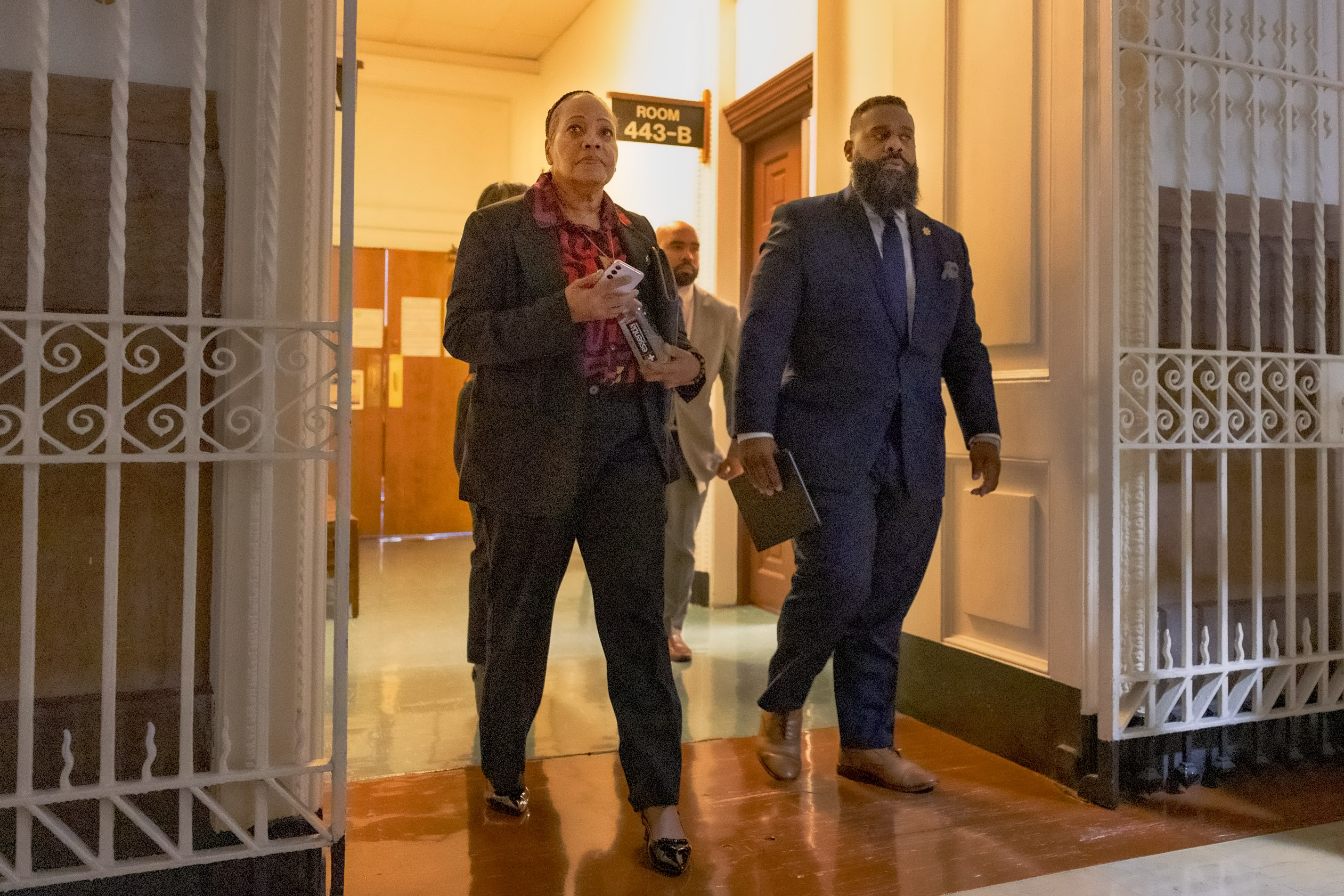
    A Philadelphia judge on Wednesday took the rare step of imposing six months of outside supervision of sheriff sales after years of dysfunction in processing deeds and distributing money from the auctions.

    The decision came after a hearing in City Hall in which a top aide to Sheriff Rochelle Bilal acknowledged withholding thousands of pages of documents the judge had previously requested.

    Common Pleas Court Judge Paula Patrick grilled representatives of Bilal’s office over the surprise revelation, which followed a Monday Inquirer report noting that many of the requested records were missing.

    “My order,” the judge said, “was very specific.”

    Patrick, supervisor of the court’s commerce division, had requested the documents in May and scheduled Wednesday’s hearing following years of complaints about chronic delays in processing deeds and distributing funds from sheriff sales.

    Since at least mid-2024, winning bidders at property auctions have been paying the sheriff, then waiting a year or more for the office to process deeds of sale.

    The courts have been bombarded with petitions for those deeds, which prompted Patrick to take action. She required Bilal to produce, among other things, “a detailed accounting of all sales proceeds received and disbursed” since she took office in January 2020.

    In July, the office submitted thousands of pages of records to an official court docket along with a statement indicating it had resolved many of the deed delays and complied with all terms of the order.

    When The Inquirer asked Friday why none of the submitted records detailed sale revenues distributed after 2023, Bilal and her staff declined to comment.

    Bilal’s representatives admitted in the hearing Wednesday that the records were not submitted.

    On Tuesday afternoon, following the publication of The Inquirer’s report, an attorney for Bilal dropped in excess of 5,000 pages of sales records into the court docket.

    Steven Wakefield, a former city tax attorney appointed in June as deputy undersheriff to clean up the troubled sheriff sale process, said in the hearing that his initial representation to the court, based on assurances from staff that all sales had been pulled, “was not accurate.”

    Wakefield said that after the news organization’s inquiry Friday morning, he immediately followed up with staffers about the missing post-2023 sales records.

    “They said, ‘Oh, yeah, we didn’t do that,’” Wakefield recounted.

    It was unclear Wednesday whether all the records from that time period would ever be turned over.

    “Some of the information the court asked for did not exist,” said Jonathan Rardin, an attorney appointed by the city to represent Bilal.

    Later Wednesday afternoon, Bilal’s staff agreed to allow an outside person or group to monitor how auctions are conducted, then report back to the court in six months. The judge did not name the overseer or say when the outside supervision would begin.

    “This is in essence exactly what we were asking for,” said Daniel Bernheim, a lawyer for JSB Property Group, a real estate investment company that filed a lawsuit in March alleging that Bilal had breached the terms of a 2003 consent order requiring the office to issue deeds within 40 days of settlement.

    Bernheim said Patrick’s order will “have somebody independently come in, take a hard look at what’s going on, ask a lot of the questions that still need to be asked, and make recommendations.”

    Bilal, in civilian dress, sat before the judge silently during the hearing and did not respond when asked by an Inquirer reporter for comment.

    After the hearing, Bilal told a group of reporters that she supported the court supervision.

    “It’s better that we come together and make an agreement so we can continue working together and moving forward,” she said. “That’s all it is.”

    Bilal’s attorney had filed a last-minute motion on Friday seeking to protect the sheriff from having to testify at the hearing, writing that it involved “matters outside her unique personal knowledge.” Patrick denied the motion. But, in the end, Bilal was not called to testify.

    The hearing offered other insights into the sheriff’s office, which has struggled in recent years to perform many of its core functions under Bilal.

    Wakefield blamed the deed delays on a single person: Melissa Simpson, Bilal’s former director of real estate. He said Simpson had been manually filing documents and became overwhelmed when auctions picked up in the aftermath of the pandemic.

    In a certification filed last month, Wakefield claimed Bilal was not even aware of the deed backlog.

    “Simpson was telling everyone it was fine,” Wakefield said Wednesday. “One person can’t do the whole job.”

    Simpson could not be reached for comment. But three current sheriff’s office employees, who were not authorized to speak publicly, disputed that Simpson was solely to blame for the problem.

    Even when more staffers were hired, Wakefield said, the office could process only 40 or 50 deeds a day at most.

    Wakefield also said the slow pace of deed filings was eclipsed by even more serious problems with the issuance of legally mandated distribution sheets, which detail how money from each auction is divided.

    “The distribution backlog is worse than the deed backlog,” he said. “There was a period of time where distribution sheets were not being uploaded.”

    Even so, Wakefield presented a picture of an office that has now been reformed. He said it was moving to automate large parts of the deed process.

    However, he acknowledged that despite his July statement to the court that the outstanding backlog had been cleared, there are still some that must be processed.

    Wakefield told the judge that a recently hired staffer, William A. Brownlee Sr., is conducting an audit to find any sales that were inadvertently passed over.

    One real estate agent told The Inquirer last week that he was still waiting on deeds from auctions that occurred in late 2024.

  • Judge denies Minnesota’s bid to compel the extradition of an ICE officer from Texas

    Judge denies Minnesota’s bid to compel the extradition of an ICE officer from Texas

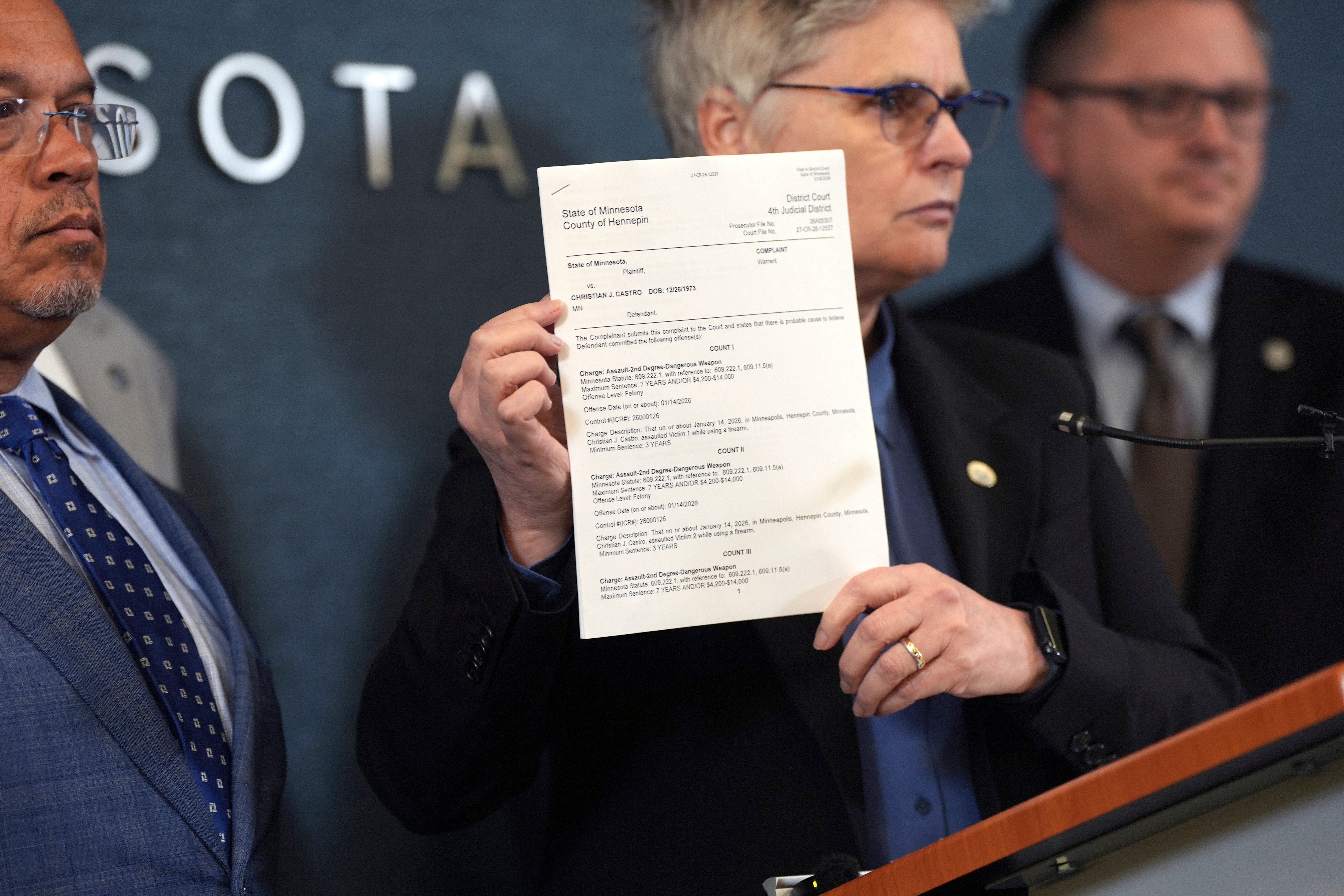
    BROWNSVILLE, Texas — A federal judge on Wednesday refused to order Texas to extradite an Immigration and Customs Enforcement officer charged with shooting a man and lying about it during the immigration crackdown in Minneapolis.

    Christian Castro is charged in Minnesota with assault and falsely reporting a crime in the Jan. 14 shooting of 24-year-old Julio Cesar Sosa-Celis. Minnesota authorities have sought his extradition since his arrest, but he remains in custody in Brownsville, Texas, a city bordering Mexico.

    Under Texas law and barring extradition, Castro must be released after 90 days of detention, which is Thursday.

    Minnesota Attorney General Keith Ellison filed a request for a temporary restraining order last week, asking a federal judge to prevent the sheriff in Cameron County, Texas, from releasing Castro, and to order Texas Gov. Greg Abbott to sign his extradition warrant.

    Minnesota officials believe Castro could flee the country, citing calls he made from jail to a woman in Mexico, talking “about marrying her and buying a house in Mexico when he is released,” according to the lawsuit.

    Castro is accused of firing a gun through the front door of a Minneapolis home, shooting Sosa-Celis in the leg. Prosecutors say Castro also falsely accused Sosa-Celis and another man of attacking an ICE officer with a broom handle and a snow shovel.

    At a federal hearing in Brownsville on Tuesday, attorneys with the Minnesota Attorney General’s Office argued it would be hard to compel Castro to face charges in their state if he is released, and they fear Castro may flee the country, citing his phone conversations with a woman who lives in Mexico.

    Texas Gov. Greg Abbott said last week he would not respond to the extradition request, citing the ongoing investigation into fraud in government social service programs in Minnesota, which President Donald Trump used to justify his immigration crackdown there.

  • Lower Merion has issued more than 600 violations from red-light cameras since mid-July

    Lower Merion has issued more than 600 violations from red-light cameras since mid-July

    Lower Merion’s automated red-light cameras have captured hundreds of violations since they went into effect last month.

    As of Monday, red-light cameras installed at the intersection of Lancaster Avenue and Remington Road had led to 663 citations, according to Andy Block, Lower Merion’s superintendent of police.

    The cameras went live on May 13, kicking off a 60-day warning period before the police department began issuing tickets on July 13.

    Lower Merion’s cameras capture photos and videos of drivers apparently running red lights. Video and photo evidence is sent to the police department, which reviews each case and determines whether to send a citation to the vehicle’s owner. Red-light violations come with a $100 fine and can be contested at an in-person municipal hearing.

    The intersection of Lancaster Avenue and Remington Road was chosen as the first site for the automated red-light enforcement cameras, and officials have said they hope to expand the program to other high-traffic intersections. Other locations being considered for red-light cameras include the intersections of Montgomery Avenue and Airdale Road and of Lancaster Avenue and Haverford Station Road.

    The township has estimated that if cameras are placed at all three high-traffic intersections, around $24 million in annual revenue could be captured initially, with revenue dropping to around $8 million annually as compliance improves.

    The township, however, will not collect revenue from the automated red-light tickets. Collected funds will cover administrative costs, with the rest going to a state fund that supports transportation enhancement projects across Pennsylvania. Municipalities that participate in the automated red-light enforcement program receive priority status when applying for transportation grants from the state.

    The township has stated that the program is, first and foremost, about traffic safety. Residents have long complained of dangerous conditions for drivers and pedestrians traversing the township’s roads. Nearly 3,800 vehicle crashes were reported in Lower Merion between 2019 and 2023.

    Block said in an email that traffic enforcement is a priority for the police department and that using the automated cameras “provides additional safety for our motorists traveling in the township.”

    Under the township’s ordinance, the cameras must be used strictly for red-light violations, not general surveillance. Photo and video evidence taken by red-light cameras must be destroyed within 30 days of a violation being settled and cannot be released under Right to Know requests.

    This suburban content is produced with support from the Leslie Miller and Richard Worley Foundation and The Lenfest Institute for Journalism. Editorial content is created independently of the project donors. Gifts to support The Inquirer’s high-impact journalism can be made at inquirer.com/donate. A list of Lenfest Institute donors can be found at lenfestinstitute.org/supporters.

  • Flyers to feature on national broadcasts 19 times during 2026-27 season

    Flyers to feature on national broadcasts 19 times during 2026-27 season

    When Danny Brière and Keith Jones took over the Flyers on a full-time basis back in May of 2023, they vowed to “lead this team back to the winning tradition that everyone knows it can, and should be.”

    Slowly but surely.

    Fresh off a first playoff appearance in six years, the Flyers are relevant again, with the latest sign coming Wednesday via the NHL’s national television schedule release. The Flyers will be part of 19 national broadcasts this season, a considerable uptick from the 14 they appeared on in 2025-26. This includes being part of TNT’s season-opening broadcast lineup on Sept. 30 when they will take on the rival Pittsburgh Penguins at Xfinity Mobile Arena (7:30 p.m.). Only the Boston Bruins (20) and Penguins are pegged for more national broadcasts this season.

    On-ice improvement naturally leads to more national attention, and the presence of budding stars Porter Martone and Matvei Michkov surely adds further intrigue to the rebuild in South Philly. The rekindling of the rivalry with the Penguins after last year’s playoff series doesn’t hurt either.

    In all, the Flyers will be featured exclusively on ABC or ESPN six times, including weekend bouts with the Penguins on Jan. 31 (noon) and April 3 (8 p.m.). The Flyers will also have four games on ESPN+/Disney+/Hulu, the first coming on Oct. 1 against Metropolitan Division rival New Jersey (7 p.m.). As part of ESPN’s fourth annual “Frozen Frenzy” whiparound show featuring all 32 teams on Oct. 13, the Flyers will play the Seattle Kraken at 7 p.m.

    The Orange and Black will be televised nine times on TNT, including a pair of contests against the Washington Capitals — Oct. 28 at 7:30 p.m. and April 1 at 7:30 p.m. — in what figures to be all-time leading goal scorer and Flyers nemesis Alexander Ovechkin’s final NHL season. The Flyers’ final game of their 84-game season on April 10 at Xfinity Mobile Arena, which will likely double as Ovechkin’s regular-season swan song, will also be nationally televised on ABC (12:30 p.m.)

    Full Flyers national broadcast schedule

    Flyers games with updated start times

    Thurs., Oct. 15 @ Detroit 7:30 p.m. ET (Little Caesars Arena)

    Thurs., Dec. 3 vs. NY Islanders 7:30 p.m. ET (Xfinity Mobile Arena)

    Thurs., Jan. 28 vs. Los Angeles 7:30 p.m. (Xfinity Mobile Arena)

    Thurs., Feb. 18 @ Dallas 9 p.m. (American Airlines Arena)

    Sat., Feb. 20 vs. NY Rangers 12:30 p.m. ET (Xfinity Mobile Arena)

    Mon., Feb. 22 vs. Montreal 2 p.m. ET (Xfinity Mobile Arena)

    Sun., March 7 vs. St. Louis 3:30 p.m. ET (Xfinity Mobile Arena)

    Thurs., March 25 @ Tampa Bay 6:30 p.m. ET (Benchmark International Arena)

    Thurs., Apr. 1 vs. Washington 7:30 p.m. ET (Xfinity Mobile Arena)

    Thurs., Apr. 8 @ Columbus 7:30 p.m. ET (Nationwide Arena)

    Sat., Apr. 10 vs. Washington 12:30 p.m. ET (Xfinity Mobile Arena)

  • Fire in a hospital nursery kills 14 newborns in Pakistan’s capital

    Fire in a hospital nursery kills 14 newborns in Pakistan’s capital

    ISLAMABAD — A fire triggered by an exploding air conditioner killed 14 newborns in a hospital nursery in Pakistan’s capital on Wednesday, officials said.

    One baby of the 15 who were in the nursery at the Pakistan Institute of Medical Sciences was rescued, the hospital said.

    Television footage showed rescue workers using ladders to reach the third-floor nursery through broken windows. Grieving parents and relatives gathered at the hospital, some weeping while others demanded answers about how the fire began and whether the nursery had adequate firefighting equipment.

    The government has opened an investigation, and Prime Minister Shehbaz Sharif ordered Health Secretary Aslam Ghauri, the Health Ministry’s highest civil servant, to be removed from office.

    A woman who identified herself as Mrs. Mohammad Sami said she gave birth three days earlier and her baby was receiving intensive care in the nursery when the fire broke out.

    “I don’t know what to say or whom to blame,” she said through tears. “I have lost my child.”

    The fire was confined to the hospital’s nursery

    The fire was confined to the nursery at the institute, which is one of Islamabad’s largest public hospitals. The rest of the facility was unaffected with no other injuries reported, according to hospital officials and witnesses. The blaze was later extinguished, Islamabad Chief Commissioner Suhail Ashraf said.

    It was among Pakistan’s deadliest recent tragedies involving children. In June, 14 schoolchildren were killed when the roof of a tutoring center under construction collapsed in the eastern city of Lahore.

    Health Minister Mustafa Kamal, who confirmed the death toll, told the Geo News channel that he was traveling from Karachi to Islamabad to oversee the investigation.

    Dr. Aneeza Jalil, a hospital spokesperson, said a doctor rescued one baby. She said the bodies of six babies had been handed over to their families, while the remaining bodies would be released soon.

    The government is investigating how the fire started and the response

    The Islamabad district magistrate appointed a fact-finding committee and asked it to submit a report within 24 hours. The panel will investigate the cause of the fire and its spread, determine whether adequate fire-safety measures were in place, and evaluate the emergency response, according to a government order.

    Interior Minister Mohsin Naqvi and Sharif, the prime minister, expressed sorrow over the fire.

    “A tragedy involving children is an irreparable loss,” said Sharif, who held a high-level meeting with officials from relevant agencies hours after the fire.

    President Asif Ali Zardari also offered condolences to the families, describing the deaths as “heartbreaking and an irreparable loss.” He called for those responsible to be brought to justice and urged hospitals to ensure effective fire-safety measures and emergency procedures.

  • Victory Brewing’s Parkway taproom closed after failed health inspection

    Victory Brewing’s Parkway taproom closed after failed health inspection

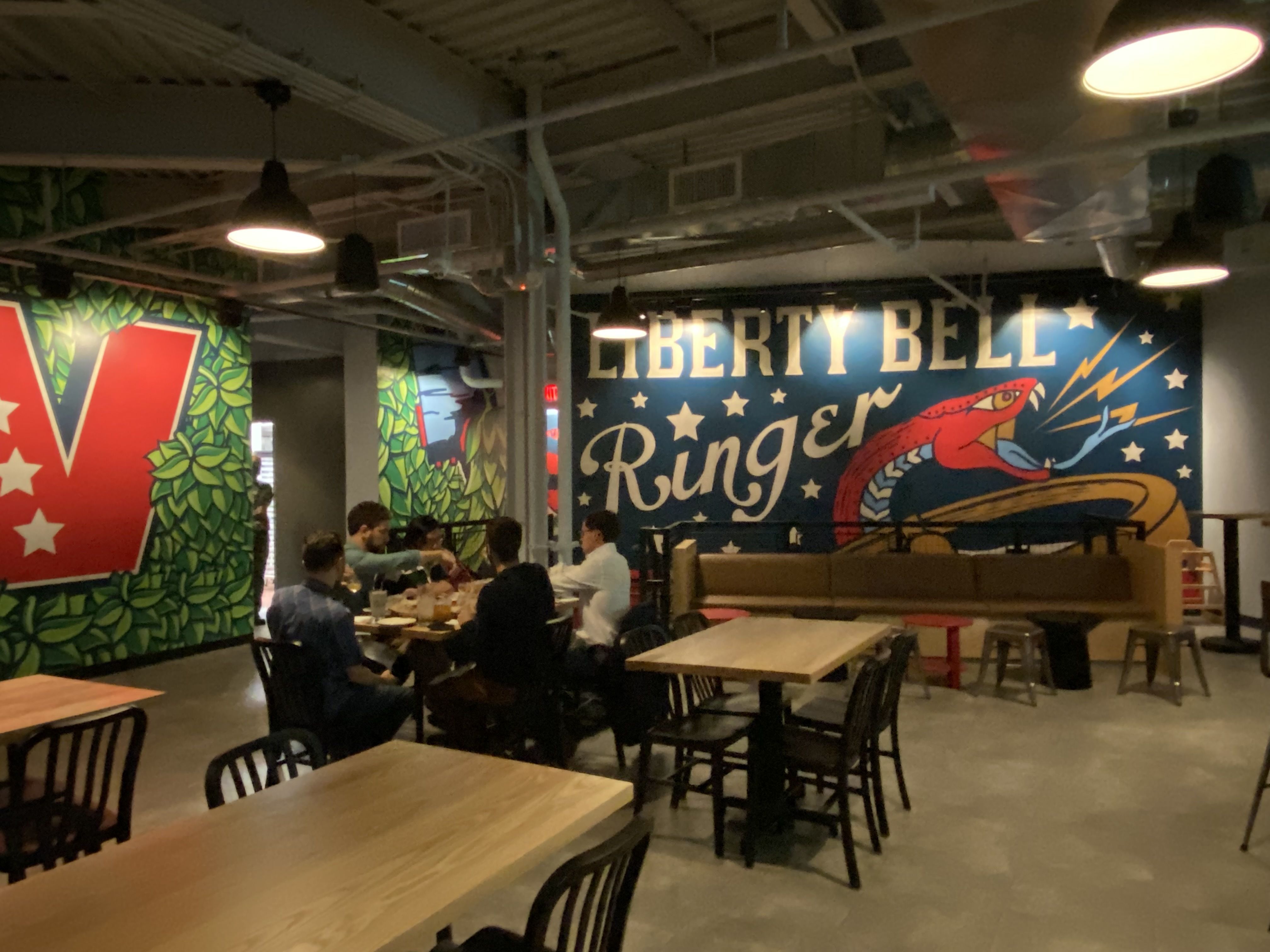
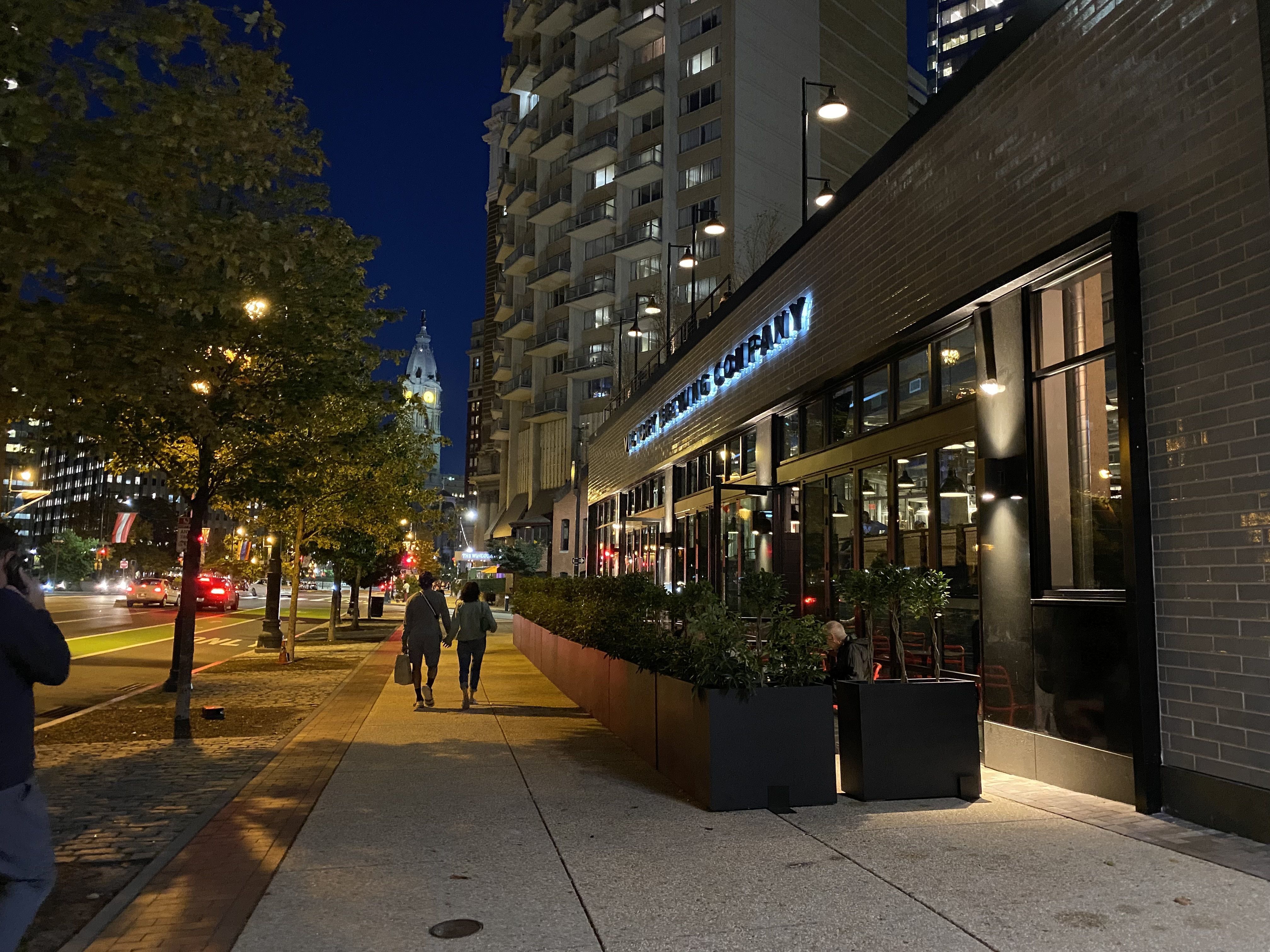
    Victory Brewing Company’s Philadelphia taproom was ordered to cease operations over a series of “imminent health hazards” following a Department of Public Health inspection Tuesday.

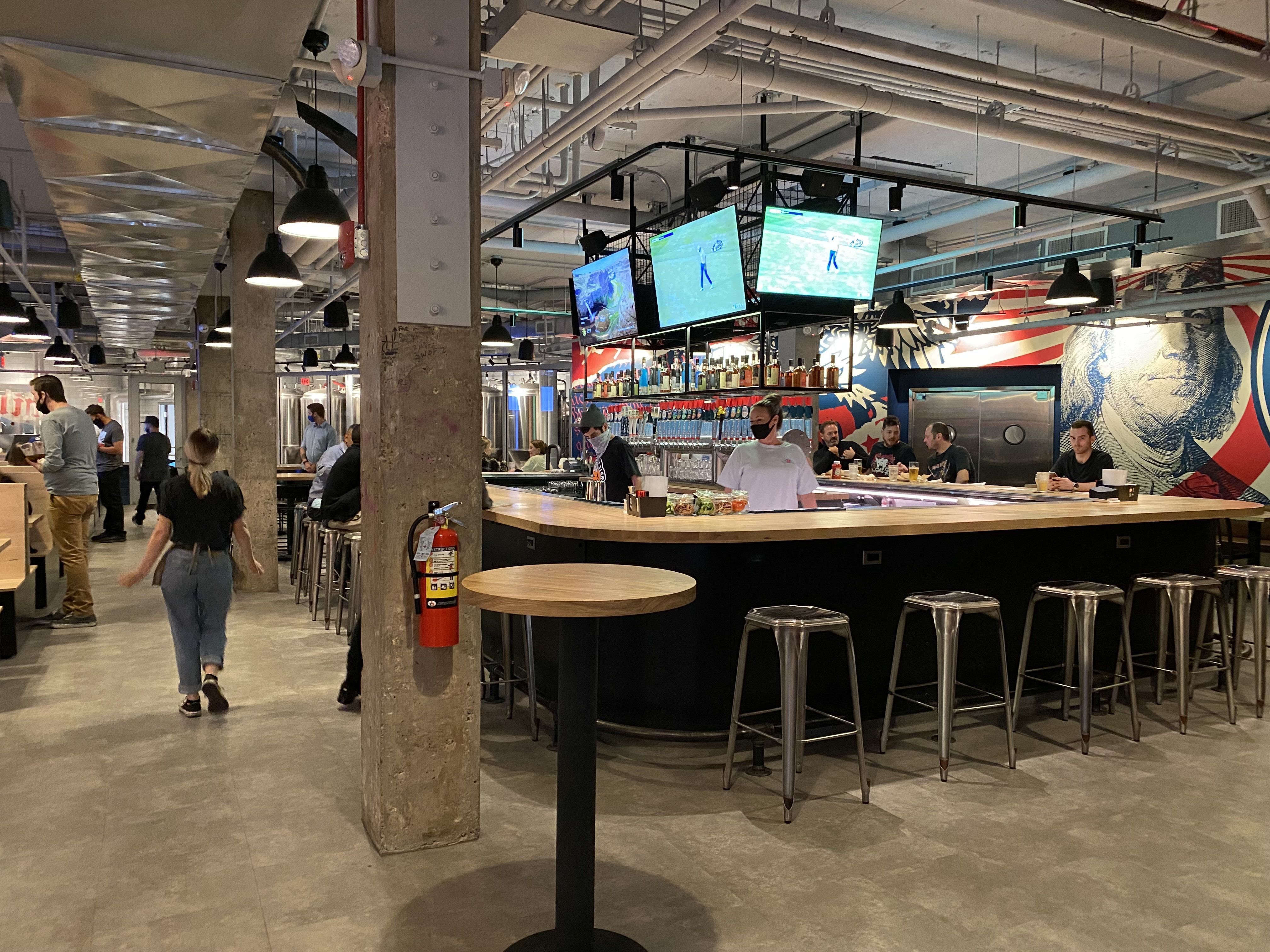
    The Downingtown-based brewery’s three-level bar at 1776 Benjamin Franklin Parkway was ordered to close at 3:20 p.m. Tuesday after a health inspector documented 26 health-code violations.

    Among the findings: live roaches, flies, and mice in the first floor bar and prep areas alongside mouse droppings littered throughout the nearly 14,000-square-foot space.

    Victory Brewing Co.’s taproom replaced the TGI Friday’s at 1776 Ben Franklin Parkway.Michael Klein / Staff

    No soap was available at several sinks throughout the brewery at the time of the inspection, the report stated, and employees were observed working without washing their hands. Black specks and orange residue had accumulated inside the ice machine, while several soda guns were “not clean to sight,” the report said.

    Victory Brewing must remain closed for at least 48 hours and cannot reopen until it pays a $315 fine and passes a new health inspection. The bar announced via Instagram that it would be closed Wednesday with plans to reopen Thursday.

    “The cleanliness and safety of our taproom are of paramount importance to us. They are ingrained in our daily routines and reinforced by the professional partners we work with. We have always been in compliance with the health department since opening, which is why we take this week’s report extremely seriously,” Matt Reimold, the area operations manager for Victory Brewing, wrote in response to an Instagram comment asking about the closure. “We are taking immediate action to resolve all issues and will reopen only when they have been fully addressed.”

    A pest control service is “on site” to address the vermin-related violations, Reinhold wrote. Victory Brewing has maintained regular pest control service throughout doing business, Reimold wrote in the comment.

    Health inspections are typically viewed as snapshots in time and may not necessarily reflect an establishment’s day-to-day conditions. That hasn’t stopped at least one corner of the internet from fixating on Victory Brewing’s violations — which, to some, feel like taproom sins.

    The first floor bar at the center of Victory Brewing Co.’s Philadelphia taproom, which opened on the Benjamin Franklin Parkway in 2021.Michael Klein / Staff

    “A brewery not cleaning their own lines. What a trip,” read one Reddit comment on a post about the cease operations order in the popular subreddit R/PhiladelphiaEats.

    Cofounded in 1996 by Bill Covaleski and Ron Barchet in the old Pepperidge Farm factory in Downingtown, Victory Brewing has grow into a national craft beer brand known best for its IPAs and easy-drinking Golden Monkey tripel.

    The brewery opened its sole Philadelphia location on the Parkway in 2021, and runs two other taprooms in region in Downingtown and Kennett Square. Those remain open.

  • Frank Spagnuola, original ‘American Bandstand’ dancer and longtime interior designer, has died at 85

    Frank Spagnuola, original ‘American Bandstand’ dancer and longtime interior designer, has died at 85

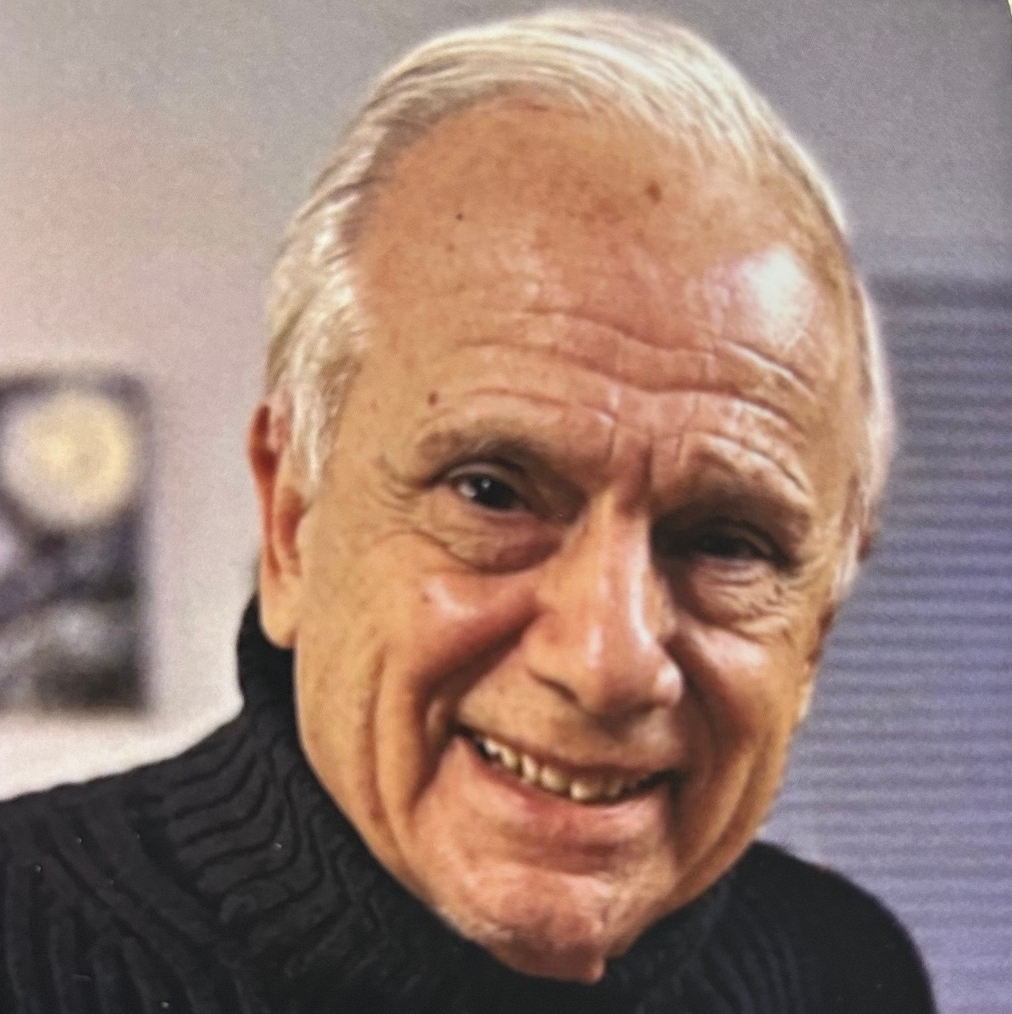
    Frank Spagnuola, 85, formerly of Philadelphia, one of the original American Bandstand dancers, 1957 Chalypso dance champion, longtime interior designer, and gourmet home cook, died Monday, Aug. 17, of congestive heart failure at the Complete Care at Court House nursing center in Cape May Court House.

    Born and reared in South Philadelphia, Mr. Spagnuola was lifelong friends with performers Bobby Rydell, Frankie Avalon, Fabian Forte, James Darren, and Jerry Blavat, and dozens of other singers, dancers, musicians, and disc jockeys from the neighborhood. He enjoyed socializing as well as music and dancing, and, at 15, became one of the original dancers when the old WFIL-TV station hosted Bandstand and then American Bandstand in the 1950s and ’60s.

    The TV station invited local teens to dance to the latest hits in its Studio B on Market Street in West Philadelphia, and Mr. Spagnuola did just that on many afternoons from 1955 to 1963. In 1957, he and partner Dottie Horner finished first in American Bandstand’s first Chalypso contest, spotlighting an original Philly dance that combines the cha-cha and the calypso.

    “We would cut classes” to dance on Bandstand, Mr. Spagnuola, a graduate of the old Bishop Neumann High School, said in a 2017 video interview. “We had eight or nine classes, and we would leave, like, the sixth class. Father would say, ‘Where are you going?’ Well, you know where we’re going, Father. The priests watched the show. I mean, everybody watched the show.”

    Mr. Spagnuola graduated from the old Bishop Neumann High School in 1958.Courtesy of the family

    It was downstairs at Studio B, Mr. Spagnuola said, that he encountered Bandstand guest stars Pat Boone, Bobby Darin, and Sal Mineo. As a teen in the neighborhood, he performed in local skit shows with Rydell and played football and double-dated with Fabian.

    On Facebook, Fabian called Mr. Spagnuola “a gentleman and talented dancer,” and said: “Frank Spagnuola was one of the most popular and beloved regular dancers on Dick Clark’s American Bandstand during the show’s iconic Philadelphia era.”

    Mr. Spagnuola is profiled at history-of-rock.com and bandstand.cafex.biz, and he and Dottie Horner are on the cover of the 1997 Dick Clark’s American Bandstand souvenir collectors’ magazine. He is featured in the 1997 New Jersey Network documentary Bandstand Days and called the show “part of American history.”

    Over the years, as Bandstand’s popularity ebbed and flowed, he routinely reconnected with other original dancers — they were called the Bandstand Regulars — at reunions, public events, and celebrations in the region. American Bandstand went off the air in 1989.

    Mr. Spagnuola and his dance partner, Dottie Horner, were on the cover of this 1997 souvenir collectors’ magazine. Courtesy of the family

    “Everybody loved Frank,” said longtime disc jockey and music director Tommy McCarthy. “He had an infectious smile. He was a guy you just liked.”

    Friends on Facebook called Mr. Spagnuola “movie star handsome,” “a rock & roll soldier,” “a Bandstand pioneer,” and “one of the nicest gentleman you could ever meet.” One said: “Wonderful dancer, wonderful person, wonderful friend.”

    After graduating from Bishop Neumann in 1958, Mr. Spagnuola worked in a high-end carpet store, studied interior design, and earned an associate’s degree at the old Philadelphia College of the Arts. He became an interior designer, worked for Sears at the Moorestown Mall for 25 years, and was active with the American Society of Interior Designers.

    On his own, he did private design work for Muhammad Ali, former Eagles assistant coach Jon Gruden, and other local notables. “He cultivated an eye for beauty and design,” his family said in a tribute, “shaping spaces with elegance and functionality.”

    Mr. Spagnuola (left above) stands with his wife, Janet, and Bobby Rydell. Below, he is flanked by Fabian (left) and Frankie Avalon.Courtesy of the family

    Francis Michael Spagnuola was born Nov. 2, 1940. The oldest of three brothers, he liked to hang out at the Jersey Shore and dine on Italian food.

    He married Janet Moretti, and they had a son, Stephen, and a daughter, Carrie, and lived in South Philadelphia and Center City. His wife died in 2005.

    Mr. Spagnuola moved to Cape May later, became an accomplished home cook, and was known for his crab salad dip. He was passionate, upbeat, and funny, everyone said, and his children called him “a steadfast anchor and a lifelong source of support.”

    His family said: “He leaves behind a memory as warm and enduring as the summer shore and the Wildwood days he so dearly cherished.”

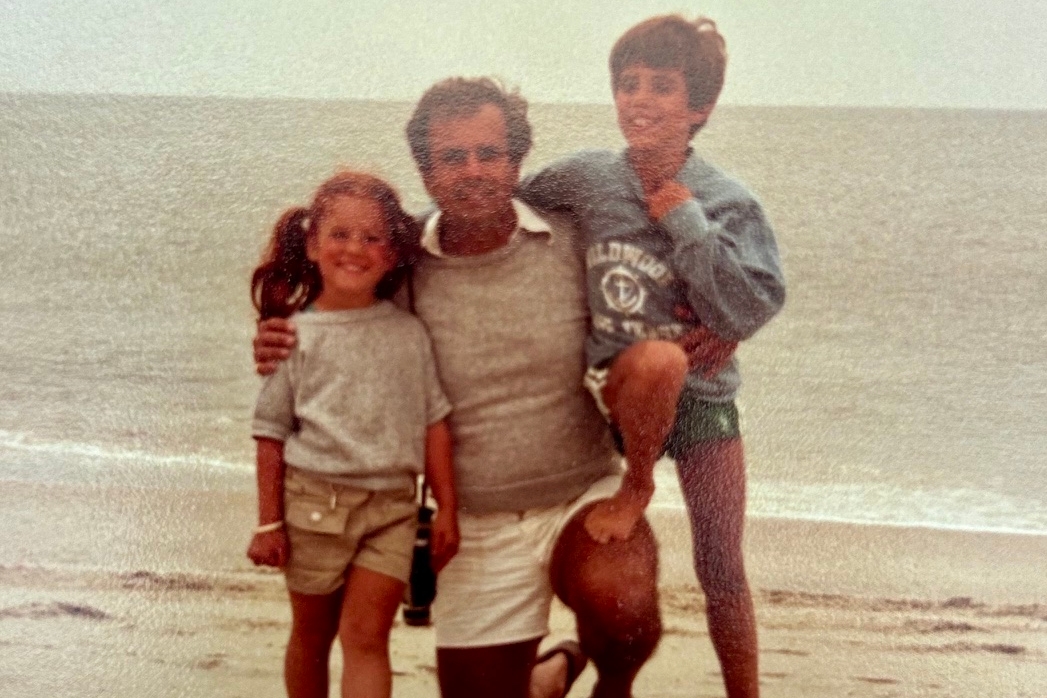
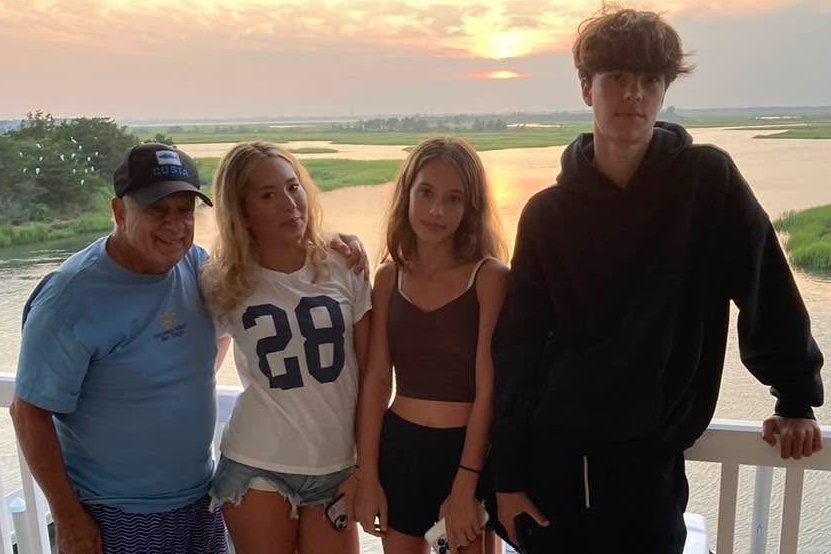
    Mr. Spagnuola enjoyed time with his children (above) and grandchildren (below).Courtesy of the family

    His son said: “He loved life. He loved people. He loved characters.”

    In addition to his children, Mr. Spagnuola is survived by three grandchildren and other relatives. Two brothers died earlier.

    Services were held earlier.

    Donations in his name may be made to the American Heart Association, Box 840692, Dallas, Texas 75284.

    Mr. Spagnuola “loved life. He loved people. He loved characters,” his son said.Courtesy of the family
  • Testimony concludes in Lindsay Clancy’s murder trial. Jury to hear closing arguments Thursday

    Testimony concludes in Lindsay Clancy’s murder trial. Jury to hear closing arguments Thursday

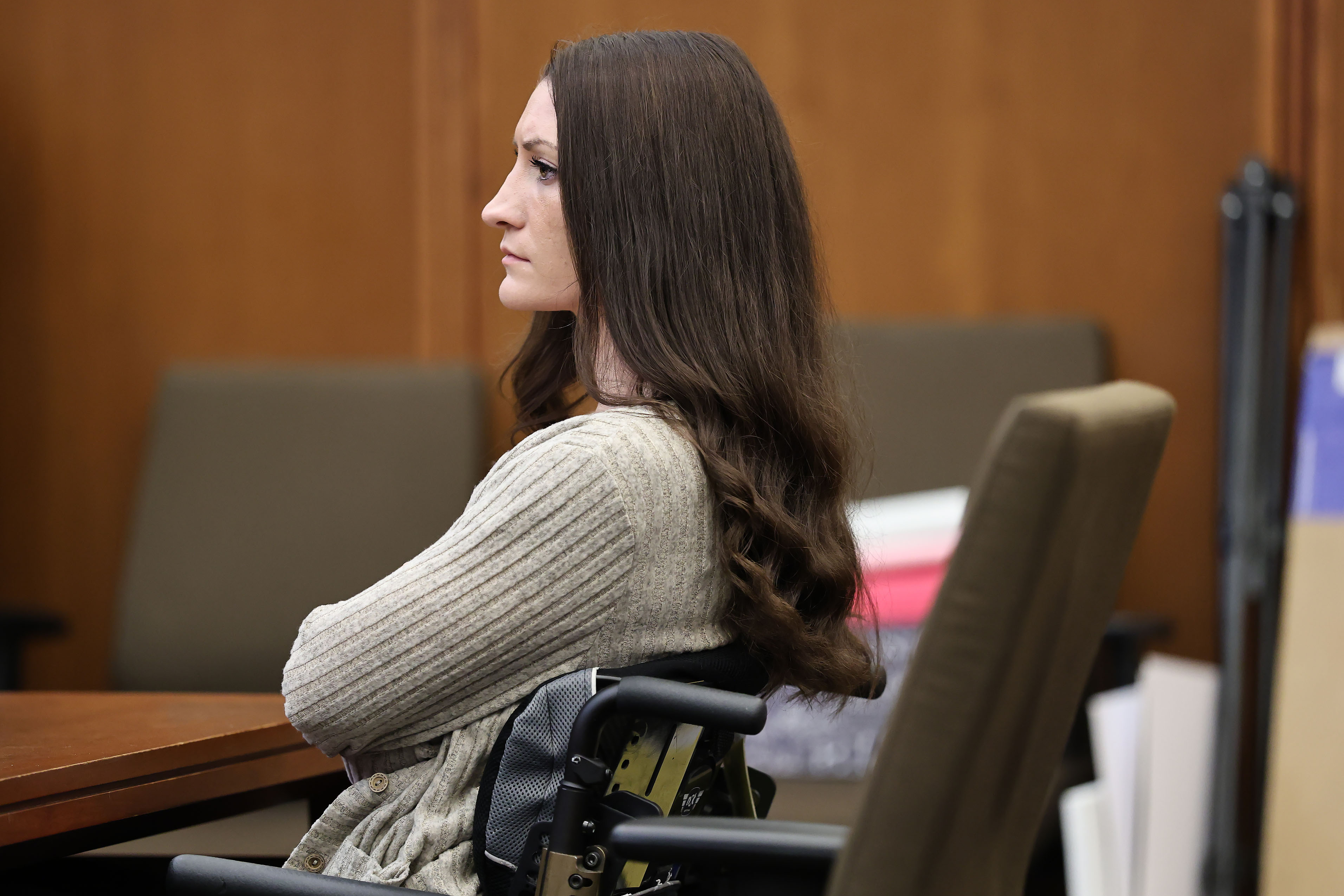
    Testimony concluded Wednesday in the murder trial of Lindsay Clancy, a mother accused of strangling her three young children in a case that has drawn attention to postpartum mental health.

    Closing arguments are expected to begin Thursday, before the jury begins deliberating.

    Clancy, 36, has pleaded not guilty by reason of lack of criminal responsibility, with her lawyers arguing she was experiencing postpartum psychosis when she killed 5-year-old Cora, 3-year-old Dawson and 8-month-old Callan Clancy at the family’s home in coastal Duxbury, Massachusetts, in January 2023. The rare mental illness is linked to the stress, sleep deprivation and hormonal changes that follow childbirth.

    ___

    EDITOR’S NOTE: This story includes discussion of suicide. If you or someone you know needs help, the national suicide and crisis lifeline in the U.S. is available by calling or texting 988.

    ___

    Prosecutors say Clancy planned the killings and understood her actions were wrong.

    Clancy did not testify during the trial, which is in its fifth week. The defense called 10 witnesses, including some of Clancy’s friends and relatives, while prosecutors called more than 70 witnesses, including her then-husband.

    Testifying as the final rebuttal witness for the prosecution, a forensic psychiatrist at the University of Virginia and a senior psychiatrist for the FBI’s Behavioral Analysis Unit said Wednesday that he did not believe Clancy’s account that a voice ordered her to kill the children.

    Prosecutor Jennifer Sprague asked Dr. Gregory Saathoff a series of questions about Clancy’s account: Did the voice tell her where to kill the children? How to kill them? What to use? In what order? Saathoff answered no each time.

    “Having no instructions as to how to do it, but being able to execute those decisions … that is surprising that she’s able to accomplish all of this without any other kind of direction or plan,” he said.

    All three children were strangled with exercise bands in the family’s basement before Clancy tried to kill herself while her husband was getting takeout and at a pharmacy on Jan. 24, 2023. Saathoff said her ability to accomplish everything she did without direction indicated Clancy “had control, control of the sequence of what she was doing throughout.”

    “In the small amount of time that Miss Clancy had in the home without her husband, it was important, in order to carry this out, as well as her suicide, to do this quickly, methodically, and alike,” he said.

    On Tuesday, Saathoff said he found it unusual that Clancy said the voice stopped once she was done strangling the children, that the voice was constant rather than intermittent and that she never previously reported hearing a voice to her medical providers. She also gave a different timeline to other evaluators about when she first heard the voice that day, he said.

    “Committing the act is not curative of the voice,” Saathoff said of the voice stopping abruptly. “I’ve not ever seen that.”

    Defense attorney Kevin Reddington began his cross-examination of Saathoff on Wednesday by trying to cast doubt on Saathoff’s expertise in postpartum psychosis and portray him as someone closely aligned with law enforcement, questioning him about his work with prisons, the Justice Department and the Virginia attorney general’s office.

    Saathoff testified that he treated women with postpartum psychosis while working at a state hospital in the 1980s and 1990s, while much of his more recent research has focused on such subjects as extremist violence, national security and political radicalization.

    Reddington also asked Saathoff about Clancy’s attempts to search online for information about postpartum depression, her visits to multiple maternal and mental health providers, disclosures to her mother and then-husband that she was suicidal and feared that she would harm her children, and calls to a suicide hotline — all attempts that Reddington contended establish Clancy realized something was seriously wrong and made a sincere effort over time to get help.

    Reddington asked whether Saathoff believes that Clancy decided to kill her children because she “no longer liked the life she thought she wanted” and was making “a selfish choice” to “manipulate her providers, seek out a quick and easy fix when she was feeling depressed and anxious.”

    “I think that statement that you read really minimizes what she was going through,” Saathoff responded.