Blog

  • Postal Service plans may keep voters from getting ballots, whistleblower says

    Postal Service plans may keep voters from getting ballots, whistleblower says

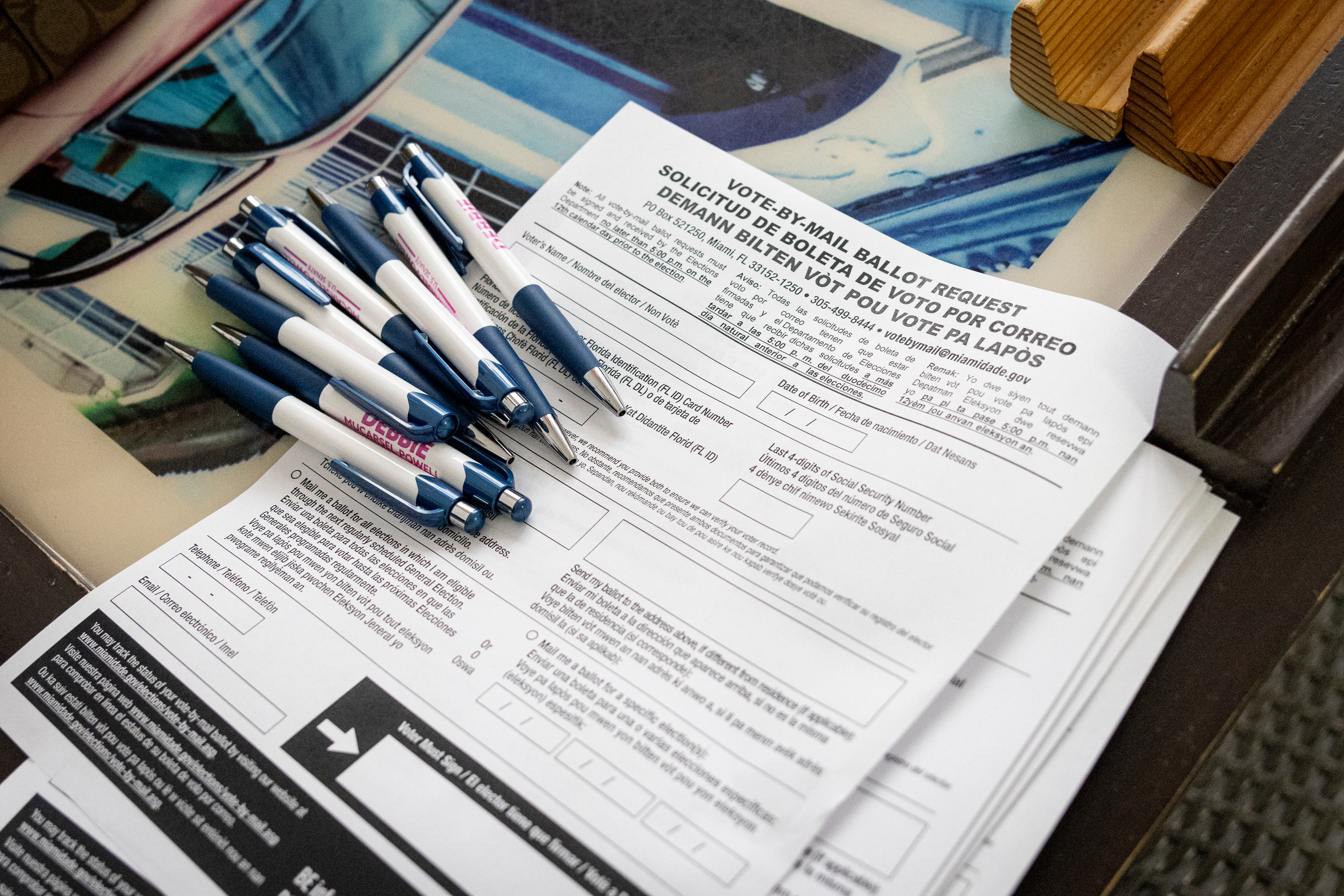
    An anonymous federal official warned in a disclosure to Congress that a rushed and insufficiently tested U.S. Postal Service system could prevent large numbers of Americans from receiving mail ballots this fall if courts approve President Donald Trump’s plans for the midterm elections.

    The disclosure, made public Tuesday morning by Sen. Richard Blumenthal (D., Conn.), says the Postal Service has adopted an internal “zero-percent failure policy” under which an entire batch of ballots would be rejected if a single barcode sampled by a postal employee could not be scanned or matched with information submitted through a new online portal. A batch could contain tens of thousands of ballots, according to the disclosure.

    “The Postal Service has designed a system to disenfranchise millions of Americans,” Blumenthal said in a call with reporters.

    Postal officials and the White House did not immediately provide comment.

    In public statements, the Postal Service has previously said information submitted through the portal will be updated immediately. It has said postal employees will not determine voter eligibility or check names and addresses for accuracy. The rule does not disclose the sampling formula or zero-failure policy described in the whistleblower disclosure.

    The fight over the Postal Service’s plans is rooted in an executive order from Trump that seeks to overhaul mail voting. A judge has blocked those plans for now, but the administration is seeking to reinstate them ahead of this fall’s midterm elections.

    If the administration gets its way, state and local election officials would have to upload lists of voters to an online portal the Postal Service is designing. Postal employees would refuse to deliver to anyone who is not on those lists.

    The unnamed official alleged that the portal was assembled under constantly changing requirements and with as few as four working days available for customer testing before a planned launch.

    If the Postal Service’s plans go into effect, election officials will confront new challenges when they mail ballots in large batches. Postal workers plan to scan barcodes on a sample of envelopes to ensure the voters appear on the state’s list, according to the whistleblower. If they find even one mismatch, they will refuse to accept the entire batch, the whistleblower said. That means a single mismatch in a batch of 10,000 ballots would prevent the 9,999 other ballots from being mailed until discrepancies were resolved.

    “As designed, the process is entirely unforgiving,” the disclosure said. “It could delay ballots by the thousands in repeated verification cycles — and thus prevent states from mailing enormous numbers of ballots.”

    State and local officials often mail ballots in large batches to manage them as effectively as possible. Some states send ballots to all registered voters, and they must place millions of ballots in the mail in a short period.

    Many election officials have expressed alarm about the Postal Service’s overall plans under Trump’s executive order because they don’t believe they have been adequately thought through for a fast-approaching election.

    Among the issues they worry about are potential mismatches for mundane reasons. States constantly update their voter rolls, and the lists they send to the Postal Service could be out of date within minutes as new voters register and existing ones update their registrations because they’ve moved.

    The Postal Service has said states can update their voter lists, but election officials have expressed concerns that the new online portal won’t be able to handle a steady stream of updates.

    The whistleblower disclosure could add to those concerns and bolster legal challenges to the executive order and postal rules.

    The disclosure, dated Sunday, was submitted to Blumenthal by Whistleblower Aid on behalf of an anonymous federal official it represents.

    The organization described the unnamed whistleblower as a “federal official with direct knowledge of potentially catastrophic problems in the development” of the Postal Service’s plans and said the official feared reprisal by administration officials if identified.

    Blumenthal sent the disclosure late Monday to Postmaster General David Steiner and asked him to provide documents about the Postal Service’s plans.

    Blumenthal is the ranking Democrat on the Permanent Subcommittee on Investigations for the Senate Committee on Homeland Security and Governmental Affairs.

    States and voting rights groups sued over the executive order soon after Trump signed it in March. The Supreme Court last week allowed work on the executive order to proceed for the moment, but days later a lower court blocked it.

    The administration is seeking to get it reinstated but faces timing challenges. Officials in North Carolina are preparing to start mailing ballots on Friday under a state law requiring them to send them to those who ask for them starting 60 days before an election. Other states are set to start mailing their ballots in the following days and weeks.

    The whistleblower said the Postal Service stopped working on the portal around June 25 after a federal judge blocked implementation of Trump’s directive, then resumed work around July 29 while that order remained in effect.

    The disclosure said work continued after the judge issued a new order on Thursday barring the Postal Service for 14 days from taking further preparatory steps that would apply to all states for the November election. In a brief ruling Monday, the judge said the Postal Service could work on the portal for states that want to voluntarily use it.

    Postal officials planned to launch the portal on Tuesday, according to the whistleblower. One of the whistleblower’s attorneys, David Kligerman, said work on the portal had continued in recent days but didn’t know whether the Postal Service was sticking with its plan to make it available on Tuesday.

  • Lindsay Clancy jury goes home after a fourth day without a verdict and signals an impasse

    Lindsay Clancy jury goes home after a fourth day without a verdict and signals an impasse

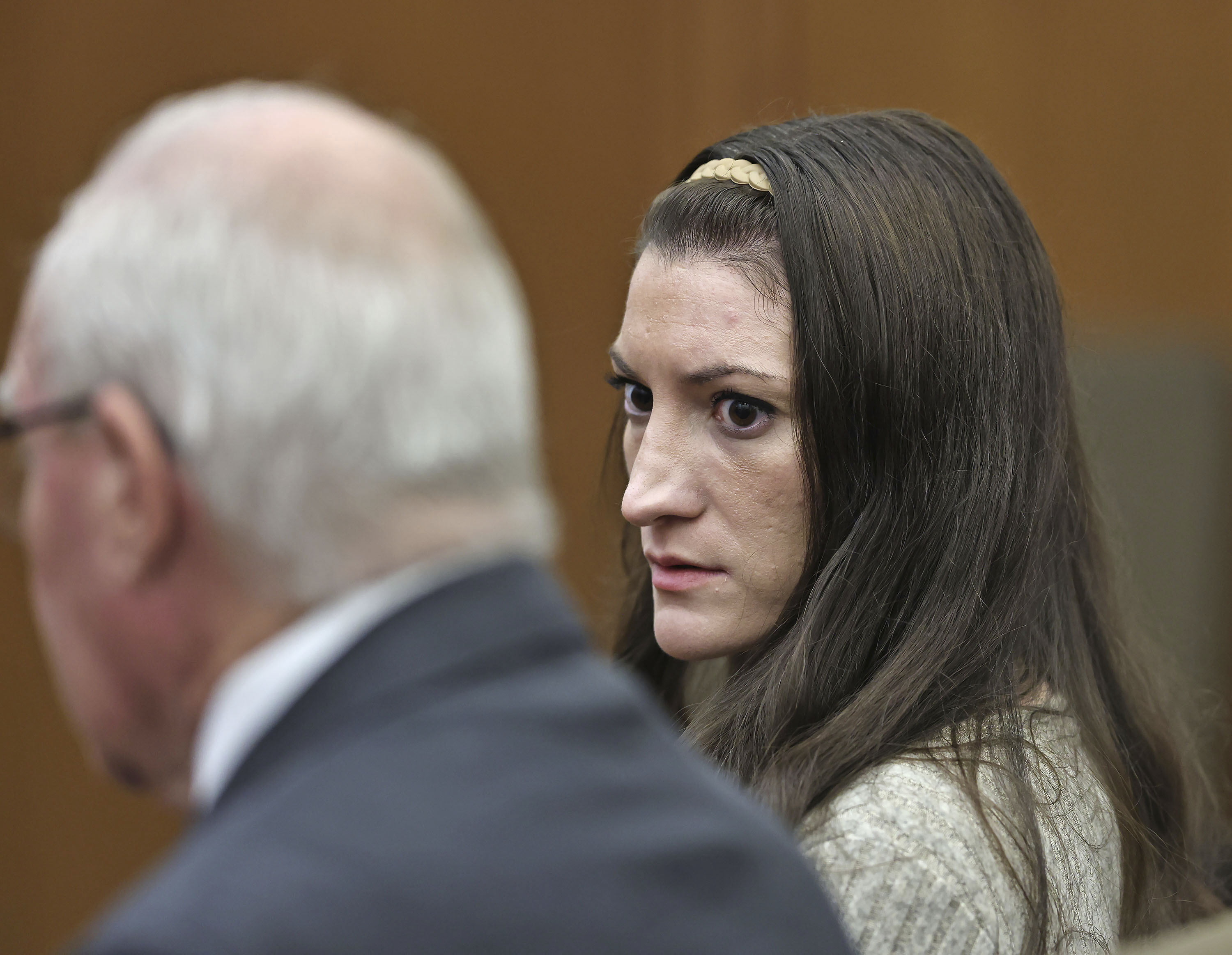
    PLYMOUTH, Mass. — Jurors in the Lindsay Clancy trial ended a fourth day of deliberations without a verdict Tuesday after earlier saying they couldn’t agree whether the Massachusetts mother is criminally responsible for killing her three young children.

    Not long after arriving at the courthouse, the jury sent Judge William Sullivan a note saying they had been unable to reach a unanimous decision despite many hours of back and forth. He told them to keep trying.

    It was the jury’s first indication of an impasse in the closely watched trial that has focused on maternal mental health after childbirth, and which has stirred deep divisions among the public.

    Clancy, a former labor and delivery nurse, doesn’t deny strangling her children but says postpartum psychosis led to her actions. Prosecutors argue she knew what she was doing. Clancy, 36, has pleaded not guilty by reason of lack of criminal responsibility.

    Clancy stared straight ahead as the jury entered in the morning to say they were at a standstill, then looked toward them as the judge spoke.

    Sullivan told the jurors that he recognized it had been a long trial with more than 80 witnesses and 300 exhibits. “But because of that, I’m going to ask you to go back out,” he said.

    They’re expected to resume deliberations Wednesday.

    What happens if there’s a hung jury

    The jury, which began deliberating Thursday afternoon, could convict Clancy of murder or manslaughter, or acquit her if they believe her deteriorating mental health was to blame.

    A conviction could lead to a life prison sentence. If she is acquitted, a judge could still order her confined to a mental health facility if an evaluation determines she is a danger to the public.

    If jurors can’t reach a verdict and a mistrial is declared, the charges against Clancy would remain. Prosecutors would need to decide whether to try Clancy again before an entirely new group of jurors.

    Prosecutors could offer a plea deal to Clancy, although her attorney is more likely to push for them to drop the charges, said Brad Bailey, a Boston defense attorney and former prosecutor who is not involved in the case.

    Defense attorney Kevin Reddington called it a good sign that the jury hasn’t given up. “I think that they’re showing that they are more than willing to keep working at it,” he said.

    Trial focused on mental health

    During more than four weeks of testimony, jurors heard differing views from medical experts.

    Clancy’s lawyer argued she loved her children, but killed them because she lost her grip on reality — and on herself — due to bipolar disorder and postpartum psychosis, a rare mental illness that can follow childbirth.

    Prosecutors said Clancy was depressed and tired of living, and made a conscious choice to kill the children. A forensic psychologist who testified for the prosecution said he concluded that Clancy killed the children because she wanted to end her life but didn’t want to leave them behind.

    Clancy’s mother and sister testified that she became anxious, paranoid, and suicidal after the birth of her third child. She sought treatment for her worsening mental health, including a stay in a psychiatric hospital, in the months before killing Cora, Dawson, and Callan Clancy, ages 5 years, 3 years, and 8 months.

    Less than three weeks after being discharged, she sent her husband on an errand and killed the children with exercise bands in the basement of their home south of Boston. She then jumped from a second-floor window and remains paralyzed from the waist down. Her lawyers say she heard a voice telling her to kill the children so she could end her own life.

    Lindsay Clancy didn’t take stand during her trial

    Clancy chose not to testify. She watched the proceedings from the defense table, occasionally weeping, as when prosecutors showed autopsy photos of the children to the jury.

    Jurors spent two days listening to testimony from her former husband, Patrick Clancy, and his anguished 911 call. He was on the phone when he discovered the children’s bodies, minutes after finding his wife.

    Patrick Clancy has said in interviews that he forgives his ex-wife, whom he viewed as ill rather than evil. The trial marks the first time he has seen Lindsay Clancy since the killings.

    Postpartum psychosis, the condition that Clancy’s attorney says she had when she killed the children, is more serious and less common than postpartum depression. Researchers estimate that the condition afflicts 1 to 2 out of 1,000 women after delivery.

  • The can’t-miss fall festivals and markets to visit around Philadelphia

    After a summer of nonstop action — the World Cup, Major League Baseball’s All-Star Game, the festivities surrounding the nation’s 250th birthday — things have finally calmed a bit in Philadelphia.

    But that doesn’t mean there’s not plenty still to come this fall.

    The area will once again host a variety of festivals and markets in the coming weeks and months, celebrating everything from food to the arts and everything in between.

    Here’s a guide to what’s in store.

    Philly Halal Food Festival

    Now entering its fourth year, the festival celebrates Muslim-owned establishments in and around Philly. Last year’s version featured more than 100 vendors and 6,000 attendees.

    📅 Sept. 19,📍King of Prussia Mall, 160 N. Gulph Road, King of Prussia, Pa. 19406, 🌐 phillyhalalfoodfest.com

    Scene of the swan boats from the 2023 Delaware River Festival held both in Philadelphia and Camden.Partnership for the Delaware Estuary

    Delaware River Festival

    The event combined two former festivals, the Partnership for the Delaware Estuary’s Coast Day and Alliance for Watershed Education’s River Days Festival. Expect lots of family-friendly activities, from ferry rides and pedal boats to crafts and water-related education. Events take place at both Penn’s Landing on the Pennsylvania side of the river, and Wiggins Park on the New Jersey side.

    📅 Sept. 26, 10 a.m. to 4 p.m., 💵 ,📍101 N. Columbus Blvd., Philadelphia, Pa. 19106 and 2 Riverside Dr., Camden, N.J. 08103, 🌐 delawareriverfest.org.

    Mt. Airy Arts Festival

    Held at Allens Lane Park, this fourth-annual festival features live performances, food, an art market featuring the work of local vendors — but also the opportunity to make some art yourself, with stations for painting, printmaking, and ceramics.

    📅 Oct. 3, 11 a.m. to 4 p.m., 💵 Free,📍601 W. Allens Lane, Philadelphia, Pa. 19119, 🌐 allenslane.org.

    First Fridays at Cherry Street Pier

    First Fridays return to the Cherry Street Pier, complete with artist studio tours, markets, and exhibit openings along the Delaware River. Upcoming dates are Aug. 7, Sept. 4, Oct. 2, Nov. 6, and Dec. 4. Events begin at 4 p.m.

    📅 Various dates, 💵 Free,📍121 N. Columbus Blvd, Philadelphia, Pa. 19106, 🌐 cherrystreetpier.com

    St. Nicholas of Tolentine Italian Festival

    Since 1987, St. Nicholas of Tolentine Parish has held this annual event dedicated to Italian culture. The day kicks off with a 10:30 a.m. Mass and subsequent neighborhood religious procession, and there’s plenty of live music, Italian food, and family-friendly activities.

    📅 Oct. 4, noon to 8 p.m., 💵 ,📍1700 S. 9th St. Philadelphia, Pa. 19148, 🌐 stnicksitalianfestival.com

    OURfest

    This three-day event in and around Philly’s Gayborhood celebrates National Coming Out Day. Things kick off Oct. 9, with a variety of pre-parties and kickoff events. The following day, Oct. 10, is a night of dancing at Voyeur Nightclub, and the festival concludes with a parade on Oct. 11.

    📅 Oct. 9-11, times vary, 💵 Prices vary by event,📍Various locations, 🌐 phillygaycalendar.com

    Made in Philadelphia Fall Market

    The fall market this year celebrates its 10th year at Dilworth Park near Philly’s City Hall. Held over three days in October, this pet-friendly event brings a slew of artists and makers together, from jewelry and photography to glassware and woodwork.

    📅 Oct. 9-10 (noon to 8 p.m.) and Oct. 11 (noon to 6 p.m.), 💵 Free,📍1 S. 15th Street, Philadelphia, Pa. 19102, 🌐 madeinphila.com

    Scrapple & Apple Festival

    A day of celebration in honor of one of Pennsylvania’s most iconic foods: the Dutch breakfast meat, scrapple. Reading Terminal Market turns into a scrapple haven, as vendors offer a variety of scrapple-themed items. There’s live entertainment, cooking demonstrations — even a scrapple-sculpting competition (held Oct. 15, the Thursday before the festival).

    📅 Oct. 17, 10 a.m.-5 p.m., 💵 Free entry, pay as you go,📍1136 Arch St., Philadelphia, Pa. 19107, 🌐 readingterminalmarket.org

    The fifth annual Philly Bike Ride kicks off at the Philadelphia Art Museum on Saturday, Oct. 17.Courtesy of Philly Bike Ride

    Philly Bike Ride

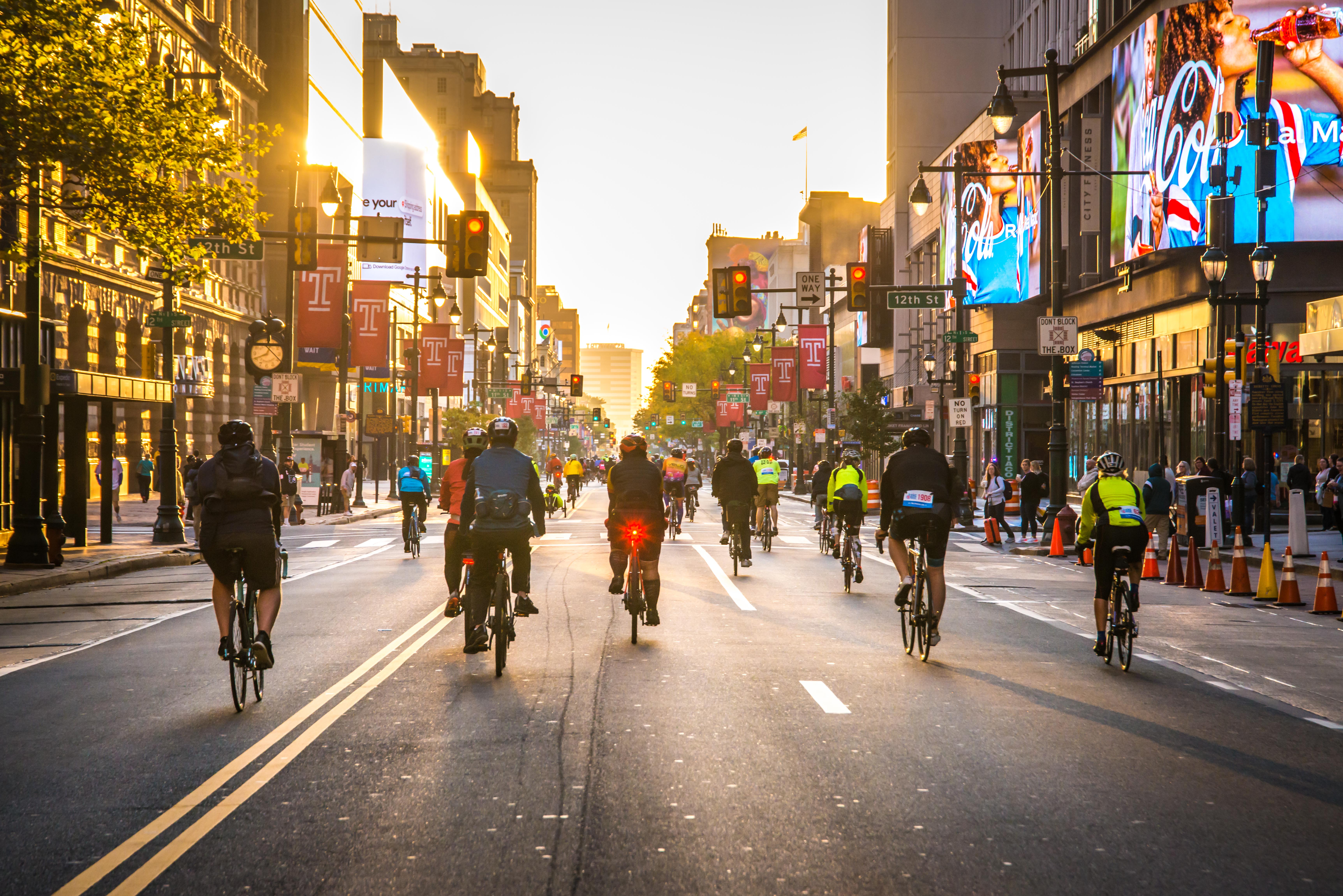
    Now in its fifth year, this annual ride takes cyclists past some of the city’s top landmarks. The 20-mile course is closed to traffic, making it a great event for riders of all ages and experience levels. Afterward, celebrate with food trucks and a beer garden. Registration is required; early-bird prices (through July 12) range from $43 to $200.

    📅 Oct. 17, 7:30 a.m., 💵 Prices vary,📍Benjamin Franklin Pkwy., Philadelphia, Pa. 19130, 🌐 phillybikeride.com

    East FallsFest

    There’s live music all day, pumpkin decorating for kids, and a variety of items from local shops, crafters, and artisans. Local vendors will be on hand, with a beer garden from Wissahickon Brewing.

    📅 Oct. 17, 11 a.m. to 5 p.m., 💵 Free admission,📍Ridge and Midvale Avenues, Philadelphia, Pa. 19129, 🌐 discovereastfalls.org

    Manayunk Fall Festival

    Last year’s inaugural event went so well that organizers are running it back. Main Street will be taken over by local artists and vendors, food trucks, live music, and — ahem — a mac and cheese crawl.

    📅 Oct. 17, 11 a.m. to 4 p.m., 💵 Free admission,📍Main Street, Manayunk, Philadelphia, Pa., 19127 🌐 manayunk.com

    Philly Coffee Festival

    The 23rd Street Armory hosts this annual celebration of all things coffee. More than 20 roasters have already been lined up (with more expected soon) for this two-day event that also includes food and live music.

    📅 Oct. 17-18, 9 a.m. to 4:30 p.m., 💵 Tickets are $25-$73,📍22 S. 23rd St., Philadelphia, Pa. 19103, 🌐 phillycoffeefestival.com

    Cherry Hill Harvest Festival

    More than 100 artists, crafters, and vendors are expected at this year’s annual family-friendly festival held at Croft Farm. Mechanical Brewery will have a beer garden, plus there’s free pumpkins, a petting zoo, and live entertainment.

    📅 Oct. 18, noon- 4 p.m., 💵 Free entry, pay as you go,📍100 Bortons Mill Rd., Cherry Hill, N.J. 08034, 🌐 chnj.gov

    Community Arts Center Fall Fest

    This free event gives visitors a peek behind the scenes of the Community Arts Center in Wallingford. There’s 30 vendors, plus demos and tours, art activities for children, and a pumpkin-painting contest — plus live music. For a full schedule of the day’s events, check out the Community Arts Center website.

    📅 Oct. 25, 11 a.m. to 4 p.m., 💵 Free admission,📍414 Plush Mill Road, Wallingford, Pa. 19086, 🌐 communityartscenter.org

    Philly Flannel Fest

    The Braid Mill in Germantown hosts this fourth annual fall festival, with food trucks, wine and cocktails, local bands and DJs, and a craft marketplace. Early-bird tickets are available at a steep discount if purchased before Oct. 1.

    📅 Oct. 25, noon-5 p.m., 💵 $20 for entry ($12.51 before Oct. 1), pay as you go,📍346 E. Walnut Lane, Philadelphia, PA 19144, 🌐 phillyflannelfest.com

    The first-ever Inquirer Food Festival was held last year at the Fillmore in Fishtown. This marks the event’s second year.

    The Inquirer Food Fest

    The city’s premier food festival returns to the Fillmore this fall, featuring a lengthy lineup of top area restaurants. Sao, Pine Street Grill, and The Bread Room are among the participants already confirmed for this year’s event. There’s also an empanada-making workshop from chef Jezabel Careaga, with music from DJ Na$h, plus the chance to try off-menu dishes.

    📅 Nov. 14, 11 a.m. to 6:30 p.m., 💵 Ticket prices vary,📍29 E. Allen St, Philadelphia, Pa. 19123, 🌐 foodfest.inquirer.com

  • With no PSSA scores in sight, Philly is pushing back its special-admissions deadline

    With no PSSA scores in sight, Philly is pushing back its special-admissions deadline

    The Philadelphia School District has pushed back the application window for its 37 magnet schools.

    The news hinges on PSSA scores, which have not been released to the public by the Pennsylvania Department of Education.

    Instead of students submitting applications for the 2027-28 school year between Sept. 8 and Oct. 30, as originally announced, the application window will now open Oct. 5 and close Nov. 24, officials announced Monday night.

    Students will use both their 2024-25 PSSA results and the yet-to-be-released 2026 scores.

    “This adjustment ensures families have access to official, verified 2026 assessment data when making their school choices,” officials said in a letter to families.

    Initially, district officials said that assessment results would not be ready in time for the application process, and that they would allow applying students to take an alternative assessment.

    But that plan has since changed. Superintendent Tony B. Watlington Sr. said last week it wasn’t clear if alternative assessments would be needed and now, officials are saying they won’t.

    State tests are a question mark

    The PSSAs remain a question mark for the district.

    Harrisburg officials released preliminary data to districts in the late spring, as they typically do, but Philadelphia has shared only limited student PSSA scores with select staff. Most Philly principals and teachers have not seen the scores, though other districts and schools have not withheld the data.

    State education officials notified districts last week that statewide results, typically available to districts in late August or early September, would be delayed, though the release of the data to parents and the public does not typically happen until the fall.

    Philadelphia officials then suggested the state holdup was the reason for their own delay.

    A district spokesperson said the system expects scores in adequate time to make admissions decisions.

    “Once the verified 2026 PSSA and Keystone results are released by PDE later this fall, district staff will contact all applicants to assist them with submitting their scores,” officials said in the letter to parents. “Families do not need to take any action regarding their 2026 assessment scores at this time.”

    A school selection town hall is scheduled for Wednesday at Powel Elementary, 3610 Warren St., from 5:30 to 7:30 p.m. Another town hall will be held virtually on Thursday from 1:30 to 3:30 p.m.

  • House of the week: A split level in Lafayette Hill for $715,000

    House of the week: A split level in Lafayette Hill for $715,000

    Hailey Price grew up in Ambler and her husband, Grant, grew up in Illinois, but both had always thought about moving to a coastal area.

    So when job opportunities made a move feasible this year, Grant, managing director for a financial firm and Hailey, a pediatric physician assistant, decided to head for Tampa, Fla.

    “If we don’t do it now we’ll never do it,” Grant recalled saying.

    The living room of the home, which has hardwood flooring on the main floor. Handout

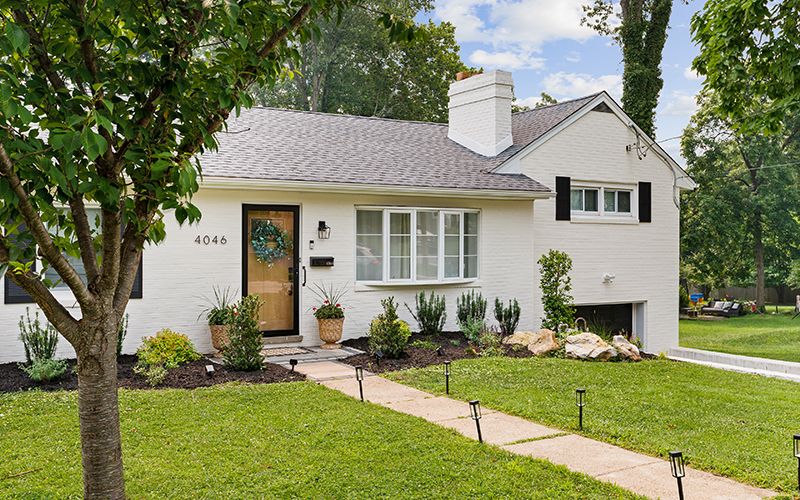
    The couple’s 2,244-foot house is in Lafayette Hill, Montgomery County, which Grant called “a good middle ground without Main Line prices.” They moved there last year from the Roxborough area.

    “There was a ton of yard space, and our dogs loved it,” he said. “And we loved how safe the neighborhood felt.”

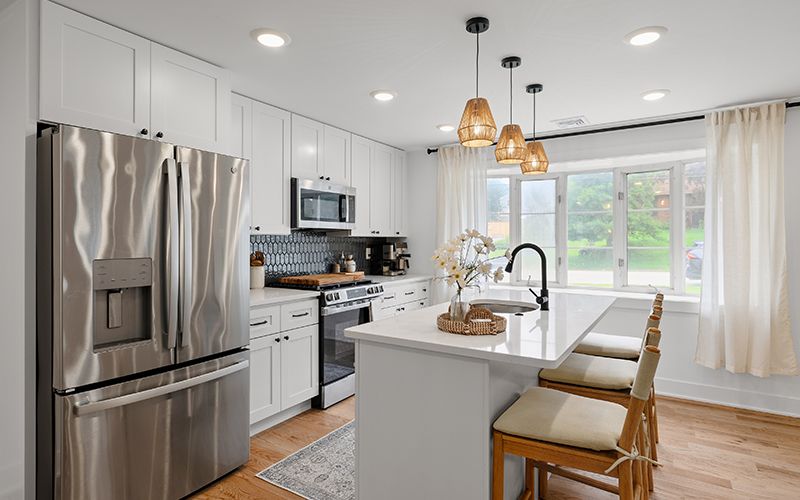
    The new kitchen has a large island with breakfast seating, soft-close cabinetry, and a tile backsplash.Handout

    The three-bedroom, 3½-bathroom house has hardwood flooring on the main floor and a brand new kitchen with a large island with breakfast seating, soft-close cabinetry, and a tile backsplash.

    The main level also has a bedroom and laundry and the upper level has the primary bedroom and another bedroom, both with full bathrooms.

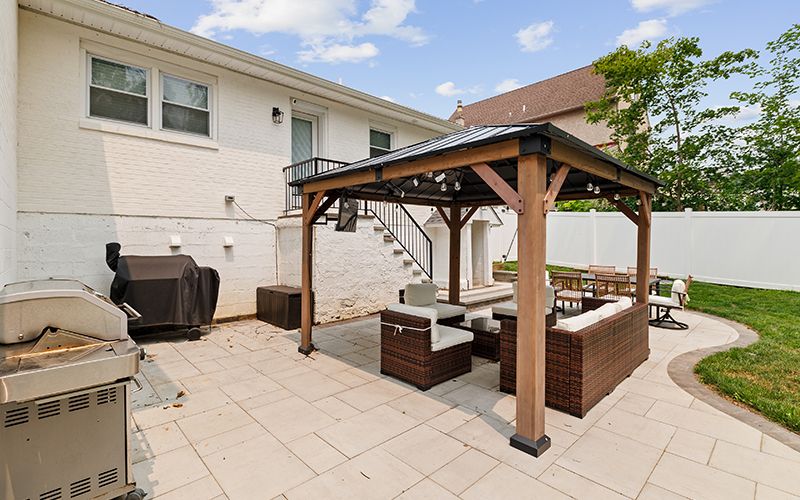
    The backyard has a new slate patio, a new white vinyl fence, and a gazebo.Handout

    The finished basement has a large entertainment area, an office area, and a powder room.

    The backyard has a new slate patio, a new white vinyl fence, and a gazebo.

    The home has an attached garage, a new roof, 200-amp electrical service, recessed lighting, and ceiling fans.

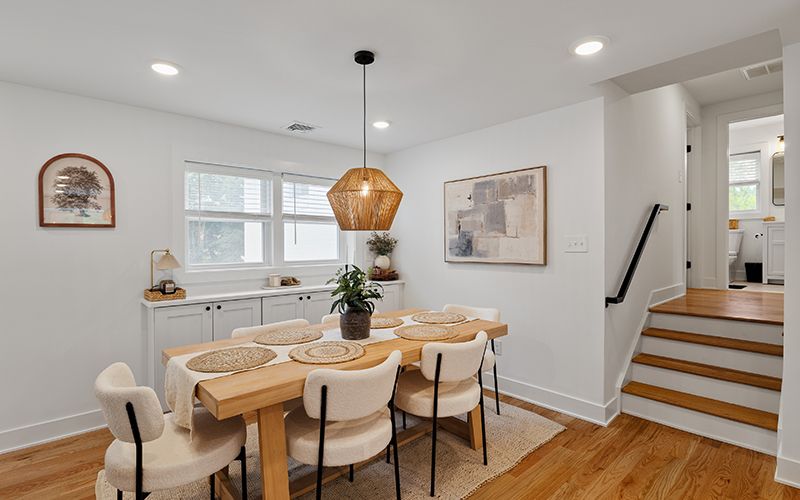
    The dining area.Handout

    The property is walkable to Miles Park and several neighborhood restaurants. It is close to I-476 and multiple SEPTA Regional Rail lines.

    The house is in the Colonial School District.

    It is listed by Jen Toadvine of Space & Co. for $715,000.

  • It’s time med school deans start talking about RFK Jr.

    It’s time med school deans start talking about RFK Jr.

    Few positions carry more authority in American medicine than that of medical school dean. They don’t just shape curriculums; they shape how medicine is practiced. They don’t just oversee students; they oversee massive clinical enterprises, set research agendas, and manage budgets of hundreds of millions of dollars. Almost all had illustrious careers as researchers or clinicians, and they are among the most authoritative voices in medicine.

    Yet, as Robert F. Kennedy Jr. methodically undermines our government’s commitment to science and public health, the voices of medical school deans are barely audible. For all the statements individual physicians and medical professional societies have issued defending vaccines and denouncing RFK Jr., it is striking how few sitting medical school deans have publicly called the health secretary out by name.

    When RFK Jr. was nominated to head the U.S. Department of Health and Human Services in November 2024, my colleagues and I were shocked. We started petitions, called our representatives, wrote op-eds. But we knew we were just individuals. So we waited for our leaders to lead the fight against his nomination.

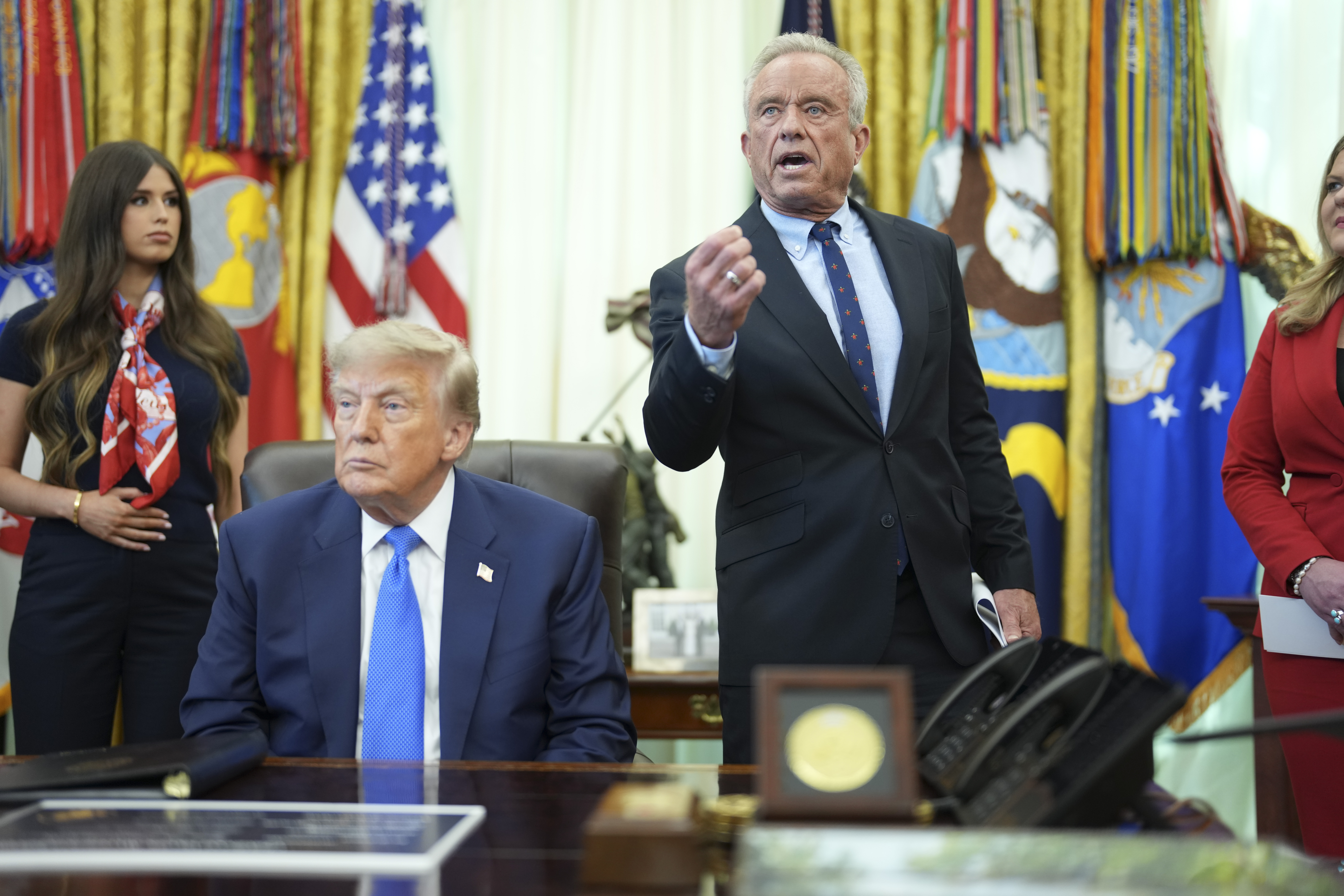
    Health and Human Services Secretary Robert F. Kennedy Jr. speaks from behind President Donald Trump during an executive order signing event on reducing the number of recommended childhood vaccines in the Oval Office of the White House in Washington, on Aug. 10.DOUG MILLS

    Personally, I envisioned a news conference in which the deans of America’s 200-plus medical schools would stand together — arms linked — and state their position on RFK Jr’s nomination clearly: “An anti-vax conspiracy theorist as HHS secretary? Over our cold dead bodies.”

    Of course, that news conference never happened.

    A year and a half later, the consequences of RFK Jr.’s appointment — including eroding public confidence in vaccines — are getting harder to ignore. Measles cases are surging, with 460 confirmed cases in Pennsylvania this year and 83 hospitalizations. Nationwide, annual cases of measles are at their highest number in 30 years — and it’s only September.

    Meanwhile, the vaccination rates against measles at Philadelphia schools are dropping to dangerously low levels, with 98 Philadelphia-area schools reporting vaccination rates below 90% — well below the 95% needed to provide herd immunity for those too young or too sick to be immunized. But measles is just the canary in the coal mine. When vaccination rates fall far enough to allow measles to regain a foothold, it is a warning that a resurgence in other preventable childhood diseases may not be far behind.

    Are the deans of American medical schools alarmed? I know they are. So why haven’t more spoken out — and why hasn’t American academic medicine spoken with anything approaching a unified voice?

    The answer, I suspect, is fear. Academic medical centers, after all, depend on federal funding, and leaders of medical schools have employees to protect, clinical operations to run, and institutions that can be damaged by federal retaliation. Their boards of trustees no doubt counsel them to stay out of the fray. Support vaccination? Sure. Defend science? Of course. Mention RFK Jr. by name? That seems to be where the line is drawn.

    So while American medical schools — and their leaders — have accumulated enormous cultural capital, they seem reluctant to spend it when it matters most. And for institutions that have been criticized for being overly focused on their multibillion-dollar hospital systems and lucrative industry partnerships, that timidity risks tarnishing the very reputation they have spent decades building.

    Perhaps keeping their heads down and waiting for all this to blow over is the prudent strategy. Just a few more years, the thinking goes, until the political winds change, order is restored, and we go back to the way things were before.

    But maybe not.

    Because increasingly, silence feels like assent. And once we normalize government health officials contradicting established scientific evidence, it may be difficult to put the genie back in the bottle.

    So let me make a plea. The next time you are horrified by something outrageous RFK Jr. says or does — don’t call your local member of Congress. Call your local medical school dean. Tell them you know a dean who speaks out alone may risk retaliation, but a hundred deans speaking together cannot be dismissed.

    Remind them that the levers of power do not only reside in Washington, D.C. They exist throughout civil society, and that medical deans are far more influential than they may appreciate.

    Tell them there is still time to hold that news conference.

    David Oxman is a critical care physician and member of the Committee to Protect Healthcare.

  • Trump’s oil deal with Venezuela is an imperialistic pipe dream | Editorial

    Trump’s oil deal with Venezuela is an imperialistic pipe dream | Editorial

    As a businessman, Donald Trump often cut corners, broke promises, and made bad deals. Now that he has the power of the U.S. government at his disposal, the submission of Republicans in Congress, and a pliant U.S. Supreme Court, the only difference is the scale of the abuse, corruption, and foolishness he brings to his ventures.

    Late Friday, the president announced on Truth Social that he had reached an agreement with Venezuela to secure more than 65 billion barrels of oil. “This Historic Transaction MORE THAN DOUBLES American Oil Reserves, greatly increases our Oil Supply, and will substantially lower Gas Prices for all Americans, long into the future,” he wrote.

    The deal, such as it is, is, in fact, very significant, as total proven U.S. reserves are about 81 billion barrels. But the rest of Trump’s claims, and the agreement itself, should be buried under caveats.

    Trump noted that this comes “at no expense to the American taxpayer.” This is true unless you count the roughly $5 billion the U.S. has spent on military operations around Venezuela since August of 2025, including extrajudicial killings at sea and the illegal invasion that ended with the kidnapping of President Nicolás Maduro and his wife on Jan. 3.

    There is also the incalculable reputational cost as the United States’ revived imperialistic push into Latin America mirrors the president’s transactional nature and authoritarian bent.

    The deal was reached with the unelected Venezuelan President Delcy Rodríguez, who took office after Maduro was taken. Never mind that she was part of the same repressive socialist regime that is accused of rampant corruption and human rights abuses; she has proved a lot more willing to work with the Trump administration than her predecessor.

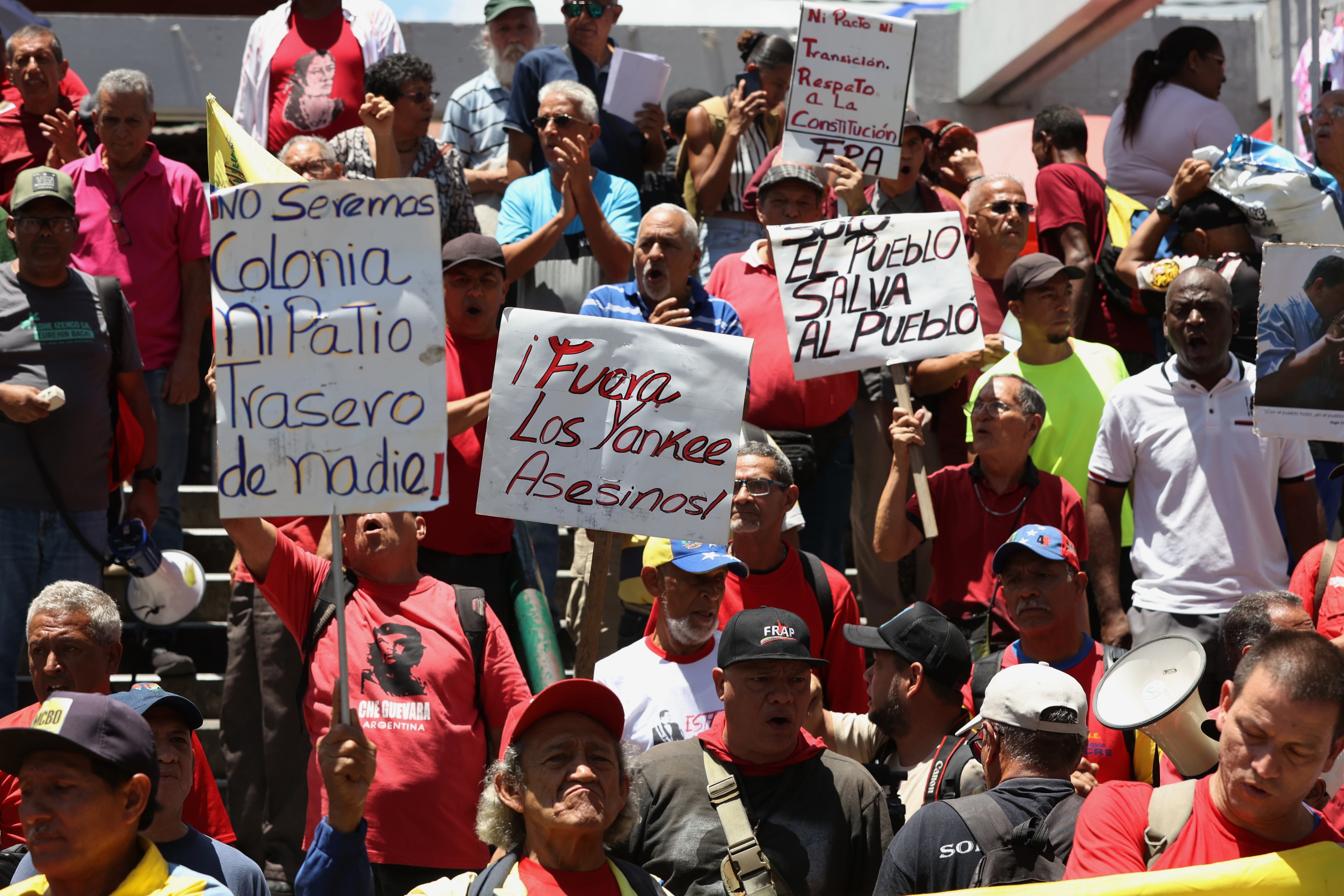
    Venezuelans protest against President Donald Trump’s deal giving the United States a stake in Venezuela’s oil reserves in Caracas, Saturday.Pedro Mattey

    Reports out of Venezuela find some people are hopeful U.S. investment will benefit the nation, yet under a government rife with cronyism, only a select few will likely reap any reward. Although details are still scarce, the agreement already sees the U.S. partner with a private company run by Alejandro Betancourt, an ally of Rodríguez, who has been under investigation by prosecutors in Zurich.

    Trump’s assertion that gas prices will drop thanks to this deal is delusional, at least any time soon, as it would take years for this Venezuelan oil to have any impact on costs at the pump.

    And that’s if the deal comes to fruition at all. The risks, at home and abroad, are significant.

    The agreement would reportedly give Betancourt’s company access to 17 oil fields that are said to contain 65 billion barrels of oil. Development would cost billions of dollars and could take more than a decade. The Pentagon would finance the plan, but the legality of its participation is in question — as well as how the deal was crafted in the first place — meaning court challenges may be inevitable.

    There are also political realities to contend with.

    With Maduro gone and Trump threatening use of force, the Venezuelan government changed its position on working with the U.S. overnight. That could change just as quickly once Trump leaves office and if the new occupant of the White House has different priorities or if the current government of Venezuela is replaced and decides to honor the country’s 1999 constitution, which states that oil reserves belong to the nation and cannot be sold.

    The high investment cost and political volatility are why U.S. oil companies have been reticent to enter Venezuela, even under pressure from Trump. According to the Wall Street Journal, Exxon and other energy interests are in talks to expand operations there, which is the prerogative of any private company that is willing to roll the dice on long-term investment, but should be far from the purview of the U.S. government and its taxpayers.

    Trump’s half-baked oil agreement in Venezuela tramples that country’s sovereignty, benefits corrupt interests, and will likely fail to deliver for the American people. The art of the deal strikes again.

  • Could Collingswood lose Knight Park if its liquor ban is lifted? We dig into the ‘persistent rumor’

    Could Collingswood lose Knight Park if its liquor ban is lifted? We dig into the ‘persistent rumor’

    As Collingswood residents consider the prospect of finally permitting alcohol sales in the borough, the discussion has revived a long-standing concern that the move would put the sprawling Knight Park at risk.

    Legend has it that the continued ban of liquor sales in Collingswood, which dates back to 1873, was a stipulation when the park was dedicated in 1888. If alcohol sales were ever permitted, the story goes that the nearly 70-acre park would cease to be a public asset and would be sold to developers.

    With Collingswood voters set to decide on the future of alcohol sales in November, questions about the potential impact on Knight Park have swirled on social media and reached borough officials.

    “Knight’s Park [sic] existence depends on the longtime tradition of Collingswood being a dry town,” one person wrote on Facebook.

    “I recall hearing that if Collingswood was no longer a ‘dry town’ they would lose Knight’s Park [sic] as that was part of the agreement when the family donated it. Anybody know if this is true?” another person asked.

    So, is there any truth to the rumor? No, according to officials.

    “It’s an old wives tale,” borough administrator Cassandra Duffey said in an email. “There is no relationship between Knight Park and liquor licenses.”

    Duffey, a 20-year resident of the borough, said she’s not sure of the rumor’s origin and that it predated her arrival in Collingswood.

    “I’ve had to dispel this rumor every year I’ve been here,” she said.

    The triangle-shaped park in the center of the borough was gifted by businessperson Edward C. Knight, in memory of his parents, according to the park’s website.

    The park has been overseen by an independent seven-person board of trustees that works with the borough to coordinate and run local sports leagues and public events.

    Bordered by Browning Road and Collings and Park Avenues, Knight Park boasts athletic fields, a walking and biking path, a playground, and a pond. Over the years, the park’s popular gazebo has become a local destination for weddings and other celebrations.

    Like other public parks in Collingswood and across South Jersey, alcohol is not permitted — though that appears to be the only alcohol-related rule officially connected to the property.

    The future of Knight Park has no connection to liquor sales in the borough, Collingswood officials emphasized.

    “It’s a persistent rumor, but only that,” Duffey said.

  • Chobani to invest $1.2 billion in Pennsylvania and create 900 jobs

    Chobani to invest $1.2 billion in Pennsylvania and create 900 jobs

    Chobani, the yogurt company, plans to spend $1.2 billion to expand its operations at a manufacturing facility in Pennsylvania, which it is buying from Keurig Dr Pepper for $125 million.

    The company, which bought Philly-founded La Colombe in 2023 for $900 million, plans to convert the 1.5-million-square-foot site into a dairy plant, and expects to add 900 workers over the next five years in the Lehigh Valley.

    Keurig Dr Pepper will continue to employ some of the workers in corporate functions, including delivery and customer service, from the Allentown plant, and the rest of its employees there will be offered jobs with Chobani.

    “We’re so happy to be here bringing our future innovation to life in Allentown, made with fresh Pennsylvania milk and delivered to families across the country,” Hamdi Ulukaya, founder and CEO of Chobani, said in a statement.

    Chobani is buying back Keurig Dr Pepper’s equity in Chobani for $800 million, as Keurig Dr Pepper looks to reduce its debt, the company said in a news release.

    Chobani got its start in 2005 with a facility in upstate New York, and produces yogurts, creamers, and oat milk.

    Its move into Allentown is part of a larger $4 billion investment in manufacturing. That includes building a new facility in Rome, N.Y., and expanding a Michigan site that produces La Colombe products.

    Chobani will “manufacture innovative food products beyond yogurt,” at the new Allentown site, located at 7356 Industrial Blvd. in Upper Macungie Township, according to a news release from Gov. Josh Shapiro. It will produce milk with less sugar and more protein than traditional milk, according to Chobani, which it will sell to customers directly, and use as the base of other products.

    When the facility is up and running, Chobani expects to process more than three billion pounds of milk each year from the state — roughly 30% of what Pennsylvania currently produces annually, according to the governor’s office. Production at the facility is expected to begin next year.

    In a statement, Shapiro touted Chobani’s commitment as the largest private-sector investment in the state’s agriculture industry in history.

    The investment, he said, “will strengthen our dairy industry, support our farmers, and reinforce our position as a national leader in agriculture and food manufacturing.”

    At a Tuesday news conference on a dairy farm in Schnecksville, Chobani CEO Ulukaya said challenges around water, waste water, and energy seemed poised to impede the deal early on. He credited Shapiro with allowing the project to become a reality.

    “I would have given up right in the beginning, because the challenges were super big,” said Ulukaya. “I am so surprised … that the governor and his team pulled this off.”

    While the facility itself will create 900 new jobs, Shapiro noted, the ripple effect is expected be larger, extending to Pennsylvania farmers given the increased demand for milk the facility will create.

    Pennsylvania will provide $50 million in grants and loans toward Chobani’s project, in part for infrastructure improvements needed at the site. The state is also giving $127 million in loans and grants to dairy farmers to help them expand herds, buy equipment, and meet the new milk demand, Shapiro said Tuesday.

    “This announcement is the biggest change for our dairy industry in a generation and represents the culmination of a journey built on collaboration, persistence, and a shared belief in the future of Pennsylvania dairy,” state Agriculture Secretary Russell Redding said in a statement.

    Ulukaya noted Tuesday that he comes from a Kurd family of sheep herders. When he first moved to the United States, he said, his first job was milking cows in upstate New York.

    “In my soul, I’m a farmer, I’m a sheepherder, I’m a nomad, and still trying to be a businessman,” Ulukaya said.

    Chobani’s relationship with Keurig Dr Pepper

    In July 2023, Keurig Dr Pepper made a $300 million investment in La Colombe, becoming its second largest investor with a 33% ownership stake. Later that year, when Chobani acquired La Colombe, Keurig Dr Pepper’s equity in La Colombe became Chobani equity. The company is now selling that full stake back.

    “These transactions reflect the success of our partnership with Chobani and are designed to create value for both organizations,” Keurig Dr Pepper CEO Tim Cofer said in a statement. “Together, they enhance our financial flexibility, strengthen the efficiency of our manufacturing network and support the expansion of our important distribution partnership with Chobani.”

    Ulukaya recounted on Tuesday how Chobani started out of a shuttered Kraft yogurt facility in New York state. Don Cunningham, president and CEO of the Lehigh Valley Economic Development Corp., said Chobani’s new Allentown site was previously a Kraft facility, before Kraft merged with Heinz.

    “History comes around, and tomorrow that plant will be bigger and better than we could have ever dreamed,” said Cunningham.

  • Postal Service plans may keep voters from getting ballots, whistleblower says

    Postal Service plans may keep voters from getting ballots, whistleblower says

    An anonymous federal official warned in a disclosure to Congress that a rushed and insufficiently tested U.S. Postal Service system could prevent large numbers of Americans from receiving mail ballots this fall if courts approve President Donald Trump’s plans for the midterm elections.

    The disclosure, made public Tuesday morning by Sen. Richard Blumenthal (D-Connecticut), says the Postal Service has adopted an internal “zero-percent failure policy” under which an entire batch of ballots would be rejected if a single barcode sampled by a postal employee could not be scanned or matched with information submitted through a new online portal. A batch could contain tens of thousands of ballots, according to the disclosure.

    “The Postal Service has designed a system to disenfranchise millions of Americans,” Blumenthal said in a call with reporters.

    Postal officials and the White House did not immediately provide comment.

    In public statements, the Postal Service has previously said information submitted through the portal will be updated immediately. It has said postal employees will not determine voter eligibility or check names and addresses for accuracy. The rule does not disclose the sampling formula or zero-failure policy described in the whistleblower disclosure.

    The fight over the Postal Service’s plans is rooted in an executive order from Trump that seeks to overhaul mail voting. A judge has blocked those plans for now, but the administration is seeking to reinstate them ahead of this fall’s midterm elections.

    If the administration gets its way, state and local election officials would have to upload lists of voters to an online portal the Postal Service is designing. Postal employees would refuse to deliver to anyone who is not on those lists.

    The unnamed official alleged that the portal was assembled under constantly changing requirements and with as few as four working days available for customer testing before a planned launch.

    If the Postal Service’s plans go into effect, election officials will confront new challenges when they mail ballots in large batches. Postal workers plan to scan barcodes on a sample of envelopes to ensure the voters appear on the state’s list, according to the whistleblower. If they find even one mismatch, they will refuse to accept the entire batch, the whistleblower said. That means a single mismatch in a batch of 10,000 ballots would prevent the 9,999 other ballots from being mailed until discrepancies were resolved.

    “As designed, the process is entirely unforgiving,” the disclosure said. “It could delay ballots by the thousands in repeated verification cycles — and thus prevent states from mailing enormous numbers of ballots.”

    State and local officials often mail ballots in large batches to manage them as effectively as possible. Some states send ballots to all registered voters, and they must place millions of ballots in the mail in a short period.

    Many election officials have expressed alarm about the Postal Service’s overall plans under Trump’s executive order because they don’t believe they have been adequately thought through for a fast-approaching election.

    Among the issues they worry about are potential mismatches for mundane reasons. States constantly update their voter rolls, and the lists they send to the Postal Service could be out of date within minutes as new voters register and existing ones update their registrations because they’ve moved.

    The Postal Service has said states can update their voter lists, but election officials have expressed concerns that the new online portal won’t be able to handle a steady stream of updates.

    The whistleblower disclosure could add to those concerns and bolster legal challenges to the executive order and postal rules.

    The disclosure, dated Sunday, was submitted to Blumenthal by Whistleblower Aid on behalf of an anonymous federal official it represents.

    The organization described the unnamed whistleblower as a “federal official with direct knowledge of potentially catastrophic problems in the development” of the Postal Service’s plans and said the official feared reprisal by administration officials if identified.

    Blumenthal sent the disclosure late Monday to Postmaster General David Steiner and asked him to provide documents about the Postal Service’s plans.

    Blumenthal is the ranking Democrat on the Permanent Subcommittee on Investigations for the Senate Committee on Homeland Security and Governmental Affairs.

    States and voting rights groups sued over the executive order soon after Trump signed it in March. The Supreme Court last week allowed work on the executive order to proceed for the moment, but days later a lower court blocked it.

    The administration is seeking to get it reinstated but faces timing challenges. Officials in North Carolina are preparing to start mailing ballots on Friday under a state law requiring them to send them to those who ask for them starting 60 days before an election. Other states are set to start mailing their ballots in the following days and weeks.

    The whistleblower said the Postal Service stopped working on the portal around June 25 after a federal judge blocked implementation of Trump’s directive, then resumed work around July 29 while that order remained in effect.

    The disclosure said work continued after the judge issued a new order on Thursday barring the Postal Service for 14 days from taking further preparatory steps that would apply to all states for the November election. In a brief ruling Monday, the judge said the Postal Service could work on the portal for states that want to voluntarily use it.

    Postal officials planned to launch the portal on Tuesday, according to the whistleblower. One of the whistleblower’s attorneys, David Kligerman, said work on the portal had continued in recent days but didn’t know whether the Postal Service was sticking with its plan to make it available on Tuesday.