Blog

  • Donald Trump Jr.’s firm leads $1 billion funding round for Polymarket

    Donald Trump Jr.’s firm leads $1 billion funding round for Polymarket

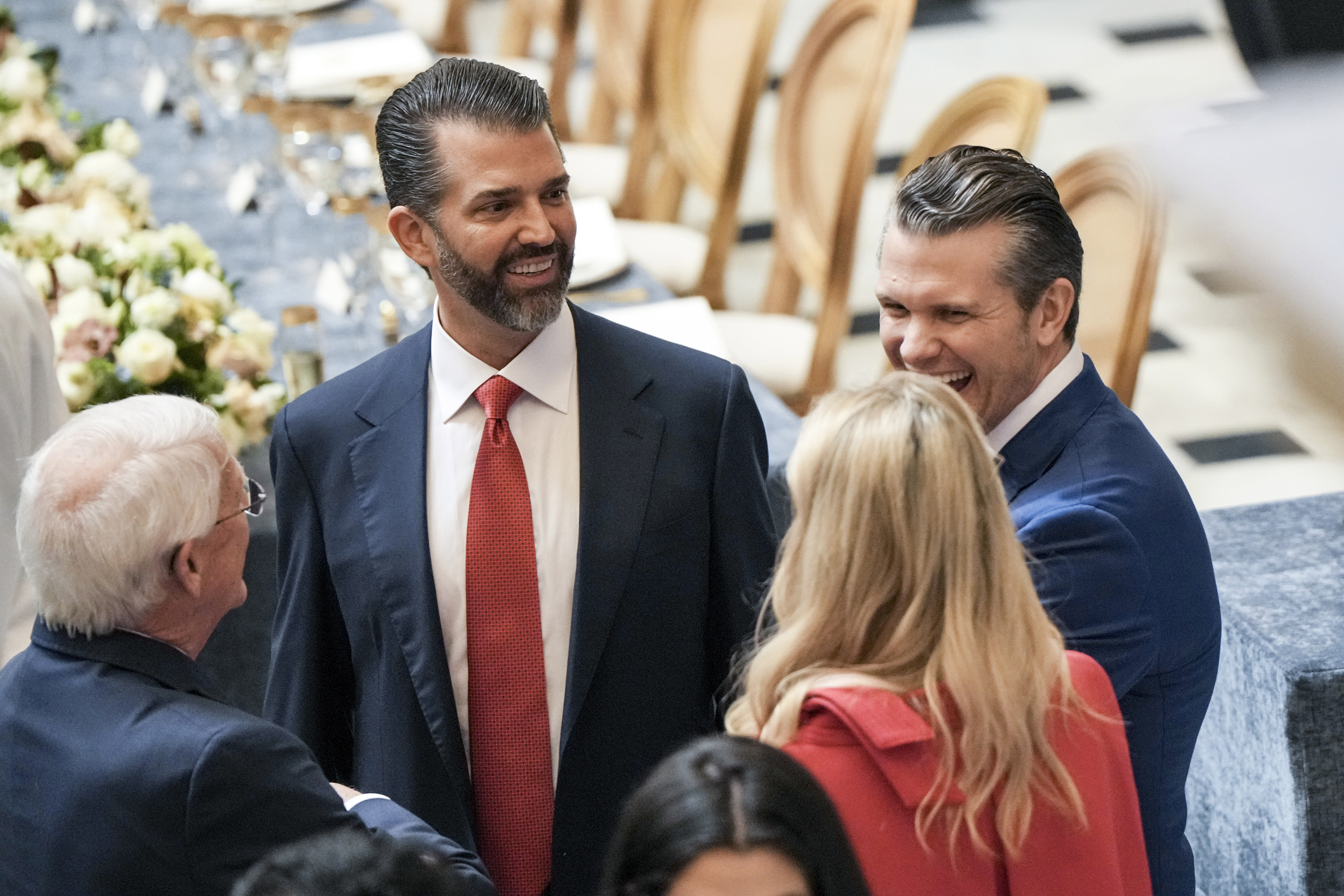
    Donald Trump Jr.’s venture capital firm, 1789 Capital, is leading a new funding round in Polymarket that values the prediction market at $21 billion, a spokesperson for 1789 Capital said Monday.

    Polymarket plans to raise $1 billion, including around $300 million from 1789 Capital, the spokesperson, Alexa Henning, said. The investment firm previously invested about $200 million in the prediction market, which is currently valued at about $15 billion.

    Prediction markets such as Polymarket and Kalshi have exploded in popularity over the past year. The platforms allow users to place wagers on the outcome of a wide variety of events, such as what the president will say in a speech or who will get married on “Love Is Blind.”

    The Trump family has built up a financial stake in the industry since last year. Donald Trump Jr. joined Kalshi as an adviser last year and received shares in the company worth more than $300,000. He also began advising Polymarket and invested in it via 1789 Capital.

    At the same time, his father, President Donald Trump, has taken steps to boost the industry. Michael S. Selig, whom the president appointed to lead the Commodity Futures Trading Commission, which oversees prediction markets, has spoken enthusiastically about the companies and sued states that tried to regulate them. The president declared on Truth Social that prediction markets would “thrive” under his leadership and said Selig was “respected by all.”

    Bloomberg earlier reported that 1789 Capital was leading Polymarket’s funding round.

    Many of the companies that 1789 Capital has invested in have large government contracts, while others, like Polymarket, have benefited directly from new Trump policies or rollbacks of existing laws, The New York Times has reported. The investment firm also bought shares in some of the most coveted private companies before many went public, including SpaceX, Anduril, Cerebras and Reflection AI.

    Two years ago, 1789 Capital managed a few hundred million dollars. It now oversees more than $3 billion.

    Donald Trump Jr. told the Times this year that he invested as a private citizen and held “no policy position and no role within the administration whatsoever.”

    This article originally appeared in The New York Times.

  • Progressive Christian Democrats aren’t likely to win over conservative white evangelicals

    Progressive Christian Democrats aren’t likely to win over conservative white evangelicals

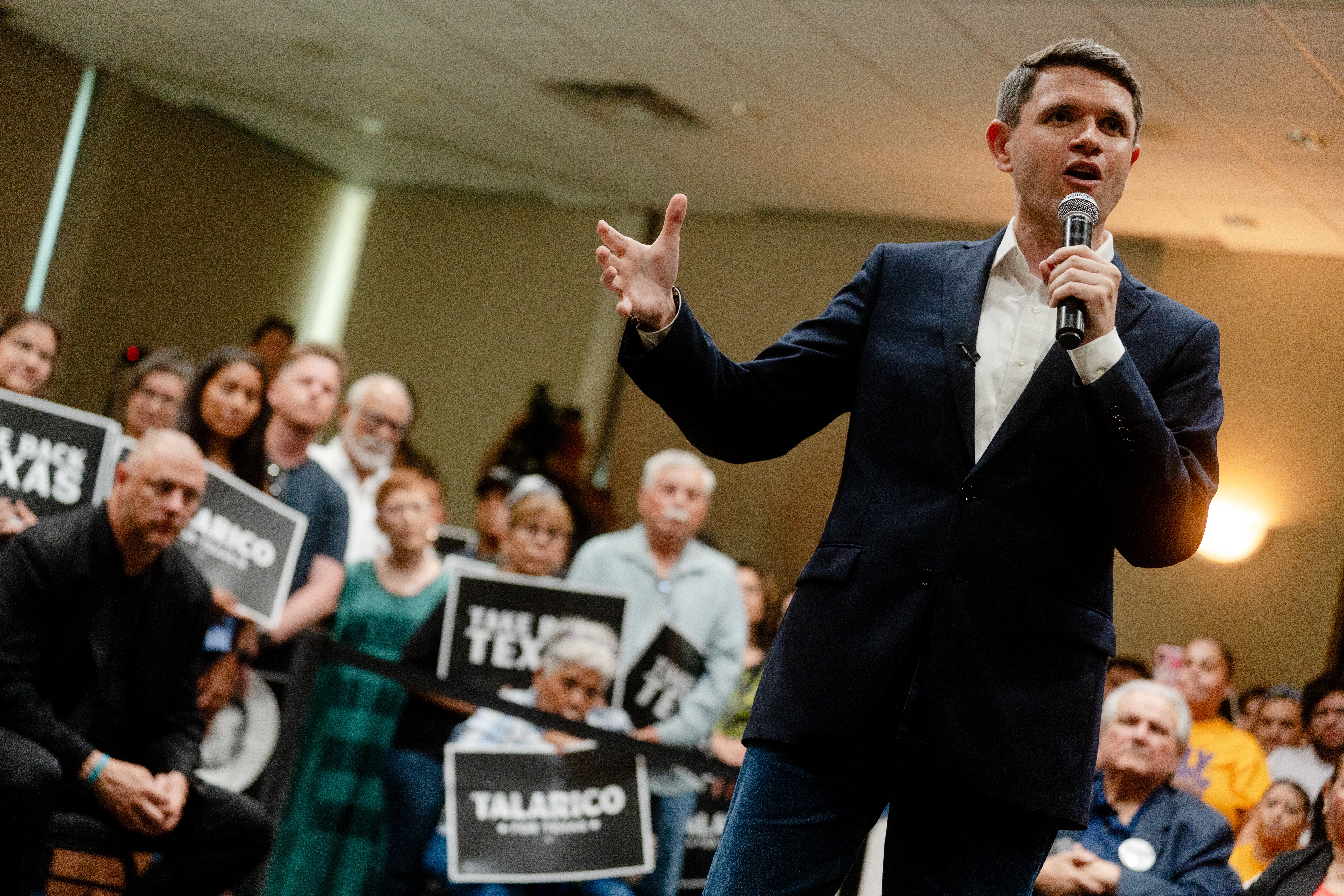
    A group of Democratic candidates has drawn attention this election cycle because of their deep religiosity. Two prominent candidates for the U.S. Senate, for example, James Talarico of Texas — a Presbyterian with a recent seminary degree — and Adam Hamilton of Kansas, senior pastor of a United Methodist megachurch, frequently discuss their faith and cite the Bible on the campaign trail.

    But those candidates are not winning the support of many white evangelicals.

    A recent Fox News poll showed that only 21% of white evangelical voters in Texas support Talarico, even in a race against a scandal-ridden opponent who had an extramarital affair.

    Policy differences over abortion and LBGTQ+ rights — two issues that have long been central concerns for white evangelical conservatives — at least partly account for this. Talarico and Hamilton both support abortion rights, and they’re running against Republicans who do not.

    But a more fundamental issue also makes it hard for Christian Democrats such as Talarico and Hamilton to make inroads with conservative white evangelical Christians. The Religious Left champions cultural pluralism, while a Christian national identity drives the Religious Right — and there’s an unbridgeable gap between the two. This divide has helped to shape American politics for more than a half century.

    It helps explain why more than 80% of white evangelical voters cast their ballots for President Donald Trump in each of his three presidential races. It’s also the reason why, in 1980, a majority of white evangelical voters supported Ronald Reagan, who had been divorced and was a less frequent churchgoer, over President Jimmy Carter, a Southern Baptist deacon and Sunday school teacher.

    In each case, white evangelicals considered a candidate’s faith and personal behavior to be far less important than their top priority: finding someone who championed their understanding of the place of Christianity and Christian-based sexual morals in the nation.

    This wasn’t always the case. In the mid-1970s, leading American evangelical magazines such as Christianity Today called for the election of morally exemplary, born-again Christian candidates on the grounds that only Christian politicians could rescue the nation from moral decline. When Carter ran for president in 1976, many evangelicals decided he fit the bill, and backed the Democrat.

    But some evangelicals quickly regretted this choice. Both Carter and more conservative evangelicals believed that the United States was morally adrift. Yet, their understanding of the sources of that national moral decline differed.

    For Carter, whose moral consciousness was shaped in part by his interactions with civil rights activists, racism and the destruction of the environment were moral evils. That meant that the solution to America’s moral problems would focus on greater equality, as well as a more responsible use of the environment. The United States faced a “moral and spiritual crisis,” he said — but that crisis could best be addressed by a reduction in “self-indulgence and consumption,” not through a public affirmation of America’s Christian identity.

    Moreover, as a moderately liberal Baptist — a tradition that had historically championed religious liberty — Carter was a religious pluralist who eschewed public endorsements of Christianity and embedding his personal religious beliefs in public law.

    He opposed the White House church services that President Richard Nixon had created. He publicly endorsed the Supreme Court rulings that curtailed classroom prayer in public schools, because he said that “as a Baptist,” he believed that “the Government ought to stay out of the prayer business.” And although he personally opposed abortion, he refused to support a constitutional amendment to overturn the Supreme Court’s Roe v. Wade decision — which conveyed a right to have an abortion — because he thought that in a pluralistic society, it was improper for the federal government to impose one religious group’s view of abortion on others.

    Conservative evangelicals, however, recoiled from these views. To them, the sexual revolution of the 1960s and 1970s was a much greater evil than racial injustice or environmental destruction. It threatened the fundamental building block of society: the family. And the source of the sexual revolution, they thought, was a national rejection of God, which was manifest not only in religious pluralism but also in the Supreme Court decisions on school prayer and abortion.

    Made By History sponsors. FOR USE ON MADE BY HISTORY STORIES ONLY.Inquirer Staff

    In the late 1970s, this concern prompted the formation of the Christian Right. At its heart, this movement was a campaign to restore an imagined lost world of the 1950s — an era that had combined more conservative sexual standards with national legislation to make “In God We Trust” the national motto. Conservative evangelicals thought those values had been lost amid the anti-war protests and cultural changes of the 1960s and 1970s.

    Some evangelical leaders argued that the answer was mobilizing and electing a president who shared their hunger to return to the world of the 1950s. “The hope of reversing the trends of decay in our republic now lies with the Christian public in America,” Moral Majority founder (and Baptist megachurch pastor and televangelist) Jerry Falwell declared in 1980. “Our Founding Fathers separated church and state in function, but never intended to establish a government void of God … We cannot be silent about the sins that are destroying this nation … We must turn America around or prepare for inevitable destruction.”

    White evangelical Christians had voted for Republican presidential candidates before — including in 1972, when they overwhelmingly supported Nixon’s reelection. But Falwell’s Moral Majority and other allied groups, such as Christian Voice and the Religious Roundtable, broke new ground in channeling evangelicals’ generally conservative instincts into a much more tightly focused campaign to restore Christian values through public law. That campaign put them at odds with religious pluralists like Carter.

    These new groups backed Reagan, and other candidates like him, who they believed would oppose further secularization of the nation’s laws and culture and prevent any further sexual liberalization. The Religious Right also opposed candidates who were strong cultural pluralists, since they thought that secularization and a pluralistic understanding of the nation’s religious identity had undermined the country’s moral foundation.

    Sometimes that meant backing less personally devout, morally compromised candidates, since the most vocal advocates of a public affirmation of Christianity’s place in public life were sometimes infrequent churchgoers whose sexual lives were far from monogamous. To these evangelical activists and voters, politicians’ policy choices mattered far more than their personal behavior. As Christian Voice executive director Richard Zone put it when endorsing Reagan, he “was not the best Christian who ever walked the face of the earth.” But to Zone, “we really didn’t have a choice.”

    When the group issued a “Moral Report Card” in 1980 that rated every member of Congress on the morality of their votes, pious churchgoers such as Sen. Paul Simon (D-Ill.) and Rep. Robert Drinan (D-Mass.), the only Catholic priest serving in Congress, received moral ratings of zero, while Rep. Richard Kelly (R-Fla.), who was sentenced to prison a few months later for accepting bribes in the Abscam scandal, received a rating of 100. Even the devout evangelical Baptist Sen. Mark Hatfield (R-Ore.), a liberal Republican who opposed abortion but warned against “mix[ing] piety with patriotism,” found himself at odds with the Christian Right.

    And little has changed in terms of this picture over the last 46 years. Once again, in 2026, in Kansas, Texas and elsewhere, evangelical voters have a choice similar to the one that evangelicals confronted in 1980: vote for the most religiously devout Christian candidate on the ballot or vote for a candidate who shares their vision of the nation.

    If history is any indication, most of them will choose the latter. Fundamentally, white evangelical voters understand that progressive Christian candidates are usually cultural pluralists whose faith is shaped by values of equality. They don’t see secularization and the sexual revolution as the threats that most white evangelicals do. Instead, progressive Christians are often more concerned about what they see as the threat to the rights of religious and sexual minorities posed by Christian nationalism.

    This history suggests that if progressive Christians like Talarico and Hamilton win their House and Senate races in November, it will be by overcoming white evangelical opposition, not because they hit upon a formula to win over the most conservative churchgoers.

    Daniel K. Williams is an associate professor of history at Ashland University and the author of God’s Own Party: The Making of the Christian Right.

    Made by History takes readers beyond the headlines with articles written and edited by professional historians. Opinions expressed do not necessarily reflect the views of The Inquirer.

  • How the Pentagon is getting into the Venezuelan oil business under Trump

    How the Pentagon is getting into the Venezuelan oil business under Trump

    WASHINGTON — As the U.S. government faced shortcomings in the country’s weapons manufacturing, the Pentagon set up a new office that would make investments to help boost defense industrial production.

    That effort, which began in 2022 during the Biden administration, is now taking a sharp turn with the Pentagon’s involvement in an oil production deal between the United States and Venezuela that President Donald Trump announced on Friday.

    The Pentagon’s little-known Office of Strategic Capital, which reports to the deputy defense secretary, is the leading U.S. government entity in forming a partnership with a private oil producer whose founder, Alejandro Betancourt López, is a powerful and polarizing figure in international commerce.

    Trump said Pete Hegseth, the defense secretary, and Marco Rubio, the secretary of state and White House national security adviser, reached the agreement with the Venezuelan government on securing billions of barrels of oil reserves “through a partnership with private business.”

    The deal would give the U.S. government the option to take up to a 35% stake in the parent company of Betancourt’s firm, North American Blue Energy Partners. This would come in the form of a financial instrument known as a warrant, plus preferential access to much of the oil that the company produces.

    Warrants would give the government the right to buy shares in the oil company at a predetermined price. The value of warrants, which can be bought and sold, fluctuates based on the value of the company that issued them.

    In this case, the warrants would be what are known as penny warrants, according to two people familiar with the deal, meaning they could be converted into shares for very little money, often just 1 cent.

    Typically, companies issue warrants in exchange for something of value. During the coronavirus pandemic, for example, the federal government bailed out U.S. airlines with more than $50 billion in grants and loans to help the companies pay employees and cover other costs. In return, the Treasury Department received warrants from roughly a dozen airlines, most of which it later sold to private investors.

    In this case, the deal would come “all at zero cost to the United States,” the White House said in a statement Monday night. The federal government’s partnership and seal of approval could make it easier for the company to raise money from private investors and also shield it from legal scrutiny or political upheaval in Venezuela.

    In a statement, Betancourt said the deal would unleash Venezuela’s potential “to the great benefit of both Venezuelans and Americans.”

    During the Biden administration, the Office of Strategic Capital made loans to private companies to bolster strategic industrial production in the United States, and asked for repayment of the loans with interest at below-market federal rates. In the Trump administration, the office has typically asked companies to give it warrants as well as repay the loans.

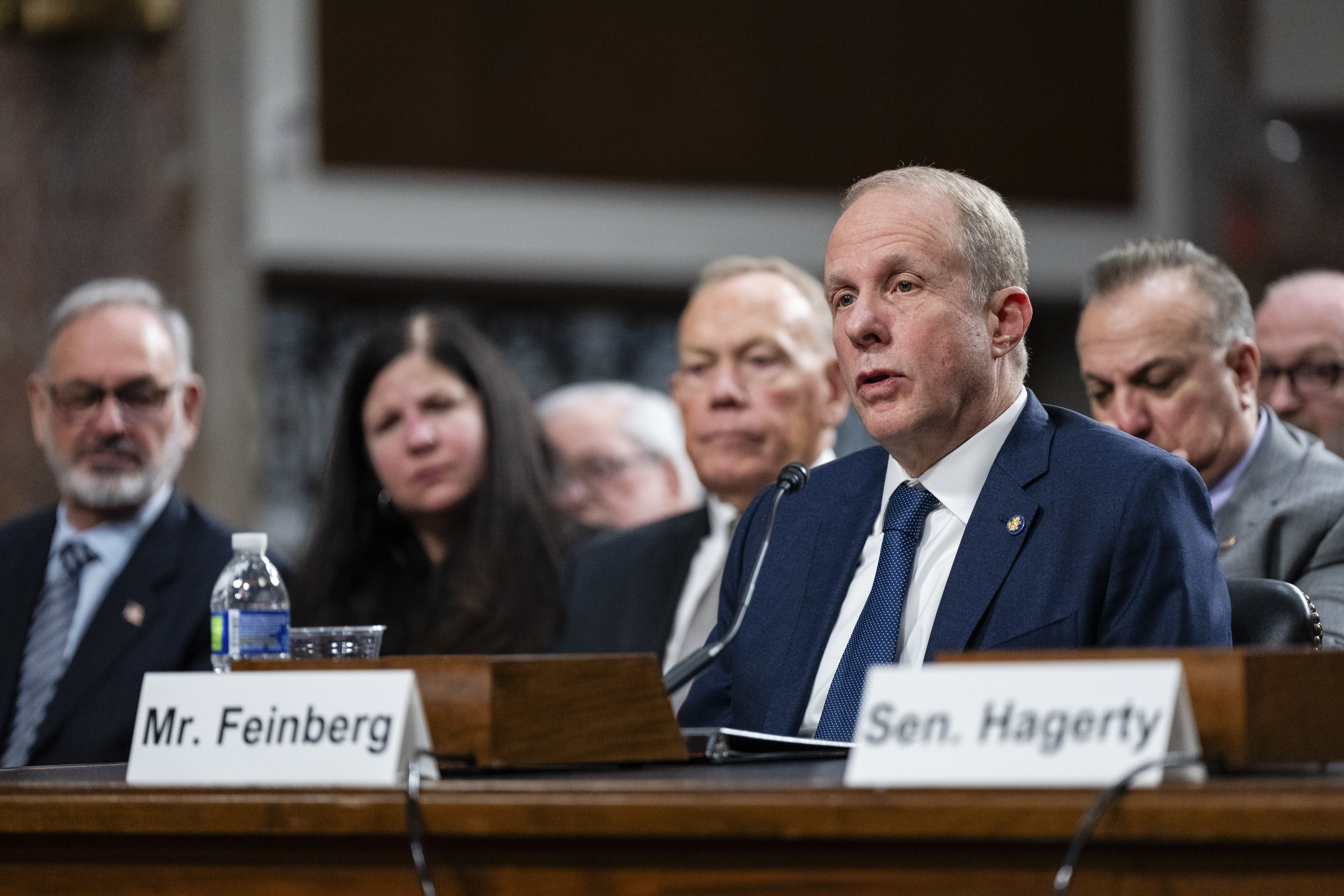
    The office falls under Stephen A. Feinberg, the deputy secretary of defense. Feinberg, a billionaire businessperson and political appointee under Trump, has been tasked with trying to help rejuvenate the U.S. defense industrial base. Feinberg approves the office’s deals.

    The office was founded under the previous defense secretary, Lloyd Austin. At that time, in 2022, U.S. officials were concerned about the fact that critical items for certain weapons systems were made in China. They were also grappling with weaknesses in arms production exposed by Russia’s war against Ukraine and global supply chain problems exposed by the pandemic.

    Those issues have become even more acute, given the drawdown of U.S. weapons stockpiles during the war against Iran that Trump and Israel started six months ago.

    The office’s initial $1 billion loan authority has ballooned to $100 billion, largely because of a boost from Trump’s major domestic policy legislation that Congress passed in July 2025.

    The director of the office is now David Lorch, who worked at Cerberus Capital Management, the private equity firm cofounded by Feinberg. In November, the month Lorch started his job, the office announced a loan of $620 million to Vulcan Elements and one of $80 million to ReElement Technologies to increase domestic magnet production and “significantly bolster U.S. critical minerals supply chains.” The office said it would get warrants from those companies.

    That kind of financing would help the United States decrease its dependency on Chinese manufacturing. But Vulcan Elements has financial ties to the president’s oldest son, Donald Trump Jr., which prompted Democratic senators to criticize the arrangement. Peter Navarro, a White House aide and friend of the younger Trump, requested the financing, ProPublica reported.

    By July, the other company, ReElement Technologies, a rare earths firm, had withdrawn from the loan process because it was struggling to meet federal due diligence standards, Reuters reported.

    On Saturday, the chief Pentagon spokesperson, Sean Parnell, said in a statement that the office “does not take equity stakes in private companies.” The White House’s statement on Monday about the deal contradicts Parnell’s assertion.

    In addition to receiving warrants, the federal government would be guaranteed 20% of the oil that Betancourt’s company produces “at production cost,” according to the White House, meaning at a favorable price. The State Department would also have right of first refusal to buy the remaining 80% of the company’s output.

    That would put the State Department in an unusual role since it is oil companies and other traders who typically buy and sell oil. Any decision to buy oil to refill U.S. government stockpiles would require authorization, including from Congress, and typically be handled by the Energy Department.

    In any case, it would most likely take years for new projects in Venezuela to generate meaningful amounts of oil.

    Betancourt, the U.S. government’s partner, received no-bid oil contracts in Venezuela many years ago. He has been under investigation in Spain and Switzerland on accusations of money laundering and tax fraud. He usually lives in Britain and was barred from foreign travel by the British government while he was in that country because of an extradition agreement with Switzerland, where prosecutors had issued an arrest warrant.

    However, Rubio wanted to get Betancourt to Venezuela to work on oil deals and production, and the State Department in recent months pressed the Swiss and British governments to ease up on him, said a person with knowledge of that effort.

    “Mr. Betancourt has never been charged with a crime in any jurisdiction,” Sara Chouraqui, general counsel for North American Blue Energy Partners, said in a statement Saturday.

    This article originally appeared in The New York Times.

  • Rescuers comb through mud and debris as Nepal-China floods leave more than 1,000 dead

    Rescuers comb through mud and debris as Nepal-China floods leave more than 1,000 dead

    KATHMANDU, Nepal — Rescue teams with search dogs combed through mud, rocks and debris Tuesday in Nepal and China looking for thousands of people still missing after catastrophic flooding tore through communities across the Himalayas, leaving more than 1,000 dead.

    Nepal’s disaster agency said Tuesday that 987 deaths had been counted there, with 3,916 people missing, including 583 foreigners. Chinese authorities, in their latest update on Sunday, reported 16 deaths and 546 people still missing, including 261 foreigners.

    The scale of last week’s disaster was hampering rescue efforts in both regions, with landslides, destroyed roads and widespread damage cutting off remote areas. Crews faced challenging conditions as they searched unstable terrain and piles of debris, raising fears the death toll could rise as rescuers reach isolated communities.

    Rescuers race to reach missing hydropower workers

    In Nepal, rescuers were racing to reach hundreds of workers believed to be trapped inside tunnels at hydropower projects damaged by the floods. About 900 workers are missing from 12 projects, with roughly 500 believed to be trapped in tunnels, according to Nepalese authorities.

    Brig. Gen. Raja Ram Basnet, Nepal’s army spokesperson, said teams assisted by foreign experts were working at several hydropower projects. Visuals released by the army showed rescue teams entering dark, debris-filled tunnels, wading through mud and water and climbing over rocks as they searched for signs of life.

    On the Chinese side, rescue crews scoured areas hit by mudslides, particularly around the Gyirong Port border crossing, which was destroyed.

    Some rescuers, aided by search dogs, searched gaps among rocks and debris for signs of life. Other teams used heavy machinery to clear a major highway leading to Gyirong Port, hoping to clear the way for equipment, personnel and supplies to reach the disaster zone, according to China’s state-run Global Times newspaper.

    Relief operations expand to reach stranded communities

    At least 11,814 people have been rescued so far, according to Nepalese authorities. Emergency crews were using helicopters and other aircraft to reach stranded communities in areas where roads and bridges have been destroyed by the flooding and landslides.

    Authorities on Tuesday also stepped up efforts to provide assistance to survivors in areas where roads and other transportation routes had been damaged or cut off.

    Chinese Foreign Ministry spokesperson Guo Jiakun said China’s second batch of relief supplies for Nepal was expected to ship Tuesday, including drones, DNA testing and water purification equipment. Chinese DNA testing experts will also help Nepal identity bodies, he said.

    Bimal Sharma, a helicopter pilot who has been flying rescue and relief missions since the disaster began, said he was shocked to see the devastation in Timure, a border town close to Tibet that he has known for years.

    “It felt like I was flying over an entirely different landscape,” he said.

    Sharma said he has had little opportunity to speak with the people he rescued, but their expressions told him how deeply the disaster had affected them.

    “I can see the pain in their eyes. It’s heartbreaking,” he said.

    The disaster began with a glacial collapse high in the Himalayas

    The Aug. 26 disaster began with a chain of events high in the Himalayas. A glacial collapse sent large amounts of rock, ice and meltwater into valleys below, triggering powerful floods downstream.

    Scientists studying satellite imagery said the collapse appears to have involved the failure of bedrock beneath a glacier in the Himalayan region. The rockfall was powerful enough to register as a magnitude 5.2 seismic event.

    The resulting surge of water and debris entered rivers that flow through valleys in Tibet and Nepal, causing them to rise rapidly. Floodwaters swept away homes, buildings, roads and bridges and carried mud and rocks downstream.

    Nepal’s Prime Minister Balendra Shah said that the disaster highlighted the need for action to combat climate change.

    “This incident has indicated that the risks we face in the Himalayan region are increasing with climate change,” Shah said in a social media post Monday night. “Therefore, this region must be alert, and at the same time, it is time for us to strongly raise the issue of disasters caused by climate change before the international community.”

  • Decades after Tupac’s murder, a talkative gang member is convicted

    Decades after Tupac’s murder, a talkative gang member is convicted

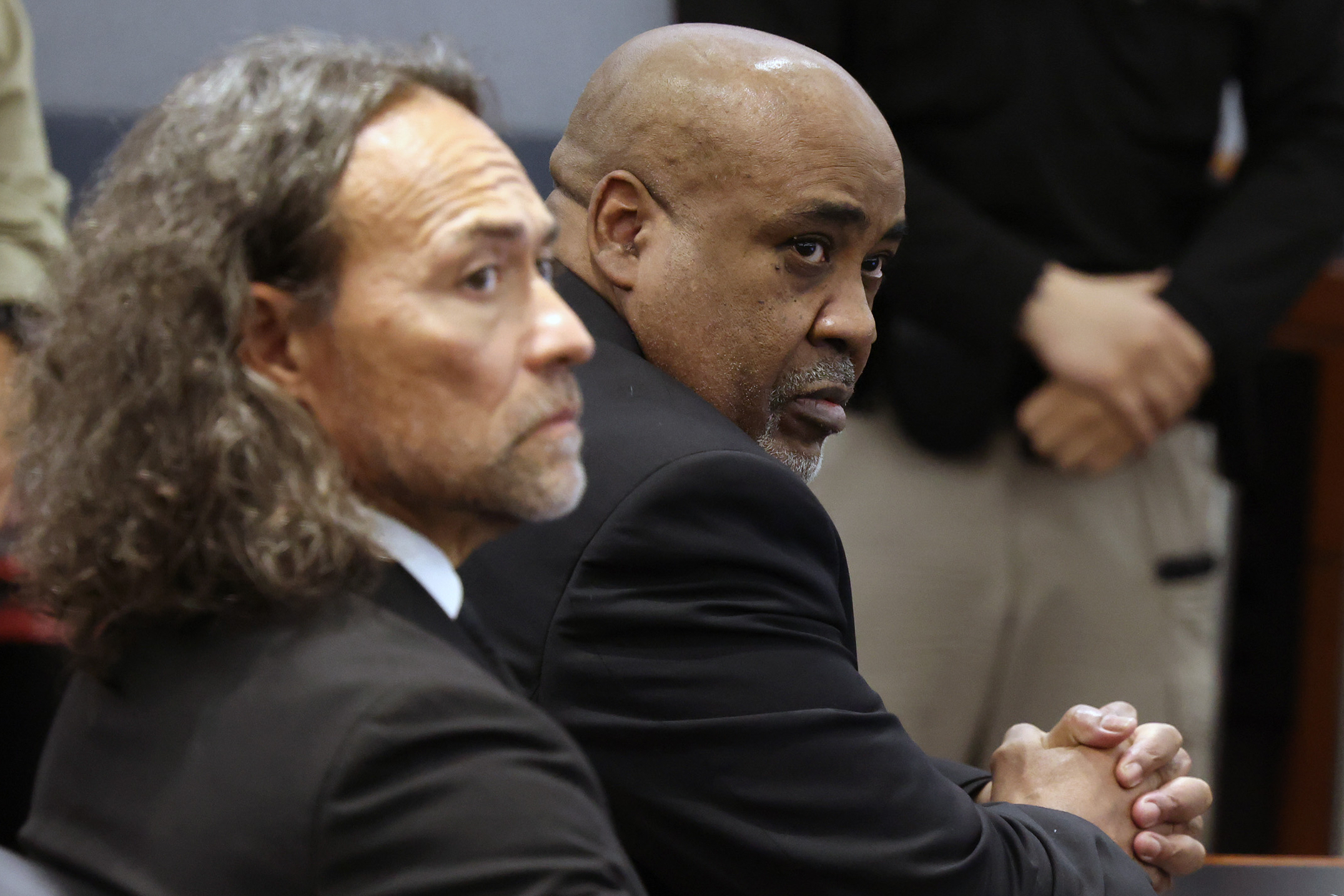
    A jury in Las Vegas on Monday found a man guilty of orchestrating the 1996 murder of Tupac Shakur, delivering a conviction nearly 30 years after one of hip-hop’s most notorious killings.

    Duane Keith Davis, 63, was accused of obtaining the gun used in the shooting and pursuing Shakur during a gang war that had become entangled with a feud between East Coast and West Coast hip-hop labels.

    After about three hours of deliberations, the 12 jurors announced they had found Davis guilty of first-degree murder. Members of Shakur’s family who were seated in the courtroom embraced and passed around tissues to wipe away tears.

    Straight-faced but agitated after the verdict, Davis addressed the judge to promise he would appeal. He is scheduled to receive his sentence — up to life in prison — on Oct. 13.

    In a three-week trial, prosecutors depicted Davis as a shot caller for a group of Crips from Compton, California, who were out for revenge on the night of Sept. 7, 1996, when they happened to encounter Shakur in a black BMW stopped at a traffic light. Shakur, who was 25 and in the prime of his career, was shot four times and died at a hospital days later.

    A socially conscious poet who was on his way to becoming a cultural icon, Shakur became only more popular as he was increasingly associated with violence and gang culture. His death turned him into a hip-hop martyr, joined only six months later by Christopher Wallace, the rapper known as the Notorious B.I.G., a onetime friend who turned into a bitter rival.

    After Wallace was gunned down in Los Angeles in March 1997, the shootings became twin tragedies that had never led to a conviction, until now.

    For years, the Shakur case had languished as important evidence, including the murder weapon, remained missing and key witnesses — including Shakur’s label boss, Marion Knight, known as Suge — refused to cooperate. The standstill turned the case into fodder for true-crime enthusiasts and conspiracy theorists.

    Then, in 2008, Davis began speaking to the police in an effort to avoid drug charges that could have put him in prison for life. Law enforcement considered him untouchable because he had shared the information under an agreement that he could not be charged based on it.

    But prosecutors changed their calculation once Davis began repeatedly addressing the shooting publicly — in podcasts, a documentary and a 2019 memoir.

    “I’m one of the only living eyewitnesses to Tupac’s killing,” read the introduction to the memoir, “Compton Street Legend.”

    Under the mistaken belief that he was fully immune from prosecution, Davis effectively handed prosecutors the evidence they needed to bring a case.

    After he was indicted on a charge of murder in 2023, Davis, who is known by the nickname Keffe D, asserted that the statements in his memoir and in interviews were fictional stories invented to turn a profit on the hip-hop media circuit.

    “Mr. Davis is attempting to escape responsibility for a crime everybody knows he committed — even him,” Marc DiGiacomo, a prosecutor in the case, said in court Monday, “and he admits to it seven or eight times over the course of 30 years.”

    Throughout the trial, Michael Sanft, Davis’ lawyer, argued that the prosecution’s case was based on presumptions rather than hard facts, and that it was absurd to rely on Davis’ own statements, which were riddled with inaccuracies and inconsistencies.

    “What facts do they have to even put Keffe D in a car in Las Vegas on Sept. 7, 1996? What facts?” he said at the trial.

    The two weeks of testimony at Clark County District Court chronicled a story that had long been told in books, podcasts and true-crime specials, but never at a murder trial.

    Prosecutors painted a picture of simmering gang tensions in Compton between local sets of Bloods and Crips, the temperature increasing by their entanglement with the bicoastal rap beef of the 1990s.

    The Bloods were aligned with Shakur and Knight’s Los Angeles-based Death Row Records, prosecutors said, while the Crips were hired to provide security when New York’s Bad Boy Records, run by Sean Combs, traveled out West.

    In 1996, two gang skirmishes sent hostilities boiling over.

    There was a brawl over a Death Row chain between young Crips and Bloods at a Southern California mall. Then, in September, both sides converged in Las Vegas for a Mike Tyson prizefight. After the fight, Orlando Anderson, a member of the Crips who had been present at the mall, received a beating by a group of men that sent him to a hospital.

    Among the assailants, identified to jurors on hotel security footage at the MGM Grand, were Shakur and Knight.

    According to Davis’ account to the police and in interviews, he obtained a .40-caliber Glock from an associate and set out with a group of Crips to find Shakur and his boss. “Them jumping on my nephew gave us the ultimate green light,” his memoir read.

    Driving around Las Vegas in a white Cadillac, the group spotted Shakur on the road, visible in the passenger’s seat of a black BMW driven by Knight.

    In an interview with law enforcement in 2009, Davis described how his associate behind the wheel made a U-turn to pull up alongside Shakur and Knight’s vehicle.

    A woman in a car nearby, Ingrid Stokes, testified that a hail of gunfire erupted. “All hell broke loose,” she told jurors.

    The BMW was riddled with bullet holes, the tarmac glinting with spent cartridge cases. Knight had been grazed in the head; Shakur, in far worse condition, was loaded into an ambulance.

    Garry Dale, a former police officer who rode with Shakur on the way to the hospital, testified that he had asked him to divulge the names of the assailants but that Shakur had brushed him off.

    “We’ll take care of it,” Shakur replied, according to Dale.

    Word soon spread in Compton that Anderson had been the person to open fire in retaliation for the beating at the MGM Grand, but other accounts suggest it was Deandrae Smith, who had been sitting next to him in the back seat. Davis is the only person still alive who was said to have been in the white Cadillac.

    Although Davis did not testify, the prosecution centered its case on his own words, played for the jury through audio of interviews with police officers, documentary filmmakers and YouTube personalities.

    Prosecutors acknowledged that his statements could be inconsistent, and they did not embrace everything as true. His repeated allegation that Combs had offered him $1 million to kill Shakur and Knight, which the music mogul has vehemently denied, was left on the far periphery of the case.

    In total, the jury heard more than eight hours of Davis’ voice, according to prosecutors.

    “I didn’t tell nobody, nothing, that we killed Tupac,” Davis said in 2009, when he was speaking to the police.

    He added: “I was gonna keep this secret.”

    This article originally appeared in The New York Times.
  • The godfather of US sports betting | Inquirer South Jersey

    The godfather of US sports betting | Inquirer South Jersey

    Good morning, South Jersey.

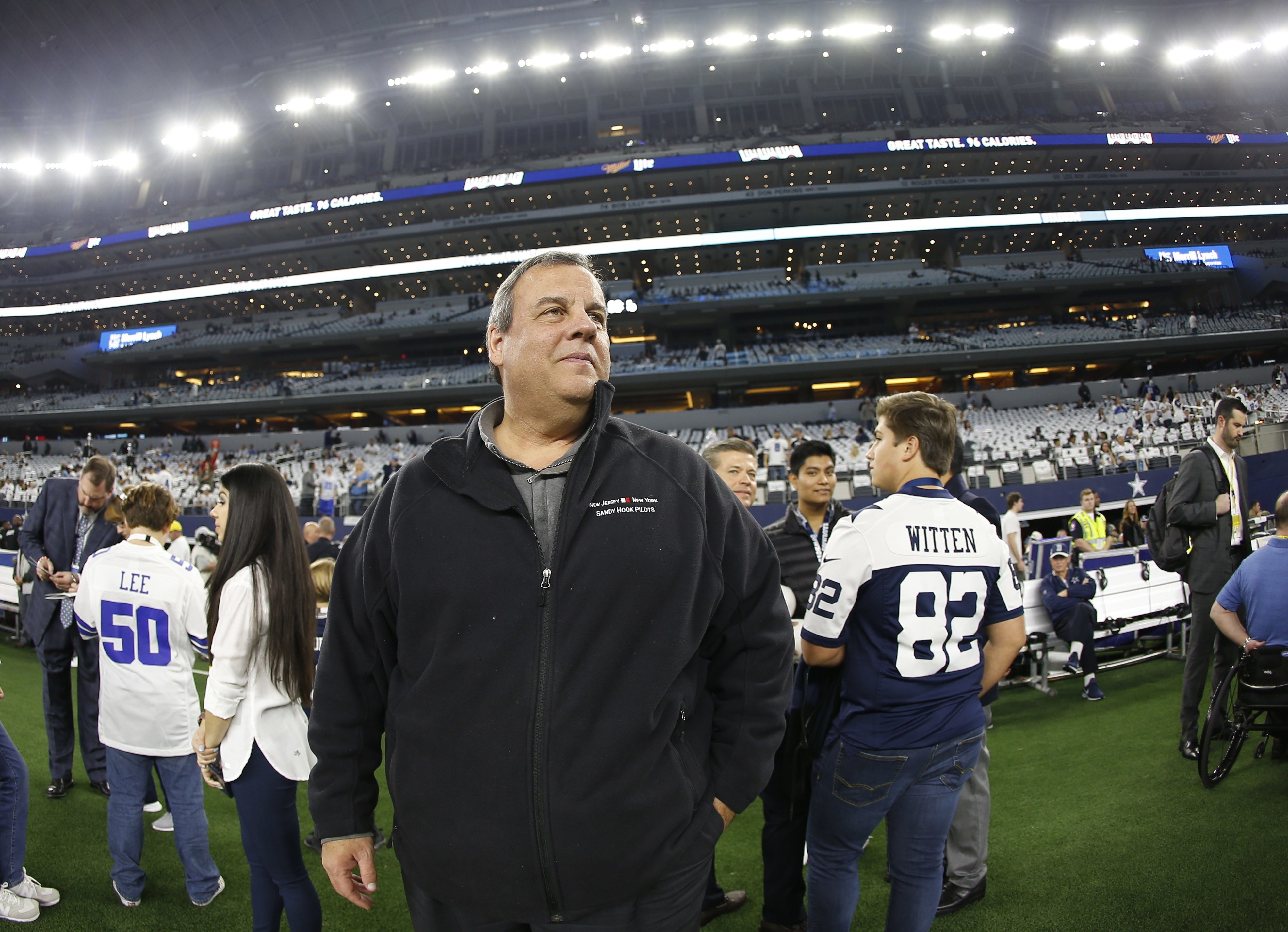
    Chris Christie is best known for his political career as a former New Jersey governor, presidential candidate, and U.S. attorney. But his most lasting impact could be his role in setting the stage for the rise of sports betting in the United States.

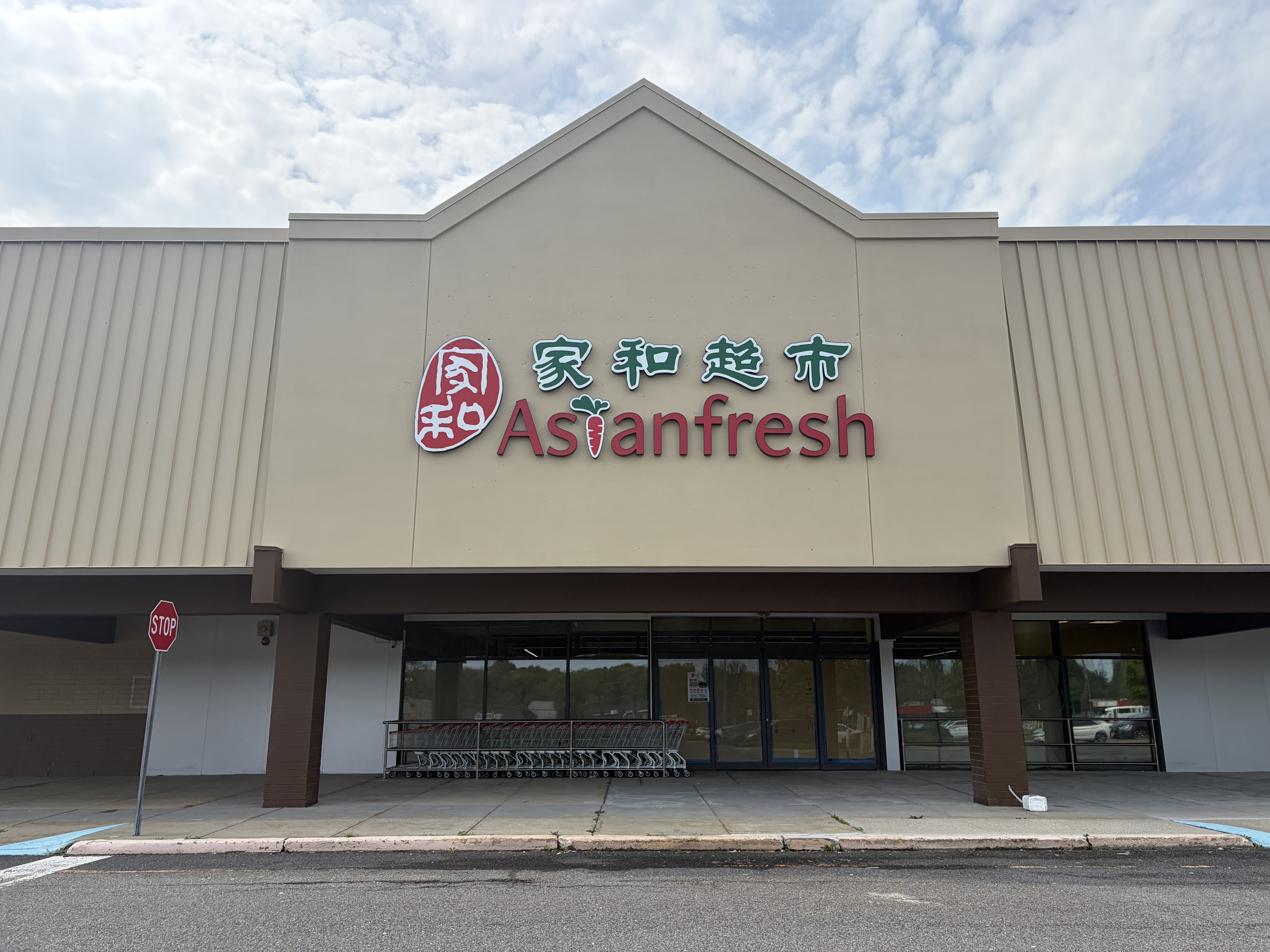
    And Asianfresh Food Market is set for the grand opening of its location in Cherry Hill next week.

    Plus, the mayor of Barrington hopes the International Paper plant could turn into a cannabis business, and more news of the day.

    — Taylor Allen (southjersey@inquirer.com)

    P.S. Ask your questions about the region through Curious South Jersey. It might turn into a story someday.

    If someone forwarded you this email, sign up for free here.

    Chris Christie’s sports betting legacy

    Former Gov. Chris Christie began his push for legalized sports gambling through state law in 2012. But he didn’t officially win his crusade until 2018, after the U.S. Supreme Court overturned a federal law that gave states the freedom to enact their own sports-betting laws.

    In a recent interview, he said he did not foresee sports gambling’s evolution and the rise of prediction markets supported by the Trump family.

    “I don’t think I could ever have anticipated that it would be in everybody’s pocket,” Christie said. “That’s a little bit disturbing to me, to tell you the truth, the proliferation of it. And obviously prediction markets have been very disturbing to me, particularly because they market to teenagers, which is strictly prohibited for the legal gaming companies.”

    Read the full interview with The Inquirer’s David Gambacorta, including Christie’s thoughts on the Supreme Court’s potential future involvement in the industry.

    Asianfresh Food Market is coming to Cherry Hill

    Chinatown’s Asianfresh Food market is set to open a location in Cherry Hill, 2 miles away from the recently revamped H Mart.

    Just like the original location, the new store will offer specialty products and seasonal items imported from across Asia.

    Its grand opening will be held Sept. 12. The international grocery store is planning to host giveaways, contests, and more to celebrate the new chapter.

    Reporter Lacey Latch has the story.

    What to know today

    • Barrington Mayor Kyle Hanson said recent legislative moves to expand, regulate, and tax sales for cannabis businesses aim to entice them to move into the International Paper facility that was set to close Monday.
    • A fire caused the second floor of an apartment in Deptford to collapse. Officials said at least nine apartments were damaged or lost to the fire, but no one was injured, NBC10 reports.
    • The Subaru of Cherry Hill dealership plans to move to the site that was once the corporate headquarters of Subaru of America until it moved to Camden in 2018, according to 70and73.
    • Camden County released its latest list of roadwork projects, and residents in Camden and Cherry Hill should be prepared to take the most detours this week.
    • New owners are taking over The Ice Cream Boutique in Bordentown.

    🗣️ Quote of the week

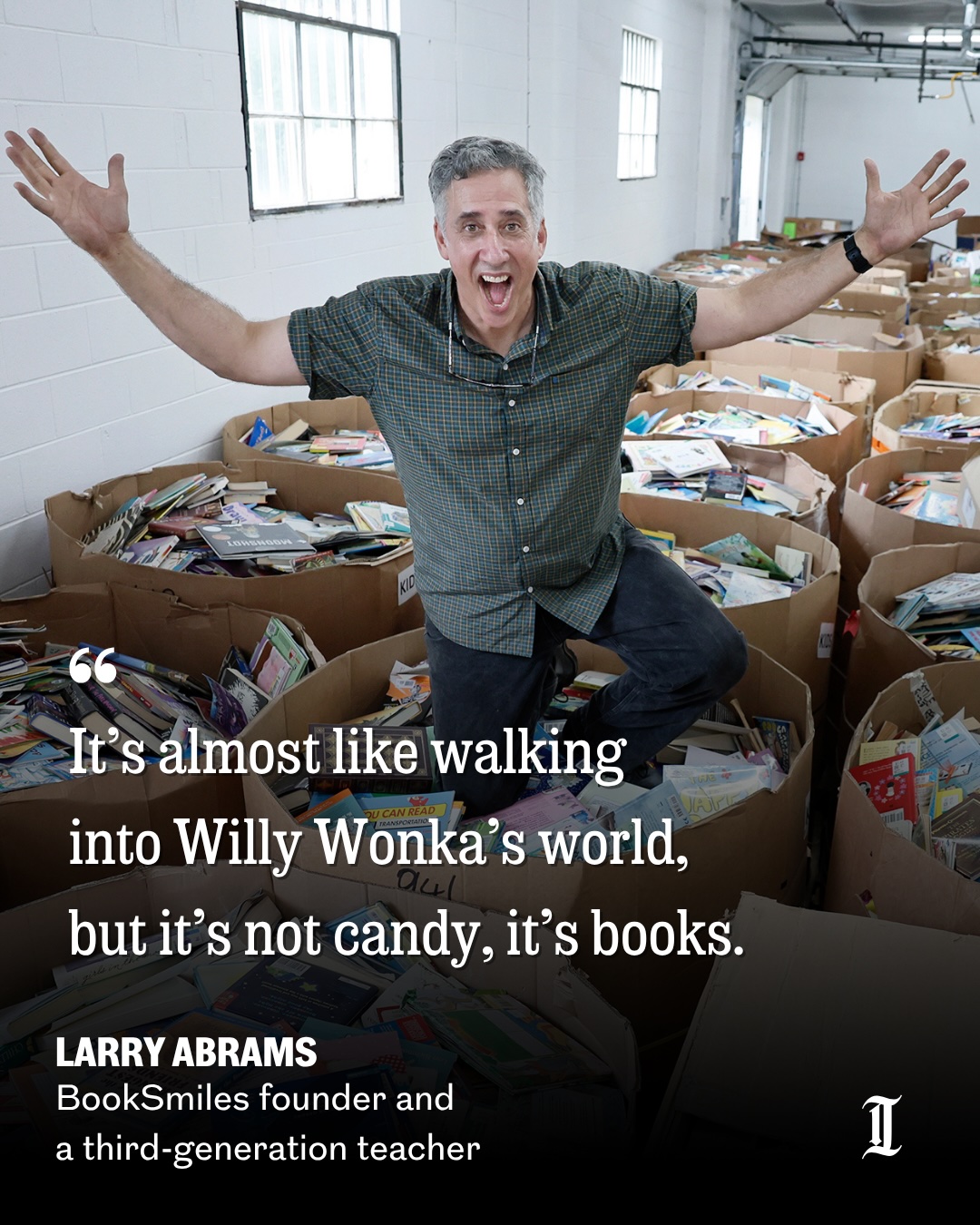
    Abrams’ nonprofit, BookSmiles, outgrew its third location and is expanding into a 14,000-square-foot space in Cherry Hill. It will allow the organization to distribute 5 million books per year to schools and teachers.

    🧠 Trivia time

    Originally from Burlington County, Jordan Gershowitz is a two-time Emmy-nominated writer and the story editor of Netflix children’s series Hot Wheels Let’s Race. Which township is he from?

    A) Westampton

    B) Pemberton

    C) Woodland

    D) Bordentown

    Think you know? Check your answer.

    What we’re …

    💭 Wondering: Are you a seasonal-creep Grinch?

    🏠 Ogling: An unplugged beach cottage in Ocean City with no Wi-Fi. (Is your house a “Haven”? Nominate your home by email — and send some digital photographs — at properties@inquirer.com.)

    🚙 Learning: How to ditch our cars (as much as possible).

    Thanks for starting your morning with The Inquirer. I’ll see you tomorrow. 👋🏽

    By submitting your written, visual, and/or audio contributions, you agree to The Inquirer’s Terms of Use, including the grant of rights in Section 10.

  • A rocky rise to Philly’s second-in-command | Morning Newsletter

    A rocky rise to Philly’s second-in-command | Morning Newsletter

    Welcome to September, Philly. Expect an August-like high of around 90, with an outside shot at showers.

    Today, we have an in-depth profile of the man holding one of Philly’s most important unelected roles, and the trials he overcame to get there.

    And, we ask New Jersey’s godfather of sports betting, former Governor Chris Christie, about his take on that industry today.

    Plus, 6abc chief meteorologist Cecily Tynan’s last broadcast, and more news of the day.

    — Laura Benshoff (morningnewsletter@inquirer.com)

    If someone forwarded you this email, sign up for free here.

    Improbable rise

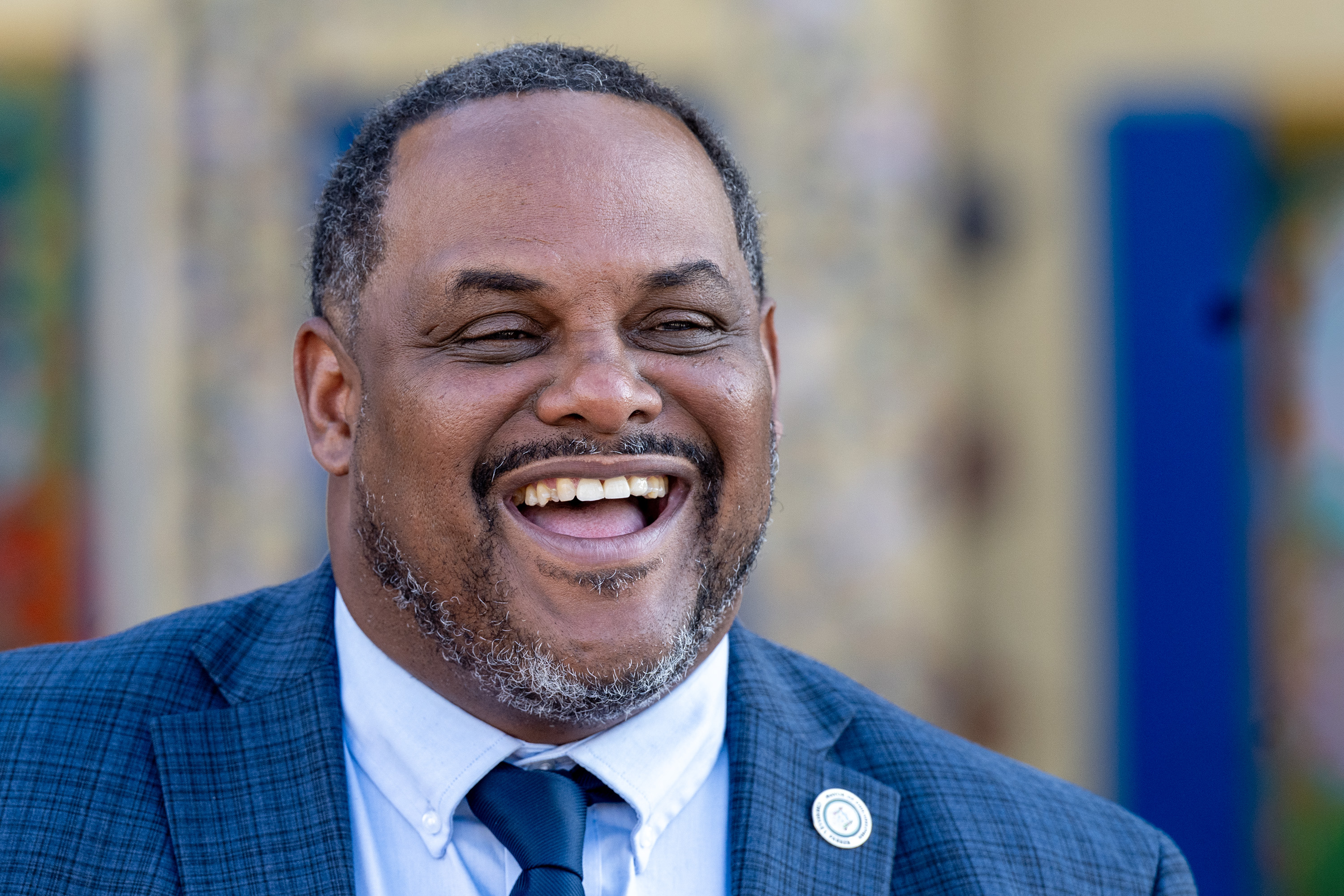
    Philadelphia Managing Director Carlton Williams is at McClure Elementary Aug. 24, 2026 on the first day of school in the Philadelphia School District.Tom Gralish / Staff Photographer

    Over a decade ago, Carlton William became the face of a tragedy that could have ended his career.

    As the commissioner of Philadelphia’s Department of Licenses and Inspections, he bore scrutiny for L&I’s role in the deadly 2013 Market Street building collapse. Then-mayoral candidate Jim Kenney called for Williams to be fired.

    Today, Williams remembers that tragedy as “one of the saddest moments” of his time in government. “You have to lead through some tough challenges when you’re a leader,” he said in an interview with The Inquirer. “You don’t get to pick and choose when you lead.”

    Williams not only kept his job, he’s now Philadelphia’s managing director, the most powerful city administrator after Mayor Cherelle Parker. His durability, some say, is a testament to the relationships he’s built since then, including with Mayor Parker.

    Inquirer reporter Anna Orso charts his rise – and talks to Williams about his promise to be “accessible” in his new role.

    Christie’s early bet

    In 2012, then-New Jersey governor Chris Christie signed a bill legalizing sports betting in the Garden State. In doing so, he defied federal law and set off a veritable jackpot of lawsuits.

    At the time, Christie was trying to “differentiate Atlantic City, and give the casinos something new and different to offer,” he said in a recent interview with The Inquirer.

    Eventually, the U.S. Supreme Court agreed with Christie’s logic, overturning the federal law barring sports gambling. It’s since evolved into a 24/7, online prediction betting industry where bets can be placed not only on sporting events but on random occurrences.

    “I don’t think I could ever have anticipated that it would be in everybody’s pocket. That’s a little bit disturbing to me,” said Christie, who now works as a strategic adviser to the American Gaming Association.

    Read the full interview with Inquirer investigative reporter David Gambacorta.

    What you should know today

    • Pennsylvania Democratic U.S. Sen. John Fetterman came out in support of President Donald Trump’s pro-data center position, “Let Data Reign,” in a post on X.
    • William Dunbar, a key adviser in Mayor Cherelle Parker’s 2023 campaign, has pleaded guilty to tax evasion.
    • Two measles-associated deaths in Pennsylvania last week were omitted from the Centers for Disease Control and Prevention’s measles outbreak update, continuing an increasingly political clash over the nature of the deaths.
    • Live hospital schedules and cell phone numbers for thousands of medical workers in Philly and beyond were made erroneously available by an online workforce scheduling tool.
    • A $300 million-plus, 525-foot-long ship built at the Hanwha Philly Shipyard will be sailing for the U.S. Navy, likely supporting U.S. forces in the Middle East.
    • A man has been extradited from Honduras to Philadelphia to face charges in a murder case that rocked Hunting Park in 2000.
    • The 52 Philly public schools that still lack air-conditioning will dismiss classes early today due to the expected heat.

    Quote of the day

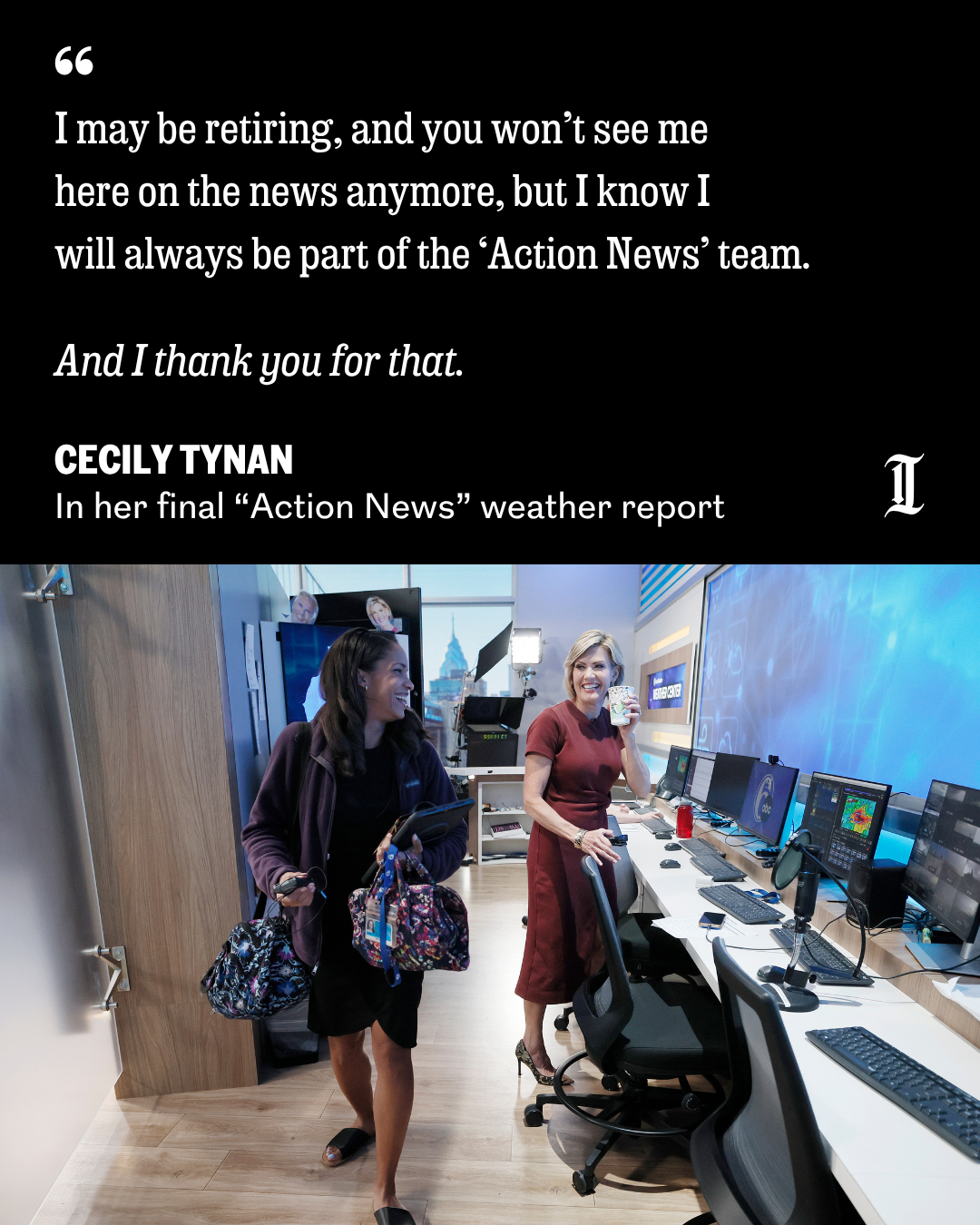
    After more than three decades on the air, 6abc chief meteorologist Cecily Tynan offered her final weather report on Action News Monday night, The Inquirer’s Rob Tornoe reports.

    🧠 Trivia time

    When the Eagles announced their active roster on Sunday, how many quarterbacks made the cut?

    A) 2

    B) 3

    C) 4

    D) 5

    Think you know? Check your answer.

    What we’re…

    🥒 Tasting. Philly’s no stranger to breweries and distilleries offering tours and tastings, but soon it will have its very first “brinery” for pickles, food writer Mike Klein reports.

    🎧 Listening to. Pearl Jam is releasing a new vinyl LP of a 2016 Philly concert where the band gave an impromptu performance of their entire debut album Ten, per music critic Dan DeLuca.

    🏠 Squeezing into. While the trend in other cities may be for more commodious abodes, Philly’s new apartments are shrinking, real estate reporter Michaelle Bond reports.

    🧩 Unscramble the anagram

    Hint: ________ ____ Brewing recently opened in Gloucester County, New Jersey.

    CLEF DAWN JERK

    Email us if you know the answer. We’ll select a reader at random to shout out here.

    Cheers to Kierston Koory who correctly guessed Monday’s answer: Dominic Sessa. Before portraying Bourdain in the A24 biopic “Tony,” South Jerseyite Sessa used his paychecks from Cathy’s 14th Street Bakery in Ocean City to buy booze. It was the perfect research.

    Photo of the day

    Ezra Landis of Souderton was one of three to capture the flag during the Red Bull Run at Spruce Street Harbor Park in Philadelphia on Saturday, August 29, 2026. The annual run has contestants trying to grab a flag at the end of a greased pole hanging over the Delaware River. Landis lost in the finals.Elizabeth Robertson / Staff Photographer

    Thanks for reading 👋

    By submitting your written, visual, and/or audio contributions, you agree to The Inquirer’s Terms of Use, including the grant of rights in Section 10.

  • Philly’s getting a pickle tasting room

    Philly’s getting a pickle tasting room

    After eight years, several production spaces, and many tons of cucumbers, Fishtown Pickle Project is putting down permanent roots.

    But it’s still not in Fishtown.

    Last month, Niki Toscani and Mike Sicinski, the husband-and-wife team behind the pickle company, bought a 6,200-square-foot building at 1911-13 N. Second St., just north of Berks Street near Norris Square in Kensington. There, they plan to triple production and, for the first time, invite customers into their briny world.

    The move from Globe Dye Works in Frankford will allow them to combine production with a storefront.

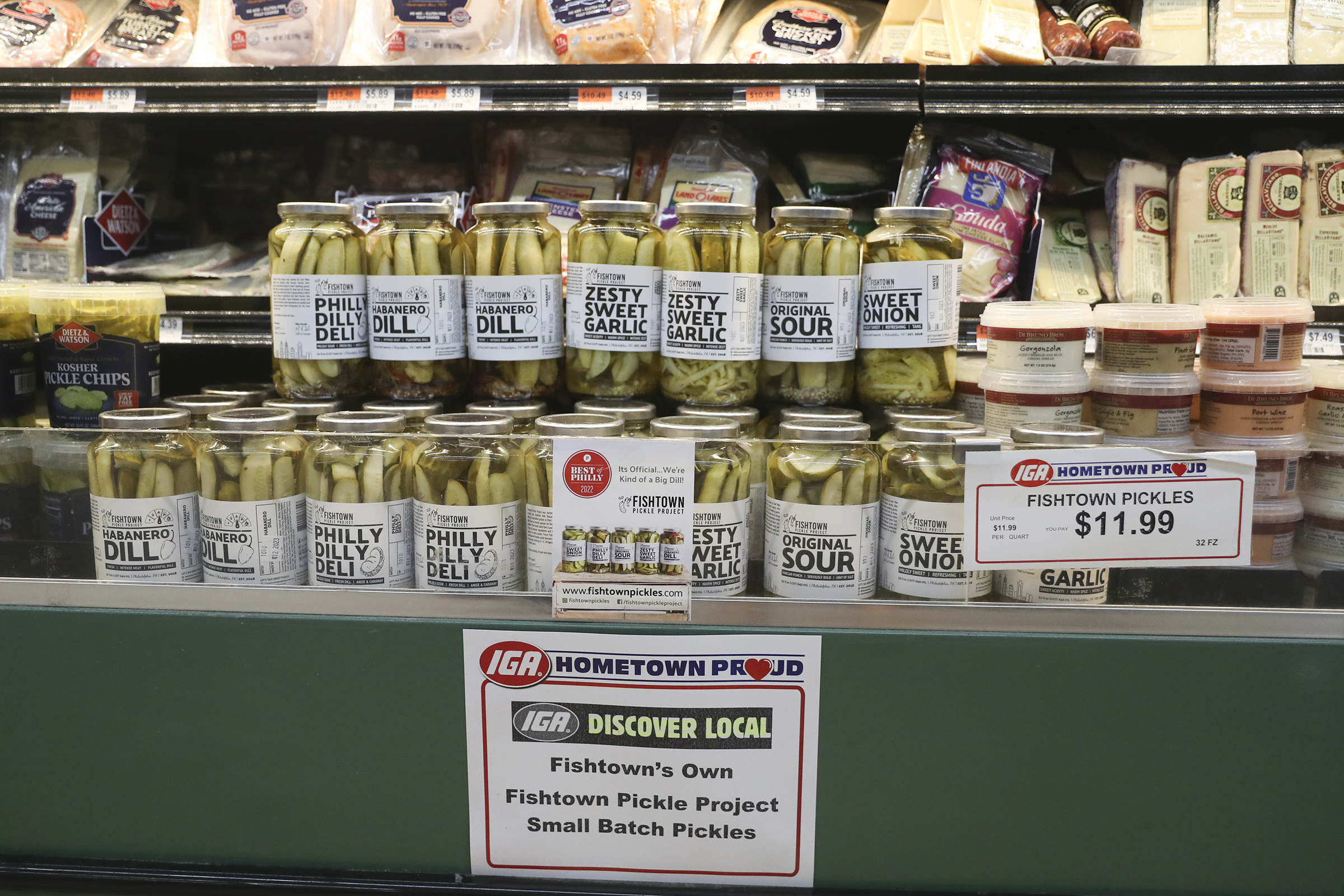
    The Richmond Shops IGA grocery store at Fishtown Crossing was an early customer of Fishtown Pickle Project.Heather Khalifa / Staff Photographer

    The centerpiece will be a 500-square-foot pickle tasting room, where customers can sample varieties, buy pickles by the pound or jar, shop for pickle-themed merchandise, and eventually take classes and production tours. They are aiming for a summer 2027 opening.

    A pickle tasting room? Think brewery, only with cucumbers. Toscani said customers will be able to sample the goods while watching production. She calls the concept a “brinery.”

    Most of the building will be devoted to manufacturing, storage, offices, and events. Fishtown Pickle Project now processes about 3,500 pounds of cucumbers a week, a figure Toscani expects to triple by the end of 2028.

    The couple said they remained at Globe Dye Works because of its affordable rent and highway access, but eventually ran out of room. Their search for a larger property with manufacturing and retail space, plus a driveway and loading area, led them to Norris Square. Finding that combination in Fishtown was difficult, Toscani said, “especially for a bootstrapped small business.”

    A 2025 collaboration between Fishtown Pickle Project and Miller’s Twist in Reading Terminal Market resulted in Philly Dilly spears wrapped in a soft, sweet pretzel dough.Craig LaBan / Staff

    The Second Street property should also make deliveries easier. “When we’re getting trailers delivered with glass jars, it helps to have a garage and a street for them to deliver at without tons of traffic,” Sicinski said.

    Wholesale growth is driving much of the expansion. Toscani said revenue from buckets of pickles sold to restaurants, delis, and retailers increased 200% from 2024 to 2025. Some customers use them to stock pickle bars.

    The company sells through about 30 ShopRite stores, 11 Wegmans locations, and the Kimberton Whole Foods and McCaffrey’s Market chains. Toscani and Sicinski make their products and handle distribution themselves.

    “It allows us to grow responsibly without taking on more business than we can handle,” Toscani said.

    The company has the equivalent of about six full-time employees, which Toscani expects to double to about 12 by the end of 2028.

    As for the Fishtown in the name, that goes back to the company’s beginnings in 2018. Toscani and Sicinski lived in the neighborhood, and some of their first customers were Fishtown retailers, including Bottle Bar East (now closed), IGA, and Riverwards.

    The pickles themselves have always been made elsewhere. Sicinski, a chef who was then a food-service director for a New Jersey school district, first made them in his work kitchen. The couple — Toscani is a dietitian — also made pickles as wedding favors, helping turn the hobby into a business. Production later moved to Bridesburg Commissary (now Culinary Collective) and then to Globe Dye Works, where the company eventually moved into a larger space within the complex.

    The passion project became a livelihood after Sicinski was furloughed at the start of the pandemic. The lineup now includes the flagship Philly Dilly Deli, Sweet Onion, and Habanero varieties, and limited releases such as Bloody Mary and Ginger Lemonade pickle chips.

    The Norris Square project is their largest investment yet. They paid $550,000 for the building Aug. 6 and said they expect to spend about $700,000 on construction and outfitting. A $1.6 million Small Business Administration loan is helping finance the project, and they are seeking about $250,000 in grants for equipment and hiring. Toscani puts the overall investment at close to $2 million.

    The couple have no outside equity investors.

    Toscani sees no contradiction in taking the Fishtown name with them to Norris Square.

    “We still consider the neighboring neighborhoods our neighbors,” she said. “Despite the fact that we’re not in Fishtown proper, we feel like the opportunity to have roots in Norris Square actually fits our mission quite a bit.”

  • Will Matt Campbell get Penn State past the James Franklin era? He’s got some things in his favor.

    Will Matt Campbell get Penn State past the James Franklin era? He’s got some things in his favor.

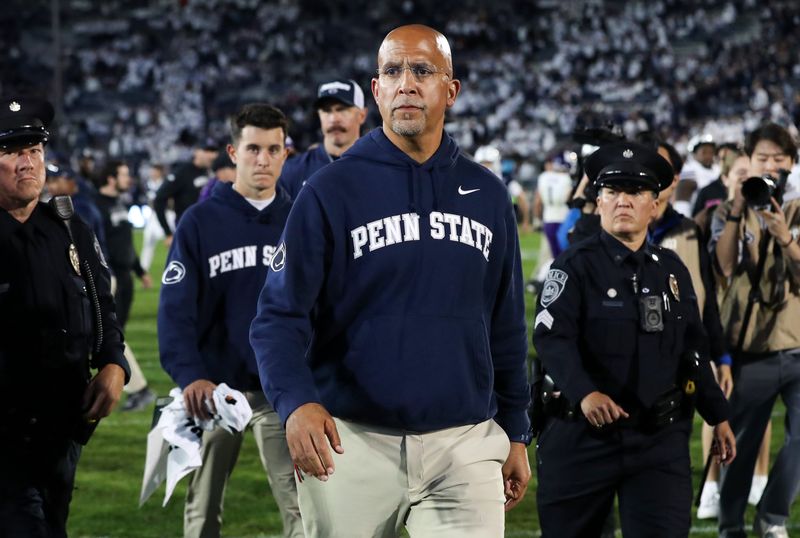
    One of the biggest unknowns of the 2026 college football season is whether No. 18 Penn State will fare better or worse without James Franklin leading the program.

    While many felt it was Franklin’s time to go, it will still be an adjustment that for the first time in over a decade, a new face at the head-coaching position will run out of the gates at Beaver Stadium when the Nittany Lions open their season against Marshall on Saturday (3:30 p.m., FS1).

    So how might Matt Campbell’s success at Iowa State translate to Penn State, since comparing the Big 12 to the Big Ten is like devouring an apple and claiming it was the juiciest orange you’ve ever tasted?

    A good place to start is the College Football Playoff.

    In the history of the tournament, only four teams from the Big 12 have qualified, and none were named Iowa State, the program Campbell led for the last 10 years. Conversely, six Big Ten teams, including Penn State, have qualified for the CFP, with a program in the conference taking home the title the last three years, the latest when Curt Cignetti and Indiana shocked the college football world.

    Let’s not forget one of those title teams was nearly the Nittany Lions, who were a mere field goal away from a trip to the championship game in 2024 before it all unraveled for Franklin last season and cost him his job.

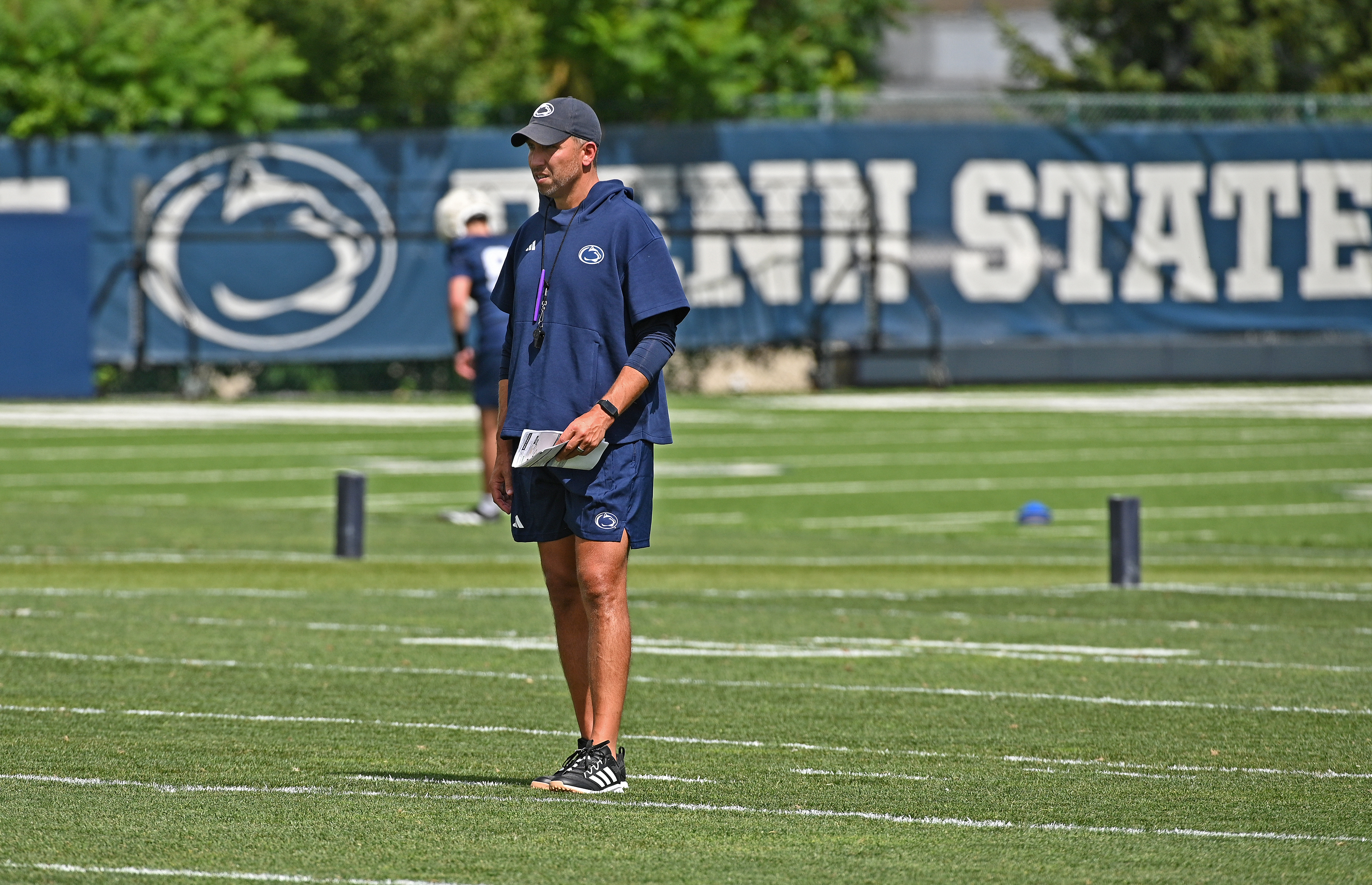
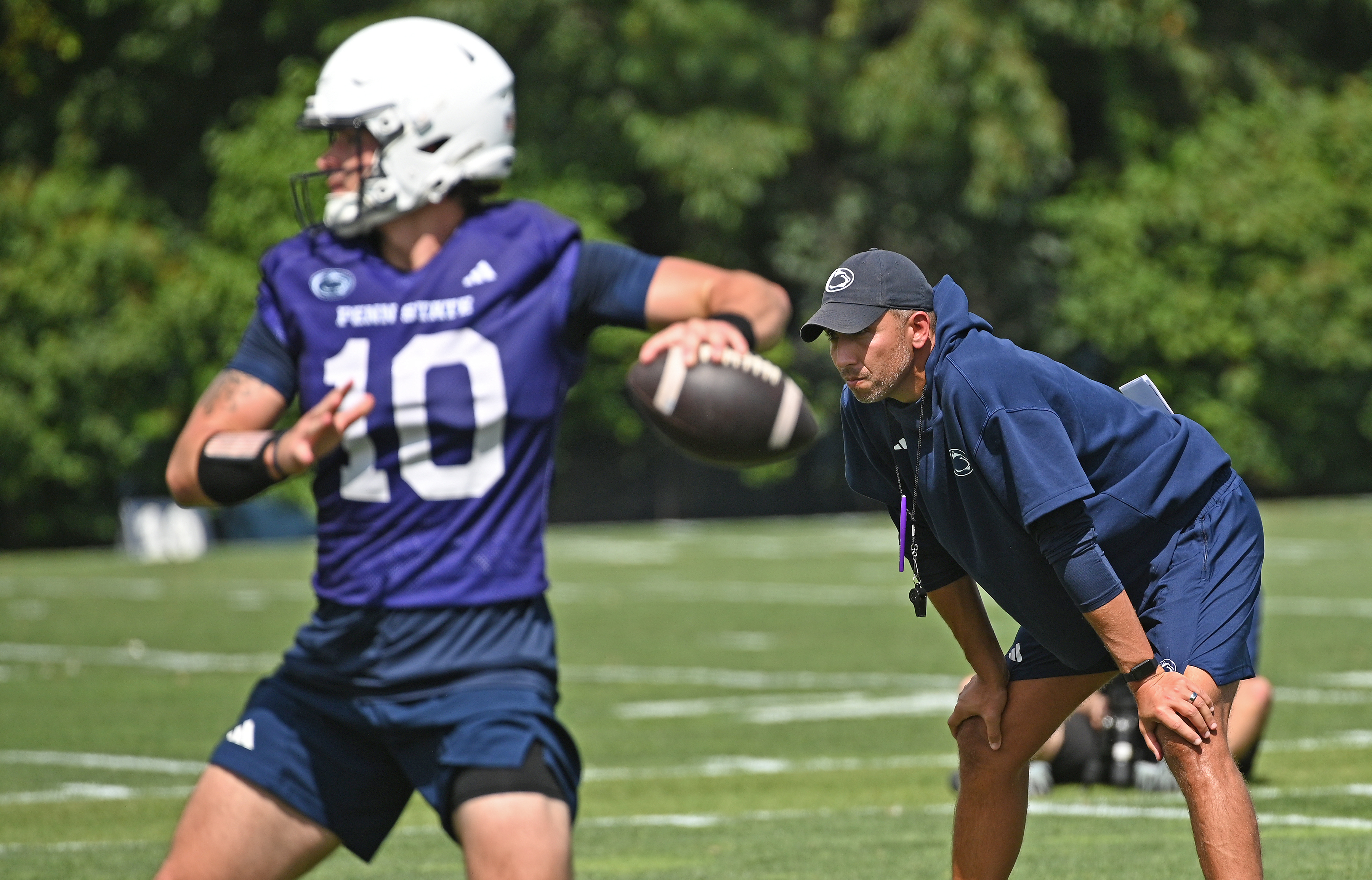
    Matt Campbell, previously head coach at Iowa State, watches quarterback Connor Barry (10), a transfer from Christopher Newport University, on Aug. 5.Craig Houtz / For The Inquirer

    Here’s what we know about Campbell that bodes well for Penn State.

    In his 10 seasons at Iowa State, he left as the winningest coach in program history with 72 victories. He has an offensive mind, and he convinced quarterback Rocco Becht, the former Iowa State QB and son of former NFL tight end Anthony Becht, to transfer in the offseason and join him in Happy Valley.

    Becht is a whole other beast. The fifth-year player from Wesley Chapel, Fla., is so invested in helping Campbell restore Penn State’s glory that he’s committed to taking just one class this upcoming semester.

    That wasn’t a misprint. One class. Three credits. And it’s an online course, which has legislators questioning how Becht’s situation accurately defines the term “student-athlete.”

    So the program has a new coach eager to prove he can bring the success he had in the Big 12 to the elite level of the Big Ten, a quarterback who’s dialed in to simply being all about football, and an athletics department that’s betting a bit of the farm on Campbell to the tune of an eight-year deal in Happy Valley that will see him collect nearly $80 million over the life of the contract.

    The Nittany Lions also have one of the most favorable schedules. They face just three teams in the Associated Press Top 25 preseason poll in No. 16 Michigan (Oct. 17), No. 17 Washington (Nov. 7), and will host No. 14 Southern Cal in their annual “White Out” game on Oct. 10 (7:30 p.m., NBC).

    The way the Big Ten configuration landed, Campbell will chase a spot in the College Football Playoff not needing to face Ohio State (current AP No. 1), defending champion Indiana, Oregon, or Iowa, all teams in the AP rankings. It’s the perfect schedule for a team not looking to waste time and millions on rebuilding its program.

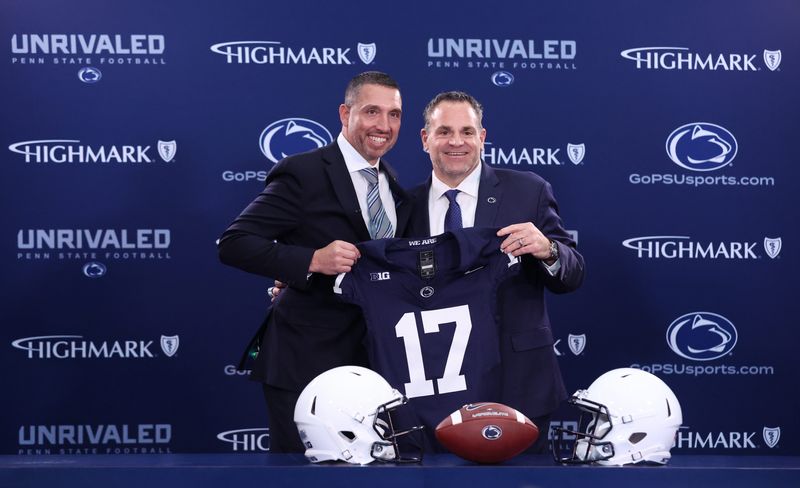
    Penn State athletic director Pat Kraft poses for a photo with Matt Campbell, after Campbell was announced as the school’s new head football coach in December. Matthew O'Haren, Imagn Images

    In fact, there is no rebuild. If you listen to Nittany Lions athletic director Pat Kraft, Campbell’s upside is believed to be the perfect option to seamlessly right the wrongs that closed out Franklin’s tenure.

    This was Kraft’s statement in the press release upon hiring Campbell last December:

    “Coach Campbell is, without a doubt, the right leader at the right time for Penn State football. He is a stellar coach with a proven track record of success and his values, character and approach to leading student-athletes to success on and off the field align perfectly with the traditions and values of Penn State.”

    Franklin built something from the ashes of what the program became following the Jerry Sandusky scandal, and honed it into a title-contending program (albeit, one that could never figure out Ohio State or Michigan).

    Penn State fired James Franklin on Oct. 12, 2025, after a third straight loss. The Nittany Lions were 104-45 in 11-plus seasons under Franklin.Matthew O'Haren-Imagn Images

    Now, it just needs some fine tuning to be driven again. Campbell is squarely in that driver’s seat with the keys in his hands. He’s got the tools when it comes to Penn State’s pedigree, the coins courtesy of a reported 10-year, $300 million apparel deal with Adidas, and the NCAA’s transfer portal, which will continue to provide the resources, especially after the exodus of starters following last season.

    Can Campbell take this new-look team and right the wrongs of Franklin’s past? It’s tough to say, especially attempting to judge anything by the first three games of the season, starting with the Thundering Herd this Saturday, followed by Temple on Sept. 12 at Lincoln Financial Field (noon, ESPN2), and Buffalo on Sept. 19 (noon, Big Ten Network).

    But the notion certainly does seem worth tuning in for.

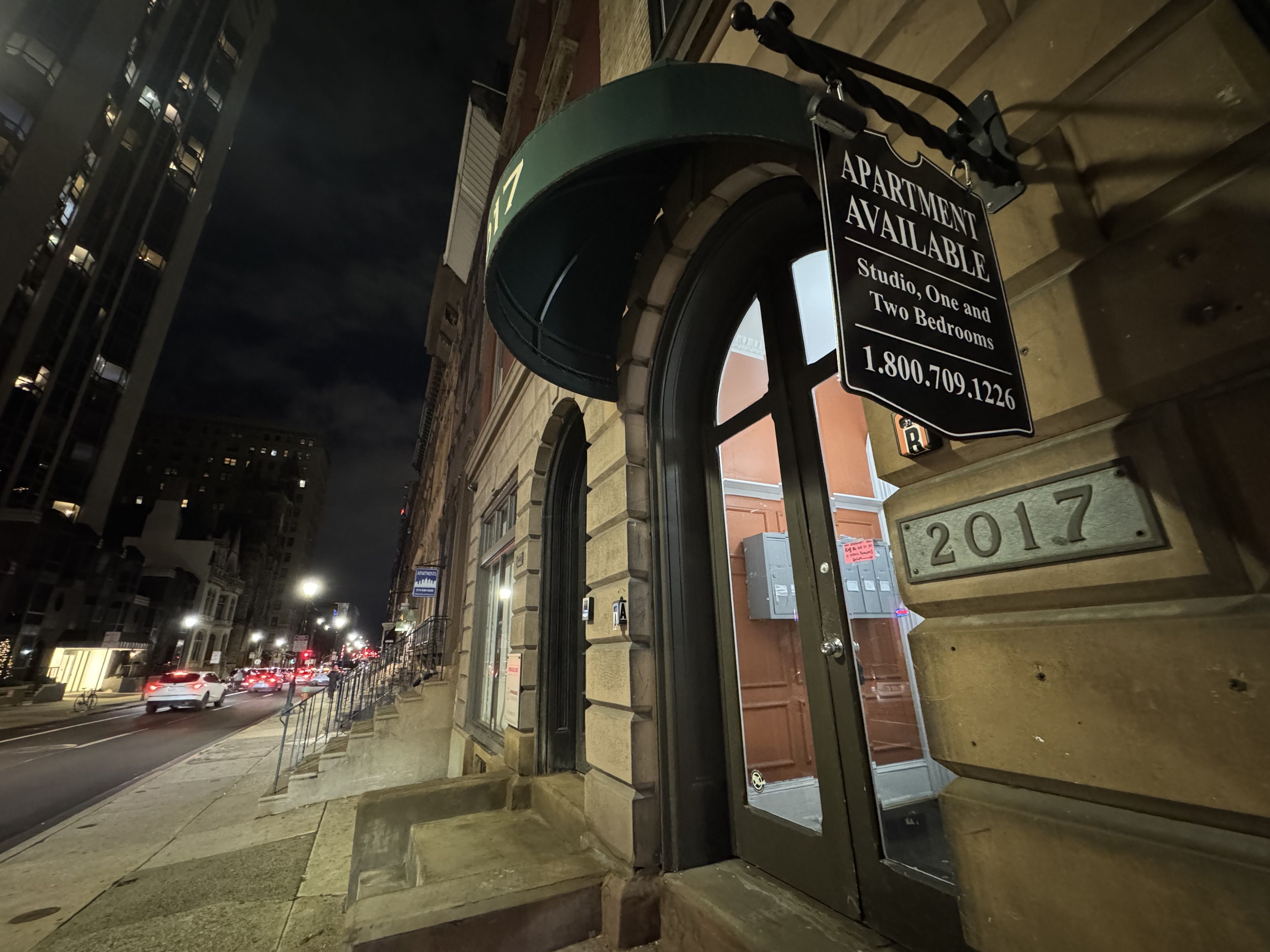
  • Philly apartments are shrinking

    Philly apartments are shrinking

    If you’re looking for a place to rent a spacious new apartment, Philly ain’t it.

    Apartments across the country got slightly bigger last year, but in Philadelphia, they’re shrinking.

    Apartments in Philly are already relatively small. Of the country’s top 100 cities with the largest apartment supply, Philadelphia ranked 88th in apartment size, according to an analysis by the nationwide apartment search website RentCafe. The report was based on apartments in buildings with 50 or more units.

    New Philly apartments, which RentCafe defined as those built between 2016 and 2025, span an average of 747 square feet — 163 fewer square feet than the national average.

    But in Philadelphia, the average new apartment shrank by 104 square feet compared to apartments built during the previous decade — basically the loss of a home office, according to RentCafe.

    Philadelphia’s position as a desirable rental market and demographic trends help explain the shrinking, according to Veronica Grecu, research analyst at RentCafe.

    “In high-demand markets, developers often prioritize studios and one-bedrooms because they can deliver more apartments per building and meet the needs of a growing number of single-person and smaller households,” Grecu said in a statement. “… the upside is more availability in markets where inventory has historically been tight.”

    Apartments currently under construction in Philadelphia average 627 square feet, according to RentCafe.

    The platform found that Philadelphia’s new three-bedroom apartments actually grew in size — by 93 square feet — as studios and one- and two-bedroom apartments shrank. But not many developers are building three-bedroom units. They made up 3% of the city’s supply of new apartments, according to RentCafe.

    (function(){function e(){window.addEventListener(`message`,function(e){if(e.data[`datawrapper-height`]!==void 0){var t=document.querySelectorAll(`iframe`);for(var n in e.data[`datawrapper-height`])for(var r=0,i;i=t[r];r++)if(i.contentWindow===e.source){var a=e.data[`datawrapper-height`][n]+`px`;i.style.height=a}}})}e()})();

    How Philly compares to other cities

    Cities in the Northeast and West dominate RentCafe’s list of places with the smallest new apartments.

    Pittsburgh was one of the top 10 cities where new apartments shrank the most in the last decade. The average size decreased by 142 square feet. But the average new apartment was 804 square feet, still larger than the average in Philadelphia.

    Seattle has the smallest new apartments. Those built in the last decade average 645 square feet, as more studios and one-bedroom apartments have been built.

    Portland, Ore., and Tacoma, Wash., have the second- and third-smallest new apartments, averaging 665 and 684 square feet, respectively.

    Tallahassee, Fla., has the largest new apartments. They average 1,156 square feet.

    Gainesville, Fla., and Baton Rouge, La., have the second- and third-largest new apartments, averaging 1,126 and 1,042 square feet, respectively.