Blog

  • The ‘safe to breathe’ lie that haunts 9/11 — and Christine Todd Whitman

    The ‘safe to breathe’ lie that haunts 9/11 — and Christine Todd Whitman

    Former New Jersey Gov. Christine Todd Whitman will be 80 years old in a few weeks, with much to celebrate as she marks the moment.

    She was twice elected governor and brought a Republican legislature with her both times. She cut income taxes by 30%. She turbo-charged the drive to save the state’s dwindling green space, earning her a seat in the cabinet of President George W. Bush, running the Environmental Protection Agency. She is a woman of grand accomplishment, a pioneer.

    And she had the guts to compare Donald Trump to Adolf Hitler, way back in 2015, before it was stylish. So count me among those who would clap and hoot when she blows out the candles at her party.

    But … but … but …

    She also assured us, one week after the 9/11 attacks, that it was “safe to breathe” the air at ground zero. And we know now that was a mistake of epic proportions; that the dust covering Lower Manhattan was a toxic stew of asbestos, lead, mercury, arsenic, dioxin, and polychlorinated biphenyls. It scorched the lungs of thousands who breathed it, leaving them disabled, and planted the seeds for cancer in thousands more.

    “The number of people who have died of 9/11-related health conditions has far surpassed the number of people who died on the day of the attacks,” the September 11th Victim Compensation Fund states in its most recent annual report.

    As the illnesses began to pile up, Whitman became an object of scorn to those who felt she had been flat-out lying, bending to pressure from the White House, which was eager to get Wall Street back to work.

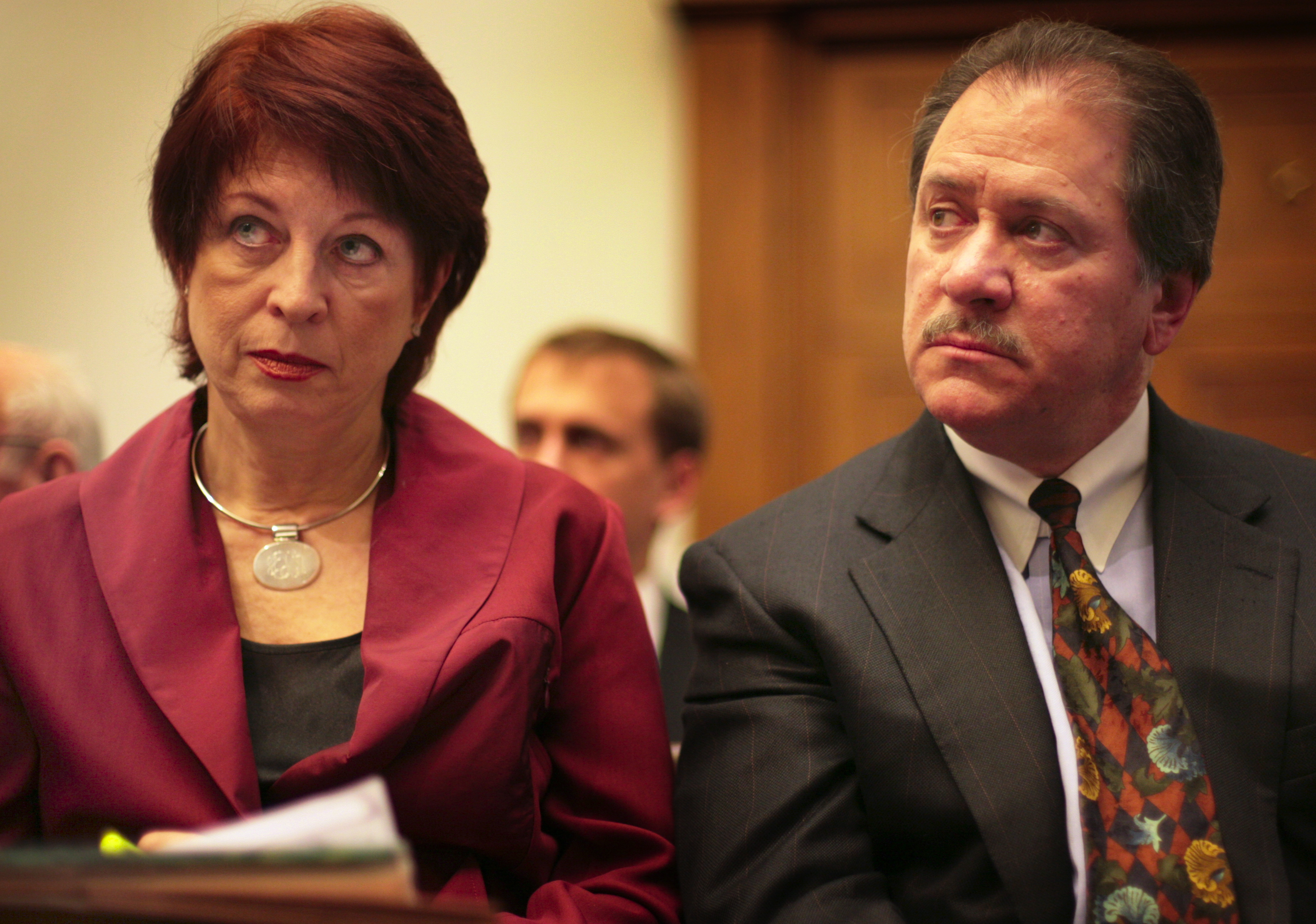
    She was called before Congress to answer for this in June 2007, soon after Democrats had taken control of the House, and they were ready to pounce. It was a sweltering day in Washington, nearly 90 degrees, and she had to brave a mob of furious protesters screaming at her as she arrived. This was to be the darkest day of her career.

    “Our government has knowingly exposed thousands of American citizens unnecessarily to deadly hazardous materials,” said Rep. Jerrold Nadler, the New York Democrat whose district included ground zero. “And because it has never admitted the truth, Americans remain at grave risk to this day.”

    But was Whitman really that much of a monster? I had covered her for years as a columnist at the Star-Ledger in Newark, N.J., and I had my doubts. Even today, no one has ever proved she lied about what she knew, or knowingly put people in harm’s way. If she were that evil, it seemed to me, it would be a first.

    Still, this episode will rightly be remembered as the low point for Whitman. She may not have been a monster, but she was surely a wimp. She stood back and let Vice President Dick Cheney spin the EPA’s scientific findings out of shape, as the EPA’s own inspector general established two years later. The EPA’s recommendation that homes and businesses hire professional cleaners to eradicate toxins was removed altogether.

    The changes to the EPA’s draft news releases were made by the Orwellian-named President’s Council on Environmental Quality, which was effectively run by Cheney. The CEQ had final control of press releases, and the IG report spells out each change it made, every time diminishing the danger and adding reassurance about safety at ground zero. Whitman didn’t make a peep of protest.

    Worse, Whitman personally sounded the infamous all-clear before she could have known it was safe, according to the IG report. In the careful bureaucratic parlance of Washington, the report said she “did not have sufficient data and analyses to make such a blanket statement.”

    She didn’t know for certain she was sending people to their doom, as critics like Nadler claimed. But she was going along with the spin, yielding to Cheney. And many people died who might have stayed away.

    At that 2007 hearing, Whitman was having none of it, and was more defiant than I had ever seen her. She was not a liar, she insisted. She based her decision on the best science she had at the time. She had no regrets, and said she was still not sure the toxins at the site were causing illnesses.

    It was an absurd claim, even then. A preliminary study released a year earlier by the Mount Sinai World Trade Center Screening and Monitoring Program showed that 70% of the first 9,000 workers examined had reported some kind of respiratory problem after working on the debris pile. Whitman claimed she hadn’t read it.

    I reached out to Whitman, and she offered a written statement saying, “Everyone at the EPA did the best they could with the information, tools, and knowledge available at the time.” But she declined to answer a more personal question: Does she feel she did anything wrong when she issued the all-clear?

    My guess is that deep down, she does.

    Tom Moran is the author of the Substack Jersey Lowdown and former editorial page editor of the Star-Ledger in Newark, N.J.

  • Military power alone cannot keep the Strait of Hormuz open

    Military power alone cannot keep the Strait of Hormuz open

    Recently, the Strait of Hormuz has become a flashpoint in the escalating conflict between the United States and Iran, with the Trump administration alternating between military strikes and threats of further attacks amid negotiations.

    This waterway is one of the world’s most important shipping corridors. It connects Persian Gulf energy producers to global markets and carries a substantial share of the world’s energy trade. This applies further pressure on the need to keep it “open,” even as that story is far more complicated than it appears.

    The strait is more than a physical waterway. It is also an institutional and commercial corridor sustained by trust, pricing, financing, commodity markets, and insurance premiums. In a modern economy, a waterway like the Strait of Hormuz allows merchant ships to function as part of the circulatory system of global commerce. But passage requires more than the physical opening of the waterway. It also depends on whether insurers, lenders, shipowners, crews, and governments are willing to price, bear, and distribute the risks associated with the passage.

    The Trump administration is focusing primarily on one end of the problem: suppressing Iran’s ability to alter the threat landscape in the strait. Crucially, it has paid far less attention to the other end of the equation: owning, transferring, or guaranteeing the residual risk that American military forces cannot eliminate. The history of the Suez Canal crisis shows the consequences of a similar conceptual mistake. It demonstrates how military control of a strategic waterway can prove insufficient when broader risks remain unresolved.

    In 1956, Egyptian President Gamal Abdel Nasser nationalized the Suez Canal after the United States and Britain withdrew their financial support for the construction of Aswan High Dam. Nasser announced that, in the absence of external financing, canal revenues would be used to fund the project. Suez was vital for European trade and Middle Eastern oil supplies, so Britain and France saw these actions as a direct challenge to their strategic influence in the region. And so, in coordination with Israel, they took military action against Egypt to seize control of the Canal Zone. Their calculation was that if Nasser were removed and the canal returned to British and French control, then their broader geopolitical problem would be resolved.

    Militarily, this plan worked. Their forces advanced rapidly. Israel swept across the Sinai while British and French troops established air superiority and took Port Said at the northern mouth of the canal.

    Despite this success, the broader strategic goal remained beyond their reach. Britain’s military might masked a far weaker financial position. The sterling was still a major international currency, but defending its value depended on Britain’s dwindling gold and dollar reserves. American opposition to the invasion, mounting pressure on sterling, disruptions to oil supplies, and Britain’s dependence on external financial support ultimately made the operation unsustainable. As the dollar and oil reserves declined, London increasingly needed the very international financial cooperation, especially from the United States, that the invasion had put at risk.

    The crisis left both European powers, particularly Britain, politically humiliated. They had been willing to assume the military risks of invading Egypt, but they overlooked the financial, diplomatic, and alliance risks that also had to be absorbed to sustain the operation and turn their military success into durable strategic control of the canal.

    Three decades later a comparable problem surfaced in the region, but this time, the United States responded differently. In 1987, during the “Tanker War” phase of the Iran-Iraq War, Kuwait’s oil exports were increasingly threatened by repeated Iranian attacks on its tankers. With limited options, the Kuwaiti government sought protection from both the United States and the Soviet Union because neither Kuwait nor any private commercial actor could adequately absorb or manage the risk alone.

    By July of that same year, Ronald Reagan took action, but he did not rely on warships alone. Instead, he approved Operation Earnest Will, under which eleven Kuwaiti tankers were reflagged as American vessels and escorted through the Persian Gulf. This action did not eliminate Iranian mines, missiles, or the possibility of further attacks. In fact, during the first convoy, one of the reflagged tankers struck a mine. Although no one died and the tanker completed its voyage, the incident made clear that the danger remained real.

    Certainly, reflagging the vessels changed the legal and political meaning of these voyages. Sailing under American colors placed U.S. sovereignty and military credibility behind the Kuwaiti vessels. The United States did not absorb every commercial loss, but it assumed enough of the political and strategic residual risk to make continued passage more credible. Operation Earnest Will did not eliminate risk. It instead gave the residual risk a more capable owner.

    Made By History sponsors. FOR USE ON MADE BY HISTORY STORIES ONLY.Inquirer Staff

    This does not mean that the military dimension is insignificant. But military measures are not the only instruments available. Washington can also strengthen the ability of governments, private firms, and financial markets to absorb the risk that remains through tools like sovereign war-risk insurance or reinsurance, multinational risk pools, and lender guarantees. These mechanisms can help distribute, transfer, and absorb the residual risk that remains, even when real danger persists.

    The region has changed significantly since Operation Earnest Will. Through the 1990s and early 2000s, the United States established an enduring presence in the Persian Gulf while Iran increasingly relied on asymmetric capabilities to offset its conventional military disadvantage. The result is a different strategic environment with the same underlying problem. Even with a superior military presence, Iran’s asymmetric capabilities continue to inject uncertainty into the region in ways that American military power alone cannot eliminate.

    As it has done before, the United States can use military power to make Iran less capable of creating risk. But it must also make insurers, lenders, shipowners, and governments more capable of carrying the risk that will inevitably remain. Force can make passage possible, but a durable strategy for keeping Hormuz commercially open will require both.

    Oscar Blanco is a historian who teaches history and cybersecurity risk management at Miami Dade College and Florida International University. He holds a Ph.D. in history and researches U.S. foreign policy and United States relations with Latin America.

    Made by History takes readers beyond the headlines with articles written and edited by professional historians. Opinions expressed do not necessarily reflect the views of The Inquirer.

  • Penn State and Temple will renew their rivalry at the Linc on Saturday. How do the teams match up?

    Penn State and Temple will renew their rivalry at the Linc on Saturday. How do the teams match up?

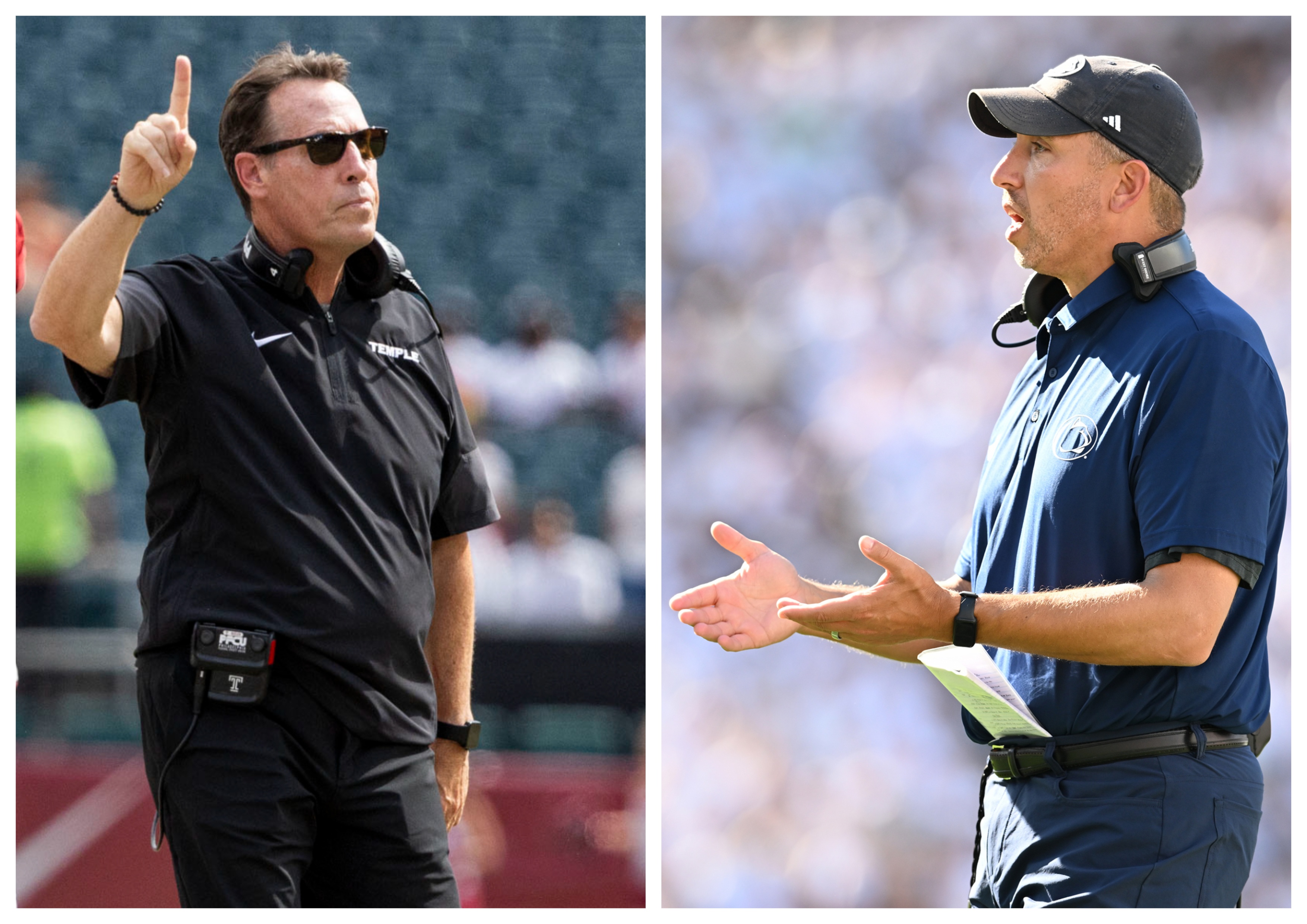
    Matt Campbell is familiar with Lincoln Financial Field. He has coached there twice, once as a graduate assistant at Bowling Green in 2004 and as Toledo’s offensive coordinator in 2011.

    But it’s also the home stadium of his former Mount Union teammate and roommate, Eagles head coach Nick Sirianni. Campbell said he talked to Sirianni on Monday about playing at the Linc.

    “Nick has been a great sounding board,” Campbell said Tuesday. “Obviously that relationship, that friendship, and having the ability to have somebody that’s kind of going through some of the same journeys has been huge.”

    Campbell will face K.C. Keeler for the first time as head coaches when Penn State visits Temple on Saturday (noon, ESPN2). But the two coaches have crossed paths before. Keeler was the head coach of Division III Rowan and gave Campbell his only loss as a player at Mount Union in 1999.

    The two in-state programs have played 45 times, with the Nittany Lions holding a 40-4-1 advantage. They last met in 2016, a 34-27 win for Penn State at Beaver Stadium.

    “It’s the Super Bowl for Temple,” Penn State defensive coordinator D’Anton Lynn said Tuesday. “We have to have that mindset when we go in there.”

    Here’s how both teams stack up against each other:

    Penn State’s offense vs. Temple’s defense

    Penn State’s offense had a strong performance against Marshall in its season opener, but it also revealed areas of improvement.

    The running game struggled, with starter Carson Hansen carrying the ball 11 times for 48 yards. Penn State averaged just 3.6 rushing yards in the game.

    Penn State wideout Koby Howard (right) had a breakout game against Marshall last week.Barry Reeger

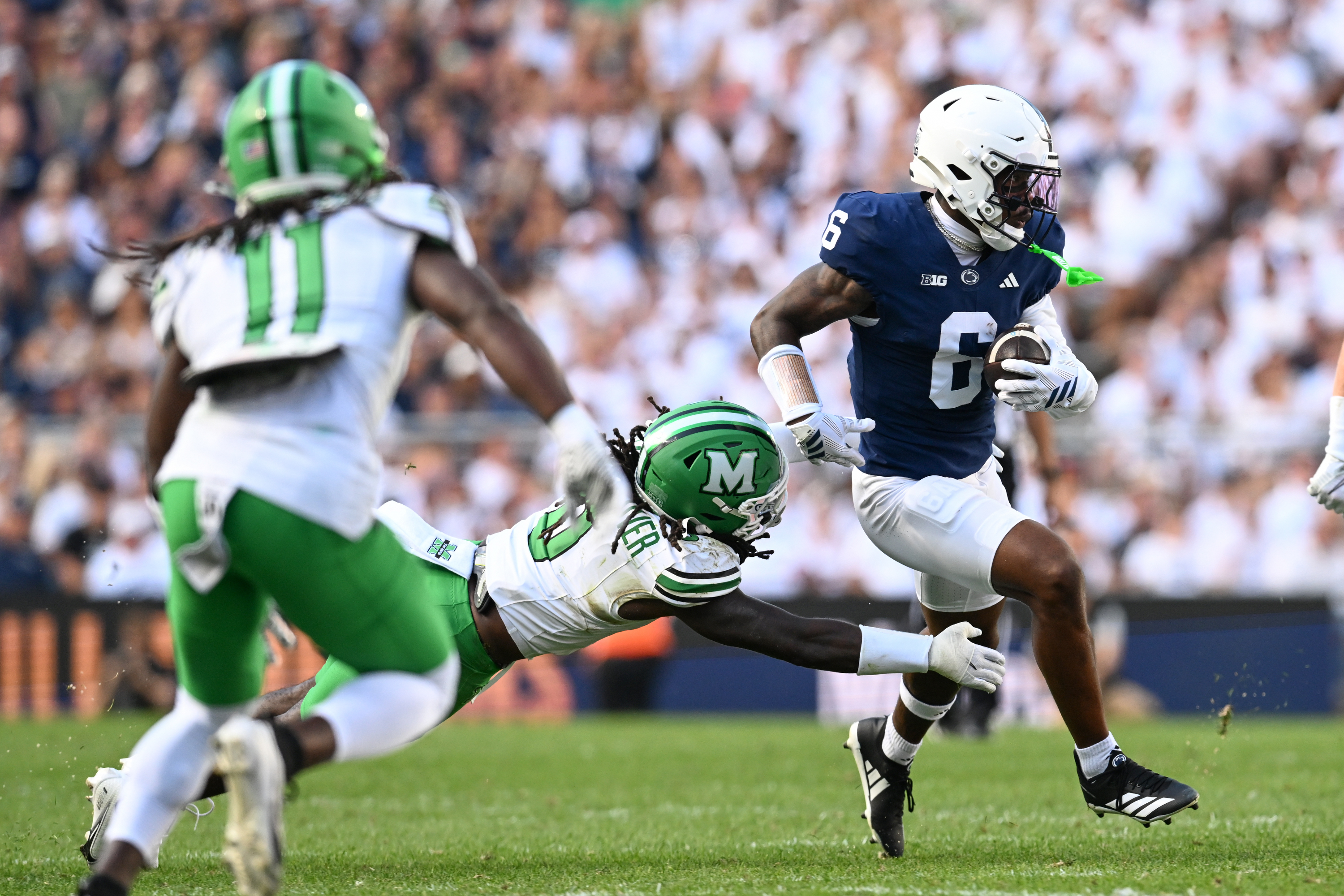
    Quarterback Rocco Becht and his wide receivers made up for the run game struggles. Starting wide receivers Koby Howard, Brett Eskildsen, and Chase Sowell all present different threats for Temple’s secondary.

    Howard excels after the catch, while Eskildsen is the fastest player on offense. Sowell, meanwhile, is the more physical wideout. All three had a catch of at least a 20 yards against Marshall.

    Temple safeties Saboor Karriem and Kolin Dinkins and cornerbacks Denzel Chavis and Asa Locks, the secondary starters last week, may have their hands full disrupting the Nittany Lions’ passing game. The Owls’ defense, however, did account for three turnovers in the opener, which included two pick-sixes and a fumble recovery.

    Temple’s offense vs. Penn State’s defense

    Lynn’s first game as the defensive coordinator at his alma mater resulted in a shutout, allowing the Thundering Herd just 147 total yards. Lynn said Tuesday they kept the play-calling simple as the defense masters the “core concepts” before adding new things to the game plan throughout the year.

    Temple’s offensive linemen also has taken a hit with injuries. Giakoby Hills and Luke Watson are confirmed out. Kevin Terry and Eric King arequestionable for Saturday’s game. It will be even more of a challenge to contain Penn State’s defensive line, who held Marshall to just 44 rushing yards last week.

    “Got Penn State coming up, obviously it’s a big deal,” Keeler said. “I mean, they have all the Big Ten prototypical numbers — 6-foot-5, 6-foot-4, 310 [pounds], 330. [They are] long and athletic.”

    The injury report doesn’t bode well for Temple running back Keveun Mason, who stepped in for the banged up Sam Brown and exploded for a career-high 158 rushing yards against Rhode Island. Brown’s availability is still up in the air for this weekend.

    Temple’s trio of wide receivers, Colin Chase, JoJo Bermudez, and Jayce Freeman, remain a strong suit for the offense. Though Temple didn’t throw the ball much against Rhode Island, Chase and Bermudez were productive in their limited opportunities. Freeman caught the Owls’ lone passing touchdown in his team debut.

    Another priority for Penn State will be Temple tight end Peter Clarke, despite his quiet season opener. Clarke had a career year in 2025 and earned second-team American Conference honors.

    The Nittany Lions’ secondary was a key reason Marshall was held off the scoreboard, highlighted by cornerback Josiah Zayas, who became the first freshman defensive player to start a season opener for Penn State since John Reid in 2015.

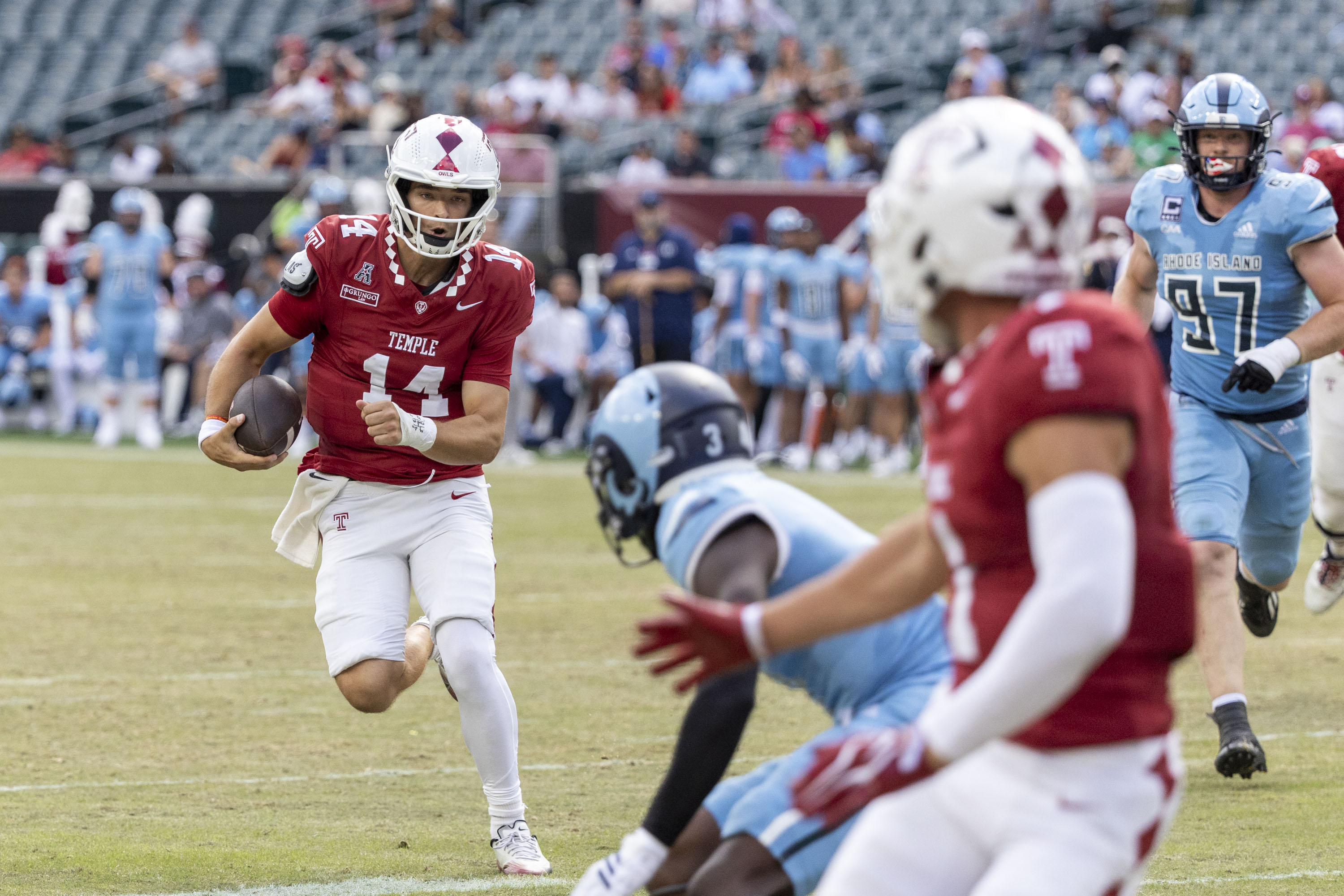
    Former Penn State QB Jaxon Smolik (left) got the start for Temple last week.Tyger Williams / Staff Photographer

    Connections

    Penn State had 50 players enter the transfer portal last December after its head coaching change. Four ended up at Temple: redshirt sophomore quarterback Jaxon Smolik, fifth-year defensive tackle Kaleb Artis, redshirt junior tight end Joey Schlaffer, and Dinkins, a fifth-year player.

    Each played in the Owls opening win over Rhode Island, with Dinkins and Smolik starting. Dinkins had three tackles and his first career pass breakup.

    Smolik, meanwhile, is in a quarterback battle. Both Smolik and Ajani Sheppard played in Week 1, and that’s not expected to change this weekend.

    “No one took charge,” Keeler said after Temple’s victory over Rhode Island. “I mean, we’ll watch the tape, we’ll see how they each played. Ideally, we’d prefer not to play two equally, but we’re not going to live by any sort of, like, creed. Basically, we’re going to play whoever can help us win.”

    Schlaffer and Artis didn’t log a stat in their first game with the Owls.

    “I think both sides are just worrying about their team that they’re on right now,” Penn State offensive lineman Cooper Cousins said Tuesday. “Obviously have good relationships with all former players that have been here, in the program, outside of the program, but I think we’re all just kind of worried about our teams that we’re on right now.”

  • Trump’s grand midterm convention finale: ‘I’m a little bit tired of politics’

    Trump’s grand midterm convention finale: ‘I’m a little bit tired of politics’

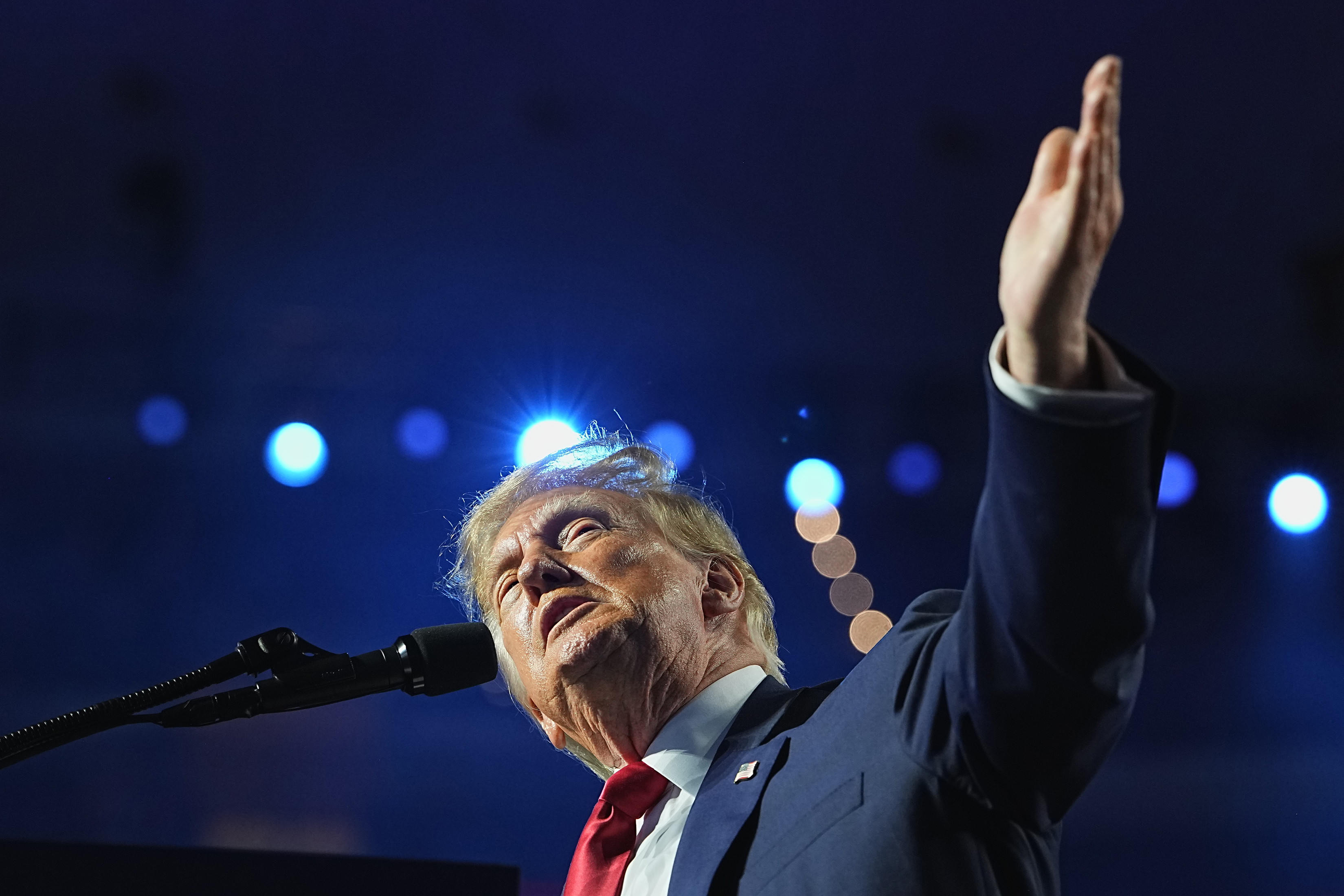
    DALLAS — In 2024, President Donald Trump accepted the Republican presidential nomination by promising to “lead America back to the summit of human achievement and greatness.”

    In 2026, he closed out an unusual midterm convention organized in his honor by saying he was a little bored of politics. He seemed more interested in telling supporters to swear on something holy — which seemed to be himself — that they would go out and vote for Republican candidates in November.

    “Please raise your right hand,” Trump instructed a rowdy crowd of thousands inside a Dallas arena on Thursday evening. Many of them complied. “I pledge to the greatest president in the history of the United States that loves us so much he can’t even breathe that I will go out with my family, my friends, I will do it any way — I don’t care if I’m registered or not, I’m going to try and cheat like hell, like they do.” (Trump usually frowns on election fraud.)

    He added: “I am going to go out, and I’m going to get my friends, my family, and we are going to vote on November 3.”

    Speaking for a grand total of nearly 2 1/2 hours over two days in Texas, Trump made it very clear, onstage and in interviews, that he would be relying on the strength of his political brand to see his party through what appear to be daunting midterm elections. He would not be straying much from his comfort zone to help vulnerable Republicans. In fact, the president said Thursday evening, he was kind of over this.

    “We’re going to have a good time listening to music,” Trump said, name-checking Christopher Macchio, an opera singer who closed out the evening. “I’m getting a little bit tired of politics now.”

    Before taking the stage for the second night in Dallas, Trump was asked by Laura Ingraham of Fox News whether he intended to campaign harder than he ever had before.

    “No,” he replied bluntly. Asked by Ingraham whether or not he thought his legacy was on the line ahead of the midterm elections — “Isn’t this just as important, Mr. President?” — Trump seemed almost blasé about the possibility of Republicans losing one or both chambers of Congress. “I’ll block all their bad stuff for two years. It won’t be the same, but I’ll be a blocker, what can I tell you?”

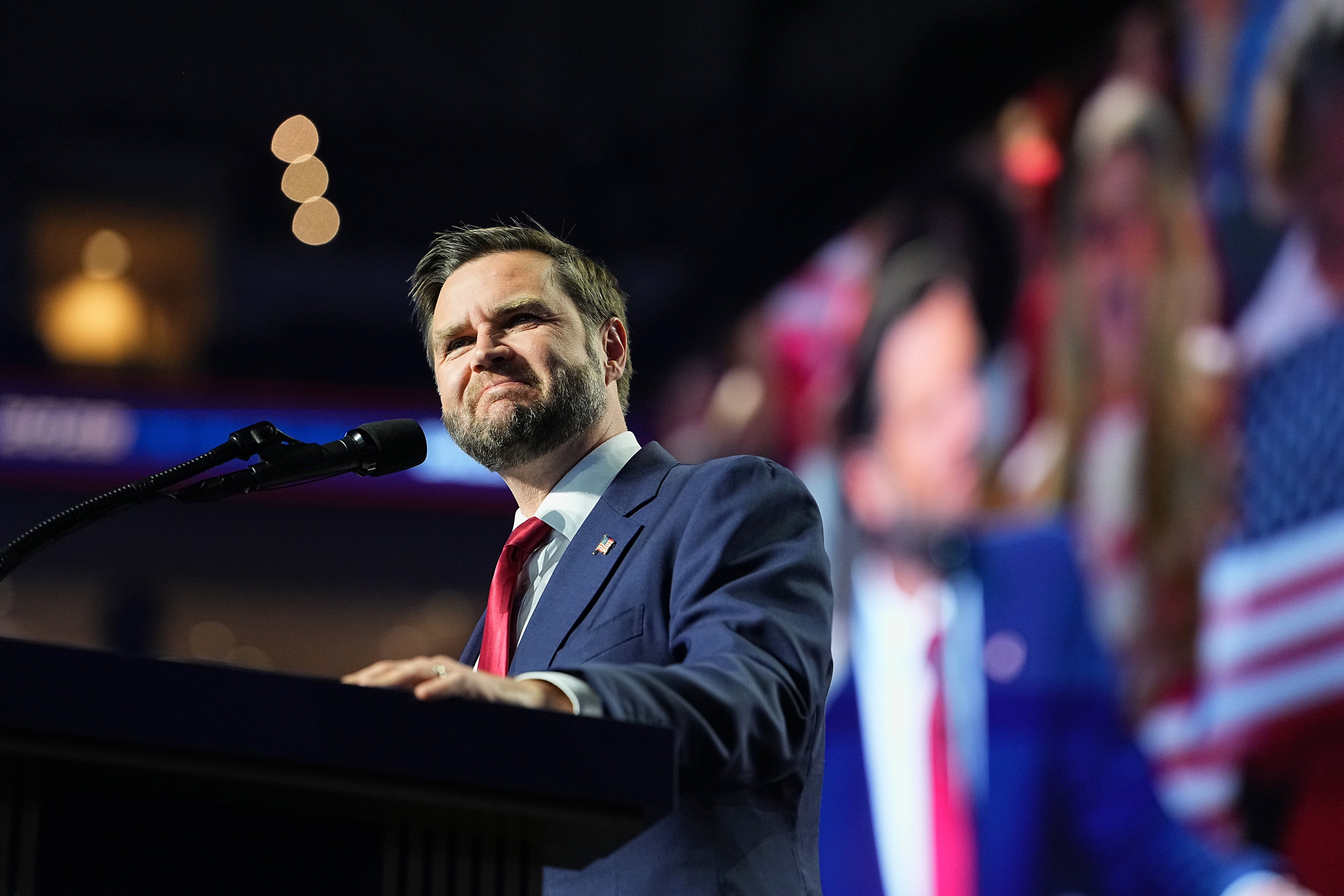
    The whole spectacle was a window into the mindset of Trump and his advisers, who point to recent history as proof that he is capable of beating long odds through brashness, sheer will and an intense connection with his supporters. That relationship is unmatched in modern politics. During his own speech, Vice President JD Vance, the perceived front-runner for the 2028 Republican nomination, asked the crowd to chant his name because it felt “pretty cool.”

    Trump does not have to make such requests. But instead of focusing his energy on Republicans in difficult races — some of whom skipped the event completely — he directed the focus back to himself while he was in Texas. He pleaded with voters to engage in make-believe, and to “please pretend” that he was the one on the November ballot. That exercise might work against him in competitive races where the war with Iran is unpopular and where voters feel that their worries about the prices of gas and groceries are being ignored.

    He put a new twist on an old tactic by offering free money — $5,000 to every American adult — if Republicans keep control of Congress. On his first night in Dallas, he asked voters for patience: The war with Iran, he assured supporters, “will be over very shortly after the election.” All of these promises and pleas amounted to a maximalist, midterm-era version of the “in two weeks” rhetorical tool he relies on when he is under pressure, to vow that something good will happen a few news cycles down the road.

    “Food prices and almost every other item are rapidly going down,” Trump told the crowd Wednesday. “And by the way, oil will be going down as soon as we win the war with Iran, which is taking place right now. We’ll win it. We’re winning it. We control the Hormuz Strait. I think we should call the Hormuz Strait, we should call it the Trump Strait.”

    At moments, Trump almost seemed to be in conversation with himself about his endorsement style, which, in one crucial race at least, has featured a mix of insults and shrugging. On both nights, he defended the disparaging way he has talked about the appearance and character of Ken Paxton, the Texas attorney general running for a Senate seat after Trump directed primary voters to oust Sen. John Cornyn. Those voters complied and put an otherwise reliable seat into play.

    “I said, ‘I don’t really like the way he looks. I don’t like it,’” Trump said of Paxton on Wednesday. “But you know what I do like? He was the greatest attorney general in the history of Texas.”

    By Thursday, he was basically saying to hell with it: “You better do me a big, the biggest favor you’ve ever done me,” Trump told supporters as Paxton watched from the sidelines and smiled through what was at least his third humiliation ritual of the Texas event. “You’ve got to do this for me. You’ve got to pretend I’m on the ticket.”

    Again and again, Trump turned to other priorities, the most pressing of which seemed to be the crowd size in Dallas. There is a reason that political conventions are not held during the midterms. This expensive, two-day event, designed as a tribute to Trump, functioned more like a temperature check, and there were moments when interest seemed lukewarm. Rows of seats in the American Airlines Center stayed empty throughout the affair. Endangered Republicans, sensing a brush fire rather than a lit torch brightening the way forward, steered clear.

    “No empty seats! Fake news,” Trump exclaimed Thursday, spending about three minutes affirming that the busy arena was packed when it wasn’t.

    And so it went on in that vein in Texas, with little new except for a promise of free money, a pledge of allegiance gimmick, and a few glimpses of an 80-year-old president pondering a future in which he is not firmly in control.

    “I want you to remember me in four or five years when this country’s rocketing,” Trump said Wednesday, somewhere near the beginning of a meandering and nearly two-hour speech. “Remember, I’m the one that got it started.”

    By the time he was ready to depart Dallas, he didn’t seem too interested in the particulars of the future, the strength of Republican candidates or the validity of his promises. He suggested to his devoted supporters that he might be “standing with you one of these days.” But for now, he just wanted to chill out and listen to music. He sped through the last lines of a speech finale he knows by heart after a decade at the center of national politics.

    “I just want to say, we will make America great again,” Trump said dutifully. “We will make it greater than ever before.”

    Then the tenor took the stage. Red, blue, white and gold balloons began to fall from the ceiling. The president swayed to the music, lost in the moment.

    This article originally appeared in The New York Times.

  • Trump loyalist steps down from ‘grand conspiracy’ case

    Trump loyalist steps down from ‘grand conspiracy’ case

    A loyalist prosecutor handpicked by the Justice Department to lead a contentious conspiracy investigation into several of President Donald Trump’s political opponents abruptly quit his job on Thursday, according to two people familiar with the matter.

    The prosecutor, Joseph diGenova, had been in charge of what Trump’s allies have often referred to as the “grand conspiracy,” a sprawling inquiry based in the U.S. attorney’s office in South Florida that has sought to implicate federal officials who have investigated Trump in a single plot to deprive him of his rights.

    DiGenova’s resignation was the latest setback in the case that began last year and has dragged on for months. Even though members of his team have issued numerous grand jury subpoenas to federal law enforcement and intelligence officials who have sought over the past decade to hold Trump accountable in a series of criminal inquiries, diGenova had yet to obtain an indictment.

    “It was an honor and privilege to serve the president and the department,” DiGenova told CNN and CBS during phone interviews on Thursday.

    A spokesperson for the U.S. attorney’s office did not respond to a message seeking comment.

    Trump has repeatedly put pressure on prosecutors to bring criminal charges against his opponents, calling them out in private meetings and in social media posts. He has also expressed displeasure about the slow pace of the retributive investigations he has helped to set in motion.

    But time and again, Trump’s desire for vengeance and his willingness to break through the walls of independence that have traditionally separated the White House and the Justice Department have resulted in failure. Judges and grand juries have repeatedly stymied his attempts to strong arm prosecutors into bringing charges.

    Sometimes, as in the case of diGenova, prosecutors themselves have effectively reminded him that it is no simple matter to file indictments against people without real evidence or viable legal reasoning. The resignation was likely to cause consternation among far-right influencers who have long heralded the grand conspiracy case as the Trump administration’s most aggressive effort to go after the president’s critics.

    From the beginning, the influencers pushed for charges to be brought against the widest array of Democrats possible, asserting that a cabal of “deep state” operatives — led by former President Barack Obama — had worked for years to destroy Trump and deserved to be punished.

    With his move, diGenova became the second prosecutor who has either resigned or been removed from the case. The prosecutor in charge of an early phase of the investigation was forced to leave in the spring after telling her superiors that there was not sufficient evidence to bring charges against one of its first targets, John Brennan, a former CIA director who provoked Trump’s ire by helping to assemble an intelligence assessment that determined that Russia had sought to interfere in the 2016 presidential campaign.

    The grand conspiracy inquiry has long been the most fevered of the many revenge investigations that Trump has demanded the Justice Department undertake. It has involved prosecutors seeking to link disparate criminal inquiries into the president — including the Russia investigation and a separate investigation into Trump’s mishandling of classified documents — as an overarching, multiyear scheme to damage his political prospects.

    From the outset, diGenova faced an uphill battle in seeking to prove the basic theory of his case: that the various inquiries into Trump — conducted by different prosecutors and spanning nearly a decade — could be reasonably tied together in a single conspiracy. Those hurdles have led several current and former prosecutors in the office in southern Florida to wonder whether the investigation was largely a show put on to placate Trump.

    DiGenova, a former U.S. attorney from the Ronald Reagan era who had not worked as a prosecutor in nearly 40 years, took control of the case in April after his predecessor, Maria Medetis Long, was kicked off the investigation. At 81, he was an unusual choice to oversee an inquiry involving multiple targets that quickly grew to include at least a dozen prosecutors, including his wife, Victoria Toensing.

    Moreover, diGenova was a longtime ally of Trump’s who had publicly claimed that the Russia investigation was a plot by law enforcement to frame him and keep him out of the White House. DiGenova had also worked as a lawyer for Trump’s 2020 campaign, supporting his false assertions that the election that year had been rigged against him.

    While Brennan was the initial focus of the inquiry, it has also involved an effort to implicate former FBI Director James Comey, who has been charged in a separate case in North Carolina. Late last month, diGenova’s office issued a subpoena demanding testimony from one of Comey’s close confidants.

    More recently, subpoenas had been issued to federal agents who took part in the August 2022 search of Mar-a-Lago, Trump’s private club and residence in Florida, in the classified documents investigation.

    This article originally appeared in The New York Times.

  • After 9/11, Islamophobia shaped a generation of Muslim New Yorkers

    After 9/11, Islamophobia shaped a generation of Muslim New Yorkers

    NEW YORK — Once-friendly neighbors started to keep their distance. Undercover police officers began to monitor community events. And passersby would give them dirty looks on the street, and sometimes harass them, when they left home in hijabs or other religious garb.

    Many American Muslims have faced a quarter-century of suspicion and hostility since the Sept. 11 attacks, which reshaped life for all Americans.

    In New York, a generation of Muslim New Yorkers responded to the Islamophobia by organizing their communities. Mosques hosted makeshift legal clinics. Small businesses became hubs in a citywide civil rights network. Muslims of different racial, ethnic and linguistic backgrounds formed alliances the city had not seen before.

    Their political organizing helped, years later, to elect the city’s first Muslim mayor, Zohran Mamdani. But anti-Muslim prejudice endures, echoing the Islamophobia that arose in the earliest days after Sept. 11.

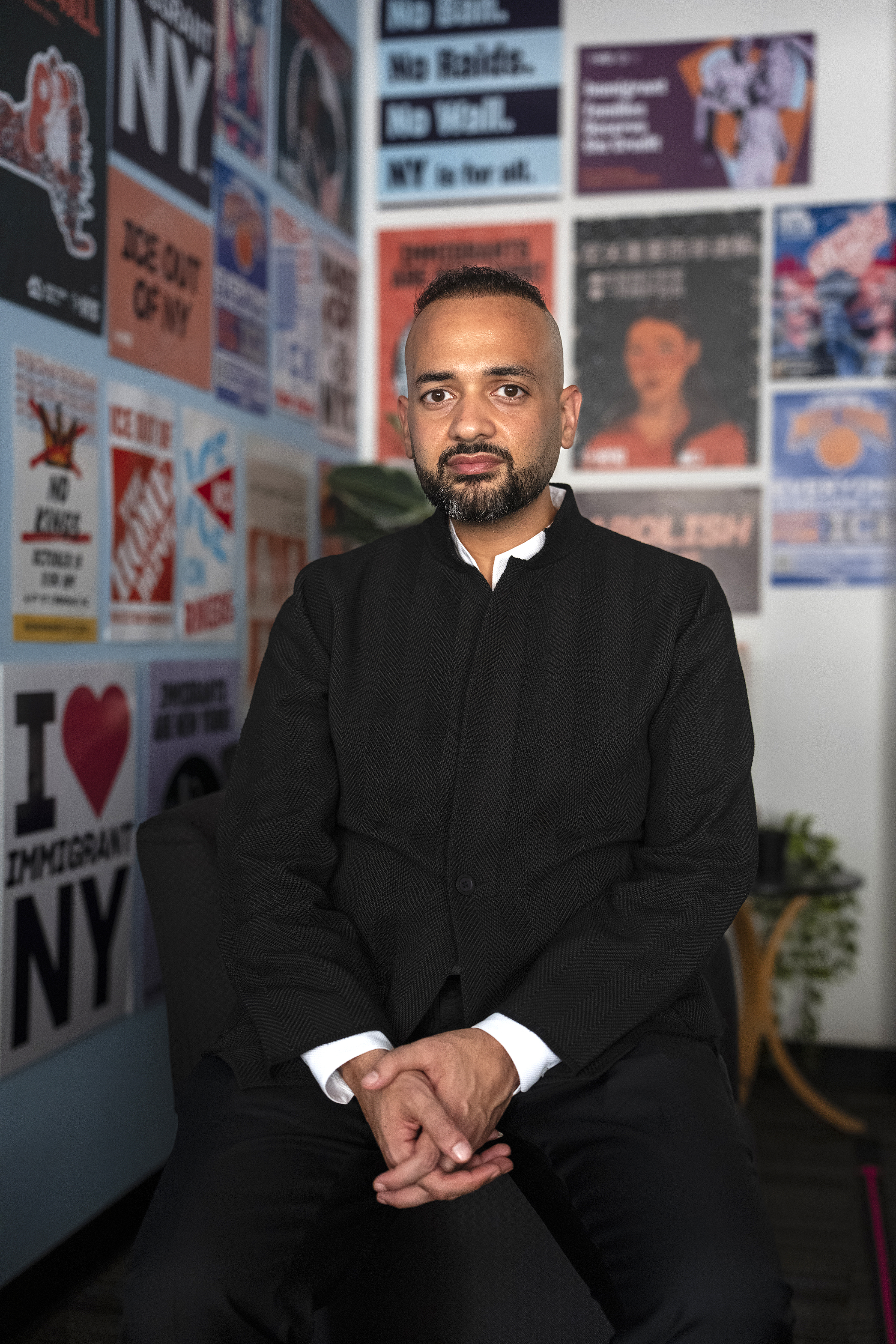
    Murad Awawdeh was 14 in September 2001. The post-9/11 backlash, and the grassroots response of his friends and neighbors, led him to trade his biochemistry studies — and his mother’s American dream of having a doctor in the family — for a career in civil rights.

    “I think that day belongs to everyone who lived it and what came after belongs to a smaller group of us,” said Awawdeh, 39, who is now the president and chief executive of the New York Immigration Coalition and a confidant of Mamdani. “That part of the story this country still has not told itself honestly.”

    The Sept. 11 attacks left many Muslim American communities scarred by heavy-handed law enforcement tactics and the suspicion, if not outright hostility, of classmates, co-workers, elected officials and cable news commentators who blamed all Muslims for the terrorism they, too, had experienced that day. That experience spurred many to take political action.

    “If you look at prior to 9/11, for the most part, Muslim Americans were not politically involved,” said Afaf Nasher, the executive director of the New York chapter of the Council on American-Islamic Relations. But, she added, “When you’re pushed against the wall, you’re either going to run in fear or you’re going to push back, and political empowerment was certainly one way that we are pushing back.”

    The ascent of Mamdani has turned New York into perhaps the most prominent example of American Muslim success in the post-9/11 world. But the history of the city since the attacks has also highlighted the many challenges that Muslims in the United States continue to face.

    Those include a history of police surveillance, backlash faced by high-profile Muslims in politics or the arts, and attacks on Islamic religious expression, including the construction of mosques and the wearing of religious clothing such as hijabs. Those biases have also affected followers of other faiths, in particular observant Sikh men, whose turbans are often mistaken for a form of Islamic dress.

    Such sentiments have compounded in many ways since the start of the war in the Gaza Strip, which most Muslim Americans have vigorously opposed. Opponents of that war have been accused of terrorist sympathies, and some, including Columbia University protester Mahmoud Khalil, have been arrested and threatened with deportation for their advocacy. That has led some Muslims to say the war in Gaza has created an environment akin to the months and years after Sept. 11, when Muslim Americans feared that they could be marked as terrorist sympathizers for speaking out against the war on terror.

    After Sept. 11, many Muslims in New York found themselves under covert police surveillance. Asad Dandia, 33, a public historian, was a plaintiff in a 2013 class-action lawsuit against the Police Department over its surveillance of the city’s Muslim neighborhoods, a program that was assisted by the CIA.

    He had come under police surveillance after starting a charity as a teenager to feed poor families in his neighborhood. The police spying program was exposed in 2011 and caused a public uproar that led to its ending by 2018 after a series of legal settlements and other initiatives.

    Today, Dandia is the official historian of the borough of Brooklyn and an informal adviser to Mamdani. One of his lawyers in the 2013 lawsuit, Ramzi Kassem, is the mayor’s chief legal counsel.

    “We went in the span of 10 years from suing the government to being the government,” Dandia said. “And I think that is a classic and quintessential New York and American story.”

    Mamdani is one of several Muslims who have become prominent in American public life in recent years. Others include Reps. Ilhan Omar and Rashida Tlaib, Michigan Senate candidate Abdul El-Sayed, Academy Award-winning actor Mahershala Ali, model Bella Hadid, and comedians Ramy Youssef and Hasan Minhaj.

    “Muslim America now has a greater cultural footprint, more institutional power and a lot more support from allies, comrades and friends all throughout the country,” Dandia said. “Now when people think of Muslim America, they have names and faces they can point to.”

    But despite these successes, many challenges remain. Mamdani, who was 9 on Sept. 11, has said the Islamophobic backlash to the attack lingered and “became a fact of life.”

    According to a Pew Research Center survey conducted this year, 43% of American adults said Muslims are less patriotic than other Americans, and 42% said Muslim Americans are having a negative impact on the country. When asked to explain their views, respondents often cited the Sept. 11 attacks.

    By some measures, the survey showed that public attitudes toward Islam were more negative now than they were immediately after the attacks. In March 2002, 25% of American adults said Islam was more likely than other religions to encourage violence, but that number rose to 51% in the survey conducted this year.

    Those views have become highly polarized, with Republicans expressing far more negative views of Islam than Democrats, a change from after the attacks when supporters of both parties held similar views. Today, anti-Muslim sentiments have surged anew in some parts of the country with almost every election cycle.

    Donald Trump campaigned for president in 2016 on a pledge to bar immigrants from Muslim countries and has restricted immigration from those nations and others that he views negatively during both his first and second administrations. In his second term, Trump has cracked down on students and universities over protests against the war in Gaza, portraying student demonstrators as supporters of terrorism and equating their arguments with antisemitic hate speech.

    That has included the arrest of young Muslim activists, including Khalil at Columbia and Rumeysa Ozturk, who helped write an opinion piece critical of Israel for the student newspaper at Tufts University.

    Kambiz GhaneaBassiri, a professor of religion and politics at Washington University in St. Louis, said the embrace of Islamophobia by the Trump administration posed a serious threat to Muslim Americans. But for Americans who are skeptical or critical of Trump, it may have also helped to undermine anti-Muslim arguments.

    “People forget now the degree to which Islamophobia was not something that was just on the right but was present on both sides,” GhaneaBassiri said.

    As an example of the reaction to Trump’s policies, he pointed to protests at airports against the president’s immigration restrictions in 2017 as a moment that “kind of shocked” some Muslim activists and organizations. They had become accustomed to pushing for their rights with few allies and little positive coverage in the news media, but the airport protests were filled with non-Muslims.

    “Before that moment, if they criticized the state, their loyalty was always questioned by people on both the right and the left,” GhaneaBassiri said.

    But in New York, Mamdani’s election has shown the resilience of anti-Muslim suspicion in both parties.

    During last year’s mayoral campaign, Mamdani was accused of supporting terrorism by critics in both parties, including the campaign of former Gov. Andrew Cuomo, his main rival in the race, and Sen. Kirsten Gillibrand, who apologized after she falsely claimed in an interview that he had made “references to global jihad.”

    The hate is nothing new to the mayor’s allies. Shahana Hanif, who in 2021 was the first Muslim woman elected to the New York City Council, was in elementary school when the attacks took place. She came of age as American policy and cultural attitudes shifted against the nation’s Muslims.

    At age 10, she wrote a letter to President George W. Bush asking him to put a stop to the hate that seemed to engulf so much of the country. For Hanif, a Bangladeshi native of Brooklyn, it was an early form of organizing that helped inform her political career decades later.

    “Seeing the injustice my community experienced” propelled her into progressive political organizing, Hanif said. “I can’t take away the Muslim part of it and just say, ‘Oh, no, this is only happening to us because we’re Bangladeshi immigrants,’ or ‘This is only happening to us because I’m a daughter of immigrants or I’m a woman of color,’” she said. “That association of being Muslim is certainly part of it.”

    New York’s Muslim political and civil rights leaders said they also saw opportunities to keep building on their post-9/11 organizing work.

    Nasher, the executive director of CAIR, said that her group and others like it saw their efforts as an outgrowth of the discrimination they faced and a way to guard against its happening to others.

    “That’s not just because we’re Muslim — it’s because we’re American,” she said. “And you would think that as our fellow Americans, people would want every American to be politically engaged.”

    This article originally appeared in The New York Times.
  • 🍎 Let’s pick apples | Outdoorsy Newsletter

    The first day of fall is just around the corner.

    In this edition:

    ☂️ Your weekend weather outlook: Friday should be clear and sunny, but showers may put a damper on Saturday and Sunday.

    — Paola Pérez (outdoorsy@inquirer.com)

    If someone forwarded you this email, sign up for free here.

    Apples await

    Between freshly baked pies, warm apple cider, or pillowy soft doughnuts, you’re in for a treat at any of our favorite apple-picking spots.

    To ring in the season, we rounded up the top places to check out, in order from closest to farthest from Philly, including:

    🍏 Indian Orchards Farm, a century-year-old farm in Media growing about 25 apple varieties like honeycrisp and smokehouse.

    🍎 Linvilla Orchards, a must-visit orchard in Delco where you can fill a two-quart bag for $11 per person.

    🧺 Note: You may want to call ahead and confirm specific availability ahead of visiting. Some may be limited this year due to spring’s freezing temps.

    See our list of the best orchards for apple-picking in the region.

    News worth knowing

    🌳 Your outdoorsy experience

    I’m looking for new stories to highlight. This is your time to shine, dear reader. What are you doing or seeing outside?

    In 200 words, tell me about your favorite adventures or unforgettable moments outdoors. Pictures, if you have them, are awesome. You might see your memories featured here.

    🚣‍♂️ Racing on

    Don and his three oldest kids rowing as a family, with Ava in the second position.Cour

    🎤 Here’s Becca O’Reilly with a story for The Inquirer on a rower’s “surreal” journey.

    On the other side of the Atlantic Ocean, Ava Smith crossed the finish line in Bulgaria as a proud member of an elite eight-person boat representing the U.S. Under-19 national women’s rowing team.

    “Crossing the finish line, it was a feeling of accomplishment,” said Smith, who took up the sport only four years earlier at Mount St. Joseph Academy in Flourtown, Montgomery County. “A sort of relief, in a way, just knowing it’s done. We put it all out there.”

    Smith picked up an oar for the first time as a freshman at Mount St. Joseph, but rowing runs in her blood. Her father, Don Smith, competed for the U.S. at the 1996 and 2000 Olympics; her older brother, Luke Smith, rows at Stanford and made the Under-19 national men’s team; and her sister, Addy Smith, now rows at Texas. Even the youngest Smith, Arden, plans to row as she starts her freshman year at Mount St. Joseph.

    This summer, that legacy came full circle. After years of sibling-fueled rivalry, Ava earned a spot in the women’s eight as the seven seat and traveled to Plovdiv, Bulgaria, to compete at the World Rowing Under-19 Championships, a spot secured after a whirlwind six weeks that took her from a selection camp in California to the start line across the world. And all of it just days before she leaves for her own next chapter: Rowing at the University of California, Berkeley. — Becca O’Reilly

    Read the full story of how Smith joined the women’s eight, and her next endeavors.

    Paola’s picks

    🌊 A track: “Water of Love” by Dire Straits.

    💡 A pro-tip: Halfway through walking or cycling the Manayunk Bridge, you might be surprised when the lane switches sides. It’s on purpose.

    🦈 A tale: How Cape Cod is learning to live with sharks.

    🥳 An amazing feat: At 91, Dale “Grey Beard” Sanders has reclaimed his record as the oldest hiker to complete the Appalachian Trail. His favorite days were spent in “Rocksylvania.”

    🎸 An activity: Bryn Mawr Twilight Concert series with Mdou Moctar (solo) and Tim Motzer (Friday; $26), and the third-annual Spring Garden Sunflower Fest (Saturday; free).

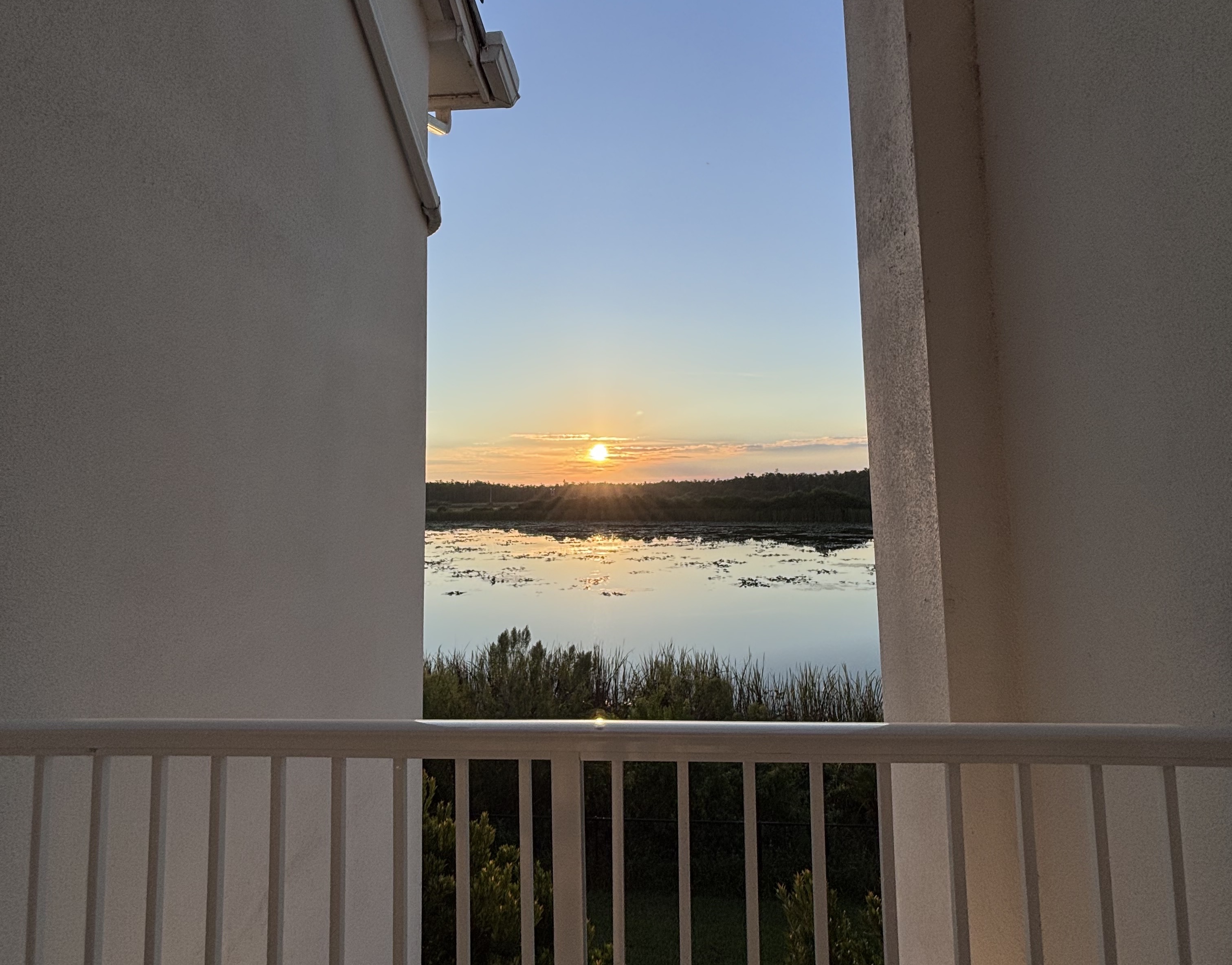
    A blissful view

    Breathe in…and breathe out.Paola Pérez

    Take a moment to soak up this sunrise with me. I was blessed with it while visiting family in Florida.

    👋🏽 Have a good one out there.

    By submitting your written, visual, and/or audio contributions, you agree to The Inquirer’s Terms of Use, including the grant of rights in Section 10.

  • ‘You know what happens if you don’t vote’: 7 takeaways from the GOP convention

    ‘You know what happens if you don’t vote’: 7 takeaways from the GOP convention

    Vice President JD Vance was billed as the headliner of the second night of the Republican convention, but President Donald Trump stole the show.

    With a hug and a handshake, Vance exited stage right after his speech as Trump returned to the place he likes most — center stage — to make his final pitch of the convention to keep Republicans in power.

    At one point Trump asked attendees to raise their right hands and pledge to him that he would vote with their family and friends. Dutifully, they did.

    “You know what happens if you don’t vote?” Trump said. “You go to hell.”

    The two-day rally in Dallas came as Trump’s approval has sagged below 40% and Republicans fear losing control of both the House and Senate. Republicans hoped the gathering would help energize a base beleaguered by high prices and the Iran war to turn out in droves. But the two days of red meat tossed from the stage seemed unlikely to satiate independent voters whose support has flagged.

    Here are seven takeaways from the convention:

    Vance makes his 2026 (and 2028) pitch

    Vance arrived in Dallas widely considered the front-runner in the 2028 Republican presidential primary. His speech offered some early clues about how he might approach a campaign.

    Vance focused on restoring the primacy of the traditional nuclear American family, a theme he has championed in the administration. He did not mention the war in Iran, an operation he has defended publicly but raised concerns about privately. But he issued a plea for conservatives not to abandon the White House over policy.

    “Do not throw the baby out with the bathwater,” he urged.

    Vance speaks in a far more scripted political style than Trump. He caught fire with the crowd when he snapped back at a protester who interrupted his remarks by waving Palestinian and Mexican flags. “My friend, if you love Mexico so much, get your ass over there,” he said.

    But he failed to sustain the kind of enthusiasm that Trump commanded either night. Nor did he win anything beyond perfunctory praise from the president, who quickly ushered him off the stage.

    As the balloons fell, it was the president alone, along with a tenor singing. Trump is not giving up his crown quite yet.

    Trump throws an affordability Hail Mary

    Trump has called affordability — a top buzzword for Democrats this year — a “hoax.” In his speech Wednesday night, the president claimed that prices are on their way down. At the same time, he rolled out an audacious plan to address people’s concerns about costs: a massive cash giveaway.

    He branded his dubious and detail-free plan to send $5,000 to every American adult a “Trump Dividend.”

    But Trump was virtually the only one talking about it.

    A day later, the splashy $1 trillion-plus plan barely made a ripple on the convention stage.

    The president’s own son, Donald Trump Jr., didn’t so much as mention it.

    Neither did the speaker of the House.

    Neither did the vice president.

    Only Trump did.

    If the president wants the dangled cash to be a major factor in the midterms, the rest of the Republican Party didn’t use the rest of the convention to sell it.

    Republicans have a new rogues’ gallery of liberal villains

    Forget about Nancy Pelosi.

    In Dallas, Republicans made clear that the former House speaker has been dethroned from her decades-long position as the party’s favorite political villain.

    Speaker after speaker assailed Hasan Piker, a leftist online streamer, and Abdul El-Sayed, the Democratic Senate nominee in Michigan, for pushing what they described as an extreme and anti-American agenda. Their images, including Piker’s naked torso, were broadcast on the jumbotron over the stadium. Even Rep. Alexandria Ocasio-Cortez of New York, who is a frequent target of the right, got less airtime.

    At one point, Speaker Mike Johnson outlined the new rogues’ gallery of liberals — “Hasan Piker and Bernie Sanders and AOC and Abdul El-Sayed and Zohran Mamdani” — while casting the rest of the Democratic Party as squishes who would succumb to them.

    In their attacks on Piker and El-Sayed, several convention speakers embraced anti-Muslim rhetoric, including a promise popular among conservative activists to “ban Shariah law.”

    “We must stand and defeat the Islamists,” Sen. Ted Cruz of Texas said in his speech.

    GOP frames the election as common sense versus crazy

    Republicans know that Trump is unpopular. They are banking on making Democrats unpopular, too — or at least unappealing and unelectable.

    Over and over, speakers cast Democrats as out of the mainstream, frequently calling them socialists, communists and even worse. At times they stretched the truth. Democratic socialists might have won a number of Democratic primary victories since 2024, but no serious figure in the party is promoting communism.

    “You guys are going to trigger the commies,” Donald Trump Jr., the president’s son, said at one point as the crowd chanted “USA! USA! USA!”

    Vance, in the closing of his speech, summed up the message so many had delivered before him over two days: “It’s about the party of common sense beating the party of the crazies.”

    Texas is a 2026 battleground

    Six months ago, when it first emerged that Republicans were likely to pick Dallas for this convention, it was unclear whether Texas would wind up as a top midterm battleground.

    It’s clear now.

    A parade of speakers — from the president on down — used their precious time onstage to talk about Texas’ razor-close Senate race. They sought to boost Ken Paxton, the Texas attorney general (even as Trump mocked his sartorial choices on back-to-back nights), and tear down James Talarico, the Democratic nominee. On the eve of the convention, Trump’s super political action committee had reserved $10 million in ads to help Paxton.

    “Tala-freako maybe tops the list,” Vance said of Trump’s nickname for Talarico.

    But it wasn’t just the Senate race. Republicans gerrymandered the state in 2025 to create as many as five new safely Republican House seats. But Republicans running in several of those seats appeared at the convention, seeking a boost in regions that Trump won handily.

    Was it must-see TV? Early signs suggest no

    Trump has long been known as a master of the television audience. Not this time. An average of 2.5 million people tuned in to watch his Wednesday night speech on Fox News, one of the few major TV networks that aired the remarks in full, according to preliminary figures from Nielsen. That was an average primetime audience for the network, based on the most recent quarterly statistics, and below the usual viewership for programs at that time.

    In other words, no Trump bump.

    To be fair, the president’s programming faced some steep competition. The first game of the National Football League season was on at the same time as his speech. The season’s second game was on Thursday during Vance’s and Trump’s speeches.

    Republicans make their bid to buck history

    Parties in power traditionally attempt to expand their appeal in midterm elections through targeted outreach to independent voters. That was not the strategy charted by Trump and his allies in Dallas.

    Only a handful of speakers offered any kind of outreach to moderate voters (one of those exceptions was Rep. Mike Lawler of New York). Far more focused their remarks on stoking fears of Shariah, transgender athletes and Democratic candidates who were repeatedly described as communists. Again and again, Trump begged his supporters to “pretend” that he would be on the ballot — an attempt to get enough of them out to prevent the usual losses for the party in power.

    Trump and his allies are staking their chances on their ability to drive their own voters to the polls. At the top of the list are Trump loyalists who typically skip midterm elections.

    This article originally appeared in The New York Times.
  • Saudi airstrikes hit Yemen’s rebel-held Mokha airport as Houthis take an island near a key strait

    Saudi airstrikes hit Yemen’s rebel-held Mokha airport as Houthis take an island near a key strait

    CAIRO — Yemen ‘s Iranian-backed Houthi rebels captured a strategic island in the Bab el-Mandeb Strait at the entrance of the Red Sea, two officials said Friday in a swift advance that further threatens Saudi oil exports through one of the world’s key commercial lanes.

    Saudi Arabia responded with airstrikes against the airport in the key port city of Mokha that the Houthis seized on Thursday, a Houthi broadcaster said. There was no immediate report of damage or deaths.

    The capture of Mayun, a tiny, barren volcanic island in the strait, was confirmed by a senior military official with Yemen’s internationally recognized government and by a Houthi official. Both spoke on condition of anonymity because they were not authorized to talk to journalists.

    The island, also known as Perim, is about 3.5 kilometers (2 miles) off Yemen’s west coast.

    The strait is a key alternative to the Iran-choked Strait of Hormuz. But there is “no need for international concern,” Hazam al-Assad, a member of the rebels’ political bureau, told The Associated Press, saying they are responding to Saudi aggression, and “our forces have a bank of big important targets” in case Riyadh keeps up the strikes.

    Earlier Friday, Iran’s government called for an end to Saudi Arabia’s blockade of Yemen, throwing its support behind its ally, the Houthis. In its first statement since the rebels entered the port, Iran’s Foreign Ministry also called for a return to negotiations between Saudi Arabia and the Houthis.

    There was no immediate Saudi comment on Friday.

    The rebels’ capture of Mokha, overlooking tanker routes out of the Red Sea, could boost Iran’s strategy of driving up world oil and gas prices to pressure the United States, experts say. It also raises concerns of a new front opening after more than six months of war in the region – one in which Saudi Arabia is forced to respond.

    Experts say the developments in Yemen could give Tehran more leverage in any negotiations with the U.S. On Wednesday, the spokesperson for Iran’s powerful Revolutionary Guard called for any negotiated settlement with the U.S. to include Yemen, the first explicit reference to that front.

    Events threaten a key Strait of Hormuz alternative

    The Houthis’ entry into Mokha on Thursday was their biggest territorial gain in years against their Saudi-backed Yemeni opponents. It brought them within 50 miles (80 kilometers) of the Bab el-Mandeb, a strait that has become an important alternative for global shipping as Iran targets vessels in the Strait of Hormuz.

    A senior military official with Yemen’s internationally recognized government told the AP they were stunned that the Saudi air force didn’t strike the Houthis earlier, as they were advancing on Mokha. He assessed that Saudi Arabia didn’t get a green light from the U.S. to embark on a large-scale air campaign.

    The official, who spoke on condition of anonymity because he wasn’t allowed to speak to the media, also blamed “lack of coordination” between Yemen’s army and allied forces, saying it gave the Houthis “a priceless opportunity.”

    The Houthis had already attacked Saudi shipping in the Bab el-Mandeb and Red Sea since declaring a blockade there in July, as well as oil infrastructure inside Saudi Arabia. The Houthis said it was in response to the kingdom’s blockade of Houthi-held parts of Yemen, in place for years.

    New disruption to the waterway could mean trouble for all shipping and for the price of crude oil, which has now soared again. Saudi Arabia has increasingly relied on the Red Sea and Bab el-Mandeb to export its crude since Iran has been targeting vessels in the Strait of Hormuz. About 12% of the world’s goods are typically shipped through the strait.

    Shipping through the Bab al-Mandeb had fallen by about 60% since the Houthis began attacking some ships there in late 2023 while expressing solidarity with Palestinians in Gaza. Shipping increased this year as Saudi Arabia sought alternatives to the Strait of Hormuz, but renewed Houthi threats have “curtailed” that activity, according to Lloyd’s List Intelligence.

    Saudi Arabia, which earlier this week said it had always offered “opportunities for negotiation,” also has said it has the right to defend itself in response to the Houthis’ blockade. The foreign ministers of Iran and Saudi Arabia spoke Thursday about diplomatic efforts to “restore stability” to the region, Iran’s Foreign Minister Abbas Araghchi said on social media.

    The fighting risks a return to civil war

    In a statement released Friday, the National Defense Council of Yemen’s Saudi-backed and internationally recognized government on Thursday strongly condemned the Houthis’ renewed attacks on Saudi Arabia.

    The council also acknowledged that Yemen’s government is on the front line of freedom of navigation, and called for international support as the Houthis swept along the Red Sea coast toward the Bab el-Mandeb.

    The escalating fighting threatens to end a fragile truce that had largely halted Yemen’s civil war since 2022.

    At stake are the 40 million people in the Arab world’s poorest country who fear a return to the conflict that killed 150,000 and brought many others to the brink of famine.

    The surge in fighting in the past week has sent over 46,000 people fleeing, and “overnight, large numbers of people were reportedly seen leaving Mokha with their belongings,” the U.N. migration agency said Friday.

    The Houthis have been at war with Yemen’s government since 2014, when the rebels swept from their mountainous heartland and seized much of northern and central Yemen, and the capital of Sanaa. Saudi Arabia entered the war the following year on behalf of the government.

  • How a South Jersey woman is honoring her best friend’s memory and supporting kids with disabilities

    How a South Jersey woman is honoring her best friend’s memory and supporting kids with disabilities

    Alexus Mackenzye Dick and Trinity Jagdeo were 5 years old when they met on the blacktop at Mary F. Janvier School in rural Franklinville, Gloucester County.

    While Dick isn’t around to tell the story anymore, Jagdeo remembers it well: They played hopscotch, but not in the traditional way. Dick zipped through the squares in her wheelchair. Jagdeo, a Vineland resident, said it amazed her.

    “I’ve told the story 1,000 times,” said Jagdeo, 25. “But now that I think about it — and I’ve revisited the location — there was nothing else for her to do.”

    The pair quickly became best friends. They bickered over the Justin Bieber tattoo Dick got at 15, gossiped at sleepovers, and traded lip gloss recommendations.

    There’s a reason Jagdeo repeats those tales so often.

    When they were still teenagers, Jagdeo founded a nonprofit, From We Can’t to We Can, inspired by her best friend. She has self-published comic books that turn local kids with disabilities into superheroes, hosted fashion shows for models with disabilities, frequented local TV stations, and gifted thousands of pieces of medical equipment to families denied by insurance or who can’t afford the supplies. Jagdeo has talked about Dick on social media for years, including to her nearly 50,000 TikTok followers.

    The daily posts haven’t stopped since Dick died five months ago at 25 due to complications related to spinal muscular atrophy type 2, a genetic disease diagnosed in childhood that causes progressive muscle weakness.

    “One of the things she said was, ‘I wish I could help people.’ … And so, in my heart, I knew that at that point, I wasn’t going to just let that conversation stay there,” Jagdeo said.

    Now, another family is benefitting from the efforts to keep Dick’s memory alive.

    Domenique Meyer, 33, lives in Aberdeen Township, Monmouth County, with her husband Mike and two children, Mikey and Mia. Born prematurely at 30 weeks, a lack of oxygen to Mikey’s brain left him with severe spastic quadriplegic cerebral palsy.

    “He knows our voices, loves being talked to and cuddled, and has his own special way of showing us what he likes and dislikes,” Meyer said. “He has been fighting since the very beginning of his life.”

    At 3 years old, Mikey is blind, nonverbal, unable to sit independently, and has multiple seizures per day. He receives his nutrition through a gastrostomy tube since he has a hard time swallowing. His disabilities mean a lot of time spent on care, and on one income, it’s been hard to get by, Meyer said. Their family fell behind on household bills as medical expenses piled up.

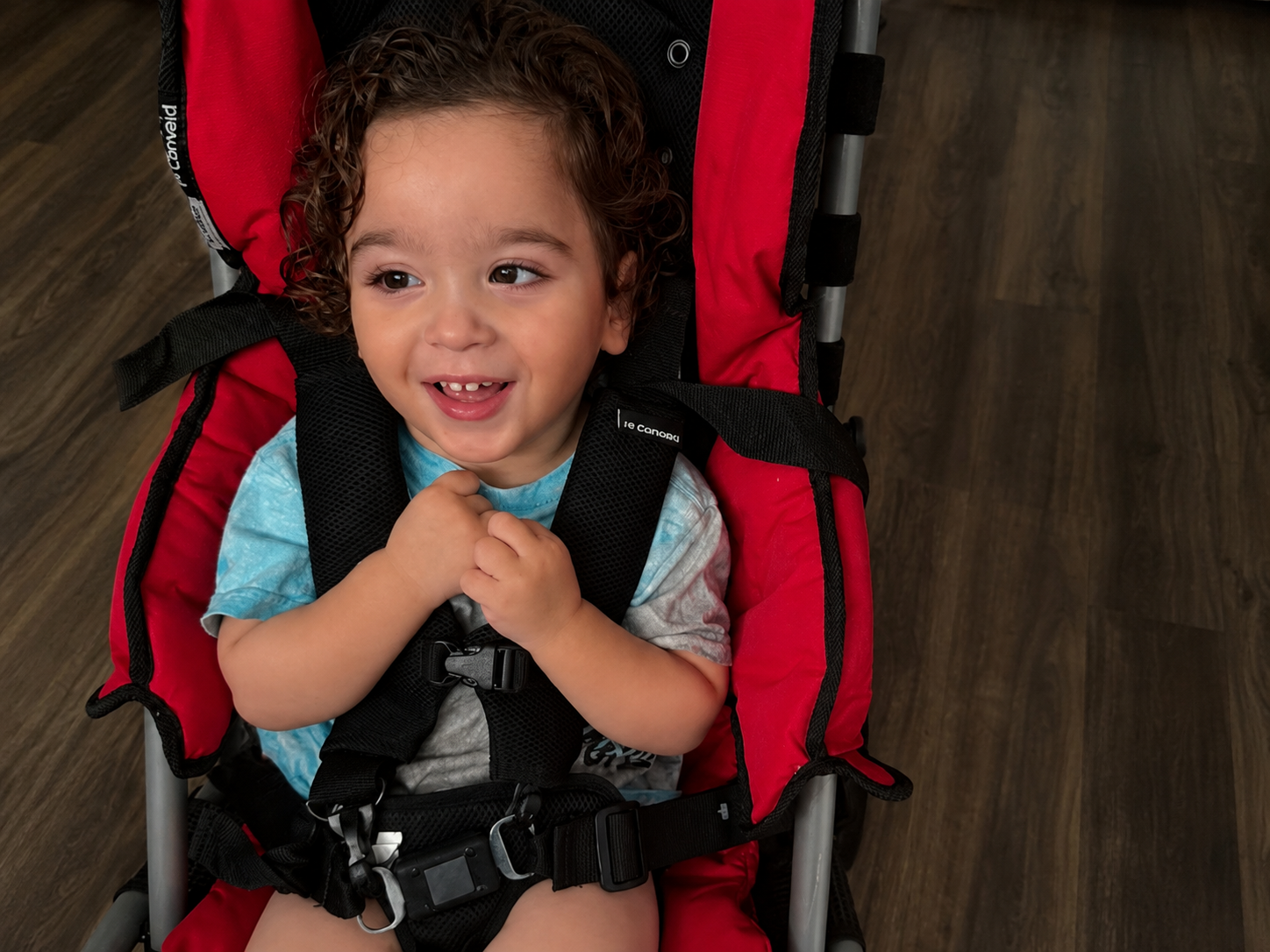
    Mikey Meyer, 3, sits in a stroller given to him by From We Can’t to We Can in Aberdeen Township, Monmouth County.Domenique Meyer

    “When you have a medically complex child, life does not stop because bills are due,” Meyer said. “There have been so many times when Mikey needed us at an appointment, in the hospital, or at home, and work simply had to come second.”

    When Meyer reached out to From We Can’t to We Can for a medical stroller that would better suit Mikey’s needs, she explained their financial stressors to Jagdeo. Since the nonprofit had recently received thousands of dollars from anonymous donors, Jagdeo decided it was time to fulfill her best friend’s wish.

    The Alexus Mackenzye Legacy Fund provided Meyer and her family with about $5,500 that went toward their mortgage and brought their utility bills up to date. And while times are still hard, Meyer said the foundation’s support gave them hope.

    “For the first time in a while, it felt like we could breathe again and focus on our children instead of constantly worrying about what bill was coming next,” Meyer said.

    The Meyers will attend Roar for a Reason at the Edelman Fossil Park & Museum in Mantua on Saturday, the first major event and fundraiser the nonprofit has hosted since Dick died. There, Jagdeo said she plans to release a hundred butterflies, Dick’s favorite, and read a letter addressed to her best friend. Kids with disabilities will walk the runway, and Jagdeo will introduce her newest book, Jaiyana and the Jainosaurus, which takes place at the museum and is based on the experiences of a local child with autism and a rare brain condition. She’ll introduce the new legacy fund to the public, which she said she hopes will support a family in need annually from now on.

    Jagdeo has kept busy in the meantime. She still posts on social media every day, usually about Dick, and recently flew to Michigan to judge this year’s Miss Wheelchair USA competition. She’s been putting in hours on an outdoor memory garden for Dick in her yard, and she said she hopes monarch butterflies hatch this weekend in time for the celebration.

    “Some people say, ‘This person was my world,’” Jagdeo said. “And for me, she wasn’t just my world. She was the world. I created a world because of her.”