Blog

  • How a logger from Maine toppled a giant of the Senate

    How a logger from Maine toppled a giant of the Senate

    PORTLAND, Maine — Troy Jackson was nobody’s first choice to run for the U.S. Senate from Maine. Only weeks before stumbling into one of most consequential races in the country, he had come in third in the Democratic primary for governor. He looked like a political washout.

    But today he is a giant slayer, having toppled a five-term Republican incumbent, Sen. Susan Collins, in Tuesday’s election.

    How Jackson, a former logger and state lawmaker from a struggling northern outpost, got from there to here — in just 101 days, no less — is an extraordinary story of the man meeting the moment.

    Less than five hours after the polls closed, as he scanned a raucous crowd of supporters chanting his name, he shook his head in apparent disbelief.

    “I will be thinking about generations of Mainers who worked in our woods, built our ships, kept our mills running, the people who built this state and deserve a government that works for them,” Jackson, 58, told a packed hotel ballroom in Portland shortly after midnight. “That is what I am going to fight for every damn day.”

    Even amid the blue wave that swept Democrats into power across the country, Jackson’s triumph over Collins was notable, considering her seniority in the Senate and five previous statewide wins, versus his abbreviated campaign and limitations as a candidate. A fortuitous mix of personal narrative, message, and timing powered him to a victory no one could have imagined just months ago.

    Drawing on his working-class roots and populist record as a state senator, Jackson could empathize with voters’ frustrations and fears like few other congressional candidates. Perhaps even more important, Collins, despite her efforts to assert her independence, could not escape the shadow of an exceedingly unpopular president — especially in a state hit hard by his tariffs and war with Iran, inflating costs for Mainers dependent on heating oil and trade with their Canadian neighbors.

    “It is stars aligning,” said Heather Quinn Cuzzi, a Democratic consultant who has worked in Maine politics for more than 20 years. “It’s the blue wave. It’s the right time. A lot of union folks and working-class people have not had a candidate they could be excited about, and Troy gave them a voice.”

    Jackson was an accidental Senate candidate, with no burning desire to go to Washington. But he quickly recalibrated after the implosion of the Democratic Party’s chosen nominee. Graham Platner, an oyster farmer hastily anointed a rising star, was forced to quit the Senate race amid allegations of sexual misconduct. As the possibility of chaos loomed, Jackson, a card-carrying union member, called in a cavalry of shipbuilders, teachers, and mill workers who helped him easily sew up the nomination at a Democratic convention in late July.

    Jackson had less than four months to wipe out Collins’ 30-year record of constituent services and federal patronage that had brought billions of federal dollars to the state.

    “A lot of people were wondering if he was up to the challenge,” said Ethan Strimling, a former state senator and mayor of Portland. “This is the big time, up against one of the all-time pros of Maine history.”

    Even before Jackson sealed the nomination, Maine was rocked by the fatal shooting of a Colombian immigrant by a federal agent in the coastal city of Biddeford. As Jackson condemned President Donald Trump’s deadly immigration crackdown, the incident helped set the tone for a campaign in which Collins was repeatedly pressed to defend the administration’s most unpopular policies.

    Jackson lacked Platner’s rugged charisma and rhetorical skills, and he suffered by comparison — what his senior campaign adviser, David Farmer, called “the Platner hangover.” But at more than 100 public events, including 15 town halls, he endeared himself to voters by sharing stories of his hardscrabble youth in Aroostook County, along the Canadian border. At 19, he followed his father into Maine’s North Woods. At 30, he helped to lead a logging blockade at the border to protest powerful landowners hiring cheaper Canadian labor. Jackson greeted supporters as “brothers and sisters,” and the labor anthem “Solidarity Forever” became a campaign staple.

    “He’s a once-in-a-career candidate for many of us,” said Will Bergeron, a representative of the painters union.

    When he wasn’t leaning into his up-from-the-bootstraps biography, Jackson was pledging to hold the line against a Trump administration he argued was destroying the dreams of the working class. Jackson, a disciple of Sen. Bernie Sanders of Vermont, pushed a progressive agenda that included doing away with Trump’s tax cuts, abolishing the Immigration and Customs Enforcement agency, and establishing a universal healthcare program. His unflattering portrayal of Collins as a corrupt creature of Washington was reinforced by a widely circulated ProPublica report that said the FBI had examined her interactions with a donor seeking federal contracts. (Collins denied any wrongdoing.)

    Jia Yang, a 36-year-old restaurant worker who lives in Lewiston, was among the voters who had backed Collins in the past but said her retirement was overdue.

    “I think she’s lost touch with what it means to be an average citizen,” said Yang, a new father who can tell you the price of diapers and baby formula, even with coupons. “Things are getting worse, and I think we need change.”

    Anger over the rising cost of living was a driving force in Senate races across the country. But in Maine, Jackson also seized on simmering resentment over Collins’ vote to elevate Brett Kavanaugh to the Supreme Court, which cemented the conservative majority that gutted the federal right to abortion.

    This race was the first for Collins, one of the only Republican senators who favor abortion rights, since the demise of Roe v. Wade.

    The campaign’s lineup of debates — four in 10 days — posed a major test for Jackson, a halting and sometimes awkward speaker. He pushed for a town-hall format over traditional debates, but Collins would not agree, according to Jackson’s campaign. The matchups ultimately offered few fireworks or gaffes by either candidate until the fourth and final one. “Oh shut up,” Jackson said to Collins, after she suggested a heckler “obviously” was his supporter.

    Collins turned the moment into an attack ad that reminded voters about an episode five years earlier when Jackson was Senate president. During a heated argument with a female lawmaker, he had flung a water bottle, an incident that drew media scrutiny just as he was poised to clinch the nomination. Questions about his temperament surfaced again in campaign’s early days when the Bangor Daily News published a 1988 police report describing his arrest on a charge of misdemeanor assault.

    Jackson apologized for the water bottle episode. He took responsibility for the fight, which had occurred when he was 19 years old. He did not express regret for his retort during the debate, however.

    “What I’m not going to be is talked down to by Senator Collins,” he said in a televised interview. During the debates, she had repeatedly referred to Jackson, who served as a legislator for nearly 20 years, including six as president of the Maine Senate, as “Troy.”

    Her apparent disrespect toward Jackson permeated the race — and may have backfired. A Republican super political action committee denigrated Jackson’s longtime partnership with Lana Pelletier, his second cousin, in an ad that included a crude jingle. Collins called for the spot to come down but weeks earlier, she had arguably laid the groundwork by taking a swipe at Jackson’s relationship. “I never imagined U.S. Sen. Susan Collins and her allies would stoop this low,” Pelletier, who has two sons with Jackson, wrote in a column responding to the attacks.

    Collins also ran a widely criticized ad in the homestretch of the campaign featuring a supporter who scoffed, “We’re not talking about buying a cord of wood here. We’re sending someone to the U.S. Senate, and Troy doesn’t have the tools he needs to be effective.”

    Collins and her allies outspent the Democrats by about $40 million, according to AdImpact, with a deluge of attack ads that decried Jackson as a “crook” and a “creep.” Voters at town hall meetings urged Jackson to fight back more aggressively.

    “In general, he allowed those things to roll off his back,” said Charles Dingman, chair of the Maine Democratic Party. “Or he greeted them with humor.”

    For Halloween, Jackson dressed up as a cord of wood. Three days before the election, he was already having the last laugh.
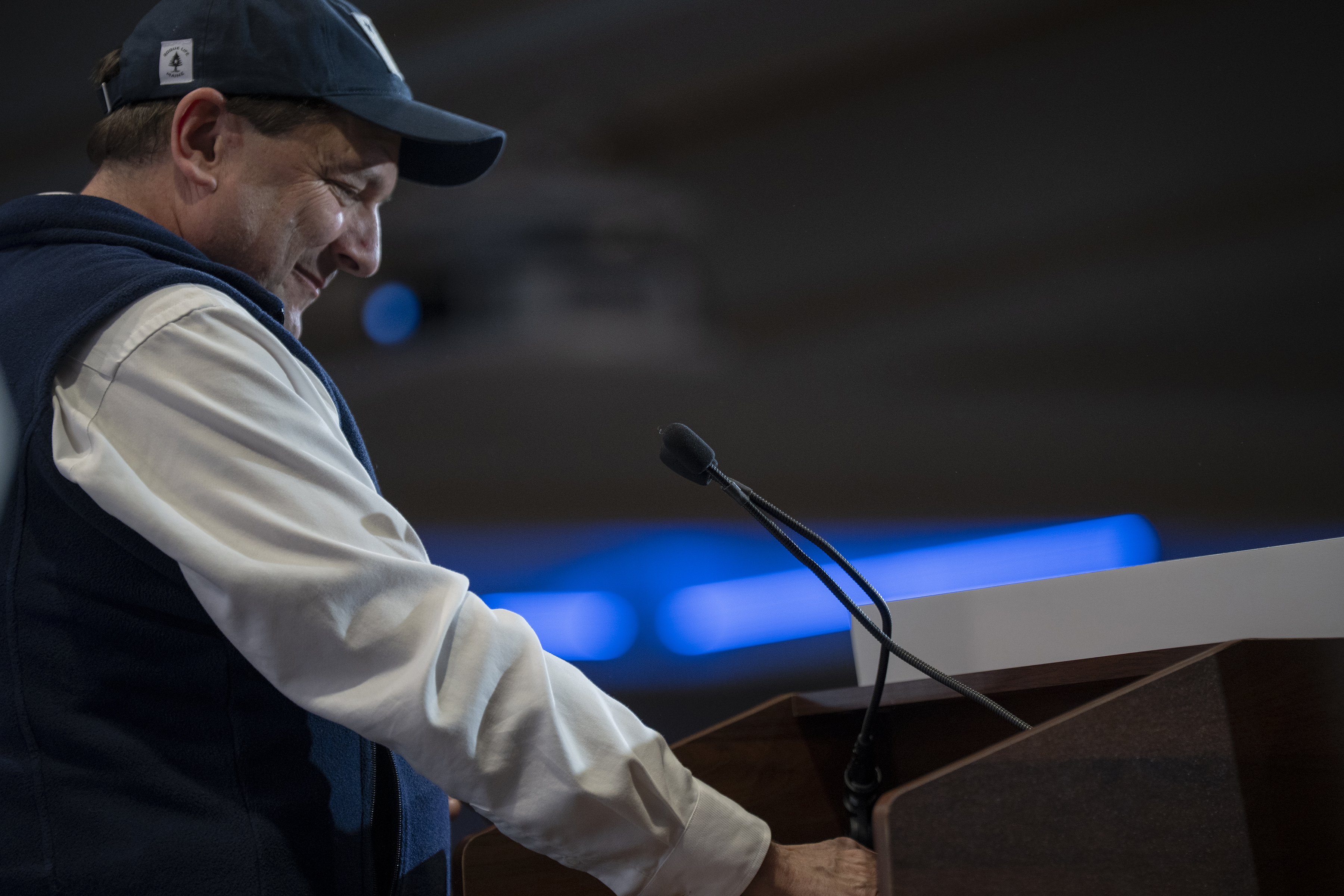

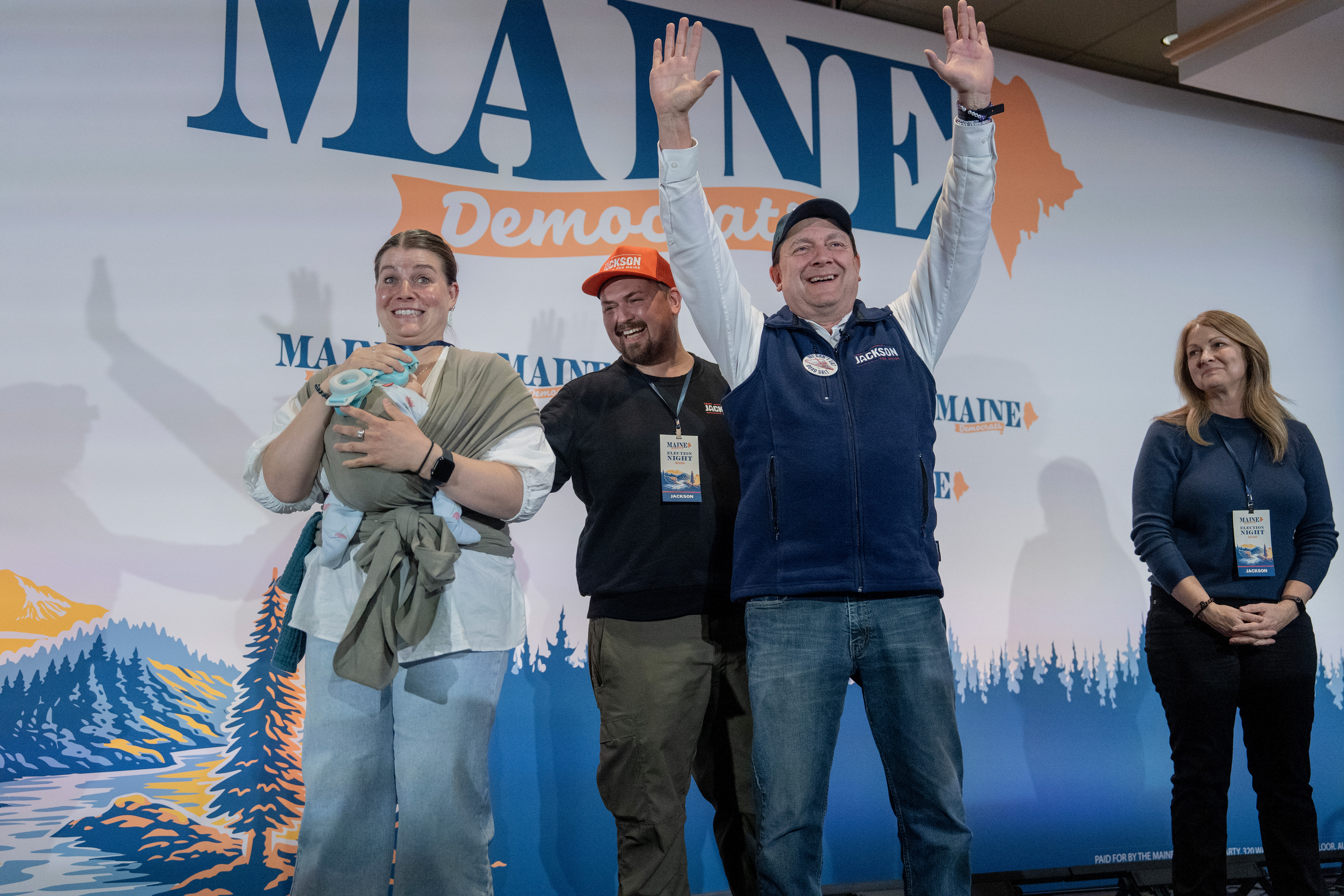
    Troy Jackson, the Democratic candidate for Senate in Maine, speaks at an election night watch party after his victory was announced, in Portland, Maine, early Monday, Nov. 4, 2026. Jackson, a former Democratic state lawmaker, upset Senator Susan Collins, a Republican who had served the state for 30 years. (John Tully/The New York Times)JOHN TULLY
    Troy Jackson, the Democratic candidate for Senate in Maine, raises his hands in the air as he celebrates at an election night watch party after his victory was announced, in Portland, Maine, early Monday, Nov. 4, 2026. Sen. Susan Collins (R-Maine) lost her seat of three decades on Wednesday to Troy Jackson, a Democratic former state legislator. (John Tully/The New York Times)JOHN TULLY
    Troy Jackson, the Democratic candidate for Senate in Maine, raises his hands in the air as he celebrates at an election night watch party after his victory was announced, in Portland, Maine, early Monday, Nov. 4, 2026. Sen. Susan Collins (R-Maine) lost her seat of three decades on Wednesday to Troy Jackson, a Democratic former state legislator. (John Tully/The New York Times)JOHN TULLY
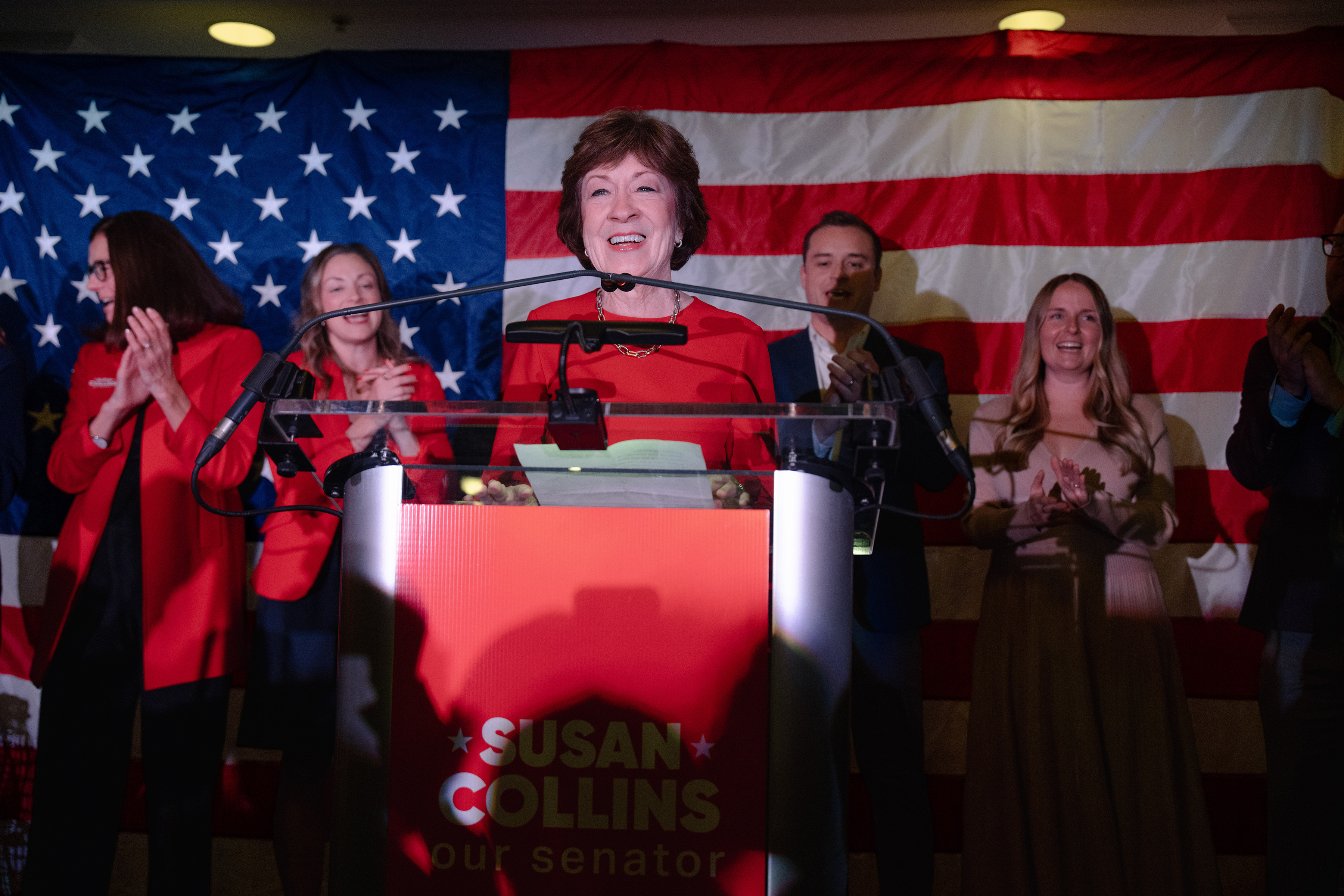
    Sen. Susan Collins (R-Maine) speaks during her election night watch party at the Hilton Garden Inn in Bangor, Maine, on Tuesday, Nov. 3, 2026. Collins rose to the upper echelons of the Senate as she defied the leftward tilt of her state, but ultimately could not overcome voters’ strong resistance to President Trump in what became one of the nation’s costliest, hardest-fought and most closely watched Senate races. (Lexi Parra/The New York Times)LEXI PARRA
  • Jason Kelce’s ‘dream guest’ explains the physics of the Tush Push, NFL trade deadline talk, and more from ‘New Heights’

    Jason Kelce’s ‘dream guest’ explains the physics of the Tush Push, NFL trade deadline talk, and more from ‘New Heights’

    The NFL trade deadline is less than an week away, and Jason Kelce wants fans to stop thinking it will fix the Eagles’ season.

    On Wednesday’s episode of New Heights, Jason and his brother, Travis, discussed the effect — or lack thereof — that one acquisition or draft pick can make on a team with deeper-rooted issues and other NFL storylines in Week 8.

    They also hosted astrophysicist Neil deGrasse Tyson, Jason’s “dream guest,” on to discuss some nonfootball questions, as well as the physics of the Tush Push.

    One step forward, two steps back

    Like many other Eagles fans, Jason said one of the only thoughts he has about this team and this season is that it’s “a frustrating team to watch right now.”

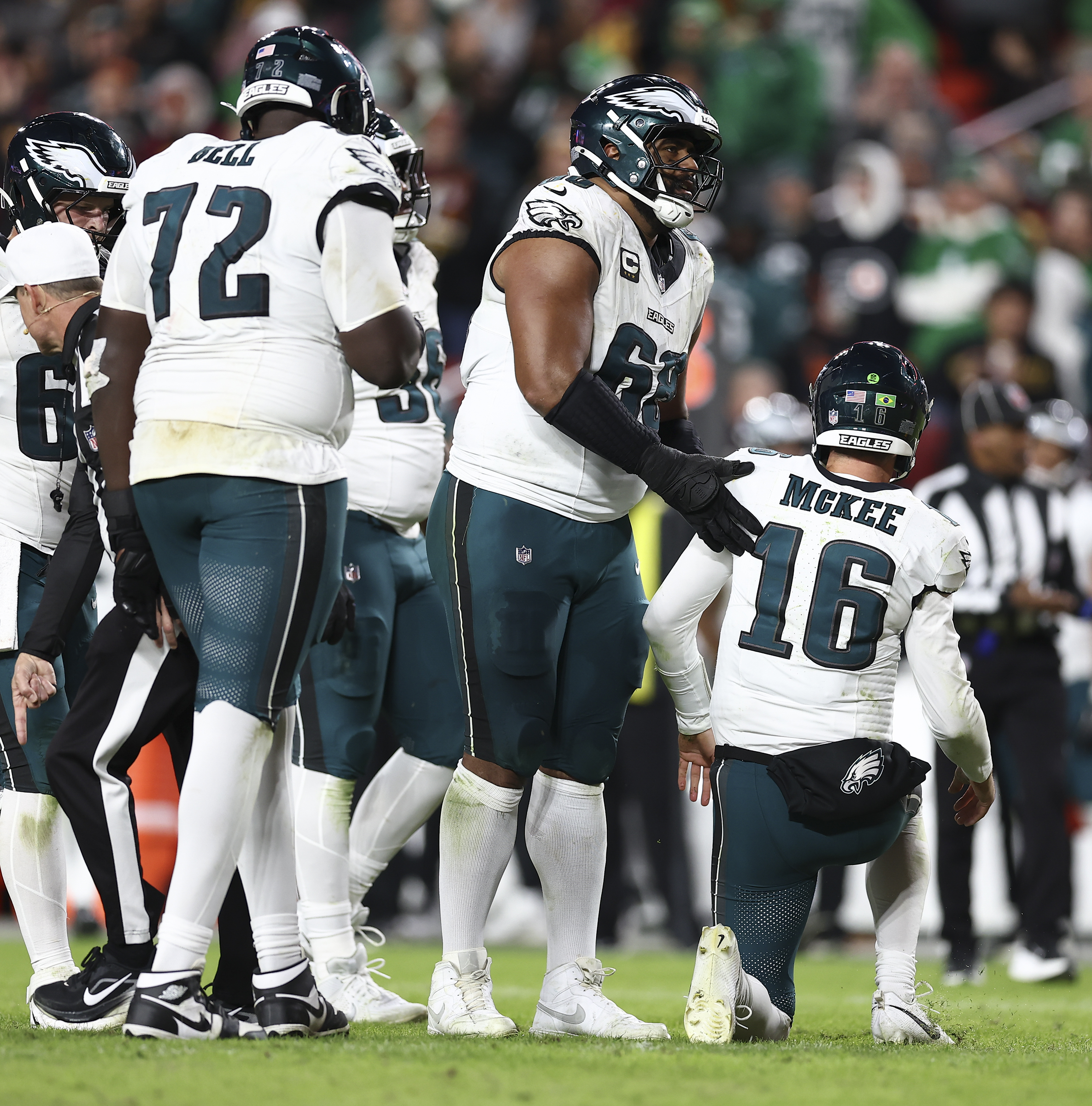
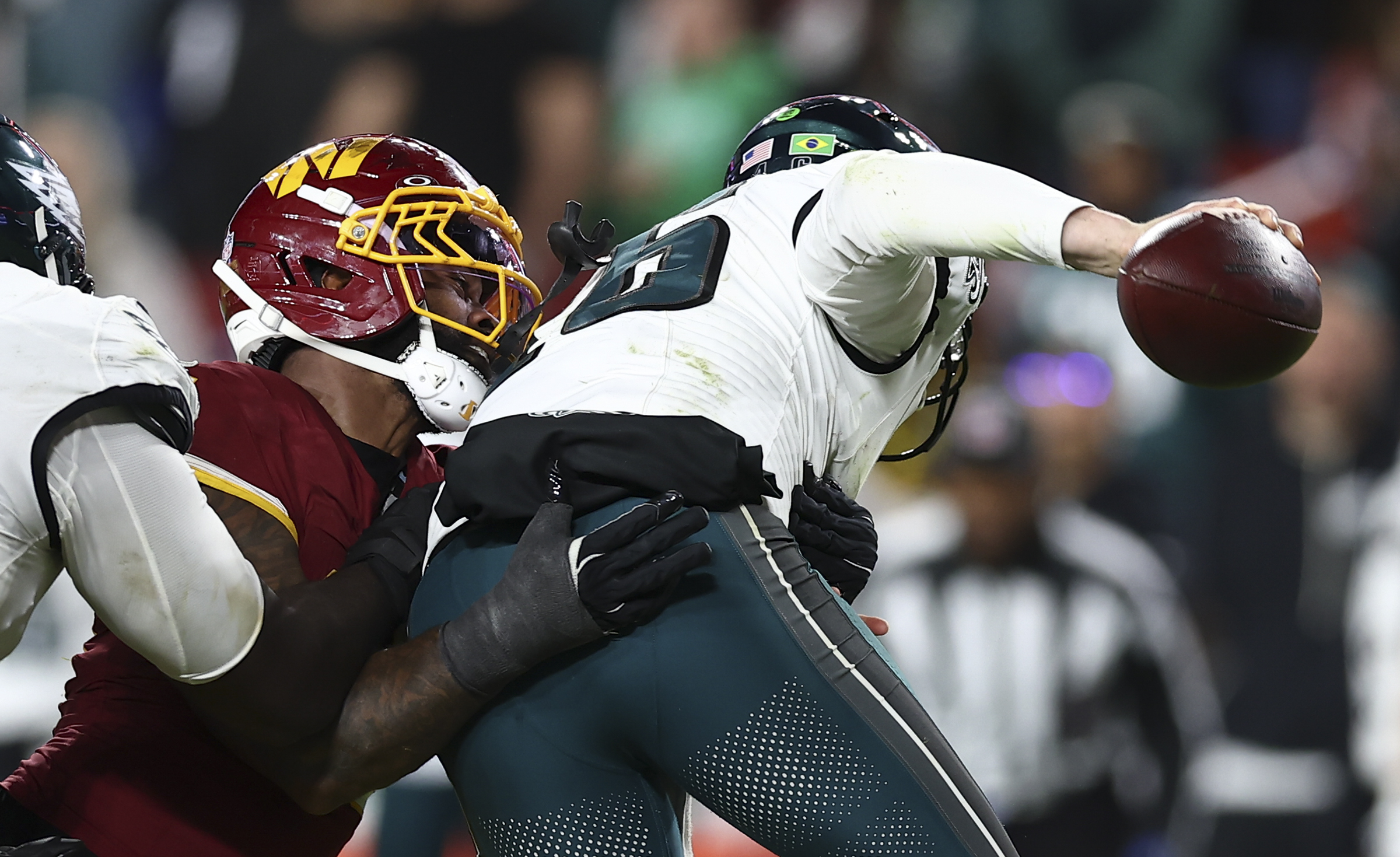
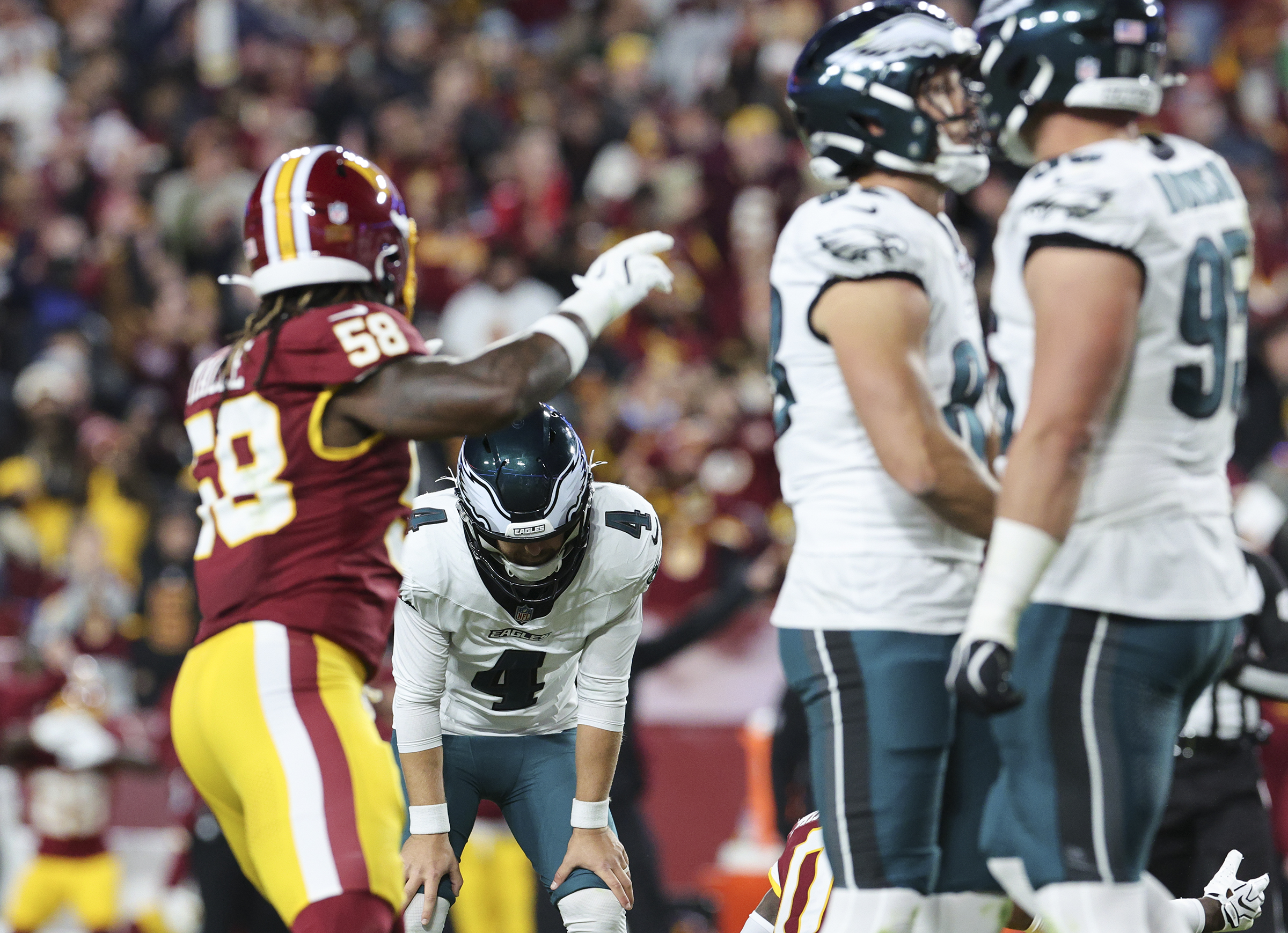
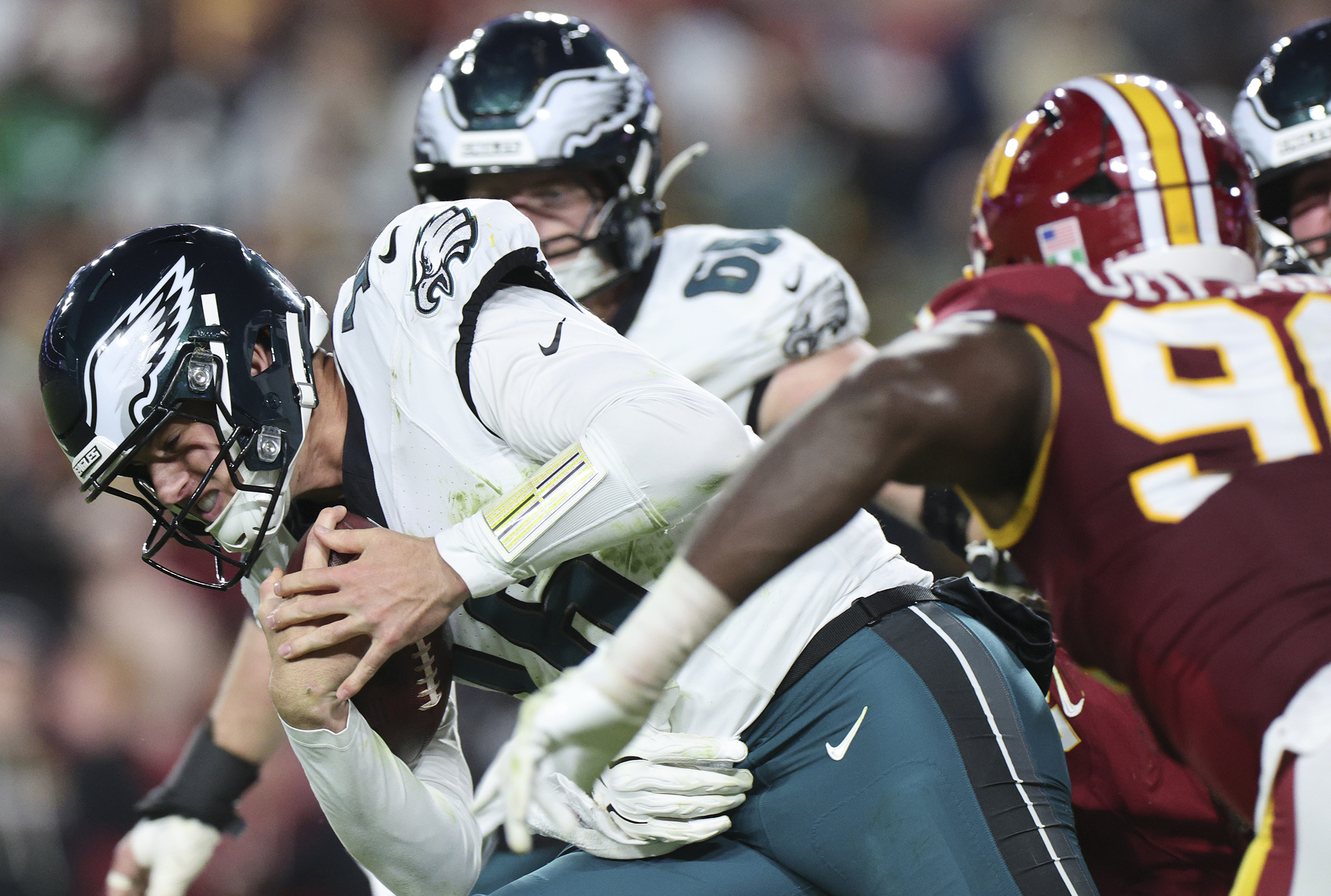
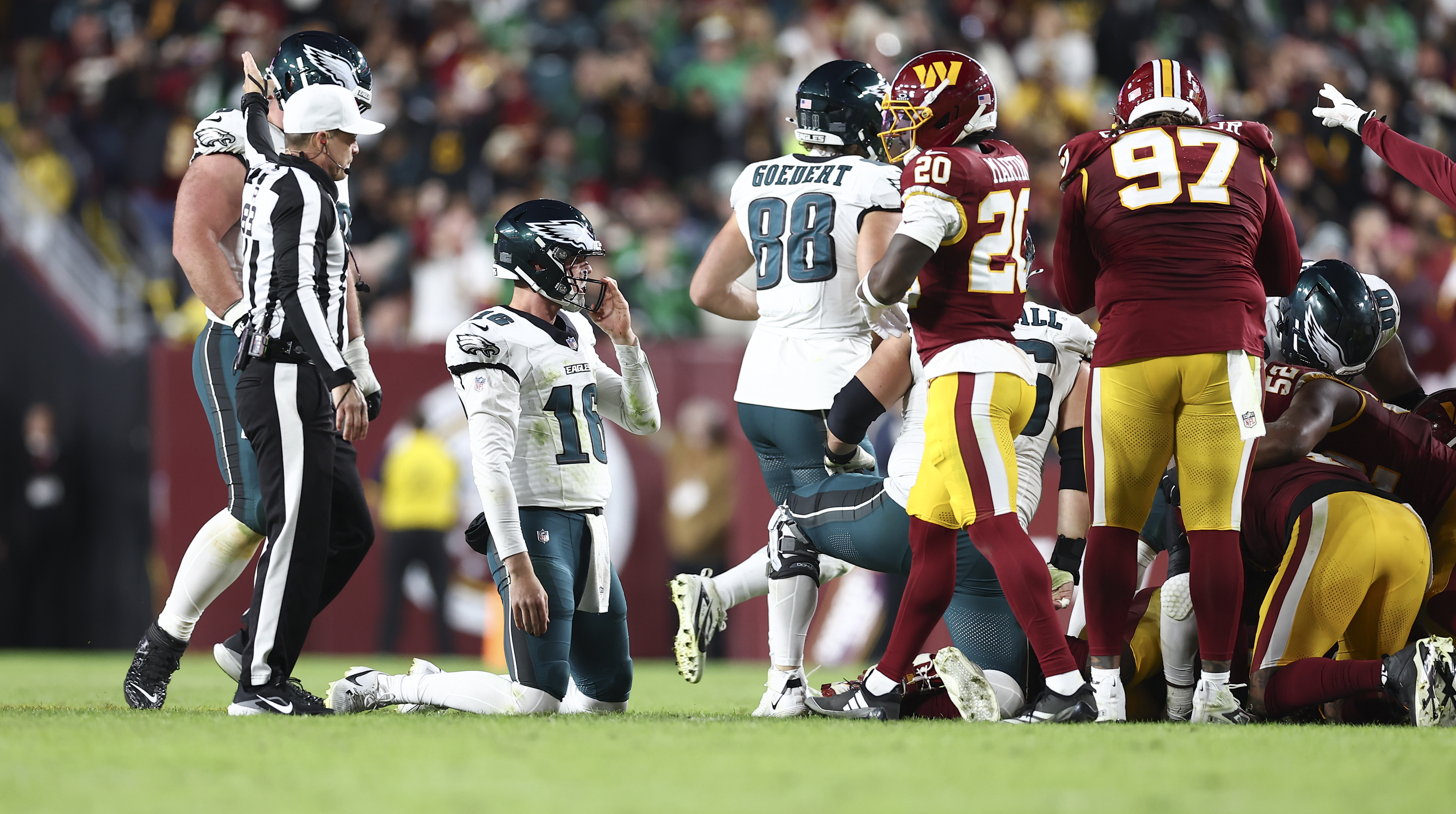
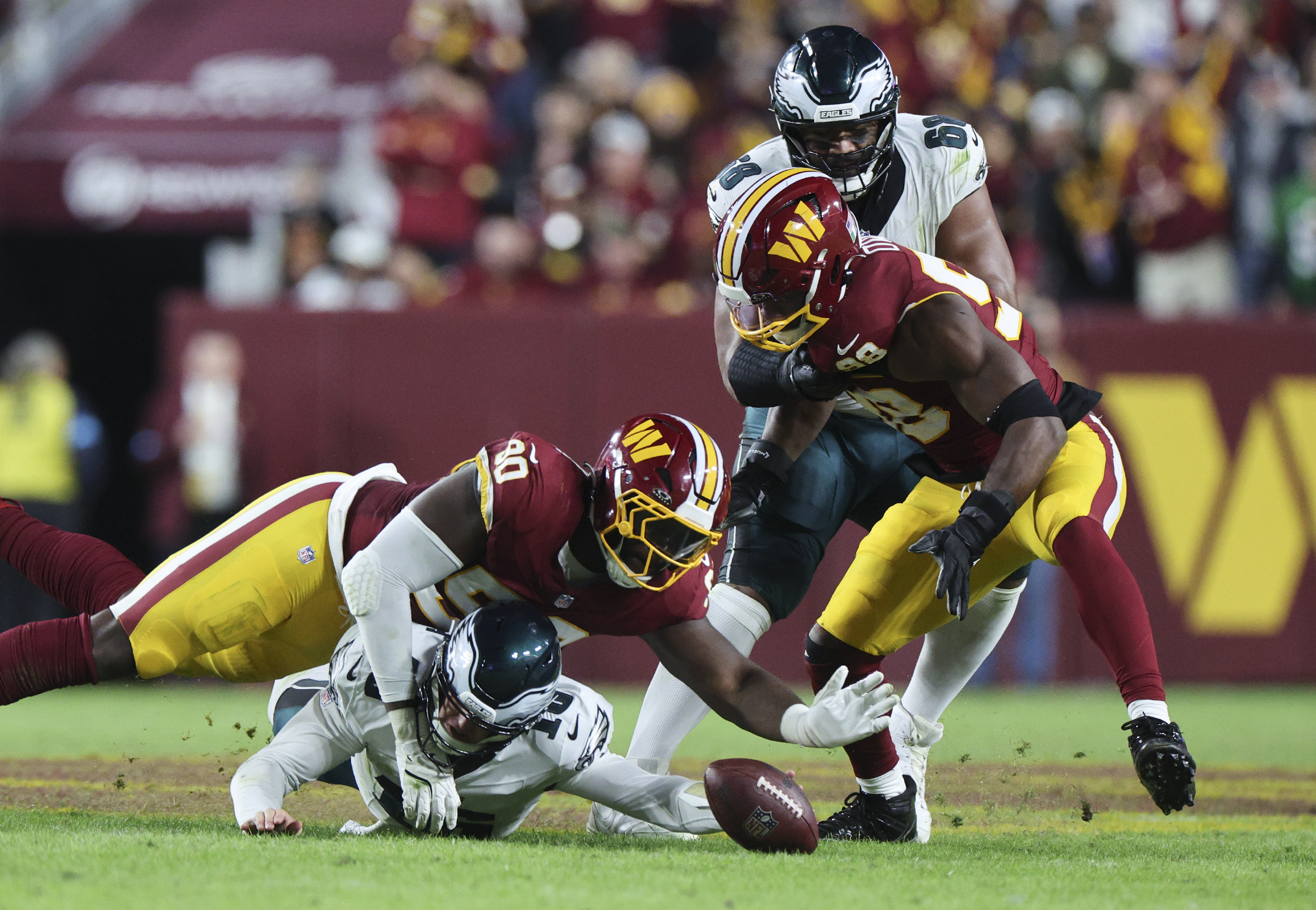
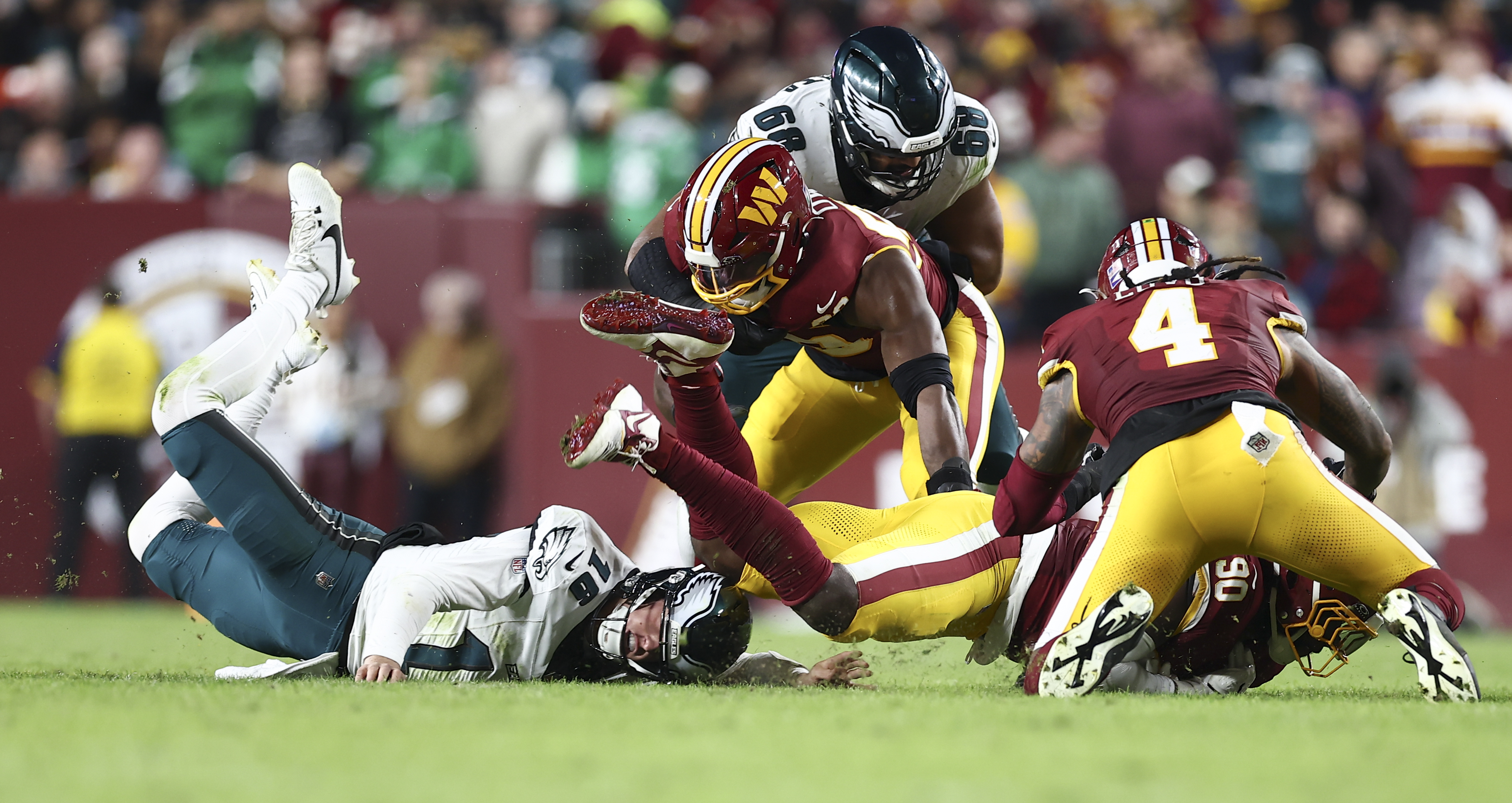
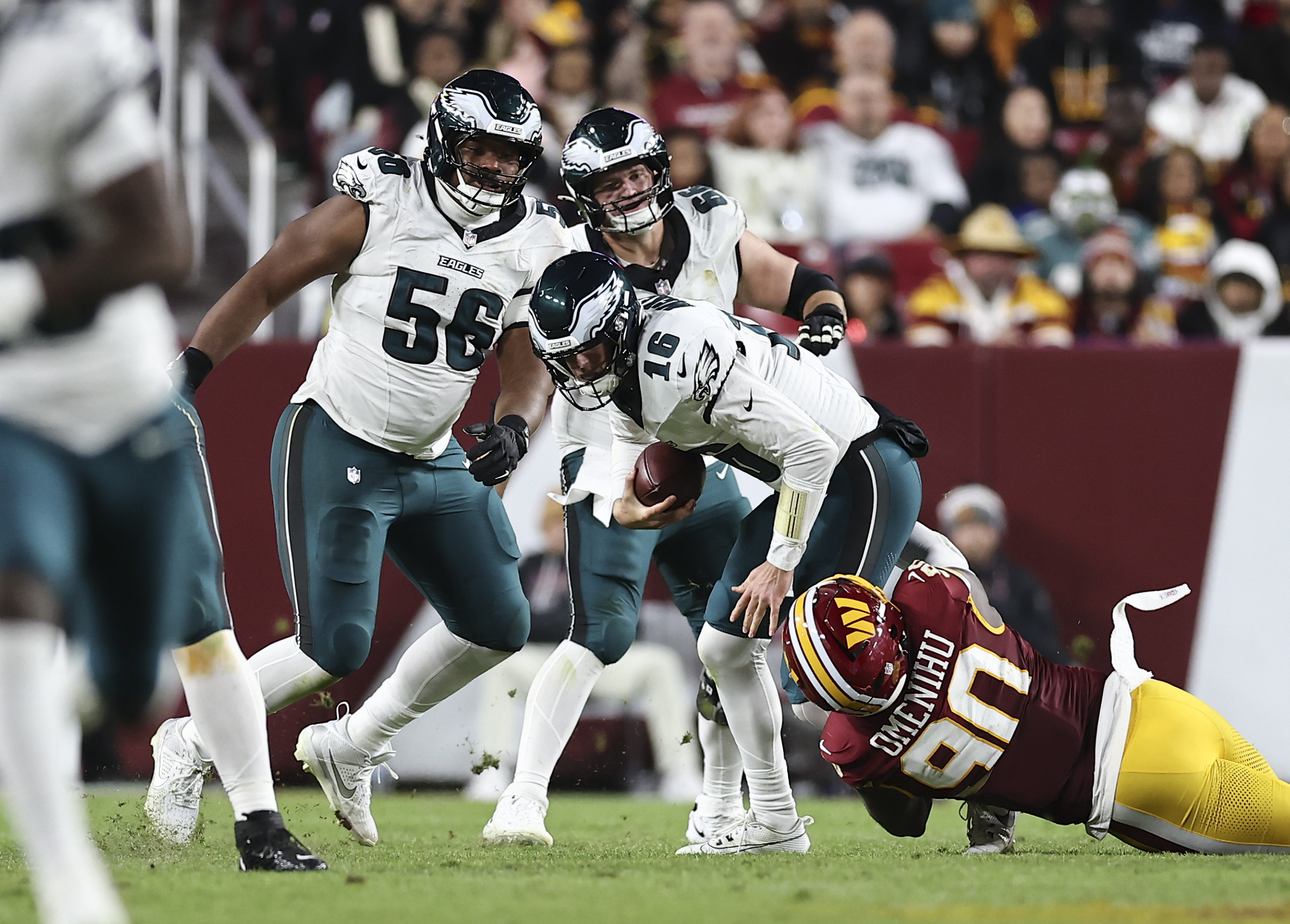
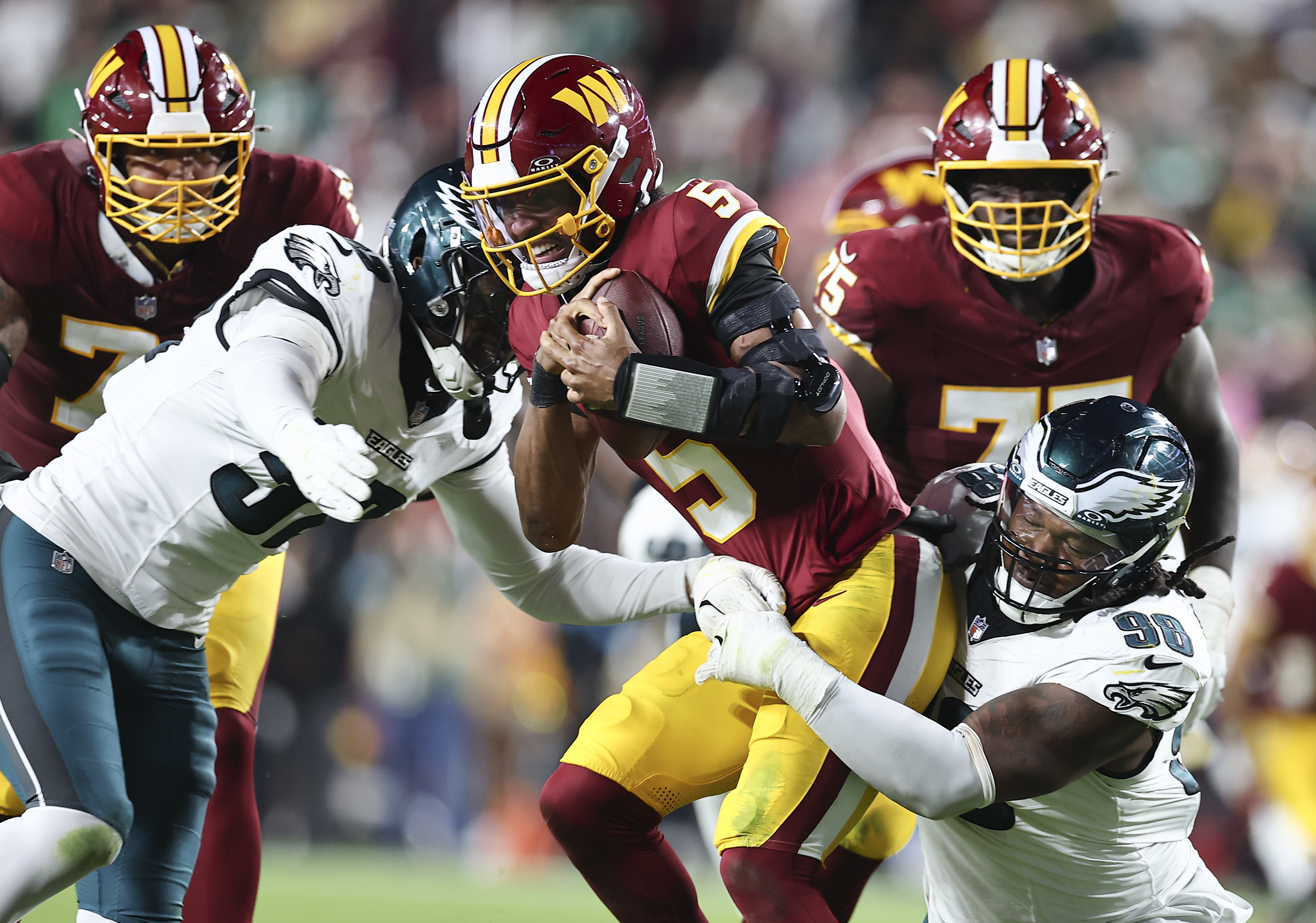
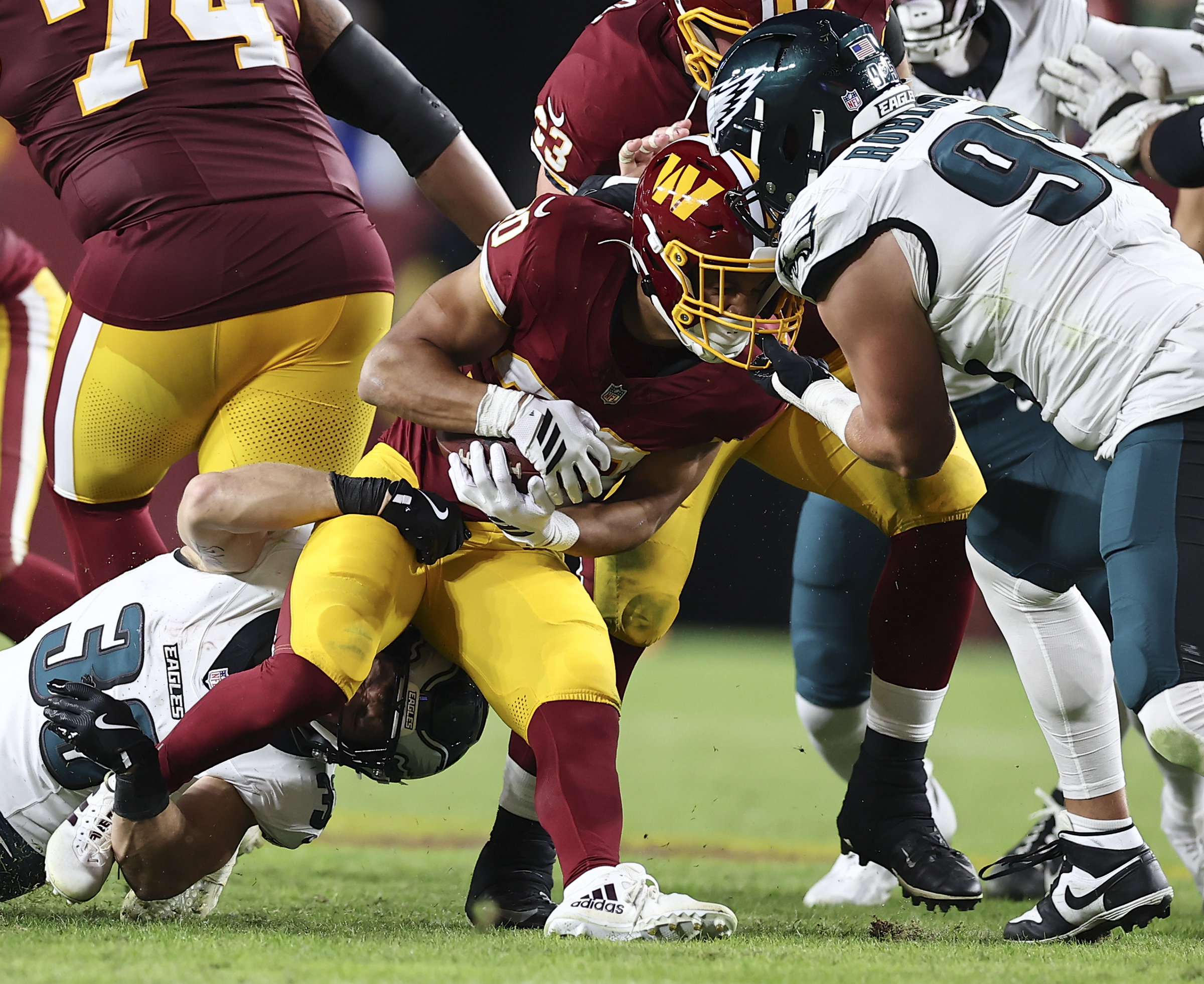
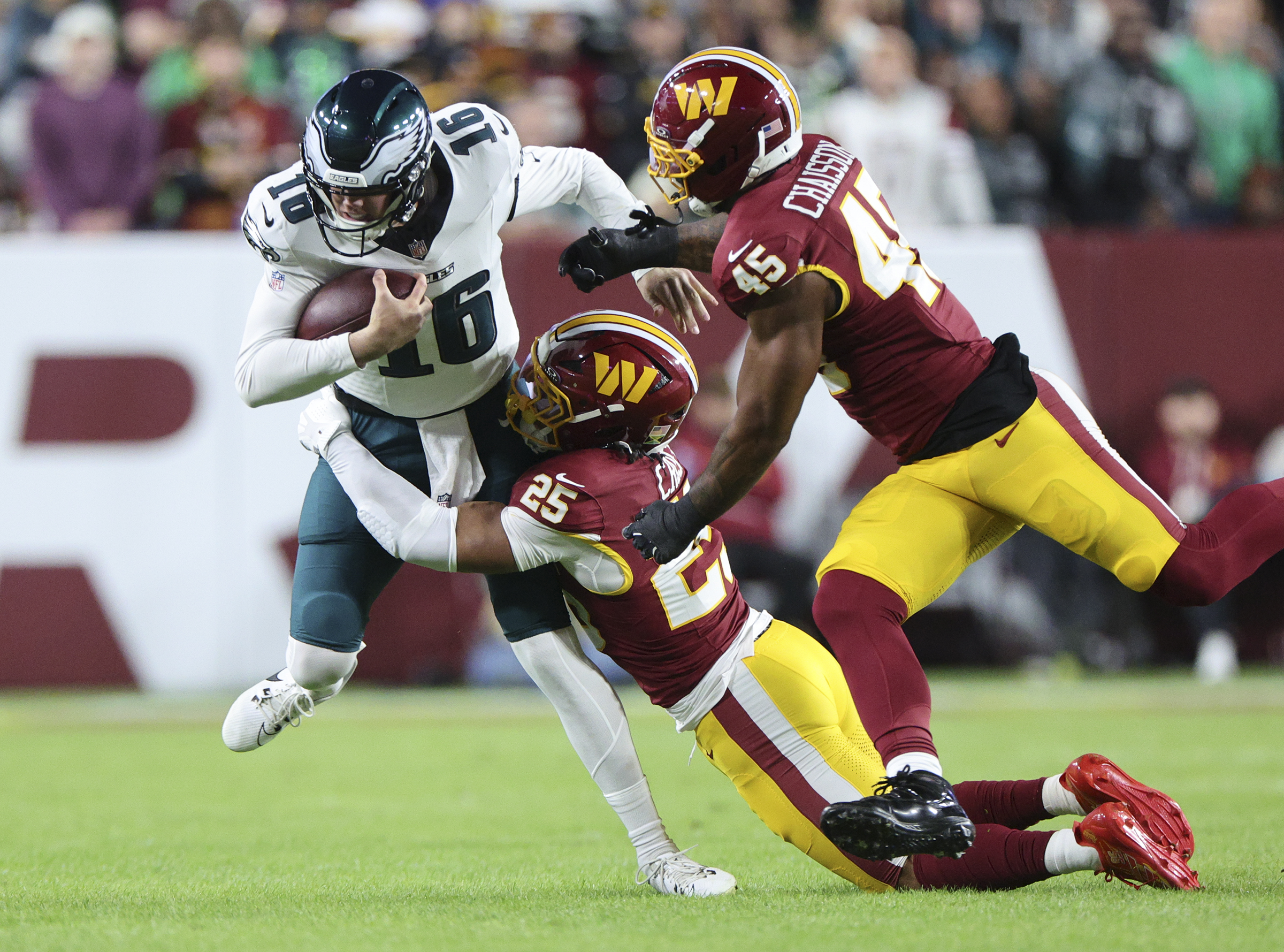
    It’s especially frustrating when it seems like they could be improving, like they showed against Dallas, Jason said, before taking a major step back again like they did against the Commanders on Sunday.

    And although sometimes losing can be beneficial to force teams to have discussions that make them better as a player and a team, Jason said that when it “happens over and over again,” like it has this season, “it really can have a compounding effect as a group in your psyche.”

    Jason said he knows players like Jordan Mailata and Saquon Barkley are taking accountability and trying to right things. Particularly because if they try to run from it, Jason said their problems will only get “more exposed.”

    “It’s going to challenge the leadership, and it’s going to challenge the integrity of the office, and you just got to keep showing up to work and keep finding ways and attack the problems,” Jason said.

    This isn’t basketball

    There are some key differences between the Eagles and the Sixers. For starters, the Eagles are 2-6 while the Sixers are 7-1. The other, Jason and Travis agreed, is that one new player usually doesn’t make the massive difference in football that a a single draft pick, trade, or signing can make in the NBA.

    Amid discussions of the Eagles tanking for a draft pick or selling at Tuesday’s 4 p.m. trade deadline, Jason told fans something they might not want to hear.

    “You can’t just lose games on purpose to get a high draft pick and think your team’s magically going to get better,” Jason said.

    Travis added that while one player could make things better, Jason said that won’t make a massive difference for a team that’s trying to overcome “the culture of losing games in the NFL.”

    What should the Eagles’ 3-5 year plan be? | unCovering the Birds
    Video: What should the Eagles’ 3-5 year plan be? | unCovering the Birds

    Jason said this might be hard for fans to hear, but for him, hearing fans talk about a “rebuild” also is hard to hear. He said in most cases, that mindset doesn’t pay off, and rebuilds take years to complete.

    Jason says his 13-year career with the Eagles, while featuring four full-time head coaches, speaks to the continuity the organization values.

    “One thing that Eagles have done a great job of in all these transitions, they prioritize talented people, talented players, talented coaches, talented front office people, and they, in general, even in transitions, they retain players that they know are a part of playing the way they want to play, leaders, guys that play the game the right way and work hard, that they want to be in there,” Jason said. “We’re not going to get rid of these pieces. They’re going to be a part of what we’re building on in the future. … They always prioritize keeping talented individuals in the building.”

    The physics of the Tush Push

    With an astrophysicist on a football podcast, the trio discussed all the expected things: flat earth and moon landing conspiracy theories, aliens, and the Tush Push.

    For years teams have been asking how to stop the Eagles’ famous play. Now, they finally have an answer thanks deGrasse Tyson, who he called the play “brilliantly conceived.”

    They key, deGrasse Tyson said, comes from having the quarterback, who is “functionally airborne,” still connected to the earth through the players who are pushing him on either side and pushing against the earth.

    To counter it, deGrasse Tyson said the defensive line has to get as low as the offensive line — and get so low that it prevents the offensive line from moving at all. Then, whoever is going airborne to block the quarterback must also have a Tush Push on their side to root them back to the earth.

    Along with answering how to stop the Tush Push, deGrasse Tyson also confirmed one more thing about the play’s effects, not just on the league, but also on the earth.

    “If you push against Earth as much as you guys did, yes, it affects the rotation of Earth, as it must,” deGrasse Tyson said.

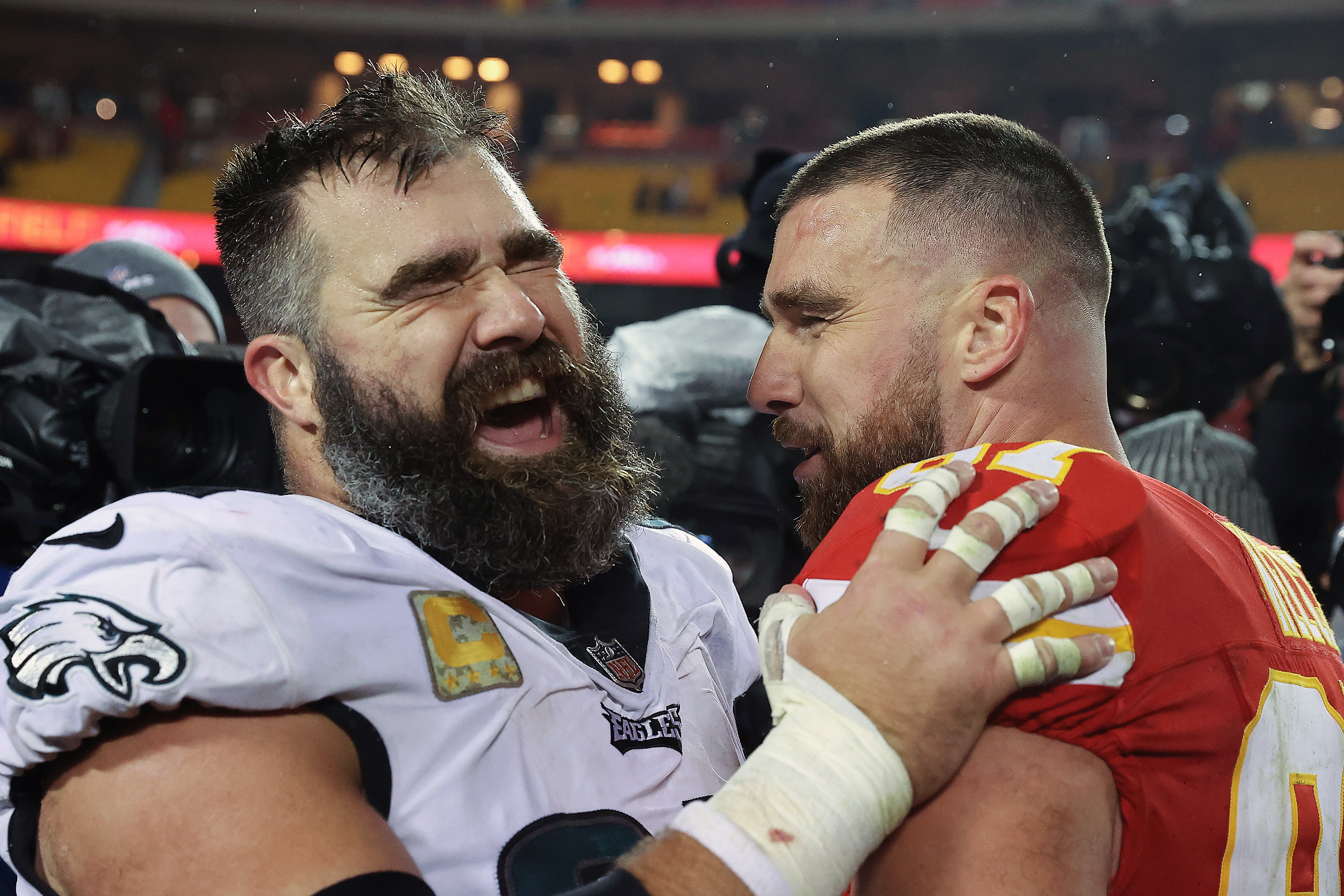
    Former Eagles center Jason Kelce (left) shares a laugh with his brother Kansas City Chiefs tight end Travis Kelce after a 21-17 Eagles win on Nov. 20, 2023.David Maialetti / Staff Photographer

    Around the league

    Travis and the Kansas City Chiefs also are on an losing streak, albeit a much less concerning one than the Eagles, after dropping their second straight game this weekend to the Broncos. The issue, Travis said, mainly is Chiefs penalties.

    “If we don’t have penalties, man, I think we can be as good as we want to be in this league, and that’s the message in building, and that’s the message from our leader up front,” said Travis, the Chiefs’ longtime star tight end. “I think we clean up a lot of these things, we keep executing at a high level, keep putting up points for our defense.”

  • Cornell rape investigation will be led by a former prosecutor in the Sean ‘Diddy’ Combs case

    Cornell rape investigation will be led by a former prosecutor in the Sean ‘Diddy’ Combs case

    NEW YORK — A reopened criminal investigation into gang rape allegations at Cornell University will be led by a former Manhattan federal prosecutor who oversaw high-profile sex crimes cases against music mogul Sean “Diddy” Combs and fashion executive Peter Nygård, New York Attorney General Letitia James announced on Wednesday.

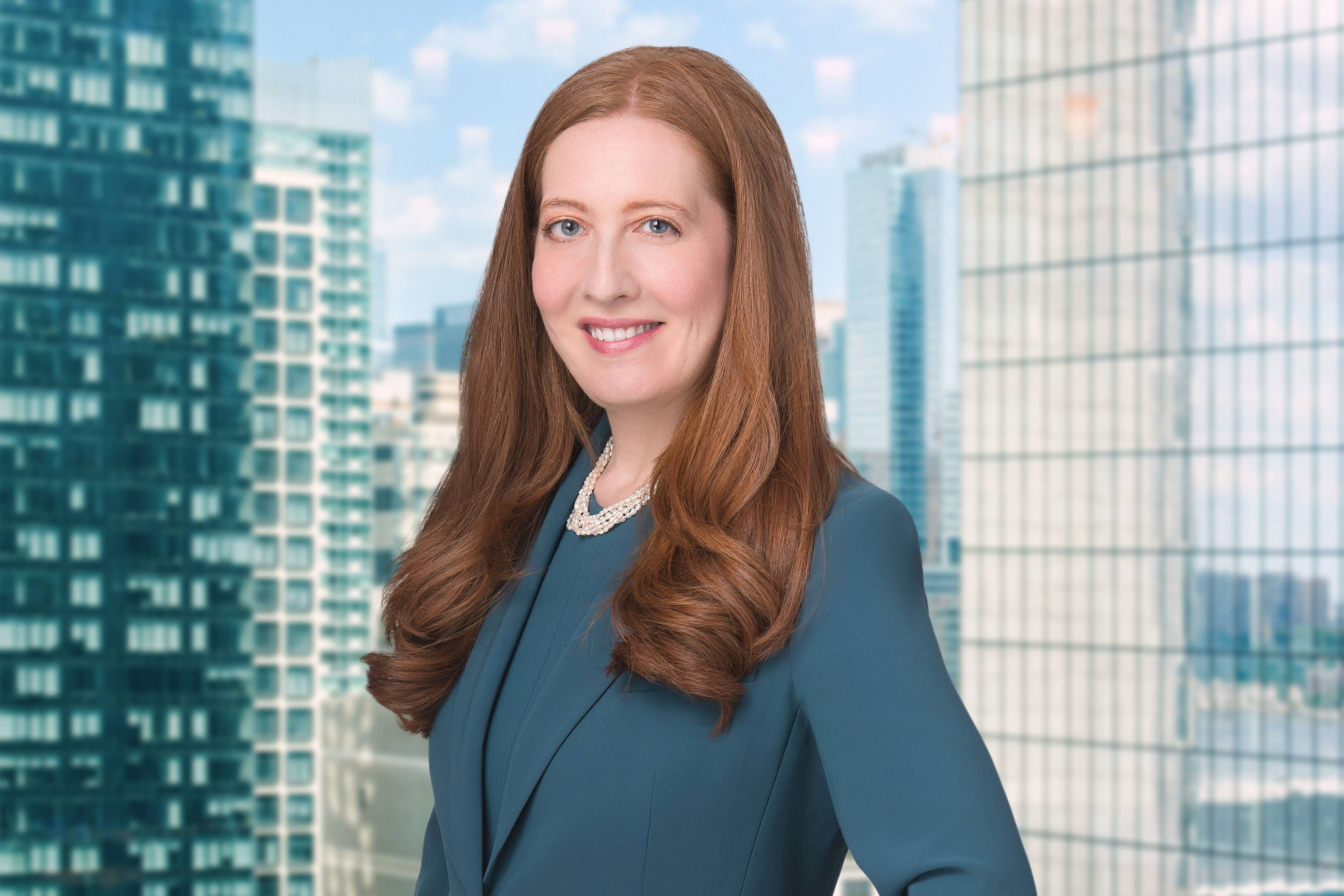
    Jacqueline Kelly, a Cornell alumna and partner at the law firm Boies Schiller Flexner, will serve as outside counsel for James’ investigation, which was spurred by a former student’s allegations in a September lawsuit that several men raped her at a fraternity party in October 2024.

    Kelly and a team of lawyers and investigators from her firm and the attorney general’s office will be responsible for gathering evidence, interviewing witnesses, reviewing investigative records and reports, and analyzing the facts and applicable law, James said.

    They will report to James, who was appointed last month by Gov. Kathy Hochul as a special prosecutor overseeing the Cornell probe. James, a Democrat, made the announcement a day after winning election to a third term.

    Separately, two men named as defendants in the former student’s lawsuit want the attorney general removed from the investigation. They argue James is biased because of a social media post she made before her appointment that expressed support for the accuser. A judge has yet to rule.

    “Jacqueline Kelly is a seasoned prosecutor who has overseen numerous cases from investigation through trial,” James said in a statement. “With her criminal legal expertise, commitment to public service, and judicial experience, I am confident that she will lead a fair and comprehensive investigation.”

    Kelly, a Columbia Law School graduate, was a prosecutor in the Manhattan U.S. Attorney’s Office for nearly a decade and led the civil rights unit in the office’s criminal division. She oversaw investigations and prosecutions of civil rights offenses, voting rights violations, sex crimes, and hate crimes.

    She left last year to join Boies Schiller Flexner and will remain at the firm while she conducts the Cornell investigation.

    “All New Yorkers deserve a fair and thorough inquiry into the facts of this case,” Kelly said. “I look forward to lending my years of experience as a federal prosecutor to the Office of the Attorney General as we examine all available evidence.”

    Hochul appointed James as special prosecutor on Oct. 1, saying she had lost faith in the local prosecutor, Tompkins County District Attorney Matthew Van Houten, who declined to bring charges in 2024.

    Van Houten said he would restart the investigation following the former student’s lawsuit, but a lawyer for the accuser said the district attorney was preparing to bring the matter to a grand jury within two weeks.

    James has said her investigation will take months.

    The former Cornell student, identified in court papers as Jane Doe, alleged in her lawsuit that some of the men pressured her into using ketamine and marijuana and that she drank alcohol that left her too intoxicated to consent. A few weeks later, she said, she made reports to campus police and the university’s Title IX office.

    The case roiled the Ivy League institution, raising questions about how universities, police departments, and local prosecutors respond to campus sexual assaults.

    Last month, Cornell hired former U.S. Deputy Attorney General Sally Yates to review how the school investigates sexual assault and sexual harassment, how the disciplinary process works, the campus police response, and more.

    As a federal prosecutor, Kelly supervised the prosecutions of former Manhattan neurologist Ricardo Cruciani, who killed himself in jail while awaiting trial on federal charges after his conviction in state court for molesting patients, as well as Bronx music teacher Jesus Concepcion, who was sentenced in 2024 to 30 years in prison for sexually abusing five students. She also took on the mafia, prosecuting a dozen members of the Lucchese crime family.

    At Boies Schiller Flexner, she focuses on regulatory and criminal investigations and represents victims of sexual assault and other crimes. The firm, co-founded by lawyer David Boies, is known for representing victims of the late Jeffrey Epstein, as well as corporate clients including Amazon and the defunct health technology company Theranos.

    James, whose office is geared toward civil litigation and consumer protection, has turned to outside counsel in the past to assist in investigations.

    In 2021, she appointed two outside lawyers, former Manhattan U.S. Attorney Joon Kim and employment lawyer Anne Clark, to conduct a non-criminal investigation into sexual harassment allegations against then-Gov. Andrew Cuomo, leading to his resignation. Cuomo denied the findings in their report.

  • A Philly man went to jail for cursing at a judge. The Pa. Supreme Court reversed his conviction.

    A Philly man went to jail for cursing at a judge. The Pa. Supreme Court reversed his conviction.

    This article is not legal advice. But according to the Pennsylvania Supreme Court, yelling vulgarities at a judge is not a crime if a court proceeding was not significantly obstructed.

    The high court weighed in last week on the 2022 conviction of Basile Outlaw, who, from the gallery of Common Pleas Court in Philadelphia, stood up and said, “that judge is a [expletive],” according to the majority opinion.

    “What did you say?” Judge Roxanne E. Covington replied.

    “Never mind,” Outlaw said. “I’m leaving.”

    Outlaw, 35, was in court that day to support a friend, who was a defendant in a criminal case. His outburst, which followed a ruling that did not go his friend’s way, landed him in jail for 30 days.

    Merely insulting a judge, leading to a momentary pause in a hearing, is not enough to justify a criminal contempt conviction, a unanimous Supreme Court held.

    The Supreme Court’s reversal of Outlaw’s conviction is important because it guarantees protections for people who are overcome by emotion on a difficult day for them or a loved one, said Aaron Marcus, a Defender Association of Philadelphia lawyer who represented Outlaw.

    “Being offended shouldn’t justify a criminal conviction for the rest of your life,” Marcus said.

    The Pennsylvania Attorney General’s Office, which argued on behalf of the state in the Supreme Court, did not respond to a request for comment.

    After Outlaw left the courtroom, a deputy sheriff and court employee went after him, and he returned on his own. Marcus said his client wanted to apologize. But Covington ordered his arrest on contempt and set his bail at $75,000.

    Outlaw did not deny his outburst, which sounded similar to cough-sufferer, and expressed remorse. He was sentenced a week later to 15 to 30 days in jail.

    In his appeal, Outlaw argued in Superior Court there was not enough evidence that he obstructed the administration of justice to sustain his conviction. The prosecutors agreed, but the Superior Court judges did not.

    Outlaw demonstrated “his own utter disrespect for the court,” the Superior Court judges found. The court said Outlaw potentially encouraged other attendees to “commit similar disruptions.”

    “Calling a judge an indecent name in open court undermines the court’s authority and does obvious harm to its ability to conduct an orderly proceeding,” the expletive-laden Superior Court opinion said.

    But a unanimous Supreme Court took a different view, relying on previous cases about court outbursts.

    Justice David Wecht’s majority opinion explained that even though the comment “fell below the expected standard of courtroom decorum,” the delay in the hearing was limited to the judge asking “what did you say?,” which was insufficient to convict Outlaw.

    Because the Philadelphia District Attorney’s Office agreed with Outlaw’s position, the Supreme Court asked the Pennsylvania Attorney General’s Office to argue on behalf of the conviction. The office said contempt was appropriate because obstruction of the administration of justice includes “disrespect that undermines judicial authority in the eyes of the public.”

    But Pennsylvania Supreme Court precedent says “inappropriate and even ill-mannered conduct which does not obstruct or delay the trial falls short” of punishable criminal contempt, Wecht wrote.

  • Gov. Josh Shapiro cruised to reelection in Pennsylvania. Now the real campaign begins.

    Gov. Josh Shapiro cruised to reelection in Pennsylvania. Now the real campaign begins.

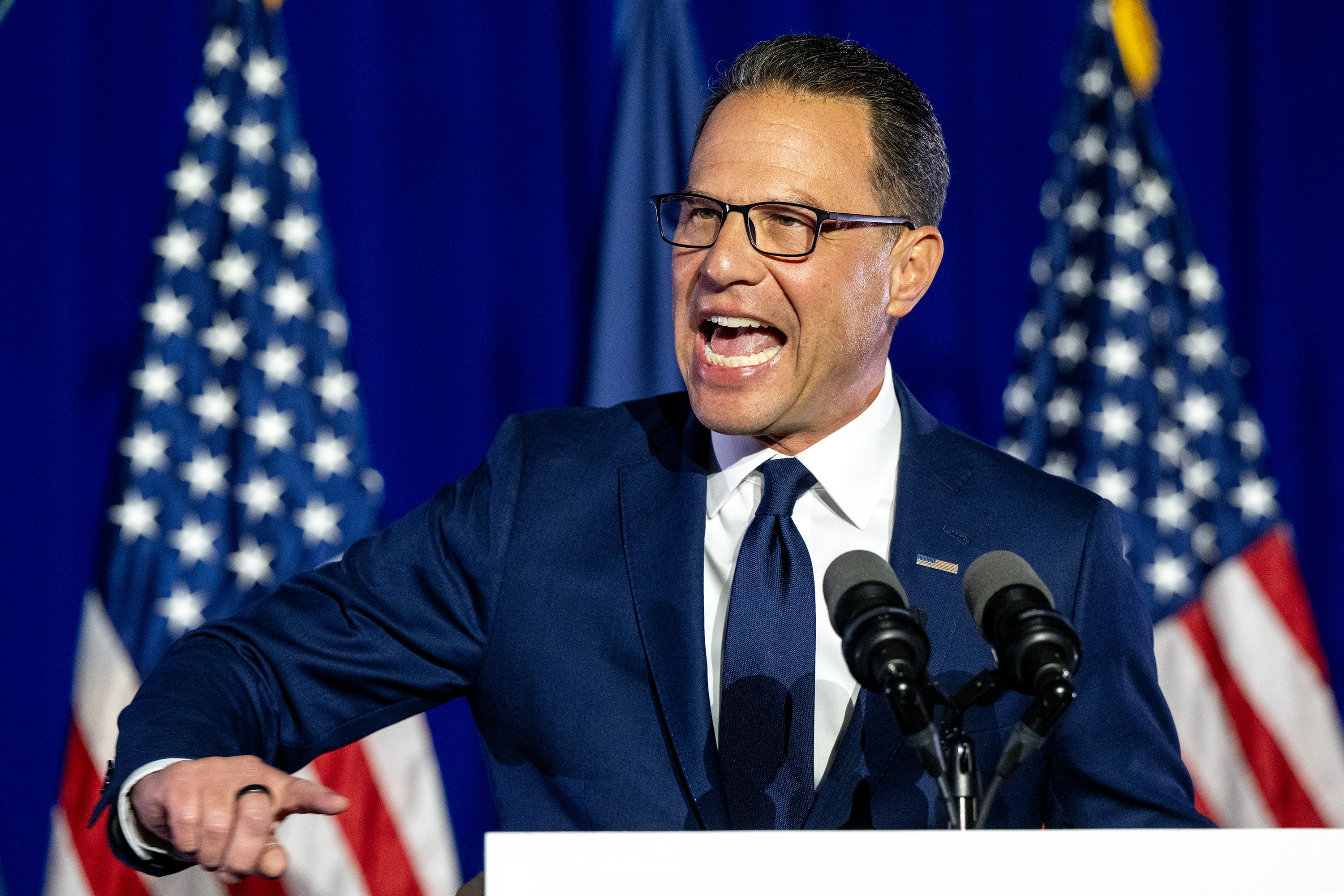
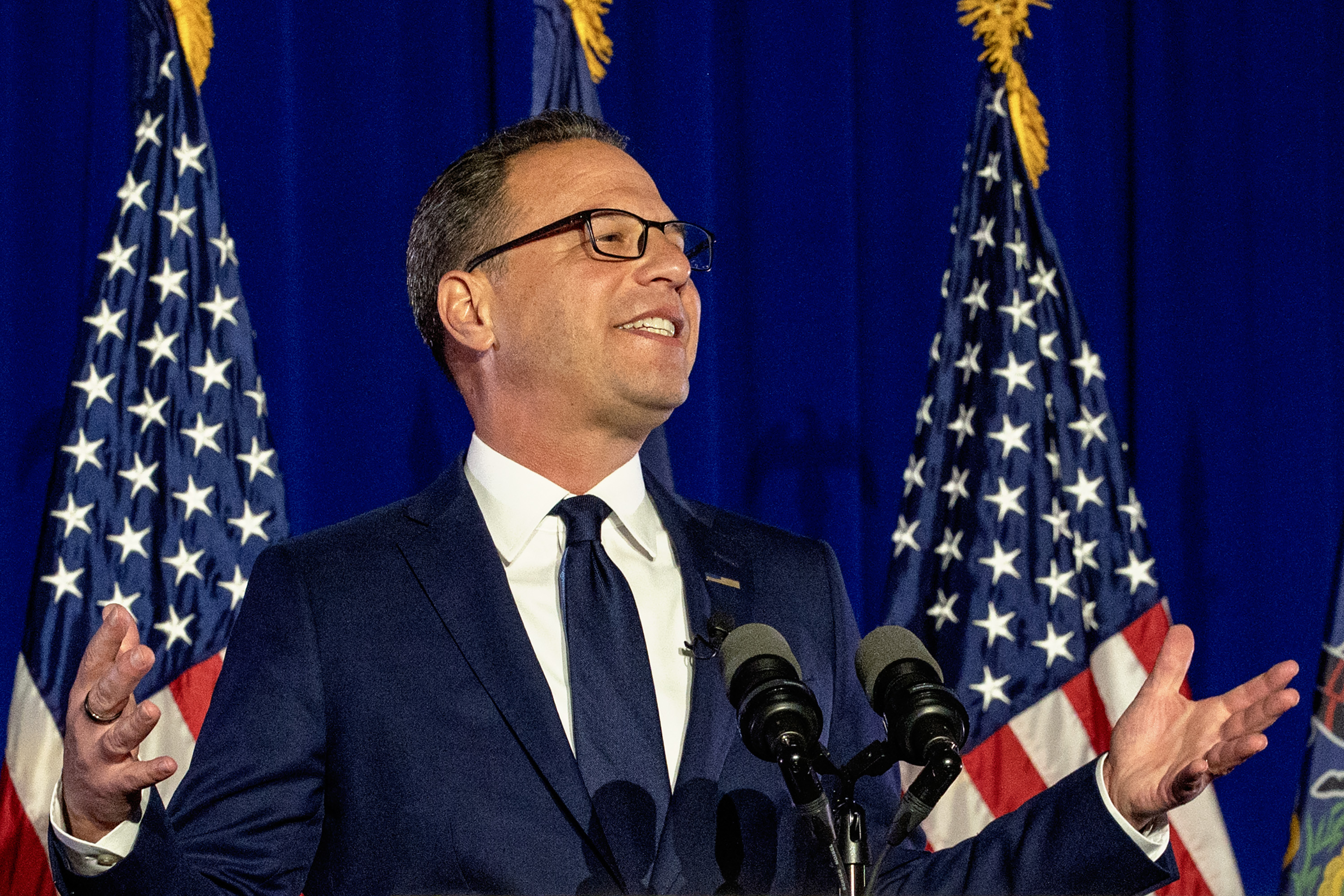
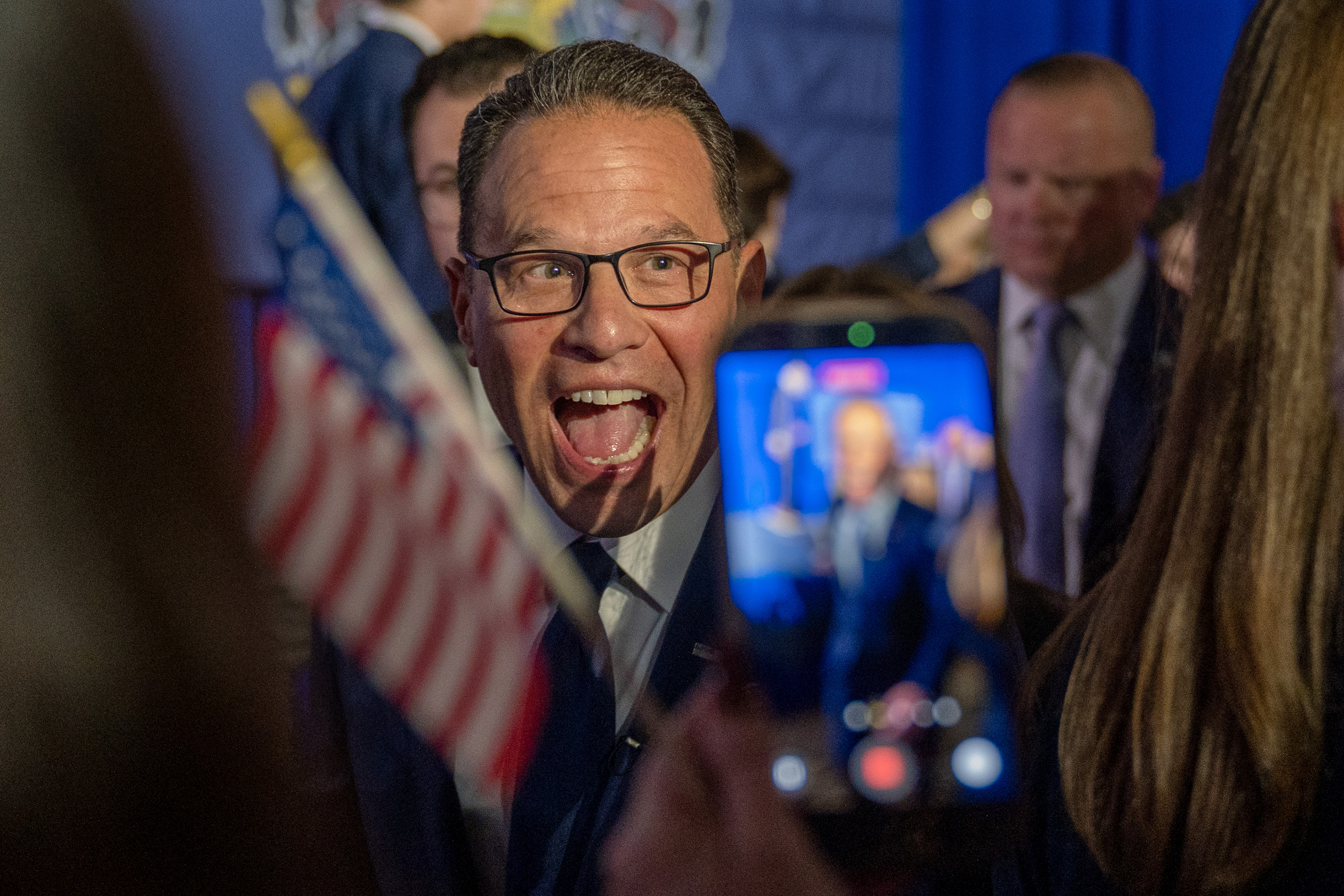
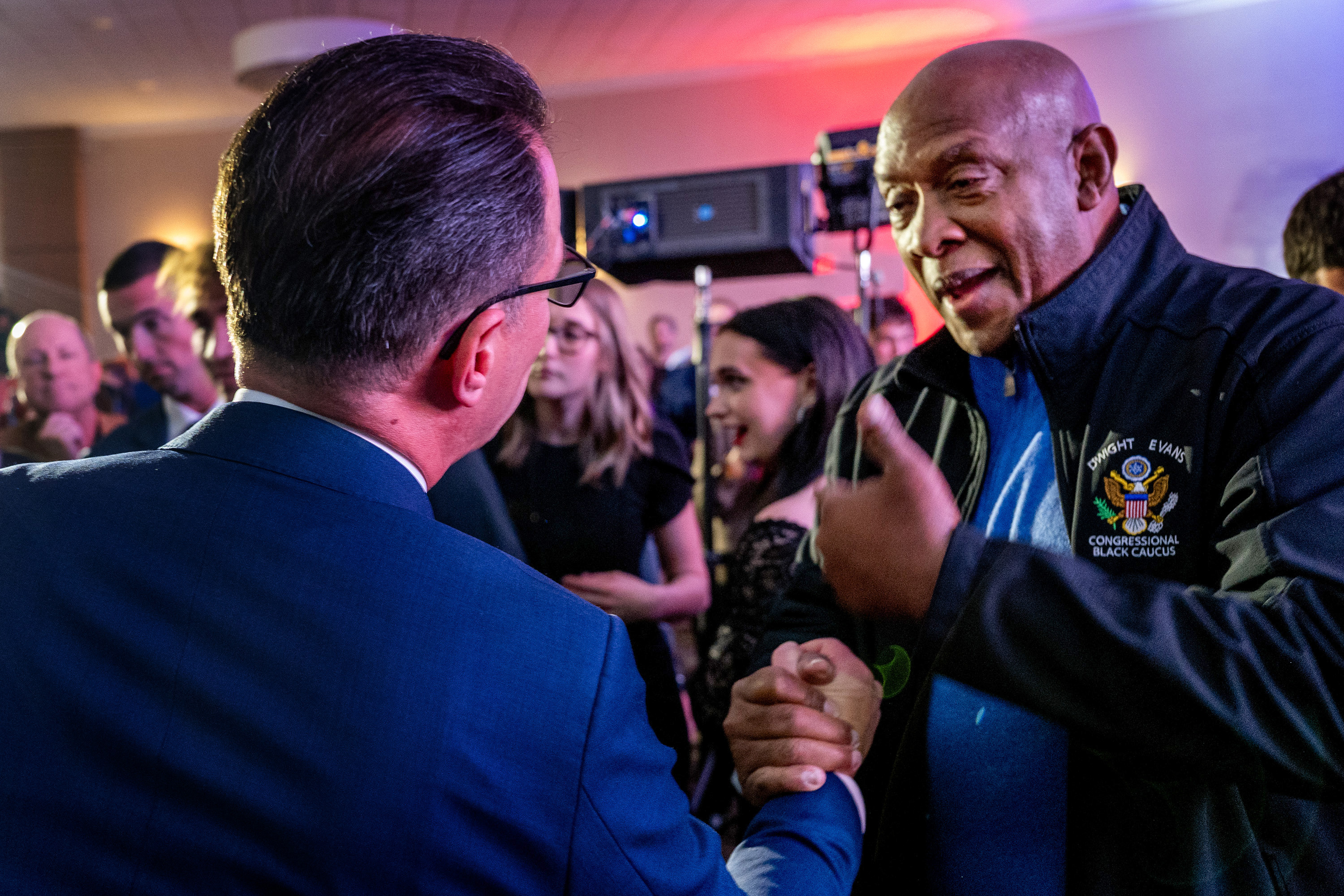
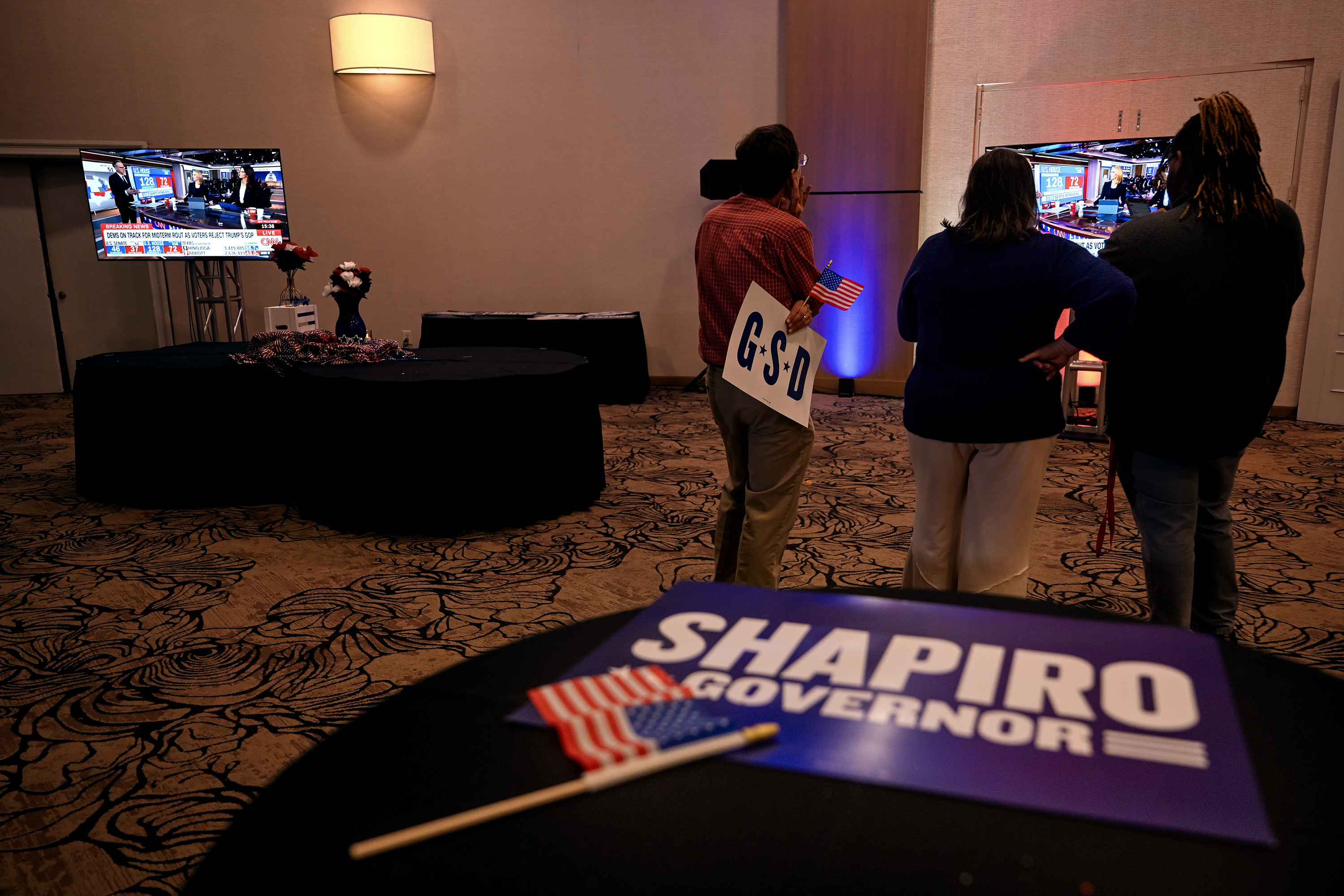
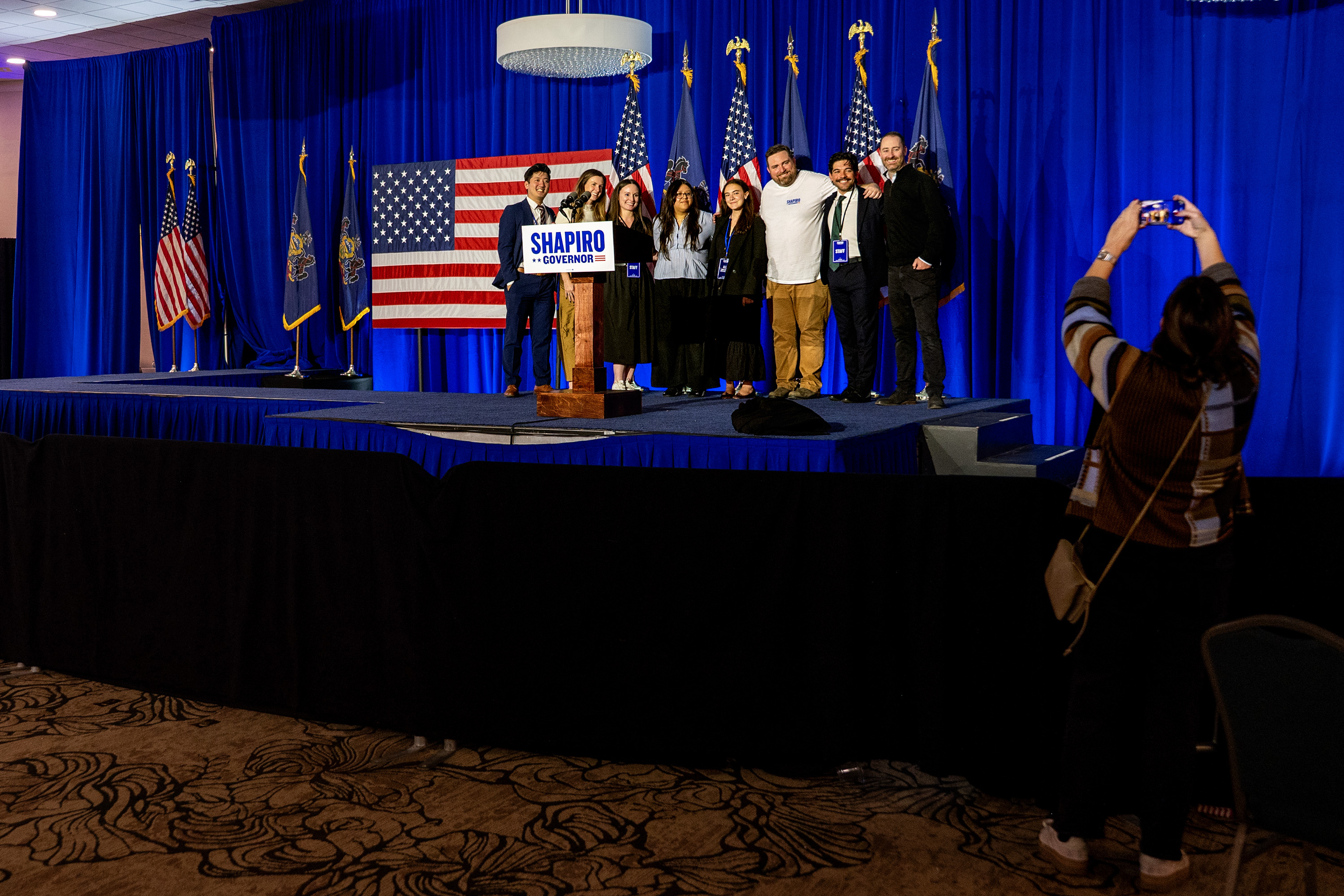
    CAMP HILL, Pa. — Gov. Josh Shapiro cruised to reelection on Tuesday, trouncing his Republican opponent, Stacy Garrity, in a decisive victory that strengthens the Democrat’s prospects for a 2028 presidential run.

    The Associated Press called the race for Shapiro a minute after polls closed across the state. The resounding win for Shapiro, 53, of Abington Township, cements his dominance in the critical battleground state that voted for President Donald Trump just two years ago.

    But a more substantial test of Shapiro’s strength came later Tuesday, as he staked his reputation on helping Democrats win up and down the ballot. The move could bolster his national standing at a time when the Democratic Party searches for a new leader to carry it into the post-Trump era. Shapiro invested $10 million of his campaign war chest to successfully flip four congressional seats, and to win a Democratic trifecta of control in Harrisburg for the first time since 1993.

    “Thank you, from the bottom of my heart, for the trust and the confidence,” Shapiro said, addressing supporters in Camp Hill. “This is a good night for our commonwealth. It’s looking like it could be a pretty good night for our country, too.”

    (function () {window.addEventListener(‘message’, function (e) { var message = e.data; var els = document.querySelectorAll(‘iframe[src*=”‘ + message.id + ‘”]’); els.forEach(function(el) { el.style.height = message.height + ‘px’; }); }, false); })();

    Garrity, 62, meanwhile, struggled to persuade GOP donors to contribute to her campaign against the popular incumbent, despite receiving the state Republican Party’s endorsement unprecedentedly early in September 2025 and an endorsement from Trump in January.

    A poll conducted by The Inquirer, New York Times, and Siena University found a quarter of GOP voters in the final weeks of the campaign still did not know enough about Garrity or her platform to form an opinion of her. For months, she was unable to purchase TV ads, while Shapiro was spending millions defining her as data centers’ “No. 1 fan.” An eleventh-hour push by skill games industry backers allowed Garrity to gain some advertising momentum in the final days of the campaign, but it was not enough to change Tuesday’s result.

    In an election night speech in Tunkhannock, Garrity congratulated Shapiro, adding that “his success is our success.”

    “It is my hope that the campaign we’ve run, the issues we’ve addressed, and the solutions we’ve presented are a reminder to them that Pennsylvania just doesn’t deserve but needs a full-time chief executive,” Garrity said.

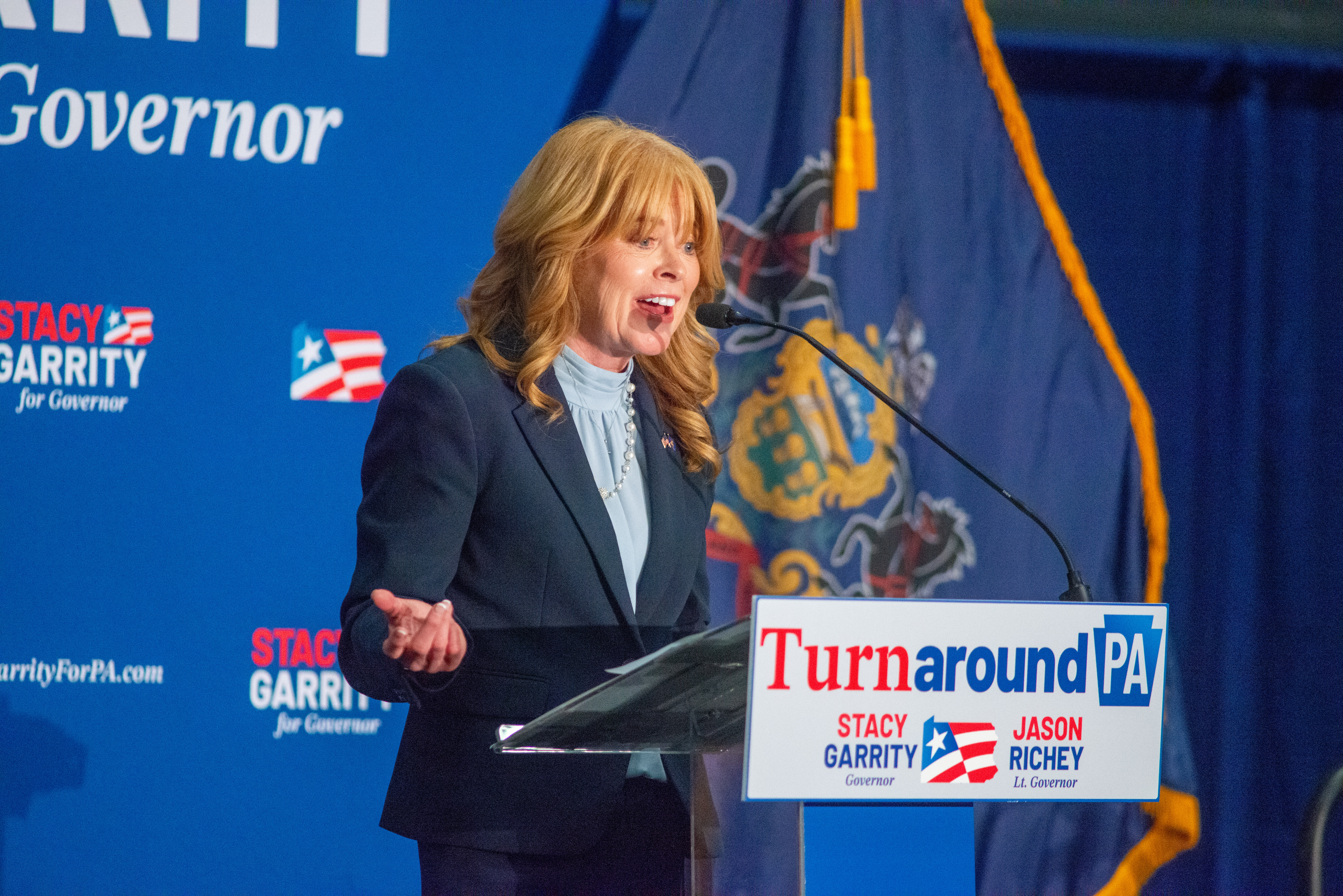
    Stacy Garrity, Republican candidate for Pennsylvania governor, makes remarks at her final rally before Election Day Monday, Nov. 2, 2026 at Newtown Athletic Club in Newtown, Pa.William Thomas Cain / For The Inquirer

    Beyond the governor’s race

    For months, public opinion polls showed Shapiro holding a double-digit lead over Garrity with strong backing from his Democratic base, solid favorability from independent voters, and even a notable sliver of support from voters who backed Trump two years ago. He also maintained record-high job approval ratings among modern Pennsylvania governors at the same time Trump’s approval ratings hit new lows.

    Shapiro’s strong polling lead allowed him to focus his attention on rebuilding and securing his grip on the Pennsylvania Democratic Party, coordinating across state and congressional campaigns for a unified strategy in an election year that was already likely to benefit Democrats as the party out of power in Washington.

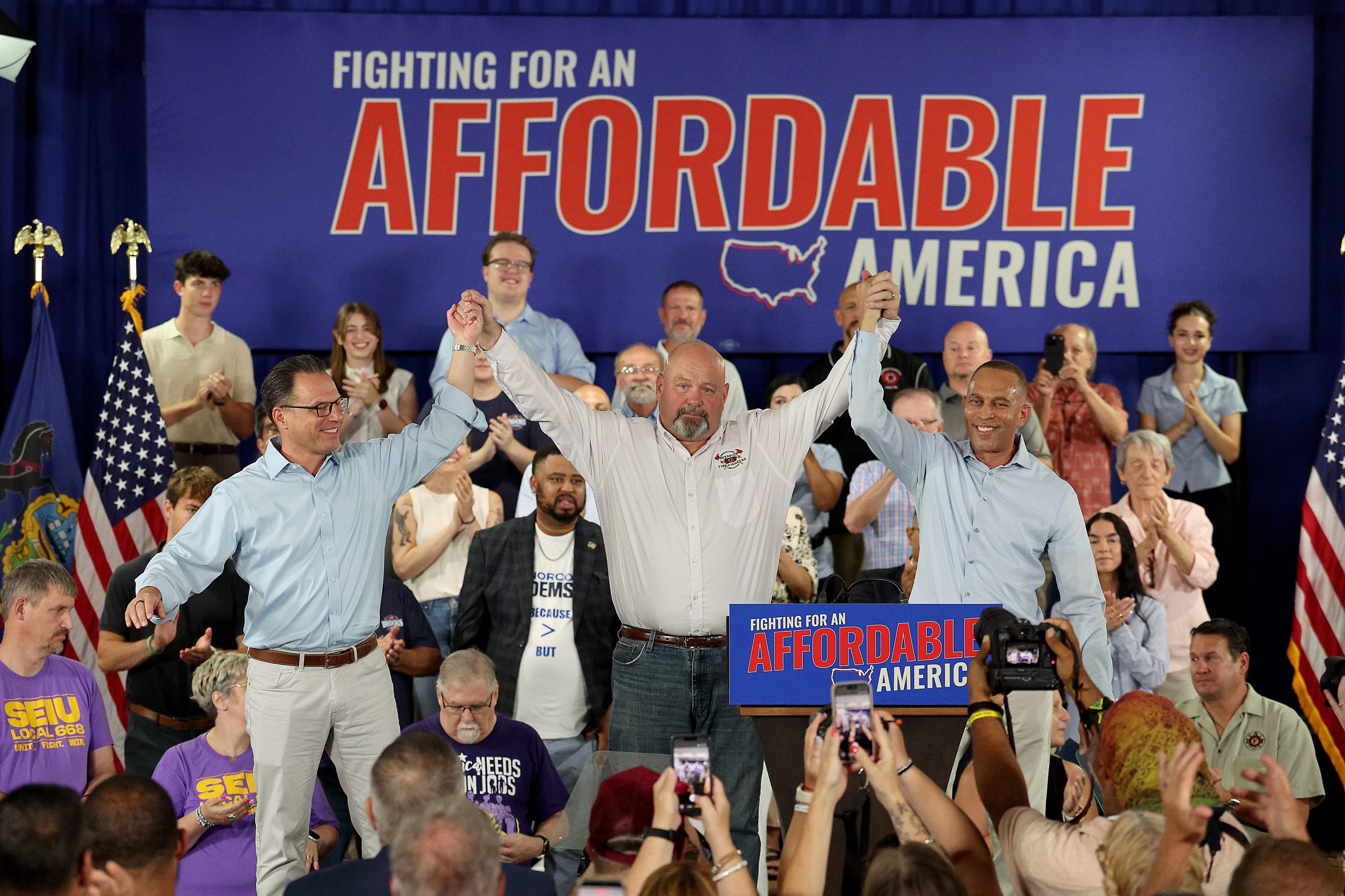
    Governor Josh Shapiro (left) and Minority Leader Hakeem Jeffries (right) pose after rally for Congressional candidate Bob Brooks (center) at the United Steelworkers Union Hall in Bethlehem, Pa. on Sunday, July 26, 2026.

    Shapiro over the last year has more clearly signaled his intentions to enter the 2028 presidential race. In his second four-year term as Pennsylvania governor, he may need to navigate a delicate balancing act in his job leading the nation’s fifth-most-populous state while campaigning nationally. Pennsylvania voters are split over whether they want to see him run for the nation’s highest office, an Inquirer/New York Times/Siena poll found. (He would not have to resign to campaign for president, but would be required to resign if he was elected.)

    Shapiro has been an elected official for two decades, previously serving as Pennsylvania’s attorney general, a Montgomery County commissioner, and a state representative. In 2024, he was on the short list to become Vice President Kamala Harris’ running mate, boosting his name recognition on the national stage. Since then, he has continued to elevate his profile and lay the groundwork for a White House run, including publishing a memoir, sitting for national network TV interviews, and creating a federal political action committee that he can use to fundraise nationally and more easily fund a presidential bid.

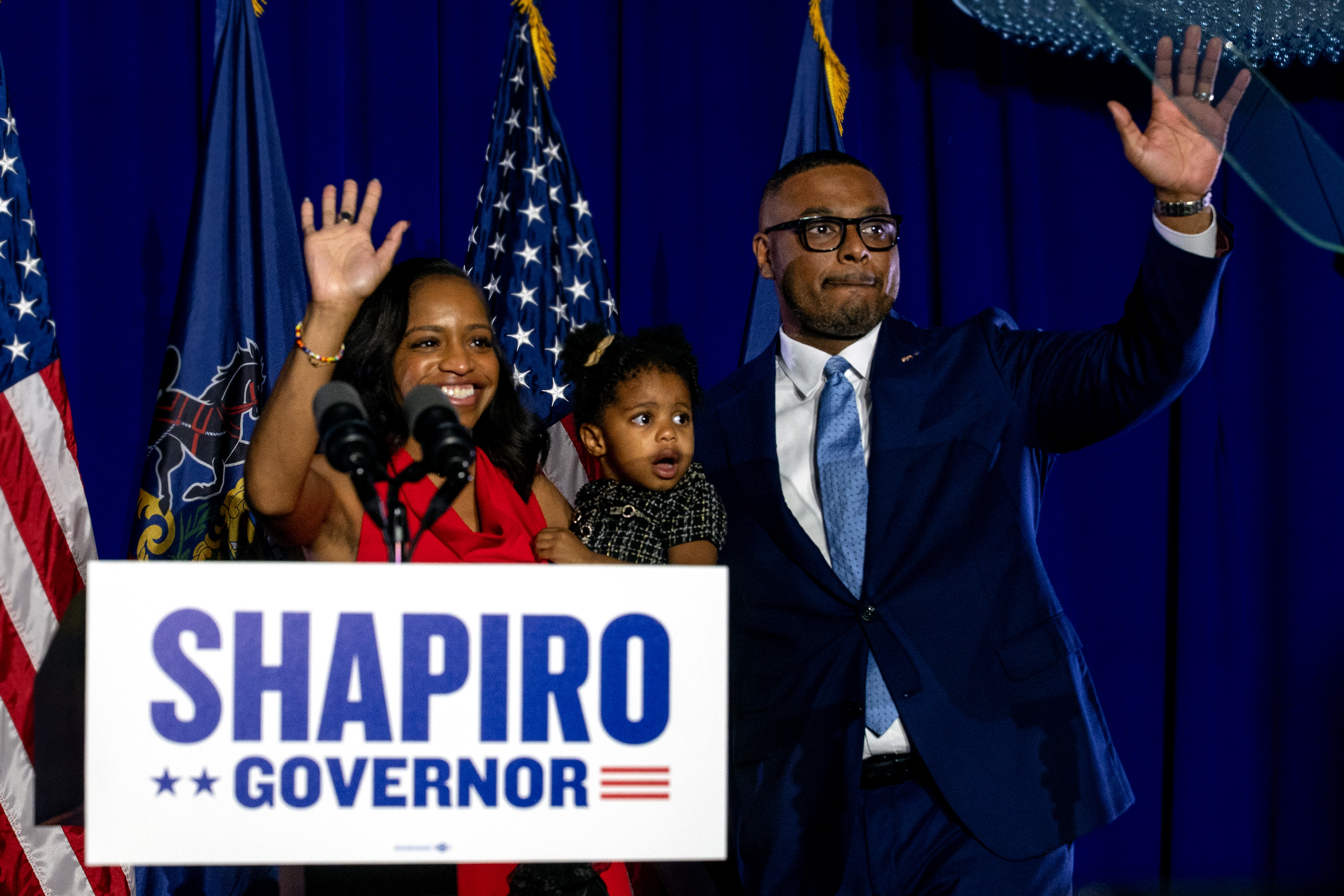
    Lt. Gov. Austin Davis is joined by his wife Blayre Holmes Davis and daughter Harper at the Shapiro-Davis Election Night party in Camp Hill, Tuesday Nov. 3, 2026.Tom Gralish / Staff Photographer

    Shapiro on Tuesday ran alongside Lt. Gov. Austin Davis, a former Democratic state lawmaker from outside Pittsburgh, and the first Black person ever elected to Pennsylvania’s executive branch. Davis, 37, will return to his position as the presiding officer of the state Senate — a role that could take on new importance, depending on how far Shapiro makes it in a presidential campaign.

    (function () {window.addEventListener(‘message’, function (e) { var message = e.data; var els = document.querySelectorAll(‘iframe[src*=”‘ + message.id + ‘”]’); els.forEach(function(el) { el.style.height = message.height + ‘px’; }); }, false); })();

    A high-stakes bid

    Shapiro wagered his electoral success in the midterm election not on his own reelection, but on his ability to help Democrats flip four Pennsylvania congressional seats and secure the U.S. House, which they did.

    He pitched himself and other Democrats on the ballot as a backstop to Trump’s “chaos, cruelty, and corruption” — an appeal that broke through to multiple voters Tuesday. Some said they want to see him run for higher office soon.

    In East Bradford Township, Doug Swartz said he cast a vote for “future President Shapiro.”

    Swartz, 66, said he has been impressed with the governor’s political career, starting when he was a state representative.

    “I think he’s the kind of guy who can be a consensus builder, and shown that he can reach across the aisle and play well with everyone,” Swartz said. “He’s got a great record on taxes, and, obviously the cost of living is out of his control.”

    (function(){function e(){window.addEventListener(`message`,function(e){if(e.data[`datawrapper-height`]!==void 0){var t=document.querySelectorAll(`iframe`);for(var n in e.data[`datawrapper-height`])for(var r=0,i;i=t[r];r++)if(i.contentWindow===e.source){var a=e.data[`datawrapper-height`][n]+`px`;i.style.height=a}}})}e()})();

    Shapiro also staked his political capital into flipping the state Senate to Democratic control, in efforts to bring a Democratic trifecta to Harrisburg. The governor has set an aspirational agenda to pass a number of top Democratic policy priorities that have been on the back burner for decades, including increasing the state’s minimum wage to $15 per hour, codifying abortion and LGBTQ+ rights, and allocating a new funding stream for mass transit. Clearing the way to pass those policies notches another win for Shapiro and strengthens his list of achievements headed into a 2028 Democratic primary.

    The Pennsylvania Senate Democratic Campaign Committee noted that while Democrats held a trifecta in 1993 after a member changed party registration, it had been more than 50 years since voters elected a Democratic state Senate.

    If Republicans had maintained control of the state Senate, Shapiro — who has long branded himself a bipartisan dealmaker — risked again leading a split legislature that had become known for its dysfunction and gridlock.

    Garrity, for her part, ran her campaign on a message that under Shapiro’s leadership, Pennsylvania is lagging other states in national rankings in its economic growth, education, and more. But that message hardly reached voters until the final days, when she received more than $6 million from skill games industry backers after she voiced her support for the industry during the race’s lone debate on Oct. 7.

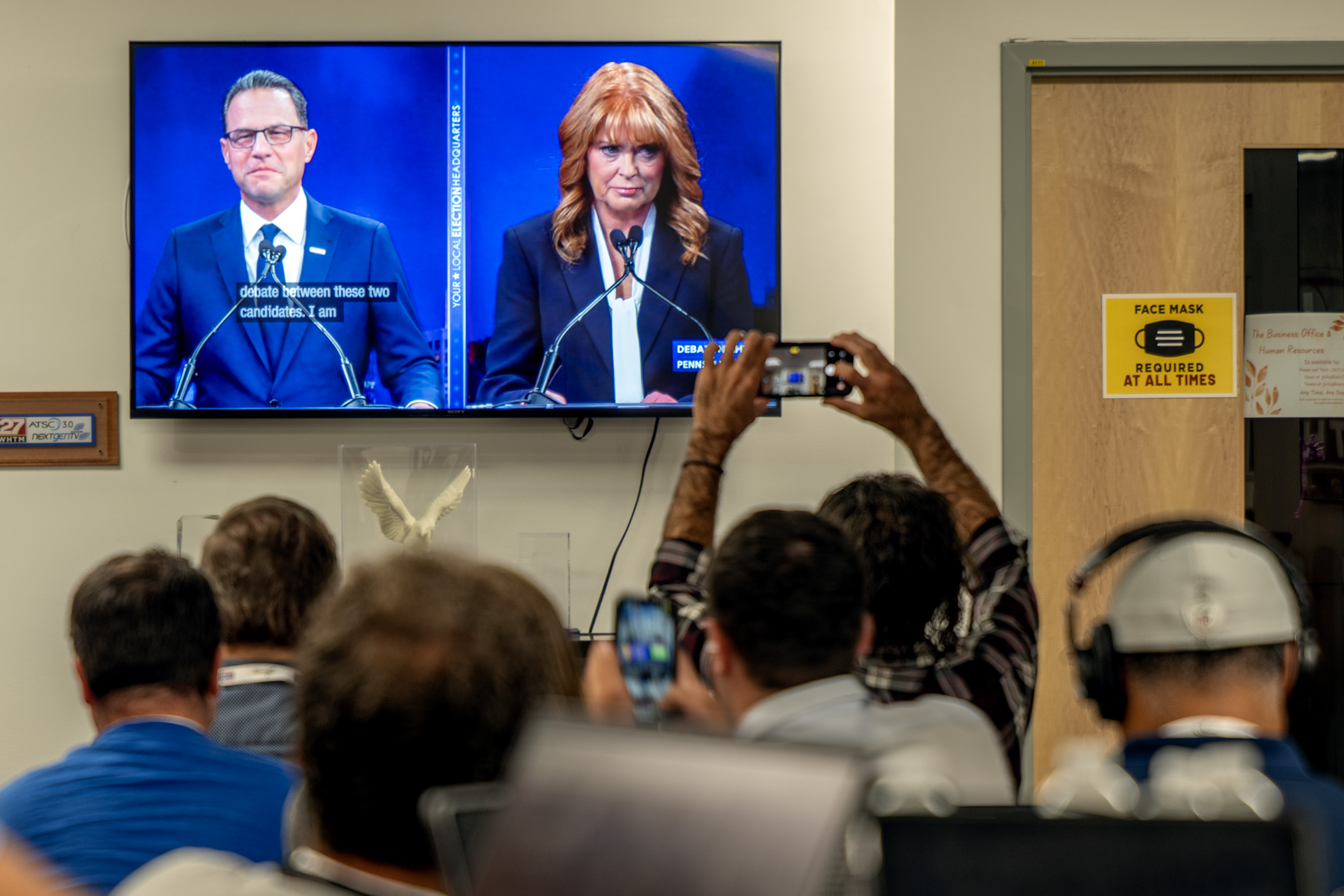
    Monitor at the WHTM-TV studios in Harrisburg Wednesday evening Oct. 7, 2026, during the lone debate between Gov. Josh Shapiro and Republican challenger Stacy Garrity.Tom Gralish / Staff Photographer

    Initially, Garrity was poised to be a more formidable candidate against Shapiro, after Republicans coalesced around her early in an effort to avoid suffering another double-digit defeat, as in Shapiro’s race in 2022 against far-right State Sen. Doug Mastriano (R., Franklin). Republicans at the time blamed Mastriano for downballot losses and vowed not to repeat their mistakes. (On Tuesday, Shapiro spoke from the same stage at the Penn Harris Hotel where Mastriano held his election night party in 2022, though the Republican took days to concede.)

    In the end, Garrity was unable to raise the millions of dollars necessary to rival Shapiro’s campaign hauls, and saw little national support as national Republicans focused elsewhere. Top Republican groups stayed out of the race, instead opting to invest in contests they saw as more winnable in a particularly challenging midterm year for the GOP.

    “In politics, you learn very quickly that not everyone follows through on their promises,” Garrity told the crowd gathered for her election night watch party.

    Caria Knight of Mount Airy changed her party affiliation from Democratic to Republican specifically because of Garrity. She was impressed by her military experience as a retired U.S. Army colonel, as well as her tenure as treasurer.

    Knight recognized that Garrity’s chance of winning the governorship was “slim” but said she was happy to support her anyway because of her values.

    People watch the evening election returns on television Tuesday, Nov. 3, 2026 at Bucks County Republican Committee Headquarters in Doylestown, Pennsylvania. The Bucks County Republican Committee Headquarters was closed to the public and media Tuesday night for a private event.William Thomas Cain / For The Inquirer

    Successes, challenges, and gridlock

    Shapiro’s first term as governor was marked by several attention-grabbing successes, including reopening a collapsed portion of I-95 in 12 days that bolstered his administration’s “get stuff done” motto and his focus on speeding up government approvals for licenses and permits. During his first term, lawmakers also developed a new state tax credit for working families, created a new funding system for public education, and delivered a pension increase for retired teachers, police officers, and firefighters. He also has touted implementing the “strictest guardrails in the nation” for data centers in August — a major shift in stance after previously supporting the increasingly unpopular developments.

    But his term was also marked by a number of challenges, particularly in navigating the split legislature. He struggled as a dealmaker after a 2023 misstep in state budget negotiations over a deal on a school voucher program led to tarnished relationships with top Senate Republicans.

    Some voters on Tuesday said they still had not forgotten his backtrack on school choice.

    “He ran last time on education and kids and having vouchers,” said Lisa Mallon, 62, a Republican committeewoman in Abington. “As soon as he got in office, he pulled back on it.”

    Around the same time in 2023, a longtime top aide, former State Rep. Mike Vereb (R., Montgomery), abruptly resigned after he was accused of sexual harassment by a female staffer in the governor’s office, resulting in the state paying the accuser a $295,000 settlement. His resignation came just before news of the allegations were reported by The Inquirer, and Shapiro has repeatedly said he had no knowledge of the investigation into Vereb.

    More recently, Shapiro has attempted to lead the state through its worst measles outbreak in more than three decades, which has seen the deaths of at least six Pennsylvania residents. The deaths led to a public clash between Shapiro and U.S. Health and Human Services Secretary Robert F. Kennedy Jr., an anti-vaccine activist, whose agencies have refused to classify three of the state’s six deaths as caused by measles.

    Shapiro also grappled with an increasingly dangerous job as a public figure, causing him to consider whether he should continue in elected office moving forward. He has been outspoken against political violence for years, but in April 2025, that violence came to his front door: A Harrisburg man firebombed the state-owned governor’s residence on the first night of Passover while Shapiro and his family slept inside.

    The man, Cody Balmer, whose family said he was having a mental health crisis, later told police he wanted to kill Shapiro because of his perceived support for the war in Gaza. (Shapiro has called for a two-state solution in the Mideast and has called for more U.S. aid to be sent to people living in Gaza.) Balmer later pleaded guilty to arson and attempted murder of Shapiro.

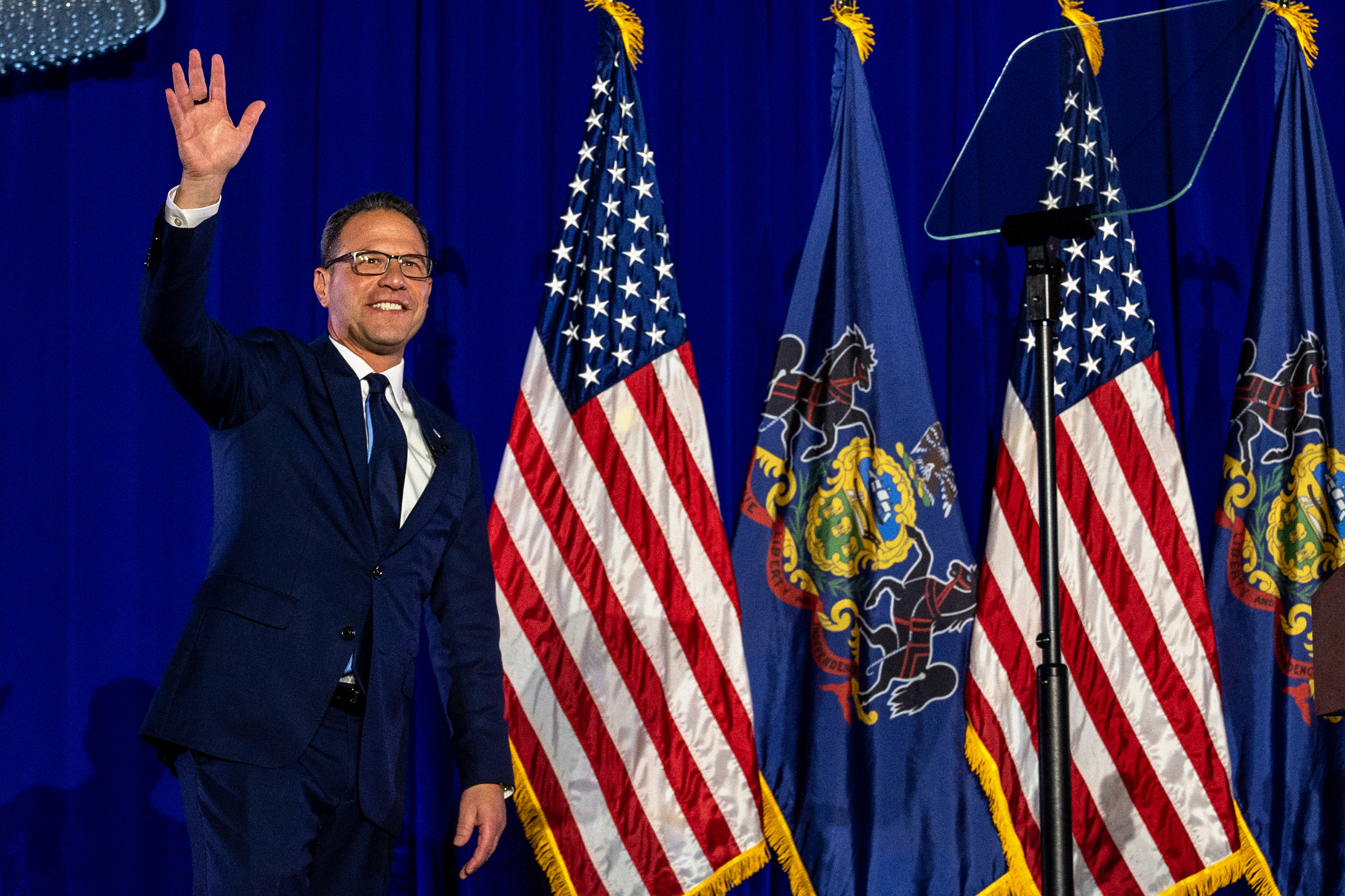
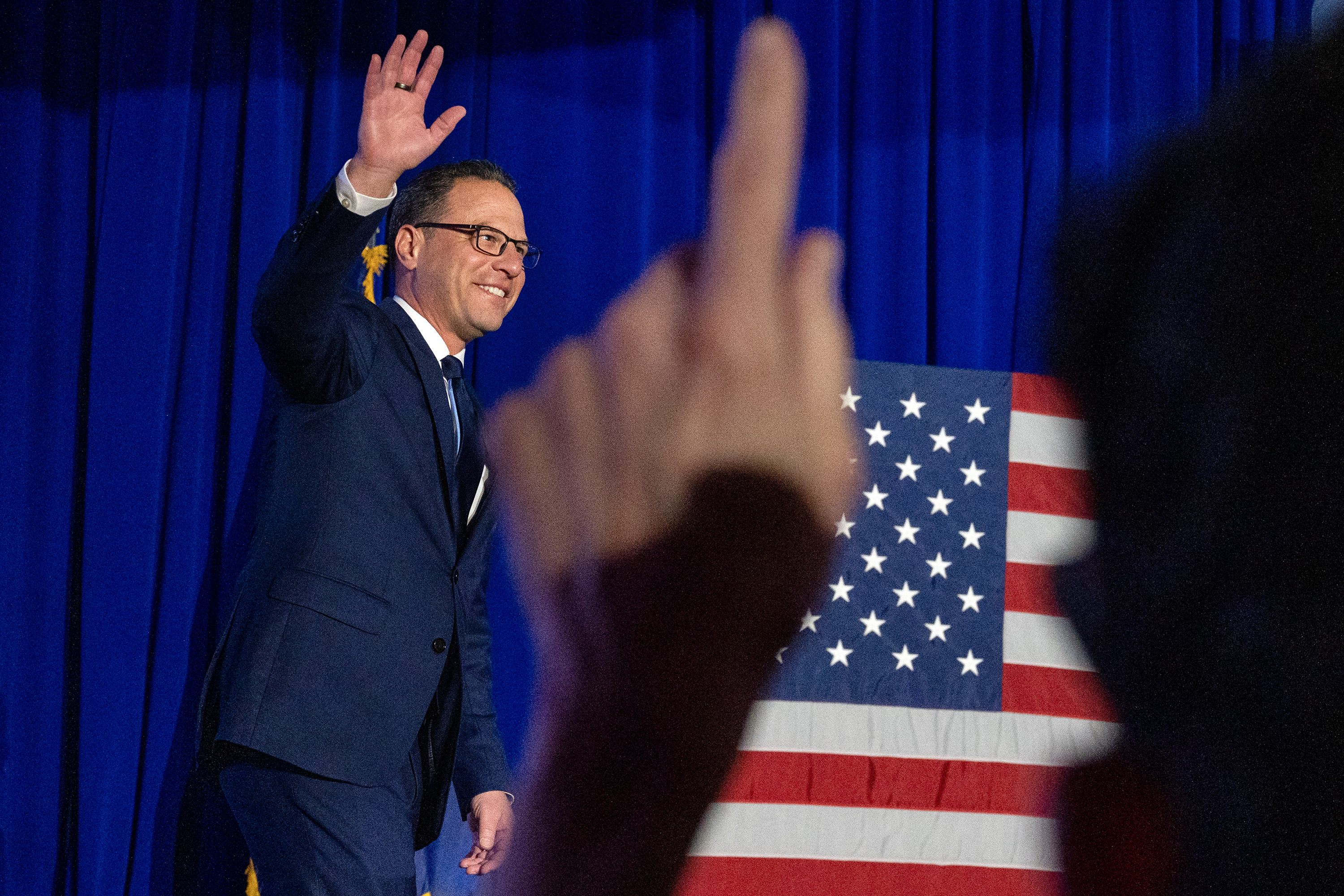
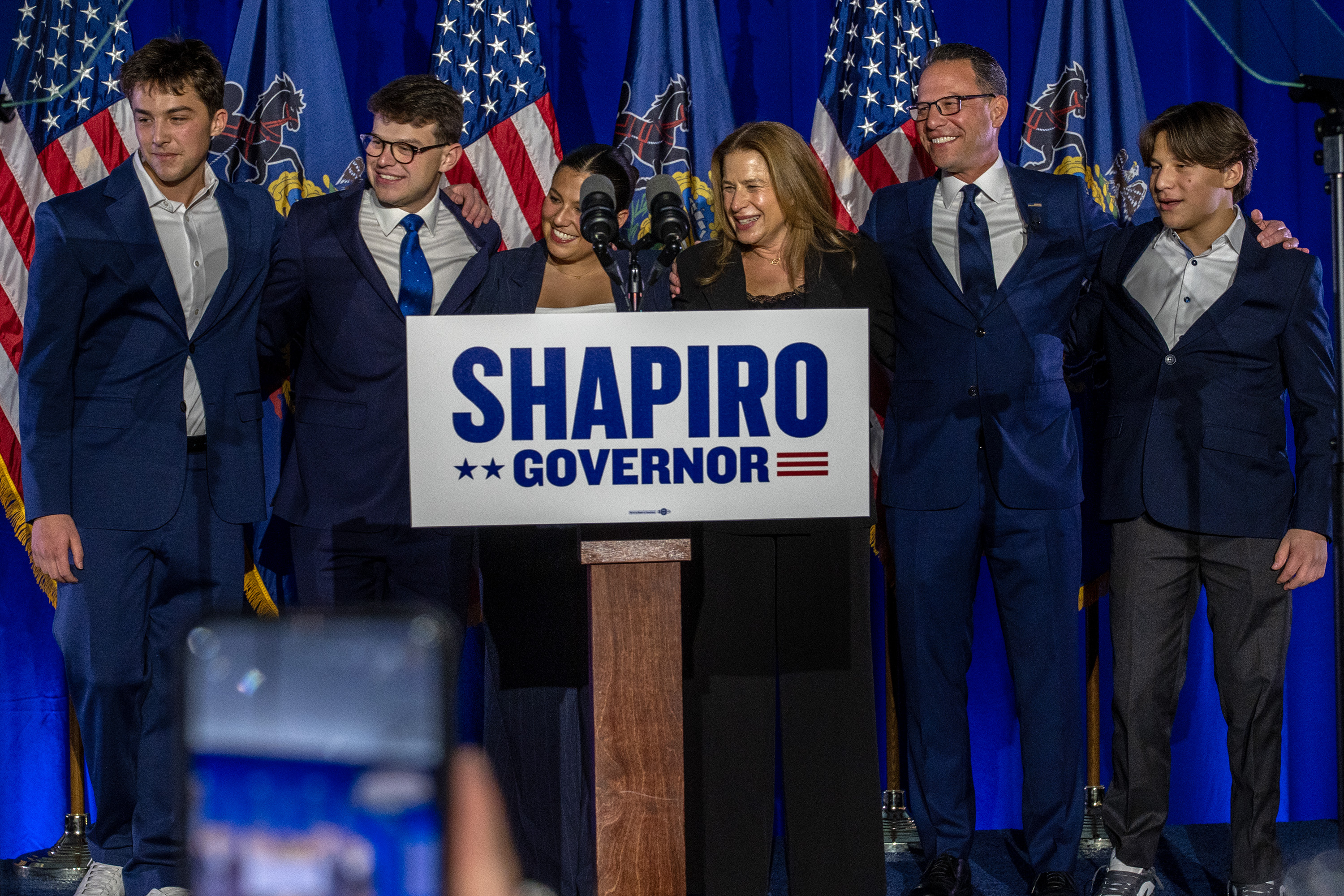
    Gov. Josh Shapiro is joined by his family on stage at his election night party in Camp Hill, Tuesday Nov. 3, 2026.Tom Gralish / Staff Photographer

    Shapiro on Tuesday recognized the sacrifices his wife, Lori, and their four children have made for his successful career in public service.

    “You have all been through so much,” Shapiro said. “It’s been hard. Frankly, sometimes it’s been terrifying.”

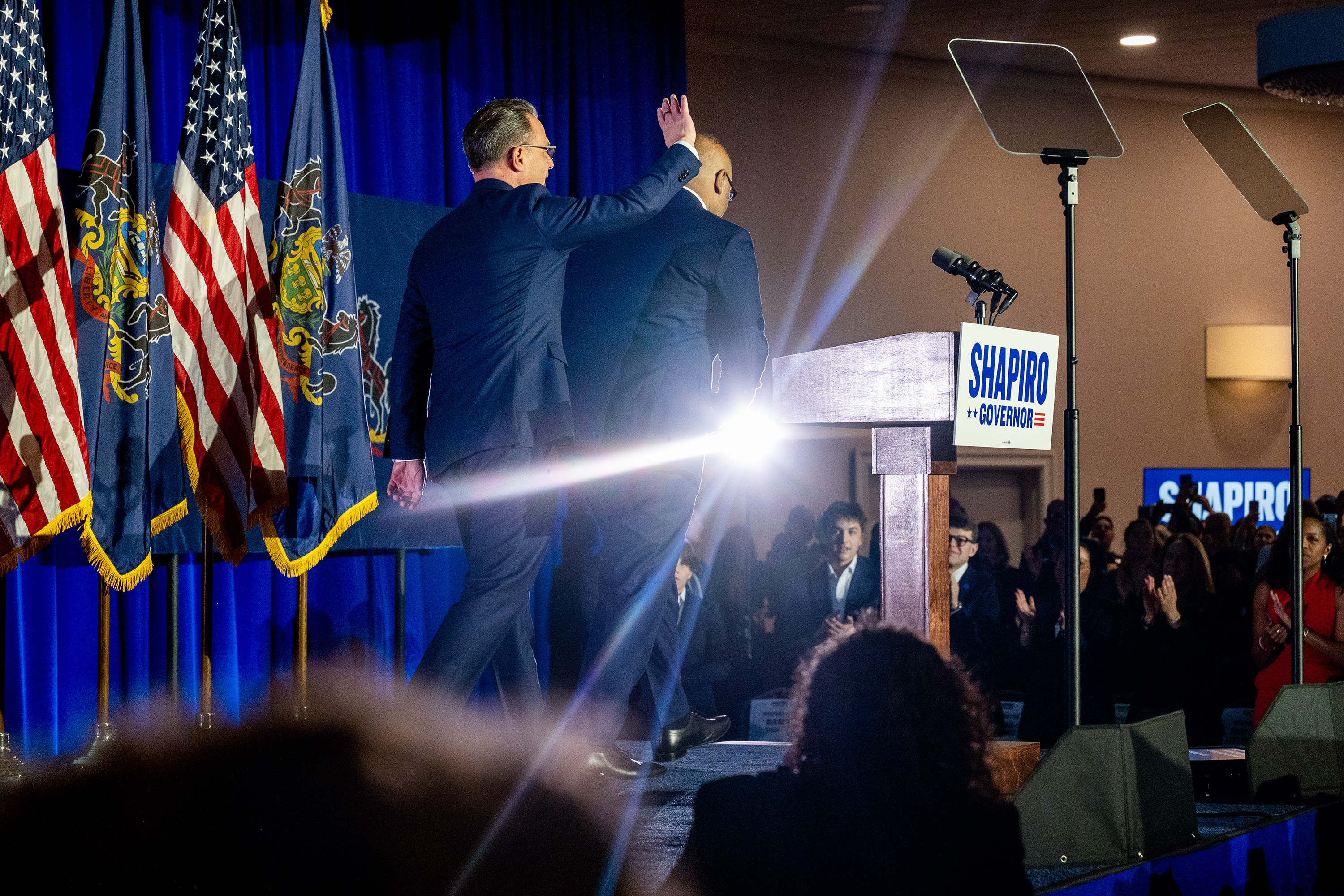
    Shapiro concluded his 20-minute remarks with a message to his supporters: ”I love this commonwealth, and I love you.” He walked off the stage to Tom Petty’s “I Won’t Back Down.”

    While Democrats celebrated successes nationally, Shapiro’s success was pretty simple for voters like Jay Zide.

    Zide, 61, of West Chester, said he believes Shapiro is a competent governor who “seems to work well with both sides,” and who would do a much better job in the White House than the current presidential administration.

    “Shapiro is well-spoken,” he added, “and he seems like a nice fella, for being a politician.”

    Staff writers Vinny Vella and Zoe Greenberg contributed to this article.

  • Eagles name Joe Milton starting quarterback for Week 9 against Giants

    Eagles name Joe Milton starting quarterback for Week 9 against Giants

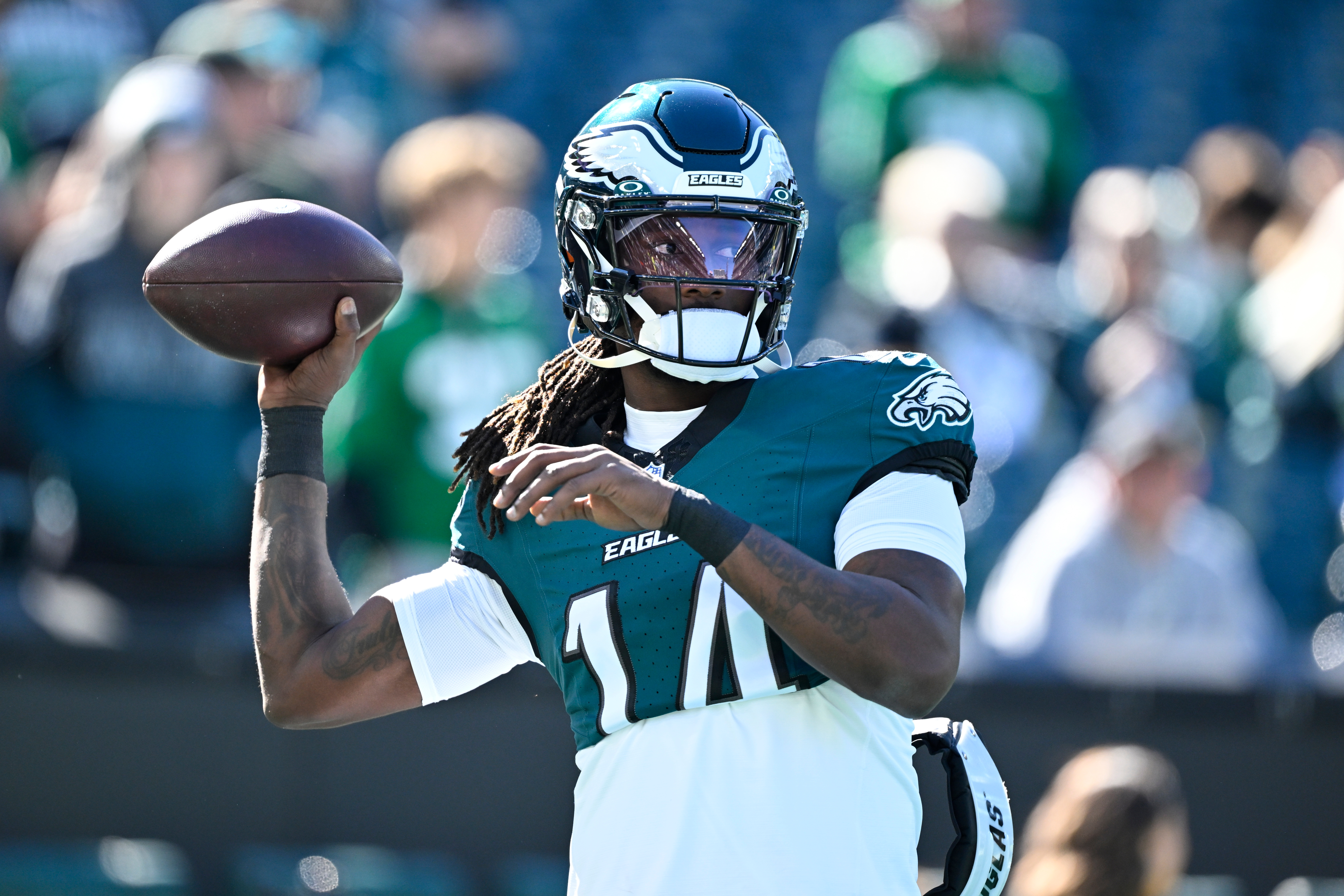
    The Eagles are making a change at quarterback, turning to Joe Milton over Tanner McKee to start against the New York Giants on Sunday, a team source confirmed to The Inquirer on Wednesday.

    ESPN first reported the news of Milton’s promotion and McKee’s benching.

    Milton is set to make his first NFL start with a team he has been with for less than a month. The Eagles signed Milton off of the Dallas Cowboys’ practice squad on Oct. 16, after they had placed Jalen Hurts on injured reserve due to blood clots in his lungs.

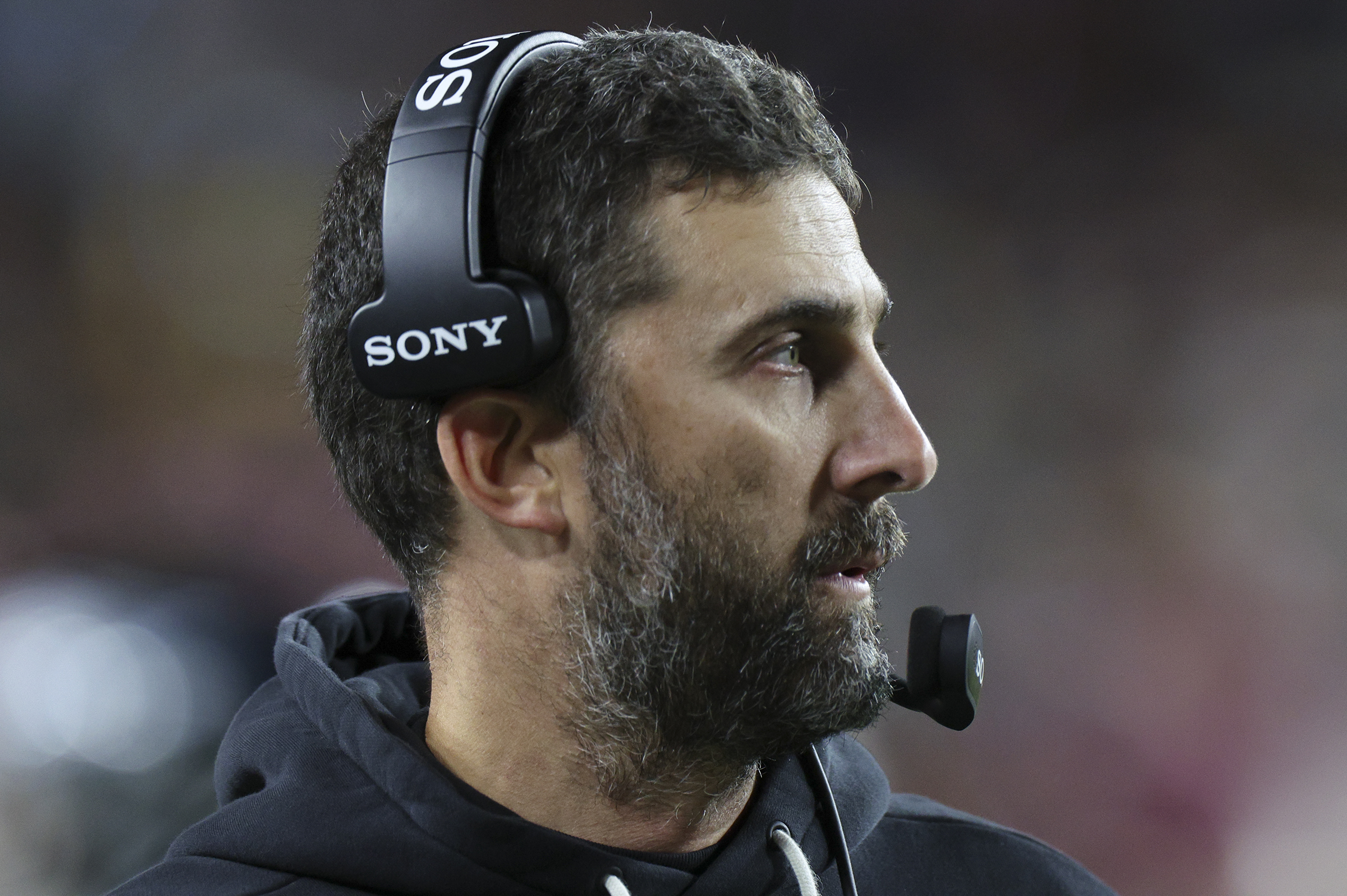
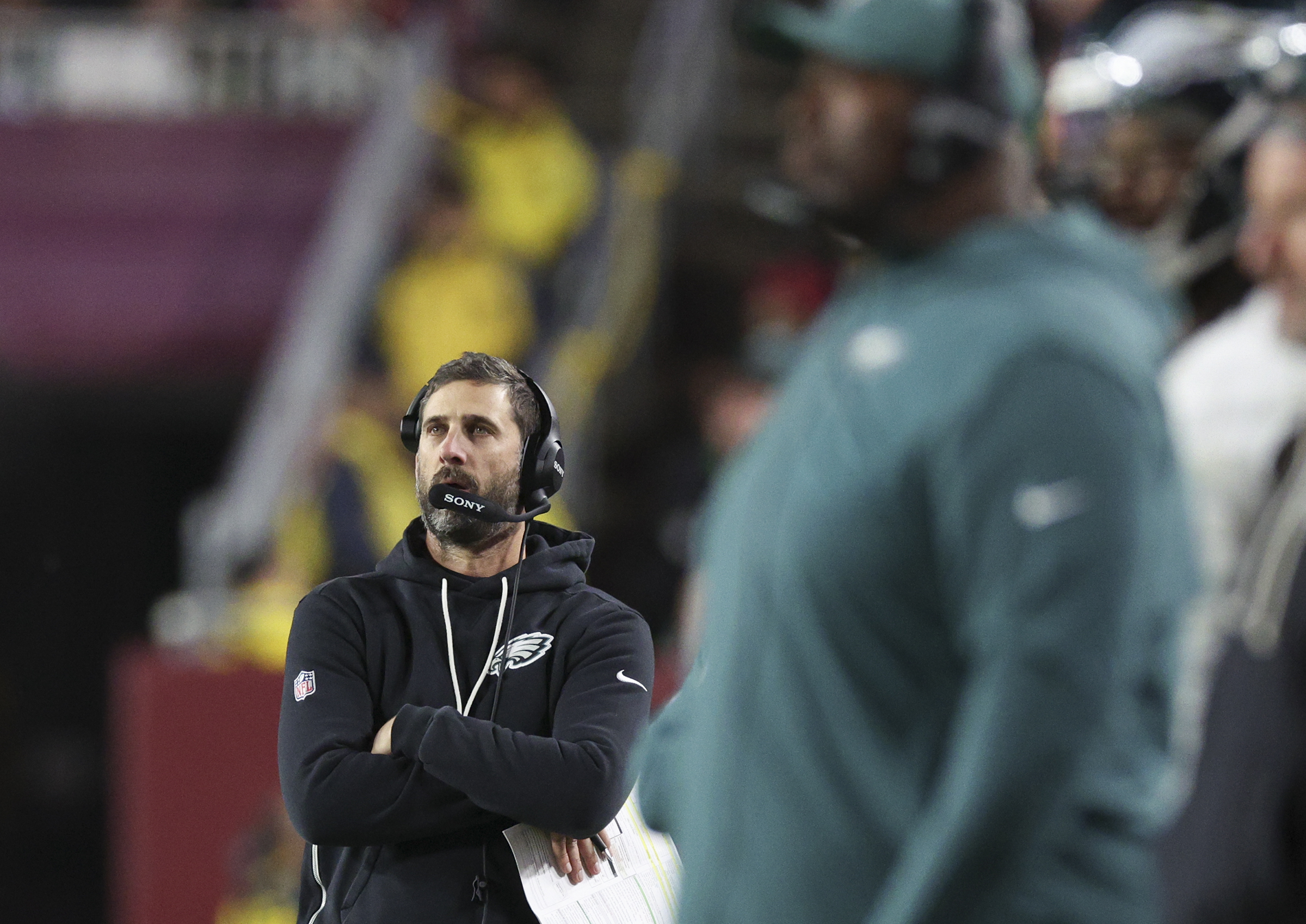
    Nick Sirianni spoke about Milton and his acclimation to the offense at his Wednesday news conference about two hours before the news broke.

    “I think he’s worked really hard,” Sirianni said. “Him and [quarterbacks coach] Parks [Frazier] have spent a ton of time together getting him caught up to speed. I know the developmental periods, those always help, to be able to run our plays. But he works extremely hard. He is always in the building doing the extra things. I like his progression.”

    Dallas Goedert said the Eagles found out that Milton would be the starter this week in a team meeting on Wednesday. The Eagles tight end added that they had hoped to keep it under wraps as a “competitive advantage” over the Giants, but the news got out anyway.

    Milton, 26, has been heralded for his mobility and his strong arm. Goedert said he throws it hard, but it’s a “really catchable ball.”

    “It’s kind of perfect for a pass catcher,” Goedert said. “The balls that are in the air for a long time, when you can think, those ones are the scary ones. The ones that get on you and you just have to catch it, those are the easy ones. So it seems like he’s been putting the ball in a good spot, and I’m excited to see what he does on Sunday.”

    Goedert also said that he felt for McKee, who didn’t play “terrible” in his three starts, but he acknowledged the offense is looking for a spark. He also said Milton gives the Eagles a better chance to play a second play given his mobility.

    “If he gets pressure, he can roll out and keep the play alive,” Goedert said.

    Quarterback Joe Milton will be the next man up for an Eagles offense that has been hapless for most of this season.Terrance Williams

    Conceding pressure has been an issue for the Eagles’ protection unit this season. The team ranks fourth in the league in quarterback pressure rate allowed at 42.6%, according to Next Gen Stats. They’ve particularly struggled with allowing free runners, leading the league with an 18.2% unblocked pressure rate through Nov. 1, per NFL analyst Ryan Paganetti.

    Jordan Mailata was less concerned about the Eagles’ starting quarterback this week and more fixated on cleaning up the communication issues at the line of scrimmage in practice on Wednesday that have plagued them this season.

    “Urgency,” Mailata said. “Giving as much time for Joe to get through the motions, switching backs, flipping backs, whatever it is, that was a big emphasis coming off this game was our urgency in the huddle, and we worked on that today.”

    Philadelphia is Milton’s third NFL stop, as he began his career with the New England Patriots in 2024 as a sixth-round draft choice out of Tennessee, then joined the Cowboys via trade in April 2025. Milton started his college career at Michigan, where he was recruited and coached by Jim Harbaugh, brother of Giants head coach John Harbaugh.

    Milton has played in five games during his NFL career, but he has not started. In those five games, Milton completed 37 passes on 53 attempts (69.8%) for 424 yards, two touchdowns, and two interceptions. He also had 15 carries for 66 yards and a touchdown.

    His most extensive action came in 2024 during the Patriots’ Week 18 game against the Buffalo Bills. He helped them to a 23-16 win, going 22-for-29 for 241 yards and a touchdown. He added a touchdown and 16 rushing yards on 10 carries. Milton also had a fumble.

    Milton will be the fourth player to appear at quarterback in a game for the Eagles this season. Hurts started the first five games of the year before Tanner McKee took over for him for the next three. Andy Dalton, who won the backup job out of training camp, attempted one pass in place of Hurts during the Eagles’ Week 3 loss to the Chicago Bears and was promptly picked off. Dalton was released a week and a half later.

    Fifth-round rookie quarterback Cole Payton has also appeared for the Eagles as a member of the special teams.

    Staff writer Jeff McLane contributed to this report.

  • Philly’s U.S. Rep. Brendan Boyle said he won’t run for Sen. John Fetterman’s seat in 2028

    Philly’s U.S. Rep. Brendan Boyle said he won’t run for Sen. John Fetterman’s seat in 2028

    U.S. Rep. Brendan Boyle (D., Philadelphia) said Wednesday he would not run for U.S. Sen. John Fetterman’s seat in 2028, opting instead to focus on serving as chair of one of the most powerful committees in Congress after Democrats’ dominant victories to regain control of the U.S. House.

    Boyle, who will begin his seventh term in January, is set to take the reins of the House Budget Committee, the first Pennsylvanian to do so in nearly four decades.

    His decision takes a potentially formidable candidate off the board as Fetterman’s seat becomes the highest-profile Pennsylvania election after this year’s midterms. The senator has not said whether he will seek a second six-year term, though he has alienated his former voter base and Democratic allies while being largely absent from the job.

    Boyle, Pennsylvania’s longest-tenured House Democrat and one of the most outspoken against Fetterman, had not ruled out a 2028 campaign. One of his colleagues, U.S. Rep. Chris Deluzio (D., Allegheny), has more openly positioned himself to run.

    Boyle said in a statement Wednesday that he had weighed both options and now believes he can be most effective in the House.

    “For months, many of my supporters have urged me to consider running for U.S. Senate in 2028. I have always said that after the November 2026 election, I would make a decision based on one simple question: where can I have the biggest impact on public policy?” Boyle said. “After months of consulting many whom I respect, including current senators and past committee chairs, it is quite clear that I can have a much bigger impact on policy as Budget Committee Chairman rather than as a freshman member of the Senate.”

    As the top Democrat on the committee while it was under Republican control for the last four years, Boyle would still have to be selected by his colleagues to serve as its chairman, though he is not expected to face opposition. Lawmakers and incoming members of Congress will return to Washington in the coming weeks to organize ahead of the next session in January.

    Boyle will likely become the first Budget Committee chair from Pennsylvania since U.S. Rep. Bill Gray, another Philadelphia Democrat, led it from 1985 to 1989.

    The group has critical sway over annual spending bills and economic issues — putting Boyle in charge at a time when voters have seemingly elected Democrats with a mandate to focus on affordability issues. Boyle has consistently focused on those topics, becoming one of his party’s “best messengers,” Hakeem Jeffries, the New York Democrat in line to be the country’s first Black speaker of the House, said last year.

    Jeffries credited Boyle for pushing back against President Donald Trump’s One Big Beautiful Bill Act — which enacted tax cuts while trimming spending on Medicaid and food assistance — and the expiration of Affordable Care Act tax credits, which raised premiums for millions of Americans this year.

    Boyle has also used his leadership position on the committee to take an early lead on Democrats’ messaging that tied the war in Iran to larger affordability issues as gas prices spiked. In September, a nonpartisan analysis he requested found the war was costing American taxpayers up to $3 billion per month. Voters on Tuesday repeatedly mentioned the war as a motivating factor when they rejected Republican candidates, and Democrats who won have promised to make ending the war a top priority moving forward.

    “I look forward to utilizing my position as Budget Committee Chairman to finally get this nation’s fiscal health back on track, and bring more resources back home to our community,” Boyle said.

    Boyle, 49, of Somerton, won an easy reelection Tuesday in a heavily Democratic district that stretches from Center City through Northeast Philadelphia.

    When the new Congress starts, he will have served longer than all but two of Pennsylvania’s 17 federal lawmakers and be the dean of a much larger Democratic bloc. Four challengers to Republican incumbents — including U.S. Rep. Brian Fitzpatrick, the last Republican serving in the Philadelphia area — won in the massive blue wave, tipping the final ranks of the Keystone State delegation in the House to 11 Democrats and six Republicans.

    Deluzio, who was elected to a third term in a district outside Pittsburgh, was the incumbent Democrat who campaigned the most aggressively to flip those seats, including fundraising and events for candidates like Bucks County Commissioner Bob Harvie, who beat Fitzpatrick. His additional fundraising and messaging have fueled expectations that he will run for Senate, a prospect he said he is considering.

    Fetterman, meanwhile, said in September that his future would become more clear after the midterms. As of Wednesday afternoon, he had not yet commented on his party’s generational victories the day before, which likely eliminated the possibility of him being a regular, and powerful, swing vote for the next two years.

  • For Trump, the midterms delivered what Congress wouldn’t: accountability | Editorial

    For Trump, the midterms delivered what Congress wouldn’t: accountability | Editorial

    The better angels won — again.

    Just when it seemed all hope was lost, the American people on Election Day 2026 rejected the hatred, fear, and division sown by Donald Trump over the past decade. Empathy, compassion, and shared national identity triumphed over chaos, corruption, cruelty, and incompetence.

    Somewhere, Abraham Lincoln is smiling.

    Trump pleaded with Americans to pretend he was on the ballot. And they did, bigly.

    Across the country — in red states and blue — voters backed Democrats, who took control of the House, Senate, and multiple governors’ mansions, including Pennsylvania. Gov. Josh Shapiro and Democrats now apparently command Harrisburg.

    The midterm election was a massive and complete rebuke of Trump and all his anger, hate, greed, and costly policies.

    Despite relentless efforts by the president and his enablers to alter the election outcome — through mid-decade gerrymandering, legal threats, voter suppression, money-for-vote offers, and baseless and exhausting claims of voter fraud — Americans peacefully waited in line, quietly mailed in their ballots, and carried out their civic duty.

    The result was a resounding denunciation of everything Trump has said and done over the past two years. Americans are tired and fed up with his war, pocket lining, tariffs, cruel and senseless immigration enforcement, wasteful and often illegal Washington construction projects, selling out of allies, attacks on science and research, and trampling of the rule of law.

    The proof was in the ballot box.

    Turnout was huge, underscoring the power of one person, one vote to make a difference.

    Democrats won Senate races in deep-red states like Texas, South Carolina, Iowa, and Kansas, where they have not been competitive for decades. The romp is not over, as Senate races in Mississippi and Alaska remain up for grabs.

    The results were historic, signaling Americans still appreciate the benefits of diversity over racism, misogyny, and hate. Abdul El-Sayed (D., Mich.) withstood vile attacks by Trump, JD Vance, and others to become the first Muslim elected to the U.S. Senate, while Chris Pappas of New Hampshire became the first openly gay man elected to the Senate.

    Meanwhile, Gina Hinojosa will be the first Latina governor in Texas and first Democrat to win that office since 1990. In Georgia, Keisha Lance Bottoms beat billionaire Rick Jackson to become the first Black female governor in U.S. history. And Deb Haaland in New Mexico became the first Native American elected governor in the U.S.

    Gina Hinojosa, the Democratic nominee for governor of Texas, and James Talarico, the Democratic candidate for U.S. Senate in Texas, at a campaign rally in San Antonio, Texas, Nov. 1.Tamir Kalifa

    The Democratic candidates were outspent in nearly every race, yet they overcame relentless attack ads filled with lies, fear, racism, xenophobia, Islamophobia, and hate.

    Trump tried to energize his base with rallies in red states filled with profanity, antisemitic tropes, baseless threats of jihadists and communists, and a strange obsession with men’s physiques. But the MAGA magic dust was not enough to distract from $6-a-gallon diesel.

    In the end, a parade of Trump-backed sycophants, phonies, hacks, and incompetents were thrown out of office or rejected, including Ken Paxton in Texas, Vivek Ramaswamy in Ohio, Darline Graham in South Carolina, Susan Collins in Maine, and Scott Perry in Pennsylvania.

    Many of the Republican losers backed Trump’s war, tariffs, and tax cuts for the rich that have resulted in higher prices, interest rates, and inflation. The GOP enablers shrugged as Trump enriched himself, his family, friends, and corporations while the president’s policies hurt farmers, senior citizens, minimum wage workers, and recent college graduates.

    Democrats won by such wide margins in nearly every competitive race that Trump meekly said he would accept the results. Even for the man who cried election fraud almost daily and sicced the U.S. Department of Justice on election officials, the mandate from voters was too big to rig.

    For one night at least, millions of voters beat billions of dollars. Billionaires, big corporations, and law firms that shamelessly cozied up to Trump endured a well-deserved shellacking. But the threat of oligarchs remains and must be confronted.

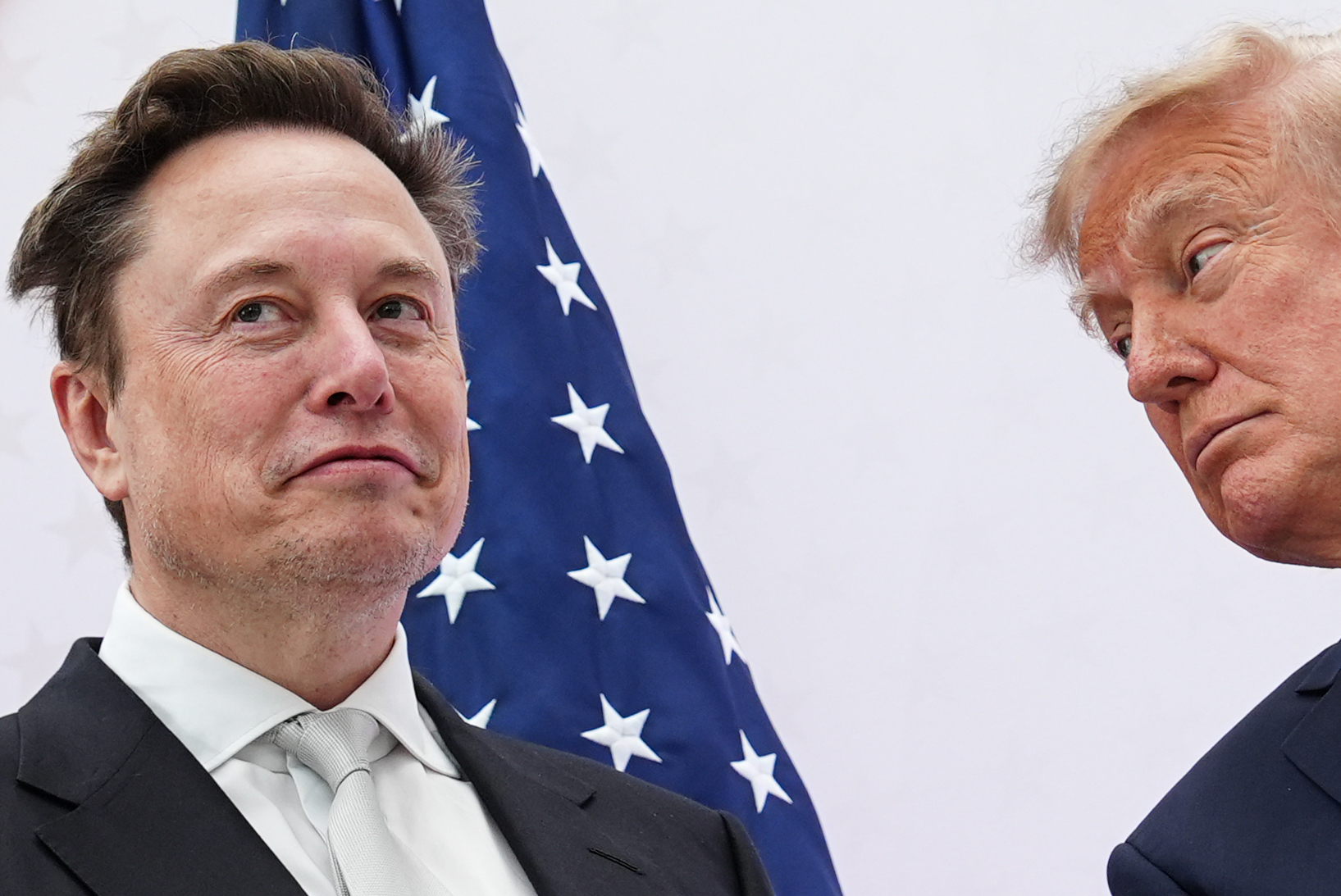
    President Donald Trump, right, presents the National Medal of Science to Elon Musk at the U.S. Institute of Peace, in October.Julia Demaree Nikhinson

    We the people trounced trillionaire Elon Musk, who poured nearly half a billion dollars of his highly government-aided fortune into backing losers in Texas and beyond. Musk remains a foreign and domestic policy danger, with the power to meddle in wars and elections while spreading his toxic hate and racist ideology on social media. Not to mention his destruction of government operations during his brief and failed tenure running the dubiously legal Department of Government Efficiency.

    Democrats would be wise to use their newfound power to put a stop to the flood of money corrupting politics. Democrats must also focus on the needs of average voters and not special interests.

    Voters have given Democrats a golden opportunity to remake the party, rebuild the country, and stop Trump’s madness and corruption.

    Democrats must use their newfound power to work to lower prices, restore healthcare cuts, end the Iran war, regulate artificial intelligence, rein in data centers, release all of the Epstein files, tame the deficit, tax the ultra-rich, pass real immigration reform, invest in research, undo gerrymandering, back Ukraine, confront climate change, stop the deportation cruelty, and investigate Trump’s self-dealing.

    The list is long, and the damage is great.

    But the voters have spoken. They rejected the wannabe king and demanded the American Experiment continue.

    Hopefully, this marks the beginning of the end for MAGA.

    Trump, increasingly incoherent, remains a danger. But after a decade of dragging the country and the world through hell, he is officially a lame duck.

    It took some longer to realize that Trump ain’t making America great.

    Now it’s time for the better angels to get to work.

  • Bill Hader joins the list of ‘Abbott Elementary’ celebrity guest stars this season

    Bill Hader joins the list of ‘Abbott Elementary’ celebrity guest stars this season

    It’s a big season for celebrity cameos on Abbott Elementary, the Emmy-winning sitcom set in a West Philly public school. Comedian and former SNL star Bill Hader announced on Jimmy Kimmel Live! this week that he’s joining the wave of guest stars on Season 6, that already includes comedian Ali Wong, Nickelodeon star Miranda Cosgrove, and The Righteous Gemstones actor Edi Patterson.

    After Hader broke the news, Kimmel joked that it was rare for Abbott Elementary creator and star Quinta Brunson to invite actors who aren’t from Philly to the show.

    “I had to act like I was from Philly,” Hader quipped. “It was hard for me. I was like, ‘I love the Phillies. I think they’re great.’ Blood coming out of my ears.”

    Hader and Brunson star in The Cat in the Hat, the new animated Dr. Seuss film releasing on Friday. He didn’t disclose further details about his cameo.

    Miranda Cosgrove (right) appears in the “Tryouts” episode of “Abbott Elementary.”Disney/Gilles Mingasson

    So far Wong, Cosgrove, and Patterson have already appeared on the show in a variety of hilarious roles. Cosgrove played a new substitute teacher who happened to be a Catholic sister. That shocked the Abbott crew, who invited her to drinks at a fictitious Philly restaurant called Bone Town, and she arrived wearing a habit. It was one of the funniest scenes of the season as all the cocktails had overtly sexual names and there were several jokes about how Cosgrove’s character had never been to Bone Town before. (She doesn’t last long at Abbott anyway: she eventually tells them she’s leaving for a Jesuit school because they’re less weird.)

    Ali Wong and Lisa Ann Walter in the “Tryouts” episode of “Abbott Elementary.”Disney/Gilles Mingasson

    In the same episode, Wong played a no-nonsense special ed teacher who managed to check the school’s reigning divas, Barbara (Sheryl Lee Ralph) and Melissa (Lisa Ann Walter), who were made to attend her strict certification course. They started off as disruptive students ready to coast through class — Wong’s character has to literally separate the chatty friends — but wound up respecting their teacher through the process.

    In the Halloween episode, Patterson appeared as a wacky jewelry seller. Gregory (Tyler James Williams) visited her Bensalem store to (spoiler alert) buy an engagement ring for Janine (Brunson) despite the shopseller’s lengthy and bizarre delays. Their interactions led Janine to suspect Gregory was either a cheater or a murder (he is neither) before Ava (Janelle James) accidentally lets the secret slip.

    How will Hader fit into the mix? Abbott fans can’t wait to find out.

  • Trump brags about his White House ballroom and seeks to deflect blame for GOP midterm drubbing

    Trump brags about his White House ballroom and seeks to deflect blame for GOP midterm drubbing

    President Donald Trump reacted Wednesday to Republicans’ midterm election losses by showing off the White House ballroom he’s building as he demonstrated the kind of detached behavior that voters around the country said was a key reason they opted to punish his party.

    In an extraordinary scene, Trump summoned reporters to the hulking construction site that he demolished the East Wing to make room for and the Republican president spoke for nearly 20 minutes about minute building details. He did not mention his party losing control of Congress after defeats in some of the country’s deepest GOP strongholds, including Texas and South Carolina, or voter concerns about the high cost of living and federal corruption that helped cause the election losses.

    “This has been a structure the likes of which has never been seen anywhere,” Trump said, speaking into a microphone that sent loud feedback echoing around the cavernous space.

    He talked at length about how the ballroom would be the ”safest place in Washington” upon completion, stretching five stories underground and featuring a cut of marble that he called “a vein that people have been after for 50 years.”

    “We have large staircases coming from the kitchen. If I put the kitchen on top, you would lose three walls, because a kitchen takes about 30% of the space,” Trump said of his choice to make the ballroom’s kitchen subterranean.

    “It’s going to be top of the line,” he added.

    This is not what presidents normally talk about the day after an election

    Presidents usually speak with reporters the day after the midterms. It’s normal for those whose party endured big losses to shoulder publicly at least part of the responsibility.

    But not Trump.

    He began the day with a schedule that showed only private meetings, then suggested he had decided at the last minute to invite the press to watch as the final steel beam — topped with a small evergreen tree symbolizing growth and luck — was hoisted into place on the ballroom roof.

    Trump signed the beam with a marker during the ceremony, writing “Love!” followed by his name in supersize letters.

    His appearance came after midterm voters said they thought the president was focused on the wrong issues. About two-thirds of voters said Trump does not have the right priorities, according to The AP Voter Poll, and the overwhelming majority of these voters supported Democratic House candidates.

    The post-midterm ceremony might also reinforce voter concerns about whether Trump, 80, is up for the rigors of the presidency.

    Biden dropped out of his reelection race in 2024 after a disastrous debate with Trump, who even today frequently mocks Biden’s mental and physical acuity.

    Trump seeks to shift blame for the midterms

    Trump eventually took questions at the ballroom site and attempted to duck responsibility for the broad Republican losses. He insisted he didn’t lead the party into an Election Day drubbing despite staging a flurry of rallies where he implored supporters to pretend that he was on the ballot.

    “If I were on the ballot I would have won,” Trump insisted.

    He said campaign rallies in mostly Republican states or conservative parts of more closely divided ones featured enthusiastic crowds “but we weren’t able to transfer love to the candidates.”

    The beam-raising was not his first baffling political moment this week. On Monday, Trump gave his closing message of the midterm cycle in a long speech at the Lincoln Memorial Reflecting Pool, shining a spotlight at a pivotal time on a project marred by algae, leaks and delays.

    “I heard it was a very good speech, got great reviews,” he said on Wednesday.

    Ducking responsibility is common with Trump

    An Associated Press analysis of the 39 Trump speeches and rallies that Trump staged between Sept. 1 and Election Day showed the president used phrasing suggesting he was on the ballot in 30 of them. In some addresses he returned to the subject more than once, though, meaning there were at least 40 instances where he appealed to voters to engage in that bit of make-believe.

    But as the extent of his party’s defeat became apparent on election night, Trump was deflecting blame.

    “I don’t like to consider it a defeat for me. I wasn’t on the ballot,” he told Fox News Channel. Voters, he said, just “didn’t like the candidates” on the ballot. The Voter Poll suggests Trump himself was a drag on GOP politicians and that in some races, candidates were seen as too supportive of the unpopular president.

    Trump has a long history of passing the buck, on issues large and small, especially when there are ballot-box failures.

    After Republicans lost the House in the 2018 midterms during Trump’s first term, he blamed defeated members of his own party.

    Utah Rep. Mia Love, who had tried to distance herself from him, “gave me no love, but then she lost. Too bad,” the president said, while also mocking other losing lawmakers for not embracing him — Florida’s Carlos Curbelo, Colorado’s Mike Coffman, Virginia’s Barbara Comstock, and Illinois’ Peter Roskam.

    That’s in contrast to how Democrat Barack Obama described his party’s losses in 2010 as “a shellacking” or Republican George W. Bush described Democratic victories in the 2006 midterms as “a thumping.”

    But Trump, known for defying all kinds of presidential norms, began laying the groundwork for avoiding blame this cycle well before balloting began.

    He told Punchbowl News in August that voters were angry at Republicans “but they’re not angry at me.”

    The president posted on his social media site last month that should Texas Republican Senate candidate Ken Paxton lose — and he did — “it will be because of WEAK and INEFFECTIVE Political Hacks like John Cornyn and Karl Rove.” That’s despite Trump’s risky endorsement of scandal-marred Paxton in the primary over incumbent Cornyn, who first got to the Senate in 2002 and was considered the safer bet. Rove is a political strategist who helped Bush win the White House.

    Also losing Tuesday was Texas Gov. Greg Abbott, a longtime Trump ally.

    Trump posted on social media that if Abbott “hadn’t become a RINO in the last six months of his Political Life, he wouldn’t have lost,” suggesting the governor had backed away from his staunchly conservative credentials and become “Republican in Name Only.”