Blog

  • Hundreds arrested in Indiana during recent five-day ICE crackdown

    Hundreds arrested in Indiana during recent five-day ICE crackdown

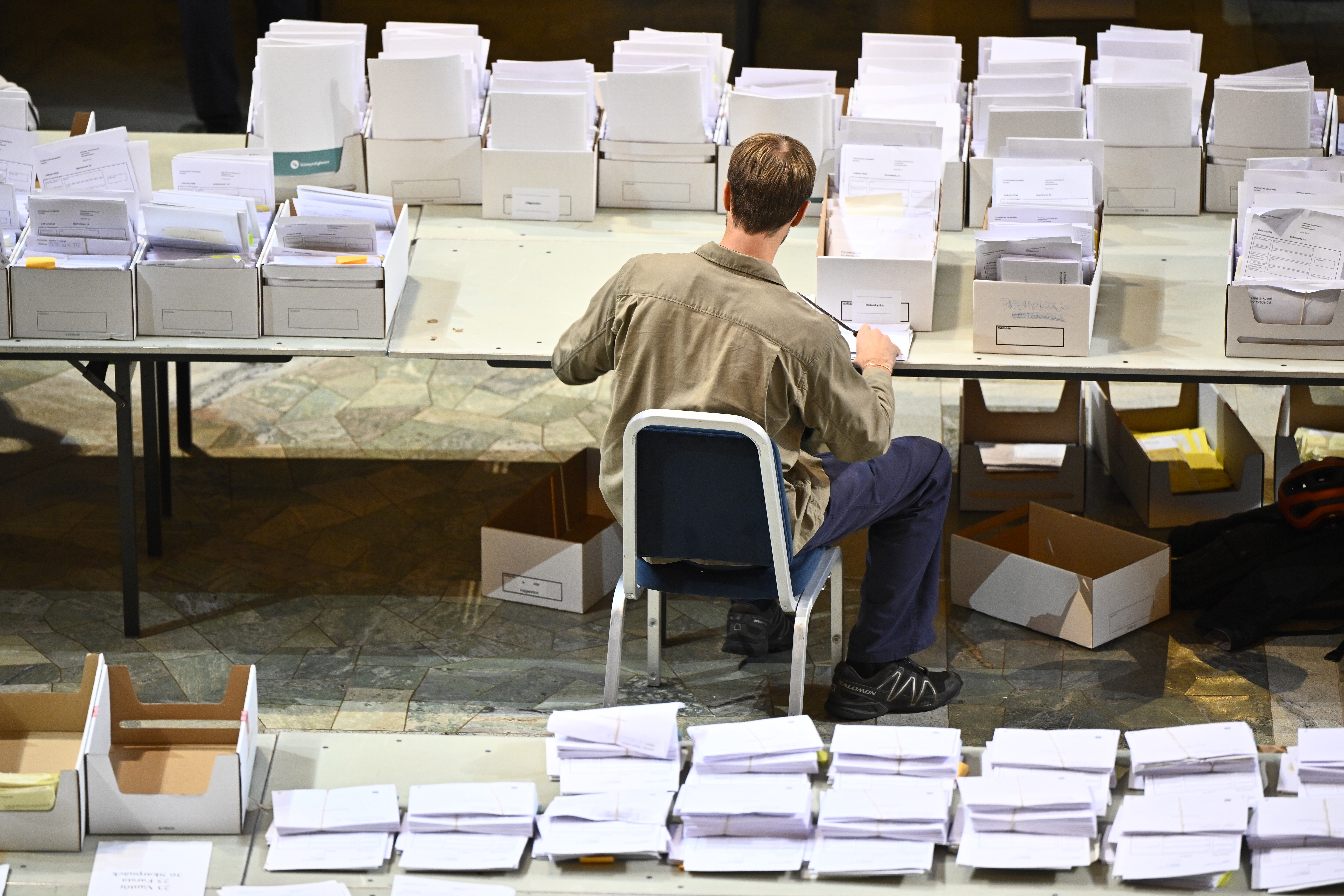
    U.S. Immigration and Customs Enforcement arrested more than 400 undocumented immigrants in Indiana during a five-day operation in late August and early September, the agency announced this week.

    Most of the arrests occurred in Indianapolis, the state’s capital city and population center.

    The agency didn’t specify how many of the 426 immigrants detained in Operation Safe Community-Indiana have a criminal history. But it said some had records including sex crimes, assault, domestic violence, and drug trafficking.

    The arrests were part of a summer surge of ICE enforcement that has drawn less public attention than the mass deployments of agents to Minneapolis and other cities early this year. ICE arrests nationwide totaled more than 49,000 in July, the highest single-month tally during the second term of President Donald Trump. More than half of the people arrested did not have a criminal record.

    ICE applauded unnamed local police partners in the Hoosier State for cooperating with the recent crackdown. Gov. Mike Braun, a Republican, last year signed an executive order encouraging local law enforcement agencies to partner with ICE and assist in immigration arrests and requiring state law enforcement agencies to do so. As of early September, 39 Indiana departments had signed on to ICE cooperation agreements, according to the Indianapolis Star.

    “This is what it looks like when ICE has a blank check to do enforcement,” said Lisa Koop, the Indiana-based director of legal services at the National Immigrant Justice Center. “It’s just devastating for communities.”

    Also in 2025, the state agreed to a Department of Homeland Security request to add about 1,000 beds for immigrant detainees at the Miami Correctional Facility, a state prison about 60 miles north of Indianapolis. In a statement, then-DHS Secretary Kristi L. Noem dubbed the facility the “Speedway Slammer.”

    Indianapolis Mayor Joe Hogsett, a Democrat, denounced the recent ICE arrests, saying in a statement that his office got no advance notice of increased enforcement activity and pledging support for immigrant communities.

    “Our city prides itself on being a welcoming community and firmly recognizes the invaluable contributions of all our neighbors,” he said.

    Many undocumented immigrants who are arrested face detention and eventual deportation, although some are able to fight it in U.S. immigration courts.

    A report published this week by Minnesota Public Radio showed that a large majority of the undocumented immigrants arrested in that state earlier this year ended up removed from the country.

    That crackdown, known as Operation Metro Surge, sparked a huge public backlash, along with widespread outrage at the deaths of two U.S. citizens who were protesting ICE actions.

    More than 3,700 immigrants were arrested, and at least 2,300 ended up deported or out of the country, according to an analysis of data from the Deportation Data Project, a group of academics and lawyers that obtained the material though a Freedom of Information Act lawsuit.

  • ‘Brothers’ Cavan Sullivan, Frankie Westfield, and Neil Pierre getting called up to the USMNT together is ‘another level’

    ‘Brothers’ Cavan Sullivan, Frankie Westfield, and Neil Pierre getting called up to the USMNT together is ‘another level’

    It was only a matter of time.

    On Thursday, Union forward Cavan Sullivan earned his first call-up to the senior U.S. men’s national team. If the 16-year-old phenom makes his debut in one of the team’s four autumn friendlies, he will become the second-youngest player ever to play for the USMNT, behind just Freddy Adu.

    Sullivan is widely regarded as one of the next faces of U.S. soccer. The Philadelphia native signed a contract with the Union at just 14 and is set to transfer to the Premier League’s Manchester City at the end of 2027. While his call-up seemed inevitable to most onlookers, Sullivan did not feel it was.

    “I don’t think it was necessarily expected, in all honesty,” Sullivan said after practice Thursday. “I never really like to think about what may come. Obviously, it’s something every kid works toward and dreams of. But to finally get it, it made my year.”

    Added Sullivan: “This is a really exciting next step. It’s your first; I feel like I’ll always remember this one.”

    Sullivan has been on a tear since the MLS resumed its season following the World Cup break. In 12 appearances, he has logged six goals and five assists, second only to Lionel Messi over that same span. His contributions have helped the Union to an 11-game unbeaten streak in league play. The team is currently in playoff position at seventh place in the Eastern Conference after a 1-10-4 start and the dismissal of manager Bradley Carnell.

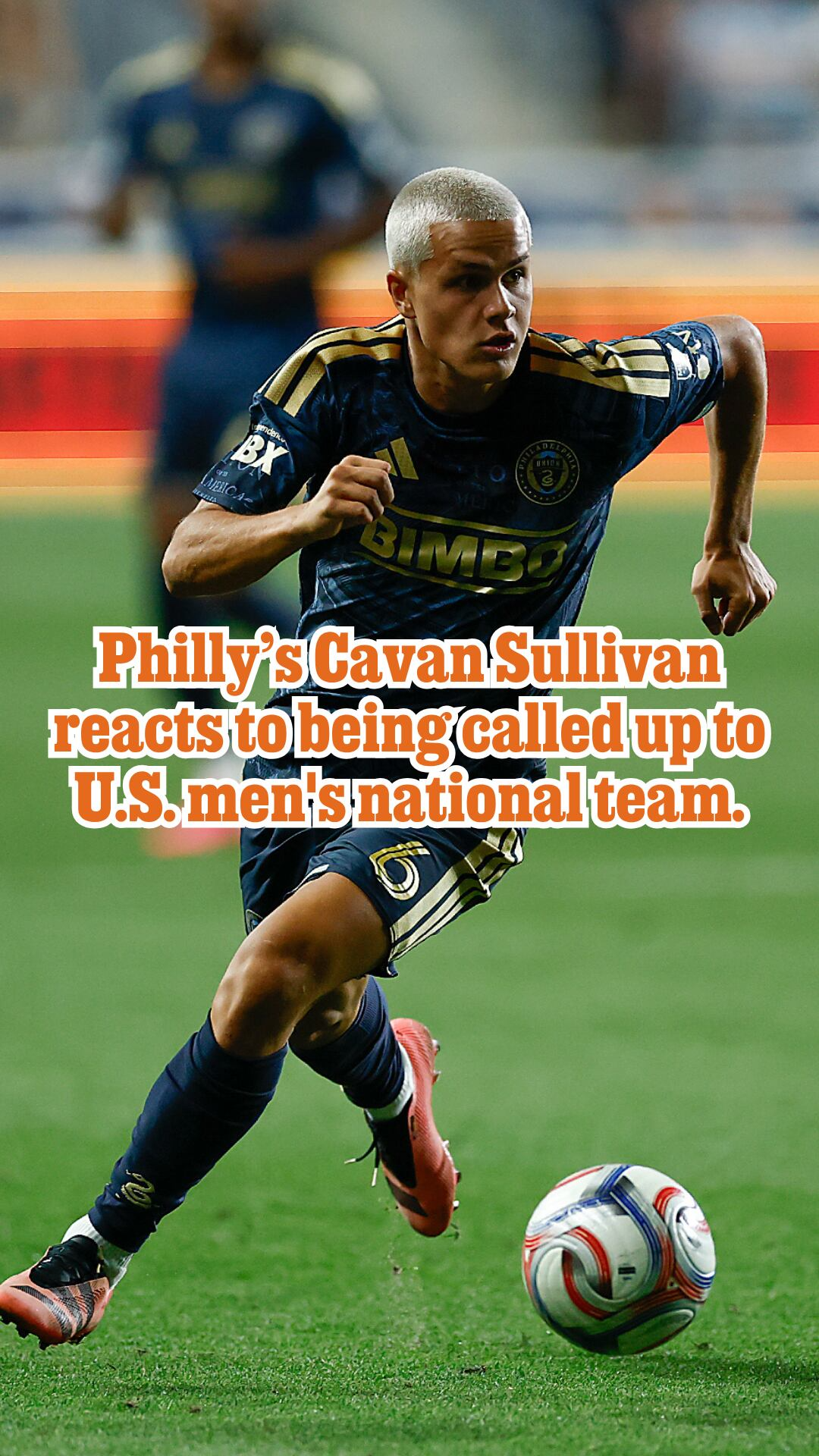
    Philly's Cavan Sullivan reacts to being called up to U.S. men's national team.
    Video: Philly’s Cavan Sullivan reacts to being called up to U.S. men’s national team.

    Playing against older and more developed players is nothing new for Sullivan. However, the opportunity to play alongside some of the best players the United States has to offer is not lost on him. Head coach Mauricio Pochettino, who declined to reveal in past media engagements if he would call up Sullivan, selected 14 MLS players to star on his 28-man roster. The team also features players from the Premier League, the German Bundesliga, Italy’s Serie A, and Spain’s LaLiga.

    “[Playing up] sort of teaches you, you’re not always going to be like the fastest, strongest, biggest. [It’s] sort of cliche, but you got to learn how to manipulate defenders and pass and move and learn to combine with your teammates,” Sullivan said. “Just develop a relationship with the ball that’s more close to [your] feet. You won’t always be able to just touch it by a guy and sprint faster than him.”

    Sullivan, whose older brother and Union teammate Quinn previously played for the USMNT under Pochettino, will have some familiar faces with him at camp. Union teammates Neil Pierre and Frankie Westfield also made Thursday’s roster. Like Sullivan, both players are products of the Union Academy and will be making their senior national team debuts.

    On Thursday, Pierre noted that he was texting Sullivan and Westfield “nonstop” while they awaited the decision.

    Neil Pierre (left) will join Union teammates Cavan Sullivan (right) and Frankie Westfield (not pictured) on the USMNT.Philadelphia Union

    “[I] can’t even lie, me and the boys, like Cav and Frankie, were checking our emails 24/7,” Pierre said.

    “We’ve been talking about this since we were 14-15, starting to go into national team camps,” he later added. “Like, how would it feel for all of us to go at the same time and individually going to like the men’s, that’s what you kind of dream for and try to get to. To do it is a great accomplishment and then also to do it with your brothers is just another level.”

    Pierre, an 18-year-old centerback, towers over most of his MLS competition at 6-foot-7. Through nine appearances this season, he has scored four goals. However, he is being called up to the national team for his defense.

    Next to Pierre on the Union’s back line has been Westfield, the team’s starting right back and, like Sullivan, a Northeast Philly native. His brother, Rocco, starred for Father Judge in basketball. Westfield has eight assists in 21 starts this season. He noted it was “nothing but happiness” for him and his teammates when they received the news, but he is not looking to slow down.

    Frankie Westfield (center) and Cavan Sullivan (right) are both Northeast Philly natives.Isaiah Vazquez / For The Inquirer

    “I also don’t want to stop here. Always, the final goal is to make the roster for your national team, but I know I don’t want to stop,” Westfield said. “I want to keep going, keep trying for more, and stay there and produce.”

    The three selections are just the latest for the Union Academy. The club saw four homegrown stars play for the U.S. men’s national team in the World Cup this summer: Brenden Aaronson, Matt Freese, Mark McKenzie, and Auston Trusty.

    “We think it’s very well-deserved,” Union sporting director John Scheer said. “So happy for the players and their families who worked so hard over the years. I’d say it’s a proud moment for not only our first team, where they’re having really big roles and they’re high performers for our group, but for our entire club.”

  • PFAS exposure near Pa. military bases linked to high blood pressure, cholesterol. Researchers find cancer cluster.

    PFAS exposure near Pa. military bases linked to high blood pressure, cholesterol. Researchers find cancer cluster.

    A major study of PFAS-contaminated drinking water among people living near military bases in Bucks and Montgomery Counties shows associations with elevated cholesterol, increased blood pressure, and lower childhood development, according to preliminary findings.

    PFAS, or per- and polyfluoroalkyl substances, are a family of compounds known as forever chemicals because they resist breaking down in the environment and in the human body.

    A separate analysis showed cancer clusters in those communities, but more research is needed to determine whether there is a correlation between cancer rates and the water, the study’s investigators say.

    Lead researchers from RTI International and Temple University presented the findings Wednesday at Hatboro-Horsham High School during an event hosted by the Buxmont Coalition for Safer Water.

    The ongoing study, part of an effort by the federal Agency for Toxic Substances and Disease Registry and Centers for Disease Control and Prevention, examined PFAS exposure in Pennsylvania and seven other states: California, Colorado, Massachusetts, Michigan, New Hampshire, New Jersey, and New York. It included 5,826 adults and 710 children ages 4 to 17.

    Wednesday’s presentation focused on Pennsylvania, where researchers collected blood from residents in 11 townships in Bucks and Montgomery Counties who lived near military bases where firefighting foam contaminated local drinking water supplies for decades. About 180 people attended the meeting.

    “We have waited a long time for these study results to be released,” said Joanne Stanton, of the Buxmont Coalition for Safer Water, a grassroots organization formed after the PFAS contamination was first identified. “For the past 12 years, our community has carried an unimaginable heavy burden.”

    According to baseline testing, local participants had elevated concentrations of per- and polyfluoroalkyl substances (PFAS) in their blood. Levels of PFAS and associated compounds — PFOS, PFOA, PFHxS, and PFNA — exceeded national averages. Pennsylvania ranked second highest nationally among all study sites for PFOS and PFHxS.

    “These higher levels [of PFAS] are consistent with decades of exposure to firefighting foam used at the military bases,” said Linda Brown, the Pennsylvania study’s director from RTI International, an independent research institute.

    Impacts on blood pressure, immunity, cholesterol, IQ

    Brown said 1,251 adults and 89 children from Pennsylvania gave blood for the study.

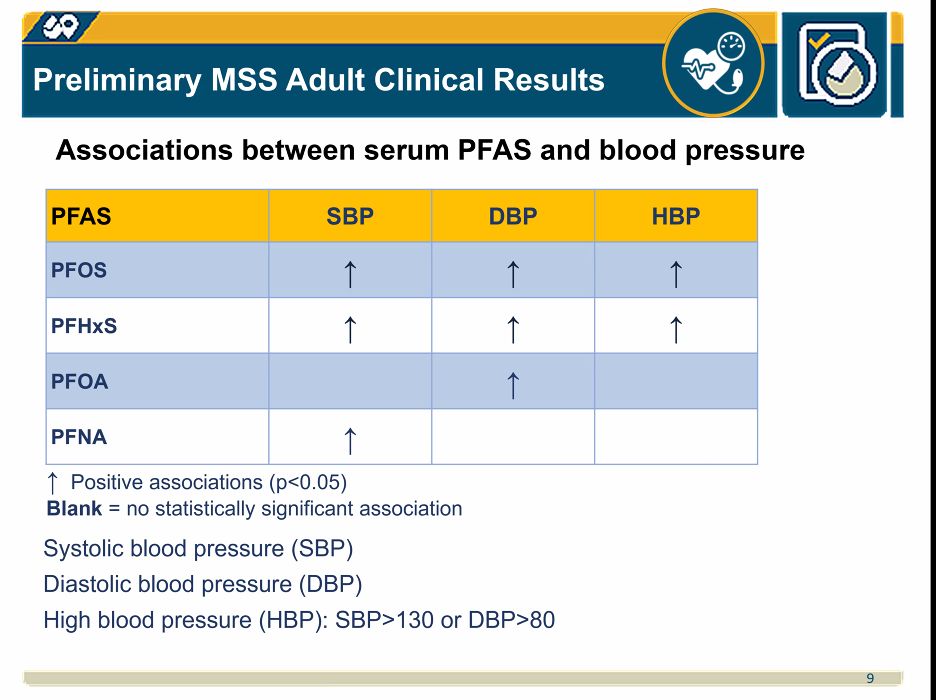
    “Adults with higher PFAS levels in their blood tended to have higher blood pressure,” she said.

    High blood pressure is a major risk factor for cardiovascular disease, she said.

    Graphic shows an increase in blood pressure and various PFAS compounds.Preliminary results federal multi-site study of exposure to PFAS

    Brown also said elevated PFAS levels were associated with higher cholesterol, including LDL, the so-called bad cholesterol. All four PFAS compounds were associated with higher cholesterol in both adults and children.

    She said, however, that preliminary results did not find a clear pattern linking PFOS levels with heart disease, diabetes, thyroid disease, or obesity.

    Graphic shows an increase in cholesterol among adults and various PFAS compounds. Cholesterol in children also showed a rise.Preliminary results federal multi-site study of exposure to PFAS

    Overall, children with higher PFAS levels had lower levels of certain antibodies that help the body fight infection, she said. The findings suggest PFAS may affect the immune responses, including the response to vaccines. But the findings do not tell researchers whether any individual child’s vaccines were less effective.

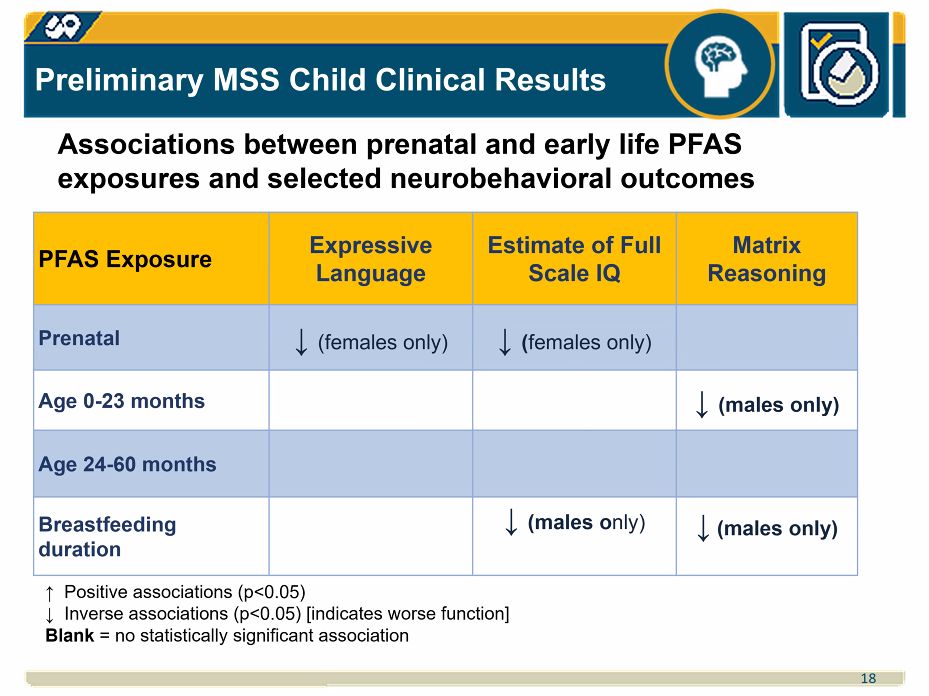
    Higher levels of exposure to PFAS during pregnancy and early childhood also showed patterns of lower abilities of language, reasoning, and cognition. But she cautioned that the patterns cannot tell parents how PFAS may have affected their own child.

    Chart shows an association between a decrease in language, IQ, and reasoning and PFAS exposure.Preliminary results federal multi-site study of exposure to PFAS

    Cancer clusters

    The study had too few cases of individual cancer types to complete a statistical analysis from the blood samples given. Cancer is not part of the original study.

    To fill the gap, Temple researcher Resa Jones said, the group used a grant from Pennsylvania to separately look at overall cancer cases in 12 counties.

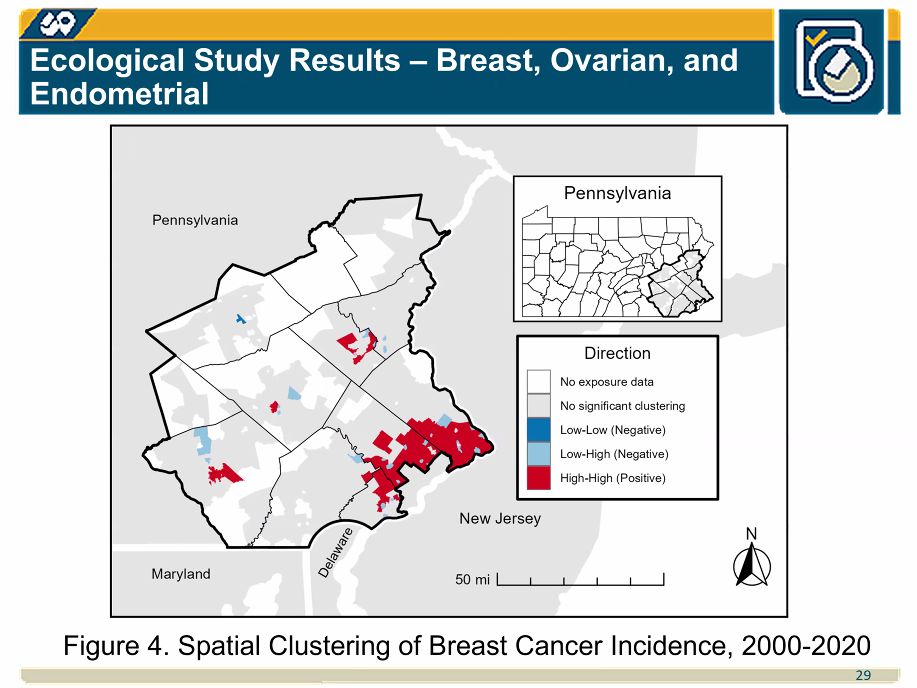
    Chart shows clusters of breast, ovarian, and endometrial cancers in Montgomery and Bucks counties in Southeastern Pennsylvania.Preliminary results federal multi-site study of exposure to PFAS

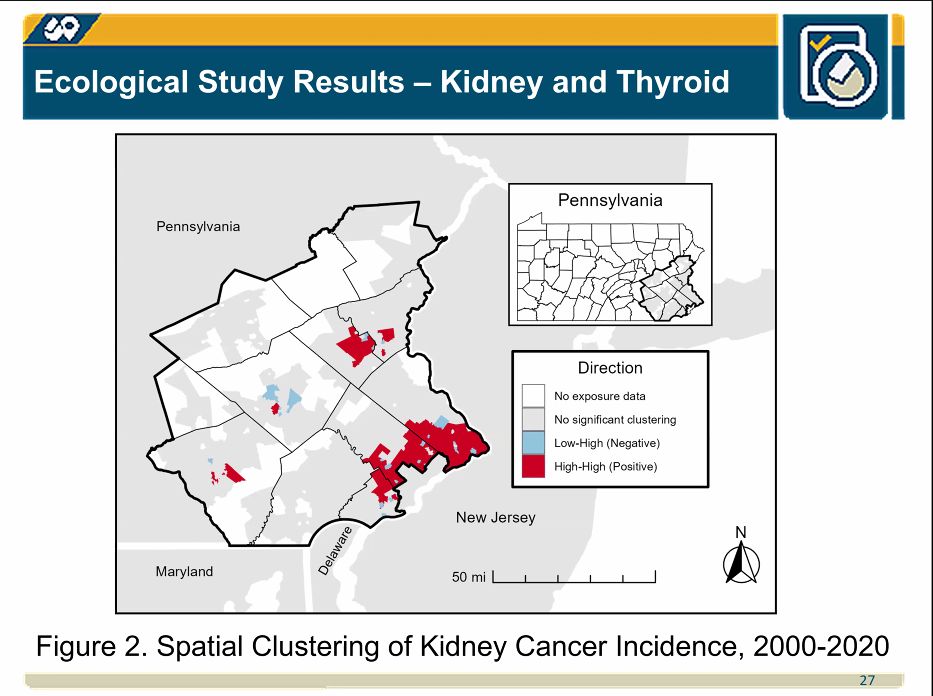
    Jones said researchers pulled data from the state’s cancer registry to find the rate per 100,000 people. Mapping showed geographical clusters of elevated kidney, thyroid, breast, endometrial, and ovarian cancer incidence in Bucks and Montgomery Counties.

    “We definitely have spatial clustering of the cancers,” Jones said of the two counties.

    In municipalities with the highest totals of breast cancer, half had PFAS levels above minimum reporting levels for drinking water, Jones said.

    But Jones stressed that more research is needed and that the results are preliminary.

    Chart shows kidney cancer clusters in Montgomery and Bucks counties in Southeastern Pa.Preliminary results federal multi-site study of exposure to PFAS

    Kidney function

    In addition, Robin Taylor Wilson, another investigator from Temple, said longer exposure to PFAS was also associated with lower kidney filtration rates and chronic kidney disease.

    The study highlighted heightened renal vulnerability among specific subpopulations, reporting that older residents, individuals with a history of blood transfusions or thyroid disorders, and cancer survivors faced significantly higher risks of chronic kidney disease.

    Hope Grosse, of the Buxmont Coalition for Safer Water, said the release of preliminary results of the study gives future researchers a solid foundation for further study into PFAS.

    “While these study results cannot undo the damage or bring back what we have lost, we hope that they are the beginning of the answers that we deserve,” Grosse said.

  • Why Karl Rove, a father of the modern Texas GOP, is voting for a Democrat

    Why Karl Rove, a father of the modern Texas GOP, is voting for a Democrat

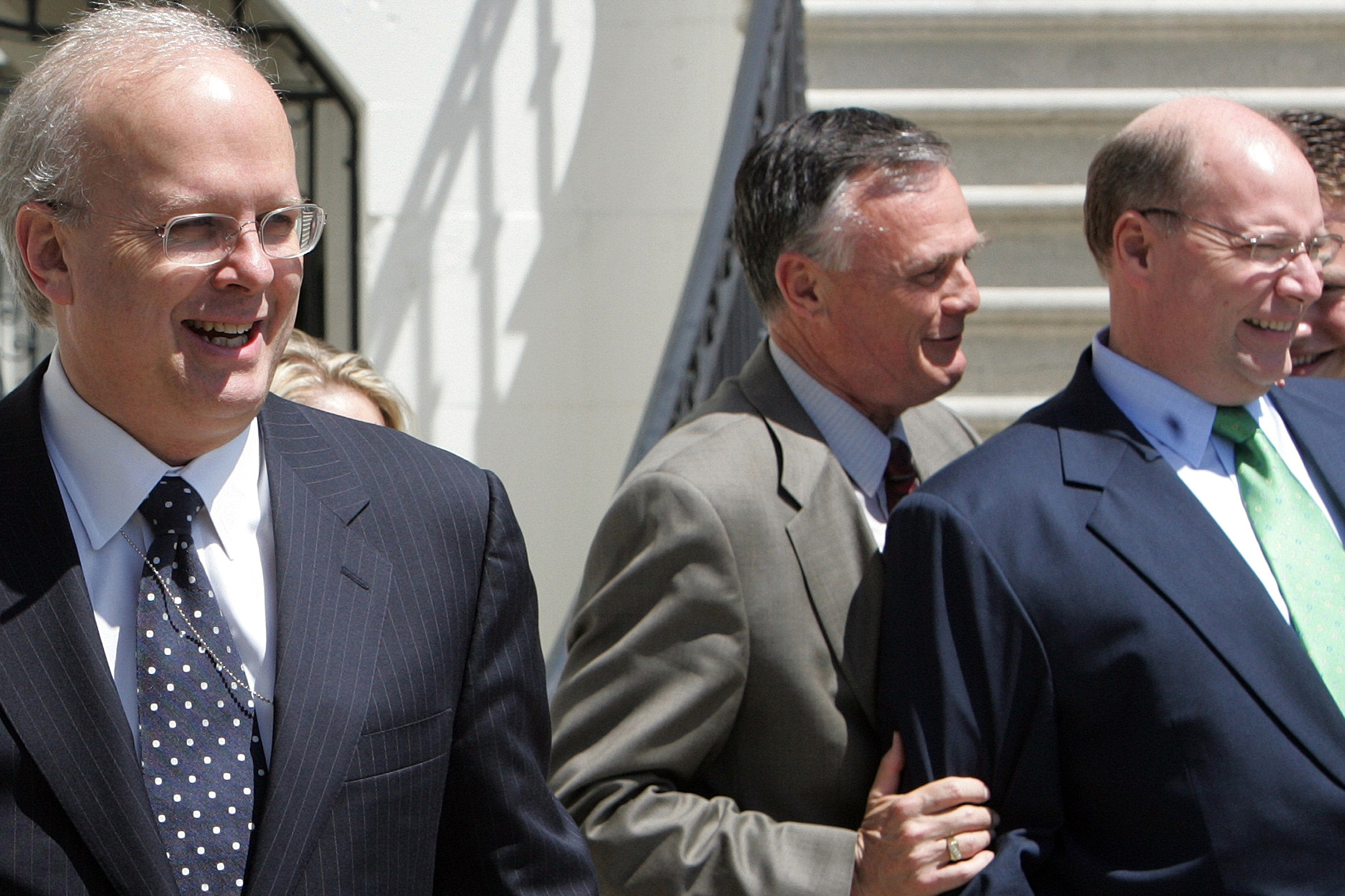
    Legendary Republican operative Karl Rove has said that he plans to do something in November that, for him, is radical: For the first time since 1994, he will vote for a Democrat.

    His reason, as Rove explained in his Wall Street Journal column Wednesday, is the unsubtle racism and nativism regularly expressed by Bo French, the GOP’s nominee for a seat on the powerful Texas Railroad Commission, which regulates the oil and gas industry.

    The final straw for Rove was when, after the University of Texas at Austin’s stunning win Saturday night over top-ranked Ohio State, French posted a photo of jubilant brown-skinned students celebrating and wrote: “I heard UT graduation this year looked like this. I didn’t believe it. The problem is now obviously far worse than anyone imagined.”

    Rove wrote: “These people are diminishing the Republican Party, not building it. I’ll have no part of it.” So he will vote for Democrat Jon Rosenthal.

    French’s comment brought denunciations from many Texas Republicans, including the state’s lame-duck U.S. senator John Cornyn. But two powerful and influential party leaders, both of whom are on the ballot this year, were notable for their refusal to condemn French.

    Gov. Greg Abbott, without addressing French’s comment directly, issued a statement saying it was “not my message,” but also boasted that Texas leads the country in having “the toughest immigration laws of any state in America and freezing H1B visas at our universities.”

    Attorney General Ken Paxton, who trounced Cornyn in the U.S. Senate primary, responded by accusing his Democratic opponent, state Rep. James Talarico, of racism.

    Rove would understand better than most that the modern Republican Party in Texas did not start out this way. Nor did it reach this point overnight.

    He is best known as George W. Bush’s bare-knuckled chief political strategist, whom Bush credited in his presidential reelection victory speech as “the architect.” But starting decades before that, Rove was instrumental in making Texas the Republican stronghold it is today.

    When Rove arrived in the Lone Star State from Virginia as a direct-mail consultant in late 1970s, the GOP held exactly one statewide office. By the time he left for Washington with Bush in 2001, Republicans were sitting in all 29 of those positions. Most of those officials — including the governor, lieutenant governor and both senators — had at one time or another employed Rove.

    But where Bush and Rove espoused “compassionate conservatism” as their brand of politics, the party they left behind in Texas has since taken hard turns to the right — nowhere more drastically than on immigration.

    Texans traditionally took a live-and-let-live attitude toward peaceful residents who were living without documentation in their midst. Illegal immigration helped shape the state’s culture and drive its economy.

    In 2001, for instance, Texas had passed a first-in-the-nation law allowing qualified undocumented residents who had lived and attended high school in Texas to pay lower in-state tuition rates at state colleges. The law’s passage had the support of virtually the entire legislature, including all but two Republicans in the House and three in the Senate.

    “We must say to every Texas child learning in a Texas classroom, ‘We don’t care where you come from, but where you are going, and we are going to do everything we can to help you get there.’ And that vision must include the children of undocumented workers,” then-Gov. Rick Perry said several months later.

    When Perry was running for the 2012 Republican presidential nomination, he touted the in-state tuition law and said of his opponents, led by eventual nominee Mitt Romney, who criticized it: “I don’t think you have a heart.”

    However, that law went by the wayside in 2025, when President Donald Trump’s Justice Department filed a lawsuit against it, which was quickly and enthusiastically joined by the state.

    “Today, I entered a joint motion along with the Trump Administration opposing a law that unconstitutionally and unlawfully gave benefits to illegal aliens that were not available to American citizens,” Paxton said in a statement at the time. “Ending this discriminatory and un-American provision is a major victory for Texas.”

    Nor was that the only question on which Texas Republicans took a U-turn with regard to immigration. In 2012, for instance, the state party adopted as part of its platform a business-backed “Texas solution” calling for a national guest-worker program. At its convention two years later, the party voted to remove that plank.

    Alarm over illegal immigration grew in Texas with the rise of the tea party movement a decade and a half ago, and increased drug-gang violence on the border. It was fanned by Trump and by the Biden administration’s inaction regarding the massive influx of migrants that sparked chaos on the border during its watch.

    But as the issue moved to the forefront, so did toleration of what would earlier have been denounced as bigotry and xenophobia. “The GOP has a growing number of Bo Frenches — and not only in Texas,” Rove wrote.

    Ironically, the University of Texas at Austin has moved toward becoming more of a meritocracy. Under its current policy, students who graduate in the top 5% of Texas high school classes are automatically admitted.

    So the celebrating Longhorn fans to whom French pointed are among the state’s best and brightest. They are also part of the hope for its future.

  • A 43-unit apartment building that preserves historic features is proposed in Old City

    A 43-unit apartment building that preserves historic features is proposed in Old City

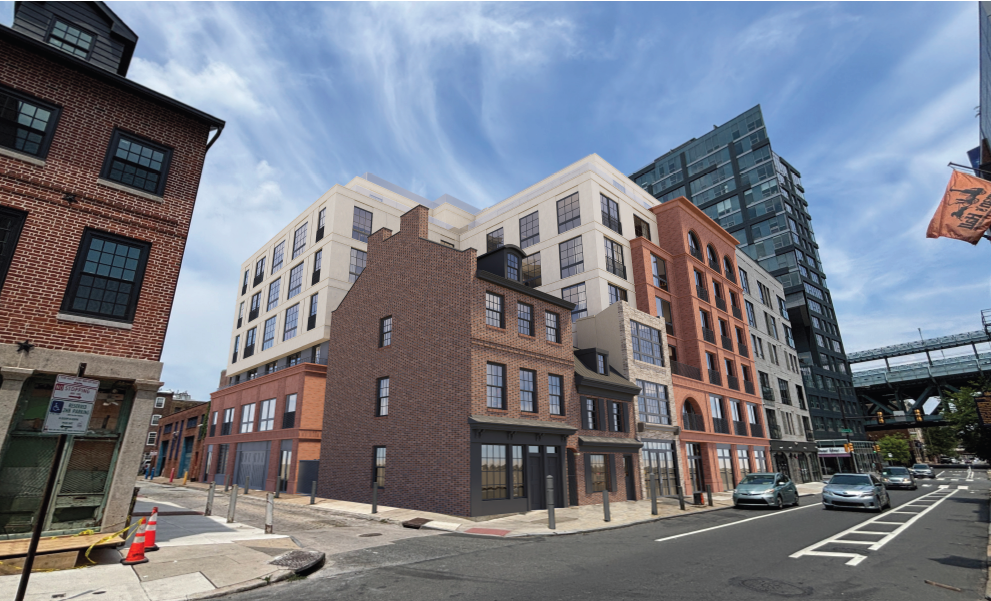
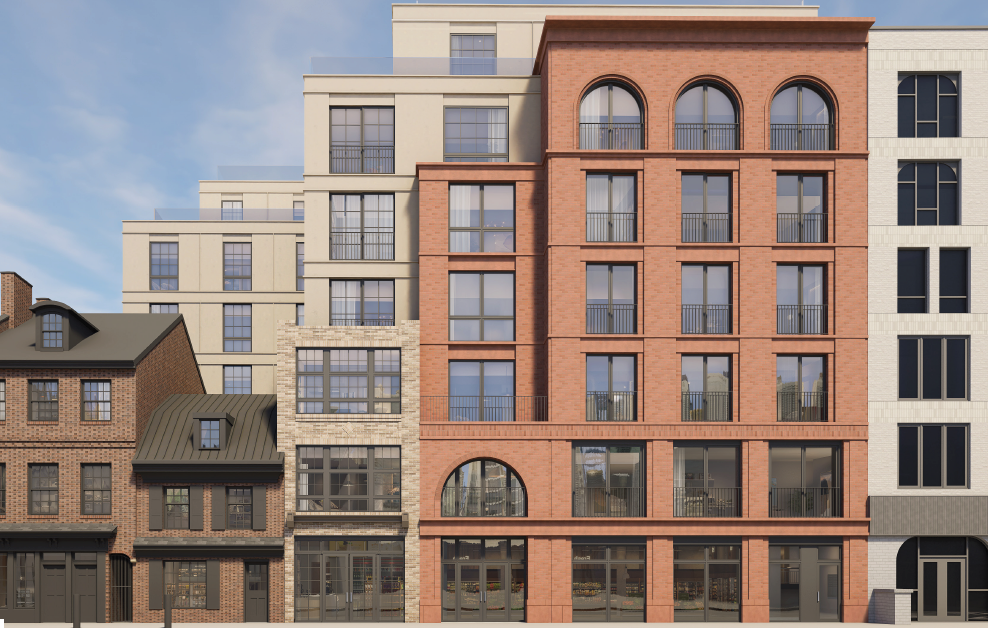
    A corner of Old City long considered for apartment development is now slated for a new 43-unit, seven-story building — an update from a smaller plan approved by the Philadelphia Historical Commission.

    The property at 148 N. Second St. contains several buildings that are regulated by local historic regulations.

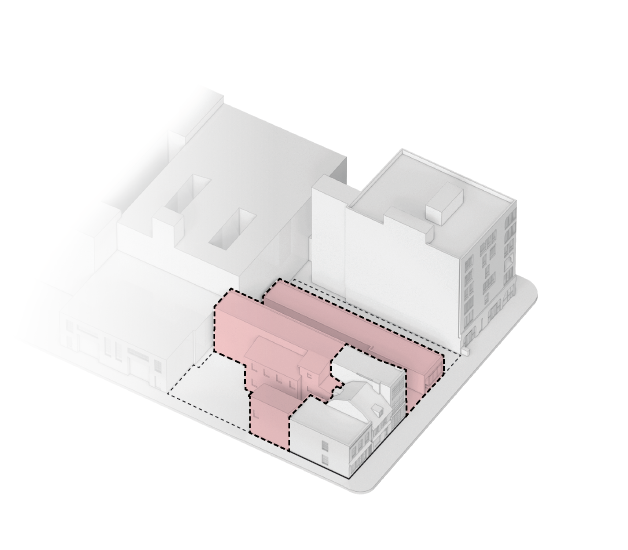
    Two of the buildings have been approved for demolition — at 152 and 156 N. Second St. — while two are being preserved and incorporated into the project at 148 and 150 N. Second St.

    The tallest points of the proposed structure are pushed back from the street to avoid overshadowing the older buildings and to keep in line with historic regulations.

    “We … really made sure that those historic buildings at the corner were the star of the show, and our building wraps around those and gently steps down to them,” Derek Spencer, technical director with Gnome Architects, said at a Wednesday meeting of the Old City District.

    This drawing shows in red which buildings will be demolished to make way for the new project. The buildings in gray will be incorporated.Gnome Architects

    The project, from Philadelphia-based developer Virgis Anusauskas, is seeking permission from the Zoning Board of Adjustment to build a taller and denser building than the underlying zoning allows.

    It will include about 1,400 square feet of commercial space and parking for 15 vehicles. The project is replacing a number of buildings that were previously used as restaurant supply stores.

    Anusauskas hopes to find a tenant that will not be open late at night — as his office will also be in the building.

    The proposed project would contain a majority of two-bedroom apartments of about 900 square feet, with three three-bedroom units on the top levels between 1,100 and 1,500 square feet.

    Anusauskas said a huge number of studio and one-bedroom apartments have been built in Philadelphia’s central neighborhoods in recent years, and he is seeing more market demand for larger apartments.

    He is also keeping his options open when it comes to renting or selling the units.

    The condo market in Philadelphia has been weak since the pandemic, but he thinks the sheer quantity of rental units available right now means there may be an opening to make this a condominium building.

    “I’m not looking at studios at all, and one-bedrooms for the condos is not good,” Anusauskas said. “We want to have the people who live there to have some peace of mind, so we don’t want too many people.”

    The plan approved by the Historical Commission had six stories, but Anusauskas says the new, taller version has received verbal affirmation. He is seeking the support of the Old City District ahead of an Oct. 28 Zoning Board of Adjustment hearing.

    Attendees at Wednesday night’s community meeting asked why the project couldn’t remain within the rules that the existing zoning allows. For example, the height limit is 65 feet, where the proposed structure at its highest point is about 77 feet.

    The development team argued that historic regulations made it more difficult to stick with their earlier plan, preventing them from maximizing the possible square footage on the site without going taller.

    “Because we had to keep these two corner buildings, we can’t overbuild on top of them,” said Spencer of Gnome Architects. “We have to completely leave those pieces of those buildings untouched, so that really prevented us from maximizing the use of the site.”

    Anusauskas says his team has a lot of experience with rehabilitating historic buildings, and he doesn’t foresee too many challenges, after he clears this last set of regulatory requirements.

    A rendering of the proposed project, as seen from across the street.Gnome Architects

    He hopes to begin construction as soon as he gets zoning board approval.

    If the zoning board doesn’t approve the project, he said, he will go back to the drawing board and find a way to make it work.

    He says the cap over I-95 at Penn’s Landing and the new park that will be created there makes the neighborhood even more exciting.

    “I love Old City. I love the history. The community is great,” Anusauskas said. The park ”will pick the whole neighborhood up, and we want to be part of it.”

  • Sweden swings back left, bucking a trend in Europe

    Sweden swings back left, bucking a trend in Europe

    Sweden’s center-left political parties squeaked to victory in elections this week, according to results released Thursday, making the country one of the first in Europe to tap the brakes on the far right’s seemingly steady march toward power.

    Voters cast their ballots Sunday, but the contest was so tight that it took days to count the last stray votes before a conclusion could be reached.

    The next prime minister is likely to be Magdalena Andersson, leader of Sweden’s stalwart center-left party, the Social Democrats, though experts predicted that there could be weeks of sticky negotiations before the next government is announced.

    As in other parts of Europe, Swedish nationalists had made big gains in recent elections by railing against migration and blaming migrants for crime.

    This election showed that in Sweden at least, the far right, which was essential to the outgoing center-right coalition’s hold on power, had become a victim of its own success. Experts said the country had cracked down so decisively on crime and migration that it essentially took those issues off the table.

    “The general sense is crime is now under control; migration is now under control,” said Lisa Pelling, the director of a progressive research group in Stockholm.

    The consequence, she said, is that “people want something else from the government.”

    Polls before the election showed that voters were prioritizing healthcare and education, issues that tend to favor the left.

    According to the election results, the center-left won 49.5% of the vote, compared with 48.8% for the center-right. That gives them a slight edge in parliament: 176 seats to 173. The turnout was characteristically high, at 85%.

    Andersson, a familiar face, was chosen as Sweden’s first female prime minister a few years ago and served as finance minister before that, when her Social Democratic Party dominated Swedish politics.

    If she can hash out a government in the coming weeks, it is likely to embrace many of the positions the party had pushed before, including what it called a “feminist foreign policy” that prioritized reproductive freedom and got into tangles with Saudi Arabia over its treatment of women.

    But forming a government won’t be easy. Sweden’s center-left is a real mishmash. It includes a formerly communist party and a pro-business one influenced by farmers. Parts of the coalition have already voiced doubts about working with each other.

    And Andersson’s Social Democrats are coming into this as a weakened force, having earned just 28% of the vote, one of their worst performances ever.

    Social democratic parties across Europe have lost ground to right-wing parties that present themselves as the new protectors of the working class, said Ann-Cathrine Jungar, a political scientist at Sodertorn University in Sweden.

    “What is noteworthy about this election is that socioeconomic issues were their home turf, and yet they were unable even to maintain their support,” she said of the Social Democrats.

    Part of the explanation, Jungar said, may be that center-left politicians have themselves moved toward tougher positions on immigration and crime, driven by the far-right Sweden Democrats, the biggest loser in this election.

    The Sweden Democrats have tried hard to distance themselves from their neo-Nazi roots. But in this election, they went from being the second-most popular party to the third, going from 20.5% of the vote in the last election to 17.5% this time. It was the party’s first significant erosion of support since it roared onto the scene in the late 1980s, which could raise questions about its future.

    Jonas Hinnfors, a political scientist at Gothenburg University, said Swedish society was growing uncomfortable with the extreme positions the far right has been advocating on migration, such as deporting large groups of lawful migrants, including teenagers. That is too extreme for most Swedes, Hinnfors said, and many people in Sweden have come to appreciate how important migration is for their labor market.

    “There is a kind of developing consensus that immigrants are needed,” he said. “And that is not where the Sweden Democrats are.”

    He doesn’t expect the far right to evaporate. But he said this election was “a big blow to them.”

    This article originally appeared in The New York Times.

  • Society Hill neighbors are spending $54,000 on a traffic study to examine bike lanes

    Society Hill neighbors are spending $54,000 on a traffic study to examine bike lanes

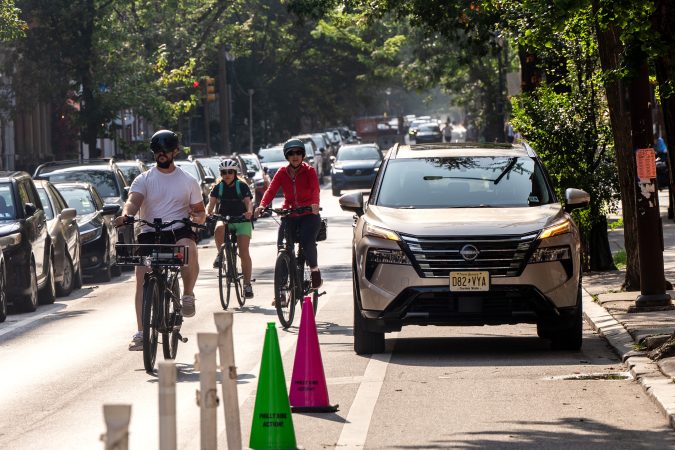
    The Society Hill Civic Association will spend about $54,000 for an engineering firm to conduct a new traffic study of neighborhood roads, including evaluation of the city’s proposal to enhance protections for users of bike lanes on Pine and Spruce Streets.

    Board members of the community organization approved hiring Dewberry Engineers Inc. for “fact-based recommendations” earlier this month in a special Zoom meeting, according to a Sept. 10 SHCA newsletter.

    Last year the Society Hill association contributed $25,000 to help fund a lawsuit against the city by Friends of Pine and Spruce (FOPS), a group of residents challenging the legality of a plan that includes curb-style concrete barriers to separate bike lanes from motor-vehicle traffic.

    The new traffic analysis is intended to update a 2018 “complete streets” study done for the civic association by the Howard Stein Hudson engineering firm, said Jay Borowsky, chair of the group’s streets committee.

    “Since that time, the city has implemented significant traffic and street changes beyond Spruce and Pine, and is now considering additional changes that could negatively affect the community without any updated objective data,” Borowsky said in an interview.

    The new study will also look at traffic counts and crash data on Third Street, where the city installed bike lanes in June, as well as Fifth Street and Lombard Street.

    “The streets don’t work in isolation,” Borowsky said. The 2018 study included information only from Pine and Spruce Streets in the civic association’s territory, he said.

    The Third Street bike lanes have drawn many of the same complaints and concerns that have arisen elsewhere. Some residents say that designated space set aside for bikes has clogged traffic and caused more difficulty getting deliveries and contractor services.

    But others are happy with the change.

    Questions of bias

    “In my experience, traffic moves at a more reasonable speed and the street is quieter,” Nawaf Bou-Rabee, a mathematics professor at Rutgers University-Camden and a member of SHCA, wrote in an email to board members. “Every neighbor I have spoken with about it has expressed support.” He also said he has had no difficulties with deliveries or contractors loading or unloading to work on his home.

    “The study should establish where arrangements are working and where specific improvements are needed,” Bou-Rabee wrote. He asked pointed questions about how data will be measured and evaluated and the impartiality of recommendations ensured.

    Members of FOPS sit on the civic association board. Society Hill residents who support the bike lane changes say that opponents are using the nonprofit to pursue their own agenda despite a diversity of opinion on cycling protections.

    A ban on stopping in bike lanes was enacted in 2024 after a physician, Barbara Friedes, was killed by a drunk driver while cycling on Spruce Street.

    The crash helped galvanize support for physical barriers on Pine and Spruce Streets, which the Philadelphia Office of Transportation and Infrastructure Systems has proposed.

    A Philadelphia Common Pleas Court judge in July blocked the city from resuming work to upgrade protections for the bike lanes along Pine and Spruce Streets, the latest ruling in the FOPS lawsuit.

    The city had asked the court to lift an August 2025 injunction freezing the OTIS project.

    Al Meinster, a member of SHCA and a cyclist who said he was on the board’s Zoom call, worries that opponents have the “deep pockets” to stretch out the litigation and delay safety changes.

    In the meantime “people are exposed to danger, and somebody could be hurt, or somebody could die as a result of this impediment,” Meinster said.

    Debate over cyclist safety

    The lawsuit is part of a growing backlash against bike lanes. Boston has canceled some planned projects. Nationally, the Trump administration has cut federal grants for building the lanes; Transportation Secretary Sean Duffy recently denounced “DEI bike lanes” and said they contribute to traffic congestion.

    Borowsky, of the SHCA, said the study would collect information that will help city officials, bike advocates, and anyone involved in the debate.

    “We’re looking at finding solutions that improve safety and access for everyone,” he said.

    Neighbors fighting the city’s plans are mostly “caring, responsible people” who simply “don’t know how dangerous it is to be on a bicycle on Spruce and Pine and Third Street,” Meinster said.

    FOPS has argued in court and elsewhere that serious crashes involving cyclists are rare in the neighborhood. As of last November, Spruce Street was listed among the 12% of roadways where 80% of traffic crashes with serious injuries or deaths occur.

    The metric, which measures injuries to all road users, is used in the city’s Vision Zero safety program.

    The Pine and Spruce bike lanes were built in 2009 under former Mayor Michael Nutter, whose administration made an agreement that residents would be able to park in front of their homes for up to 20 minutes for loading and unloading.

    Enforcement was spotty, and conflicts arose when vehicles, including delivery and contractor vans, parked inside the bike lanes for longer periods, forcing riders to veer into traffic.

    Members of FOPS contend that concrete barriers would block emergency vehicle access and violate the Americans with Disabilities Act by limiting access to transportation or those with mobility issues.

    Meinster said those arguments are exaggerated or have solutions that do not require opening up the bike lanes to motor vehicles.

    If the legal theory that protected bike lanes violate the ADA catches on, building could be frozen or blocked citywide, he said.

    “What’s happening here in Society Hill has great importance to the safer bicycling movement in the rest of the city because some precedents could be made here,” Meinster said.

    The article has been updated to reflect that only Spruce Street has been added to the city’s list of most dangerous roads for crashes.

  • Atlantic City’s iconic Steel Pier is up for sale for $85 million

    Atlantic City’s iconic Steel Pier is up for sale for $85 million

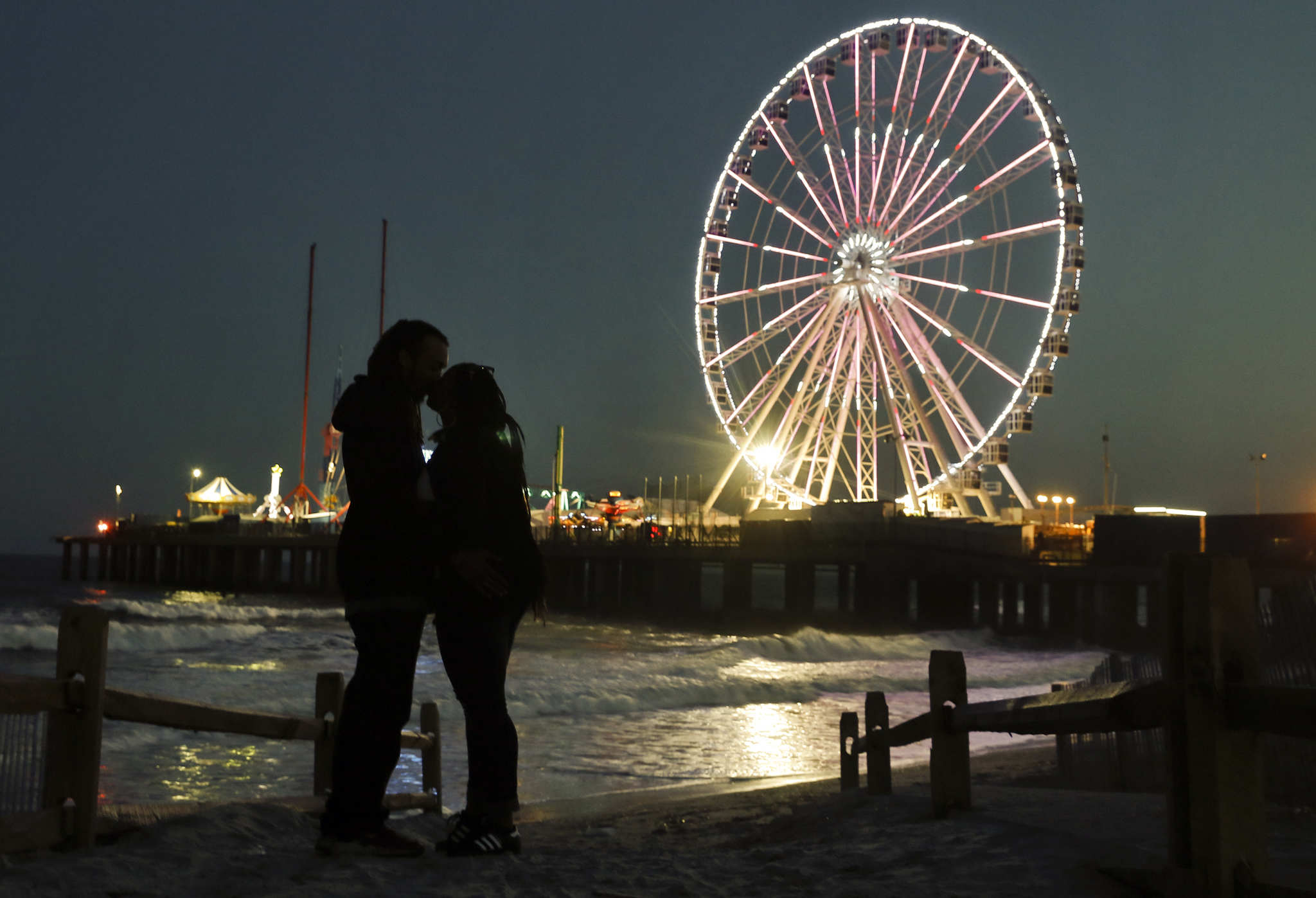
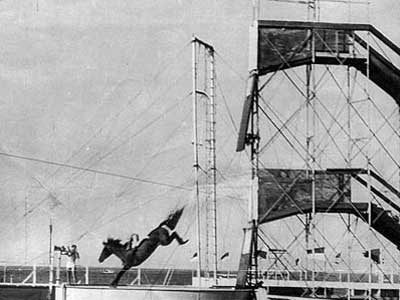
    ATLANTIC CITY — The Steel Pier, home to some of Atlantic City’s most iconic spectacles, including diving horses and Miss America pageants, and lately an amusement pier, is up for sale.

    Priced at $85 million, the pier, which was built in 1897, has been listed by the luxury New York City Serhant agency, whose owner, Ryan Serhant, is the star of Netflix’s Owning Manhattan.

    On his Instagram story Thursday, Serhant called the listing “maybe our coolest listing ever??”

    The pier has been owned by the Catanoso brothers since 2011, but the family says the next generation is not interested in taking over. “It’s kind of a succession thing,” Anthony Catanoso said in an interview with The Inquirer.

    The agency is targeting a buyer that envisions expanding the pier into a commercial hospitality venue, like a boutique hotel, a wedding venue, or an expanded amusement park, listing agent Michele Zyska said. She said luxury residential properties built over the ocean could also be a draw.

    Mayor Marty Small Sr. said the prospect of the pier lacking amusements and entertainment would be “devastation.”

    “The Steel Pier has always been the legendary part of the Atlantic City Boardwalk,” he said.

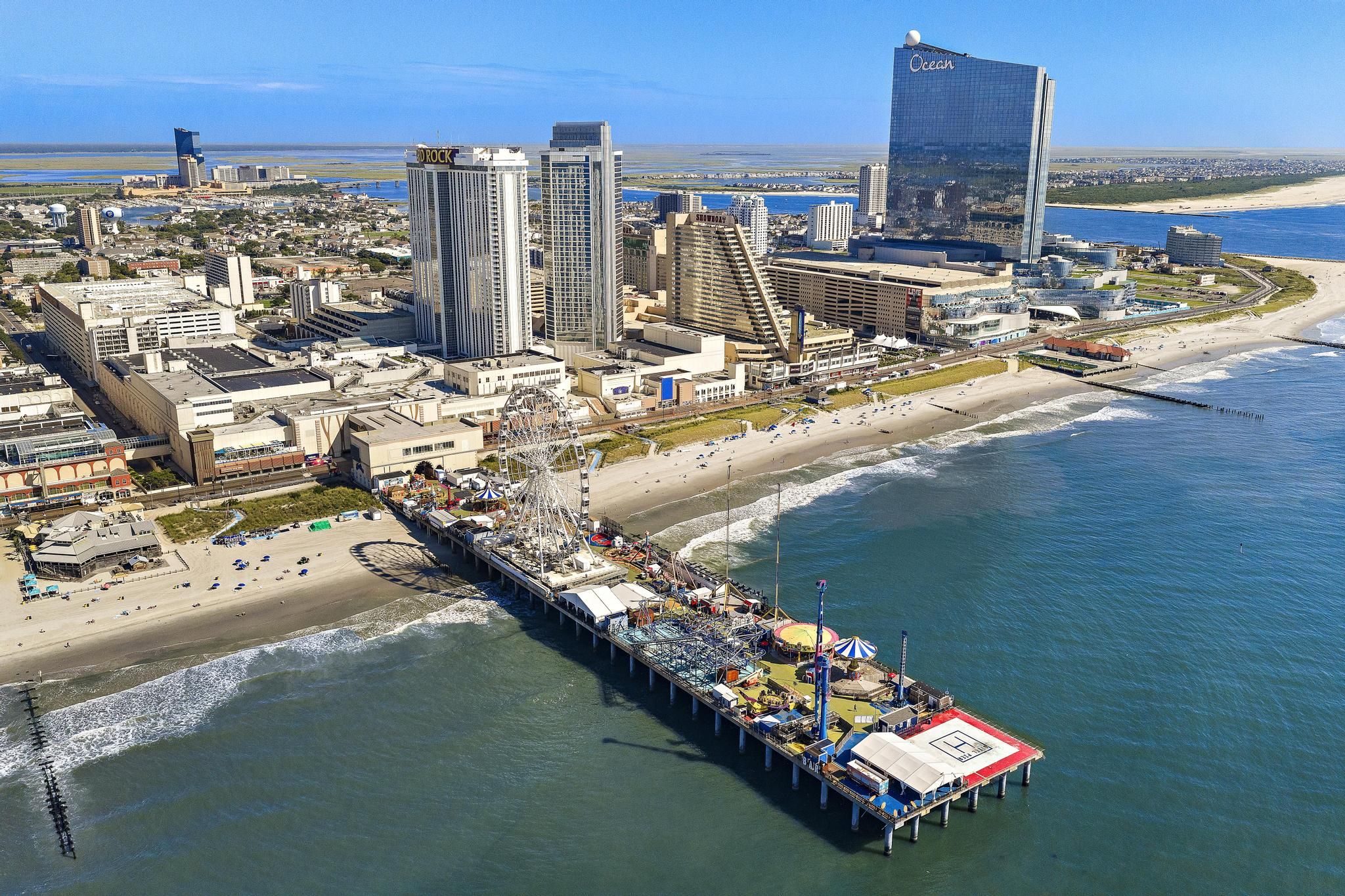
    The pier structure measures 150 feet wide and 965 feet long and is anchored 90 feet into bedrock. A perpetual riparian grant permits it to extend up to 2,850 feet into the Atlantic.

    “It’s like nothing else in the world,” Zyska said. “I keep saying that. It’s an iconic piece of American history. We’re thinking probably more hospitality, music, and maybe even residential. We do have interest in someone keeping it as an amusement park.”

    Atlantic City’s historic Steel Pier is up for sale for $85 million.Real Estate Cinema

    The Catanoso brothers originally leased the pier from Trump Entertainment after winning the lottery in 1993, and bought the pier for $4.25 million in 2011.

    They built its Observation Wheel, now a distinctive feature of the city’s casino skyline, teetered on bankruptcy, and found some stability in recent years running the pier with various amusements, bars, and restaurants.

    Catanoso said business has been good, although challenged by wage costs.

    “We’re getting older, me and my brothers,” Catanoso said. “The kids aren’t taking it over. It’s time for the next chapter. It’s a big development opportunity for somebody.”

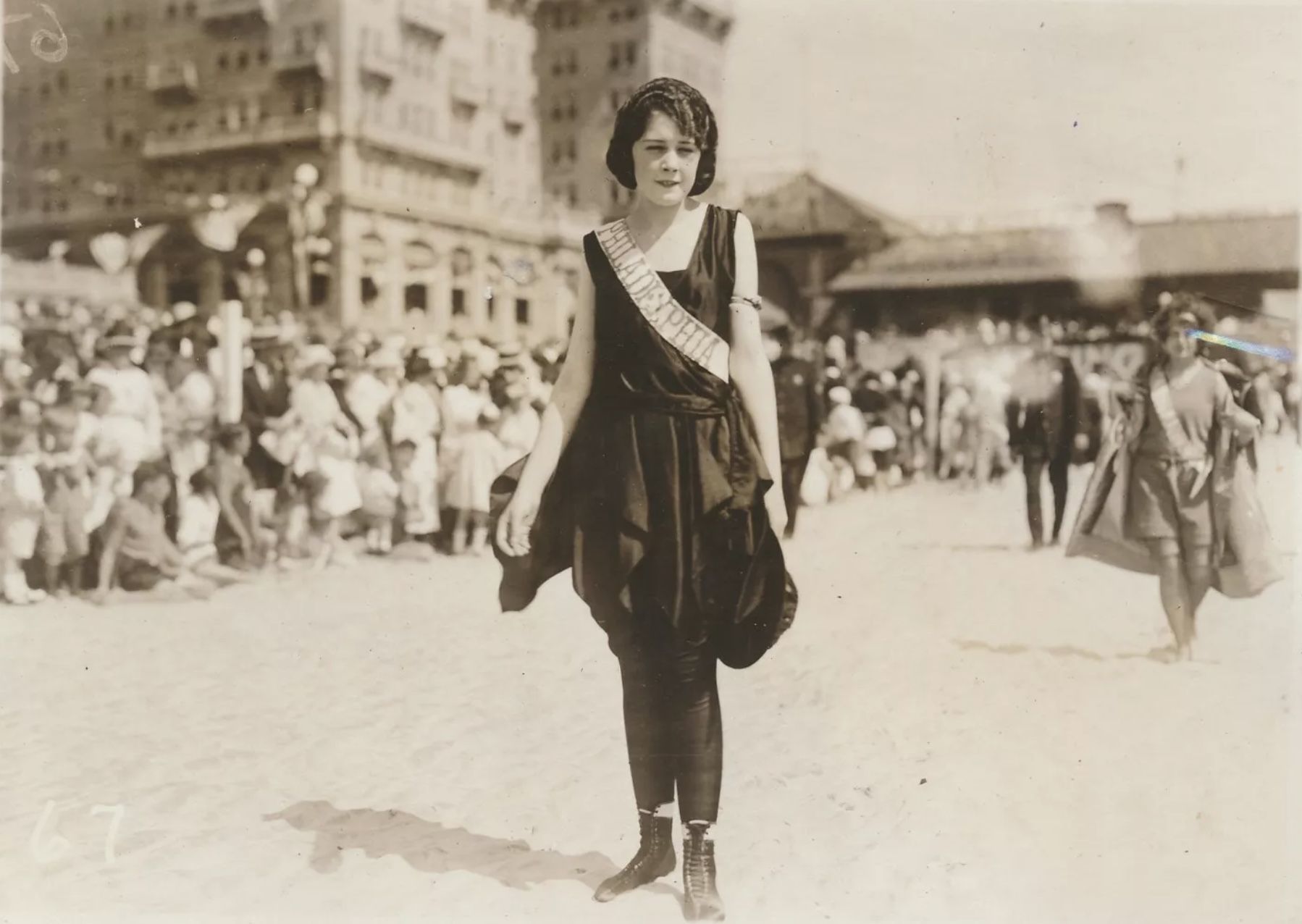
    Miss Philadelphia Nellie Orr competes in the 1921 Inter-City Beauty Pageant held on Atlantic City’s Steel Pier. The Miss America Organization will mark the 100th anniversary, but not in Atlantic City. Orr finished second.Collection of Daryl Schabinger

    Serhant calls the Steel Pier “one of the most recognizable landmarks on the East Coast.” The listing was first reported by the New York Post.

    The agency notes the pier’s built-in helipad and previously obtained condo-hotel approvals.

    “The Steel Pier is that rarest of offerings: a piece of developable American history extending straight into the Atlantic Ocean,” the company said in a release.

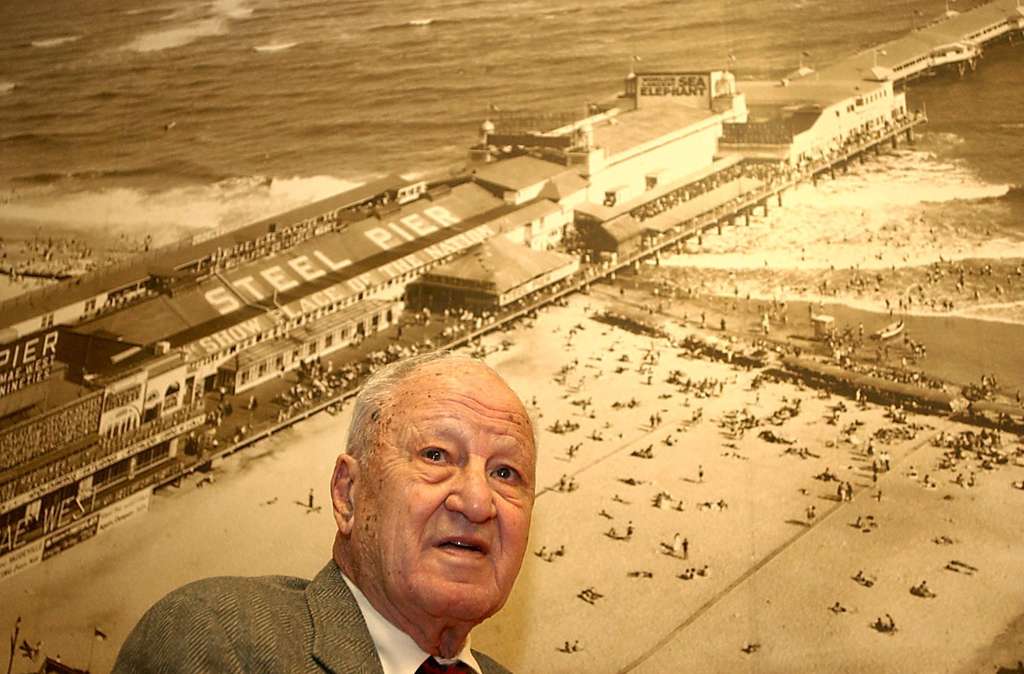
    George A. Hamid Jr. built up his family’s Steel Pier in Atlantic City by finding hot new acts.SHARON GEKOSKI-KIMMEL / File Photograph

    In addition to the amusement park, there is a 40,000-square-foot building, including a sky bridge and roof.

    “How often does someone get to own a piece of the ocean?” Ryan Serhant said in a statement. “The Steel Pier isn’t just five acres on the most famous boardwalk in the world, it actually offers the chance to own the Atlantic itself and build something unforgettable on top of it.”

    The company also noted new residential projects that are in the works in that end of Atlantic City, including Kushner Cos.’ Caspian Point, K. Hovnanian Homes’ South Inlet townhomes, Colosseo Atlantic City’s Chelsea townhomes, and Zoubek Properties’ Residences at the Orange Loop.

    Anthony Catanoso, owner of Atlantic City’s Steel Pier, takes in the view from the Observation Wheel Tuesday, December 26, 2017.Jose Moreno / staff photographer
  • Violence toward journalists is a symptom of a terminally ill U.S. democracy

    Violence toward journalists is a symptom of a terminally ill U.S. democracy

    Some days it’s hard to know what’s worse for America: the wars Donald Trump is losing — most notably in Iran, as U.S. motorists pay painful reparations at the gas pump — or the ones he’s winning, like his onslaught against a free press.

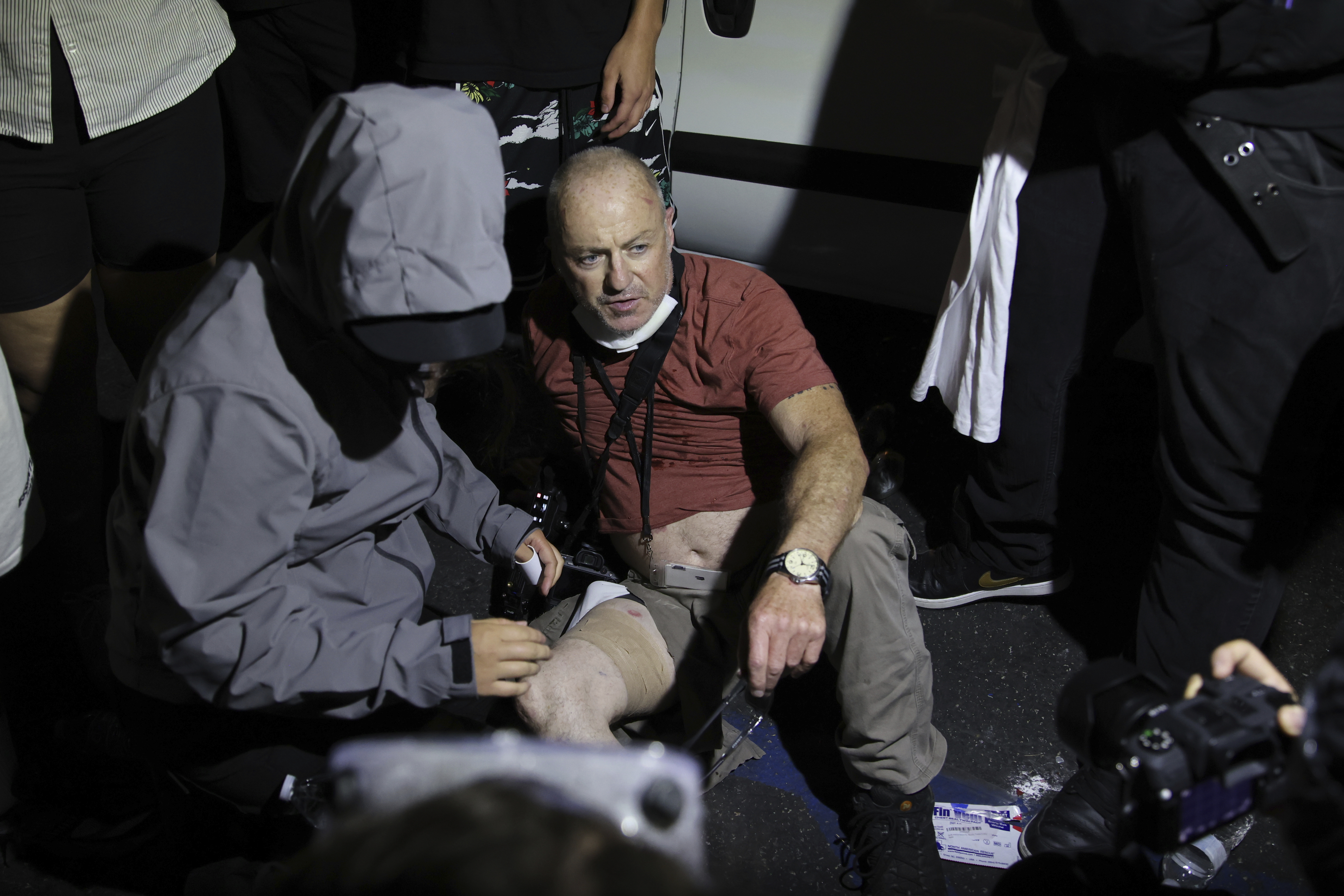
    This February will mark 10 years since the president first declared that journalists are “the enemy of the people,” and he has spent much of the last decade making good on his threat — in constant lawsuits, in wielding federal licensing power like a nightstick, in criminal investigations, and in verbal assaults on journalists that have escalated to lunging.

    Americans are sadly used to such appalling behavior at the White House, but what’s much more alarming is the countless ways hostility, contempt, and Trump-flavored threats to a free press have filtered down to town halls, college campuses, the football field, or other mileposts of Main Street USA.

    One glaring example: Tensions between student journalists asking the right questions about labor disputes and other problems at Southern Illinois University at Edwardsville (SIUE) and the school administration escalated to the point where officials demanded to sit in and monitor interviews by reporters for the Alestle. When the paper’s editor complained in an email, a top university official called the cops and triggered a university police investigation. SIUE’s Nicole Franklin had reported that a journalist questioning school policy “has become an unsafe environment for me.”

    Another: A bad on-the-field encounter between ESPN sideline reporter Holly Rowe and Texas football coach Steve Sarkisian was made much, much worse when a) some knucklehead on social media used AI to alter the footage to end with the Longhorns’ coach slapping Rowe, and b) their highly touted quarterback Arch Manning told a news conference he found the video “hilarious,” prompting laughter.

    The fact that Manning later apologized for the incident, and that the Edwardsville cop who had to go out and interview Alestle editor Dylan Hembrough was embarrassed by the probe, only means that respect for the First Amendment and the humans struggling to uphold it 235 years later is hanging by a thread.

    The stinking fish at the head of all this — Trump — hasn’t physically attacked a White House reporter … yet. But he sure came close last weekend, lunging at ABC News’ Rachel Scott as she tried to ask the president about his harebrained scheme to send every American a $5,000 check, wagging his finger and screaming, “Not you!”

    But out in the American streets, actual violence — as well as unconstitutional arrests and other restraints — is happening on a routine basis. During Trump’s first year back in office, 2025, the Freedom of the Press Foundation found a massive upsurge in assaults on journalists. It said the 170 incidents were roughly equal to the prior three years combined. The attackers ranged from federal immigration agents to riot cops under the control of big-city Democratic mayors.

    But things were deteriorating well before Trump became the 47th president on Jan. 20, 2025. The year before, a survey of working U.S. journalists by the International Women’s Media Foundation revealed that 36% have experienced either physical threats or actual violence.

    I’m publishing this piece on Constitution Day, and a nation that has long touted the guarantees of its then-landmark 1791 First Amendment as proof of American exceptionalism ought to be ashamed that our current press freedom ranking from Reporters Without Borders has plunged to 64th out of 180 nations, the lowest ever.

    But I’m also writing this column now because a) I’m terrified that the climate in which everyone laughs at AI videos of a journalist getting slapped is the prelude to somebody getting killed in the real world, and b) I, and it’s safe to say most of my colleagues, feel an increasing climate of contempt toward just the day-to-day stuff of answering a reporter’s questions or providing basic information about how our government is spending our tax dollars or policing our streets.

    I’ve been a full-time journalist for 45 years now — a half century if you throw in high school and college — and the changes I’ve witnessed over the course of a lifetime have been remarkable, epitomized by the evolution from phone books that listed almost everyone’s number to call-screening and spam filters that make it virtually impossible to connect with people and tell their stories.

    When they threw me onto the night shift at the Washington (Pa.) Observer-Reporter in September 1981, the job consisted of calling hospital emergency room nurses who’d happily volunteer the names and conditions of that night’s car-crash victims, and then police desk sergeants who’d chit-chat and tell you about any major crimes.

    It’s good, actually, that HIPAA was enacted and medical information can’t be volunteered to the public, but it’s bad that police departments — whose track record for honesty runs neck-and-neck with the current administration in the White House — now dole out as little information as possible through stage-managed press releases.

    I thought a lot about those hazy days as a rookie reporter out in Western Pennsylvania this summer, as I tried to report on local police cooperation with federal immigration agents on this side of the state. Police chiefs and township officials batted 1.000 when it came to not returning phone calls or emails. In person, they insisted the federal government told them not to divulge how much of their taxpayer-funded time is spent on busting immigrants instead of protecting neighborhoods.

    Whatever your personal opinion toward journalists, the arrogant and autocratic stance of today’s public officials is spreading to what they think of you, the everyday citizen, and your right to know. This was summed up this week by the police chief of Pitcairn, Pa., who, after listening to public complaints that his 287(g) cooperation pact with U.S. Immigration and Customs Enforcement was reached without a council hearing or vote, said, “I’ve been listening to this crap all night.”

    A couple of important points: Like so many of my colleagues, I’ve felt the growing threats firsthand, from various efforts on social media to map where I live or describe my house, to the time someone drew a bullet hole on a sheet of paper and mailed it to my home.

    But, as a white man, I know things are many, many times worse for my friends and colleagues who are Black or brown or women or in the LGBTQ+ community.

    It’s no accident that the worst invective gets slung toward a female sideline reporter like Rowe, or that Trump goes out of his way to abuse Black female journalists like ABC’s Scott. It’s impossible to draw the boundaries between media hatred and the racism and misogyny that fuel American fascism. That is also clear in the Trump regime’s unconscionable targeting of on-the-ground journalists from immigrant communities like Nicaraguan exile Luis Galeano, detained this week by ICE in Florida.

    It’s all connected.

    Second, my love for journalism and the role we must play in a healthy democracy is exactly why I also believe the media deserves tough scrutiny for the many times we get it wrong. (And I have my receipts from CNN, the New York Times, the Washington Post, etc., etc.) The back-and-forth of media criticism is also the mark of a healthy society in every way that anti-media violence and government officials’ contempt for your right to know are not.

    We can acknowledge that we live in a world where our privacy is under constant assault and needs to be protected — yet also believe, at the same time, that there’s no excuse for government officials or police to hide information that needs to be in the public domain, such as whom they’re arresting and why.

    That requires a vibe shift from all of us — whether it’s not laughing at a video of a female journalist getting slapped, or not dialing 911 when a journalist asks a well-intended question. It means privileged white reporters need to object and walk out of the room the next time Trump verbally assaults a Black female reporter.

    But that also means we need to be as vocal in praising the times journalists get it right — ProPublica’s scoop about Vladimir Putin’s pal paying for the president’s son’s wedding springs to mind — as we are in carping at the many peccadillos of elite media.

    What’s scary is that all of this is happening at a time when vulture capitalists are cutting news organizations to the bone, especially in rural and small-town news deserts. The fewer working journalists that are left, the easier it will be to crush what remains.

    That’s why I was so taken by what a Lexington, Ky., City Council member, Emma Curtis, just said about destructive layoffs at her local paper by the corporate pooh-bahs at McClatchy.

    “All of us who sit up here have been held accountable at one point or another by the Herald Leader,” she said. “Not everything that they have ever written about me is stuff that I’ve liked, but our community is better for it. We are smarter, more informed citizens because of it.”

    I wish more of our leaders — and heck, more regular folks — would talk about this more often. Any attack on a journalist — whether it’s physical or verbal, or some ridiculous AI video posted on X, and whether it comes from the president of the United States or a college quarterback — is ultimately an attack on our sick, barely breathing democracy.


  • Judge orders Kennedy Center to provide 30 days’ notice before making any major physical changes

    Judge orders Kennedy Center to provide 30 days’ notice before making any major physical changes

    WASHINGTON — A federal judge on Thursday ordered the Kennedy Center to provide 30 days’ notice before making any major physical changes to the building, including demolishing it as President Donald Trump has threatened.

    U.S. District Judge Christopher Cooper said his ruling would “avoid any confusion on that score given more recent events,” including the sudden closure of the building to the public on Wednesday.

    Matt Floca, the Kennedy Center’s executive director and chief operating officer, said he closed the iconic performing arts center temporarily due to “acute risks to public safety resulting from continued structural deterioration” of the aging building. The building will be closed for at least seven days to “assess existing safety risks in those portions of the main building exhibiting severe structural deterioration,” Floca said.

    The temporary closure, which occurred without notice Wednesday, is separate from a vote Tuesday by the Kennedy Center’s board to close the performing arts center indefinitely for repairs, Floca and other officials said. The closure was based on an inspection of the roof terrace canopy and a partial ceiling collapse earlier this month, Floca said. The closure may be extended after evaluation next week, he said.

    The announcement of the closure came in response to a court case filed by a Democratic congresswoman who is a trustee and sought an emergency court hearing to prevent what she called the building’s “unlawful closing.”

    Rep. Joyce Beatty, an Ohio Democrat and an ex-officio member of the Kennedy Center board, has led efforts to block President Donald Trump’s name from being added to the building. Beatty had a verbal confrontation with the Republican president Tuesday during a virtual board meeting.

    Beatty’s lawyers said in a court filing Thursday that the board members’ “rationale that they are only temporarily closing the Kennedy Center is a plain pretext to justify shutting down the Center permanently. The facts before the Court are deeply concerning.”

    Cooper denied a request by Beatty’s legal team to hold a hearing to clarify the board’s actions and intent. But he agreed to their request “to make crystal clear” that his order prohibits demolition of the building.

    The Trump-aligned board, chaired by the president, voted to close the center after Cooper blocked the institution from returning Trump’s name to the building.

    Trump, who was named the Kennedy Center’s chairman last year by loyalists on the board, said Wednesday that his efforts to restore the aging building deserve recognition, “because frankly, if we don’t do that, it’s going to close. It’ll end up being ripped down. It’s in very, very bad shape, very dangerous shape.”

    Congress has allocated $257 million to cover the repairs, but Trump said they only would happen if the board was permitted to move forward with plans to add his name to the building.

    On Thursday, Barbra Streisand, a Kennedy Center honoree in 2008, questioned the closing of the center for repairs and called the controversy surrounding its operation “galling and painful to witness.”

    Of Trump’s attempts to add his name to the center, she said in a statement to The Associated Press: “You can easily imagine my indignation at seeing this revered institution become the subject of such a bitter struggle over one man’s name and unchecked ego.”

    The Kennedy Center board voted in August to inscribe Trump’s name on the Kennedy Center’s facade so it would read “The John F. Kennedy Center for the Performing Arts Restored and Renovated By President Donald J. Trump.” If the Trump Kennedy Center Fund reached $100 million, another inscription would be added reading “Endowed by the Trump Kennedy Center Fund.”

    The plaza in front of the Kennedy Center would also have been renamed in Trump’s honor.

    All of those proposals were shot down Tuesday by Cooper, who ruled that nothing could happen “without Congress’s blessing.”

    Cooper ruled in May that the Kennedy Center illegally added Trump’s name to the building, ordering it removed. The institution’s leaders complied in June but left a tarp and scaffolding in place where Trump’s name was once displayed.

    Streisand told AP she was deeply honored to be included in the 31st annual class of Kennedy Center Honorees, adding, “for me, and for so many artists, that honor represented something larger than a career recognition. It represented a belief in the importance of art to the life of a democracy.”