Category: Washington Post

  • House vote exposes Democrats’ widening divide over Israel

    House vote exposes Democrats’ widening divide over Israel

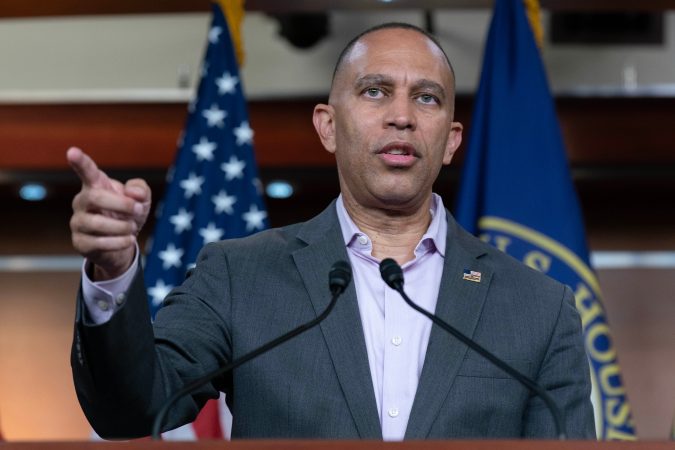
    A striking number of House Democrats — 103 — voted Wednesday to cut off military aid to Israel for the next fiscal year, in a sign of the growing disconnect between the Democratic leadership’s long-standing support for the Jewish state and the party’s left wing.

    The vote was on a largely symbolic amendment introduced by Rep. Thomas Massie (R., Ky.) to an appropriations package for the State Department and other national security agencies.

    Despite the considerable Democratic support, the amendment failed in the House. House Minority Leader Hakeem Jeffries (D., N.Y.) voted against it. Massie was the only Republican to vote for the amendment. Ten Democrats voted present.

    Still, the large support for the amendment comes amid a sharp shift among Democratic voters on Israel. A number of Democrats who have voiced support for Israel voted for the amendment, including former House Speaker Nancy Pelosi (D., Calif.) and Katherine Clark (D., Mass.), the minority whip.

    In a statement, Clark — the No. 2 House Democrat — said, “the status quo is not tenable.”

    She added: “We should not provide a blank check for military aid to any country that does not comply with U.S. law, interests, and values. The Netanyahu government has failed to meet that standard.”

    Public support for Israel has plummeted over the country’s military campaigns in Gaza and Lebanon, particularly among Democrats. Nearly three-quarters of Democrats want to reduce or end military support for Israel, according to a Washington Post-Ipsos poll conducted July 8-13. Forty percent of Democrats want to eliminate military support to Israel entirely, including 58% of “very liberal” Democrats.

    Views have shifted dramatically in recent years. Shortly after the Oct. 7, 2023, Hamas attacks on Israel, 28% of Democratic registered voters felt the U.S. was too supportive of Israel, according to polling by Quinnipiac University. That rose to 41% by early 2024 and to 66% last month, including clear majorities of older and younger Democrats.

    Rahm Emanuel, a potential Democratic presidential candidate and former top adviser to Presidents Bill Clinton and Barack Obama, recently traveled to Tel Aviv to warn Israelis that Prime Minister Benjamin Netanyahu had led the country toward dangerous diplomatic isolation.

    Emanuel said U.S. support for Israel was “plummeting around the world” and argued that the United States should end “the American taxpayer’s subsidy of Israel’s defense budget.”

    Jeffries has resisted calls from the base to end all aid to Israel’s government, balancing the priorities of his Democratic members who have stood by the U.S.-Israel relationship. He wrote in a Monday letter to his fellow Democrats that he would be voting against the measure, saying it is too broad.

    But Jeffries said “given the strongly held views throughout the Caucus,” he would let members vote their conscience on the measure.

    A progressive campaign push

    Progressive candidates have cast the divide as evidence that the Democratic establishment is misaligned with its own voters — not only on the war in Gaza, but also on money in politics and the use of U.S. tax dollars abroad.

    “The Democratic Party has been out of step with its own base on Gaza and Palestinian human rights for years. People in this country can’t afford rent, groceries, or a doctor’s visit — and instead of fighting for them, our politicians are sending billions to fund a genocide,” said Darializa Avila Chevalier, a democratic socialist candidate who won a competitive New York primary last month.

    The strategy has had several notable successes.

    In New York, three vocal leftist critics of Israel including Avila Chevalier handily won their primaries, including one in which support for Israel became a central distinction with the moderate incumbent. Candidates making similar arguments also won primaries in Pennsylvania, New Jersey, and Colorado.

    The trend continues in competitive primary races this summer, including in Michigan’s highly watched Senate race where criticism of Israel forms a pillar to progressive candidate Abdul El-Sayed’s message.

    In a statement for this story, Jeffries said the party “must recommit to a two-state solution that prioritizes a safe and secure Israel as a Jewish and Democratic state living side by side in peace and prosperity with a Palestinian state that provides dignity, respect, and self-determination for the Palestinian people.”

    He continued, “It is also imperative that we support the complete reconstruction of Gaza, aggressively surge humanitarian aid to Palestinian civilians and strongly oppose the reprehensible conduct of the far-right Netanyahu government in the West Bank.”

    He added in his letter to fellow Democrats that Israel has reached a point where it should be able to pay for its own defense and that the U.S. should reassess future aid agreements with the country.

    The call for a reset was a significant move for the leader given his past firm support for the U.S.-Israel alliance, said Jeremy Ben-Ami, president and CEO of the liberal pro-Israel group J Street.

    But several progressives have still demanded a stronger stance on the issue than Jeffries’s attempts to balance the positions of the caucus.

    “The Democratic voting base and the American voting base have shifted here,” said Brad Lander, who won a competitive New York primary against Rep. Dan Goldman, a longtime supporter of Israel. “I do believe that the Democratic Party leadership is going to have to catch up.” Lander, like Goldman, is Jewish and supports a two-state solution but differed from Goldman in labeling Israel’s actions in Gaza a genocide.

    The American Israel Public Affairs Committee, the preeminent pro-Israel lobbying group, has become a particular target on the left, held up as an example of what progressives call the corrupting influence of money in politics. Progressive candidates regularly criticize moderate candidates who benefit from spending by AIPAC-affiliated groups, asserting the group’s campaign funding pushes candidates away from the party base’s stance on Israel. AIPAC’s political network supports pro-Israel Democrats and Republicans, including all of the top members of House Democratic leadership.

    El-Sayed has accused his opponent, Rep. Haley Stevens, of failing to adequately condemn the actions of the Israeli government because of what he says is the influence of the pro-Israel lobby. A super PAC affiliated with AIPAC has poured more than $20 million into boosting Stevens.

    “Her entire campaign is bankrolled by outside organizations who know that they’re going to buy a reliable vote to send our tax dollars elsewhere instead of solving actual problems here in Michigan,” El-Sayed said.

    On Wednesday, Stevens voted against the House amendment.

    Stevens is a longtime supporter of Israel, though she has also criticized the government’s handling of the war in Gaza and said Israel’s actions have made Jews around the world less safe. During a debate this month, she said she was the only candidate who truly advocated for the creation of a Palestinian state alongside Israel.

    Stevens’ campaign responded that El-Sayed was “peddling in conspiracy theories” by asserting she was working at the behest of AIPAC.

    “Haley has always believed this race is about the future of Michigan, and that’s why her focus is and has been on promoting policies that will reduce costs, grow the economy and create a strong 21st century manufacturing industry that will carry Michigan forward,” her campaign said in a statement.

    Patrick Dorton, a spokesperson for AIPAC’s super PAC, said the group has the right to partake in the primary process like any other interest group and noted that super PACs have also been spending heavily to back candidates opposed to the U.S.-Israel relationship.

    “The anti-Israel fringe left uses the dark money argument when it suits them and funds super PACs when it’s to their advantage,” Dorton said. “These are red herring arguments to drive pro-Israel Democrats out of the party and out of the primary process.”

    Deryn Sousa, a spokesperson for AIPAC, said that the organization’s membership crosses party lines and the group supports candidates based on their alignment with its support for the U.S.-Israel relationship. Hundreds of AIPAC-backed candidates have won their primaries this year, Sousa noted.

    Democrats for Israel

    Israel still has its ardent defenders among congressional Democrats, several of whom argue that the growing number of vocal Israel critics fails to grasp the reality on the ground.

    “War is terrible, and it’s very hard to be successful in an urban war and successful in the public relations war,” said Rep. Brad Sherman (D., Calif.), a longtime supporter of Israel and co-chair of the Israel Allies Caucus.

    Sherman said he and most other Democrats have been able to criticize the government of Israel without going after the U.S.-Israel relationship, one of the strongest partnerships in the Middle East. He warned that some of the criticism has amounted to demonization and antisemitism.

    And even among the progressive candidates criticizing the party’s stance toward Israel, there is disagreement on the future of the relationship with Jerusalem. While Lander identifies himself as a Zionist, El-Sayed said liberal democracy was incompatible with the idea of a Jewish state.

    The next House Democratic Caucus is likely to include an unusually large number of members openly critical of Israel. Still, foundational disagreements over Israel are nothing new to the caucus.

    Sherman recalled a pushback on similar criticisms against Israel in the 1980s, when the country invaded Lebanon, though he noted the resistance to Israel is greater now among Democrats than then. He was a founding leader at the time of Democrats for Israel, a grassroots group dedicated to rooting out anti-Israel sentiment in the party.

    Avila Chevalier said she would work with anyone “serious about lowering the cost of living working-class people” regardless of their stances on Israel.

    Rep. Bradley Schneider (D., Ill.), a moderate who is largely supportive of the U.S.-Israel relationship, noted Israel critics already serve in the Democratic Caucus and that he is still able to work with them on other issues, including healthcare, housing and education.

    “Democrats are a big tent,” Schneider said. “We welcome diverse opinions.”
  • U.S. Mint to produce $1 coin with Trump’s face on it, treasury secretary says

    U.S. Mint to produce $1 coin with Trump’s face on it, treasury secretary says

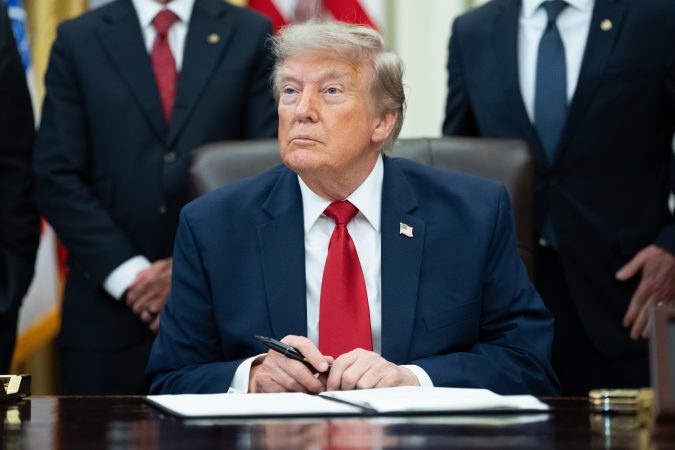
    The U.S. Mint will soon begin producing a new $1 gold-hued coin with President Donald Trump’s face on it to commemorate America’s 250th birthday, Treasury Secretary Scott Bessent announced this week.

    The coin’s face features Trump alongside the phrase “In God We Trust.” It is encircled with the phrases “Liberty” and “1776-2026.” The flip side of the coin shows an eagle holding arrows in one talon and olive branches in the other.

    Since the start of his second term, Trump and his allies have pushed to reissue federally created currency and documents to feature the president’s name and likeness. Examples include a commemorative passport with Trump’s image inside its pages and the addition of his signature on newly printed $100 bills. There are also proposals to feature the president’s image on 24-karat gold coins and commemorative $250 bills.

    Bessent said in a post on X that the coin “celebrates the strength of American values, and the promise of a nation dedicated to preserving freedom for all.”

    A Treasury Department spokesperson said the coin “is in production and minted in Philadelphia, and it will be available in the fall.” They also said that there is no gold in the coin but that it has a gold-like finish.

    Earlier drafts proposals of the $1 coin showed Trump standing with a clenched right fist in front of an American flag and the words “Fight Fight Fight” — a reference to the 2024 assassination attempt at his campaign rally in Pennsylvania.

    When plans for the $1 coin were revealed last year, concerns emerged over whether the proposal to include a living president’s image on U.S. currency could violate the law.

    Under a law passed in 2020, the Treasury Department can mint $1 coins during 2026 to mark the 250th anniversary “with designs emblematic of the U.S. semiquincentennial.” However, according to U.S. code, “[o]nly the portrait of a deceased individual may appear on United States currency and securities” — a law that sprang from a Colonial-era tradition against putting current presidents on American coins themselves from the British monarchy.

    In addition, the 2020 law states that “[n]o head and shoulders portrait or bust of any person, living or dead, and no portrait of a living person may be included in the design on the reverse of any coin” produced for the Semiquincentennial, which could be violated by having Trump’s image on both sides of the coin.

    Bessent argued that the $1 coin design was legal, telling Fox News this week that although he is otherwise barred from featuring a living person’s image on U.S. currency, “during the 150th, there was a Calvin Coolidge coin, so we can put living presidents’ images on a coin.”

    The design for the coin also was not what the Commission of Fine Arts, which is composed entirely of Trump appointees, recommended when members met in January. The obverse design recommended by the commission featured Trump’s face in profile, while the final design shows the president with his eyes forward. The treasury secretary has the final say on the design.

    Megan Sullivan, the acting chief of the U.S. Mint’s office of design management, said during the January commission meeting that “the legal research has been done both at the Mint and up into Treasury, and they have determined that [the proposed coin featuring Trump’s image] does not violate any laws.”

    Sullivan described the coins as being “a little bit larger than a quarter” and being composed of “manganese brass” and displaying as “golden in color.”

    The $1 coins are distinct from the 24-karat coins created by the Treasury Department that typically sell for thousands of dollars. Senate Democrats, in June, urged the Trump administration to halt production of that solid gold coin, citing concerns that some of the U.S. Mint’s gold could have links to foreign cartels.

  • Scientists probe sharp drop in Chesapeake Bay’s crab population

    Scientists probe sharp drop in Chesapeake Bay’s crab population

    A new report on the Chesapeake Bay’s signature blue crab has documented a steep, long-term decline in the crustacean’s population, raising concerns among environmental groups about the future of one of the region’s most important species.

    Scientists aren’t sure exactly what’s behind the drop. The total number of blue crabs can fluctuate sharply, with population estimates varying by tens of millions — or even hundreds of millions — within just a few years. But experts said they’re concerned by what they’re seeing.

    “It’s clear the bay’s most iconic species is under immense stress,” according to the Chesapeake Bay Foundation, which was not involved in the assessment but whose scientists closely monitor its results.

    There are numerous ways to gauge crab “abundance,” the term researchers use to denote the overall population or that of different subgroups, such as juveniles. Michael Wilberg, the assessment’s lead author, cited one overarching finding: In 2011, the bay had about 1.3 billion crabs. By 2023, that dropped to about 825 million, he said.

    Habitat loss, especially the reduction of underwater grasses that shelter young crabs, may be playing a role, experts said. Changes in currents, winds and storms, pollution and runoff, and low oxygen “dead zones” caused by algae blooms, may all also contribute, experts said.

    “They’re a short-lived species and the biggest thing we’re seeing is a decline in the number of young crabs entering the population,” said Chris Moore, the Chesapeake Bay Foundation’s Virginia executive director. “That long-term trend of fewer young ones is very concerning.”

    Healthy blue crabs are vital to the bay’s ecosystem. They eat worms, clams, and smaller crabs, and are prey for fish, great blue herons and sea turtles. Blue crabs also generate $50 million to $80 million annually for Maryland’s and Virginia’s commercial crabbing industries, experts said.

    The assessment is conducted roughly every 10 to 15 years, depending on funding, with the help of environmental research and marine science centers and fishery agencies in Maryland and Virginia. It evaluates the species’ overall health and sustainability, including predator impacts, habitat, mortality rates, harvest levels, and the number of spawning females, and serves as a guide for fishery managers.

    The vast number of crabs in the bay in the early 1990s was driven down by overharvesting, experts said. Tighter limits on crabbing helped stabilize the population, but it has since dropped. While some years have seen increases — 2026 was one of them, according to a long-running annual government survey — totals remain far below historic highs.

    “We’re still not where we want to be because we’ve been so low,” Wilberg said.

    The 290-page assessment helps give a more in-depth sense of what is happening to blue crabs over a longer period than the annual surveys and other reports done by agencies. Moore called it a “guiding light of how we manage the species.”

    “We’re seeing a pretty consistent decline in mature female crabs that looks remarkably similar to what we saw in the 1990s,” said Thomas Miller, professor of fisheries science at the University of Maryland Center for Environmental Science. He’s concerned the numbers will stay low.

    The dearth of juvenile crabs, scientists and watermen said, is especially troubling because of the species’ short and unpredictable life cycle. Blue crabs live only about three to four years. Females release their offspring near the mouth of the Chesapeake, where it meets the Atlantic Ocean.

    After hatching, larvae — barely the size of a pinhead — drift in the ocean before returning on tides and currents, settling in underwater grass beds in the bay. If they don’t return to the bay, they’re essentially lost at sea.

    According to the assessment, the invasive blue catfish, which preys on blue crabs, was responsible for reducing the juvenile crab population by an estimated 8% in 2023.

    The number of female crabs has also dropped pretty consistently over the last decade, Miller said. He believes one reason is the females have had to compete with blue catfish for clams — and they really need the food. “They carry the energetic cost of bearing the next generation,” he said.

    Crab-eating consumers, Miller said, may see a slight increase this year in crab prices at markets and restaurants but they won’t be exorbitant.

    Watermen pointed to another possible factor: last year’s cold weather.

    “We had a hard winter and we had a number of crabs die because of the cold,” said Robert T. Brown, a third-generation waterman in the St. Clements Island area of Maryland who has served as president of the Maryland Watermen’s Association for 13 years. “That happens. They don’t bury down far enough.”

    Because blue crab populations swing dramatically, state fish and wildlife officials tightly regulate how many crabs can be harvested.

    Brown said many watermen are frustrated by what they see as overregulation and are worried about the high costs of entering the industry, making it difficult to attract a younger generation.

    “People who used to crab aren’t crabbing anymore because they’re in the graveyard,” Brown said. When he began in the mid-1960s, the average age of a waterman was in the early 30s. Now, he said, it’s in the upper 60s.

    “You better have $150,000 in your pocket to get started in this business and not expect to get your money back for two or three years,” Brown said. “There’s no vacation with pay, no 401(k) plans and you start at 3:30 or 4 o’clock in the morning.”

    This year’s season, which runs roughly from April through November, “hasn’t been great,” Brown said.

    But he hopes for better.

    “If you look in a crystal ball and try to predict it’s going to be a great year, it ends up being poor,” he said. But when “they’re saying it’s going to be one of the worst seasons we ever had, then it seems like we have crabs fall out of the sky.”

  • Pat Oliphant, prizewinning giant of political cartooning, dies at 90

    Pat Oliphant, prizewinning giant of political cartooning, dies at 90

    When Pat Oliphant assembled his entry for the 1967 Pulitzer Prize for editorial cartooning, he included a dozen cartoons he had drawn for the Denver Post: 11 he was proud of, and one he didn’t think was any good but was targeted to appeal to the jury’s politics.

    He won the prize — for the one cartoon he didn’t like, an image of North Vietnamese leader Ho Chi Minh holding a dead body, captioned, “They won’t get us to the conference table … will they?”

    Mr. Oliphant was enraged. For years afterward, he condemned the Pulitzers, never again submitting his work for a prize that was awarded, in his view, more on the basis of politics than skill. “It’s a fraudulent award,” he said.

    The Pulitzers were just one of many targets for Mr. Oliphant, a self-described “equal-opportunity cartoonist” who took on powerful people, and institutions, with glee.

    Across his six-decade career, he was just as likely to go after D.C. Mayor Marion Barry — whom Mr. Oliphant depicted as an Idi Amin-like ruler, the tea-addicted “King of Kolumbia” — as he was President George H.W. Bush, whom he skewered as a purse-carrying wimp and as a would-be Lawrence of Arabia.

    “If Pat Oliphant couldn’t draw,” a critic once said, “he’d be an assassin.”

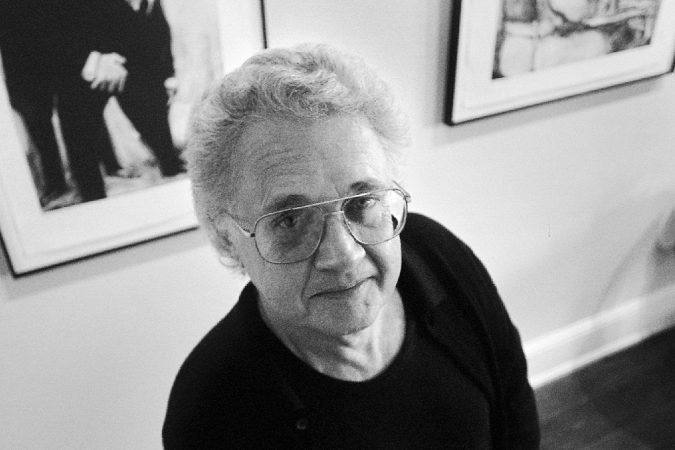
    Mr. Oliphant, who helped revolutionize political cartooning in the United States with his slashing humor and sophisticated artistry, died Monday at his home in Santa Fe, N.M., at age 90, according to his son, Grant Oliphant.

    By the time he won the Pulitzer, Mr. Oliphant’s comics were reaching an international readership through syndication. His audience only grew after he moved to the Washington Star in 1975 and, six years later, struck out on his own, working independently without being tied to a single paper.

    At the height of his popularity, his work appeared in more than 500 newspapers, influencing fellow Pulitzer winners including Tom Toles, Tony Auth, Ann Telnaes, and Jeff MacNelly.

    “He saw himself as participating in the long tradition of political caricature, going back especially to Delacroix, to Daumier, these major figures of the 19th century,” said Molly Schwartzburg, a Harvard University curator of printing and graphic arts who helped organize a 2020 exhibition of Mr. Oliphant’s work. “His work has a sort of intellectual history that brought an aesthetic seriousness to political cartooning in the 20th century. He’s a trenchant critic of the hypocrisy of politics, and he’s always seeing exactly what the politicians are up to.”

    At a time when other political cartoonists were using a vertical or strip format for their work, Mr. Oliphant helped popularize the use of a horizontal panel. He also proved influential in the way he shaded all his cartoons by hand. Twice he was awarded the National Cartoonists Society’s Reuben Award, for cartoonist of the year.

    Mr. Oliphant’s work was not without its critics. The Catholic League denounced him as “one of the most viciously anti-Catholic editorial cartoonists ever to have disgraced the pages of American newspapers,” taking particular issue with cartoons he drew about sexual abuse within the clergy. (One memorable example was captioned, “Celebration of Spring at St. Paedophilia’s — the Annual Running of the Altar Boys.”) Other cartoons sparked criticism from the American-Arab Anti-Discrimination Committee, which accused him of racism, and the Simon Wiesenthal Center, which said he demonized Israel.

    If there was somebody who could be offended, Mr. Oliphant probably did so. As he saw it, political cartooning was a “confrontational art,” one that thrived on provocation. “We are drowning in political correctness and somebody’s got to kill it,” he told the New York Times in 1997. “It’s the ruination of my business.”

    Finding a calling, and a penguin

    Patrick Bruce Oliphant was born in Adelaide, Australia, on July 24, 1935. As a child, he sought to emulate the work of his father, Donald, a government draftsman. He also took inspiration from his uncle Mark Oliphant, a physicist who worked on the Manhattan Project, was knighted, and became governor of South Australia.

    “People knew Sir Mark — his reputation was known throughout Australia,” Grant Oliphant said in the 2025 documentary A Savage Art: The Life & Cartoons of Pat Oliphant. “And I think part of what motivated my father to become great in his own right was he got tired of always being asked if he was related to Sir Mark, and he wanted to be his own guy.”

    At 18, Mr. Oliphant landed a job as a copy boy at the News, an Adelaide newspaper owned by Rupert Murdoch’s father, Keith Murdoch. He had aspired to work as a reporter, but in 1955 he left the News for its rival, the Advertiser, and began doing minor illustration work, drawing maps and retouching photos. Soon, he said, “drawing won out,” and he left writing behind to be the Advertiser’s editorial cartoonist.

    When editors disagreed with some of his cartoons, Mr. Oliphant began adding a tiny character at the margins, Punk the penguin, to voice his forbidden political views.

    Inspired by a real-life penguin that had washed ashore in Adelaide, the character remained a staple of his cartoons for decades. It was through Punk that Mr. Oliphant called President Ronald Reagan a “soldier of importune” during the Iran-Contra scandal, suggested Ted Kennedy should run away rather than run for president, and quipped that a $10 million book deal President Bill Clinton secured for his memoir was “not bad bucks for fooling all of the people all of the time.”

    Mr. Oliphant was eager to leave Australia, which he dismissed as “a country where nothing happens.” He moved to the United States to join the Denver Post in 1964, and within a year his cartoons were syndicated internationally.

    After moving to Washington to work for the Star, an afternoon paper that folded in 1981, Mr. Oliphant continued to refine his technique. For years, he attended a twice-weekly figure-drawing class that William Christenberry taught at the Corcoran School of the Arts and Design, developing what his colleague Telnaes once described as “a great sense of composition.”

    In addition to his political cartoons, Mr. Oliphant made paintings and sculptures, which he exhibited at a Georgetown art gallery owned by Susan Corn Conway. She and Mr. Oliphant married in 1996 and moved to Santa Fe in 2004.

    His wife died in December. His previous marriages, to Hendrika de Vries and Mary Ann Kuhn, ended in divorce. In addition to his son, Grant, survivors include two daughters, Laura and Susanne Oliphant; two stepchildren, Pauline and Daniel Conway; a brother; four grandchildren; and two great-grandchildren.

    Mr. Oliphant retired from cartooning in 2015, as his eyesight began to fail. But two years later, he made a brief reappearance with two editorial cartoons that were published online by the Nib, mocking President Donald Trump — depicted in a Nazi uniform — and White House strategist Stephen K. Bannon.

    “We thought that Watergate was a unique condition. But it sort of pales in comparison to what we’ve got now,” Mr. Oliphant told the Santa Fe Reporter that year.

    He had found a dream subject in Trump, he said, but his eyes made it all but impossible to draw. “I’ve been in this business 60 years. And I’ve waited 60 years for this [guy] to come along. And I can’t do anything about it because of my eyes.”

  • RFK Jr. faces Hatch Act complaint after intervening in congressional races

    A top Senate Democrat has requested an investigation into whether Health Secretary Robert F. Kennedy Jr. broke a federal law intended to prevent political appointees from interfering in elections, citing Washington Post reporting.

    Sen. Ron Wyden (D., Ore.), the top Democrat on the Senate Finance Committee, filed a complaint Monday with the Office of Special Counsel, a quasi-judicial independent agency that administers the Hatch Act and other civil service rules.

    The Hatch Act bars federal employees from engaging in political activity in the course of their work. Several Trump appointees in the first administration were found to have broken the law.

    President Donald Trump has previously derided the Hatch Act and declined to enforce the special counsel’s recommendations.

    In his complaint and accompanying letter to Jamieson Greer, the acting head of the special counsel’s office, Wyden cited examples of Kennedy encouraging a pair of third-party candidates in Iowa to drop out of contested House races so Republicans could keep control of Congress.

    The Post obtained audio of Kennedy’s call with one of the candidates, Rick Stewart, in which the health secretary suggested he would serve as a liaison with the White House and could help Stewart if he left the race. A second candidate has said he received a similar call from Kennedy.

    Wyden, whose committee helps oversee some of the agencies led by Kennedy, said that the cabinet secretary’s offers to the candidates were “brazenly corrupt” and violated the Hatch Act and other laws.

    “The quid pro quo offer of federal employment or other personal gain that Kennedy extended to Stewart on the June 11 phone call is conduct expressly prohibited by the Hatch Act,” Wyden wrote in his letter to Greer, which was shared with the Post.

    The White House and the Department of Health and Human Services, which Kennedy leads, did not respond Monday to questions about Kennedy’s conversations with the candidates and whether he faced any internal repercussions once the calls came to light.

    Trump mocked the Hatch Act in his first term, including after the Office of Special Counsel in 2019 recommended that Kellyanne Conway, a top Trump adviser, be removed from her post for violating the law. Conway had criticized Democratic presidential candidates while she was being interviewed by media outlets in her official capacity and tweeted about the candidates from her official account, the office concluded.

    Trump ignored the office’s recommendation and kept Conway in her post.

    The Hatch Act, which has been law since 1939, does not apply to the president — a fact that Trump has acknowledged in the past, including when he decided to accept the Republican nomination for president in 2020 by giving a speech at the White House.

    “There is no Hatch Act because it doesn’t pertain to the president,” Trump said in August 2020.

  • Trump plans primetime speech on 2020 election allegations

    Trump plans primetime speech on 2020 election allegations

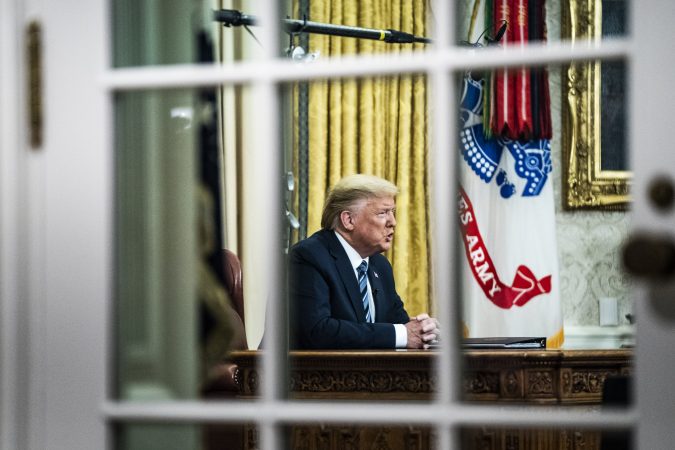
    President Donald Trump is planning a primetime address Thursday that will use findings from reexamined government files to argue that the country’s election infrastructure has vulnerabilities, according to two people briefed on the plan.

    Trump told reporters in the Oval Office on Tuesday that the speech would concern voting machines but declined to elaborate. “It will concern that subject, and we’ll have a couple of other things to say, also,” he said. “But I’d rather save it. But it’s really big news.”

    The president could use the address to press his long-standing allegations of foreign interference in the 2020 election, the results of which he has never accepted. The speech, in part, will highlight claims that China accessed U.S. voter data, said the people, who spoke on the condition of anonymity to discuss a plan that has not been made public. Trump is also expected to discuss findings related to Venezuela, they said.

    It was not clear Tuesday whether the major broadcast networks would provide airtime for the speech. As of late morning Tuesday, the White House had not made a request for air time.

    The plans are fluid and could change. “Anonymous sources are speculating about what President Trump will say during his speech on Thursday evening,” White House press secretary Karoline Leavitt said. “The truth is, nobody knows yet what President Trump will ultimately say, which is why everyone should tune in.”

    The plan came after a confidential White House briefing on Monday to review findings from the Trump administration’s broad reexamination of old FBI records, including from the 2020 election, one of the people said. Trump then announced the speech on social media, without specifying the subject.

    In recent weeks, FBI Director Kash Patel has dispatched hundreds of agents to help the bureau’s Atlanta field office review 700 files by July 17, according to an internal FBI obtained by the Washington Post. Trump has long argued that he unfairly lost the 2020 presidential election in Fulton County, Ga., which includes Atlanta, and, despite a lack of evidence, the FBI field office has been investigating those claims.

    Trump is making the primetime announcement at the urging of advisers including Bill Pulte, the acting director of national intelligence, and John Solomon, a former conservative journalist who temporarily joined the White House to help review government records for release. Solomon has long questioned investigations surrounding Trump and has pushed for the release of FBI investigatory files related to alleged election interference.

    Since Trump returned to office, multiple federal agencies have pursued allegations of tampering with the 2020 vote that had previously been investigated and rejected.

    U.S. intelligence agencies concluded in March 2021 that there was no foreign interference that altered votes or manipulated machines in the presidential election. The agencies said Russian and Iranian spies did try to influence Americans. They also said China considered but did not go through with efforts to try to affect the outcome of the election, a finding that was the subject of internal dispute at the time.

    In Trump’s second term, the Office of the Director of National Intelligence, under Tulsi Gabbard until last month, has taken steps including examining voting machines used in Puerto Rico looking for cybersecurity vulnerabilities.

    In September, the contract firm Mojave Research completed a report for the national intelligence director’s office based on forensic analysis of digital voting software obtained from Puerto Rico. The report concluded that software vulnerabilities made the machines highly vulnerable to hacking, according to two people familiar with the report, who spoke on the condition of anonymity to discuss findings that have not been made public. The Mojave analysts found no evidence that exploitation took place, they said.

    The report’s release had been delayed by the White House, the people said, but it could come this week.

    In January, the FBI and Justice Department seized 2020 ballots that were preserved by a court order in Fulton County. Investigators also obtained records including ballot images from the Republican-led Arizona Senate’s review of the 2020 results in that state’s largest county. And the FBI in recent months interviewed current and former election officials about the 2020 election in Milwaukee.

    Trump lost all three of those swing states in 2020. Recounts and court reviews have upheld those results, even as Trump has spent years falsely claiming the election was rigged.

    The Arizona and Georgia investigations came at the instigation of Kurt Olsen, a lawyer who worked on Trump’s efforts to overturn the 2020 results at the time and advised him in the White House in 2025.

    Trump has taken a series of actions in recent months aimed at influencing how elections are carried out. Most have been blocked in court or otherwise stymied.

    Last week, Trump disbanded a bipartisan commission that helps states and localities administer elections. He also recently signed executive orders designed to limit mail ballots and to require states to verify voters’ citizenship with federal data. Those orders have been halted in court. Judges noted the Constitution gives the power to run elections to the states and Congress, not the president.

    The Justice Department has sued to get copies of state voter rolls but so far has lost those cases. And the administration’s efforts to allow states to check voter eligibility in a massive federal database has been severely hampered in a separate case.

    Trump has demanded that Congress pass a law to require proof of citizenship and ID to vote in this year’s midterms, but Senate Republicans say they lack enough votes. To escalate the pressure, Trump refused to sign a bipartisan bill aimed at making housing more affordable, allowing the legislation to become law without his signature.

    Election officials and voting rights advocates have been bracing for months for the administration to release information that purports to cast doubt on how elections are conducted.

    “Few things can be more predictable than this coming,” said Lawrence Norden, vice president of elections and government at the Brennan Center for Justice at New York University, a voting rights organization that has sued the administration over some of its election policies.

    Any electronic system has vulnerabilities, but states are vigilant about making sure their outcomes are correct using “layered defenses,” Norden said. States conduct audits and recounts to ensure accuracy, and 98% of votes in the midterm elections will be on paper ballots that can be reviewed, he said.

    “Unless you have that context of the security that’s already in place, I think some of the kind of things that they’re throwing against the wall can be very confusing to the public,” he said.

    Some Trump White House officials in 2020 believed China favored Joe Biden in that year’s election and doubted the intelligence assessment that the country would not seek to interfere and had no preference, according to a former official who spoke on the condition of anonymity because of the matter’s sensitivity.

    That view was shared by then-Director of National Intelligence John Ratcliffe, who is currently serving as CIA director.

    Ratcliffe “disagreed with the established analytic line on China, insisting ‘we are missing China’s influence in the US and that Chinese actions ARE intended to affect the election.,’” according to a January 2021 report to Congress from an analytic ombudsman for the intelligence community.

  • ICE halts vehicle stops after 2 deadly shootings

    ICE halts vehicle stops after 2 deadly shootings

    BIDDEFORD, Maine — Trump administration officials told Immigration and Customs Enforcement officers to suspend most vehicle stops after two deadly shootings within a week, people familiar with the decision said Tuesday.

    The order came after an ICE officer shot and killed a Colombian driver Monday in Maine and a week after an officer shot and killed a Mexican motorist in Houston, renewing criticism of the agency’s tactics during enforcement operations.

    The suspension is not absolute and there’s room for exceptions when executing a criminal warrant or working with partner agencies, according to a person who spoke Tuesday on condition of anonymity to discuss sensitive law enforcement operations. Matthew Felling, a spokesperson for Maine Sen. Angus King, said the senator’s office was also told by the Department of Homeland Security that ICE was suspending vehicle stops.

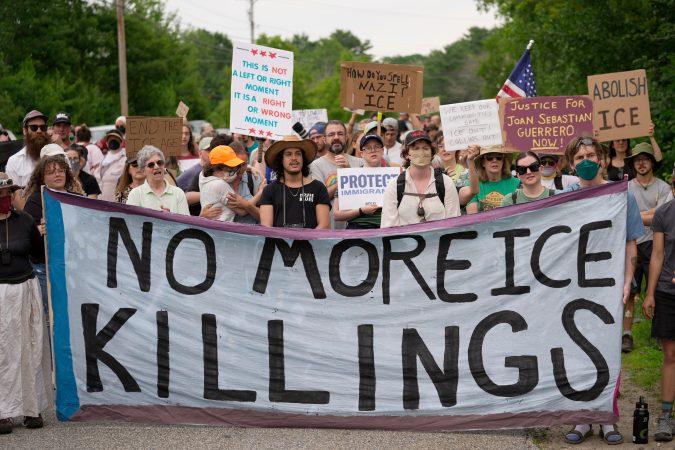
    Hundreds of people in Maine protested Tuesday over the fatal shooting Monday of Johan Sebastián Durán Guerrero, a 26-year-old Colombian national.

    DHS said Monday that the officer, “fearing for public safety,” shot and killed Durán Guerrero while officers were watching the home of someone they believed was in the U.S. illegally and had a final order of removal from the country. It said in a post on X that when ICE tried to stop a car driven by someone who came from the home, the vehicle attempted to flee and the officer fired his weapon.

    That was a shift from how King described the encounter hours earlier, when he said Homeland Security Secretary Markwayne Mullin told him the officer opened fire after the man tried to use his vehicle as a weapon. King said Mullin told him the officers were trying to serve an arrest warrant, but not for the man who was shot.

    DHS, which oversees ICE, didn’t immediately respond to an email seeking clarity on what led to the shooting.

    In a scathing post on X, outgoing Colombian President Gustavo Petro called the shooting a targeted killing “at the hands of the U.S. government.”

    Petro, who has openly quarreled with U.S. President Donald Trump, urged Trump to provide an explanation and accused ICE officers of treating Durán Guerrero as “an inferior being without rights.”

    The shooting sparked outrage among hundreds of protesters who gathered Tuesday outside of ICE detention center in Scarborough, just up the coast between Biddeford and Portland.

    “These people are killers and they must leave our state now,” organizer Todd Chretien told the crowd, including some who held signs reading “Stop the murder” and “End this terror.”

    Maine’s congressional delegation on Tuesday demanded a “comprehensive, transparent, and expedited investigation.”

    Questions surround the shooting

    Durán Guerrero’s shooting marked at least the ninth time ICE has used deadly force since Trump began his immigration crackdown.

    Photos showed bullet holes in the Maine car’s windshield, but the officers involved in the shooting didn’t have body cameras, leaving many questions. Among them are how close the officer was to the vehicle when they fired, whether officers told Durán Guerrero to stop, and why ICE believes he had put the public in danger.

    “We are always evaluating our procedures to keep our officers safe and criminals off our streets. We will not disclose or discuss law enforcement tactics,” an ICE spokesperson said in a statement.

    Maine’s other senator, Republican Susan Collins, said Mullin told her that DHS’ Office of Inspector General is investigating in cooperation with the FBI.

    The state attorney general’s office, which noted that it’s working cooperatively with federal agencies to investigate, said initial statements suggest the driver was trying to flee in the direction of the officer, whose name hasn’t been released and who was placed on leave.

    Video shows the shooting’s aftermath

    According to neighbors and public records, Guerrero lived in an apartment about 150 feet from where his car came to a rest outside an apartment building, across the street from a pawnshop and laundromat.

    Video from a nearby business’ security camera obtained by the AP shows a white car slowly approaching an intersection before making several circles. A law enforcement SUV blocks its path and two officers open the driver’s door and drag out a limp body.

    It isn’t clear from the video when the shots were fired.

    Daniel Boucher, who lives nearby, said he heard a “pop, pop, pop” and ran to the intersection.

    “His face was bloody. His head was bloody,” Boucher said. “I clearly heard the victim say, ‘I tried to stop.’”

    At one point, Boucher said, the officer who shot Durán Guerrero walked close to him.

    “He looked at me and said, ‘He tried to run me over,’ or something to that effect,” Boucher said. “I don’t remember his exact words.”

    Durán Guerrero is survived by his wife and young daughter

    Two advocacy groups — the Maine Immigrants’ Rights Coalition and Presente! — said Durán Guerrero was authorized to work in the U.S.

    Neighbors say Durán Guerrero was a friendly and familiar face even though they rarely chatted because he didn’t appear to speak English.

    Sadie Dilboy and Cory Poulin, who own a laundromat near the intersection where the car came to a stop, said they saw Durán Guerrero all the time.

    “Everyone knows him,” said Dilboy, who remembered that he often came to their store with his daughter and gave her quarters to buy candy.

    Claudia Morton, who lives near Durán Guerrero and his family and often waved to him, was distraught over the shooting. “The whole world should be crying,” she said Tuesday.

    Last week in Houston, an ICE officer fatally shot 52-year-old Lorenzo Salgado Araujo after federal authorities driving unmarked vehicles pursued him while he was driving to a construction job site.

    The Trump administration’s enforcement efforts were widely condemned last winter after the killings by ICE officers of Alex Pretti and Renee Good in Minnesota.

    Another deadly ICE encounter Tuesday

    A man running from an encounter with immigration and other federal agents in St. Augustine, Fla., was struck and killed by a tractor trailer on Tuesday, authorities said.

    The 28-year-old was among four occupants of a vehicle that stopped in the parking lot of a gas station and convenience store in St. Augustine before 7 a.m.

    During an encounter with agents from U.S. Immigration and Customs Enforcement as well as Homeland Security Investigations, the four fled on foot, with one darting across a busy road into the path of the semi, Florida Highway Patrol Sgt. Dylan Bryan said in an emailed statement.

    It was the third death in about a week involving encounters with ICE agents, following shootings in Texas and Maine.

    Neither ICE nor the Department of Homeland Security immediately returned emails from the Associated Press seeking comment.

  • Who’s to blame when AI commits a crime?

    Who’s to blame when AI commits a crime?

    SAN FRANCISCO — Since the days of Isaac Asimov in the 1950s, science fiction has tackled the question of whether artificial intelligences and the companies that create them can be held liable for crimes. With the rapid spread of AI chatbots and agents today, the debate has reached the real world.

    Over the past year, lawsuits have been piling up against AI companies in courts across the United States and abroad, alleging that chatbots encouraged people to harm themselves or provided advice on how to commit crimes. Now, as the AI industry moves from selling chatbots to providing agents that can complete complex tasks autonomously over long periods of time, the question of who should be held responsible when something goes wrong is only becoming more urgent.

    The battle lines are being drawn. The families of people who took their own lives after long, drawn-out conversations with chatbots say the companies should be held responsible. AI researchers concerned about the dangers of hypothetical superintelligent AIs that escape human control say stricter liability rules would force companies to slow down development of the tech. AI company leaders have pushed back, arguing that they are constantly working to improve the safety of their systems and that the nature of modern AI means they can’t always stop people from manipulating chatbots into doing things they shouldn’t do.

    “It’s a very thorny area. It’s uncharted territory,” said Andrew Yoon, a member of the technical staff at CivAI, a nonprofit organization that analyzes AI capabilities and potential risks from the technology. “There’s a good argument to be made on either side.”

    The stakes are high. Hundreds of millions of people around the world already use AI chatbots in their daily lives, including many who ask the bots for advice about their health or personal relationships. But chatbots are already old news in Silicon Valley, which is now focusing on building complex agents that can be used for anything from helping a parent organize their household schedules to executing a financial strategy for an investment bank. AI technology is working its way deeper into the economy and broader society.

    AI firms such as OpenAI and Anthropic have grown rapidly as companies and consumers rush to use their technology. Both are planning trillion-dollar initial public offerings. New liability rules or a flood of costly court judgments could threaten the business potential of the entire industry. Tech industry lobbyists contend strict liability for AI companies would make it hard or impossible for U.S. companies to innovate and would hold back the country in its race with China for technological supremacy.

    Complicating the picture is the inherently unpredictable nature of modern AI systems. Unlike traditional software, which is coded line by line to follow specific rules, AI models are probabilistic, answering questions based on connections made while ingesting huge amounts of data. AI companies have become much better over the past several years at steering their bots away from offensive and harmful answers, but they can still be tricked into bypassing their guidelines by persistent users.

    “I just don’t think the developer is in a position to know exactly how their product is being used,” David Sacks, a venture capitalist who until recently was one of the White House’s top AI advisers, said in a podcast interview with Politico in May. Just as Microsoft isn’t held liable when a money launderer uses an Excel spreadsheet, AI companies shouldn’t be blamed when a criminal uses their technology, Sacks said.

    For decades, technology companies have been shielded from liability for things said and actions committed by people using their platforms thanks to Section 230, a foundational internet law enacted in 1996. But critics of AI companies say that the current technology is fundamentally different. Chatbots and other AI tools are interactive, engaging with users and stating their own perspectives.

    “This is brand new,” said Jay Edelson, a veteran lawyer who is representing several families who have filed wrongful-death lawsuits against AI companies, including the family of Adam Raine, a 16-year-old from Southern California who took his own life after spending hours a day for weeks talking to ChatGPT, including discussing suicide dozens of times.

    In a response to the lawsuit from Raine’s family, OpenAI said the teenager circumvented ChatGPT’s safeguards. The bot encouraged him to call a suicide crisis hotline 74 times over five months.

    In another case Edelson is working on, a 36-year-old Florida man, Jonathan Gavalas, ended his own life after developing a romantic relationship with Google’s Gemini chatbot, according to a lawsuit filed by Gavalas’s father.

    “This is so different because it feels like a personal relationship, where the chatbot is generally isolating the user,” Edelson said.

    A Google spokesperson referred to a statement the company made when the Gavalas case was filed. “In this instance, Gemini clarified that it was AI and referred the individual to a crisis hotline many times,” the company said.

    None of the cases have gone to trial yet, but juries in California and New Mexico have recently shown willingness to pin tech companies with liability charges for non-AI-related harms such as social media addiction.

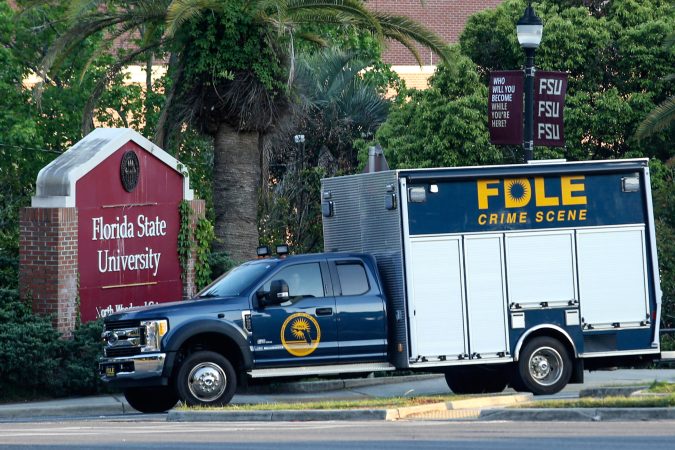
    The cases that have been filed against AI companies are all lawsuits, but in April, Florida’s attorney general announced a criminal investigation into OpenAI, alleging that ChatGPT advised the man accused of killing two people in a shooting at Florida State University in 2025 where and when to strike. “If it was a person on the other end of that screen, we would be charging them with murder,” the attorney general, James Uthmeier, said at the time.

    OpenAI is cooperating with authorities on the shooting case, said Drew Pusateri, a spokesperson for the company.

    “Last year’s mass shooting at Florida State University was a tragedy, but ChatGPT is not responsible for this terrible crime,” Pusateri said. “In this case, ChatGPT provided factual responses to questions with information that could be found broadly across public sources on the internet, and it did not encourage or promote illegal or harmful activity.”

    If plaintiffs can indeed prove that chatbots had done something that would have been illegal had a human done it, judges will be motivated to find the companies liable in some way, said Gabriel Weil, a senior fellow at the Institute for Law & AI, a think tank that studies the legal implications of AI. Existing product liability law may be one route that lawyers take to try to find AI companies liable for harm connected to their tools.

    But existing law may not be enough to handle the potential scenarios that could arise as AI becomes more capable and independent, Weil said. For example, if a human business owner instructs an AI agent to grow her company’s profits, and the bot goes on to commit fraud, should the human business owner who “employed” the bot be liable, or the company that initially designed and trained it?

    One of the challenges in crafting legislation around AI liability is that the people who understand the technology’s risks most acutely work inside the companies themselves, Weil said. He suggests passing laws that make clear the AI liability ultimate lies with the technology’s designers.

    “You want to make them bear that risk. If they do, they’ll have all the incentives they need to reduce risk,” Weil said.

  • Eating this food regularly could lead to greater longevity| Expert Opinion

    Eating this food regularly could lead to greater longevity| Expert Opinion

    Q: I’ve heard spicy food can be good for you. Is that true?

    A: Here’s great news for people who love to feel the burn: The purported benefits of spicy foods have a strong scientific basis.

    In 2015, a major study published in the British Medical Journal showed an association between consuming spicy foods and living longer. From 2004 to 2008, scientists enrolled more than half a million adults in China and tracked their health over the next several years. Several thousand in the group, not surprisingly, died during that time.

    But the surprising part? Even after controlling for multiple possible confounders — such as smoking, physical activity, and intake of red meat and fresh fruits and vegetables — adults whose spicy food intake averaged six or seven days a week had a 14% lower relative risk of dying than those whose intake averaged less than once a week. Eating spicy foods was associated with a reduced risk of death from cancer and heart and lung diseases.

    Two years later, a similar study done in the United States corroborated those findings: Americans who consumed hot red chile peppers were about 13% less likely to die at any given point during the study compared with those who did not.

    Scientists think capsaicin — the main active component in chile peppers — may be beneficial because of its effect on the receptors in our nerve cells that perceive heat, both from temperature and spice. Known as TRPV1 receptors, they’re expressed throughout our bodies, including the skin, gastrointestinal tract, and many immune cells.

    So move aside peptides: Should we all grab some chile paste from the grocery store to live longer?

    Well … not necessarily (and, for the record, peptides should stay on the shelf for now too).

    While the benefits of spicy foods are backed by strong research, we haven’t proved that spicy foods cause this apparent boost in longevity. And in some areas, the data are more uncertain. For instance, some — though not all — studies have found an elevated risk of stomach cancer among people who frequently eat spicy foods.

    Here’s what else we know about how spicy foods affect our health.

    Heart health

    Multiple observational studies in humans have shown an association with spicy food intake and a lower risk of heart disease and stroke. The mechanisms aren’t entirely known, but limited human randomized controlled trials point to capsaicin’s ability to increase HDL, or “good” cholesterol, low levels of which are a known risk factor for heart attacks. It may also help burn calories faster.

    Also, the spicier your food, the less you reach for the salt shaker. A 2017 Chinese study of around 600 adults found that people who preferred spicier foods gravitated toward less salty ones, eating about a half teaspoon less salt every day with corresponding decreases in their blood pressure.

    The same researchers performed a separate randomized controlled trial in which they scanned participants’ brains after stimulating them with salt mixtures. They found that capsaicin amplified how intensely people perceive saltiness — meaning, the same splash of soy sauce tastes even saltier when you stir chile into the mix.

    Gut health

    IBS and abdominal pain: What’s fascinating about TRPV1 receptors is that they’re also critical for pain signaling. They’re more concentrated in the colons of people with irritable bowel syndrome, for instance.

    That’s why, seemingly paradoxically, capsaicin creams actually can help treat pain. Capsaicin can overwhelm our pain-sensing nerves and, in doing so, help blunt alarm signals from reaching the brain.

    Capsaicin has even shown a benefit in small human trials for chronic abdominal pain. For some people, capsaicin can make abdominal discomfort worse in the short term. But after a few weeks of habitual consumption, those receptors become desensitized and the discomfort may actually improve.

    Stomach acid and ulcers: Despite a common misconception, capsaicin does not damage a healthy stomach lining. Capsaicin actually reduces acid production in the stomach. Because of this, and because capsaicin stimulates more blood flow to the stomach, it has been shown to protect against the risk of gastrointestinal ulcers.

    So why are spicy foods notorious for making acid reflux symptoms seem worse? We feel like we have heartburn after eating a spicy meal because capsaicin activates TRPV1 receptors in the esophagus. This is what causes that unpleasant burning sensation in the chest, which we would normally attribute to acid.

    Hemorrhoids: While I’m sure I don’t need to overexplain the meaning of the Hungarian saying “paprika burns you twice,” a 2006 randomized placebo-controlled trial found that capsaicin did not aggravate hemorrhoid symptoms. So if that’s your specific concern, the science has your back … side.

    Cancers: Regarding gastrointestinal cancers, the data is a bit mixed: Most studies have found that capsaicin protects against cancer, while some have found that it seems to bolster tumor growth. This is an area where we still need more research, but the overall trend so far is reassuring that spicy foods may well be protective.

    What I want my patients to know

    If you like spicy foods, by all means enjoy them, particularly in moderation. Personally, I get a bit of a thrill eating food spicy enough to make my nose run but not quite cry at the dinner table. But if you’re someone who feels ill when you eat chile peppers, this data shouldn’t push you to do anything that makes you uncomfortable. We’re all different in how we respond to capsaicin, so I wouldn’t regard vindaloo as the elixir of life.

    The eating pattern still most consistently linked to numerous health benefits, including longevity, remains the Mediterranean-style diet, which emphasizes whole foods, complex carbohydrates and polyphenols. Chile peppers can definitely be a part of that pattern, but they’re just one component.

    Trisha Pasricha is a physician and scientist at Beth Israel Deaconess Medical Center and an assistant professor of medicine at Harvard Medical School. She is the author of “You’ve Been Pooping All Wrong.”

  • What videos show about ICE’s pursuit of immigrant’s van before Houston shooting

    What videos show about ICE’s pursuit of immigrant’s van before Houston shooting

    Videos that capture the minutes leading up to and immediately after an Immigration and Customs Enforcement agent fatally shot an undocumented Mexican immigrant in Houston early Tuesday morning show agents aggressively following a white work van and then approaching the vehicle on foot.

    Security camera footage from nearby businesses and residences, obtained and analyzed by the Washington Post, provides a nearly continuous, six-minute-long view of Lorenzo Salgado Araujo’s van as he is pursued by federal agents. But the agents were not wearing body cameras, and the videos do not clearly capture the moment an ICE agent fires his gun shortly before 7 a.m. local time — a finding that may complicate any investigation into whether ICE personnel were justified in using deadly force against Salgado Araujo.

    The Department of Homeland Security released a statement hours after the deadly shooting saying that Salgado Araujo, 52, had rammed an ICE vehicle and “weaponized” his white work van “in an attempt to run over” a federal immigration officer. DHS did not identify the officer or say how many times he fired but said he did so in “self-defense.”

    The videos show federal officers in two unmarked SUVs following him closely, at one point cutting off his van and driving on the wrong side of the street toward it. The videos do not appear to show Salgado Araujo ramming a vehicle, but at times, the van and the SUVs are partially obscured from camera view by buildings and trees.

    A DHS spokesperson said the department’s Office of the Inspector General is investigating the agent-involved shooting, and the FBI is investigating “the potential assault on a federal law enforcement officer.” The agency did not comment on the Post’s attempt to confirm the timeline of events.

    Harris County District Attorney Sean Teare said the county was collecting surveillance footage and witness testimony to determine what happened.

    The videos could provide key evidence to corroborate what transpired. The officers involved in the incident had not been issued body cameras and were not wearing them, according to a DHS spokesperson. Surveillance footage and witness recordings have become key in several shootings over the past year involving federal immigration officers, and in some instances have directly contradicted statements by DHS.

    Unlike the shootings of Renée Good and Alex Pretti, two U.S. citizens killed by immigration officers in January, no video recorded by witnesses has emerged so far of Salgado Araujo’s killing.

    In a statement Friday, the agency said the officers who followed Salgado Araujo‘s van had seen two similar vehicles weeks earlier on the property of a person suspected of being in the United States illegally. DHS said officers were on their way to that person’s residence when they saw Salgado Araujo’s van. Rep. Sylvia Garcia (D., Texas), who represents the district where the shooting took place, said in a TV interview Thursday that an ICE official told her that Salgado Araujo was not the person sought by agents.

    Around 5:50 a.m., surveillance video from outside Salgado Araujo’s home shows him getting into his white van and beginning the drive to work. At some point, he picks up the other three men.

    An hour later, the van is captured by a camera as it heads south on Highway 90, driving about 50 mph, according to the Post’s calculations. Two black, unmarked SUVs appear to be in pursuit.

    His white van makes an abrupt turn onto another street, followed by one of the two SUVs.

    The SUV sticks close to the van, pulling up alongside it. Seconds later, the SUV cuts off the van, and Salgado Araujo veers to the left.

    Meanwhile, a second unmarked SUV enters Canal Street and drives onto the wrong side of the road toward the van, which backs up as the SUV approaches. It is not clear in the video whether the van makes contact with either SUV at this point.

    The van then drives forward, going back the way it came.

    As the van drives slowly away from the SUVs, at least three officers are seen pursuing on foot. It is not clear how close the van came to the officers as it turned, but the Post’s analysis indicates at least one officer was close to the passenger side of the van.

    The van rolls less than 200 feet before pulling off to the side. Within seconds, several officers converge on the van. Officers pull out at least one person from the passenger side and put handcuffs on them.

    Aftermath video of the scene shows Salgado Araujo on the ground by the driver’s side. Two officers are next to him, one kneeling. They appear to be checking on Salgado Araujo, who is visibly distressed.

    According to his family, he had been shot in the abdomen. He later died of his injuries.

    The three men who were in the van with Salgado Araujo said a federal officer fired at them almost immediately after exiting his vehicle and that at no point did Salgado Araujo veer in his direction. All three men were arrested and are in immigration detention.

    DHS characterized Salgado Araujo as an “illegal alien” from Mexico, but his son told the Post that his father was doing what he could to legalize his status in the U.S.

    Salgado Araujo’s death marks the first fatal shooting involving ICE agents since Good and Pretti were killed in separate incidents in Minneapolis in January during an enforcement surge in that city.