Category: Nation World News Wires

  • Change in human trafficking policy could make some minors easier to deport

    Change in human trafficking policy could make some minors easier to deport

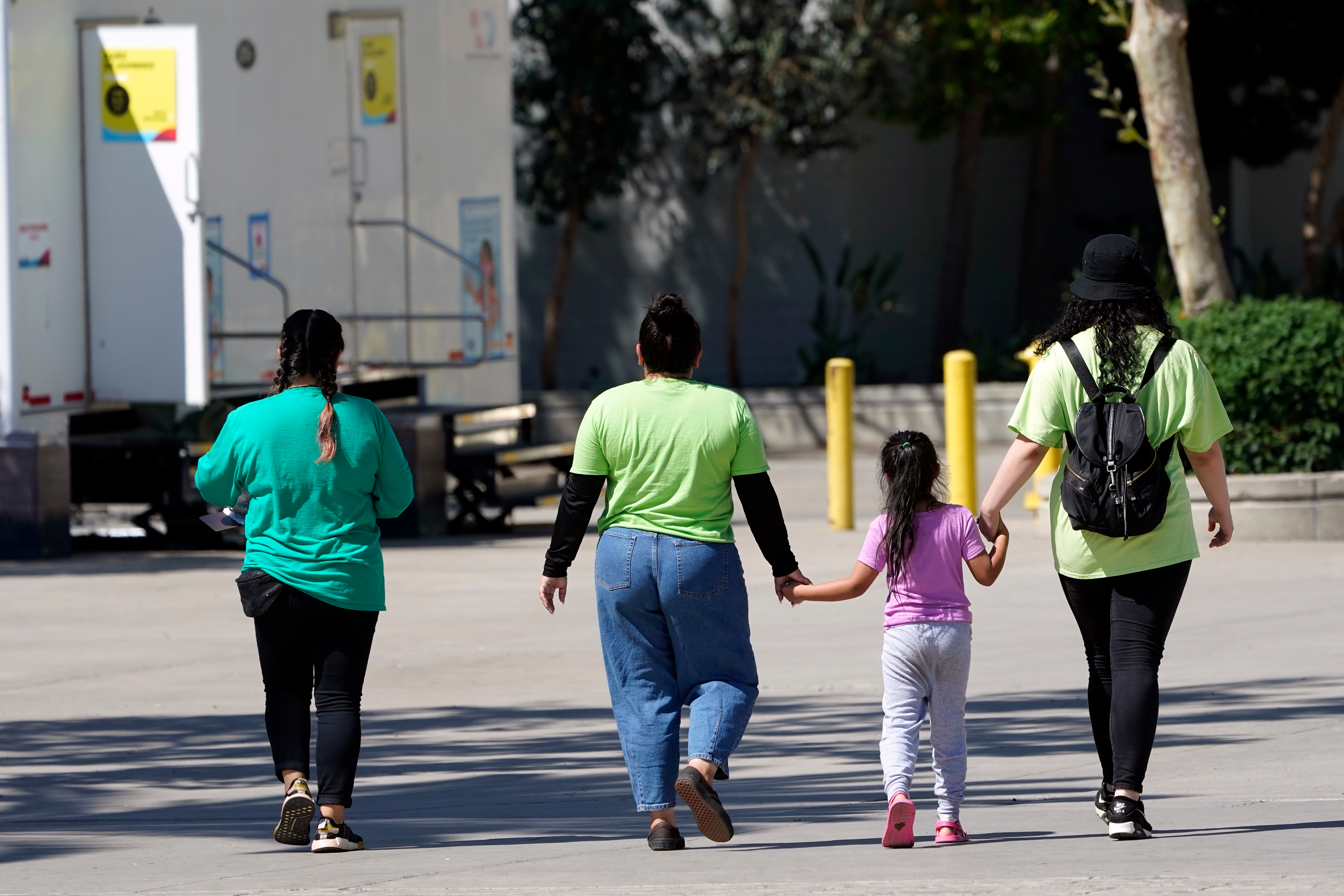
    The Trump administration has ordered caregivers for migrant children to stop reporting human trafficking concerns directly to the office created to help victims, a change that critics say could make some vulnerable minors easier to deport.

    The directive, in a Sept. 10 memo reviewed by the Associated Press, could mean that some victims would be denied services and face tougher odds of obtaining asylum and visas allowing them to stay in the United States.

    “This is going to harm children,” said Jean Bruggeman, co-executive director of Freedom Network USA, a coalition that advocates for human trafficking survivors. “This makes it more likely they will be deported before they get the services they need and put back into harm’s way.”

    The order added another plank to the Trump administration’s hard-line immigration agenda that has forged the most restrictive policies toward immigrants in more than a generation. Some of those efforts have been stopped by courts but many others have taken root.

    The memo said the change would “streamline the reporting, tracking, and referral of trafficking-related concerns.” An administration statement said the change was an effort to reduce the high number of claims that did not rise to the level of criminal human trafficking but nonetheless triggered the award of benefits and relief.

    But Democratic Sen. Ron Wyden of Oregon said the change requires children and their advocates to report human trafficking to the same agency that is holding them in custody. “This move to sideline human trafficking experts is more evidence that the Trump administration will deport kids to score political points rather than actually protect them,” he said.

    Office has helped thousands of trafficking victims

    The change applies to 1,800 children who are in federal custody after arriving in the United States without parents or being arrested with parents who were not legally present, and others who have been released but remain under supervision.

    Under longstanding policy, caregivers are required to conduct an initial screening of unaccompanied children for potential labor or sex trafficking within five days of admission to a facility or shelter. If they suspect the child is a victim, they have been required within 24 hours to notify the Office of Trafficking in Persons, which was created in 2015 to prevent human trafficking and protect victims.

    If the office certifies the claim, the minors become eligible for a program that gives them greater freedom by allowing them to move out of short-term housing, placing them in foster care, and allowing them to attend public school. It does not protect them from deportation immediately, but they can use the determination to pursue visas for victims of trafficking or asylum claims. It also grants eligibility for nutrition, housing, and other public benefits once they are released from federal custody.

    Thousands of unaccompanied minors have benefited from the office’s determinations. They are particularly susceptible to labor and sex trafficking, including in their home countries, on their way to the U.S., and after they arrive, and that’s why Congress has given them protections, Bruggeman said.

    Administration says change will target improper claims

    Under the change ordered last week by the administration, federal employees and care providers were told to no longer report labor and sex trafficking claims involving the minors to the Office on Trafficking in Persons.

    Instead, the memo said those claims should be submitted only to the Office of Refugee Resettlement, which oversees the housing of unaccompanied minors. That office will now investigate the claims and decide which ones should be forwarded to the Office on Trafficking in Persons for further review, the memo said, warning that providers “must respond promptly to requests for information.”

    In a statement, the Office of Refugee Resettlement said the change was driven by a review last year that found 95% of more than 9,000 reports “were determined not to be viable trafficking leads” for criminal investigators.

    “The vast majority of the reports detailed instances of alleged abuse or neglect, not forced labor or commercial sex as defined in human trafficking statutes,” the statement said.

    Even so, 58% of reports from shelter employees and case managers qualified for trafficking-related benefits. The change in reporting will “strengthen integrity, reduce improper referrals, reduce fraud, and ensure that children who may have experienced trafficking receive immediate support,” the statement said.

    Former official questions rationale

    Jen Smyers, who served as deputy director of the Office of Refugee Resettlement during the Biden administration, said the claim that the change will streamline reporting is questionable. She said ORR already gets the human trafficking reports but has no special expertise in evaluating them, unlike the office created for that purpose.

    The fear is that legitimate claims will get delayed or missed during the new layer of review, and career employees will face political pressure to refer fewer cases, she said.

    “It’s the opposite of streamlining,” Smyers said.

    Smyers noted the change comes after what she called an “onslaught” of Trump administration policies that have undermined the ability of unaccompanied minors to gain legal status, including making it harder to leave federal custody, arresting sponsors in the middle of the release process, and cutting their legal representation.

    “What they are trying to do is deport as many as possible. What interferes with deporting children is if they are eligible for protections Congress has given them,” she said.
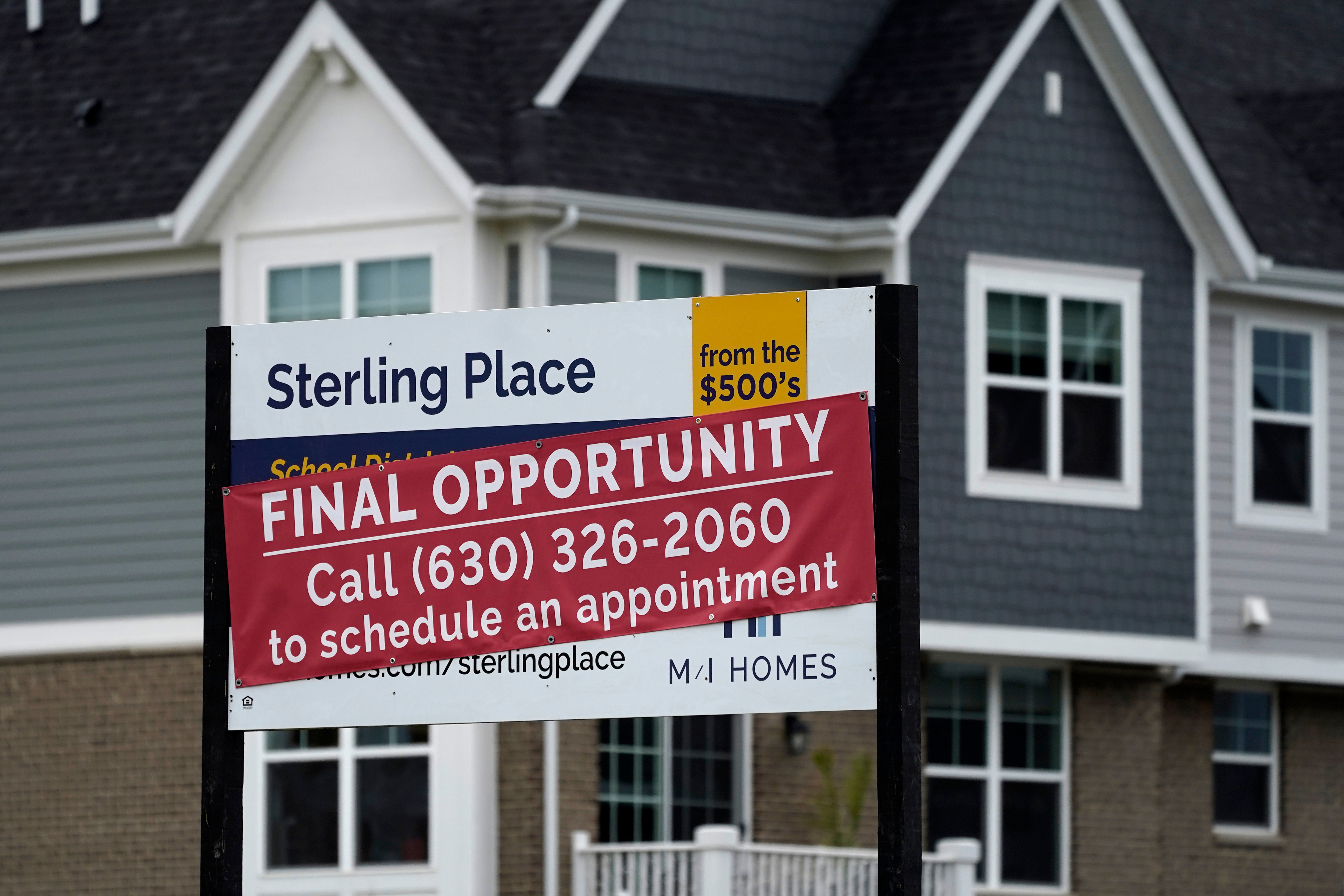

  • Fed rate hike likely means more expensive credit cards and mortgages, but savers may rejoice

    Fed rate hike likely means more expensive credit cards and mortgages, but savers may rejoice

    WASHINGTON — The Federal Reserve just raised the cost of money — bad news for borrowers, good news for savers.

    The Fed increased its benchmark interest rate Wednesday by a quarter-point, the first rate hike since the summer of 2023. The hike will likely make it even costlier to borrow for homes, autos, and other purchases. But if you’ve been socking money away, you’ll probably earn a bit more interest on your savings.

    The increase boosts the Fed’s target rate to a range of 3.75% to 4.00%.

    Here’s what to know:

    Why is the Fed raising rates?

    The short answer: inflation.

    Inflation has remained above the Fed’s 2% target for more than five years. The Labor Department reported Friday that consumer prices rose 3.4% in August compared to a year earlier, while the monthly increase quadrupled from July to hit 0.4%.

    The Fed’s goal is to slow consumer and business spending by raising the cost of borrowing, thereby reducing demand for homes, cars, and other goods and services, eventually cooling the economy and reducing upward pressure on prices.

    Kevin Warsh, Fed chair since May, has assured Congress that central bank policymakers “have no tolerance for persistently elevated inflation.”

    Speaking to reporters Wednesday after the Fed’s meeting, Warsh argued that the rate hike will benefit lower-income Americans because they are hurt most by higher prices. “The least well off are the ones that have the most to gain from stable prices,’’ he said. ”The decision we made today was the right decision to deliver on the remit that Congress gave us to ensure stable prices.”

    Which consumers are most affected?

    Anyone borrowing money to make a sizable purchase, such as a home, car, or large appliance, will likely take a hit eventually. The new rate will also increase monthly payments and costs for any consumer who is already paying interest on credit card debt.

    Then again, said Matt Schulz, chief consumer finance analyst at the online loan marketplace LendingTree, “the reality is that a single quarter-point rate increase isn’t really going to have a huge impact.’’ But it would be different if Wednesday’s hike marks the first in a series of rate increases. ”When this all becomes impactful to people is when you stack a few these on top of each other over time, and it adds up to something bigger,” Schulz said.

    Fed policymakers signaled Wednesday that they expect to hike the benchmark rate again this year — to 4.1%.

    For now, U.S. household debt payments are relatively low overall as a percentage of after-tax income. So even if borrowing rates rise, many households might not feel a heavier debt burden immediately.

    Do savers get a break?

    Most likely. Wednesday’s move probably means interest rates on savings accounts and certificates of deposit are headed higher. The Fed doesn’t set rates on savings accounts and CDs but it “sets the tone″ for them, the credit reporting agency Experian says. When the central bank started raising rates to combat an outbreak of inflation in March 2022, the average rate on a 1-year CD was stuck at a miserly 0.15%, according to FDIC data published by the Federal Reserve Bank of St. Louis. The rate shot up to 1.88% by September 2024 and has remained above 1.5% ever since. It was 1.71% last month.

    Online banks and others that offer high-yield savings accounts typically compete aggressively for depositors. (The catch: They sometimes require significantly larger deposits.)

    What does this mean for mortgage rates?

    Mortgage rates don’t necessarily follow what the Fed does. At least not directly. They tend to track the yield on 10-year Treasury notes instead. Unfortunately for home shoppers, 10-year yields have been surging. On Monday they topped 5% for the first time since 2023 due to unease over surging energy prices and massive government debt that continues to grow. Treasury yields have continued to rise despite an intervention from the Treasury after Secretary Scott Bessent ordered the U.S. to buy back government bonds in a bid to push yields down.

    The rate on the benchmark 30-year fixed-rate mortgage rose to 6.76% last week, the highest in more than 14 months, mortgage buyer Freddie Mac said.

    The high cost of home loans is already taking a toll on the housing market. The Realtors association reported last week that sales of previously occupied U.S. homes dropped for the third straight month in August, growing at the slowest pace in more than a year.

    Adjustable-rate mortgages could rise in order to price in a Fed hike. But many homeowners locked in low mortgage rates when COVID-19 slammed the economy and sent borrowing costs tumbling; so they are protected if mortgage rates rise in the wake of a Fed rate hike. The National Association of Realtors reports that nearly half of mortgages outstanding are locked in at 4% or lower and almost a fifth were at 3% or lower in the first three months of 2026.

    And credit-card rates?

    Most credit cards have variable interest rates that track the prime rate banks charge their best customers. And the prime rate responds quickly — within a month — when the Fed raises or lowers its benchmark “fed funds” rate, ”meaning that the Fed’s policy changes flow through to credit card rates rapidly,’’ researchers at the Boston Fed wrote in March.

    Schulz at LendingTree reckons that most credit card holders will see their rates rise by a quarter-point over the next couple of months.

    Many Americans, coping with the high cost of living, are increasingly relying on credit cards to help maintain their spending. Total credit card balances hit $1.26 trillion in the second quarter — near the record $1.28 trillion set at the end of 2025 (though the numbers are not adjusted for inflation), according to the New York Fed.

    Car loans, too?

    The Fed indirectly influences auto loan rates by influencing the prime rate. Cars, especially new ones, are already prohibitively expensive. The average cost of a new car rose to $50,089 last month, according to Kelley Blue Book. The average loan rate last month was 7% for a new car and 10.6% for a used car, according to Edmunds. And the average monthly payment, Experian reported, was $765 in the second quarter of 2026.

    “Most Americans are generally doing OK,’’ Schulz said. ”But it wouldn’t take a whole lot for them to not be doing OK. People’s financial margin for error is generally pretty small, and just the rising cost of most everything just squeezes them more and more.’’

  • House holds billionaire Leon Black in contempt of Congress over Epstein investigation

    House holds billionaire Leon Black in contempt of Congress over Epstein investigation

    WASHINGTON — The House approved a resolution Wednesday holding billionaire Leon Black in contempt of Congress, referring the matter to the Department of Justice after he defied the Oversight Committee’s subpoenas in its investigation into disgraced financier Jeffrey Epstein.

    The action was swift, and without a formal vote, and now leaves it to the Justice Department to decide whether to seek criminal prosecution. Black has refused to respond to the subpoenas’ requests to appear and to turn over any potential nondisclosure agreements involving the investigation into Epstein.

    Republicans and Democrats from the Oversight Committee joined in a bipartisan effort to advance the resolution.

    “No one is above the law,” Rep. James Comer (R., Ky.), the Oversight Committee chairperson, said in a statement. “We will continue to seek transparency for the American people and justice for survivors in our investigation of the federal government’s handling of the Jeffrey Epstein and Ghislaine Maxwell criminal cases.”

    California Rep. Robert Garcia, the panel’s top Democrat, called the vote “an important step towards justice and accountability.”

    Black’s lawyers have denounced the Oversight Committee’s pursuit of the former head of a private equity firm as an abuse of congressional power. They said he “had no knowledge of any of Epstein’s heinous conduct.”

    “The Committee has continued to insist on looking for information that does not exist,” attorneys Susan Estrich and Aaron Cutler said in a statement.

    They called the action “politically motivated” and have sued the committee and asked the Office of Congressional Conduct to open a probe into Comer’s tactics.

    “This an outrageous action that ignores the facts and the truth about Mr. Black,” they said.

    Epstein investigation churns in Congress

    Black is the latest among several prominent figures, including Bill Clinton and Bill Gates, who have been asked to appear as part of the Oversight Committee’s long-running probe of Epstein. Survivors of Epstein’s alleged sexual abuse have told personal stories of being young women in a trafficking enterprise organized by Epstein and his colleague Maxwell.

    In June, Black did appear for a voluntary interview at the committee. Lawmakers said later that he refused to answer their questions about the nondisclosure agreements.

    The committee issued two subpoenas seeking to compel Black to produce the NDAs and to appear for a deposition July 16. The committee said it had accommodated Black’s request to delay the deposition to Sept. 3, but he refused to appear.

    On Tuesday the Oversight Committee voted unanimously to approve the contempt recommendation, sending it to the full House.

    Black co-founded the private equity firm Apollo Global Management and stepped down in 2021 during the fallout over his ties to Epstein.

    Lawmakers have alleged that Black paid Epstein $180 million during their yearslong relationship.

    A 2021 review commissioned by Apollo found that Black paid Epstein $158 million from 2012 to 2017, after Epstein pleaded guilty in 2008 to soliciting prostitution from a minor. The review said the payments were for “bona fide tax, estate planning, and other related services.”

  • Sudan gold mine collapse kills at least 82 people with many more missing

    Sudan gold mine collapse kills at least 82 people with many more missing

    SHENDI, Sudan — The death toll from the collapse of an informal gold mine in a remote area of Sudan has risen to 82, according to local officials and activists, as rescuers struggled on Wednesday to search for the missing with limited equipment.

    It’s the latest tragedy in a nation mired in a devastating war.

    Survivors said that the collapse happened at the al-Zara gold mine, in Nuhud, a town in West Kordofan province, which is controlled by the paramilitary Rapid Support Forces, or RSF. The group has been fighting against the Sudanese military for more than three years.

    Suleiman Abu Hmeida, a member of the Emergency Response Rooms, said that rescuers had pulled out 82 bodies by Wednesday afternoon. “But dozens remain unaccounted for,” Abu Hmeida told the Associated Press.

    The Emergency Response Rooms is a grassroots network that monitors the conflict and provides support for communities across war-torn Sudan.

    A local administration official also said that 82 bodies were recovered.

    The official said that the collapse began on Sunday in one of the mine shafts and spread to the other interconnected shafts. He said that only one privately owned forklift is available for the rescue efforts, complicating the search for survivors.

    The official spoke on condition of anonymity because he wasn’t authorized to speak to the media.

    “The collapse is massive and the situation is very dire,” Khairal-Sayed Gabara, one of the survivors, told the AP when reached by phone. He said that the machinery needed to remove the collapsed soil and rubble wasn’t available.

    “We do not have the machinery to lift dirt and stones and search for survivors at depths of more than 30 meters (around 100 feet),” he said. “There were dozens of people working in the mine.”

    The al-Zara gold mine is one of thousands of small-scale and informal mines scattered across Sudan, which has been engulfed in a war that has at times pushed parts of the country into famine.

    Despite Sudan being a major gold producer, deadly mine collapses aren’t uncommon in a country where safety standards aren’t widely applied. A 2023 collapse killed 14 miners and one in 2021 claimed 38 lives.

    Al-Amin Suliman, another survivor, said that 60 bodies had been recovered as of Wednesday morning.

    “There are still people stuck inside,” he said.

    The Sudan Doctors Network, a medical group tracking the war in Sudan, reported earlier that 67 bodies were pulled from the rubble, predicting that the death toll could increase as rescuers continued their search. The group said that the mine — an informal site that employs unregulated workers — lacked basic safety and protective measures.

    Earlier, survivors reached by phone and the physicians network said that the tragedy took place on Tuesday evening.

    The Kordofan Observatory monitoring group said that at least 70 miners were killed or missing at the site, which stretches around a half-mile across a wide swath of fragile, sandy soil. It described the miners as unregulated and informal workers.

    Large quantities of gold have been smuggled out of the country to finance the RSF, which controls gold-producing areas in the Darfur and Kordofan regions, according to experts commissioned by the United Nations.

    Sudan plunged into an all-out war in April 2023 as fighting erupted between the RSF and the Sudanese military in the country.

    The conflict has killed at least 59,000 people, according to Armed Conflict Location & Event Data, a monitoring group. Aid organizations say that the figure is an undercount, and the true number could be many times higher.

  • Federal Reserve hikes key rate for 1st time in 3 years, defying Trump demands for a cut

    Federal Reserve hikes key rate for 1st time in 3 years, defying Trump demands for a cut

    WASHINGTON — The Federal Reserve raised its benchmark interest rate Wednesday for the first time since 2023 in an effort to quell stubbornly-high inflation and the central bank also signaled that another rate hike could occur later this year.

    The quarter-point increase lifts the Fed’s key rate to about 3.9% and, over time, could result in higher borrowing costs for mortgages, auto loans, and credit cards. In a set of quarterly projections, the Fed also signaled that its rate-setting committee expects to hike rates a second time to 4.1%.

    The move comes as Americans are already struggling with high costs for groceries, gas, and housing. Affordability has taken on a leading role in the upcoming midterm elections, just seven weeks away.

    In a news conference following the Fed’s announcement, Chair Kevin Warsh emphasized that the economy has shown signs of gathering speed since the central bank decided to keep rates unchanged in late July. Inflation has also remained stubbornly above the Fed’s 2% target and he noted that there is little sign it is cooling.

    “The plain fact is that inflation is too high and has been for too long,” Warsh said. “We must be confident that underlying inflation is moving to our objective clearly and at sufficient speed. Today the FOMC decided that this standard has not been satisfied,” he added, referring to the policy-setting Federal Open Market Committee, an arm of the Fed.

    “Warsh’s tough talk around inflation in the post-meeting press conference suggested that he may be pushing for higher rates in meetings to come,” said Preston Caldwell, chief U.S. economist at Morningstar.

    Warsh also said renewed combat between the U.S. and Iran, which has driven up gas prices, also convinced Fed officials to support rate hikes.

    “There’s no hiding from hotspots around the world,” he said.

    Warsh noted that other central banks are hiking interest rates, in response to global turmoil and higher gas prices. The European Central Bank raised its key rate last week, and the Bank of Japan is expected to do the same Sept. 18.

    The Fed next meets in late October and most economists expect officials will keep rates unchanged then because it is just a week before the midterm elections. But Wall Street analysts now see a rate hike by December as a near certainty, according to futures prices.

    Also late Wednesday, the yield, or interest rate, on the 2-year Treasury rose to 4.74% from 4.67%, another sign investors expect the Fed to potentially lift rates further.

    Since taking the lead at the Fed in May, Warsh has said the Fed is firmly committed to taming inflation, and that policymakers would take their cues from the data to determine if inflation was going in the right direction.

    The rate hike marks a turnaround for Warsh, who was appointed by President Donald Trump. Warsh often suggested last year when under consideration by Trump that the Fed could reduce its key rate, echoing the president’s call for lower borrowing costs.

    And in April, when Warsh’s nomination was under consideration by the Senate Banking Committee, Trump said in a television interview that he would be disappointed if Warsh didn’t cut rates. On the same day, however, Warsh told the committee he did not promise Trump he would cut rates and said he would be “an independent actor” as Fed chair.

    Yet the ongoing disruptions from the Iran war, which have pushed up average gas prices more than 7% from just a month ago, threaten to spread through the economy and keep broader inflation stubbornly high. An inflation report last week showed core prices, which exclude food and energy, accelerated a bit in August.

    According to the Fed’s preferred measure, inflation was 3.7% in July compared with a year ago, up from 2.3% in April 2025, just before Trump unveiled sweeping tariffs. Core inflation, which excludes the volatile food and energy categories, was 3.3% in July, the latest data available, up from 3% just before the Iran war and far above the Fed’s target.

    Fed policymakers unanimously supported the rate hike, compared with late July when the central bank kept rates steady and three officials dissented in favor of higher rates. Sixteen of the eighteen Fed policymakers who submitted growth and interest rate projections penciled in at least one further rate hike this year, with four supporting two more increases.

    Earlier Wednesday, the government said retail sales jumped 1.2% in August from the previous month, a sign that consumers are still spending at healthy levels despite sentiment surveys that indicate Americans remain gloomy about the economy. Strong spending is a sign that interest rates at current levels aren’t necessarily restricting the economy and cooling inflation.

    “While uncertainty remains elevated owing, in part, to geopolitical developments, domestic spending has been resilient,” the Fed said, a likely reference to ongoing consumer spending and strong investment in AI data centers by large technology companies.

    Higher inflation isn’t all about gas prices. Ongoing investment in AI has driven up prices for computer chips and other electronic gear, adding to overall inflation. Tariffs may still be elevating some costs, such as appliances, which jumped in price last month.

    Trump harshly criticized Warsh’s predecessor, Jerome Powell, for not cutting rates quickly enough. His Justice Department even launched a criminal investigation into Powell over brief testimony he delivered to Congress last year, though that probe was eventually dropped.

    When asked Wednesday how the president might react to the rate increase, Warsh said, “I’ve got nothing for you on a discussion with the president.”

    Trump again called for lower interest rates in a social media post late Wednesday, but didn’t comment on the Fed’s action. On Sunday, Kevin Hassett, Trump’s top economic adviser, was asked in an interview with Fox News how Trump might react to a rate hike.

    “I’m sure he’s not going to be super happy about it, but he will defend the independence of Kevin Warsh above all,” Hassett said.

    Warsh might also have a measure of protection from the fact that his father-in-law is Ronald Lauder, a friend of Trump’s and a billionaire donor to his campaigns.

  • Nicole Saphier, Trump’s 3rd surgeon general pick, faces Senate questions over her vaccine stance

    Nicole Saphier, Trump’s 3rd surgeon general pick, faces Senate questions over her vaccine stance

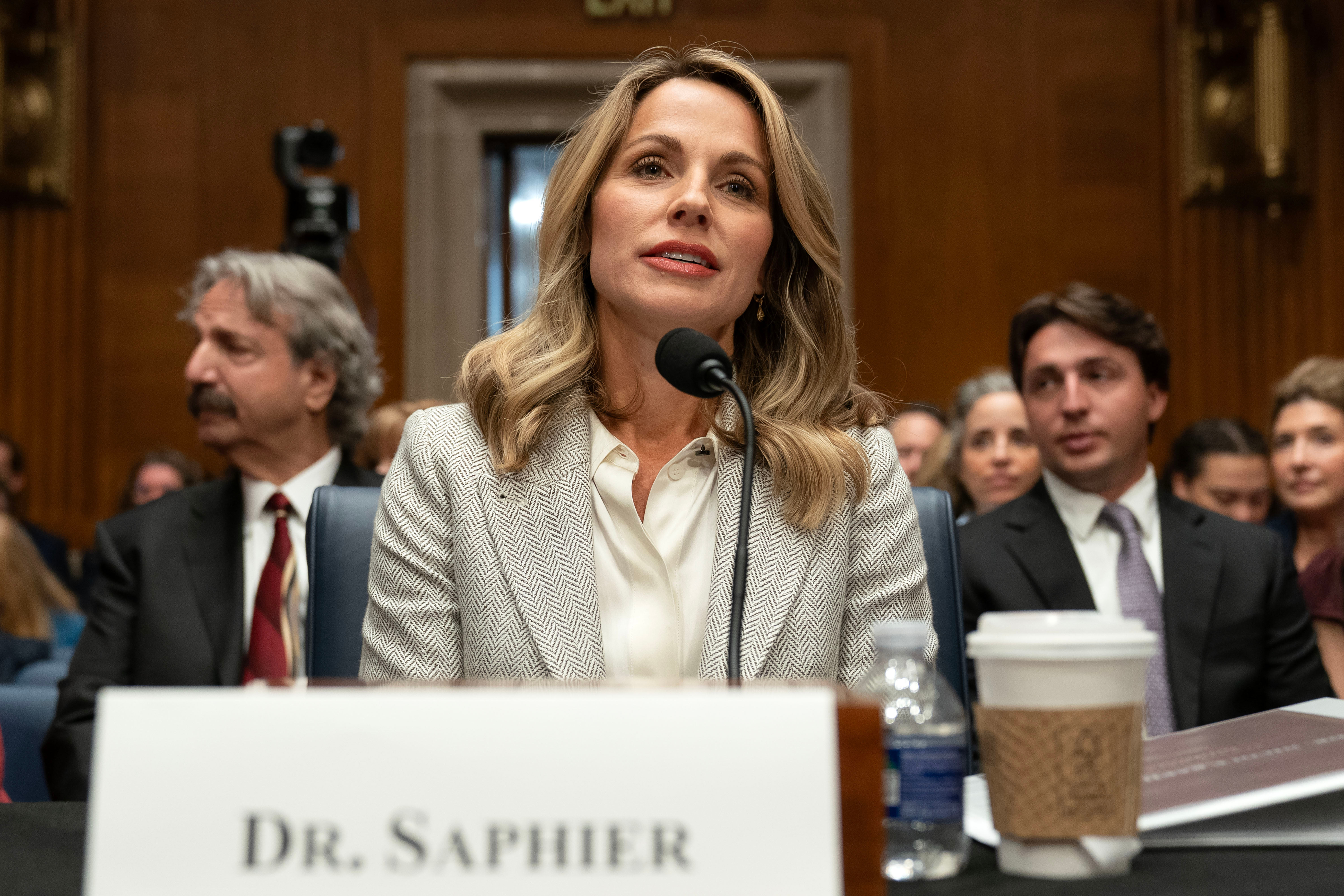
    WASHINGTON — Nicole Saphier, President Donald Trump’s third surgeon general nominee, was grilled at her confirmation hearing Wednesday about her stance on childhood vaccines, voicing support for immunization as she seeks to serve in an administration that has moved to make sweeping changes to vaccine guidance.

    Saphier, a radiologist and former Fox News Channel contributor, faced tough questioning about her views on the safety of childhood vaccines by Republican Sen. Bill Cassidy, who pressed her to declare whether she believed there was a link between vaccines and autism — which widespread scientific consensus has concluded doesn’t exist, yet which the Trump administration has repeatedly pushed to revisit.

    “I do not believe childhood vaccines cause autism,” Saphier said. She also said, “The MMR vaccine is our greatest tool for combating measles,” in response to a question by Cassidy over whether parents should give children that shot, which stands for measles, mumps, and rubella, and which the president recently ordered be spaced out.

    She suggested support for vaccines as a critical tool to fight infection and said she appreciated the administration’s attempts to address questions and concerns among “the vaccine hesitant people,” which Cassidy countered was only creating more confusion. Cassidy pushed her to speak with clarity on some of her answers on vaccines, which she repeatedly presented as a belief rather than a known scientific fact.

    Saphier is nominated for a position that carries limited policymaking power but serves as a loud megaphone as the nation’s top communicator to Americans on public health issues.

    Health and Human Services Secretary Robert F. Kennedy Jr. and Trump have both suggested that childhood vaccines, such as MMR, may play a role in causing autism. Evidence from decades of studies and real-world use of vaccines have proven there is no link between vaccines and autism.

    The administration has taken steps to upend the nation’s vaccine guidance — many of them since halted by a judge — including downsizing the childhood immunization schedule. Medical groups and doctors have warned that the changes could stoke vaccine hesitancy.

    Saphier is Trump’s third pick for surgeon general

    Saphier is Trump’s newest pick after entrepreneur and wellness influencer Casey Means saw her path forward stall in the Senate over her background and vaccine views. Trump withdrew his first nominee, Fox News medical contributor Janette Nesheiwat, after questions arose about her academic credentials. The position has been vacant throughout Trump’s second term.

    Like Means, who is a close Kennedy ally, Saphier has questioned whether every child needs to get the hepatitis B vaccine at birth, a longtime recommendation that the Trump administration has been trying to weaken. On Wednesday, she said the universal birth dose of hepatitis B was safe and effective.

    An author and podcaster who previously hosted her own show, Wellness Unmasked with Dr. Nicole Saphier, Saphier frequently commented on the Trump administration’s approach to health, often positively. She also used the phrase “Make America Healthy Again” years before Kennedy popularized it. It was the title of a 2020 book she wrote that criticized the government’s handling of healthcare and the Affordable Care Act.

    While being supportive of the Trump administration at large, Saphier has, however, disagreed with Trump and Kennedy on some issues, telling the Associated Press last fall that Trump’s cautions to pregnant women who take Tylenol were oversimplistic and “patronizing.”

    Last year, she decried the administration’s long-anticipated first attempt at a MAHA report, which cited some studies that didn’t exist, calling it “pretty embarrassing.” She said Kennedy’s firing of his first CDC director, Susan Monarez, after less than a month on the job was “a mess.”

    “When we keep hearing radical transparency and we’re going to regain trust, I can tell you these shenanigans are taking us farther away from that mission,” Saphier said on her podcast. On Wednesday, she said she promised to restore public trust if confirmed.

    At the start of the Senate health committee hearing, Cassidy noted the “serious health issues” facing the country, highlighting Kennedy’s efforts to scale back vaccine guidance at a time when the U.S. is enduring its worst year for measles in decades.

    “That is going to be a terrible legacy for this administration,” Cassidy said, telling Saphier and other nominees appearing alongside her at the hearing that he hoped they would restore confidence in public health.

    Cassidy, who was defeated by a Trump-backed challenger in his Republican primary earlier this year, then criticized what he called “irresponsible” health policy leadership.

    During lawmakers’ questioning, Saphier was also asked whether she would follow unlawful orders by the president or Kennedy — she said she would follow the law — and was tested on her knowledge of the medication mifepristone, which is used to manage miscarriages and abortions.

    It was not immediately clear when the committee planned to vote on whether to advance Saphier, who would still need a vote by the full Senate to be confirmed.

    Also facing lawmakers’ questions Wednesday was Chris Klomp, chief counselor of the Health and Human Services Department, who has been nominated to serve as Kennedy’s second-in-command. Timothy Westlake, chief of staff at the Substance Abuse and Mental Health Services Administration who is seeking confirmation to be assistant secretary for mental health and substance use, was also questioned.

    Saphier says she would divest from some holdings

    Saphier is director of breast imaging at Memorial Sloan Kettering Monmouth, according to her profile on the New York-based institution’s website. She has a doctor of medicine degree from Ross University School of Medicine in Barbados along with fellowships at the Mayo Clinic, the profile said.

    Her latest ethics filing, dated Sept. 7, shows holdings with various healthcare and insurance firms, as well as processed food companies, like Coca-Cola, Yum Brands, the Hershey Co., and cigarette maker Philip Morris.

    Before entering politics and throughout his tenure at the health department, Kennedy has criticized big pharmaceutical companies and insurance firms for alleged corruption and decried ultraprocessed foods as contributing to a nationwide chronic disease crisis.

    Additionally, Saphier owns DropRx, a firm that produces controversial, unregulated tinctures — concentrated liquid extracts promoting focus and calm — that contain ingredients, including kava kava root, described by the FDA as potentially causing severe liver injury.

    Her filing says she will resign from her position with DropRx and Empower MD LLC, which owns DropRx, if she is confirmed.

    She states in the document that she would partially or fully divest from holdings that would present a conflict to serving as surgeon general.

  • Centenarians living in Japan exceed 100,000 for the first time

    Centenarians living in Japan exceed 100,000 for the first time

    TOKYO — The number of people aged 100 or older in Japan surpassed a record 100,000 this year, the latest government figures show, underscoring the country’s rapidly aging and declining population.

    The Health and Welfare Ministry statistics released Tuesday show Japan now has 107,677 centenarians, up 7,914 from the previous year and exceeding the 100,000 mark for the first time. Nearly 88% of them are women.

    Kyoto resident Fuyo Kishimoto was recently recognized as the oldest Japanese woman at age 114. Japan’s oldest male is 112-year-old Hikaru Kato from Kumamoto in southern Japan.

    The figures were released to mark this year’s Sept. 15 Respect the Aged day, when healthy and active centenarians are honored by the government with a letter from Prime Minister Sanae Takaichi and a silver sake cup.

    “I’m very pleased that many people are living a long, healthy and active lives,” Health Minister Kenichiro Ueno told reporters Tuesday, citing progress in medical technology, healthy lifestyle, and diet as contributing factors.

    Ueno noted the importance of maintaining a sustainable social security system as the population continues to age and decline.

    Many younger people, however, are not optimistic about their future.

    The National Institute of Population and Social Security Research last week released the results of a survey indicating more than 20% of both men and women who are single and aged between 18 and 34 have no intention of ever marrying, with nearly half saying they see no benefit in marriage.

    Ueno acknowledged the reasons for marriage reluctance among young people include the high costs of raising and educating children and the mental and physical burden on working parents. He said the government will continue addressing their concerns and attempt to turn around problems related to Japan’s aging population and dwindling births.

    Japan’s drastic population decline is inevitable, experts say, noting the country’s total fertility rate dropped to a record low 1.14 in 2025, far below the 2.1 children needed to be born to each Japanese woman to maintain the current population.

    Japan’s total population during the 2020 census stood at 126 million, almost 30% of which were 65 or older. Experts estimate there will be a decline to 87 million by 2070 with nearly 40% aged 65 or older, according to the national institute.

    There were 153 people aged 100 or older in Japan when centenarian surveys began in 1963. They exceeded 1,000 in 1981 and surpassed 10,000 in 1998, according to the Health and Welfare Ministry.

  • Maduro ally Alex Saab pleads guilty in a $195M money laundering case, agrees to cooperate

    Maduro ally Alex Saab pleads guilty in a $195M money laundering case, agrees to cooperate

    MIAMI — A close ally of former Venezuelan President Nicolás Maduro long described by U.S. officials as the ousted leader’s frontman pleaded guilty Tuesday to a single count of money laundering tied to an alleged bribery conspiracy to win lucrative government contracts in the South American country.

    As part of the plea deal, Alex Saab agreed to cooperate in continuing federal investigations, paving the way for his eventual cooperation against his former protector. He also agreed to forfeit $195 million in criminal proceeds from the corruption scheme.

    Saab, 54, was deported in May by Venezuela’s acting President Delcy Rodriguez to the U.S., which has been targeting the Colombian-born business owner for more than a decade.

    The money laundering offense carries a maximum 20-year penalty but prosecutors agreed to recommend a sentence at the low end of the recommended range and seek additional reductions should his cooperation prove substantial.

    Saab was previously charged during the first Trump administration in 2019 and then arrested during a refueling stop in Cape Verde on what the Venezuelan government described as a high-level humanitarian mission to Iran.

    But President Joe Biden pardoned Saab in 2023 in exchange for the release of several imprisoned Americans in Venezuela. The deal, part of a failed effort by the Biden White House to lure Maduro into holding a free presidential election, was harshly criticized by Republicans and federal law enforcement officials, who immediately began investigating Saab for other alleged crimes not covered by the narrowly tailored pardon.

    “This case sends a clear message: Political connections, wealth, and proximity to a corrupt regime will not put anyone beyond the reach of American justice,” said Jason A. Reding Quiñones, U.S. attorney for the Southern District of Florida, who attended Tuesday’s proceedings along with more than a dozen federal agents.

    The new indictment centers on contracts for the so-called CLAP program set up by Maduro to provide staples — rice, corn flour, cooking oil — to poor Venezuelans at a time of rampant hyperinflation and a crumbling currency.

    High-level protection offered in exchange for bribes

    In an eight-page statement of facts submitted as part of the plea deal, Saab admitted to skimming at least $195 million from at least six contracts awarded to companies he controlled to import food and medicine.

    The scheme “had the approval, participation, and protection of some of the Venezuelan government’s highest ranking public authorities,” including from an individual described only as “Government Official 1A,” who designated a surrogate — one of four unnamed co-defendants — to receive bribe payments on their behalf.

    Also receiving $17 million in kickbacks was former Gov. Jose Gregorio Vielma Mora, a Maduro ally who with Government Official 1A’s support secretly awarded a Saab-controlled company a contract in 2016 to deliver 10 million boxes of food rations in Tachira state, prosecutors allege. Vielma Mora was previously charged in the conspiracy in 2021.

    To conceal the criminal activity and hide the payments, Saab said, he and his associates falsified shipping records and set up a network of shell companies and bank accounts in countries including Antigua, Bulgaria, Liechtenstein, the Marshall Islands, Montenegro, Switzerland, Turkey, the United Kingdom, and the United Arab Emirates.

    Over time, as U.S. sanctions deepened the country’s financial woes, Saab and his associates received payment in the form of Venezuelan oil, gold, and other natural resources.

    In court Tuesday, Saab told Judge Kathleen Williams that he takes the antidepressant Zoloft and other medicines daily for what he described as “post-traumatic stress disorder” following his 2020 arrest.

    Saab could become a witness against Maduro

    U.S. officials have long described Saab as Maduro’s “bag man” and could ask him to serve as a character witness against the former president, who is awaiting trial on drug charges in Manhattan after being captured in a raid by the U.S. military in January.

    The new U.S. prosecution of Saab and Maduro is taking place as the Trump administration overhauls relations with Venezuela, focusing its attention on tapping into Venezuela’s vast oil reserves. This month, Trump announced a partnership with Venezuelan oil entrepreneur Alejandro Betancourt in which the U.S. government will gain a stake in and access to at-cost crude shipments from oil fields with a potential to produce 65 billion barrels.

    Saab was little known even in Venezuela until after his first arrest, in 2020, when Maduro’s government invested huge resources rallying public support for his release.

    Rodríguez, then serving as Maduro’s vice president, helped mount an international campaign in which she referred to Saab as an “innocent Venezuelan diplomat” who had been illegally “kidnapped” by the U.S.

    But after Maduro’s capture, Rodríguez distanced herself from Saab, firing him from her cabinet and stripping him of his role as the main conduit for foreign companies looking to invest in Venezuela.

    Saab amassed a fortune through Venezuelan government contracts but became even more valuable to Maduro as U.S. sanctions forced Venezuela to conduct much of its oil sales and foreign trade outside of Western financial institutions.

  • Kennedy Center board votes to close after judge blocks returning Trump’s name to building

    Kennedy Center board votes to close after judge blocks returning Trump’s name to building

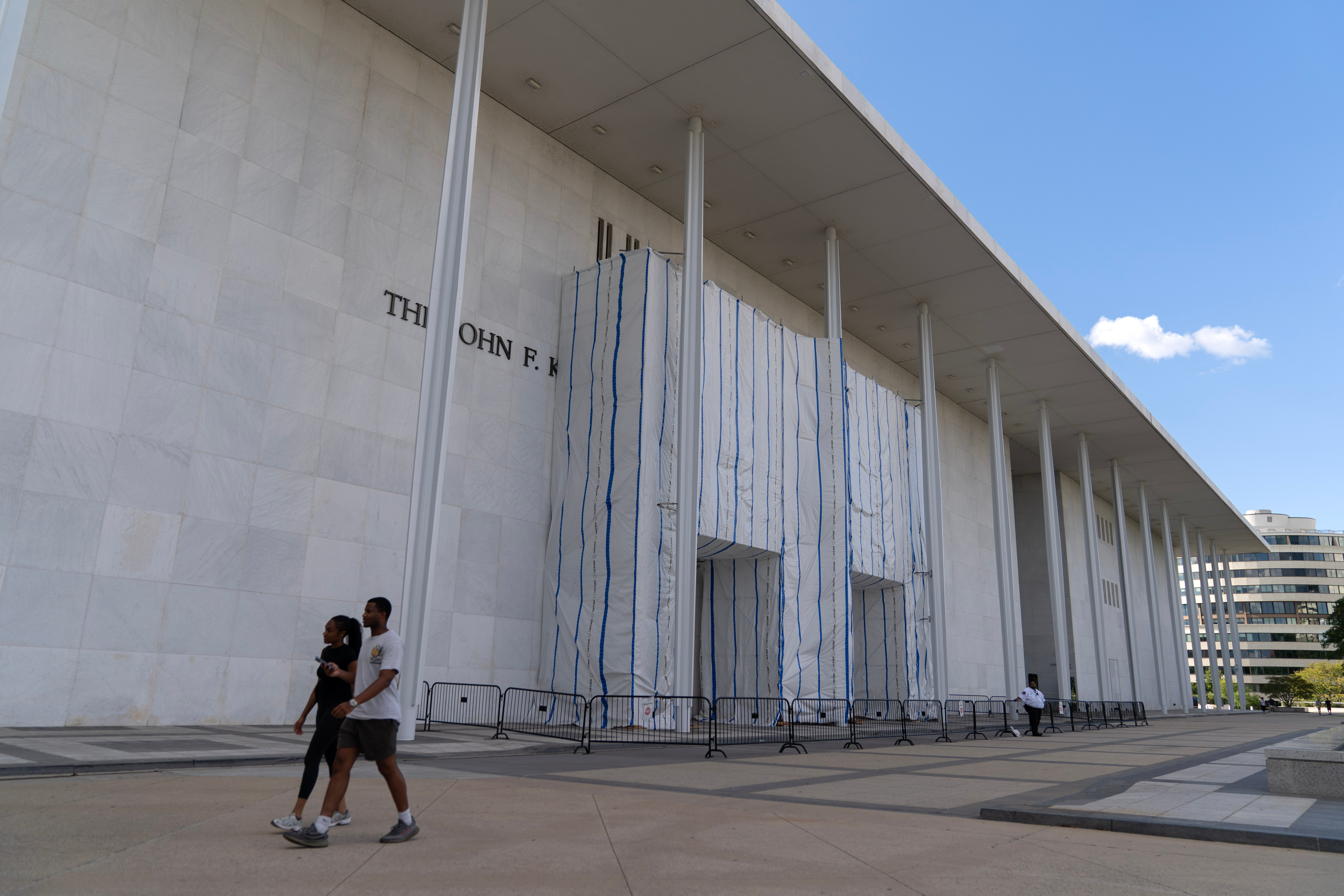
    WASHINGTON — The Trump-aligned Kennedy Center board voted on Tuesday to close most of the iconic performing arts venue just hours after a federal judge blocked the institution from returning President Donald Trump’s name to the building.

    In a social media post, Trump said the closure was needed for safety repairs. But he said the repairs, which Congress has allocated $257 million to cover, would only happen if the board was allowed to move forward with plans to add his name to the building. A federal judge has twice said that can’t happen without the approval of Congress.

    “Simply put, Defendants cannot install memorials for President Trump or anyone or anything else at the Kennedy Center without Congress’s blessing,” U.S. District Judge Christopher Cooper said in the latest ruling on Tuesday.

    Trump, who was named the Kennedy Center’s chairman last year by loyalists on the board, participated in the virtual board meeting and said on social media that the Justice Department would appeal Cooper’s ruling. He said he’d given $17 million to an endowment intended to support the institution.

    The meeting included testy exchanges at points between Trump and Rep. Joyce Beatty, an Ohio Democrat who has led the campaign to block efforts to memorialize the president at the Kennedy Center. At one point, Beatty referred to Trump as someone who caused “extreme harm,” according to a participant in the meeting who spoke on condition of anonymity to discuss private conversations.

    Trump said Beatty was “incompetent” and “holding up everything.”

    “You’re holding up the whole country,” she responded.

    The developments threw into limbo the fate of one of the nation’s most prominent cultural institutions, a place where presidents, lawmakers, and celebrities of all political ideologies have gathered for decades to recognize and celebrate the best in American arts and culture.

    The venue’s leaders have argued that the massive building, which began construction in 1965, was in dire need of renovations. A partial ceiling collapse in the building’s main hallway earlier this month intensified the calls for renovations.

    But Trump’s insistence on a physical recognition of his work on the building, reminiscent of his tendency to add his name to buildings as a real estate developer, has been a persistent sticking point — alienating many of the institution’s longtime supporters and facing repeated legal roadblocks.

    The fight over the Kennedy Center marks a rare setback in Trump’s second term bid to dramatically remake the nation’s capital in his gilded tastes. He’s demolished the East Wing of the White House and is replacing it with a ballroom and plans to build a triumphal arch near Arlington National Cemetery. He’s also eyeing a golf course renovation along the Potomac River.

    The Kennedy Center board voted in August to inscribe his name on the Kennedy Center’s facade so it would read “The John F. Kennedy Center for the Performing Arts Restored and Renovated By President Donald J. Trump.” If the Trump Kennedy Center Fund reached $100 million, another inscription would be added reading: “Endowed by the Trump Kennedy Center Fund.”

    The plaza in front of the Kennedy Center would also be renamed in Trump’s honor.

    Cooper ruled in May that the Kennedy Center illegally added Trump’s name to the building, ordering it removed. The institution’s leaders complied in June but left a tarp and scaffolding in place where Trump’s name once stood.

    Hanging over the hearing was the prospect that the administration may seek to demolish the Kennedy Center. In a filing earlier this week, administration lawyers told the court that absent recognition of the president, the Kennedy Center would struggle to raise money for renovations. Without that money, they suggested, the building may need to be demolished, a prospect that alarmed some given Trump’s swift moves last year to dismantle the East Wing.

    The Kennedy Center, the lawyers argued, “will deteriorate further into an unsafe, decrepit structure that will be required to be taken down, with a determination to follow on what to build on the site, such as a large outdoor amphitheater overlooking the Potomac River that has been proposed, by some, for many years.”

  • Supreme Court rejects Trump mail ballot restrictions for now ahead of midterms

    Supreme Court rejects Trump mail ballot restrictions for now ahead of midterms

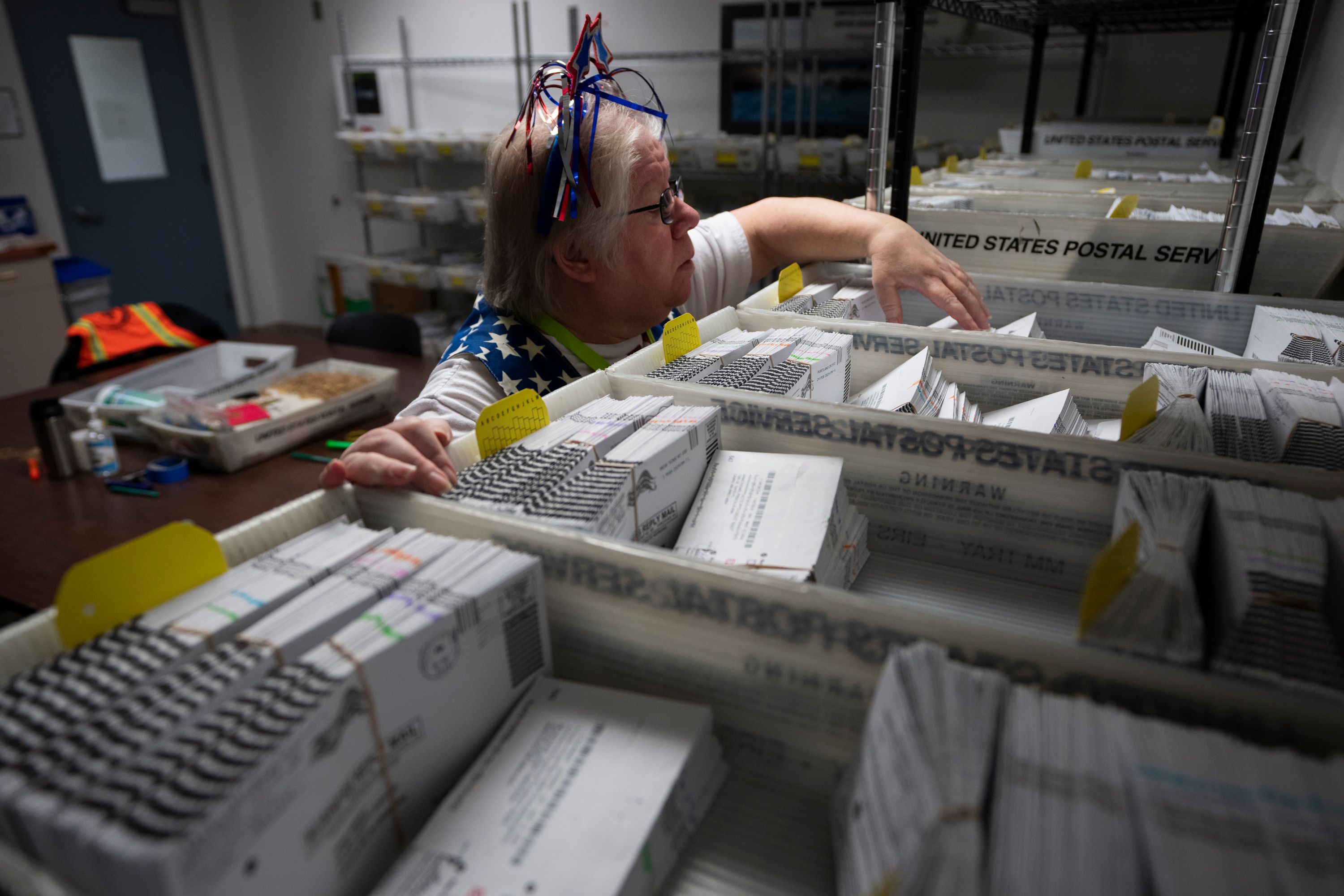
    WASHINGTON — The Supreme Court on Monday rejected President Donald Trump ‘s mail ballot restrictions for now, capping a flurry of last-minute legal action with voting in the midterm elections already underway.

    The decision allows states to continue sending out mail ballots under the same processes they’ve used for years.

    Justices Samuel Alito and Clarence Thomas dissented from the brief order. Justice Brett Kavanaugh agreed that the restrictions should not go into effect for the midterms but indicated he might rule in favor of the Trump administration later.

    The Trump administration had asked the court, once again at the center of a roiling political controversy, to clear the way for restrictions before the pivotal November contests for control of Congress. The case has major implications because nearly one-third of the country votes by mail.

    Election officials have said there was simply no way to carry out a complete overhaul in the weeks before the midterms. Indeed, Alabama, North Carolina and Wisconsin began sending mail ballots to voters over the past week while the new system was still not active.

    The Trump administration plan would require states to adopt a uniform envelope style and submit lists of eligible voters to an online portal. The Postal Service could refuse to deliver ballots to states that didn’t comply.

    A whistleblower report, though, said the postal system’s requirements could lead to millions of mail ballots never being sent, because the portal wasn’t properly built and a single bar code error could result in an entire batch of ballots being tossed out.

    Democratic state officials and voting rights groups challenged the restrictions in court, arguing that the president has no constitutional authority to set election rules that would “virtually eliminate mail voting on the eve of a major election.”

    Lower courts agreed and blocked Trump’s plan, including a preliminary injunction issued by a judge nominated by the president.

    But the Trump administration appealed to the Supreme Court, arguing that federal control of the Postal Service allows them to set rules for mail ballot handling and that compliance was possible.

    The federal government won an early procedural decision at the Supreme Court, but the justices pointedly did not decide the legality of the plan.

    Trump has long opposed mail voting and falsely blamed it for his 2020 election loss to Democrat Joe Biden, even though he often uses that method to cast his own ballot, including as recently as this year.