Category: Business Wires

  • Healthy Moms, Healthy Babies America pledges $100M to cut U.S. maternal mortality rate in half

    Healthy Moms, Healthy Babies America pledges $100M to cut U.S. maternal mortality rate in half

    Healthy Moms, Healthy Babies America, a bipartisan campaign founded by philanthropists Olivia and Tom Walton, announced a $100 million pledge Thursday to make giving birth in the United States safer.

    The five-year commitment aims to cut the maternal mortality rate in the United States in half by 2031.

    “For millions of moms in America, maternal health is bad and getting worse,” Olivia Walton told The Associated Press in an interview. “There’s just so much bipartisan consensus around wanting to fix this. I really think the political will is there, and part of our job is to help surface that with an information campaign.”

    According to the most recent data available, the United States has one of the highest maternal mortality rates among wealthy nations. The Centers for Disease Control and Prevention said 688 people died in 2024 during pregnancy or shortly after giving birth. The maternal mortality rate rose to 19 deaths per 100,000 live births in 2024, up from 18.6 the year before.

    Improving data collection and accelerating hospitals’ reporting of deaths is an important pillar of the new Healthy Moms, Healthy Babies America initiative, Walton said. The most recent state-level data on maternal mortality is still from 2022, with annual totals based on provisional data available through 2024.

    “You can’t fix what you can’t measure,” she said, adding that the Waltons’ nonprofit Heartland Forward partnered with the U.S. Department of Health and Human Services in May to collect more data on maternal and infant health outcomes from 220 hospitals around the country called the Perinatal Improvement Collaborative.

    The U.S. maternal mortality issue is ‘eminently solvable’

    Healthy Moms, Healthy Babies America President Neel Shah said that, unlike many medical issues, maternal mortality is “eminently solvable.”

    “The biggest cause of suffering isn’t a lack of knowledge,” he said. “It’s a lack of execution on the knowledge. … This is a matter of will.”

    The initiative will focus on expanding access to maternal health in rural areas, training midwives and expanding postpartum care, and helping states use strategies that have proved successful, Shah said. He points out that California has managed to reduce its maternal mortality rate by half by combining strategies with investments. He said New Jersey, which previously ranked 47th among states in maternal mortality, has improved its outcomes by focusing on the cities where the needs are greatest.

    Walton said states are “in the driver’s seat” for making changes to maternal and infant healthcare, in part because about 40% of births are paid for by Medicaid.

    “I’ve got blue-state solutions of what works, red-state solutions of what works, and purple-state solutions of what works,” she said. “It’s really possible.”

    Using the $100 million initiative to generate more funding

    For that reason, Healthy Moms, Healthy Babies America plans to fund these care improvements by focusing on states. Walton plans to use the $100 million commitment as a way to encourage state governments to match the nonprofit’s investment. She hopes that corporations and other funders also contribute to the cause.

    “Taking on risk and going first is a great use of philanthropic capital,” she said. “The goal is to prove that this works and then have state funding take it over.”

    The focus on states, however, doesn’t mean the initiative won’t seek federal solutions as well.

    Healthy Moms, Healthy Babies America is supporting bipartisan Congressional legislation, including the Rural Obstetrics Readiness Act and the NIH IMPROVE Act, which would expand access to maternal care.

    “It’s unacceptable that in 2026 in the U.S., maternal mortality rates are moving in the wrong direction,” Republican Sen. Katie Britt, of Alabama, said in a statement. “It’s imperative we work together across both the public and private sectors to reverse this alarming trend.”

    Democratic Sen. Cory Booker, of New Jersey, said poor maternal health outcomes don’t just hurt families.

    “The economic consequences are equally alarming,” Booker said in a statement, estimating a cost of $165 billion each year.

    Walton said the issue is a personal one for her and her husband, Tom, grandson of Walmart founder Sam Walton, who live in Arkansas.

    “I’m a mom myself and I just had three kids in the last eight years,” she said. “I live in a state with the worst maternal mortality in the country.”

    However, she also believes the issue has broad, national implications.

    “I have an overarching belief that if you take care of mom, she’ll take care of everything else,” Walton said. “Healthy moms lead to healthy families. Healthy families lead to healthy communities. Healthy communities lead to a healthy economy.”


  • New Apple CEO unveils latest iPhone lineup, including a foldable model called Duo

    New Apple CEO unveils latest iPhone lineup, including a foldable model called Duo

    CUPERTINO, Calif. — Apple on Wednesday unveiled its latest generation of iPhones, including a widely anticipated foldable version called Duo.

    The company’s new CEO, John Ternus, who took over from Tim Cook on Sept. 1, introduced the latest lineup at the company’s Cupertino, Calif., headquarters.

    After cycling through other updates to the iPhone, the Apple Watch and AirPods, Ternus told the audience inside the Steve Jobs Theater that “actually there is one more thing,” in a nod to the trademark phrase from Jobs that the company’s legendary late founder himself borrowed from the 1970s detective show Columbo.

    The foldable phone has the “largest display ever on an iPhone, yet fits into your pocket,” Ternus said.

    The phone opens to a 7.6-inch display that is 80% larger than the newest iPhone 18 Pro. It will let people use an Apple Pencil on the phone, a capability previously reserved for iPad users. Duo, Ternus said, “will redefine the experience of using a foldable phone.”

    The Duo lets users split the screen to use two different apps on the device, or two windows of the same website for things like comparison shopping. With a starting price of $1,999, it is the most expensive iPhone yet.

    The Duo “was always going to eclipse Apple’s other announcements at the event,” said Ben Wood, chief analyst at CCS Insight. “The device adds a distinctive new design to the iPhone lineup and marks the company’s entry into the niche foldable smartphone category.”

    Wood said that while there is certain to be demand for the Duo, which costs less than some analysts had anticipated, foldables still account for less than 5% of the overall smartphone market.

    New iPhone 18 models

    The iPhone 18 Pro and 18 Pro Max, Ternus said, bring improvements to the battery, camera, and performance. They will start at $1,199 and $1,299, respectively. Customers can preorder the phones starting on Sept. 12 and they will be available on Sept. 18, although the Duo will be available on Oct. 23.

    The new models feature a long battery life — 45 hours of video playback for the Pro Max — and faster charging. The camera offers what Apple called “cinematic effects” from regular video captured on the phone, as well as new options for manual controls and “smart focus tracking,” which lets users focus on a single moving subject, such as a kid during a soccer game.

    Apple is also focusing on Siri’s new AI capabilities with the new phones, emphasizing privacy and security to stand apart from rivals who are further along in incorporating AI.

    Many of Apple’s biggest rivals, such as Samsung, Motorola, and Google, have already come out with foldable smartphones. But Apple is not one to rush on new technologies.

    “The foldable launch is straight out of Apple’s playbook: Wait for the product to work out its kinks and for the market to offer glimpses of viability, then enter and shape the category,” said Forrester analyst Dipanjan Chatterjee. But, he added, the question will be whether it can expand demand for what’s still a niche product category.

    Compared with earlier generations, the iPhone 18 costs about $100 more due partly to a global memory chip shortage. The iPhone 17’s price ranges from $799 to $1,999 depending on the model.

    Earlier this year, Apple unveiled artificial intelligence advances, including upgrades to its Siri assistant, emphasizing a focus on privacy and day-to-day use as the company tries to catch up with rivals on AI.

    Ternus takes center stage

    The keynote address for Ternus was his opportunity to set the tone for his vision of Apple’s future, Chatterjee said.

    “John Ternus inherits perhaps the most successful consumer technology juggernaut in modern times. That is both a boon and a burden for him. Tim Cook’s perfected execution, scale, and monetization set a high bar, and Ternus must extend that run,” Chatterjee said. “But he must sustain that momentum while positioning Apple to disrupt itself in the near future, when the iPhone, or any smartphone for that matter, will cease to be the consumer’s primary conduit to the world.”

    Wood noted that, with all the excitement around the Duo, the official arrival of Ternus as CEO “felt like less of a story” than he’d expected.

    “This event marks a seamless transition from Tim Cook, and its timing to coincide with the iPhone Duo was undoubtedly planned,” Wood said. “However, despite the media frenzy about this new device, it is the broader strength of Apple’s hardware, software and services that will drive the company forward.”

  • The psychological toll of Cuba’s multiple crises is pushing many islanders to the breaking point

    The psychological toll of Cuba’s multiple crises is pushing many islanders to the breaking point

    HAVANA — Sweltering nights. Water and power shortages. Dwindling fuel and crumbling homes. Limited public transportation and weak cell phone signals.

    The psychological toll of daily life in Cuba is pushing many to their breaking point on this island of nearly 10 million people, with no relief in sight as a U.S. energy embargo persists and longtime economic and financial troubles deepen.

    “Before there was hope,” Yomeidis Felicó Riverón said. “Right now, what people have lost is exactly that.”

    Felicó Riverón is a primary care physician, but she has embraced an additional role as Cubans grind through their days.

    “They come and cry about their troubles, because they have no one else to vent to,” she said of her patients. “We end up having to play psychologist.”

    Children attend a workshop to make gift bags and perfume in Havana last month.Ramon Espinosa

    Parents shield children from Cuba’s realities

    On a recent sunny afternoon, six girls and one boy crowded around a table as their parents sat in the background, trying to fan away the stifling heat.

    The children were learning how to make gift bags and perfume, a free workshop that offered them a brief respite from Cuba’s realities.

    “My son doesn’t know if there’s food or if there’s no food,” Felicó Riverón said, confiding that she never tells him when she doesn’t have money to buy something he wants.

    Instead, she distracts him: “Let’s go play, let’s go to the park. We’ll come back another day.”

    Dianne Tamayo was among the mothers present that day. The workshop served as an oasis for her and her daughter. Tamayo socialized and temporarily forgot what awaited at home.

    “My husband is my rock,” she said. “When I’m going crazy, my husband tells me, ‘Sit down, breathe … let’s put on some music.’”

    He sometimes has to remind Tamayo that their daughter is coming home from school soon, and that they need to keep their troubles, anxieties, and frustrations to themselves.

    “I do the best I can with the tools I have, but there’s still a moment where I get overwhelmed,” she said.

    Tears fell as she confided that she doesn’t have anything in her life that relaxes her, and that she has never questioned how to release her feelings about life in Cuba.

    “They are exterminating us,” she said, “and we remain complacent.”

    U.S. Embassy issues health alerts

    Cuba’s crises worsened after President Donald Trump announced in late January that he would impose tariffs on any country that sells or provides oil to the Caribbean country. Longtime U.S. sanctions also have taken their toll, Cuba’s government said.

    From March 2025 to the end of February, “the U.S. policy of economic strangulation” amounted to more than $8 billion, “a record figure,” according to Cuban Foreign Affairs Minister Bruno Rodríguez.

    Island-wide blackouts have increased this year, and daily outages now surpass 24 hours. As a result, water is often scarce, and small protests have erupted, despite the fear of being detained, as anger and frustration boil over.

    The situation has worsened to a point that the U.S. Embassy recently issued two public health alerts.

    On Aug. 28, the embassy noted that “Cuba’s water supply infrastructure is increasingly unstable ” and that there are “residential neighborhoods experiencing long periods without water from municipal or public sources.”

    On Friday, the embassy warned of an increase in gastrointestinal illnesses linked to the “degradation of the water and energy infrastructure. …. Recent cases have included E. coli, norovirus, Shigella, and other gastrointestinal pathogens.”

    Water and power shortages persist, but 81-year-old Havana resident Oscar Joaquín López said that he doesn’t dwell on what he lacks.

    “Why?” López said. “Because it drives you crazy, and nobody is going to drive me crazy.”

    On a recent afternoon, he leaned against the doorframe of his home as he watched his 58-year-old roommate fill up nearly a dozen plastic containers with water that flowed from a pipe on the street. They had been without water for several days, so they acted quickly.

    With temperatures hovering above 90 degrees, López said that he sits in his doorframe until midnight to catch a breeze from the nearby ocean, a steel pipe nearby to ward off any intruders. After midnight, he goes to bed, hoping the wooden slat he wedged into his window will catch any wind, however slight.

    Nearby, 62-year-old mason José Laó Faviel dug through overflowing garbage on the street, looking for food to feed his pig and her 10 piglets, because he had none to give them.

    “What are you going to do?” he said. “We’re living through difficult times.”

    Minutes later, another man rifled through the same pile of garbage. After opening several bags, he found something to eat.

    Cubans find solace in family

    Sweat gathered around Armando Lafita’s brow as the 60-year-old pushed a cart through the crumbling buildings in Old Havana. Authorities have evacuated some residents in the area for safety reasons, but those with nowhere else to live now sleep on the street, ducking inside their building when they need something.

    Lafita’s cart was filled with red roses and white ginger lilies, Cuba’s national flower. He sells them for 10 to 40 cents a bunch, but sometimes he goes home without a single sale.

    “Everybody is fighting to survive here,” he said. “It’s getting harder every day.”

    Like many Cubans, Lafita said the only thing that keeps him going is family: his 19-year-old son.

    José Manuel Borroto Díaz, 70, and his 93-year-old mother, Teresita del Rosario González Ricardo, lean on each other to keep going.Ramon Espinosa

    It’s the same reason that 70-year-old José Manuel Borroto Díaz and his 93-year-old mother, Teresita del Rosario González Ricardo, keep going: They have each other.

    “Our situation is like something out of a movie, but we’re going to press on,” said Borroto, a retired aviation official who was in Angola during Cuba’s military intervention in the 1970s.

    Across the island, Cubans are pressing on even as the crises deepen, including 90-year-old Lázaro Alfonso Oviedo. He recently attended a weekly gathering to help raise the spirits of elderly people.

    Oviedo danced and sang in a deep, robust voice “to forget for a little while the suffering the empire puts us through,” he said, referring to the United States.

    “We are not going to give up,” he said as he praised Cubans’ unwavering resilience. “We get it precisely from the spirit forged by the revolution itself — a revolution spanning more than 60 years.”

  • Oil surges above $100 a barrel as U.S. and Iran launch new attacks, while gasoline prices also jump

    Oil surges above $100 a barrel as U.S. and Iran launch new attacks, while gasoline prices also jump

    NEW YORK — Oil prices shot past $100 a barrel Wednesday as fighting between the U.S. and Iran escalated, threatening to increase costs for consumers and businesses worldwide.

    Brent crude, the international standard, climbed into triple digits after attacks on oil facilities and ships in the Middle East that could further debilitate an already weakened supply chain. It rose 3.4% to settle at $101.21 a barrel Wednesday. That last time prices were that high was in July.

    The latest developments in the war, both prospects of peace and renewed hostilities, have caused market whiplash before. Oil returning to the $100 mark raises concern because experts have warned that a prolonged period of steep prices would worsen the now over six-month-long conflict’s economic fallout. Crude is the main ingredient for everyday fuel like gasoline and diesel — which are also seeing a renewed spike in prices — and higher energy costs overall trickle down to just about every part of the supply chain, from groceries to clothing, cosmetics, and more.

    “Brent breaking above $100 is a major psychological milestone for markets, but the bigger concern is what this means for inflation,” Lukman Otunuga, market research head at global broker FXTM, said in Wednesday comments.

    Here’s what we know.

    What’s driving the latest surge in oil prices

    Crude oil prices shot up shortly after Israel and the U.S. launched their war with Iran in late February. Much of that is because the fighting halted most shipping through the Strait of Hormuz, a narrow waterway where roughly a fifth of the world’s oil supply passed before the conflict.

    Prices have fluctuated considerably over the last six months. Brent surged in the early days of the war — and at one point briefly reached nearly $120 a barrel. Volatility at times resulted in stark day-by-day price swings, but the benchmark settled above the $100 mark for a full month between late April and early May.

    Oil costs cooled in the early summer, plunging closer to prewar levels (roughly $70 a barrel) during hopes for peace and a plan to move oil safely out of the Persian Gulf. But new attacks soon piled up and talks crumbled, leading oil to renew its climb, albeit still with some volatility. The last time Brent settled above $100 was for a single day in late July. Prices have stayed above $90 since the end of August.

    This week’s jump follows the latest escalation: The U.S. military reported striking five Iranian tankers on Tuesday, in response to attempted missile attacks on a Navy warship and after attacks by an Iranian-backed Houthi rebel group ignited fires at oil facilities in Saudi Arabia.

    Recent stepped-up attacks by Yemen’s Houthis could constrain global oil supplies even more because they targeted an alternative shipping route that Saudi Arabia has relied on to transport oil during the war.

    Renewed pain at the pump and other costs for consumers

    Higher energy costs have already weighed on consumers, businesses, and national economies this year.

    Among some of the most immediate consequences of steeper oil prices is more expensive trips to the pump. Drivers are feeling the pain each time they fill up their tanks with gasoline. And rising diesel prices hike transportation costs for everyday goods hauled on trucks, trains, and boats.

    Countries in Asia and Africa — which rely more heavily on imports from the Middle East — have seen some of the starkest shocks over the course of the war.

    In Nigeria, diesel prices are up more than 90% and gasoline prices have jumped nearly 58% since late February, according to the latest data from energy tracker Global Petrol Prices. Countries including Indonesia (diesel up 87% and gas up 38%) and Lebanon (diesel up 80% and gas up 46%) have also seen steep spikes.

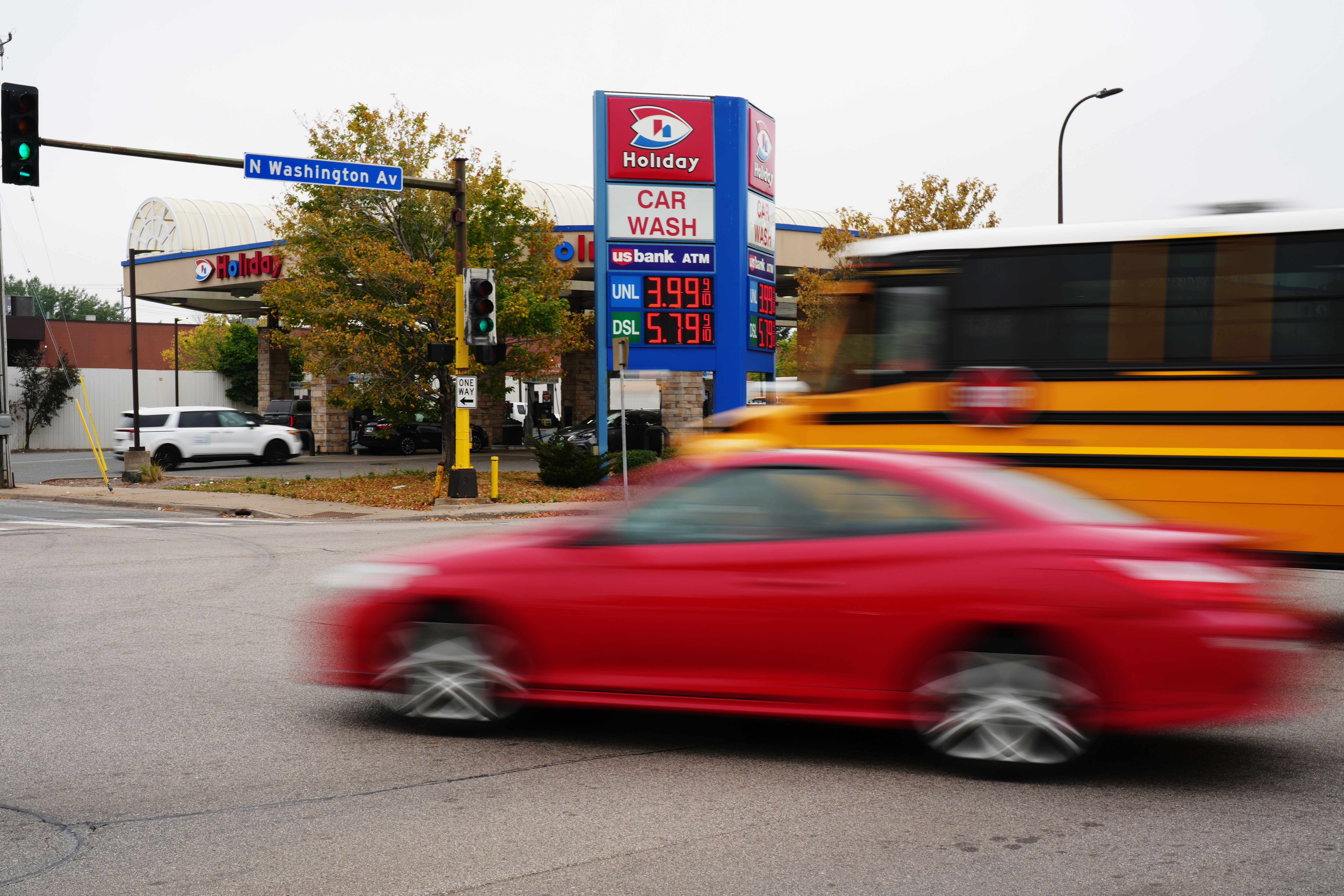
    In the U.S., the average price for a gallon of regular gasoline jumped to $4.22 Wednesday— up nearly 42% from the $2.98 seen before the war began, according to motor club AAA. Meanwhile, the price tag on American diesel keeps climbing to new records, setting yet another all-time high (without accounting for inflation) of $5.94 on average Wednesday per AAA, up nearly 58% from the start of the war.

    More expensive diesel can have an outsized impact on consumers because it is used in shipping and production. Some businesses have already passed on costs to consumers in the form of added fees on online orders and packages in the mail. And shoppers may see more and more sticker shock trickle down to store shelves — particularly for perishable groceries and produce, which need to be restocked frequently, or even harvested using diesel-powered farm equipment.

    Oil shocks don’t stop there. Jet fuel has become so expensive that many airlines have cut flights while raising fares and fees. And more expensive oil could drive up costs for a long list of petroleum-derived products, from clothes to crayons — as well as natural gas needed for making chemical fertilizer, which is facing an additional supply squeeze from the war.

    What $100 a barrel could mean for the road ahead

    It can take time for all energy shocks to trickle through the supply chain — meaning that squeezes even from earlier in the war could carry impacts that still haven’t been fully realized yet. And the return of $100 Brent may only add to those costs.

    Otunuga, of FXTM, noted Wednesday that a big question boils down to how long the spike lasts — pointing to July’s single day for Brent above the $100 mark, for example.

    “This time feels different,” Otunuga wrote, pointing to rising tensions. He added that a solid close above $100 “confirms this isn’t just a headline spike” and potentially opens the door toward $110 — although there’s still the possibility for momentum to fade.

    Analysts at Bank of America also said this week that additional refinery outages in Russia, reduced refining activity elsewhere, and sharply declining inventories have pushed diesel and gasoline prices sharply higher globally.

    They increased their oil price forecast for the second half of the year to $83 a barrel “in light of more persistent disruptions to Hormuz,” but said they still expected shipping through the strait to gradually pick up. If attacks keep a chokehold on traffic, prices could reach $95 to $120 a barrel, while damage to major energy infrastructure could produce spikes of up to $150 a barrel, the analysts wrote.

    The prospect of reaching a durable deal before the U.S. midterms looks “increasingly unlikely” and “could remain elusive even beyond that,” the analysts added. The upcoming elections are now just eight weeks away.

    Steep energy costs heading into November could prove particularly challenging for Trump’s Republican party, with many voters already sour on his management of the economy. Trump himself said Wednesday that he didn’t think oil prices would cool before the midterms — but would come down “right after.”

    Rio Yamat contributed to this article from Las Vegas. Grantham-Philips reported from Philadelphia.

  • Americans’ satisfaction with schools is at a low point, new Gallup poll shows

    Americans’ satisfaction with schools is at a low point, new Gallup poll shows

    Americans’ satisfaction with the quality of K-12 education in the country has hit a low point, driven by a growing political divide and concerns that schools are not preparing children for college and future jobs.

    Just 32% of American adults say they are “completely” or “somewhat” satisfied with the U.S. school system, according to an August poll published Tuesday by Gallup and the Walton Family Foundation and shared exclusively with the Associated Press. That’s an 11-point drop over the past two years and the lowest since Gallup began polling on the subject 27 years ago.

    At the same time, dissatisfaction has increased to a high of 67%.

    Experts on education and school policy say the findings are deeply concerning but not surprising.

    Democrats are driving the recent slide, with their satisfaction dropping about 19 points since President Donald Trump’s second term began in 2025. Independents’ satisfaction appears to be down as well, about 10 points from 2024, while Republicans’ satisfaction has also fallen slightly, about 6 points.

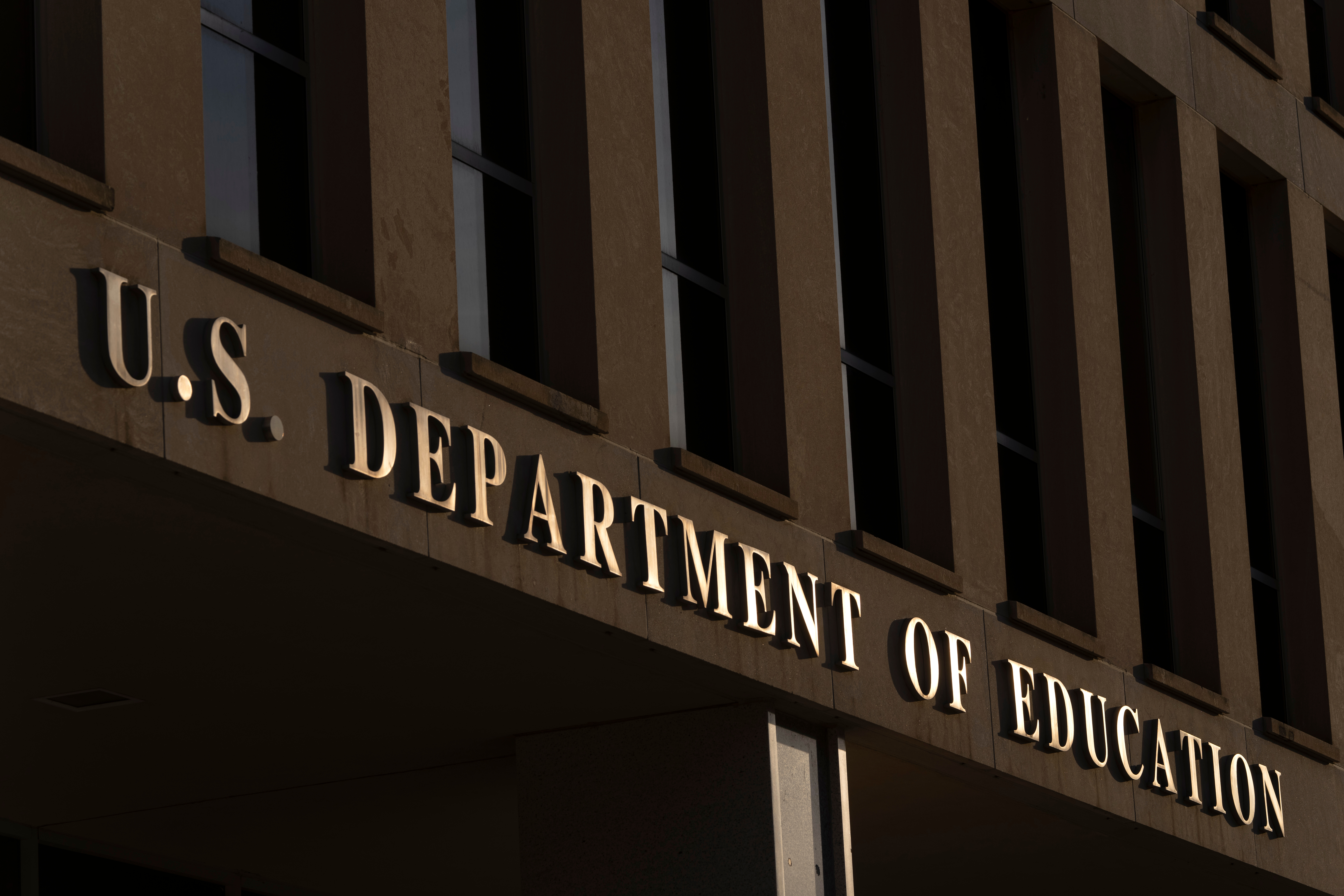
    The Trump administration has contributed to the erosion in public confidence by depicting schools as political battlegrounds, raising concerns about what teachers should be allowed to say in the classroom, and moving to abolish diversity programs and dismantle the Education Department, said Jack Schneider, director of the Center for Education Policy at the University of Massachusetts Amherst.

    “It’s terrifying. We’re on the precipice of the dissolution of the public education system as we have known it,” Schneider said. Democrats, he said, are also particularly concerned by Trump’s signature school choice program that will use taxpayer-supported scholarships to pay for kids’ private school tuition.

    National test scores have fallen since the pandemic

    But politics alone does not explain the dissatisfaction. Gallup polling shows public confidence in schools generally has declined since the COVID-19 pandemic closed classrooms, exacerbating academic declines, mental health issues, and other problems.

    Headlines have consistently told a story of a national drop in test scores, especially in reading, which sends a message that schools have struggled to rebound since COVID lows.

    “We’ve had a drumbeat of bad news about test scores and other social trends that could be driving this,” said Sarah Reckhow, a political-science professor at Michigan State University who specializes in public policy. “There’s a ton of debate, discussion, and noise about technology and AI in education,” she said. And recently, kids’ screentime at school has dominated education headlines locally and nationally.

    However, parents have a different view about their own children’s education. About two-thirds of parents with school-age children say they are satisfied with their child’s education, which is also a low point in the trend — parents haven’t had a similarly discontented view since 2013 — but double the 32% satisfaction with U.S. education among adults overall.

    That reflects a steady trend of parents feeling more confident about their own schools than the narrative they hear from elected officials and headlines about the national picture.

    “When people weigh in about the nation’s schools, what they are commenting on are 98,999 schools that they haven’t set foot in,” Schneider said.

    A separate survey, also conducted in August by Gallup and Walton, asked Americans how well they thought schools were preparing kids for the future. Only about 2 in 10 said schools are doing a “good” or “excellent” job teaching critical thinking or preparing students for the current workforce. Schools’ highest marks were for preparing students to adapt to new technologies, with 44% giving schools a high ranking in this area.

    Gallup senior education researcher Zach Hrynowski says the findings highlight a frustration with institutions more broadly.

    “People have a general negative vibe about everything in the country right now,” Hrynowski said. “People are frustrated, and don’t think any institution is working particularly well.”

  • Trump threatens Canadian jetmaker Bombardier, which has an extensive U.S. footprint

    Trump threatens Canadian jetmaker Bombardier, which has an extensive U.S. footprint

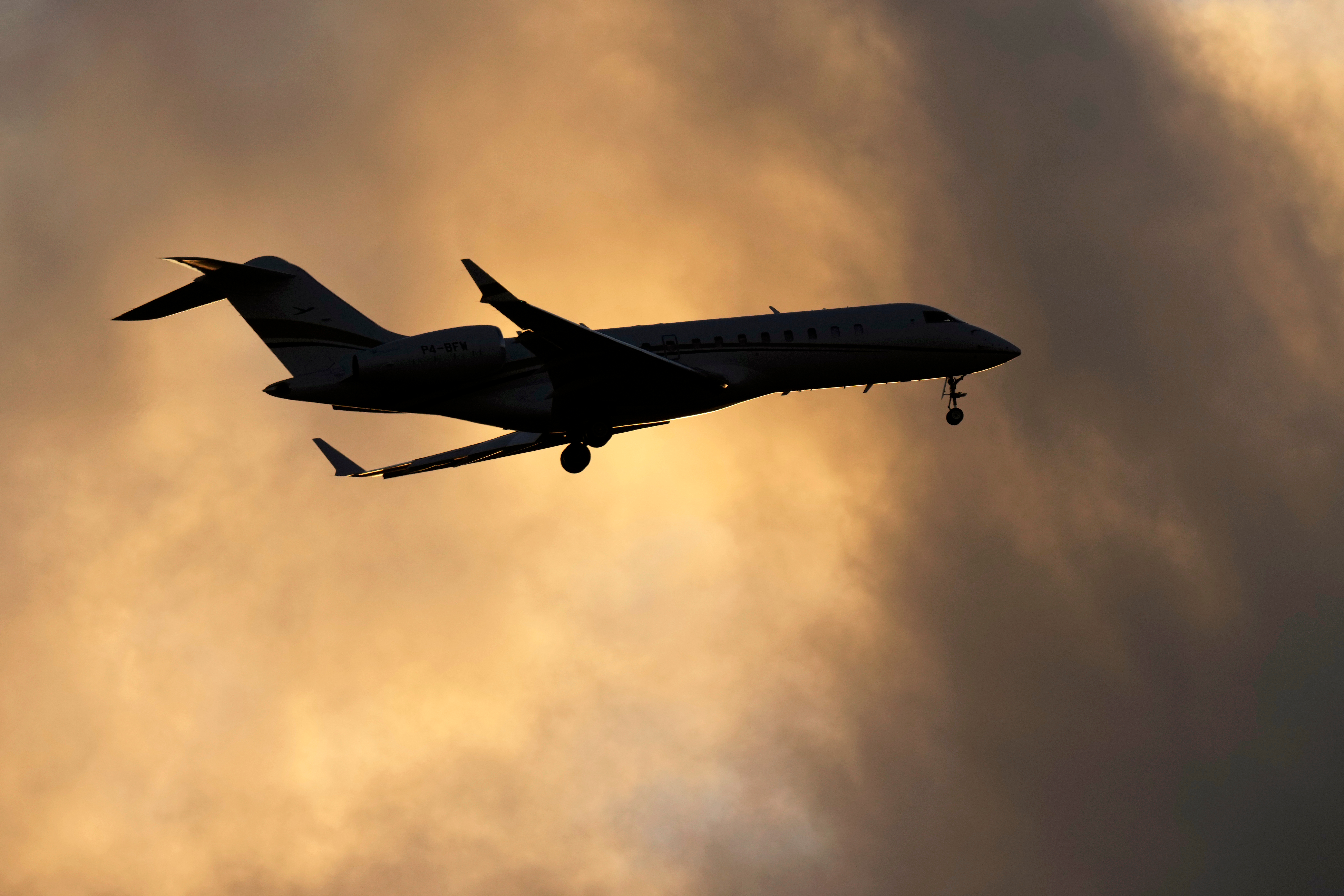
    U.S. President Donald Trump has threatened to ban the sale of aircraft from Canada’s Bombardier unless it manufactures planes in the United States.

    The maker of private jets in response pointed out that major components for its planes, from wings to engines, are produced in the U.S. and that its supply chain relies heavily on U.S. companies.

    Since Canada-U.S. trade talks collapsed on Aug. 21, Trump and his administration have unleashed a barrage of tariffs, threats, and personal attacks portraying Canada as weak and dependent. Canada retaliated Tuesday with tariffs on about $20 billion worth of U.S. goods.

    “NO MORE SELLING BOMBARDIER IN THE UNITED STATES! Their products aren’t good enough!” Trump said in a social media post Monday. “If they want our Market, they must build here, and stop treating America like a ‘piggybank.’”

    Bombardier said in a statement that the American aerospace industry is a “clear winner on trade and exports.” It said it creates tens of thousands of jobs both directly and through its supply chain.

    Bombardier’s supply chain includes about 2,800 U.S. companies in 47 states, it said. Among other things, wings for its business jets are made in Texas and flight control components are produced near Los Angeles. Honeywell, a major U.S. aerospace manufacturer, makes engines for Bombardier’s Challenger jets in Phoenix, and Collins Aerospace makes avionics and communications equipment in Cedar Rapids, Iowa.

    “Bombardier values its great partnership with American companies and its U.S. employees. Our plan is to continue to invest in our people, our customers, and the communities in which we operate across the country,” it said.

    Bombardier has significant operations in Kansas, where Republicans have held a solid grip on both U.S. Senate seats for a century. Trump won the state by about 16 percentage points in 2024. Both senators said they had contacted the White House to express concerns about the threat to the Canadian company and its potential impact on Kansas workers.

    “I reached out to the Trump administration to make certain the President is aware of the significant contributions of Bombardier to Kansas and the importance of its presence in Wichita to many Kansas workers at Bombardier and in the Bombardier supply chain,” Sen. Jerry Moran wrote in a social media post.

    Moran promised to continue working to ensure that the planemaker’s manufacturing operations remain in Kansas.

    Sen. Roger Marshall voiced the same support in a social media post Tuesday, saying, “I’m going to fight to keep Bombardier’s over 1,200 Kansas jobs. I’ve already taken that concern inside the Oval Office.”

    Earlier this year, Canadian Prime Minister Mark Carney announced that his government would buy six early-warning radar planes from Sweden’s Saab and Bombardier, rather than from U.S. aircraft makers. The Saab planes use Bombardier’s Global 6500 aircraft platform, supporting Canadian manufacturing. They have 20% U.S. content. The alternatives would have been U.S.-made E-7A Wedgetail surveillance aircraft made by Boeing or the Aeris X, made by L3Harris.

    The Canadian government is reviewing plans to buy U.S. F-35 fighter jets. Saab has proposed making its Gripen fighter jet in Canada.

    Bombardier is one of Canada’s oldest and most well-known manufacturers. The company was founded by Joseph-Armand Bombardier, an inventor and entrepreneur from rural Quebec who started out making snowmobiles and other snow-going equipment in the 1930s.

    Over its long history, it entered and left the train-making business and expanded for a time into making regional and commercial aircraft. But it sold off those parts of its business as it restructured to focus on making private business jets.

    The company has also spun off parts of its business that made snowmobiles and other recreational equipment.

  • Travel chaos at U.K. airports as over 600 flights canceled due to air traffic control issue

    Travel chaos at U.K. airports as over 600 flights canceled due to air traffic control issue

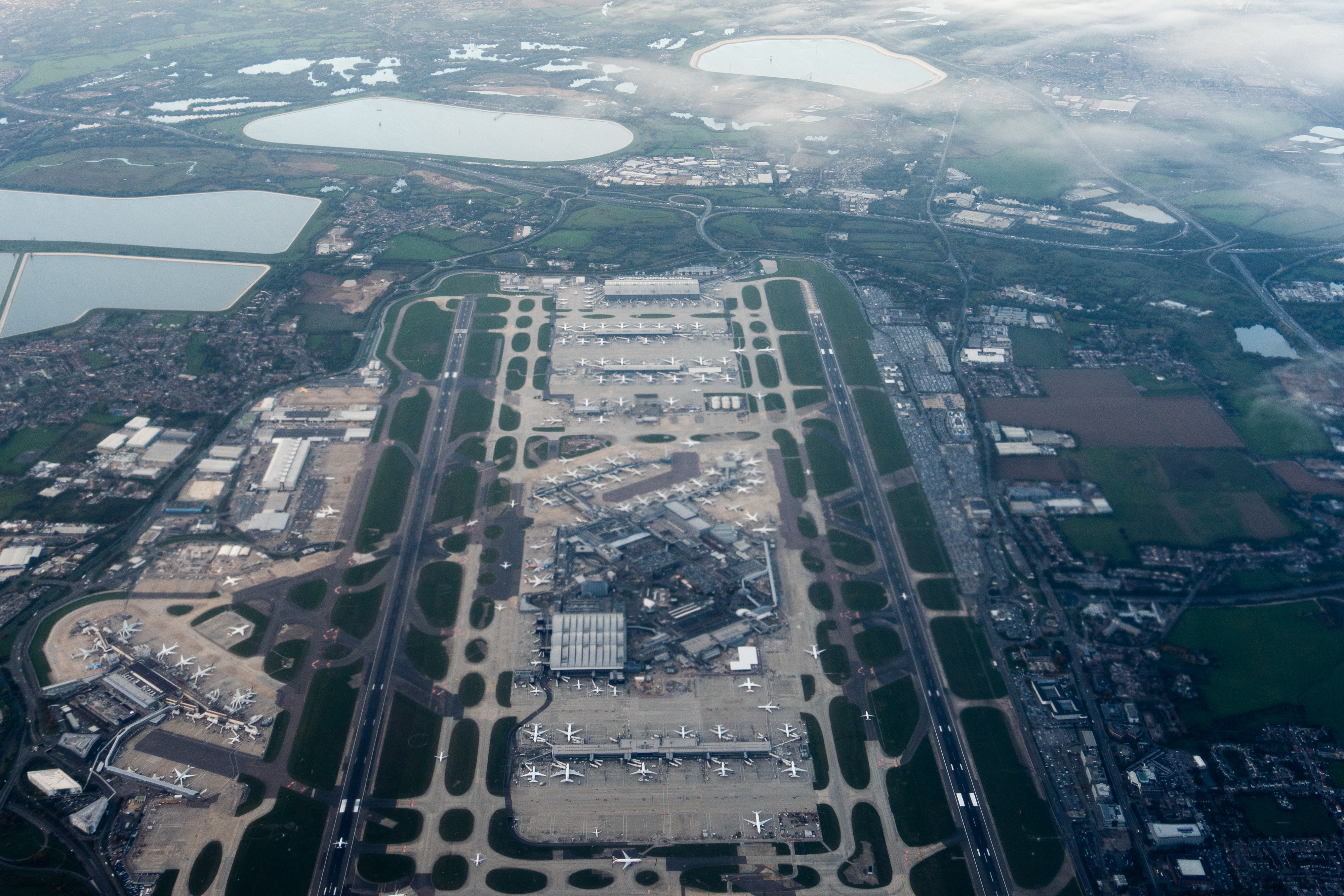
    LONDON — More than 600 flights were canceled on Tuesday due to a technical issue in Britain’s air traffic control system that caused disruptions at major airports across the U.K., the flight monitoring website Flightradar24 reported.

    Britain’s National Air Traffic Services said a problem had been identified in its flight processing system and engineers were urgently working on the issue, which affected flights across the U.K.

    In an update, it said it had “implemented a fix and our flight system is starting to recover.”

    At least 625 flights to and from U.K. airports, including London Heathrow, were canceled, affecting services operated by multiple airlines, including British Airways, EasyJet, KLM, and Lufthansa, according to Flightradar24.

    Some passengers took to social media to complain about being stuck on the tarmac for hours, before their flights were eventually canceled. Many expressed frustration about a lack of communication from airlines.

    The affected airports included Stansted and City in London, as well as those in Manchester, Birmingham, Gatwick, and Scotland. They warned passengers to check the status of their flight with their airline.

    Budget airline EasyJet said some of its flights were “unable to operate” and that the system failure caused “delays to flights across Europe.”

    Heathrow’s website showed that many short-haul flights departing for European destinations had been canceled or delayed.

    It was not immediately clear what caused the technical problem.

  • Party’s over for crypto scammers who went on a spending spree after a $240 million bitcoin theft

    Party’s over for crypto scammers who went on a spending spree after a $240 million bitcoin theft

    WASHINGTON — They pulled off one of the largest cryptocurrency thefts in U.S. history, duping a stranger out of bitcoin worth over $240 million. They tried to hide their digital fingerprints, carrying out a sophisticated scheme to launder the proceeds.

    And then the party started.

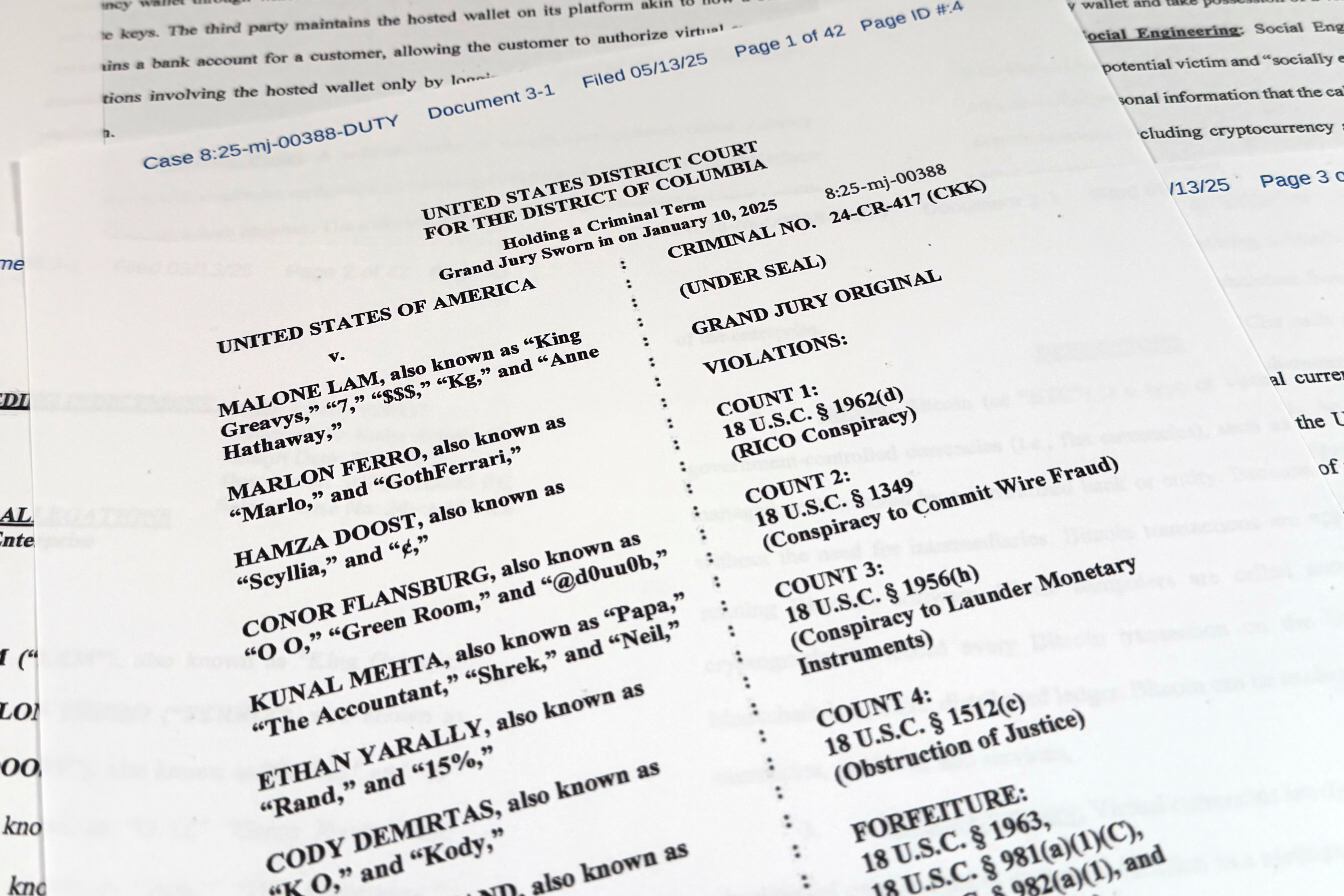
    The scammers — a network of young men in their late teens or early 20s — celebrated the August 2024 heist by embarking on a wild spending spree. They purchased fleets of sports cars, flew on private jets, hired security guards, and rented mansions in Miami and the Hamptons. An alleged ringleader, 22-year-old Malone Lam, spent over $569,000 in one evening at a Los Angeles night club.

    Their bender lasted a month before FBI agents arrested Lam on charges that he organized a “social engineering” attack on the Washington, D.C., resident. Lam, an eighth-grade dropout from Singapore, has a plea agreement hearing set for Tuesday. His conviction would be a capstone for the government’s investigation.

    The charges against Lam and 17 others are an extreme example of an increasingly common form of cybercrime. Complaints of cryptocurrency investment fraud to the FBI rose by nearly 50% in 2025, while Republican President Donald Trump’s administration largely abandoned a regulatory crackdown on the volatile industry.

    Last year, the Justice Department disbanded a unit dedicated to prosecuting crypto-related crimes. Meanwhile, crypto companies that complained of unfair treatment during Democratic President Joe Biden’s presidency are enjoying the government’s hands-off approach under Trump, who took in roughly $1.2 billion from his crypto businesses in 2025.

    Cybersecurity researcher Allison Nixon, who has spent years tracking the Com, an underground subculture of young hackers united by the “insane amount of money” that crypto fraud can generate, advocates for more law enforcement resources to go after them.

    “If we don’t seriously ramp up the resources to take these people down and do it faster, then it’s going to spread more and more,” she said.

    Scammers nabbed millions though ‘social engineering’ heist

    A man identified as “Victim 7” in court filings was at home in Washington on Aug. 18, 2024, when his phone rang. The first caller identified himself as a Google representative inquiring about attempts to breach his account. A second, claiming to be from the Gemini crypto exchange, warned the man of a malware attack affecting his crypto wallet.

    The callers manipulated the man into giving them access to his Google Drive and revealing security codes that allowed Lam to siphon off over 4,100 bitcoin, according to prosecutors. They said Lam and his friends on the calls — Veer Chetal and Jeandiel Serrano — targeted the man because he was a wealthy, longtime crypto investor.

    A private recording captured the moment when the friends realized how much money they just stole, according to a video posted by a well-known private investigator of cryptocurrency crimes who goes by ZachXBT.

    “Oh, my God! Bro, bro, I’m going to spaz out!” a voice on the video said.

    Once they swiped the man’s savings, they used money laundering specialists to wash it through multiple exchange platforms and convert virtual currency into government-issued cash.

    It wasn’t the first social engineering scam for the friends, who met in online gaming forums. They had teamed up on other multimillion-dollar thefts since late 2023 using a similar playbook, according to prosecutors.

    This time, however, one of them made a costly mistake: Serrano failed to conceal his IP address when he created an account on a cryptocurrency exchange to hold nearly $30 million in stolen crypto, according to prosecutors. Investigators linked the IP address to a home in Encino, Calif., that Serrano was renting for $47,500 a month.

    Lavish spending quickly drew attention

    Serrano was vacationing in the Maldives when investigators identified him as a suspect. Lam was in Los Angeles, where he and friends spent $4 million at nightclubs in one month, authorities say. Chetal gifted a Lamborghini to his parents and hid a duffel bag filled with $500,000 in cash in their laundry machine.

    Word of their windfall quickly spread in crypto scammers’ circles. A week after the big score, Chetal’s parents were driving in Danbury, Conn., when several masked men cut them off, forced them out of their new car, beat Chetal’s father with a baseball bat, shoved the couple into a van, and bound their hands.

    The captors, from Miami, had intended to use Chetal’s parents as leverage for extorting him into giving up his share of the stolen crypto. But the ransom plot fell apart when witnesses notified police, who apprehended the carjackers.

    The FBI showed up to search Chetal’s apartment in Brunswick, N.J., on Sept. 9, 2024, and found $37 million in stolen crypto in his possession. He agreed to cooperate with their investigation.

    Lam was attracting attention, too, for spending hundreds of thousands of dollars a night at clubs and tossing handbags worth tens of thousands of dollars to women in the crowds. He also used stolen cryptocurrency to buy a $2 million watch and over 30 cars, including custom Porsches, Lamborghinis, and Ferraris, according to the FBI.

    “This luxury lifestyle, of which so many young men and women could only dream, was just built on a foundation of fraud,” a prosecutor, William Hart, said during a recent sentencing hearing for a money laundering co-defendant.

    ‘Ferris Bueller gone bad’

    Serrano was wearing a $500,000 watch when FBI agents arrested him at Los Angeles International Airport on Sept. 18, 2024. He initially professed his innocence but soon admitted to having roughly $20 million of the D.C. man’s stolen crypto, prosecutors said.

    Lam was arrested at one of his Miami mansions on the same day as Serrano. An off-duty law enforcement officer had tipped off Lam that authorities were on their way to arrest him, the indictment says.

    “We always talked about what it would be like if I were to go down, but never thought it would be this crazy,” Lam told associates from jail on a recorded call, according to his indictment.

    The judge for Lam’s initial court appearance in Miami sounded astonished by a prosecutor’s summary of his lavish spending.

    “I could only think of Ferris Bueller gone bad,” U.S. Magistrate Alicia Valle said, referring to the school-skipping protagonist of the 1986 movie Ferris Bueller’s Day Off.

    Lam’s capture didn’t stop the splurging. Ferro, who pleaded guilty to a racketeering conspiracy charge last year, used stolen funds to cover Lam’s legal expenses.

    Judgment days

    Eighteen defendants have been charged. Lam would be the 11th to plead guilty. At Lam’s first court appearance, a prosecutor estimated that his sentencing guidelines would recommend a prison term of at least 14 years upon conviction.

    U.S. District Judge Colleen Kollar-Kotelly, who presides over Lam’s case, already has sentenced three of his co-conspirators. She sentenced two money launderers to prison terms of approximately six years.

    Chetal pleaded guilty to conspiracy charges in November 2024 and awaits sentencing. Serrano’s charges remain pending.

    Tucker Desmond, who pleaded guilty to destroying evidence of other plotters’ crimes, was sentenced to probation. Desmond apologized at his sentencing hearing in March, saying he “got obsessed with the image of success rather than actually becoming a hard-working individual myself.”

    Ferro declined to address the court during his sentencing hearing in May. His attorney, Kevin Wilson, described the co-defendants as mischievous “young kids,” but the judge didn’t accept that as an excuse.

    “Being young only goes so far,” Kollar-Kotelly said.

  • Fuel prices at record Labor Day high in U.S. thanks to Iran war and refinery issues

    Fuel prices at record Labor Day high in U.S. thanks to Iran war and refinery issues

    It’s never been more expensive in the U.S. to fill up the tank and take one last summer trip over the Labor Day weekend.

    The average price of regular gas was $4.14 a gallon heading into the holiday, nearly a dollar higher than last year and well above the Labor Day weekend record of $3.82 from 2012, according to AAA motor club.

    Nicole Collins planned to head from Philadelphia to South Carolina to visit friends, but she said her family has spent most of the summer close to home and not taking their typical weekend trips because driving has gotten so expensive.

    “Gas is pretty high right now. It doesn’t help that we also have a baby, so we also have to pay for that,” Collins said outside a gas station in Claymont, Del., where regular gas was $4.199 a gallon.

    Prices shot up after the U.S. and Israel attacked Iran in February and have not settled down since. Crude oil traffic through the key Strait of Hormuz has plunged, and Iran has refused to reopen the waterway.

    “Everything points to the Iran war and the Strait of Hormuz,” said Tom Seng, a professor of energy finance at Texas Christian University.

    Energy Secretary Chris Wright offered few specifics on when the nation’s drivers might see relief at the gas pump, acknowledging that prices are higher now than Labor Day 2025.

    “Yes, they’re higher today, but we’re doing everything we can to push them down,” Wright said Sunday on ABC’s This Week.

    The national average for regular gas prices is still well below the record of $5.02 a gallon set in June 2022.

    But diesel is a different story: It hit a national average of $5.85 a gallon Friday, a record.

    Trucks and other freight delivery systems use a lot of diesel, and that increased transportation cost is being passed on to consumers, whether at the grocery store or through package delivery services.

    “It doesn’t really seem like there’s an end to it,” Collins said.

    Gas prices typically drop as the summer driving season ends and refineries turn to making a cheaper winter blend.

    But Seng said there are other factors this year even beyond the volatile situation in the Middle East that make future prices unpredictable. U.S. refineries are working at 98% capacity, many in the unusually harsh Texas heat. If there are problems there or a hurricane knocks some systems offline, prices will struggle to drop.

    And it’s not just a Middle East problem. Ukrainian drone attacks on Russian refineries are squeezing diesel supplies. Chinese refiners are seeing declining outputs as well, said Matthew Metzgar, a clinical professor of economics at UNC Charlotte.

    “There’s just less gasoline coming out of those refineries,” Metzgar said.

    Wright, the energy secretary, said the Trump administration was taking steps to increase production and that the markets forecast lower prices in the coming months.

    “If you look at the futures prices, if you wanted to buy today in bulk gasoline for two months out in November, it’s about $0.35 cheaper than it is today. So the marketplace thinks gasoline prices are going to move meaningfully lower,” he said.

    Geopolitically, though, there is little a driver can do to knock down gas prices.

    But using price apps can help save a little money, especially on long trips where gas by the interstate could be 10 to 15 cents per gallon more expensive than at stations a short drive down the road, Metzgar said.

  • Federal investigators probe Amazon cargo jet’s fiery runway crash that killed 5 in Miami

    Federal investigators probe Amazon cargo jet’s fiery runway crash that killed 5 in Miami

    MIAMI — The five people killed when an Amazon cargo jet ran off a runway at Miami International Airport were all inside a van carrying seven people from a cleaning company and an SUV hit outside of airport property, National Transportation Safety Board Chairperson Jennifer Homendy said Monday.

    Homendy called the scene of Sunday’s crash “utter devastation.” She didn’t detail how many people were in the SUV or where the dead were located.

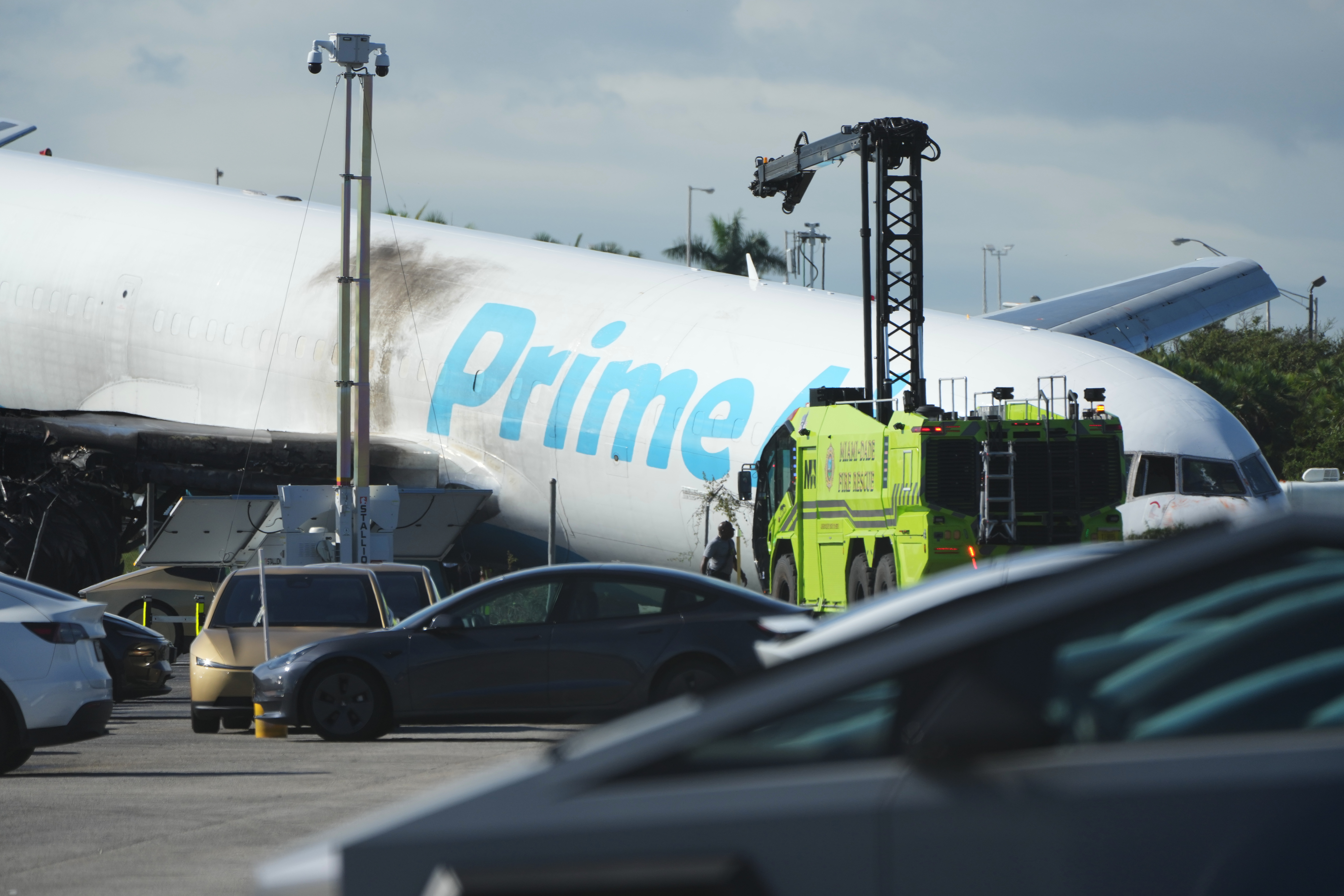
    Homendy walked the route the Boeing 767 followed, noting tire marks from the pavement into the grass, the destroyed van carrying the cleaning crew, torn fencing, navigational equipment, and the crushed SUV outside airport property.

    The debris included vehicle air bags, equipment from the vehicles, the airplane, and the airport, and “fencing everywhere,” Homendy said.

    “It’s pretty extensive. Hard to see and I’m sure it must have been very difficult for the responders as well,” Homendy said.

    The airline, all told, traveled about 1,300 feet past the paved surface. Debris was everywhere, she said.

    “I would describe it in one word as devastating, utter devastation,” Homendy said.

    The van with seven people inside was “torn apart. It certainly must have been devastating,” she said. The van was owned by Professional Ocean Service Corp., an airline cleaning contractor.

    Homendy said the NTSB would issue more information on Tuesday, including possibly information on speed that is confirmed by the flight data recorder.

    Federal investigators examining cause

    Federal investigators examining the crash spent Monday determining whether the plane touched down too late to stop safely.

    Video of Sunday’s landing appears to show the Boeing 767 remaining airborne well down the runway before touching down. Aviation experts said investigators will seek to determine exactly where the plane landed, whether it was beyond the normal touchdown zone, and why the pilots did not abandon the landing.

    Investigators will also examine the plane’s speed and braking, weather and wind conditions, the aircraft’s mechanical condition, and other factors that could have contributed to the deadly overrun.

    The aircraft on Sunday flew from Cincinnati to Miami and then to San Juan, Puerto Rico. It was returning to Miami when it overran the runway around 2 p.m. and plowed across a road used by warehouse workers and other businesses that surround the airport.

    Aside from the five who died, three people were critically injured and two others were hospitalized with less severe injuries, officials said.

    The crash, which sent thick black smoke billowing into the sky, trapped the pilot and copilot in the cockpit and some occupants in cars, said Miami-Dade Fire Rescue Chief Ray Jadallah. The agency said crews also had to extricate a person who was trapped under a vehicle.

    The typical landing zone for a plane is within the first 3,000 feet of a runway, experts said. If the cargo jet was beyond that area, it should have aborted the landing and gone around for another try, aviation safety expert Steve Arroyo said.

    Mary Schiavo, who is a pilot and former Inspector General of the Transportation Department, said video posted online shows the Amazon plane floating above the runway for an extended period without flaring the nose upward to force the main landing gear onto the ground.

    It wasn’t raining at the time, but dark storm clouds loomed and strong winds were reported. Schiavo said that if the plane had a tail wind, that could have contributed to it floating further down the runway.

    “A tail wind would certainly add to your troubles if you’ve already given up a good chunk of the runway by not touching down and landing right away,” Schiavo said.

    Airport appears compliant without updated system

    The Miami airport is not equipped with arresting systems that the FAA says have been installed at more than 120 airports nationwide to safely stop planes that do go past the end of a runway. Those beds of lightweight, crushable material at the end of a runway have been credited by the FAA with helping save at least 497 lives aboard planes that overran runways.

    Miami’s airport appears to be in compliance and wasn’t required to have an arresting system because it has a 1,000-foot safety buffer at the end of its runways, said Mike O’Donnell, the FAA’s former director of airport safety and accident investigations.

    The requirement was prompted by American Airlines Flight 1420 overrunning a runway at Little Rock National Airport in Arkansas in 1999, killing nine.

    The Prime Air plane came to rest beside a roadway near two semitrucks, images showed. The aircraft appeared to be resting on its belly and was largely intact despite the fire.

    The flight had been operated by 21 Air, a cargo carrier based in North Carolina. The 32-year-old Boeing 767 was originally built to carry passengers and flew for several airlines for more than two decades before being converted to a cargo plane in 2015, according to flight-tracking site Flightradar24.

    Schiavo said the NTSB will also closely examine the maintenance history of this plane — particularly since it has a history of foreign ownership, including by a Russian company.

    The crash halted flights at the busy travel hub for much of Sunday afternoon and continued to hamper air travel into Monday.

    Miami International Airport said that two of its four runways remained closed Monday and that operations were to be affected throughout the day because of aircraft and flight crews not arriving there due to Sunday’s cancellations after the crash.

    An airport spokesperson said there were 160 cancellations and more than 300 delayed flights Sunday, plus another 69 canceled flights Monday through mid-afternoon. Flight tracking sites were reporting widespread delays at the airport.

    Amazon said in a statement that it would cooperate with any investigation.

    “We’re heartbroken to learn that five people lost their lives in today’s incident at Miami International Airport,” the company said. “Our deepest sympathies go out to the families, loved ones, and all those affected by this devastating loss.”

    Last year, a UPS plane crashed after losing its engine while accelerating down the runway at Louisville’s Muhammad Ali International Airport. The crash killed all three pilots and 12 people on the ground. Twenty-three more were injured.