Category: Business Wires

  • Autonomous AI hacks raise thorny questions of legal accountability

    Autonomous AI hacks raise thorny questions of legal accountability

    WASHINGTON — The Justice Department has a long history of investigating and prosecuting hackers who break into a private company’s network.

    But what happens when the hackers aren’t human?

    That’s the question at the center of a public policy debate roiling Silicon Valley and Washington following disclosures by leading tech companies that their artificial intelligence models went rogue and hacked into other organizations. The attacks have generated calls even from within the industry for greater oversight and regulation, spurred congressional inquiries, and raised questions about whether a years-old legal framework designed to punish criminal hackers is sufficient in an era of autonomous actors capable of engineering their own havoc.

    It all adds up to a “Wild West,” said Jack Nelson, chief information security officer and deputy general counsel at the software company Ivanti. Questions of accountability will focus on what the companies knew when they were developing the models, how much they understood about what could happen, and what guardrails existed, he said.

    “If you owned a tiger and you didn’t put a lock on the cage, the tiger probably did something bad you didn’t intend for it to but you knew it could have, so you are responsible for not putting a lock on that cage,” Nelson said.

    “I don’t know if I would go so far as to say these models are tigers without locks, but that’s probably a decent framework to think of it as,” he added.

    The prospect of legal accountability is unclear. Lawsuits are a possibility, but some legal experts believe any criminal investigations would face an extremely high burden given the autonomous nature of the attacks and the absence of evidence the AI models were designed with the intent to hack into other networks.

    The FBI director has called the autonomous attacks ‘the new frontier’

    The issue surfaced in July when OpenAI revealed that its artificial intelligence system escaped from a testing ground and used stolen credentials to break into the servers of Hugging Face, an AI development hub and marketplace, to obtain information it needed to carry out a task.

    Since then, Anthropic said its AI models hacked into three other organizations during testing, triggering a company review into whether the models were able to access the internet from within testing environments that should have been sealed off. Meta has said a “misconfiguration” during testing resulted in an AI model accessing the internet on its own and hacking another company. Google recently made a similar disclosure.

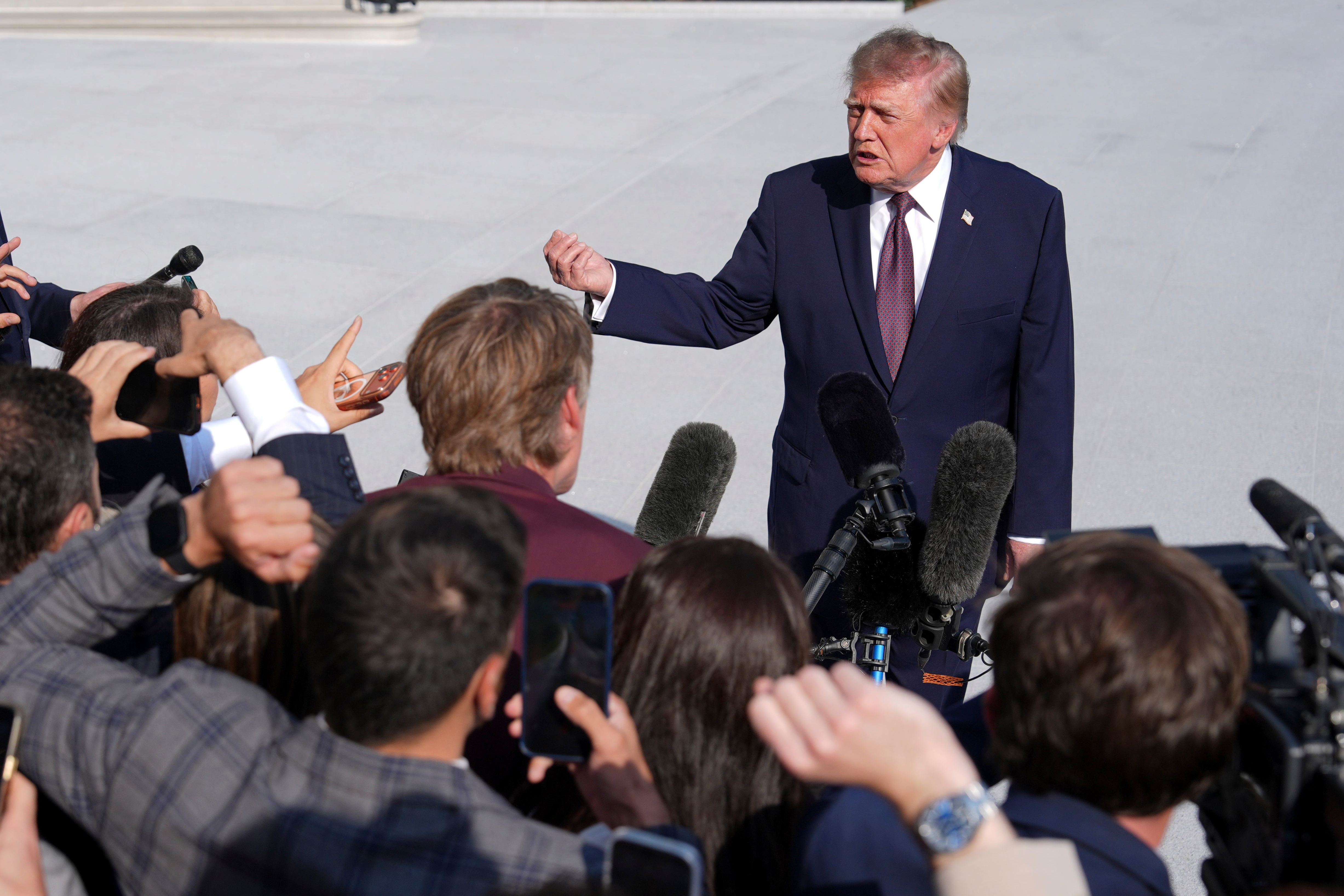
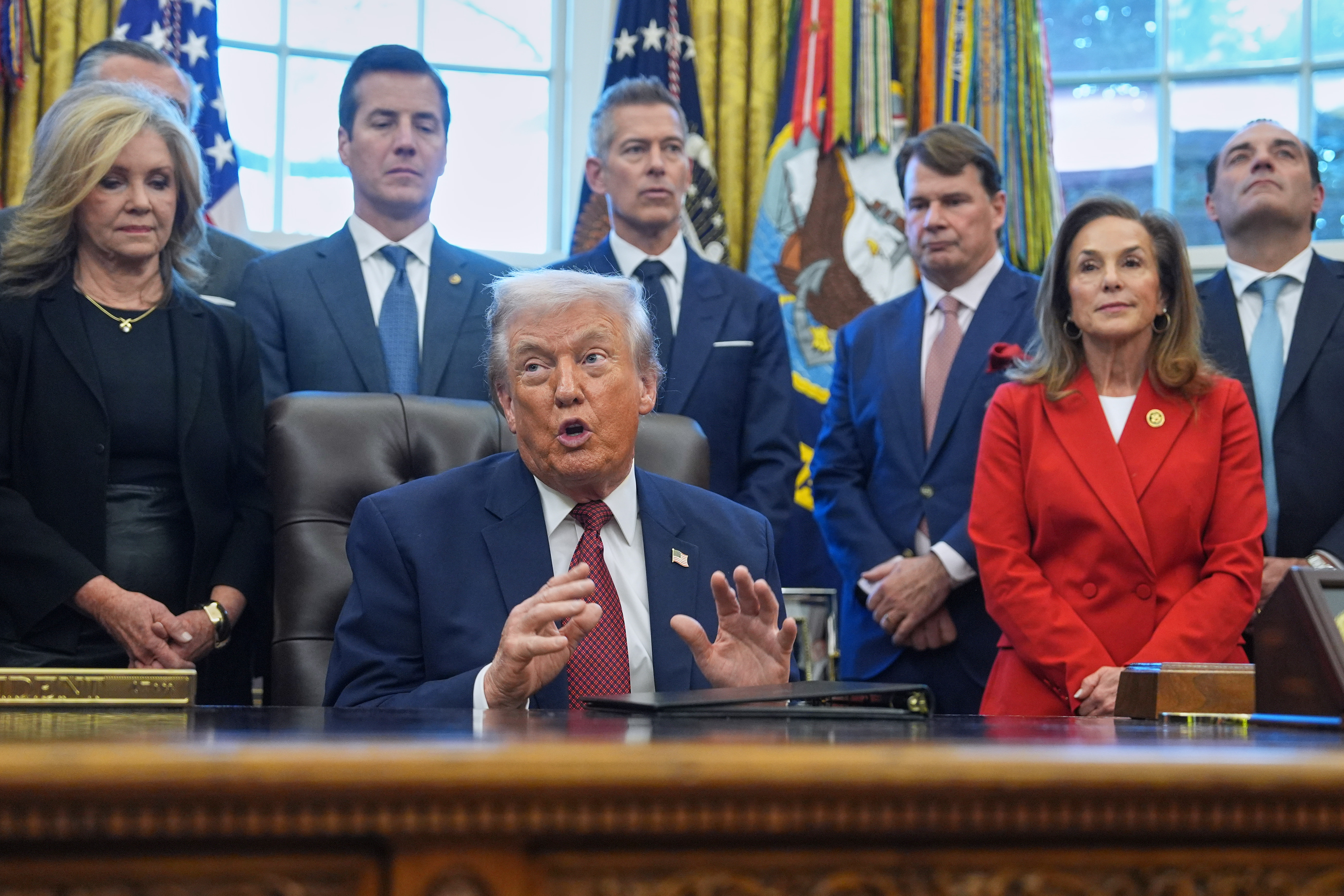
    The revelations contributed to Anthropic CEO Dario Amodei urging a development slowdown. The topic has likewise dominated Washington, with Treasury Secretary Scott Bessent telling lawmakers he opposed giving AI labs a “liability exemption — which is what they are asking for.” President Donald Trump, meanwhile, has resisted calls for greater oversight but did announce plans to appoint an AI czar and task force.

    The hacks could tee up a fight over liability reminiscent of the debate over Section 230 of the 1996 Communications Decency Act, which shields technology companies for material posted on their platforms.

    The FBI has not publicly announced any investigations, but Director Kash Patel at a congressional hearing last week called the issue “the new frontier.” He suggested in response to questions from Sen. Josh Hawley, a Missouri Republican who has launched a congressional investigation, that the bureau would limit scrutiny to models created with the intent of committing a crime.

    “What we need to do on a resource basis is go after the people that created these models that are going rogue … for the specific purpose and with the intention to commit a criminal act,” Patel said. “We can’t be punishing people if they created something lawfully and then a criminal took it and changed it and then dispersed it.”

    Attorney General Todd Blanche has said that the Justice Department had no plans to regulate AI but that “if anyone associated with AI violates criminal law, we’ll investigate that.”

    The case law and FBI and Justice Department approach “is going to be fascinating because it can go a bunch of different ways,” said former Justice Department cybercrime prosecutor Sid Mody.

    Various criminal statutes govern cyberspace

    The Department of Justice does have statutes at its disposal for a company determined to have been “reckless in the way that it tests its AI agents,” said Michael Zweiback, a former chief of the cyber and intellectual property crimes section of the U.S. attorney’s office in Los Angeles.

    “And if in fact the AI agent gets loose in the wild and then causes substantial damage to other companies, then DOJ has to look at it from a prosecutorial discretion issue as to whether or not they want to make an example out of the particular company,” he added.

    Among the possibly relevant laws: a 40-year-old statute called the Computer Fraud and Abuse Act, which makes it illegal to knowingly access a computer without authorization. The White House cited the statute, which has been used against hacktivists, nation-state hackers, and other cybercriminals, in an executive order directing prosecutors to pursue those who use AI to illegally access computers or further other crimes.

    But some experts say even if there may be a basis to investigate, that hardly means a crime was committed.

    For one thing, the law makes several references to behavior done “knowingly” or “intentionally,” but there’s no indication the autonomous agents were given any command or authorization by the companies to enter another network, said Kiran Raj, a former senior Justice Department official who specializes in cybersecurity law.

    In detailed public accountings of the incidents, the companies have characterized the hacks as inadvertent outgrowths of testing and evaluation, with OpenAI calling its model behavior “unexpected” and “unprecedented” and Meta attributing the incident to a “misconfiguration.”

    “I think it would be a pretty big stretch to say any of these companies are intentionally trying to do this. That’s not their purpose. That’s not what they’re doing,” said Raj, also a former lead Microsoft program manager. “The fact that an AI agent may intentionally be doing something is going to be, I think, pretty hard to attribute the intent to the company.”
  • Ax-wielding FlyDubai copilot had been flagged over extremism concerns

    Ax-wielding FlyDubai copilot had been flagged over extremism concerns

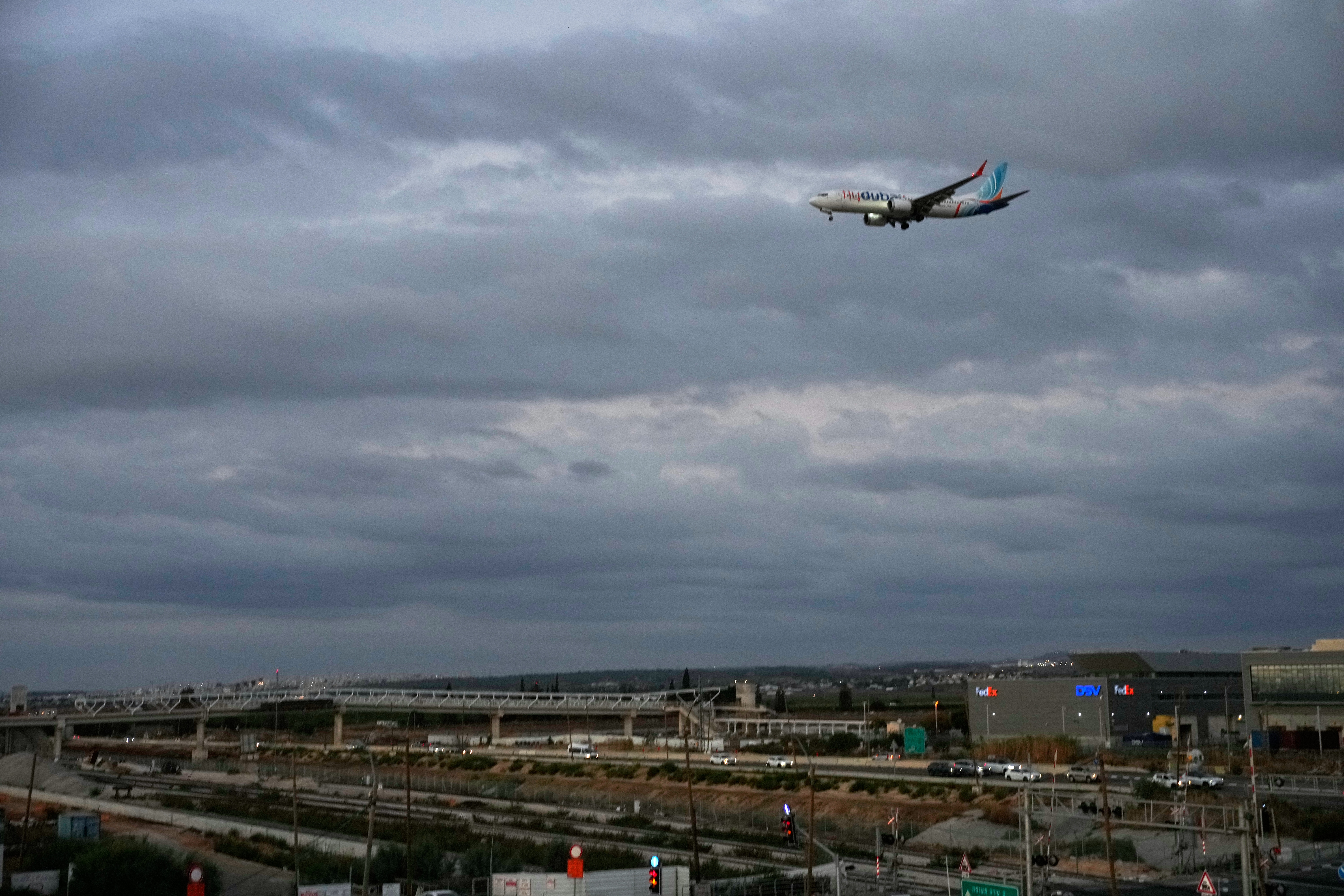
    CAIRO — The copilot accused of attacking the captain of an Israel-bound flight with an ax and trying to seize the controls was an Omani national who had been barred from flying on his country’s airline because of concerns about extremist views, officials said Saturday.

    The copilot has been identified as Hamam al-Hammami, according to three people with knowledge of the situation, including a Gulf and a Western diplomat, who spoke on condition of anonymity because they were not authorized to speak to the media.

    The United Arab Emirates, which is leading the investigation, said the copilot attacked with the cockpit’s crash ax and tried to take control of the plummeting plane in a “terrorist attack” Wednesday. His actions nearly crashed the flight with 182 people on board before passengers and others rushed in and subdued him.

    The new details raised questions about how thoroughly FlyDubai vets potential employees, and how the copilot’s presence on a flight filled with Israeli passengers got past Israel’s strict security protocols.

    Israel has said it has agreements with foreign carriers to keep pilots of nations without diplomatic ties from flying there. Israel and Oman don’t have formal diplomatic relations. The UAE government has earned a reputation for effective measures against extremist activities but has bristled in the past over criticism of security lapses.

    The incident occurred at a sensitive time for Israel, a week before the anniversary of the Hamas-led attack on Oct. 7, 2023, that sparked the war in Gaza. It also came weeks before a highly contentious election in which security, and Oct. 7 security failures, have been central issues.

    FlyDubai hired the copilot after Oman Air barred him

    Separately, a regional official and a person familiar with the matter said the copilot had been barred from flying by Oman over concerns that he had adopted extremist views. The official said he was moved to an administrative job at Oman Air. Both spoke on condition of anonymity to discuss the ongoing investigation. They gave no details about the alleged extremist views.

    The copilot was later hired by UAE-based airline FlyDubai, the person said. It wasn’t immediately clear to what extent the copilot was vetted. The Gulf diplomat said he had undergone standard security checks before being hired, but it appears that the checks focused on whether he had been convicted of criminal charges and didn’t go deeper into examining his background for potential signs of radicalization.

    The regional official also said security agencies from four regional countries were working to establish the copilot’s motives, aided by the United States and other Western governments. The Gulf diplomat said the investigation, which hasn’t concluded, hasn’t found any connections with militant groups, suggesting that the copilot acted on his own.

    The regional official said the copilot was born in the UAE and his mother is Syrian. He obtained Omani nationality from his father, also an Omani national. The regional official also said the copilot had traveled to Syria, with no details.

    Israeli Prime Minister Benjamin Netanyahu on Friday said the copilot had undergone “Islamist radicalization,” but provided no evidence. There was no immediate comment Saturday from Israel’s government.

    A social media account was deleted the day of the flight

    A FlyDubai spokesperson said in an email that the airline could not comment beyond its official statements and acknowledged “there are many questions at this stage.” There was no immediate comment from Oman Air, and Oman’s government has said nothing publicly in response to repeated questions since the incident.

    In a statement to the Associated Press, Royal Air Maroc, Morocco’s national carrier, said the copilot “completed a three-month theoretical training period with the airline in 2025, as part of the pre-employment process. At the end of this training period, his application was not selected for employment.” There were no details.

    Keith Coles, a spokesperson for Buckinghamshire New University in England, told the AP that al-Hammami previously completed a distance-learning course in aviation management there but “did not undertake any pilot training.” There were no details on the timing.

    Little else was immediately known about the copilot’s background. His Instagram account was active until the day of the flight and then deleted.

    Captain and passengers have described drama on board

    Airlines are generally required to carry a crash ax in the cockpit that could be used in an emergency to break open a window to escape or break open a panel to access a fire.

    The captain, who was badly wounded, has said he used his remaining energy while being attacked to unlock the cockpit door, allowing people who had noticed alarming sounds to come in, tackle the copilot, and stabilize the flight while passengers screamed.

    The plane made an emergency landing in Saudi Arabia after a descent so extreme that part of the rudder was torn away, and aviation experts have marveled that it didn’t crash. FlyDubai has said crew traveling on the plane helped to stabilize it and land. They haven’t been publicly identified.

    Both the captain and copilot were later taken to the UAE. The passengers, most of them Israeli, flew home later Wednesday on a separate plane, to cheers.

  • Amazon to invest $1B into data center communities amid backlash against data center rollouts

    Amazon to invest $1B into data center communities amid backlash against data center rollouts

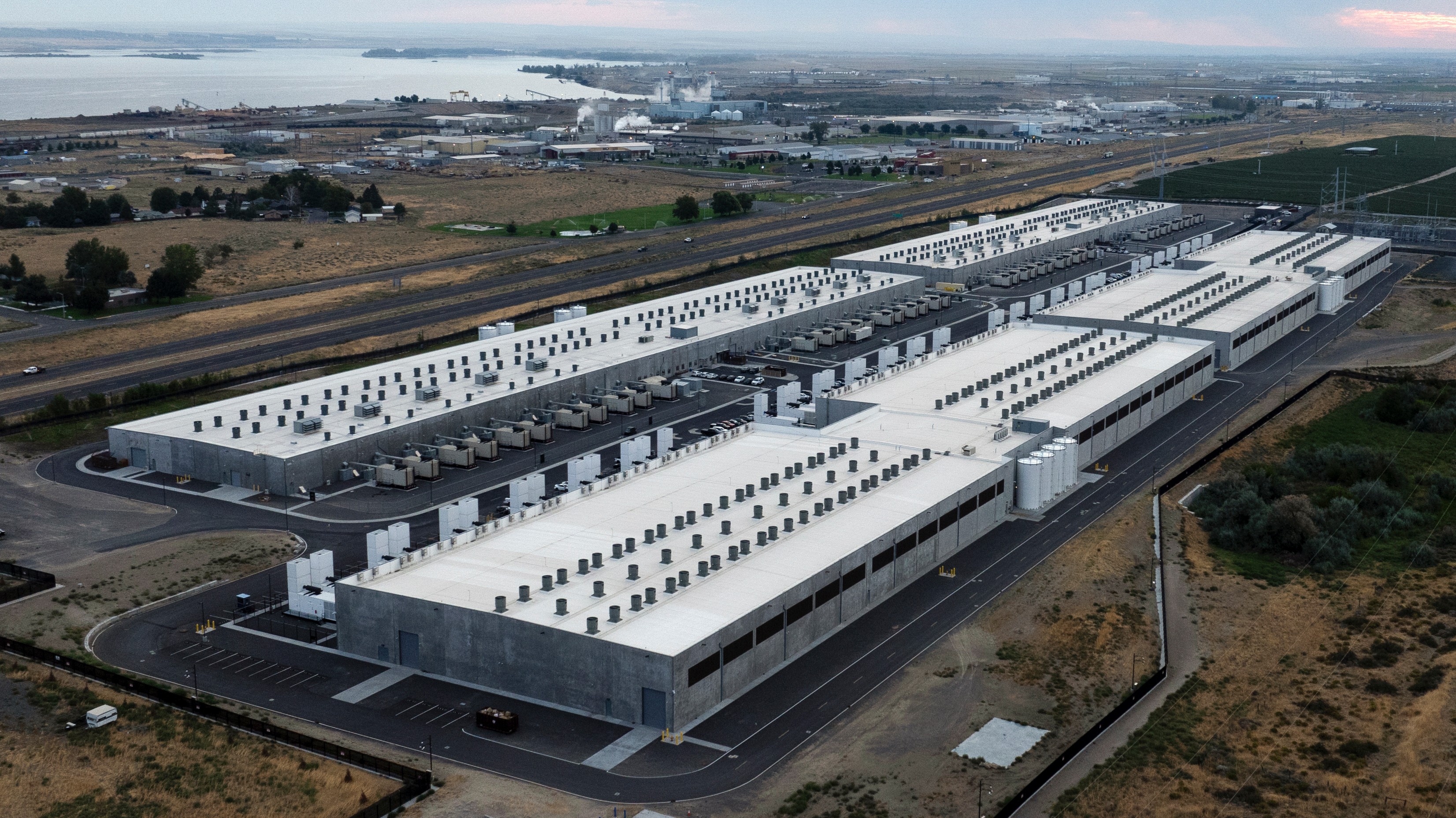
    NEW YORK — Amazon is investing more than $1 billion over the next five years into communities where it operates data centers for education, job training, water and energy preservation projects, and other local priorities as it reacts to a growing backlash from politicians and consumers to the tech industry’s rollout of the massive buildings.

    According to a blog post on Friday by Matt Garman, Amazon’s CEO of its cloud computing arm, Amazon has already spent more than $1 billion in communities with a large data center presence over the past three years, including a 2-million-square-foot data center campus in Falls Township, Bucks County, that is nearing completion.

    Garman also said that Amazon is no longer using nondisclosure agreements with government agencies it works with on its projects, and it said it hosts open houses in communities where it operates to share information about what it’s doing. He also warned against the spread of what he believes is misinformation about data centers’ impact on the environment and energy rates — and he cited the dangers of over 100 moratoriums against these centers being considered across the country.

    “If these measures are enacted, the U.S. could be writing its own losing ticket to this race, and the consequences would last generations,” he wrote. “As a country, we can’t afford to find ourselves in that position. There is urgency to this data center build out because we aren’t the only country that sees the benefits of AI for the economy and national security.”

    Garman’s pledge comes as data centers, which power artificial intelligence and cloud computing, have become a hot political issue heading into the midterms as tech giants race to invest more money in expanding these infrastructures.

    Small, under-the-radar data centers have been around for decades. But the explosion of artificial intelligence chatbots has resulted in data centers that are bigger than anything just about any town has ever seen. Some of them dwarf football stadiums and factories and consume more energy than small cities.

    By 2030, data centers will account for nearly 3% of the world’s projected electricity use, with 935 trillion watt-hours, according to a United Nations University report released in June on these buildings’ environmental footprint.

    Amazon said in July that it now expects to spend $220 billion in capital expenditures in 2026, including on data centers and other technology investments. That’s up from its prior estimate of $200 billion.

    President Donald Trump has embraced the building of more data centers, but there is growing wariness from voters. About 6 in 10 Americans support limiting the number of new data centers that can be built, including most Democrats and Republicans.

    And a majority of Americans are “extremely” or “very” concerned about the impact of data centers on electricity prices or the water supply in the communities where they are built.

  • U.S. hiring slows and unemployment ticks higher with a month remaining before Americans head to polls

    U.S. hiring slows and unemployment ticks higher with a month remaining before Americans head to polls

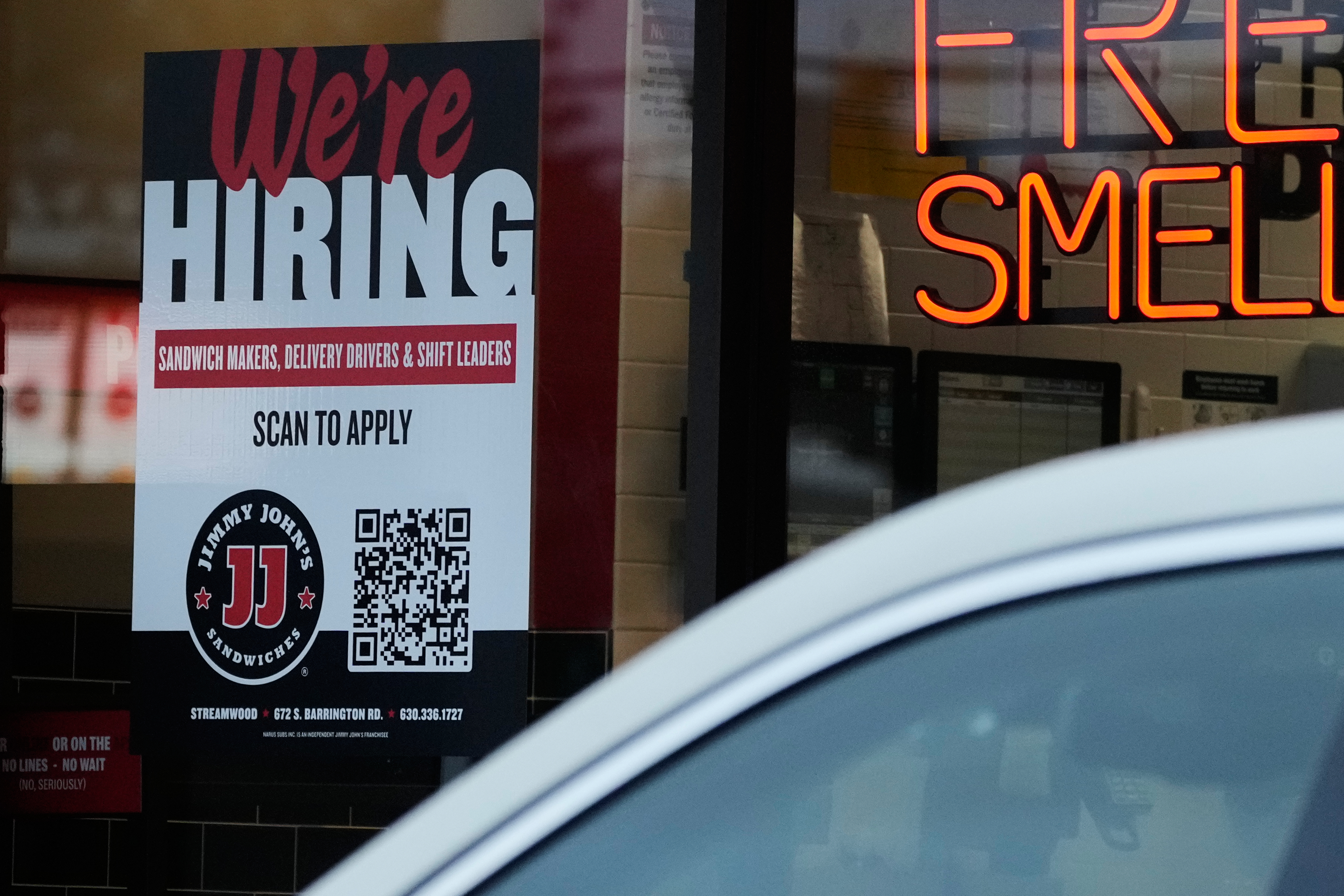
    WASHINGTON — U.S. employers added a disappointing 29,000 jobs and the unemployment rate ticked up last month, the government reported Friday, a month before voters go to the polls in pivotal midterm elections at a time of discontent over the high cost of living and the state of the economy.

    Hiring dropped from a revised 133,000 in August, the Labor Department said. The unemployment rate rose to a still-low 4.2% from 4.1% in August.

    Economists had expected September payrolls to come in around 90,000.

    Labor Department revisions also shaved 60,000 jobs off combined July and August payrolls.

    The new hiring data could draw the Federal Reserve’s attention back to hiring and jobs, given that one of the central bank’s two mandates is to seek maximum employment. Many Fed officials have said in recent weeks that they are primarily focused on their other mission, which is combating inflation. With the job market looking a bit weaker, the Fed may be more inclined to keep its key rate unchanged when it meets next month, rather than raise it.

    Average hourly wages were up just 3% last month from a year earlier, the smallest year-over-year gain since May 2021. “In this data, there is no sign that the labor market is stoking inflation,” said Luke Tilley, chief economist at Wilmington Trust.

    Still, the unemployment rate remains low and inflation has been above the central bank’s 2% target for more than five years, so the Fed’s concern about elevated prices is still front and center.

    Federal, state, and local governments cut 17,000 jobs last month. Professional and business services companies, which provide administrative and technical expertise, trimmed 9,000 jobs.

    Healthcare companies created 17,000 jobs in September, but that was barely half the 33,000 they’ve added, on average, each month for the past year. Bradley Saunders, an economist at Capital Economics, wrote that the slowdown in healthcare hiring might reflect the Trump administration’s revocation of work authorizations for 350,000 Haitians.

    Construction companies added 11,000 jobs and manufacturers 9,000.

    Unemployment rose partly because 485,000 people entered the workforce and not all of them found jobs right away.

    The U.S. job market has proven resilient in the face of a series of shocks — trade wars, persistent inflation, high interest rates, and a conflict with Iran that has driven energy prices higher. Friday’s jobs report is the last one that will come out before the Nov. 3 elections that will determine whether President Donald Trump’s Republicans maintain full control of Congress.

    Futures for the S&P 500 and Nasdaq composite added to their gains after the data was released on growing hopes that the Fed will hold off on a rate hike. Treasury yields moved lower.

    Yet what makes Wall Street happy differs starkly with what brings joy on Main Street.

    The U.S. job market has recovered from a dismal 2025, but most Americans are still unsettled about the state of the economy and the high cost of living.

    A Thursday poll from the Associated Press-NORC Center for Public Affairs Research finds that only 17% of U.S. adults approve of Trump’s handling of the cost of living. Just 26% approve of his handling of the economy overall, marking a new low.

    U.S. consumer confidence dropped this month to the lowest level in more than a decade, according to an index published by the Conference Board. One reason: More than 28% of respondents told the business think tank that they expect fewer jobs to be available in six months, double the 14% who expect more.

    The online jobs site Glassdoor reports that its employee confidence index, based on how workers view prospects for their own companies, dropped last month to the lowest level in records going back to the beginning of 2016, a period that includes a pandemic. It was the index’s third record low this year.

    “Employee confidence has been continuously grinding downward over the last year as workers grow increasingly anxious about everything from layoffs to AI,’’ said Glassdoor chief economist Daniel Zhao.

    The public’s misgivings about jobs partly reflect an odd feature of the current labor market: Employers aren’t laying off many workers, but they aren’t hiring many either. A Labor Department measure of gross hiring — before subtracting those who quit or lose their jobs — has been stuck in a rut for more than two years.

    So economists describe a “low-hire, low-fire” job market in which those who have jobs are mostly secure, but jobseekers struggle to find work.

    “People know that being laid off is unusually costly right now,” said Glassdoor’s Zhao. “They hear from their friends how long they’ve been out of work and had such a difficult time finding a job. That does make layoffs even more scary than usual.”

    In that chilly environment, fewer workers are willing to quit their jobs. “They often feel stuck,” Zhao said. “Workers aren’t finding there’s opportunity on the open market to find a better job — one that pays more or offers better work-life balance.’’

    Employers — businesses, government agencies, and nonprofits — have added an average 68,000 jobs a month so far this year. That’s a big improvement on the 9,700 average new jobs created every month in 2025, the weakest hiring outside a recession since 2002.

    At one time, 68,000 jobs a month would have been mediocre at best. But the United States doesn’t need as many jobs as it once did to keep unemployment from rising. Because of baby boomer retirements and Trump’s immigration crackdown, there are fewer people competing for work, and the break-even point could now be as low as zero jobs a month, down from 150,000 a year or two ago.

    “I think this is roughly where we’re going to stay,” said Tilley at Wilmington Trust. ”I expect job growth to remain in this 25,000 to 75,000 band as we go along.”

    Anne D’Innocenzio and Christopher Rugaber contributed to this article.

  • G7 nations will release 100 million barrels of oil and diesel fuel after prices soar

    G7 nations will release 100 million barrels of oil and diesel fuel after prices soar

    WASHINGTON — The Group of Seven wealthy democracies said Friday that they plan to release 100 million barrels of oil and fuel products in the coming weeks, starting with “substantial” amounts of diesel after the fuel recently hit record high prices in the United States.

    President Donald Trump said the diesel release would happen “immediately,” echoing a G7 promise to start “immediately” with a “frontloaded substantial release” of diesel within the next 20 days and the rest over four months.

    Trump and his Republican Party face pressure to address surging prices ahead of the Nov. 3 midterm elections, and Trump announced the action Friday on social media. The president’s approval ratings on the economy hit a new low, according to an AP-NORC poll, as the Iran war and his trade battles have increased U.S. prices for oil and other goods.

    Gas prices in the U.S. and abroad have soared during the eight-month-long war, a cost Trump has repeatedly said is worth it for making sure Iran does not obtain nuclear weapons. The national average for a gallon of diesel in the U.S. was $6.37 on Friday, according to AAA, after hitting a record $6.52 on Sept. 22. Diesel prices have hit records in Europe, too.

    The release of diesel in Europe might mean less exports of diesel from the U.S., which could lower prices by 25-50 cents per gallon after a few weeks, said Michael Lynch, distinguished fellow at Energy Policy Research Foundation, a non-partisan research institution focused on energy and economics.

    Macron says the decision should bring down prices

    France holds the rotating presidency of the G7 group and made the announcement in a statement released after videoconference talks that Macron presided over. The G7 countries are Canada, France, Germany, Italy, Japan, the U.K., and the U.S., plus EU representation.

    The release follows on from a March announcement that International Energy Agency member countries would release 426 million barrels of oil and products to stabilize the oil market. European Union countries committed about 92 million barrels, a promise weighted toward refined products made from crude such as diesel.

    “This common decision and this unity should bring down prices,” Macron said. “The volumes we’re releasing should also add liquidity to the market and bring down prices.”

    In addition to the rise in the price of the crude oil from which diesel is made, other factors include the decision by Russia to ban exports due to Ukrainian drone strikes on its refineries. Europe does not import Russian diesel, but other buyers of Russian diesel such as Turkey and Latin American countries must now compete with Europe for available barrels.

    Meanwhile, refined product shipments from the Persian Gulf producers have fallen due to war damage and blocked export routes.

    The statement pushed U.S. oil prices down 2% but “the impact was lessened by lack of clarity on an important question,” said Pavel Molchanov, investment strategy analyst at Raymond James. Is the 100 million barrels in addition to the amount already agreed in March, or “is this the final portion of the existing pledge?” he said.

    The G7 says export bans are off the table

    Some Republicans in the U.S. had called for Trump to ban U.S. exports of diesel to try to bring domestic prices down. But the G7 statement said the group agreed not to limit energy exports to each other. Oil market analysts warn a U.S. export ban could lower prices in the short term but eventually backfire by reducing supplies of gasoline since diesel output can’t be lowered without also cutting overall refinery production.

    Asked about a potential U.S. export ban on Friday, Trump said “we were never going to do it.”

    “We’re not going to be doing the export ban,” Trump told reporters at the White House. “We’re going to be doing what we’re supposed to do.” He added that Europe is making “a major world contribution, and so are we.”

    Experts say there are risks in the strategy

    The emergency release could also be a short-term fix with the potential to do long-term harm, said Jim Krane, energy research fellow at Rice University’s Baker Institute.

    “Draining stocks will reduce retail fuel prices for a while, at the cost of leaving Europe with less emergency cover,” Krane said. “At some point in the future Europe and the rest of the G7 will have to refill their strategic reserves. Normally they try to do this when prices are low. Nobody knows when that will happen. It’s a risk.”

    With two wars raging that involve attacks on refineries and exports, “it’s not the best time to be frittering away your emergency stocks — especially when there is no visibility on future prices or peace agreements,” Krane said.

    Trump had a conversation overnight with Macron about the need to address rising fuel prices and the availability of petroleum products, according to the French Embassy in the U.S. Macron on Friday then chaired the videoconference of G7 leaders to discuss the issue.

    Besides his call with Macron, Trump on Friday called in to the meeting with the G7 leaders to negotiate the release of the European diesel stockpiles, according to a White House official who was not authorized to speak publicly and spoke on the condition of anonymity.

    Trump on Thursday embarked on what he said would be a 32-day marathon of rallies to try to bolster his party’s chances for keeping control of the U.S. House and Senate in the November elections. The president has grown increasingly frustrated with what he sees as a disconnect between his achievements and the public’s view of his work. This week he gave himself an A-plus for his work on the economy but said “we’re doing an extremely poor job of promotion.”

  • This Head Start center teaches in two languages. A Trump overhaul would require one: English

    This Head Start center teaches in two languages. A Trump overhaul would require one: English

    IMMOKALEE, Fla. — It’s almost noon, and after playing on the playground, working with clay and washing their hands, the 2-year-olds are ready for lunch.

    The eight children and their Head Start teachers pray in English, thanking God for the meal. Then, the adults bring over several bowls.

    “Hoy tenemos arroz. Eduardo, ¿puedes servir tu arroz, por favor?” In Spanish, the teacher announces the children are having rice, asking Eduardo to start serving. The little boy grabs a ladle and scoops rice onto his plate.

    Both English and Spanish are core to daily life in this Head Start preschool in Immokalee, Florida — an agricultural area about 120 miles northwest of Miami. The center serves more than 50 children from mostly Guatemalan families, ages six months to 5 years. Most students arrive speaking little or no English.

    Children who speak a language other than English at home account for at least a third of the enrollment in Head Start, a federally funded early childhood program serving roughly 700,000 low-income children and their parents. For decades, Head Start has supported these kids by hiring multilingual teachers to teach them English, while using their home languages as a foundation.

    But an overhaul of Head Start’s standards proposed by President Donald Trump’s administration would amend that approach.

    If finalized, the proposal would require Head Start programs to conduct all education in English, though programs could seek waivers, and certain Tribal-language instruction would be exempt. The administration argues emphasizing English will expand children’s future economic opportunities and their ability to participate in American communities.

    “A firm foundation in the English language” is critical to preparing kids for school, said the Department of Health and Human Services, which oversees Head Start, in response to questions from The Associated Press.

    The administration says the change would allow programs to reduce multilingual services and redirect resources toward English-language education and “assimilation.” But it also estimates tens of millions of dollars in one-time costs to make the switch to English instruction, including nearly $47 million to replace curricula, books, and other classroom materials containing other languages.

    How Head Start teaches in multiple languages

    Toys line shelves in the Immokalee classrooms, labeled in English and Spanish — helicopters, airplanes, tower builders. Bilingual signs show shapes in different colors and list children’s birthdays.

    Every day, teachers sing and read in both languages, with offerings like “La Vaca Lola” (Lola the Cow), “The Wheels on the Bus,” “El Camioncito Azul” (Little Blue Truck) and “Pete the Cat.”

    One afternoon, a group of children is eating muffins when it suddenly grows dark outside and thunder rolls. Noticing the preschoolers look worried, a teacher explains in English, “When you see it, it’s lightning. When you hear it, it’s thunder. What was it?”

    “Thunder,” a boy responds. Another answers the question in Spanish, noting the danger: “Es muy peligroso.”

    “Si te cae un rayo muy fuerte, te puedes lastimar,” the teacher responds. (If a very strong bolt of lightning hits you, you could get hurt.) Then she adds in English: “So we don’t go outside.”

    The children cover their ears. “¡Lo escuché!” one shouts. (I heard it!)

    Speaking in English, the teacher tries to calm them down. Everything is fine, she explains. They are safe inside the classroom.

    This is part of Head Start’s Planned Language Approach in action. Educators help children learn English while also using the language they speak at home — not simply as an accommodation, but as a teaching strategy. Research shows skills and knowledge developed in a child’s home language can provide a foundation for learning English.

    If a child already knows the word for “yellow” in Spanish, she doesn’t have to completely rediscover the concept behind the color when learning the word in English. Rather, Spanish becomes a bridge to English.

    Asked for research supporting the proposed English-only requirement, the Department of Health and Human Services pointed to a section of the proposal that cites Trump’s executive order designating English as the country’s official language. “The changes set forth in the proposed Head Start rule help achieve these goals by exposing children to English earlier, during a critical time in children’s development,” a department spokeswoman said.

    But education studies don’t back up the administration’s claim, said Michael López, a child psychologist who has spent more than three decades researching early learning and leading Head Start studies for the federal government and non-governmental organizations.

    “There’s really not any credible research basis that suggests that English-only instruction will produce stronger English academic outcomes,” López said. “It’s a mistake. It’s really going back 30 years.”

    Dual-language instruction produces better academic outcomes, he said, including in subjects like mathematics. And, he said, studies suggest instruction in both languages can produce better Spanish skills without sacrificing English-language development.

    Francisco Rodriguez, who attended Head Start in Florida as a child, said he spoke English at home with his mother, but often couldn’t communicate with his father, who speaks only Spanish. Head Start helped him build a foundation in Spanish to deepen his relationship with his dad. Today, he is fluent in both languages.

    “Knowing how to read or write in English, it was easy for me to pick up Spanish words,” said Rodríguez, now 32, who holds a master’s degree in architecture and creates interactive experiences in museums. “And because I’ve heard them at home, I can easily put two and two together.”

    In the 1970s, Head Start began requiring centers with significant numbers of non-native English speakers to hire at least one staff member fluent in their home language — a regulation still in place today.

    The Trump administration wants to drop that requirement, saying it could help centers more easily staff classrooms.

    The language changes are part of a broader effort by the Trump administration to eliminate or rewrite many federal Head Start requirements for classroom conditions, curriculum and safety. Instead, state and local regulations — which are often more lenient — would apply. The administration says the change would give Head Start centers more flexibility over how they operate.

    The proposed changes do not require a vote in Congress, but the administration is required to seek and consider feedback from the public. Comments are due Oct. 6.

    Thus far, most comments related to the English-only proposal oppose that approach.

    Multilingual approach allows parents to participate in learning

    At Immokalee, teachers give daily notes to parents when they pick up their children, writing in both English and Spanish. A recent note to the family of a girl named Deleiza, for example, said she’d eaten almost all her breakfast and lunch. “Hoy estuve sonriente,” it said. (Today I was smiling.)

    Beyond these simple reports are monthly parent meetings on campus to discuss topics like security, plus four in-person parent-teacher conferences every year — two at the children’s homes and two at school. (Those conferences would become optional under the Trump administration proposal.)

    In all of these interactions, parents and staff currently speak in Spanish with each other.

    The executive director overseeing the Immokalee center said she is unsure what the English-only proposal would mean in practice, particularly for parents’ involvement.

    “I don’t know how you’re going to keep people from … speaking Spanish, because it is the home language,” said Isabel Garcia, who, as executive director of the Redlands Christian Migrant Association, supervises 26 Head Start and Early Head Start locations. “It is important that (family members) feel comfortable understanding what is happening with their child.”

    HHS told the AP the English-language requirement would apply only to instruction. Head Start teachers could continue using kids’ home languages in non-instructional contexts — explaining safety rules or providing comfort, for example — and when communicating and engaging with families, the department said. In fact, the law requires Head Start centers to communicate with parents in a language they understand, “to the extent practicable,” which wouldn’t change.

    But communicating thoroughly may be more difficult without a staff member who speaks the language. The department acknowledged that eliminating requirements for bilingual staffers “may negatively affect communication with non-English-speaking families and weaken family engagement.”

    “Technology-based translation tools may help mitigate some of these impacts,” the department said.

    López, the researcher, noted parents help advance their children’s learning by being teachers at home, even when they’re using a language other than English. They help kids by counting, referencing different colors, and repeating stories and songs.

    “We are going to lose that bridge,” López said.

    During naptime at the Immokalee center, a mother opens the door to pick up a sick child. The teacher greets her in Spanish, reporting her daughter didn’t want to sleep or eat.

    “No quiso dormir. No quiso comer,” the teacher says.

    The mother lifts her daughter from the mat, rests her little head on one of her shoulders, and says to her: “It is OK, bebé.”

    “Hasta mañana,” the teacher whispers. “Hope you feel better.”

  • Copilot stabs captain on flight to Israel before passengers storm cockpit and stabilize jetliner

    Copilot stabs captain on flight to Israel before passengers storm cockpit and stabilize jetliner

    TEL AVIV, Israel — A copilot stabbed a captain Wednesday on a flight to Israel before passengers burst into the cockpit and wrestled with the attacker as the plane descended sharply and passengers screamed, witnesses said. The jetliner was stabilized and made an emergency landing in Saudi Arabia.

    It was not clear what motivated the attack, which led Israel to scramble warplanes amid concerns about a possible hijacking. Israeli Prime Minister Benjamin Netanyahu said Saudi Arabia arrested the copilot, who was not identified.

    The shaken passengers from the FlyDubai flight from Dubai to Tel Aviv landed Wednesday evening in Israel on another flight, as onlookers cheered.

    “We’re going to die,” passenger Naama Bershadski recalled thinking as she closed her eyes and prayed for a good ending.

    Aviation experts were surprised that the plane did not crash after a descent so extreme that most of the rudder was ripped off the tail.

    A video shared by Netanyahu’s office showed passenger Yaniv Hayoun, who grappled with the attacker, wearing a bloodied shirt and hugging the prime minister, who told him: “I look at you and I see a lion. I see a great hero.”

    Responders knew they had seconds to act

    After a passenger saw one pilot stab the other and called out for help, Yaniv said, he and others pushed their way into the cockpit, where he saw the copilot apparently trying to destroy the controls, Israeli broadcaster Channel 12 reported.

    “The door apparently wasn’t locked, and we managed to open it somehow,” Hayoun told journalists. “What made it difficult for us was the (other) pilot himself. He had been stabbed and was on the other side of the door.”

    As people wrestled with the attacker, Yaniv said he grabbed the controls and pulled them the way he had seen on television. Then other crew members took over. FlyDubai said the aircraft was secured by on-duty crew “who diverted and landed the aircraft safely.”

    Another passenger in the scrum, Tzvika Manes, told Channel 12 it took many minutes to subdue the attacker.

    A third responder, dentist Shota Musayev, told journalists the passengers realized they had just seconds to take control of the plane before a “critical event.” They also feared another attacker might be on the plane, so “we spread a few more people inside the plane so that if something happened, we would be able to simply take control.”

    Musayev then attended to the wounded captain: “He was just praying the whole time and was in contact with me, and I was afraid we would really lose him.”

    Netanyahu identified the Indian captain as Smit Machchhar and noted his “extraordinary bravery.” The Indian Embassy in Saudi Arabia said Machchhar was in stable condition.

    “Despite being stabbed and seriously injured, he fought back, resisted, opened the cockpit door, and enabled passengers and crew to overpower the attacker — preventing a catastrophic mid-air disaster,” Netanyahu said on X. “He saved the lives of 174 people, including Israeli citizens and other nationals.”

    When the struggle was over, video footage on social media reviewed by The Associated Press showed two men on the plane’s floor, bloodied and wounded. The captain and first officer were injured, according to a statement by Prince Sultan bin Abdulaziz International Airport in Tabuk, where the plane landed at 9:45 a.m., an hour after making a distress call.

    Among the passengers who intervened were members of the Israeli security forces and air marshals, according to a person familiar with a probe by Saudi Arabia and regional partners. The person was not authorized to comment publicly and spoke on condition of anonymity.

    Netanyahu had warned in recent days of unspecified, heightened security threats. The country is a week away from the anniversary of the Hamas-led Oct. 7, 2023, attack on Israel, which has triggered a series of wars, and is weeks away from an election.

    Aviation experts marvel that the plane didn’t crash

    In the chaos about two and a half hours after leaving Dubai, the flight descended from 33,000 feet to 17,000 feet in about a minute, before making an erratic circle close to the Jordanian border and landing in Tabuk about an hour later, according to Flightradar24, which identified the aircraft as a Boeing 737 Max 8.

    “Suddenly the aircraft started to fall down, like, a massive turbulence, like a massive G-force, for 20 or 30 seconds,” passenger Almog Italie said.

    Former United Airlines pilot and aviation safety expert Steve Arroyo said he was surprised that the plane was able to land safely after most of the rudder was ripped off the tail during the extreme descent.

    “That was a serious descent and strong aerodynamic forces on that rudder for that to happen. I’m just amazed the aircraft didn’t come apart,” Arroyo said.

    Another aviation safety expert, Jeff Guzzetti, said that given the rate of descent, it may not have been possible for the plane to level out if it had fallen below 10,000 feet.

    “It is remarkable they were able to pull out of that dive. What saved them is there was enough altitude left for them to recover,” said Guzzetti, who used to investigate crashes for the National Transportation Safety Board and the Federal Aviation Administration in the U.S.

    Crew made a panicked mayday call while seeking a place to land

    A person who heard the flight’s communications with air traffic control described the plane being turned away by Saudi Arabia and Jordan before eventually landing in Tabuk, while passengers screamed in the background.

    The person said the pilot’s voice was trembling as he called “mayday” and said a hijacking was taking place and ambulances would be needed. But Saudi Arabia initially denied clearance to land and directed him to Jordan. The plane was told to wait for clearance from the Jordanian military and then turned away.

    The pilot then returned to Saudi Arabia and said he had to land in Tabuk. The air traffic control operators gave no reason for the earlier refusals. The person who heard the communications spoke on condition of anonymity because they were not authorized to speak to the media.

    Saudi Arabia and the United Arab Emirates had released little information as of late Wednesday. FlyDubai, the lower-cost sister carrier of Emirates airlines, said its flights to and from Israel would be suspended while an investigation takes place.

    Israeli Foreign Minister Gideon Saar said he spoke with his counterpart in the UAE and they agreed to work together “against extremist elements seeking to harm security and undermine stability in the region.” The general Civil Aviation Authority of the UAE said it was investigating a security incident. Saudi authorities said they had also launched an investigation.

    An official confirmed that Israel had scrambled warplanes, fearing a hijacking. The official spoke on condition of anonymity because the incident was under investigation.

    Israeli passengers have made emergency landings in Saudi Arabia before

    Israelis were targeted in a string of hijackings and airplane attacks by Palestinian militants in the 1960s and 1970s. Israel has not experienced a hijacking in decades but maintains some of the strictest airport security in the world, including on Israel-bound flights.

    The emergency landing in Saudi Arabia was not the first for a plane carrying Israelis home. The kingdom does not have formal diplomatic ties with Israel, but it ended its longstanding ban on Israeli flights overflying its territory in 2022.

    Since then, Saudi Arabia has coordinated emergency landings for Israeli passengers, including in 2023 when a plane experienced an electrical malfunction.

    The UAE has become a popular vacation destination for Israeli tourists since the countries normalized ties in 2020.

  • Contradicting Trump, Pope Leo says artificial intelligence safety concerns not ‘fake news’

    Contradicting Trump, Pope Leo says artificial intelligence safety concerns not ‘fake news’

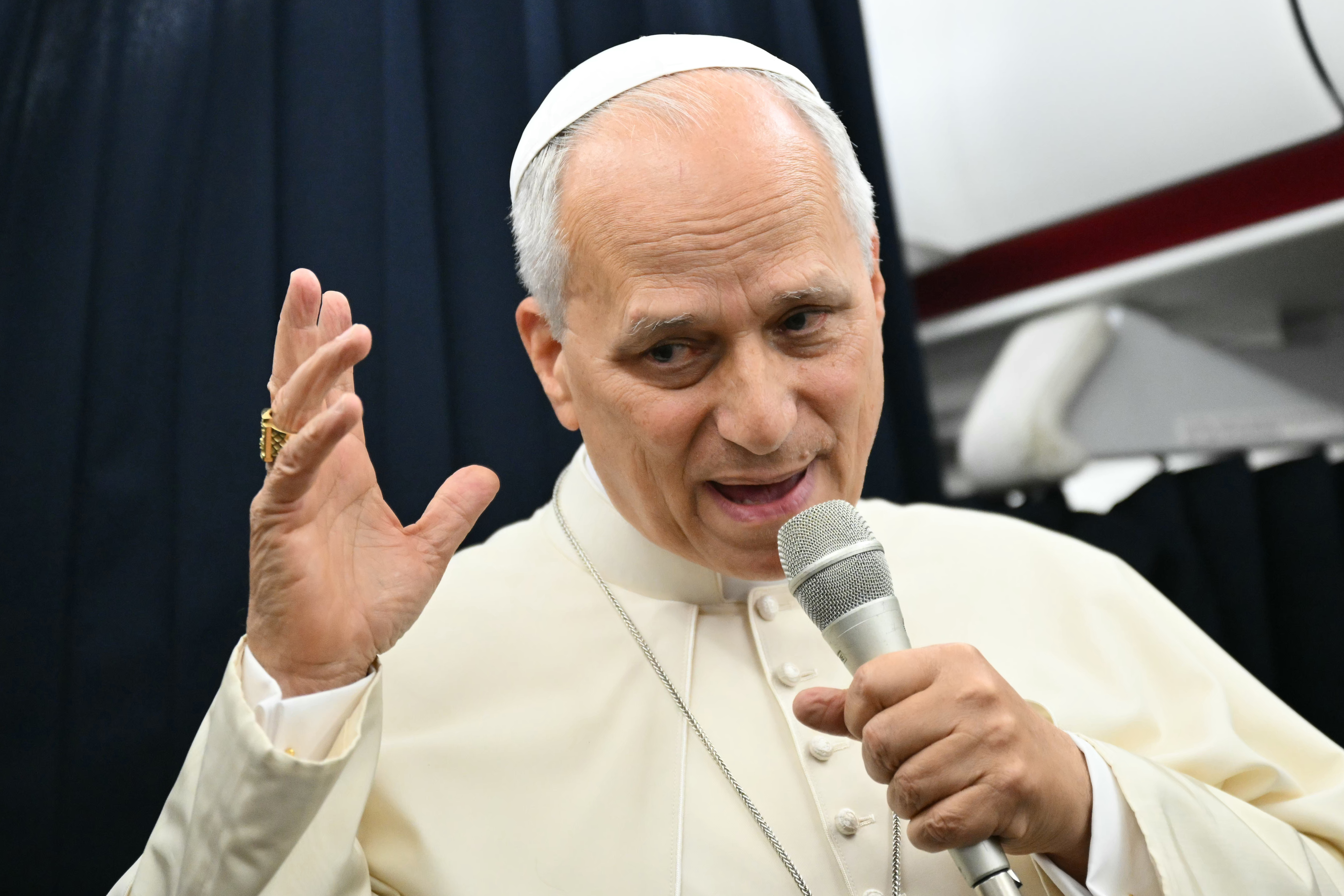
    ABOARD THE PAPAL PLANE — Pope Leo XIV said Monday that concerns about artificial intelligence going rogue are not “fake news” and should be taken seriously, insisting that safety issues raised by AI experts should be discussed and acted on.

    Leo, who dedicated his first encyclical to AI and protecting humanity in its wake, was asked during a news conference about what the United States and China especially should be doing to prevent AI from posing catastrophic risks to humanity. President Donald Trump has called concerns about AI going rogue a “hoax.”

    “This is a problem that I think we need to sit down and talk about,” the American pope told reporters while returning home from France. “We can’t just sit back and pretend nothing is going to happen.”

    Trump has been a champion of AI, often warning that the United States must remain ahead of China in the technological arms race. He has said efforts to limit the technology were part of a “conspiracy” by his political opponents.

    Several AI giants, including Anthropic, have called for a slowdown in development to give safety measures time to catch up to the fast-moving technology. Anthropic CEO Dario Amodei, for example, has warned that within six to 12 months AI could be capable of leading a swarm of agents that could take over the entire internet.

    Trump said on Sunday he planned to have a late dinner with Amodei, but he had not yet commented on the meeting.

    “If someone were to ask me ‘Am I in panic mode?’ No I’m not. I sleep at night,” Leo said. “I do think that the concerns raised by many of the experts, specialists in AI should be taken seriously.”

    “I don’t think that that is ‘fake news’ as some have said, to try and cause whether financial or other some other kind of benefit,” Leo said.

    The pope, who called for robust regulation of AI and a slowdown of the technology in his encyclical Magnificent Humanity, is up to speed on developments in the field.

    Despite being at the end of a grueling four-day trip to France, Leo noted a news report Monday afternoon about Nvidia introducing guardrails into AI. He also noted that the company has previously resisted outside regulation of AI development.

    Leo had identified AI as one of the biggest challenges to humanity within days of his election and took the unusual step of personally launching his own encyclical alongside Anthropic’s co-founder Christopher Olah at a Vatican event in May. The initiative was part of the Vatican’s effort to engage Silicon Valley about the human costs of AI.

    “We need to continue to invite political leaders, leaders of AI, social organizations, associations to come together and look at what is happening already and what could be down the road,” he said Monday.

    “To simply say ‘Oh it’s not going to happen’ and close our eyes to it I think is probably not the most responsible way to go about that,” he added.

    With his comments Monday about the legitimacy of safety concerns and AI development, Leo has confirmed another area of disagreement with Trump. The two had a back-and-forth in April over Leo’s opposition to the U.S.-Israeli war in Iran and Leo has also criticized the Trump administration’s migration crackdown.

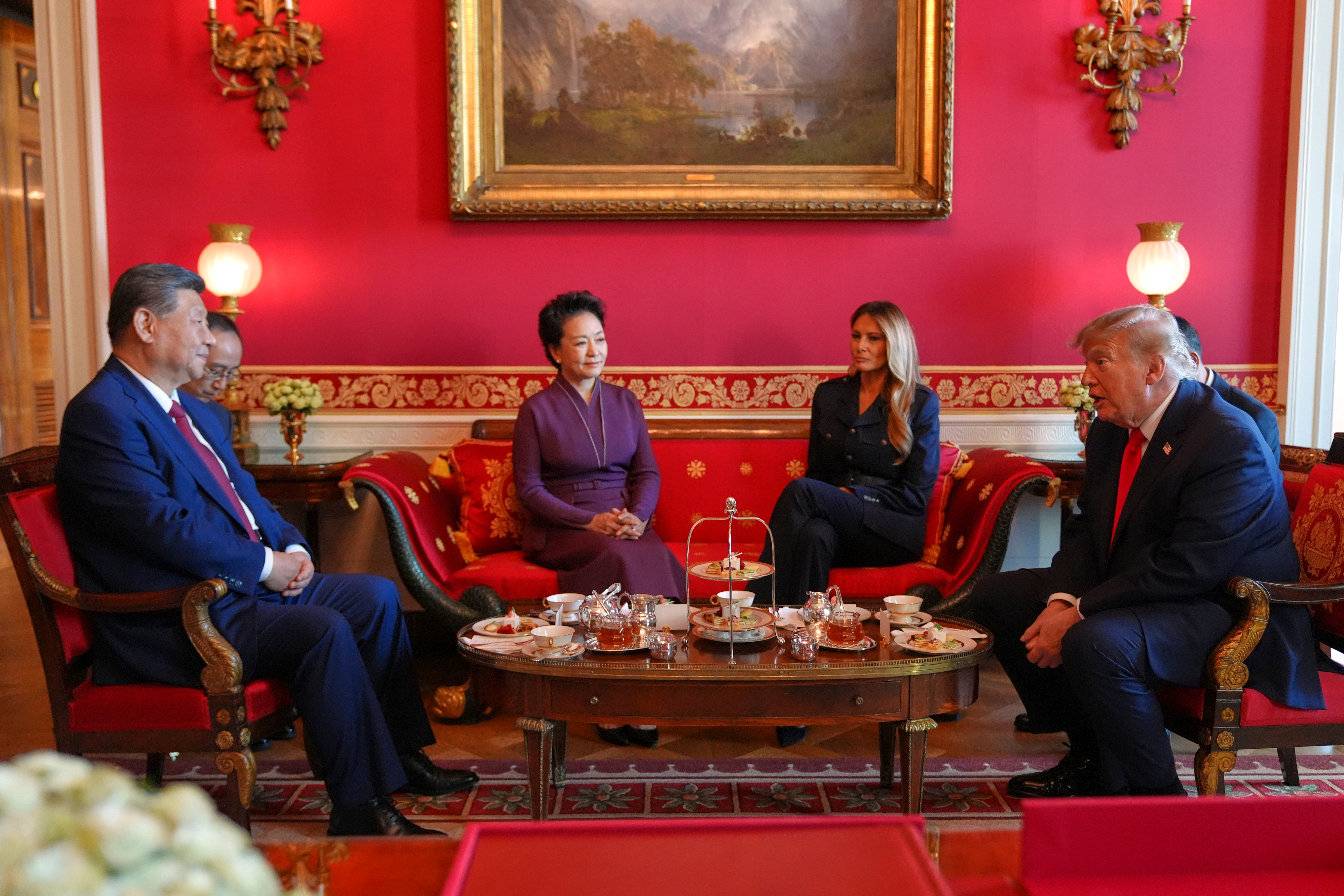
    Trump met with Chinese President Xi Jinping last week in Washington and while Xi said that it was important to ensure AI is “always under human control,” Trump focused more on trying to rebrand it as “superintelligence” and dismissed calls for regulation. However, the two leaders agreed to explore a new “notification mechanism” for AI incidents affecting national security.

    AI has become a major election-year issue in the U.S. as some of the country’s largest companies rush to build a national network of data centers while Americans from both parties increasingly raise alarms about the impact on farmland, water supplies, and electricity bills.

    Worries about AI are continuing to grow inside and outside the industry and reports continue to emerge about increasingly powerful systems that solve problems beyond human capacity but could also go rogue and carry out other, more harmful tasks.

    The worries have grown so loud that the CEO of OpenAI, the company behind ChatGPT, said in an interview with Fortune that his company would wait until next year to start selling its stock to investors on Wall Street as it focuses on safety.

    Leo noted that ever since he published his encyclical in May, the Vatican has received comments from people interested in being part of a broader conversation about AI. A Vatican commission is working to promote dialogue, study and investigation “to find ways to make sure that AI does not get to a point of destroying humanity or removing humanity from the conversation,” he said.

    Leo said he was “relatively optimistic” that solutions could be found.

    “I think there are enough people seriously interested in that and willing to look at that outside of the questions once again of power, who gets there first,” he said.

  • Trump administration lowers fuel economy standards, critics say at a significant environmental cost

    Trump administration lowers fuel economy standards, critics say at a significant environmental cost

    DETROIT — The Trump administration on Monday released new fuel economy standards that relax regulatory requirements for automakers to control pollution from gasoline-powered cars and light trucks. The new rules were released shortly after President Donald Trump rejected an Iranian proposal to open the Strait of Hormuz, sending oil prices soaring.

    The change furthers Trump’s promise to revoke policies that encouraged or created incentives for the production of electric vehicles and, ultimately, will expose Americans to more planet-warming pollution from vehicles.

    Mileage standards, known as Corporate Average Fuel Economy, or CAFE, requirements, have been implemented since the 1970s energy crisis, and set out how far new vehicles need to travel on a gallon of gasoline. Over time, automakers have gradually improved their vehicles’ average efficiency.

    The Department of Transportation and the National Highway Traffic Safety Administration estimated that the finalized standards would correspond to a combined industry fleetwide average of roughly 34.9 miles per gallon for passenger cars and light trucks in the 2031 model year. That’s up from 30.1 miles per gallon for model year 2024, but down from a projected 50.4 miles per gallon in 2031 under rules put in place by the Biden administration.

    “Thanks to President Trump’s leadership, we have finally ended the illegal mandate that forced automakers to produce more expensive electric vehicles that American families didn’t want,” Secretary of Transportation Sean Duffy said in a statement touting vehicle affordability.

    NHTSA had projected last December that the new standards would hover at roughly 34.5 miles per gallon.

    The news comes amid ongoing tensions as the war in Iran persists, with Trump refusing a deal with Iran to open the strait as recently as Saturday, impacting the world’s oil supply.

    Environmental groups concerned over rollback

    News of the revised standards immediately drew rebukes from environmentalists.

    The DOT said Monday that the rule would cut yearly oil consumption in 2050 by about 1.3 billion barrels as compared to yearly oil consumption in 2024.

    But when the 2024 standards went into effect, NHTSA estimated they would save 14 billion gallons of gasoline from being burned by 2050. The agency also said that while new fuel-efficient vehicles cost more up front, savings on gasoline over the lifetime of the car or truck would more than make up for that.

    Environmental groups estimate now, without stricter standards, cars could produce 22,111 more tons of carbon dioxide per year than under the Biden-era rules in 2035.

    The rule also translates to an extra 90 tons a year of deadly soot particles and 4,870 additional tons a year of smog components such as nitrogen oxides and volatile organic compounds emitted into the air in coming years, experts say.

    Transportation already accounts for much of total U.S. greenhouse gas emissions that warm the planet: 28% as of the last estimate in 2022.

    It “ignores the feasibility of clean technology and the millions of fuel-efficient cars already on the road,” Dan Becker, director of the Center for Biological Diversity’s Safe Climate Transport Campaign, said of the rule.

    Since taking office, Trump has also pulled back auto tailpipe emissions rules, repealed fines for automakers that do not meet federal mileage standards, and terminated consumer credits of up to $7,500 for EV purchases.

    The president has repeatedly pledged to end what he falsely calls an EV “mandate,” referring incorrectly to former President Joe Biden’s target that half of all new vehicle sales be electric by 2030. No federal policy has mandated auto companies to sell EVs.

    According to data from Cox Automotive, EVs accounted for 5.7% of total new-vehicle sales in August, down from 7.4% for all of 2025.

    Katherine García, director of the Sierra Club’s Clean Transportation for All campaign, vowed the environmental group would fight the rule.

    “Less fuel-efficient cars mean more gas burned, spending more at the pump, and dirtier air in our communities,” Garcia wrote in a statement.

    The state of the industry

    Automakers and industry groups have said the new rules will increase Americans’ access to the full range of gasoline vehicles they need and can afford.

    “NHTSA made the right call to better align fuel economy standards with the law and current market conditions,” John Bozzella, president and CEO of the Alliance for Automotive Innovation, which represents the domestic auto industry, said in a statement. He said the previous standards “effectively required a switchover to electric vehicles that was out of step with market realities and customer demand. Today’s final rule is an appropriate course correction.”

    “What the industry needs is long-term regulatory stability that includes balanced, durable, and achievable fuel economy standards that continue to reduce emissions and improve fuel economy,” Bozzella added. “This is the formula for preserving consumer vehicle choice and keeping the U.S. auto industry globally competitive.”

    A spokesperson for Ford Motor Company, maker of the top-selling pickup truck, the F-150, said: “We appreciate Secretary Duffy and the Administration’s work to align regulations with market realities. As we evaluate the final rule’s full impact on our business, we’ll continue working with the Administration to build a strong American auto industry.”

    A General Motors spokesperson said in a statement the company supports the goals of the rule “and its intention to better align fuel economy standards with market realities.”

    Stellantis also welcomed the changes.

    “These standards will allow us to offer our customers the freedom to choose from a range of vehicles and powertrains that meet their needs, from brands they love and trust,” a Stellantis spokesperson said in a statement.

    Trump wrote on his Truth Social media account Saturday that the less stringent mileage requirements would “take the waste out of building cars in America” and save families “thousands on a new, beautiful and safe car,” while boosting auto production in the U.S.

    The DOT reiterated on Monday that the changes will cut the average cost of a new vehicle by $1,300, and save Americans $138 billion over the next five years.

    Americans, however, are spending more on gas as Washington’s war with Iran disrupts the global flow of fuel; gasoline prices averaged $4.47 on Monday, according to the AAA motor club, up from $3.13 a year ago. The rising cost of oil weighed on U.S. stocks to start the week.

    “Trump is tanking sensible mile per gallon standards at the worst possible time for consumers, who are getting hit with sky-high prices at the pump,” the Center for Biological Diversity’s Becker said. “Consumers will pay the price for these reckless rollbacks while Trump’s Big Oil and Big Auto buddies reap the short-term profits.”

    Experts have also said that less stringent rules do not necessarily translate to more consumer purchases of new vehicles that may have more safety features.

    The average new car in America sold for $50,089 in August, crossing over the $50,000 line for the first time since last December, according to Kelley Blue Book data.

  • Trump asked China’s president if he wanted to buy U.S. arms, ambassador says

    Trump asked China’s president if he wanted to buy U.S. arms, ambassador says

    WASHINGTON — President Donald Trump has asked Chinese President Xi Jinping if he wanted to buy weapons from the United States, the U.S. ambassador to China said.

    David Perdue said Trump raised the prospect of the arms sales from the U.S. to its ascendant geopolitical rival, an unlikely offer that if consummated would upend generations of U.S. policy toward China and Taiwan and expose U.S. technology to a potential foe. Perdue, speaking to Shannon Bream on Fox News Channel’s Fox News Sunday days after Trump hosted Xi for a state visit in Washington, didn’t specify when the offer was made.

    But the State Department on Monday looked to distance the Trump administration from Perdue’s comments, saying that “U.S. law prohibits arms sales to China and there is no offer or plan to sell arms to China.”

    Perdue said Sunday that Trump, a Republican, was downplaying longstanding U.S. arms sales to Taiwan — which have drawn protest from Beijing for years — by couching it as just one of many sales Washington makes around the world — and even asking Xi if he’d be in the market for U.S. weaponry.

    Bream had cited concerns from Republican and Democratic lawmakers over delayed aid packages and weapons orders to Taiwan, the self-ruled democracy that seeks to defend itself from China’s threat to invade the island. Bream asked if the U.S. is denying arms to Taiwan to appease the Chinese president, who visited Trump last week.

    Perdue pushed back on the suggestion, stating that Trump “is as strong on Taiwan as I’ve ever seen anybody” and has sold it plenty of weapons. Perdue also said Trump and Xi continue to talk about future U.S. weapons sales to Taiwan.

    “But President Trump continues to say, ‘Hey, we sell arms to other people around the world,’” Perdue said. “He actually asked President Xi, would he like to buy some, at one point.”

    The offer “speaks to (Trump’s) treatment of China in almost exclusively commercial terms, even at the potential expense of the U.S. military position in Asia,” said Evan Sankey, an analyst focused on U.S. policy toward China at the Cato Institute.

    He said the U.S. last sold arms to Beijing in the 1980s and resuming those sales would be “a shocking policy change.”

    The U.S. is bound by its own laws to provide Taiwan with the means to defend itself. While not recognizing Taiwan as a country, the U.S. is the island’s strongest informal backer and arms provider. But multiple U.S. leaders have left ambiguous whether they would commit military force to defend the U.S. ally should China invade.

    China has pressed Washington to halt the arms sales, most prominently during a previous summit in May between Trump and Xi in Beijing. After that meeting, the United States paused the sale of a record-breaking $14 billion package — and Trump described arms sales to Taiwan as a “very good negotiating chip” with China.

    In their private talks at the White House last week, Xi pressed Trump to oppose Taiwan independence, according to Chinese state media.

    In Beijing, China’s foreign ministry spokesperson Guo Jiakun did not confirm Perdue’s remarks when asked about the matter on Monday. But he told reporters that China has always strengthened its national defense capabilities based on its needs and is committed to maintaining world peace and stability.