Category: Business Wires

  • Trump’s vaccine plan would require millions of individual shots last used decades ago

    Trump’s vaccine plan would require millions of individual shots last used decades ago

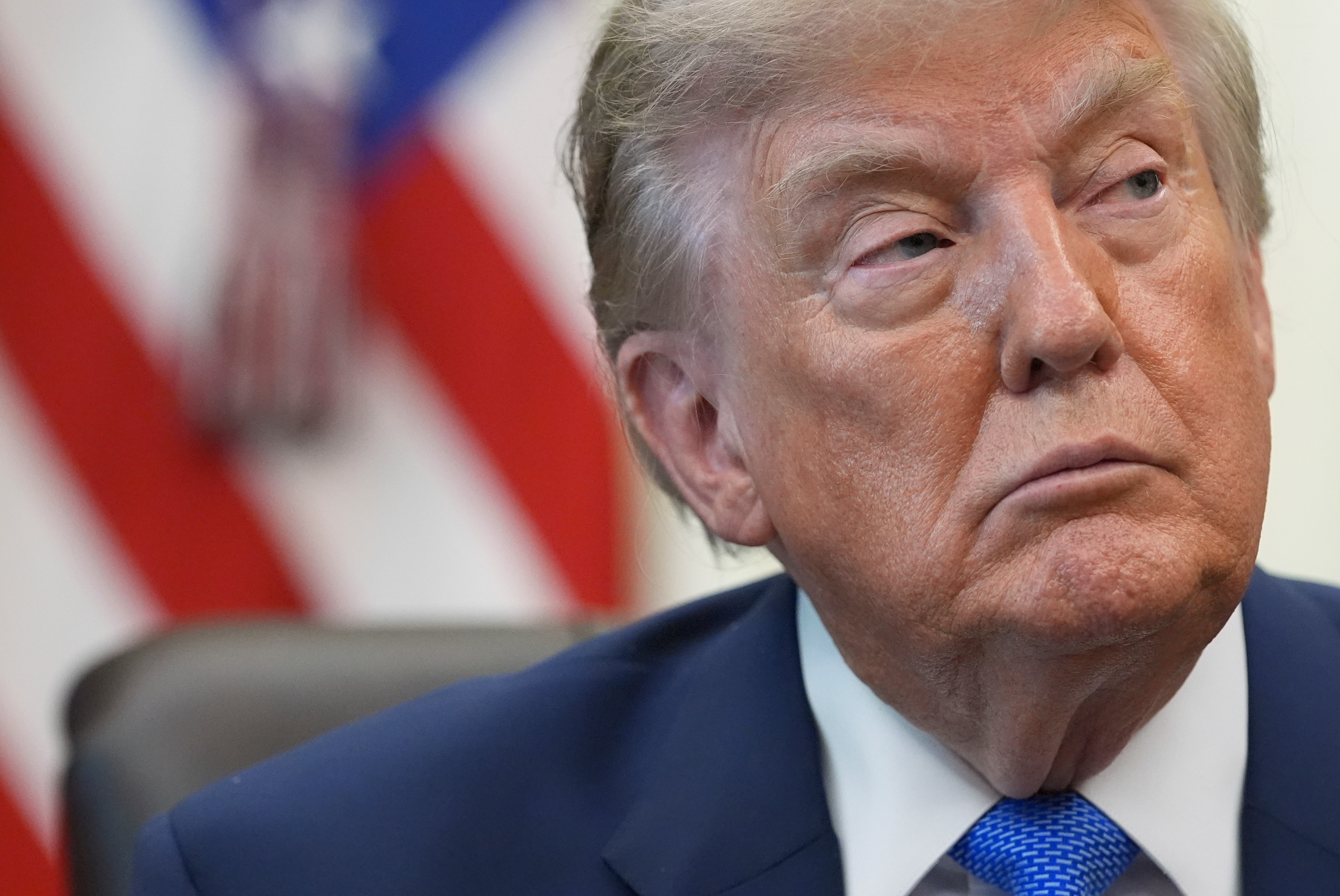
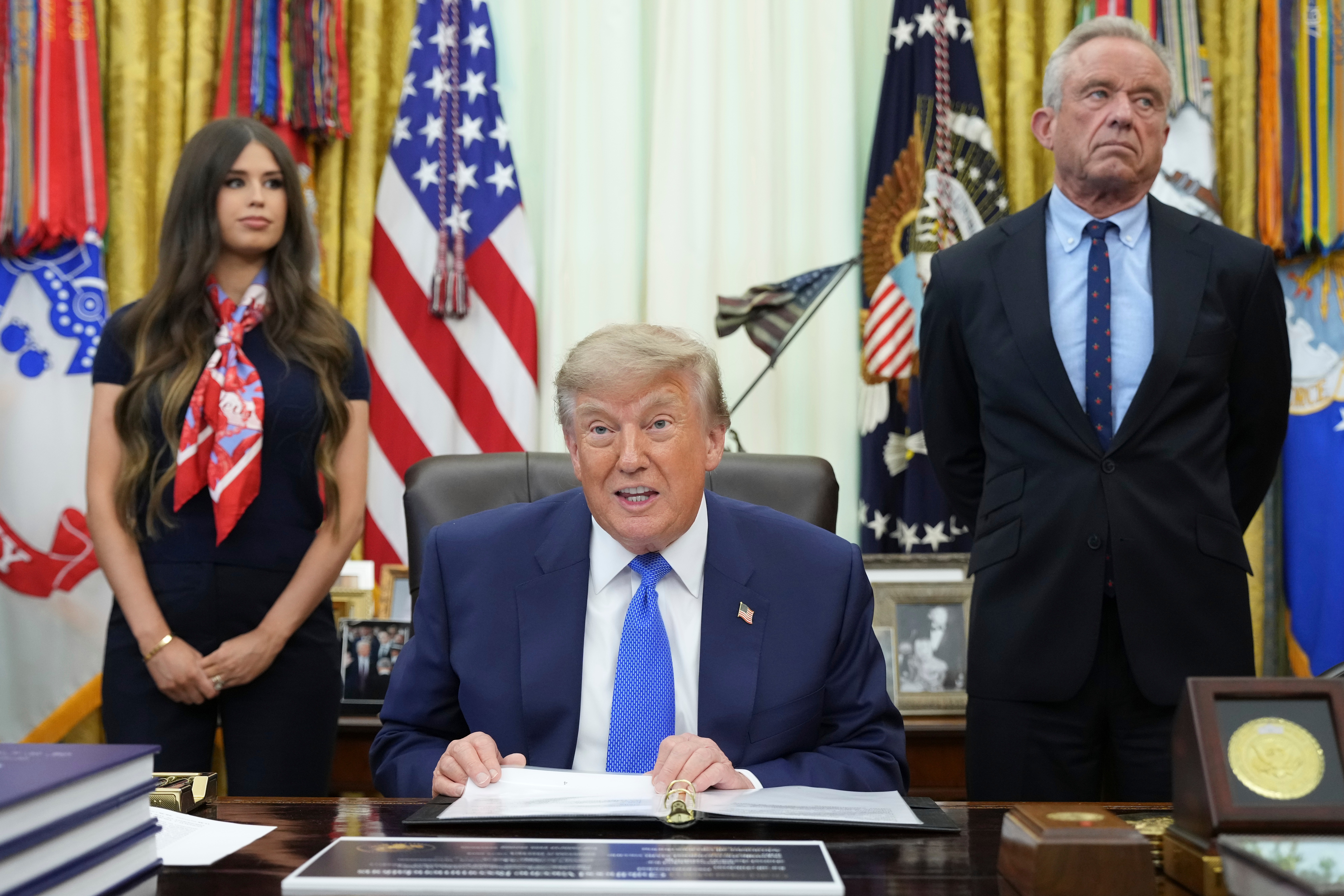
    WASHINGTON — Public health experts have been quick to condemn an executive order from President Donald Trump aimed at upending childhood vaccinations in the U.S., but the biggest obstacles may be the unprecedented financial and logistical challenges it would impose on parents, health providers, and drugmakers.

    Monday’s announcement by the Republican president calls for separating combination shots — including the measles, mumps, and rubella, or MMR, vaccine — into separate injections. Appointments for that and other vaccinations should be spaced out whenever possible, the order states.

    To accomplish that, drugmakers would need to revive a slate of individual vaccines that have not been marketed separately in the U.S. for decades. They would also have to build new manufacturing plants capable of producing millions more vaccine doses than the nation currently uses.

    For parents, unbundling the MMR vaccine and spacing out the shots would mean returning to the doctor’s office many more times than is currently needed. Those appointments could also strain pediatricians who typically administer the shots, while driving up costs tied to syringes and other medical supplies.

    Studies in the U.S. and other countries have shown that combination vaccines increase the likelihood that children will be fully protected from infectious diseases before starting school.

    Health experts say there is no scientific basis for changing course.

    “We do things that are less convenient and more expensive if there’s a good reason to do it,” said Anna Durbin, of the Johns Hopkins Bloomberg School of Public Health. “There is no good justification for this. I think it’s very bad public health policy.”

    Trump’s plan would require vaccine manufacturing overhaul

    Under Trump’s executive order, federal officials are instructed to develop within 90 days plans for breaking up the MMR shot and spacing out other vaccines.

    But pharmaceutical scientists and former regulators say those changes would likely take years and require drugmakers to spend tens of millions of dollars on new studies and manufacturing facilities.

    Currently, there are no individual vaccines in the U.S. for measles, mumps, or rubella. All the vaccines approved for those viruses by the Food and Drug Administration are combination shots. That three-in-one approach has been the standard in the U.S. since the early 1970s.

    Jesse Goodman, a former FDA vaccine chief, said companies would have to conduct large studies showing new individual shots produced immune system-boosting reactions in children similar to the current versions.

    Companies might also have to demonstrate the safety of new manufacturing facilities and procedures, given that individual measles shots haven’t been widely produced in the U.S. for roughly a half-century.

    “The question is how much has changed since then and how comfortable will the FDA and the companies be relying on those comparisons?” said Goodman, who is now a professor at Georgetown University.

    Designing, constructing, and getting federal sign-off for new vaccine plants typically takes about five years, according to industry experts.

    Additionally, Goodman said, the FDA would have to review and license each unbundled vaccine separately, a process with no precedent.

    “I don’t think there’s any comparable example of removing hugely effective public health measures that protect babies for no documented scientific reason,” he said.

    Individual shots for measles and related diseases tend to be used by lower-income countries that can’t afford the MMR shot. Merck, GSK, and the handful of other companies that supply U.S. childhood vaccines make only the combination shot.

    In separate statements, Merck and GSK said they stand by the safety and effectiveness of their products. Neither discussed plans to unbundle their shots.

    “To date, there has been no published scientific evidence that shows any benefit in separating the combination MMR vaccine into three individual shots,” Merck said in an emailed statement.

    Many more trips to the doctor

    The MMR shot is currently delivered in two doses — the first at the age of 1 and the second dose after age 4. Splitting up the shot into its three separate components would mean six office visits. Spacing out other shots for pertussis and other infectious diseases could multiply the number of visits many more times.

    As the number of visits goes up, parents are more likely to miss appointments or stop making them, according to Durbin.

    “It’s going to be less convenient, more expensive, and you’re going to have fewer people getting vaccinated,” she said.

    Since last year, Trump has repeatedly expressed concern about the number of vaccinations U.S. children are receiving and called on Health Secretary Robert F. Kennedy Jr. to reduce the number. Kennedy and other officials have pointed to smaller countries, such as Denmark, that recommended slightly fewer vaccines than the U.S.

    But breaking up combination shots will result in kids receiving many more individual shots than other comparable nations, Durbin notes.

    White House spokesperson Kush Desai said the Trump administration’s efforts on the MMR vaccine “will give parents more options on timing and frequency for their children, which ultimately will increase vaccination rates for all three diseases.”

    Vaccine order is not legally binding

    Despite the precedent-breaking nature of Trump’s order, some experts are skeptical it will result in meaningful changes.

    Neither the White House nor the FDA can compel drugmakers to develop and seek approval for new vaccines. And from a business perspective, companies have little incentive to develop individual versions of vaccines they already sell in combination shots.

    “They’d be competing against themselves, and there’s no reason to do that,” said Paul Offit, a Children’s Hospital of Philadelphia vaccine researcher and former government adviser.

    While Trump’s order calls for more federal research and recommendations, only state governments have the legal authority to require vaccinations for schoolchildren. The order simply advises states to consider updating their laws to reflect the Trump administration’s approach.

    “I think states will ignore this,” Offit said. “I think that bottom line is that we don’t need to look to Donald Trump for our medical advice.”
  • Ex-Chinese Premier Zhu Rongji, who drove economic reforms and led China into the WTO, has died at 97

    Ex-Chinese Premier Zhu Rongji, who drove economic reforms and led China into the WTO, has died at 97

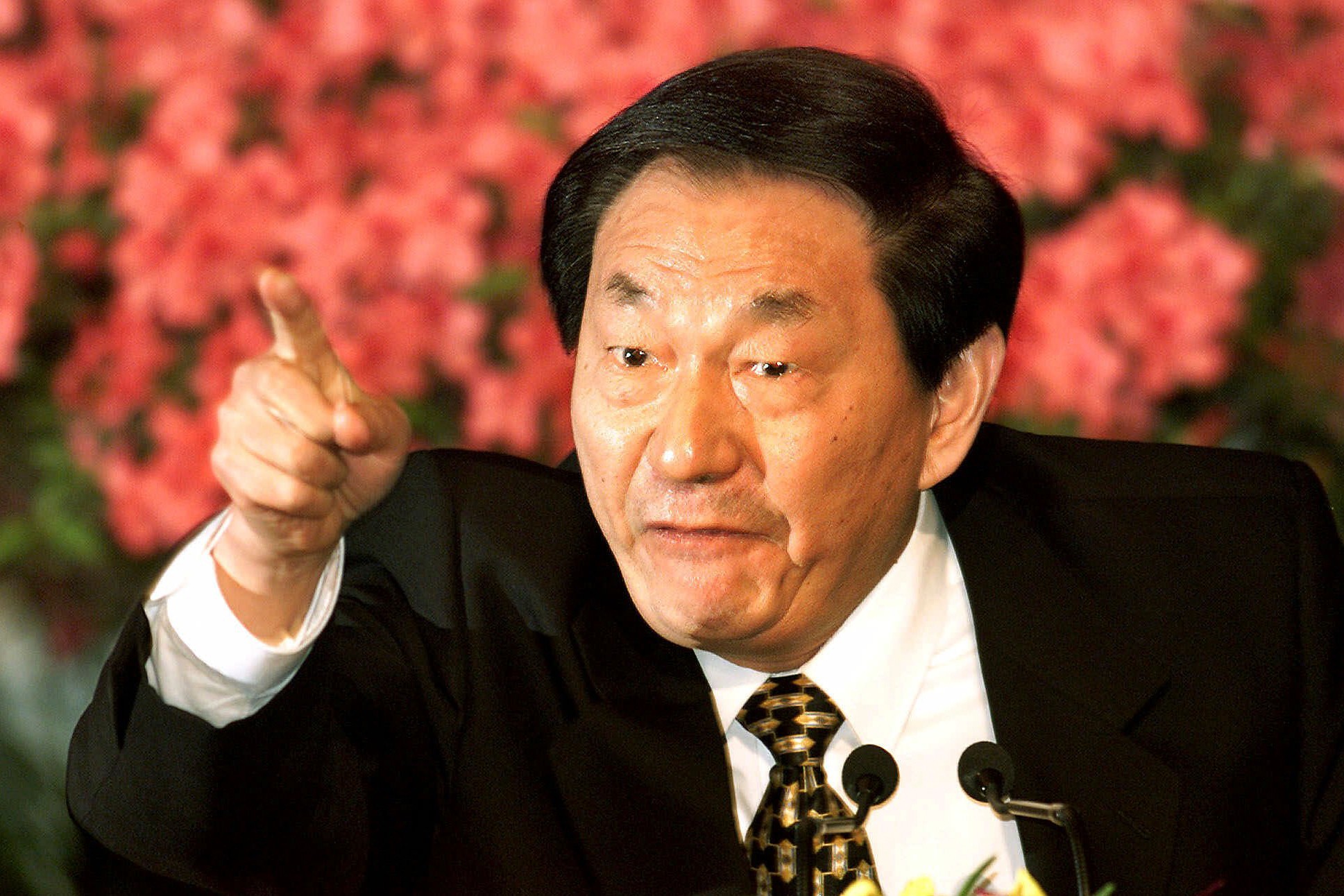
    BEIJING — Former Chinese Premier Zhu Rongji, the impatient, sharp-tongued reformer who helped ignite China’s explosive economic boom by forcing wrenching change on state industry in the 1990s and leading the country into the World Trade Organization, has died of illness, state media reported Wednesday. He was 97.

    Mr. Zhu died in Beijing at around 11 a.m. on Wednesday, the official news agency Xinhua reported.

    Once sent into rural exile to do manual labor for praising reforms in other communist countries, Mr. Zhu pushed through a dizzying array of changes as premier, China’s top economic post, from 1998 to 2003 under former President Jiang Zemin.

    Mr. Zhu clashed with Communist Party conservatives and state industry bosses as he pushed state-owned companies to become efficient and profitable. That cost millions of layoffs, but helped propel China to overtake Japan as the second-largest economy behind the United States in 2010.

    Building on former leader Deng Xiaoping’s 1979 reforms, Mr. Zhu is credited with supplying the resourcefulness and tenacity to push through history-making changes such as China’s WTO membership, which helped to transform China into the world’s biggest exporter.

    Those changes helped to keep economic growth above 8% a year from 2000 to 2010, peaking at 14.2% in 2007.

    A spiky personality who fought corruption and conservatives

    Named premier in 1998 at age 69, Mr. Zhu became a popular figure by criticizing official bungling and graft and accepting blame when the government fell short. His demanding style earned him the nicknames Boss and Zhu Fengzi, or Madman Zhu.

    “I have prepared 100 coffins here — 99 for corrupt officials and one for myself,” Mr. Zhu said in 1998, according to the party newspaper People’s Daily.

    Mr. Zhu ranked No. 3 in the party hierarchy behind Jiang and Li Peng, chairman of the ceremonial legislature, the National People’s Congress. But he was a technician without his own power base. Mr. Zhu complained that allowed officials to ignore his orders.

    Mr. Zhu made his name as a deputy premier in the 1990s by crushing inflation. He enforced price controls and cut off loans to money-losing state companies, rebuffing resistance by local leaders — a pattern Mr. Zhu would repeat as he fought conservatives over the pace of reform.

    Mr. Zhu led efforts to secure WTO membership following marathon negotiations that began in the 1980s. That status would enshrine free trade as a national commitment, giving Mr. Zhu a tool to force local officials to stop protecting favored companies.

    Mr. Zhu’s campaign was nearly derailed when he went to Washington in 1999 with market-opening concessions to win U.S. endorsement of the WTO bid. The Clinton administration rejected the offer as inadequate, while his political enemies at home accused him of offering too much, but Zhu survived and China went on to join the body in December 2001.

    Mr. Zhu launched China’s home ownership boom in 1998 with an initiative to sell apartments owned by state companies. Families rushed to buy, and within a decade the majority of urban housing was privately owned.

    Still, Mr. Zhu was less an advocate of free enterprise than a skilled bureaucrat who carried out party orders to whip state industry into shape.

    Mr. Zhu showed no interest in privatizing the economy. He played a key role in drafting plans in the 1990s to turn banks, airlines, oil companies, and other enterprises into profit-oriented corporations but to retain government ownership.

    Zhu stood out for admitting official failings

    Born Oct. 23, 1928, in Mao Zedong’s home province of Hunan, Mr. Zhu paid an early price for his willingness to take risks and speak out.

    After a start as an economic planner, his career went into a 22-year eclipse when he was labeled a “rightist” in 1957 for praising reforms in Hungary and Yugoslavia. He was banished to the countryside during the 1966-76 Cultural Revolution to do manual labor.

    Rehabilitated in 1979, Mr. Zhu rose swiftly, becoming deputy Shanghai party secretary in 1987 and mayor the next year.

    As mayor in 1989, Mr. Zhu gained a reputation for moderation when he placated protesters and pledged not to call in the military.

    “He managed to defuse, with considerable subtlety, a tense political situation that could have developed into localized violence or worse if the military had felt it necessary to intervene,” wrote Australian diplomat Shelley Warner in the 1991 book The Pro-Democracy Protests in China: Reports from the Provinces.

    Mr. Zhu’s boss, Jiang, would soon be called to Beijing by Deng and made party leader. Mr. Zhu was named deputy premier in 1991 and joined the party’s ruling Standing Committee in 1993.

    Mr. Zhu broke with the leadership’s stance of infallibility by admitting and taking blame for official failings.

    In 1998, after summer floods killed 4,150 people and officials were accused of embezzling money meant for anti-flood dikes, Mr. Zhu complained some barriers were no stronger than bean curd.

    Three years later, he apologized on national television for his cabinet’s failure to protect the public after an explosion in a schoolhouse in southern China killed at least 42 people, most of them children.

    Mr. Zhu enlivened the party’s bland image by cracking jokes in public, sometimes at his own expense. Laughter erupted at a 1999 news conference when he said a recent photo “made me look like a dead man.”

    One of Mr. Zhu’s proudest triumphs as deputy premier was to craft a tax system that required local officials to hand more revenue to Beijing. He said in 1996 that he deserved a Nobel Prize in economics for that.

    Mr. Zhu rarely appeared in public after leaving office as premier.

    Mr. Zhu was married to Lao An, a fellow Hunan native. Their son, Yunlai, also known as Levin Zhu, is a former CEO of China International Capital Corp., a government-owned investment bank.

    Their daughter, Yanlai, led a charity organization supporting schoolchildren that was backed by Zhu Rongji.

  • ICE plans to give officers gloves that can deliver painful electric shocks

    ICE plans to give officers gloves that can deliver painful electric shocks

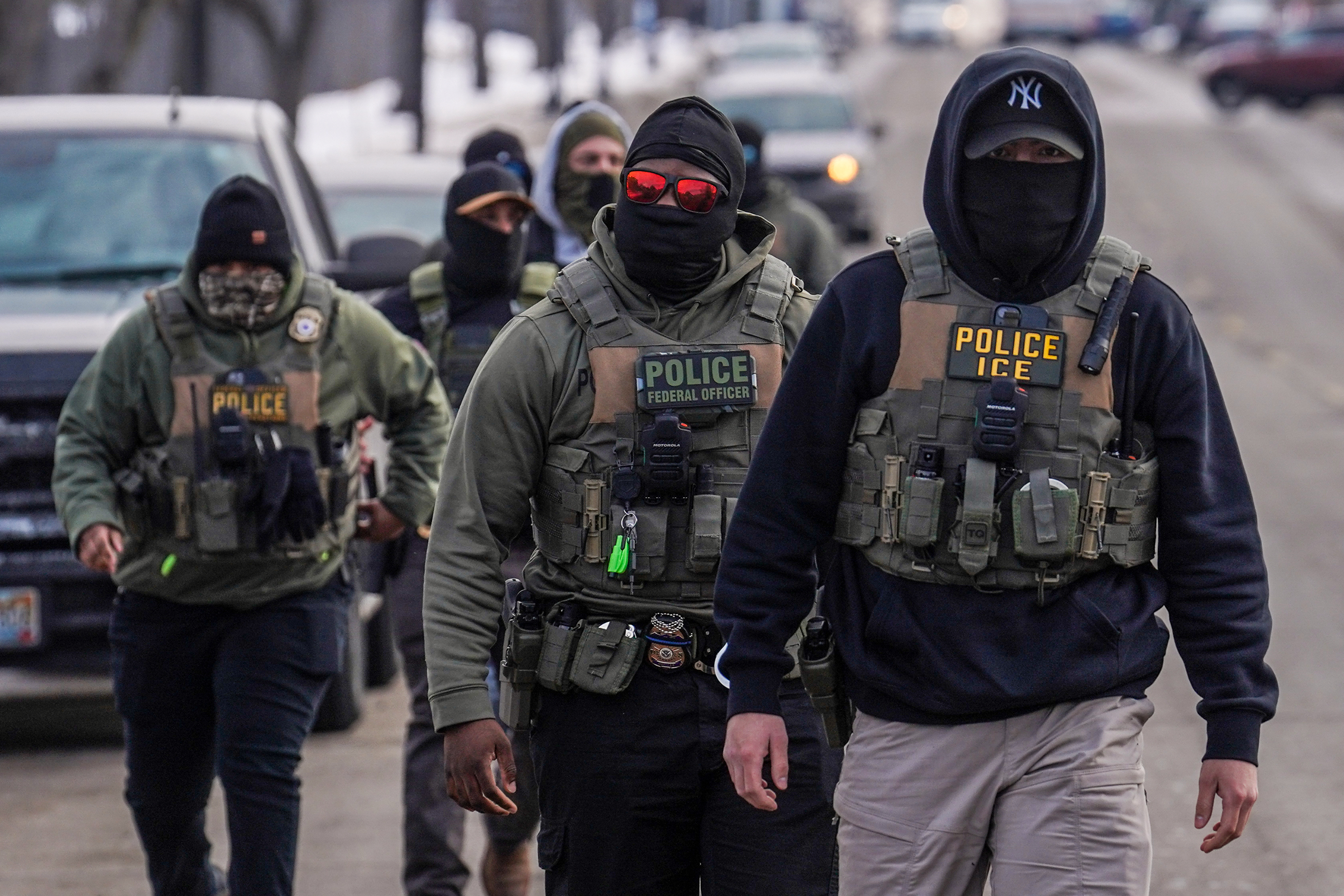
    Immigration and Customs Enforcement officers may soon be outfitted with gloves that can deliver painful electric shocks intended to gain compliance from combative individuals.

    ICE plans to spend up to $20 million to purchase thousands of “conductive distraction and de-escalation devices” for officers and agents by March, according to a notice published Monday by the Department of Homeland Security.

    The devices are known as the G.L.O.V.E., which stands for Generated Low Output Voltage Emitter, and are manufactured by Compliant Technologies LLC of Lexington, Ky. They have been used in recent years by some jails and police departments.

    DHS said Tuesday that it was working on a response to an Associated Press inquiry and offered no immediate comment. Jeff Niklaus, the founder and CEO of Compliant Technologies, wrote in an email, “Unfortunately, we are unable to speak on this subject.”

    The notice said the solicitation for a no-bid contract could be published as early as Friday.

    Civil rights advocates expressed alarm at the plan, saying ICE officers already face criticism for their use of force with little oversight or accountability while enforcing President Donald Trump’s immigration crackdown.

    Compliant Technologies says the devices function as a normal pair of patrol gloves until officers press a switch to activate their electrical mode. The gloves must be applied directly to someone’s skin to deliver a pain stimulus that typically helps an officer gain compliance within seconds, according to the company.

    “It’s immediate and sharp, and it will distract you. I call it like a bee sting,” said John Peters, president of the Institute for the Prevention of In-Custody Deaths, who is studying how the device has been used. “If the officer is getting any type of resistance from the person, this is certainly an effective tool.”

    Peters said he believed ICE’s planned purchase would likely be the largest from the company to date. He said he could envision ICE officers using the gloves to help remove uncooperative subjects from cars and houses and in and out of detention facilities.

    “For smaller officers or weaker officers or older officers, I think it has a great advantage” because it can produce faster takedowns and shorten confrontations, he said.

    The manufacturer warns the device should not be used as punishment, against people merely exhibiting “verbal defiance or belligerence” or on high-risk populations such as children, pregnant women, or elderly or disabled people.

    Jenn Rolnick Borchetta, deputy project director on policing at the American Civil Liberties Union, said the public should have no confidence that ICE officers will use the devices appropriately. She questioned why the devices would be necessary for civil immigration enforcement and noted those getting shocked might have no advance warning.

    “ICE spent the last year showing this country they are too quick to use force. Now they will be able to deploy electric shocks with the slight push of a button that maybe nobody else can see them do,” she said. “Introducing gloves that can so easily be used to deliver terrible pain in encounters is a recipe for harm to the public.”

    Supporters say the devices are generally used in specific jail and transport situations, rather than broadly to patrol on the streets. They have been used to subdue violent suspects who are refusing to get into squad cars and inmates who are harming themselves and threatening officers, according to Compliant Technologies.

    Peters said he expected the devices to be misused by a small number of employees, as with other policing technologies, but he said they are unlikely to cause injuries. He said it would be important for ICE to have robust policies and training in place.

    To use the device, officers must complete a course and be recertified every two years, the manufacturer says.

  • A blockbuster $12.5B deal as Josh Kushner and Bob Iger agree to buy the Lakers

    A blockbuster $12.5B deal as Josh Kushner and Bob Iger agree to buy the Lakers

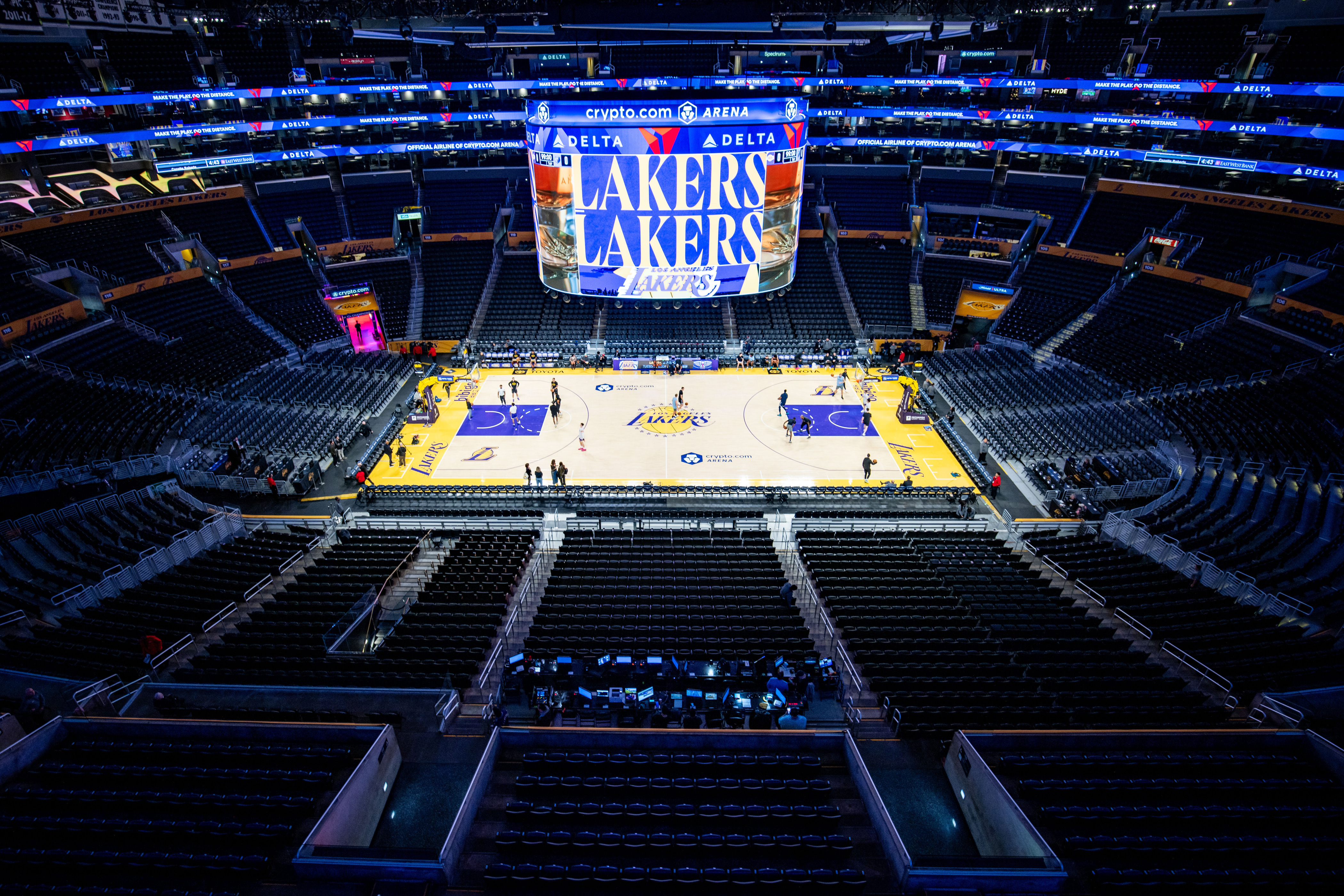
    LOS ANGELES — The Los Angeles Lakers are being sold for the second time in a year, going to businessmen Josh Kushner and Bob Iger for a record-breaking price.

    This sale agreement is $12.5 billion, according to a person familiar with the terms who spoke to The Associated Press on condition of anonymity Wednesday because neither side revealed specific details of the latest stunning development with one of North America’s marquee sports teams.

    ESPN first reported that Kushner and Iger are buying the NBA’s most valuable franchise. The Lakers were valued last year at $10 billion — a record for a pro sports team — when Mark Walter purchased a controlling stake from the Buss family, which had owned the team since 1979.

    Kushner, a venture capitalist, and former Walt Disney Company CEO Iger had been working together on landing a possible NBA expansion team for Las Vegas. By buying the Lakers, they don’t have to wait until the possibility of expansion in the 2028-29 season at the earliest.

    The sale still will need approval from the NBA’s board of governors, and that process can take several weeks. The next board meeting is set for September in New York.

    The $12.5 billion price tag is not only a record for U.S. pro sports but a new summit in skyrocketing NBA franchise values. Only three years ago, Michael Jordan sold his majority stake in the Charlotte Hornets for a $3 billion valuation, while the Boston Celtics were sold last year to private equity mogul Bill Chisholm at a valuation of just over $6 billion.

    Walter’s agreement to purchase a controlling stake in the Lakers at the $10 billion valuation last summer obliterated that mark, and now Iger and Kushner have pushed the bar even higher.

    The 66-year-old Walter’s shocking decision to sell the Lakers after just 10 months of official ownership is reverberating throughout the team’s massive fan base, which appeared to be uniformly excited about the purchase last year. Walter has stewarded the Los Angeles Dodgers into the most successful stretch in franchise history, with three World Series championships in the past six seasons as the most aggressive spenders in baseball.

    Multiple media outlets last month reported that Walter’s business empire is under scrutiny from both federal prosecutors and the Securities and Exchange Commission in tax fraud investigations.

    The 41-year-old Kushner’s capital holding company, Thrive Eternal, was set to be the “anchor investor” in FIFA President Gianni Infantino’s plan to sell stakes in future World Cup profits. Infantino abandoned the idea on July 31. Kushner’s brother is Jared Kushner, son-in-law of U.S. President Donald Trump.

    Josh Kushner currently owns a minority stake in the Miami Heat, and he previously owned a stake in the Memphis Grizzlies.

    The 75-year-old Iger became one of Hollywood’s most well-known executives while he ran Disney for two lengthy stints between 2005 and last March, when he stepped aside. Iger and his wife, former sports journalist Willow Bay, are the controlling owners of NWSL team Angel City FC.

    Walter’s purchase of the Lakers was approved by NBA owners last October. He originally bought a 27% minority stake in the team in 2021 before purchasing control of the team last year.

    Walter and his partners also have ownership interests in the WNBA’s Los Angeles Sparks, English Premier League club Chelsea, the Professional Women’s Hockey League and the new Cadillac Formula 1 racing team.

    When Walter bought his controlling interest in the Lakers, the deal specified that Jeanie Buss would stay on as the team’s governor. With new ownership, it’s unclear whether Buss will have a continuing role in the team she inherited along with her siblings from her father, Jerry Buss, who died in 2013.

    The Lakers have won 17 championships going back to the franchise’s origin in Minneapolis, the second-most in NBA history behind Boston’s 18. It is a global brand, always at or near the top of the league’s merchandise-sales rankings.

    This record sale price comes just weeks after LeBron James, the league’s all-time leading scorer, left the Lakers after eight seasons to become a free agent. James ultimately decided to sign with the Philadelphia 76ers.

    The Lakers won their most recent title in 2020, and they have made the playoffs in each of the past four seasons. Their current roster is built around NBA scoring champion Luka Doncic, who is signed through the 2028-29 season.

  • Trump pivots back to sanctions for Iran as other strategies to end his war fizzle

    Trump pivots back to sanctions for Iran as other strategies to end his war fizzle

    WASHINGTON — President Donald Trump likes to say that he started his war with Iran after 50 years of economic pressure had failed to stop its nuclear weapons ambitions — but he’s now betting that another financial squeeze can bring an end to that war.

    Trump’s administration is hoping that months of bombing have pushed Iran’s economy to a breaking point that will force its leadership to cave to demands to end its nuclear program and fully reopen the Strait of Hormuz to oil and natural gas tankers.

    The Republican president on Monday said that since Iran is seeking compensation as part of any peace talks, he now intends to demand the same for the U.S. side. It’s part of a larger pivot this weekend by Trump to argue that Iran is now on the cusp of financially collapsing, even though it has already endured decades of financial sanctions, which are often a longer-term strategy rather than an immediate tool of warfare that can halt a conflict.

    The shift comes as U.S. stockpiles of key weapons have dwindled and as stop-start talks seem again to have stalled. But Trump insists the pressure can lead to a breakthrough.

    “Yeah, they can make trouble, but they’re broke,” Trump told reporters. “They have no money. You know, Iran is broke, totally broke. And, they’re not paying their soldiers. They have inflation of 300%.”

    Inflation is running high in Iran, although Trump’s estimates were higher than what administration officials have been citing to reporters. But the prospect of a longer war also carries inflation risks for other nations, including the U.S., where the war and higher gasoline prices are unpopular.

    Crude oil prices climbed on Monday as investors interpreted Trump’s comments as a sign that fewer ships would be traversing the Strait of Hormuz, continuing to limit global supplies of gasoline, jet fuel, natural gas, and other forms of energy. The Iran war largely closed the waterway involved in shipping roughly 20% of global oil supplies before the conflict — and attempts to reopen the strait have been short-lived as it has become a source of leverage for the Iranians in negotiations.

    Iran does not appear to be publicly intimidated by the prospect of more financial sanctions.

    “Whenever Washington proves itself incapable of pursuing diplomacy, it retreats into sanctions; and whenever those sanctions fail to produce results, it simply increases the dose,” said Esmail Baghaei, spokesperson for Iran’s Foreign Ministry, on social media. “The real risk is that American politicians, clinging to this bad habit, will instead strangle their own remaining chances of a less humiliating exit from a crisis of their own making.”

    The White House has called this Operation Economic Fury

    The president didn’t say what additional financial pressure would be applied, but the administration has since April 16 been engaged in what it calls Operation Economic Fury against Iran. Treasury Secretary Scott Bessent called this component the “financial equivalent” of a bombing campaign as the countries that buy oil from Iran or bank with it could be sanctioned.

    But one problem with this pivot is that the sanctions are unable to bite as quickly as the impact of the largely shuttered strait, said Richard Nephew, a senior research scholar at Columbia University who helped direct Iran sanctions strategy in the Obama administration.

    Nephew stressed that the value of sanctions as a tool is limited because Trump has not articulated clear strategic goals for the war, at times stressing that it can’t have a nuclear weapon, then emphasizing the strait and then talking about ballistic missiles. Instead, Trump has engaged in a massive series of aerial assaults and a level of destruction that has not produced the quick end that he initially promised.

    “Economic pressure is a possible element in his strategy, but he’s yet to explain the purpose,” Nephew said. “Trump has systematically weakened his own hand through his inadequate use of force, inarticulate elucidation of an objective, and vacillation on negotiations.”

    Still, the sanctions and the ongoing U.S. naval blockade of Iranian ports give the U.S. economic and financial leverage, said Juan Zarate, a deputy national security adviser in the George W. Bush administration. Zarate said the U.S. sanctions threatening third-party countries doing business with Iran also have an impact. But these things take time, he noted.

    “The ultimate question will be how far the United States is willing to go to constrict Iran’s oil trade and threaten third countries with severe sanctions — and whether it has the patience to test whether the economic pain will change the regime’s behavior,” Zarate said.

    Past presidents used sanctions. Trump has said they didn’t go far enough

    Trump’s latest pivot to economic issues with Iran is something of a flip-flop. Trump has long derided past presidents who used sanctions to limit Iran’s economic ability to pay for its military and nuclear development. In a speech last week in Las Vegas, he defended the bombing, missiles, and drone attacks that began on Feb. 28 by indicating that the sanctions from previous administrations that date back to November 1979 had failed.

    “It’s been 47 years, but really, it’s been 50 years because they’ve been saying 47 for three years, it’s been 50 years,” Trump said. “And no other president has done what you should have done a long time ago, because Iran cannot have a nuclear weapon, can’t have it.”

    The Iranian economy has suffered gravely because of the war, with the International Monetary Fund estimating the overall economy shrinks by 5.4% and the Iranian government recently reporting an annual inflation rate of 88.6%. The U.S. Treasury Department said average loadings of Iranian oil have decreased from 1.8 million barrels per day before the war to less than 500,000 barrels per day over the past month.

    The U.S. economy — the world’s largest — has continued to grow, but inflation is elevated and borrowing costs have risen in ways that have hurt Trump’s popularity and led to disapproval of the Iran war.

    A senior U.S. official, insisting on anonymity to discuss strategy, said the U.S. military has set back Iran’s ability to produce, sell, and ship oil and other energy resources. The administration sees the naval blockade of the strait and sanctions as effective and views Trump as having additional options that can be cranked harder in the weeks and months ahead.

    Trump is essentially arguing that U.S. voters are better able to tolerate any economic inconveniences than Iranians, who have been in a state of economic hardship for years.

    “It’s not just what the military can do — we’ve got the most powerful economy in the world as well,” Defense Secretary Pete Hegseth said Monday in a joint appearance with Bessent. ”And when you’ve got a motivated treasury secretary who can pull a lot of levers because he knows how to do it, you can put a lot of pressure on adversaries.”

  • Toyota recalls 655K Camrys over display error that may deactivate turn signals and other indicators

    Toyota recalls 655K Camrys over display error that may deactivate turn signals and other indicators

    CHICAGO — Toyota is recalling about 655,000 of its Camry vehicles globally, the automaker confirmed Tuesday, due to a display error that may deactivate safety indicators like turn signals and hazard lights during start-up.

    Most of the now-recalled cars were sold in the U.S. — where more than 508,000 model year 2025-2026 Camry Hybrids are affected.

    According to documents published by the National Highway Traffic Safety Administration, these vehicles are equipped with a 7-inch display combination meter that can become blank at start-up. And beyond turn signals and hazard lights, certain warnings like seat belt reminders and “key left in ignition” buzzers may also not function as a result.

    These display failures increase crash risks — both for drivers who may not be able to see telltale indicators and “the ability of other road users to recognize the driver’s intent to change direction or indicate a vehicle hazard,” the NHTSA warns.

    Texas-based Toyota Motor North America — a subsidiary of the larger Japanese automaker — says it will notify all known owners of the affected Camrys to bring their vehicles into a certified dealer. To remedy the issue, those dealers will later provide a software update free of charge.

    Owner letters are set to be mailed starting Sept. 21 in the U.S., and Toyota expects to complete those notifications by early October. In the meantime, customers can check the NHTSA’s and Toyota’s online recall lookups to see if their car is affected.

    Toyota confirmed to the Associated Press via email Tuesday that its recall affects markets in North America, the Middle East, Asia, and some countries in other regions. The company said the 655,000 vehicles impacted globally were produced between December 2023 and July 2026 — across three plants located in the U.S., Japan, and Thailand.

    For more information, customers can visit Toyota’s website or contact customer support at 800-331-4331.

  • Zuckerberg manifesto pushes an open-source approach on AI as Meta releases its latest model

    Zuckerberg manifesto pushes an open-source approach on AI as Meta releases its latest model

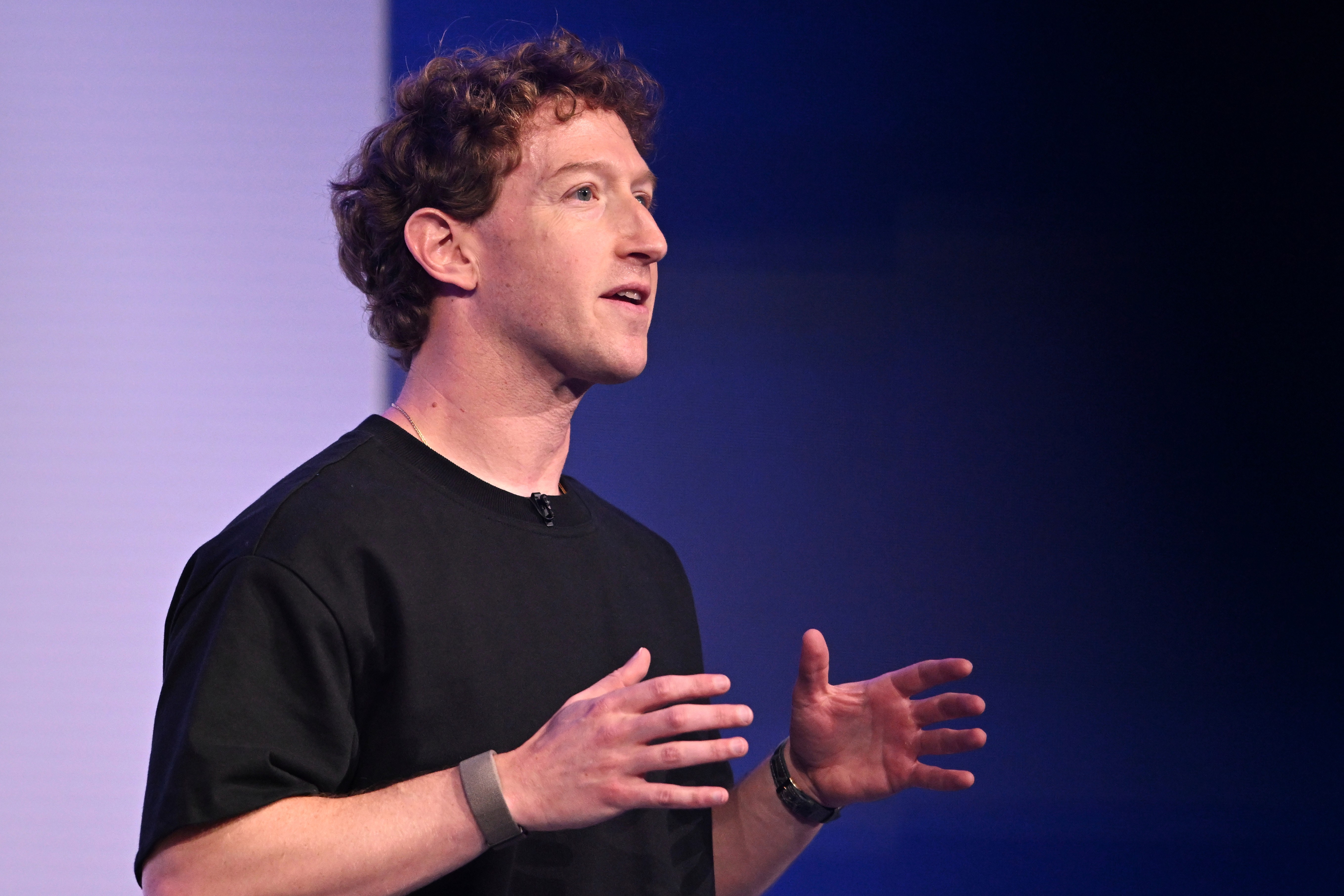
    Meta Platforms CEO Mark Zuckerberg laid out a vision Monday of what he said artificial intelligence can do for the world, imagining a future where everyone has their own, all-knowing AI agent that strives to improve all aspects of their lives.

    Zuckerberg detailed his ambitions for the technology in a 6,500-word essay published online where he also outlined why he favors open-source AI technology, in which developers make key components accessible for anyone to examine, modify and build upon.

    In a document derided by critics as fantastical, Zuckerberg said his company is working toward an era where everyone will have the tools to create new businesses, receive Ph.D.-level tutoring, and provide personalized lifestyle tips. His 8-year-old daughter, he wrote, can already code her ideas and quickly produce videos.

    “Everyone will soon have invention superpowers,” Zuckerberg wrote.

    Zuckerberg warned of risks if control of advanced AI is concentrated with a select few companies, institutions, or governments. On Monday, Meta also announced the release of a new open-source AI model, Muse Glimmer, which can run on a personal computer, and Zuckerberg said the company would also would provide a way for developers to access a more powerful AI model, Muse Spark 1.2.

    Meta makes AI models, like several other tech companies, and uses them to power platforms such as Instagram and Facebook. The Menlo Park, Calif., company also makes them available to developers who can create their own apps and features.

    Skeptics urge a slower pace of AI development

    Critics said Zuckerberg was not reckoning fully with the risks inherent in AI’s rapid development.

    Noting recent incidents where AI models, including Meta’s own, hacked other companies on at least three separate occasions, Anthony Aguirre, president and CEO of the AI safety nonprofit Future of Life Institute, asked “what on Earth makes Meta think they — or anyone — could control something exponentially smarter, faster, and more capable?”

    “Meta’s chosen path is ultimately one of human replacement and disempowerment, but there is an alternate, pro-human path — one that brings about individual flourishing and scientific breakthroughs with controllable AI tools. What’s urgently needed now is for governments to facilitate a pause on advanced AI development and steer us onto the pro-human path — before it’s too late,” Aguirre said.

    Meta chief says AI should be broadly distributed

    In his essay, Zuckerberg outlined why he thought open source is a better path for fair development of AI. He warned that if control of AI “superintelligence” is too concentrated, it will lead to less favorable outcomes for everyone else. The key, he wrote, is finding a balance that ensures advanced AI is “broadly distributed” to empower billions of people equitably.

    Meta has long been a proponent of open-sourcing its AI models, but has struggled to keep up with rivals such as OpenAI, Anthropic, and Google that have not taken the same approach.

    Zuckerberg made what could be a veiled reference to Meta’s rivals without naming specific companies.

    “Most other labs are focused on building AI for companies, governments, or other institutions, so if those labs lead, then the balance of power will favor larger institutions over individuals,” he wrote.

    Zuckerberg also included policy recommendations for keeping the U.S. ahead of rivals, including China. The United States and its allies need to speed up building energy capacity and infrastructure to stay competitive, he said.

    Zuckerberg called for authorities to reconsider their position on “distillation,” which involves training a less capable model on the outputs of a stronger one. The Trump administration has vowed to crack down on Chinese AI companies using distillation to extract technical features from U.S. AI models. Anthropic earlier this year accused China’s DeepSeek of using distillation.

    “Some have tried to frame distillation as harmful, but I think it is important to protect the principle that you can learn from anything you can observe,” Zuckerberg said. “This is how the world works, and the U.S. will not be able to lead if we restrict ourselves on this front.”

    Critics see a self-serving message from Meta

    Matt Lane, senior policy counsel at the nonprofit digital rights advocacy group Fight for the Future, called Zuckerberg “annoyingly out of touch on his best day,” but said the CEO is right about the importance of open-source AI.

    Shared access to open-source AI systems is important for protection in a world where AI can be used to hack into electronic systems, like voting systems and benefits infrastructure, he said.

    But he said only Meta will benefit if everyone were to use Meta-designed AI systems, even if they are fully open-source. “Open-source AI needs to be supported beyond these corporate interests. We, unlike Zuckerberg, hope for as much competition as possible,” he said.

  • Canada puts the military on standby as British Columbia wildfires kill 1 and displace thousands

    Canada puts the military on standby as British Columbia wildfires kill 1 and displace thousands

    Canada put its military on standby Monday to help battle deadly wildfires in British Columbia as a local mayor warned that one of the blazes had wreaked huge destruction on his community. A woman has died and some 20,000 people have fled their homes so far.

    For days, scores of wildfires have burned across the province, nearly half of them out of control in hot, windy weather and prolonged drought. Thousands have fled on jammed roads as officials said even more communities could be threatened.

    The mayor of Summerland — home to about 12,000 people, which was ordered evacuated on Saturday night along with about 8,000 people in and around nearby Peachland — warned that the affected areas remained too dangerous to enter and that it was impossible to determine the scope of the destruction.

    The blaze — known as the Bald Range wildfire — remained out of control after racing toward Summerland and other communities along Okanagan Lake over the weekend.

    “It’s going to be quite a bit,” Mayor Doug Holmes said of the expected destruction. “We need to brace ourselves for that bad news when it’s time to go back. Everybody will know somebody who has lost a home.”

    Defense Minister David McGuinty said the Canadian Armed Forces were in constant contact with provincial and federal officials and were ready to respond if British Columbia formally requested assistance. The federal government has already approved provincial requests for help with shelter and accommodations.

    The Royal Canadian Mounted Police said an 80-year-old woman died while trying to escape the fire near Summerland. Canadian Prime Minister Mark Carney said the death was heartbreaking and that the federal government would continue supporting British Columbia.

    The British Columbia Wildfire Service said Monday the fire had grown to about 60 square miles from 53 square miles on Sunday. Officials warned clearer skies and direct sunlight could increase fire activity.

    Ravi Parmer, British Columbia Minister of Forests, said 19 helicopters were assigned to the Bald Range wildfire but that its intensity made it impossible to halt the blaze.

    “We could have put a thousand more helicopters and a thousand more people on the ground, and it wouldn’t have made a difference,” he said.

    British Columbia Wildfire Service information officer Nicole Bonnett said the smoke lingering over the Bald Range fire has reduced visibility, limiting the use of air tankers and water-skimming aircraft.

    Bonnett said the blaze has been fueled primarily by extremely dry conditions rather than wind, and grew explosively Friday, reaching 19 square miles within three hours.

    Evacuated residents face uncertain prospects for return

    Holmes, the Summerland mayor, said there was no timetable for when residents would be able to return as power lines had been downed and hazards at the destroyed or damaged buildings would have to be assessed first. He added that residents would eventually return, likely neighborhood by neighborhood.

    “The hard part is going home and seeing the devastation,” he cautioned.

    Kyla Gaudiuso, a resident of Faulder, a 215-strong community, said her home was likely destroyed as she had gotten a photo showing the ridge where it stood engulfed in flames.

    She described the community’s evacuation as “pandemonium” and said she was now staying with a friend in the town of Penticton.

    “It doesn’t really seem real,” she said. “I have to see it to believe it.”

    Progress made with Washington state fires

    Firefighters in Spokane, Wash., have strengthened containment lines around three destructive blazes in recent days, allowing some evacuated residents to return home.

    Washington Gov. Bob Ferguson announced emergency proclamations to help those impacted by the fires at a news conference in Spokane on Monday. He suspended waiting periods for unemployment benefits and prohibited evictions, while the state Department of Licensing and Department of Health will help people who lost important documents get them immediately without charge.

    The state is also working on a request to the federal government for a major disaster declaration that would secure more support, he said.

    In California, evacuations have been ordered for areas along the famous Big Sur coast as a wildfire burns in the nearby steep, rugged mountains. The Timber Fire in Monterey County started Sunday and had grown to about 2 square miles by midday Monday, according to Cal Fire.

  • Trump scoffs at Iran’s demand for war reparations and other Mideast developments

    Trump scoffs at Iran’s demand for war reparations and other Mideast developments

    President Donald Trump on Monday scoffed at Iran’s demand for reparations for devastation caused to the country by the U.S. and Israeli bombardment over the past five months — a demand he said Tehran’s negotiators hadn’t raised until now.

    Trump’s social media post Monday came after Iranian Foreign Ministry spokesperson Esmail Baghaei stressed that Iran will not reopen the Strait of Hormuz until the U.S. meets its conditions.

    Tehran wants the U.S. to end its blockade of Iranian ports, lift economic sanctions, and release Iran’s frozen assets. It also said the U.S. must pay compensation for war damage.

    “It is up to the U.S. side to stop and make amends for its illegal and destructive actions,” Baghaei said.

    Trump responded that he is now demanding “compensation from Iran, for all of the people that they have killed and gravely wounded with their roadside bombs and many conflicts.”

    The U.S. government has blamed Iran-backed militants for the deaths and injuries of hundreds of Americans over several decades. They include a 1983 bombing that killed 241 U.S. military personnel at a Marine compound in Beirut and the deaths of at least 603 U.S. troops in Iraq between 2003 and 2011.

    Trump said he also wants Tehran to compensate the families of Iranian protesters who were killed.

    “I have instructed my representatives to put this firmly into any, and all, future negotiations,” Trump said in his post.

    The closure of the Strait of Hormuz — through which roughly one-fifth of the world’s traded oil supplies passed before the war — has kept energy prices as a major focus of U.S. politics ahead of November’s midterm elections.

    Iran’s supreme leader is said to want ‘unity’

    Iran’s president said Monday the country’s supreme leader is calling for “unity and cohesion” as the Islamic Republic faces economic hardships and sanctions stemming from its war with the United States.

    President Masoud Pezeshkian described a nearly seven-hour meeting with Ayatollah Mojtaba Khamenei in an interview with Iranian state television that aired amid apparent tensions among the Islamic Republic’s leaders.

    Pezeshkian told the state-run IRIB that he and Khamenei discussed “people’s livelihoods, the state of the market, employment, people’s housing,” as well as “problems that are now being created as a result of the (U.S.) sanctions.” He didn’t say when or where they met.

    Most important, he said, was Khamenei’s emphasis on unity.

    “All of the enemy’s plans are aimed at creating division,” Pezeshkian said. “What we have to do is prevent divisions from emerging.”

    It is only the second time the Iranian president said he has met with the new supreme leader since Khamenei was appointed in March following a U.S.-Israeli strike that killed his father. Khamenei, believed to have been wounded in the same attack, has not appeared in public since then.

    Iran names former Revolutionary Guard leader to top security post

    Iran on Sunday appointed Mohsen Rezaei, a military adviser to its new supreme leader, to head its powerful Supreme National Security Council.

    Rezaei commanded Iran’s paramilitary Revolutionary Guard from 1981 to 1997, a period that includes Iran’s 1980s war with Iraq. The 71-year-old hard-liner last week threatened American forces with “serious risks and casualties” if the U.S. did not lift its blockade of Iranian ports.

    Rezaei replaces Mohammad Bagher Zolghadr, who will become a political adviser to Khamenei.

    While Rezaei appears willing to negotiate with the U.S. to “secure Iran’s maximalist aims, including control of the Strait of Hormuz,” he has also been “unwilling to present any Iranian concessions,” wrote the Institute for the Study of War, a U.S.-based think-tank.

    Israel declares closed military zone in Taybeh

    Israel’s military said Monday it had declared a Christian-majority town in the occupied West Bank a closed military zone to keep out Israeli settlers and other non-residents.

    The new tactic is designed to keep Israelis out of Taybeh, which has been subject to arson, vandalism, and settlers coming onto private and village property. The army said Palestinian residents and journalists would be allowed unless soldiers determine their presence poses a threat. The army said its troops would detain suspects and disperse gatherings to keep the peace.

    The designation comes after months of the army and police struggling to maintain order throughout the territory, where at least 87 Palestinians have been killed by Israeli settlers or soldiers in 2026, according to the Ramallah-based Palestinian Health Ministry.

    Yemen provides death toll on Sunday’s Houthi attack

    Yemen’s Iran-backed Houthi rebels attacked a Red Sea port town controlled by government forces on Sunday, killing seven and injuring 30 people. Yemen’s Defense Ministry — which operates under its internationally recognized government — said four military personnel and three civilians were killed.

    Clashes continued Monday near the village of Taiz. The Houthi group said a 13-year-old child was killed by artillery shelling and another child was injured.

    The attack on Mokha is the latest in one of the largest waves of Houthi strikes on Yemeni military positions and areas held by the Saudi-backed government since a 2022 truce. It comes as threats to shipping through the Strait of Hormuz have renewed focus on the Red Sea and Bab el-Mandeb Strait at its southern tip.

  • Trump officials propose new scrutiny of food additives and ingredients

    Trump officials propose new scrutiny of food additives and ingredients

    WASHINGTON — U.S. health officials on Monday proposed a rule change that would require food manufacturers to notify regulators before introducing new ingredients or additives into processed or packaged foods.

    The proposal would change a decades-old policy that advocates have called a regulatory loophole, blaming it for allowing thousands of unvetted ingredients into the U.S. food supply.

    Under the proposed rule from the Food and Drug Administration, companies would have to document and submit their safety findings for new ingredients, giving regulators the opportunity to investigate if they see a potential safety risk. Currently companies can decide for themselves if an ingredient or additive is “generally recognized as safe” and there is no requirement for companies to notify or submit evidence to the FDA, although some do.

    “Shifting to a mandatory notification system closes a decades-old information gap, giving the FDA the comprehensive visibility needed to enhance postmarket safety,” acting FDA Commissioner Kyle Diamantas told reporters on Monday.

    The FDA will take comments on the proposal for 120 days.

    Consumer advocates who have long pushed for changes said FDA’s proposal should require more than giving advance notice about new ingredients.

    “It must also include strong, science-based safety standards and thorough, independent FDA review before chemicals are allowed in our food,” said Melanie Benesh of the nonprofit Environmental Working Group.

    Scrutiny of ultraprocessed food continues, but with few details

    In a separate move, the FDA said it completed work on the federal government’s first-ever definition of ultraprocessed food, but did not release any details or the proposed language. The agency said it has submitted the definition to the White House for further review.

    Health advocates consider an official definition of ultraprocessed food a key step toward bringing greater scrutiny to packaged foods that are blamed for multiple chronic health problems afflicting Americans. A government-backed definition could pave the way for more federal research and, eventually, possible labeling or other restrictions on processed foods.

    Neither of Monday’s announcements is likely to immediately impact American diets, which are packed with fats, sodium, and sugar and are blamed for a host of chronic diseases such as obesity, diabetes, and heart disease. But both initiatives are considered top priorities for Health Secretary Robert F. Kennedy Jr., who entered government vowing to crack down on artificial colors, additives, and other ingredients.

    “These two actions will change how the federal government oversees what’s in our food and how we understand the foods that Americans eat,” Kennedy said at an event Monday at HHS headquarters.

    Ultraprocessed foods are made using industrial processing and additives, colors, preservatives, or other ingredients not found in home kitchens. The foods include sugary cereals, sodas, chips, frozen pizzas, and other grocery items.

    Scientists have been working to define and classify processed foods for well over a decade. But sweeping definitions come with downsides. They can be often applied to foods like whole grain bread, yogurt, and granola that are all highly processed but still considered nutritious. Some recent efforts to define ultraprocessed foods include carve-outs for foods that meet nutrition standards, despite having processed ingredients.

    FDA proposal would bring new insights on additives

    In the U.S., an estimated 10,000 additives are allowed in food, including thickeners, preservatives, and packaging ingredients.

    Consumer advocates have long argued that many of those ingredients have never been properly vetted because of the FDA’s policy allowing manufacturers to certify for themselves that new additives are “generally recognized as safe,” or GRAS.

    FDA’s Diamantas stressed Monday that the new policy would not require all new ingredients to undergo FDA review. He said that type of mandatory review would need to be enacted by Congress to rewrite FDA’s food authorities.

    “What we’re doing is requiring companies that utilize the pathway to notify us of their conclusions so that we have greater visibility into those conclusions and consumers have awareness,” Diamantas said.

    Under the proposal, the FDA would be expected to review new ingredient submission within 180 days. If FDA regulators have safety concerns they could request additional information from manufacturers or request that they delay introducing the ingredient.

    Kennedy said the Trump administration would ask Congress to grant FDA additional powers over food ingredients.

    “Congress needs to give FDA the additional tools it needs to keep pace with the changing food supply and protect the American people,” Kennedy said.

    Rule change in the 1990s created what advocates call a loophole

    Any substance intentionally added to food is supposed to undergo formal review — unless the additive is considered safe. Since the late 1950s, the government recognized that many common ingredients in foods, such as spices and vinegar, were widely consumed and understood to be safe for consumption.

    The FDA policed the GRAS exemption for years, but it took time and resources. Starting in 1997, the FDA began allowing companies to independently determine that a new additive is safe based on publicly available scientific evidence and the consensus of qualified experts.

    However, the list of products deemed GRAS by companies grew to include many synthetic and natural additives, all incorporated into the food supply without independent review.

    The process has created a “secret GRAS loophole,” according to the consumer advocacy group Center for Science in the Public Interest, that “undermines the integrity of our food safety system.”

    Food industry officials contend their internal reviews of additives are as rigorous as the FDA’s own processes.