Category: Residential Real Estate

  • Who lives in the new apartments at the Navy Yard? Turns out, not very many people.

    Who lives in the new apartments at the Navy Yard? Turns out, not very many people.

    A year ago, Priya Brown spent many weekday afternoons sitting in traffic, inching home to Northern Liberties from her job in the Navy Yard.

    Since moving into the new apartments at South Philly’s converted military base in January, the 27-year-old said her daily routine has gotten much more relaxing — with far fewer brake lights. An assistant buyer at Anthropologie, Brown walks 10 minutes to her office at Urban Outfitters’ Navy Yard headquarters.

    “My life is so much easier,” Brown said last week as she walked her tiny basset hound, Momo, around her building, AVE Constitution. The air was quiet, save for an occasional bird chirping and the steady hum of planes making their descent into Philadelphia International Airport.

    “I’m not a city person,” added Brown, an Annapolis native who moved to Philly for work. In Northern Liberties, “I missed grass a lot.”

    The Navy Yard has open space and paths for walking and running, as seen in this 2022 file photo.Yong Kim / Staff Photographer

    Brown pays about $2,400 a month for her one-bedroom, she said, and takes advantage of the free and abundant street parking, a rarity elsewhere in the city.

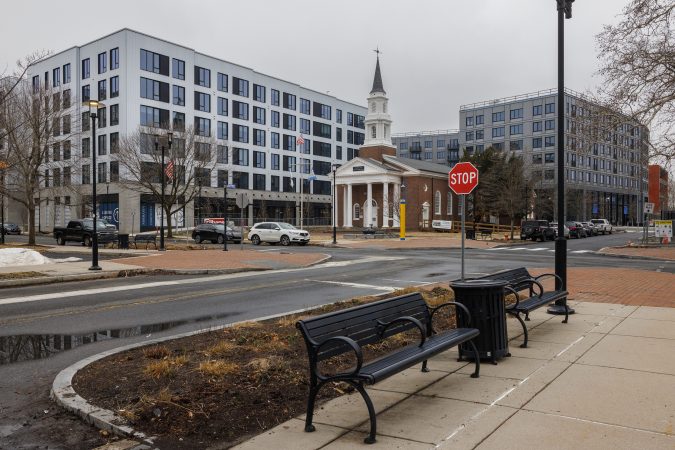
    AVE, the national apartment brand run by Korman Communities, is calling its neighboring Navy Yard complexes, Constitution and Normandy, “Philadelphia’s newest neighborhood.”

    Constitution opened late last year as the first new private-sector housing complex on the 1,200-acre property at the city’s southernmost edge. The naval base was decommissioned in the 1990s and has since become an office and laboratory hub, with more than 150 companies that employ 16,000 people.

    It also includes more than 20 acres of parks and miles of walking paths, some along the Delaware River, as well as a restaurant and hotel.

    Now, it is also home to a small but growing number of residents.

    More than a third of the 347 units in Constitution are leased, according to Sam Korman, AVE’s director of operations. Next door at Normandy, which opened this spring, more than 20% of the 267 units are leased, according to Korman. Normandy includes unfurnished apartments for tenants, as well as furnished ones that are marketed to business travelers. Lease-ups for buildings of this size typically take about 18 months, a spokesperson for the company said.

    “We are extremely pleased with the reception to AVE Navy Yard through our first few months of operations,” Korman said last month in a statement. “This past month has been our most successful for both furnished and unfurnished leasing, a positive trend that we expect to continue throughout the summer,” a busy season for rentals.

    Navy Yard stakeholders eventually want the property to have 4,000 apartments, along with more retail space and a second hotel, according to its 2022 redevelopment plan.
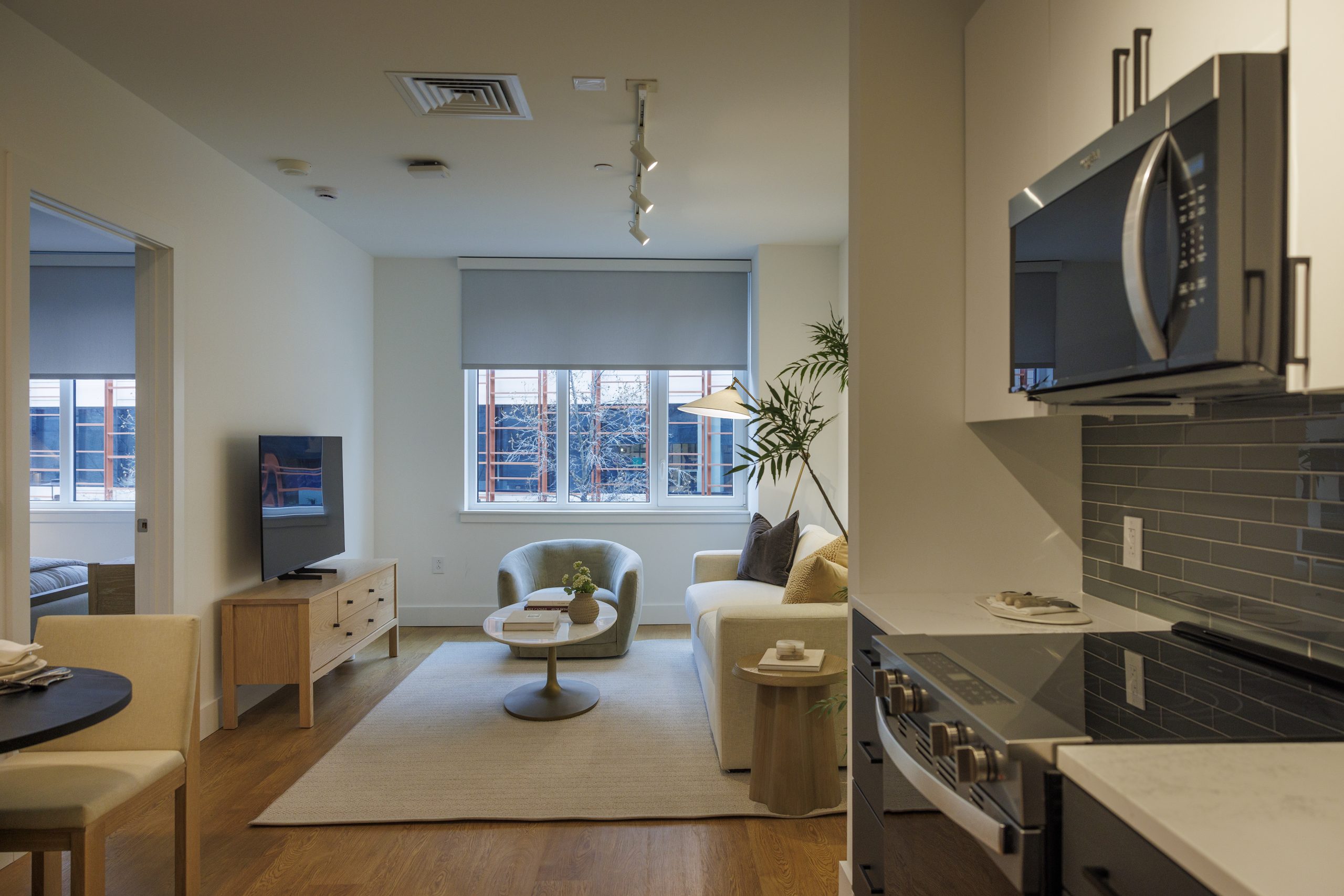
    A one-bedroom apartment at AVE Normandy as seen in March.Alejandro A. Alvarez / Staff Photographer

    Some Navy Yard residents love their ‘secluded spot’

    As cars drove by from the Navy Yard office complexes, headed toward I-76 and I-95 on a recent afternoon, only a handful of people were out and about near the apartment buildings.

    Several food couriers dropped off orders in the Normandy lobby. Nearby, in front of floor-to-ceiling windows, someone walked on the treadmill in an otherwise-empty gym. On an outdoor deck above, people could be heard splashing in the pool.

    Otherwise, passersby were few.

    Brown said she enjoys the suburban-esque solitude, though she’s glad more tenants are moving in. This winter, it felt like only a handful of other people lived in the building, she said, but now her floor seems like it’s almost full, making it “less spooky.”
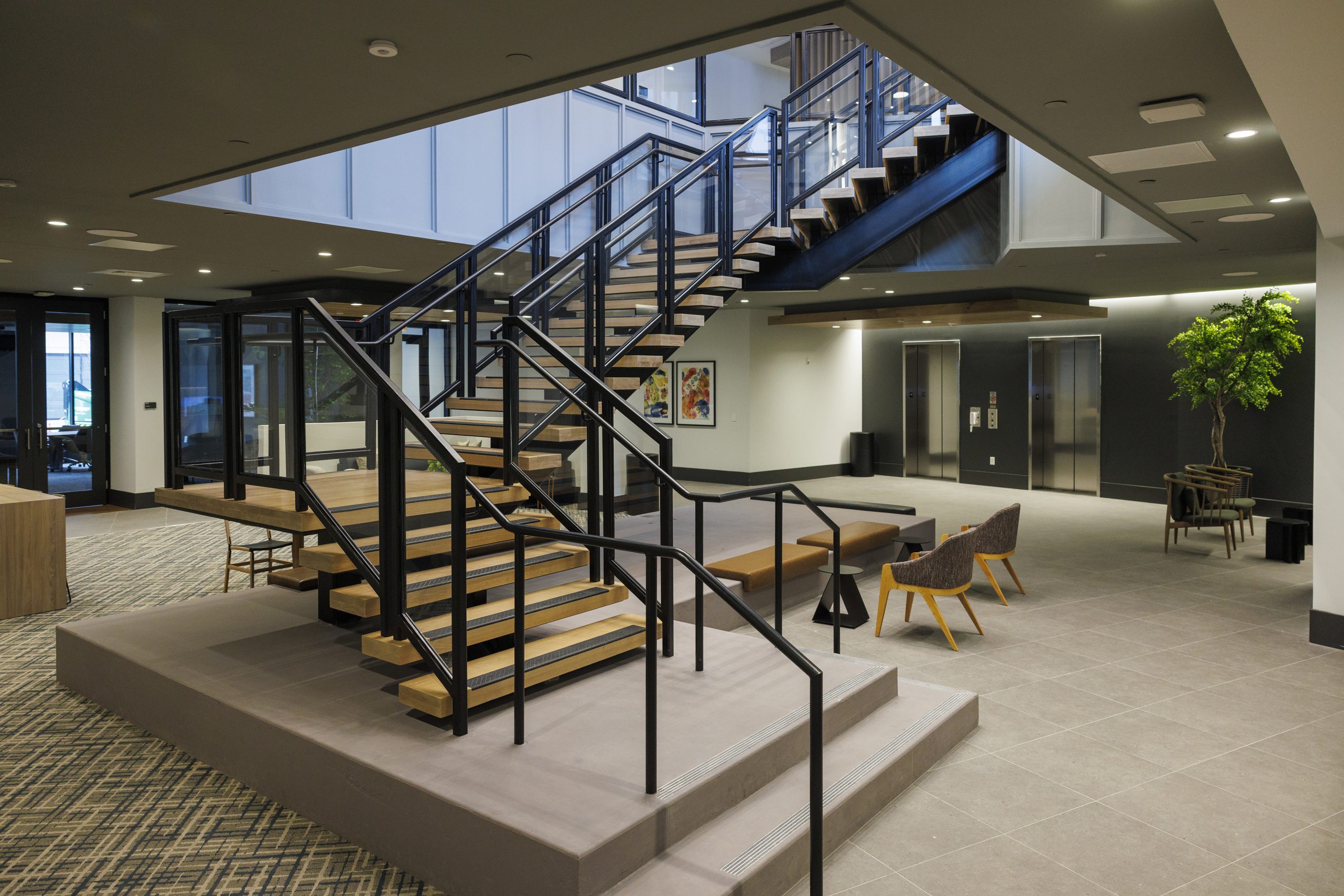
    A communal space at AVE Normandy in March.Alejandro A. Alvarez / Staff Photographer

    Across the street at Normandy, resident Integra Feliciano has picked up a similar vibe.

    “I have the sense that I’m definitely one of the earlier tenants,” said the 29-year-old, who moved in April and was drawn to the area’s tranquility after living near Passyunk.

    Feliciano commutes to her job at a life sciences company in West Philly. She looked at apartments in Center City but couldn’t find anything as quiet and luxurious — without “ridiculously expensive” parking.

    At her last apartment, she said, she paid more than $300 a month for parking, a rate that was set to hit $500 around the time she moved. Like Brown, she now parks on the street for free.

    The Navy Yard is “a secluded spot, a little gem,” said Feliciano, who pays $2,510 for her one-bedroom. “I like being in proximity to the city, but I don’t like being right in it.”

    The Navy Yard itself is “still up-and-coming in terms of having more restaurants and stuff,” Feliciano said, but there’s plenty to do.
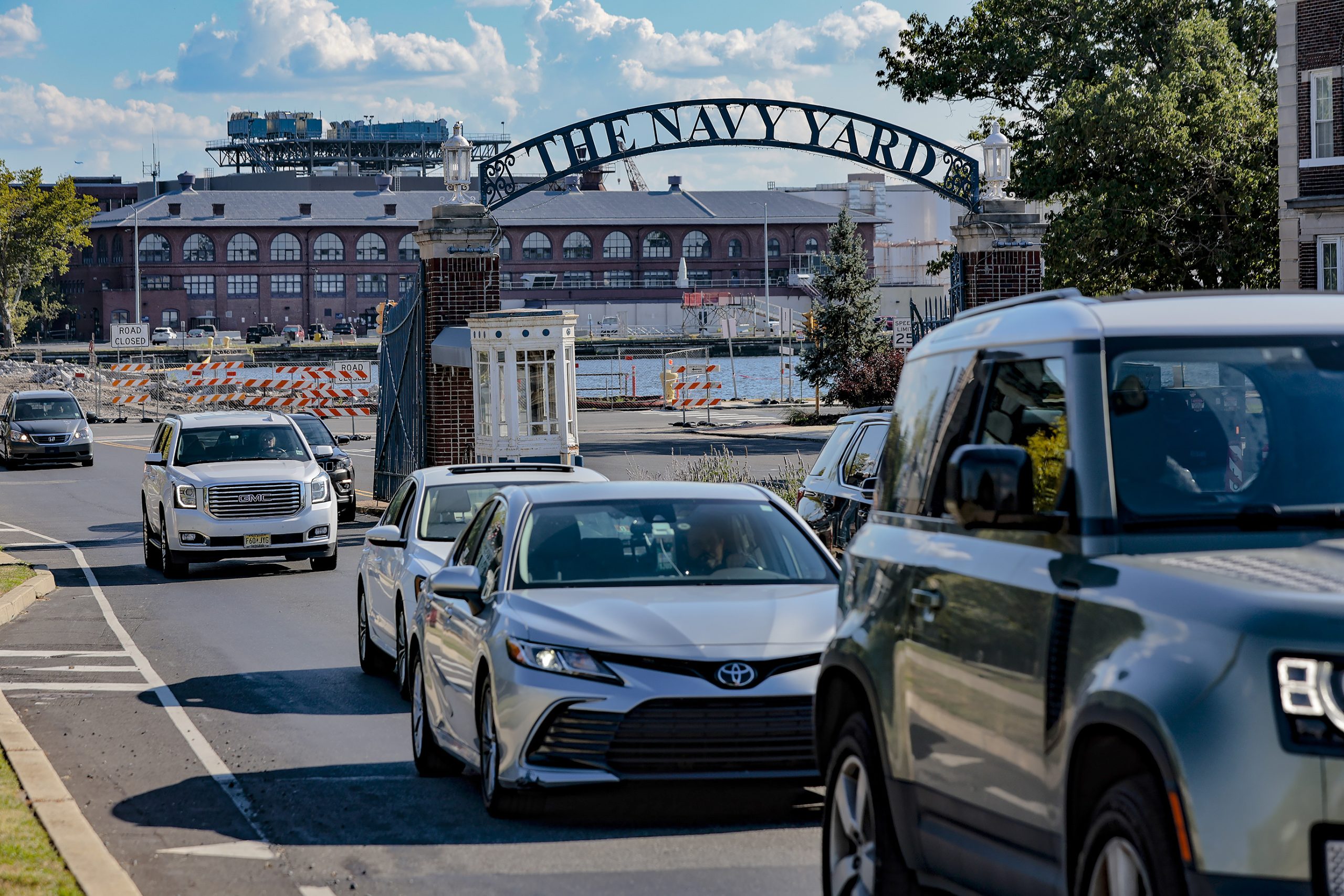
    People leave the Navy Yard at rush hour in August 2022.Steven M. Falk / Staff Photographer

    In the spring, she said, she and her boyfriend bought last-minute tickets to a Sixers playoff game and walked over to Xfinity Mobile Arena. While out for a run one day, she discovered the Southeast Asian Market in FDR Park.

    She swims in her building’s pool whenever she can, she said, and often invites family and friends over. And she said her guests love that they don’t have to “circle the block for an hour” to find a parking spot.

    “I had a friend come over, and she just parked right in front,” Feliciano said. “She said, ‘Oh, that’s it?’”

    Why the first resident was drawn to AVE Navy Yard

    Gokul Krishnan is glad more people are discovering the Navy Yard apartments. The 51-year-old, who works as the chief sourcing and global trade compliance officer for URBN brands, was the first person to sign a lease and move into Constitution last November.

    “It feels like home,” said Krishnan, who moved to Philly from the San Francisco area. “It’s so calm.”
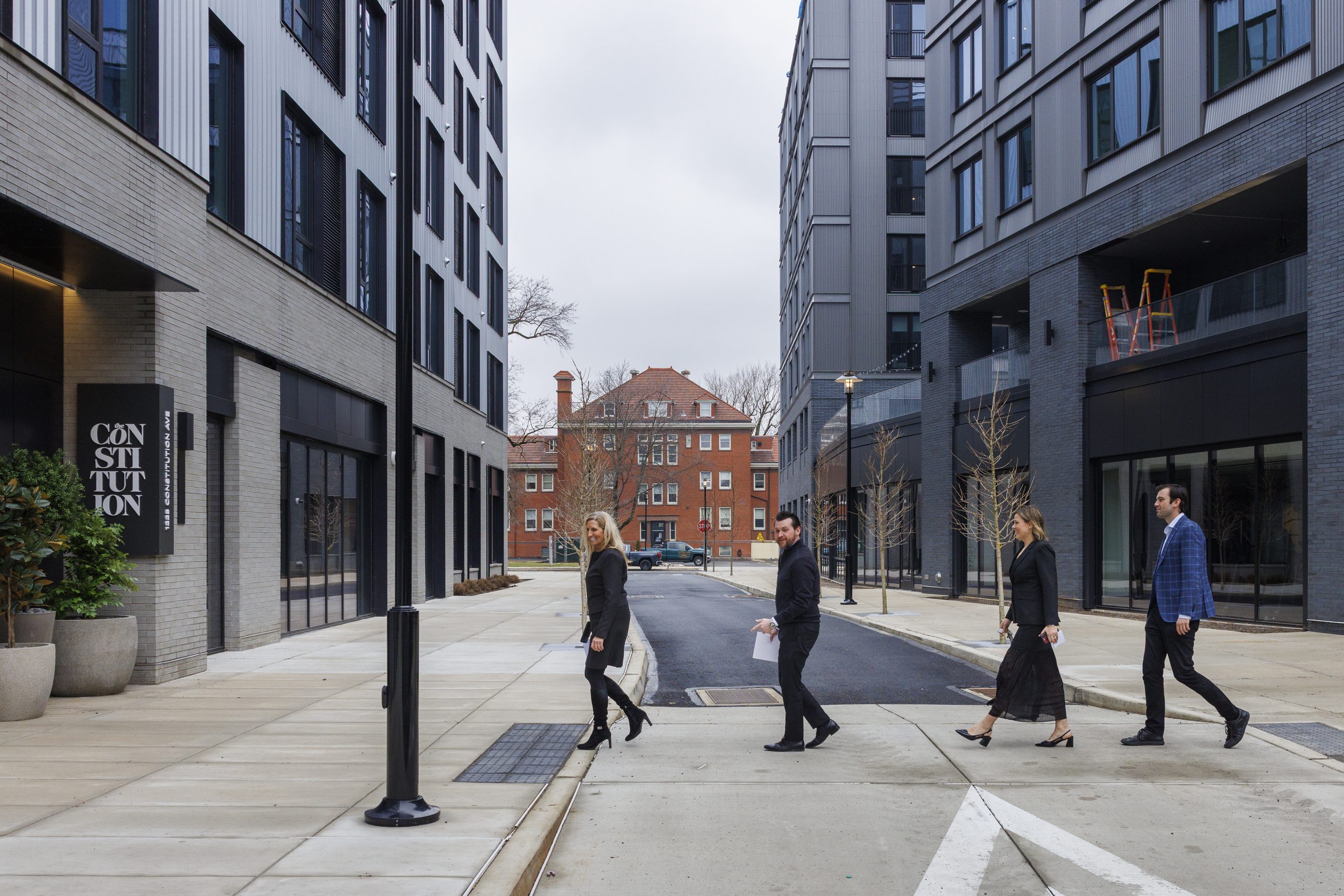
    AVE Navy Yard executives walk between the Constitution and Normandy apartment buildings in March.Alejandro A. Alvarez / Staff Photographer

    He enjoys taking walks around the Navy Yard, using the gym, and spending time in the building’s lounge and outdoor courtyard. The AVE staff is kind and communicative, he said, and he, too, enjoys a 10-minute walking commute to his office at the Urban Outfitters headquarters.

    While he does drive or use a delivery service for groceries, he said he has walked to the Navy Yard’s Gatehouse restaurant or to the Courtyard by Marriott hotel lounge for a bite to eat.

    Krishnan signed an 18-month lease, he said, and pays about $3,000 a month for his one-bedroom, plus parking in the complex’s covered garage. He may upgrade to a larger unit next year, he said. His wife plans to move from California once their son graduates high school, and she’s bringing the couple’s 6-year-old goldendoodle, Simba.

    Editor’s note: This story has been updated with additional information about leasing plans.
  • SEPTA wants to extend its free fare benefit to apartment dwellers

    SEPTA wants to extend its free fare benefit to apartment dwellers

    SEPTA is embarking on an experiment to extend its all-access transit pass, SEPTA Key Advantage, to apartment building residents.

    Currently employers and schools can buy into the benefit program. The institutions pay for the passes, and then workers and students sign up to receive a SEPTA Key card that is free for them to use.

    Since its creation in 2022, beneficiaries have used SEPTA Key Advantage for 25 million rides.

    Now SEPTA has received a $150,000 grant from the Delaware Valley Regional Planning Commission (DVRPC) for a pilot program extending the benefit to apartment building owners.

    The two-year program will be open to a handful of apartment buildings so SEPTA can study how tenants use it. The first company to sign on is the HOW Group, a large multifamily developer and owner in Philadelphia.

    “A lot of our properties are located near SEPTA stations, and with a lot of our buildings, their biggest amenity is their location,” said Kelli Tomczak, vice president of property management at the HOW Group. “It was a great opportunity to emphasize how big of an amenity that is coupled with the SEPTA pass.”

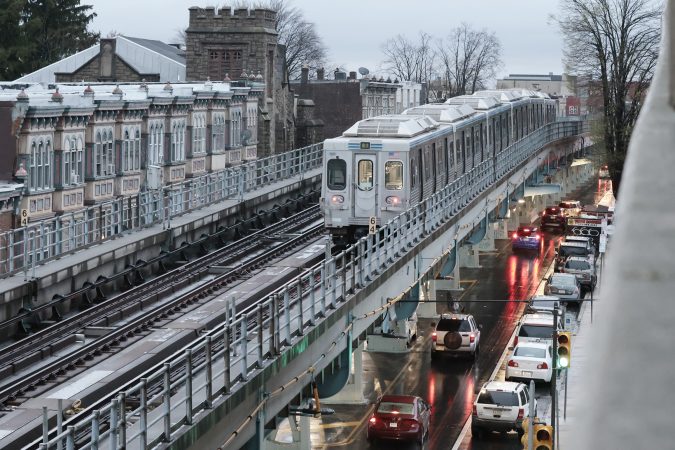
    The SEPTA Key Advantage will be offered first to tenants in the HOW Group’s 104-unit apartment building at 1900 N. Front St. known as the Isaac. It has no parking but is directly across the street from SEPTA’s Berks Station on the Market-Frankford Line.

    “A lot of people who are living there are already utilizing the El. That’s what makes this a great amenity,” Tomczak said.

    SEPTA says it is in talks about bringing the benefit to another HOW building in University City, which has frequent bus lines to Center City, trolleys, and the Market-Frankford line.

    The transit agency also wants to try the pilot in a couple suburban buildings and are searching for partners with 50- to 100-unit buildings near stations in Philadelphia’s collar counties.

    “We are really trying to hone in and really understand, when you have this free pass, do you start to take transit more?” said Gabrielle Pristera, senior sales development specialist with SEPTA.

    “We want to really build the case to show other multifamily properties that there is value in adding Key Advantage as an amenity through this pilot,” Pristera said.

    The HOW Group’s 100+ unit apartment building at 1900 Front St., on the Market-Frankford line, where tenants will be eligible for free SEPTA cards.HOW Group

    SEPTA Key Advantage originated when transit ridership was struggling back from COVID.

    The program was created to get more people riding SEPTA regularly, while raising revenue for the service. SEPTA estimates that it saves regular riders $110 a month.

    Today SEPTA Key Advantage has 60,000 members, 63 participating employers (including the City of Philadelphia), and four participating colleges and universities.

    Roughly half the eligible students and workers have taken advantage of the benefit and SEPTA has found that at small companies 80% of employees sign up.

    The transit authority has long wanted to expand the program to apartment owners and tenants.

    “Especially within Center City, with development being so costly, this is just one of the easiest amenities to get started,” Pristera said. “You don’t have to have space for it. You just can just distribute key cards and go.”

    Philadelphia has seen an apartment building boom in recent years. Neighborhoods like Northern Liberties, Fishtown, and University City have seen thousands of new units added near subway, elevated, and trolley lines.

    DVRPC’s grant money will pay for the administrative costs of the pilot, as property managers don’t have the same kind of human resources departments as employers and higher education institutions.

    The grant from DVRPC will last until 2028. SEPTA will evaluate the results of the program and decide how to proceed from there.

  • Is buying a home still the way to wealth? Some young Americans aren’t sure.

    Is buying a home still the way to wealth? Some young Americans aren’t sure.

    The fast-rising costs of owning a home have some young Americans questioning whether buying a house is still a good investment.

    Take Tony Zhang, 34, who bought a $950,000 townhouse in Irvine, Calif., in 2021 and says he now regrets it. The supply-chain manager says investing his down payment of roughly 30% in the stock market instead would have left him with a portfolio worth as much as $1 million today.

    “Had I just taken my down payment and bought Meta, Nvidia, or any growth stock, I probably wouldn’t even be working my 9-to-5,” he said. Even with a more conservative investment that mirrored the S&P 500, he estimates he’d have an extra couple of hundred thousand dollars. In the meantime, renting a comparable two-bedroom apartment in his area would be about $800 cheaper than his $4,300 monthly housing costs, which don’t include maintenance.

    Zhang is among many people under 40 who feel that homeownership isn’t the wealth-building tool it used to be. Less than a quarter of Americans aged 18 to 39 say buying a home is a very good investment, compared with 38% of those over 60 years old, a recent survey by the Pew Research Center found. A further 38% of under-40s see property as a “somewhat good” place to park their money.

    A separate survey by the Federal Reserve Bank of New York found the proportion of under-50s who consider housing to be a “very good” investment had fallen to about 16% in February, from about 25% five years earlier.

    Broadly speaking, homes are a worse investment for first-time buyers today because wages haven’t kept up with surging prices and ownership costs, said Susan Wachter, a professor of real estate and finance at the University of Pennsylvania’s Wharton School.

    The median sale price of a U.S. home jumped 53% to $379,000 in the six years to May 2026, Zillow data show, while borrowing costs more than doubled. Those who can afford to buy face outlays including property taxes, insurance, and maintenance bills, which cost the average U.S. homeowner $15,979 in 2025 — a 4.7% increase from the previous year, while household incomes rose just 3.8% over the period.

    More than half of U.S. homes also lost value last year — the highest share since 2012, according to Zillow, when the effects of the global financial crisis were still playing out.

    “Younger Americans’ more negative view on homeownership reflects the economics of their lived experience, ” said Wachter. “They face an affordability problem and they don’t get the returns.”

    Almost nine in 10 Americans agree that buying a home is harder for young adults today than it was for their parents’ generation, the Pew research found.

    That said, only 16% of survey respondents aged under 40 went as far as saying a house is a bad investment. Owning a home can provide families with stability and, for those who can afford to hang onto it, a source of intergenerational wealth. Returns vary widely based where a homeowner buys their property and how long they own it, noted Pew senior researcher Richard Fry.

    “It’s a complicated calculation and probably one of the most expensive things young adults will ever buy,” he said. “It’s not a one-size-fits-all answer.”

    Even those who snag a deal on a property can find the math gets complicated.

    Atalyia Ferrara, a 28-year-old teacher, bought a $230,000 four-bedroom Philadelphia townhouse in July 2021 with a $1,485 down payment, thanks to the city’s Keystone Home Loan Program. Her monthly mortgage and taxes have gone up just $335 a month since then, but the maintenance costs have forced her to dip into her savings instead of building a nest egg. She’s already poured more than $28,000 into home improvements, with another $25,000 for electrical repairs looming.

    Ferrara now works in neighboring New Jersey and says the house has become a money pit in an inconvenient location. She and her husband are considering selling so they can rent in an area with better access to work and childcare.

    “I bought the house at 23, just trying to get my foot in the door of building equity,” said Ferrara. “Instead, I’m stuck with a house that’s kept me where I’m at and paying thousands for repairs.”

    Zhang, in California, is planning to stay put until his 8-year-old daughter goes to college, hoping to cash in on his home’s appreciation down the line. After that, he plans to sell up and “rent for sure.”

    Still, he can’t help but think of what he could have made in the short term on a different investment.

    “Just looking at how the stock market has performed, the opportunity cost of putting that money into a home has absolutely screwed me over,” Zhang said.

  • Pearl Properties is moving forward on Jewelers Row tower

    Pearl Properties is moving forward on Jewelers Row tower

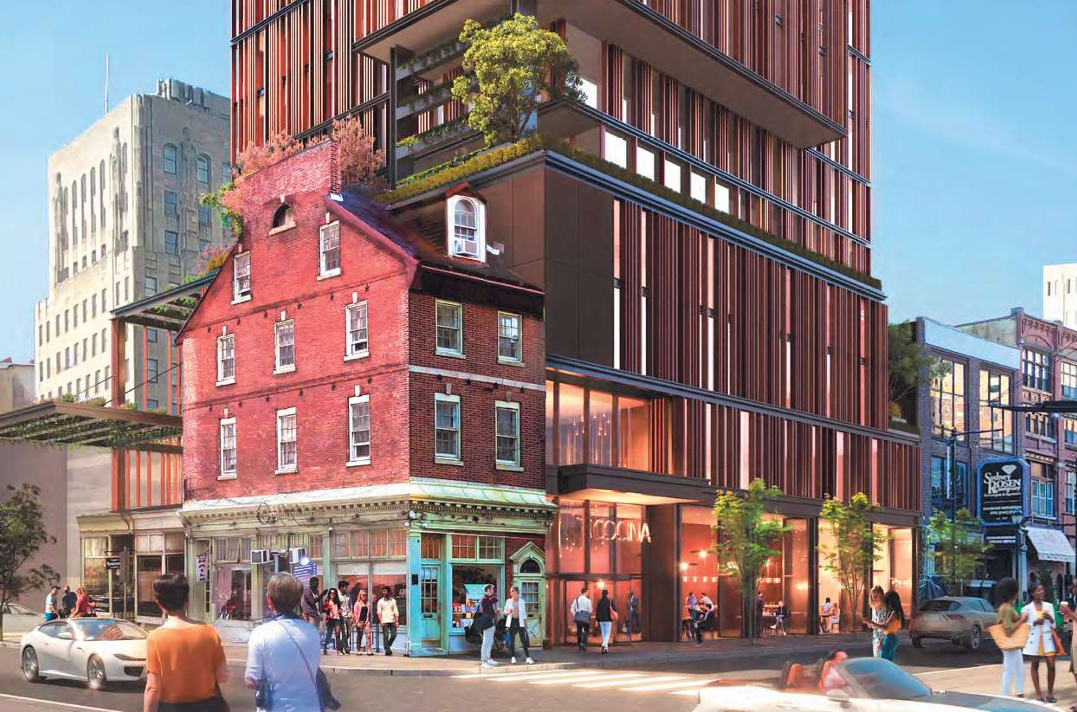
    For the first time in almost two years, Pearl Properties is making visible movement on its long-awaited Jewelers Row housing tower by requesting permission from the Historical Commission to alter two small protected buildings on the Seventh Street side of the project.

    In 2022, the Philadelphia-based developer obtained the vacant land at 708 Sansom St. from Horsham-based Toll Brothers, which had sparked controversy — and seen their development delayed — by their eventually successful effort to demolish five buildings in the midst of the city’s historic diamond district.

    After buying the property from Toll, Pearl Properties received a zoning permit on Sept. 24, 2024, for a 35-story tower, with 99 units, 50 parking spaces, and almost 1,500 square feet of commercial space.

    Since then there has been no movement on the project, amid a difficult construction environment and a competitive multifamily market.

    But earlier this month, Pearl Properties asked the Historical Commission for permission to demolish the rear sides of two one-story buildings facing Seventh Street, while preserving their facades as a pedestrian entrance to the tower’s parking garage.

    “Due to many years of neglect, the buildings are in substantial disrepair,” Morris Clarke, director of operations of DAS Architects Inc., wrote in a letter to the commission on behalf of Pearl Properties.

    “It is the applicant’s intention to restore both storefronts to their original form, so as to enable them to contribute to the streetscape experience and vibrancy of the immediate neighborhood rather than continuing to be a symbol of blight,” Clarke said.

    The new rear entrance next to the garage on Seventh is not the only alteration to Pearl’s project since it was last seen by the public in early 2024.

    The developer needed permission from the city’s Zoning Board of Adjustment to proceed and also negotiated over the project’s design with the Society Hill Civic Association in exchange for its support.

    Pearl has made changes to accommodate the neighborhood group’s demands that the floors closest to the street reflect the surrounding buildings.

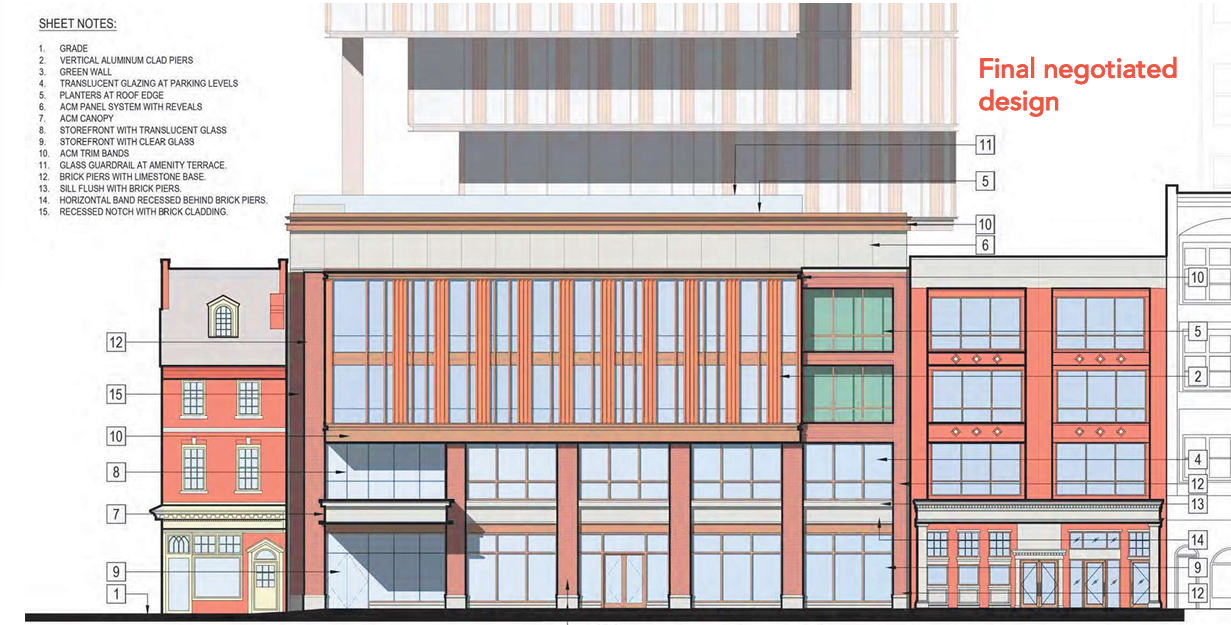
    Plans for the new Sansom Street facade of Pearl Properties Jewelers row tower.DAS Architects

    “The original design has no compatibility with Jewelers Row,” a 2024 document about the negotiations from the Society Hill Civic Association said. “It is monolithic. The materials were invasive.”

    Renderings of the ground floor levels, marked “final negotiated design” and dated to September 2024, show that Pearl responded to that feedback by creating a podium for the building that better matches the surrounding historic buildings.

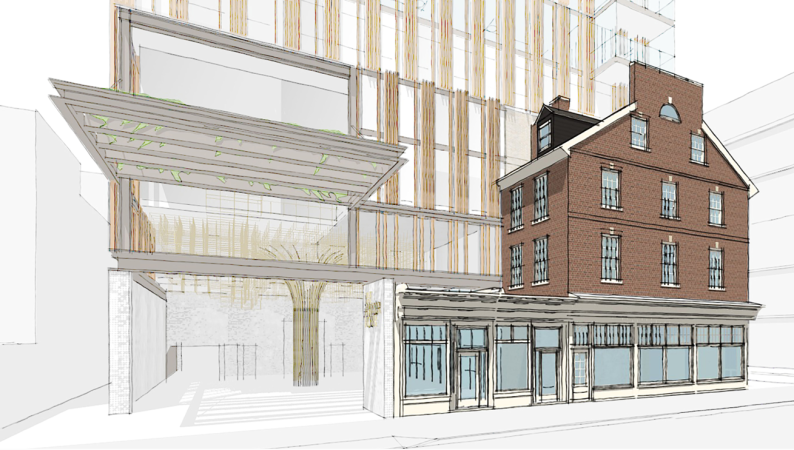
    This was partly achieved by using brick and other materials more akin to Pearl’s neighbors and partly by splitting the facade into units that appear more like the commercial townhouses of Jewelers Row.

    “There were arguments, but we accepted it because we thought it was a good product, a good design, good quality,” said Paul Boni, chair of the zoning and historic preservation committee of the Society Hill Civic Association.

    “They have other holdings in the city that we checked out,” Boni said. “And something needs to be built there. This is a nice big building with a lot of density. It’ll be a good addition.”

    A rendering for Pearl Properties’ original design for the Jewelers Row tower, decorated by the metal fins that the Society Hill civic disliked.DAS Architects

    Neither Pearl Properties’ Reed Slogoff nor project architect DAS responded to a request for comment. Boni declined to comment on when the project was likely to break ground.

    The Historical Commission staff approved Pearl’s plans to demolish the rear of the two one-story buildings on Seventh Street, noting that they are both only 13 feet wide and 18 feet deep.

    “The small buildings would be used as entrances to the interior motor court of the high-rise building,” the staff notes read.

    The Seventh Street addition to the design will be considered by the commission’s Architectural Committee on July 28 and can then be considered by the full committee as soon as August.

    Pearl Properties is also moving forward on its Harper Square development at 113-121 S. 19th St. near Rittenhouse Square, another long-awaited luxury apartment tower. The company installed a tower crane in May to begin construction.

  • The Post Brothers are planning another large apartment building for Northern Liberties

    The Post Brothers are planning another large apartment building for Northern Liberties

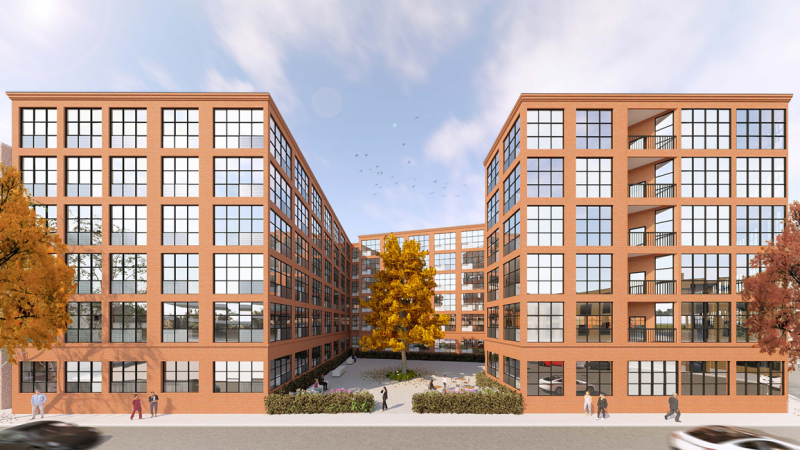
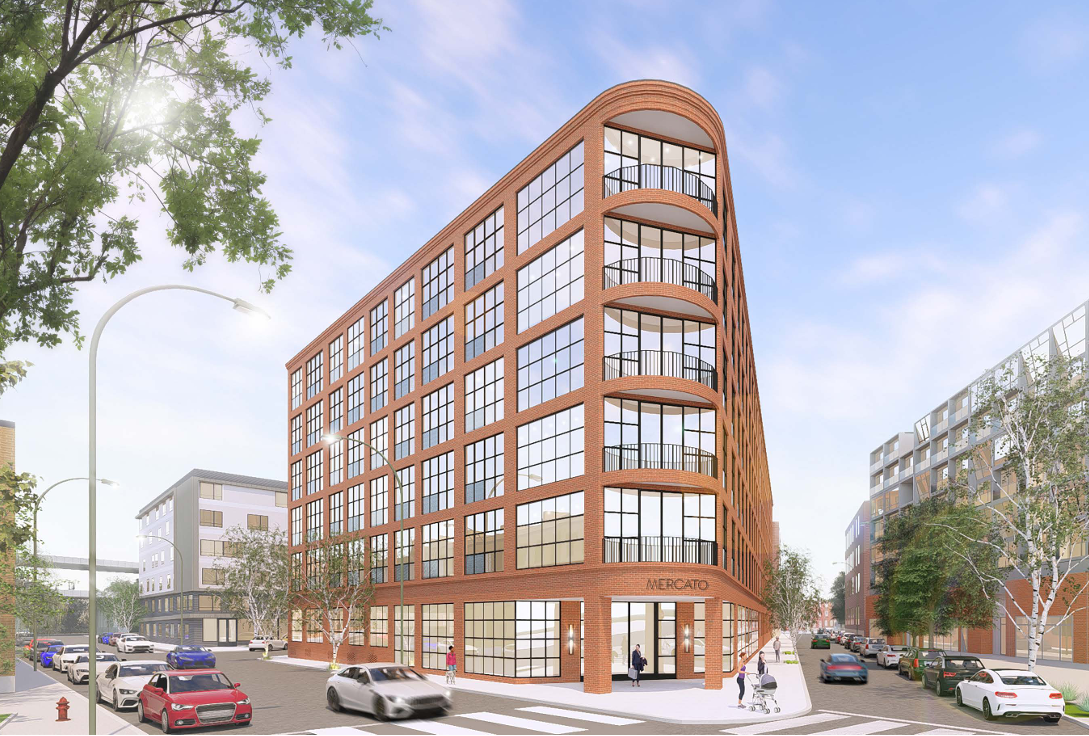
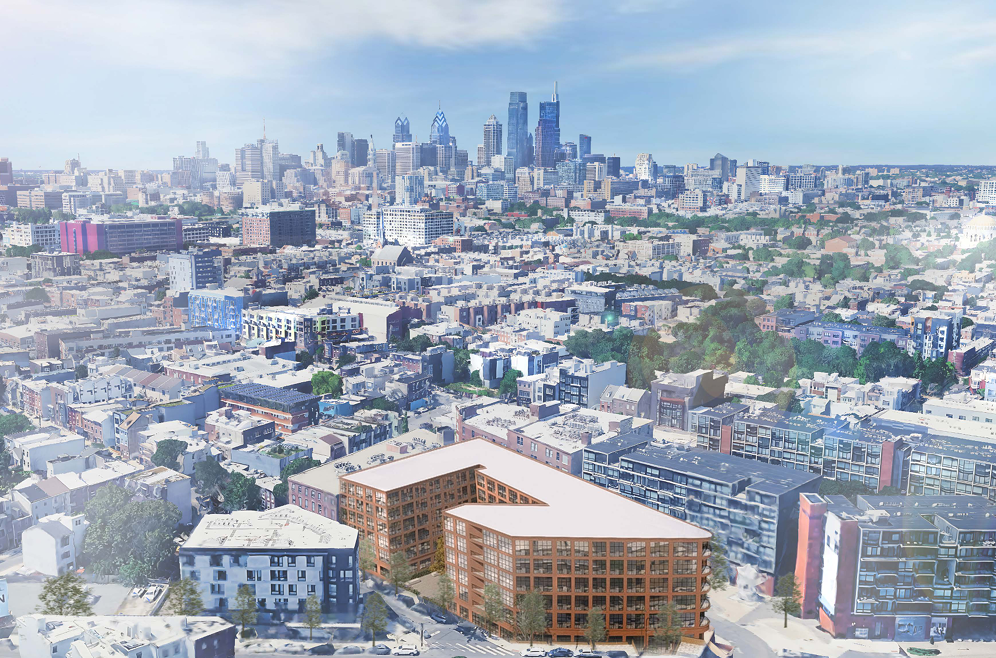
    The Post Brothers are planning another residential building in Northern Liberties, offering 241 one-bedroom and studio apartments at 1021 Hancock St.

    The six-story building, dubbed the Mercato, is substantially smaller than the earlier plans for the site, which featured a 13-story building with 280 units that would have offered furnished apartments and commercial space.

    The property is a part of a large array of sites the company purchased in the neighborhood in 2018 and 2019, along with the Piazza across the street at 1001 N. Second St. and the site that would become the luxury Piazza Alta development at 1099 Germantown Ave.

    “We’ve reconceptualized it [the Mercato] for today’s market and just made it regular apartments, the idea being that it becomes the more affordable entry point at the Piazza,” said Michael Pestronk, CEO of the Post Brothers, which he runs with his brother, Matthew.

    The Post Brothers have built and acquired a sprawling portfolio in Northern Liberties over the last eight years, which includes townhouses and larger two-to-three bedroom apartments.

    In 2023, they completed the 695-unit first phase of the Piazza Alta, a fancier complement to the original apartment project built by Bart Blatstein in 2009, which defined an earlier era of Northern Liberties.

    Pestronk said the first phase of Piazza Alta is now 98% leased. Last year, the company announced it had taken a $170 million construction loan for the 431-unit second phase.

    A rendering of the Post Brothers proposed new building, as seen from the corner of North Hancock Street and Germantown Avenue.Harman Deutsch Ohler Architecture

    The Post Brothers decided to build this new, smaller version of the Mercato partly to ensure it better matches its surroundings and partly to keep costs down, which will then allow them to keep prices lower.

    “The smaller scale is in response to fitting in with what’s around it and wanting to achieve a more accessible price point,” Pestronk said. “By building six stories instead of 13, we’re able to offer more accessible rents.”

    Mid-rise buildings are cheaper to construct than high-rises both because they require less raw steel and concrete and because building systems like the HVAC are more complicated and expensive in larger buildings.

    The project does not require zoning changes to move forward, but it will be considered by the advisory-only Civic Design Review board on Aug. 4.

    As a result, Post Brothers met with the Northern Liberties Neighborhood Association about the Mercato plans. Although members of the group praised its brick building materials, they lamented the lack of commercial space on the ground floor.

    “The main loss from the neighbors’ perspective is the activated street edge that was present previously,” reads the community group’s zoning committee minutes from its May meeting. “The new project lacks engagement.”

    Pestronk said the project is surrounded by small, narrow older streets that create problems for retailers and make loading zones a challenge.

    “We spent a lot of time talking to retailers, and it was infeasible to get anything that really makes sense there,” Pestronk said.

    An overhead rendering of the Post Brothers proposed new building, on Hancock Street.Harman Deutsch Ohler Architecture

    Parking for the new apartments will be available in an existing detached parking garage across Wildey Street. The Post Brothers said they have found that the parking offered at their previous Northern Liberties multifamily properties has been underused, with only about five spaces required for every 10 apartments.

    In recent years, neighborhoods like Northern Liberties and Fishtown have been experiencing a glut of apartments as thousands of new units opened and had to compete with each other for tenants, which drove down prices.

    While that condition persists in some parts of the city, including just to the east along the Delaware River, Pestronk said it had eased in Northern Liberties along with other high-demand areas like Center City.

    “The [multifamily] market has really recovered very strongly since the second half last year,” Pestronk said. “What we’re seeing in core Northern Liberties is what you’re seeing across the better properties in the market, like the Rittenhouse area, that are basically fully recovered.”

    The company expects to begin construction in the fourth quarter of 2026 and that the building will be finished two years later.

  • This city is getting homes built twice as fast — and others want to copy it

    This city is getting homes built twice as fast — and others want to copy it

    CLAREMORE, Okla. — Aaron Sprik has been building houses for 25 years. Recently, he experienced something new.

    He applied for a city permit to build four duplexes, side by side. And within 24 hours, he had the permit in hand.

    “I’ve never had anything even close to that fast” from a city, he said. Construction on the eight homes, a row of matching sky-blue fronts meant to revitalize one of his hometown’s historic blocks, is well underway.

    Building a house is a slow and expensive process, and many housing advocates are concluding that if the nation wants to fix its housing affordability problem, it needs to figure out how to build faster. The United States needs upward of 2 million more homes, and many of the finicky behind-the-scenes construction steps need to get a lot smoother if those homes are going to be built anytime soon.

    Some urban planners have started looking to Claremore, an Oklahoma town of about 20,000 people along historic Route 66 outside Tulsa, as an example of how to do it.

    In most of the country, a developer needs to submit architectural plans for municipal approval every time they build a house — even if they’ve already built an identical house next door. The wait for the approval can take months, leaving land sitting empty.

    Claremore is one of the leaders of a small but growing movement to change that. The city has a catalog of 29 preapproved architectural plans for houses, duplexes, and small apartment buildings. Anybody who wants to build a house can ask the city to use the preapproved plans for free, and the city will give the builder a permit in just a day or two.

    Since 2022, builders have constructed 27 homes in Claremore, almost 4 in every 10 structures built in the city’s historic core, using preapproved plans.

    Claremore is one of just 21 cities or counties in the country offering preapproved plans for single-family homes, according to a recent Pew report. About the same number offer preapproved plans only for accessory dwelling units, the backyard homes sometimes called “granny flats” or “carriage houses.”

    Claremore’s program is four years old and one of the most extensive in the country, offering far more of the free designs than any other up-and-running program except Hawaii County’s. The tiny city has offered guidance to larger ones, including South Bend, Ind., which has built 223 homes from preapproved plans since starting up a year after Claremore.

    A major housing bill that has passed the House and the Senate in different forms includes federal grants to any city willing to start offering preapproved plans.

    “Preapproved plans are something cities and towns can actually fix,” said Matthew Petty, whose company, Pattern Zones, has helped establish preapproved-plan programs in nine cities, including Claremore. “They can’t solve interest rates or labor markets or the cost of sticks and bricks. But permitting, they have almost unilateral authority over.”

    He said it costs a small town at least $50,000 to buy custom plans to give to developers for free, and a large city could spend $500,000 on a robust set of plan options.

    “If you just count the number of small towns that are out there, there are hundreds and hundreds and hundreds across the country” that might use the federal grant money to buy architectural plans, Petty said. “We’re really talking about a whole new industry.”

    Arizona passed a law last year requiring local governments to create preapproved housing plans, and California requires cities to offer such plans for accessory dwelling units. Oregon recently passed a law intending for the state to create preapproved plans for cities to use, and at least five states have pending legislation.

    Pew cited studies showing that permitting delays added as much as $30,000 to the cost of a new unit in Seattle and $50,000 in New York City.

    The Pew report said preapproved plans can generally reduce builders’ costs by 1 to 2%. The houses that result might be slightly cheaper for home buyers and available much faster. Pew estimated that the actual construction time is less than half the time spent on the home-building process. Drastically cutting design time and removing the need to get approval from city boards and commissions could mean houses get built twice as fast.

    Pew’s analysis of research on thousands of projects found that for the average home, it takes two to three months to obtain a permit, or more than four months if it needs to go before a discretionary board. In the 10% of cities with the slowest permitting processes, it takes 10 months to get a permit just to start building an apartment.

    Memphis intends to offer preapproved plans in the future. In the meantime, the city has started giving developers a rare option: If they build one house, they can go through a process to automatically get approval to build the same design as many times as they’d like.

    “If we’re using the same stock plans, why are we going through the plan review process every time, when you’re just looking at the same plans?” said John Zeanah, Memphis’s chief of development and infrastructure. But that’s the norm in almost every city in the country.

    As an incentive to use preapproved plans, Claremore allows developers using the drawings to build a few feet closer to the lot line than zoning would otherwise allow. “It’s giving them an advantage to actually get homes to market,” planning director Kyle Clifton said. “A lot of these developers were having to put in requests to the board of adjustment to reduce side setbacks or reduce front setbacks. And all of that is a loss of time.”

    Since the city started offering the free plans, the board of adjustment went from hearing 13 cases a year to just one.

    As a developer, Randy Highfill normally builds entire subdivisions, with homes on larger lots. He said the smaller setbacks were key to persuading him to build townhouses on urban lots in Claremore, and he’s proud of his contributions to the town. “It allows the community to update and do away with these old structures, and something nice is built there in an expedited manner,” he said.

    Clifton is the force behind the program. The burly Army veteran first took a job for the city involving the geographic information system he’d learned to use while stationed in Germany. Before long, he found himself coming to care so much about the look of Claremore’s streetscape that he ended up earning a master’s degree in urban design and seeking out artists from across the country to come splash two-story-tall bursts of color on the dusty brick walls near Route 66, 26 murals in all.

    As a design enthusiast, Clifton became a champion of preapproved plans not only to spur development, but also to exert influence over what gets built. Since launching the program in Claremore, he has been traveling the country promoting the idea to other urban planners.

    Claremore is a century-old town, home to a museum memorializing comedian and commentator Will Rogers. In the heart of town, nearly every house is a single-story family home built around 80 years ago.

    It’s a place where even the smallest derivation from the norm can attract opposition. A decade or so ago, developers built a smattering of similar duplexes all over town — two single-story homes on each side of a connected two-car garage. The duplexes looked much like the homes around them, if two of them were put alongside each other with a garage glued in between. But some neighbors disliked the look, especially their garages facing the street. Some people also objected to the fact that the duplexes more often were rented, not owned.

    Clifton listened and emphasized designs for the preapproved plans that fit into the neighborhood. “What’s going on inside the structure is not as important to us as what we see when we’re driving on the street or we’re walking past it. We’re really looking at the urban fabric,” he said.

    Seva Rodnyansky, who co-wrote the Pew report, said preapproved plans can work in communities where existing homeowners tend to object to new development. “There are ways to make building housing more opposition-proof,” he said. The preapproved plans let cities promise that they’ll only promote development that looks a certain way. In several cities, he said, “housing quality and housing look is one of the reasons that drove them to do the plan sets.”

    Tulsa-based architect Jennifer Griffin worked on the preapproved-plan programs in South Bend and Kalamazoo, Mich. She also consulted on a forthcoming plan set in Tulsa, inspired in part by little neighbor Claremore.

    She said the homes respond to community concerns. “If it’s a single-family neighborhood and they hear … ‘duplex’ or ‘multifamily’ or ‘rental,’ anything that’s outside of a single-family-home context, I think people can, at times, think of those examples that haven’t been done well,” Griffin said. “In South Bend … folks in the neighborhood were like, ‘I don’t know if we want duplexes in here.’”

    But when they saw it and liked it? “People can look at it and say, ‘Actually, I would love these in my neighborhood,’” she said. “It’s a pathway to show them that things other than single-family homes actually can contribute really well.” And the same preapproved plan can be used to fast-track the building of similar units.

  • Here’s what $1,500 in rent can get you in Philly, Miami, Boston, and other cities across the country

    Here’s what $1,500 in rent can get you in Philly, Miami, Boston, and other cities across the country

    Apartment renters with $1,500 a month to spend can get the equivalent of one or two bedrooms in Pittsburgh, a studio in Philadelphia, or a dorm room in Manhattan.

    That’s according to an analysis by RentCafe, a national apartment search website, based on average price per square foot for apartments in properties with 50 or more units.

    A monthly rent of $1,500 can get tenants 750 square feet in Pittsburgh, 591 square feet in Philadelphia, and 210 square feet in Manhattan. The national average for this price is 703 square feet — 112 square feet more than in Philadelphia.

    In most cities, $1,500 pays for a bit less space this year than last year. Philadelphia renters lost 6 square feet, and Pittsburgh renters lost 18.

    Whether a renter paying the same amount gets a spacious home or cramped quarters can depend on the type of rental property, but it mostly depends on the location. Varying costs of living, amounts of available space, and levels of apartment demand and construction all factor into home prices and sizes.

    RentCafe’s report, published this month, looks at the 200 largest U.S. cities by population and determines how much apartment space $1,500 in rent pays for in various cities. To calculate the rough number of possible bedrooms, RentCafe looked at each city’s average square footage by bedroom count.

    (function(){function e(){window.addEventListener(`message`,function(e){if(e.data[`datawrapper-height`]!==void 0){var t=document.querySelectorAll(`iframe`);for(var n in e.data[`datawrapper-height`])for(var r=0,i;i=t[r];r++)if(i.contentWindow===e.source){var a=e.data[`datawrapper-height`][n]+`px`;i.style.height=a}}})}e()})();

    In Philadelphia, $1,500 would not even cover a one-bedroom home in an apartment building.

    In places such as Manhattan and Boston, $1,500 a month won’t even pay for a typical studio apartment. That’s the case in 26 cities. Fifteen of them are in high-cost California, including Los Angeles and San Francisco, where $1,500 would get renters 429 square feet and 307 square feet, respectively.

    In 97 of the 200 cities RentCafe analyzed, $1,500 a month could pay for apartments with one to two bedrooms. Renters could get a two- to three-bedroom unit in 31 cities, mostly in mid-sized urban centers.

    Rent money goes furthest in cities with relatively low costs in the South and Midwest. In McAllen, Texas, a renter with $1,500 a month to spend can get a 1,378-square-foot apartment, enough space for three or four bedrooms. In this city, apartment rents average just under $1,000.

  • Philadelphia filed stop-work orders for Mole Street’s redevelopment. What happens next?

    Philadelphia filed stop-work orders for Mole Street’s redevelopment. What happens next?

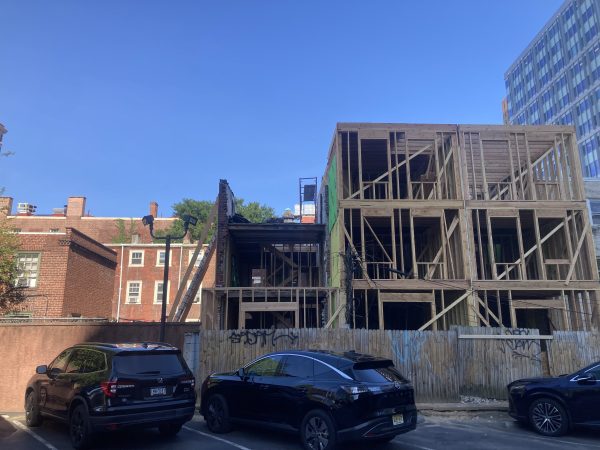
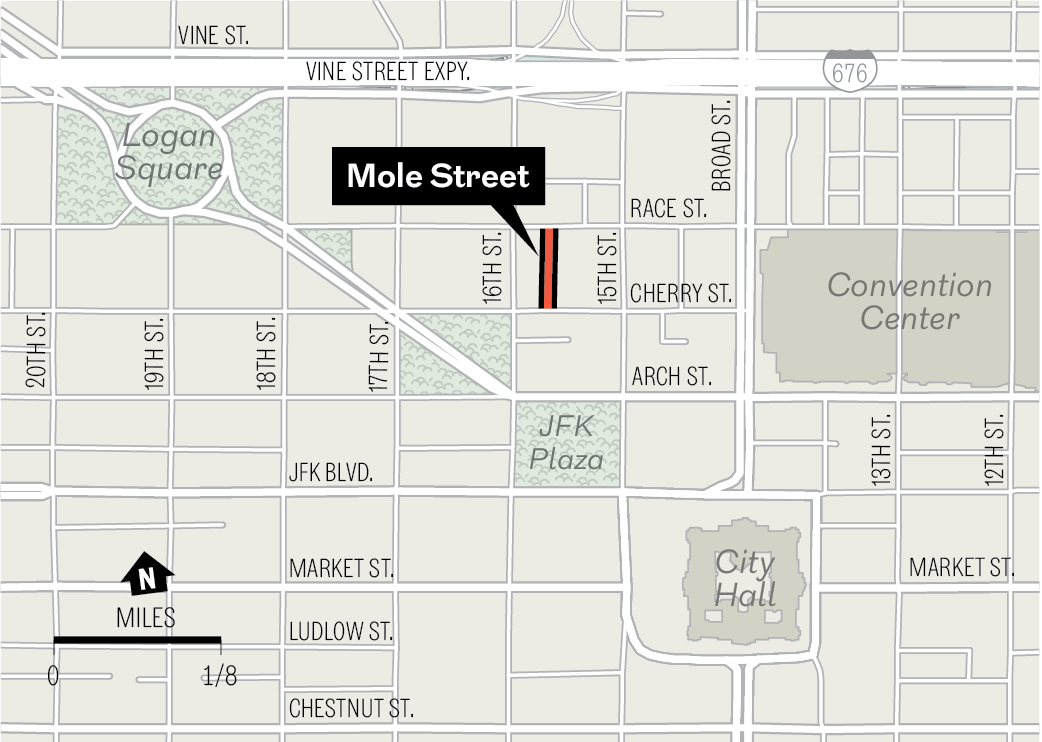
    The work has stopped on the 100 block of North Mole Street, where developers have been attempting to remake this redoubt of historically protected below-market-rate housing.

    The developer Purity Homes Inc. and its architect Canno Design got permission from the city’s Historical Commission last year to redevelop a handful of these almost 200-year-old rowhouses.

    They planned to build expansive additions on the rear of the houses to allow for more square footage and rentable space and to eventually transform the rest of the block.

    However, following an Inquirer article about the project, the Department of Licenses and Inspections issued stop work orders in June for “work not according to approved plans.”

    “The Historical Commission had approved modest alterations to the properties,” said city spokesperson Karen Guss.

    “The PHC staff member who managed the process of reviewing the developer’s proposed alterations observed out the window that the work actually going on seemed way out of line,” Guss said, referring to the fact that the 100 block of North Mole Street is visible from the offices of the commission, a block to the site’s south.

    Armando Ahmad, whose name and address in Arlington, Texas, is listed on several permits for the project, did not respond to requests for comment. Further attempts to reach Purity Homes were unsuccessful as well.

    Last year, Purity Homes bought eight of the 30 North Mole Street homes for $3.1 million. More purchases are in the works, although the original architect has left the project.

    “We have terminated our agreement with the client, no further comment at this point,” said Carey Jackson Yonce of Philadelphia-based Canno Design.

    A Department of Licenses and Inspections spokesperson noted that work continued on the house at 127 N. Mole St., despite the city’s order.

    Mole Street in Center City.John Duchneskie

    “The police have been assisting with enforcement efforts,” L&I spokesperson Shemeka Moore wrote in a June 26 email.

    She also noted that 108 N. Mole had been approved for only a small addition and that a new construction permit would be required for the company’s more expansive plans.

    However, following the stop work orders, preservationists and the Historical Commission said Purity Homes was reacting to city regulators in good faith.

    “The Historical Commission’s staff is engaged in ongoing, productive discussions with the development team for the 100 block of North Mole Street,” said Jon Farnham, executive director of the Historical Commission. “The developers have acknowledged their missteps and are working diligently to develop a plan to bring the block into compliance.”

    For decades, this block of North Mole Street has been a holdout of inexpensive rental rowhouses in an area of Center City otherwise dominated by tall buildings and surface parking lots.

    Just west of the Central Friends Meeting, the street has been owned by a family trust, which dates to the 1800s and belongs to descendants of founding father Robert Morris. In 1960, the 30 homes on the block were given historic preservation protections.

    The buildings were largely carved into group houses, where airline workers, artists, students, and journalists (including Inquirer reporters) have made their homes.

    The block had a reputation for a vigorous party scene, culminating in an annual bacchanalia at the Molestice Festival block party. The celebration began when Jimmy Carter was president and was ended by the COVID-19 pandemic.

    Molestice 2019 takes over the 100 block of Mole Street, in what would prove to be the final iteration of the decades-long tradition. Philip Gabriel Photography

    As Purity moved on to the block, the company wrote letters to tenants promising to “minimize disruption.” Leases have not been renewed for residents living in the houses controlled by the company.

    Tenants who remain have complained about developers starting work extremely early in the morning, parking trucks on the sidewalk in front of their homes, and cutting down all the trees before a scorching summer.

    “They definitely don’t mean what they said about minimizing disruption,” said Alex Numan, a resident whose home is not yet owned by Purity, although his lease has been switched to month-to-month in preparation for a sale.

    A cartoon by The Inquirer and Daily News’ Signe Wilkinson, dating to the 1980s when many reporters lived on the block.Signe Wilkinson

    Since the stop work orders, construction has paused, but many longtime tenants still anticipate being made to leave their homes.

    “The planning is still underway, and nothing has been submitted to the Historical Commission yet, but we will ensure that the revised plans preserve the historic character of the designated buildings,” Farnham said.

  • Philly City Council members probe Parker administration on rising property assessments: ‘Owners deserve answers now’

    Philly City Council members probe Parker administration on rising property assessments: ‘Owners deserve answers now’

    Members of Philadelphia City Council say they are concerned that the city’s recently released property reassessments will mean tax hikes for thousands of residents, and they are demanding to know more about the methodology used to determine property values.

    Councilmember Mike Driscoll, a Democrat who represents the Lower Northeast, authored a letter sent Monday to Chief Assessment Officer James Aros Jr. and other top officials in Mayor Cherelle L. Parker’s administration, expressing concerns on behalf of a half dozen Council members.

    He wrote that his office has received “numerous” calls from constituents whose homes will see sharp increases in valuation, the measure that is used to calculate property tax bills.

    “Many residents are struggling to grasp how their assessments were calculated. Others are worried about what these increases will mean for their property tax bills,” Driscoll wrote. “At a time when families are already facing higher costs for housing, utilities, groceries, and other daily expenses, these concerns need clear answers.”

    He outlined six questions for the Philadelphia Office of Property Assessment related to its process and methodology, and set an Aug. 15 deadline for the administration to reply, saying “property owners deserve answers now as they review their assessments and consider whether to file an appeal.”

    The 3100 block of C Street in Philadelphia on Tuesday, July 7, 2026. Property values sharply increased on this Kensington block.Elizabeth Robertson / Staff Photographer

    The letter — which was signed by six Council members who are cosponsors of previously introduced legislation to probe the city’s property assessment process — is one of the first formal steps that lawmakers have taken to challenge the citywide revaluation since last month, when property owners received notices of their new assessments.

    Citywide, there was a 3% median change in valuations from the 2025 tax year, the last time there was a mass reassessment, according to an Inquirer analysis of assessments of single-family homes.

    But some neighborhoods saw much steeper increases. The biggest jump was in Kensington, where median values increased 15.3%. Driscoll represents part of the neighborhood, which has been long beleaguered by the open-air drug market there and where the city has made a concerted effort to improve the quality of life.

    There was also a 15% median increase in property assessments in Mantua and a 12% rise in Kingsessing, both of which are in West Philadelphia and border University City.

    Parker administration officials have said that the city offers a variety of property tax relief programs, including the popular homestead exemption, which erases the first $100,000 in valuation from being taxed for owners who live in their home as their primary residence. Property owners must sign up for the free program.

    But for years, dating back long before Parker took office in 2024, Council members have criticized the city’s property reassessment process, saying its methodology is opaque and its results have a disproportionate impact on low-income homeowners.

    Multiple reviews are already underway.

    In addition to a yet-to-be-scheduled Council hearing, the city controller is conducting a performance audit of the property assessment office and the city’s appeal process, according to Driscoll’s letter. Controller Christy Brady’s office has sought feedback from residents and left flyers in neighborhoods where property values are rising.

    The Parker administration convened a task force in 2024 to develop recommendations for how the city can improve its appraisal practices.

    And the city is in the process of hiring an outside consultant to examine the fairness of its reassessments. According to city records, that analyst will be expected to draft a report by the end of this year.

    Data reporters Yaelle Tang and Lizzie Mulvey contributed to this article.

  • Michelle Widgins-Lewis, singer-songwriter and founder and CEO of Northwest Counseling Service, has died at 69

    Michelle Widgins-Lewis, singer-songwriter and founder and CEO of Northwest Counseling Service, has died at 69

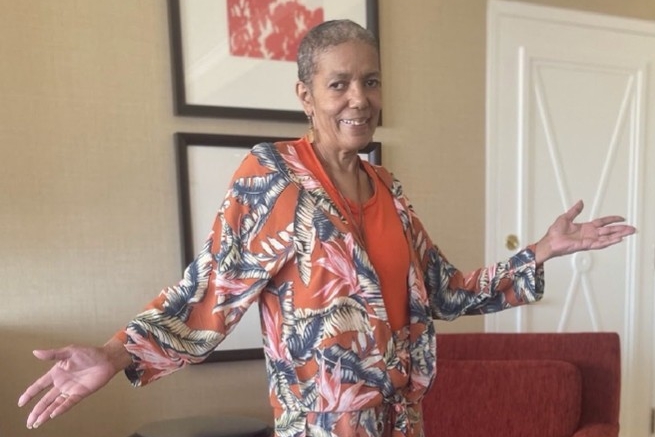
    Michelle Widgins-Lewis, 69, of Philadelphia, singer-songwriter, founder, president, and executive director of Northwest Counseling Service Inc., longtime community housing and education advocate, lecturer, and mentor, died Monday, June 29, of endometrial cancer at Jefferson Abington Hospital.

    Inspired to educate and counsel underserved potential homebuyers about predatory mortgage lending, foreclosure, and other important real estate and housing issues, Ms. Widgins-Lewis founded Northwest Counseling Service on North Broad Street in 1982. For the next 44 years, until recently, she interviewed nearly 5,000 people each year seeking mortgage prequalification and, funded by the Philadelphia Division of Housing and Community Development, advised them about insurance, eviction, credit rating, grants, conflict mediation, and inspections.

    “She helped transform homeownership in Philadelphia,” her family said in a tribute.

    Ms. Widgins-Lewis was appointed to the Pennsylvania Housing Advisory Committee in the 1990s by then-Gov. Ed Rendell and served as a technical adviser on real estate matters for the Philadelphia Division of Housing and Community Development. She worked closely with the Pennsylvania Housing Finance Agency and continually lobbied local, state, and federal government officials for better borrowing and foreclosure laws.

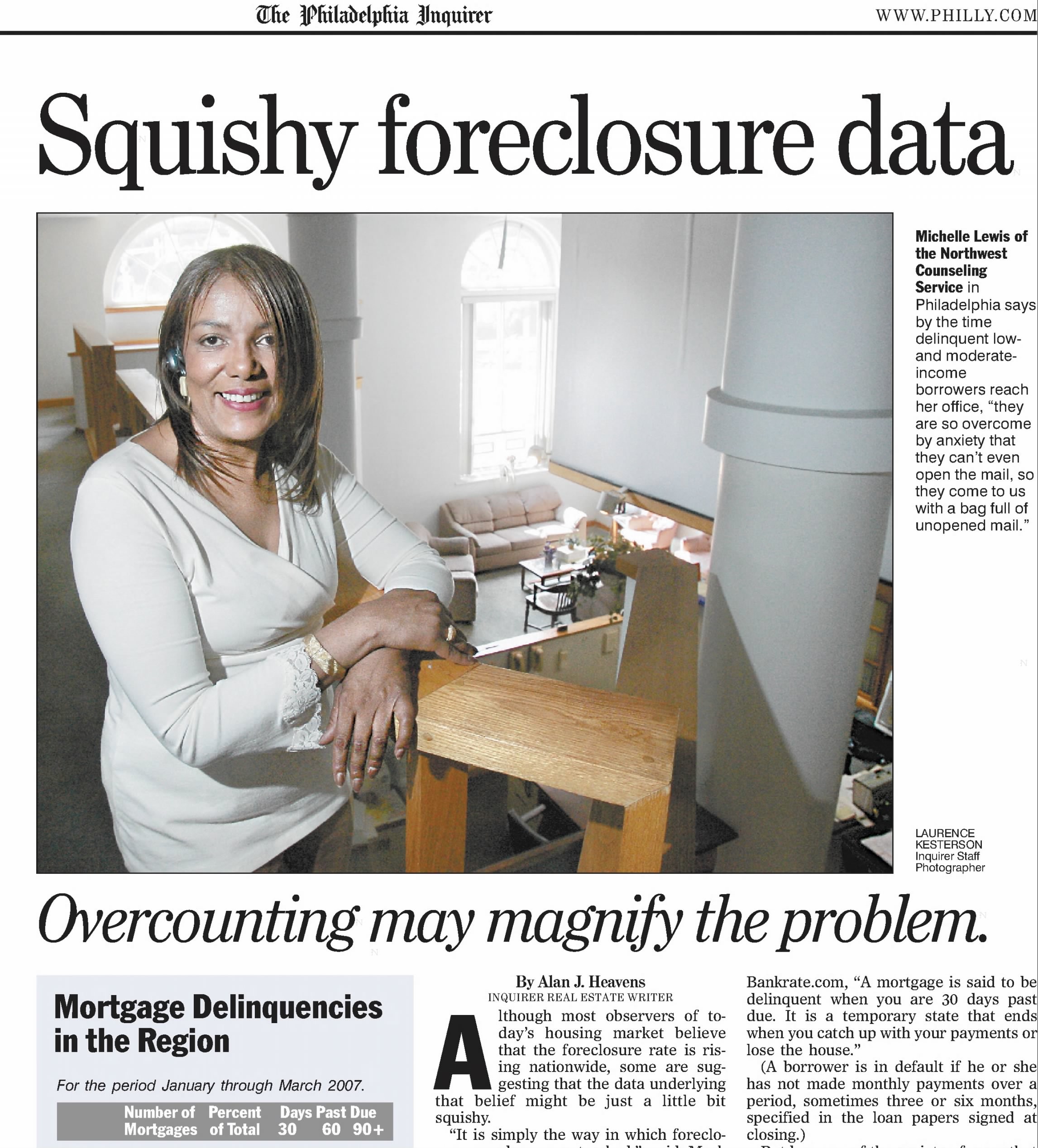
    This photo and article about Ms. Widgins-Lewis appeared in The Inquirer in 2007.Newpapers.com

    She examined property disputes as a forensic real estate specialist, scrutinized scams as a fraud examiner, testified in federal court as a qualified expert, and was licensed as a real estate broker and appraiser. She monitored local landlord-tenant mediation cases closely and told The Inquirer in 1996 that many tenants “end up with an agreement they can’t live up to.”

    People, she said often, are rarely ready to buy their first house. “Instead of considering whether they are prepared to buy a home, people are being propelled into the market by economic pressure that says they should buy because it’s cheaper than renting,” she told The Inquirer in 1995. “That’s not always true.”

    She also founded and chaired the Philadelphia Predatory Lending Task Force, which collected and publicized data about unfair lending practices. “This gives us a picture of the type of problems going on in our neighborhoods,” she told the Daily News in 2001.

    Ms. Widgins-Lewis was an instructor for the National Real Estate Institute and a leader for the American Society of Certified Housing Executives, the Real Estate Educators Association, and other groups. She wrote articles for journals and forged educational partnerships with colleges and universities.

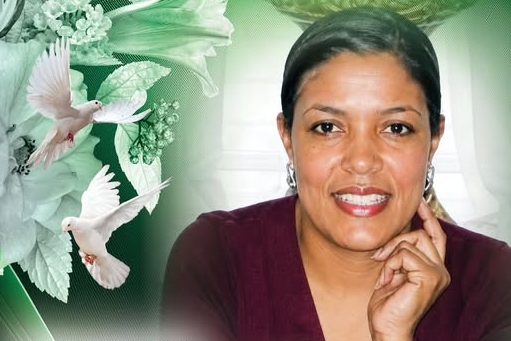
    Ms. Widgins-Lewis performed in several bands and with her sister Dionne.Courtesy of the family

    She spoke on panels and at conferences and workshops about homeownership, and was quoted often in The Inquirer and Daily News. Friends called her “truly inspiring” and “a true champion in the mortgage industry” in online tributes. One friend said: “She was a beast in the housing world.”

    Ms. Widgins-Lewis sang often as a young girl, got rave reviews on karaoke night when she was older, and went on to perform in several bands and with her sister Dionne at local clubs and festivals. She sang rhythm and blues, pop, standards, and jazz, and wrote at least one song that was recorded and released.

    Daily News columnist Stu Bykofsky wrote about her dual career as a singer-songwriter and executive in 1995 and said: “She still has trouble calling herself an artist but feels, at the very least, she’ll always be able to get up and sing at fundraisers for her agency.”

    Her family said: “From childhood, Michelle drew people in with her light and her voice.” Her daughter Tracey Thomas said: “She would light up the room.” Her son Mike said: “Everybody loved her.”

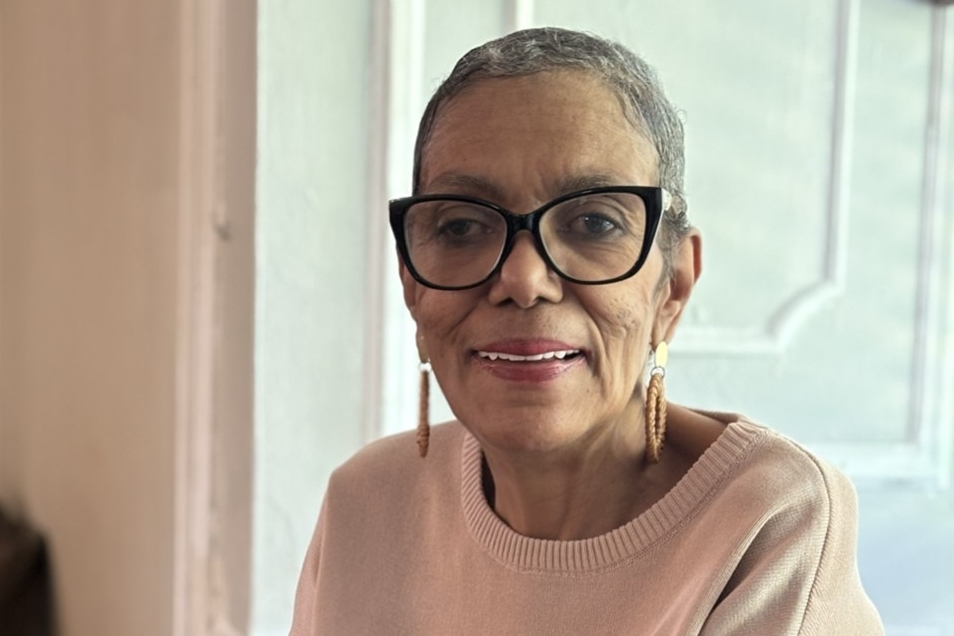
    Her family said Ms. Widgins-Lewis had “an unwavering commitment to education, integrity, and service.”Courtesy of the family

    Michelle Widgins was born May 29, 1957, in Philadelphia. She graduated from Martin Luther King High School and earned a bachelor’s degree at La Salle University and a master’s degree in human services at Lincoln University.

    She married Michael Brown, and they had a daughter, Anji, and a son, Mike. After a divorce, she married Tyrone Lewis, and they had a daughter, Tracey, and a son, Richard. They divorced later.

    Ms. Widgins-Lewis enjoyed reading and writing. She belonged to the Pi Gamma Mu international honor society, was close with Mayor Cherelle L. Parker and former Mayor Wilson Goode, and was guided, her family said, by “an unwavering commitment to education, integrity, and service.”

    Her family is hoping to rename a Northwest Philadelphia street in her honor.

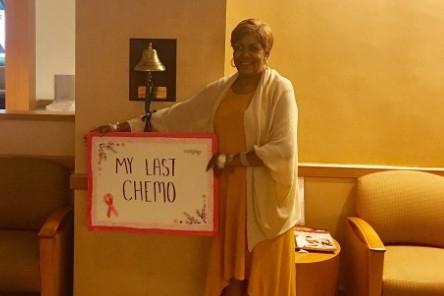
    Ms. Widgins-Lewis lived with cancer for 10 years.Courtesy of the family

    “She was humble but had drive and determination,” her son Mike said. Her daughter Tracey said: “The world was her stage. I can only imagine how her light will shine in heaven.”

    In addition to her children and former husbands, Ms. Widgins-Lewis is survived by eight grandchildren, a sister, two brothers, and other relatives. A sister and a brother died earlier.

    Services are to be at 11 a.m. Thursday, July 16, at Verity Church, 2017 W. Diamond St., Philadelphia, Pa. 19121.

    Donations in her name may be made to Northwest Counseling Service Inc., 6521 N. Broad St., Philadelphia, Pa. 19126.

    Ms. Widgins-Lewis “was humble but had drive and determination,” her son Mike said. Courtesy of the Family