More than a dozen Philadelphia-area contractors have sued apartment developer Post Brothers, alleging the company failed to fully pay for all the work they did.
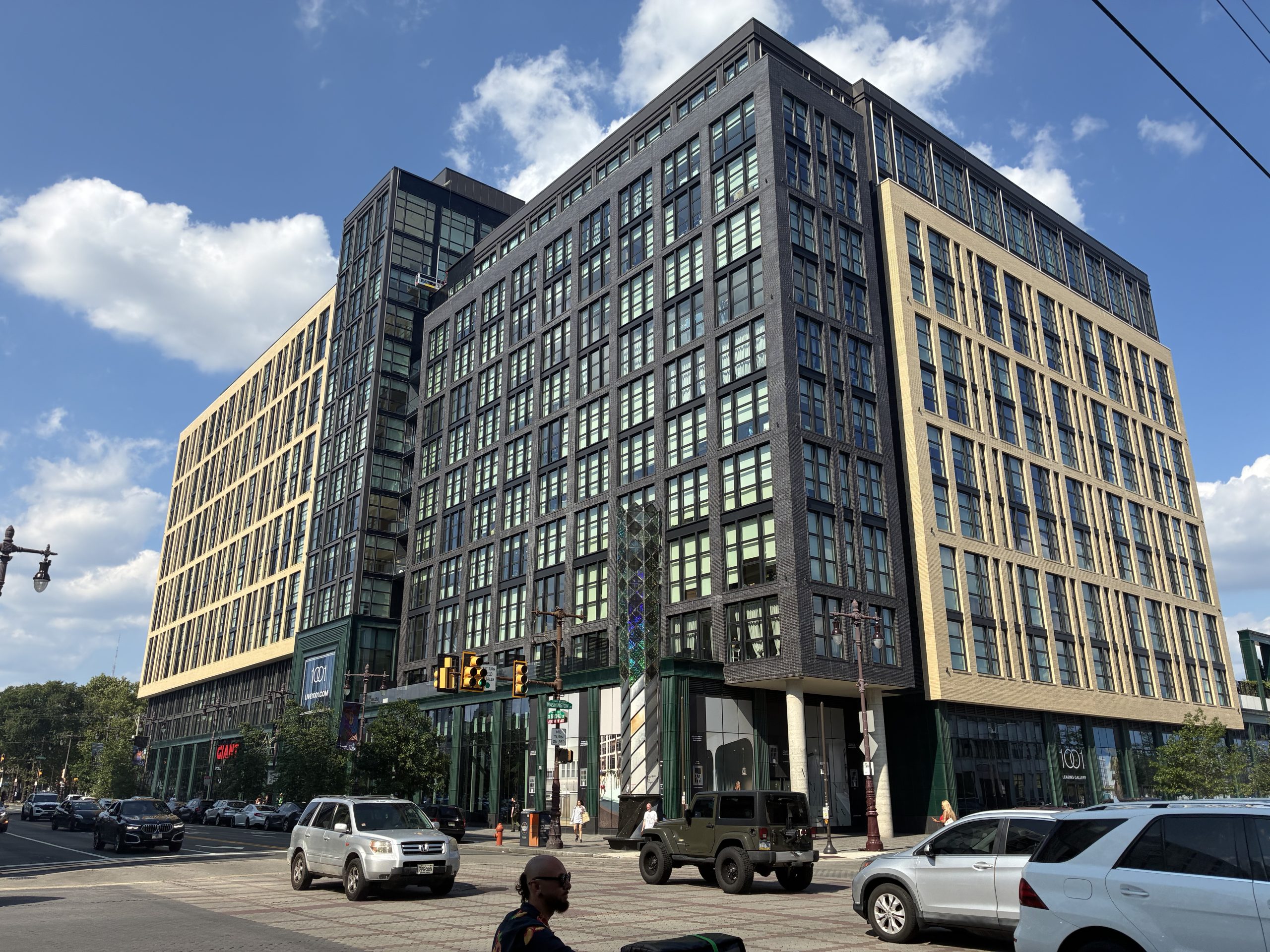
In state and federal courts, the building and professional-services contractors, most of them affiliated with the city’s carpentersunion, allege Post Brothers owes more than $9million for work at the 630-unit One Thousand One apartment complex at Broad Street and Washington Avenue in South Philadelphia.
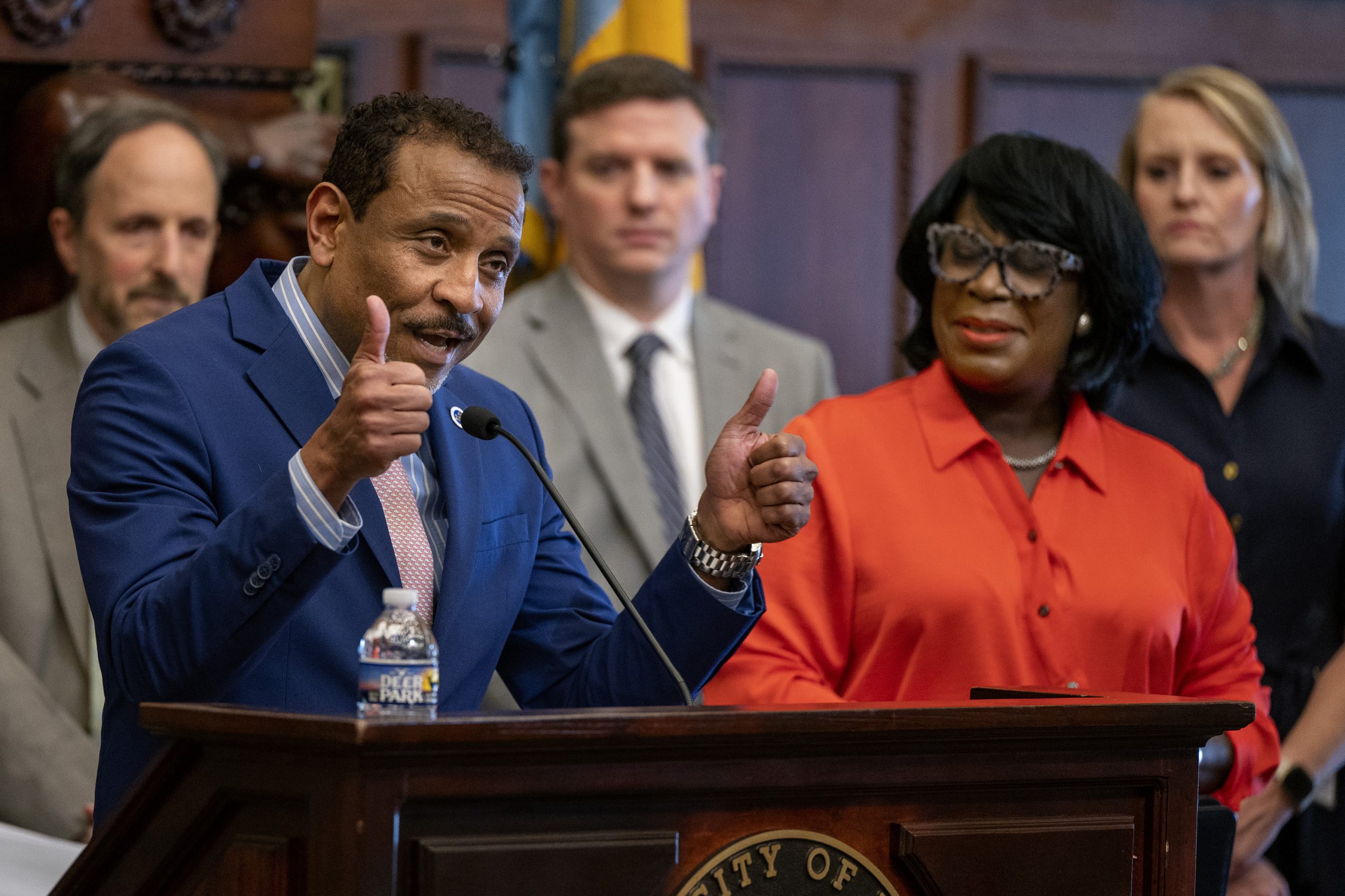
“The Post Brothers want to take a Donald Trump business model where they don’t want to pay their contractors,” said James Hocker, assistant executive secretary-treasurer of the Eastern Atlantic States Regional Council of Carpenters.
One of the contractors, Healy Long & Jevin, a concrete construction company based in Wilmington, allegesthe Post Brothers mismanaged the project at Broad and Washington and should pay an additional $14 million.
Post Brothers alleges it’s Healy that should pay them a larger sum — for poor performance. Healy’s lawyers did not respond to a request for comment.
Doylestown-based Apollo Contractors and other smaller contractors filed the next-largest claim, for $5.8 million.
According to Apollo’s complaint, the developer “doesn’t have adequate funds because the owners” used company funds “for their own personal benefit and expenses.” Healy has made similar claims.
Post Brothers in court papers called the union contractors’ lawsuits “without merit.” The development company argues that the conflict is about who should bear the costs of inflation.
“Subcontractors who agreed to a price in 2022 experienced 30% inflation probably throughout the course of the project,” which is wrapping up this year, said Michael Pestronk, CEO of the Post Brothers, who runs the company with his brother Matthew.
But “the way that contracts work, our financing works, we pay lump sums for agreed scopes of work,” Pestronk said. “It’s up to the subcontractors to fix their costs and allow for that.”
He also says the fraud allegations are baseless and just an example of contractors “throwing [stuff] at the wall” to see what sticks.
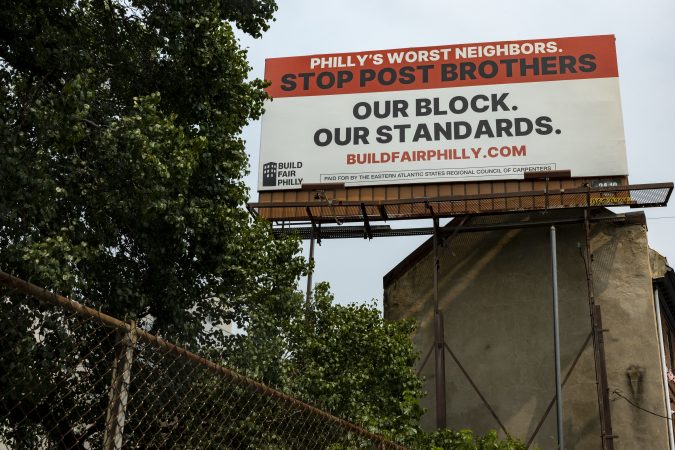
The carpenters have launched a pressure campaign against Post Brothers, including nine billboards denouncing the company along Philadelphia’s highways.They say contractors at the Broad and Washington site had to pay union members and contribute to health and pension funds, despite not being fully remunerated.
“That’s why they’re fighting hard to get what is owed to them because they have a lot of money on the street, and it’s jeopardizing their business,” Hocker said. “But they made their employees whole.”
Post Brothers has made a counterclaim against Healy, accusing the concrete contractor of “false billing” and other violations. A judge rejected a motion from union-aligned Healyto dismiss the developer’s counterclaim.
Pestronk says the legal saga is a manifestation of high interest rates and inflation in the construction market. Multifamily residential construction outside the city’s wealthiest neighborhoods has slowed dramatically. Office construction has ceased, and industrial sites do not require as many building trades.
“Subcontractors and general contractors are feeling much more hungry today than two years ago,” Pestronk said. “Their pipelines are totally dry.”
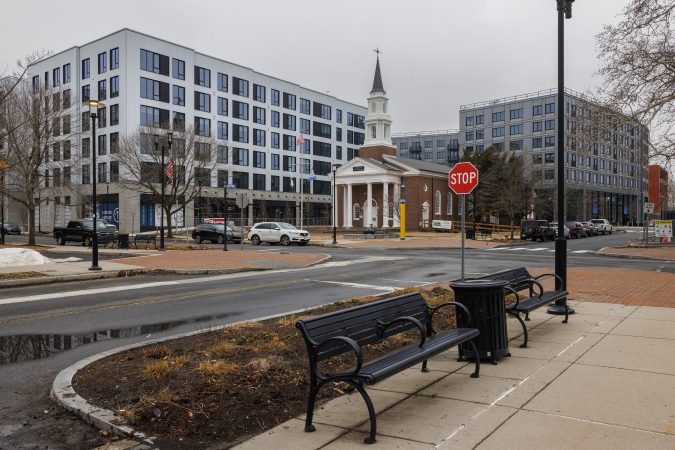
The Post Brothers development at Broad Street and Washington Avenue, which is at the heart of the conflict with the carpenters union.Jake Blumgart
What’s in dispute
One of the largest dollar-value claims againstPost Brothers is a joint demand for $5.8 million from a group of businesses, led byApollo Contractors, a carpentry, drywall, and finishing firm, and Fluid Works, a plumbing contractor, based at the same Doylestown address.
Apollo and Fluid are owned by members of the Sharpan family, who are also partners with the Pestronks in another business, Mega Supply in Bensalem. The Sharpans are separately suing the Pestronks over money they say the Pestronks owe Mega Supply.
The Apollo-Fluid Works complaint, filed in Philadelphia Common Pleas Court last August, was the first to include fraud allegations.
Apollo says that the Pestronks paid Apollo to improve “their respective private residences” even as they owed millions to the contractors for work in Philadelphia, according to Apollo’s complaint. Attached to the suit are invoices for more than $200,000 worth of carpentry, painting, tile and drywall work that Post Brothers paid Apollo to perform at Michael Pestronk’s Eagle Farm in Villanova in 2021 and 2022.
The groundbreaking for the Broad and Washington project was in December 2021.
The Apollocomplaint alleges that Post Brothers knew they didn’t have enough money to pay for the work but didn’t tell the contractors until the work was done.
Early in July, Healy amended its federal complaint, pending before Judge Michael Baylson, to add similar claims. The Post Brothers denies those allegations and says the contractors have not offered detailed support for the allegations.
“They are preposterous,” Pestronk said.
Healy also demanded Post pay an additional $14 million for “mismanagement” at the Broad and Washington site that made the work difficult to complete and unprofitable. Post filed a counterclaim blaming Healy for “defective performance” that cost the developer $17 million. Each has asked the judge to dismiss the other’s allegations beyond the original complaint.
Other lawsuits asked sums well under $1 million. Some have been in settlement talks; others are slated for trial.
Post Brothers’ history with unions
In addition to the nine billboards condemning the Post Brothers, the carpenters union hasan electronic messaging truck attacking the company rolling around the city.
The carpenters union’s electronic messaging truck outside City Hall, denouncing the Post Brothers.Eastern Atlantic States Regional Council of Carpenters
The clash is the latest conflict between building trades unions and the company, which has always used an “open shop” mix of union-and-unorganized workers on their job sites.
In 2012, the Pestronks sought to redevelop a former textile mill at 12th and Wood Streetsinto a 164-unit apartment complex called the Goldtex building, using an open shop model.
The Philadelphia Building Trades Council, an umbrella group that covers many of the construction unions,fought for 100% union representation on the site.
Union workers blocked access to the site — sometimes bringing construction to a standstill — and the Philadelphia sheriff’s office had to enforce a court order that protests stay backfrom the building. Violent tactics by protesters were caught on video.
Relationships between the Post Brothers and the building trades have never been that contentious since, althoughthey’ve never been tension-free either. The company still uses a mix of organized and nonunion labor.
“We worked very hard to develop a relationship with Post Brothers over the last 10 to 15 years,” said Hocker of the Eastern Atlantic States Regional Council of Carpenters. “There was some bad blood [but] … we were able to secure some work on some of the Post Brothers’ work, specifically around concrete.”
According to both the carpenters and the Post Brothers, the project at Broad and Washington employed greater numbers of union workers than some of their other major projects recently, such as Piazza Alta in Northern Liberties.
“We were trying to play nice with the unions, and we made a commitment to hire these contractors at frankly greater expense than we otherwise would have incurred to try to foster relationships,” Michael Pestronk said. “And it turned out not to have gone well.”
Besides the billboards and messaging truck, there have been periodic pickets at Broad and Washington, but according to Pestronk, nothing remotely comparable to the protests over the Goldtex building years ago.
The carpenters are not a part of the Philadelphia Building Trades Council or the Philadelphia AFL-CIO. Other unions have not joined the campaign against Post Brothers, although the carpenters say they have invited them to partake.
The union also has released a larger campaign,Build Fair Philly, meant to highlight what they consider unscrupulous development in the city. The billboards critical of Post Brothers bear the larger effort’s emblem. They also are trying to build alliances with neighborhood groups.
“Post’s practices ultimately affect the whole market, and we welcome anyone who wants to be part of holding developers accountable,” Hocker said.
Pestronk shrugs off the conflict. He notes that the Post Brothers continue to build in Philadelphia and says the current conflict does not compare to his company’s earlier struggles with the trades.
“When that was going on, that was something I spent a lot of time thinking about and figuring out what to do every day,” Pestronk said. “This is less than 1% of that. These are just some [nonsense] lawsuits that just go on in the normal course of business.”
A developer is planning to build 807 housing units on 30 acres of Manayunk’s Venice Island, bringing an end toyears of questions by residents about what would become of the land.
Manayunk Renaissance LLC told members of local neighborhood groups about the plan during an informal meeting Wednesday. Councilmember Curtis Jones Jr., who represents Manayunk, also attended.
The company confirmed the plans to The Inquirer on Thursday.
“Venice Island is one of the most unique areas in Philadelphia, with water views on both sides, proximity to trails and outdoor space, and easy access to both SEPTA and I-76, all within walking distance of one of Philadelphia’s great neighborhoods — Manayunk,” Hercules W. Grigos, an attorney for the company, said in a statement.
The meeting with community leaders was meant to solicitfeedback on the project, which is on the former PaperWorks mill site. Neighborhood input would then be used to “refine the proposal,” Grigos said.
Manayunk Renaissance LLC said in a statement that it plans to build multiple types of housing at what it calls The Flat Rock at Venice Island. The proposal includes 159 townhouses, 126 duplexes (with 252 units), and 396 apartments.
John Hunter, an architect and zoning chair of the Manayunk Neighborhood Council, who attended the briefing, has long argued at community meetings against more waterfront housing because he’s concerned about flooding and overdevelopment.
“It’s unfortunate. It follows a trend,” Hunter said of the plan. “It’s more suburbanization of Manayunk, more residential. There’s no commercial there; it’s not balanced.”
The company noted that it would be the fifth residential project on Venice Island, although it would still require a zoning change.
Flat Rockwould also be its largest development, by far.
Apex Manayunk has about 128 units, the Locks has 60 townhouses, and the Isle has roughly 160 apartments. A 181-unit project is also planned by Rock Urban Development, a scaled down version of an earlier proposal.
Where would the new housing be built?
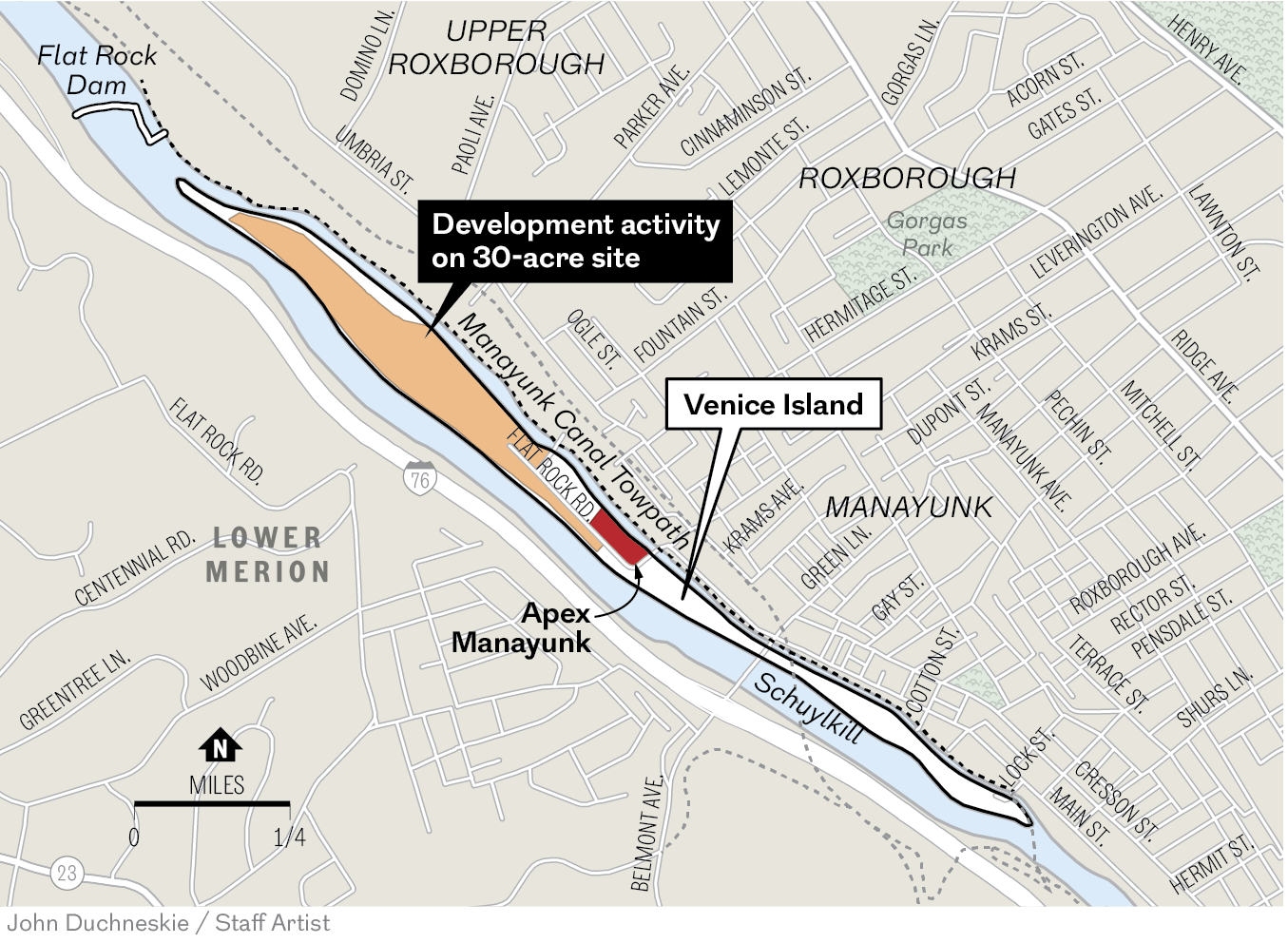
The 30-acre site at 5000 Flat Rock Rd. lies on the northwestern side of the island. Manayunk Renaissance LLC purchased the property in 2021 for $23 million, according to city records. The property takes up about 45% of the island’s land mass.
Some area residents had been hoping for either open space or less dense development with commercial uses mixed in.
The developer plans 500 parking spaces for the 800 proposed residential units, according to Hunter. That would fall short of the typical one-to-one standard in Manayunk, he noted.
Manayunk Renaissance LLC did not respond to a question about the parking.
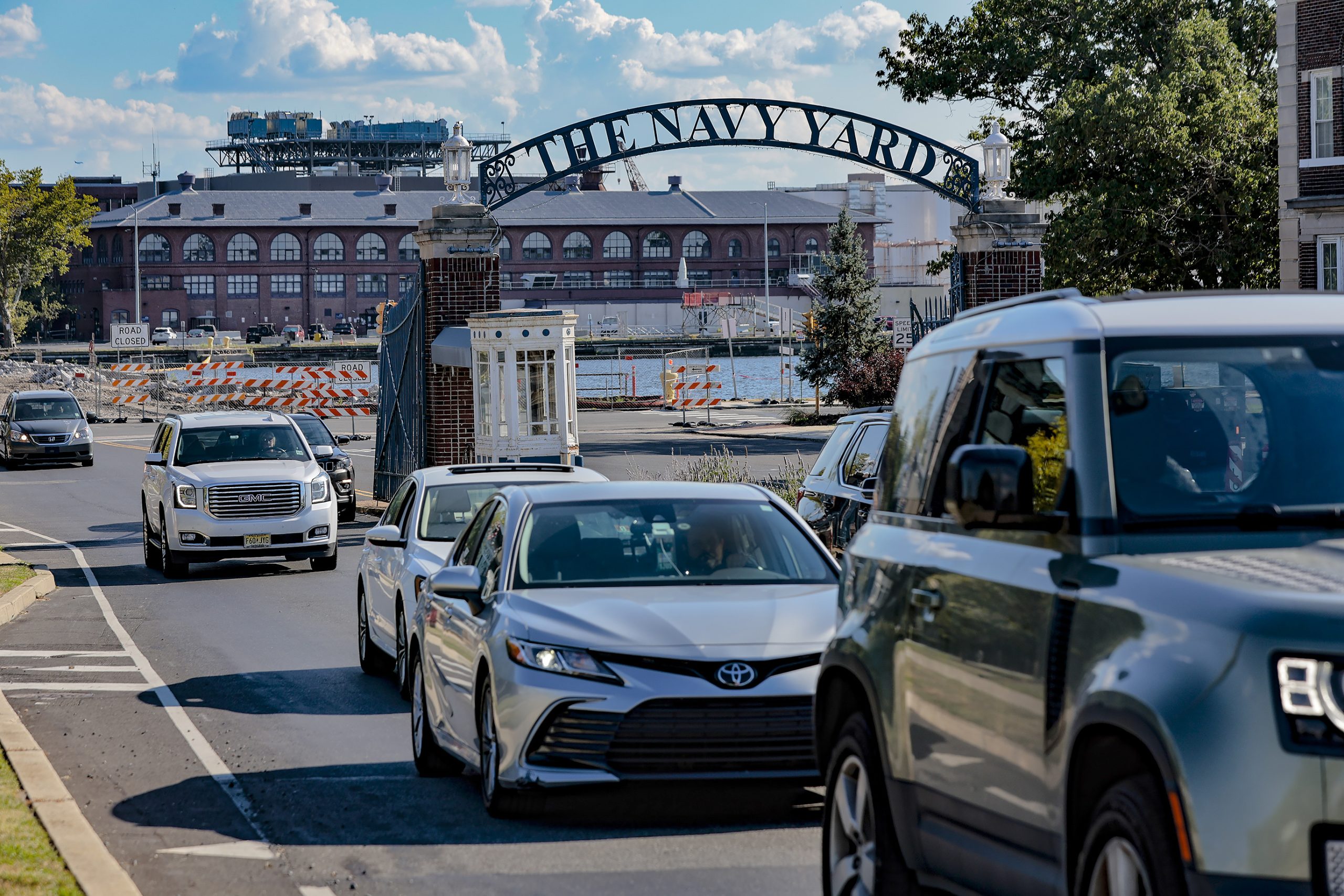
It was not immediately clear who is backing Manayunk Renaissance LLC. The company shares an address with A.P. Construction, a South Jersey-based construction company, with an office at the Navy Yard.
A.P. Construction boasts a portfolio of big projects in the region, including work on bridges, stadiums, and the Manayunk Bridge Connector Trail and Park.
Hunter said the developer told residents at Wednesday’s meeting that Philadelphia-based Varenhorst would be the architect. The company also designed the Locks, an earlier residential project on the island.
Map of planned development on a 30-acre site on Venice Island in Manayunk.John Duchneskie
Flooding concerns
Hunter said residents are particularly concerned about flooding. Hurricane Ida in 2021 hit Manayunk hard and inundated some of the buildings on the island.
Hunter and others fear more building will leave Venice Island residents trapped in another big storm, while contributing to even more flooding as runoff flows into the river and canal.
The 5000 Flat Rock Rd. property lies just below the Flat Rock Dam.
Venice Island, one of the lowest-lying areas of the city, is a narrow wedge of land, just shy of 70 acres and roughly 1.7 miles long between the Schuylkill River and Manayunk Canal.
In September 2021, as Manayunk experienced flooding from Hurricane Ida, people take in the view from Rector Street of the fast running water at the canal that runs along Main Street and feeds into Schuylkill River.ALEJANDRO A. ALVAREZ / Staff Photographer
In a statement — also shared with neighbors — Manayunk Renaissance LLC said it had hauled in 400,000 cubic yards of soil to raise the site between 9 and 11 feet, bringing it at least 18 inches above flood elevation.
The company said it had approvals from FEMA, the Pennsylvania Department of Environmental Protection, and the Philadelphia Water Department for the new grading and height.
Manayunk Renaissance also said it razed a dilapidated 512,000-square-foot mill building and is working to clean up lead and asbestos.
Manayunk Renaissance said in its statement that it is finalizing an agreement with SEPTA to create an emergency exit fromthe island via Umbria Street, where the Ivy Ridge railway station is. The company said it would pay all construction costs.
Hunter said he and others were told during the meeting that the route includes building a bridge over the canal that leads to an on-grade crossing at the railway equipped with three gates. That new road would be reserved for emergencies.
Zoning is an issue
The property is zoned for industrial uses, so the developer would either need City Council to change the land use rules legislatively or seek relief from the Zoning Board of Adjustment.
“After five-plus years of work and planning, Manayunk Renaissance is ready to present its vision to the community and seek city approval to change the zoning,” the company statement said.
Community support would be a boon for the developer in either case. Having the backing of neighborhood groups is often a positive factor at the zoning board and could sway Councilmember Jones if they go the legislative route.
The company argues that the existing zoning allows warehouses, data centers, and other projects that “would be inconsistent with the community’s direction.”
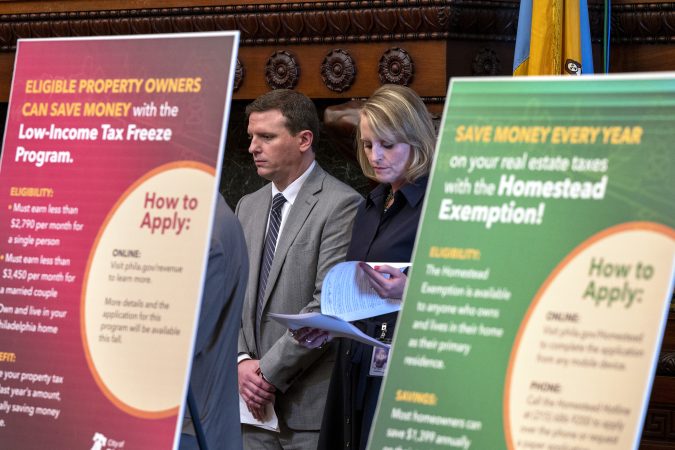
Thousands of homeowners in Philadelphia are not enrolled in city programs like the homestead exemption and the Longtime Owner Occupants Program (LOOP) established to help ease the burden of rising real estate taxes.
“I surround myself with good people, but not everyone is aware of these [tax relief] programs,” said Edgar Ponce, 26, who recently purchased his home in Kensington, one of the neighborhoods where property assessments rose the most.
story continues after advertisement
The Philadelphia Office of Property Assessment conducts reassessments of property values every other year. From 2025 to 2027, properties citywide rose 3%, with certain neighborhoods seeing increases upward of 15%.
Four areas in Philly that saw the largest percentage increases in median assessments were Kensington,Mantua, Grays Ferry, andKingsessing. Each neighborhood borders more gentrified neighborhoods, likeFishtown,University City, andPoint Breeze. While tax revenue helps fund city services like the school district, parks, and the police department, shelling out a few hundred dollars more each year can be costly for some families. Several city-run relief programs, however, can help eligible homeowners save hundreds or thousands of dollars.
“Every time I apply to some type of program, there is always a catch,” said Ponce, who has yet to apply for the homestead exemption. The city could do more to inform people and build trust, he said.
While Philadelphia does conduct outreach, including canvassing, mailers, texts, TV and radio ads, and community events, those efforts do not reach everyone. If you, like Ponce, both own and reside in your home in Philadelphia and want to know what tax relief programs are available to you, The Inquirer is here to help.
We created a tool based on city property data to figure out what tax relief programs Philadelphia homeowners are eligible for. Complete the survey below to see what assistance you can apply for and how much you would save on your real estate taxes.
story continues after advertisement
What is your home address?
Philadelphia primary residential addresses only
Have you lived there for more than 10 years?
Do you live in this property as your primary residence?
Do you meet any of these descriptions?
1. You are aged 65 years or older
2. You are living with a spouse who is aged 65 years or older
3. You are aged 50 years or older, and a widow of someone who reached the age of 65 before passing away
What’s your annual salary? Or if married, what's your combined annual salary?
If anyone else lives in the house, what’s their combined annual salaries?
What is your family size?
Nope! It appears you’re maximizing your savings.
Yes! You may be missing out.
Maybe! You might be able to save more.
To apply for any program, you’ll need your OPA account number. Your number for location is parcel_number.
It appears you’re enrolled in the homestead exemption already, according to July 2026 data, and would not be eligible for other programs this year. In 2027, the homestead exemption will save you: homestead_savings. You should not have to reapply to get the savings unless your property deed was transferred or a co-owner was added.
It appears you are not eligible for any tax relief program right now. However, you may want to check on the Philadelphia Property Search website to see if your property is eligible for any other exemption.
It appears you’re enrolled in the homestead exemption already, according to July 2026 data. In 2027, homestead will save you: homestead_savings. You don’t have to reapply unless changes were made to the deed. Besides the homestead exemption, you may have other choices.
Here’s what you are eligible for:
Homestead
You could save
homestead_savings
It appears you are eligible for the homestead exemption. The program reduces the taxable portion of your property assessment. Starting in 2025, the property’s assessed value is reduced by $100,000.
You may be eligible for the Longtime Owner Occupants Program (LOOP), if you are not already enrolled, because your home’s assessment went up significantly — either 50% from 2026, 75% from 2022, or both. LOOP locks in your property tax at the lower of the two property values.
Keep in mind you cannot enroll in both LOOP and the homestead exemption. If you would like to switch from LOOP to homestead, you’ll need to request your removal at the same time you apply. If you plan to stay in your home for many years, you may consider LOOP over the homestead exemption to prevent future tax hikes, even if you’re required to pay more in the short term.
You might be eligible for this program if you fit the requirements:
Senior Citizen Real Estate Tax Freeze
You could save
???
You may be eligible for the Senior Citizen Real Estate Tax Freeze if you are not already enrolled. The program locks in your property taxes at this year’s amount, preventing future tax hikes, even if your property value or the tax rate increases.
If you met the age, income, and residency requirements at any point between 2018 and 2024, your application gets backdated to the earliest year you first qualified.
Keep in mind, you can be enrolled in both the Senior Citizen Real Estate Tax Freeze and the homestead exemption. Eligible applicant(s) must have a total income of:
It appears you may be eligible for the Low-Income Real Estate Tax Freeze if you are not already enrolled. Under this program, the amount of property tax you pay each year will not increase, even if your property assessment or the tax rate changes.
Keep in mind, you can be enrolled in both the Low-Income Real Estate Tax Freeze and the homestead exemption. Eligible applicant(s) must have a total income of:
In September, the city released a new combined application for its real estate tax assistance programs, where homeowners can fill out one form to see what programs they are eligible for, and submit the applications online directly through the Philadelphia Tax Center, said Kaelyn Anderson with the Philadelphia Department of Revenue.
Despite these efforts, the outreach hasn’t reached everyone, including Ponce of Kensington. “Truthfully I have never received anything in the mail about these programs,” he said.
Methodology
The Inquirer acquired property assessment data for single-family homes in 2022 through 2027 from the City of Philadelphia Office of Property Assessment. The data include the assessed value of properties each year and homestead exemption enrollment in 2027.
The eligibility for the homestead exemption, the senior citizen tax freeze, and the low-Income tax freeze is based on information provided by homeowners in our survey.
To estimate potential savings for homestead, we subtracted the $100,000 exemption from each property’s 2027 assessed value (or the full assessed value if it was below $100,000), then compared the resulting tax bill with what homeowners would pay with no exemption at all. The difference is the amount the homestead exemption program would save homeowners if enrolled.
We used the assessed home value each year to calculate the percentage change in the last year and the last five years to determine eligibility for the LOOP program. The thresholds are 50% from last year or 75% from 2022. Depending on which threshold a property met, its taxable value was capped at either 1.5 times the previous year’s assessed value or 1.75 times the lowest assessed value over the preceding five years.
LOOP savings were calculated by comparing the tax bill under that capped value with the ordinary taxes that the homeowner would have to pay in 2027 if not part of the program. The difference is the amount the LOOP program could save homeowners if they were enrolled.
The Inquirer’s methodology for calculating tax program savings has been reviewed by the city.
Staff Contributors
Design: Yaelle Tang, Jasen Lo and Lizzie Mulvey
Development: Yaelle Tang, Jasen Lo and Levi Jiang
Data: Lizzie Mulvey and Yaelle Tang
Reporting: Lizzie Mulvey and Yaelle Tang
Editing: Stephen Stirling and Sam Morris
Illustration: Thomas Pullin
QA: Lyn Tran, Sandy Vo and Sarah Pham
Social Editing: Esra Erol
Copy Editing: Addam Schwartz
Subscribe to The Philadelphia Inquirer
Our reporting is directly supported by reader subscriptions. If you want more journalism like this story, please subscribe today
More than 13,000 Philadelphia homeowners were receiving assistance on their property taxes from the city despite not being eligible, according to city officials who conducted a review of thousands of properties to identify people fraudulently receiving tax breaks.
Those homeowners — most of whom received the popular homestead exemption that can save owners an average of $1,400 a year — have been kicked off the programs, officials said Wednesday. And they will be charged back taxes, in some cases dating back multiple years, resulting in $33.5 million in additional revenue for the city and the Philadelphia School District.
That is welcome news for the cash-strapped public school system, which is facing a $300 million structural deficit and is the only district in Pennsylvania that cannot legally raise taxes on its own.
Instead, the district receives 56% of property tax revenue, with the remainder going into the city’s coffers. The current property tax rate is 1.3998% of assessed value, which has not changed for nearly a decade.
Philadelphia School Superintendent Tony Watlington joins Mayor Cherelle L. Parker and her finance team at City Hall on Monday Aug. 5, 2024, as they prepare to release the first citywide real estate reassessment in two years. Behind them, from left are: Finance Director Rob Dubow; James Aros, Jr., Chief Assessment Officer at the Office of Property Assessment; and Revenue Commissioner Kathleen McColgan.Tom Gralish / Staff Photographer
Philadelphia has a variety of property tax relief programs that are intended to help homeowners weather changes in valuations and avoid displacement. The most popular is the homestead exemption, which exempts the first $100,000 in home value from property taxes. Only homeowners who live in their house as their primary residence are eligible.
That means that, in some cases, homeowners are eligible to receive the exemption while they live in their homes, but no longer qualify if they move and rent out their space.
In 2024, Mayor Cherelle L. Parker’s administration launched a review to identify properties that might no longer meet the eligibility requirements. According to a news release, the Philadelphia Revenue Department reviewed about 22,000 tax accounts, or less than 10% of all the households enrolled in the homestead exemption.
Christian Crespo, a spokesperson for the department, said officials used a variety of data indicators to identify those properties that were up for review. For example, he said, some property owners were claiming homestead benefits at multiple properties.
As a result of the investigation, 13,355 homeowners were removed from a property tax assistance program. There are several other tax breaks for homeowners that are targeted toward low-income people and seniors, but most of those removed were improperly receiving the homestead exemption.
Homeowners were sent two notices and given 60 days to prove their eligibility before they were kicked off an assistance program. They may still appeal the decision.
“We want eligible homeowners to get the relief they deserve,” Revenue Commissioner Kathleen McColgan said in a statement. “These compliance projects help ensure that program participation is accurate, fair, and accessible to residents who truly qualify.”
A West Philadelphia renter has filed a class-action lawsuit against his property manager and a national company that sells property management software, alleging that his landlord used price-setting algorithms that Philadelphia has banned.
Since early 2025, Philadelphia has prohibited rental home providers from coordinating to set prices and using software that facilitates the practice. Officials argued that price coordination, especially among large corporate landlords, can lead to artificially inflated rents.
This month, renter Yiyao Liu sued Willow Bridge Property Co., which manages his apartment building and is one of the country’s largest residential property managers, and RealPage, an industry leader in software for landlords. Liu alleges that Willow Bridge used RealPageservices to getrent recommendations based on information from competing landlords that is not available to the public, in violation of a Philadelphia ordinance.
The lawsuit, filed in Philadelphia’s Court of Common Pleas, is the first known case brought under the city’s ban, according to the office of City Councilmember Nicolas O’Rourke, who introduced legislation in 2024.
At the time, O’Rourke said his bill was a preemptive move based on corporate landlords’ use nationwide of software to coordinate rental prices. City Council unanimously passed the legislation in October 2024, and the ordinance went into effect in February 2025.
Liu, who lives in the Vue32 apartment building, asks in his lawsuit to represent as a class other tenants of Philadelphia rental units managed by Willow Bridge.
A representative from RealPage said Monday that the company does not comment on active litigation, and Willow Bridge’s general counsel did not immediately respond to a request for comment.
Last month, Washington, D.C.’s Office of the Attorney General announced that it had reached settlements with two landlords it accused of conspiring to inflate rents using RealPage software. The landlords agreed to pay a total of $1.4 million. These were the latest settlements to come from the district’s 2023 lawsuit against RealPage and 14 of the district’s largest residential landlords.
The association said algorithm-based technologies improve operational efficiency, which “directly benefit[s] residents and rental communities.” And it argued that algorithmic software “encourages pricing competition within the marketplace through greater transparency.”
A year ago, Priya Brown spent many weekday afternoons sitting in traffic, inching home to Northern Liberties from her job in the Navy Yard.
Since moving into the new apartments at South Philly’s converted military base in January, the 27-year-old said her daily routine has gotten much more relaxing — with far fewer brake lights. An assistant buyer at Anthropologie, Brown walks 10 minutes to her office at Urban Outfitters’ Navy Yard headquarters.
“My life is so much easier,” Brown said last week as she walked her tiny basset hound, Momo, around her building, AVE Constitution. The air was quiet, save for an occasional bird chirping and the steady hum of planes making their descent into Philadelphia International Airport.
“I’m not a city person,” added Brown, an Annapolis native who moved to Philly for work. In Northern Liberties, “I missed grass a lot.”
The Navy Yard has open space and paths for walking and running, as seen in this 2022 file photo.Yong Kim / Staff Photographer
Brown pays about $2,400 a month for her one-bedroom, she said, and takes advantage of the free and abundant street parking, a rarity elsewhere in the city.
It also includes more than 20 acres of parks and miles of walking paths, some along the Delaware River, as well as a restaurant and hotel.
Now, it is also home to a small but growing number of residents.
More than a third of the 347 units in Constitution are leased, according to Sam Korman, AVE’s director of operations. Next door at Normandy, which opened this spring, more than 20% of the 267 units are leased, according to Korman. Normandy includes unfurnished apartments for tenants, as well as furnished ones that are marketed to business travelers. Lease-ups for buildings of this size typically take about 18 months, a spokesperson for the company said.
“We are extremely pleased with the reception to AVE Navy Yard through our first few months of operations,” Korman said last month in a statement. “This past month has been our most successful for both furnished and unfurnished leasing, a positive trend that we expect to continue throughout the summer,” a busy season for rentals.
Navy Yard stakeholders eventually want the property to have 4,000 apartments, along with more retail space and a second hotel, according to its 2022 redevelopment plan.
A one-bedroom apartment at AVE Normandy as seen in March.Alejandro A. Alvarez / Staff Photographer
Some Navy Yard residents love their ‘secluded spot’
As cars drove by from the Navy Yard office complexes, headed toward I-76 and I-95 on a recent afternoon, only a handful of people were out and about near the apartment buildings.
Several food couriers dropped off orders in the Normandy lobby. Nearby, in front of floor-to-ceiling windows, someone walked on the treadmill in an otherwise-empty gym. On an outdoor deck above, people could be heard splashing in the pool.
Otherwise, passersby were few.
Brown said she enjoys the suburban-esque solitude, though she’s glad more tenants are moving in. This winter, it felt like only a handful of other people lived in the building, she said, but now her floor seems like it’s almost full, making it “less spooky.”
A communal space at AVE Normandy in March.Alejandro A. Alvarez / Staff Photographer
Across the street at Normandy, resident Integra Feliciano has picked up a similar vibe.
“I have the sense that I’m definitely one of the earlier tenants,” said the 29-year-old, who moved in April and was drawn to the area’s tranquility after living near Passyunk.
Feliciano commutes to her job at a life sciences company in West Philly. She looked at apartments in Center City but couldn’t find anything as quiet and luxurious — without “ridiculously expensive” parking.
At her last apartment, she said, she paid more than $300 a month for parking, a rate that was set to hit $500 around the time she moved. Like Brown, she now parks on the street for free.
The Navy Yard is “a secluded spot, a little gem,” said Feliciano, who pays $2,510 for her one-bedroom. “I like being in proximity to the city, but I don’t like being right in it.”
The Navy Yard itself is “still up-and-coming in terms of having more restaurants and stuff,” Feliciano said, but there’s plenty to do.
People leave the Navy Yard at rush hour in August 2022.
In the spring, she said, she and her boyfriend bought last-minute tickets to a Sixers playoff game and walked over to Xfinity Mobile Arena. While out for a run one day, she discovered the Southeast Asian Market in FDR Park.
She swims in her building’s pool whenever she can, she said, and often invites family and friends over. And she said her guests love that they don’t have to “circle the block for an hour” to find a parking spot.
“I had a friend come over, and she just parked right in front,” Feliciano said. “She said, ‘Oh, that’s it?’”
Why the first resident was drawn to AVE Navy Yard
Gokul Krishnan is glad more people are discovering the Navy Yard apartments. The 51-year-old, who works as the chief sourcing and global trade compliance officer for URBN brands, was the first person to sign a lease and move into Constitution last November.
“It feels like home,” said Krishnan, who moved to Philly from the San Francisco area. “It’s so calm.”
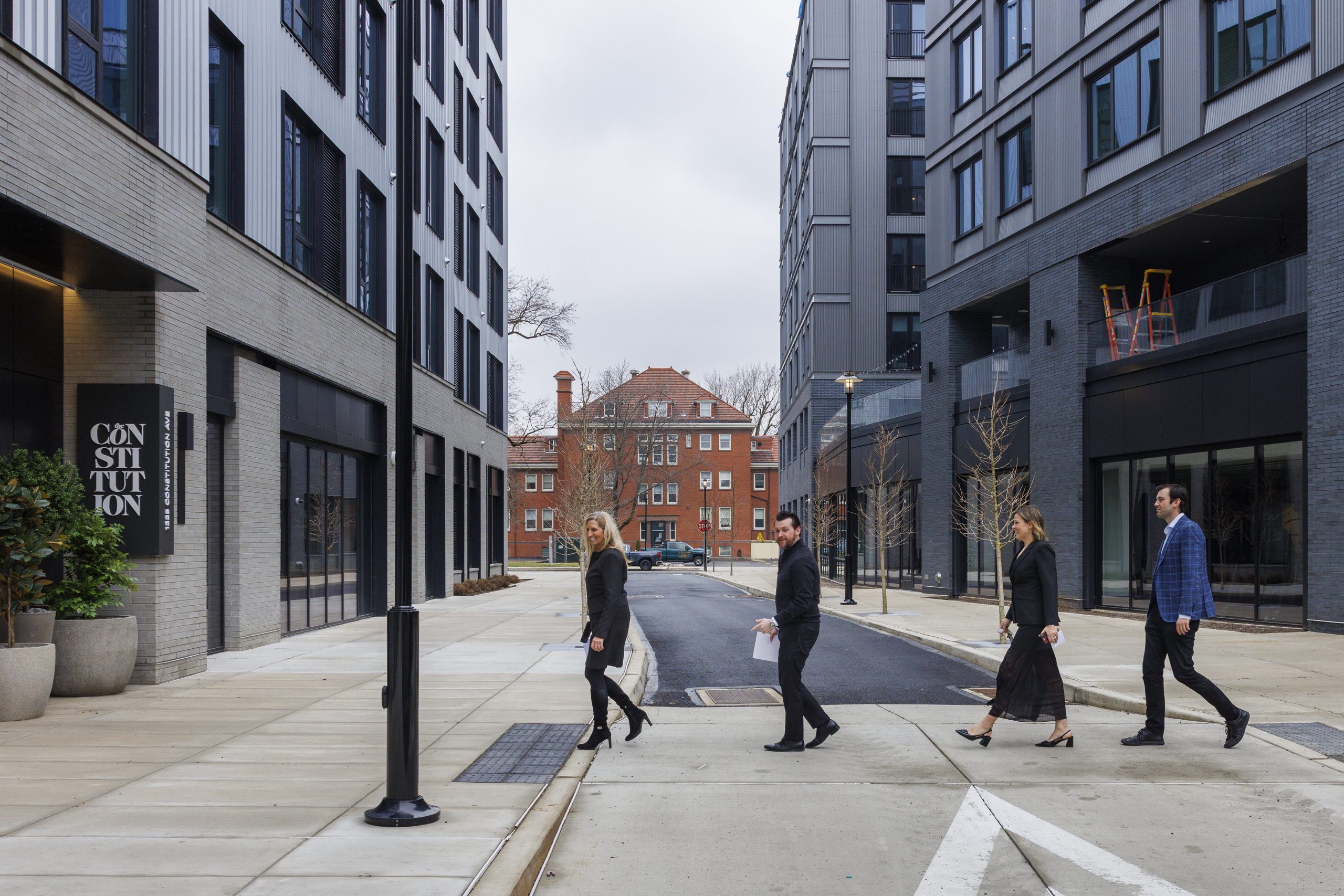
AVE Navy Yard executives walk between the Constitution and Normandy apartment buildings in March.Alejandro A. Alvarez / Staff Photographer
He enjoys taking walks around the Navy Yard, using the gym, and spending time in the building’s lounge and outdoor courtyard. The AVE staff is kind and communicative, he said, and he, too, enjoys a 10-minute walking commute to his office at the Urban Outfitters headquarters.
Krishnan signed an 18-month lease, he said, and pays about $3,000 a month for his one-bedroom, plus parking in the complex’s covered garage. He may upgrade to a larger unit next year, he said. His wife plans to move from California once their son graduates high school, and she’s bringing the couple’s 6-year-old goldendoodle, Simba.
Editor’s note: This story has been updated with additional information about leasing plans.
St. Hedwig’s, which served Chester’s Polish Catholic community for generations, is officially no longer a church. And some of the former parish’s buildings may soon become multifamily housing.
Philadelphia Archbishop Nelson J. Pérez last week issued a decree approving the “relegation” of the building to “profane but not sordid use effective January 1, 2026.”
In other words, the building will “no longer be designated as a Roman Catholic church,” according to a Sunday announcement from the archdiocese.
Pérez’s decree merely capped off a process that had been in the works for years.
In the early 1990s, amid decreasing attendance, the archdiocese merged several Delaware County parishes. St. Hedwig’s became a part of Clifton Heights’ Sacred Heart Parish, which also serves the Polish community, and its building became a place of worship under the care of Sacred Heart.
That marked the official end of the parish, which was established in 1902 and was named after Hedwig of Silesia, a 13th-century duchess of Greater Poland.
But financial pressures — including an estimated $60,000 repair for a failed boiler — and pastoral challenges continued to mount, and church officials moved to unload the historic property.
“While those worshipping at Saint Hedwig’s had been contributing generously for the upkeep of their church, their donations proved insufficient for the church’s ongoing maintenance needs,” the archdiocese said Sunday. “Multiple repairs have been financed by Sacred Heart Parish, which itself faced an operating deficit in 2024.”
The final Mass was held in 2023.
“For 121 years, St. Hedwig’s has been there to serve the Polish people,” the church announced in a Facebook post at the time. “We have celebrated baptisms, communions, confirmations, marriages, and ultimately funerals. We have been forever faithful.”
A parishioner at the time lamented the demise of a church that had served the area’s Polish community for more than a century.
“We sing in Polish and pray in Polish and we still have a very tight-knit community that maintains this church,” Judy Kuchinski of Chester told 6abc.
The archdiocese in January sold a property across the street from the church that included a former school, rectory, and convent to a group of real estate investors, according to Delaware County records.
“While the sale of property adjacent to Saint Hedwig Church in January 2025 provided additional capital to Sacred Heart, this money will be needed to help offset the regular deficits that accrue in financing parish operations,” the archdiocese said Sunday.
Mario Rivello, a multifamily housing developer who has done other work in Chester, is leading the project.
“We’re very active in that city, and this may be a property that we further develop based on approval process,” Rivello said in an interview Sunday.
Rivello said the investors’ goal is to convert the buildings into multifamily housing, which he said is “our expertise.” They have no plans to demolish the buildings, he said.
“We’d rather not,” Rivello said. “The archdiocese — the bones of the buildings that they sell — usually these properties are in good condition or they’re well-built.”
The archdiocese did not immediately respond to a request for comment.