Category: Politics

  • What U.S.-Vietnam reconciliation can teach us about Afghanistan

    What U.S.-Vietnam reconciliation can teach us about Afghanistan

    After the Taliban captured Kabul on Aug. 15, 2021, numerous news articles compared Washington’s withdrawal from Afghanistan to similar events in Vietnam on April 30, 1975. Some articles highlighted differences in the conflicts, such as media coverage and troop motivations, while others underlined similarities, including the evacuation of nearly identical numbers of Afghans and Vietnamese in the days leading up to collapse of Kabul and Saigon.

    It’s been five years since America’s withdrawal from Kabul — and the experience of the United States leaving Vietnam still resonates as Afghanistan has become one of the poorest countries in the world.

    In Vietnam, Hanoi’s counterproductive domestic and foreign policy stifled the economy, undermined diplomacy, and caused a mass exodus of millions of Vietnamese from the country. And yet, 20 years later, Vietnam normalized relations with the United States and embraced a global market system that has since made it one of the world’s fastest-growing economies.

    Two main factors explain U.S.-Vietnam reconciliation. The first stemmed from Hanoi’s moderation in foreign policy, which downplayed Cold War rhetoric and acknowledged the need to integrate into the international system. The second stemmed from Washington’s diplomatic strategy toward Vietnam, which maintained consistent conditions for normalizing relations.

    When the United States left in 1975, Vietnamese Communist Party leader General Secretary Le Duan implemented socialist policies, including agricultural collectivization and forced relocation to New Economic Zones. Hanoi also imprisoned hundreds of thousands of South Vietnamese who had cooperated with Americans during the war in order to “re-educate” them in Marxist thought.

    Relations deteriorated with China and Cambodia, two countries that cooperated with Vietnam to resist America’s presence in Indochina. Hanoi invaded Cambodia in December 1978, following Pol Pot’s repeated incursions into Vietnam. China responded by sending 200,000 soldiers into northern Vietnam, leading to a three-week border war. The nation became one of the poorest countries in the world, kept afloat only by subsidies from the Soviet Union. The U.S. embargo did not help.

    The Carter administration attempted to normalize relations with Vietnam without preconditions prior to Hanoi’s occupation of Cambodia. Vietnam refused to do so, demanding the United States pay $3.25 billion in war reparations. After the December 1978 invasion, Jimmy Carter conditioned normalization on Vietnam’s signing of a peace agreement on Cambodia. Ronald Reagan upheld his predecessor’s stipulation, adding that Vietnam must make significant progress on locating and repatriating approximately 2,500 American prisoners of war (POW) and missing in Action (MIA). Hanoi’s leadership cooperated, hoping to secure economic and political concessions from Washington.

    During the Reagan years, numerous other humanitarian issues compelled Washington and Hanoi to sustain a diplomatic dialogue, including the resettlement of refugees, Amerasians, and former Vietnamese political prisoners. Diplomacy on these issues helped foster a favorable atmosphere prior to reconciliation.

    Such negotiations begot economic opportunities as long as Vietnam remained in Cambodia.

    It wasn’t until 1986, after General Secretary Le Duan’s death, that the Communist Party changed course and pursued a market economy. In 1989, Vietnam withdrew from Cambodia and began pursuing new economic policies. Sustained U.S. pressure during negotiations and consistent conditions for establishing economic and diplomatic ties contributed to Vietnam’s moderation.

    Lastly, U.S. businesses wanted Washington to lift the economic embargo to give American companies access to Vietnam’s resources. Hanoi’s leadership eventually moderated its domestic and foreign policy, advancing negotiations and proving to U.S. policymakers that Vietnam could manage bilateral and multilateral relations.

    Made By History sponsors. FOR USE ON MADE BY HISTORY STORIES ONLY.Inquirer Staff

    In April 1991, President George H.W. Bush provided the Vietnamese with a road map to normalization outlining economic and political concessions in exchange for progress on the POW/MIA issue. The road map gave both sides a diplomatic plan to follow. President Bill Clinton continued Bush’s plan, and in 1994, he lifted the economic embargo. The following year, the United States and Vietnam normalized diplomatic relations.

    Certainly, the postwar conditions that fostered U.S.-Vietnamese dialogue are different for Afghanistan. There are no American POW/MIAs listed in Afghanistan. While Washington welcomed nearly 200,000 Afghan refugees since the fall of Kabul, refugee admissions are currently suspended for most nationalities, including Afghans.

    Kabul has not invaded any of its neighbors, but the United States remains committed to its partnership with Pakistan. Washington does not currently have Kabul under an embargo, but fewer countries are interested in investing in Afghanistan than at a similar time for Vietnam. Nor does it help that Hibatullah Akhundzada, leader of Afghanistan, is wanted by the International Criminal Court for imposing severe restrictions on women and girls in the country.

    But diplomatic exchange could be fruitful, politically and economically. The Taliban are increasingly desperate to modernize its economy and end its international isolation. Rather than cutting off diplomacy entirely, the example of U.S.-Vietnam reconciliation suggests that a new phase of U.S.-Afghan relations could benefit both the people of Afghanistan and U.S. interests.

    Zachary Tayler is a doctoral candidate in history at Ohio University, specializing in U.S.-Vietnam postwar relations.

    Made by History takes readers beyond the headlines with articles written and edited by professional historians. Opinions expressed do not necessarily reflect the views of The Inquirer.
  • New poll shows RFK Jr. is unpopular among Pa. voters amid feud with Shapiro over measles

    New poll shows RFK Jr. is unpopular among Pa. voters amid feud with Shapiro over measles

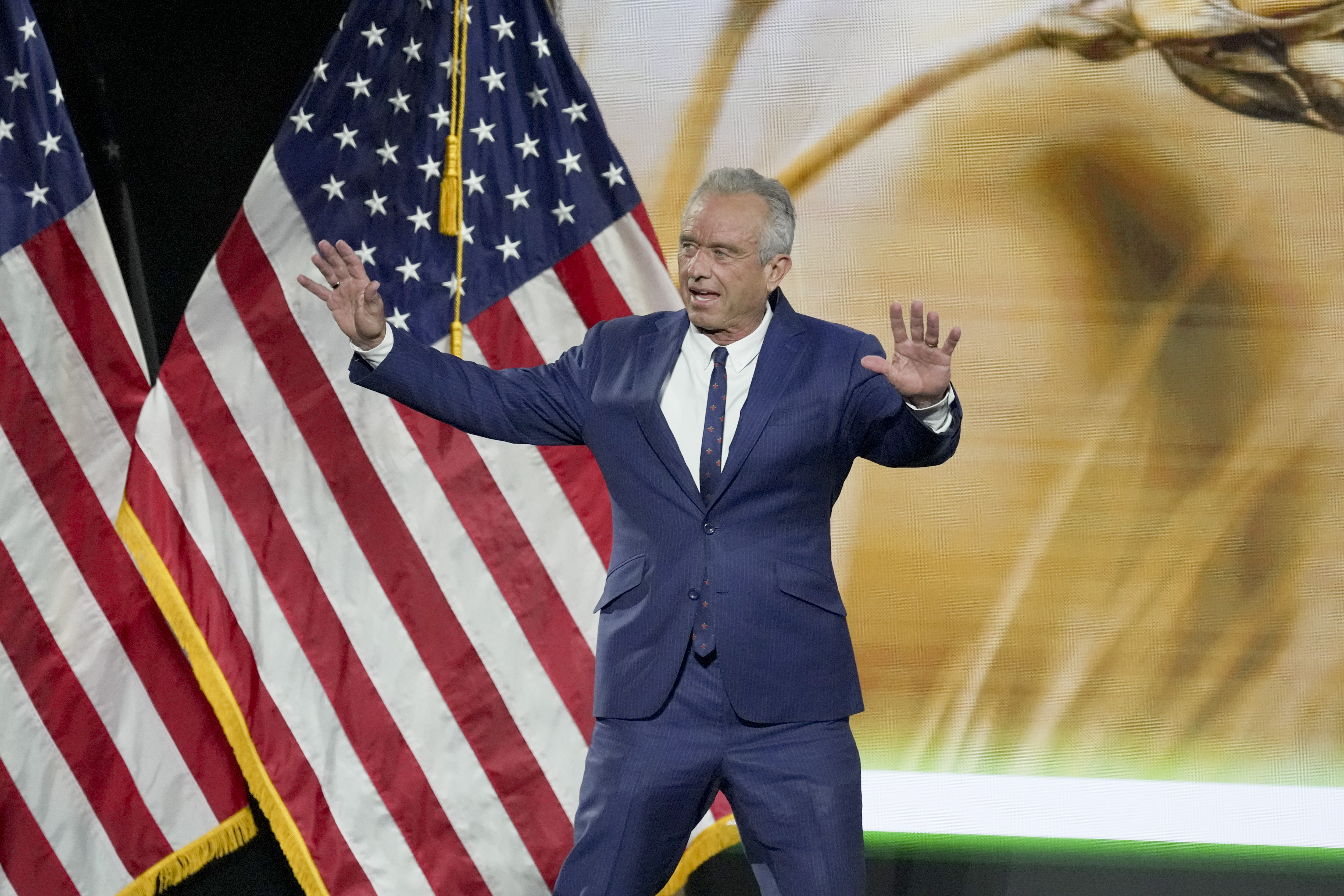
    A large majority of likely Pennsylvania voters dislike Health and Human Services Secretary Robert F. Kennedy Jr., according to a poll conducted in the wake of his clash with Gov. Josh Shapiro over the state’s measles outbreak.

    The poll, released Thursday, found that 61% of respondents have an unfavorable view of Kennedy, while only 33% said they hold a favorable one of him.

    “He’s the one person in the poll that does worse than President [Donald] Trump,” said Don Levy, the director of the Siena Research Institute, which conducted the poll on behalf of The Inquirer and New York Times.

    Kennedy, who has a history of anti-vaccine activism, has been embroiled in a heated debate with Shapiro, the state’s popular governor, over measles-associated deaths in Pennsylvania.

    “The poll shows that people see RFK Jr. for what he is: the single worst person to be HHS secretary during a massive measles epidemic,” said Paul Offit, director of the Vaccine Education Center at Children’s Hospital of Philadelphia and a longtime critic of Kennedy.

    (function(){function e(){window.addEventListener(`message`,function(e){if(e.data[`datawrapper-height`]!==void 0){var t=document.querySelectorAll(`iframe`);for(var n in e.data[`datawrapper-height`])for(var r=0,i;i=t[r];r++)if(i.contentWindow===e.source){var a=e.data[`datawrapper-height`][n]+`px`;i.style.height=a}}})}e()})();

    State health officials have been responding to a measles outbreak of more than 800 cases, as of Wednesday, that included four deaths, two of them infants.

    Kennedy accused Shapiro of fabricating two of the deaths, although he later acknowledged one was caused by measles.

    The survey of likely voters was conducted between Sept. 15 and 21, a period that overlaps the war of words between the Democratic governor and Trump’s health secretary.

    “This serious situation continues to be made worse by RFK Jr. playing games with public health and safety,” Shapiro said on X last week. “It’s long past time for [Kennedy] to stop stoking vaccine skepticism and misinformation and compromising the serious mission of the nation’s public health agencies.”

    For his part, Kennedy, in a post on X last month, accused Shapiro of choosing “to politicize this outbreak instead of implementing a unified public health response.” He also contended in that post that he has promoted vaccination as the “most effective way to prevent measles infection.”

    But Kennedy has explicitly stated that vaccines cause autism, Offit noted, and late last year, Kennedy ordered the CDC to change its website to say its long established position that vaccines don’t cause autism is not an evidence-based claim.

    Kennedy has also said that the measles vaccine was never fully tested and that it wanes over time, both of which have been disputed by medical authorities with decades of evidence backing its safety and efficacy.

    Lesa Yeager, a 63-year-old independent voter from State College who participated in the survey, said she was concerned about the spread of measles in Central Pennsylvania, and she wished Kennedy would “encourage people to the get the vaccines.”

    She wasn’t familiar with his back-and-forth with the governor, but said her frustration with Kennedy is longstanding.

    “I have a kid with special needs, and [Kennedy] is going on about how the vaccines cause autism, and everybody knows that’s not true,” she said. “He has spread such misinformation, and he’s wackadoodle.”

    For weeks, the CDC did not publicly list Pennsylvania’s measles-associated deaths, reportedly at Kennedy’s order, a charge his agency denied. “It looks as though RFK is ignoring measles deaths here,” Offit said.

    On Wednesday, the CDC acknowledged that a measles-associated death had occurred in 2026, without saying where it happened. The CDC said the number is “subject to change.” Pennsylvania is the only state where a measles death has been widely reported.

    In a statement, Emily Hilliard, HHS press secretary, declined to address the poll, but said that the public’s trust in vaccines was eroded significantly during the pandemic, caused by “mismanagement, overreach, misinformation, and mandates.”

    “Attributing the measles resurgence to the Trump administration fundamentally misrepresents when and why the resurgence began,” Hilliard said, adding that Kennedy has “been clear that vaccination remains the most effective way to prevent measles.”

    Kennedy and Shapiro have repeatedly battled over vaccine policy during the Trump administration. Shapiro joined a lawsuit earlier this year over federal changes to the childhood vaccine schedule.

    Trump last month signed an executive order that said the MMR vaccine — a combination vaccine that protects against measles, mumps and rubella — “should be administered in three separate single-disease shots” during three separate doctor’s visits. Immunologists have disparaged the idea, saying there’s no medical reason to do so.

    Shapiro has said Pennsylvania won’t alter immunization guidelines in response to Trump’s order.

    (function(){function e(){window.addEventListener(`message`,function(e){if(e.data[`datawrapper-height`]!==void 0){var t=document.querySelectorAll(`iframe`);for(var n in e.data[`datawrapper-height`])for(var r=0,i;i=t[r];r++)if(i.contentWindow===e.source){var a=e.data[`datawrapper-height`][n]+`px`;i.style.height=a}}})}e()})();

    The poll found that 53% of likely voters trust Shapiro to do a better job on vaccine policy than his Republican opponent Stacy Garrity, a Trump-backed candidate who participated in Kennedy’s “Make American Healthy Again” event in Harrisburg earlier this year.

    Staff writers Michelle Baruchman and Gillian McGoldrick contributed to this article.

  • Mikie Sherrill calls on her lieutenant governor to resign after investigation finds Caldwell sexually harassed woman

    Mikie Sherrill calls on her lieutenant governor to resign after investigation finds Caldwell sexually harassed woman

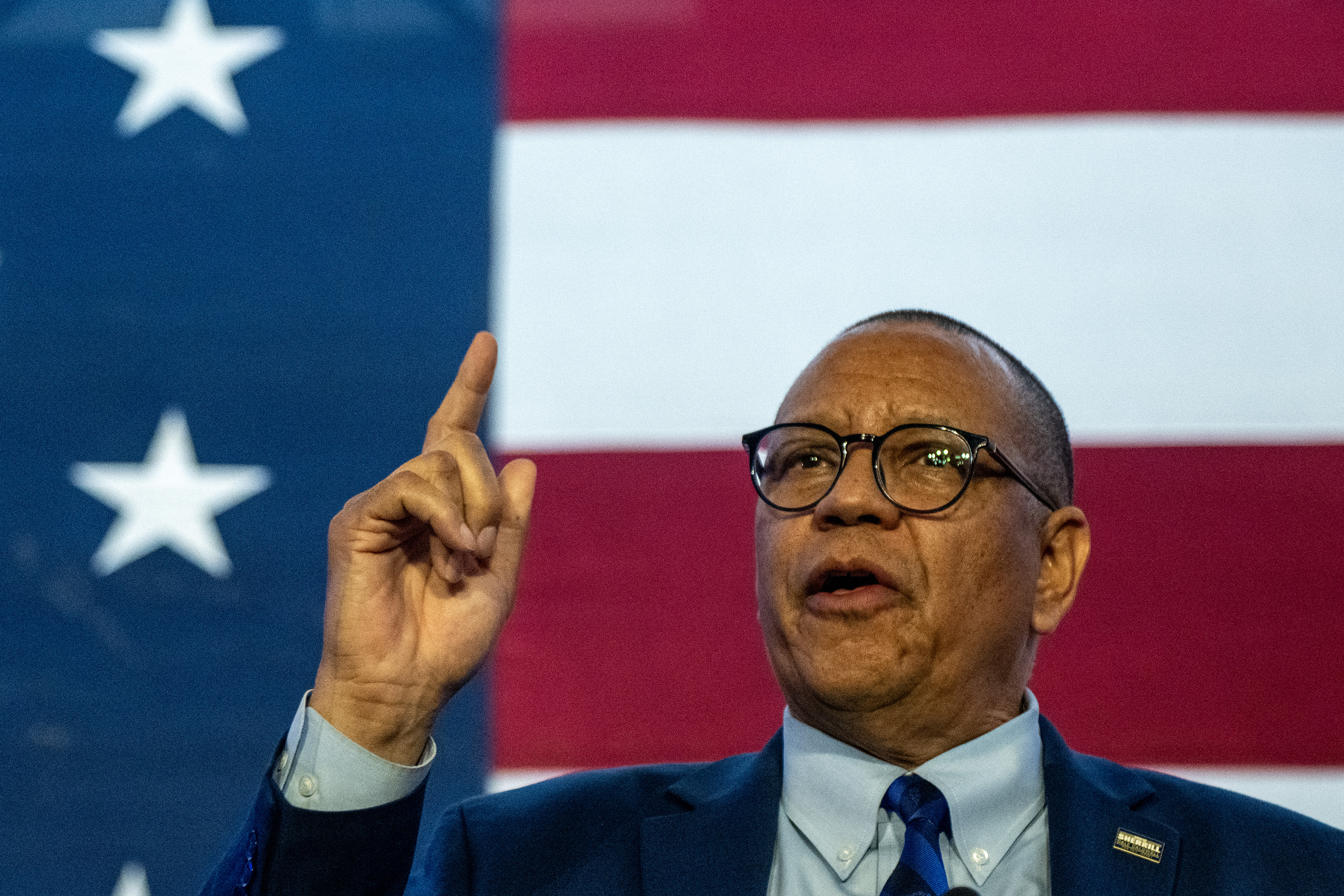
    New Jersey Gov. Mikie Sherrill Thursday night called for the resignation of Lt. Gov. Dale Caldwell after an ethics investigation found he had sexually harassed a woman and made advances to others, even after he was warned to stop.

    Caldwell, through his attorney, denied the claims and questioned the thoroughness of the investigation.

    According to a 61-page report by an outside law firm, Caldwell made a “romantic advance toward a female staffer’s friend.” When she turned him down, Caldwell told the staffer that ambitious women like her and her friend needed a man in his position to help them “but you young women are looking for young sperm,” according to the report.

    Caldwell denied making the comments, “but we did not find his denial credible,” the report said.

    The probe found he also used his title and clout to secure a promotion for a state employee he was dating.

    “Using his state email account, on May 26, 2026 – less than one month after being admonished and trained with regard to workplace conduct and ethics matters, and four days after the Chief Ethics Officer formally notified him of this investigation-the LG reached out to an official in another executive branch department and suggested that the state employee receive a promotion,” the report said.

    Caldwell’s attorney Thomas Calcagni said his client forwarded the employee’s resume and did not disclose the two had a personal relationship.

    “There is a difference between failing to disclose a personal relationship when forwarding the resume of a qualified job applicant and actually using the power of public office to secure a job or financial benefit for someone,” his statement said.

    “The report cites no evidence indicating that Dr. Caldwell ordered anyone to promote her, or controlled the hiring decision or demanded that she receive a new position.”

    The employee did not get a promotion and left state government, Calcagni’s statement said.

    Investigators also corroborated a complaint that he had brought personal guests to ticketed events without clearing it with the ethics officer or paying for the extra tickets — and that the practice continued even after being warned not to.

    Sherrill said she has asked for Caldwell to resign by Friday.

    “These violations substantiated in the investigation reflect a pattern of behavior that does not meet the standards of this Administration,” the first-term Democratic governor said in a public statement. “The ethical lapses persisted despite multiple warnings and trainings.”

    “The substantiated finding of sexual harassment is extremely troubling,” Sherrill’s statement said. “I’ve seen firsthand how a hostile culture can undermine everyone’s ability to succeed. It’s insidious and ruptures the trust within an organization.”

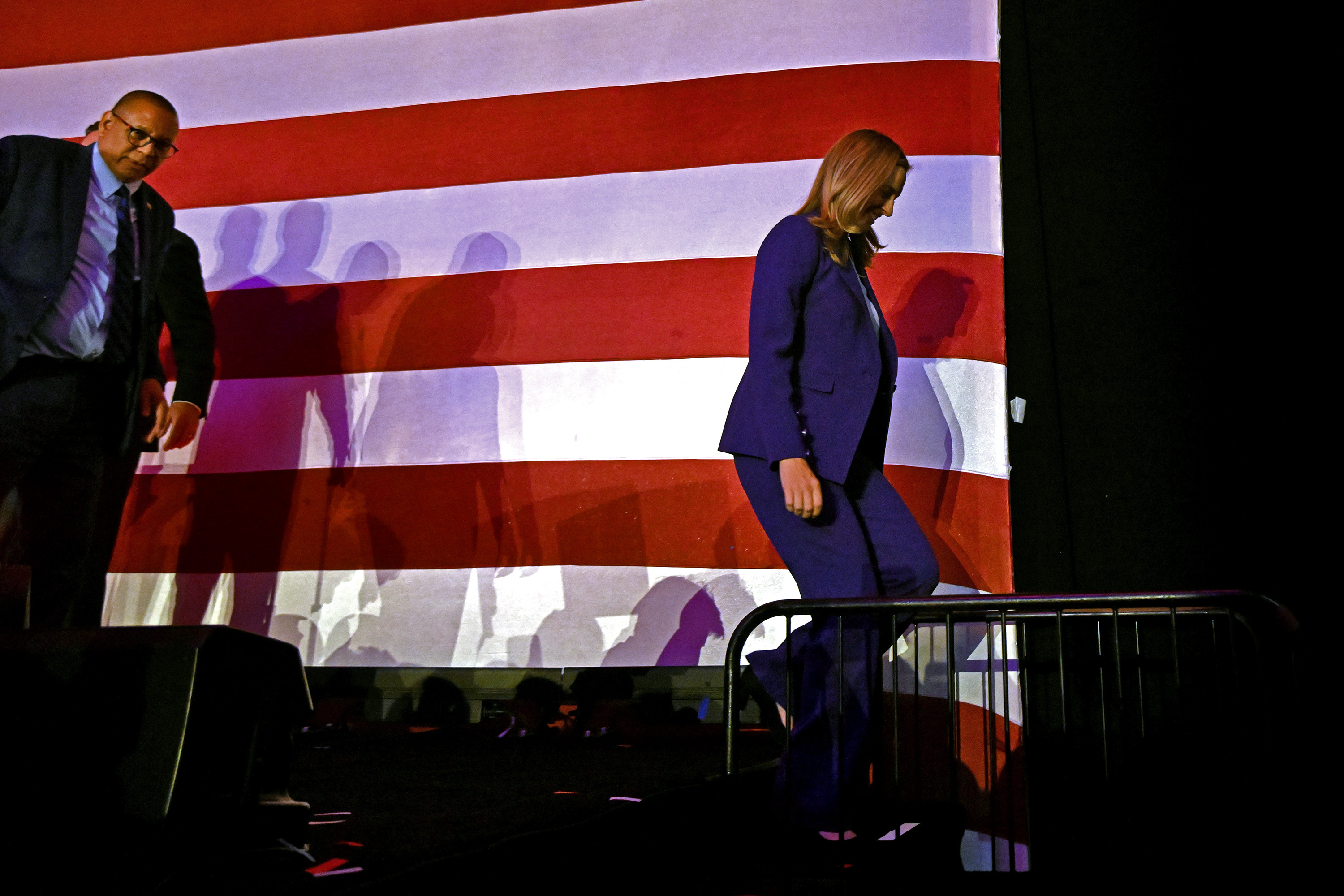
    Lt. Gov. Dale Caldwell (left) follows Gov. Mikie Sherrill off the stage following the celebration of their victory at an election night party in East Brunswick Nov. 4, 2025.Tom Gralish / Staff Photographer

    If Caldwell refuses to step down, the governor can suspend him without pay and remove him as secretary of state, a role he also holds that will be critically important as the November election approaches. The Legislature could also move to impeach him, a source familiar with state rules said.

    The lieutenant governor has an annual salary of $210,000.

    The investigation, sparked by at least one anonymous complaint, focused on claims that Caldwell had brought uninvited women to public events without paying, according to sources close to the administration. He has also been accused of handing out his business card to women he wanted to date.

    But the most serious allegation of sexual harassment was not revealed until Sherrill shared it Thursday. Former Attorney General Christopher Porrino and his law firm were hired to investigate the claims. The probe has been going on since at least May.

    Caldwell denied the allegations and suggested racism was a factor in a May 28 letter to the state’s chief ethics officer, noting that he is “the first single Black man to serve at this level in government.” “In this current political environment, false accusations, especially against people of color, seem to be commonplace,” he continued in the letter first reported by BINJE.com.

    “I have never asked anyone out on a date, ‘hit on,’ or pursued anyone romantically while conducting official business as Lieutenant Governor and Secretary of State,” his letter said. “Throughout my career in government, higher education, nonprofit leadership, ministry and public service, I have consistently conducted myself professionally and respectfully.”

    Immediately following the release of the investigation’s report, Caldwell’s attorney disputed each of the claims. He did not address the governor’s call for Caldwell’s resignation.

    “The question is not simply whether investigators believed one person over another,” Calcagni said in a statement. “The question is whether the evidence actually proves that a violation occurred. In our view, the evidence does not support these findings.”

    Calcagni said there was no recording of the statement he made to a female staffer, and the State Trooper accompanying him did not hear the conversation.

    With no corroboration, “the evidence should be examined particularly carefully before reaching a finding of workplace harassment,” his statement said.

    Caldwell reimbursed the state $175 for tickets to an event once he was informed that accepting anything free was not permitted, Calcagni’s statement said. ”There is a meaningful difference between making a good-faith error when analyzing the regulations and deliberately using public office for personal benefit.”

    Until Thursday night, Sherrill had refused to publicly acknowledge the months-long ethics investigation, saying only that any complaints against a member of her administration would be taken seriously.

    Caldwell, a 66-year-old father and divorced minister with degrees from Princeton University and the University of Pennsylvania, has served in numerous public and nonprofit jobs. He was president of Centenary University and worked as deputy commissioner of community affairs in former Democratic Gov. James McGreevey’s administration more than 20 years ago. Healso founded two charter schools, served as president of the New Brunswick Board of Education and taught at Fairleigh Dickinson University.

    But Caldwell was relatively unknown in state political circles when Sherrill chose him as her running mate last year. Their big win in November boosted Sherrill’s national profile, which she has used to campaign for Democratic candidates running for Congress in key elections across the country.

    Sherrill has not left the state, aside from some short trips to New York, since the news of the investigation leaked at the start of Labor Day weekend. Republican lawmakers criticized her for leaving Caldwell in charge while she campaigned earlier in the summer.

    In the last two weeks, Caldwell’s friends and colleagues have released public statements and given interviews defending his character and public service record.

    Felicia Simmons of Asbury Park was one of several friends to rush to Caldwell’s defense last week by questioning the legitimacy of the investigation. She helped organize one of the events in question — the Whitesboro Black History Gala, an event in April recognizing the preservation efforts of the state’s first planned Black community, located in Cape May County. She said she invited him and knew he was bringing guests.

    But as of Monday, Simmons said she had not been interviewed by investigators. She could not be reached for comment Thursday night.

    Calcagni said the fact that key witnesses were not interviewed casts doubt on the investigation.

    “These due process concerns, coupled with breaches of confidentiality throughout the process, render any findings palpably deficient and create a dangerous and challenging precedent for anyone who wishes to defend against anonymous conjecture and character assassination,” Calcagni’s statement said.

    NJ.com and Politico reported the state paid Porrino’s law firm, Lowenstein Sandler about $50,000 for its work from May 21 through June 25, based on a public records request. The state records custodian turning over the records told the outlet it was “not confirming or denying the existence of any investigation regarding Dale Caldwell.”

    Staff writer Aliya Schneider contributed to this report.

  • Philly congressional candidate Chris Rabb called Netanyahu a ‘war criminal’ at a New York protest

    Philly congressional candidate Chris Rabb called Netanyahu a ‘war criminal’ at a New York protest

    State Rep. Chris Rabb, the Philadelphia progressive running as a Democrat for Congress, called Benjamin Netanyahu a “war criminal” at a protest in New York on Thursday, as the Israeli prime minister gave a speech to the United Nations.

    “I’m here in solidarity with all these brave souls who want their country to be on the right side of history and who acknowledge that Benjamin Netanyahu is a war criminal and should be in the Hague,” Rabb said at the protest, captured in a video posted on social media, referring to the Netherlands-based International Criminal Court.

    “We have to make a decision about where our taxpayer dollar goes. We should not be funding atrocities overseas,” said Rabb, who is running to replace U.S. Rep. Dwight Evans.

    In his speech, Netanyahu called allegations of Israeli genocide in Gaza not only false, but “the biggest lie of the century,” the Associated Press reported.

    As he arrived for his speech, scores of delegates trooped out before he started speaking.

    Zohran Mamdani, New York’s first Muslim mayor and an outspoken supporter of Palestinian rights, has urged Netyanhau’s arrest, asserting that the U.S. should honor a war crimes warrant for Netanyahu issued by the International Criminal Court.

    Netanyahu released a video earlier this week directed against Mamdani, saying he was coming to the U.N. “to tell the truth about our heroic soldiers” and “to tell the truth about you.”

    The U.S. is not a party to the International Criminal Court, and New York City does not have the authority to arrest the prime minister. Israel denies that its actions in Gaza amount to genocide, saying that they are a military response targeting Hamas for the Oct. 7, 2023, attacks that killed about 1,200 Israelis, including hundreds at a music festival. More than 73,000 Palestinians have died in the war in Gaza, according to the Gaza health authority.

    Among the other participants in the New York protest was Hannah Einbinder, the Emmy-winning actress whose father was born in Doylestown. She famously shouted “Go Birds, f— ICE, and free Palestine!” during her Emmy acceptance speech last year.

    Rabb was recorded standing next to two other Democratic congressional candidates, Adam Hamawy of New Jersey and Melat Kiros of Colorado.

    Another congressional candidate, New York Democrat Darializa Avila Chevalier, was arrested at the protest, according to reports.

    Rabb posted to Instagram Thursday evening to let supporters know he was not after misinformation spread on social media.

    “I wasn’t arrested, but Netanyahu should be!” Rabb said in one post.

    Correction: This article has been updated to correctly reflect the year Einbinder made her Emmy acceptance speech.
  • Drexel wants to sell the Academy of Natural Sciences museum. A Council bill could restrict its redevelopment.

    Drexel wants to sell the Academy of Natural Sciences museum. A Council bill could restrict its redevelopment.

    A new zoning bill by City Councilmember Jeffery Young Jr. would restrict the redevelopment potential of the Academy of Natural Sciences museum after Drexel University this month announced plans to shutter the centuries-old institution.

    Young, whose 5th District includes the museum property on the Benjamin Franklin Parkway, introduced the ordinance at Thursday’s Council session.

    It would limit the allowed uses of the property and others around it to specific categories, including hospitals, government uses, libraries and cultural exhibits, and “community-supported” farms.

    Under Young’s legislation, residential and commercial uses would not be allowed. The property is currently zoned to allow multifamily residential development, unlike the other museums on the Parkway.

    Young said his legislation would simply change the museum’s zoning to reflect what has long been on the site.

    “It’s always been a cultural and civic use, so [my bill] would match the land use with the actual zoning to allow only cultural and civic type uses,” Young said. “But it wouldn’t prevent the academy from closing.”

    Councilmember Jeffery Young Jr. Elizabeth Robertson / Staff Photographer

    Drexel did not immediately offer comment on Young’s legislation.

    If the bill passes, it will make it much harder to convert the building to other uses. The owner would need to secure a variance from the Philadelphia Zoning Board of Adjustment, an often lengthy and costly process with no guarantee of success.

    During that process, any prospective developer would also be required to meet with community groups in advance of a zoning board hearing.

    Young said the purpose of his bill is to allow “the community some input on a site that has been a cultural use for centuries.”

    Instead of changing the property’s zoning to match those of neighboring museums and libraries, Young has proposed adding the restrictions to what is known as a zoning overlay — a kind of hyperlocal patch of the code — that covers his district and allows him to precisely describe what he wants to restrict and allow.

    Young said he is also considering changing the underlying zoning to match that of the Philadelphia Museum of Art, the Barnes Foundation, and other cultural institutions on the Parkway.

    “We are looking to do that, but the issue is that the planning commission doesn’t work for me and so they’re not on my time,” Young said. “Ultimately, we had to do what we could do from our office’s standpoint.”

    To become law, the bill would need to be approved first in the Committee on Rules and then by the full Council before heading to Mayor Cherelle L. Parker’s desk.

    If Young pushes forward, the bill is likely to pass in Council thanks to a practice known as councilmanic prerogative, in which the rest of Council defaults to the wishes of the member whose district includes a property when it comes to land-use decisions.

    Young, whose district includes parts of Center City and much of North Philadelphia, has abandoned zoning legislation that stirred controversy in the past, such as a housing ban around the former Hahnemann University Hospital campus.

    But the closure of the Academy of Natural Sciences is unpopular, and the new legislation is likely to have broad support from Council members.

    If enacted, the bill would take effect immediately.

    A surprise closure

    Founded in 1812, the Academy of Natural Sciences is the oldest institution of its kind in the nation, and its museum, which opened in 1828, is the country’s oldest natural history research museum. It houses 19 million biological specimens, including bones, carcasses, and plants.

    Drexel announced earlier this month that it was closing the museum effective Sept. 27, citing a decrease in attendance since the COVID-19 pandemic and the university’s financial woes. The decision caused an immediate uproar, including a protest on the Parkway attended by hundreds. Young vowed to “protect and preserve” the building.

    Matt LeBlanc, of Manayunk, and his wife, Alyssa, show their children, Miles and Clara, the Dinosaur Exhibit at the Academy of Natural Sciences of Drexel University earlier this month.Tyger Williams / Staff Photographer

    Leaders of Drexel and the academy have said that the “collections and their use to advance scientific knowledge will be the focus of our work for the near future” and that no final decision had been made on the building’s future.

    A source told The Inquirer the university’s ultimate aim is to relocate the collection and sell the building.

    After the announcement, Deputy Mayor Patricia Wellenbach, a top official in Parker’s administration, was named the academy’s temporary leader, serving as senior adviser while on loan from the city.

    Young and other members of Council have been attending rallies against the closure.

    “This academy has been there for over 200 years. It’s dedicated to civic and cultural education, to science,” Young said in a speech during Thursday’s meeting. “If we take that away, how will our kids learn?”

    Correction: An earlier version of the story inaccurately attributed plans to sell the museum building and relocate the academy’s collection.

  • Senate rejects resolution to halt the Iran war as gas prices upend midterms

    Senate rejects resolution to halt the Iran war as gas prices upend midterms

    WASHINGTON — Despite rising political anxiety over the Iran war, senators on Thursday narrowly rejected a war powers resolution seeking to halt President Donald Trump‘s military action, which has been largely blamed for the spike in gas prices and become a flashpoint in the midterm election.

    The Senate tally, 49-50, coming days after Trump’s bombastic address to the United Nations in which he threatened to “annihilate” Iran, was likely the last chance for lawmakers to go on record about the war ahead of November. More Republicans are peeling away from the president as the war drags on and as they campaign for control of Congress. The Senate outcome fell short, with four GOP senators joining most Democrats in favor of the resolution.

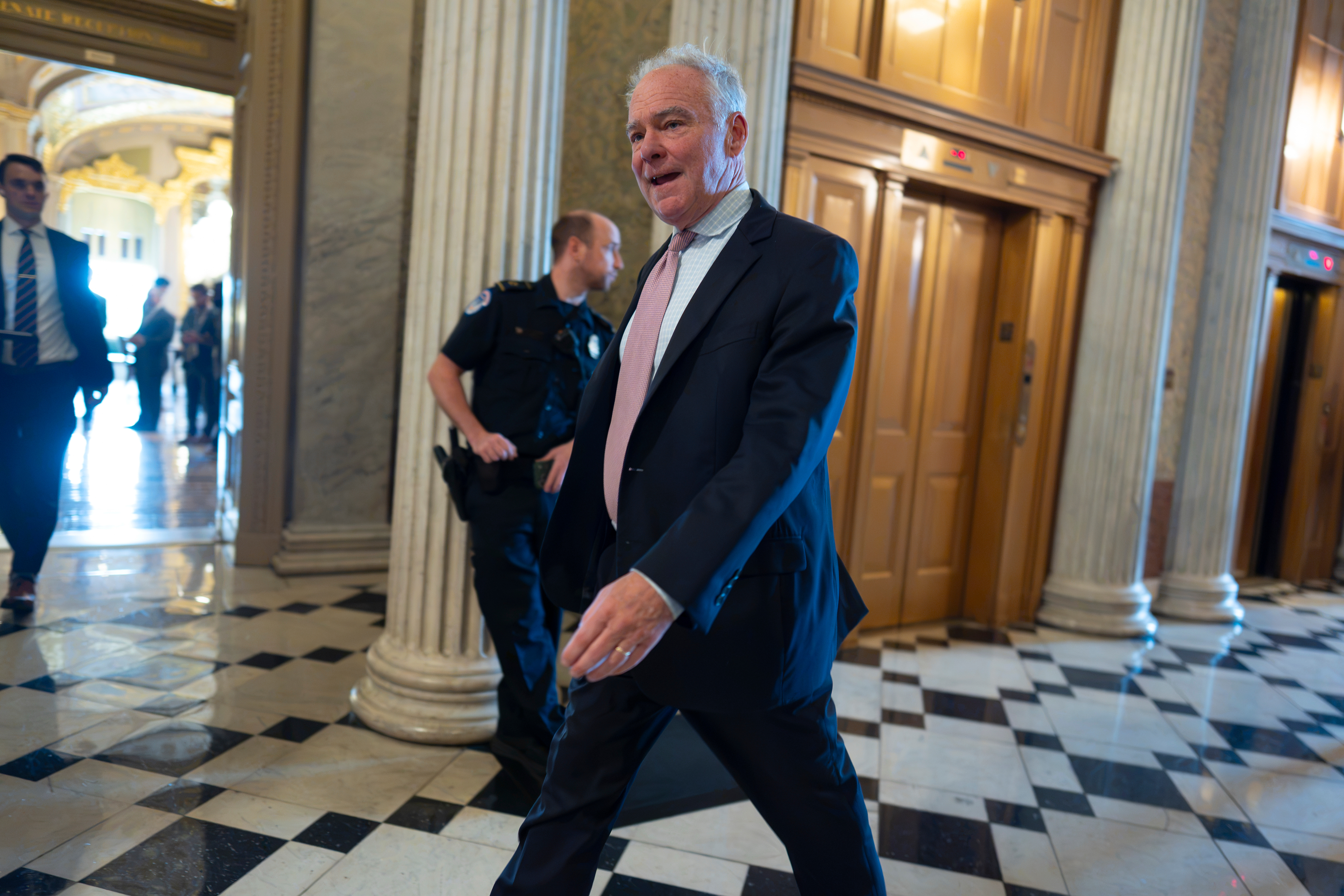
    “They have been carrying water for this ridiculous and illegal war for months and months and months and not listening to their constituents,” said Sen. Tim Kaine (D, Va.), who pushed the war powers resolution forward.

    About half of rural American voters believe the economy is worse off now than when Trump returned to office, according to a new survey from The Associated Press in partnership with KFF. The costs of groceries, gas, and healthcare rank as top pain points for the rural voters.

    “We’ve got to break the cycle,” said Sen. Thom Tillis (R, N.C.), who joined in voting yes.

    Republican Sens. Susan Collins of Maine, Lisa Murkowski of Alaska, and Rand Paul of Kentucky also voted for the resolution to end the war, as they have in many previous tallies. Sen. John Fetterman (D., Pa.) voted against.

    This was the 14th time the Senate has considered a war powers resolution, since Trump launched the conflict on Feb. 28.

    War powers resolutions are largely political statements, without the full force of law, but stand among the sharper tools the House and Senate have to express disapproval of the White House, short of halting funds for Trump’s military actions. As resolutions, they do not go to the president’s desk for his signature.

    As gas prices climb, Republicans start to question the war

    Republicans in control of Congress have shied away from directly confronting Trump over the war, now stretching past the seven-month mark. But their unrest is surfacing as stubbornly high gas prices leave voters in a cash crunch back home.

    Diesel costs, in particular, have almost doubled, topping $6 a gallon, according to AAA.

    Just returning from a swing through Iowa, Kansas, and Nebraska stumping for GOP candidates who are suddenly at risk in their elections, Sen. John Kennedy of Louisiana called on Trump to hold a prime-time address to the nation to explain the Iran war strategy and the end game.

    “People are confused about the war and upset about the cost of living,” he said.

    But he and others were not yet ready to vote against the war.

    “My own view is that the focus right now needs to be on attacking the cost-of-living issues,” said Sen. Josh Hawley (R, Mo.) who opposes the war powers resolution and believes the president is acting within his authority to conduct the military action.

    House Democratic Leader Hakeem Jeffries scoffed at the handful of Republicans now trying to distance themselves from what he called Trump’s failed economy. “Now all of a sudden they’re waking up,” he said.

    Democrats keep pushing war powers votes in Congress

    Earlier this month, the House for a third time approved a war powers resolution, this time with seven Republicans joining the Democrats, including two from battleground Iowa, Rep. Zach Nunn and Rep. Mariannette Miller Meeks, where affordability issues among rural voters are dominating the campaigns.

    Senators, though, have rarely been able to confront Trump by passing a war powers resolution.

    In June, the Senate approved a war powers resolution after four GOP senators joined Democrats, but Republicans abruptly reversed course the next day after Trump berated them during a private lunch over the outcome.

    At the time, Sen. Bill Cassidy of Louisiana, stood up to defend his vote only to end up in a shouting match with Trump. He later switched to oppose the war powers resolution after receiving a personal briefing from the White House.

    Thursday’s vote was on a resolution that had passed the House in July with GOP support. Rep. Pramila Jayapal, D-Wash., who authored the House resolution, said the Senate outcome was “a slap in the face to the millions of American people who want this war to end.”

    Other options to halt the Iran war

    As the war drags on, costing $43.5 billion so far, Congress is also seeking other ways to force Trump to rethink his military strategy in Iran.

    Rep. Thomas Massie, the renegade Republican from Kentucky, pushed forward articles of impeachment against Secretary of Defense Pete Hegseth before the GOP leadership abruptly adjourned the House and sent lawmakers home to campaign for the election, avoiding any potential vote on the matter.

    Lawmakers also have the power of the purse to curtail military spending, something Republicans have been reluctant to do but Democrats are sure to tackle if they win power in the midterm election. The White House’s request for an additional $87.6 billion funding package for the war and other needs has idled in Congress.

    First created in the aftermath of the Vietnam War as a way to hold a president accountable for military actions, the war powers act has long posed a test of the balance of power between the executive and legislative branches of government.

    While the Constitution says only Congress can declare war, the president as commander-in-chief is also able to engage the military. The war powers act seeks to provide clarity by requiring the president, within 60 days of any such action, to seek approval — or risk disapproval — from Congress.

  • Amid rising political violence, N.J. passes bill that would allow campaigns to use funds for security

    Amid rising political violence, N.J. passes bill that would allow campaigns to use funds for security

    New Jersey is poised to allow political candidates to spend campaign donations on security guards and equipment, amid a rising toll of national violent threats and deadly attacks against politicians and their families.

    The 80-member state Assembly on Thursday gave final approval to a bill that would enable politicians to buy alarm and motion-detection systems and hire guards “provided that the security measures address ongoing dangers or threats that would not otherwise exist were it not for the individual’s status or duties as a candidate or officeholder.”

    The bill passed 53-13 with eight abstentions.

    Majority Democrats did not speak during the debate. Some Republicans questioned why candidates’ safety should in any way depend on the size of their campaign fund. They recommended that concerned candidates apply for a firearm and protect themselves.

    Assemblywoman Dawn Fantasia (R., Sussex) said she encountered “some real live wires out there” and has beefed up security in her own home. She has enlisted help from the state police and the attorney general’s office as well. But the bill still gave her pause.

    “I don’t believe anyone has ever donated to me … thinking, ‘I hope it keeps her alive,’” Fantasia said.

    Typically, candidates cannot not use political donations to cover personal expenses. But since the execution of New Jersey U.S. District Judge Esther Salas’ son in their Middlesex County home in 2020 by a self-described men’s rights lawyer, appointed and elected public officials nationwide have taken steps to protect their privacy.

    Those fears only multiplied after President Donald Trump was wounded during a shooting at a Pennsylvania campaign rally in 2024, last year’s arson attack at the Pennsylvania governor’s mansion while Gov. Josh Shapiro slept inside, and the 2025 assassination of Democratic Minnesota State Rep. and former House Speaker Melissa Hortman and her husband.

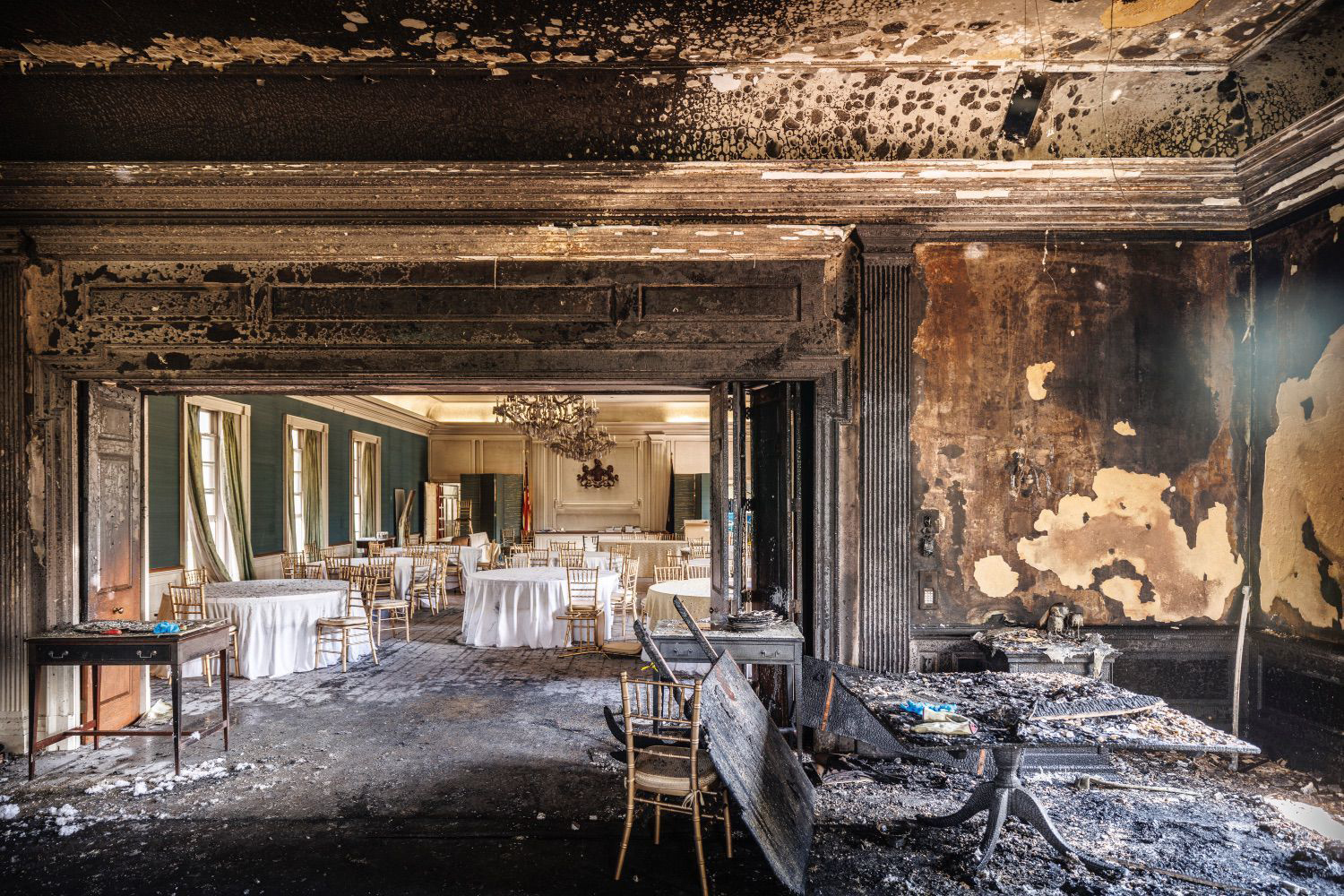
    This image provided by Commonwealth Media Services shows damage after a fire at the Pennsylvania governor’s mansion while Democratic Gov. Josh Shapiro and his family slept inside on Sunday, April 13, 2025, in Harrisburg, Pa. (Commonwealth Media Services via AP)A

    New Jersey would be the 17th state to allow political contributions to be spent on security, according to the National Conference of State Legislatures.

    Rowan University political science professor Ben Dworkin called the need for such a bill “an unfortunate development in the hyper-partisan world we live in.”

    “For any number of years, protecting the candidate meant staff walking in a circle around them, creating a bubble, and moving through the crowd,” said Dworkin, the director of the Rowan Institute for Public Policy and Leadership. “It’s sad if we have gotten to the point the majority of the legislature needs professionals.”

    It is now up to Democratic Gov. Mikie Sherrill to decide whether to sign the legislation into law. The 40-member Senate passed the measure in June.

    The next major statewide election is next year, when all 120 seats in the legislature are on the ballot.

    The protections could extend to candidates’ immediate family members with whom they live. Security personnel could not be relatives, nor could candidates hire security companies owned by family, according to the bill.

    Security devices may be sold after the campaign, according to the bill.

    The state Election Law Enforcement Commission would implement the measure if Sherrill signs it.

  • Mayor Parker wants Council to back a tax break for redeveloping derelict buildings. Council says it’s waiting on her.

    Mayor Parker wants Council to back a tax break for redeveloping derelict buildings. Council says it’s waiting on her.

    Last November, Mayor Cherelle L. Parker announced with great fanfare that Philadelphia could create a property tax break to spur the conversion of derelict buildings, such as empty Center City office towers and vacant school facilities, into apartments.

    She had worked with legislators in Harrisburg to change state law to allow Philadelphia to pursue the legislation, which would create a 20-year property tax abatement for conversions of “deteriorated” properties.

    But 10 months later, no such legislation has been introduced in City Council, and Parker on Wednesday called on city lawmakers to consider her 20-year abatement idea for distressed properties.

    “We have an affordability crisis here in the city of Philadelphia,” Parker told reporters Wednesday. “What if we marry that challenge with these persistently vacant buildings that have gone underutilized, and we put them to their best and their highest use to incentivize affordable housing?”

    Parker’s administration, however, has not yet transmitted a draft of the bill to Council, which is typically the first step for lawmakers to consider legislation championed by the mayor.

    “Tell them, ‘Send the bill over,’” Council President Kenyatta Johnson told reporters Thursday. “We haven’t seen any piece of legislation regarding 20-year tax abatement at this particular point in time.”

    Asked about the delay, Tiffany W. Thurman, Parker’s chief of staff, said Thursday that city agencies “are collaborating to ensure the proposed legislation is legally sound and can withstand constitutional scrutiny.” She added that Parker “remains firmly committed to presenting City Council with a bill that incentivizes the development of affordable and workforce housing on vacant, publicly owned land.”

    On Thursday, several members of Council questioned the lack of specifics from the mayor’s office, and others were less than enthused about the idea of approving a new tax break when the Philadelphia School District is facing a funding crisis.

    “I continue to appreciate an effort to make sure that we have access to affordable housing in the city of Philadelphia,” Councilmember Nicolas O’Rourke said. “At the same time, I am very much so laser-focused and desirous of the city getting the revenue that it needs.”

    A controversial policy

    Property tax abatements have long been controversial in Philadelphia, with opponents contending that they starve the city and school district of needed revenue while favoring real estate developers.

    Philadelphia’s 10-year abatement program, which was established in the 1990s, previously exempted owners from paying real estate tax on all new construction or improvements on any type of property for 10 years.

    That program was long hailed as key to the city’s turnaround in the early 2000s. But concerns about its impact on neighborhood inequality and school funding grew over time, and Council in 2019 roughly halved the value of the tax break for new construction.

    Parker argues that the idea behind her legislation is different: She wants to see a far more narrowly targeted bill that would only help developers who seek to redevelop large, derelict buildings.

    “We’re talking about … persistently vacant school buildings that have been vacant from three up to 30 years,” Parker said Wednesday.

    The mayor also noted that the development environment has worsened dramatically since Council cut the 10-year tax abatement’s power, with soaring interest rates and construction material inflation as factors that weigh heavily on complex and large-scale projects.

    Still, many Council members are skeptical of tackling a potentially controversial measure that is seen to favor developers ahead of next year’s municipal elections, when all 17 city lawmakers will be on the ballot.

    “I’d like to get more information on exactly what the plan is because the tax abatements are, as you know, hugely unpopular,” said Councilmember Cindy Bass, who represents parts of North and Northwest Philadelphia.

    Bass said that while the abatement has spurred needed growth, she would need to see any expansion of it balanced with the needs of lower-income Philadelphians who are struggling with rising costs and property taxes.

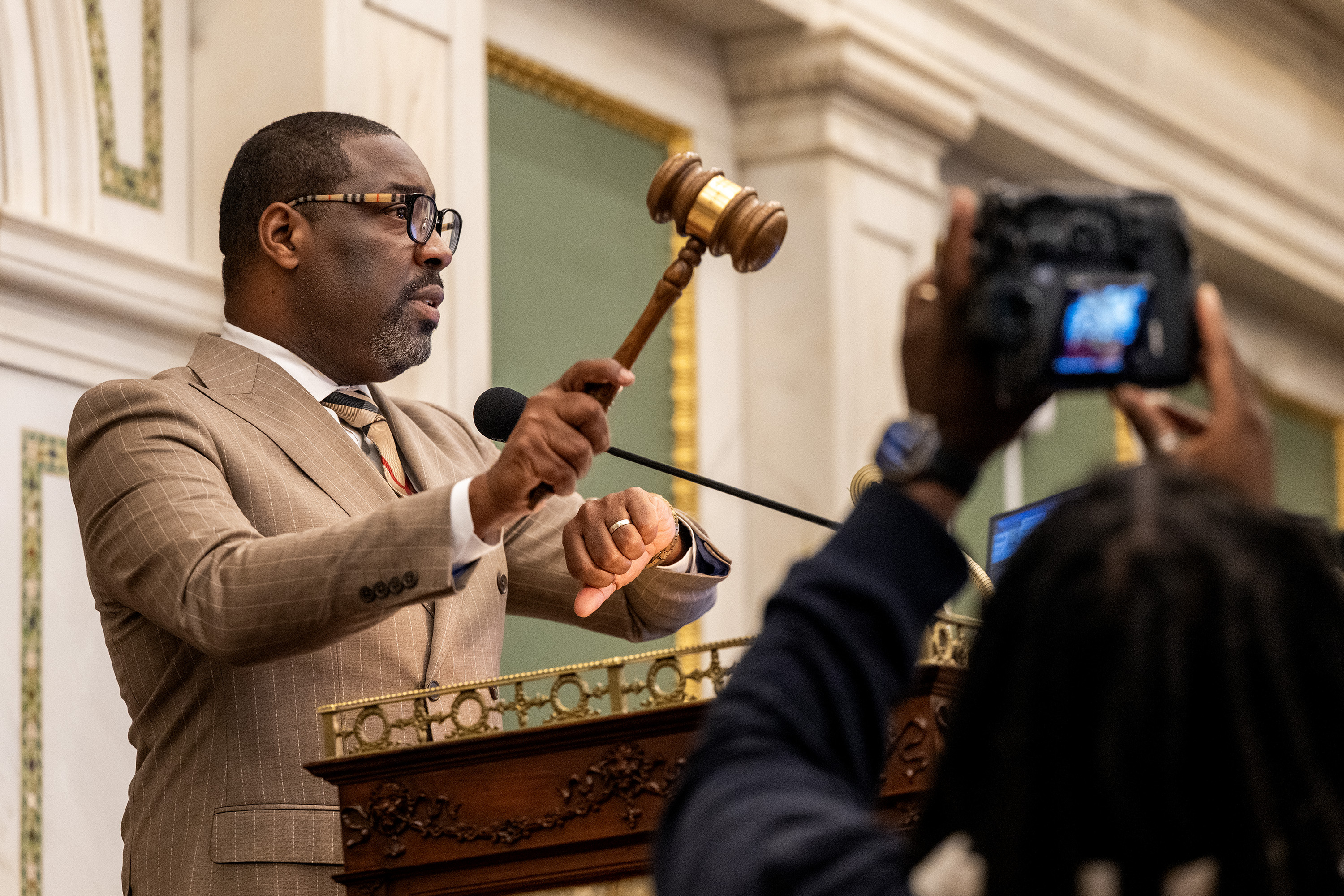
    President Kenyatta Johnson checks his watch and gavels City Council into session on Sept. 17, as the body returns for start of its fall session.Tom Gralish / Staff Photographer

    And Johnson on Thursday reiterated his comments from earlier this year that he would like to see the newly authorized 20-year abatement include a provision that requires an affordable housing component of the projects it enables.

    “Any type of legislation like that should really focus on making sure that we’re providing a level of affordability, also senior housing,” he said. “Obviously, the devil’s always in the details.”

    But it is not clear that state law would allow Philadelphia to mandate affordability in an abatement bill, and Parker cautioned against doing anything that would exceed the city’s authority.

    “We have to make sure that whatever we are proffering, that it is directly connected to what has been enabled,” Parker said. “It has to pass legal muster for no one to question the constitutionality of what it is that we’re doing.”

    Persistently vacant schools

    A 20-year abatement would apply to empty office buildings in Center City and long-vacant industrial buildings. But Parker and administration officials have focused their pitch on revitalizing empty public schools.

    “We need to pass it because it’s going to be extremely beneficial for challenging properties,” John Mondlak, chief of staff of the Philadelphia Department of Planning and Development, said Wednesday. “You think about schools in 10 years, 20 years — they are very difficult to reposition.”

    That pitch, however, runs up against another policy issue festering between Parker and Council.

    Councilmember Isaiah Thomas said some of the hesitation to take up the abatement legislation is due to Council’s dissatisfaction with the Philadelphia School District’s facilities plan, which the school board adopted last spring and calls for the closure of 17 school buildings and the renovation of 169 others.

    Thomas and other Council members vigorously protested the plan and are still pressing for the board to reconsider it.

    “That’s our priority,” Thomas said Thursday. “I don’t want to have a conversation about schools that are vacant until we have a conversation about schools that are occupied.”

  • FDA nominee voices support for vaccines at Senate hearing scrutinizing Trump administration efforts

    FDA nominee voices support for vaccines at Senate hearing scrutinizing Trump administration efforts

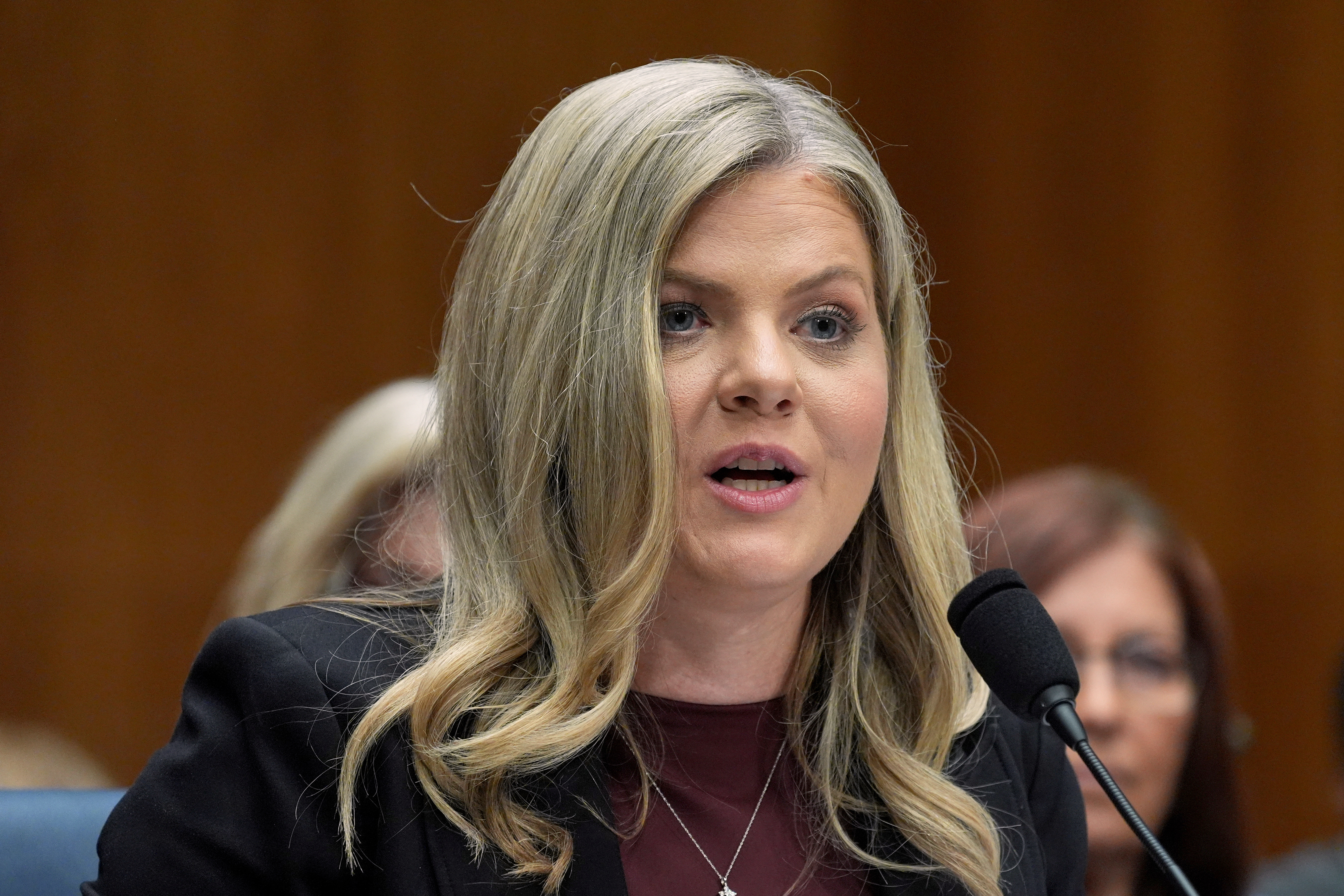
    WASHINGTON — President Donald Trump’s pick to lead the Food and Drug Administration voiced support for the safety of long-established vaccines at a hearing Thursday, even as senators questioned her about the White House’s efforts to upend childhood immunizations.

    Heidi Overton is currently serving as a White House adviser and has worked on a series of Trump health initiatives, including an executive order last month that called for splitting up and spacing out childhood vaccinations, bucking decades-old guidelines. Overton, a physician, stood beside Trump in the Oval Office when he falsely remarked that the combined measles, mumps and rubella vaccine could be “quite lethal.”

    Senate Health Committee Chairman Sen. Bill Cassidy, a physician from Louisiana, pushed Overton to reject that statement and affirm the safety of FDA-approved vaccines.

    “Right now every vaccine that is on the market has been determined to be safe and effective,” including the MMR vaccine, Overton said.

    Cassidy has repeatedly tried to extract commitments from Trump health nominees to uphold vaccine standards, including from Health Secretary Robert F. Kennedy Jr., only to see the Republican administration push forward with efforts undermining their use.

    “Kennedy gave me guarantees, and he did not keep them,” said Cassidy, a Republican. “If the president asks you to do something that goes against those guarantees you give us today, what will you do?”

    Overton said she would “follow the statutory requirements” for FDA commissioners and give Trump her best advice. Later in the hearing, Overton declined to explicitly say that Trump was wrong about the MMR vaccine’s safety.

    “This committee needs to know whether you will be radically honest, whether you will use your authority to stand up for sound science and protect children’s health,” Cassidy said. He didn’t indicate whether he’d support Overton’s nomination or when he might schedule a committee vote on it.

    If confirmed, Overton would inherit a raft of other controversial projects at the agency, including a safety review of the nation’s principal abortion drug and new rules that make it easier to sell flavored electronic cigarettes. Both issues were a focus for Republicans and Democrats on the panel.

    Overton sidesteps past statements on abortion pill

    The FDA approved the abortion pill mifepristone in 2000 and has repeatedly affirmed its safety while broadening access, including allowing it to be sent through the mail. But Kennedy ordered an FDA review of the drug’s safety last year, following calls from anti-abortion groups and lawmakers favoring abortion restrictions.

    While working at the Trump-aligned America First Policy Institute, Overton wrote that the FDA decision to allow mail delivery of mifepristone was “dangerous to women,” referring to the practice as “chemical abortion on demand.”

    In response to questions from Washington Sen. Patty Murray, Overton sidestepped her personal views on the drug, stating that it “has met the safety and efficacy determinations of the FDA.” Overton said she didn’t want to “prejudge” the FDA’s ongoing safety review of the pill.

    “The FDA has said this is safe,” responded Murray, a Democrat. “We need someone in FDA to make sure this is done by science.”

    Republicans on the health committee, including Cassidy, recently published a report suggesting the handful of companies that sell mifepristone may not be complying with rules for overseeing doctors who prescribe the drug.

    “If I’m confirmed as commissioner I would be committed to making sure every company is following the law,” Overton told Republican Sen. Jim Banks of Indiana.

    Overton’s abortion views could complicate her efforts to win over two moderate Republicans on the panel: Maine Sen. Susan Collins and Alaska Sen. Lisa Murkowski. Both have bucked their party on the issue, supporting federal access to abortion. Collins is currently locked in a tight reelection race in which abortion access is a central issue.

    But Collins focused her questions Thursday on a different issue: recent FDA decisions allowing new flavored e-cigarettes onto the market. Under previous administrations, including Trump’s first term, the agency had restricted sweet vaping flavors due to their potential appeal to kids.

    Overton pointed out that approval of several fruit-flavored vapes had the backing of FDA scientists, who determined the products met the standard of “appropriate for the protection of public health,” by helping adult smokers quit cigarettes.

    “They believed that standard was met because so many adult smokers are using flavors preferentially,” Overton said.

    To become commissioner, Overton will need a majority of votes from the 21-member health committee, followed by a positive vote from the full Senate.

    Under the current administration, leading the agency has involved balancing Trump’s demands for slashing regulations — such as those for vaping products — alongside Kennedy’s interests in scrutinizing vaccines, drugs and food ingredients.

    The previous FDA head faced numerous challenges before quitting

    Those challenges dogged the tenure of the previous FDA head, Marty Makary, who resigned in May. Makary’s time at the agency was defined by scientific disputes, leadership changes and a string of media stories detailing low morale and internal dysfunction among staffers. The FDA has lost about 20% of its employees to layoffs, buyouts, retirements or resignations since Trump took office.

    Overton studied under Makary at Johns Hopkins University, where she received a doctoral degree in clinical research after earning her medical degree at the University of New Mexico.

    Like Makary, Overton has no experience running a large bureaucracy, a critical skill for steering the FDA’s 16,000 staffers spread across numerous U.S. and international locations.

    In financial disclosure forms, Overton reported no investments in healthcare or food companies. That’s a stark contrast to Makary and other recent FDA nominees who have had to divest investments or cut other financial ties with companies regulated by the FDA.

    Overton reported $50,000 to $100,000 in student loans.

  • Trump ad airing with government funding despite law against ‘propaganda’

    Trump ad airing with government funding despite law against ‘propaganda’

    A television ad promoting President Donald Trump began airing on cable Wednesday saying it was paid for by the U.S. government, despite a federal prohibition on using taxpayer dollars for “publicity or propaganda.”

    The ad is similar to spots released earlier by the nonprofit arm of Trump’s political operation to promote his record in the midterms campaign. But this one includes a tag reading, “Paid for by the U.S. Government.”

    Since the 1950s, annual appropriations legislation — including the funding bill Trump signed in February — has routinely included a ban on using federal funds for “publicity or propaganda purposes.” The Government Accountability Office has said the prohibition applies to communications that are “purely partisan” and “designed to aid a political party or candidates.”

    The ad consists of a supercut of Trump photos and videos interspersed with text of campaign slogans. The soundtrack features snippets of Trump speeches and a chorus of women singing, “I’ll make them love me.” It ends with Ultimate Fighting Championship CEO Dana White praising Trump over footage of the June match on the White House lawn and military flyovers.

    It has aired so far on Newsmax in Chicago and Fox News in Los Angeles, according to ad-tracking firm AdImpact. More details about who bought the airtime were not available.

    The White House and representatives of Trump’s political team did not immediately respond to questions about the ad.

    Rep. Jamie Raskin (D, Md.), the top Democrat on the House Judiciary Committee, said on social media that the ad could amount to “felony criminal theft and conversion of government property for political campaign purposes.” He also cited the Hatch Act, which prohibits government employees from using their positions or official resources for political activities.

    There is no immediate precedent for a government-sponsored political ad during a campaign.

    In 2004, the administration of President George W. Bush was criticized for releasing ready-to-air video segments showing Bush signing a Medicare prescription drug law, complete with hired contractors posing as reporters. The GAO said the materials violated the propaganda prohibition.

    In the first Trump administration, the Department of Health and Human Services commissioned a $250 million coronavirus ad campaign that congressional Democratic investigators found included partisan interests. The agency backed off using pro-Trump celebrities in the ads.

    Last year, the Department of Homeland Security under then-Secretary Kristi L. Noem spent more than $200 million on ads promoting her and Trump’s immigration policies. In March, Noem testified that Trump approved the campaign, prompting him to fire her.