A nonfunctioning grenade was thrown into a Feltonville home early Thursday morning, according to the Philadelphia Police Department. The home was evacuated and no one was injured.
Police responded to the 400 block of West Courtland Street at 1:59 a.m. for reports that a grenade had been thrown into a residence. The home was cleared, and the Philadelphia Police Bomb Disposal Unit arrived at the scene around 3:35 a.m. to safely secure the device.
Following an examination, bomb squad officers determined the device to be nonexplosive, or inert, and posed no danger to the public.
Anyone with information about this incident is asked to call the Philadelphia Police Department’s tip line at 215-686-TIPS (8477).
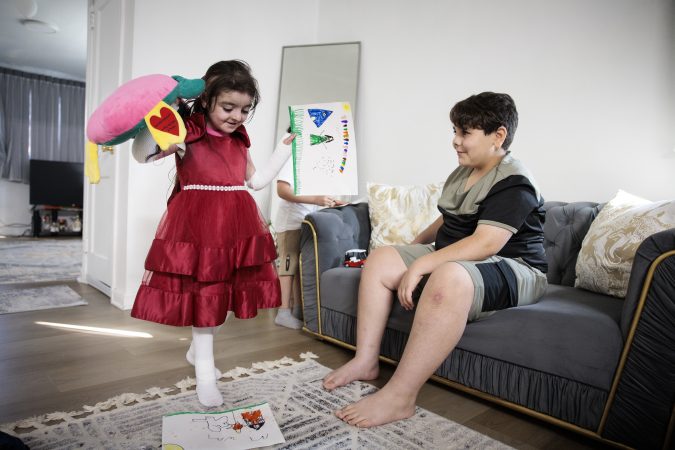
A small garden stands outside the two-story Northeast Philadelphia home where Fatima Alsalih Alti Keli and Waled Keli live with their three children. Inside, their 8-year-olddaughter, Abeer Janna Keli, sits on the couch drawing pictures with her two brothers, her small arms carefully wrapped in bandages to protect her fragile skin. The ordinary domestic scene would have seemed nearly impossible before the family immigrated to the United States from Turkey, after the civil war in Syria had prompted both parents to flee.
Over the last two years, the family’s future has been radically transformed in Philadelphia with the help of specialized treatment for Abeer. And yet, the resettlement process by which they were granted visas is threatened: When the family applied for resettlement in the United States around 2020, the annual refugee admission cap was set to 18,000. The cap this year is set to 7,500, the lowest in U.S. history.
Alti Keli, 28, and Keli, 30, had known each other through their families in Syria, but they married after both had fled to Turkey and started their family there. Once in Turkey, they applied to move to seek medical treatment for Abeer, a process that took about five years.
Abeer was born with epidermolysis bullosa, a rare genetic disorder that causes the skin to blister and tear from minor friction. Children with the condition are often described as having “butterfly skin.” Before the family came to the United States, Abeer had little access to specialized medical care. She struggled to eat because of sores in her mouth, relied on a wheelchair, and spent much of her time asleep.
“She was like a ghost,” her mothersaidin Arabic through a translator.
The family applied to immigrate through the United Nations High Commissioner for Refugees in 2020 on the basis of receiving treatment for Abeer’s disease and were connected with Children’s Hospital of Philadelphia, where Abeer still receives treatment. When they arrived in Philadelphia in July 2024, they went directly to CHOP, where Abeer stayed for 12 days before she could go home.Two years after the move, the Kelis have settled into their lives in Philadelphia.
“Now that she is here, she is talking, walking, and is happy going to school,”Alti Keli said, smiling through tears. “Her doctors saved her life.”
They moved to their predominantly Arab neighborhood after first living in Southwest Philadelphia. Struggling with the language barrier and the job search, they were feeling isolated there. The friction of daily life was a real struggle as the family balanced learning English, taking their daughter to medical appointments, finding employment, and coordinating schooling for Abeer and her brothers — Abdul Rahman, now 10, and Mahmoud, now 6.
For example, they were flabbergasted when their water bill spiked from $50 to $500 a month. Realizing their toilet was leaking, they struggled to communicate with their landlord. Those struggles have eased. In their new neighborhood, their children can easily walk to school and have made friends who share their Arab heritage. With the help of English classes, phone translators, and a refugee-support organization, the family has been able to build a comfortable life.
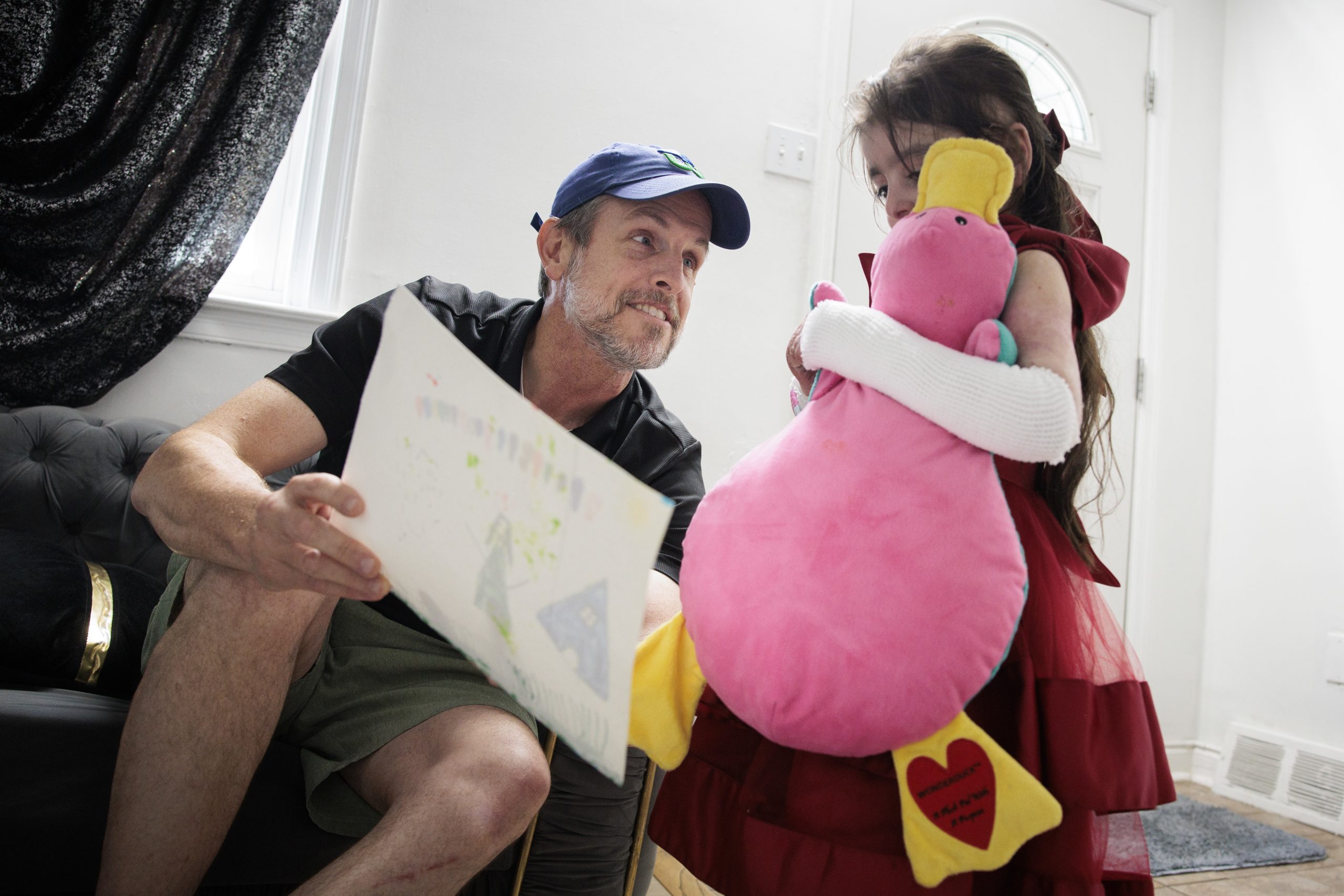
Volunteer Dan McVay talks with Abeer Keli, 8, about her drawing at her home on Wednesday, July 22, 2026 in Philadelphia. The Refugee Empowerment Support Team (REST) works with refugee families in Philly.Monica Herndon / Staff Photographer
The Refugee Empowerment Support Team (REST) helped the family confront the logistical challenges of moving to a new country. Efforts by President DonaldTrump’s administration to curb immigration have affected not only the number of refugees allowed into the country, but also the kind of help they receive while they are here. After the administration threatened to close resettlement offices in 2025 and froze federal funding, many of the offices shut down and laid off employees. Provisions in the One Big Beautiful Bill Act limited refugees’ access to government services like Medicaid, Medicare, and SNAP benefits.
REST has filled in those gaps by helping to connect refugees with employers, assisting with transportation to medical appointments, and dealing with other logistical challenges. Dan McVay, a leader with REST, said more refugees are now contacting the organization directly through Facebook, asking for help finding jobs and accessing services.
“There is no money for refugees already in the country,” McVay said.
Alti Keli, however, is “very happy with the challenge” of adjusting to life in a new country. While she takes care of the children, herhusband works in landscaping at a golf course. He also loves to garden at home and has filled the front of the house with potted plants and flowers.
McVay describes the family as very welcoming, often serving guests tea or coffee and homemade sweets.
Before the family moved to the United States, the Kelis fled to Turkey from Syria in 2014, where they married and had their three children. Alti Keli’s face contorts while describing her life in Syria, where she lost her father and four siblings, during the civil war: “It was like a nightmare.”
The family had to keep moving and did not have access to shelter, food, or even potable water.
“We had to drink dirty water,” Alti Keli said. In Turkey, life was better, but Abeer could not get the specialized care she needed.
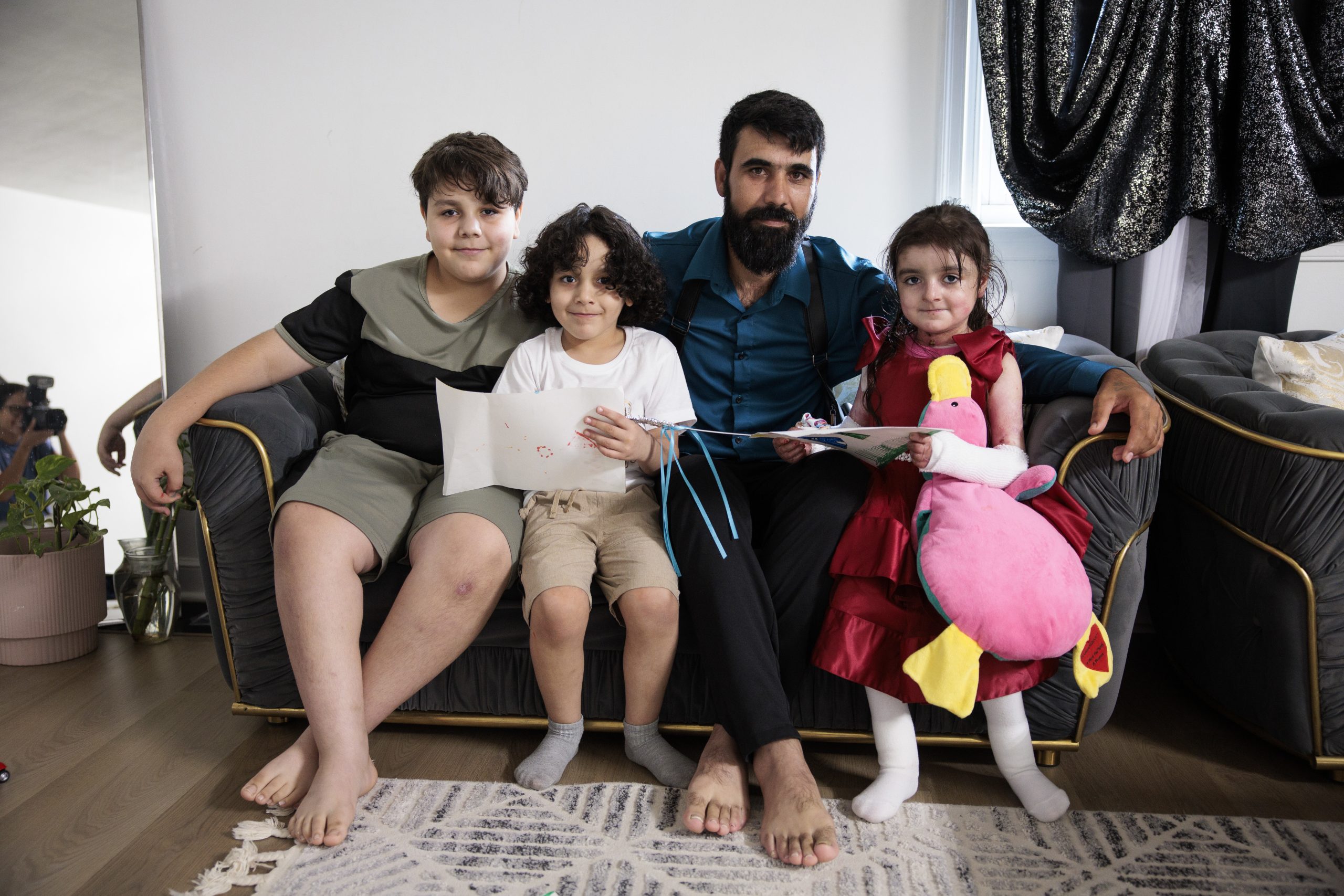
(left to right) Abdul Rahman Keli, 10, Mahmoud Keli, 6, Walid Keli, and Abeer Keli, 8, posed for a portrait at their home on Wednesday, July 22, 2026 in Philadelphia. The Refugee Empowerment Support Team (REST) works with refugee families in Philly.Monica Herndon / Staff Photographer
A United Nations spokesperson described the situation in Syria during 2013 as “a complete meltdown of humanity,” as Bashar Assad’s Russian-backed regime tried to recapture rebel-held territory. During the war, civilians were subject to chemical warfare, indiscriminate bombing attacks, and systematic torture and execution by the Assad regime.
Moving to Philadelphia was “the first step of hope,” Alti Keli said, a step that has been realized now that her daughter is doing well. “I came here for hope,” she says. “What else can I ask for?”
The smartphone alerts and the battery of weather watches and warnings were chilling. But they failed to capture what actually happened in the immediate Philadelphia area.
As it turned out Tuesday, not all that much happened, beyond a beneficial rainfall, some flashbulb lightning, and wind gusts that officially did not get past 34 mph. Heavy rains hammered Upper Bucks County, but around Philly, creeks behaved and flooding reports were isolated, even as damaging storms struck to the north and south of the region.
As so often occurs with summer thunderstorm outbreaks — not to mention winter storms — we learned science is playing catch-up with the atmosphere. That was evident Tuesday night, and if you feel as though you’ve seen this movie before, the forecasts and the outcomes were similar on July 18 and 21.
And expect recurrences — and surprise storms — even if the climate stops changing.
The atmosphere still is jealously guarding some of its most important secrets, said Bill Bunting, deputy director of the federal Storm Prediction Center, the national house of mayhem in Norman, Okla., that is responsible for all the severe-storm and tornado watches.
In his 40-plus years in the storm-forecasting business, Bunting said,“I have seen remarkable progress, but we’re nowhere near perfection. In the end, the science has its limitations.”
About the Tuesday night storms
Life is unfair, and that works both ways. The Philly region has had its share of storm ambushes historically, and as for what did not happen in and around the city Tuesday, “we’ll consider that a much more fortunate outcome than what could have been,” said Mike Lee, meteorologist at the National Weather Service office in Mount Holly.
The outcome was similar to that of July 18 and July 21, when the menu of threats — wind, possible floods and tornadoes, lightning — was about the same. The gusts on the 18th did not get above 35 mph at Philadelphia International Airport, andthey did not get above 30 mph on the 21st.
Bunting said this week’s storms were particularly problematical meteorologically. “The wind fields were quite strong” in the upper atmosphere, he said. “That environment was not one to mess around with.”
It was as though the system had wandered in from a different season, when cooler temperatures create sharp temperature contrasts that drive storm development,Lee’s colleague Patrick O’Hara said.
At 12:50 p.m., the storm center had seen enough to issue a broad-brush severe-thunderstorm watch that covered a huge swath of the Mid-Atlantic region, including much of Pennsylvania and all of New Jersey and Delaware.
A tornado watch followed a few hours later.
The Mount Holly office issued two tornado warnings for the Philly area — including one covering Wilmington and Chester City.
However, the two twisters verified by the Mount Holly office occurred in Talbot County, Md.
The heaviest rains — in some cases over 4 inches in Quakertown — mostly were confined well to the north of Philly. Officially, 0.72 inches of rain was measured at PHL.
Wind-damage and flooding reports around the Philly area were sparse, although Bunting advised it can take days following a storm to get an accurate assessment of impacts.
The future of thunderstorm forecasting
Bunting suggested that complaints about forecast accuracy could be viewed as forms of flattery, since they well from the public’s expectations that, in turn, well from advances in forecasting.
In 1985, Bunting recalled,he was working with one computer-model output that he received via a fax machine, and observation tools primitive by today’s standards.
But forecasting the development and movement of thunderstorms remains one of the great challenges of meteorology, and it is inevitable that storms are not going to materialize in some areas that are under a storm watch.
“You don’t now exactly where those storms will organize into a cluster, or fast-moving line segment,” he said. “So you have to put larger areas on notice.”
A wild card in any cluster or line of storms would be renegade, isolated storms, the kind that are apt to spin up a tornado, Bunting said.
For any given storm, he said, “until it forms in a larger area with similar conditions, it’s hard to pinpoint the risk.”
What would it take to pinpoint the risks? Improved understanding of storm physics, improved remote-sensing capabilities, and more powerful models, Bunting said.
“It is not a trivial challenge,” he said. “The decisions are not going to be perfect.”
That is not necessarily a bad development, he added.
“Sometimes I wonder what it would be like if we knew what the weather would be in great detail, weeks and months advance,” he said. “It seems to me it would get kind of old.”
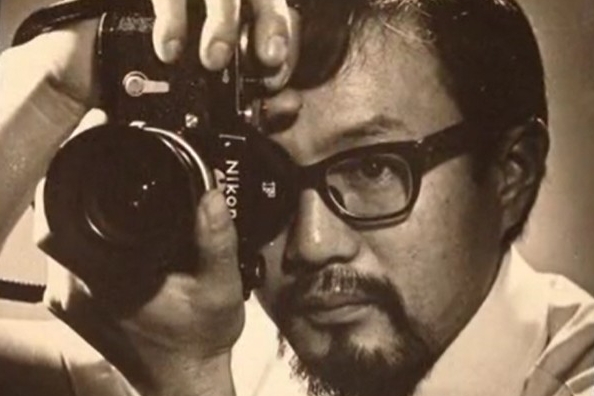
Akira Suwa, 84, of Laurel Springs, Camden County, award-winning longtime photojournalist at The Inquirer, mentor, and lifelong green-thumb gardener, died Tuesday, July 14, of complications from dementia at his home.
Born in what is now South Korea and reared in Japan, Mr. Suwa came to the United States for good in 1967 as a landscape designer and amateur photographer. When a landscaping job at a Florida garden center dried up, he polished his photography skills and, from 1969 to his retirement in 2014, worked as an award-winning staff photographer at the Tampa Tribune, the St. Petersburg Times, the Palm Beach Post, and The Inquirer.
He joined The Inquirer in 1977 and, for 37 years, provided readers with thousands of illustrative, dramatic, stylish, and emotion-evoking photos from assignments around Philadelphia, South Jersey, and the world. He took poignant photos after the Three Mile Island nuclear accident, the fall of the Berlin Wall in Germany, and the Sept. 11 terrorist attacks, and during Operation Desert Storm in Saudi Arabia and the 1998 Winter Olympic Games in Japan.
He sent back tragic and heroic images of conflict and despair from Libya and Brazil. He photographed drug traffickers in Colombia and was detained by authorities in China.
Before the Inquirer, Mr. Suwa took photographs for the Palm Beach Post, the St. Petersburg Times, and the Tampa Tribune.Courtesy of the family
Before the Inquirer, Mr. Suwa took photographs on all kinds of assignments for the Palm Beach Post, the St. Petersburg Times, and the Tampa Tribune. His father was an avid amateur photographer back in Japan, and Mr. Suwa honed his own emerging photo skills at nights and on weekends in Florida before joining the Tribune in 1969.
He won several awards from the National Press Photographers Association and was named the 1973 Florida Newspaper Photographer of the Year by the University of Florida. He mentored young photographers and students, and one former student said: “He taught me so much about making the best photos possible.”
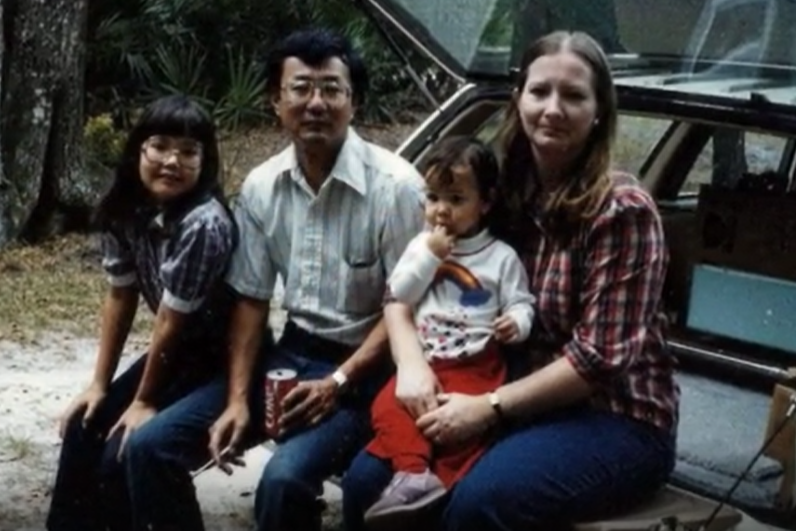
Mr. Suwa photographed his wife, Deborah, often.Courtesy of the family
Away from the lens, Mr. Suwa enjoyed tending his backyard garden in South Jersey, watching the birds flit about the feeders, and chasing the squirrels away. His mother was a serious gardener in Japan, and he studied agriculture in California as an exchange student while earning a degree at Tokyo Agricultural University in 1966.
In 1964, he took a year off from college to work as a busser in the Japan pavilion at the World’s Fair in New York. “I fell in love with America, especially New York City,” Mr. Suwa wrote in an autobiography he shared with his family. “I was young and motivated to do something different from my peers back in Japan.”
Akira Suwa was born Dec. 22, 1941, in what was then Taegu, Korea. He and his family fled Korea for Japan as refugees after World War II, and he grew up mainly in Osaka.
He never formally studied photography, but his innate camera skills got him a job with a photo studio in Florida in the late 1960s.
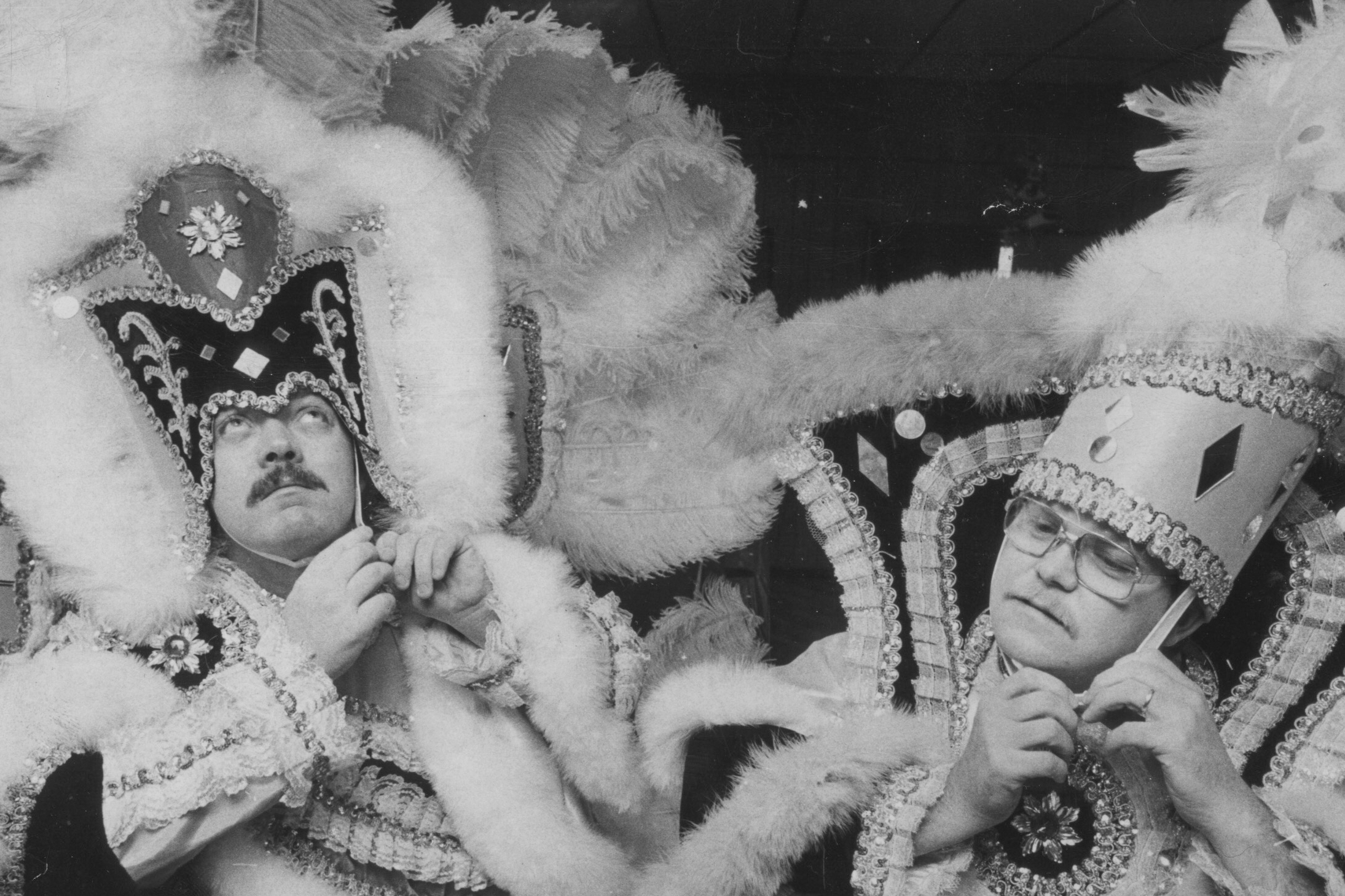
Mr. Suwa photographed these Mummers in 1978. Akira Suwa / Staff Photographer
He met Deborah Carter through a mutual friend at the studio, and he took her to see the musical Hello, Dolly! on their first date. She was smitten, she said, and they married in 1969, and had daughters Jasmine and Keiko.
They settled in Laurel Springs when he joined The Inquirer and traveled to Japan several times to visit family and friends. “We enjoyed the best of both cultures,” his wife said.
Mr. Suwa listened to jazz and built his own home computers. He liked to play pranks on the girls, his daughter Keiko said, but was simultaneously warm, serious, and practical. “If there was a job to do,” she said, “he would get it done.”
His daughter Jasmine said: “He was forthright, sincere, and full of integrity.”
Mr. Suwa and his family traveled to visit family in Florida and Japan. Courtesy of the family
He doted on his wife and their grandchildren, and his family praised “his sharp eye, his mischievous sense of humor, and his devotion to his family.” His wife said: “He had my back and was as honest as the day is long.”
That’s what a former Comcast retail employee says would happen, according to a new lawsuit filed against the Philadelphia-headquartered company.
David Figueroa, a former employee at a retail location in Connecticut, alleges a store manager subjected workers to hazing and assault, forcing him to quit within a month of employment. That treatment included a monthly ritual where an employee was tied to a chair and smashed in the face with a cream pie. The antics were also videotaped.
Comcast, the $125 billion-a-year media and communications giant, operates hundreds of retail stores nationwide. The stores act as point-of-sales locations for Xfinity products, including internet and TV products. They also offer equipment swaps and general customer support.
“The Company has zero tolerance for harassment, humiliation, or any behavior that compromises a respectful and safe workplace,” Comcast spokesperson John Demming said in a statement. “This matter is in litigation so we will not comment on the specific allegations, other than to say that we disagree with the claims in the complaint and its characterization of the alleged events, and intend to fully respond through the legal process.”
According to a lawsuit filed on behalf of Figueroa against Comcast, he was hired as a retail sales consultant in February at a retail location in Plainville, Conn., about 15 minutes outside of Hartford.
But Figueroa said he was quickly rattled by his direct supervisor, the store’s manager, for her treatment of the staff. That store manager is not named as a defendant in the lawsuit. Demming declined to comment on the manager’s current employment status, citing personnel matters.
The lawsuit says the store’s manager tracked employee sales metrics on a whiteboard in the back office that all employees could see. In the corner of that whiteboard, employees’ names were correlated to an emoji. The employee with the lowest monthly sales was listed next to an upset-looking emoji with a pie on its face, according to photos included in court documents.
“[The chart] identified the employees who either had been recently assaulted or were scheduled to be assaulted in this way,” the lawsuit says.
On Feb. 25, Figueroa witnessed a coworker being tied to the chair and assaulted in the face with a pie. The store manager “ordered, was present for, and videotaped this assault, as did the Plaintiff and other coworkers,” the lawsuit says. The coworker who struck the tied-up employee “had better sales results” and was ordered “to assault his poorer performing co-worker, in front of his peers,” the suit says.
Figueroa’s coworkers showed him a video of another pieing incident where the assistant sales manager was hit in the face with a pie because of a poor survey score from a customer, according to the lawsuit.
He attempted to report the incident to the store’s regional manager, who instructed Figueroa to send a text message documenting his concerns. According to the lawsuit, the regional manager “never responded” to Figueroa’s complaints about the store’s “hostile and violent work environment,” leading to his resignation.
The Plainville retail location could not be reached for comment.
Figueroa “suffered a pervasive and ongoing fear of being subjected to management-condoned assaults and public humiliation in the workplace,” the lawsuit says. Now, he’s suing Comcast for damages, including past and future financial, emotional, and reputational harm caused by the incident, along with court fees.
It’s not the first time Comcast has found itself in a lawsuit involving a former employee. As reported on by The Inquirer, severalpastlawsuits waged by former employees have touched on hostile work environments at different Comcast stores, facilities, and call centers.
The company reported lower profits last week, citing drops in domestic residential broadband customers in the second quarter.
Police recovered a vehicle on Tuesday believed to have been used in a fatal hit-and-run earlier this week.
Deputy Police Commissioner Frank Vanore said Wednesday that investigators found a black Dodge Charger Hellcat, a high-performance version of the standard Charger, in Upper Darby on Tuesday. Investigators also learned the vehicle had been stolen around an hour before its driver fatally struck Talyia Bernice Nesmith, 29, on Monday morning.
On Monday, just after 3 a.m., Nesmith exited a rideshare vehicle on the 7200 block of Elmwood Avenue in the Eastwick section of Southwest Philadelphia. As she attempted to cross the street, someone driving a black Dodge Charger Hellcat struck her at a high rate of speed, police said.
Nesmith was struck with so much force that she was thrown into the rear of a nearby unoccupied parked car. After striking Nesmith, police said, the driver of the Dodge continued east, striking another parked car before fleeing.
Police responded to the scene at 3:30 a.m. for reports of a multi-vehicle crash involving a pedestrian. Philadelphia Fire Department medics took Nesmith to Penn Presbyterian Medical Center, where she was pronounced dead at 4:05 a.m.
In the hours following the crash, investigators in Northwest Philadelphia found a report of a stolen 2019 black Dodge Charger Hellcat, a similar model to the one involved in the hit-and-run, Vanore said. Officers began tracking where the vehicle traveled after the theft and were able to identify the car in the area of the fatal hit-and-run.
Following that lead, investigators were able to further track the Hellcat into Delaware County. Vanore said that officers notified Delaware County law enforcement agencies of the vehicle they were looking for Tuesday, and that by 5 p.m., officers had recovered a 2019 black Dodge Charger Hellcat in a residential area of Upper Darby at Broadway and Oak Avenues. The vehicle will be processed for forensic evidence.
Police did not identify a suspect in the stolen vehicle or the hit-and-run, and no one is in custody. Investigators are combing through video evidence of the car theft and recovery and the fatal hit-and-run to identify a suspect, but are continuing to ask the public for any information.
“We still ask that anybody from the public who may know anything about this theft, who may know who was operating that Dodge Hellcat, we’re urging them to call us at our tip line or in our crash investigation division,” Vanore said.
Anyone with information can submit an anonymous tip by calling the police department’s tip line at 215-686-TIPS (8477). Tips can also be submitted electronically at phillypolice.com/tips.
(function(){function e(){window.addEventListener(`message`,function(e){if(e.data[`datawrapper-height`]!==void 0){var t=document.querySelectorAll(`iframe`);for(var n in e.data[`datawrapper-height`])for(var r=0,i;i=t[r];r++)if(i.contentWindow===e.source){var a=e.data[`datawrapper-height`][n]+`px`;i.style.height=a}}})}e()})();
The number of hit-and-run crashes, like the one that killed Nesmith, has fallen in Eastwick in recent years, according to Pennsylvania Department of Transportation data. There were nine hit-and-runs in 2025, down from 15 in 2023. But since 2019, nearly 100 hit-and-run crashes occurred in the neighborhood, resulting in 84 people injured and four deaths.
Philadelphia’s former chief diversity, equity, and inclusion officer has said before that Mayor Cherelle L. Parker and top administration officials scapegoated her after she reported sexual harassment in City Hall and then fired her “unjustly.”
But in an explosive new lawsuit filed in federal court in Philadelphia this week, that officer, Brandee Anderson, claimed her termination was part of a coordinated effort to “suppress” or rebrand diversity work and came as a top Parker administration official made derisive comments about other DEI leaders.
She claimed Parker — a centrist Democrat who is Black and the city’s first female mayor — said in 2025 that she “did not care about Ms. Anderson’s ‘DEI ideology,’ only minority business.”
And she alleged in the lawsuit that the mayor threatened to remove any administration official who expressed dissenting views, telling a gathering of senior officials that no one “has a right to have an opinion about where we are going.”
The suit, filed Monday in U.S. District Court for the Eastern District of Pennsylvania, seeks unspecified damages and payment of lost wages as a result of her firing. Parker is named as a defendant, as are Deputy Mayor Vanessa Garrett Harley, Inspector General Alexander DeSantis, and communications director Joe Grace. Anderson claimed DeSantis and Grace defamed and retaliated against her in statements to the media after her firing.
Anderson served as Parker’s chief DEI officer beginning in 2024, advising the mayor and administration on matters such as workforce diversity, community engagement, equitable budgeting, and minority business opportunities. She also oversaw offices that serve LGBTQ+ residents and people with disabilities.
She was fired in 2025 after Tyrell Brown, then the director of the Philadelphia Office of LGBTQ+ Affairs, reported to Anderson that they had received a “semi-nude” photo from a senior administration official. Anderson says in the lawsuit that she was fired days after elevating the matter to Garrett Harley and human resources officials.
It was also the second time this month that a former Parker administration official accused senior administration members of fostering a toxic work environment.
Shania Bennett, the former director of the Philadelphia Office of Youth Engagement, last week posted on social media that working for the city was “the worst experience of [her] life” and that she had quit her job after “unprofessional harassment.”
Bennett could not be reached for comment.
‘Stand down’ on DEI matters
Anderson, an attorney who founded a firm that creates anti-racist trainings, was hired in October 2024 to lead the city’s DEI efforts. In the lawsuit, she alleges that Parker officials undermined her authority from the outset.
She claimed Parker forbade her from contacting members of City Council with whom she had existing relationships. And she said Garrett Harley, one of Parker’s most senior officials, told her and other DEI leaders to “stand down” if they expressed dissenting views, saying “if you can’t align with the mayor’s strategy, DEI may not be the job for you.”
Deputy Mayor Vanessa Garrett Harley speaks during a news conference in Philadelphia, Pa., in June 2024.Tyger Williams / Staff Photographer
Anderson also claimed Garrett Harley made discriminatory comments about a transgender official, Celena Morrison-McLean, former director of the Philadelphia Office of LGBTQ+ Affairs, who reported to Anderson. Garrett Harley, the lawsuit alleges, instructed Anderson to “document Celena [Morrison-McLean] out,” or create a paper trail leading to her dismissal.
According to the lawsuit, the deputy mayor also mocked Morrison-McLean during a meeting with several other officials, saying she used a “deep male tone” to intimidate staff.
She is now a consultant, according to her LinkedIn profile. She could not be reached for comment.
Celena Morrison-McLean reads a statement with Darius McLean (rear) Thursday, Mar. 7, 2024. The married LGBTQ leaders were arrested during a contentious traffic stop over the weekend.Tom Gralish / Staff Photographer
Anderson said in the lawsuit that Garrett Harley also made comments to her in early 2025 that she saw as fostering a hostile work environment. She claims she disclosed to Garrett Harley that she was the victim of rape and asked for time off to attend a hearing in the criminal case against her alleged assailant.
“Ms. Garrett-Harley responded,” the lawsuit says, “by questioning how one woman could rape another.”
In a separate instance, Garrett Harley also instructed Anderson to delete emails documenting dangers to children in the city’s care, according to the lawsuit. The lawsuit did not elaborate on the content of the emails.
Harassment report and press fallout
Brown was appointed in March 2025 to succeed Morrison-McLean as the city’s director of LGBTQ+ affairs. In July 2025, Brown reported to Anderson that Christopher Dailey, then a deputy chief of staff in the mayor’s office, had sent them a sexual image on a cruising app.
At the time, Anderson said Brown told her they did not feel harassed by the photo, partly because it was not clear whether Dailey knew to whom he had sent the image, which included Dailey’s face. Brown’s profile was anonymous, Anderson said, but the app used geolocation, meaning that users would have known they were contacting someone in or near City Hall.
Anderson elevated Brown’s report to human resources roughly a week later, the complaint says, leading DeSantis, the city’s inspector general, to launch an investigation.
By July 22, Anderson was fired. DeSantis has said Anderson never possessed the photo, but allowed Brown to display it while another employee besides Anderson, their supervisor, was in the room. That decision, DeSantis said, constituted a violation of the city’s sexual harassment policy.
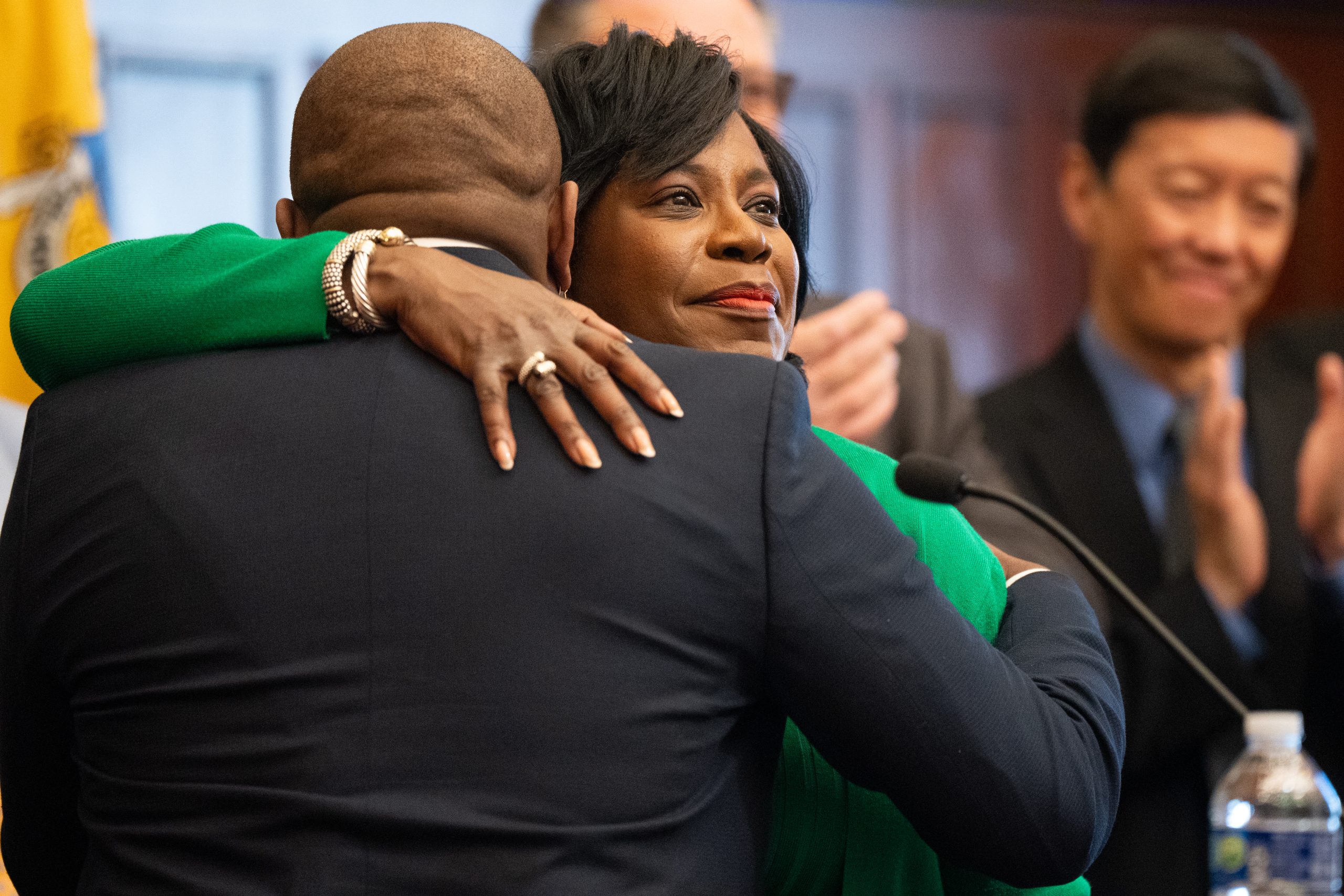
Mayor Cherelle Parker, right, hugs Tyrell Brown, left, the new Director of LGBTQ+ Affairs, during a press conference to announce new appointments, at City Hall, in Philadelphia, March 21, 2025.Jessica Griffin / Staff Photographer
Anderson’s lawsuit claims racial discrimination, noting that Dailey, who is white, was not fired, but was instead moved to a new role in a different office. Brown and Anderson are both Black.
Brown could not be reached for comment.
Additionally, Anderson claimed that Parker, DeSantis, and Grace each made “false and defamatory” statements in the media after she was fired.
She cited a July 2025 Inquirer article in which Grace said Anderson’s allegations about the reason for her termination included “outright misstatements of fact.”
The lawsuit also mentioned an interview with iHeart Radio’s WDAS 105.3 FM that DeSantis participated in last year about the firings, during which he said that Anderson had “mishandled the photograph” and “did something wrong.”
Anderson, in the lawsuit, said those statements were false.
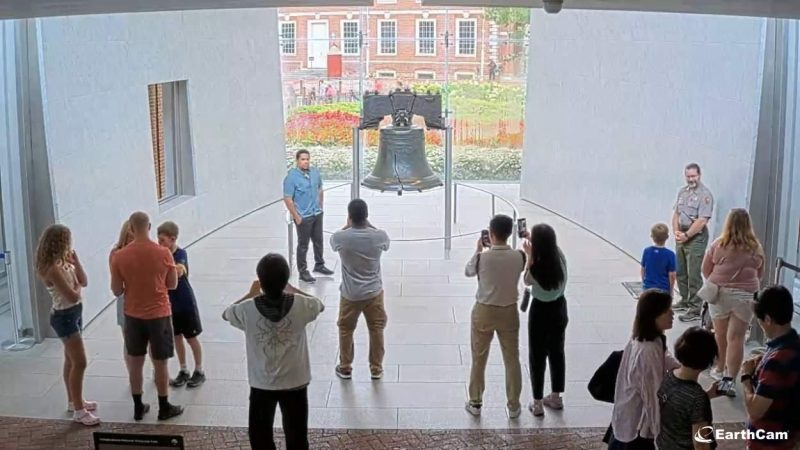
Strangers took photos of families in front of the Liberty Bell, as others took close-up photos of the iconic symbol of U.S. independence.
A little boy in blue shorts and curly hair ran up to the bell to point out the crack. A National Park Service staffer looked at his watch. It was almost closing time at the Liberty Bell Center and the crowd began to dwindle as 5 p.m. approached Tuesday.
The boy posed next to a little girl for the last photo of the day, and the room cleared.
The bell received a reprieve from visitors until 9 a.m. Wednesday, when it all started back up again.
These moments were captured by a new camera that transmits a 24-7 live stream of the Liberty Bell on EarthCam, a website that live streams various iconic sites around the world.
“At Independence National Historical Park, the livestream provides the public with a real-time virtual view of one of the nation’s most iconic historic sites, expanding public access and engagement,” said a spokesperson for Independence National Historical Park in a statement.
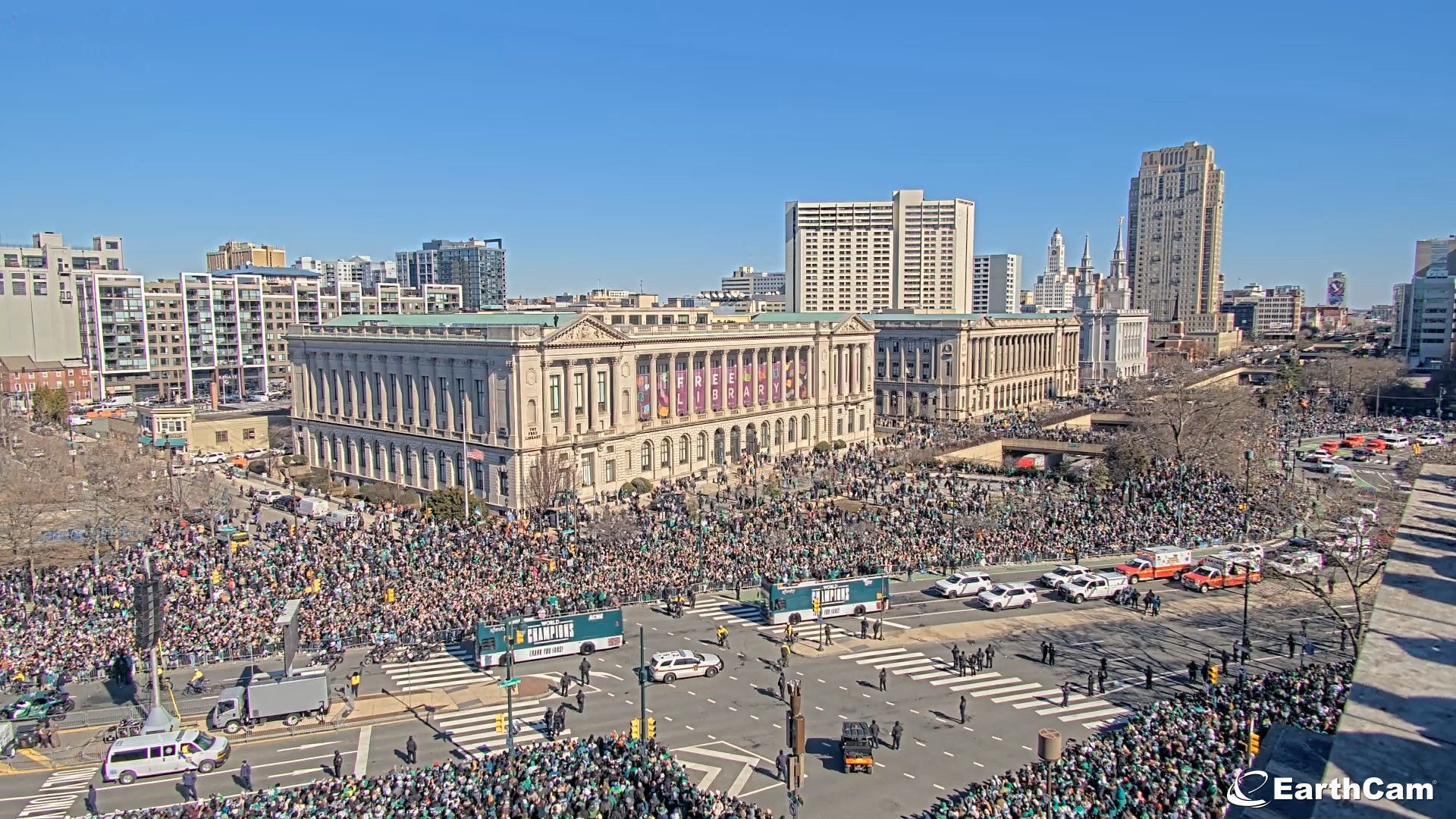
The Eagles Super Bowl parade down the Benjamin Franklin Parkway as captured by EarthCam from the Franklin Institute. February 14, 2025.EarthCam
The camera pointing at the Revolutionary-era relic was set up ahead of the United States’ 250th anniversary celebration earlier this month, and adds to the website’s collection of iconic travel destinations that includes Times Square in New York City, the Temple Bar in Dublin, and the crosswalk at Abbey Road, London. There is also a camera streaming Andy Warhol’s grave in Bethel Park, Pa., outside Pittsburgh.
The streams, while an effort to increase access to historic sites, also raise questions for surveillance experts and are part of a growing number of live streams in public places.
“The general trend of video surveillance [is] becoming pretty ubiquitous in common public spaces and across cities,” said Jake Laperruque, deputy director of the Security and Surveillance Project at the nonprofit Center for Democracy and Technology.
EarthCam, a New Jersey-based web-camera technology company, installed the Liberty Bell camera and live stream as part of a donation of 250 cameras for the United States’ 250th birthday.
“Taking people to that park and showing that view is amazing,” said Brian Cury, EarthCam’s founder and CEO.
The Liberty Bell camhasracked up more than a quarter million streams since it was installed about a month ago, Cury said, including 80,000 virtual visits on July Fourth.
Cury said EarthCam donated the camera to the National Park Service at no cost. The company streams from national parksthroughout the country, including the Flight 93 National Memorial in the Shanksville, Pa., area.
The streams are a way to bring iconic sites to people in a way that is more compelling than a photo, Cury said. And hopefully, he said, they can entice people to step outside.
“There are lots of kids that should get out of the house and go explore our amazing country,” the CEO said. “But they are online.”
Visitors to the EarthCam website can view the live stream, a video archive of the last 24 hours, and a collection of still images from previous days since the camera has been installed (a “hall of fame” of sorts, Cury says.)
Still images from recent days show the bell at night, families visiting, and groups gathering in front of the bell for photos.
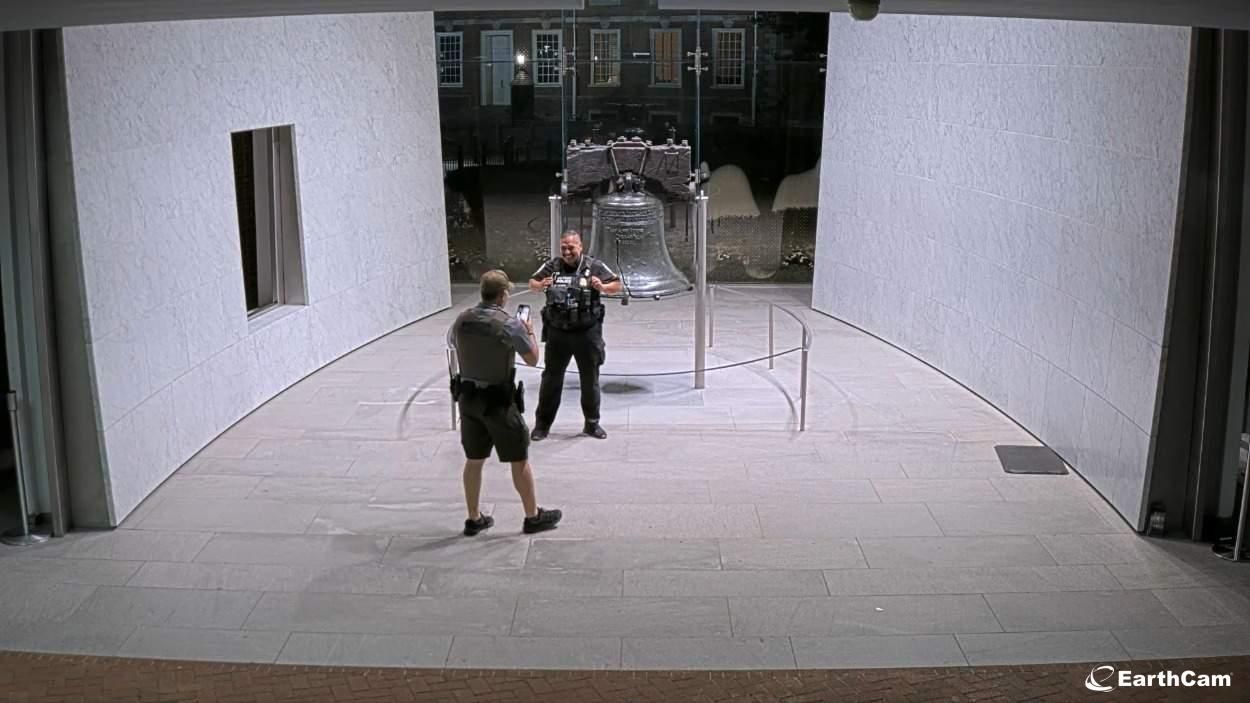
Also on the “hall of fame”: a park ranger taking a photo of a law enforcement officer in a black uniform posing in front of the bell after hours.
A law enforcement officer poses in front of the Liberty Bell after hours.EarthCam
Some surveillance experts say the archive raises privacy concerns, especially because people are identifiable in the image.
“The longer those pictures are kept, the more it makes me uneasy,” said Rachel Levinson-Waldman, director of the Brennan Center for Justice’s Liberty and National Security Program.
“The more it’s susceptible to even a private company just collecting those pictures and using them for some other purpose,” she said. “Or just people scrolling through and seeing the pictures for who knows what purposes people might use them.”
There is no information posted at the site about the live stream, but a security sign at the center’s entrance advises: “video surveillance in effect.” Online, the live stream is advertised via a small link at the top of the National Park Service’s Liberty Bell web page.
EarthCam does not place cameras in private locations where people have an expectation of privacy, Cury said. And the camera itself — on the wall in front of the bell — is not hidden, he said. Visitors, the CEO said, view the camera as an attraction.
“When you are looking at a lot of our cameras,” Cury said, “people are standing in front of them and waving.”
Abdoulaye Cherif was asleep when his phone rang that morning, and he answered only because the display showed the call was coming from a prison.
He was shocked to hear the voice of his father, who was supposed to be at work, driving for Uber.
Mamadou Fadel Cherif told his son he had been arrested by ICE as he left the family home in West Oak Lane. He said he needed his son to break the news to his mother, because she would be devastated to hear it over the phone.
Cherif, 21, called his mom at work and told her she needed to come home.
Now, two weeks after that July 13 morning, “we’re all scrambling,” Cherif said in an interview. “A piece of us is missing.”
Fadel Cherif, 56, never expected to be arrested by ICE. He lives legally in the United States, having been granted Withholding of Removal almost 20 years ago.
That status allows him to stay and work, and bars the government from deporting him to his homeland, the West Africa nation of Guinea, where the U.S. government agrees he could be harmed or killed over politics.
His status, however, does not shield him from being sent to a third country, if ICE can find a nation willing to accept him.
Those kinds of third-country deportations are difficult for the agency to achieve. But recent ICE guidance tells agents that when immigrants with Withholding of Removal or Convention Against Torture protections report for check-ins, officers should consider the viability of their removal and if they should be detained in the meantime.
Advocacy groups and immigration lawyers say the Trump administration is increasingly arresting and detaining migrants who have been granted withholding, keeping them in custody while it pursues removal to a third country. Last year, an Iranian immigrant who had fled the regime spent nearly six months in detention before a federal judge ordered his release.
Officials with U.S. Immigration and Customs Enforcement, who did not initially respond to queries, said Tuesday that they were working on a response to questions about the case.
(function(){function e(){window.addEventListener(`message`,function(e){if(e.data[`datawrapper-height`]!==void 0){var t=document.querySelectorAll(`iframe`);for(var n in e.data[`datawrapper-height`])for(var r=0,i;i=t[r];r++)if(i.contentWindow===e.source){var a=e.data[`datawrapper-height`][n]+`px`;i.style.height=a}}})}e()})();
Philadelphia immigration attorney Ricky Palladino, who represents Fadel Cherif, said there is no reason for ICE to detain him. He has no criminal record. He has legal authorization to work, a Social Security number, and a driver’s license.
Palladino filed a petition in federal court that seeks Fadel Cherif’s immediate release, arguing that he has been denied due process under the law.
In nearly 20 years, the filing says, no government official has suggested that Fadel Cherif’s deportation was “even remotely likely.” And it says that ICE can return someone with his status to custody only if, on account of changed circumstances, the agency finds “a significant likelihood that the alien may be removed in the reasonably foreseeable future.”
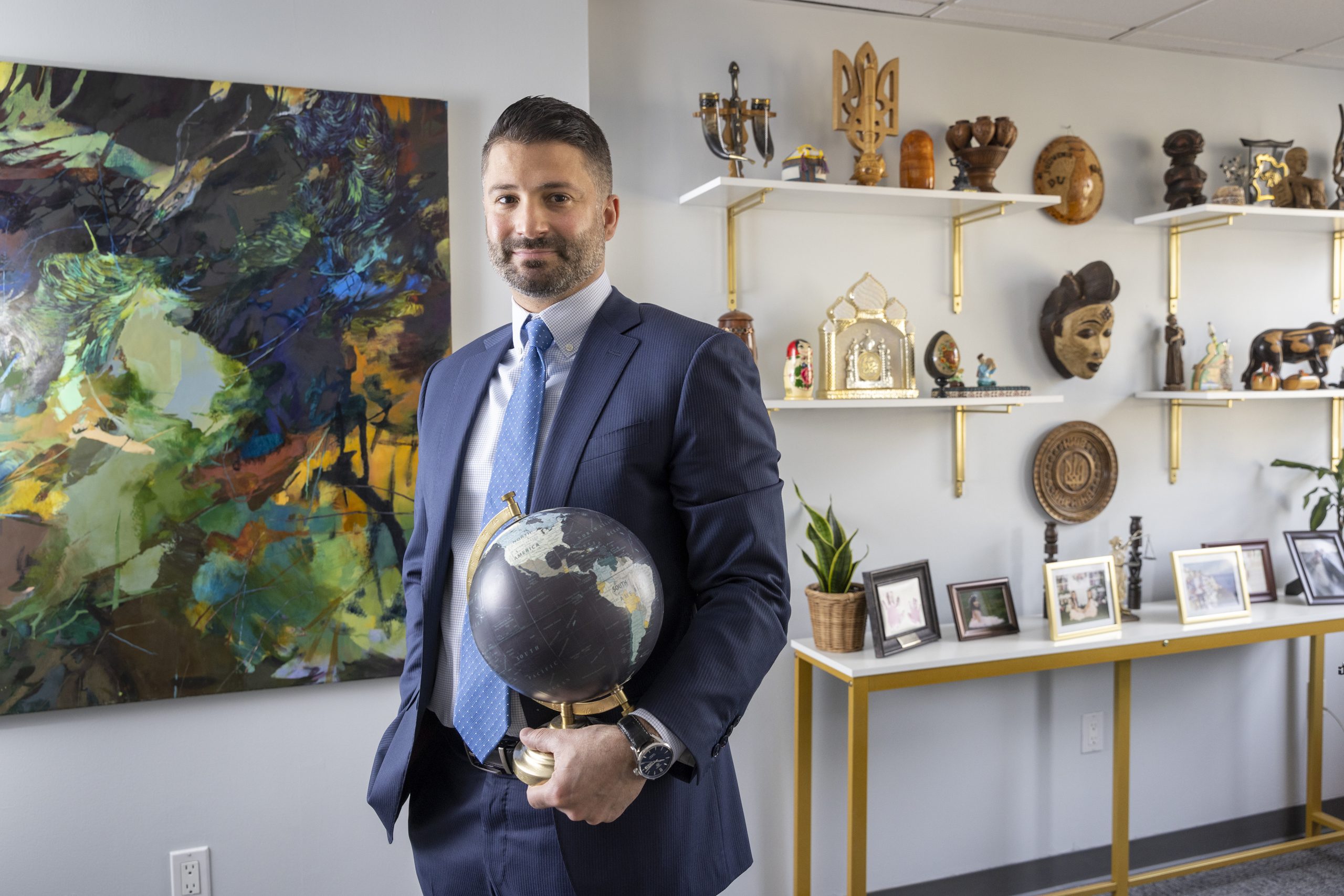
Immigration attorney Ricky Palladino with Palladino, Isbell & Casazza, LLC, at his office on Walnut Street in Center City Philadelphia in 2022.Alejandro A. Alvarez / Staff Photographer
Palladino said in an interview that Fadel Cherif is the main support for his wife, who has legal permanent residency, also known as a green card, and for their four American-born sons, including Abdoulaye, a Marines reservist.
In Guinea, a nation of 12 million people that is roughly twice the size of Pennsylvania, Fadel Cherif was jailed by the government after protesting the results of his country’s 1998 presidential election, which was marred by irregularities. He later fled in fear of being rearrested, using a document that showed a different Guinean identity to enter the United States in New York in November 2003.
For years he has worked in dining services at La Salle College High School, the private Catholic boys school in Montgomery County, and also drives for Uber.
Matt Beck, director of dining services for CulinArt at the school, was upset to learn of the arrest, describing Fadel Cherif as an extremely hard worker.
“He’s a good guy,” Beck said. “The students here love him. And so does the staff.”
Fadel Cherif’s detention comes as ICE is arresting record numbers of immigrants. In one five-day span this month, the agency detained more than 10,000 people across the country, the New York Times reported.
The rate of ICE arrests topped 1,300 a day in June ― and grew again to a record 1,474 a day during the first 11 days of July, Syracuse University professor and immigration-data analyst Austin Kocher reported last week.
“ICE has been touting record high arrest numbers this summer ― and they are not wrong,” Kocher wrote in an analysis.
The ICE directive issued shortly after President Donald Trump took office meant that people with Withholding of Removal could be detained, noted the Catholic Legal Immigration Network Inc., even if they had no criminal record and had been reporting to ICE for years without incident.
“Given the increased pressure that ICE has been under to meet quotas for arrests, detentions, and deportations,” the network wrote, “it is not surprising that the agency is focused on those who already have removal orders as being easy targets.”
Fadel Cherif was denied asylum when he could not prove that he had filed within a year of entering the United States.
To receive Withholding of Removal, applicants must prove that they were persecuted in the past or that their lives would be threatened in the future, that the government harmed or will harm them ― or failed to control others who might do so. And they must show that moving to a different part of their country would not provide safety.
Withholding offers fewer benefits than asylum, which includes a path to citizenship and allows people to seek to have their spouses and children join them in the United States.
When Withholding of Removal is granted, the immigration judge also enters a deportation order, then tells the government it cannot deport the person to their homeland. In that way the removal is “withheld.”
People with that status cannot leave the United States without triggering deportation, have no path to citizenship, and cannot petition to bring family members to this country.
While the U.S. government may try, deporting people with withholding to a third country is difficult to accomplish. Nations that willingly accept their own citizens can be disinclined to accept other foreign nationals.
The Migration Policy Institute estimates that during its first year back in office, the Trump administration carried out about 15,000 removals to third countries, a fraction of the total 396,000 deportations.
Deportations of those who have Withholding of Removal are even more rare, according to the Amica Center for Immigrant Rights in Washington. The center says it is pointless to detain those people while attempting to deport them. If ICE were to release a foreign national and later identify an appropriate third nation, it could simply detain them again.
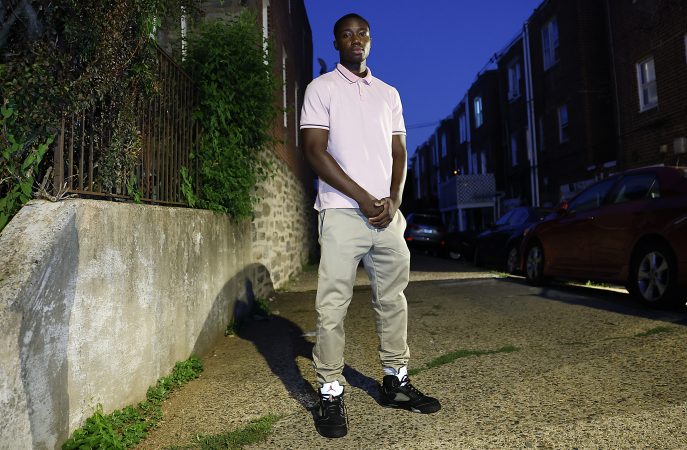
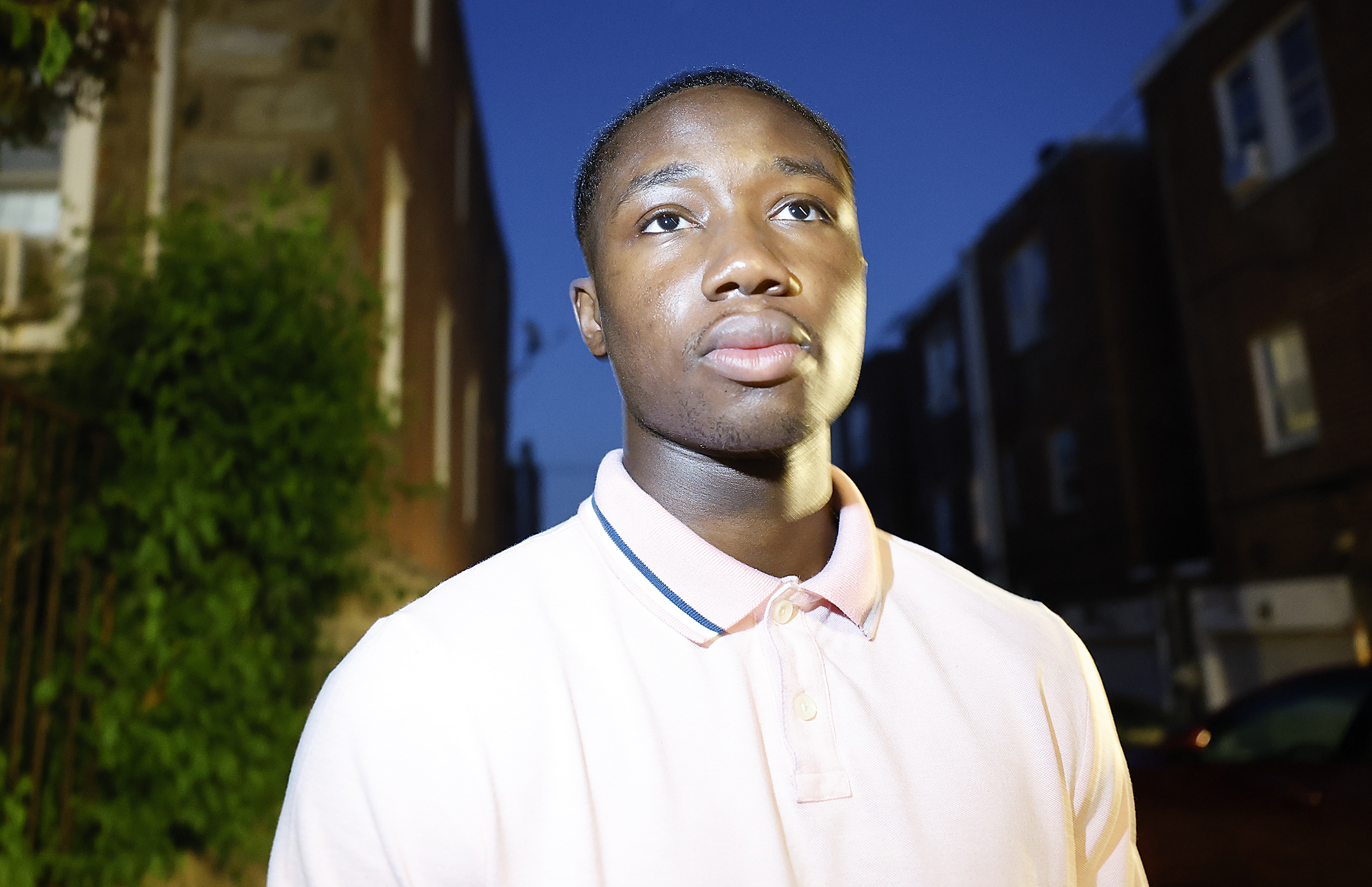
Abdoulaye Cherif near his West Oak Lane home on July 23. His father, Mamadou Fadel Cherif, was arrested by ICE and has been detained for weeks.Yong Kim / Staff Photographer
Fadel Cherif remains in custody at the Moshannon Valley Processing Center, the ICE facility in central Pennsylvania.
“My brothers, they need their dad in their life,” said his eldest son, Ahmad, 22, noting that the youngest brothers are 13 and 15. “It’s very important for my dad to be here.”
Abdoulaye Cherif said his father told him that on that morning, he demanded that the ICE agents show him an arrest warrant signed by a judge. Instead, he said, the officers presented an agency-issued detainer.
Today, he said, the family is surviving financially on savings. Emotionally, they struggle without their father.
“He’s like the glue,” Abdoulaye Cherif said. “He directs us, he leads us, he’s the dad. He’s been worried about the situation at home, making sure we get all the bills paid on time.”
Inquirer staff writer Abraham Gutman contributed to this article.
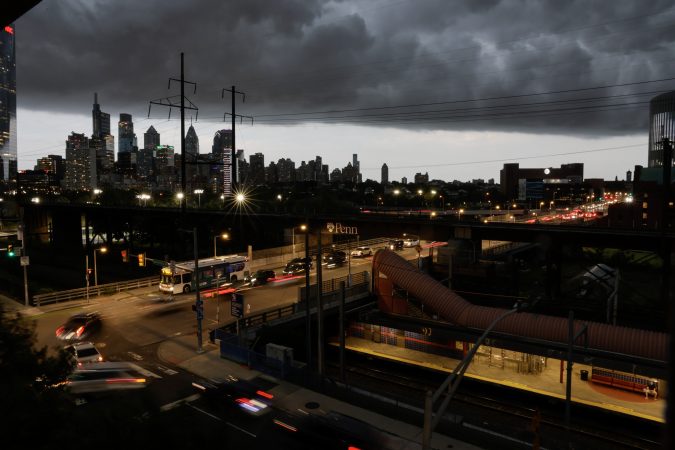
With the atmosphere behaving like a shaken bottle of champagne, potent storms crossed the Philly region Tuesday night, prompting tornado and flood warnings.
The National Weather Service issued tornado warnings for parts of Chester and Delaware Counties and northern Delaware. The warning area included Chester city and Wilmington, where a funnel cloud reportedly was sighted, the weather service said.
It was not yet known if any twisters had touched down.
The federal Storm Prediction Center, which issued the general twister advisory, also had the entire region under a severe thunderstorm watch until 10 p.m.
The weather service also had posted numerous flash-flood and severe-storm warnings. The agency posted a report of “multiple” homes flooded in West Brandywine Township, Chester County,
Rainfall this summer has been maddeningly capricious, but this time it appeared that the entire region is going to win some share of the rain lottery proceeds, wanted or not.
“I think this is the type of setup where everyone is going to get rain,” said Marc Chernard, senior branch forecasters with the federal Weather Prediction Center, in College Park, Md. The center had Philadelphia and its neighboring counties targeted for “excessive rainfall” potential.
For flood potential, what would matter would be the rainfall rates, and it’s possible the skies could wring out localized amounts of 3 inches an hour, said Chernard.
Storms could be quite potent, said Patrick O’Hara, meteorologist at the Mount Holly office. The weather service warned that a “few tornadoes” are possible.
“Some of the stuff in Delmarva, South Jersey, maybe even Philadelphia, may be spinning.” said O’Hara. “Welcome to July weather in Philadelphia.”
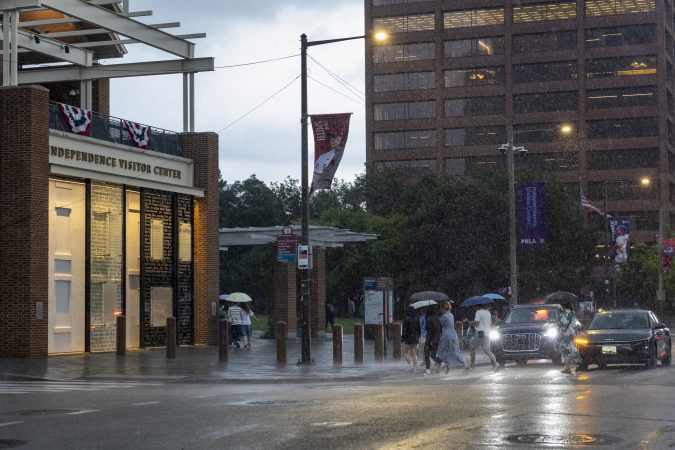
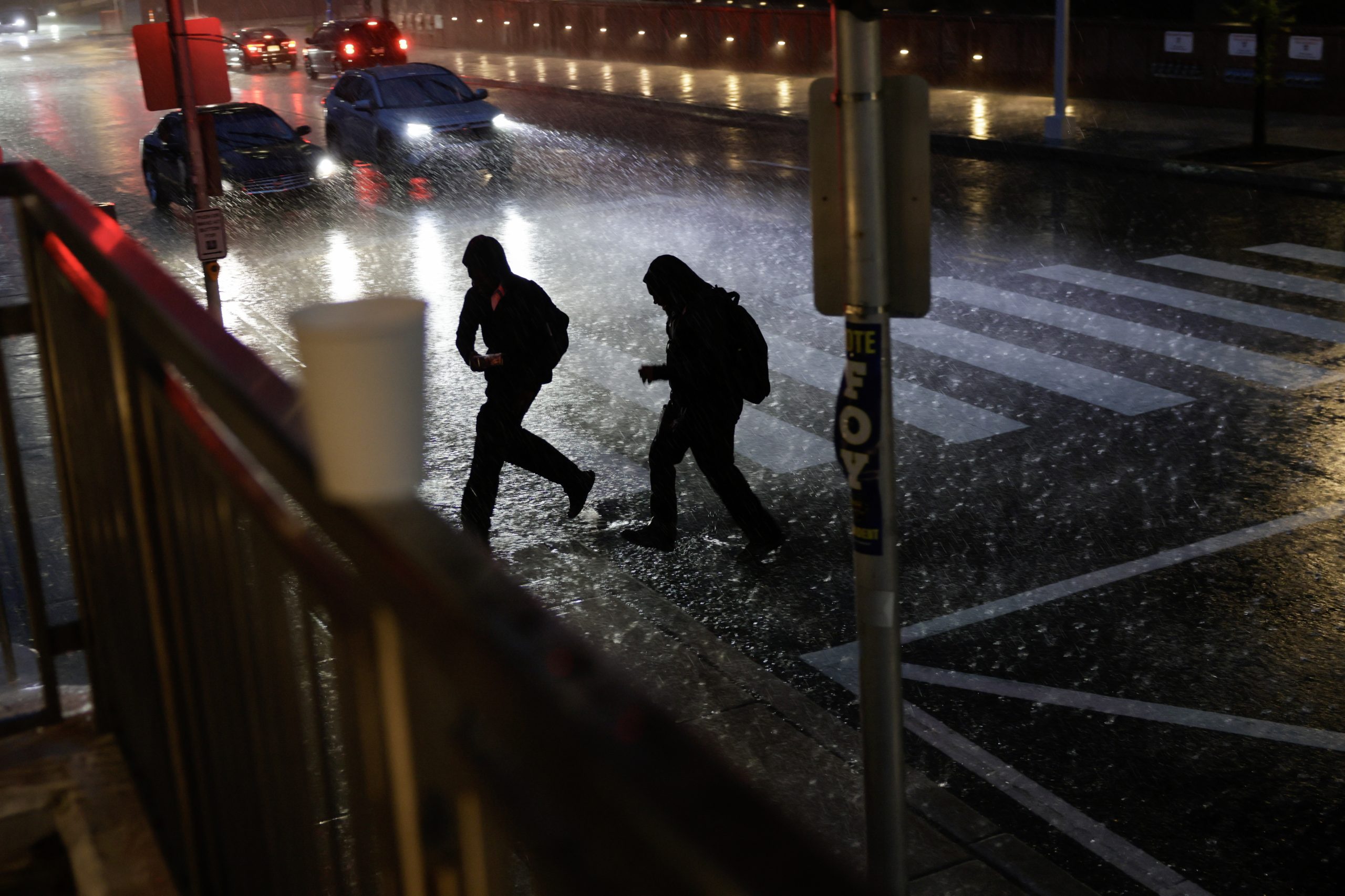
People caught in the heavy rain storm as they cross the street in Philadelphia Tuesday, July 28, 2026, in University City.Elizabeth Robertson / Staff Photographer
The likeliest time for strong storms in the Philly region
An early batch of strong storms is likely to miss Philly and most of the afternoon may be rain-free, but a second round late in the day into the evening won’t, O’Hara said, with a round of soaking downpours likely.
“That will be just torrents,” he said. He expected the heaviest of the rains to appear around 6 or 7 p.m.
Said Chernard, “It could be a lot of rain that comes around quickly.”
The system triggering the rain is something of a hybrid, born of a pattern more common to the cooler weather of fall and spring when temperature contrasts in the atmosphere are sharper, O’Hara said.
“We have a situation where we have summertime heat and humidity, but almost out-of-season dynamics,” he said.
Whatever the cause, the storms could have “significant impacts,” said Chernard.
Chernard said he expected the worst of the rains to move out of the region later Tuesday night; however, the shut-off time remains uncertain.
And neither the Delaware nor Schuylkill Rivers are in imminent danger of sloshing over.
However, rain rates of 2 or 3 inches of hour are enough to generate flash flooding along streams. During a localized downpour on Monday, Pennypack Creeks in the Northeast rose to minor flood stage.
Heavy rains flooded downtown streets and swamped cars in Hammonton, Atlantic County.
How much for Philly?
With July thunderstorms it isn’t simply a question of how much for Philly, but how much for South Philly, Center City, Germantown, or Fox Chase.
Even though everyone might get rain, the heaviest rains will be concentrated, said Chernard.
What is almost certain is that some places are going to get a soaking.