Developer Brian O’Neill has sued the Upper Merion Township Board of Supervisors over its rejection last month of his proposed 4.6 million-square-foot data center campus.
In lawsuits filed Wednesday in Montgomery County Court of Common Pleas, O’Neill said Upper Merion officials have stated in recent years that data centers — which house the equipment that powers AI — qualify as warehouses and are therefore permitted under its zoning code. They changed their tune, according to O’Neill’s team, only after residents pushed back against the plans.
“The township issued a zoning officer’s determination letter that the proposed use was a permitted use, and then when the people started to bombard them, they did a 180,” said Marc Kaplin, an attorney representing O’Neill. “This is what happens when there is public pressure.”
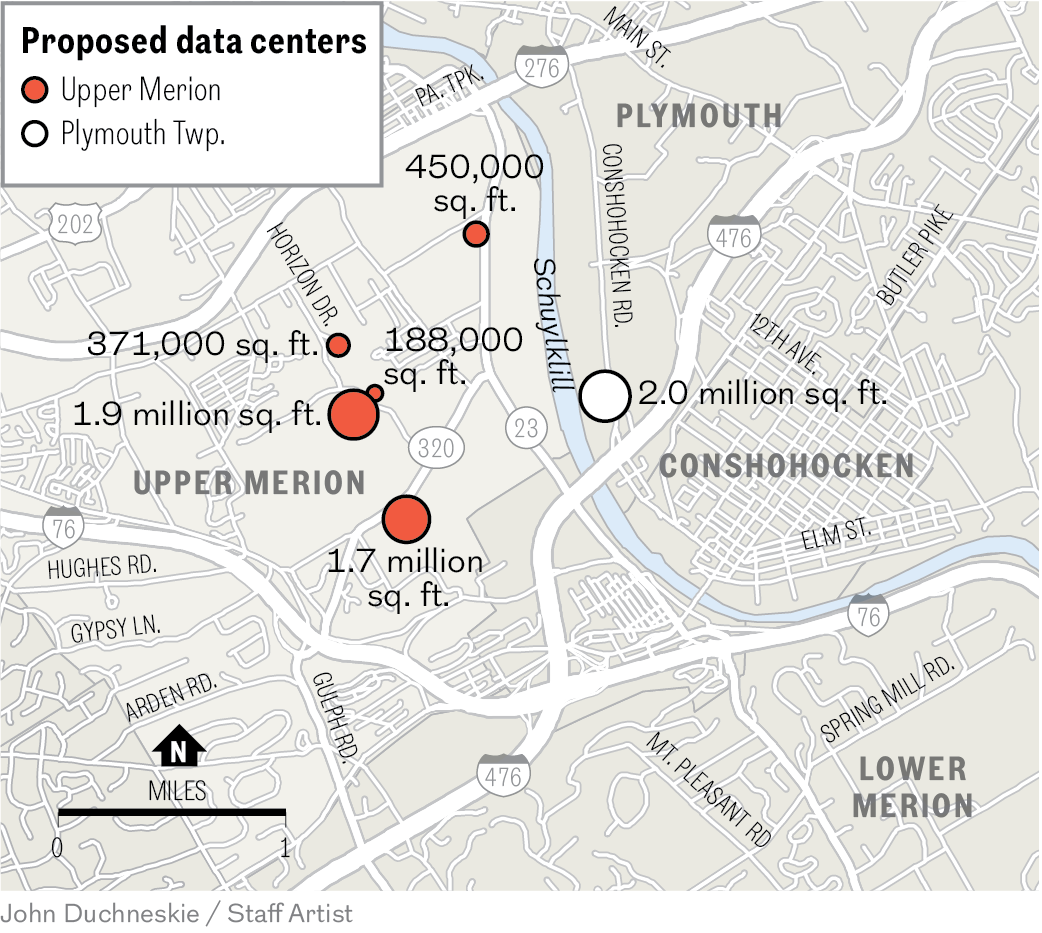
Brian O’Neill has proposed five data centers in Upper Merion Township and one across the river in Plymouth Township.John Duchneskie
Township Manager Anthony Hamaday said Thursday that Upper Merion officials had been informed of O’Neill’s land-use appeals but that the documents had yet to be delivered to them. They declined to comment, pending a full review of the filings.
O’Neill is asking a judge to reverse the supervisors’ denial, give his plans preliminary approval, and appoint an independent third-party “referee” to conduct an evidentiary hearing and oversee the rest of the process. In the lawsuit, O’Neill says the board acted in bad faith and denied his plans over “minor technical items.”
At a contentious Aug. 13 meeting, the supervisors unanimously rejected O’Neill’s five data center plans on the grounds that the proposals lacked specificity, including on fire-safety-related issues, and did not meet zoning requirements. They said O’Neill’s team failed to address their many questions and concerns during the review process.
O’Neill had said his team needed more time to respond and requested an extension until Sept. 30, a request township officials denied.
A day before the supervisors’ vote, the developer sued the township, its planning commission, and its board of supervisors, saying they violated his legal right to an extension. In response, Montgomery County Court Judge Garrett D. Page ordered a pause on township proceedings and decisions related to the data centers. That decision was vacated the next day, just hours before the supervisors’ vote on Aug. 13.
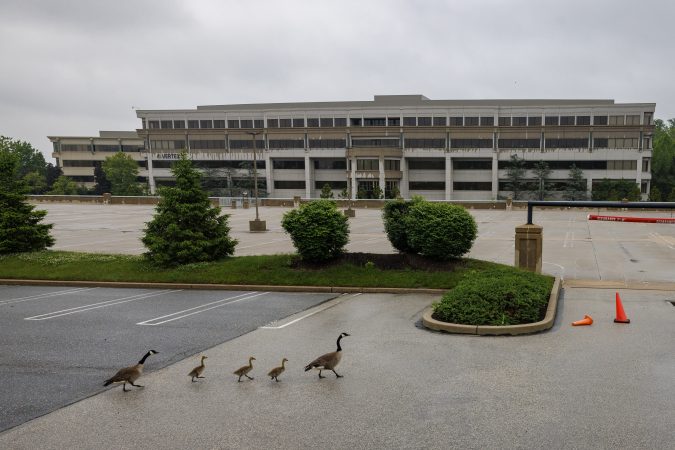
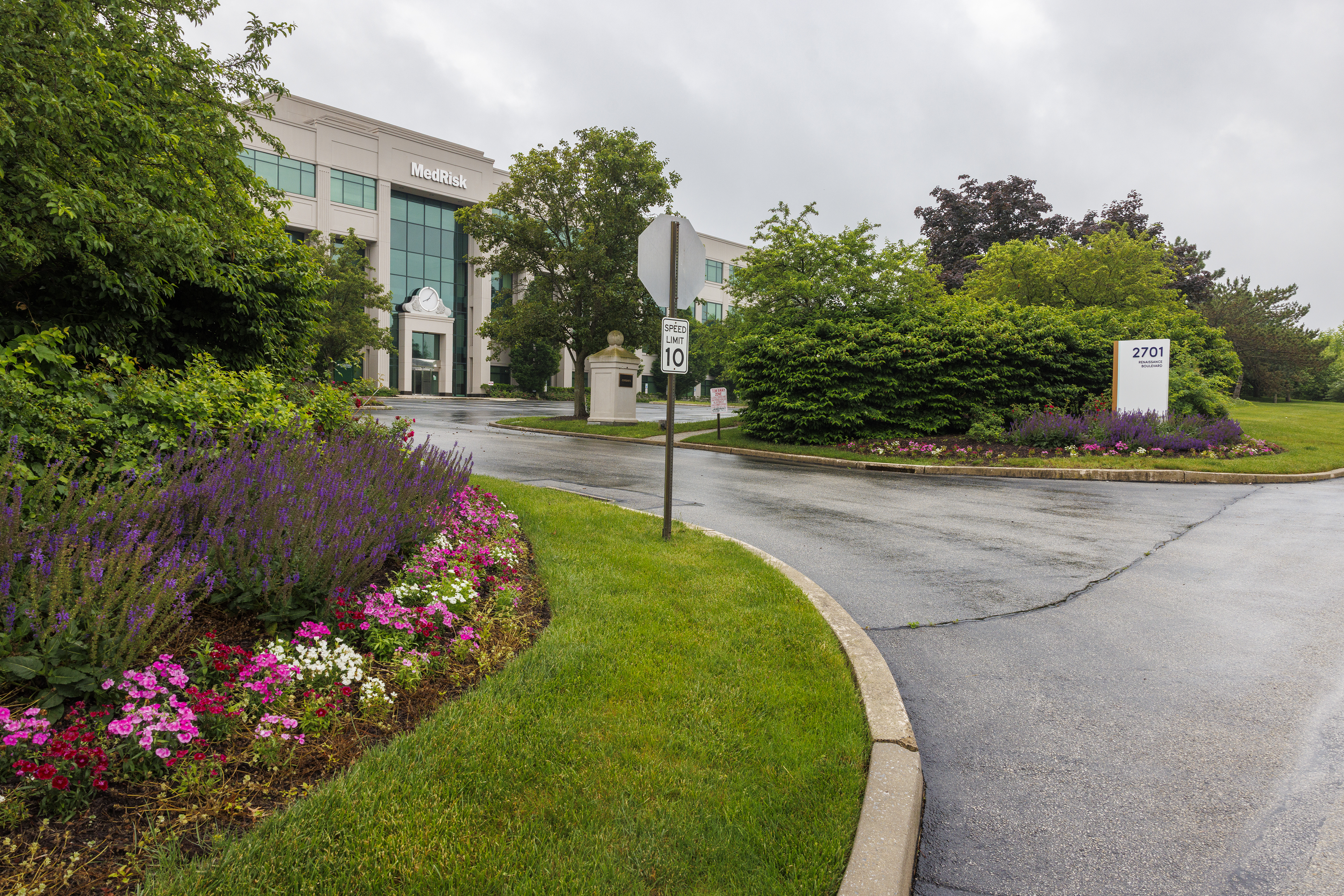
A building at 2701 Renaissance Blvd., as seen in May, is one of the sites that Brian O’Neill wants to turn into a data center in Upper Merion Township.Alejandro A. Alvarez / Staff Photographer
O’Neill has said the centers would emit little light and noise, operate on a closed-loop system that requires no outside water, and provide their own power. They would also be an economic engine for Montgomery County, according to O’Neill, who released an economic impact study saying the project would result in more than 10,000 jobs during construction, more than 700 permanent jobs, and more than $55 million a year in local tax revenue.
Neighborhood groups have rallied against O’Neill’s plans, organizing on social media, packing township meetings, and displaying bright orange lawn signs opposing the project. About 18,000 people had signed a Change.org petition against the Upper Merion data centers as of Friday. Opponents have expressed concerns about pollution, light, noise, electricity prices, property values, and quality of life.
The pushback in Upper Merion mirrors the opposition seen across the Schuylkill River in Plymouth Township, where O’Neill has spent a year trying to get the OK to build another 2 million-square-foot data center on a shuttered steel mill outside Conshohocken. The project was set to be the subject of a Plymouth Township Zoning Hearing Board meeting on Thursday, but the meeting was canceled due to what the township called “an administrative oversight.”
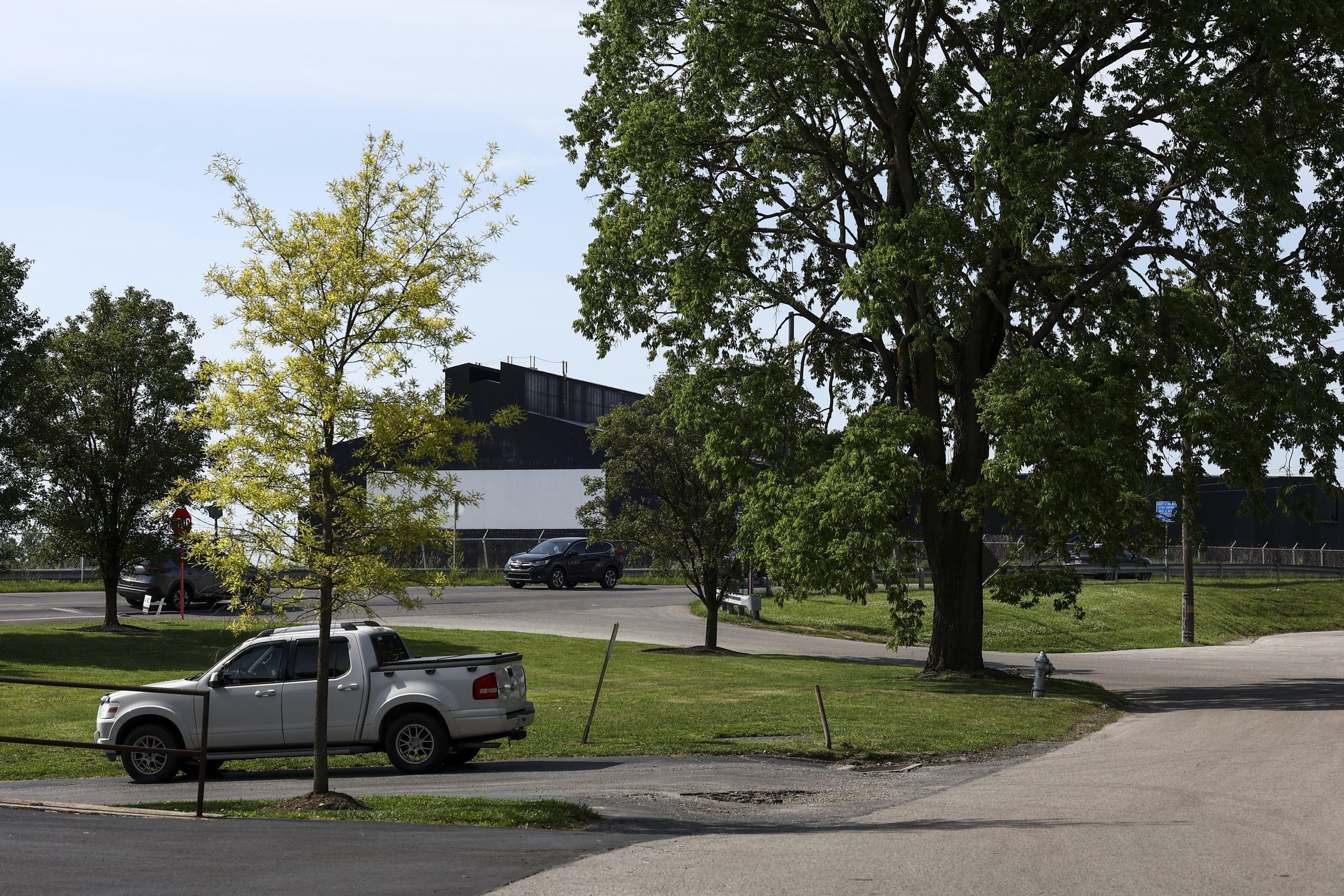
The closed Cleveland-Cliffs steel mill in Plymouth Township, outside Conshohocken, that Brian O’Neill wants to turn into a 2-million-square-foot data center. Monica Herndon / Staff Photographer
Plymouth Township officials failed to post the meeting agenda 24 hours in advance, in violation of the Sunshine Act.
“Out of an abundance of caution and in the interest of legal compliance and public transparency, the board will not convene as scheduled,” Plymouth Township officials said Thursday in a statement, adding that the meeting will be rescheduled.
O’Neill has also faced off with Plymouth Township officials in recent months. In July, he filed a legal challenge to the Plymouth Township zoning ordinance, which prompted township leaders to accuse O’Neill of “throwing a tantrum” in an attempt to bully and intimidate them. O’Neill called their statements “a bald-faced lie.”
Despite pushback, O’Neill’s team remains bullish on data centers.
“Everybody is against data centers but everybody wants their Amazon order delivered instantaneously,” Kaplin said. “We want all these things that are powered by data centers, so you can’t have it both ways.”
Two decades ago, Kaplin said he worked for a developer trying to get several of the region’s Walmarts approved. At the time, there was great public opposition, he said, but now “everybody is like, ‘Walmart is part of the community.’”
“This too shall pass,” Kaplin said. “We have to have this computing power to compete in the world.”
Gov. Josh Shapiro is dominating Pennsylvania’s media markets in his reelection campaign, spending more than $24 million with less than seven weeks left until the Nov. 3 election — and trouncing his GOP challenger, State Treasurer Stacy Garrity, who has spent a small fraction of that on ads.
Shapiro, a Democrat seeking reelection and potentially a 2028 White House bid, has spent more than $2.4 million on advertisements per week since Aug. 25 from his campaign war chest of more than $50 million, according to media tracking firm AdImpact. One ad pitches Garrity as “Pennsylvania’s #1 fan ofdata centers,” and in another, Shapiro boasts about his efforts to cap energy costs. He has also released a number of audience-specific ads to reach Black and Latino voters, including a radio advertisement in Spanish in the Lehigh Valley.
A clearer picture of Shapiro’s full campaign haul will become public this week, with updated campaign financial filings due Tuesday. The last filing deadline for state candidates was in June. But Shapiro’s multimillion-dollar flurry of ad buys offers early insight into his strategy heading into November in a race where he holds a double-digit polling lead — and where he is hoping to achieve downballot wins in the statehouse and critical congressional districts.
Garrity has spent just $743,000 on ad buys so far, and paid out only $672 last week, according to AdImpact. No top GOP groups, such as the Republican Governors Association or the Jeffrey Yass-backed Commonwealth Leaders Fund, have purchased TV ads supporting Garrity, and she has struggled to fundraise to compete with Shapiro, a popular incumbent who has raised more money than any governor since at least 2010.
State Treasurer and Republican candidate for governor Stacy Garrity is seen on a big screen as she speaks to supporters before the arrival of President Donald Trump at Mack Trucks in Macungie Tuesday, June 23, 2026. Tom Gralish / Staff Photographer
Shapiro’s mass ad buys despite his commanding lead in the polls indicate the governor is a risk-averse politician, said Christopher Borick, a political science professor at Lehigh University.
“He’s cautious. He wants to make sure nothing goes awry, and to do that, you buy insurance,” Borick said.
“The governor has also been clear that the midterms run through Pennsylvania — and he is leading the fight to win critical races up and down the ballot in order to flip the House, put a check on Donald Trump’s chaos, cruelty, and corruption, and get even more stuff done,” said Manuel Bonder, a spokesperson for Shapiro’s campaign.
Garrity, meanwhile, has spent the lion’s share of her ad buys on a digital social media video campaign called “Twilight Justice,” which promises the future release of bombshell details about Shapiro. She has also released an attack ad about Shapiro’s past support for data centers, but it has been seen by far fewer eyes than those Shapiro is reaching in his multimillion-dollar ad campaigns. Both Shapiro and Garrity initially embraced data centers, though both shifted their positions as the projects became increasingly unpopular among Democrats and Republicans.
Matthew Beynon, a spokesperson for Garrity’s campaign, declined to comment on whether top GOP groups will get involved in the Pennsylvania governor’s race in the coming weeks. But he said any pro-Shapiro mailer or TV ad “is just another reminder to the people of Pennsylvania that Josh Shapiro sold them out.”
“All the money in the world will not help Josh Shapiro paint over his administration’s failed economic record or erase his ethics scandals that have cost the taxpayers of Pennsylvania and embarrassed the entire commonwealth,” Beynon added.
Data center power play
The regulation of data centers and artificial intelligence have become key issues in midterm races nationwide, including in the Pennsylvania governor’s race, where Shapiro’s past support for the projects appeared to be the biggest test of his popularity.
Shapiro changed his position last month and subsequently began running attack ads against Garrity for her past support of the unpopular centers. Garrity has also changed her position, from initially advocating for the rapid development of data centers around Pennsylvania to now calling for “a pause” on their development. Shapiro, in an executive order signed last month, will now require any prospective data center developers to meet a number of environmental and energy factors in order to build in Pennsylvania.
“That’s why you’ve seen this enormous ad buy that she can’t even come close to matching, when, in reality, he’s as exposed as her on the issue, but she doesn’t have the resources,” Borick said.
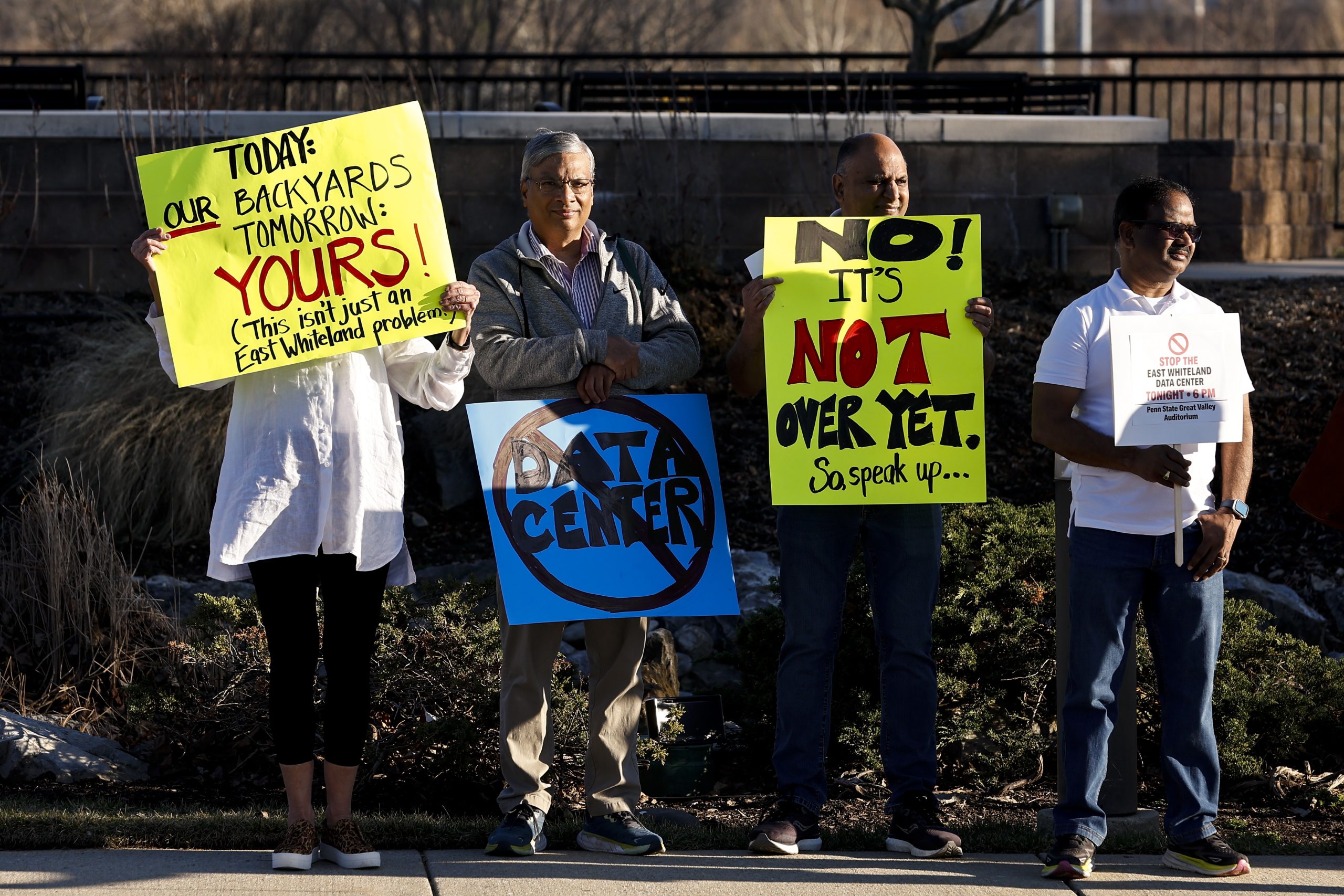
People protest the expanded data center before the East Whiteland Planning Commission meeting held at Penn State Great Valley on Monday, March 9, 2026 in Malvern, Pa.Monica Herndon / Staff Photographer
Pennsylvania Republicans endorsed Garrity in September 2025 — an unprecedented early nod that helped clear the field for her as the party’s nominee. President Donald Trump endorsed her in January, calling her an “America First Patriot.” She ran unopposed in the primary election, and top GOP leaders said they wanted to wage a stronger fight against Shapiro this time than in 2022, when far-right State Sen. Doug Mastriano (R., Franklin) won the endorsement in a crowded field and the state GOP largely did not financially support his candidacy.
Despite all of the additional time to drum up support, Garrity has struggled to raise funds and has yet to be able to cash in on Trump’s backing. As of Thursday, she had spent just $300,000 more than Mastriano had at this point in the race. Shapiro, meanwhile, has spent less this election than he did at the same point in 2022, when he spent $28 million as of mid-September.
“When you’re making comparisons to the amount of money Doug Mastriano raised, it’s a really troubling sign,” Borick added.
LANCASTER — Amish families peer into Roberta Devers’ Honda Passport as she drives between prenatal checkups along the rolling hills of Lancaster County. They ask her increasingly frequent questions about the vaccine: Do you have some measles in your car?
Devers, 63, works asa traditional midwife in communities at the epicenter of Pennsylvania’s largest measles outbreak in more than 30 years. She belongs toa class of midwives who follow age-old practices and are unregulated by the state, unlikethestate-licensed midwives one may find in a hospital. She received the full childhood vaccination schedule but, as an adult, chose not to vaccinate her son and is part of the rising number of people in Pennsylvania refusing to get vaccinatedagainst preventable diseases due to unfounded concerns about their safety and necessity.
And she thinks she should be able to offer the vaccine to her patients, as a trusted caretaker among Amish residents.
“Babies are dying,” said Devers, who is not Amish but has been a traditional midwife for 38 years. Shesays she fearsthat Pennsylvania’s Amish community, one of the oldest and largest in the country, cannot wait to reach herd immunity. “You’re going to lose too many babies,” she said.
Devers occupies a unique vantage point from the front lines of the nation’s largest measles outbreak this year. State health officials said the deaths of two local Amish infants were measles-related, sparking a clash between Democratic Gov. Josh Shapiro and President Donald Trump’s Health and Human Services secretary, Robert F. Kennedy Jr.,over how to report the outbreak’s death toll. An 18-year-old from Mifflin County and a 40-year-old woman from Jefferson County alsodied from measles-related illnesses in recent days, according to the counties’ coroners.
As of Wednesday, the state had reported 731 cases in 38 counties. Lancaster has recorded the highest number of known cases in Pennsylvania, as the highly contagious disease has spread among the area’s significant number of unvaccinated people, including many from communities beyondthe county’s Amish population.
Measles alert signs in English and Spanish are posted on the front doors of an urgent care facility Tuesday, Sept. 8, 2026, in Lancaster County, Pa., amid a measles outbreak that has affected local Amish and Mennonite communities.Jose F. Moreno / Staff Photographer
Traditional midwives like Devers — also known as lay midwives or direct-entry midwives — broadly oppose being regulated by the modern medical system and often do not receive the medical and scientific training or college-level educationrequired of certified nurse midwives and midwives. Because of this, top medical associations like the American College of Obstetrics and Gynecology oppose traditional midwives from being able to practice at all. State lawalso prohibits traditional midwives from practicing medicine, such as administering vaccines or sutures.
Until this summer when it was quietly repealed in state budget documents, an unenforced 1929 law allowed traditional midwives to practice in Pennsylvania. A group of midwives have sued the state to formally recognize them, but thatwould still not permit them to practice medicine, including administering vaccines.
Yet, traditional midwives are the main care providers who oversee home births in certain Amish communities, or for people who want their help with a personal and private birth experience. Their influence is particularly prominent in Pennsylvania, which has one of the nation’s highest rates of home births. Devers’ practice, Mount Laurel Midwifery, delivers about seven babies per month across south-central and Southeastern Pennsylvania, with a number of student midwives studying underher.
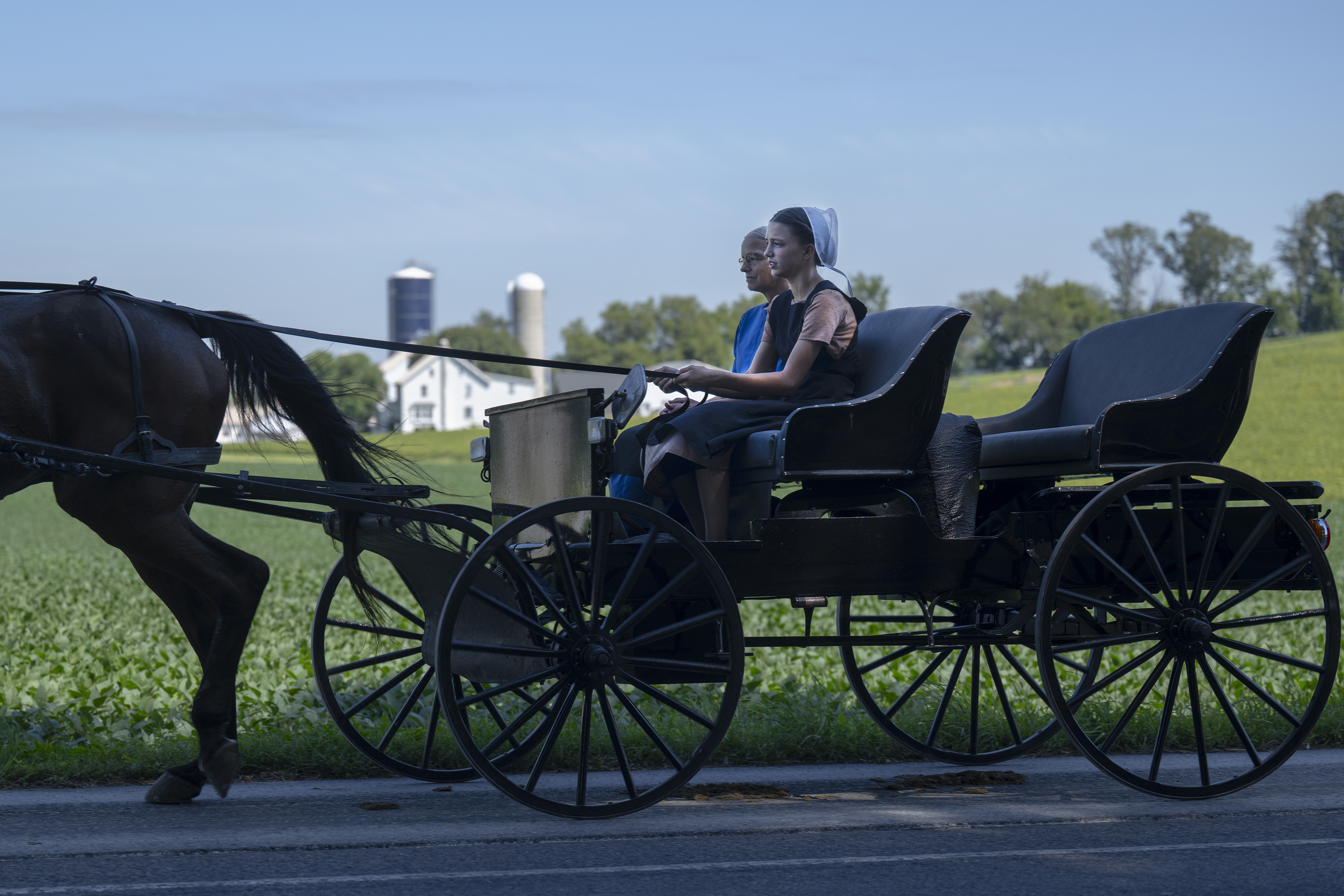
An Amish woman drives a horse-drawn buggy along a road Monday, Sept. 7, 2026, in Lancaster County, Pa., amid a measles outbreak that has affected the local Amish and Mennonite communities.Jose F. Moreno / Staff Photographer
In Lancaster, Devers’ clients are not talking about the political debate. Rather, their conversations center on the spread of measles — did she hear about the recent baby deaths, what should they do if they were exposed, does she have a vaccine with her?
Two doses of the measles, mumps, and rubella vaccine have proven 97% effective at preventing the disease, the Centers for Disease Control and Preventionsays. Nine in 10 unvaccinated people exposed to measles will acquire the disease.
Pregnant people are not eligible to receive the vaccine.
In her daily prenatal checkups, she is seeing moms who have the infection’s signature bumpy, red rash and fever, and families who have watched the sickness move through one family member to the next.
About three in 1,000 children who contract measles will die, according to the CDC. Measles can cause severe complications, especially in young children, including pneumonia and brain swelling. And measles during pregnancy can lead to pregnancy loss, premature delivery, and low birth weight, according to the CDC.
Devers said sherecently saw a case in which a mother lost her baby at 17 weeks. The Amish woman was recovering froman active measles infection at the time of the miscarriage, in addition to at least one other underlying medical condition, Devers said.
Amish families traditionally have funerals for stillborn babies or miscarried fetuses, sharing obituaries in the local newspaper. Devers attended the funeral for one such death, involving the 17-week-old fetus,last month.
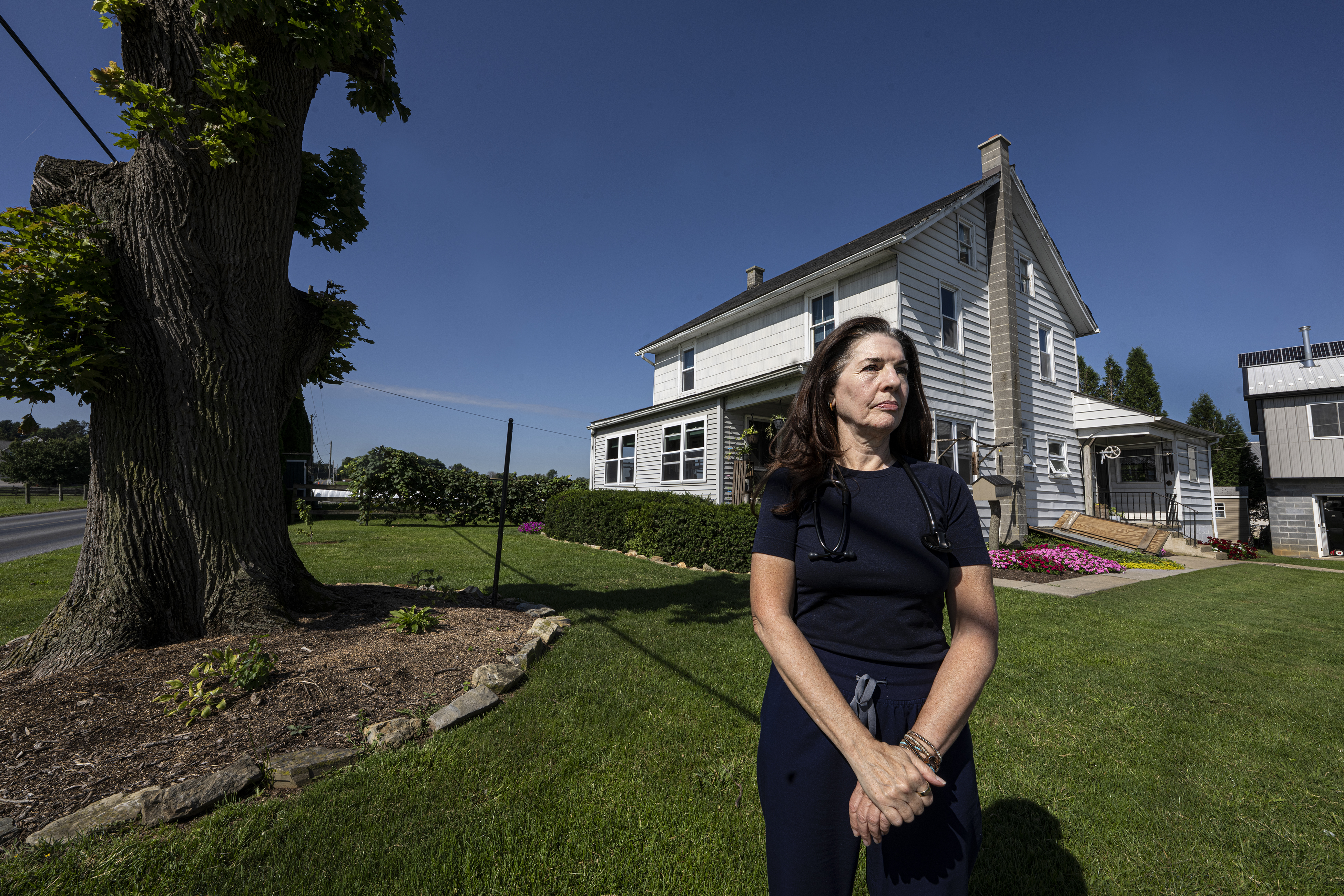
Midwife Roberta Devers is photographed Tuesday, Sept. 8, 2026, near the home of one of her Amish patients in Lancaster, Pa. Devers, who primarily serves Amish mothers, discusses the measles outbreak and why she believes unlicensed midwives should be allowed to administer MMR booster shots.Jose F. Moreno / Staff Photographer
During previouspublic health emergencies, state and federal governments have usedlimited emergency approvals to expand who is allowed to administer vaccines, though the authority was not extended to unregulated groups like traditional midwives.
Now, Devers wants state or federal health officialsto extend approval to allow traditional midwives to administer the measles, mumps, and rubella vaccine.
But the Pennsylvania Department of Health saysit does not have the authority to allow traditional midwives to administer vaccines, because they are not certified healthcare providers. Currently, state law allows licensed healthcare providers like doctors and certified nurse midwives to administer vaccines, and any expansion of the list would require an amendment to state law, spokesperson Stephanie Nojiri said in a statement.
HHS and the CDC did not respond to requests for comment. Devers said sherecently accepted an invitation fromthe CDC to participate in a paid interview to discuss how midwives serving Plain communities are approaching the measles outbreak. She sees the outreach as asignal ofthe agency’s interest in working with midwives.
The Amish and vaccines
Vaccination rates among Pennsylvania children have been falling for years. The spread of misinformation about vaccine safety reached the highest echelons of the U.S. governmentafter Trump picked Kennedy, a longtime anti-vaccine activist, to lead the nation’s health agencies.
Amish communities do not have a religious objection to vaccinations, said Steven Nolt, a top Amish scholar at the Young Center for Anabaptist and Pietist Studies at Elizabethtown College.
He said low vaccination rates in the groups, who dress in plain clothes and widely object to using technology in favor of a more traditional way of life, aredue to their partial abstention from modern medicine, as well as a lack of nearby access given their rural lifestyles.
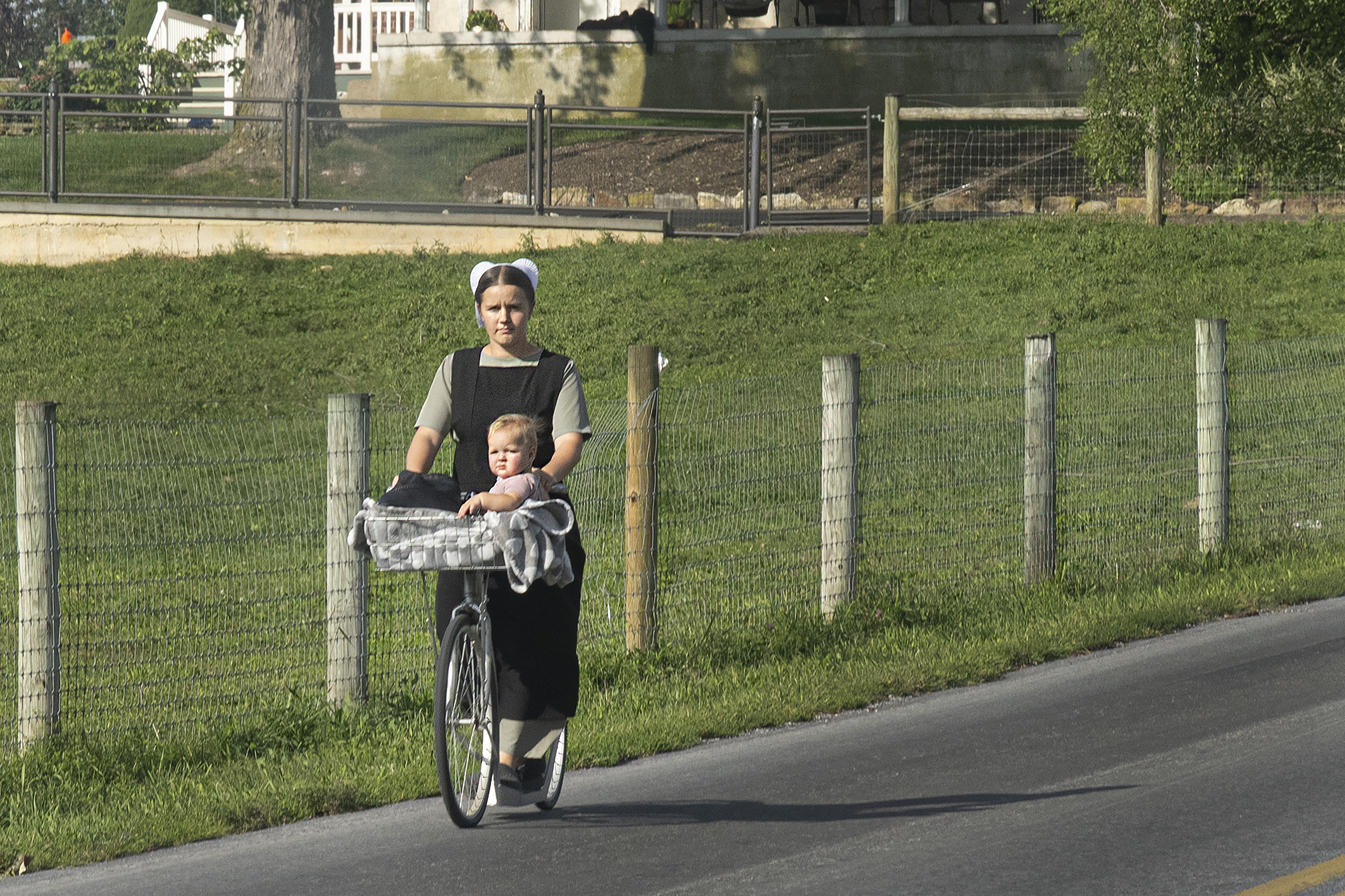
An Amish woman rides a kick scooter with a baby secured in a front basket attached to the scooter Tuesday, Sept. 8, 2026, along a road in Lancaster County, Pa., amid a measles outbreak that has affected local Amish and Mennonite communities.Jose F. Moreno / Staff Photographer
In Lancaster County, 30% of Amish families had their children vaccinated and believed vaccinations were safe and effective, according to a 2022 surveyof 433 Amish and Old Order Mennonite residents, published by Elizabethtown College and conducted by Franklin and Marshall College.
The numbers are much higher among Old Order Mennonites — a different religious group thatsimilarly dresses in plain clothes — with94% vaccinating their children and 72% believing they are safe and effective.
When a 1991 rubella outbreak spread through Amish communities, families welcomed the booster shots, Nolt said. So didAmish groups during a polio outbreak in the 1970s.
“When there would be an outbreak, that was a bit of a wake-up call,” he added. “Then people would come out for immunizations.”
Another “wake-up call” has now arrived for Lancaster’s Amish residents, Devers said.
Amish vendors work at their stands inside the popular Central Market in Lancaster, Pa., Tuesday, Sept. 8, 2026, amid a measles outbreak that has affected local Amish and Mennonite communities.Jose F. Moreno / Staff Photographer
Amish groups broadly approach their health through a “medical pluralism” lens — a term coined by Martha King, a medical anthropologist at the University of North Carolina at Chapel Hill. This means Amish communities view medical doctors, chiropractors, midwives, and homeopathic remedies as all being “on the same playing field,” rather than being supplementary to a primary care physician, as is common among most Americans, Nolt said. Sometimes Amish people will choose treatments thatcontradict each other or lack any scientific backing.
“They kind of all function in a way that doesn’t necessarily make sense the way many ‘normal’ Americans think about healthcare,” Nolt added.
Prior to his appointment as HHS secretary, Kennedy helped lead anti-vaccination efforts across the country. During a 2021 speech in Lancaster County, he mocked measles as a serious threat.
It is unclear what effect the efforts have had on Amish populations, Nolt said. During the COVID-19 pandemic, some anti-vaccine groups ran advertisements in Amish newspapers, discouraging the Amish from getting any immunizations, he added.
Devers said she largely supports Kennedy, but believes Shapiro was right to raise alarm about the need to vaccinate against measles. She said she has been disappointed in Kennedy for downplaying the dangers of the outbreak.
“My God, use your head,” Devers said. “He can’t mean this in the midst of an epidemic like this.”
Pennsylvania’s healthdepartment, in partnership with local health systems, says it has been working with Amish communities. And Shapiro has emphasized that the outbreak stretches much further than just among any one community, now that confirmed cases have spread to more than half of Pennsylvania’s 67 counties.
Since the start of the measles outbreak in Pennsylvania in April, state health officials have hosted 124 pop-up vaccination clinics across the state in locations like churches, fire halls, and private homes to give more than 4,100 doses of the MMR vaccine, Nojiri said. More pop-up clinics are planned in the near future.
But traditional midwives should be part of the solution, too, Devers argued.
“Different times call for a change in thinking,” she said.
This story has been updated to remove identifying information.
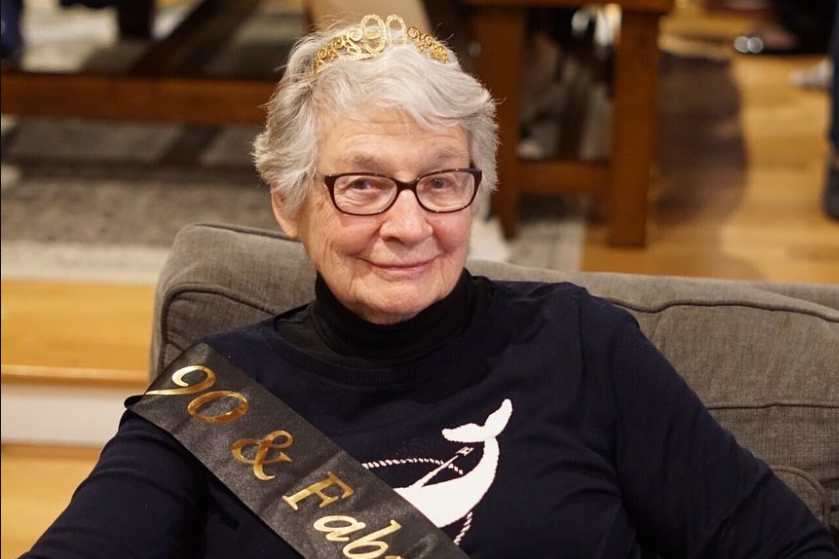
Barbara Lippincott Martin, 96, of Riverton, Burlington County, lifelong sailor, honorary commodore of the Riverton Yacht Club, community volunteer, and Delaware River waterfront matriarch, died Friday, Sept. 4, of age-associated decline at her home.
Born and reared in Palmyra, Burlington County, hard by the Delaware River, Mrs. Martin practically grew up on the water in the 1930s and ’40s. Her father, Howard Lippincott, was an avid sailor and head of what The Inquirer called the “famous Riverton sailing family.” He often navigated the family’s motor cruiser Pythagoras up and down the river, floating between the banks in South Jersey, Southeastern Pennsylvania, and Delaware to the Chesapeake Bay and back.
Years later, in the 1960s and ’70s, Mrs. Martin and her family sailed those same waters in their schooner Walter Mitty,and her children, as she did before them, crabbed and swam and learned how to row and sail. She lived near the waterfront on Bank Avenue, adjacent to the Riverton Yacht Club, for 50 years and routinely opened her home and property to family and friends on holidays, sailors and spectators during regattas, and artists during weeklong local workshops.
“The Delaware River shaped her childhood, her marriage, and her legacy,” her family said in a tribute.
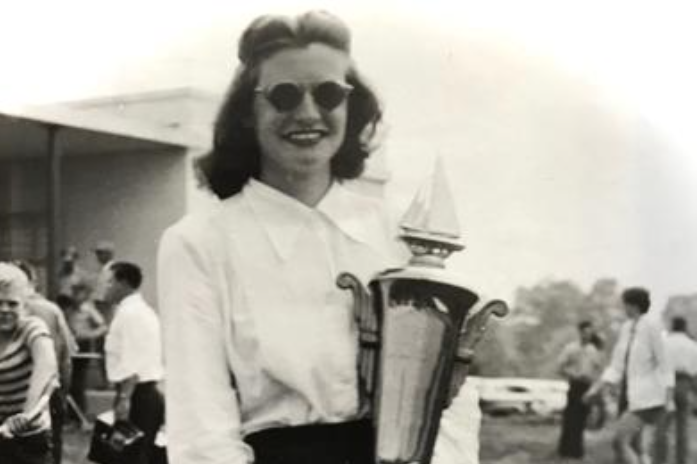
Mrs. Martin won a room full of trophies and plaques over the years. Courtesy of the family
Mrs. Martin served as secretary for the yacht club and gave it permanent access to the tidal zone on her Bank Avenue property. Club officials awarded her a lifetime membership, named her honorary commodore in 2022, and said in an online tribute: “There are certain people whose lives become so intertwined with a family, a club, and a community that their influence is difficult to measure. Barbara was one of those people.”
In Facebook tributes, friends called her “a wonderful lady,” “an amazing person,” and the “Riverton Queen.”
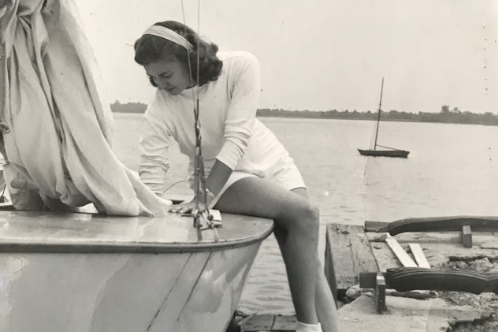
As a young woman, Mrs. Martin, like her father, sister, and six brothers, embraced racing on the river. She finished sixth in a national race, placed first in many local regattas, and, in 1947, became the first woman to win the seasonal championship in the Duster class at the Riverton Yacht Club.
She was often the only woman in a race, and her victories and near victories were reported frequently in The Inquirer in the 1940s. She even finished one race after her boat was struck by lightning.
Mrs. Martin “became known throughout the region for her determination and skill,” her family said. Courtesy of the family
Officials at the yacht club called her “a fearsome competitor.” Her family said she ”became known throughout the region for her determination and skill.”
Her daughter, Barbara Smyth, said: “She made me realize that girls can compete with boys, and they can win.”
Barbara May Lippincott was born Jan. 3, 1930, in her family home. The youngest of eight children, she graduated from Palmyra High School, learned to sail on a homemade dinghy named Snapper, and called her own championship Duster-class boat Tanny Boo.
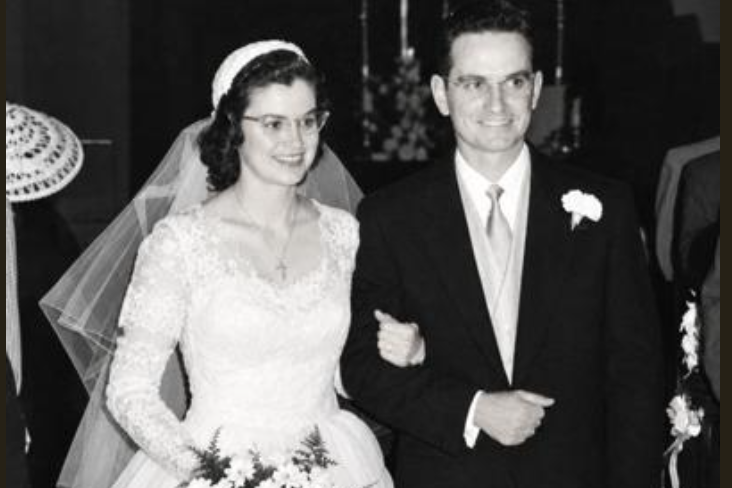
She met fellow sailor John Martin at a regatta, and they married in 1952 and had daughters Barbara and Jane, and sons John, Richard, and Robert. Her children became sailors, too, and she and her husband spent many weekends at regattas with them. Her husband died in 1984.
Mrs. Martin and her husband, John, were both longtime sailors.Courtesy of the family
Mrs. Martin played tennis and listened to classical music. She sang in the choir and was active at Christ Church in Riverton. In 2022, she was named marshal for the Riverton Fourth of July parade.
She volunteered at a seniors home in Cinnaminson Township and Zurbrugg Memorial Hospital in Riverside Township. She raised funds for the local library, hosted weddings at her home, and doted on her grandchildren and great-grandchildren.
She worked for years as a stenographer and bookkeeper for her brothers and husband, and for her son, John, until she was 87. “She was bulletproof,” her son said. “She gave love without expecting any benefit to her. She was the happiest person I knew.”
In addition to her children, Mrs. Martin is survived by 16 grandchildren, 10 great-grandchildren, and other relatives. Her sister and brothers died earlier.
Her son John said Mrs. Martin “gave love without expecting any benefit to her.”Courtesy of the family
Visitation with the family is to begin at 9:30 a.m. Saturday, Sept. 19, at Christ Church Riverton, 500 Fourth St., Riverton, N.J. 08077. A funeral service is to follow at 11.
Upper Darby passed an ordinance on Wednesday aiming to restrict the township’s cooperation with federal immigration agents.
Township council unanimously approved legislation banning local police from assisting ICE and other federal agencies with immigration enforcement activities. The legislation bars federal agents from using township property to stage immigration raids, prohibits township staff from providing resident information to federal agents for civil immigration enforcement, and bans township personnel from recording or maintaining data about residents’ immigration statuses, unless it is required by law.
It also prohibits township police officers from wearing masks or obscuring their identities in most cases and “formally requests” that federal agents clearly identify themselves and do not wear masks.
The ordinance includes exemptions, including cases in which immigration agents possess a judicial warrant or there is a criminal law enforcement matter requiring Upper Darby officials’ cooperation.
At the more than three-hour meeting on Wednesday, residents decried the actions of federal immigration agents and President Donald Trump and described a rich patchwork of races, religions, and backgrounds that defines Upper Darby, where nearly a quarter of the population is foreign-born.
Some described immigrant neighbors currently living in fear, unable to answer the door or go to religious services due to the anxiety of potentially being apprehended by ICE. Many said they moved to Upper Darby specifically for its diversity.
“Our history reminds us that legality and morality are not the same thing. Upper Darby Township cannot determine federal immigration policy, but it can determine how our own lawful authority and resources are used,” said State Rep. Heather Boyd, who spoke during public comment and represents parts of Upper Darby in the Pennsylvania House.
A smaller contingent of residents, however, pushed back against the proposal, warning that the ordinance makes few tangible changes to the police department’s policies while potentially putting a target on Upper Darby’s back for the federal government to strip away funding.
When asked if he believes the legislation is in the best interest of the police department, police superintendent Timothy Bernhardt said the ordinance “isn’t going to change what the Upper Darby Police Department does.”
The department has never been an immigration enforcement body, worn masks, worked with ICE under a 287(g) agreement, or stopped individuals simply to ask about their immigration status, Bernhardt said.
“I have no objection to it. It’s not going to change what we do every day, day in and day out,” the police superintendent added.
Township council members described the ordinance as a set of responsible guardrails for local officials in a municipality defined by its immigrant population.
“It’s an issue of establishing trust and making sure that people know that in Upper Darby, if you need help, you can call because this community serves you,” said council member Kyle McIntyre, who helped to draft the legislation.
“We will follow the law, but we will do everything in our power to protect our community and keep everyone safe,” Mayor Ed Brown said.
This suburban content is produced with support from the Leslie Miller and Richard Worley Foundation and The Lenfest Institute for Journalism. Editorial content is created independently of the project donors. Gifts to support The Inquirer’s high-impact journalism can be made at inquirer.com/donate. A list of Lenfest Institute donors can be found at lenfestinstitute.org/supporters.
A major study of PFAS-contaminated drinking water among people living near military bases in Bucks and Montgomery Counties shows associations with elevated cholesterol, increased blood pressure, and lower childhood development, according to preliminary findings.
PFAS, or per- and polyfluoroalkyl substances, are a family of compounds known as forever chemicals because they resist breaking down in the environment and in the human body.
A separate analysis showed cancer clusters in those communities, but more research is neededto determine whether there is a correlation between cancer rates and the water, the study’s investigators say.
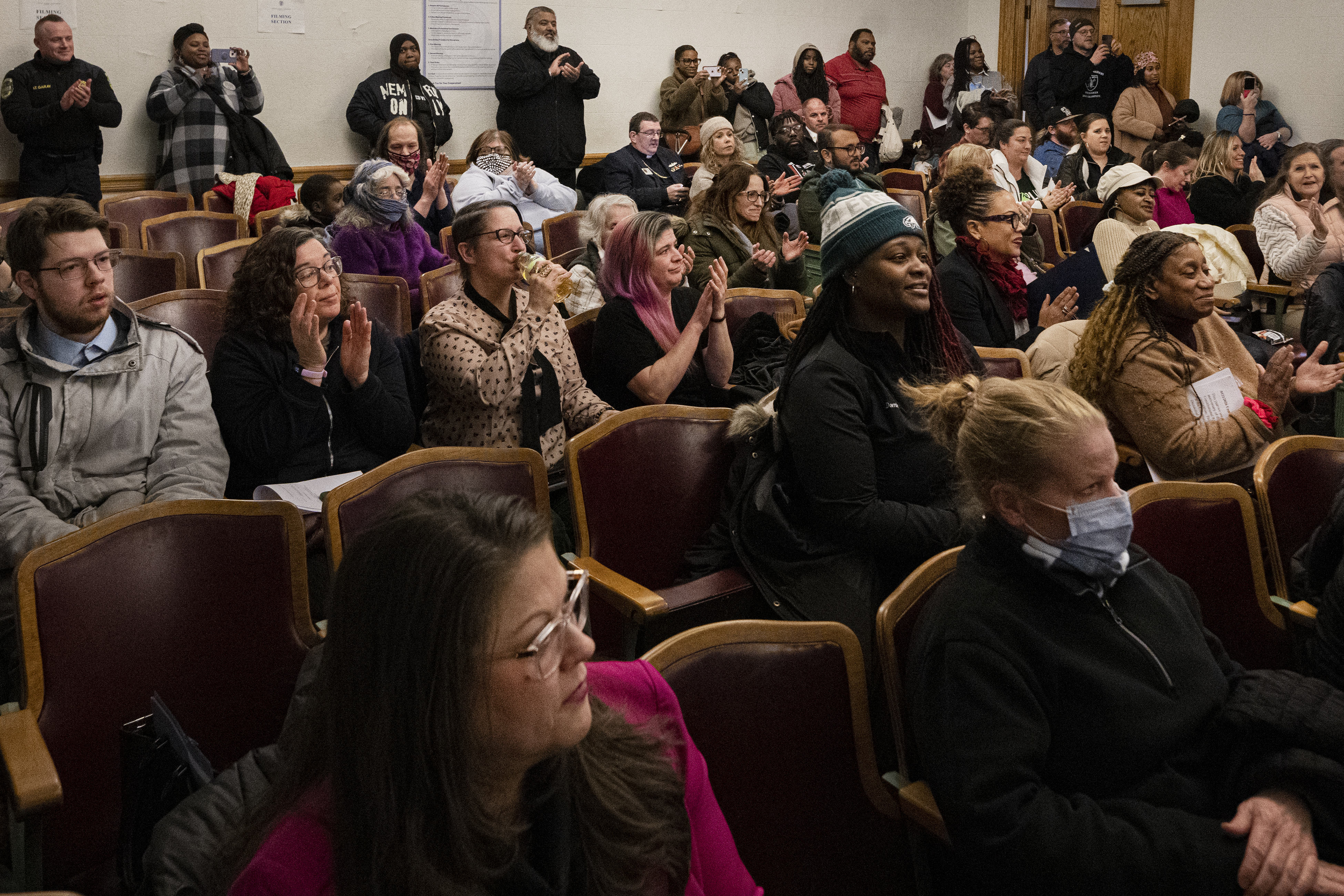
Lead researchers from RTI International and Temple University presented the findings Wednesday at Hatboro-Horsham High School during an event hosted by the Buxmont Coalition for Safer Water.
The ongoing study,part of an effort by the federal Agency for Toxic Substances and Disease Registry and Centers for Disease Control and Prevention, examinedPFAS exposure in Pennsylvania and seven other states: California, Colorado, Massachusetts, Michigan, New Hampshire, New Jersey, and New York. It included 5,826 adults and 710 children ages 4 to 17.
Wednesday’s presentation focused on Pennsylvania, where researchers collected blood from residents in 11 townships in Bucks and Montgomery Counties who lived near military bases where firefighting foam contaminated local drinking water supplies for decades. About 180 people attendedthe meeting.
“We have waited a long time for these study results to be released,” said Joanne Stanton, of the Buxmont Coalition for Safer Water, a grassroots organization formed after the PFAS contamination was first identified. “For the past 12 years, our community has carried an unimaginable heavy burden.”
According to baseline testing, local participants had elevated concentrations of per- and polyfluoroalkyl substances (PFAS)in their blood. Levels of PFAS and associated compounds — PFOS, PFOA, PFHxS, and PFNA — exceeded national averages. Pennsylvania rankedsecond highest nationally among all study sites for PFOS and PFHxS.
“These higher levels [of PFAS] are consistent with decades of exposure to firefighting foam used at the military bases,” said Linda Brown, the Pennsylvania study’s director from RTI International, an independent research institute.
Impacts on blood pressure, immunity, cholesterol, IQ
Brown said 1,251 adults and 89 children from Pennsylvania gave blood for the study.
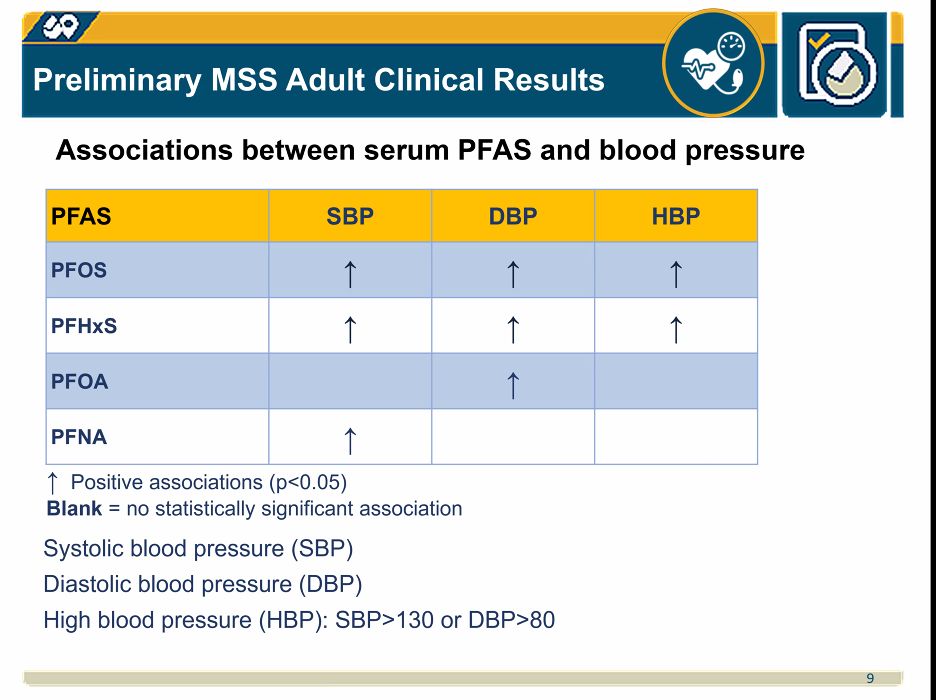
“Adults with higher PFAS levels in their blood tended to have higher blood pressure,” she said.
High blood pressure is a major risk factor for cardiovascular disease, she said.
Graphic shows an increase in blood pressure and various PFAS compounds.Preliminary results federal multi-site study of exposure to PFAS
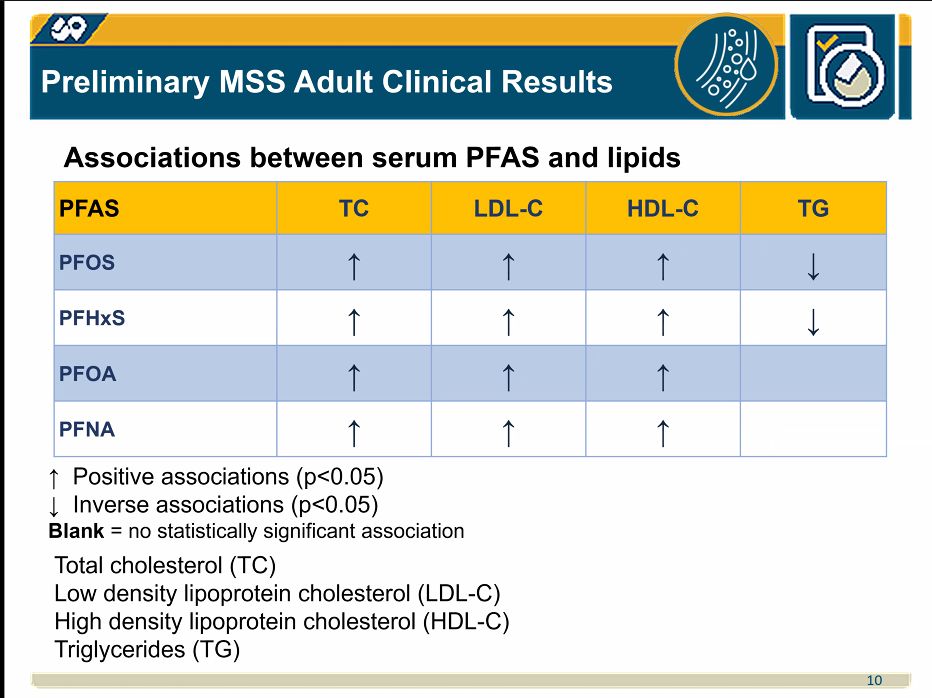
Brown also said elevated PFAS levels were associated with higher cholesterol, including LDL, the so-called bad cholesterol. All four PFAS compounds were associated with higher cholesterol in both adults and children.
She said, however, that preliminary results did not find a clear pattern linking PFOS levels with heart disease, diabetes, thyroid disease, or obesity.
Graphic shows an increase in cholesterol among adults and various PFAS compounds. Cholesterol in children also showed a rise.Preliminary results federal multi-site study of exposure to PFAS
Overall, children with higher PFAS levels had lower levels of certain antibodies that help the body fight infection, she said. The findings suggest PFAS may affect the immune responses, including the response to vaccines. But the findings do not tell researchers whether any individual child’s vaccines were less effective.
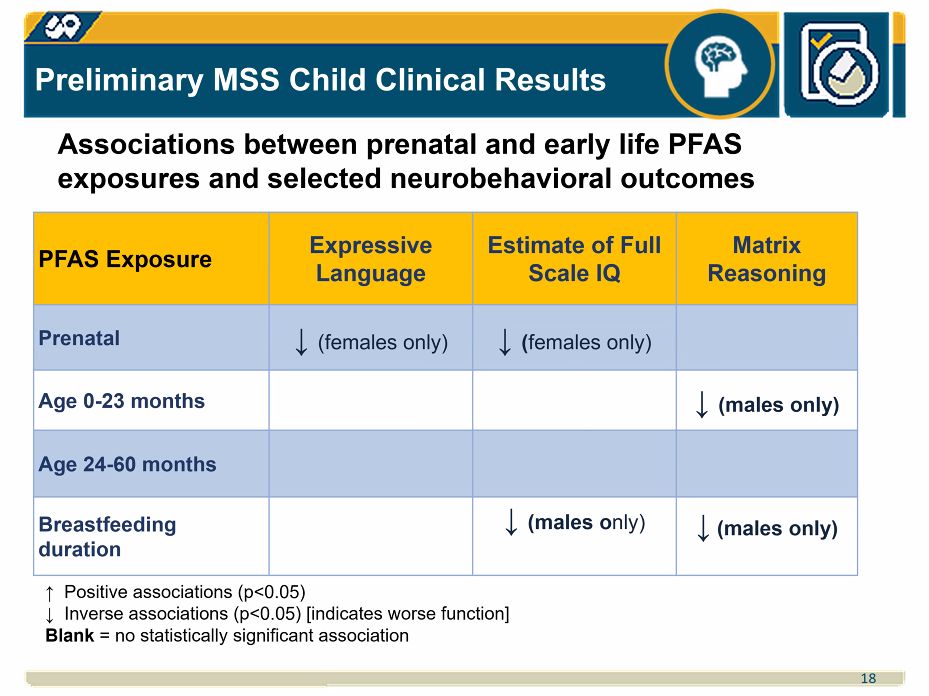
Higher levels of exposure to PFAS during pregnancy and early childhood also showed patterns of lower abilities of language, reasoning, and cognition. But she cautioned that the patterns cannot tell parents how PFAS may have affected their own child.
Chart shows an association between a decrease in language, IQ, and reasoning and PFAS exposure.Preliminary results federal multi-site study of exposure to PFAS
Cancer clusters
The study had too few cases of individual cancer types to complete a statistical analysis from the blood samples given. Cancer is not part of the original study.
To fill the gap, Temple researcher Resa Jones said, the group used a grant from Pennsylvania to separately look at overall cancer cases in 12 counties.
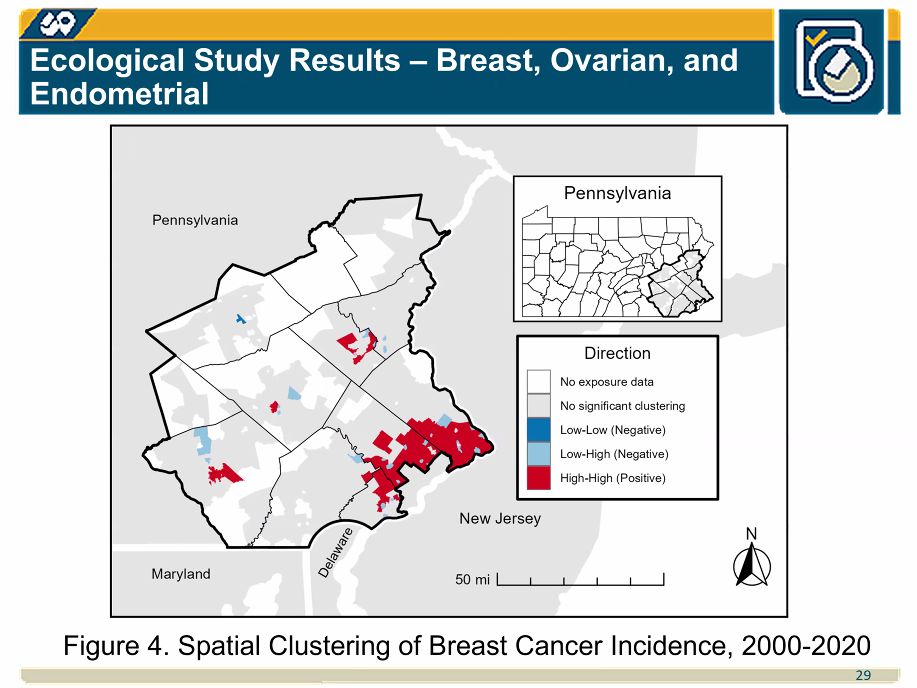
Chart shows clusters of breast, ovarian, and endometrial cancers in Montgomery and Bucks counties in Southeastern Pennsylvania.Preliminary results federal multi-site study of exposure to PFAS
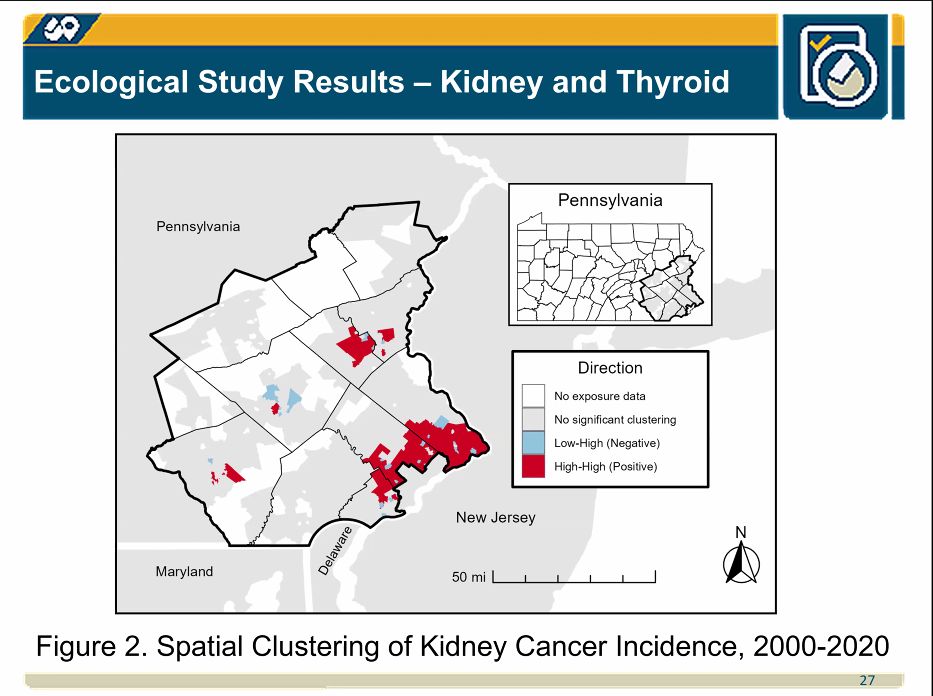
Jones said researchers pulled data from the state’s cancer registry to find the rate per 100,000 people. Mapping showed geographical clusters of elevated kidney, thyroid, breast, endometrial, and ovarian cancer incidence in Bucks and Montgomery Counties.
“We definitely have spatial clustering of the cancers,” Jones said of the two counties.
In municipalities with the highest totals of breast cancer, half had PFAS levels above minimum reporting levels for drinking water, Jones said.
But Jones stressed that more research is needed and that the results are preliminary.
Chart shows kidney cancer clusters in Montgomery and Bucks counties in Southeastern Pa.Preliminary results federal multi-site study of exposure to PFAS
Kidney function
In addition, Robin Taylor Wilson, another investigator from Temple, said longer exposure to PFAS was also associated with lower kidney filtration rates and chronic kidney disease.
The study highlighted heightened renal vulnerability among specific subpopulations, reporting that older residents, individuals with a history of blood transfusions or thyroid disorders, and cancer survivors faced significantly higher risks of chronic kidney disease.
Hope Grosse, of the Buxmont Coalition for Safer Water, said the release of preliminary results of the study gives future researchers a solid foundation for further study into PFAS.
“While these study results cannot undo the damage or bring back what we have lost, we hope that they are the beginning of the answers that we deserve,” Grosse said.
A new general store, complete with a craft counter and floral bouquets, is coming to Narberth, with a goal of creating a third space for area residents. Here’s what to expect. Also this week, township police are looking to add a “first responder” drone, the school district is urging a judge to deny a parent-led lawsuit over device use, plus a Gladwyne resident and TikTok personality has been charged with assaulting his girlfriend.
Have a question about town? Submit it to Curious Lower Merion and one of our reporters might track down the answer.
Narberth is getting a new take on the old-school general store this fall when borough resident Jen Kurland debuts her new spot, Jeneral Store, in the former home of Danny’s Guitar Shop.
The storefront will offer a mix of home goods, DIY floral bouquets, penny candy, and a craft counter in the vein of delis. There, shoppers will be able to order art supplies à la carte.
Kurland hopes it will become something of a third space, with plans to offer craft nights and workshops down the line.
Lower Merion police are seeking funding for a drone that could be automatically deployed for certain emergency calls, a tool they say could provide crime scene information before officers even respond. Commissioners expressed skepticism, particularly over privacy, at last week’s budget workshop. Here’s what the program could look like.
At the same 2027 budget workshop, township officials warned of financial headwinds that could mean possible real estate tax increases next year. Additional workshops will be held throughout the fall before a decision is made.
Gladwyne resident and personal injury lawyer Thomas Bosworth has been charged with simple assault and harassment after allegedly choking his girlfriend and throwing her to the ground during a dispute on the Cynwyd Heritage Trial in Bala Cynwyd. The 37-year-old is known as “Tommy the Lawyer” on TikTok, where he has hundreds of thousands of followers.
The owner of Dane Fine Art has been named in a lawsuit for allegedly participating in a scheme to sell fraudulent artwork, including fake Andy Warhol paintings. The Haverford gallery was raided by the FBI earlier this summer. Owner Nathan “Nicky” Isen has denied the accusations.
Downtown Ardmore District will hold a ribbon cutting tomorrow to officially unveil the transformation of the alleyway wall along Past Present Future into a mural. It will also include a dedication to the shop’s owner, Sherry Tillman, as she winds down the beloved business.
🏫 Schools Briefing
The school board voted unanimously on Monday to accept former board member Jennifer Rivera’s resignation, which she tendered last month after being charged with embezzling more than $50,000 from her employer, The Inquirer’s Denali Sagner reports.
After a group of parents filed a lawsuit against the district over opting their children out of school-assigned computers, the district has asked a federal judge to deny the request, accusing them of “fearmongering.”
The school district is closed Monday, which is Yom Kippur. There’s a special board meeting Tuesday from 5 to 8 p.m.
🍽️ On our Plate
Two new eateries are coming to Bala Cynwyd on City Avenue in 2027. French-inspired chain Paris Baguette is slated to open a location in the spring, while all-you-can-eat revolving sushi concept Supra Sushi is planning to open sometime in the middle of next year.
Nanu’s Hot Chicken has reopened at 59 W. Lancaster Ave. in Ardmore after being forced to close at the end of July when a vehicle damaged the store.
Tired Hands Brewing Company in Ardmore has released a new Rose Panna Cotta milkshake IPA. The 7.2% ABV beer has notes of bubblegum, pink grapefruit, raspberry honey, and mango.
🎳 Things to Do
🎪 Bryn Mawr Day: Celebrate the community with local businesses, food, drinks, and a circus. ⏰ Saturday, Sept. 19, 9 a.m.-2 p.m. 💵 Pay as you go 📍 North Bryn Mawr Avenue parking lot
🎨 Chalk Mob 2026: Watch as artists transform the plaza at Linwood Park or try your hand at it yourself. ⏰ Saturday, Sept. 19, 10 a.m.-noon 💵 Free 📍 Linwood Park
🍿 Back to the Future: This month’s family movie night features the first installment of the Michael J. Fox film series. ⏰ Saturday, Sept. 19, 7:30 p.m. (rain date: Sept. 20) 💵 Free 📍 Narberth Park
🏴☠️ Pirate Day Crafternoon: Pirates and their mateys can make themed crafts in honor of National Talk Like a Pirate Day (parrots and eye patches optional). ⏰ Wednesday, Sept. 23, 3-5 p.m. 💵 Free 📍 Gladwyne Library
🍖 KB Foundation’s Fall Fundraiser: Chef Nick Elmi will dish up barbecue for this benefit, which also includes a silent auction, a DJ, candy and cigar bars, and an awards ceremony. ⏰ Thursday, Sept. 24, 7 p.m. 💵 $175 and $250 for individual tickets 📍 Pump House
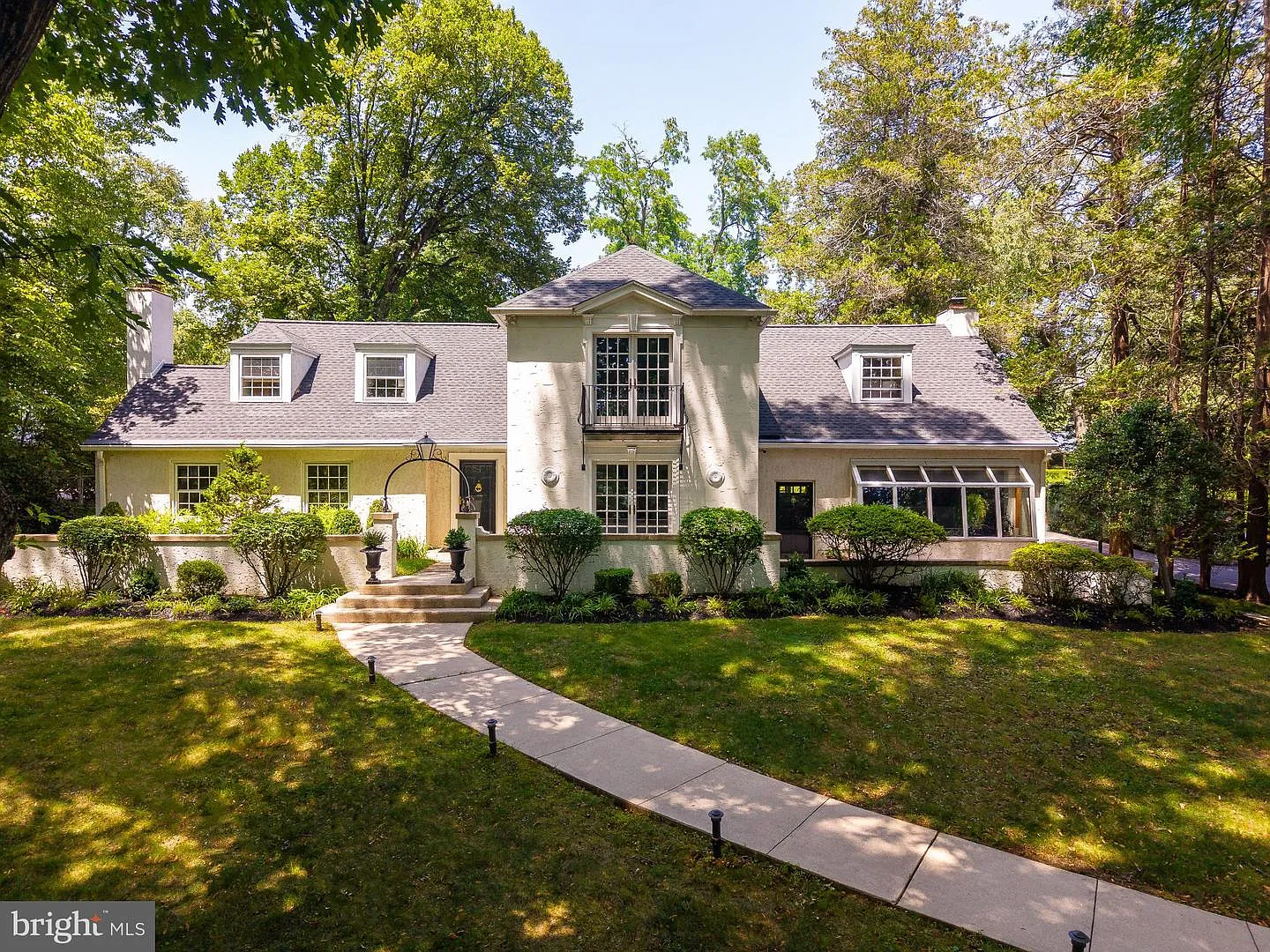
The home has a conservatory and courtyard-style entryway.A1RMedia | Courtesy of Arielle Roemer/ BHHS Fox & Roach at the Harper
This mid-century Penn Valley home has undergone a number of updates, including a private wing addition for the primary suite. Located on the second floor, it has vaulted ceilings, dual vanities, a dressing room, walk-in closets, a laundry room, and a balcony. Other features of the four-bedroom home include a dining room, a kitchen with a butler’s pantry, an office, a parlor with an antique marble fireplace, and a conservatory. Outside, there’s a patio with a pergola and a pool. There are open houses today from 11 a.m. to 1 p.m. and Saturday from noon to 2 p.m.
By submitting your written, visual, and/or audio contributions, you agree to The Inquirer’s Terms of Use, including the grant of rights in Section 10.
This suburban content is produced with support from the Leslie Miller and Richard Worley Foundation and The Lenfest Institute for Journalism. Editorial content is created independently of the project donors. Gifts to support The Inquirer’s high-impact journalism can be made at inquirer.com/donate. A list of Lenfest Institute donors can be found at lenfestinstitute.org/supporters.
Wallingford-Swarthmore School District Superintendent Russell D. Johnston.Jose F. Moreno / Staff Photographer
As parents push back on screen time in the classroom, a number of local school districts have made efforts to scale it back, including Wallingford-Swarthmore.
For the youngest students, that means limits for online assessments and restrictions on YouTube access.
In making decisions, the district has sought parents’ feedback, including creating a forthcoming Technology Advisory Council focused on device use in grades six to 12.
For Alex Bird Becker, a parent in the district who’s active in the statewide group PA Unplugged, setting limits gets harder in middle school, where “the device culture has become really ingrained with curriculum,” she said.
A four-month investigation by Nether Providence Township police resulted in five felony arrest warrants being issued last week related to nearly $60,000 in fraudulent withdrawals from a victim’s bank account. Among those accused in the scheme is Robin Massing, who faces unrelated forgery charges for allegedly attempting to change and deposit checks from Media Little League.
One member of the cast of hit HBO show Task, which was filmed throughout the region, took home an Emmy Award Monday night. Tom Pelphrey, who played Robbie Prendergrast, won in the supporting actor in a drama series category. Task is returning for a second season, though a release date hasn’t been announced yet.
Swarthmore resident and Celia Bookshop literary director Rachel Pastan’s new book came out this week. We’re So Lucky to Live Here follows a 27-year-old protagonist who moves back to her childhood home in the Philadelphia suburbs, struggling to afford it in the wake of her mother’s death. The book was inspired in part by Pastan’s work on the borough’s affordability task force. She’s hosting a book launch and discussion Saturday at 7 p.m.
Expect overnight roadwork on Swarthmore Avenue between Dartmouth and Benjamin West Avenues for borough paving from 9 p.m. to 5 a.m. through Saturday. And in Nether Providence Township, work on Providence Road between West Rose Valley and Chester Roads switches to overnight hours this week, taking place Mondays through Thursdays from 7 p.m. to 5 a.m. Work is expected to continue into early next year.
Looking for gluten-free pizza? Main Line Today rounded up nine spots, including Poseidon Pizza in Media.
🎳 Things to Do
🍁 Hayrides at Linvilla: Hayride season arrives at Linvilla this weekend, including autumn moon options and hayrides to the witch’s house. ⏰ Select days, Friday, Sept. 18-Friday, Oct. 30, times vary 💵 $8-$11 in advance, $10-$14 at the door for autumn moon hayrides; $10-$13 in advance, $12-$16 at the door for hayrides to the witch’s house 📍 Linvilla Orchards, Media
🍔 Food Truckathon: Nosh on bites from over 20 food trucks and listen to live music. ⏰ Friday, Sept. 18, 5-9 p.m. 💵 Pay as you go 📍 Swarthmore town center
🎭Dear Evan Hansen: See the hit Broadway musical live. ⏰ Select days from Friday, Sept. 18-Saturday, Oct. 3, times vary 💵 $18.50-$30.50 📍 PCS Theater
🪕 Porchfest: Catch musicians performing on porches throughout Media. ⏰ Saturday, Sept. 19, noon-6 p.m. 💵 Free 📍 Throughout Media borough
📖 Well Red Fundraiser: This Helen Kate Furness Free Library benefit includes food, drinks, and a silent auction. ⏰ Saturday, Sept. 19, 7-10 p.m. 💵 $75 📍 Helen Kate Furness Free Library, Wallingford
🗞️ What other Greater Media residents are reading this week:
By submitting your written, visual, and/or audio contributions, you agree to The Inquirer’s Terms of Use, including the grant of rights in Section 10.
This suburban content is produced with support from the Leslie Miller and Richard Worley Foundation and The Lenfest Institute for Journalism. Editorial content is created independently of the project donors. Gifts to support The Inquirer’s high-impact journalism can be made at inquirer.com/donate. A list of Lenfest Institute donors can be found at lenfestinstitute.org/supporters.
After hearing more horror stories about a dilapidated rental property that was condemned in April, Bucks County District Attorney Joe Khan said this week that his office has filed an amended civil complaint against the landlords and is demanding their business and financial records dating back to 2013.
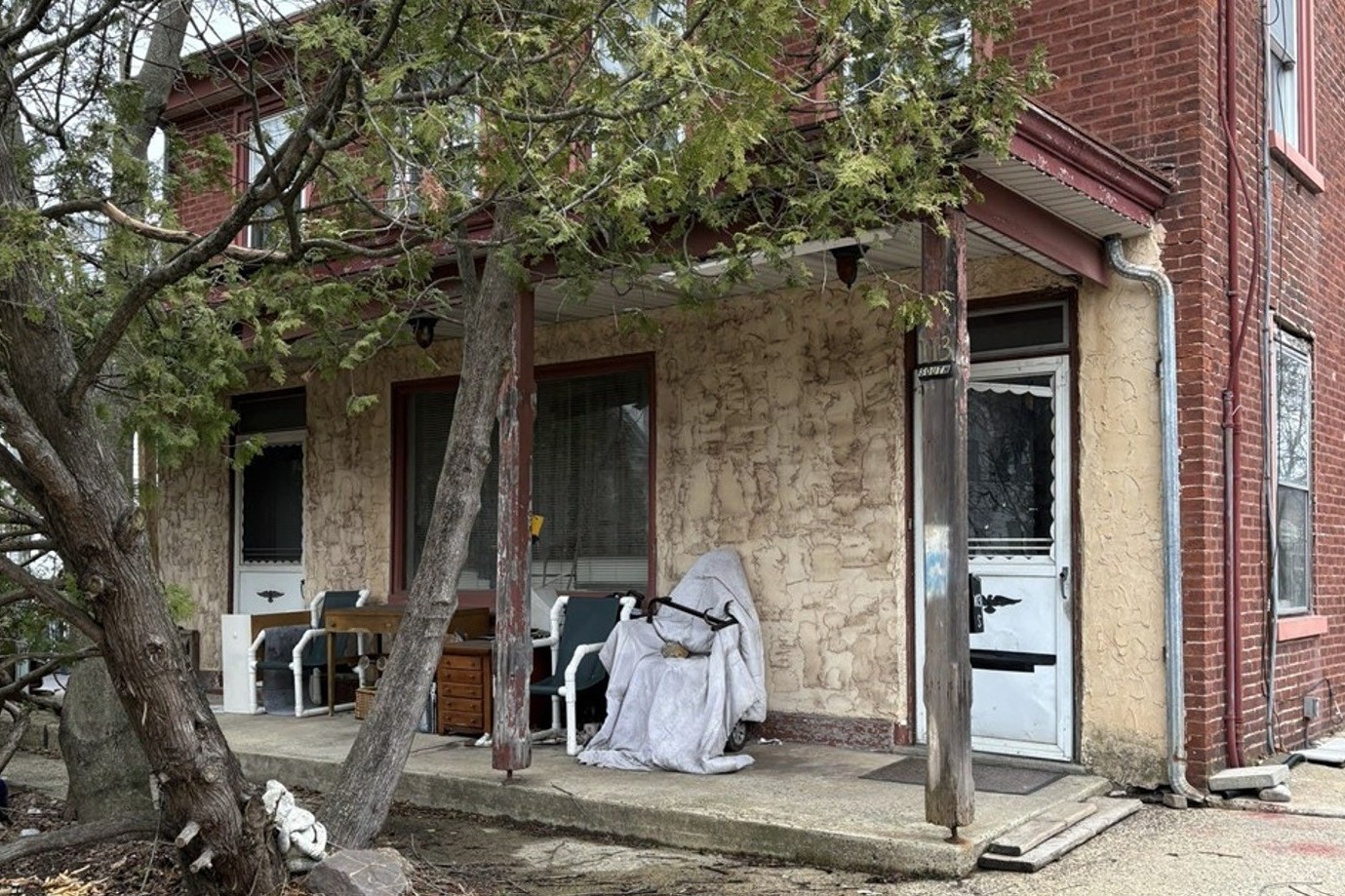
In April, the property on the 100 block of South Main Street in Dublin Borough was declared unsafe and six tenants were effectively evicted, though they received county assistance to secure replacement housing.
Since then, a total of 13 former tenants — including a mother and her 11-year-old child — have complained about the conditions they endured, including years of not having a functional heating system for the building, Khan said.
The 35-page amended complaint names Richard Goetter, Ronald Goetter, and their fictitious business entity, R & R Enterprises, as defendants.
Richard Goetter could not be reached for comment on Wednesday. A person answering a phone number listed for Ronald Goetter in Arizona said he had died recently and declined to comment further.
Richard Goetter, who was described in the amended complaint as going to the property every Friday to collect rent payments, “has made no effort to make these affected tenants whole” since the district attorney’s office filed its lawsuit in April, the complaint said.
Additional tenants have come forward, “each sharing the same or similar descriptions of the disrepair, dangerous conditions, and lack of heat” going back to at least 2020, the complaint said.
“Defendants demanded rent and tenants unfairly paid full rent for a property that did not meet the most basic standards of habitability week after week, month after month, year after year,” the complaint said.
Khan said his office filed the civil complaint in Bucks County Court using the Pennsylvania Unfair Trade Practices and Consumer Protection Law to hold the landlords accountable.
The former tenants included a 63-year-old with an amputated leg who lived on the second floor with a roommate and required daily assistance.
The tenant had to provide their own space heater, and paid $230 a week for rent to Richard Goetter when he showed up on Fridays, the complaint said.
“Defendants’ business model profits by forcing vulnerable, low-income tenants to make an impossible choice between staying in an unsafe and unsanitary building today or risking imminent eviction and homelessness tomorrow,” the complaint said.
The alleged violations at the property date back to at least 2013, when a building inspection report said the property had no building-wide heat, the complaint said.
In 2024, Richard Goetter pleaded guilty after the Bucks County Health Department allegedly documented a rodent problem at the property, the complaint said. In 2016 and 2018, the agency received reports of alleged problems about a mice infestation and a toilet.
The building allegedly had black mold in the community bathroom, a large piece of plywood covering a hole in the floor of one of the bathrooms, rodent and cockroach infestations, and the overwhelming odor of human waste.
Khan said on Monday that his office is now pursuing the business and financial records of the defendants dating back to 2013.
Prosecutors are demanding “ownership documents, tax returns, insurance policies, rent payment records, and evidence of any taxpayer-funded emergency rent relief or nonprofit aid the business received since 2013,” the district attorney’s office said.
Prosecutors also are demanding “all written messages between the business partners regarding broken equipment, needed repairs, tenant evictions, and local code violations,” the district attorney’s office said.
“In the more than five months since we filed our action in court, R & R Enterprises has done nothing to make these tenants whole,” Khan said in a statement Monday.
“It’s now time to open up this business’ financial records to show where the money is so that we can help these victims recover and move on with their lives,” Khan said.
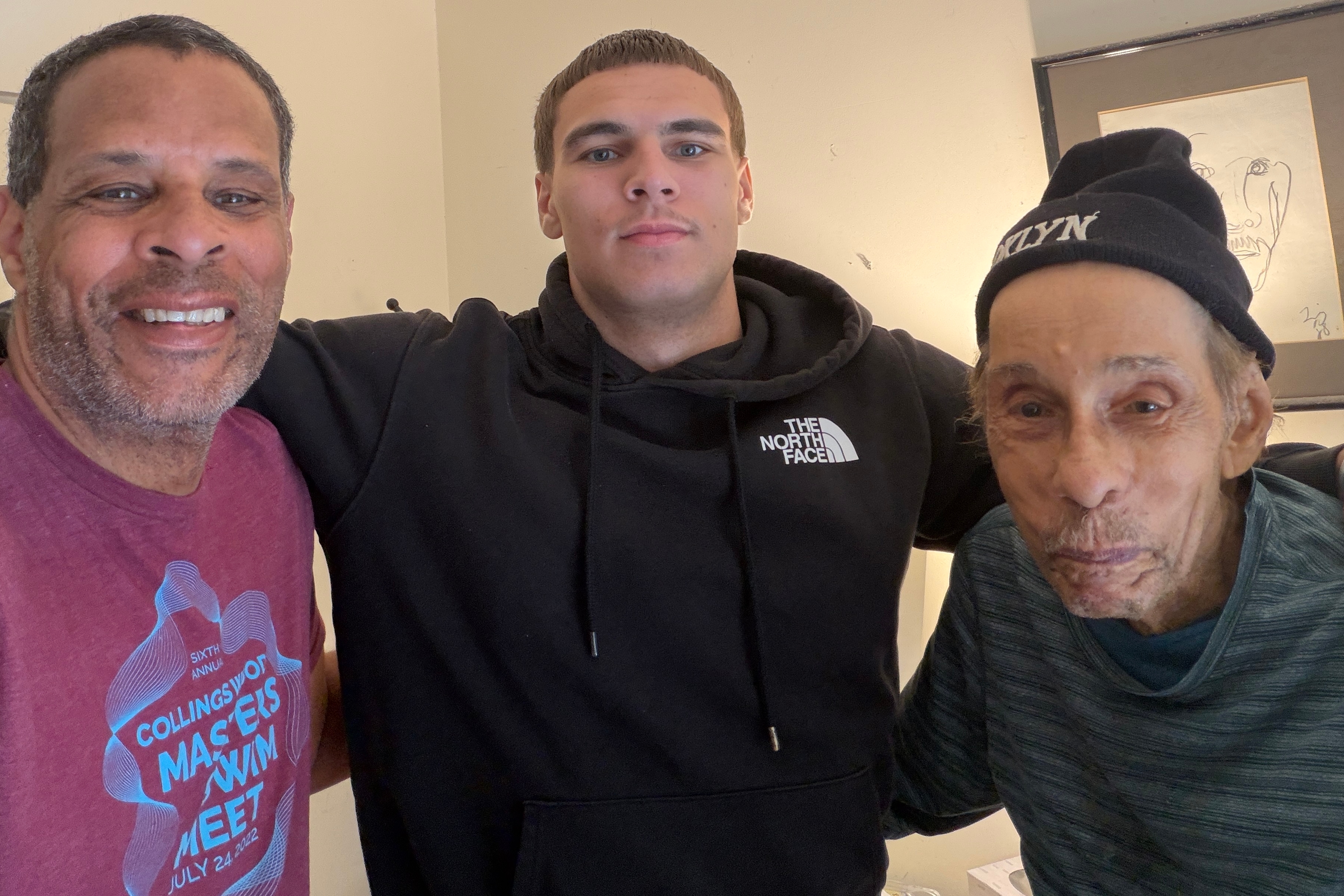
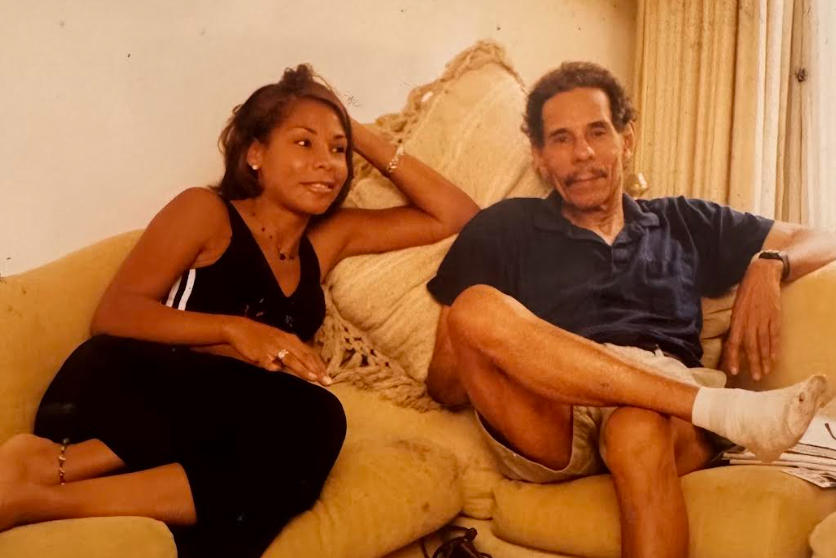
William Johnson Jr., 95, of Philadelphia, a former Army dentist in France who later practiced for more than 40 years in Northwest Philadelphia, and a star distance runner at Norristown Area High School, the Penn Relays, and elsewhere, died Wednesday, Aug. 26, of congestive heart failure at his home near the Philadelphia Museum of Art.
Dr. Johnson grew up in Norristown, was part of his high school’s meet-winning mile and two-mile relay teams, and enlisted in the Army after graduating from New York University in the 1950s. His mother, Mary, wanted him to be a doctor. So, after she died when he was 6, he went on to earn a dental degree at Meharry Medical College in Nashville.
He spent five years as an Army dentist in France in the 1960s, reveled in the sophisticated social and cultural atmosphere in Paris at the time, and set up his own practice in the 1970s for what he saw were underserved communities around Chew Avenue and Slocum Street. He and his family lived above the first-floor office, and his son, Bill, and daughter, Jacqueline, both worked with him for a time.
“When we were young, he would tell us to stop running when he had patients,” his daughter said. His son processed X-rays and did other chores in the back room. “On Saturdays,” he said, “the office would be full of people of color. That’s how much he was needed.”
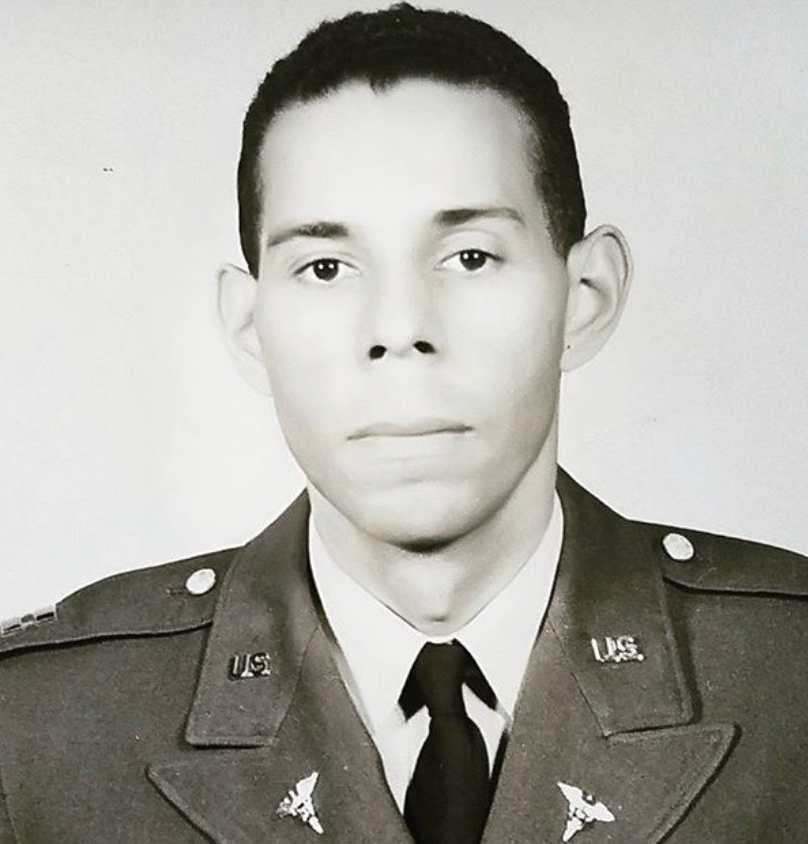
Dr. Johnson was an Army dentist in France. Courtesy of the family
Dr. Johnson finally retired in 2014, at 83. Even then, his wife, Liz, said, “his loyal patients were reluctant to see him retire.”
Away from his patients, Dr. Johnson was a dedicated runner who rarely missed a daily workout. Wednesdays were half days at the office, so he saved his most grueling runs of the week for then.
“He wore a ski mask sometimes when it was cold,” his son said, “and when he was done it would be covered with ice.”
He won mile relay, two-mile relay, and other long distance races in high school in the 1940s, ran for the college team at NYU, and later finished first in masters division races at the Penn Relays. He was a longtime member of the Freedom Striders running club and most often ran in the lead pack in the Broad Street Run and other big road races.
Dr. Johnson (right) doted on his daughter, Jacqueline, and son, Bill.Courtesy of the family
He was also an amateur historian who loved to hash over stories about the old days in Philadelphia and Norristown. “He was analytical and liked to laugh,” his son said. “He was a model for me about the value of hard work and being humble.”
William Johnson Jr. was born Feb. 24, 1931, in Norristown. He lived with his father, William Sr., sister Jean, and brother Eddie after his mother died, and developed what his children called a “deep sense of family, independence, and faith.”
He played football as well as track in high school, joined the Alpha Phi Alpha fraternity at NYU, and worked in the New York garment district to make money. He enlisted in the Army after graduation to attend dental school.
He met Susie Jeffries in Tennessee while at Meharry, and they married, lived in Orléans, France, and moved to Philadelphia after he left the Army. They had two children. They divorced later.
Dr. Johnson and his wife, Liz, were both dedicated runners. Courtesy of the family
In the 1990s, Dr. Johnson moved to the Art Museum area and married Liz Goldberg, also a dedicated runner. He and his wife traveled the world together, and she called him “an exuberant and colorful spirit” who “brought energy and joy to those around him.”
Dr. Johnson was interested in fashion, especially Ralph Lauren, and he and his daughter shopped together frequently. He liked music, French food, art shows, and gardening.
His son said: “A lot of people have told me: ‘Your dad was the best.’”
In addition to his wife, children, and former wife, Dr. Johnson is survived by four grandchildren and other relatives. His sister and brother died earlier.
Private services were held earlier.
Donations in his name may be made to Meharry Medical College, 1005 Dr. D.B. Todd Jr. Blvd., Nashville, Tenn. 37208.
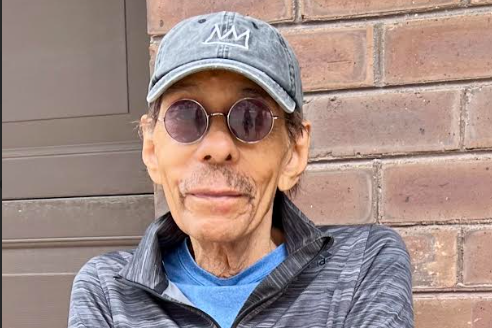
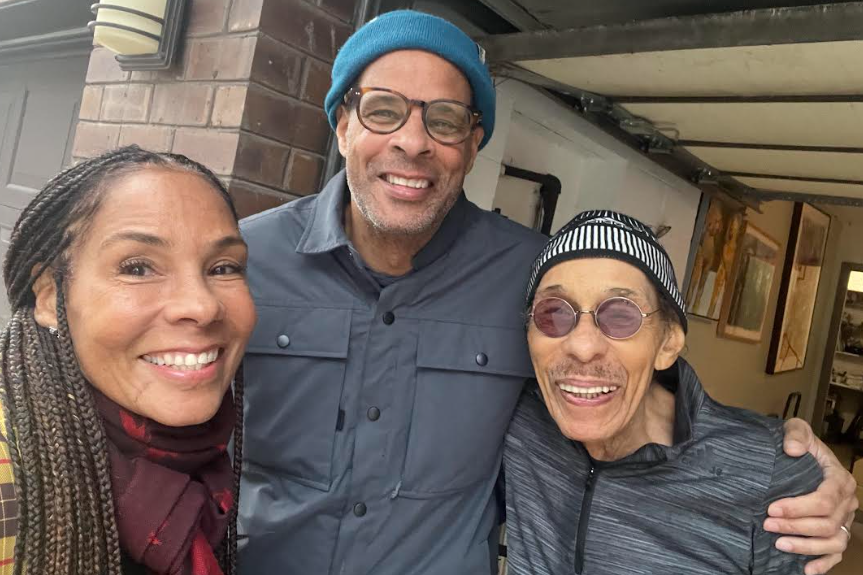
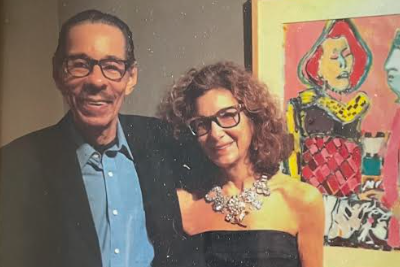
Dr. Johnson, right above and below, enjoyed time with his family. Courtesy of the family