Category: Pennsylvania News

  • Pa., N.J., and other states reach settlement that limits Trump changes to AmeriCorps

    Pa., N.J., and other states reach settlement that limits Trump changes to AmeriCorps

    Pennsylvania Gov. Josh Shapiro and 24 other state leaders have reached a settlement in a federal lawsuit that keeps President Donald Trump’s administration from making significant changes to AmeriCorps without prior warning and justification.

    The settlement announced last week stipulates that AmeriCorps must provide at least 30 days’ notice before making changes to its services, and protects funding for the organization through fiscal year 2026. The settlement comes more than a year after Shapiro and other governors and state attorneys general challenged a 2025 move to discontinue about $400 million worth of AmeriCorps programs and wipe out a vast majority of the organization’s staff.

    Created in 1993, AmeriCorps is a federal community service program that oversees thousands of volunteers, and acts as a domestic version of the Peace Corps. It provides services that include natural-disaster relief with the Red Cross, building homes with Habitat for Humanity, and providing instructors in underserved schools.

    The lawsuit’s outcome, Shapiro said in a statement, protects “critical funding the Commonwealth relies on to help communities respond to natural disasters, support seniors and veterans, keep our trails clean, and teach children to read.”

    Previously, a federal court ordered the Trump administration to reinstate the terminated AmeriCorps programs, and the Office of Budget Management agreed to release about $184 million in funds to programs around the country, said New Jersey State Attorney General Jennifer Davenport in statement. Davenport, who is part of the coalition of lawmakers in the lawsuit, said AmeriCorps members work “as critical volunteers in our communities.”

    “While this disruption never should have happened in the first place, I am pleased that by uniting together, states were able to not only stop these unannounced and drastic cuts to these important programs, but also to take steps to prevent this from happening again,” Davenport said.

    The lawsuit was filed in April 2025, after the Department of Government Efficiency recalled hundreds of members of the organization’s National Civilian Community Corps and placed a majority of its federal employees on administrative leave. DOGE also ordered AmeriCorps to terminate grants to more than 1,000 community service programs nationwide, including several in Pennsylvania.

    Now, under the settlement, AmeriCorps has said that it “does not anticipate mass terminating grants on a scale comparable to what happened in Spring 2025,” or conducting mass layoffs during fiscal year 2026. If those actions, among others, were to take place, it must provide the coalition of state lawmakers who brought the lawsuit with at least 30 days’ notice, and explain its legal authority to make the changes.

    Additionally, the settlement pauses litigation in the lawsuit through February, after which point the case will be dismissed so long as the terms of the agreement are upheld, Shapiro’s office said in a statement.

    In Pennsylvania, PennSERVE is the designated state service commission for AmeriCorps, and it distributes about $16 million in federal money annually to more than two dozen programs, Shapiro’s office said. There were 655 active AmeriCorps volunteers serving in 41 counties across the state at time the grant terminations were announced.

    “The federal government made a commitment with the Commonwealth of Pennsylvania to support these programs,” Shapiro said. “It’s my job as Governor to protect the interest of Pennsylvania taxpayers — and this settlement agreement ensures that these programs are protected for another year.”
  • Philly Parks and Rec leader approved the unpermitted work at an FDR Park field

    Philly Parks and Rec leader approved the unpermitted work at an FDR Park field

    Parks and Recreation Commissioner Susan Slawson said she approved renovations to FDR Park’s Ashburn Field without required state permitting because she wanted renovations to be complete by the MLB All-Star Game.

    The missing permit was designed to address erosion control and stormwater release at the site.

    “We were mindful of the waterways and natural areas within FDR Park,” Slawson said of the decision. “All erosion and sediment controls were in place during construction, and safety was never an issue.”

    Slawson told WHYY last week that approving projects without proper permits is not how the department “typically” handles projects, but she allowed the work to proceed “to accommodate the MLB All-Star Game.”

    Typically, state law supersedes city approvals.

    The city’s parks department actively manages “the natural areas within FDR [Park] to protect water quality and support healthy natural systems while balancing the park’s important role in active recreation,” Slawson said.

    Missing permits

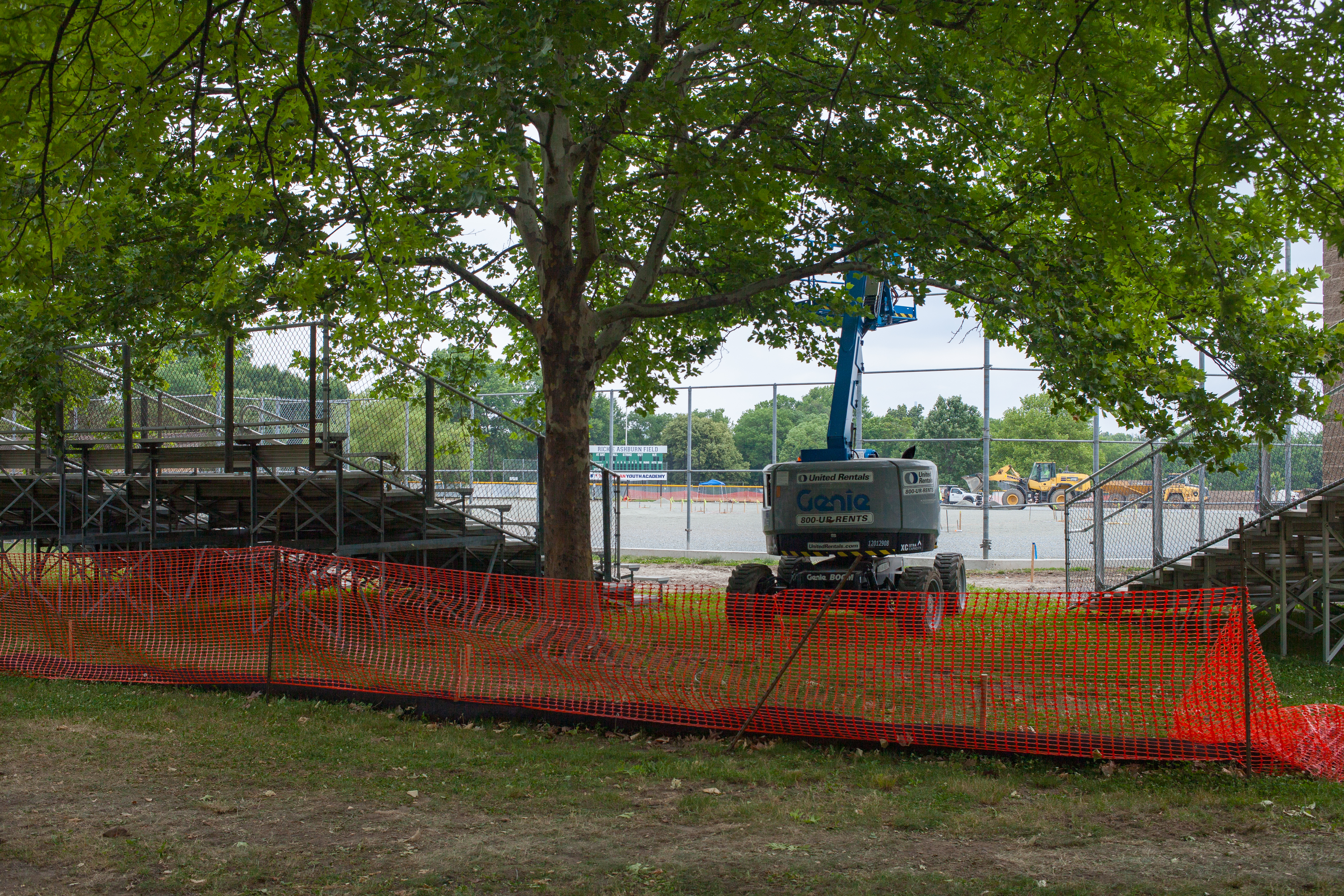
    In the lead up to the MLB All-Star Game, which took place in July at Citizens Bank Park, the MLB and the city partnered to renovate the 28-year-old Ashburn Field.

    A ribbon-cutting ceremony was held July 10, just days ahead of the All-Star Game, to show off Ashburn’s new synthetic turf field and an updated drainage system to reduce flooding.

    However, as first reported by The Inquirer last month, the Phillies and the city did not receive a required permit from the state’s Department of Environmental Protection. The permit was designed to address erosion control and stormwater release at the site.

    The Phillies applied for the permit May 13, according to the Department of Environmental Protection’s website. Nearly two weeks later, the department sent the Phillies a letter denying the permit, citing 32 issues the team would need to address before receiving the permit to continue renovations. That letter noted that final plan drawings had not been submitted, other drawings failed to include the project’s boundary, and not all water discharge areas were noted.

    A local engineering firm hired by the Phillies responded in June to the May letter.

    On July 7, the Department of Environmental Protection sent another letter to the Phillies noting technical deficiencies. It sent another letter July 24, about two weeks after the ribbon cutting, noting an outstanding deficiency and advising the Phillies to resubmit information in coordination with the Philadelphia Water Department.

    What’s next

    Bonnie Clark, a spokesperson for the Phillies, said the team met with the Water Department last week and was continuing to remedy issues to obtain the permit.

    The permit is still pending on the Department of Environmental Protection website. DEP spokesperson Robyn Briggs declined to comment on possible enforcement actions or penalties as internal deliberations continue.

  • A Lansdowne teen was days away from his senior year when he was killed in a shooting, police say

    A Lansdowne teen was days away from his senior year when he was killed in a shooting, police say

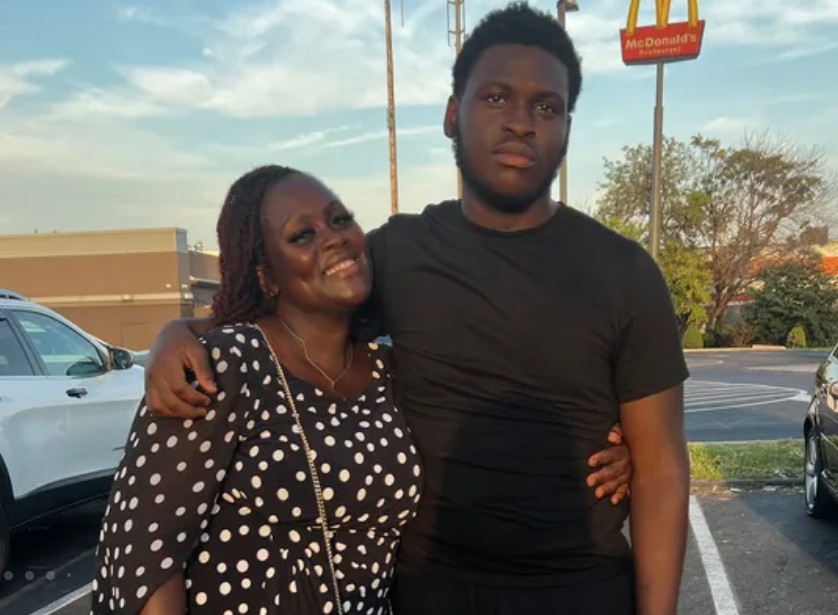
    Richard Nelson DeShield should be starting his senior year at Penn Wood High School, suiting up for football practice, and looking forward to life after graduation, his family said Monday.

    But all of that was taken from him by a gunman who shot and killed him on Sept. 8, five days after his 18th birthday, officials said.

    A Lansdowne police officer patrolling the area near North Wycombe and Blackburn Avenues saw two teens standing next to DeShield’s car as he sat inside it about 10:30 p.m., authorities said, when shots rang out.

    Struck multiple times, DeShield sped forward and crashed the vehicle. He was pronounced dead at the scene.

    The teens fled into a nearby apartment building, police said. Officers detained two people last week for questioning, but Lansdowne Police Chief Ken Rutherford said Monday that no charges have been filed, and the case remains under investigation.

    “This is a terrible tragedy,” Rutherford said. “There is no taking back the loss of a young life, and our department will work diligently to determine what happened and hold those responsible accountable.”

    DeShield was one of four children and the only son, said his older sister Christine.

    He was an avid football player throughout his preteen and teenage years, and was preparing to suit up in number 85 for his senior year as a linebacker for Penn Wood High.

    His loved ones held a vigil Sunday evening at their home in Lansdowne, releasing balloons with his football jersey number in his memory.

    “He was a good friend, good student, good son,” Christine Browne said, adding that she was helping him prepare his application to join the Army after graduation.

    DeShield’s mother, Wanita Browne, said she was too heartbroken to comment on her son’s slaying. But in a GoFundMe she started to help cover funeral costs, she described him as “a down-to-earth, friendly person who cared deeply for his friends and family.”

    The online fundraiser drew support from former coaches, teammates, and friends who expressed shock and outrage at the crime that took DeShield’s life.

    Lansdowne police ask that anyone with information about the shooting to call them at 610-623-0700.

  • Langhorne residents push back on Route 1 superhighway plan from PennDot

    Langhorne residents push back on Route 1 superhighway plan from PennDot

    Langhorne Borough wants a PennDot do-over.

    On Sept. 9, the borough’s council unanimously approved a resolution pushing PennDot to reconsider its $334 million plan to build a partial cloverleaf interchange with traffic signals at U.S. Route 1 and Pa. 413.

    A partial cloverleaf highway design features looping two-level ramps with shorter exits and is used in tight spaces.

    The plan would limit access to Route 1 via several miles of service roads that run alongside it, pushing traffic into the narrow streets of Langhorne Borough and its neighboring municipalities in densely populated Lower Bucks.

    “PennDot’s safety objectives on U.S. 1 could be achieved at less cost and at less danger to the community by keeping the service roads connected and not building the cloverleaf,” said Kathy Horwatt, president of Langhorne Borough Council. “We cannot advocate for any plan that trades the safety of our residents for the safety of through motorists.”

    Making Route 1, built in the 1950s, more like a superhighway for better traffic movement on a vital regional roadway has been a PennDot goal for years. Overpasses, ramps, and other infrastructure also need to be upgraded to modern safety standards, the agency says.

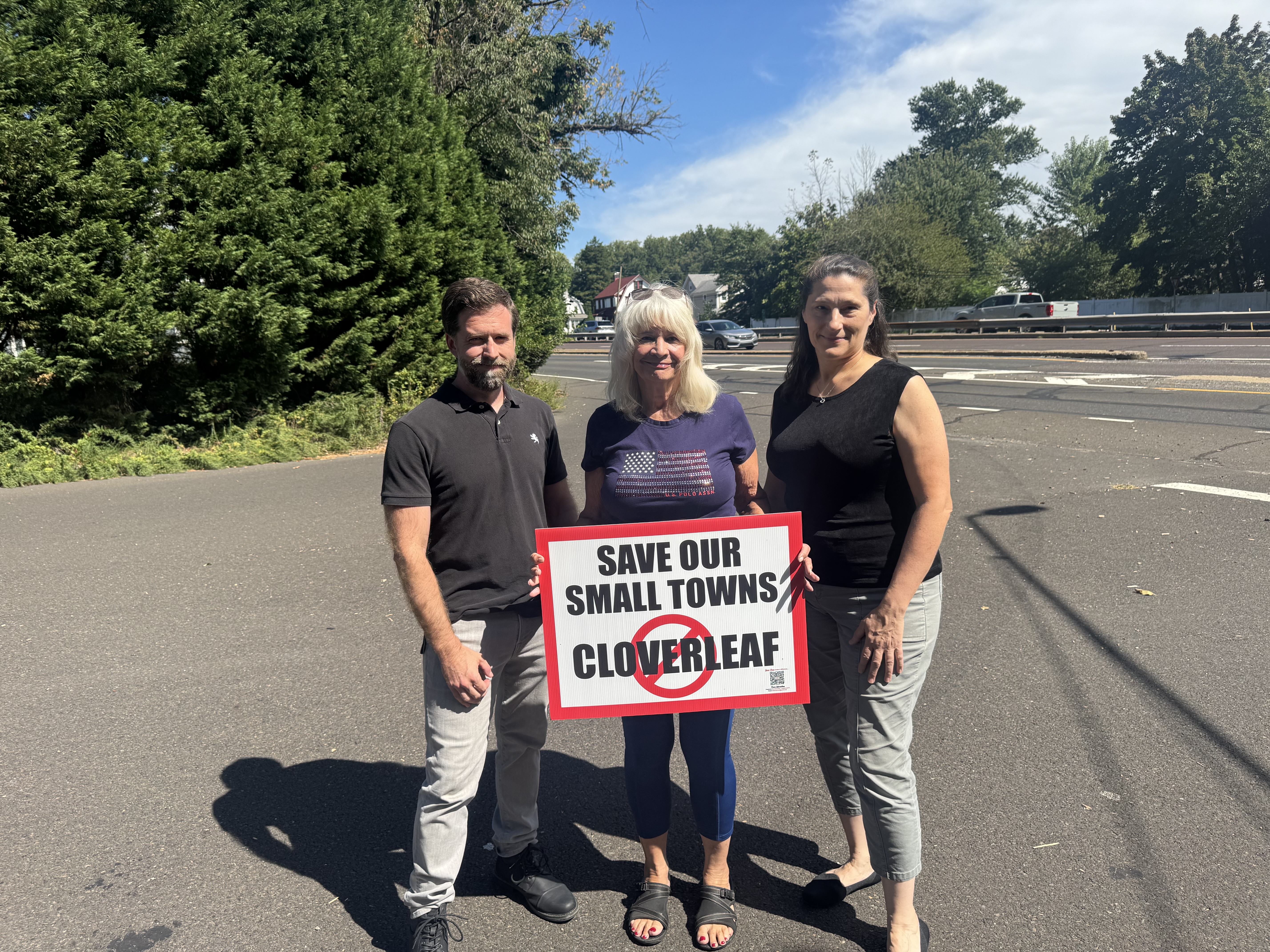
    The resolution is the latest in an expanding five-year battle against the proposal from borough residents, joined by people who live in Langhorne Manor and Middletown Township. A sizable number of lawns sport No Cloverleaf signs.

    PennDot’s original plan would have eliminated the service roads entirely.

    Then in June, State Sen. Frank Farry and State Rep. Joe Hogan, Republicans representing the area, announced that PennDot had confirmed to them that the frontage roads could be retained as part of the cloverleaf plan.

    It seemed like a big concession to local residents’ concerns.

    But it’s not clear that the roads would continue to provide the same level of access to Route 1, according to the grassroots No Cloverleaf coalition. Local motorists could be forced to use the cloverleaf interchange to get on and off the highway.

    “They’re really roads to nowhere” if the cloverleaf interchange is a central part of the Route 1 improvement plan, Langhorne Borough council member Paul Schneider said in an interview.

    “The roads’ reason for being then no longer exists,” he said.

    The borough’s resolution notes that PennDot traffic studies projected 9.2 crashes per year would occur at two planned signalized intersections on the cloverleaf interchange, at Woods Drive and at Gillam Avenue.

    Opponents want the agency to evaluate the option of keeping the service roads as they are and using roundabouts to control traffic through the interchange.

    Construction is not scheduled to begin until 2029, following additional environmental studies, detailed responses to community comments, and final engineering designs.

    A PennDot spokesperson said nothing is finalized about the project at this point.

  • This year’s Kennett Square Mushroom Festival celebrates the families who helped build the agricultural capital

    This year’s Kennett Square Mushroom Festival celebrates the families who helped build the agricultural capital

    This weekend is more than just about breaded mushrooms for Gale Ferranto, even if her family’s farm stand continuously boasts one of the longest lines at the Kennett Square Mushroom Festival.

    The two-day annual celebration, featuring educational courses on mushrooms, as well as plates of them fried, grilled, and served in nearly every other method of preparation, is a time for her to reflect on the three generations that came before her, all the way from Italy, to claim a stake in Chester County and its signature crop.

    “Most family-run farms don’t last past two generations,” Ferranto, a lifelong Kennett Square resident and president of Buona Foods, said as hundreds of people milled down the borough’s main drag. ”Here, we have fourth-, fifth-, sixth-generation farms still going strong, and we’re proud of that.”

    This year’s festival, Kennett Square’s 41st, is celebrating that intergenerational work, which grew a pastoral slice of the Philadelphia suburbs into an agricultural mecca: 64% of the country’s mushrooms are grown in Pennsylvania, and the majority of those farms are located here.

    Colleen Farnsworth of Ardmore and her son Ambrose Farnsworth, 4, touch the mushrooms in the mushroom exhibition during Kennett Square’s 41st Mushroom Festival on Saturday. Elizabeth Robertson / Staff Photographer

    Recycling sustains mushroom farming

    By its very nature, Ferranto said, mushroom farming is forward-thinking. Farms, like her family’s, rely on agricultural byproducts that otherwise would be discarded.

    “Recycling is a pillar of everything we do,” she said. “It’s an important message to pass on to younger generations doing this work, because what we’re doing now is shaping the environment of farmwork to come.”

    In the nearby exhibit tent, Richie Forte explained that work to festivalgoers, some from as close as Delaware County, and others who traveled from as far as British Columbia to learn about mushrooms.

    Forte, who’s been in the mushroom business for 30 years, following his father’s lead, walked visitors through the growing process, from spawn planted in soil to cardboard cartons placed on supermarket shelves.

    He said he couldn’t be happier answering questions about a crop he’s been handling since he was a teenager. His father, he said, did the same volunteer work for many past festivals.

    “In a world of private equity and big business, the fact that Kennett Square can still maintain this small, hometown feel is amazing,” he said.

    “You get to a point in your life where you look around you, at the fabric of a community like this, and you realize it’s responsible for giving you everything you have.”

    It’s a family affair

    The farmers running the festival stands weren’t the only ones reveling in generational tradition. The event, and its signature, knit mushroom hats, have become an annual tradition for countless families in the region.

    Rhiannon Betts has been driving up from Cecil County, Md., every summer for the festival for 21 years, and she and her family previously ran in the 5k race that accompanies it.

    This year, Betts brought her boyfriend, Aidan Ward, with her to experience something that was integral to her childhood.

    “This has always been an event that seems to put families first,” she said. “No matter what we have going on in the summer, we have to make it out here for this.”

    For Corlan Blyskal and his wife, Emily, this year’s festival was the hopeful beginning of a new family tradition: The King of Prussia couple, decked out in homemade mushroom hats, brought their 10-month-old son, Knox, with them for their first visit to the event.

    The self-described “mushroom-obsessed” couple gave their son his first bite of a raw mushroom, straight from the source.

    It was a big hit.

  • How these four history-making House speakers are trying to protect the future of American democracy in their states

    How these four history-making House speakers are trying to protect the future of American democracy in their states

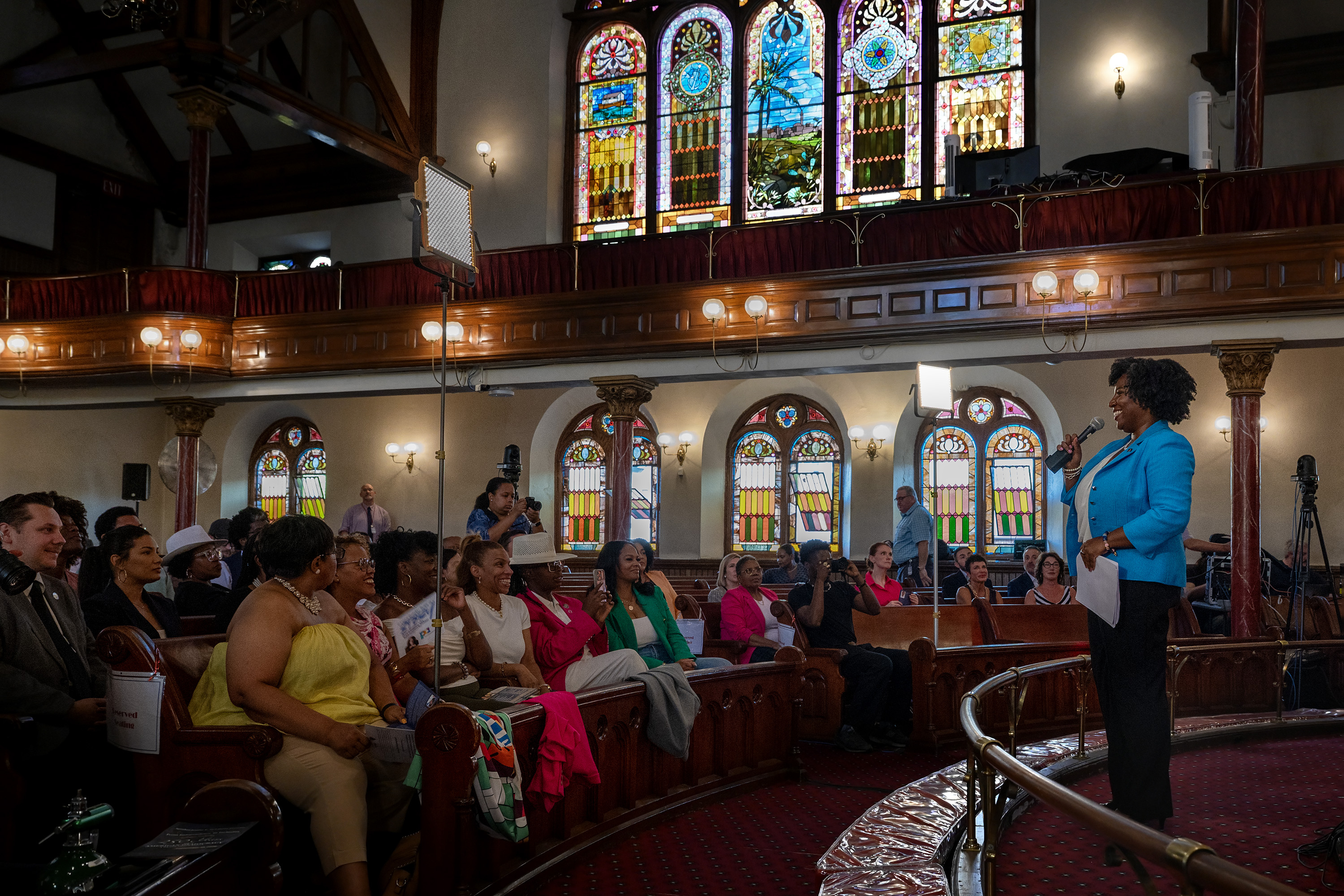
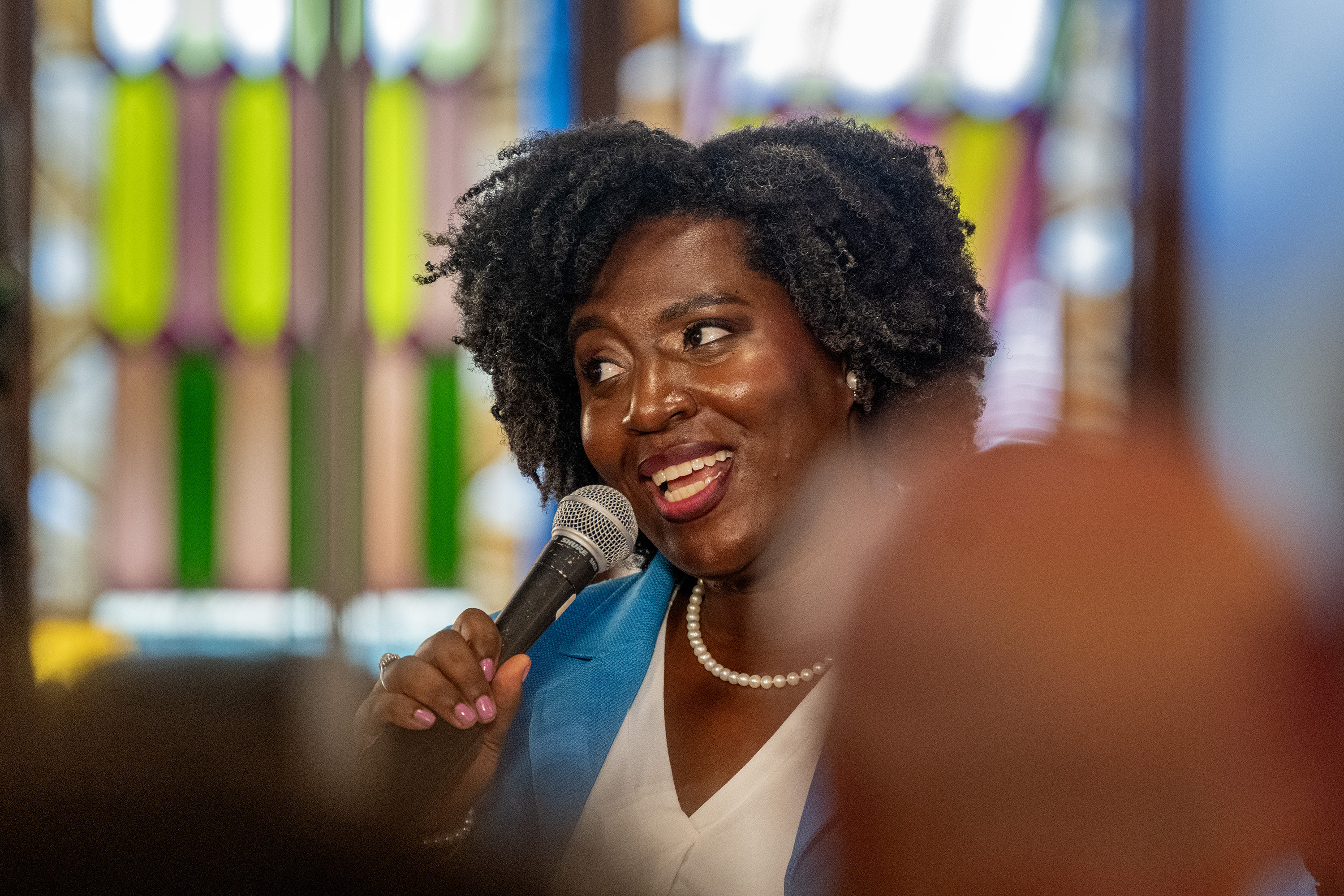
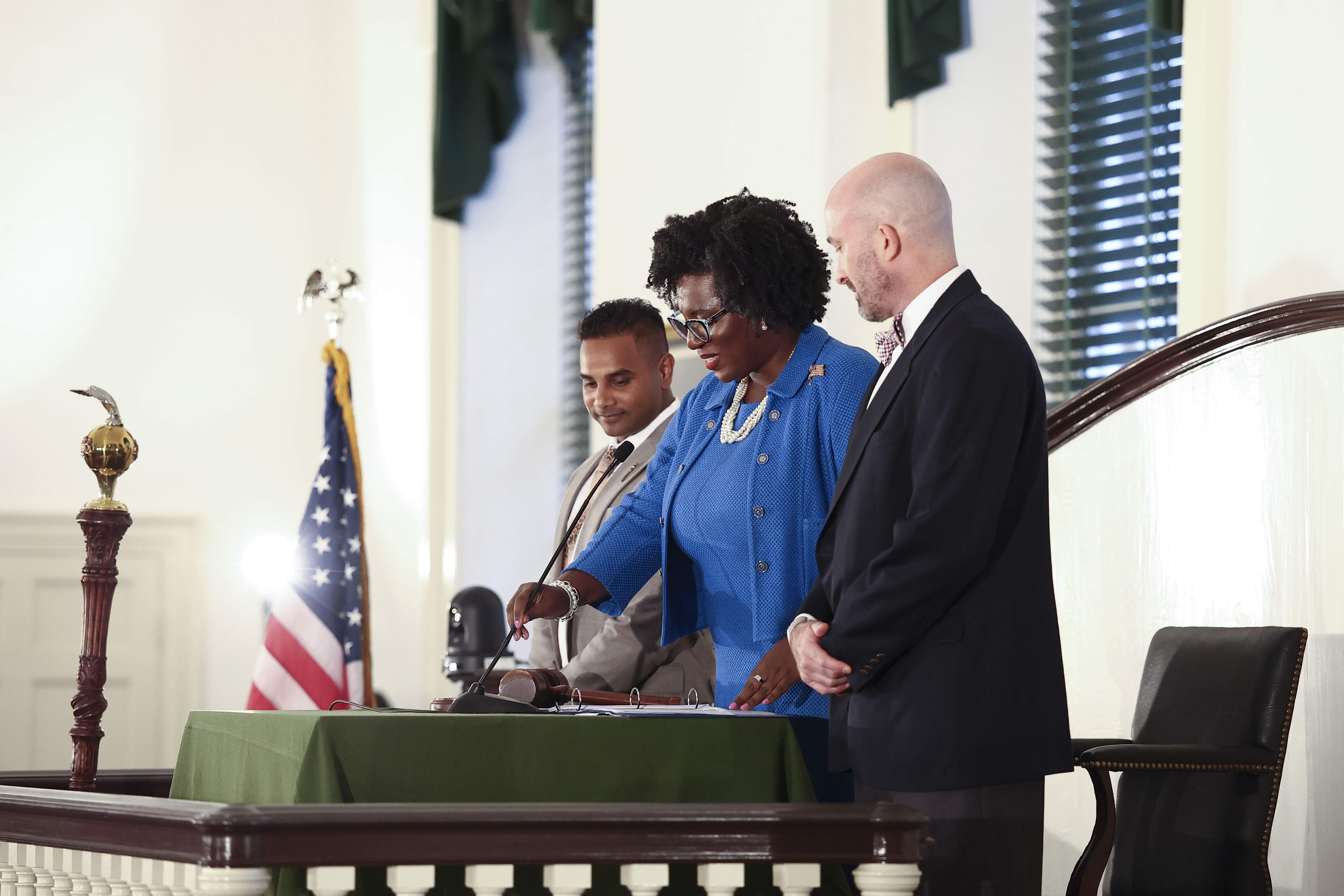
    Addressing the crowd packed into Mother Bethel African Methodist Episcopal Church in Philadelphia on Thursday, Pennsylvania House Speaker Joanna McClinton and three other Black House speakers from around the country outlined the steps they’re taking in their state legislatures to safeguard the future of American democracy under President Donald Trump’s administration.

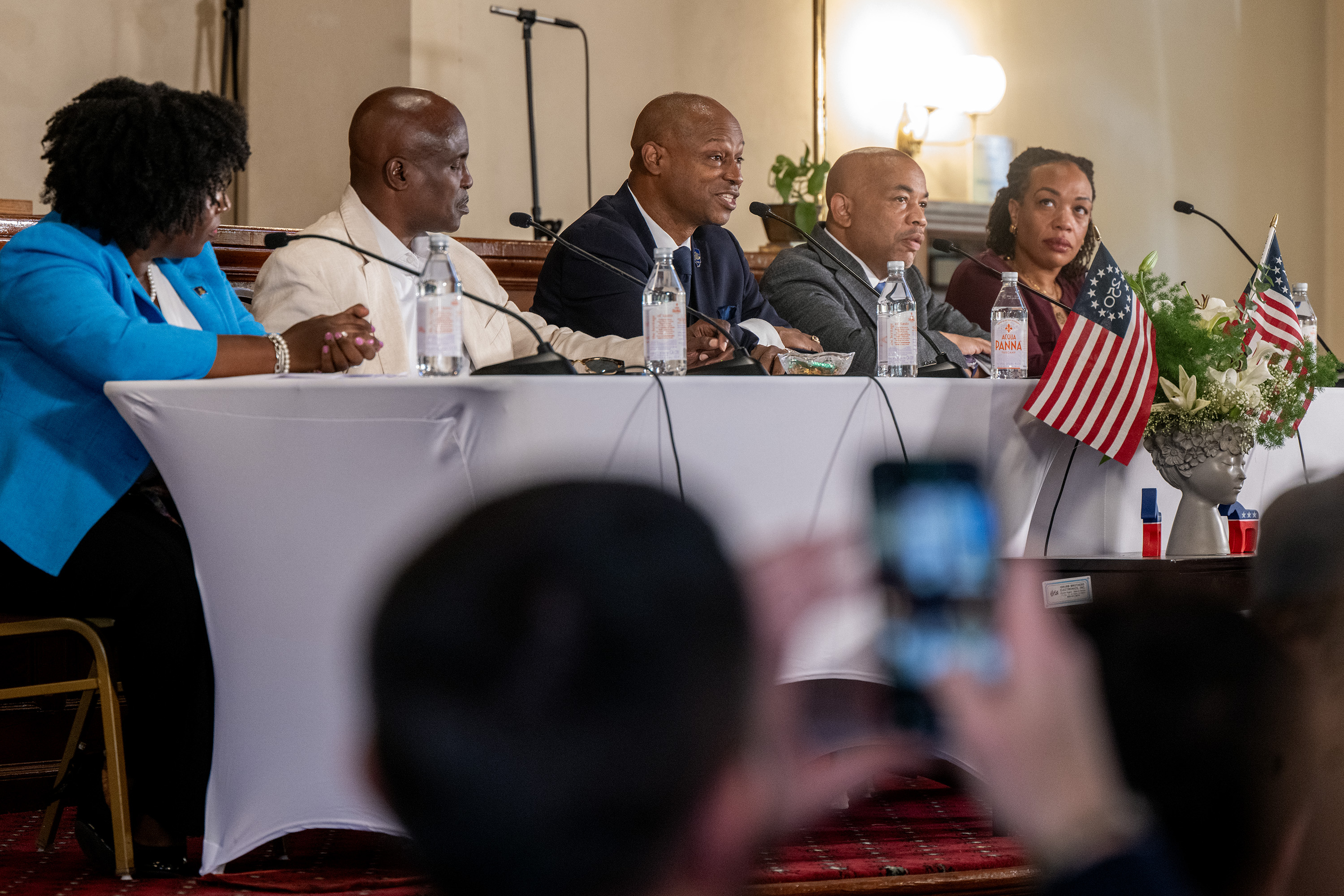
    McClinton hosted the three House speakers — Delaware House Speaker Melissa Minor-Brown, New York House Speaker Carl Heastie, and Illinois House Speaker Emanuel “Chris” Welch — for the discussion on America’s progress toward its founding ideals 250 years ago. Each of the speakers, including McClinton, are the first Black person or Black woman to lead their chambers.

    The event was moderated by WURD radio host Solomon Jones. Attendees from around the city, including at least two high school classes, packed Mother Bethel A.M.E. Church in Society Hill, which is on the oldest property continuously owned by African American people in the United States since 1791.

    House Speaker Joanna McClinton (left) hosts an America 250 Conversation at Mother Bethel A.M.E. Church on Thursday. Others reflecting on America’s history and path to inclusion for Black Americans are, from left, moderator Solomon Jones, Illinois House Speaker Emanuel “Chris” Welch, New York House Speaker Carl Heastie, and Delaware House Speaker Melissa Minor-Brown.Tom Gralish / Staff Photographer

    The three blue-state leaders from Illinois, New York, and Delaware have enshrined voting protections into state law under the John Lewis Voting Rights Act, following a U.S. Supreme Court ruling earlier this year that dismantled some federal protections.

    “When we talk about voting, it’s very personal,” said Welch. “When I first got elected to the state House in 2012, I won my election by 36 votes … Eight years after winning the election by 36 votes, I became the state’s first Black speaker. You can’t tell me every vote doesn’t count.”

    Similar legislation has yet to become law in Pennsylvania, where the General Assembly is split, with Democrats controlling the House and Republicans controlling the Senate.

    McClinton, the first woman and first Black woman to lead the Pennsylvania state House, said she was jealous of her blue-state neighbors, as Pennsylvania Democrats are vying for control of the state Senate in November. The state House passed a bill to expand voting access to include same-day voter registration in a bill titled the Leroy Irvis Voting Rights Protection Act to memorialize the late Pennsylvania House speaker, who in 1977 became the first Black person to lead any state legislature since Reconstruction. That bill has yet to be called up for a vote by the GOP-controlled Senate.

    “I know I’m not supposed to be envious of my neighbors,” McClinton joked from the table set up in front of the church pulpit.

    House Speaker Joanna McClinton hosts an America 250 Conversation at Mother Bethel A.M.E. Church on Thursda. She hosted three other state House speakers from around the country at the event, reflecting on America’s history and path to inclusion for Black Americans.Tom Gralish / Staff Photographer

    Each of the leaders acknowledged the ways Black Americans were purposely excluded from many of America’s liberties by the nation’s founders, progress in broadening civil rights since then — and how their state governments are trying to safeguard those protections under Trump’s administration. They each expressed concern about voting access, immigration, healthcare, and their state-level efforts to protect them through legislation.

    “State legislatures have power,” McClinton said, noting Pennsylvania’s increased investments in public education and a focus on Black maternal health. “We are not in charge of ICE, we are not in charge of the president, but we do have power, and we do good work.”

    In New York, Heastie said state lawmakers included protections in this year’s state budget to discourage U.S. Immigration and Customs Enforcement from appearing near polling places as Trump ramps up his efforts against noncitizen voting that advocates fear will discourage American citizens from going to the polls.

    Each of the legislative leaders encouraged the young people in attendance to get involved in their local government, expressing hope for the future.

    “I look at pictures of my late aunt and uncle back in the ’60s and ’70s and I see them at protests,” Minor-Brown said. “When I see those pictures, I look at our young people today and know that’s the direction that we’re going in. That’s where we’re at right now, and that’s what brings me hope that we’re going to get to a better place. I know we will, because our young people are so energized and ready to move and ready to close these gaps.”

    McClinton also noted the ways the Trump administration has tried to rewrite history just a few blocks away from Mother Bethel A.M.E. Church at the President’s House Site, where officials swapped panels detailing the brutality of slavery for ones that sanitize George Washington’s history as an enslaver.

    “We see the fact that this federal administration continuously out an eraser and says, ‘Oh that didn’t happen, that’s not how it occurred,’” McClinton said. “We, in this moment, have to recommit to the promise of this nation.”

    During Thursday’s panel, the speakers fielded questions on a number of current events, including about the 25th anniversary of the Sept. 11, 2001, terrorist attacks. McClinton recalled her experience in college at the time, and said that America is at risk of another terrorist attack due to Trump eroding the nation’s image in the rest of the world.

    “Thank God we’ve not had another attack … But we have to also recognize that our policies are impacting our perception around the world,” she said.

    Several Pennsylvania Republicans were quick to seize on her comments on the eve of the anniversary as insensitive and trying to blame America for the terrorists’ actions.

    Earlier in the week, McClinton presided over a ceremonial session of the state House in Independence Hall, the same place where the Declaration of Independence was signed 250 years ago, and the building that also served as Pennsylvania’s first statehouse.

    Joanna McClinton, speaker of the Pennsylvania House of Representatives, along with members of the Pennsylvania House of Representatives convened a special session at Congress Hall on Wednesday in Philadelphia. The gathering commemorates the 250th anniversary of America and Pennsylvania’s Constitution.Monica Herndon / Staff Photographer

    She stood at the rostrum, leading the same room where in 1787 the nation’s founders decided that enslaved Black people would only be counted as three-fifths of the number of white residents when tallying America’s population to calculate congressional representation.

    “We are in a day where ‘We, the people’ should mean what it says, finally,” McClinton said Thursday. “But starting with the inception of this country, it did not mean all of us. ‘We, the people’ meant white men who owned a certain amount of property.”

  • ‘Tires’ cocreator Steve Gerben on how he became the ‘King of West Chester Golf’

    ‘Tires’ cocreator Steve Gerben on how he became the ‘King of West Chester Golf’

    While Steve Gerben is known for having cocreated one of the year’s most popular Netflix comedy series, his friends and the internet are attempting to crown him with a more ribbing title: The “King of West Chester Golf.”

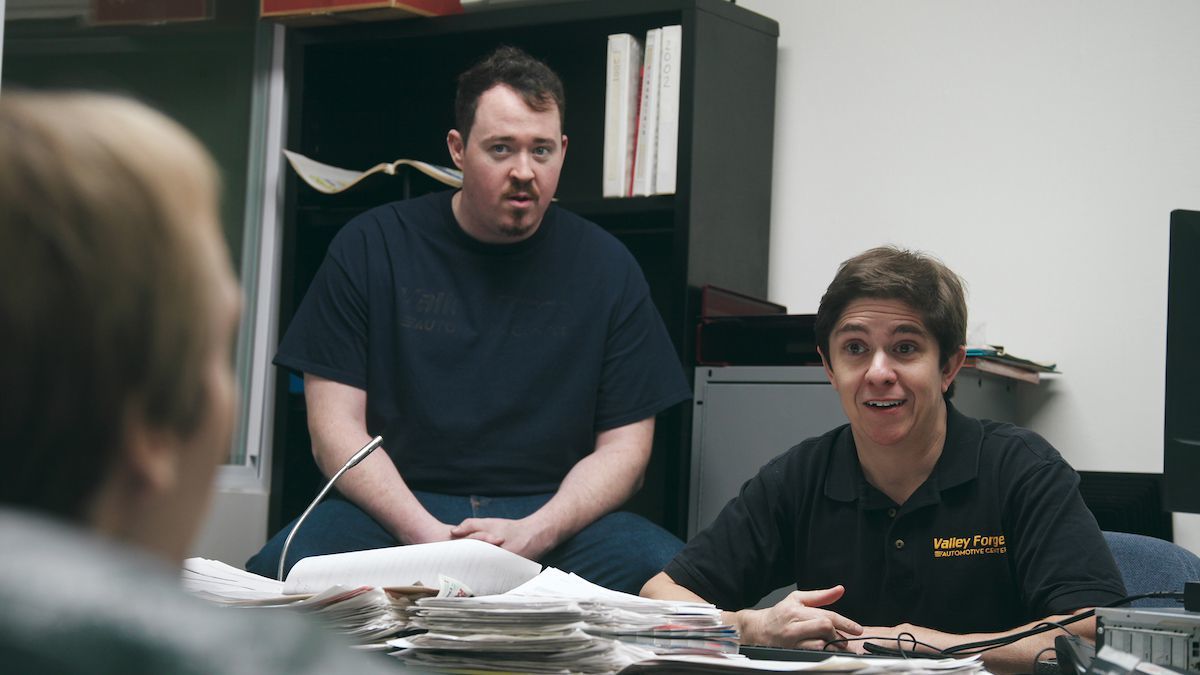
    The Berwyn-born actor, comedian, and costar of Netflix’s Tires says the nickname is just a joke created by his costar and fellow Pennsylvanian Shane Gillis after Gerben “broke 80″ for the first time, scoring 79 on 18 holes of golf last year. It’s something that fewer than 10% of golfers worldwide reportedly do in their lifetime.

    “I thought I would just get my friend to start videotaping in case it happened on the 18th hole. And then I did it,” Gerben, 43, remembers with fondness. “So Shane saw that video and was making fun of it on his podcast, calling me the ‘King of West Chester Golf.’”

    Gerben’s character on Tires, Will, an anxious go-getter who sees the best in those around him, is not unlike Gerben in real life. Even when receiving praise for his golf prowess or growing television career, Gerben is more comfortable sharing credit with others and not taking the spotlight. And while he downplays his claim to the West Chester golf throne, Gerben does play golf every week in the Philadelphia region — from West Chester courses to the occasional charity event at Ardmore’s Merion Golf Club.

    As his profile has grown with the success of Tires, Gerben continues to live in West Chester, cultivating a life around golfing near home and creating a local television production alongside his best friends.

    “I can’t see myself leaving the area. I really love it here and it’s home,” he said. “Also, just given how I feel about golf, suburbs make way more sense — it’s just scratching the right itch for me.”

    It also helps that the hit show Gerben cocreated with Mechanicsburg-born Gillis and Philadelphia’s John McKeever is filmed in West Chester off East Gay Street, inside an addition to the real-life tire shop of Gerben’s father.

    Tires, which had its season three premiere Aug. 13, follows two cousins, Will (Gerben) and Shane (Gillis) as they run the fictional Valley Forge Automotive Center, named after the previous real-life automotive business of Gerben’s father, which was sold in 2011.

    “I remember after season one, my dad was on the boardwalk and he saw a Valley Forge Auto shirt in one of the stores, and he was just like, ‘This is insane,’ because it’s this company that he had for 20 years, and then gone, and now we brought it back in a way,” Gerben said.

    With Gerben and Gillis on screen, and McKeever as the magic behind the camera, the Tires crew navigates the world of a Pennsylvania small business, rivalries with a national tire chain, and coming to terms with life and romance in your late 30s and 40s.

    Tires was recently renewed for a fourth season. That renewal, along with the suburban life he’s created with his girlfriend and cat, has Gerben doubling down on the Philly region. One factor that now rules his life is golf, and how to keep enjoying the sport that eases his mind and boosts his confidence.

    “Playing golf is a flow state for me. I get out of a perfect golf swing what I’m sure people that meditate get out of meditation or when people feel a piece of art really speaks to them,” Gerben said.

    What started as something to do as a senior at Conestoga High School, joining the Valley Forge Golf Club for $8 after school, has grown into a passion that has seen him playing alongside Eagles players like Jason Kelce and appearing in vlog-style golfing videos with comedian Andrew Santino.

    Golf feels like meeting up with an old flame for Gerben, who essentially gave up on the pastime as he attempted to make it in the East Coast stand-up comedy circuit in the 2010s. That’s where he met Gillis and McKeever, doing open mics at the now-closed Raven Lounge and Helium Comedy Club.

    While Gillis would continue to rise in stand-up comedy, Gerben said he struggled to find footing. Yet, constants in his life were Gillis and McKeever, who reportedly were known to not take on certain projects unless Gerben could be involved.

    But one thing that always sat in Gerben’s back pocket was a script for a show based on his experience working at his father’s Valley Forge tire shop that he initially wrote nearly 15 years before Tires would premiere on Netflix in 2024. Two years later, Tires’ third season debuted in the No. 9 spot on Netflix with 2.4 million views in its opening weekend.

    The success doesn’t get to Gerben’s head, as he’s focused on enjoying life in the burbs and golfing as much as possible, he said. With golf swinging back into his life, the sport brings a chance of pace in a busy work schedule and/ allows Gerben, who has had arthritis since he was 2, to stay active.

    “I feel so unbelievably healthy because I think it’s about like a five- or six-mile walk each golf session, and you’re not even paying attention to that, given you’re doing this thing that you just absolutely love doing, and is a little bit easier on the joints,” Gerben said.

    Gerben also sees golf as a way to meet friends.

    “Golf is just a weird addiction that some people have that cuts across generational barriers because you spend so much time with people on the course who have the same passion as you,” he said.

    In the meantime, Gerben will continue flirting with the idea of starting his own golfing YouTube career, like “Bryan Bros Golf.” But until Tires is wrapped, Gerben said there would be no official online golf career on the horizon.

    Besides, if Gillis finds Gerben’s golf videos, Gerben will never hear the end of it from his best friend, he said.

  • DA’s office filing argues against overturning murder conviction in controversial case

    DA’s office filing argues against overturning murder conviction in controversial case

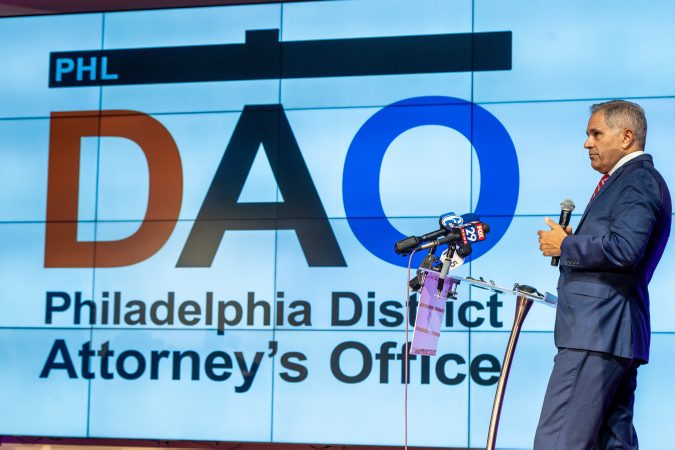
    A new motion filed Friday in the controversial case that has roiled Philadelphia District Attorney Larry Krasner’s office argued that a federal judge should not overturn a man’s murder conviction.

    The filing from the District Attorney’s Office — which would have to be accepted by U.S. District Judge Paul S. Diamond — was the latest development in a legal fight that has focused primarily on the conduct of lawyers in the case.

    Jean Peters-Baker and Thomas Gaeta wrote in their motion that Dennis Johnson, who was found guilty of second-degree murder in 2009 and sentenced to life in prison without parole, should not be provided relief on his multiple appellate claims. The prosecutors also argued that Johnson had not yet exhausted his remedies in state court.

    Peters-Baker, a longtime prosecutor from Missouri who previously led the prosecutor’s office in the county that includes Kansas City, was hired by Krasner’s office to handle the case as an outside attorney. Gaeta is Krasner’s civil litigation supervisor.

    On Tuesday, the Pennsylvania Attorney General’s Office said in court documents that Krasner should be barred from continuing to oversee the post-conviction case in federal court — and that his office should be kicked off the case as well.

    Prosecutors for Pennsylvania Attorney General Dave Sunday argued that drama about the Johnson case has consumed the District Attorney’s Office, and that Krasner has “placed his personal interest in protecting the office above the Commonwealth’s interest.”

    Krasner’s office said that the DA had acted in legally appropriate ways, and that his office should be allowed to continue overseeing the case.

    Krasner’s own staffers have accused him of questionable conduct in the case, including by saying he told them to “protect the office” and that they could face “consequences” if they didn’t.

    In a Tuesday filing, Gaeta wrote that Krasner had taken pains to ensure the case was handled “with competence and integrity.”

    Diamond has sought to learn more about how various attorneys connected to the case have behaved while the matter has moved through federal court.

    The case began as a routine appeal, but in recent months has led to a series of explosive accusations about the inner workings of the District Attorney’s Office.

    Several prosecutors said they advised Krasner to refer the case to the Attorney General’s Office, and Krasner allegedly responded angrily or suggested tactics they thought were legally inappropriate.

    The tactics allegedly included keeping the case in-house, potentially seeking to assign blame to a line prosecutor while protecting her supervisor, and taking steps to “protect the office” in court.

    At one point, Diamond suggested he viewed the allegations as potentially criminal, saying if they were true, they could amount to perjury, conspiracy, or obstruction of justice.

    The judge did not specify who he believed might be at fault.

  • Rachel Blau DuPlessis, experimental poet, literary scholar, and Temple professor emerita, has died at 84

    Rachel Blau DuPlessis, experimental poet, literary scholar, and Temple professor emerita, has died at 84

    Rachel Blau DuPlessis, 84, of Philadelphia, experimental poet and essayist, literary scholar and critic, Temple University professor of English and creative writing emerita, mentor, artist, and world traveler, died Wednesday, Sept. 2, of respiratory failure at Penn Presbyterian Medical Center.

    Professor DuPlessis was an eclectic experimental poet who grew up in New York, lived in Swarthmore and Philadelphia for more than 50 years, and taught a variety of writing and women’s studies classes at Temple from 1974 to her retirement in 2011. She wrote hundreds of poems — she called many of them “drafts” — about feminism, modernism, connectivity, imagery, and consciousness.

    She was an expert on cultural poetics and told The Inquirer in 2002 that her poems generally reflect her “awe at the universe, grief at the barbarity of modernism, and sense of how it was to be in the world.” She enjoyed poetic wordplay, reviewers said, and tinkered freely with conventional syntax, sound, tone, and form.

    “Reading her is an adventure,” reviewer Robert Long said in The Inquirer in 1997, “and poets this adventurous must be cherished.”

    Her poems were published in more than 30 books and in several languages, and also appeared in The Inquirer, other newspapers, magazines, journals, and anthologies. In tributes, fellow poets praised her “unique combination of erudition and exuberance” and her “generosity, brilliance, expansive thinking, and attention to so many possibilities of writing and art.”

    “From what I can tell, DuPlessis doesn’t write poems so much as build them,” reviewer Andrew Ervin said in The Inquirer in 2005. “The manner in which she does that is what makes the Temple professor one of the most exciting and inventive writers of our time.”

    She told the Oxonian Review in 2015 that “being a poet is not only writing poems. It is an address to the whole apparatus of and the traditions of poetic practice.”

    A book publisher said: “She brought such intelligence, generosity, and curiosity to everything she did.” Penn professor Al Filreis told Professor DuPlessis’ husband, Robert: “It’s hard to imagine the Philly poetry world without Rachel in it.”

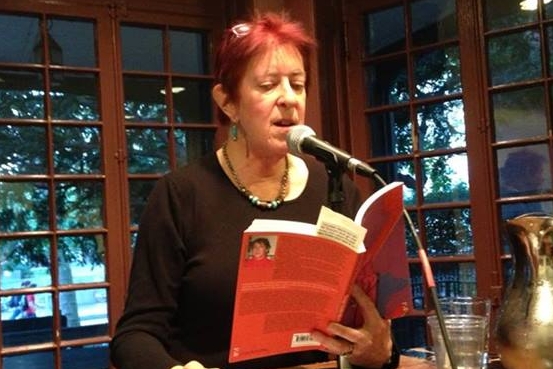
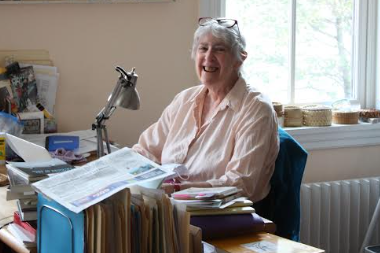
    Professor DuPlessis read her poems to people around the world. Courtesy of the family

    At Temple, Professor DuPlessis helped establish women’s studies classes and the school’s graduate program in creative writing. She mentored students and other professors, and the English department’s DuPlessis Lecture in Poetry and Poetics is named in her honor.

    “She loved being a mentor to people, to encourage them,” her husband said. “She loved being a poet and an academic. She prepared incredibly for her classes and was connected and attentive to her students.”

    Earlier, she taught briefly at what is now the College of New Jersey and Rutgers and Columbia Universities. She spent several of her research and study leaves from Temple working with students and colleagues at universities in the Netherlands, France, Belgium, and elsewhere.

    She was named a resident poet and distinguished visitor in Italy and New Zealand. She and her husband, a professor emeritus at Swarthmore College, visited every continent except Antarctica, and she spoke French and Italian as well as English.

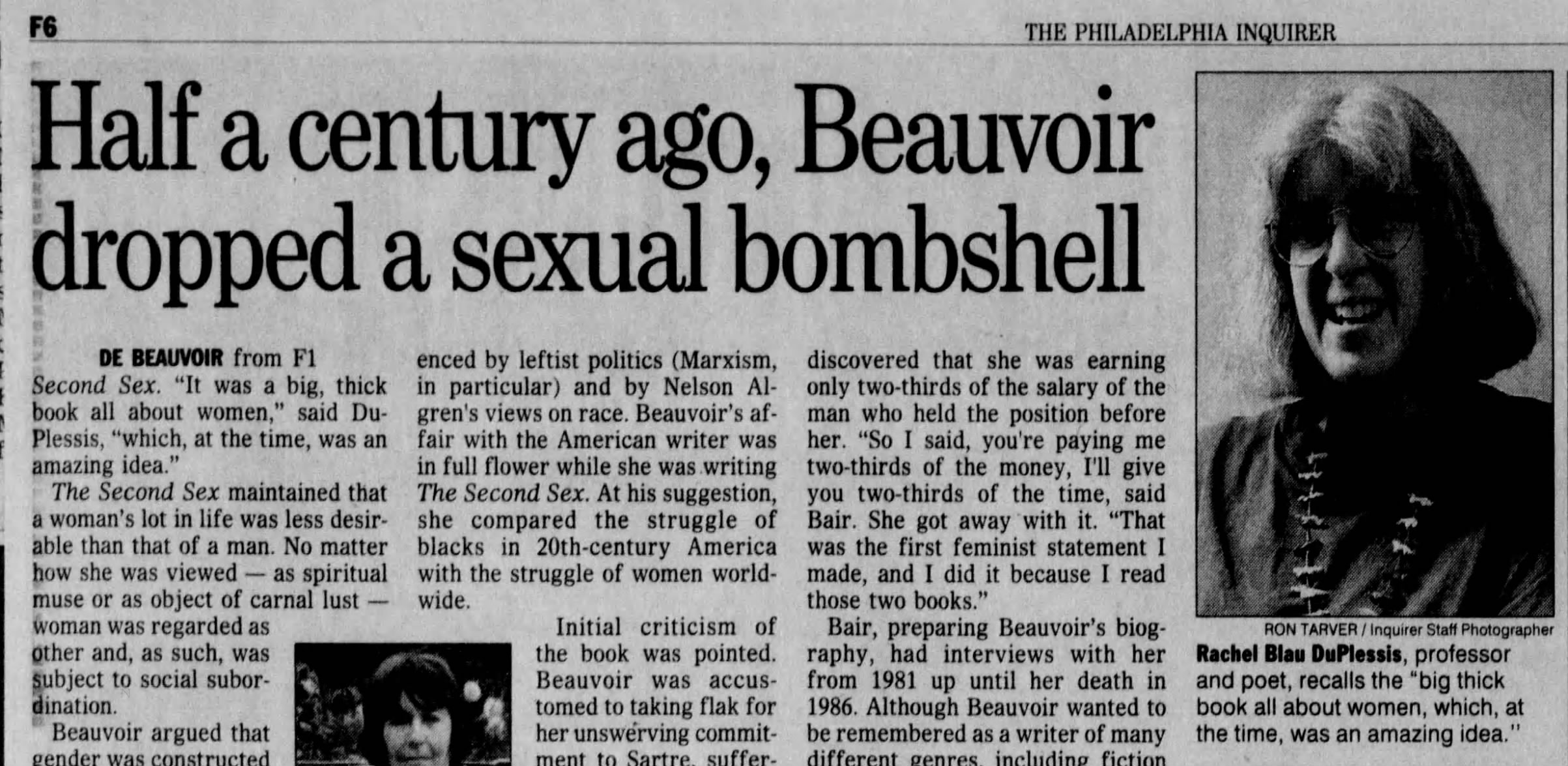
    This article featured Professor DuPlessis and appeared in The Inquirer in 1999.Newspapers.com

    She earned fellowships from the Pew Center, the Pennsylvania Council on the Arts, the National Humanities Center in North Carolina, and other groups. “She was constantly creating things,” her husband said. “She never stopped.”

    Professor DuPlessis also wrote and edited books and articles about writing and poetry, and she reviewed books for The Inquirer and other publications. She read her poems in public, was interviewed often, and earned achievement awards from Temple, the University of California in San Diego, the old Fund for Poetry, and other admirers.

    She created a comprehensive website, rachelblauduplessis.com, and made collage art that she augmented with poems. Thomas Devaney, a Philadelphia writer, called her “an important figure of American experimental poetry.”

    She told the Oxonian Review: “Poetry is an ethical practice as well as an aesthetic one. Just even thinking about what this means and how it is instantiated is a useful task.”

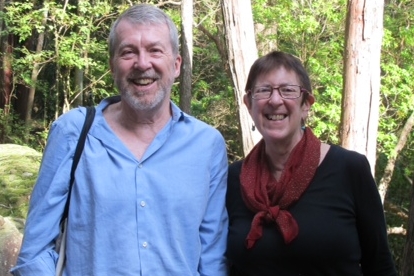
    Professor DuPlessis enjoyed time with her husband, Robert, and daughter, Kore.Courtesy of the family

    Rachel Maia Blau was born Dec. 14, 1941, in Brooklyn. She grew up in Queens and the Bronx, and earned a bachelor’s degree in English at Barnard College in New York in 1963 and a master’s degree and doctorate in English and comparative literature at Columbia in 1970.

    Her father was a professor, her mother a librarian. She met fellow Fulbright scholar Robert DuPlessis on a boat to France in 1966, and they married in 1968 and had a daughter, Kore.

    Professor DuPlessis enjoyed yoga, museums, art history, and long walks with her husband. They went to see and hear the orchestra, the opera, the ballet, and the theater.

    She doted on her daughter and grandchildren. “She always read me stories and sang me songs at night before bed,” her daughter said. “I would hold on to her leg because I didn’t want her to leave.”

    Professor DuPlessis started writing poems when she was 12, she said in an interview. “She was determined, hardworking, witty, and a lot of fun,” her husband said. “She was definitely intense.”

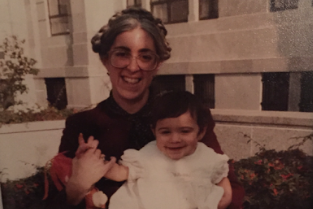
    Professor DuPlessis said she started writing poems when she was 12.Courtesy of the family

    In addition to her husband and daughter, Professor DuPlessis is survived by two grandchildren and other relatives. A sister died earlier.

    A memorial service is to be held from 1:30 to 3:30 p.m. Saturday, Oct. 17, at Temple University’s Charles Library, 1900 N. 13th St., First Floor, Philadelphia, Pa. 19122.

    Donations in her name may be made to Planned Parenthood, Online Services, Box 96771, Washington, D.C. 20090; Philabundance, 3616 S. Galloway St., Philadelphia, Pa. 19148; and the American Civil Liberties Union, 125 Broad St., 18th Floor, New York, N.Y. 10004.

  • Downpours expected to return to the Philly region this weekend, with a flood watch in effect

    Downpours expected to return to the Philly region this weekend, with a flood watch in effect

    The atmosphere may be ready to engage in some regressive behavior, with August-like downpours in the weekend outlooks.

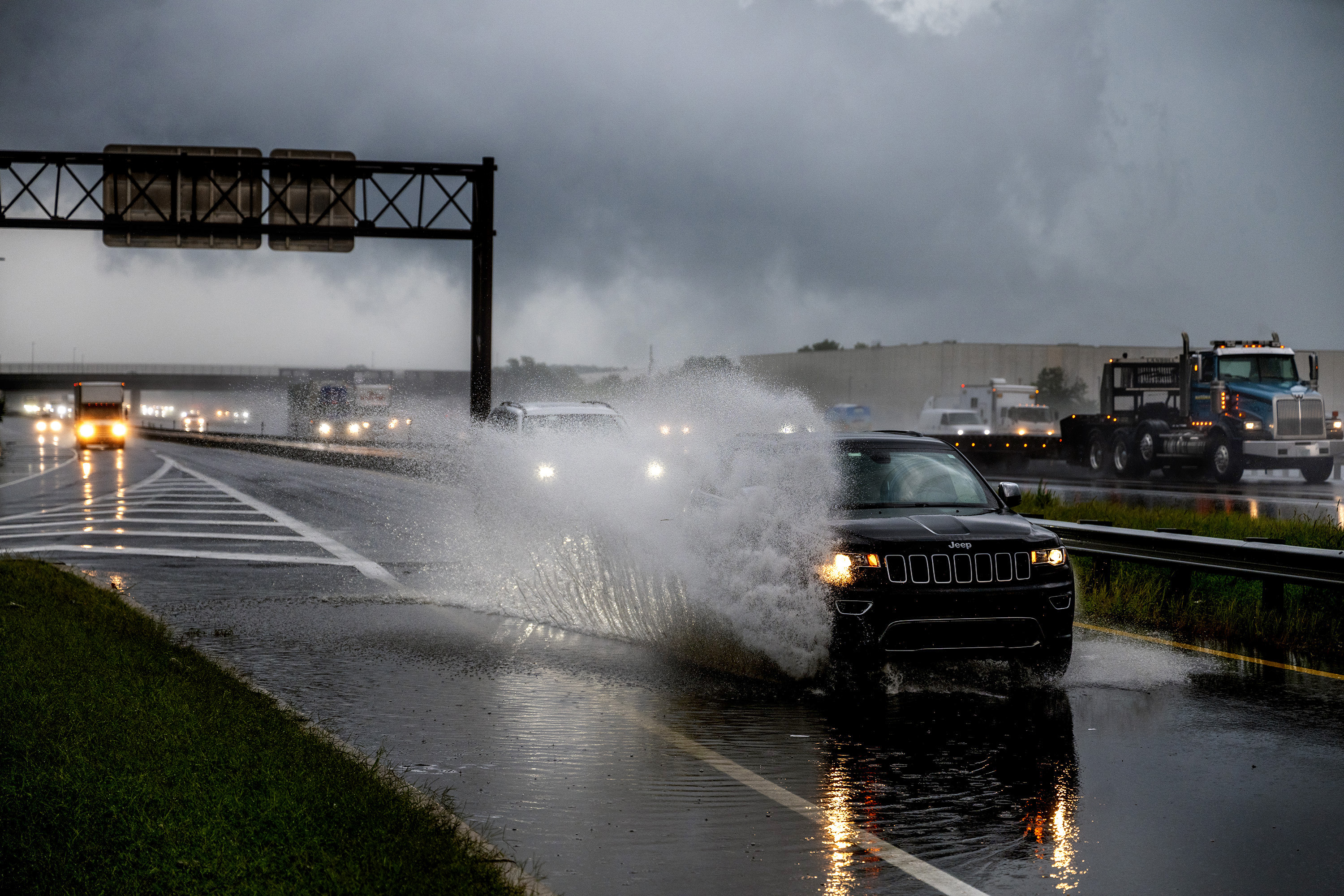
    The National Weather Service has posted a flash-flood watch in effect from 11:59 p.m. Saturday through noon Sunday for the entire region, except for Chester County, with heavy showers possible.

    “We have plenty of moisture coming up from the south,” said Frank Pereira, meteorologist with the federal Weather Prediction Center, in College Park, Md.

    The center has the I-95 urban corridor from central Virginia through Philadelphia with an enhanced probability of “excessive rainfall.”

    Widespread heavy rain amounts aren’t likely, said Pereira, but hefty totals could occur in a short period of time.

    The weather service office in Mount Holly said rainfall rates of two inches an hour would be possible.

    Fortunately, after a week’s respite from the episodic rains that so characterized July and August, setting off record numbers of flood warnings, the weather service notes that levels are low in the region’s major waterways.

    “The bigger concern with this event will be flash flooding,” the weather service said, the familiar likes of flooding along roads and near the smaller streams.

    While the downpours may evoke August, these would be a shade different in that they wouldn’t be driven by daytime heating, said Paul Fitzsimmons, meteorologist in the Mount Holly office. The sun is getting weaker, the days shorter.

    Setting off the rains would be an approaching cold front from the west and a warm front migrating northward.

    The rains could get an extra kick from very warm decks of clouds about two miles above the surface, said Pereira.

    “You have this very deep saturated warm layer,” he said. “This increases the efficiency of the rainfall,” along with producing larger raindrops.

    In any event, Saturday should be dry during the day, as should most of Sunday afternoon. On the plus side, drought conditions continue to recede.

    Is the drought officially, absolutely over in the Philly region?

    All of New Jersey remains under a state-declared drought warning; however, conditions throughout the Philadelphia region have improved immensely.

    After 16 consecutive months of below-normal precipitation in Philadelphia heading into July, the totals at Philadelphia International Airport are above normal for the year.

    In the latest interagency U.S. Drought Monitor update posted Thursday, most of the region was categorized as absolutely drought-free, a big change from just last week.

    All of Philly was drought-free. Last week, the entire city was designated as “abnormally dry” — the least-serious tier on the monitor’s scale.

    In Chester County, which had been under a state drought “warning” last month, 90% of the county was considered to be in the clear, an increase of 37% from the previous week.

    It might be time for a drought farewell party.